Two Weeks in China: A First-Timer’s Itinerary From Beijing to Shanghai by High-Speed Train
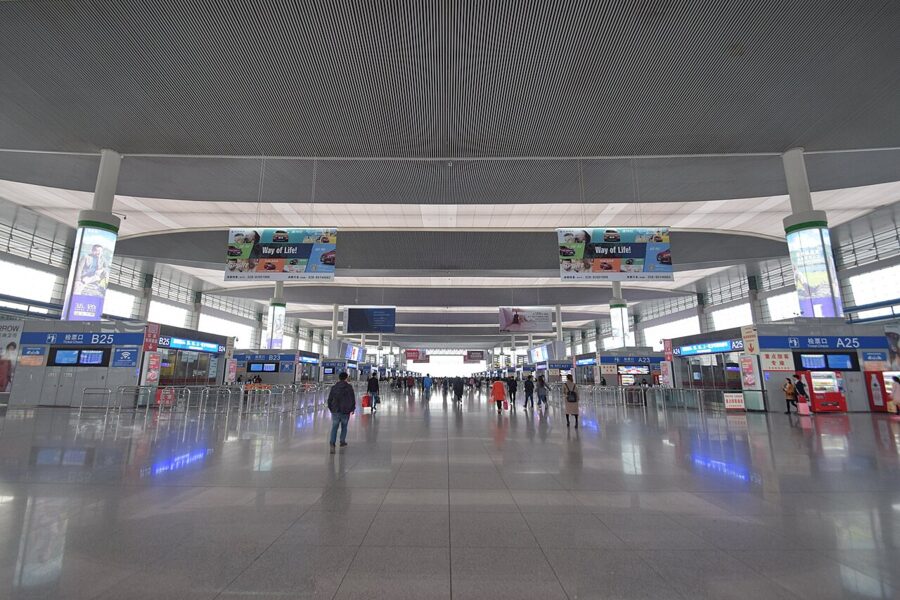
The departure board at Xi’an North doesn’t scroll so much as cascade. On the timetable for an ordinary Thursday in late November 2026, 61 G and D trains leave this one station for Chengdu East, the fastest in three hours and five minutes. Two go direct to Guilin, and the quicker of them takes nine hours and 58 minutes.
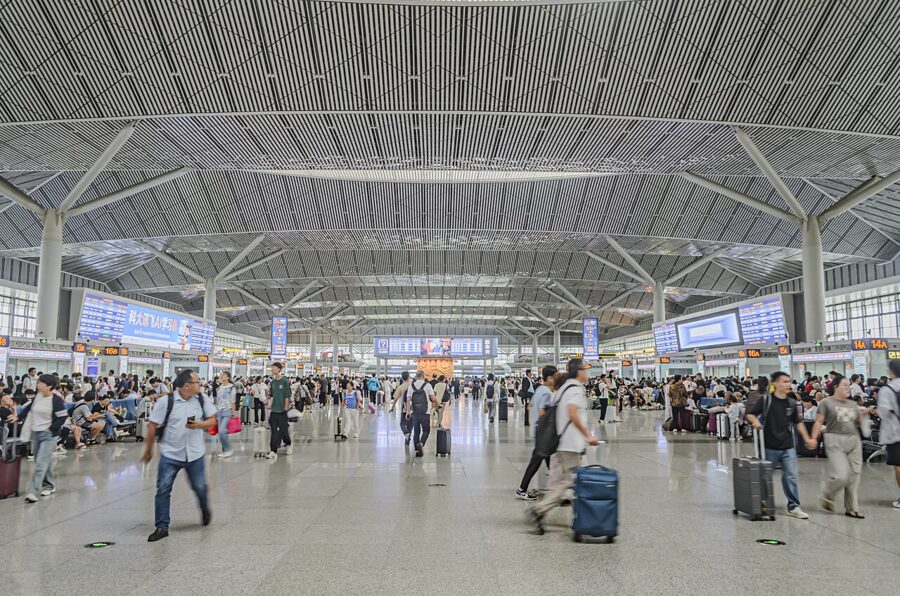
That one board explains most of what a first fortnight in China looks like. The classic route runs Beijing, Xi’an, then either Chengdu or Guilin, then Shanghai, and it works because three of its four big hops are fast trains and only one has to be a flight. The choice in the middle, pandas or karst, is really a choice about which leg you fly.
I lived in Shenzhen in 2018 and 2019, and most of my travel out of it was by high-speed train, Guilin more often than anywhere. This plan is built the same way: long city stays, short transfers, one flight. Train times and fares are from the railway timetable for late November 2026, and ticket rules and closures were checked in mid-November.
Here is the whole thing on one page. Nights are where you sleep; the last column is how you get to that city from the one before.
| Days | Base | Nights | The point of it | Getting there |
|---|---|---|---|---|
| 1–4 | Beijing | 4 | Forbidden City, Mutianyu Great Wall, Temple of Heaven, hutongs, Summer Palace | Fly in to Capital (PEK) or Daxing (PKX) |
| 5–7 | Xi’an | 2 | Terracotta Army, city wall by bike, Muslim Quarter, Shaanxi History Museum | G train, Beijing West to Xi’an North, from 4h10 |
| 7–10 | Chengdu | 4 | Pandas, teahouses, Sanxingdui or Leshan | G or D train from Xi’an North, from 3h05 |
| 7–10 | or Guilin and Yangshuo | 4 | Li River cruise, Yangshuo countryside, Xingping | Fly Xi’an to Guilin, about 2 hours in the air |
| 11–14 | Shanghai | 3 | The Bund, the old city, the former French Concession, Suzhou or a water town | Fly from Chengdu; from Guilin, one direct G train takes 7h25 |
In This Article
- Why the route runs north to south
- Days 1–4: Beijing
- Day 1: arrive, and stay outside
- Day 2: the Forbidden City
- Day 3: the Great Wall
- Day 4: the Temple of Heaven and the Summer Palace
- Beijing West to Xi’an North, by G train
- Days 5–7: Xi’an in two days
- Day 6: the Terracotta Army
- Day 7: the museum, the Muslim Quarter, then south
- The fork: Chengdu or Guilin?
- Option A: Chengdu, three days
- Day 8: the pandas, then tea
- Day 9: the Three Kingdoms and the old lanes
- Day 10: Sanxingdui or Leshan
- Chengdu to Shanghai
- Option B: Guilin and Yangshuo, three days
- Day 8: down the Li River
- Day 9: Yangshuo by bicycle
- Day 10: Xingping and the 20-yuan view
- Guilin to Shanghai
- Days 11–14: Shanghai, with Suzhou or a water town
- Day 13: Suzhou or Zhujiajiao
- Day 14: getting out
- What to book, and when
- Closures to know about in late 2026
- Four other ways to spend the fortnight
- Food first: add Chongqing
- Nature first: Zhangjiajie or Huangshan
- The Silk Road: Lanzhou and Dunhuang
- Yunnan: Dali and Lijiang
- The slow south
- What two weeks costs
- The trade-offs
- Skip this
Why the route runs north to south
Start in Beijing. The capital has the hardest bookings on the whole trip, the Forbidden City above all, and you want those done while your planning energy is fresh and your phone is full of passport-linked tickets. Shanghai, at the other end, is mostly streets, and streets don’t need booking. My Shanghai plan books two things in the city itself, and only one of them takes any planning.
The geography helps too. Beijing to Xi’an is south-west, Xi’an to Chengdu is south again, and the long jump east to Shanghai is the one you fly. Done the other way round, it’s the same trains in reverse, and that’s fine if your cheapest long-haul fare lands in Shanghai. Book the international flights as an open jaw, into one city and out of the other, so you never double back.
One rule about entry is worth checking before anything else. Holders of ordinary passports from a published list of countries can currently enter China without a visa for up to 30 days, for tourism among other purposes, under a policy China’s foreign ministry has extended to 31 December 2026. If your trip falls in 2027, check whether it has been renewed for your nationality before you book; my China travel tips covers the visa routes, the apps and the payment setup in more detail.
Days 1–4: Beijing
Four days in Beijing sounds generous until you see what’s on the list. My three-day Beijing plan covers the city day by day, so here I’ll give the shape and the one thing that changes with a fourth day: you stop cramming the Temple of Heaven into the evening of the Wall day.
Day 1: arrive, and stay outside
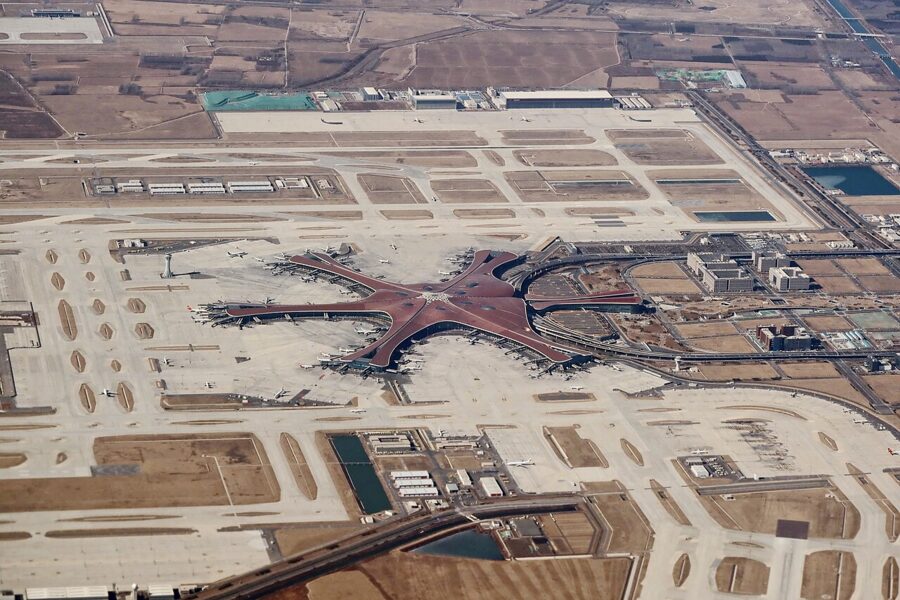
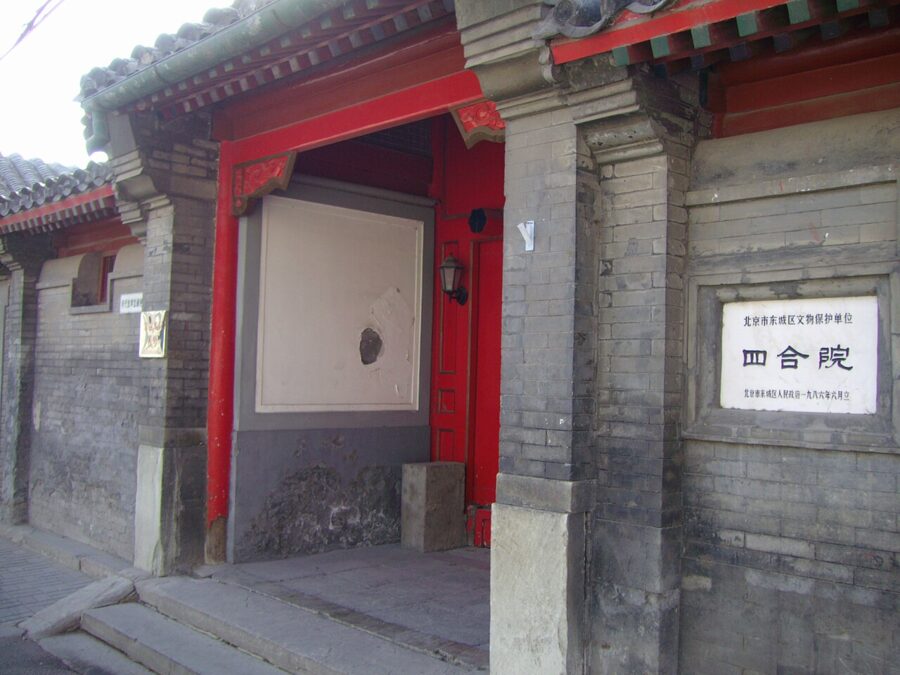
Long-haul flights land at Capital or Daxing, and the first day is jet lag. Don’t book anything timed. Drop your bags somewhere central, near Wangfujing or Qianmen, and walk. The hutongs around the Drum Tower and Shichahai are where I’d spend a first afternoon, because they ask nothing of you except walking slowly.
Day 2: the Forbidden City
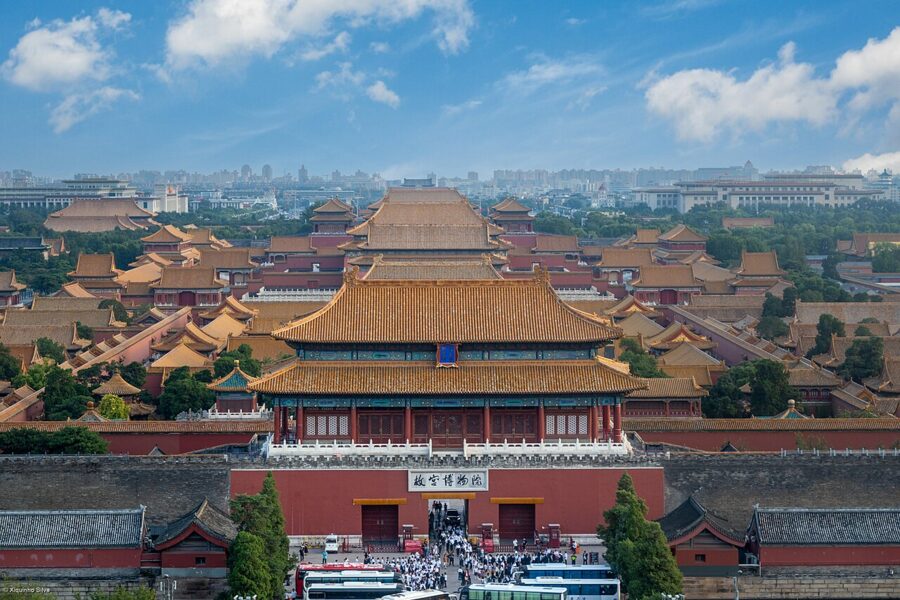
The Forbidden City sells no tickets at the gate. You book a real-name ticket with your passport number through the Palace Museum’s own channel, its WeChat mini programme (故宫博物院) being the one the museum names, and booking opens seven days ahead at 20:00 Beijing time. Tickets are ¥60 from 1 April to 31 October and ¥40 from 1 November to 31 March, with the Treasure Gallery and Clock Gallery ¥10 each.
It’s closed on Mondays, except on public holidays. That one fact decides the order of the whole trip, so count backwards from your arrival date before you do anything else. Walk south to north, come out of the Gate of Divine Might, and climb Jingshan for the view back over the roofs.
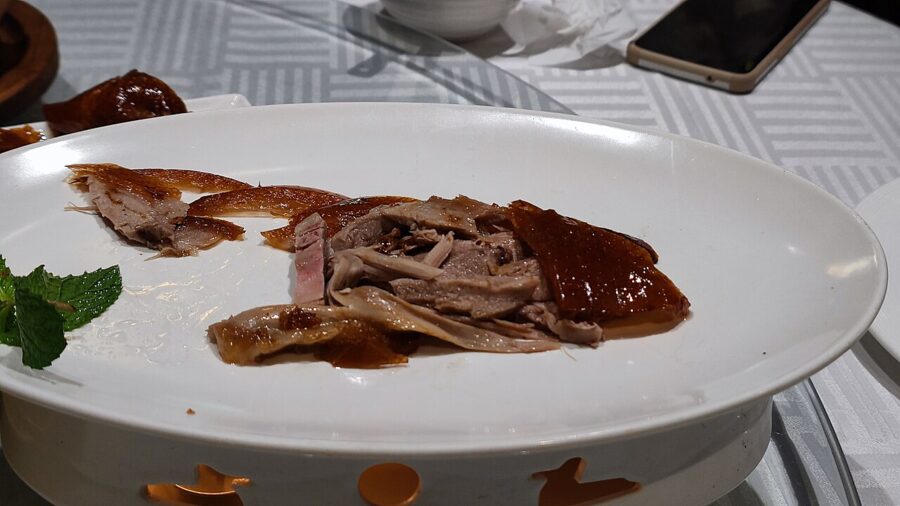
Day 3: the Great Wall
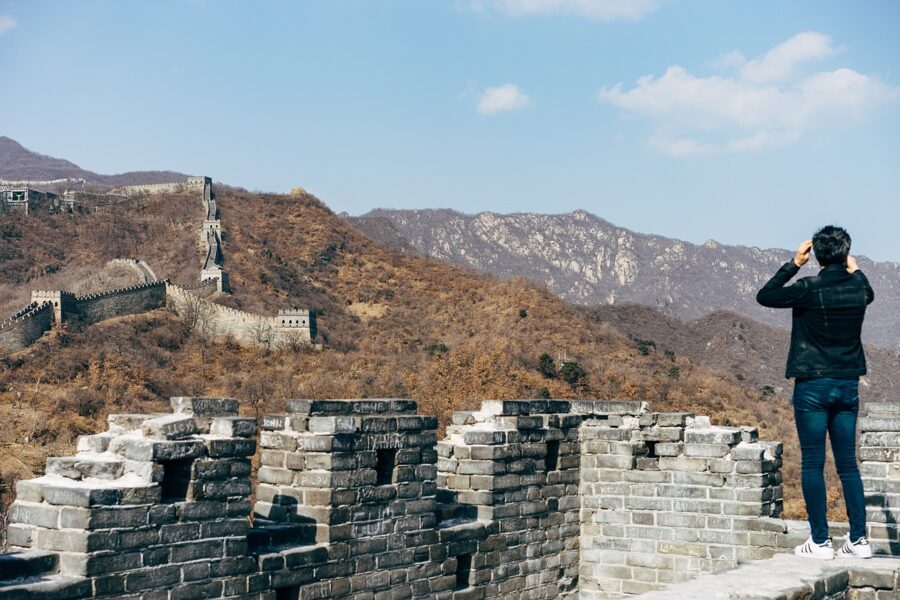
The Great Wall at Mutianyu is a full day, door to door. The entry ticket is ¥40, and the lifts are sold separately: the chairlift up and the toboggan down make the combination most people buy, at about ¥140. Go on a weekday, leave early, and skip Badaling, which is closer, busier and rebuilt to the point of looking new.
Day 4: the Temple of Heaven and the Summer Palace
The fourth day is the gift. Spend the morning at the Temple of Heaven when the park is full of people doing tai chi and the through ticket is ¥34 (¥28 in winter), then cross the city to the Summer Palace for the afternoon light on Kunming Lake. The combined ticket there is ¥60 from April to October and ¥50 in winter.
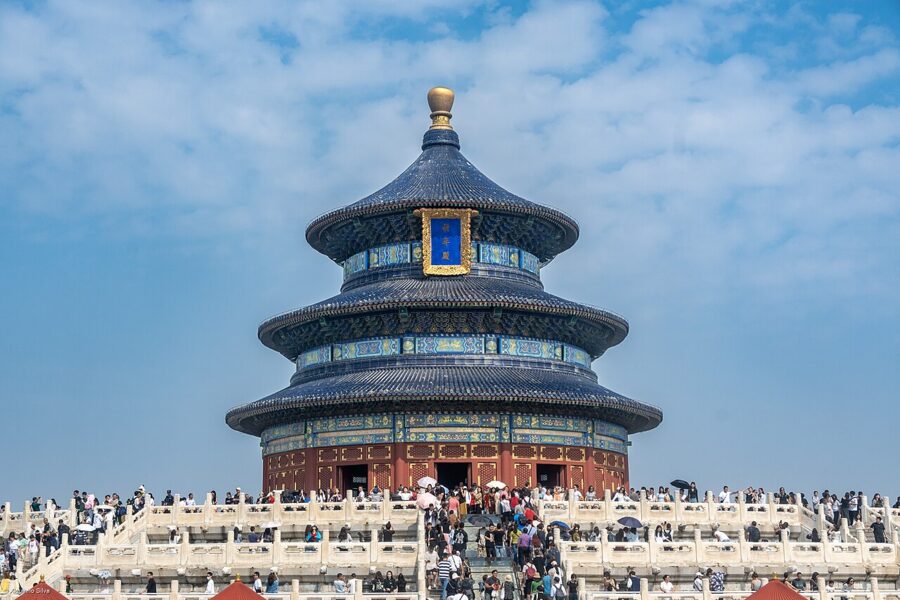
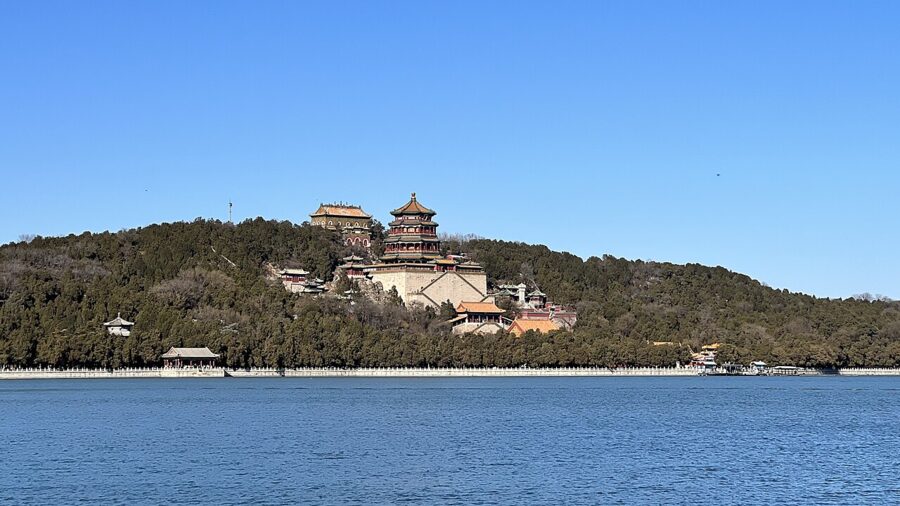
My Beijing food guide covers what to eat on these four nights, from breakfast jianbing to lamb hot pot.
Beijing West to Xi’an North, by G train
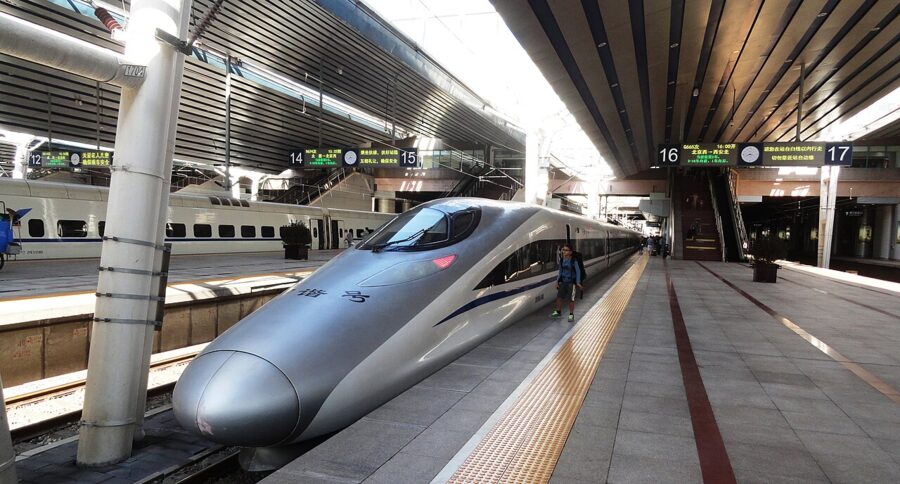
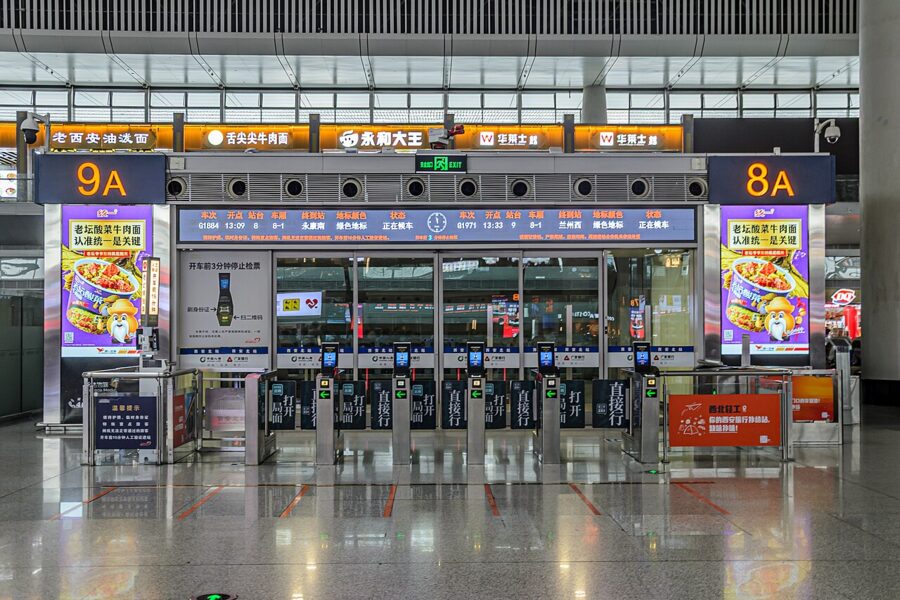
This is the first real transfer, and it’s the easy one. On the late-November timetable, 17 G trains run from Beijing West to Xi’an North over the day, and the fastest take four hours ten; half of them do it in about four and a half hours. Other services leave from Beijing Fengtai or Beijing North, and some D trains run overnight, so look at the station and the arrival time, not just the train number.
Second class costs ¥522–587 on the trains I checked for that date, and first class ¥836–939. Fares now vary between trains on the same route, so the cheapest seat isn’t always on the slowest train. I’d take a train around 08:00, which puts you on the Xi’an City Wall by late afternoon.
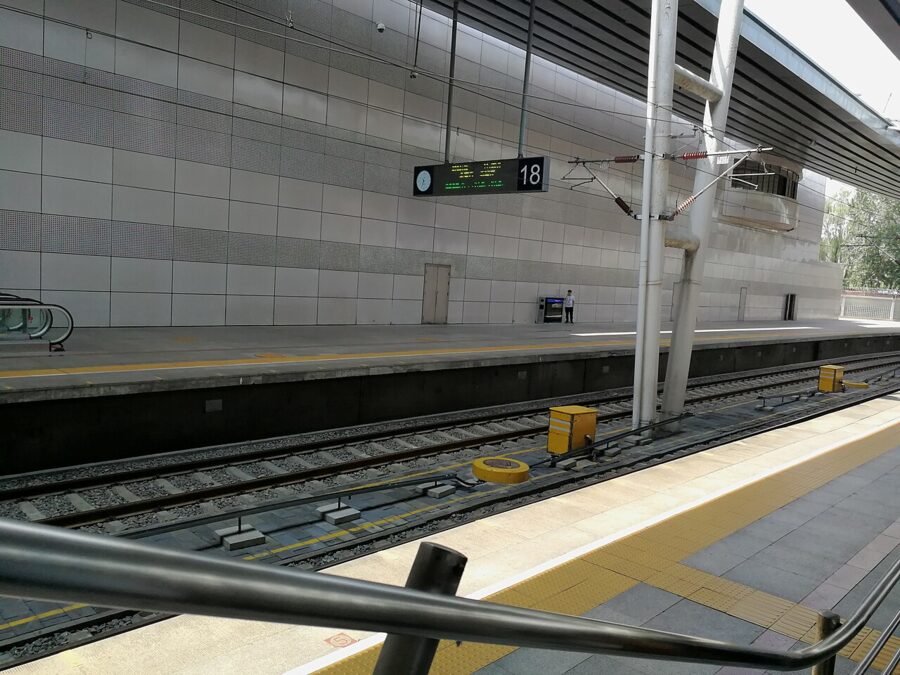
Book on the 12306 app, which takes a foreign passport, or through Trip.com. The railway sells tickets 15 days ahead, and each station releases its trains at its own time of day, which the app will tell you. For a Friday or the start of a holiday, book the moment your window opens. My guide to China’s high-speed rail goes through the booking screens, seat letters and station routine step by step.
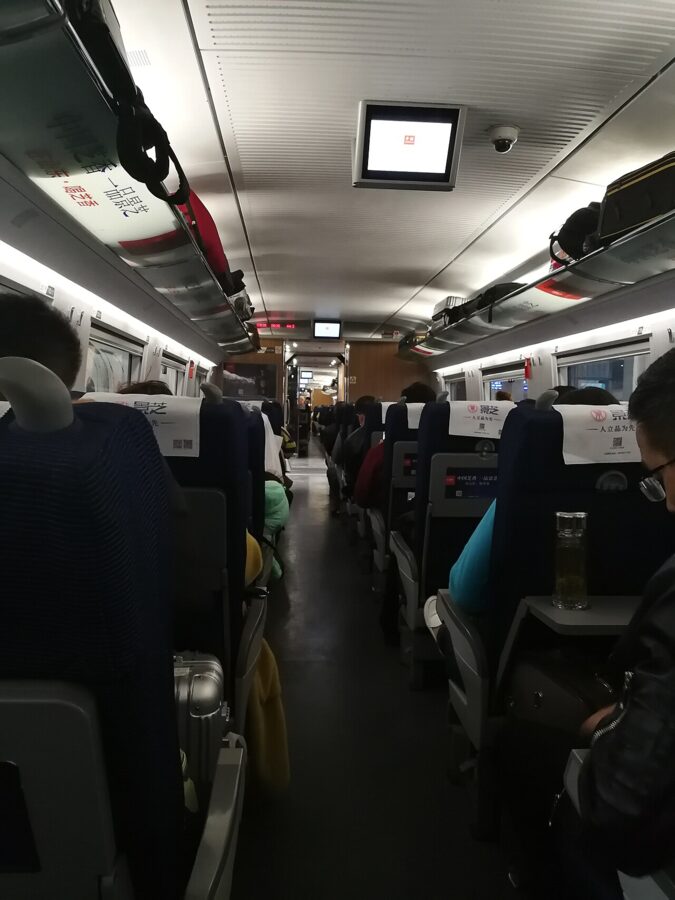
Is it worth flying instead? Not on this leg. A flight is about two hours in the air, but Xi’an’s airport is roughly 40 km out across the Wei River, and by the time you’ve added the transfers on both ends, the train has already arrived in the middle of town.
Days 5–7: Xi’an in two days
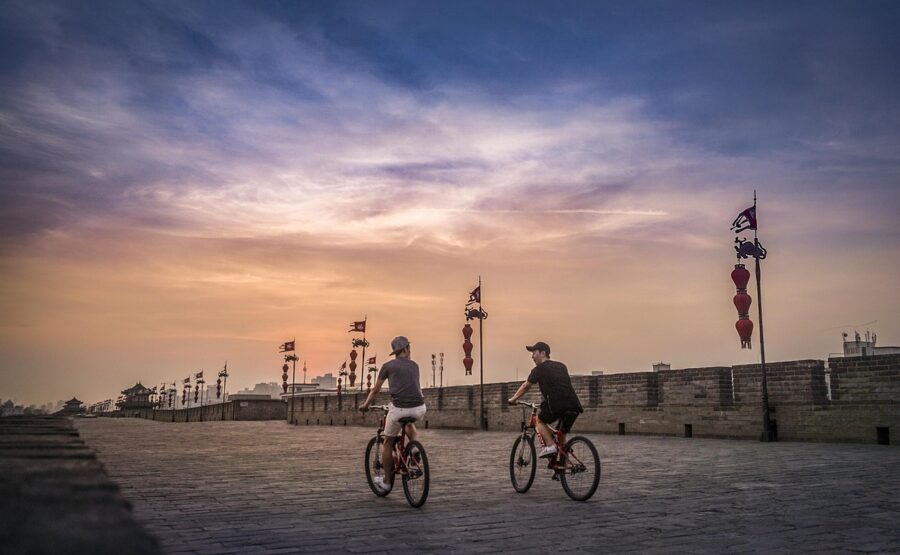
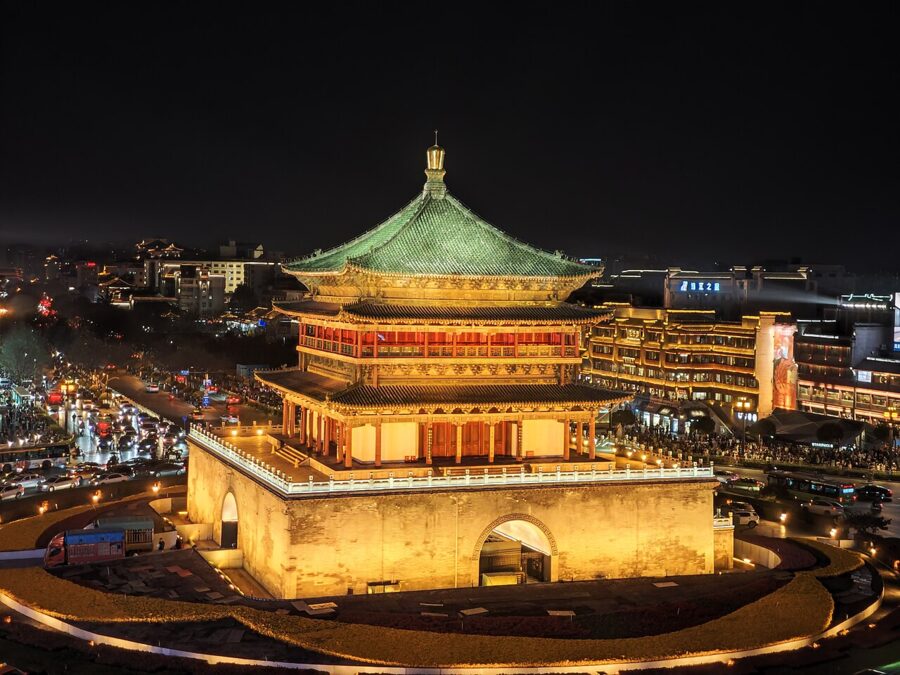
Two nights in Xi’an is tight but it works, provided you’ve booked the two sights that need it. Arrive at lunchtime on day five, ride the wall at sunset and finish at the Bell Tower lit up. Give day six to the army in the morning and the pagoda in the evening. Spend the morning of day seven in the history museum and catch the afternoon train south.
Day 6: the Terracotta Army
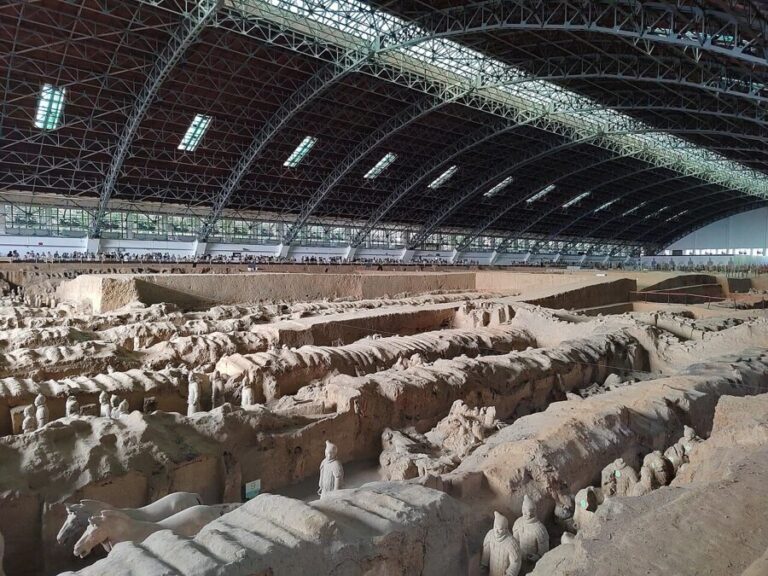
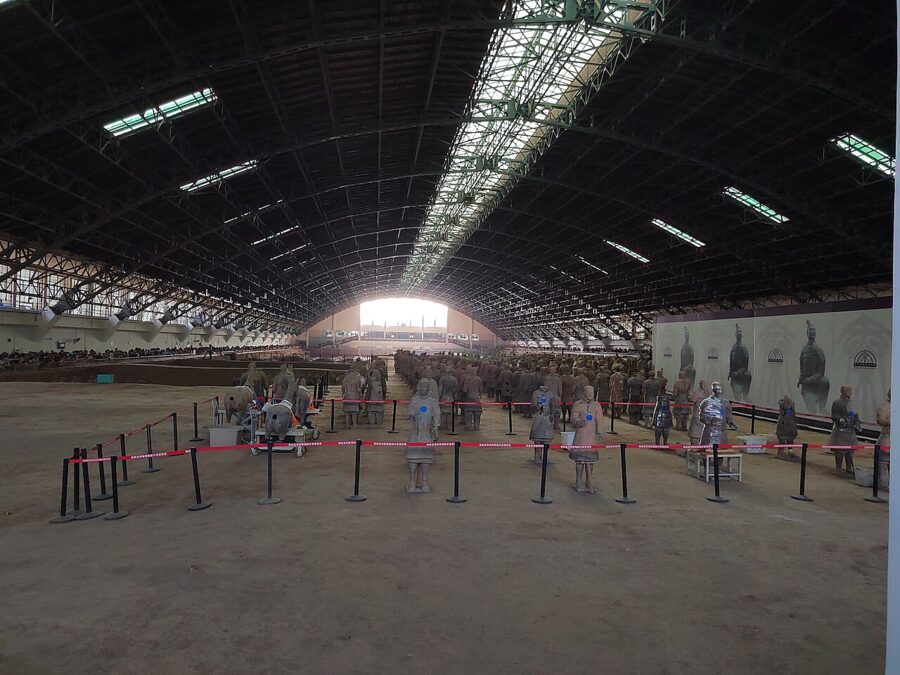
The Terracotta Army is at Lintong, about 40 km east of the city, and the cheap way there is the metro: Line 9 to Huaqingchi, exit C, then bus 613 or 602 for the short ride to the gate. Tickets are ¥120 all year, real-name and online only, through the museum’s website or its WeChat accounts, and the one ticket also covers Lishan Garden and the tomb mound.
The museum doesn’t publish a fixed booking window, so book as soon as your dates are firm, and much earlier for the May Day holiday or Golden Week. Be at the gate for 08:30, go straight to Pit 1, and give the whole site four or five hours. Ignore anyone at the old railway station selling tickets for “bus 306”; that bus now starts from Xi’an East station.
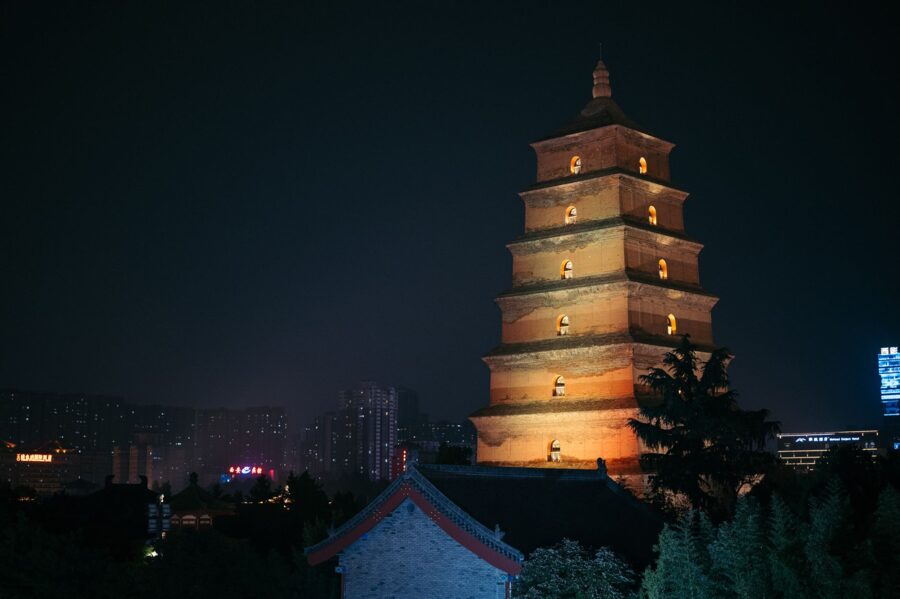
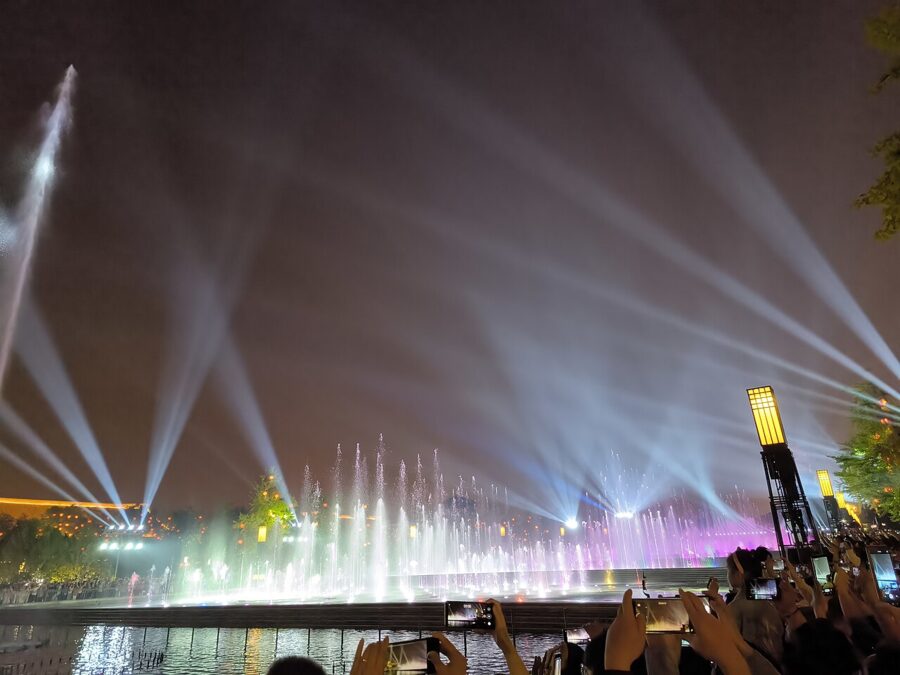
Back in town, go to the Big Wild Goose Pagoda in the late afternoon. The temple ticket is ¥40, climbing the pagoda is another ¥25, and the North Square fountain plays a lit evening show whose times change with the season. Then walk south into Datang Everbright City as the lights come on.
Day 7: the museum, the Muslim Quarter, then south
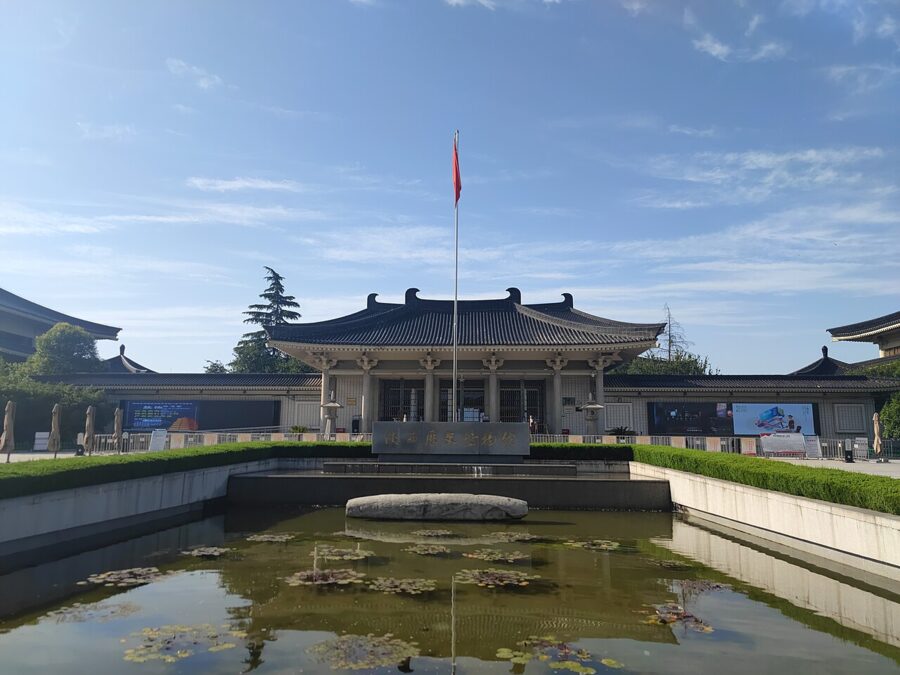
The Shaanxi History Museum is free, but every ticket is a real-name booking that opens five days ahead at 17:00 Beijing time, and they go fast. It’s closed on Mondays. Book for 09:00, give it the morning, and pay the extra ¥270 inside for the Tang mural gallery if you care about painting at all.
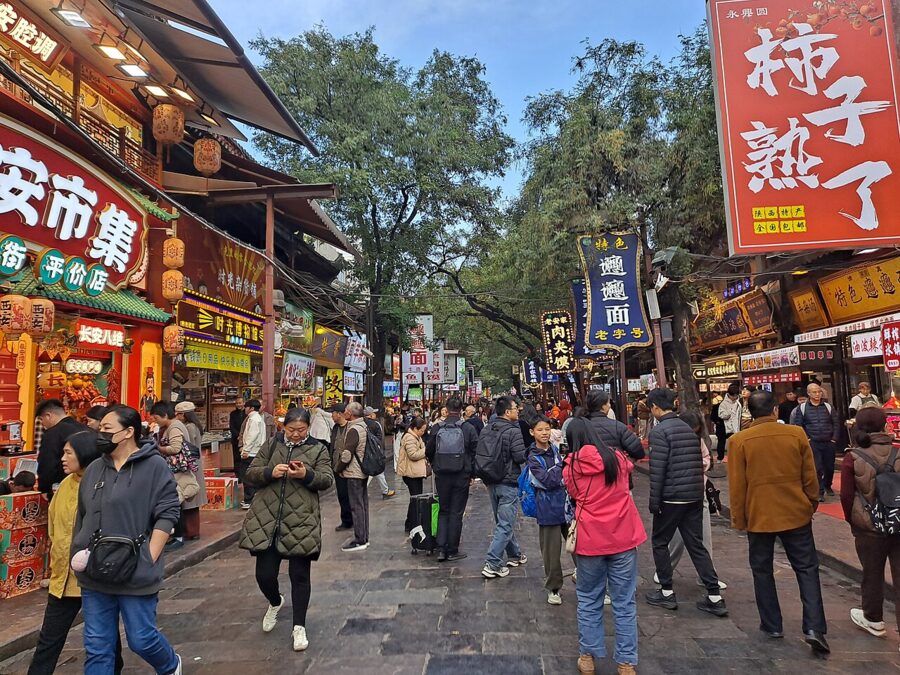
Eat lunch in the Muslim Quarter, behind the Drum Tower, and then head to Xi’an North. Food here gets its own article, my Xi’an food guide, but the short order is a bowl of biangbiang noodles and a roujiamo eaten standing up.
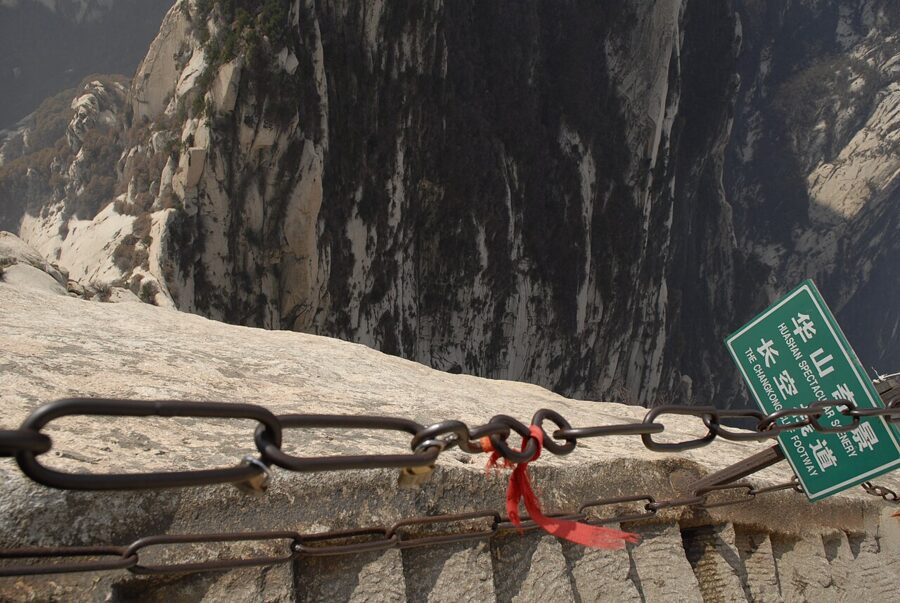
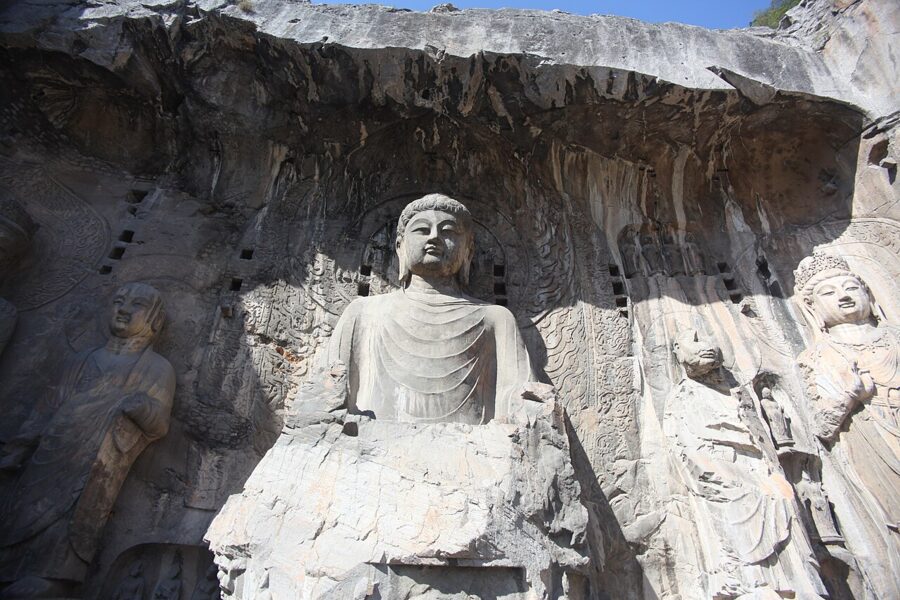
If you have a spare day here, the two classic add-ons both come with a 2026 catch. Mount Hua is 28 minutes away on the fastest trains to Huashan North, but its famous Changkong Plank Road and the Yaozi Fanshen chain descent have been closed since 15 September 2026, with no reopening date announced by mid-November. Luoyang still has the Longmen Grottoes, but the Luoyang Museum shut on 19 October 2026 for about a year of renovation.
The fork: Chengdu or Guilin?
This is the decision that shapes the second week, and there isn’t a wrong answer. Chengdu is a city trip with pandas, teahouses and the best food on the route. Guilin and Yangshuo are a countryside trip, with a river, karst towers and a bicycle. Here’s how they compare.
| Chengdu | Guilin and Yangshuo | |
|---|---|---|
| From Xi’an | 61 G and D trains a day, from 3h05, second class ¥285–300 | Fly, about 2 hours in the air; or one of two direct trains, about 10 hours |
| On to Shanghai | Fly, about 2.5–3 hours in the air; fastest train 10h06 | One direct G train from Guilin station, 7h25, ¥760.5 second class; or fly |
| Booking stress | Panda base up to 14 days ahead; Sanxingdui at 20:00 five days ahead | Li River cruise a day or two ahead, a few days in holidays |
| Weather risk | Grey skies, rarely trip-breaking | Low cloud hides the peaks; heavy rain can stop the boats |
| Best for | Food, pandas, museums | Scenery, cycling, a slower pace |
My pick for a first trip is Chengdu, by a nose, for one practical reason: the train in from Xi’an. It turns the middle of the trip into a three-hour ride through the Qinling mountains instead of a taxi to an airport, and you save the flight for the long hop to Shanghai, where flying makes sense anyway. If you’re coming in spring or autumn, love the outdoors and don’t care about pandas, take Guilin and don’t look back.
Option A: Chengdu, three days
Arrive on the afternoon of day seven and you have three full days in Chengdu. The plan I’d follow is pandas first, a slow city day second, and a day trip third. The city has two airports about 50 km apart, Tianfu and Shuangliu, so check which one your onward flight to Shanghai uses before you book anything else.
Day 8: the pandas, then tea
The Chengdu Research Base of Giant Panda Breeding opens at 07:30 from March to October and 08:00 in winter, and the pandas are most active in the first couple of hours. Tickets are ¥55, booked online in your own name up to 14 days ahead, with Trip.com the easiest channel for a foreign passport. Take metro Line 3 to Panda Avenue, exit A, for the 408 shuttle to the South Gate.
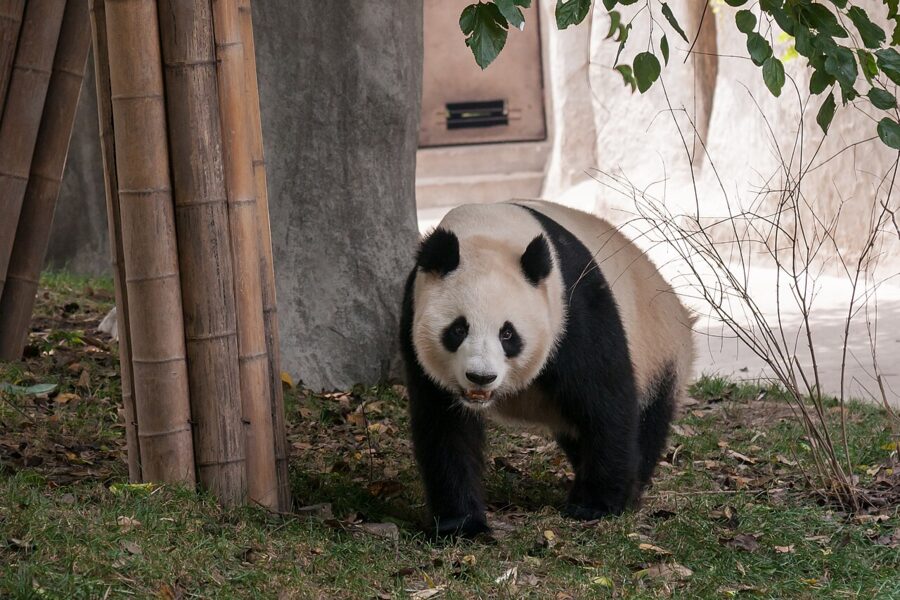
My guide to giant pandas in China covers the other bases. The one change to know about: the CCRCGP Dujiangyan base, where most “panda keeper” days used to happen, closed on 23 April 2026 and still had no reopening date in mid-November. Panda Valley at Dujiangyan, a separate site run by the Chengdu base, is open.
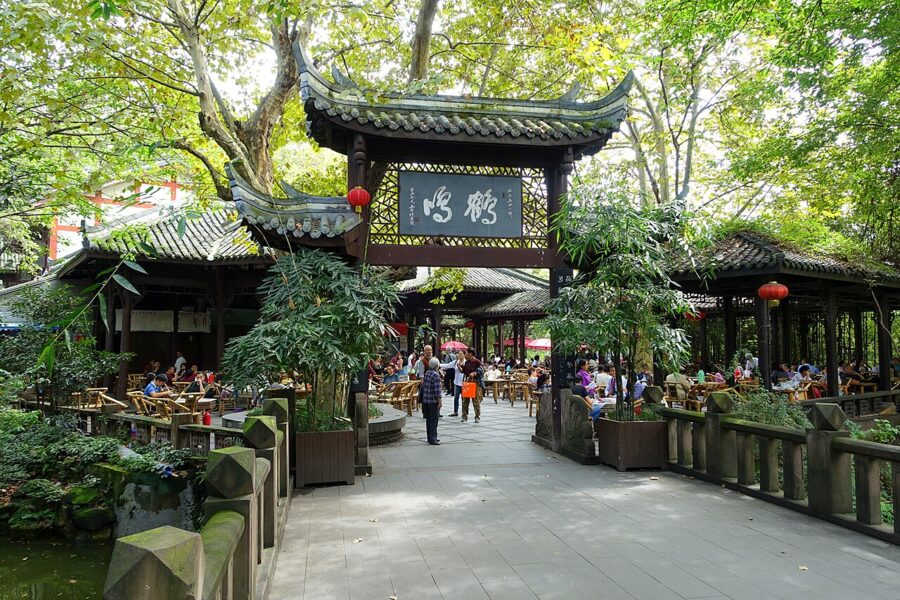
Spend the afternoon in People’s Park, where the Heming teahouse has been pouring jasmine tea by the lake since 1923. A cup costs ¥20–30, the ear cleaners walk the tables flicking their tuning forks, and nobody expects you to leave.
Day 9: the Three Kingdoms and the old lanes
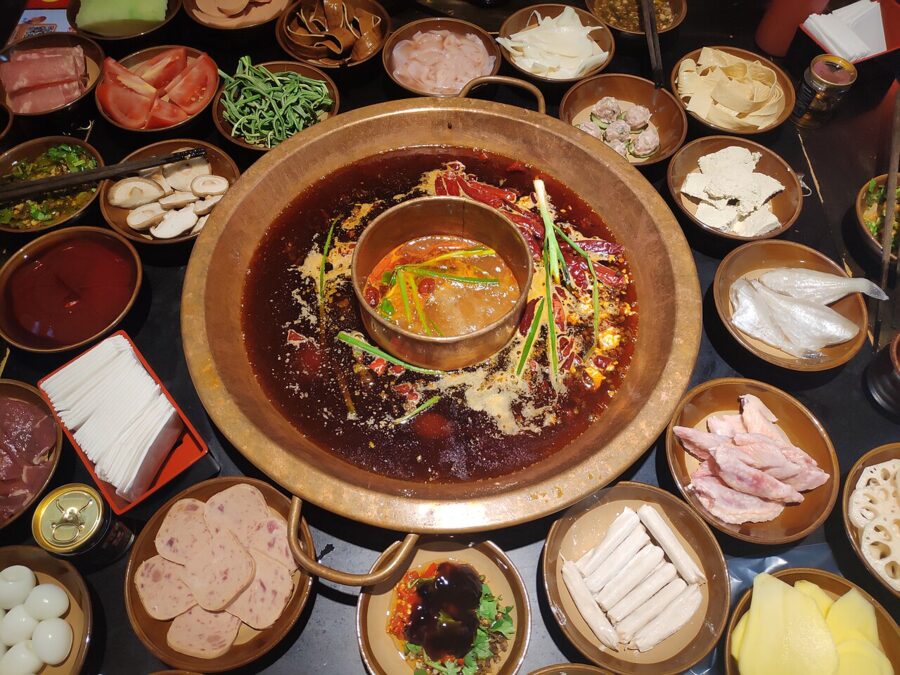
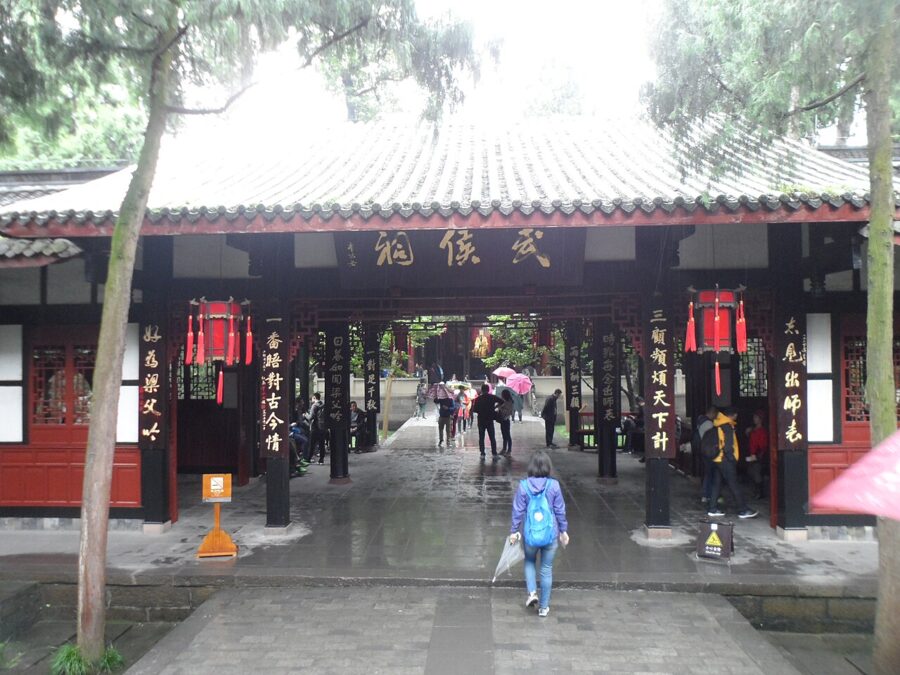
Do the Wuhou Shrine and Jinli in the morning (¥50 for the shrine; Jinli’s lane is free), the reconstructed Kuanzhai Alley at lunchtime, and Wenshu Monastery’s teahouse in the afternoon. In the evening, go out for hot pot. My Sichuan food guide explains the numbing peppercorn, and my hot pot guide tells you how to order without setting your mouth on fire.
Day 10: Sanxingdui or Leshan
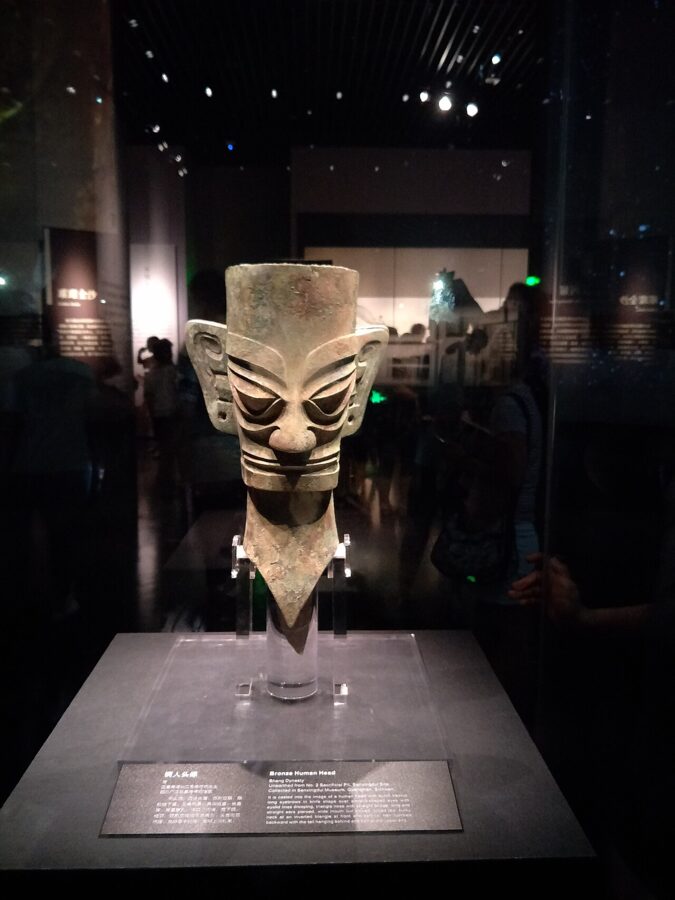
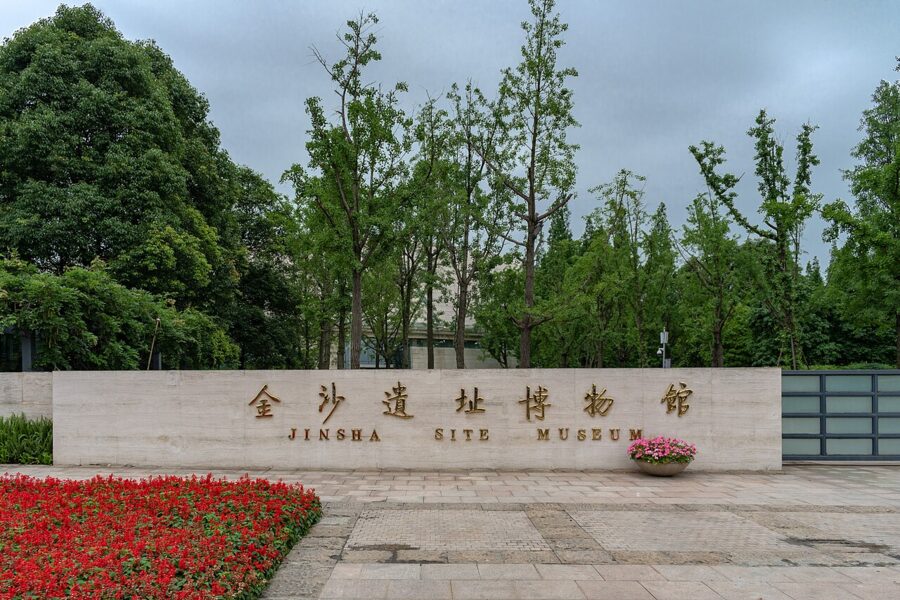
The Bronze Age masks of Sanxingdui are the strangest things in any Chinese museum, and they’re 18 minutes from Chengdu East by the fastest trains to Guanghan North (¥18 second class), then bus 13 or a short Didi. Tickets are ¥72, real-name, sold only through the museum’s own channels, and released at 20:00 each day for the fifth day ahead. The Jinsha Site Museum in Chengdu, the other great Shu Bronze Age collection, is closed until 30 April 2027.
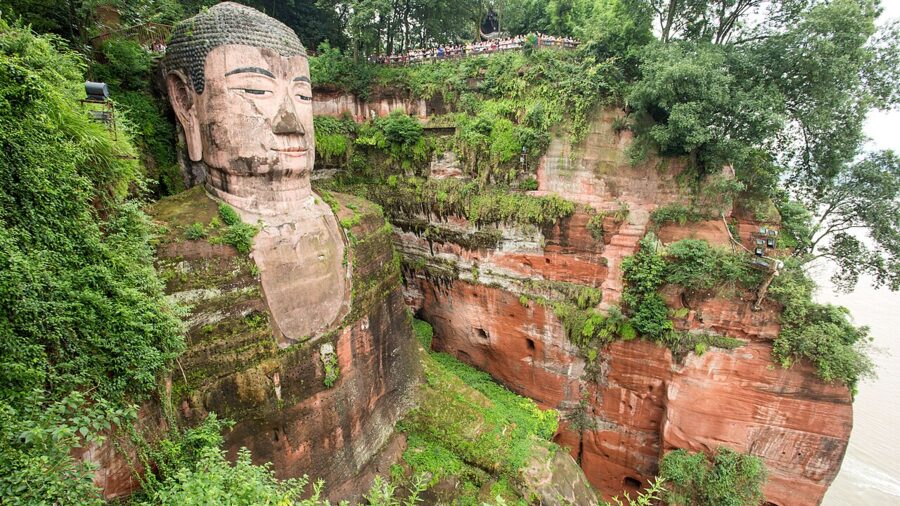
The alternative is the Leshan Giant Buddha, 41 minutes from Chengdu South on the fastest trains. The stair down to the Buddha’s feet runs one way and the queue can take hours at weekends, and the old Nine-Turn Plank Road has been closed for maintenance before, so check the scenic area’s notices for which path is open before you go. On a weekday in winter you’ll barely queue at all.
Chengdu to Shanghai
Fly. The fastest direct train takes ten hours and six minutes and costs ¥1,074 in second class, and most take over eleven hours. A direct flight is about two and a half to three hours in the air. Morning flights give you an afternoon and evening in Shanghai, and you won’t miss the train.
Option B: Guilin and Yangshuo, three days
Fly from Xianyang to Guilin Liangjiang on the afternoon of day seven, about two hours in the air. The airport is about 28 km from Guilin, and an official coach runs from it straight to Yangshuo every 30 minutes from 07:30 to 18:30, which is the easy move if you’d rather sleep in the countryside from night one.
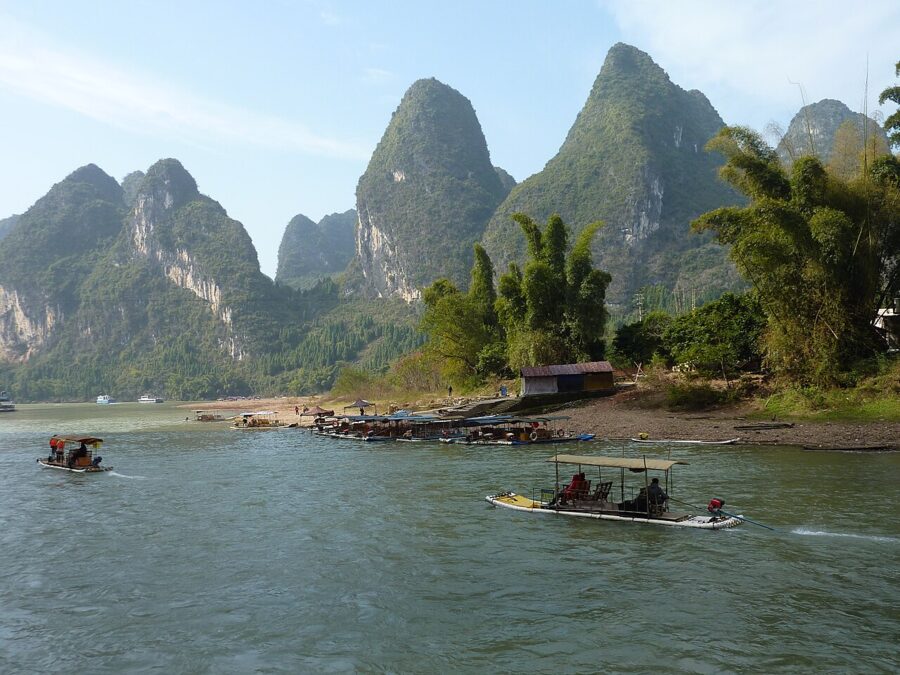
Day 8: down the Li River
The cruise takes four hours or a little more and covers about 61 km, from the piers down to Longtoushan in Yangshuo. Book through the scenic area’s official WeChat account (漓江售票处) with passport details for each passenger: a day or two ahead is usually enough, a few days for the May Day holiday, Golden Week and Spring Festival. Anything offered at half price outside Guilin station is a different river, a different stretch or a shopping trip with a raft on the end.
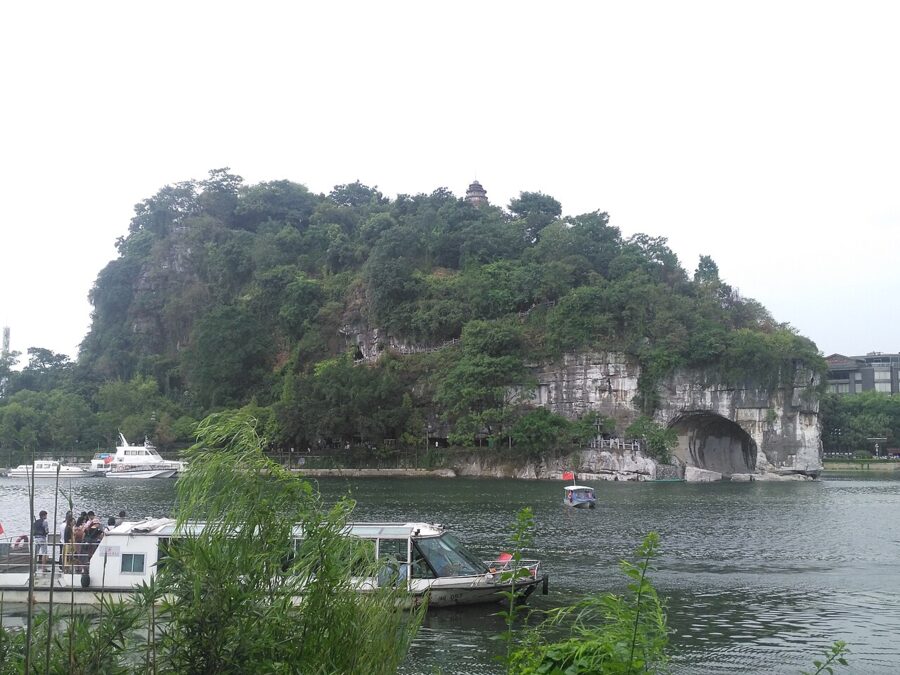
Day 9: Yangshuo by bicycle
Rent a bike and ride west out of Yangshuo to the Yulong River, where bamboo rafts pole you downstream between rice fields and karst towers. Go early, before the tour groups arrive from Guilin, and come back past Moon Hill. Book the countryside guesthouse, not one on West Street; the point of Yangshuo is the view from your window at 07:00.
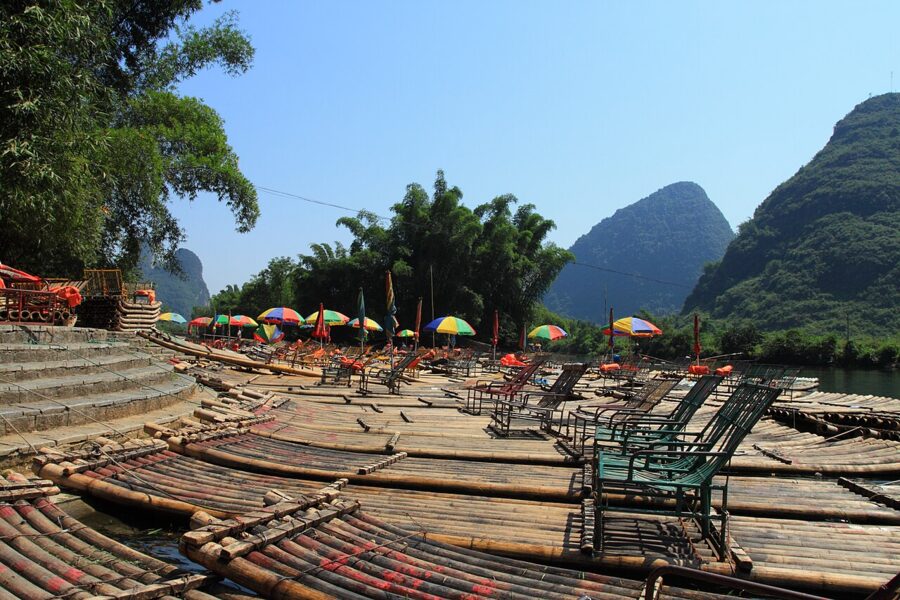
Day 10: Xingping and the 20-yuan view
Xingping is the village I’d stay in if I could pick only one. The view on the back of the ¥20 note is a stretch of the Li just upstream, and the short official raft loop from Chaobanshan pier to Nine Horse Fresco Hill and back (¥140) runs straight through it. Climb Laozhai Hill for sunrise if your legs allow.
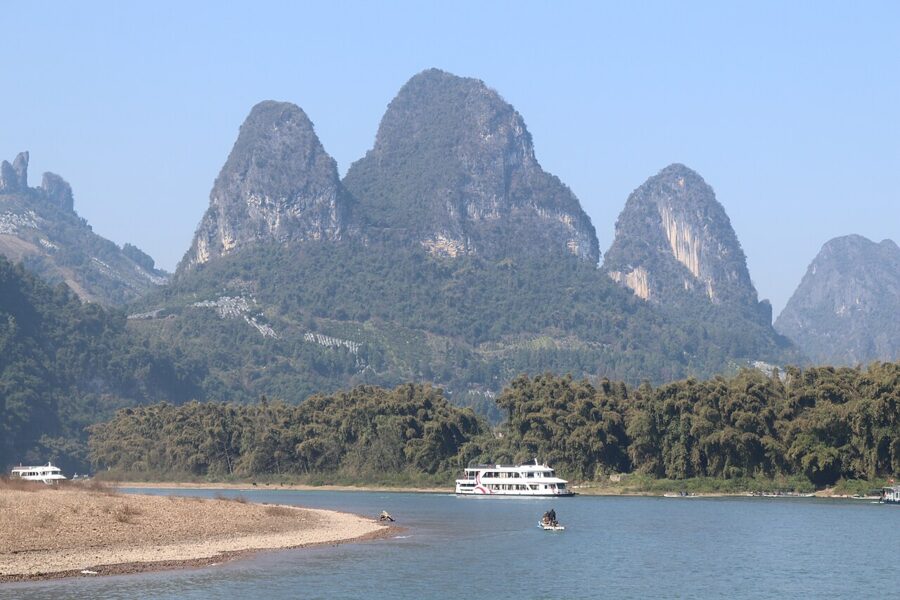
Guilin to Shanghai
Here, unusually, the train is a real option. On the late-November timetable one direct G train leaves Guilin station at 12:05 and reaches Shanghai Hongqiao at 19:30, seven hours 25 minutes, for ¥760.5 in second class; another from Guilin North takes nine hours 25. Yangshuo station, which is actually in Xingping township, is 20–25 minutes from Guilin on the fast trains for ¥29, so you can be back in town for the morning. If those times don’t suit, fly.
Days 11–14: Shanghai, with Suzhou or a water town
Three days is the right amount for a first look, and my three-day Shanghai plan covers them hour by hour. The short version: the Bund at dawn and Lujiazui from the Shanghai Tower on one day, the old city and the former French Concession on foot on another, and the third day out of town.
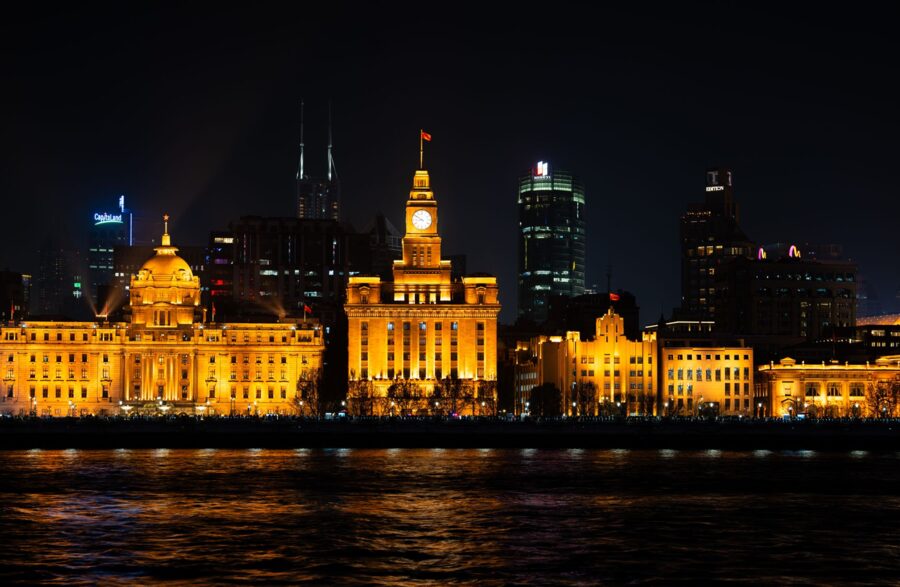
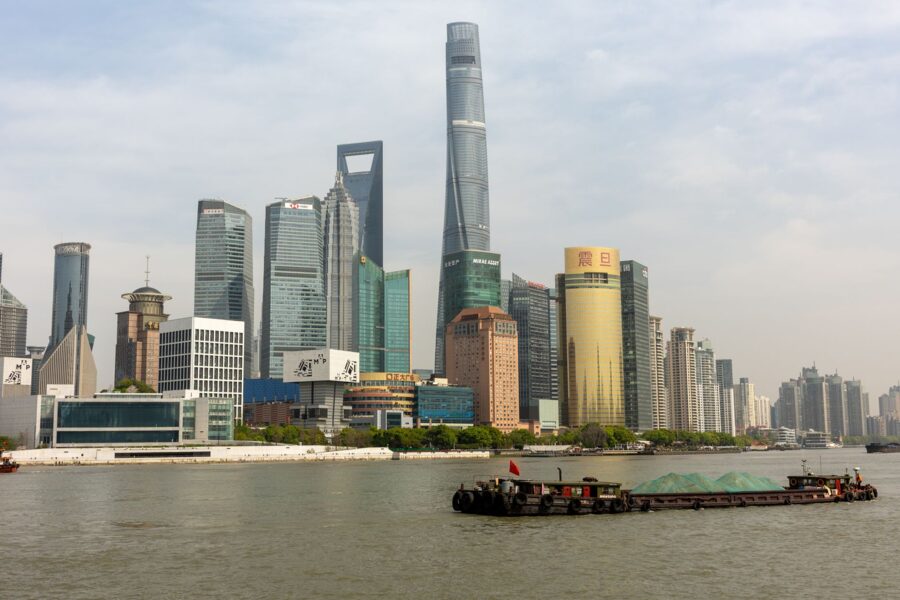
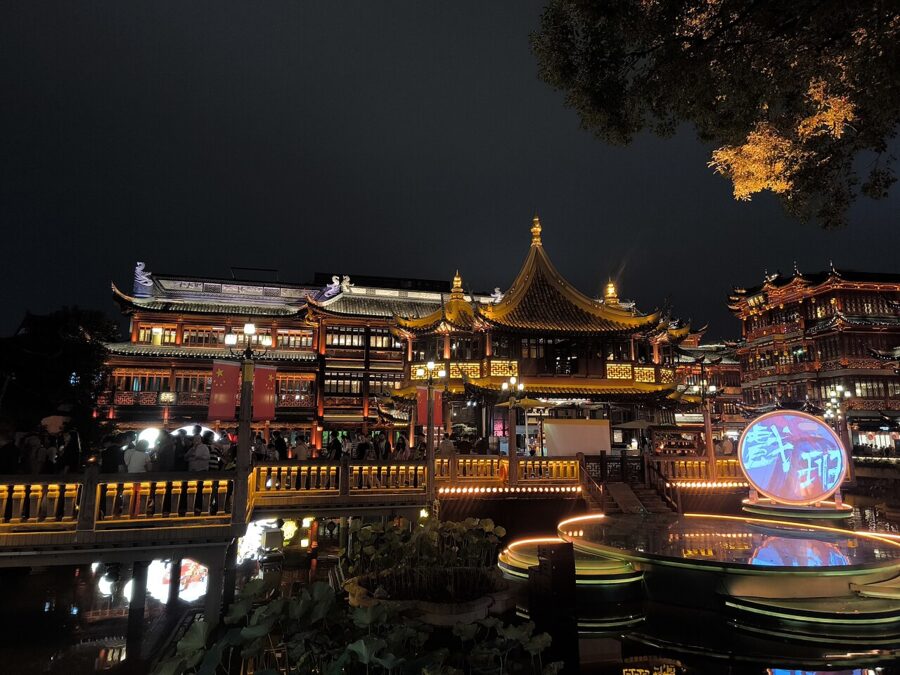
The Shanghai Tower’s deck on the 118th floor is ¥180 and open 08:30–22:00; check the sky first, because on a grey morning you’ll pay to stand inside a cloud. Yu Garden is ¥40 in spring and autumn and ¥30 the rest of the year, closed on Mondays. For a long lunch, the soup dumplings in my xiaolongbao guide are the thing Shanghai does best, and my Shanghai food guide has the rest.
Day 13: Suzhou or Zhujiajiao
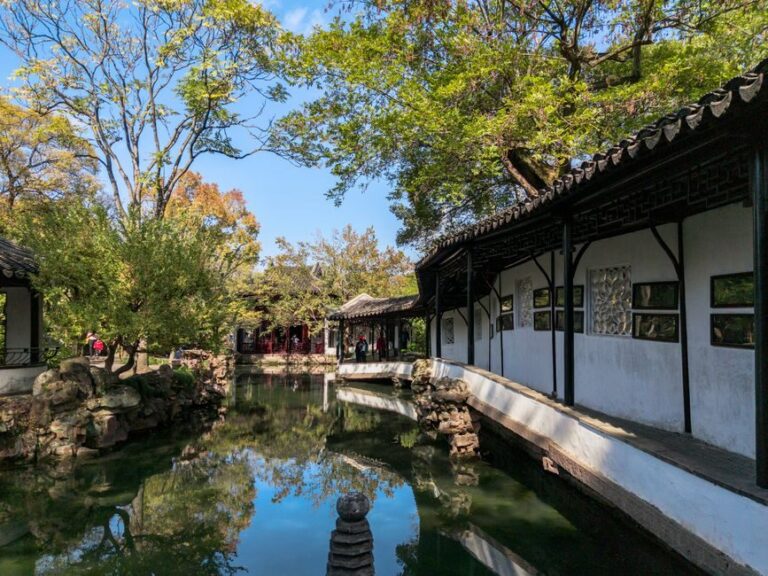
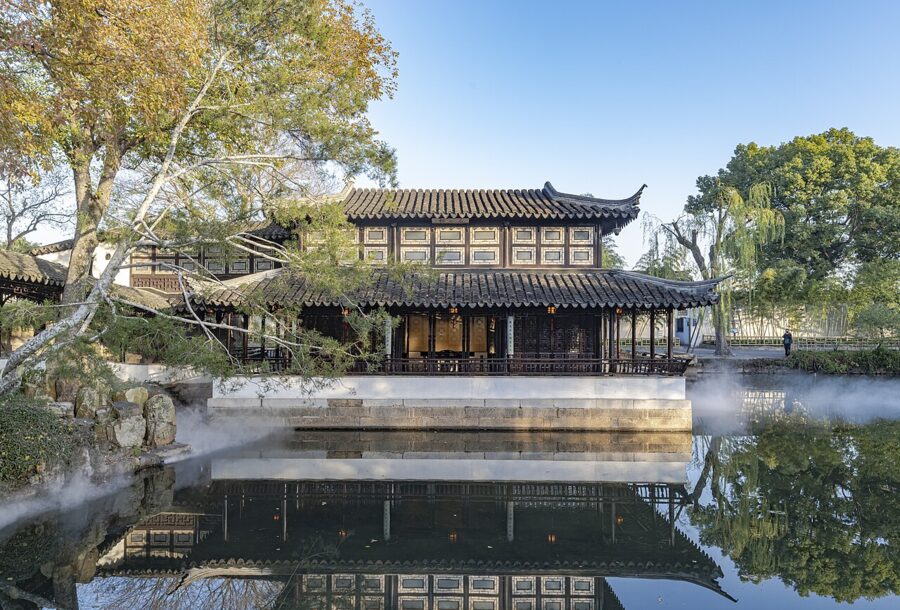
Suzhou is the better day if gardens appeal. The fastest trains from Shanghai Railway Station to Suzhou Station take about 25 minutes for ¥41 in second class; go to Suzhou Station, not Suzhou North, because it’s the one by the old city. The big gardens sell real-name, timed tickets that open seven days ahead, and the Humble Administrator’s Garden is ¥80 in peak season and ¥70 in the other months.
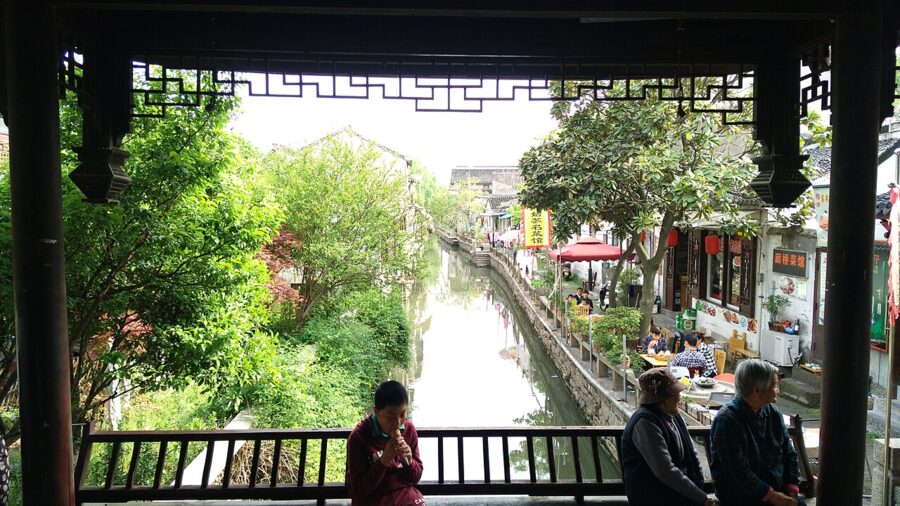
If you’d rather not deal with trains, the water towns are the alternative, and Zhujiajiao is the one on the metro: Line 17 from Hongqiao to Zhujiajiao takes about 40 minutes. The town is free to walk, with small tickets for a few halls inside. If you want to stay a night somewhere canal-side, Wuzhen or Xitang are the ones for an evening, but they need a train and a bus.
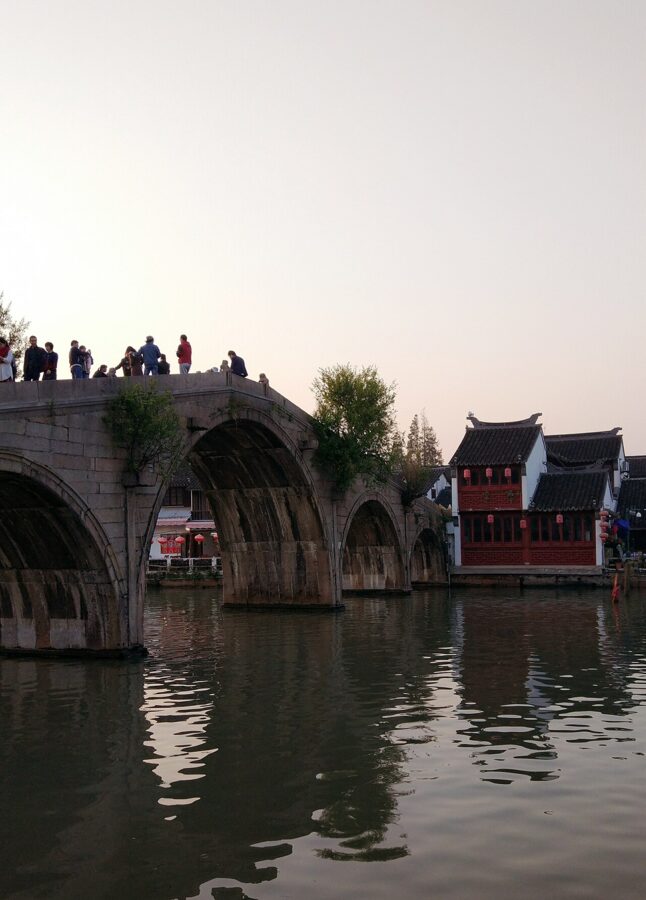
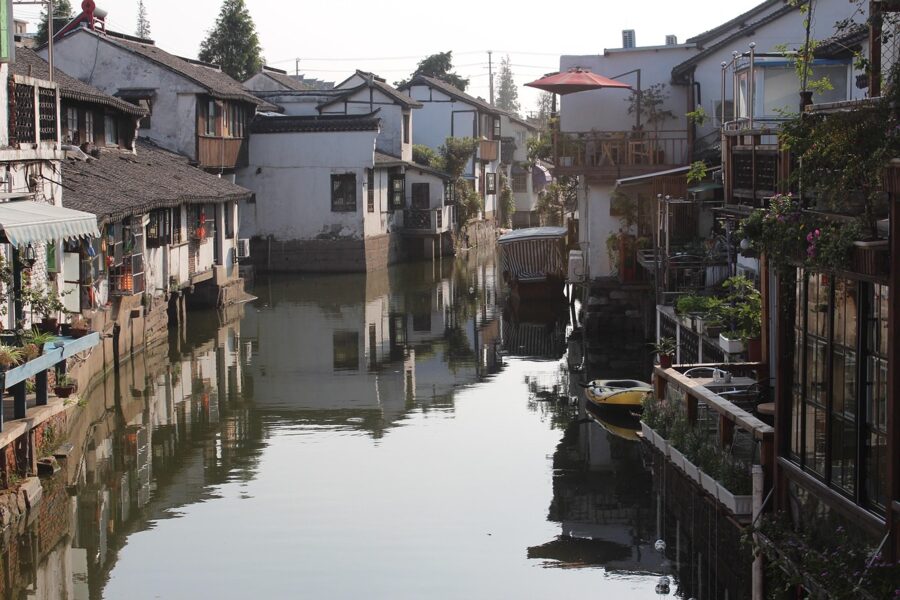
A note on Hangzhou: West Lake is under an hour from Hongqiao by G train, and it’s tempting to add it. Don’t, not on this trip. Three days in Shanghai with Suzhou is already full, and Hangzhou deserves two nights of its own.
Day 14: getting out
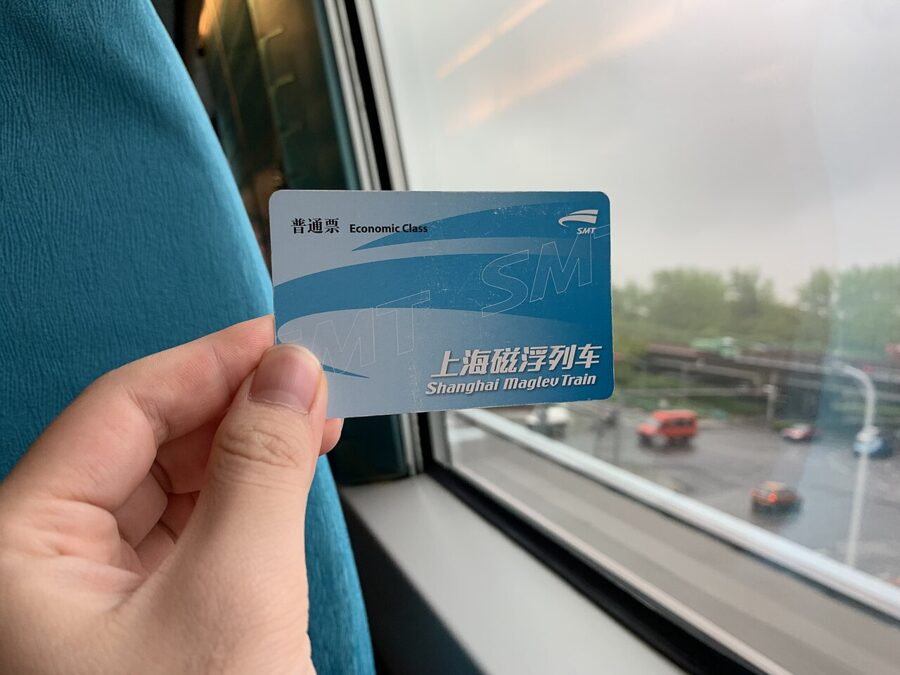
Most international flights leave from Pudong. The Maglev runs from Longyang Road to the airport in about eight minutes for ¥50 (¥40 with a same-day air ticket), and Line 2 runs all the way from the centre for less, but slowly, at more than an hour. If you’re leaving from Hongqiao, the domestic airport sits next to the railway station, and Lines 2 and 10 take about 40 minutes from the centre.
What to book, and when
Almost every big sight on this route sells timed, real-name tickets online, tied to your passport number, and you show the same passport at the gate. A photo of it won’t do. Here’s the list in the order you’ll need it, with the official rule as each sight gives it.
| What | How | When it opens | Adult price |
|---|---|---|---|
| Trains | 12306 app or Trip.com, passport | 15 days ahead; release time varies by station | Varies by train |
| Forbidden City | Palace Museum mini programme (故宫博物院) | 7 days ahead at 20:00; closed Mondays | ¥60 Apr–Oct, ¥40 Nov–Mar |
| Terracotta Army | Museum website or its WeChat accounts | No fixed window published; book once dates are firm | ¥120 |
| Shaanxi History Museum | 陕西历史博物馆 WeChat or ticket.sxhm.com | 5 days ahead at 17:00; closed Mondays | Free (murals ¥270) |
| Chengdu panda base | Official WeChat, mini programme or Trip.com | Up to 14 days ahead | ¥55 |
| Sanxingdui Museum | Museum WeChat, mini programme or website | 20:00 daily, for the fifth day ahead | ¥72 |
| Li River cruise | 漓江售票处 WeChat or the scenic area’s site | A day or two ahead; a few days in holidays | ¥215 three-star |
| Suzhou gardens | 苏州园林旅游 WeChat mini programme | 7 days ahead | ¥80 / ¥70 Humble Administrator’s |
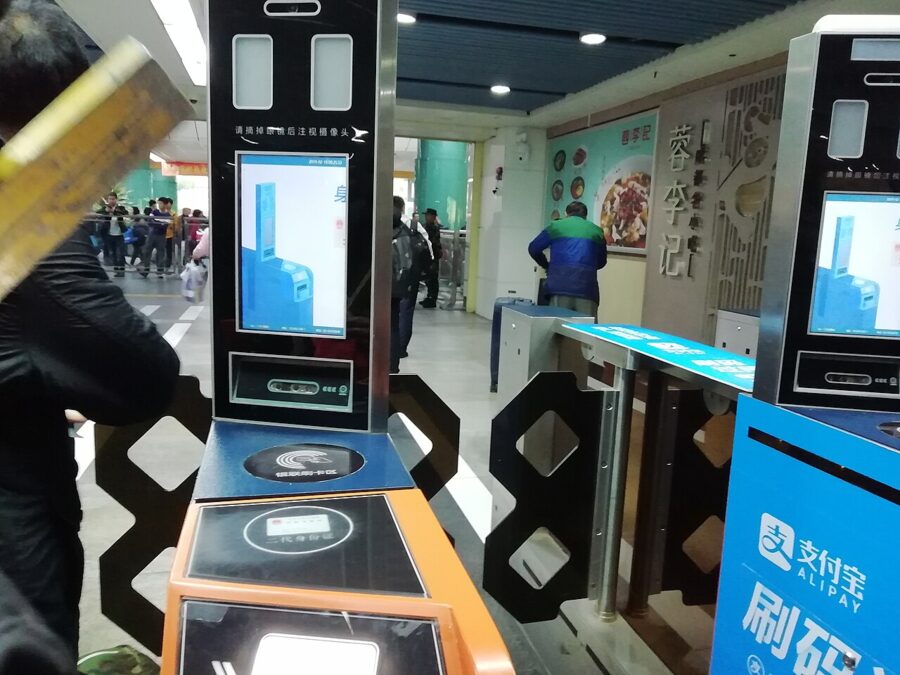
Two things catch people out. Ticket systems sometimes reject a foreign passport on the first try, so set up the 12306 app and the WeChat mini programmes a couple of weeks before you fly, while you still have time to fix an account. And don’t buy from strangers at the gate: the ticket is tied to someone else’s passport, so it won’t open the turnstile for you.
Pay for almost everything with Alipay or WeChat Pay. Both take foreign Visa and Mastercard cards now, and both have a transit QR code for the metro in every city on this route. Cash is legal tender and some small stalls prefer it, but change for a ¥100 note can be short, so carry some ¥10 and ¥20 notes.
Closures to know about in late 2026
A lot of itineraries in circulation were written before these, so here they are in one place, as each was checked in mid-November 2026. Check again in the week you travel; none of them had a confirmed reopening date beyond what’s listed.
- Mount Hua, the Changkong Plank Road and Yaozi Fanshen. Closed since 15 September 2026 for an overhaul of fittings and safety protection; the rest of the mountain is open.
- Jinsha Site Museum, Chengdu. Closed from 5 December 2025 to 30 April 2027.
- Luoyang Museum. Closed from 19 October 2026 for about a year; the Longmen Grottoes are open.
- CCRCGP Dujiangyan panda base. Closed since 23 April 2026, no reopening date; Panda Valley at Dujiangyan and the main Chengdu base are open.
- Leshan, the Nine-Turn Plank Road. The stair has closed for maintenance before; check the scenic area’s notices for which path down to the feet is open on your day.
- Tianmen Mountain, Zhangjiajie. The city cable car has been closed for rebuilding since 13 October 2026, and only one route up the mountain, Route C, is running.
- Shanghai Museum, People’s Square. Its first three floors are given over to a ticketed ancient Americas exhibition until 14 November 2027; the permanent galleries are at the free East building in Pudong, closed on Tuesdays.
Four other ways to spend the fortnight
Keep Beijing and Xi’an and you can swap almost everything after them. Each of these keeps the first week as above, give or take a night, and changes the second.
Food first: add Chongqing
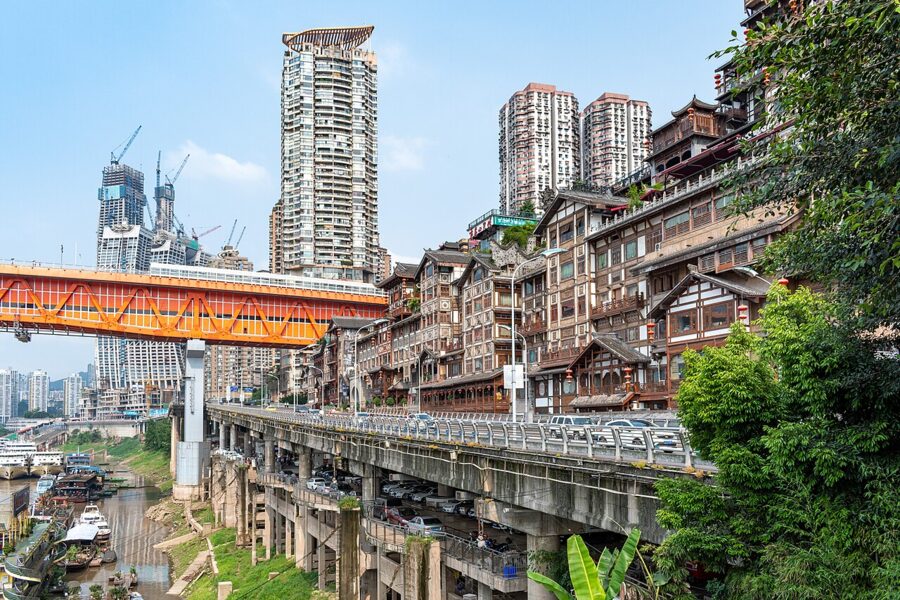
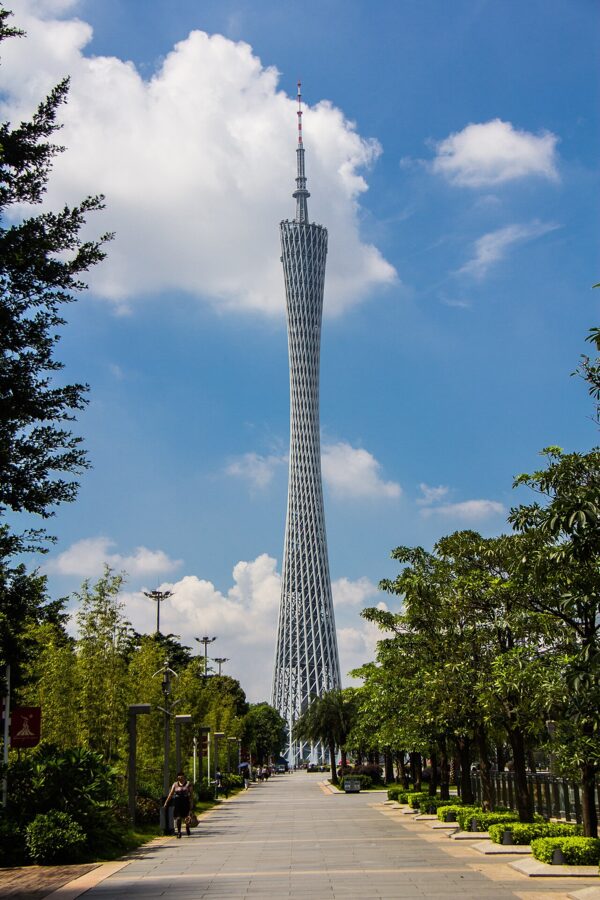
Do Beijing in three nights, Xi’an in two, then Chengdu in three and Chongqing in two, which is about an hour away on the fastest trains. Fly from Chongqing to Shanghai for the last three nights. You eat your way from Peking duck through Xi’an’s noodles to the hot pot city itself, and you finish with soup dumplings. If you’d rather end in the south, fly to Guangzhou instead and give the last days to dim sum; my Cantonese food guide tells you where to start.
Nature first: Zhangjiajie or Huangshan
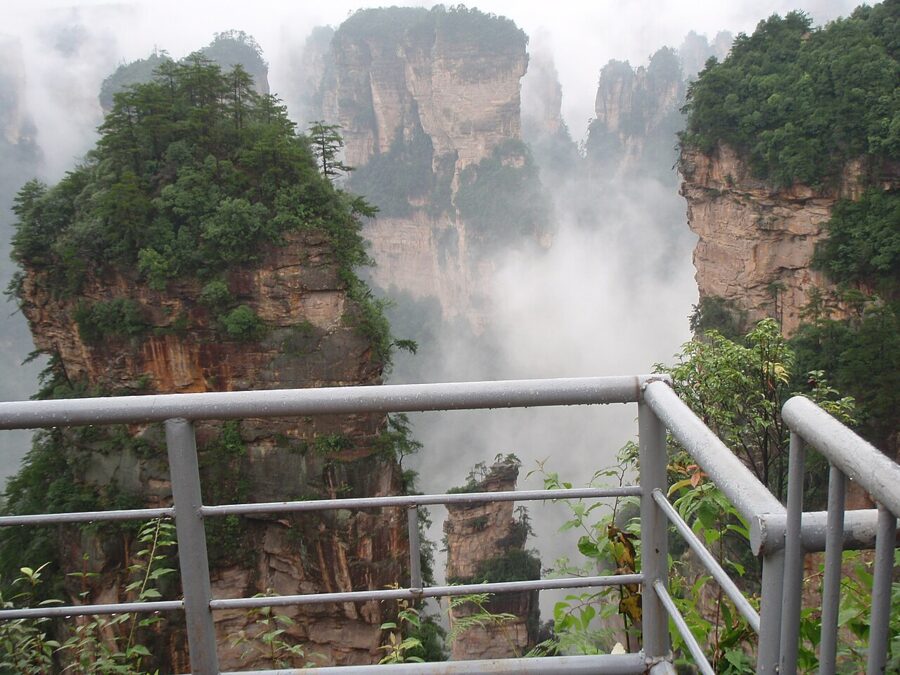
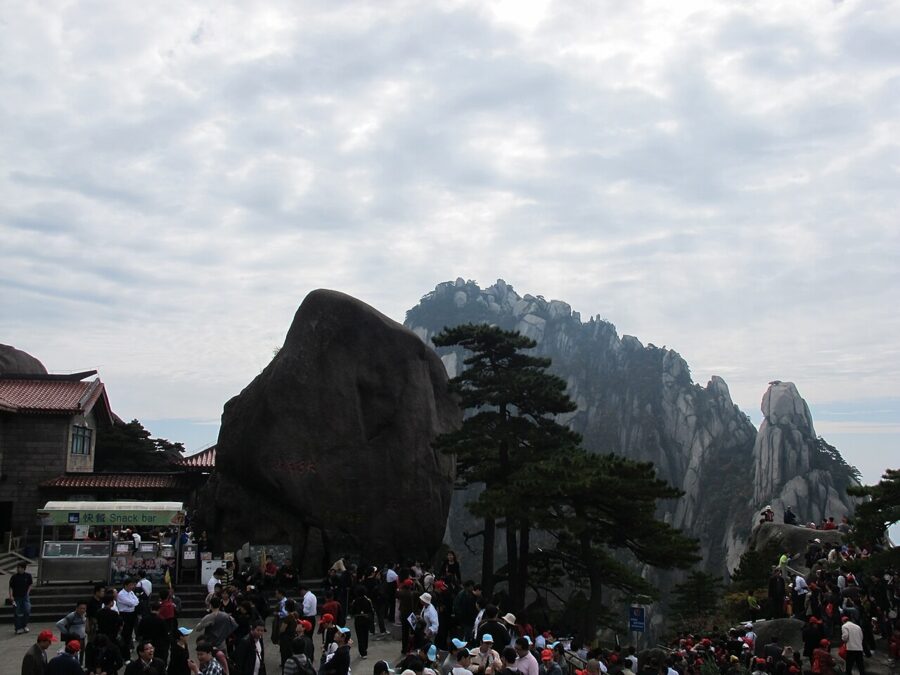
For mountains instead of museums, cut Beijing to three nights and Xi’an to two, then fly to Zhangjiajie for three nights in Wulingyuan, where the four-day park ticket is ¥239 with the buses. From Changsha South the fastest trains reach Zhangjiajie West in 1h45, if a flight doesn’t fit. Then go to Shanghai, and take two of your Shanghai nights on Huangshan, a little over two hours from Hongqiao to Huangshan North on the fastest trains.
The Silk Road: Lanzhou and Dunhuang
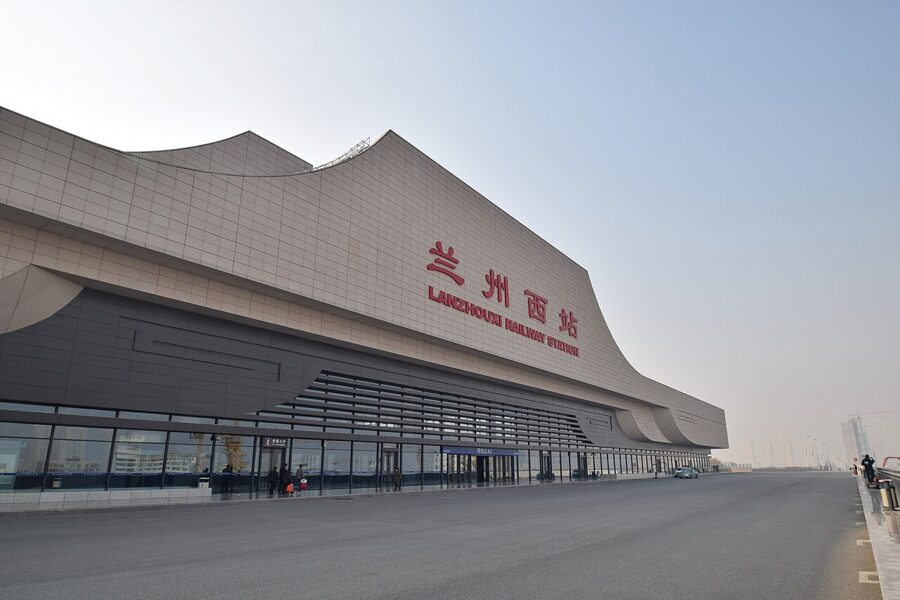
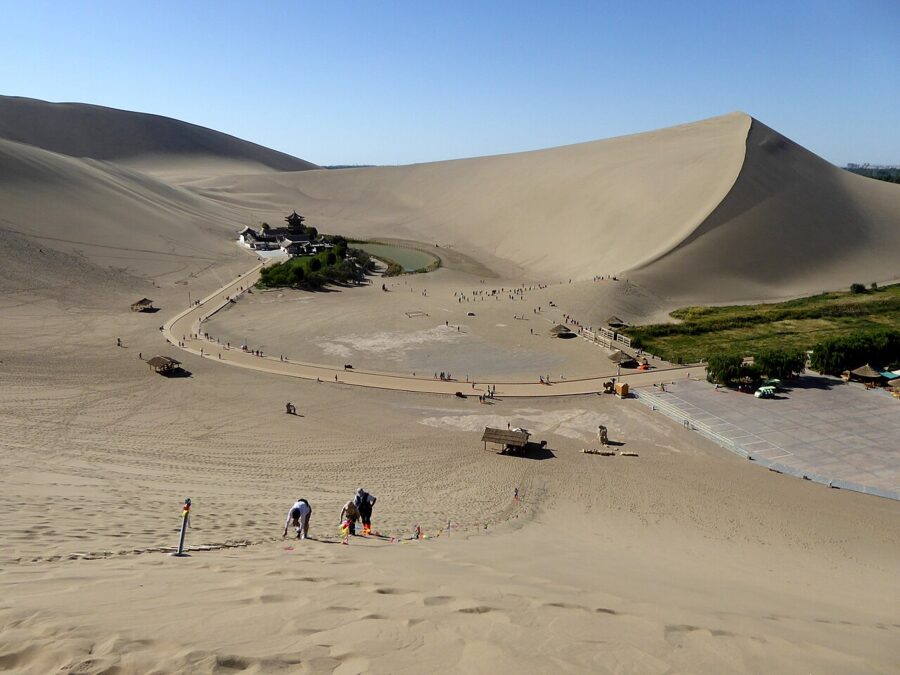
Stay three nights in Xi’an, where the old road started, then ride west. Xi’an North to Lanzhou West takes from 2h28 on the fastest trains, and D trains from Lanzhou West reach Dunhuang in about seven and a half hours; one D train runs all the way from Xi’an North in 10h56. Give Dunhuang three nights and fly out to Shanghai or back to Beijing.
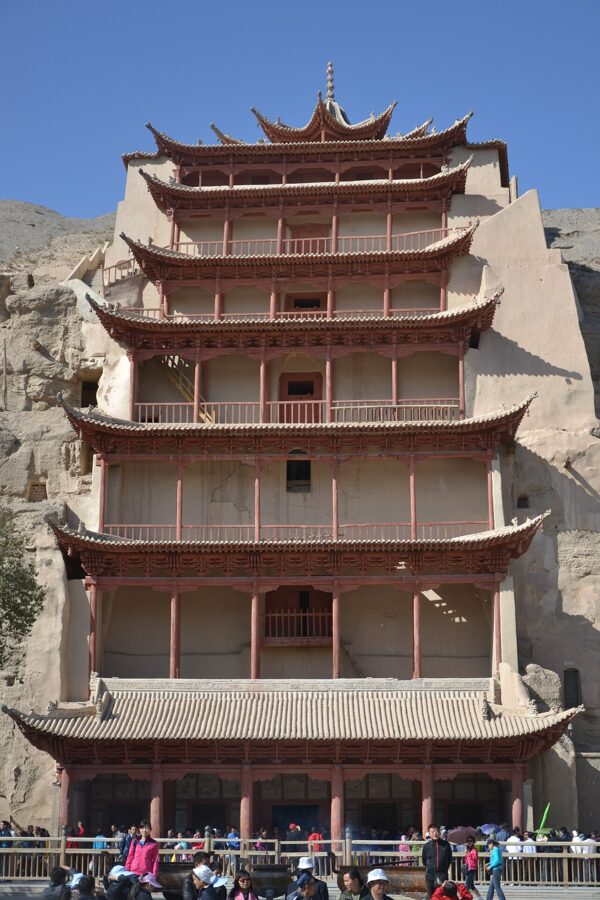
The Mogao Caves are the reason to go, and they run on rules: real-name tickets through the official WeChat channels, a regular visit of two films and eight caves for ¥238 from 1 April to 30 November, and a winter ticket of ¥140 for the films and ten caves. Book the day your plans are fixed.
Yunnan: Dali and Lijiang
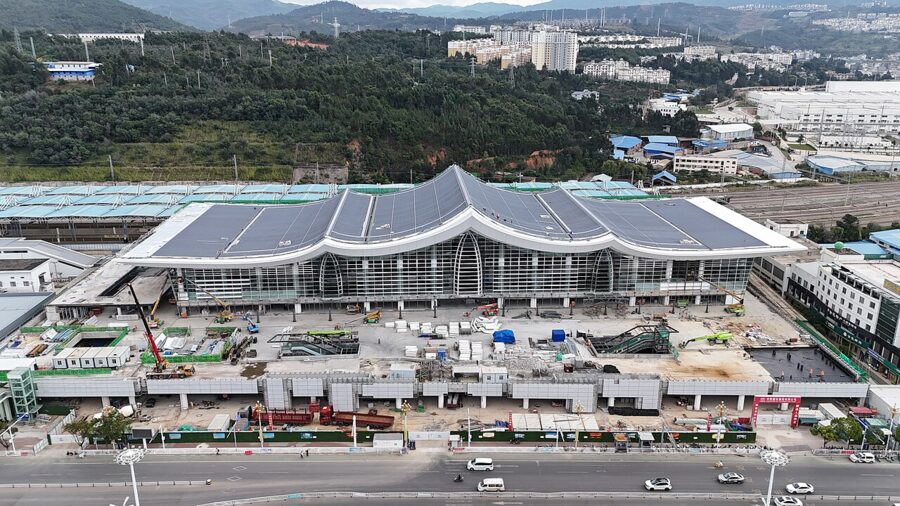
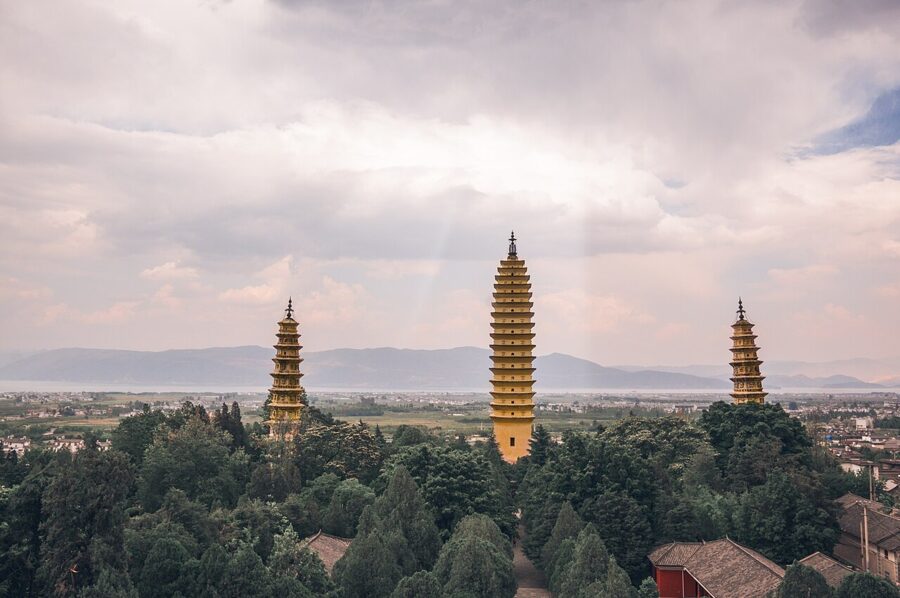
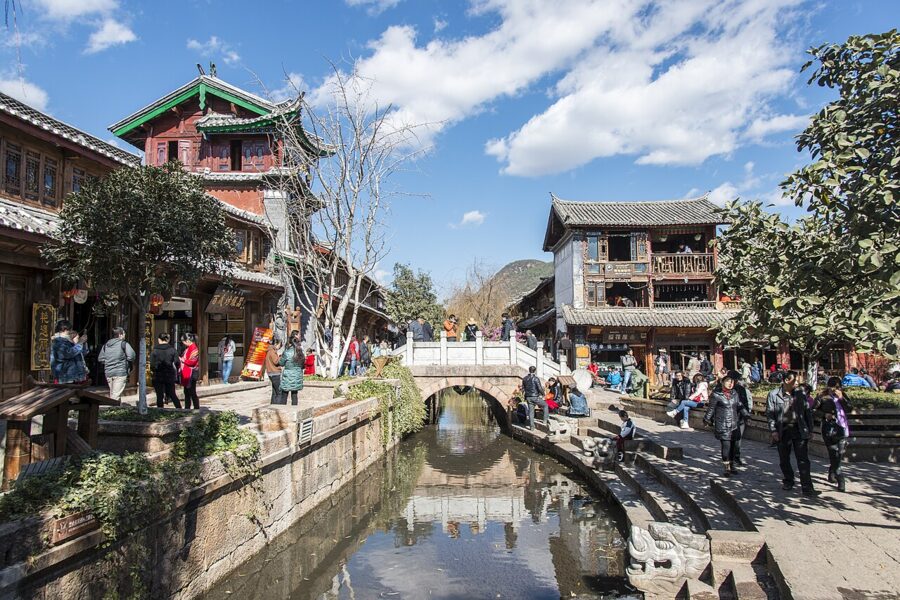
Fly from Xi’an to Kunming, take the train to Dali (from 1h55), and give it three nights between the Cangshan mountains and Erhai Lake. Trains on to Lijiang take from 1h36. Spend two nights there, with my 3-day Lijiang itinerary as the plan, then fly to Shanghai. Lijiang sits at about 2,400 metres, so keep the first day easy, and my Yunnan food guide covers the mushrooms, the rice noodles and the ham.
The slow south
If you’ve done Beijing before, or you’d simply rather not, flip the trip. Start in Shanghai, fly to Guilin and give Guilin, Yangshuo and Xingping five unhurried nights, then take the train to Guangzhou South, about two hours on the fastest services, for good food and an easy flight home. Hong Kong is a short train ride further on if you want to end there, and it’s a separate entry with its own rules.
What two weeks costs
The fixed costs on this route are easy to pin down, because trains and tickets have published prices. Everything below is per adult for the Chengdu version, with the train fares as quoted for late November 2026. The one flight is extra, because its fare depends entirely on the date.
| Budget | Mid-range | High end | |
|---|---|---|---|
| Trains: Beijing to Xi’an, Xi’an to Chengdu, Shanghai to Suzhou and back | ¥889–969 (second class) | ¥1,425–1,554 (first class) | ¥2,631–3,019 (business class, first to Suzhou) |
| Chengdu to Shanghai | Flight, or ¥1,074 by train | Flight, or ¥1,720 by train | Flight, or ¥3,623 by train |
| Sights in this plan | ¥1,161 from April to October, ¥1,085 in winter, the same at every budget | ||
| A night’s bed | ¥100–300 at chain hotels such as 7 Days, Home Inn or Hanting | ¥700–1,200 for a mid-range Beijing hotel | ¥2,500–4,500 for a high-end Beijing hotel |
| Eating | Street snacks ¥5–30; a ¥3 cup of tea at Heming’s cheapest window | Hot pot at the big chains about ¥90–105 a head | Peking duck at Siji Minfu about ¥150–220 a head |
The sights figure is every ticket in the plan above, from the Forbidden City and the Mutianyu toboggan to Sanxingdui and two Suzhou gardens. The Guilin version swaps in the ¥215 cruise and a ¥140 raft, and its train to Shanghai is ¥760.5 in second class.
Beds are the big variable, and I’ve used Beijing’s rates as the yardstick for every night, so treat the totals as a ceiling. At the bottom end, thirteen nights in chain hotels, second-class trains and the sights come to roughly ¥3,300–6,000 a person before food and the flight. Mid-range, thirteen nights at ¥700–1,200 is ¥9,100–15,600 a room before anything else; at the top end, ¥2,500–4,500 a night makes the hotels most of the bill.
Three holidays will move every one of those prices. The 2027 Spring Festival break runs from 5 to 13 February, the May Day holiday from 1 to 5 May and National Day from 1 to 7 October, under the State Council’s 2027 holiday notice. Trains sell out, hotel prices climb and the big sights fill their daily slots. My guide to the best time to visit China goes month by month, and the one on Chinese New Year in China tells you what’s open over the festival.
The trade-offs
Two weeks is enough for this route, and it isn’t enough for anything more. Every version above gives you three long city stays and one moment where you pick something to lose. These are the costs as I see them.
You’ll see one of the two famous middles, not both. Fitting both means a second flight and giving up a city stay somewhere else. Pick one, and save the other for the next trip; you’ll be back.
Two nights in Xi’an is short. It’s enough for the army, the wall and the museum if you’ve booked them, and not enough for Mount Hua, Luoyang or the Qin and Han Museum near the airport. If Xi’an is the part you care about most, take a night from Beijing and give it to Xi’an.
The booking is front-loaded, and a little stressful. In the week before you fly you’ll be booking the Forbidden City at 20:00 Beijing time, which may be the middle of your night, then the history museum five days out at 17:00. Set alarms. Once you’re past Xi’an the pressure drops to almost nothing.
The weather won’t co-operate everywhere at once. Beijing and Xi’an are cold and dry in winter and very hot in July and August; Guilin’s peaks disappear in low cloud and its rain falls mostly from spring into summer. Spring and autumn are the best compromise, and they coincide with the May Day and Golden Week holidays, so aim for the weeks around them, not the weeks themselves.
Skip this
- Badaling. It’s the closest section of the Wall to Beijing and the most crowded. Mutianyu is a little further and a much better day.
- The Chengdu to Shanghai train. Ten hours at the very least, for more than ¥1,000. Fly.
- Half-price Li River tours from Guilin station. The official fares are fixed and published; anything far below them is a different trip.
- Tickets from people at the gate. At the Shaanxi History Museum and the Forbidden City the ticket is tied to a passport number, so a stranger’s ticket won’t get you in.
- A Mount Hua day trip for the plank road. It’s closed. Go for the mountain, or don’t go yet.
- Planning a Monday at the Forbidden City or the Shaanxi History Museum. Both are closed on Mondays outside public holidays, and it’s the most common way to lose a day on this route.
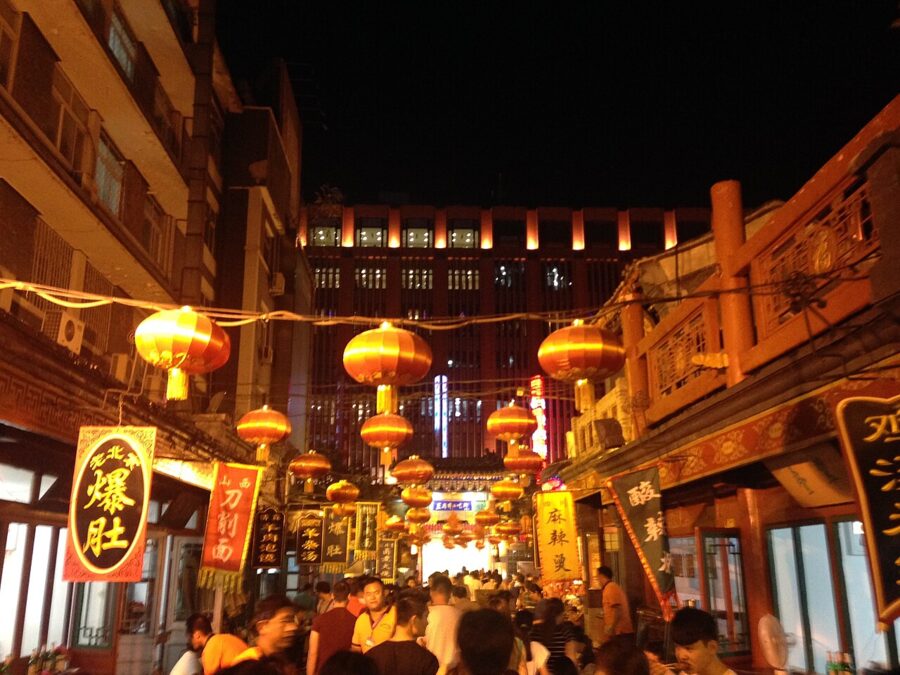
Book the Forbidden City at 20:00 a week out, put your passport in the same pocket every morning, and leave one afternoon in each city with nothing in it. Spend Chengdu’s in a bamboo chair in People’s Park, or Yangshuo’s on a raft on the Yulong, and let the trains do the rest.