
Tokyo’s Best Neighbourhoods for Eating Out
A sixty-year-old yakitori counter under the Yamanote Line tracks in Shimbashi, smoke so thick it’s in your jacket by the second skewer. An hour later and half a metro map away, a natural-wine bar in Nakameguro where the bottles are weirder than the prices. Same city, somehow the same evening.
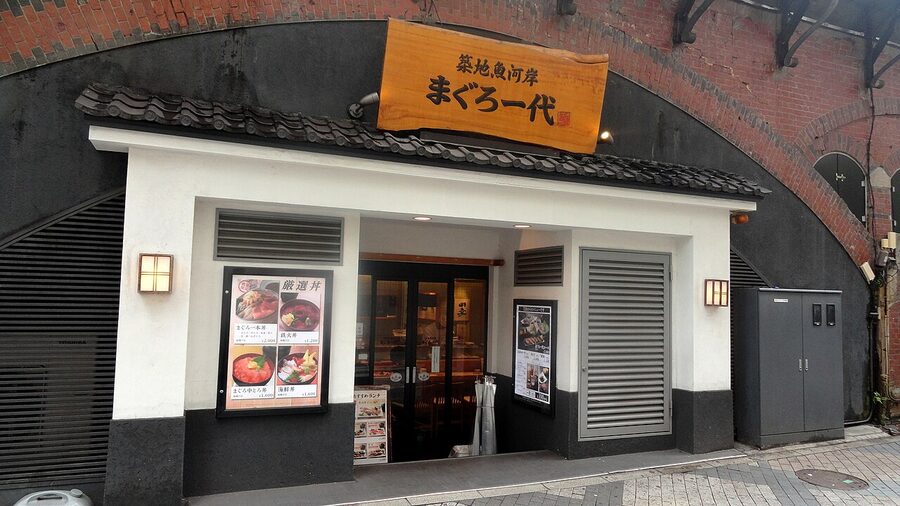
People keep asking me where to eat in Tokyo. It’s the wrong question. Tokyo isn’t a food city the way Hong Kong is, or Osaka. It’s twenty-three wards, hundreds of train stations, and each neighbourhood does one or two things better than anywhere else on earth. So the real question is: where are you at 7pm, and what kind of evening do you want?
What follows is the map I wish someone had handed me on my first proper trip up from the mainland. I’ve kept it to places I actually remember, with named restaurants where I can still picture the room. Prices are in yen because that’s what you’ll be paying. Exit letters because Tokyo stations are the size of small towns and choosing the wrong one adds fifteen minutes to your walk.
In This Article
- Shimbashi and the Gadoshita: Salaryman Yakitori Central
- Ebisu: Wine Bars, Standing Bars, and the Beer Museum
- Golden Gai: The Six-Person Bar Warren
- Kagurazaka: Old Tokyo, French Tokyo, Stone Alleys
- Tsukiji Outer Market: Breakfast Sushi
- Shimokitazawa: Cheap, Young, Vinyl
- Asakusa: Traditional Tokyo That Still Eats
- Shibuya: Eat Fast, Drink Vertical
- Daikanyama and Nakameguro: Slow, Expensive, Quiet
- Yanesen: Yanaka, Nezu, Sendagi the Tokyo That Didn’t Change
- Ueno Ameyoko: Post-War Black Market, Now a Food Street
- Akihabara and Ikebukuro: Two Quick Verdicts
- A Couple of Practical Things
Shimbashi and the Gadoshita: Salaryman Yakitori Central
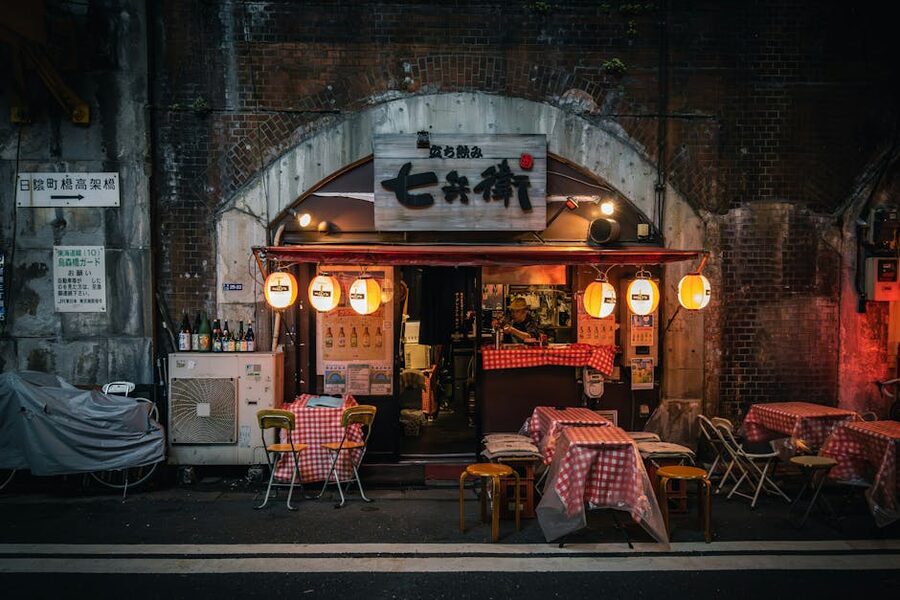
Shimbashi is where the office workers eat, and it shows. Come out of Shimbashi station (JR Yamanote or Tokyo Metro Ginza line) at the SL Hiroba exit the one with the steam locomotive. Walk under the JR tracks and you’re in the gadoshita, literally “under the tracks,” a run of yakitori stalls packed into the arches. After 7pm on a weekday it’s three-deep at every counter. Nobody is whispering.
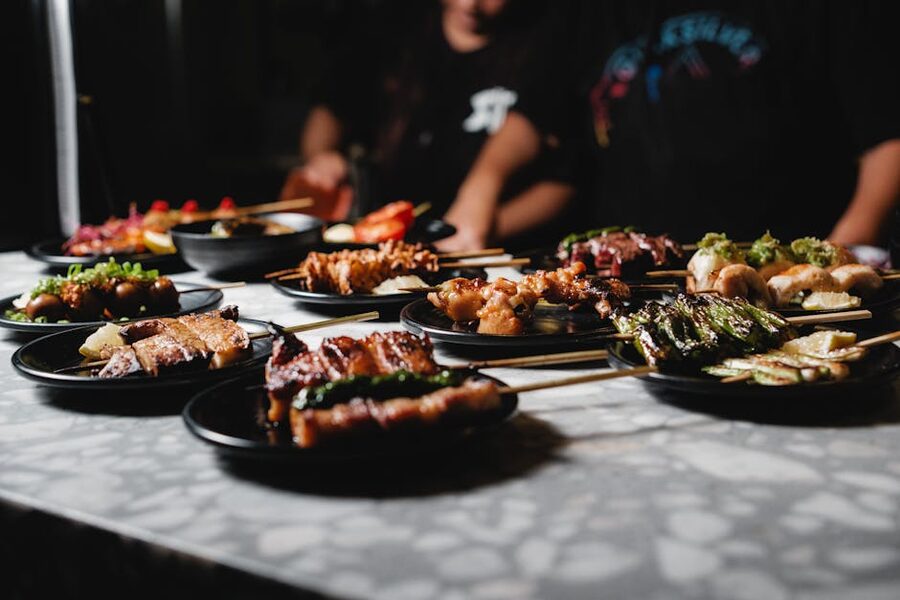
What to order: momo first, then negima, then tsukune, then whatever the chef points at. One tall beer (¥600) and three or four skewers will put you at ¥1,500-2,000. I’ve never paid more than ¥3,500 for a full meal at a gadoshita counter, and I’ve tried.
Named places worth the trip: Torishige (Shimbashi 2-chome, about 4 minutes from SL Hiroba exit) is the sit-down option if you want a real yakitori-ya experience reservation-only, ¥8,000-ish for the omakase course, and worth it if you care about the difference between thigh and tender. For the counter-standing, no-reservation experience, just walk the gadoshita itself between Shimbashi and Yurakucho stations and pick whichever place smells strongest. If you want a proper primer on how ordering at a Japanese drinking counter works what to say when you sit down, what to drink first, how to not be the weird foreigner I wrote a full guide to izakaya etiquette that applies here word for word.
Timing note: go on a Tuesday or Wednesday. Fridays are chaos and the good places fill up by 6:30pm. Your jacket will smell of charcoal. Wash it when you get home.
Ebisu: Wine Bars, Standing Bars, and the Beer Museum
Ebisu (JR Yamanote or Tokyo Metro Hibiya line, east exit for most food) is where Tokyo goes to drink well without pretending to. It’s the wine belt natural wine in particular, which came here early and has stayed without getting smug about it. The standing-bar culture is strong. You can eat and drink and not sit down all evening and think that’s normal, because here it is.
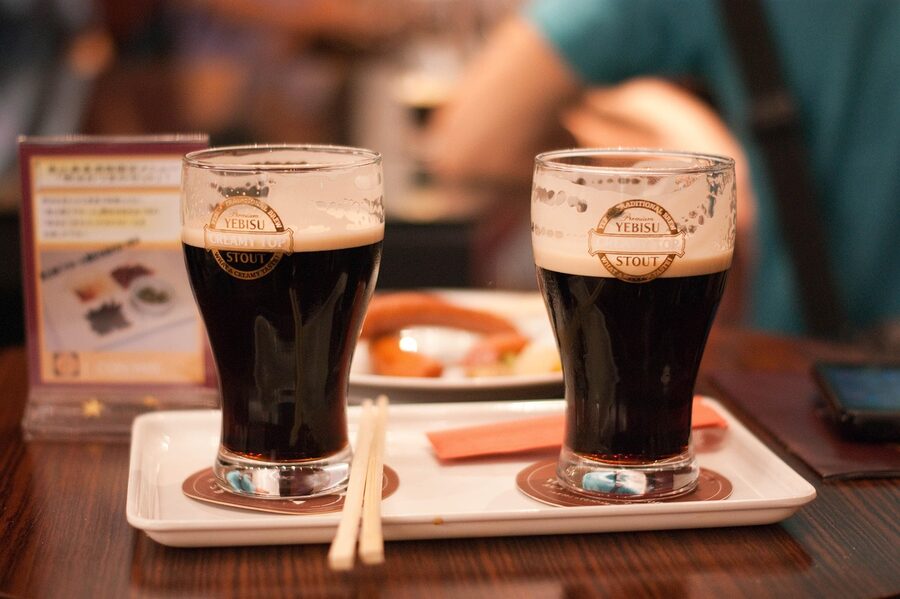
Start at the Museum of Yebisu Beer (5 minutes from the east exit via the Yebisu Skywalk, the moving walkway that connects the station to Yebisu Garden Place). The museum is free, the tasting salon pours fresh Yebisu for ¥400 a half-pint, and it genuinely tells you something about why this area exists. The brewery left in 1988 and the whole neighbourhood reinvented itself on the real estate.
For dinner, the Ebisu Yokocho covered alley (3 minutes from the east exit, straight down the main road, left at the Daikanyama turnoff) is the best one-stop evening in this part of the city. It’s a dozen or so tiny stalls under one roof okonomiyaki at one, grilled skewers at another, sashimi and shochu at a third. You order across multiple stalls, they bring it to wherever you’re sitting, and the bill adds up at the end. Budget ¥3,000-5,000 per person with drinks.
The natural wine scene is strung through the backstreets between Ebisu and Daikanyama. Winestand Waltz (7 minutes from the west exit) is the standing-bar original, glasses from ¥800, and they’ll pour whatever you’re curious about. The rule here is: drink standing, make it quick, move on to the next place. There’s no loyalty in a natural-wine bar in Ebisu, which is itself a kind of freedom.
Golden Gai: The Six-Person Bar Warren
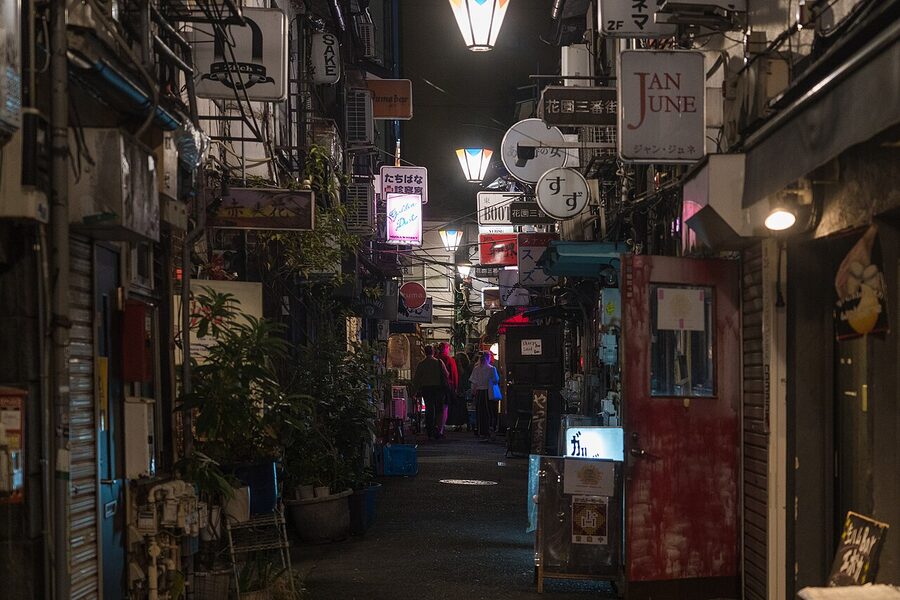
Golden Gai is in Shinjuku, east exit, about 8 minutes on foot across the Kabukicho intersection you’ll know you’ve arrived when the street gets narrow enough that two people can’t quite pass without one of you turning sideways. It’s best approached after 9pm. Before that most places are closed or empty.
The etiquette is the thing nobody explains properly, so here it is:
- Always look at the door before entering. Many bars will have a sign in English saying “regulars only” or “members only.” Respect it. Walking in anyway is the single rudest thing a tourist can do in this part of Tokyo.
- If there’s no sign, peek in, catch the bartender’s eye, and ask if there’s space. “Sumimasen, is it OK?” holding up one or two fingers for how many in your group works fine.
- There’s almost always a table charge of ¥500-1,500 per person. Sometimes called “otoshi” and includes a small dish, sometimes it’s a flat “seat charge.” Ask first if you care.
- One-drink minimum is standard. Drinks run ¥800-1,500. You can have two and leave and nobody minds.
- Photos inside are a hard no at most bars. The outside alleys are fine.
On which bars to actually try: the ones with pictures of tourists on the door and an English sign saying “welcome” are fine for a drink if you want to say you did Golden Gai, but they’re not particularly interesting. The quieter, weirder places the one-theme bars (jazz, punk, 1960s cinema, flamenco), the ones where the owner has been there thirty-five years are where you’ll remember being. Bar Albatross G is a long-running favourite that’s foreigner-friendly without feeling touristy. Death Match in Hell is exactly what it sounds like and stays fun for about one drink. That’s the right amount.
Food here is minimal. If you need something solid, walk back toward Kabukicho for a late ramen bowl. You’re not here to eat, you’re here to drink in strange small rooms.
Kagurazaka: Old Tokyo, French Tokyo, Stone Alleys
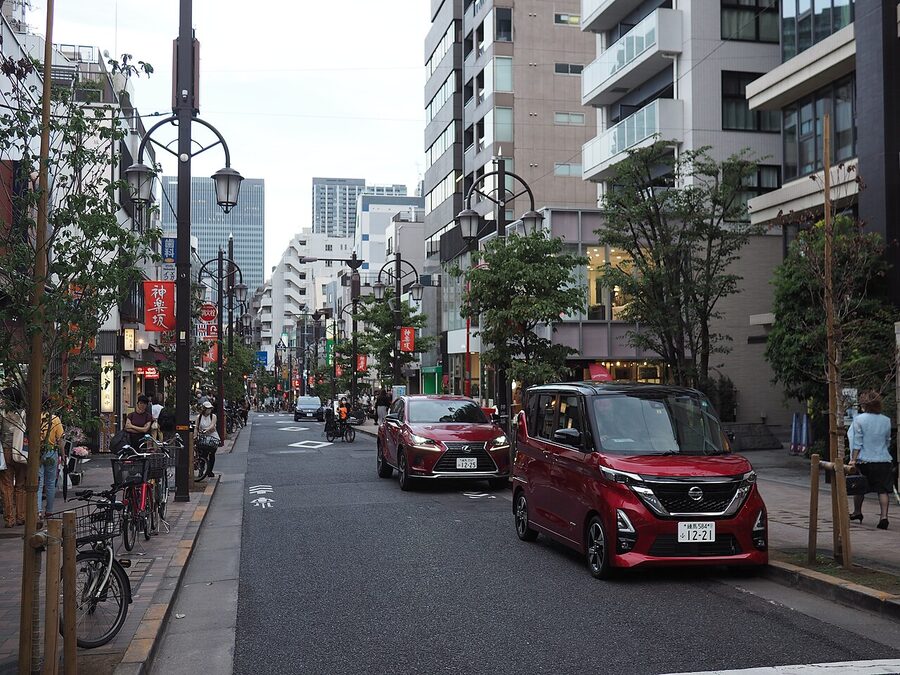
Kagurazaka is the Tokyo neighbourhood I recommend to people who think they already know Tokyo. It’s a twenty-minute walk from Shinjuku and nothing like it. The stone-paved Edo-era alleys (mostly Hyogo Yokocho and Kakurenbo Yokocho, running off the main Kagurazaka slope) are what the city looked like in the 1920s. The best kappo restaurants traditional Japanese course dining, seasonal, precise, quiet sit behind sliding doors you’d miss if you weren’t looking.
The French connection: the French embassy is in Kagurazaka and has been since the 1950s. The neighbourhood absorbed a generation of French chefs, and it still has the city’s best French-Japanese fusion. It’s also a genuinely bilingual place you’ll hear French in cafes next to the odd patisserie.
Station: Kagurazaka (Tokyo Metro Tozai line, exit 1) or Iidabashi (JR Sobu line, west exit, 5 minutes’ walk). Come out at Iidabashi if you want to walk the slope upwards, which is the traditional approach.
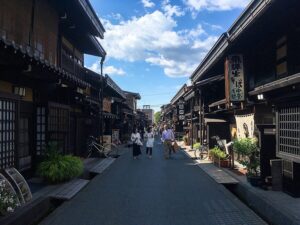
Named places: Kado (Kakurenbo Yokocho) is the kappo counter most foodie friends send me to when they hear you’re going. Book weeks ahead for dinner ¥12,000-18,000 a head. Le Bretagne does Breton-style savoury galettes for ¥1,500-2,500 and is where I’d take someone who didn’t want to commit to a full kappo evening. The Kagurazaka/Hida connection on the traditional-kappo side is strong enough that if you’re planning the countryside leg of your trip, my Takayama food guide covers the mountain version of the same tradition.
Time of day: lunch is cheaper and easier. Evenings from 7pm fill up fast. Go on a weekday.
Tsukiji Outer Market: Breakfast Sushi
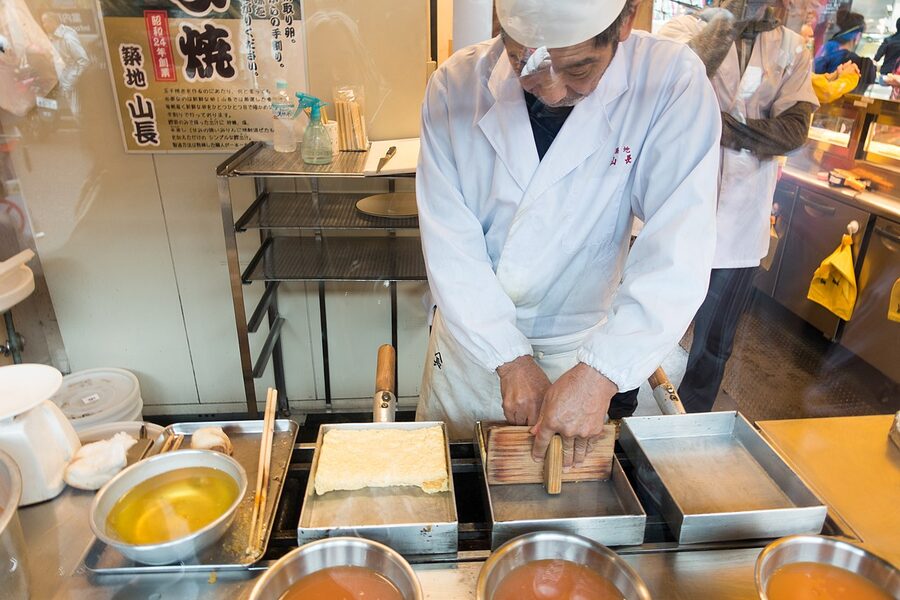
Tsukiji Outer Market (Tsukiji station, Tokyo Metro Hibiya line, exit 1, or Tsukijishijo on the Oedo line) is for breakfast, not lunch or dinner. By 11am half the good stalls have sold out; by 2pm the market is closing up. Arrive at 6:30am on a Tuesday, Wednesday, Thursday, Friday, or Saturday the market is closed Sundays and most Mondays, and Wednesdays are sometimes market holidays. Check the Tsukiji Outer Market calendar before you go.
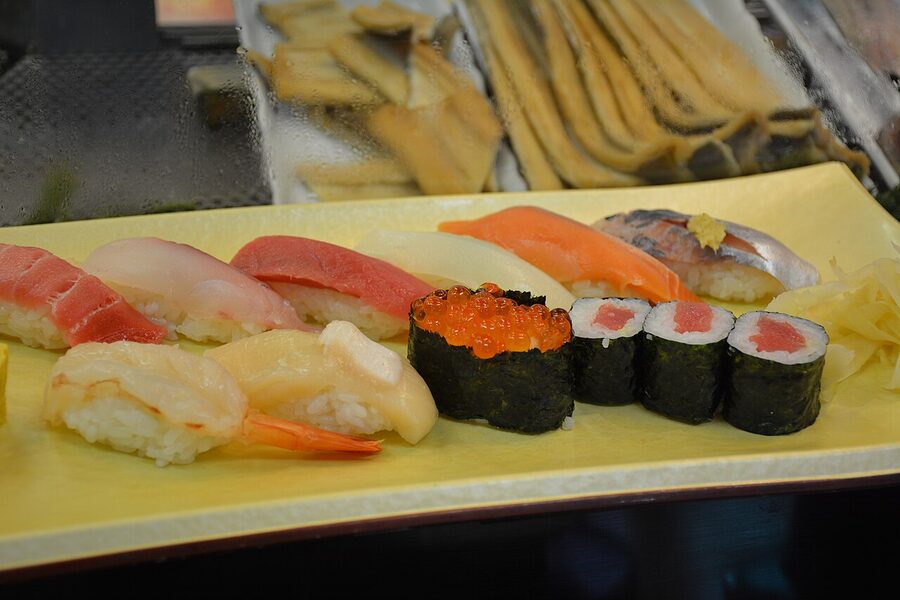
What to eat, in order: start with tamagoyaki at Marutake or Yamacho, one of the egg-roll specialist stands. ¥150-200 a skewer. Then tuna don at Sushi Ichiba or the queue-forming Sushidai if you have the stamina for 90-minute waits (I don’t anymore). Then walk the market nibbling grilled scallops from a stand, uni on a cracker, a small cup of green tea.
For the best value, skip the biggest-name places with the longest queues and pick any of the smaller sushi counters on the side alleys. They’re all good; the tuna is all coming from the same auction down the road at Toyosu. Nakaya does an excellent ¥2,500 chirashi bowl that hasn’t hit Instagram yet.
One thing to skip: the “Tsukiji fish market tour” packages. You can walk the outer market yourself in ninety minutes with zero Japanese and spend less than the tour fee on actual food. Toyosu, the new wholesale market, is a separate trip go if you specifically want the tuna auction at 5:30am, otherwise the outer market is the fun one.
Shimokitazawa: Cheap, Young, Vinyl
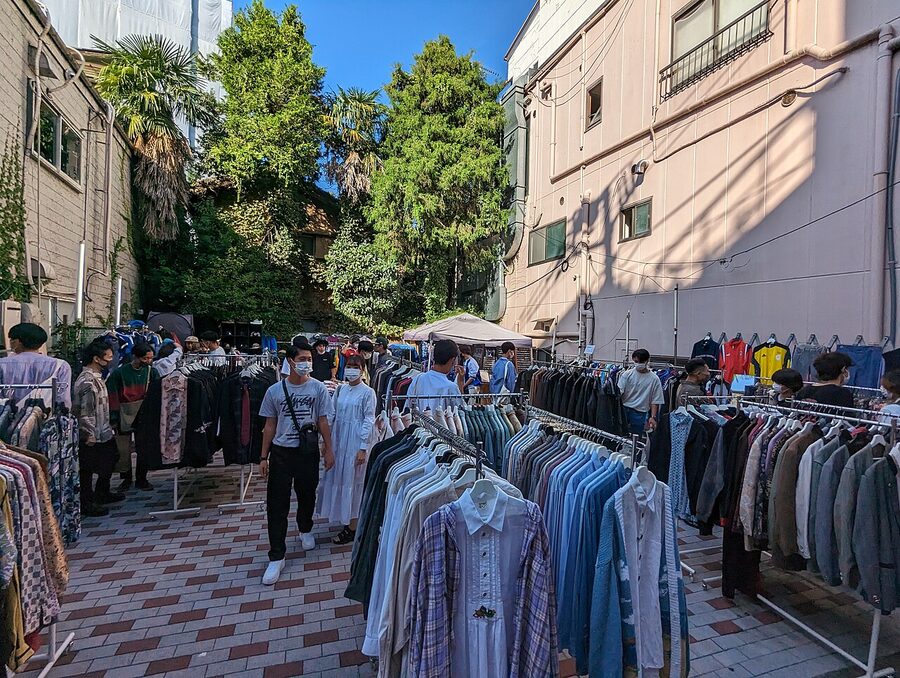
Shimokita (Keio Inokashira line from Shibuya, or Odakyu line from Shinjuku, 5-7 minutes either way) is Tokyo’s “young neighbourhood” Tokyo student districts, for what it’s worth, look nothing like Western ones. Here it means cheap izakaya, vintage clothing, tiny live-music venues, and coffee shops with names written only in Japanese.
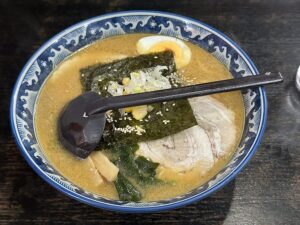
Eating here: you budget ¥1,500 for an evening and drink your way through it. Shirube (south exit, 4 minutes’ walk) is the classic neighbourhood izakaya grilled fish, home-cooked sides, sake flights for ¥1,200. It’s been here forever and the locals still go. The Mother’s Ruin for craft beer with whatever vinyl is on the turntable. For budget ramen, Niboshi Chuka Soba Genji does dried-sardine broth that’ll clear your sinuses.
Music note: if you’re passing through, Shelter and Club Que are the live-music venues that made the neighbourhood. Covers run ¥2,500-3,500 and you’re drinking at the back while three bands you’ve never heard of play. It’s the best low-budget night out in the city.
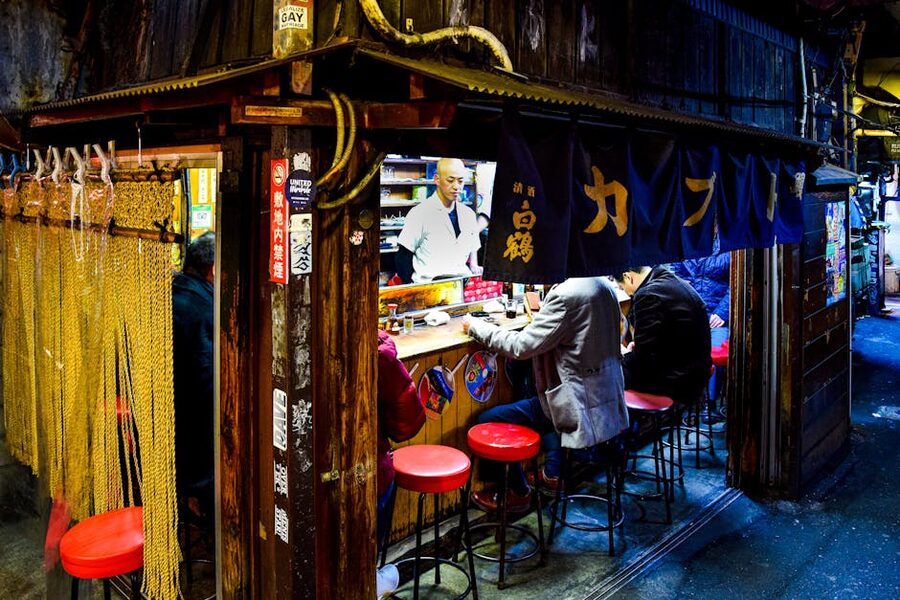
Asakusa: Traditional Tokyo That Still Eats
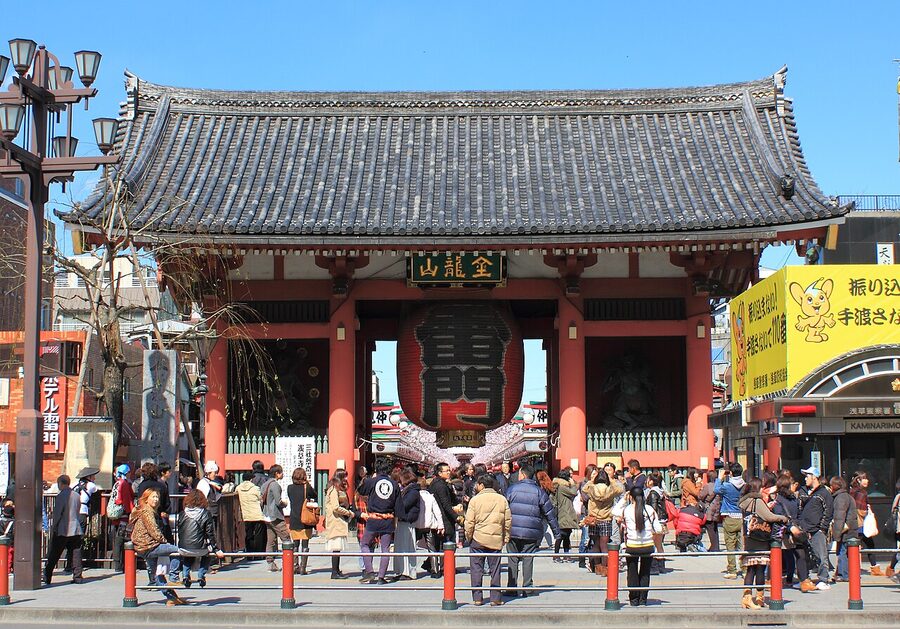
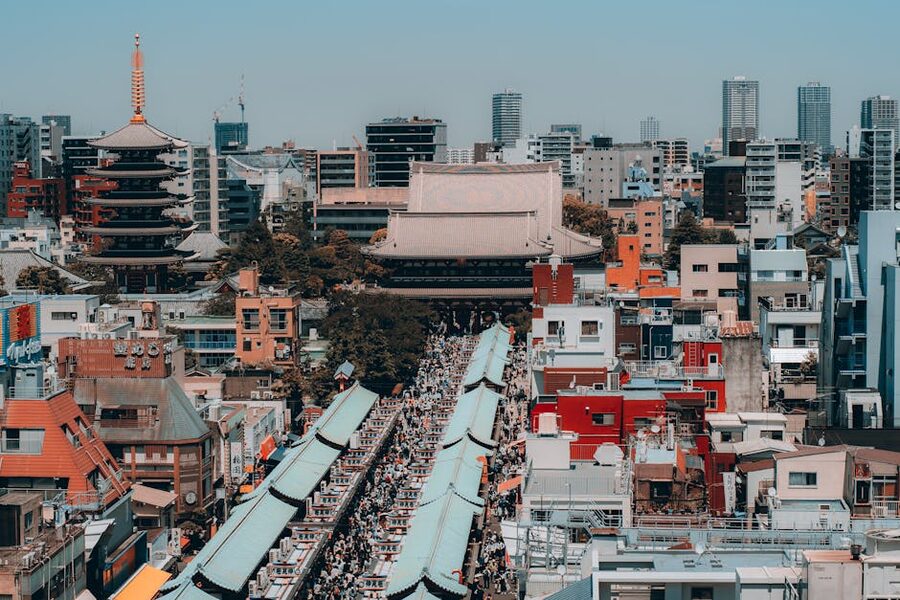
Asakusa (Tokyo Metro Ginza line or Asakusa line, exit 1 for Kaminarimon) is Old Tokyo the version that survived the war least damaged and rebuilt itself fastest. The temple (Sensoji) is the tourist magnet; the food is mostly off to the side.
Tempura first. Daikokuya (3 minutes from Kaminarimon, easy to find by the line outside at lunch) serves tendon rice bowl with fresh tempura and their house soy-dashi sauce for ¥1,900-2,500. It’s been here since 1887. The line moves in about 30 minutes and is worth it exactly once. Aoi-Marushin is the alternative, a little fancier, prawns fatter, slightly less queue.
For the old-Tokyo drinking experience, Hoppy Dori is the run of tiny bars on the north side of Sensoji. Hoppy is a beer-flavoured non-alcoholic mixer you combine with cheap shochu to invent your own drink it’s how Tokyo workmen drank cheap beer-flavoured alcohol in the 1950s, and the neighbourhood has kept it going. ¥500 for a mug. The Rokku-dori strip, parallel a block away, has the old-cinema beer halls: wooden floors, sepia photos, salarymen in their seventies drinking beer at 3pm.
On the Sumida River side, look for monjayaki the Tokyo version of okonomiyaki, runnier, cooked at your table on a steel griddle. It’s a local thing that most visitors miss.
Shibuya: Eat Fast, Drink Vertical
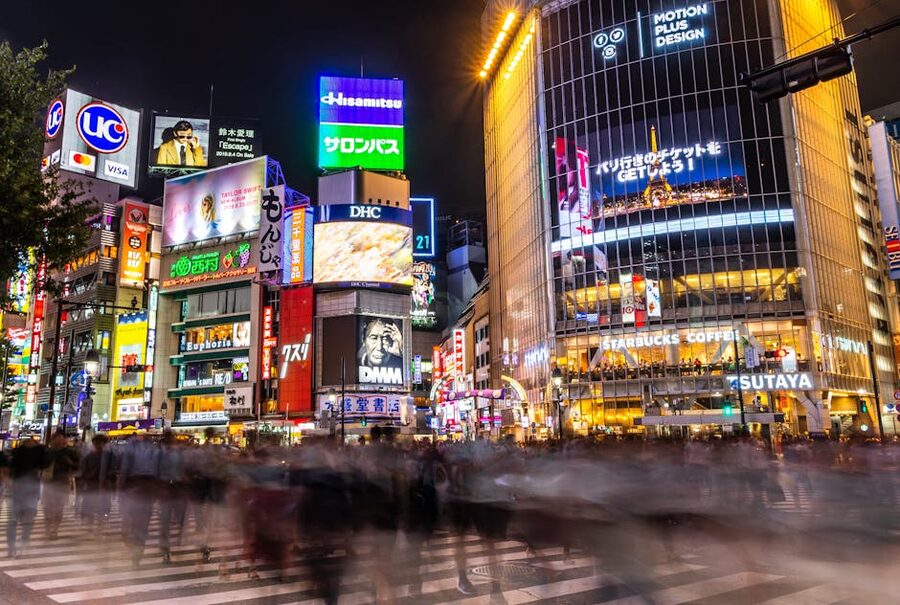
Shibuya (JR Yamanote, Tokyo Metro Ginza or Hanzomon line) is hard to pin down as an “eating” neighbourhood because mostly people are rushing through it on the way somewhere else. But there are two very specific things worth knowing.
First, inside Shibuya station, up on the top floors of the Tokyu Food Show and Shibuya Scramble Square buildings, there are standing bars and shotengai-style restaurant runs where salarymen eat between trains. It’s some of the most functional eating in Tokyo twenty minutes, a beer, a tonkatsu set, and you’re back on the platform. Nothing romantic, highly effective.
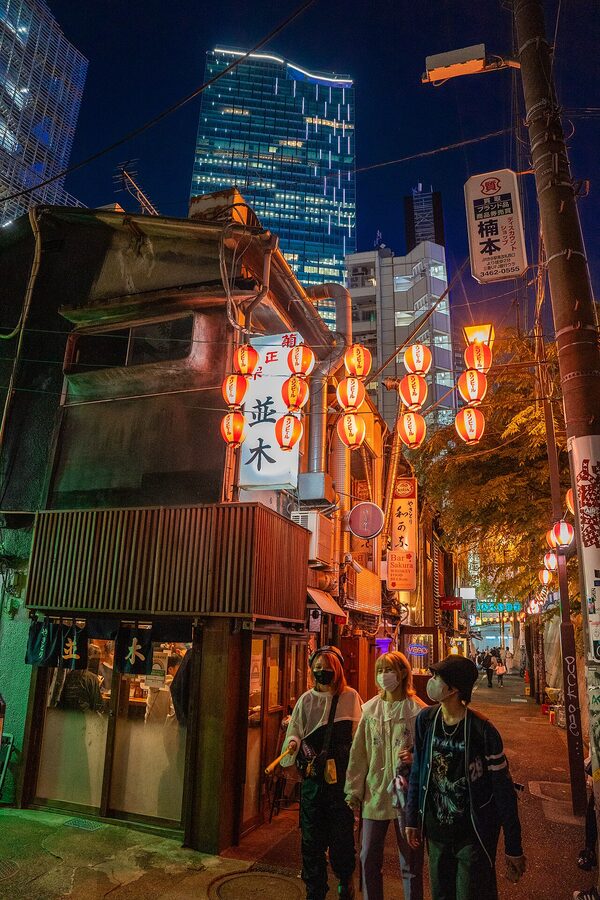
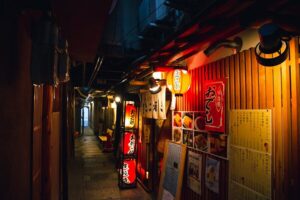
Second, the Nonbei Yokocho (literally “drunkard’s alley”) is a thirty-metre run of about forty tiny bars tucked on the east side of the station, right up against the JR tracks. It’s the same idea as Golden Gai four-to-six-person bars, wooden doors, table charges but smaller and cheaper. Most bars are ¥2,000-3,000 a visit. Hard to find by Google Maps; easy to find by walking east from the Hachiko exit and looking for the low wooden sign.
For a proper Shibuya-adjacent ramen, there’s the Afuri branch on the back streets north of the Scramble yuzu-shio ramen, light broth, lemon peel floating on top. ¥1,100 a bowl. The Tokyo tonkotsu chains are mostly OK but if you want the real deep-pork-bone-broth thing, you’re better off travelling south Fukuoka does tonkotsu better and if you’re doing the Japan leg of a longer trip, that’s worth the side-journey.
Daikanyama and Nakameguro: Slow, Expensive, Quiet
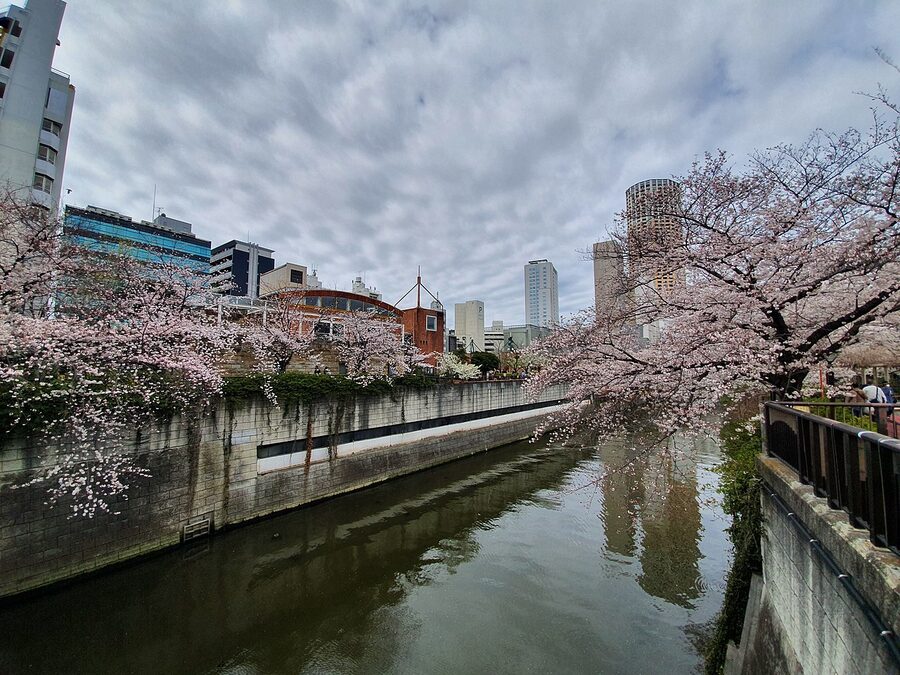
Daikanyama (Tokyu Toyoko line from Shibuya, one stop, or a 15-minute walk from Ebisu) and Nakameguro (one stop further on the Hibiya line) are where Tokyo goes to drink its coffee slowly and not talk about it. The Meguro River runs through both neighbourhoods, and in spring (late March, first week of April) it’s the hanami spot every Tokyoite says is their secret even though it isn’t.
Food here is expensive but low-key. Tsutaya Books Daikanyama has three cafes inside its bookshop complex where coffee is ¥600 and there’s no pressure to order anything else it’s the kind of place where you can sit for three hours with a book and nobody asks you to move. Onibus Coffee (Nakameguro, 3 minutes from the south exit, in a converted garage) is the hand-drip standard, ¥550 a cup. For dinner, Higashi-yama Tokyo does kaiseki in a concrete-and-wood dining room and you’ll spend ¥15,000-25,000 a head. Book weeks ahead.
Natural wine: Shibuya Cheese Stand and Winestand Waltz extend their reach into Nakameguro via tiny standing bars I can’t quite find on Google Maps but can always recognise by the chalkboard out front with six wines listed and nothing else. Ask the barman in the cafe you’re already drinking coffee in they know.
When to come: weekday afternoons for the coffee, spring evenings for the cherry blossoms, Saturdays are too busy. Go on a Tuesday or Wednesday and you’ll have the riverside mostly to yourself.
Yanesen: Yanaka, Nezu, Sendagi the Tokyo That Didn’t Change
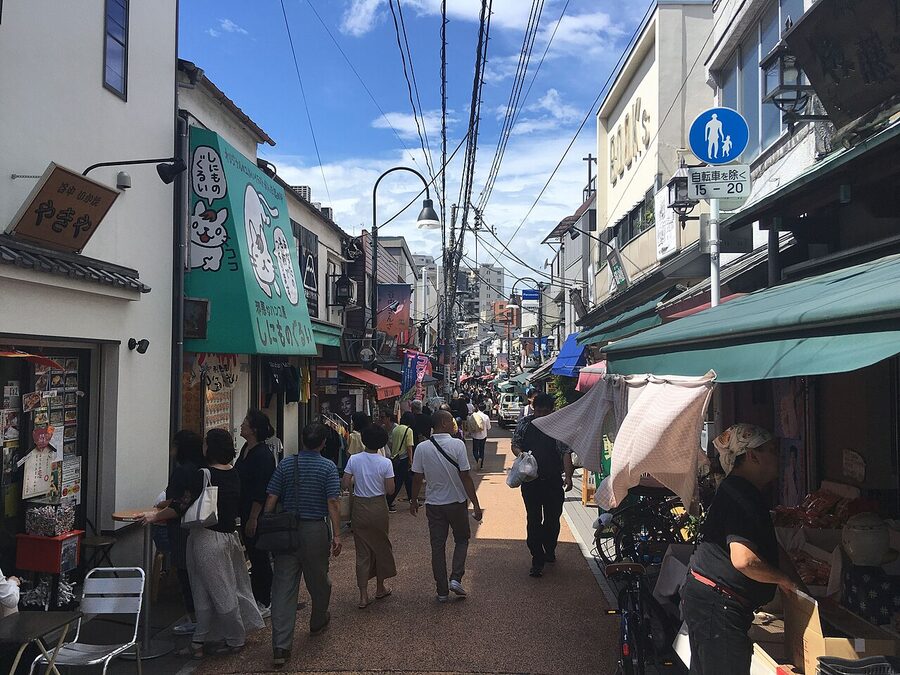
“Yanesen” is the catch-all name for three adjacent neighbourhoods in north-east Tokyo Yanaka, Nezu, and Sendagi. Between them they preserve the Showa-era (1950s-1970s) small-shop Tokyo that the rest of the city demolished for office towers. You can walk all three in an afternoon, eat well the whole way, and spend less than ¥3,000 total.
Get off at Nippori (JR Yamanote, west exit) and walk into Yanaka Ginza. The street has about seventy small shops. Eat as you go: Koyoken for yakitori skewers (¥150 each, grilled in front of you), Yanaka Menchi for a ¥220 menchi-katsu (a fried ground-meat patty you eat walking), Himitsudo for shaved ice in summer, Yanakado Coffee for an old-school kissaten sit-down.
Unagi: Unagi Fuji in Sendagi (5 minutes from Sendagi station, Chiyoda line) does a ¥3,500 hitsumabushi unagi set that’s one of the last real old-school unagi experiences in central Tokyo. Book if you can; walk in at 12:30 on a Tuesday if you can’t.
The manekineko (beckoning-cat) shops are a Yanaka specialty there’s a Buddhist story about a cat who saved a feudal lord from a lightning strike by waving him into a temple, and Yanaka’s old temples all claim the original. The small shops selling ceramic cats are excellent souvenir territory, ¥800-3,000 for a decent one.
Time of day: early morning or late afternoon. Midday it’s full of tour groups. The neighbourhood closes early by 8pm most of Yanaka Ginza is shuttered and you’re walking empty streets.
Ueno Ameyoko: Post-War Black Market, Now a Food Street
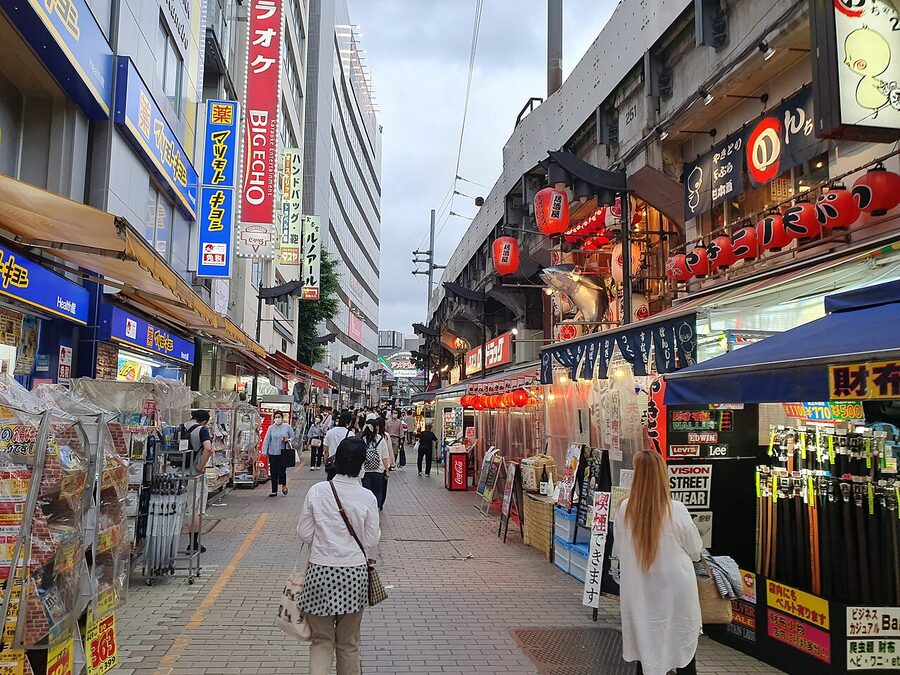
Ameyoko properly Ameya-Yokocho is a 500-metre run of about four hundred stalls under the JR Yamanote Line tracks, between Ueno and Okachimachi stations. Come out at Ueno station Shinobazu exit and walk south along the tracks, or come up at Okachimachi and walk north. Either way you’re in it.
What you eat here, in order of what I’d actually buy: ankimo (monkfish liver) at one of the seafood stalls served cold with ponzu, about ¥600-800 for a small plate. A can of Kirin or Asahi to go with it (¥220). You eat it standing at a plastic crate near the stall, under the tracks, the JR passing every ninety seconds. If you want more, ankimo is one of the harder Japanese foods I’ve written about same genre as shirako and natto, but weirdly easy to love once you’re past the first bite.
After the ankimo: Minato-ya for a ¥500 oden bowl, hot dashi broth with simmered daikon, tofu, and egg. Takeoka for grilled squid skewers with salt. Nikuno Osei for a menchi-katsu. A ¥100 yakitori stick from any of the seven places selling them.
Timing: go at 10am on a weekday the stalls are just opening, the crowds haven’t arrived, the vendors will talk to you. By 2pm on a Saturday it’s the most packed I’ve ever seen a food street in Asia, which is saying something given I’ve spent too much time on Dotonbori.
Akihabara and Ikebukuro: Two Quick Verdicts
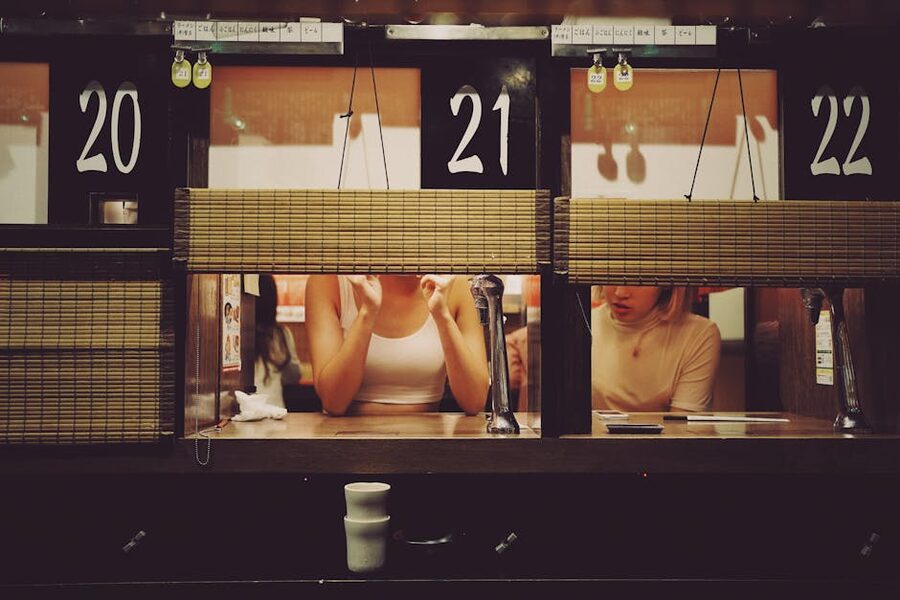
Two neighbourhoods nobody mentions for eating but both deserve a paragraph.
Akihabara (JR Yamanote, electric town exit): come for the standing sushi at Midori (¥1,500 lunch sets, fast, better than the price suggests) and the curry-rice ramen-stand scene. The maid cafes do perfectly fine curry with heart-shaped ketchup on top and it’s 70% as good as a non-themed version for 130% of the price. Go once for the novelty, eat the curry, leave.
Ikebukuro (JR Yamanote, west exit): this is where Tokyo’s Chinese community is concentrated, and the Chinese food is genuinely better here than in Tokyo’s more famous Chinatown in Yokohama. Yosuko Saikan does proper mapo tofu and the type of hand-pulled noodles you’d find in Lanzhou. For the full shouting-karaoke Japanese izakaya experience, Ikebukuro east exit after 10pm is the most unrestrained version of it in the city six floors of karaoke boxes stacked on top of cheap izakaya, ¥2,500 gets you two hours of drinking and shouting, which is more traditional Japanese-workmen-on-a-Friday than any of the polished versions.
A Couple of Practical Things
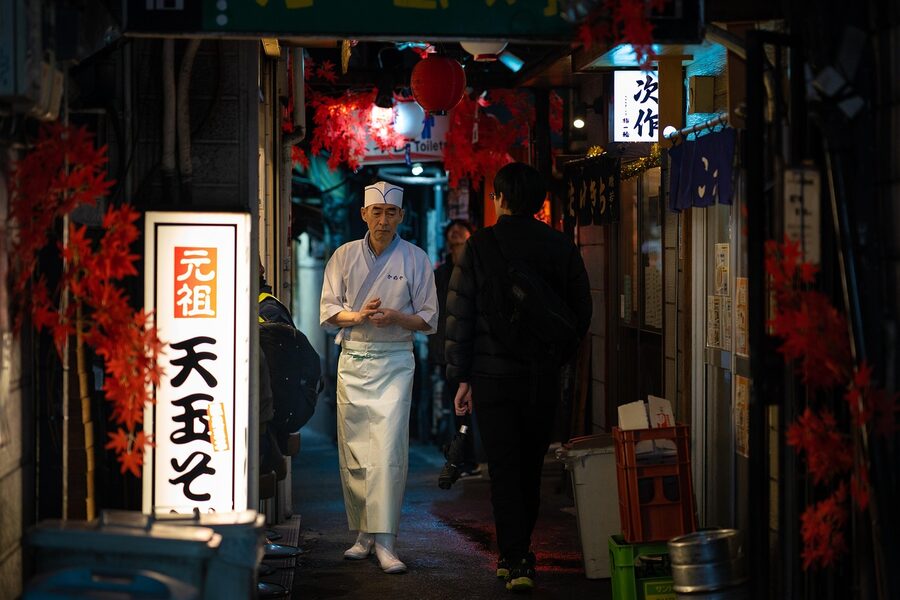
A few things I wish I’d known the first time:
Cash still matters. Small yakitori counters, Golden Gai bars, older kissaten in Yanaka they don’t all take cards. Carry ¥10,000-15,000 in a wallet just for food evenings. The 7-Eleven ATMs dispense yen from any foreign card.
Reservations for the good kappo places are weeks-out serious. If you care about one specific restaurant, book before you land. Concierges at mid-range business hotels will do this for you for free if you ask at check-in.
Last train matters a lot. Tokyo trains stop around 12:30am (some lines earlier). If you’re drinking in Golden Gai or Shimokitazawa, plan to either be done by midnight or commit to a late-night ramen and a cab home. Cab from Shinjuku to most hotels runs ¥2,000-4,000 after midnight.
Rainy evenings are the best time. The tourists thin out, the salarymen stay indoors, and the narrow alleys become the quiet things they were meant to be. Tokyo in rain is Tokyo at its most itself.
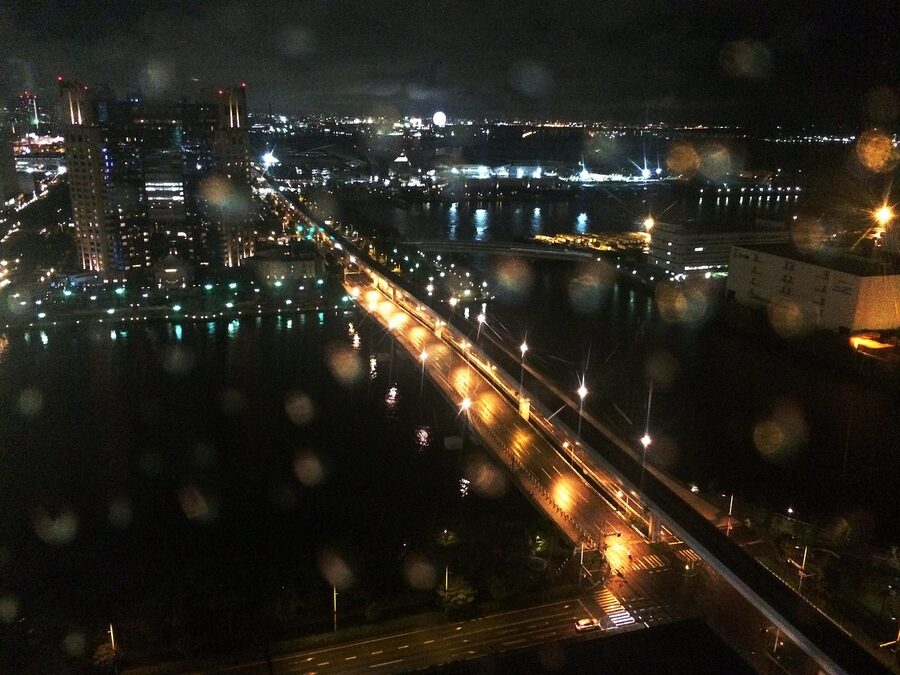
Pick two neighbourhoods per day, one for eating and one for drinking, and don’t try to cover more. Tokyo rewards the slow evening, not the list.
.jpg)

.jpg)
.jpg)


.jpg)
