
Okinawa Food Guide: Goya Champuru, Taco Rice, and the Ryukyu Kingdom Kitchen
A friend of mine booked Okinawa for the beaches. Nine days on the main island, the usual diving photos, a room in Chatan. She came back and barely mentioned the sea. She talked about a lunch counter in the rebuilt Makishi Public Market where a woman stir-fried bitter melon, egg, and pork belly in front of her, slid the plate across, and watched her eat the first bite. She talked about the clusters of green pearls she kept ordering off izakaya menus and popping between her teeth. She said the phrase “taco rice” about twelve times.
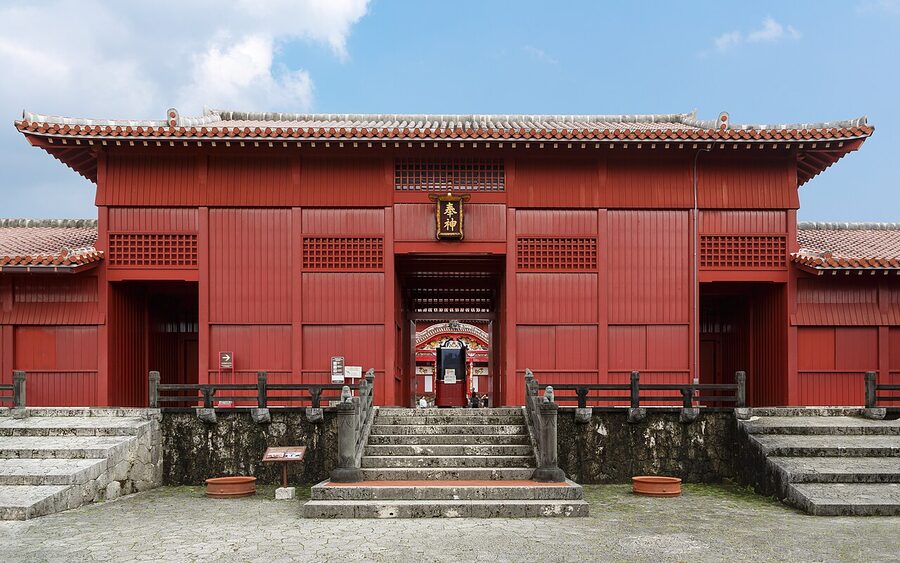
Okinawa is not mainland Japan with better weather. It’s a separate place with a separate history, and the food is the loudest evidence of it. The Ryukyu Kingdom ran here from 1429 until Japan annexed it in 1879, trading with China, Siam, Korea, and the Southeast Asian archipelago. Then came the ugly 1945 battle and twenty-seven years of US military administration. Every chapter landed in the kitchen. The pork comes from the Chinese trade. The bitter melon from the southern tropics. The taco rice from the bases. The rice liquor from Siam in the 15th century. None of it happens anywhere else in Japan.
This is what to eat and where to eat it, across Naha and the main island and a couple of the smaller ones. I’ll name the restaurants. Prices are in yen (¥) because Okinawa prices are Okinawa prices, cheaper than Tokyo, mostly, especially the soba and the taco rice.
In This Article
- Start with goya champuru
- The whole champuru family
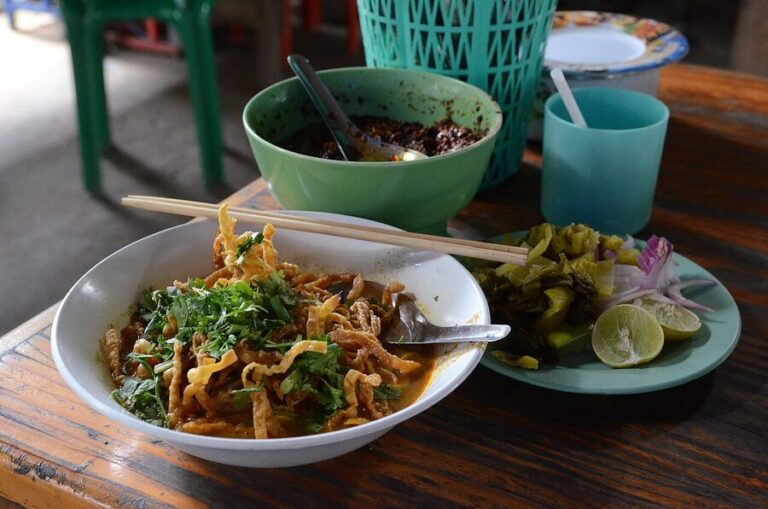
- Okinawa soba: not the soba you know
- Taco rice and the American question
- Umibudo, or why you came
- Ryukyu royal cuisine
- Awamori: not sake
- Pork, from ear to tail
- Ishigaki beef and the outer islands
- Makishi Public Market: the whole island in a building
- Mozuku, the seaweed Okinawa drinks
- Sweets, shaved ice, and Blue Seal
- Orion Beer and shikuwasa
- Spam musubi and the bases
- Ryukyu breakfasts and the diet
- Where to stay for eating
- A one-day food plan in Naha
- A note on seasons
- What I’d skip
Start with goya champuru
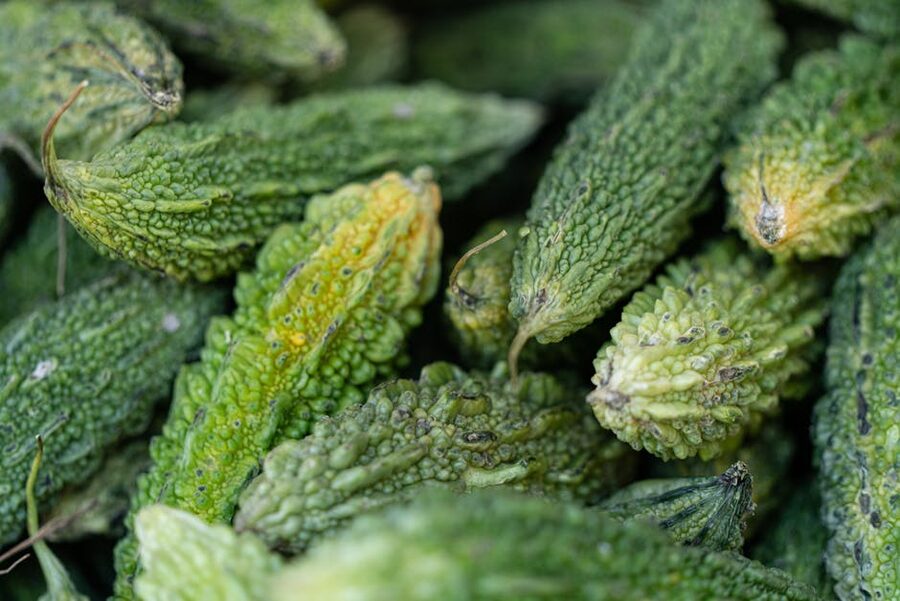
If you eat one Okinawan thing, eat this. Goya champuru is the island’s soul dish, bitter melon sliced into crescents, stir-fried hard with firm tofu, egg, pork belly or spam, cabbage, and a final shower of dried bonito flakes that flutter in the rising steam. “Champuru” means mixed, and the word applies to the whole of Okinawan culture as much as to the pan.
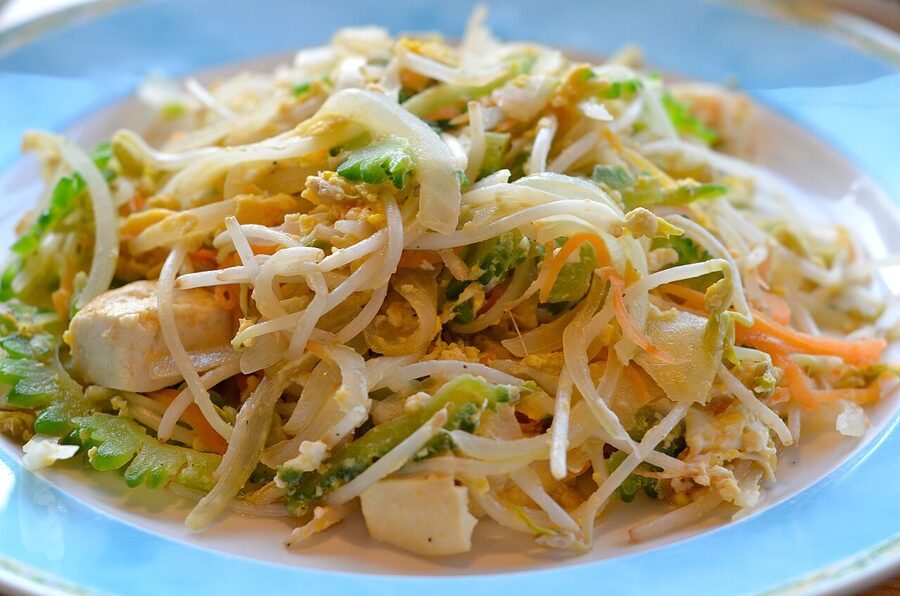
Goya itself is a long warty green gourd, and it really is bitter, not the teasing bitterness of radicchio but a proper slap, the kind you either grow into or resent forever. Okinawans credit it with half of their island’s longevity. I think it’s more that bitterness and salt together make your body pay attention to food. Either way, it’s the taste of the place.
Best places to eat it:
- Yunangi (Naha, 3-3-3 Kumoji, three minutes from Kenchomae monorail), open only for dinner, 5 to 9:30pm, closed Sundays. Homey, wood-panelled, a proper Okinawan izakaya where the goya champuru comes out blistered at the edges and costs around ¥900. Come early; they fill up by 6:30.
- Mitsuya, a small set-lunch counter off Makishi where a teishoku with goya champuru, rice, soup, and a small pickle plate is about ¥1,000. Lunch only. Good introduction if you’re not sure about bitterness yet.
- Urizun (near Makishi station), a slightly more polished izakaya, English menu, goya champuru around ¥1,100. The rafute is also very good here.
The whole champuru family
Goya is the famous one, but champuru is a category, not a dish. Ask at any local-leaning izakaya and you’ll get variants. Order two or three as a table and you start to see the philosophy.
Tofu champuru uses shima-dofu, the local firm tofu, which is denser than mainland tofu and can take a proper sear. Pork, cabbage, bean sprouts, egg, seasoning. Milder than goya. A good way in if you’re shy of bitterness.
Fu champuru is built around fu, spongy cubes of wheat gluten soaked in egg before hitting the pan. They drink up whatever sauce is in the wok. Eaten hot it’s one of the best textural experiences in Okinawan cooking.
Soumen champuru is fine wheat noodles stir-fried with chives, pork, and often tuna. The noodles get slightly crisp in patches. Carb-heavy, cheap, the kind of thing a fisherman might eat after a long morning.
Papaya champuru, green unripe papaya cut into matchsticks, stir-fried like a vegetable. It tastes more like a crunchy squash than a fruit. Not always on English menus; worth asking for.
The best one-stop champuru sampling is at Dachibin on Kokusai-dori (open 5pm-12am, expect a service charge). Hyper-local, packed, often with live sanshin music if you stay late enough. Order three champuru variants and a bottle of awamori and you’ve had most of the island in one sitting.
Okinawa soba: not the soba you know
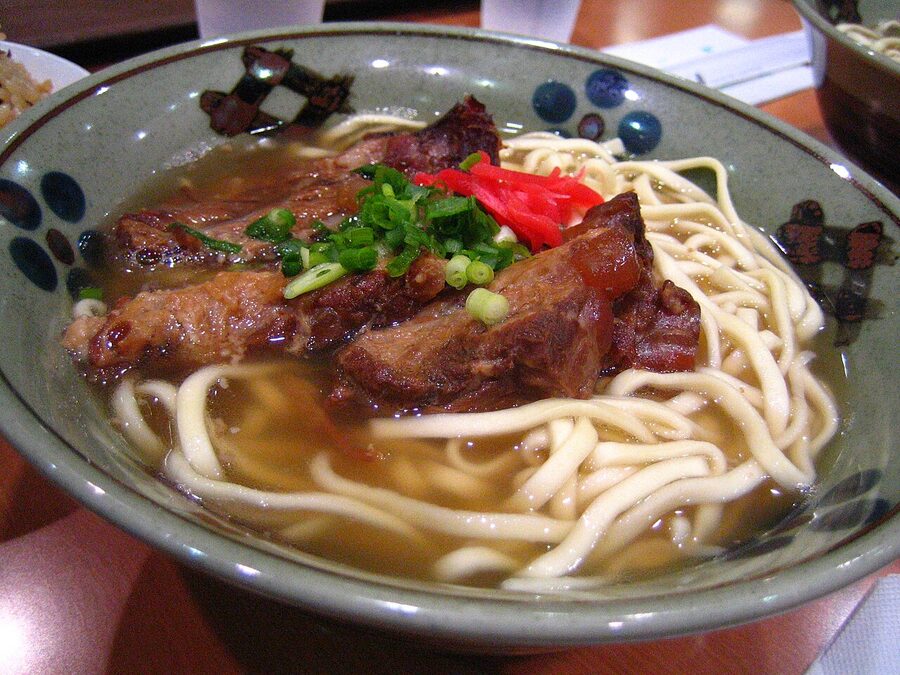
Walk into an Okinawan soba shop expecting buckwheat and you will leave confused. “Soba” here just means noodle. The noodles are wheat, the broth is pork bone and bonito, and the closest mainland analogue isn’t soba at all, it’s ramen, crossed with udon.
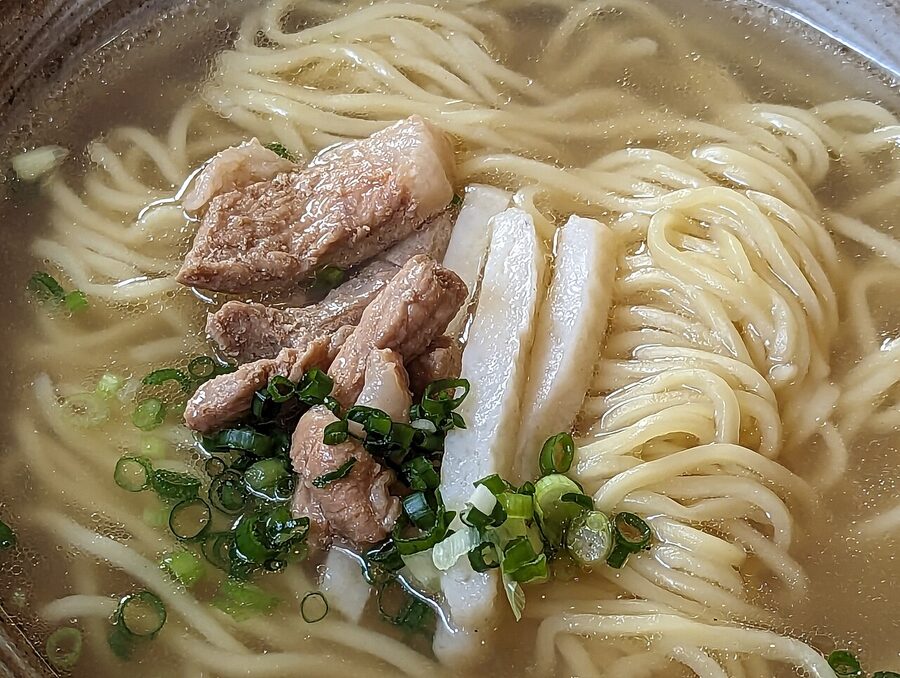
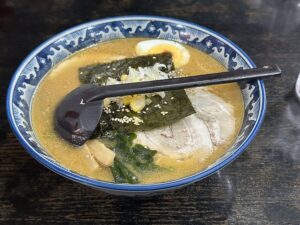
You’ll meet two main toppings. Soki soba comes with pork rib, bone-in, simmered until the meat falls off in shreds and the cartilage turns soft. Rafute soba comes with cubes of braised pork belly, fatty, sweet-savoury, a small luxury. Both cost ¥800-1,100 in a decent shop. Many places also serve a regular bowl with just three thin slices of pork belly for ¥600-700.
Where to go:
- Shuri Soba, ten minutes from Shuri Castle, and the short queue is part of the experience. Open 11am-2pm only, closed Thursdays and Sundays. ¥700-900. Go at 11. They sell out.
- Okinawa Soba Eibun (Tsuboya pottery district, near Makishi), a reliable modern-leaning shop with longer hours (11am-8pm) and usually a short wait. Stand Eibun is the sister branch a few blocks away and almost never queues.
- Shimajiri Soba (Itoman, south of Naha), if you’re driving south to the peace park, swing in. The broth leans fishier here. ¥850 for the standard bowl.
- Takaesu Soba, the one to try if you like tofu. Their signature is yushi-tofu soba, with soft curdled tofu floating over the noodles. 10am-3:45pm, closed Sundays.
One warning: a lot of Naha lunch spots sell machine-made Okinawa soba for ¥600 with muddy broth and pork that tastes boiled rather than braised. The difference between that and the shops above is significant. Pick your bowl carefully. If the place looks like a canteen for salarymen grabbing a ten-minute lunch, the noodles are fine but don’t expect magic. If you’re hunting ramen-style depth across Japan more broadly, Fukuoka’s tonkotsu scene is the other extreme, thinner noodles, richer pork broth, and the same pork-bone obsession in a very different register.
Taco rice and the American question
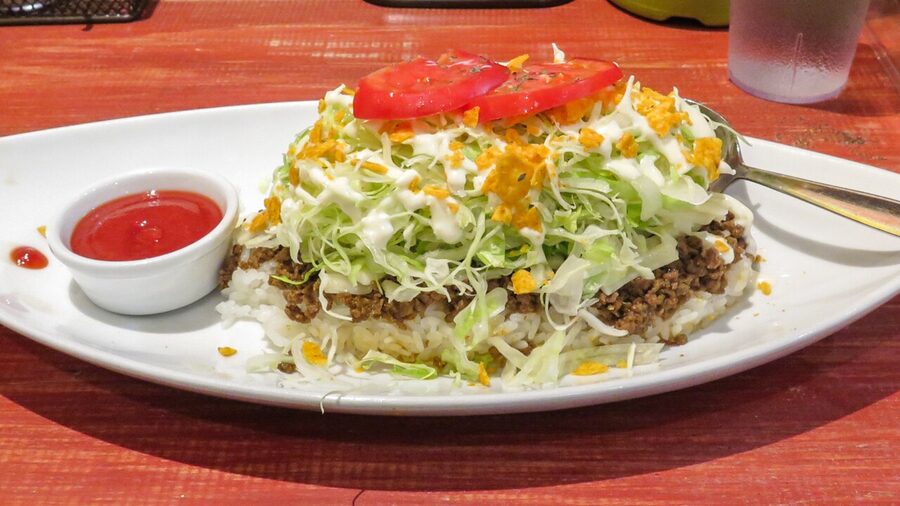
The story is roughly this. In 1984, in Kin Town (about 90km north of Naha, on the east coast, near Camp Hansen), a small restaurant called Parlor Senri, followed quickly by Charlie’s Taco, tried to feed US Marines cheaply. Tacos in shells were fiddly and the shells got stale. Someone dumped the filling onto white rice, stirred in cheese, and put a wedge of lemon on the side. The dish stuck. Kin Town still holds itself out as the birthplace, and the drive out from Naha for a bowl is a thing some people do.
Where to actually eat it:
- Charlie’s Tacos (Kin Town), the origin story. Hard to get to without a car. About 90 minutes from Naha via Expressway 58. ¥600 for a classic taco rice, ¥500 for an individual taco. Worth it if you’re curious, skippable if you’re not renting a car.
- King Tacos (Kin Town + a second branch in Okinawa City), bigger, cheaper portions. Split one between two people. ¥550 for the regular.
- Taco Rice Cafe Kijimuna (Chatan / Mihama American Village), the Instagram one. Cheese-and-egg taco rice with a runny yolk on top, ¥950. Touristy, but the food is actually good.
- Pariko (near Kokusai-dori, Naha), smaller, grown-up version. Fresh salsa, proper cheese. ¥900.
- The TacoRice House (Ginowan), try their butter-and-soy-sauce version, ¥820. Sounds wrong. Works.
The Kokusai-dori taco rice touts with plastic food out front and “Taco Rice ¥500!” signs in English are almost uniformly bad. You get gummy rice, watery mince, and processed-cheese strings that refuse to melt. Walk past them. If you want taco rice on Kokusai, go to Pariko. The Osaka street-food scene has nothing like this, the American base footprint created a specific post-war culinary layer that Honshu didn’t get, and taco rice is the purest expression of it.
Umibudo, or why you came
Umibudo, literally “sea grapes”, is a seaweed that grows in warm shallow water around the Ryukyu archipelago. It comes to the table as a small mound of beaded green strands that look like a vine of miniature caviar. You pluck off a cluster, dip it lightly in soy sauce or ponzu, and put the whole thing in your mouth. The little spheres pop between your teeth with an audible snap and release a mouthful of ocean.
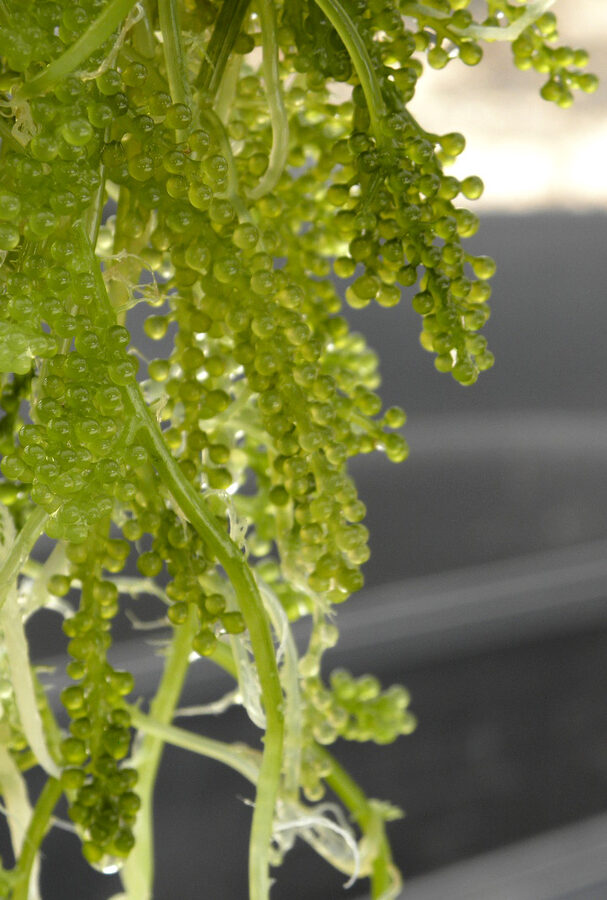
Most izakaya serve a small plate for ¥400-600, and they’re often included free as an appetiser if you order several dishes. Yunangi does a classic version; Dachibin serves them heaped on a wooden boat with ice underneath. For something unusual, order them on top of sashimi or sushi, the pop pairs strangely well with raw tuna.
A thing to know: the beads soften if you refrigerate them. Always ordered room temperature, eaten within minutes. If yours arrive looking deflated, send them back. And if you become mildly obsessed with the taxonomy of Japanese sea things, the country has a whole sub-cuisine of marine strangeness that umibudo sits at the gentle end of.
Ryukyu royal cuisine
The Ryukyu Kingdom ran a court at Shuri Castle from 1429 to 1879. Kings ate formal multi-course meals that borrowed heavily from Chinese imperial tradition, and those meals, scaled down and domesticated, are still served at a handful of restaurants in Naha and the north of the island. This is Okinawa’s fine dining, and it’s worth one expensive lunch or dinner in your trip.
The signatures you’ll meet:
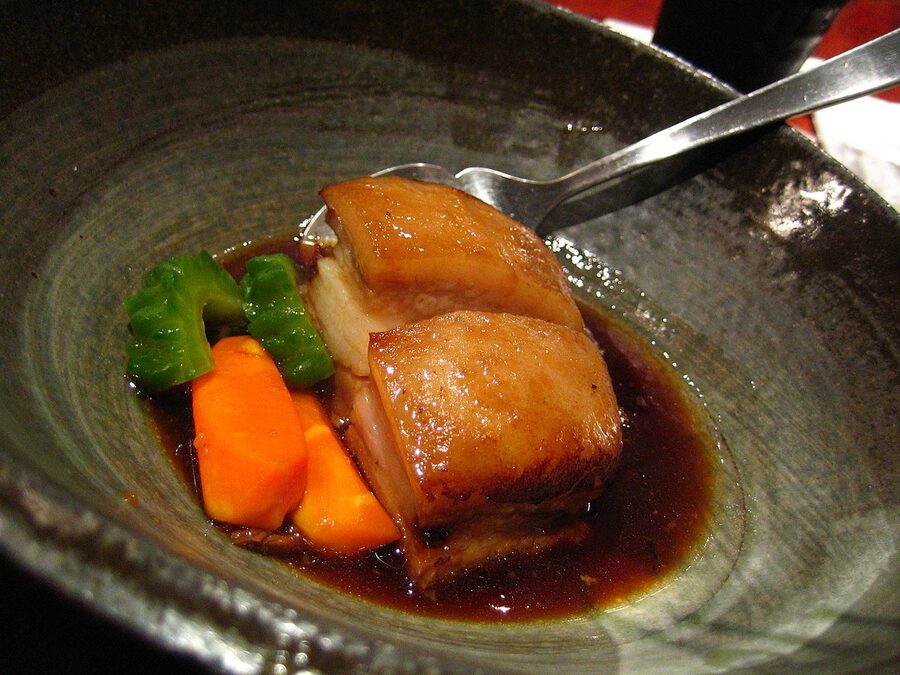
- Rafutē, the full version of the braised pork belly we’ve been talking about. A thick cube, cooked six hours or more in awamori, soy, and Okinawan black sugar until it softens into something you cut with the side of a chopstick.
- Jīmāmī-dōfu, peanut tofu. Not tofu at all. Raw peanuts soaked and ground into a milk, strained, set with sweet potato starch. Silky like a panna cotta, served with a glossy sweet soy. The most surprising dish on the island.
- Mīnudaru, thin slices of pork coated in a thick black paste of ground sesame seeds, sweet miso, and awamori. The black is so dense it looks like charcoal. Tastes like meat candy.
- Sandgusii, dried rice-flour pastries shaped like little fish or flowers, part of the royal banquet tradition.
- Tofuyō, fermented tofu aged in awamori and red koji. Small cube, picked at with a toothpick. Tastes like a cross between blue cheese and sake lees. Intense. Maybe not a starting point.
Where to go:
- Ryukyu Cuisine Mie (Naha, 1-5-8 Kumoji, ten minutes from Kenchomae), the classic choice. Set courses from ¥3,500 at lunch to ¥8,000-15,000 for proper Ryukyu multi-course at dinner. Reservations essential.
- Ufuya (Nago, about 80km north of Naha), a traditional-house restaurant on the grounds of Yanbaru forest, with multi-level seating around rock gardens and small waterfalls. Lunch sets from ¥2,800, dinner from ¥6,000. Worth the drive if you’re up that way.
- Nuchigafu (near Kokusai-dori), lunch sets from ¥2,200. Less formal than Mie, highly Instagram-friendly.
If you only have budget for one fine meal, Mie is the one. Lunch sets are far cheaper than dinner and the food is the same.
Awamori: not sake
Stop calling it sake. Awamori is a distilled rice spirit, 30% to 43% alcohol, with a genealogy that runs back to Thai rice-spirit techniques brought via trade in the 15th century. It’s made from long-grain Indica rice (not the short-grain used for sake), fermented with black koji (aspergillus awamorii, unique to Okinawa), and distilled once. Sake is brewed; awamori is distilled. They’re not related.
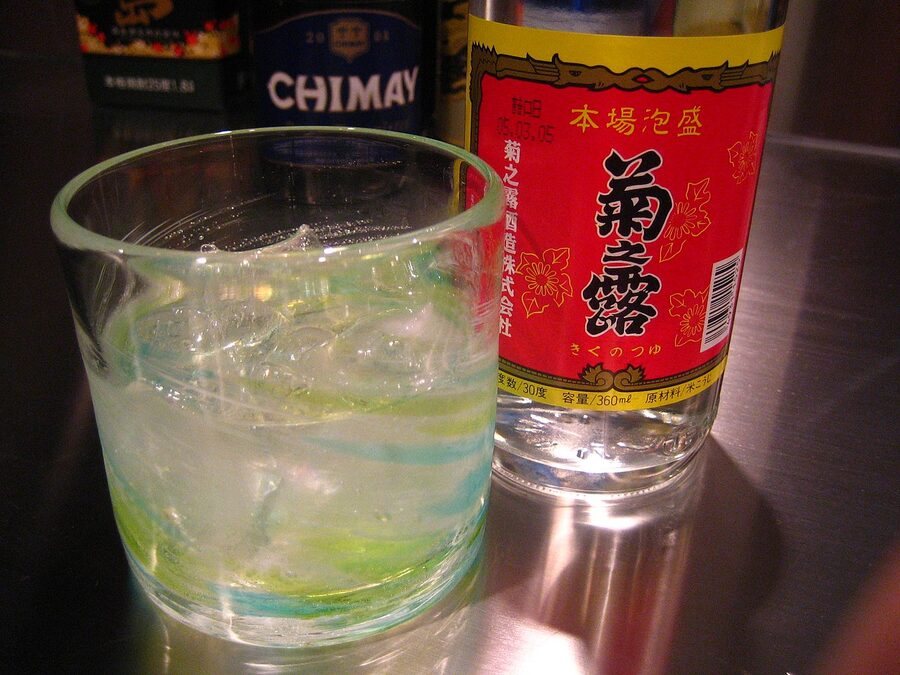
Aged awamori is called kusu (meaning “old liquor”), legally it has to be at least three years old, and the good ones go ten, twenty, even thirty. The flavour turns rounder, almost oily, with caramel and old wood. A single pour of twenty-year kusu at an awamori bar costs ¥1,500-3,000. Worth it once.
Distilleries to know:
- Zuisen Distillery (Shuri, Naha), founded 1887, inside the old castle grounds. You can tour the cellars where kusu ages in clay pots, and taste across the range. Free entry, ¥500 for a proper tasting flight. Ten-minute walk from Shuri Castle.
- Kikunotsuyu, another Naha-area maker, widely stocked, good entry-level bottles at around ¥1,500 for 720ml.
- Masahiro (Itoman, south Okinawa), larger operation, visitor centre with free tastings, ¥200 entry. Good for a non-expert introduction.
Best place to drink a lot of different awamori in one sitting: Dachibin (Kokusai-dori) or any of the specialist awamori bars around the Makishi/Ichiba area. Ask for a nominuri set, three small glasses, three different distilleries, for around ¥1,500. The logic is the same as sake bar flights on the mainland, with completely different flavours. If you’ve done mainland izakaya and think you know Japanese drinking culture, Okinawan izakaya feel related but wired differently, more pork, more bitter things, less formality, longer sessions.
Awamori also makes cocktails. A lot of Naha’s newer bars lean into awamori-highballs (with shikuwasa citrus juice and soda, around ¥700) and awamori-tonics. Habu-shu is a novelty worth knowing about but not chasing, it’s awamori with a pickled snake in the bottle. Served mostly to tourists. It’s fine.
Pork, from ear to tail
There’s an Okinawan saying: mimi kara shippo made, from ear to tail. Nothing on the pig gets thrown away. The Chinese trade made Okinawans serious pork cooks centuries before mainland Japan started eating much pork at all.
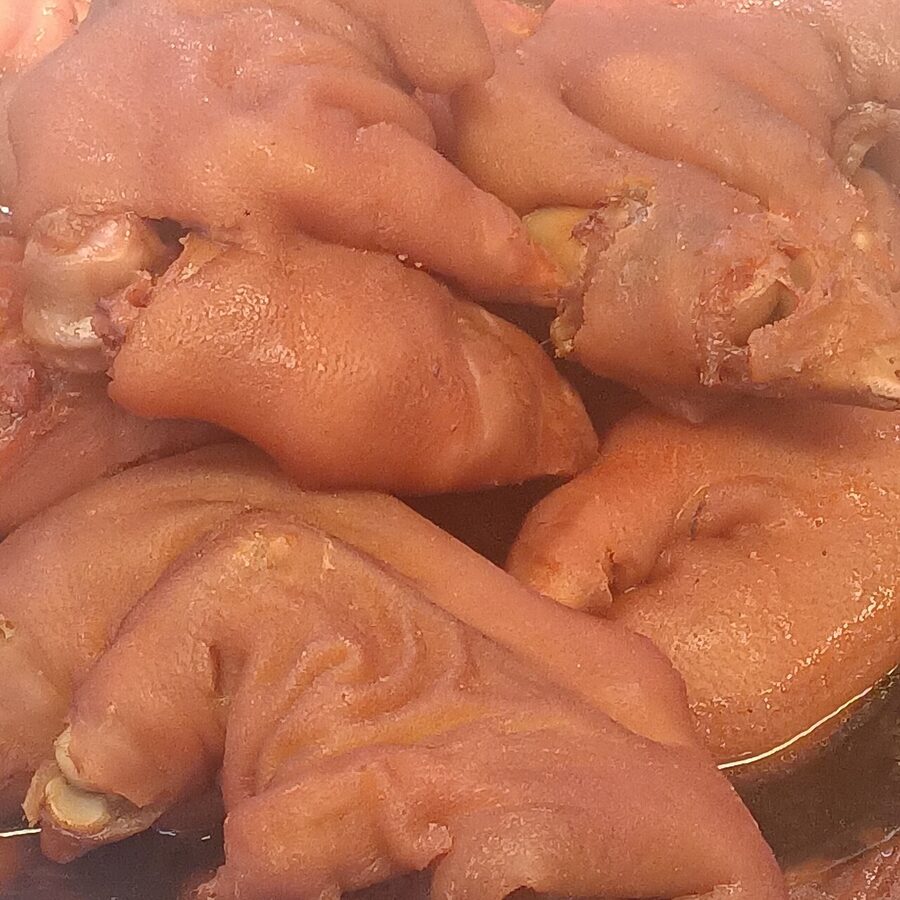
What to order:
- Rafutē, covered above. The star.
- Soki, bone-in rib, usually braised or in soba. Tender and messy.
- Ashitibichi / tebichi, pig’s foot stew. Gelatinous, rich, a bit confronting if you’re not used to the texture. Try a small bowl before committing.
- Mimigā, pig’s ear, sliced paper-thin, served cold with vinegar and peanut sauce. All crunch. Delicious with beer.
- Nakami-jiru, clear pork-intestine soup. Offal-heavy. Not for everyone (see the Japanese foods that take practice for context on where this sits on the difficulty scale).
- Agu pork, the native black Okinawan pig breed, heritage-revived, sweet-tasting, fed local pineapple among other things. Look for it as sashimi (yes, thinly sliced raw pork, served in specialist restaurants after veterinary inspection), as shabu-shabu, or as a cutlet.
Best places for the full pork tour:
- Tonton Jacky Pork (Naha), Agu-pork cutlet set with 200g of loin for around ¥1,700. Closed Mondays/Tuesdays.
- Shima Shabu-Shabu Nakama (Naha, near Kokusai-dori), Agu pork and Ishigaki beef hot pot. Set courses from ¥3,800 per person. Book ahead on weekends.
- Yunangi, their mimigā is the best introduction I’ve had.
- Jack’s Steak House (Naha), the most famous post-war American-style steakhouse in Okinawa, open since 1953. Not strictly Agu, but the sizzling-skillet steak tradition it represents is pure Okinawa. ¥2,800 for the No. 1 tenderloin. Closed Wednesdays.
Ishigaki beef and the outer islands
Ishigaki, 400km southwest of Naha and a 55-minute flight, produces a premium wagyu with tighter marbling and a softer texture than mainland equivalents. You’ll find it on menus across the main island too, usually as nigiri (a ¥500-800 torched piece on top of a finger of rice), yakiniku (grill-it-yourself), or shabu-shabu.
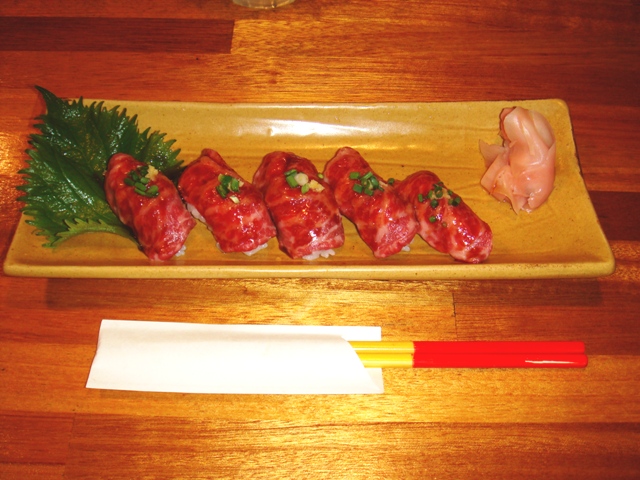
If you’re flying to Ishigaki, and it’s worth it for a couple of days if you have a week-plus on the trip, try Kinjo (Ishigaki city centre) for steak and Hirata for beef nigiri. On the main island, Shima Shabu-Shabu Nakama does an Ishigaki-beef shabu course.
The outer-island noodle variant: Yaeyama soba (from Ishigaki and Taketomi) uses slightly thinner round noodles in a darker pork-bone broth; Miyako soba (from Miyako island, a separate flight) uses square-cross-section block noodles. Both are findable on the main island too if you hunt.
Makishi Public Market: the whole island in a building
The Makishi Public Market in Naha is the single best thing to do on a first day in Okinawa. The old building was torn down in 2019 and the rebuilt market opened in spring 2023, three blocks over. Cleaner, brighter, but the logic is the same. Downstairs, butchers and fishmongers and produce stalls. Upstairs, restaurants. You buy a fish downstairs, carry it upstairs, and a restaurant cooks it for you for a small fee, usually ¥500-800 per preparation (fried, sashimi, steamed).
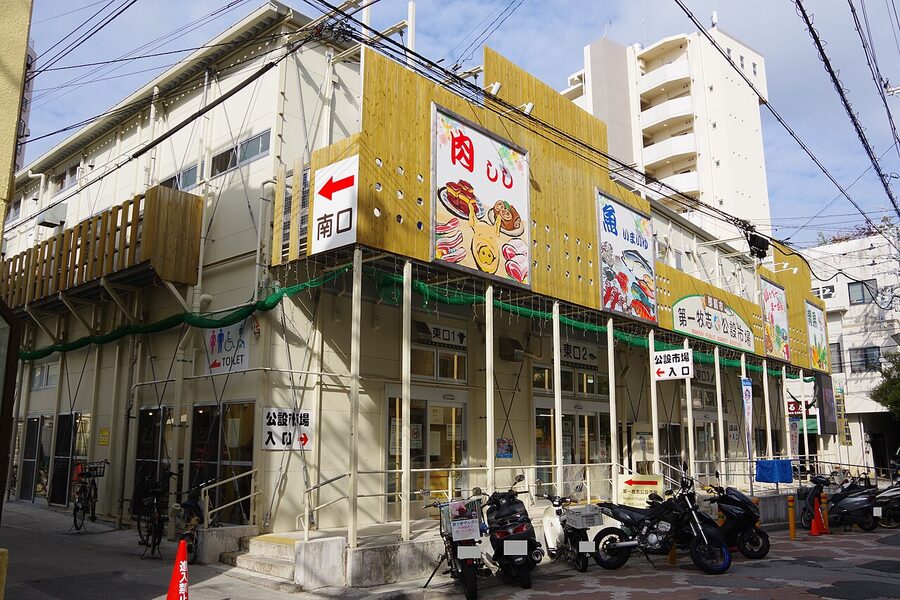
What to buy downstairs:
- Reef fish, parrotfish, the deep-blue gurukun (banana fish), grouper. Strange-coloured, excellent eating. Often fried whole.
- Tiger prawns, farmed around the islands, available raw for sashimi or steamed.
- Green turban sea snail, steamed in the shell, picked out with a toothpick.
- Pork products, whole pig ears, trotters, sliced belly, Agu pork sausages. The raw-ear counter is not subtle.
- Umibudo, mozuku, asa seaweed, all the sea vegetables, fresh.
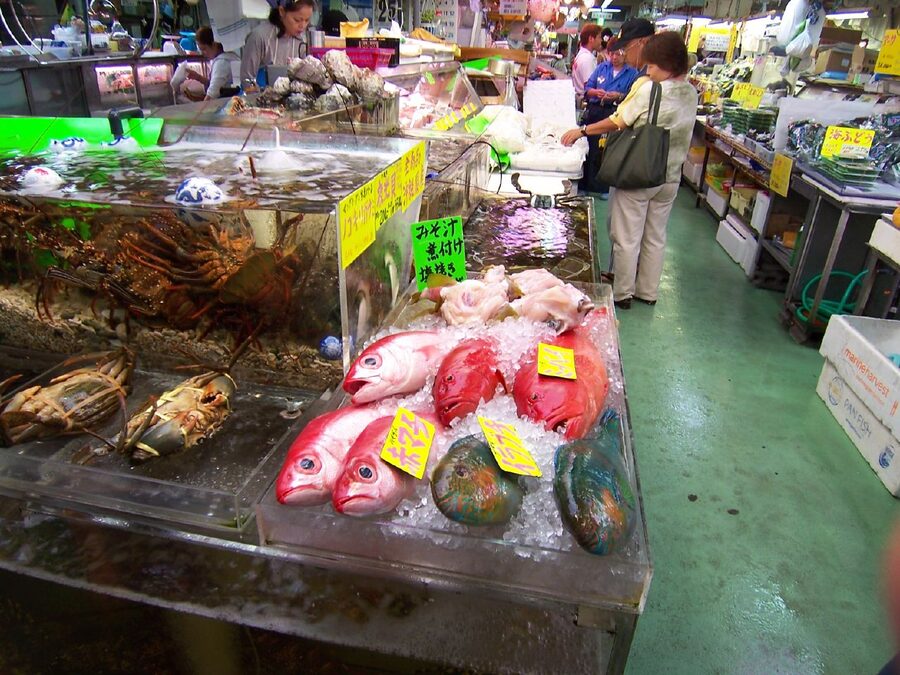
Upstairs on the second floor, pick any of the little restaurants and hand over your bag of fish. Budget ¥1,500-2,500 per person for a proper lunch with rice, miso, and multiple preparations of whatever you bought. They also do full menus if you don’t feel like shopping. Kirin Tei and Doragon both have English menus. Market open 10am-9pm, closed 4th Sunday most months.
Mozuku, the seaweed Okinawa drinks
Mozuku is thin brown seaweed, farmed almost entirely off Okinawa. Ninety-plus percent of Japanese mozuku comes from here. You meet it three ways: raw strands in Japanese vinegar, as mozuku tempura (the strands clumped into little fritters, deep-fried), or as a bar snack poured straight from a small glass and drunk almost like a shot, slimy, briny, and genuinely delicious once you get past the texture.
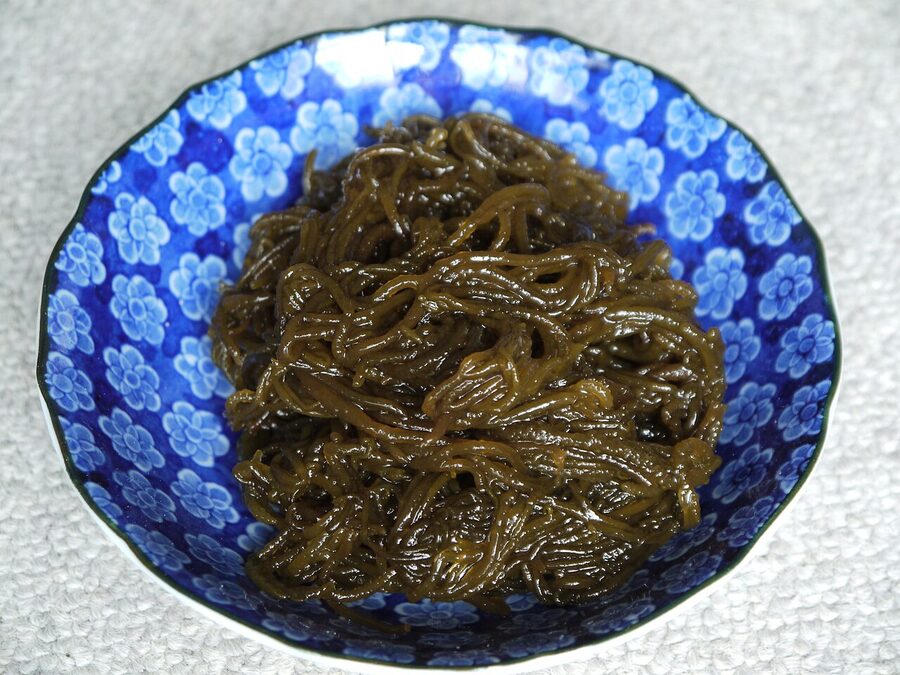
Mozuku tempura is the easier starting point. ¥400-600 for a plate of four or five fritters at any izakaya. Ask for it at Yunangi, Dachibin, or any Makishi upstairs restaurant.
Sweets, shaved ice, and Blue Seal
Okinawa takes sugar seriously. The black sugar in your rafutē also shows up in rolled chunks at souvenir shops, and the two sweets you’ll keep seeing are sata andagi (fried dough balls, dense, sugar-crusted, fist-sized) and chinsuko (a Ryukyu-era shortbread of flour, sugar, and lard, originally only for the royal court).
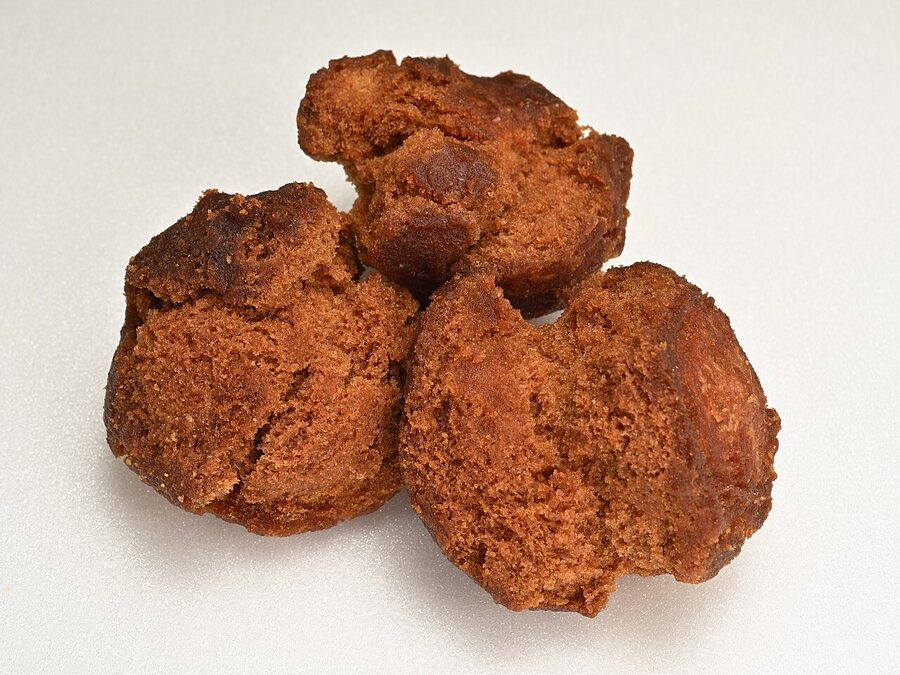
Where to get fresh sata andagi: Goya Tempuraya at Makishi Market (¥100 each, always a queue), or any of the street stalls on Heiwa-dori arcade. Chinsuko travels better and makes the classic Okinawa souvenir, boxes at the airport for ¥800-1,500.
Other sweet things:
- Beni imo, purple sweet potato, as tarts, ice cream, croquettes. Usable flavour; the tart at any airport shop is the easiest format.
- Okinawa zenzai, shaved ice over sweet red bean syrup, sometimes with mochi. ¥400-600. Worth it on a 32°C afternoon.
- Blue Seal ice cream, chain founded in 1948 to feed US soldiers, still going. “Born in America, Made in Okinawa” is the slogan. Try beni imo, Okinawan salt cookies, or shikuwasa sherbet. ¥400-500 a scoop. The original Blue Seal Makiminato (Urasoe) still looks like a 1960s American diner.
Orion Beer and shikuwasa
Orion is the Okinawan lager, brewed in Nago (60km north of Naha) since 1957. Easy-drinking, low-bitter, a rice lager more than a pilsner. 4.7% ABV. You’ll see it on every menu on the island at ¥500-600 for a mug and ¥380 for a can from a convenience store. It’s not hunting-worthy, it’s the background music to every meal. Mainland Japanese craft beer is a completely different project, and if that’s your angle, the craft-beer scene on Honshu is where to look. Okinawa stays lager.
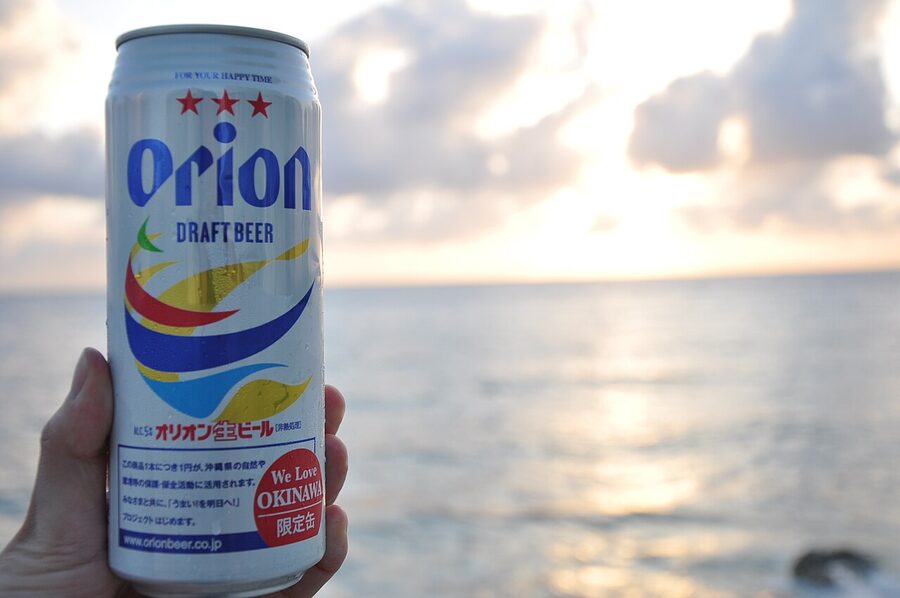
Non-alcoholic drinks worth noticing: shikuwasa, a small green citrus native to Okinawa, sits between a lime and a mandarin. Shows up everywhere, as a wedge on the side of taco rice, as juice, as a sherbet, in cocktails. Worth buying a small bottle of the 100% juice (¥800 or so at souvenir shops) to take home for gin-and-tonics. Buku-buku cha is a ceremonial Ryukyu tea made from brown rice and jasmine, with a tall foam whipped up by hand, more fun to watch being made than to drink, but Uchina Cafe Buku Buku on Tsuboya pottery street does it well for around ¥800.
Spam musubi and the bases
One more American-era legacy worth knowing about. US military rations introduced Spam during the occupation and it stuck, Okinawa per capita eats more Spam than any other prefecture in Japan. It shows up fried in champuru, sliced into sandwiches, and most famously in spam musubi: a thick rectangle of rice with a slab of fried Spam on top and a band of nori holding it together. You can buy them at every convenience store in Okinawa for ¥200-300.
The gourmet version is pork tamago onigiri, a folded rice ball with Spam, fried egg, and sometimes cheese or pickle. Pork Tamago Onigiri Honten (Makishi, open 7am-8pm) is the flagship shop; count on ¥450-700 for a monster one with multiple fillings. Breakfast food, but eaten any time. If you’re staying in Naha and need a grab-and-go before a flight or a drive north, this is the move.
If you’ve done Tokyo and want to compare before you go, Okinawan restaurants on the mainland cluster in Akasaka and Takadanobaba in Tokyo, often the best introduction before you fly down. They won’t have Makishi Market prices, but the champuru and rafutē are the same.
Ryukyu breakfasts and the diet
A traditional Okinawan breakfast is nothing like a mainland one. No rice-and-miso-and-grilled-fish ritual. Instead: a simple porridge (jūshī, rice cooked with pork broth and mixed vegetables), or a bowl of yushi-dofu (curd-like soft tofu) with rice and miso soup. Vegetables and legumes dominate. Tiny amounts of pork for flavour.
Okinawa has the highest concentration of centenarians in Japan and the traditional diet is usually credited. The classic version is about 80% plant-based, sweet potato, goya, tofu, seaweed, with pork used sparingly. Post-war, the diet Americanised heavily (Spam, fried foods, Blue Seal), and life expectancy has actually fallen slightly for younger generations. The food you eat as a tourist, izakaya rafutē, taco rice, sata andagi, is the post-war version. The longevity version is the home-cooked porridge you mostly won’t meet unless you stay with a family.
Where to try it: Itsudemo Asagohan (multiple Naha branches, 7am-5pm) serves Okinawan breakfast all day. Martuama (near Makishi, 7:30am-2:30pm, closed Thursdays & Sundays) does teishoku breakfast sets with yushi-dofu, jūshī, pickled goya, and a small protein for ¥900-1,200.
Where to stay for eating
For a food-focused trip, stay in Naha. Specifically, in the Makishi-Kokusai-dori area, five minutes’ walk from the market. The monorail (¥370 per ride, ¥1,200 day pass) connects you to Shuri Castle in 15 minutes and the airport in 25.
If you’re splitting the trip, Chatan/Mihama American Village is a good second base, it’s where the taco rice, burger, and surf culture lives, closer to the beaches, with a different food texture (more American-influenced, more loud). Nago, at the top of the island, is worth one night for Ufuya or for Yanbaru forest hiking and Okinawan coffee.
Hotels in Naha: Hyatt Regency Naha in the Makishi backstreets sits five minutes from the market and ten minutes off Kokusai-dori, it’s the food-obsessed choice. For something smaller, the OMO5 Okinawa Naha (Hoshinoya’s budget line) runs guest-only market tours for ¥1,000. For a day tour that handles the market for you, the Klook Naha food tours and Viator Naha experiences both run market + Kokusai-dori food walks for around ¥8,500 per person. If you’d rather cook than tour, GetYourGuide has a small selection of champuru cooking classes.
A one-day food plan in Naha
If you only have a day:
- 7:30am, breakfast at Martuama or Itsudemo Asagohan. Yushi-dofu set, ¥1,000.
- 9:00am, monorail to Shuri Castle. Walk the grounds, see the reconstruction, skip the paid interior if queues are long.
- 11:00am, early lunch at Shuri Soba, ten minutes’ walk from the castle. Soki soba, ¥900. Go before they sell out.
- 12:30pm, Zuisen Distillery tour and tasting flight, ¥500. Twenty minutes of cellars, twenty minutes of small glasses of awamori at 9.45% next to 43%.
- 3:00pm, Makishi Public Market. Wander downstairs, buy a green turban and a gurukun, eat upstairs for ¥2,000.
- 5:00pm, shaved-ice zenzai break somewhere air-conditioned on Heiwa-dori.
- 7:00pm, dinner at Yunangi. Goya champuru, rafutē, umibudo, tofuyō, awamori-on-the-rocks. ¥3,500-4,500 per person.
- 9:30pm, one final drink at an awamori bar off Kokusai-dori. Try a twenty-year kusu.
A note on seasons
Goya is a summer crop (peak June-August). Umibudo and mozuku are year-round, farmed. Soki and rafutē are weatherproof. Shikuwasa crops in late autumn; you’ll see fresh juice stalls popping up October-December. Sata andagi and chinsuko are made fresh every day in the right shops and are season-irrelevant.
Midsummer in Okinawa is 32°C and humid. A bowl of hot soba at noon under a fan is not the same as a bowl of hot soba in November. I’d say November to March is the best eating season, the pork braises taste right, the awamori hits harder, and the heat doesn’t sabotage the food. April-June is very pleasant. July-September is gorgeous beach weather and you’ll be sweating into your lunch.
What I’d skip
Not everything is great, and writing this kind of thing without honest warnings is useless. A short list of things I’d skip:
- Kokusai-dori’s plastic-food taco rice touts. Walk past them. Go to Pariko, or drive to Kin.
- Shrink-wrapped sata andagi at the airport. Stale within hours. Get fresh ones in Naha.
- Habu-shu snake awamori as anything more than a novelty photo. The infused versions are gimmicky; the base awamori is often rough.
- Generic “Okinawan fusion” places advertising in English on the main Mihama American Village drag. Most are aimed at tourists who want a palatable taco rice and a palatable champuru and both come out dull. There are exceptions, ask which place local Marines go to.
- The tourist izakaya on Kokusai-dori with live sanshin every two hours. Some are fine (Dining Hateruma is the best of them). Most are not. The show replaces the food.
And the thing I’d never skip: a proper half-kilo piece of rafutē, split between three people, with awamori-on-the-rocks and a cold Orion and an eventual bowl of soki soba to end the night. That is what you came for.
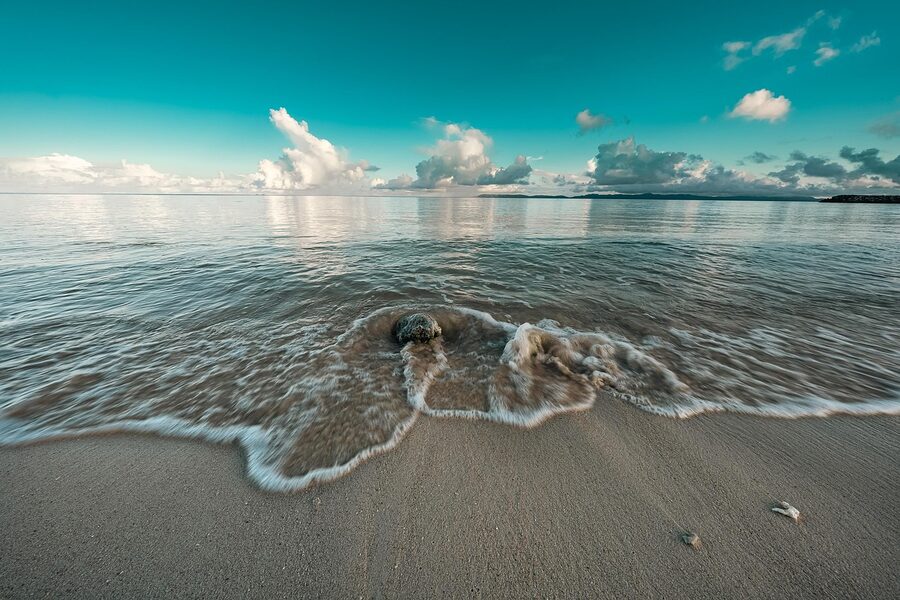
The trip plan, in short: four days on the main island, three of them in Naha, one driving north. Market in the morning, soba for lunch, castle or distillery in the afternoon, izakaya by dark. Split one day for taco rice in Kin or for Mihama American Village if the post-war Americana interests you. Add three days on Ishigaki if you have time, different noodles, different beef, different coral. Come hungry.


.jpg)


