
Japanese Craft Beer: A Drinker’s Field Guide to the Post-1994 Scene
Fifteen years ago “Japanese beer” meant one of four near-identical lagers, and you ordered whichever one the restaurant happened to stock. Last November the corner bar in my friend’s Meguro neighbourhood poured ten different Japanese taps, and the best of them was from a brewery in Shizuoka I’d never heard of before that evening. The big four are still very good. They’re just no longer the whole story.
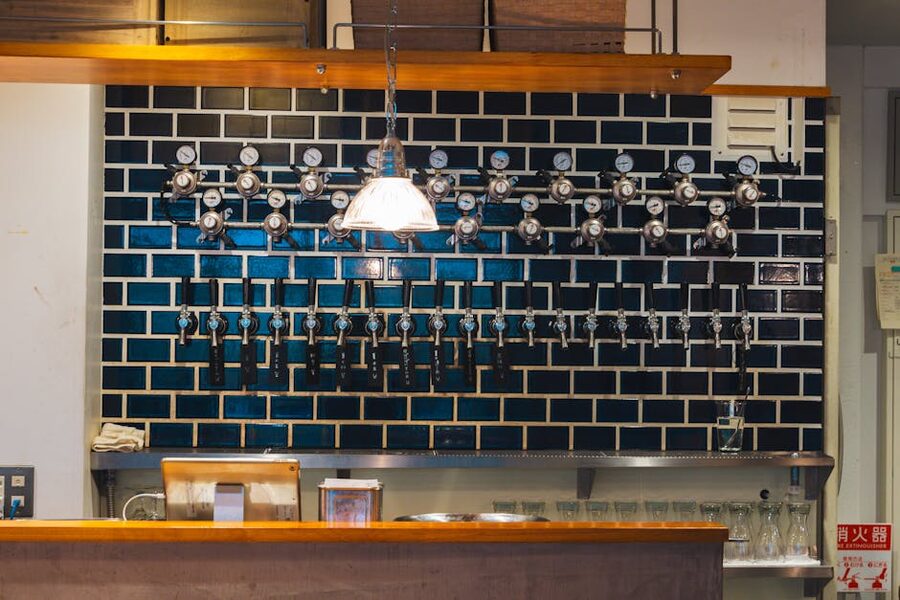
This is a field guide, not an argument. The big macro lagers, Asahi Super Dry, Kirin Ichiban Shibori, Sapporo Classic, Suntory Premium Malt’s, are extremely well-made products that pair beautifully with food and cost ¥500-700 for a glass in most izakaya. I drink plenty of them. But there’s a second thing happening now, and if you’re the kind of traveller who hunts down a good coffee in each new city, you’ll probably want to hunt down a good beer too. So here’s what to look for, where to drink it, and why there wasn’t any of this to find before 1994.
In This Article
- The big four and why they matter
- 1994: the year the rules changed
- Kiuchi Brewery and the Hitachino Nest owl
- Baird, Coedo, Yo-Ho: the second wave
- The third wave, roughly 2015 onwards
- Where to drink it: Tokyo
- Beer Club Popeye (Ryogoku)
- Goodbeer Faucets (Shibuya)
- DevilCraft (Kanda, Hamamatsucho, Gotanda)
- Craft Beer Market (multiple locations)
- Hitachino Brewing Lab (Akihabara)
- Nakameguro Taproom (Baird)
- The Watering Hole (Shinjuku)
- Antenna America (Yokohama and Tokyo)
- Asahi Beer Tower (Sumida, Asakusa side)
- Where to drink it: Osaka
- Where to drink it: Kyoto
- Where to drink it: Sapporo and the Hokkaido angle
- Where to drink it: Yokohama and Kawasaki
- Beer halls and the older drinking tradition
- Buying craft at konbini (it’s real)
- Bottle shops
- Festivals
- How much you’ll actually pay
- What to eat with what
- Starting from scratch: the five-beer introduction
- The other thing I want to say
The big four and why they matter
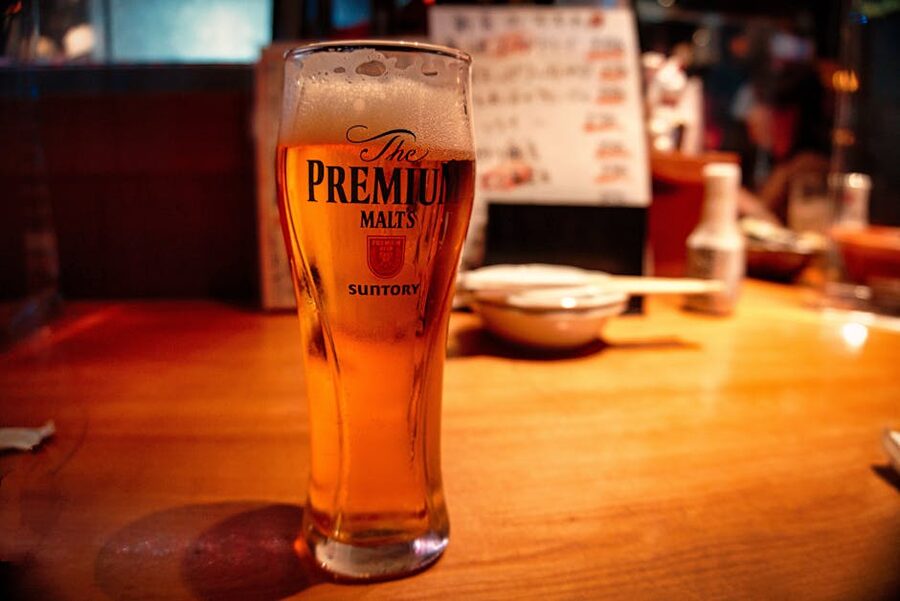
Asahi, Kirin, Sapporo, and Suntory between them pour most of the beer consumed in Japan. For most of the twentieth century they were legally protected. Until 1994 you needed to brew at least 2 million litres per year to get a license, which is roughly what a medium-sized American craft brewery puts out today. Nobody small could touch it. So the four huge ones got huge, got good at what they did, and the country drank their pale lagers with its food for four generations.
Asahi Super Dry is the best-selling beer in Japan and does exactly what it says, pale, crisp, technical, designed to not get in the way of whatever you’re eating. Kirin Ichiban Shibori uses only the first press of the wort and has a rounder, softer body; it’s my pick with sushi. Sapporo Classic (the Hokkaido-market version, you can’t get it easily south of Sendai) tastes different from regular Sapporo and is worth the detour if you’re in Hakodate or Otaru. Suntory’s Premium Malt’s is the most characterful of the four, a touch bitter and weighty, and I’ve had chefs in Kyoto tell me it’s the one they drink when they’re drinking at home.
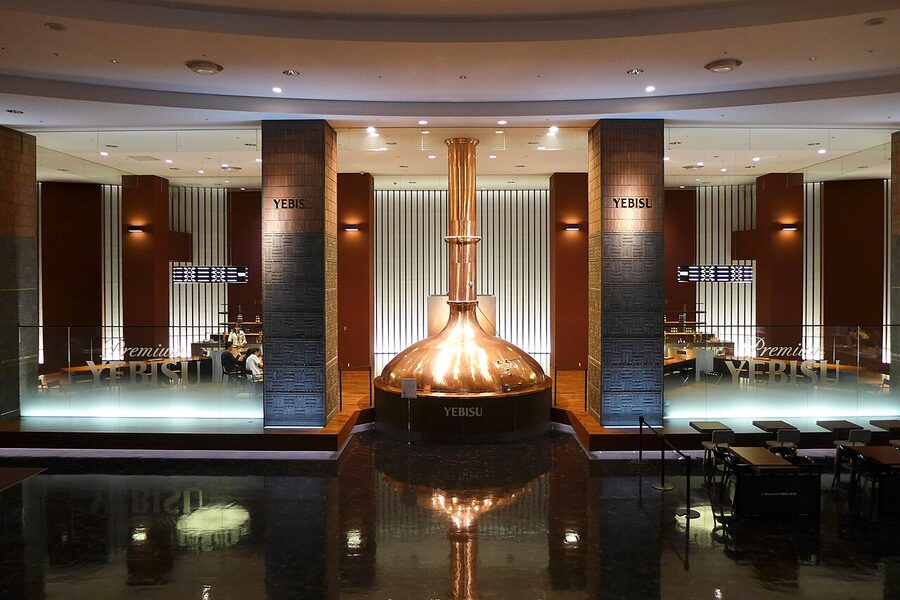
Yebisu is worth its own line. It’s Sapporo’s premium brand, 100% malt, slightly heavier, made at the same plants but treated as a step up in quality. You’ll see it in good izakaya, around ¥750 for a medium glass, and the Yebisu Brewing Ebisu museum in Tokyo (a three-minute walk from Ebisu Station’s east exit, free entry, ¥500 for a tasting flight) is one of the more enjoyable free afternoons in the city.
1994: the year the rules changed
The single most important thing that ever happened to Japanese beer is a quiet amendment to the Liquor Tax Law in April 1994. It dropped the minimum production threshold from 2 million litres a year to 60,000 litres a year. Small breweries suddenly existed as a legal possibility for the first time in living memory. You could open a brewery that served only its own village and still stay on the right side of the tax inspector.
The word that stuck to the first wave of these small breweries was jibiru, 地ビール, literally “local beer.” It was a slightly embarrassed term by the end of the 1990s, because a lot of that first-wave jibiru was not very good. Hot-spring resorts opened little breweries as tourist novelties. Ski towns followed. The pale ales were sweet, the weizens were cloudy for the wrong reasons, and the whole category picked up a reputation as a gift-shop purchase rather than a drink worth travelling for. If you came across jibiru between 1995 and about 2003 and thought it was mediocre, you weren’t wrong.
What kept it from dying quietly were a handful of breweries who approached it as a craft rather than a marketing gimmick. The two names that come up in every conversation about this, and rightly so, are Kiuchi Brewery and Baird.
Kiuchi Brewery and the Hitachino Nest owl
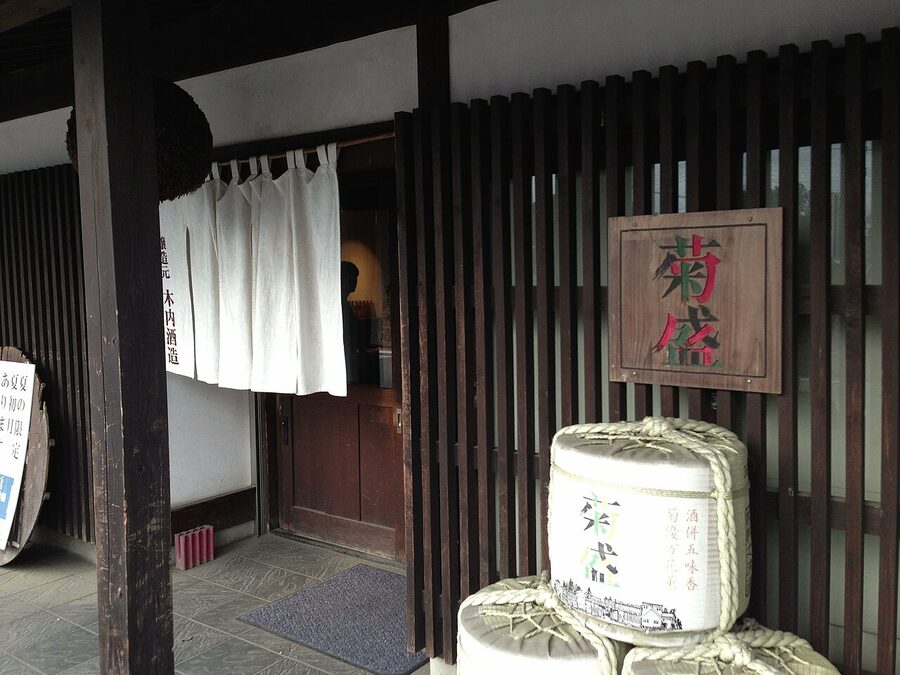
Kiuchi Shuzo was founded in 1823 by a village headman in what is now Naka, Ibaraki Prefecture. For 170-odd years it made sake and shochu, quietly, as village breweries do. Then the 1994 law changed, and in 1996 the family added a beer line. The owl logo, little round face, staring at you from the bottle neck, is Hitachino Nest, and you can now find it in bottle shops across the US, UK, and most of Europe.
The signature beer is White Ale. It’s a Belgian-style witbier brewed with coriander, orange peel, nutmeg, and orange juice added to the boil. The first time I had it I was in a bar in Beijing and didn’t realise it was Japanese until I turned the bottle around. It has now won multiple medals at the World Beer Cup, and if you order it at a Japanese izakaya the glass will usually arrive with the owl facing you, which is a small thing the staff bother with and I appreciate.
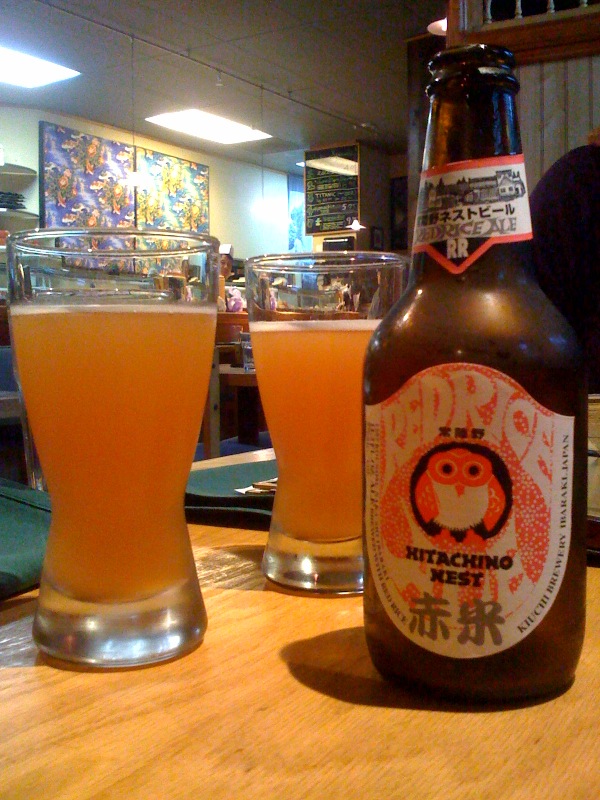
In Tokyo, the best place to drink Hitachino’s full range on draft is Hitachino Brewing Lab in Akihabara, about a four-minute walk from Akihabara Station’s Electric Town exit. It’s in a converted old train hut right next to the Kanda River. Flights of three 150ml tasters are ¥980 and they rotate eight beers on tap at any given time. There’s a second, smaller Hitachino counter on the roof of Tokyo Station’s Yaesu side if you’ve got a train to catch.
Baird, Coedo, Yo-Ho: the second wave
Kiuchi was the sake brewery that pivoted. Baird Brewing is the other origin story, an American couple, Bryan and Sayuri Baird, opened a tiny brewpub in Numazu, Shizuoka in 2000, with equipment so small it barely qualified as commercial. They served their own beer to whoever walked in off the street. Baird has since grown into one of the largest craft breweries in the country and runs six taprooms (Nakameguro, Harajuku, Yokohama Bashamichi, Numazu Fishmarket, Shuzenji, and Ebisu). The Nakameguro Taproom is the one I send people to if they have one evening in Tokyo, it’s seven minutes from Nakameguro Station along the river, it has twenty Baird beers on tap at any given time, and a half-pint flight of four is around ¥1,900.
Coedo from Kawagoe, Saitama, easy day trip from Ikebukuro, is the other second-wave brewery that matters. They opened in 1996 around the same time as Kiuchi and built their identity around local ingredients. Their flagships are Shiro (a cloudy white wheat), Beniaka (an amber lager using sweet potatoes from Kawagoe, which is Saitama’s sweet-potato capital), and Kyara (a copper-coloured IPL, around 5.5% ABV). The cans are beautiful, slightly Art Deco, sold at Family Mart and 7-Eleven across Tokyo for ¥350-420. If you’re buying Japanese craft to take home as a gift, Coedo’s box set is the safe pick.
Yo-Ho Brewing from Karuizawa, Nagano is the other one you’ll see everywhere. They started in 1997 as a local-beer experiment, went through the jibiru crash of the early 2000s, nearly folded, and came back with a rebrand that turned them into one of the most recognisable names in the country. Their Yona Yona Pale Ale (which translates roughly as “every night pale ale”) is the beer that got many Japanese drinkers past the idea that craft meant weird and expensive. It’s now on permanent draft at Tokyo Station and sold in cans at every convenience store in the country. Their Tokyo Black porter is the one I drink when it’s cold, and their Suiyoubi no Neko (Wednesday Cat) is a Belgian witbier that rivals Hitachino White Ale.
The other name worth learning is Shiga Kogen. Tamamura Honten is a sake brewery in Nagano going back 150 years. In 2004 they added beer, and unlike most of the small breweries they grow 20% of their own hops on the land behind the brewery. Their House IPA and Miyama Blonde are distributed across Tokyo and Osaka and do quite well on the regular collaboration-beer scene, they brew with international breweries several times a year, and those collab bottles end up at places like Popeye’s.
The third wave, roughly 2015 onwards
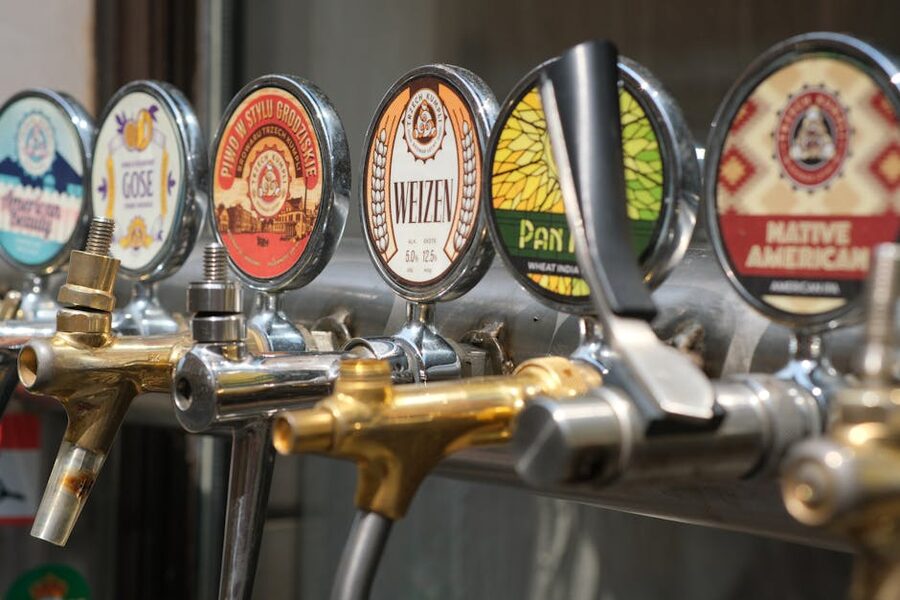
Something shifted around 2014-2015. The second-wave breweries had put enough good Japanese-made beer into the country that a generation of drinkers had grown up with the option, and a new set of even smaller operations started opening, often one or two brewers, often with no attached restaurant, often making beers that wouldn’t have existed in the Japanese market five years earlier. Hazy IPA, brett saisons, adjunct stouts, mixed-fermentation sours.
A partial list of the ones doing interesting work now:
- Far Yeast Brewing (Kosuge, Yamanashi, but with a Tokyo tap bar called Far Yeast Tokyo Craft Beer & Bao in Shibuya). Tokyo Blonde is the flagship; their sours are the ones to try.
- Two Rabbits (Kohka, Shiga). Juicy, hazy IPAs. Some of the cleanest West Coast-style IPAs in the country.
- West Coast Brewing (Mochimune, Shizuoka). Opened 2019 in a repurposed tuna-processing plant. They do American-style IPAs and the Shimizu Port taproom is ten minutes from the Sunpu Castle if you’re already in Shizuoka City.
- DevilCraft (brewing in Hachioji, Tokyo, taprooms in Kanda, Hamamatsucho, Gotanda). American-style, unapologetically. Chicago-style deep-dish pizza at the bar, which is gimmicky but the beer is serious.
- T.Y. Harbor (Shinagawa waterfront). A brewpub in an old warehouse with water views, near Tennozu Isle station. Not the cheapest, pints around ¥950, but a pleasant long lunch.
- Kyoto Brewing Company. Belgian-influenced, saison-focused, with a taproom in Jujo that’s a slight walk from the nearest station but worth it.
- Minoh Beer (Osaka). Opened 1997, run by three sisters who took over from their father. Stouts are the standout.
- Brewery Songbird (Kisarazu, Chiba). Family operation, Belgian-influenced, bottle-shop style.
- TDM 1874 (Tokaichiba, Kanagawa). Named after the Ten Day Market of the year their parent company was founded. English head brewer, small but consistent.
The number is worth sitting with for a second. Before 1994, four. Thirty years later, around 700. That’s one of the faster transformations in the global drinks business, and most of it happened quietly while everyone was watching the whisky story instead. If you’re curious about the parallel rise of the other Japanese craft drinks, our Japanese whisky guide and the drinking sake in Japan piece both pair well with this.
Where to drink it: Tokyo
Tokyo is the easiest city in the country to go deep on craft beer. A few anchor bars:
Beer Club Popeye (Ryogoku)
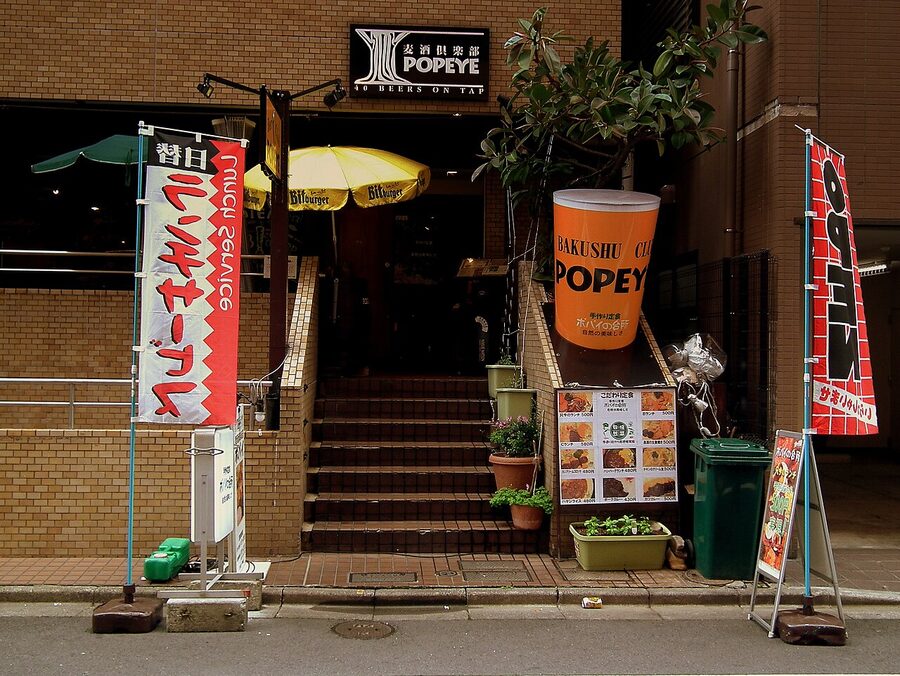
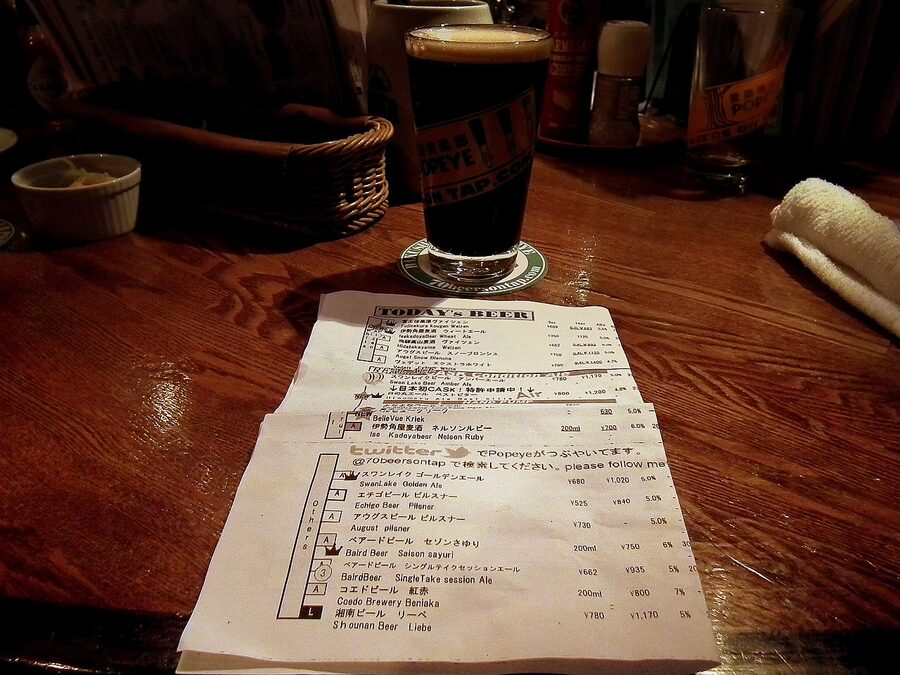
Popeye is the single most important craft beer bar in Japan. It has been running since 1985 (yes, before the 1994 law, on imports at first) and under its current form since the law changed. A hundred-plus Japanese craft taps, rotating constantly, four real cask ales, and a 5pm-8pm happy hour where a set of three tasters plus a snack costs about ¥1,500. The room is narrow, low-ceilinged, low-lit, lined in dark wood, and smells like a British pub that’s been Japanised, which is basically what it is. Get there by 5pm or queue.
Goodbeer Faucets (Shibuya)
Forty taps, a two-floor modern interior, and a staff who will gladly talk you through the list if you look lost. Seven minutes from Shibuya Station’s west exit, up the hill past the fire station. Pints ¥850-1,100 depending on the beer, and the food menu (mostly grilled meat, some pizzas) is better than it needs to be for a beer bar.
DevilCraft (Kanda, Hamamatsucho, Gotanda)
Their own beer plus 15-20 guest taps split between Japanese and American craft. Chicago-style deep dish pizza is the gimmick; skip it if you want, or share one across three people, because you’re really here for the beer list. The Kanda branch is two minutes from Kanda Station.
Craft Beer Market (multiple locations)
The slightly more mainstream chain option, thirty taps, all Japanese craft, and a consistent price structure (¥780 for any pint during happy hour, ¥980 after). There are branches at Jimbocho, Shimbashi, Mitsukoshimae, Awajicho, and Kanda. Any of them will give you a solid education in what’s currently on draft across the country.
Hitachino Brewing Lab (Akihabara)
Covered already, this is Kiuchi’s Tokyo outpost. One of the friendliest rooms to drink in in the city and directly next to the Kanda River if the weather’s nice enough to sit outside. Open from 12pm, which is useful if you’re starting early.
Nakameguro Taproom (Baird)
Baird’s flagship. Twenty of their own beers on tap, a view over the cherry-blossom-famous canal, and a small menu of grilled things that pair well. The room gets very full on Friday and Saturday nights, go on a Tuesday.
The Watering Hole (Shinjuku)
An institution. Opened in 2012 by Ichiri Fujiura, the first non-American to be named Homebrewer of the Year by the American Homebrewers Association, back when homebrewing was actually still illegal in Japan (it technically still is). The Yuya Boys house collaboration label is worth a pint. Five minutes from Shinjuku Station’s south exit, third floor of an unmarked building.
Antenna America (Yokohama and Tokyo)
If you want American craft in Japan rather than Japanese craft, Antenna America imports an enormous range and has branches at Tokyo Station, Shinagawa, and Kanai in Yokohama. Not strictly the point of this guide but worth knowing about.
Asahi Beer Tower (Sumida, Asakusa side)
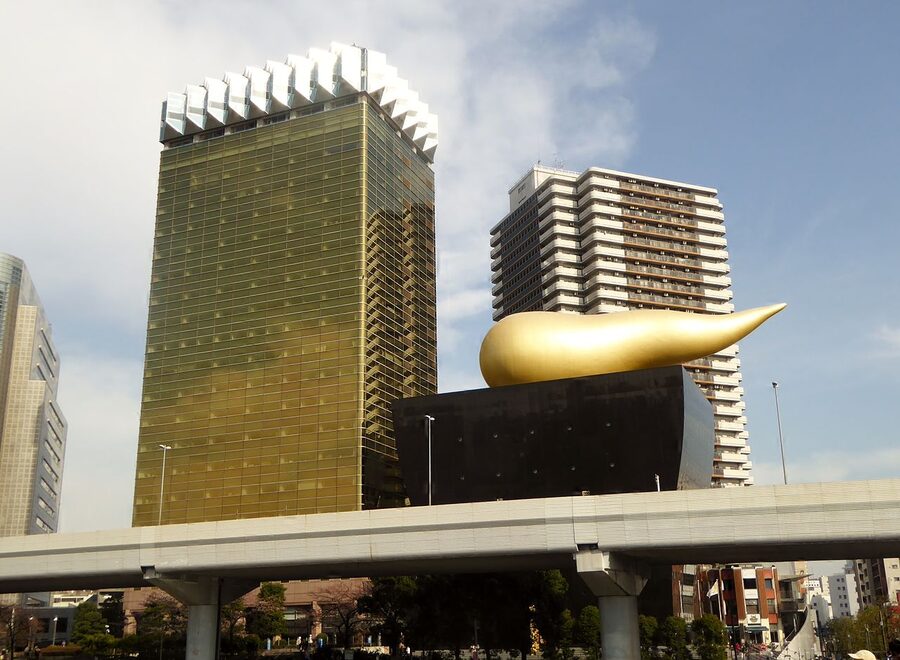
Not craft beer, but if you’re doing a beer day in Tokyo you should drop in for one proper Super Dry at source. You can see the building from Asakusa Station and the walk across Azumabashi takes about four minutes.
Where to drink it: Osaka
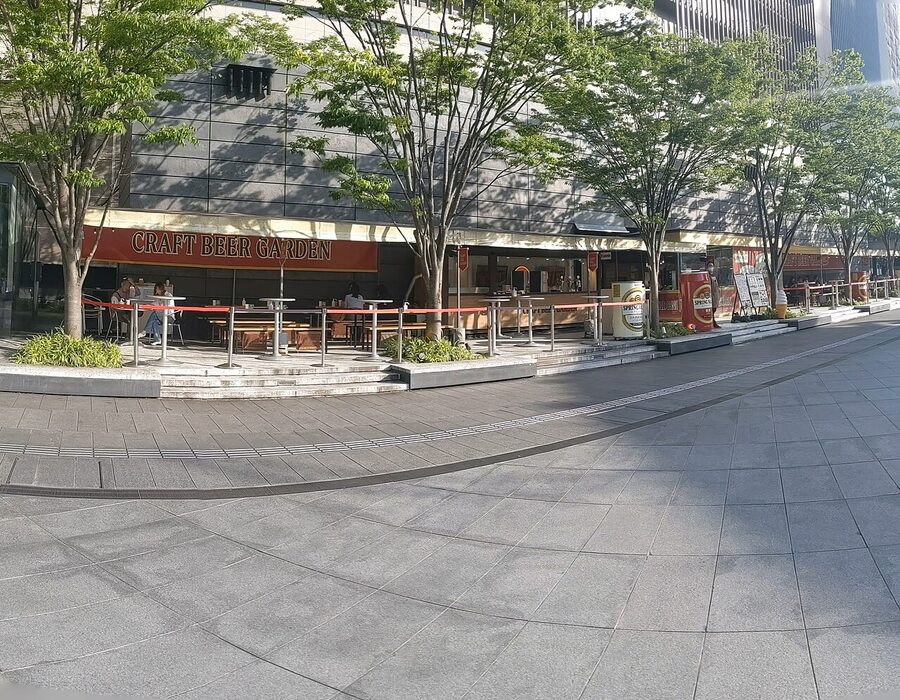
Osaka’s craft scene is smaller than Tokyo’s but has a couple of genuinely good anchors. Minoh Beer Warehouse, the brewery’s own bar in the Minoh suburb, is the obvious pilgrimage, thirteen Minoh taps, pints ¥750-900, and they put on a kitchen of grilled Osaka food (the stout with takoyaki is better than it sounds). It’s twenty minutes from Osaka-Umeda Station on the Hankyu Takarazuka Line to Ishibashi, then a five-minute walk. Craft Beer Base in Fukushima is the serious bottle-shop-plus-taproom option. And Umeda Mash Tun, just behind Osaka Station, does a tight, rotating list of mostly Kansai breweries. If you want the Osaka food angle as well, our Osaka street food guide runs through the rest of Dotonbori and Kuromon.
Where to drink it: Kyoto
Kyoto has fewer craft bars than its size would suggest, probably because sake still dominates the drinking culture, but the ones that exist are really good. Kyoto Beer Lab in Higashiyama-Shichijo is Kyoto Brewing’s main Kyoto outpost, ten of their own beers plus guests, a small food menu, and a clean modern room. Bungalow in Shijo is the best general craft pub, a standing counter downstairs, a sit-down bar upstairs, ten rotating Japanese taps, and pints around ¥1,000. Shuhari near Kyoto Station has a smaller range but often has rare collaboration kegs that don’t show up elsewhere. If you’re hungry while you’re out drinking, what to eat in Kyoto covers the rest of the dinner plan.
Where to drink it: Sapporo and the Hokkaido angle
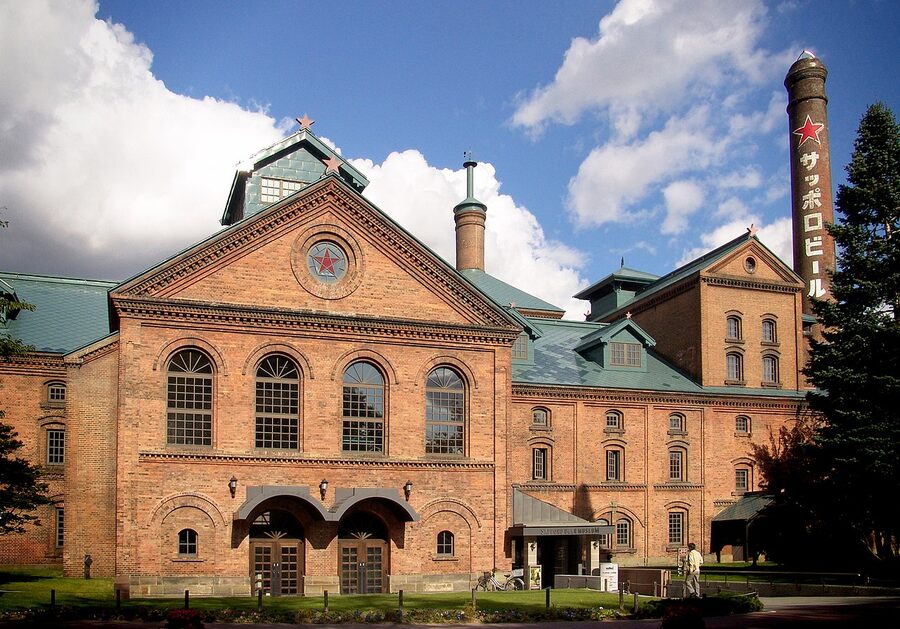
Sapporo the brewery is older than Sapporo the craft scene by about 120 years. The first government brewery opened on Hokkaido in 1876 because hops grow wild on the island, actually native, and the weather is right for lagering. The Sapporo Beer Museum in the Higashi-ku district is a genuine must-do if you’re in Hokkaido. Entry is free, the tasting hall at the back pours Kaitakushi (the recreated Meiji-era recipe), Black Label, and Classic at ¥200-400 a glass, and the building itself is the only red-brick brewery of its kind still standing in the country.
Don’t skip the adjacent Sapporo Beer Garden, the beer hall next door, in a second old brick building, where you can do the proper Genghis Khan (grilled mutton over a domed iron pan) with an all-you-can-drink Sapporo deal for around ¥4,500 per person. It’s not subtle, but it’s a specifically Hokkaido experience and one of the older traditions in Japanese beer-drinking. Our Sapporo food guide goes into the rest of the Genghis Khan and soup-curry scene.
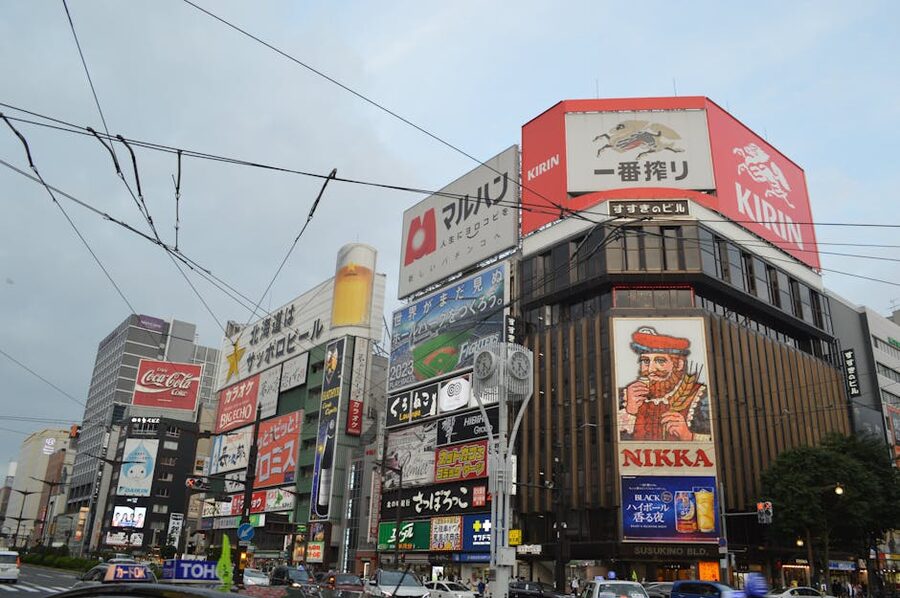
For actual Sapporo craft beer (not the macro brand), Moon Factory Coffee & Beer in Susukino is the serious small room. Ten taps of Japanese craft, a good single-origin coffee list for when you need a reset, and cleaner than any dive bar has a right to be. Eight-minute walk from Susukino Station.
Where to drink it: Yokohama and Kawasaki
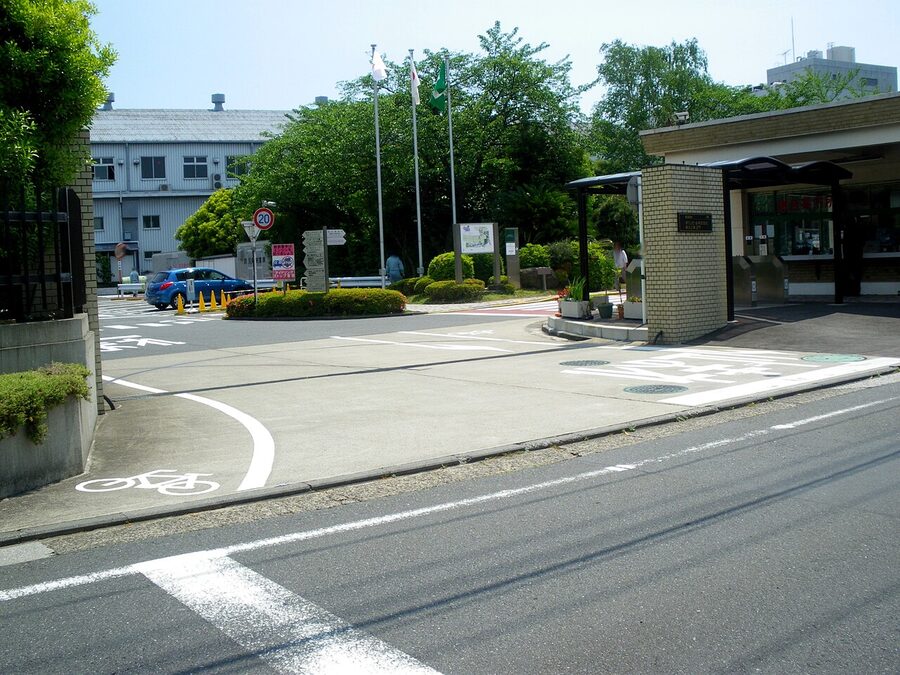
Yokohama has a specific claim to brewing history, the first licensed brewery in Japan opened here in the 1870s, partly because the port meant easy access to imported hops and bottles. Yokohama Brewing (established 1995) and Baird’s Bashamichi Taproom are both within walking distance of Kannai Station, about seven minutes apart from each other, and you can do both in a single evening. Yokohama Brewing’s Hefeweizen is the pick, Baird’s Angry Boy Brown Ale is the pick. Flights at either run ¥1,500-1,800.
Antenna America Kanai in central Yokohama is the stand-alone American-import shop and taproom, good if you’ve hit craft-beer saturation on Japanese styles and want something different for an evening. Kawasaki (ten minutes from Yokohama on the JR line) has Beer Market Kawasaki behind the station, a quieter alternative.
Beer halls and the older drinking tradition
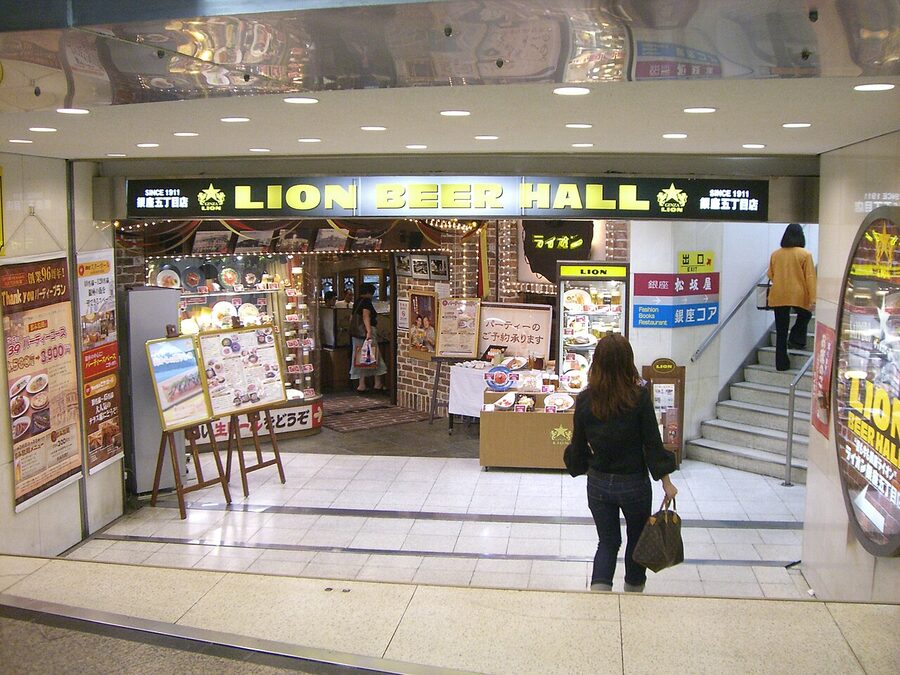
Before craft, there were beer halls. The big four all ran their own: Kirin City (a chain, still open), the Sapporo Beer Garden in Sapporo, Suntory’s Premium Malt’s Pub locations, and the grandfather of them all, the Ginza Lion, which opened in 1911 and still feels like it. Solid Art Deco interior, ten-metre ceiling, big communal tables, and Yebisu poured by men in black waistcoats. You can pair it with a sausage plate for ¥3,500 all in and feel like you’ve time-travelled. It’s a genuinely different thing to a craft bar and shouldn’t be written off. If you’re spending a week in Tokyo, do both kinds of evening.
Buying craft at konbini (it’s real)
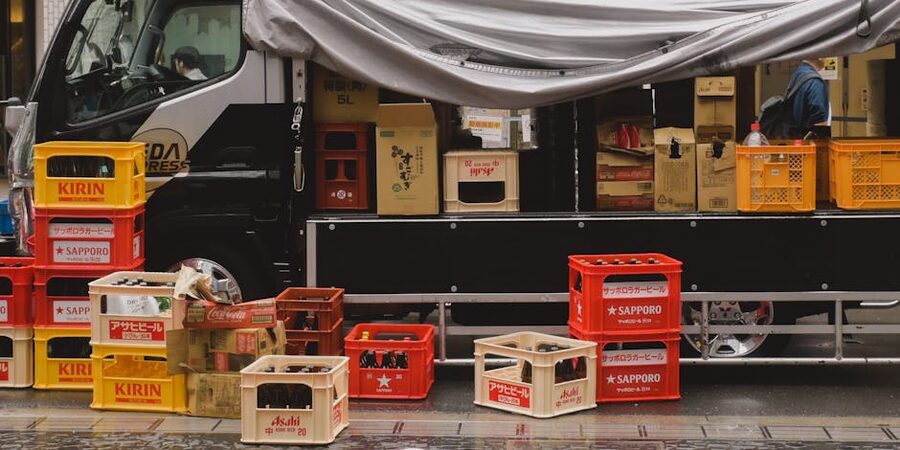
One of the real oddities of Japanese craft beer is how much of it ends up in convenience stores. Walk into a Family Mart or 7-Eleven in central Tokyo and the beer shelf will have five or six craft cans alongside the Asahi and Kirin, usually a Yona Yona, a Coedo, a Hitachino, and a rotating Mikkeller Japan or small-batch collaboration. The prices are remarkable: ¥320-450 for a 350ml can of genuine small-brewery beer. In the US or UK the same can would be double.
The Yokohama branch of 7-Eleven that gets mentioned in every Japanese craft beer article (across the road from Yokohama Station’s east exit) stocks around 300 varieties at any given time, which puts it closer to a bottle shop than a convenience store. Go in the afternoon before anyone else has picked through the stock.
Bottle shops
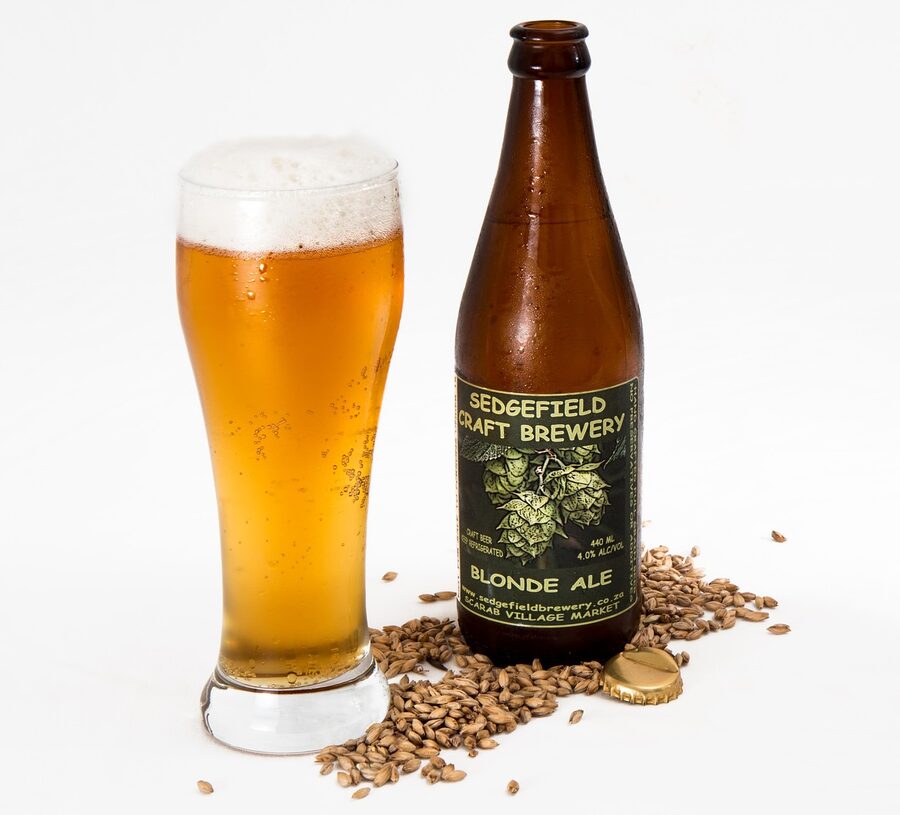
If you want to take beer home as a gift or fill a day with more range than a single bar offers, a handful of dedicated bottle shops are worth knowing:
- Watanabe Kyu-en-dou (Nihonbashi, Tokyo), over 100 SKUs, ¥800-2,500 a bottle, old family shop that pivoted to craft.
- Tanakaya (Mejiro, Tokyo), long-running bottle shop with an excellent Japanese craft shelf alongside European imports. Walk-in cold-store at the back.
- Hotbites (Nihonbashi, Tokyo), newer, heavier on collaborations and limited releases.
- Goodbeer Faucets Yokohama, bottle shop attached to the bar, narrower range than the Tokyo shops but easier to cold-ship on the same visit.
- Tama no Bijin Liquor Shop (Koenji), not strictly a craft bottle shop but the craft shelf rotates through serious small-brewery rarities.
Expect ¥800-1,500 for a single bottle of most small-brewery Japanese craft. The rare collaboration bottles go ¥2,000-2,800. Shops will gift-wrap and ship domestically, useful if you’re on the shinkansen and don’t want to carry glass.
Festivals
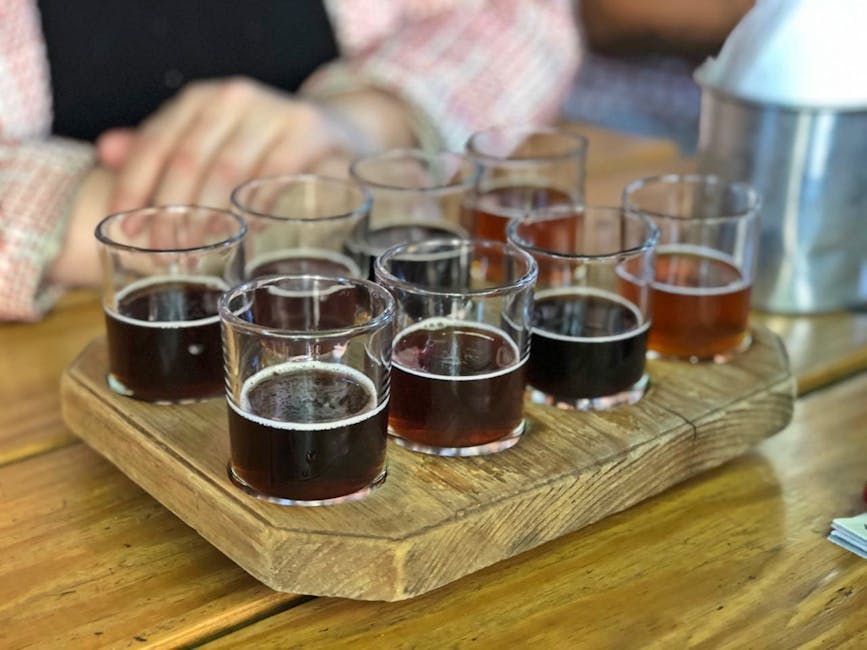
Two festivals worth planning around. The Japan Craft Beer Festival at Tokyo Odaiba runs twice a year, spring and autumn, over two weekends each time, with 60-70 breweries pouring. Entry is free; beer is ticketed at ¥500-800 per 150ml pour. It’s outdoors, crowded, and the closest thing Japan has to a Great American Beer Festival. The Keyaki Hiroba Beer Festival in Saitama (twenty minutes from Ikebukuro on the Saikyo line) runs in spring and autumn too and is slightly smaller, slightly less touristy, and pours a higher proportion of genuine small producers. Both are the cheapest possible way to sample twenty different beers in an afternoon.
How much you’ll actually pay
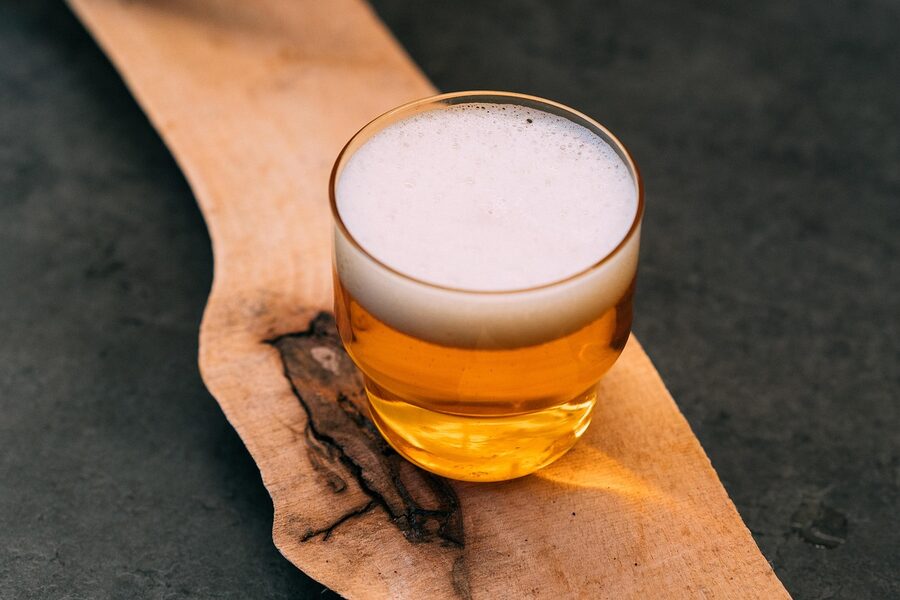
Rough price bands, because people always ask:
- Macro draft at a standard izakaya: ¥500-700 per medium glass.
- Yebisu or other premium macro at a nicer bar: ¥700-900.
- Standard Japanese craft pint at a dedicated craft bar: ¥780-1,100.
- Rare or collaboration draft: ¥1,200-1,600.
- Craft in a hotel bar or upscale taproom: ¥1,400-2,000.
- Tasting flight of 3-5 small pours: ¥1,500-2,200.
- Craft can at a konbini: ¥320-450.
- Craft bottle at a bottle shop: ¥800-1,500.
- Beer-festival pour (150ml): ¥500-800.
A night out that touches four or five small pours at a craft bar will land you around ¥4,500-6,000. Tipping isn’t a thing, but most craft bars have a cover charge of ¥300-500 that comes with a small snack and, if you’re lucky, a warm towel. Pay in the tray on the counter, not hand-to-hand.
What to eat with what
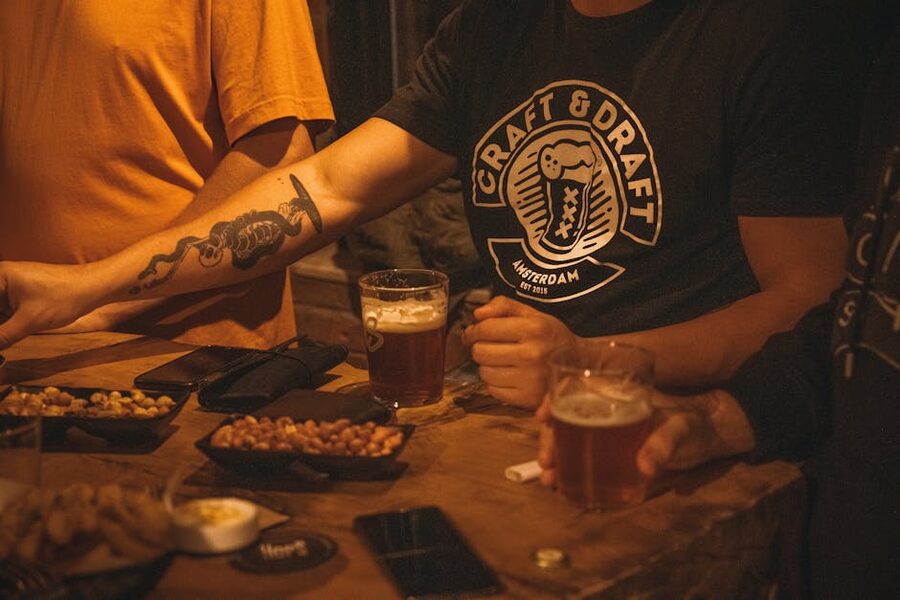
Pairing craft beer with Japanese food isn’t as fussy as pairing sake, but a few combinations are genuinely better than others. IPAs with yakitori, especially the fattier cuts like skin and thigh, because the hop bitterness cuts the fat. Porter or dark lager with oden, which is a slow-simmered winter dish of daikon, egg, and fishcakes. Saisons with white sashimi like sea bream or flounder, because the funk brings out the sweetness. Red Rice Ale (Hitachino) or Beniaka (Coedo) with grilled unagi, which is the pairing I’ve had pushed on me twice and it’s correct both times. Pilsners with tempura, always. And black beer with any dish heavy on miso, the roast notes meet the funk on a middle ground that neither drink hits alone.
This is also where the izakaya guide overlaps, many of the good craft bars serve full izakaya menus, and many good izakaya are quietly now also good beer bars. The lines have blurred in the last decade in a way that didn’t used to be the case.
Starting from scratch: the five-beer introduction
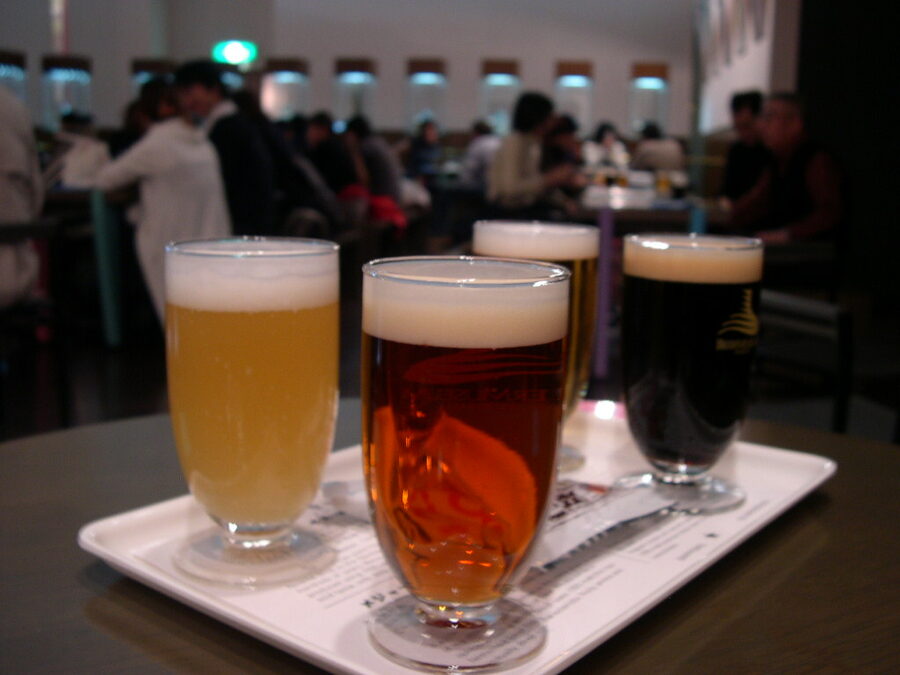
If you’ve never had Japanese craft and have one evening in Tokyo to fix that, order these five in sequence:
- Hitachino Nest White Ale. The signature. Witbier-style, coriander and orange peel, medium body. You’ll know within two sips whether you’re in.
- Yo-Ho Yona Yona Pale Ale. The friendly pale ale that introduced craft to mainstream Japanese drinkers. Balanced, citrusy, 5.5%.
- Coedo Beniaka. Amber lager with Kawagoe sweet potato. A completely Japanese beer that doesn’t exist anywhere else.
- Baird Suruga Bay Imperial IPA. If you like hops, this is Japan’s answer, 8.5%, piney, bitter in the good way.
- Shiga Kogen House IPA. The sake-brewer-added-beer origin story, and one of the cleaner, more food-friendly IPAs in the country.
That’s a full evening, it’ll cost ¥4,200-5,500, and by the end of it you’ll have a working sense of where the current scene is and which direction you want to pull in.
The other thing I want to say
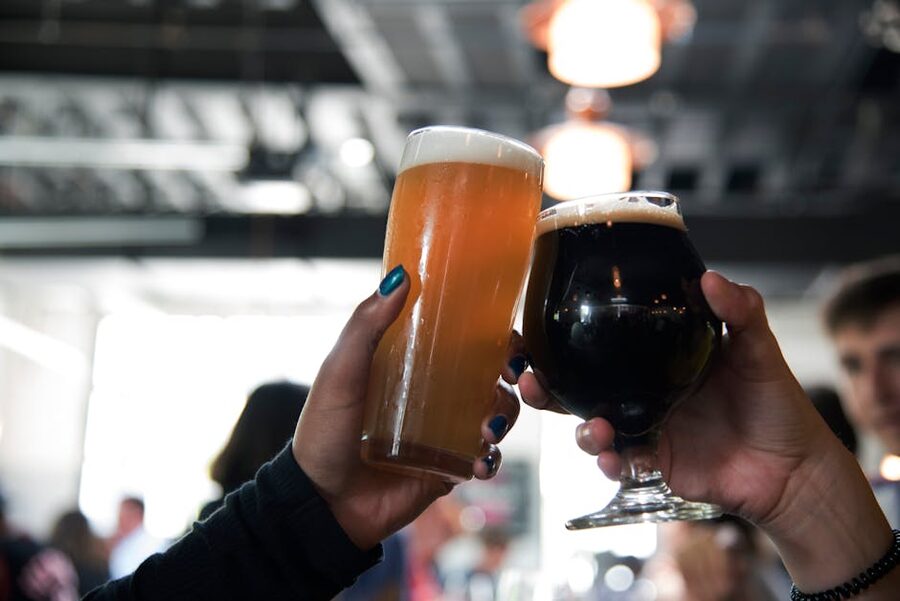
None of this is to say Japan’s old beer culture needs replacing. The four-big-lager era produced genuinely excellent products, built a drinking culture that pairs beautifully with the food, and paid for the research-and-development that some of those same companies now plough back into their own craft lines. Asahi, Sapporo, and Kirin all have smaller craft subsidiaries now. The boundaries between the “old” and “new” scenes have got usefully blurred.
What’s changed is that the country has moved from one kind of beer to a thousand kinds. And if you’re the sort of traveller who orders a different thing at every bar just to see what the place tastes like, Japan in 2026 is one of the better places in the world to do that. The infrastructure is there. The breweries are there. Most of the bars have English menus now. The prices are reasonable. And the people behind the bar, more often than not, actively want to help you find the beer you’ll like.
So: one Super Dry to start, because the classics are classics. Then a Yona Yona. Then whichever hazy IPA the bartender is currently excited about. Then, if it’s a Friday and you’ve got another hour in you, a dark lager somewhere quiet. Kanpai.


.jpg)
.jpg)
.jpg)


.jpg)