
Kanazawa Food Guide: Omicho Market, Jibuni, and Gold-Leaf Ice Cream
The smell hit me at the top of the Omicho escalator. Cold air, sea, the iodine note you only get where the fish came in that morning. It was February, snow still stacked in the gutters outside, and a whole row of standing counters inside was selling bowls of sashimi over rice at nine in the morning to men in suits who clearly did this every week. I paid 2,800 yen, ate my bowl standing, and started planning how to extend my trip.
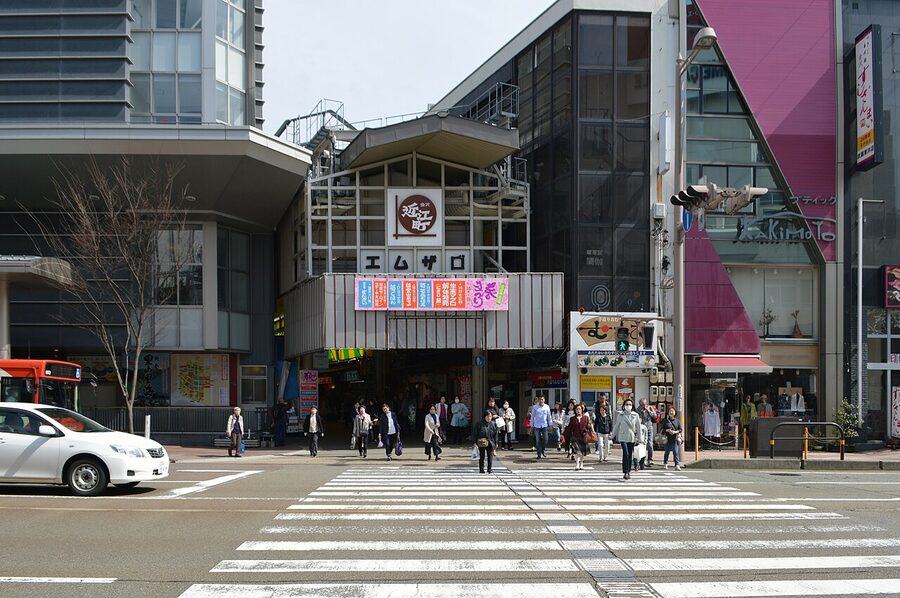
Kanazawa is a two hour forty minute Hokuriku Shinkansen ride from Tokyo Station. It sits on the Japan Sea coast, far enough west that the cold winter air blowing off the Asian continent drops its moisture on the way in, which is why half the city is covered in snow between January and March. This same geography is the reason the food here is so good. The Japan Sea is one of the most productive fisheries in East Asia, the cold water gives you sweet shrimp and winter crab, and the mountains behind the city supply the water that makes everything from the sake to the tofu taste faintly of rice fields.
Kanazawa was the seat of the Maeda clan from 1583 until the Meiji Restoration. The Maeda were the second most powerful daimyo family in Japan after the Tokugawa shoguns themselves, a position they held for nearly three centuries. Wealthy daimyo meant court cooks, lacquer workshops, porcelain kilns, gold leaf artisans, and geisha. When the Maeda lost their stipend in 1871, much of that talent stayed. The city never got bombed in the Second World War, so a lot of it is still physically here. You walk around and eat through a food culture that had two hundred and eighty years of Maeda-clan patronage behind it. That is the short version of why Kanazawa food is what it is.
In This Article
- Omicho Market is the whole reason you came
- Jibuni, the duck stew that tastes like old Japan
- Kaga kaiseki, and the ryotei tradition
- Gold leaf, the edible kind
- Higashi Chaya: the teahouse district you should plan around
- Kanazawa-style curry, the dark sweet one
- Nagamachi, where the samurai used to live
- Sake and sugidama
- The 21st Century Museum and a café lunch
- Getting here and getting around
- Two day eating plan
- When to come
Omicho Market is the whole reason you came
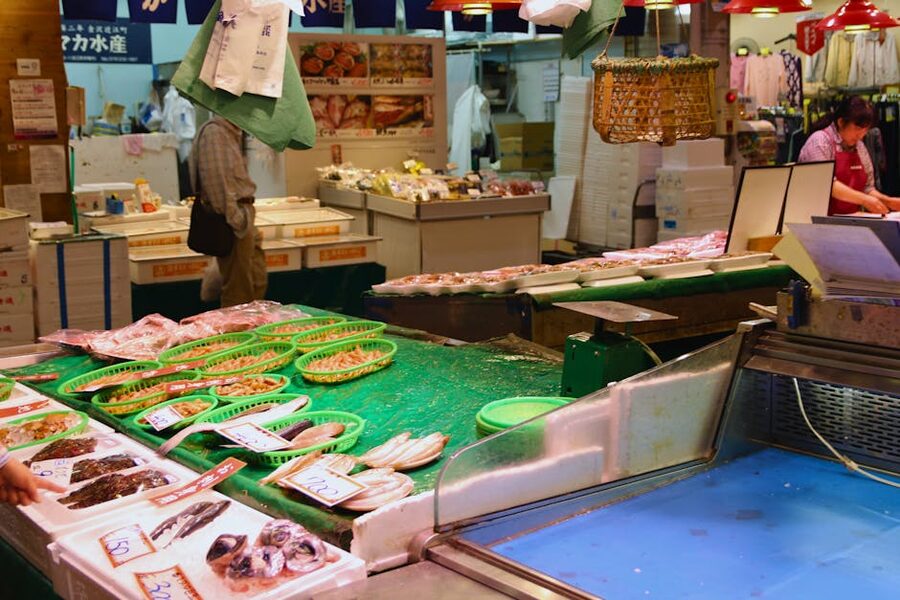
Omicho has been running since 1721. It is still the city’s main market, not a tourist construct, and about half of what moves through here ends up in restaurant kitchens later that day. The arcade is covered against the snow, the aisles are wide enough for a forklift, and the 170 or so stalls are a mix of fishmongers, butchers, vegetable sellers, tea shops, pickle shops, and a handful of standing seafood counters that will feed you the best breakfast or lunch you have in the city.
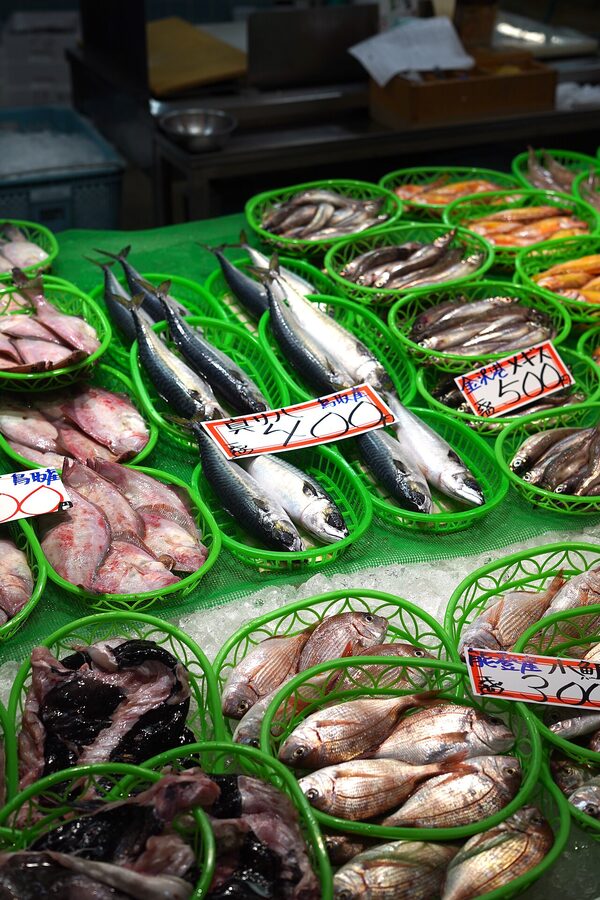
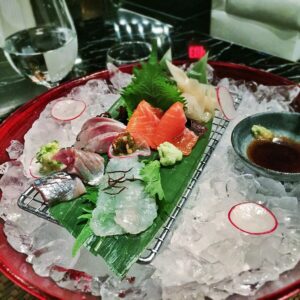
The thing to eat here first is a kaisendon, a bowl of rice topped with whatever sashimi the counter has that morning. Iki-Iki Tei, on the arcade’s north side, is the queue destination. Budget 30 to 45 minutes waiting on a weekend morning, less on a Tuesday. The default bowl is around 2,500 yen, the premium (more uni, more otoro, more sea urchin from the Noto Peninsula) closer to 4,000. Other solid options, with shorter queues: Yamasan Sushi (also on the arcade, counter-only), Omicho Shokudo (cafeteria-style on the second floor, cheaper, less ceremonial). None of them need a reservation.
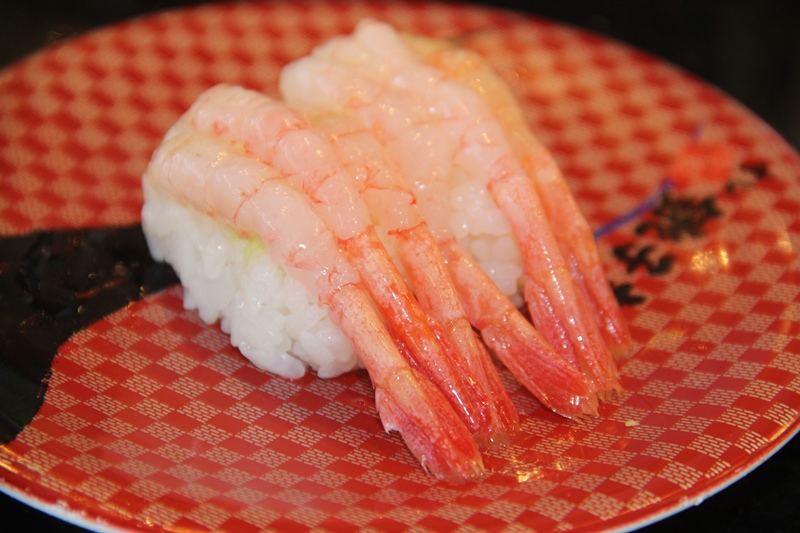
If you have only one ingredient to try, make it amaebi, the local sweet shrimp. It is served raw, often three or four to a nigiri piece, and the flavour is sweet in a way that almost crosses over into custard. These are the same shrimp that cost four times the price in Tokyo sushi bars, straight off the boats that come into Kanazawa port, forty minutes away.
Jibuni, the duck stew that tastes like old Japan
Jibuni is Kanazawa’s signature dish and most visitors never try it. It is a duck stew, thickened with wheat starch, simmered with mitsuba (a Japanese herb), seasonal vegetables, and a sheet of sudare-fu (wheat gluten shaped like rolled bamboo). The broth is soy and sake and a small amount of sugar, the duck slices are paper-thin and cook in the last ninety seconds, and the whole thing is served in a black lacquer bowl with a sprinkle of wasabi on top. The name probably comes from the sound of the simmer, which Japanese food writers tend to describe as “jibujibu” in the way that English might say “a slow burble.”
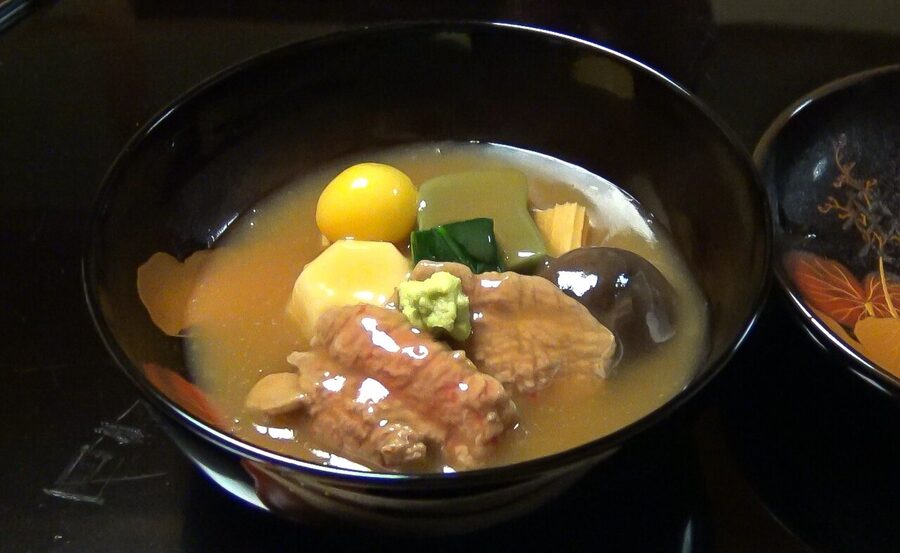
Jibuni in its restaurant form is a small bowl that comes as part of a set menu for around 2,000 to 4,000 yen at lunch. Named places: Jibu Ryotei Tsubajin in Nagamachi (formal, reservation usually required, kaiseki lunch 5,500 yen and up), Miyoshian inside Kenroku-en garden (unusual location, 1,600 yen for a jibuni set), and Nihachi near the Omicho market (casual, 1,400 to 2,000 yen).
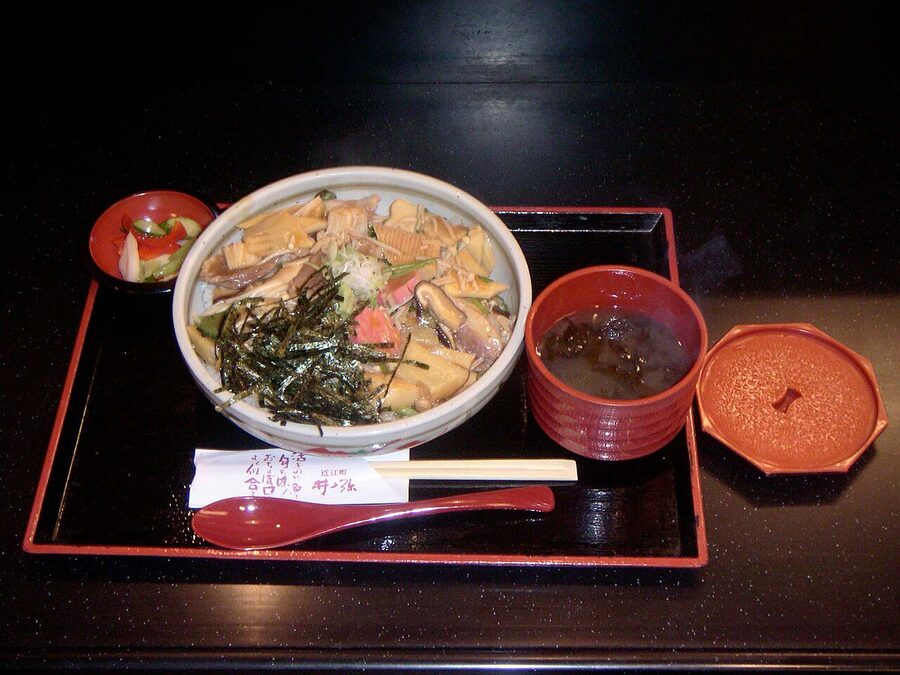
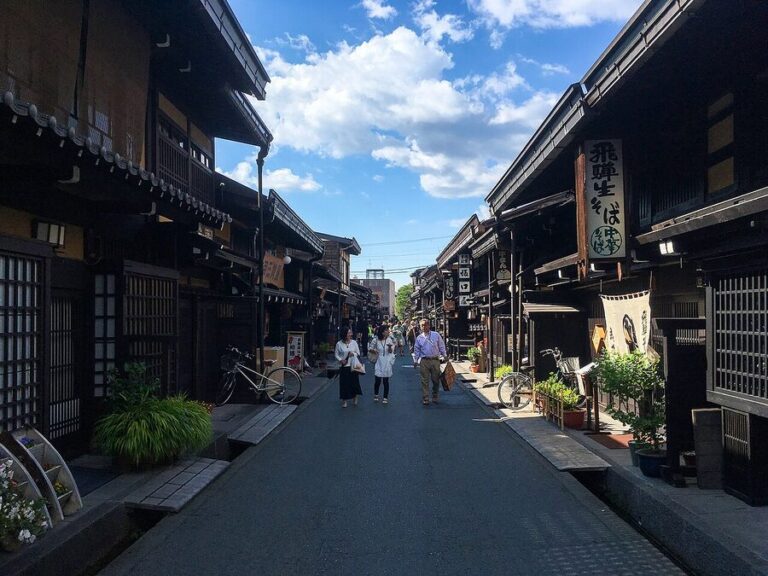
If you’ve been eating your way through the Takayama morning markets a few hours south by rail, jibuni is a useful compare-and-contrast dish. Takayama’s miso-and-walnut hoba-yaki grilled beef is its mountain answer to banquet cuisine; Kanazawa’s jibuni is the Japan-Sea coast’s version, softer, soy-forward, with a lacquered formality that traces straight back to the Maeda-clan court. I’ve written the full Takayama food guide over here.
Kaga kaiseki, and the ryotei tradition
A kaiseki meal in Kanazawa is served on Kaga-style lacquer and Kutaniyaki porcelain. This sounds like a small distinction, and on your first visit it is, but by your second you’ll start noticing. The Kaga dinner-service tradition was developed as a companion to the kaiseki cuisine under Maeda patronage, and the lacquer plates that a Tokyo kaiseki restaurant would buy at a premium and use sparingly are what a Kanazawa family restaurant puts on the table for a 6,000 yen lunch set. Form and food arrived together and never separated.
Named ryotei (formal restaurant) options for a splurge meal: Tsubajin (Nagamachi, kaiseki course 15,000 to 30,000 yen, reservation two weeks ahead), Ryotei Minosuke (Owari-cho, the Maeda family’s preferred restaurant in the pre-war era, 18,000 to 35,000 yen), Kanazawa Uogashi (easier-access kaiseki inside the Hyatt Centric, 10,000 to 15,000 yen). For something at the lunch tier, try Nomura-ke, a converted samurai home in Nagamachi that does an obanzai-style lunch in the house’s tatami rooms for around 4,500 yen (more on Nomura-ke in the samurai-district section below). If you want kaiseki without the bill, most ryokan on the outskirts of the city include it in the stay.
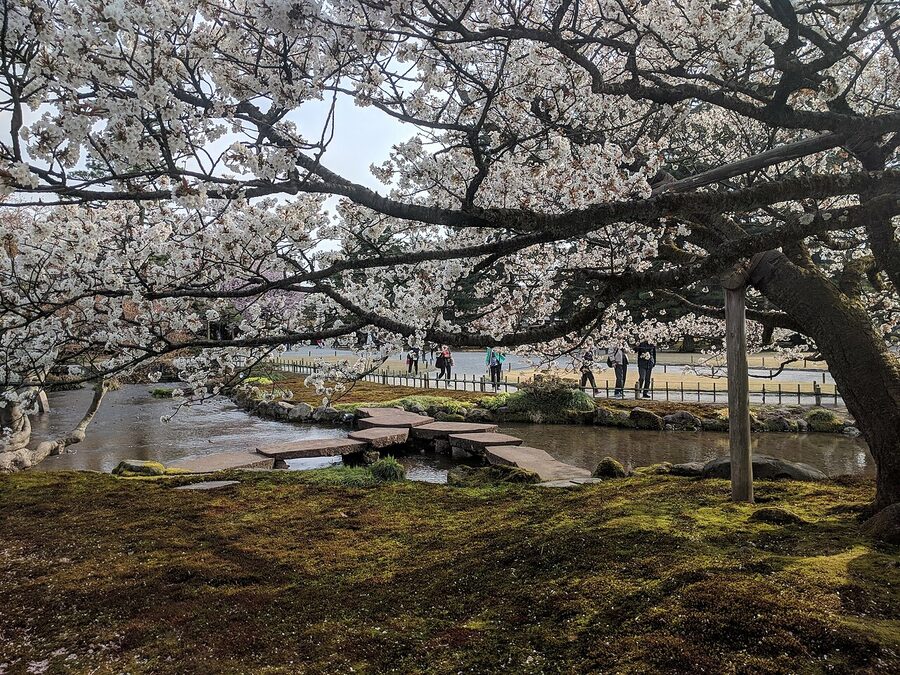
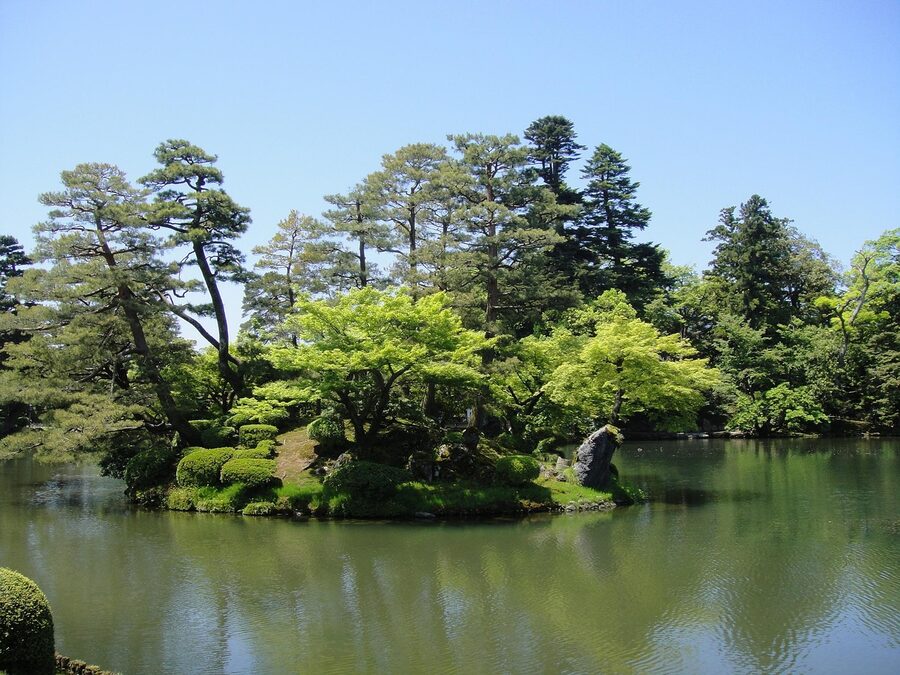
Brief aside on Kenroku-en. It is one of Japan’s three great gardens, built over roughly 180 years by successive Maeda lords and given its current name (“garden of the six qualities”) in 1822. Entry is 320 yen. It is small by tourist-attraction standards but dense. If you have an hour to spare between Omicho breakfast and a Nagamachi lunch, spend it here.
Gold leaf, the edible kind
Kanazawa produces about 98 percent of Japan’s gold leaf. The craft dates back to the Edo period, when the Maeda clan patronised artisans making leaf for temples and lacquerware, but it became a dominant industry only after the Meiji government loosened production restrictions in the 1880s. The technique is the same as it was 400 years ago: beating a small gold ingot between sheets of washi paper until it is 0.0001 mm thick, the thinnest commercial metal sheet in the world.
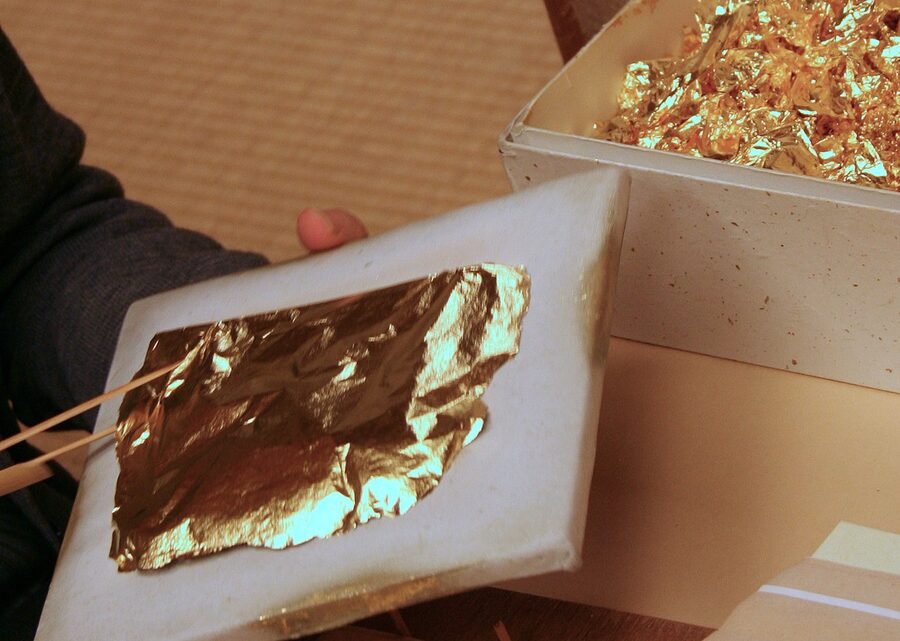
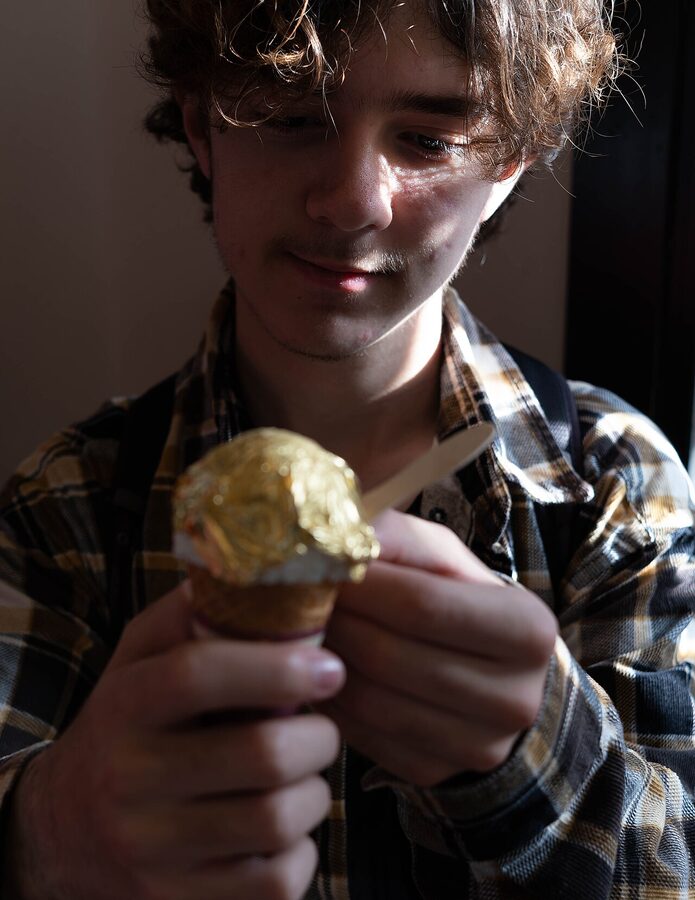
The tourist-facing version of this is gold-leaf soft-serve ice cream. It’s 891 yen for a vanilla cone wrapped in a sheet of 23-carat gold, sold at Hakuichi’s Higashi Chaya shop and a couple of imitators. The gold is tasteless, which is the joke. The ice cream is decent. The photo is the point. I had one, it was fine, and you will probably have one too. Hakuichi also sells gold-leaf sake (a thin gold leaf floating on junmai nama), gold-leaf tea, gold-leaf tissue packs for skincare, and a surprisingly good gold-leaf sakura mochi during cherry blossom season. The museum upstairs has a gold-leaf tea room.
Higashi Chaya: the teahouse district you should plan around
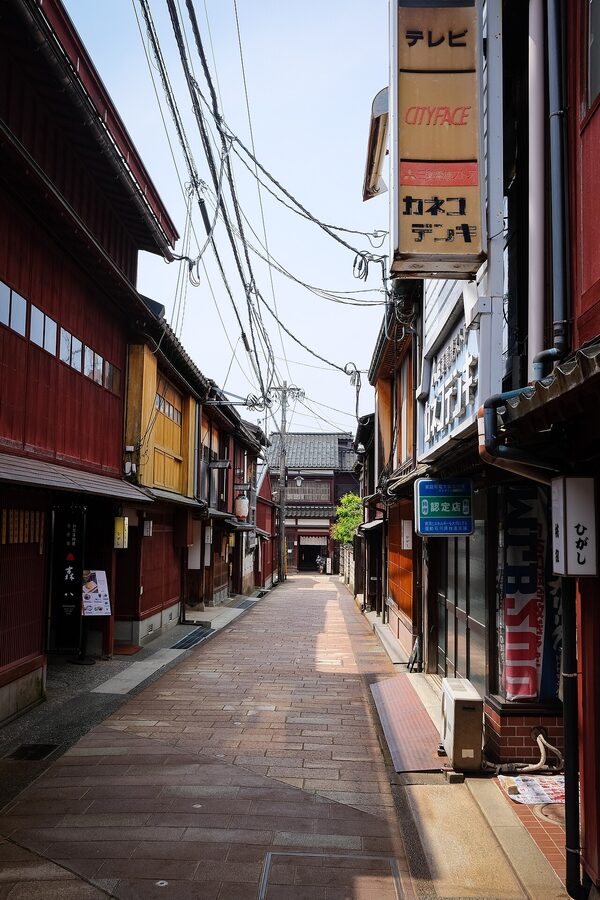
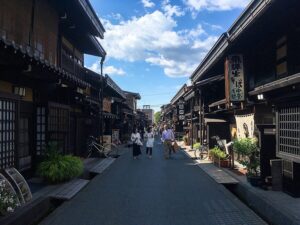
Kanazawa has three chaya (teahouse) districts: Higashi (east), Nishi (west), and the smaller Kazue-machi by the Asano River. All three are preserved pockets of Edo-period geisha architecture, wooden two-storey buildings with kimidori latticework and low-hanging eaves. Higashi is the largest and best-preserved, and the one everyone photographs.
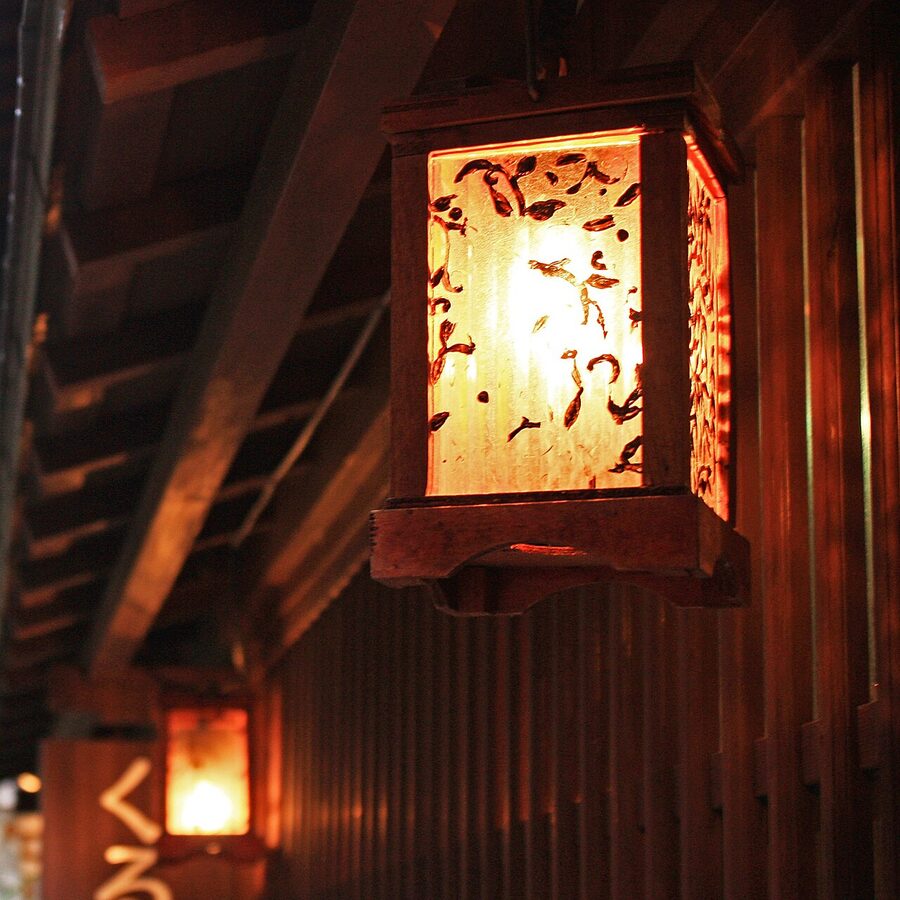
Three teahouses in Higashi are open to visitors. Ochaya Shima is a preserved 1820 geisha house where you can walk through the tatami performance rooms, see the tea ceremony utensils in situ, and drink matcha for 500 yen. Kaikaro is still a working teahouse at night (geisha evenings, reservations only), but during the day runs a tour of the interior for 750 yen including tea and wagashi. Fukushima is smaller and cheaper and doesn’t require a ticket for the ground floor, which is now a gift shop.
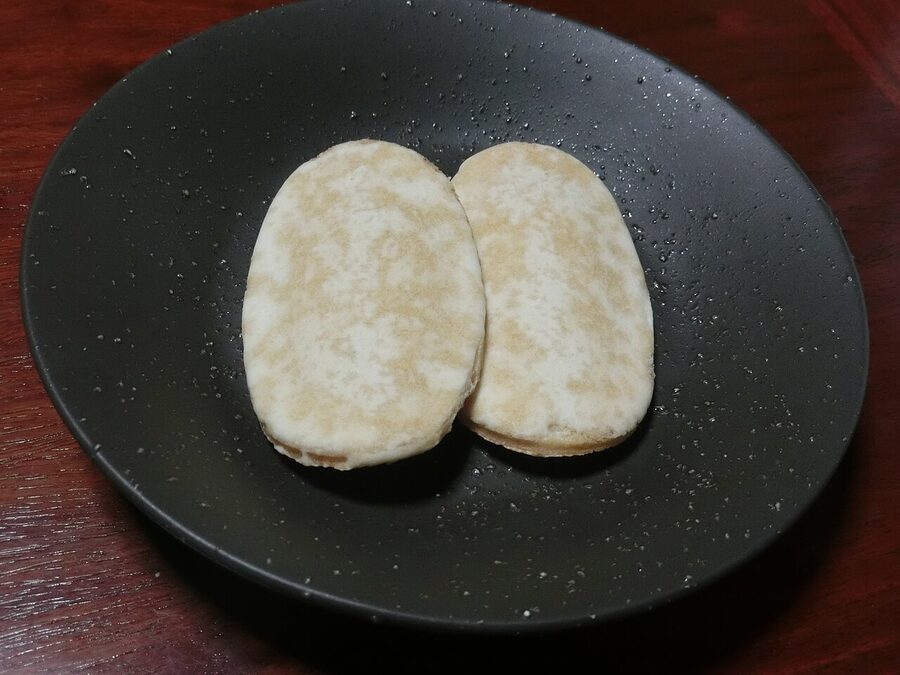
In food terms, the district’s draw is wagashi, traditional Japanese sweets. Kanazawa’s wagashi tradition is second only to Kyoto’s, and some would argue finer, because the Maeda clan kept the best artisans on retainer for generations. Morihachi, which was founded in 1625 and still operates from its original Higashi Chaya storefront, makes rakugan, a dry sugar-pressed sweet served with koicha tea. Across the main street, Shibafune makes fresh wagashi in seasonal shapes: cherry blossoms in April, hydrangea in June, pine needles in winter. A small assortment box is 1,500 to 2,500 yen and makes an excellent omiyage.
Kanazawa-style curry, the dark sweet one
Kanazawa has its own regional curry style, and it’s polarising. The broth is dark brown, viscous enough to coat the rice in a thick layer, strongly sweet (more sugar than a standard Japanese curry), and served with shredded cabbage on top. The local chain, Go Go Curry, was founded in Kanazawa in 2004 and has since spread across Japan (and a handful of US and Asian outposts). The larger competing chain, Champion’s Curry, has been running since 1961 and is older than Go Go but less famous outside the region.
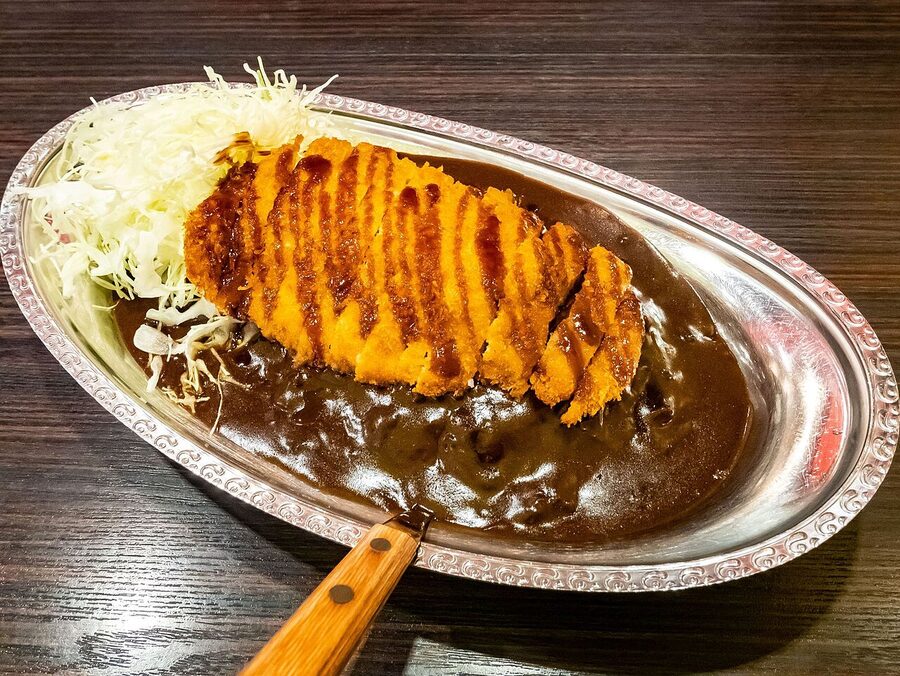
This is a regional specialty, not a destination meal, but if you are in Kanazawa you should eat at least one plate so you understand what “Kanazawa curry” refers to on menus elsewhere in the country. Champion’s Curry Honten near Kanazawa Station is probably the move. Go Go Curry is fine and the nostalgia is part of the thing, but it’s a chain you can also eat at in Shinjuku.
For wider context on how Kanazawa curry fits the national map of Japanese curry, see the foreign-origin Japanese foods guide I wrote, which covers how curry arrived in Japan via the British Royal Navy in the late 1800s and what happened to it after.
Nagamachi, where the samurai used to live
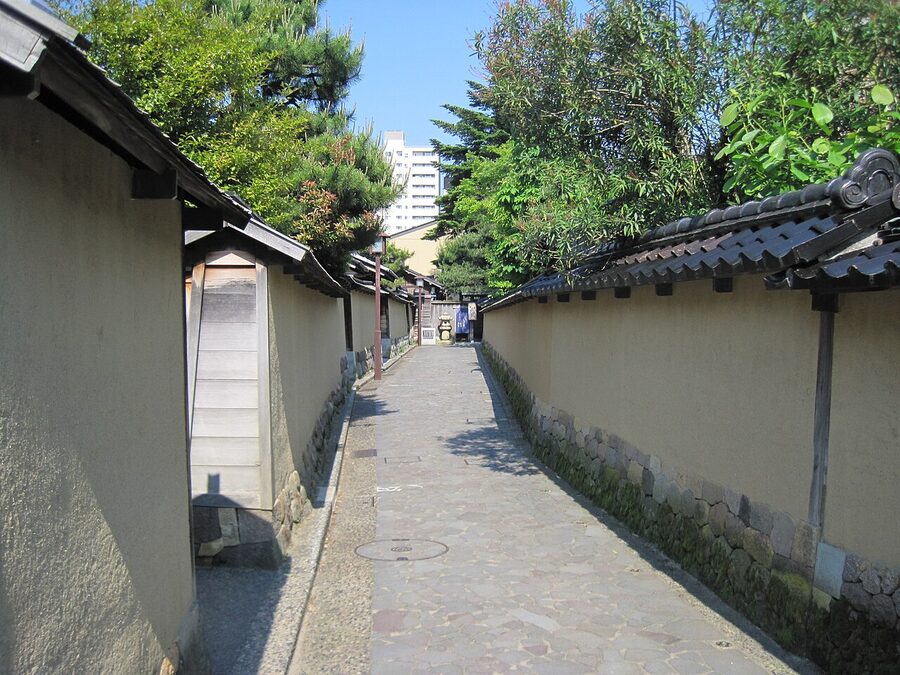
Nagamachi is the preserved samurai quarter, a ten minute walk south of Omicho Market. The walls are the key visual: earthen plaster topped with ceramic tile, lining both sides of narrow stone streets with small canals running alongside. Most of the houses are still private residences, but a handful have been converted into museums or restaurants, and the walls and streets themselves are the real reason to come.
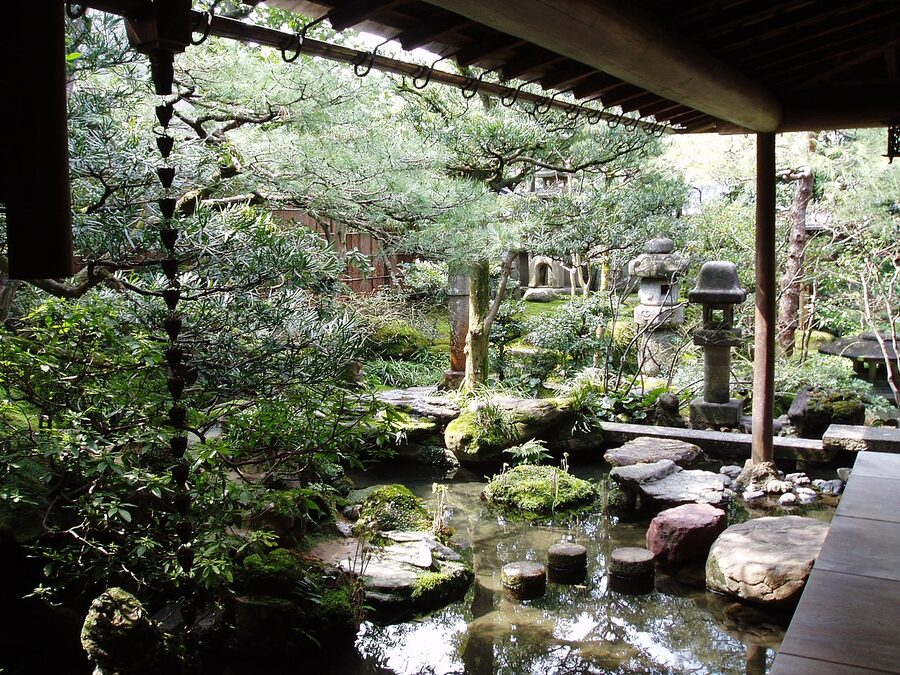
Nomura-ke is the main house open to visitors. A 1580s-era samurai home preserved with all its original fittings, a tea room overlooking a small landscape garden, and an upstairs tea house that serves matcha and wagashi for 500 yen. Entry to the house itself is 550 yen. The garden is the draw: it was ranked number three in Japan by the American magazine Journal of Japanese Gardening a few years back, which is a ridiculous accolade but the garden is genuinely beautiful, especially in the first snow of the year when the moss turns vivid green under a dusting of white.
Eating in Nagamachi: Kaname (kappo cuisine, 4,500 yen lunch, 9,000 yen dinner) and Fumuroya (fu-specialist restaurant serving wheat-gluten kaiseki, surprisingly good, 3,500 yen lunch set) are the two I’d recommend. Fumuroya is associated with the 150-year-old fu-maker Fumuroya who still makes the sudare-fu that the jibuni restaurants use, so eating there is a way of tasting the raw material a level up from the final dish.
Sake and sugidama
Ishikawa Prefecture (of which Kanazawa is the capital) has about 30 sake breweries, most of them small family operations using the local Hakusan mountain water and Ishikawa-grown Yamada Nishiki rice. The best-known is Fukumitsuya, founded in 1625 and still operating from its original Kanazawa address. Their Kagatobi ginjo is the most visible Kanazawa sake outside Japan.
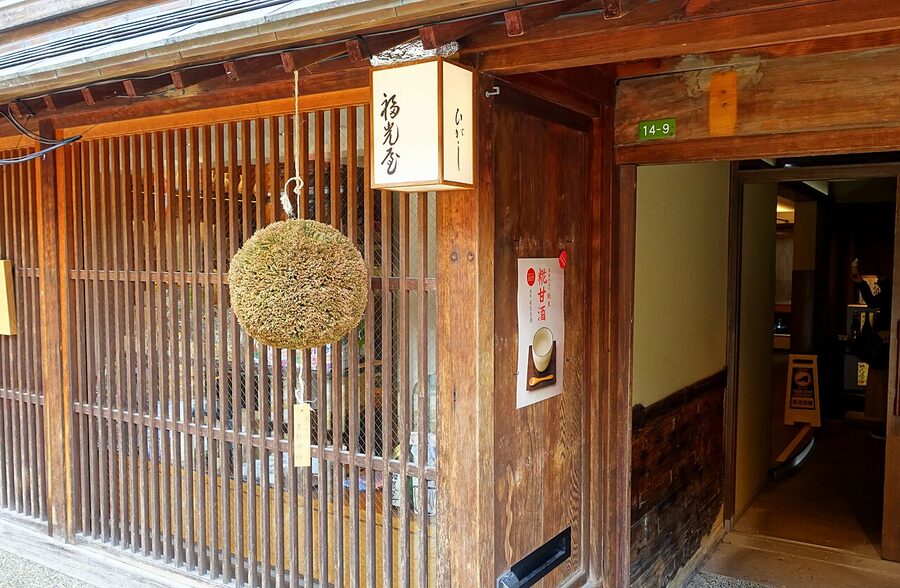
If you see a ball of dried cedar branches hanging outside a building on Higashi Chaya main street or in a side alley behind Omicho, that’s a sugidama, and it means the building is a sake brewery. The ball is made fresh in November when the year’s brewing season starts, hung green, and turns brown through the year as the batch matures. Kanazawa has about a dozen sugidama still hung each winter, down from perhaps 80 a century ago, but the tradition is worth noticing when you pass one.
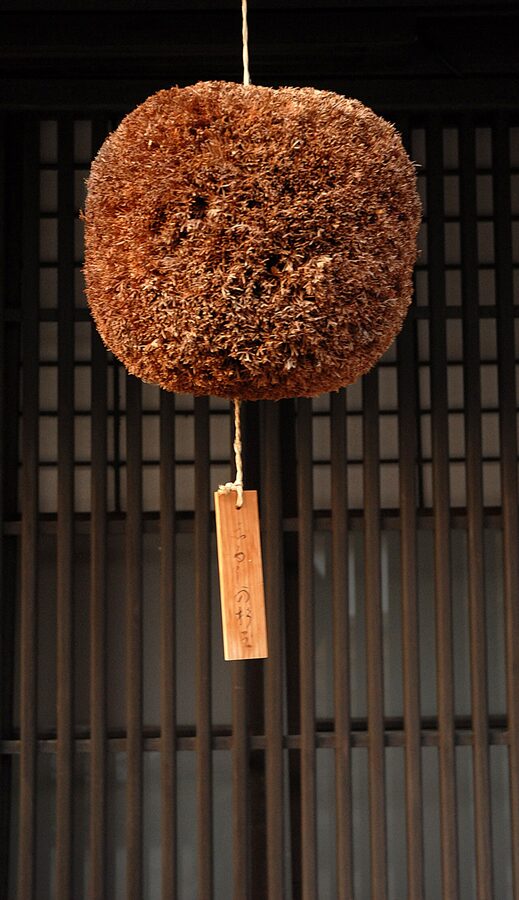
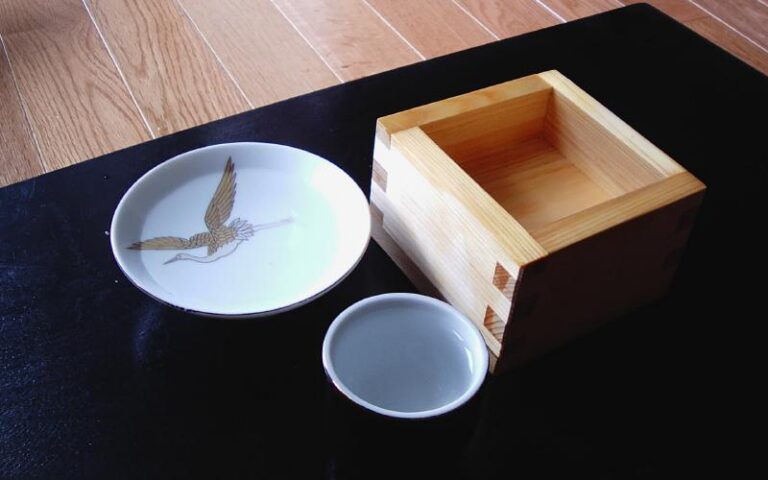
For sake with food in Kanazawa, the specialist bars are Ichirin (Korinbo, ten-sake flights for 2,400 yen), Sake Bar Kana (Katamachi nightlife district, seasonal rotating menu), and Fukumitsuya’s tasting room at the brewery itself. For broader context on sake’s grades, regions, and how to drink it, I’ve written a fuller sake guide.
The 21st Century Museum and a café lunch
The 21st Century Museum of Contemporary Art, which opened in 2004, is a circular glass pavilion designed by Kazuyo Sejima and Ryue Nishizawa of SANAA. It won the Golden Lion at the Venice Biennale the year it opened. Inside is a rotating programme of mid-career international contemporary artists plus a permanent collection of commissioned works (Leandro Erlich’s Swimming Pool is the one everyone photographs; there’s also a James Turrell skyspace and an Olafur Eliasson that’s been rotating through). Entry to the outer gallery and permanent works is free; special exhibitions are 1,000 to 1,500 yen.
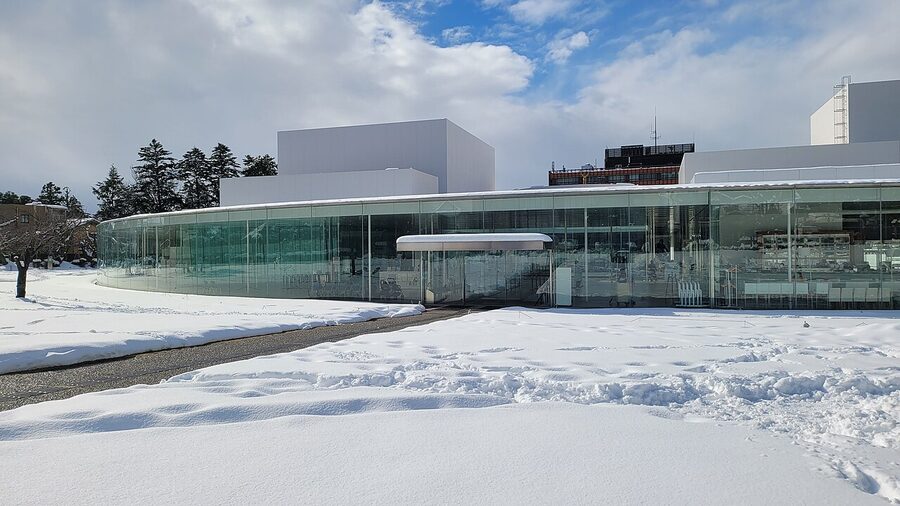
The museum café, Fuzon, does a very good set lunch for 1,200 to 1,800 yen with a view out into one of the permanent installations. If you’re touring the city with one day to spend, this is a reasonable middle-of-the-day stop between Kenroku-en and Nagamachi (they’re five minutes’ walk apart). The museum opens at 10am; the café from 11.
Getting here and getting around
The Hokuriku Shinkansen from Tokyo Station runs about 20 times a day, 2 hours 40 minutes on the fastest Kagayaki service, 2 hours 50 on the Hakutaka. Unreserved seat: 14,180 yen. The JR Pass covers it. There are no direct Shinkansen services from Kyoto or Osaka (you’d change at Tsuruga or fly to Komatsu Airport 30 minutes outside the city). From Takayama, the Nohi bus takes 4 hours 30 via Shirakawa-go and is scenic but slow.
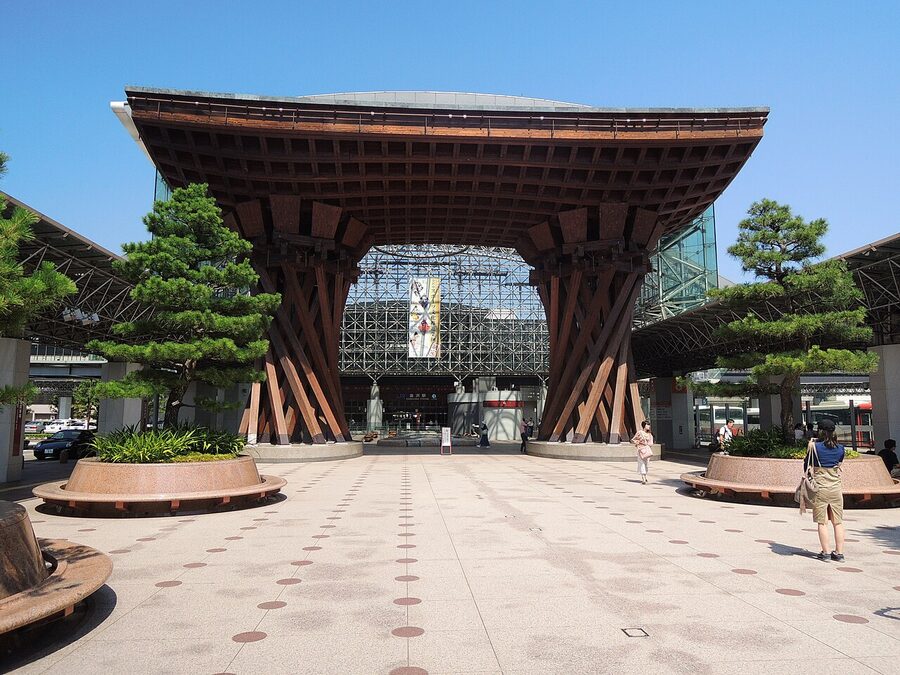
Once in Kanazawa, the city is run on buses, not trains. The Kanazawa Loop Bus (two routes, clockwise and counterclockwise) hits almost every tourist stop you’d want, 210 yen per ride or 600 yen for a day pass. Stops include Kanazawa Station east exit, Omicho, Korinbo, Katamachi, Kenroku-en (Kenrokuen-shita), Higashi Chaya, 21st Century Museum, and Nagamachi. The numbered JR local buses run parallel routes for half the price if you don’t mind navigating. Uber does not operate here; cabs are plentiful and a ride from the station to most central destinations is 700 to 1,200 yen.
Two day eating plan
Day one. Drop your bag at the hotel. Walk or Loop Bus to Omicho (9am to 10am arrival). Eat the kaisendon at Iki-Iki Tei or Yamasan. Walk or bus to Kenroku-en for an hour. Lunch: jibuni-don at Miyoshian inside the garden, or at Nihachi near the market. Afternoon: walk Nagamachi samurai district, Nomura-ke house, matcha in the tea room. Dinner: Fumuroya in Nagamachi (fu-kaiseki) or a ryotei if you’re in for the splurge. Last move: walk Higashi Chaya after dark for the lanterns.
Day two. Higashi Chaya in the morning (quietest hour, teahouses open at 9am). Ochaya Shima for the tour and matcha. Gold-leaf ice cream at Hakuichi. Browse Morihachi and Shibafune for wagashi. Late lunch: Champion’s Curry near the station, or go back to Omicho for whatever you missed on day one. Afternoon: 21st Century Museum and its café. If time: cross the Asano River to Kazue-machi, the third and smallest teahouse district, which is where geisha actually still live rather than just perform. Evening: sake flight at Fukumitsuya, then izakaya dinner in Katamachi.
When to come
Winter (late November through March) is the best season for food. Snow crab, amaebi, winter fish in general, and a kind of melancholy quality to the light that makes the teahouse districts photograph better. Bring a proper coat. The city gets 1.6 metres of snow in a typical year, though central Kanazawa is ploughed immediately and walking is fine in waterproof boots.
April (cherry blossom week in Kenroku-en) is packed but worth it once. The garden fills with plum blossom in late February and cherry blossom in early April, maples in late October through mid-November. Avoid August, when humidity makes the preserved districts sticky and the crab and shrimp are out of season.
If you’re stitching Kanazawa into a longer Japan trip, the natural neighbours are Takayama (4h 30m by bus via Shirakawa-go, also a Japan Sea food-and-ryokan destination, guide here) and Kyoto (2h by limited express via Tsuruga, or 2h 10 on the Thunderbird; pair Kanazawa market breakfast with Kyoto obanzai lunch the next day for a nice regional contrast). The fish and shellfish angle ties naturally into the broader Japan-wide fish guide I wrote; Kanazawa is the best Japan Sea entry point on that map, and Omicho is the market to anchor a fish-first trip around.
Stay two nights minimum. One is enough to see the main sights; it won’t be enough to eat your way through them.


.jpg)
.jpg)


.jpg)
