
What to Eat and Drink in Takayama: Hida Beef, Sake Breweries, and Morning Markets
A friend of mine once quit a Tokyo marketing job and moved to a small town in the mountains because of a single dish. Hida beef, sliced thin and grilled on a magnolia leaf with miso over a tabletop brazier, served at a 150-year-old ryokan in Takayama. That was in 2019. She’s still there, now running English-language tours between three of the sake breweries on Sanmachi. I’ve been up to stay with her four times since, and every visit I eat myself stupid for three days and come home with sake bottles rattling in my backpack.
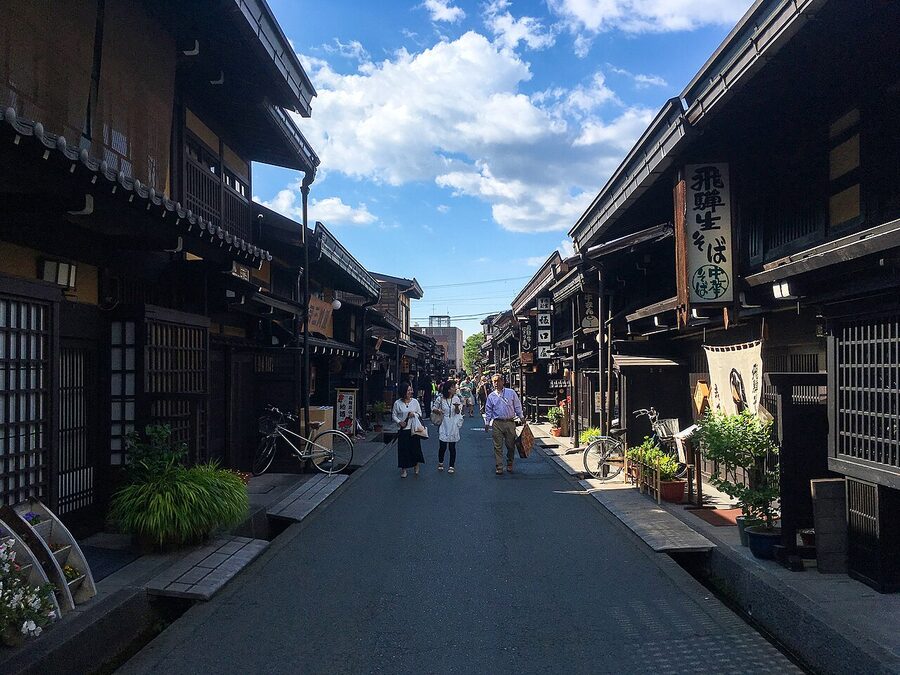
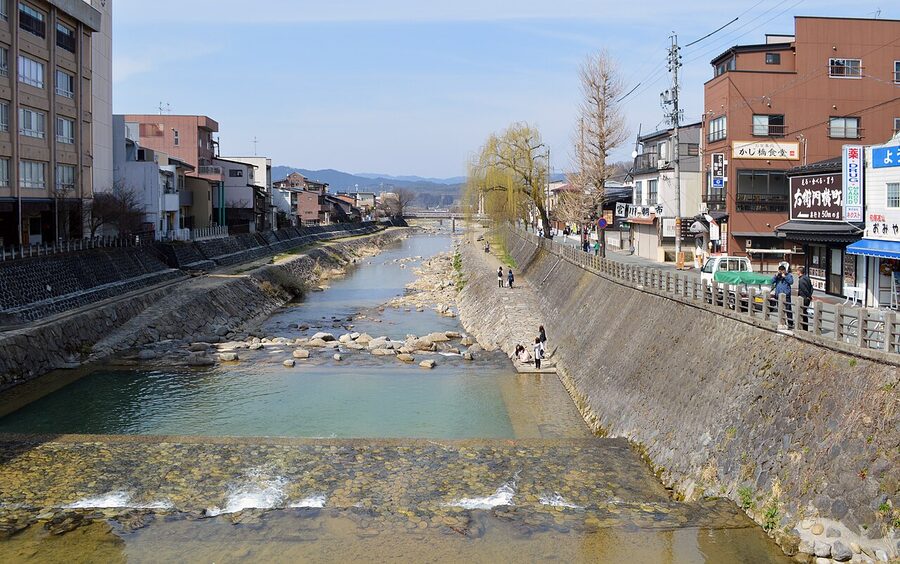
Takayama, technically Hida-Takayama, to distinguish it from other places of the same name, is a preserved Edo-era town about two and a half hours by train from Nagoya, tucked up in the mountains of Gifu prefecture. The place has a ridiculous concentration of food and drink for its size. Within 300 metres of the Miyagawa River you’ll find six family-run sake breweries, two morning markets, a dozen Hida beef specialists, and enough small teahouses and kissaten that you could spend a rainy afternoon crawling them without ever repeating a visit.
This is a town where the whole economy, or at least the visible one, is about feeding you. If you do the day-trip thing from Nagoya you’ll scratch the surface and leave annoyed. Stay two nights. Three is better. The real reason is that many of the best restaurants only open at lunch, or only at dinner, and you need the full 24-hour cycle to work through them without rushing.
In This Article
- Start with houba miso at breakfast
- Hida beef, the real stuff, and how to eat it cheaply
- Hida beef sushi (¥500-800 a piece)
- Hida beef skewers (kushiyaki)
- Hida beef croquette (¥350) and Hida beef bun (¥430)
- Yakiniku (table-top grill), where to splurge
- Sake, six breweries, 300 metres
- Doburoku and craft beer, too
- The morning markets, get up for them
- Takayama ramen (chūka soba)
- Hida soba, the mountain buckwheat version
- Mitarashi dango, the stick food of Sanmachi
- Teahouses and Takayama’s kissaten
- Sansai, kaiseki, and what to do with a ryokan dinner
- Getting to Takayama and when to go
- If you’ve got an extra day: Shirakawa-go
- Souvenirs worth carrying home
- One full day of eating in Takayama
Start with houba miso at breakfast
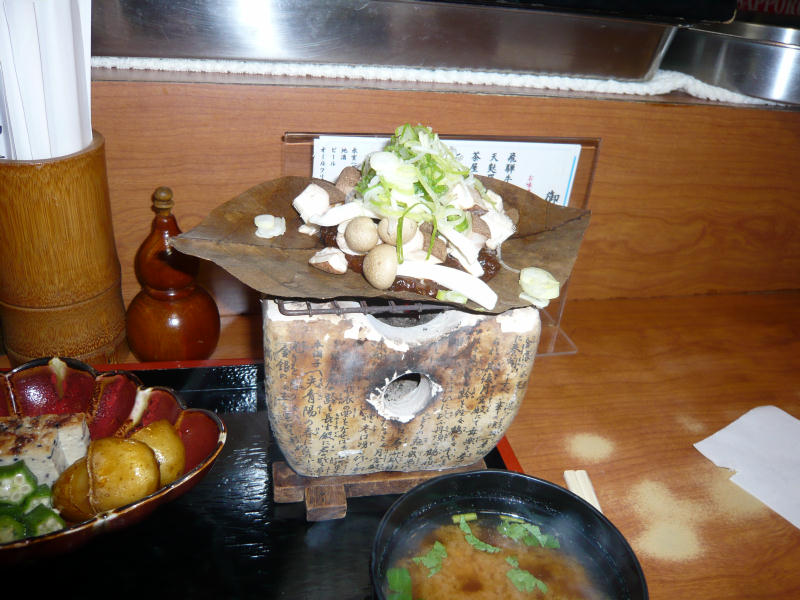
Houba miso (朴葉味噌) is the thing you eat for breakfast in a ryokan and then can’t stop thinking about. A dried magnolia leaf is set on a tiny clay burner at your place setting, a spoon of Hida white miso goes on top, sometimes with sliced mushrooms, spring onion and small chunks of Hida beef, and then the whole thing slowly sizzles while you eat the rest of your breakfast. The leaf toasts, the miso scorches around the edges, and you scoop it over rice.
Hida miso itself is worth a note. It’s a white miso, shorter-fermented than the dark Sendai stuff most of Japan uses, and less aggressively salty. It’s made with local Hida spring water and leans sweet. If you only know miso from supermarket pouches, a proper Takayama bowl will surprise you, it tastes almost creamy, with a mushroom-like depth that the mass-produced stuff never has.
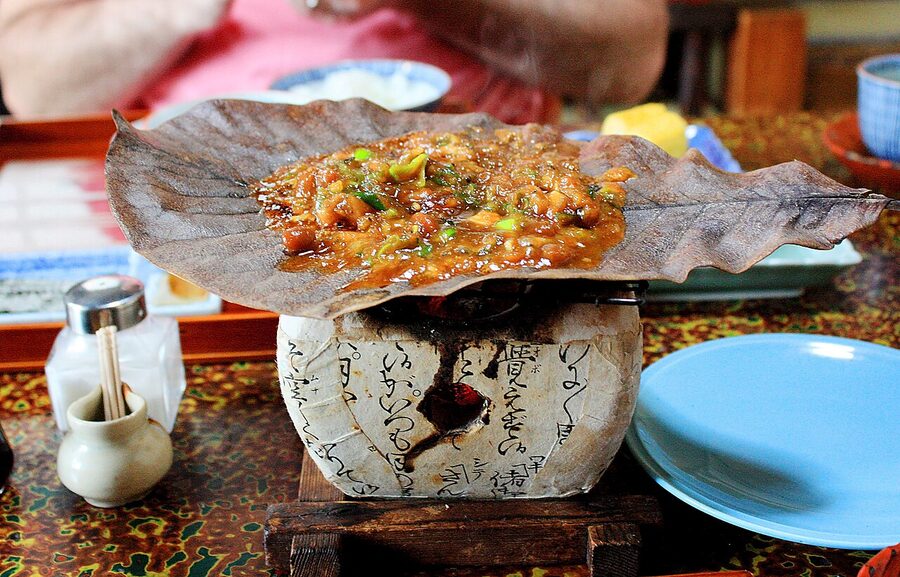
You can order houba miso at lunch or dinner too, most of the Hida beef specialist restaurants have a version with thin beef slices laid on top, which is a bigger, meatier dish priced 2,500-3,500 yen. Suzuya (寿々や) on Hanakawa-machi is the old-school choice, run by a family with staff who are well into their 70s and 80s and take visible pride in their work. The beef version comes on a big magnolia leaf with vegetables and it’s enough food for a whole lunch on its own.
Hida beef, the real stuff, and how to eat it cheaply
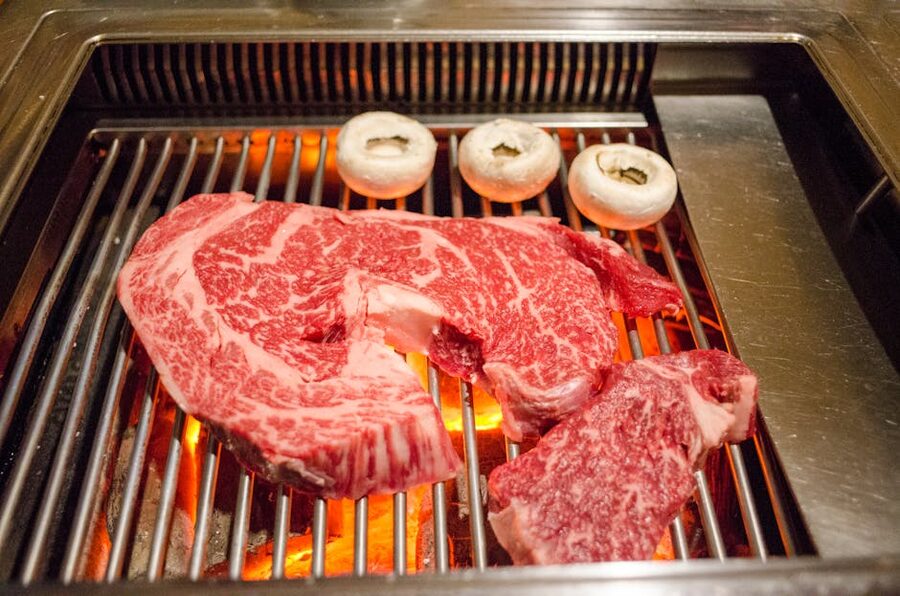
Hida beef (飛騨牛, Hida-gyū) is what Takayama is most famous for now. It’s a registered wagyu brand from Gifu prefecture, black-haired Japanese cattle raised in the area for at least 14 months and graded at A4 or A5 marbling levels. The marbling is the point: that dense mesh of fat inside the muscle is what makes it taste almost sweet, and what makes a single slice melt against the roof of your mouth rather than chewing like steak.
The word “Hida” is the old name for the mountainous northern half of Gifu, and the branding is strict. If a restaurant says “Hida beef” and can’t show you the certificate (most good places have it framed on the wall), you’re being scammed. The genuine article has a small seal with the certification number.
The thing is, you don’t have to drop 8,000 yen on a set meal to try it. Takayama has turned Hida beef into a street food, and the stands on Hon-machi and around Sanmachi sell it in nigiri and skewer form for 500-800 yen a piece.
Hida beef sushi (¥500-800 a piece)
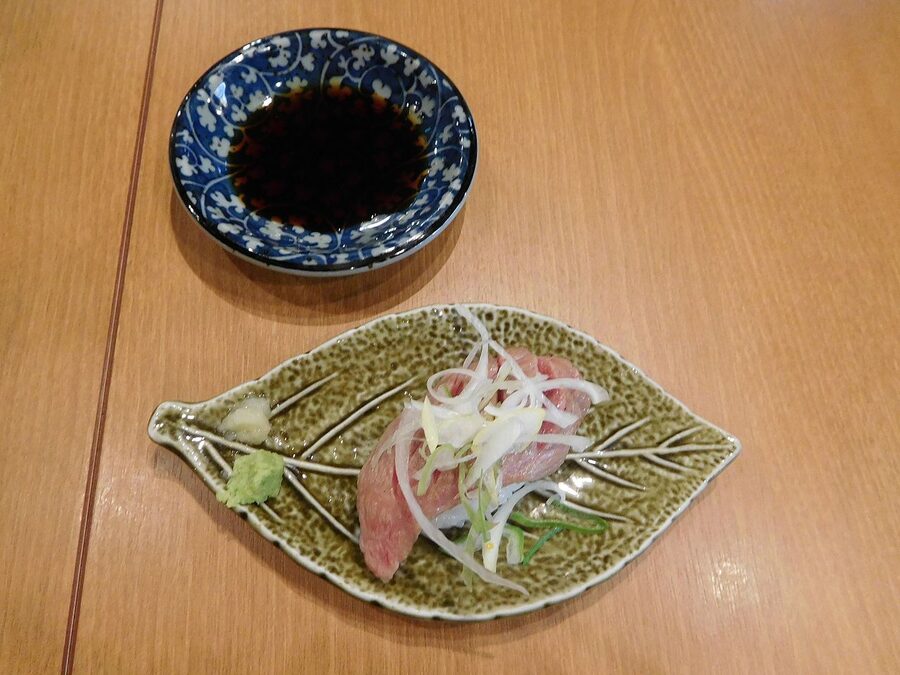
You’ll see stands serving this all over the old town. The nigiri is a slice of Hida beef, sometimes torched, sometimes grilled, occasionally raw with a dab of wasabi, laid on a piece of rice cracker rather than rice. Two pieces for 700-800 yen is standard. The stalls hand you the nigiri on a bamboo leaf or senbei plate and you stand there and eat it in the street.
Not every stand is worth queuing for. Sakaguchiya on Kami-san-no-machi (the upper end of Sanmachi) is the one I keep going back to, their grilled version has a proper sear and doesn’t taste like they’ve been sitting on it all afternoon. Matsuki Sushi, on Sowa-machi, does a casual sit-down version plus Hida beef donburi around 1,800 yen. Some of the cheaper stands near the Miyagawa Bridge serve beef that’s a bit greasy and underseasoned, if the queue looks slow, skip it.
Hida beef skewers (kushiyaki)
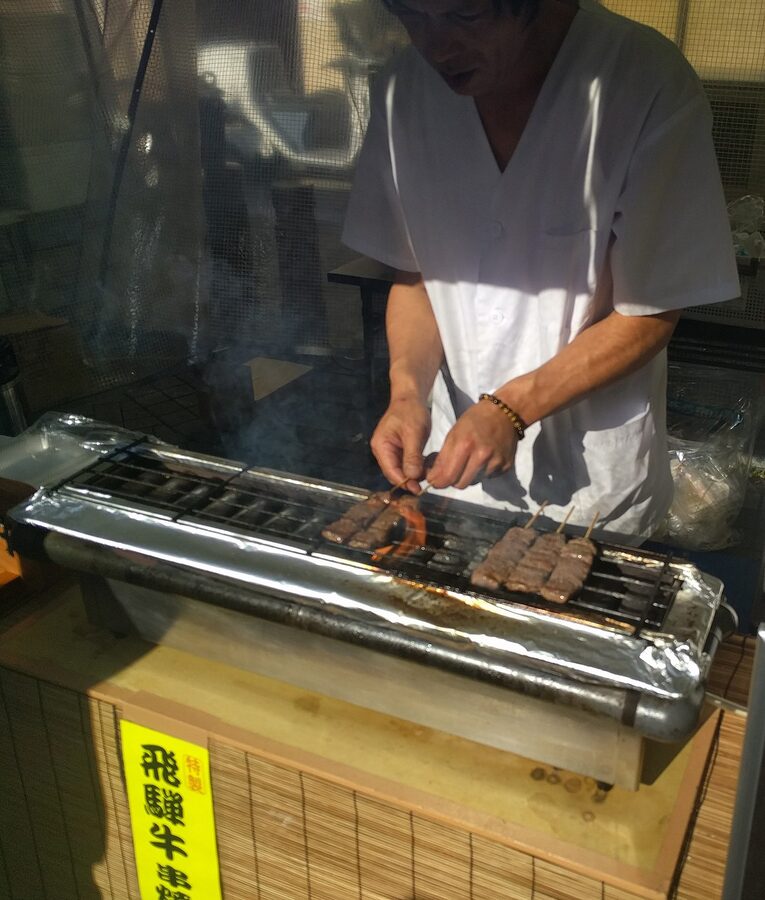
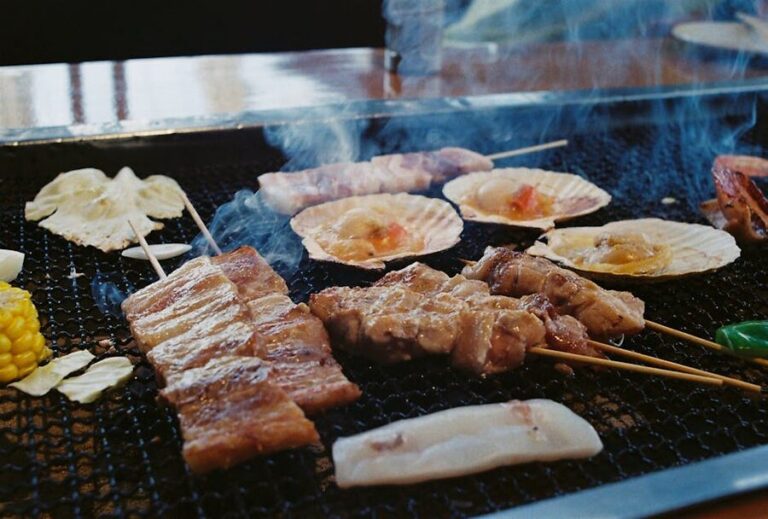
Skewers are 400-500 yen each and come off a charcoal grill right in front of you. The beef is cubed and seasoned with salt or a sweet-savoury tare. A trio of skewers plus a can of Hida Takayama craft beer (there’s a dark lager that’s better than you’d expect for 400 yen) makes a respectable street lunch for under 2,000 yen.
Hida beef croquette (¥350) and Hida beef bun (¥430)
The croquette is a great hangover food, mashed potato mixed with minced Hida beef, breaded, deep-fried, eaten from a paper wrapper. Jugemu has one of the most consistent versions, and the shop is open 9am to 6pm Thursday through Monday (5pm Tuesday/Wednesday). The beef buns are a steamed doughy thing stuffed with sweet-soy braised beef and bamboo shoots, you’ll find them at the morning markets for around 430 yen.
Yakiniku (table-top grill), where to splurge
If you want the proper sit-down experience, Maruaki (丸明) in Tenman-machi is the institution. They run their own farm, they don’t take reservations, and lunch sets start around 3,500 yen and climb. The premium kuroge wagyu set runs into five digits. The trick is to turn up at 11 when they open, or 5 when dinner starts, the peak hours from 12-1 and 6-8 mean waits of 40 minutes plus. Hida Kotte Ushi on Hon-machi is a smaller, cheaper alternative with a cuter name (it means “Hida fatty cow”), and Kitchen Hida is an unpretentious place on Hon-machi that does 2,500-yen Hida beef sets at lunch that are genuinely excellent value.
A note for vegetarians: Takayama skews heavily carnivorous but most of the ryokan kaiseki restaurants will do a proper shojin ryori (Buddhist vegetarian) menu if you book 24 hours ahead. Kakusho (角正) is the one, 200 years old, 10-course, and you eat in a wooden ryotei building that’s a registered cultural asset. The houba miso also comes in a vegetarian version with mushrooms and vegetables instead of beef.
Sake, six breweries, 300 metres
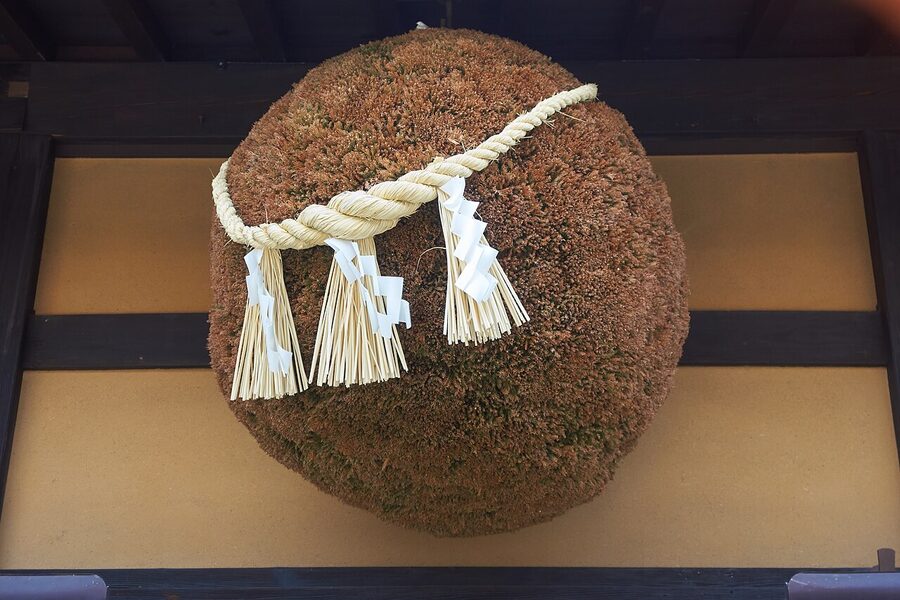
This is what surprises most people. Takayama is one of the densest sake brewery clusters in Japan. Furui Machinami, the preserved Sanmachi and Kami-san-no-machi streets, have six breweries still operating, most within 300 metres of each other. The cold winters and the local rice mean this has been sake country for four centuries.
The tradition is that each brewery hangs a sugidama, a round ball of fresh-cut cedar needles, outside the entrance when they start the new winter batch in November. The ball is green when the sake is fermenting and gradually turns brown over the following months as the sake matures. By the time the sugidama is fully brown, the sake is ready to drink. If you’re visiting in February or March (which is also Takayama’s big snow festival season), you’re drinking the sake that’s been maturing under a green ball of cedar for six months.
A good sake crawl approach:
- Funasaka Shuzo (船坂酒造店), at 105 Kami-san-no-machi, is the easy starting point, they have a proper English tasting room, a flight of five small glasses for 600 yen, and a restaurant upstairs if you want to eat. Their junmai ginjo is the crowd-pleaser; the nama (unpasteurised) sake in winter is what you go for.
- Hirata Shuzo (平田酒造場) on Kami-san-no-machi is a smaller operation, very traditional, with a sake museum tucked behind the shop. Tasting sets run 300-500 yen.
- Harada Shuzo (原田酒造場) in Kami-ni-no-machi is one of the bigger names. Their tasting room has a small counter, English staff, and they sell the ceramic sakazuki cup for 300 yen, it’s worth buying and keeping as your tasting vessel at all six breweries.
- Hirase Shuzo (平瀬酒造店), also on Kami-san-no-machi, makes Kusudama, my personal favourite. A small, no-frills brewery with a daughter of the family usually working the counter.
- Plus two more I won’t try to list from memory, they rotate staff and sometimes you’ll find only two or three of the smaller breweries open on a given day.
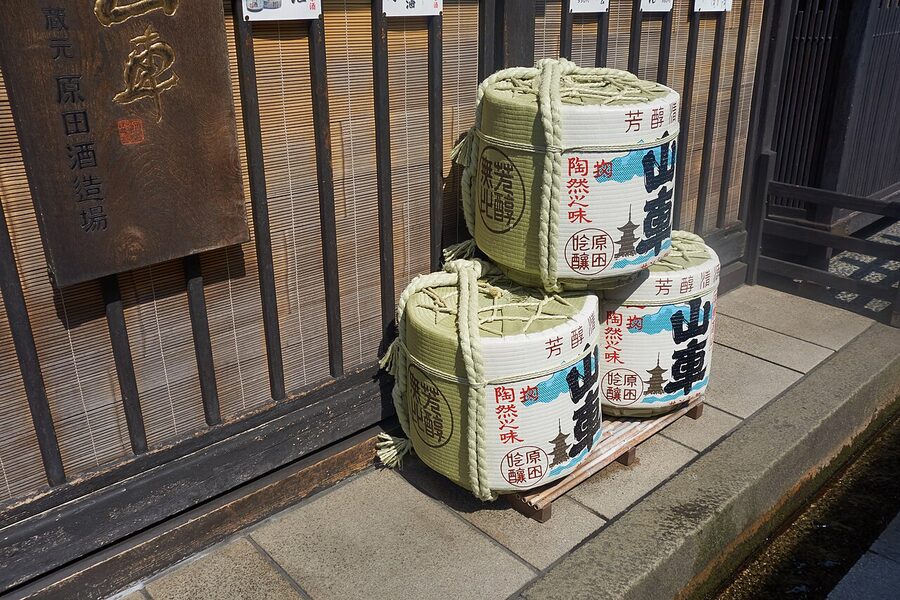
The tasting protocol is simple. Walk in, nod to whoever’s at the counter, point at the tasting sign (usually written 試飲 or “tasting”), pay 300-500 yen, receive three to five small pours. You can drink them at the counter or outside on the bench. You’re not expected to buy a bottle, though of course it’s nice to buy from at least one brewery after you’ve been tasting all morning. Most bottles run 1,500-3,500 yen for 720ml, and they’ll shrink-wrap them for luggage.
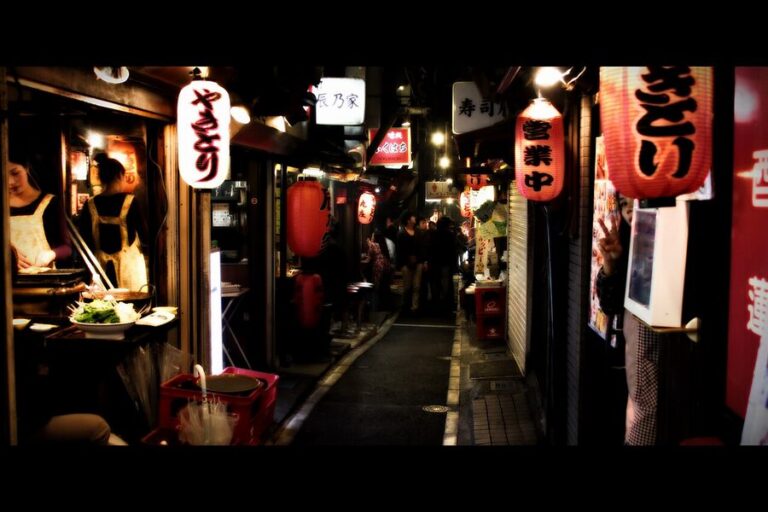
If sake-and-food pairings are the sort of thing that interests you, a lot of the drinking culture here is similar to the izakaya scene across the rest of Japan, except that the breweries themselves form the backbone of the drinking map rather than small bars. Takayama doesn’t really have an izakaya strip, you drink where the sake is made.
Doburoku and craft beer, too
If you’re lucky, you’ll end up somewhere serving doburoku, unfiltered farmhouse-style sake that’s cloudy, slightly sweet, and lightly fizzy. It tastes like a Japanese version of unfiltered cider. It’s less commercial than regular sake, often made in tiny batches, and restaurants that serve it are usually proud of it. Ask your ryokan front desk.
Hida Takayama Beer is the local craft brewery. Their dark lager is the best thing on their range, it stands up to Hida beef much better than a Kirin Ichiban does.
The morning markets, get up for them
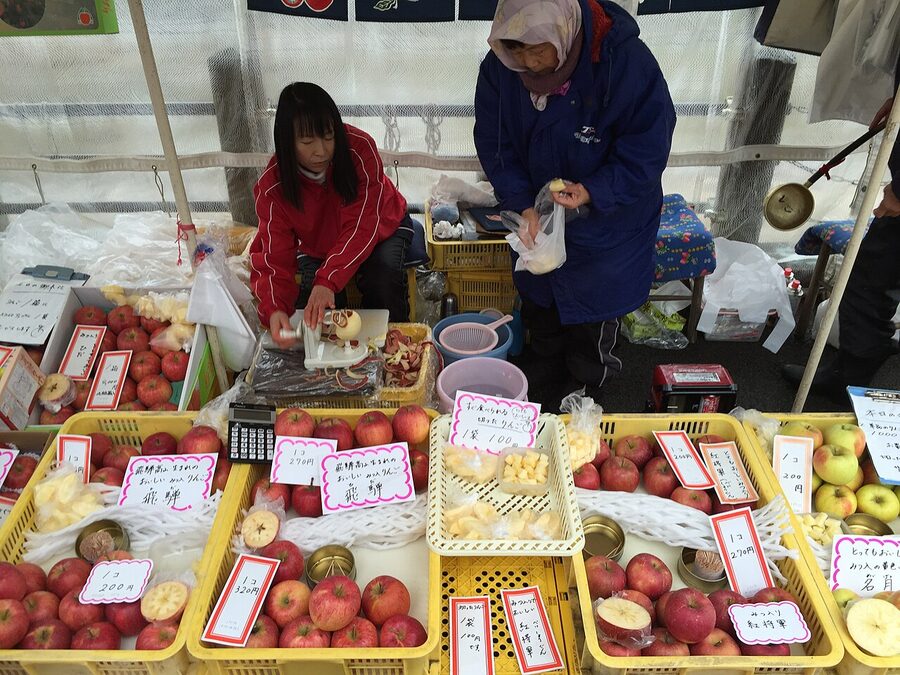
Takayama has two morning markets, both running 7am to roughly noon every day of the year (weather permitting in winter). They’re not the same and you should see both.
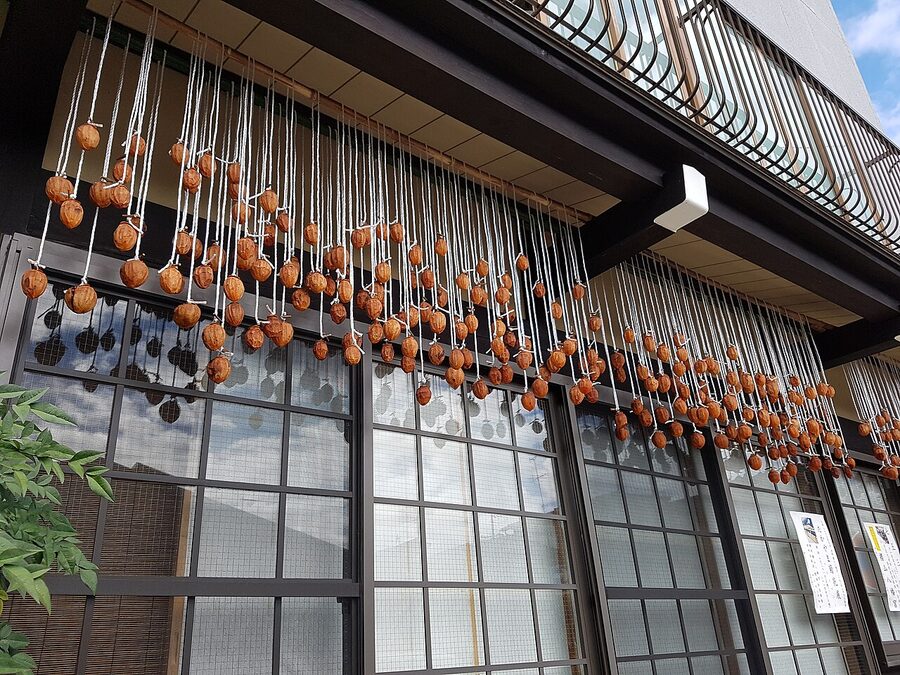
Miyagawa Market runs along the east bank of the Miyagawa River, between Kaji Bridge and Yayoi Bridge. It’s the bigger and more famous one. Expect pickled red turnip (aka-kabu), apples from Hida orchards (the Fuji variety here is some of the best in Japan), mochi, grilled rice crackers (sembei) done over charcoal for 150 yen, dried persimmons hanging in long strings, Hida miso in wooden tubs, and the coffee truck near the Nakabashi Bridge end if you need it.
Jinya-mae Market is the smaller one, held in the plaza directly in front of Takayama Jinya (the old Tokugawa-era magistrate’s office). It’s smaller, maybe 20 stalls, and skews more agricultural. Farmers from the valleys around the town bring in whatever’s in season. In late autumn it’s apples, persimmons, pumpkin, pickles. In spring it’s sansai (foraged mountain vegetables), wild mushrooms, and bamboo shoots. Prices here are slightly better and the atmosphere is quieter.
Tip that nobody tells you: the good stalls sell out before 9am. By 10, the vendors who’ve got stuff left are the ones with extra production capacity rather than the best. Set an alarm. You can nap after lunch.
Takayama ramen (chūka soba)
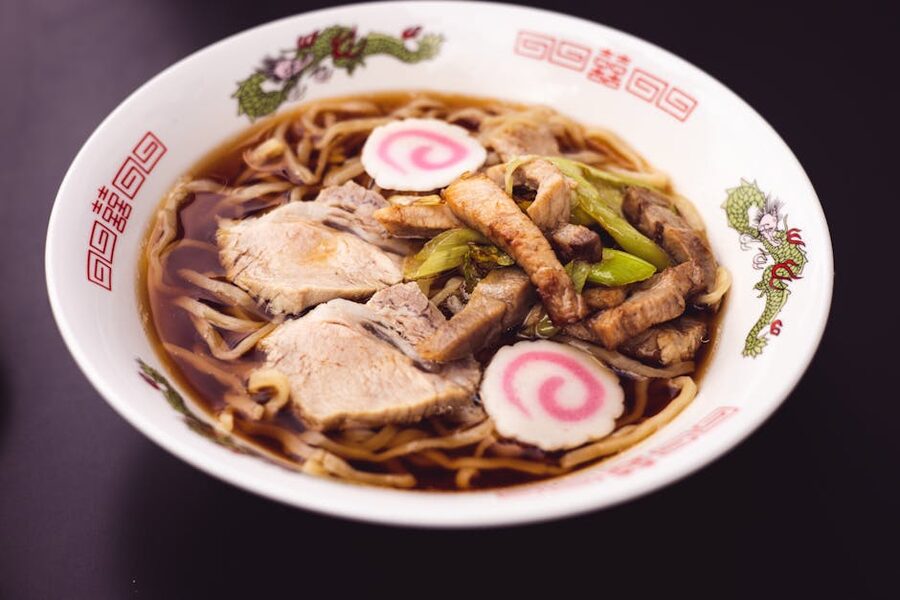
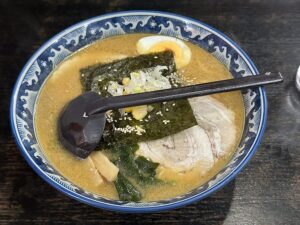
Takayama has its own ramen style. Locally it’s called chūka soba (中華そば, “Chinese noodles”) because that’s what it was called when it appeared in the post-war period. The soup is soy-based with chicken and dried sardine stock, the noodles are thinner and curlier than Tokyo-style, and the toppings are minimal: a slice of pork, bamboo shoots (menma), scallions, nori. It’s not the pork-bone broth of Fukuoka. It’s a lighter, cleaner soup.
Menya Shirakawa is the long-running favourite. Three blocks west of the station on Aioi-machi, open 11am-1:30pm and then a weird second service 9pm-1am. Closed Monday night and Tuesday. The shoyu ramen is what you want. There’s only one real decision on the menu, regular or large, and an aji-tsuke tamago (soy-marinated egg) add-on for 100 yen that you absolutely should. About 900 yen for a bowl, 1,000 with the egg. The queue moves fast.
Menya Toto is the newer option, near the Miyagawa Market, a cloudy chicken-and-sardine broth that’s more modern and punchy. Bei-an on Hon-machi and Kajibashi closer to the station round out the list of places you can trust.
Hida soba, the mountain buckwheat version
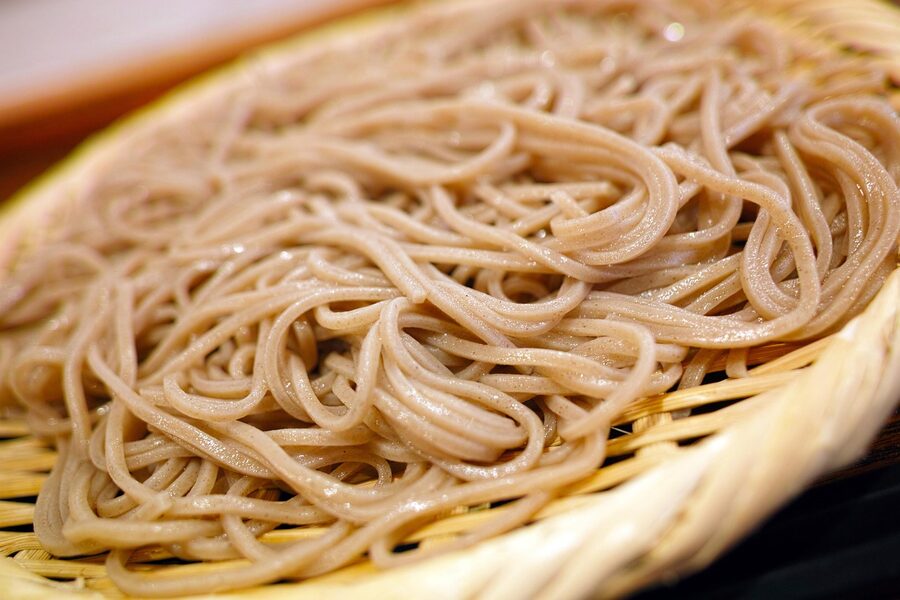
Soba is made with buckwheat flour and cold mountain water, and Takayama has plenty of both. The two places to know are Jūjūan (寿々庵) on Hon-machi and Bei-an (米庵). Both make their soba in-house every morning, you’ll see the soba-yu (the cloudy, starchy water the noodles are cooked in) being poured over the dipping broth at the end of your meal, which is the traditional finishing move. About 900-1,300 yen for mori soba (cold, dipped), a bit more if you want tempura with it.
In winter, order the hot kamo soba (duck soba) instead. The broth is built with duck stock and negi (leek), and the ducky fat floats on top in a way that’s deeply warming after a morning stomping around the markets in the snow. A traveller’s note: the soba portions look small. They’re not, the noodles are dense and a mori portion for one is usually enough.
Mitarashi dango, the stick food of Sanmachi
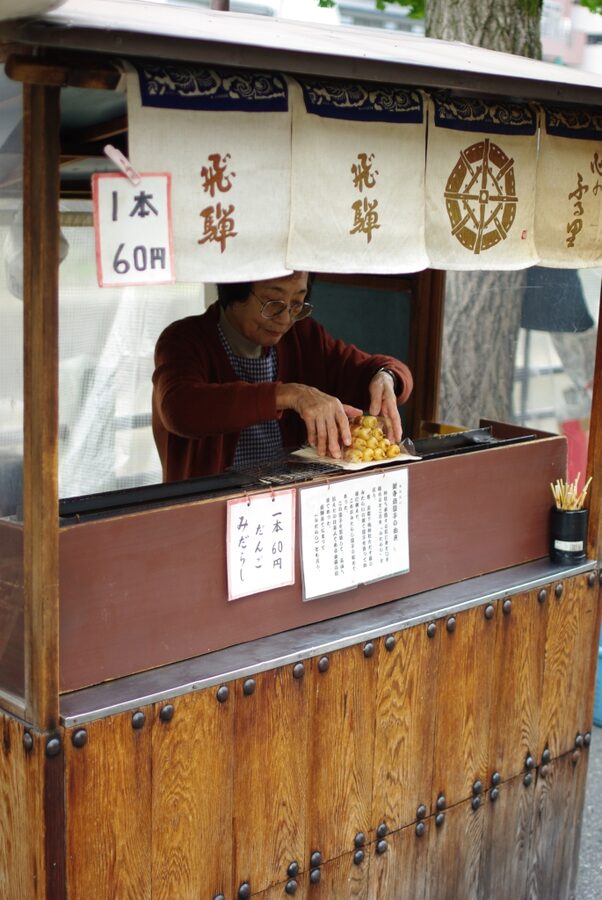
Mitarashi dango is a street-snack institution. Three rice flour balls on a bamboo skewer, brushed with a soy-sauce glaze, grilled over charcoal until the edges crisp. In the rest of Japan, mitarashi dango is usually sweet, a sugary soy glaze. Takayama’s version is savoury, salty, closer to the original Edo-period recipe. 100-150 yen a stick.
Nishino-ya (西野屋) near the Kaji Bridge end of Sanmachi has queues that stretch out the door on weekends. The trick is to time it for a weekday afternoon, around 2pm, when the lunch crowd has thinned. You get a stick, you walk five steps, you sit on the low wall by the river, you eat. Then you get another one.
Teahouses and Takayama’s kissaten
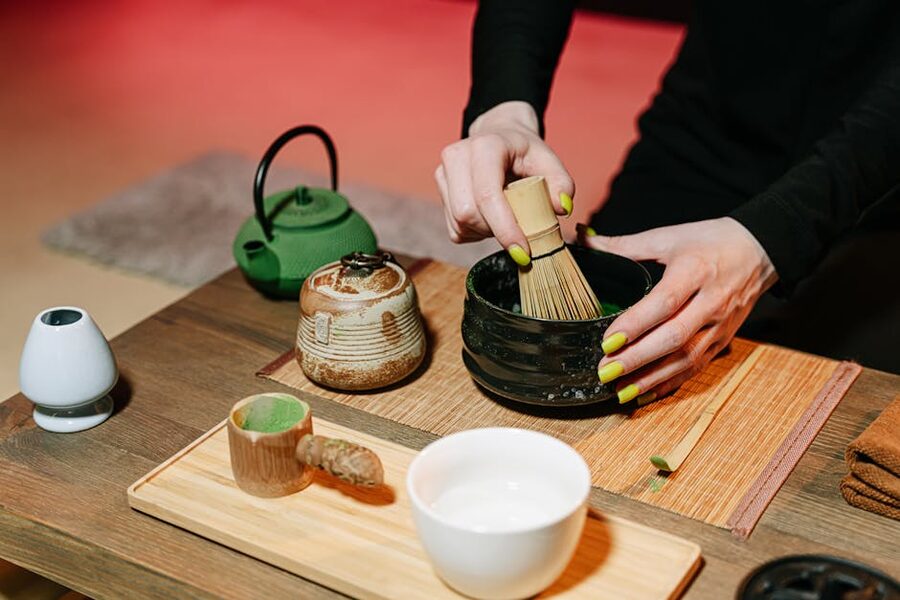
The Japanese kissaten is a particular kind of old-school coffee shop, wood panelling, heavy upholstered booths, a master behind the counter who’s been siphon-brewing for thirty years, a soundtrack of vinyl jazz or classical. Takayama has a disproportionate number of them, and they’re part of the reason people who live here never leave.
Koshu Machinoco on Kami-san-no-machi serves matcha and traditional sweets in a tatami room overlooking a small courtyard garden. Quiet, slow, no photos in the garden please. Matcha set around 1,200 yen. The warabi-mochi here is exceptional.
Bagpipe is the weird one. A Scottish-themed kissaten with tartan wallpaper, bagpipe music sometimes, and a proprietor in a kilt on occasion. It’s a classic 1970s kissaten wearing a strange costume, and the coffee is genuinely good. Tucked away on a side street near the station. Go once.
Falo Coffee Roasters on Kami-ichino-machi is the modern third-wave option, Scandinavian-minimalist, pour-over coffee, a small counter. Good for a morning start before the crowds hit Sanmachi.
Tori Coffee on O-shin-machi does filter coffee with a sudoku puzzle on the side, solve the puzzle while you wait, get a small souvenir if you finish. Cute gimmick, good coffee.
Teahouses run a different calendar. Most open 10 or 11, close by 5. The kissaten often run later, Bagpipe is open till 9pm. If you’re walking out of a sake brewery at 3pm with three tastings in you, a teahouse reset is very civilised. If you’re after more of the preserved-old-town teahouse culture found across Japan, the scene here has a lot in common with the tea-and-kaiseki circuit in Kyoto, but on a much smaller, more walkable scale.
Sansai, kaiseki, and what to do with a ryokan dinner
Sansai (山菜) means “mountain vegetables”, wild foraged greens, mushrooms, roots, bamboo shoots, ferns, and so on. Takayama sits in the Japanese Alps and the mountains around it are rich with this stuff, especially in spring (April-May) when the shoots are young. Most of the sansai you’ll eat is prepared as tempura, pickled, or simmered and served as part of a larger meal.
A proper sansai or shojin ryori set at a place like Kakusho runs 6,000-10,000 yen per person and is served as 10 small dishes on a lacquered tray. It’s a slow meal. You sit on the floor, you drink tea, you eat small things one at a time, you leave two hours later having eaten a full meal that was almost entirely plants and felt somehow more satisfying than the beef yakiniku you had the night before.
Most mid-range ryokans include kaiseki dinner as part of the room rate (the meal-inclusive rate is called 一泊二食, one night two meals). If you pick one that specialises in Hida cuisine, you’ll get houba miso, sansai tempura, grilled sweetfish (ayu) or char (iwana) depending on season, sukiyaki or shabu-shabu with Hida beef, rice with mountain vegetables, and pickles. Ten courses, two hours, you won’t need breakfast. Expect 18,000-35,000 yen per person including the room.
Getting to Takayama and when to go
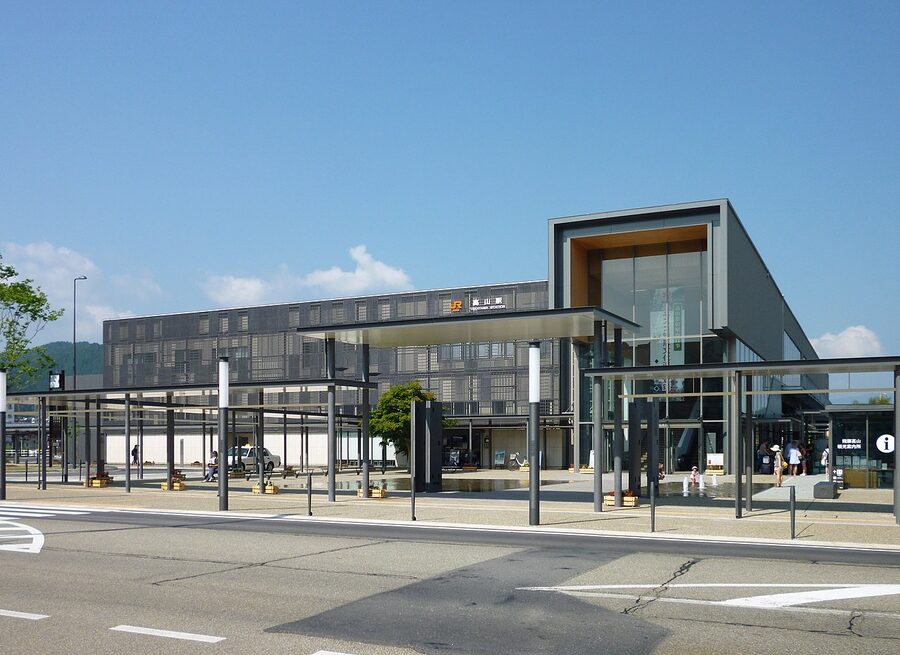
The standard route is JR from Nagoya on the Wide View Hida limited express. Two hours and 20 minutes, around 6,140 yen one way, about 12 services a day. Trains run through some of the best mountain scenery on the Japanese rail network, if you’re on the right side (the river side, east-facing on the northbound trip), you’ll spend most of the trip staring out the window rather than reading your book. Use the JR Pass if you’ve got one; otherwise just buy the ticket.
The alternative is the Nohi bus. From Matsumoto (Nagano) there’s a mountain bus that cuts through the Japan Alps, 90 minutes, 3,400 yen. From Shirakawa-go it’s 50 minutes and 2,600 yen, and that’s the route most people take on the way to or from the thatched-roof village. From Kanazawa there’s a direct bus that takes 2 hours 15 minutes.
Takayama is at 570 metres of elevation, which means it’s colder and snowier than most of the rest of Japan at the same latitude. Spring (April-May) is sansai season and cherry blossoms around the castle ruins on Shiroyama Hill. Autumn (October-November) is when the old town looks at its best, drying persimmons under every eave, apples coming in from the orchards, leaves turning in the mountains behind. Winter (December-March) is the snow season, sake is actively brewing, the sugidama outside the breweries is green and fragrant, and the streets are sometimes ankle-deep in snow. If you’re there on the 14-15 January illumination, the whole old town is lit by paper lanterns.
If you’ve got an extra day: Shirakawa-go
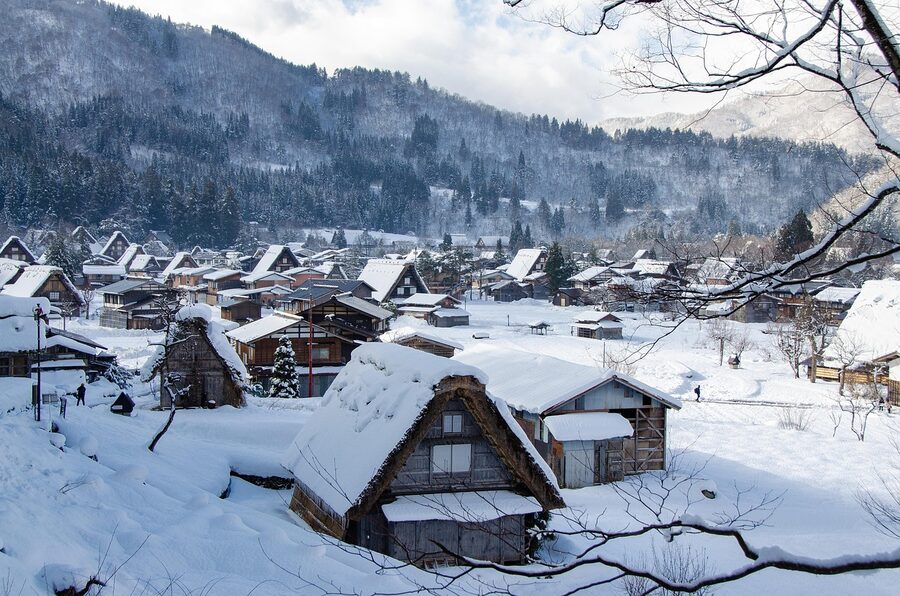
Shirakawa-go is the thatched-roof farming village 50 minutes by Nohi bus from Takayama. The style of architecture is gasshō-zukuri (“praying hands”, the roofs look like hands joined in prayer), and the roofs are designed to shed the enormous snow loads of the Shogawa River valley. The bus runs hourly, 2,600 yen one way, 4,600 yen return. Buy online the day before if you can, it sells out on winter weekends.
The food move in Shirakawa-go is to book a meal at one of the farmhouses that still operates as a restaurant. Several of the gasshō houses offer a “nabe” (hotpot) lunch for 2,500-4,000 yen featuring local river fish, mountain vegetables, tofu, and, if you’re lucky, hoba miso grilled over a irori (sunken hearth) in the centre of the main room. Irori-grilled food in a 250-year-old wooden house with the snow coming down outside is the kind of meal you remember for a decade.
If you only have a day trip, take the early bus from Takayama (first one around 8:50am), spend four hours walking the village and eating lunch, take the 2pm bus back. That gets you home in time for the sake crawl before dinner.
Souvenirs worth carrying home
Bringing food and drink home is part of the pleasure. The things that travel well:
- Sake (720ml, 1,500-3,500 yen), most breweries will shrink-wrap for luggage. Bubble wrap adds a small fee. Buy whichever you liked best during tastings; don’t agonise over the theory.
- Hida miso in a wooden tub, goes through customs without drama, tastes better than any miso you can get outside Japan.
- Hida beef jerky (vacuum sealed, 1,200-1,800 yen a pack), lasts, travels, actually tastes like Hida beef.
- Sarubobo cookies, the little red faceless folk talisman is Hida’s mascot. Shortbread versions are decent and they’re in every souvenir shop.
- Aka-kabu (pickled red turnip), sold sealed in plastic, lasts weeks, goes well with rice at home.
- The sakazuki cup you bought at the first brewery, the most useful souvenir in the long run, because you’ll drink sake at home and you’ll have this little glazed ceramic cup and remember the morning you stood on Kami-san-no-machi tasting your way down the street.
If you find yourself wanting more Japan food content to read before the trip, the harder end of Japanese eating covers things like fermented fish and horse sashimi, some of which crops up in small quantities in mid-range Takayama kaiseki, though the town is mild overall.
One full day of eating in Takayama
Here’s the rough plan I run on return visits:
7am: Breakfast at the ryokan, houba miso on the magnolia leaf, rice, fish, pickles, green tea.
8am: Walk the 10 minutes over the Nakabashi Bridge to Miyagawa Market. Coffee from the van near the bridge, a stick of Hida beef nigiri for 700 yen from one of the stalls, an apple. Walk the length of the market, circle back through Jinya-mae.
10am: First sake brewery. Funasaka is the easiest start. Five tastings for 600 yen. Buy a sakazuki cup. Drink water between pours.
11:30: Lunch. Menya Shirakawa if you want ramen, Kitchen Hida if you want a proper Hida beef lunch set, Jūjūan if you want soba.
1pm: Second sake brewery, Harada or Hirata. Keep using your sakazuki cup; most breweries recognise that and will pour into it.
2pm: Mitarashi dango at Nishino-ya, stick by the river. Bench. Breathe.
3pm: Teahouse, Koshu Machinoco or Falo. Matcha and warabi-mochi, or pour-over coffee, depending on mood.
5pm: Third and fourth sake breweries. Most close at 6.
6:30pm: Dinner. Either the kaiseki at your ryokan if you’ve got the meal-included rate, or Maruaki for a Hida beef yakiniku blowout, or Kakusho if you booked shojin ryori 24 hours earlier.
9pm: One last bar, Bagpipe for the kissaten weirdness, or a quiet bar somewhere on Hon-machi.
Then back to the ryokan, futon on the tatami, hot bath in the onsen, and the knowledge that you’ve eaten about eight separate specialist foods in a town that would fit inside three city blocks of Tokyo. The sake map of Japan has a lot of entries; Takayama is one of the few places where the map is walking distance.


.jpg)

_(35910429046).jpg)
_outside_sake_brewery,_Takayama,_May_2017.jpg)

.jpg)
.jpg)
.jpg)