Drinking Sake in Japan: Breweries, Bars, and the Bottle You Can’t Take Home
I was halfway through a tasting flight at a 200-year-old brewery in Takayama when the owner poured me something that wasn’t on the menu. “This one we don’t export,” he said, sliding a small cedar box across the counter, the rim salted. “Tell me what you think. In Japanese if you can.” I could manage three words, sumimasen, oishii, arigatou, and he seemed to accept that as a fair trade. The sake inside was nothing like the ginjo I’d been sipping a minute before. It was heavier, a little wild, with an edge of cooked rice and something almost like toffee at the end. I asked him what grade it was. He smiled and said “kimoto.” I’d never heard the word. I’ve thought about it maybe fifty times since.
That’s the thing about drinking sake in Japan. You can spend an afternoon learning the grading system on a Wikipedia tab, and then one pour in Takayama or Fushimi or a basement bar in Ginza will make the whole thing useful in a way that reading about it never will. This is a practical guide, where to drink it, what it costs, which grades are actually worth trying, and why the best bottle you’ll find in Japan is often one you can’t take home. It’s also a guide to the etiquette around the cup, which matters more than the etiquette around the drink itself.
I’m not a sake master. I’ve just drunk a lot of it, in Japan, badly at first and less badly later. That’s the voice of this piece.
In This Article
- What sake actually is (and what it isn’t)
- The grades, decoded in plain English
- A quick detour through 1,200 years
- The five regions worth knowing
- Niigata, clean, dry, the benchmark
- Hyogo / Nada, the sake superpower
- Kyoto / Fushimi, soft water, soft sake
- Akita, fragrant and cult
- Hiroshima, sweet, soft, easy
- The Takayama side-road
- Reading a sake menu without panicking
- The rules around the cup
- Tokkuri, ochoko, masu, the vessels
- Tokyo sake bars worth going out of your way for
- Kyoto, Osaka, and the rest
- Pairing food and sake without overthinking it
- Seasonal sake, why timing matters
- Sake shops worth the detour
- Kampai etiquette and the awkward moments
- The bottle you can’t take home
- A few practical things I wish I’d known
- The last pour
What sake actually is (and what it isn’t)
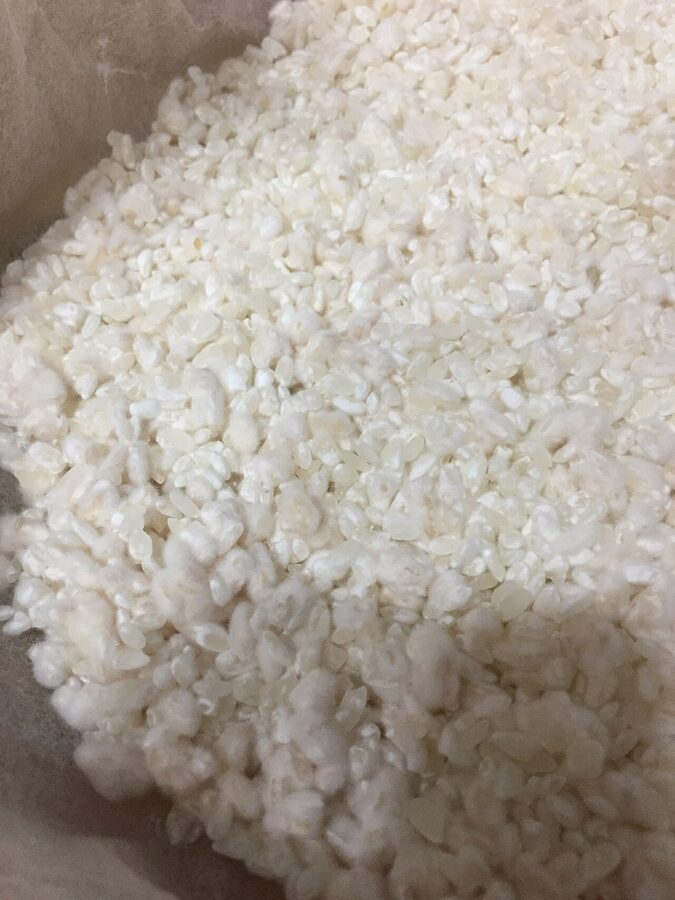
Sake, nihonshu (日本酒) when you want the Japanese name, is brewed, not distilled. That single fact puts a lot of foreign assumptions back in their place. It isn’t a spirit. It isn’t wine. It’s closer to beer in how it’s made and closer to wine in how it’s served, but it’s really its own thing. The ingredients are short and unglamorous: rice, water, koji mould, yeast. That’s it.
The alcohol strength lands between 14 and 22 percent. Junmai tends to sit around 15. Genshu (undiluted) can push 20. The rice isn’t the same rice you eat, it’s sakamai, short-grain varieties like Yamada Nishiki or Gohyakumangoku, polished to strip away the outer fats and proteins. The more rice you polish away, the more delicate the sake that’s left. That’s why the grading system you’ll see on the bottle is really a polishing-ratio system in disguise.
Serving temperature is where a lot of first-timers get burned. Sake is served cold (reishu, 5-15°C), at room temperature (hiya), or warm, nurukan around 40°C, atsukan closer to 55°C. The cheap stuff served in a cracked ceramic at a Western Japanese restaurant at 65°C wasn’t meant to be that hot. Modern ginjo is almost always chilled. Heated sake is now mostly a winter thing, and only on the richer junmai or honjozo styles. If you’re not sure, ask. The waiter will tell you what the bottle wants.
The grades, decoded in plain English
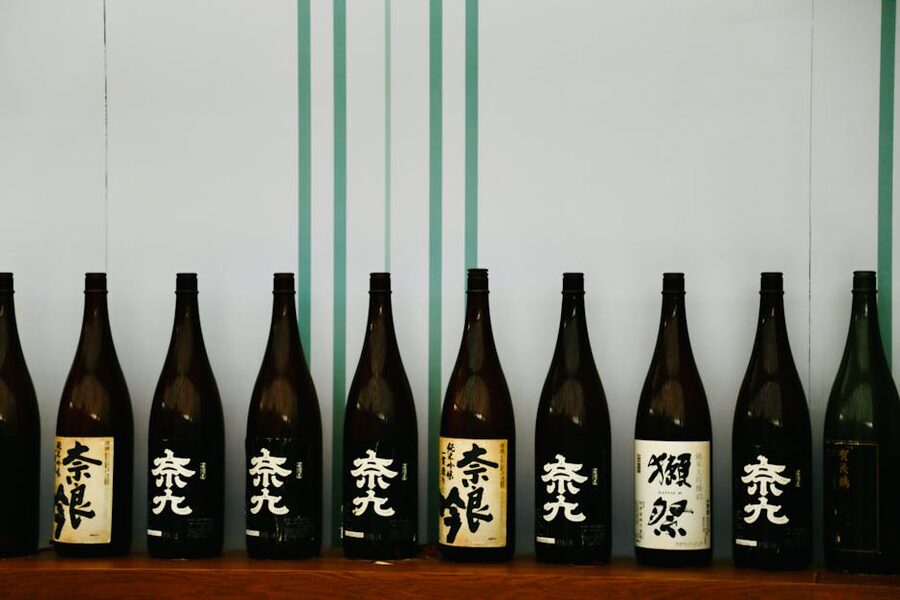
The grades come down to two things: polishing ratio, and whether a small amount of distilled alcohol has been added.
- Junmai (純米)“pure rice.” Rice, water, koji, yeast. Nothing else. No added alcohol. Rich, rounded, often the most food-friendly. Expect ¥800-1,800 for a glass at a decent izakaya.
- Honjozo (本醸造), a little distilled alcohol added to extract flavour and lighten the finish. Often served warm. Cheaper than ginjo and not worse, just different. ¥600-1,200 a glass.
- Ginjo (吟醸), rice polished to 60% or less of its original size. Fragrant, often with melon, apple, or banana notes (that fruity lift is called ginjo-ka). ¥1,000-1,800 a glass.
- Daiginjo (大吟醸), polished to 50% or less. The premium. Delicate, floral, meant to be drunk chilled from small glasses. ¥1,500-3,500 a glass; bottles start around ¥3,000 and climb.
- Junmai Ginjo / Junmai Daiginjo, the ginjo or daiginjo versions with no added alcohol. Start here if you only try one. Most sake people I know drink more junmai ginjo than anything else.
- Namazake (生酒), unpasteurised. Bright, alive, slightly gassy on the tongue. Expires fast. Best drunk within weeks of pressing, which is why you almost never see good nama outside Japan.
- Nigori (にごり), cloudy, coarsely filtered. Sweet, thick, sometimes spritzy. Good as an aperitif or with strong cheese.
If you only remember one thing: look for “Junmai Ginjo” on the label. It’s the sweet spot on price, quality, and drinkability.
A quick detour through 1,200 years
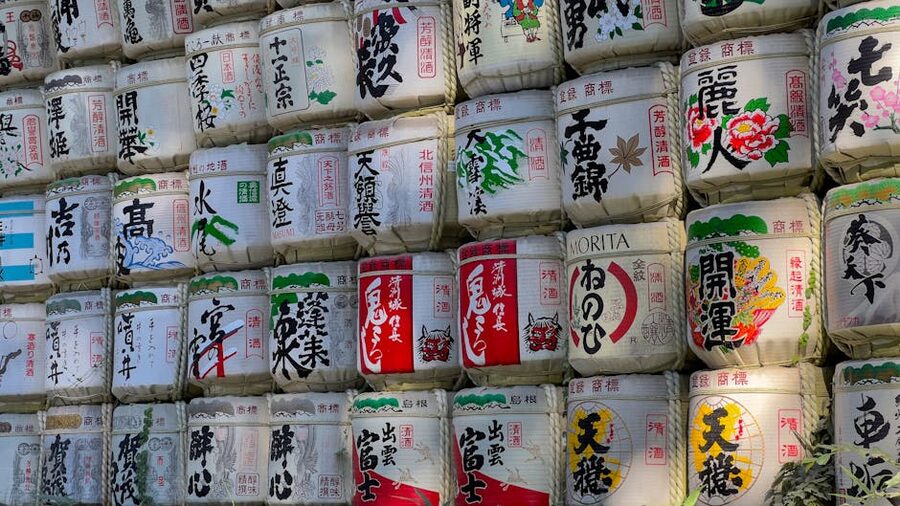
A few facts will change how you drink. The probable origin of true sake, rice plus water plus koji, lands in the Nara period, between 710 and 794 CE, per the brewing scholar Charles Bamforth. Early brewing was sacred work, done at Shinto shrines, not at bars.
By the Muromachi period (1333-1573), Buddhist temples had taken over. Shōryaku-ji in Nara developed several techniques we still use today, including the bodaimoto starter method. A tub holding 1,800 litres was invented at the end of the Muromachi, which is when sake became a commodity instead of a ceremony.
The Edo period (1603-1867) is where modern sake took shape. A technique called hashira jōchū was developed around 1700, adding a small amount of distilled alcohol to the mash. That’s the ancestor of today’s honjozo. The Nada-Gogō area in Hyōgo Prefecture, now the largest producer of modern sake, formed during this period, brewers migrated from inland Fushimi, Itami, and Ikeda down to the Nada coastline. At one point, 80% of the sake drunk in Edo came from Nada.
The kimoto method, the one the Takayama brewer poured me, was developed in Nada during the Edo period. In 1904 the National Brewing Laboratory simplified it into yamahai. In 1906 the Brewing Society of Japan was founded and the “Association Yeasts” (kyokai-kōbo) got distributed to breweries nationwide, that’s still how most sake gets its yeast today. The term ginjō first appeared in 1894. The modern ginjo boom, the fruity, wine-like sake most foreigners now associate with “premium”, took off in the 1980s.
None of this is trivia. When you see “kimoto” on a label, you’re tasting the Edo era. When you see “Association Yeast #9,” you’re tasting 1906.
The five regions worth knowing
Japan has hundreds of breweries, and you could spend a lifetime mapping them. Most people don’t have a lifetime. Here’s a shortlist of the five regions that will give you the clearest flavour contrast, with specific breweries to drink.
Niigata, clean, dry, the benchmark
Niigata on the Japan Sea coast has the cold winters, snow-melt water, and rice country that makes clean-style sake. The term tanrei karakuchi, literally “clean dry”, was more or less invented here. Brands to drink: Hakkaisan, Kubota, Imayotsukasa, Kakurei. If you take the Joetsu Shinkansen up to Niigata city, Imayotsukasa Sake Brewery runs a free weekday brewery tour (reservations required on their website) and sells tasting sets at the end. It’s a 15-minute walk from Niigata station.
Hyogo / Nada, the sake superpower
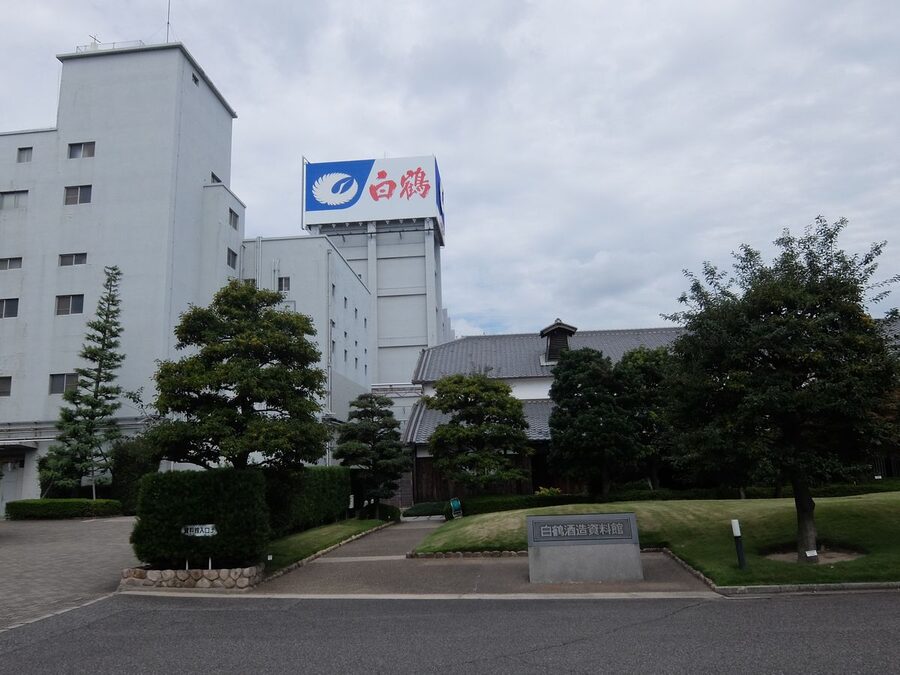
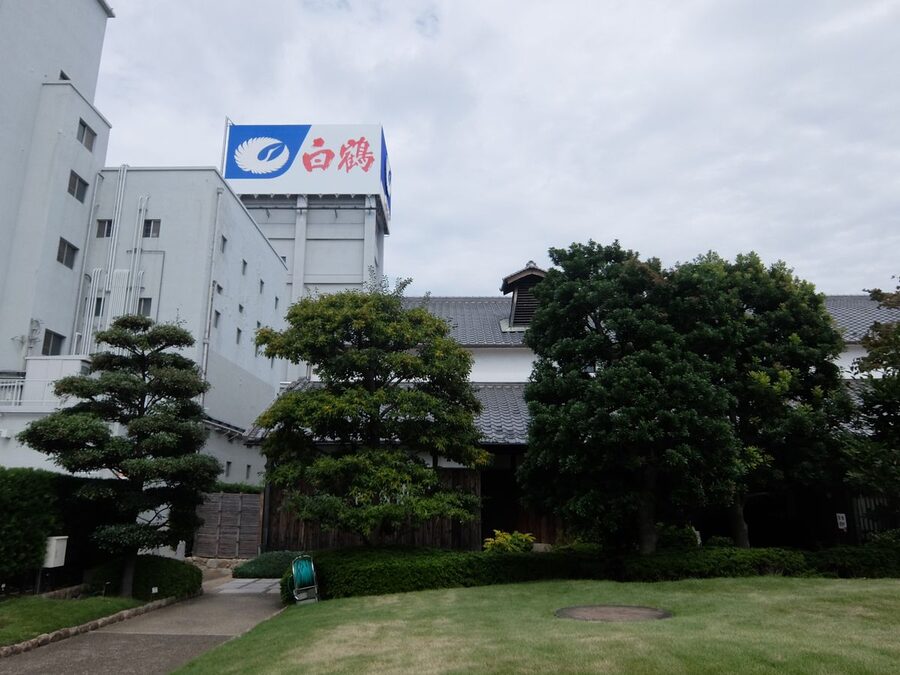
Nada-Gogō, literally the “five villages of Nada,” strung along the Kobe coast, is where a quarter of all Japanese sake is made. It produces a bolder, drier style, sometimes called otoko-zake (masculine sake), because of the mineral-rich hard water and strong brewing culture. Drink Kenbishi, Hakutsuru, Sakuramasamune, Ōzeki, Kikumasamune.
You can walk a “sake road” between six brewery museums in a single afternoon. Start at Hakutsuru Sake Brewery Museum (free, Sumiyoshi station), then Sakuramasamune Kinenkan (free, Mikage station), then Kikumasamune Shuzo Kinenkan (free, larger tasting). Kobe Shushinkan, home of Fukuju, has the fanciest restaurant for a proper lunch break. Extra pours run ¥200-400 at each museum. The whole walk is about 3km with train escape options if it rains.
Kyoto / Fushimi, soft water, soft sake
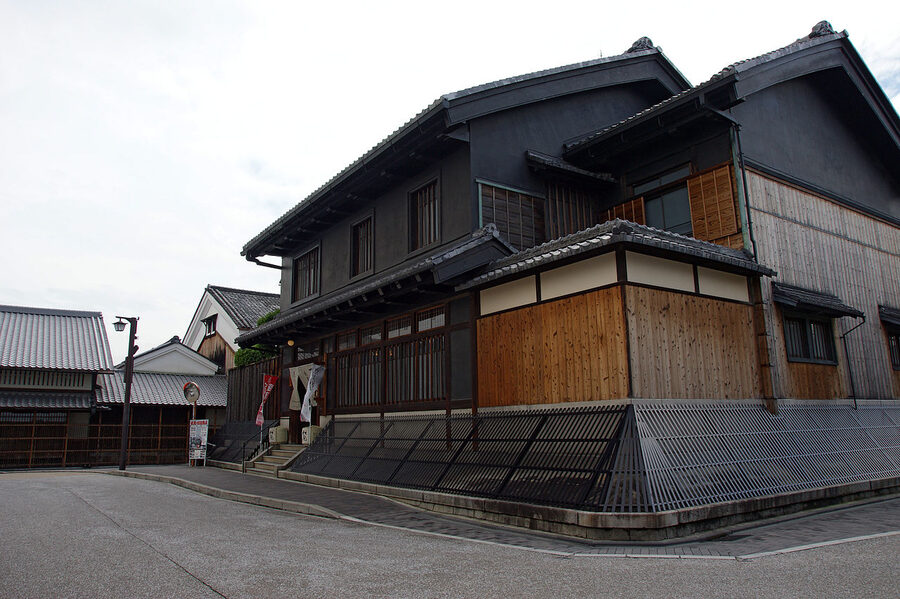
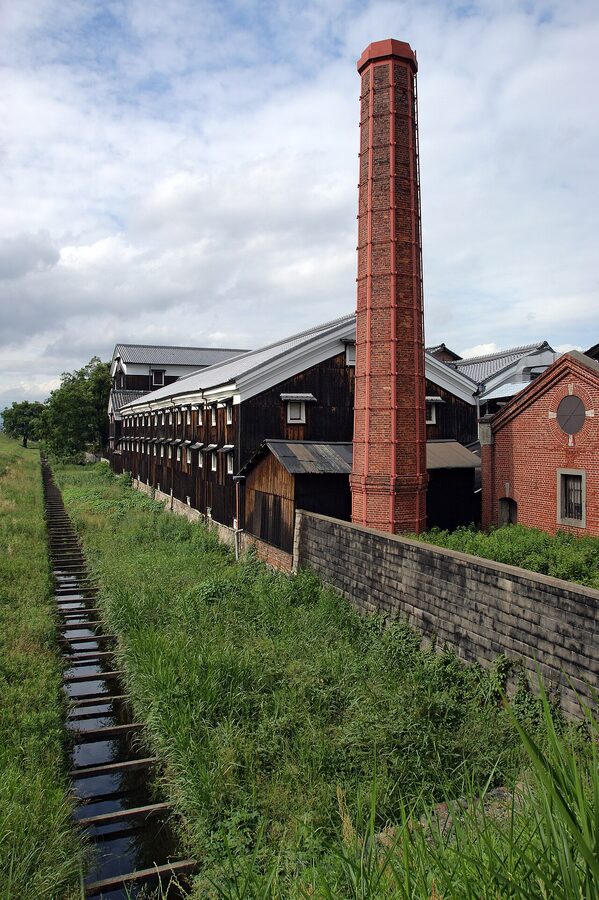
Fushimi, a ward in southern Kyoto, technically, is the second classical region. The water here is soft and low in minerals, which makes a rounder, slightly sweeter sake sometimes called onna-zake (feminine sake). There are about 40 breweries in a small area, and you can walk the main cluster in under an hour. Take the Keihan line to Fushimi-Momoyama station, exit west.
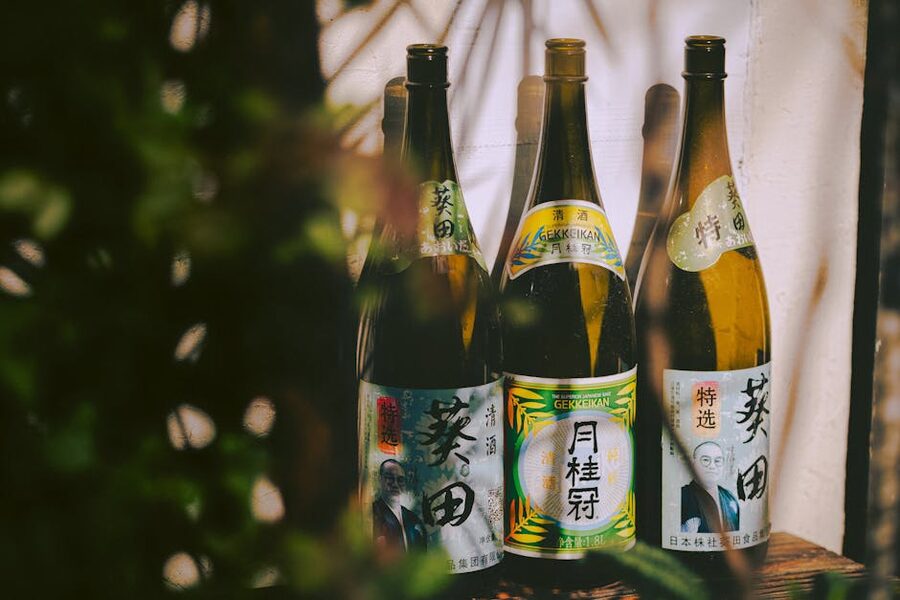
The must-do: Gekkeikan Okura Sake Museum. ¥600 entry, open 9:30am-4:30pm, closed Mondays. Self-guided with English audio; you leave with three tastings plus a 180ml bottle of Gekkeikan namazake. Tamano Hikari has a small bar with tasting sets ¥500-800. Kizakura Kappa Country is half theme park, half brewery, giant kappa statues and surprisingly good food. Matsumoto Shuzo runs a shop with tasting glasses for ¥300 each.
If you want a proper sit-down Fushimi sake experience, book a table at Torisei Honten, a yakitori and sake bar run by the Yamamoto Honke brewery, and order the flight. You’ll pair three Fushimi sakes with grilled chicken and that’s a whole dinner. Walking the Fushimi route makes a perfect half-day out of Kyoto; I’ve covered the wider food geography of the city in the Kyoto food guide if you want to build a longer loop.
Akita, fragrant and cult
Akita is where the modern ginjo movement got weird in a good way. The style is fragrant, rice-forward, sometimes a little sweet. Aramasa from Akita city is the closest thing sake has to a cult brewery, everything’s kimoto, everything’s single-origin rice, almost nothing is exported (zero to the US). If you see Aramasa Rokugonshiki or Colors on a menu in Tokyo, order it. Other Akita brands to drink: Takashimizu, Dewazuru, Hiraizumi.
Hiroshima, sweet, soft, easy
Hiroshima sake, from Saijo, “the town of sake” just east of Hiroshima city, is famously soft and slightly sweet. The Saijo Sake Festival in October pulls the whole town out for tastings. Kamoizumi is the one to try; their bright-gold “Shusen” junmai ginjo is a good introduction. Take the JR Sanyo line from Hiroshima to Saijo (40 minutes, about ¥770). Seven breweries are within a 15-minute walk of the station.
The Takayama side-road
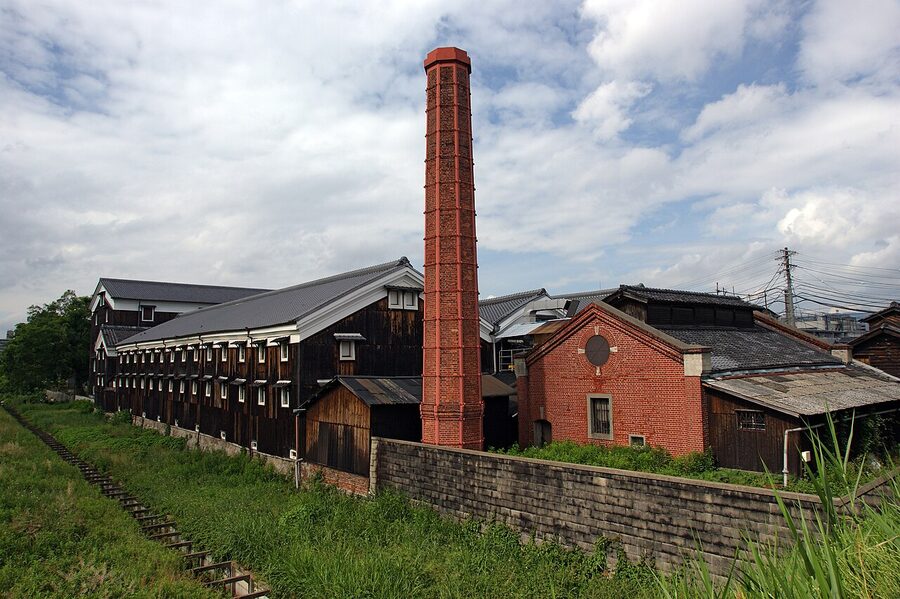
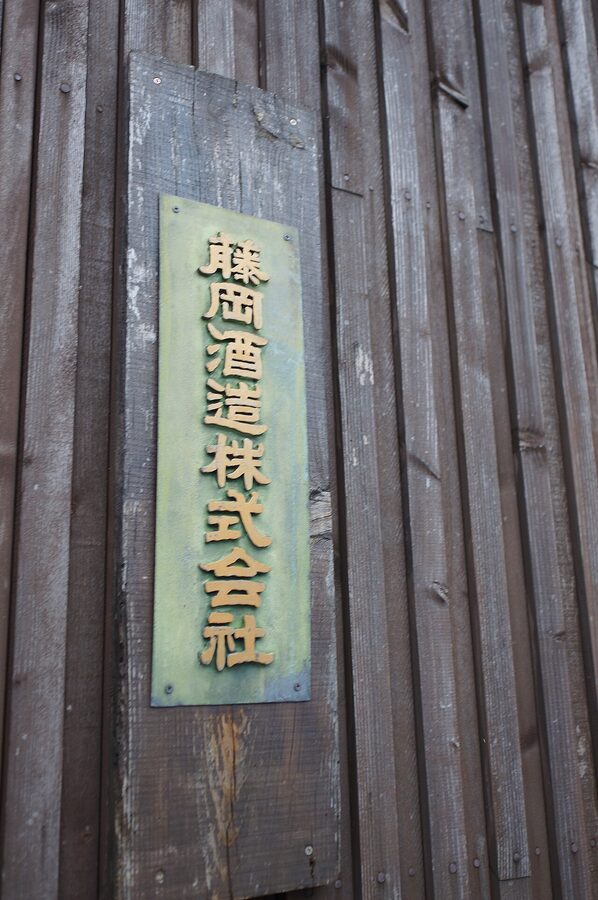
Takayama in Gifu isn’t one of the classical five, but it has six working breweries within a 300-metre stretch on Sanmachi street in the old town. That’s the highest brewery density I’ve found in Japan outside Fushimi, and the distances are shorter. Funasaka Shuzoten, Hirata Shuzoten, Harada Shuzoten, Hirase Shuzoten, each runs ¥300-500 tasting sets of 3-5 small cups. You’ll know you’ve found a brewery when you see a brown ball of cedar leaves (sugidama) hanging over the door. The sugidama turns from green to brown as the new sake ages, and they’re replaced every February when the first pressing comes out. I’ve written a longer piece on what to eat and drink in Takayama, including which of the six to prioritise if you only have a morning.
Takayama’s also where I had that kimoto pour at the start. It wasn’t a museum trick; it was just a brewer showing me something he thought I’d like. That’s not unusual. Small breweries in Japan still take a personal interest in whoever walks through the door. Don’t be shy about asking what they recommend.
Reading a sake menu without panicking
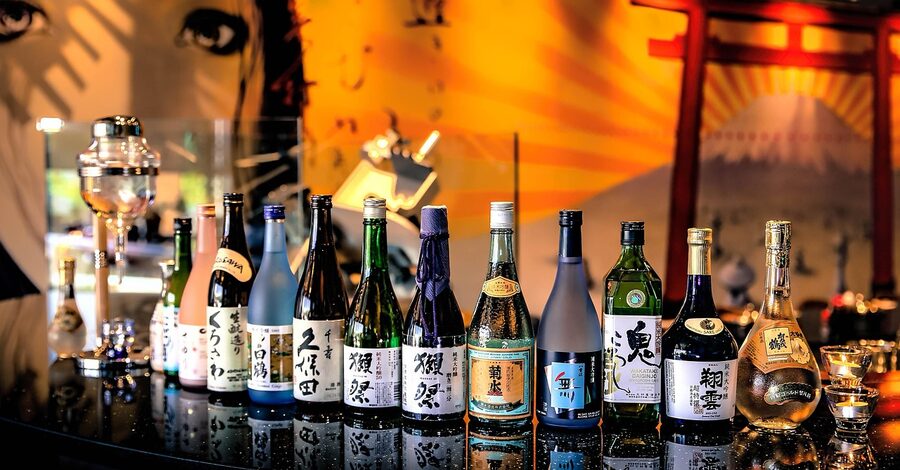
You walk into a bar. The menu is ten pages of kanji. Here’s the shortcut.
Look for three things first: the brewery name (kuramoto), the grade word (junmai, ginjo, daiginjo), and the rice-polishing ratio (seimaibuai), the last is a percentage like 50%, 40%, 35%. Lower number = more polishing = more premium.
Next, ask about sweetness. On a lot of menus there’s a nihonshu-do number, the Sake Meter Value. Positive numbers (+3, +5) are drier. Negative (-2, -5) are sweeter. Acidity (san-do) works the other way: higher san-do = more lively, more food-friendly. If you remember nothing else, ask for something karakuchi (dry) or amakuchi (sweet) and the bartender will take it from there.
The classic omakase approach at a specialist sake bar is the three-pour flight, “kurabemu” (比べ呑み, comparison tasting) or a hiki-zake set of ginjo/daiginjo/junmai. Expect ¥1,500-2,500 for three pours, sometimes with a small side of salt or miso to clean the palate between. If you’re not sure what to order, this is always the right answer.
The rules around the cup
The etiquette is simple and I’ll get through it fast.
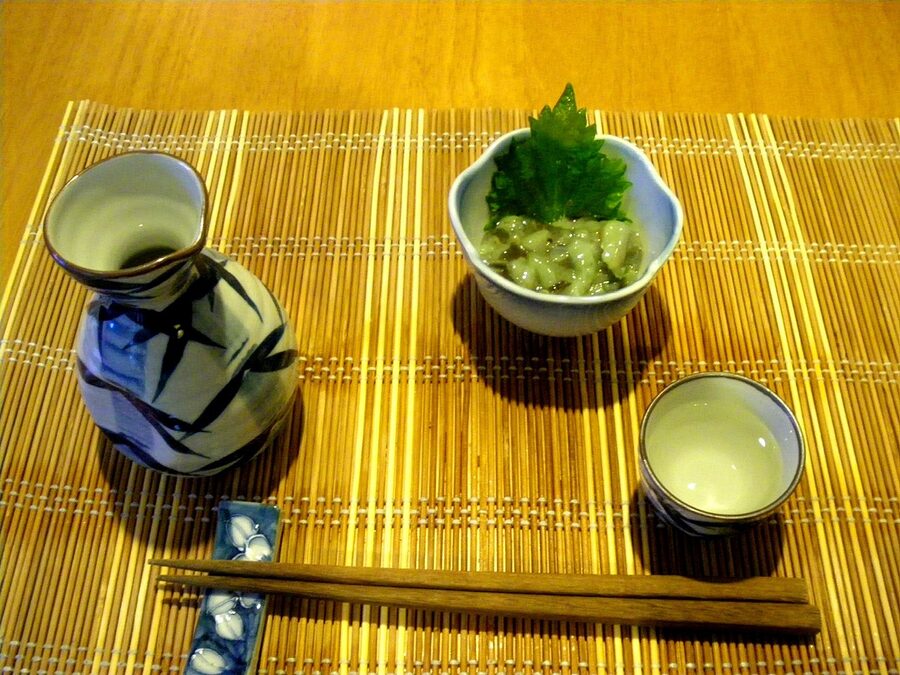
Don’t pour your own drink. You pour for the people you’re with, they pour for you, everyone watches everyone’s cup. If you fill your own, you’re telling the room nobody likes you enough to pour. When someone offers to pour for you, hold the ochoko with two hands, right hand on the cup, left hand supporting the base. You don’t have to hold it for a formal half-second; just have both hands on it.
When you pour for someone, use the tokkuri (flask) in your right hand and steady it underneath with your left. Don’t fill more than 80%, a full cup is considered impolite. Wait for the other person to take a sip before they lift the cup for a refill.
Kampai means cheers. You clink glasses at the start and that’s it, you don’t clink every refill. Take a small sip when you receive a pour; don’t put the cup straight down.
If you’ve had enough, leave your cup full. An untouched full cup is the signal. If you drink it and put it down empty, you’re asking for another round, intended or not.
Tokkuri, ochoko, masu, the vessels
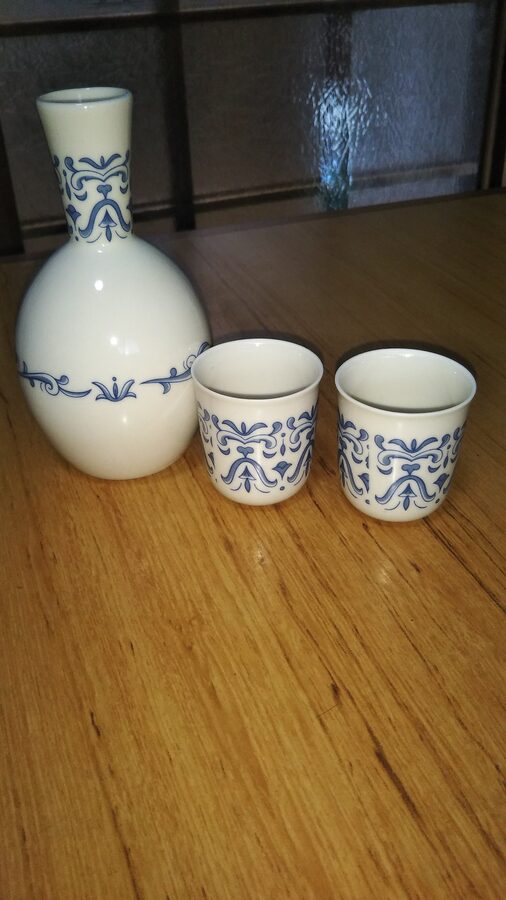
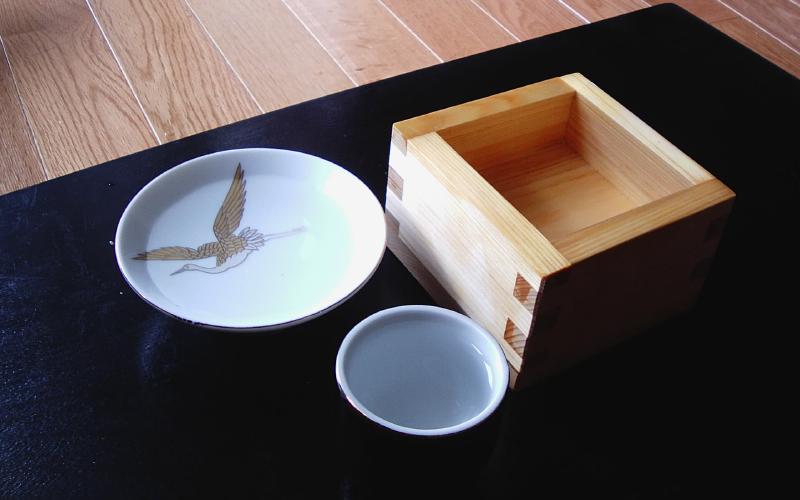
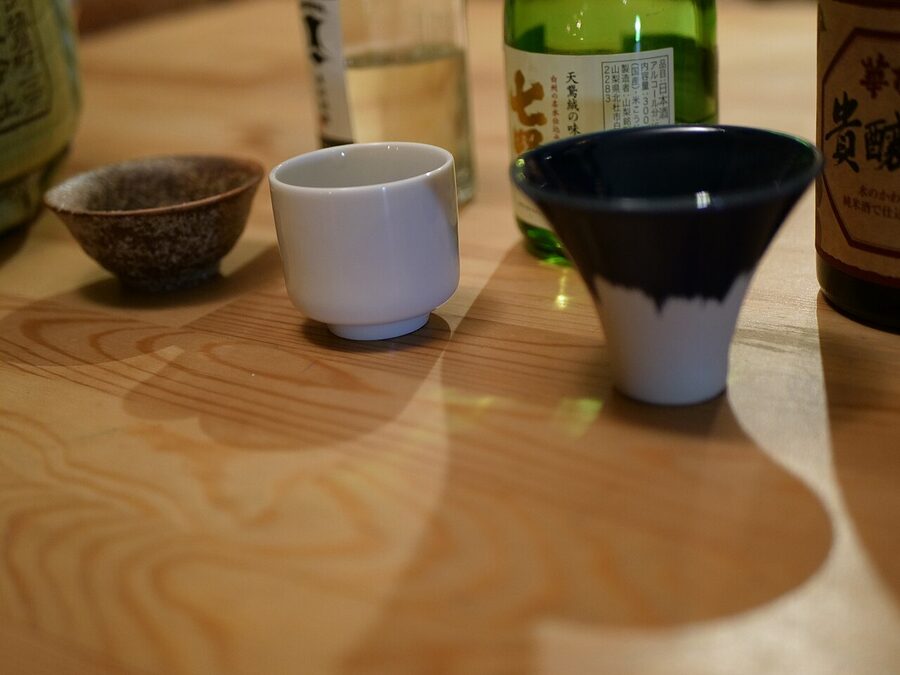
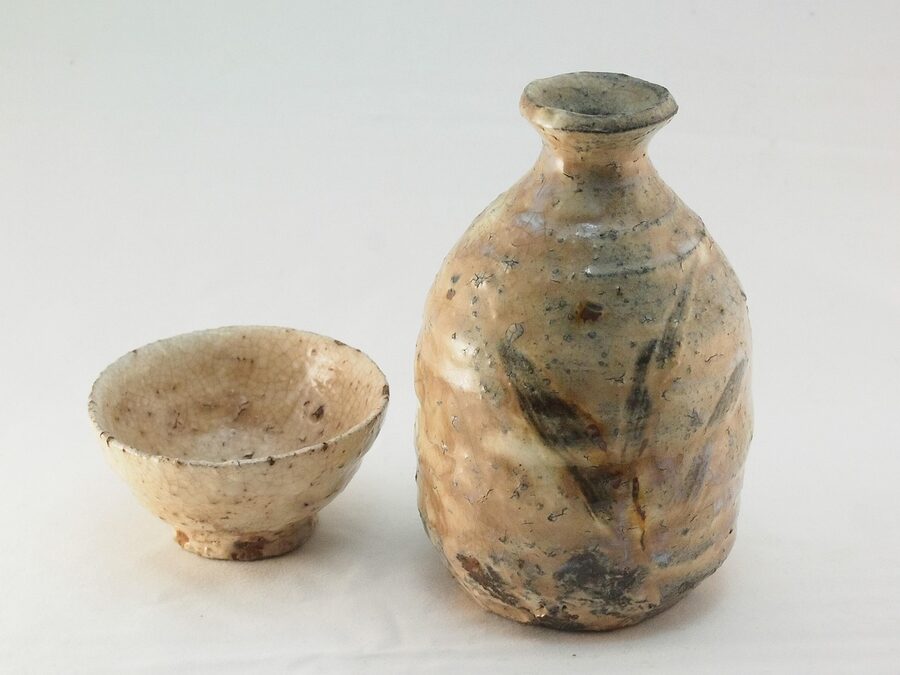
Quick glossary. A tokkuri is the ceramic flask your sake arrives in, usually 180ml (ichi-gō) or 360ml. An ochoko is the tiny cup, usually 30-50ml, that you drink from. A sakazuki is a wider, flatter ceremonial cup, mostly used at weddings and shrine rituals now. A masu is a square cedar box that originally measured out a gō of rice (180ml), some bars serve your ochoko sitting inside a masu, and once your cup overflows, they keep pouring until the masu is full. It looks generous. It is generous. It’s also the bartender’s way of saying “we have a lot of this.”
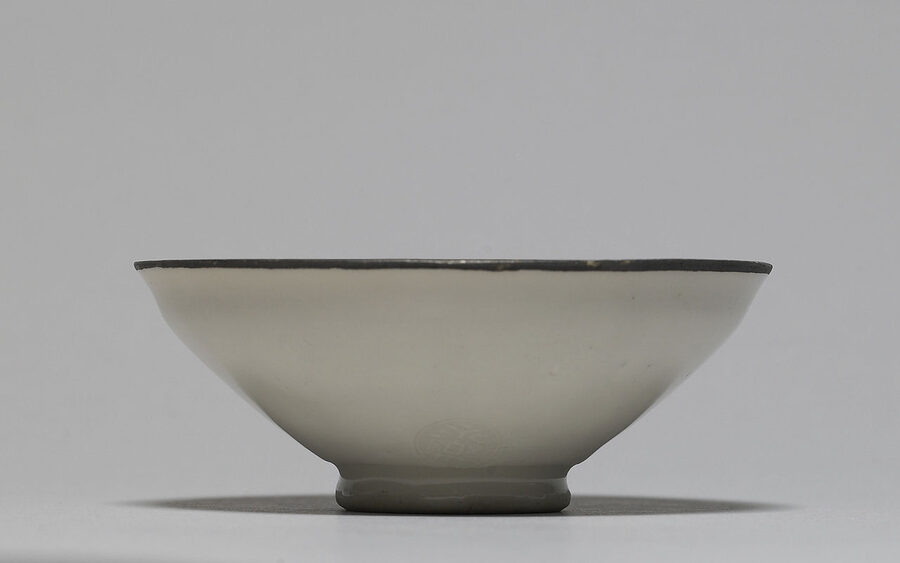
If you see a little blue spiral painted on the inside bottom of an ochoko, that’s the janome, the snake-eye pattern. Traditional tasters use it to judge sake clarity against the blue-white contrast. Bars and shops that use janome cups usually take their selection seriously.
Tokyo sake bars worth going out of your way for
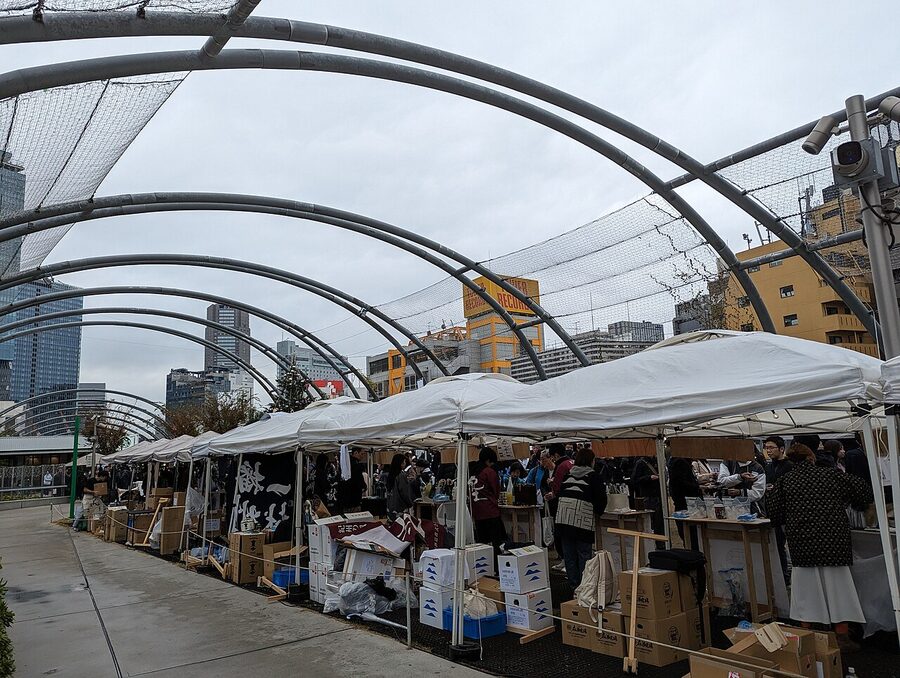
Tokyo has more sake bars than anywhere else in the world. Most are small. All keep late hours. Here are the ones I go back to.
- Sake Bar Shimbashi (Isakaya), standing-only, 200+ regional sakes on rotation. ¥500-900 a pour. Cash only, no reservations, get there before 7pm or queue. JR Yamanote to Shimbashi, exit Karasumori-guchi.
- Kuri, Ginza basement specialist. Tasting set of three pours ¥2,000 with a cracker. English menu. Good for a first proper sake night.
- Buri, Ebisu, small standing bar opposite the JR station. Flights of three for ¥1,500 with a strong seasonal list. Crowded Friday nights but the atmosphere is worth it.
- Shibuya Nihonshu Center, basement below Tokyu Department Store, 11am-8pm. 100 sakes on tap, ¥200-500 per tasting. Prepaid card at the machine; help yourself. This is where you train your palate.
- Sake Shop Fukumitsuya (Kanda), shop with a small standing bar attached. Specialises in Fukumitsuya from Kanazawa. ¥300-500 a pour.
- Hasegawa Saketen, branches at GranSta inside Tokyo Station, Atre Ebisu, Roppongi Hills. Not romantic, but 10-15 small tastings on offer and great for a layover.
One to skip: most of the themed “sake experience” places in Shinjuku aimed at tourists. The pours are small, the selection is generic, and you can do better around the corner at a normal izakaya. If you want a broader picture of how Tokyo’s drinking culture is organised by neighbourhood, I’ve mapped it out in the Tokyo food neighbourhoods guide.
Kyoto, Osaka, and the rest
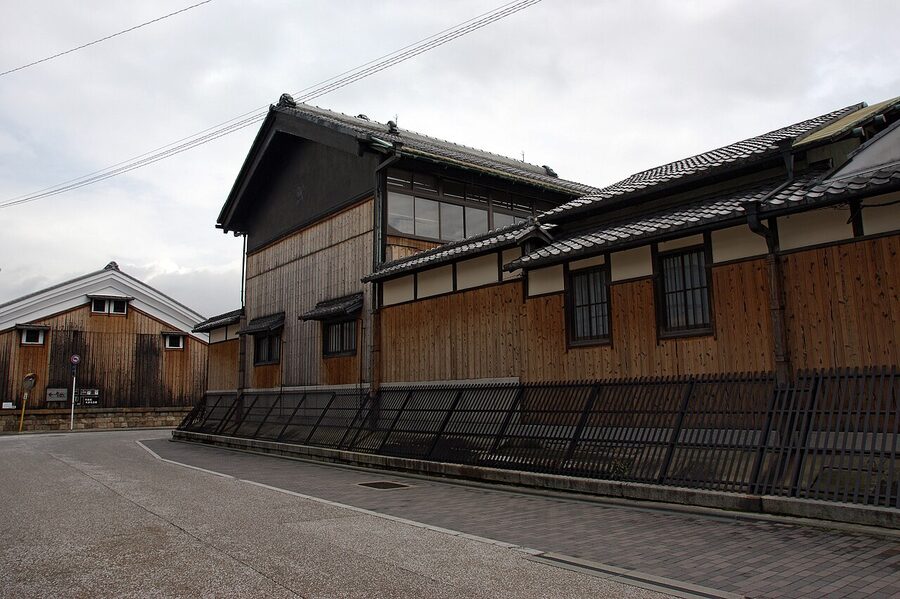
Kyoto bars: Sake Bar Yoramu near Nijo is run by an Israeli expat who’s been in Kyoto 30+ years and put together a list of aged sakes nobody else pours. The “Old Sake Flight” at ¥2,400 for three pours is the best-value education I’ve had. Closed Sunday-Tuesday; book ahead on Friday or Saturday. Shuhari is a slightly newer craft sake bar near Gion with tastings from ¥500. Ichi is a tiny 8-seat counter in Pontocho that’ll pair sake with donabe rice dishes. Reservations essential.
Osaka bars: Akachochin is a chain of cheap-and-dive standing bars with decent sake for ¥380-600. Not for the snob, for the drinker. Shu in Kitashinchi has a tight 80-sake list and a chef who’ll recommend pairings.
Fukuoka: Nihonshu Hagakure near Tenjin is the one. Regional Kyushu sake you won’t find elsewhere, knowledgeable staff.
Pairing food and sake without overthinking it
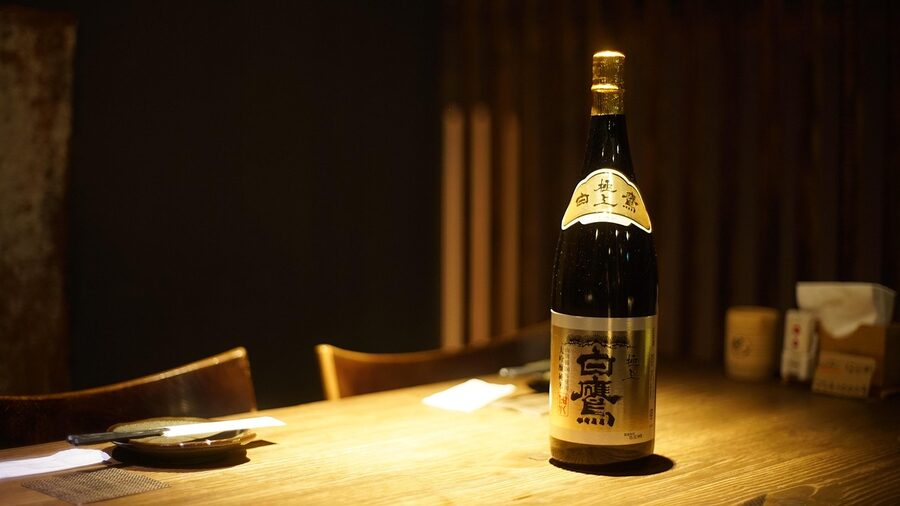
The general rule I go by: lean sake with lean food, rich sake with fat. Daiginjo with white-fleshed sashimi (tai, hirame), junmai with yakitori, nigori with strongly-spiced izakaya food like motsu-nabe or chicken karaage. Nama (unpasteurised) sake with cold tofu in summer. Warm honjozo with anything grilled over charcoal.
The one pairing that will change your mind: a good junmai with rich oily fish, mackerel, aji, salmon roe. The rice-forward flavour cuts the fat in a way no wine does. Order a flight at a sushi counter and you’ll see what I mean. The idea of pairing specific sakes with specific Japanese dishes is a rabbit hole; there’s more on how an izakaya menu is actually laid out in the Japan izakaya guide if you’re new to the format.
What doesn’t pair well: sake with tomato-heavy dishes, sake with strong chocolate, sake with most cheeses except blue. Don’t force it.
Seasonal sake, why timing matters
Sake is a winter craft, brewing takes place mostly between November and March when bacteria are least aggressive. The Edo-period practice of brewing only in winter (kanzukuri) carried all the way into the early 20th century, and small breweries still do it this way.
What this means for the drinker:
- Shiboritate (搾り立て)“just pressed.” The first batches of the brewing year come out in November and December. Fresh, lively, slightly rough in a good way. Only sold for a few weeks. If you’re in Japan in late autumn, ask for shiboritate everywhere and you’ll get a different answer at every brewery.
- Hiyaoroshi (冷やおろし), single-pasteurised, released in September after a summer of ageing. Mellower, rounder than shiboritate. The autumn sake.
- Umeshu (梅酒), plum liqueur, not technically sake but often made at sake breweries. Served ice-cold in summer over one huge ice cube, usually ¥500-800 a glass. Good ones (like Choya’s kura-aged ume) are worth seeking out; most restaurant umeshu is cloying.
- Amazake (甘酒), sweet, non-alcoholic (or very low alcohol) sake drunk at New Year. Shrines give it away on New Year’s Eve and the first few days of January. Warm and sweet, tastes a bit like unbaked rice pudding.
Sake shops worth the detour
For taking bottles home, subject to the big caveat below, these are worth a stop.
- Hasegawa Saketen (Tokyo Station GranSta), 100+ regional sakes, ¥1,500-8,000 range. English-speaking staff. Drink-before-you-buy with 10 tastings for ¥1,000.
- Masuda Tokubei Shoten (Kyoto, Fushimi), traditional Fushimi specialist.
- Fukumitsuya Saketen (Kanazawa flagship + Tokyo Kanda), single-brewery shop, bottles not available elsewhere.
- Isetan Shinjuku basement, pricier premium selection. 4-bottle gift sets start around ¥4,000 and make decent omiyage.
Kampai etiquette and the awkward moments
A few scenes you’re likely to meet, in the order of likelihood.
At an izakaya, someone asks “nihonshu wa?” This means “sake?” You say “hai, ginjo o onegaishimasu” (yes, a ginjo please) and you’re instantly a more confident customer. Or “osusume wa?”, “what do you recommend?”, and let the bartender do the thinking.
An older Japanese colleague keeps filling your cup. This is a ritual of hospitality. Don’t refuse. But don’t drain the cup every time either, a full cup is the universal signal for “I’m good, thanks.”
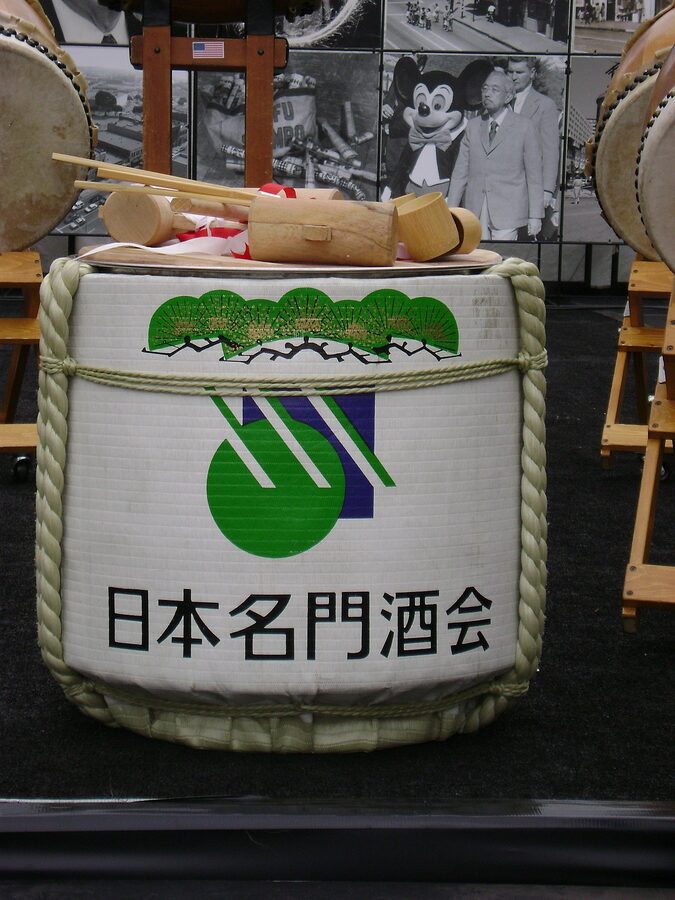
You’re at a kagami-biraki ceremony. Someone hands you a mallet and points at a wooden barrel lid. You hit it when they hit theirs. Then a masu of sake gets pressed into your hand. Drink it in one go if you’re the guest of honour; sip if you’re an ordinary guest.
You want to say thank you. The phrase is “gochisōsama deshita” at the end of a meal, literally “it was a feast.” Useful after a good sake dinner. “Gottsu-ee” is Osaka dialect if you want to flatter an Osaka bartender.
The bottle you can’t take home
Here’s the part nobody writing for an export market wants to tell you. The best sake you’ll drink in Japan, the nama, the shiboritate, the small-batch kimoto from a single-kura brewer like Aramasa, doesn’t travel. Nama is unpasteurised; it’s alive, and it keeps changing after you bottle it. Two weeks in a hot shipping container and it’s not the same thing anymore. Even pasteurised daiginjo is best within 6-12 months of bottling, and a lot of what you see in liquor stores abroad has been sitting for longer than that.
On top of that, small breweries (Aramasa is the obvious example, but dozens of others do the same) don’t export. You can only drink their sake in Japan. If you do take a bottle home, refrigerate it the moment you land and drink it within a couple of weeks. Or, my preferred approach, buy a small-batch bottle on the day you leave from a specialist shop, nurse it through immigration, and finish it with friends within 48 hours of getting back.
Airport duty-free sake is usually adequate and rarely special. You’ll find Hakkaisan, Kikumasamune, Dassai. Fine. But if you’ve just spent two weeks discovering Aramasa and Dewazakura, airport Dassai is going to feel like a compromise. Skip it. Plan a detour to Hasegawa Saketen or Isetan Shinjuku on your last day and pick up two bottles worth remembering. Pasteurised daiginjo in a carry-on survives a 12-hour flight just fine as long as the bottle isn’t glass-fragile.
A few practical things I wish I’d known
Japanese drinking age is 20, and bars check ID if you look under 25 or so. Westerners usually don’t get carded but it can happen. Carry your passport or a copy.
Sake is filling in a way wine isn’t. A single tokkuri (180ml) is roughly equivalent to a large glass of wine in alcohol but sits heavier on the stomach. Pace yourself. The Japan Sake and Shochu Makers Association recommends drinking water in equal quantity, yawaragi-mizu, alongside your sake. Most bars will bring it without asking. Actually drink it.
Pairing food with sake matters more than you think. The fat-cuts-rice-cuts-fat principle I mentioned earlier means the same bottle tastes completely different with yakitori than with sashimi. If you’re curious how sake works alongside Japan’s tougher, stronger-flavoured foods, ankimo, shirako, natto, I’ve covered that sake-pairing territory in Japan’s hardest-to-eat foods.
Many sake bars run by one owner close on a random weekday (Monday, Tuesday, or Wednesday) so the owner gets a day off. Google Maps listings are usually right; “closed today” notices aren’t fake.
If you can only visit one brewery town on a Japan trip, pick Fushimi. It’s easier to reach from Kyoto than Nada is from Kobe, the breweries are visibly older and prettier, and Gekkeikan’s museum gives you all the context you need in 45 minutes.
The last pour
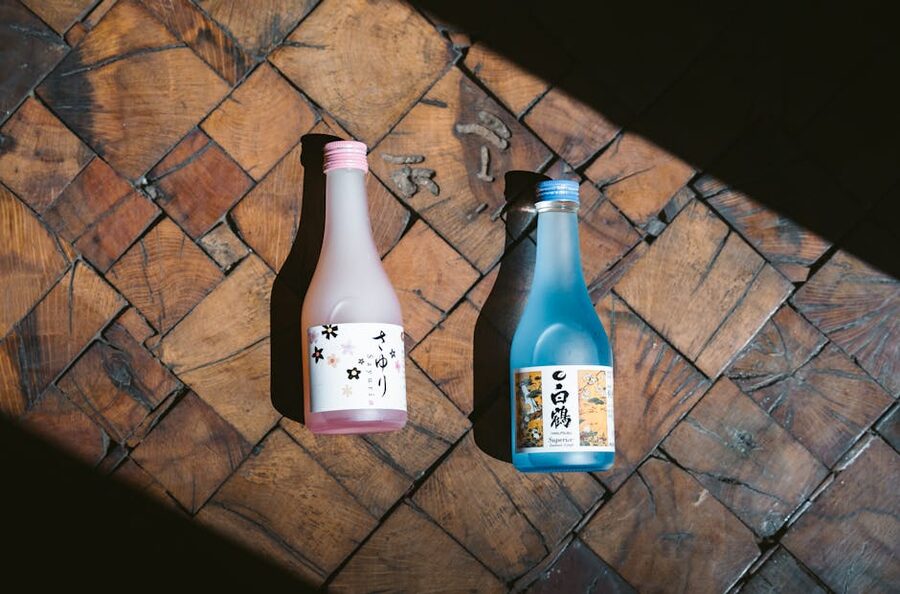
Drinking sake in Japan isn’t about mastery. It’s about paying attention. The cup’s small for a reason, you sip, you think about it, you put it back down. The best pours I’ve had in Japan weren’t the most expensive. They were the ones where someone took the time to tell me what I was drinking, then waited for the reaction.
If you’re new to sake, start with a three-pour junmai flight at any specialist bar. Ask what kimoto is. Ask why they chose the bottles they did. You’ll know more by the end of the flight than any article will teach you, this one included. And if a small-brewery owner in Takayama or Fushimi ever offers you something that isn’t on the menu, say yes. Say yes in Japanese if you can. Three words will do.