Japanese Whisky: Where to Drink It (and What to Order)
Half past midnight on a side street in Kanda, two-stop walk from the station, top floor of a five-storey building I found only because someone on the ground floor pointed upstairs. Wooden door. No English sign. Inside, shelves three metres high, most bottles with handwritten Japanese labels, a bartender in a white jacket cutting an ice sphere out of a block with a small hooked knife. He put the glass down, two fingers of amber, a tiny card with the distillery name in pencil. Said nothing. And that first sip, Yoichi, as it turned out, the peaty one from Hokkaido, was the moment I stopped thinking about Japanese whisky as a menu item and started understanding why people queue for bottles most bars can no longer keep in stock.
This piece is for anyone going to Japan who wants to drink Japanese whisky and doesn’t know where to start. Not the auction-house stuff, the bars. The ¥1,500 glass of something you can’t buy at home. The highball after work. The distillery day trip, if you can get a booking.
I’ll tell you which bars are worth the detour, what to order when you sit down, how much things actually cost in yen, and where to not bother. Some of it is standard. Some of it nobody tells you.
In This Article
- Why Japanese whisky is suddenly a whole thing
- The big names (and what to order from each)
- Tokyo: where to actually drink
- Zoetrope (Shinjuku), the Japanese whisky temple
- Bar High Five (Ginza), the classic cocktail bar
- Tokyo Whisky Library (Minami-Aoyama)
- Bar Benfiddich (Nishi-Shinjuku)
- Bar Orchard Ginza
- Bar Kage (Ginza), the whisky obsessive’s Ginza pick
- Bar Shinjuku Whisky Salon
- Aloha Whisky Bar (Ikebukuro)
- Japanese Malt Whisky Sakura (Tokyo Station)
- Whisky bars in Kyoto and Osaka
- What to order when you sit down
- What things actually cost
- The distilleries, and whether to visit
- Taking whisky home
- The mizunara thing
- Etiquette, the bits that matter
- Where it all falls apart
- A last thing
Why Japanese whisky is suddenly a whole thing
The short version: Japan has been making whisky for about a hundred years, it’s been genuinely good for most of that, and the rest of the world only noticed in 2014.
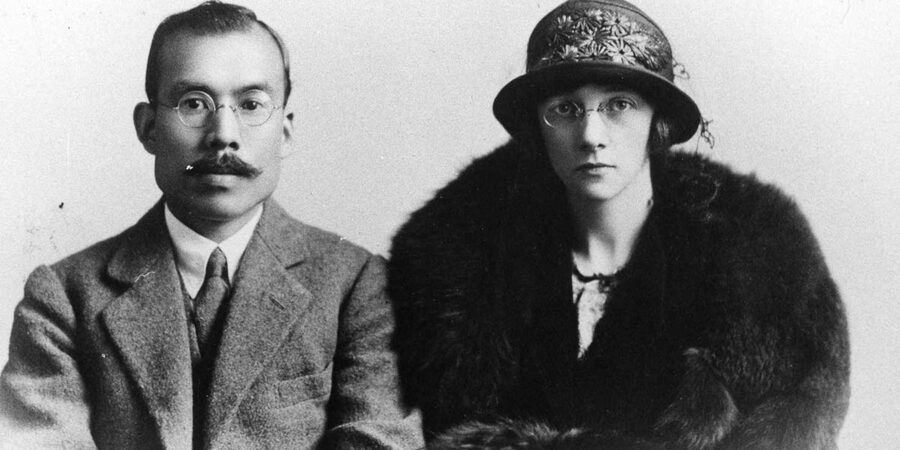
Masataka Taketsuru is the reason any of it exists. Chemistry student, son of a sake-brewing family in Hiroshima, he sailed to Scotland in December 1918 and spent two years there, organic chemistry at the University of Glasgow, a brief apprenticeship at the Longmorn distillery in Strathspey in April 1919, then Bo’ness in the Lowlands. He married a Scottish woman named Rita in January 1920 and came home in November with a notebook full of scribbled notes on pot stills, mashing, and cask selection.
Three years later, in 1923, a wine-and-spirits importer named Shinjiro Torii hired him to build Japan’s first whisky distillery at Yamazaki, on the outskirts of Osaka, where three rivers meet and the mist sits low in the valley most of the year. Torii wanted a whisky that suited Japanese palates. Taketsuru wanted a whisky that tasted like Scotland. They fought about this for a decade.
In 1934 Taketsuru left and founded his own company in Yoichi, a cold, damp fishing town on the northwest coast of Hokkaido, because the climate reminded him of Islay. That company became Nikka. Suntory and Nikka are still the two giants of Japanese whisky today, and you can taste the argument in the bottles, Suntory’s Yamazaki is silky and unpeated and a little floral, Nikka’s Yoichi is coastal and smoky with a whiff of brine. Both are world-class. Neither is what Taketsuru first sketched out in a Scottish bar in 1919.
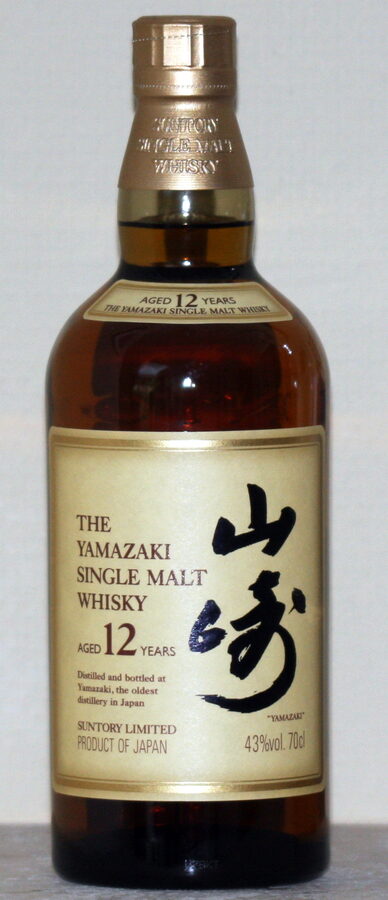
The stuff bumbled along domestically for most of the 20th century, Suntory sold a cheap blend called Kakubin that became the default after-work drink for salarymen, and the highball that Kakubin was poured into is now a cultural institution. Then in 2014, Jim Murray’s Whisky Bible handed its “World Whisky of the Year” title to the Yamazaki Single Malt Sherry Cask 2013. Global demand tripled almost overnight. By 2015, most age-statement bottles, the 12-year-old Yamazaki, the 12-year-old Hakushu, had been withdrawn from Japanese shelves because there wasn’t enough mature stock to meet even domestic orders.
That’s where we are now. The whisky is brilliant. Most of the good bottles are either unavailable at retail or cost three times what they did a decade ago. The bars still have them, at a price, and getting into a proper bar is the single best way to drink them.
The big names (and what to order from each)
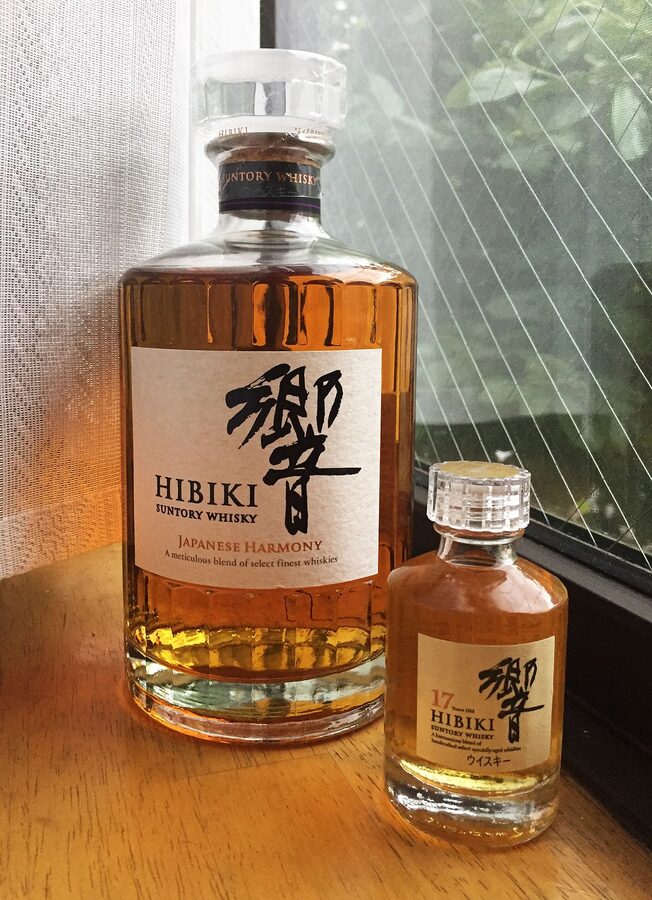
If you’re standing in front of a bar menu for the first time, here’s the map.
Suntory runs three distilleries and makes most of the whisky you’ve heard of. Yamazaki (single malt, Osaka, 1923) is the floral, rounded one. Hakushu (single malt, Yamanashi Prefecture, 1973) is lighter and a bit grassy, sometimes called Japan’s “forest” whisky because the distillery sits in a literal forest at 700m altitude. Hibiki is the blend, Yamazaki malt, Hakushu malt, and grain from the Chita distillery on the coast south of Nagoya, combined in what Suntory’s marketing calls the 24 seasons of the Japanese calendar. The Hibiki bottle has 24 facets; make of that what you will. Chita’s grain whisky on its own is also drinkable, and gets used heavily in highballs.
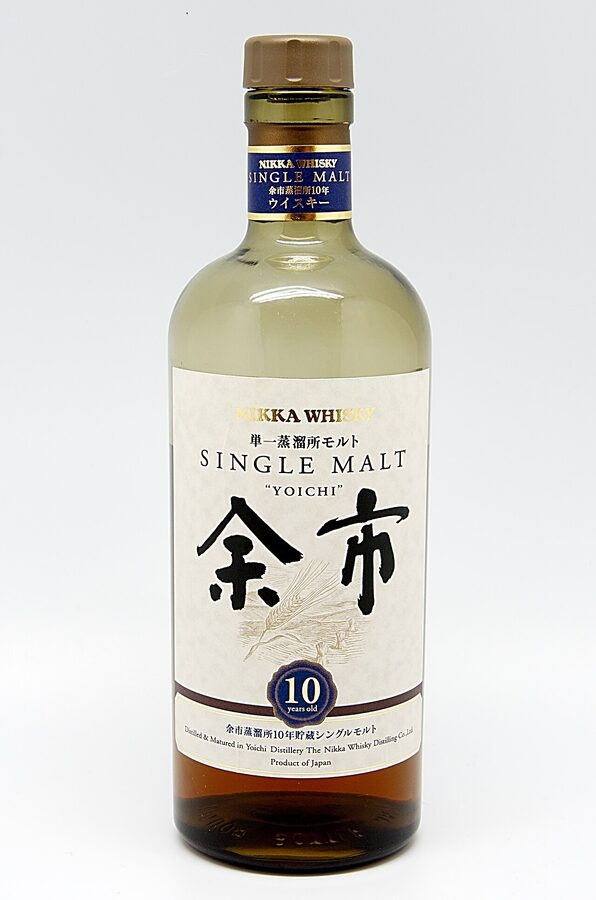
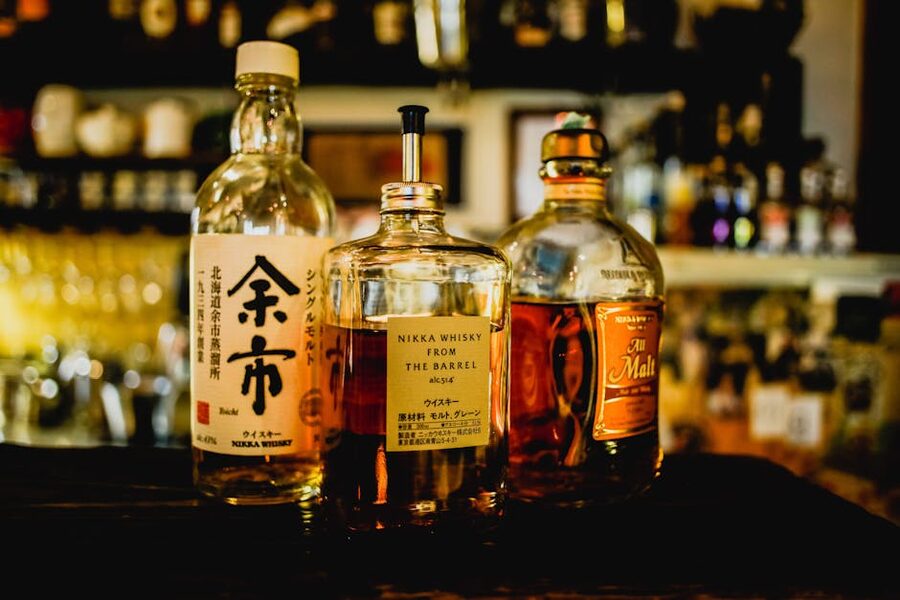
Nikka, Taketsuru’s company, runs two distilleries. Yoichi (Hokkaido, 1934) is the peated, coastal one, saline, smoky, a little medicinal in the older bottlings, still uses coal-fired direct heat under the pot stills which is almost unheard of in the modern world. Miyagikyo (Sendai, 1969) is the counterweight, floral and fruity and built on a different climate, two hours north of Tokyo in a wooded river valley. Taketsuru is the classic blend, named for the founder. Nikka From The Barrel, small ungainly bottle, 51.4% ABV, built from over a hundred different component whiskies, is cheap in Japan (¥2,500 to buy, around ¥800 at a bar) and punches spectacularly above its price.
Chichibu is the cult one. Ichiro Akuto, grandson of a whisky distiller whose family distillery (Hanyu) went bankrupt in 2000, founded Chichibu in 2007 in a small mountain town in Saitama, two hours north of Tokyo. Production started 2008. The distillery is tiny, uses local Saitama peat and some Japanese mizunara oak for maturation, and has won so many awards the cellar is apparently stacked with them. Single casks now sell at auction for ¥500,000 to ¥5 million. You won’t see the good Chichibu in most bottle shops. You will see it by the glass in specialist bars, at ¥2,500 to ¥8,000 depending on the cask. The Ichiro’s Malt & Grain blend is more accessible and still excellent, think ¥1,500 at a bar, if they have it.
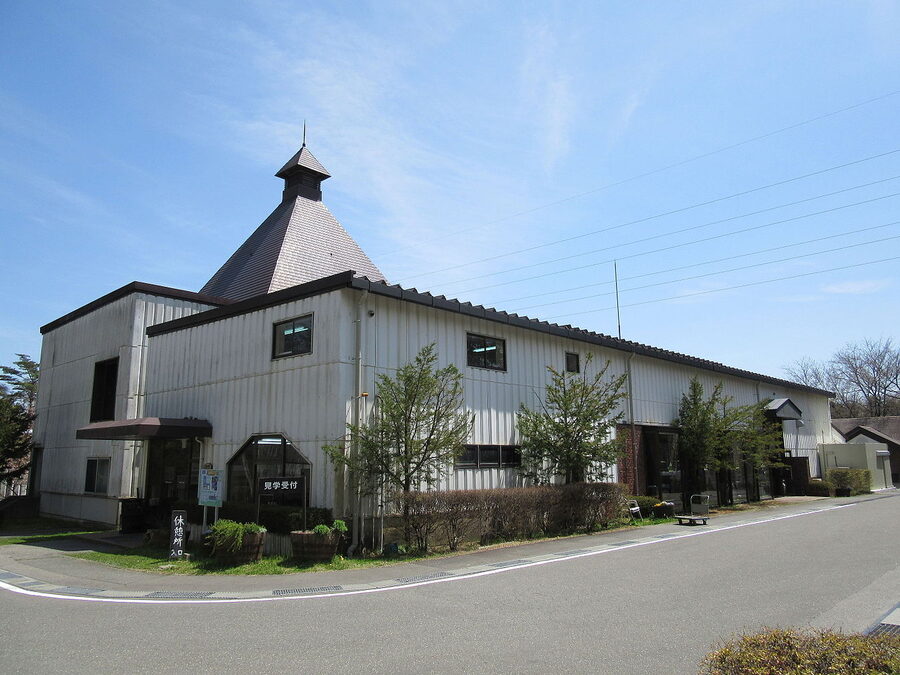
Mars is the other interesting one. The Shinshu distillery in Nagano (reopened 2011 after a long mothball) sits high in the Central Alps, and their Komagatake single malt and Iwai blend are both reasonably priced and widely available. Mars Tsunuki is their newer Kyushu distillery and the releases are getting better every year.
Small craft distilleries have multiplied since 2015. Kanosuke in Kagoshima (Kyushu coast), Akashi (Hyogo, originally a sake brewery), Shizuoka (the one that bought some of the old Karuizawa equipment), Akkeshi (Hokkaido, Islay-inspired), Nagahama, Asaka. Most of their whisky is under five years old so still finding its voice, but a good specialist bar will have something from at least three of them and the bartender will pour you a half-shot if you ask.
Worth knowing: in 2021 the Japanese Spirits & Liqueurs Makers Association introduced labelling rules for what can be called “Japanese whisky”, distilled, matured, and bottled in Japan, using domestic water, with a three-year minimum ageing. Before that, Japanese law technically allowed Scotch or Canadian whisky to be imported in bulk, blended locally, and sold as “Japanese whisky.” A lot of cheaper bottles from the boom years (and some expensive ones too) fell into that grey zone. The new rules are voluntary and not everyone follows them, so if provenance matters to you, read the label carefully.
Tokyo: where to actually drink
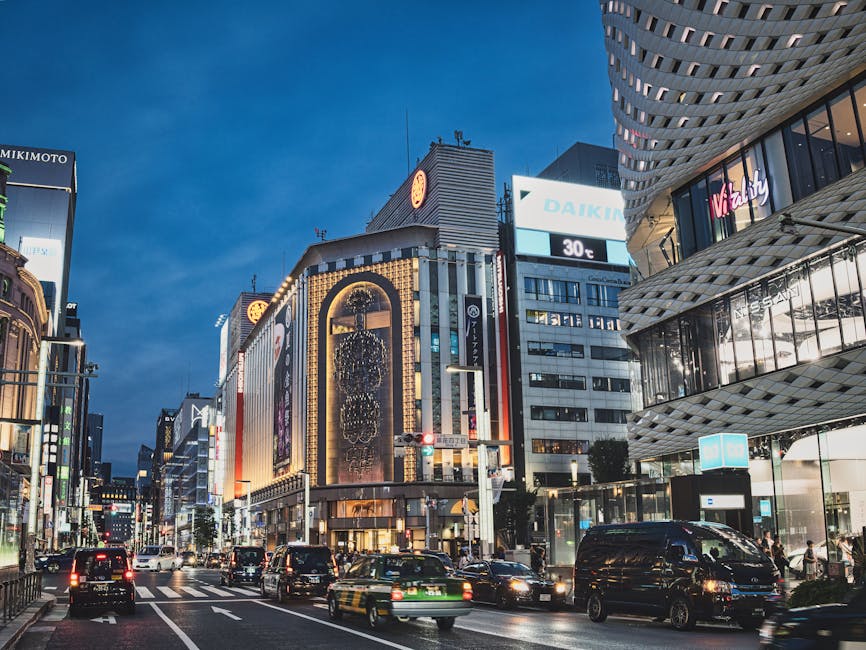
Tokyo has more whisky bars than any city on earth, a whisky writer I met swore the number is “in the thousands”, and the quality curve is astonishing at the top. You can sit at a ten-seat counter and drink from a shelf that holds whiskies not available for retail purchase anywhere in the world. You can also walk into a three-year-old Ginza bar and pay ¥2,000 for a flat, badly-poured glass of Yamazaki 12 and be quietly hated for the next hour. These places don’t look that different from the outside. The list below is the one to start with.
One practical thing up front: most bars charge a service charge of ¥500 to ¥1,000 per person (covers snacks, water, and the seat). This is not optional, it’s not a tip, and in most cases it’s genuinely worth it. Standard pours are 30ml. If you want to try a few things, ask for a “half shot” (半量 / hanryō), you pay half the menu price, you taste more. Bartenders encourage this. I’ve never been refused.
Zoetrope (Shinjuku), the Japanese whisky temple
7-10-14 Nishi-Shinjuku, 3rd floor of the Gaia Building No. 4. Closest station is Shinjuku (JR Yamanote, JR Chuo, Marunouchi and other subway lines), west exit, seven minutes walk. Open evenings only, usually 6pm to 11.30pm.
If you only go to one specialist whisky bar in Japan, go to Zoetrope. Four hundred-plus bottles, almost all Japanese, shelved floor-to-ceiling in a narrow seven-seat room. The master, Horigami-san, has been running it since 2006 and knows every bottle’s history. He’s opinionated, he plays silent film footage on the back wall (the bar is named after a pre-cinema animation device), and if you say “teach me something I haven’t tried,” he genuinely will. Expect ¥1,200 to ¥4,000 per glass for most things; ¥5,000-plus for the ghost-distillery bottles (Karuizawa, Hanyu, Kawasaki).
They stop letting people in about half an hour before closing. Don’t turn up at 11pm.
Bar High Five (Ginza), the classic cocktail bar
Efflore Ginza 5 Building, B1F, 5-4-15 Ginza. Ginza station, Marunouchi/Hibiya/Ginza lines, exit B5, three minutes walk. Usually 5pm to 1am, closed Sundays.
Hidetsugu Ueno runs this. If you care about cocktails at all you already know his name. It’s not technically a whisky specialist, they do everything, but the ice-ball carving, the stirring, the silence, the formality, it’s all the Japanese bartending tradition in one ten-seat basement. They don’t have a menu. You tell them what you like, they make it. ¥2,000 to ¥3,500 for cocktails. Come early, the ten seats fill up by 8pm and they only take walk-ins.
Tokyo Whisky Library (Minami-Aoyama)
5-5-24 Minami-Aoyama, 2nd floor, Santa Chiara Church building. Omote-sando station, Ginza line, exit B3, six minutes. Open 6pm to 3am.
1,300 bottles. Not a typo. It’s a bigger room than most whisky bars, exposed brick, high ceilings, lounge seating, room for about 40 people, and the menu is bound in a folder the size of a paperback. Four pages dedicated to Scotch Malt Whisky Society bottles alone. They do cocktails on top of that, including some genuinely inventive ones with in-house whisky infusions. Good if you’re with a group or want to just browse. Not the place for an intimate bartender chat. ¥1,500 to ¥6,000.
Bar Benfiddich (Nishi-Shinjuku)
1-13-7 Nishi-Shinjuku, 9F (unmarked). Shinjuku station west exit, six minutes. 6pm to 3am.
Hiroyasu Kayama runs a mixology bar more than a whisky specialist, he makes his own bitters, grows his own herbs, crushes stuff in a pestle and mortar while you watch. But the whisky selection is deep, and his house-stirred cocktails built around Japanese whisky (ask for Yoichi with his homemade sake vermouth) are some of the best drinks I’ve had anywhere. It’s hard to find, ninth floor, no signage, plain elevator door. Ask the building reception. A couple of cocktails and a highball will run you ¥5,000-plus, which is expensive for Tokyo but not for this quality.
Bar Orchard Ginza
6-5-16 Ginza, 7F. Ginza station, three minutes. 6pm to 2am.
Seasonal fruit cocktails built around Japanese whisky, from a small group of women bartenders who are serious about their craft. Tiny. Book if you can. ¥2,000-ish per drink. If you’re tired of the dark-wood-and-leather formality of the classic Ginza bars, this is the antidote.
Bar Kage (Ginza), the whisky obsessive’s Ginza pick
6-3-6 Ginza, B1. Ginza station, four minutes. 6pm to 2am, closed Sundays.
Takeshi Kageyama has been running Bar Kage for over a decade and is tight with Ichiro Akuto personally, the bar has its own private Ichiro’s Malt & Grain bottling you can’t get anywhere else. Ginza proper, spacious-ish counter, proper classic-cocktail chops. If you want to do Ginza and only have one night, this is the bar I’d pick over the more famous names. ¥2,000 to ¥6,000 a glass; premium for the private bottlings.
Bar Shinjuku Whisky Salon
3-12-1 Shinjuku, 3F. Shinjuku-sanchome station, exit E10, three minutes. Open from late afternoon to 3am.
Kazunori Shizuya holds the “Master of Whisky” qualification, one of 13 people in the world, and runs this as his flagship. It’s modern, almost showy compared to Ginza’s formal places, and the cocktails are more adventurous. The Whiskolaschka series (whisky plus aromatic garnishes, served sipped straight) is genuinely worth trying. Good if you want somewhere a bit less intimidating than Zoetrope. ¥1,500 to ¥4,000.
Aloha Whisky Bar (Ikebukuro)
Izumi Building 3F-B, 3-29-11 Nishi-Ikebukuro. Ikebukuro station, exit C3, one minute walk (literally across the street).
David Tsujimoto is Hawaiian-born Japanese, genuinely good company, and runs what is almost certainly the best collection of Chichibu bottlings in Tokyo. Nine seats. Book ahead. ¥1,500 to ¥3,500 for most things; the private Chichibu casks stretch higher.
Japanese Malt Whisky Sakura (Tokyo Station)
B1F Tokyo Station, Marunouchi 1-9-1. Inside the station. Open from 10am.
Unusual for a specialist whisky bar, it opens at 10am and it’s literally inside Tokyo Station. Sixty-plus Japanese whiskies on rotation, transparent pricing, half-shots available on everything. If your shinkansen is in two hours and you fancy a proper Yamazaki 12 while you wait, this is the answer. Not the best cellar in the city but easily the most convenient.
Whisky bars in Kyoto and Osaka
Kansai doesn’t have the volume Tokyo does, but the top-end bars are easily comparable.
Bar Rocking Chair (Kyoto), 434-2 Tachibanacho, Shimogyo-ku, about eight minutes walk from Gion-Shijo station. Open 6pm to 2am. Run by Nick Kawanabe, twice-winner of the “Best Bartender in Asia” award. Rocking-chair seating (literally), exceptional cocktails, deep Japanese whisky cellar. ¥1,800 to ¥4,500 a glass. Book for the earlier slot if you can, they squeeze in a second sitting from around 10pm.
Bar Main Malt (Kyoto), small, counter-only, Gion area, full range of Japanese single malts plus good Scotch. The kind of place where the master remembers you after one visit.
Kyoto Distillery Tasting Room, they’re mostly known for Ki No Bi gin, not whisky, but the tasting room near Kyoto Station does occasionally stock their small-batch whisky trials. Worth checking if you’re passing through.
Bar Augusta Tarlogie (Osaka), 1-9-28 Sonezakishinchi, Kita-ku. Umeda district, five minutes from Osaka or Umeda stations. The Osaka equivalent of Zoetrope: counter-only, deep whisky cellar, bartender in bowtie, nothing rushed. Open from 7pm. ¥1,500 to ¥5,000.
Bar K (Osaka, Kita-Shinchi), another counter-only whisky specialist; the master has visited Scotland more times than most people visit their in-laws. Good for rarer bottlings that even Tokyo’s specialists don’t keep.
What to order when you sit down
If you’ve never sat at a Japanese whisky bar before, a few of these help.
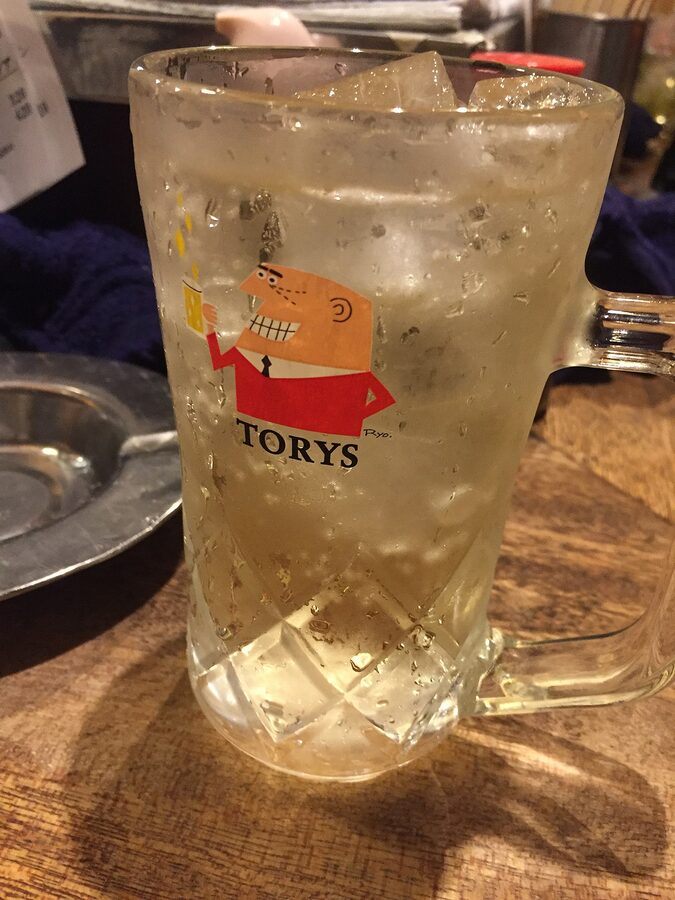
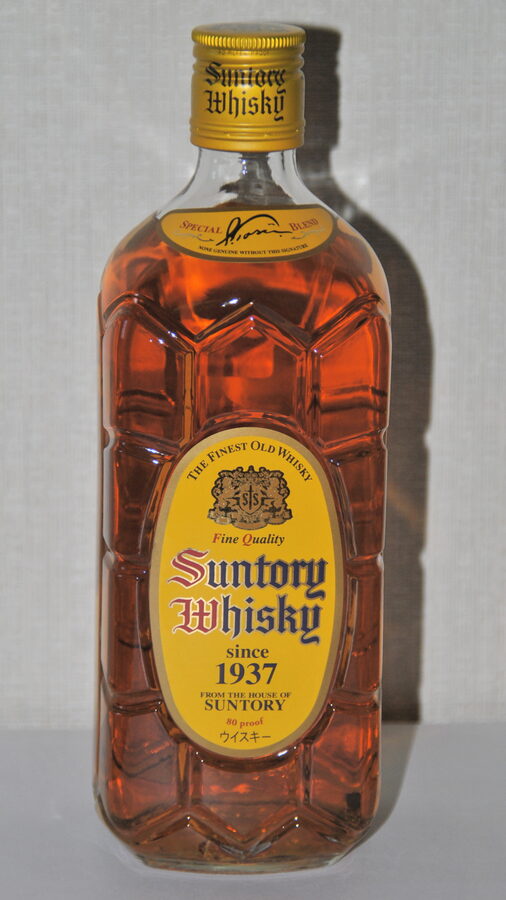
Highball (ハイボール), whisky and soda, on ice, usually with a twist of lemon. In the salaryman version this is Suntory Kakubin (the square yellow-label bottle) poured from a little tap into a tall cold glass, ratio around 1:4 whisky to soda. It’s ¥400 at a standard izakaya, ¥600 to ¥900 at a decent bar, and one of the great drinks of the world if you’re hot and tired and it’s 40°C in August. Don’t overthink it. At a specialist bar you can ask for the highball built with a specific whisky, Hakushu makes a particularly good one because of its light, grassy profile.
Mizuwari (水割り), whisky cut with still mineral water, on ice. This is the Japanese preference for drinking whisky at length over dinner. Usually about 1:2.5 whisky to water. Don’t be precious about it: in Scotland a drop of water opens up the whisky, in Japan a proper splash makes it drinkable across a three-hour meal. Try it before you dismiss it.
Oyuwari (お湯割り), whisky with hot water. Cold-weather version, surprisingly comforting, not common in summer.
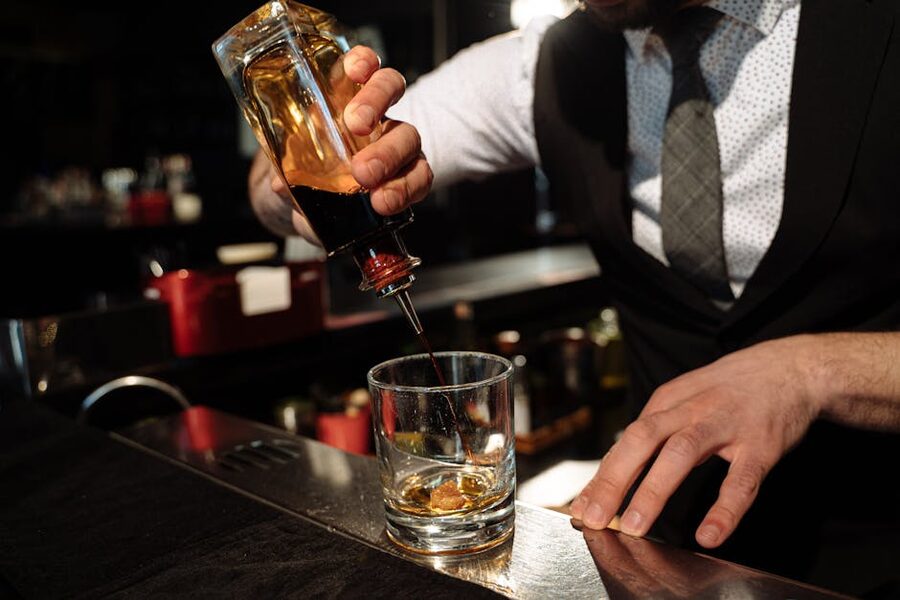
On the rocks, whisky over ice. In a good bar you get a hand-carved single sphere of clear ice, cut from a large block with a hook-bladed knife while you watch. This takes 2-3 minutes. Don’t rush it. The ice is part of the drink: it’s clearer than the stuff from your freezer because it’s been cut from slow-frozen blocks, which means it melts slower and waters down the whisky more gently.
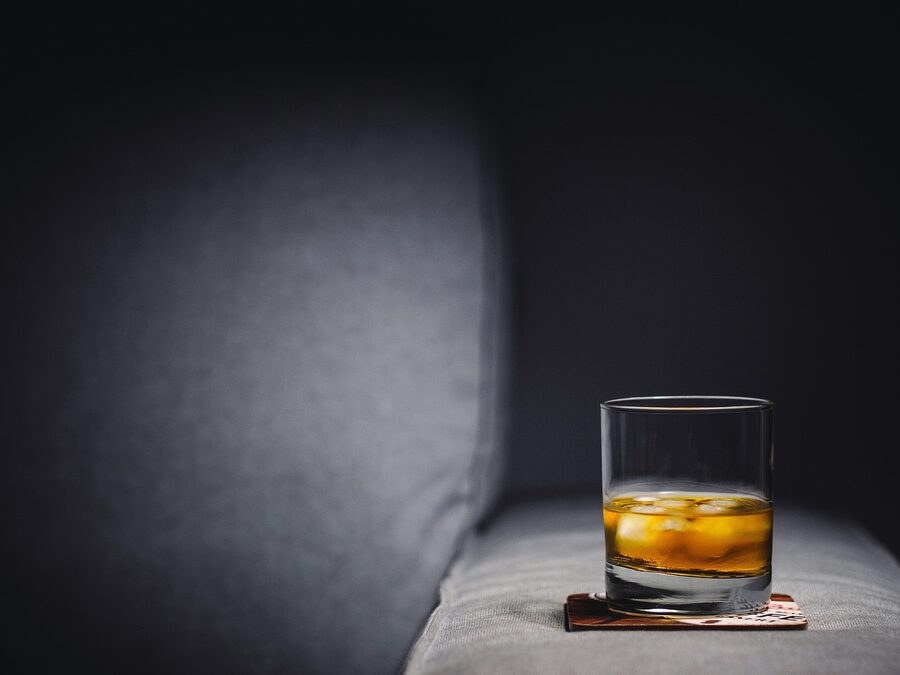
Neat (ストレート / sutorēto), no ice, no water. This is what you order if you actually want to taste the whisky. Sometimes served with a separate glass of chilled water on the side. Take a sip of water between sips of whisky; it resets the palate.
A small practical thing: if you order something expensive, the bartender will often set the bottle on the counter with the label facing you for the first pour. That’s your cue to read it, nod, and take your time. Don’t be the person who drains it in thirty seconds.
What things actually cost
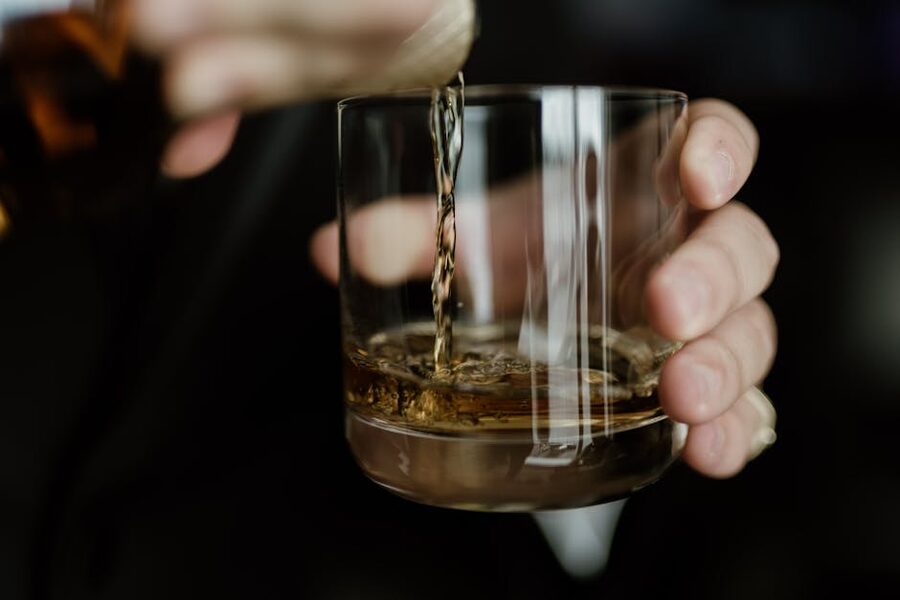
Pricing is transparent at most bars (Zoetrope, Bar Kage, and the Tokyo Station Sakura all have printed price lists per whisky). Rough bands:
¥500 to ¥900, house highball at an izakaya or casual bar. The ¥500 is likely Kakubin. The ¥900 is a good grain or an affordable blend like Nikka From the Barrel.
¥800 to ¥1,500, entry-level single malts: standard Yoichi, standard Hakushu (Distiller’s Reserve), Nikka Taketsuru, Mars Komagatake. Also most highballs at a specialist bar.
¥1,500 to ¥3,000, the reliable good stuff: Hibiki Harmony, Yamazaki 12 (if they have it, some places limit it to one pour per table), Yoichi 12, Hakushu 12, mid-range Chichibu blends. This is the range most of your glasses will land in.
¥3,000 to ¥8,000, older age-statement bottles, distillery-only releases, most Chichibu single casks, Hibiki 17/21, the better Mars casks. Order one per evening if you’re curious, not a flight.
¥8,000 and up, the ghost-distillery stuff (Karuizawa, Hanyu, Kawasaki) and the rarest single casks. These are experience-pours, a single taste of something you will basically never see again. Some bars cap the measure at 15ml for these.
On top of that, add the ¥500-1,000 service charge per person. It’s not discretionary.
The distilleries, and whether to visit
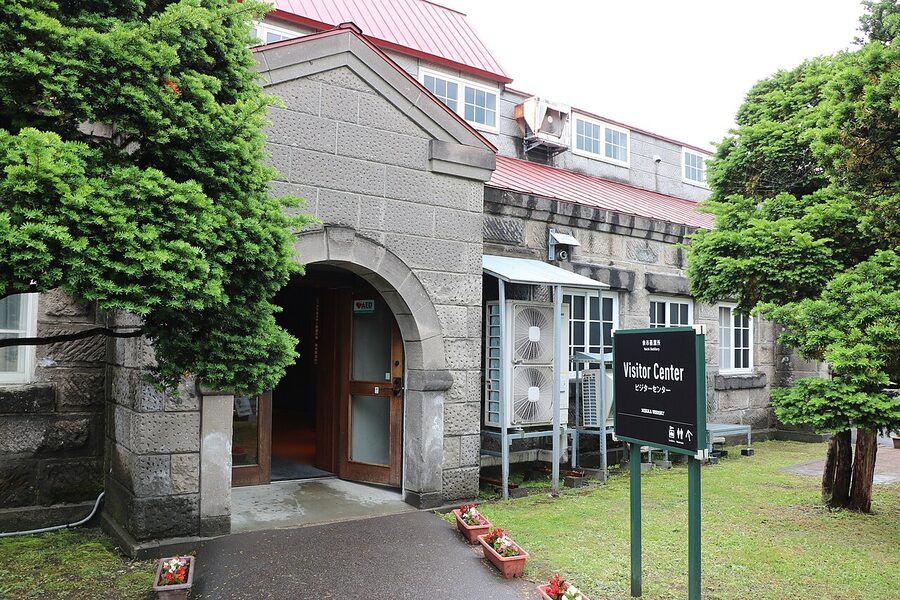
You can visit the main distilleries, but “visiting” ranges from a slick corporate experience (Yamazaki) to a proper working museum (Yoichi). All require advance booking through the distillery websites, often months ahead.
Yamazaki (Osaka), JR Yamazaki station, 15 minutes by train from Kyoto or 35 minutes from Osaka. The tour is polished and thorough and ends with a tasting of three whiskies, but it books up fast, at peak times you’re looking at three or four months ahead on the website. There’s also a shop and tasting room that don’t require a tour booking; the shop often has distillery-only bottles (Yamazaki Distiller’s Reserve, Yamazaki Mizunara, Bowmore peated editions) at or above retail.
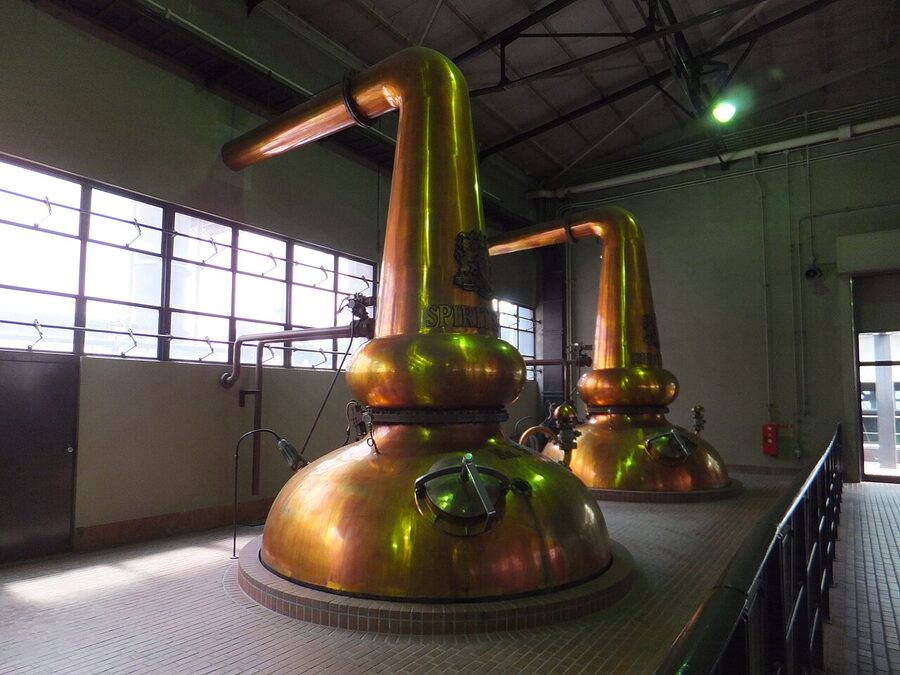
Hakushu (Yamanashi), two hours by train from Shinjuku to Kobuchizawa, then a 15-minute taxi or a free weekend shuttle bus. High-altitude, in the forest; the water comes off granite mountains. Easier to get a tour booking than Yamazaki. The shop has Hakushu Distiller’s Reserve in decent quantity. If you’re doing Mt. Fuji area anyway, this is worth a half-day.
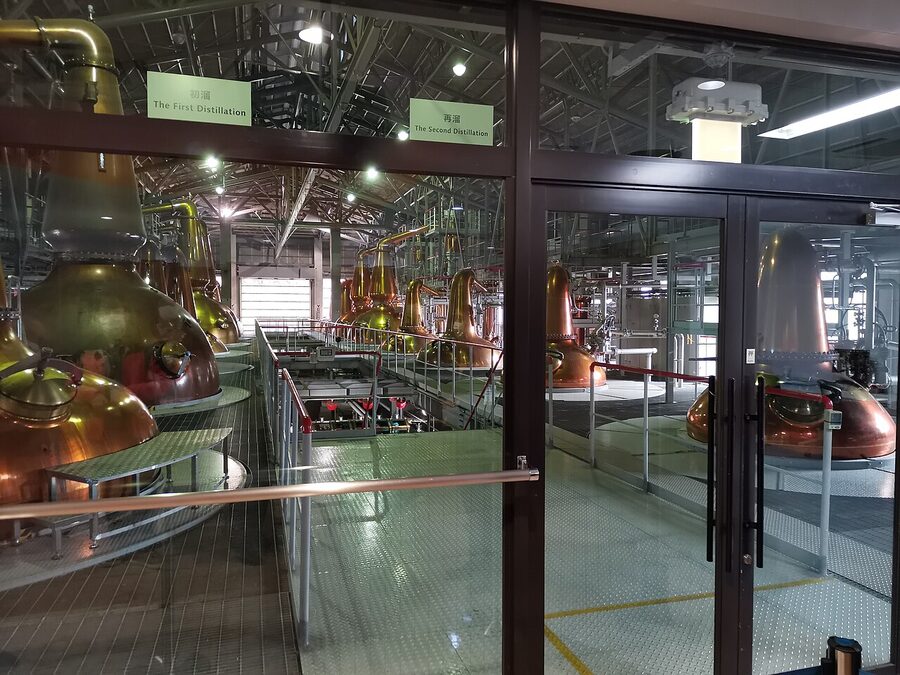
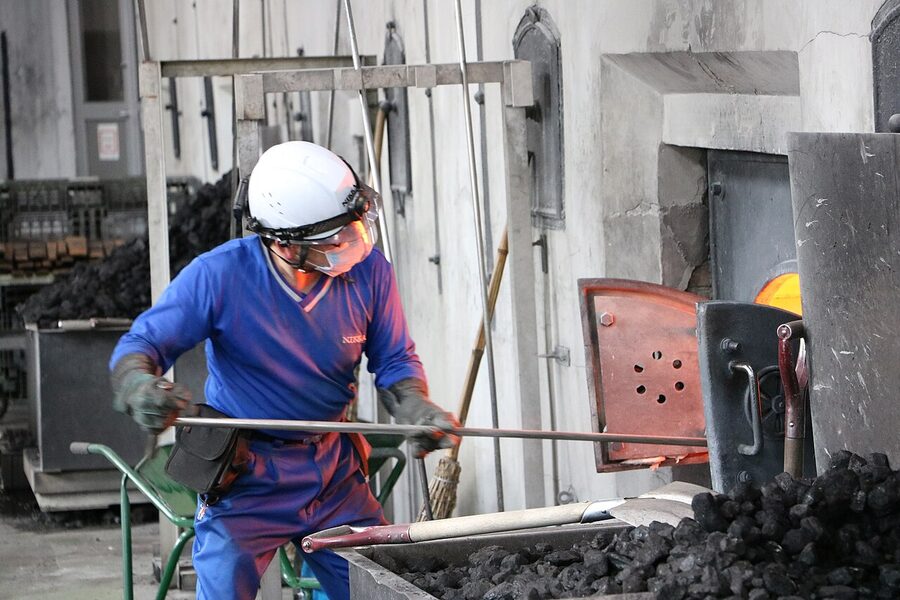
Yoichi (Hokkaido), from Sapporo, one hour on the JR Hakodate Main Line to Yoichi station, then five minutes walk. The tour is genuinely great, they walk you through the old laboratory where Taketsuru worked, the coal-fired stills (still coal-fired, which is staggering), the vatting house. The visitor centre has a ¥2,000 paid-tasting bar where you can try Yoichi expressions and rare Nikka bottlings not easily found elsewhere. If you’re in Hokkaido for the food and the Sapporo nightlife, Yoichi is a no-brainer day trip.
Miyagikyo (Sendai), about 45 minutes by bus from central Sendai. Harder to get to than the others but quieter. Good if you’re already doing the Tohoku region. Miyagikyo uses Coffey stills (column stills) for its grain whisky, and the tour shows them off well.
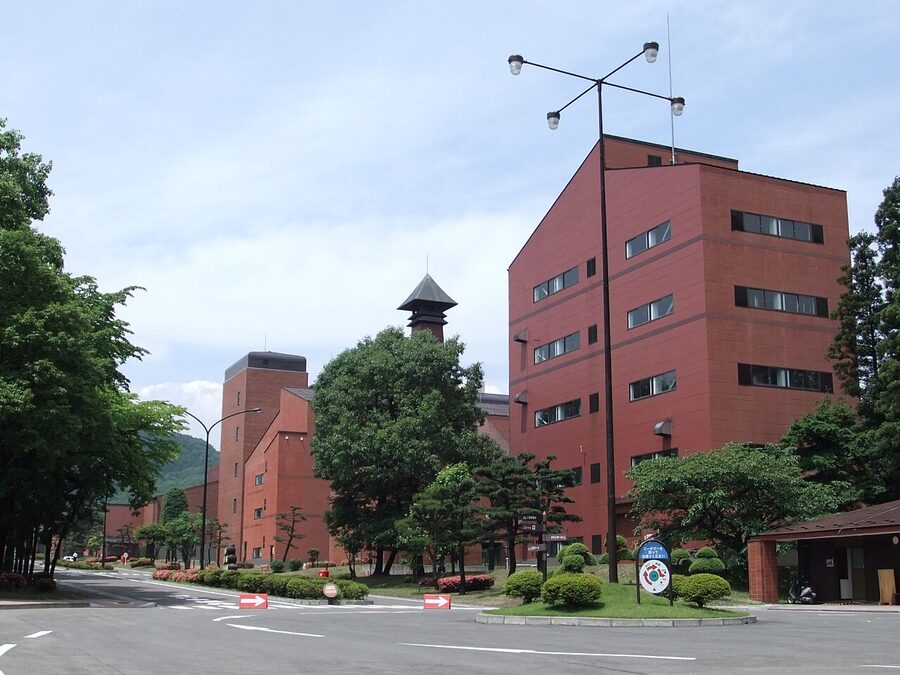
Mars Shinshu (Nagano), 2 hours from Nagoya or 2.5 from Tokyo by train then a 25-minute taxi. Up at 798m in the central Alps. Smaller, quieter, more relaxed than the Suntory places; you can often just walk in without a booking. Their shop sometimes has distillery-only limited runs worth the trip on their own.
Chichibu, does not do regular public tours. Occasional special events, almost always oversubscribed. Don’t plan a trip around it.
Taking whisky home
The short answer: harder than it used to be. The medium-long answer:
Retail in Japan has been almost entirely stripped of age-stated Suntory and Nikka bottles since about 2016. Yamazaki 12 appears occasionally on Liquor Mountain shelves but rarely stays more than a day. Hakushu 12 is mostly allocation-only. The younger bottles (Yamazaki Distiller’s Reserve, Hakushu Distiller’s Reserve, Hibiki Harmony, Taketsuru Pure Malt NAS) are more available, usually ¥5,000 to ¥10,000.
Liquor Mountain (リカーマウンテン), multiple branches in Tokyo, particularly Shinjuku-Kabukicho and Ginza. Reliable for mid-range Japanese whisky, decent prices, no BS.
Isetan Department Store (Shinjuku and Nihonbashi), basement liquor floor. Broader selection including some rarer Chichibu and Mars bottlings. Prices slightly above supermarket but never outrageous.
Shinanoya (世界のワイン伊勢屋), Shinjuku Kabukicho branch. Smaller footprint, excellent for limited-edition and craft Japanese bottles you won’t see elsewhere.
Don’t rely on airport duty-free. Narita and Haneda’s Suntory shelves are almost always the same NAS blends you can get anywhere; occasionally they have distillery-exclusive sets (the Yamazaki Forever Vintage set was a recent one) but don’t go there expecting rarities.
Customs note: Japan lets you leave with any amount. Your destination probably limits duty-free entry to 1 litre or so, check before you buy an armful.
The mizunara thing
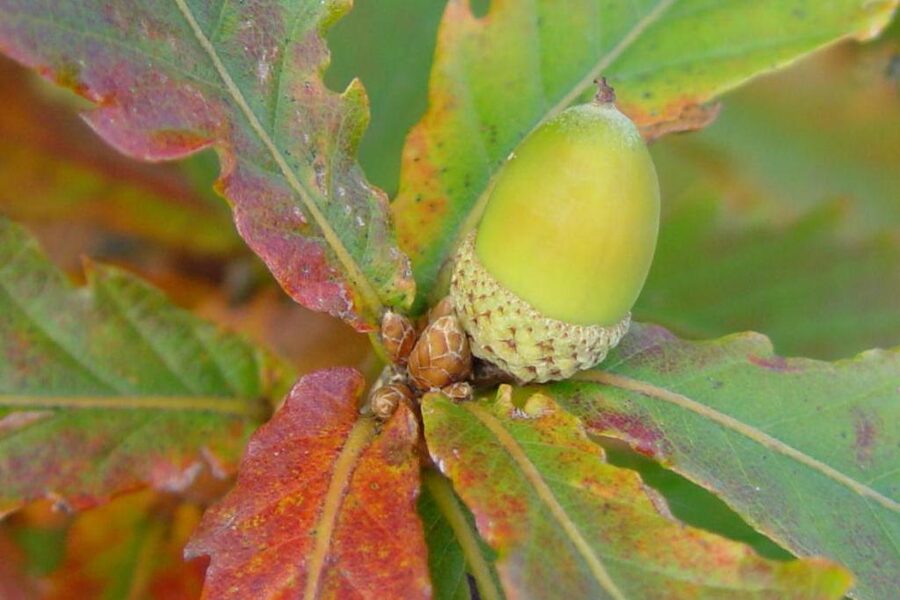
Mizunara is the one uniquely Japanese thing in Japanese whisky, a native oak, Quercus crispula, used instead of American or European oak for some casks. It’s hard to work with: the wood is porous, the trees have to be 150-200 years old before the trunks are wide enough to cooper, and mizunara barrels leak more than standard oak so yield is low. But the flavour it gives, a distinctive incense-meets-sandalwood aroma, sometimes described as “temple wood”, is unmistakable, and Suntory in particular has built the Yamazaki Mizunara edition and the Hibiki mizunara finishes around it. If you see anything with “mizunara” on the label, try a glass once. You’ll know immediately whether you like it or not.
If you’re moving between drinks more broadly, the sake culture runs parallel and is worth a night of its own, and the craft beer scene has been quietly world-class for about ten years now. The three drinks together, whisky, sake, beer, cover most of what Japanese bartending does well.
Etiquette, the bits that matter
Japanese bar etiquette is gentler than you might expect but a few things are worth knowing.
Sit at the counter if you can. The counter is where the conversation happens. Tables are fine, nobody is going to judge you, but you’ll get more from the evening at the stick.
Trust the bartender. If you say “something peaty around ¥2,000” or “I liked the Yoichi earlier, what’s similar?” you will get a better glass than if you pick blind from the menu. They want to show off their cellar.
No tipping. Japanese tip culture does not exist. The service charge is the service charge. If you try to leave extra cash on the counter they will chase you down the street to return it.
Don’t rush the ice ball. Two or three minutes for the bartender to carve a sphere from a block is normal. It’s a ritual. Use the time to look at the bottles.
Photos: ask first. Especially in tiny bars with regulars. Most places are fine with quick shots of the drink. Some, including Bar High Five, prefer you don’t photograph the room.
Bar crawls are normal, pace yourself. The standard Tokyo evening is two or three bars across 5-6 hours, with dinner somewhere in the middle. Most bars close by 11pm or midnight and the last train home is usually around 12.30am. Beyond that you’re paying for a taxi or finding a capsule.
Cash. Many bars, especially the older Ginza ones, still don’t take cards or only take JCB/AMEX. Carry at least ¥15,000 cash per person if you’re planning a proper night.
Where it all falls apart
A few honest warnings.
Hotel bars are rarely worth it. The Park Hyatt New York Bar (the Lost in Translation one) looks great and charges like it’s still 2003, you pay ¥3,500-plus for a ¥1,800 whisky and a window table cover charge of ¥2,500. The whisky itself is fine. The experience is not the best bet. Same for most five-star hotel bars, they’re paying for the view.
Golden Gai is the 200-odd tiny bars in a few alleys near Shinjuku. It’s tourist-friendly now, the photos are great, and a few of the bars specialise in whisky. Most don’t, and the ones that do are pouring Suntory Kakubin highballs for ¥1,200, which is triple the izakaya price. Go for the atmosphere, not the whisky.
Cover charges higher than ¥1,500 are your warning sign. Honest bars charge ¥500 to ¥1,000 and throw in snacks. Anything over ¥1,500 is an upscale-restaurant markup and the whisky is unlikely to justify it.
Don’t buy “Japanese whisky” in a Don Quijote or convenience store thinking you’re getting a bargain. Most of what’s on those shelves is either cheap blended stuff from the bulk-import days, or overpriced limited-edition NAS bottles sold to tourists at 3x their actual value. Real retail exists at Liquor Mountain, Isetan, Shinanoya, and Hanbey.
Yamazaki 12 at ¥12,000 at a tourist bar is a scam price. At Zoetrope, Bar Kage, or most reasonable specialist bars, the same pour is ¥2,500 to ¥3,500. If a menu wants four figures for 30ml of a standard age-stated bottle, walk out.
A last thing
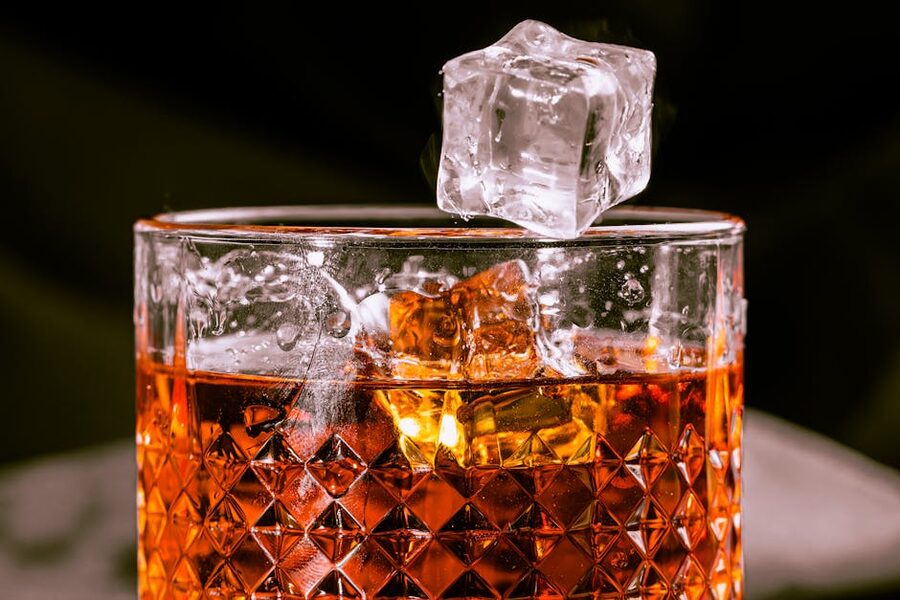
There’s a line I heard from a bartender in Shinjuku after an hour of him pulling bottle after bottle off the shelf and explaining each one: “We are only a hundred years in. The interesting part is still coming.” That’s about right. Japanese whisky is still young, the new wave of craft distilleries is only now starting to put out mature single malts, and most of the best drinking, the single-cask Kanosuke, the first proper-aged Shizuoka, whatever Akuto’s next Chichibu release ends up tasting like, hasn’t been bottled yet.
Go drink now anyway. Most bars will seat you if you’re polite and arrive early. A decent evening, three bars, six glasses, service charges, a snack somewhere in the middle, lands around ¥15,000 to ¥25,000. That’s a lot for a night out. It’s also comparable to a mid-range restaurant meal anywhere in Europe, and you’re drinking things you literally cannot buy at home.
Before you go, glance at the izakaya guide for how the cheaper highball-and-yakitori scene works, some of the best late-night drinking in Tokyo isn’t at a specialist bar at all. And if you’re out in the specific Tokyo neighbourhoods, Kanda, Ginza, Ebisu, Nishi-Shinjuku, the whisky bars cluster near the food scenes for a reason. Eat first. Drink second. The bartender will thank you for not turning up hungry. You’ll thank yourself in the morning.
The Yoichi I mentioned at the top of this piece cost ¥1,800. One hand-carved ice ball, about three minutes of quiet, and an exchange of maybe fifteen words with a bartender who’d been standing behind that counter for thirty years. Cheapest thing I spent money on all week. Still thinking about it.