
Japanese Wagyu: A Regional Map of Kobe, Matsusaka, Hida and Seven More
My first Kobe beef in Kobe was fine. The steak I had a month later at a counter in Matsusaka is the one I still think about, and that one wasn’t Kobe at all. I’m not going to pretend that’s a blockbuster discovery. Most Japanese people, if you push them a bit, will tell you Matsusaka is the better brand. But it took me eating both to believe it, and it took eating Hida beef in a tiny Takayama back-street shack, and a Miyazaki cut at an unremarkable Fukuoka yakiniku place, and a Yonezawa sukiyaki in a Yamagata ski lodge, before I started to understand that “wagyu” is a map, not a grade.
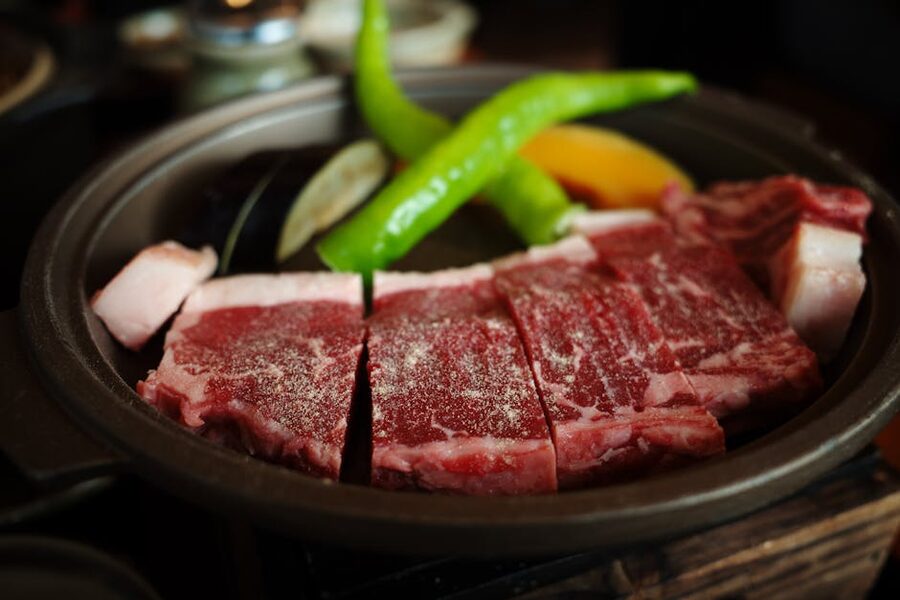
This guide is an attempt to flatten that map into something useful. Eight named regional brands, a handful of smaller ones worth knowing, the preparations that matter, the yen prices to expect, the restaurants I’d actually walk back into. I’m not going to pretend I’m a meat scientist. I’m a traveller who ate a lot of Japanese beef and kept notes. Take it as one set of opinions, not the Talmud.
In This Article
- What “wagyu” actually means
- The grading system, in English
- The three historic brands: Kobe, Matsusaka, Omi
- Kobe beef (Hyogo)
- Matsusaka beef (Mie)
- Omi beef (Shiga)
- The mountain brand: Hida beef
- The Olympic champion: Miyazaki beef
- The snow-country brand: Yonezawa beef
- The Tohoku rival: Sendai beef
- The quietly rising one: Saga beef
- The one Iwate doesn’t advertise enough: Maesawa beef
- The small, strange ones: Mishima, Ishigaki, Olive
- How to eat it: a preparation-by-preparation guide
- Yakiniku
- Teppanyaki
- Shabu-shabu
- Sukiyaki
- Steak, Kobe-style
- Nigiri and roll sushi
- Kaiseki
- The yen-price honesty table
- How to tell if it’s real
- The history, in six sentences
- What to skip
- A three-meal plan, if you only have time for three
- Getting around
- A small confession
What “wagyu” actually means
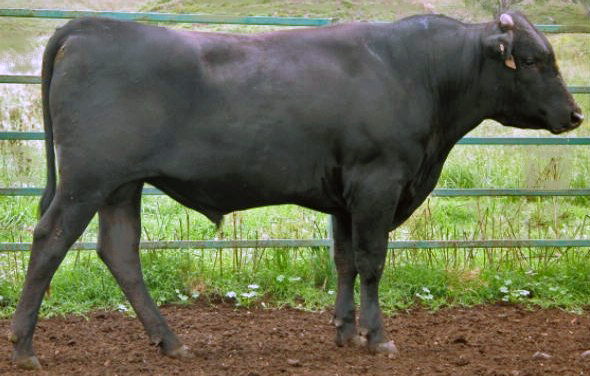
Wagyu means “Japanese cow”. That’s it. The Japanese closed the genetic pool of their native cattle in 1944 and the national herd today is built around four breeds: Kuroge Washu (Japanese Black, about 90 percent of production), Akaushi (Japanese Brown), Nihon Tankaku (Japanese Shorthorn) and Mukaku (Japanese Polled). Most of what you’ll eat in Japan, and almost all of what you’ll see advertised as premium wagyu, is Kuroge Washu.
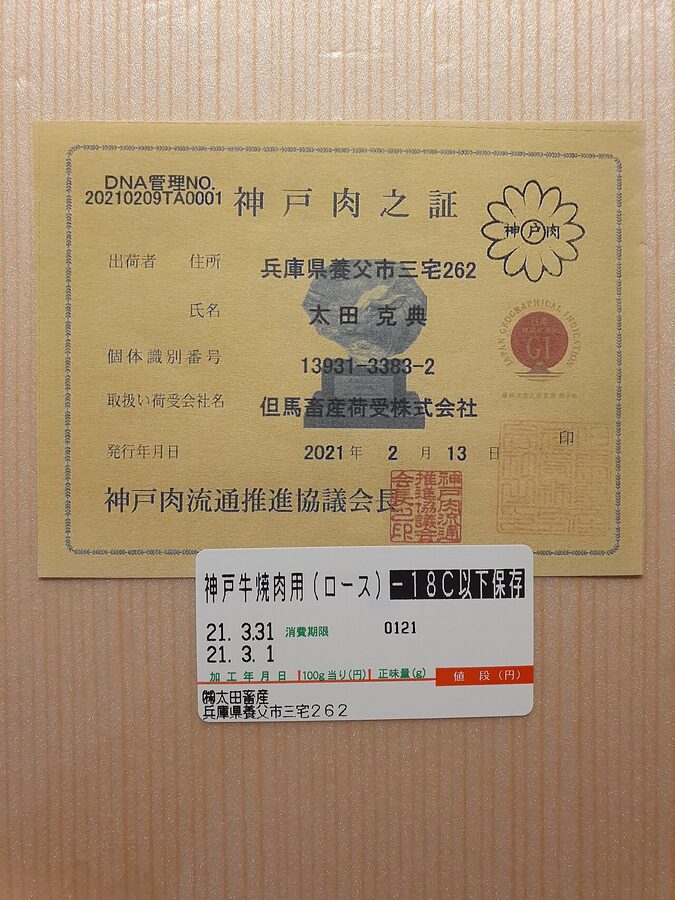
The breed is only the start. Every cow in Japan has a 10-digit individual identification number stamped against its pedigree, its prefecture of birth, and the farm where it was raised. When you walk into a Kobe or Matsusaka specialist, that number should be posted on a certificate by the door. I’ve stood in front of those frames in Sannomiya on wet Thursday nights and watched the staff point the number out to first-time customers. They do it because counterfeiting is real: most “Kobe beef” outside Japan, and a worrying amount inside it, is just labelling.
A quick note on what wagyu isn’t. American wagyu, Australian wagyu, any wagyu raised outside Japan, is almost always an F1 crossbreed: half Japanese Black bull, half Angus (or similar) cow. It’s good meat. It isn’t what you’re eating in Matsusaka. Don’t let anyone at a steakhouse in Sydney or New York sell you the idea that the two are the same category, because under Japanese law they aren’t.
The grading system, in English
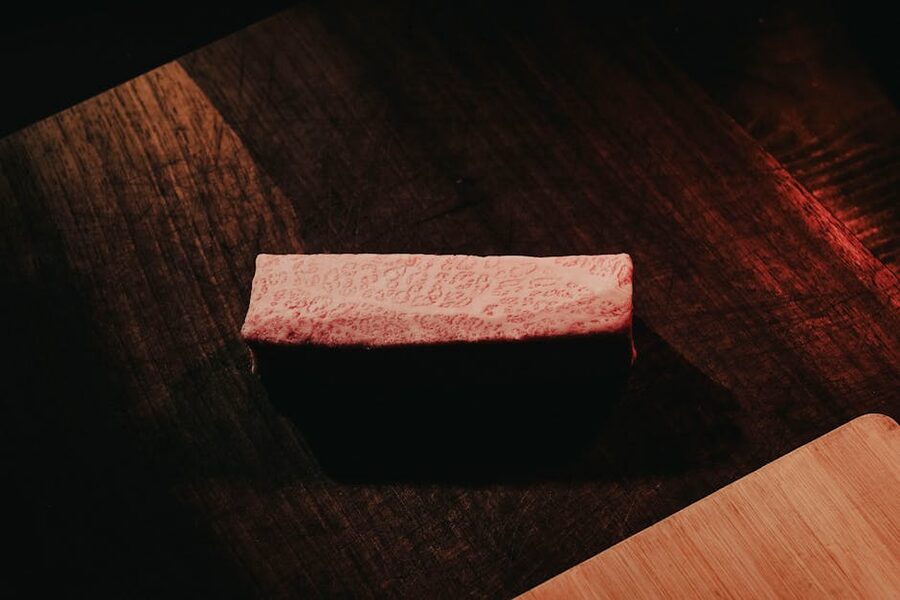
The grade you see on the menu, things like “A4 Kobe sirloin”, is a shorthand for two separate scores crammed together. The letter, A through C, is yield: how much sellable meat comes off the carcass. This mostly tells you how well the farmer raised the animal, not how it tastes. Almost all premium wagyu served in decent restaurants is A.
The number, 1 through 5, is quality, and that’s the score you actually care about. It’s set by the lowest of four subscores: marbling, meat colour, meat firmness and texture, fat colour. The marbling subscore itself runs from 1 to 12 on a separate index called the Beef Marbling Standard (BMS), introduced by the Japan Meat Grading Association in 1988. BMS 8 to 12 maps to a number grade of 5, the highest.
So A5 means high yield plus perfect marks across the four quality dimensions. A4 is one notch below. Both are premium. A3 is still very good beef, just leaner. Anything below that isn’t really on the wagyu menu in tourist-facing restaurants.
Here’s the bit nobody warns you about: A5 is not always what you want. I ate A5 Kobe for lunch on my first trip and sincerely felt sick by the fourth slice. The fat melts below body temperature. It’s rich the way foie gras is rich. 80 grams is a meal. 150 grams is a challenge. If you’re eating steak-sized portions, A4 is usually the saner choice, and plenty of chefs will quietly tell you the same.
The three historic brands: Kobe, Matsusaka, Omi
Before the Meiji era, Japan barely ate beef at all. The 1,200-year Buddhist-influenced ban was only lifted in 1868 when Emperor Meiji publicly ate beef to signal the country’s modernisation push. Three regions moved first, each with their own claim to the crown. The marketing consensus that calls them the “top three” is mostly a 20th-century invention, but the three do all produce genuinely different beef, and the rivalry between them is still real.
Kobe beef (Hyogo)
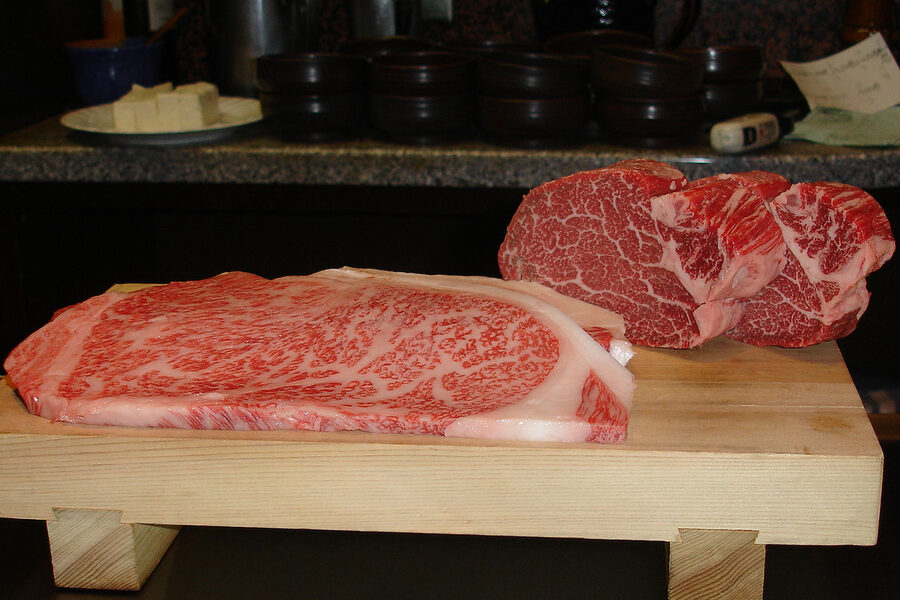
Kobe beef is the international name, but in Japan it’s a narrow thing. The cow has to be Tajima-gyu lineage, born and raised in Hyogo Prefecture, graded A4 or A5, with a carcass weight under 499.9 kilos, and under 32 months old at slaughter. The Kobe Beef Marketing and Distribution Promotion Association, founded in 1983, runs the certification scheme, and something like 0.2 percent of all Japanese beef qualifies. That scarcity is why it’s expensive and why the Tokyo counterfeit problem exists.
I ate my first Kobe at Steakhouse Ishida in Sannomiya, a few minutes walk from the Kobe-Sannomiya station east exit. Ishida does teppanyaki with the chef at the counter, and a full course with soup, salad, vegetables and sirloin runs around ¥12,000 to ¥18,000 for dinner, about ¥6,000 to ¥8,000 for lunch. The meat was technically perfect. It was also the slice I remember least vividly, probably because every other Kobe place in Sannomiya is also technically perfect.
For a cheaper entry point, Steakland Kobe a couple of minutes west on Ikuta Road does a Kobe beef lunch around ¥4,500. It’s touristy. It’s also genuinely Kobe-certified. If you just want to say you’ve had it, Steakland is honest about what it is. A-1 Mouriya Honten, close to Motomachi Station, sits between the two on price and is widely considered the steadiest of the brand-name options. Wakkoqu has a Kitano-ijinkan location with a view and a teppanyaki room.
One practical note on all Kobe steakhouses: you’re paying for the cow, the chef’s labour, and the building’s rent. The 60 gram cut you’d laugh at in Texas is a serious portion here.
Matsusaka beef (Mie)
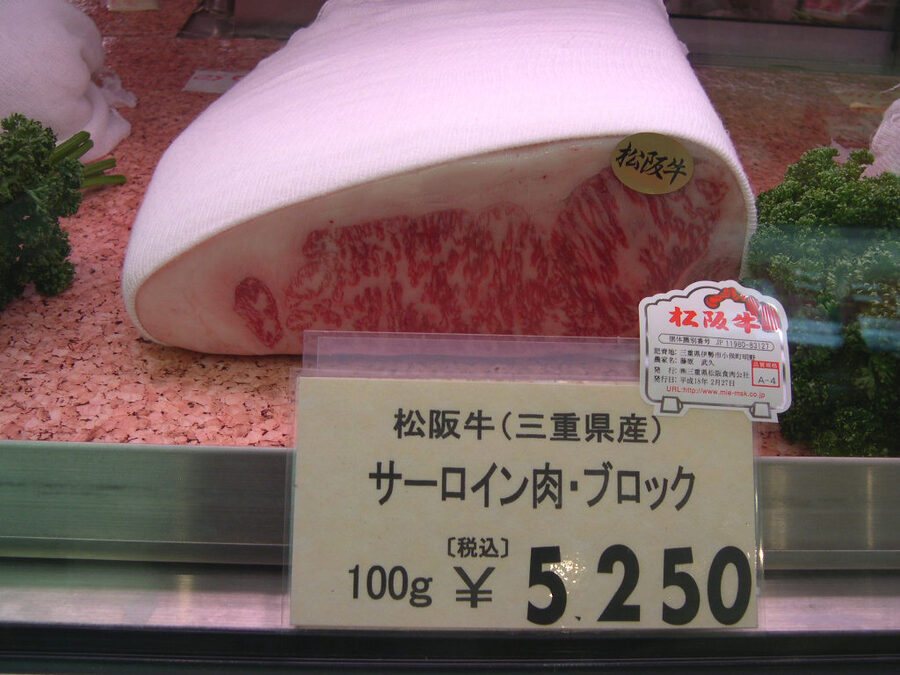
Matsusaka is the one that quietly beats Kobe for a lot of Japanese diners. The rules are stricter in a different way: only virgin female Kuroge Washu cows are eligible, raised for at least 500 days, with a sub-category called Tokusan Matsusaka requiring 900 days and Tajima-lineage stock. The long rearing gives the fat a lower melting point than Kobe. The texture is what people mean when they say “silky”. The fat melts on contact with a warm finger.
The great Matsusaka experience is at Wadakin, a family-run sukiyaki house near Matsusaka Station on the JR Kisei Line, about 80 minutes south of Nagoya. Wadakin has been serving since 1878 and raises its own Tajima-lineage cows. A full sukiyaki course runs ¥12,000 to ¥18,000; the servers cook the pot in front of you because they know customers get the heat wrong. Reservations are essential, often weeks out.
For a cheaper way in, Gyuginjo on Matsusaka’s main street does Matsusaka lunch sets from ¥4,000, yakiniku dinner from ¥7,000, and the owner will talk about the grading if you ask. Butasute in Ise, an hour further on the Kintetsu line, has been running since 1909; they do skewers for around ¥800 each and a stew that uses the off-cuts. Pair this with the Ise Grand Shrine and you’ve got a day.
Omi beef (Shiga)
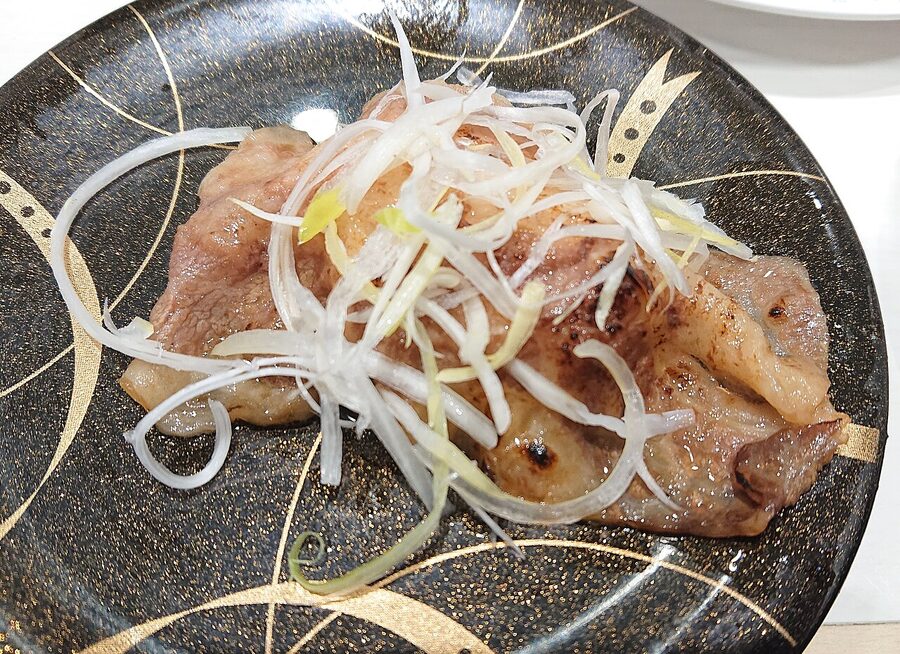
Omi is the oldest documented beef brand in Japan and the one most travellers miss. Shiga Prefecture wraps Lake Biwa; the cattle graze in the highlands on either side. The Tokugawa shogunate received Omi beef as tribute in the late 1500s, and through the Edo period it was sold as miso-marinated medicine because, officially, beef-eating was still prohibited. When the Meiji ban lifted in 1868, Omi was already in the market. Kobe and Matsusaka had to catch up.
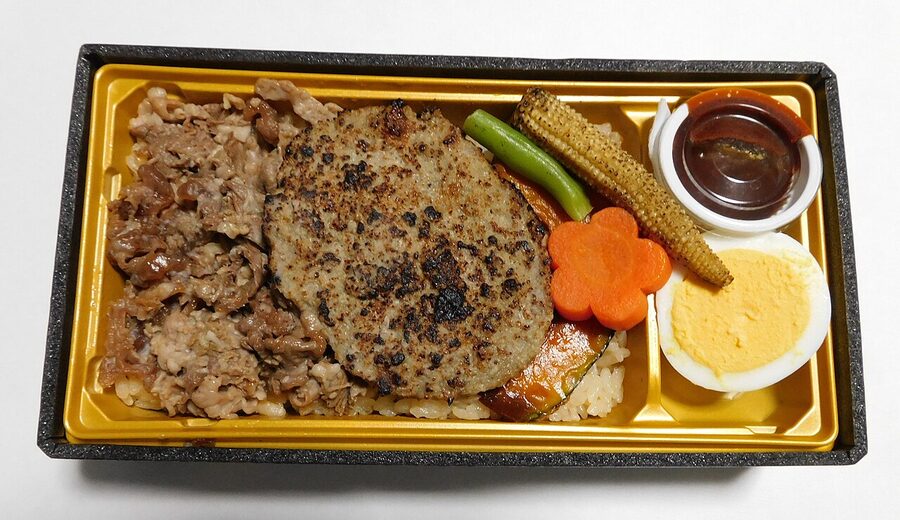
Eat it near where it’s raised. Omi Beef Sennaritei Kyara in Hikone, across the castle bridge, does sukiyaki and yaki-steak in tatami rooms; dinner around ¥8,000 to ¥14,000. Omi-ya on Castle Street is the cheaper option with lunches around ¥1,500 to ¥3,000. Omi Beef Morishima in Omi-Hachiman has been going since the Meiji era and raises its own herd. From Kyoto, Hikone is a 50-minute train on the JR Biwako Line, and you can pair Omi beef with Hikone Castle and the canals of Omi-Hachiman without trying very hard. If you’re serious about food in the Kansai, my piece on what to eat in Kyoto is the obvious next read.
The mountain brand: Hida beef
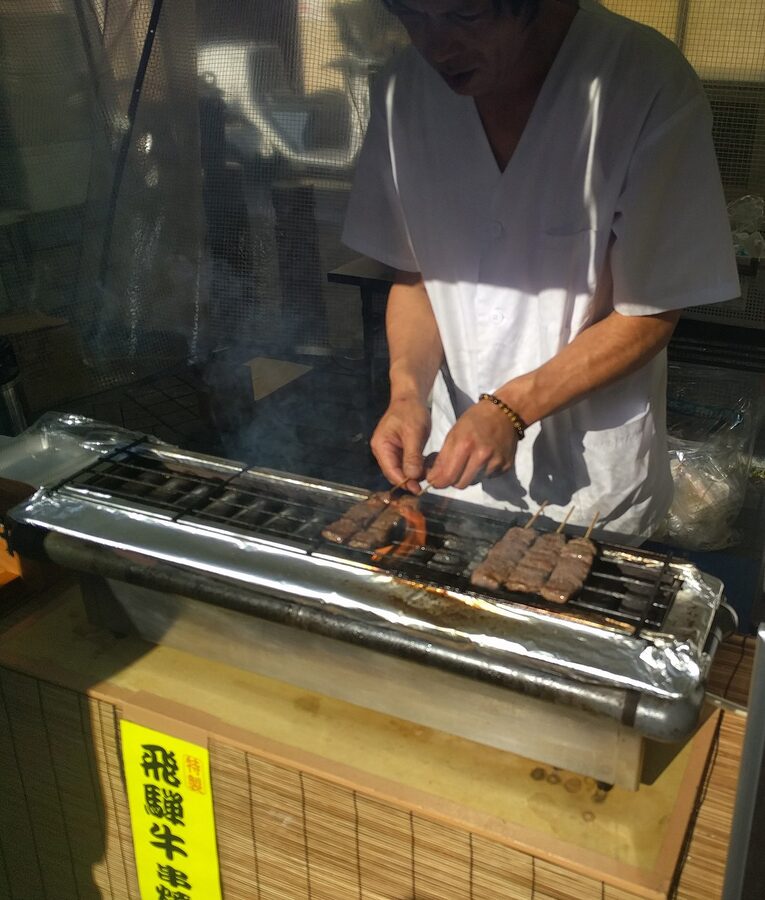
Hida beef is Gifu Prefecture, and in practice it’s Takayama: the little castle town tucked into the Japanese Alps on the JR Hida Line from Nagoya. Eligibility is Kuroge Washu raised in Gifu for at least 14 months, graded A3 or above. The mountain water, the cool air, the longer rearing and the smaller farms all show up in the meat, which is leaner than Kobe or Matsusaka but more flavourful per gram than either.
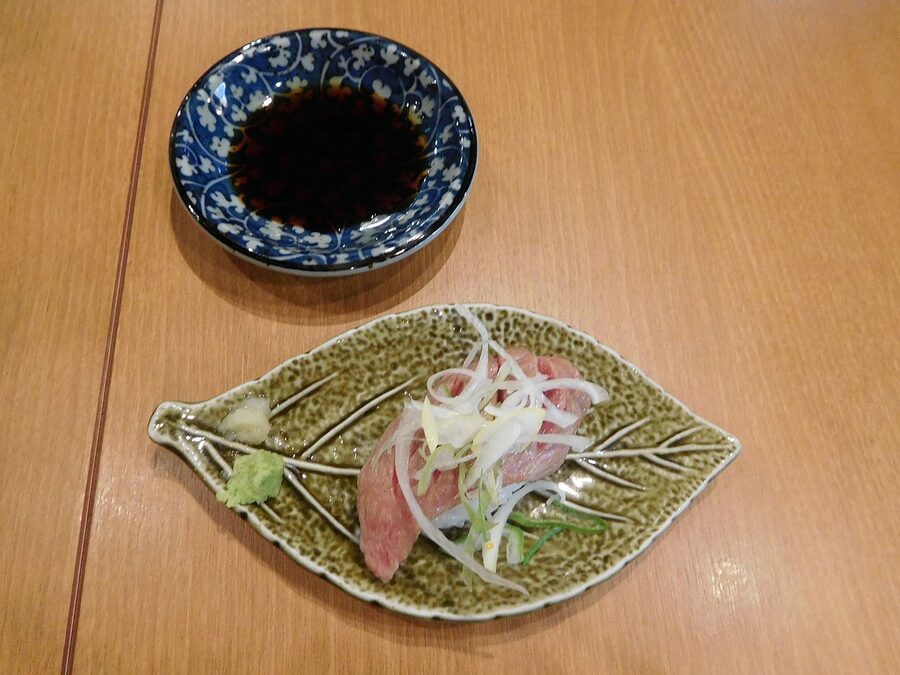
Hida is the region where you don’t need a steakhouse reservation to eat well. You can walk the Sanmachi preservation district and buy Hida-gyu nigiri off a rice cracker for ¥500 to ¥800 per piece, or a Hida beef croquette for ¥300, or a skewer of grilled sirloin for under ¥1,000. The whole thing runs street-food style. I go deep on the logistics in my guide to Takayama’s food and drink; this is where the cross-reference matters most.
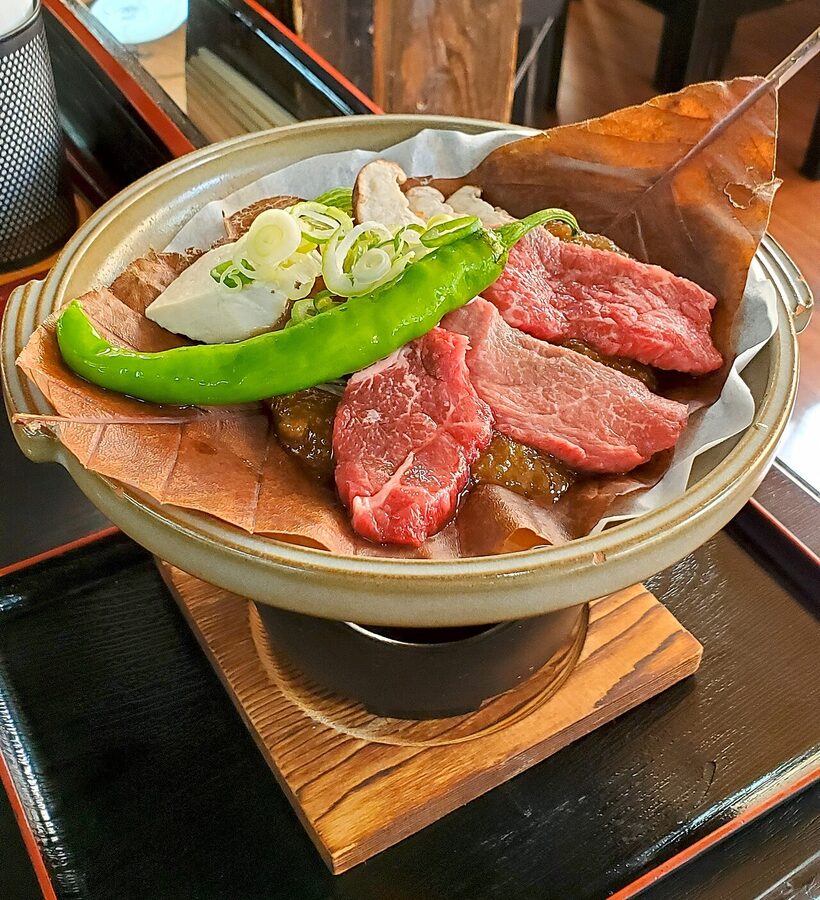
For a sit-down meal, Hida-gyu Tabedokoro Tengu runs out of a butcher’s shop a 10-minute walk from Takayama Station and does steak sets from ¥3,500 for lunch, ¥6,000 to ¥9,000 for dinner. Kitchen Hida near the Jinya is the fancier version, a converted machiya with sirloin courses from ¥8,000. For something regional, the local dish of houba miso, a magnolia leaf brushed with sweet miso and sliced Hida beef, grilled over a charcoal brazier at your table, is on every menu in town for ¥1,800 to ¥3,000.
The Olympic champion: Miyazaki beef
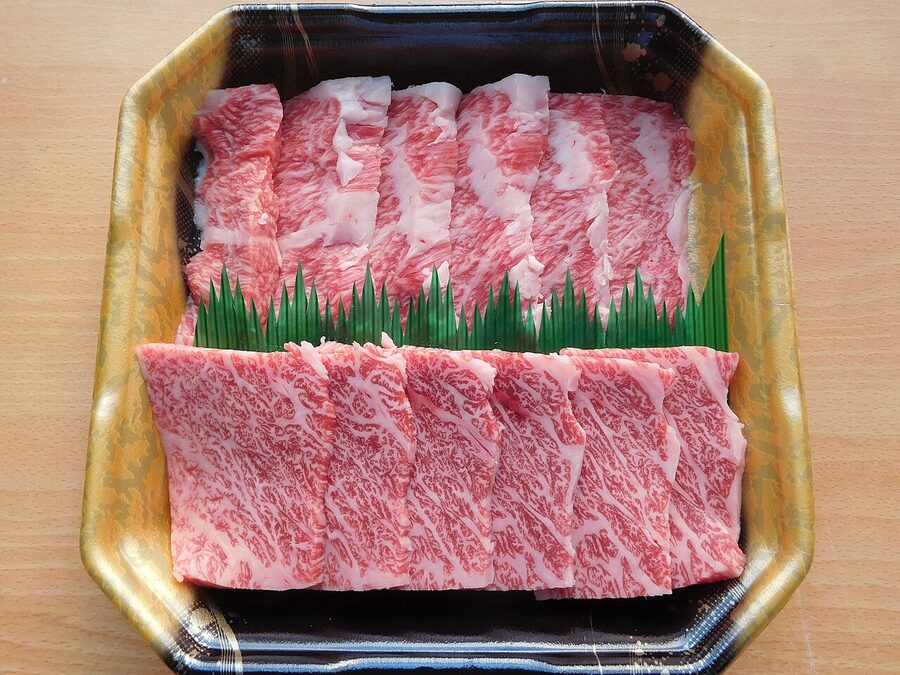
The Wagyu Olympics (正式名称: 全国和牛能力共進会) runs once every five years and is the industry’s own beauty contest. Miyazaki Prefecture won the overall championship in 2007, 2012 and 2017. That three-peat moved Miyazaki from “regional brand Kyushu people liked” to a name you see in Tokyo sushi shops and Fukuoka yakiniku houses. It’s now probably the most common premium wagyu outside the Kobe/Matsusaka/Omi triangle, partly because the industry in Miyazaki is big enough to supply at scale without becoming generic.
In Miyazaki city, Miyachiku Honten near the JR station does full-course Miyazaki yakiniku from around ¥5,000 to ¥12,000; they’re the brand’s main promotional face. In Tokyo, Miyazaki Gyu Steakhouse in Ginza does teppanyaki courses starting around ¥15,000 with the exit letters to Ginza Station B3. The easier bet is any quality yakiniku shop in Fukuoka: Yakiniku Hiro and Nikuya Setsugekka both do Miyazaki cuts in the ¥4,000 to ¥8,000 range. If you’re headed to Kyushu for food, my Fukuoka ramen guide will get you the rest of the way through a long weekend.
The snow-country brand: Yonezawa beef
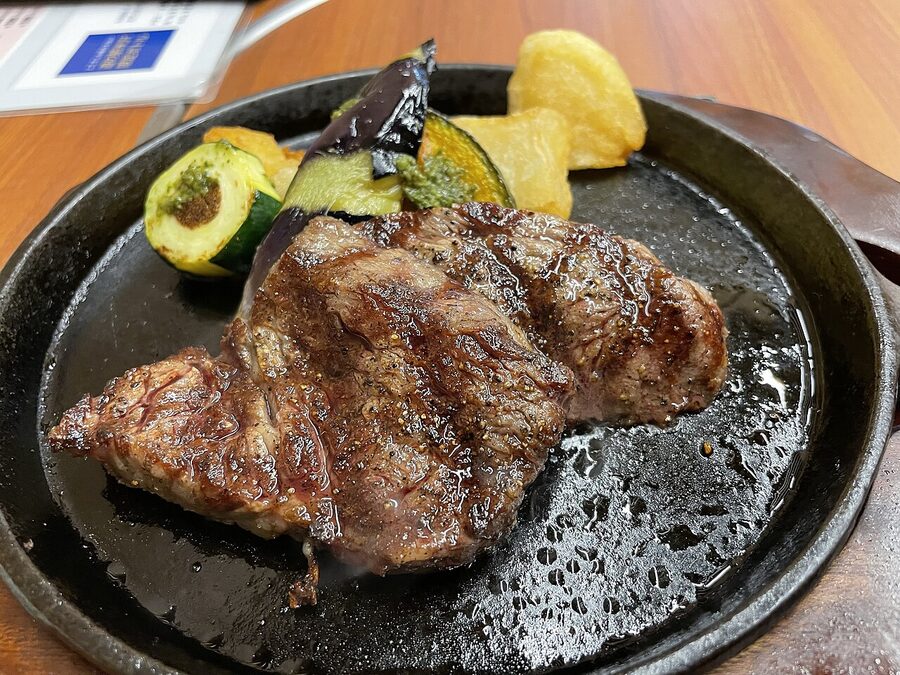
Yamagata Prefecture in northern Tohoku has serious winters. The snow keeps the pastures cool in summer and the cattle indoors for long stretches, both of which help marbling. Yonezawa itself is a small city on the JR Ou Main Line, about two and a half hours from Tokyo on the Shinkansen to Yamagata and a local train down. The beef is sweeter than Kobe, fattier than Hida, and good people will argue for it as the best in Tohoku.
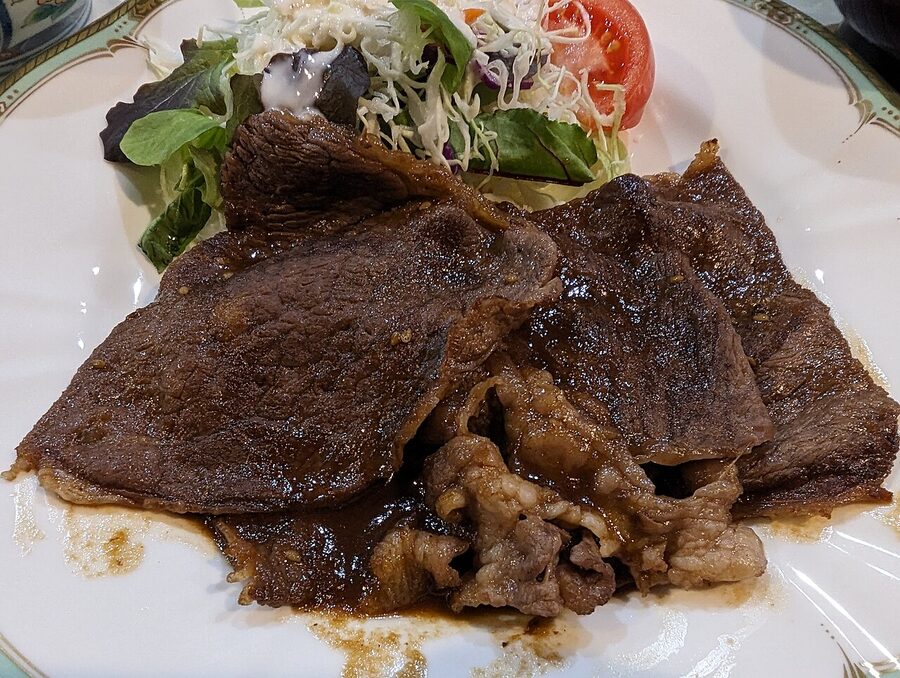
Yonezawa-gyu Tokiwaya, near Yonezawa Station’s east exit, is the long-established sit-down. Sukiyaki or shabu-shabu sets run ¥8,000 to ¥15,000, with a cheaper lunch don around ¥2,500. Agetsuya in central Yonezawa does the beef don and croquettes for walk-ins. In Tokyo, Kato Beef Ginza is the polished Yonezawa specialist: a slow-cooked Yonezawa corned beef that defeats anyone who tried it in Dublin, and set courses from around ¥20,000 for dinner. Skip the Yonezawa-branded beef vending machines on the station concourse. They’re real but they aren’t the memory you came for.
The Tohoku rival: Sendai beef
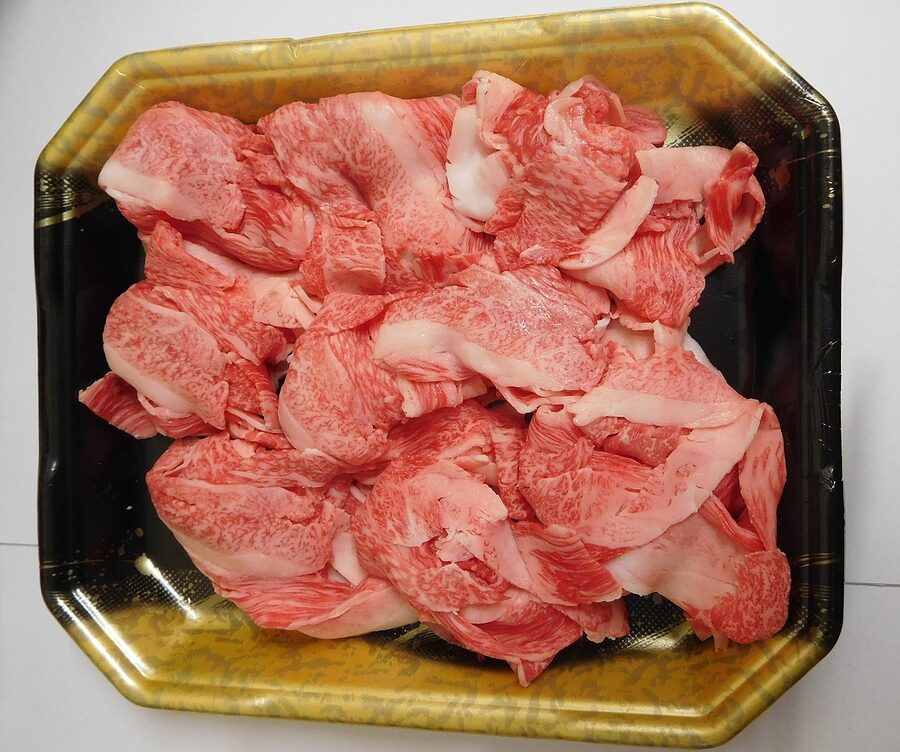
Sendai beef gets stepped on by Sendai’s own reputation for gyu-tan, the salt-grilled beef tongue that’s the city’s signature dish. They’re separate products. Sendai-gyu is Miyagi Prefecture wagyu, mostly Kuroge Washu, the beef served sliced, grilled, or in nabe. If you come up from Tokyo on the Tohoku Shinkansen (90 minutes), the easy play is to eat gyu-tan at Aji no Gyutan Kisuke or Rikyu your first night, and Sendai-gyu steak at Steak Hijikawa or Teppan-Dining Kawakami your second.
A small ryokan tip: many Miyagi onsen inns serve Sendai-gyu shabu-shabu as part of the kaiseki course. If you’re stopping at Naruko or Akiu on the way north, the beef’s going to come to you. You don’t need to chase it in the city.
The quietly rising one: Saga beef
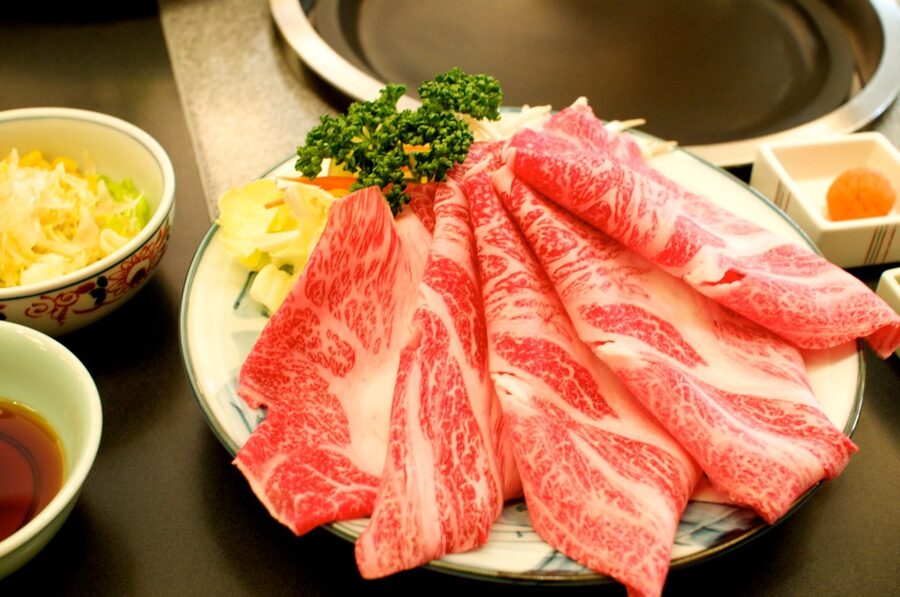
Saga is the small Kyushu prefecture wedged between Fukuoka and Nagasaki. Its wagyu only became a formal brand in 2007, but the standard is tighter than most: minimum BMS 7 (so effectively A4 or A5), Kuroge Washu, raised in Saga for the last stretch of its life. The beef has a clean finish and less aggressive marbling than Miyazaki. Chefs in Fukuoka have been quietly pushing it for years.
In Saga city, Kira does Saga-gyu teppanyaki courses from ¥9,000. In Fukuoka’s Nakasu district, Isshin does a signature mizore-ni, Saga beef gently simmered in grated daikon, for around ¥4,500 a set. This dish is very Saga. The daikon breaks down the fat and gives a colder, snow-like mouthfeel that pairs with regional junmai sake. If you’ve made it this far into wagyu territory, the sake-pairing rabbit hole is the logical next step.
The one Iwate doesn’t advertise enough: Maesawa beef
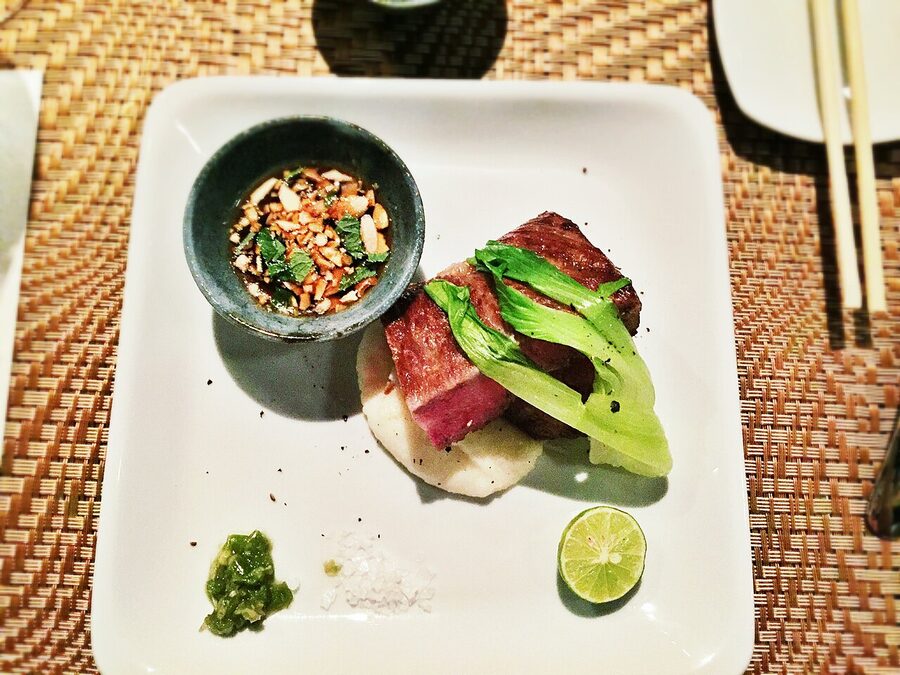
Maesawa is a small area in Iwate Prefecture, about 20 minutes on the Tohoku Shinkansen north from Sendai and then a short local. It’s a working cattle town, so the beef tends to stay regional. The steakhouses are attached to the farms. If you’re already in Tohoku for Hiraizumi’s World Heritage temples, Maesawa is the lunch stop. Maesawa-gyu Ichii is the one to eat at: lunch sets around ¥3,500, dinner courses from ¥8,000. Book ahead, which in this part of Tohoku means ringing in Japanese a day before.
Maesawa is the category most similar to Matsusaka in approach: slow rearing, female-dominant herds, long aging on the meat side. It’s not on most tourists’ maps. That’s a feature, not a bug.
The small, strange ones: Mishima, Ishigaki, Olive
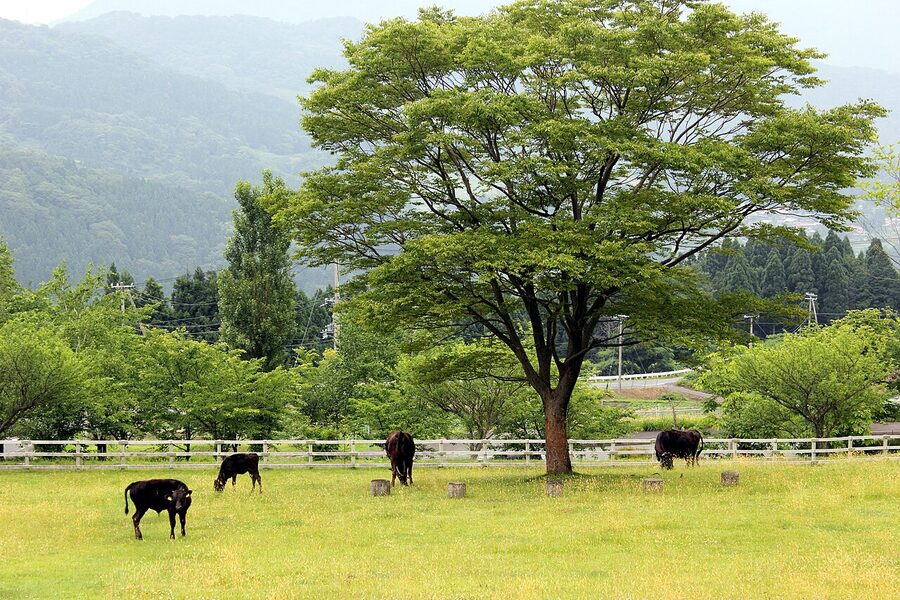
There are brands you’ll see on a single menu once in a year and probably never again. Mishima-gyu comes off Mishima Island in Yamaguchi Prefecture, population about 350, population of cattle somewhere around 100. It’s the only remaining pure-line population of Japanese Shorthorn (Tankaku) that hasn’t been cross-bred with Kuroge in the post-1944 consolidation. The meat is leaner and beefier than wagyu’s reputation suggests. If a Tokyo specialist advertises Mishima-gyu, go.
Ishigaki beef is from Okinawa’s Yaeyama islands. The fat has a lower melting point than mainland wagyu, which is either a good thing or slightly unsettling depending on your palate. Olive wagyu is a Kagawa Prefecture experiment from the small island of Shodoshima: cattle fed roasted olive pulp left over from local olive oil production. The stunt worked. The beef has a buttery, almost nutty finish that’s different from anything else on the list. Both are small productions. Don’t go out of your way unless you’re already in Okinawa or on the Seto Inland Sea, but if a menu has them, take the chance.
How to eat it: a preparation-by-preparation guide
Wagyu is a raw ingredient. The preparation decides whether the fat is a feature or a bug. Here’s how the main formats rank for different cuts, in descending order of how much I’d recommend them to someone on a first trip.
Yakiniku
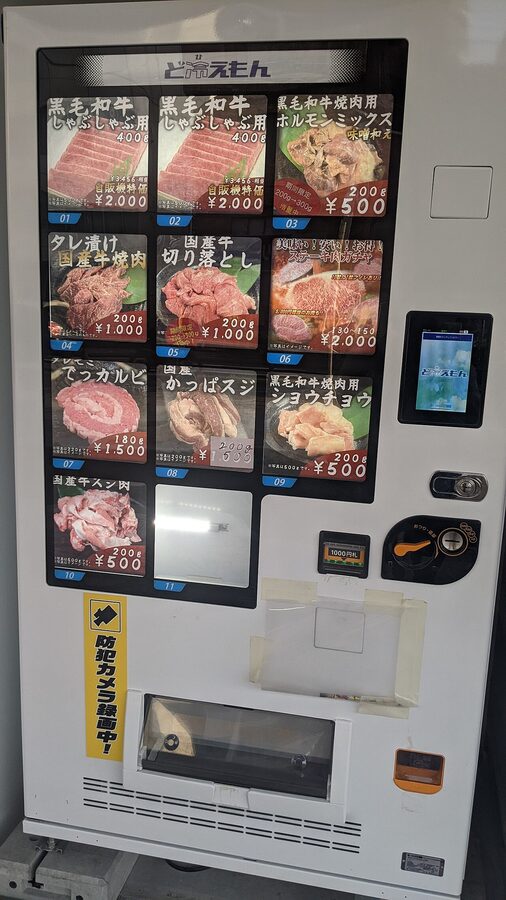
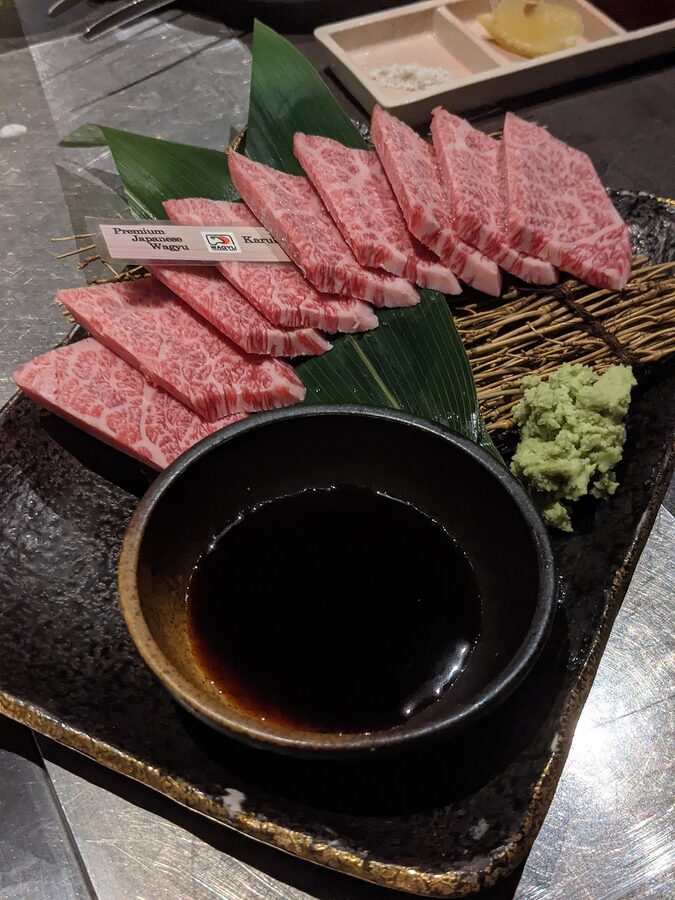
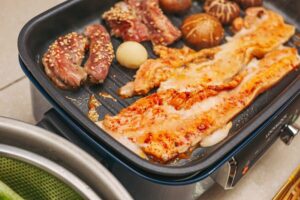
Yakiniku is a Korean-immigrant export that became the default Japanese beef format. A grill at the table, small bite-sized slices, you cook them yourself in 30 to 60 seconds. For wagyu this is the best teaching format: you can test an A3 against an A5 in the same meal, you can try tongue and liver and ribeye in one sitting, and you’re not committed to an 80-gram slab in a single bite. Expect ¥4,000 to ¥8,000 per person for a respectable wagyu yakiniku meal.
In Tokyo, Yakiniku Jumbo Shirokanedai near Shirokanedai Station (Nanboku Line, exit 1) is the long-established luxury choice. Nikusho Masaki in Jinbocho and Yoroniku Ebisu (Yamanote Line, west exit) are the stars of the last decade. Osaka’s Yakiniku Tsuruhashi district, five minutes south on the JR Loop, is where the Korean yakiniku tradition started in Japan; I’ve written at length about it in my Osaka street food guide.
Teppanyaki
Teppanyaki is the tall-hat version: a skilled chef cooks your cut on a flat iron plate in front of you, and you eat in courses. In Kobe this is the canonical format, and Ishida, Mouriya, Wakkoqu and Kokoro are all teppanyaki houses. The portions are steak-sized rather than yakiniku-sized. Sides come: garlic rice, sauteed mushrooms, Hyogo asparagus in season. Budget ¥10,000 to ¥25,000 per head. If you want the full-ceremony Japanese-beef experience, this is it.
Shabu-shabu
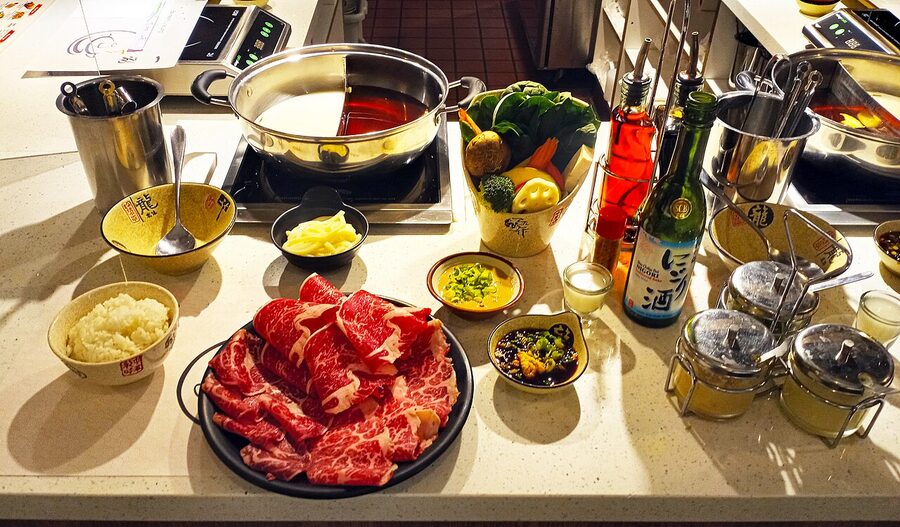
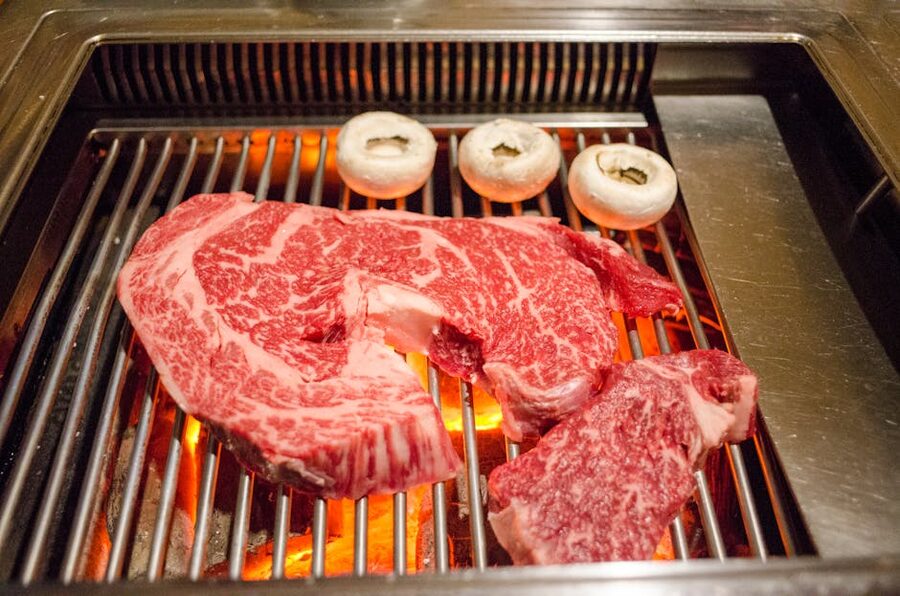
Shabu-shabu is paper-thin wagyu swished in a hot dashi at the table for three seconds. Dip in ponzu (citrus soy) or gomadare (sesame). Eat with rice. Repeat until the meat runs out. The great wagyu shabu-shabu houses are in Tokyo’s Akasaka and Ginza, the shopping-district Matsusaka beef spots like Yakiniku Matsusaka Imai Akasaka, or the long-running Shabuzen Shibuya which rotates a Kobe/Omi menu. Expect ¥8,000 to ¥15,000 a head. It’s a quieter meal than yakiniku or teppanyaki and better for a second wagyu night than a first one.
Sukiyaki
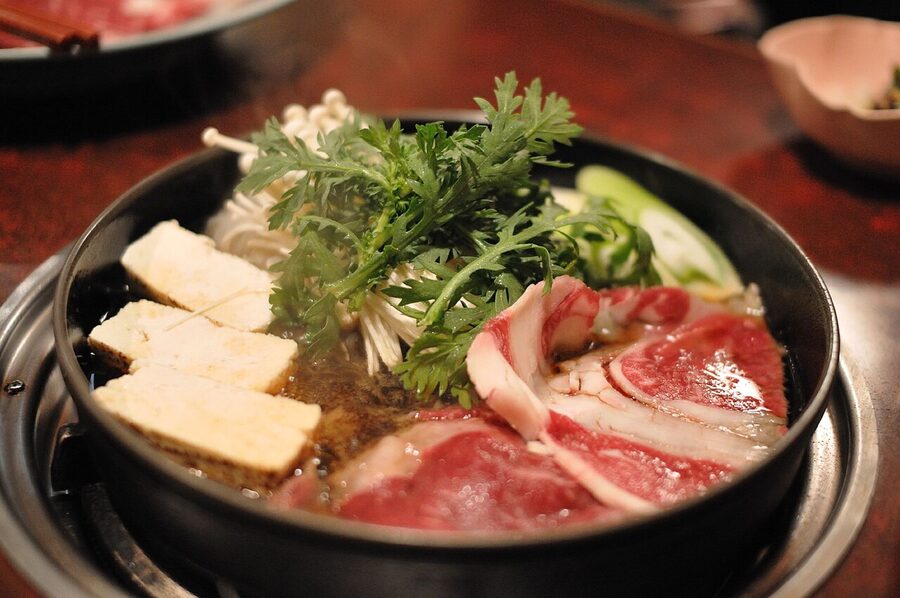
Sukiyaki is sweet-savoury with a raw egg dip. Fat wagyu loves it. The Matsusaka tradition at Wadakin is sukiyaki, not steak. The Yonezawa tradition is also sukiyaki. This isn’t a coincidence: long-reared, fat-dominant wagyu cooks fast in a hot pan with sugar, soy and sake, and the egg dip softens the punch. First-timers sometimes find the sugar aggressive. Ask for the sauce lighter if you do; any decent server will understand. Expect ¥8,000 to ¥15,000 at a sit-down specialist.
Steak, Kobe-style
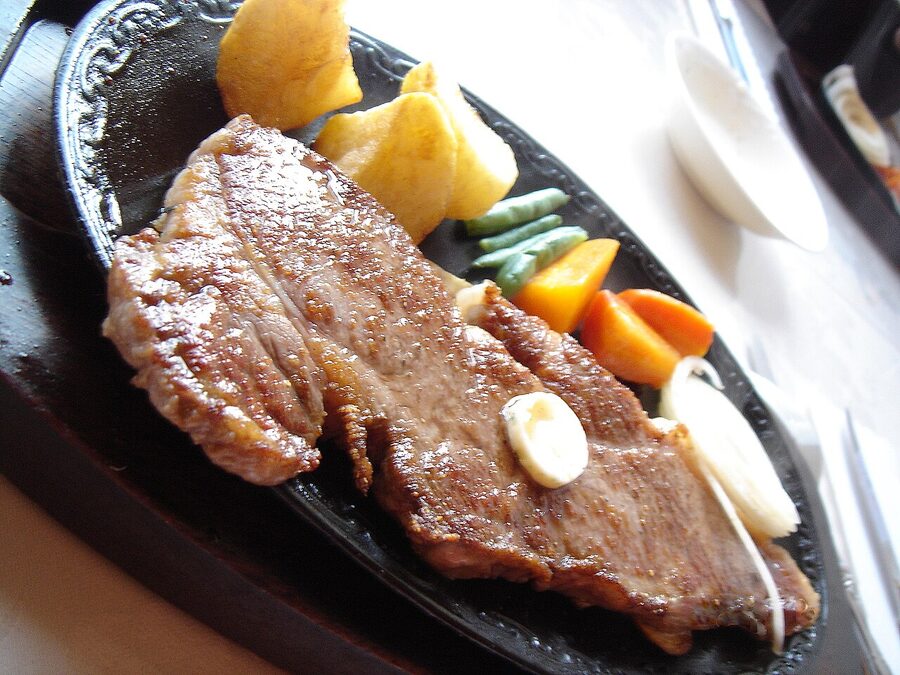
“Steak” in Japan usually means teppanyaki, but there’s a distinct tradition of thick-cut pan-seared or charcoal-grilled beef served with garlic rice and sauteed vegetables. Kobe is the capital. The key is portion control: 100 grams of A5 sirloin feels like 250 grams of American ribeye. Ask what the kitchen recommends for your frame. Don’t default to the biggest cut on the menu. Budget ¥12,000 to ¥25,000 per head at a named Kobe house.
Nigiri and roll sushi
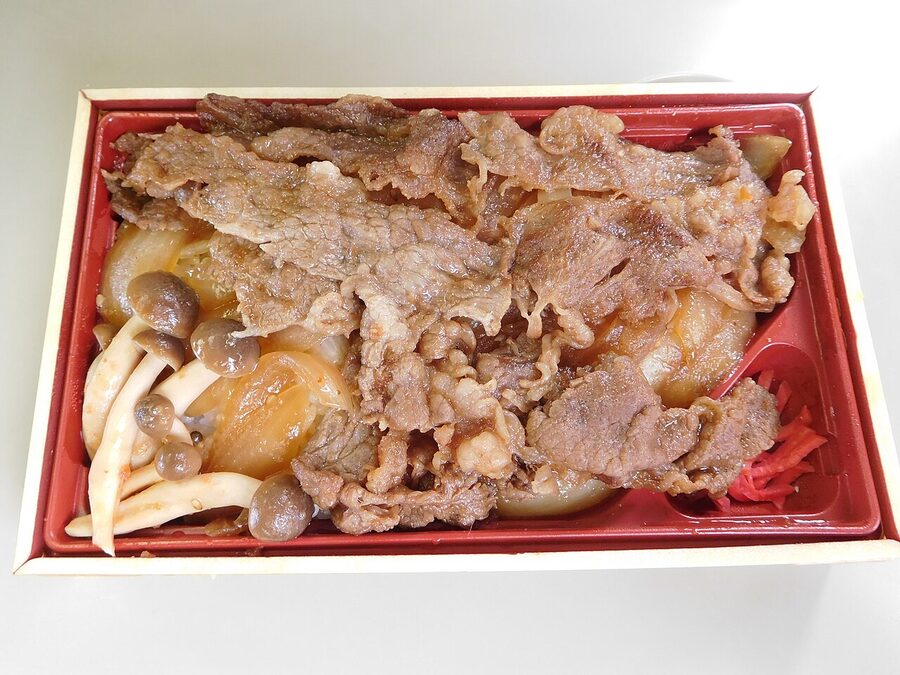
Beef nigiri, blowtorched on top and served on a rice ball, is the best way to spend ¥500 to ¥800 for a single bite of A5 and walk away satisfied. Takayama invented the Hida-gyu street-food version; Matsusaka and Omi have since copied it; Miyazaki and Sendai are following. If you’re on a budget, three pieces of wagyu nigiri at a morning market beats a ¥15,000 steakhouse reservation for both memory-per-yen and your digestion.
Kaiseki
In the multi-course formal-dinner tradition, wagyu often shows up as the dedicated meat course, usually three to five small preparations: a raw sashimi slice, a seared cube, a stewed piece, a piece of sunomono. You’re not eating a lot of it. You are getting a tour of what the ingredient can do. Worth doing once at a ryokan in beef country. A full kaiseki with wagyu-centric courses starts around ¥18,000 at a mid-range place and goes up from there.
The yen-price honesty table
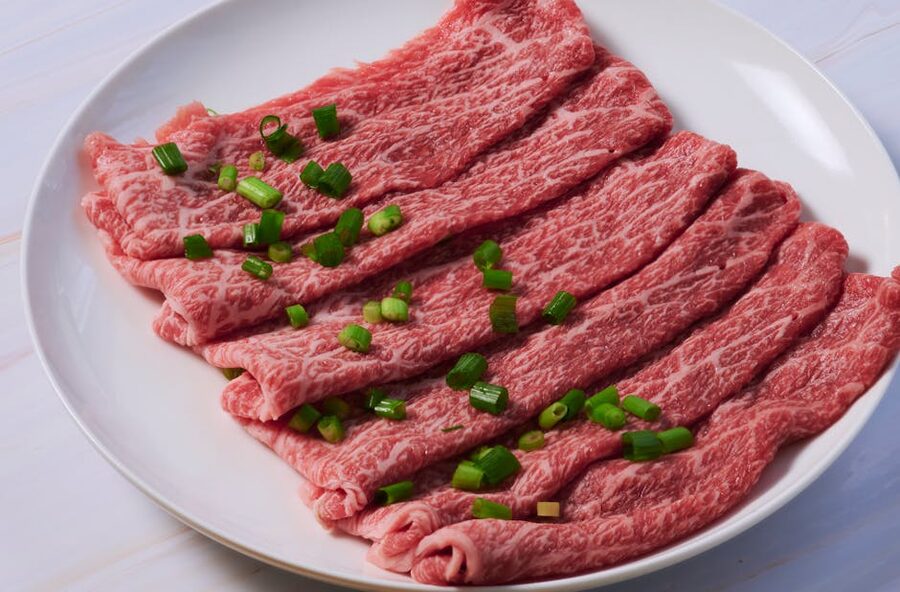
Wagyu prices span a wide range and knowing which band you’re in matters:
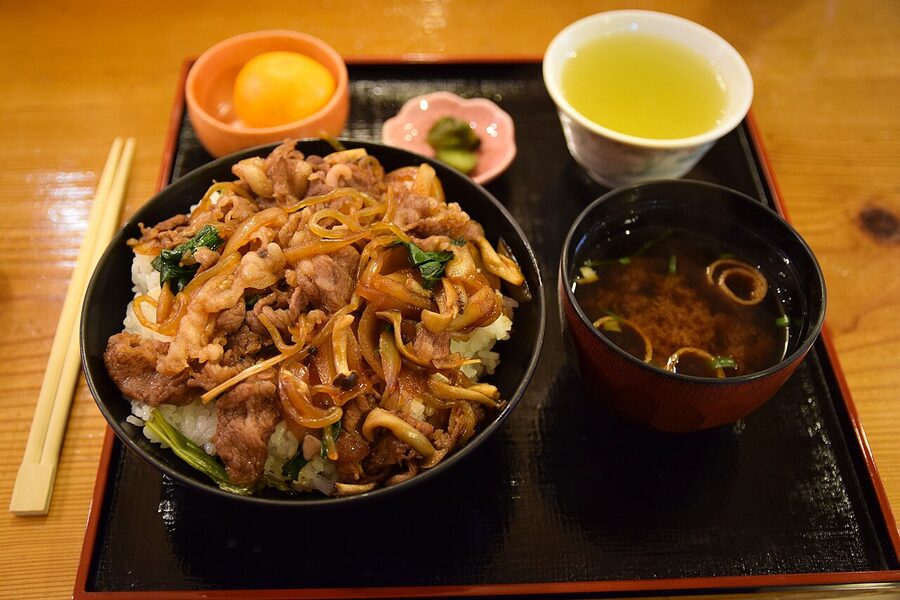
- ¥2,000–4,000: the wagyu don. A rice bowl topped with blowtorched or stewed A4/A5. Lunchtime only. Matsusaka, Omi and Hida all do excellent versions. This is the honest cheap wagyu meal.
- ¥4,000–8,000: yakiniku set for one, A4 cuts, mixed grill with tongue, liver and sirloin. This is the sweet spot for visitors who want variety.
- ¥6,000–10,000: shabu-shabu set, sukiyaki lunch at a name-brand house, Saga teppanyaki lunch.
- ¥8,000–15,000: Matsusaka sukiyaki at Wadakin, Omi teppanyaki, full yakiniku dinner with premium cuts, Kobe beef lunch set at an entry-level house.
- ¥12,000–25,000: a full Kobe steakhouse dinner at Ishida, Mouriya, Wakkoqu; Miyazaki Ginza courses; Yonezawa-special kaiseki at Kato Beef.
- ¥25,000+: omakase wagyu tastings, kaiseki with dedicated wagyu courses, hotel teppanyaki in Ginza.
For the cheap end, don’t overlook the supermarkets. A 100-gram pack of A5 Kobe or A4 Miyazaki flake at an Isetan or Kintetsu food hall runs ¥2,500 to ¥4,000. Get a portable butane burner and cook shabu-shabu in your Airbnb. If you’re staying a week, this is how I’d allocate half my wagyu budget.
How to tell if it’s real
Three checks, in order of reliability:
One: the cattle ID. Every wagyu cow in Japan has a 10-digit number. Real Kobe, Matsusaka, Omi, Yonezawa and most other brand specialists post it for every cut on the menu or hang it as a certificate on the wall. Ask about it; a real place will talk for ten minutes, a fake one will pivot.
Two: the association seal. Kobe Beef Marketing Association, Matsusaka Beef Association, Omi Beef Industry Cooperative, Hida Beef Brand Promotion Council. Each brand has its own logo. Look for it on the menu, the shop window, the receipt. It isn’t everything, but a restaurant that serves certified beef displays the seal because it’s free marketing.
Three: the price. If a Tokyo bar is advertising “Kobe beef” at ¥3,000, you’re getting something else. Real certified A5 Kobe has wholesale costs that make a ¥3,000 retail offering impossible unless the meat is a leftover scrap or from a different animal. The same logic applies to “Matsusaka” don below ¥2,000 or “Miyazaki” yakiniku at ¥2,500 a person in a touristy area. Cheap brand-name wagyu is almost always a rebranded non-certified cut.
Tokyo’s tourist-beat “Kobe beef” shops around Ueno, Asakusa and Shinjuku are particularly weak on all three. If you want certified brand beef in Tokyo, Ginza and Aoyama are where the real operators are; pay the extra. If you’re in the brand-name region itself, the problem basically goes away.
The history, in six sentences
Beef-eating was suppressed in Japan for 1,200 years under a succession of Buddhist-influenced edicts. In 1868, the year the Meiji Emperor formally ate beef in public, the ban was lifted. Through the 1880s and 1890s, Japanese herds were cross-bred with imported British and Continental European bulls to produce a more marbled, meatier animal. The 1944 closure of the national genetic pool fixed the four native breeds we have today; the Japan Meat Grading Association introduced the A1-A5 and BMS 1-12 grading system in 1988; the Kobe Beef Marketing Association was founded in 1983 to stop counterfeiting, which was already a problem by then. The longer history, of course, is Tajima and Mishima cattle being raised in the mountains as work animals for a thousand years before anyone thought of them as a food source.
What to skip
A few things I’d quietly not bother with, for what it’s worth:
The Kobe Beef Teppanyaki dinner cruise in Kobe Port. The view is fine, the beef is fine, the price-to-meal ratio is terrible. Eat at Ishida and walk along the port afterwards.
The Tokyo “Kobe beef” bars in Shinjuku and Shibuya with multi-language menus and staff in aprons with “OMAKASE!” written on them. Real Kobe is in Kobe. What you’ll eat in those places is usually American wagyu rebranded, or Japanese non-certified Kuroge Washu sold at Kobe prices.
The A5 sushi omakase at very touristy Ginza basement places. Wagyu sushi is a valid thing, but the omakase version at ¥15,000+ is usually nigiri where the beef is the gimmick and the rice is indifferent. You get better value from three à la carte pieces at a Takayama counter or an Osaka food hall.
The all-you-can-eat wagyu yakiniku chains (Gyu-Kaku and similar) for your one named-brand meal of the trip. They’re fine if you’re feeding a family, but the cuts on the AYCE menu are entry-level, and the whole point of eating wagyu in Japan is that you’re eating it where it’s good and unusual.
A three-meal plan, if you only have time for three
If you only have space in the itinerary for three wagyu meals, I’d build them like this.
Meal one, the cheap one (¥3,000): Hida-gyu nigiri and a croquette and a skewer on Sannomachi Street in Takayama. You’ll eat walking, in the cold mountain air, and the combined bill from three stalls will come out around ¥2,800. This is the most memorable cheap meal of the trip.
Meal two, the middle one (¥8,000): a Matsusaka or Omi lunch in Mie or Shiga. Wadakin sukiyaki lunch course for ¥10,000 is on the upper edge but worth it; Gyuginjo or Omi-ya at ¥4,000 to ¥6,000 is the sensible version. The point is to eat one of the three historic brands at its source, done in the local preferred format, at lunchtime when the menu is reasonable.
Meal three, the dinner (¥15,000 to ¥25,000): a Kobe steakhouse in Sannomiya at night. Ishida, Mouriya or Wakkoqu, booked two weeks ahead, arrive hungry. The ceremony is the point. You’ll be there for two and a half hours. Have a whisky at a Motomachi izakaya or bar afterwards and let the meal sit.
You’ll have eaten three different brands, at three different price points, cooked in three different ways, in three different regions. That’s the whole map, roughly, and it’s a better understanding than most people arrive home with.
Getting around
All the named wagyu regions are reachable on a 7 or 14-day JR Pass, which you can buy through Klook or JTB before arrival. Kobe is 30 minutes west of Osaka on the JR Kobe Line. Matsusaka is 80 minutes south of Nagoya. Omi is 50 minutes east of Kyoto. Takayama (Hida) is two and a half hours from Nagoya on the JR Hida Line. Miyazaki is an 80-minute flight from Haneda or a 90-minute train from Hakata. Yonezawa is two and a half hours north of Tokyo on the Tohoku Shinkansen. Sendai is 90 minutes on the same line. Saga is 40 minutes west of Fukuoka. Maesawa is 30 minutes north of Sendai.
A specific tip on Takayama and Hida beef: the JR Hida Wide View is a scenic limited express that runs the Nagoya-Takayama route four times a day. Pre-book a window seat on the east side if you’re going up, west side if coming down. Eat the Hida-gyu ekiben they sell at Nagoya Station before boarding. The ride is three hours and the views are the best JR train journey in central Japan.
A small confession
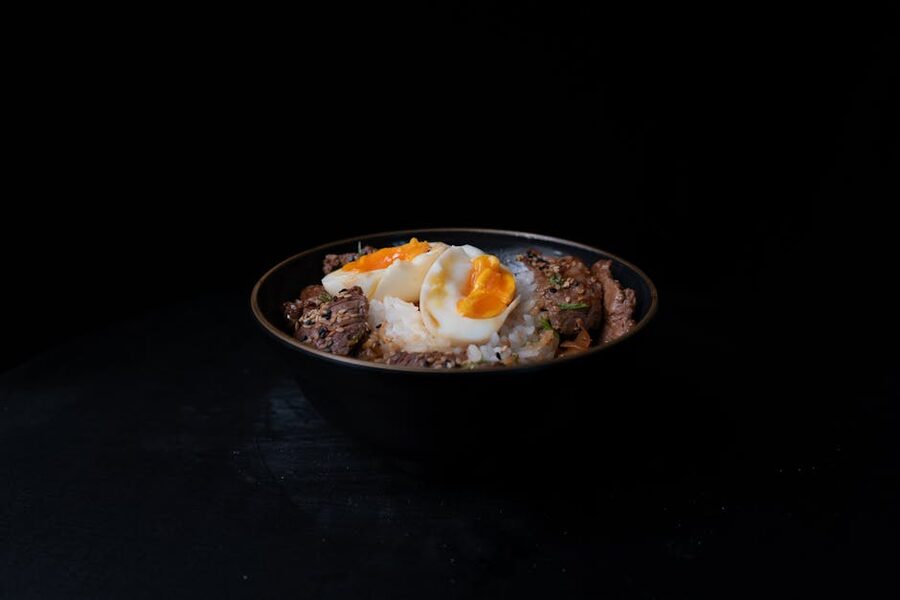
The best beef meal I had in Japan, by the metric of “how often I think about it”, was a ¥2,200 gyudon at a counter near Osaka Station. It wasn’t wagyu. It probably wasn’t even Kuroge Washu. It was a perfectly normal Japanese beef bowl, cooked expertly, eaten standing up at eleven at night. I’m telling you this because wagyu is a special-occasion food and the industry spends a lot of marketing yen making it feel like the default. It isn’t. It’s the top of a very high pyramid. What’s underneath the pyramid, the competent regional Japanese beef, is also extremely good and far less work to find.
The regional wagyu map is a tour. It’s worth doing in pieces across several trips rather than a single death-march itinerary. Eat Kobe if you’re in Kobe, Hida if you’re in Takayama, Matsusaka if you’re in Mie, Omi if you’re in Shiga. Don’t try to catch all eight brands in one week. You’ll feel unwell and you won’t remember which was which. Three regions, three preparations, three price points, and the gyudon counter at eleven at night. That’s enough.


_(35910429046).jpg)


.jpg)

