China’s High-Speed Rail: Booking With a Passport, Seat Classes, Stations and the Classic Routes
Two trains leave Beijing South for Shanghai Hongqiao on the last Wednesday of November 2026, a little under two and a half hours apart. G25 goes at 17:00, pulls in at 21:18 and is the fastest train of the day at 4 hours 18 minutes, and a second class seat costs ¥626. G35 goes at 19:24, takes nine minutes longer and costs ¥598. Same track, same white Fuxing trains, same 1,318 km.
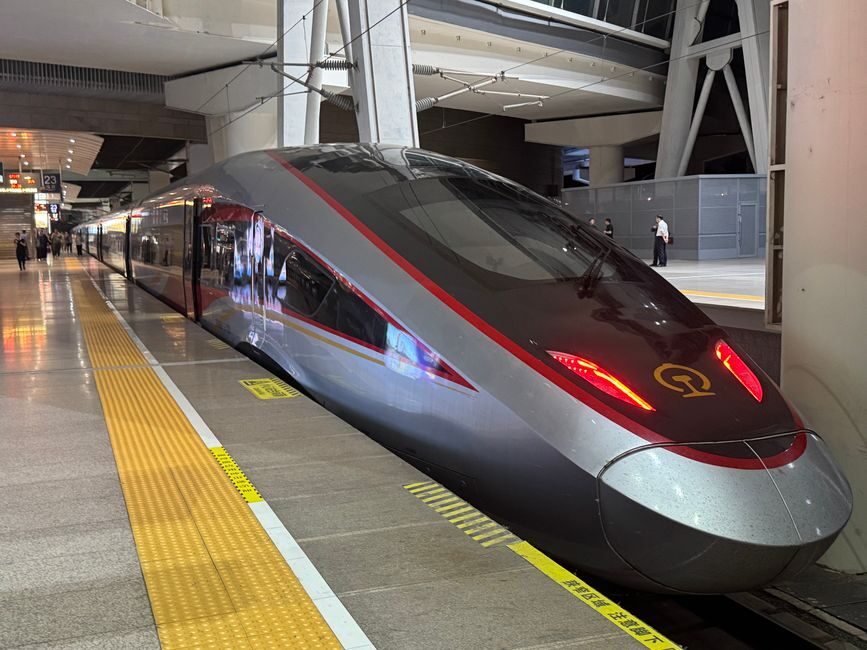
That small gap says a lot about how China’s high-speed rail works now. Fares on the busiest lines float by train, by hour and by date, much as airline fares do. Your passport is your ticket. And the official booking site, which had no English version when I lived in Shenzhen in 2018 and 2019, has had one since November 2020.
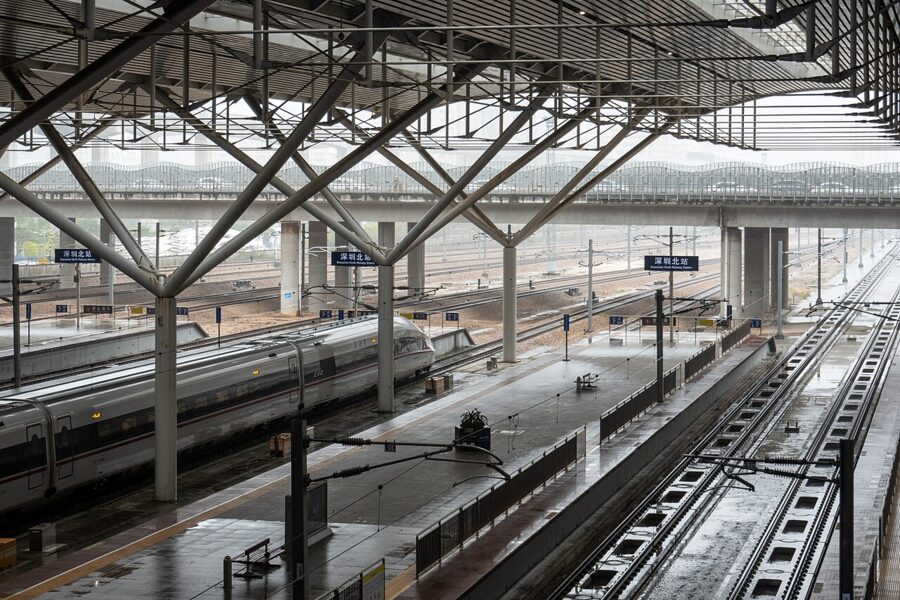
Back then a foreigner also had to collect a paper ticket at a station window before every trip, and have the passport checked at a window before buying online at all. Passport tickets have since gone electronic, and in November 2023 the railway started checking foreign passports online. Shenzhen North was where most of my trips out of the city began: Guangzhou in half an hour, Guilin and Yangshuo in an afternoon, the long runs north if I had a week.
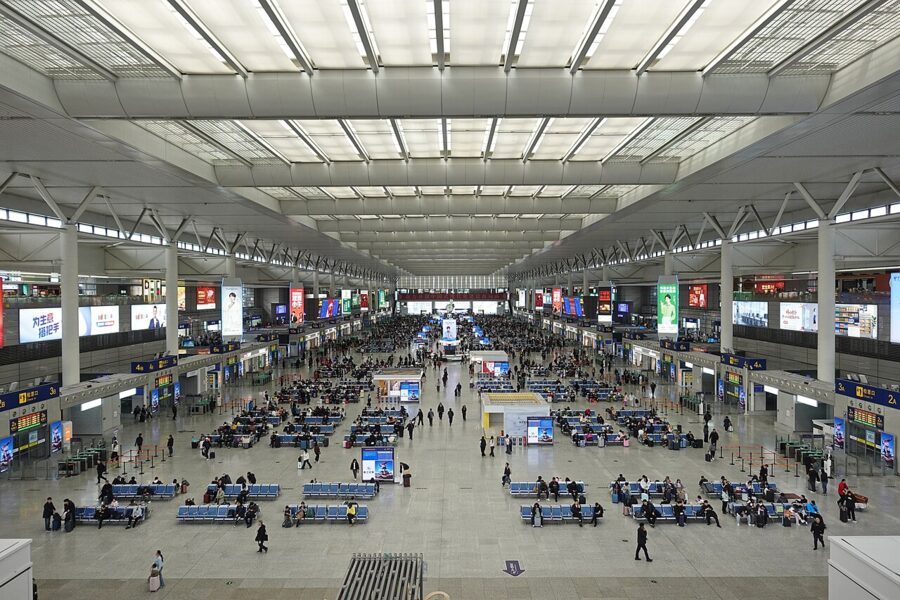
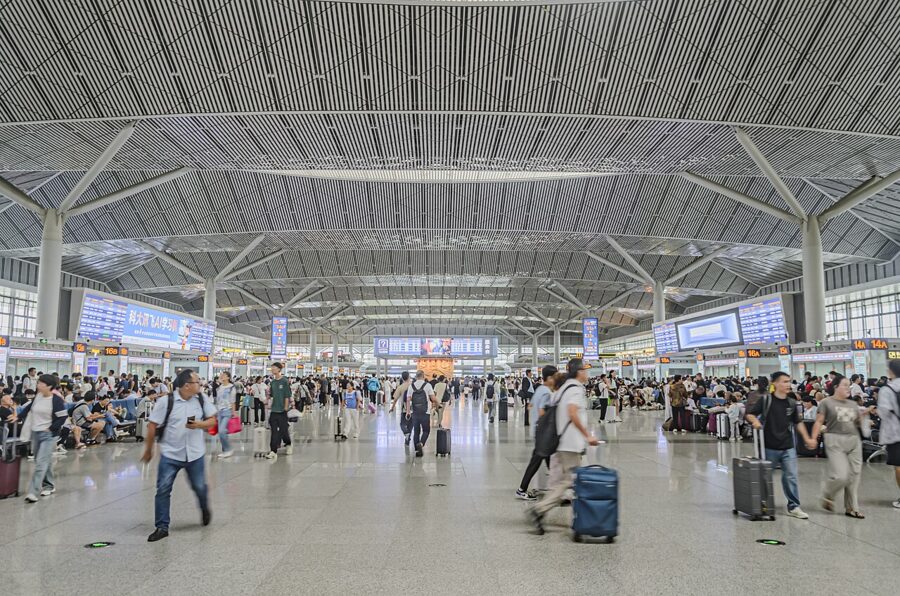
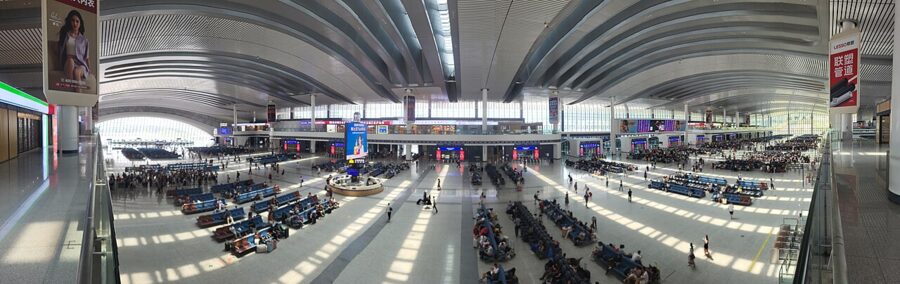
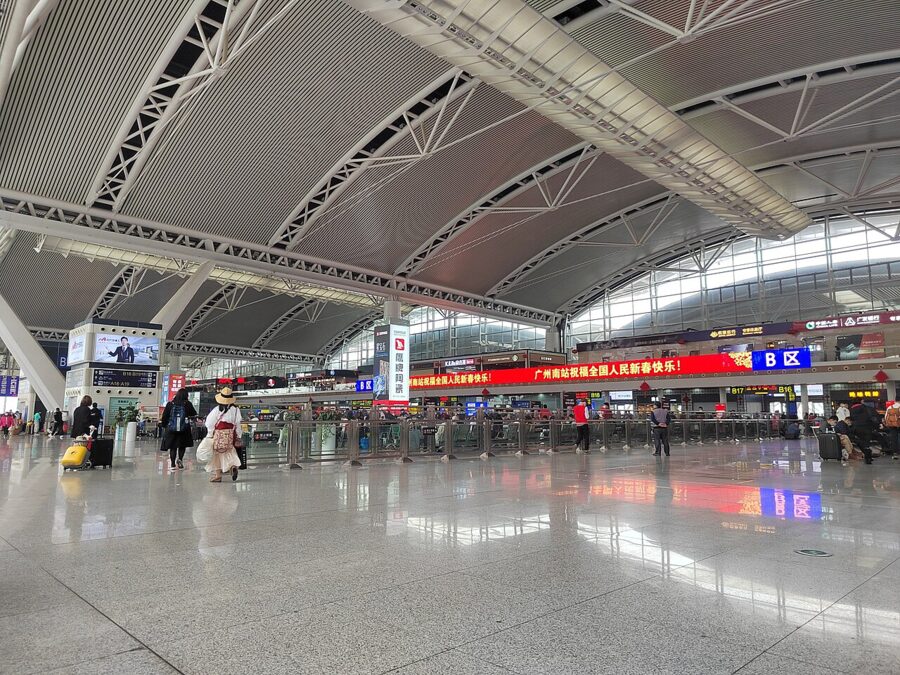
The trains are the easy part. The stations are where first-timers lose time: Beijing South, Shanghai Hongqiao and Guangzhou South run like airports, with security at the door, numbered gates, boarding that closes minutes before departure and platforms you can’t reach until your train is called. Once you know the rhythm, it’s the best way to cross the country.
In This Article
- The network in a few numbers
- G, D, C and the older letters
- Booking on 12306 with a passport
- Registering and getting verified
- Paying with a foreign card
- When tickets go on sale
- The waitlist (候补)
- Trip.com, and when to use it
- What a ticket costs now
- Second, first or business?
- Second class (二等座)
- First class (一等座)
- Business class and the premium seats
- Picking seats and the quiet carriage
- Sleepers on the long routes
- Which station?
- Getting through the station
- How early to arrive
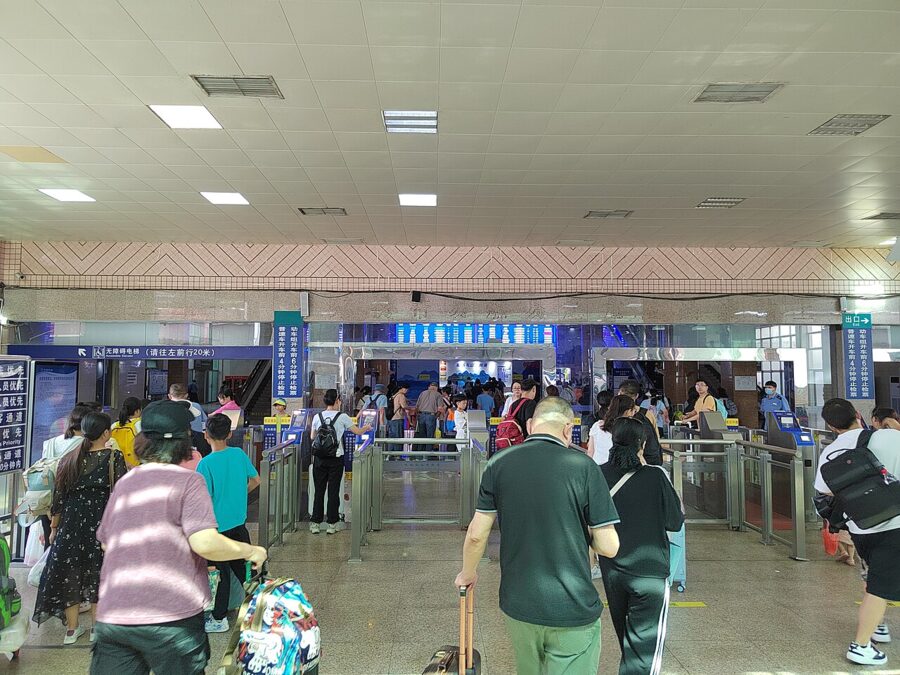
- Security at the door
- Your passport at the gate
- Waiting halls and gate numbers
- Platforms and car numbers
- Luggage
- On board
- Food
- Hot water, toilets and sockets
- When plans change
- Changing a ticket
- Refunds
- If you miss the train
- Delays and weather
- Classic routes and their fastest times
- Beijing to Shanghai
- Shanghai to Hangzhou and Suzhou
- Beijing to Xi’an
- Xi’an to Chengdu
- Chengdu to Chongqing
- Guangzhou to Guilin and Yangshuo
- Kunming to Dali and Lijiang
- Chengdu to Jiuzhaigou
- Hong Kong
- Skip this
The network in a few numbers
By the end of 2025 China had 165,000 km of railway, and 50,400 km of it was high-speed, according to figures given at China State Railway Group’s work conference in January 2026. That’s up from 37,900 km of high-speed line five years earlier. The plan for 2030 is about 180,000 km in all, with roughly 60,000 km of it high-speed.
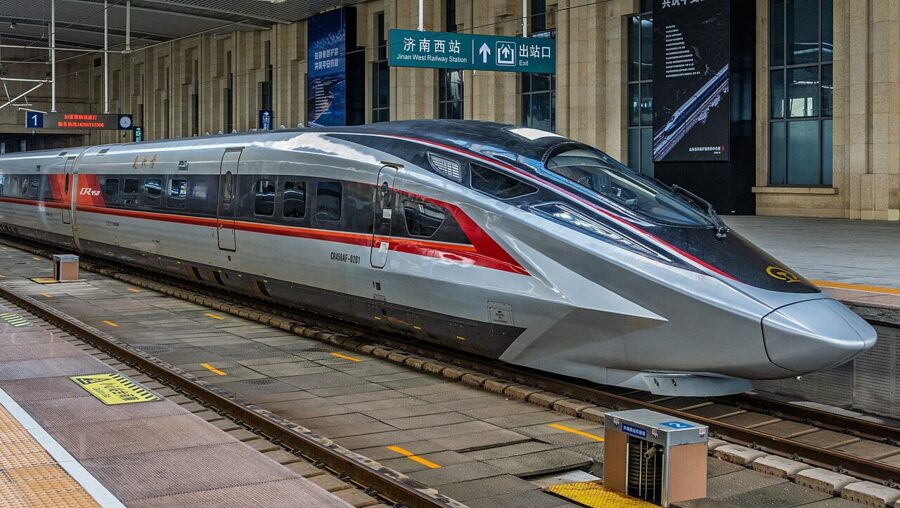
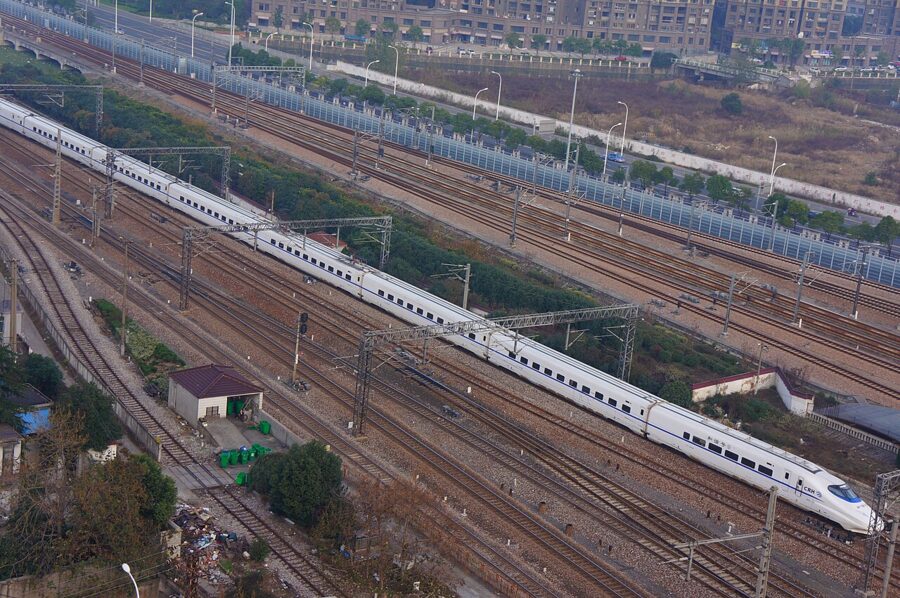
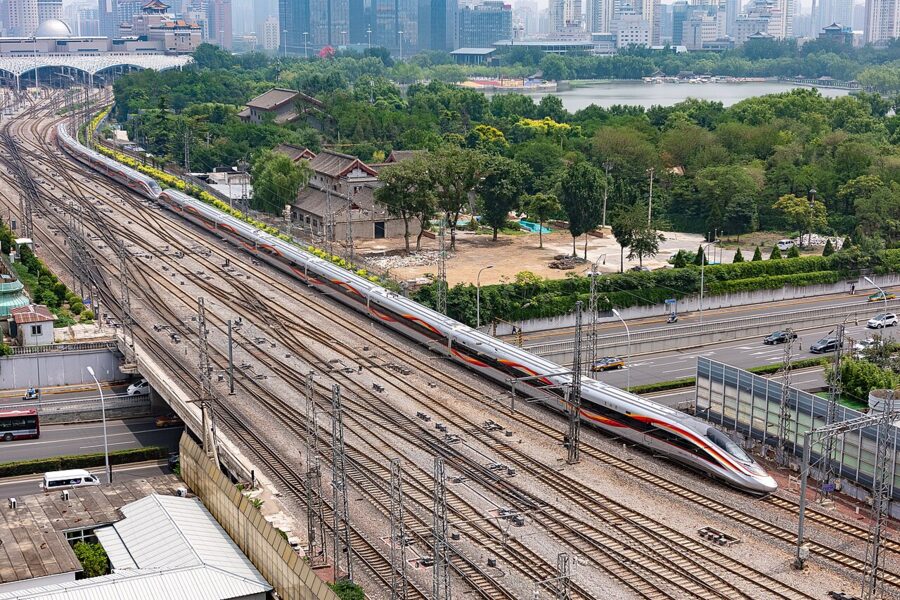
The shape of it comes from the 2016 Medium- and Long-Term Railway Network Plan, which laid out eight north-south and eight east-west corridors, the “eight verticals and eight horizontals” (八纵八横). Beijing to Shanghai and Beijing to Hong Kong are verticals; Shanghai to Kunming and the Yangtze corridor are horizontals. The main trunk lines are built for 350 km/h, and the fastest G trains run at that speed. Fuxing trains first ran at 350 km/h in public service between Beijing and Shanghai on 21 September 2017, when the first G1 made the trip in 4 hours 28 minutes.
The next generation, the CR450, has been tested at 450 km/h and is meant to carry passengers at 400 km/h. Before it can, it has to cover 600,000 km of trial running, and in March 2026 the testers said it was about halfway. Until it enters service, 350 km/h is the top speed you’ll ride at.
G, D, C and the older letters
The letter at the front of the train number tells you what you’re getting. It matters more than the brand name on the side, and it changes how long the trip takes and what seats you can buy.
| Letter | What it is | Where you’ll meet it |
|---|---|---|
| G (高铁, gaotie) | High-speed, up to 350 km/h on the main lines | Long and medium routes between big cities: Beijing to Shanghai, Xi’an or Guangzhou |
| D (动车, dongche) | Electric multiple-unit trains, up to 250 km/h | Regional routes with more stops, and the overnight sleeper trains |
| C (城际, chengji) | Intercity trains | Short hops such as Beijing South to Tianjin (30 minutes), but also longer runs: Kunming to Lijiang takes 3 hours 29 minutes at best |
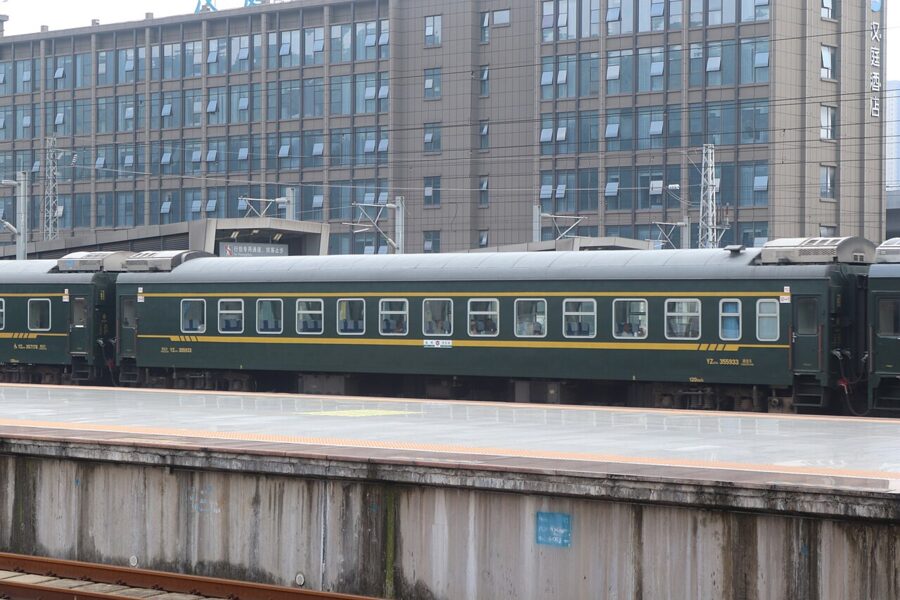
| Z, T, K | Older locomotive-hauled trains | Cheap and slow, with hard seats and sleeper berths; still useful overnight and on lines the fast trains don’t reach |
Don’t read too much into G versus D on a given day. On the Kunming to Dali line, the trains are D and C, and they’re the only fast option there is. On the Beijing to Shanghai line, a D train is something else entirely: a night sleeper that takes 12 hours.
Booking on 12306 with a passport
12306 (铁路12306) is the railway’s own ticketing platform, a website and an app. It sells every seat on every train at face value, with no booking fee, and it’s the only place with the full set of tools: seat letters, the waitlist and changes without an agent in the middle.
The 12306 English website only accepts foreign passports, and the app has an English mode. It’s simpler than the Chinese version, but it covers what you need: buying, changing, refunding and changing your destination.
Registering and getting verified
Register with your name exactly as it appears in your passport, in passport order, with middle names included. If the form won’t take spaces or hyphens, leave them out rather than shortening anything. The name and number on a ticket can’t be changed afterwards, so a typo means cancelling and buying again.
Then comes verification. The system checks your name, nationality and passport number automatically, or you can upload a photo of the passport page for a manual check, which can take a few working days. You can also have it done at a station ticket window. Until your status reads “verified”, you can’t buy and travel, so do this at home, not on the morning you want to leave.
One trap: a renewed passport has a new number. You travel on the passport you booked with, and the railway checks the original document at the station, so update your details before you book if you’ve just renewed.
The site sells tickets and handles changes from 05:00 to 01:00 the next morning (05:00 to 23:30 on Tuesdays). Refunds and timetable searches run around the clock.
Paying with a foreign card
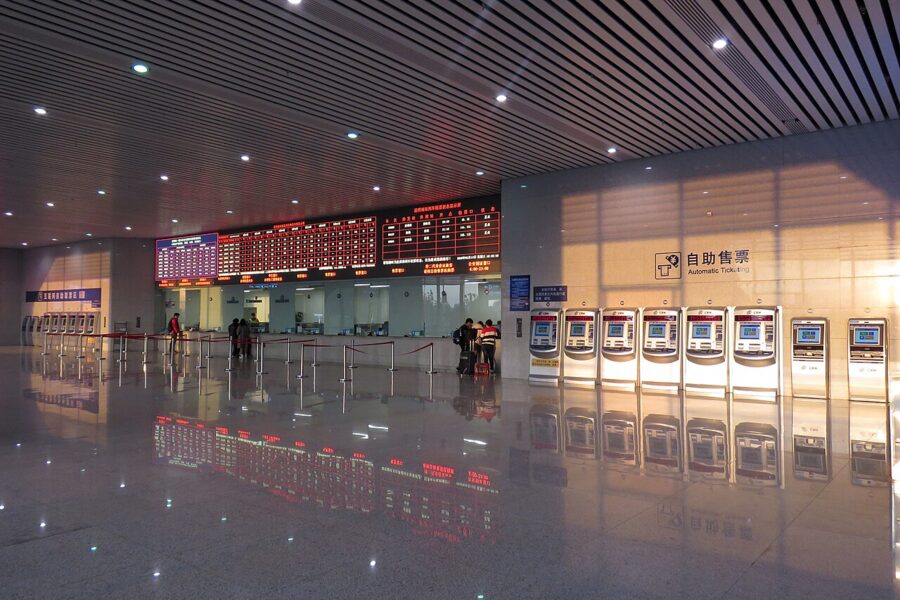
The railway accepts Chinese and foreign bank cards online, as well as mobile payment apps, and the station windows also take cash. In practice some foreign cards fail at the bank-verification step. If yours does, pay through Alipay or WeChat Pay with the same card linked; Alipay adds its own fee to larger foreign-card payments, and it shows you the amount before you confirm.
Setting up the two payment apps before you fly is the single most useful thing you can do for a China trip, and my China travel tips cover it step by step.
When tickets go on sale
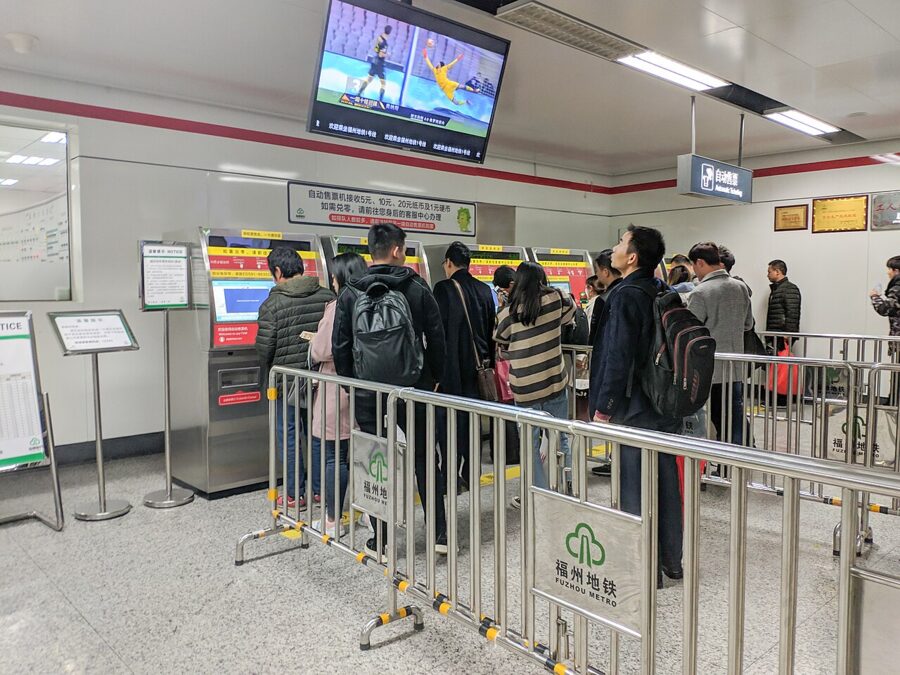
Tickets go on sale 15 days ahead, counting the day of travel. On 17 September 2026, for example, the railway put tickets for 1 October on sale. There’s no single release moment: each station has its own start time, spread through the day, so a train from Beijing West and a train from Shanghai Hongqiao for the same date open at different times.
The app shows the schedule. In the Chinese layout, tap 我的 (My), then 起售时间 (sale start time), enter the station and the date, and it tells you when that station’s tickets open; you can also set a reminder for it. On the day, you can fill in the passenger, train and class in advance and submit the order the moment sales start.
For most of the year you don’t need any of that. On the big corridors there are dozens of trains a day, and booking three to seven days ahead is plenty outside the holidays. It matters for the Spring Festival rush, the May Day holiday and Golden Week (1 to 7 October), when hundreds of millions of people travel at once and popular trains go in minutes. My guides to Chinese New Year in China and the best time to visit China have the holiday dates.
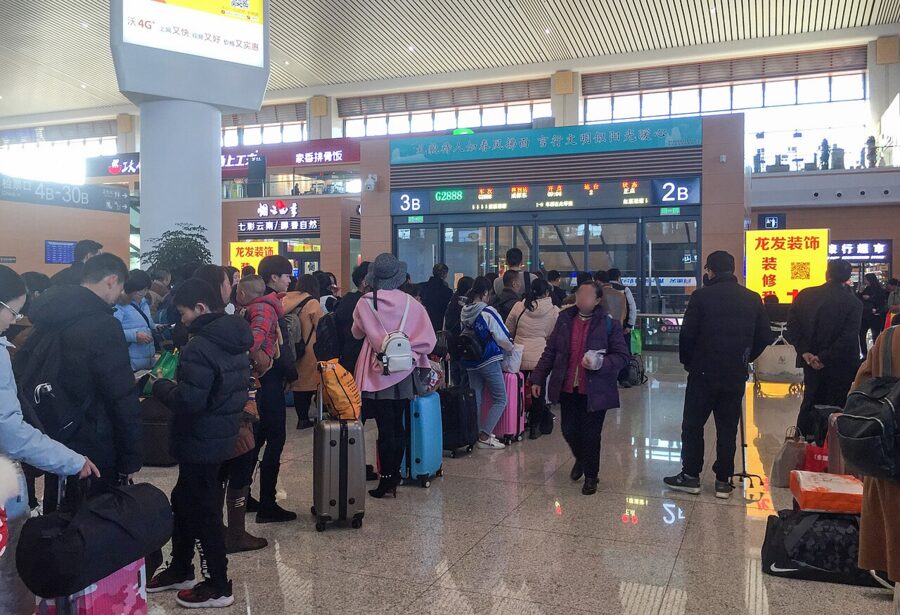
If you buy by mistake, 12306 now gives one free refund a day: within 30 minutes of paying, and at least four hours before departure. It doesn’t apply to changed or waitlisted tickets, and it only covers tickets bought on 12306’s own website, app or Alipay mini programme.
The waitlist (候补)
When a train is sold out, 12306 lets you join a waitlist, called houbu (候补). You choose up to three dates and a list of trains and classes, prepay the highest fare among them, and the system buys a ticket for you if one comes back, first come, first served. It works through the night. You set a deadline no later than 20 minutes before departure, and if nothing comes up by then the money goes back to you.
You can have up to six waitlist orders open at once, and you first have to pass the app’s identity check. A group may end up in different carriages. It works often enough to be worth trying for an important trip, but it’s not a plan on its own: if a waitlist fills, you’ll get a message, and you need to act on it. If you can’t find the waitlist in the app’s English screens, switch to Chinese mode and look for the 候补 button on a sold-out train.
The one rule to remember: cancel the waitlist as soon as you buy another ticket. In February 2026 a passenger booking for three people bought seats on a different afternoon train from Xiamen North and left their waitlist running; at 02:53 it filled three seats on a morning train they never meant to take, for ¥1,674, and the railway confirmed that the system had done exactly what the order asked.
Trip.com, and when to use it
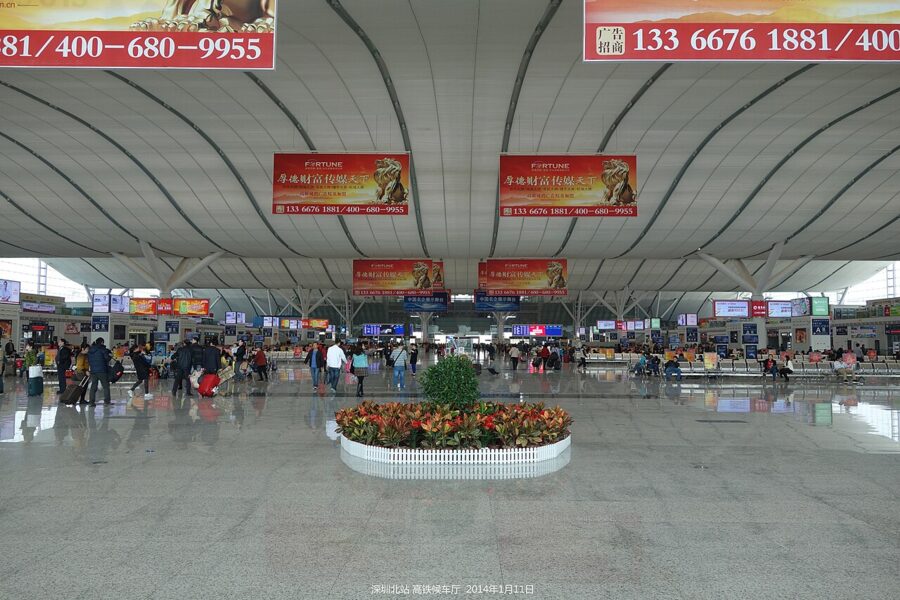
Trip.com sells the same seats, in English, on the same 15-day window, and takes foreign cards and PayPal on its website. The ticket goes into the railway’s system under your passport number, exactly as a 12306 ticket does, so the station sees no difference.
You pay for the convenience. Trip.com adds a booking fee to each ticket, shown before you pay, and that fee isn’t refunded if you cancel; it also offers paid extras such as “Priority Ticket Issuing” at ¥15 a person, which you can skip. Changes through Trip.com are only handled between 08:00 and 20:00 China time, and outside that window you’ll be sent to a station.
My rule: use 12306 if your card or Alipay works on it, because the waitlist and changes are simpler there. Use Trip.com if your card keeps failing, or if you want an English-speaking helpline when something goes wrong.
What a ticket costs now
Since 2016 the railway companies have set first and second class fares on high-speed trains themselves, and on the busiest lines those fares now float. On the Beijing to Shanghai line, floating fares began on 23 December 2020: the published fare is the ceiling, and the fare you actually pay is a discount on it that changes with the train, the time of day and the date. On 26 May 2026 the line’s operating company reset those published ceilings train by train and class by class, to widen the room for discounts, while keeping the fares people actually paid unchanged at first.
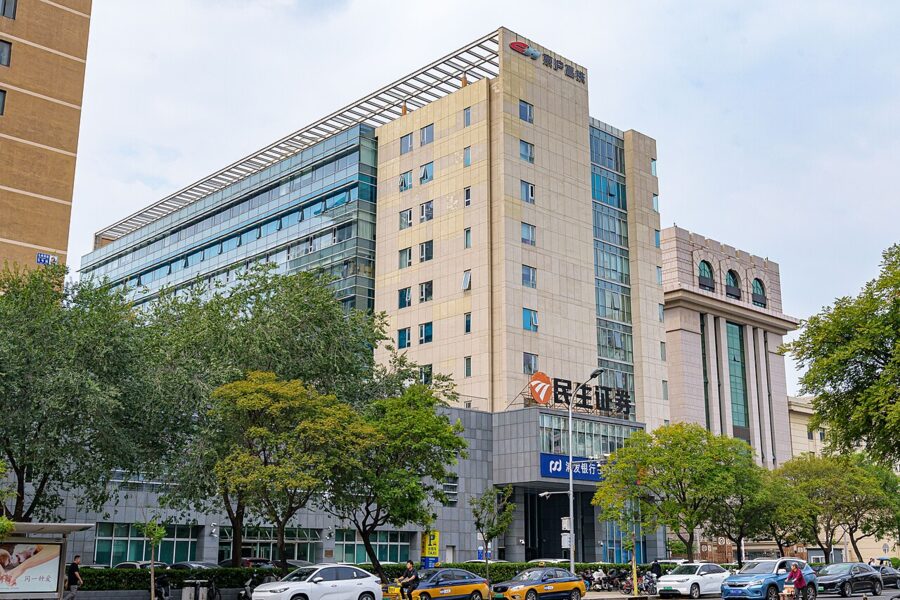
Here’s what that looked like on 25 November 2026, across a dozen G trains from Beijing South to Shanghai Hongqiao and Shanghai station. Second class ran from ¥598 to ¥697. First class ran from ¥1,005 to ¥1,117, and business class from ¥1,995 to ¥2,442. The fastest train wasn’t the cheapest: the early G1 and the evening G35 were, at ¥598, while the mid-morning and early-afternoon departures cost the most.
Shorter routes show the same pattern on a smaller scale. From Shanghai Hongqiao to Hangzhou East, the 45-minute G201 cost ¥87 in second class that day, while a slower G train taking 56 minutes cost ¥65. If you’re flexible by an hour, check the trains either side.
Children under six travel free without their own seat, one per paying adult. Children from six until they turn 14 need a child ticket, which is half the adult fare, and from 14 they pay the full price.
Second, first or business?
Nearly every G and D train has second and first class, and most long-distance G trains add business class. Seat letters are the same everywhere, and once you know them you can choose a window, an aisle or a pair of seats together.
Second class (二等座)
Five seats across, lettered A B C on one side of the aisle and D F on the other. A and F are the windows, C and D the aisles, and B is the middle seat nobody wants. If you’re travelling as a couple, D and F are a pair on the two-seat side.
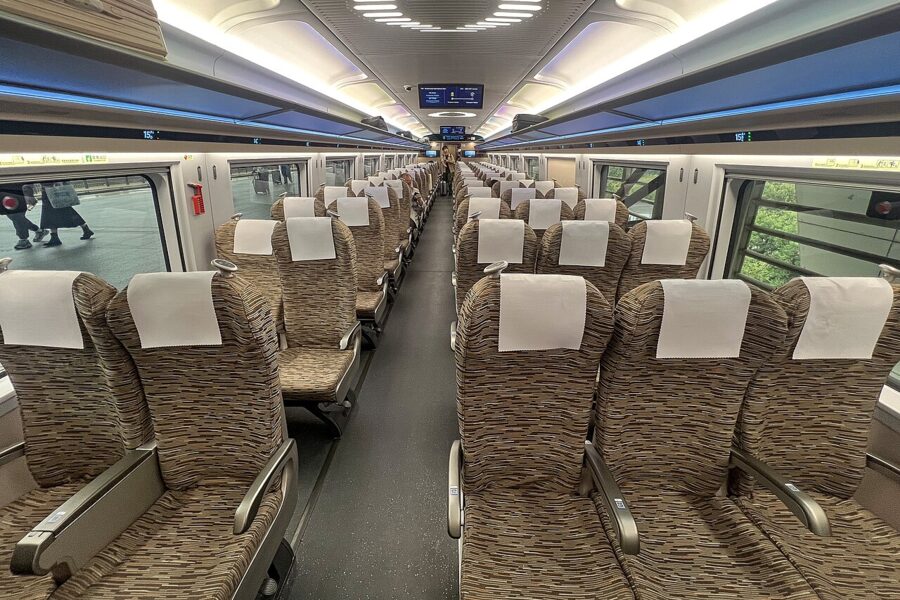
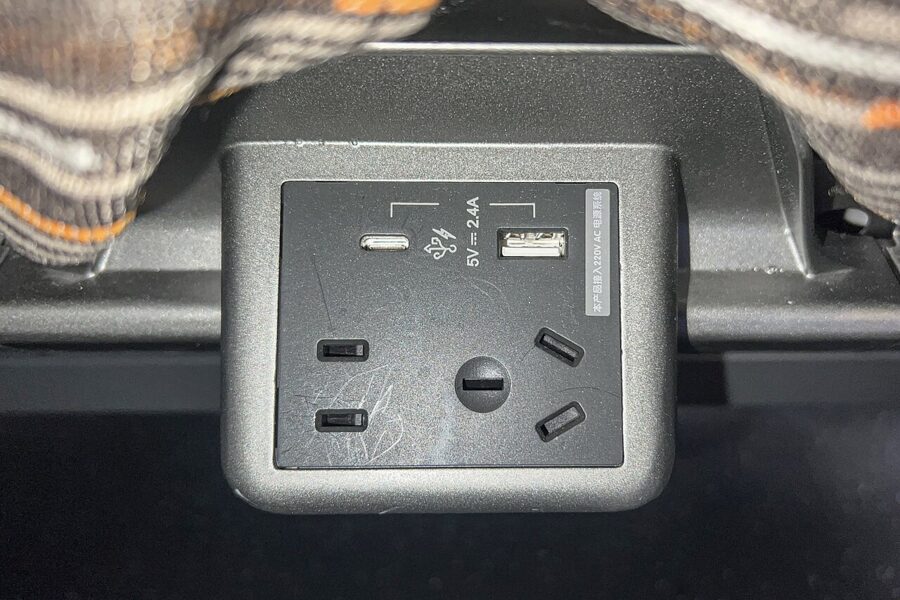
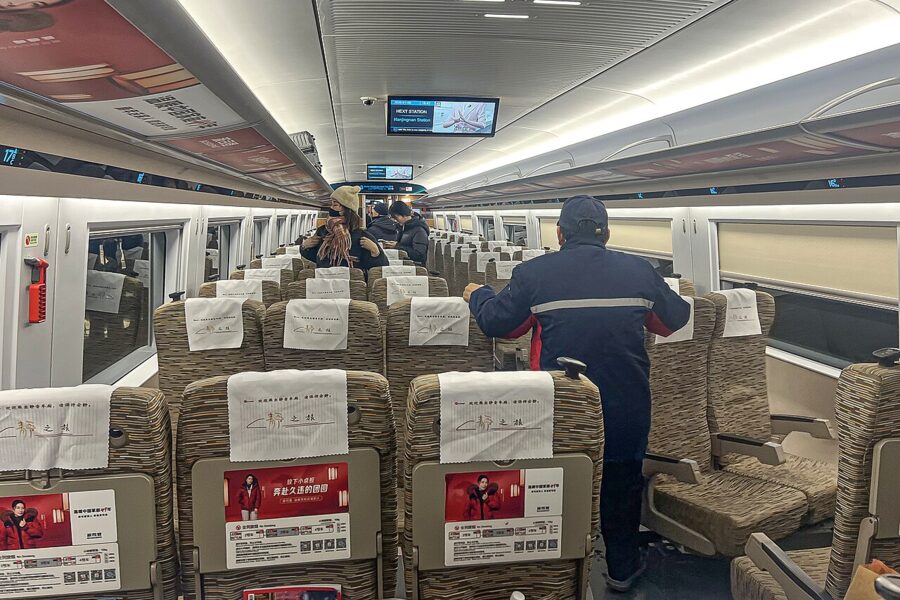
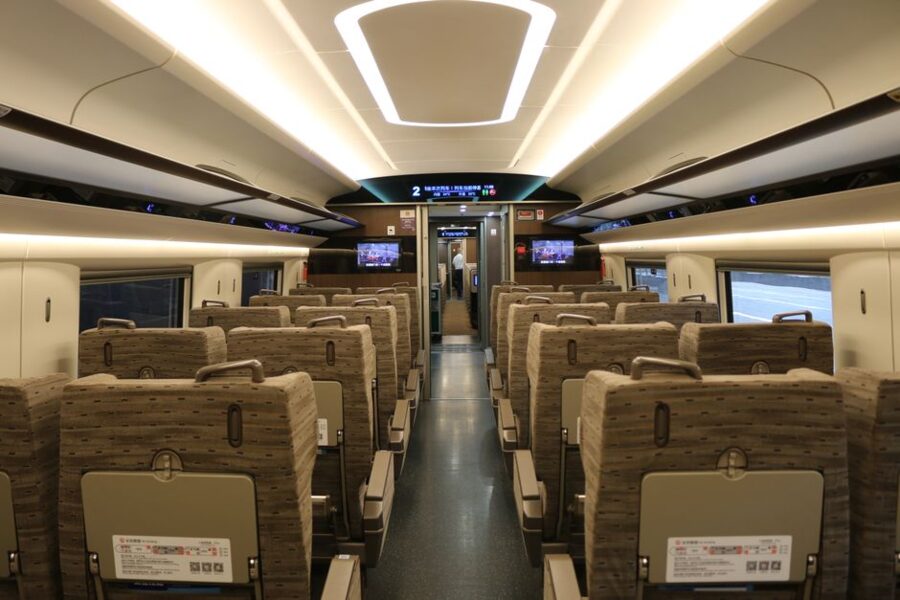
The seats recline and the rows rotate to face the direction of travel. Legroom is generous, and there are power sockets under the seats. For anything under five hours, second class is what I book, and on short hops it’s the obvious choice.
First class (一等座)
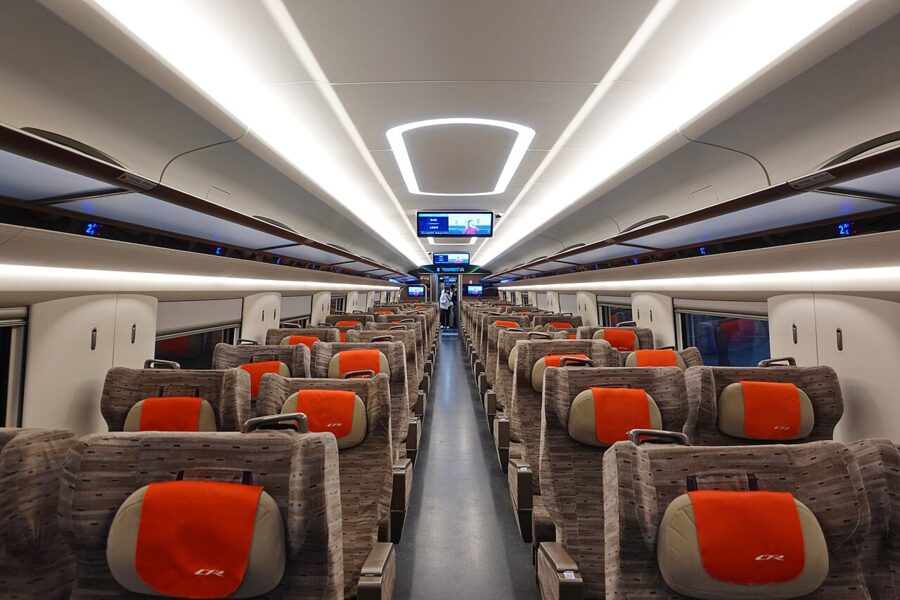
Four seats across, A C on one side and D F on the other, so every seat is either a window or an aisle. The seats are wider with more knee room, and the carriage is quieter. On Beijing to Shanghai it costs about 1.6 times the second class fare, which is easy to justify on a five-hour ride and hard to justify on a 25-minute one.
Business class and the premium seats
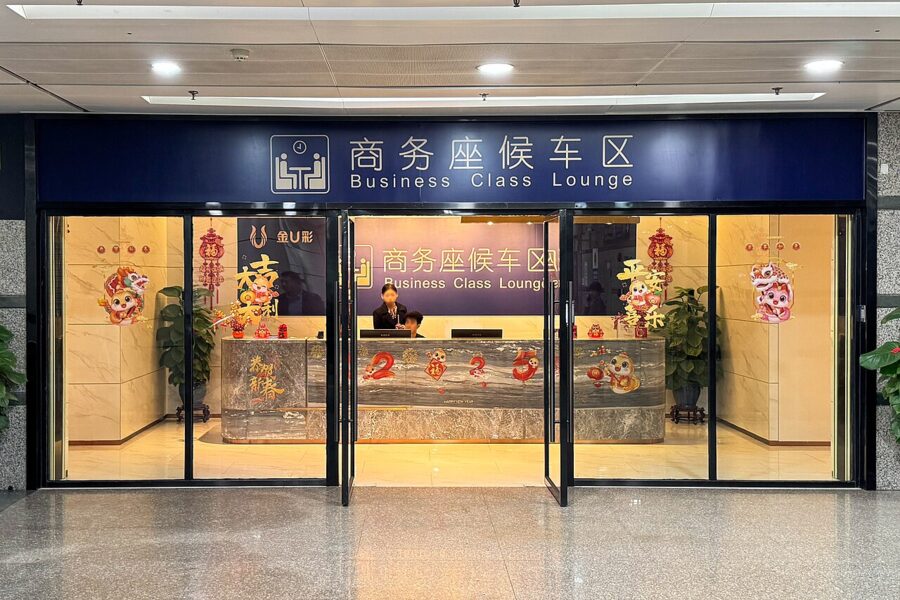
Business class (商务座) is three across, A and C on one side and F on the other, in seats that recline almost flat, and at the big stations it comes with a separate waiting lounge. On Beijing to Shanghai it runs to about three and a half times the second class fare. It’s lovely, and on most trips it isn’t worth the difference.
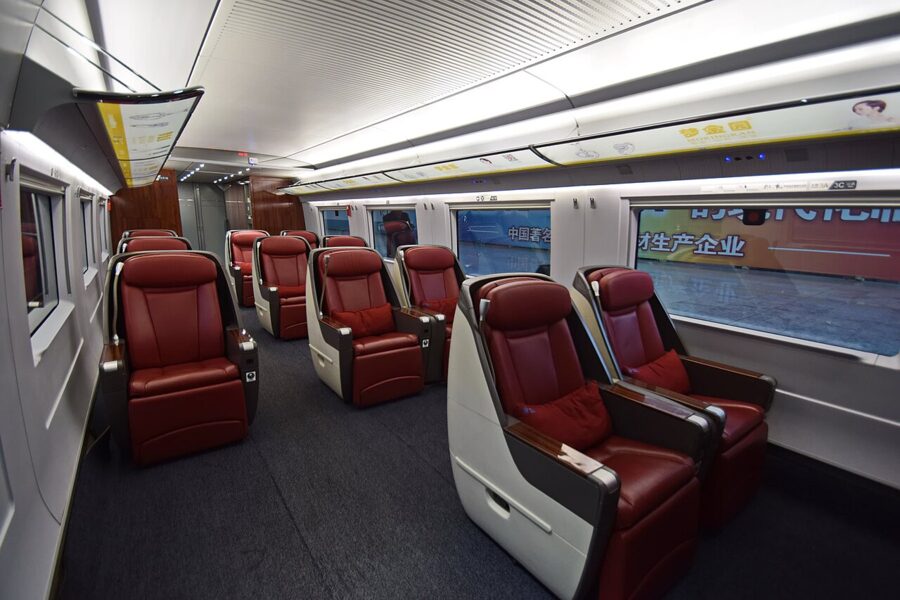
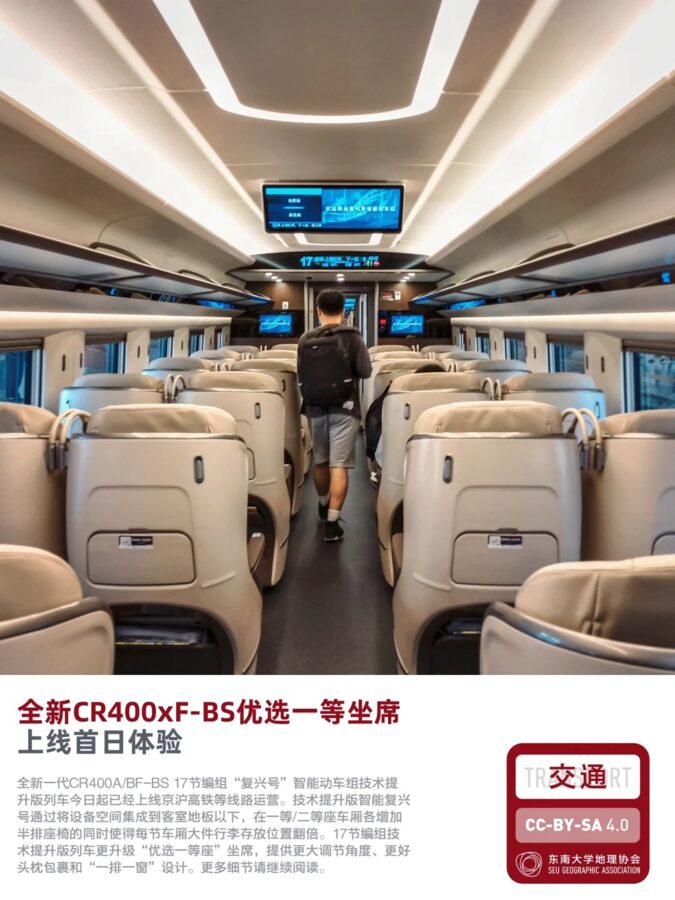
Between the two sits premium first class (优选一等座), launched on 15 June 2024 on the 17-car Fuxing trains between Beijing and Shanghai. It’s a single car, car 17, with 24 shell-style seats. On 25 November 2026 it cost ¥1,420 to ¥1,534 on the Beijing to Shanghai trains that had it, closer to first class than business.
Picking seats and the quiet carriage
On both 12306 and Trip.com you choose a seat letter, not a particular row. If the letter you want has gone, the system gives you another seat. For a group, book everyone in one order and choose neighbouring letters, such as D and F for two.
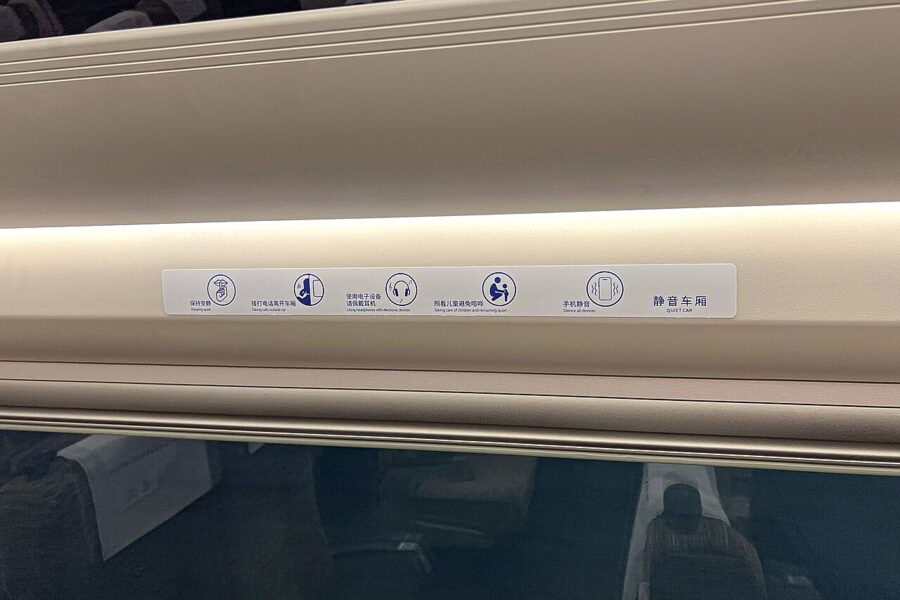
From 1 February 2026, quiet carriages (静音车厢) run on all G and D electric trains except the sleepers, more than 8,000 trains in all. Trains with one show the character 静 on the 12306 booking screen, and you can tick the box asking to be seated in it. Eight- and 16-car trains have one quiet carriage, and the 17-car Fuxing trains have two.
The rules are simple: phone on silent, headphones on, step out to take a call, and keep children calm. The staff hand out disposable earplugs if you ask, and the fare is the same as the carriage next door.
Sleepers on the long routes
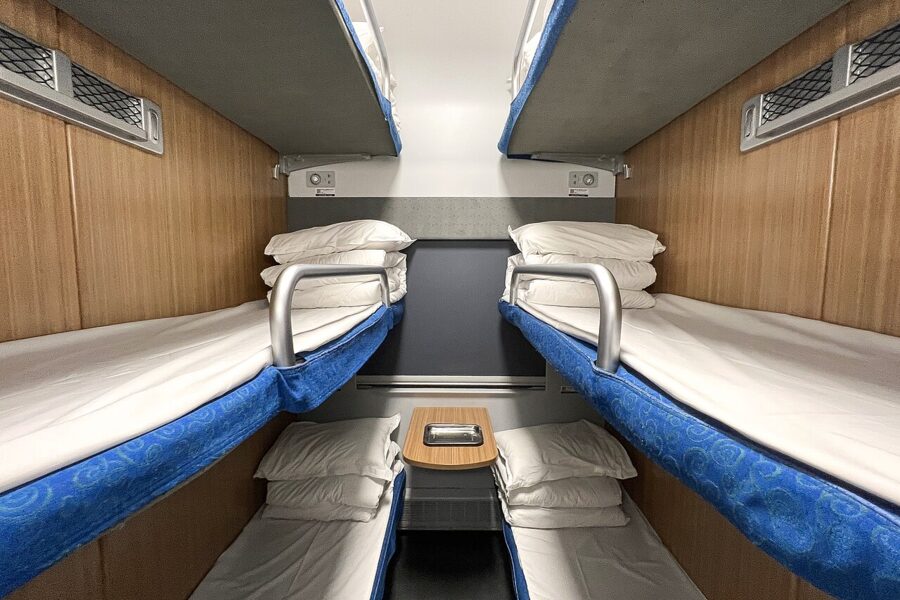
For very long trips there are two kinds of night train. D sleepers (动卧) are high-speed trains with berths instead of seats: the D7 leaves Beijing at 19:18 and reaches Shanghai at 07:25 the next morning, and on 25 November 2026 its second class sleeper berth cost ¥440 and its first class berth ¥601. That’s a hotel night saved, at a lower fare than the fast day train.
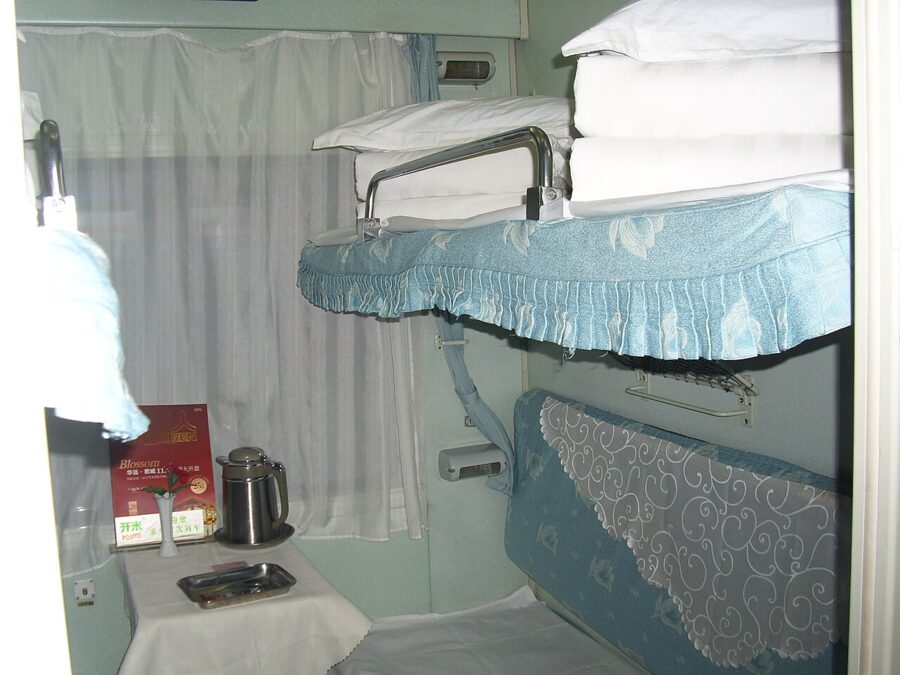
The older Z, T and K trains have soft sleepers, four berths in a compartment with a door, and hard sleepers, six berths in an open bay. Both are fine for a night. Hard seats on those trains are a different matter, and I’d only sit in one for a short daytime ride.
Which station?
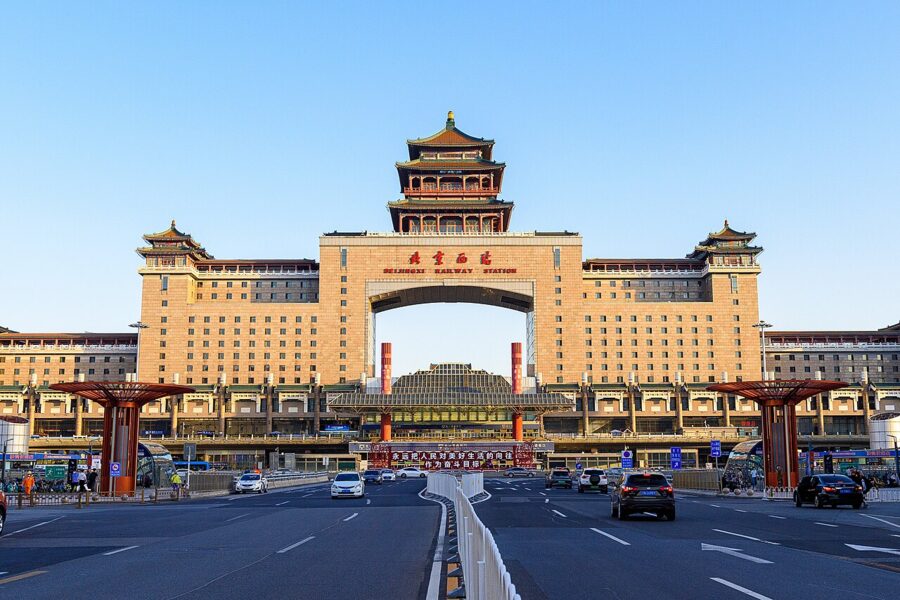
Big cities have several stations, often an hour apart, and the one on your ticket is the one that matters. The suffix gives it away: Bei is north, Nan south, Dong east and Xi west. “Beijing” (Beijing Railway Station), “Beijing West” and “Beijing South” are different buildings in different parts of the city.
- Beijing South (北京南): most trains to Shanghai, Tianjin and the east coast. Metro Lines 4 and 14.
- Beijing West (北京西): trains to Xi’an, Chengdu, Wuhan and Guangzhou. Metro Lines 7 and 9, which share a platform for an easy change.
- Beijing (北京站): the old central station, with the night sleepers to Shanghai and some G trains.
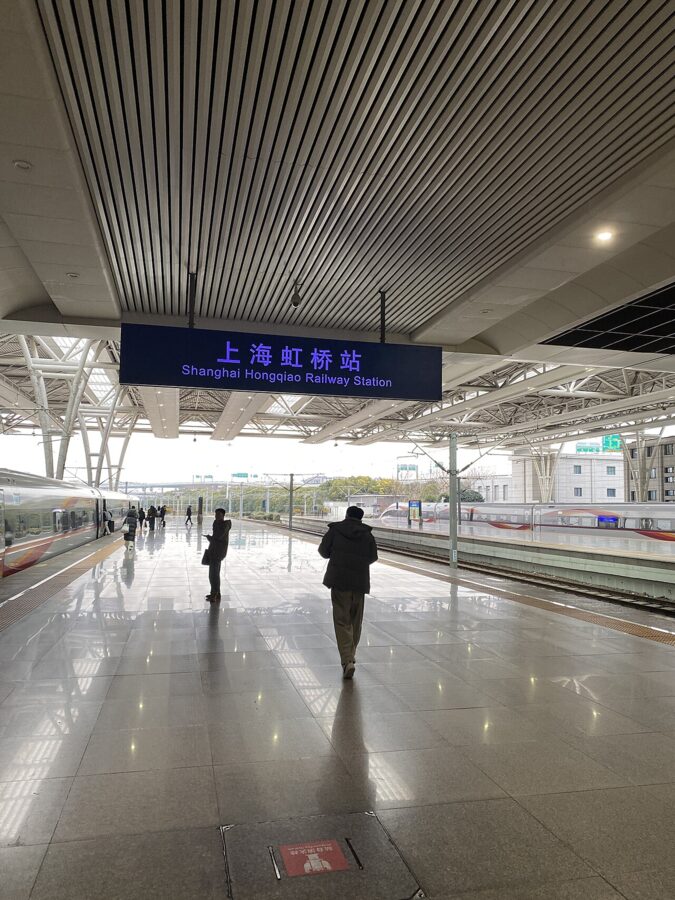
- Shanghai Hongqiao (上海虹桥): most high-speed departures, next to Hongqiao airport. Metro Lines 2, 10 and 17, and the airport link line to Pudong.
- Shanghai (上海站): the central station, with frequent trains to Suzhou and some to Beijing.
- Chengdu East (成都东): the main high-speed station, on Lines 2 and 7, for Chongqing, Xi’an and Huanglongjiuzhai.
- Guangzhou South (广州南): the high-speed hub, a long way south of the centre, on Lines 2, 7 and 22.
- Xi’an North (西安北): trains to Beijing, Chengdu and Luoyang, on Metro Lines 2, 4 and 14.
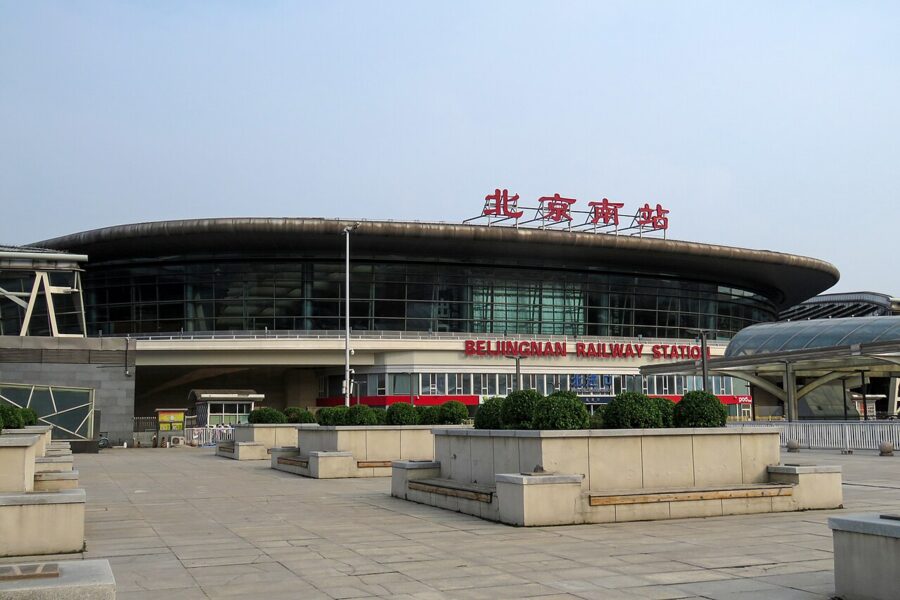
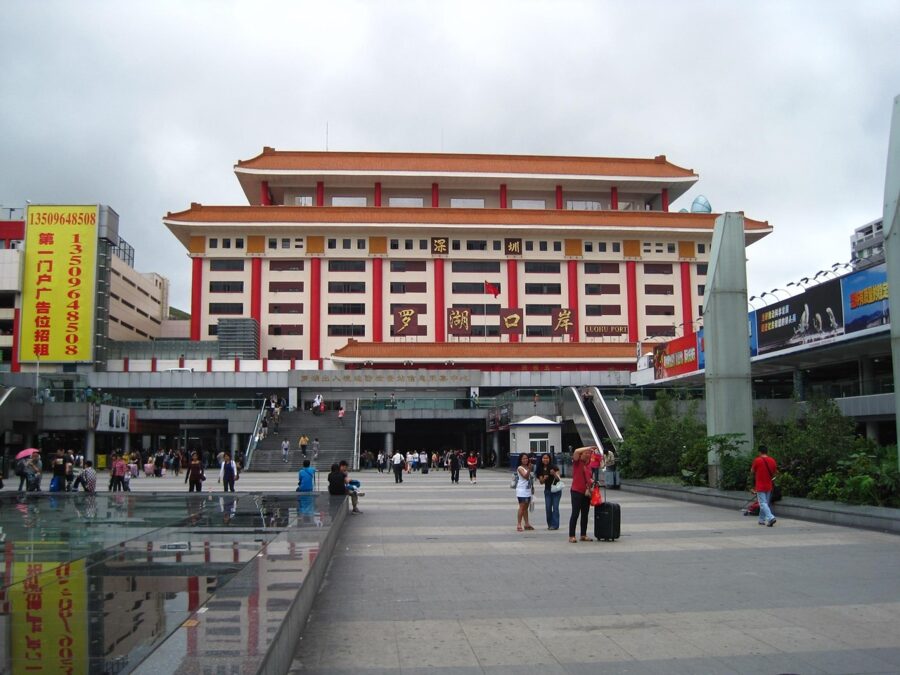
Shenzhen is a good example of why it matters. Shenzhen North is the high-speed station for Guangzhou, Guilin and the long routes north; Futian is an underground station in the business district; and the old Shenzhen station at Luohu sits next to the Hong Kong border crossing.
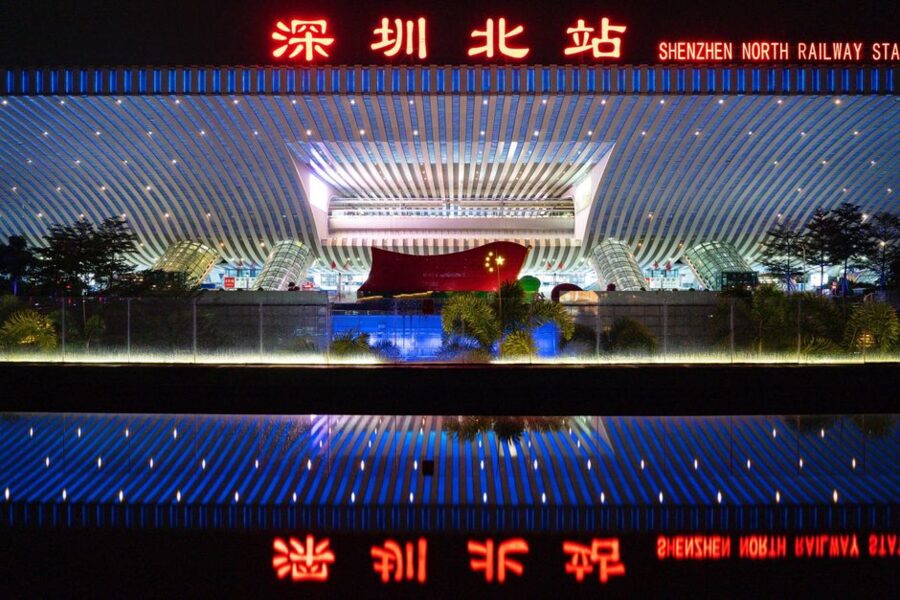
Getting through the station
How early to arrive
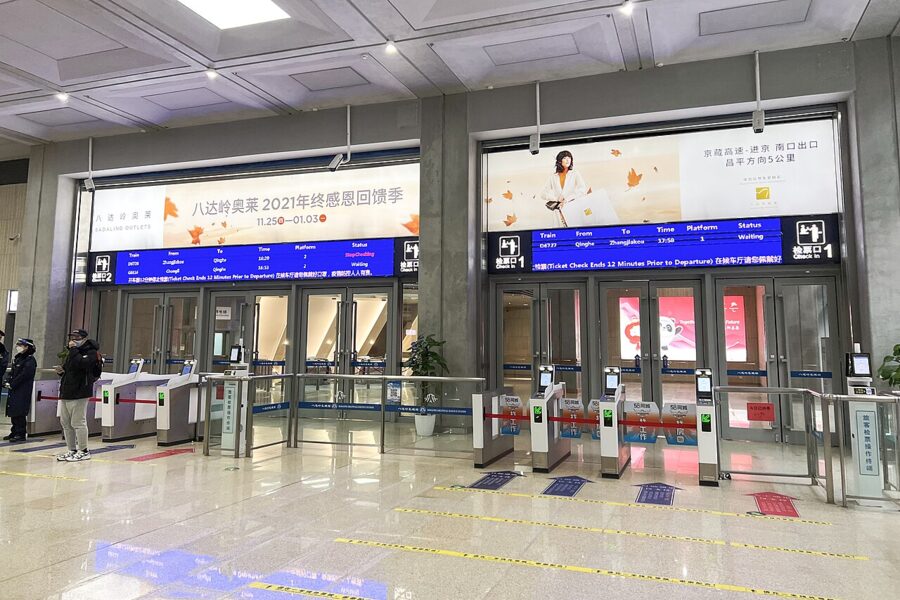
The railway’s own advice is to arrive at least 25 to 30 minutes before departure. At a station where the train starts, boarding usually begins about 20 minutes before departure; at a station it’s only passing through, about 10 minutes before it arrives. I’d give the big stations 45 minutes to an hour, and more in the holiday weeks.
Boarding closes before departure, and how long before depends on the station. Two, three, five and seven minutes all exist, set by how far the gates are from the platforms. Zhengzhou East closes every gate three minutes before departure, and Badaling Great Wall, the deep underground station on the Beijing to Zhangjiakou line, closes 12 minutes before.
Security at the door
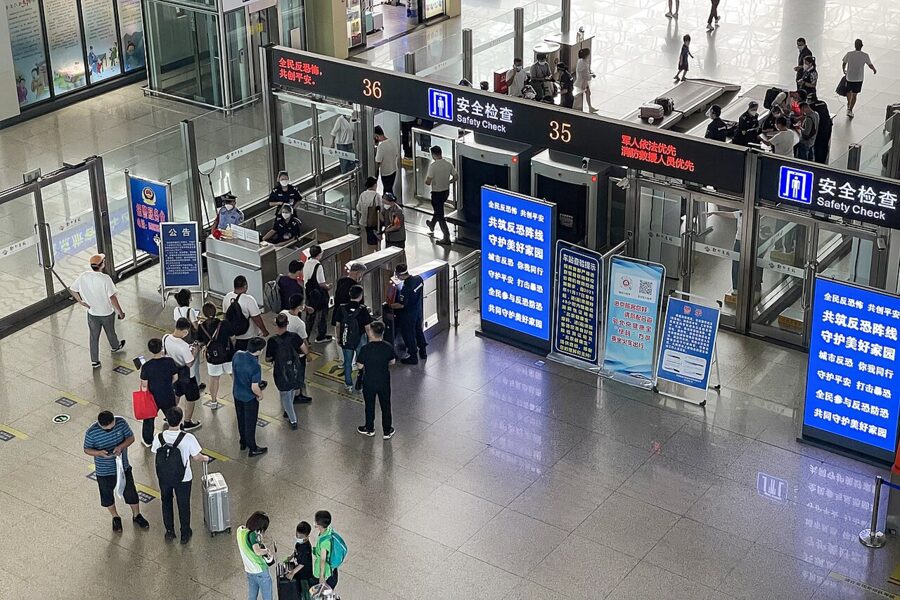
Everyone and every bag goes through X-ray and a metal detector at the entrance, and at some stations again inside. Unlike at an airport, you can bring water, drinks and food. What gets stopped is knives (including kitchen and fruit knives), anything flammable, and sprays over the limits: no more than 120 ml for hair spray, mousse and other pressurised sprays, 20 ml of nail polish, two lighters and two small boxes of matches.
Your passport at the gate
Your passport is checked at least three times: at the entrance, at the boarding gate and at the exit of the arrival station. Officially you can go through the automatic gates or the manual ones with the passport you booked with. In practice many automatic gates are built around Chinese ID cards and won’t read a foreign passport, so head for the staffed manual lane (人工通道), usually at one end of the row, and hand the passport over.
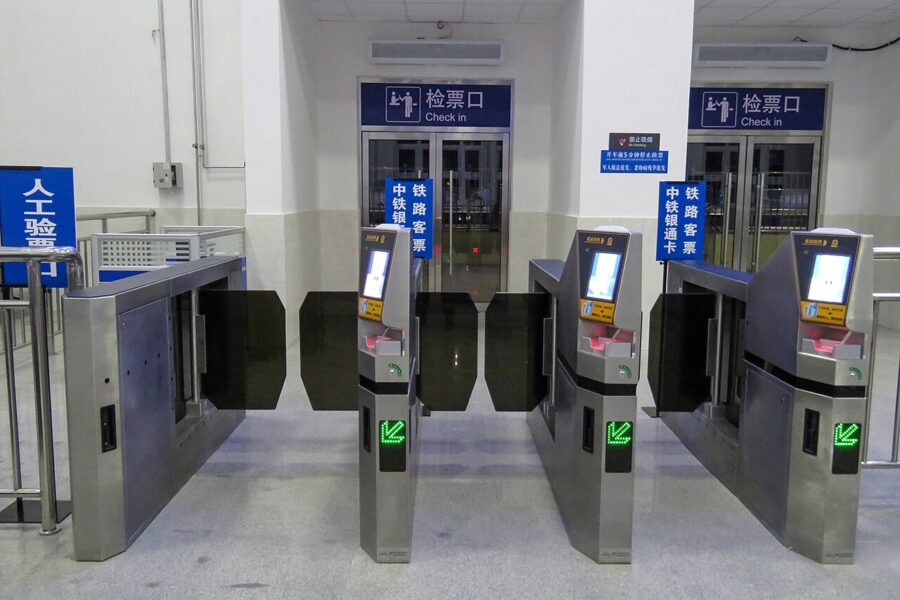
The e-ticket lives in the railway’s system, not on paper. You can print an itinerary sheet or a reimbursement receipt if you need one for expenses, but neither works as a ticket, and neither replaces the passport. Screenshots don’t count either.
Waiting halls and gate numbers
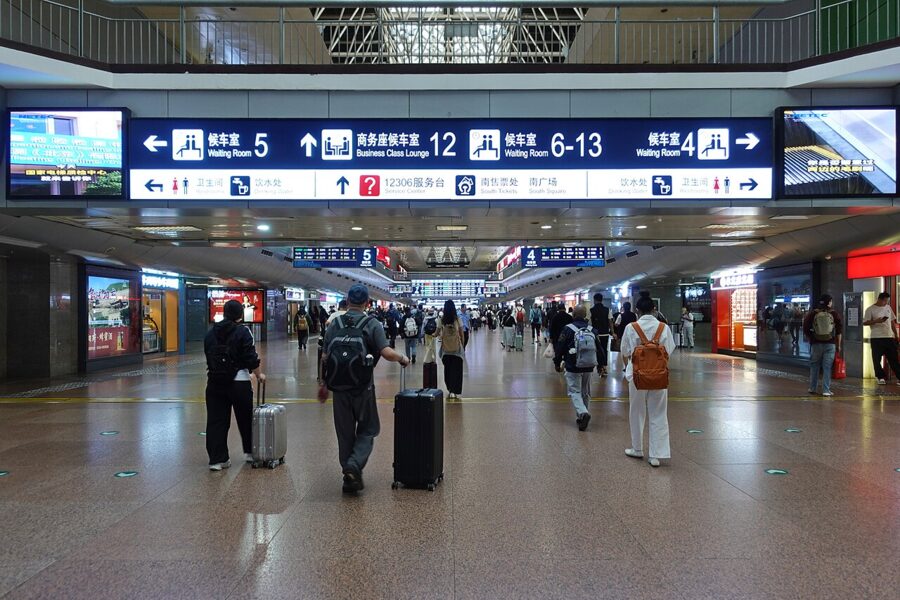
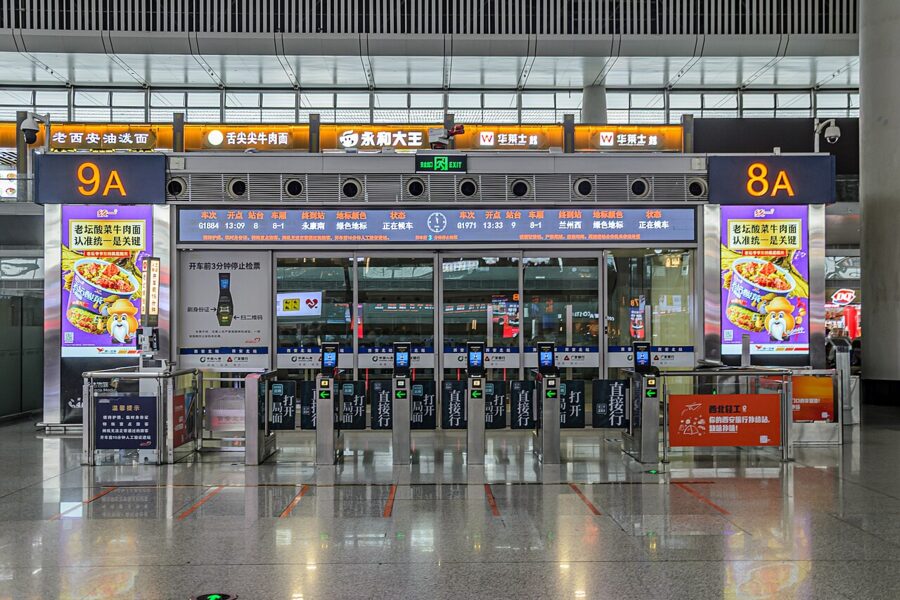
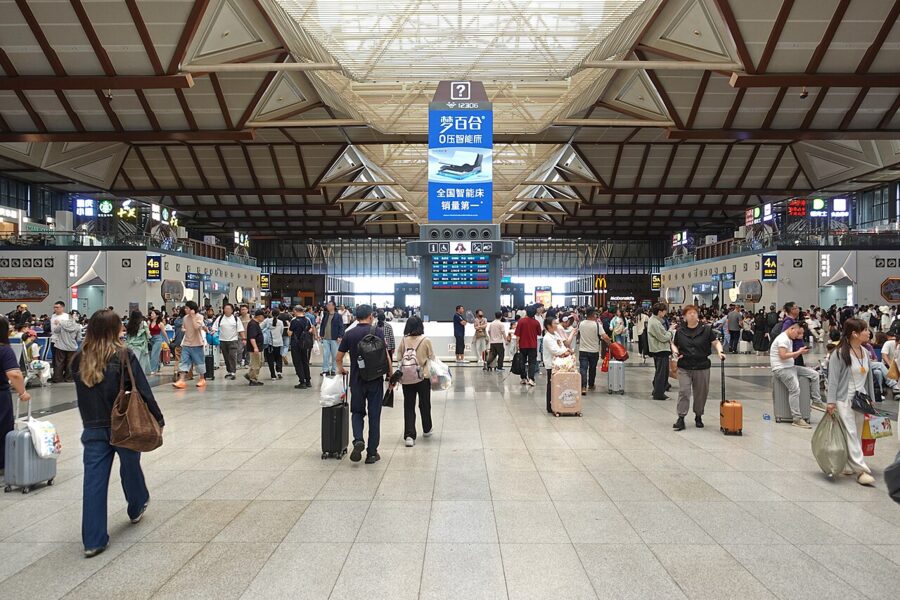
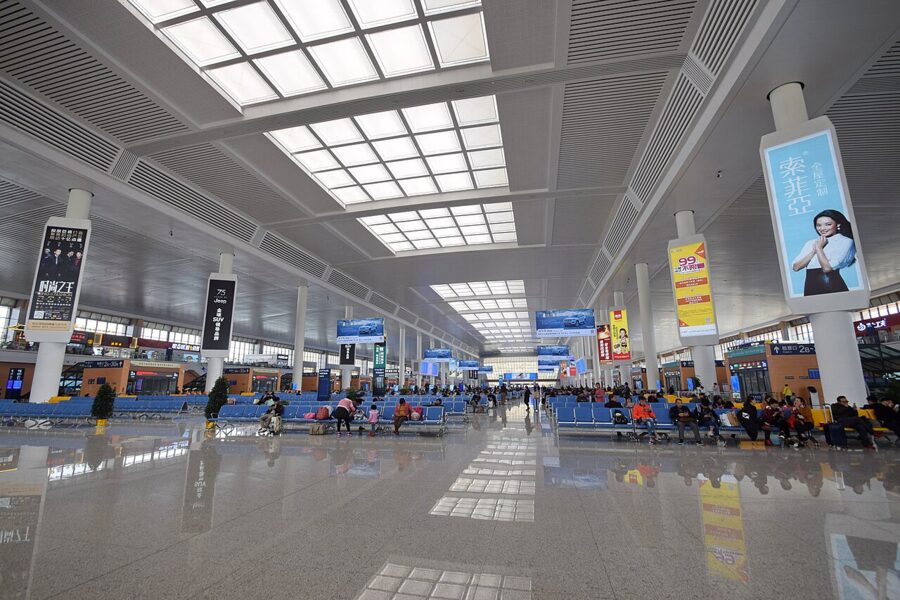
Past security you’re in the waiting hall, usually upstairs, with gates numbered down both sides. Find your train number on the departure board, then the gate beside it, such as 8A, and wait near it; the 12306 app shows the gate on the day too. When boarding opens, the board changes and a queue forms in seconds.
Platforms and car numbers
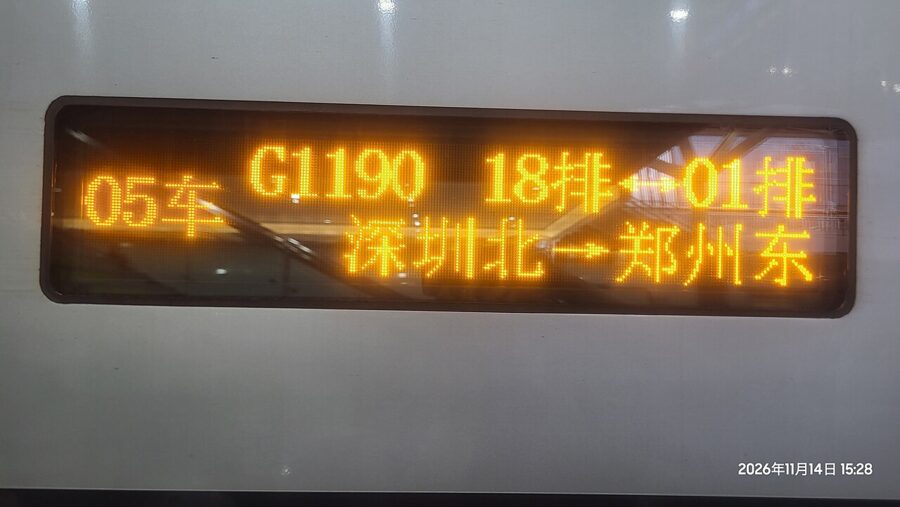
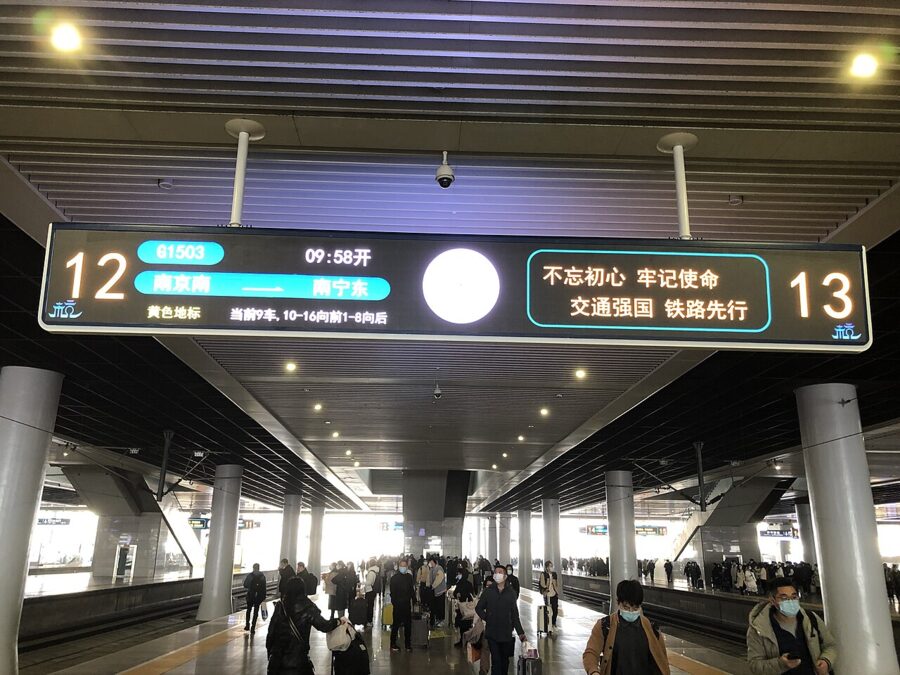
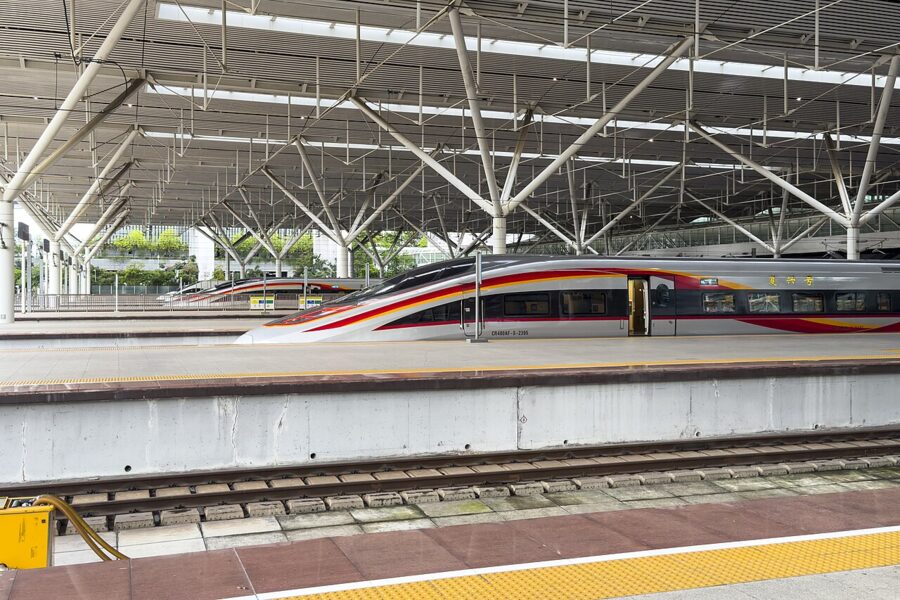
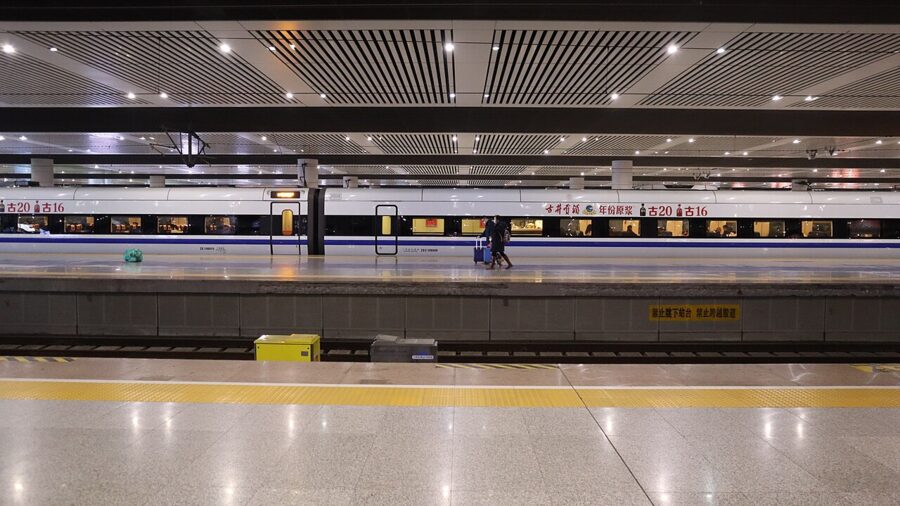
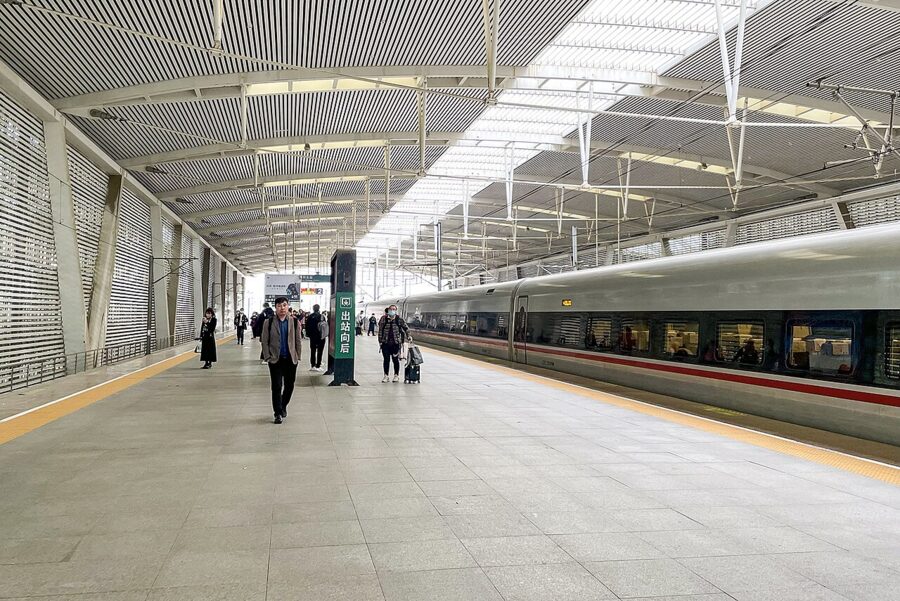
Your car number (车厢) and seat are on the booking. On the platform, car numbers are marked overhead or on the floor where each door will stop, so stand at yours before the train comes in. A long Fuxing train is more than 400 metres from end to end, and at stations along the way it often stops for only two or three minutes, so the wrong end of the platform is a real problem.
Luggage
The free allowance is 20 kg for an adult and 10 kg for a child. On high-speed trains each piece can be no more than 130 cm in total length, width and height (160 cm on the older trains), and no single piece can weigh more than 20 kg. A folding wheelchair doesn’t count towards it.
Nobody weighs your bags at the gate, but you carry everything yourself, down the escalator and onto the train. Small cases go on the rack above the seats, and bigger ones go in the luggage spaces at the ends of the carriage. Those fill first, which is another reason to be near the front of the boarding queue with a big suitcase.
On board
Food
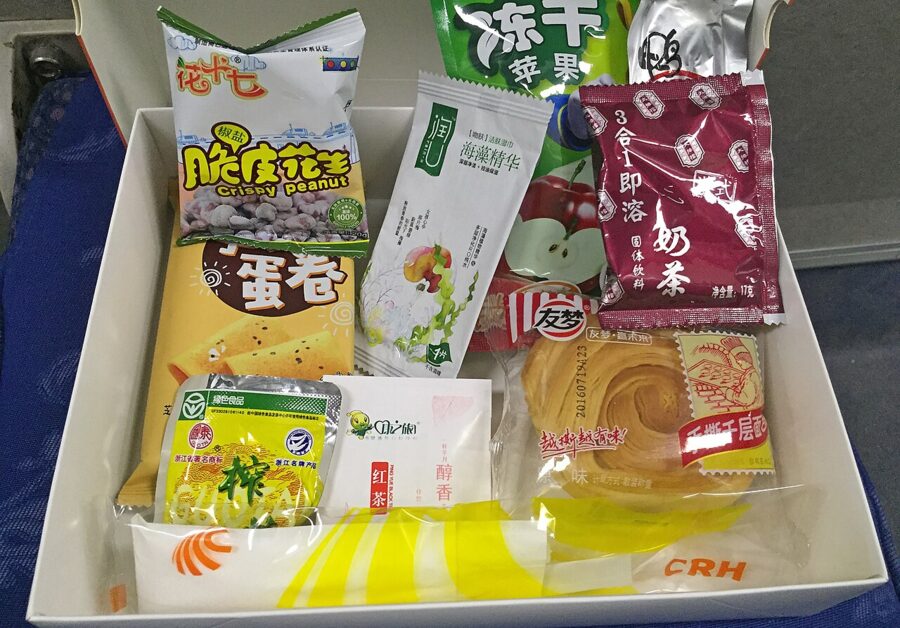
Longer G and D trains have a dining car or a food counter selling hot boxed meals, instant noodles, snacks and drinks, and on the busier routes a trolley comes down the aisle. The food is fine and a little dear. Bringing your own is completely normal, and nobody minds what you eat at your seat.
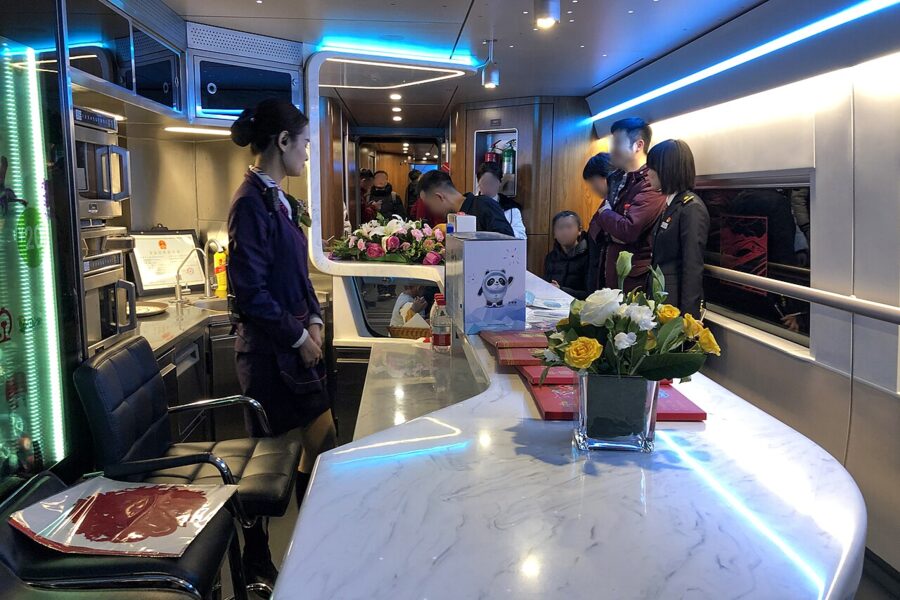
The better option is ordering from 12306. Since July 2017 the railway has let G and D passengers order meals online, from the train’s own menu or from restaurants near stations along the route, and staff bring them to your seat. Order in the 12306 app’s food section at least an hour before the train reaches the station where the meal is picked up. If you miss that, scan the QR code on your seat’s armrest and order from the train’s own menu.
Hot water, toilets and sockets
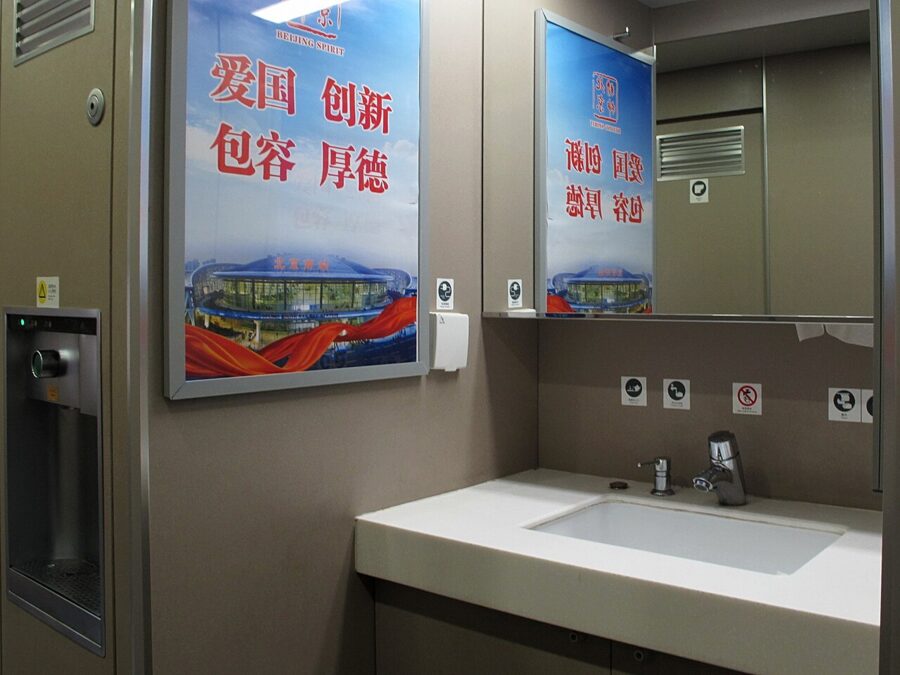
Every carriage has a hot water dispenser at one end, which is why so many people carry a flask and a pot of instant noodles. Toilets are at the carriage ends, and most trains have both seated and squat toilets. Sockets are under the seats, and smoking is banned everywhere on high-speed trains, including the toilets and vestibules.
When plans change
Changing a ticket
Each ticket can be changed once, to a different date, train or class, and the fee depends on timing. More than 48 hours before departure it’s free. Between 24 and 48 hours it’s free if the new train leaves before midnight on the original date, and 5 percent if it leaves later; with less than 24 hours to go, a later date costs 15 percent.
You can also change your destination, but only at least 48 hours before departure, and after that the ticket can’t be changed again. And if the new ticket is cheaper, you get the difference back minus the normal refund fee on that difference.
Refunds
Refund fees rise as departure gets closer: nothing at 8 days or more before departure, 5 percent from 8 days to 48 hours, 10 percent from 48 to 24 hours, and 20 percent with less than 24 hours to go. The minimum fee is ¥2. Money goes back to the card or account you paid with.
If you miss the train
Once a train has left, its ticket can’t be refunded, but you can still change it. A change to another train before midnight on the same day is free, if there are seats; a change to a later day costs up to 40 percent. A ticket changed after departure can’t be refunded at all, so be sure of the new train before you pay.
Delays and weather
High-speed trains are punctual most of the time, and when the railway cancels or delays you, staff move you to another train at no extra cost, or refund you without a fee. Weather is the main exception. Summer typhoons shut whole provinces: on 26 July 2026 every high-speed and conventional train in Guangdong stopped as a typhoon came ashore.
If you travel in the south between July and September, check the 12306 app the night before and the morning of the trip. Cancellations show there first, and that’s where you sort out the refund or a new train.
Classic routes and their fastest times
These are the routes most first trips use, with times and second class fares from the timetable for Wednesday 25 November 2026. Timetables change, usually several times a year, so treat the train numbers as examples and check times on 12306 before you book.
| Route (stations) | Fastest | Most trains | Second class |
|---|---|---|---|
| Beijing South to Shanghai Hongqiao | 4 h 18 min | 4 h 30 min to 6 h | ¥598–697 |
| Shanghai Hongqiao to Hangzhou East | 45 min | 45 min to 1 h 25 min | ¥65–87 |
| Shanghai Hongqiao to Suzhou | 25 min | 25 to 40 min | ¥30–46 |
| Beijing West to Xi’an North | 4 h 10 min | 4 h 10 min to 6 h | ¥587 |
| Xi’an North to Chengdu East | 3 h 5 min | 3 to 4 h 20 min | ¥285–300 |
| Chengdu East to Chongqing West | 1 h 6 min | 1 to 2 h | ¥141–158 |
| Guangzhou South to Guilin West | 2 h 4 min | 2 to 3 h | ¥181–223 |
| Kunming to Dali | 1 h 55 min | 2 to 2 h 25 min | ¥114–116 |
| Kunming to Lijiang | 3 h 29 min | 3 h 30 min to 4 h 35 min | ¥173–190 |
| Dali to Lijiang | 1 h 36 min | 1 h 50 min to 2 h 30 min | ¥80 |
| Chengdu East to Huanglongjiuzhai | 1 h 39 min | 1 h 40 min to 2 h 25 min | ¥143 |
| Guangzhou South to Hong Kong West Kowloon | 47 min | about 50 min to 1 h 30 min | check 12306 |
Beijing to Shanghai
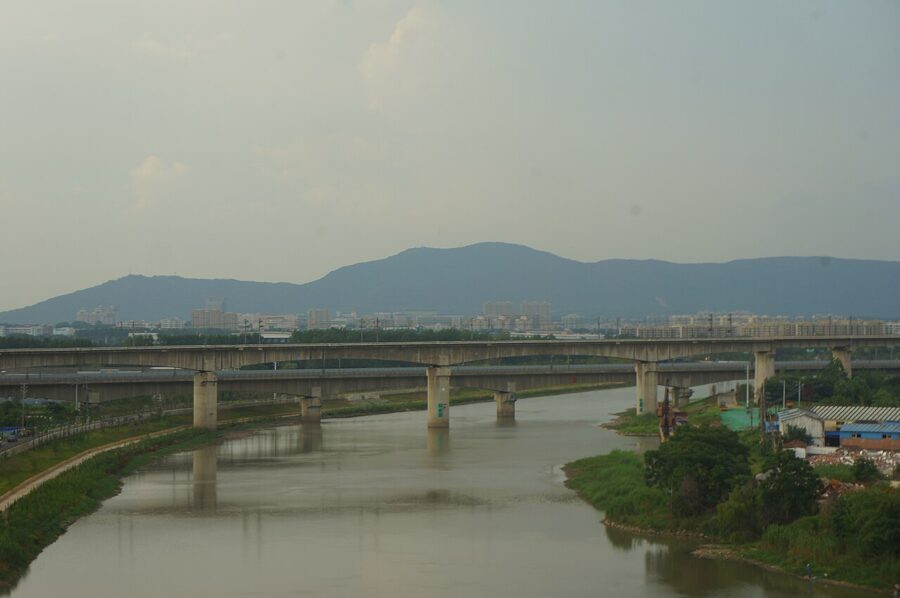
The busiest line in the country, with 39 G trains between Beijing South and Shanghai Hongqiao on the day I checked, plus more from Beijing station and to Shanghai’s central station. The fastest, G25, stopped only at Nanjing South that day. One of the slow ones, G795, called at nine stations along the way, from Dezhou East and Jinan West to Xuzhou East and Wuxi East, and took 5 hours 52 minutes.
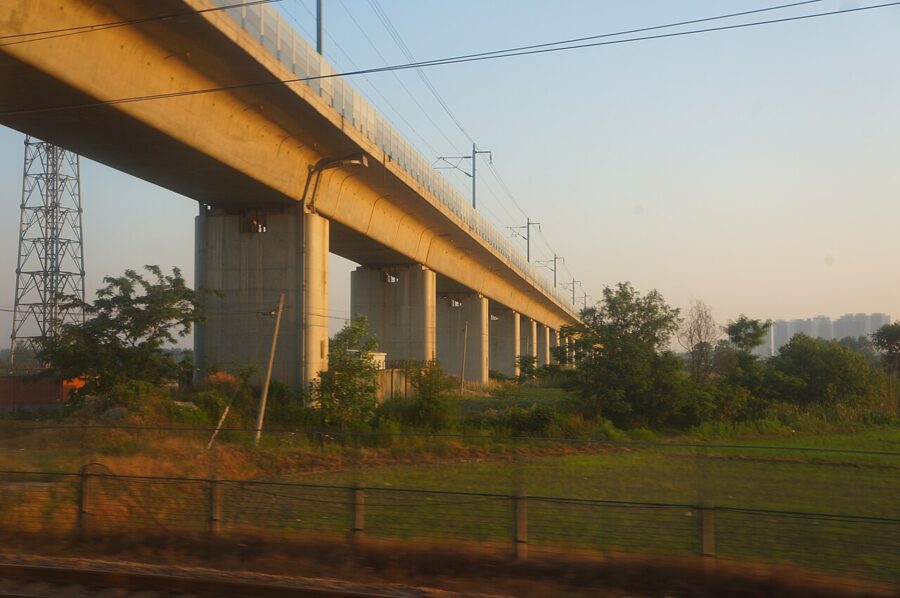
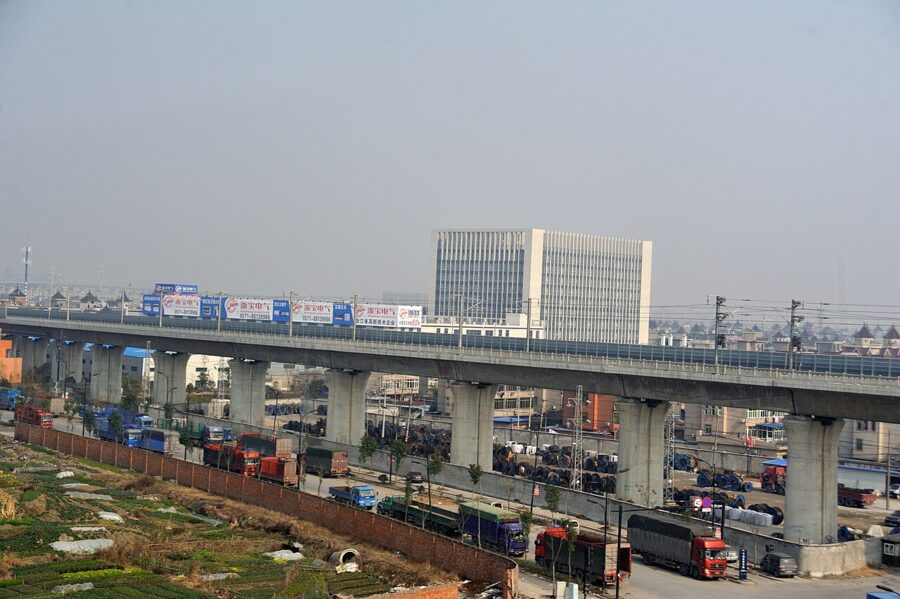
The line is mostly on viaduct, so the view is long and flat: fields, canals, and one new town after another. My Beijing itinerary and Shanghai itinerary pick up at either end.
Shanghai to Hangzhou and Suzhou
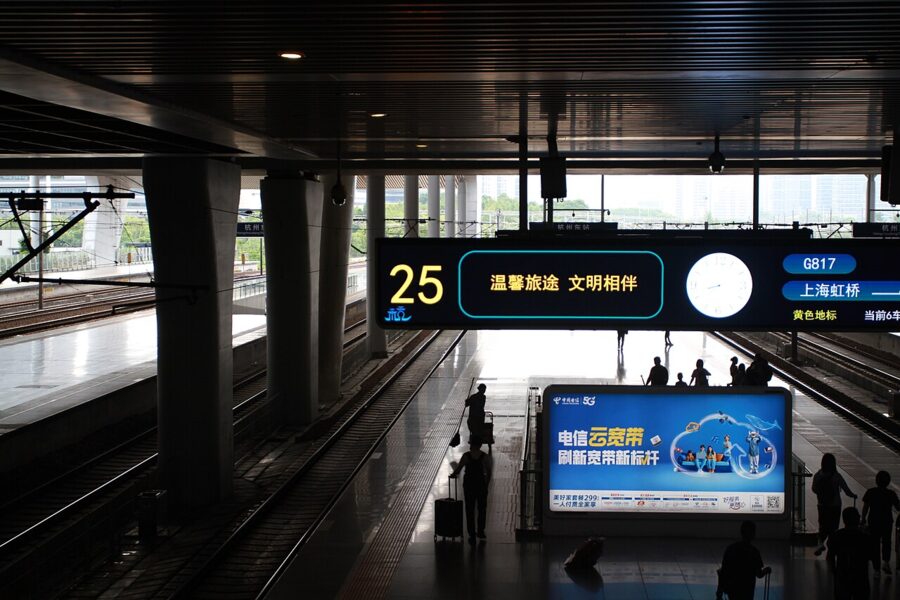
Two short hops with trains every few minutes. Hangzhou East is 45 minutes from Hongqiao on the fastest G trains, and Metro Line 1 runs from the station to Longxiangqiao by West Lake. Suzhou is 25 minutes from either Shanghai Hongqiao or Shanghai station; Suzhou station, on the north edge of the old city, is closer to the gardens than Suzhou North, which is where many Beijing trains stop.
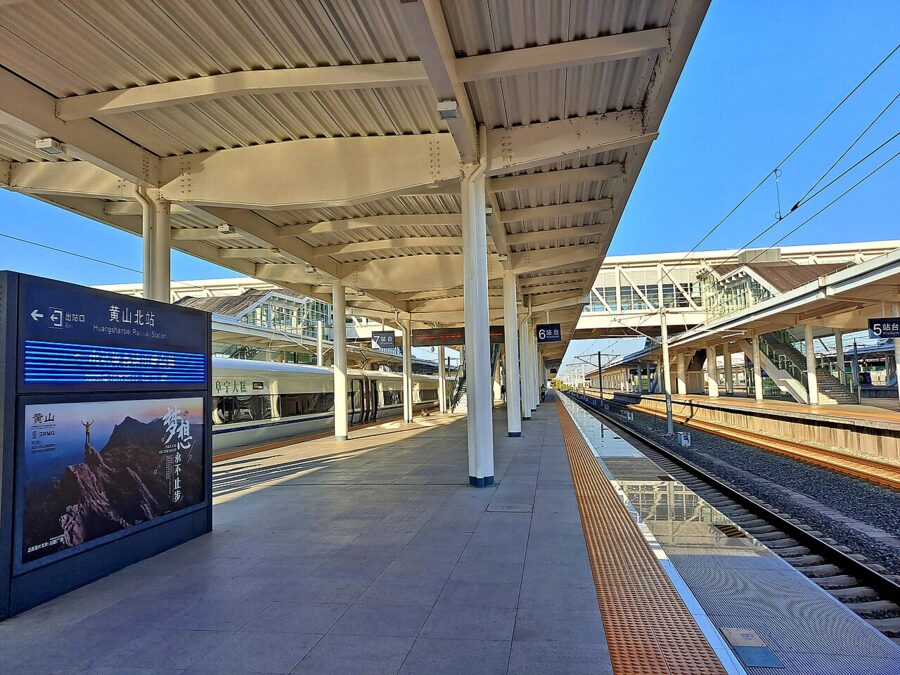
Further out, Huangshan North is 2 hours 16 minutes from Hongqiao on the fastest train, with second class from ¥194 to ¥207 that day, which puts the Yellow Mountains within reach of a long weekend from Shanghai.
With more than a hundred trains a day between Hongqiao and Hangzhou East alone, these are the routes where booking a day ahead is usually enough outside the holidays.
Beijing to Xi’an
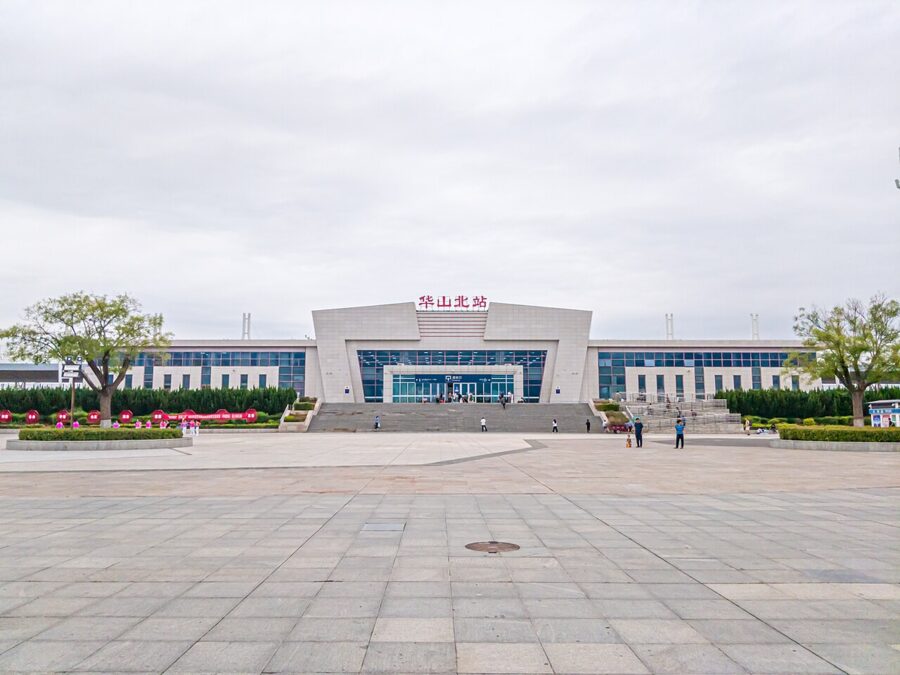
The fastest G trains from Beijing West to Xi’an North take 4 hours 10 minutes, and second class was ¥587 on every train I checked. Xi’an North is well north of the walls, but Line 2 runs from the station straight to the Bell Tower. From Xi’an you’re also 1 hour 15 minutes from Luoyang and about half an hour from Mount Hua on the fast trains.
My Xi’an guide covers the city once you arrive.
Xi’an to Chengdu
This line goes through the Qinling mountains in a long series of tunnels, and the fastest G train from Xi’an North to Chengdu East takes 3 hours 5 minutes; most take between three and four hours. Second class ran from ¥285 to ¥300. The tunnels mean the view comes in short bursts of green valley, so this is a ride for a book.
Chengdu East is on Metro Lines 2 and 7, and my Chengdu guide covers where to stay and what to do.
Chengdu to Chongqing
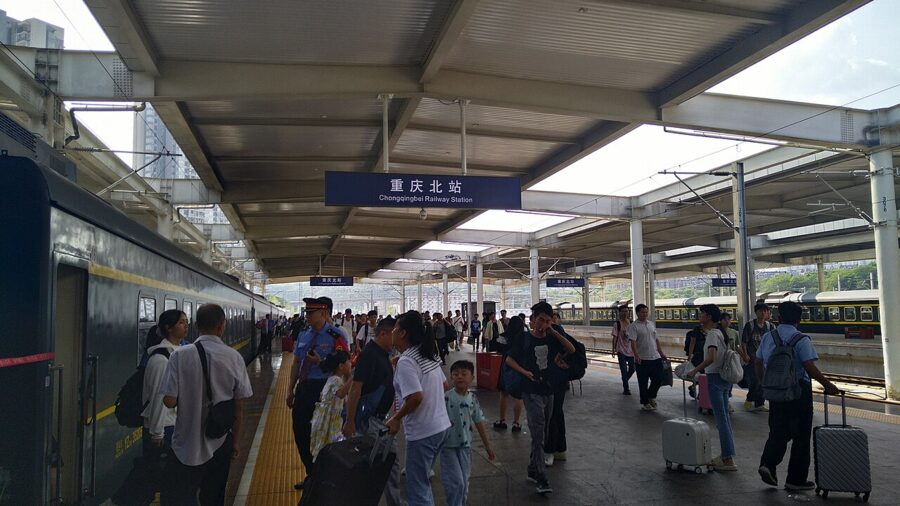
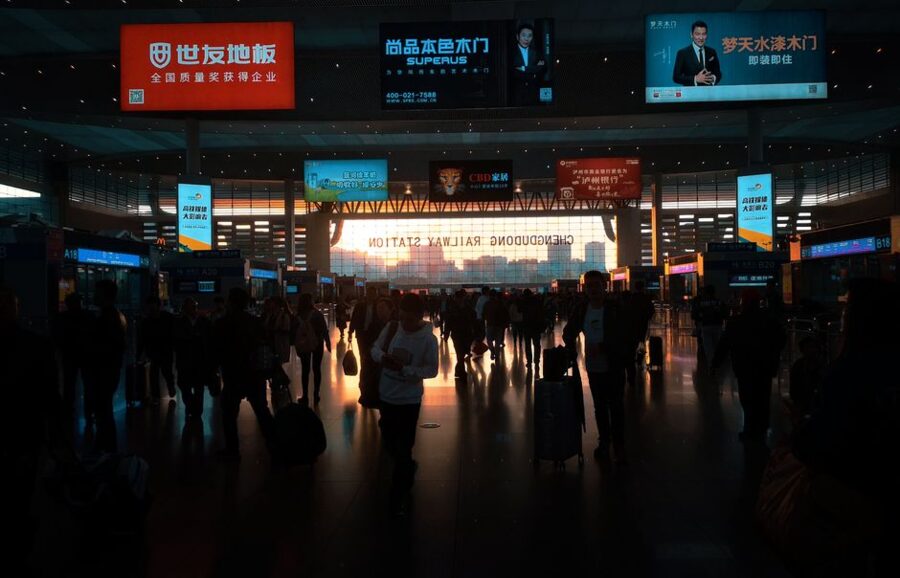
Trains from Chengdu East go to both Chongqing West and Chongqing North. The fastest trains from Chengdu East took 1 hour 6 minutes to Chongqing West and 1 hour 17 minutes to Chongqing North, with second class from ¥141 to ¥158. Chongqing North is closer to the centre, so check which one a train uses before you book; my Chongqing guide covers both.
Guangzhou to Guilin and Yangshuo
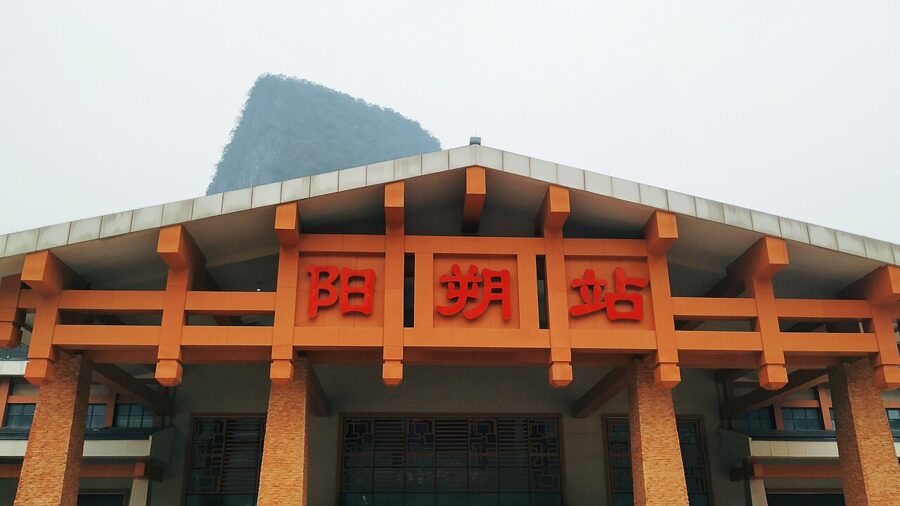
Most trains from Guangzhou South to Guilin run to Guilin West, on the Guiyang to Guangzhou line, and the fastest take 2 hours 4 minutes; others run to Guilin North in about the same time. Second class ran from ¥181 to ¥223. From Guilin North the fastest trains to Yangshuo take about 20 minutes.
You can also skip Guilin altogether: about 30 trains a day ran direct from Guangzhou South to Yangshuo station, the fastest in 1 hour 50 minutes. Yangshuo was my favourite escape from Shenzhen, and the karst hills start showing up in the windows long before you arrive.
Kunming to Dali and Lijiang
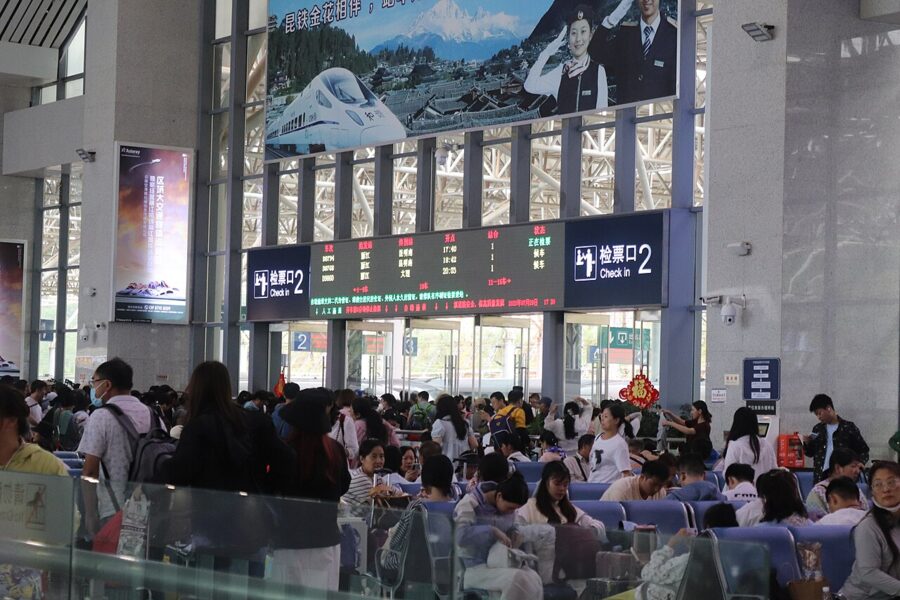
The lines west of Kunming run D and C trains, not G. The fastest trains to Dali take 1 hour 55 minutes from Kunming station; from Kunming South they took about 2 hours 20 minutes. The fastest train from Kunming to Lijiang took 3 hours 29 minutes, and Dali to Lijiang took 1 hour 36 minutes at best.
There were only about a dozen direct trains from Kunming’s two stations to Lijiang that day, and eight from Dali to Lijiang, so book these early in the holidays. And note the station: the faster Dali trains go from the old Kunming station, not Kunming South.
Chengdu to Jiuzhaigou
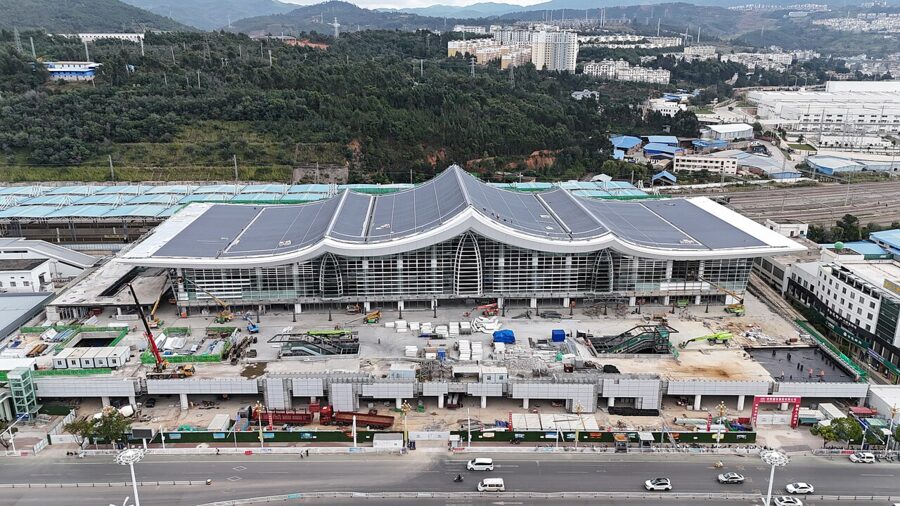
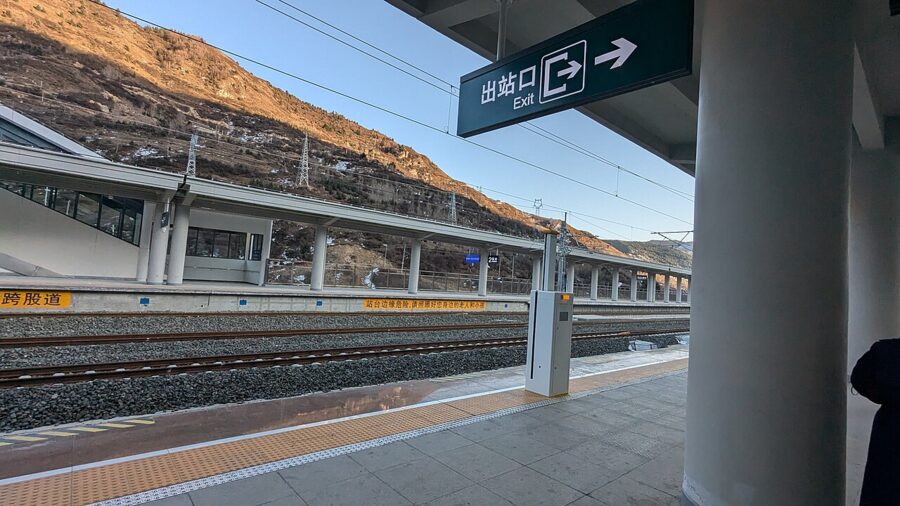
Trains to the Jiuzhaigou area run from Chengdu East to Huanglongjiuzhai station. There were eight direct trains on the day I checked, all C trains, and the fastest took 1 hour 39 minutes, with second class at ¥143. Search for Huanglongjiuzhai, not Jiuzhaigou, when you book.
With so few trains, this is the route where the 15-day sale window and the waitlist matter most, especially in autumn.
Hong Kong
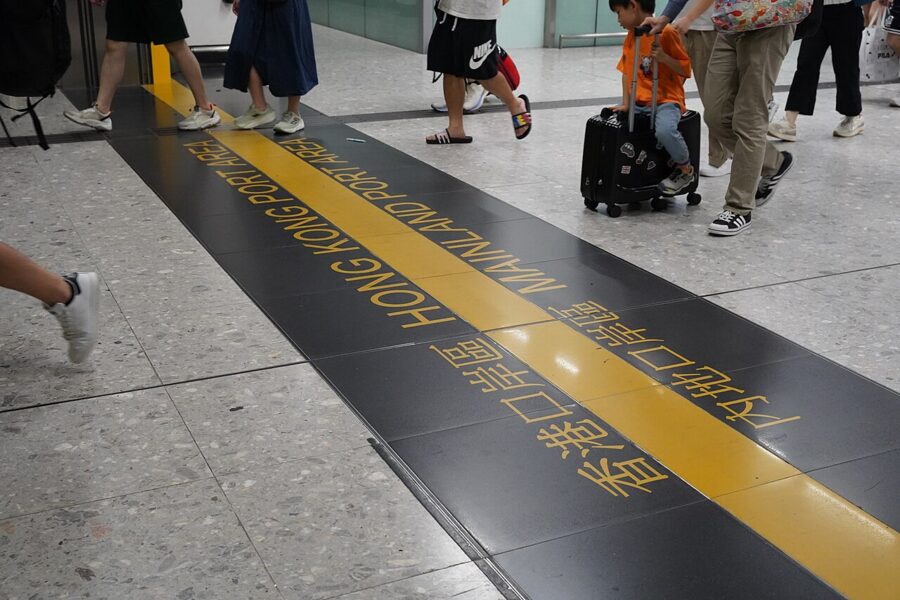
Mainland trains run to Hong Kong West Kowloon from Shenzhen North in about 18 minutes, from Guangzhou South in 47 minutes on the fastest train, and on to cities much further north. Both sets of border checks are done inside West Kowloon station, so you need the passport and whatever entry documents you’d need at any other crossing. For a short visit, my Hong Kong day trip plan works from Shenzhen by train.
Skip this
- Shanghai station for Beijing trains, unless you’re staying next to it. Most fast trains use Hongqiao.
- Paid “priority” extras. Booking sites sell ways to jump the queue. They can’t create seats that don’t exist; the railway’s own waitlist does the same job for free.
- Standing tickets (无座) for anything over an hour. They’re sold when seats run out, and they mean a vestibule floor.
- The ticket window on the day. At busy stations the queue can take longer than the ride to Suzhou.
- Flying Beijing to Shanghai. Once you add the airports, the train is about as quick and much more reliable.
Pick a seat letter, cancel your waitlist when you get a ticket, and leave the hotel with the passport you booked with. Then take the window, A or F, and watch the country go past at 350 km/h with a cup of hot water and a pot of noodles.
You Might Also Enjoy
 Japanese Sweets: A Wagashi Guide from Mochi and Dango to Kakigori and Taiyaki
 Huangshan: The Yellow Mountains by Cable Car and on Foot, Sunrise on the Summit and the Villages Below
 Two Weeks in China: A First-Timer’s Itinerary From Beijing to Shanghai by High-Speed Train
 The Leshan Giant Buddha and Mount Emei: How to Visit Both From Chengdu, the Paths, the Boat and the Golden Summit