
Hong Kong Day Trip: A Working Plan from Shenzhen (or a Cruise Ship, or a Layover)
One of the people I worked with in Shenzhen, a Hong Kong-born product manager named Andy, used to do the trip every Saturday morning. Up at six, breakfast at his usual cha chaan teng on Hua Qiao Cheng, walk to Futian metro by seven, through the border by eight, in Tsim Sha Tsui by half past, dim sum on the table by quarter to nine. Back across at Lo Wu around ten that night, in bed by midnight. He did this for the better part of a year. He went to see his mum, eat the Sunday food he grew up on, drink milk tea his way, and walk the same loop he always walked.
I tagged along once. I have done some flavour of his trip a dozen times since: as a Saturday from Shekou, as the back end of an airport layover, as a four-hour stopover off a cruise. Hong Kong is one of the best cities in the world to visit for a single day, partly because the geography is on your side (the harbour is small, the ferries are fast, the metro is honest), and partly because the food turns over every three or four hours and you can eat your way around the loop without having to plan dinner.
This guide is the rhythm of that loop, with three border-crossing variants up front and a working hour-by-hour spine for the day itself. There is also a four-to-six-hour mini version for cruise passengers and people on a tight layover.
If you are starting in Shenzhen, the trip is a normal weekend reflex. If you are starting at the airport on a layover, it works too, but the maths is tighter. If you are arriving on a cruise that docks at Kai Tak or Ocean Terminal, you essentially get the city served on a plate. Three different opening moves, the same middle game.
What follows is opinionated, dense with prices, and built so you can read it on a train and execute it the same morning. Skip ahead if you only have four hours, or read straight through if you are doing the full day.
In This Article
- Three ways in: Shenzhen overland, ferry, or HKIA layover
- From Shenzhen overland
- From Shekou or by ferry from elsewhere
- From an HKIA layover
- The day in twelve moves: 8am to 9pm
- 8am: cross at Futian, ride East Rail Line to East Tsim Sha Tsui
- 9am: breakfast at a cha chaan teng
- 10am: Tsim Sha Tsui Promenade and the Avenue of Stars
- 10:30am: Star Ferry across to Central
- 11am: Central, then the Mid-Levels Escalator
- 1pm: dim sum at a real tea house
- 2:30pm: up Victoria Peak (by tram or by bus)
- 4pm: Sheung Wan and Tai Ping Shan back to Central
- 5pm: tea and an egg tart
- 6:30pm: Star Ferry back, evening light
- 7pm: dinner in Mong Kok or TST
- 8:30pm: cross back
- Border and money practicalities
- What to skip on a one-day visit
- Eating Hong Kong in twelve hours
- If it is your fifth visit: the food and the views version
- If you only have four to six hours
- Practical bits worth keeping
- A few things worth keeping
Three ways in: Shenzhen overland, ferry, or HKIA layover
Andy’s route is the one I would copy if you have any flexibility. Most of the heavy logistics are about which border you cross and at what hour, not what you do once you are inside. Get the border right and the day works itself. Get it wrong and you are losing 90 minutes you cannot afford to lose.
From Shenzhen overland
Four border options. Each has a personality.
Futian Checkpoint, via Shenzhen Metro Line 4 to Futian Checkpoint Station, then onto MTR East Rail Line at Lok Ma Chau. This is the weekday workhorse. Cross from 06:30 to 22:30. The Hong Kong side puts you on the East Rail Line, which runs straight down to East Tsim Sha Tsui in about 40 minutes for HK$48 (Octopus rate, Express Rail not required). On a normal Saturday morning at 8am you are through immigration in 15 minutes either side. On a Saturday afternoon you are not. Go early.
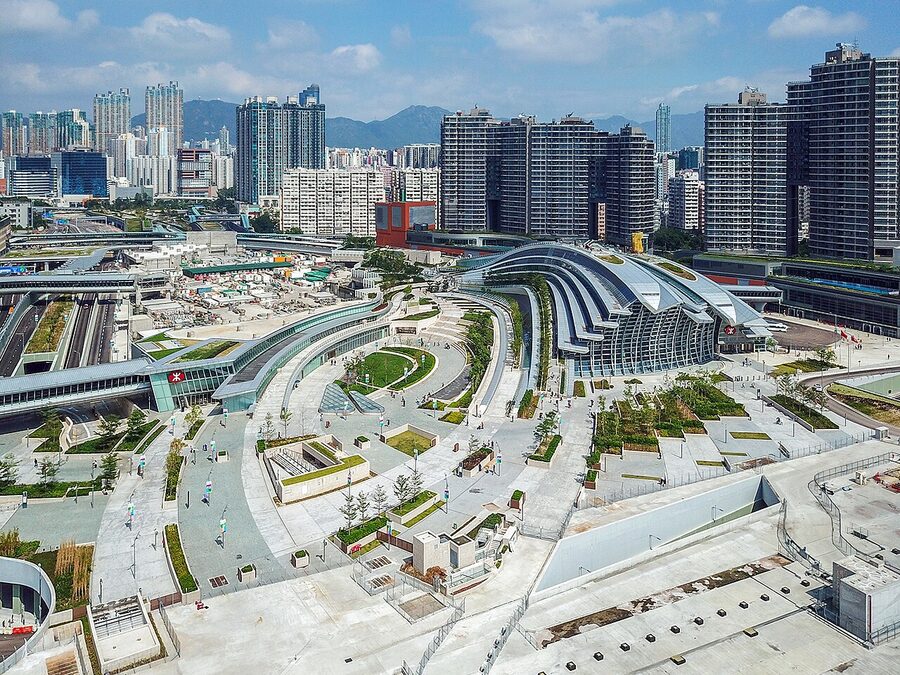
West Kowloon, via the high-speed rail from Shenzhen Futian or Shenzhen North. The fastest mainland-to-Hong Kong-island option exists. Futian station to Hong Kong West Kowloon is a 14-minute ride, second class around RMB 75, first class RMB 110. Trains run roughly every 10 to 20 minutes from 07:00 to 22:30. Border control is co-located at West Kowloon: you clear mainland exit and Hong Kong entry on the same upper levels of the same building, which means no walking across a bridge. From West Kowloon you walk five minutes to Austin MTR (Tuen Ma Line) or 10 minutes through Elements Mall to Kowloon MTR (Tung Chung Line). This is the option I would pick on a Sunday with bags, when Futian-Lok Ma Chau queues are at their worst.
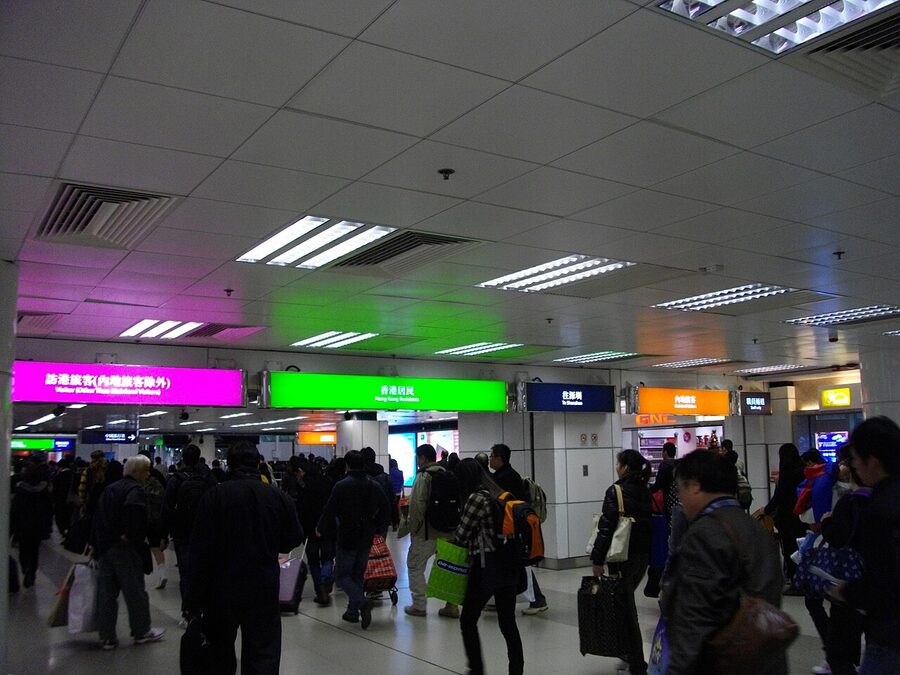
Lo Wu, via Shenzhen Metro Line 1 to Luohu, then walk across. The original. The KCR (Kowloon Canton Railway, which merged with the MTR Corporation in 2007 to form what is now just the MTR) has been running into Lo Wu for over a century. The crossing is a footbridge over the Shenzhen River. You walk through, you queue at immigration, you board the East Rail Line on the Hong Kong side. Cheapest of the four. Open 06:30 to midnight. Avoid weekend afternoons in either direction; the queue is famously brutal.
Shenzhen Bay, by bus. Both the mainland and Hong Kong checkpoints are in the same building, so you stamp in and out under one roof, then board a bus that drops you in Tin Shui Wai or Yuen Long. From there it is the West Rail Line to Tsim Sha Tsui. About 90 minutes total, HK$50 to 70. Worth knowing about, almost never the right pick for a one-day visit because of the time penalty. Use it if you are heading to Tuen Mun or Lantau, or if you are coming from Shekou.
From Shekou or by ferry from elsewhere
If you are staying around Shekou or coming in from Macau or Zhuhai, the ferry options change the morning. The Shekou Cruise Center runs three sailings a day to the Hong Kong-Macau Ferry Terminal in Sheung Wan: 07:30, 10:15, and 16:45, taking 30 to 40 minutes for around RMB 90 to 150. There is also a SkyPier route from Shekou direct to Hong Kong airport, but only for transit air passengers. If you can get on the 07:30 boat from Shekou, you walk off in Sheung Wan around 08:15 and you are eating dim sum by 09:00 with the locals. The ferry skips the worst of the morning border queues.
From Macau, the TurboJET service into Sheung Wan is hourly from 07:00 to midnight, MOP 175 to 220 economy, 55 minutes. From Zhuhai’s Jiuzhou Port the morning is more cramped: three or four sailings a day, 70 minutes, around RMB 220.
From an HKIA layover
If you have eight to twelve hours between flights, the city is doable. Less and it gets stressful. The plan is the Airport Express, which runs every 10 minutes from 05:54 to 00:48, takes 24 minutes to Central, costs HK$115 one way or HK$205 return (the return is valid for a month, useful even on a single visit). Buy it as part of an Airport Express Travel Pass for HK$220, which gets you the round trip plus three days of unlimited MTR rides. Free in-town check-in is at Hong Kong and Kowloon stations: drop your bag, get your boarding pass, walk out, do the abridged version below. Be back at Kowloon or Hong Kong station 90 minutes before your flight, ride back to the airport for security, board.
The abridged version cuts everything except the harbour and the food. From Central you take the Star Ferry to Tsim Sha Tsui, walk the promenade, eat dim sum at Maxim’s Palace in City Hall (Central side, before you ferry over) or at one of the Tsim Sha Tsui places listed below, ride the Peak Tram if you have time, and do egg tarts and milk tea before the train back. Six hours is enough. Eight hours is comfortable. Twelve hours is borderline a holiday.
The day in twelve moves: 8am to 9pm
Here is the spine. It assumes a Futian-into-East Rail Line entry on a normal weekday or Saturday, but it works from any of the borders if you arrive in Tsim Sha Tsui or Central by 9am. Times are conservative. Move faster than this and you have spare hours; move slower and you can drop one of the food stops and still finish on time.
8am: cross at Futian, ride East Rail Line to East Tsim Sha Tsui
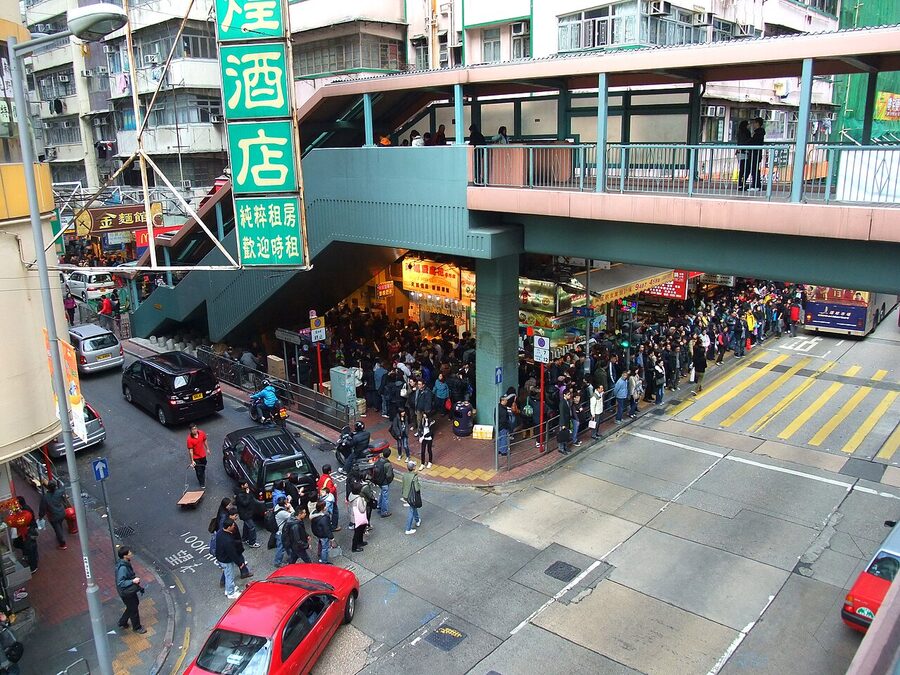
You should be at Futian metro by 7:30. Through immigration on the Shenzhen side at 7:45. Across the Lok Ma Chau bridge by 7:55. Stamped into Hong Kong by 8:05. East Rail Line train at 8:10. East Tsim Sha Tsui MTR by 8:50, Exit J for the harbour, Exit P for the cha chaan teng I am about to send you to. If any of those numbers slip, the rest of the day still works, but the dim sum window gets tight.
9am: breakfast at a cha chaan teng
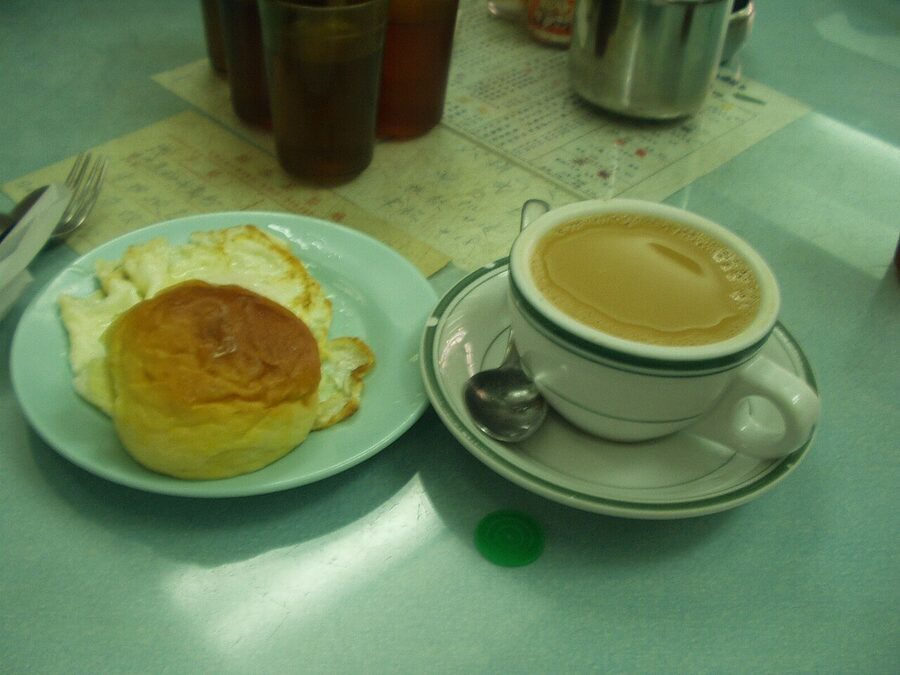
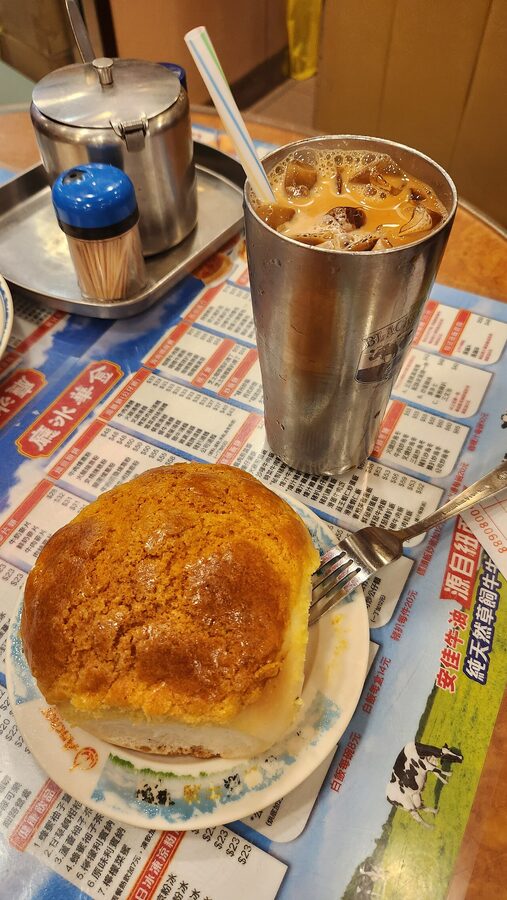
Cha chaan teng is a 1950s Hong Kong invention, a fusion of Western and Cantonese cooking that grew up in the years after the war when local diners started serving cheap simulacra of British and continental food alongside Cantonese basics. UNESCO added cha chaan teng culture to its intangible-heritage list in 2017. The classic order is a set breakfast, which usually runs HK$38 to 55 and includes a hot drink, a starch (toast or macaroni), and a protein (egg, ham, Spam, sausage). The drink to order is silk-stocking milk tea (the name comes from the muslin sock the tea is strained through), or a yuanyang, which is half milk tea and half coffee. Both run HK$20 to 25 a cup.
Two places I keep going back to. Australia Dairy Company on Parkes Street, Jordan, is the famous one. Open 07:30 to 23:00, closed Thursdays. Order the macaroni soup with ham, two scrambled eggs on toast, and a cup of cold milk tea. The set is HK$45. The eggs come on the table in 90 seconds and the soft-set scramble is the calling card. Service is famously curt; do not take it personally. MTR Jordan, Exit C2, two minutes’ walk. Capital Cafe in Wan Chai is the cleaner option: pineapple bun with cold butter slab (boluo bao) HK$22, scrambled eggs on toast HK$48, hot milk tea HK$25. Slower service, better seating. MTR Wan Chai, Exit A4. For a deeper dive on the format and what to order in either, my cha chaan teng guide has 15 dishes mapped out.
10am: Tsim Sha Tsui Promenade and the Avenue of Stars
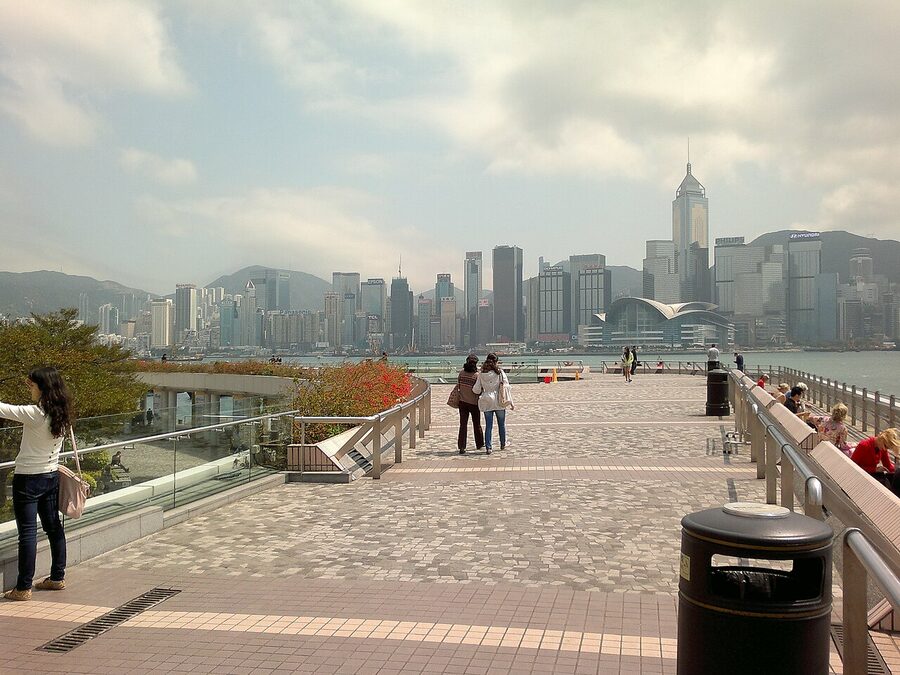
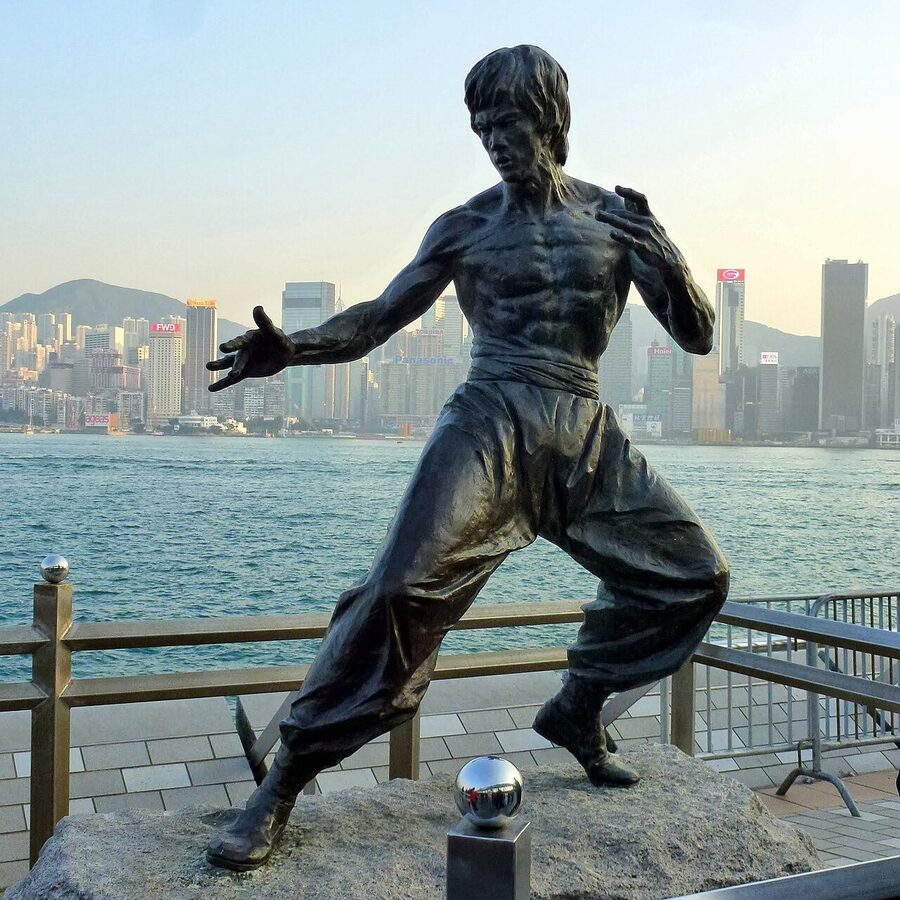
Walk five minutes from East TST to the harbourfront. The Tsim Sha Tsui Promenade hugs Victoria Harbour and gives you the postcard skyline. The Avenue of Stars is the eastern stretch, with handprints of Cantopop and Hong Kong cinema names (Bruce Lee’s statue is the photo everyone wants). The whole walk from Salisbury Road to the eastern end of the avenue is about a kilometre. It takes 30 minutes if you stop. Do this in the morning, not the afternoon: light comes from the east, which means the Hong Kong Island skyline is properly lit until about 11am, then it backlights and gets harder to photograph.
10:30am: Star Ferry across to Central
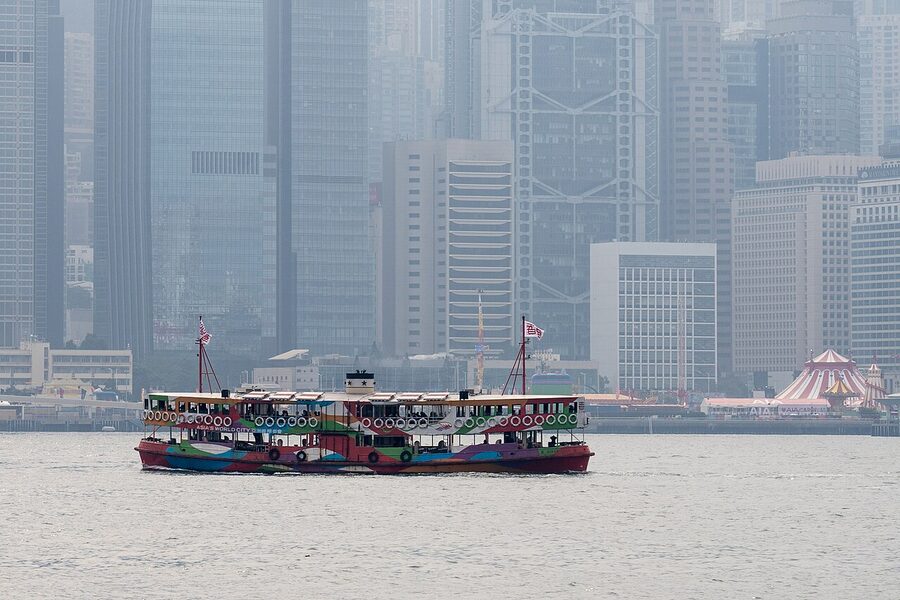
The Star Ferry pier sits at the western end of the promenade. The crossing to Central is HK$3 weekday, HK$4 weekend, paid by Octopus tap or by dropping coins into the turnstile. Eight minutes across, double-decker, sit on the upper deck if it’s open. It is the cheapest scheduled boat ride in any major city I have been to.
The Star Ferry Company itself is a piece of Hong Kong history that turns up in nearly every paragraph the city writes about itself. It was founded in 1888 by a Parsi businessman named Dorabjee Naorojee Mithaiwala, who started the Kowloon Ferry Company and ran it himself before selling to a British group that renamed it Star Ferry in 1898. The fleet has been replaced over the decades, the routes have been trimmed (it used to run to Hung Hom and Yau Ma Tei), but the basic idea (a passenger boat across the harbour, cheap and frequent) has not changed in 137 years. The Tsim Sha Tsui-Central run takes 26 million passengers a year. You will be one of them.
11am: Central, then the Mid-Levels Escalator
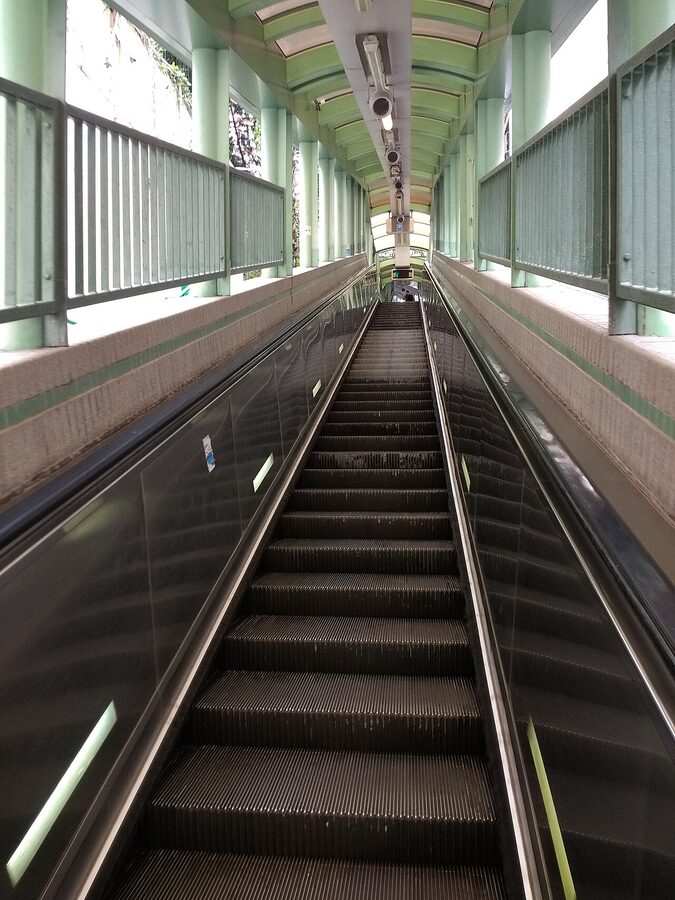
Off the ferry, you are at the Central Piers. Walk inland toward Queen’s Road Central (about seven minutes), then look for the escalator entry on Cochrane Street. Time it right and you ride up; time it wrong and you walk. The system runs downhill 6am to 10am for the morning office commute, then flips to uphill 10:20am to midnight. If you are at Central by 11am the escalator is going your way.
The escalator route is the city’s quickest way to wander Soho, Sheung Wan, and the Mid-Levels district. Hop off at Hollywood Road for the antique-and-art-gallery strip, at Staunton Street for the bars (skip until evening), or stay on to the top for views over the central business district. I tend to ride to the top, walk west along Caine Road, then drop into Sheung Wan via Pound Lane. Forty minutes, all downhill in pace, no metro needed.
1pm: dim sum at a real tea house
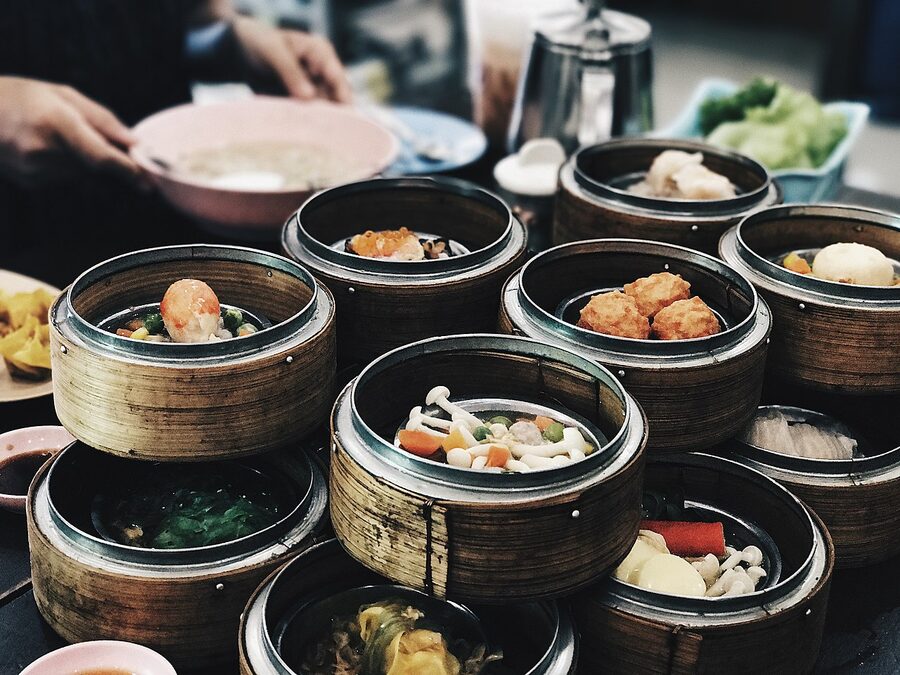
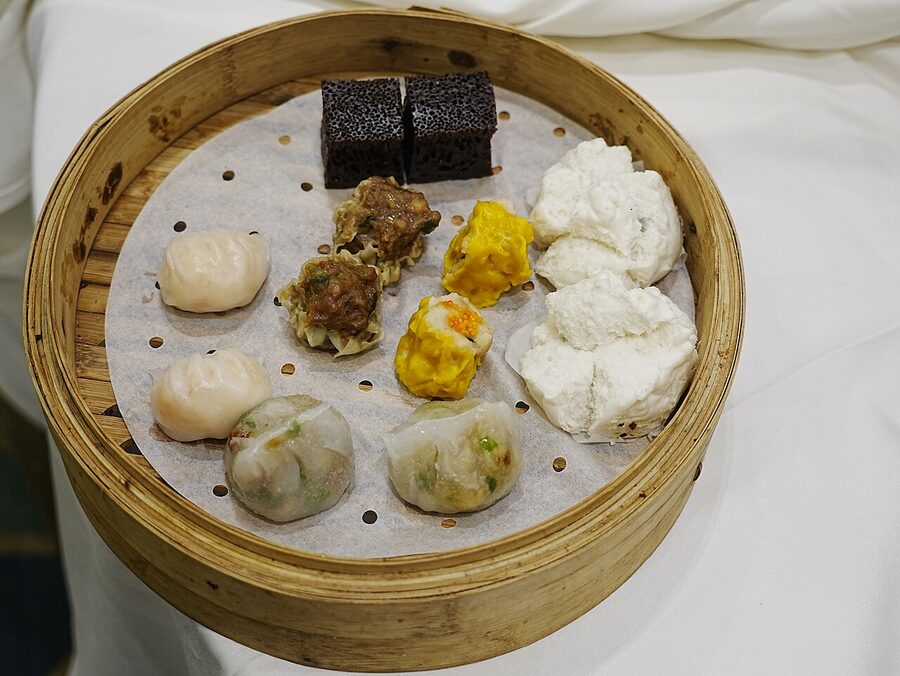
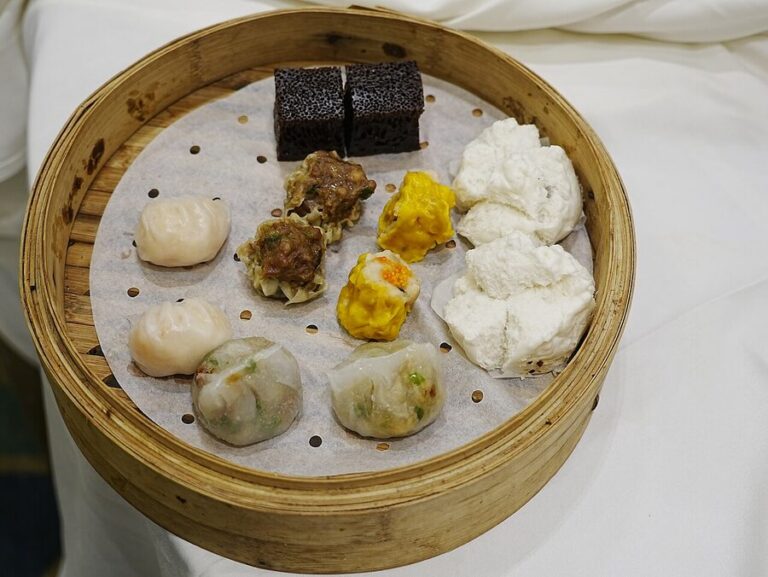
Hong Kong dim sum is not breakfast, it is a long mid-morning to mid-afternoon meal called yum cha (literally “drink tea”). The custom dates back at least to the late Qing-dynasty tea houses of Guangzhou and got naturalised in colonial Hong Kong starting in the 1860s. By the time the post-war economy boomed in the 1950s, every neighbourhood had a tea house, and the trolley-and-bamboo-steamer format spread from Hong Kong out to every Chinese city in the world. Pick one of the following:
Maxim’s Palace, City Hall, Edinburgh Place, Central. The old-school trolley experience. Carts with steamers, you point, they stamp your card, you pay at the end. HK$280-400 a head with tea. Open 11am to 3pm for dim sum, then dinner. MTR Central, Exit J3, two minutes. Reservation required for groups, walk-in queue for two is usually 20 to 30 minutes at 1pm. Worth it.
Tim Ho Wan, Sham Shui Po (185 Fuk Wa Street) is the original branch and used to be the cheapest Michelin-starred restaurant in the world before it became a chain. Order chits, no carts, but the baked char siu bao is genuinely transcendent (golden, sweet, the pork inside lacquered). HK$200-280 a head. MTR Sham Shui Po, Exit B2. The original is no longer the easiest branch to get into; the IFC Mall branch in Central is faster on the way back from the escalator if you are time-pressed.
Lin Heung Kui, 46-50 Des Voeux Road West, Sheung Wan. Trolley-style, family-run, the spiritual successor to the original Lin Heung Tea House on Wellington Street that closed in 2022. Order siu mai, har gow, char siu bao, taro puff, cheung fun, and one weird thing off a passing cart that you cannot identify. HK$200-300 a head. MTR Sheung Wan, Exit A2, about ten minutes’ walk. The dim sum guide I wrote on Hong Kong dim sum proper goes deeper on dish selection and tea-pouring etiquette.
2:30pm: up Victoria Peak (by tram or by bus)
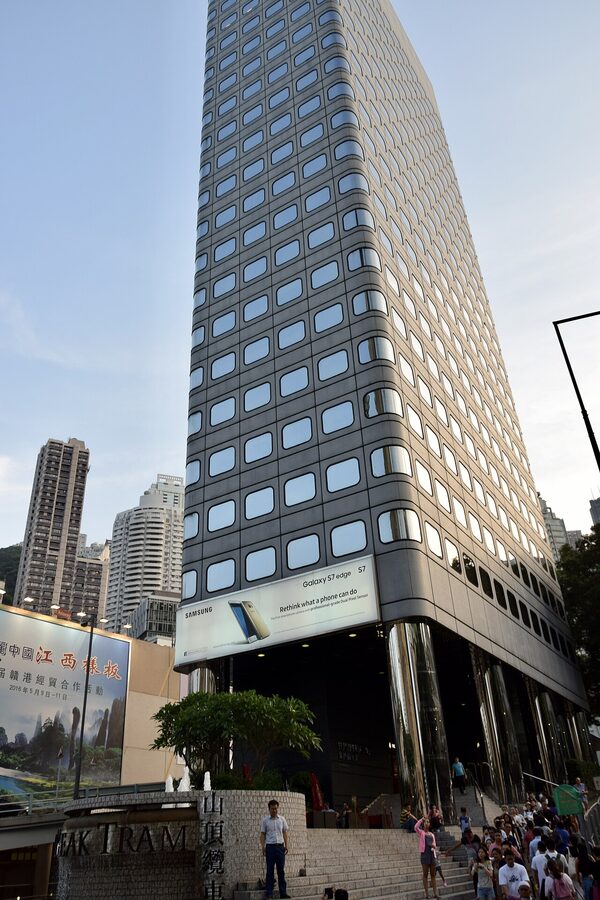
Victoria Peak is the highest hill on Hong Kong Island, 552 metres, and it has been the city’s most-visited viewpoint since the Peak Tram opened on 30 May 1888 (it was the first funicular railway in Asia). Until 1947 the residential blocks at the top were European-only, a British colonial restriction enforced by ordinance; it was lifted after the war and the area is now some of the most expensive real estate in the world. The view, when it is clear, runs over Central, the harbour, and Kowloon all the way to the New Territories. On a hazy day you cannot see Central. Check the air-quality index before you commit.
Two ways up. The Peak Tram from Garden Road station is the romantic choice but the queue is theatrically bad, sometimes two hours each way on weekends. Tram fare is HK$88 return (HK$112 with Sky Terrace 428 access). The pragmatic choice is Bus 15 from Central Pier 5 or Exchange Square. HK$11.50 to the top, around 30 to 45 minutes, no queue, an open-top double-decker if you get lucky. Or take the green minibus 1 from IFC Mall, 15 minutes, HK$11.50, the locals’ route. I take the bus up and walk down via the Old Peak Road footpath if I have time.
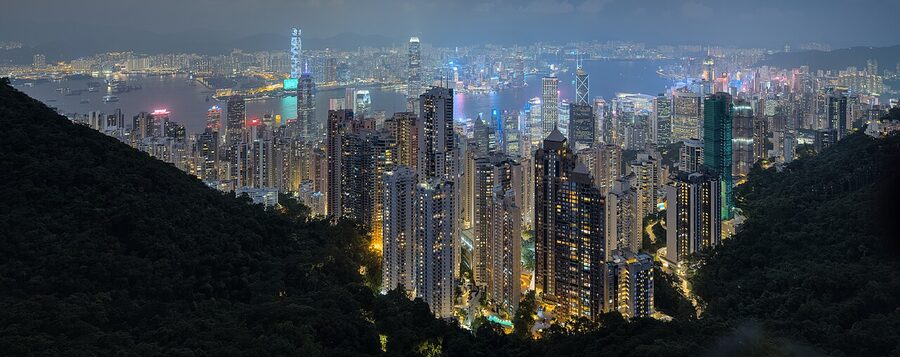
What to skip: the shopping malls at the top. Peak Tower and Peak Galleria are tourist traps with overpriced restaurants and a wax museum nobody asked for. Walk the Peak Circle (Lugard Road and Harlech Road, the loop is roughly 3.5km, 45 to 60 minutes, mostly flat, mostly shaded) instead. The view from the western lookout, near where Lugard meets Harlech, is the same one the Tower charges you HK$112 for, no ticket required.
4pm: Sheung Wan and Tai Ping Shan back to Central
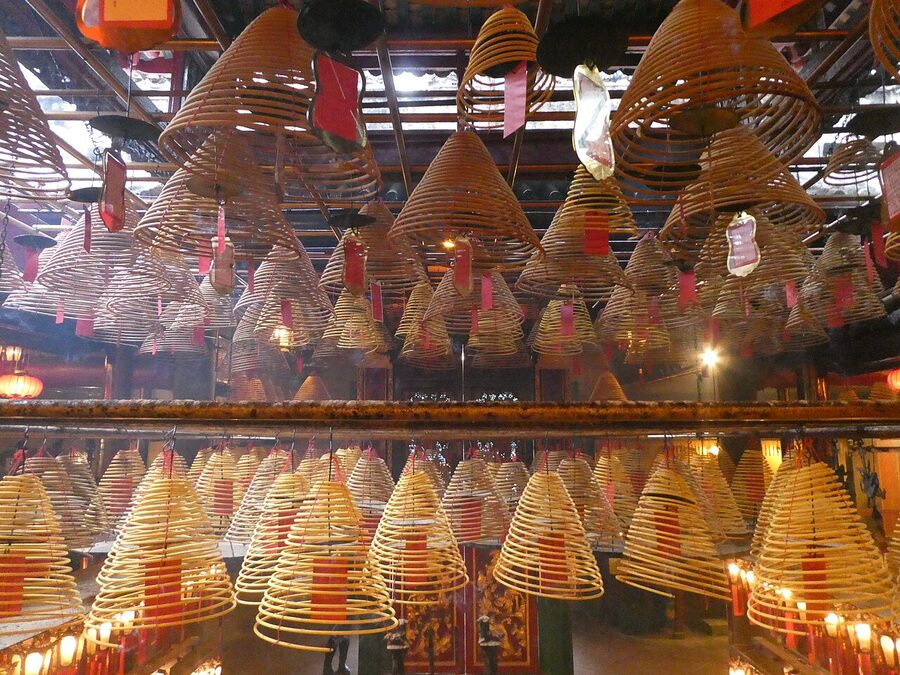
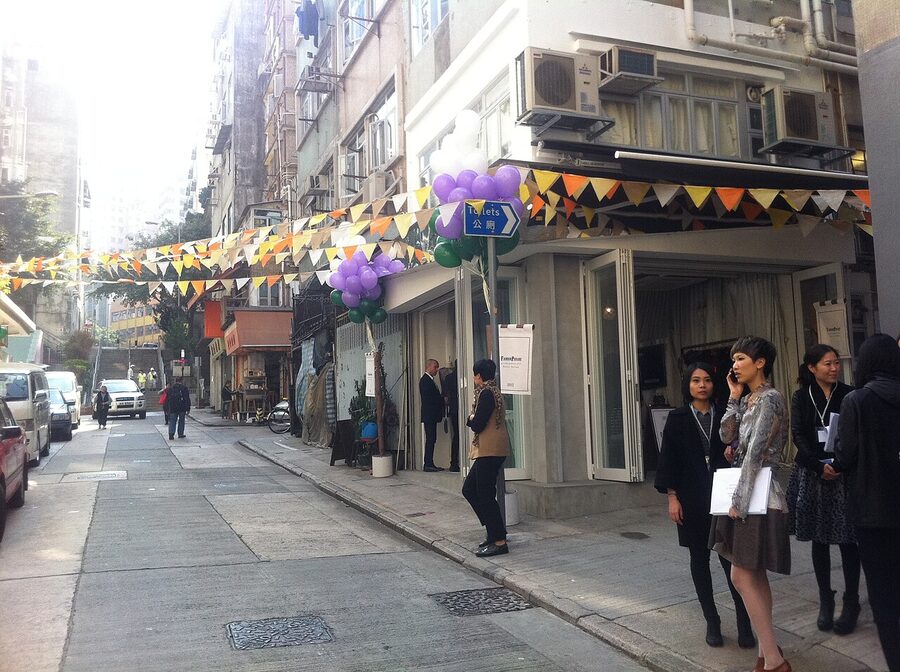
Bus 15 back down to Exchange Square, or walk the Old Peak Road if you are up for 30 minutes downhill on stairs. From Central, walk west into Sheung Wan via Hollywood Road. Tai Ping Shan Street is the spine: Man Mo Temple at the corner of Hollywood Road and Ladder Street (small, dark, full of incense coils, free entry, founded 1847), the tea-and-souvenir shops on Cat Street (Upper Lascar Row), the herbal-medicine apothecaries on Ko Shing Street, the dried-seafood market on Des Voeux Road West. The whole circuit takes about an hour at a normal pace.
5pm: tea and an egg tart
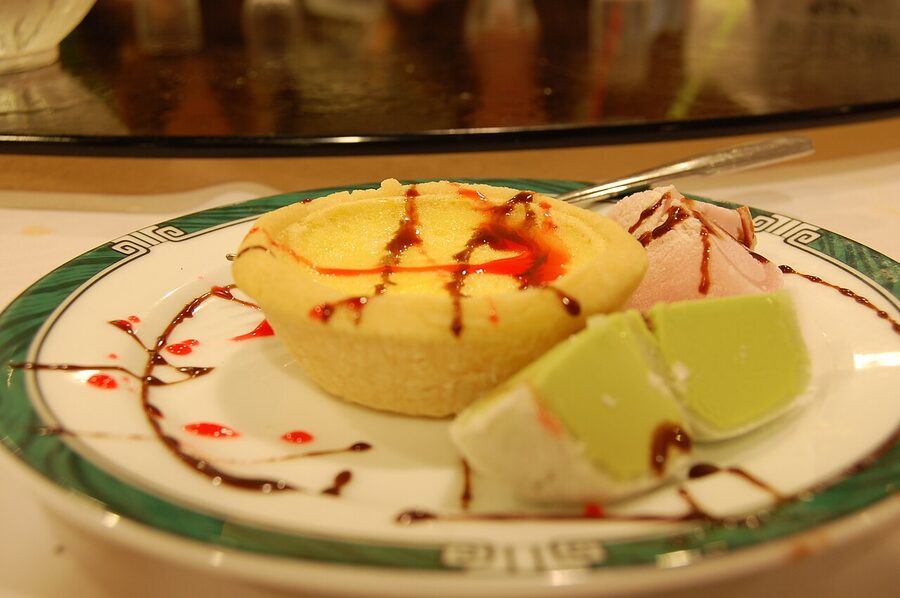
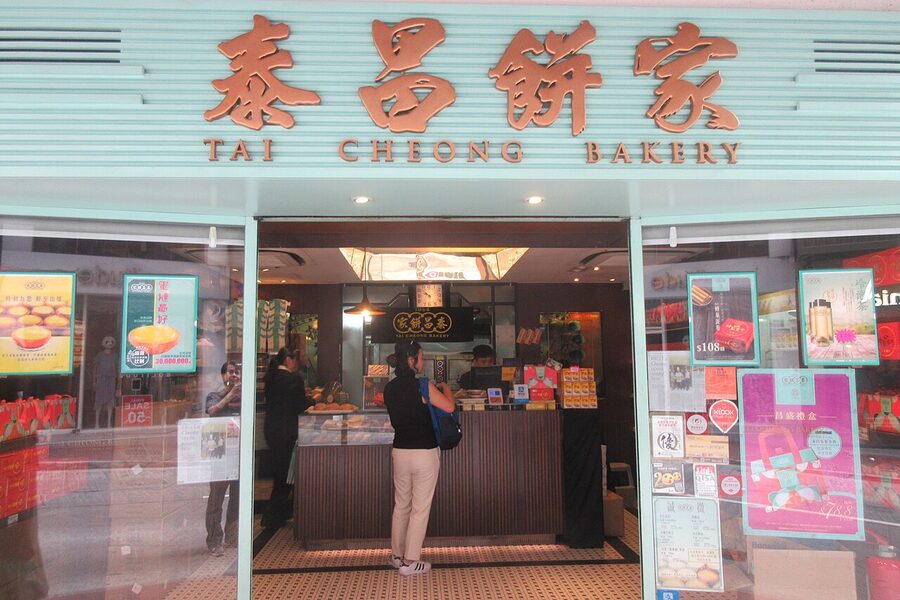
Three places, pick one. Tai Cheong Bakery at 35 Lyndhurst Terrace, Central, is the Hong Kong egg-tart icon since 1954. Shortcrust, soft custard, HK$11 a tart, two for HK$20. Coffee or tea HK$22. Open 7:30am to 9pm, walk-up counter, ten-minute queue at peak times. MTR Central, Exit D2. Bakehouse on D’Aguilar Street, Central, makes a puff-pastry sourdough version that is closer to the Portuguese pastel de nata than to the standard Hong Kong tart, and it is one of the best baked things in the city. HK$22 each. Cash and Octopus only. Honolulu Coffee Shop on Hennessy Road, Wan Chai, does a more old-school cha chaan teng version (smaller, sharper, eggier) for HK$10. None of these are wrong choices. Pick by neighbourhood.
6:30pm: Star Ferry back, evening light
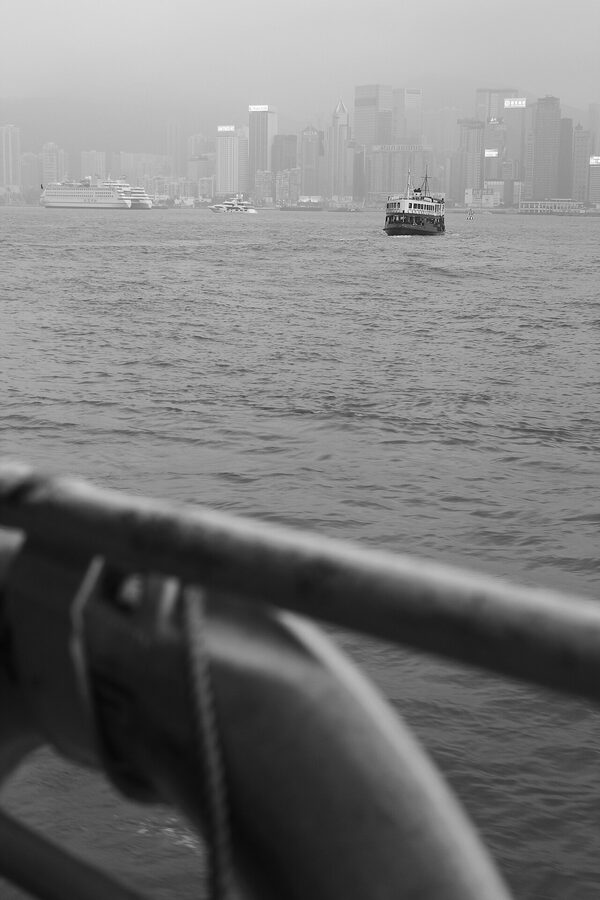
Walk back to Central Pier. Hop on the Star Ferry to TST. This is the great shot of the trip if you time it right. Ride the upper deck, sit on the right (Hong Kong-Island side) on the way over, watch the lights come on as the sky goes blue. HK$3 again. The boats run every six to twelve minutes from 06:30 to 23:30. You can do this crossing four times a day for HK$12. Some people do.
7pm: dinner in Mong Kok or TST
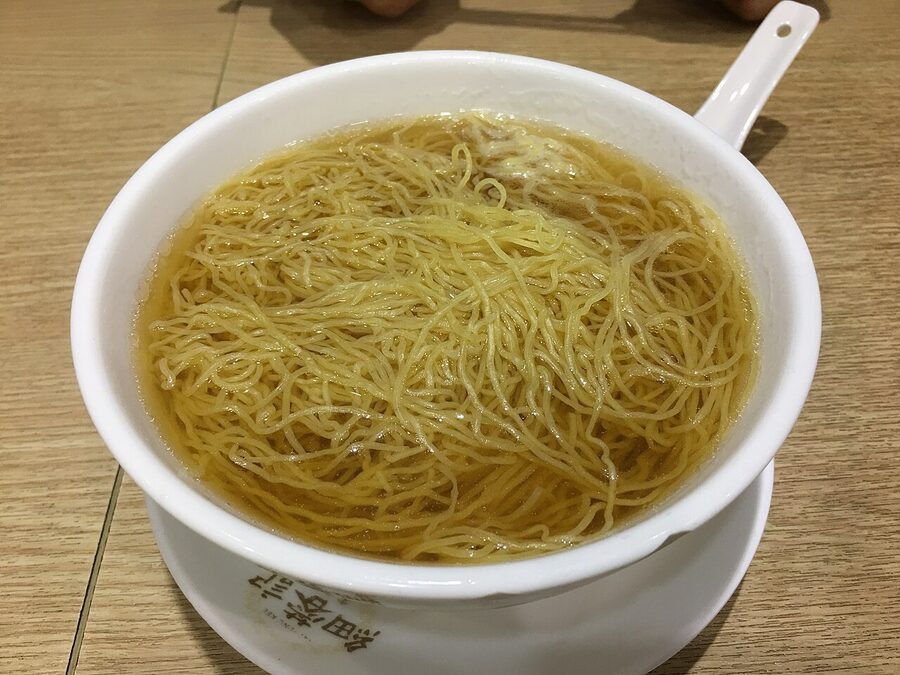
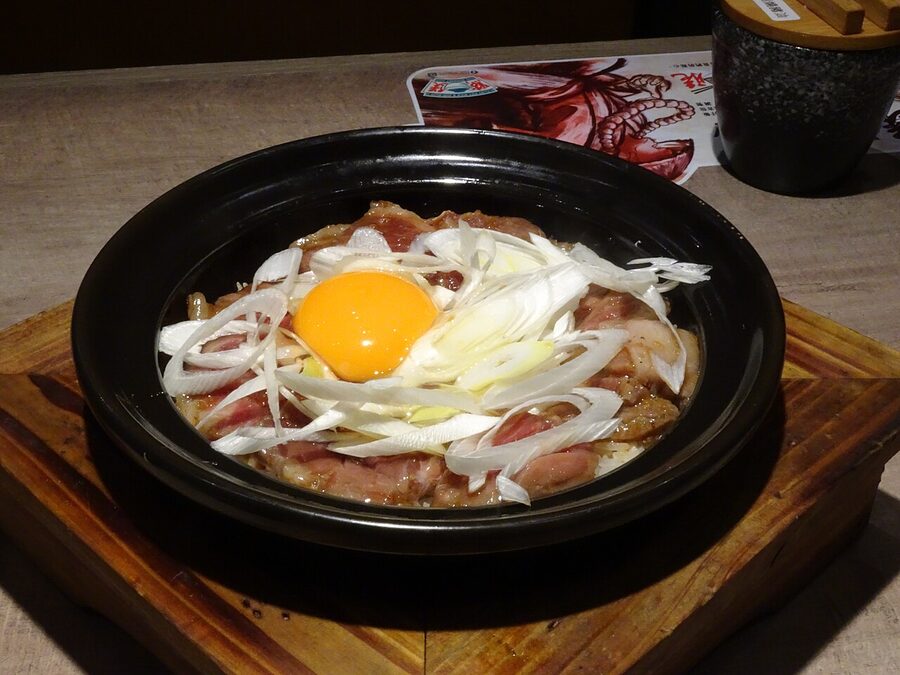
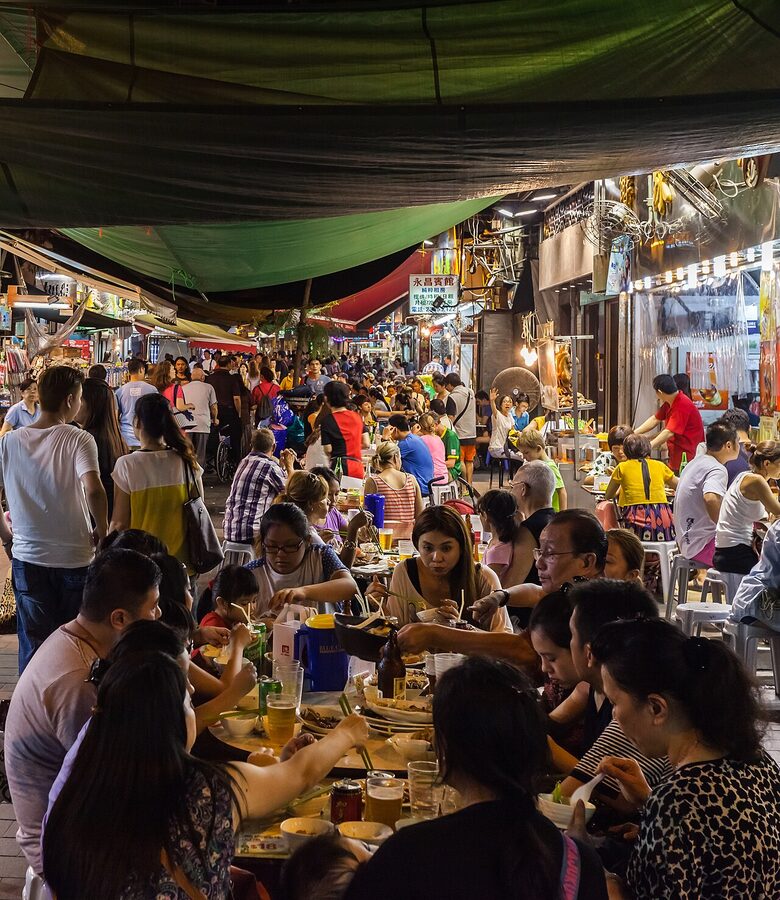
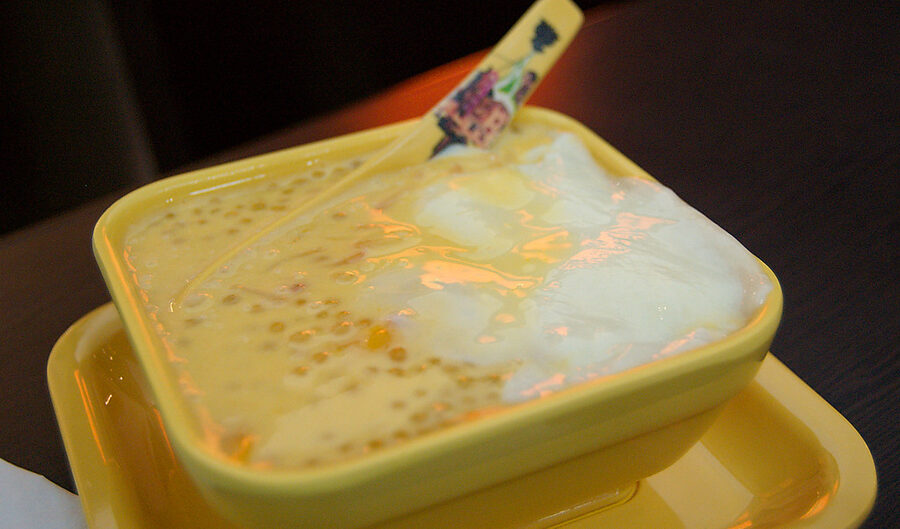
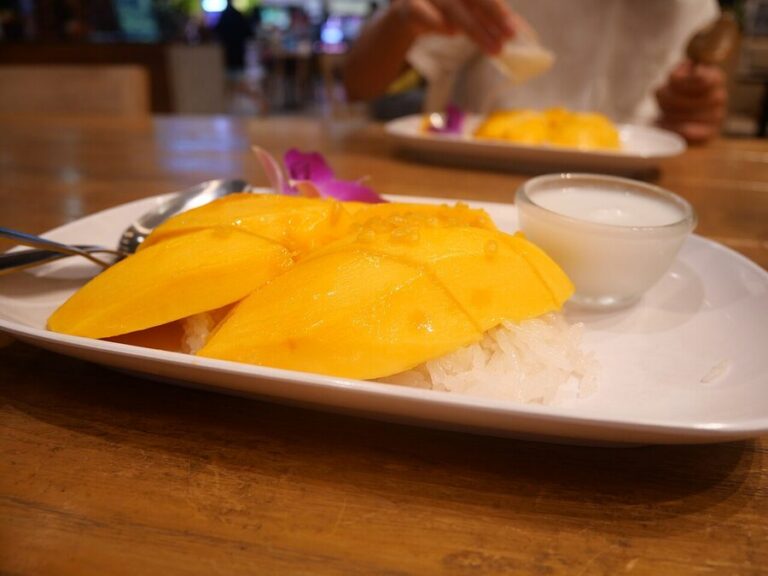
Three good moves for dinner. Mak’s Noodle at 77 Wellington Street, Central, is the small-bowl wonton place. The bowl is genuinely tiny, by design: the broth concentrates, you finish it in five minutes. Wonton noodle HK$58. Beef brisket noodle HK$66. Open until 8pm, queue most nights. MTR Central, Exit D2. Kau Kee on Gough Street, Sheung Wan, is the beef-brisket reference. Clear or curry brisket, HK$58 to 75. Open 12:30pm to 10:30pm, closed Sundays, queue at lunch and dinner. Temple Street Night Market in Yau Ma Tei is the loud option. Walk from MTR Yau Ma Tei Exit C, north up Temple Street. The dai pai dong stalls between Saigon Street and Public Square Street do clay-pot rice (bo zai fan, HK$80 to 120), salt-and-pepper squid, and stir-fried clams in black bean. Skip the seafood places that show “Tourist Menu” with English-only signage; eat at the stalls where Cantonese is the working language. Mango pomelo sago for dessert at Hui Lau Shan, HK$48.
8:30pm: cross back
From Mong Kok or Yau Ma Tei it is a quick MTR ride up to Lo Wu (East Rail Line, last train to Lo Wu around 22:55) or up to Lok Ma Chau (last train around 22:30). Lo Wu border closes at midnight, Lok Ma Chau at 22:30 most days. If you are coming back via West Kowloon high-speed rail, the last train to Futian leaves Hong Kong West Kowloon around 22:30 too. Build a 30-minute buffer for immigration. Andy used to set an alarm for the last train and run for it on Saturdays; he missed it twice in the year I knew him. Both times he checked into the Park Lane on Causeway Bay and went home Sunday morning instead. Cheaper than panic.
Border and money practicalities
If you are a foreign passport holder coming from Shenzhen, the only thing you need is a multi-entry mainland China visa so you can get back. A single-entry mainland visa burns when you exit, and you cannot re-enter without a fresh one. Hong Kong itself is visa-free for most Western passports for 90 days. Mainland Chinese citizens need a separate Endorsement for Exit and Entry to Hong Kong (the EEP card system); I will not pretend to know the rules well enough to give you advice on that beyond “ask the right questions in advance”.
Money. The Hong Kong dollar is the working currency, around HK$7.80 to US$1, and it floats in a fixed band against the dollar. Most Shenzhen-based RMB cards (UnionPay) work on Hong Kong ATMs, but the smarter move is to load an Octopus card before you go anywhere. Buy at the airport, MTR ticket counter, or at any 7-Eleven for HK$50 deposit plus initial top-up. Refund the unused balance plus deposit at any MTR Customer Service counter on the way out (HK$11 fee if returned within three months of purchase, free after). Octopus works on all transit, in 7-Eleven, in most cha chaan teng under HK$200, in vending machines, and on a lot of buses where cash drivers are slowly being phased out. AliPay HK and WeChat Pay HK both work in 2025-2026 at most chain venues, so a Shenzhen-issued AliPay or WeChat Pay account that has been linked to a Hong Kong wallet works at most malls; the cha chaan teng underdogs are still cash-and-Octopus only. Carry HK$200 in coins and small notes. You will use them.
What to skip on a one-day visit
Disneyland Hong Kong, Ocean Park, the full Lantau Big Buddha and Po Lin Monastery day, and (with apologies to its fans) the Hong Kong Wetland Park. Each is its own day. The big Buddha, especially: getting out to Ngong Ping by cable car, walking up to the statue, eating the vegetarian set lunch at the monastery, and getting back, takes a clean six to eight hours and you cannot do it as a side trip. If you have a second day, that is a perfectly good day; my Big Buddha guide covers it. On a single day, do not try.
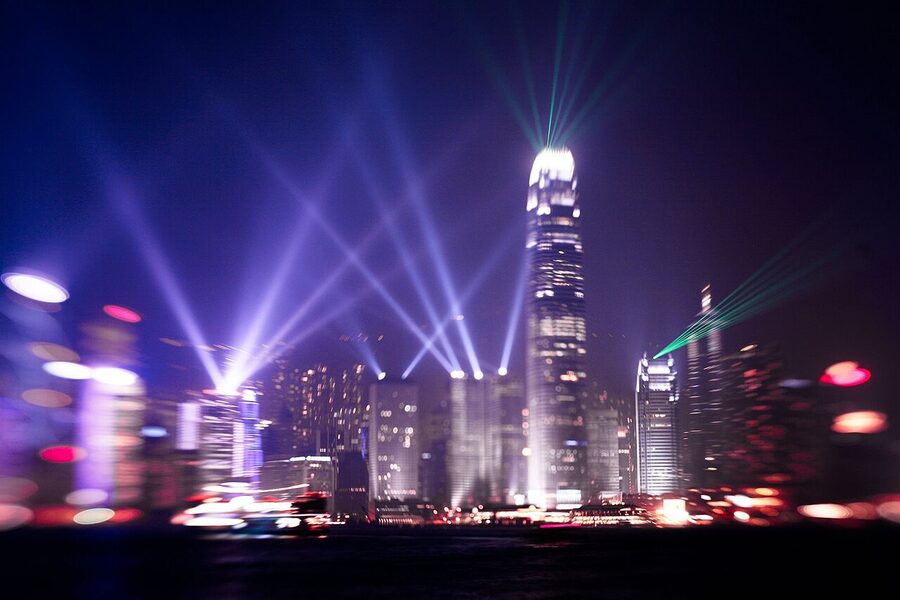
Also skip: the Symphony of Lights at 8pm. It is a five-minute laser show projected from rooftops onto the harbour. Hong Kong has been doing it since 2004, and the light pollution does most of the work; the actual laser choreography is, in a word, modest. If you happen to be on the promenade at 8pm anyway you can watch and decide for yourself, but do not plan around it. Build the day around the harbour during golden hour and the Star Ferry crossings, not around the show.
Eating Hong Kong in twelve hours
If you ate nothing else and just ate, here is the rotation that gives you a picture of the cuisine without making you sit in any one restaurant for too long.
Breakfast (9am, cha chaan teng): macaroni soup with ham OR pineapple bun with butter slab, plus silk-stocking milk tea or yuanyang. HK$45 to 55.
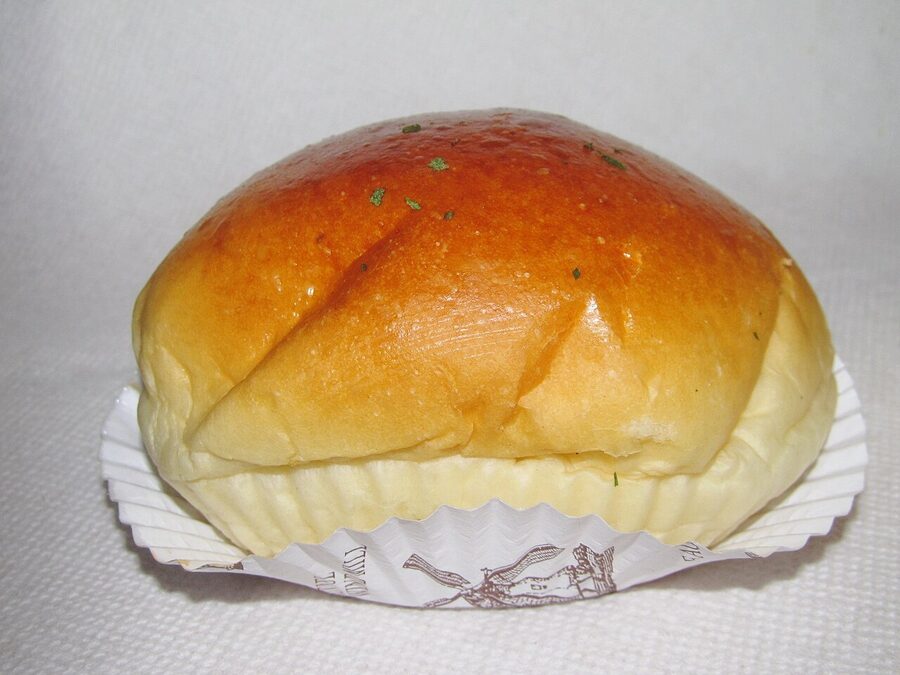
Mid-morning snack (11am, on the way through Sheung Wan): a single egg tart at Tai Cheong (HK$11) or a slice of soft white-bread egg sandwich (gai daan jai, the egg waffle, from the small shop at the bottom of Pottinger Street, HK$25).
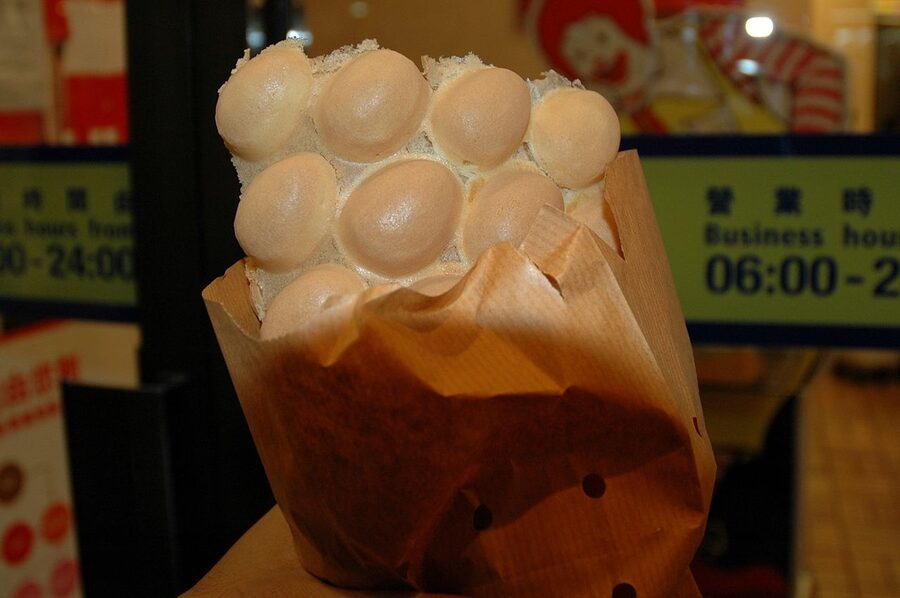
Lunch (1pm, dim sum): har gow (steamed shrimp dumpling), siu mai (open-top pork-and-shrimp dumpling), char siu bao (sweet pork bun), cheung fun (rice noodle roll), egg-yolk lava bun (liu sha bao) for the table. HK$200 to 300 a head.
Afternoon (5pm, after the Peak): egg tart with milk tea or yuanyang.
Dinner (7pm, Mong Kok or Central): wonton noodle (HK$58) at Mak’s, OR beef brisket noodle (HK$66) at Kau Kee, OR clay-pot rice (HK$80 to 120) on Temple Street.
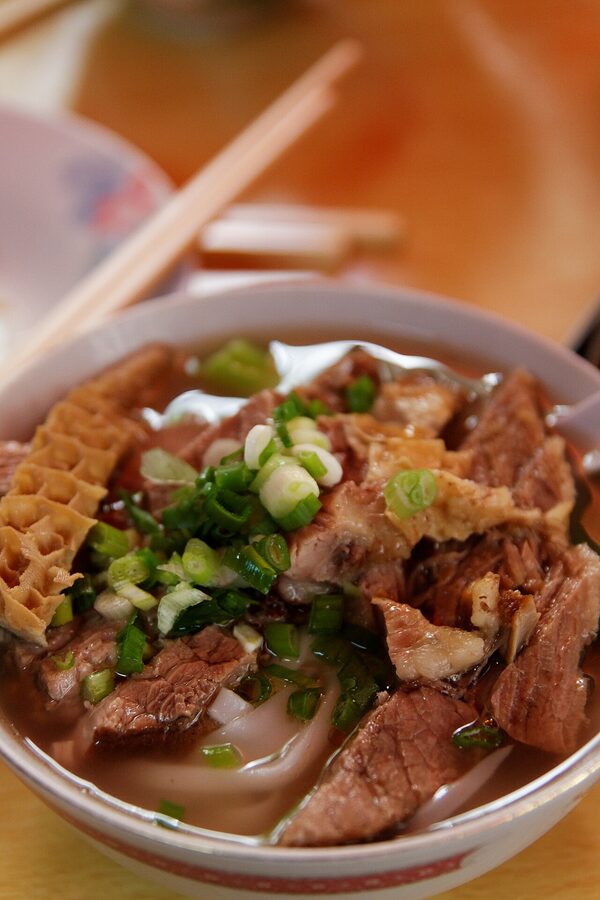
Late dessert: mango pomelo sago at Hui Lau Shan in Mong Kok (HK$48), or a bowl of black sesame sweet soup from Yuen Kee on Wing Lok Street, Sheung Wan, around HK$30.
Five proper meals plus two snacks for HK$500 to 650 per person, depending on which dim sum you pick. That is the budget. The food is as good as anything mainland China serves, with a particular Cantonese-via-British twist that does not exist anywhere else.
If it is your fifth visit: the food and the views version
The first-time itinerary above hits the highlights. If you have already done the Peak and the Star Ferry six times and you want a different kind of day, here is the alternative spine.
Cross at Futian for 8am as before. Skip the cha chaan teng and head straight to Kowloon City for breakfast (Sun Hing on Pak Tai Street, the lo bak gao radish cake at HK$22 a piece, the chiu chow fish ball noodle at the stall opposite, around HK$40). Take the MTR Tuen Ma Line up to Sham Shui Po and walk Apliu Street’s electronics market. Lunch at Tim Ho Wan’s Sham Shui Po original (HK$200) instead of Maxim’s. Then Star Ferry over from Tsim Sha Tsui (you cannot avoid it), but instead of the Peak ride the tram (the ding ding) along the north shore of Hong Kong Island from Western Market all the way to Quarry Bay. HK$3, two hours, double-decker, top deck, front seat. It is the slowest tour of Hong Kong Island you can buy and the one that shows you the most. Get off at North Point, eat egg waffles at Lee Keung Kee on Chun Yeung Street (HK$30), then walk Sai Yeung Choi Street to North Point ferry pier, ferry back to Hung Hom, and dinner at one of the dai pai dong on Stanley Street (Sing Heung Yuen, the tomato beef noodle, HK$58, before they close at 5:30pm; or Lan Fong Yuen on Gage Street for milk tea after).
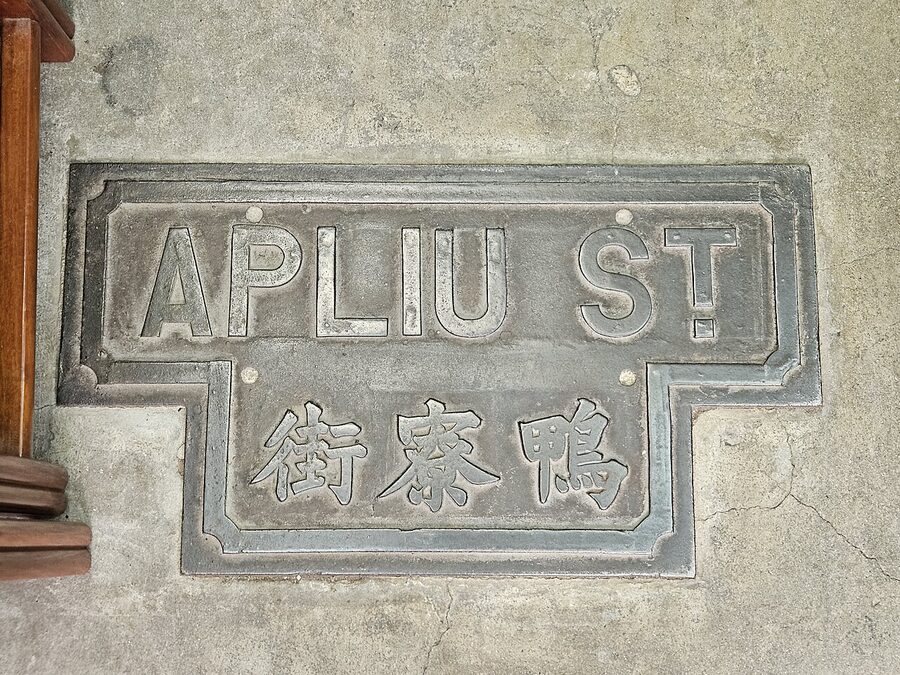
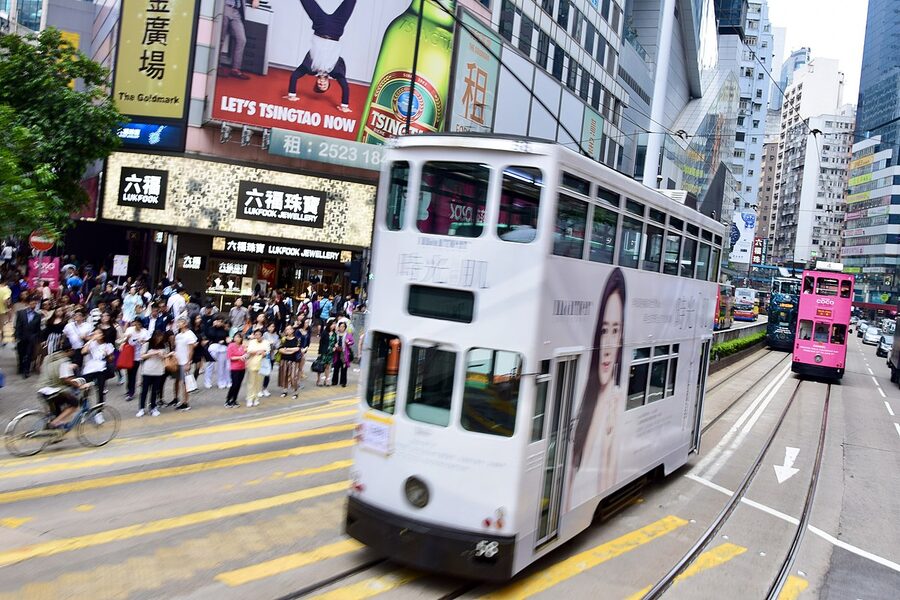
The variant is for people who already know what the Peak looks like and want to spend the day at street level instead.
If you only have four to six hours
Cruise passenger or layover, less than half a day. Do not try the Peak. Walk this loop instead.
Start at Tsim Sha Tsui (any way you got there: ferry from Central, taxi from Ocean Terminal, MTR from West Kowloon). Promenade walk, 30 minutes, eastbound to the Avenue of Stars and back. Cha chaan teng breakfast at Australia Dairy Company (Jordan, ten minutes’ MTR from TST, or a 20-minute walk), 30 minutes. Star Ferry to Central, 15 minutes including the wait. Up the Mid-Levels Escalator to Hollywood Road, one egg tart at Tai Cheong, walk back down through Lan Kwai Fong (which is grim by day, lively by night, do not stop in either case). Star Ferry back to TST, dim sum at Maxim’s Palace if it is between 11am and 3pm or wonton noodle at Mak’s at any other time. That is six hours. Cut the Mid-Levels detour and you do it in four. The whole loop is about HK$500 a head including transport.
Practical bits worth keeping
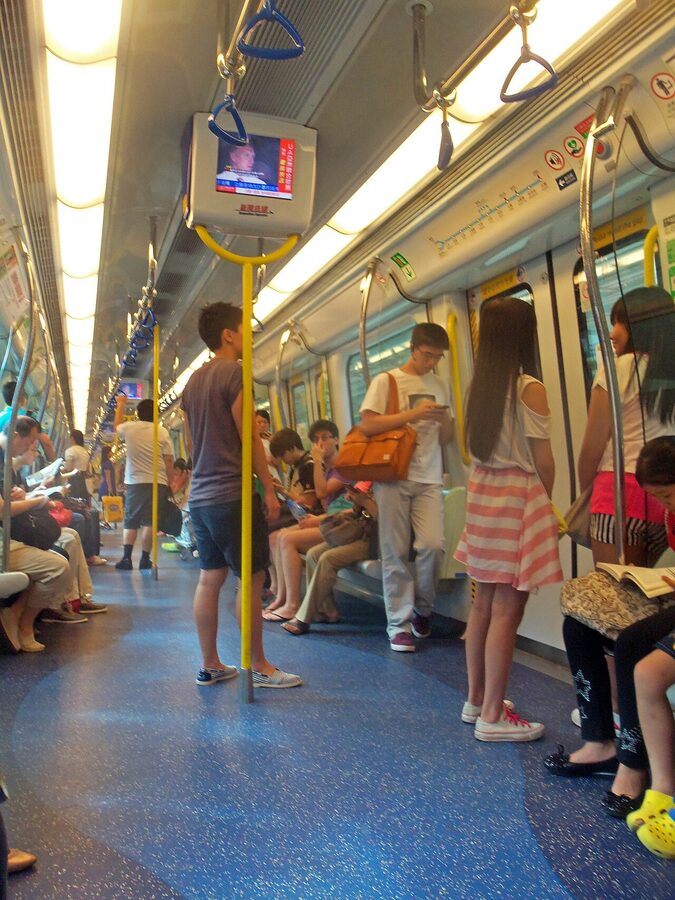
The MTR is honest, fast, and signposted in English at every station. Trains run from around 5:30am to about 1:00am. A single ride costs HK$5 to HK$30 depending on distance, with Octopus tap. The Tourist Day Pass (HK$75) covers unlimited MTR for 24 hours but is only worth it if you are doing four or more rides; most days you will spend less than HK$50 in transit total.
Cabs are red on Hong Kong Island and Kowloon, green in the New Territories, blue on Lantau. They take credit cards if the driver wants them to (most do, some do not), Octopus, AlipayHK, and cash. A flagfall is HK$29, then HK$2.10 per 200m. A typical taxi from TST to Central via the Cross-Harbour Tunnel (Eastern, since the Western has cheaper tolls) is HK$110 to 130 with the toll.
Tipping: not Hong Kong custom for casual restaurants. A 10% service charge is usually added at restaurants over HK$200 a head; you do not need to add anything on top. For taxis, round up to the next dollar. For the Star Ferry, you do not.
WhatsApp and Google Maps both work without a VPN in Hong Kong; both still need one in Shenzhen. WeChat works everywhere. If you are coming over from Shenzhen you should already have WeChat and AlipayHK set up; if you are not, an Octopus card and Google Maps will do the whole day. There is free public Wi-Fi at every MTR station, every Starbucks, and most malls. Don’t bother with a SIM card unless you are staying overnight.
For another one-day-itinerary piece in the same family, the one day in Singapore guide takes the same approach for a different city. If you have a longer week and you are starting from south China, the Yangshuo karst country piece and the Lijiang three-day itinerary are the two trips I would pair Hong Kong with for a fuller picture of the south.
A few things worth keeping
Hong Kong rewards specificity. The day works because the harbour is small, the metro is reliable, the food is fast to land on the table, and the city has been arranging itself around tourists since 1888 and is good at it. If you arrive without a plan you will spend three hours in Causeway Bay shopping malls and not eat dim sum at all; if you arrive with the wrong plan you will spend two hours queuing for the Peak Tram and miss the Star Ferry blue hour. The right move is the boring one: pick the border, set an alarm for breakfast, eat your way west and then back east.
If you can swing it, come back for a second day and do the Big Buddha trip out to Lantau, or take the slow tram east to Quarry Bay, or walk the Dragon’s Back trail in the Eastern District. Hong Kong has more days in it than people think. A day trip is the start, not the whole story.
One more practical note. If you are running for the last train back to Shenzhen and you miss it, the city has plenty of cheap hotels in Mong Kok and Yau Ma Tei (HK$400 to 700 a night for a basic room, no view, fine bed). The Park Lane on Causeway Bay is the upgrade move at around HK$1,200. Andy missed two trains in twelve months and slept in Hong Kong both times. He still goes back every few weeks.

.jpg)


.jpg)
_02.jpg)

.jpg)

.jpg)


.jpg)


.jpg)

_03.jpg)