
The Forbidden City: How to Walk a 600-Year Palace Without Hating the Crowds
It was 8:25am, March, and the wide cold square in front of Tiananmen East was already half-full when I came up the subway stairs. Exit B. The temperature was three degrees, the early sun was hitting the red walls in that flat low way that only happens in late winter, and a queue had formed about forty metres long at the security checkpoint. Most people were silent. Most people were holding their phones up to flag screens, scrolling for the QR code that you book seven days ahead. A few were holding passports.
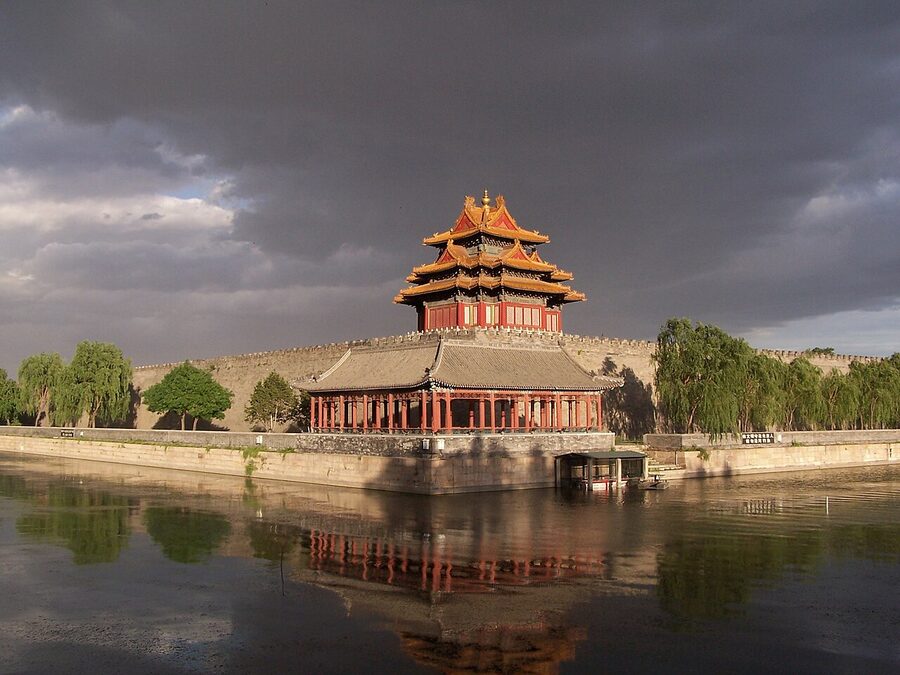
Most people get the Forbidden City wrong, in the same way: they treat it like a museum to walk through end-to-end, ticking off halls. They book a 9am slot, line up at the Meridian Gate at 8:50, get pushed onto the central axis with three thousand other tourists, and shuffle through six near-identical halls in two hours, sweating in summer or freezing in March, and leave thinking it was bigger than expected and less interesting than they hoped. It is a 720,000 square metre, 980-building, 600-year-old palace complex with about a million artefacts inside, and you can see the highlights properly in three or four hours if you stop trying to see everything.
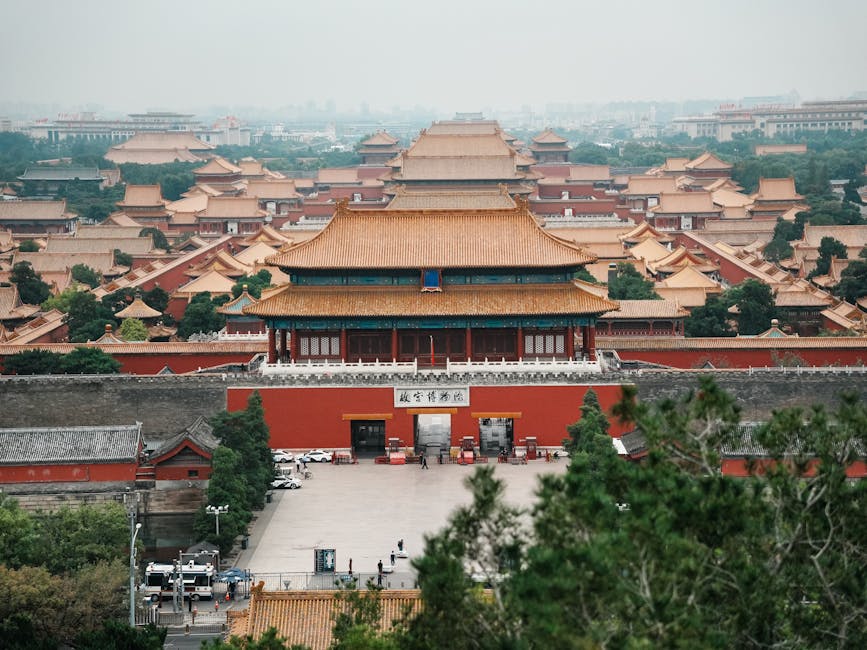
This is the article I wish I’d had on the subway that morning. It’s a route, a strategy for the crowds, and an honest opinion on which side galleries are worth the extra ten kuai and which aren’t. It’s also a small history. Not a Wikipedia dump, just enough to make the wood beams above your head matter.
If you’re combining the Forbidden City with the rest of Beijing’s must-do sights, my 3-day Beijing itinerary stitches it together with the Wall, the Temple of Heaven, and a few hutong dinners. This piece is about the palace itself.
In This Article
- Six hundred years, in four paragraphs
- How to actually book, and get in
- The walking line: south to north
- The side galleries worth the extra tickets
- How to actually survive the crowds
- Jingshan Park, after the exit
- Half-day vs full-day, and which one you actually need
- What to eat after, not inside
- What to skip
- Practical, everything
- The last thing
Six hundred years, in four paragraphs
The Yongle Emperor was the third Ming emperor, born Zhu Di in 1360, fourth son of the dynasty’s founder. He came to the throne after a four-year civil war and almost immediately decided his father’s capital at Nanjing wasn’t going to do. In 1406 he ordered the construction of a new imperial seat in the city he’d governed as a prince, what we now call Beijing. Construction took fourteen years, used roughly 100,000 craftsmen and a million labourers, and consumed timber from across southern China, marble from the quarries west of the city, and “golden bricks”, specially fired paving slabs from Suzhou that ring like metal when you tap them. He moved in in 1420.
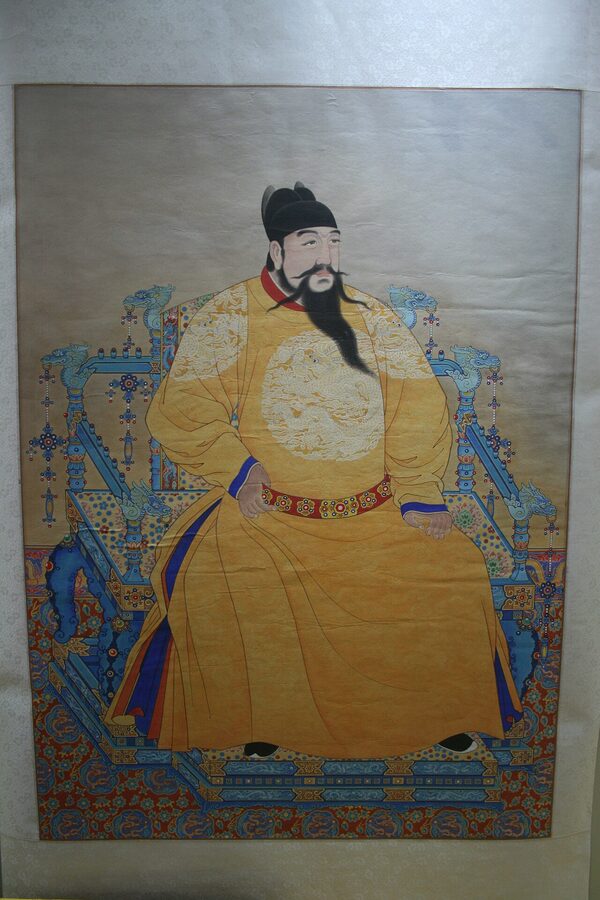
From 1420 to 1912 the palace was the political and ceremonial heart of China. Twenty-four emperors lived here, fourteen Ming and ten Qing. The number you’ll see quoted everywhere is 9,999 rooms, a number meant to fall just short of the 10,000 reserved for the gods. Survey work has put the actual count at 8,886. Either way, you’re not going to see them all. There are 980 surviving buildings on a 72-hectare site, walled, moated, and arranged on a north-south axis lined up almost perfectly with Beijing’s central spine.
The Forbidden City survived a lot of things that should have flattened it. The Anglo-French force that sacked the Old Summer Palace in 1860 didn’t reach this site, the rebel Li Zicheng who briefly took Beijing in 1644 set fire to parts of the palace before retreating, the Boxer Rebellion of 1900 brought foreign troops into the courtyards but they mostly looted and left, and during the Cultural Revolution in 1966 it was Zhou Enlai who personally sent an army battalion to seal the gates and keep Red Guards from smashing the place to splinters. About 70 percent of the wood beams overhead are original Ming or Qing, more or less. That’s not a small thing.
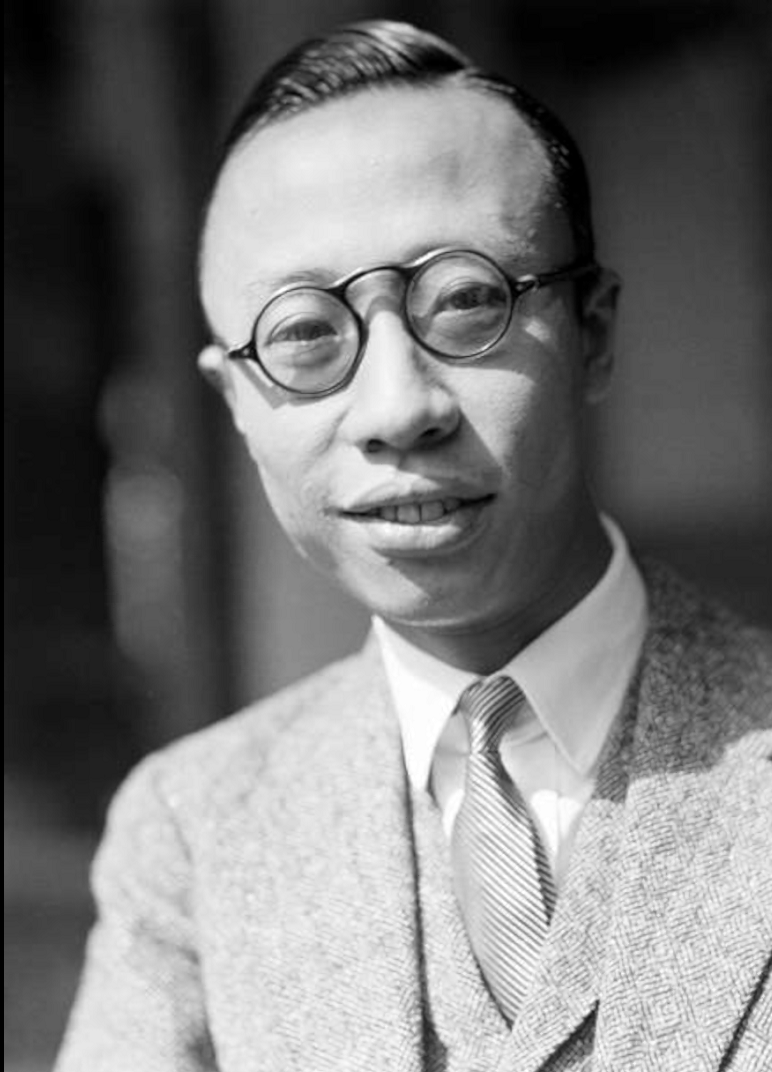
The last emperor, Puyi, took the throne at age two in 1908, abdicated in 1912 when the Qing dynasty fell, and was allowed to keep living in the Inner Court under a deal with the new Republic of China. That arrangement lasted until 1924, when the warlord Feng Yuxiang led a coup and gave him three hours to pack and leave. The palace opened as a public museum on 10 October 1925, exactly fourteen years after the revolution that ended dynastic rule. UNESCO listed it as a World Heritage site in 1987. You’re walking through a place that has been a museum, more or less, for almost exactly a century.
How to actually book, and get in
The Forbidden City sells no tickets at the gate. None. Walk-up will not work. There is a daily cap of 65,000 visitors, and in summer those slots fill within twenty minutes of the booking window opening. The booking system runs through the official Palace Museum site (palace-museum.org.cn, or the WeChat mini-program if you have a Chinese phone number), seven days in advance, with the new day’s tickets dropping at 8pm Beijing time. The English version of the site exists but is finicky. A lot of foreign visitors use Klook or Trip.com or GetYourGuide as an intermediary; you’ll pay a small premium and skip the WeChat-only weirdness.
Whichever route you book through, you must use your real passport at the time of booking, and you must bring that exact passport with you. The number gets tied to the ticket. A copy or photo will not work. Security at the entrance scans your passport and matches it to the booking. There’s no margin for a wrong digit.
Foreign-passport holders sometimes get a small extra option: a same-day or next-day window when the Chinese-domestic slots have all sold but a small foreign quota stays available. It is unreliable and worth checking only if you’ve struck out on advance booking. Do not plan around it.
The standard ticket is ¥40 in low season (1 November to 31 March) and ¥60 in high season (1 April to 31 October). You can add the Treasure Gallery (¥10) and the Clock Gallery (¥10) at booking. I’ll come back to whether you should.
Opening hours: 8:30am to 5pm in summer (last entry 4pm), 8:30am to 4:30pm in winter (last entry 3:30pm). Closed every Monday except on national public holidays, when it stays open and closes the next Tuesday instead. If you want a date locked, double-check on the official site that week, the Tuesday-vs-Monday closure is the single most common trip-wrecker.
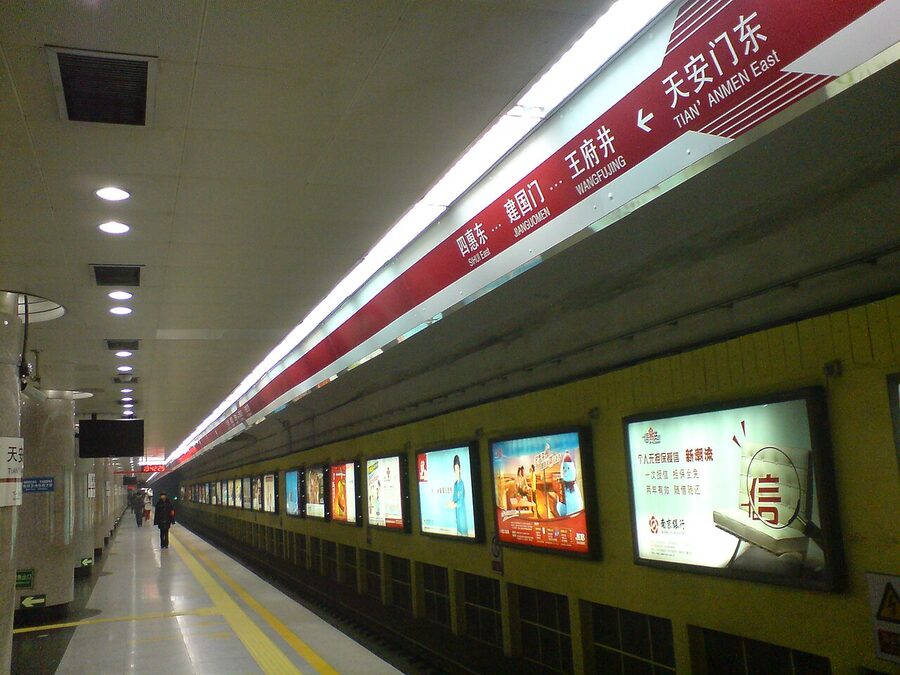
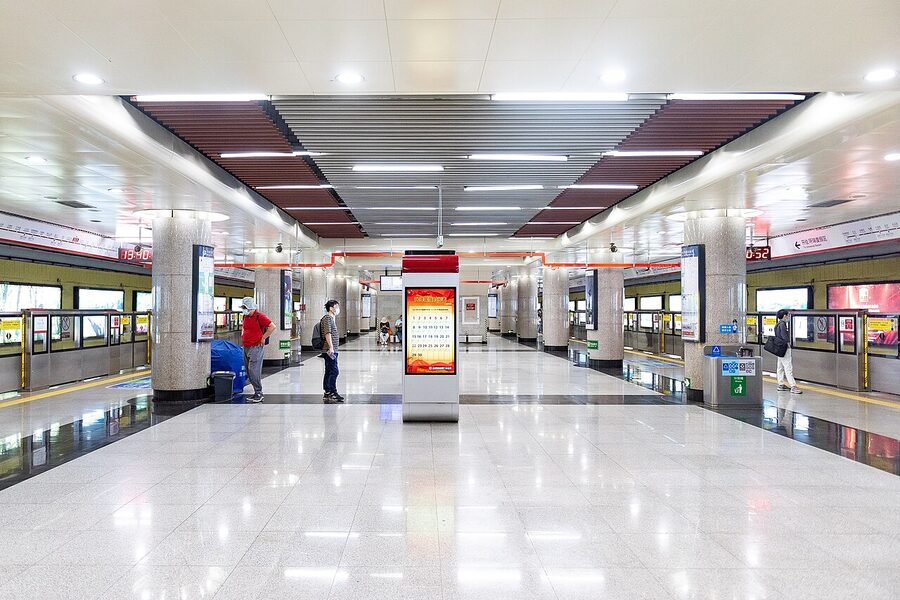
Get there by subway. Line 1 stops at Tian’anmen East (Exit B) and Tian’anmen West (Exit B). I prefer East: the walk through Tiananmen Square to the Meridian Gate (the proper south entrance) is about ten minutes, and you arrive at the right side of the square for queueing. From the airport, the Capital Airport Express plus Line 2 plus Line 1 takes about an hour. From most central hotels, fifteen to twenty minutes by Didi.
What time of day. Two answers depending on what you’re after. If you want photographs of the courtyards without a thousand strangers in them, get the 8:30am opening slot, queue from 8:00, be the first wave through the Meridian Gate, and walk fast for the first hour. The Outer Court will be relatively clear until 9:30. If you’d rather walk slowly and accept some crowding, book a 1pm or 2pm entry, by which time the morning tour buses are leaving and you can get through to the Inner Court without much friction. The worst window is 10am to noon. Avoid it.
The walking line: south to north
The whole place is built on a single axis. You enter at the south, walk north, and exit at the north. Try it the other way and you’ll fight the crowd flow the entire visit. Here’s the line, in order, with notes on what to actually look at and what to keep moving past.
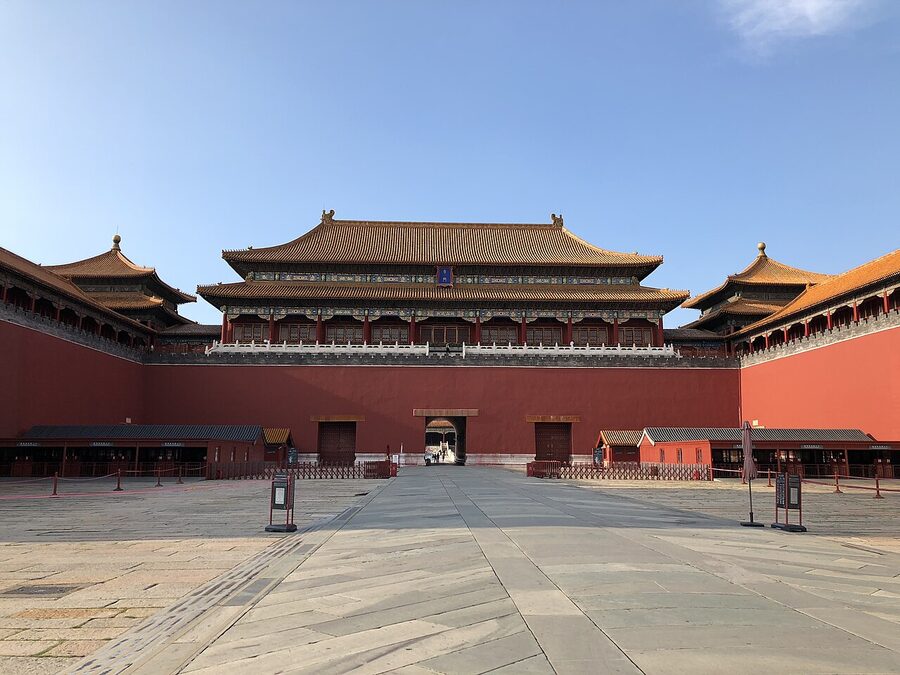
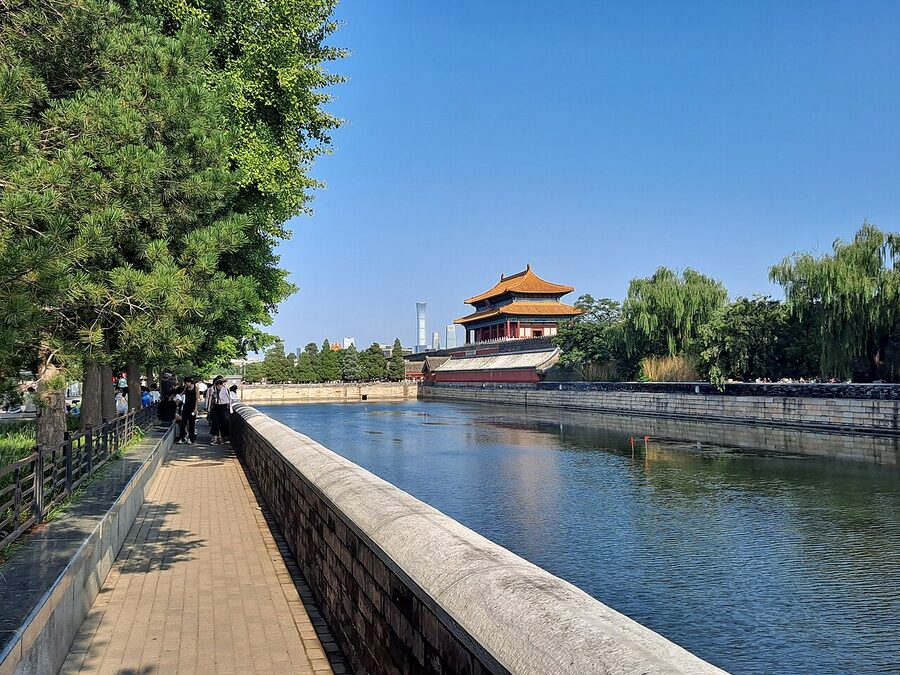
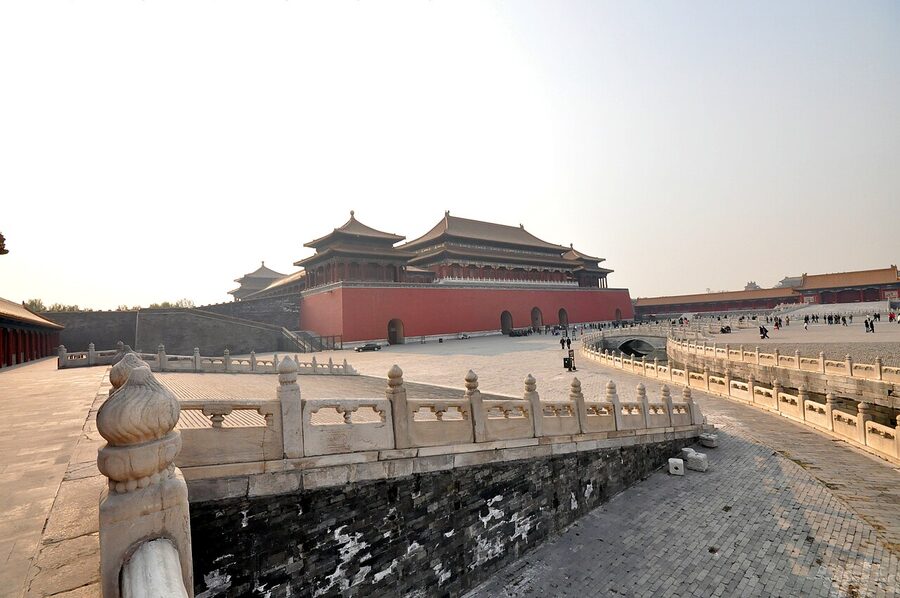
Meridian Gate (Wumen). The U-shaped front gate with five entrances, two protruding wings, and a 35-metre wall that’s much bigger than photos suggest. You’ll come up onto a small bridge inside, then immediately across the meandering Inner Golden Water River and through the Gate of Supreme Harmony. The river is the moat-like channel cutting east-west, crossed by five marble bridges. Originally defensive, now mostly decorative. Pause on a bridge for two minutes. The view back at Wumen is one of the few places where the scale lands.
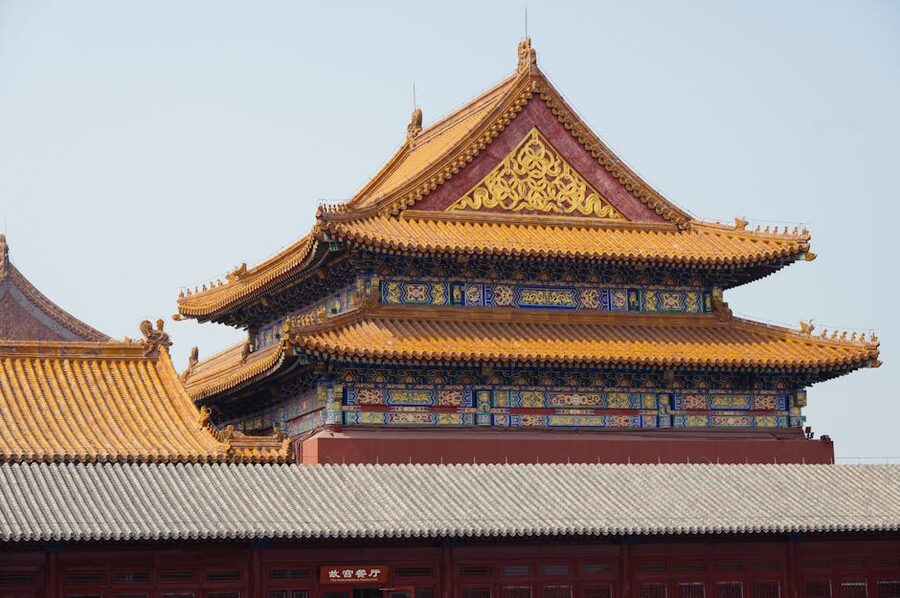
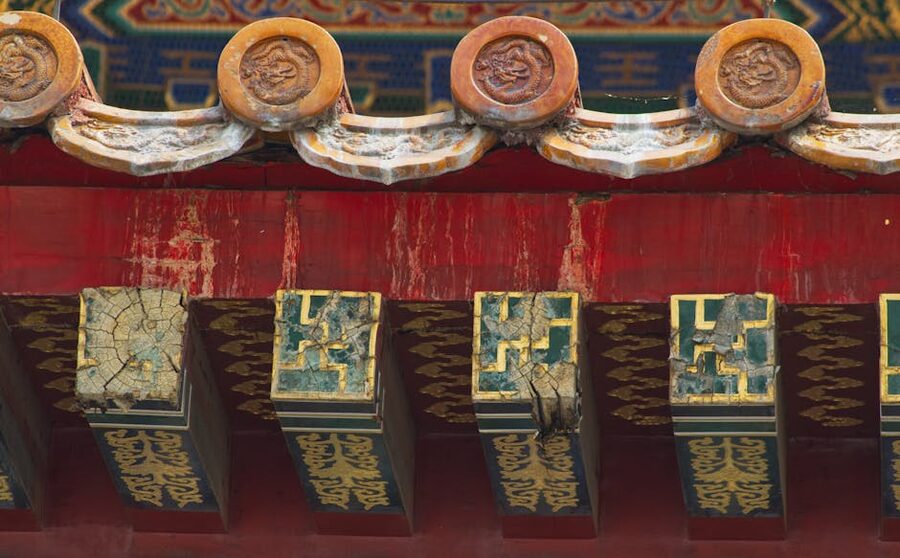
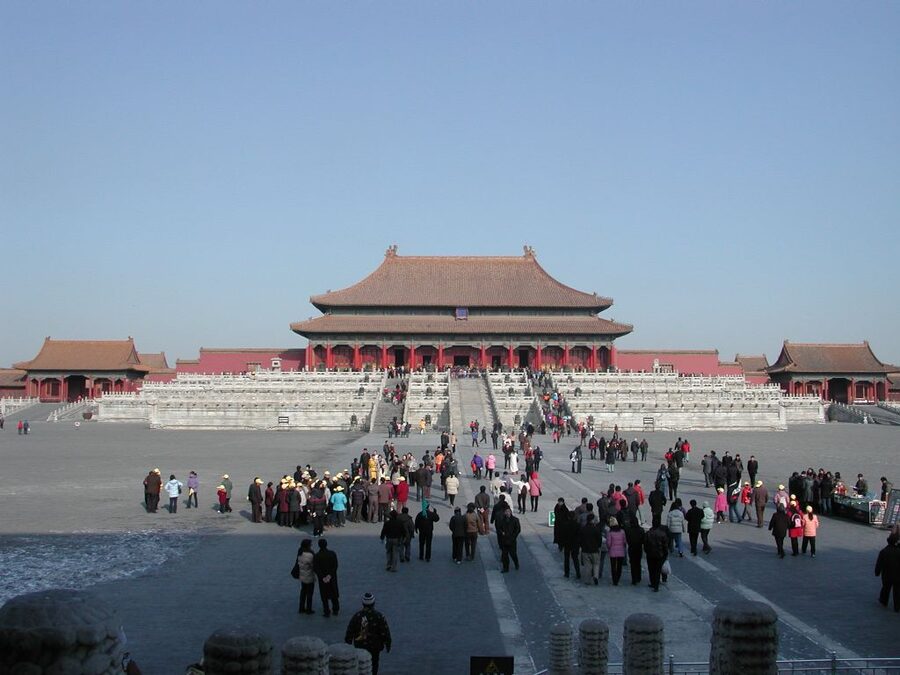
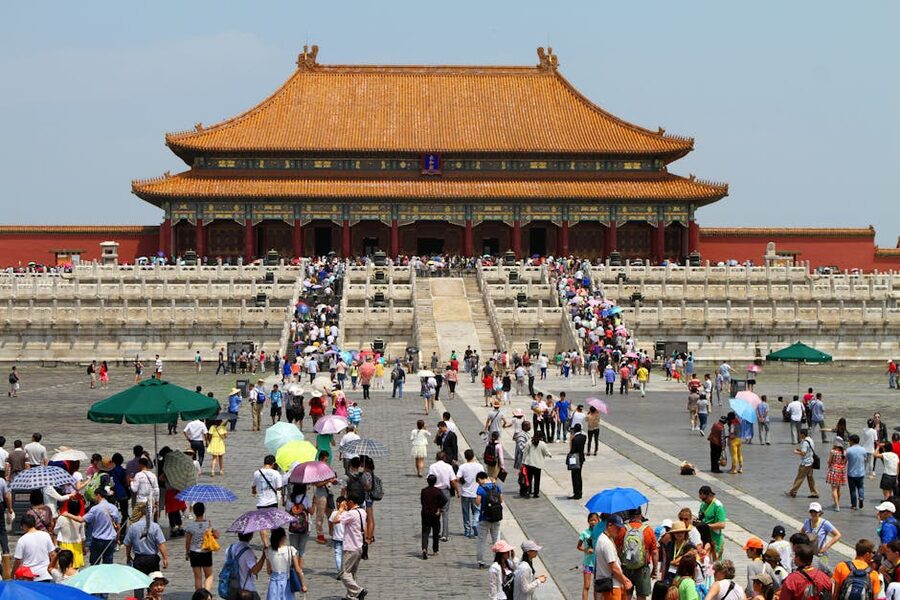
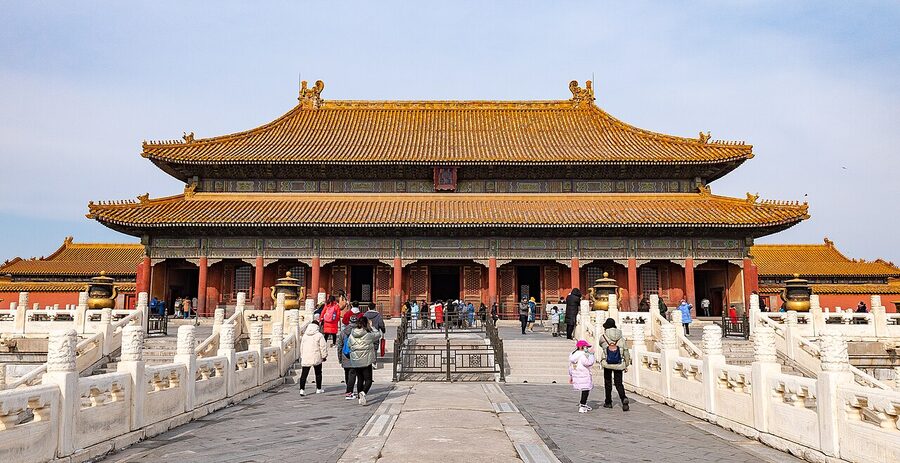
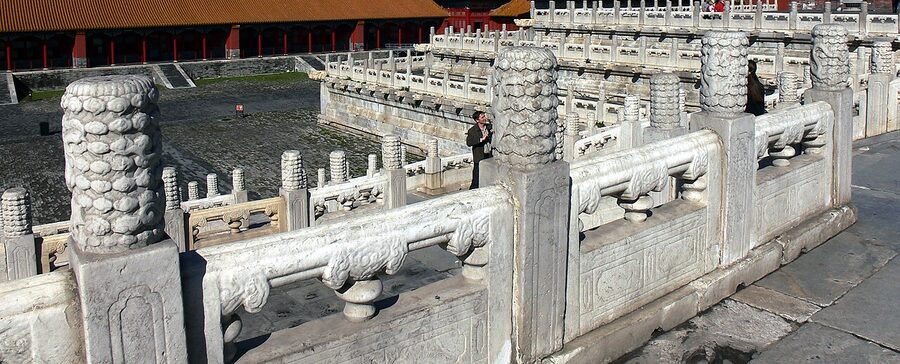
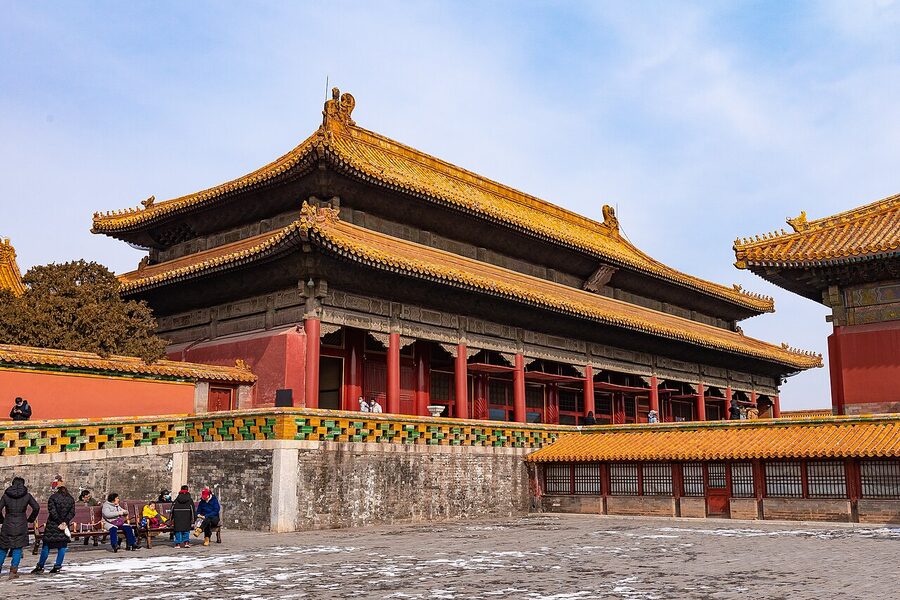
Outer Court, three halls. Beyond the Gate of Supreme Harmony you’ll cross a vast paved square (think 30,000 square metres of grey stone, no shade, brutal in July) and arrive at the Hall of Supreme Harmony (Taihedian). This is the largest wooden building in China. Inside is the Dragon Throne; you can’t enter, you peer in through the doors. Behind it are two more halls on the same raised marble terrace: the Hall of Central Harmony (Zhonghedian, smaller, square, where the emperor rested before ceremonies) and the Hall of Preserving Harmony (Baohedian, where the final stage of the imperial civil-service exam was held). The three terraces are stacked white marble, three tiers, lined with 1,142 carved dragon and phoenix water spouts that drain rain off the platform during storms. It’s worth walking the perimeter of the terrace just for that detail.

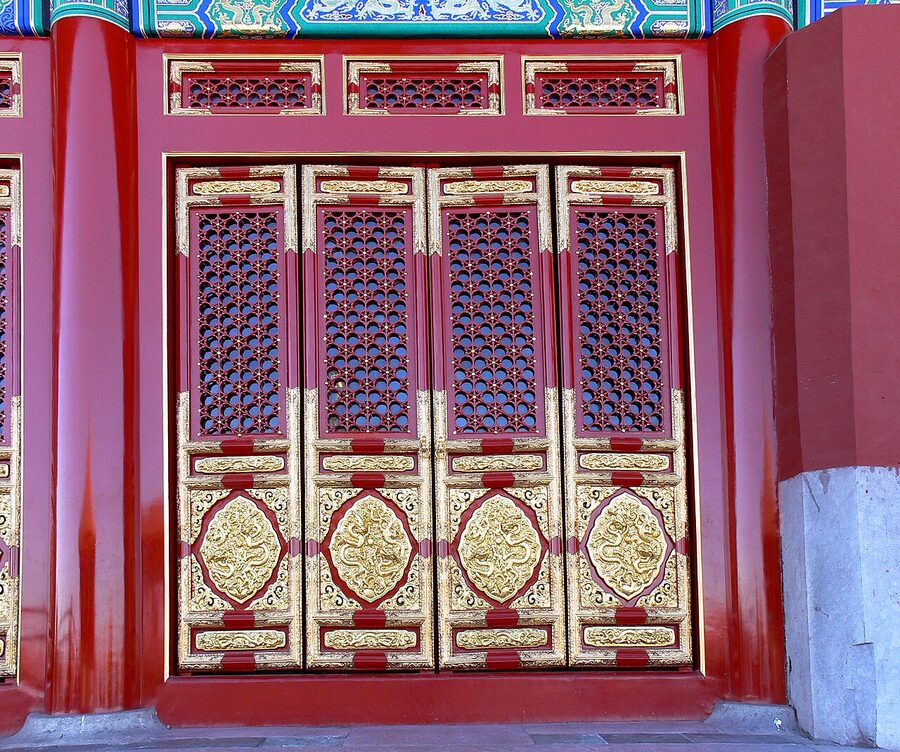
What to actually look at on the central terrace: the carved stone ramp behind the Hall of Preserving Harmony. It’s 16.57 metres long, cut from a single block of stone weighing about 200 tons, and dragged into place from a quarry 70 kilometres away on an ice path lubricated with well water in winter. A single piece of stone. The northern Ming engineers were not messing around.
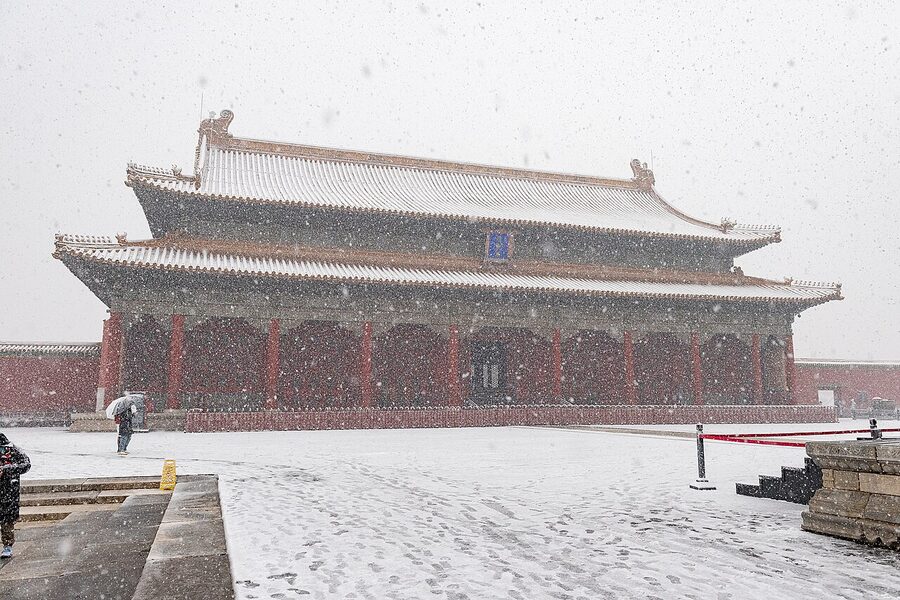
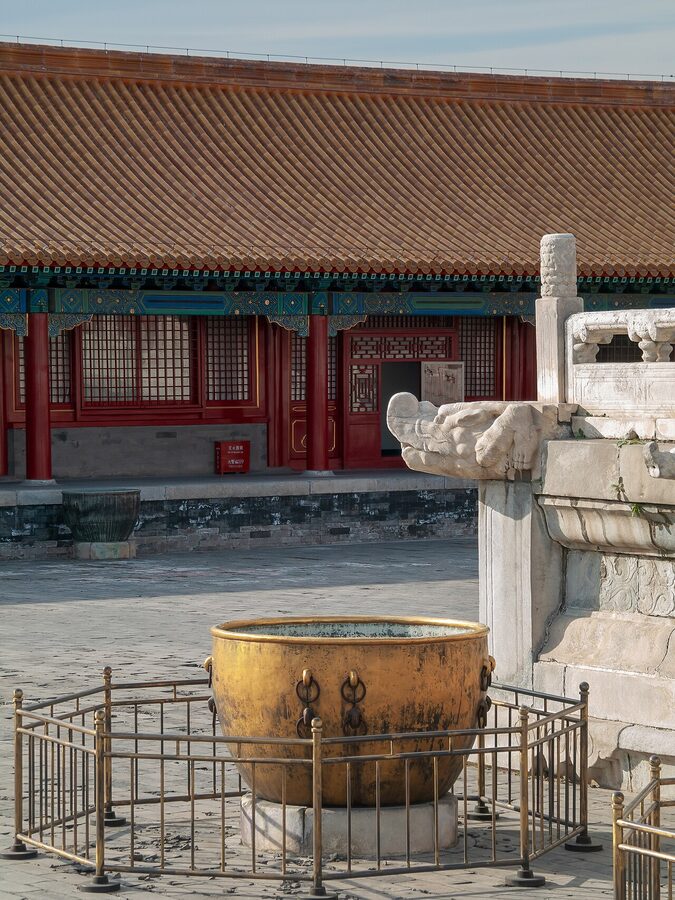
The dividing courtyard. Between the Outer and Inner Courts is a long oblong courtyard running east-west. This is where the action ends and the residences begin. Ming-era courtiers stopped here; the emperor and his family went on. The crowd thins slightly because tour groups often stop for a guide-monologue here. Use it: step left into the small alley toward the Hall of Mental Cultivation. We’ll come back to that.
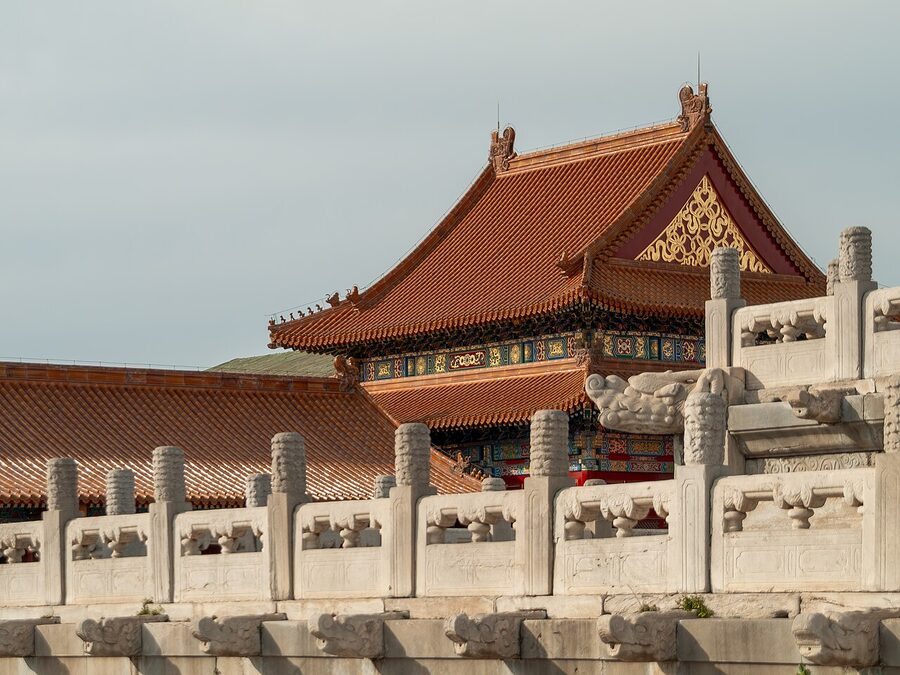
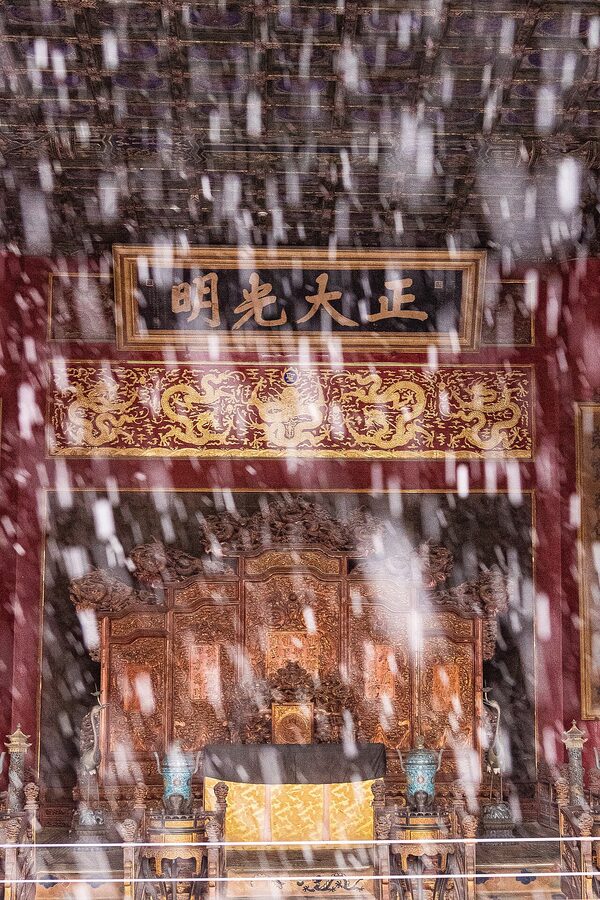
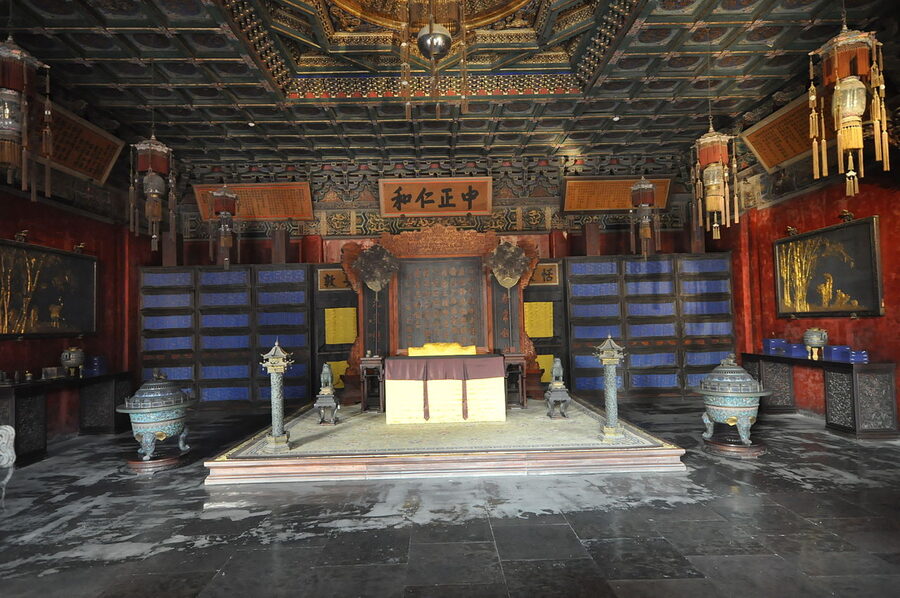
Inner Court, three palaces. Mirror image of the Outer Court, but smaller and more lived-in. The Palace of Heavenly Purity (Qianqinggong) was the emperor’s bedchamber under the early Ming and turned into an audience hall under the Qing. Behind it, the Hall of Union (Jiaotaidian), small and square, holds the 25 Imperial Seals of the Qing dynasty. Behind that, the Palace of Earthly Tranquility (Kunninggong), originally the empress’s residence and the room where every Qing emperor spent his wedding night. The plate above the throne in Qianqinggong reads “Just and Honourable”, calligraphy by the Shunzhi Emperor; behind it was hidden the sealed succession decree of his son, the Yongzheng Emperor, which let later Qing emperors name their heirs in secret.
This is where the lyrical naming kicks in. Heavenly Purity. Earthly Tranquility. Union. Yin and yang, sky and earth, the meeting point in between. The whole layout is a Daoist diagram disguised as a residence.
Hall of Mental Cultivation (Yangxindian), to the west. Most tour groups skip this. Don’t. From the Yongzheng Emperor (1720s) onward this is where Qing emperors actually lived and worked, leaving the formal Heavenly Purity for ceremonies. Empress Dowager Cixi famously ruled from behind a yellow silk curtain here. The interior is restored, you can peer in, and the human scale of it is the closest you’ll get to imagining a real life lived inside the palace. It’s a five-minute detour off the central spine.
Imperial Garden (Yuhuayuan). Past the three Inner Court palaces, the gardens are the last act before the north gate. They’re not big, about 12,000 square metres, but they’re packed: ancient junipers and cypresses, contorted Taihu rocks, two pavilions, and a small artificial hill called the Hill of Accumulated Refinement that you can climb in a minute for a tucked view back over the rooftops. The whole garden gets crammed in the afternoon. If you can be there at 9am, you’ll have it more or less to yourself.
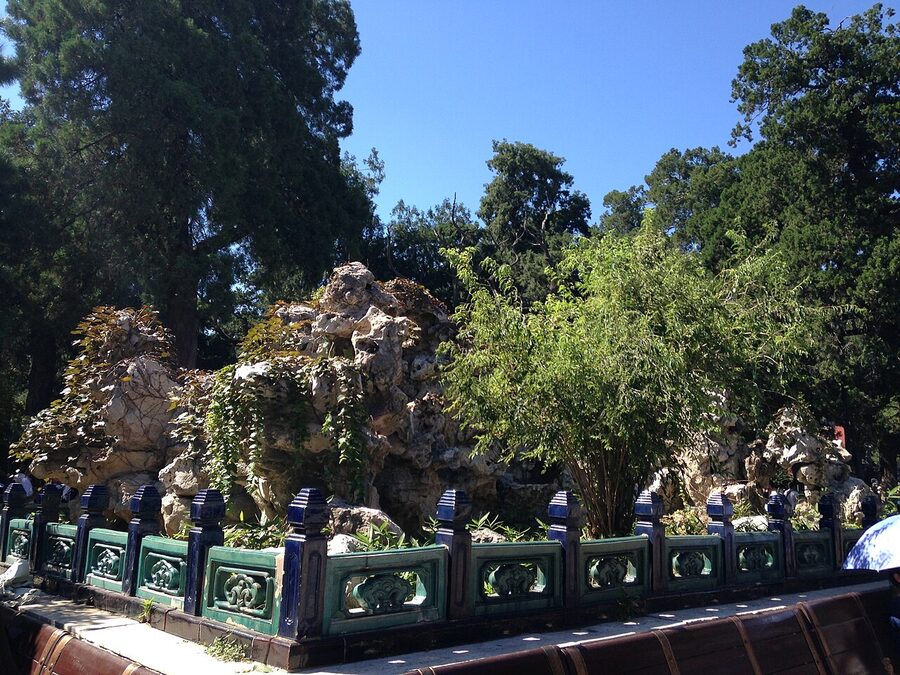
Gate of Divine Prowess (Shenwumen). The north exit. Once you’re through, you’re out, you cannot re-enter on the same ticket. Cross New Jingshan Street, look up, and Jingshan Park is waiting on the other side. We’ll get to that.
The side galleries worth the extra tickets
The standard ¥40 / ¥60 ticket gets you the central axis and the open courtyards on either side. Two paid add-ons sit at the gates of specific gallery zones, and they can be added at the time of online booking.
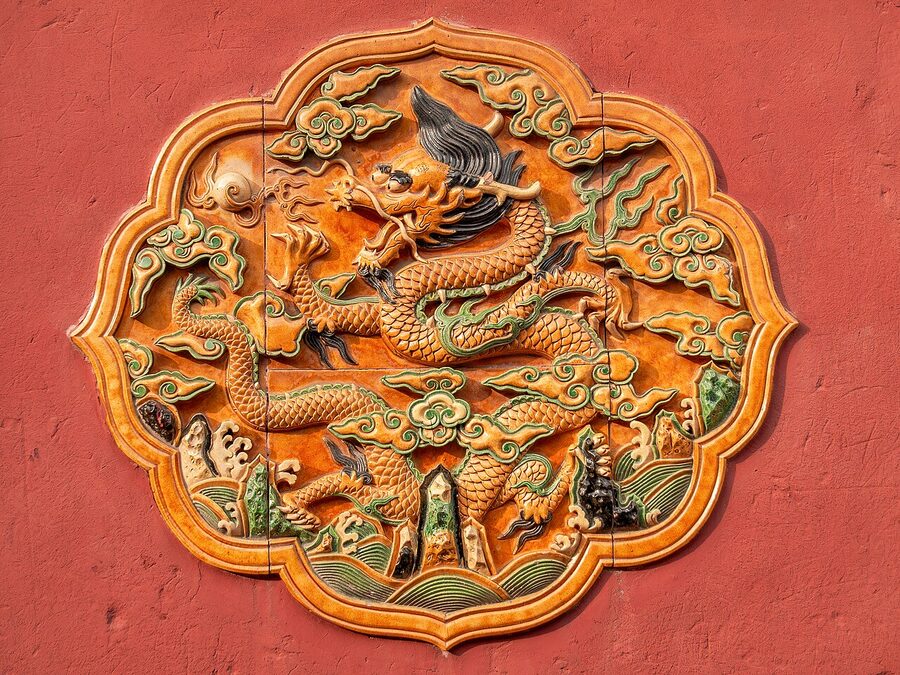
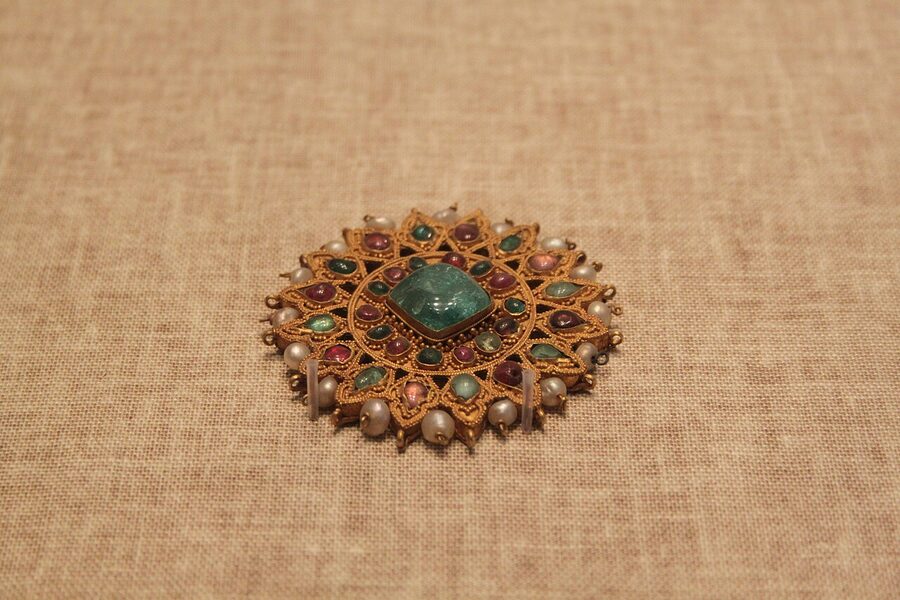
Treasure Gallery (¥10), Hall of Jewelry zone, northeast corner. Worth it. This is the cluster around the Palace of Tranquil Longevity, retirement compound built by the Qianlong Emperor in anticipation of his abdication. Inside you’ll see the Nine Dragon Wall in glazed ceramic, gold-and-jade ceremonial seats, a hall of jewelled head-dresses and gold pots, and the Qianlong Garden, which is even smaller than the Imperial Garden and considerably more interesting. It’s the kind of decorative excess the central halls don’t show because the central halls are for ceremony, not for living. Allow 45 minutes to an hour.

Clock Gallery (¥10), Hall of Ancestral Offerings. Worth it if you’ve got the time, skip if you don’t. This is the imperial collection of European-made clocks brought as diplomatic gifts to the Qing court from the 1700s on. Mostly British, French, and Swiss, often built to amuse the Qianlong Emperor specifically. Some of them are wound and run twice a day at 11am and 2pm if you happen to be there. If you make it for one of those windings, the visit is excellent. Otherwise you’re looking at static clocks behind glass.
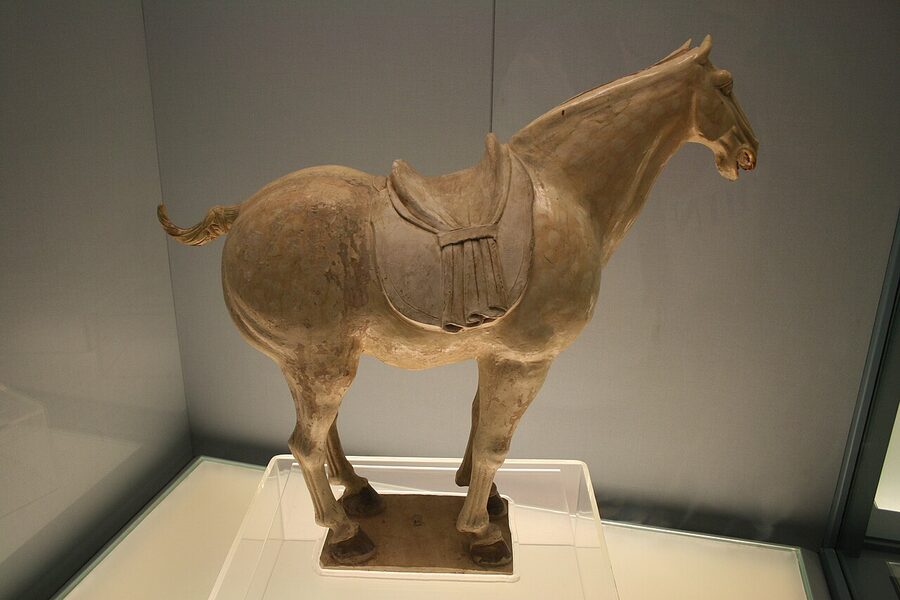
Painting and Calligraphy Gallery (Hall of Military Eminence), Ceramics Gallery (Hall of Literary Glory). Both included with the standard ticket. The Painting and Calligraphy hall rotates exhibits every couple of months, and the standout pieces, when they’re on display, are stunning. Check the Palace Museum’s English website that week to see what’s up. The Ceramics Gallery is a long quiet hall that almost no tour group enters: Tang sancai horses, Song celadon, Ming blue-and-white. Worth fifteen minutes if you like ceramics, skippable otherwise.
If you only buy one supplement, buy the Treasure Gallery. If you buy two, add the Clock Gallery only if you can land an 11am or 2pm winding.
How to actually survive the crowds
Three tactics, in order of how much they help.
First: step off the central axis. Most tourists, including most tour groups, never leave the spine. The east and west wings of both the Outer and Inner Courts are full of small alleys and minor courtyards that are quiet at almost any hour. The east-side alleys around the Cining and Shoukang Palaces (residence of retired empresses), and the west-side approach to the Hall of Mental Cultivation, are reliably empty. The crowd is two hundred metres east, packed into the throne halls. You’re alone with a bronze drum and a 400-year-old plum tree.
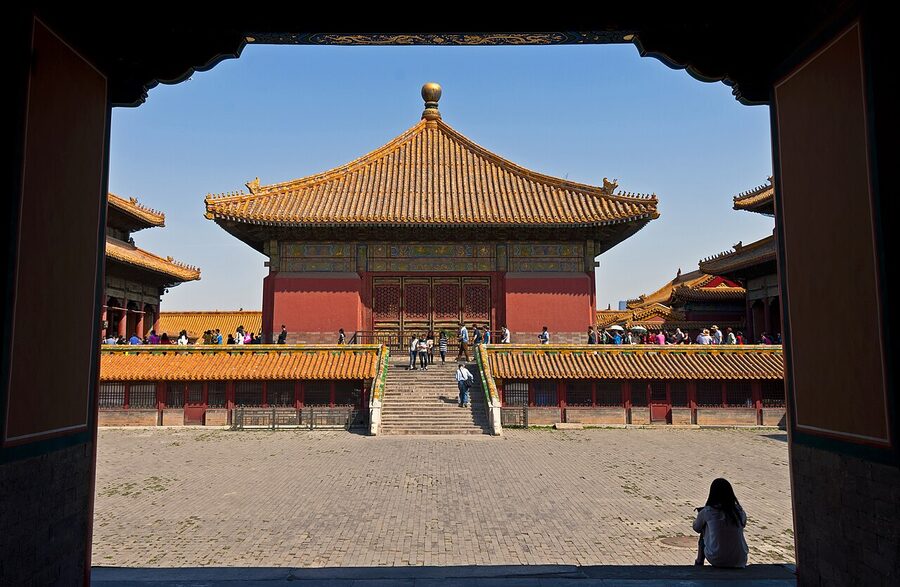
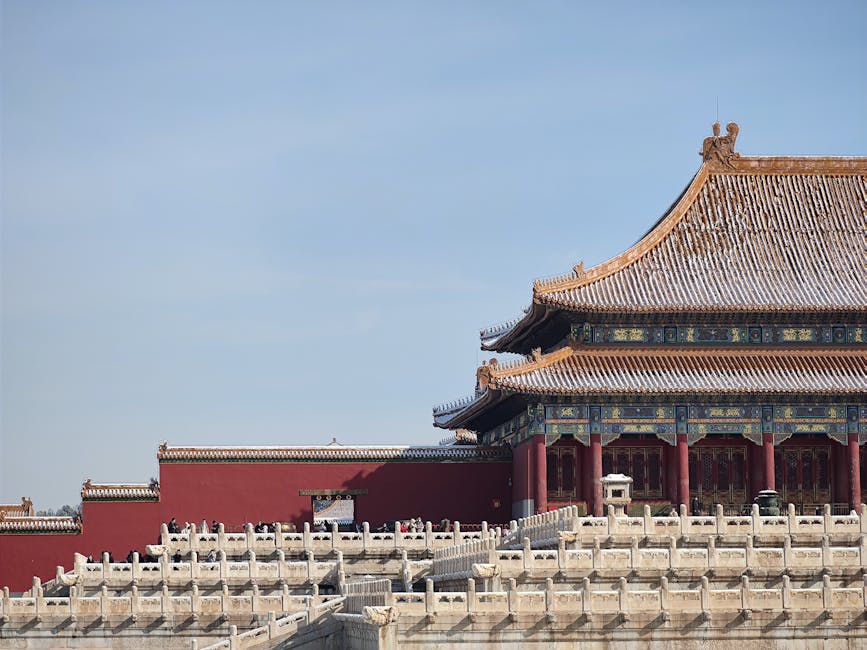
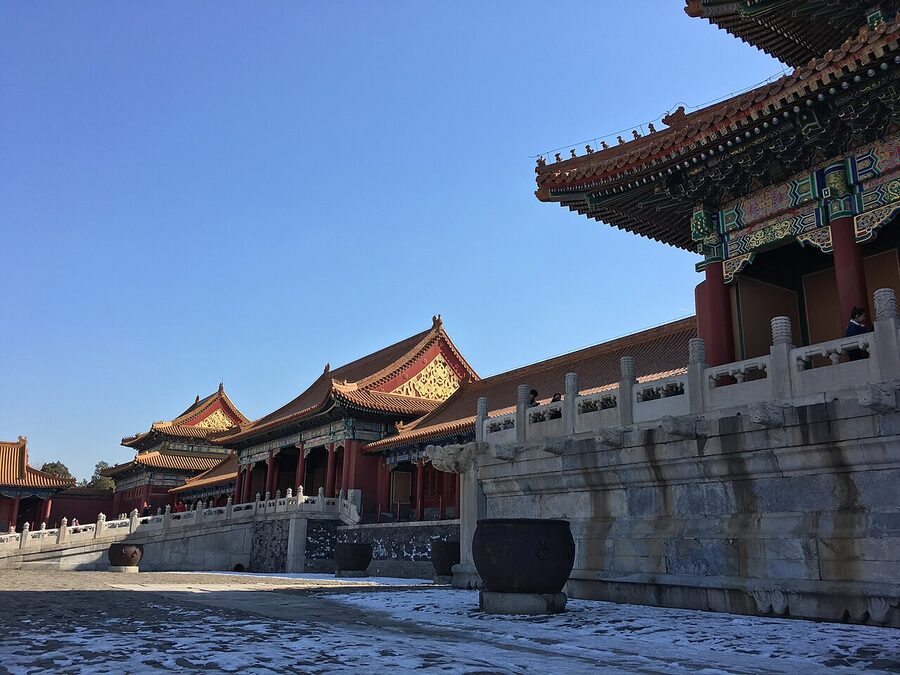
Second: time the courtyards by lunch. The biggest tour groups break for lunch around 11:30, almost always at the food court near the Gate of Supreme Harmony or just outside the south gate. Between 12:00 and 13:00, the central axis drains noticeably. If you booked an afternoon entry, this is your window for the throne halls. If you booked an early entry and you’ve already done the spine, this is your window for the Treasure Gallery.
Third: find the small east-west alleys most tourists don’t see. The path from the Hall of Mental Cultivation north past the Six Western Palaces, ending at a small bench in the shade just outside the entrance to the Imperial Garden, is the single quietest twenty minutes you can have inside the walls. There’s a stone bench under a juniper. Sit there. Watch the eaves. That’s your moment.
One thing the guidebooks don’t say. The audio guide rental at the south entrance is largely redundant if your phone has working internet (a working VPN, in practice, since most Western mapping and audio apps are blocked behind the Chinese firewall). The free Palace Museum English site has a self-guided tour, and apps like SmartlyTrip and Lonely Planet have downloadable audio you can use offline. The official audio guide is ¥40 and most of its content is what you’ll already see on the English info plaques next to each hall. Skip it.
Jingshan Park, after the exit
Cross the road. Buy a ¥2 ticket. Hike up.
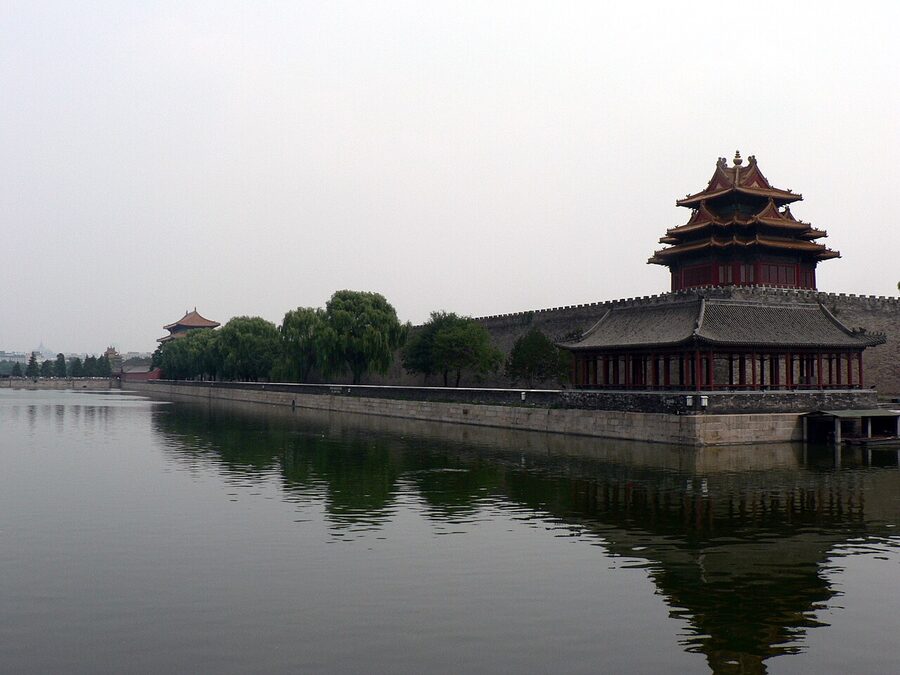
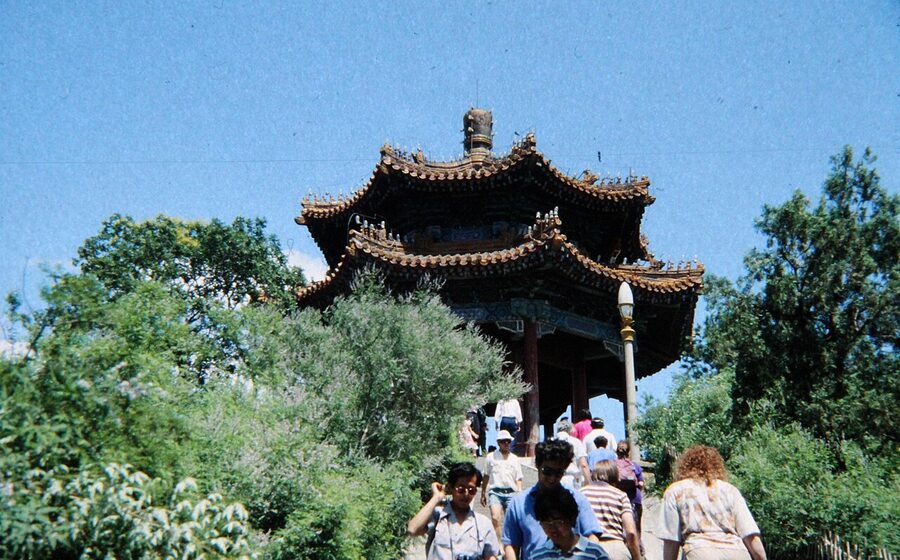
Jingshan Park sits directly across New Jingshan Street from the Forbidden City’s north gate. Twenty-three hectares, a 45.7-metre artificial hill made from the dirt dug out for the palace’s moat in the 1400s, and the Wanchun Pavilion at the top, the central one of five. The walk up is about ten minutes, all stairs, and your reward is the best free view of the Forbidden City roofline anywhere on Earth. The whole spine I just described, all 961 metres of it from Meridian to Divine Prowess, opens up below you like an architect’s elevation.
Time it for late afternoon. Mornings are flat and harshly lit; the light from the south backwashes the rooftops. Mid-afternoon onward, the sun starts to rake across the eaves and the gold tile reads gold instead of dull yellow. Sunset, when the warm light hits the red walls and tints them deeper, is when you want to be there. Beijingers have figured this out long before you did; expect company at the top, often with collapsible stools and erhus and small Bluetooth speakers playing Peking opera. It’s one of the best free cultural moments in Beijing.
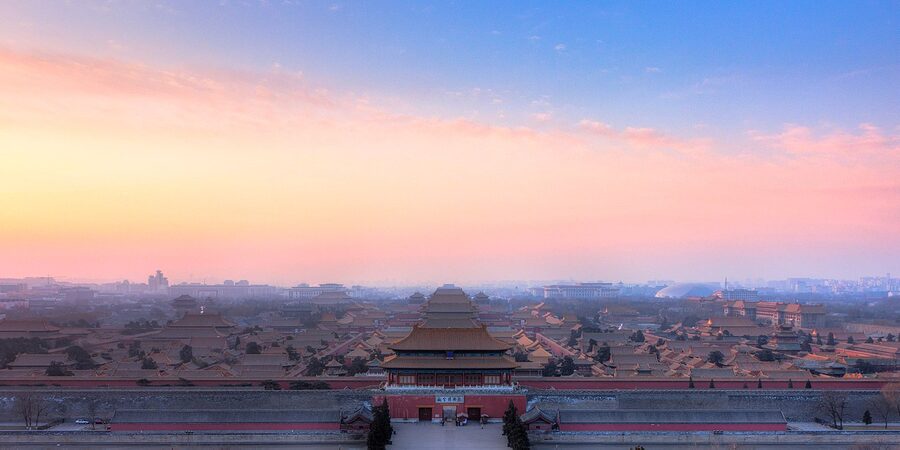
Practical: Jingshan opens 6:30am to 9pm in summer, 6:30am to 8pm in winter. The south entrance, the one you’ll use coming out of the Forbidden City, is right there. Tickets are paid at the gate by phone QR or with cash. ¥2 is not a typo.
Half-day vs full-day, and which one you actually need
The half-day plan, three to four hours total, is what most visitors actually need. South to north, central axis, Hall of Mental Cultivation detour, Imperial Garden, Treasure Gallery, out the north gate. If you booked an 8:30am slot, you’re at Jingshan by 12:30, on a bench with a steamed bun and a coffee, looking back over the roofs.
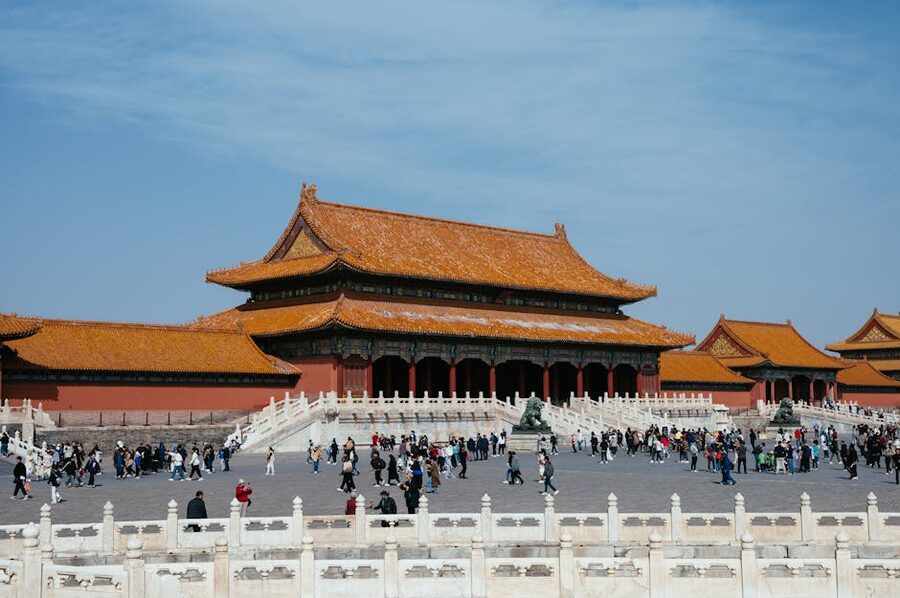
The full-day plan, six to eight hours, is for people who want to see the side galleries, the Painting and Calligraphy rotations, and the quieter east-and-west wings, and who don’t mind walking ten kilometres in a single visit. Bring layers. The courtyards in summer hit 38 degrees in the afternoon and the buildings have no air conditioning; the courtyards in winter hit minus six and the wind funnels straight through. You’ll want to break for water and food, and the on-site cafés are limited. We’ll come to that.
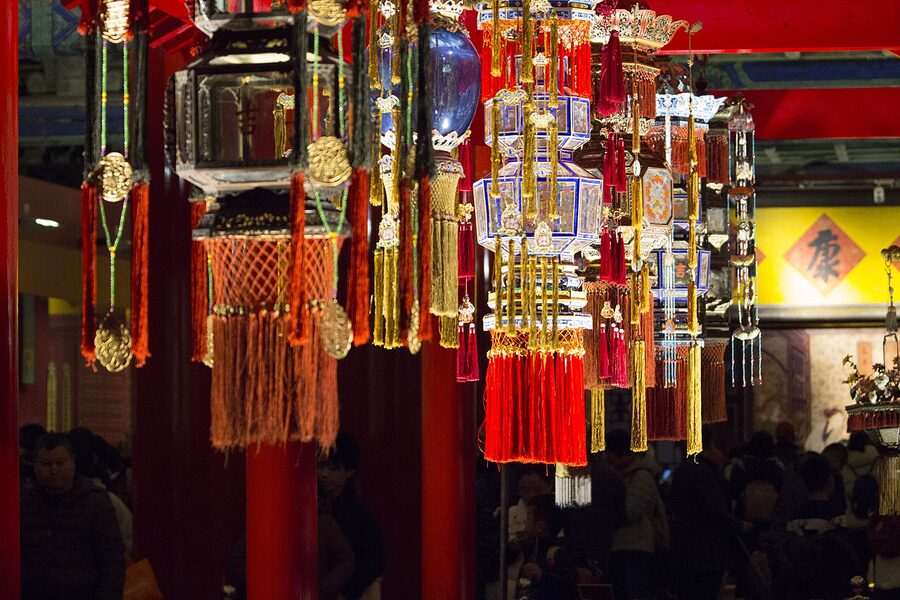
You don’t have to see every hall. After about four hours the buildings start to repeat: another courtyard, another red door, another stone lion. That’s not the palace’s fault, that’s the human attention curve. Better to see seven halls properly than fifteen on autopilot.
What to eat after, not inside
The food inside the Forbidden City is not good. There’s a single café near the Gate of Supreme Harmony, an overpriced kiosk near the Imperial Garden, and that’s it. Bring water and a small snack. Eat after.
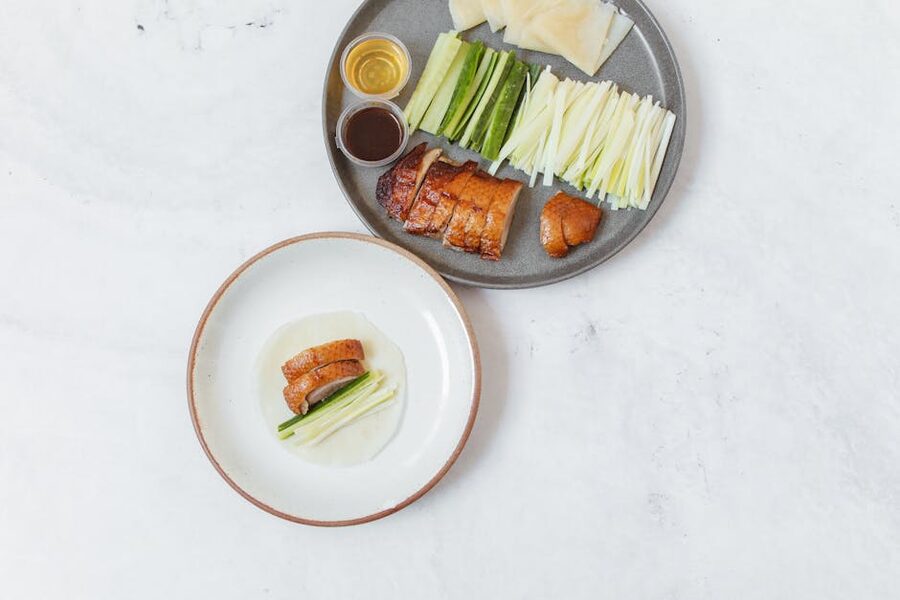
From the north gate of the Forbidden City, the closest serious food is at Siji Minfu (四季民福), the branch on Dongchang’an Avenue near Wangfujing, fifteen minutes by Didi. Whole roast duck around ¥298, the bird sliced tableside in 108 pieces by the chef. Goes onto thin pancakes with hoisin, scallions, cucumber. Don’t bother with the menu otherwise; you’re there for the duck. Reservations difficult, walk-in queues 30-45 minutes at peak.
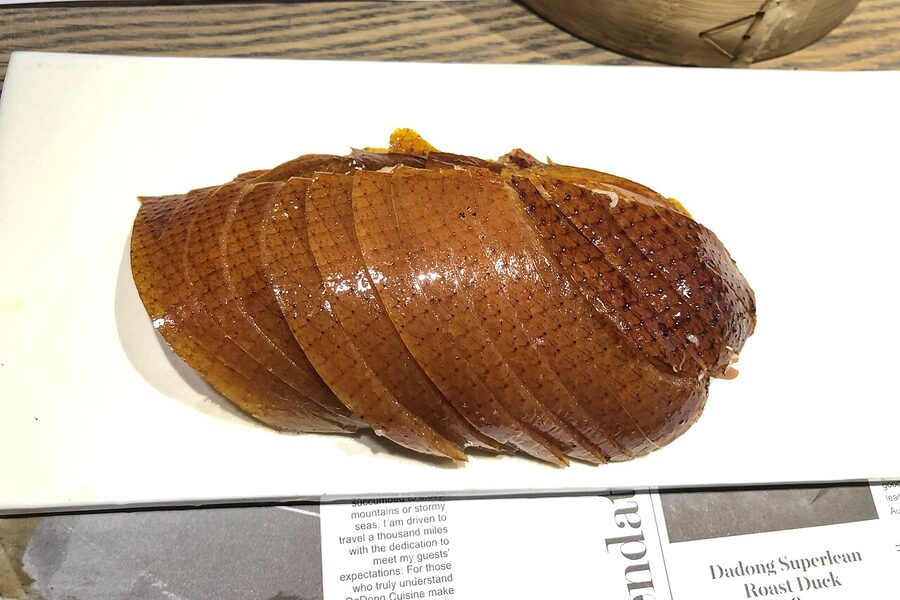
Da Dong (大董) is the more famous, fancier option, ¥400-600 a person, multiple locations including Wangfujing. The duck is leaner, the dining room is much more polished. If you’ve got a special occasion, eat here.
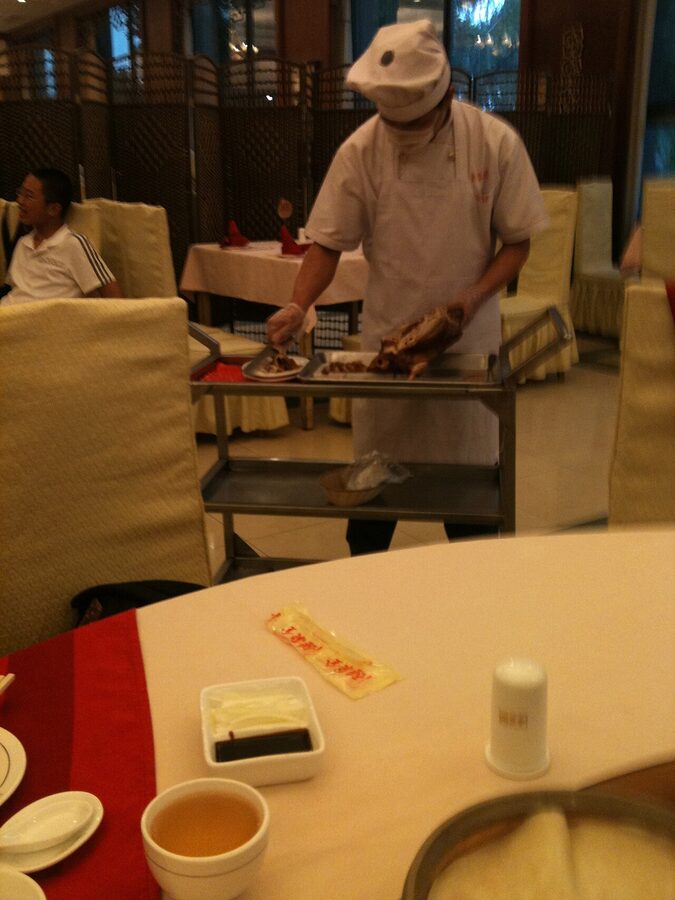
Quanjude (全聚德) is the famous original chain, founded 1864, on Hepingmen, twenty minutes by Didi from the Forbidden City. The duck is fine but the place trades on its name. Locals don’t really go anymore. If you’d rather eat at the institution and accept that the duck won’t be the best, this is it.
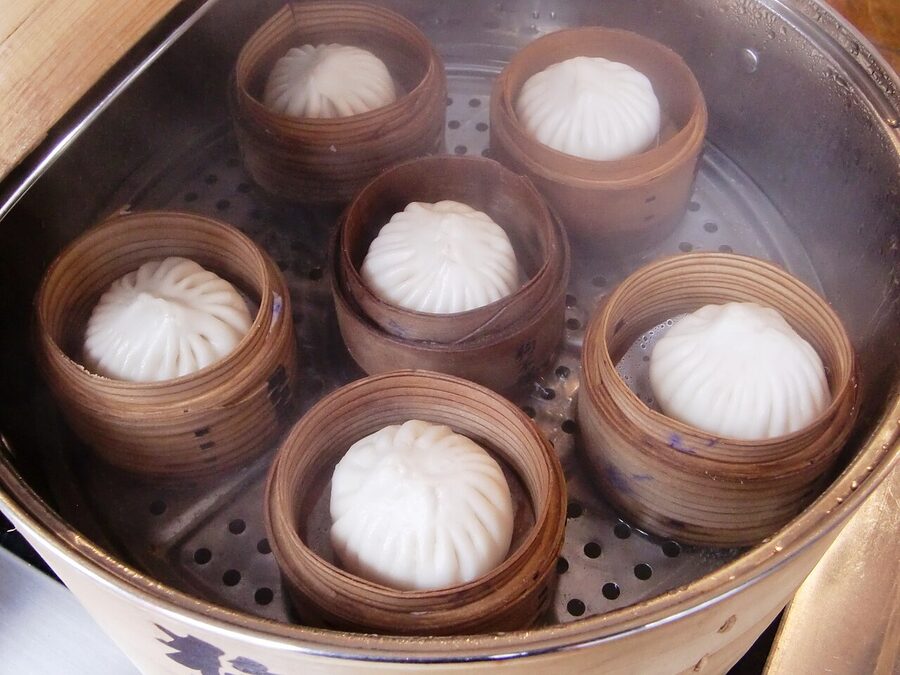
For something less heavy, walk Wangfujing Street (Tian’anmen East subway, ten minutes south of the Forbidden City and twelve minutes east) for the snack alleys: the Wangfujing food street is mostly tourist-trap scorpions on sticks now, but the narrow Goubuli branch on Wangfujing Avenue does the famous Tianjin steamed buns properly, around ¥45 for a basket. If you want a deeper map of where to eat what across the country, my must-try food in China guide covers the regional differences (and which Beijing dishes are actually local). For the dumpling-specific question, the Chinese dumplings guide sketches the Beijing-versus-Shanghai-versus-northwest divide.
What to skip
A short list, in descending order of how strongly I feel about each.
The audio guide rental. Mentioned above. If your phone works, you don’t need it.
Costume photography stalls. The Qing-emperor-and-empress dress-up booths just inside the Meridian Gate cost ¥150-300 and produce some of the most universally awkward photos on Earth. If you want a costume photo, do it properly at a real photo studio in the Houhai or Nanluoguxiang area, ¥500-1,500 with proper lighting and makeup. The on-site stall photos are not what you think they’ll be.
The full central-axis walk in summer at midday. Genuinely punishing. If you’ve booked 1pm in July, do the side galleries first while the sun is still high enough that everyone else is on the central spine, then walk the spine after 3:30 when the sun starts dropping behind the western roofs.
The peripheral halls in summer if you’re tired. The east-and-west wings far from the central axis (Hall of Literary Glory, Wenyuan Pavilion library, the southwest archery section) are interesting but not core. If you’re flagging in 35-degree heat, skip them. The central axis plus Treasure Gallery plus Imperial Garden is the spine that matters.
The on-site souvenir bottlenecks. The Palace Museum gift shop has good small items (silk fans ¥40-80, themed postcards ¥10), but the main shop near the north exit gets jammed at exit time. The same items are available, often cheaper, at the Beijing Capital Museum gift shop in Xicheng District, or online.
Practical, everything
Tickets: palace-museum.org.cn (English version); WeChat mini-program “故宫博物院” if you have a Chinese phone number. Klook, Trip.com, GetYourGuide as foreign-friendly intermediaries. Seven-day advance window, 8pm Beijing time daily release.
Daily cap: 65,000 visitors. In high season (April-October), tickets sell out within an hour of release. Book at 8pm sharp seven nights before.
Closures: Mondays year-round, except on national public holidays where it shifts to Tuesday closure that week. Open through the Spring Festival period, opening hours adjust slightly.
Prices: ¥40 (1 Nov-31 Mar), ¥60 (1 Apr-31 Oct). Treasure Gallery ¥10. Clock Gallery ¥10. Audio guide ¥40 (skip).
Hours: 8:30am-5pm summer (last entry 4pm), 8:30am-4:30pm winter (last entry 3:30pm).
Subway: Line 1, Tian’anmen East (Exit B, my preference) or Tian’anmen West (Exit B). The Forbidden City entrance is the Meridian Gate, about a 10-minute walk through Tiananmen Square from either station.
What to bring: The exact passport tied to the booking. Comfortable shoes (you’ll walk 8-12 km). Layers (palaces are unheated and uncooled). Water bottle (refill stations near the south entrance and inside the Treasure Gallery zone). A small snack (lunch options inside are limited and overpriced). Sunscreen and a hat in summer; a warm hat and gloves in winter.
What to leave behind: Large bags (free luggage storage at south and north gates). Tripods (banned). Drones (banned, will get you in serious trouble). Any kind of large flag or banner.
Photography: Allowed in courtyards and most open halls. Flash banned in the throne rooms, Treasure Gallery, and Painting and Calligraphy gallery. Tripods banned everywhere. Drones absolutely banned (Tiananmen Square airspace is closed). Phones are fine; the standard 24mm wide-angle on a phone is enough for almost every shot.
Weather: Spring (mid-March to early May) is the best balance, mild temperatures, less crowd than summer, occasional sandstorms blowing in from Mongolia. Summer (June-August) is hot and humid and crowded. Autumn (mid-September to early November) is the ideal, ginkgo trees turn gold, mid-October especially photogenic. Winter (December-February) is cold but quiet, and a heavy snow morning is one of the great moments of Beijing photography.
Combine with: If the Forbidden City is part of a longer Beijing trip, pair it with the Wall and the Temple of Heaven. My Mutianyu Great Wall guide covers the best Wall section for a half-day from central Beijing. After Beijing, if you want a contrast, go south. Yangshuo is karst-country green and warm, Lijiang swaps imperial monumental for Naxi old-town, and Shenzhen shows you the China that came after the Last Emperor by about a century.
The last thing
The Forbidden City rewards walking slowly more than it rewards covering ground. Spend ten minutes on the carved water spouts on the Hall of Supreme Harmony terrace and you’ll remember them. Walk past them in three seconds with the central axis crowd and you won’t. The wood beams above your head are mostly original. The dragons on the door knockers are five-clawed because that was the imperial limit. The bench under the juniper tree on the western alley is where I ate a steamed bun in March 2019 and still think about. None of that requires you to see every hall. Most of it requires you to step three metres off the line that everyone else is walking, and look up.
Get there at 8:30, leave by 1:00, climb Jingshan at 4:30, eat duck at 7. That’s the day.


_2018-08-18_170110.jpg)


.jpg)
.jpg)


.jpg)

.jpg)
.jpg)

.jpg)
.jpg)


(2008-08).jpg)


.jpg)

