Yokohama Chinatown: What to Eat, Where to Sit Down and the History Behind the Gates
A little before noon on a Saturday, the bamboo steamers outside Edosei on Chukagai Odori are already hissing and the queue has started to bend round the shop next door. Nearly everyone in it wants the same thing: a pork bun as wide as your palm, filled with pork, prawn and snow crab. It looks like the oldest thing on the street.
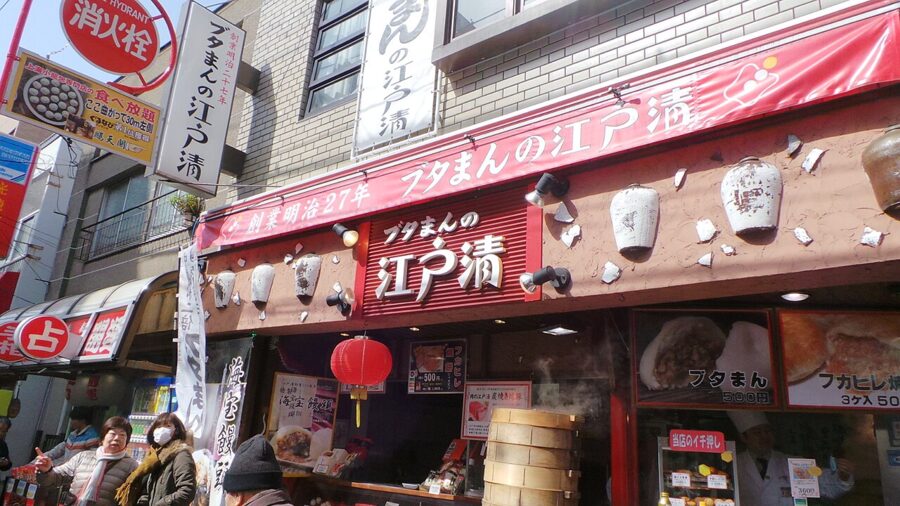
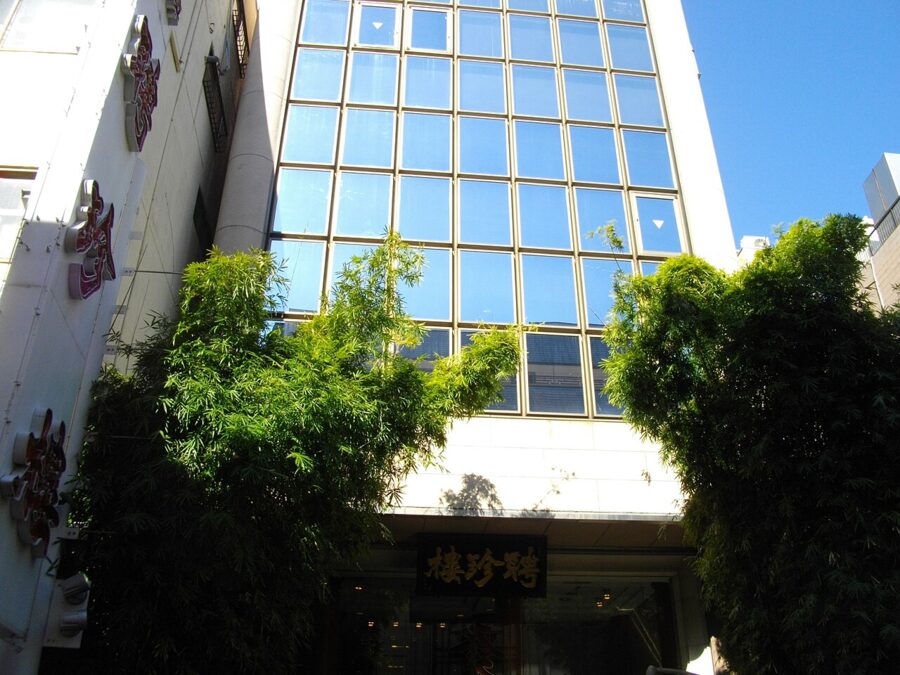
It isn’t. Edosei was a Japanese meat wholesaler for almost a century before it sold a single bun, and the one it calls butaman went on sale in 1989. Meanwhile Heichinro, opened in 1884 and long described as the oldest Chinese restaurant still trading in the district, closed its Yokohama main store on 15 May 2022.
That is Yokohama Chinatown in two facts: older than almost anything else in Japan’s restaurant world, and constantly remaking itself. I lived in Shenzhen for a while, and the first time I walked through the gates I kept looking for the Cantonese city I knew. Some of it is here, in the roast-meat windows and the congee pots. Much more of it is a Japanese idea of China, built and rebuilt over 160-odd years by people who were here long before the trains, the tour groups and the gates.
Shop hours and prices in this guide come from the shops’ own pages and the Development Association’s listings, checked in November 2026. The table is the short version.
| If you want | Go to | Worth knowing |
|---|---|---|
| The famous pork bun | Edosei, Chukagai Odori | About ¥600 each; queues at weekend lunch |
| Pan-fried soup dumplings | Wangfujing main store, Hotenkaku | Four for ¥560 at Wangfujing; eat them at the counter |
| Congee for breakfast | Shatenki (since 1951), Anki | Shatenki closes Tuesdays, Anki Wednesdays |
| Dim sum at a table | Manchinro Tenshinpo, Saiko Shinkan | Tenshinpo opens at 08:00 at weekends |
| Old-school Cantonese | Manchinro (1892), Douhatsu, Ichiraku | Manchinro main store closes Mondays |
| Sichuan or Shanghai | Jukeihanten (1959), Jogenro | Both open every day |
| A local noodle | Bairan on Ichiba-dori | Bairan yakisoba ¥946; closed Wednesdays |
| The temples | Kanteibyo, Masobyo | Kanteibyo 08:00–18:00, Masobyo 09:00–19:00 |
In This Article
- Getting your bearings: ten gates and a grid turned 45 degrees
- The four guardian gates
- Zenrinmon and the main street
- Which station to use
- From Nankin-machi to Chukagai: 160 years in brief
- Middlemen and a swamp (1859–1899)
- Fire, war and a black market (1923–1952)
- A gate, a name and a boom (1955–2006)
- Two temples, one street apart
- Kanteibyo
- Masobyo
- Street food: what’s worth the queue
- Pork buns, three ways
- Soup dumplings, fried and straw-fed
- Sesame balls, duck, chestnuts and the rest
- Which queues to join
- Sitting down: old Cantonese houses and the regional kitchens
- The old Cantonese houses
- Congee for breakfast
- Shanghai, Sichuan, Beijing and the north
- The tabehoudai question
- Dishes Yokohama made Japanese
- Ramen, at the start
- Sanma-men
- Ankake everything
- Shumai that tastes good cold
- Chinese New Year and the rest of the calendar
- How shunsetsu works
- The rest of the year
- A Yokohama day built around Chinatown
- Getting there from Tokyo
- Morning: Motomachi and the Bluff
- Midday: eat
- Afternoon: the waterfront
- Evening: back to the lanterns
- What it costs
- Skip this
Getting your bearings: ten gates and a grid turned 45 degrees
Chinatown is small. The Development Association puts it at about 500 metres on each side, the area inside the four compass gates, and you can cross it in ten minutes if nobody hands you a menu. What makes it confusing is the angle.
The whole grid sits at roughly 45 degrees to the streets around it, so the “east”, “south”, “west” and “north” gates actually stand on its corners. The association cheerfully blames this tilt for everyone getting lost. The land itself was Yokohama Shinden, a stretch of reclaimed paddy that was drained and folded into the foreign settlement by 1861, and early residents called it the swamp settlement.
The four guardian gates
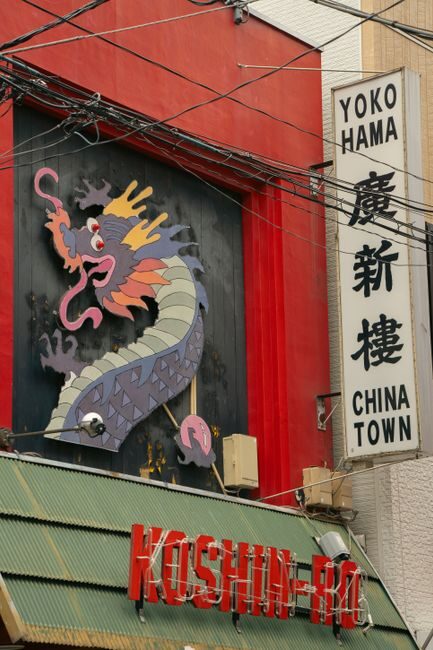
The four corner gates follow feng shui, each guarded by one of the four Chinese directional beasts and painted in its colour. They were suggested in 1993 by the head of the Development Association, when visitor numbers fell after the bubble burst, as a way to protect the town and give people a reason to come. Enpeimon went up in 1994, Suzakumon and Genbumon followed, and Choyomon was finished last, in February 2003.
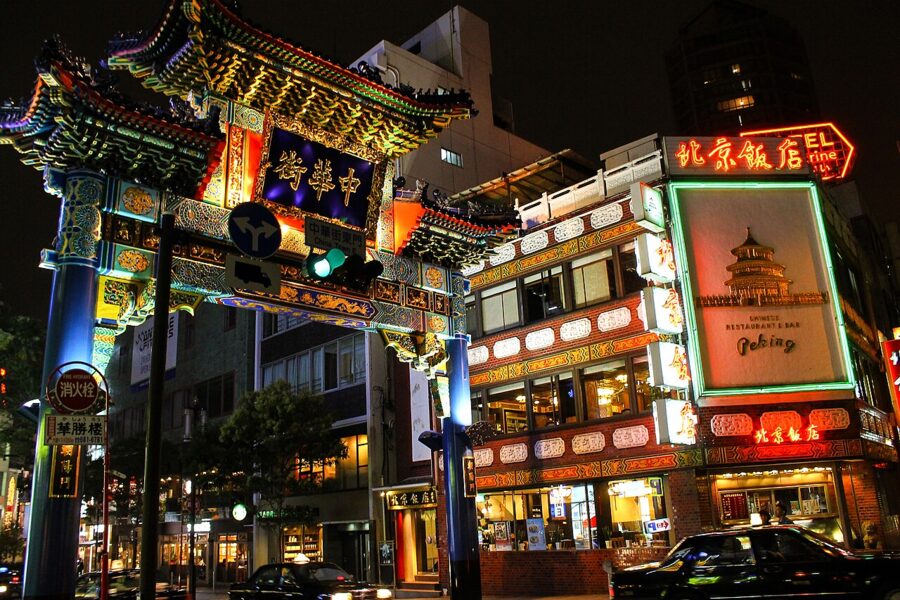
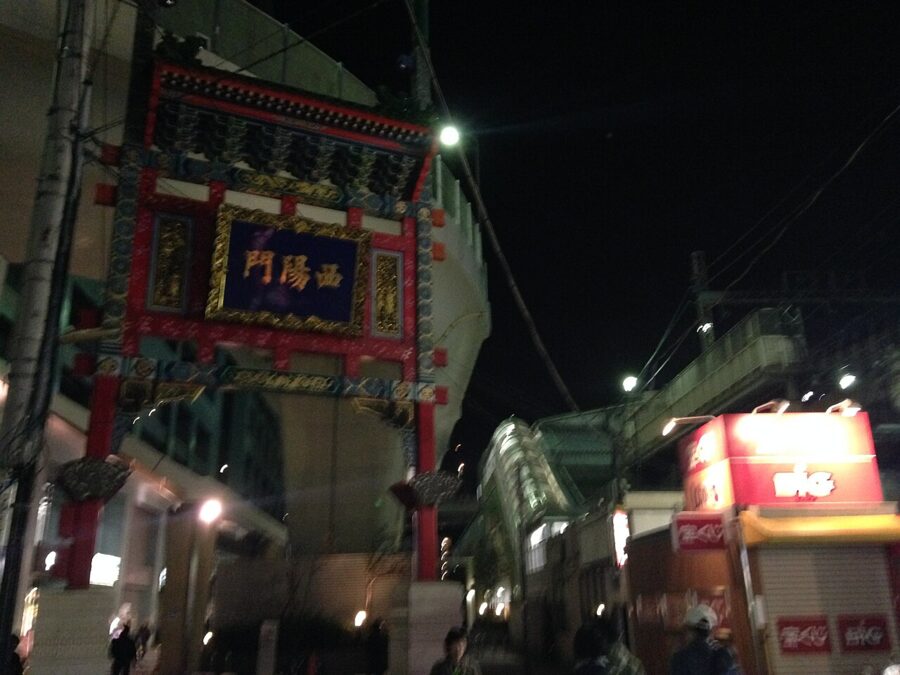
Choyomon faces Yamashita Park and the station. Suzakumon, the red south gate of the vermilion bird, opens onto Motomachi. Enpeimon in the west is white for the tiger, and Genbumon in the north, black for the tortoise and snake, points you towards Yokohama Stadium and Kannai.
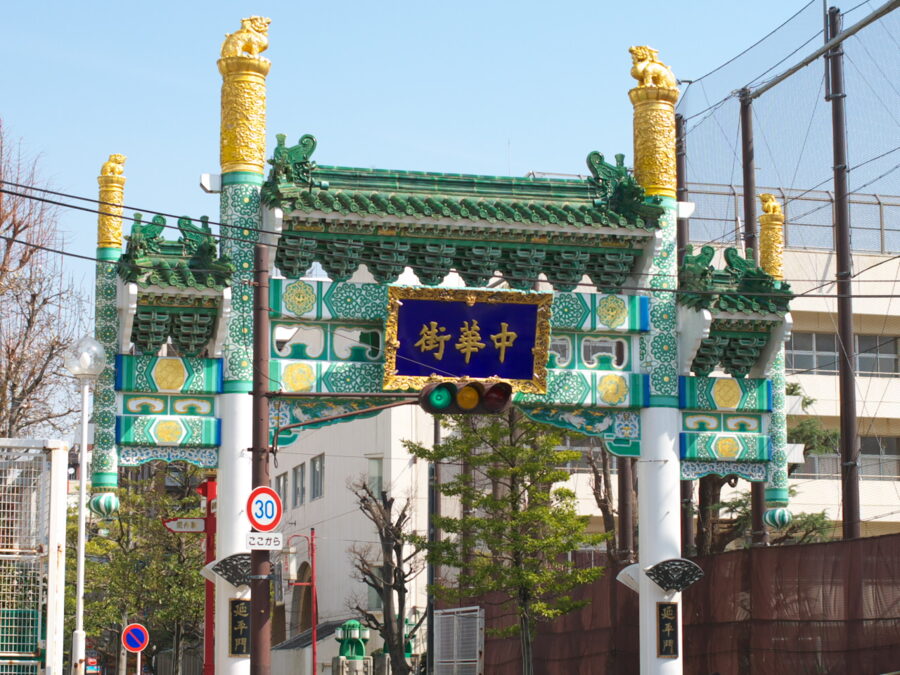
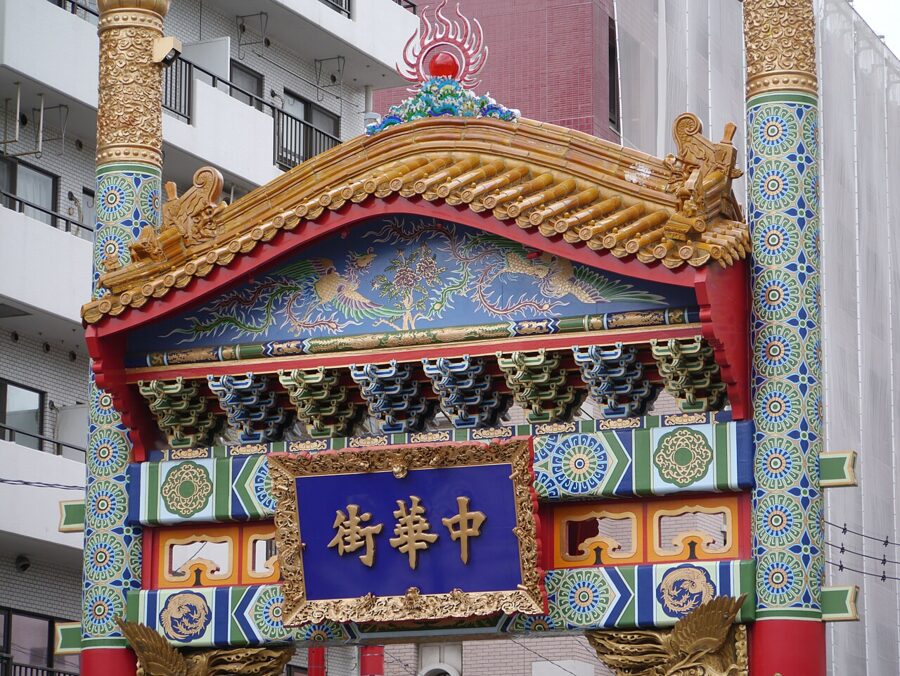
The names weren’t fixed without argument. Under feng shui the west gate would have been called the White Tiger gate and the east gate the Azure Dragon gate; a history of the district notes that Taiwan-affiliated residents objected, and the town settled on Enpeimon and Choyomon instead.
Zenrinmon and the main street
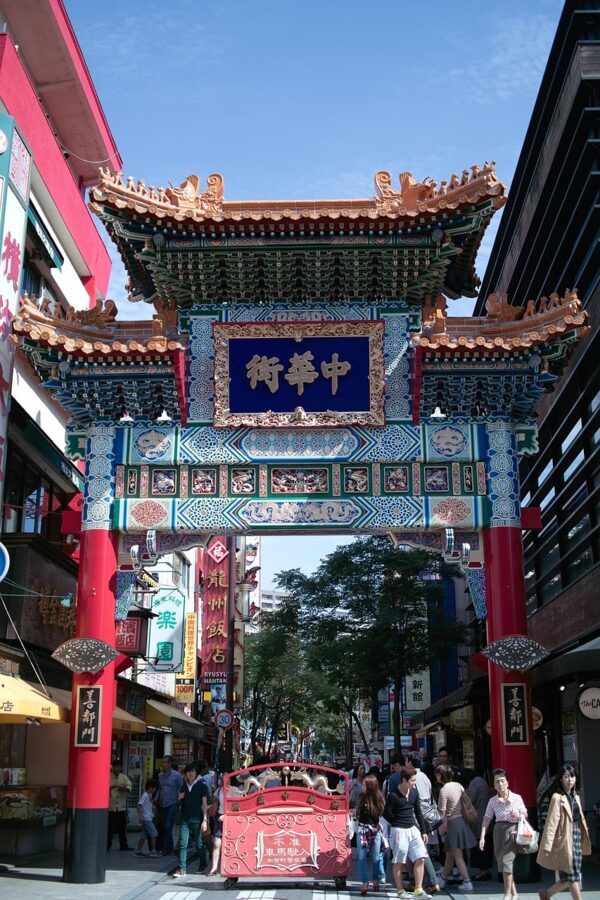
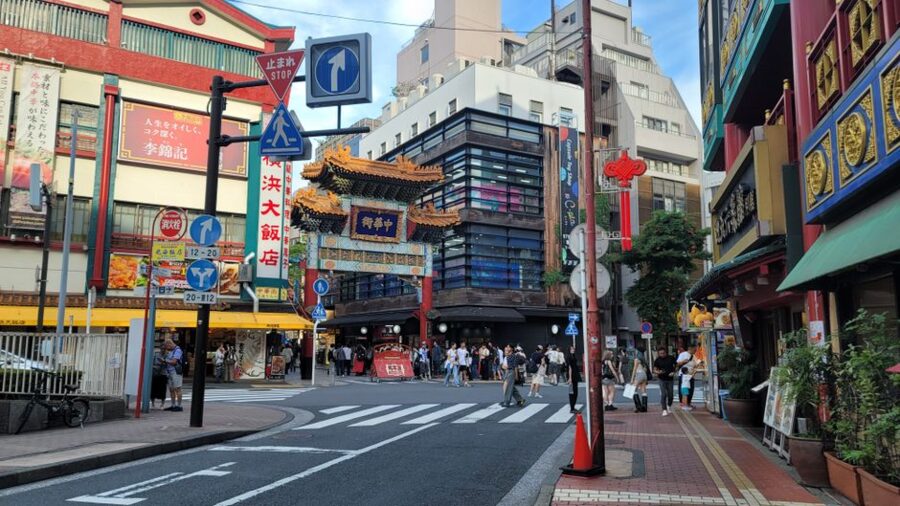
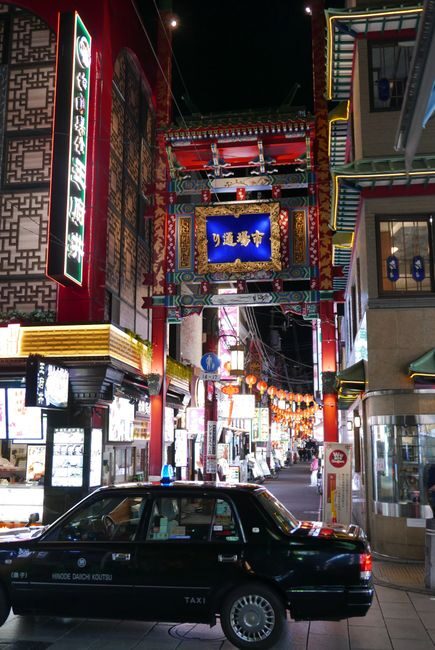
The gate everyone photographs is Zenrinmon, at the head of Chukagai Odori. The first version was finished in February 1955, paid for by more than 80 local Chinese and Japanese donors with help from Kanagawa Prefecture and the city, as part of a push to rebuild the area as a sight after the war. The board on one side reads shinjin zenrin, a line from the Zuo Zhuan about being kind to your neighbours.
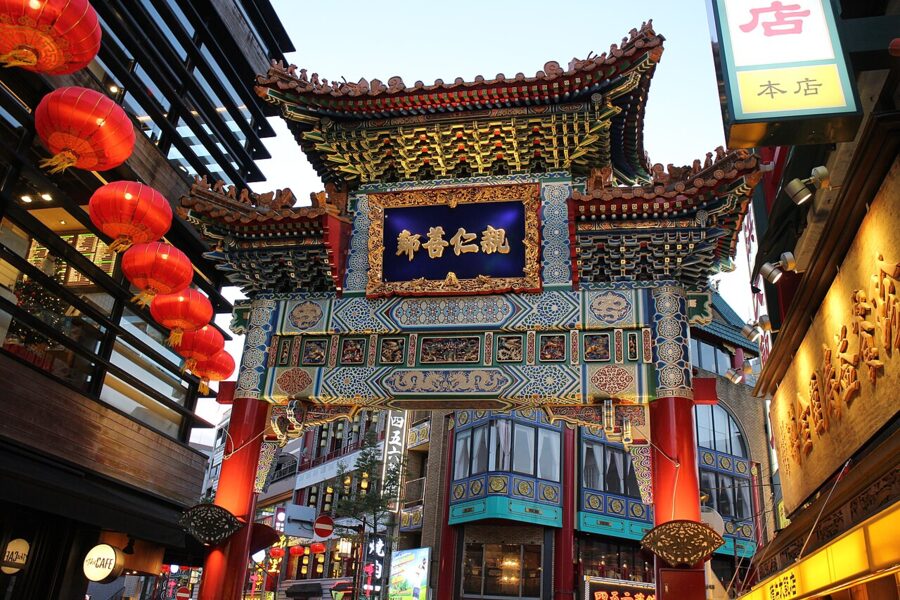
Ten gates in total stand in and around the district. Besides the four corners and Zenrinmon there are Seiyomon at the far western edge, Tenchomon and Chikyumon at either end of Kanteibyo-dori, and a pair over Ichiba-dori, the market lane.
Which station to use
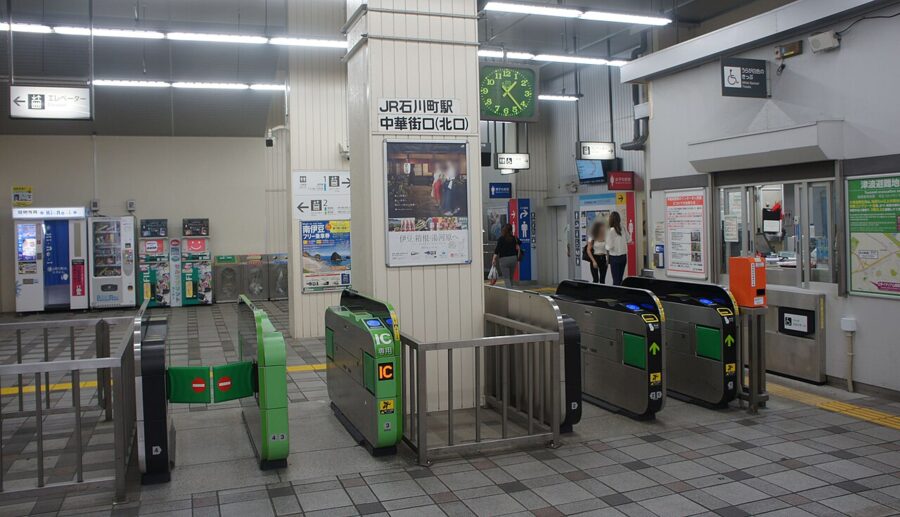
Motomachi-Chukagai Station, the end of the Minatomirai Line, is the closest. Exits 2 and 3 put you on the Chinatown side, about three minutes from Masobyo, and Choyomon is right there. From JR Ishikawacho Station on the Negishi Line, take the north (Chukagai) exit; Kanteibyo is about six minutes on foot. Kannai Station, on both JR and the Blue Line subway, is about ten minutes from the temples via Genbumon.
From Nankin-machi to Chukagai: 160 years in brief
Every Chinatown has an origin story, and Yokohama’s is less romantic than most. It’s a story about middlemen, paperwork and fire.
Middlemen and a swamp (1859–1899)
Yokohama opened as a treaty port on 1 July 1859, the second day of the sixth month by the old calendar, which is why the city still marks Port Opening Day on 2 June. It opened under the treaty Japan had signed with the United States the year before. The American and British trading houses that arrived were already working in China, and they brought Chinese staff with them: compradors who negotiated with local silk and tea merchants and kept the books. Qing China had no treaty with Japan, so at first these men had no legal standing at all.
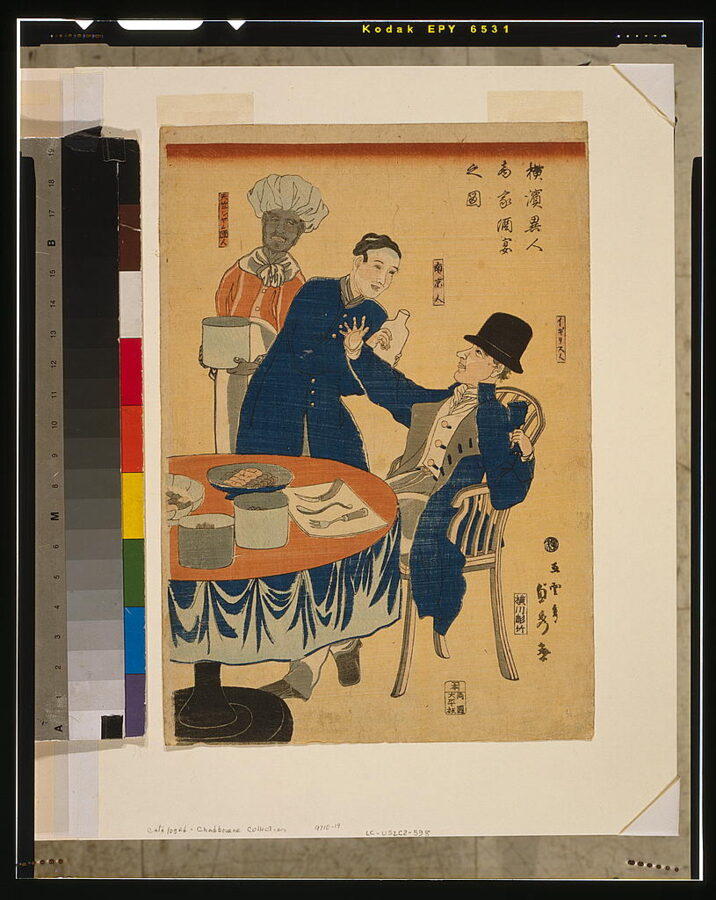
That changed in November 1867, when a registration system gave Chinese residents a legal basis to stay, and numbers rose fast. They gathered on the reclaimed paddy of Yokohama Shinden, the worst land in the settlement, and built a Guan Yu shrine, a meeting hall and a theatre. The Development Association’s own history puts the Chinese population at about 1,000 in the early Meiji years.
Not all of them cooked. Chinese residents built Western-style houses, painted them, made pianos and Western furniture, set type for English-language printing and tailored suits. Traders shipped Hokkaido abalone and sea cucumber to Hong Kong and Shanghai and brought sugar in from Taiwan.
The 1894 war with China emptied the place for a while: about two-thirds of Yokohama’s Chinese went home within a month. They came back. In 1899 the foreign settlements were abolished and foreigners could live anywhere, but Chinese workers outside the old settlement were limited to a short list of trades, chiefly barbering, tailoring and cooking. By the early 1900s the community had passed 5,000 people.
Fire, war and a black market (1923–1952)
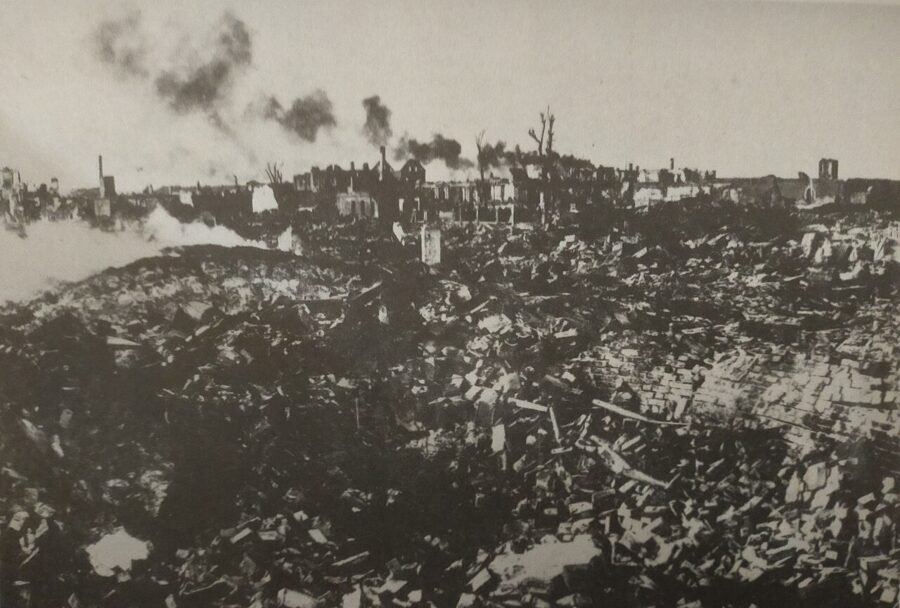
The Great Kanto Earthquake struck at 11:58 on 1 September 1923. Old brick buildings packed tightly together collapsed and burned, and roughly a third of Yokohama’s Chinese residents died. In the chaos that followed, Chinese people were also among those killed by vigilante groups.
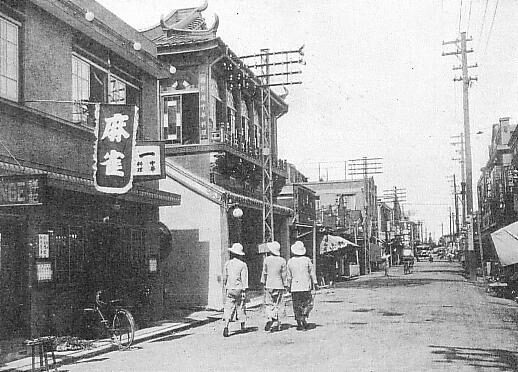
Rebuilding brought the first deliberate attempt to make the place a sight. In 1930 a Sino-Japanese friendship group proposed refacing the main-street buildings in Chinese style, and Nankin-machi became a stop on the Yokohama tourist circuit. Yamashita Park, built on earthquake rubble, opened the same year a few minutes’ walk away.
Then war again. The Chinese consulate in Yokohama closed in 1938, residents lived under surveillance, and the American air raid of 29 May 1945 left the area a field of ash. After the surrender, Chinese residents were treated as nationals of an Allied country and got priority supplies, so a black market grew here and hungry Japanese crowded in for hot food. The Korean War brought sailors and soldiers through the port.
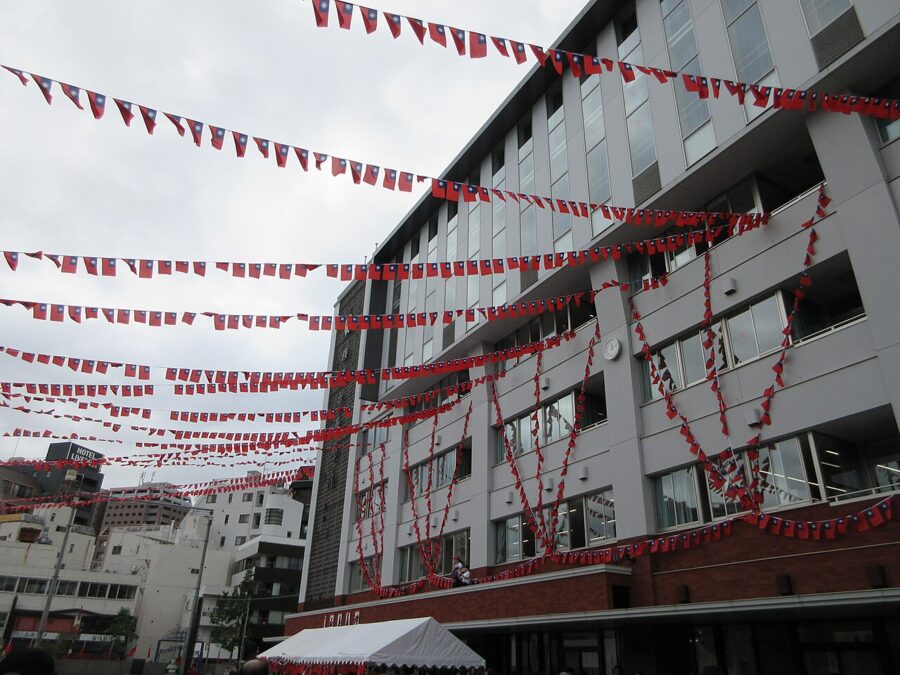
Politics split the community in 1949. When the People’s Republic was founded, both Beijing and Taipei courted overseas Chinese, and in 1952 a fight over the Chinese school divided Chinatown into two camps, each with its own school and residents’ association. You can still see the split: there are two Chinese schools, and two national days on the calendar.
A gate, a name and a boom (1955–2006)
The 1955 gate gave the district its name. The real turning point came in 1972, when Japan and the People’s Republic restored diplomatic relations, a China boom swept Japan, and Chinatown became the nearest place most Japanese could go to feel it. Restaurants multiplied, and souvenir shops followed once goods from the mainland became easy to import.
On New Year’s Day 1986 the Kanteibyo temple burned down. Rebuilding it brought the two political camps to the same table for the first time in decades, and from then on both sides turned up to each other’s events; the Chinese New Year festival the town runs today also started in 1986.
Two more dates matter for anyone eating here. In February 2004 the Minatomirai Line opened with a station named for Chukagai, which a local history credits with the rise of cheap all-you-can-eat restaurants and grab-and-go stalls. And in 2006 the Masobyo temple opened on a plot the town had bought in 2003 to stop a high-rise apartment block going up on it.
Two temples, one street apart
I don’t usually send people to temples in a food guide. These two are different: they are the reason the district holds together, and you will pass both anyway.
Kanteibyo
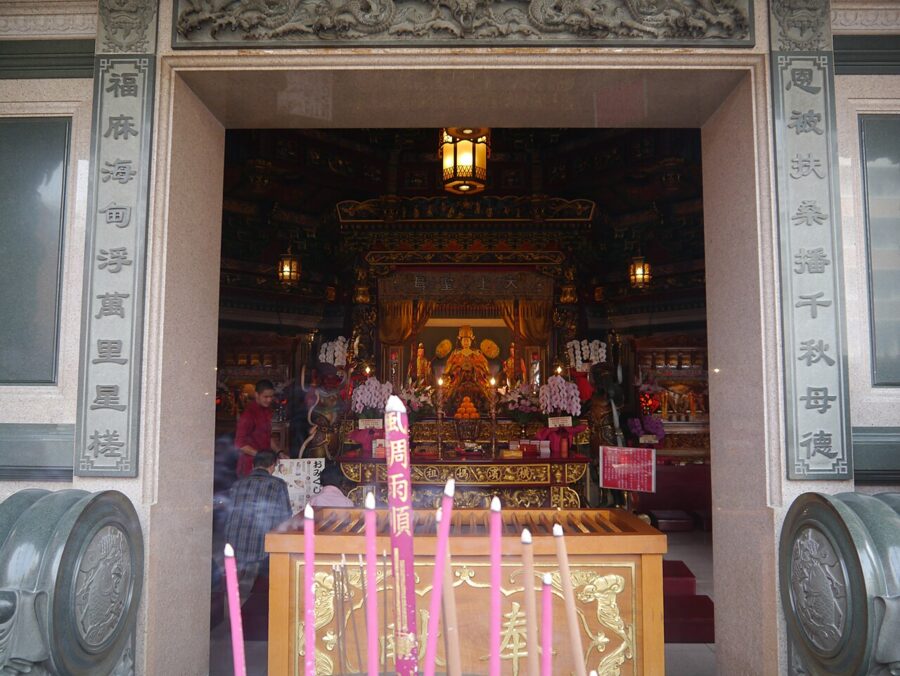
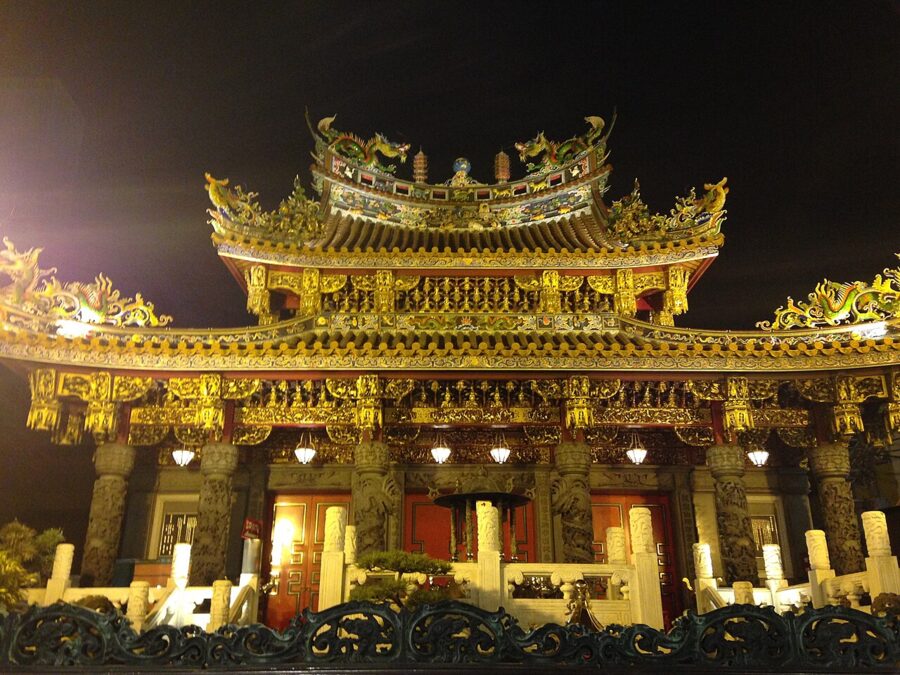
Kanteibyo honours Guan Yu, a general of the Three Kingdoms period who became a god of loyalty and, more usefully for a street of shopkeepers, of business. It began in 1862 as a small shrine housing a wooden statue of him, and became a full temple in 1871, paid for by Chinese residents across the Kanto region.
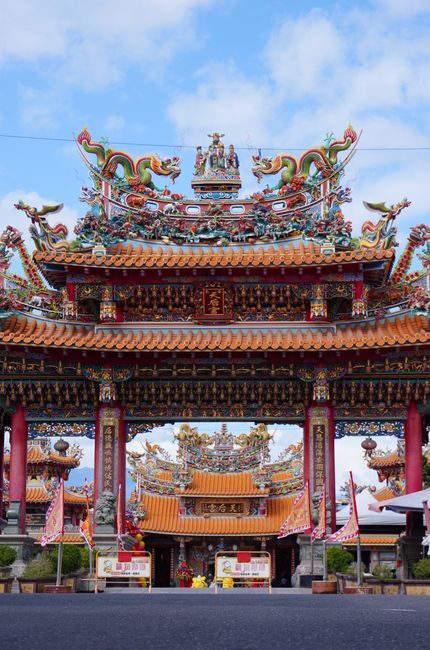
The current building opened on 14 August 1990. More than 2,000 overseas Chinese in Yokohama, Tokyo, Osaka and Kobe raised ¥600 million for it, an architect from the mainland designed it, and as much of the material as possible was shipped from China: the carved cloud-and-dragon stones came from Beijing, and the dragon roof tiles were made in Taiwan.
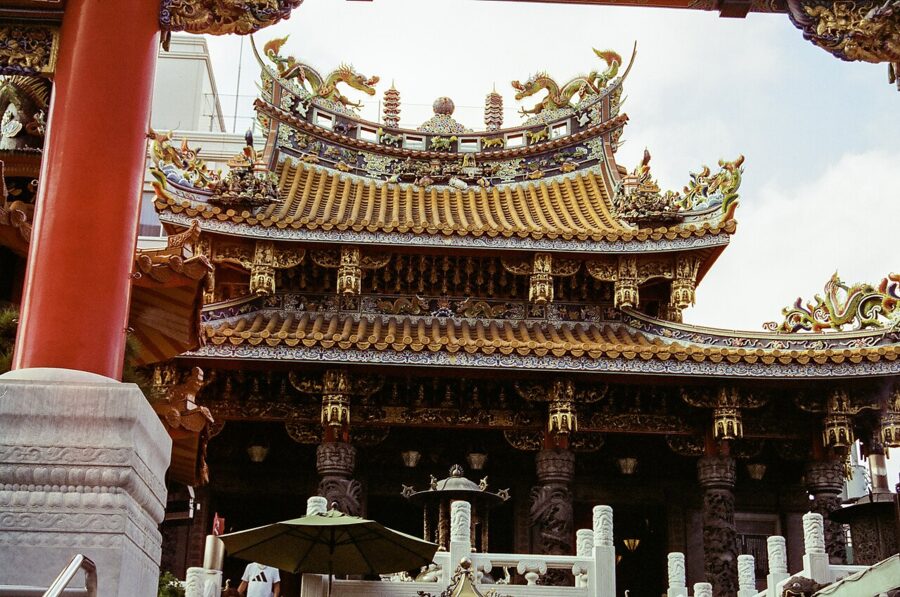
It’s open 08:00–18:00 every day; those hours changed on 1 November 2026, from the old 09:00–19:00. Looking from the forecourt is free. To pray inside, buy the incense set at reception for ¥500, light it, wave out the flame rather than blowing on it, and place sticks in the five censers in order.
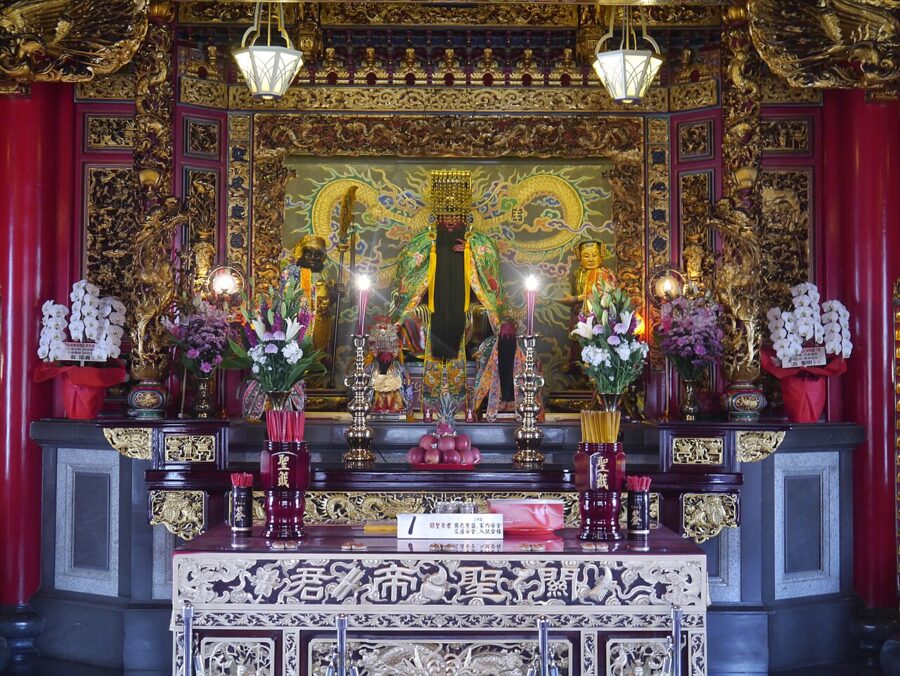
Fortunes work the Chinese way. You shake a cylinder of numbered sticks until one falls out, then drop a pair of crescent-shaped moon blocks on the floor to check the god agrees; a staff member helps read the result. It’s the most Cantonese-feeling five minutes in Chinatown.
Masobyo
Masobyo honours Mazu, the sea goddess of the southern Chinese coast, and it stands on the site of the Qing consulate that opened here in the Meiji era. In Shekou I used to walk past a temple to the same goddess at Chiwan, founded in the fifteenth century. Yokohama’s is twenty years old and looks brand new, which it more or less is.
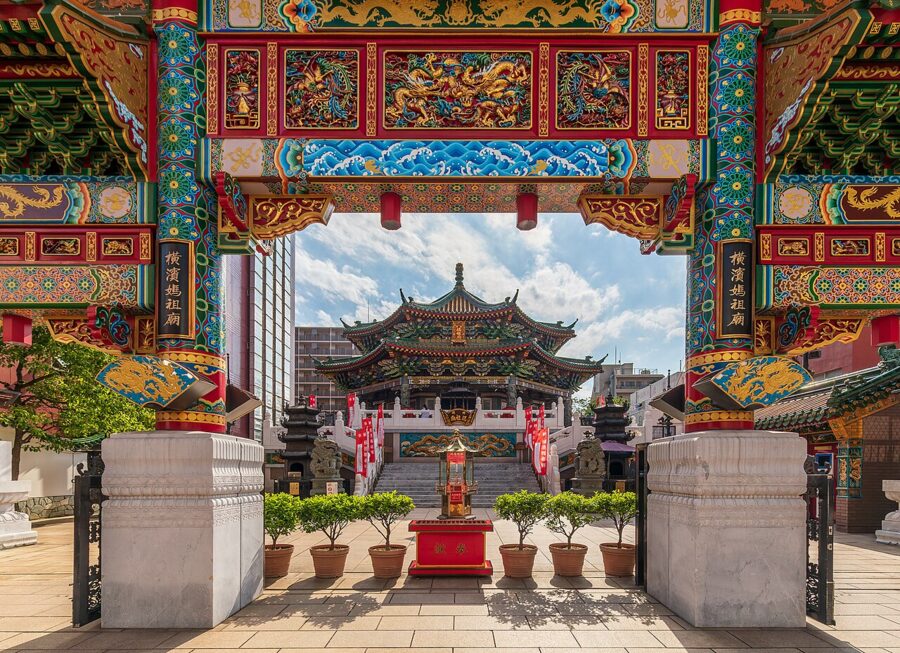
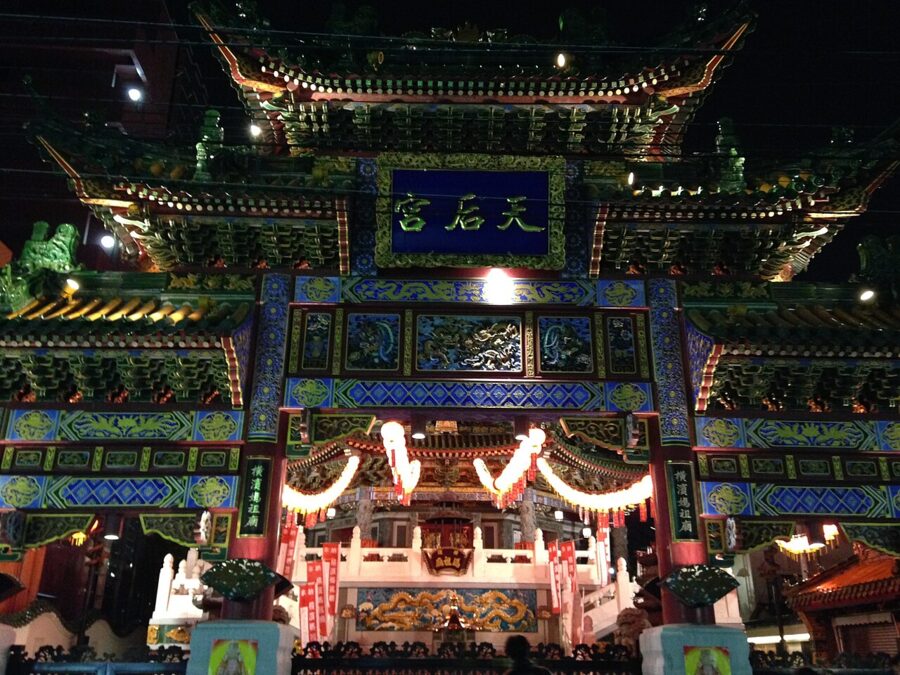
The hall holds more than Mazu: there are shrines for children, for safe childbirth, for exams and for finding a partner. It’s open 09:00–19:00 daily, three minutes from exit 3 of Motomachi-Chukagai Station, and it’s at its best after dark, when the lanterns are on.
Street food: what’s worth the queue
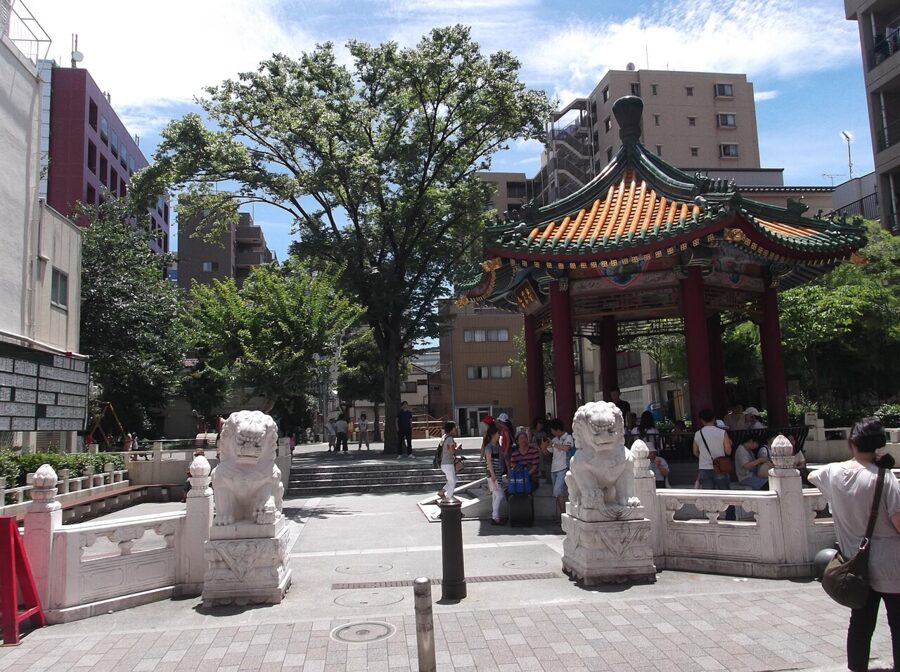
Eating while walking, tabearuki, is what most Japanese visitors come for, and the town has rules about it. The Development Association asks you to stop somewhere safe to eat anything on a stick, because a skewer can do real damage in a weekend crowd, and not to sit or stand in the doorway of a shop you didn’t buy from. Yamashitacho Park, in the middle of the district, is the sanctioned place to sit down with a bag of food, and the association has put out its own rubbish bins for takeaway packaging.
Pork buns, three ways
Edosei’s butaman is the one to try once. It’s about 11 centimetres across and 250 grams, made with several cuts of pork plus prawn, snow crab, bamboo shoot, cabbage and leek, in a fluffy dough the company developed with a cook brought over from Wuhan. Kanto people usually say nikuman for a meat bun and Kansai people say butaman; Edosei picked the second because pork was its trade.
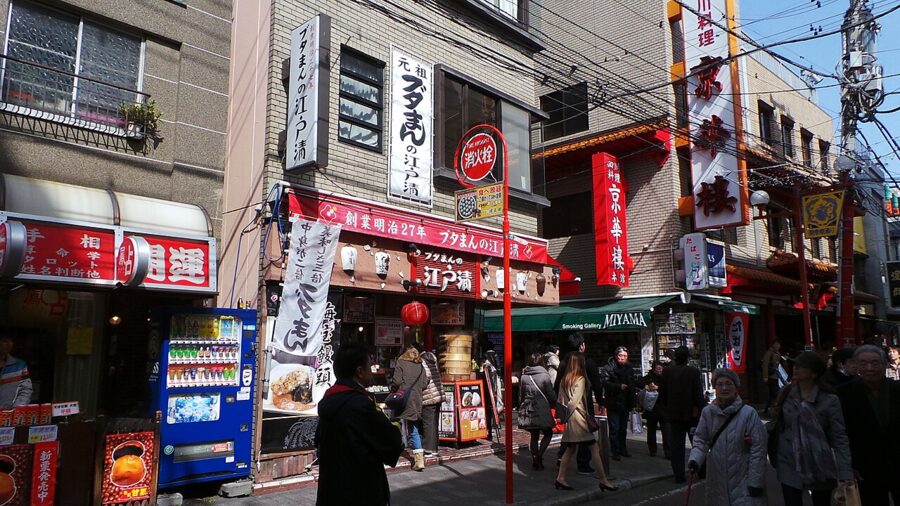
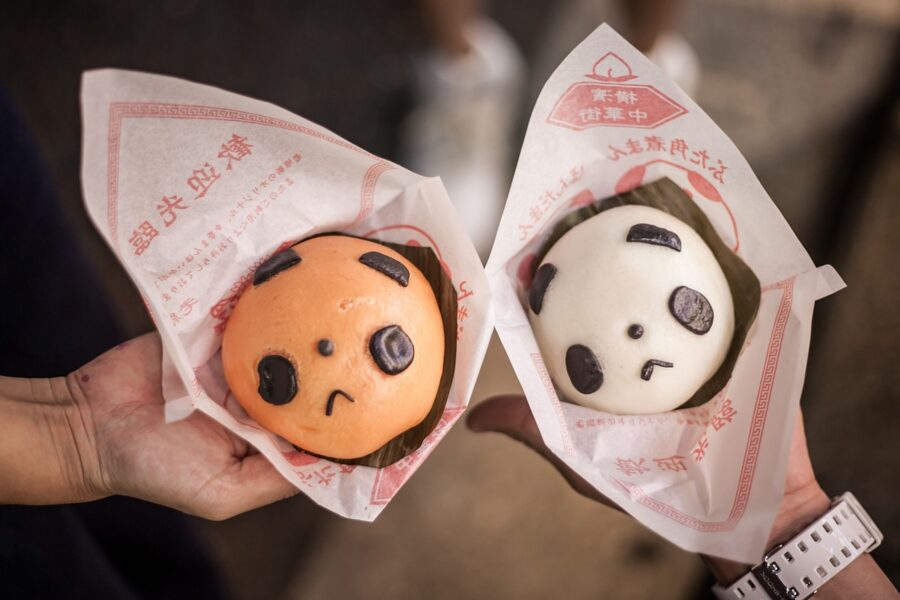
It’s huge, so split one if you plan to eat anything else. For the opposite approach, Kocho, whose kitchen includes winners of international Chinese cooking competitions, sells small handmade buns from two takeaway counters, already seasoned so you don’t need sauce. Kaseiro’s shops sell a softer, chewier bun with a soy-seasoned filling of pork, bamboo shoot and leek, and Rouishin on the main street sells panda-faced buns that are mostly for photographs.
Soup dumplings, fried and straw-fed
The street food that changed Chinatown in the last twenty years is yaki-shoronpo, the pan-fried soup dumpling Shanghai calls shengjianbao. Wangfujing on the main street claims to have started the craze; four of its classic ones cost ¥560, and a mixed plate of six is ¥950. They are crisp on the bottom, soft on top and full of scalding broth.
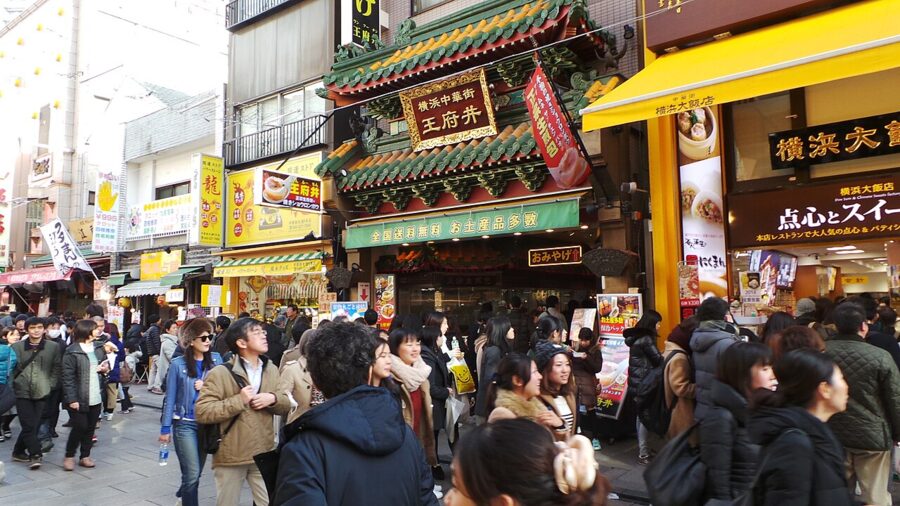
Hotenkaku makes them in front of you; four start at ¥500 and the queue moves fast. Both shops have counters where you can eat on the spot, and you should, because a dumpling that bursts while you’re walking will ruin a shirt. If soup dumplings are new to you, my guide to Chinese dumplings covers where they come from and how the Shanghai and Hong Kong versions differ.
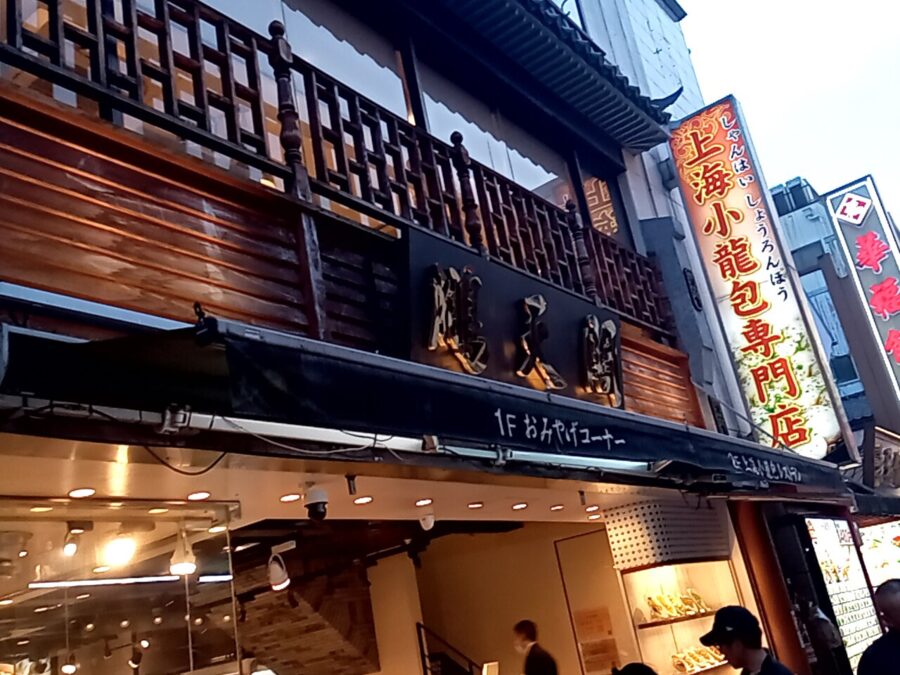
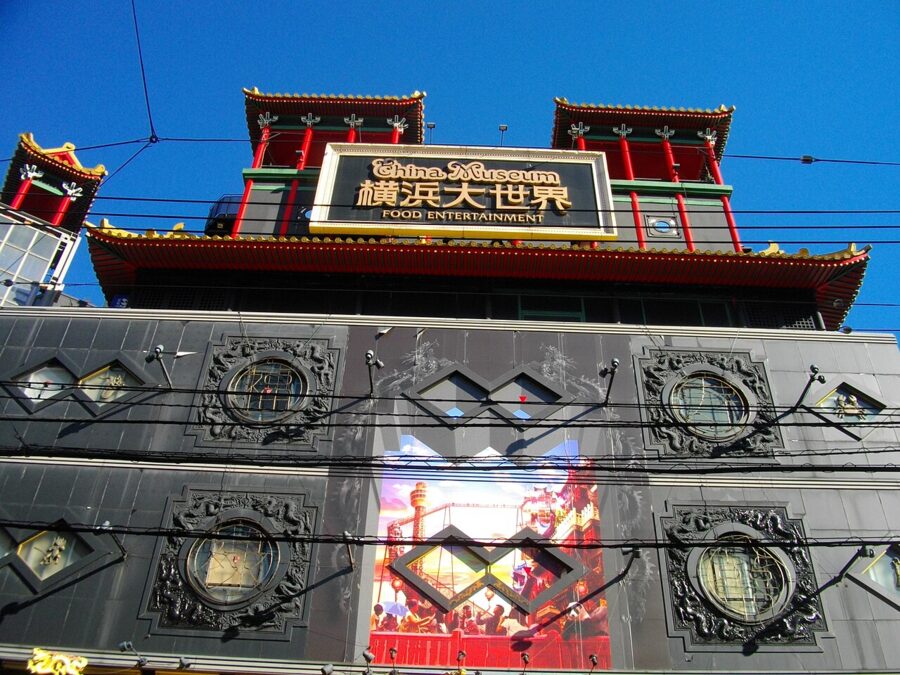
Then there’s the dai-ronpo at Kaikarou’s Yokohama Daisekai branch on the Minami-mon Silk Road: a soup dumpling about three times the normal size, served with a straw so you drink the broth before eating the wrapper. It’s fun once. It’s more photograph than meal.
Sesame balls, duck, chestnuts and the rest
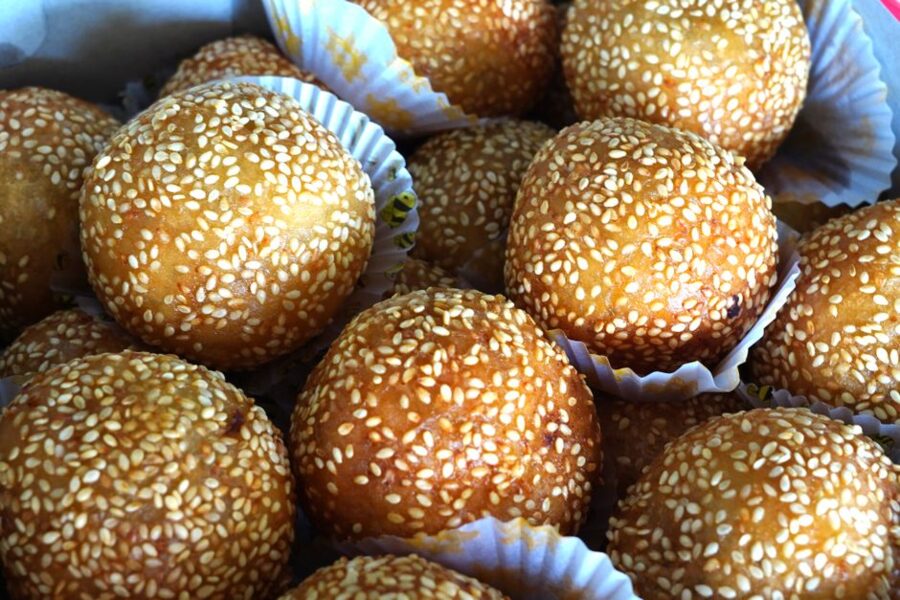
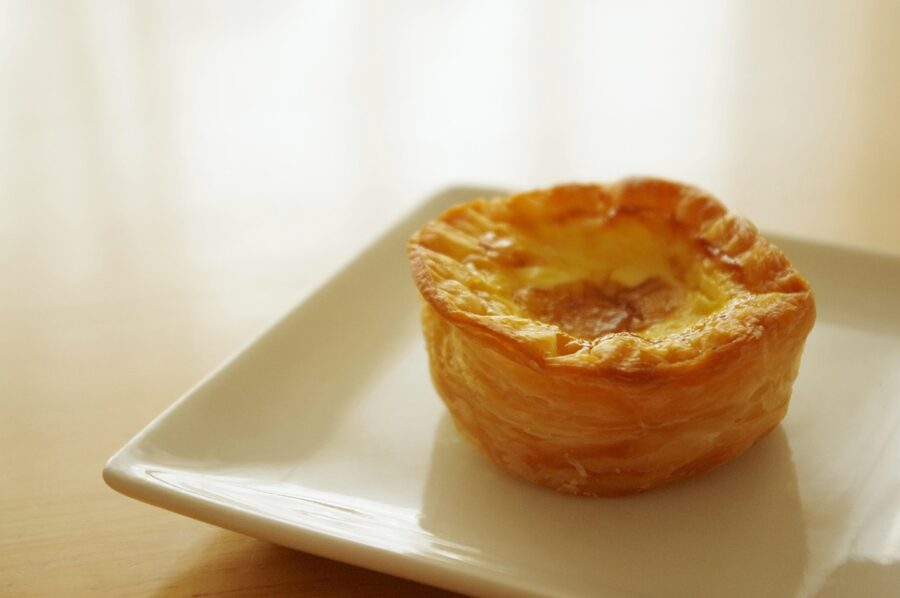
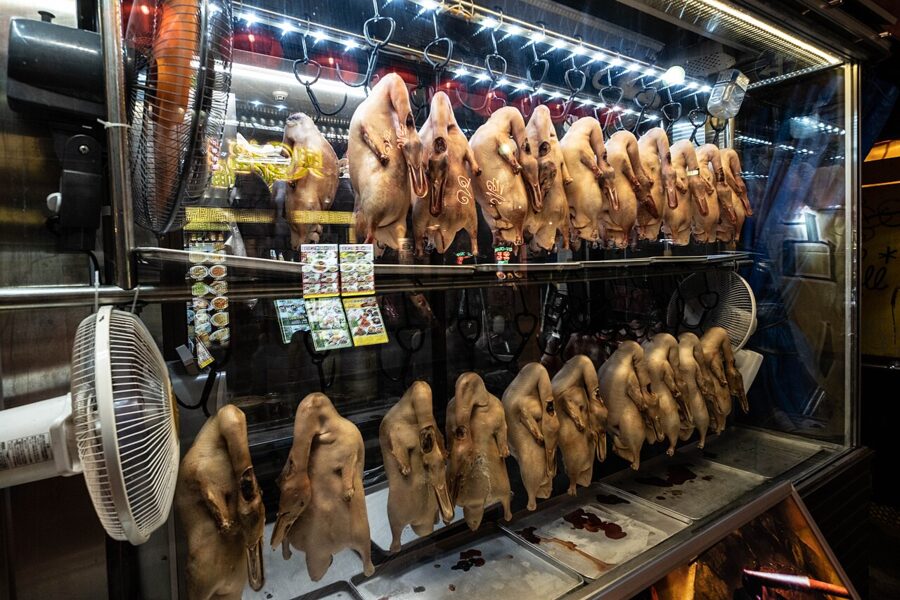
Fried sesame balls, egg tarts, Taiwanese fried chicken cutlets bigger than your face, strawberries in candy glaze on skewers, Peking duck wrapped to take away: the official site lists all of them as street-food categories, and you’ll find each in a dozen places. Saiyuki, a Hong Kong-style dim sum shop, sells a char siu melon bun that pulls weekend queues.
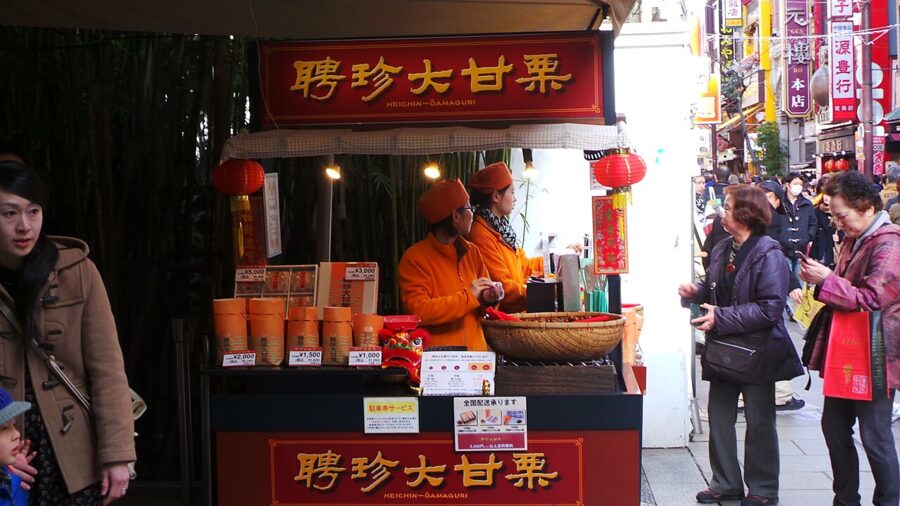
Roasted chestnuts are the one to be careful with. The Development Association started a scheme in April 2012 after complaints about sellers’ manners, and it now recommends only stalls that print the seller and weight on the bag, keep scales on the counter, handle the chestnuts with gloves and display a shop name.
Which queues to join
Join Edosei’s once, and the fried soup dumpling queue at either Wangfujing or Hotenkaku. Skip anything whose main selling point is how it looks in a photo. The best time to eat your way down the main street is a weekday morning, or after 17:00 when the day-trippers start leaving; at weekend lunch, the whole length of Chukagai Odori is a slow shuffle.
Sitting down: old Cantonese houses and the regional kitchens
Most of Yokohama’s Chinese families came from Guangdong, which is why Cantonese cooking dominates. But the lanes named Shanghai, Fujian and Beijing aren’t just decoration, and the official listings split restaurants into more than a dozen regional styles, from Dongbei and Hunan to Taiwanese and Hong Kong.
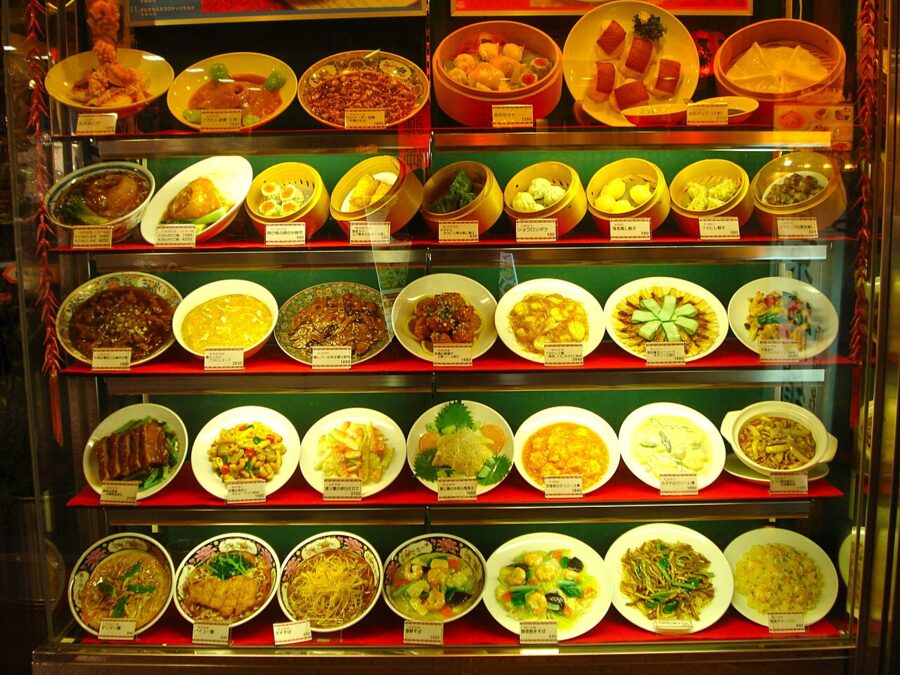
The old Cantonese houses
Manchinro, founded in 1892, is the old house I’d book for a proper Cantonese meal. Its main store on the main street burned down in 2002 and reopened in 2003; the head chef trained in Hong Kong and ran a Cantonese restaurant in Shanghai before coming to Yokohama, and the kitchen uses no chemical seasonings. It opens 11:00–15:00 and 17:00–22:00 on weekdays and all day at weekends, and it closes on Mondays unless Monday is a holiday.
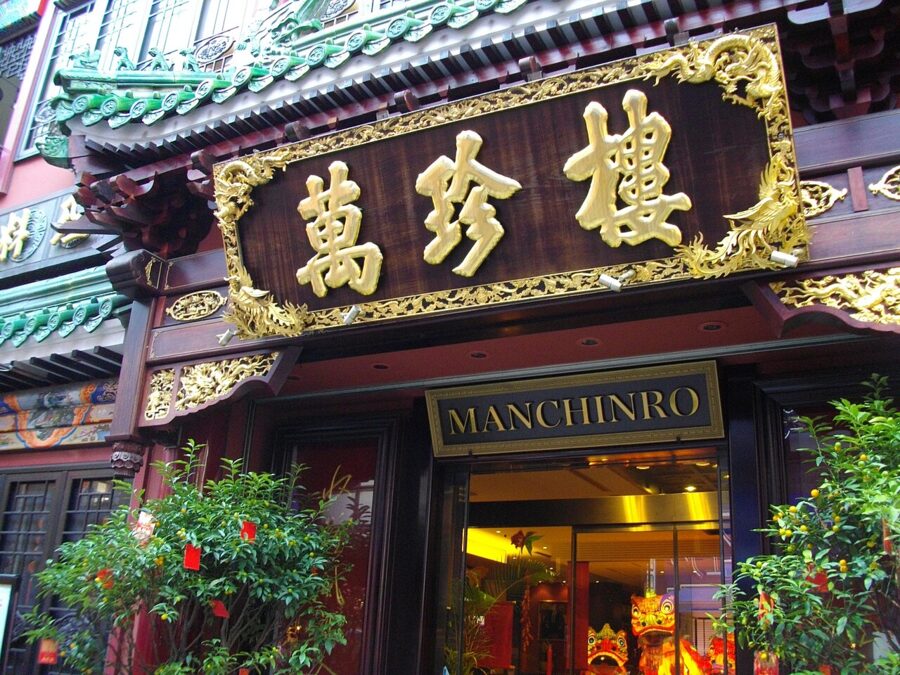
Its dim sum house, Manchinro Tenshinpo on Canton-do, was the first restaurant to bring Hong Kong-style dim sum to Chinatown and makes around 60 kinds. At weekends it opens at 08:00 for morning congee, the best breakfast in the district. If you have eaten dim sum in Hong Kong, the menu will feel familiar, if smaller and more polite.
Saiko Shinkan on Shanghai-ro is the big, easy option: Cantonese cooking on several themed floors, with a ground-floor dim sum room of 50-plus items where you can watch the dim sum chefs work. Douhatsu began in the Meiji era as a roast-meat shop and still builds its menu around char siu, roast pork and duck. Ichiraku, founded in 1927, roasts its char siu over charcoal every morning.
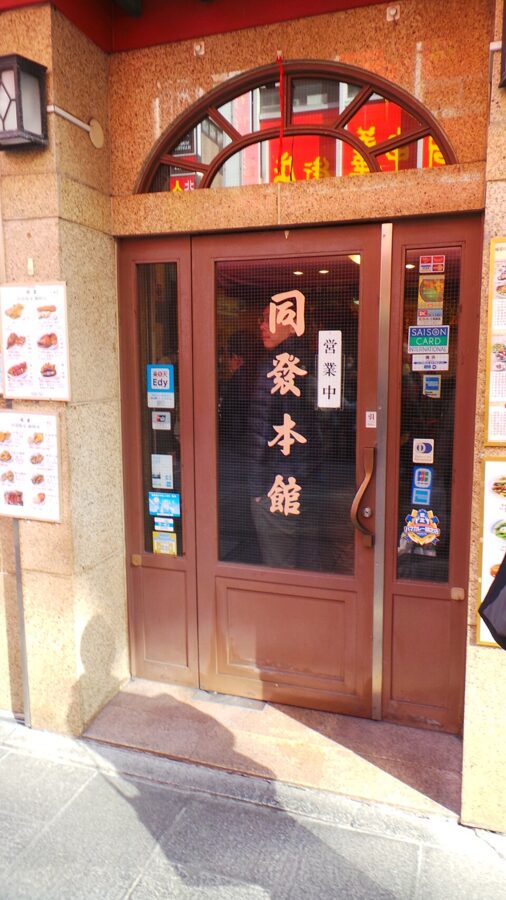
For something smaller and cheaper, Kainan Hanten has been run by the same family since 1956 and is known for offal dishes, tripe and intestine, that most of the main street ignores. Seifuro on Kanteibyo-dori has sold its own shumai since it opened and does fried rice in three grades, plain, special and extra special; it closes on Thursdays. Nanetsu Bishoku, a Cantonese kitchen on Kaiko-do, cooks clay-pot rice with sausage, cured pork and dried scallop to order for ¥1,680, and a Hong Kong prawn wonton noodle soup for ¥980.
Congee for breakfast
Two old shops make congee the Cantonese way, thin and savoury rather than the thick Japanese rice porridge. Shatenki, opened in 1951 and run by the third generation, cooks its base for about four hours with dried scallop, oyster and whole chicken, offers 15 kinds, and opens at 10:00 on weekdays and 09:00 at weekends; it’s the red building with a Father Christmas sign on the wall, and it closes on Tuesdays.
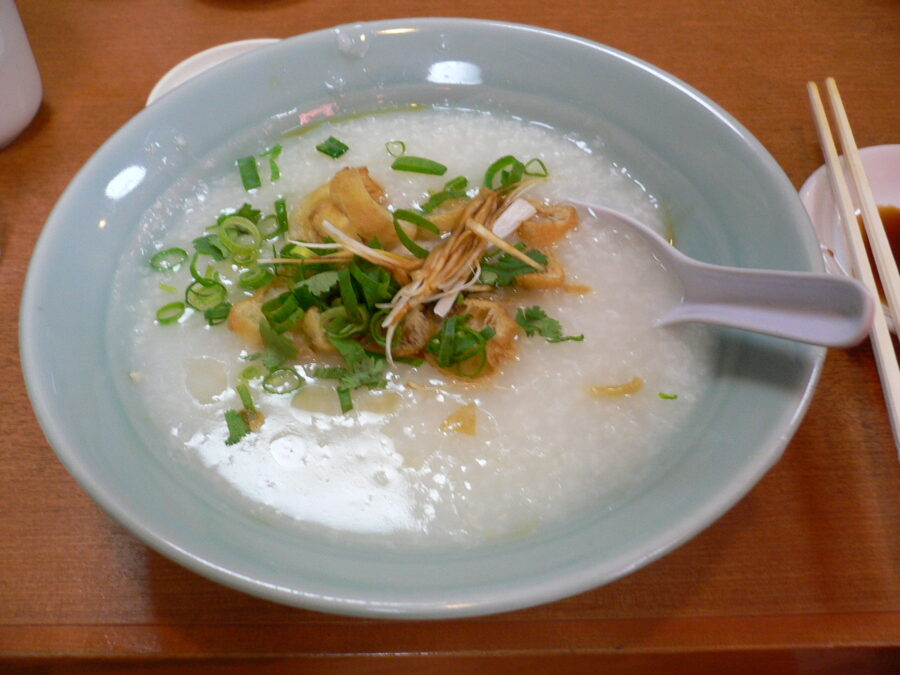
Anki on Hong Kong-ro has been making congee for about 70 years and keeps it lighter, with 12 kinds in a clear salted base. It opens 10:00–20:00 Thursday to Monday and closes on Wednesdays.
Shanghai, Sichuan, Beijing and the north
Jogenro, on the main street, is the Shanghai house: the dining room is modelled on a 1920s mansion in the old French Concession, the menu leans on braised pork belly and shark fin cooked in white stock, and it keeps serving later than most. Order the xiaolongbao. In autumn, several kitchens run Shanghai hairy crab menus; Keifukuro on Ichiba-dori has a ten-course crab menu at ¥6,600 from October to December 2026.
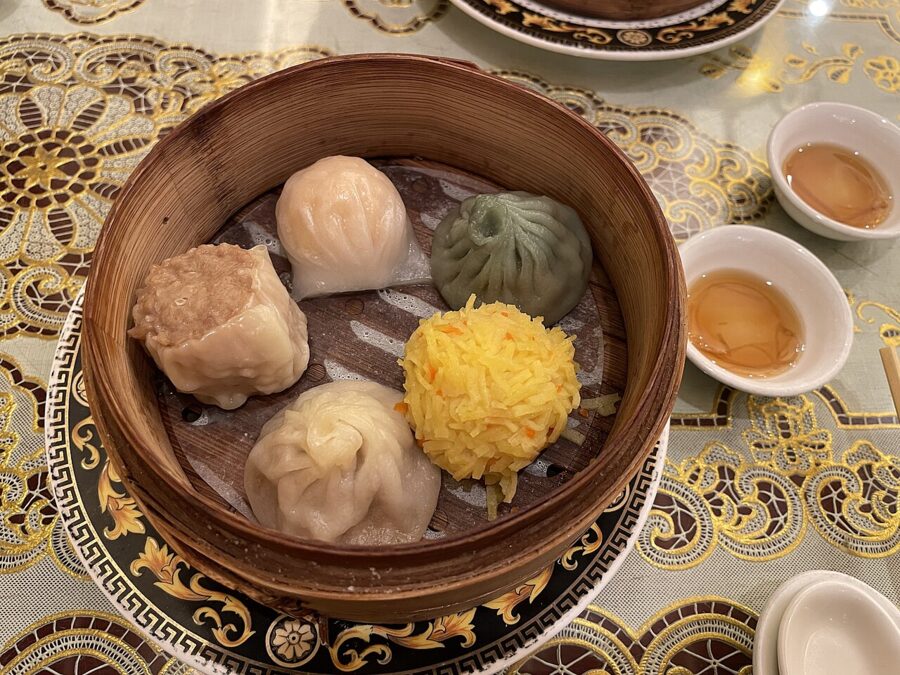
Jukeihanten opened in 1959 as the only Sichuan restaurant in Chinatown and is still the name locals give when you ask for Sichuan; its main building on Beijing-koji is open daily. Kaseiro serves Beijing cooking: its main store is entirely private rooms, 27 of them, with courses from ¥8,800 and ¥16,500 for the one with braised Kesennuma shark fin, while the newer branch on the main street does a la carte. If the split between China’s regional kitchens is unfamiliar, my map of must-try food in China lays out what each region cooks.
For the north, Santon serves Shandong home cooking and is known for boiled dumplings with a slightly tropical coconut dipping sauce; the first branch is temporarily closed, so go to the second. Boiled dumplings are the northern Chinese original that Japan turned into pan-fried gyoza. Tokki, behind its yellow sign on Kanteibyo-dori, has been going for about 70 years on noodles topped with pork trotters simmered for seven to eight hours.
The tabehoudai question
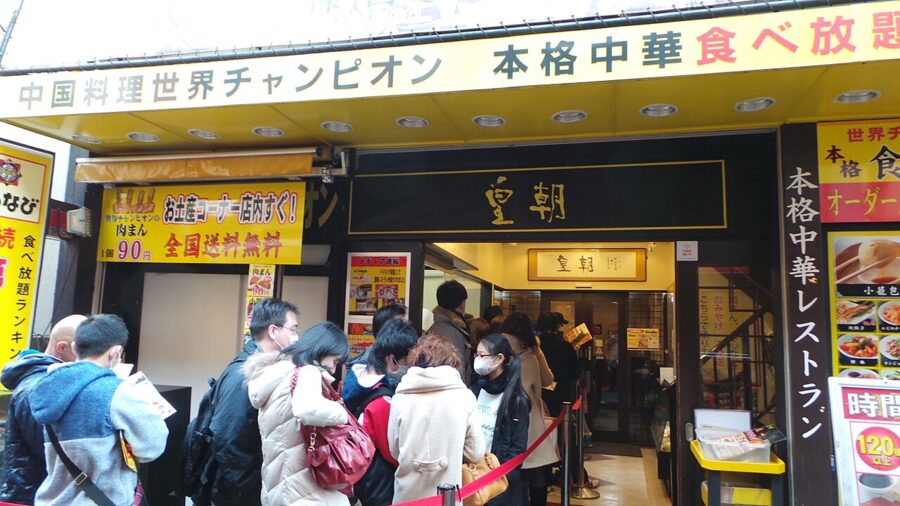
Walk the main street and someone will hand you a laminated menu for tabehoudai, all-you-can-eat, often with photos of Peking duck and shark fin. Many of these are order-style: you tick dishes on a sheet and they’re cooked to order, which is better than a buffet tray. They spread after the 2004 rail line made day-trips easy, and they are now the cheapest sit-down meal in the district.
They are fine if you want volume. They are not where the old kitchens’ cooking is. Before you sit down, ask how long the time limit is, whether drinks are included, and whether the headline dishes are limited to one serving each. On a first visit, I’d rather spend the same money on three dishes at Manchinro or Jukeihanten.
Dishes Yokohama made Japanese
Much of Japan’s everyday Chinese food came through the port Chinatowns on its way to becoming Japanese. Some of it never needed to leave Yokohama.
Ramen, at the start
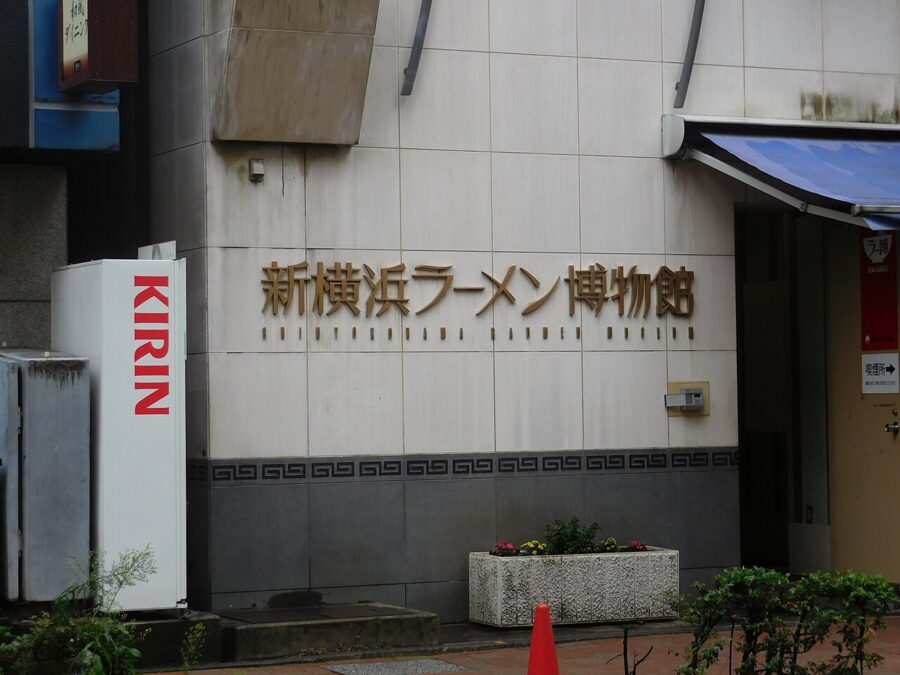
Ramen began in the port Chinatowns as a Cantonese-style noodle soup that Japanese customers called Nankin soba, after Nankin-machi. I’ve told that story in my list of foods that feel Japanese but came from somewhere else, and today’s Yokohama has its own heavy pork-and-soy style, iekei, that has nothing to do with Chinatown.
Sanma-men
This is Yokohama’s own noodle and the one to look for on menus around the city: thin noodles in a light shoyu or salt soup under a thick, glossy sauce of stir-fried bean sprouts, pork and vegetables. The name has nothing to do with sanma, the autumn fish. It’s often written 生碼麺, from the Cantonese for “fresh” and “to put on top”, though nobody agrees on the etymology.
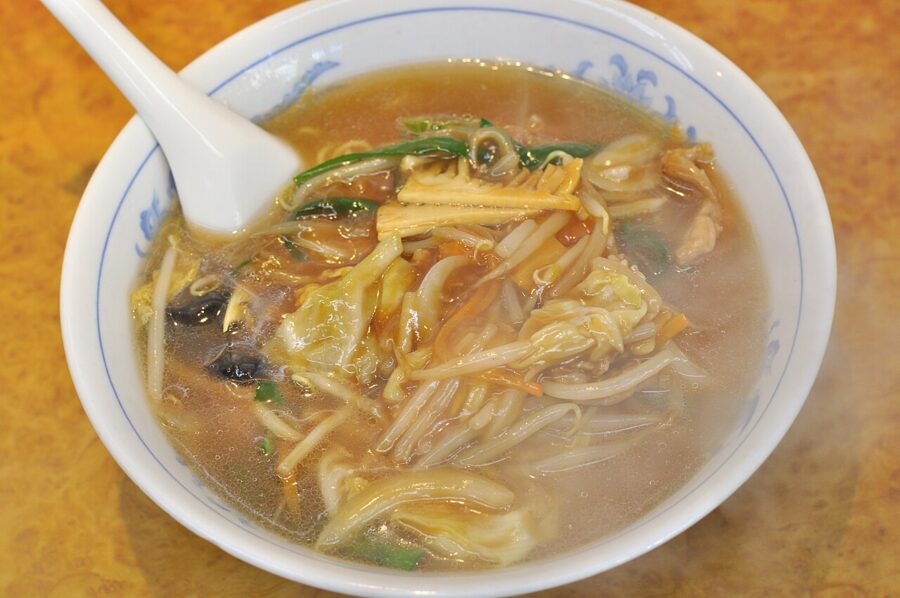
One account credits a head chef at Heichinro with inventing it around 1930, and an early Showa menu from Heichinro does list it; another restaurant outside Chinatown also claims it. What’s certain is that it spread around 1947 and 1948 as a cheap, filling bowl for dock workers that stayed hot in winter under its lid of sauce. It’s still served across eastern Kanagawa, and some shops also do sanma-don, the same sauce on rice.
Ankake everything
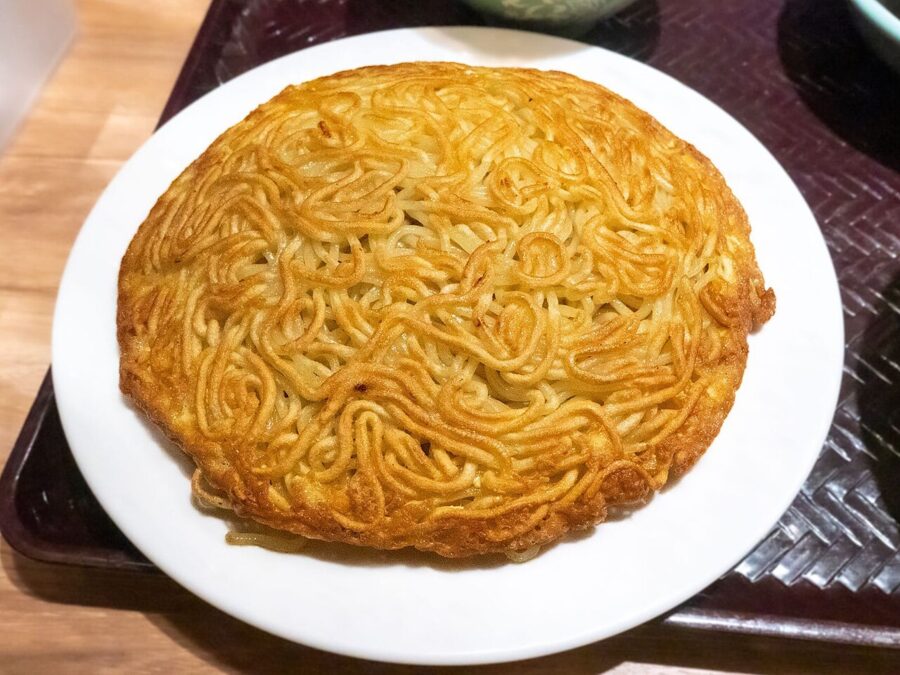
That glossy sauce, ankake, is the thread through Japanese Chinese food. Bairan, on Ichiba-dori, built its name on Bairan yakisoba (¥946): noodles fried flat and crisp like a pancake, with a pork and bean sprout sauce hidden inside rather than poured over the top. The main shop closes on Wednesdays.
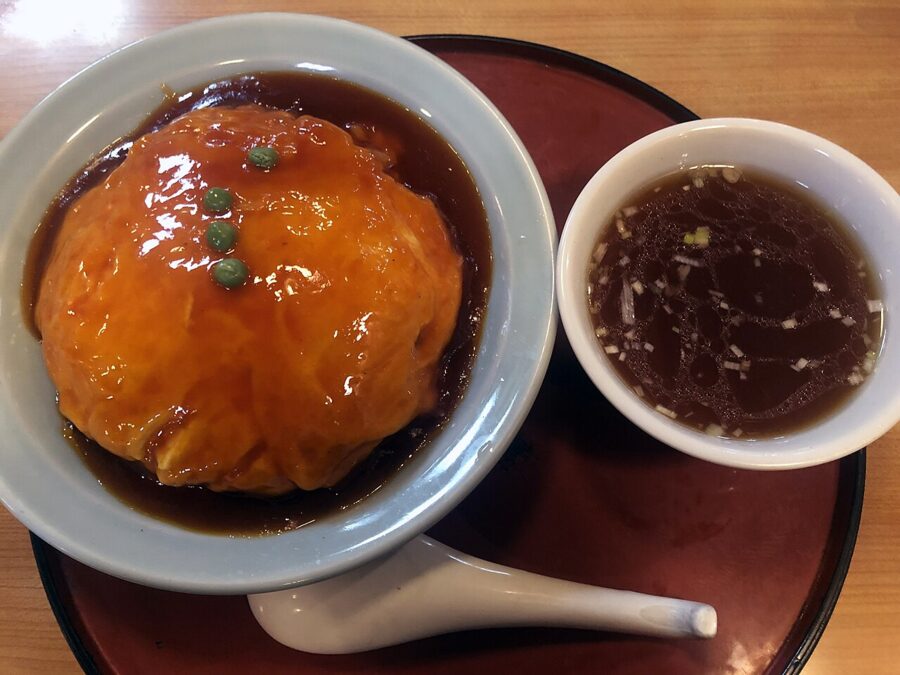
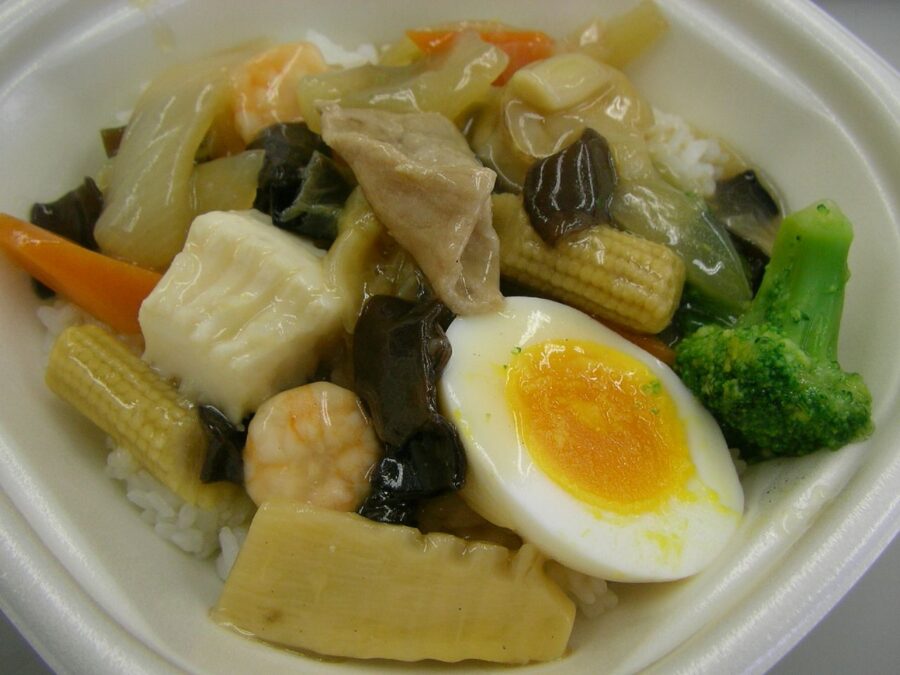
Tenshinhan, a crab omelette on rice under sweet-sour sauce, and chukadon, rice topped with something close to the Chinese stir-fry babaocai, are both Japanese inventions despite the names; one theory traces each to Rairaiken in Asakusa, Tokyo’s first ramen shop. Neither is a standard dish anywhere in China.
Japan’s other two Chinatowns took the same path with different results. Nagasaki has champon, and Kobe’s Nankinmachi has its own pork buns and street food, which I cover in my Kobe food guide.
Shumai that tastes good cold
In 1928 Kiyoken, then a station vendor at Yokohama Station, went looking in Nankin-machi for something that could be its signature. Shumai were being served as a free snack in Chinatown restaurants, and Kiyoken hired a dim sum chef from the district, Wu Yusun, to make one that tasted good cold on a train. After about a year of testing they settled on pork mixed with dried scallop.
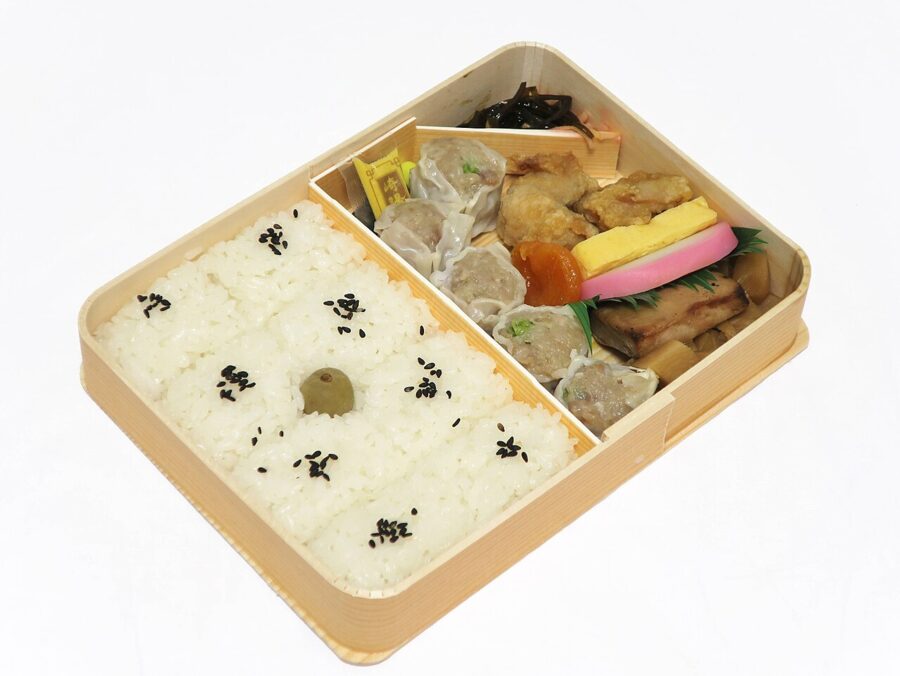
That shumai is now the city’s best-known souvenir and the centre of Kiyoken’s famous shumai bento. Chinatown’s own shumai, at Seifuro or from the counters at Manchinro and Kaseiro, are juicier and meant to be eaten hot.
Chinese New Year and the rest of the calendar
If you can choose when to go, choose February. Chinatown has run its own Chinese New Year festival, shunsetsu, since 1986, and the 2026 festival was the 40th.
How shunsetsu works
The schedule follows the same pattern each year. On the eve of the lunar new year there’s a countdown in Yamashitacho Park around midnight, with lion and dragon dances. On the day itself, from around 16:00, comes saisei: five lions in white, yellow and other colours take five different routes through the streets, dancing at shopfronts to the noise of gongs, drums and firecrackers, and finish by rearing up to snatch a red envelope of money hung over each door.
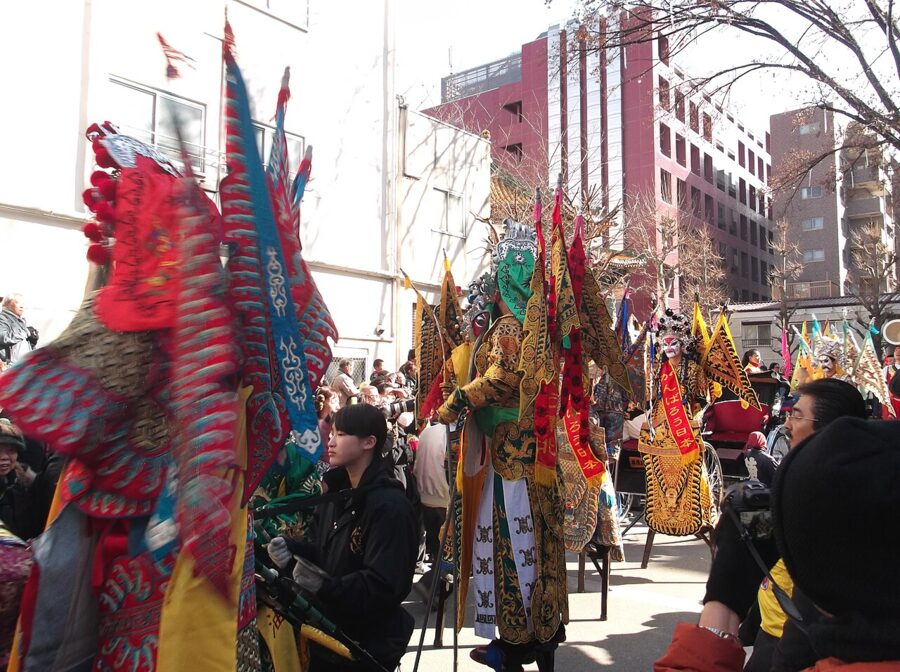
The first Saturday after New Year brings the big parade, with performers in imperial costume, lion dancers, Chinese dance and zither players moving through the district, and two afternoons of stage shows in Yamashitacho Park: dragon and lion dances, acrobats, Peking opera and face-changing. In 2026 the front rows were paid seats and the back rows free. The festival ends with the Lantern Festival at Masobyo.
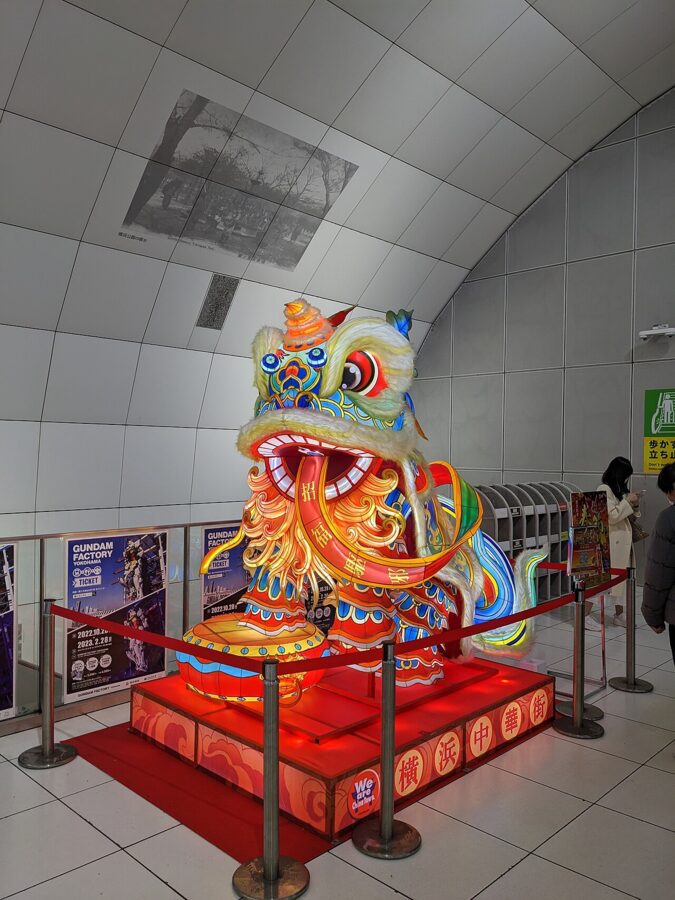
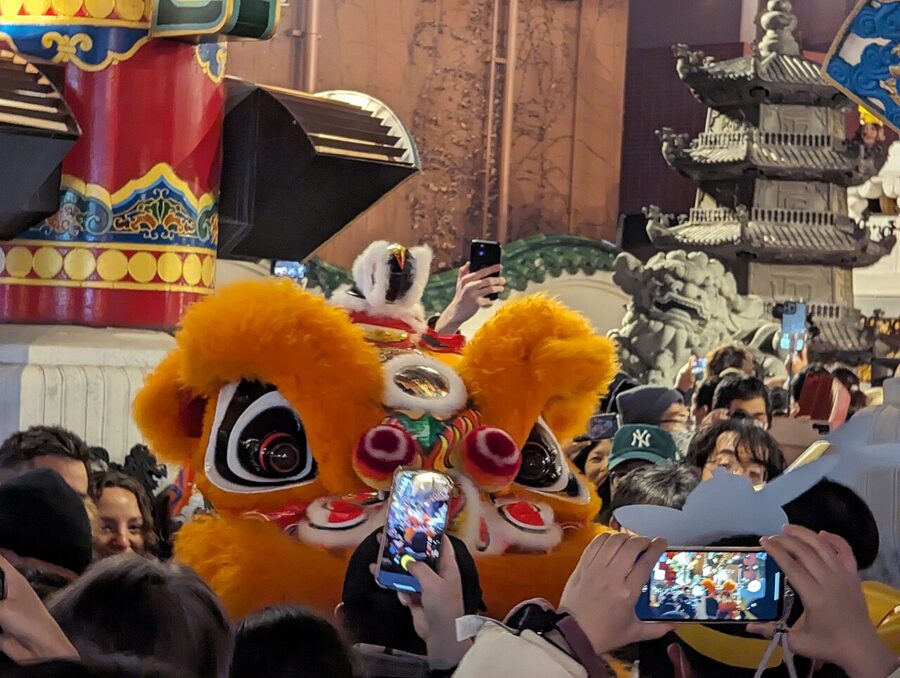
The next lunar new year falls on 6 February 2027, a Saturday, so the 2027 countdown is the night of Friday 5 February. The full programme usually appears on the official site early in the new year. Events are cancelled in rain, and the association posts updates on the day.
You don’t have to wait for February to see the decorations. The 2027 New Year illuminations were switched on on 1 November 2026 and run until 20 February 2027, lit 16:00–23:00, with a giant dragon lantern over Chukagai Odori, a smaller one over Shanghai-ro, and a 200-metre string of lights from Choyomon to the central entrance of Yamashita Park.
The rest of the year
Guan Yu’s birthday, Kanteitan, falls in summer by the lunar calendar; in 2026 it was 6 August, with a ritual at Kanteibyo from 11:00 and an evening procession from 17:00 in which three-metre-tall generals lead a portable shrine round the district, with lion and dragon dancers. Mazu’s birthday is in spring. The Kitamon festival around the north gate comes in September.
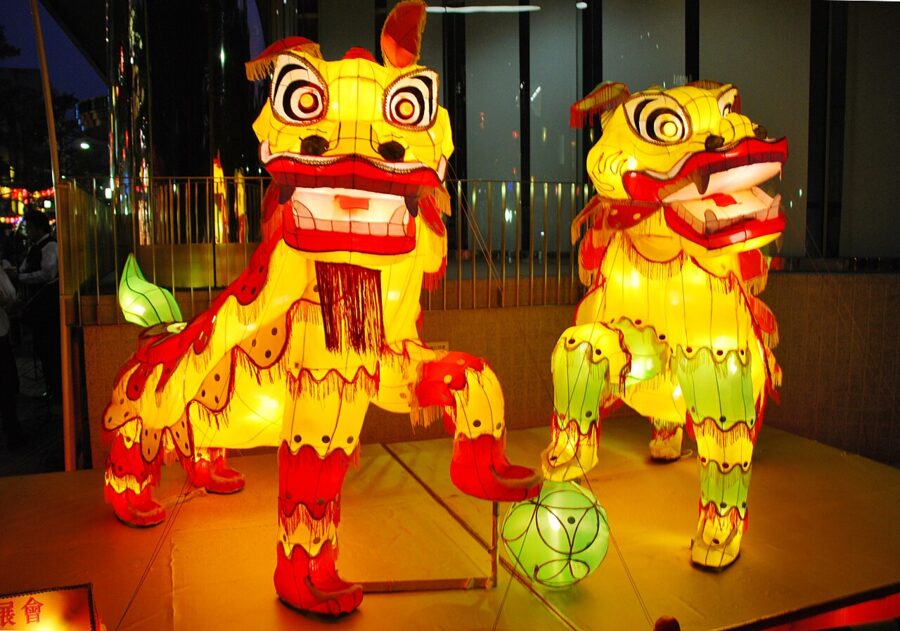
October has two national days. The People’s Republic’s falls on 1 October and the Republic of China’s Double Ten on 10 October, and since the reconciliation over Kanteibyo, shops in Chinatown mark both. Mid-autumn brings moon cakes to shop windows across the district, and the chestnut moon cake is the most popular one at Kaseiro’s sweet shops.
A Yokohama day built around Chinatown
Chinatown works best as the middle of a day, not the whole of it. Everything below is walkable, and the Minatomirai Line links the far ends.
Getting there from Tokyo
From Shibuya, trains on the Tokyu Toyoko Line run straight through onto the Minatomirai Line and terminate at Motomachi-Chukagai; a limited express takes about 35 minutes. From Tokyo or Shinagawa, the JR Keihin-Tohoku Line continues south as the Negishi Line to Ishikawacho, about 35 minutes from Shinagawa. If you’re already at Yokohama Station, the Minatomirai Line costs ¥230 by ticket to Motomachi-Chukagai, and a Minatomirai Line one-day pass is ¥460, worth it if you plan to hop to the Red Brick Warehouse and back.
If you’re flying out of Haneda, there is an airport bus from the stop outside the Rose Hotel Yokohama, inside Chinatown itself, roughly once an hour from 07:10 into the early evening. You can eat a last bowl of congee and be at the terminal in roughly 45 minutes to an hour.
Morning: Motomachi and the Bluff
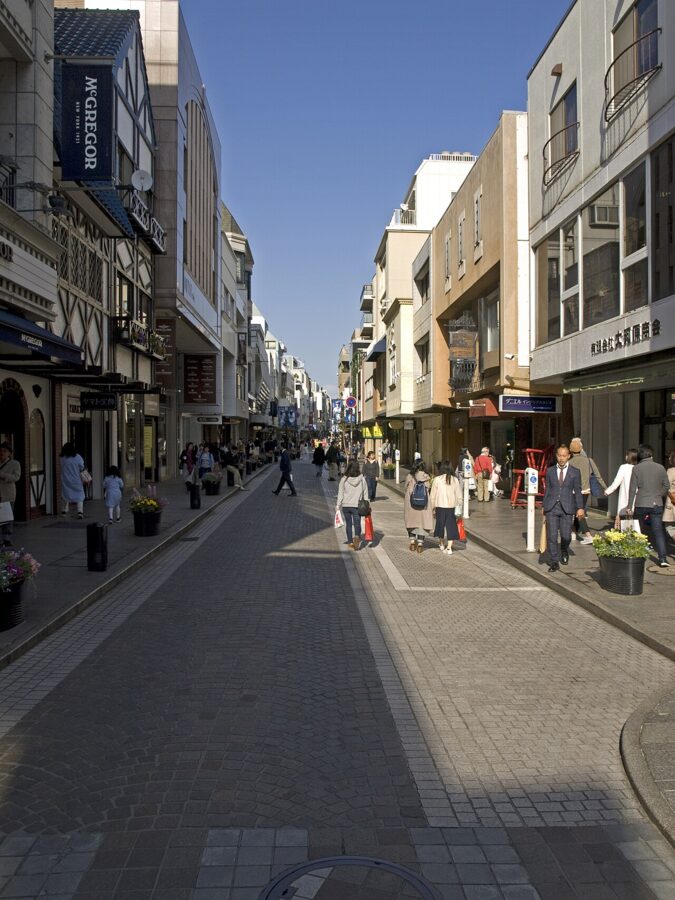
Start south of Chinatown. Motomachi grew up after the port opened as a shopping street serving the foreign residents on the Bluff above it, and it still sells imported and Western-style goods. Cross from Chinatown through Suzakumon or over the Ichiba-dori bridge.
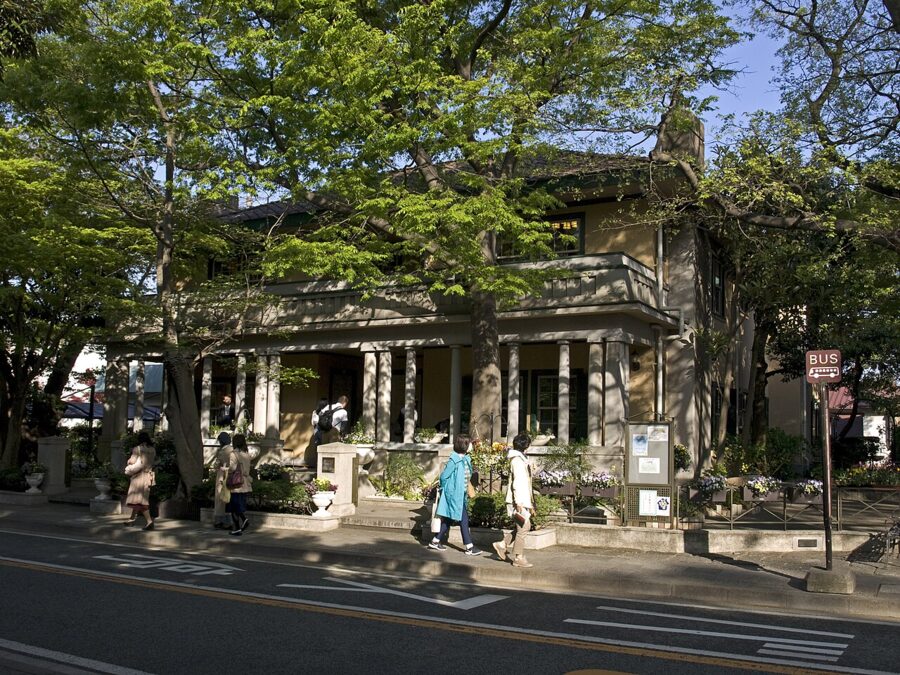
From Motomachi, climb to Minato-no-Mieru-Oka Park, Harbor View Park, on the hill where British troops were once garrisoned and the French consulate stood. The view takes in the harbour and Yokohama Bay Bridge, and the streets behind it are lined with preserved Western houses from the foreign settlement era.
Midday: eat
Walk back through Suzakumon for lunch. If you want to sit down, book Manchinro or go early to Jukeihanten; if you’d rather graze, do Edosei, then a box of fried soup dumplings, then a sesame ball from wherever has the shortest queue, and finish at Kanteibyo before the afternoon crowds.
Afternoon: the waterfront
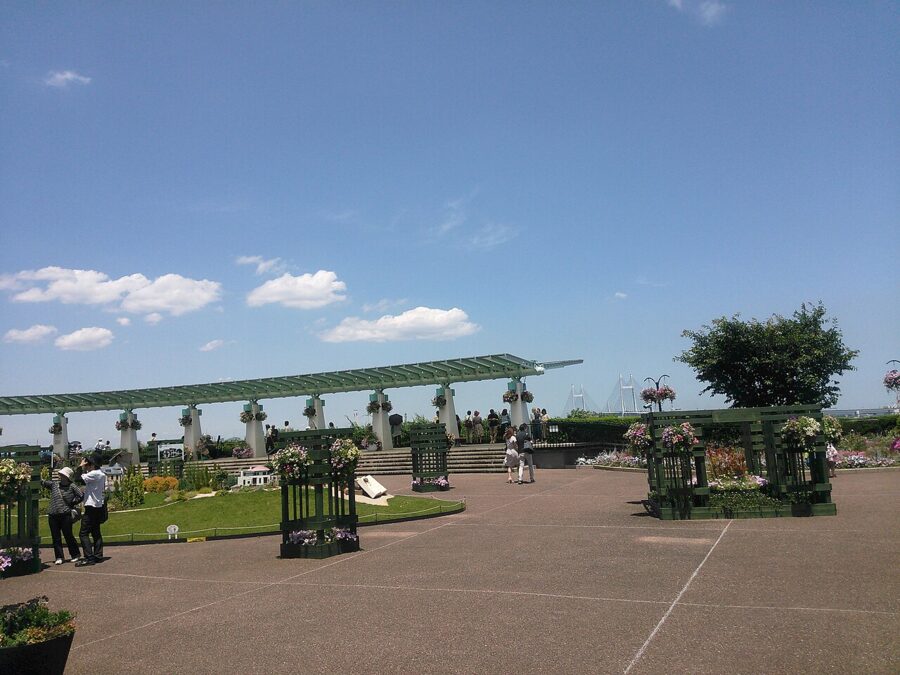
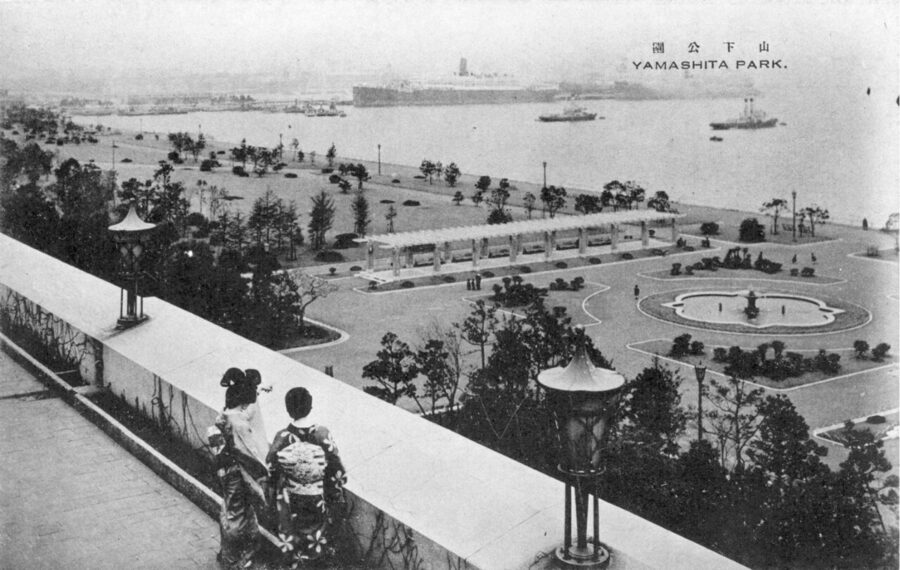
Choyomon leads straight to Yamashita Park, which opened on 15 March 1930 on land reclaimed with rubble from the 1923 earthquake. It runs about 750 metres along the harbour, and it’s the obvious place to sit with a takeaway when the benches in Chinatown are full.
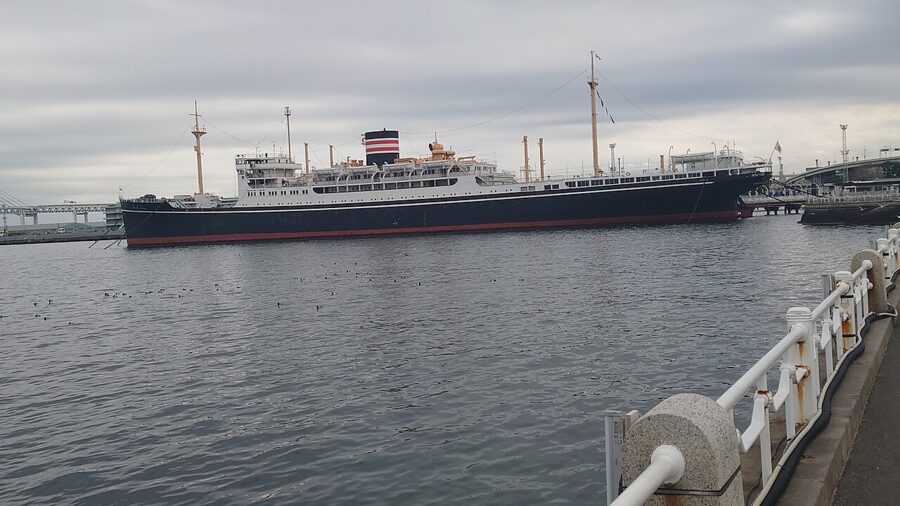
Moored at the park is Hikawa Maru, a 1930 ocean liner that served as a hospital ship in the war and crossed the Pacific 254 times in her working life. It’s open 10:00–17:00 (last entry 16:30) and closed on Mondays. If you’ve seen Sea World in Shekou, with its old French liner turned into a hotel, it’s the same idea, done with more reverence.
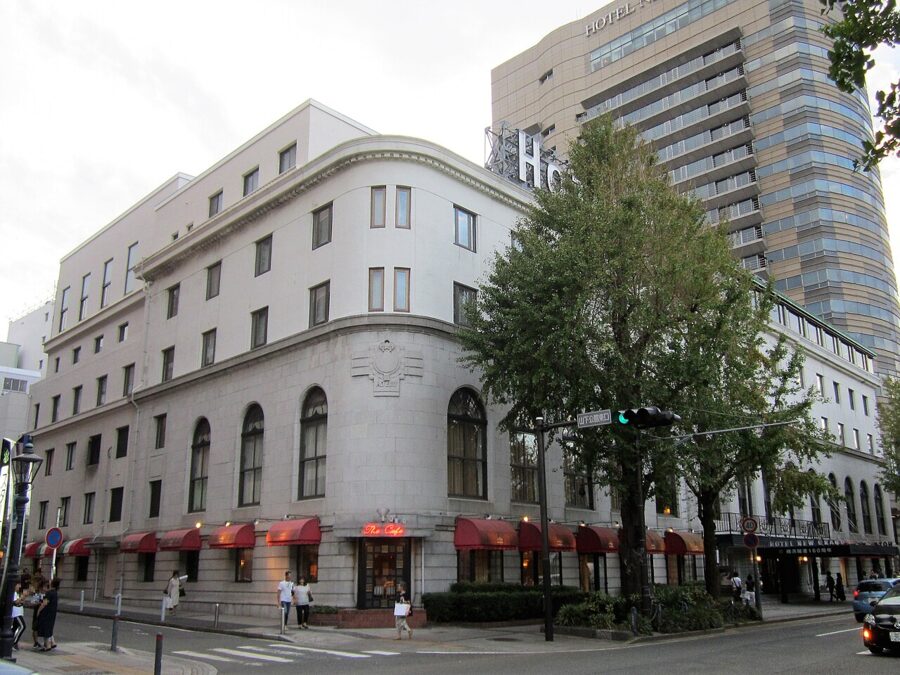
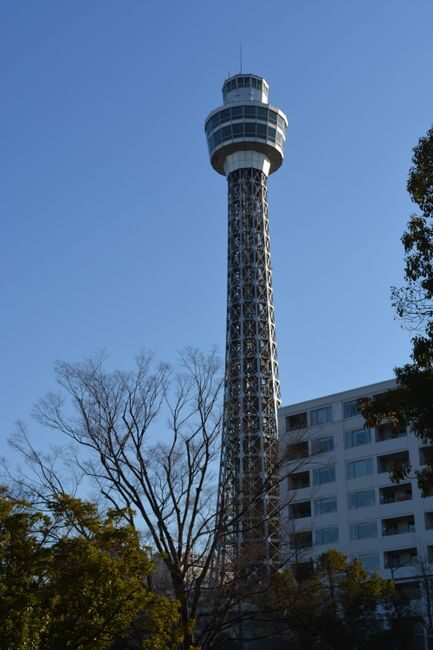
Across the road stands Hotel New Grand, which opened on 1 December 1927 facing the new park and claims spaghetti napolitan, doria and pudding a la mode among its kitchen’s inventions. I’ve written about the hotel’s coffee shop in my guide to kissaten. Yokohama Marine Tower, renovated and reopened in 2022, is a short walk along the same road.
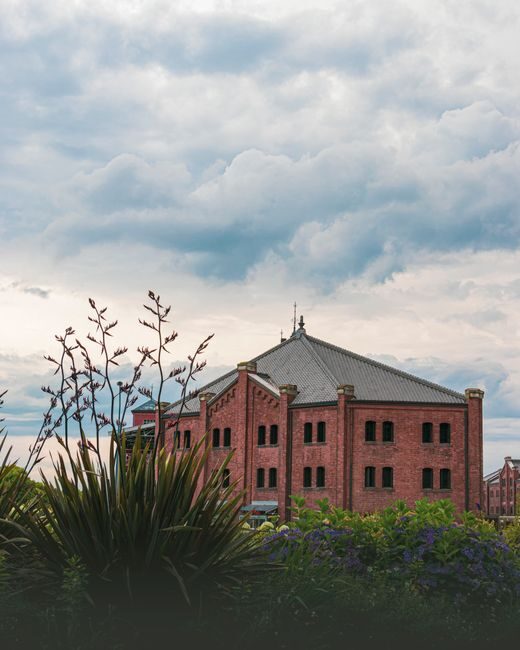
For the Red Brick Warehouse, walk west along the waterfront, under half an hour, or take the Minatomirai Line two stops to Bashamichi. The second building was finished in 1911 and the first in 1913, as bonded customs warehouses, and they reopened in 2002 as a cultural space and a shopping hall. The first building opens 10:00–19:00, the second 11:00–20:00, and there’s no entry charge.
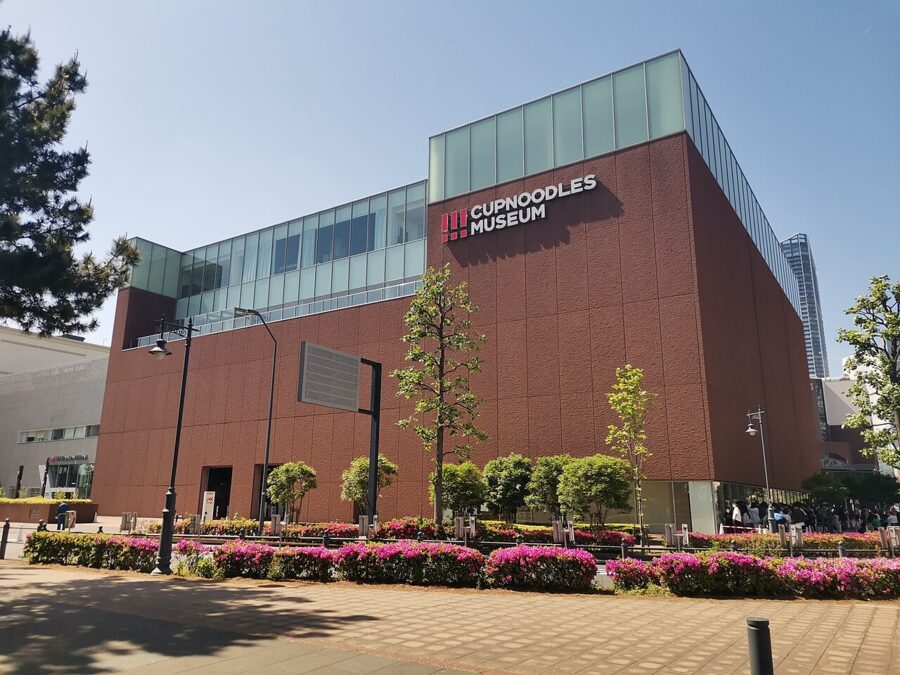
The Cup Noodles Museum is eight minutes’ walk from Minatomirai or Bashamichi Station. It opens 10:00–18:00 (last entry 17:00), closes on Tuesdays, and charges ¥500 for adults, free for high school students and younger. Designing your own cup at the My Cup Noodles Factory costs ¥500, and the Noodles Bazaar sells half-size bowls of noodles from around the world for ¥500 each.
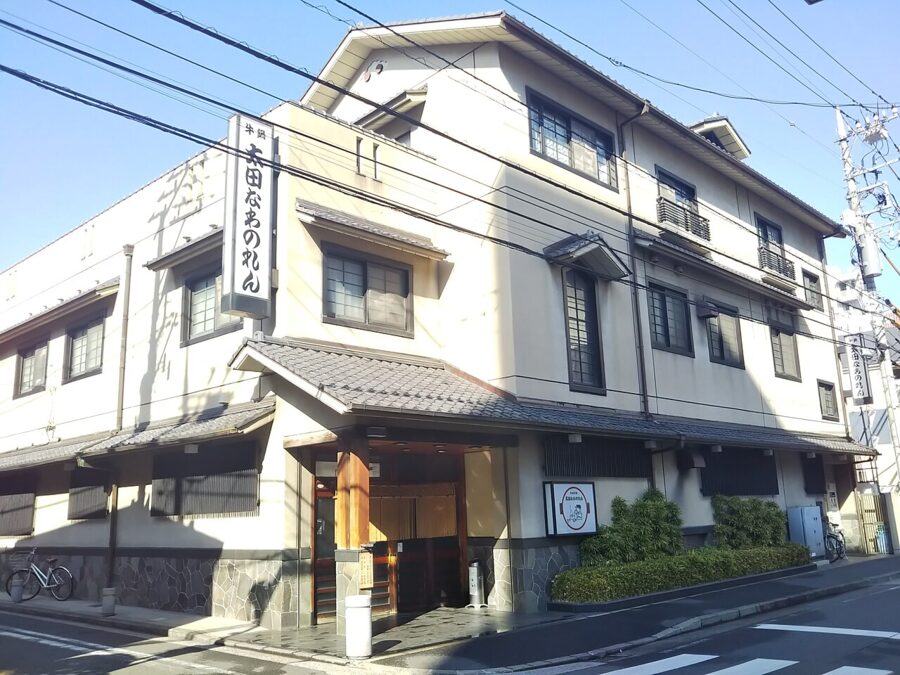
If you have one more meal in you, Yokohama is where beef went mainstream in Japan, and Ohta Nawanoren has served gyunabe, cubed beef in a shallow iron pan, since 1868. Book ahead for dinner.
Evening: back to the lanterns
Come back to Chinatown after dark. The day-trippers have gone, the gates are lit, and between November and February the New Year lights are up. It’s the best time for a sit-down dinner, and the moment Kanteibyo looks most like the postcards.
What it costs
Prices change, and many places print theirs on the window. Treat this as a guide to scale rather than a menu.
| Item | Where | Price |
|---|---|---|
| Butaman pork bun | Edosei | About ¥600 |
| Fried soup dumplings, four | Wangfujing main store | ¥560 |
| Fried soup dumplings, mixed six | Wangfujing main store | ¥950 |
| Fried soup dumplings, four | Hotenkaku | From ¥500 |
| Bairan yakisoba | Bairan main store | ¥946 |
| Clay-pot rice with sausage, cured pork and scallop | Nanetsu Bishoku | ¥1,680 |
| Hong Kong prawn wonton noodles | Nanetsu Bishoku | ¥980 |
| Shanghai crab course, ten dishes | Keifukuro, Ichiba-dori (Oct–Dec 2026) | ¥6,600 |
| Private-room course | Kaseiro main store | From ¥8,800 |
| Incense set to pray inside | Kanteibyo | ¥500 |
| Minatomirai Line, Yokohama to Motomachi-Chukagai | Ticket | ¥230 |
| Minatomirai Line one-day pass | Any station | ¥460 |
| Cup Noodles Museum, adult | Minato Mirai | ¥500 |
A grazing lunch of a bun, a box of dumplings and something sweet comes to around ¥2,000. A proper Cantonese dinner for two at one of the old houses, a la carte with a few dishes and a beer, is a different budget, and the old houses post their courses on their own sites.
Skip this
- Nameless chestnut stalls with a seller pushing free samples. Buy from a stall showing the association’s recommended plate, or don’t buy.
- Choosing an all-you-can-eat restaurant from a street tout on your first visit.
- Eating skewered sweets while walking through weekend crowds. The town asks you not to, and it has good reason.
- Chukagai Odori between 12:00 and 14:00 on a Saturday, if you can come any other time.
- The Heichinro building. The restaurant closed in 2022, and the history is better read than visited.
Buy one butaman, walk it to Yamashitacho Park, and eat it on a bench under the trees. Then light incense at Kanteibyo, book the old Cantonese house for dinner, and come back when the lanterns are on.
You Might Also Enjoy
 Osaka Street Food: Dotonbori, Kuromon, and the Kuidaore Tradition
 Hong Kong Dim Sum: A Proper Guide to the Tea-House Breakfast
 Guilin and the Li River: The Cruise to Yangshuo, Xingping, Reed Flute Cave and the Longji Rice Terraces
 The Temple of Heaven in Beijing: Tickets, the South-to-North Route, the Echo Wall and the Park at 06:00