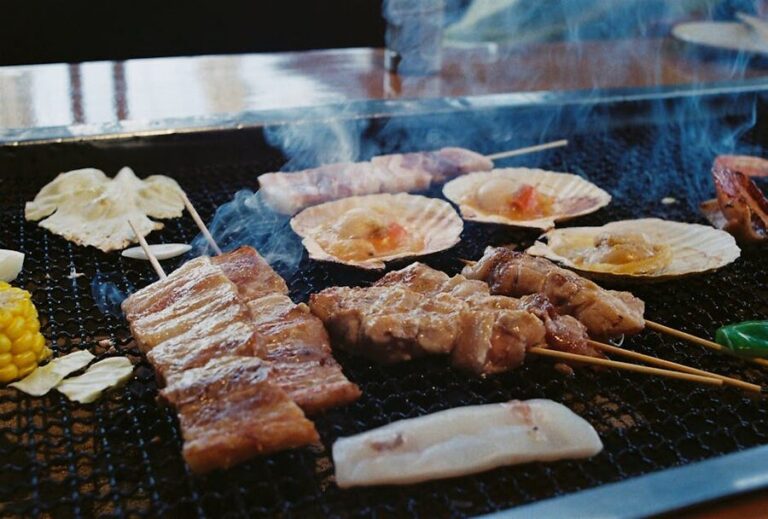
Yakiniku in Japan: Tsuruhashi, Horumon and How to Order Japanese Barbecue Cut by Cut
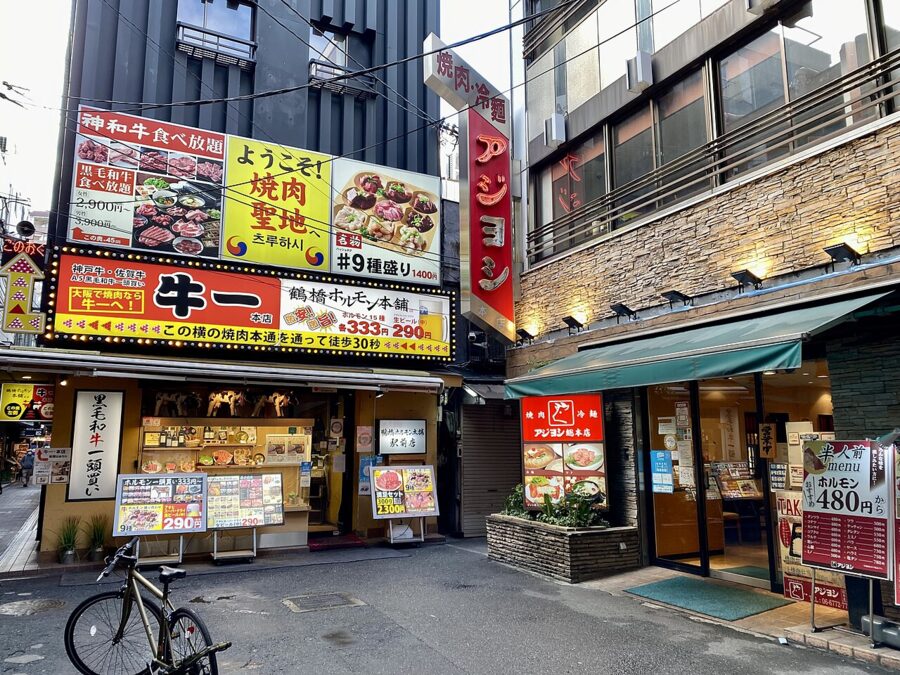
The doors of the Osaka Loop Line slide open at Tsuruhashi and the platform already smells of beef fat, garlic and charcoal. You haven’t reached the stairs yet. Below the tracks, in a warren of covered lanes, dozens of grill houses have been venting smoke into the same few blocks since the years after the war. Nobody in Osaka finds this strange; it is simply what Tsuruhashi smells like.
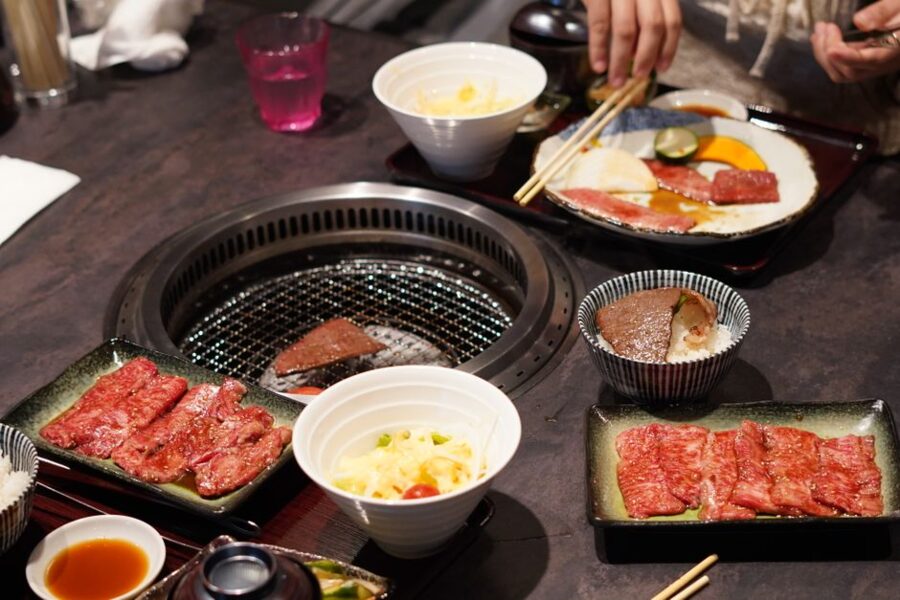
Yakiniku means grilled meat, and in Japan it means one specific meal: raw, trimmed, bite-sized cuts brought to your table, a grill set into the tabletop, and you doing the cooking a few pieces at a time. Beef is the centre of it, offal is the soul of it, and the sauce you dip into afterwards is the part every restaurant guards. It is the default celebration dinner, the default work party, the meal a family picks when someone gets into university. It is also, for a first-time visitor, a menu written in a vocabulary nobody explains.
I came to it sideways. In Shenzhen, Korean barbecue was the group dinner, the one where a server worked the scissors and the side dishes kept coming, so at my first yakiniku table in Osaka I expected the same meal. It isn’t. The roots are Korean, and they run straight back to the neighbourhood around that smoky station, but the thing on the table has become its own cuisine, with its own cut names, its own order of play and its own regional quarrels.
This guide starts with where yakiniku came from, the cuts and how to order them, and horumon. Then come the regional grills from Hokkaido lamb to Sendai tongue, what dinner costs at each tier, and the few manners that make the table work.
In This Article
- Where yakiniku came from
- 1946, and a name nobody owned
- Not the same meal as Korean barbecue
- Tsuruhashi: start where the smoke starts
- Reading the menu: the cuts that matter
- Tan: always first
- Karubi and rosu
- Harami and sagari
- The rare cuts
- Tare or shio, and the order of the grill
- Horumon: the part they kept
- The argument over the name
- What you won’t be served raw
- The other grills of Japan
- Jingisukan, Hokkaido’s lamb grill
- Kitami: sagari, salt and the coldest barbecue in Japan
- Sendai: tongue as a meal of its own
- Morioka: the noodle at the end
- A regional horumon map
- What it costs, from one-person counters to wagyu houses
- Eating alone: Yakiniku Like
- Tabehoudai: all you can eat, against the clock
- The middle and the top
- At the table
- Rice, soup and the bowl at the end
- Skip this
Where yakiniku came from
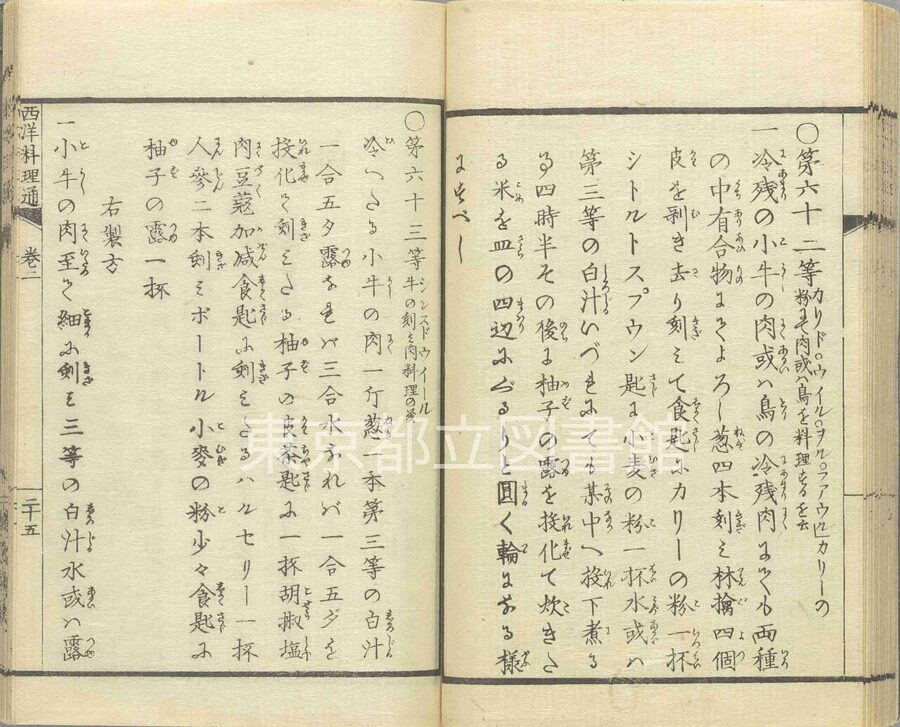
The word is older than the meal. The writer Kanagaki Robun used 焼肉 in his 1872 Western cookery book Seiyo Ryoritsu for grilled meat, just after the Meiji government lifted a ban on eating meat that had shaped Japanese cooking for over a thousand years. My piece on the history of Japanese food covers that long meat-free stretch.
For most of the next century, though, “yakiniku” was just a description. Nobody walked into a yakiniku restaurant, because there weren’t any.
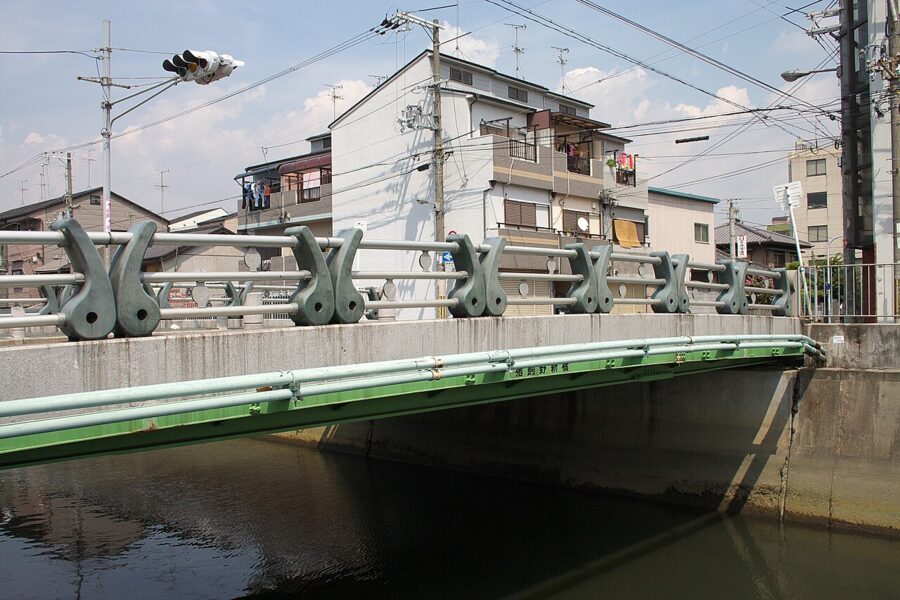
The meal you eat now was built by Koreans living in Japan, the people known as zainichi. In the 1930s, migrants from the south of the Korean peninsula settled in large numbers around Ikaino, a district on the Hirano River in east Osaka, and brought galbi and bulgogi with them. That account comes from the food historian Sasaki Michio, whose 2004 book Yakiniku no Bunkashi argues that yakiniku was not so much born in Japan as made in Ikaino, by Koreans who adapted their own grilled meat to Japanese kitchens and Japanese customers.
Offal mattered from the start. Japanese butchers had little use for innards, which spoiled fast without refrigeration, and Korean workers bought or were given them cheaply. After 1945, in the black markets of a hungry country, zainichi cooks grilled those innards and sold them, and found that a cheap ingredient could fill a restaurant. Japanese sources treat this as the accepted origin of the yakiniku shop, and it is why a yakiniku menu still lists stomachs and intestines alongside the prime beef.
1946, and a name nobody owned
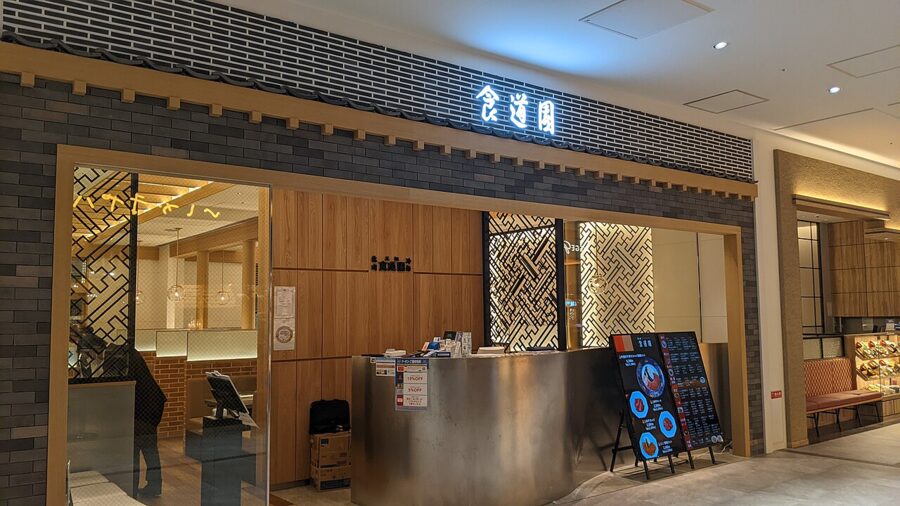
Two restaurants are usually named as the first: Meigetsukan in Tokyo and Shokudoen in Osaka, both opened by Koreans around 1946. The food writer Matsuura Tatsuya points out that both started as Korean restaurants and cold-noodle shops that added grilled meat later. Shokudoen is still running, and still says it opened in Sennichimae in 1946 as “a shop for Pyongyang cold noodles and grilled meat.”
What these places called their food became a problem. Before the 1960s, grilled-meat restaurants mostly advertised Chosen ryori, Korean cooking, using the old name for Korea. After Japan and South Korea normalised relations in 1965, owners loyal to the South switched to Kankoku ryori, and owners loyal to the North kept the older word.
According to Miyazuka Toshio’s Nippon Yakiniku Monogatari, the neutral word “yakiniku” spread in the late 1960s as a way out of the argument. It described the food without taking a side.
Then came the bottles and the machines. Bell Foods in Sapporo sold a bottled lamb-grilling sauce from 1956, usually counted as the ancestor of every supermarket yakiniku sauce. Ebara put its yakiniku tare on shelves in 1968, and home cooks could suddenly make restaurant-style yakiniku on a hotplate.
Around 1980 the Japanese firm Shinpo brought out the smokeless roaster, a grill with an extractor built into the table, and Shokudoen claims it was the first restaurant in the world to install one. Clothes that didn’t reek of smoke opened yakiniku to office workers on dates.
Two later events shaped prices. Japan liberalised beef imports in April 1991, and cheaper beef brought a wave of chains. In 2001 Japan found its first case of BSE, and the whole industry took a hit it remembers. The All Japan Yakiniku Association, meanwhile, had already declared 29 August Yakiniku Day in 1993, because the numbers 8, 2 and 9 can be read as ya-ki-niku.
Not the same meal as Korean barbecue
If you have eaten Korean barbecue in Seoul, or in a Korean town anywhere, a few things at a Japanese yakiniku table will feel off. I’ve written about Korean barbecue separately; here is the short comparison.
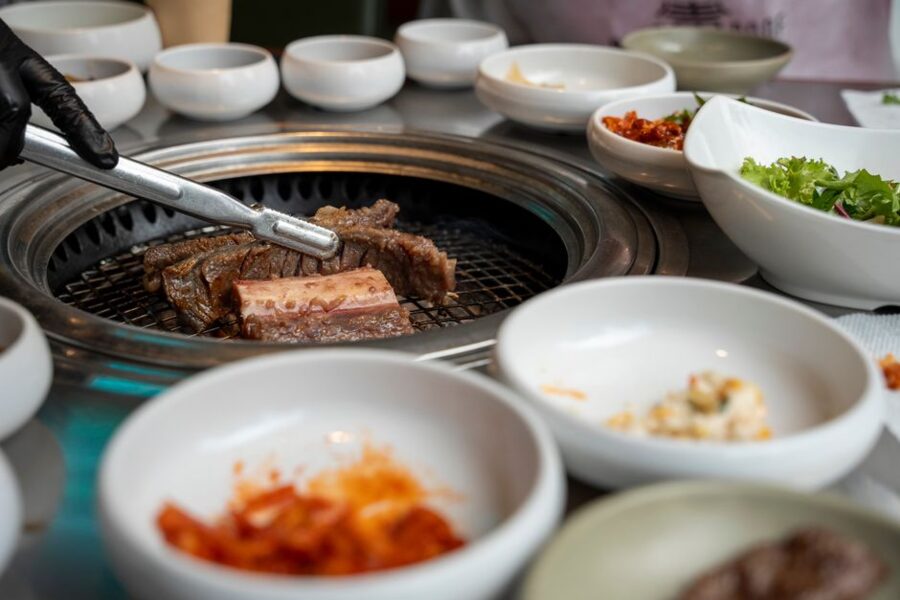
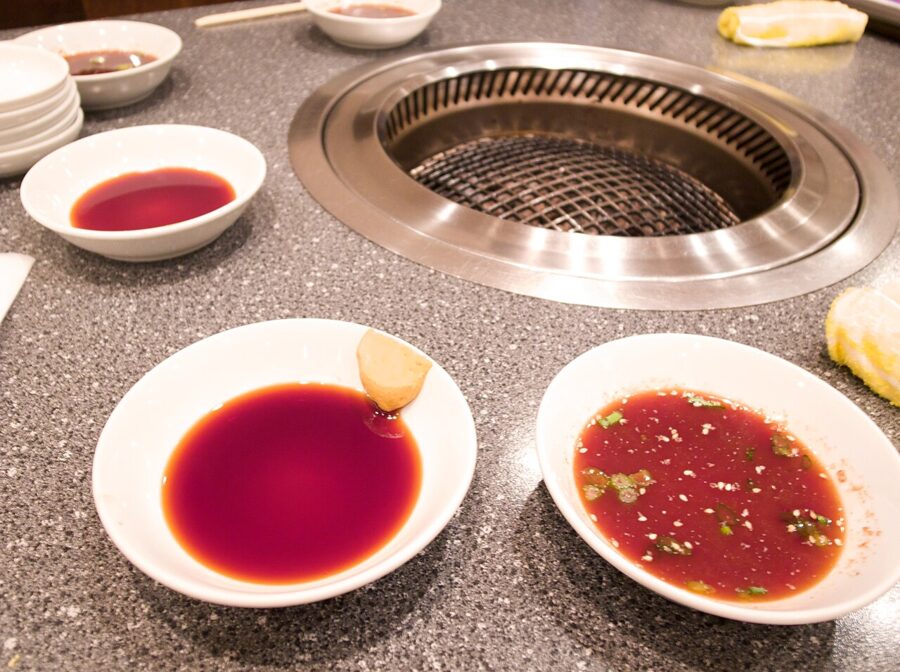
- The dip comes after. In Japan you grill the meat and then dip it in a thin, sweet soy tare. Shokudoen says it invented this tsukedare habit, which began as a way to cool meat straight off the grill. In Korea, dipping grilled meat into a sauce like this is not the usual habit; marinades and lettuce wraps do that job.
- Beef, by the cut. Korean barbecue centres on pork belly and marinated ribs. A Japanese menu is a list of beef cuts and organs, each ordered and grilled separately.
- Side dishes cost money. There is no free spread of banchan. Kimchi, namul and lettuce for wrapping are on the menu with prices.
- You do the cooking. Staff rarely touch your meat. There are no scissors.
- Small pieces, fast. Cuts arrive thin and bite-sized, and spend seconds on the grill rather than minutes.
The marinade did arrive eventually. In 1979 the food maker Moranbong, then called Sakura Bussan, launched a sauce called Jan for rubbing into raw meat before grilling, and the momidare style, meat massaged with sauce before it hits the grill, spread from there. Today most yakiniku shops offer both, and the menu tells you which is which.
Tsuruhashi: start where the smoke starts
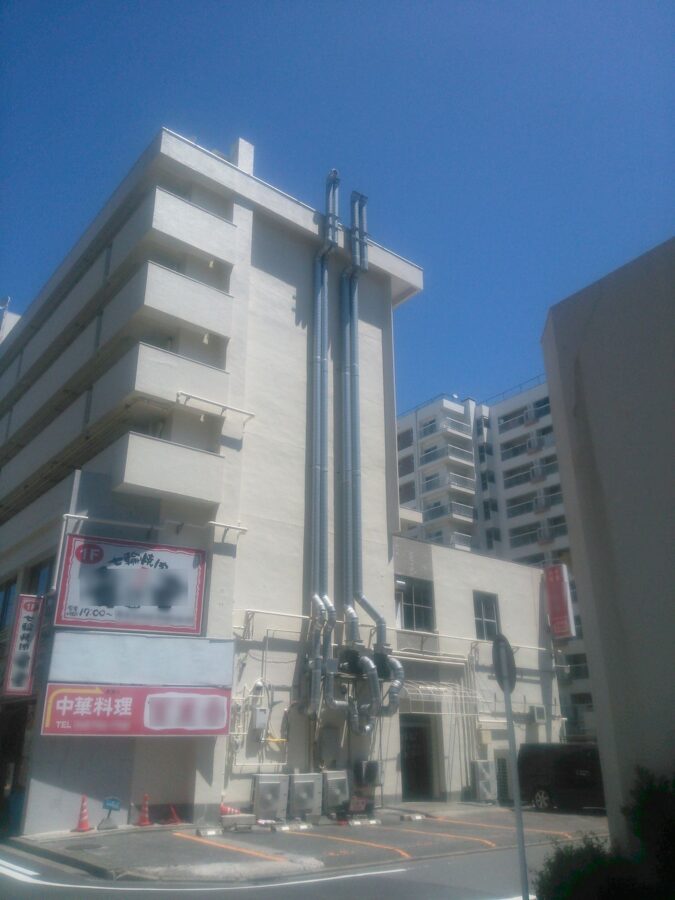
Tsuruhashi Station sits on the east side of central Osaka, where the JR Osaka Loop Line crosses the Kintetsu Nara and Osaka lines, with the Osaka Metro Sennichimae Line underneath. The name means crane bridge, after a bridge on the Hirano River where cranes are said to have landed. After the war the area around the station filled with markets and what were called international shopping streets, and the zainichi community of Ikaino, now mostly inside Ikuno Ward, made it the place to buy kimchi, fish from the wholesale market, Korean wedding clothes and, of course, beef.
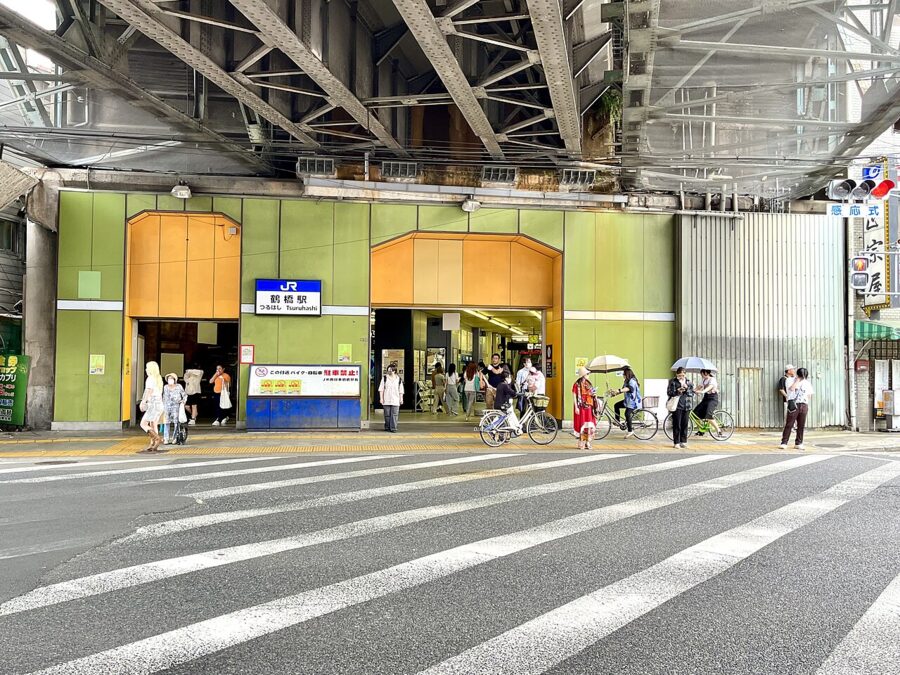
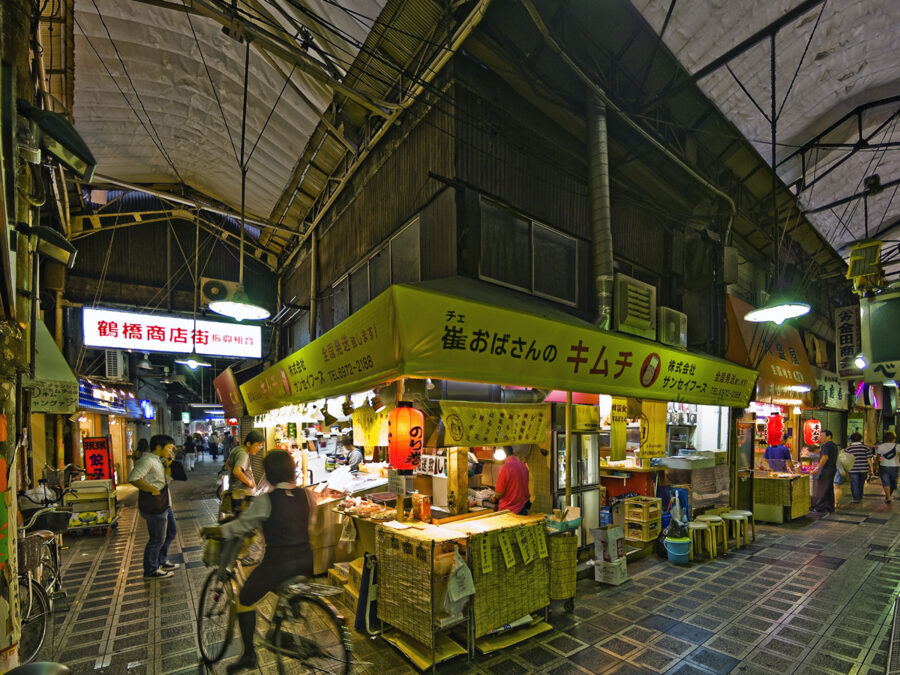
The station is the attraction. Walk out of the JR central gate and the grill houses start almost immediately, some opening onto the street, some tucked into the covered market lanes that run under and beside the tracks. The lanes are dim, narrow and busy with shoppers in the afternoon. By evening the market stalls close up and the restaurants take over.
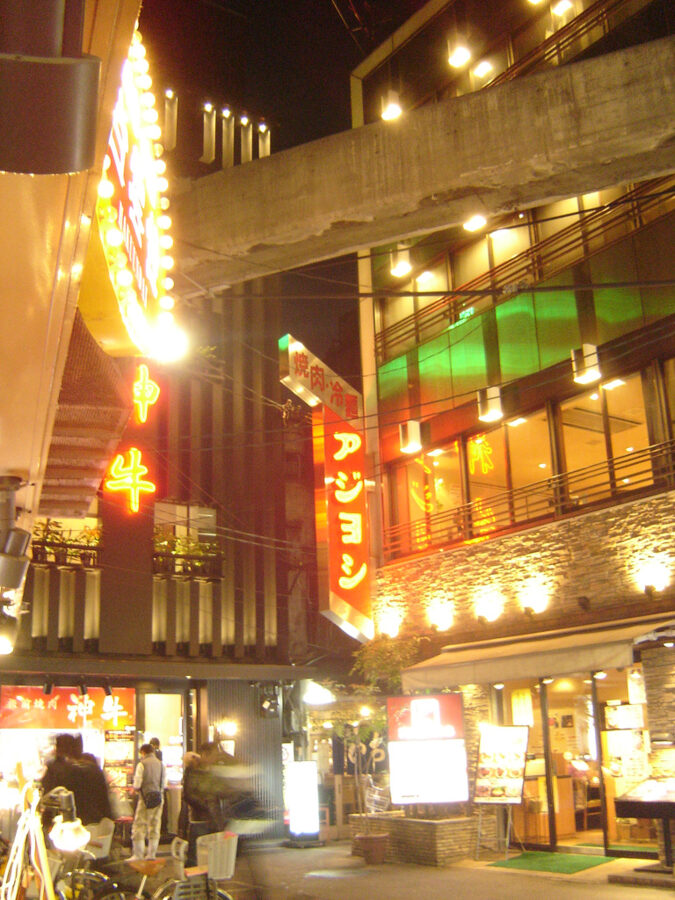
Two places close to the station give you the Tsuruhashi meal without guesswork. Both publish their hours and menus online.
Tsuruichi Honten is at Shimoajihara-cho 3-3, a minute from the JR central gate in the direction of Namba, near the Shimoajihara crossing. It opens 17:00–22:00 from Tuesday to Thursday, 17:00–23:00 on Fridays and the night before a holiday, 11:00–23:00 on Saturdays and 11:00–22:00 on Sundays and holidays. It closes on Mondays (Tuesday when Monday is a holiday).
The whole building runs smokeless roasters. A nine-dish course costs ¥5,500 and you can add all-you-can-drink for ¥1,980, or simply order by the plate.
Sora is the other name you will hear, a horumon-heavy shop whose main branch is at Shimoajihara-cho 1-10. From the JR station walk west, take the first street south and the first street east: a one-minute walk. It closes on Tuesdays, and tables run on a 90-minute limit, which tells you how busy it gets.
Sora’s own menu notes that some of its horumon is pork, worth knowing if you’re ordering for someone who doesn’t eat it. Its Dotonbori branch was temporarily closed when I checked, so make the trip to Tsuruhashi.
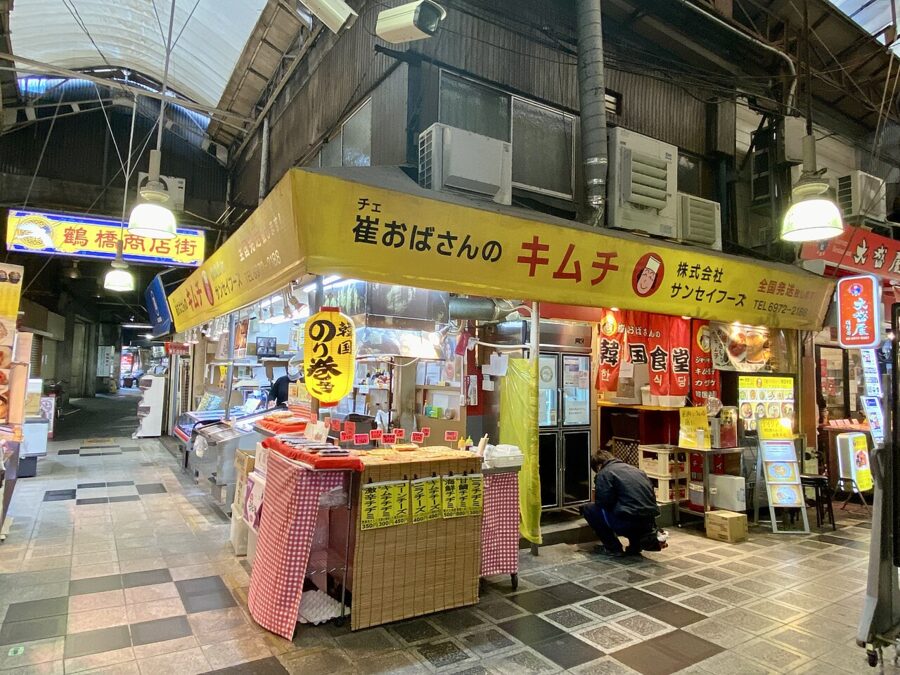
Go in the afternoon if you can, eat early, and spend the hour before dinner in the market. The kimchi shops stack their tubs out front, and the smell of fermenting cabbage gives way to roasting sesame and then to the grills. It is the best appetite builder in Osaka.
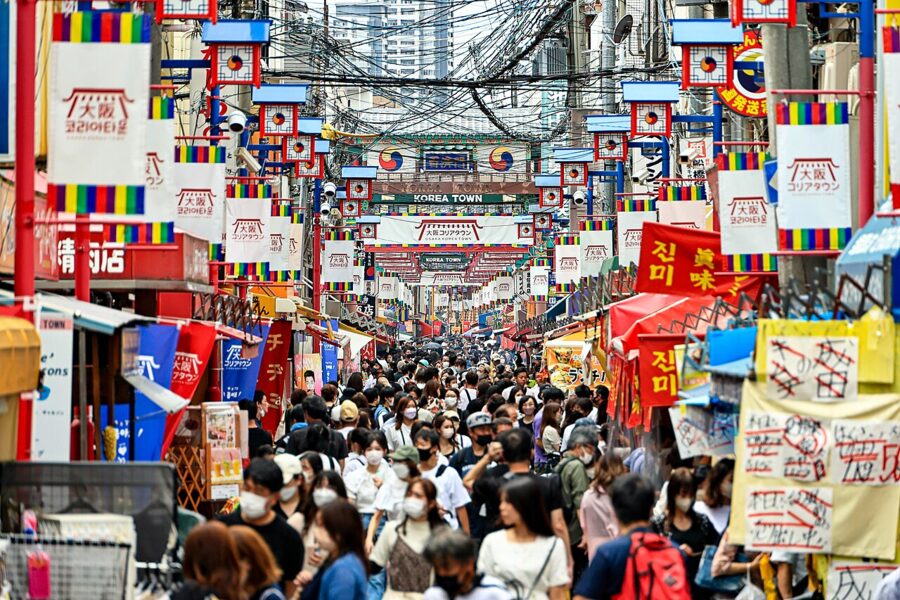
Osaka Korea Town proper, the shopping streets around Miyukidori in Ikuno Ward, lies a walk south and east of the station. It is a separate trip, better for street snacks and shopping than for sit-down yakiniku, and much busier on weekends. Do Tsuruhashi first. If you want the rest of the city’s offal culture, the horumon grills of Jan-Jan Yokocho in Shinsekai are in my guide to Osaka street food.
Reading the menu: the cuts that matter
A yakiniku menu is long and almost entirely nouns. Once you know a dozen of them you can order anywhere in the country, from a Tsuruhashi counter to a hotel restaurant in Sapporo. Most names are borrowed words written in katakana: tan from the English tongue, karubi from the Korean for rib, hatsu from heart, rebā from the German for liver. The menu also uses the prefix jo (上, upper) and sometimes tokujo (特上, special) for better-marbled or better-trimmed versions of the same cut.
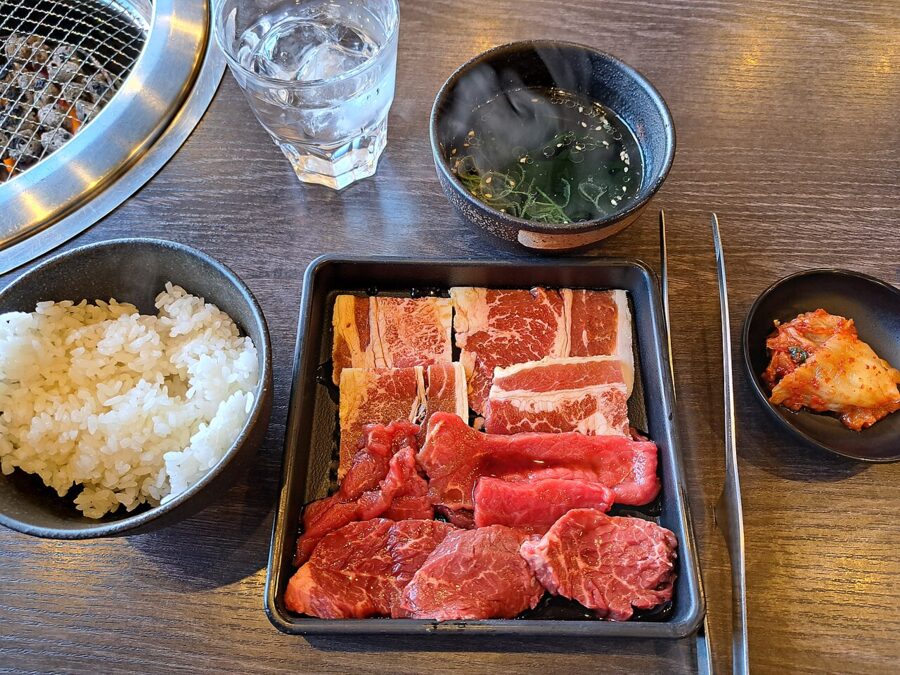
| On the menu | What it is | Texture | Usually ordered |
|---|---|---|---|
| タン tan | Beef tongue | Firm, springy, clean | Salt and lemon, first |
| カルビ karubi | Rib and belly meat (bara) | Fatty, juicy | Tare |
| ロース rosu | Loin or shoulder loin | Leaner, beefy | Either |
| ハラミ harami | Skirt, from the diaphragm | Tender, rich | Tare or salt |
| サガリ sagari | Hanger, the back part of the diaphragm | Leaner than harami | Salt or tare |
| ミスジ misuji | Inside of the shoulder blade | Finely marbled | Salt or a quick tare |
| ザブトン zabuton | Part of the chuck roll | Very marbled | Seared fast |
| イチボ ichibo | Rump cap, near the tail end | Lean with a fat edge | Salt |
| ホルモン horumon | Offal, mostly intestine | Chewy, fatty | Miso or tare, last |
Tan: always first
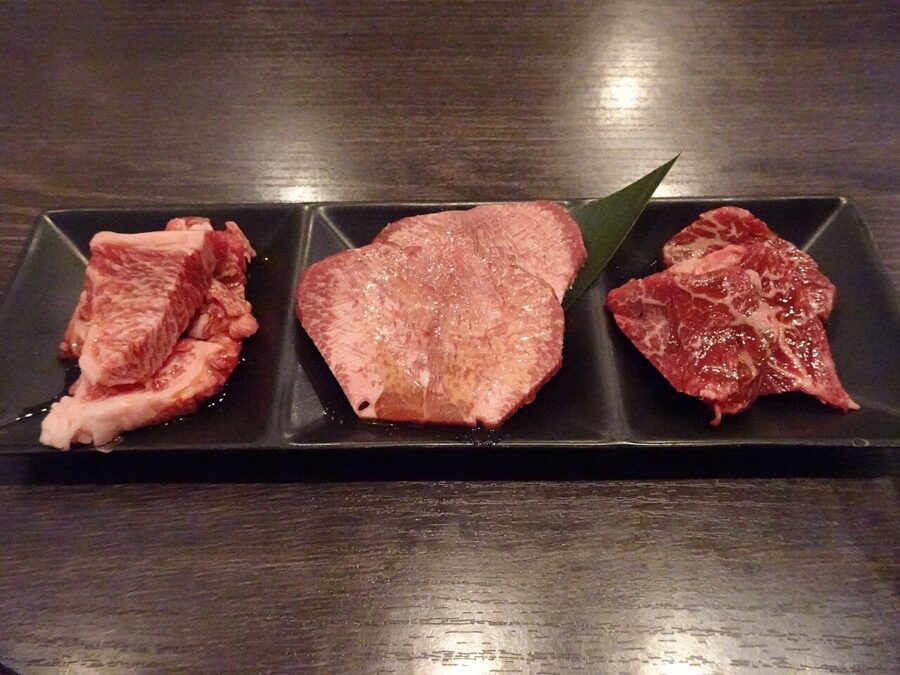
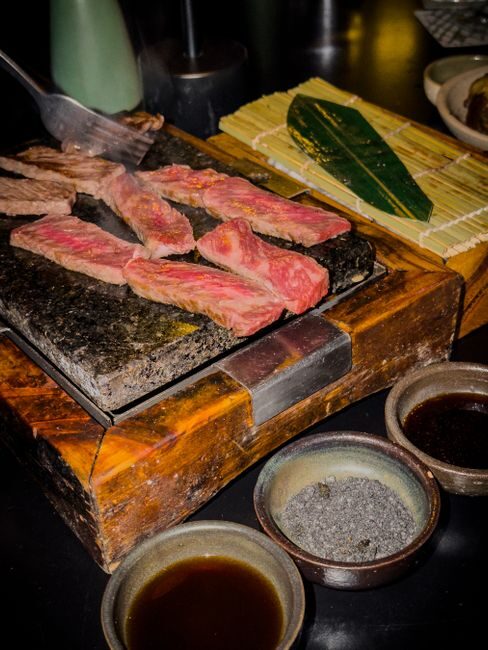
Tongue is the opener at almost every yakiniku dinner, and it comes salted. Thin slices go on the grill for a few seconds a side, then you squeeze lemon over them or pile on chopped spring onion, a combination sold as negi-shio tan. Better shops split the tongue into tan-moto, the soft, marbled root, and tan-saki, the chewier tip, and price them differently. Thick-cut tongue, atsugiri tan, is the luxury order; it needs longer and rewards a hot grill.
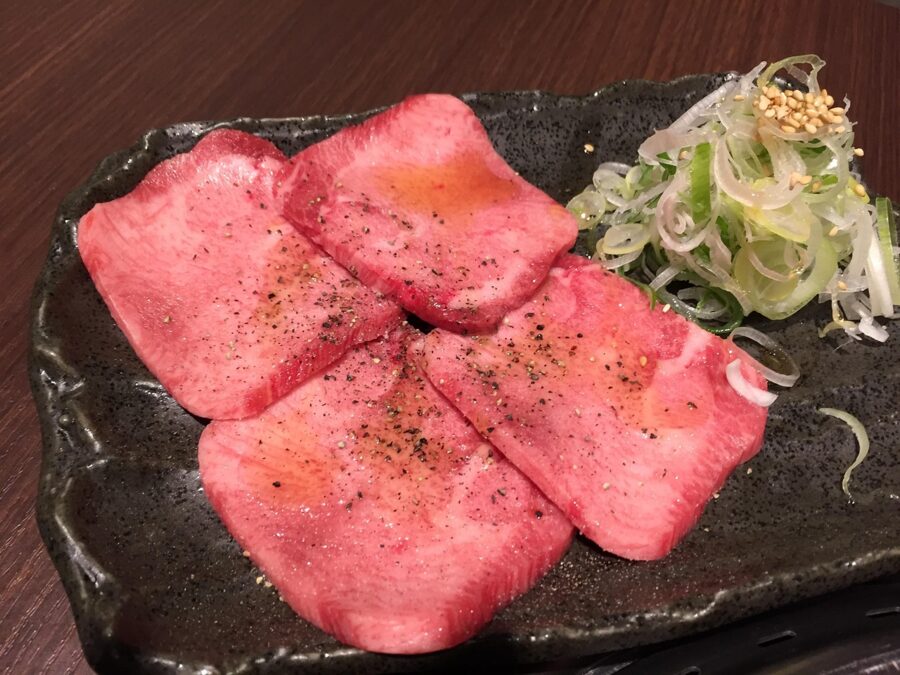
Why first? Salted cuts leave the grill clean, while sauced cuts leave sugar burning on the mesh. Starting with tongue also gives you a clear taste of the beef before the tare arrives. It’s practical, not ceremonial.
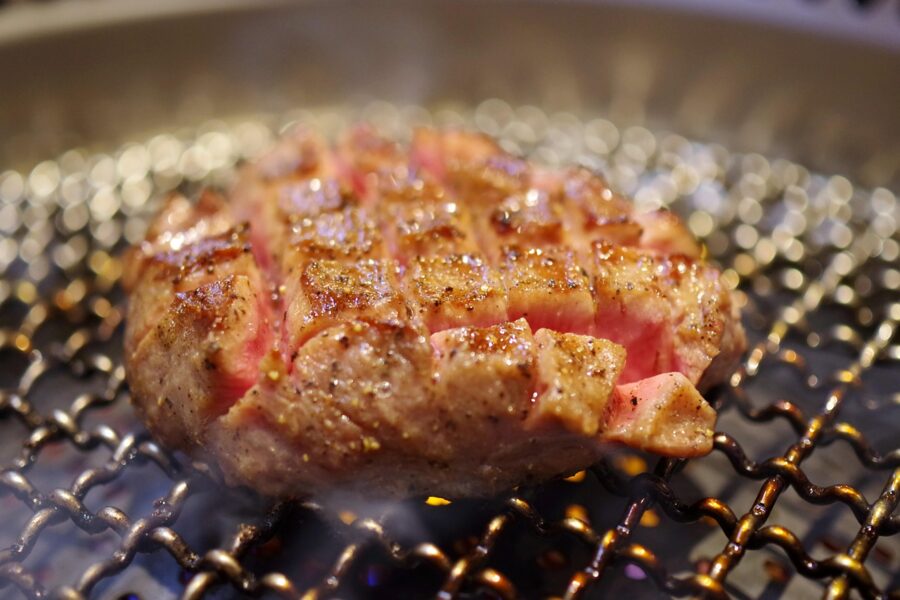
If tongue is your favourite cut, plan a day in Sendai, where grilled tongue became a city speciality of its own. More on that below.
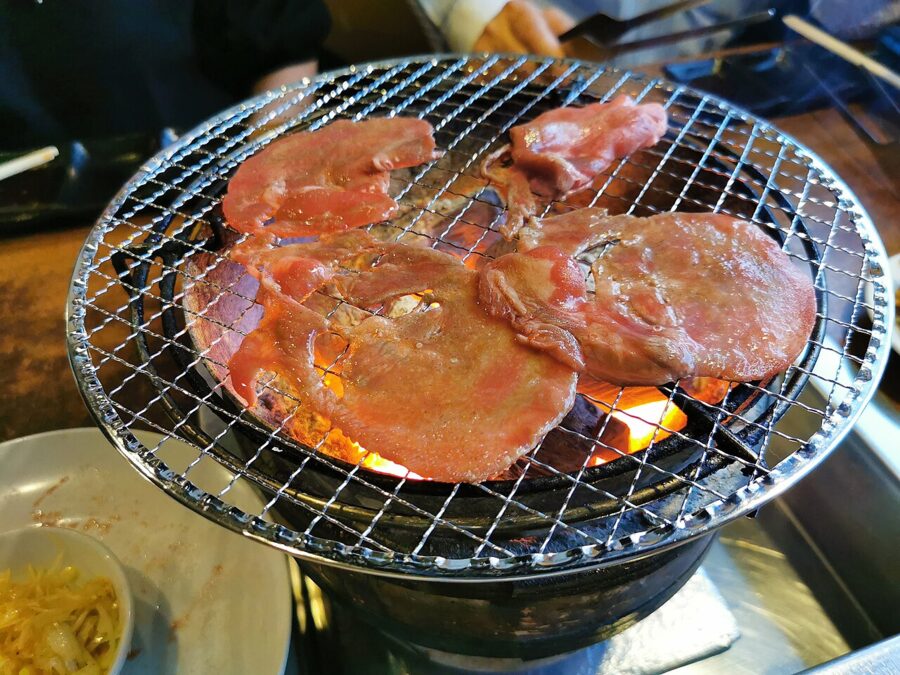
Karubi and rosu
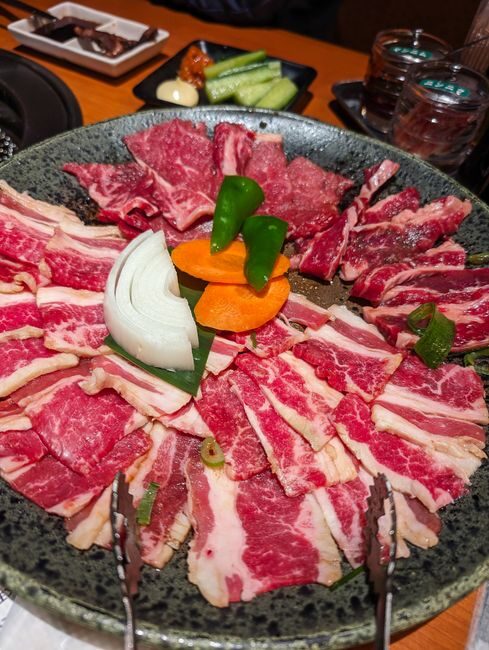
Karubi is the cut people mean when they say they want yakiniku. Japan has no formal definition of it. In practice most shops cut it from the bara, the rib and belly area, so it carries ribbons of fat that render and crisp on the grill. Jo-karubi is the better-marbled version, and bone-in karubi, hone-tsuki karubi, is served as a long strip still attached to a piece of rib.
Rosu, from the English word roast, means loin. It is leaner than karubi, with a finer grain and more beef flavour per bite, and it toughens quickly if you overcook it: a few seconds a side is enough. Ordering for a table, one plate of each is the classic pair after the tongue.
Harami and sagari
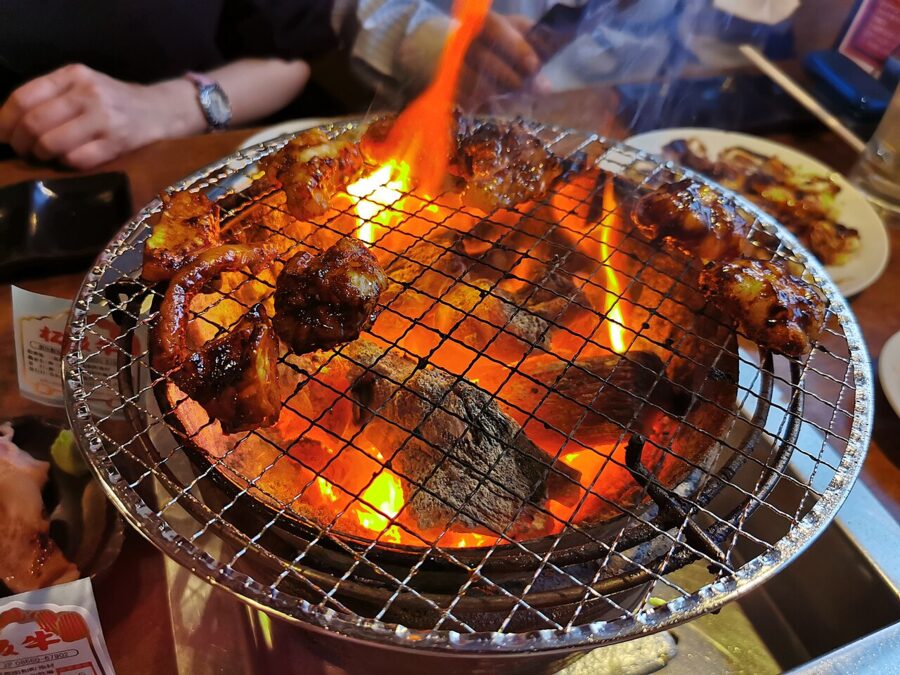
Harami looks like red meat and eats like red meat, but strictly speaking it is offal: it comes from the diaphragm, and Japanese butchers class it with the innards. Sora calls it the most popular cut on its menu, and plenty of shops would say the same: soft, juicy and rich without being fatty, and it takes tare well. Sagari is the part of the diaphragm closer to the spine, a little leaner. In Kitami, as you’ll see, it is the cut.
The rare cuts
Higher-end shops break the animal down further and sell small muscles as kisho-bui, rare cuts. Misuji, from the inside of the shoulder blade, yields only two or three kilos per animal and has a fine marbling that melts fast. Zabuton, named for its cushion shape, is a heavily marbled part of the chuck.
Ichibo is the rump cap, lean with a strip of fat, and kainomi a piece of the flank near the fillet. Chateaubriand, the centre of the fillet, is the most expensive line on most menus.
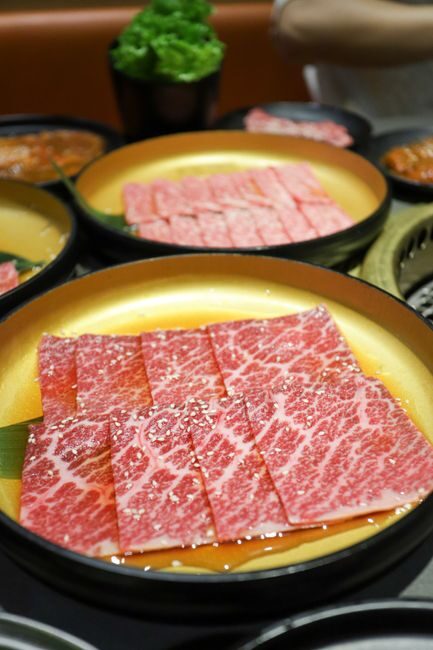
These cuts are worth ordering at a good shop and not worth worrying about elsewhere. They are also where the beef grade matters most. My guide to wagyu explains the letters and numbers on the menu and the regional brands, so I won’t repeat that here. The short version for yakiniku: A5 karubi is extremely rich, and two or three slices of it go a long way.
Tare or shio, and the order of the grill
Most cuts can be ordered shio (塩, salted) or tare (タレ, sauced), and the waiter may ask before you say. Salt suits tongue, lean cuts and anything with good beef flavour you want to taste. Tare suits fatty karubi, harami and most offal. Most shops put three or four small dishes in front of you: a sweet soy tare, a lemon juice for tongue, sometimes a salt and sesame oil mix, and a pot of gochujang.
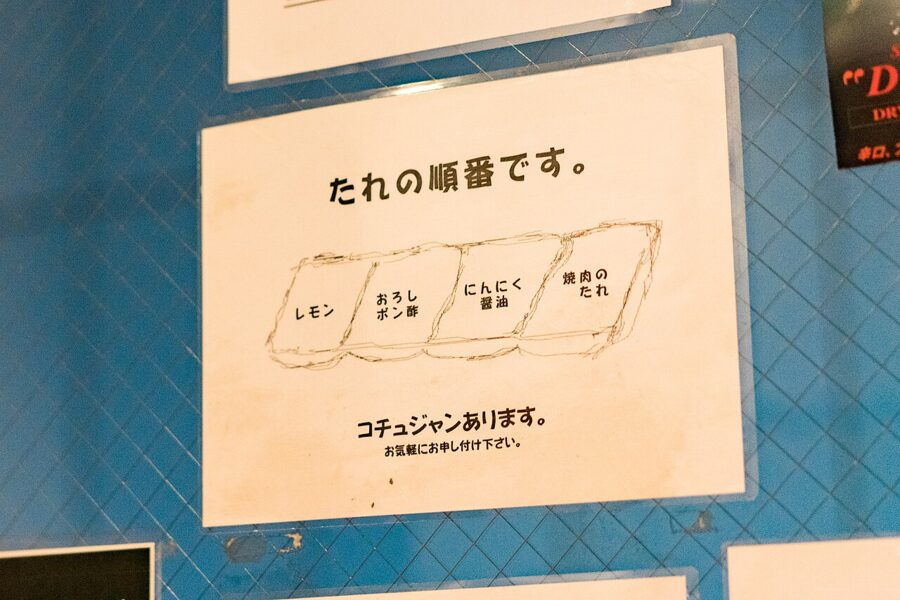
The usual running order is simple: salt tongue, then the leaner salted cuts, then the tare cuts, karubi and harami. Horumon goes last, because its fat drips, flares and blackens the mesh. Grilled vegetables fit anywhere, and onion, pumpkin and shiitake are the usual plate.
When the mesh gets crusted with burnt sugar, ask for a new one. “Sumimasen, ami o kaete kudasai” (excuse me, please change the grill) gets you a fresh mesh in a minute at almost any shop, and nobody minds being asked. At a charcoal shop, a meal of mixed cuts might need two or three changes.
Grill time is short. Thin cuts need ten to twenty seconds a side over a hot grill, and you eat them straight away. If a slice curls, stiffens and turns grey all the way through, it has gone too far. The biggest mistake new diners make is loading the grill with half a plate, which cools it, and then losing track of which piece belongs to whom.
Horumon: the part they kept
The offal half of the menu is where Tsuruhashi and the zainichi tradition show most. At a specialist horumon-yaki shop it is the whole menu, often a mix of beef and pork. At a smart wagyu house it might be two lines. Either way, the vocabulary is worth learning, because the best horumon is often the best value on the menu.
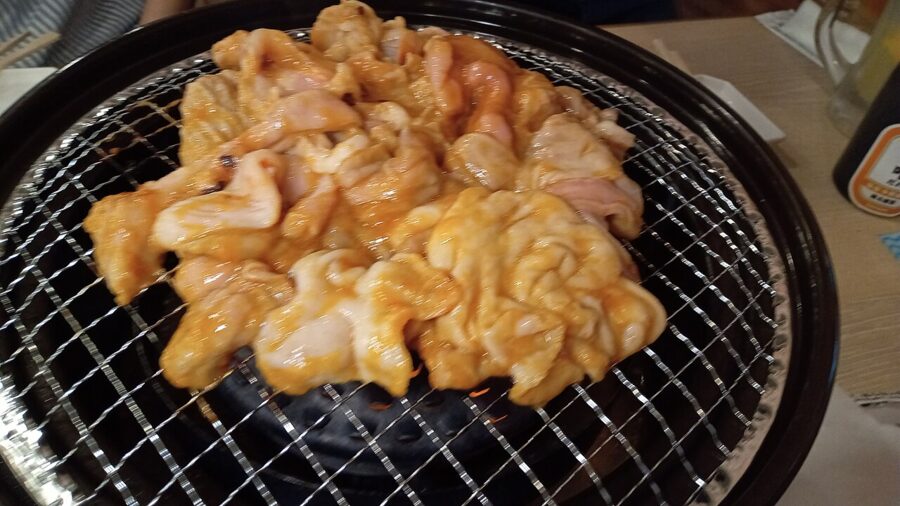
- Mino (ミノ): the first of the cow’s four stomachs, white, thick and crunchy. Jo-mino is the thicker, better-trimmed cut. A good starter for horumon beginners.
- Hachinosu (ハチノス): the second stomach, the honeycomb tripe. More often stewed than grilled.
- Senmai (センマイ): the third stomach, sheet-like and layered. It often comes boiled and cold as a side dish, though some shops grill it too.
- Giara or akasen (ギアラ, 赤センマイ): the fourth stomach, fattier and richer.
- Tetchan or shimacho (テッチャン, シマチョウ): beef large intestine, with a layer of fat that turns soft and sweet. Tetchan comes from the Korean daechang; shimacho, striped gut, describes the bands of fat.
- Marucho (マルチョウ): small intestine, often served as fat-filled rings.
- Hatsu (ハツ) and rebā (レバー): heart and liver. Grill both through.
- Kobukuro and tontoro (コブクロ, トントロ): pork uterus, crunchy and mild, and fatty pork from the neck and cheek.
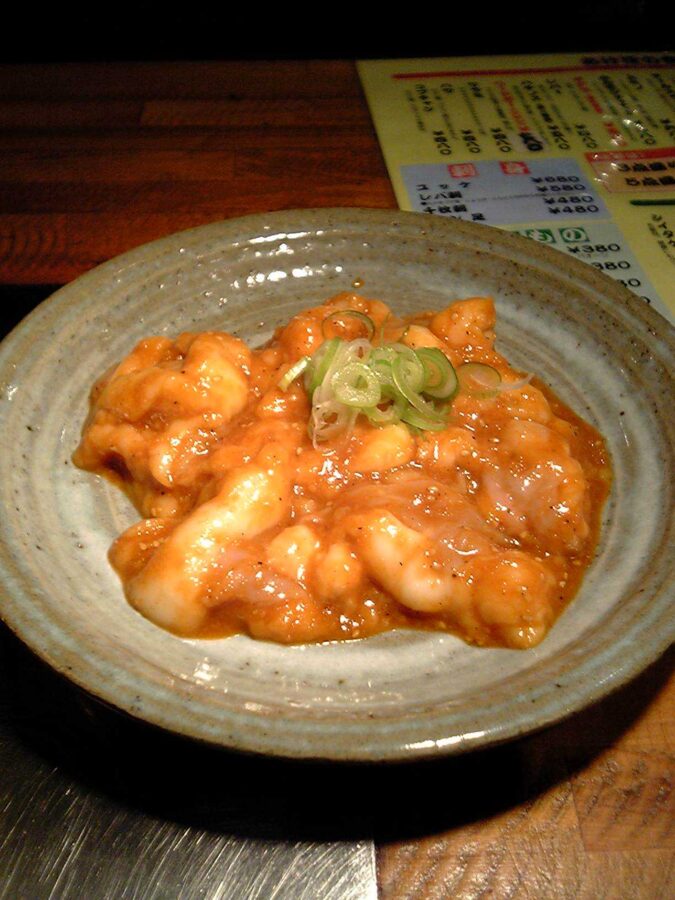
Horumon wants longer on the grill than steak cuts. Fat-heavy intestine will drip and flame, so move it to the edge of the grill when it flares. Cook pork offal right through. Pork can carry hepatitis E, and Hokkaido, where a lot of pork horumon is eaten, has recorded cases traced to undercooked offal.
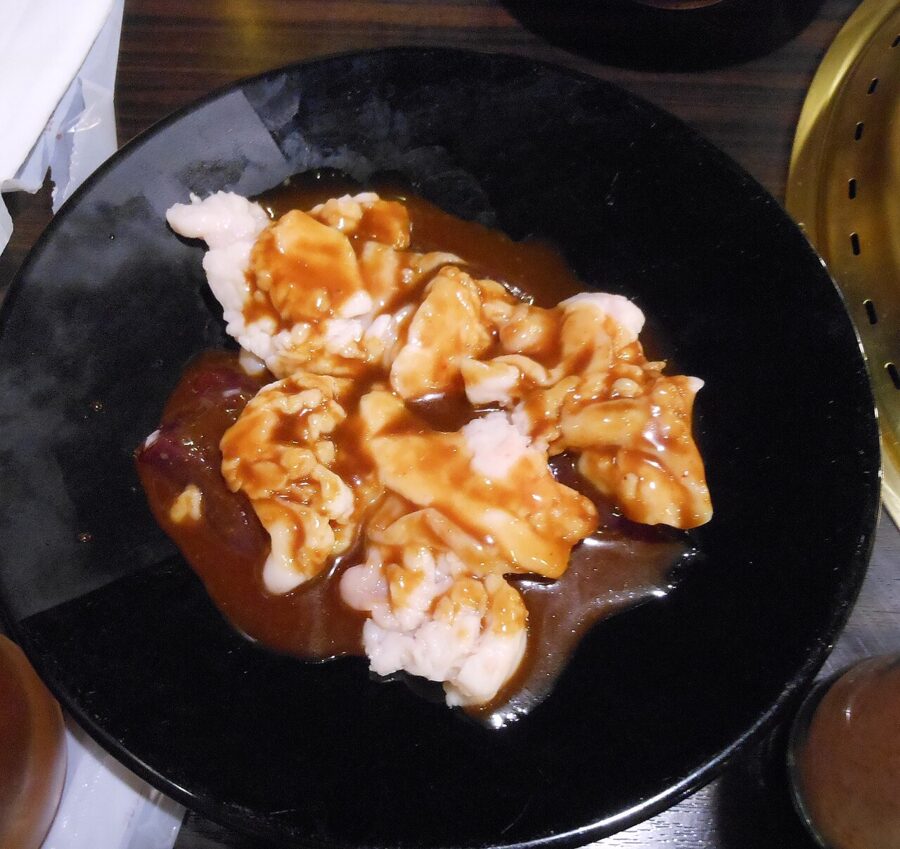
The argument over the name
Ask in Osaka why it’s called horumon and you will hear that the word comes from horu-mon, Kansai dialect for “thrown-away stuff”: the parts butchers threw out and Korean workers took home. It’s a good story. Shokudoen tells it. Plenty of English guides print it as fact.
Japanese food historians mostly don’t buy it. In the 1920s and 30s, “hormone cooking” (horumon ryori) was a fad name for any dish sold as a stamina builder, and Sasaki Michio notes that it covered eggs, natto and mountain yam as well as organ meats.
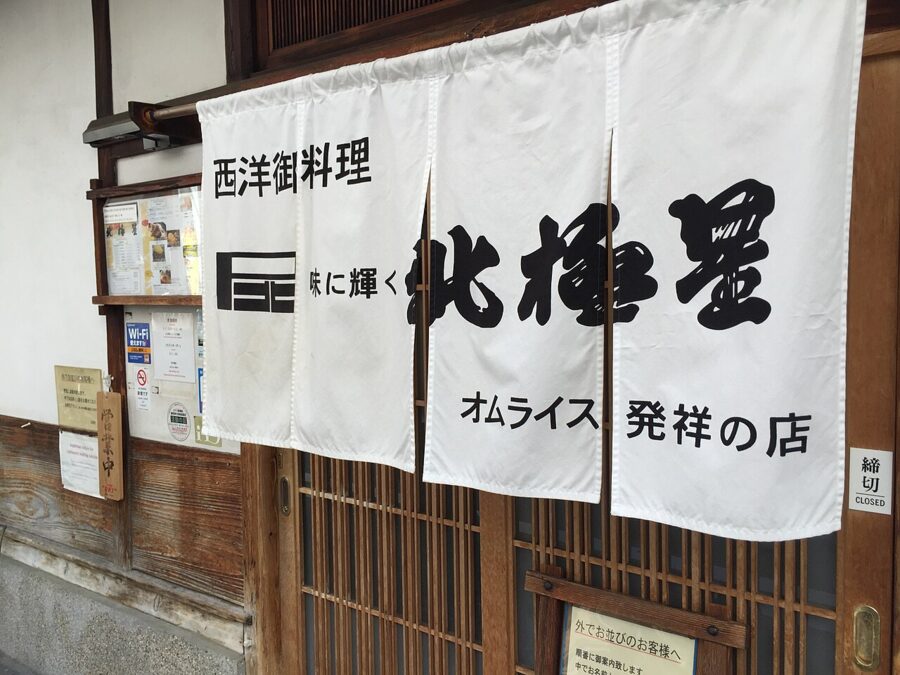
In 1937 the company behind Hokkyokusei, a Western restaurant in Osaka, applied to trademark a “horumon” product made from beef organs, and the trademark was granted in 1940. The thrown-away version seems to have spread in the 1970s, decades after the word was in use.
What you won’t be served raw
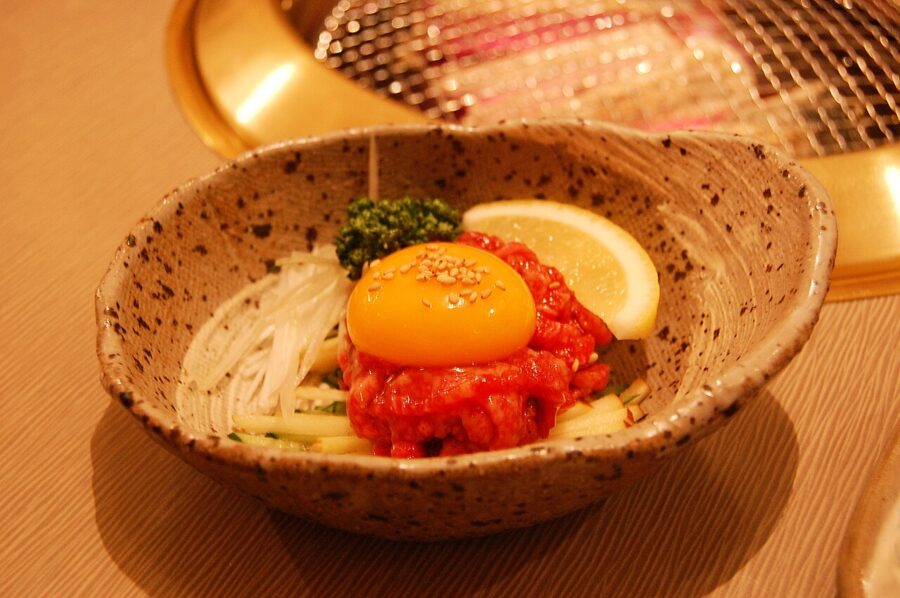
Older Japanese guides to yakiniku talk about raw liver, reba-sashi, and raw beef yukke as standard orders. Things changed after April 2011, when an outbreak of E. coli O-111 at the yakiniku chain Yakiniku Sakaya Ebisu was traced to raw beef yukhoe that had not been trimmed. Japanese authorities counted five deaths among yakiniku-chain food poisoning cases that spring, and the chain closed for good that July.
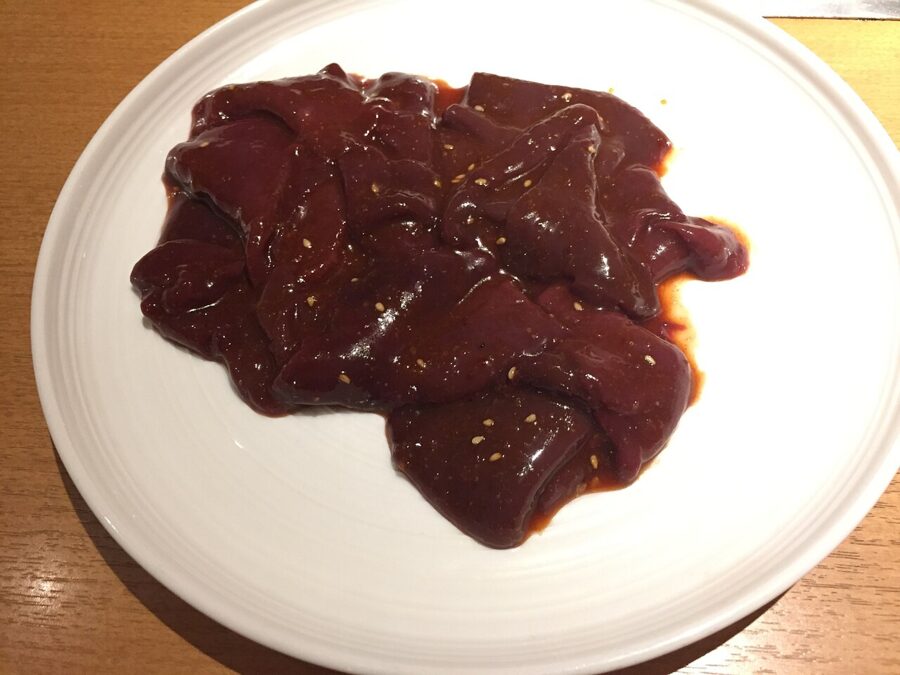
From 1 October 2011, Japan required beef served raw to be prepared in separate facilities and heat-treated on the surface, and from 1 July 2012 restaurants were banned from serving raw beef liver at all, with criminal penalties. Raw pork, including pork liver, followed in June 2015. Yukhoe hasn’t vanished: Shokudoen still lists a wagyu yukhoe and a horse-meat version (sakura yukke) on its menu, made under the post-2011 rules. But if anyone offers you raw beef liver in Japan now, they are breaking the law.
The other grills of Japan
A handful of regions grill their own way, and several are worth planning a meal around. Some are yakiniku in all but name; others are cousins that grew up in the same decades.
Jingisukan, Hokkaido’s lamb grill
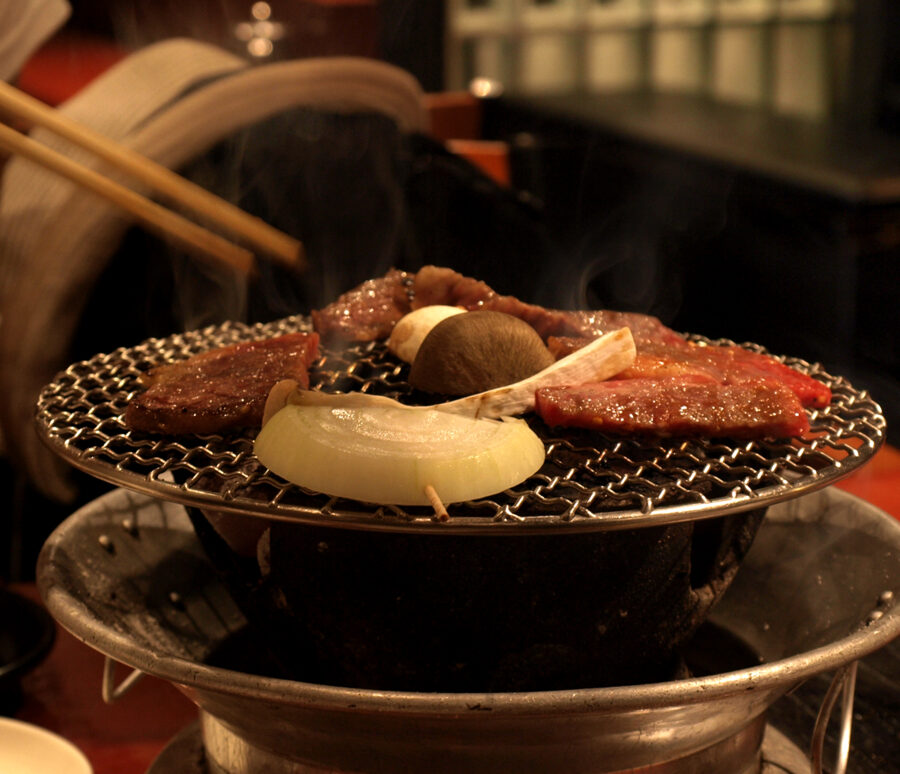
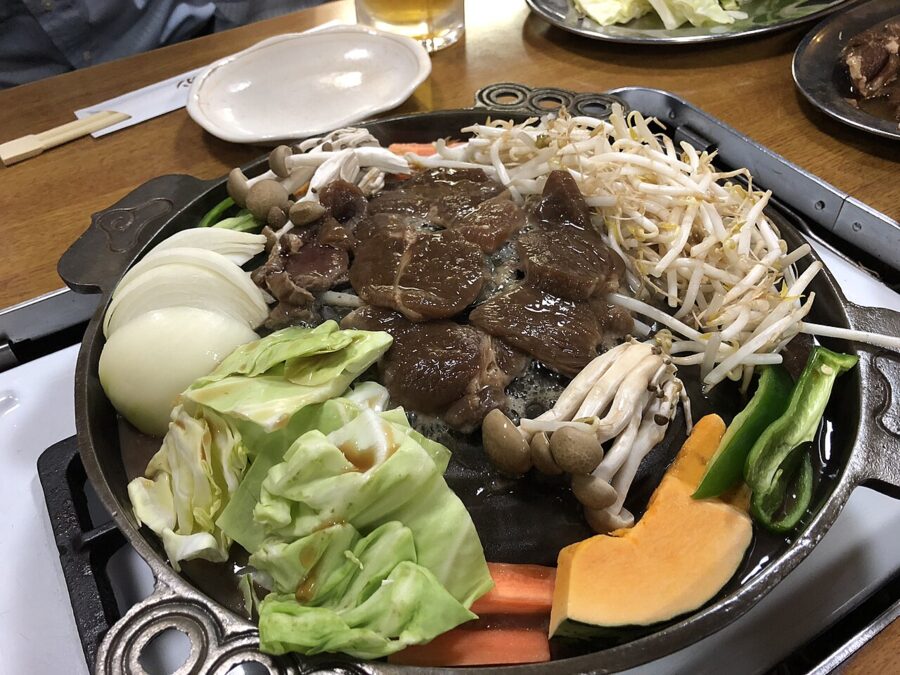
Jingisukan, named after Genghis Khan, is mutton or lamb cooked on a domed cast-iron pan, with vegetables in the moat around the edge catching the juices. It belongs to Hokkaido, though Tono in Iwate, Zao Onsen in Yamagata and parts of Nagano eat it too. Its roots lie in a 1918 government plan to raise a million sheep for wool, and in the need to get farmers and cooks to eat the meat. I’ve covered the Sapporo shops, the beer-hall version and the queue at Daruma in my Sapporo food guide.
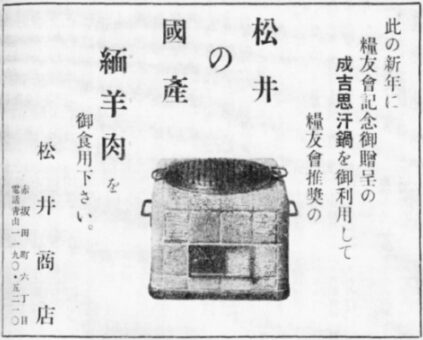
Two things matter for this guide. Jingisukan was being grilled at the table before yakiniku shops existed, and Sasaki Michio argues it gave the Korean restaurants of 1930s Osaka the idea of letting customers cook their own meat. And Bell Foods’ 1956 jingisukan sauce is the template for every bottled yakiniku tare.
Hokkaido argues about the sauce. Around Takikawa and across the north the lamb is marinated first, a style the Matsuo lamb shop, founded in 1956, did most to spread. In Hakodate and Kushiro it goes on plain and is dipped after, and Sapporo does both.
Kitami: sagari, salt and the coldest barbecue in Japan
Kitami, a city of around 120,000 in eastern Hokkaido, has more yakiniku restaurants per head than anywhere else in Hokkaido and is often said to lead Japan. The usual explanation is the local slaughterhouse: fresh meat was easy to get.
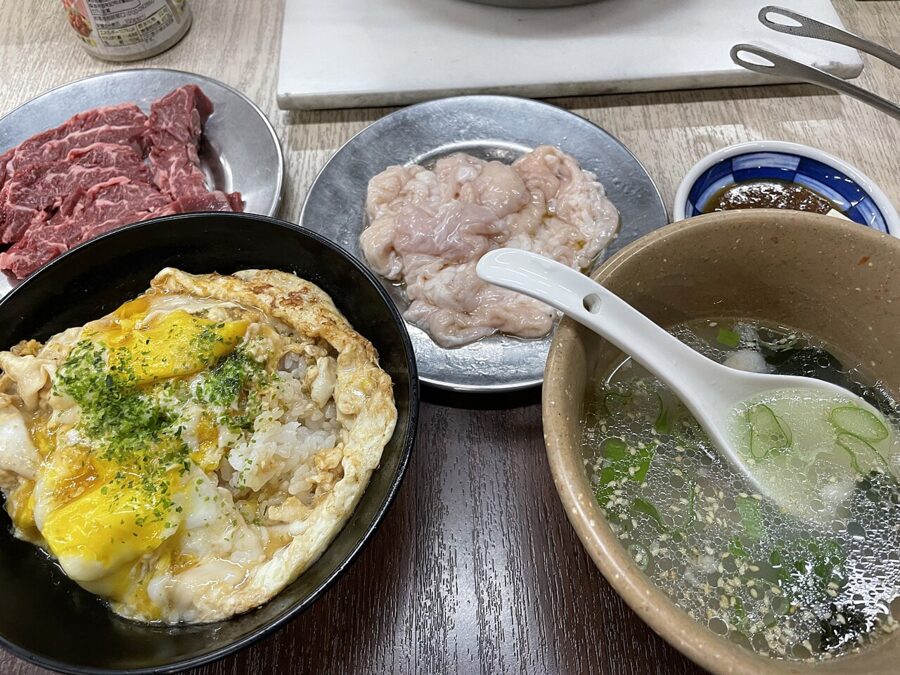
The local style follows from that. Beef sagari and pork horumon go on the grill unmarinated, seasoned with salt and pepper or dipped in an uncooked nama-dare made with Kitami’s famous onions. Rice comes as onigiri, or as medon, a fried egg on rice with sweet sauce and green laver.
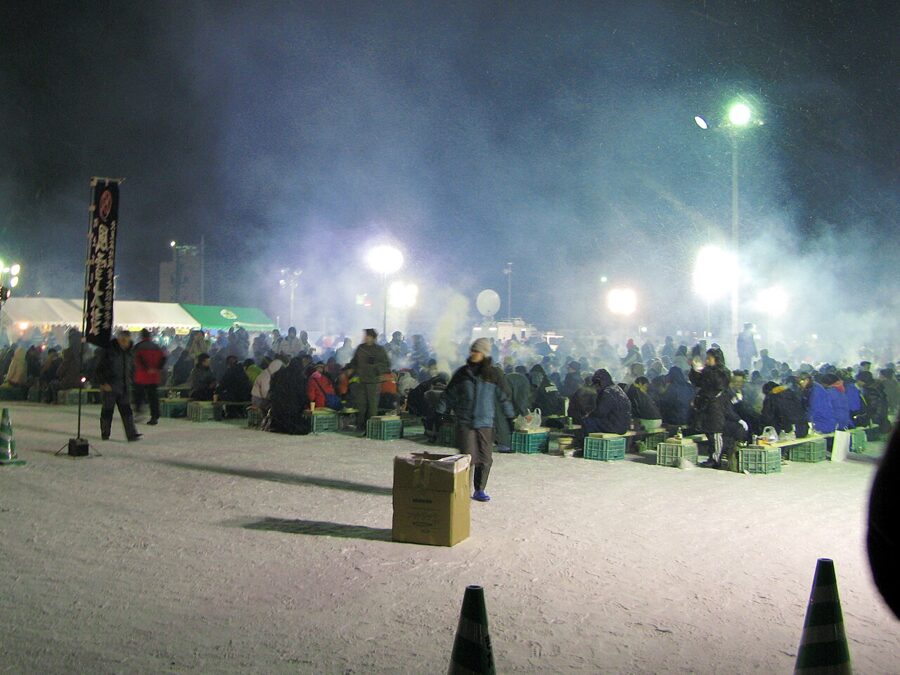
Every February the city holds the Kitami Genkan no Yakiniku Matsuri, an outdoor yakiniku festival in the deep cold that started in 2000. The 28th runs on 5 February 2027, 17:30–20:00, in a car park beside the NICC arts hall. A ticket costs ¥12,000 at the Kitami tourist office (¥13,500 online), on sale from 29 November 2026.
Each ticket covers a table of up to four with one shichirin grill, sagari, pork horumon, pork shoulder and onions, plus free-flowing shochu and soft drinks. Kitami now markets itself with Iida in Nagano and Ishigaki in Okinawa as Japan’s three yakiniku towns, with a stamp rally across all three: 2,900 km of meat.
Sendai: tongue as a meal of its own
Sendai’s grilled beef tongue began with one man. Sano Keishiro, a cook from Yamagata who had run a yakitori stall during the war, opened a restaurant called Tasuke in Sendai in 1948. One story has it that occupation troops in the city ate a lot of beef and butchers had tongues to spare.
Either way, Sano spent years working out what to do with them, and salted, peppered, rested and grilled over charcoal was his answer. Tongue appeared on the menu in 1950, and in 1952 Tasuke became a tongue specialist.
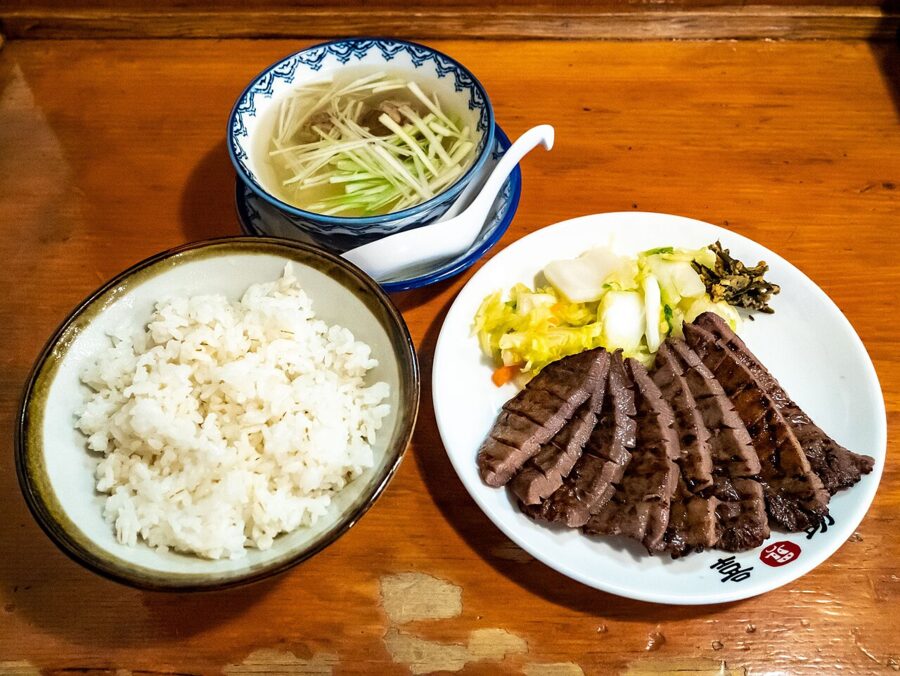
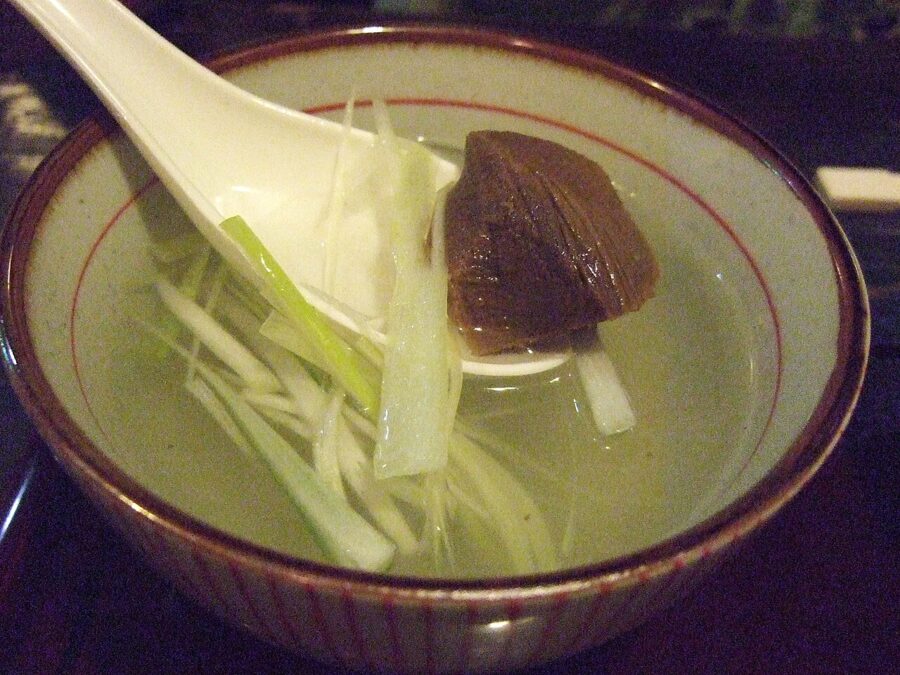
The Sendai set, gyutan teishoku, has stayed close to his version: thick slices of salted tongue grilled by the kitchen, barley rice, a clear oxtail soup, pickles and a dab of miso-pickled chilli. Unlike yakiniku, you don’t grill it yourself, and Sendai shops don’t serve it with lemon. Aji no Gyutan Kisuke, which opened on 1 January 1975 with help from Sano, first billed the dish as a Sendai speciality when it opened a second shop near Sendai Station in 1980. Most of the tongue in Sendai today is imported, mainly from the United States, Australia and New Zealand; Japanese tongue is scarce and expensive.
Morioka: the noodle at the end
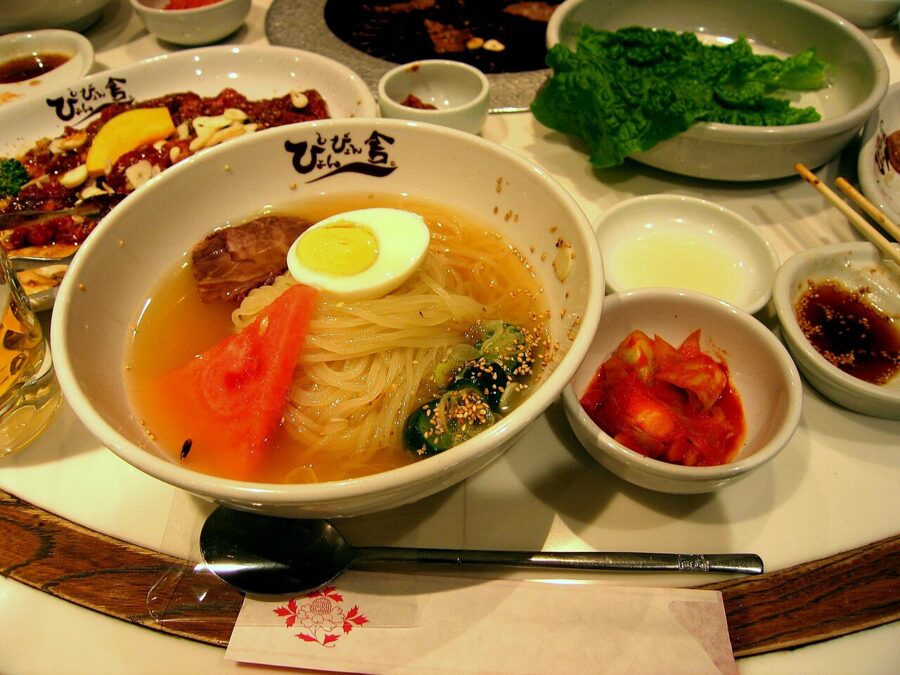
The bowl that ends a yakiniku meal in much of Japan is reimen, cold noodles in a beef broth. In Morioka, the capital of Iwate, it is a civic institution. Yang Yong-chol, a Korean from Hamhung in what is now North Korea, opened a four-table restaurant called Shokudoen in Morioka in May 1954 (no relation to the Osaka one) and tried to recreate the cold noodles of his childhood.
Locals said the chewy noodles were like eating rubber. He kept the broth and the kimchi but switched the dough to wheat flour and starch, and the city’s style was born.
His Shokudoen is still there, in Odori, and says it has no branches. It opens 11:30–14:20 for lunch and from 17:00 on weekday evenings (last order 21:20), with spice in four levels and an option to have the kimchi served on the side. Its karubi and rosu come with beaten egg for dipping, a detail I haven’t seen anywhere else. The name “Morioka reimen” was first used by Pyonpyonsha, founded in 1987, which now sells its noodles across Japan.
A regional horumon map
Offal is where regional yakiniku gets most local, often because a town had a slaughterhouse, a mine or a fishing fleet. A few worth knowing:
- Asahikawa, Hokkaido: shio horumon, offal soaked in a salt-based seasoning rather than tare.
- Kesennuma, Miyagi: raw pork offal, intestine as well as heart and liver, marinated in garlic miso, grilled, and eaten with shredded cabbage dressed in Worcestershire sauce. The habit spread around 1955, as the port’s long-distance fishing fleet grew.
- Atsugi, Kanagawa: shirokoro horumon, pork intestine grilled until it curls into fat little rolls.
- Kamioka and Mitake, Gifu: two different dishes called tonchan. Kamioka’s is sauced beef offal grilled with vegetables; Mitake’s is pork offal in red miso, cooked on an iron plate because, as the story goes, lignite miners first grilled it on shovels.
- Tagawa, Fukuoka: the old coal towns of Chikuho call grilled offal tonchan too, and Tagawa’s horumon hotpot took sixth place at the B-1 Grand Prix regional food contest in 2012.
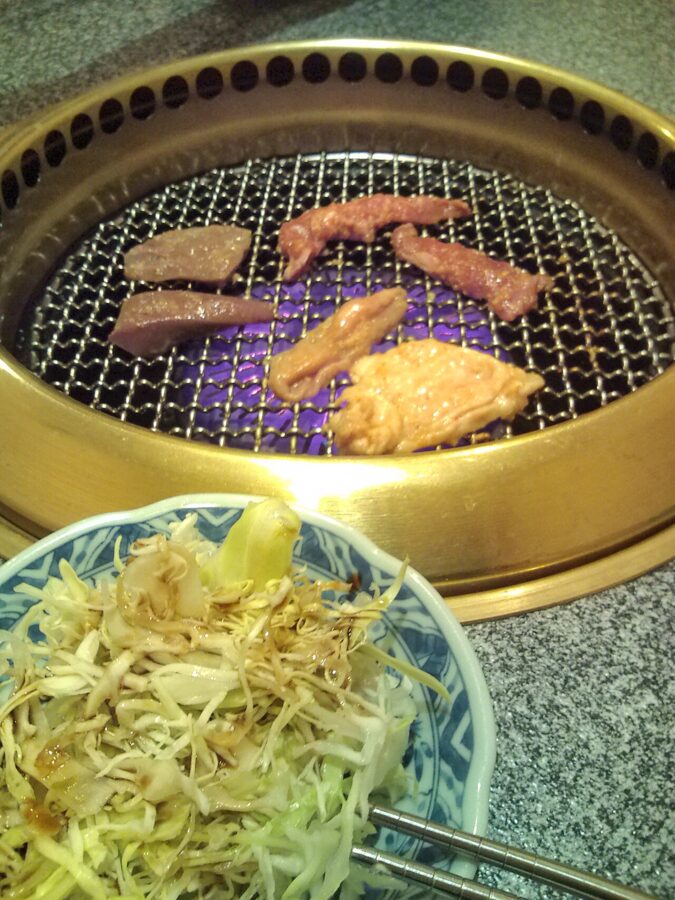
Atsugi is an easy day out from Tokyo. The Kesennuma combination of pork, miso and Worcestershire-dressed cabbage sounds odd on paper and works on the plate.
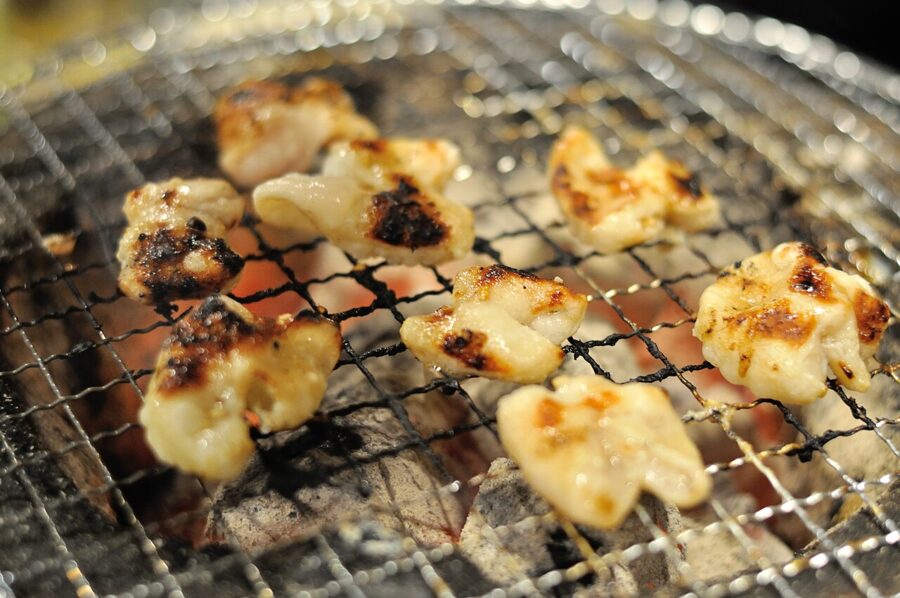
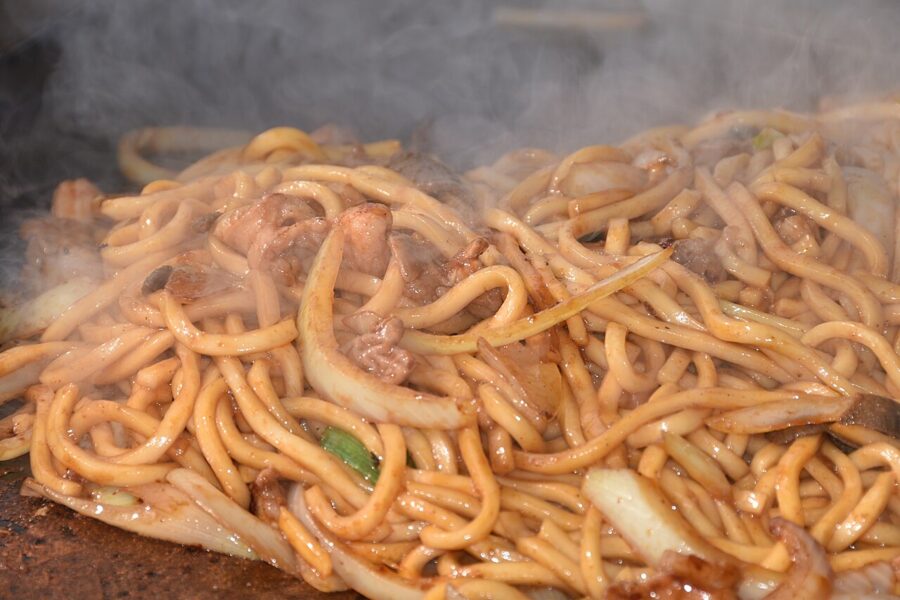
And then there is offal in noodles. Tsuyama in Okayama, which has its own meat-processing centre, fries offal with udon on a teppan, in a sauce that changes from shop to shop: miso at one, Worcestershire-style at the next. Its horumon udon took second place at the B-1 Grand Prix in 2011.
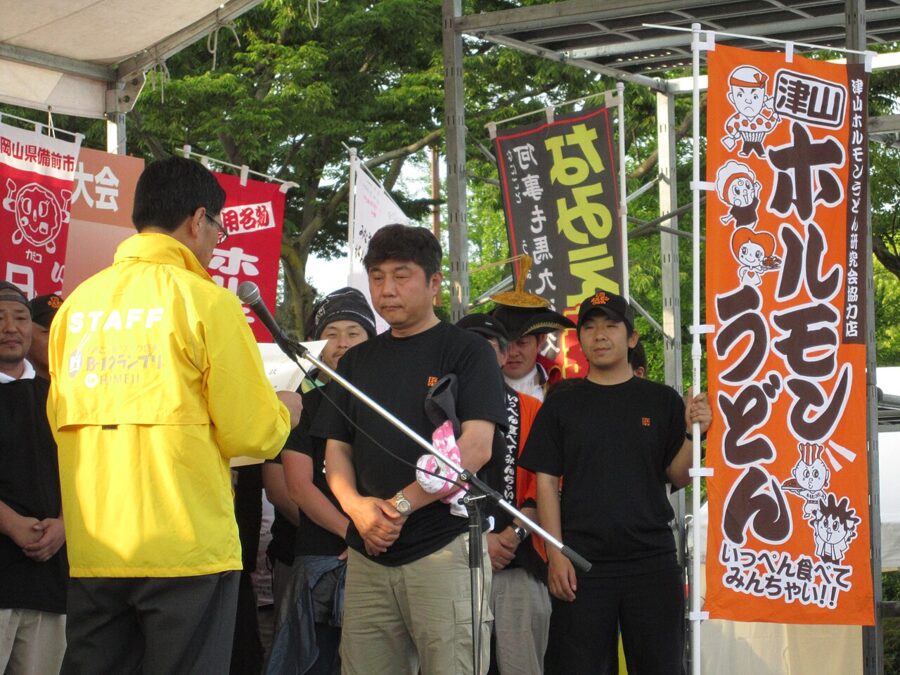
Sayo, over the border in Hyogo, serves a similar dish with a garlic-soy dipping sauce on the side. If you like Japan’s thick wheat noodles in all their forms, my udon guide covers the rest of the family.
What it costs, from one-person counters to wagyu houses
Yakiniku has an unusually wide price range. You can eat a one-person set for under ¥1,000 or spend well over ¥10,000 a head at dinner, and both are fully yakiniku. Here is how the main tiers compare, using prices the shops publish (tax included unless noted).
| Tier | Example | Price | Best for |
|---|---|---|---|
| One-person counter | Yakiniku Like | Sets from ¥759; 300 g set ¥1,496 | Solo, quick, late |
| Chain all-you-can-eat | Gyukaku | From ¥3,058, 90 minutes | Groups, students |
| Chain all-you-can-eat | Yakiniku King | From ¥3,828, 100 minutes | Families |
| Local horumon shop | Tsuruichi, Tsuruhashi | Courses from ¥5,500 | The Osaka original |
| Old-school Korean-Japanese | Shokudoen, Osaka | Lunch sets from ¥1,700 | History, reimen |
| Premium chain | Jojoen, Toraji | Set courses and by the plate | Dates, business |
Eating alone: Yakiniku Like
Yakiniku used to be a group meal by design. One person couldn’t order enough cuts to make it worthwhile, and a lone diner at a four-person grill felt odd. Yakiniku Like opened its first shop outside Shimbashi Station on Yakiniku Day, 29 August 2018, and fixed both problems: a counter seat, your own small smokeless roaster, and sets sold by weight with rice, soup and kimchi.
Since its October 2026 menu change the basic sets start at 120 g, and a 300 g “Like-mori” set costs ¥1,496. With any set of ¥759 or more you can add a side or a drink for ¥110.
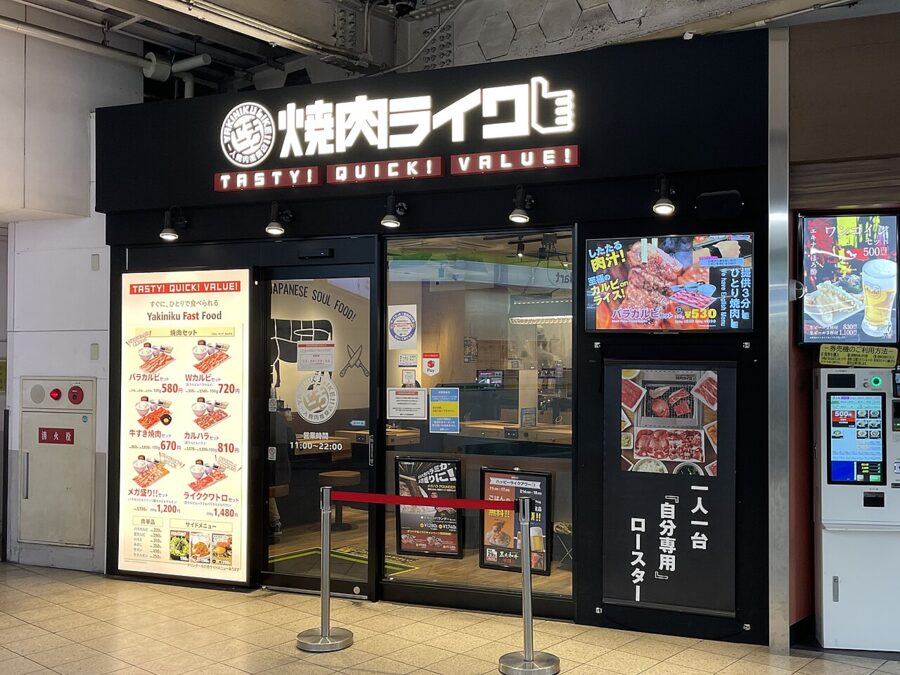
It is fast food, and it doesn’t pretend otherwise. The meat is fine, the roasters are good, and you’re in and out in half an hour. The Shinjuku Kabukicho branch, five minutes from Shinjuku Station, runs 24 hours, which makes it the answer to a craving after midnight. For the counter-dining version of a chicken dinner, the closer relative is yakitori.
Tabehoudai: all you can eat, against the clock
All-you-can-eat yakiniku, tabehoudai, is how a lot of Japanese students and families eat it. You order at the table, and plates keep coming until the time runs out. Two chains dominate.
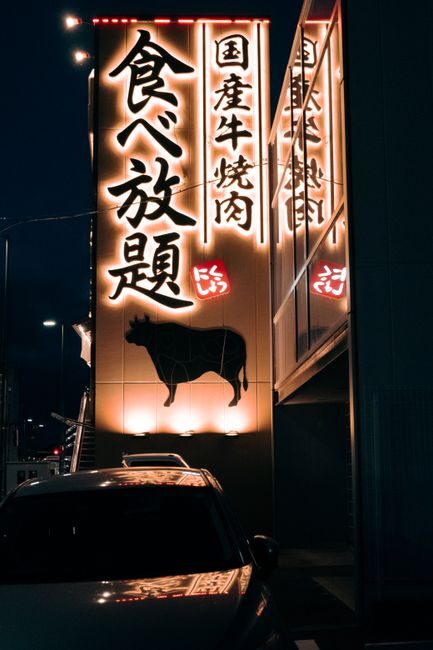
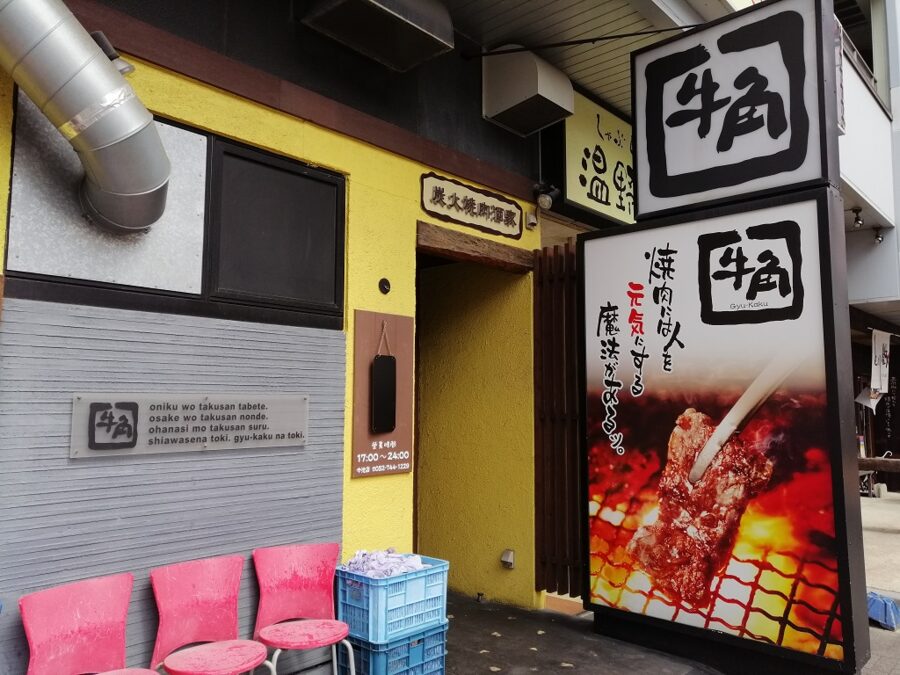
Gyukaku began in 1996 as a single Sangenjaya shop under another name and is now the biggest yakiniku business in Japan, with branches abroad. Its cheapest all-you-can-eat course costs ¥2,780 before tax (¥3,058 with it) for 90 minutes, with last orders at 70 minutes, and you can buy another half hour for ¥550.
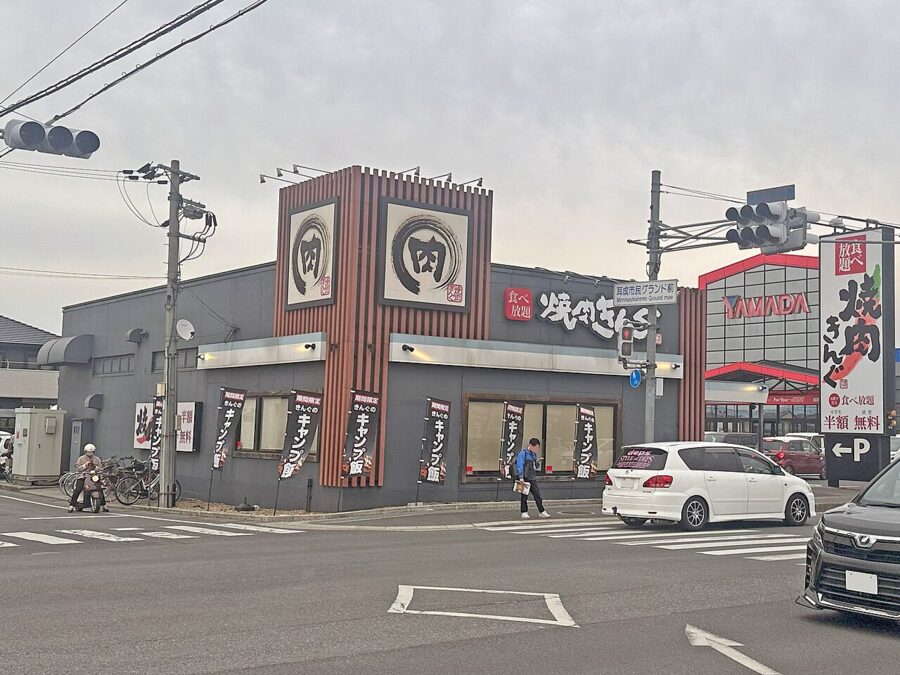
Yakiniku King opened in Nonoichi, Ishikawa, in 2007 and has since spread to all 47 prefectures. The King course costs from ¥3,828 for 100 minutes, the Premium course from ¥5,038, with last orders 20 minutes before the end. Pre-school children eat free, primary-school children pay half, and diners over 60 get ¥500 off. Prices vary by branch, so check yours.
All-you-can-eat is good value and good fun with a group. It is not where you go for the best beef, and the horumon list is short. If you only have one yakiniku dinner in Japan, spend it elsewhere.
The middle and the top
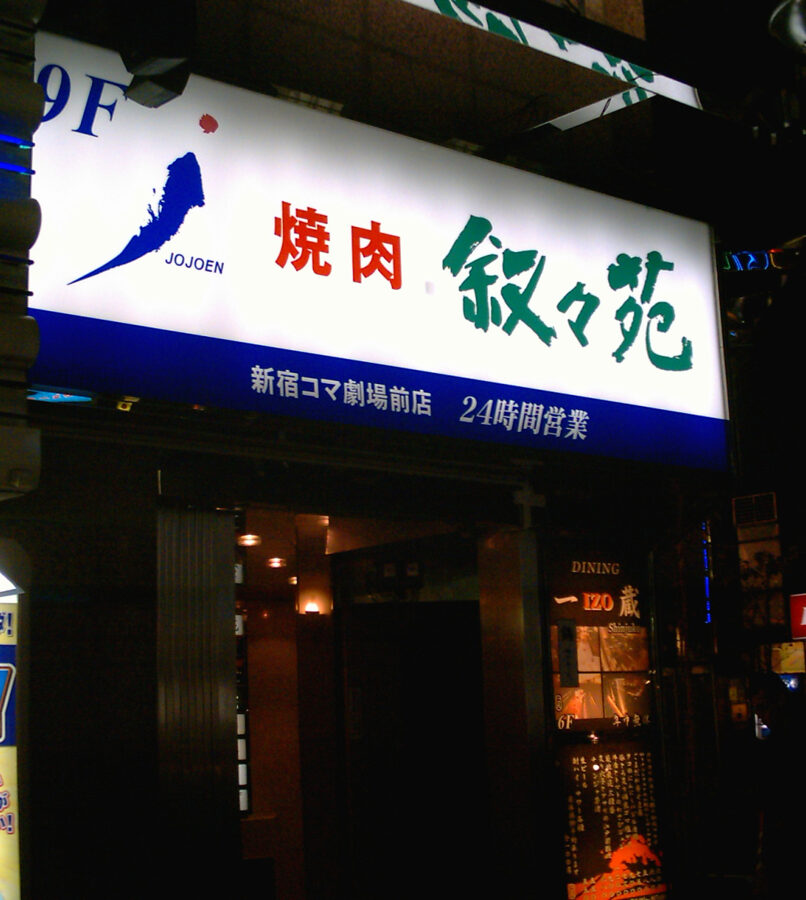
Jojoen is the name most Tokyo residents think of first for a smart yakiniku dinner. Park Tae-do, a zainichi Korean born in Yokosuka, opened the first branch in Roppongi in April 1976; the name imitates the sizzle of meat on the grill. Jojoen is credited with two habits now copied across the industry: a free dessert after the meal and a stick of chewing gum at the door to take the garlic off your breath. Its most expensive branches trade as Yugentei, and the second Osaka Yugentei opened in Shinsaibashi in July 2026.
Toraji started in Ebisu in 1995 and made its name with thick-cut meat, especially thick-cut tongue. It now has dozens of branches around Tokyo and a handful in Osaka, Nagoya and Fukuoka.
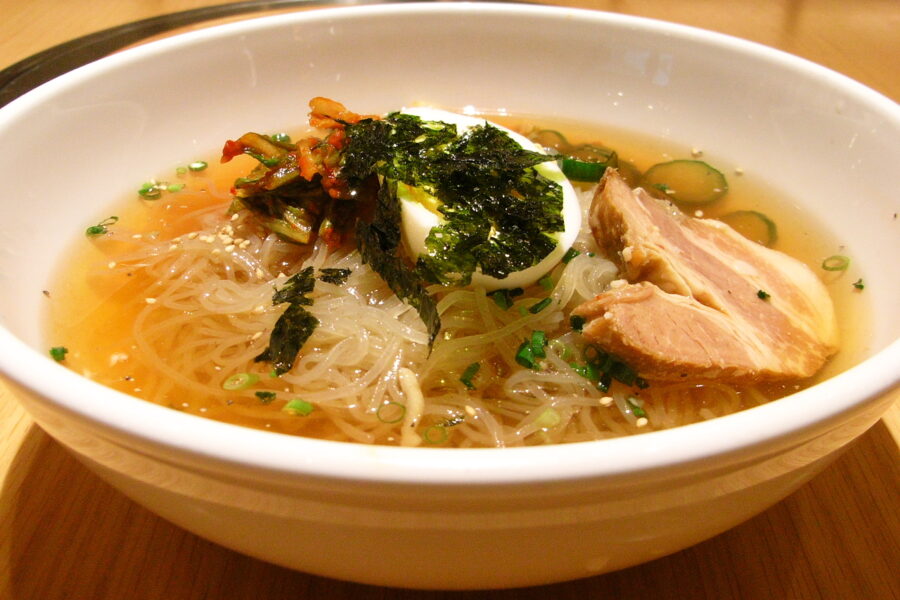
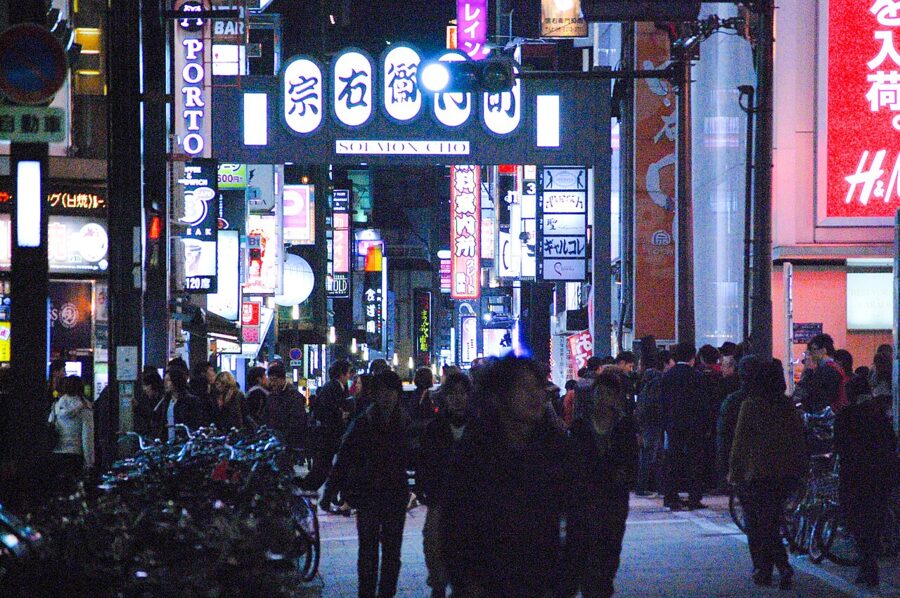
And Shokudoen, the 1946 original, still runs its main restaurant at Soemoncho 5-13, a short walk from Dotonbori, open 11:30–23:00 (last order 22:10) with irregular closing days. Its listed lunch sets of grilled beef start at ¥1,700, and a harami-sagari set at ¥1,800. Its signature is hana-ami karubi, a bone-in karubi scored into a fine net pattern so the fat crisps evenly, a cut Shokudoen patented. Order a reimen to finish, since that is how the restaurant started.
Above this level are the wagyu specialist houses, where set courses run well into five figures. If wagyu is the point of your trip, the regional brand houses in my wagyu guide, and the Hida beef shops in my guide to Takayama food and drink, are where to put that budget.
At the table
A yakiniku table runs on a few unwritten rules, most of them practical. Nobody will mind if you get one wrong, but knowing them makes the meal smoother.
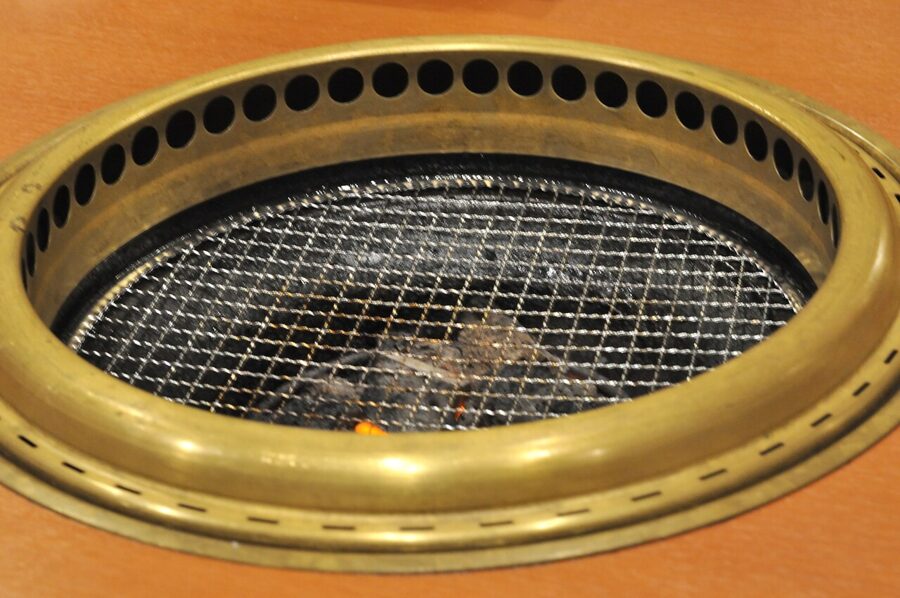
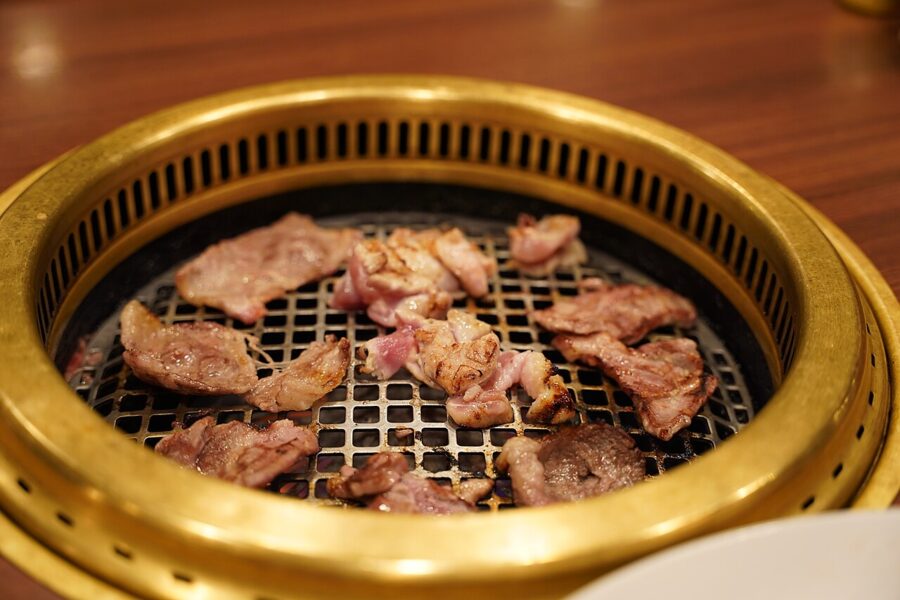
- Use the tongs for raw meat. Most shops give you tongs. Use them to put raw meat on the grill and your own chopsticks to take cooked meat off.
- Don’t crowd the grill. Three or four pieces at a time per person. A full grill steams the meat.
- Your piece is your piece. At a shared grill, people tend to cook their own slices and leave other people’s alone, unless someone has volunteered to grill for the table.
- Ask for a new mesh. Burnt mesh makes everything taste bitter, and changing it is part of the service.
- Use the apron and the bag. Many shops hand out paper aprons and put a plastic cover or bag over coats and handbags. Take them.
- Mind the clock. Busy shops and all-you-can-eat courses run on time limits, often 90 or 100 minutes.
Rice, soup and the bowl at the end
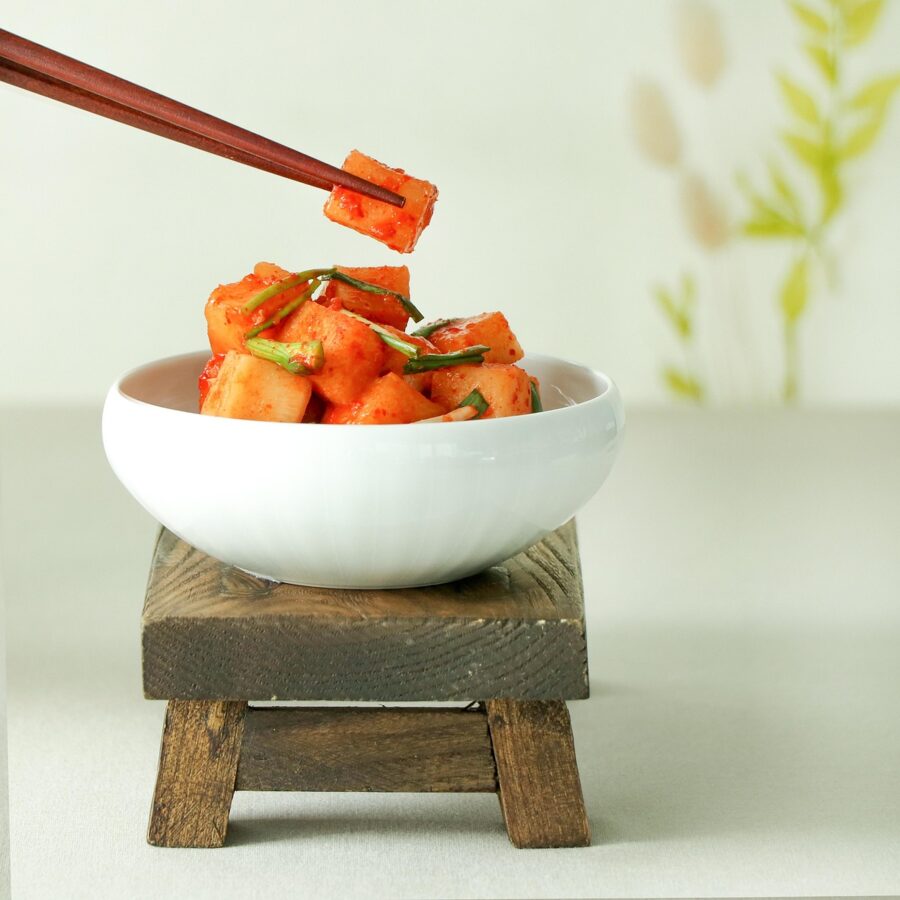
Order a bowl of plain rice early; grilled karubi dipped in tare and laid on rice is the point of the whole meal for many Japanese diners. Side dishes are Korean-Japanese standards: kimchi (cabbage, radish and cucumber), namul (seasoned blanched vegetables), choregi salad with sesame dressing, and lettuce or perilla leaves for wrapping. Each is priced separately.
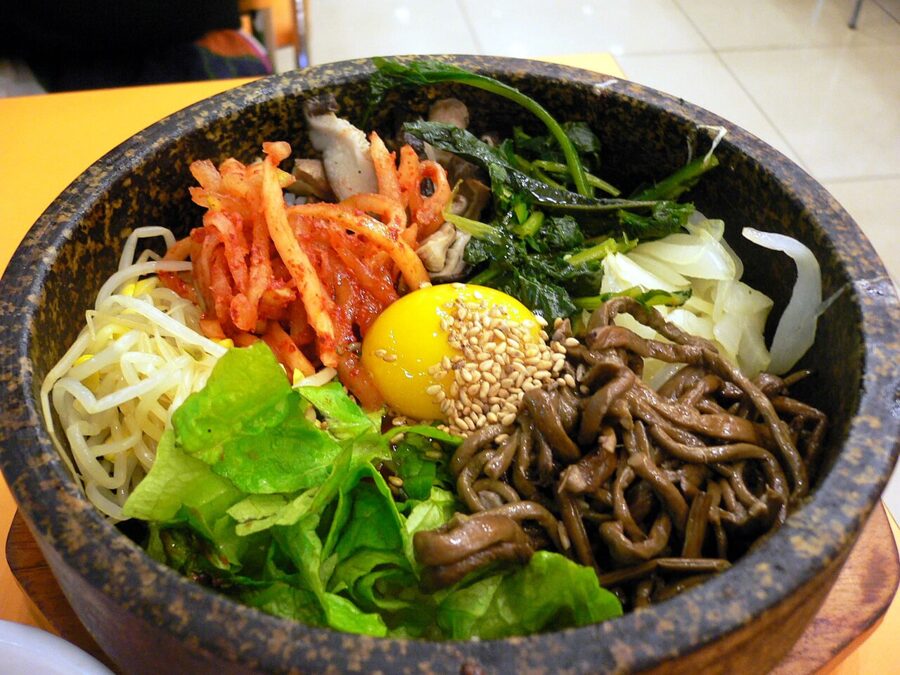
To finish, most people order one of four things: reimen, the cold noodles; kuppa, rice in a hot beef soup; bibimbap, often in a hot stone bowl so the rice crisps on the bottom; or a bowl of yukgaejang soup if they want heat. Beer is the standard drink, followed by lemon sours, highballs and makgeolli at Korean-run shops. My izakaya guide covers the drinking manners, which carry over unchanged.
You pay at the till on the way out. The chains and Tsuruichi take cards and transit IC cards, but carry some cash for the smaller shops.
Skip this
- Chasing wagyu at an all-you-can-eat. If a cheap course advertises “wagyu”, expect a small taste of it. Go to a proper shop for the real thing.
- Raw liver. It has been illegal to serve in restaurants since July 2012. A shop that offers it is not one to trust.
- Too much A5. Two plates of top-grade karubi will finish your appetite before the horumon arrives. Mix in lean cuts.
- Yakiniku as a solo tourist splurge at a four-person table. Go to a counter instead, or bring friends. The menu is built for sharing.
- Skipping Tsuruhashi to save a train ride. It is a direct ride from Namba on the Sennichimae subway line, and nothing in Dotonbori replaces it.
Start with salted tongue. Order the karubi and the harami with tare. Leave room for one plate of horumon, cooked longer than you think, and ask for a new grill before it. Finish with a cold bowl of reimen, and walk back to Tsuruhashi Station through the smoke you’ll be carrying in your coat until the next morning.
You Might Also Enjoy
 The Best Time to Visit China: Month by Month, Region by Region, and the Holiday Weeks to Avoid
 Chongqing: Hongyadong, the Yangtze Cableway, the 8D Streets and How to Spend Three Days in the Mountain City
 Japanese Snacks and Food Souvenirs: Regional Omiyage, Kit Kat Flavours and What Travels Home
 Tiger Leaping Gorge: How to Hike the High Trail in 2026, Where to Stay and How to Get There From Lijiang