Chongqing: Hongyadong, the Yangtze Cableway, the 8D Streets and How to Spend Three Days in the Mountain City
The train doors open and you step out on to a platform inside an apartment block. Liziba (李子坝) station is built into a 19-storey residential tower, and Line 2 runs straight through it, with people’s flats above and below the track. Take the lift down and walk out, and the street is no help either: one side drops away to the Jialing River, the other climbs to the next ridge.
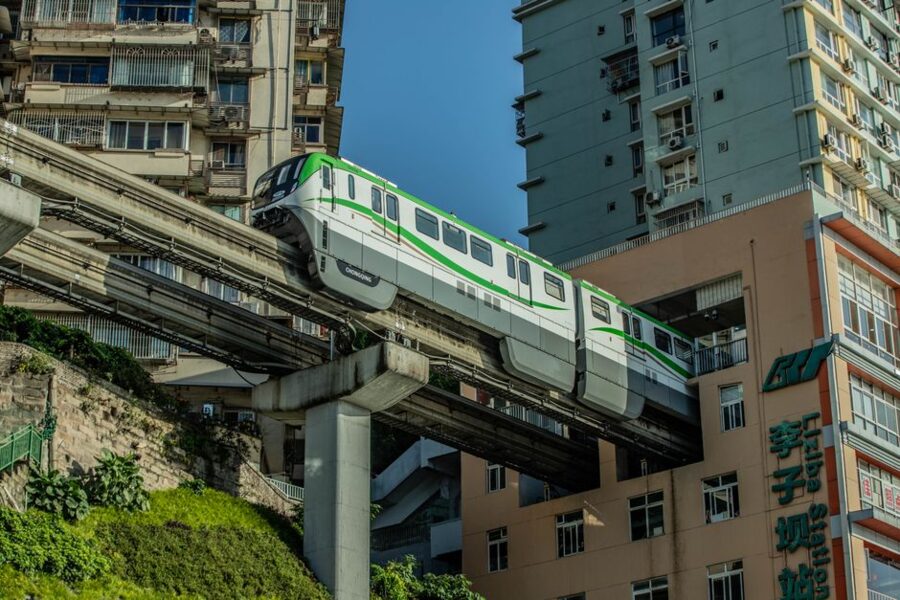
That’s Chongqing in one picture. The municipality holds more than 30 million people, but the part you’ll spend your time in is small: the Yuzhong peninsula, a ridge of rock between the Yangtze and the Jialing, plus the banks facing it. Nothing here is flat. Streets stack on top of each other, the ground floor of one building is the eleventh floor of the next, and the quickest way between two points is often a staircase, a lift in a tower block or a cable car over a river.
Living in Shenzhen, where every second restaurant seemed to claim a Chongqing hot pot base, I knew the food long before I knew the city. What stays with you here is the shape of the place. This guide is about moving through that shape: the monorail, the stairs and the cableway, Hongyadong at night told straight, the walking trails, the museums that explain the wartime city, the night views, the two day trips worth the effort, and a three-day plan that doesn’t waste your legs.
| Sight | Cost | Hours / timing | Verdict |
|---|---|---|---|
| Liziba monorail station | Free to watch; normal metro fare to ride | Trains every few minutes | Go early, watch two trains, move on |
| Hongyadong | Free (book at weekends and holidays) | Lights 19:30–23:00 from mid-April | See it from the bridge, not the inside |
| Yangtze River Cableway | ¥30 one way, ¥50 return | 08:00–22:00 (to 21:00 in winter) | First cabins of the morning or skip it |
| Three Gorges Museum | Free, reserve with your passport | 09:00–17:00, closed Mondays | The best rainy-morning plan in the city |
| Nanshan Yikeshu viewpoint | ¥30 | 09:00–22:30, last entry 22:00 | The best night view; go at dusk |
| Liangjiang night cruise | About ¥130–170 | Sailings from about 19:40, around 45 minutes | Good if you hate crowds on land |
| Dazu Rock Carvings (Baodingshan) | ¥115 (¥140 with Beishan) | Visitor centre from 08:30 | Worth a full day |
| Wulong Three Natural Bridges | ¥125 including shuttle and lift | 08:30–16:30 (longer in summer) | Worth a full day |
In This Article
- A city built in layers
- Getting around: monorail, stairs, lifts and boats
- Liziba: the train through the building
- Stairs, escalators and lifts
- Amap, Didi and the river boats
- Jiefangbei and Hongyadong, after dark
- Hongyadong
- How to beat the crowd
- The Yangtze River Cableway
- Walk it: the Shancheng Trail, Shibati and Eling Park
- The third Shancheng Trail
- Shibati and Baixiangju
- Eling Park
- Ciqikou, told straight
- Museums: the Three Gorges, the Great Hall and Stilwell
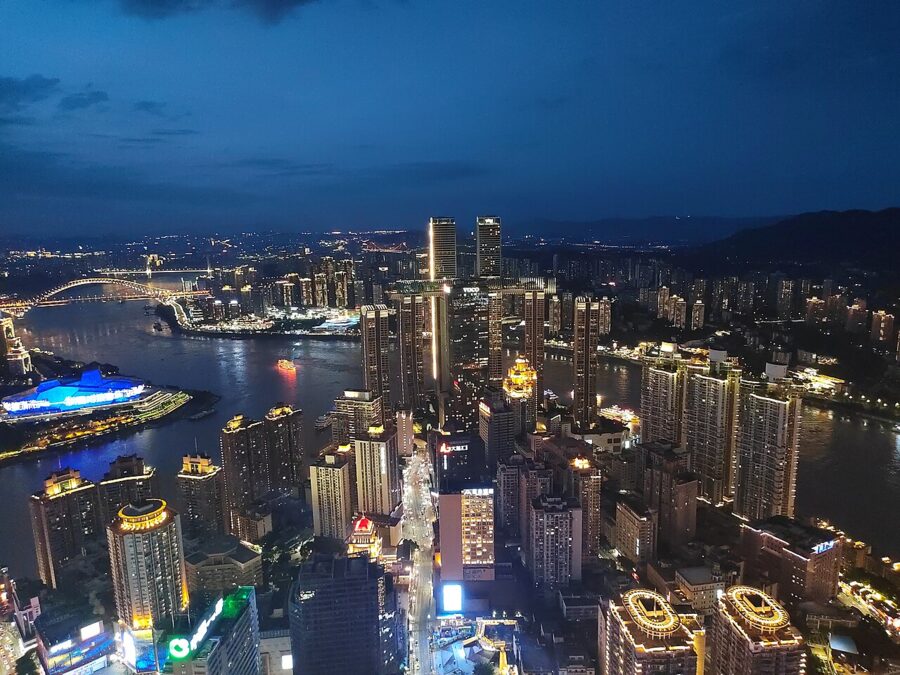
- Where to see Chongqing at night
- Nanshan Yikeshu viewpoint
- The Liangjiang night cruise
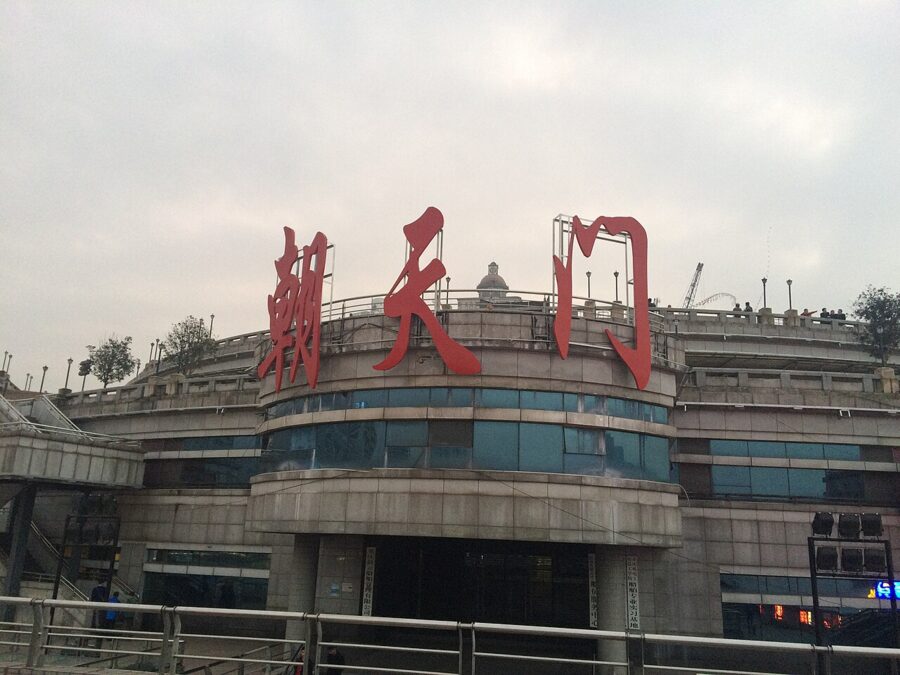
- Chaotianmen and Raffles City
- Eat like you mean it
- Day trip: the Dazu Rock Carvings
- Baodingshan and Beishan
- Tickets and how to get there
- Day trip: Wulong and the Three Natural Bridges
- The Yangtze cruise to Yichang
- Where to stay
- Arriving: the airport and the stations
- Three days in Chongqing
- Day 1: the peninsula, west to east
- Day 2: across the river and back on foot
- Day 3: out of the city
- Skip this
A city built in layers
Chongqing was a river port long before it was anything else. The Yangtze and the Jialing meet at the tip of the peninsula, at Chaotianmen (朝天门), and for centuries boats, porters and traders worked the steps between the water and the old walled town above. The city’s nickname, shancheng (山城), “mountain city”, is what everyone here calls it.
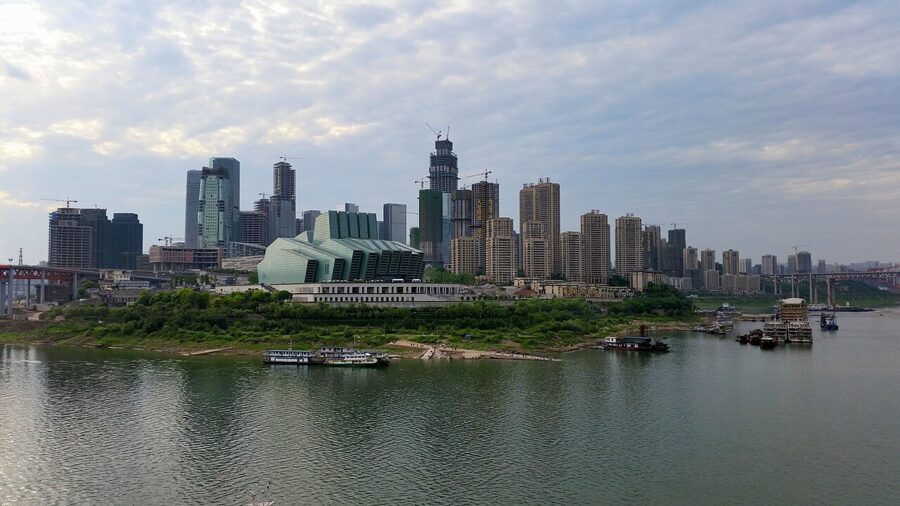
The modern story starts in the war. When the Nationalist government left Nanjing in late 1937, it moved up the Yangtze to Chongqing, and the city served as China’s wartime capital for the rest of the war. Japanese aircraft bombed it repeatedly from 1938 to 1943, and the city dug air-raid tunnels into its rock, many of which are still in use as shops, car parks and hot pot restaurants.
The rest happened fast. Chongqing was split off from Sichuan in 1997 as a city directly under the central government, and most of the towers you see went up after that. So you get a ridge of old stairways and stilt-house lanes, cut through by monorails and wrapped in skyscrapers, with the fog of the river valleys softening everything in winter.
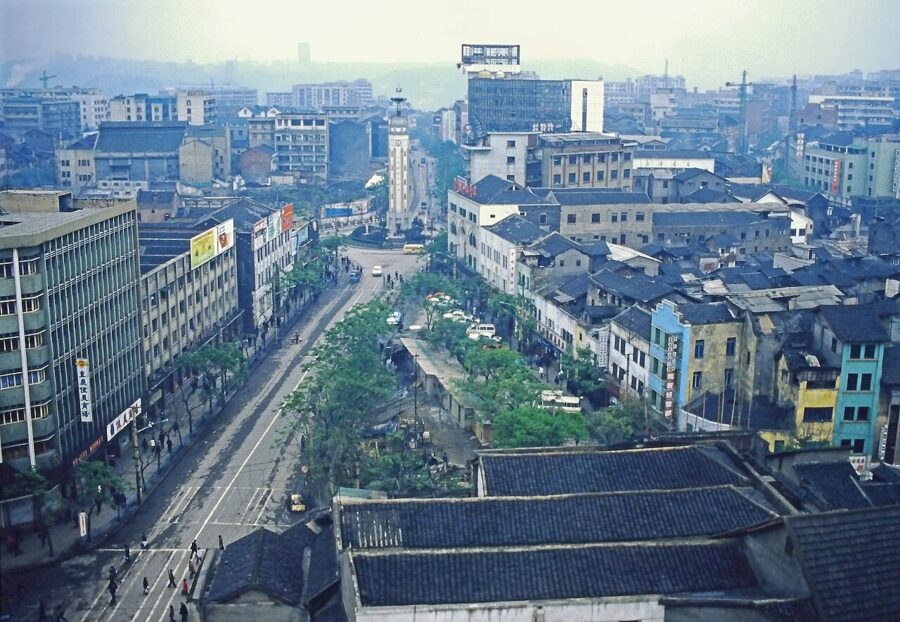
Two practical things follow from all this. First, distances on a map lie: two places 300 m apart can be 60 m apart vertically, and Amap (高德地图) will happily send you up a hill you didn’t need to climb. Second, it’s hot. Chongqing is one of China’s “furnace” cities, July and August regularly pass 40°C, and the best months to come are March to May and October to November.
Getting around: monorail, stairs, lifts and boats
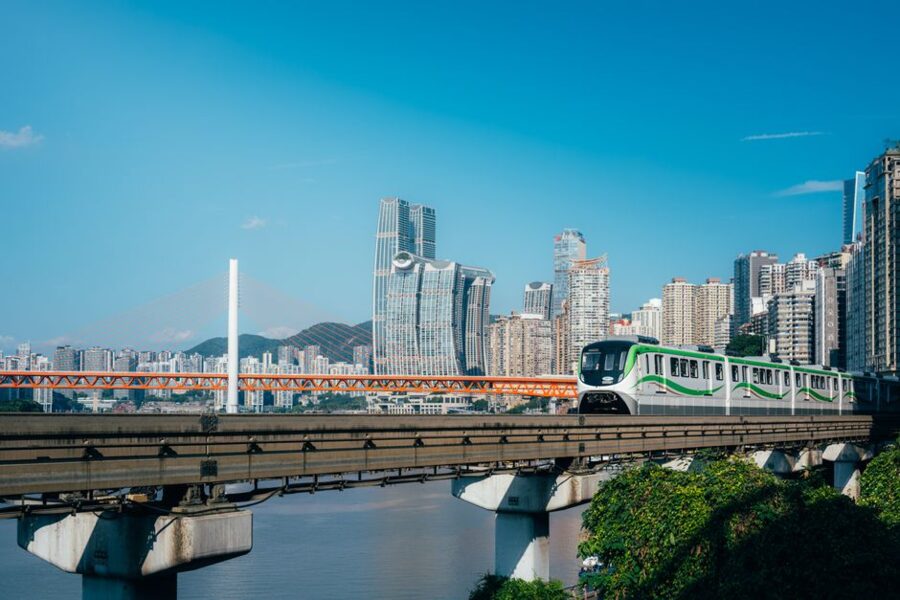
The metro is the easiest way to cover distance, and in Chongqing it’s also a sight in itself. Lines 2 and 3 are monorails that run along cliffs, over rivers and through buildings, while Lines 1 and 6 do the heavy lifting under the peninsula. Single tickets from the machines start at ¥2, and the stations you’ll use most are Xiaoshizi (小什字, Lines 1 and 6) for Hongyadong and Chaotianmen, Jiaochangkou (较场口, Lines 1 and 2) and Linjiangmen (临江门, Line 2) for Jiefangbei, and Zengjiayan (曾家岩, Line 2) for the museums.
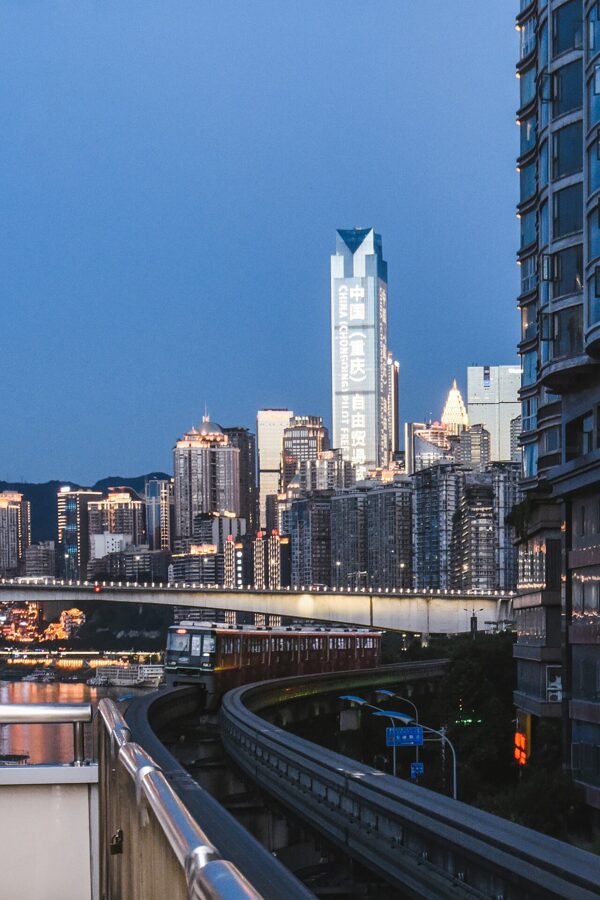
Liziba: the train through the building
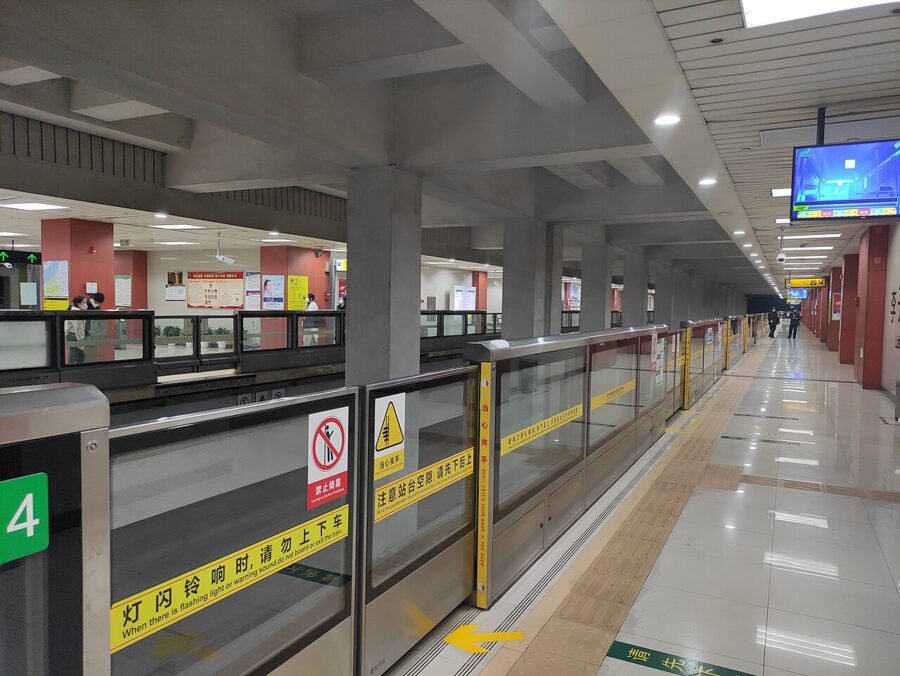
Liziba is the station everyone comes to photograph, and it’s worth twenty minutes. The station occupies the sixth to eighth floors of a 19-storey block, built together with the line, and the viewing area is on the road below, a couple of minutes’ walk from the station exit. You don’t need a ticket for the viewing area; you only need patience, because the crowd at weekend lunchtime is thick and the selfie-stick touts are thicker.
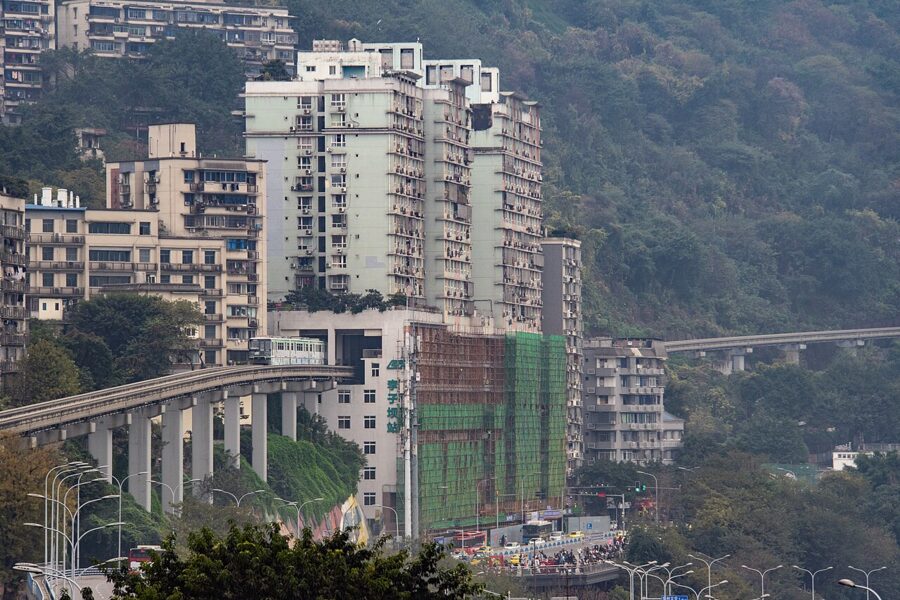
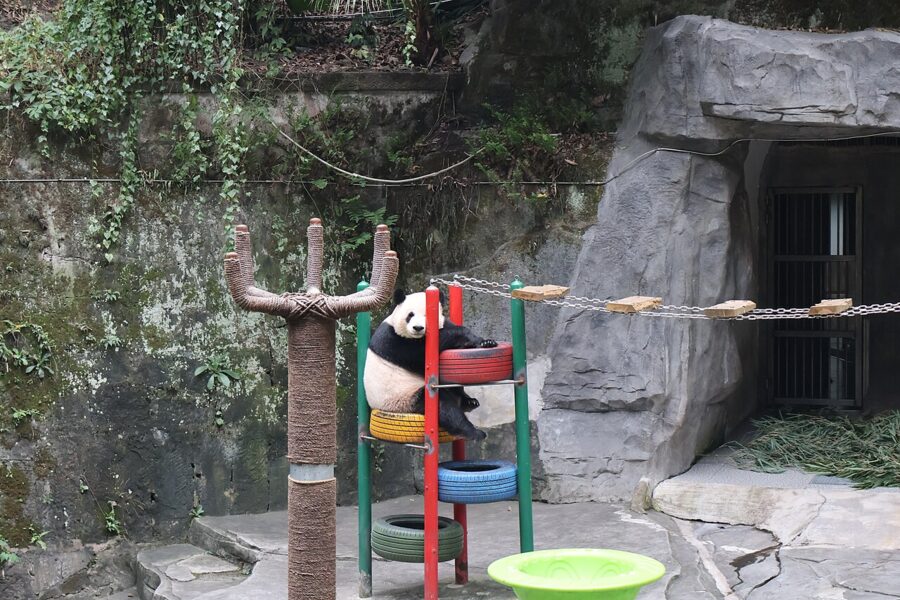
My advice: arrive early, watch two trains from below, then get on one. Riding through the building is a let-down in the best way, because from inside the carriage it’s just a station. The giant pandas at Chongqing Zoo are further out on the same line, at Dongwuyuan station, if you’re not going on to Chengdu.
Stairs, escalators and lifts
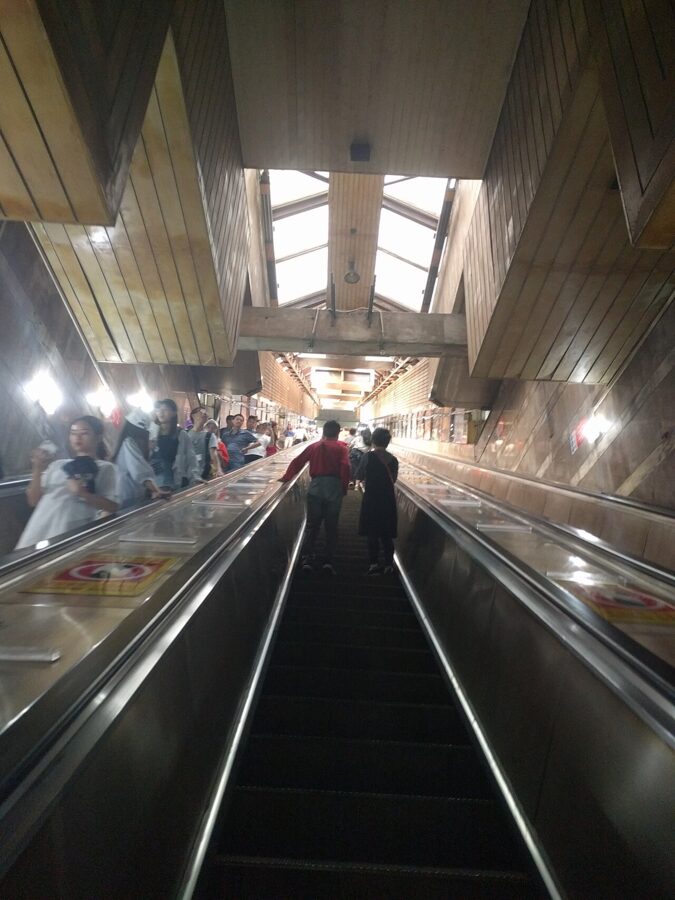
Most of your getting around in Yuzhong will be on foot, and most of that will be stairs. Wear proper shoes. The city has built public lifts and escalators to help, and a couple are sights in their own right. The Huangguan Escalator (皇冠大扶梯), 112 m long with a 52.5 m rise, joins Lianglukou station (Lines 1 and 3) to Caiyuanba down by the Yangtze, and the ride takes about two and a half minutes.
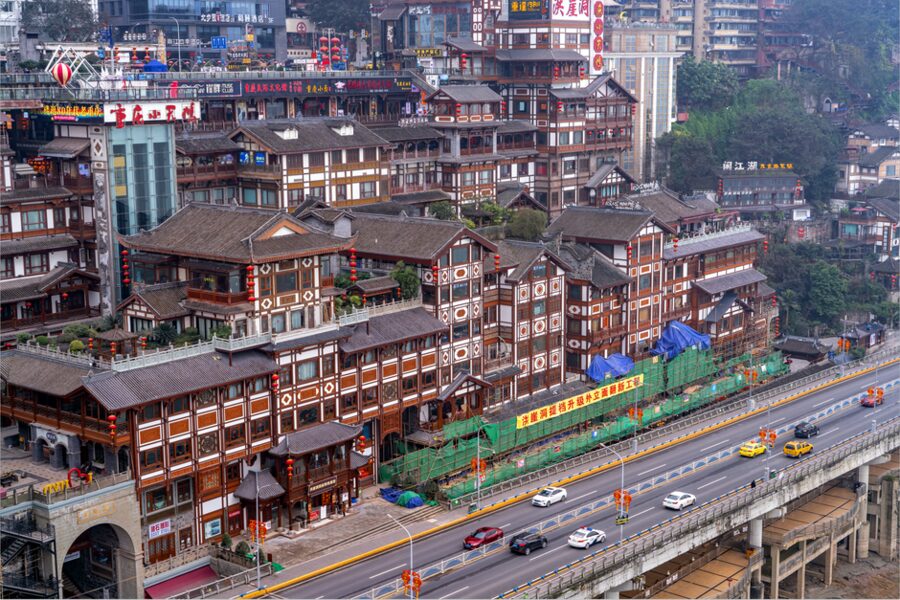
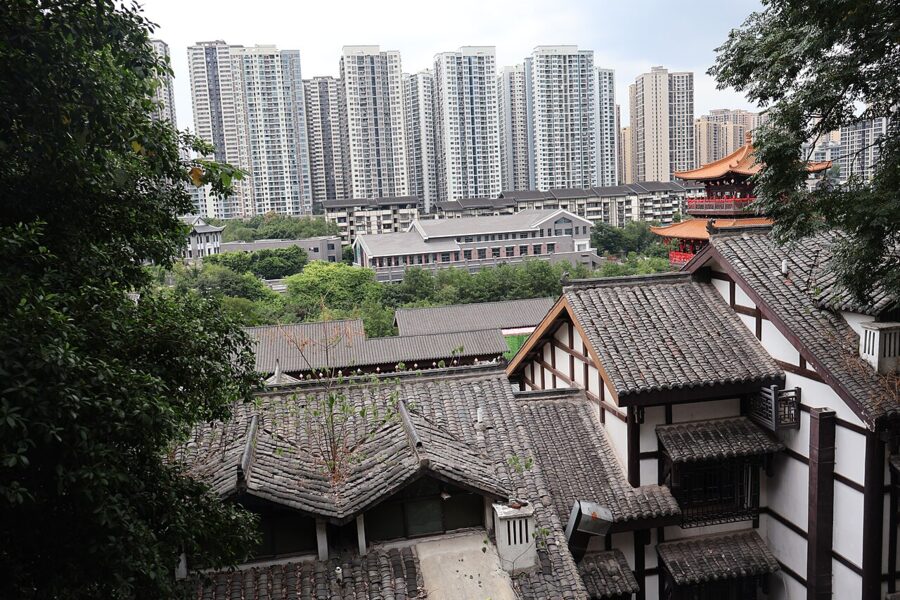
The other trick is the tower-block lift. Plenty of buildings in Yuzhong have street entrances on more than one level, and the lifts in shopping centres and hotels are public routes up a cliff. Hongyadong works this way too: the 11th floor opens on to Cangbai Road at street level, and the 1st floor is on the riverside road below.
Amap, Didi and the river boats
Use Amap rather than any Western map: it knows the lifts, the stairways and the metro exits, and you can search in Chinese by pasting the characters in this guide. When it shows an address, check which level the entrance is on before you start walking. Didi works well for the hills, and the app runs in English.
Chongqing also has small commuter boats, the Liangjiang Xiaodu (两江小渡) water buses, that cross between Chaotianmen, Jiangbeizui and Danzishi. They’re a slower, quieter way to see the confluence than the tourist cruise.
Jiefangbei and Hongyadong, after dark
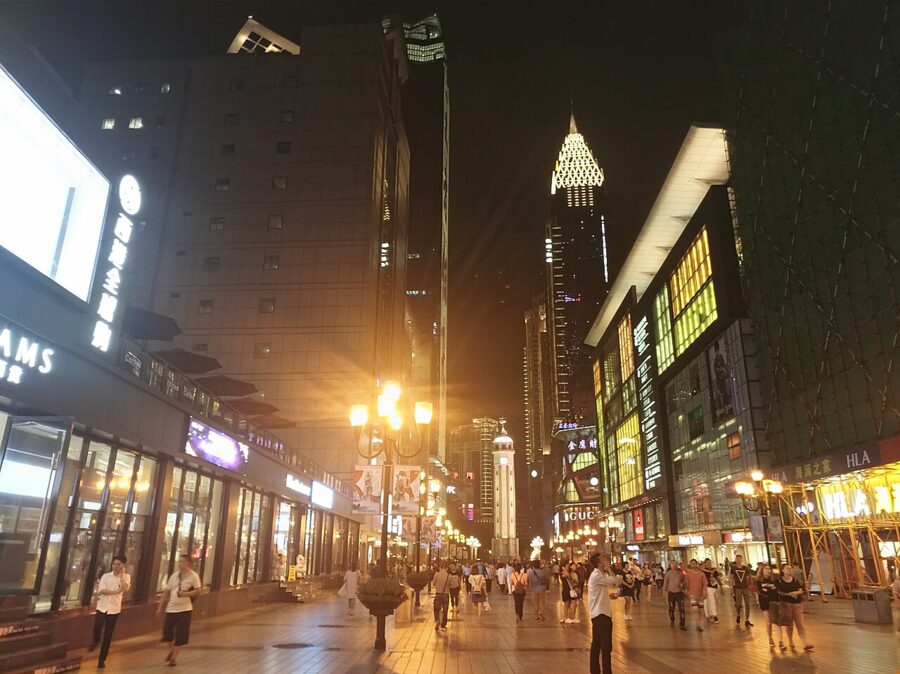
Jiefangbei (解放碑) is the centre of Chongqing in every sense: the main shopping streets, the metro interchanges and the clock tower everyone gives directions from. The monument itself began in 1941 as a wooden “spiritual fortress”, was rebuilt in stone as a victory memorial in 1947, and has been the People’s Liberation Monument since 1950. It’s 27.5 m tall, often described as the only monument in China built to mark victory in the war against Japan, and it now looks small among the towers.
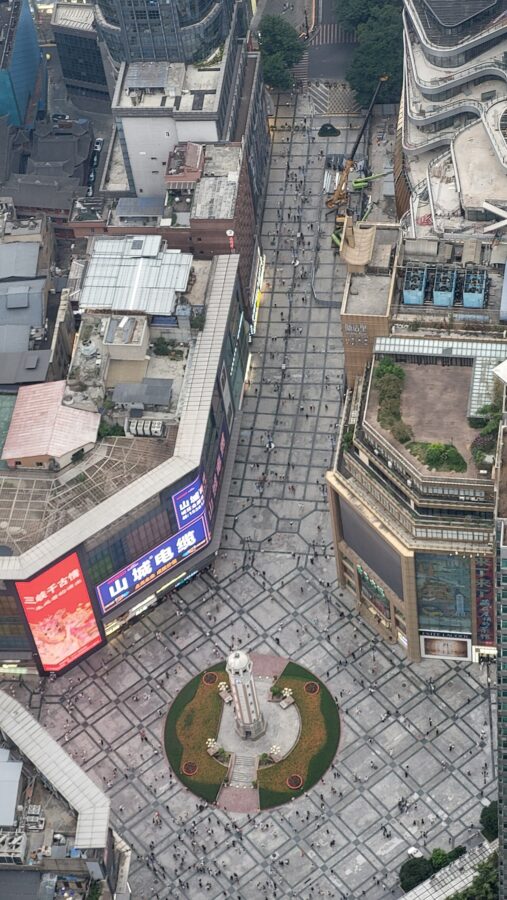
Come at night. The square is at its best after 20:00, when the screens on the towers light up and the food streets around it are full. Bayi Street (八一好吃街), a block away, is the snack street: skewers, suanla fen (酸辣粉) hot and sour sweet-potato noodles, ice jelly and fried things on sticks. It’s touristy and crowded, but the prices are fair and the food is the real thing.
Hongyadong
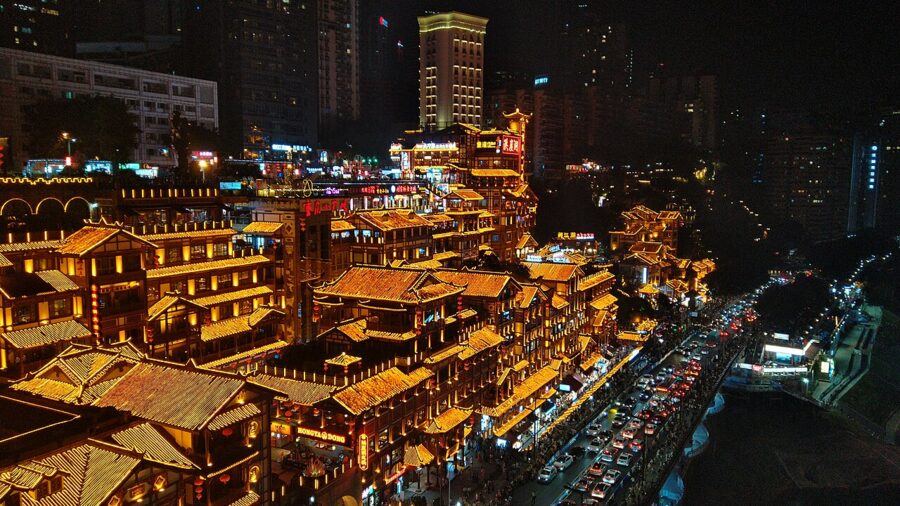
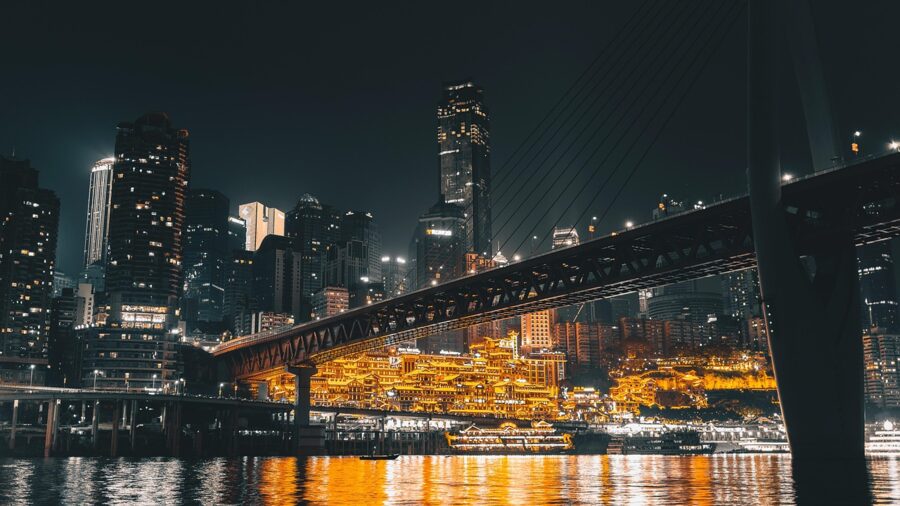
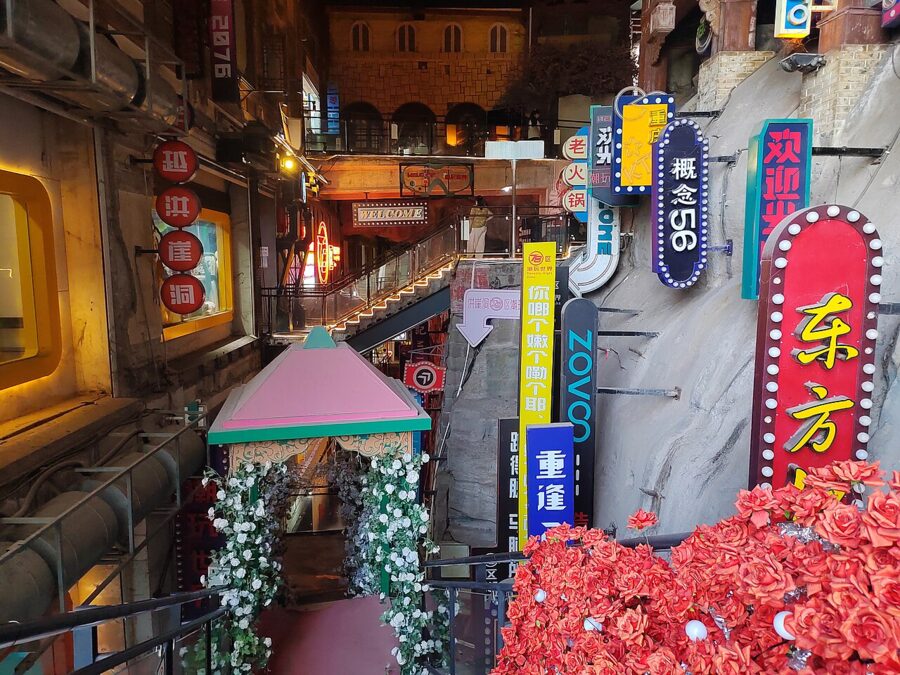
Hongyadong (洪崖洞) is a cliff of stilt houses above the Jialing River, eleven floors of wooden balconies, lanterns and shops that light up gold every evening. The site has had a city gate and a fort on it since the Ba kingdom, more than 2,300 years ago, but the building you see was completed in 2006, rebuilt in the old diaojiaolou (吊脚楼) stilt-house style. Knowing that doesn’t spoil it. It’s a stage set, and a good one.
Entry is free. At weekends and on holidays you need a free real-name booking through the official Hongyadong WeChat channel, and you’ll be asked for your passport details. Anyone selling a “fast lane” or a paid queue-jump outside is running a scam. The lights run 19:30–23:00 from mid-April, earlier in winter, and the complex clears at about 23:00.
How to beat the crowd
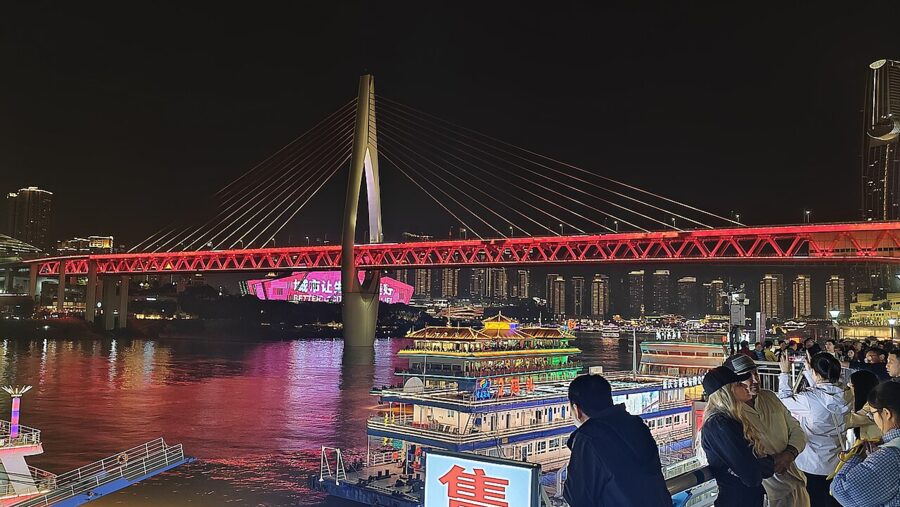
Here’s the trick: don’t go in at night. Walk through Hongyadong in the late afternoon, when it’s quiet, then cross Qiansimen Bridge (千厮门大桥) on foot as the lights come on. The pavement on the bridge, and the riverside park at Jiangbeizui on the far bank, give you the whole cliff in one frame, which is the view you came for. On a weekday that works even in summer; in Golden Week (1–7 October), the May Day holiday or around Spring Festival, no plan works, and crowd control turns the walkways one-way.
The shops and food inside are mostly souvenirs and snacks at scenic-area prices. Eat elsewhere. If you want a meal with a view, the hot pot places on the streets behind Jiefangbei are better value, and my hot pot guide has the ones worth queuing for.
The Yangtze River Cableway
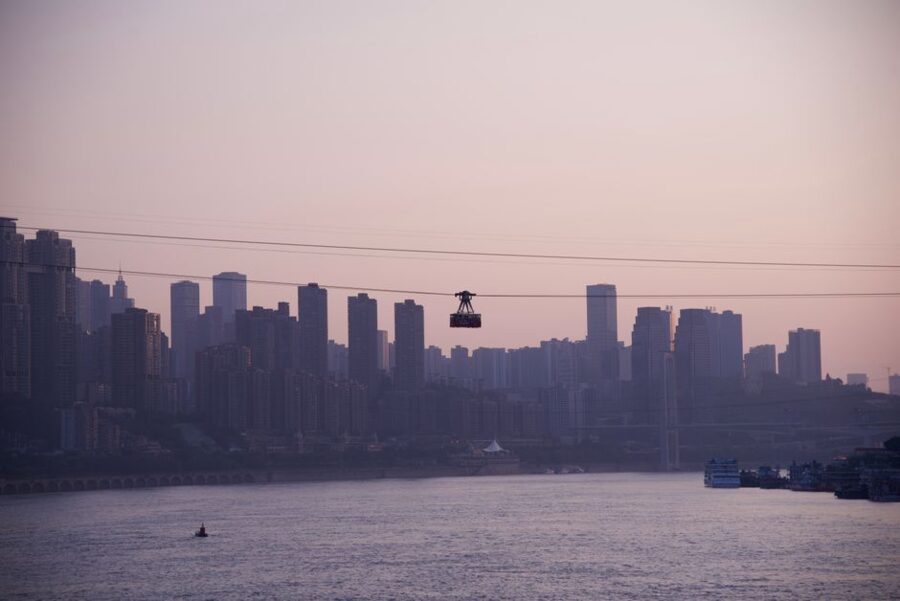
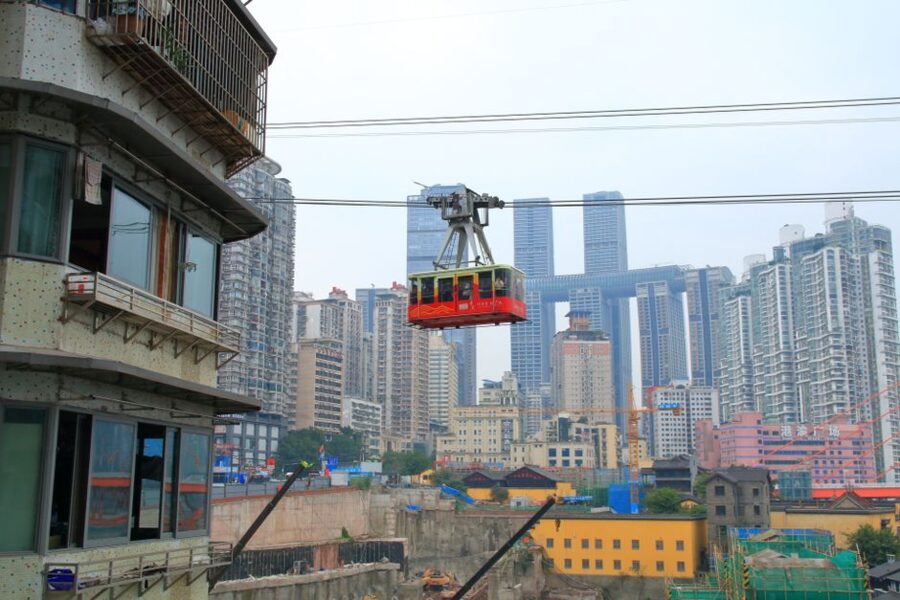
The Yangtze River Cableway (长江索道) is a commuter line that became a ride. It opened in 1987 to carry people across the river from Yuzhong to Nan’an, when there were few bridges, and its cabins still cross the Yangtze in about four minutes, swinging over the water with the towers on one side and the hills on the other.
Tickets cost ¥30 one way and ¥50 return, the caps the city’s price regulator set in 2025. You buy through the official 长江索道 WeChat account on the day, and the purchase gives you a queue number with a time to turn up. Hours are 08:00–22:00 from March to November and 08:00–21:00 in winter, longer on public holidays, and it closes for a day or two most months for maintenance. If you’d rather not use WeChat, there’s a ticket desk on the ground floor of the United International Mansion (联合国际大厦) beside the north station.
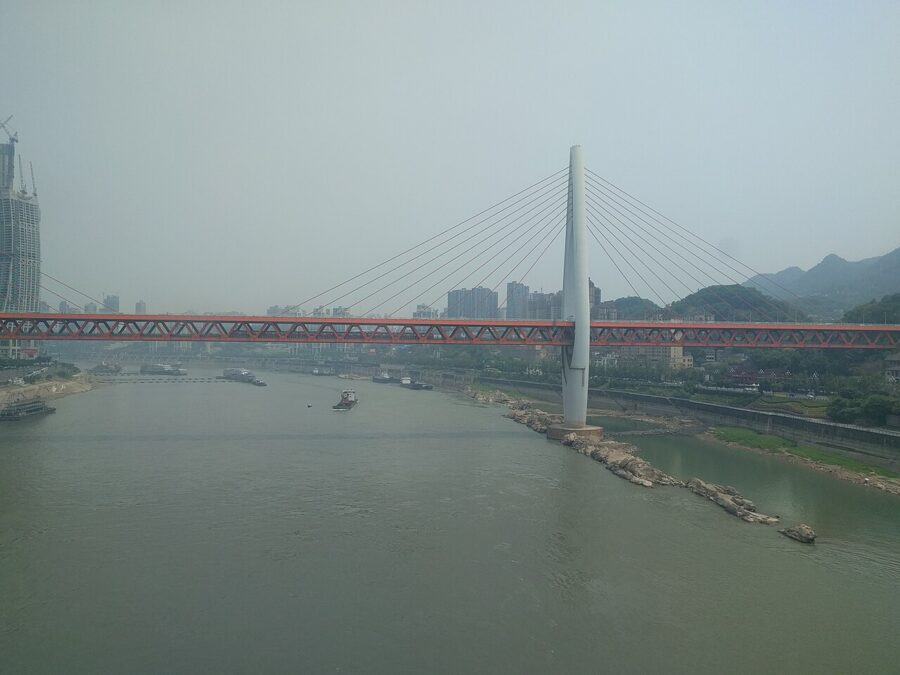
The north station is at 151 Xinhua Road, about ten minutes’ walk from Xiaoshizi; the south station is at 4 Shangxin Street in Nan’an, near Shangxinjie station on Line 6. Buy one way, not a return. The return ticket means queuing twice, and the south side is where you want to be anyway, for Longmenhao old street and the walk along Nanbin Road.
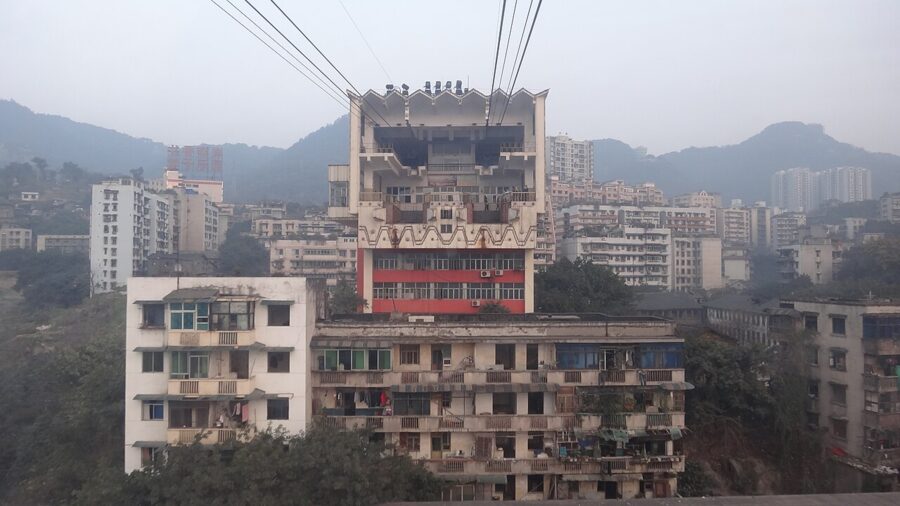
Now the downside. On weekends and holidays the wait can run to hours, and you spend them in a snaking queue for a four-minute ride. Go at 08:00 on a weekday or not at all. If the queue is long, cross on Line 6 instead and spend the saved time on the south bank.
Walk it: the Shancheng Trail, Shibati and Eling Park
The best thing to do in Chongqing costs nothing. The peninsula is threaded with old stepped paths, and the city has linked them into marked walking routes, the Shancheng Trails (山城步道). They take you through the layers the metro skips: the stairways under the towers, the old lanes and the cliffs above the Yangtze.
The third Shancheng Trail
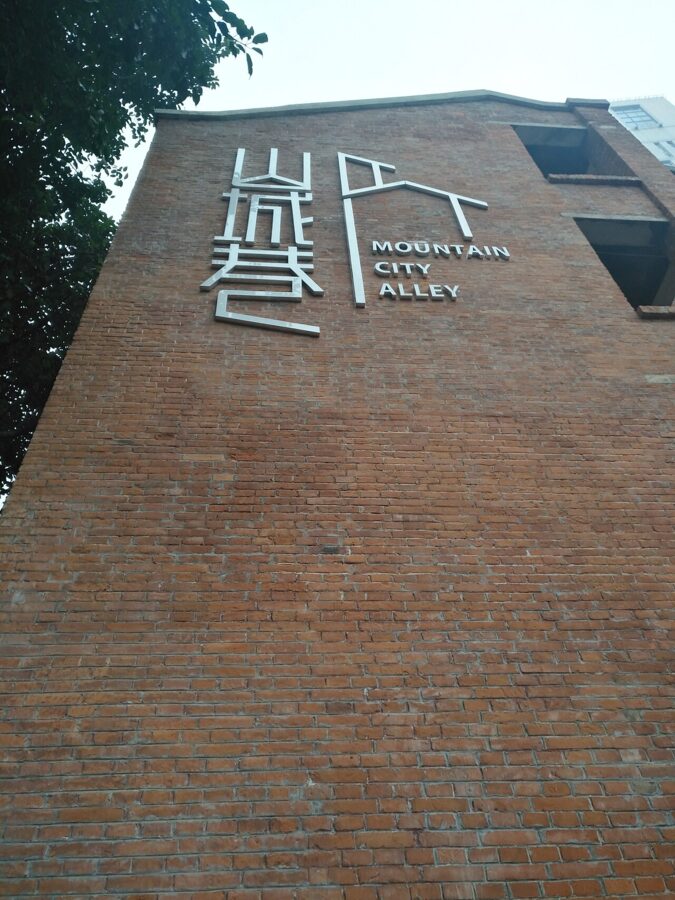
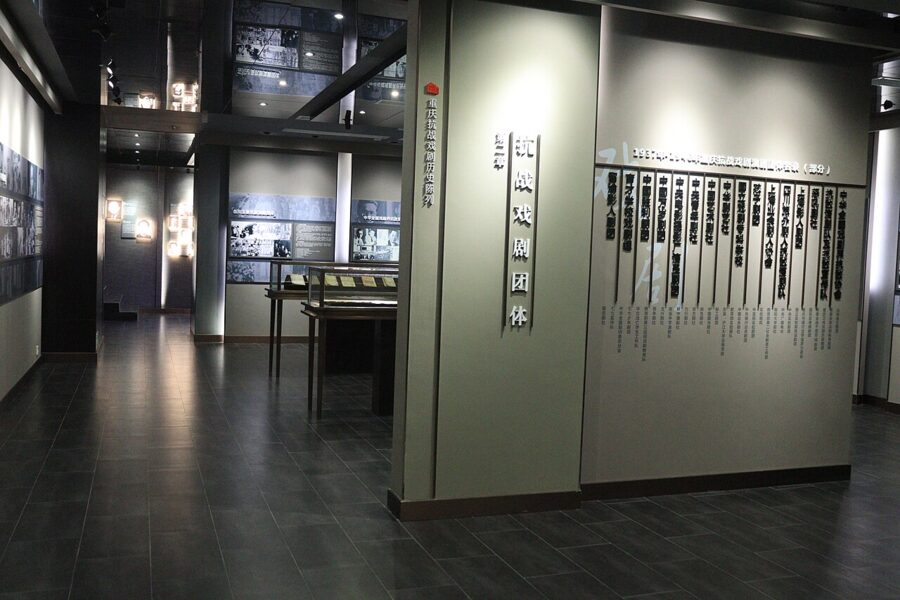
The best-known stretch is the third trail, two to three kilometres long. It starts by the trail sign on Zhongxing Road, near Jiaochangkou station (Lines 1 and 2), climbs through Shancheng Lane (山城巷), passes the ruined Ren’ai Hall (仁爱堂), an old mission building, and the cliffside plank walk, and ends at Guanyinyan by the Kangjiantang theatre, used for wartime drama in the 1940s. Allow two or three hours with stops.
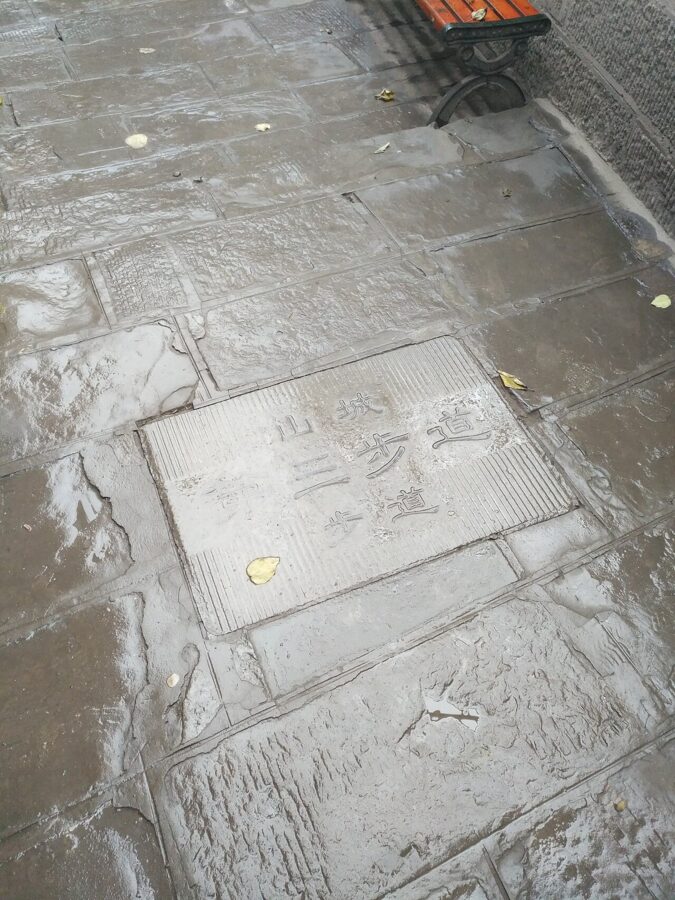
Shancheng Lane is the highlight, a stepped lane of old houses, small cafes and teahouses above the river. It’s gentrified in places and still lived-in in others, and the views from the plank walk across the Yangtze to Nan’an are some of the best free ones in town.
Shibati and Baixiangju
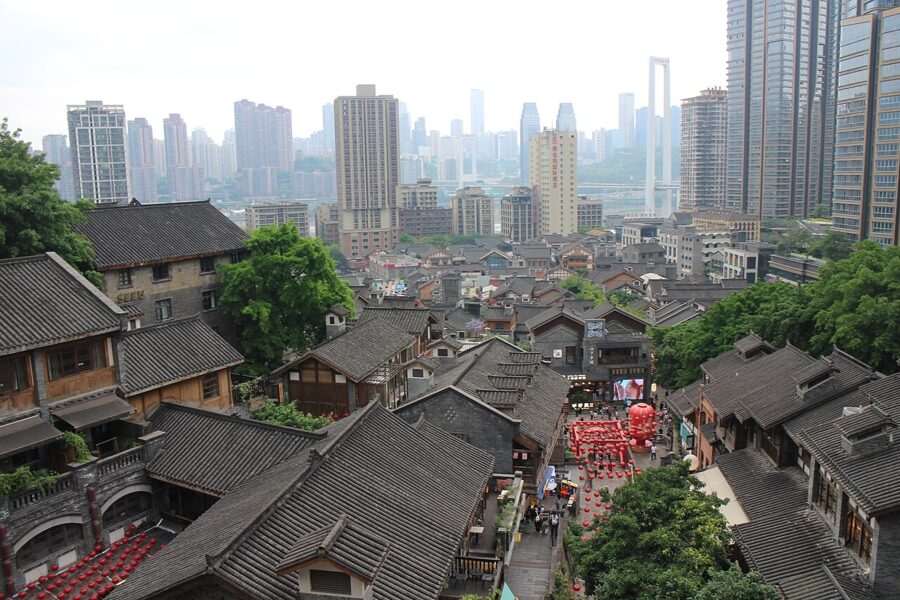
Shibati (十八梯), the “Eighteen Steps”, is the old stairway that joined the upper and lower town near Jiaochangkou. It was rebuilt and reopened as a pedestrian district, and the restoration is heavy-handed, but the stairs, the courtyard houses and the air-raid tunnel entrance are real, and the side lanes are much quieter than the main flight.
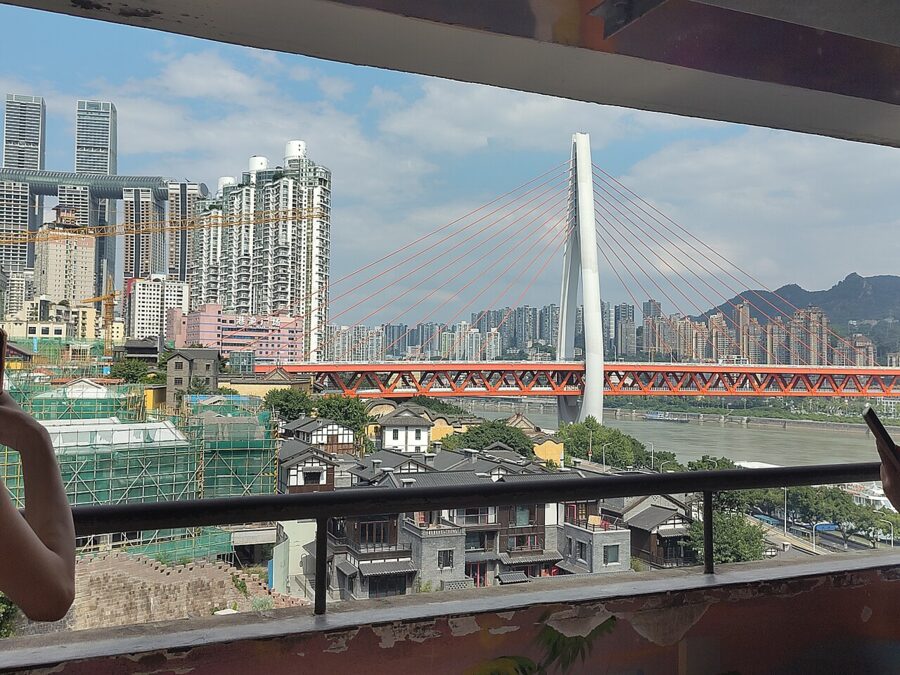
Baixiangju (白象居) is the opposite: an old housing estate on the Yangtze cliff, reached by footbridges from the road high above, where nobody has prettied anything up. It’s a real home for real people, so keep your voice down, but the views through the corridors to Dongshuimen Bridge are something else.
Eling Park
Eling Park (鹅岭公园) sits on the highest point of the peninsula, west of the centre near Liziba. It began in 1909 as the private garden of a merchant, Li Yaoting, became a public park in 1958, and is free; at busy times you may need to register through the park’s WeChat mini programme. Climb the Kansheng Tower (瞰胜楼) at the top for a view down both rivers at once.
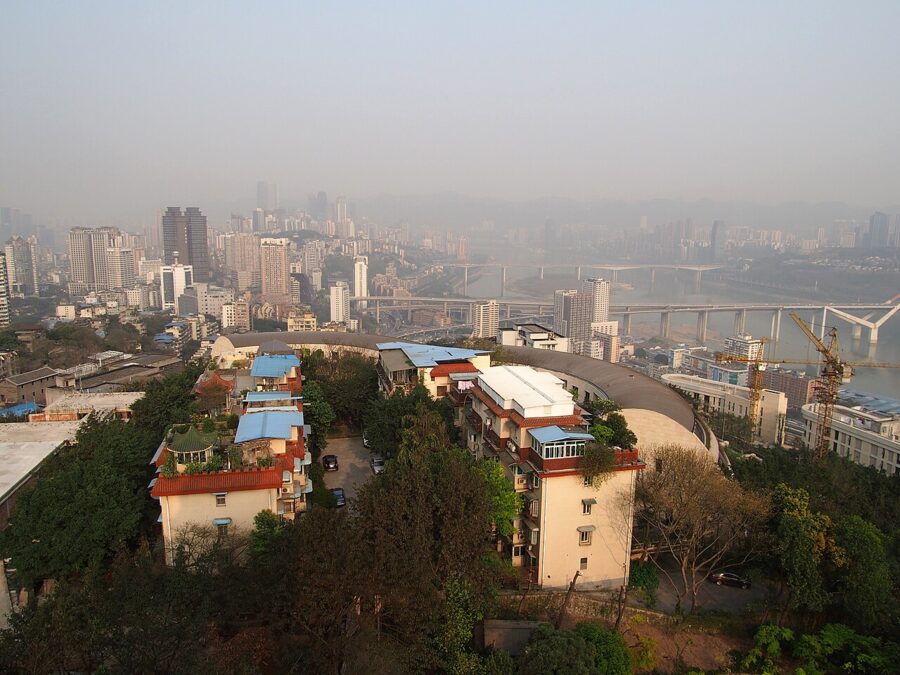
Next to the park, an old printing works has been turned into Testbed 2 (鹅岭二厂), a cluster of cafes, shops and studios in red-brick sheds. It’s a pleasant hour, and it pairs well with Eling Park, Liziba and the Stilwell Museum for a half day on the western end of the peninsula.
Ciqikou, told straight
Ciqikou (磁器口) is the “porcelain port”, an old river town on the Jialing in Shapingba, half an hour west of the centre on Line 1. It grew rich shipping porcelain and goods down the river in the Ming and Qing dynasties, and it has one of the few surviving old street plans in the city, with a dozen protected buildings and hundreds of traditional ones.
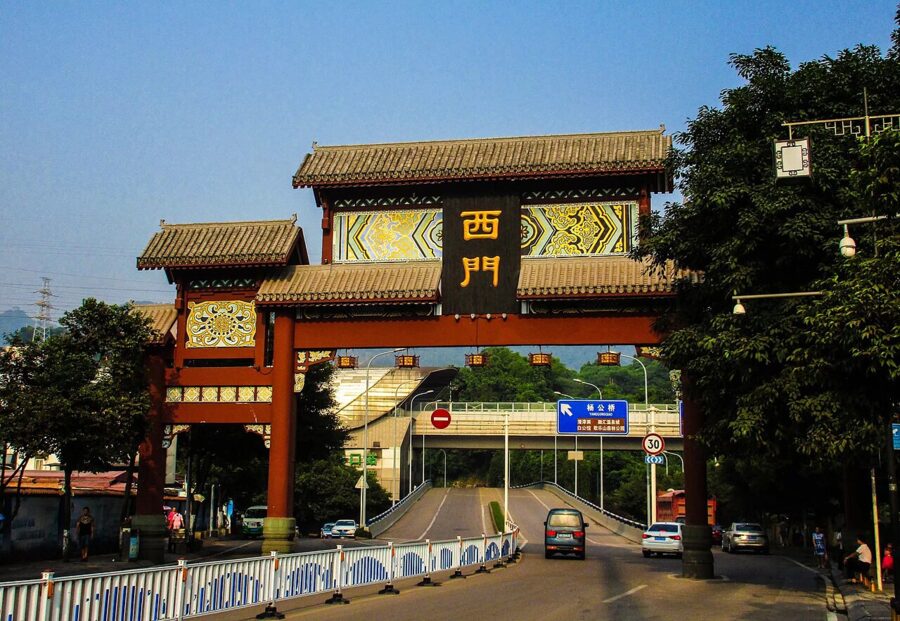
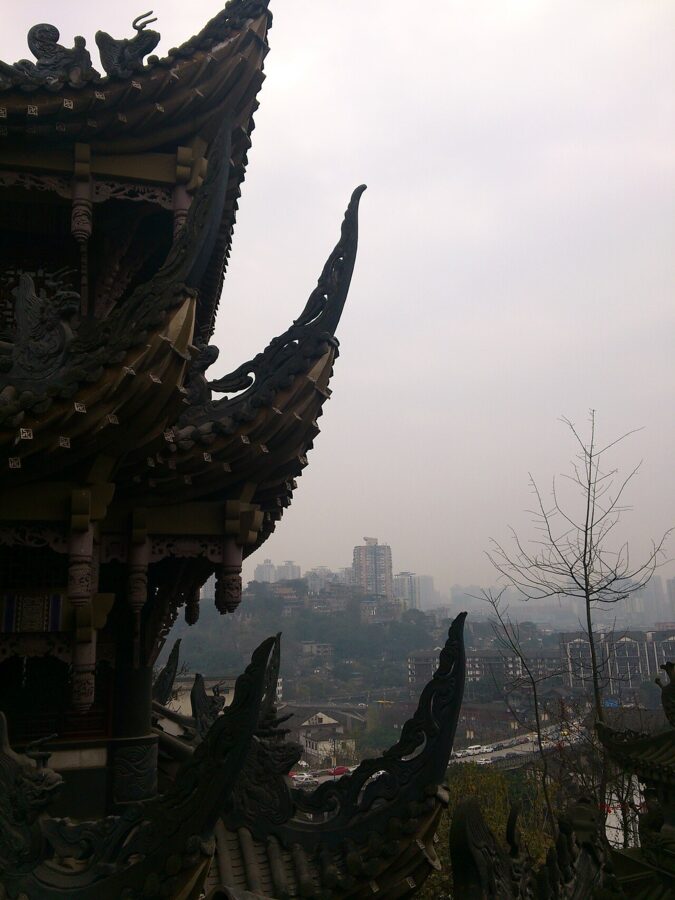
Here’s the catch. The main street is a wall of snack stalls, souvenir shops and people, especially at weekends. It’s fun for an hour. Then turn off it: the side lanes and the riverside still have old houses, teahouses and the oldest temple in town, Baolun Temple (宝轮寺), whose history goes back to the Song dynasty.
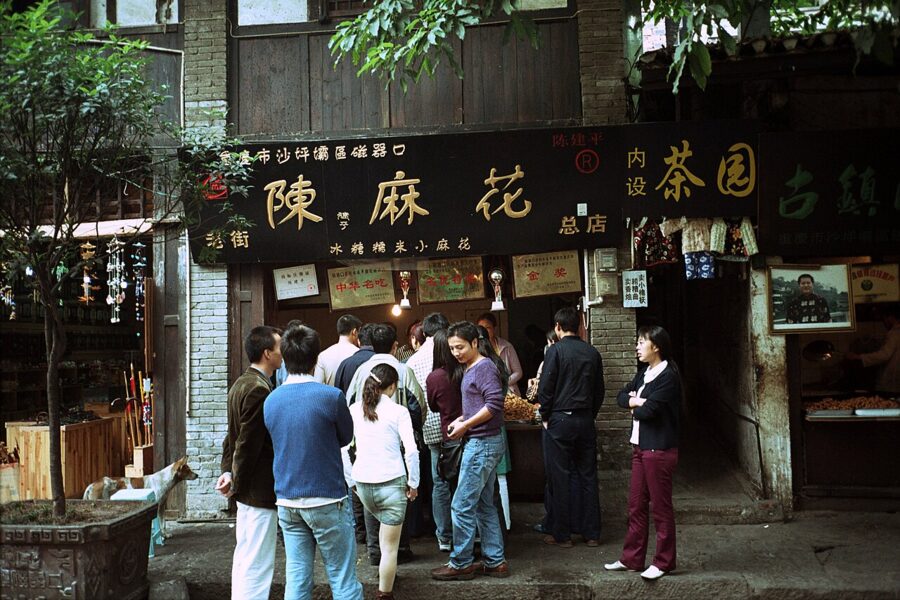
What to eat: mahua (麻花), fried dough twists, are what everyone carries out, and Chen Mahua (陈麻花) is the name you’ll see everywhere. The other local favourite is maoxuewang (毛血旺), duck blood curd and tripe in red oil, which Ciqikou claims as its own; my Sichuan food guide has more on that whole family of dishes.
Practicalities: take Line 1 to Ciqikou station and follow the crowd down to the main gate. An old staircase at Exit 1 has been closed for building work on Line 27, so follow the signs to the new one. Go on a weekday morning. On weekends and holidays it is solid people from end to end, and the lanes are so narrow that you’ll move at the crowd’s pace.
Museums: the Three Gorges, the Great Hall and Stilwell
If it rains, or if the heat gets too much, Chongqing’s museums are the answer, and they explain the city better than any viewpoint. The two big ones face each other across People’s Square, a few minutes from Zengjiayan station on Line 2.
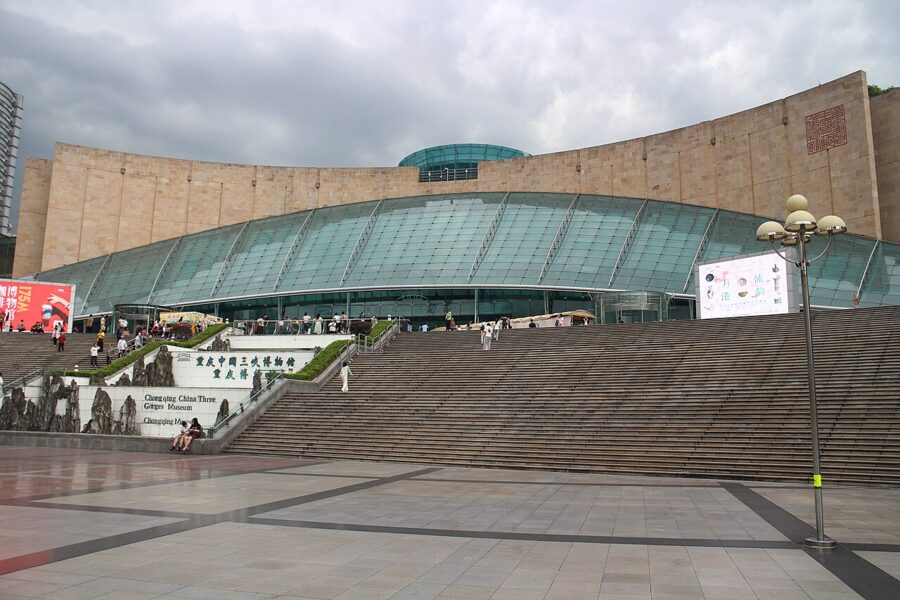
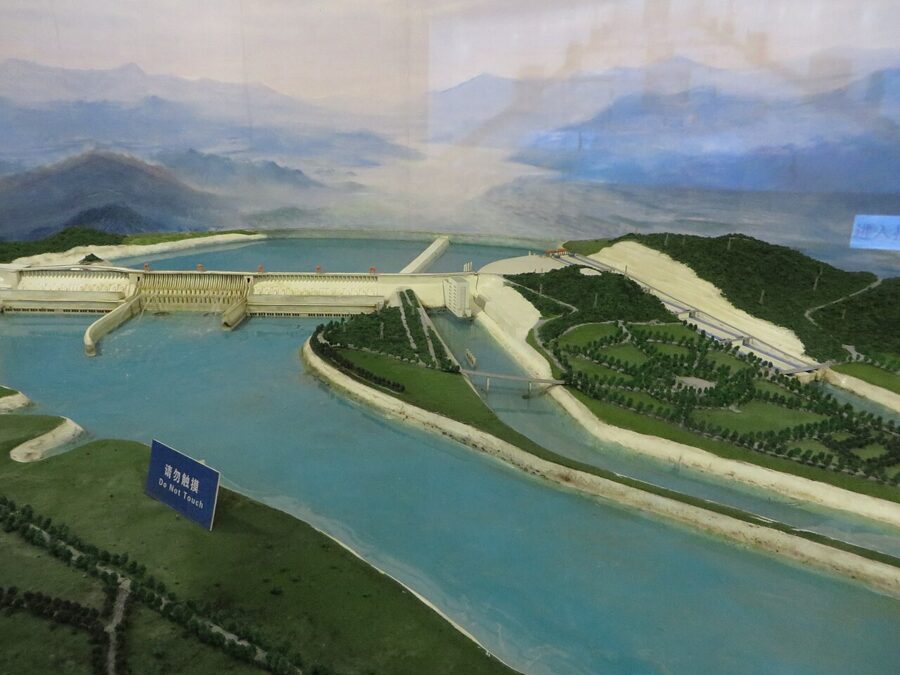
The China Three Gorges Museum (三峡博物馆) is free, but you need to reserve a time slot with your passport through the museum’s official WeChat account, and slots go quickly on holidays. It opens 09:00–17:00, Tuesday to Sunday, and is closed on Mondays except on public holidays. Give it two hours: the galleries on the Three Gorges, with a large model of the dam, and the wartime Chongqing rooms are the ones to see.
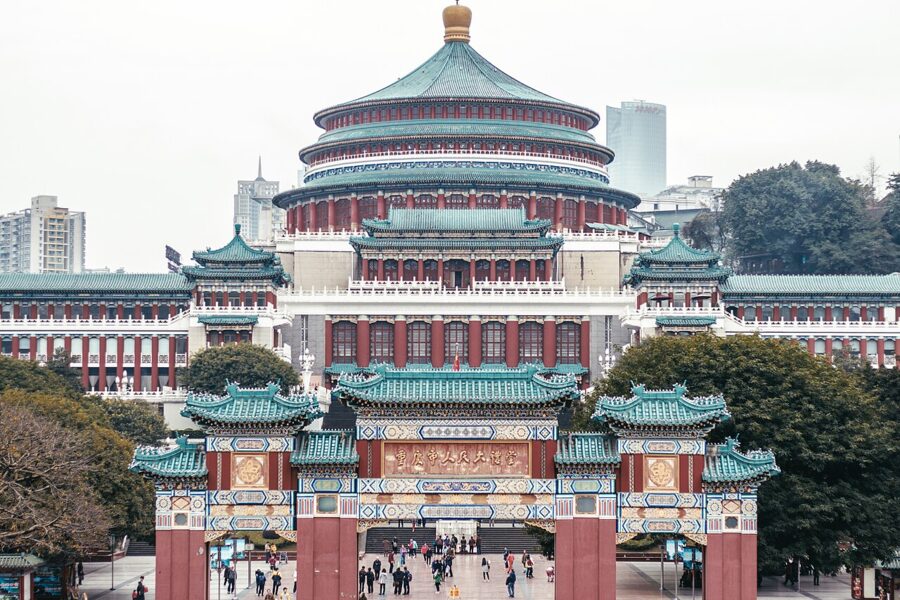
Across the square, the Great Hall of the People (人民大礼堂) is the green-and-red domed hall finished in 1954, its roof modelled on the Temple of Heaven in Beijing. You can walk in for a small ticket, ¥8 at last check, when it isn’t being used for a meeting or a show. It’s a five-minute look rather than an hour, and it looks best from the museum steps.
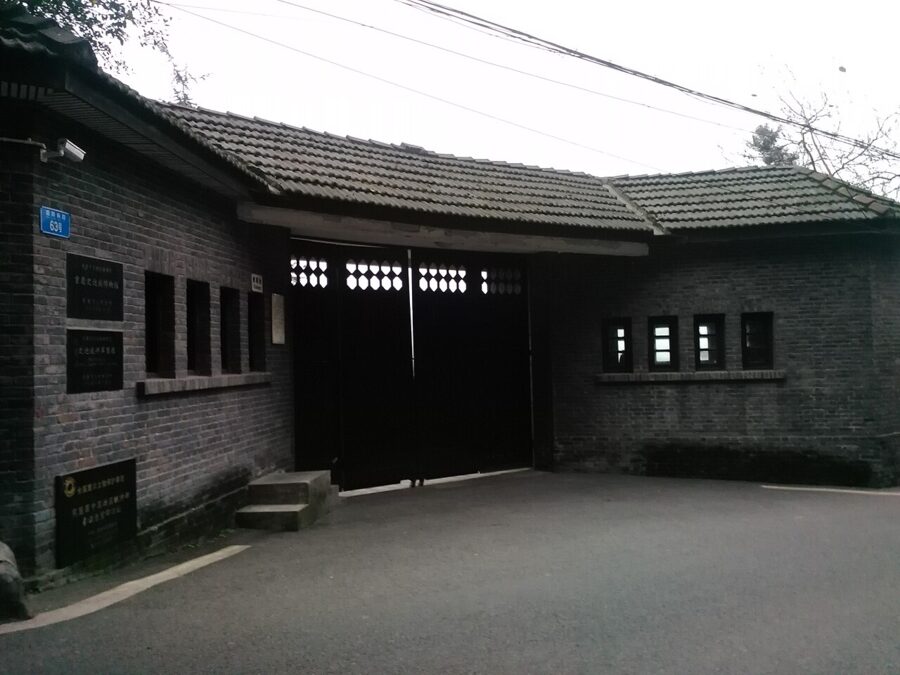
The Stilwell Museum (史迪威博物馆) is a small house at 63 Jialing New Road, a short walk from Liziba, where the American general Joseph Stilwell lived and worked during the war. It holds a small exhibition on his years in China, and the entry fee is a few yuan. It’s an hour well spent if you care about the war, and far quieter than anything else on this side of town.
Where to see Chongqing at night
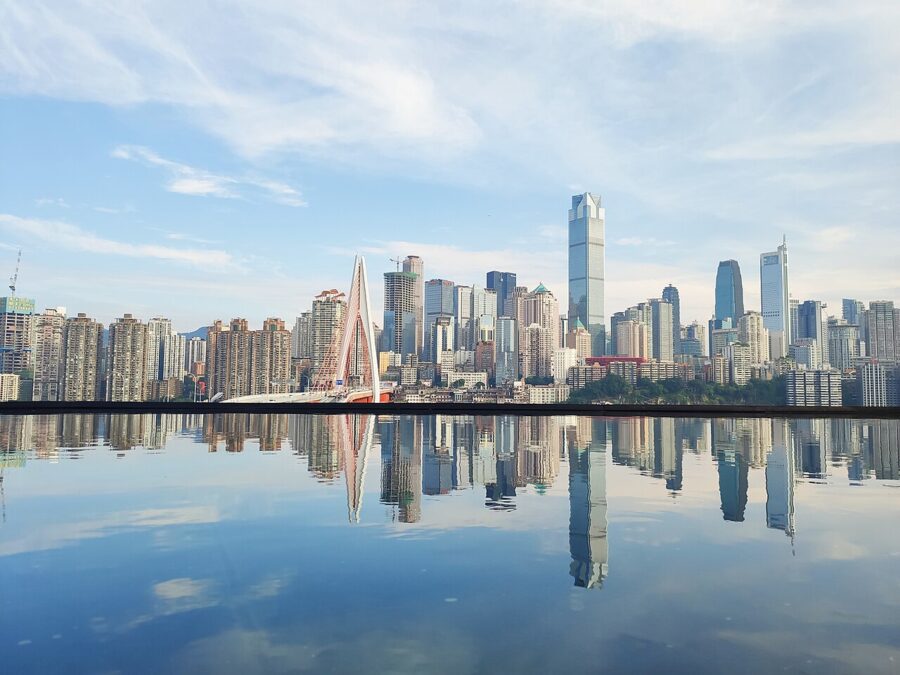
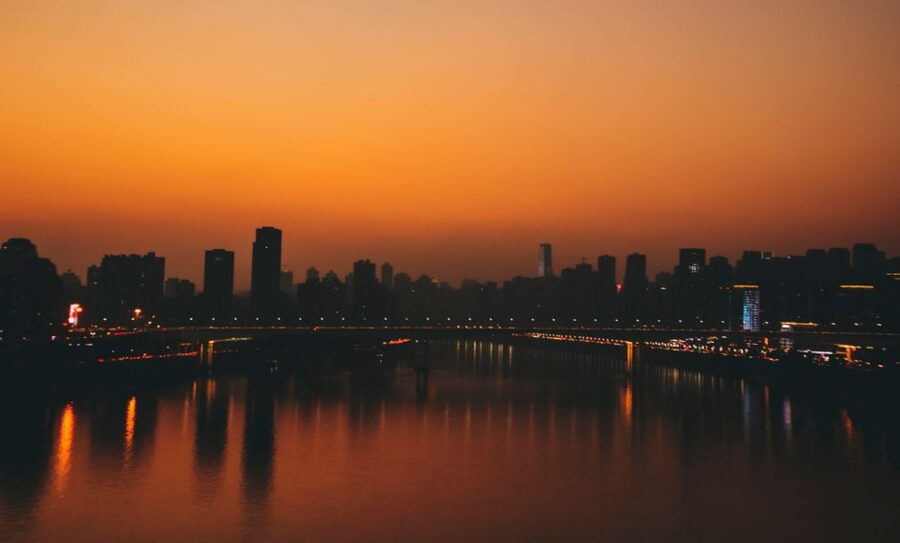
Chongqing is a night city. The towers along both rivers light up together every evening, the bridges change colour, and the whole thing is reflected in the water. You can watch it from the hills, from a boat or from the riverbank, and each gives you a different city.
Nanshan Yikeshu viewpoint
The best view is from Nanshan (南山), the ridge on the south bank. The Yikeshu viewpoint (南山一棵树观景台), “one tree”, looks straight across the Yangtze at the whole peninsula. Entry is ¥30, it opens 09:00–22:30 with last entry at 22:00, and tickets can be bought on the spot or through the usual booking apps. Take a Didi up from Nan’an; it’s a winding road and the buses are slow.
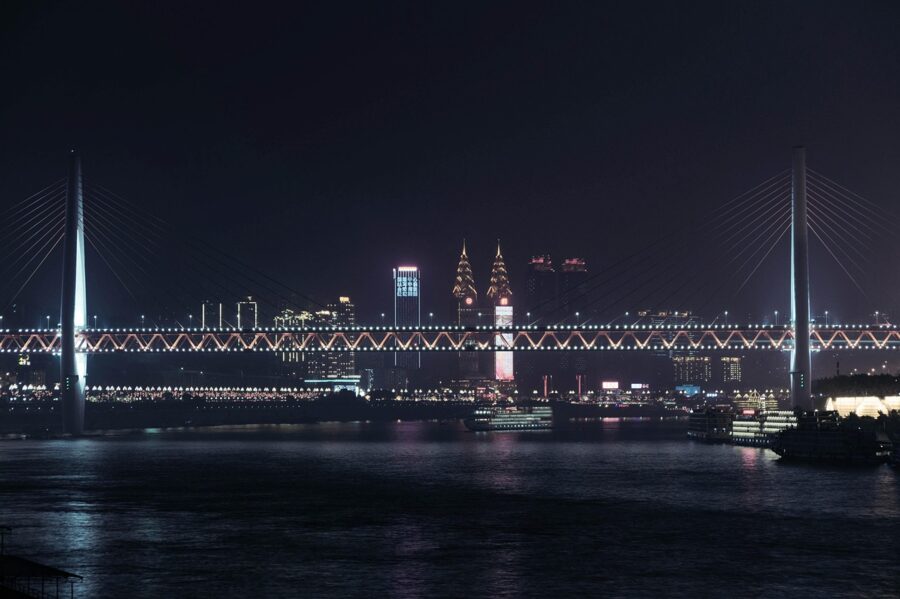
Go before sunset and stay until the lights are fully on. The platform is busy at weekends, but the view is wide enough that you’ll get a space at the rail. If you want a slower evening, the outdoor teahouses on the hill around Yitianmen Street in Nan’an have much the same view with a pot of tea.
The Liangjiang night cruise
The Liangjiang (两江) night cruise sails from the docks at Chaotianmen and Hongyadong around the confluence and back, about 16 km in around 45 minutes. Sailings run from about 19:40 to 22:00, and tickets cost roughly ¥130–170 depending on the boat. It’s the easy way to see the lights without the crowds on the walkways, and the weather and river levels decide whether it runs, so check on the day.
Chaotianmen and Raffles City
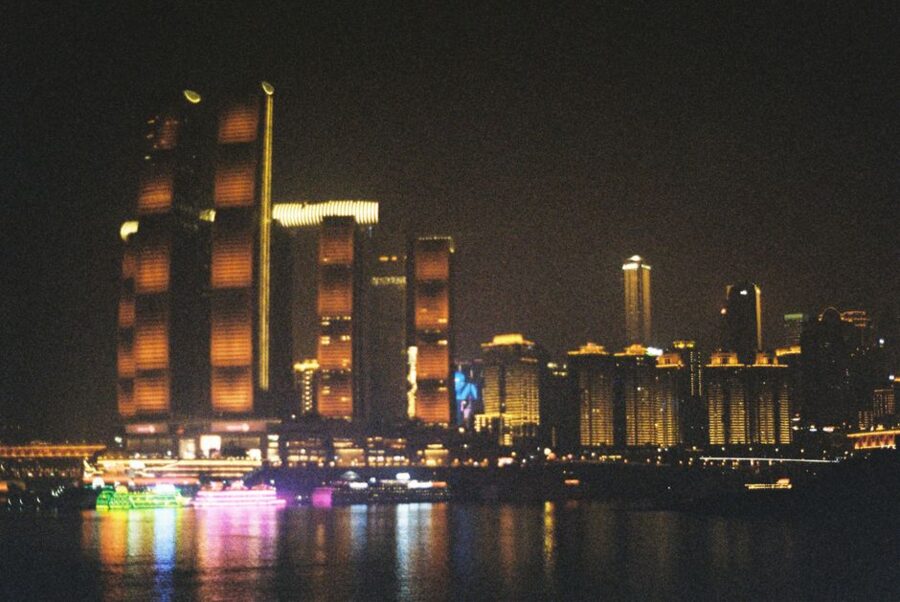
Raffles City (来福士) is the cluster of eight towers at Chaotianmen, completed in 2019, with The Crystal, a glass bridge, lying across the top of four of them. The mall at the bottom is useful, the InterContinental is inside, and the Exploration Deck in The Crystal costs about ¥120. That’s steep. The view from Nanshan is better and cheaper, and the towers look best from the outside anyway.
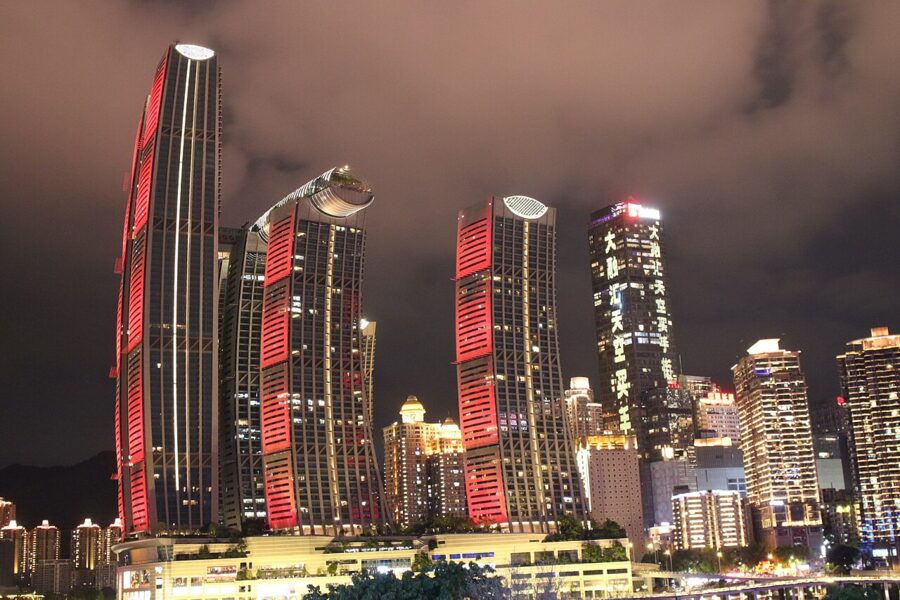
The riverside terrace at the tip of Chaotianmen is the better place to stand: the point where the two rivers meet, with the boats below you. It’s at its best at dusk, and it costs nothing.
Eat like you mean it
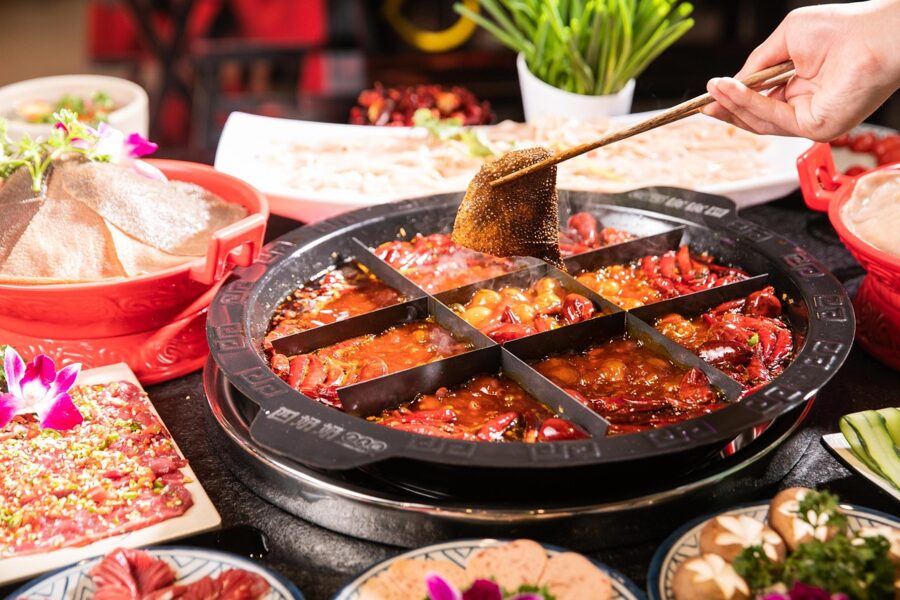
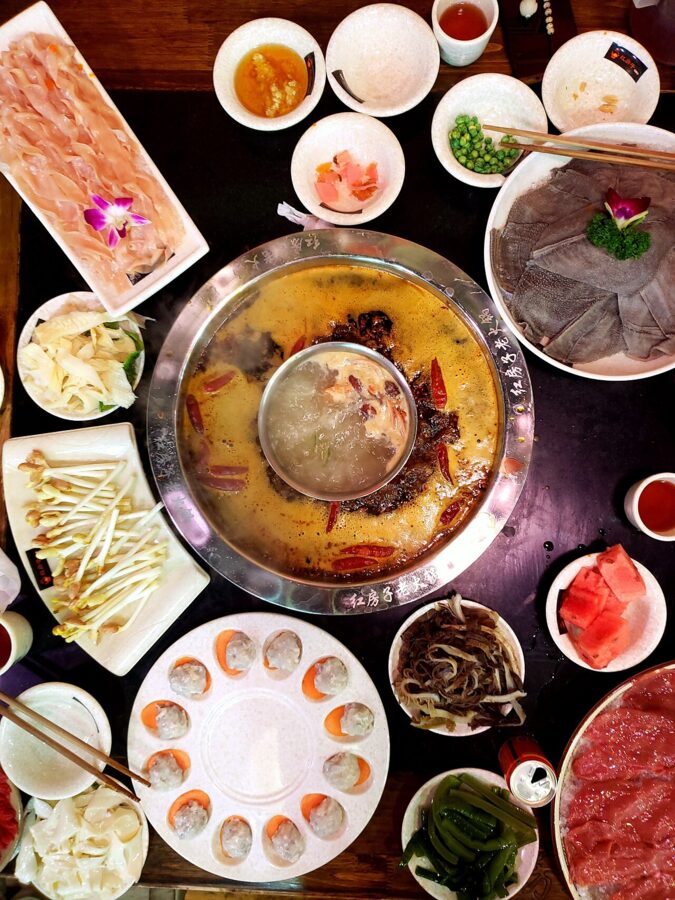
Chongqing food is fierce, oily and cheap, and you should eat it at least twice a day. The big one is hot pot, huoguo (火锅): beef-tallow broth thick with chillies and Sichuan pepper, tripe dipped “seven up, eight down”, and a sesame oil and garlic dip. Everything you need to know, from ordering to the shops worth queuing for, is in my hot pot guide.
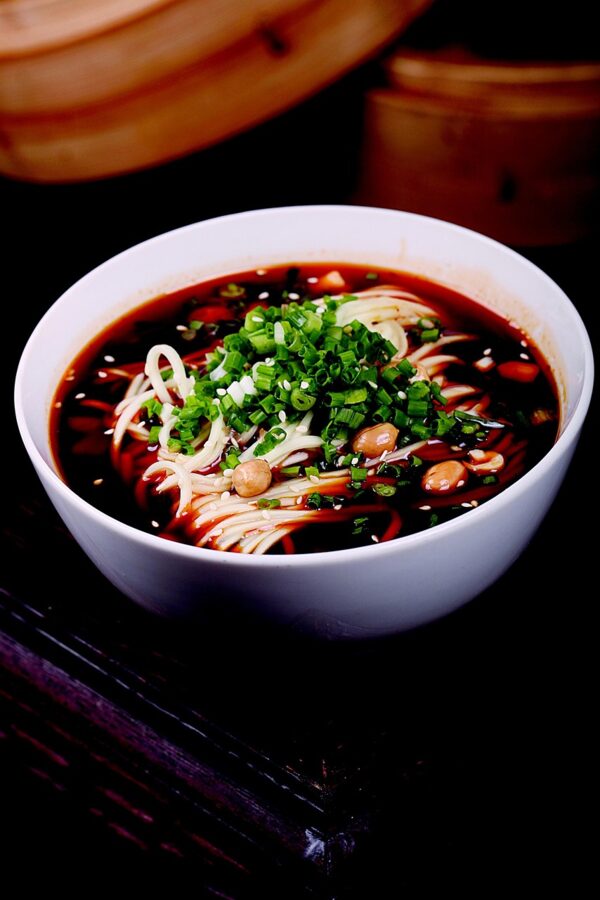
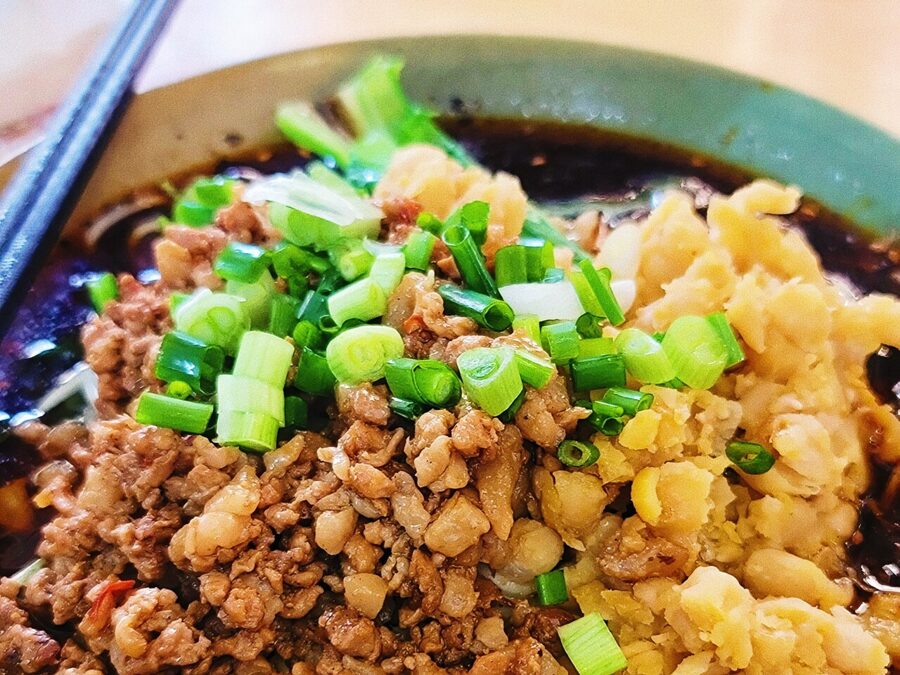
Breakfast is xiaomian (小面), “small noodles” in chilli oil with Sichuan pepper and greens, usually topped with wanza (豌杂), mushy peas and minced pork. Hua Shi Wanza Mian (花市豌杂面) at 85 Minsheng Road, near Jiefangbei, is the famous one, with people eating on stools on the pavement. My noodles guide covers the rest.
For a night of snacking, start at Bayi Street near Jiefangbei, then walk into the old residential lanes behind Jiaochangkou, where the small shops serve the people who live there rather than tour groups. The rule that works in Chongqing: if the plastic stools are full of locals and the menu is on the wall, sit down.
Day trip: the Dazu Rock Carvings
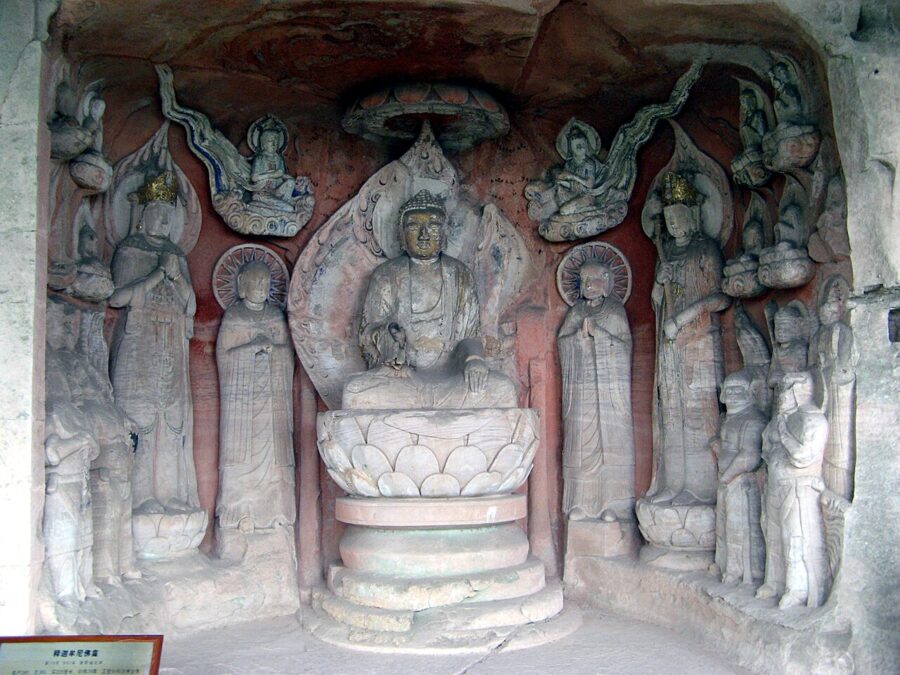
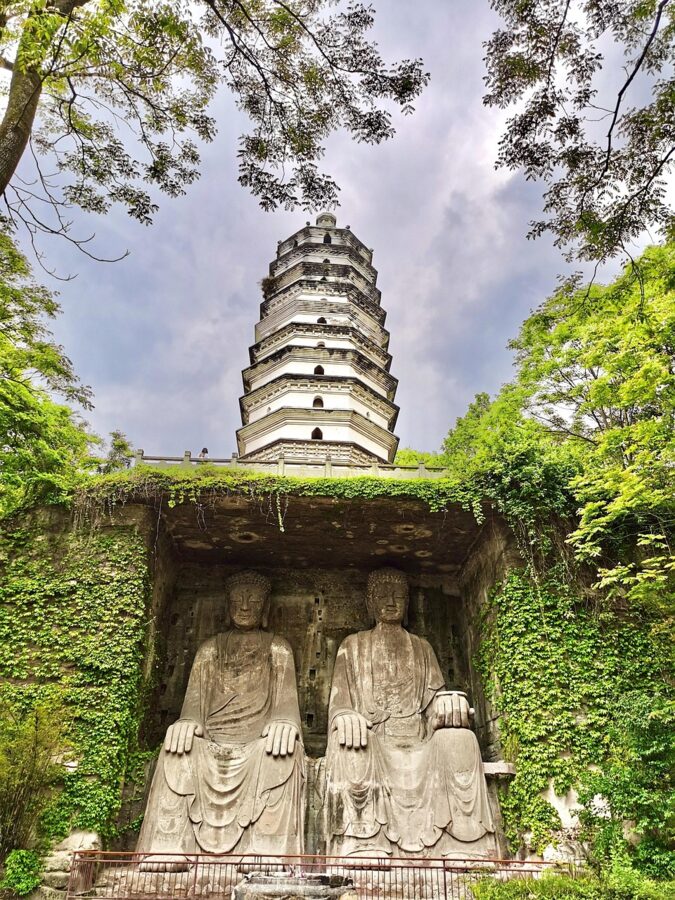
The Dazu Rock Carvings (大足石刻) are the best reason to leave the city. Tens of thousands of Buddhist, Taoist and Confucian figures were carved into the hillsides of Dazu between the 9th and 13th centuries, and five of the sites have been a UNESCO World Heritage Site since 1999. Two of them are worth the trip. If you’ve seen the Leshan Giant Buddha, this is the opposite: not one huge figure, but hundreds of scenes you can read like a book.
Baodingshan and Beishan
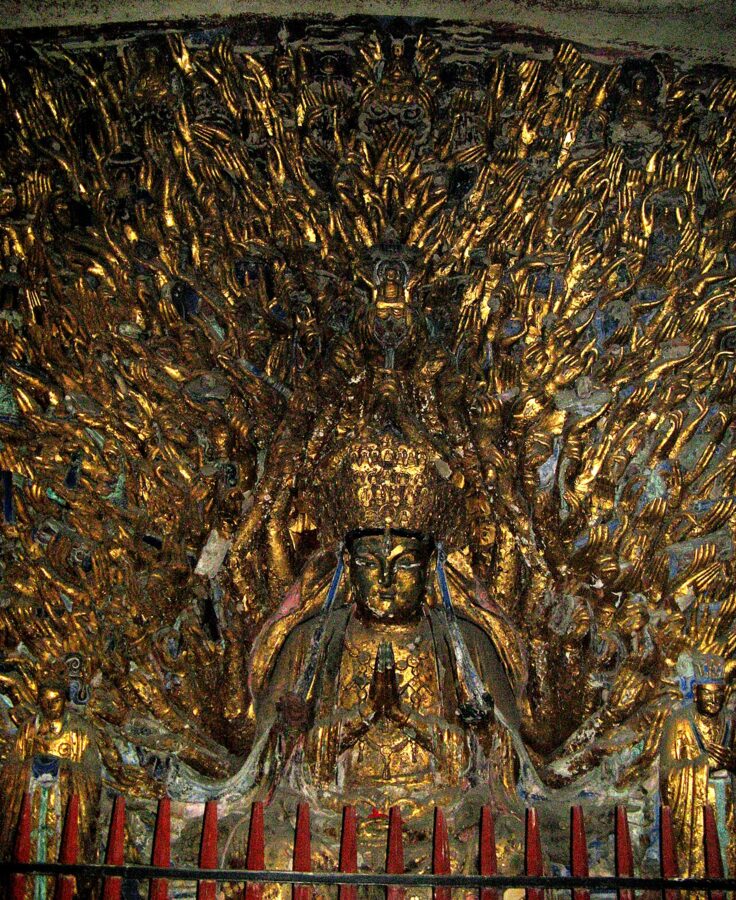
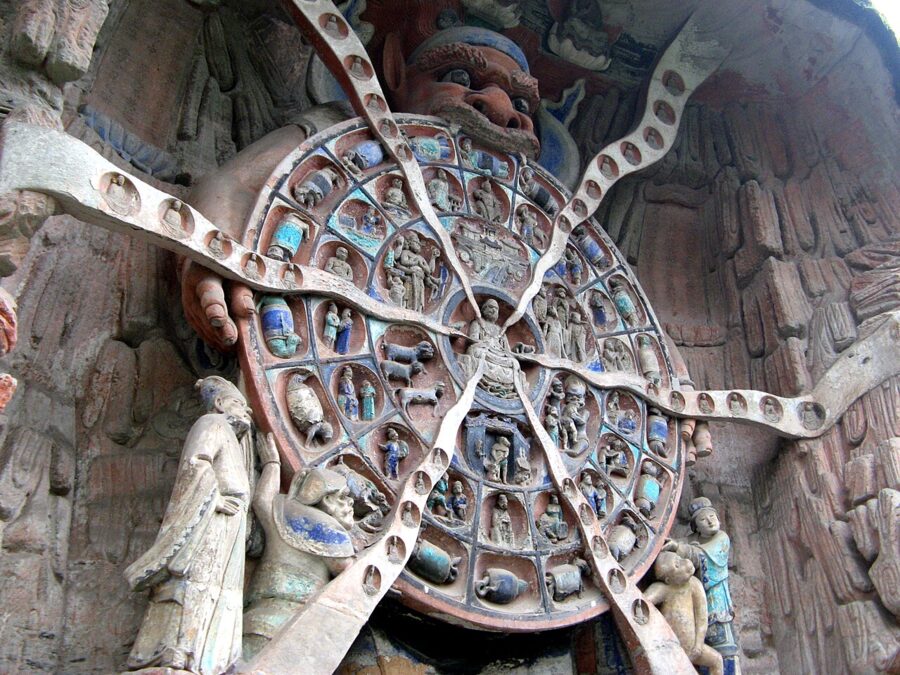
Baodingshan (宝顶山), about 12 km north-east of Dazu town, is the one to see. It was carved between 1174 and 1252 under the monk Zhao Zhifeng as one planned sequence round a horseshoe-shaped gully, and it includes the Thousand-armed Guanyin, a 31 m reclining Buddha and a huge Wheel of Reincarnation. Allow two to three hours.
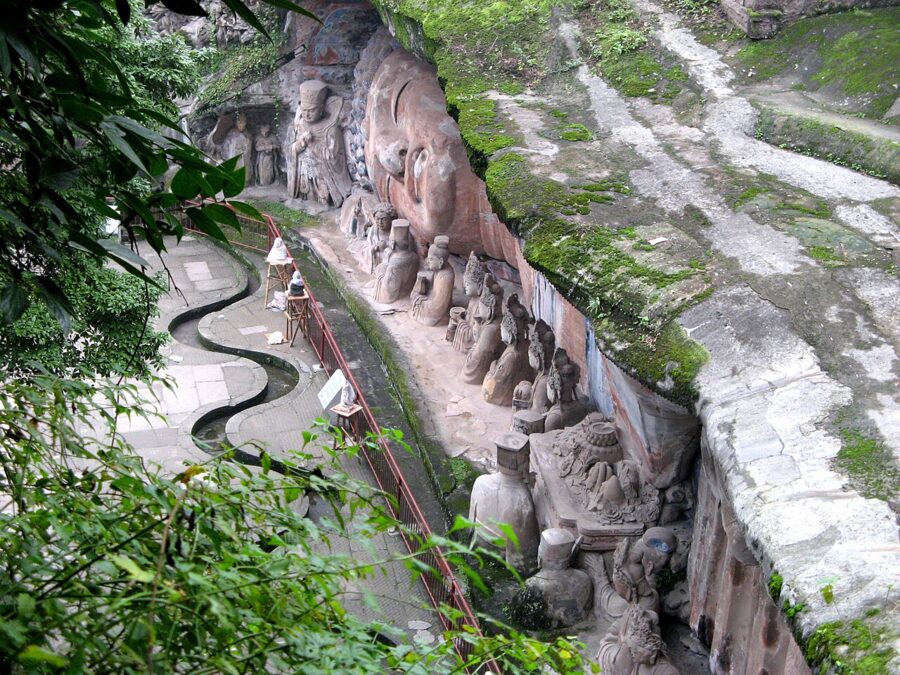
Beishan (北山), just north of the town centre, is older, with carving that began in 892, and quieter. It’s a long cliff of small niches, some of them very fine. If you have the time and the legs, the combined ticket covers both, but Baodingshan alone makes a full day from Chongqing.
Tickets and how to get there
From March to November, Baodingshan costs ¥115 and the combined Baodingshan and Beishan ticket ¥140, valid for two days; prices drop a little from December to February. The Baodingshan visitor centre opens at 08:30 and stops selling at 16:00. If you’re on a foreign passport, plan to buy at the counter there: the online booking channels are set up for Chinese ID cards.
The fastest route is a high-speed train from Chongqing West or Shapingba to Dazu South (大足南站), about 40 minutes on the quickest services. Dazu South is well outside the town, so take a taxi or Didi from there straight to the Baodingshan visitor centre; the bus option means changing (204, then 205) and takes much longer. Coaches also run from the city’s bus stations to Dazu bus station, about two hours, with bus 205 on to Baodingshan.
Day trip: Wulong and the Three Natural Bridges
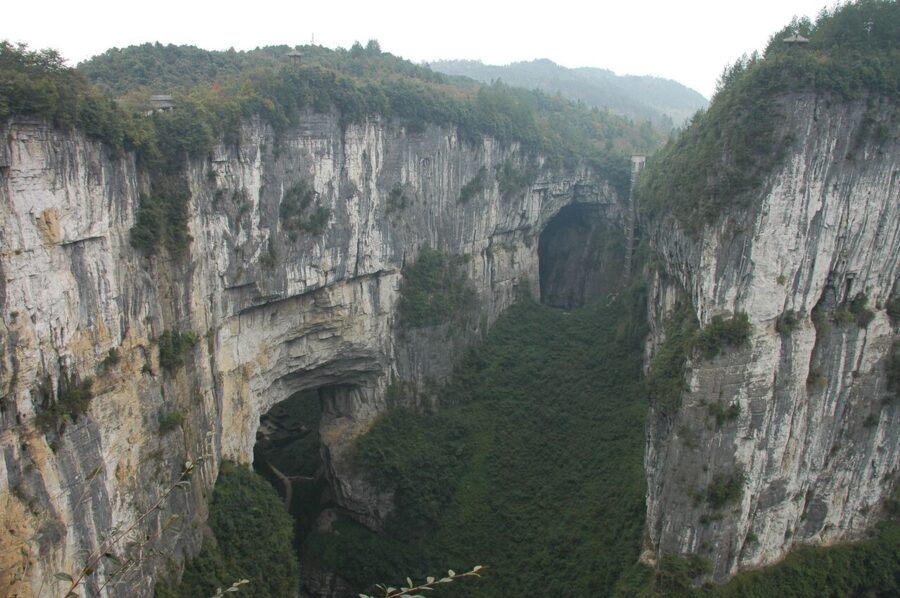
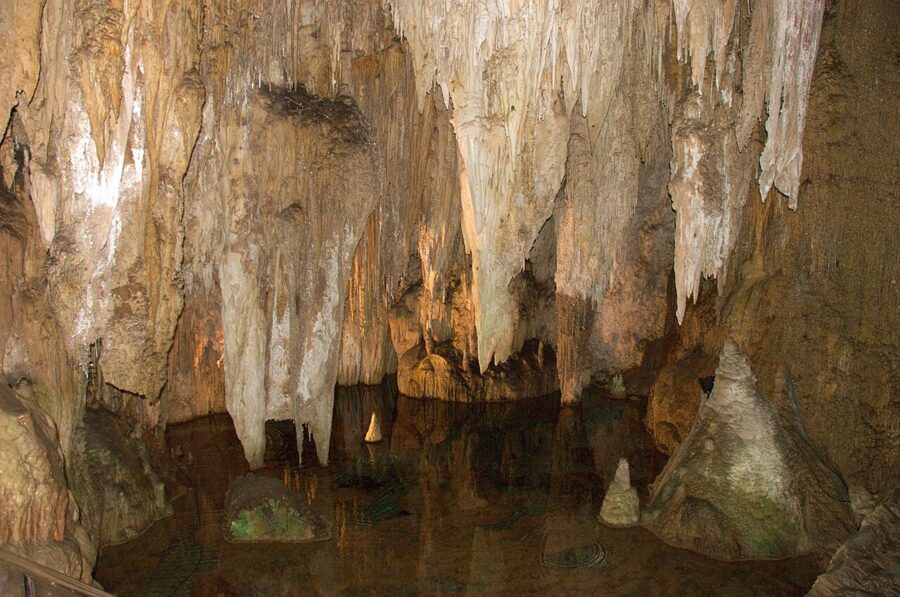
Wulong (武隆) is Chongqing’s other big day out, and a complete change from the city. It’s a karst region of gorges and sinkholes south-east of the city, part of the South China Karst UNESCO listing, and its centrepiece is the Three Natural Bridges (天生三桥): three huge rock arches over a gorge, left standing when the cave roofs between them collapsed.
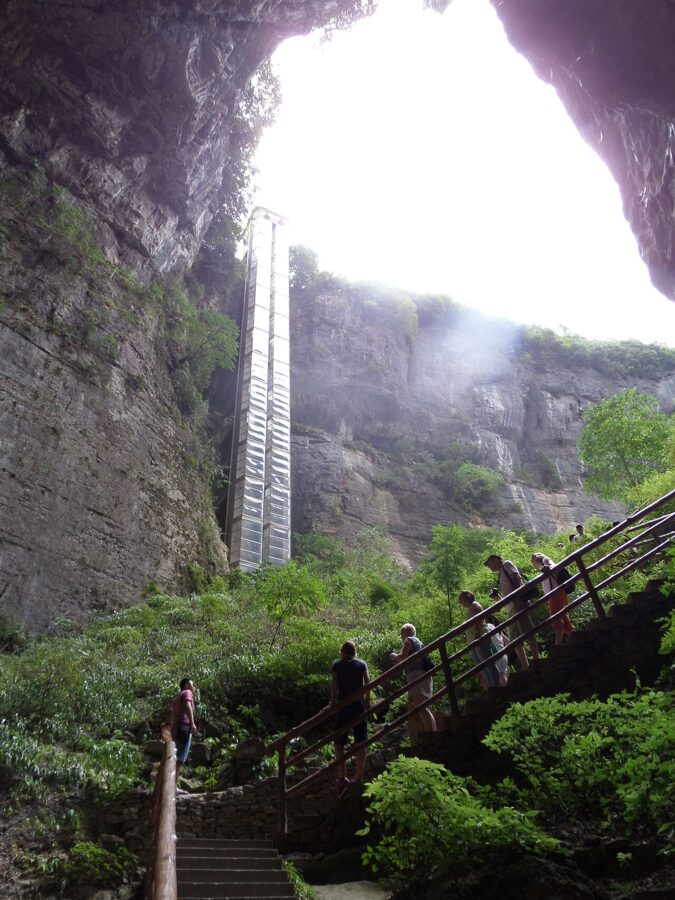
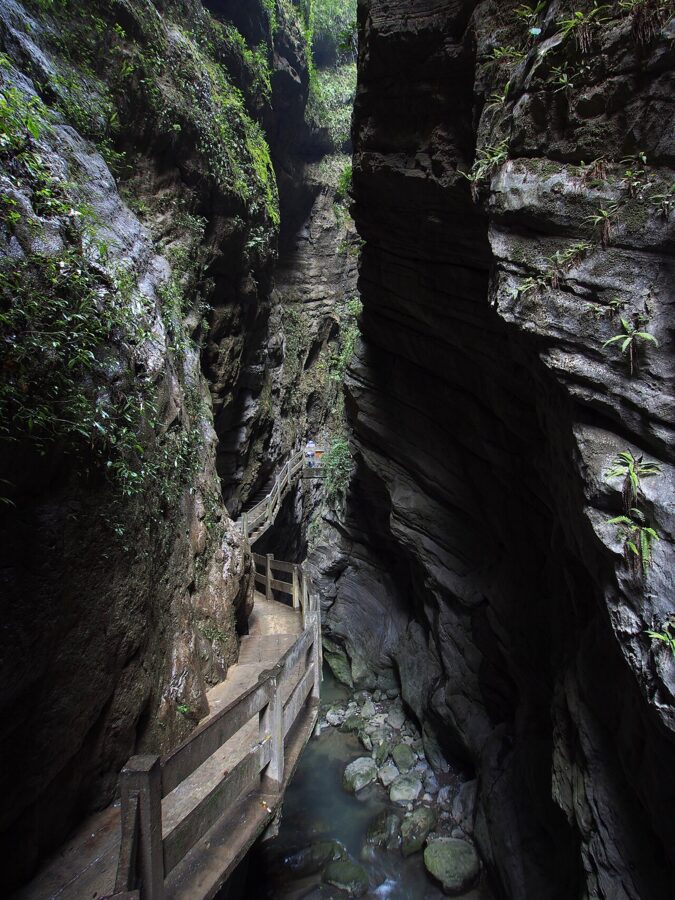
Allow two hours or more for the walk. A lift drops you down the cliff into the gorge, the path takes you under Tianlong, Qinglong and Heilong bridges in turn, past an old post-station set built for a Zhang Yimou film, and a shuttle bus brings you back out at the far end. Some of the scenes in Transformers: Age of Extinction were filmed here, which you’ll hear about more than once.
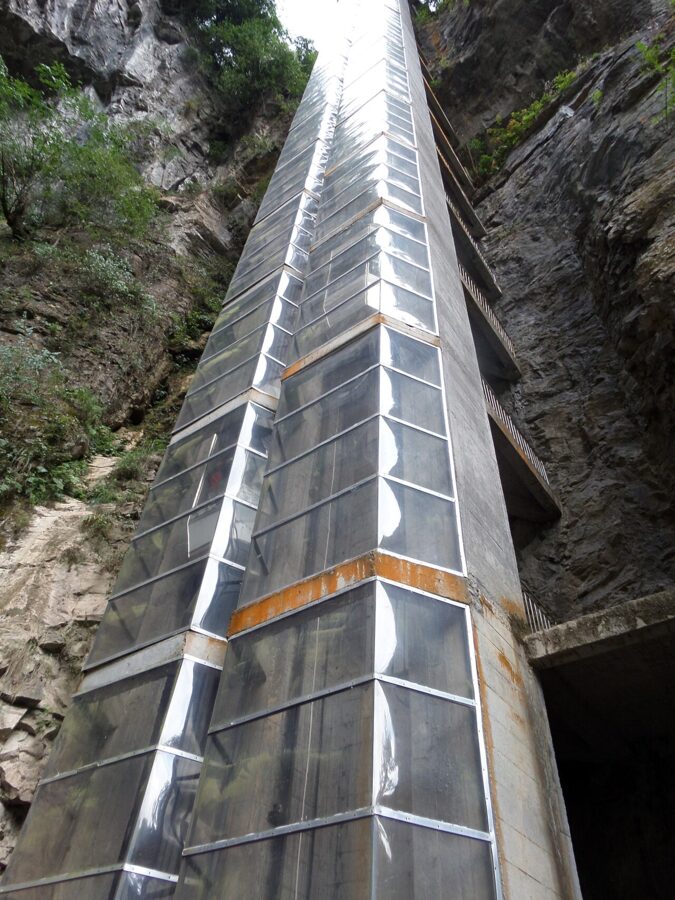
Tickets cost ¥125, including the transfer bus and the lift. Opening hours are 08:30–16:30 from September to April and a little longer from May to August. Paths can close after heavy rain, and it’s crowded in summer and Golden Week, when people come up from the city to escape the heat.
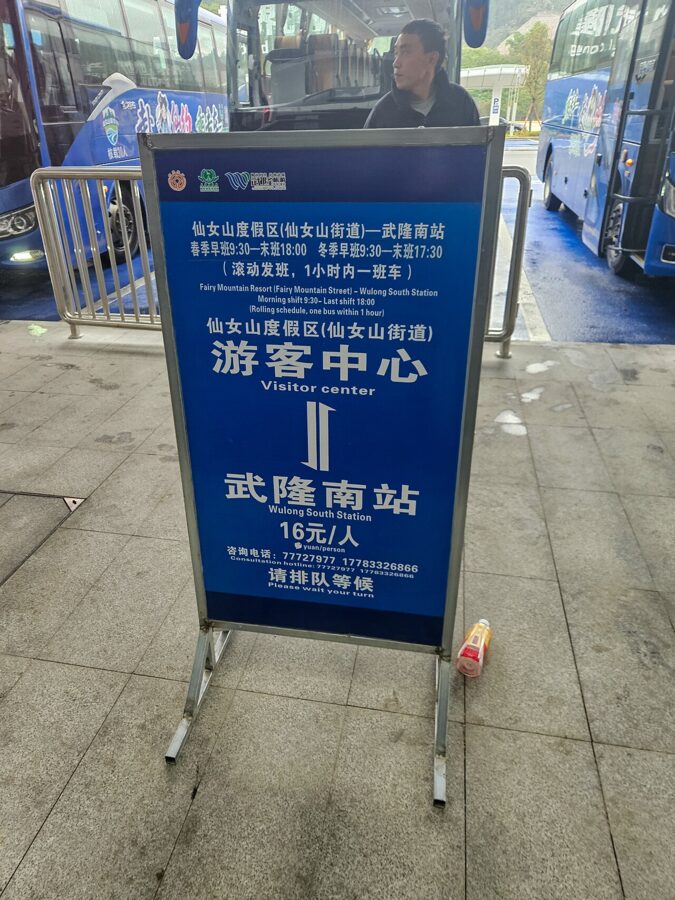
Getting there is much easier than it used to be. Since June 2025, high-speed trains from Chongqing East station run to Wulong South (武隆南站) in about 34 minutes on the fastest services. From Wulong South, a shuttle bus runs to the Wulong Karst visitor centre at Xiannüshan town (仙女山镇), where the Three Natural Bridges tickets and transfer buses start.
If you have two days, stay a night at Xiannüshan, the grassy upland above the gorges, and add the Longshui Gorge or the Furong Cave. In a single day, do the Three Natural Bridges properly and leave the rest. Avoid booking a tour that crams in three sights: you’ll spend the day on a coach.
The Yangtze cruise to Yichang
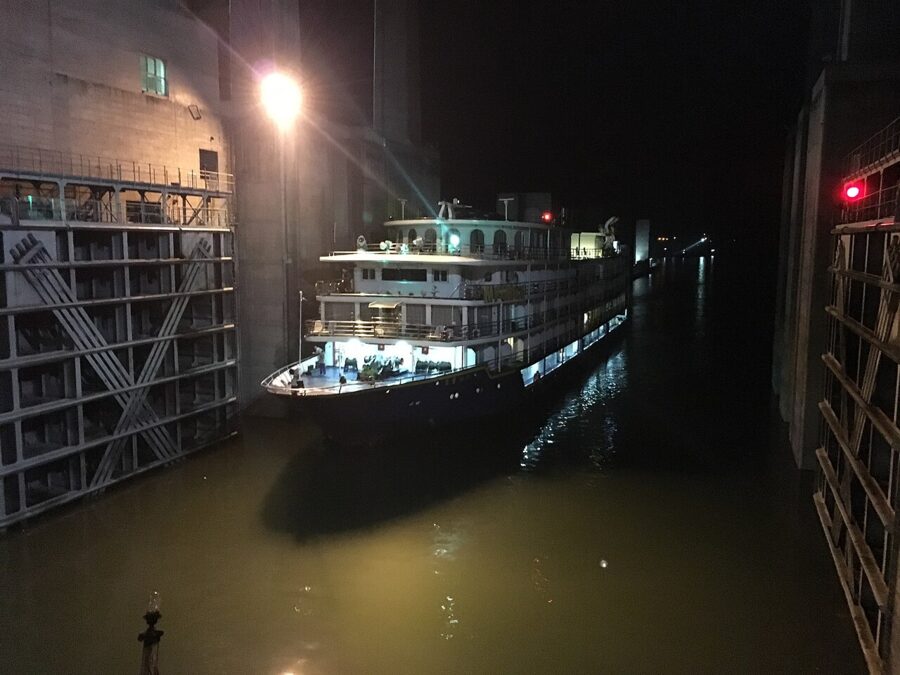
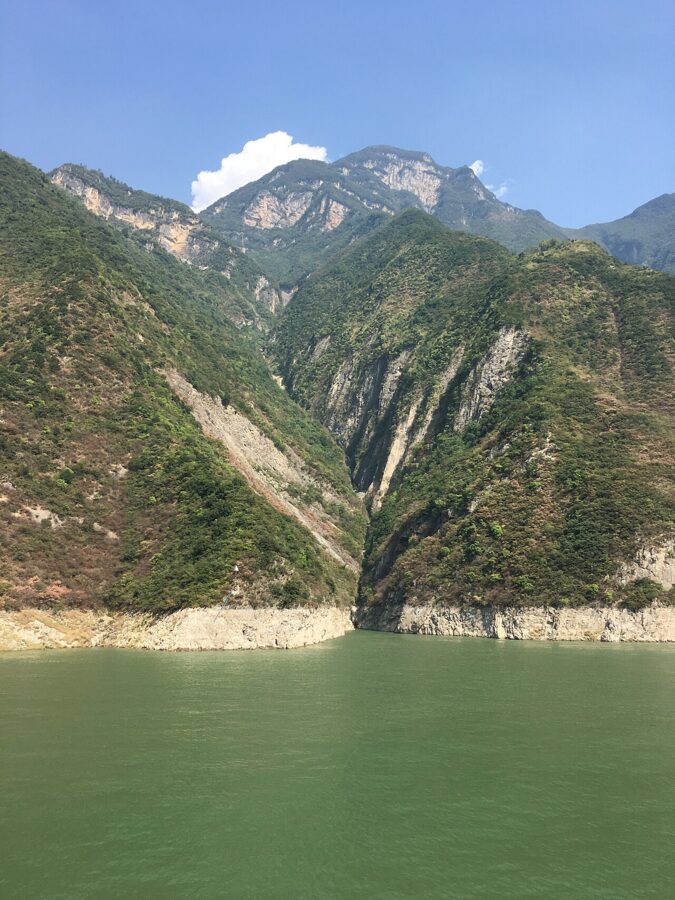
Chongqing is where the Yangtze cruises start, and you’ll see the agents everywhere. The standard trip runs downstream to Yichang in Hubei in three nights, or upstream in four, through the Qutang, Wu and Xiling gorges, with stops at places such as Fengdu, Shibaozhai and the Three Gorges Dam itself.
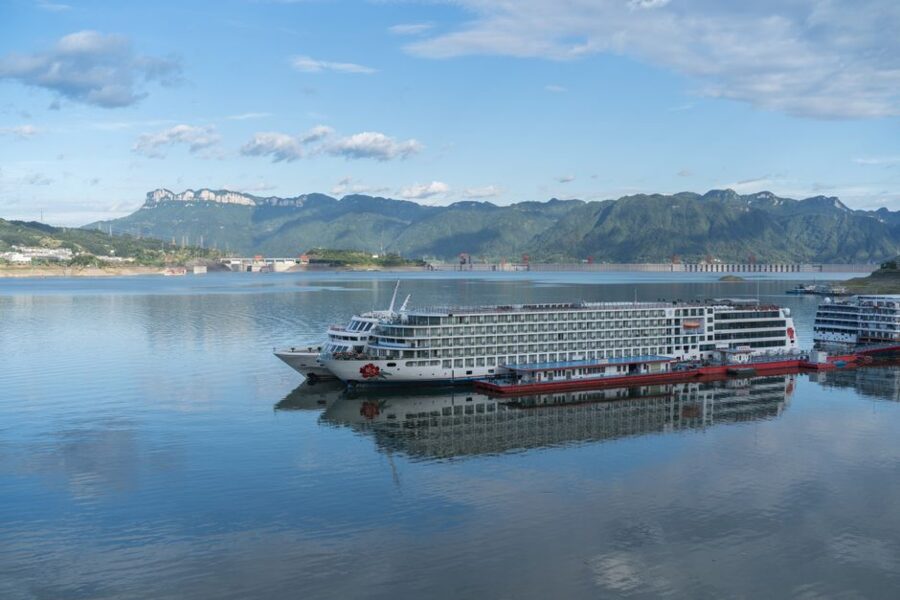
Here’s what the brochures leave out. The dam raised the river by tens of metres through the gorges, so they are lower and wider than in old photos, and the scenery is a few hours of a three-day trip. The rest is wide brown river, shore excursions and the dam locks, often in fog.
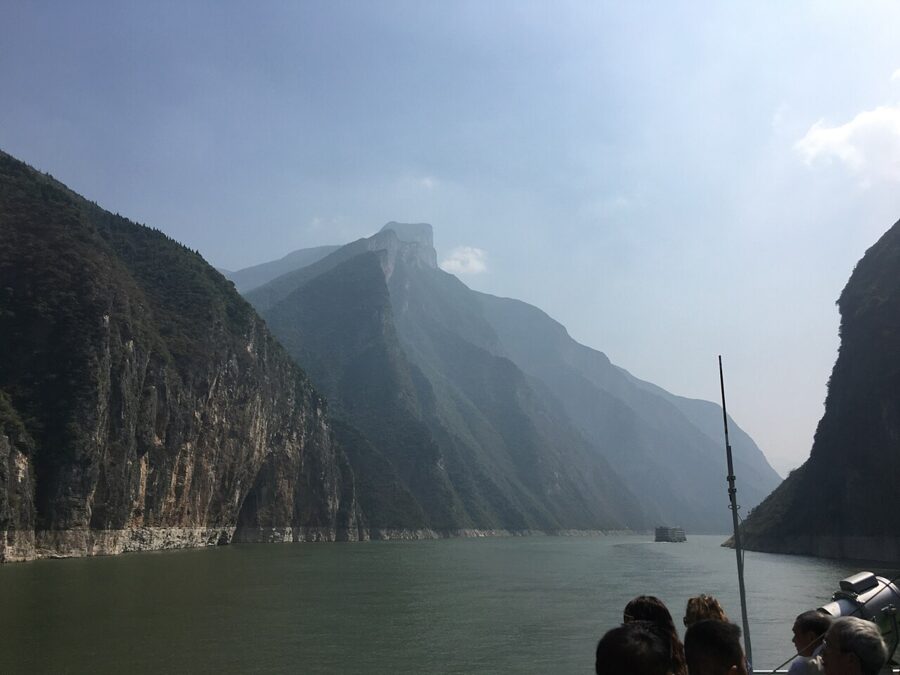
It’s a pleasant, slow few days if you like ships. If you mainly want to get from Chongqing to Yichang, the train is far faster, and you’ll miss less than you think.
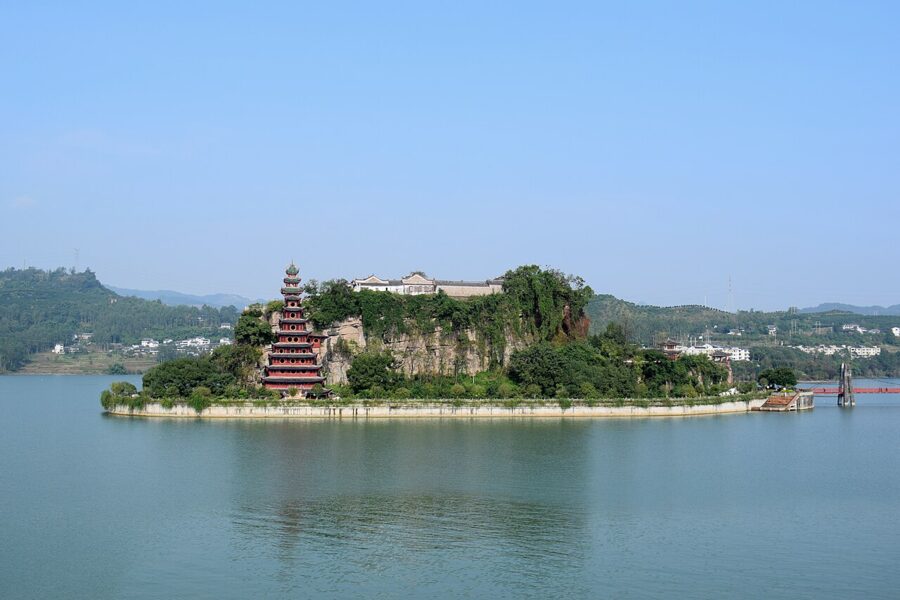
If you do go, pick a ship by its route and stops rather than its brochure, and check where it actually boards: some sailings start at Chongqing’s docks and others bus you to a pier further down the river. Prices vary hugely by ship, cabin and season, and Golden Week sailings sell out early.
Where to stay
Stay on the Yuzhong peninsula, near Jiefangbei or Chaotianmen. You can walk to Hongyadong, the cableway, Bayi Street and the old lanes, and you’re on Lines 1, 2 and 6. Nan’an has the better view of the skyline and is quieter, but you’ll cross the river every time you go out. Budget chain hotels cluster around Jiaochangkou and Linjiangmen metro stations.
- The Westin Chongqing Liberation Square (Trip.com), 222 Xinhua Road, Yuzhong. A big, reliable hotel a couple of minutes from the cableway’s north station and a short walk from Jiefangbei. Ask for a high floor facing the Yangtze.
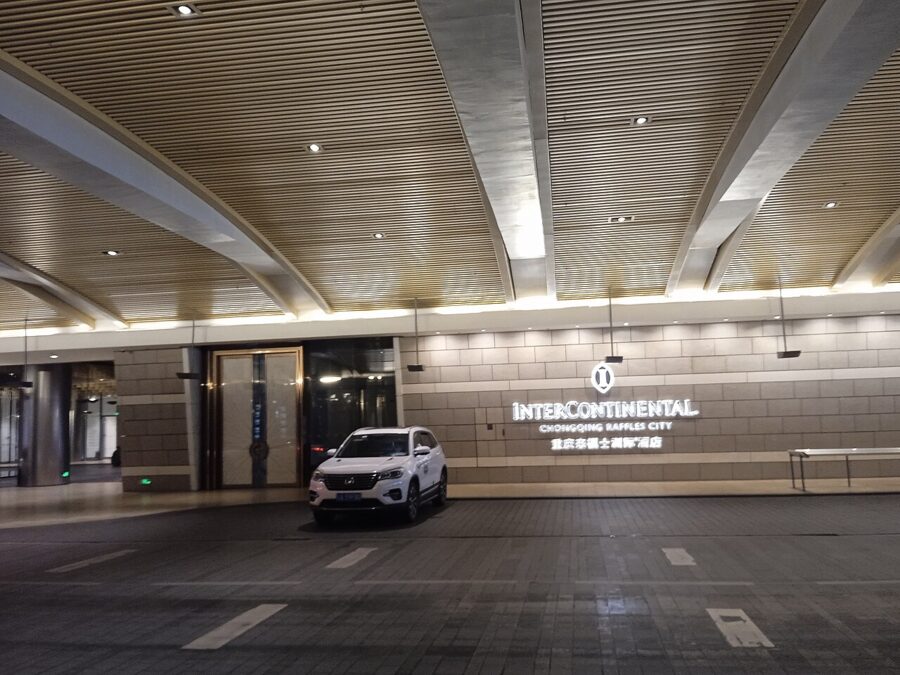
- InterContinental Chongqing Raffles City (Trip.com), 2 Changjiang Binjiang Road, Yuzhong. Inside Raffles City at Chaotianmen, above the cruise docks. Rooms look over the confluence, and the mall below is useful on a wet day.
- Niccolo Chongqing (Official site | Trip.com). High up in the IFS tower in Jiangbei, across the Jialing. A splurge, with views back over the rivers to Yuzhong, but you’ll take a taxi or the metro to most sights.
Arriving: the airport and the stations
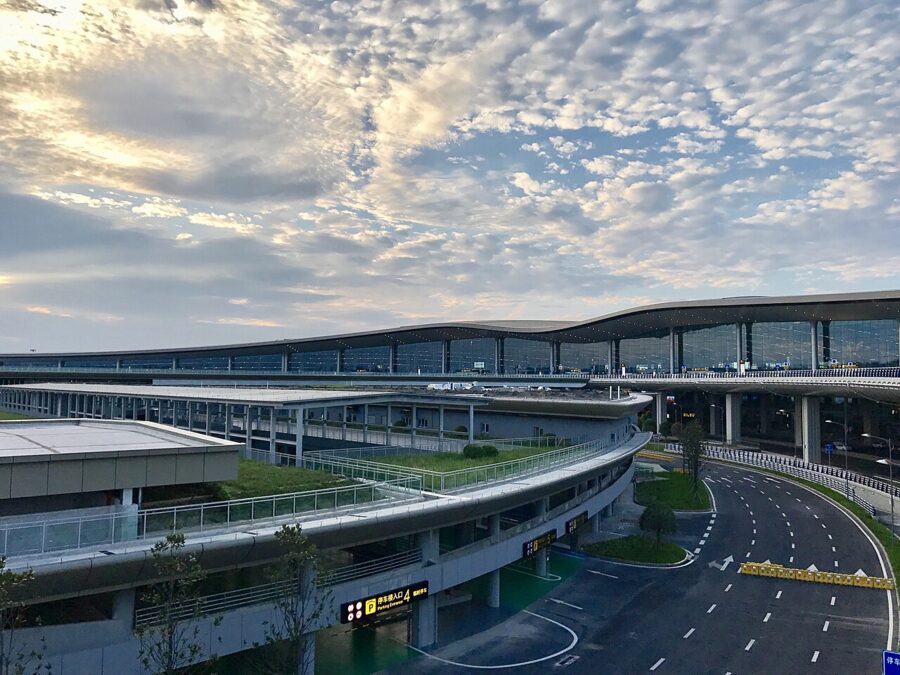
Chongqing Jiangbei International Airport is about 20 km north of the centre. Lines 3 and 10 run to it, and the trip to Jiefangbei takes about an hour with one change; a taxi or Didi takes 40 minutes or more depending on traffic. Use the official taxi rank and ignore anyone offering you a ride in the arrivals hall.
The city has four main railway stations, and you need to know which one your ticket uses. Chongqing North (重庆北站) is the busiest and closest to the centre; Chongqing West (重庆西站) and Shapingba (沙坪坝站) serve many trains west, including to Dazu South and Chengdu, about an hour away on the fastest G trains; and Chongqing East (重庆东站), opened in June 2025, handles the line south-east through Wulong South.
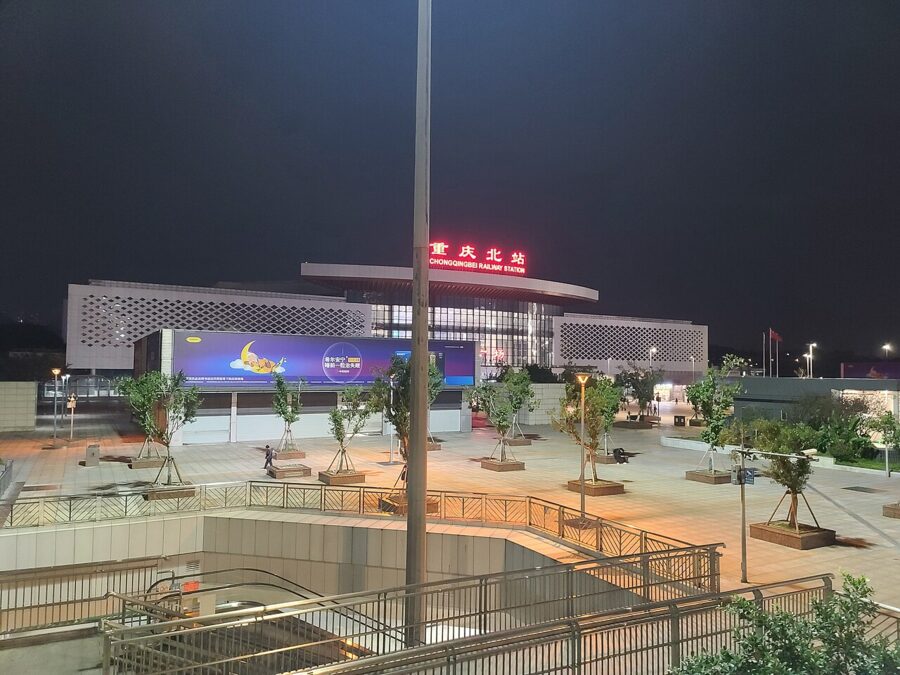
Book trains on 12306 or Trip.com with your passport, and travel with the same passport, since it’s checked at the gate. For the whole trip, set up Alipay or WeChat Pay with a foreign card before you arrive: almost everything in Chongqing is paid by phone, many small stalls take nothing else, and while cash is legal tender, change can be short. Holiday trains, especially around Golden Week and Spring Festival, sell out days ahead.
Three days in Chongqing
This plan keeps each day on one side of the city, so you spend your legs on stairs that are worth it, not on getting back across the river. If you’re heading on to Chengdu, Chongqing fits neatly before or after it, and Jiuzhaigou is easiest reached from there.
Day 1: the peninsula, west to east
- Morning: Three Gorges Museum when it opens at 09:00 (not on a Monday), then a look at the Great Hall across the square.
- Late morning: Line 2 to Liziba to watch the trains, then the Stilwell Museum, Eling Park and Testbed 2.
- Evening: Back on Line 2 to Linjiangmen. Jiefangbei, snacks on Bayi Street, then Hongyadong from Qiansimen Bridge as the lights come on.
Day 2: across the river and back on foot
- Early: Xiaomian for breakfast, then the cableway at 08:00, one way to Nan’an.
- Morning: Longmenhao old street and the Nanbin Road riverfront, then back across on Line 6.
- Afternoon: The third Shancheng Trail from Zhongxing Road, Shancheng Lane, Shibati and Baixiangju.
- Night: Didi up to Nanshan Yikeshu for sunset, or the Liangjiang cruise from Chaotianmen. Hot pot afterwards.
Day 3: out of the city
- Option A: Dazu. Early train to Dazu South, a taxi to Baodingshan, back by mid-afternoon.
- Option B: Wulong. Train from Chongqing East to Wulong South, the shuttle to Xiannüshan, the Three Natural Bridges, and back for dinner.
- If you’d rather stay: Ciqikou on a weekday morning, then Chaotianmen at dusk.
Skip this
- Kuixing Building (魁星楼). The square that looks like street level but is twenty-odd floors up is famous online and a non-event in person.
- Shopping or eating inside Hongyadong. Look, then eat in the streets behind Jiefangbei.
- The cableway on a weekend afternoon. Hours in a queue for four minutes in the air.
- Photo touts at Liziba and Hongyadong. Costumed characters may want paying after the picture. Ask first or walk on.
- Scenic-area hot pot. Anything that charges ¥150 a head with a view of Hongyadong.
Bring good shoes and an umbrella. Ride the monorail, take the stairs, and leave the cableway queue to everyone else. Then go back to Qiansimen Bridge on your last night and watch Hongyadong light up one more time.
You Might Also Enjoy
 The Terracotta Warriors: How to Visit Pits 1, 2 and 3, the Bronze Chariots and Qin Shi Huang’s Tomb Without a Tour
 Huangshan: The Yellow Mountains by Cable Car and on Foot, Sunrise on the Summit and the Villages Below
 3 Days in Beijing: An Itinerary That Actually Works
 Chinese Tea: The Six Families, Where the Famous Teas Grow, Teahouses and Buying Tea in China