Kinosaki Onsen: The Bath Crawl, the Willow Street and the Winter Crab
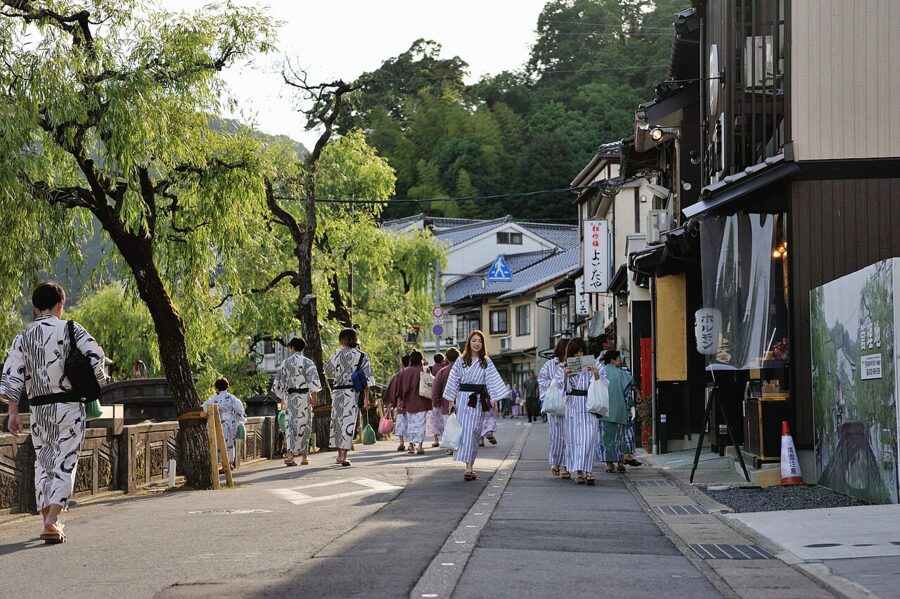
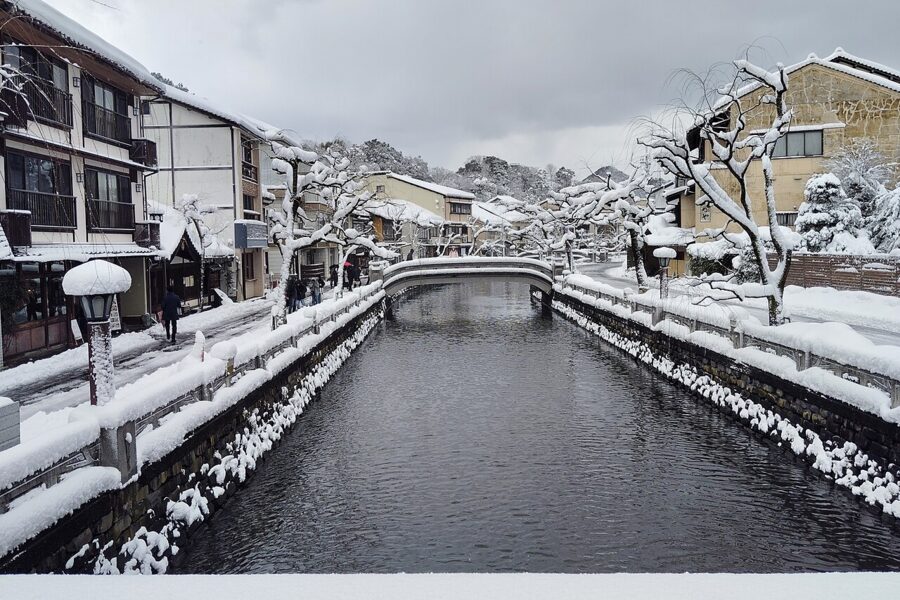
In most hot-spring towns the bath is the reason you never leave the hotel. In Kinosaki the hotel hands you a barcode, a cotton robe and a pair of wooden sandals, and then more or less pushes you out of the door. By eight in the evening the willow street along the Otani River is full of people in matching inn yukata, clacking over stone bridges with a towel in one hand, on their way from one public bathhouse to the next.
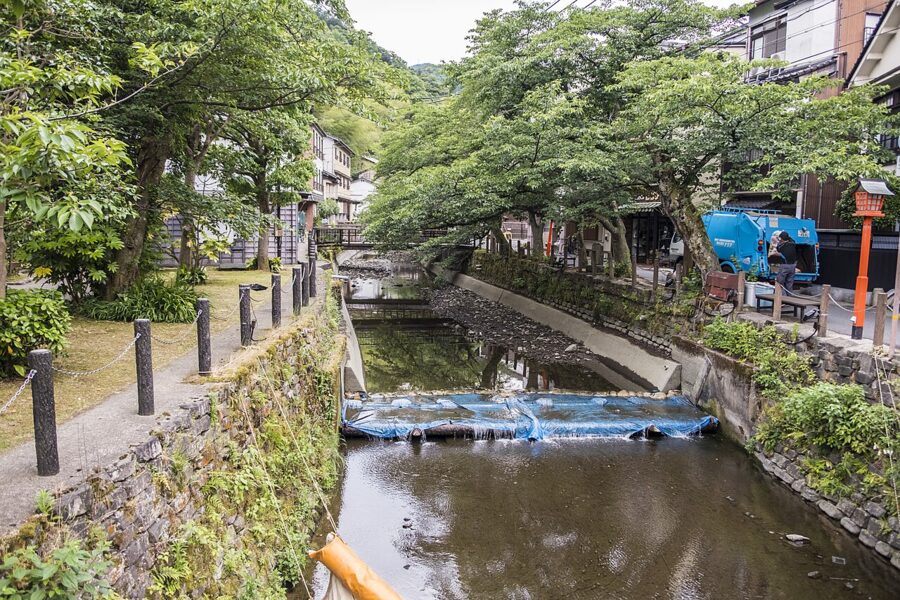
That walk is the whole idea. Kinosaki Onsen sits in the far north of Hyogo, a few kilometres up the Maruyama River from the Sea of Japan, and for most of its history it has run on the rule that the big baths belong to the town, not the inns. Your ryokan gives you a bed, dinner and a small private bath. The street gives you everything else.
I went for the baths and stayed for the evenings. Below are the seven sotoyu (public bathhouses) and how to work around the one that is shut, the pass, the history behind the system, the winter crab, the trains from Kyoto and Osaka, and where to stay. Prices and hours were checked with the tourist association, the ropeway and the city in November 2026.
In This Article
- The town is the inn
- The seven sotoyu, and which six you can use
- Satono-yu (closed)
- Jizo-yu
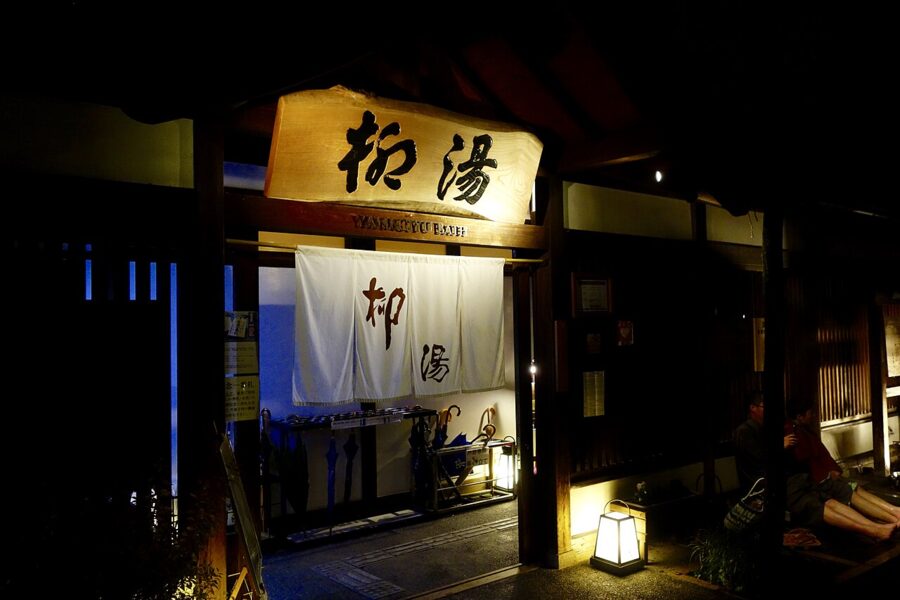
- Yanagi-yu
- Ichino-yu
- Goshono-yu
- Mandara-yu
- Kono-yu
- How to do the bath crawl
- The Yumepa pass and what it costs
- Yukata, geta and what to carry
- An order that works
- Tattoos, children and the rules inside
- Beating the queues
- After dark, in wooden sandals
- A thousand days, a newt and an earthquake
- The Edo spa and the “best in the land”
- Shiga Naoya and At Kinosaki
- 1925: the town that burned
- The bath war
- Up Mount Daishi: Onsenji and the ropeway
- When the crab comes in
- Matsuba-gani and seko-gani
- Tags, ports and frozen imports
- Kani kaiseki at your inn
- Crab without a ryokan dinner
- Tajima beef, beer and the snacks between baths
- Getting there
- From Kyoto
- From Osaka and Kobe
- Rail passes
- Bus and plane
- Arriving at Kinosaki Onsen Station
- Where to stay, by budget
- The splurge: Nishimuraya Honkan
- The literary inn and the middle ground
- Room-only and cheaper
- Day trip or a night?
- A day from Kyoto or Osaka
- One night, done properly
- Which season?
- If you have another day
- What I’d skip
The town is the inn
Innkeepers here like a line that the station is the front door, the streets are the corridors and the ryokan are the guest rooms. It sounds like marketing until you see how the hot water actually moves. The springs under the town are owned and managed by a single local body, the Yushima property ward, and since 1972 every source has fed one central plant that blends the water to a steady temperature and pipes it, like mains water, to the bathhouses and to the inns.
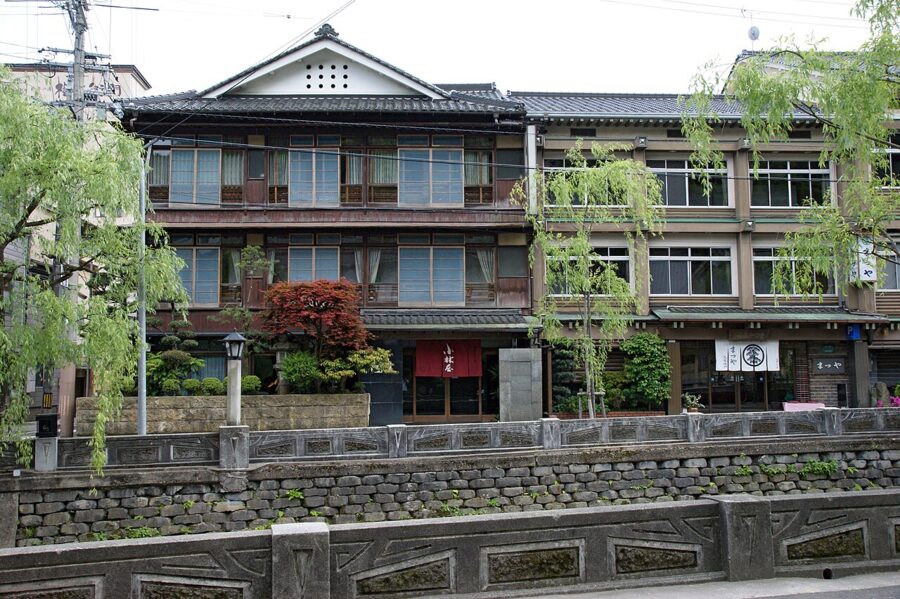
The inns get that water, but there is a catch. Under a settlement reached in 1950, after more than twenty years of legal fighting (the story is in the history section below), ryokan may have their own hot-spring baths only if those baths stay small. The big bathing, with the rock pools and waterfalls, is meant to happen in the public bathhouses. The local tourism office even notes that the private baths inside guest rooms are filled with ordinary heated water, not spring water, because of local rules.
So the deal for an overnight guest is simple. Almost every inn in town hands you a pass that opens all the public baths for free, from check-in until 13:00 on the day you leave. In return, you are expected to go out and use them.
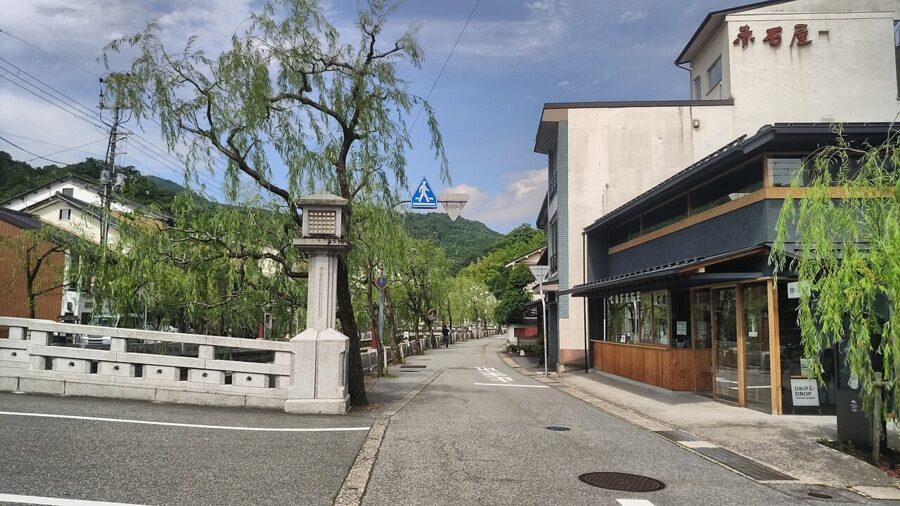
This is why Kinosaki feels different from Beppu or Hakone, where the best water is often behind a hotel’s front desk. Here the hotel is not trying to keep you in. For bathing etiquette, my Japanese onsen guide covers the washing-first rules and the rest.
The seven sotoyu, and which six you can use
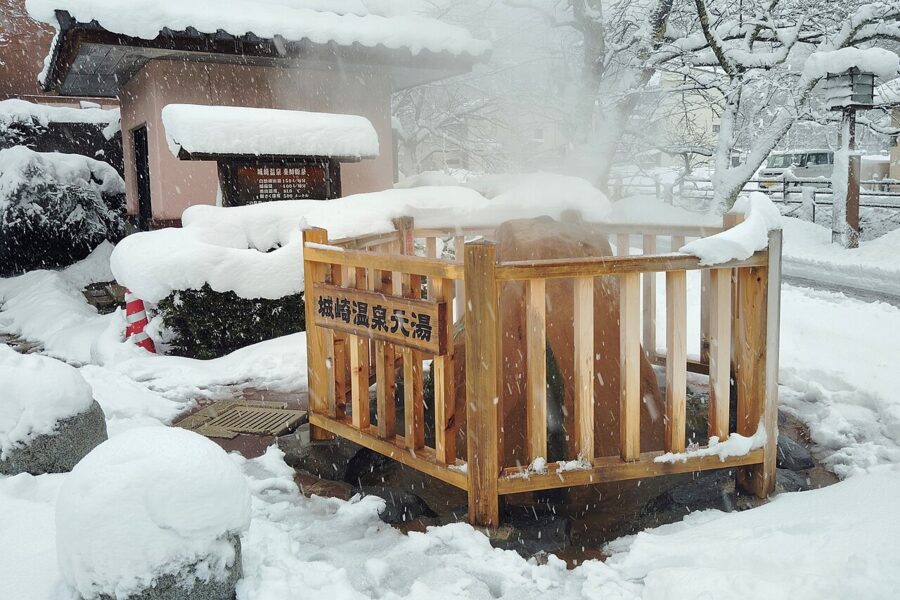
Kinosaki’s public baths are known as the seven sotoyu, “outside baths”, as opposed to the uchiyu inside the inns. The number on the map is still seven. The number you can actually bathe in this winter is six, because Satono-yu by the station has been closed for rebuilding since April 2024, and the timetable of closing days means you will rarely get all six on the same day either.
Every bathhouse charges ¥800 for adults and ¥400 for children (from age three to the end of primary school), and the last entry is 30 minutes before closing. The water is the same chloride spring everywhere, so the differences are the buildings, the outdoor pools and the crowds.
| Bathhouse | Hours | Closed | What it is like |
|---|---|---|---|
| Satono-yu | Closed for rebuilding | Since 1 April 2024 | The big modern one by the station; not expected back before about 2028 |
| Jizo-yu | 7:00–23:00 | Monday | Large indoor pool, no outdoor bath, the locals’ favourite |
| Yanagi-yu | 15:00–23:00 | Thursday | The smallest, one tub each side, famously hot |
| Ichino-yu | 7:00–23:00 | Wednesday | The town symbol, with a cave bath of natural boulders |
| Goshono-yu | 7:00–23:00 | Thursday | Biggest and grandest now open, waterfall outdoor pool |
| Mandara-yu | 15:00–23:00 | Wednesday | The founding spring, small, hillside outdoor bath |
| Kono-yu | 7:00–23:00 | Tuesday | Farthest from the station, garden outdoor pool, reopened late October 2026 |
Read the closing days down the column and the pattern jumps out. Wednesday costs you two baths (Ichino-yu and Mandara-yu) and Thursday costs you two more (Goshono-yu and Yanagi-yu). If you have any choice, come on a Friday, Saturday or Sunday, when all six are open, and accept that those are also the busiest days.
Satono-yu (closed)
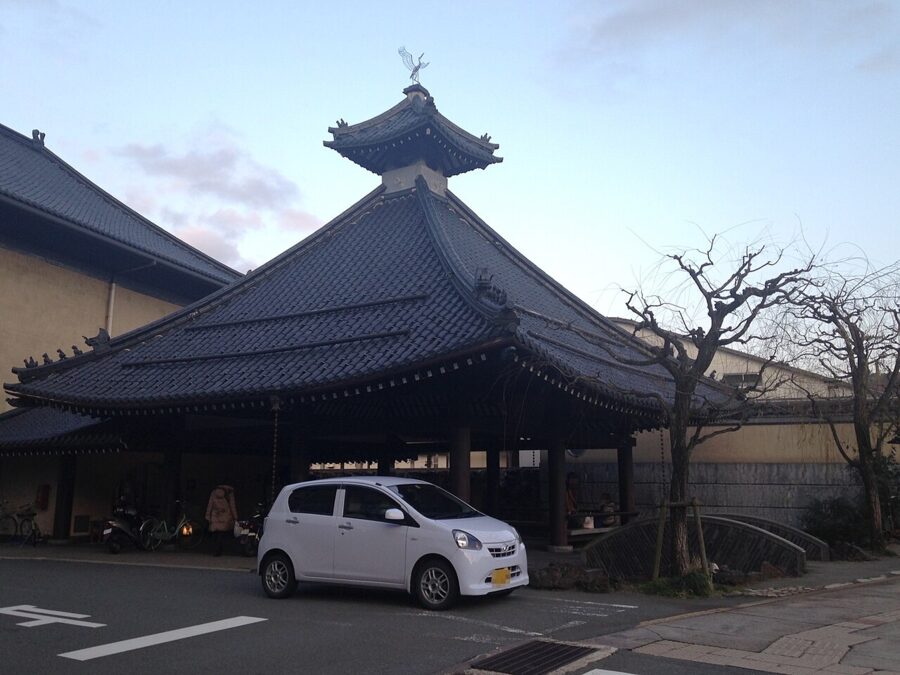
Older itineraries still send you straight from the train into Satono-yu. Don’t plan on it. The bathhouse closed on 31 March 2024, and even its free footbath shut in October 2025 when construction began; swap in Jizo-yu, five minutes’ walk away.
Jizo-yu
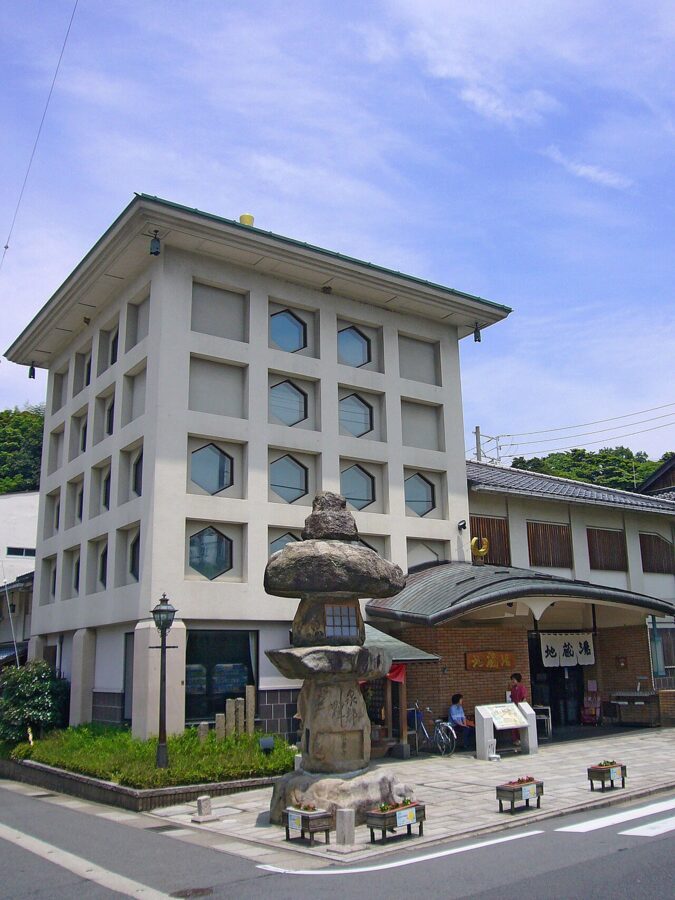
Jizo-yu is the first bathhouse you reach from the station, about five minutes up the main street. It has one big indoor pool and no outdoor bath, which puts some people off. I liked it for exactly that reason: it is where residents still come with their own baskets of shampoo, and the talk in the water is about the town, not the itinerary. Its family bath upstairs is out of use for now, as is the one at Ichino-yu.
Yanagi-yu
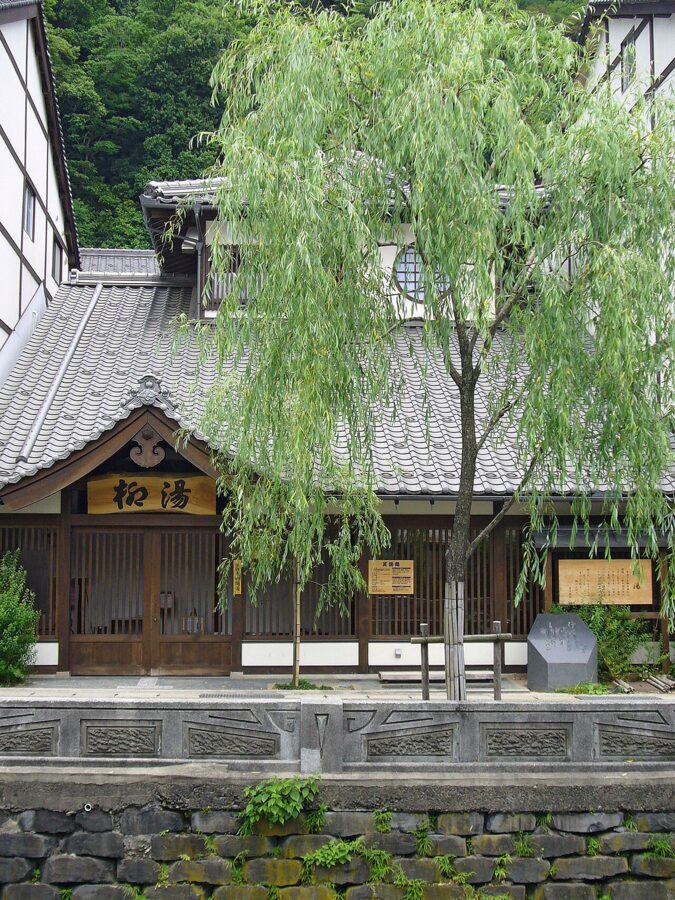
Yanagi-yu opens only from 15:00 and has a reputation for running hotter than the rest, partly because it is a small indoor room with nowhere for the heat to go. Test the water with your hand and get out before you feel heroic. Its tradition is a blessing for conceiving children.
Ichino-yu
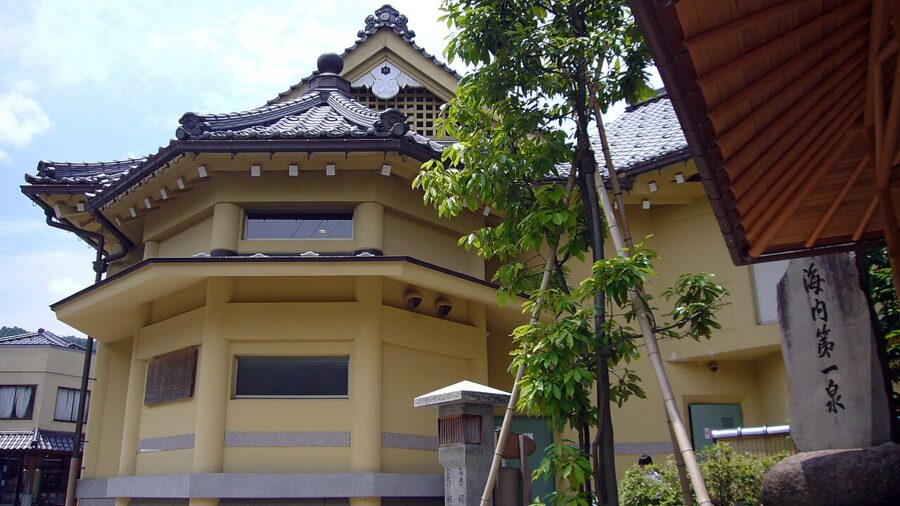
Ichino-yu sits roughly in the middle of town and is the bath most people come for first. Its trick is the cave bath, a pool tucked into a grotto of natural boulders with soft lighting. The changing room is small and fills after the inns finish serving dinner, so go early in the morning or mid-afternoon if you want the cave to yourself.
Goshono-yu
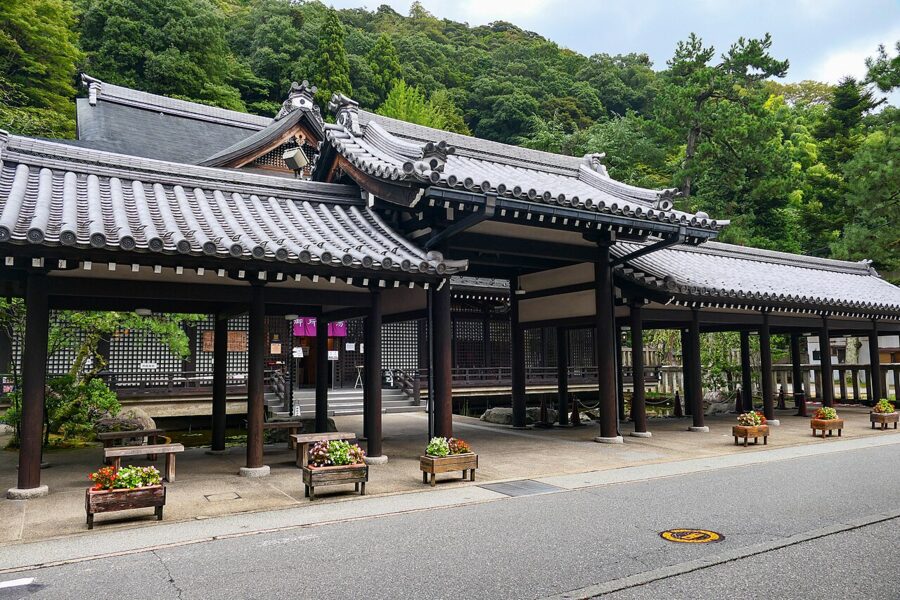
With Satono-yu gone, Goshono-yu is the largest and most spectacular bath you can use. The indoor pool sits under a high glass roof, and it opens onto a two-level outdoor bath backed by a waterfall and the wooded hillside. It is the one bath I would plan the whole crawl around.
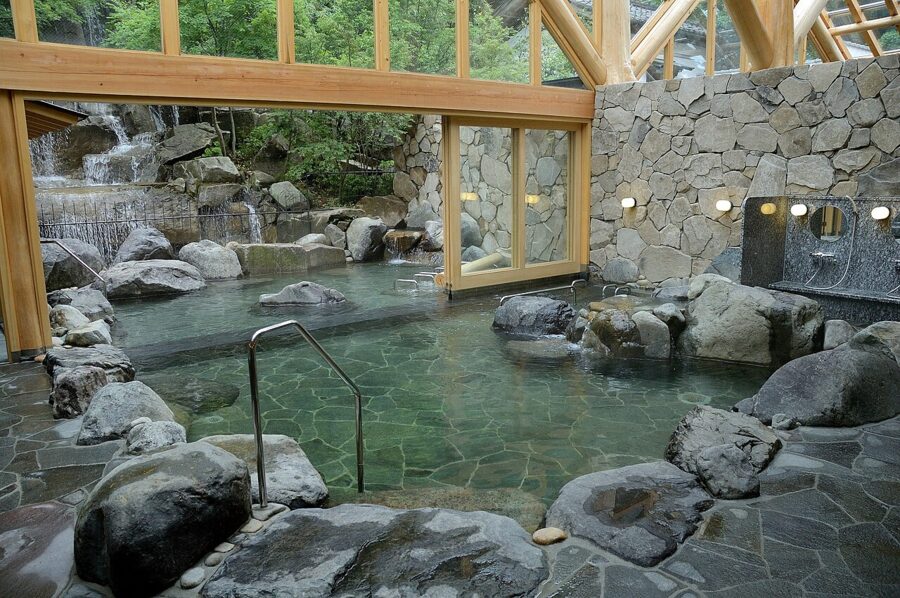
It is also the bath everyone else plans around, and weekend evenings are crowded. The 7:00 opening is the time to be here.
Mandara-yu
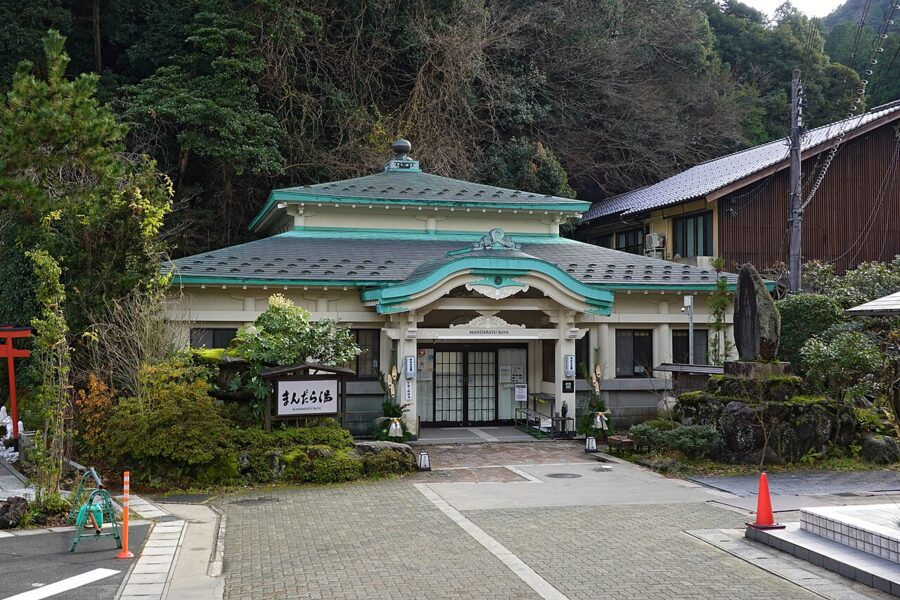
Mandara-yu is a short walk up a side street from the main river road, set back against the hill. It is small, opens at 15:00, and the outdoor pool looks straight at the green slope behind it, which is the whole appeal. The walk up is gentle, but in borrowed geta on a wet evening you will feel every metre of it.
Kono-yu
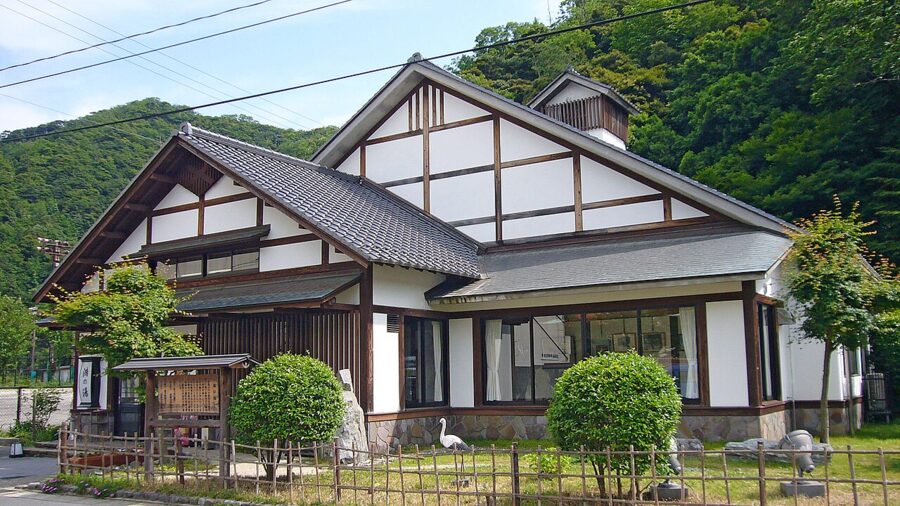
Kono-yu is the farthest bath from the station, roughly twenty minutes on foot, and the quietest because of it. The outdoor pool sits in a garden courtyard that feels more like a mountain inn than a town bathhouse. Its tradition is a long and happy marriage.
How to do the bath crawl
The crawl has a name, sotoyu meguri, and a few rules that nobody explains on the train. None of them is difficult.
The Yumepa pass and what it costs
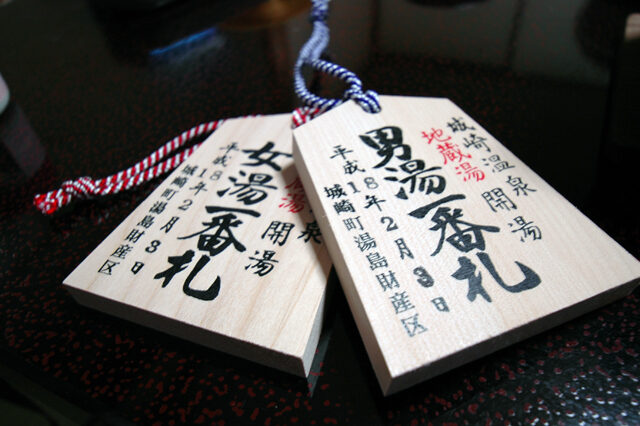
If you stay overnight in Kinosaki, your inn gives you the pass, called Yumepa, at check-in. It is a barcoded card you scan at the gate of each bathhouse, and it lets you in as often as you like until 13:00 on your check-out day. Check with your inn when you book, because a handful of places outside the main association do not include it.
If you are visiting for the day, buy a one-day Yumepa at the counter of whichever bath you visit first: ¥1,500 for adults, ¥750 for children, free under three. With single entry at ¥800, the pass pays for itself the moment you go into a second bath. It is not refundable, and like single tickets it is paid at the counter, where cash is the safe bet.
Yukata, geta and what to carry
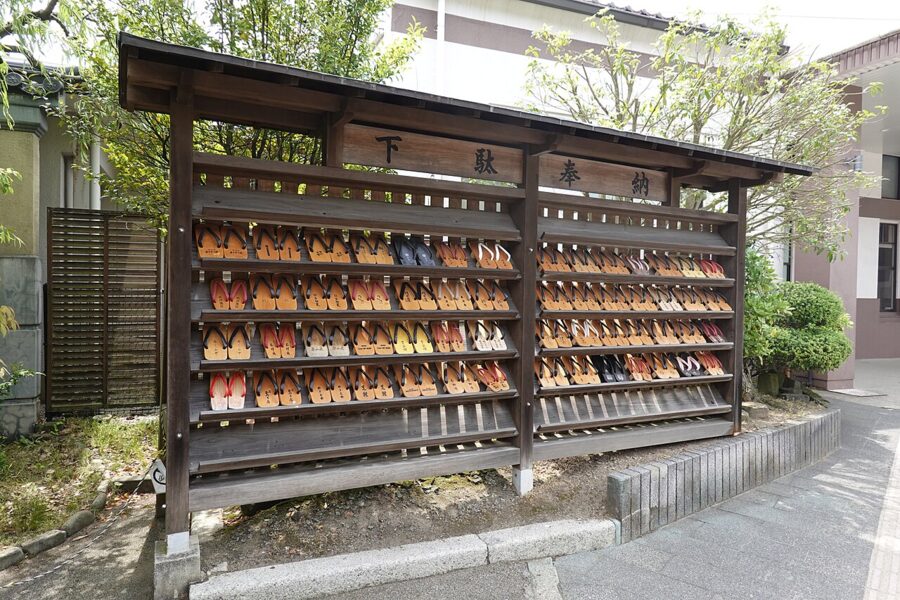
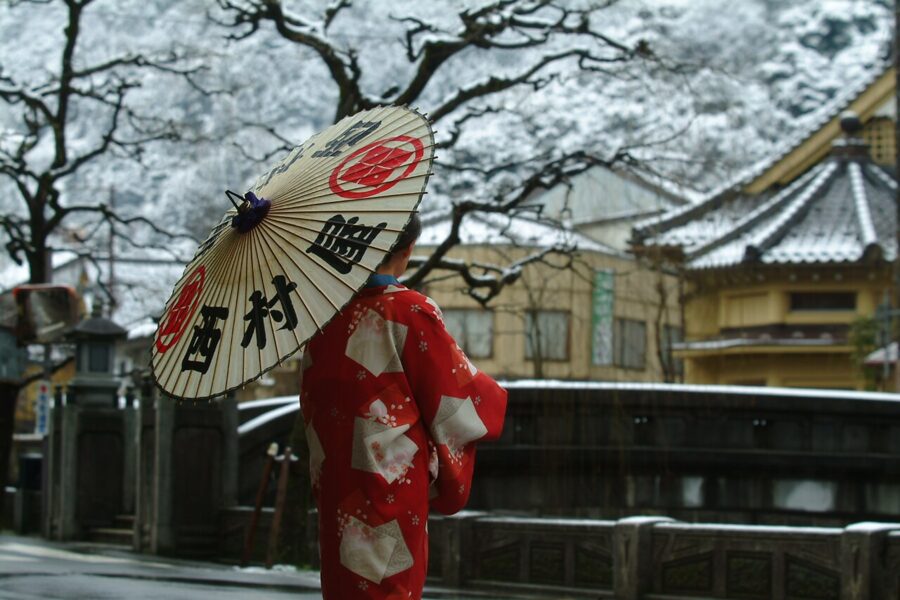
Your inn will give you a yukata and geta, and in winter a padded tanzen jacket to wear over the top. Wear them. You can do the crawl in jeans, but you will feel like the one person at a wedding in a tracksuit. Some inns let you pick a patterned yukata from a rack instead of the house design, sometimes for a small fee.
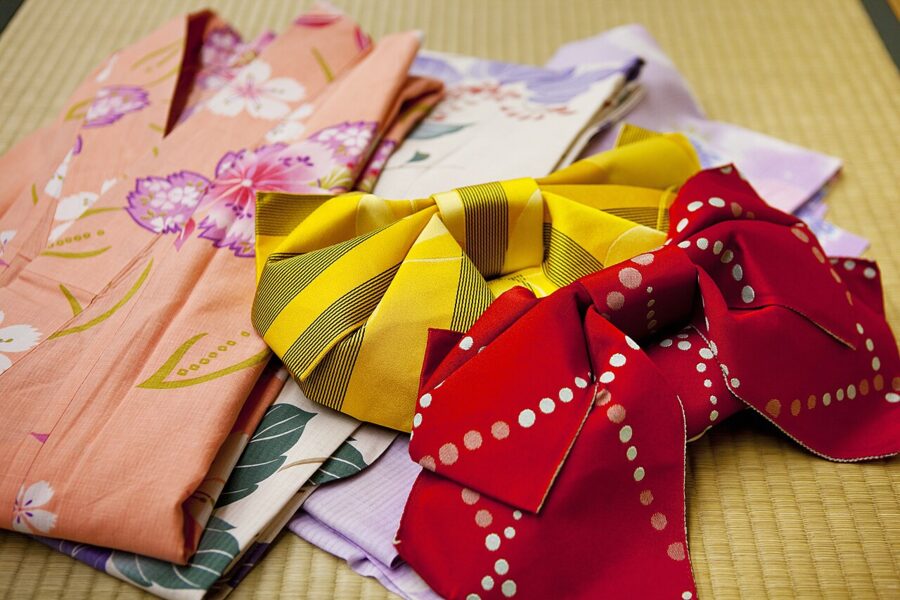
What to bring is short: the pass, a towel, and a tie for long hair. The bathhouses supply soap, shampoo and conditioner, and none of them lends towels, so carry the thin one from your inn. A plastic bag for the wet towel is the one thing I wish I had packed. In snow, ask your inn for rubber boots instead of geta; many keep them by the door.
An order that works
For one night, I would split the baths across the evening and the next morning. Arrive by 15:00, drop your bags, and walk the near half of town before dinner: Jizo-yu, then Yanagi-yu when it opens at 15:00, then Ichino-yu. After dinner, when the street is at its best, head up to Mandara-yu, which also opens only in the afternoon. Then go to bed early and be at Goshono-yu for 7:00, with Kono-yu after it on the way to the ropeway.
For a day trip, three or four baths is the realistic number. I would go Jizo-yu, Ichino-yu and Goshono-yu in that order, each about five minutes from the last, and add Mandara-yu or Yanagi-yu if your train home leaves after 16:00. Five minutes in each pool at 42°C is plenty; drink water between baths.
Tattoos, children and the rules inside
All of Kinosaki’s public bathhouses accept people with tattoos, of any size, which is still unusual in Japan. The rule does not automatically extend to the inns’ own baths, so ask your ryokan directly if you have ink and want to use the in-house pool. Bathing is naked and split by sex at every bathhouse, with no mixed bathing.
Children up to about ten may go into the opposite side with a parent if needed, and must be with an adult at all times. Wheelchairs, crutches and canes are allowed in the changing rooms but not in the bathing area. And the usual etiquette applies: wash fully at the taps before you get in, and keep your towel out of the water.
Beating the queues
The busy windows are predictable: roughly 15:00–17:30, when the overnight guests arrive and head straight out, and 19:30–21:30, when inn dinners end. Take an early dinner seating if your inn offers one, and you get the baths during the hour when everyone else is eating.
Before you walk to the far end of town, check the live crowd monitor that the tourist association publishes for each open bathhouse.
After dark, in wooden sandals
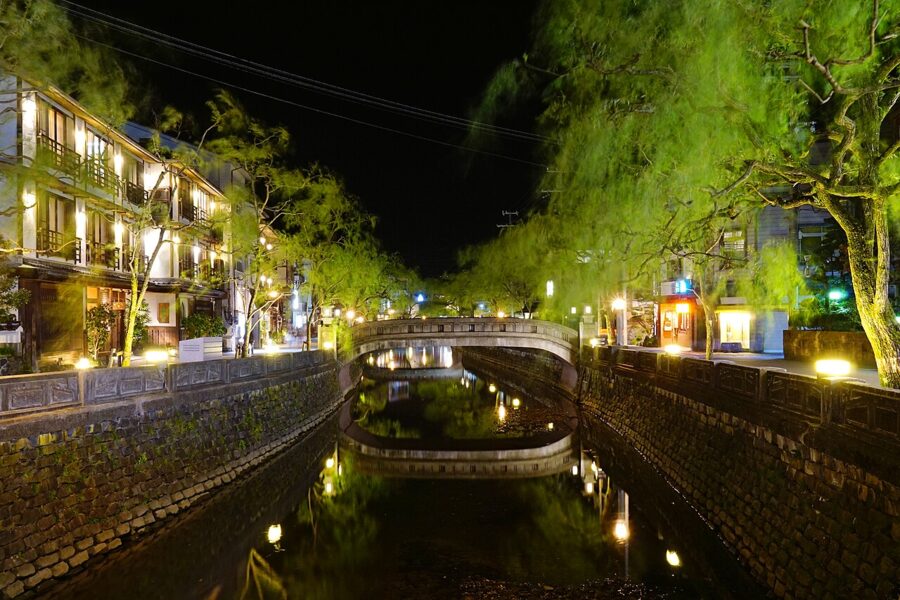
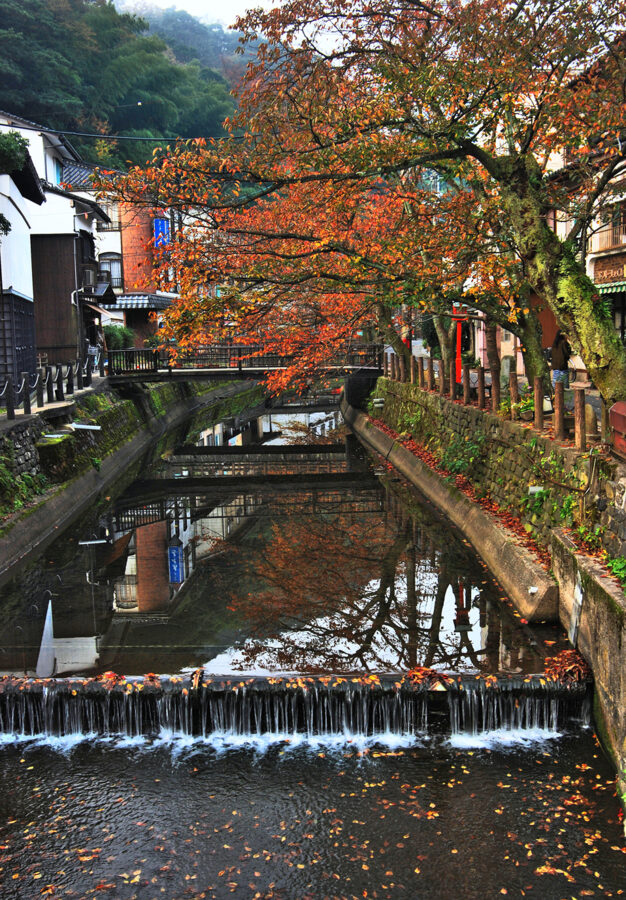
The tourist association has a word for what happens in Kinosaki after about four in the afternoon: sozoro aruki, walking for no particular reason. It is the real attraction. Lamps come on along the river, the willows turn into shapes, and the soundtrack is geta on stone and the odd burst of laughter from a shooting gallery.
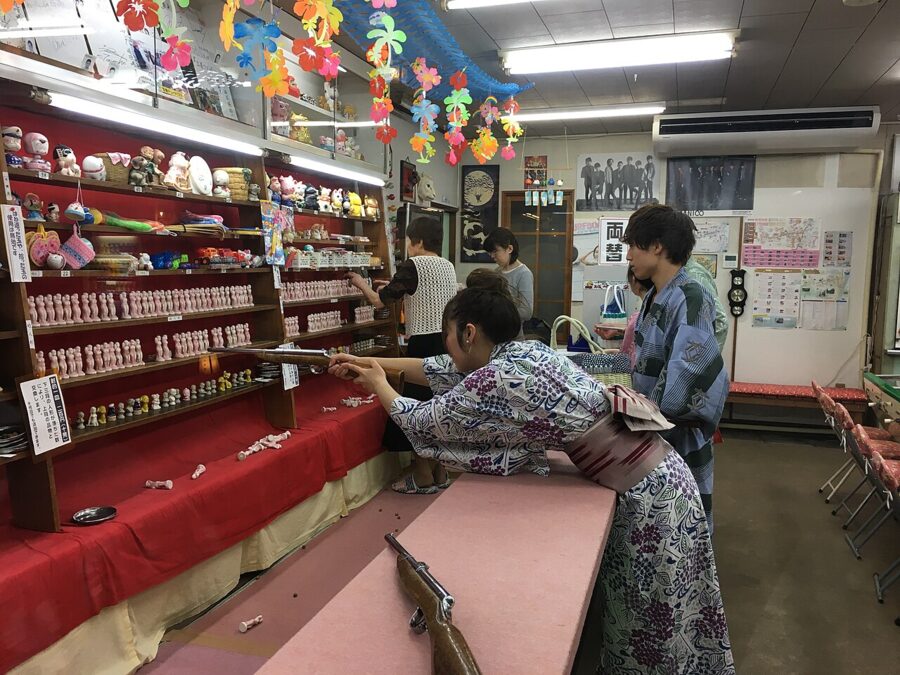
Those shooting galleries are the old-fashioned kind, with cork guns and shelves of small prizes, and they are part of the evening for Japanese guests as much as anyone. There are retro arcades too. Nothing about any of it is sophisticated. I loved it anyway.
For a drink, the town’s own brewpub, GUBIGABU, is run by the company behind the Yamamotoya inn, which started brewing in 1997, and its counter looks out on the willows along the river. My guide to Japanese craft beer has the wider scene. The town also has a scattering of small “snack” bars, and the official tourism office sells a guided hopping tour of them if you want a translator.
One warning: Kinosaki goes to bed early. Many shops shut in the early evening, and the bathhouses stop admitting people at 22:30. That is the point, but it surprises people who expect a resort.
A thousand days, a newt and an earthquake
Kinosaki is one of the few hot springs in Japan that counts its age from a specific year. The temple’s story is that a travelling monk, Dochi Shonin, reached the area in 717, found the people sick and was told in a vision to pray for a thousand days. On the thousandth, in 720, water came up at what is now Mandara-yu, and the town marked its 1,300th anniversary in 2020.
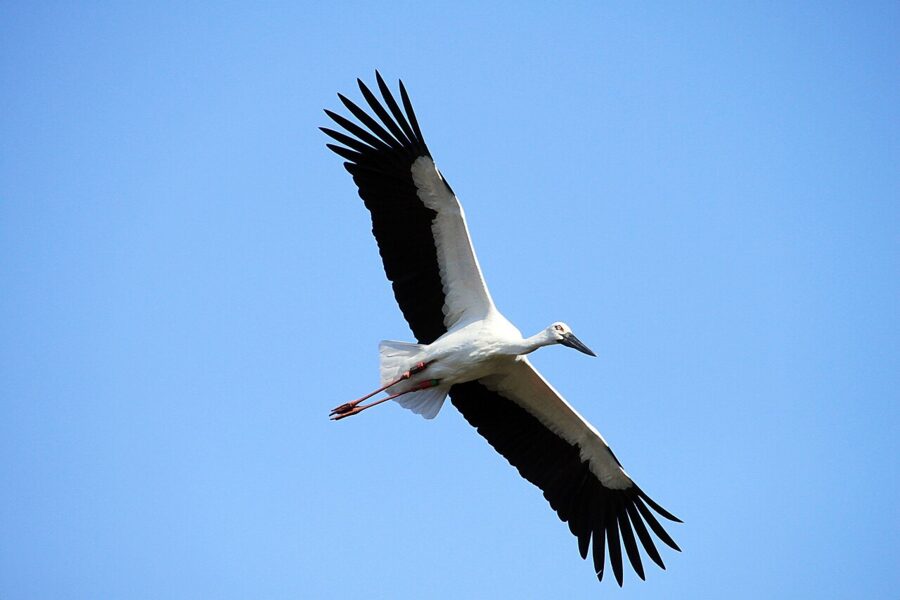
There is an older, less pious version. A stork with an injured leg was seen standing in a pool, apparently soaking it, and when it flew off healed, people found the water was hot. That spring is Kono-yu, and the stork is now the symbol of the whole Toyooka area.
The Edo spa and the “best in the land”
By the Edo period Kinosaki was a full resort, with nine bathing pools that became the ancestors of today’s sotoyu. Period rankings of hot springs, laid out like sumo tables, put it high on the western side, behind only Arima. Records describe noodle stalls and shops renting shamisen, board games and, oddly, spears and swords to bored guests.
The physician Kagawa Shutoku gave the town its best line in the 1700s, writing in his medical text that the “new bath” was the best in the land; it became Ichino-yu, and a stone beside it still carries the phrase. In the last years of the shogunate, the future Meiji leader Katsura Kogoro hid out in Kinosaki while on the run from the Shinsengumi.
Shiga Naoya and At Kinosaki
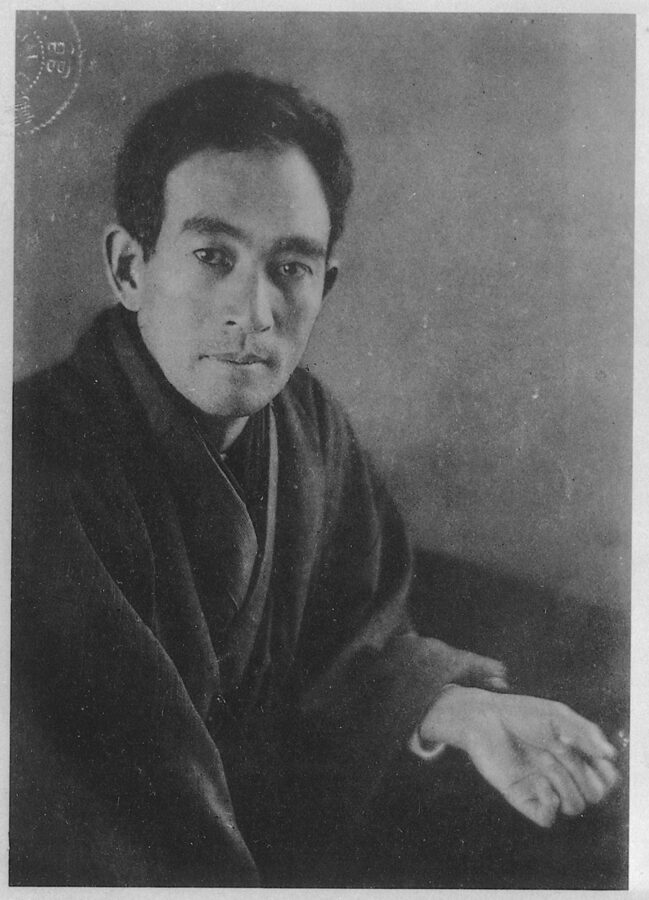
The story is Kinosaki nite, usually translated as “At Kinosaki”, and it is very short. Convalescing, the narrator watches a dead bee on the roof below his window, a rat with a skewer through its neck trying to escape boys throwing stones, and a newt on a rock in a stream that he kills by accident with a pebble he threw to startle it. Out of those three small deaths he works through what it means that he survived, and the story made Kinosaki a literary destination.
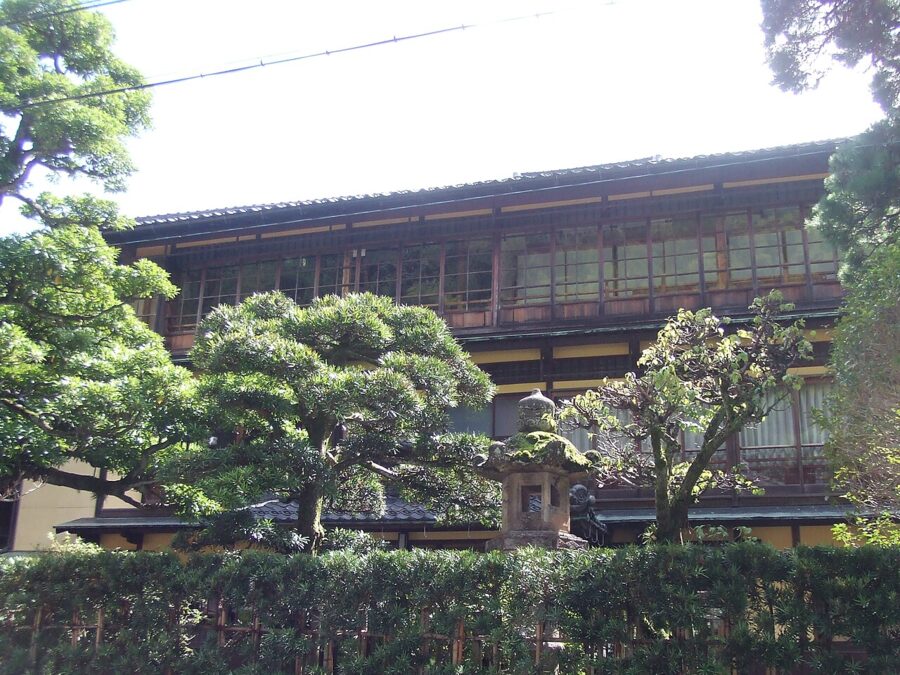
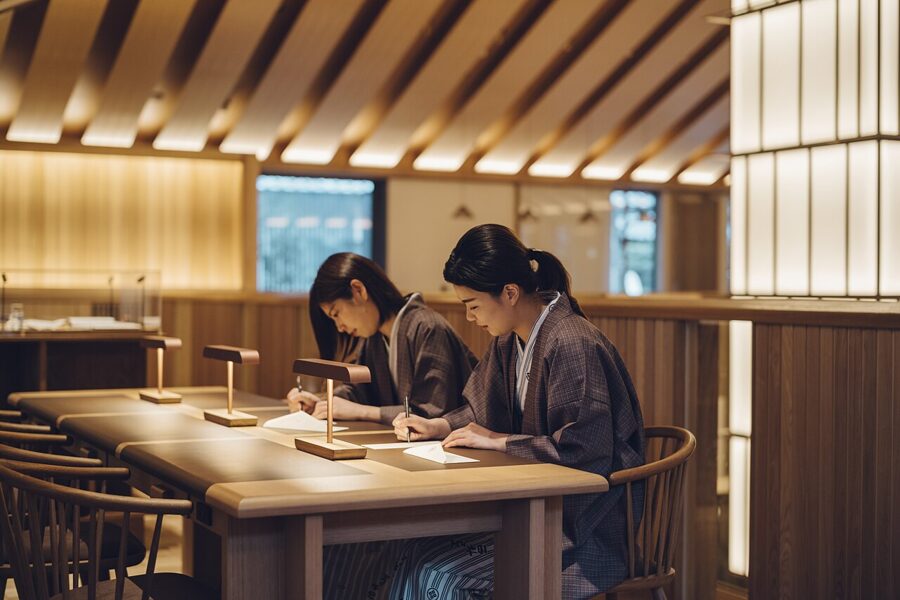
Shiga stayed for about three weeks at Mikiya, an inn on the main street, and kept coming back. The inn still has the rooms he used after it was rebuilt, along with postcards he wrote to the owner, and it describes itself as having no luxurious facilities, which these days counts as a selling point.
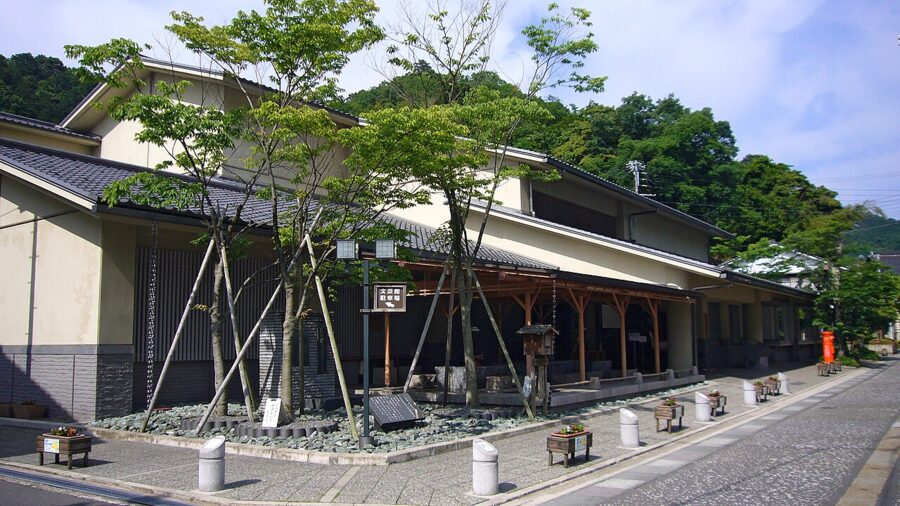
The town has kept the literary thread going. In 2013, a hundred years after Shiga’s first visit, a group of young innkeepers set up their own small publishing label, Books and Onsen, and commissioned new Kinosaki stories from writers including Makime Manabu (2014) and Minato Kanae (2016).
1925: the town that burned
At 11:11 on 23 May 1925, a magnitude 6.8 earthquake struck northern Tajima. It was close to lunchtime, and in a town built of wood with kitchen fires lit, collapsing buildings started fires that the wind spread through the night. Kinosaki burned almost entirely, and 272 people died there, about eight per cent of the town, most of them women trapped in collapsed kitchens.
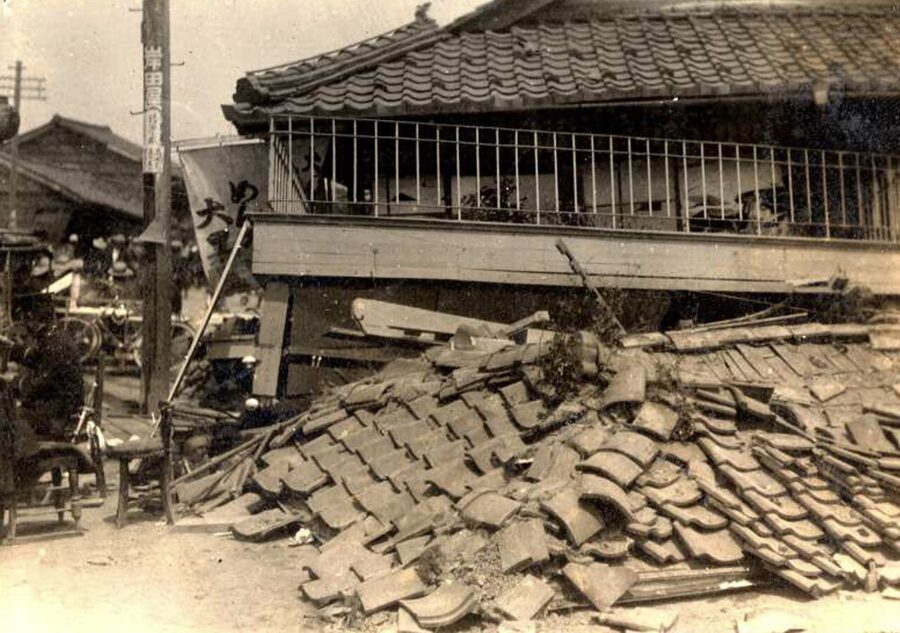
The bathing guests, about 1,200 of them, escaped along the railway line and were taken out on relief trains. What strikes me is how fast people came back: by the following month 82 guests had returned, because the hot water was still running. The three-storey wooden streetscape you walk through now is largely the rebuild from those years.
The bath war
Here is the part that explains everything. Before 1925, Kinosaki’s inns had no baths of their own; guests walked to the sotoyu, full stop. In 1927, rebuilding after the fire, Mikiya struck hot water on its own land and put the town’s first in-house bath into its new building.
The rest of the town saw it as an attack on the tradition (and on the shared springs), and it went to court. The dispute ran for more than twenty years until a settlement in 1950: inns could have in-house baths, but small ones; all the sources, private land included, would be pooled under the Yushima property ward; and anyone who wanted a big bath would keep going to the sotoyu. Free entry to the sotoyu for overnight guests came out of the same reforms, which is how a lawsuit became the bath crawl.
Up Mount Daishi: Onsenji and the ropeway
Traditionally, nobody bathed in Kinosaki before paying respects at Onsenji, the temple Dochi Shonin founded on the hill above Kono-yu. Pilgrims climbed to the main hall, prayed to the guardian of the springs, and were handed a wooden ladle that served as their ticket into the baths. You no longer need the ladle, but the temple still sells it, and it still teaches the old bathing ritual if you ask.
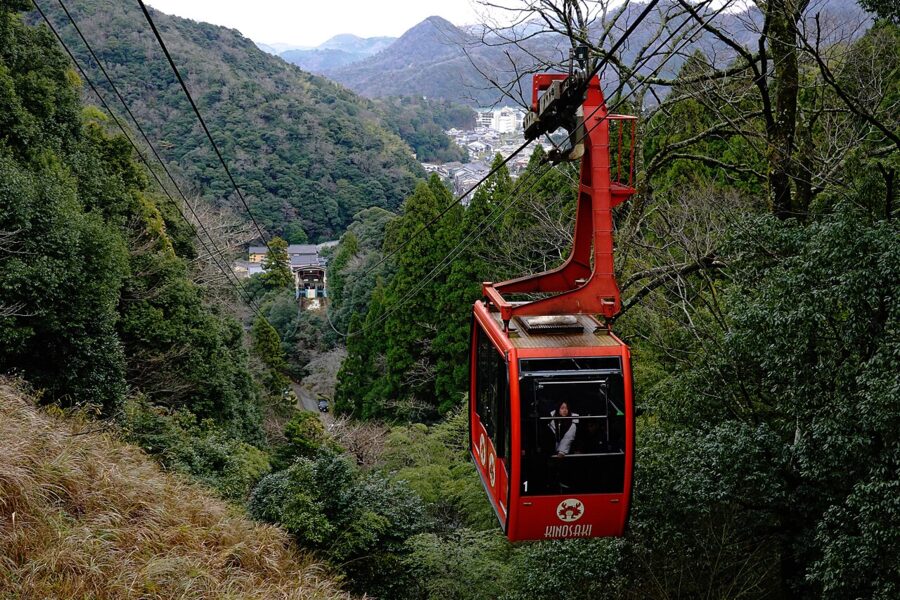
The ropeway leaves from the top of the valley, about fifteen minutes’ walk from the station, roughly every twenty minutes from 9:10. A return to the summit costs ¥1,200 for adults (¥600 for children) and a return to the temple stop ¥750. It is closed on the second and fourth Thursday of each month unless that day is a holiday, and from 1 November 2026 to 31 January 2027 the last car up leaves at 16:30 and the last car down at 16:50.
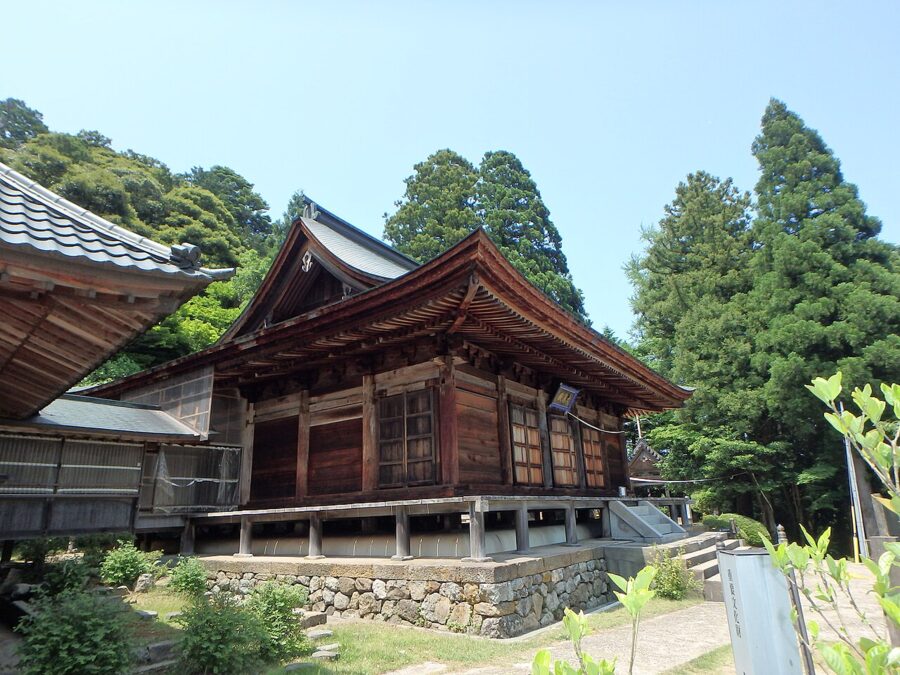
Get off at the middle stop for the temple. Admission is ¥300, which includes an explanation from the temple staff. Look out for the canes and crutches left at the altar by people who said the water cured them; the Kinosaki Art Museum stands beside the main hall.
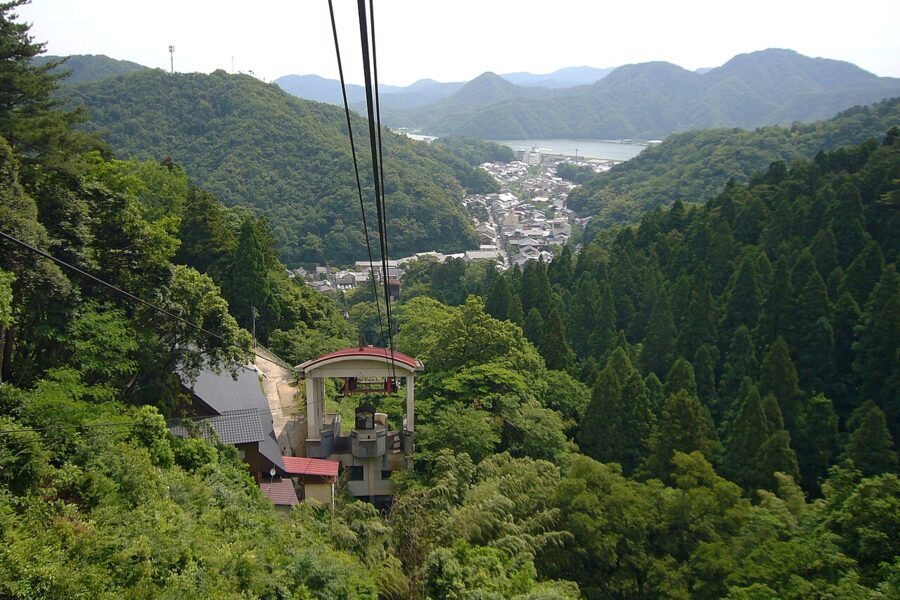
Then ride to the top, 231 metres up. The summit has an observation deck, a crab memorial and kawarake-nage, where you throw clay discs at a target for luck. The ropeway company warns that the trail down to the temple stop is a mountain path, not one for geta, and the Daishi-yama hiking course has been partly closed since a landslide at the Atago-yama trailhead in December 2025. Ride both ways.
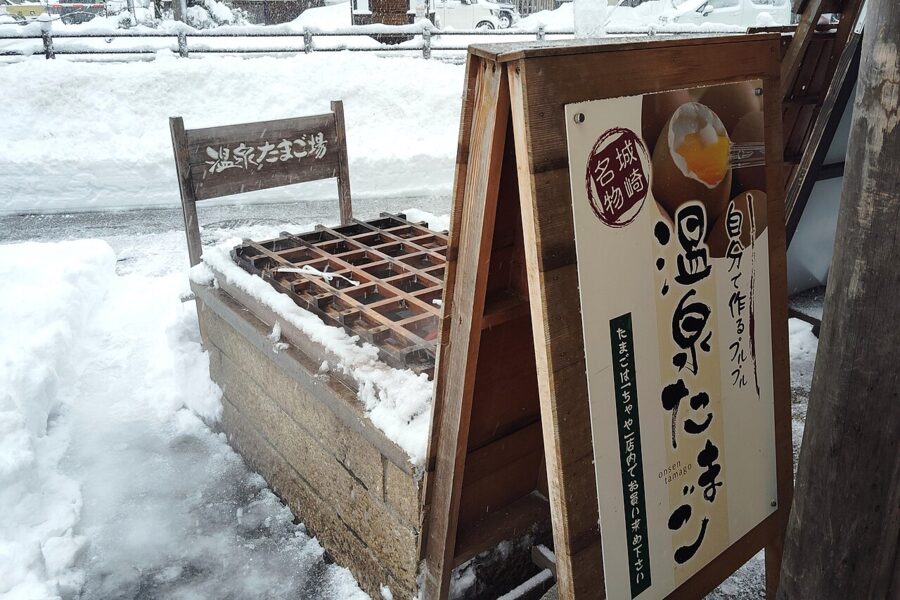
Back at the bottom, stop at Yakushi Park beside the ropeway station. The town’s source spring, the Motoyu, runs out of the rock here, and the gelato shop Chaya sells raw eggs so you can cook your own onsen tamago in the hot water while you sit at the footbath outside.
When the crab comes in
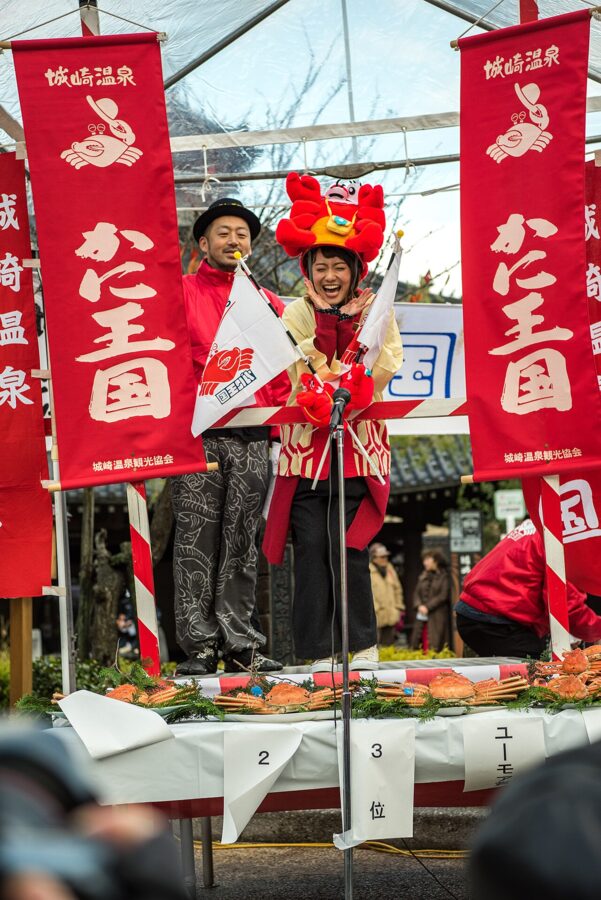
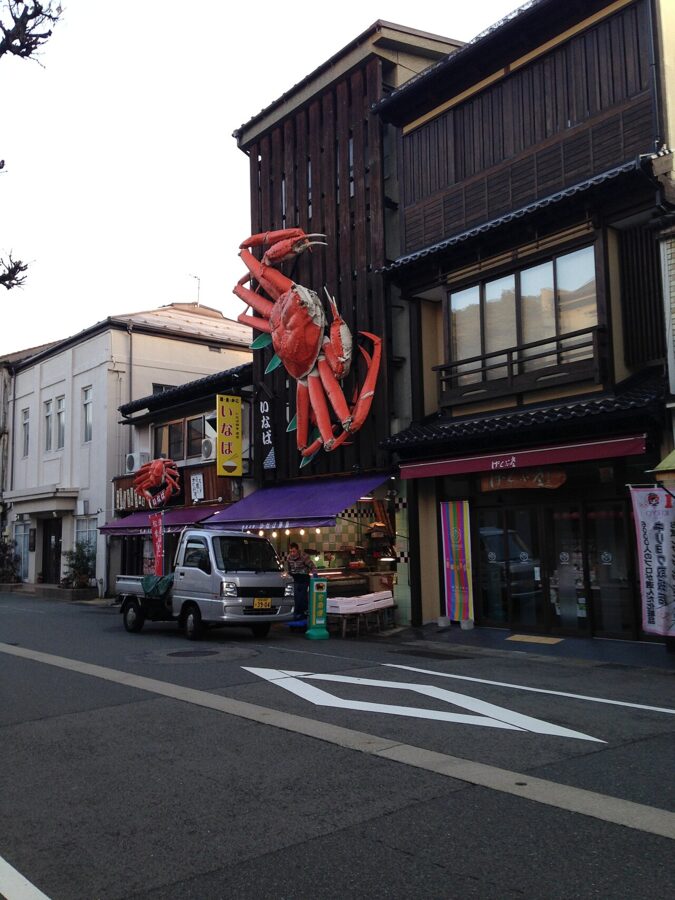
Most Japanese guests who book Kinosaki between November and March are coming for crab as much as for the bath. The tourist association rebrands the town as the Crab Kingdom for the season, which in 2026–27 runs from November to the end of March, and fish shops on the main street put out tanks of live crab.
Matsuba-gani and seko-gani
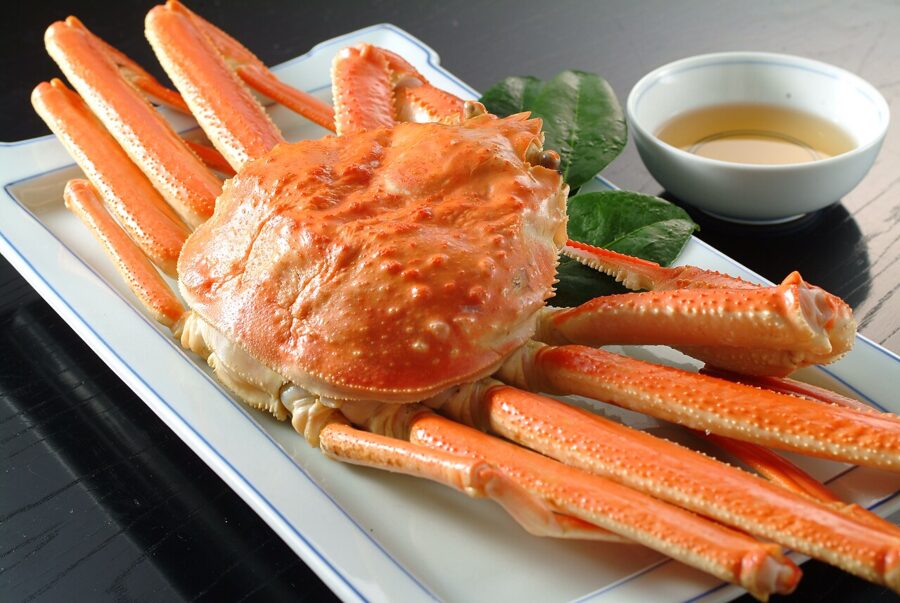
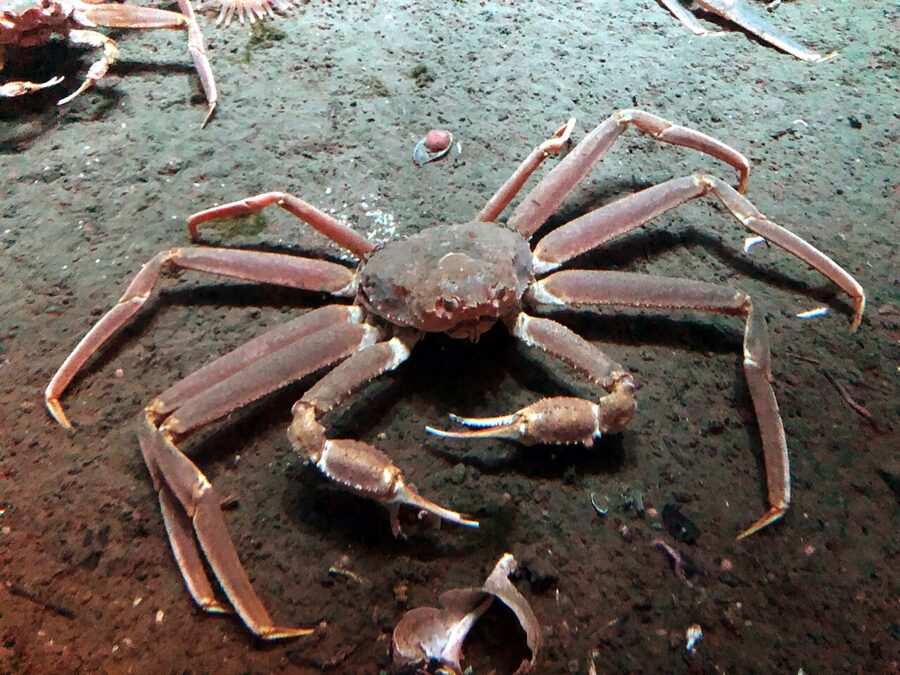
The crab is zuwai-gani, snow crab, called matsuba-gani on this coast when it is the male. Fishing opens every year on 6 November, and the male season runs to 20 March. The female, seko-gani, is much smaller, packed with orange roe, and allowed only from 6 November to 31 December to protect the stock, so December is the one month you can have both.
I have written about why Japan cares so much about where its seafood comes from in eating fish in Japan, and crab is the extreme case. A live matsuba-gani from a named port is priced at auction, which is why menus say “market price”.
Tags, ports and frozen imports
Kinosaki’s nearest port is Tsuiyama, at the mouth of the Maruyama River about ten minutes away by car, and its male crab is sold as Tsuiyama-gani with a blue tag on one leg, attached by the local fisheries cooperative. The tag tells you the crab was landed at that port. A crab without one may still be good, but you are taking the seller’s word for where it came from.
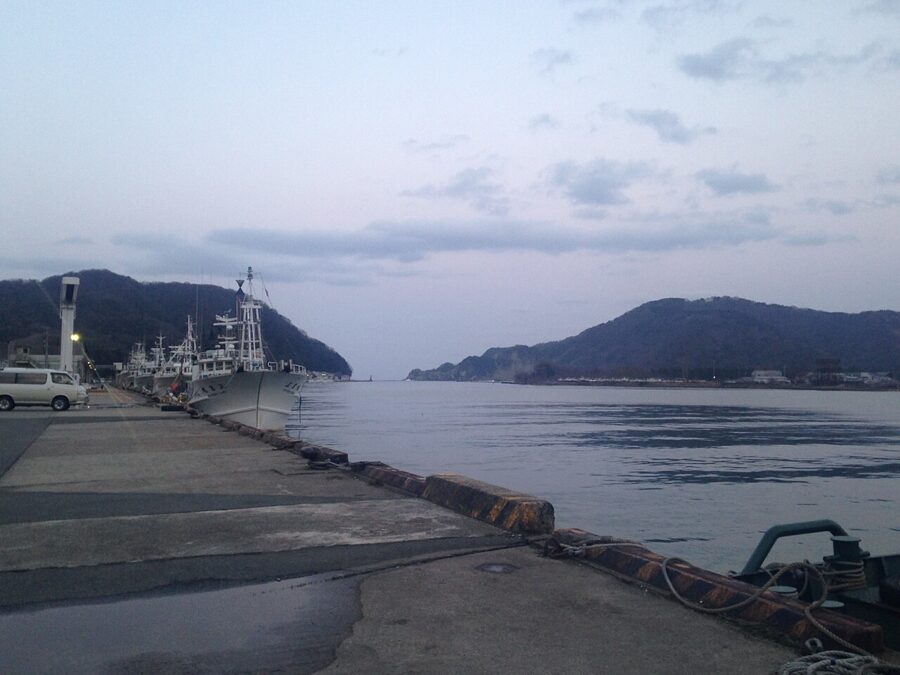
Cheaper crab plans often use frozen imported snow crab. That is not a scam; it is a different product, and the good inns say so on the plan. One restaurant in town lists a frozen-crab full course at ¥15,000 next to live crab “at market price”. If a plan does not mention a tag or katsu-gani (live crab), ask.
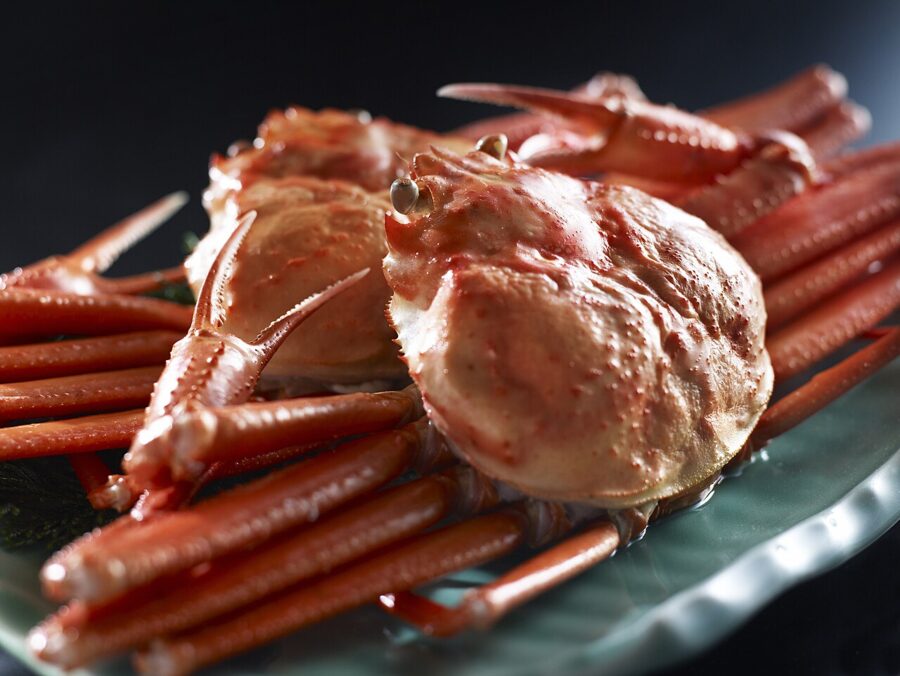
Kani kaiseki at your inn
The classic Kinosaki winter dinner is a crab kaiseki, where almost every course is crab: raw legs as sashimi, grilled on a charcoal brazier, boiled, in a hotpot called kani-suki, and finally as rice porridge made in the leftover broth. The biggest plans work out at two crabs a person. It is a lot of food and a lot of cracking.
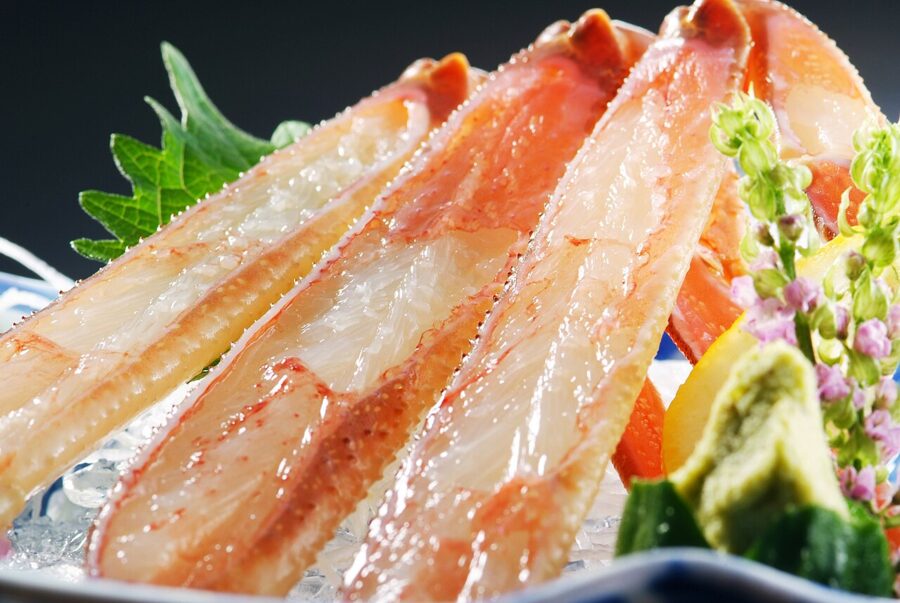
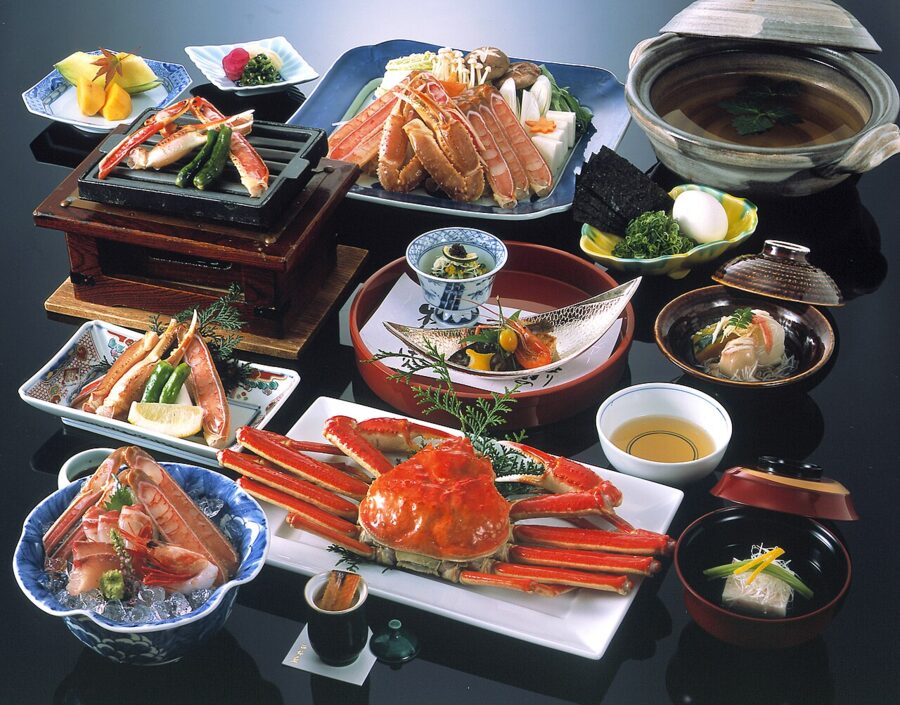
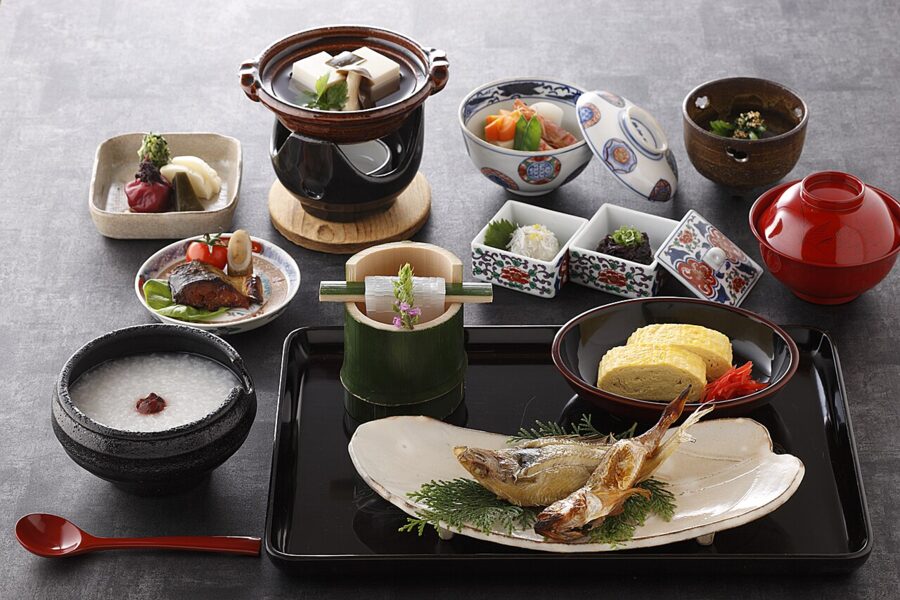
Breakfast the next morning is a proper ryokan spread, with grilled fish, rice, miso and pickles; my Japanese breakfast guide explains what is in front of you. If you are a light eater, look for plans sold by the number of crabs per person; Mikiya, for one, offers both a one-crab and a one-and-a-half-crab dinner.
Crab without a ryokan dinner
Day visitors and room-only guests still get crab. The tourist association’s Crab Kingdom list for the 2026–27 season (published 1 October 2026) gives these prices, and every place below is on it:
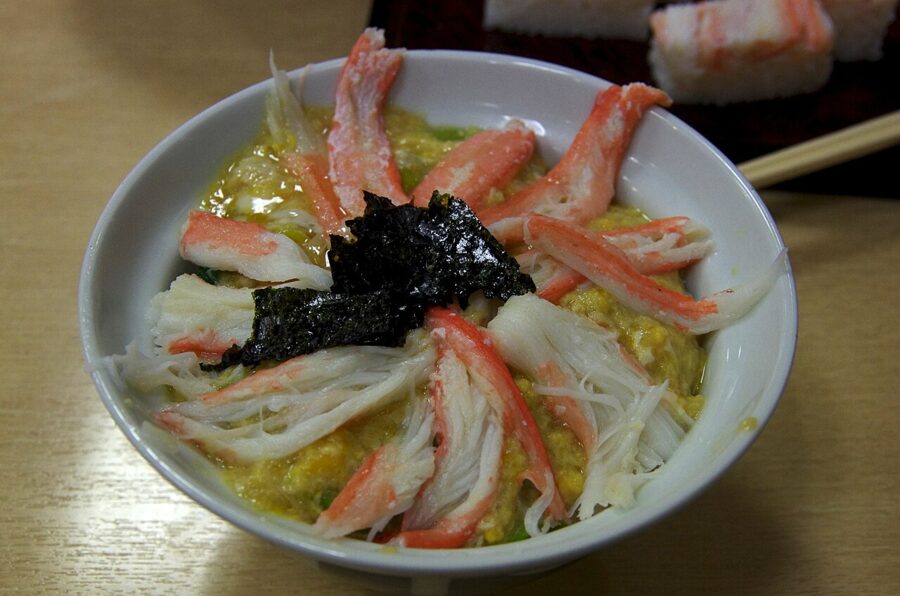
- Okesho Kaichuen, upstairs from the Okesho fish shop on the main street, buys from Tsuiyama morning and evening. Crab full course from ¥13,000, crab hotpot ¥8,400, crab-meat rice bowl ¥3,300. Open 10:00–18:45 (last orders for crab hotpot 16:30, for the full course 17:30).
- Daikokuya, a crab sushi and noodle shop near the station that started as an udon shop in the Taisho era. Crab rice bowl ¥1,800, crab nigiri ¥2,400, noodle-and-sushi sets from ¥1,650.
- Orizuru, open since 1942, for live crab sashimi from ¥22,000 and crab nigiri (eight pieces) at ¥3,300. Closed Tuesdays and the second and fourth Wednesdays.
- Sanpo Nishimuraya Honten, the dining room of the Nishimuraya group, for the big set pieces: a lunch-only live matsuba-gani course at ¥38,500. Booking required, closed Wednesdays.
- Sabo Yumeya, a cafe by the station, for a crab sandwich (¥1,450) while you wait for the train.
Tajima beef, beer and the snacks between baths
Kinosaki is in Tajima, the old province of northern Hyogo, and Tajima cattle are the bloodline behind Kobe beef: to be sold as Kobe, beef has to come from Tajima-strain cattle. The full story is in my wagyu beef guide; what matters here is that you can eat the source animal at a fraction of what Kobe charges.
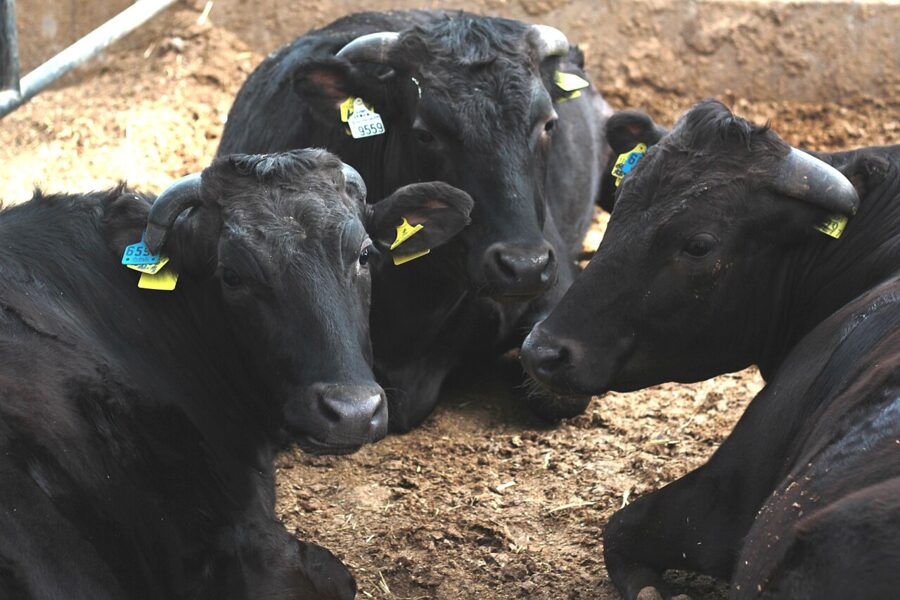
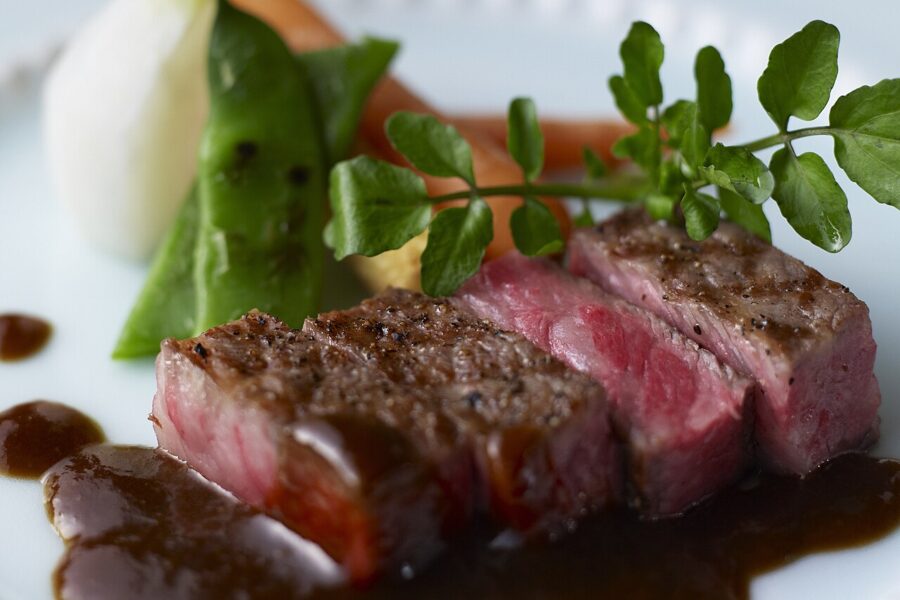
Many ryokan dinners include a Tajima beef course, grilled or as shabu-shabu. In town, Irori Dining Mikuni calls itself Kinosaki’s only Tajima beef specialist and buys whole animals of Tajima-guro, a premium line from a single farm. Its lunch steak set starts at ¥7,500 (before tax) for 100 g of loin. Kinosaki Burger near the station does a burger with a 100 per cent Tajima beef patty, 11:00–16:00.
Between baths, the town runs on small sweet things. Kinosaki Sweets makes cakes and baumkuchen from local rice flour (9:40–17:40, closed Wednesdays). Kani-yaki Marufuku, at the entrance to the Kiyamachi Koji lane, sells crab-shaped versions of taiyaki filled with red bean paste. And Hasegawa Tofu, open only in two short windows a day, sells soy-milk doughnuts for ¥120.
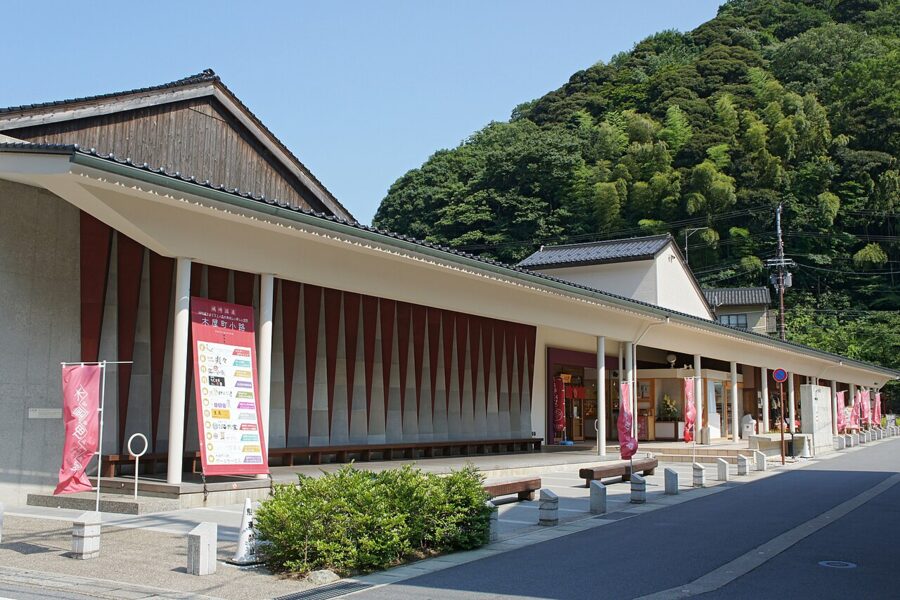
For a crab souvenir that needs no cool box, the confectioner Minatoya sells a crab sable biscuit at ¥1,250 for six. The tourist centre also sells a ¥300 Yukata and Crab Kingdom passport, good for a year of small discounts at shops and inns.
Getting there
Kinosaki Onsen Station is on JR West’s San’in Line, and limited express trains run there from Kyoto, Osaka and Kobe. Every one of these trains is now all-reserved, with no unreserved cars, so book your seat before you travel.
From Kyoto
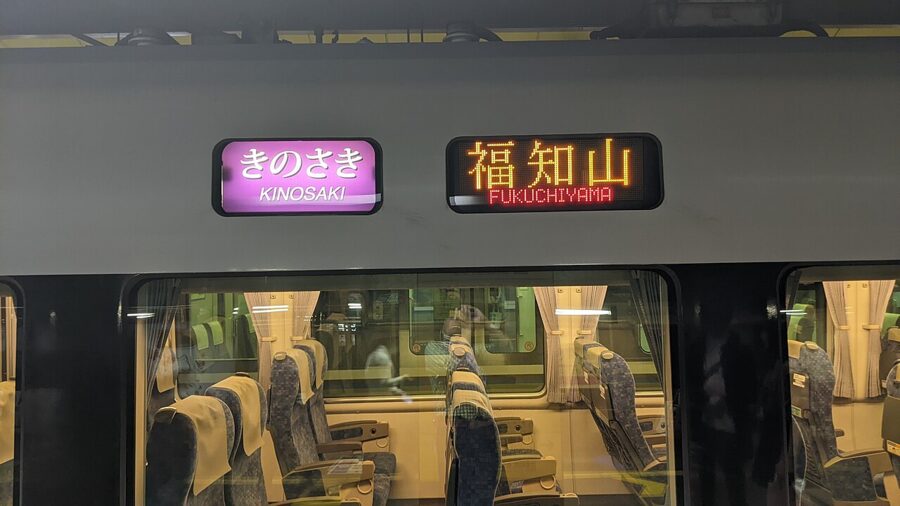
The Limited Express Kinosaki takes about two and a half hours from Kyoto, on a line that runs west past Arashiyama and through the Hozu gorge before it reaches the farmland of northern Kyoto. A reserved seat costs ¥5,030 one way in normal season (fare ¥2,640 plus the limited express charge). For a night, pick a train that arrives in the middle of the afternoon, so you reach your inn as check-in opens.
From Osaka and Kobe
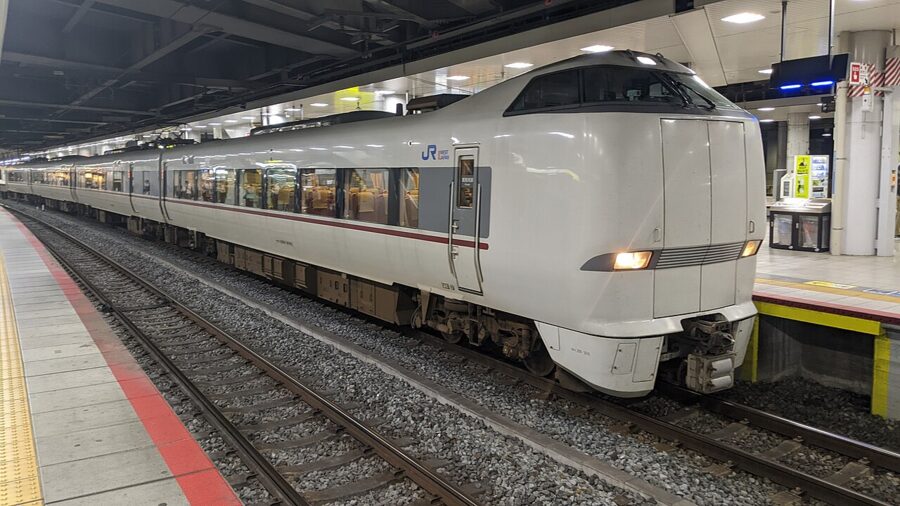
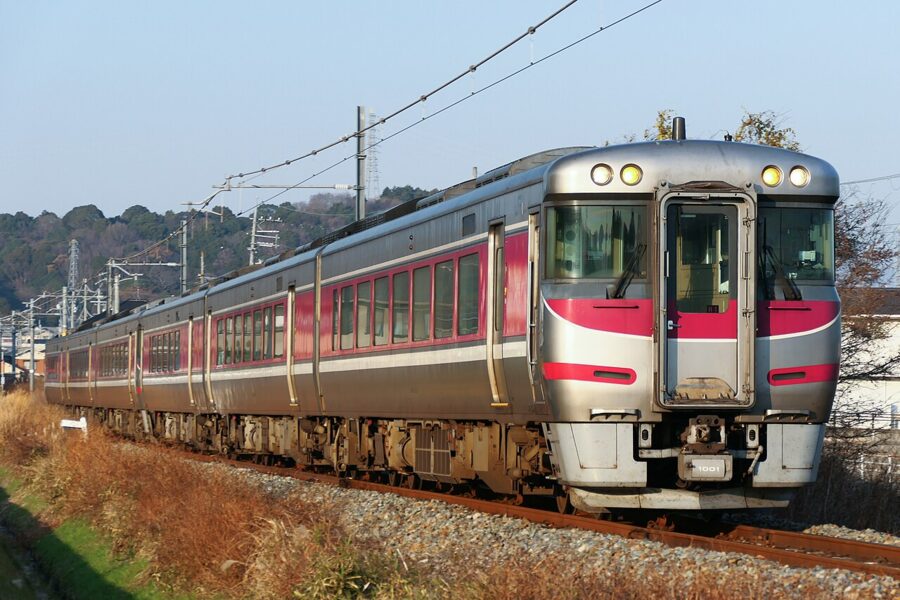
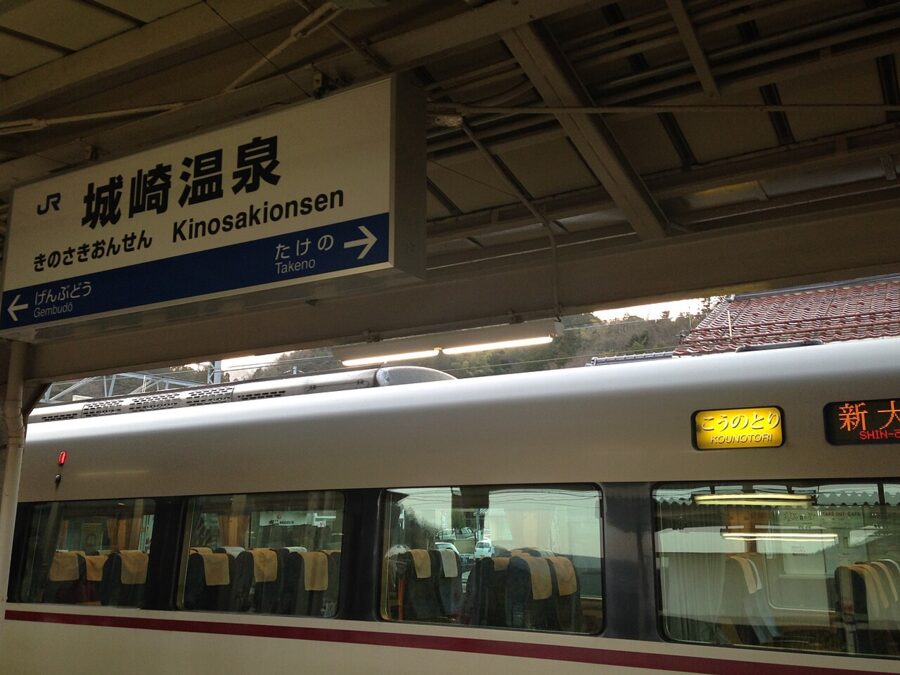
From Osaka or Shin-Osaka, take the Limited Express Kounotori, about two hours forty minutes and ¥6,140 with a reserved seat in normal season (¥3,410 fare plus ¥2,730 limited express charge). JR West adjusts the reserved-seat charge by season: ¥200 less in quiet periods, ¥200 or ¥400 more at peaks. From Kobe’s Sannomiya, the Limited Express Hamakaze takes about two and a half hours.
Rail passes
The national Japan Rail Pass covers the trip, including the limited expresses. JR West’s Kansai Wide Area Pass (¥12,000 for five consecutive days) also covers reserved seats on the Kounotori and names Kinosaki Onsen among its trips. A return from Kyoto or Osaka costs over ¥10,000 on its own, so add one more long trip and the pass has paid for itself.
Bus and plane
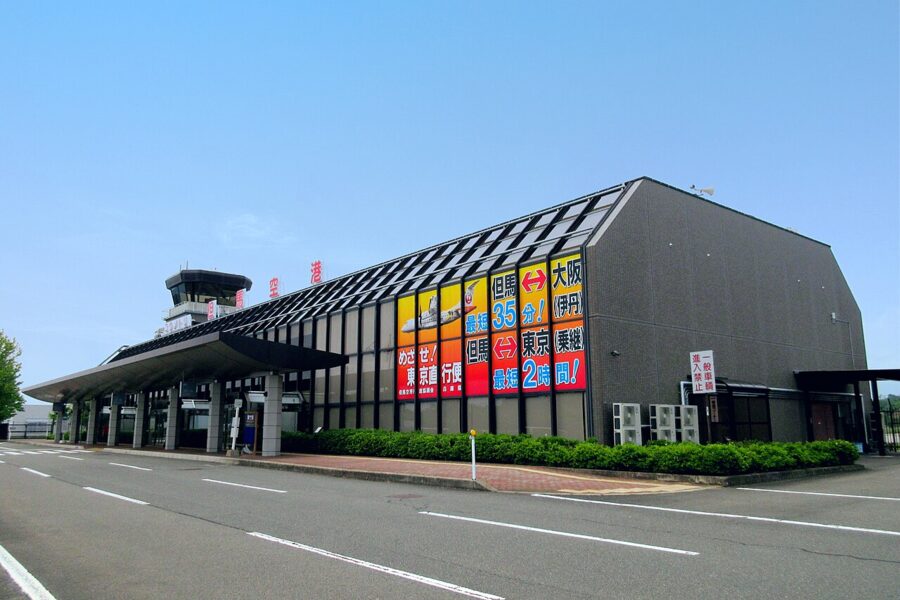
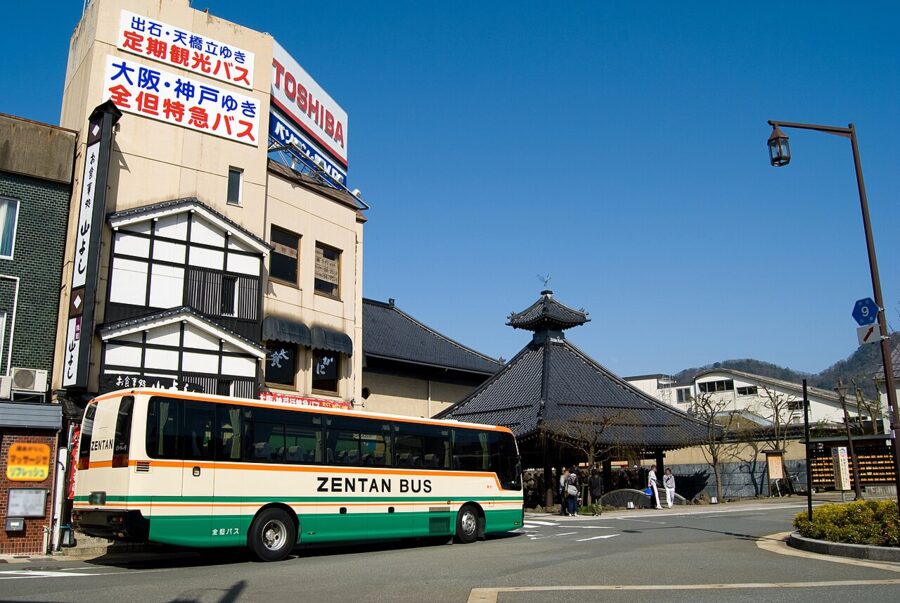
Zentan Bus runs direct highway buses from Osaka Umeda and from Kobe’s Sannomiya, each about three hours ten minutes; they are slower than the train. There is also a short flight from Osaka’s Itami Airport to Kounotori Tajima Airport (about 35 minutes), with a bus to Kinosaki timed to each arrival (about 40 minutes). From Tokyo, take the shinkansen to Kyoto and the Kinosaki from there, about four hours forty minutes in all.
Arriving at Kinosaki Onsen Station
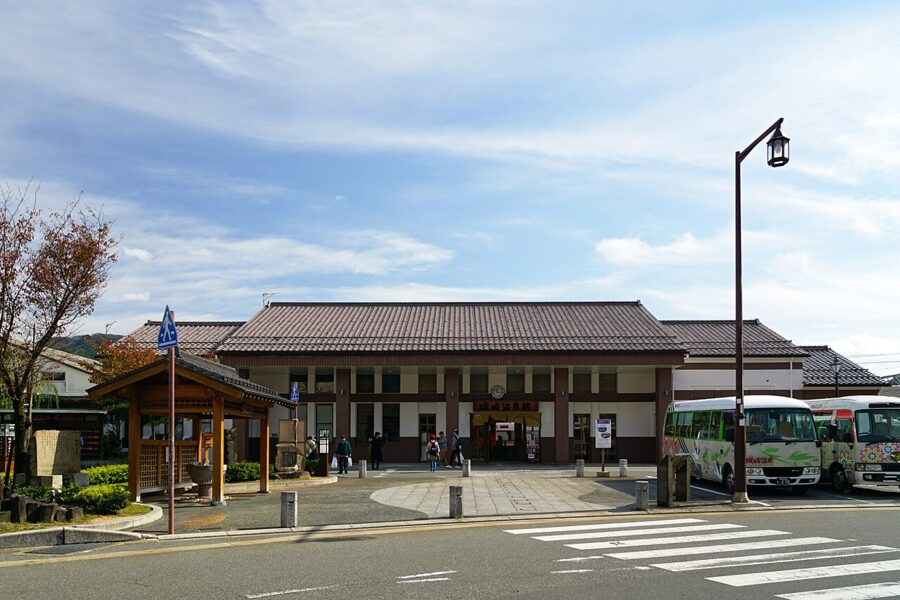
Staff in front of the station meet the limited expresses and walk you to the free shuttle buses that the inns’ association runs to each ryokan, roughly 12:30–18:00. If you cannot see anyone, cross the road to the Ryokan Service Center, which can also hold your bags and send them on to your inn for a small fee. Coin lockers are beside the station for day visitors.
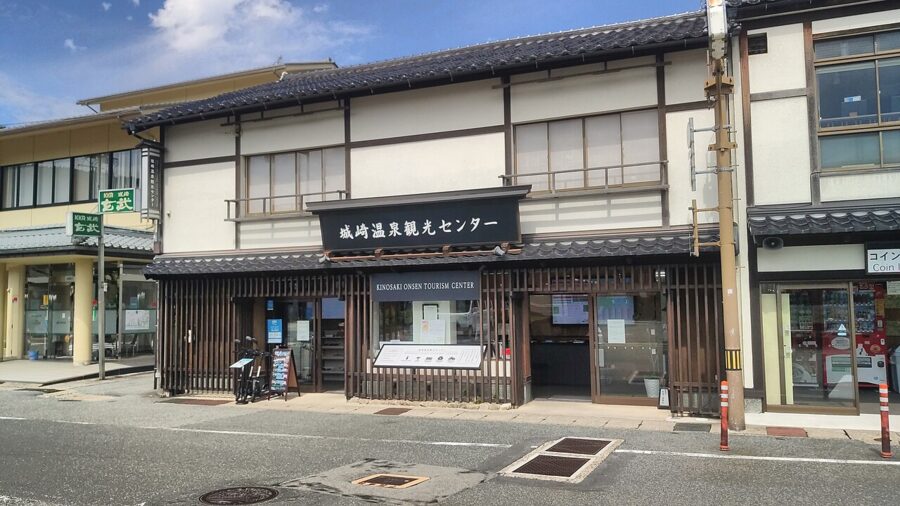
Where to stay, by budget
Kinosaki has around 74 ryokan and hotels, most of them small, family-run and on or near the two main streets. The tourist association’s own guide puts a typical stay at about ¥20,000 a person and up with dinner and breakfast, and in crab season you should expect more. Most inns open bookings four to six months ahead. If ryokan customs are new to you, my ryokan guide covers them.
One rule overrides everything else: stay in Kinosaki itself. Toyooka is ten minutes away by train and has cheaper hotels, but staying there means no free pass, no shuttle and no evening walk, which is most of what you came for.
The splurge: Nishimuraya Honkan
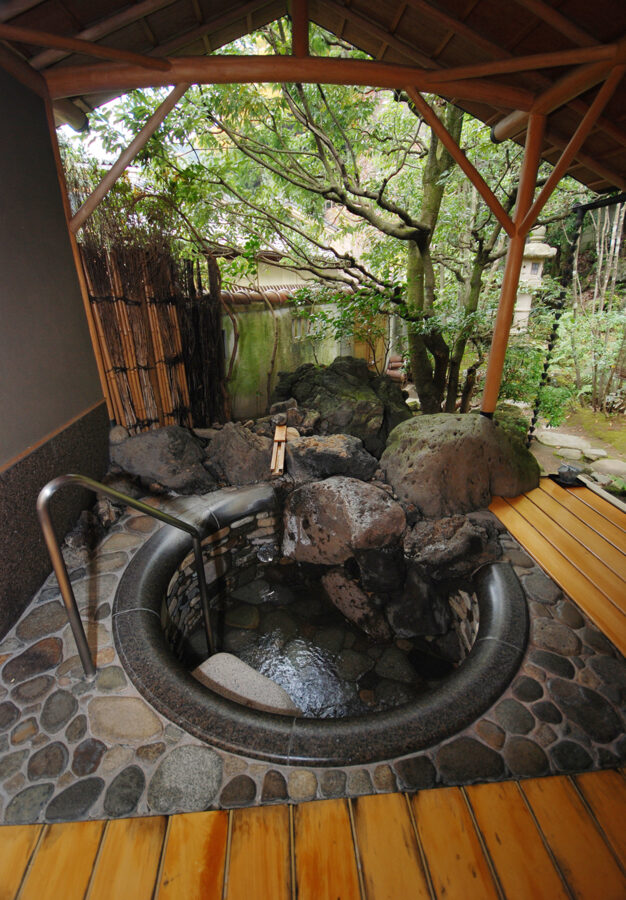
Nishimuraya Honkan was founded in the Ansei era of the 1850s, and it is the inn most guidebooks point you to first. It sits on the river about halfway up the town, with rooms facing a large Japanese garden and a long list of writers among its past guests. Its sister property, Nishimuraya Hotel Shogetsutei, is a larger, more modern hotel.
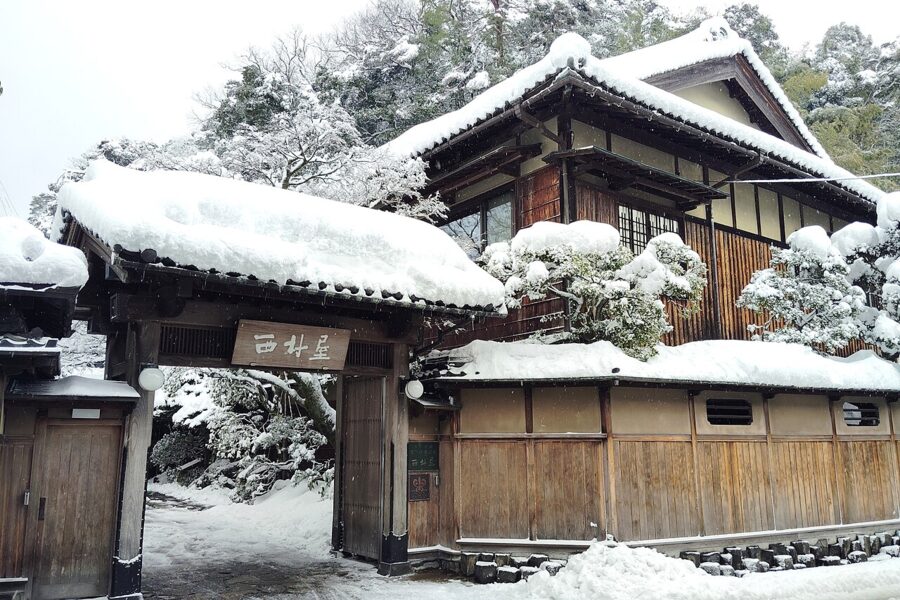
The literary inn and the middle ground
Mikiya, Shiga Naoya’s inn, is the one I would book. It is a wooden building from 1927 with Shiga’s old rooms, a 300-tsubo garden described in his novel A Dark Night’s Passing, and a library stocked by a book director. It takes children from primary school age, has no lift, and checks out at 11:00. In season it offers plans with a tagged live crab per person.
Kinosaki Yamamotoya, the inn behind the GUBIGABU brewery, is a reliable mid-range choice with its own hot-spring bath, about seven minutes’ walk from the station. Ookawa, a smaller inn renovated in 2024, stands directly opposite Jizo-yu, five minutes from the station, and has a reservable private bath; it welcomes children aged ten and over.
Room-only and cheaper
The cheapest way to stay in town is a room-only plan, called sudomari, and eating out. Tsuchiya, a minute from Mandara-yu, is a room-only inn with twelve rooms, a reservable private hot-spring bath, and an annex with mural art and a ground-floor cafe. Room-only guests at member inns normally still get the pass and a yukata, but confirm it when you book. Pair a room-only night with dinner at Kaichuen or Daikokuya and you halve the bill, at the cost of the in-room kaiseki.
Day trip or a night?
Stay the night. The pass, the yukata, the evening on the river and the 7:00 bath at Goshono-yu all depend on sleeping in town, and with two and a half hours each way from Kyoto, a day trip is five hours of train for three baths.
A day from Kyoto or Osaka
If you only have a day, leave early and buy the ¥1,500 Yumepa at Jizo-yu. Do Jizo-yu, Ichino-yu and Goshono-yu in the morning; eat a crab bowl at Daikokuya or the crab hotpot at Kaichuen (in season, it is the reason to come); ride the ropeway to the summit and stop at Onsenji on the way down; and fit Mandara-yu or Yanagi-yu in after 15:00 before your train. Check the closing days first. A Wednesday or Thursday day trip loses you two of the six baths.
One night, done properly
Arrive on a train that gets in around 15:00. Check in, change into the yukata, and walk to Yanagi-yu and Ichino-yu before dinner. Take the earliest dinner seating, then walk the river, play a round at the shooting gallery, and finish at Mandara-yu before it stops admitting at 22:30.
Next morning, Goshono-yu at 7:00, Kono-yu after it, breakfast, then the ropeway at 9:10 and Onsenji before you check out. Your pass still works until 13:00 if you want one last soak.
For most people one night is right; two only if you are happy doing nothing in a yukata for a whole day.
Which season?
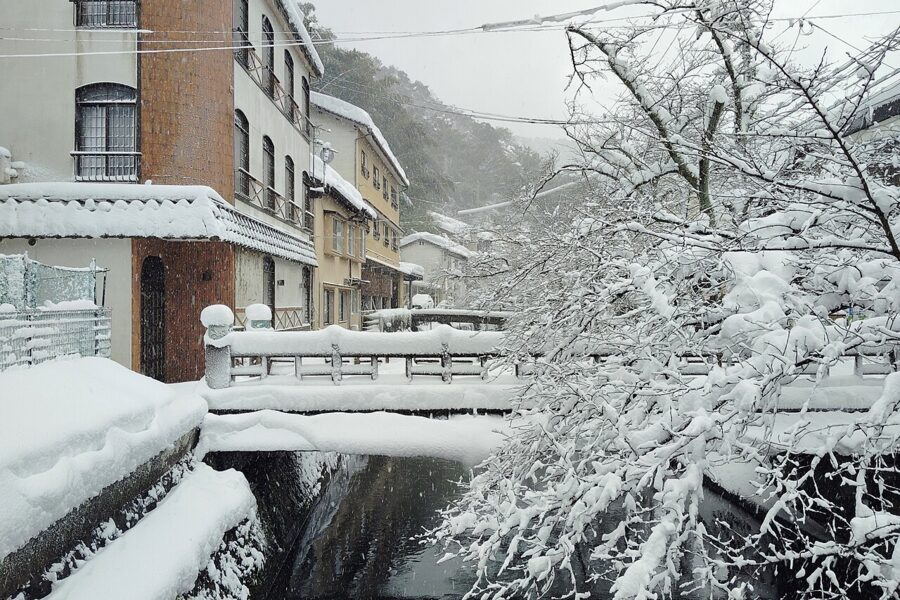
Winter, November to March, is peak: crab, snow, the coldest air for the hottest water, and the highest prices. December is the sweet spot for food, with both male and female crab in season and the New Year rush not yet started.
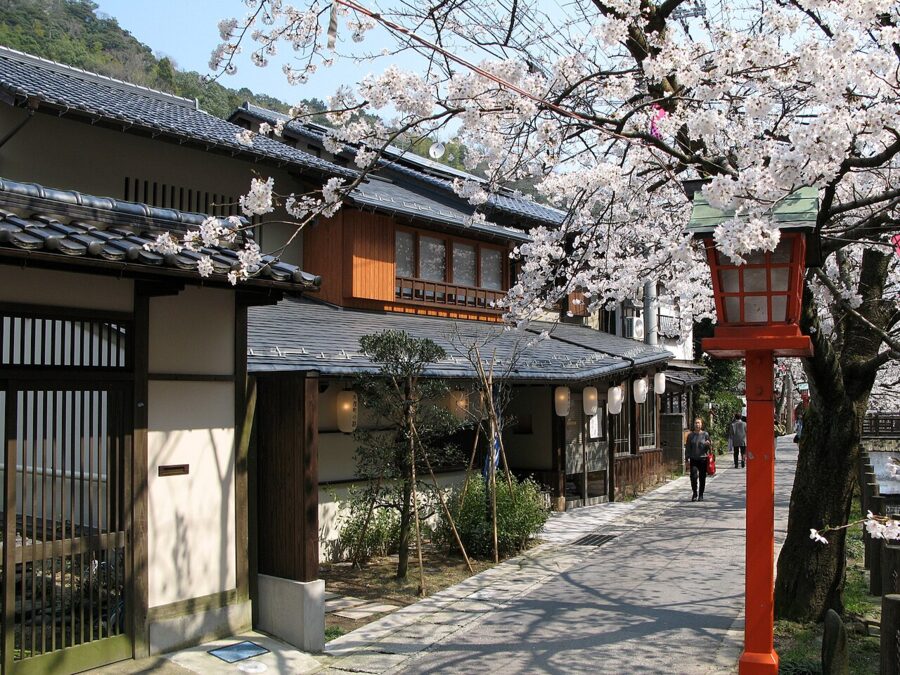
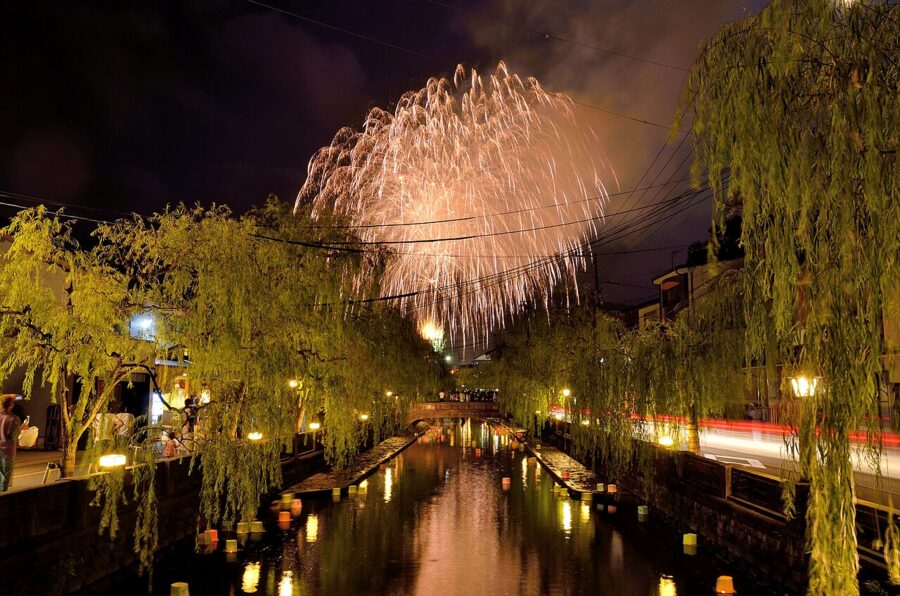
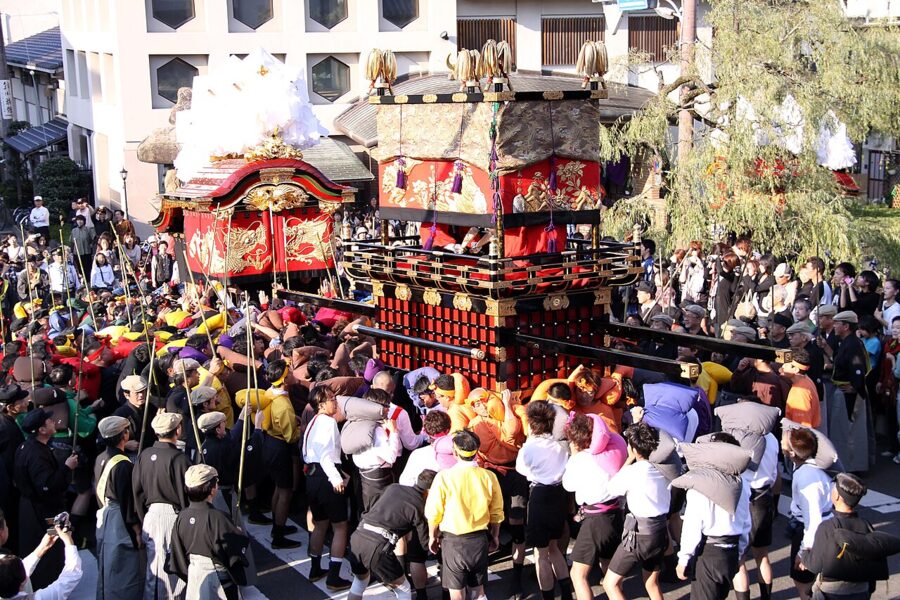
Spring brings cherry blossom along the river. Summer is hot and humid and the baths less tempting, but the town fills its calendar instead: fireworks on summer evenings, a Bon dance and lantern floating in August. Autumn brings the leaves and, in mid-October, the danjiri festival, when the town’s floats are hauled through the streets (in 2025, Ichino-yu shut for a few hours on the festival evening).
If you have another day
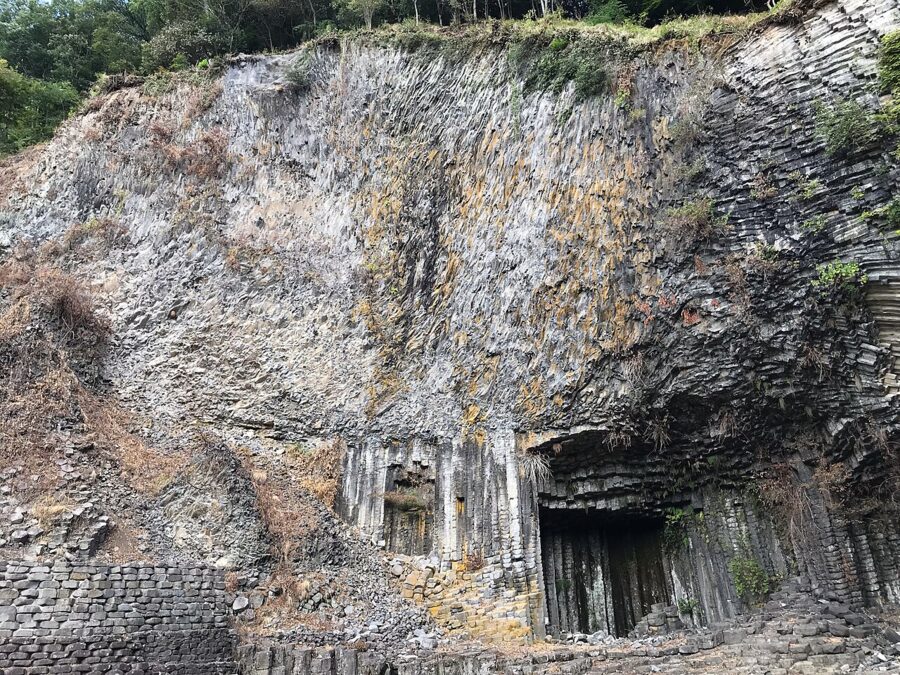
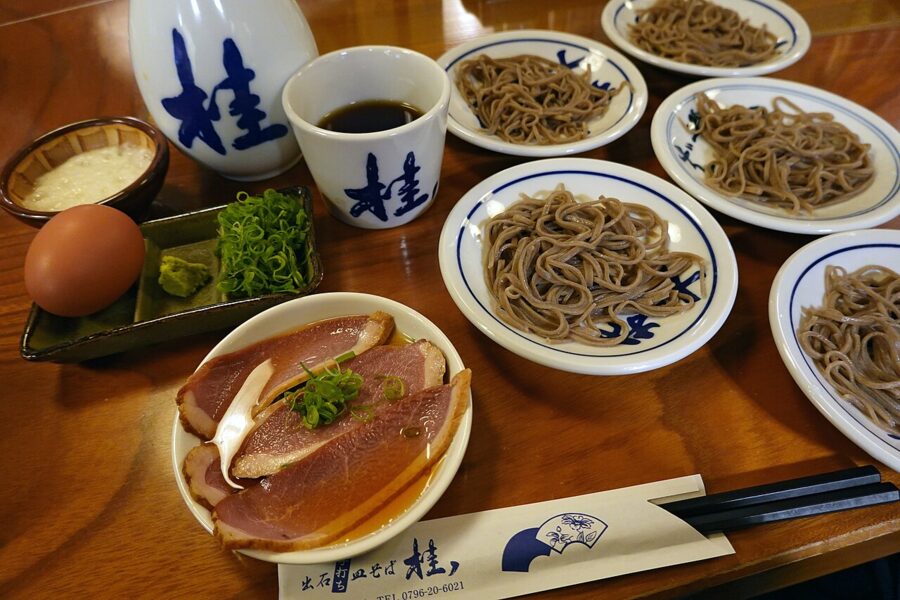
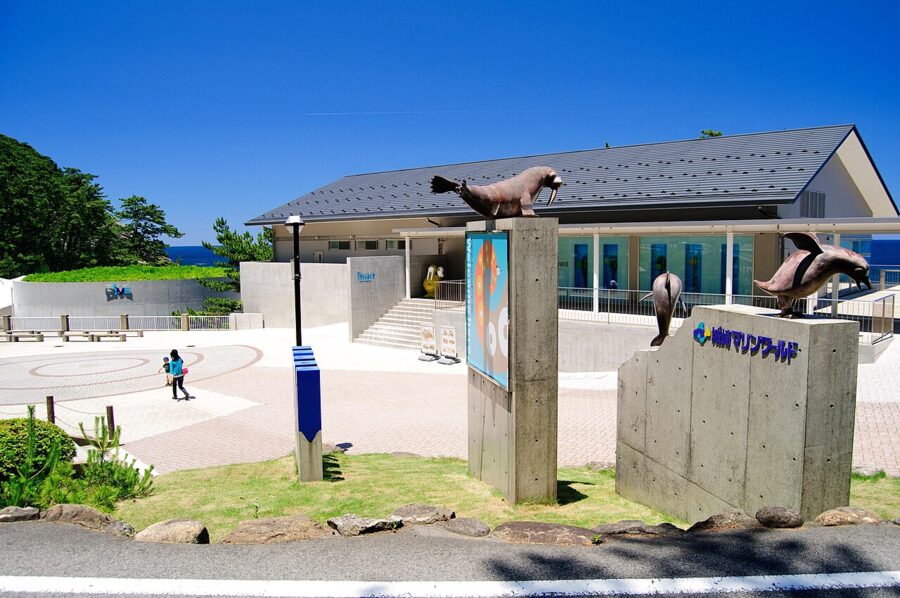
Genbudo, one stop south of Kinosaki, is a national natural monument and part of the San’in Kaigan UNESCO Global Geopark. Kinosaki Marine World, an aquarium on the coast at Hiyoriyama about ten minutes away on the Zentan bus, keeps live snow crab among its tanks. And Izushi, a castle town about 50 minutes away by bus, serves its soba on small plates of local white porcelain, five plates to a portion; my soba guide explains why the plates matter.
What I’d skip
- Trying to do all seven baths. Satono-yu is closed, and closing days mean six in one day is possible only from Friday to Sunday. Pick the two or three you like and go back.
- Staying in Toyooka to save money. You lose the pass, the shuttle and the evening, which is most of the value.
- A crab plan that does not say where the crab is from. If there is no tag and no mention of live crab, assume frozen imports and pay accordingly.
- Walking down from the ropeway summit in geta. The path is a real mountain trail and part of the hill course is closed after the 2025 landslide.
- A midweek day trip. On Wednesday or Thursday you lose two of the six open baths, and the town is quieter in a way that is not always the good kind.
Kinosaki’s nearest relative is not Beppu but Shibu Onsen, which also sends guests out in yukata with a key to its nine small baths. Kinosaki is the bigger and more polished version, and the only one where a 1950 legal settlement is the reason you are walking down the street in wooden sandals.
Book the night, not the day. Get to Goshono-yu at 7:00. And on the walk back, stop on one of the stone bridges, listen to the geta, and let your yukata get a little cold before the next bath.
You Might Also Enjoy
 China Travel Tips for 2026: Visa-Free Entry, Paying With Your Phone, Apps, Trains and What First-Timers Get Wrong
 Tokyo’s Yokocho: Golden Gai, Omoide Yokocho and the Drinking Alleys Worth a Night Out
 The Best Time to Visit China: Month by Month, Region by Region, and the Holiday Weeks to Avoid
 Mount Hua: The Five Peaks, the Plank Walk and How to Climb Huashan From Xi’an