Kaiseki in Japan: The Courses in Order, Ryotei and Ryokan Dinners, and How to Book One
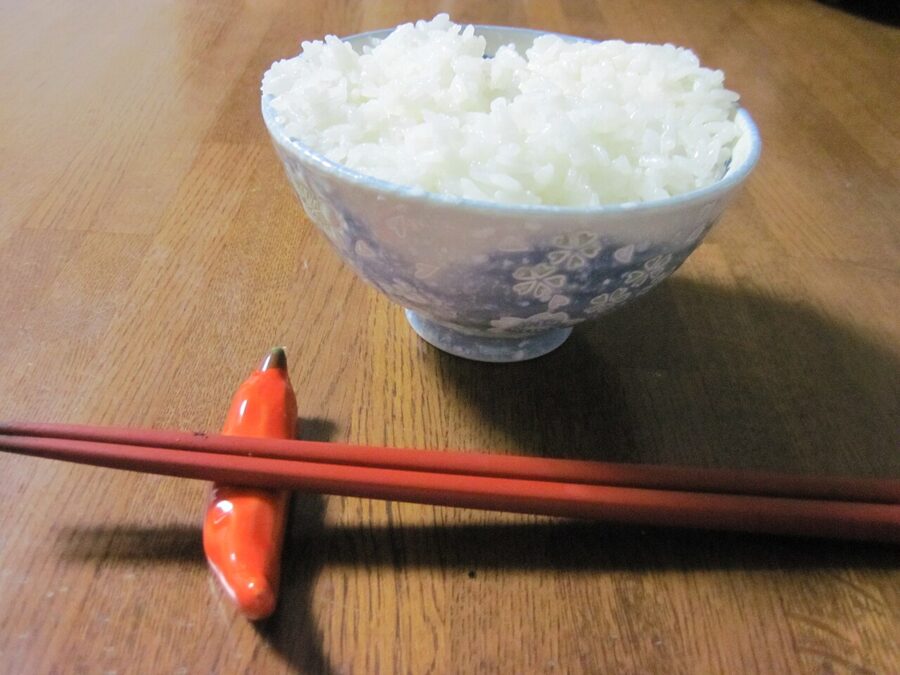
At a formal tea gathering, the first tray the host carries in holds three things: a mouthful of soft rice in a lacquer bowl, a bowl of miso soup with the ingredients barely breaking the surface, and a small dish of raw fish set at the far edge. Rice first, before a drop of sake has been poured. Book a kaiseki dinner at a Kyoto ryotei and the rice turns up at the very end, after ten or so courses and a fair amount of sake, and that one swap tells you most of what you need to know about the two meals that share a single word.
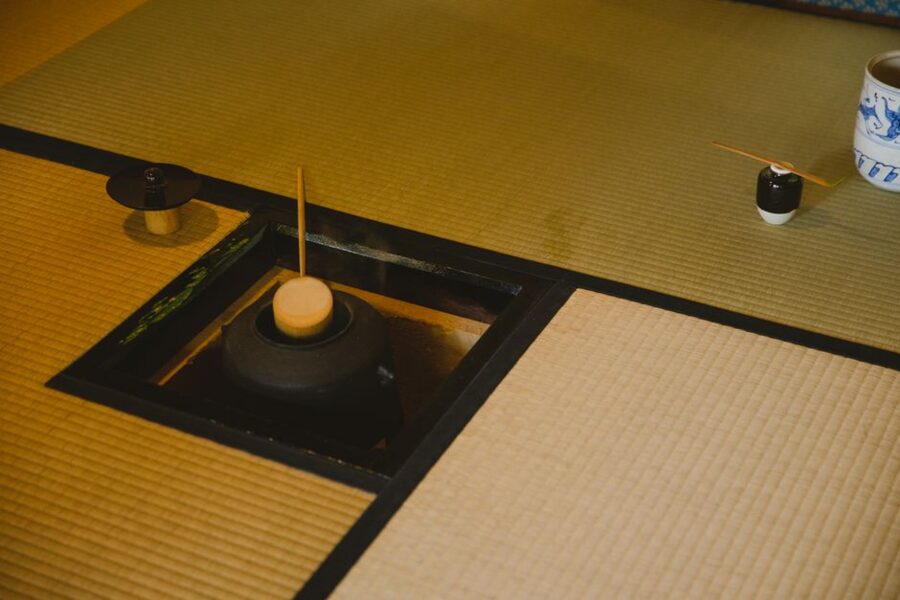
Both meals are pronounced kaiseki. One is written 懐石, “a stone held in the breast of the robe”, and belongs to the tea ceremony. The other, 会席, means something like “seats at a gathering” and grew out of the banquet rooms of Edo-period restaurants. Restaurants now use whichever characters they like, and what you’ll eat in Kyoto, Tokyo or a hot-spring inn is nearly always the second meal served with the manners of the first.
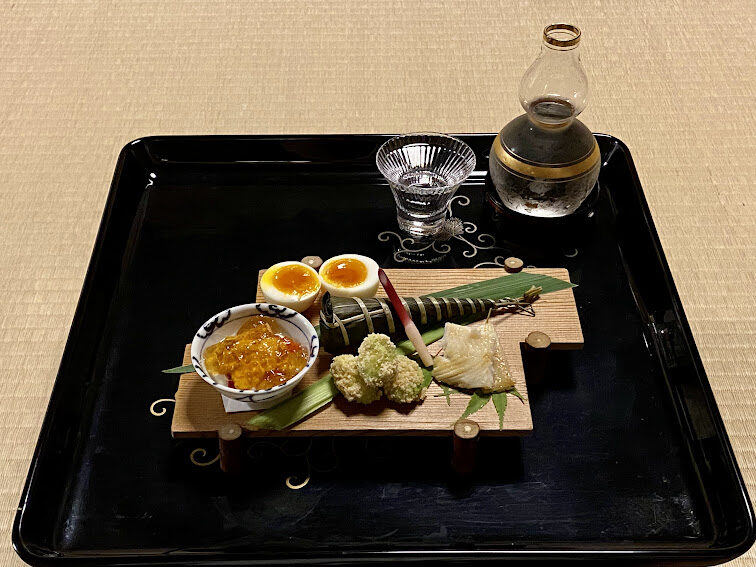
This guide covers both: the courses in order, the seasons and the dishes, the rooms you can eat it in, how to book and what it costs. The price range is wider than most people expect, so here’s the short version first.
| Format | What you get | Where I’d try it | What you pay |
|---|---|---|---|
| Ryotei | Private tatami rooms, a garden, a fixed seasonal course | Kikunoi Honten, Hyotei, Kyoto Kitcho Arashiyama | ¥16,500 lunch to ¥129,360 dinner |
| Kappo counter | The cook works in front of you; omakase or dish by dish | Roan Kikunoi, Kikunoi Akasaka | ¥13,200–33,000 plus service |
| Ryokan dinner | A long course served in your room or a dining room, included with the stay | Hiiragiya, Kyoto | Part of the room rate |
| Bento and tenshin | The kaiseki idea packed into a lidded box or a short lunch | Muge Sanbo, Kyoto Kitcho Shokado | ¥5,500–9,000 |
| Department store | A shorter course in a dining room above the shop floor | Honke Tankuma, Kyoto Takashimaya | ¥5,060–14,300 |
In This Article
- Two words, one sound
- 懐石: the meal before the tea
- 会席: the meal for a crowd
- Why the rice moves
- Ryotei, kappo or ryokan?
- The ryotei
- The kappo counter
- The ryokan dinner
- The courses, one at a time
- Sakizuke: the opener
- Hassun: the season on a tray
- Owan: the soup that matters most
- Mukozuke: the far side of the tray
- Yakimono: the grilled course
- Takiawase and the simmered course
- Shiizakana and the extras
- Rice, tome-wan and pickles
- Mizumono and the sweet
- Eat the calendar
- Kyoto vegetables
- Through the year
- Lacquer, clay and the odd sheet of glass
- Where to eat it
- Kyoto’s old houses
- Counters in Kyoto
- Kyoto for under ¥10,000
- The shokado bento, and where it was born
- Tokyo
- Kanazawa and Nagoya
- Ryokan dinners
- Department stores and takeaway
- How do you get a table?
- When and how to book
- Deposits and cancellations
- Dietary needs
- Children, timing and the bill
- At the table
- What it costs, and what I’d skip
- Skip these
Two words, one sound
The difference isn’t pedantry. It decides when the sake comes, when the rice comes, how much food you get and how formal the room feels.
懐石: the meal before the tea
The stone in the name is an onjaku, a heated stone wrapped in cloth. Zen monks in training weren’t supposed to eat a proper meal after midday, and the story goes that they tucked warm stones into their robes to keep off cold and hunger. A meal that did no more than that stone, enough to settle the stomach and no more, became a kaiseki.
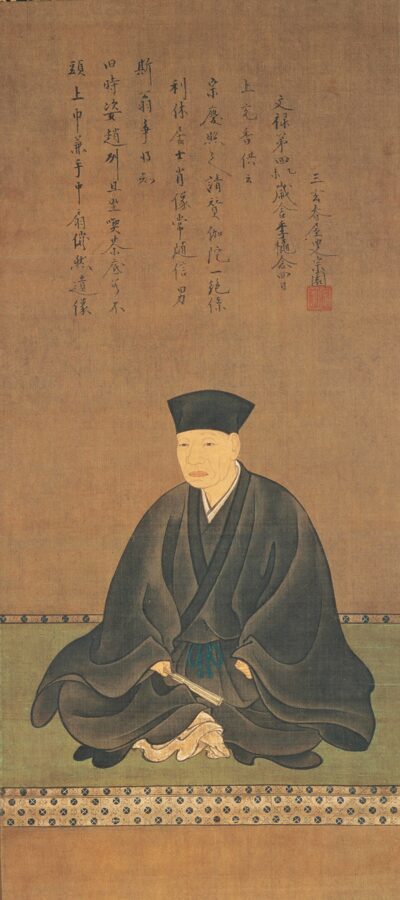
The tea masters of Sakai built their meal as a pointed rejection of honzen ryori, the samurai banquet of stacked trays and food made partly for show. By the Tensho era (1573–1592) the tea meal had settled on one soup and three dishes, and in the Edo period the three became fixed as raw fish, a simmered dish in a lidded bowl and something grilled. Tea diaries from Rikyu’s own lifetime actually call the meal 会席 or furumai, a treat. The stone characters came later, when tea people started writing down theory.
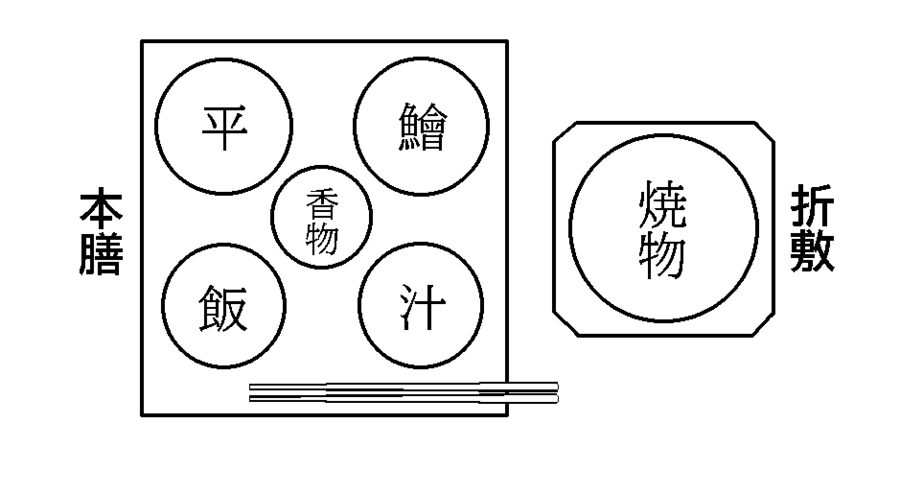
The practical reason for the meal is the tea. Thick koicha on an empty stomach is hard going, so the host feeds you first, lightly, then serves the tea. Nothing in the meal is supposed to outshine it. Most restaurants now call that original form cha-kaiseki, tea kaiseki, to keep it apart from the restaurant course.
会席: the meal for a crowd
The other kaiseki started with poets. Haikai verse was composed in groups, and the gatherings ended with food. One commonly cited starting point is a haikai session at Myoman-ji in Kyoto in 1629, where the simple meal served afterwards was called haiseki ryori, poetry-seat food. Within about fifty years the drinking was starting before the verses were finished.
Restaurants took the idea and ran with it. By 1824 an Edo shopping directory listed about seventy places advertising cooked meals, and more than a quarter of them called themselves kaiseki houses. The Edo writer Kitagawa Morisada noted a kaiseki meal at around ten monme of silver at a time when a plate of soba cost sixteen copper mon, which works out at something like forty bowls of noodles for one dinner.
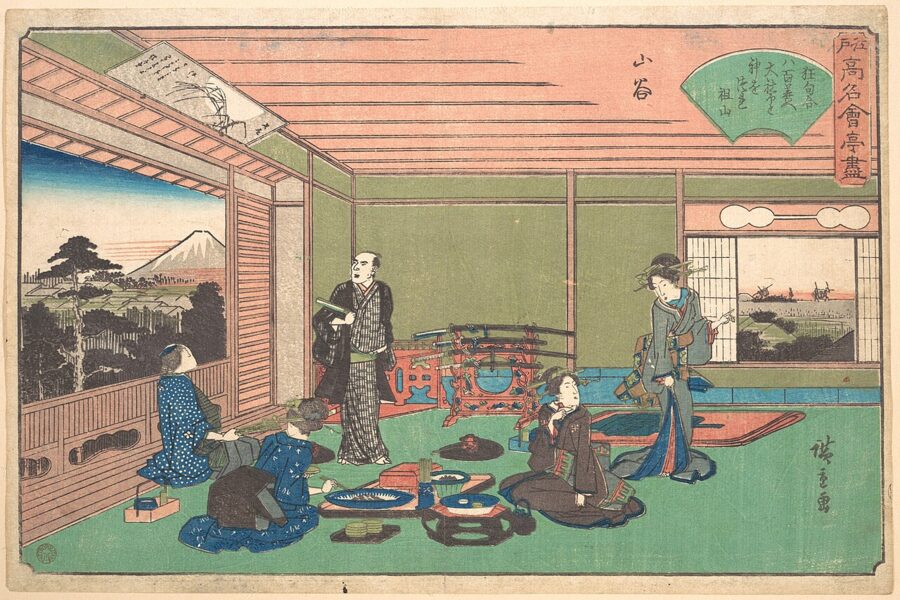
That restaurant meal is the one that survived as everyday luxury. Through the late Edo and Meiji eras the rice, soup and pickles settled firmly at the end, and by the early 1900s that order was standard in Tokyo and Kyoto restaurants. Even the opening appetiser is newer than it looks: courses began with a clear soup until after the Second World War, when the zensai, borrowed from Western hors d’oeuvres and Chinese cold plates, moved in front of it. A few old houses still start with the soup.
Why the rice moves
In the tea meal, rice and miso soup come first because the guest has to be fed before the tea. Sake follows, offered about three times. In the restaurant meal the order flips, because the whole evening is built around drinking: small things to go with sake first, rice last as the signal that drinking is over.
That’s worth knowing for a practical reason. When the rice, pickles and tome-wan soup arrive, the kitchen assumes you’ve finished with the sake. If you want another flask, ask before the rice comes, not after.
Ryotei, kappo or ryokan?
The same food reaches you in three very different rooms. Price follows the room as much as the cooking, so it helps to know which one you’re booking.
The ryotei
A ryotei is a high-end Japanese restaurant built around private tatami rooms, usually with a garden view, often with a tokonoma alcove holding a scroll and flowers chosen for the day. Japanese law doesn’t define the word, and plenty of ordinary restaurants borrow it. The real ones have their own cooks, can bring in geiko from the nearby entertainment district, and until quite recently refused anyone who didn’t come with an introduction from an existing guest.
That door has opened a long way. When the bubble burst and government entertaining dried up in the late 1990s, many ryotei cut prices and started taking strangers, and some of the best known now have English booking pages. What you pay for is the whole room: the garden, the hanging scroll, the dishes, the woman who brings each course and kneels to set it down.
The kappo counter
Kappo is written with the characters for cutting and cooking. As a style of restaurant it means a counter where the cook prepares food in front of you, either as you order it or as an omakase, the chef’s choice. It took off in Osaka in the late Meiji years, when small counter shops started serving restaurant-grade food to people on stools, and spread across Japan between the wars.
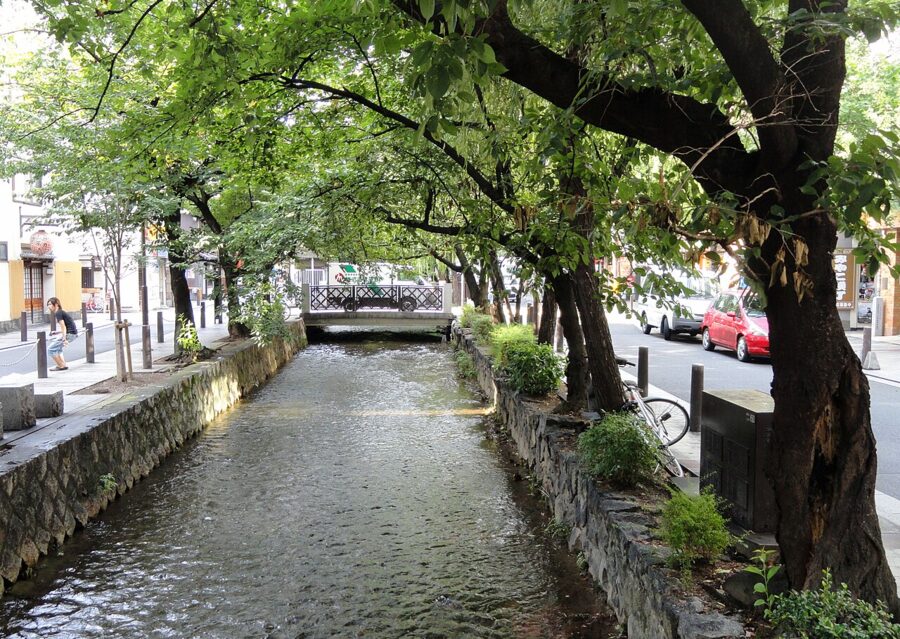
Hamasaku in Kyoto calls itself the first itamae kappo, opened on Tominaga-cho in Gion in 1927. It has announced that its regular service ends at the end of March 2027, after a final year marking its hundredth; the seasonal omakase starts at ¥70,000 before tax and service. Honke Tankuma began the same way in 1928, as a five-seat counter beside the Takase River, before growing into a full ryotei.
For a first-timer the counter is often the better room. You see every dish being made, you can ask what something is, and a solo diner doesn’t feel odd. It isn’t an izakaya, though: an izakaya is a drinking place with cheap, simple food, and a kappo is a restaurant that happens to have a bar top.
The ryokan dinner
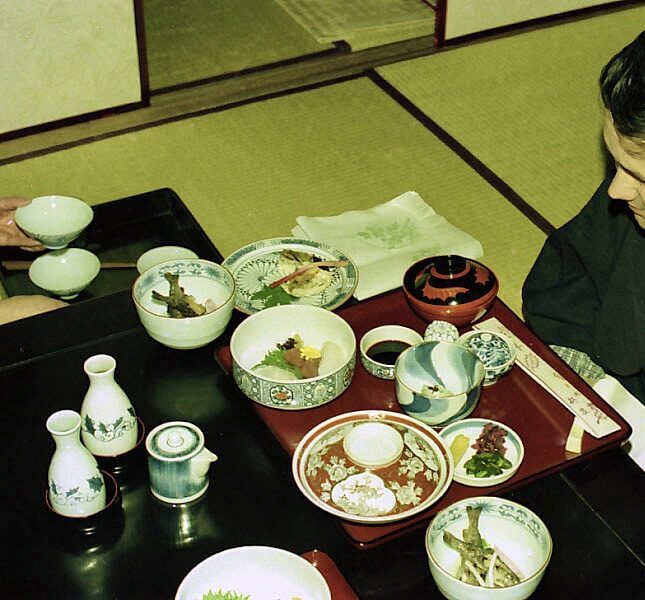
For many visitors the first kaiseki is the one that comes with a night at a traditional inn. The course is usually included in the room rate and served at a fixed time; at Hiiragiya in Kyoto dinner starts at 18:00 or 19:00. Inn dinners lean generous, with a hot pot or a small grill as the centrepiece, because nobody has to get home afterwards.
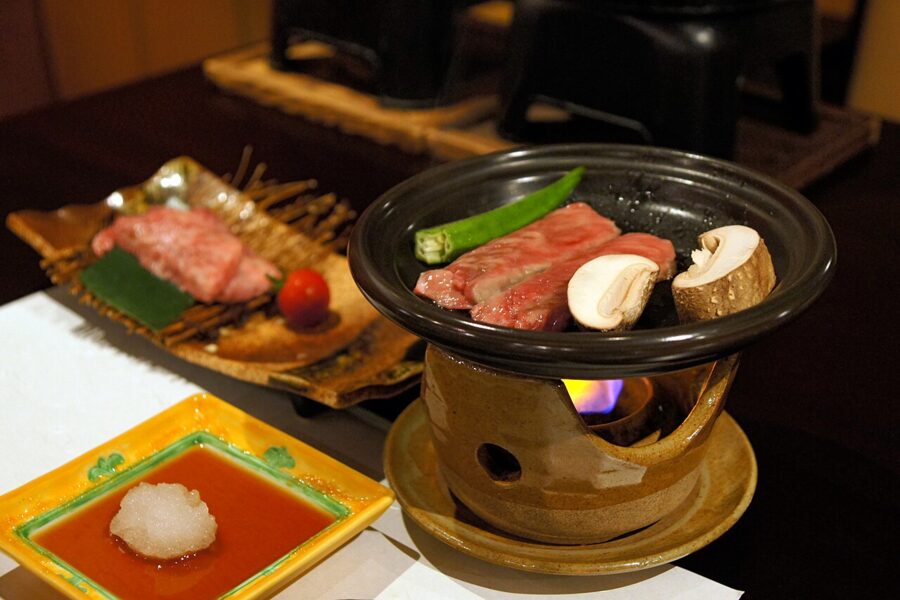
The quality range is wide. A good inn cooks at ryotei level and brings each course hot; a big hot-spring hotel may set most of the dishes out before you sit down and send only the soup from the kitchen. In Takayama, the inn dinner is where many people first taste Hida beef, grilled with miso on a magnolia leaf over a tabletop brazier.
The courses, one at a time
There’s no fixed list. The names change from house to house, between Kyoto and Tokyo, and with the price you’ve chosen. Kyoto Kitcho Arashiyama, for instance, lists its ¥79,200 course as mukozuke, soup, two kinds of sashimi, a small palate dish, hassun, grilled dish, simmered dish, rice, fruit and a sweet. The lunch-only course folds the opener and the hassun onto one tray and serves one sashimi instead of two.
To make the order concrete, I’ll use the November menu Kikunoi published for its kaiseki this year alongside the classic names. Here’s how the tea meal and the restaurant meal line up.
| Tea kaiseki (chaji) | Restaurant kaiseki |
|---|---|
| Rice, miso soup and mukozuke on one tray | Sakizuke, the opener, with the first sake |
| Sake, first round | Hassun or zensai, a platter of small bites |
| Nimono-wan, the simmered dish in clear soup | Owan, the soup course |
| Yakimono, grilled fish shared from one dish | Mukozuke or otsukuri, sashimi |
| Azukebachi or shiizakana, an extra dish | Yakimono, the grilled course |
| Hashi-arai, a tiny clear soup | Takiawase, simmered vegetables |
| Hassun with sake shared with the host | Extras: fried, steamed, vinegared or a shiizakana |
| Yuto (scorched rice in hot water) and pickles | Rice, tome-wan soup and pickles |
| Omogashi sweet, then thick tea | Mizumono, fruit or a sweet, often with matcha |
Sakizuke: the opener
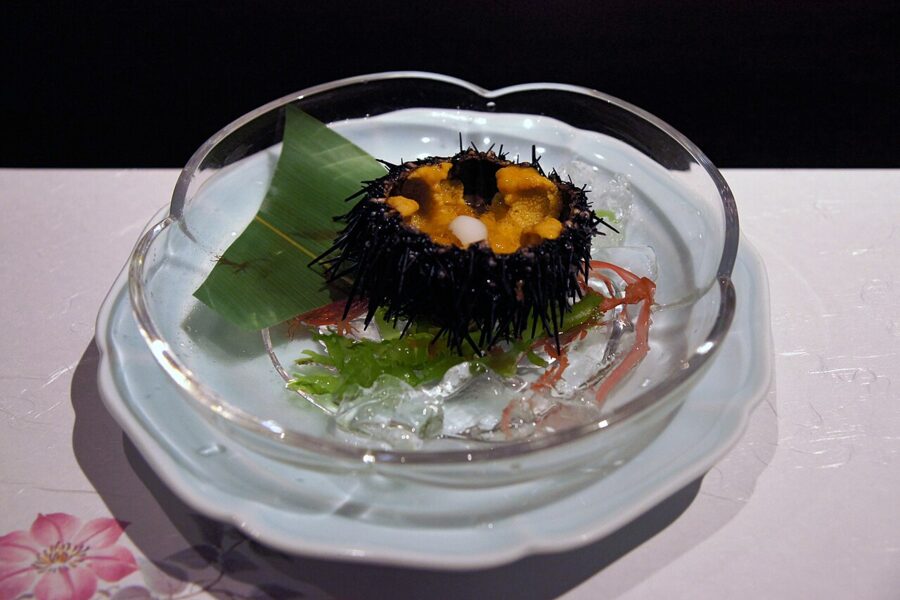
The sakizuke is a mouthful or two, set down with the first drink. It goes by other names too: zensai, otoshi, or at Kikunoi a choko, after the small cup it comes in. Kikunoi’s November choko is kobako crab, the small female snow crab of the Sea of Japan, on steamed glutinous rice under a silvery sauce with ginger.
This is the moment to order a drink. Most kaiseki rooms are serious about sake, and the list often runs to a house bottling: Kyoto Kitcho has a junmai daiginjo called Kitcho Teio, made with Hakusen Shuzo in Gifu, at ¥6,864 for 240ml. Beer is fine too. Nobody expects you to drink sake for three hours.
Hassun: the season on a tray
Hassun means eight sun, about 24cm, the size of the square cedar tray it was first served on. Kyoto Kitcho traces the tray back to the offerings set before Shinto gods, a little of the sea and a little of the mountains. In the tea meal it’s plain: two delicacies, one from the sea and one from the land, which the host serves while sharing a single sake cup round the room.
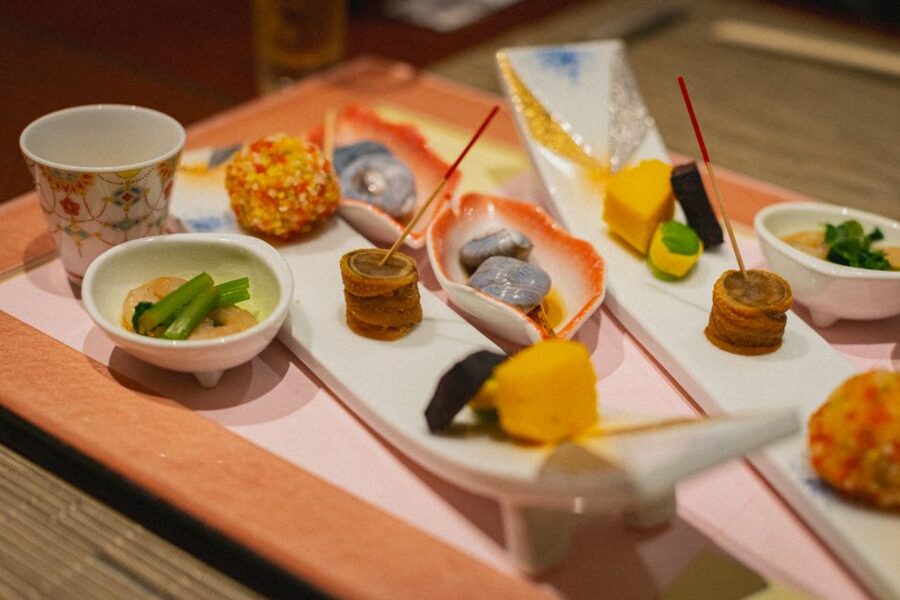
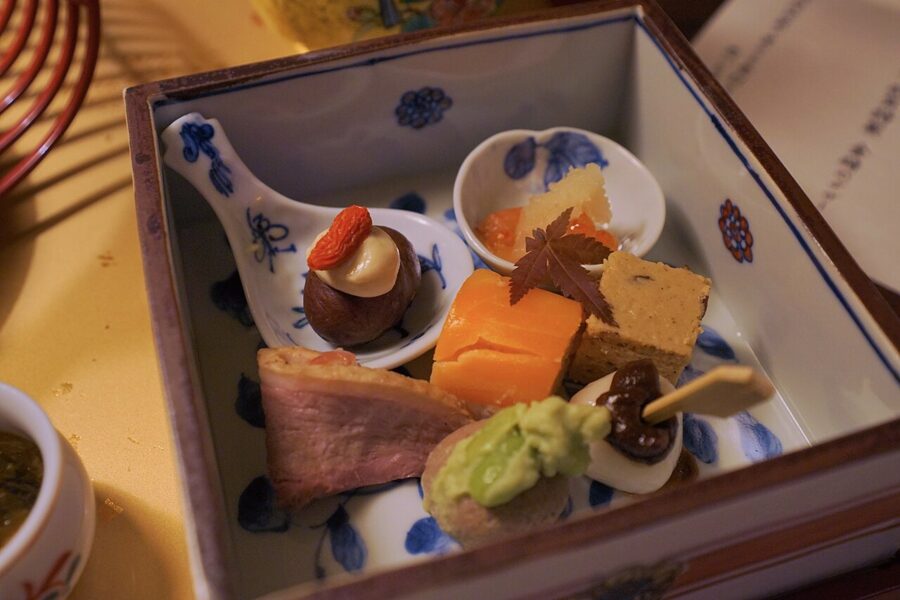
In a restaurant it turns into the showpiece. Kitcho’s November hassun is mullet roe, salmon roe, prawn, squid dressed with egg yolk, rolled beef and gingko nuts on a black lacquer tray. Kikunoi’s has monkfish liver with Nara pickles, wasabi greens in tofu dressing, mushrooms, a duck-liver loaf, mullet roe, prawn, gingko and a cracker of arrowhead tuber, with somen noodles cut and fried to look like pine needles.
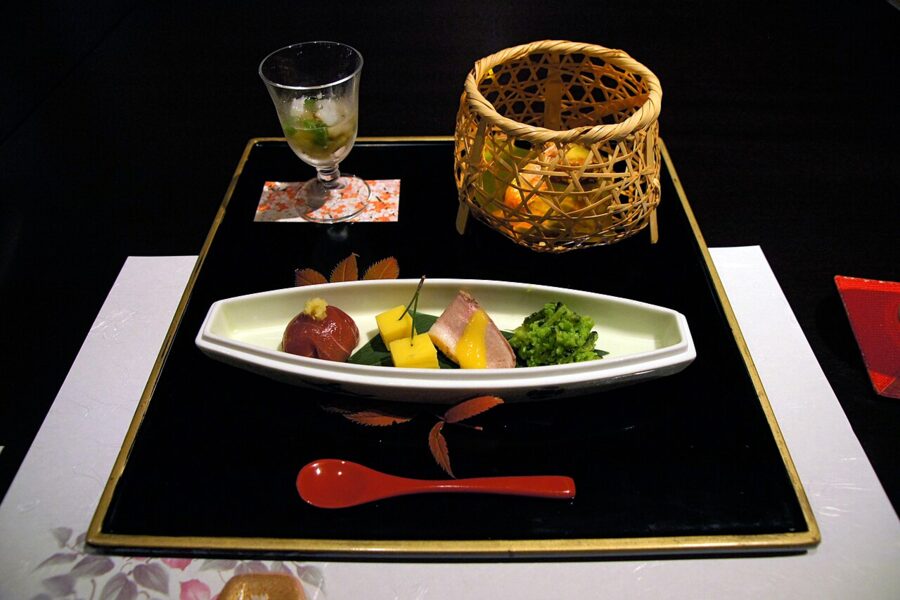
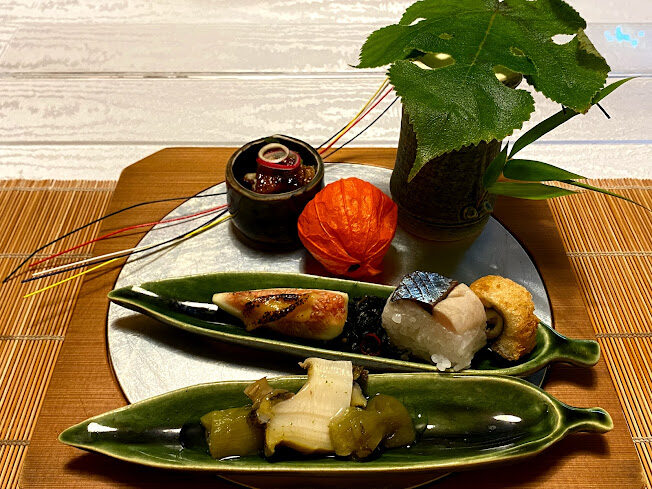
The hassun is where a kitchen shows off its calendar. A July tray in Kyoto might carry a Tanabata decoration; an autumn one at KAI Kaga, a hot-spring inn at Yamashiro Onsen, included a little roll of anago sushi beside the walnut miso and duck. Eat it slowly and in any order you like. It’s meant to go with the sake.
Owan: the soup that matters most
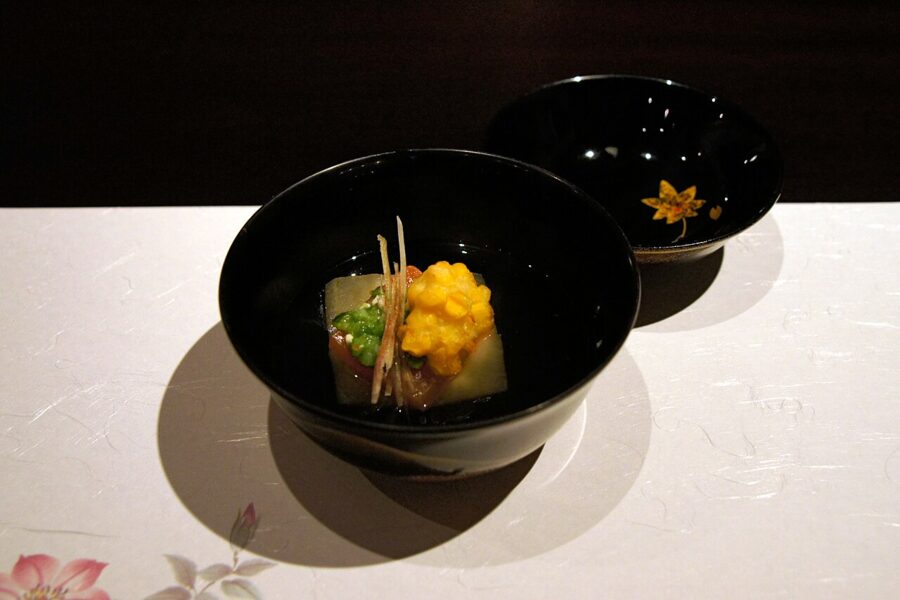
If you only pay attention to one course, make it the soup. In the tea meal the nimono-wan, a simmered dish in clear broth, counts as the main dish: a fish or shrimp dumpling, wheat gluten, yuba or vegetables, arranged in a lacquer bowl a little bigger than the rice bowl. Tokyo cooks call it wanmori, Kyoto cooks nimono-wan, and in a restaurant it’s often just owan.
It’s the course where the broth has nowhere to hide. Lift the lid, hold it over the bowl for a second so the drips fall back in, smell before you drink, then eat the solids with chopsticks. Kikunoi’s November bowl, listed as a lidded dish, is quail with a slice of flattened mochi, baby turnip and carrot tied in a knot, scented with chrysanthemum petals and slivers of yuzu peel.
Mukozuke: the far side of the tray
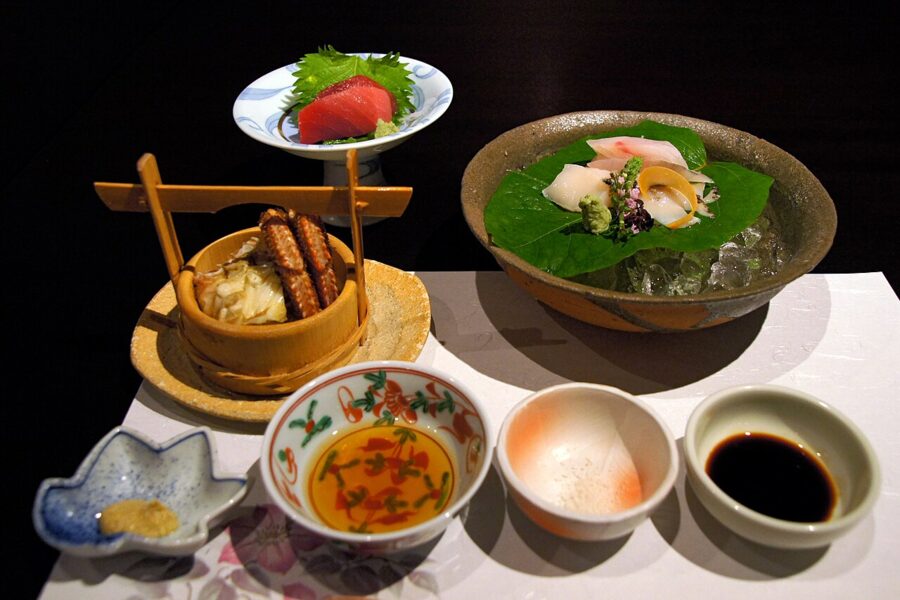
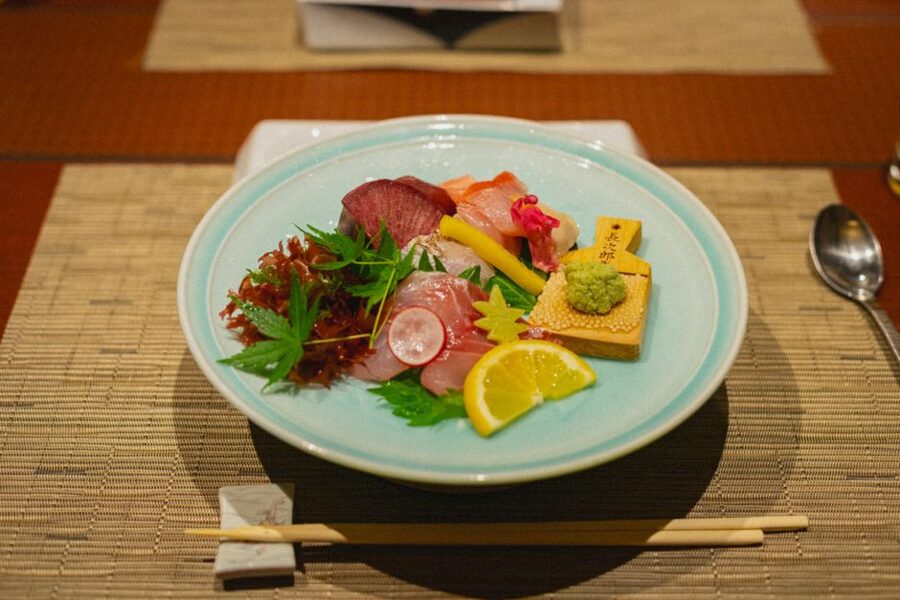
Mukozuke means “set on the far side”. In the tea meal it’s the dish placed beyond the rice and soup on the first tray, and it can be vinegared fish rather than raw. In the restaurant course it’s almost always sashimi, often called otsukuri, and the dish is chosen as carefully as the fish.
Kikunoi’s November plate is wild sea bream from Akashi and young yellowtail, then tuna with mustard and egg-yolk soy. Eat the lean white fish first and the fatty fish last; the plate is usually laid out that way, front to back. Use a little wasabi on the fish itself rather than stirring it into the soy.
Yakimono: the grilled course
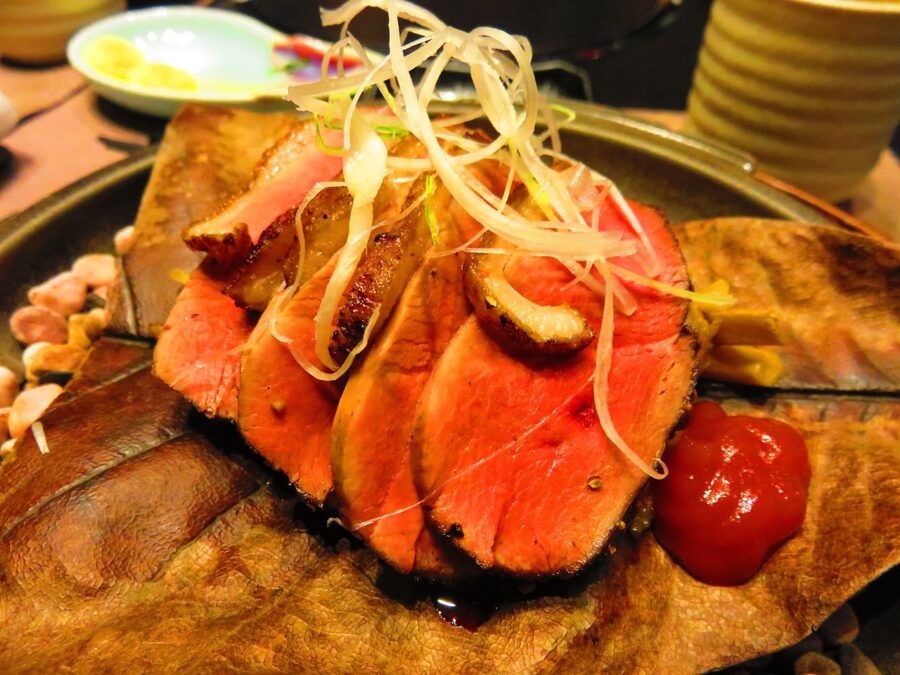
The grilled course is usually a fish, salted or marinated and cooked over charcoal. In the tea meal it comes on a single platter that the guests pass along, each taking a share with long bamboo chopsticks. In restaurants it’s plated for one, often with a pickled ginger shoot or a sweet chestnut alongside.
Kikunoi’s November yakimono is barracuda grilled on a cedar board, with shiitake, citrus and, a little surprisingly, a champignon sauce. At the top end, the grill sometimes comes to the room: Kitcho Arashiyama’s omakase lists a zashiki-yaki, grilled in front of you on the tatami.
Takiawase and the simmered course
Takiawase means “cooked together”, which is slightly misleading. Each element, a taro, a piece of fish, a block of fu, a pumpkin wedge, is simmered separately in its own seasoning so that each keeps its flavour, then the lot is arranged in one bowl. Kyoto menus write takiawase; Tokyo menus say nimono.
In a classic restaurant meal this came right before the rice, so it doubled as something to eat with it. Many kitchens now put it in the middle. Sometimes a steamed dish, a dressed salad or a lidded futamono takes its place, which is why no two menus line up neatly.
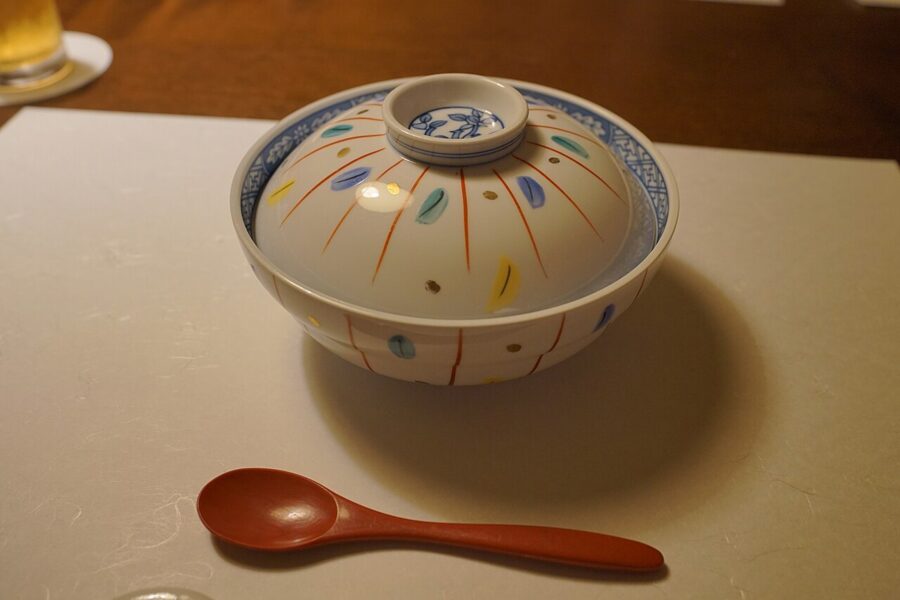
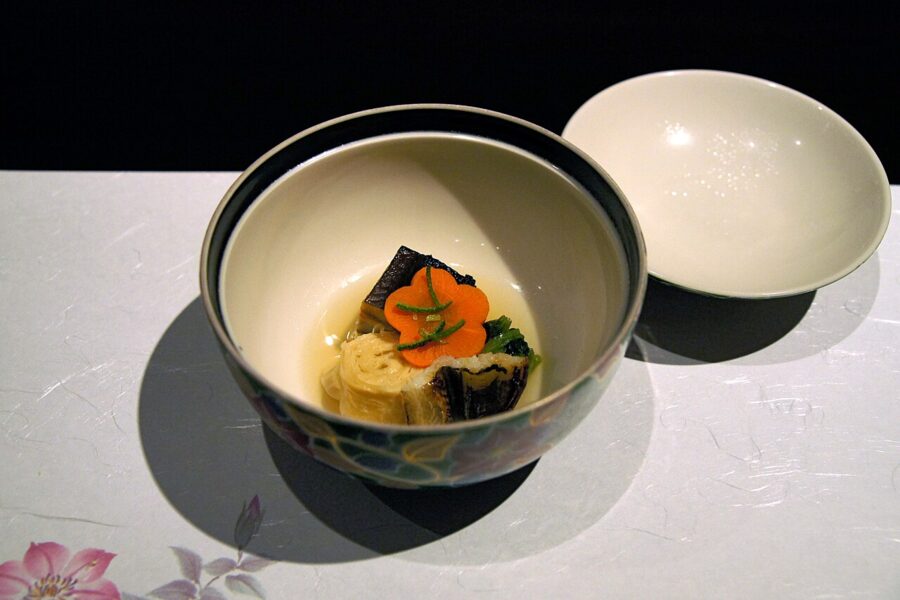
Shiizakana and the extras
Shiizakana means a dish the host “presses on you”, one more thing to keep the sake going. In the tea meal it’s an optional extra, often called azukebachi, a bowl left with the guests to share. Kikunoi’s November shiizakana is the richest thing on the menu: spiny lobster simmered in its shell in white miso, with taro and turnip greens.
Around it sit the optional courses a restaurant can add. There’s agemono, usually a few pieces of tempura; mushimono, a steamed dish such as chawanmushi; and a vinegared course, Kikunoi’s being yuzu tofu with yuzu miso, to clean the palate before the rice. In autumn look for dobin-mushi, broth steamed in a small teapot with matsutake and fish, poured into a little cup and sipped between bites.
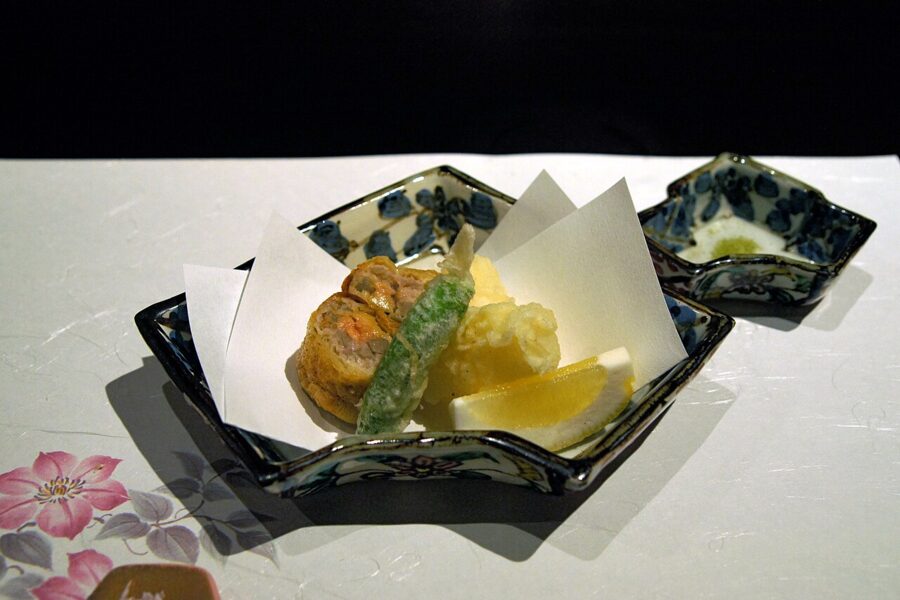
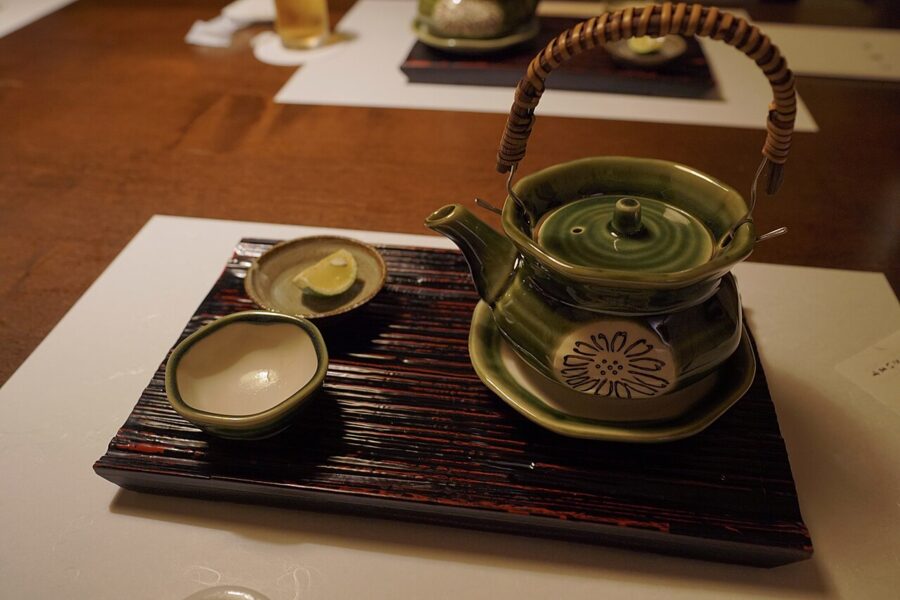
Meat has been allowed since the Meiji era, and many modern courses now include a beef dish. Kyoto Kitcho’s HANA Kitcho, beside the Minamiza theatre, has a charcoal-grilled Omi beef fillet kaiseki at ¥18,975 and a shabu-shabu kaiseki at ¥25,300. Purists grumble. I don’t mind, as long as the soup is still good.
Rice, tome-wan and pickles
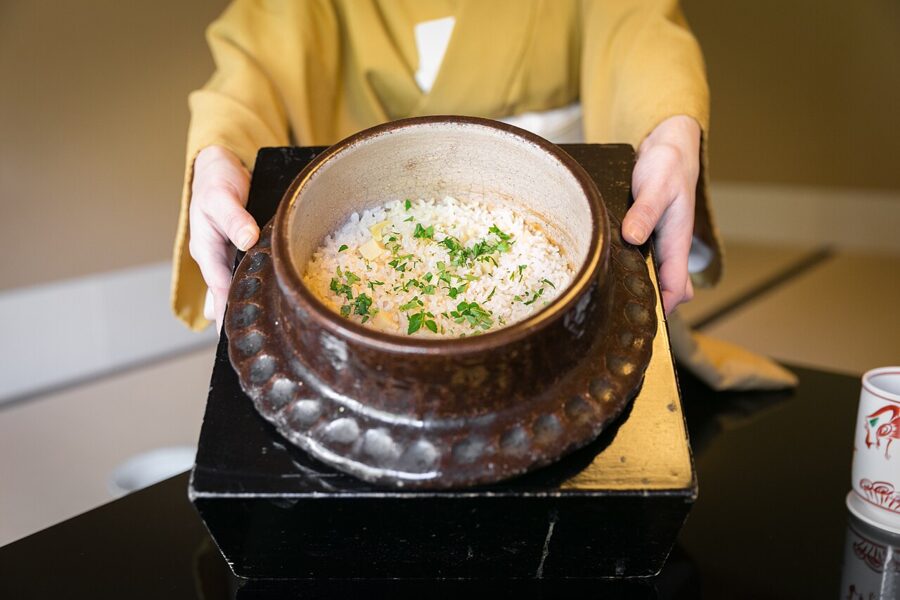
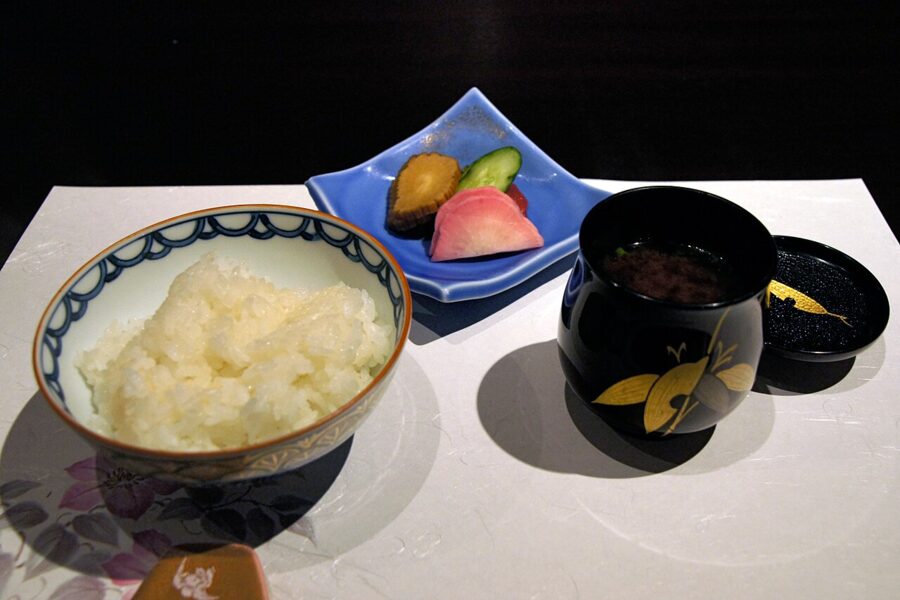
The rice course is called gohan or shokuji, and it arrives with a miso soup, the tome-wan or “stopping bowl”, and ko no mono, pickles. At a good house the rice is cooked in a clay pot and brought to the table steaming, often mixed with something seasonal. Kikunoi’s November rice is topped with salmon roe and mitsuba, and its soup is a purée of Chinese cabbage with black pepper.
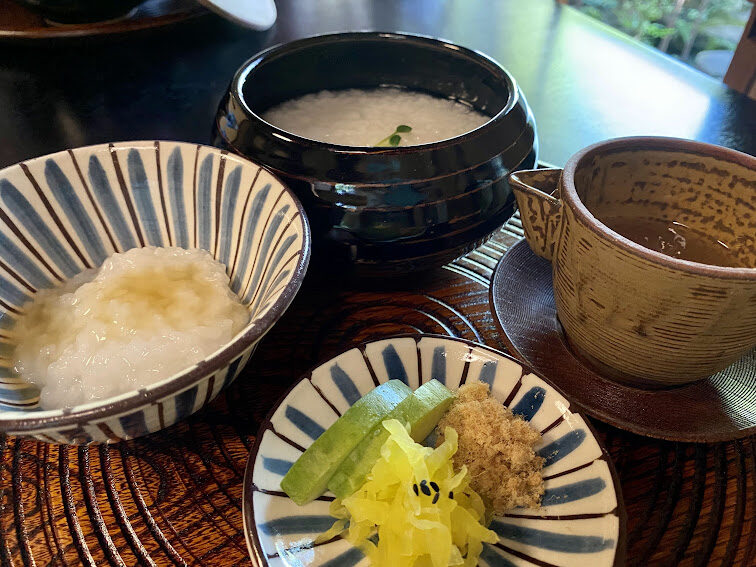
You’ll be offered more rice. Have it if you’re hungry; the kitchen won’t be offended either way. In the tea meal, the end of eating is marked by yuto, a lacquer ewer of hot water with toasted rice in it, poured into the rice and soup bowls to rinse them, a habit taken straight from Zen temple meals.
Mizumono and the sweet
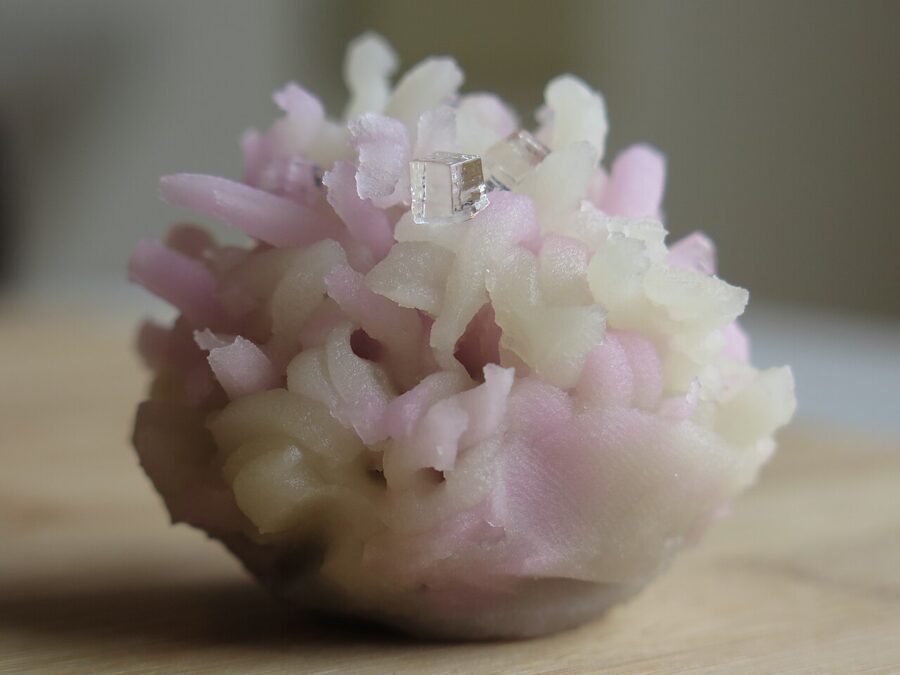
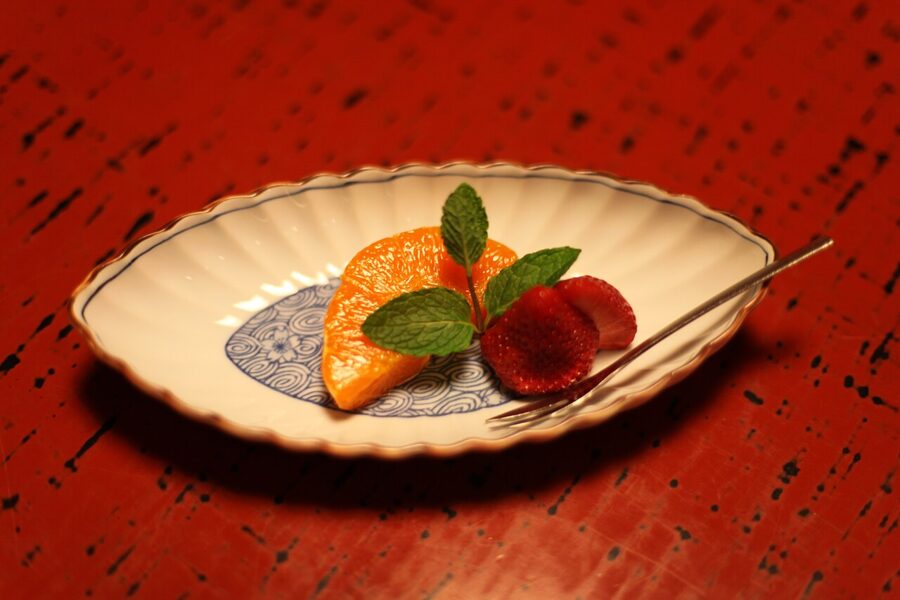
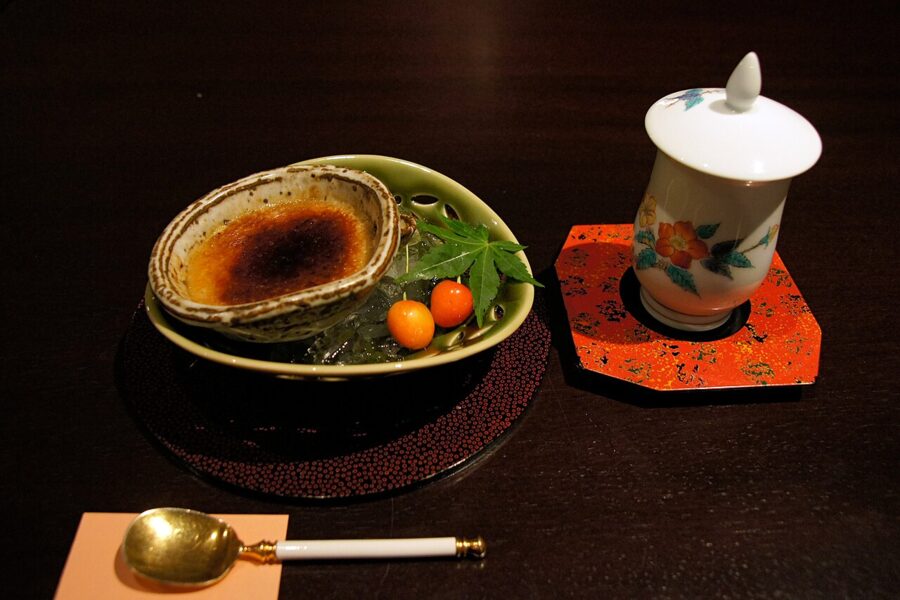
Mizumono, literally “water things”, is the fruit course. It can be one perfect slice of melon or something more worked: Kikunoi’s November dessert is persimmon with brandy. Some houses add a sweet and a bowl of matcha, a nod back to the tea room where the whole thing started.
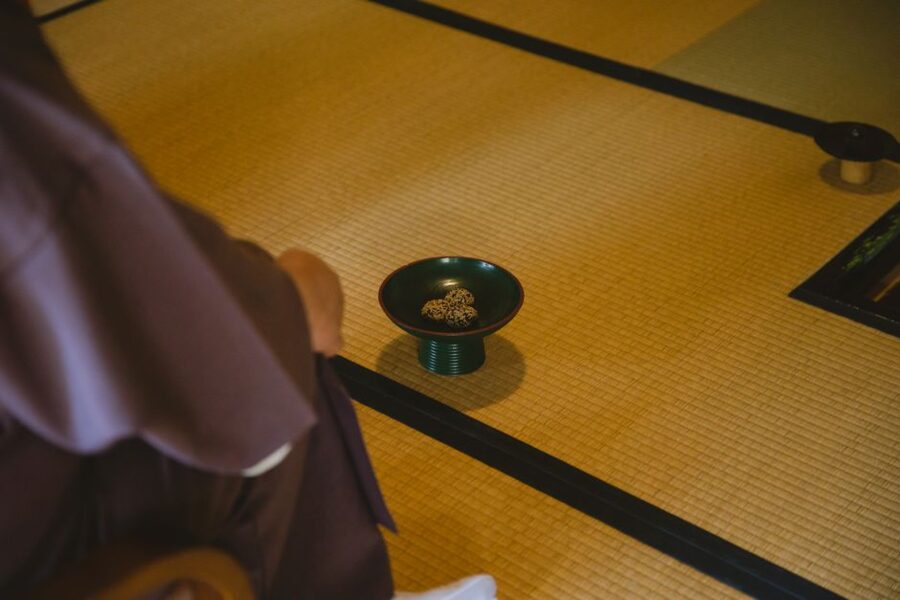
At a real tea gathering the sweet is an omogashi, a moist confection served in stacked lacquer boxes, eaten from a sheet of folded paper with a pick of kuromoji wood. Then the guests go out to the garden, and the thick tea follows when they return.
Eat the calendar
Everything in kaiseki hangs on shun, the idea that each ingredient has its moment. The character originally meant a ten-day period; in Japanese it came to mean an ingredient’s best time. Japanese cooks use it in three overlapping senses: the first of the season, the peak of the harvest, and the point when something actually tastes best, which isn’t always the same as when it’s most plentiful.
The two kaiseki traditions lean differently here. Tea cooks value an ingredient at its height; restaurant kaiseki has always loved hashiri, the very first arrivals, which are rare, expensive and an excellent way to show a guest you went to trouble. There’s an old saying that eating the season’s first anything adds seventy-five days to your life.
Kyoto vegetables
In Kyoto the season is written in vegetables. In 1988 Kyoto Prefecture defined its traditional vegetables as varieties grown there since before the Meiji era, bamboo shoots included and mushrooms excluded, and the list now holds thirty-five living varieties and two that have died out. Many came from China or Korea between the fifth and twelfth centuries and were bred into local forms over the following centuries.
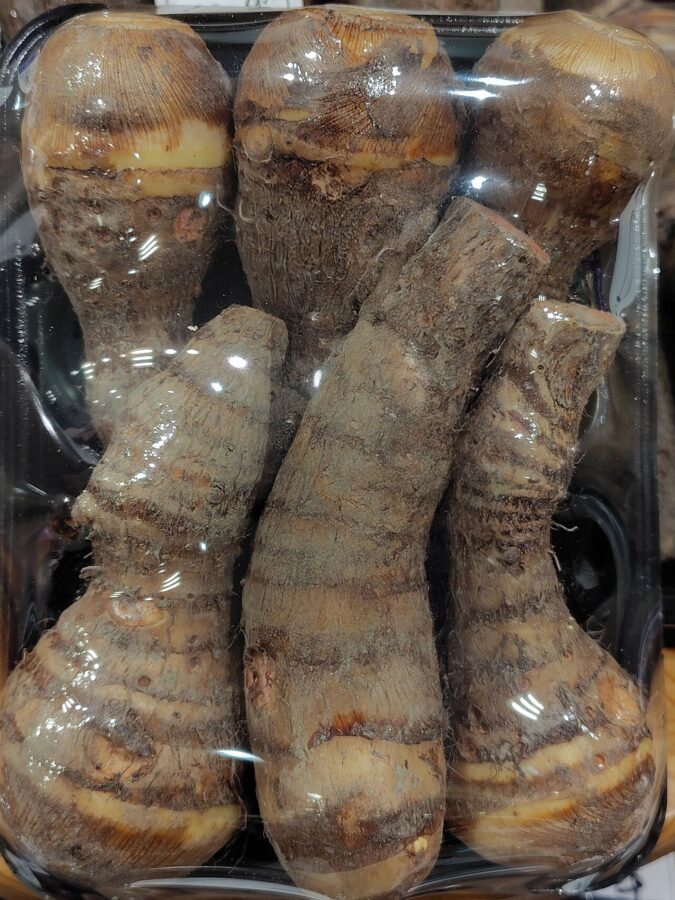
Some turn up in kaiseki far more than in home cooking. The slender green-necked aomi daikon, only about 12–15cm long, is prized as a kaiseki ingredient, set beside sashimi, pickled in vinegar or floated in soup. Ebi-imo, a curved taro striped like a prawn, Shogoin turnips the size of a child’s head and round Kamo aubergines all have their weeks on Kyoto menus. Because tea kaiseki and temple cooking have always leaned on vegetables, some Tokyo ryotei still send to Kyoto for them even when the same crop grows nearer.
Through the year
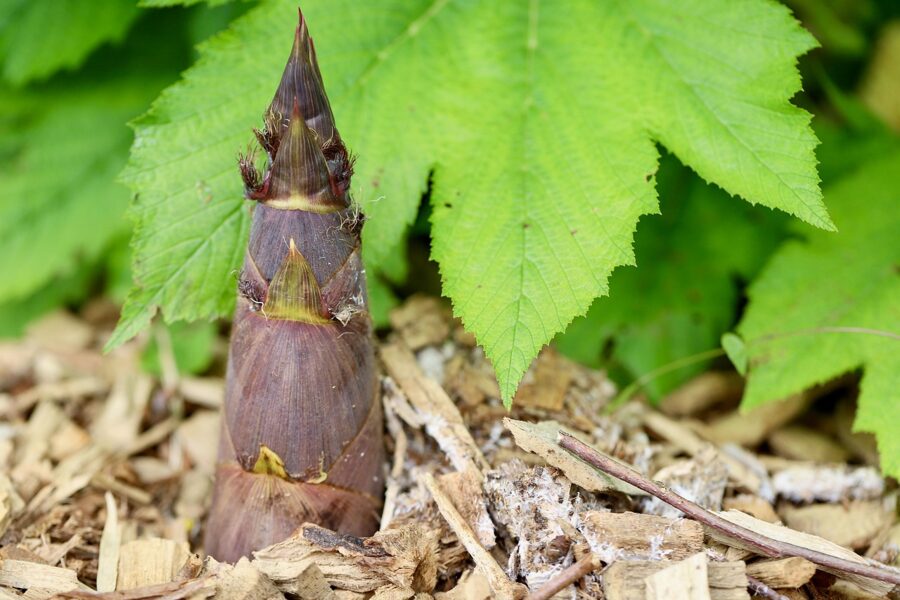
Spring brings bamboo shoots, sea bream and sakura leaves. Sea bream caught as it comes inshore to spawn is sold as sakura-dai, cherry-blossom bream, even though a spawning fish is at its leanest and the flesh is actually better from summer on. Restaurants don’t argue. It’s the name that sells.
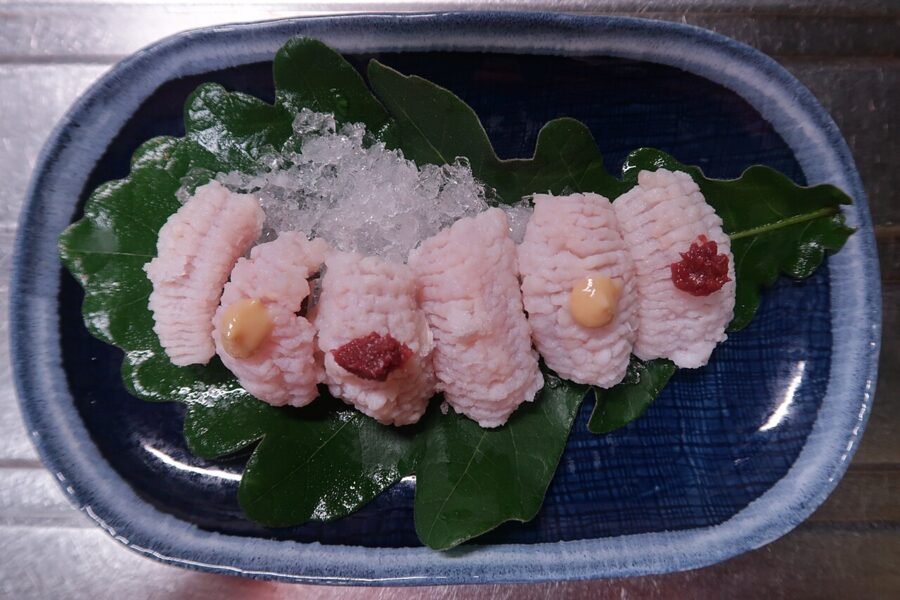
Summer in Kyoto means hamo, pike conger, a fish so full of fine bones that cooks cut through them at very close intervals before it goes near the heat. Honke Tankuma runs a ten-course hamo kaiseki from 1 May to 30 September at ¥44,000 plus service, with a choice of hamo in clear soup or the house’s soft-shell turtle broth. Hyotei serves its morning rice porridge, the asagayu, in the main house in July and August only.
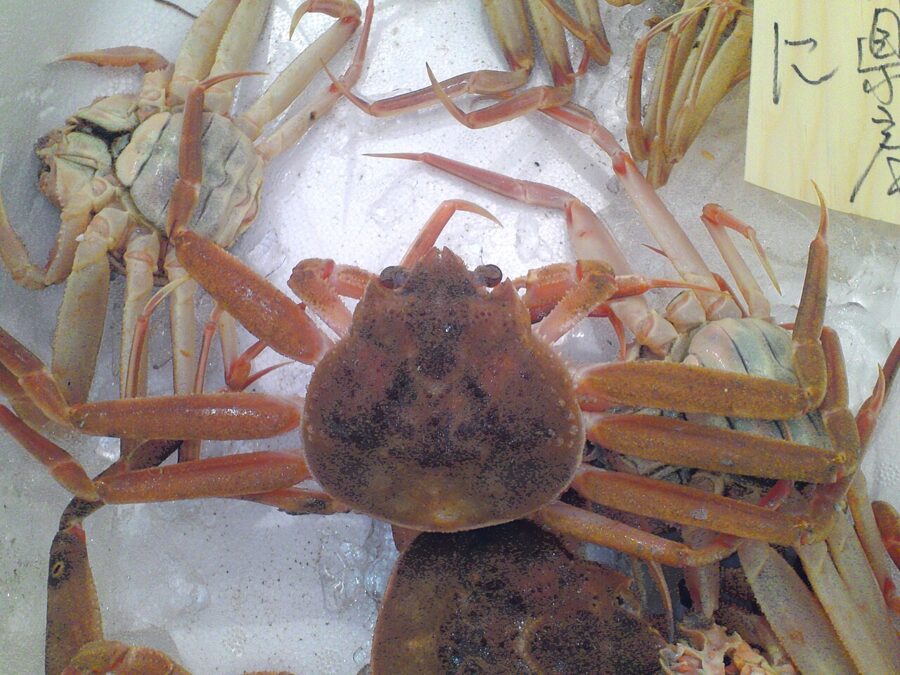
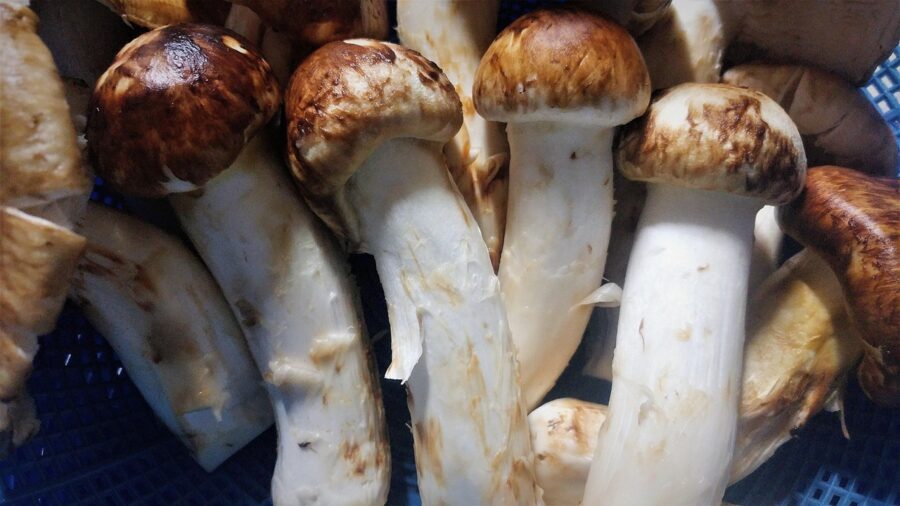
Autumn is matsutake, chestnuts and the first crab, and it’s when prices jump. Kyoto Kitcho Arashiyama’s omakase starts at ¥125,400 for most of the year and at ¥129,360 from around October to February, which it puts down to matsutake, crab and fugu. Winter is crab, fugu, citron and turnips, and at Hyotei, from December to mid-March, porridge with quail.
Lacquer, clay and the odd sheet of glass
Half of what you’re looking at in a kaiseki meal is the tableware. Until Rikyu’s time tea meals were served mostly on lacquer, but the spread of domestic stoneware such as Oribe ware in the early 1600s opened the door to ceramics of every shape. A modern kaiseki mixes lacquer, porcelain, rough stoneware, wood, bamboo and, in summer, glass.
Some rules have held. Rice bowls, soup bowls and the little clear-soup bowl are lacquer. The mukozuke dish is ceramic. The hassun tray was traditionally plain cedar, and the chopsticks in a tea meal are Rikyu-bashi, cedar sticks tapered at both ends, laid on the edge of the tray instead of a rest.
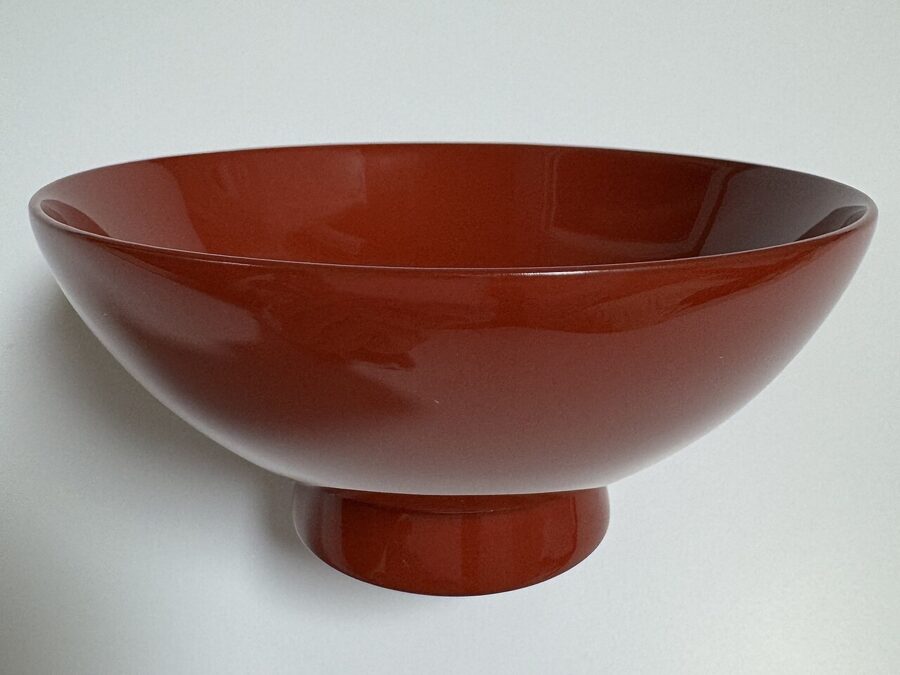
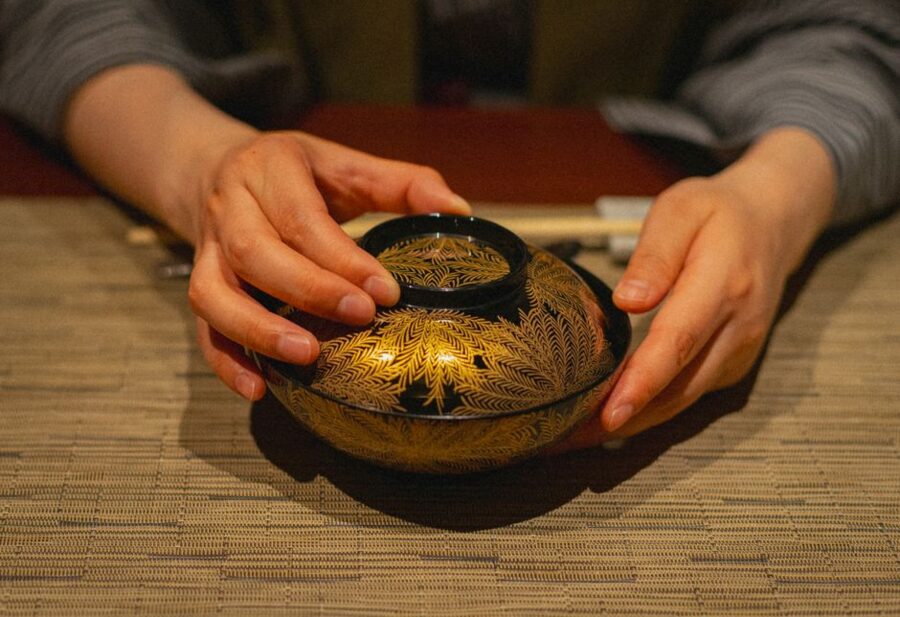
Regional pride shows here too. Ryotei in Kanazawa serve on Kaga lacquer and Kutani porcelain, and KAI Kaga in Yamashiro Onsen pairs its courses with Kutani pieces made for the food. Kyoto houses serve from their own collections, some of them centuries old. Kitcho’s founder, Yuki Teiichi, was such a serious collector of tea utensils that his collection became a museum in Osaka in 1988.
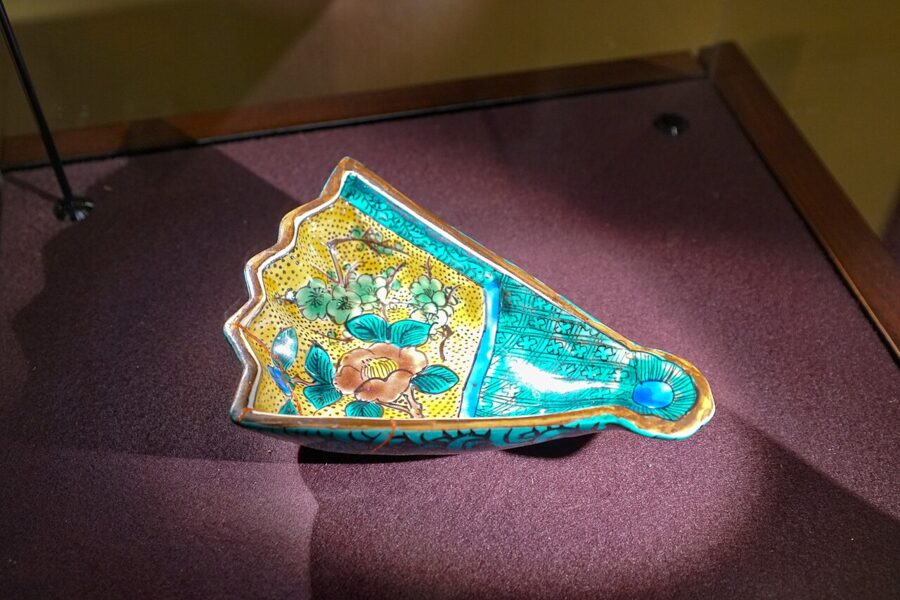
Glass is the seasonal tell. Cut-glass sake flasks, glass mukozuke dishes and bowls of ice appear in the hot months and vanish by autumn. In winter you get heavier, warmer-coloured pottery and more lidded dishes, because a lid keeps the heat in.
Where to eat it
The names below are places whose own sites I checked this month for prices, hours and access. Prices change often, and most of these houses quote prices with tax included but service of 10–15% on top, so check which way a quote is written before you compare.
Kyoto’s old houses
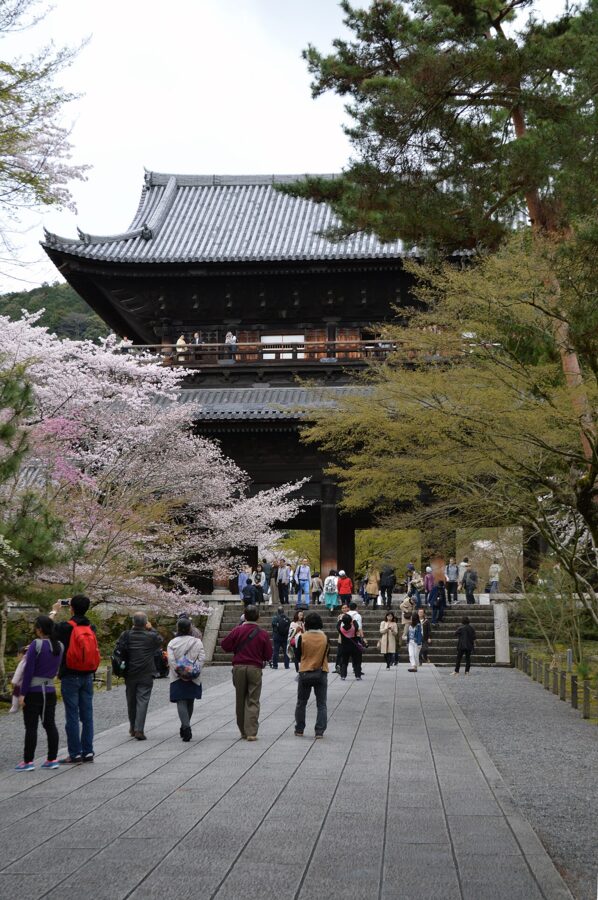
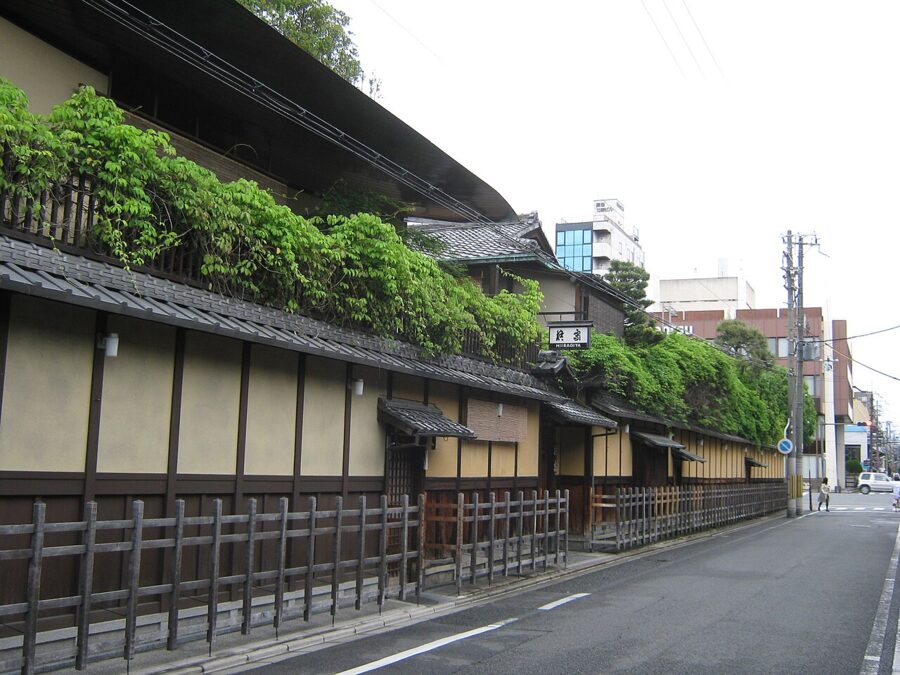
Hyotei began more than four hundred years ago as a roadside tea stall outside the gate of Nanzen-ji, and the thatched hut is still there. Kaiseki in the main house is ¥44,275 or ¥50,600, tax and service included, at lunch or dinner, for two or more. It’s a six-minute walk from Keage Station on the Tozai Line, and the main house closes on Wednesdays.
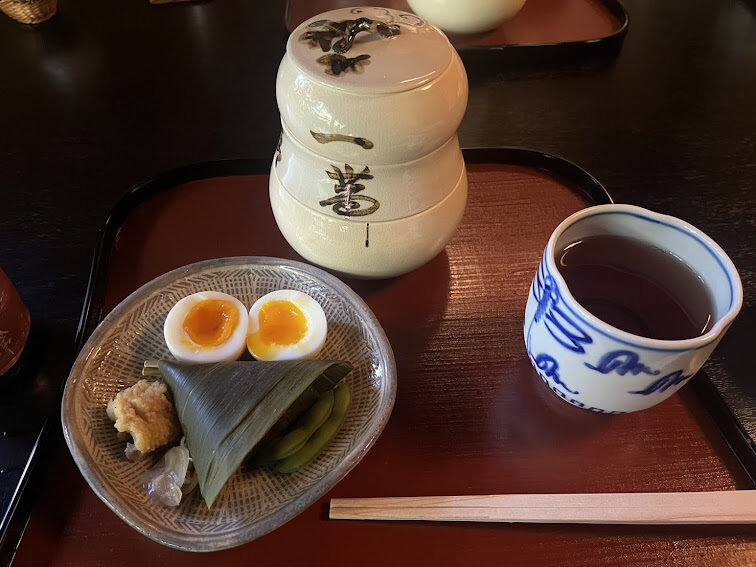
Kikunoi Honten, on Shimogawara-dori below the Yasaka Shrine torii, opened as a restaurant in 1912. Its owners’ ancestors looked after a spring whose water Hideyoshi’s wife, Kita-no-Mandokoro, used for tea, and the house still takes its name from the well. Lunch starts at ¥16,500 and dinner at ¥33,000 (a lighter ¥22,000 dinner exists), with 15% service on top; arrive between 12:00 and 12:30 for lunch.
Kyoto Kitcho Arashiyama is the grandest of the lot. Kitcho’s founder, Yuki Teiichi, opened his first shop in Osaka in 1930 and took over this Arashiyama villa in 1948, and the house still builds its courses on tea kaiseki. From October to early May the lunch-only course is ¥66,000 and the full course ¥79,200, tax and service included. It’s about six minutes on foot from Arashiyama Station on the Randen tram, and children under school age aren’t admitted.
Honke Tankuma on Kiyamachi, south of Bukkoji, is the easiest of the old houses to approach. Courses start at ¥22,000, tax included, with 15% service, and the fourth-generation owner holds senior qualifications in both wine and sake. It’s five minutes from Kyoto-Kawaramachi Station on the Hankyu line.
Counters in Kyoto
Roan Kikunoi, Kikunoi’s kappo branch on Kiyamachi just south of Shijo, has nine counter seats. Lunch is ¥13,200 or ¥16,500 and dinner ¥22,000 to ¥33,000, plus service, and it only takes bookings by phone. Sitting at the counter you get the Kikunoi kitchen at roughly half the Honten price.
If you want to see where counter kaiseki began, Hamasaku is in its farewell year at its newer premises on Shinmachi-dori at Rokkaku. The omakase is ¥70,000 and up before tax and service, and the regular service ends with March 2027.
Kyoto for under ¥10,000
This is where kaiseki gets accessible. Muge Sanbo, Kikunoi’s tearoom near the north gate of Kodai-ji, serves a tenshin lunch for ¥5,500, with last entry at 13:00, at a ten-seat counter and twelve table seats looking onto a moss garden. Book by phone; nobody under six is admitted, and it closes on Tuesdays.
Hyotei’s annexe serves a porridge breakfast from 8:00 for ¥5,445 and a shokado bento lunch at ¥7,260. It closes on Thursdays, not Wednesdays like the main house, which catches people out. Honke Tankuma’s branch on the seventh floor of Takashimaya, connected underground to Kyoto-Kawaramachi Station, does a seasonal tray at ¥5,060 and kaiseki from ¥9,900, and has served the same oyakodon for sixty years.
HANA Kitcho, two minutes from exit 7 of Gion-Shijo Station, has an unagi kaiseki at ¥11,385, limited to ten a day, and an eight-course kaiseki at ¥18,975, tax and service included. Book at least two days ahead; on days with no bookings it simply doesn’t open.
The shokado bento, and where it was born
The shokado bento, a lacquered box divided into four by a cross, is kaiseki’s most successful spin-off. It’s named after Shokado Shojo, an early Edo-period priest at Iwashimizu Hachimangu, south of Kyoto, who adapted a farmer’s cross-divided seed box into a container for his paints. Around 1933 Kitcho’s founder saw the boxes at Shokado’s old hermitage and decided they’d make a good container for food.
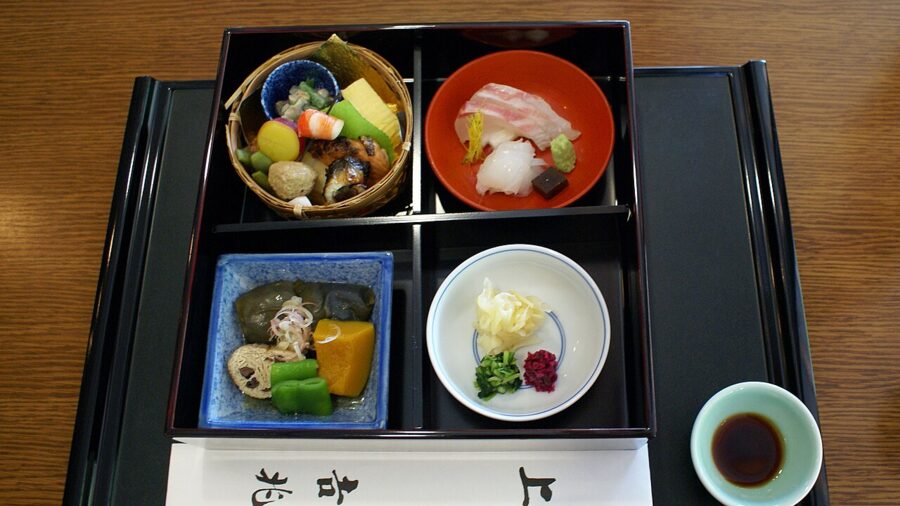
Kyoto Kitcho opened a restaurant beside Shokado Garden in Yawata in 2002. Its simplest shokado bento is ¥6,000 at lunch, tax and service included, with sashimi, hassun, grilled and simmered dishes in the box and soup, rice and dessert alongside. It’s reservation only, at least two days ahead, and closed on Mondays.
Getting there takes a little effort. Take the Keihan line to Iwashimizu-hachimangu Station, then a Keihan bus to the Oshiba-Shokado stop and walk about five minutes. The garden costs ¥300 to enter and makes a good walk after lunch.
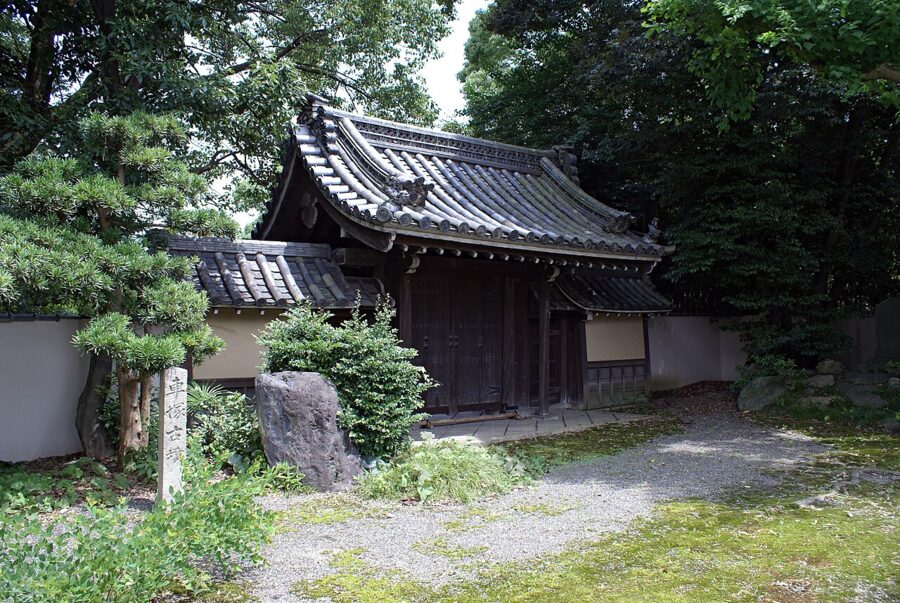
Tokyo
Tokyo’s kaiseki is less tied to old buildings and more to famous chefs, and the city’s starred kaiseki counters are their own subject, covered in my guide to Tokyo’s Michelin-starred restaurants. Two places with deep Kyoto roots are worth knowing about.
Kikunoi Akasaka, five minutes from Akasaka Station on the Chiyoda Line, is reached down a stone path through bamboo. Lunch is ¥14,300 to ¥22,000 with 10% service, at the counter or tables downstairs; dinner runs from ¥33,000, with a shorter ¥22,000 course, and 15% service (20% in a private room). It closes on Sundays and Mondays.
Tsujitome, in a basement in Moto-Akasaka five minutes from exit B of Akasaka-mitsuke Station, comes from the tea world proper. Its first owner was trained by the head of the Urasenke school in the Meiji era, and the current master, Tsuji Yoshikazu, born in 1933, trained under the potter and cook Kitaoji Rosanjin. A lunch shokado bento with mukozuke, soup, a sweet and matcha is ¥16,500, and kaiseki courses run ¥22,000 to ¥55,000, plus 15% service.
Kanazawa and Nagoya
Kanazawa’s ryotei are covered in my food guide to the city, but Tsubajin deserves a line here: founded in 1752, with lunch from ¥20,000 and dinner at ¥27,500 or ¥38,500, everything included. The menu leans on fish from the Noto Peninsula and ends with seasonal rice and pickles in the usual way.
Hasshokan, in the Yagoto district of Nagoya about thirty minutes from Nagoya Station by subway, opened in 1925. In 2020 almost the whole complex, nine buildings including its Miyuki-no-ma reception room and a rustic farmhouse, was designated an Important Cultural Property, which is extremely rare for a working restaurant. Courses start at ¥30,000 including tax and service, or ¥25,000 at weekday lunch.
Ryokan dinners
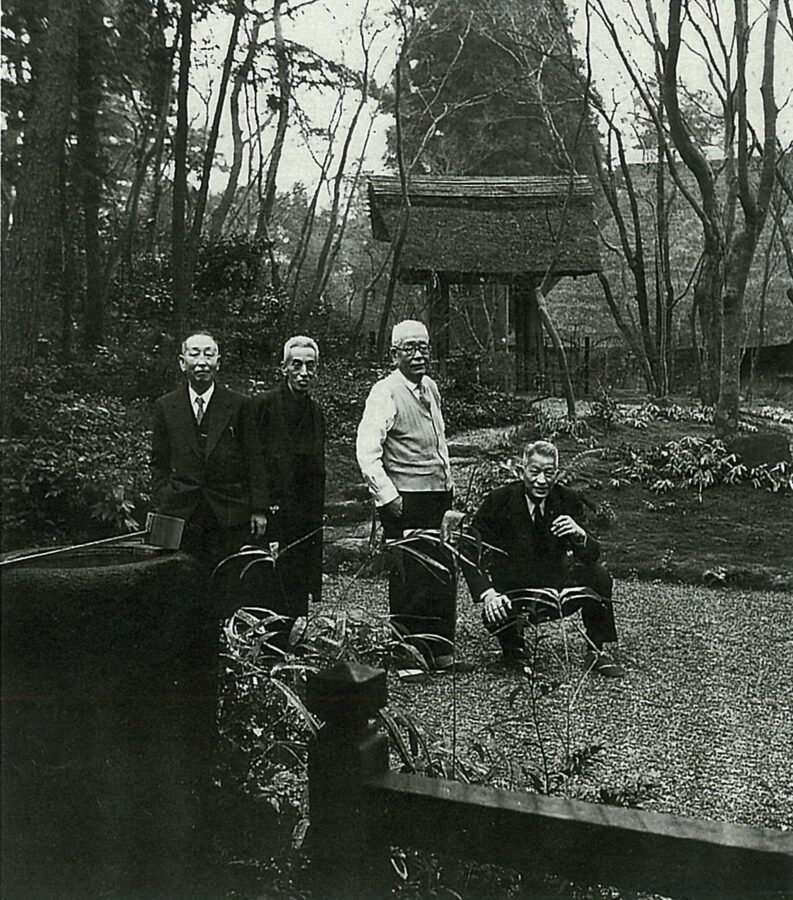
Hiiragiya, a few minutes’ walk from Kyoto Shiyakusho-mae Station, has been taking guests for more than two hundred years and is a registered tangible cultural property. Dinner is a Kyoto kaiseki starting at 18:00 or 19:00. If you’re not staying, the inn also serves dinner to non-guests in groups of two or more.
Further afield, the Hoshino group’s KAI inns, two of which appear in the photographs here, build their dinners around a regional ingredient: Oma tuna at KAI Tsugaru, Kutani ware and Sea of Japan fish at KAI Kaga. They’re a reliable middle ground between a family-run inn and a city ryotei.
Department stores and takeaway
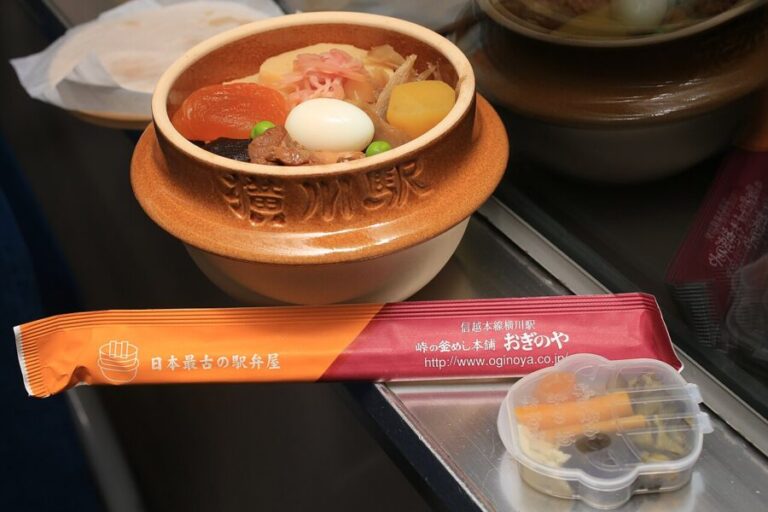
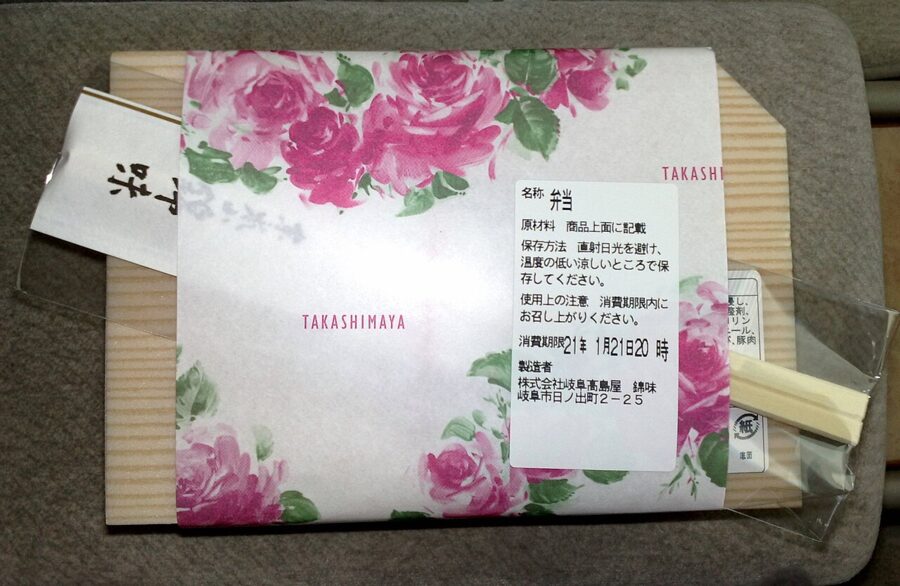
The cheapest way into the big names is the food hall. Tokyo Kitcho sells kaiseki bento by reservation from its counters in the basements of Nihonbashi Takashimaya, Yokohama Takashimaya and Isetan Shinjuku. Kikunoi’s department-store counters sell a four-section shokado-style box called Yasaka, and HANA Kitcho in Kyoto makes takeaway bento at ¥8,640 and ¥10,800 with three days’ notice.
It isn’t a tatami room. But a kaiseki bento on a bench by the river is a very good lunch, and it shows you what the kitchen cares about without the ceremony.
How do you get a table?
When and how to book
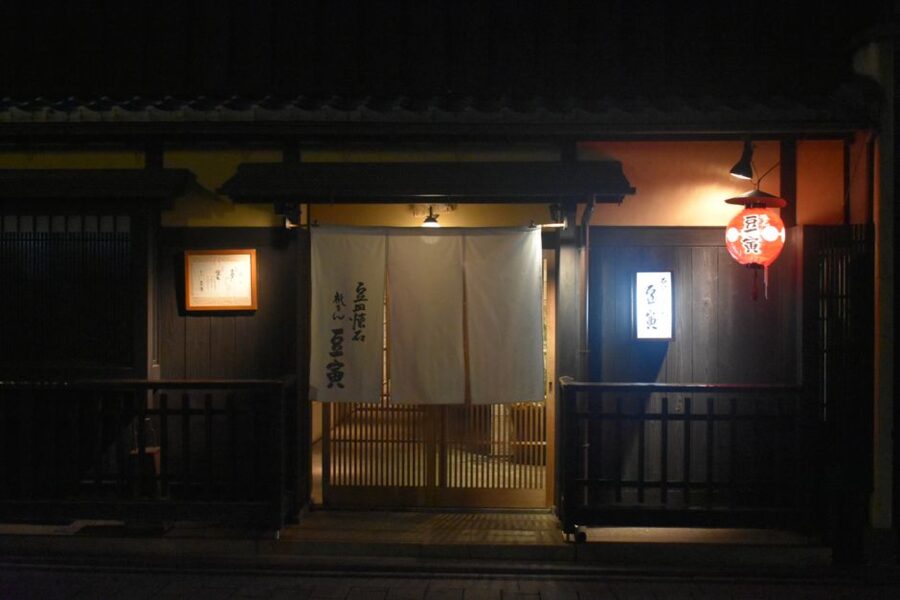
For the big Kyoto houses, book a few weeks ahead, and earlier for April and November. Kitcho Arashiyama asks for early contact for April and for November to January. Several places now take bookings online: Kikunoi Honten asks overseas guests to use its English or Chinese booking pages, and Honke Tankuma takes bookings through TableCheck.
Read the small print on online forms. At Kyoto Kitcho, sending the form doesn’t confirm anything; the restaurant calls you back to confirm, and if it can’t reach you before the day, there’s no booking. That’s tricky without a Japanese phone number, which is where a hotel concierge earns their keep. Phone-only places such as Roan Kikunoi and Muge Sanbo are also much easier through a concierge.
Booking platforms fill the gap for Tokyo. Omakase and Pocket Concierge both list kaiseki restaurants in English; my guide to Tokyo’s Michelin-starred restaurants covers how their deposits work.
Deposits and cancellations
Assume a cancellation fee. Kyoto Kitcho Arashiyama and HANA Kitcho charge one if you cancel within five days of the booking; the Shokado restaurant charges from the day before. Hasshokan in Nagoya only accepts cancellations by phone. If you’re travelling on a tight schedule, book lunch rather than dinner, because a lost lunch booking costs a lot less.
Dietary needs
Kaiseki is built on dashi made with dried bonito, so tell the restaurant about any diet when you book, not when you sit down. Most kitchens need days of notice. Hiiragiya asks for three days for allergies or a vegetarian meal, and says it can’t do halal or kosher.
Honke Tankuma goes further than anyone else I found. It has a vegan shojin kaiseki at ¥22,000 plus service, made with a vegetable dashi and without onion, garlic or the other pungent plants Buddhist cooking avoids, booked two days ahead. It also has a “Jewish-friendly” course with only fish that has fins and scales, and a certified kosher kaiseki at ¥55,000 for groups of five or more, booked seven days ahead, with an extra ¥88,000 per booking for the rabbi’s supervision.
Children, timing and the bill
Check age rules before you bring children: Kitcho Arashiyama admits school-age children and above and offers them a ¥33,000 course, and Muge Sanbo won’t seat anyone under six. Arrive on time, because many houses give you a window rather than a time; at Kikunoi Honten, lunch guests arrive between 12:00 and 12:30. A full kaiseki takes two to three hours.
The bill comes at the end, at the table or the front desk. Check how you can pay when you book: Roan Kikunoi’s takeaway, for one, is cash only. Tipping isn’t expected anywhere; the service charge is the tip.
At the table
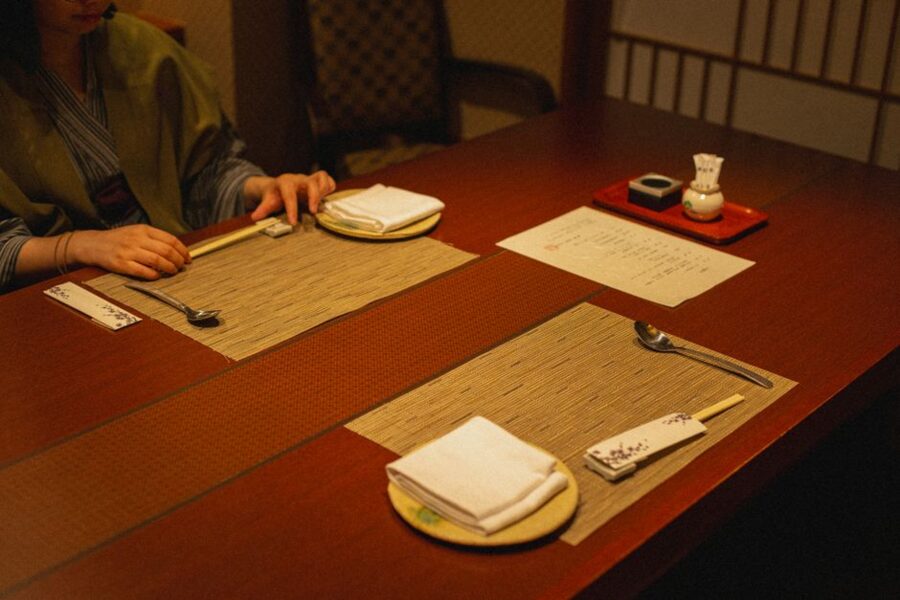
Nobody expects a foreign guest to know every rule of tea etiquette. A few habits will make you comfortable and keep you from damaging something old and expensive.
- Wear socks or tights in tatami rooms. Bare feet on tatami are considered rude.
- Skip strong perfume. The food is delicately scented, and the person next to you came for the matsutake.
- Take off chunky rings and bracelets. Lacquer and antique ceramics scratch easily.
- The hot towel, the oshibori, is for your hands only, not your face.
- Lift small bowls to eat from them, but leave flat plates and large dishes on the table. Don’t use your hand as a plate under food.
- Take bowl lids off, turn them upside down and set them beside the tray. Put them back on when you’ve finished.
- Rest chopsticks on the chopstick rest, never across a bowl, and don’t point, stab or hover over dishes with them.
- Pour for your companions and let them pour for you.
- Ask before taking photographs, especially of other guests or the rooms.
A pack of kaishi, folded paper, is useful: for wiping chopstick tips, holding a sweet, or covering your mouth while you remove a fish bone. Shops selling tea utensils stock it. And say gochisosama deshita on the way out. It means “that was a feast”, and it’s the one phrase every cook wants to hear.
What it costs, and what I’d skip
Here’s the ladder with real prices from this month. Where a price excludes service, add 10–15%.
| Level | Example | Price per person |
|---|---|---|
| Breakfast porridge | Hyotei annexe, Kyoto | ¥5,445 all in |
| Tenshin lunch | Muge Sanbo, Kyoto | ¥5,500 |
| Shokado bento | Kyoto Kitcho Shokado, Yawata | ¥6,000 all in |
| Department-store kaiseki | Honke Tankuma, Kyoto Takashimaya | ¥9,900–14,300 |
| Counter lunch | Roan Kikunoi, Kyoto | ¥13,200–16,500 plus service |
| Ryotei lunch | Kikunoi Honten, Kyoto | ¥16,500 plus 15% |
| Ryotei dinner | Tsubajin, Kanazawa | ¥27,500–38,500 all in |
| Top tier | Hyotei; Kyoto Kitcho Arashiyama | ¥44,275–129,360 |
Drinks are extra everywhere, and in a ryotei they add up fast. A couple of flasks of good sake can add ¥10,000 or more to a bill.
Skip these
- Cheap “kaiseki sets” in tourist areas. If a menu photo shows everything on one tray for a few thousand yen, it’s a set meal with a fancy name. Nothing wrong with it, but it isn’t kaiseki.
- Dinner when lunch will do. At Kikunoi Honten, lunch starts at half the price of dinner in the same rooms. Save dinner for the house you most care about.
- A ryokan dinner and a ryotei on the same night. It’s two kaiseki in one evening, and nobody enjoys the second one.
- The busiest weeks if you can’t book early. Late March to April and the November leaves bring the hardest bookings and, at some houses, the highest prices.
If you only do one, make it a weekday lunch at a Kyoto house, at the counter if there is one. Ask what each dish is. Order a second flask before the rice comes.