Tempura in Japan: The Counter, the Bowl, the Seasons and Where to Sit at Every Price
The sweet potato goes into the oil early and comes out much later. At Tempura Kondo in Ginza it’s cut as a stump more than ten centimetres thick and fried for about half an hour, fizzing quietly, while the rest of the course comes and goes. Fumio Kondo says he created it to beat a baked sweet potato at its own game, and when it finally lands on the paper in front of you, it does.
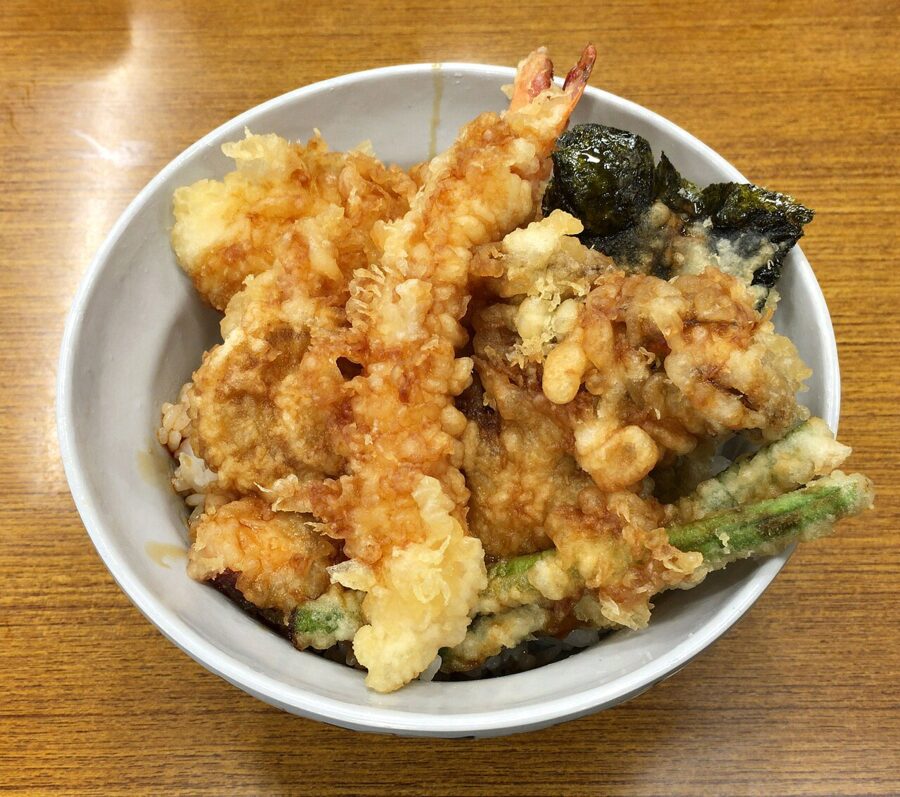
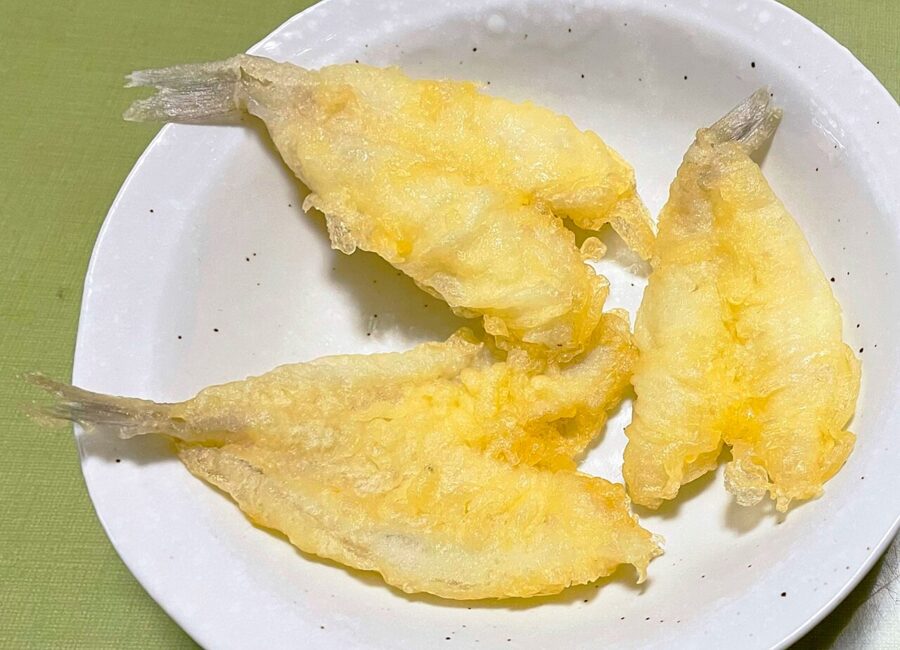
The same week I ate a whole bowl of tempura for ¥730 at a Tenya, the national tendon chain, and I enjoyed it nearly as much. Prawn, a split kisu, squid, aubergine and a green bean, on rice, under sweet soy sauce, with miso soup. Tempura is one of the few Japanese foods where the dearest version costs more than forty times the cheapest, and both are worth eating.
So this is a guide to both ends and the long middle. It covers what makes the batter and the oil Japanese, how a counter meal runs, the tendon houses that have been soaking prawns in sauce since the 1880s, the seasons, and where to sit in Tokyo, Kyoto, Osaka and a few places further out. Here’s the price ladder first, because the range surprises most people.
| Format | Where to try it | What you pay | Best for |
|---|---|---|---|
| Standing soba bar | Any station soba stand | A few hundred yen | Kakiage on hot soba, eaten in five minutes |
| Chain tendon | Tenya | ¥730–1,160 | A fast, filling bowl anywhere in Japan |
| Fried-to-order set meal | Hirao (Fukuoka), Makino | ¥1,060–1,485 | Pieces brought one at a time, without a booking |
| Old tendon house | Daikokuya, Dote no Iseya, Tenkuni | ¥1,700–3,400 | Edo-style bowls in buildings with a past |
| Kyoto tempura lunch course | Tempura Endo Yasaka | ¥7,700–11,000 plus service | A counter course at a lunch price |
| Top Tokyo counter | Tempura Kondo | ¥13,200–33,000 | One special meal, booked well ahead |
In This Article
- Batter, oil and a fish from Tokyo Bay
- The batter
- The oil
- Edo-mae: the fish in front of the castle
- From a skewer at a street stall
- What actually happens at the counter?
- The order of pieces
- Salt or tentsuyu?
- Counter manners
- Tendon: the bowl that never left the street
- Asakusa
- Minowa: Dote no Iseya
- Jimbocho: Hachimaki
- Ginza and Nihonbashi
- Good tempura for under ¥1,500
- Chains that fry to order
- On soba and udon
- Department stores
- Kakiage, the scraps that became the finale
- Eat with the calendar
- Spring
- Summer
- Autumn
- Winter
- Beyond Tokyo
- Kyoto
- Osaka
- Fukuoka
- Nagoya and Mie
- Oita
- Western Japan and Okinawa
- Booking, paying, and what to skip
- Skip these
Batter, oil and a fish from Tokyo Bay
Japanese tempura isn’t a fritter, and it isn’t a breaded cutlet. There are no breadcrumbs (that’s tonkatsu), no beer, no yeast and no seasoning in the coating. It’s cold water, egg and soft wheat flour, stirred a few times with chopsticks and left lumpy on purpose.
The batter
The lumps are about gluten. Stir the flour too long and it turns elastic, and the coating sets into a chewy skin; Japanese cooks say the batter ashi ga deru, roughly “grows legs”. The usual home ratio is one part egg to two or three parts water, mixed with the same volume of flour, but cutting the egg right down to one part in ten gives a crisper shell.
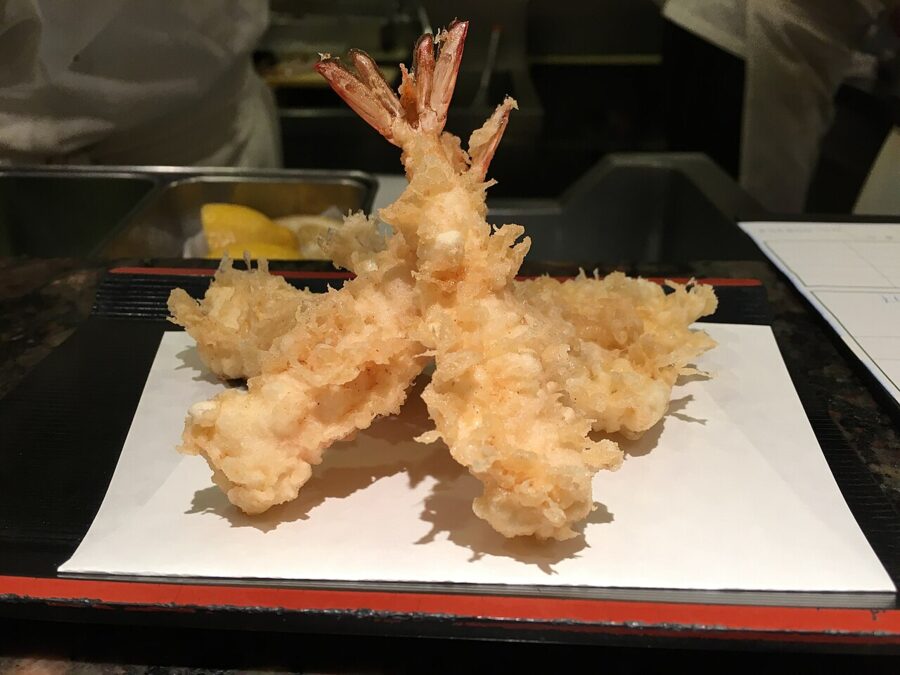
At a good counter the batter is mixed in small amounts through the meal, so it never sits long enough to warm up. Some cooks also flick drops of batter over a piece as it fries to build a lacy, spiky crust. They call it hana wo sakaseru, making flowers bloom, and it’s the look Aoi Marushin in Asakusa has been known for since 1946.
The oil
Oil decides the smell of the room. Fry in toasted sesame oil and the crust turns deep gold with a nutty edge; fry in light vegetable oil and it stays pale. Tokyo even has names for the two: kuro-tenpura, black tempura, and shiro-tenpura, white.
The street stalls of old Edo fried in hot sesame oil, and the old Asakusa houses still do; Daikokuya says it uses nothing else. The grander zashiki tempura, fried for guests in private rooms, set itself apart with taihaku oil, pressed from untoasted sesame, which fries clean and light. Most modern counters run a blend of their own and keep the recipe to themselves.
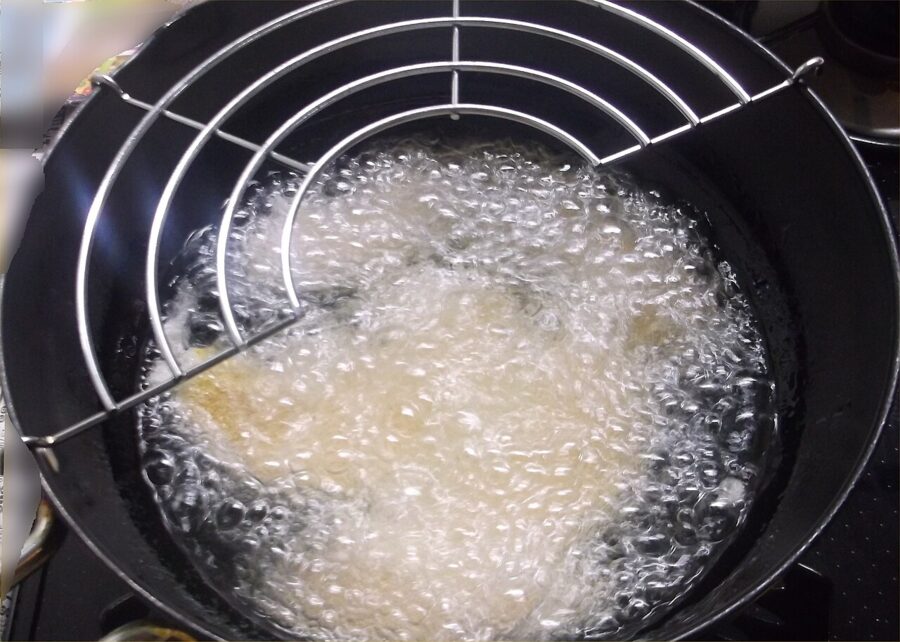
Temperature runs between about 160°C and 180°C, lower for dense vegetables and higher for quick seafood. Fumio Kondo describes tempura as a steamed dish as much as a fried one. The batter seals the ingredient, it keeps cooking in its own moisture after it leaves the pot, and a good cook times that resting heat as carefully as the frying.
Edo-mae: the fish in front of the castle
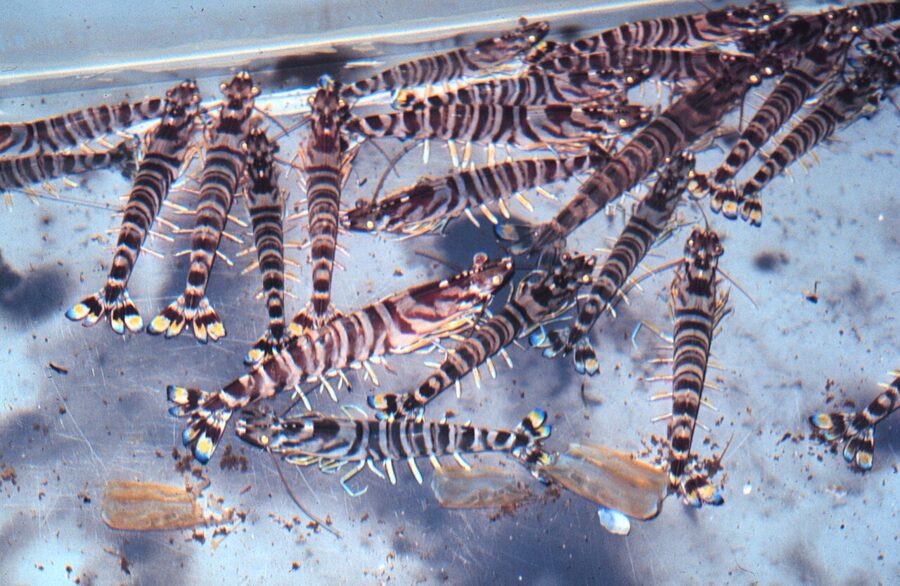
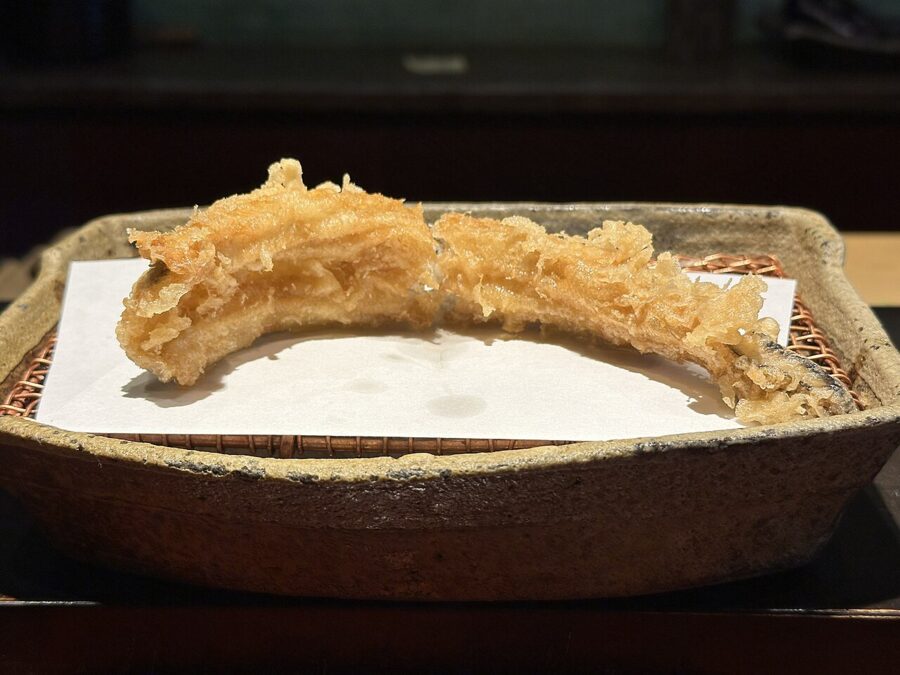
Tempura cooks have an old saying: tane shichibu ni ude sanbu, the ingredient is seventy per cent and the skill thirty. In Tokyo the classic ingredients are Edo-mae, a term that first meant fish from the fishing grounds in front of Edo Castle, around Tsukudajima. In 2005 a Fisheries Agency panel settled decades of argument by stretching it to anything fresh from Tokyo Bay.
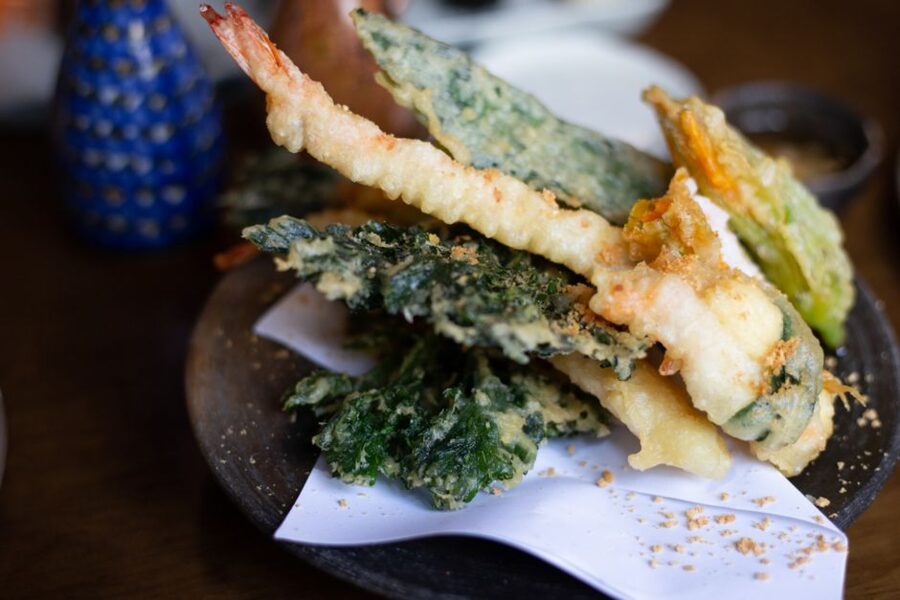
The Edo-mae tempura list is short and specific: kuruma prawn, anago sea eel, kisu whiting, haze goby, shirauo icefish, aoyagi clam and ginpo, a slim, eel-like fish. They’re the same fish that turn up as sashimi on the other side of town, just dressed differently. Vegetables came later, and at the top end much later.
Kondo, who opened his Ginza counter in 1991, writes that vegetable tempura used to be deli food with no place on a serious menu. He built his courses around vegetables anyway, signing contracts with growers only after tasting their crops on the farm. It’s a big part of why a high-end meal now feels like a tour of the season rather than a run of prawns.
From a skewer at a street stall
Tempura reached Japan with the Portuguese in the sixteenth century, as a battered fried dish whose name probably comes from a Portuguese or Latin word, possibly linked to the meatless Ember Days. I’ve told that story in full in my piece on Japanese foods with foreign origins, so this picks up afterwards.
The first Japanese version, Nagasaki tempura, was nothing like what you eat now. Its batter was seasoned with sugar, salt and sake, it was fried in lard, and you ate it plain. Moving east through Kansai in the seventeenth century it became tsuke-age, mostly vegetables, fried in sesame oil instead.
In Edo it met the fish market. Cooks fried the catch landed at Nihonbashi in sesame oil, which hid any fishiness and bought the fish a little more life. The word first appears in print as tenfura in a book called Shokudoki, published in 1669.
By the 1770s tempura was one of the three great dishes of Edo street food, with soba and sushi. Stalls fried pieces to order and speared them on skewers, and you dipped yours into a shared bowl of thick sauce, took grated daikon from a communal heap and ate on your feet. As Daikokuya likes to point out, one old picture scroll even shows a samurai hiding his face with a towel while he eats, presumably because standing at a stall wasn’t quite respectable.
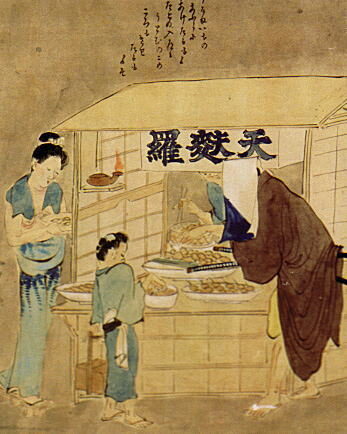
Sesame oil was expensive, so tempura stayed a mild luxury until cheaper rapeseed oil spread. Proper shops with seats only appeared near the end of the Edo period. The stall had been the default for well over a century.
The counter you sit at today has a grander ancestor too. In the 1820s, the story goes, a Ryogoku restaurant called Fukagawa-tei Bunkichi started serving tempura in private rooms to customers who wanted it without the stall, with a rich egg-yolk batter called kinpura, gold tempura. A copycat made with egg whites, ginpura, flopped and vanished.
The most famous tempura story is probably untrue. Tokugawa Ieyasu is said to have died from eating sea bream fried in kaya oil in 1616. He did eat it, and he did fall ill that night, but he died three months later, and his symptoms read much more like stomach cancer than bad fish.
The real turning point was the Great Kanto Earthquake of 1923. Tokyo cooks who lost their shops moved to other cities and took Edo-mae tempura with them, while Kansai cooks who came the other way brought the habit of eating vegetables with salt. That’s why a Tokyo counter now gives you both.
What actually happens at the counter?
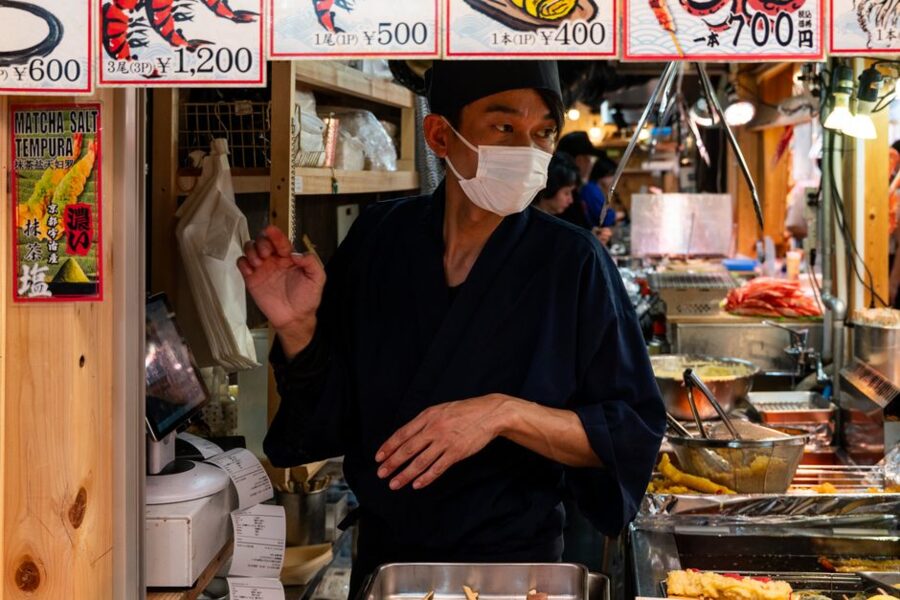
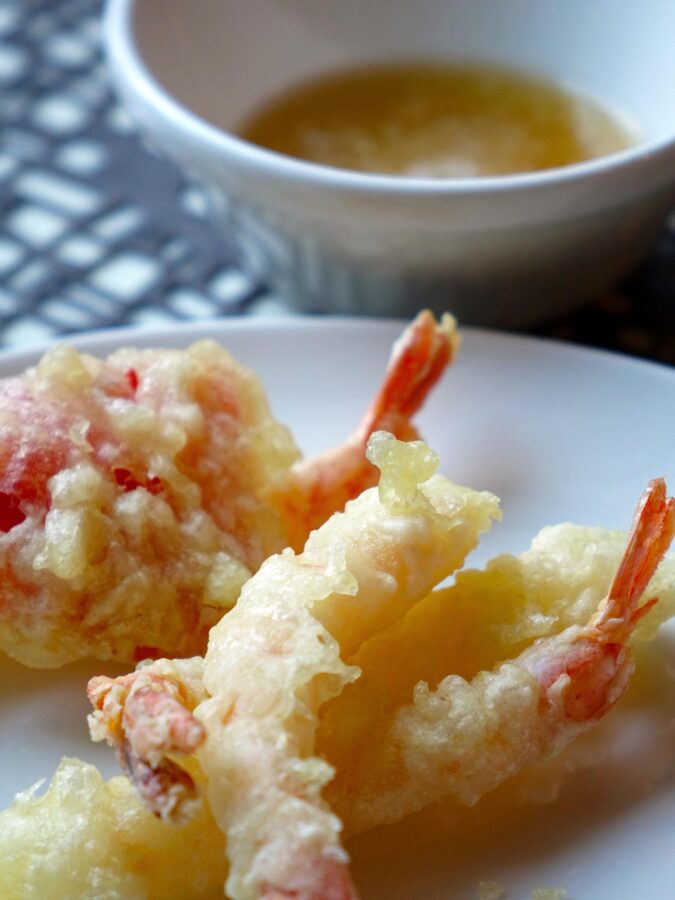
A tempura counter looks like a sushi counter with a pot where the fish case should be. You face the cook, who fries one or two pieces at a time and sets each one straight onto the paper on your plate. You eat it before the next one arrives.
The whole format exists for the first thirty seconds. Tempura softens as steam from inside works through the crust, so a piece that waits a minute on a platter is a different food from one eaten off the paper. It’s the same idea as a good yakitori counter: the cook paces the meal, and you keep up.
The order of pieces
There’s no fixed script, but an Edo-mae course has a recognisable shape. Prawns usually come first, often two, and sometimes the heads come back separately, fried crisp. Light fish such as kisu follow, then vegetables in between richer things, with anago late because it’s the fattiest piece.
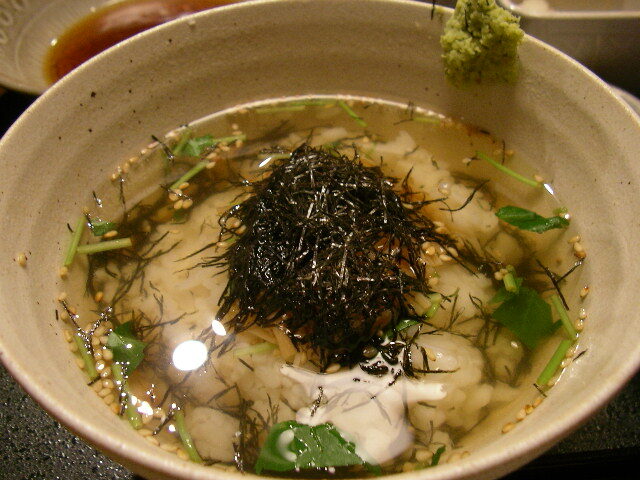
The meal ends with kakiage, a fritter of small prawns or kobashira, the little adductor muscles of the aoyagi clam. It comes with rice, either on top as a small tendon, beside it with pickles and miso, or in a bowl with hot tea poured over, which is tencha. Tempura Endo Yasaka in Kyoto offers exactly that choice at the end of its lunch courses.
Salt or tentsuyu?
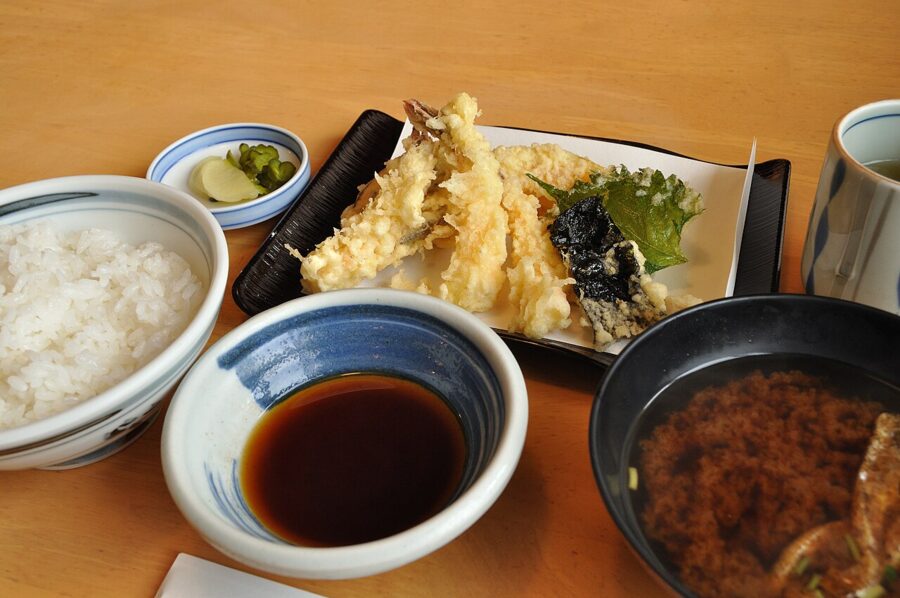
Most places put two things in front of you: a little salt and a bowl of tentsuyu, a warm dip of dashi, mirin and soy, with grated daikon on the side. Stir some daikon into the tentsuyu; it cuts the oil. Then dip only the tip of each piece, never the whole thing, or the crust floods.
Salt suits vegetables, white fish and anything delicate. Tentsuyu suits prawns, anago and kakiage. Some counters add matcha salt, yuzu salt or a wedge of citrus, and if the cook salts a piece for you or says to eat it as it is, that’s the instruction.
Counter manners
- Eat each piece as soon as it lands. One photo is fine; a photo shoot isn’t.
- Skip strong perfume. The room is small and the food depends on smell.
- Arrive on time. Top counters run fixed seatings, and Tempura Kondo seats lunch at 11:30 and 13:30 and dinner at 17:00 and 19:30, so being late eats into your own meal.
- Beer works, but cold sake is the better match for salt and sesame.
- Don’t drown everything in tentsuyu. Taste the first prawn with salt, then decide.
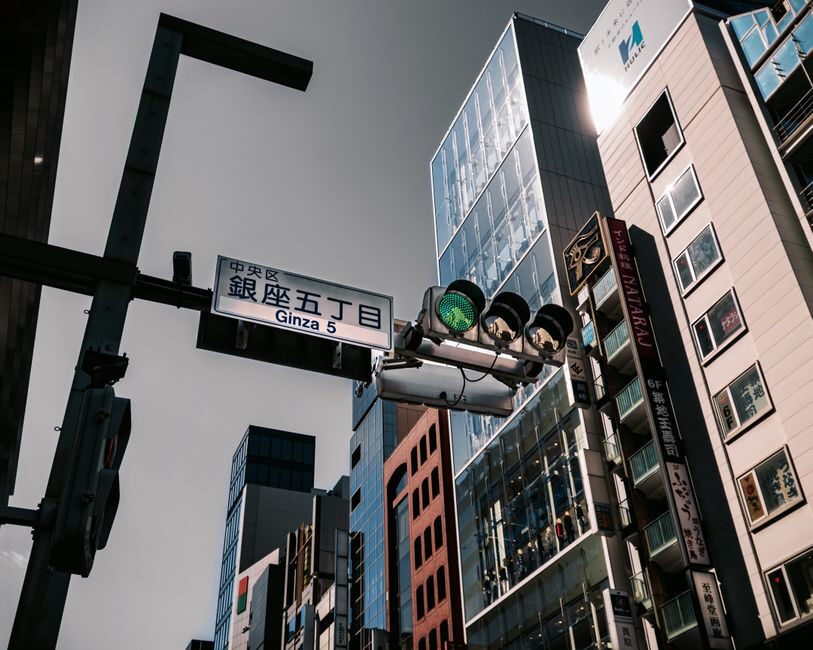
Kondo’s lunch courses cost ¥13,200 and ¥16,500, and dinner runs ¥22,000 to ¥33,000, tax included, at two counters of 12 and 8 seats on the ninth floor of a building in Ginza 5-chome, five minutes’ walk from Ginza Station. It holds two Michelin stars, and in 2019 Kondo became the first tempura cook named a Contemporary Master Craftsman by the Ministry of Health, Labour and Welfare. Lunch is the same chef and the same oil for well under half the top dinner price.
Tendon: the bowl that never left the street
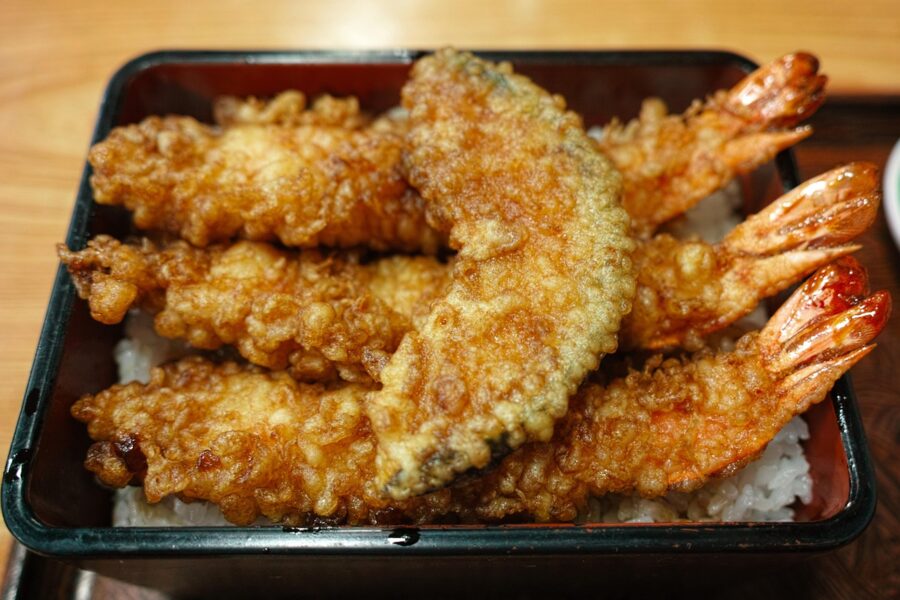
Tendon is what happened when stall tempura met a bowl of rice. The stall sauce was much sweeter and thicker than today’s tentsuyu, and a few pieces on rice with a ladle of it made a fast meal. One story credits a Shinbashi soba stall in 1831, another Sansada in Asakusa, founded in 1837 and still frying beside Kaminarimon.
The Tokyo way is to dunk. The cook lifts the tempura from the oil and pushes it straight through a pot of hot sauce, before laying it on the rice, so the oil drains into the sauce and the sauce soaks the crust. Ginza Tenkuni calls this the moment the bowl is made. Most of the rest of Japan pours the sauce over afterwards, which keeps more crunch and less flavour.
Prices have always been part of the appeal. Daikokuya’s own history puts a bowl at 3 sen in 1887, 25 sen in 1919 and 40 sen in 1937, which made it the fast food of working Tokyo. A soba-shop tendon traditionally carries exactly two big prawns, which is why Japanese comedians call a gag repeated twice a “tendon”.
Asakusa
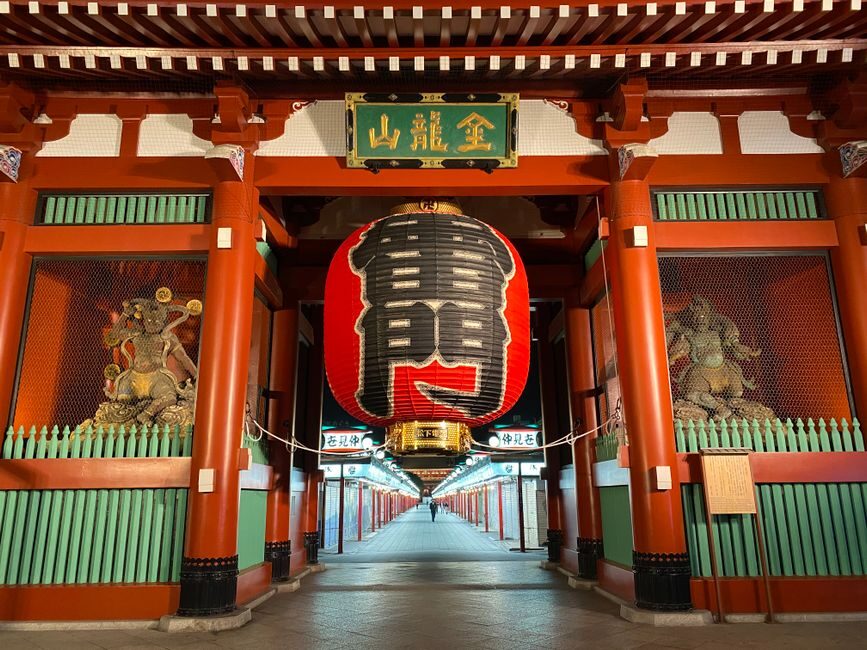
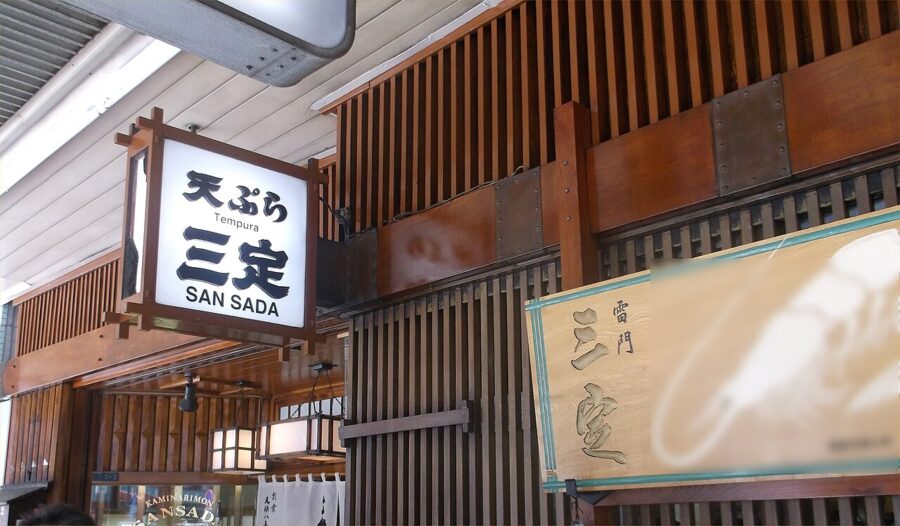
Asakusa has the densest cluster of old tempura houses in Tokyo, all within a few minutes of Kaminarimon. Sansada counts its history from 1837 and fries in sesame oil in the Edo-mae way; Taito Ward honoured it in 2018 as a business founded in the Edo period. Its kakiage comes in three sizes, and the seasonal vegetable plate is ¥1,940, with ¥280 more turning it into a tendon.
Sansada opens 11:00–20:30 Monday to Thursday, 11:00–21:30 on Fridays and Saturdays and 11:00–21:00 on Sundays and holidays, with a handful of closing days each month that it posts in advance. It’s big and used to groups, which makes it the easy choice on a busy day.
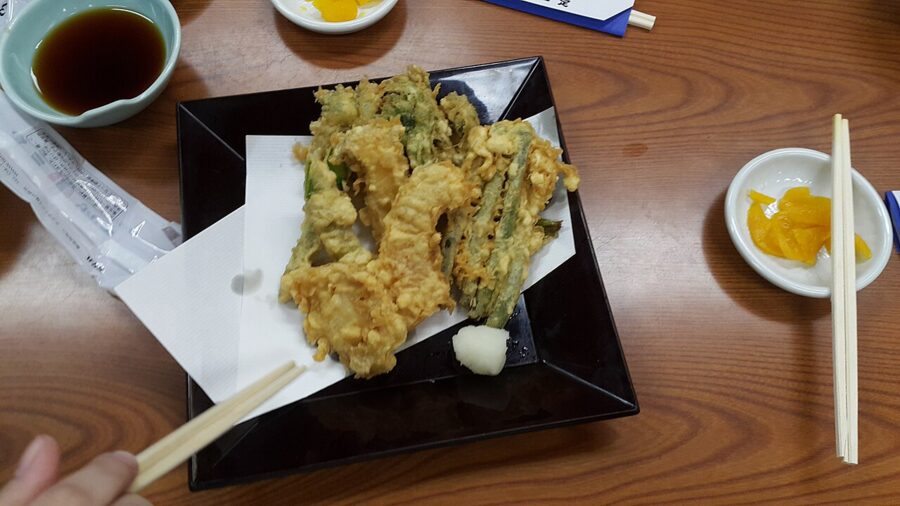
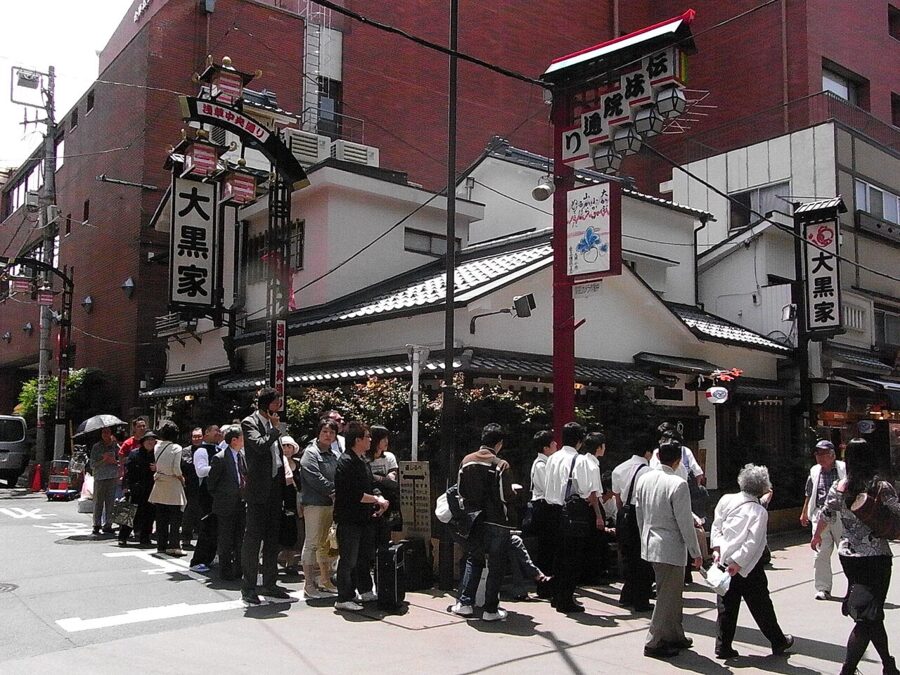
Daikokuya is the one with the queue. It opened in 1887 as a soba shop on Denboin-dori, did so well out of tempura soba that it turned into a tempura shop by the end of the Meiji era, and fries in sesame oil alone. The sauce is dark and on the salty side of sweet, and the bowls are heavy: the basic tendon with a prawn, a kisu and a kakiage is ¥2,300, and four prawns are ¥2,700.
It opens 11:00–20:00 at Asakusa 1-38-10, a short walk from Exit 1 of Asakusa Station on the Ginza Line or Exit A4 on the Asakusa Line. Get there before opening or in the middle of the afternoon. If you only eat one bowl in Asakusa, make it this one.
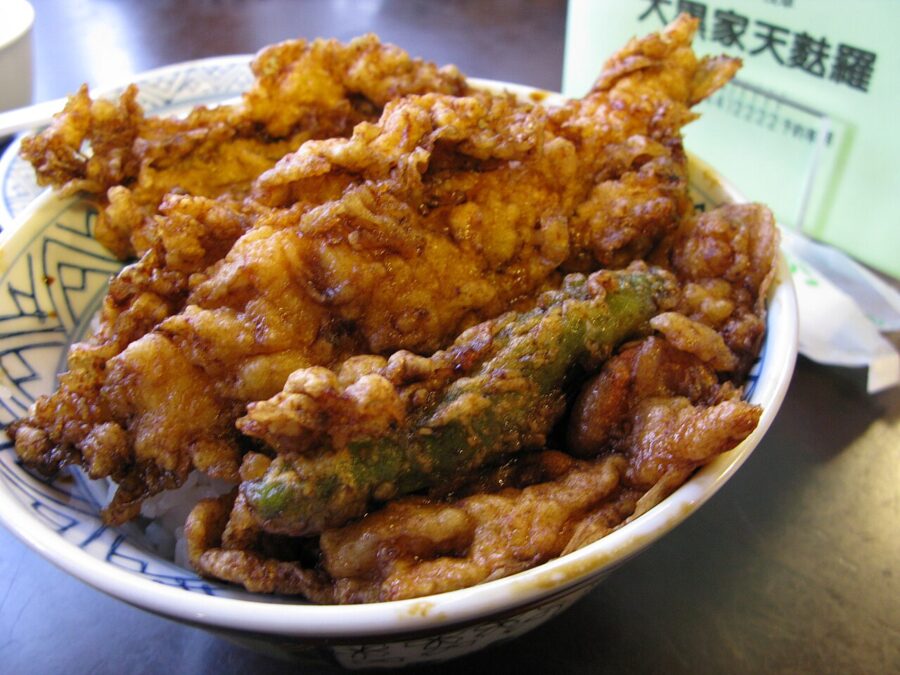
Aoi Marushin opened in front of Senso-ji in 1946 and sits about three minutes’ walk from Kaminarimon, open 11:00–21:00. Its tempura has the thick, flowering batter of the old style and its tendon is dunked in a sweet katsuobushi sauce. It’s a good choice with older relatives or a big group, less so if you want the lightest crust in the district.
Minowa: Dote no Iseya
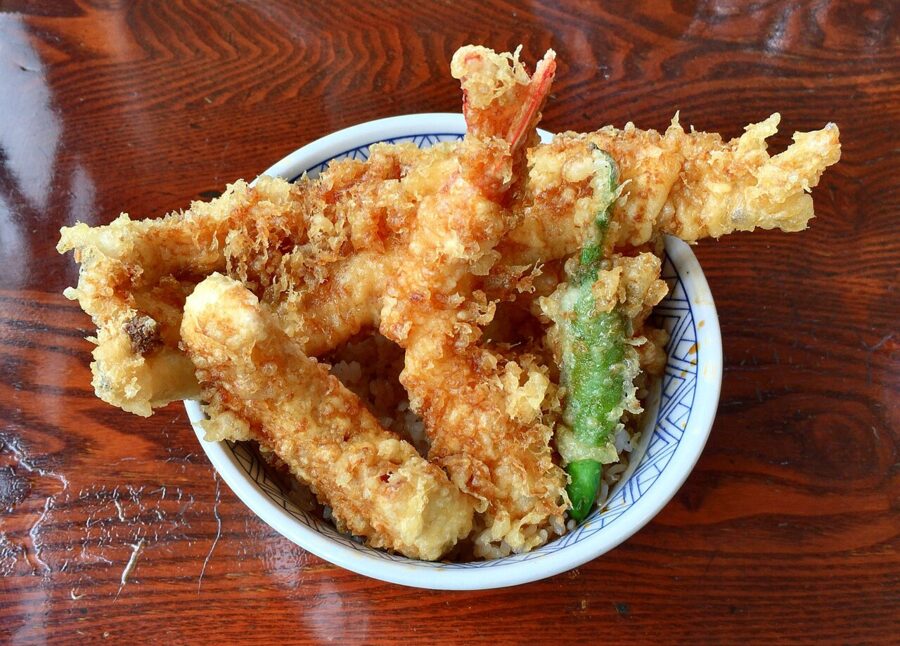
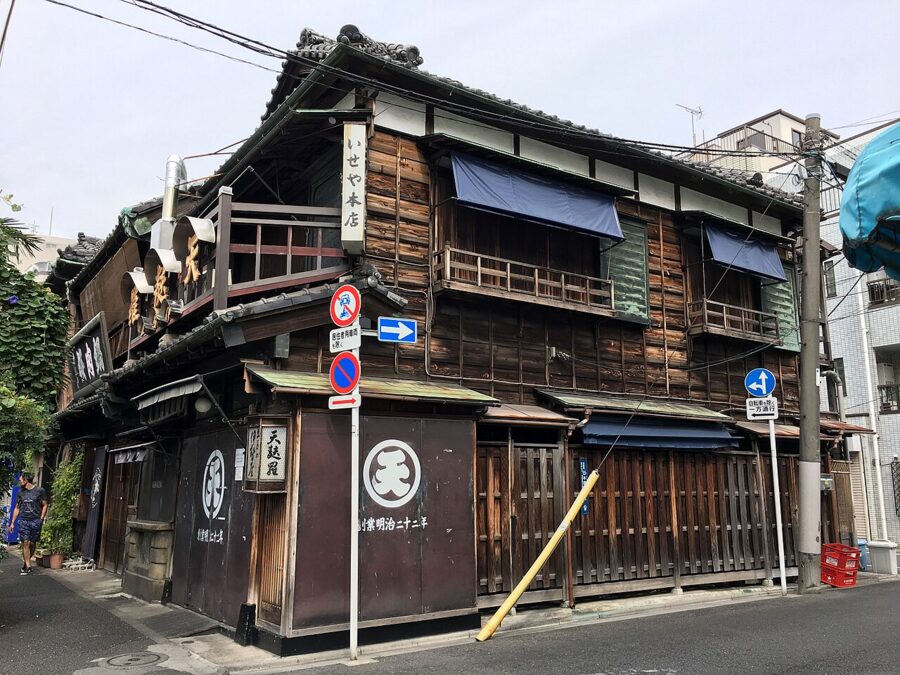
If I had to pick one tendon in Tokyo, it would be Dote no Iseya, near Minowa in the north-east of the city. It opened in 1889 beside the gate of the old Yoshiwara pleasure quarter and once ran around the clock. The current wooden building went up in 1927 after the earthquake, survived the 1945 air raids when the wind changed, and became a registered tangible cultural property in 2010.
The bowls are called i, ro and ha, the first three letters of the old Japanese syllabary, because the owner didn’t want to rank them. I is ¥2,400 with kisu, a squid kakiage, two prawns and a shishito pepper; ro is ¥2,900 with anago, a squid kakiage, a prawn and two vegetables; ha is ¥3,400 with anago, a small-prawn kakiage, a prawn, a seasonal fish and three vegetables. Ro is the one to order.
The practical bits matter here. It opens only 11:00–14:00, closes when the fish runs out, takes no cards and no phone reservations, and shuts on Tuesdays and Wednesdays. It’s 722 metres from Minowa Station on the Hibiya Line, about a ten-minute walk.
Jimbocho: Hachimaki
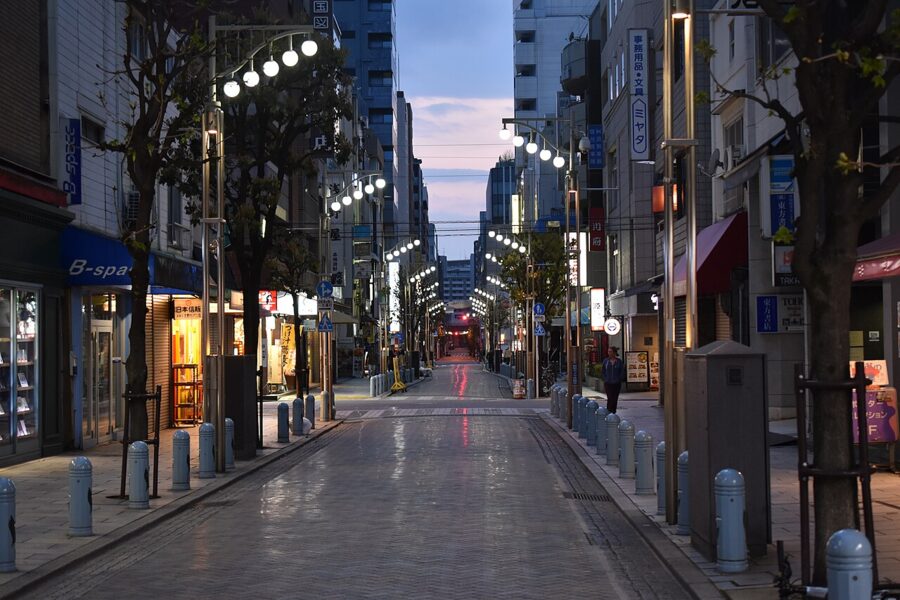
Hachimaki, three minutes from Jimbocho Station on the Hanzomon and Toei Shinjuku lines, has been in the same 1927 shopfront on Suzuran-dori since 1945. The founder named it after the headband of the craftsman who pulled him out of a canal during the 1923 earthquake. In the years after the war a writers’ circle around the crime novelist Edogawa Rampo met upstairs on the 27th of every month.
Rampo is the reason for the house bowl. He asked for anago and prawn tempura on rice with sauce, and the anago-and-prawn tendon has been on the menu ever since. It opens 11:00–21:00 except Tuesdays; cards are only accepted on bills of ¥5,000 or more, and at lunch it may be cash or PayPay only.
Ginza and Nihonbashi
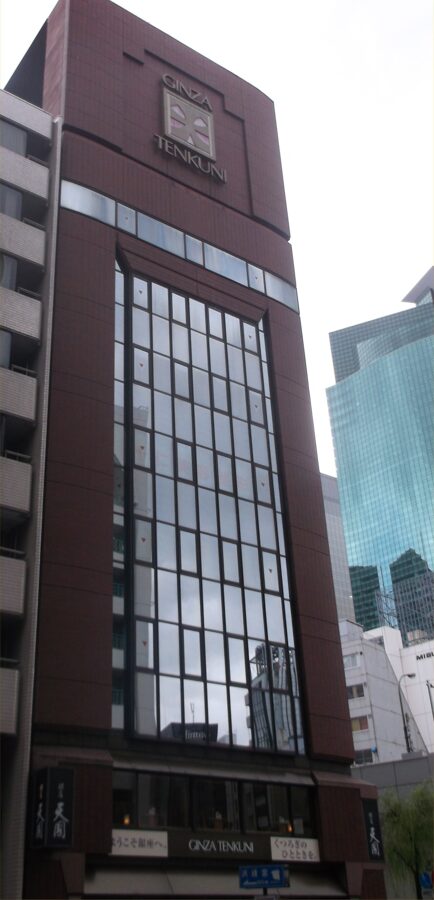
Ginza Tenkuni opened in 1885 and now occupies a narrow building at Ginza 8-11-3. Until 15:00 the lunch tendon is ¥1,700 with two prawns, kisu, aubergine and a vegetable kakiage, plus miso soup and pickles, which is the best-value plate of Edo-mae tempura in Ginza. It’s open 11:30–22:00 and closed on Sundays.
Tenmatsu began in Shibuya in 1936 and now fries at Nihonbashi, by Mitsukoshimae Station. Nearby, Kaneko Hannosuke built a following on huge, sesame-fried tendon heaped with anago, prawn, squid and a soft-boiled egg in tempura. Its Nihonbashi flagship is closed for refitting from 17 November to 6 December 2026, reopening on 7 December, and the company is sending customers to its Tsukiji shop in the meantime.
Good tempura for under ¥1,500
You don’t need a booking or a big budget to eat tempura that was fried a minute ago. Japan’s cheap tempura is some of the best fast food anywhere, as long as you avoid anything that’s been sitting under a lamp.
Chains that fry to order
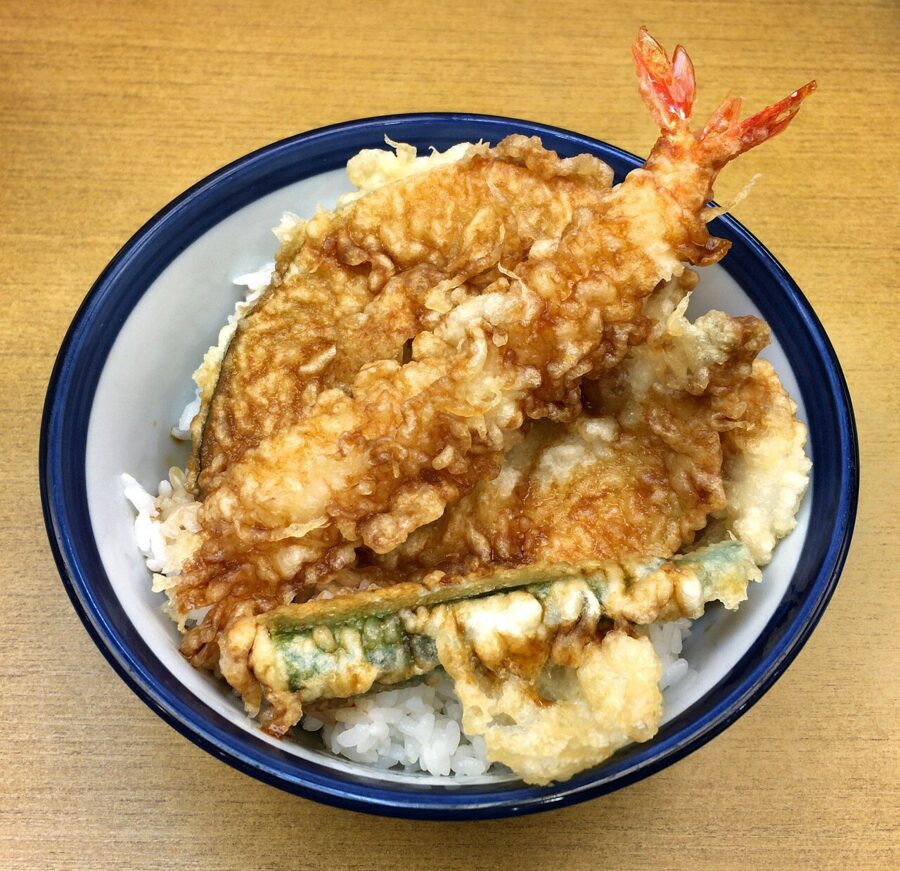
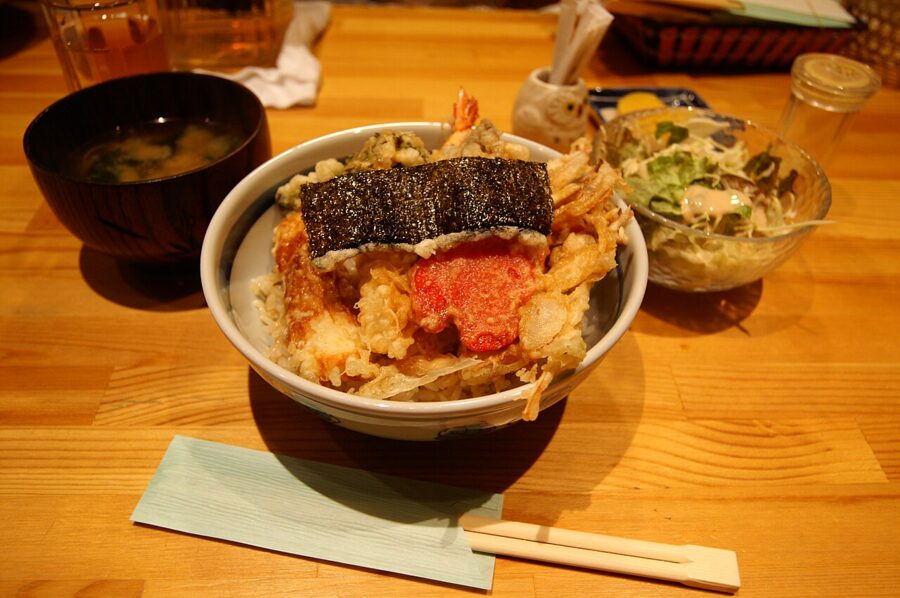
Tenya is the default. The original tendon is ¥730, the upper grade ¥760 with two prawns, and the top bowl ¥1,160 with a whole anago, two prawns, lotus root and a green bean; an extra prawn is ¥290. It’s fine, it’s fast and it’s everywhere, including the airports.
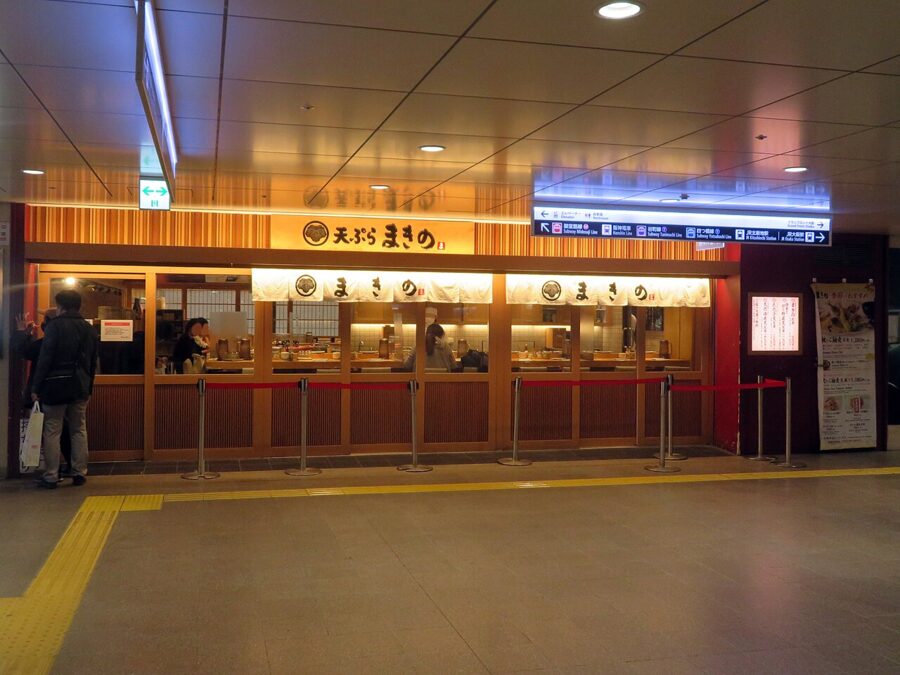
Tempura Makino, from the company behind the Marugame Seimen udon chain, is a big step up for not much more money. It fries every piece to order and brings it out hot, with free squid shiokara and yuzu-pickled daikon on the side. The Makino tempura set with aged chicken tempura is ¥1,485 including tax, the vegetable set ¥1,265, and prices vary a little by branch.
On soba and udon
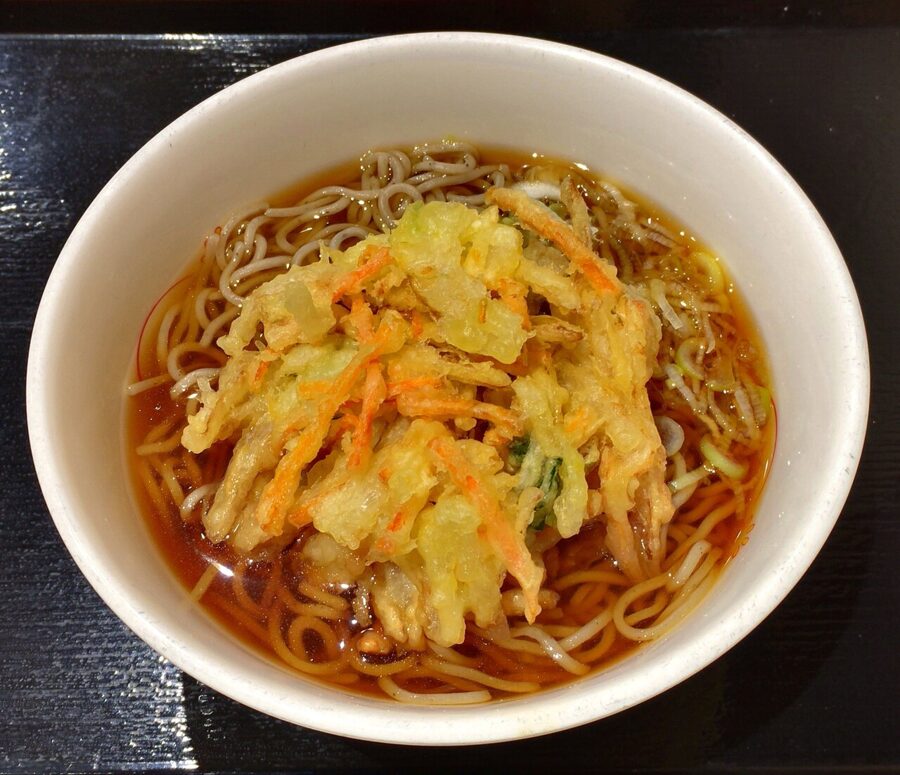
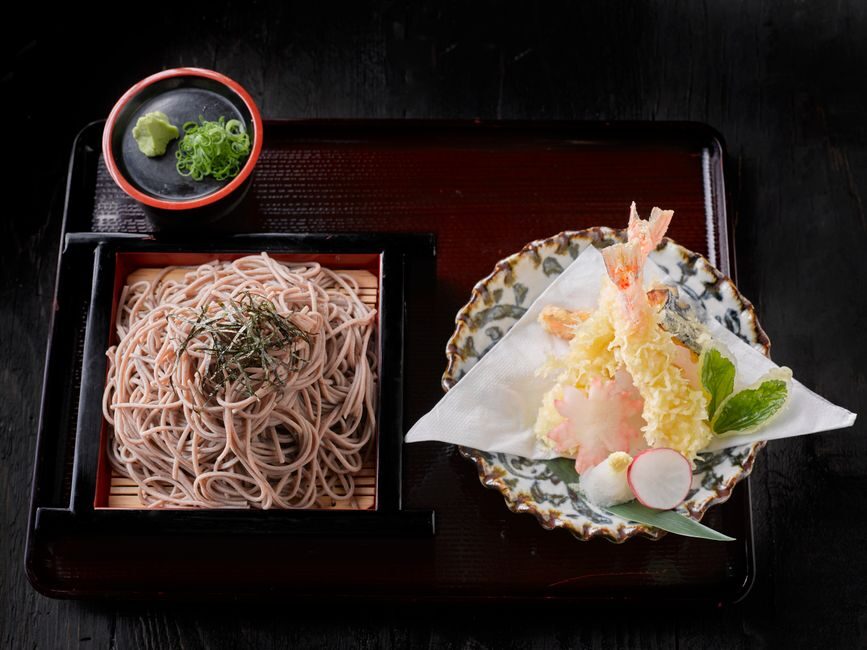
Tempura soba is older than tendon. Soba historians date it to the Bunsei era (1818–1830), when soba stalls began topping bowls with a kakiage of tiny shiba prawns, and the writer Kitagawa Morisada noted in his survey of city life, begun in 1837, that “soba-shop tempura” meant exactly that. Traditional soba shops now serve two prawns on hot soba, or tempura on the side of cold noodles as tenzaru or tenseiro.
Standing soba bars are a different world. At a Tokyo stand, “tempura” usually means an onion-heavy kakiage, and elsewhere in Japan it’s often a thin flour cake with a few small prawns. Plenty of Kanto soba shops also sell ten-nuki, tempura soba without the soba. The same tempura goes on udon, where a thick kakiage slowly melting into the broth is half the pleasure.
Department stores
Tsunahachi is the best example of tempura moving indoors. Founded in 1924 in Shinjuku, it now runs 23 restaurants from Sapporo to Osaka, many on department-store dining floors: the Keio department store 8F in Shinjuku, Daimaru Tokyo 12F at Tokyo Station, Matsuya Ginza 8F. Its Shinjuku main shop is closed for rebuilding, and a temporary annex opened in June 2026 on the sixth floor and basement of TRES Shinjuku, open 11:00–22:00.
Down in the food halls, Tsunahachi and others sell tempura to take away; the Tsunahachi counter in the Keio basement opens 10:00–20:30 Monday to Saturday. It’s good for a train picnic or a hotel-room dinner. Just know that it will be soft by the time you eat it, so buy kakiage and vegetables, which survive, rather than prawns, which don’t.
Kakiage, the scraps that became the finale
Kakiage is tempura made from things too small to fry alone. The name is usually explained as kaki-mazete ageru, stir and fry, and cooks drop a spoonful of chopped ingredients and batter into the oil, where it sets into a loose, craggy disc.
The Edo-mae versions use shiba prawns and kobashira, both Tokyo Bay catches, often with a few leaves of mitsuba. The last shogun, Tokugawa Yoshinobu, is said to have had a kakiage five sun across, about 15 centimetres, carried to him on a Nabeshima porcelain plate from his favourite tempura shop. Ginza Tenkuni’s special kakiage of prawn and shellfish adductor is ¥4,950 and is probably the closest you’ll get.
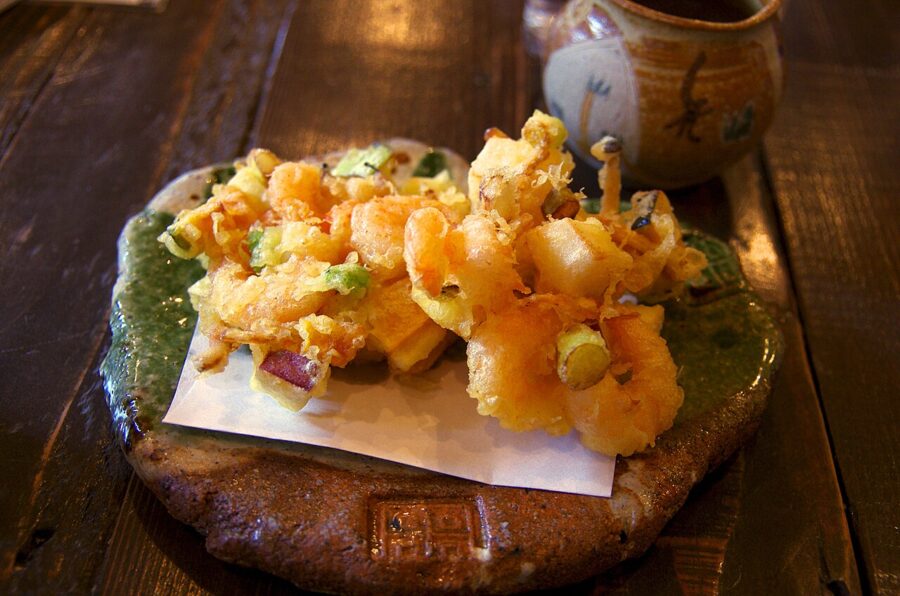
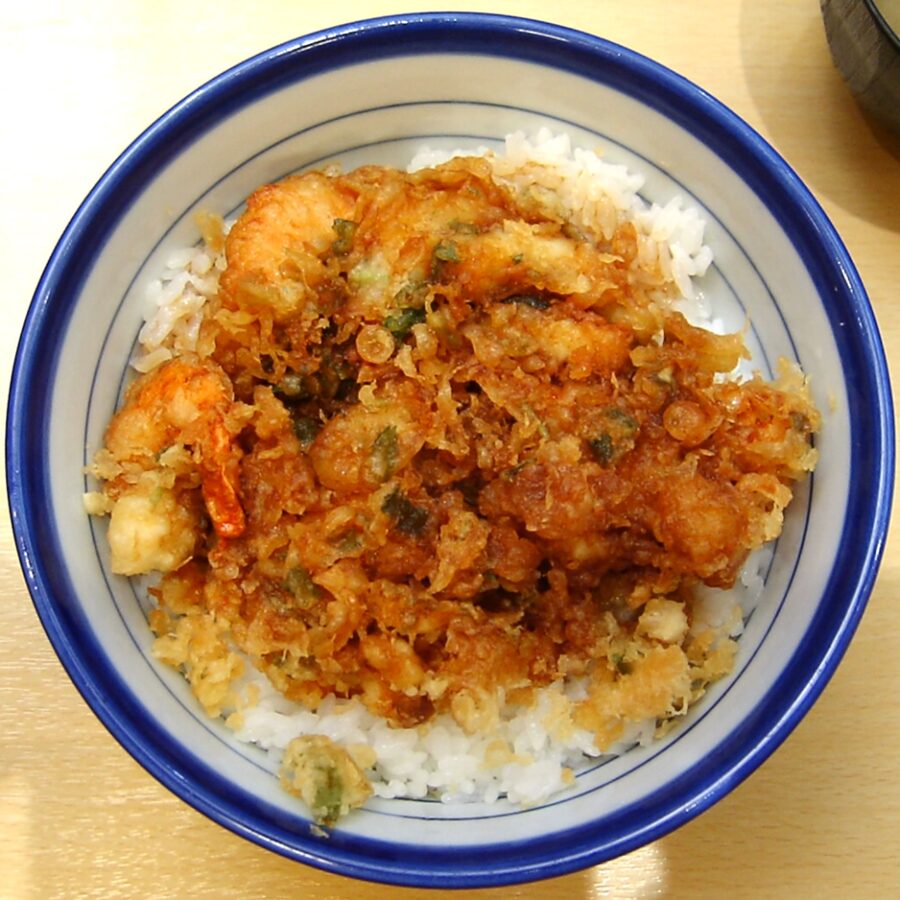
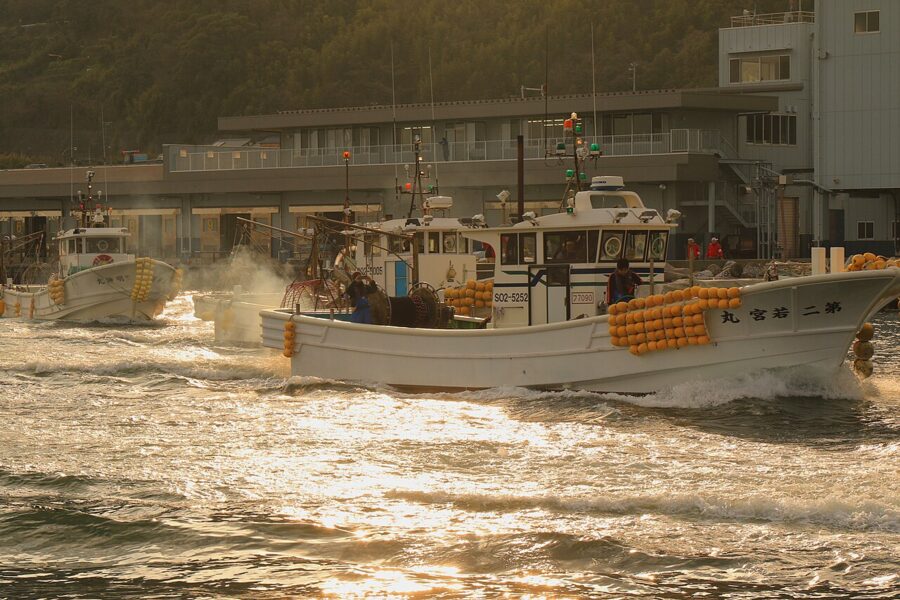
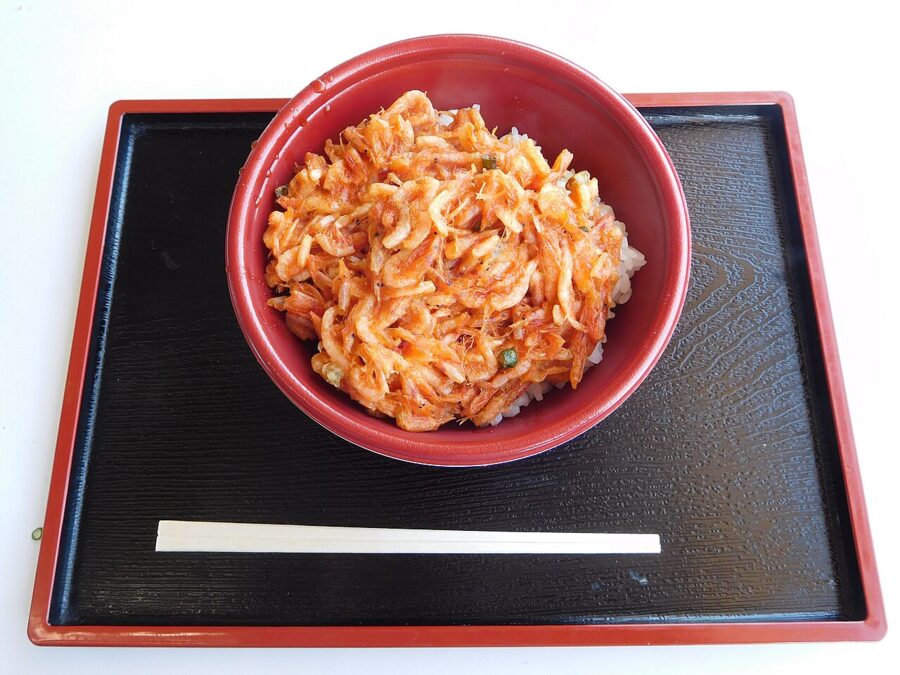
The kakiage worth travelling for is in Shizuoka. Sakura shrimp, tiny and pink, are landed only from Suruga Bay, where the season runs from April to June and again from October to December. Fishermen from Yui first netted them by accident in 1894, and the fishing port there still fries them into kakiage for lunch.
Eat with the calendar
A tempura menu is a seasonal menu, even at the cheap end; Tsunahachi and Tenya both change their limited bowls every few months. At a counter the shift is sharper, and it’s the best argument for going back in a different month.
Spring
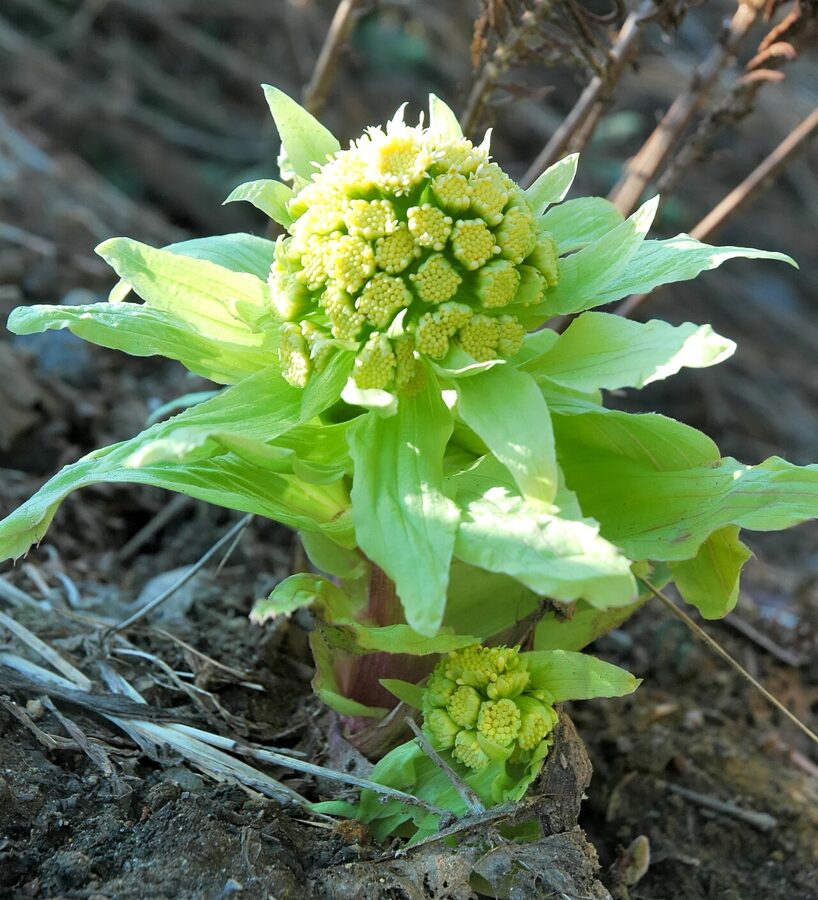
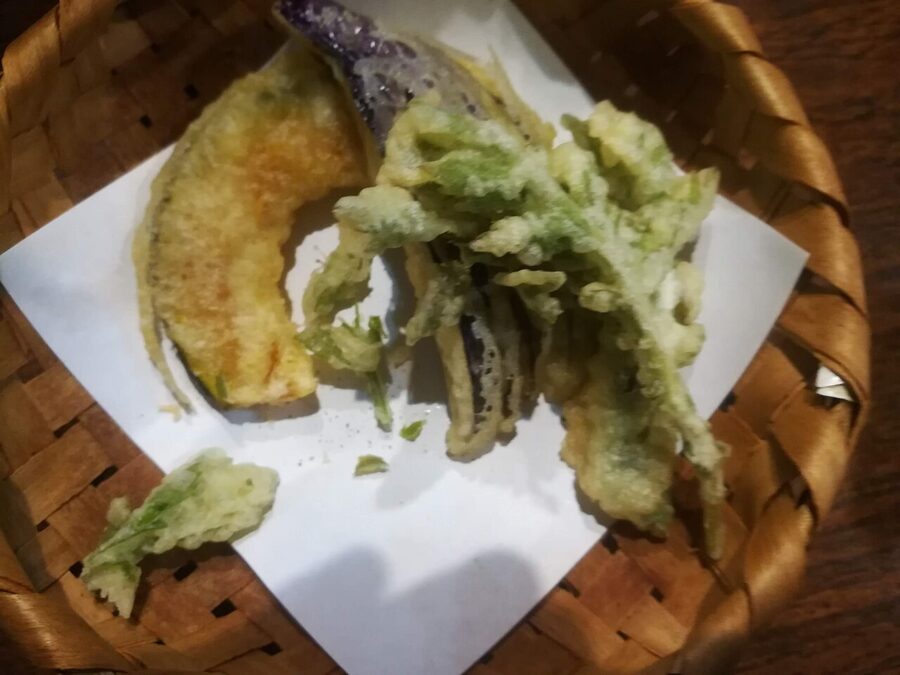
Spring is mountain vegetables, sansai: butterbur buds (fuki-no-to), angelica tree shoots (tara-no-me), fiddleheads, udo. Most of them are bitter or astringent raw, and hot oil takes the edge off, which is why tempura is the default way to eat them. In the hill towns of the Japanese Alps, Takayama included, mountain-vegetable tempura is the taste of April and May.
On the seafood side it’s shirauo, the tiny translucent icefish of Edo-mae fame, and the spring run of sakura shrimp in Shizuoka. Both are gone by early summer.
Summer
Summer belongs to anago, kisu and a small dragonet called megochi, plus aubergine, shishito peppers and shiso. In Kyoto and the river towns it’s also ayu, the river sweetfish, fried whole. Anago fans should know it’s also the fish in Miyajima‘s anago-meshi, grilled rather than fried.
Autumn
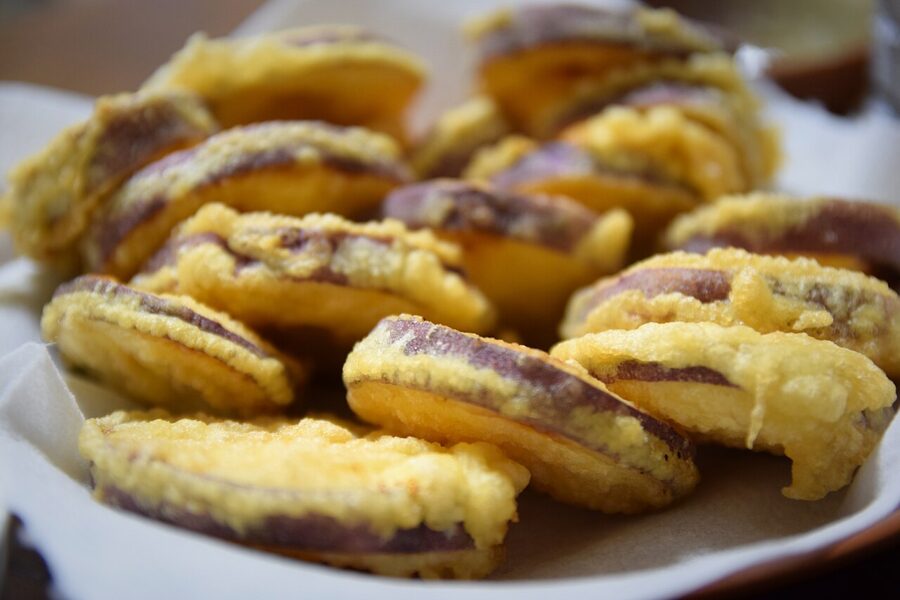
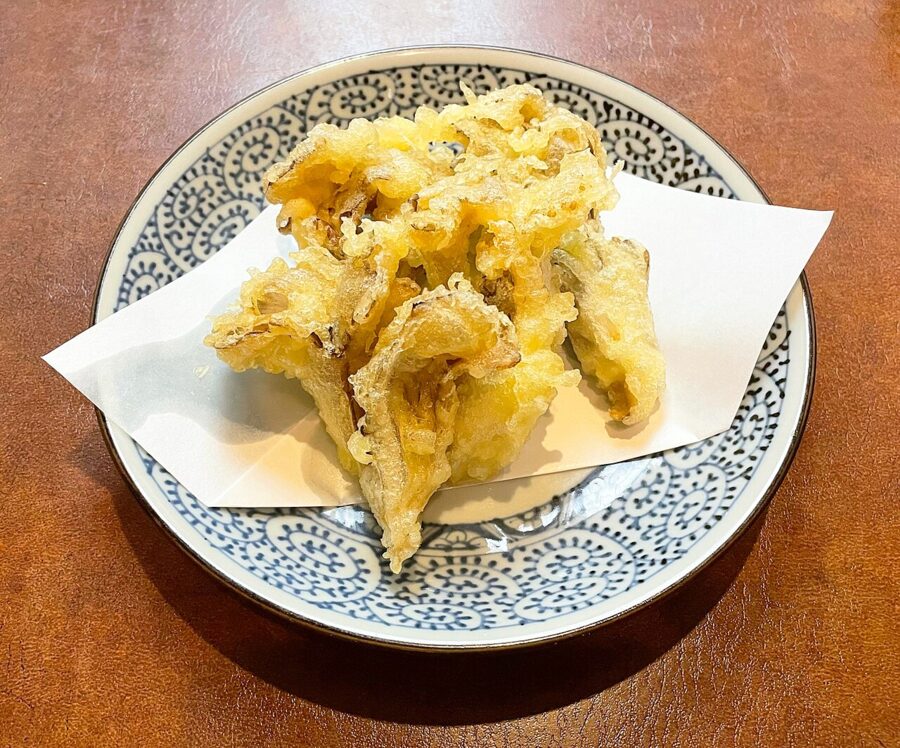
Autumn is mushrooms: maitake, shiitake and, if you’re paying, matsutake. Ginkgo nuts arrive, chestnuts and sweet potatoes get sweeter as the weather cools, and haze goby, a Tokyo Bay classic, is at its plumpest.
Winter
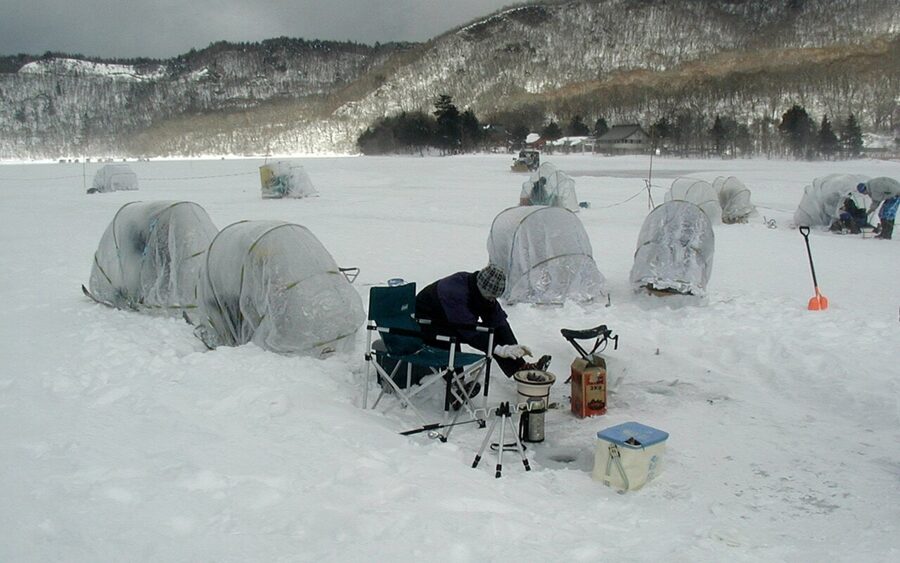
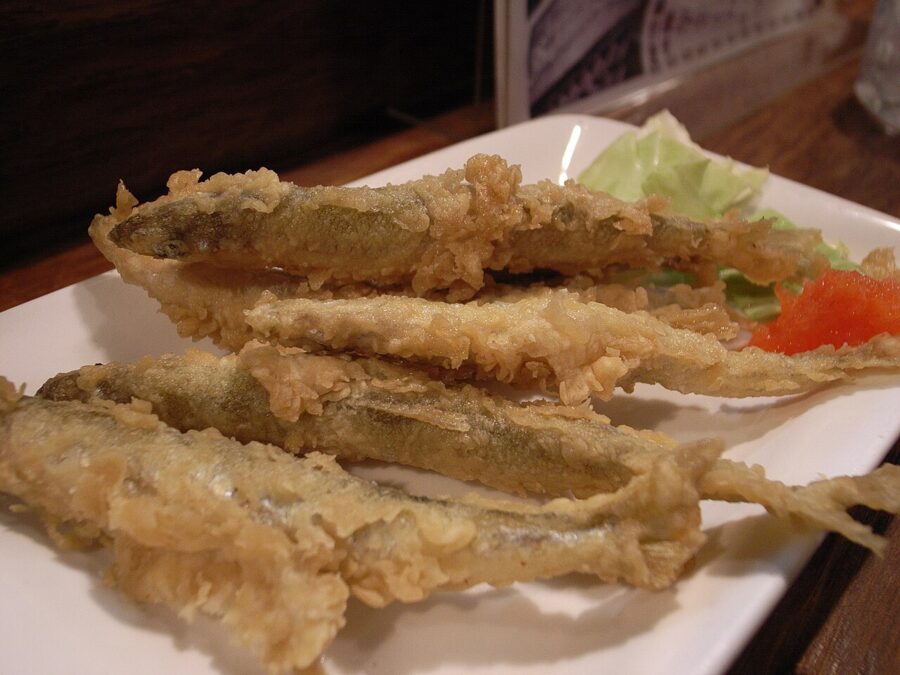
Winter brings wakasagi, pond smelt fished through holes in frozen lakes like Lake Yamanaka, fried whole. It’s also the season for shirako, cod milt, which Sansada currently lists as tempura at ¥1,730, and for lily bulb, yurine, a Kyoto favourite. By February the first fuki-no-to are back and the cycle starts again.
Beyond Tokyo
Tokyo owns Edo-mae tempura, but the rest of the country has its own ideas, and a few of them barely resemble the Ginza version.
Kyoto
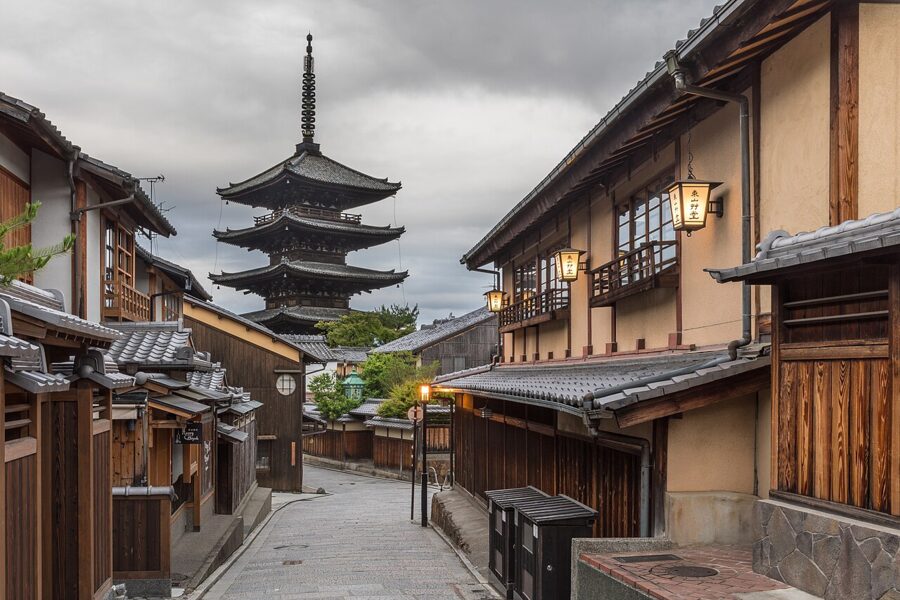
Kyoto tempura is lighter and more vegetable-led, built on Kyoto vegetables, river fish and seafood from the Seto Inland Sea and Wakasa. Tempura Endo Yasaka, founded in 1885, fries on Yasaka-dori about 100 metres east of the south gate of Kennin-ji and 150 metres west of the Yasaka pagoda.
Its lunch courses are the way in: ¥7,700 for the Aoi course and ¥11,000 for the Gion course, which ends with your choice of tencha, tendon or rice with kakiage. Add a 13% service charge at the counter or 18% in a private room. Lunch runs 11:00–15:30 (last order 14:30), dinner 17:00–21:30, every day, and you can book online.
Osaka
Osaka’s frying instinct goes into kushikatsu, but it eats plenty of tempura. Look for beni-shoga tempura, a slab of pickled red ginger in batter, which is common in Osaka and rare almost everywhere else. And if the Edo skewer stalls sound familiar, it’s because they worked a lot like the kushikatsu counters of Shinsekai, shared sauce bowl included.
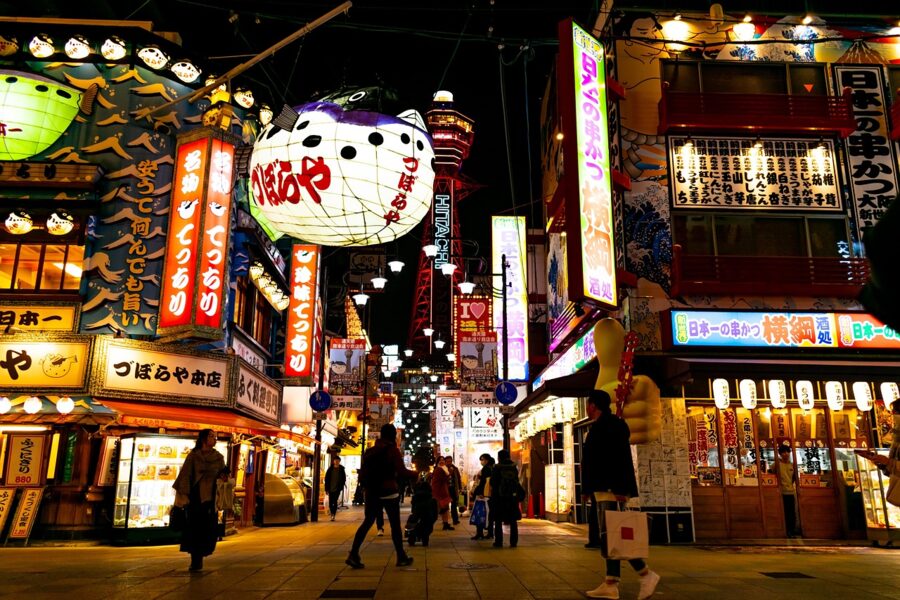
For a sit-down set, Makino has a branch in Umeda, and Tsunahachi fries on the eighth floor of Takashimaya in Namba and the thirteenth floor of Abeno Harukas, open until 23:00.
Fukuoka
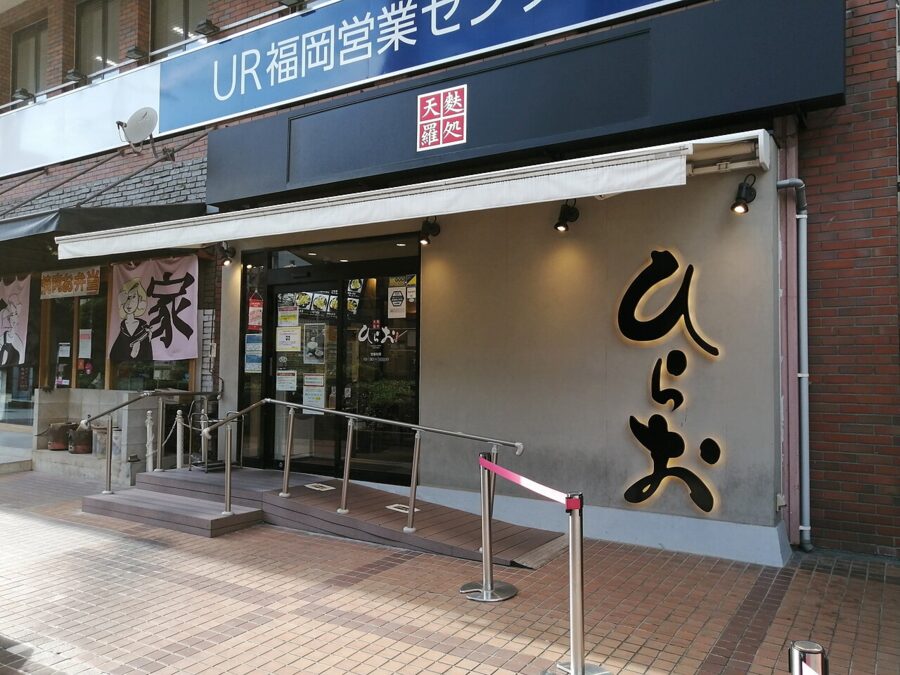
Hakata-style tempura is a fast, cheap counter meal with an Edo-mae rhythm. At Hirao, which turned a roadside diner in Higashi-Hirao into a tempura shop in 1979, you queue, buy a ticket, and sit down to rice, miso soup, tentsuyu heavy with grated daikon and a free plate of the house squid shiokara. Then the tempura comes a piece at a time, straight from the fryer.
The tempura set is ¥1,060, or ¥1,140 at the Daimyo and Tenjin ACROS branches in the city centre, at January 2026 prices. None of the eight branches take bookings. Hakata Tempura Takao works the same way, with kombu-mentaiko on the table instead, and has branches in Tokyo at Shibuya PARCO and Tokyo Portcity Takeshiba.
Nagoya and Mie
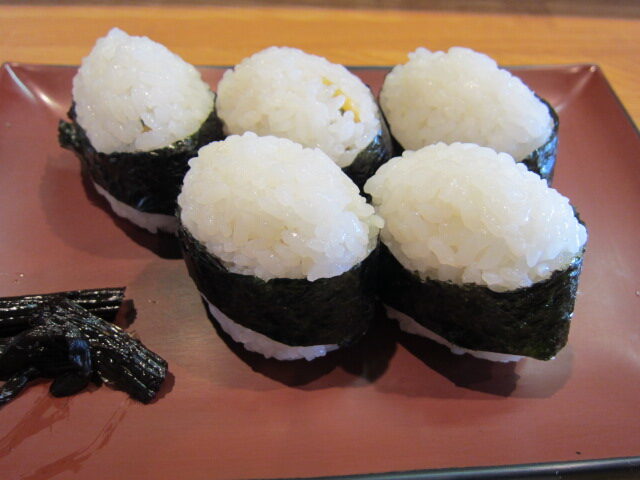
Tenmusu, a prawn tempura inside a rice ball, is sold as a Nagoya speciality, but it was invented in the 1950s in Tsu, Mie, at a tempura set-meal shop, as a quick lunch for the owner’s husband. It became a regular on the menu, the shop turned into a tenmusu specialist around 1959, and a Nagoya branch opened in Osu in 1980. It’s sold all over Nagoya now.
Oita
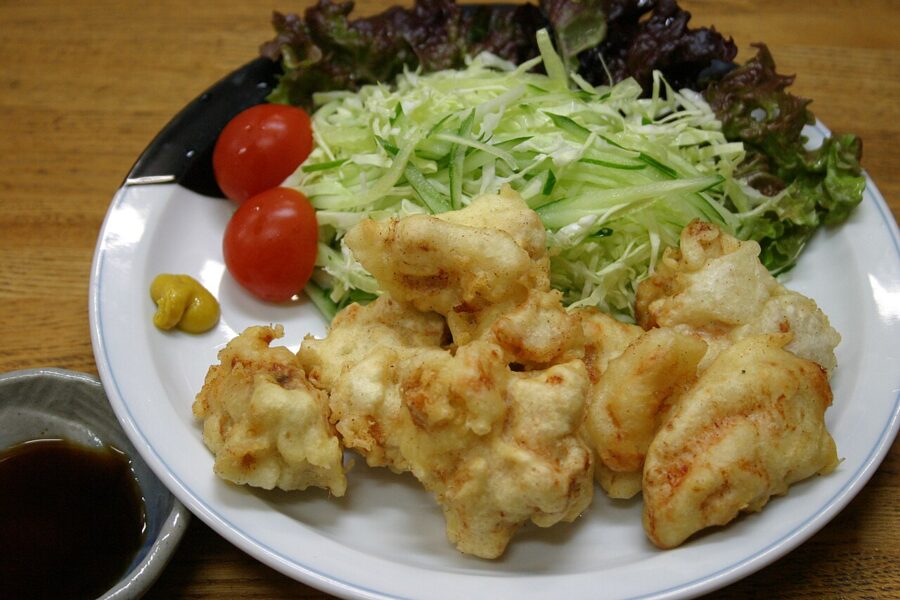
Oita’s toriten is chicken tempura, dipped in vinegared soy with hot mustard, often with kabosu citrus. Toyoken in Beppu, open since 1926, calls itself the birthplace. Unlike karaage, the chicken goes into a batter rather than a dusting of starch.
Western Japan and Okinawa
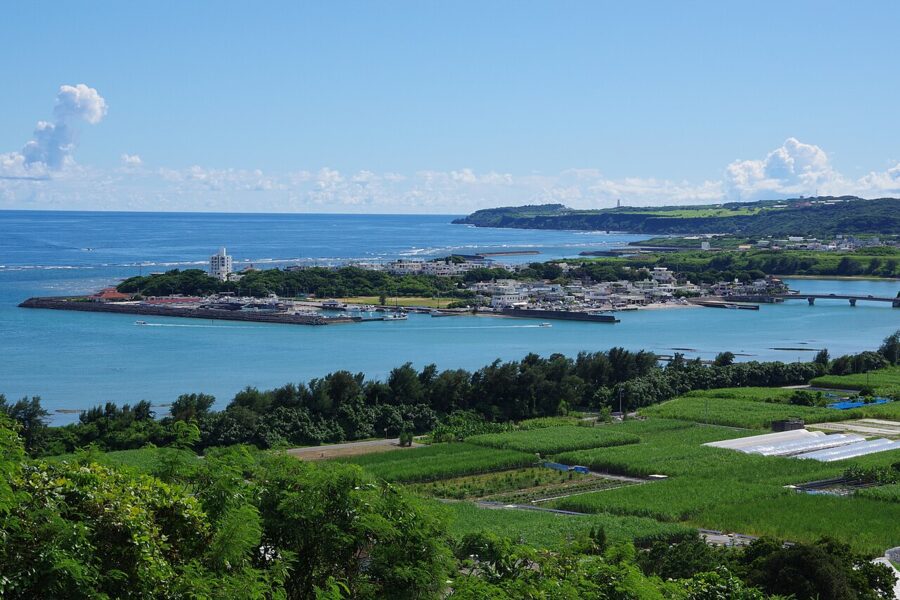
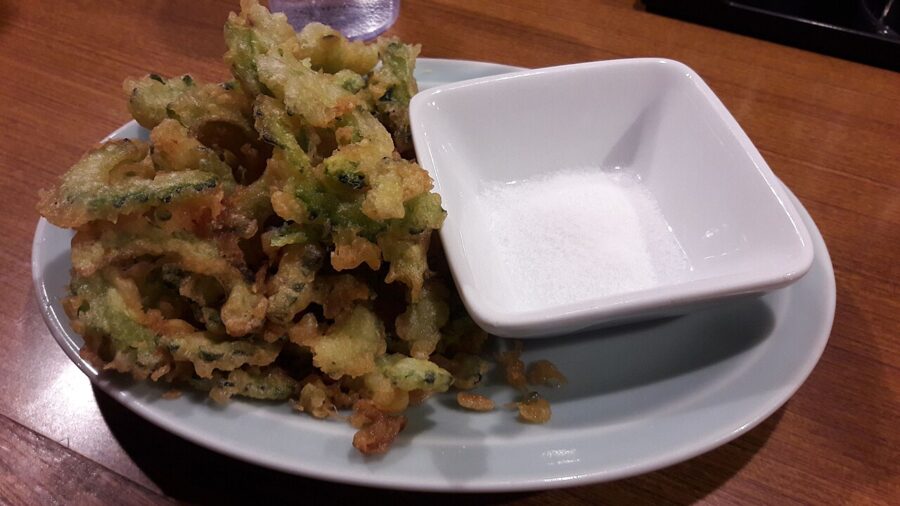
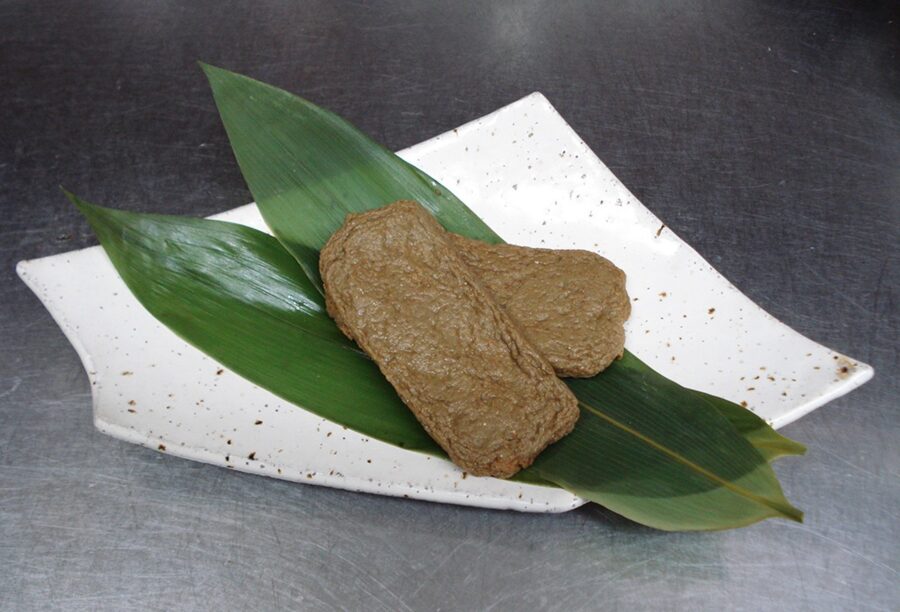
In much of western Japan, “tempura” can also mean fried fish paste: Ehime’s jakoten or the satsuma-age of Kagoshima. Check what’s coming before you order. In Okinawa, tempura descends from the older Nanban style, with a thicker, seasoned batter, eaten as a snack with salt or Worcestershire sauce. Ojima (signposted in English as Ou Island), a little island off Nanjo connected by a bridge, is known for its tempura shops.
Booking, paying, and what to skip
Booking depends on the tier. Tempura Kondo takes reservations through a Japanese form or by phone in Japanese, and overseas guests book through its official multilingual forms run by My Concierge Japan. Tempura Endo takes online bookings.
At the other end, Hirao and Takao don’t take bookings at all, and Dote no Iseya takes no phone reservations. Ginza Tenkuni books online only for arrivals after 15:00.
Cash still matters at the old houses. Dote no Iseya takes no cards, and Hachimaki only takes them on larger bills. Every Tokyo price in this guide includes tax, but Kyoto counters often add a service charge on top, so read the small print on the course page.
Timing is the other trick. Go at opening for Daikokuya and Dote no Iseya, which sells out, and choose lunch over dinner at any counter you’re curious about.
Skip these
- Pre-fried tempura sets that arrive all at once on a platter at restaurants built for coach groups. It’s tempura in name only.
- Prawns from a food-hall counter if you won’t eat them within twenty minutes.
- Dinner at a top counter when you could have the same chef at lunch for less than half.
Start at 11:00 with the cheapest bowl at an old house, and eat the prawn first while the sauce is still soaking in. Then, one day, book a counter, and let someone fry you a sweet potato for half an hour.
You Might Also Enjoy
 Japanese Tea: Matcha, Sencha and Gyokuro, the Tea Regions and the Teahouses Worth Visiting
 15 Foods That Feel Japanese But Were Invented Somewhere Else
 Chinese New Year in China: The 2027 Dates, the Travel Rush, Temple Fairs and Whether You Should Go
 The Summer Palace in Beijing: Tickets, Gates, the Long Corridor and a Route That Beats the Crowds