Japanese Tea: Matcha, Sencha and Gyokuro, the Tea Regions and the Teahouses Worth Visiting
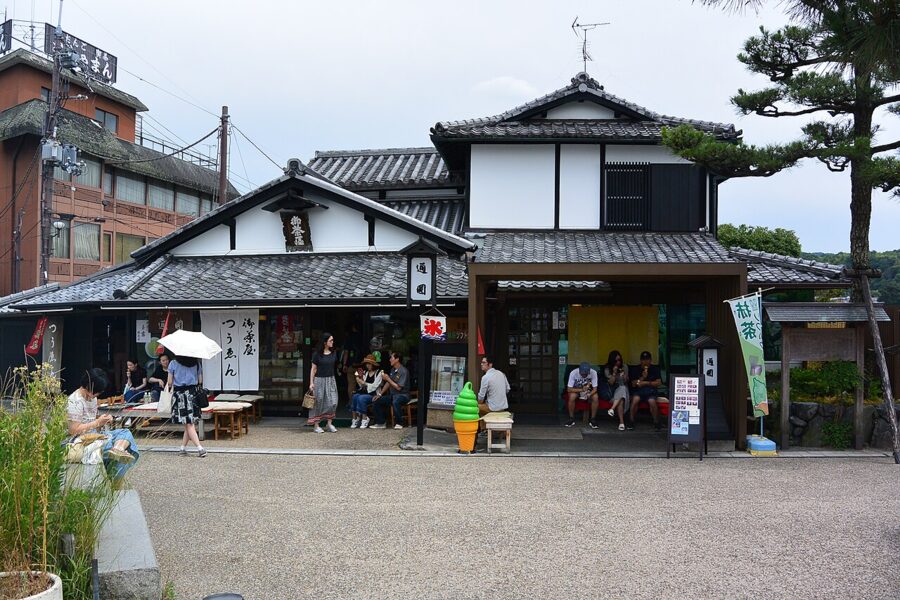
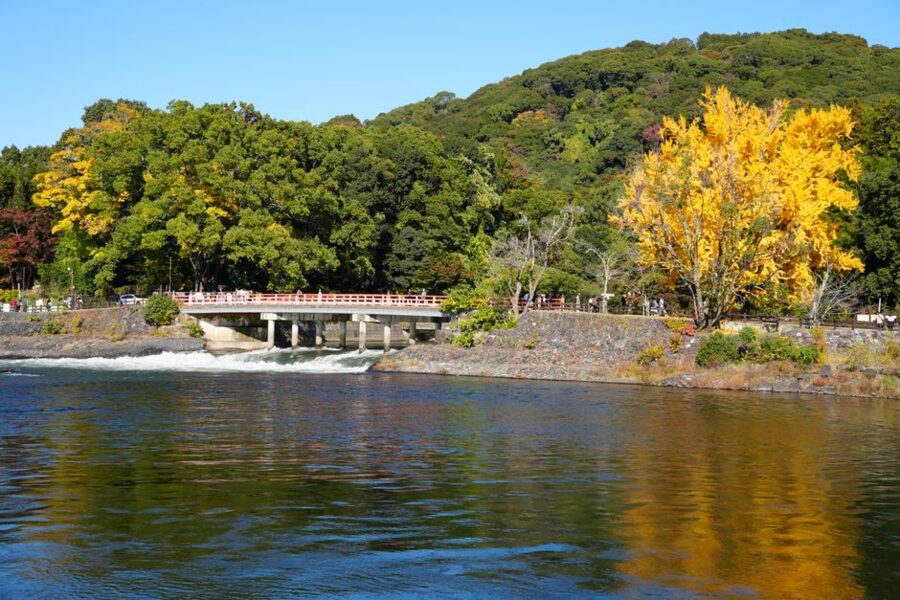
At the east end of Uji Bridge, across the road from the Keihan line’s Uji Station, a tea house called Tsuen has been pouring for people crossing the river since 1160. That date is not a typo. The family’s founder is said to have set up a hut by the bridge to serve travellers, and the shop that stands there now, an Edo-period building with a deep tiled roof, still sells matcha, gyokuro and sencha to anyone who wanders over from Byodoin.
Here’s the contrast that took me a while to accept. Uji is the name every tea tin in the world wants on its label, and Kyoto Prefecture grew 2,280 tonnes of crude tea in 2025, about 3% of Japan’s crop. Kagoshima, at the far end of Kyushu, grew 30,000 tonnes, 44% of it. In 2024 Kagoshima passed Shizuoka for the first time, ending a run at the top that Shizuoka had held since national figures began in 1959.
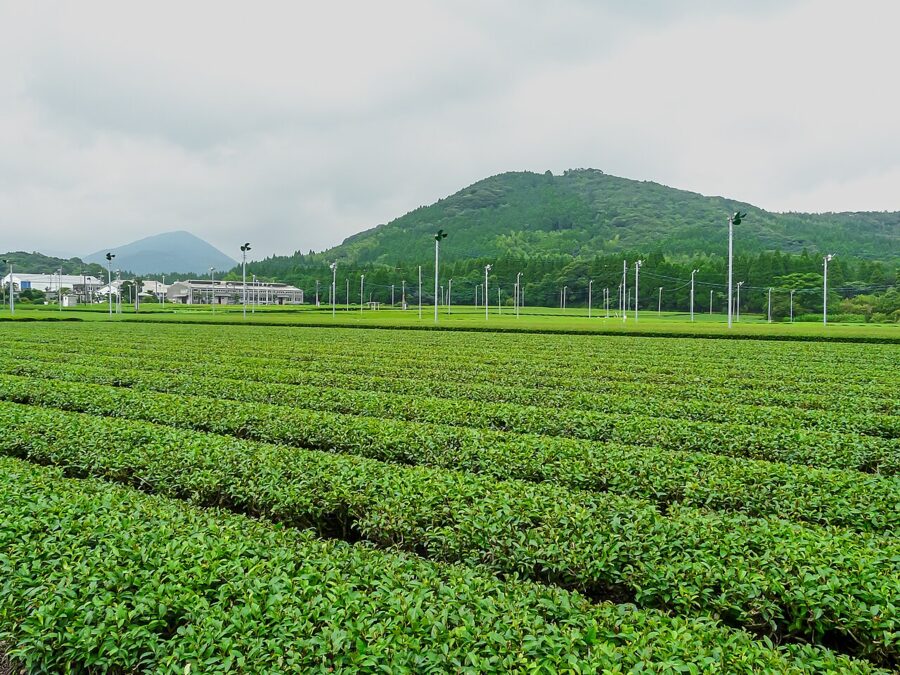
None of that makes Uji a fraud. Uji invented most of what makes Japanese tea Japanese: the shaded fields, the steamed-and-rolled sencha method, gyokuro itself. It just means the map is bigger than the souvenir shops suggest, and the best cup you drink on a trip might come from a hillside in Shizuoka or a straw-shaded plot in Fukuoka.
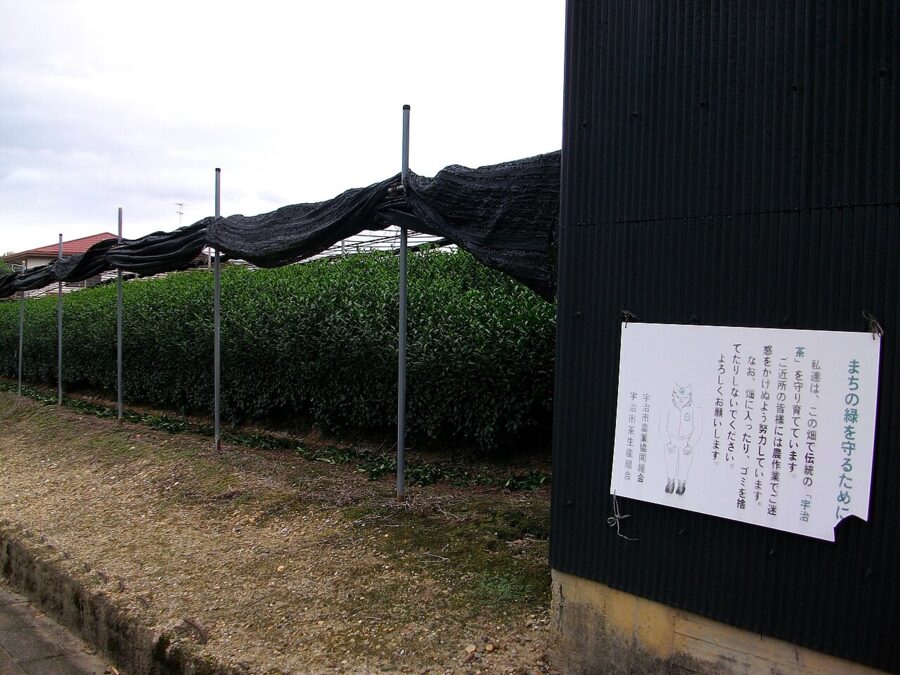
So this is the whole picture: the eight teas you’ll actually meet, how matcha goes from a shaded bush to a stone mill, the growing regions worth a day trip, what happens in a tea ceremony and how not to panic in one, and the tea houses and shops in Uji, Kyoto, Tokyo and Shizuoka I’d send you to. Here’s the short version first.
| Tea | How it’s grown and made | How to brew it | What it tastes like |
|---|---|---|---|
| Matcha (抹茶) | Shaded about 3 weeks, steamed, dried flat as tencha, stone-milled to powder | Whisk about 2 g in 60–70 ml of water at around 80°C | Sweet, savoury, a little bitter, thick |
| Gyokuro (玉露) | Shaded about 20 days, first flush only, steamed and rolled | Small pot, lots of leaf, water at 50–60°C, about 2 minutes | Brothy, intensely savoury, almost no bitterness |
| Kabusecha (かぶせ茶) | Covered for a week or two, then made like sencha | About 70°C, around 1 minute | Halfway house: sencha’s freshness, some of gyokuro’s depth |
| Sencha (煎茶) | Grown in full sun, steamed, rolled into needles, dried | 70–80°C, about 1 minute | Grassy, clean, a bit of bite |
| Bancha (番茶) | Later pickings, bigger and tougher leaves | Near-boiling water, 30 seconds | Light, plain, good with food |
| Hojicha (ほうじ茶) | Bancha, sencha or stems roasted at about 170°C | Boiling water, 30 seconds | Toasty, nutty, very low bitterness |
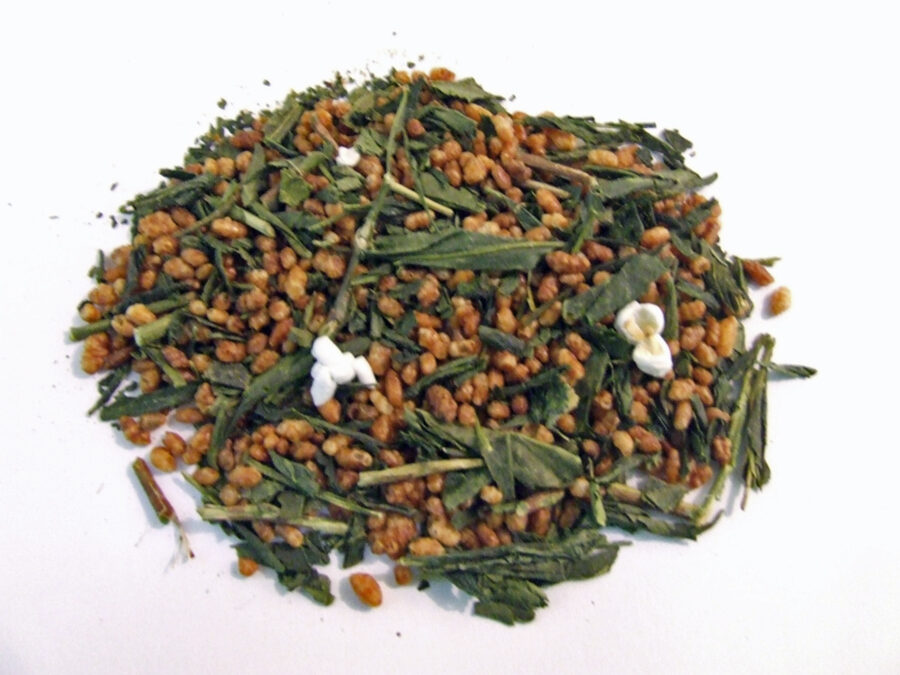
| Genmaicha (玄米茶) | Green tea mixed with roughly equal parts toasted rice | Boiling or near-boiling water, 30 seconds | Popcorn and green tea |
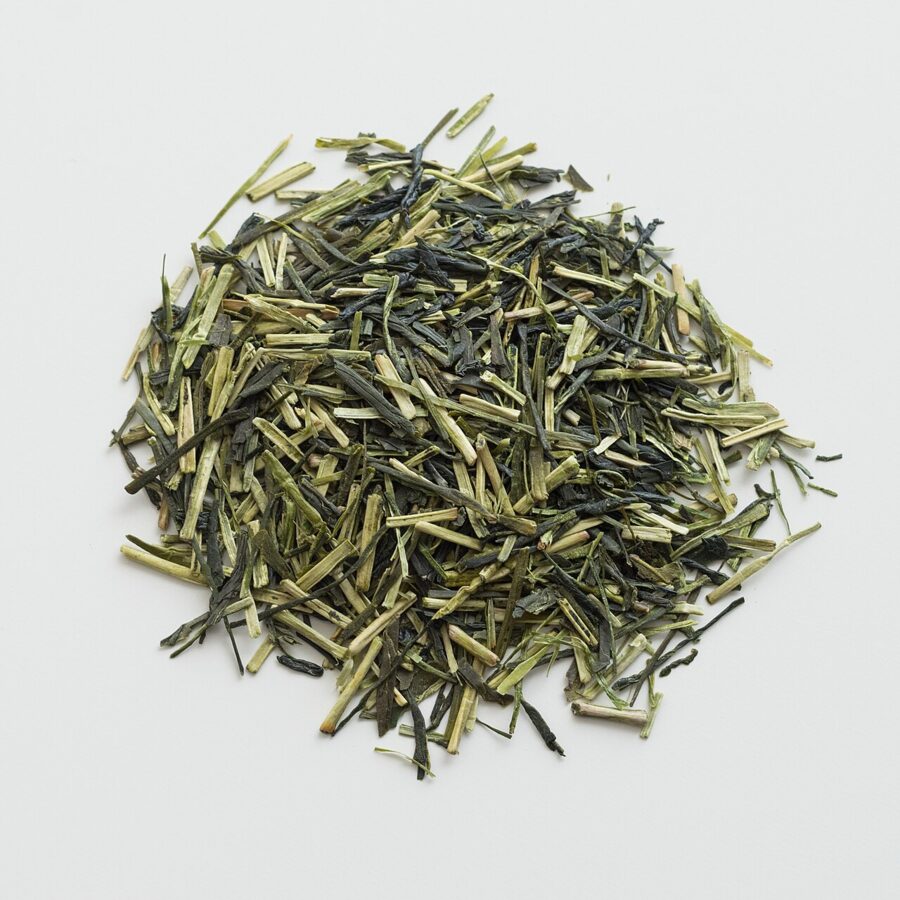
| Kukicha (茎茶) | Stems and stalks sorted out of sencha or gyokuro | About 80°C, 1 minute | Sweet, light, faintly milky |
In This Article
- One bush, eight teas
- Sencha: the everyday cup
- Gyokuro and kabusecha: tea grown in the dark
- Bancha, hojicha, genmaicha and kukicha
- The odd ones out
- Shade, steam and a stone mill: how matcha is made
- The stone mill
- Usucha and koicha
- “Ceremonial grade” is an export word
- The tea map: regions worth a day trip
- Uji and Wazuka
- Shizuoka
- Kagoshima
- Yame
- Sayama, the tea near Tokyo
- Sitting through a tea ceremony
- What happens
- How to behave
- Where to book one
- Where to drink it
- Uji
- Kyoto city
- Tokyo
- Shizuoka, Kanazawa and Takayama
- Buying tea to take home
- Freshness and how much to buy
- Storing it
- Brewing it in a hotel room
- Customs and carrying
- What it costs
- Skip this
One bush, eight teas
Every tea in that table comes off the same plant, Camellia sinensis. What changes is light, timing and heat: whether the bush was shaded before picking, which flush the leaf came from, and what the factory did to it in the first few minutes. Japanese green tea is almost always steamed straight after picking to stop it oxidising, which is why it tastes of grass and seaweed while most Chinese green teas, pan-fired in a wok, taste toastier.
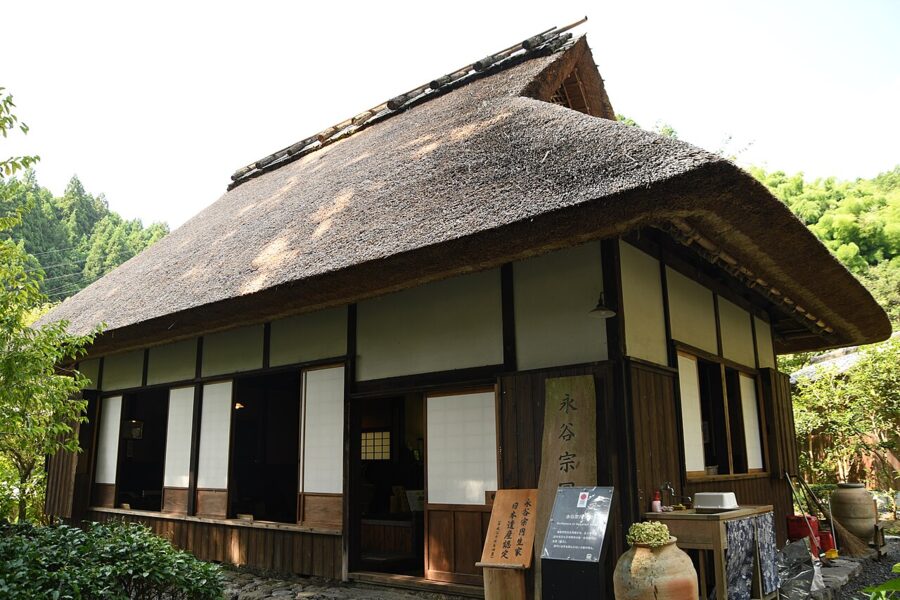
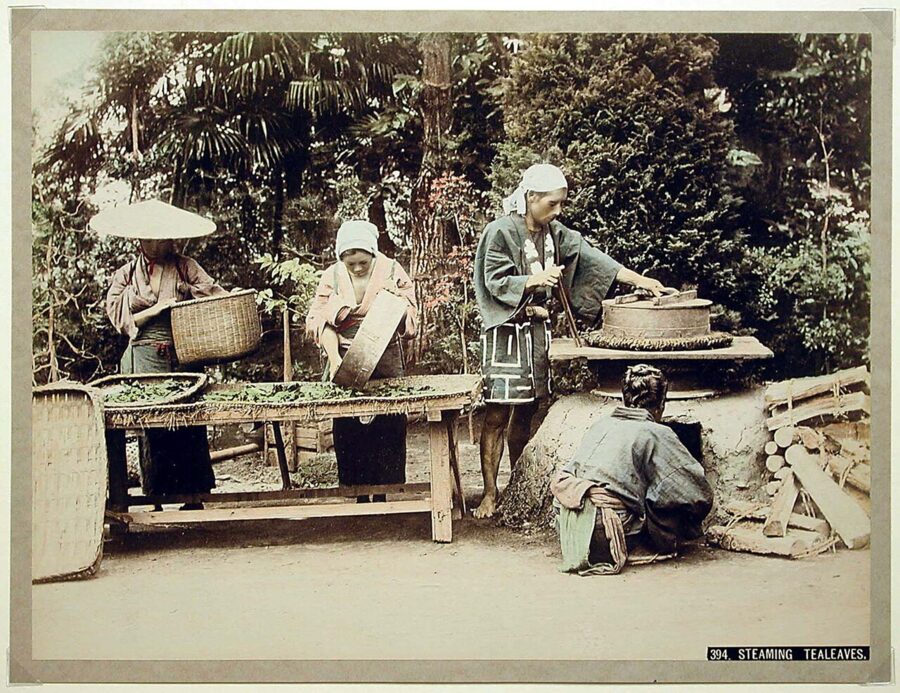
That steaming step is old. In 1738 a Uji-tawara farmer named Nagatani Soen settled on the method of steaming, rolling by hand and drying that still underpins sencha, and merchants carried it to Edo, where it caught on fast. If you want the deeper backstory, from Eisai’s seeds to Rikyu’s tea room, my history of Japanese food covers it.
Sencha: the everyday cup
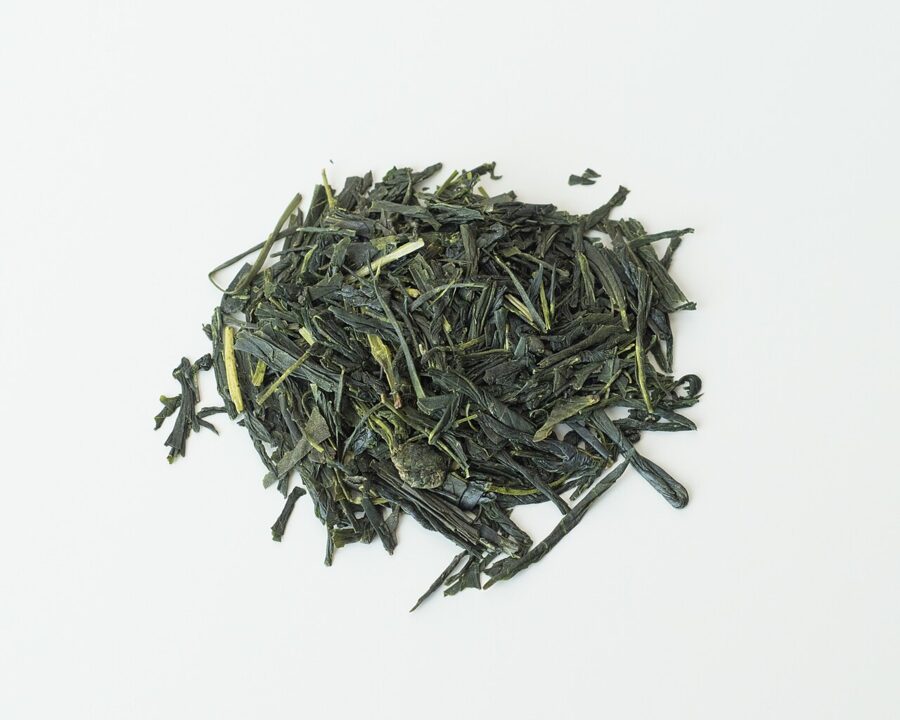
Sencha is what you’ll be poured with lunch, what’s in most bottles, and what a Japanese household means by “ocha”. The bushes grow in full sun and the leaf is steamed, rolled and dried into thin dark needles. It’s the most-produced tea in the country by a long way.
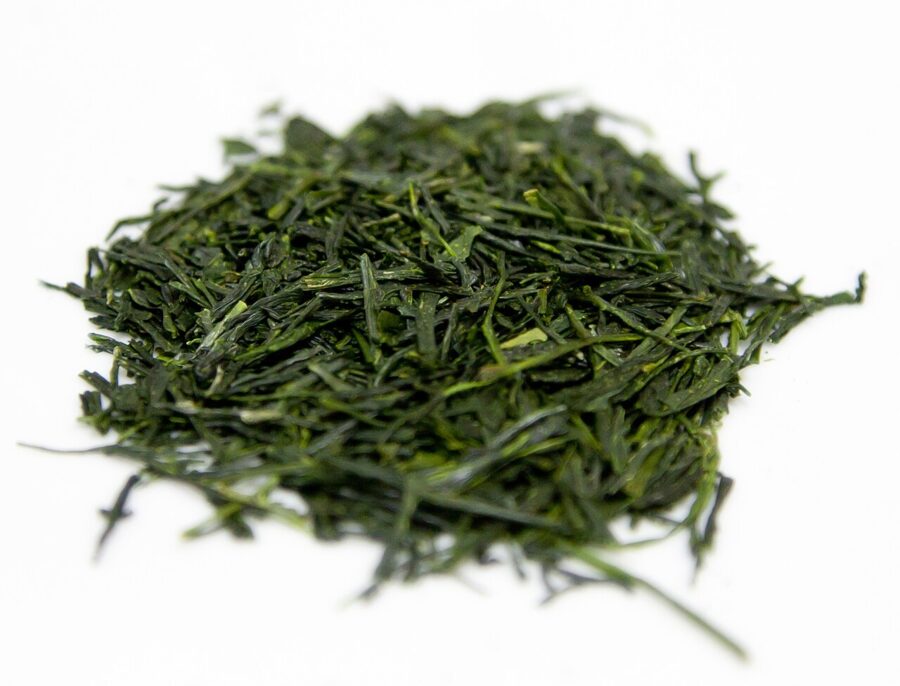
The one label worth learning is the steaming time. Asamushi (lightly steamed) keeps the leaf in long needles and brews pale, clear and sharp. Fukamushi (deep steamed) breaks the leaf into fragments that brew a cloudy, deep green cup with less bite, a style developed on Shizuoka’s sunny Makinohara plateau, where the leaf grows thick and can taste harsh.
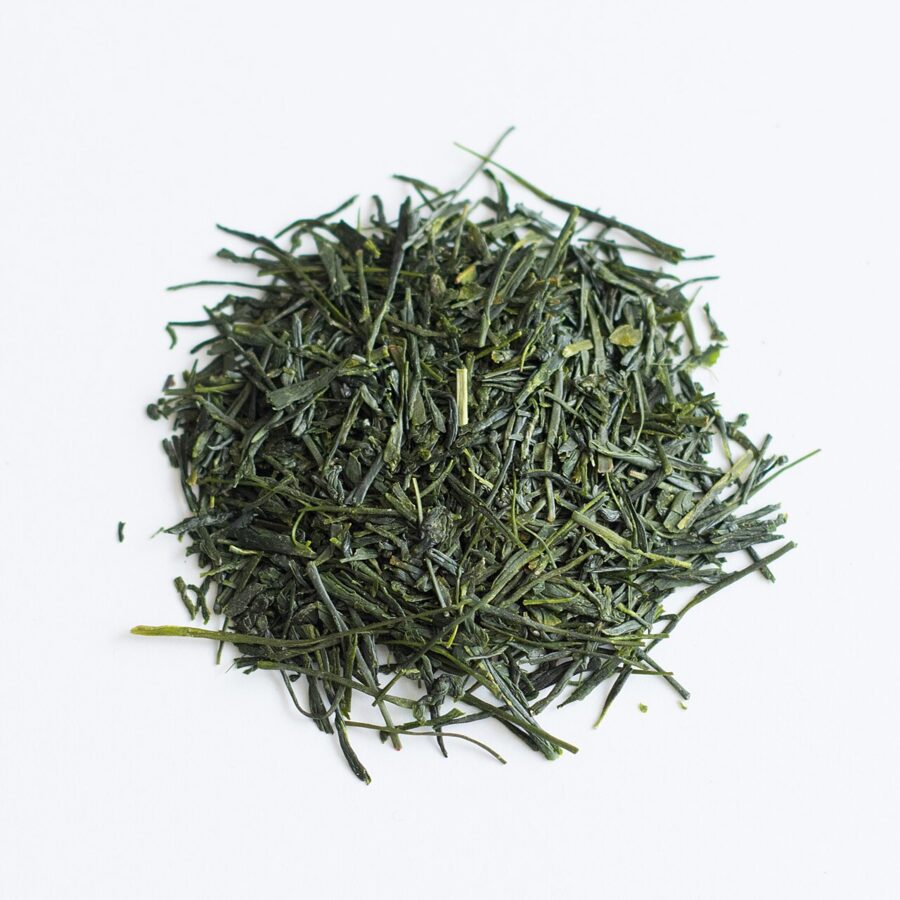
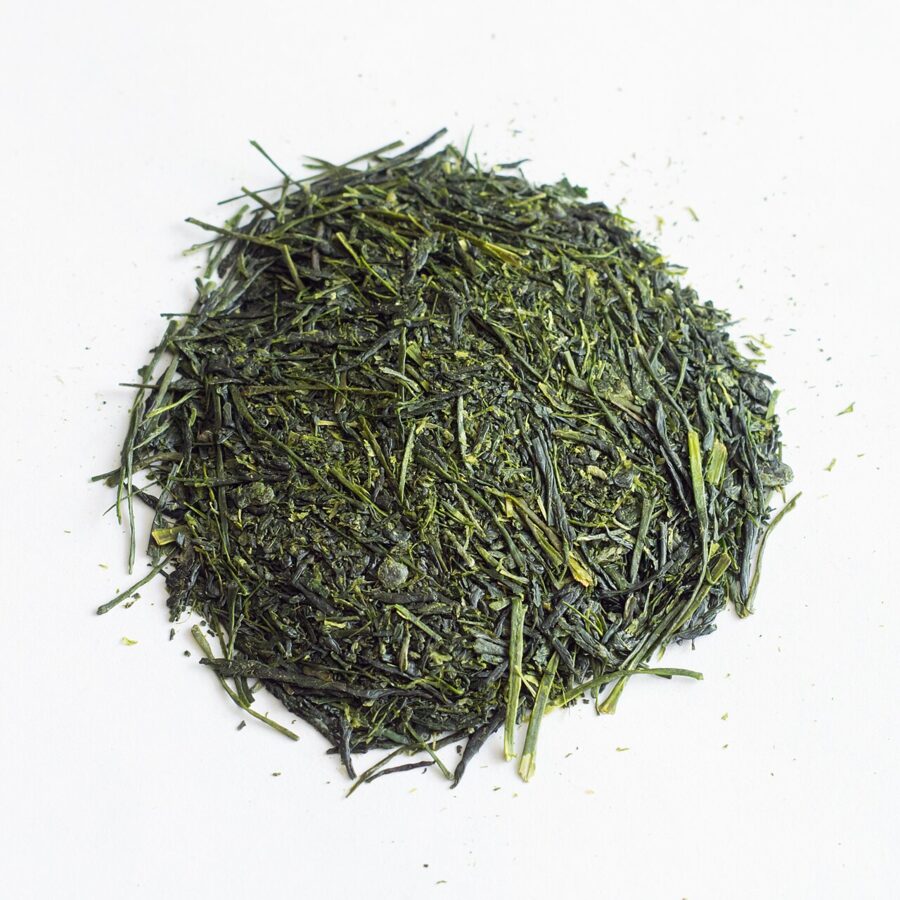
Spring matters too. Shincha, “new tea”, is the first picking of the year, sold fresh from late April into early summer. It’s lighter in body than aged sencha and smells like cut grass in a way that fades within a couple of months. Tea shops put up shincha signs the way bakeries announce the first strawberries.
Gyokuro and kabusecha: tea grown in the dark
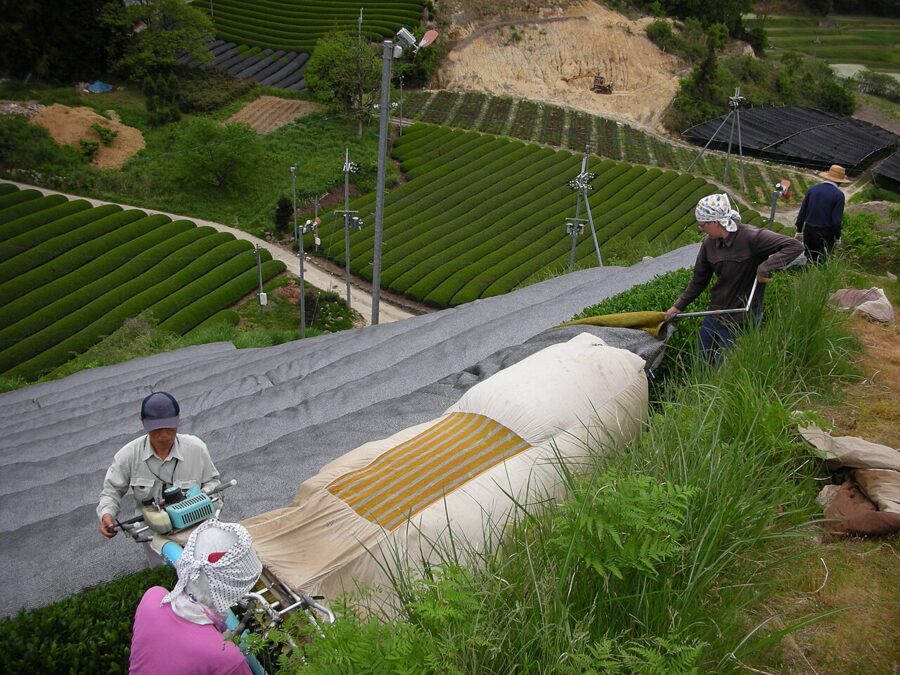
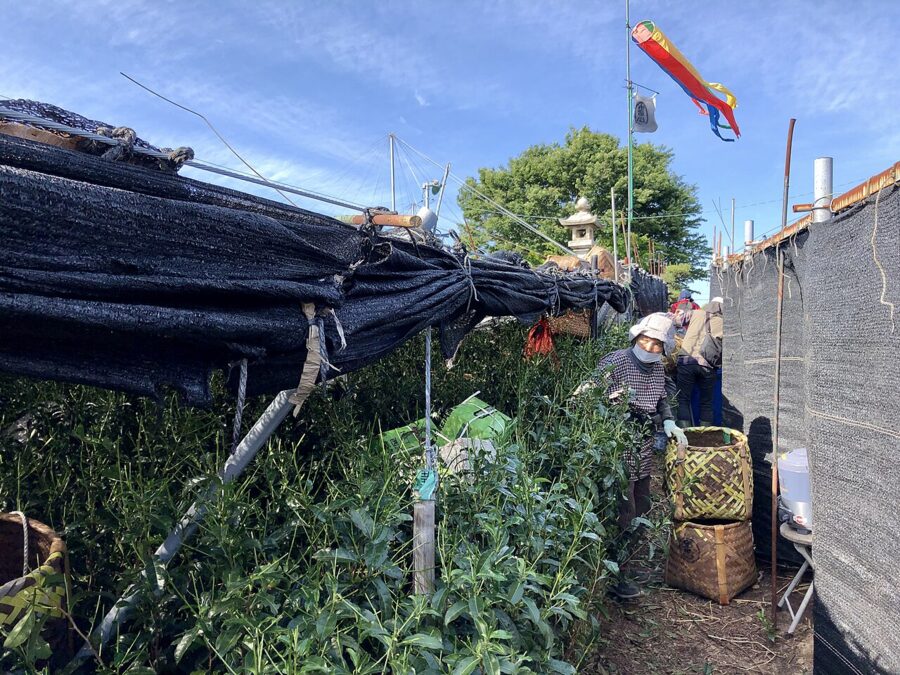
Cover a tea bush and it fights back by building up theanine, the amino acid behind that savoury, brothy taste, and by holding off the bitter catechins. Gyokuro bushes sit under cover for about 20 days before the first spring picking. The result tastes less like tea than like a very good dashi with a sweet finish.
Uji farmers were already shading fields by around 1600, but gyokuro as a product dates to the mid-1830s and is usually credited to Yamamoto Kahei VI of the Edo tea merchant Yamamotoyama. Today Yame in Fukuoka makes the most of it, with Uji and Okabe in Shizuoka’s Fujieda the other two names you’ll see on good tins.
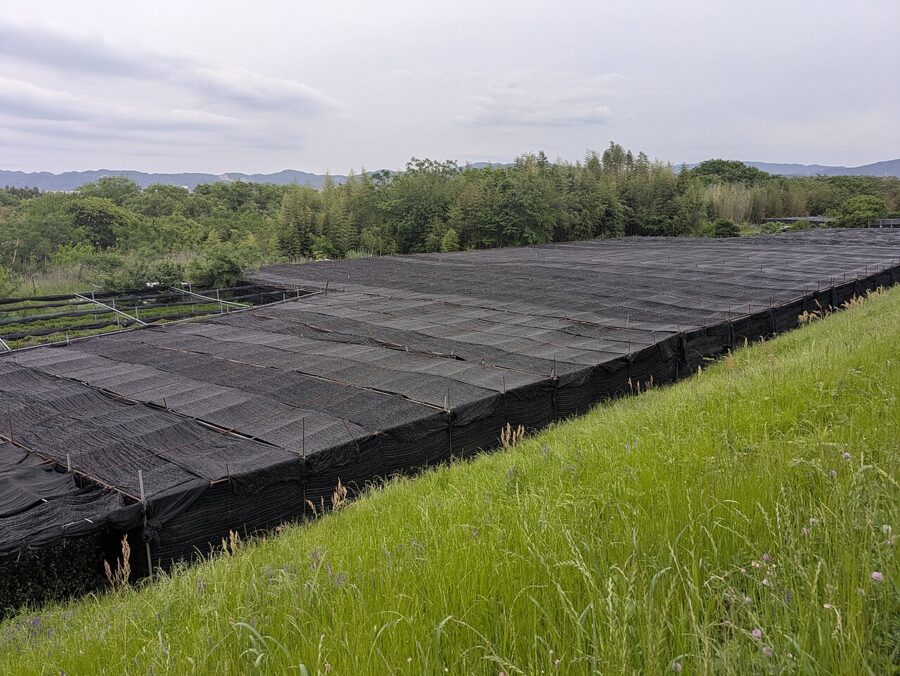
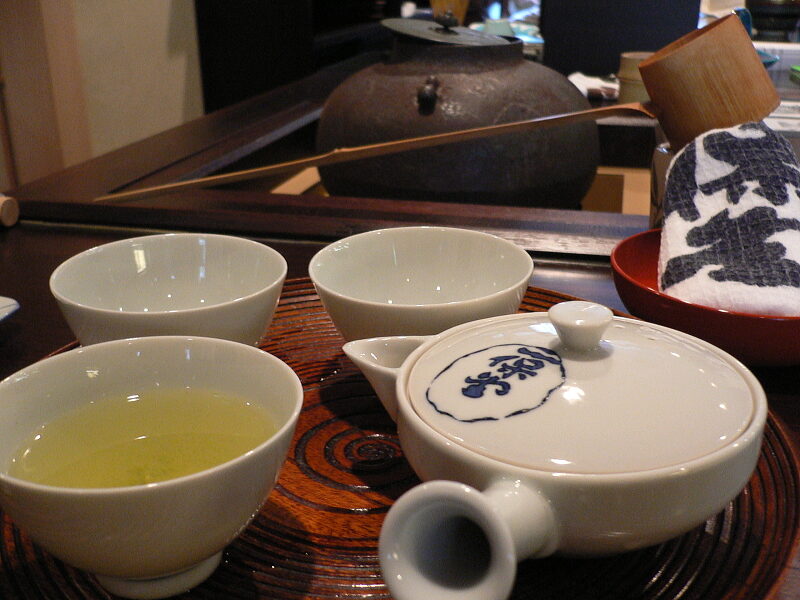
Brewing it is the one place people go wrong. Use plenty of leaf in a small pot, water no hotter than about 60°C, and wait about two minutes. Boiling water flattens the sweetness and drags out every bitter note the farmer spent three weeks suppressing.
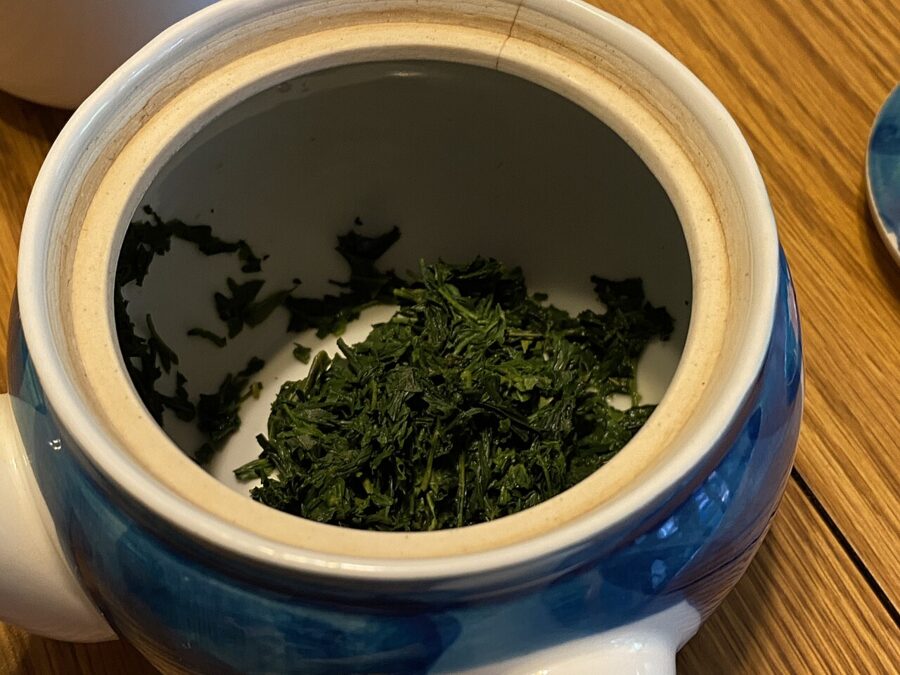
Kabusecha splits the difference: the bushes are covered for a week or two, usually directly over the leaves, then processed like sencha. It’s the tea I’d buy if gyokuro feels like too much money and too much ceremony for a weekday morning.
Bancha, hojicha, genmaicha and kukicha
These are the teas that cost little, go with dinner, and suddenly matter because they’re getting harder to find. Bancha is the plain tea of later pickings, bigger leaves and stems, brewed hot and fast. Order a set lunch in a small Kyoto restaurant and there’s a fair chance the big pot on the table is bancha.
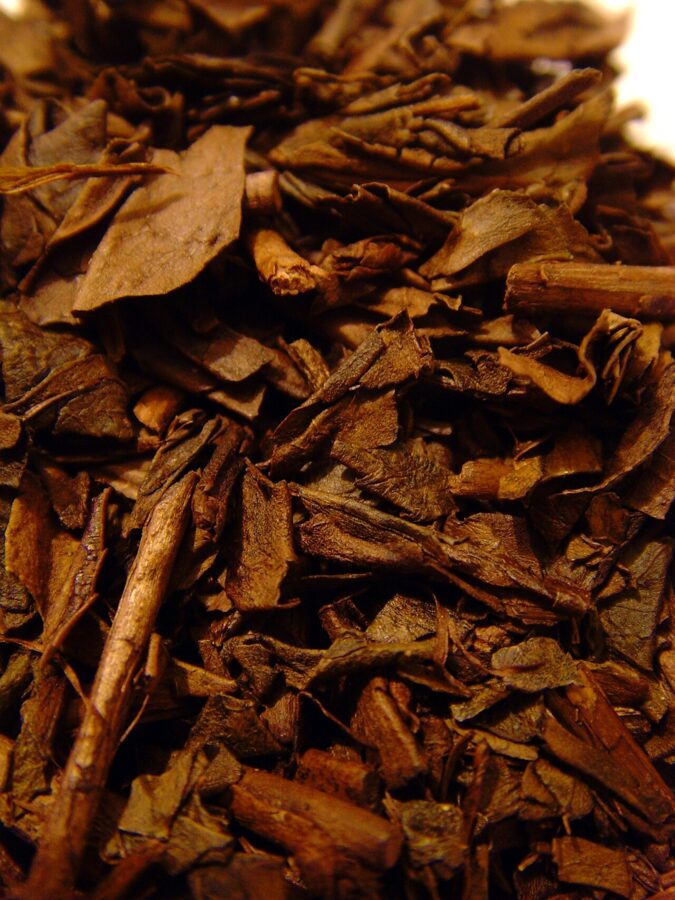
Hojicha is bancha, sencha or stems roasted at about 170°C until the leaf turns brown. Roasting knocks back bitterness and caffeine, so it’s what a lot of Japanese families drink in the evening, and it’s the gateway tea I’d hand anyone who thinks green tea tastes like lawn.
Genmaicha mixes green tea with toasted rice, usually about half and half, some grains popped white. It was a way to stretch tea leaf further, and it tastes like a bowl of popcorn left next to a teapot. Kukicha is made from the stems sorted out of sencha or gyokuro; when the stems come from gyokuro, Kyoto shops sell it as karigane.
The odd ones out
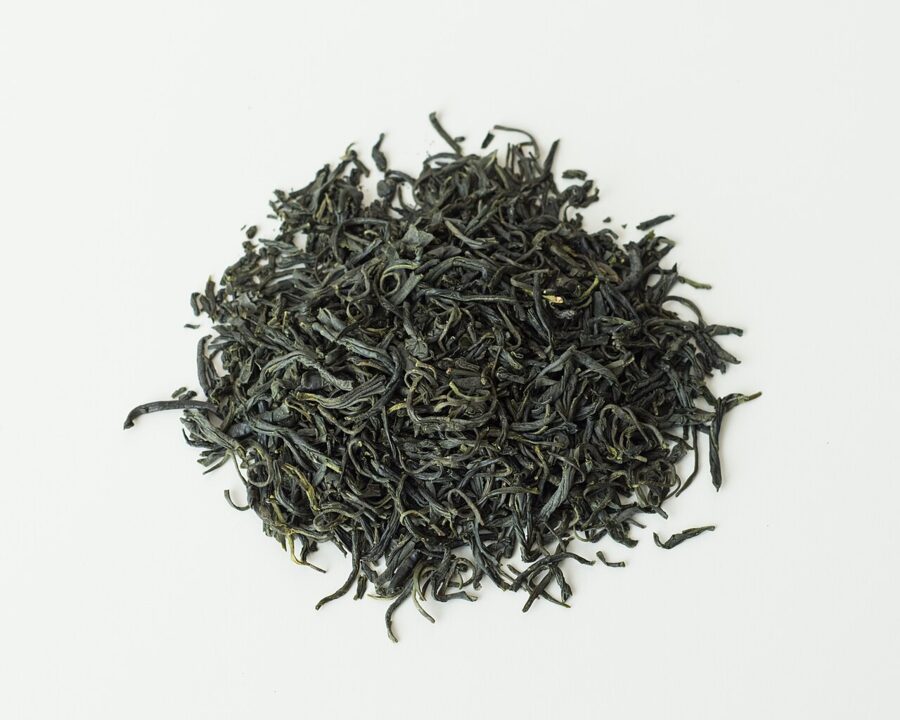
Two more turn up if you travel in Kyushu. Kamairicha is pan-fired, Chinese style, instead of steamed, and Ureshino in Saga and the hills of Miyazaki are known for it: curled leaf, a toasty smell, very little astringency. Wakocha, Japanese black tea, is a small but growing niche, often made from the Benifuki cultivar, mild enough to drink without milk.
Shade, steam and a stone mill: how matcha is made
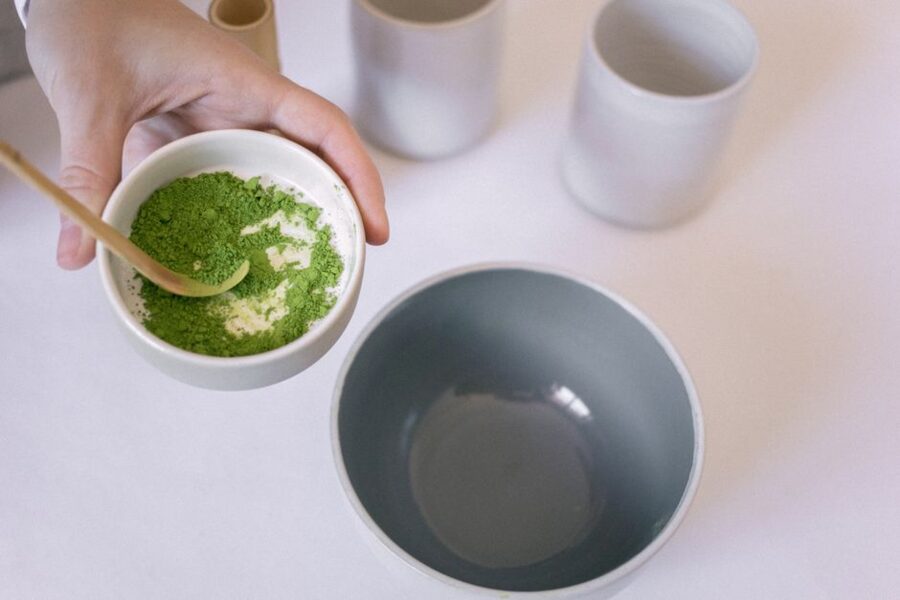
Matcha starts like gyokuro, in a covered field, but leaves the sencha path straight after steaming. The leaf is never rolled. It’s blown through a tall drying oven so it dries flat and flaky, then the stems and veins are sorted out, and what’s left is tencha. Grind tencha and you have matcha; grind anything else and, under the Japanese tea industry’s labelling standard, you don’t.
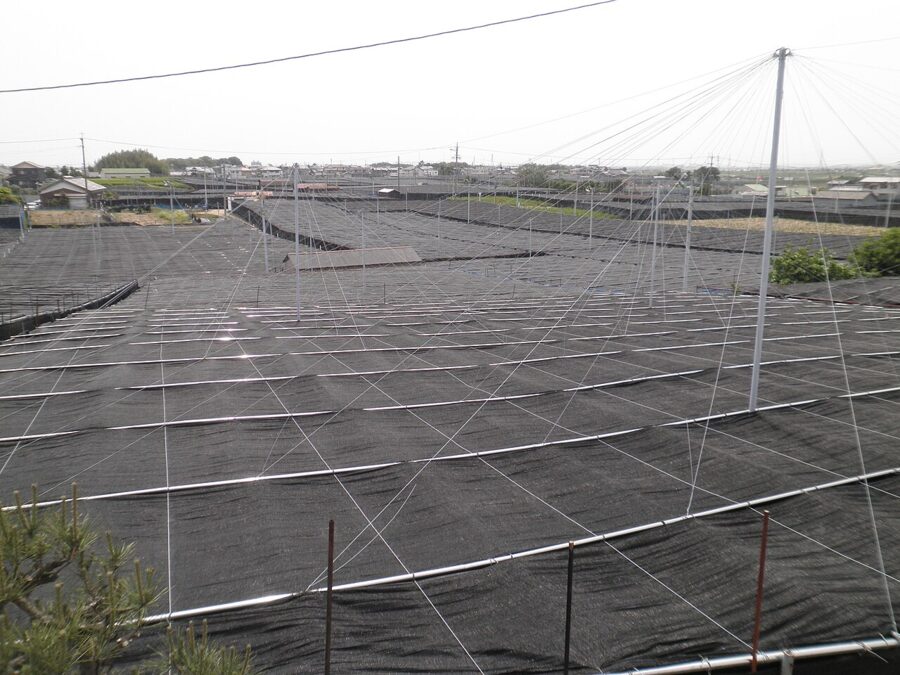
That distinction is worth knowing because a lot of “matcha” sold abroad is simply powdered sencha. It’s greener-looking than it tastes and goes bitter fast. The international standards body ISO published a technical definition of matcha in 2022, built on the same three steps: shading, unrolled tencha, fine milling.
The stone mill
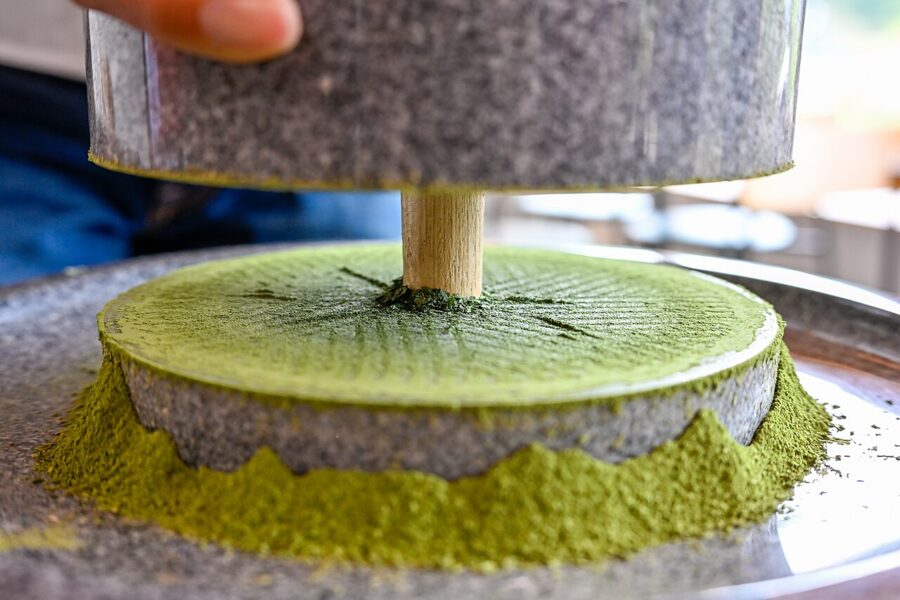
Traditional mills are granite, hand-dressed with grooves that shear the leaf rather than crush it, and they turn slowly so the friction doesn’t heat the powder. Aiya, the Nishio maker, says one mill produces only around 40 g of matcha an hour. That’s roughly twenty bowls of thin tea, which tells you most of what you need to know about why good matcha costs what it does.
Usucha and koicha
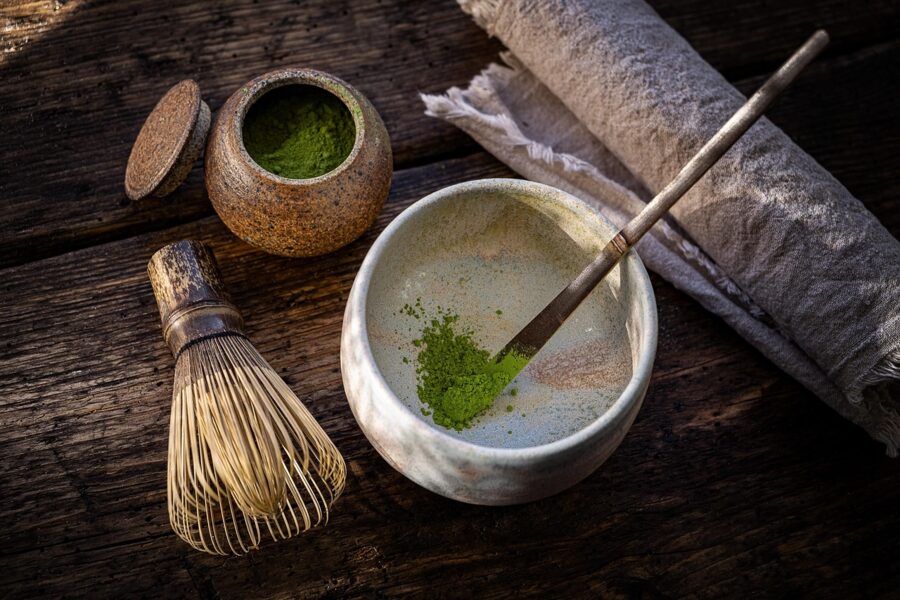
There are two ways to make it, and the tea ceremony uses both. Usucha, thin tea, is what you’ll be served almost everywhere: about 2 g of powder whisked briskly into a bowl of hot water until it foams, one bowl per guest. Koicha, thick tea, uses about twice the powder per guest and far less water, kneaded slowly with the whisk into something the texture of warm paint, and in a formal gathering one bowl passes between the guests.
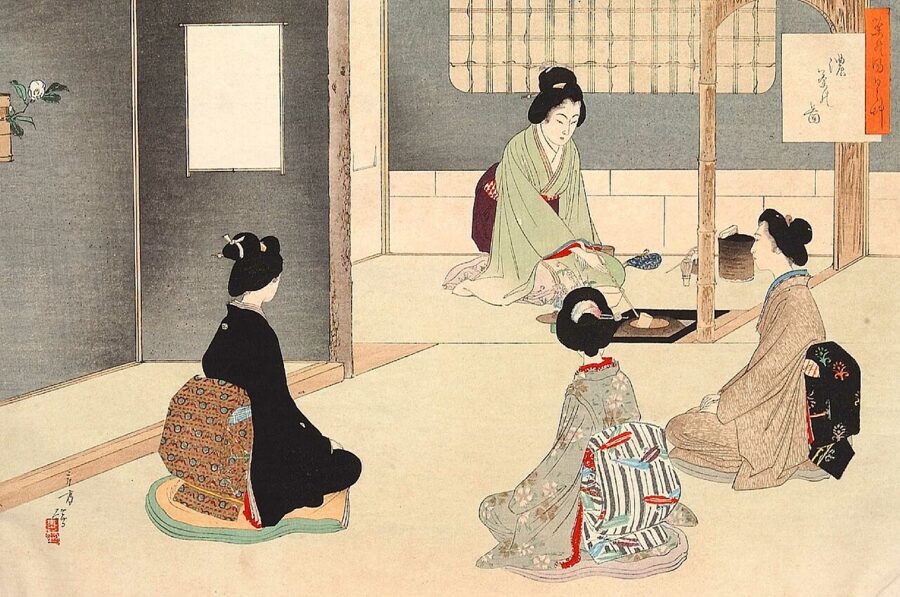
Koicha needs the best powder, because there’s nowhere for bitterness to hide. That’s where the real grading sits, and it’s not the English words on the tin.
“Ceremonial grade” is an export word
You won’t find “ceremonial” and “culinary” grades on a Kyoto shop shelf. Japanese makers give each matcha its own name, price it by the leaf and the picking, and mark which ones are suited to koicha and which to usucha. “Ceremonial grade” is a label invented for overseas buyers, and there’s no Japanese standard behind it.
What you do find on a Kyoto shelf, for now, is less of everything. Global demand has pulled growers toward tencha, and Ippodo warned in February 2026 that matcha fields often skip the second summer picking, which is the leaf that becomes bancha and hojicha. From 1 March 2026 it dropped several hojicha and genmaicha products from its online store and limited others, and in 2025 Marukyu Koyamaen’s own shops in Uji and Kyoto started limiting matcha to one item per person.
So expect purchase limits on matcha, and now on some bancha teas, at most of the old Kyoto houses, and expect them to change without much notice. Buy what you’ll actually drink.
The tea map: regions worth a day trip
The old saying from Sayama’s tea-picking songs sums up the three famous names: “for colour Shizuoka, for aroma Uji, but for flavour Sayama has the last word.” It’s a Sayama song, so you can guess who wins. Here’s where the tea actually grows, and where you can stand in the fields.
| Region | Known for | Best time to see the fields | Easiest base |
|---|---|---|---|
| Uji and Wazuka, Kyoto | Matcha, gyokuro, the history | Late April to May | Kyoto |
| Shizuoka | Sencha, the biggest planted area | Late April to May; autumn for clear Fuji views | Shizuoka or Kakegawa |
| Kagoshima | Sencha, Chiran tea, the earliest new tea | April | Kagoshima city |
| Yame, Fukuoka | Gyokuro | Late April to May | Fukuoka or Kurume |
| Sayama, Saitama | Richly fired sencha near Tokyo | May | Tokyo |
| Nishio, Aichi | Matcha | May, when the nets are up | Nagoya |
Timing matters more than the region. The first picking runs from April in Kagoshima to May in Kyoto, Shizuoka and Sayama, and hachijuhachiya, the 88th night counted from the start of spring on the old calendar, falls on 1 or 2 May. Farmers have long treated tea picked around then as the best of the year, and it’s when the fields look their brightest and the shops fill up with shincha. Go in winter and you’ll see trimmed, dark hedges and very little happening.
Uji and Wazuka
Tea came to Uji by way of Toganoo, in the hills northwest of Kyoto. The monk Eisai gave seeds from Song China to Myoe, abbot of Kozanji, who planted them by the temple and later helped farmers sow them in Uji. In the Muromachi period, under the shogun Ashikaga Yoshimitsu, Uji’s finest plots became the “Seven Gardens of Uji”, and one of them, Okunoyama, is still in production, the only survivor of the seven.
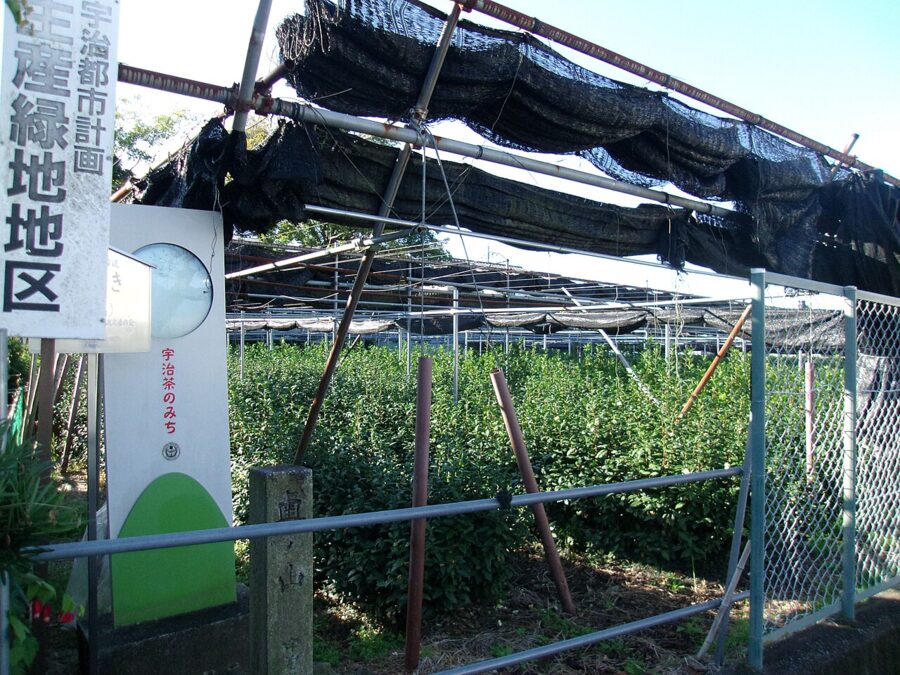
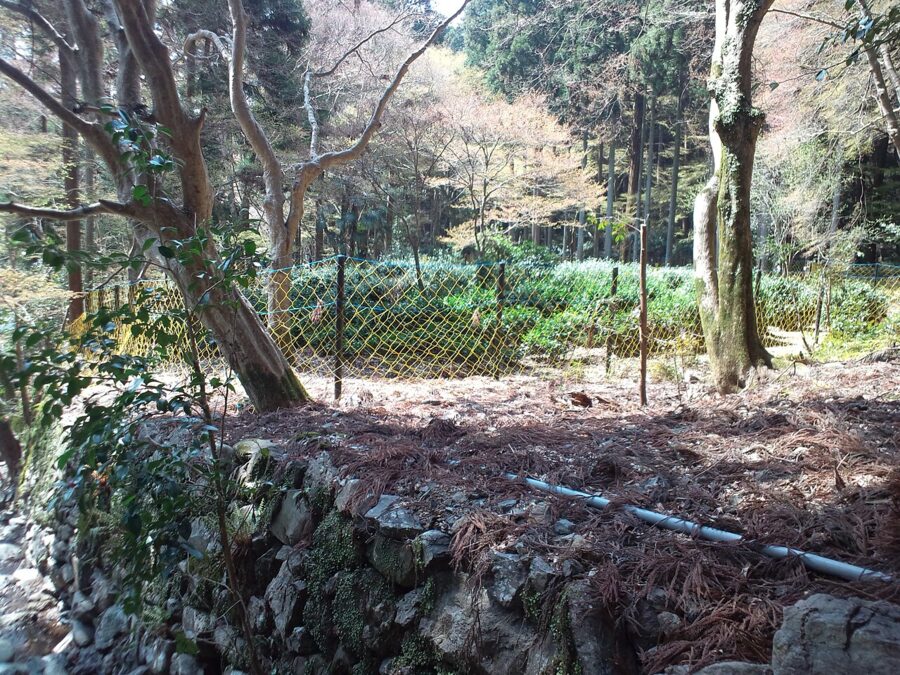
“Uji tea” today is a regional brand, not a single town. Since 2004 the Kyoto tea industry has defined it as tea from Kyoto, Nara, Shiga or Mie, finished in Kyoto Prefecture by Kyoto firms using the Uji method, with Kyoto-grown leaf given priority. Most of the Kyoto leaf grows south and east of Uji itself, in Wazuka, Uji-tawara and Minamiyamashiro.
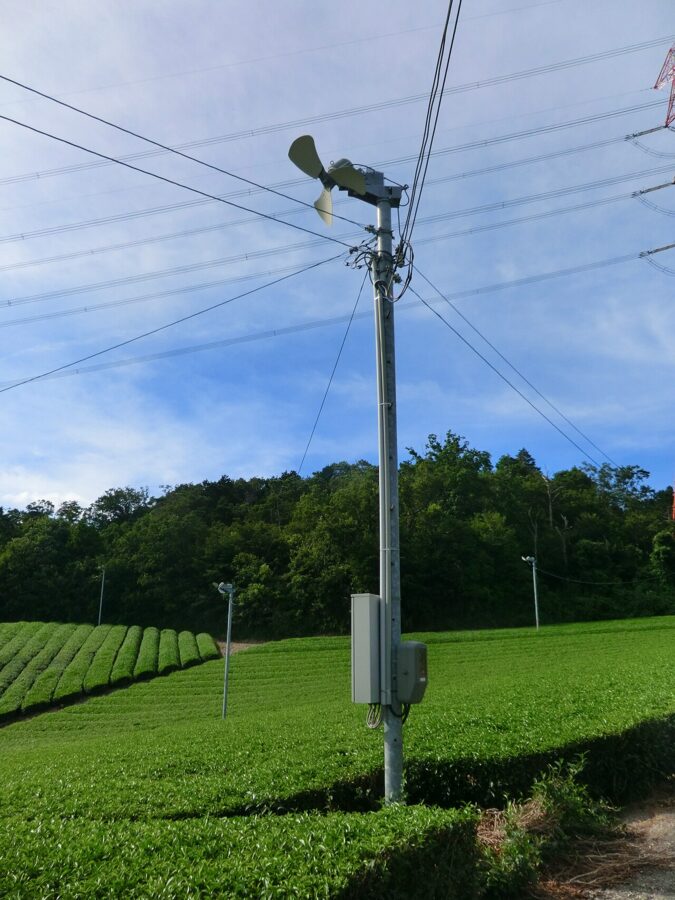
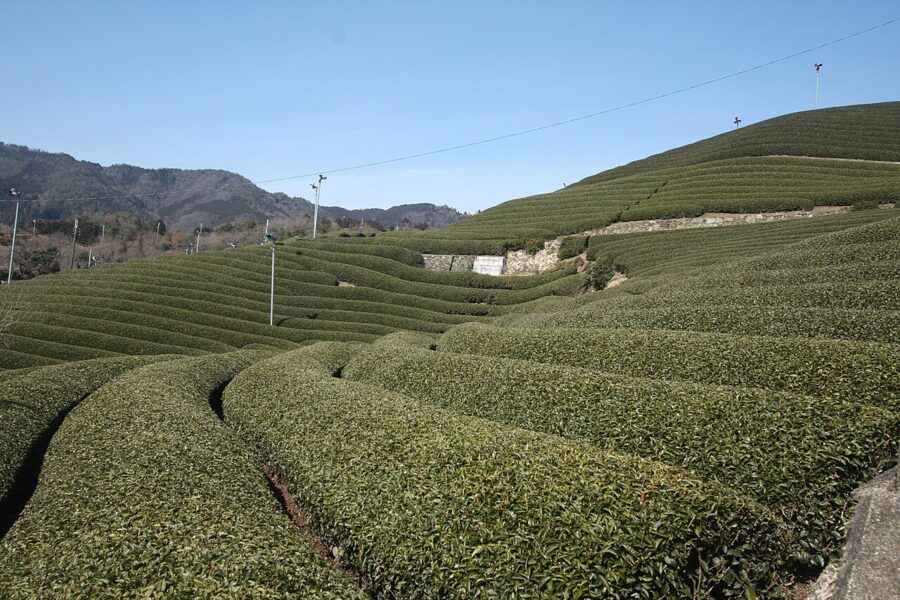
Wazuka is the place to see it. The terraces around Ishitera were the first place Kyoto Prefecture listed as a protected scenic asset, in 2008, and the bushes run up the hillsides in combed rows almost to the ridgelines. Buses run from JR Kamo Station, roughly hourly, and the ride is 10–20 minutes depending on where you get off; check the timetable before you go, because missing one costs you an hour.
Shizuoka
Shizuoka still has more land under tea than anywhere else in Japan, and you’ll see it from the Shinkansen whether you mean to or not. Its oldest tea district is Honyama, in the upper valleys of the Abe and Warashina rivers north of Shizuoka city, where the monk Shoichi Kokushi is said to have planted seeds from China around 800 years ago. Tokugawa Ieyasu drank it, and from 1681 Honyama tea went to the shogunate as official tribute.
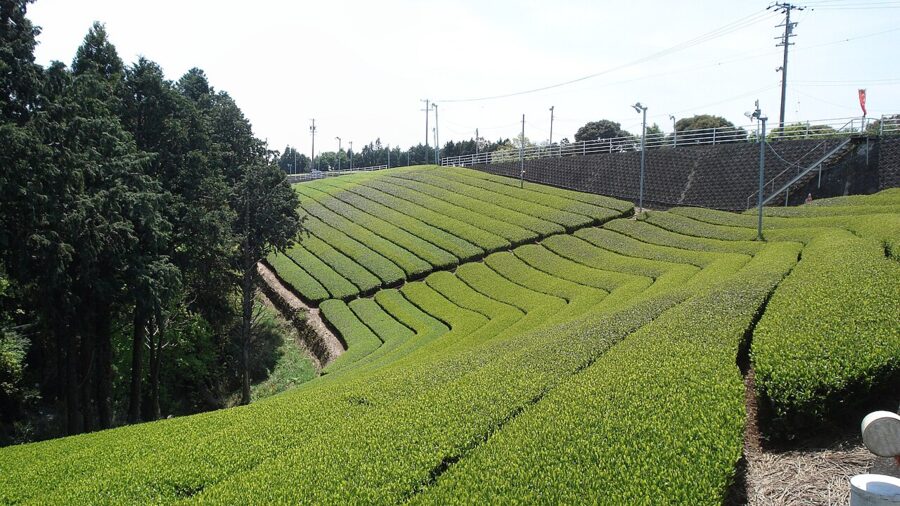
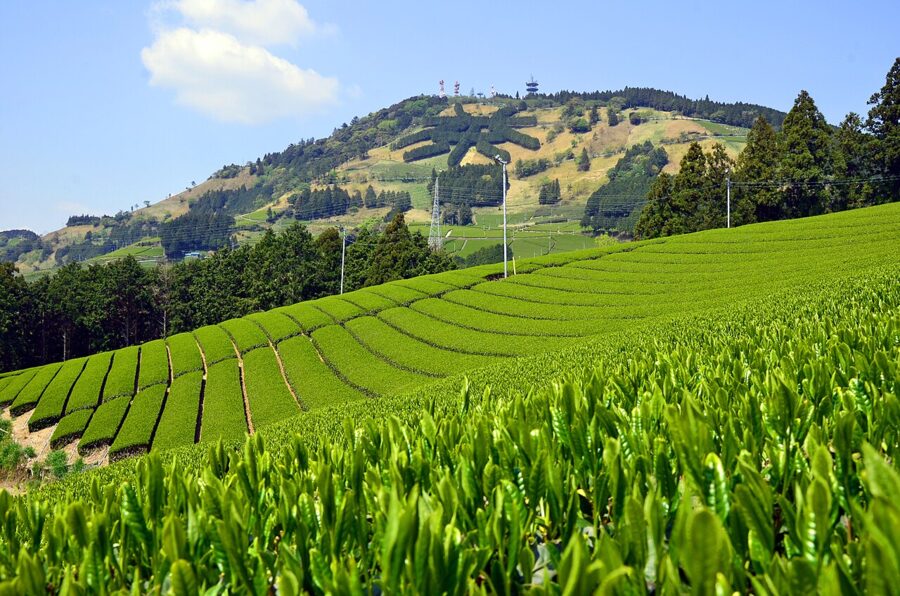
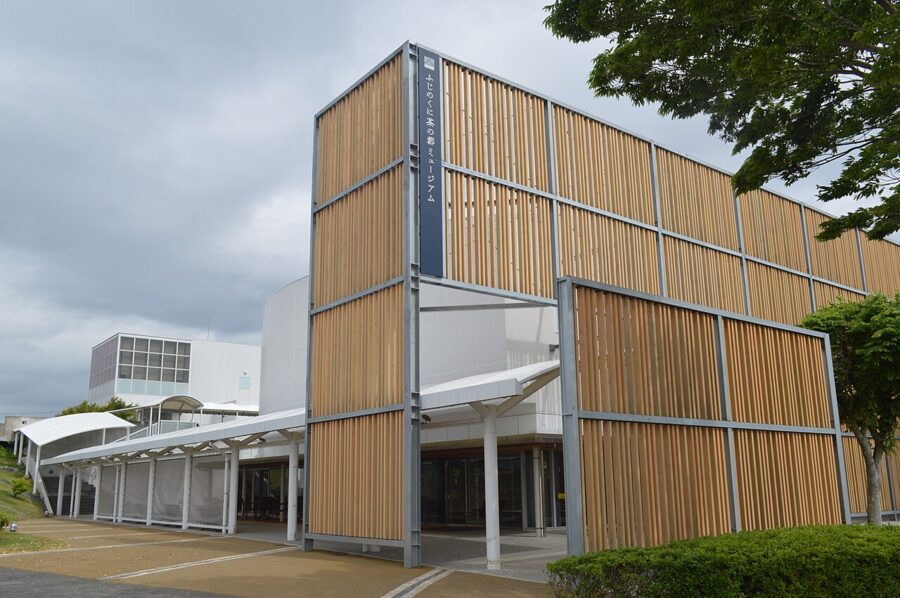
For a day out, go to the Fujinokuni Cha no Miyako Museum in Shimada, on the edge of the Makinohara plateau. Entry is ¥300, it opens 9:00–17:00 (last entry 16:30) and it’s closed on Tuesdays. It has a tea room and a garden as well as the exhibitions, and the tea room keeps shorter hours, 9:30–16:00.
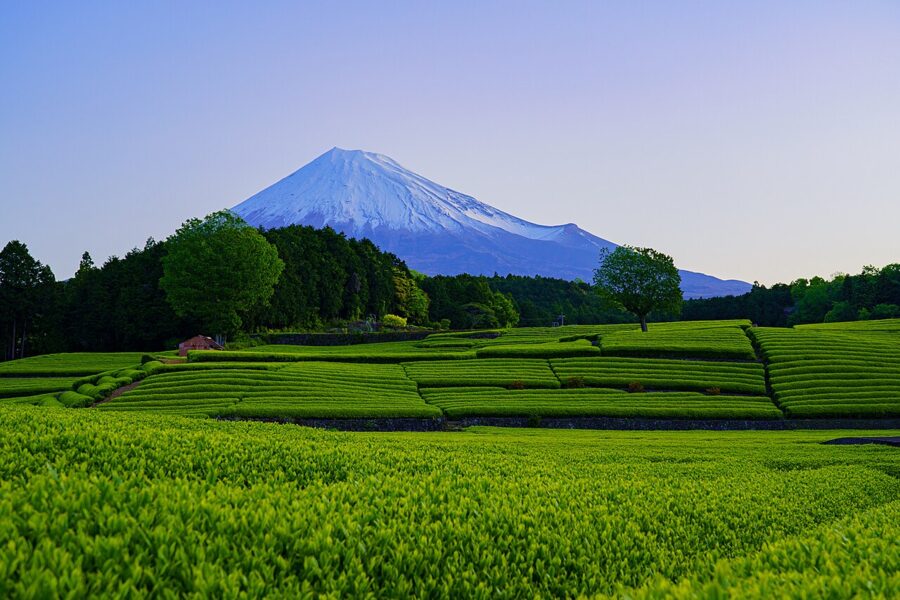
The view everyone wants is Obuchi Sasaba in Fuji City: neat tea rows in front, Mount Fuji filling the sky behind. It’s farmland, and the fields are private, so you watch from the lanes and the small car park, not from between the bushes. The nearest bus stop, Sobina-shita, is about 1.2 km away on foot.
Kagoshima
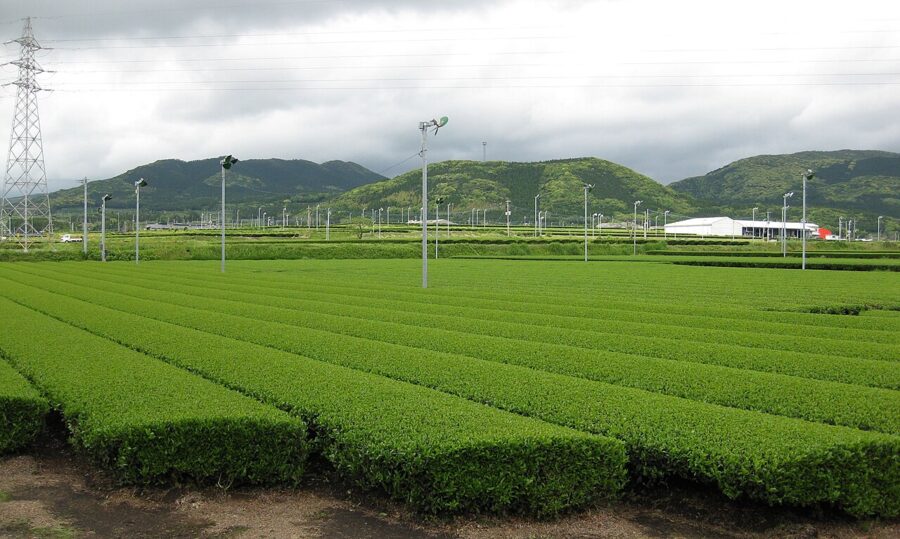
Kagoshima’s tea is newer and flatter, and that’s its advantage. Wide fields on volcanic plateaus suit big machines, the warm climate allows more pickings, and Tanegashima island off the south coast sells the earliest new tea in Japan each spring. The prefecture’s best-known name is Chiran tea, grown in Ei, Chiran and Kawanabe in Minamikyushu, the town that grows close to half of Kagoshima’s crop on its own.
Yame
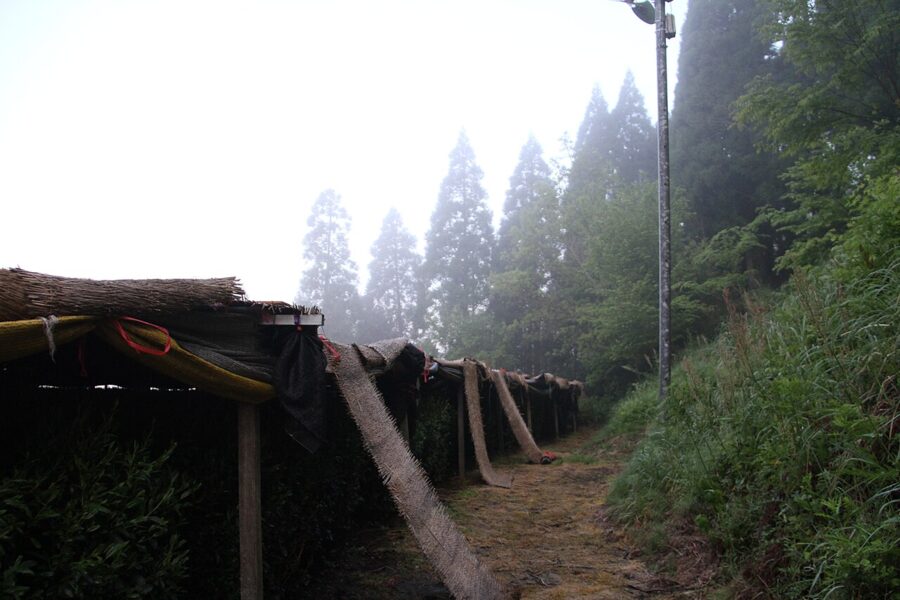
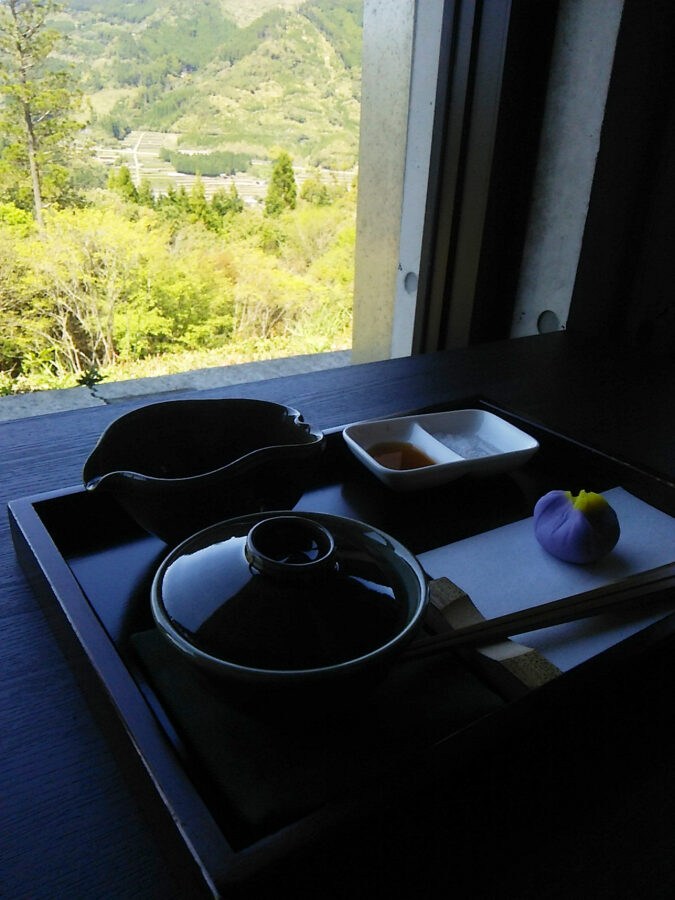
Yame, south of Fukuoka near Kurume, is gyokuro country. Its most prized tea, “traditional hon-gyokuro”, comes from bushes left unpruned, shaded with rice straw laid over frames rather than directly on the plants, and picked by hand, one bud and two leaves at a time. It comes from hill villages such as Hoshino and Yabe.
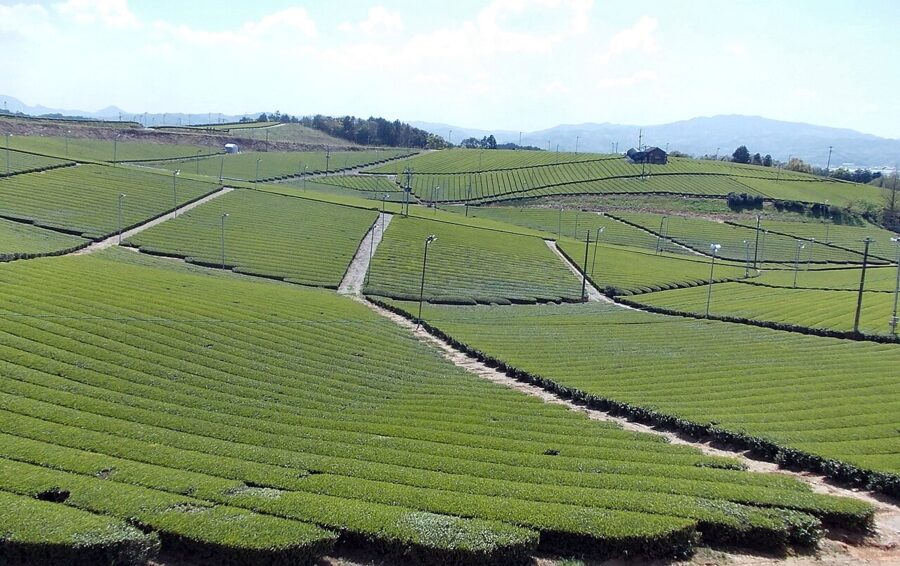
For the wide view, the Yame Central Grand Tea Garden covers about 70 ha of rolling hillside, built between 1969 and 1973, with an observation point at the top. It’s roughly 25 minutes by car from the Yame interchange on the Kyushu Expressway.
Sayama, the tea near Tokyo
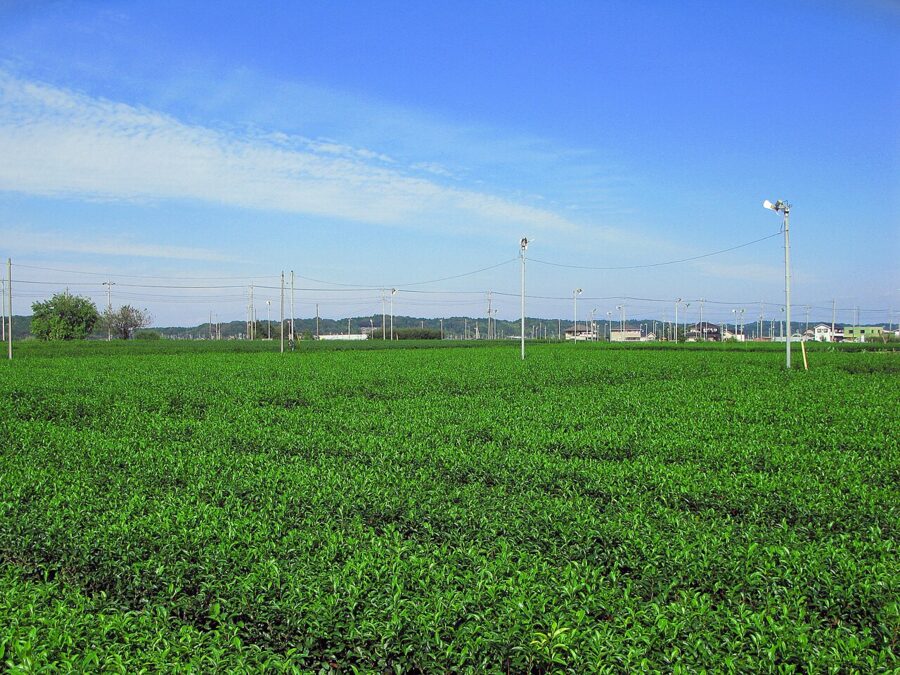
Sayama sits at roughly the northern limit for commercial tea, in Iruma, Tokorozawa and Sayama on the western edge of the Tokyo sprawl. The cold means only two pickings a year, and growers finish the leaf with a long, hot firing they call Sayama-bi-ire, which gives the tea a toasty, sweet richness. If you only have Tokyo, Iruma is under an hour from Ikebukuro on the Seibu Ikebukuro Line.
Sitting through a tea ceremony
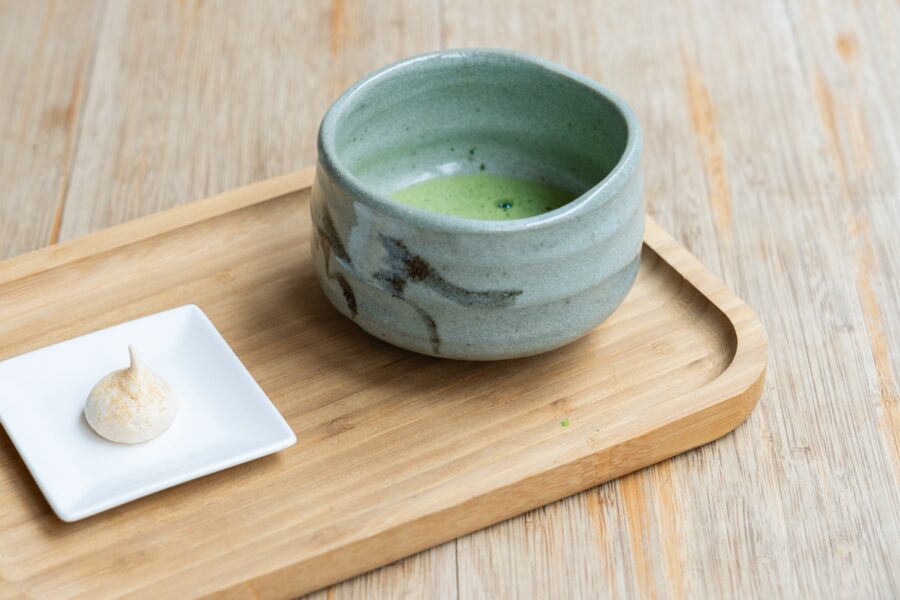
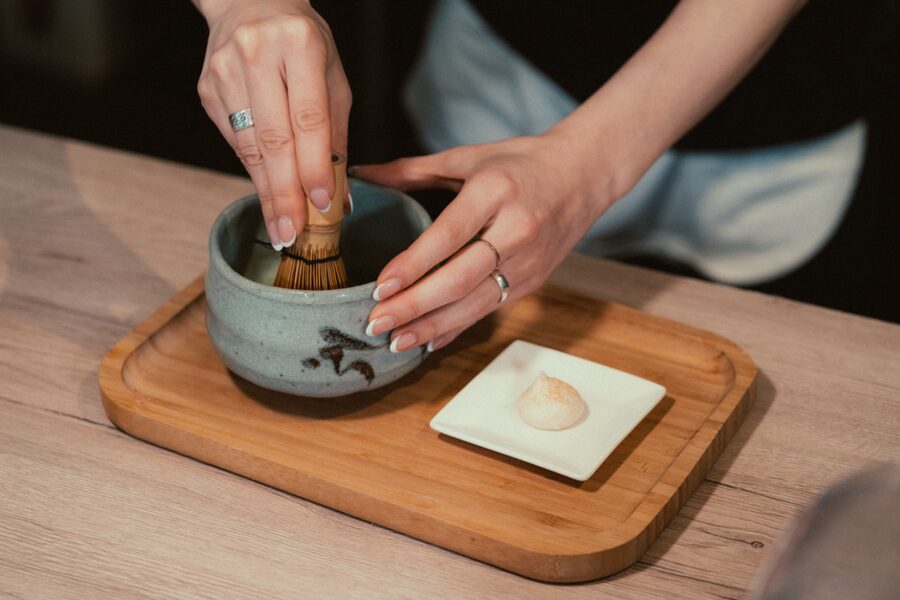
A full tea gathering, a chaji, runs for about four hours and includes a meal; that meal is the original kaiseki. What you’ll book as a visitor is much shorter: forty minutes to an hour in a tea room, a seasonal sweet, a bowl of usucha made in front of you, and usually a turn at whisking your own.
What happens
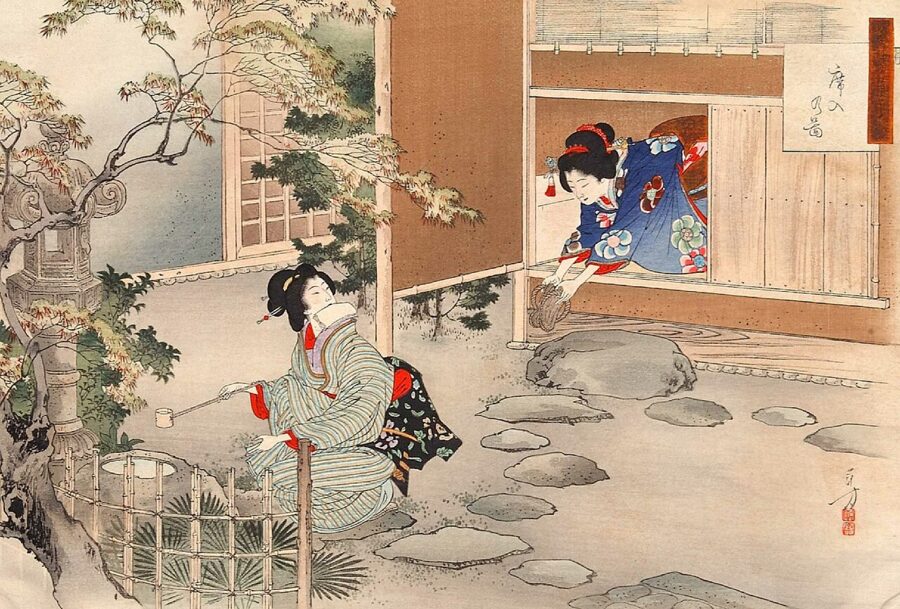
You’ll sit on tatami, usually seiza with legs folded under, though most visitor sessions let you shift or sit cross-legged, and a few use chairs. The host cleans each utensil in a fixed sequence, and the whole thing is choreographed down to which hand lifts the ladle. Your job is to watch, eat the seasonal sweet, usually a fresh wagashi, and drink the tea.
How to behave
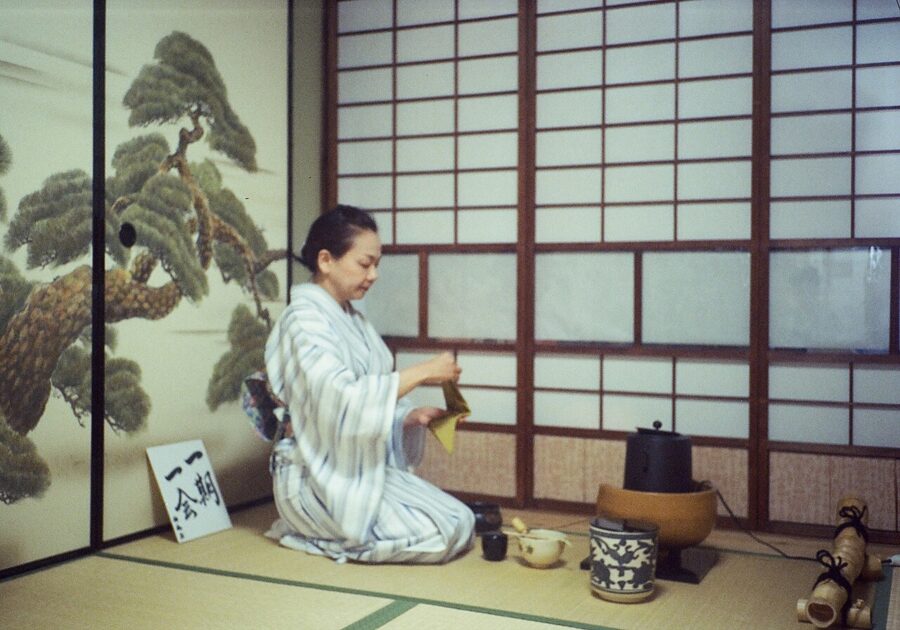
Nobody expects a visitor to get this perfect, but knowing the order helps. This is the usual sequence for a bowl of usucha:
- Eat the sweet first, when it’s offered. It’s there to take the edge off the tea’s bitterness, not to go with it.
- When the bowl comes, bow slightly. Pick it up with your right hand and rest it on your left palm.
- Raise it a little in thanks, then turn it clockwise twice so the decorated front faces away from you. Drinking from the front is avoided out of respect for the bowl.
- Drink it all, in a few sips. A small slurp on the last one is normal.
- Wipe the rim where you drank with your thumb and finger, turn the bowl back, set it down, and take a look at it.
Two more things. Take off rings and watches before you handle the bowls, because old tea bowls are fragile and some are irreplaceable. And wear socks, clean ones, since you’ll be on tatami the whole time.
Where to book one
In Uji, the cheapest proper option is Taihoan, the city-run tea house on the river near the Uji City Tourist Center. A bowl of usucha with a sweet costs ¥1,500, sencha ¥1,500 and gyokuro ¥1,800 (prices from April 2026). If you want to make it yourself, the tea-making session is ¥3,600 and needs booking three days ahead; it’s open 10:00–16:00 from 10 January to 20 December, closed on the last day of each month.
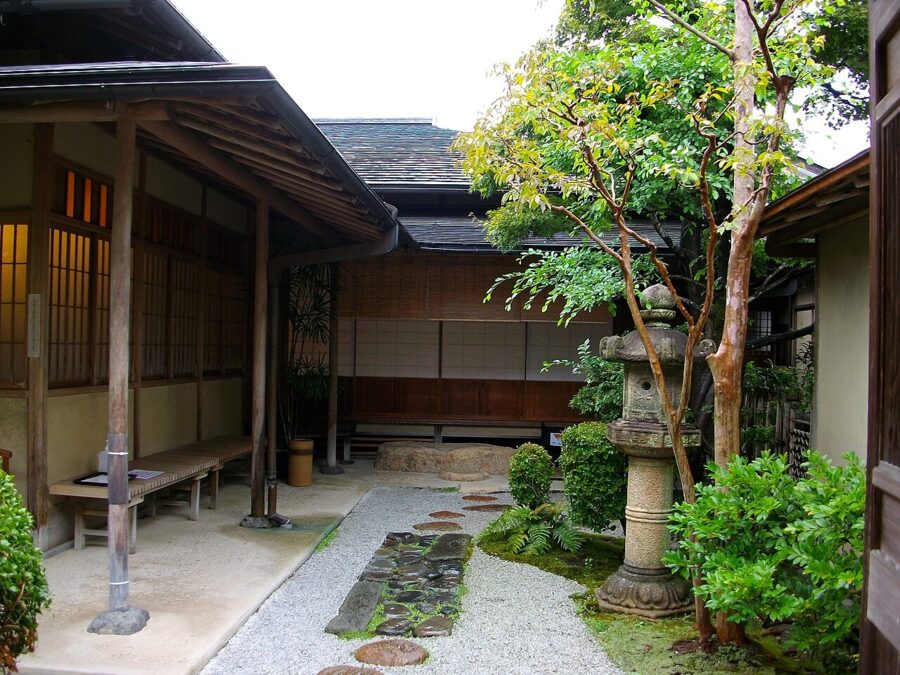
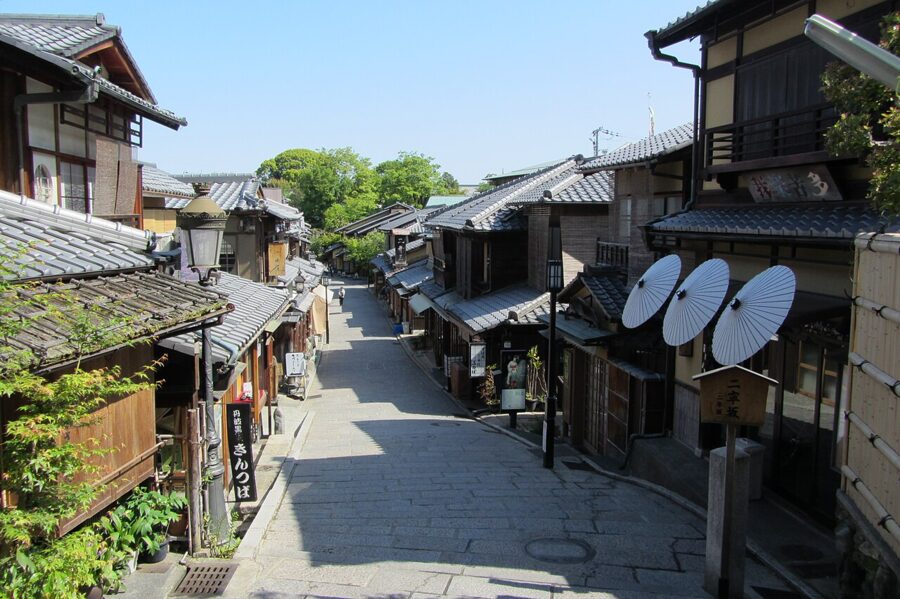
In Kyoto city, Camellia runs shared sessions in a townhouse on Ninenzaka, the slope below Kiyomizu-dera, from ¥4,000 a person, and private sessions in a hundred-year-old house near Ryoan-ji from ¥15,000. It’s built for visitors, which is the point: the session runs in English and you whisk your own bowl.
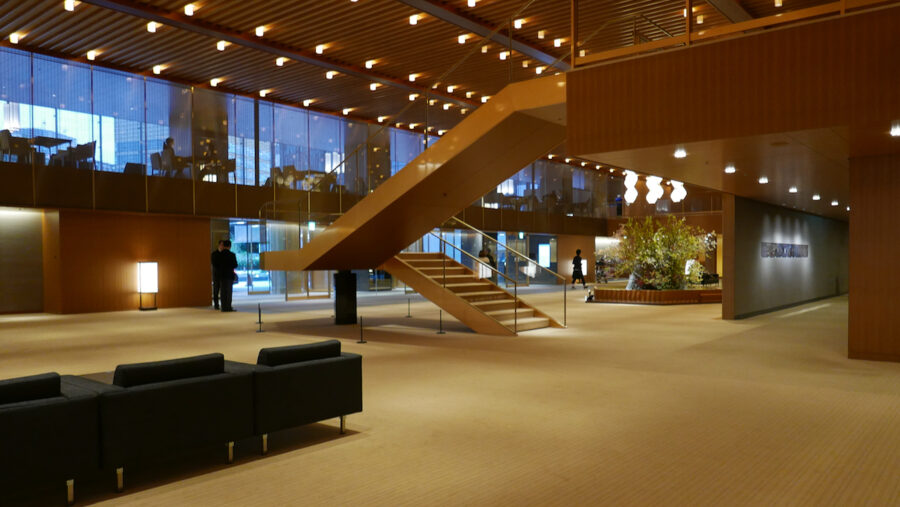
In Tokyo, The Okura Tokyo runs a session in Chosho-an, an Urasenke-style tea room on the fourth floor of its Heritage Wing. It costs ¥5,000 a person (minimum two), lasts about an hour, runs on Tuesdays, Thursdays and Saturdays at 12:00, 13:30 and 15:00, and needs booking at least seven days ahead. A shorter 30-minute matcha and sweet session costs ¥3,000 and is booked by phone only.
Where to drink it
Kyoto’s matcha sweets, the parfaits and the soft-serve, are in my guide to what to eat in Kyoto. This is about the tea itself.
Uji
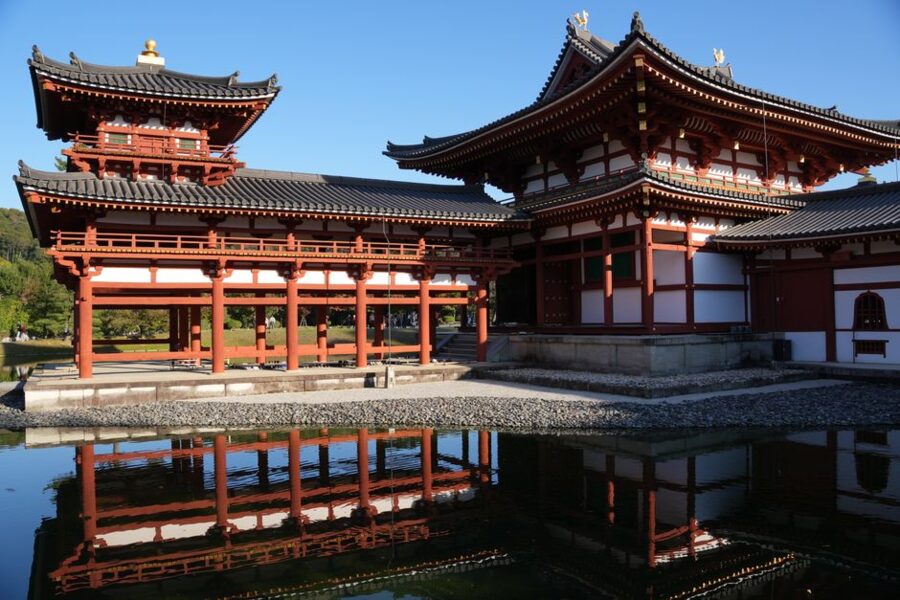
Uji is about 20 minutes from Kyoto on a JR Nara Line rapid, and the whole old town is walkable: JR Uji Station, the Byodoin approach, Uji Bridge and the Keihan station sit within about 15 minutes of each other. Go on a weekday morning if you can. By early afternoon at weekends, the Byodoin approach is shoulder to shoulder.
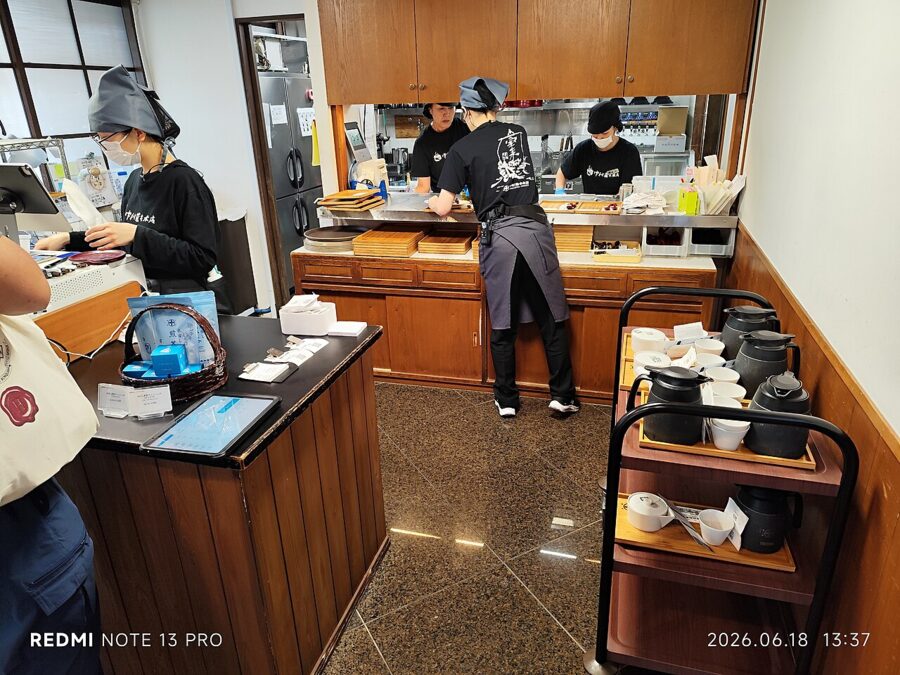
Nakamura Tokichi Honten, founded in 1854, is a minute from the south exit of JR Uji Station, in a Meiji-era tea merchant’s house that the national government protects as part of Uji’s historic tea scenery. The shop and cafe open 10:00–17:30, with the cafe’s last orders at 16:30. Expect a queue for the cafe; the tea counter at the front, where you buy leaf, moves much faster.
Between the station and the temple, the Byodoin approach is lined with tea shops, almost every one of them selling matcha soft-serve and loose leaf. Tsuen, at the bridge, is the one with history. For a quiet bowl, cut across to Taihoan instead.
Kyoto city
Ippodo Tea’s main store on Teramachi has sold tea since 1717, and its name was given in 1846 by Prince Yamashina, who liked its tea. The shop and the 44-seat Kaboku tearoom open 10:00–17:00, last call 16:30, closed the second Wednesday of each month. It’s five minutes from Exit 11 of Kyoto Shiyakusho-mae Station on the Tozai Line.
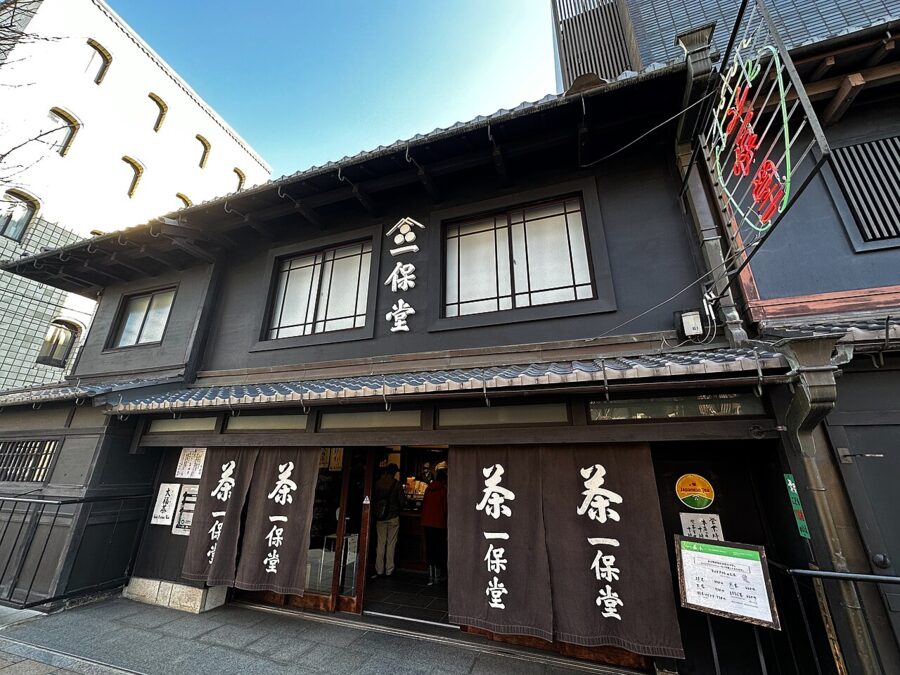
Kaboku is the best tea lesson in the city if you ask for it. When you order, tell the staff you’d like to brew the tea yourself and they’ll walk you through it, infusion by infusion; say nothing and they’ll brew it for you. Ippodo also runs a gyokuro and sencha tasting at the shop counter for ¥2,750 a person, 30–60 minutes, booked at least four days ahead, though it’s paused for the busy season from 1 November 2026 to 11 January 2027.
Tokyo
Sakurai Japanese Tea Experience, on the fifth floor of the Spiral building in Minami-Aoyama, is the most interesting tea counter in Tokyo. Shinya Sakurai opened it in 2014 and roasts hojicha on the premises. At the eight-seat counter you choose a tea and they brew it three times for you, from ¥2,500 with a sweet, or you take a tea course from ¥5,950.
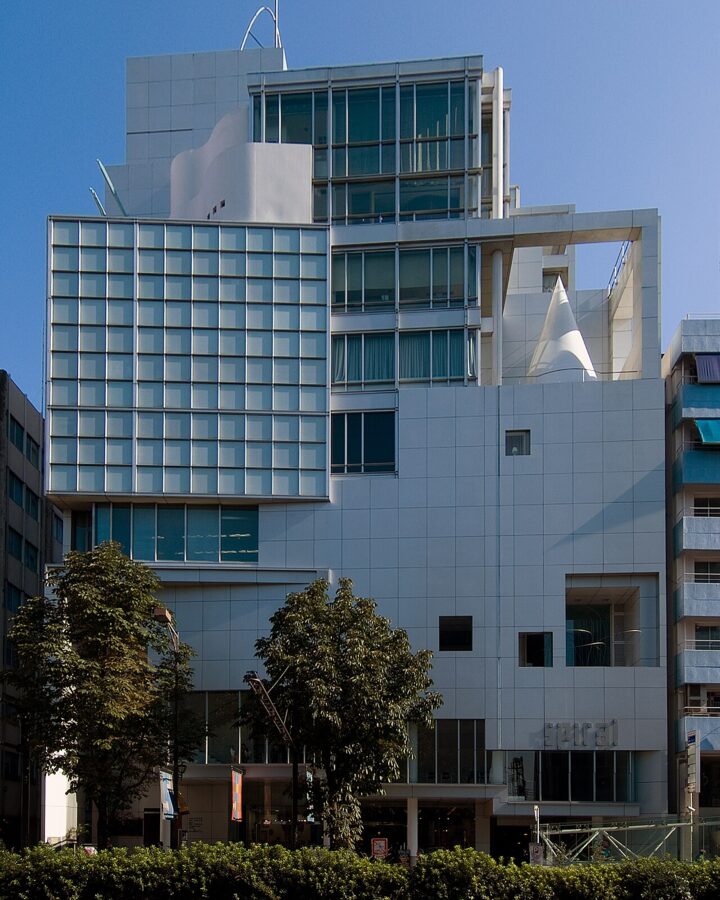
It opens 11:00–19:00 on weekdays, with the tea room going on until 23:00 (last orders 21:30), and 11:00–20:00 at weekends. After dark the menu turns to tea-infused cocktails, which sounds like a gimmick and isn’t.
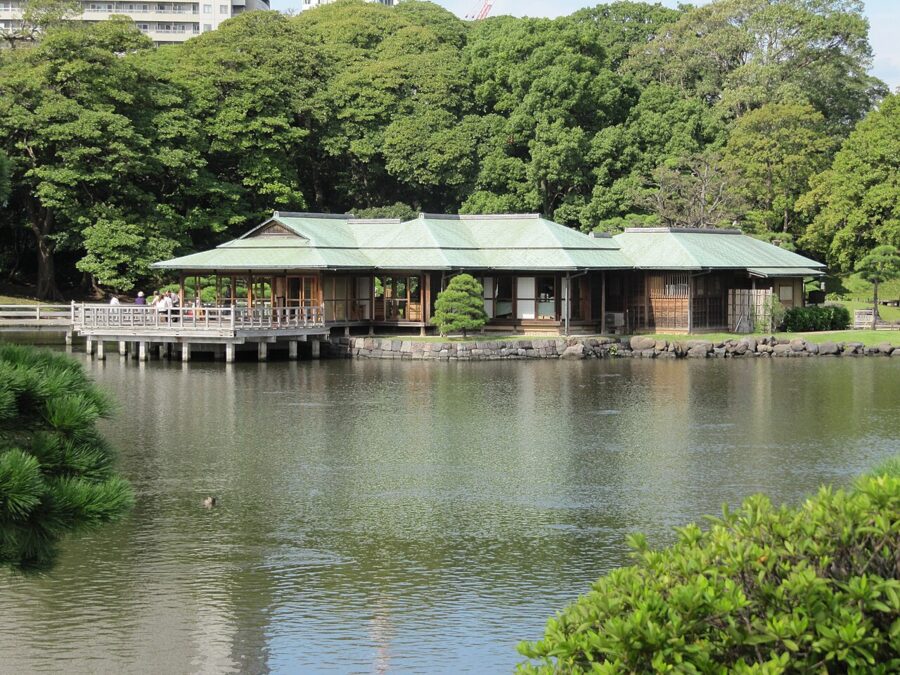
For something gentler, the Nakajima no Ochaya in Hamarikyu Gardens serves matcha and a sweet in a teahouse on the pond. It’s a 10-minute walk from Shiodome, and on a weekday morning, before the tour groups, it’s one of the calmest places in central Tokyo.
Shizuoka, Kanazawa and Takayama
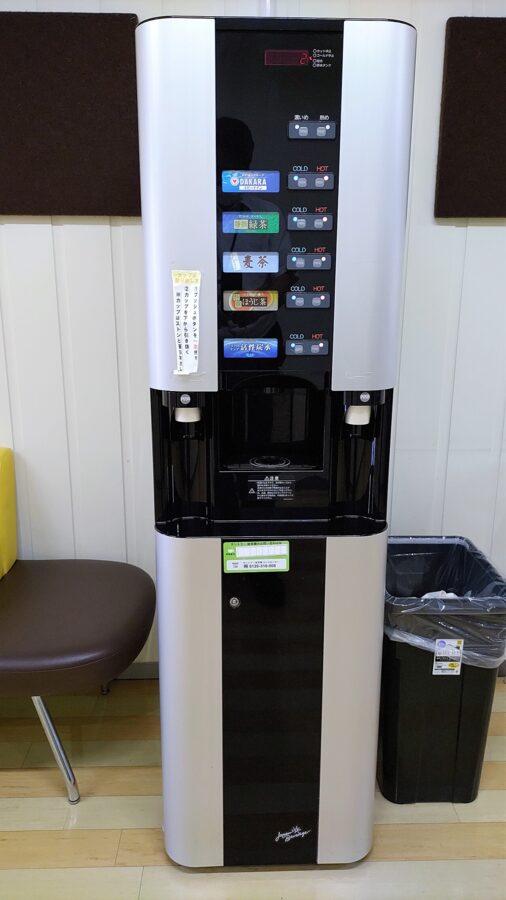
In Shizuoka itself, tea is everywhere and cheap. The station shops sell local sencha by the bag, and the green tea is free in most restaurants, often from a self-service dispenser, which is a good chance to compare what a working city drinks with what Kyoto sells to tourists.
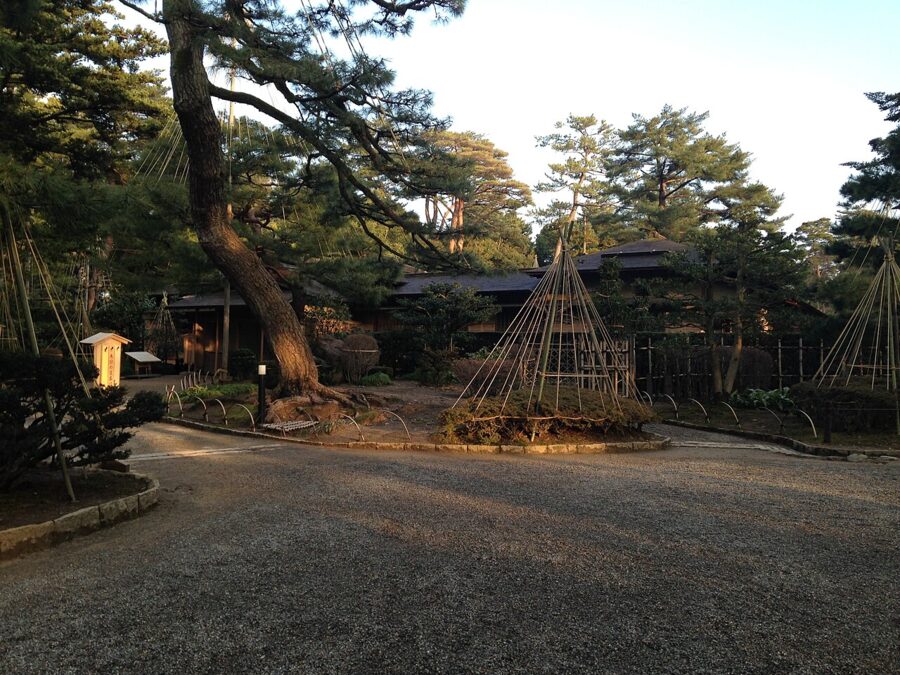
In Kanazawa, a city the Maeda lords filled with tea culture, Shigure-tei inside Kenrokuen serves matcha with a fresh sweet; garden entry is ¥320. And if you’re in the Hida mountains, a bowl of matcha in a Takayama teahouse is the thing to do at 15:00 once the morning markets have worn you out.
Buying tea to take home
Tea is one of the easiest things to bring back from Japan and one of the easiest to waste. Most of the mistakes are about freshness, so here’s what I’ve learned.
Freshness and how much to buy
- Buy small. A 20 g or 40 g tin of matcha, or a 100 g bag of sencha, is plenty. Once opened, matcha loses its colour and sweetness within weeks.
- Check the date. Japanese packets show a best-before date; leaf from the current year’s picking is what you want.
- Taste first. Good shops will brew a sample of sencha or hojicha if you ask. If they won’t, try somewhere else.
- Buy the everyday tea too. A bag of hojicha or genmaicha costs a few hundred yen and gets drunk, while the expensive gyokuro often sits in a cupboard.
Storing it
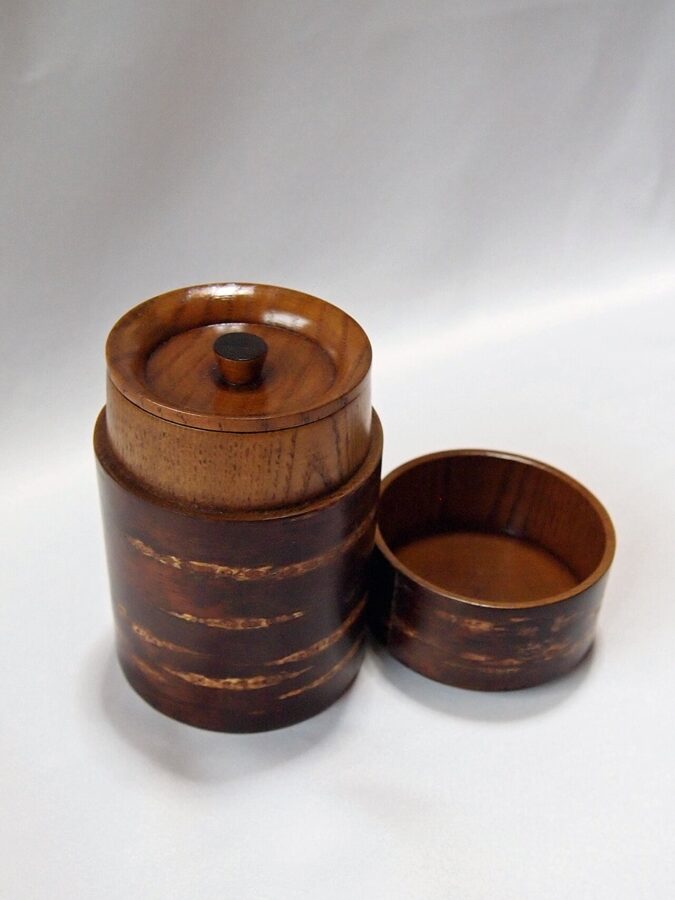
Light, air, heat and smells are what ruin tea. Keep unopened packets in the fridge or freezer, but let them come back to room temperature before opening so moisture doesn’t condense on the leaf. Once open, keep the tea in an airtight caddy in a cool cupboard, away from coffee and spices, and drink it.
Brewing it in a hotel room
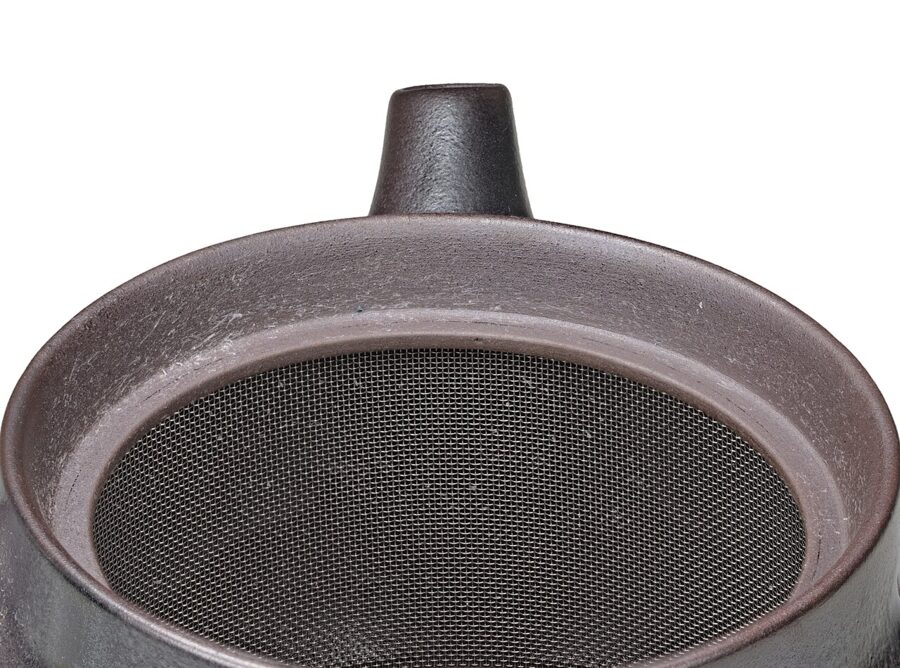
Most Japanese hotel rooms come with a kettle and a pair of cups, which is all you need for sencha. Use two level teaspoons of leaf for two cups, boil the water, then pour it into the cups first and back into the pot: each move between vessels takes off roughly 10°C, so two moves bring boiling water down to where sencha likes it. Give it a minute, then pour out every last drop, alternating between the cups so both get the same strength.
The last drops are the strongest, and leaving water in the pot stews the leaf for the second round. Done like that, the same leaf gives you two or three good pots. For gyokuro, let the water sit in the cups for several minutes before it goes anywhere near the leaf.
Customs and carrying
Plain dried tea, sealed in its commercial packaging, is allowed into most countries for personal use. Strict biosecurity countries, Australia and New Zealand among them, still want plant products declared on arrival, so tick the box and show it; declared tea is rarely a problem, undeclared tea can be. Tea is fine in checked or hand baggage, but if you’re carrying several tins of matcha, keep them in the original packaging so security staff can see what the green powder is.
What it costs
Prices from the places in this guide, checked in 2026:
| What | Where | Price |
|---|---|---|
| Usucha with a sweet | Taihoan, Uji | ¥1,500 |
| Gyokuro | Taihoan, Uji | ¥1,800 |
| Make-your-own tea session | Taihoan, Uji | ¥3,600 |
| Take-out matcha or gyokuro | Ippodo, Kyoto | ¥972 |
| Gyokuro and sencha counter tasting | Ippodo, Kyoto | ¥2,750 |
| Shared tea ceremony | Camellia, Ninenzaka | from ¥4,000 |
| Tea ceremony session (about 1 hour) | The Okura Tokyo | ¥5,000 |
| Tea and sweet, three infusions | Sakurai, Minami-Aoyama | from ¥2,500 |
| Tea museum entry | Cha no Miyako Museum, Shimada | ¥300 |
| Garden entry | Hamarikyu, Tokyo | ¥300 |
A bowl of matcha with a sweet at an ordinary tea room usually lands between ¥1,000 and ¥1,500 in Kyoto. In Shizuoka, a cup of sencha with a meal costs nothing at all.
Skip this
- Matcha soft-serve as your “Uji experience”. It’s fine ice cream. It isn’t tea. Spend the ¥1,500 on a bowl at Taihoan instead.
- Big tins of matcha. 100 g goes stale before most people get through 30.
- Brewing gyokuro with the hotel kettle. Boiling water ruins it. Let the water sit in a cup for a few minutes first, or buy sencha instead.
- Walking into the fields. Obuchi Sasaba, Wazuka and Okunoyama are working farms. Photograph from the lanes.
- Anything labelled “ceremonial grade” at an airport shop. Buy from a tea merchant who’ll tell you which matcha suits usucha and which suits koicha.
If you drink one thing, make it a pot of gyokuro at a counter where someone shows you how to brew it. Then go and find the cheapest hojicha on the shelf and drink that every evening for a month.
You Might Also Enjoy
 3 Days in Shanghai: The Bund at Dawn, the Old City, the French Concession and a Day Trip, Planned Hour by Hour
 Hunan Food: Fish Head with Chopped Chilli, Chairman Mao’s Pork and Changsha After Dark
 Beijing Food Guide: Douzhi, Luzhu, Copper Pots, Niujie and What to Eat Beyond the Duck
 Luoyang: The Longmen Grottoes, the Old City, the Water Banquet and a Day Trip to Shaolin