
Eating at Tokyo’s Michelin-Starred Restaurants: How to Get In, What to Order, and Which Stars Are Worth the Wait
A friend of mine, an architect from Sydney with no particular interest in counter sushi until his fortieth birthday, decided he was going to eat at Sushi Saito. He had read it had three Michelin stars, knew it had been removed from the Guide in 2019 because it stopped taking reservations from the public, and had heard the words “concierge mafia” from someone at his hotel chain. He picked the Mandarin Oriental in Nihonbashi, a four-night stay he could not really afford, and put a polite request through to the lifestyle desk three months before he flew. The morning the call came back at his Sydney office, eleven days before the trip, his secretary said the Mandarin had a single seat on a Wednesday lunch and would he like to confirm. He sat down on his office floor. He was 41 years old.
I tell you the story because nothing about eating at Tokyo’s most-starred restaurants is rational. The city has held the title of most-Michelin-starred city in the world since 2008, the year after the first Michelin Guide Tokyo published in November 2007 and immediately overtook Paris. The 2026 Guide lists 160 starred restaurants in the Greater Tokyo area, with twelve at three stars including newly promoted Cante Sante, Joël Robuchon and the long-running Kanda. That number is published every September and re-shuffled in March; the count above is current as of the September 2025 reveal. Tabelog, Japan’s domestic restaurant database, lists more than five hundred Tokyo restaurants at 4.0+ ratings. So you are not short of places to eat. You are short of seats to sit in.
What follows is what I would tell a smart traveller who has decided to eat one or two of these meals on a trip to Tokyo. How the booking actually works in 2026. What you order, what you skip, where the lunch trick saves you 60% on the same kitchen, and which of the very famous names are now mostly photo opportunities. Some of it is from people I trust, some from chefs I drank with, and a fair bit from the Japanese-language food press where the working knowledge actually lives. There are no rankings on this list because rankings on Michelin restaurants are mostly a parlour game. There are categories, named restaurants, prices, and clear takes on which ones are worth the wait.
If you are coming for the food side of Tokyo more broadly, my Tokyo food neighbourhoods guide covers the neighbourhood-level eating that is more useful than this list 80% of the time. This piece is for the 20%. The big-night meal. The two-month plan. The seat at the counter where someone has been making sushi for sixty years.
In This Article
- How a reservation actually works in 2026
- The 1-3 month rule
- Pocket Concierge (English, owned by American Express)
- Tablecheck (English, used by hotel restaurants and many one-stars)
- The hotel concierge mafia
- Phone-only restaurants and the introduction system
- The cancellation game (for the morning of)
- JTB, byFood, and private concierge
- Sushi: the highest star concentration in the city
- Sukiyabashi Jiro Honten, Ginza
- Sukiyabashi Jiro Roppongi Hills
- Sushi Saito, Roppongi
- Sushi Yoshitake, Ginza
- Sushi Sho Saito, Aoyama
- Sushi Arai, Ginza
- Sushi Sugita, Kanda
- One-star and standing-counter entry tier
- Kaiseki and modern Japanese, where the city’s most-loved chefs work
- Nihonryori Kanda, Moto-Azabu
- Kagurazaka Ishikawa
- Ryugin (Hibiya)
- Den (Aoyama, modern)
- Florilège, Aoyama
- L’Effervescence, Nishi-Azabu
- Quintessence, Shirokanedai
- SÉZANNE (Four Seasons Marunouchi)
- The lunch trick: how to eat at a 2-star kitchen for the price of a 1-star
- Tempura, yakitori, and the single-ingredient counters
- Tempura Kondo, Ginza
- Tempura Mikawa Zezankyo, Roppongi
- Yakitori Birdland, Ginza
- Toriki, Meguro and Tori-Shiki, Meguro
- Other single-ingredient counters worth a sentence
- The ramen Michelin star, and the truth about it
- Nakiryu, Otsuka
- Bib Gourmands and the wider ramen scene
- Pricing the meals: what each tier really costs
- Etiquette and the omakase counter
- What to skip, what to ignore
- A working three-day Tokyo Michelin run
- What ten years of Michelin Tokyo has actually changed
- One last thing: the food you actually came to Japan for
How a reservation actually works in 2026
The Tokyo high-end booking system is not one system. It is four overlapping systems and a lot of weather, and you have to know which one to push on for which restaurant.
The 1-3 month rule
Most Michelin one-stars and many two-stars open their books between 30 and 90 days before the seating. A few open at exactly the calendar-month boundary (so May seatings open on 1 February at midnight Tokyo time). Some, especially smaller counters, take phone bookings only and the line opens when the chef feels like opening it. The big platforms, Pocket Concierge and Tablecheck, both publish the booking window for each restaurant on the listing page. Read it before you waste a request.
Pocket Concierge (English, owned by American Express)
Pocket Concierge has the deepest English-language inventory at the high-end Japanese-cuisine tier: roughly 700 restaurants, weighted heavily toward kaiseki, Japanese fusion, and 1- and 2-star sushi. You pay the deposit on a card at booking (usually ¥10,000–¥30,000), and the deposit is forfeit if you cancel within the cancellation window. The interface is clean. It does not list the absolute top tier (Saito, Sukiyabashi Jiro Roppongi, Kanda) because those are not on it, but it lists most of the second rung, which is where most readers of this article should be eating anyway.
Tablecheck (English, used by hotel restaurants and many one-stars)
Tablecheck is the platform most Tokyo hotel restaurants use, including some of the Mandarin and Andaz starred dining rooms. If you are eating at a hotel-housed Michelin restaurant in 2026, your booking probably runs through Tablecheck. Less Japanese-counter inventory than Pocket Concierge, more French and Italian.
The hotel concierge mafia
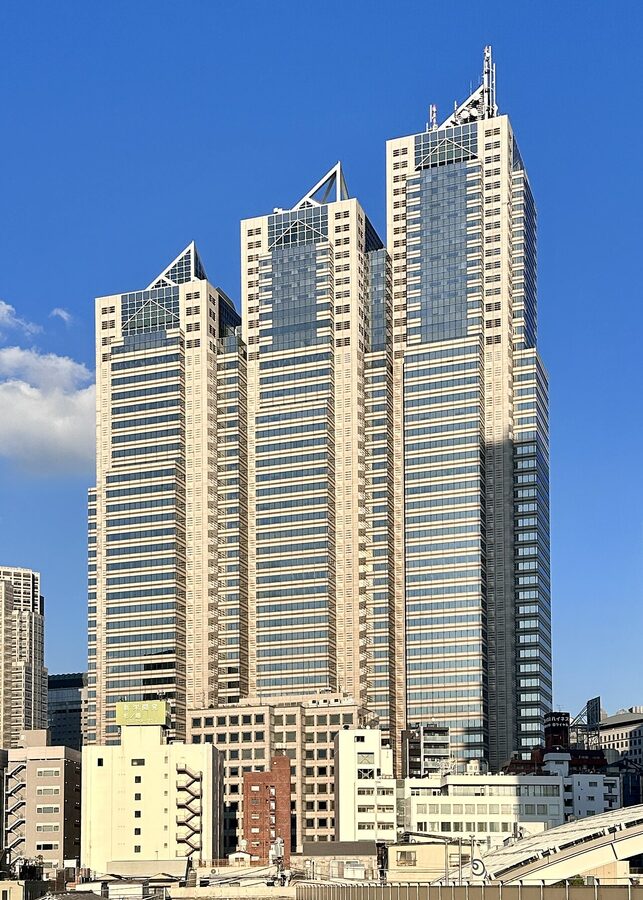
For three-star Tokyo and the very top of two-star, the only working route in is the lifestyle desk of a luxury hotel that has a standing relationship with the restaurant. The Mandarin Oriental Tokyo, the Aman Tokyo, the Park Hyatt Tokyo (in the Shinjuku Park Tower, the building from Lost in Translation), the Ritz-Carlton Tokyo and the Four Seasons Marunouchi all have advantage-tier relationships with the concierge-only restaurants. They put requests through their own channels, often a fax or an internal phone line, and they get answers other people do not.
This is what people mean by the Tokyo concierge mafia. There is no smoking room and no mafia. There is a hotel concierge with a thirty-year relationship with a sushi chef, who will ask, on your behalf, whether the chef has a Wednesday in March. If you stay at the right hotel, you can eat at restaurants that do not exist on any platform. If you don’t, you can’t. That is the deal.
The hotel premium for this is real but not insane. The Mandarin Oriental Tokyo runs about ¥110,000 a night for a deluxe king in shoulder season. For one night, plus the meal, plus the supper-club dynamic of a polite well-connected concierge fronting your request, the maths is close to even with a regular four-star plus a private booking service. Eating at Saito a single time also runs about ¥40,000 for lunch and ¥60,000+ for dinner, so the meal is the bigger line anyway.
Phone-only restaurants and the introduction system
A handful of restaurants will not deal with platforms or hotels. Sukiyabashi Jiro Honten in Ginza, removed from the Michelin Guide in November 2019 because it stopped taking reservations from the public, is the most famous example: bookings are now only available through the concierge of a luxury hotel where you are staying as a guest. Sushi Saito moved into the same posture in 2019 for the same reason. Both still operate, both still serve sushi at the level that earned the original three stars, neither is in the Guide.
For a handful of others, the intro is what books the table. A regular customer makes a phone call on your behalf. There is no English line. There is no email. The chef takes the booking because the regular vouches for you, and the regular only vouches because you have, somewhere, somehow, been someone they trust. This is harder to engineer as a tourist than the hotel route, but it is also the older and more interesting one, and the food press in Japan still treats it as the highest form of access. You don’t need it for ninety percent of what is on this article. For the last ten percent, you do.
The cancellation game (for the morning of)
Both Pocket Concierge and Tablecheck publish cancellations live. The pattern is consistent across the year: people cancel two or three days before, and same-day, far more often than you’d expect. If you are in Tokyo, set the search filter at midnight Japan time on Pocket Concierge for the next 14 days, refresh on the morning of the day you want, and a counter at a 1-star restaurant will appear maybe forty percent of the time. Solo seats appear twice as often as twos. If you can eat alone, you will eat better than if you can’t.
JTB, byFood, and private concierge
The Japan Travel Bureau (JTB) and a handful of private booking services (TableAll, byFood, Voyagin’s restaurant arm) act as paid middlemen for visitors who don’t want to fight the platforms. They charge a service fee on top of the meal, usually ¥8,000–¥15,000, and they get bookings the platforms don’t always release. They are upfront about what they can and can’t get. If you want a 2-star sushi seat in three weeks and you have not been planning for two months, this is the only route that consistently works.
Sushi: the highest star concentration in the city
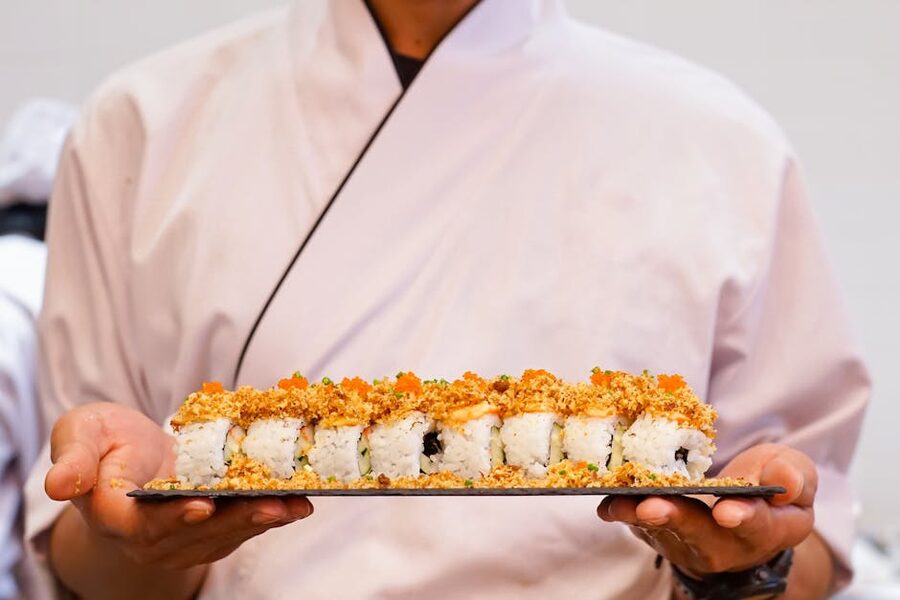
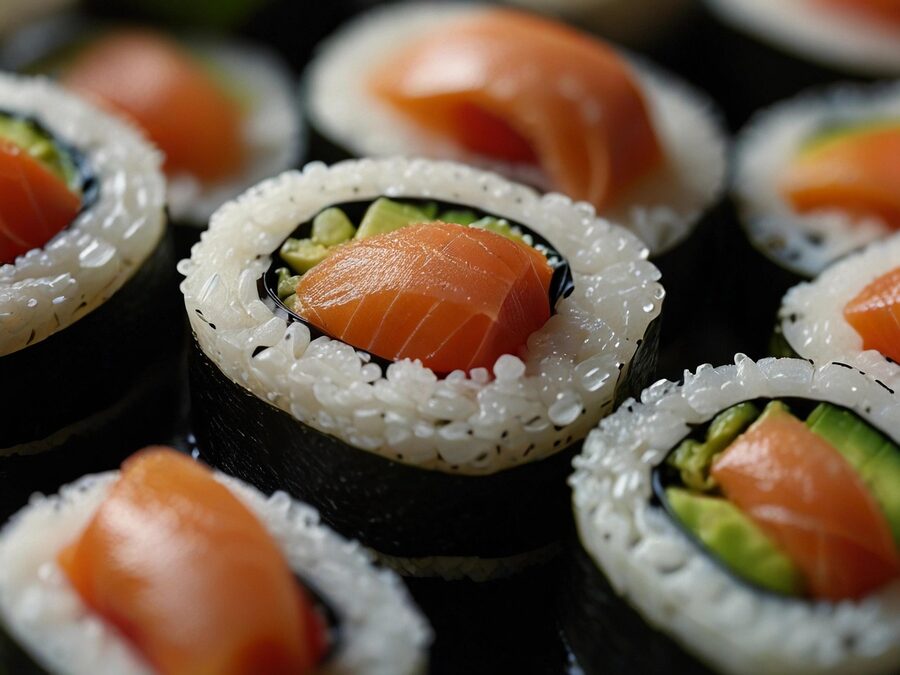
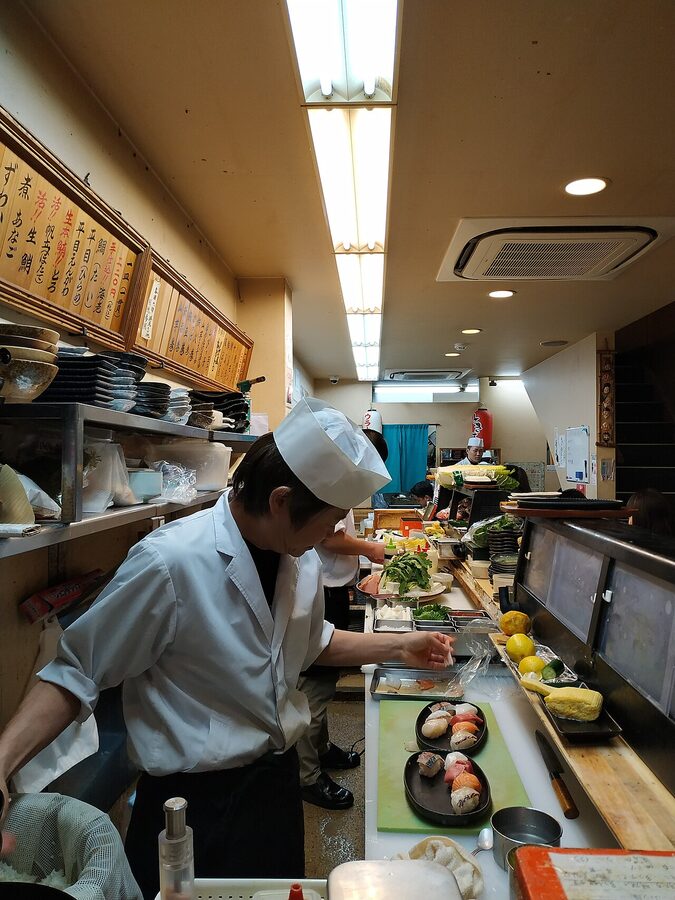
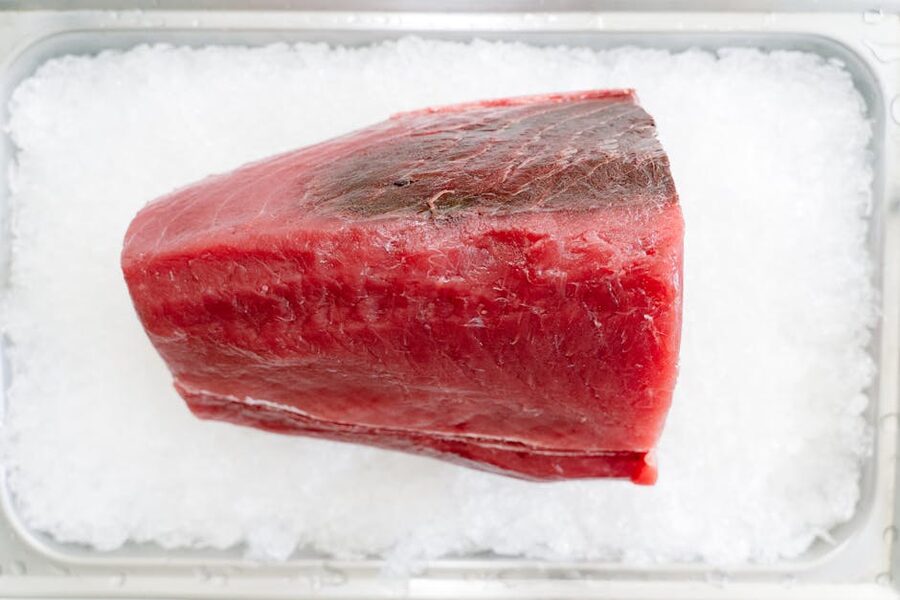
If you are reading this for one reason it is probably this one. Tokyo’s sushi counters are the most decorated single-cuisine cluster in the Michelin world. The style is edomae, the Edo-front Tokyo dialect of sushi that started as a fast street food in the early 1800s and matured into the most controlled fine-dining setting on the planet, with twenty-odd courses served by hand at a counter for eight to ten people, no menu, no requests, the chef chooses, and the whole sitting is done in just over two hours.
Sukiyabashi Jiro Honten, Ginza
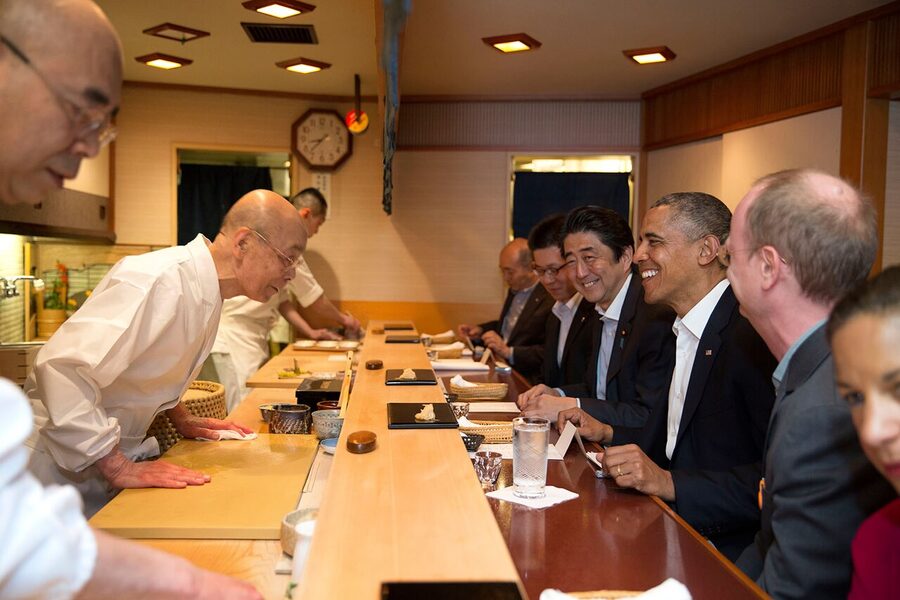
The famous one. Jiro Ono, born 1925, has been making sushi at the Tsukamoto Sogyo Building basement in Ginza 4-chome since 1965. The restaurant earned three Michelin stars in the very first Tokyo Guide in 2007 and held them through 2019, when it was removed from the Guide because it stopped taking reservations from the public. In April 2014 President Obama dined here with Prime Minister Abe, sat at the counter for twenty courses, and reportedly declared it the best sushi he had ever had (whether he finished the entire meal is, depending on which AP wire you read, less certain). David Gelb’s 2011 documentary Jiro Dreams of Sushi is the film that made Jiro Ono famous outside Japan.
The take I’d give a friend: Jiro Honten is now a famous building you cannot enter without a hotel concierge intervention. Jiro is in his hundredth year. His son Yoshikazu took over as head chef in 2023 due to Jiro’s ill health. The technique is still in the family and the meal at the counter is still very good. But the romance of the meal is more about the room than the food now, and the food itself is no longer obviously better than what you can eat at the second-tier rooms below. If you can stay at the Mandarin or the Park Hyatt and they offer it to you, take it. Don’t engineer your trip around it.
Sukiyabashi Jiro Roppongi Hills
Jiro’s other son, Takashi, runs the Roppongi Hills branch, which has held two Michelin stars consistently since 2010 and remains in the Guide. It is bookable through hotel concierges and a small number of regulars, and it is the better choice if you have to eat from this name and can’t get into Honten. Takashi works the same edomae playbook as his father with cleaner rice (he uses a slightly less aggressive vinegar) and a less self-aware atmosphere. ¥40,000+ at lunch, ¥60,000+ at dinner.
Sushi Saito, Roppongi
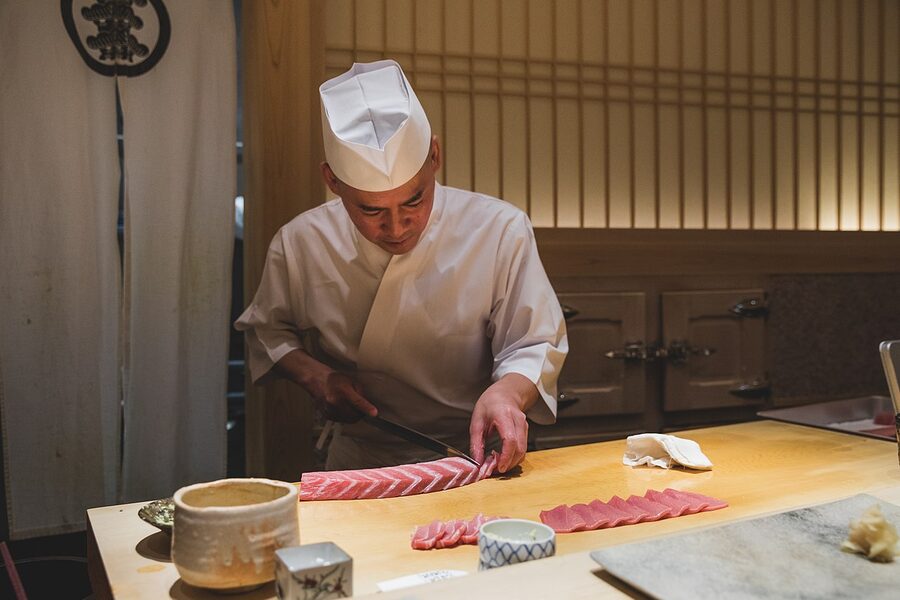
Takashi Saito’s 8-seat counter on the first floor of Ark Hills South Tower in Roppongi is the one that gets named first when chefs in Japan rank sushi privately. La Liste, the French aggregator that pulls from every major guide and review system, ranked Saito the best restaurant in the world in its 2024 edition, tied at 99.50 points. The restaurant moved to the Ark Hills location in February 2014 and was removed from the Michelin Guide in 2019 for the same concierge-only reason as Jiro. Lunch ¥30,000, dinner ¥50,000+. Joël Robuchon, before he died, used to say it was the best sushi restaurant in the world.
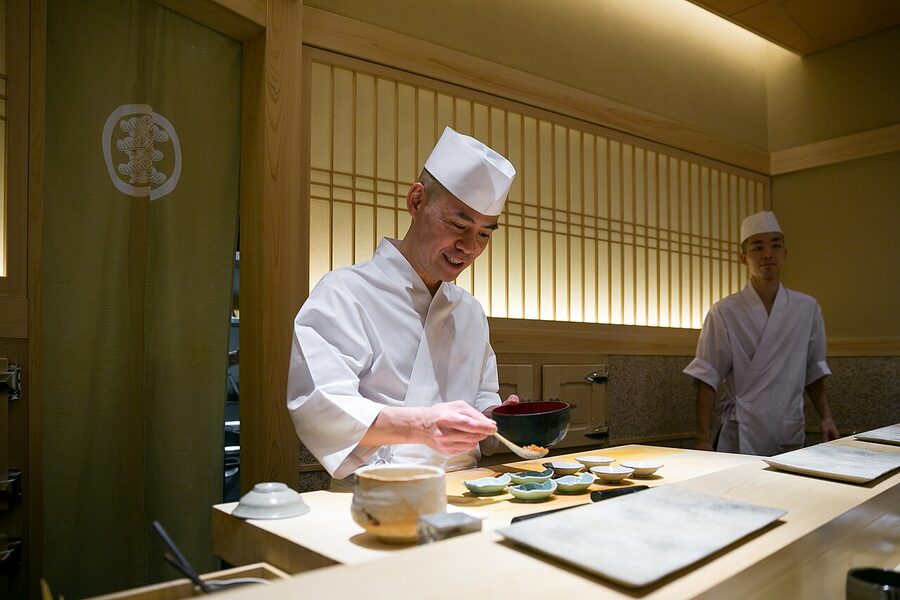
The take I’d give a friend: this is the sushi meal to engineer your trip around if you have one shot. The meal itself is the densest, most controlled, and most varied of the famous three-star sushi rooms. Saito is also the most generous chef I have heard guests describe. He will explain a piece in Japanese, watch you eat it, and serve you the next one only when he is satisfied with how the last one landed.
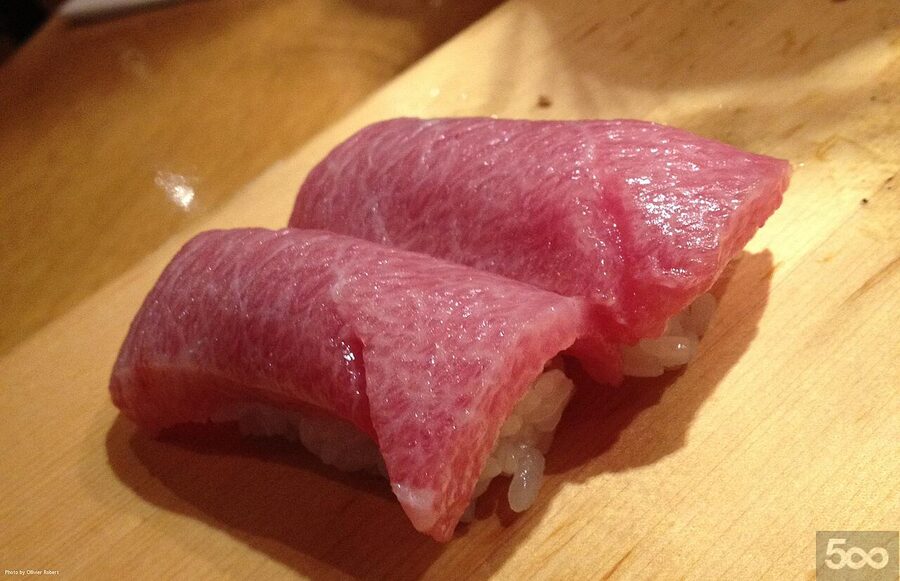
Sushi Yoshitake, Ginza
Three Michelin stars in the 2026 Guide, owned by Masahiro Yoshitake. Eight seats. The signature is the abalone with abalone-liver sauce, eaten between sushi courses, which is a single dish that probably justifies the meal on its own if you eat liver and abalone. Around ¥40,000 at dinner, bookable through Pocket Concierge if you are quick.
Sushi Sho Saito, Aoyama
One Michelin star. Don’t confuse it with Sushi Saito; Sho Saito is a different chef and a different style, leaner with shari (rice) and bigger on shiokara fermented squid as a between-course palate kick. The sleeper pick of this list. ¥25,000 at dinner, bookable on Pocket Concierge with two months’ notice, and the seats refresh more than you’d expect.
Sushi Arai, Ginza
Two stars in 2026. Hiroyuki Arai trained at Saito and went out on his own a few years ago. Same density of work, similar pricing pattern, half the wait at the door. If you cannot get into Saito and you want what Saito does, this is the closest.
Sushi Sugita, Kanda
Three Michelin stars, run by Takaaki Sugita in a quiet street north of Kanda station. Sugita’s style is the most assertive of the three-star sushi chefs, more aged fish, more vinegar, slightly larger portions. Locals call it the chef’s-chef sushi room. Bookable via a regular’s introduction or, occasionally, the hotel concierges that work with him.
One-star and standing-counter entry tier
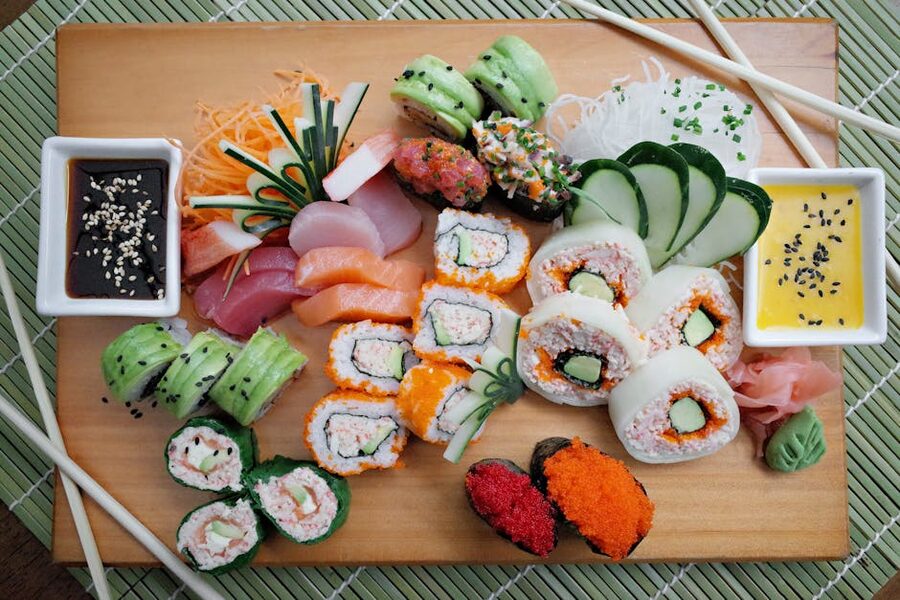
If you are not committed to the three-star pilgrimage, a Michelin one-star sushi counter in Ginza or Nishi-Azabu at lunch is the practical entry point. Ginza Onodera lunch course is around ¥12,000 for fifteen pieces. Sushi Iwa offers ¥15,000 at lunch. Sushi Hashiguchi runs ¥18,000 lunch, ¥38,000 dinner, the kitchen is the same. Standing-sushi 1-star Sushi Tanaka in Otemachi runs ¥9,000 standing for ten pieces and is one of the strangest meals in this part of the article: a Michelin star with no chairs and no English. If you want a real Tokyo counter sushi at a price you can pay without flinching, this is your room.
Kaiseki and modern Japanese, where the city’s most-loved chefs work
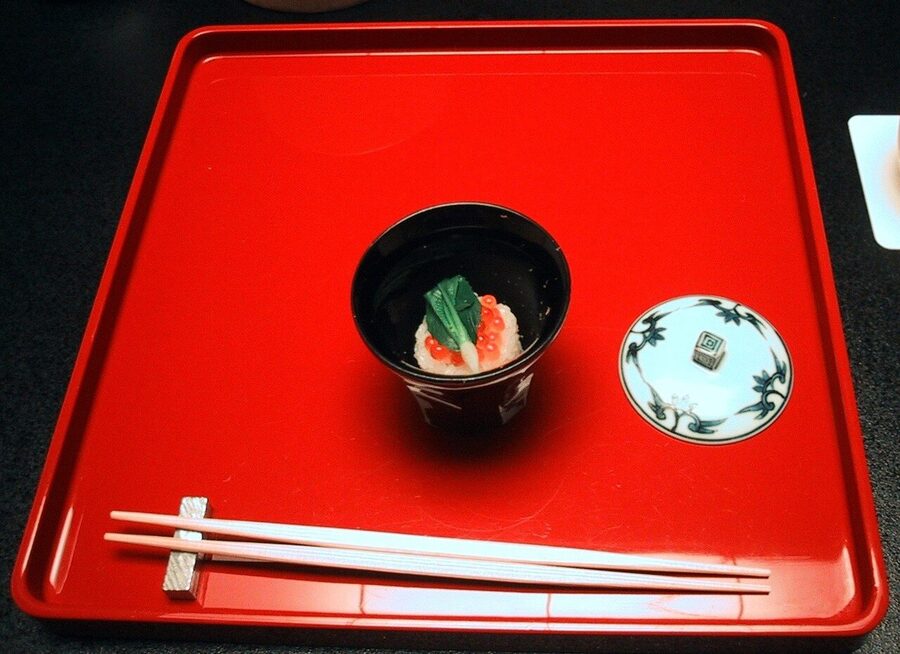
Kaiseki and kappo (the more relaxed counter version) is where Tokyo’s most-loved chefs actually work. The Japanese food press, the Tabelog top-100 list, and the working chefs in Tokyo will give you a different answer to “what is the best meal in Tokyo” than the Michelin guide does, and almost all the answers are kaiseki rooms. The cuisine traces its modern lineage to the 16th-century tea ceremony, the Kyoto temple kitchen, and the early Edo-period chef’s table. It changes seasonally. It is hard to do well, almost impossible to do consistently, and only one kitchen in Tokyo holds three stars in this category.
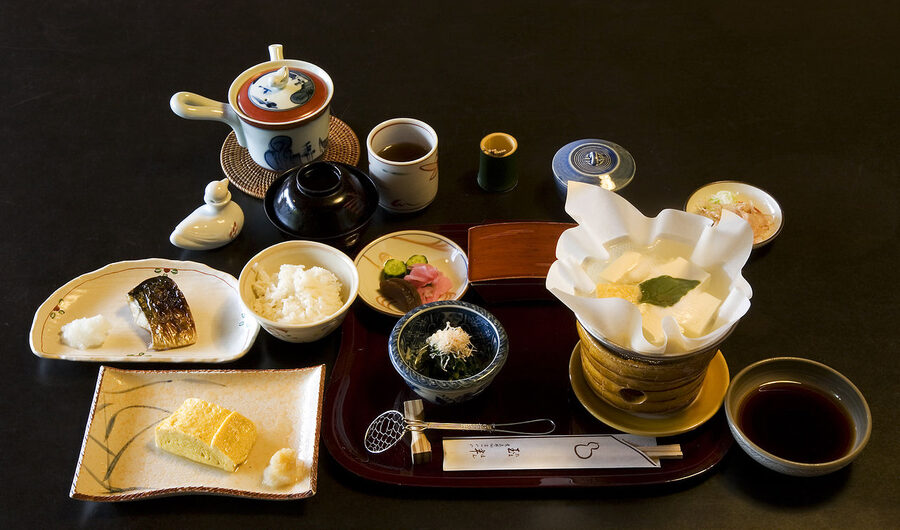
Nihonryori Kanda, Moto-Azabu
Three Michelin stars in the 2026 Guide. Hiroyuki Kanda has been at the top of the Tokyo kaiseki list for nearly twenty years. The eight-seat counter in Moto-Azabu is the room most working Japanese chefs will name first if you ask them privately for the city’s best. Lunch course ¥35,000, dinner ¥55,000, both seasonal, both serious. If you eat one kaiseki meal in Tokyo and you can get into one place, make it Kanda.
Kagurazaka Ishikawa
Three Michelin stars. Hideki Ishikawa cooks a more decorative, more presentation-led kaiseki than Kanda; his rooms in Kagurazaka are the second-most-named room when chefs talk about Tokyo kaiseki. The signature dish is a soup course with greens that change every month: the December soup is fugu and chrysanthemum greens; the May soup is bamboo shoot and clam. ¥45,000 dinner.
Ryugin (Hibiya)
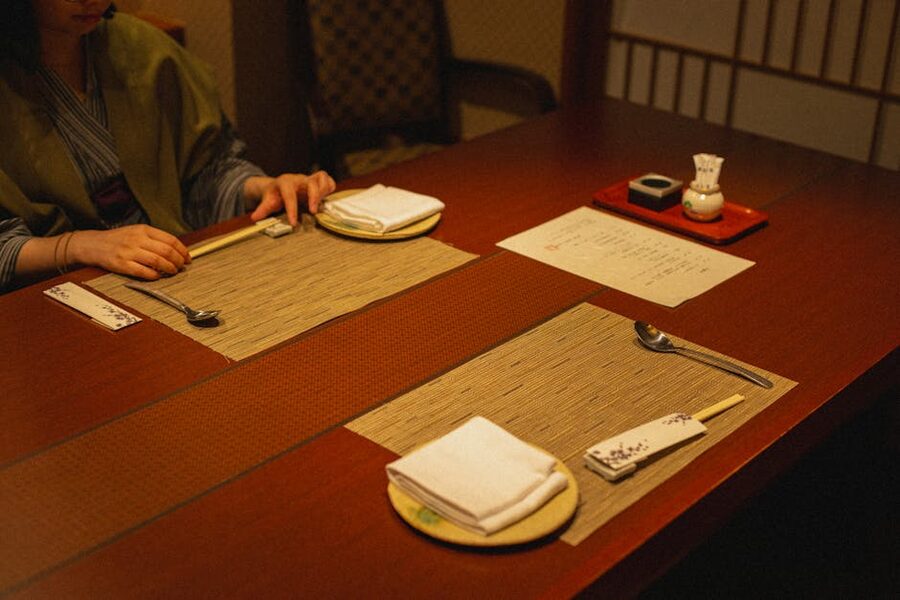
Three Michelin stars. Seiji Yamamoto’s Ryugin is the modernist Japanese restaurant in the city, a kitchen that took the technique of kaiseki and ran it through the lens of molecular gastronomy without breaking it. The restaurant relocated from its original Roppongi address to Tokyo Midtown Hibiya in 2018; the new room is a quieter, lower-light, more controlled environment. ¥45,000–¥55,000 dinner. Ryugin is also the parent of Tenku-Ryugin in Hong Kong and Shoun-Ryugin in Taipei, both holding their own Michelin stars; if you have eaten at the Hong Kong sister, you know what to expect here.
Den (Aoyama, modern)
Two Michelin stars and the highest-ranked Japanese restaurant on the Asia’s 50 Best Restaurants list for several years running. Zaiyu Hasegawa cooks a playful, deliberately humorous version of modern Japanese: the tongue-in-cheek “Dentucky Fried Chicken” is served with a paper bucket and is one of the most photographed dishes in Tokyo fine dining. The food underneath the joke is excellent and seasonal. Dinner around ¥35,000, bookable on Pocket Concierge.
Florilège, Aoyama
Two Michelin stars and a long stay near the top of the World’s 50 Best list. Hiroyasu Kawate cooks a French-trained, Japanese-sourced tasting menu, with a kitchen visible from every counter seat (the room was designed around an open central pass) and a sustainability-driven approach to ingredients. ¥30,000 dinner.
L’Effervescence, Nishi-Azabu
Three Michelin stars and a Michelin Green Star for sustainability, the only restaurant in Tokyo holding both. Shinobu Namae cooks a French-Japanese hybrid with deep roots in Japanese kaiseki structure (the meal moves through eight courses in a kaiseki order, but the technique is French throughout). The famous turnip course, served on a single plate, has been on the menu in some form for fifteen years and is among the most-photographed plates in Tokyo. ¥45,000 dinner. Of all the famous-name three-star meals in this article, this is the one most readers genuinely come away from saying was worth it.
Quintessence, Shirokanedai
Three Michelin stars. Shuzo Kishida’s no-menu French restaurant in Shirokanedai is the longest-tenured French three-star in Tokyo. The signature is a 65-degree slow-cooked Bayonne ham with a mille-feuille of leek and fresh wasabi. ¥45,000–¥55,000 dinner. Quintessence is also the kitchen Saito’s chef has cited as his favourite non-Japanese restaurant in Tokyo, which tells you most of what you need to know.
SÉZANNE (Four Seasons Marunouchi)
Three Michelin stars (newly promoted in 2025) and ranked #1 on Asia’s 50 Best Restaurants 2024. Daniel Calvert, a British chef trained at Per Se in New York and Le Cinq in Paris, runs the dining room on the seventh floor of the Four Seasons Marunouchi. The cooking is French through a Japanese ingredient lens, and the restaurant is the rare hotel-housed three-star where the hotel premium is genuinely paying for the kitchen, not the floor it sits on. ¥40,000–¥45,000 dinner, bookable on Tablecheck if you watch the calendar.
The lunch trick: how to eat at a 2-star kitchen for the price of a 1-star
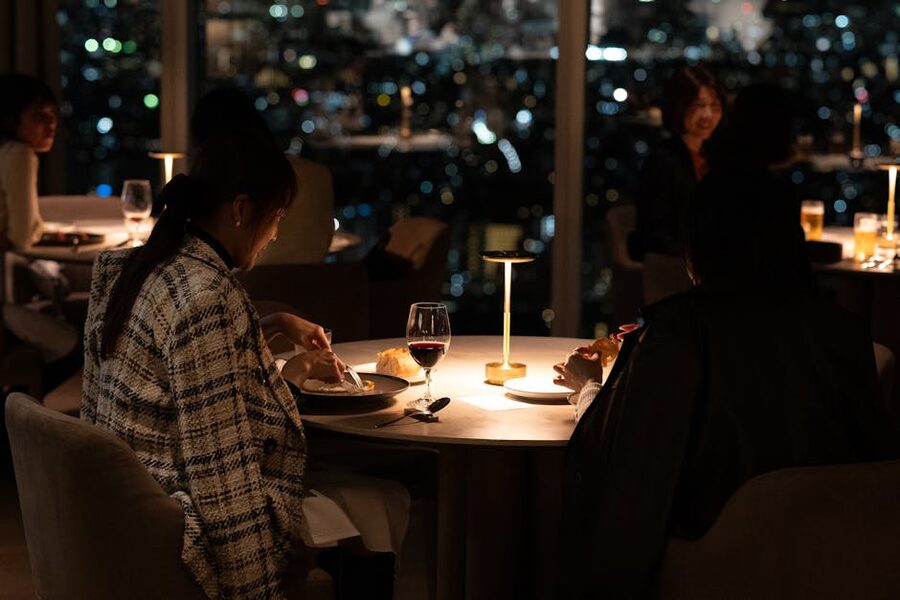
The biggest practical secret of Tokyo Michelin dining is the lunch course. At almost every starred restaurant in this city, lunch is between 30% and 60% of the cost of dinner, and the kitchen is the same. The chef who is going to make you a 14-course dinner for ¥45,000 will make you a 10-course lunch from the same fish for ¥18,000. The room is quieter at lunch. Conversation is permitted at a more normal volume. Service is faster but less rushed than the late-evening sitting. If you have one starred meal in your trip, lunch is the rational choice unless you are romantic about night-time fine dining.
The pattern works hardest at sushi. A ¥12,000 lunch at a 1-star Ginza sushi room buys you the same fifteen pieces that ¥25,000 dinner does, with one fewer between-course bite and a slightly briefer maguro flight. The one place lunch does not work is the kaiseki dinner-only rooms (Kanda, Ishikawa, Quintessence are dinner-only), where there is no equivalent lunch service. For everything else, lunch.
Tempura, yakitori, and the single-ingredient counters
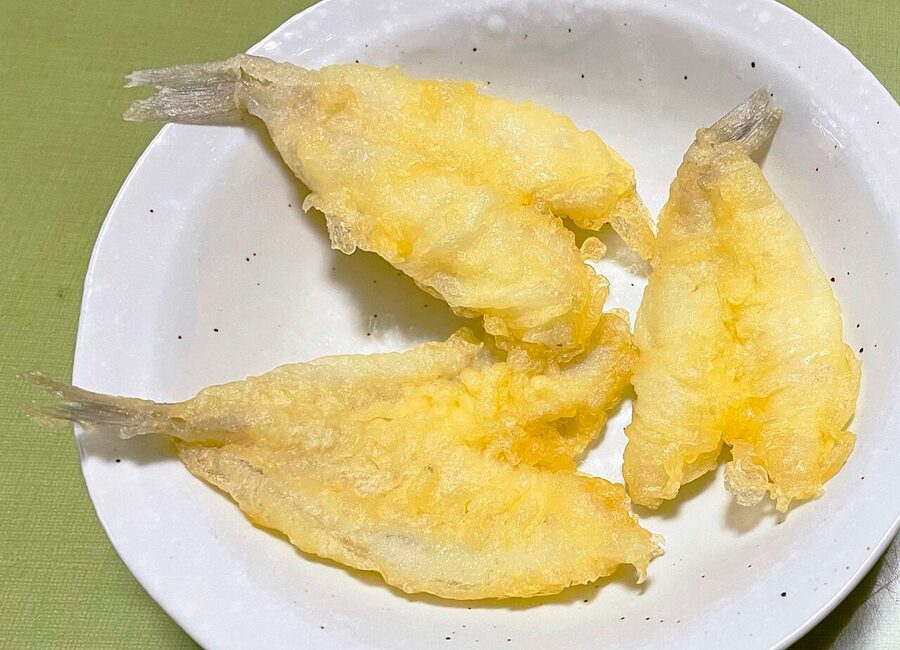
Tokyo’s other category that punches above its star count is single-ingredient counter cooking: tempura, yakitori, unagi, tonkatsu, soba. These are technically simpler cuisines that have been refined to the point where a single bowl or skewer can hold a Michelin star.
Tempura Kondo, Ginza
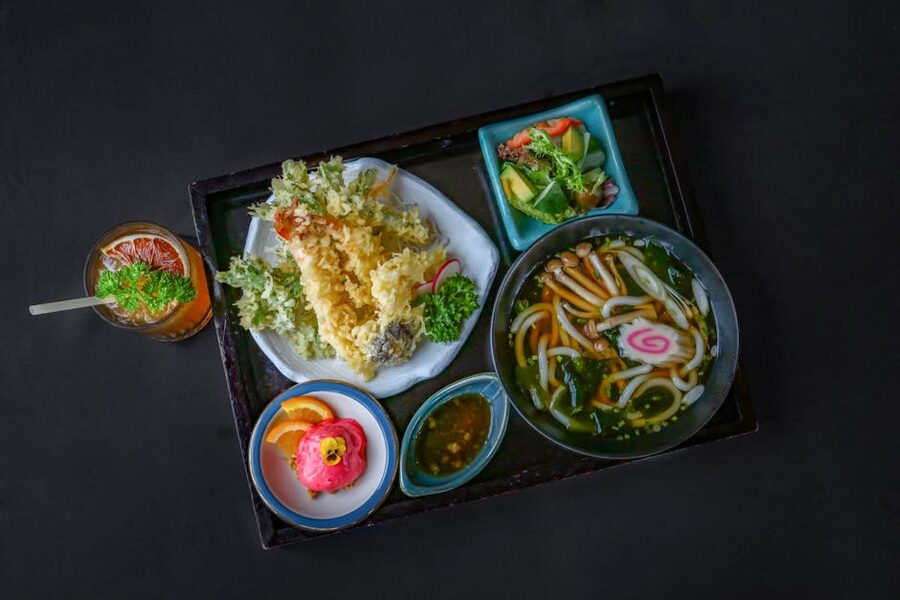
Two Michelin stars. Fumio Kondo runs the eighth floor of the Sakaguchi Building in Ginza 5-chome, a counter for nine. The carrot tempura is the signature, fried at a lower temperature than vegetables anywhere else, and is on the cover of every Tokyo tempura roundup since 2007. Lunch course ¥10,000, dinner ¥20,000. Bookable through hotel concierge or, with sufficient warning, by phone.
Tempura Mikawa Zezankyo, Roppongi
One Michelin star. Tetsuya Saotome’s tempura is a more old-school, more aggressive frying style than Kondo, with bigger pieces, hotter oil, and the kakiage rice bowl as the closing course. Saotome was the chef of the original Mikawa in Tsukiji that closed in the early 2000s; this Roppongi room is the continuation. ¥20,000 dinner.
Yakitori Birdland, Ginza
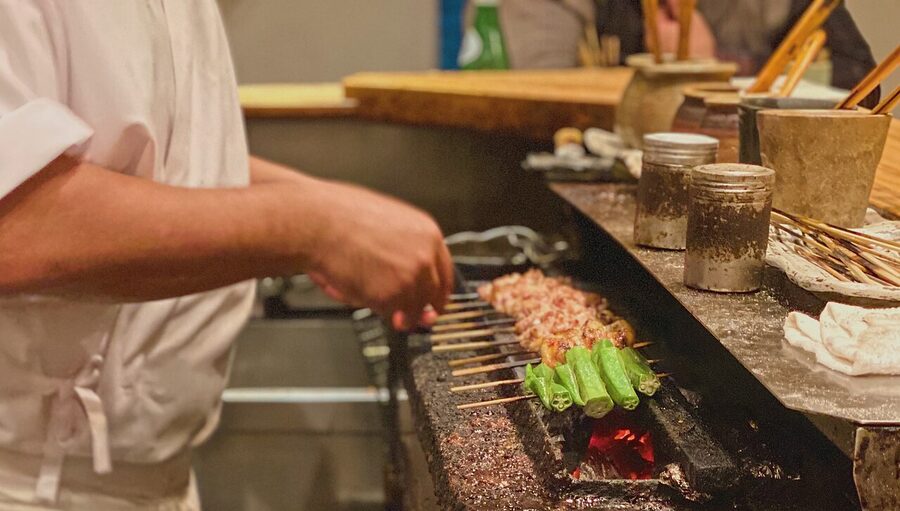
One Michelin star. Toshihiro Wada’s basement counter near Ginza station is the most senior of the Michelin yakitori restaurants, having held the star continuously since the original 2008 Tokyo Guide. The chicken is Date-dori from Fukushima, cooked over Bincho-tan oak charcoal. The eight-course “omakase” runs ¥10,000 and ends with a small bowl of chicken-fat rice.
Toriki, Meguro and Tori-Shiki, Meguro
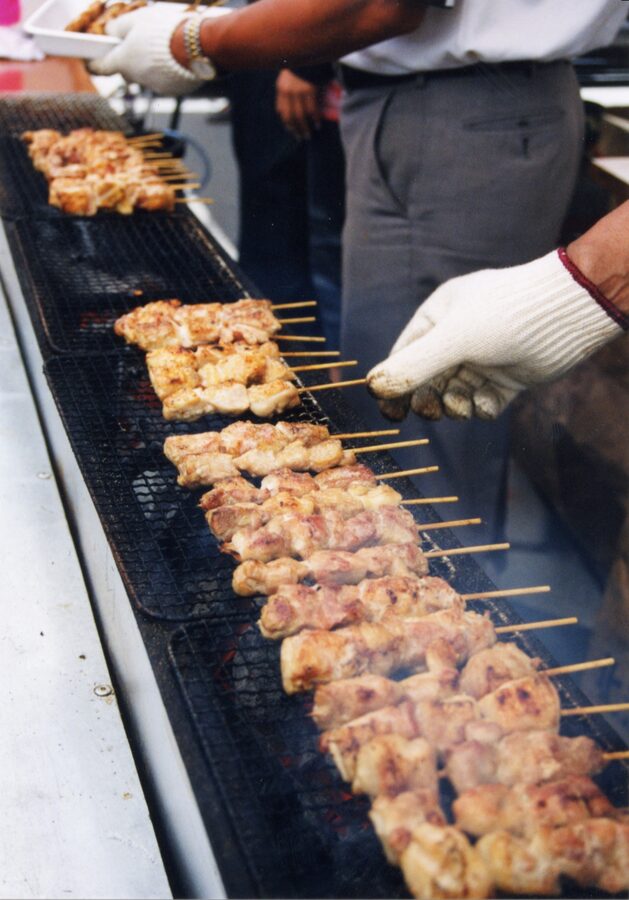
Both 1-star yakitori counters in Meguro, both running ¥7,000–¥8,000 for a 14-skewer course, both bookable on Pocket Concierge. Toriki is the more old-school of the two; Tori-Shiki is the cleaner, slightly more presentation-led version. If you want yakitori at this level and you cannot get a seat at Birdland, either of these is genuinely close to indistinguishable for an outside palate. For broader yakitori context outside the Michelin tier, see my Japan izakaya guide; the Birdland-level work is at the top of a much wider yakitori cuisine.
Other single-ingredient counters worth a sentence
Unagi: Nodaiwa Higashi-Azabu (1 star, the four-generation family shop, ¥12,000 dinner). Tonkatsu: Narikura, Setagaya (Bib Gourmand, the best fried pork in the city, ¥3,000). Soba: Soba Naoyuki in Hatsudai (1 star, hand-cut soba, ¥10,000 lunch course). The Bib Gourmand list, separate from the starred categories, is where most Tokyo locals will tell you the actual best eating happens; that includes both Narikura and a long list of ramen shops.
The ramen Michelin star, and the truth about it
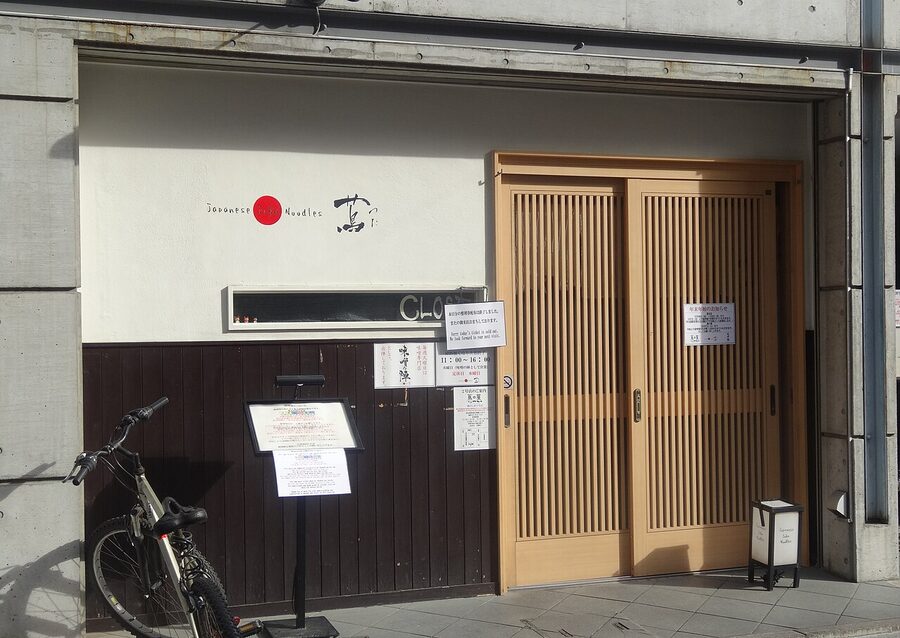
Tsuta in Sugamo became the first ramen restaurant in the world to earn a Michelin star in December 2015 (announced in the 2016 Tokyo Guide). The shop had nine seats. Daily tickets were issued by lottery from 7am for that day’s seatings. The shoyu ramen had truffle oil and a slow-cooked egg, and the broth was a chicken-based double-stock. By 2018 Tsuta had relocated from Sugamo to Yokohama and the queue had moved with it. The original ramen Michelin moment passed.
The take I’d give a friend: don’t try to eat at Tsuta in 2026. The restaurant moved, the lineage is contested, and the broth is reportedly not what it was. The article’s regional ramen context is in the regional ramen map of Japan; for a Michelin-tier ramen meal in Tokyo right now, the better choice is Nakiryu in Otsuka.
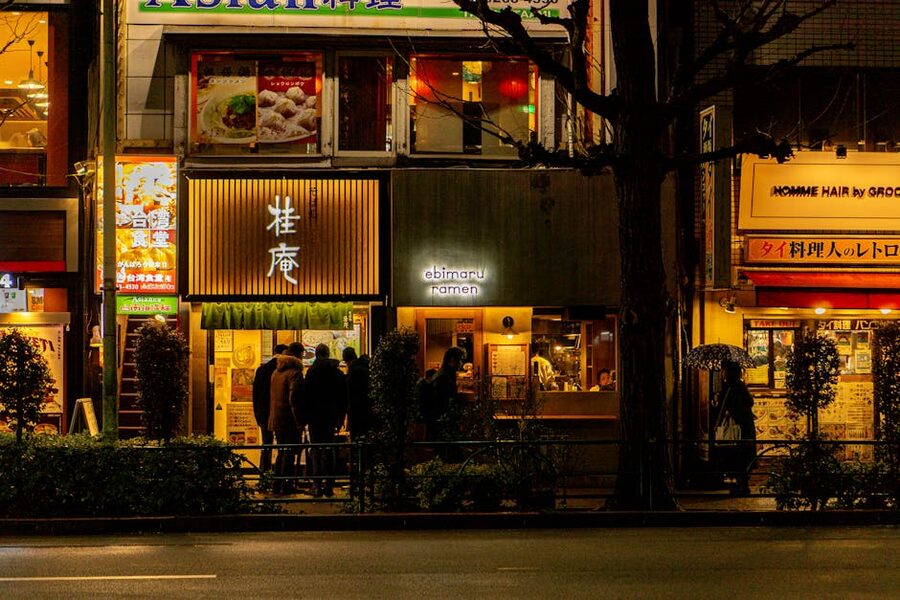
Nakiryu, Otsuka
One Michelin star, awarded in the 2017 Guide and held continuously since. The shop is on a small street in Otsuka, ten minutes north of Ikebukuro. Nakiryu’s signature is dan dan men, a Sichuanese-Japanese hybrid with chicken broth, sesame paste and Sichuan peppercorn, finished with a small slab of pork. The original shoyu ramen is also worth ordering. ¥1,300 a bowl, no reservations, the queue starts at 10:30am for an 11am open and runs until they sell out at around 3pm.
Bib Gourmands and the wider ramen scene
The Bib Gourmand category, separate from the starred ratings, lists “good food at moderate prices” (a meal under ¥5,000 in Tokyo). The 2026 list has roughly thirty Tokyo ramen entries including Tsukasa in Itabashi, Mensho Tokyo near Korakuen, and the famously old-school Hozenji in Iidabashi. The Bib list is where most Tokyo locals will tell you the actual best eating in the city happens.
Pricing the meals: what each tier really costs
The numbers below are working ranges from a mix of Pocket Concierge listings, Tabelog price-band averages, and direct restaurant websites, current to early 2026. The pattern is consistent enough that you can plan around it, but assume up to 15% drift in either direction depending on the season and the exchange rate.
- One-star lunch (sushi, kaiseki, tempura, yakitori): ¥10,000–¥18,000. The entry point and the best price-to-quality ratio of anything in this article.
- One-star dinner: ¥18,000–¥35,000. The standard “first big meal” tier for visitors.
- Two-star lunch: ¥18,000–¥30,000. The hidden bargain. Same kitchen as the dinner, no compromise on the food.
- Two-star dinner: ¥35,000–¥50,000. Where most readers should land their best meal of the trip.
- Three-star dinner: ¥50,000–¥150,000+. Saito ¥60,000, Kanda ¥55,000, L’Effervescence ¥45,000, Sukiyabashi Jiro Honten upwards of ¥70,000 if you can get in. Joël Robuchon’s flagship runs over ¥100,000 with wine pairings.
- The deposit: ¥10,000–¥30,000 charged at booking, lost if you cancel inside the cancellation window (usually 7 days). Several three-stars take a full deposit (¥50,000+) for groups of two or more.
Tax and a 10% service charge are usually added to the price quoted. There is no tipping in Japan; do not leave cash on the counter. The traditional tea-money envelope handed quietly to the chef at the end of a major celebration sitting is a different thing entirely (it is closer to a thank-you tip handled in a culturally specific way) and is not expected of foreign visitors.
Etiquette and the omakase counter
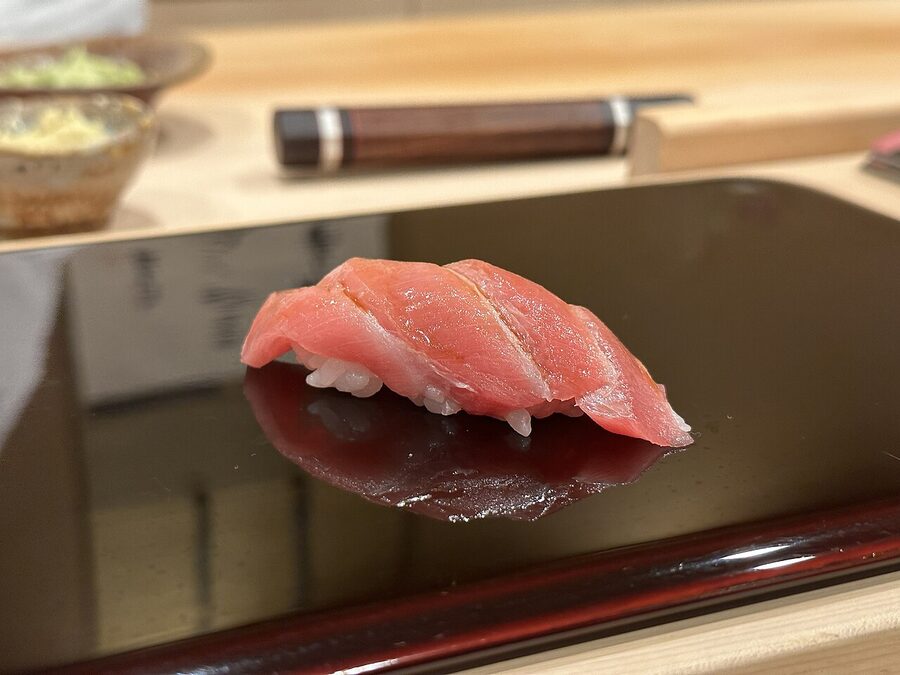
You don’t order. That is the whole point of omakase. The chef chooses, the chef paces, the chef closes. What you do is give the chef the information that helps them serve you better.
State allergies in advance, ideally at booking. The Pocket Concierge form has a field for it, and the chef will see it on the booking sheet that morning. Severe shellfish, severe egg, gluten coeliac, severe dairy: name it. “I don’t really like uni” is not an allergy and most chefs will silently override it because they think their uni will change your mind.
Don’t request specific pieces. The omakase is a sequenced experience and the chef has built the order. You do not improve it by asking for the otoro twice.
Don’t wear strong perfume or cologne. The counter is small and the chef is working with raw fish; you can ruin the meal for everyone, including yourself, by walking in scented. Hat off, jacket off, phone on silent. Many counters now ban photography of the food; ask the chef when you sit down. Some are easy about it, some are not.
Pace the drinks to the food. A sushi or kaiseki omakase moves through cold-then-room-temperature sake (one or two pairings during the dinner is fine), then often a single glass of white wine for the heavier middle courses, then green tea or barley tea to close. A heavy whisky pour mid-meal at a counter sushi room is a tell. Save the whisky for the bar afterwards; my Japanese whisky guide covers where to drink it well in the city.
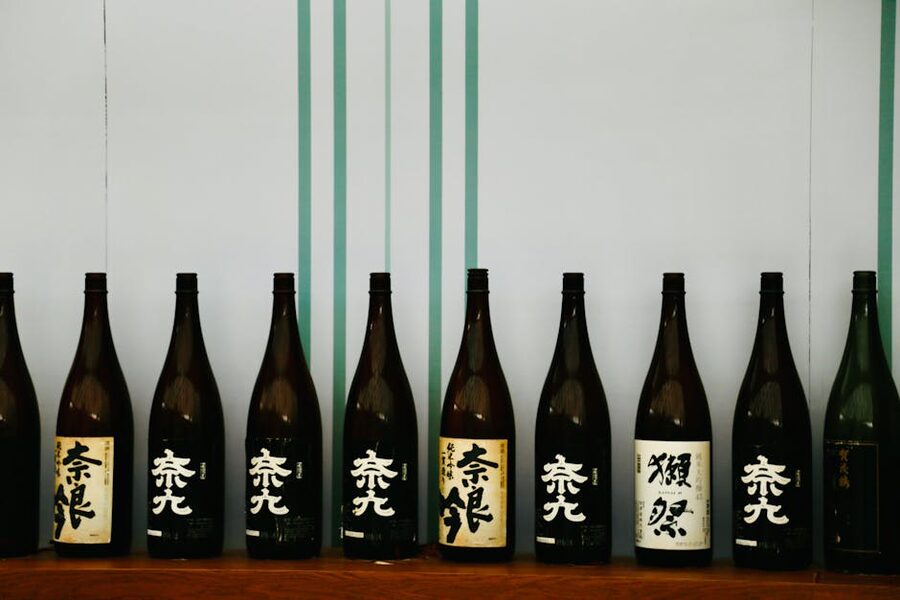
For the sake side, see the sake guide on this site for what to ask for in a counter setting; the short version is that a chef will pour you whatever sake matches the course if you trust them, and you should.
The bow at the end. When the meal finishes, the chef will bow at the counter and walk you the three steps to the door. Bow back. Say gochiso-sama deshita (“it was a feast”). That is the thank-you. There is no tip. There is no cash on the counter. A handwritten thank-you note delivered to the restaurant by post a week later, in English is fine, is the highest form of gratitude and is genuinely felt.
What to skip, what to ignore
A few categories to be careful around.
Hotel restaurants where the star is mostly the hotel. A handful of high-floor Tokyo hotel restaurants hold one or two stars on the strength of the room and the view rather than the kitchen. The food is fine; the experience is mostly the floor. If a starred restaurant is on the 51st floor of a five-star hotel and the photos are mostly of Mt Fuji at sunset, ask yourself whether you’d eat the same meal at street level for the same price. Mostly the answer is no.
Restaurants that lost their star and trade on the prior reputation. The Michelin Guide is updated yearly, and a starred restaurant that drops a star will often refit its frontage with the old plaque rather than the current one. Ask the platform or the concierge what the restaurant’s current rating is; the previous Guide is two clicks away and the working star is what counts.
Sukiyabashi Jiro Honten if you are not on a hotel concierge route. If you are not staying at the Mandarin or the Park Hyatt or one of the others, you are not eating at Honten. Don’t waste energy on it. Roppongi Hills is the better experience anyway and you can probably get in.
Late additions that are mostly Instagram theatre. A small number of one-star restaurants in this Guide cycle (you’ll know them by the Instagram-friendly first course and the ¥40,000 deposit) are very good photos and so-so cooking. Search Tabelog ratings (4.0+ filter, sort by review count) before you commit; the Japanese-language press is more candid about overhyped rooms than the English-language coverage.
A working three-day Tokyo Michelin run
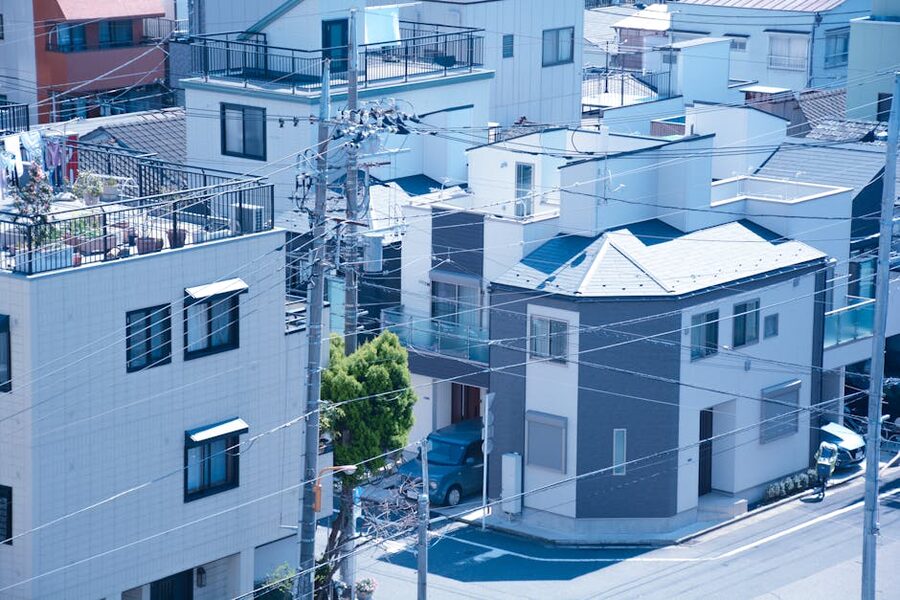
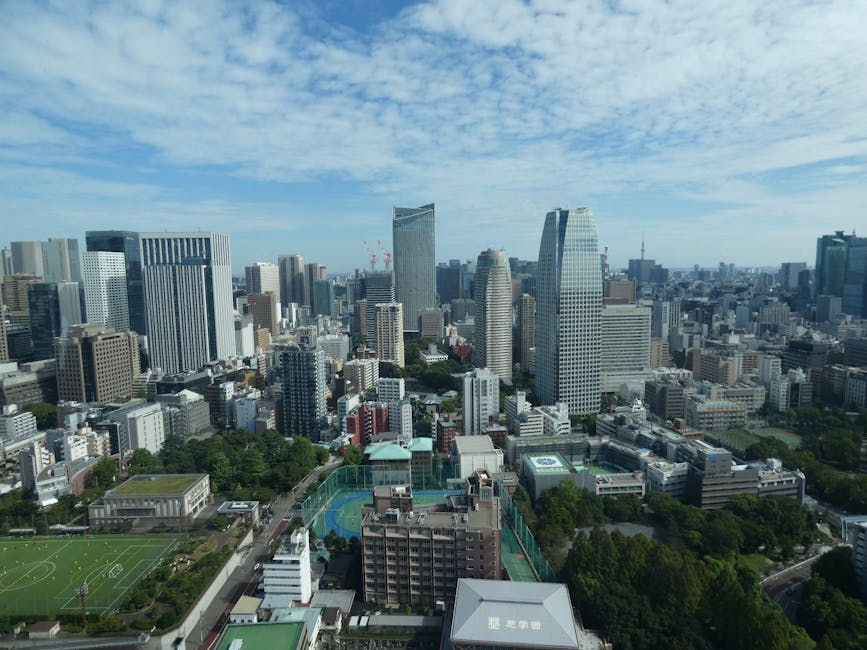
If you have three nights in Tokyo and you want to weight the trip toward the starred end of the food scene without going broke, the structure that works is one big-night three-star, two lunch counters, and a Bib Gourmand or non-starred izakaya for the casual nights.
Day 1, lunch at a 1-star sushi or tempura counter in Ginza. ¥12,000–¥15,000 a head. The morning is for Tsukiji outer market, then the meal, then a walk through Ginza for an espresso somewhere in the Maison Hermès block. Evening is izakaya in Ebisu or Shimbashi. ¥4,000–¥6,000 a head for that.
Day 2, lunch at a 2-star kaiseki or modern Japanese. ¥18,000–¥25,000 a head. Den or Ryugin, depending on what is available. Afternoon coffee at one of the Ginza third-wave shops, evening at the bar at Park Hyatt or the Mandarin (you don’t need to stay there to drink there) for the city view, then a small ramen at one of the Bib Gourmand listings. ¥1,500.
Day 3, the big night at a three-star. Saito if you got in, Kanda or L’Effervescence if not, SÉZANNE if you wanted French. ¥45,000–¥60,000 a head. Don’t plan anything serious for that day before the meal; arrive at the counter unhurried, well-fed at lunch on something light, sober. Walk back to the hotel afterwards. The meal is the night.
Total: roughly ¥85,000 for three Michelin-tier meals plus everyday food, comparable to a single ¥75,000 dinner-only blow-out at the very top tier. You’ll learn more about Tokyo eating in the three-meal version than the single big meal, and you will probably remember more of the food.
What ten years of Michelin Tokyo has actually changed
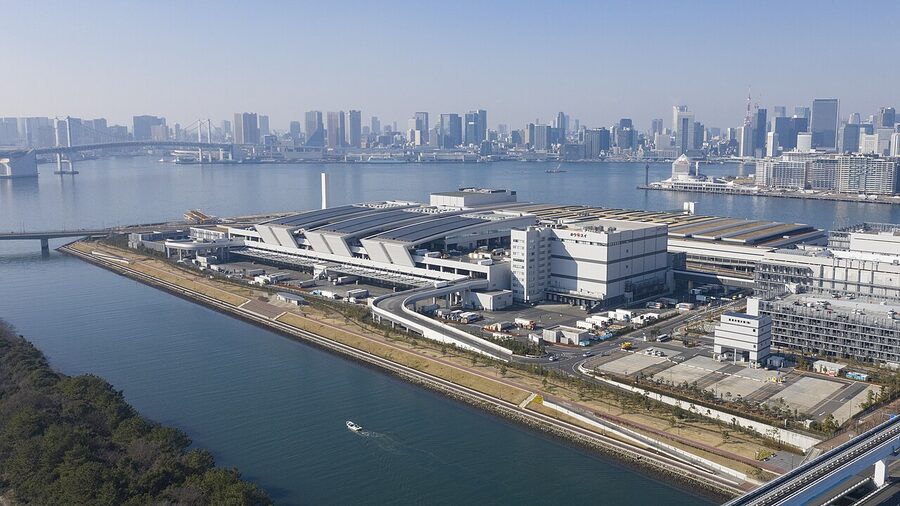
The Tokyo Michelin Guide is in its eighteenth year now and the city has been the most-starred in the world for almost as long. The headline numbers haven’t moved much: 160 starred restaurants in 2026 is roughly where the count has sat since 2015. The structural changes are smaller and more interesting.
The first ramen star (Tsuta, December 2015) is the change that stuck: by 2026 the Guide lists six ramen restaurants with stars, and the wider Tokyo ramen scene is taken seriously by Michelin in a way no other city’s ramen scene is. The 2025 dessert-only star (Yama) is a 2025-only outlier that may or may not propagate. The 2025 elevation of SÉZANNE to three stars has also been the most-talked-about move of the year, and the chef community has agreed it is deserved.
The structural change that gets less press is the publicly-bookable-only rule that took Sukiyabashi Jiro Honten and Sushi Saito out of the Guide in November 2019. The Michelin Guide’s argument was that a restaurant has to be open to general public reservations to be evaluated; the chefs’ argument was that they preferred to cook for regulars. Both kept operating. The Guide kept publishing. The market accepted both. What this changed in practice is that the Tokyo concierge route became the only working route into the very top tier, and the platforms have built up around the second tier in a way that has made the second tier itself denser and more competitive.
The other thing that changed is that the Tabelog 4.0+ list, the domestic Japanese-language ratings on a database with more than five hundred Tokyo restaurants over that threshold, now correlates with the Michelin list more closely than it used to. The two evaluation systems have converged. If a restaurant is on the Michelin Tokyo list and on Tabelog at 4.0+, you can be reasonably sure both reviewers and locals agree. If it is on Michelin but Tabelog rates it at 3.5, treat that as a warning. If it is on Tabelog at 4.2 with no Michelin star, treat that as a recommendation. This is the closest thing Tokyo has to a working domestic restaurant database, and it lives in Japanese.
One last thing: the food you actually came to Japan for
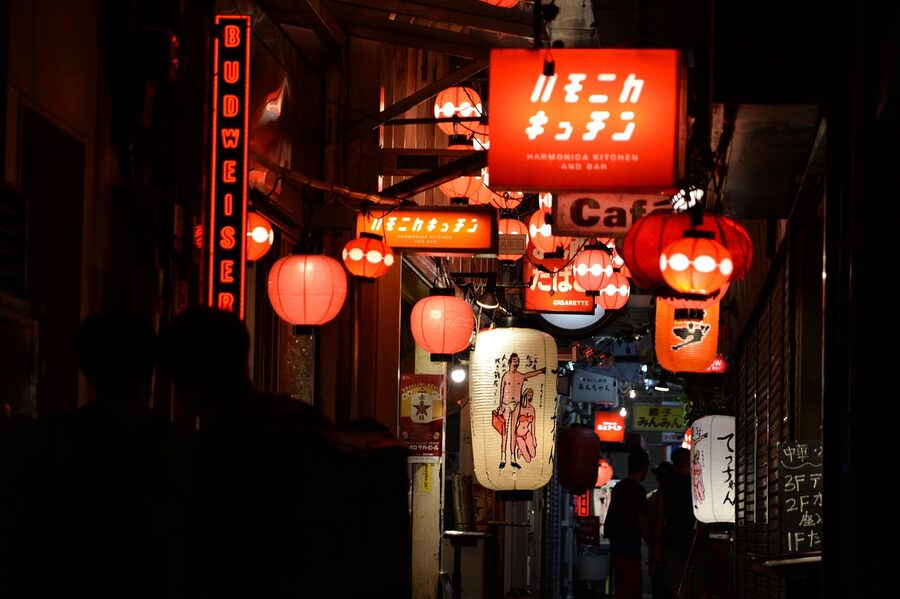
Of all the people I know who have eaten extensively in Tokyo, including chefs who run starred kitchens themselves, none of them recommend a wholly Michelin-focused trip. The starred meal is one or two evenings of a longer trip, the rest of which is izakaya, ramen, conveyor sushi (the good ones, not the airport ones), department-store basements at 6pm when the bento markdown happens, the Bib Gourmand list, the Tabelog top-100 list, and the back-alley counters with no Guide rating at all where the cook has been making one dish for thirty years.
The reason to eat one starred meal in Tokyo is to understand what the high end looks like in this city. The reason to eat the rest of the food in Tokyo is that this is the city where the rest of the food is best. Don’t make this article the centre of the trip. Make it the night that puts the rest of the trip in scale. Walk back to the hotel afterwards, and tomorrow lunch is a ¥900 bowl of soba in a basement near the office, and you will think about that one too.
For the rest of what you should be eating around these meals, the broader Tokyo neighbourhood guide and the city’s fish-counter context will get you most of the way there. The kaiseki origin context lives in the Kyoto food guide; for the regional kaiseki cousin, see the Kanazawa food guide. And if you want a single article that covers the wider hard-to-eat side of Japanese cooking that the omakase will inevitably surface a few of (uni, ankimo, raw squid), the hardest Japanese foods piece is the one to read first.
Three nights, one big meal, the rest the city. That is the actual playbook.


.jpg)
.jpg)
.jpg)
.jpg)


_Nigiri.jpg)

