Cantonese Food in Guangdong: Char Siu, Roast Goose, Yum Cha and the Shunde Kitchen
At a roast-meat counter in Guangzhou, the man with the cleaver doesn’t ask how much goose you want. He asks which end. A quarter goose comes as either the seung jong (上庄), the front quarter with the wing and the breast, or the ha jong (下庄), the back quarter with the leg, and the regulars have an opinion about it the way other people have opinions about football.
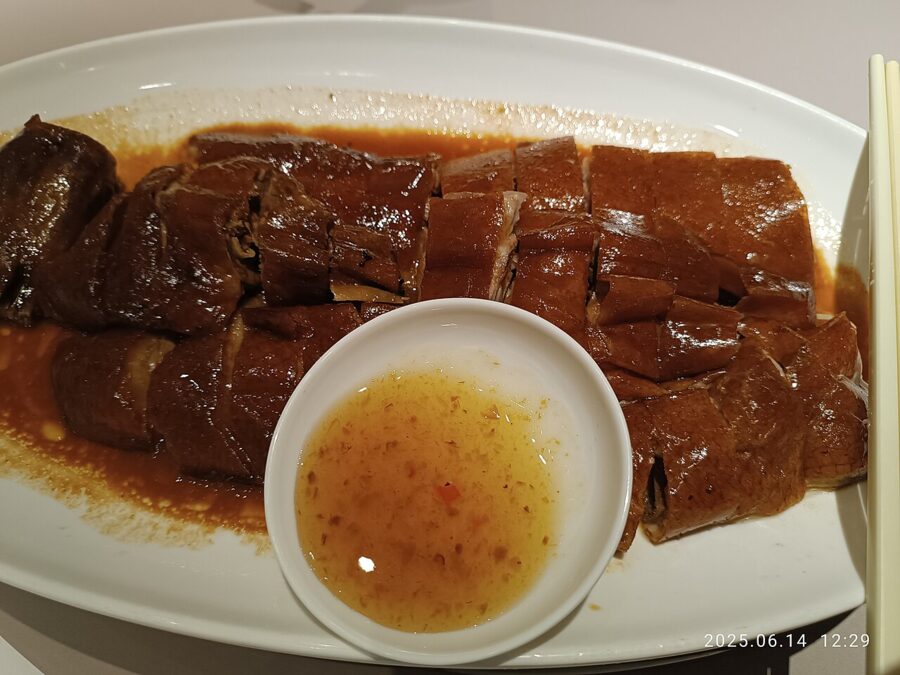
That question is Cantonese cooking in miniature. Nobody is trying to impress you with heat, or with twenty spices, or with a sauce you can taste from the doorway. The whole game is the ingredient and the exact moment it’s at its best, and the cook assumes you care which part of the bird you’re eating.
I lived in Shenzhen for a while, a city where almost everyone came from somewhere else, and the food that held the place together was still Cantonese: the roast-meat rice at lunch, the morning dim sum on Sundays, the soup someone’s aunt had simmered all afternoon. Cantonese gets one section in my regional map of Chinese food. This guide goes further, into the dishes, the rules and the rooms, eaten where the cuisine was born, in mainland Guangdong.
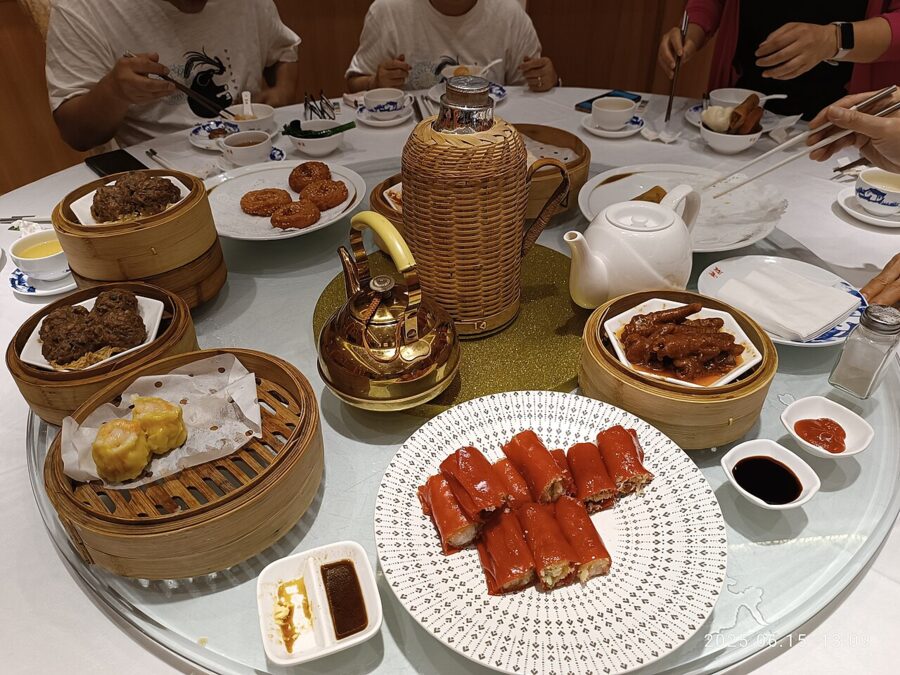
It’s also a good year to go. In 2026 Guangzhou passed a law about breakfast: the Guangzhou Morning Tea Heritage Protection Regulations (广州早茶传承保护规定) took effect on 1 May, and they change what you’ll see on the menu and the bill. More on that below. First, the map.
| Dish | Characters | What it is | Try it first at |
|---|---|---|---|
| Char siu | 叉烧 | Roast pork glazed with maltose and honey | Any siu mei counter with a queue |
| Roast goose | 烧鹅 | Whole goose roasted over charcoal, sold by the quarter | Taotaoju, Guangzhou; Huanglian, Shunde |
| White-cut chicken | 白切鸡 | Poached chicken with ginger and scallion oil | Wenji Yixin Ji, Baohua Road |
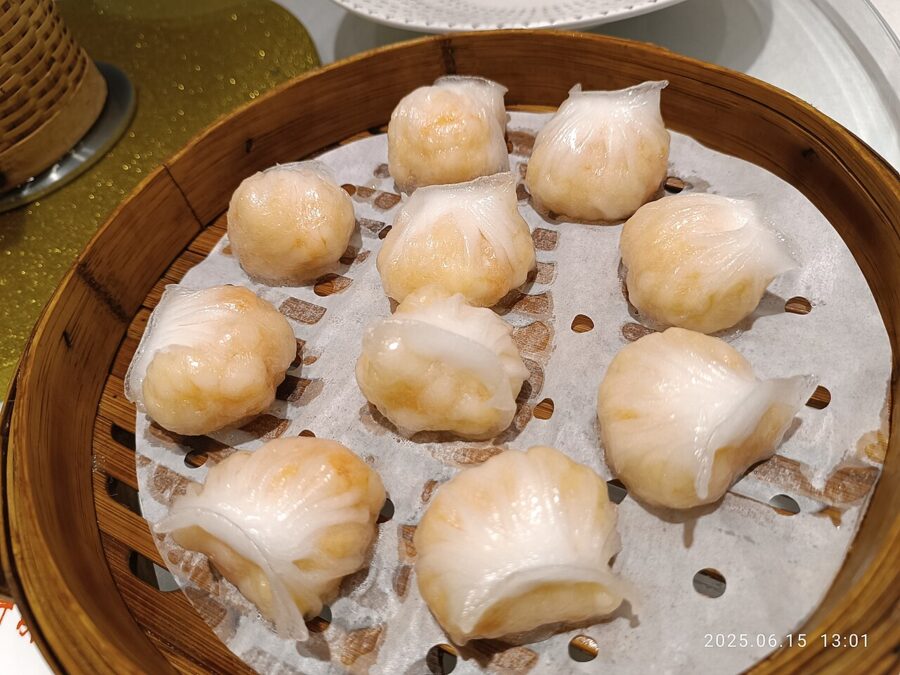
| Har gow | 虾饺 | Shrimp dumpling in a translucent wheat-starch skin | Panxi Restaurant, Liwan |
| Cheung fun | 肠粉 | Steamed rice noodle roll with soy dressing | Yinji, Shangjiu Road |
| Wonton noodles | 云吞面 | Egg noodles and shrimp wontons in a clear broth | Xiguan Zhuyuan, Lychee Bay |
| Claypot rice | 煲仔饭 | Rice cooked in clay with cured meats and a crust | Chaoji, Longjin East Road (winter) |
| Double-skin milk | 双皮奶 | Set buffalo-milk pudding with two skins | Minxin or Renxin, Daliang, Shunde |
| Shunde fish dishes | 顺德鱼 | Fish boned, minced, stuffed or turned into soup | Any good Shunde kitchen |
In This Article
- What a Cantonese cook is chasing
- Wok hei, the breath of the wok
- The slow soups
- Three kitchens in one province
- Siu mei: the window with the hooks
- Char siu
- Roast goose and the village question
- Siu yuk, soy chicken and the rest
- How to order at a roast-meat counter
- Yum cha the Guangzhou way
- The 2026 morning tea rules
- The old houses
- What to put on the order sheet
- How it differs from Hong Kong
- Shunde, where the chefs come from
- Fish, eight ways
- Milk, the other Shunde obsession
- And everything else
- A day trip from Guangzhou
- The everyday table
- Congee
- Cheung fun
- Wonton noodles and bamboo-pressed dough
- Claypot rice, the winter dish
- Steamed fish and green vegetables
- Tong sui: the sweet soups
- How to order a Cantonese meal
- Tea etiquette
- The bill
- Where to eat it in 2026
- Guangzhou
- Shunde
- Shenzhen
- Skip this
What a Cantonese cook is chasing
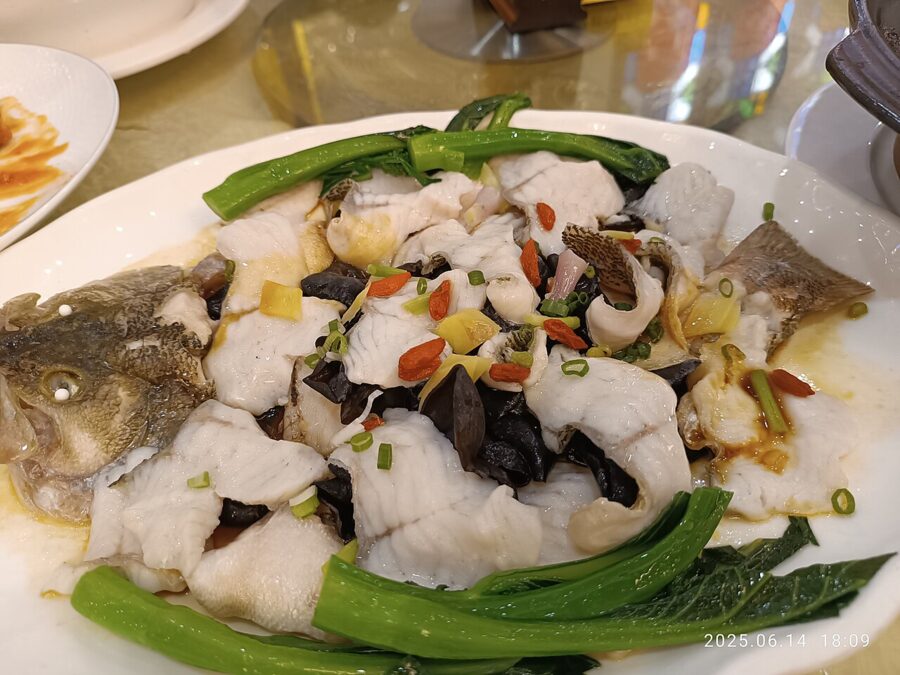
There’s an old Cantonese line about freshness that every cook seems to know: the fresher the fish, the less you do to it. So a whole fish gets steamed for a few minutes, scattered with shredded ginger and spring onion, splashed with soy sauce and finished with a ladle of hot oil. That’s it. If a restaurant smothers its fish in black bean sauce, the locals assume it’s hiding something.
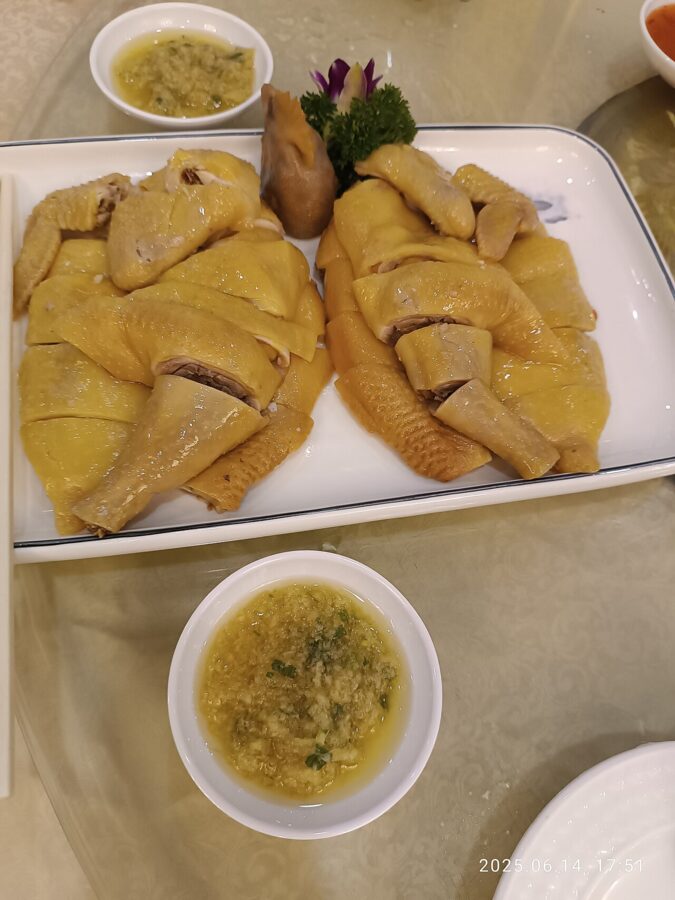
The same idea runs through the poaching. Baak cit gai, white-cut chicken (白切鸡), is a whole bird slipped into barely simmering water, then plunged into cold water so the skin turns taut and slippery. It’s served at room temperature with a dish of ginger and scallion oil, and when it’s right, the meat by the bone is still faintly pink.
Wok hei, the breath of the wok
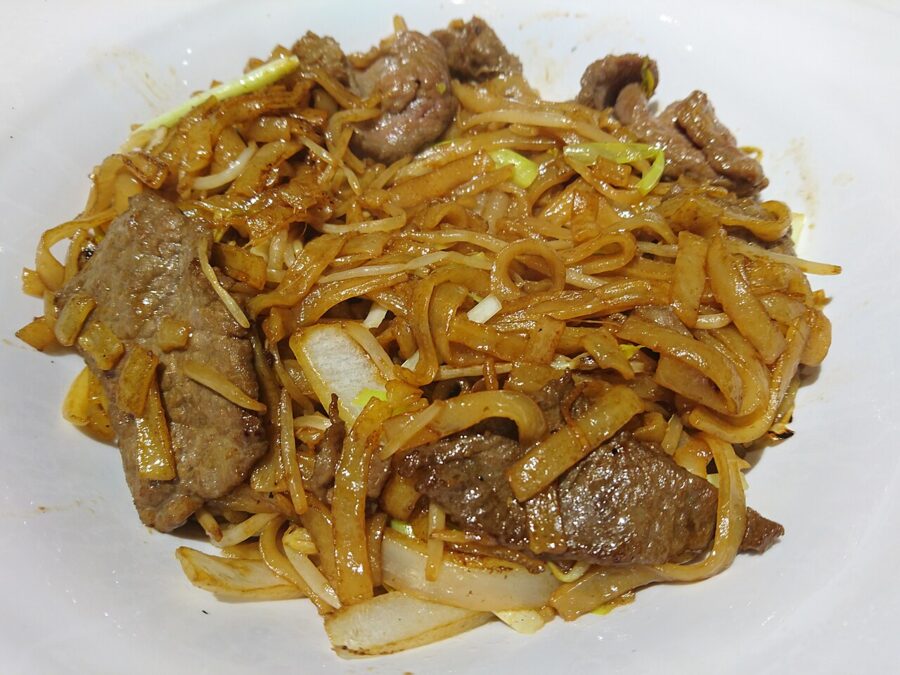
Then there’s the opposite skill. Wok hei (镬气), literally “wok breath”, is the smoky, just-singed savour that a cast-iron wok over a roaring flame gives a stir-fry in the final seconds. Cantonese chefs describe it with four words: hot, fast, dry, fragrant. You can’t get it on a home stove, which is the best argument for eating a plate of dry-fried beef ho fun (干炒牛河) in a restaurant at least once.
The slow soups
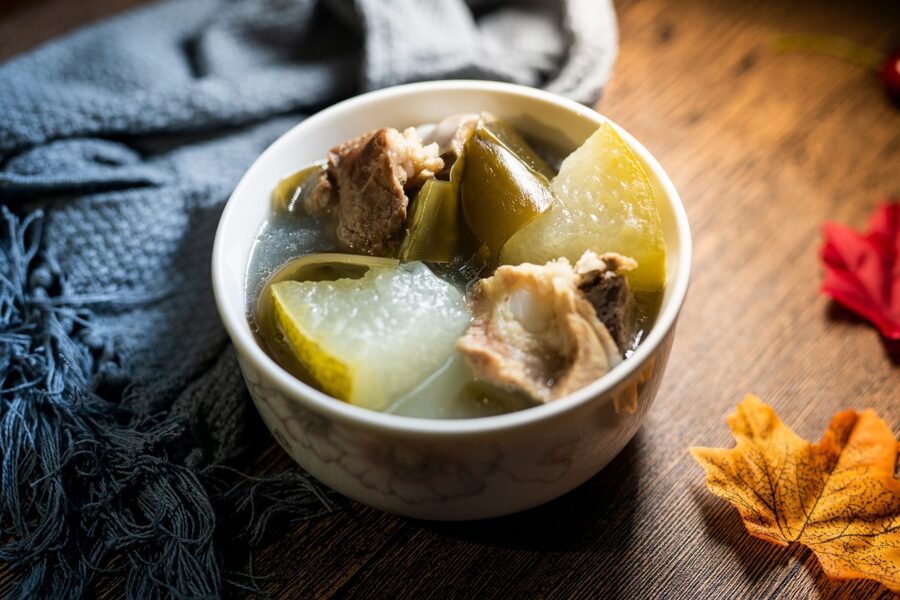
If steaming and stir-frying are about speed, soup is about time. Lou fo tong (老火汤), “old fire soup”, is pork bones or a chicken simmered for hours with roots, dried fruit and whatever the season calls for: winter melon in summer, watercress and dried duck gizzards in the dry autumn months, Chinese yam and goji berries when it turns cold. Cantonese families treat it as everyday medicine for a humid climate, and plenty still drink a bowl before dinner most nights.
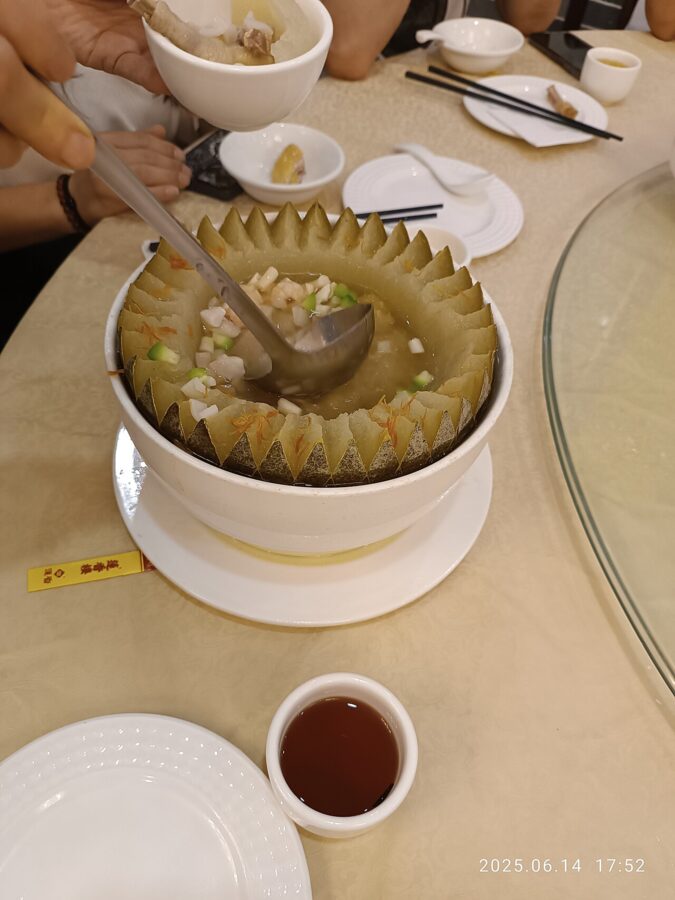
The richer version is dun (炖), double-boiling: a sealed ceramic cup inside a steamer for three hours, so the broth stays perfectly clear. In Guangzhou, a cup of double-boiled soup with a bowl of rice is a perfectly respectable solo lunch, and the old soup shops on Wenming Road still steam rows of covered cups from opening time.
Three kitchens in one province
“Cantonese” in English usually means the cooking of Guangzhou and the Pearl River Delta, which Chinese writers call Guangfu cuisine (广府菜). Guangdong actually has three traditions. Chaozhou or Teochew cooking in the east is all brined goose, beef hot pot and fish sauce, and it deserves my separate Chaoshan food guide. Hakka cooking from the hills around Meizhou is heartier and saltier, the home of salt-baked chicken (盐焗鸡) and stuffed tofu (酿豆腐).
This guide sticks to the Guangfu kitchen and its two capitals: Guangzhou, where people eat out, and Shunde, just to the south, where the cooks come from. If you’re arriving from Hunan or Sichuan, recalibrate. Chilli barely appears, and the heat in most dishes comes from ginger and white pepper.
Siu mei: the window with the hooks
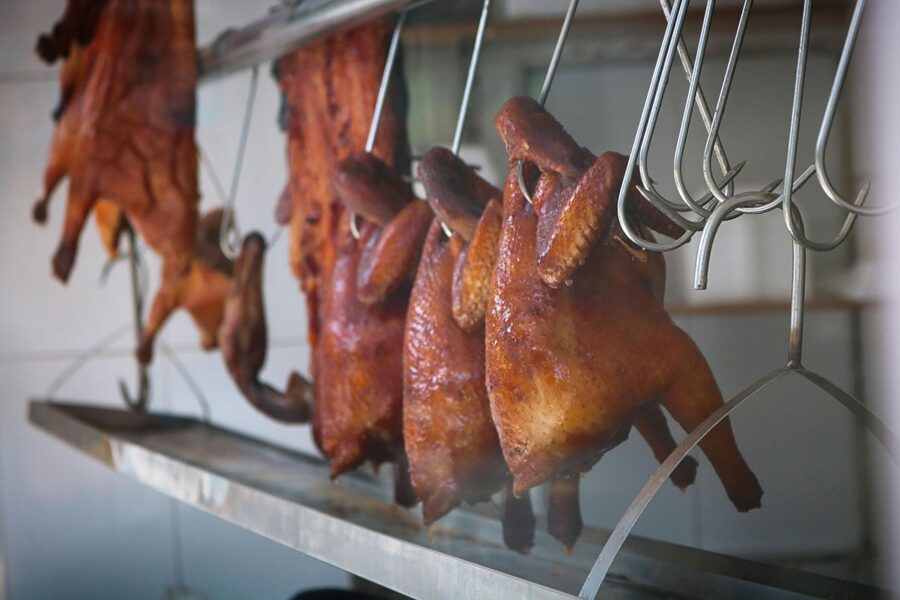
Siu mei (烧味) means roast meats: the char siu, geese, ducks, pork belly and soy chicken hanging behind the glass at every street corner in Guangdong. Add the cured meats (腊味) and the brined meats (卤味) and you have siu laap (烧腊), the full roast-and-cured counter. It’s the default lunch of the province, laid over rice in a box or chopped onto a plate for the table.
Char siu
Char siu (叉烧) means “fork-roasted”, from the long forks the strips of pork used to be skewered on. Pork shoulder or neck is marinated in soy, rice wine, sugar and often fermented bean curd, roasted hanging in a hot oven, then brushed with maltose until it shines. The best pieces come from the neck end, marbled half-fat, half-lean (半肥瘦), and you should ask for it that way; the all-lean cut is cheaper and drier.
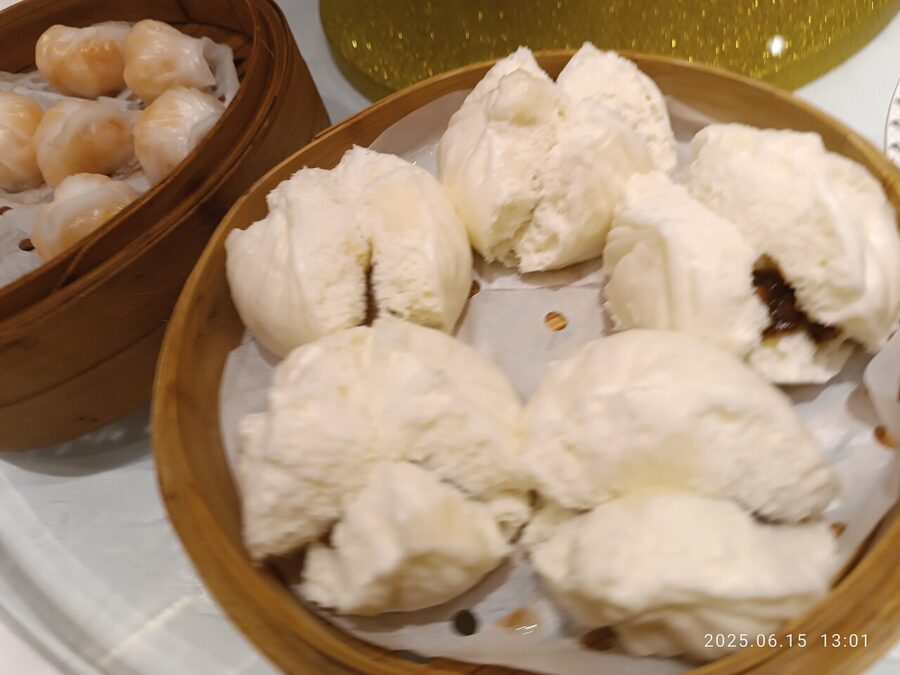
Some Guangzhou kitchens now make a darker, sweeter style. Bingsheng, one of the city’s big Cantonese restaurant groups, made its name partly on a “black char siu” (黑叉烧) with a near-black caramelised crust, and it’s still on the menu at its restaurants. The purists grumble. They also order it.
Roast goose and the village question
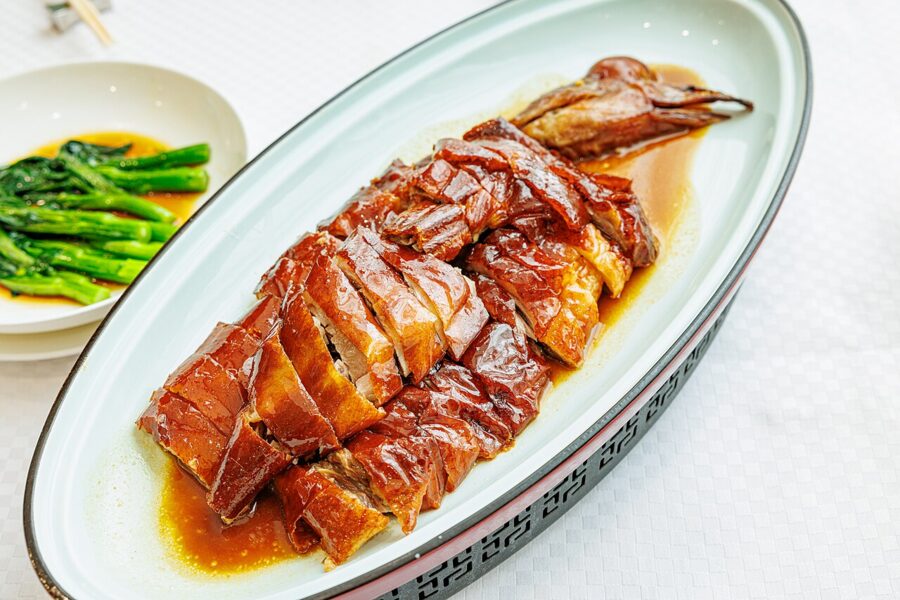
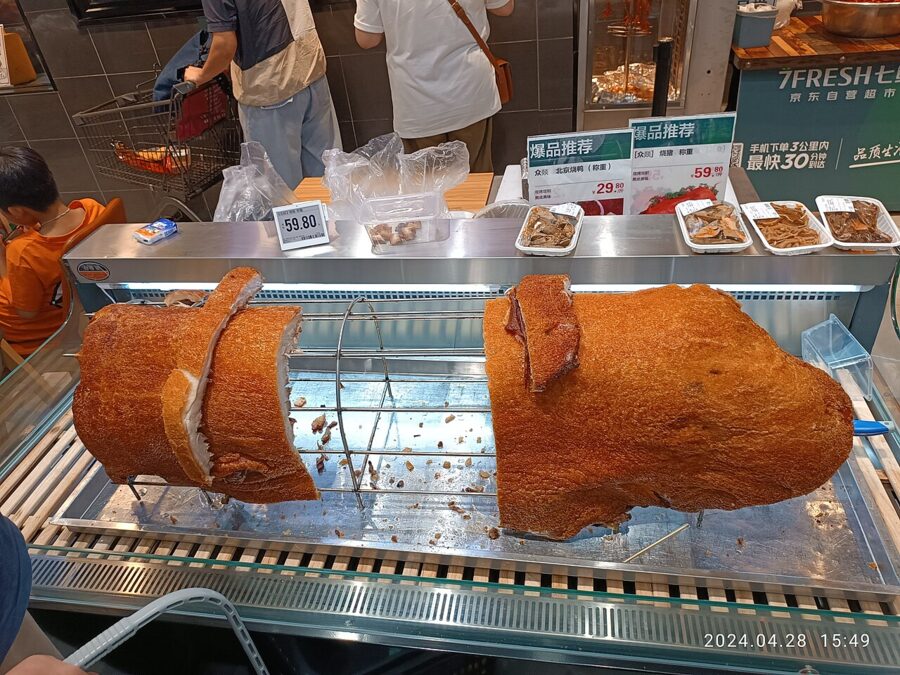
Roast goose (烧鹅) is the king of the window and the dearest thing in it. The bird is inflated with air so the skin separates from the meat, filled with a paste of bean sauce and spices, sewn shut, scalded, hung to dry and roasted over charcoal. It comes to the table chopped on the bone, with the cut sides glistening, and a dish of sour plum sauce on the side.
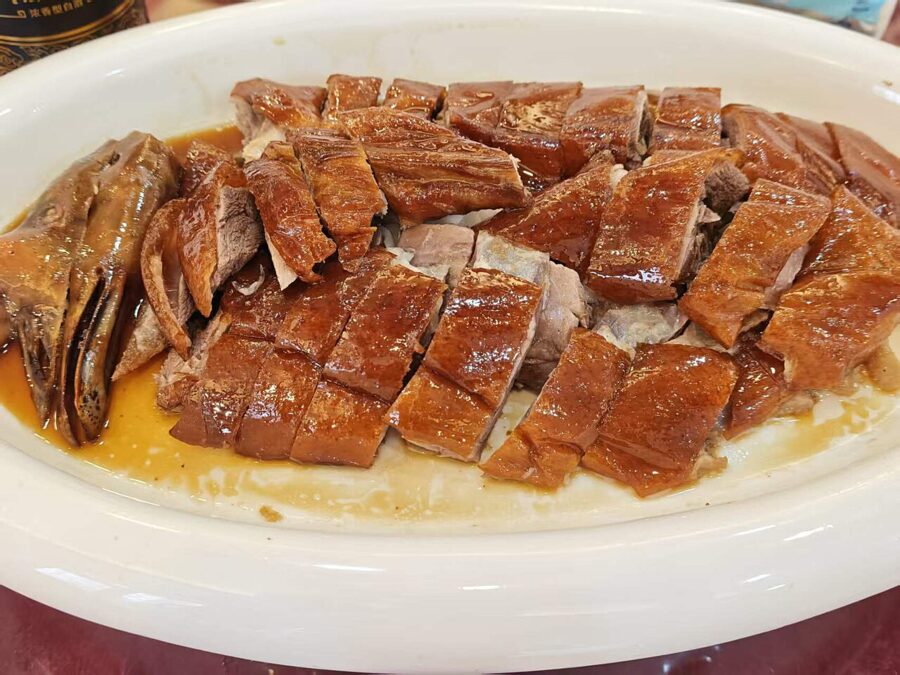
Ask where roast goose comes from and you’ll start an argument. Guangzhou points to Shenjing village (深井村) on Changzhou Island in Huangpu, where geese were traditionally roasted in a dry pit dug into the ground over lychee-wood charcoal. Xinhui, in Jiangmen, says its Gujing roast goose (古井烧鹅) goes back to a Song dynasty palace cook who fled south after the Battle of Yamen in 1279; that story sits better as legend than as history. And Hong Kong‘s Sham Tseng, written with the same two characters as Shenjing, built a roast-goose name of its own on the road out to the New Territories.
Shunde has a claim too. In Huanglian village (黄连), in Leliu, roast goose is made in a clay vat with lychee wood and a hanging charcoal fire, using geese from Magang in Kaiping, and the craft is on Shunde’s district list of intangible heritage. Huanglian Datouhua (黄连大头华烧鹅) is the name most often given as the keeper of that method. Personally, I’d go wherever the goose came out of the oven in the last hour.
Siu yuk, soy chicken and the rest
Siu yuk (烧肉) is roast pork belly with a crackling top, the skin pricked all over with a board of needles, rubbed with salt and blasted until it bubbles into a crust. It’s sold in a slab and chopped into cubes, and the crackling should shatter, not chew. Soy sauce chicken (豉油鸡) is poached in a master stock of soy, rock sugar and spices until the skin turns mahogany; it’s the gentlest thing in the window, and the safe order if someone at the table thinks goose is too rich.
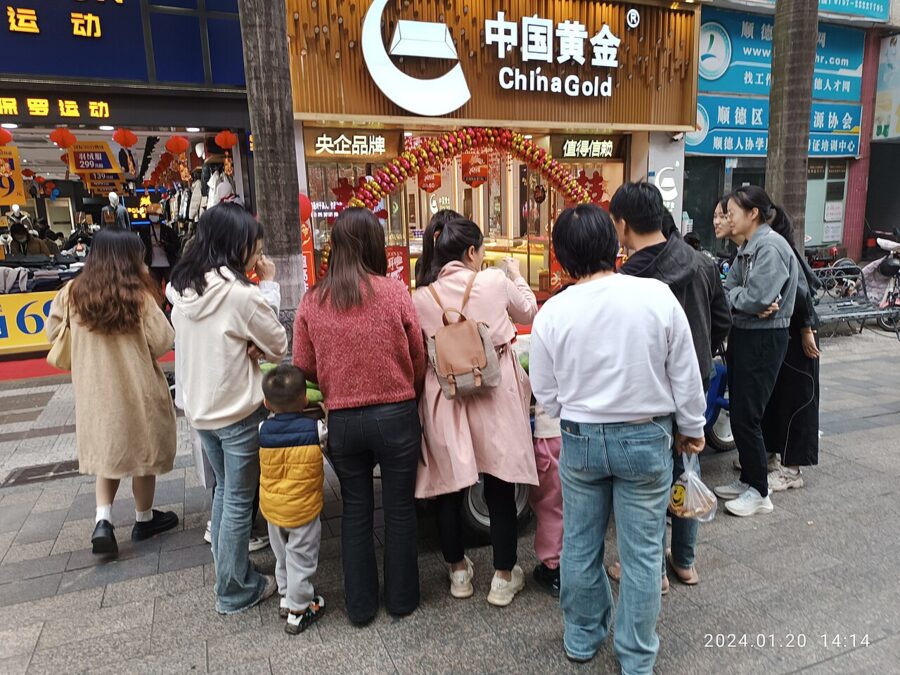
White-cut chicken, technically, isn’t siu mei at all, but it shares the counter. In Guangzhou it means Wenji Yixin Ji (文记壹心鸡) on Baohua Road, opened by Xian Weiwen, a cook who had trained at the old Qingping restaurant, whose Qingping chicken was once the most famous bird in the city. Xian was recognised as a city-level heir to the white-cut chicken craft, and the shop is on the 2026 Michelin Bib Gourmand list.
How to order at a roast-meat counter
Prices on the board are by the jin (斤), which in mainland China is exactly 500 g, or by the piece. Geese and ducks go by the whole, the half or the quarter, and you say seung jong or ha jong for the front or back quarter. Point, say how many people you’re feeding, and let them weigh it.
- For a plate of rice, ask for seung ping (双拼), two meats over rice. Char siu with roast goose or siu yuk is the standard pairing.
- For a table, a quarter goose and a leung or two (两, 50 g) of char siu per person is plenty alongside other dishes.
- Ask for bun fei sau (半肥瘦) for half-fat char siu. Say nothing and you’ll usually get the lean, which is drier.
- Plum sauce goes with goose, not char siu. The cook will usually give you the right dip without asking.
Most counters take Alipay or WeChat Pay at a QR code by the till, and both now accept foreign cards. Siu mei is best eaten within an hour or so of roasting, which is why the queues form before lunch and again late in the afternoon, when the second batch comes out.
Yum cha the Guangzhou way
Yum cha (饮茶) means “drink tea”, and in Guangzhou it’s a morning habit before it’s a meal. The old phrase for it is yat jung leung gin (一盅两件), “one cup, two pieces”: a pot of tea and a couple of dim sum, a newspaper, a long sit. The retirees arrive early, the families arrive after 09:00, and on weekends the queue at the old houses can stretch past an hour.
I won’t repeat the whole dim sum menu here; my Hong Kong dim sum guide walks through the dishes one basket at a time. What’s different in Guangzhou is the rooms, the habits and, since May 2026, the law.
The 2026 morning tea rules
The Guangzhou Morning Tea Heritage Protection Regulations were passed by the city’s legislature in January 2026, approved by the province in March and took effect on 1 May. Three parts matter to you at the table. Restaurants must show, on the menu or another obvious place, whether each item is made the traditional way on site or not, and they may charge different prices for the two. Traditionally made dim sum must reach your table within 24 hours of being made.
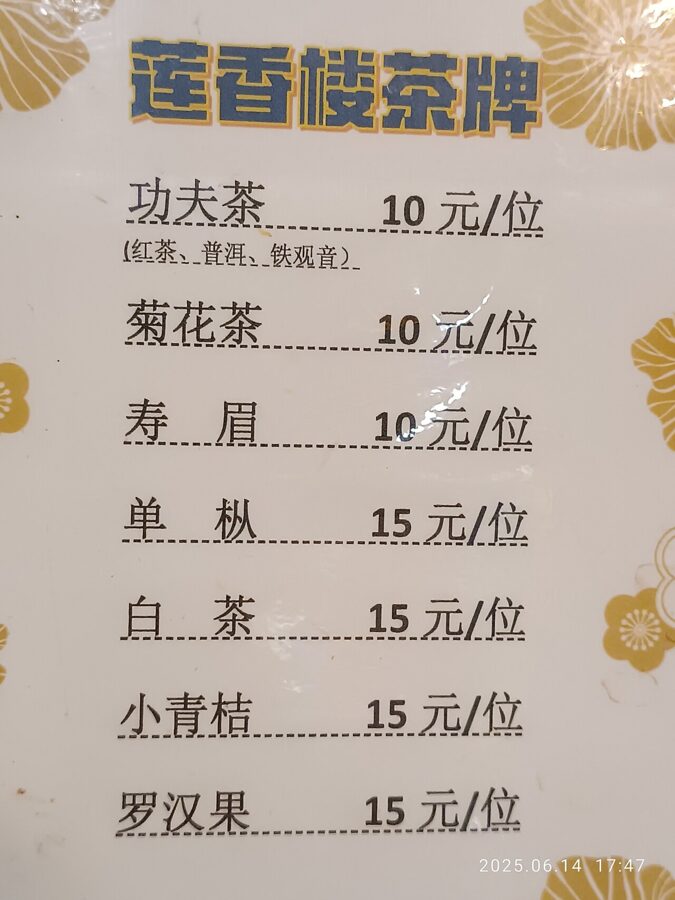
The third rule is about the tea charge. Every charged item must be clearly priced, the same on the paper menu, the price tags and the ordering app, and a restaurant that charges a tea fee (茶位费) has to give you a choice of teas, including black, green, oolong, pu’er and chrysanthemum. The city also created an official “traditional morning tea shop” plaque (广州早茶传统店); falsely claiming one carries a fine of ¥10,000–50,000.
The first batch of certified shops was announced on 21 September 2026. Of 197 applicants, 40 individual restaurants passed, along with the head offices of three chains, Guangzhou Restaurant, Taotaoju and Diandude, whose 72 branches are covered by the group award. Lian Xiang Lou, Panxi and Beiyuan were among the old names on the list. If you see the plaque by the door, the restaurant has passed an on-site check of how its dim sum is made.
The old houses
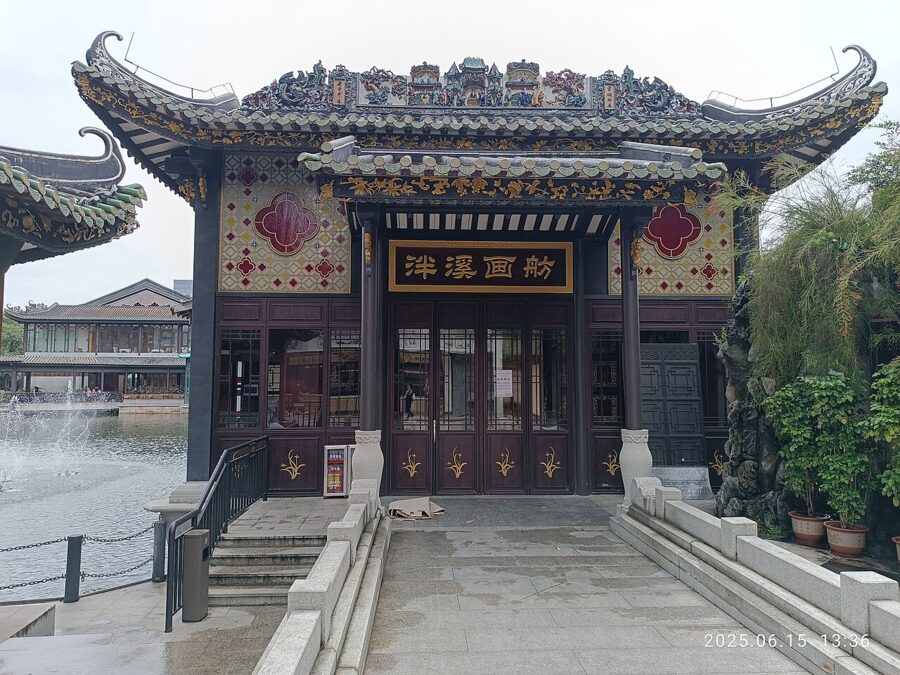
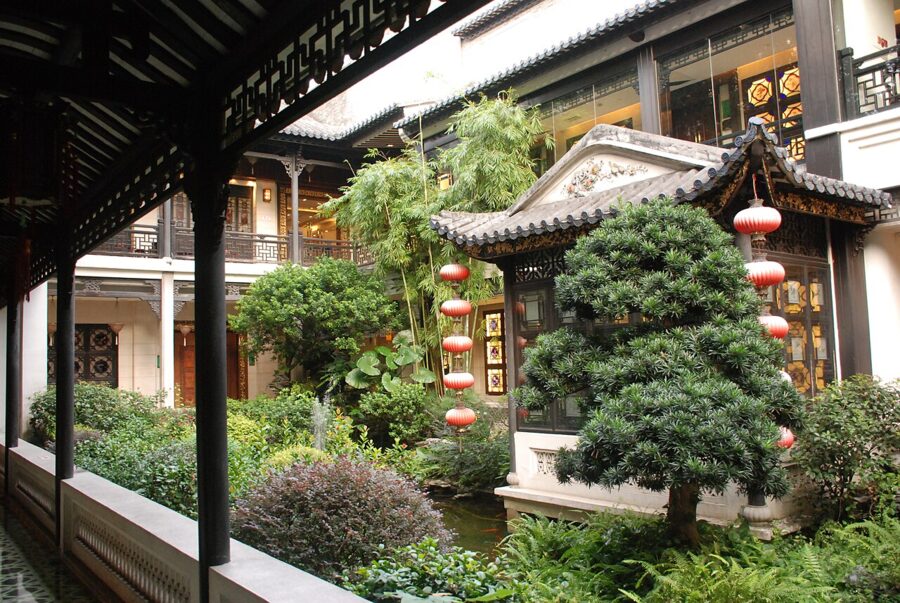
Panxi Restaurant (泮溪酒家, 151 Longjin West Road) opened in 1947 as a bamboo-and-timber eating house built out over a lotus pond, and was rebuilt into a full Lingnan garden from 1958. It’s one of the city’s three garden restaurants, with Beiyuan and Nanyuan, and the dim sum runs on into the afternoon. It’s about ten minutes’ walk from Zhongshanba station (Line 5), on the edge of the Lychee Bay canal area, and it’s an easy pairing with the Chen Clan Ancestral Hall nearby.
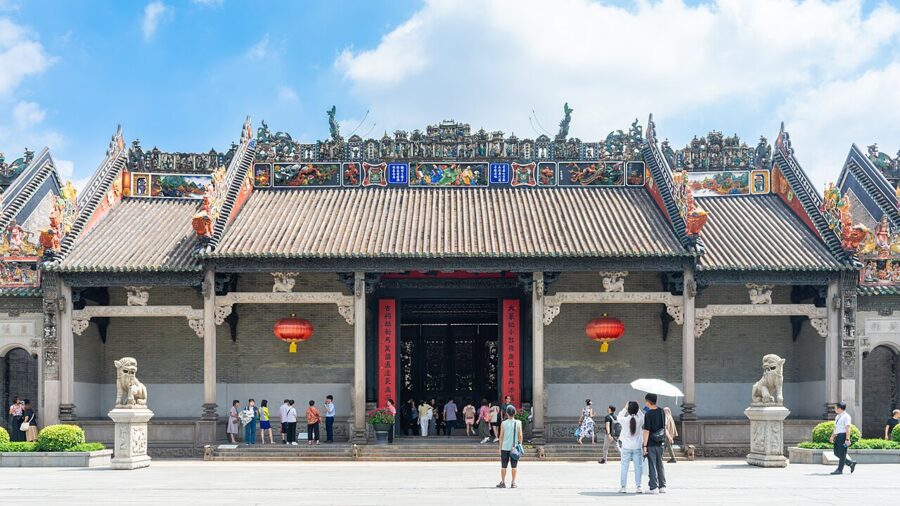
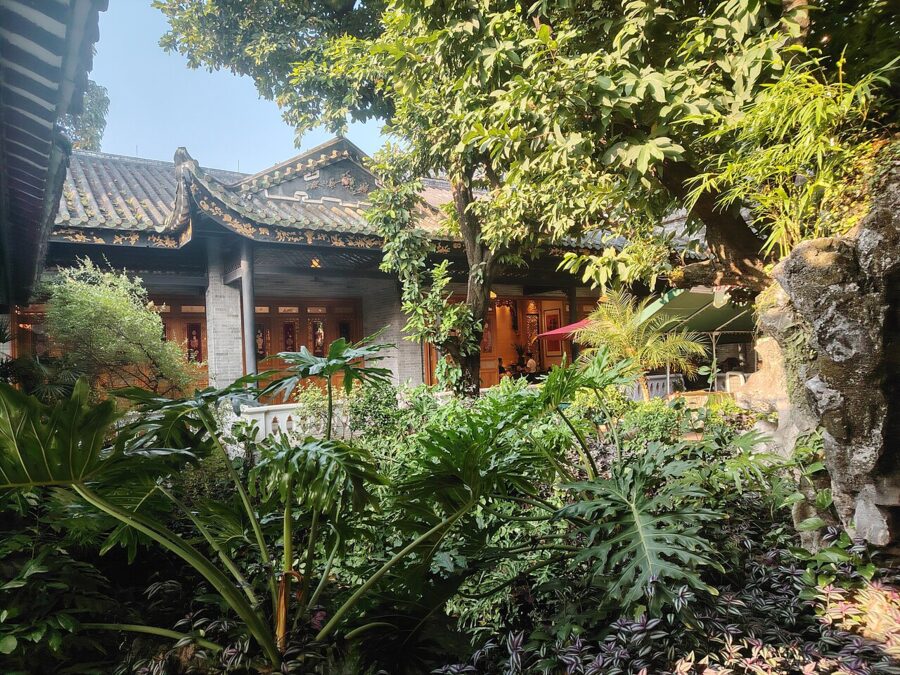
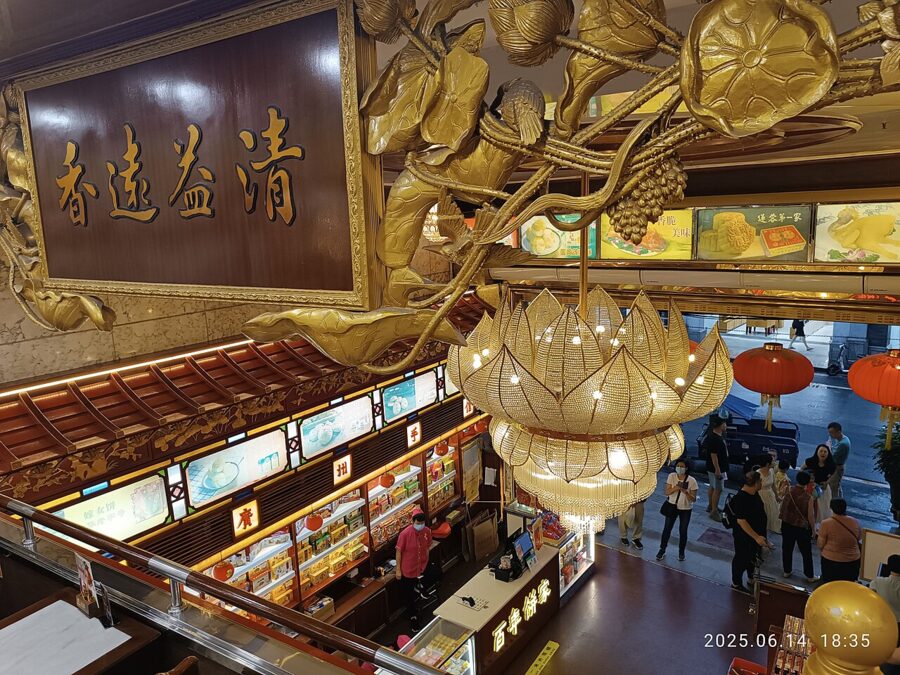
Taotaoju (陶陶居, 20 Dishifu Road) dates itself to 1880, the sixth year of the Guangxu reign, and moved to its current site on Dishifu Road in the early twentieth century. The flagship reopened after a long restoration, and the company now runs branches across the city and well beyond; the original building is the one worth the trip. It’s about a ten-minute walk from Changshou Lu station (Line 1, exit D2).
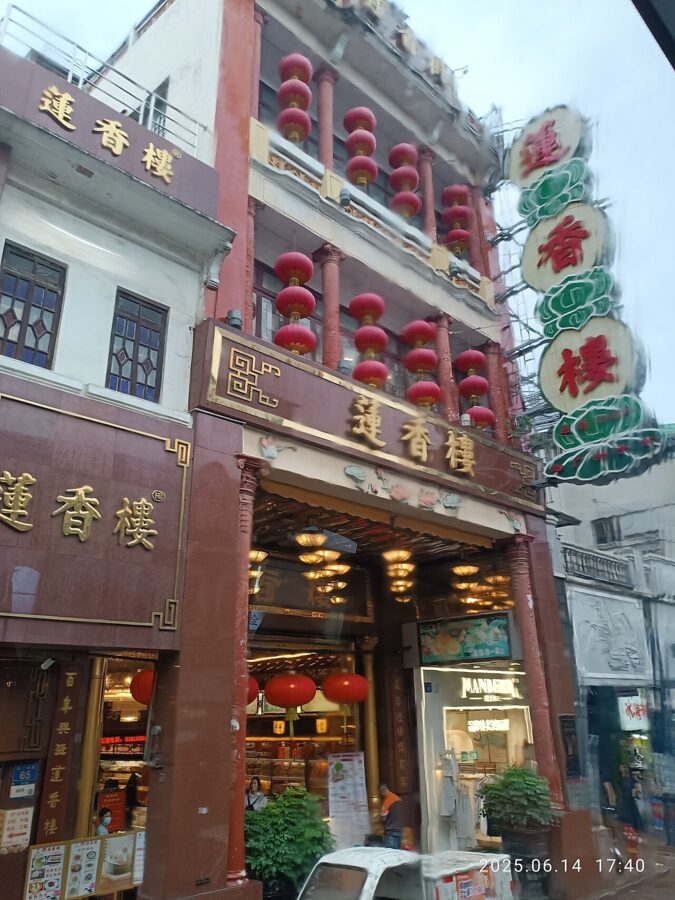
Lian Xiang Lou (莲香楼, 67 Dishifu Road) began in 1889 as a pastry shop and takes credit for lotus seed paste, the filling that made the Cantonese mooncake. Its lotus paste buns and pastries are still the reason to order there. It’s on the same street as Taotaoju, so you can eat at one and buy pastries at the other.
Guangzhou Restaurant (广州酒家, 2 Wenchang South Road) opened in 1935 as the Xinan Restaurant and took its present name when it was rebuilt in 1939. The flagship closed for renovation in March 2023 and reopened in November 2025; the official hours are 08:00–14:30 and 17:00–21:30. Its signature is Guangzhou Wenchang chicken (广州文昌鸡), created by its chef Liang Rui in the 1930s: a poached Hainan chicken, boned and sliced, laid out in alternating rows with chicken liver and ham.
Beiyuan Restaurant (北园酒家, 202 Xiaobei Road) dates from 1928 and is the garden restaurant the guidebooks forget. On weekdays it opens at 11:00, so it’s a lunch-and-dim-sum place rather than a dawn one; weekends start earlier. Take Line 5 to Xiaobei station; exit A is a few minutes’ walk away.
What to put on the order sheet
Most Guangzhou teahouses have dropped the trolleys. You tick a paper sheet or scan a QR code at the table, and the baskets come out of the kitchen as they’re ready. Order a few at a time; the hot items go cold while you’re still on the first round.
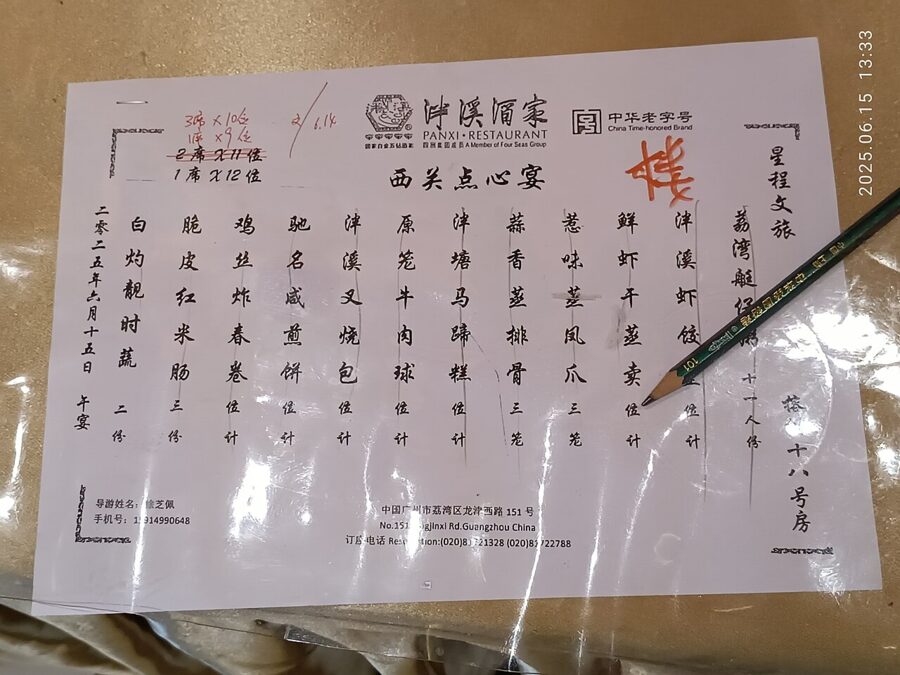
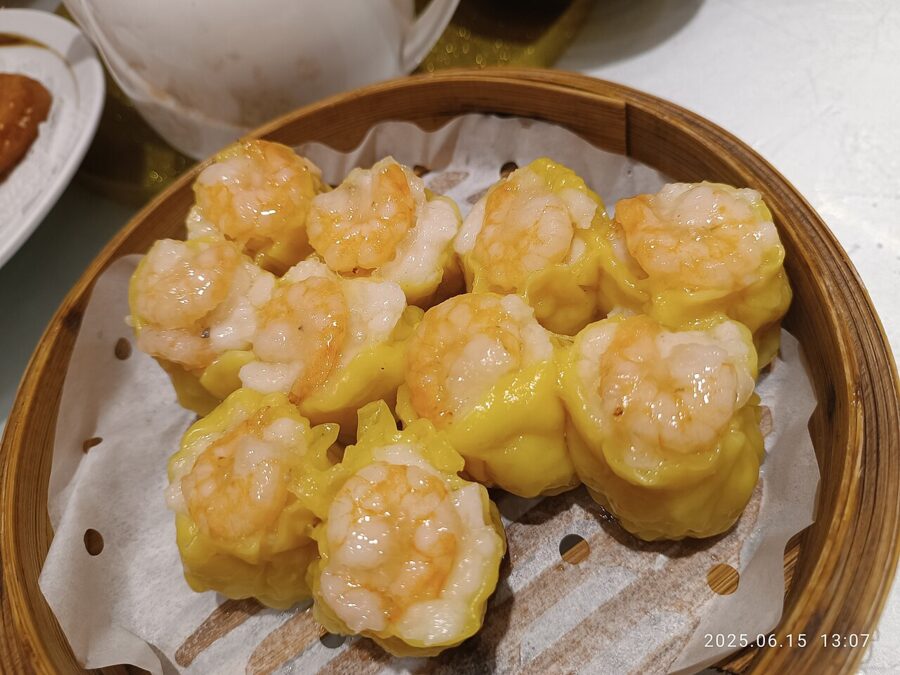
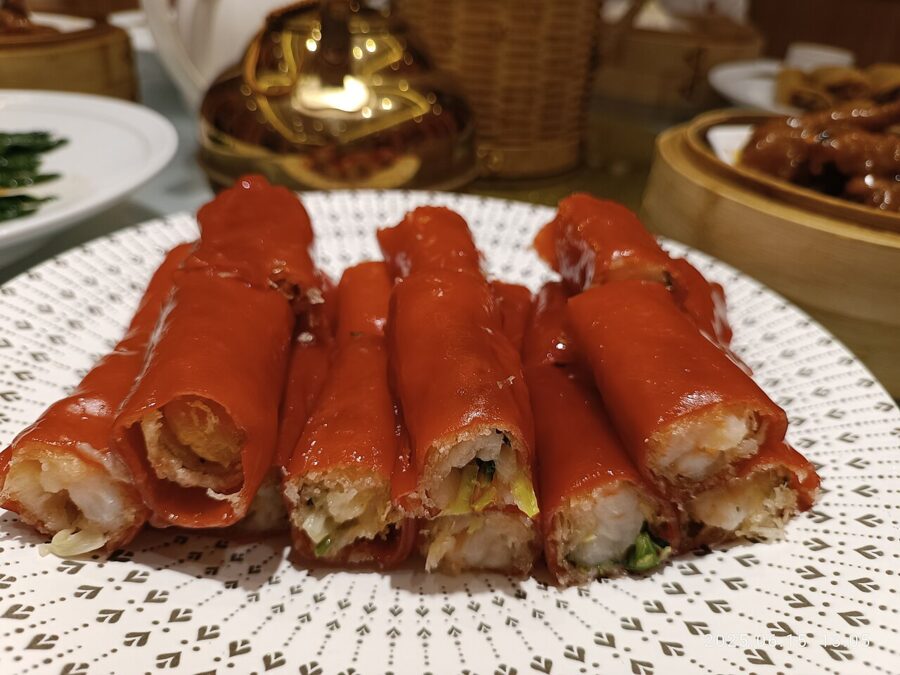
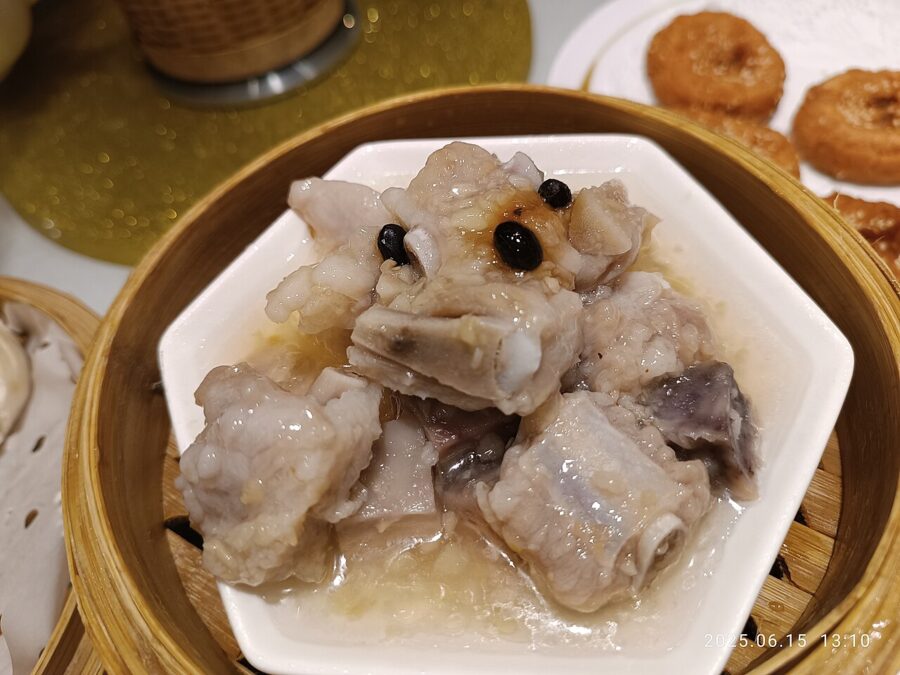
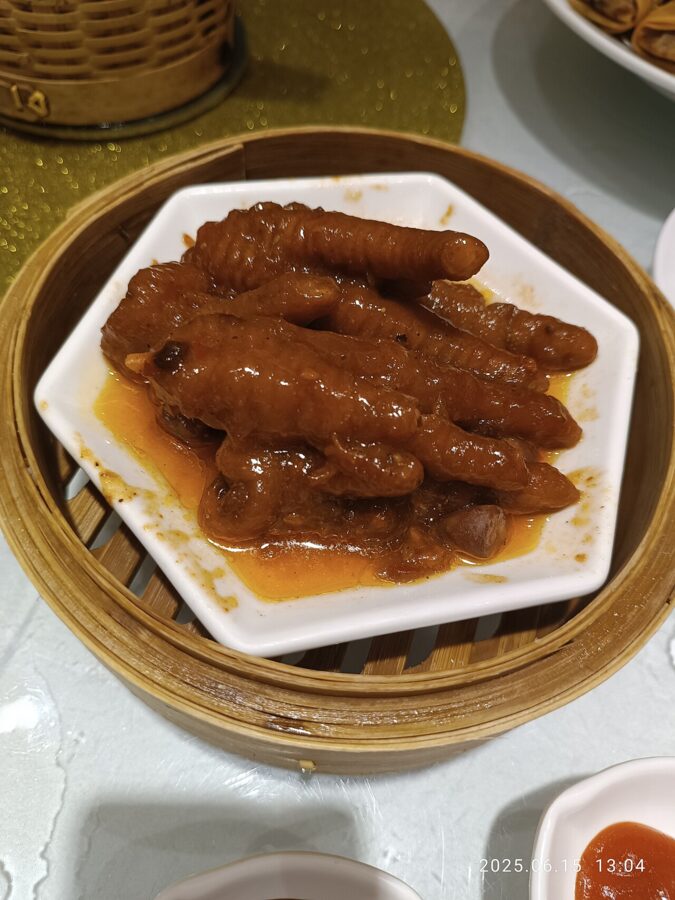
The classics are the same ones you’ll know from Hong Kong: har gow and siu mai (my dumplings guide covers both), steamed pork ribs with black beans, chicken feet in black bean sauce, cheung fun, char siu bao and egg tarts. Guangzhou adds its own house specials.
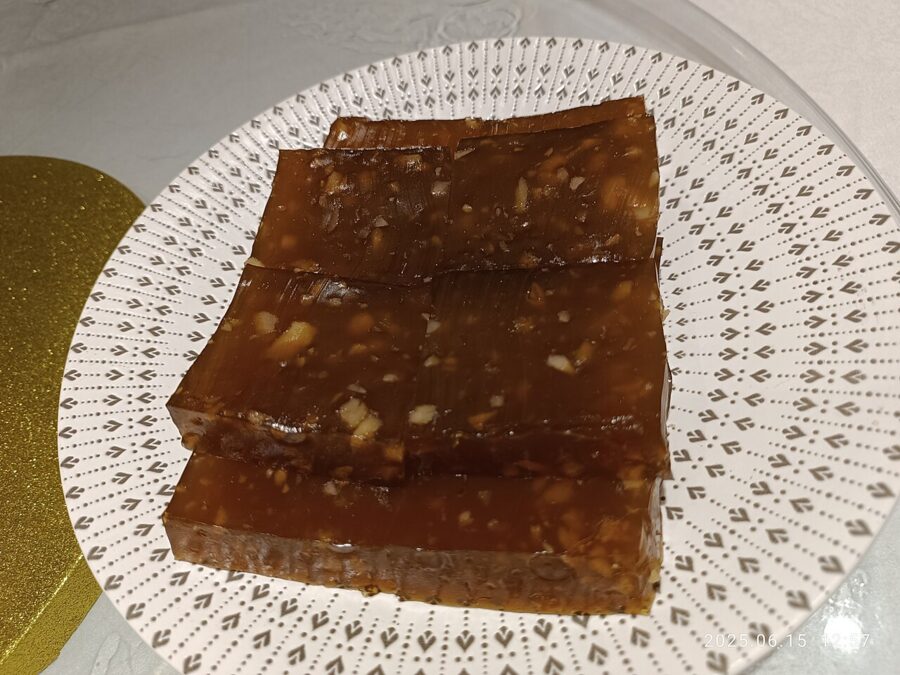
- Water chestnut cake (马蹄糕). Panxi stands in Pantang, the old village famous for water chestnuts, and its translucent, chunky water chestnut cake is the thing to order there.
- Red rice rolls (红米肠). A newer Guangzhou favourite: a pink rice-flour sheet wrapped around crisp fried dough and shrimp.
- Nam yu cakes (南乳饼). Fried rings flavoured with red fermented bean curd, sweet and savoury at once.
- Lotus paste buns and egg yolk lotus pastries at Lian Xiang Lou, for the reason above.
How it differs from Hong Kong
If you’ve already eaten dim sum across the border, three things will feel different. The old Guangzhou houses are garden restaurants, built around ponds and courtyards rather than stacked up in office towers.
Breakfast runs later than it used to; many teahouses now serve dim sum into the afternoon, and some do evening tea too. And since May 2026 the bill itself has become more transparent, because of the new law. For the milk-tea-and-pineapple-bun side of Hong Kong, see my cha chaan teng guide; Guangzhou has its own versions, but the Hong Kong ones are the originals.
Shunde, where the chefs come from
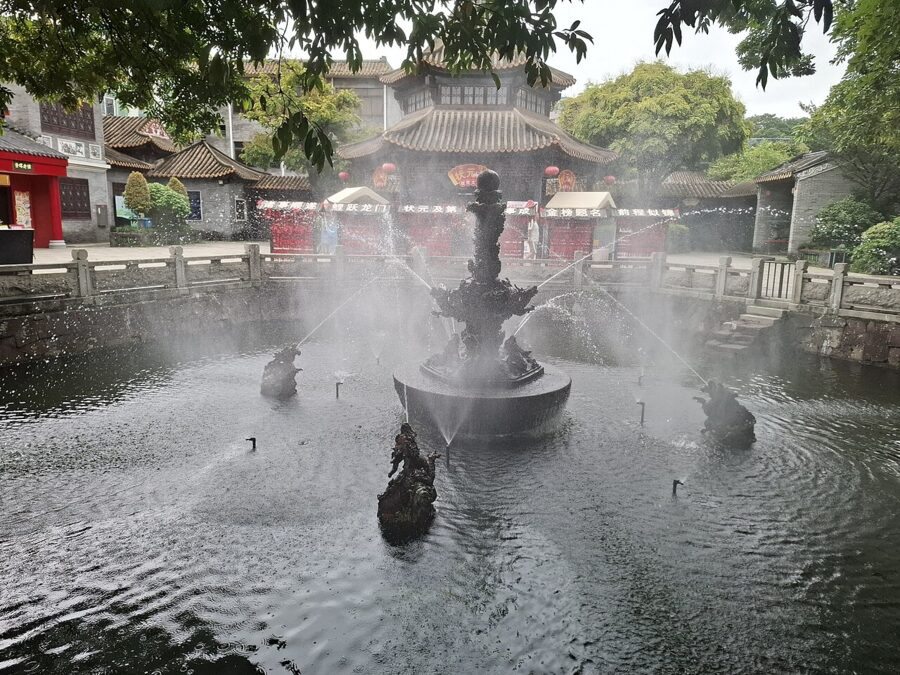
There’s a saying everyone in Guangdong knows: sik joi Gwongzau, cyu ceot Fungsing (食在广州,厨出凤城), “eat in Guangzhou, but the chefs come from Fengcheng”. Fengcheng is the old name for Shunde, a district of Foshan just south of Guangzhou, and for generations its cooks ran the kitchens of the big city. In 2014 UNESCO made Shunde a Creative City of Gastronomy, the second in China after Chengdu, and it carries the title of China’s hometown of chefs.
The reason is water. Shunde was a land of fish ponds, and from the Ming dynasty its farmers ran the mulberry-dyke system (桑基鱼塘): mulberry trees on the banks to feed silkworms, silkworm droppings into the ponds to feed the fish, pond mud back onto the banks. Silk made the district rich, and rich silk families wanted to eat well. That’s where the fussiness comes from.
Fish, eight ways
Shunde cooks like to say a fish can be eaten eight ways, and the menus prove it. Fish is sliced raw, stuffed, minced into balls, fried into cakes, boned for soup and steamed whole, and the dishes are judged by how much work disappears into them.
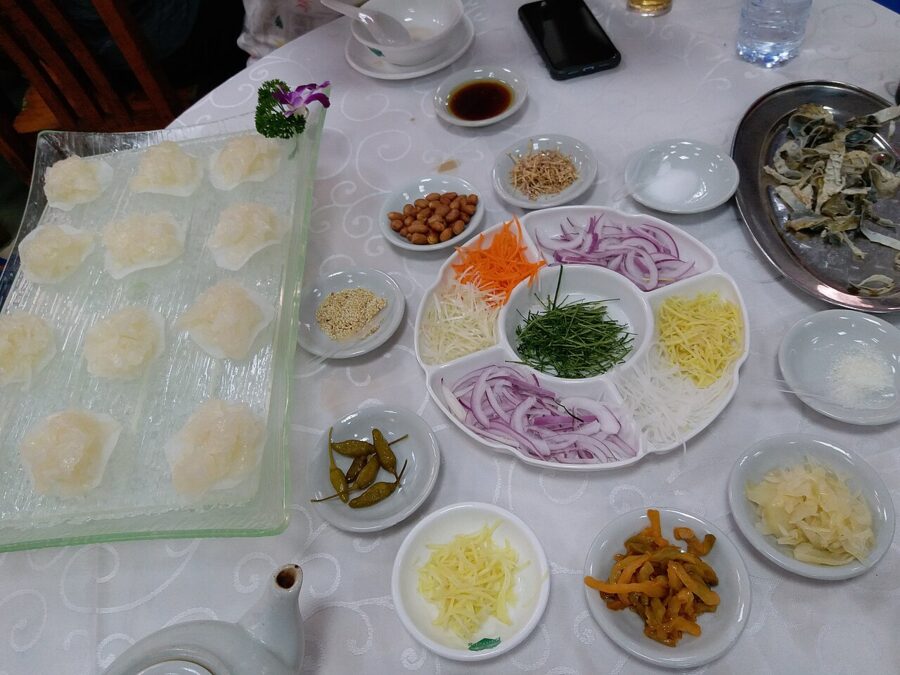
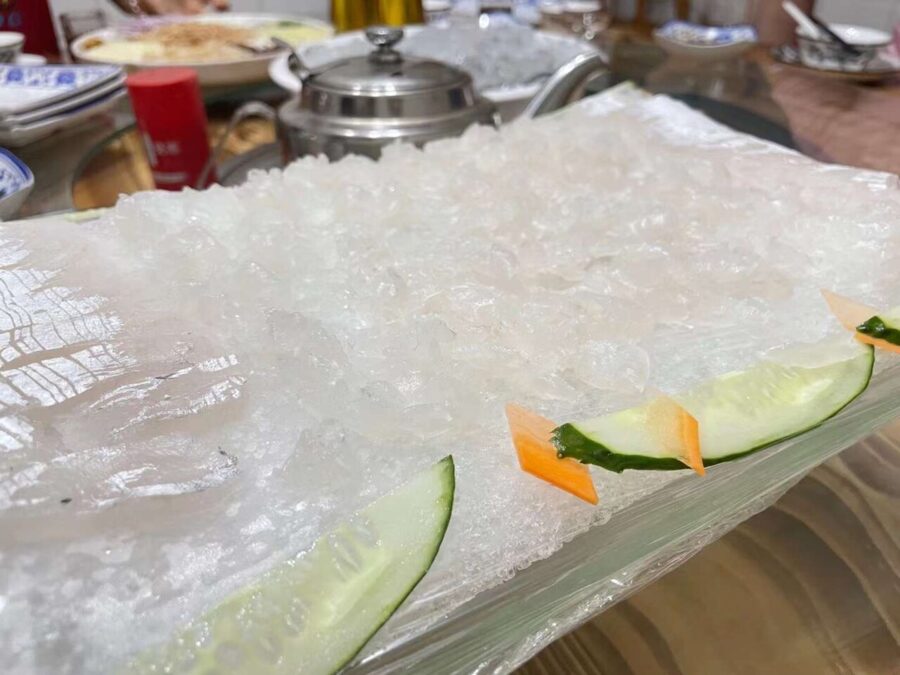
- Yusheng (鱼生). Raw grass carp, starved for days in clean water to firm the flesh, sliced paper-thin and tossed at the table with a dozen condiments. More on the risk below.
- Fish soup with shredded flesh (拆鱼羹). The fish is fried, boned and simmered with fine shreds of vegetables into a milky, peppery soup. It’s on every Shunde table and it’s the safe first order.
- Stuffed dace (家乡酿鲮鱼). The skin of a dace is peeled off whole, the flesh is boned, minced with water chestnut, mushroom and dried tangerine peel, packed back into the skin and fried until it looks like a fish again.
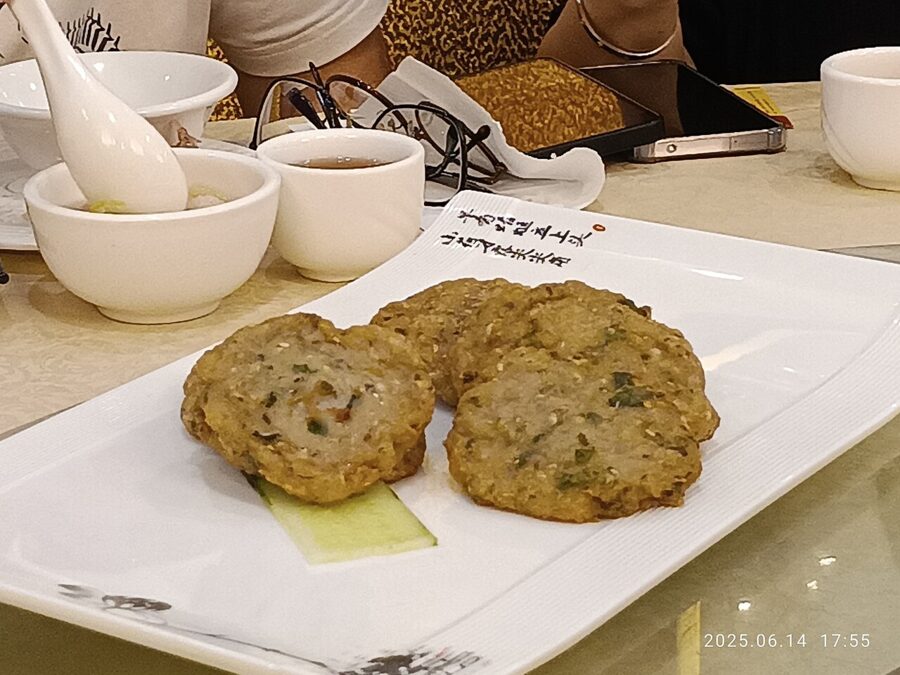
- Jun’an fish cakes (均安鱼饼). Minced dace pressed into patties and pan-fried slowly until golden.
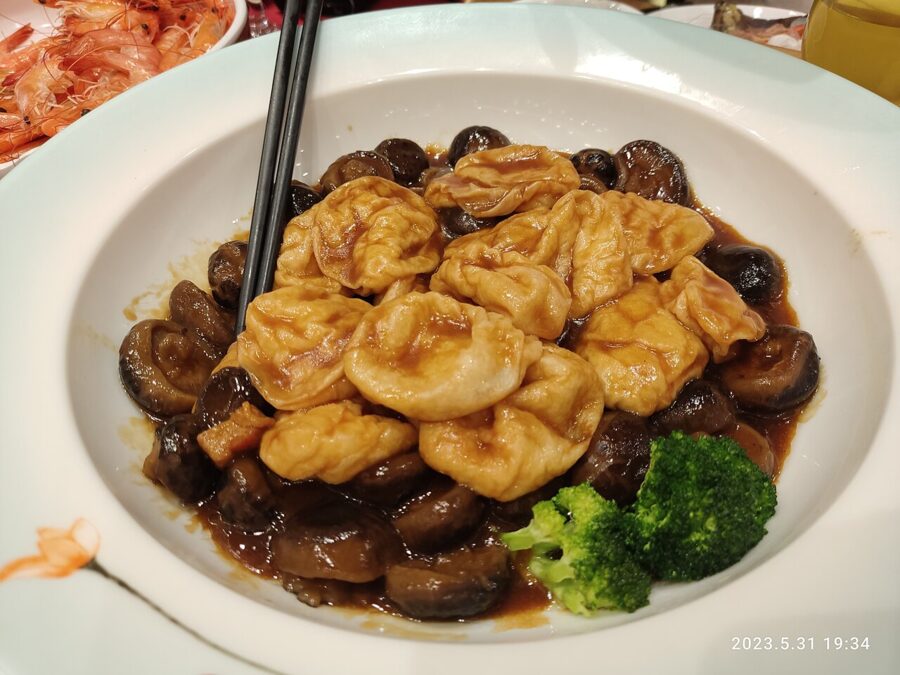
- Fish tofu (鱼腐). Puffed balls of fish paste and egg, a speciality of Lecong, braised or dropped into soup.
Now the warning. Raw freshwater fish can carry liver flukes, and Guangdong’s provincial disease control centre warns against eating it. Foshan has published a whole-chain standard for “Shunde yusheng” covering how the fish are raised, moved and prepared, and the better restaurants follow it, but the health authorities still say the safest choice is not to eat raw freshwater fish at all. I’d order the soup.
Milk, the other Shunde obsession
Daliang, Shunde’s old town, is buffalo country, and its sweets are built on buffalo milk, which is richer than cow’s milk and sets more easily. Double-skin milk (双皮奶) is the famous one. The usual story credits Dong Xiaohua, a buffalo farmer from Baishi village in the late Qing, who boiled milk to keep it from spoiling and noticed the skin that formed as it cooled. The second skin comes from pouring the milk out under the first, mixing it with egg white and sugar, pouring it back and steaming it.
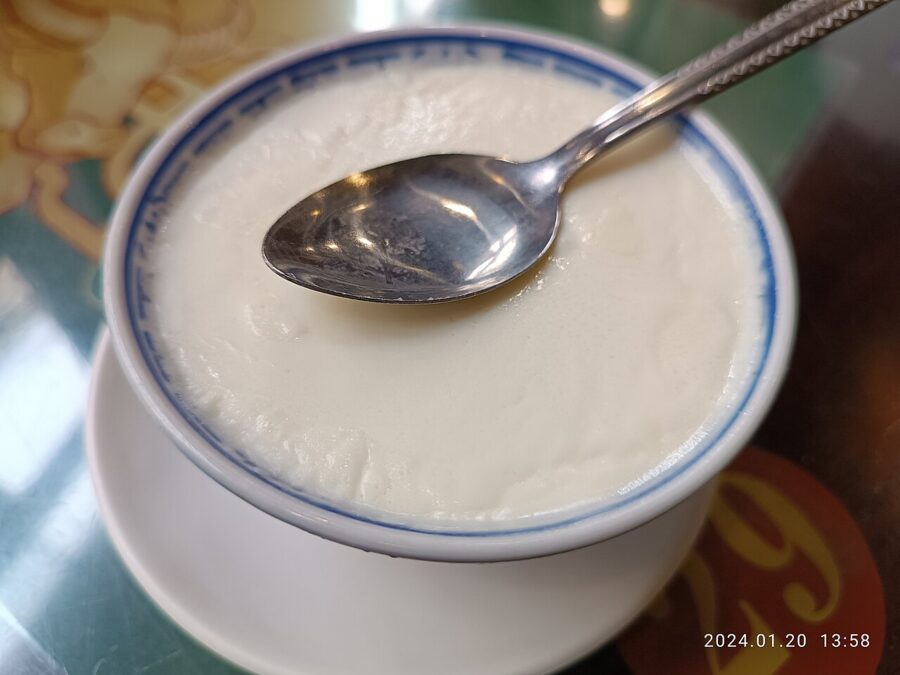
Two old shops on Huagai Road both trace themselves to the Dong family.
Minxin (民信老铺, 115–119 Huagai Road) celebrated its centenary in 2025, and its branch at 1 Huagai Lane has a small double-skin milk museum on the third floor, reopened in September 2025. Renxin (仁信老铺, 93 Huagai Road) is a few doors away. Have one at each and decide for yourself. Most people can’t tell them apart, which is the point.
Fried milk (大良炒牛奶) is the strangest and best Shunde trick: milk thickened with starch and egg white and stir-fried in the wok over a gentle flame until it sets into soft, white curds, usually with crab meat, shrimp or ham. It dates from the early Republic, and the version cooked in restaurants today was simplified by a Shunde chef in the 1940s. Ginger milk curd (姜撞奶), in which hot milk sets on contact with fresh ginger juice, belongs to Shawan in Panyu, but you’ll find it on every Shunde dessert menu too.
And everything else
Shunde’s other dishes would fill a guide of their own. Jun’an steamed pig (均安蒸猪) is a whole boned pig marinated for hours, steamed in a cabinet and pricked all over with steel needles so the fat runs off, a dish tied to the spring and autumn rites in the town’s ancestral halls. Lunjiao cake (伦教糕) is a white, slightly sour, steamed rice cake made by natural fermentation; the county gazetteer of the Xianfeng reign says Ming scholars came from far away by boat to eat it. Chencun rice noodles (陈村粉), thinner than a coin, were made famous by Huang Dan, who opened his shop in Chencun in 1927.
Then there’s the newer stuff. Sauna chicken (桑拿鸡) is sliced raw chicken laid on a perforated tray over a pot of simmering broth and steamed in seconds at the table, so the juices drip down into the soup you drink afterwards. Four-cup chicken (四杯鸡) is braised in equal measures of soy, sugar, oil and rice wine. And Shunde invented congee-base hot pot (粥底火锅), which my hot pot guide covers along with the clear-water da bin lou.
A day trip from Guangzhou
Daliang is an easy day out. The quickest way is a Guangzhou–Zhuhai intercity train from Guangzhou South station to Shunde station; the fastest trains take around ten minutes, the stopping ones closer to twenty, and fares start at about ¥10. Shunde station is in Lunjiao, so you’ll need a Didi or a bus for the last stretch into the old town.
The slower but simpler route is all metro. Take Guangzhou Metro Line 7 to Beijiao Park and change to Foshan Metro Line 3 heading south to Daliang Zhonglou (大良钟楼). Exit C puts you about 80 m from Huagai Road; exit E is a walk of about 400 m along Qinghui Road to Qinghui Garden (清晖园, 23 Qinghui Road).
Qinghui Garden is open 09:00–17:30, with last entry at 17:00. Tickets cost ¥15 and are sold through the garden’s official WeChat account for timed entry slots, so book there first. A good day runs like this: the garden at opening, double-skin milk on Huagai Road before the crowds, a fish lunch, and a slow walk back to the metro.
The everyday table
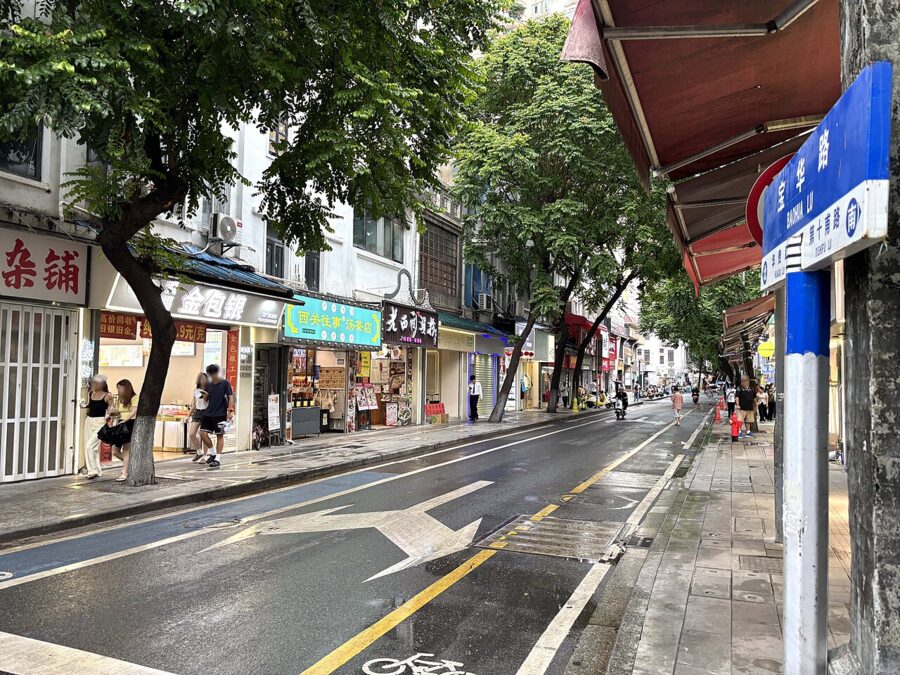
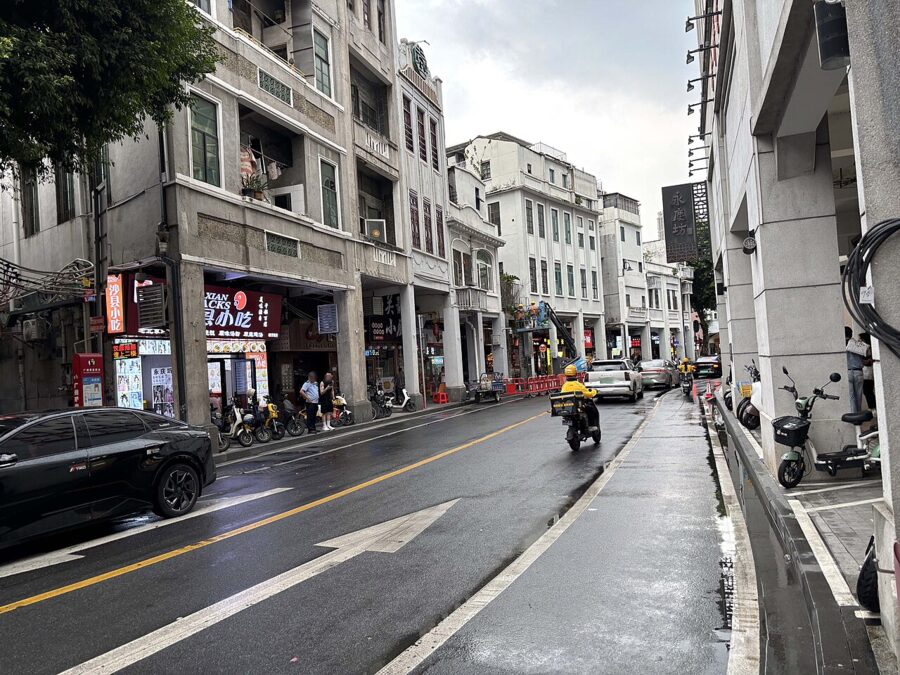
Most of what Guangzhou actually eats isn’t banquet food. It’s congee at 07:00, rice rolls on the way to work, a bowl of noodles for lunch and a sweet soup at 22:00, and the best of it is in the old Xiguan district in Liwan, around Shangxiajiu, Baohua Road, Enning Road and Lychee Bay.
Congee
Cantonese congee (粥) is cooked until the rice grains break down completely into a silky base, then finished to order with fresh ingredients dropped in at the last moment. The classic breakfast is century egg and lean pork congee (皮蛋瘦肉粥) with a stick of fried dough on the side. Jidi congee (及第粥), “scholar’s success congee”, has pork balls, liver and intestine, and its name goes back to a Ming-dynasty legend about a poor boy who later topped the imperial exams.
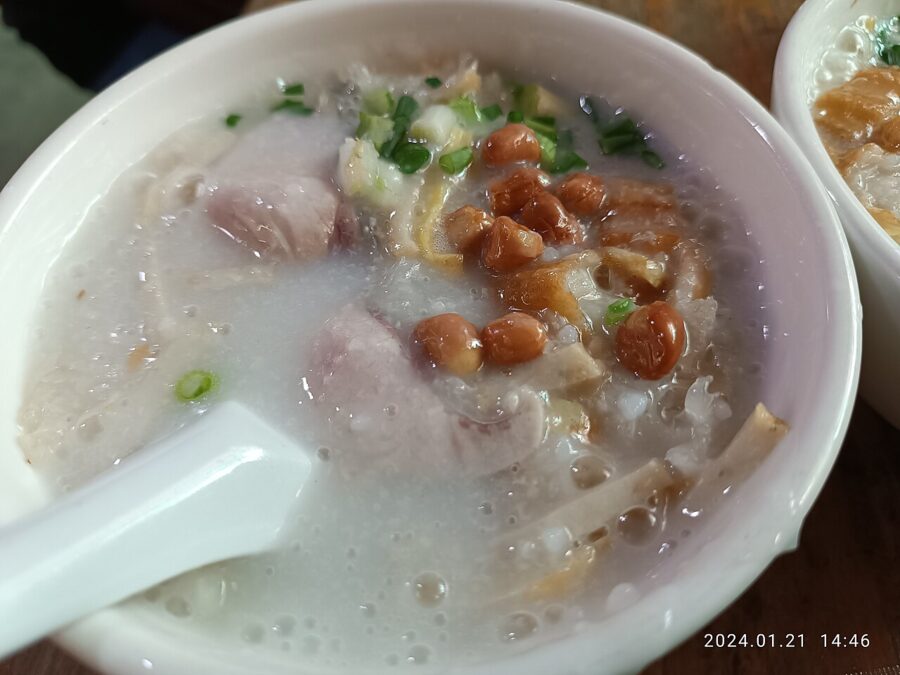
Sampan congee (艇仔粥) comes from Lychee Bay (荔枝湾) in Liwan, where Tanka boat people once sold it from small boats to the pleasure craft on the canal: fish, squid, pork skin, peanuts and shredded omelette stirred into a smooth congee. The canal has since been restored, and you can take a boat along it again.
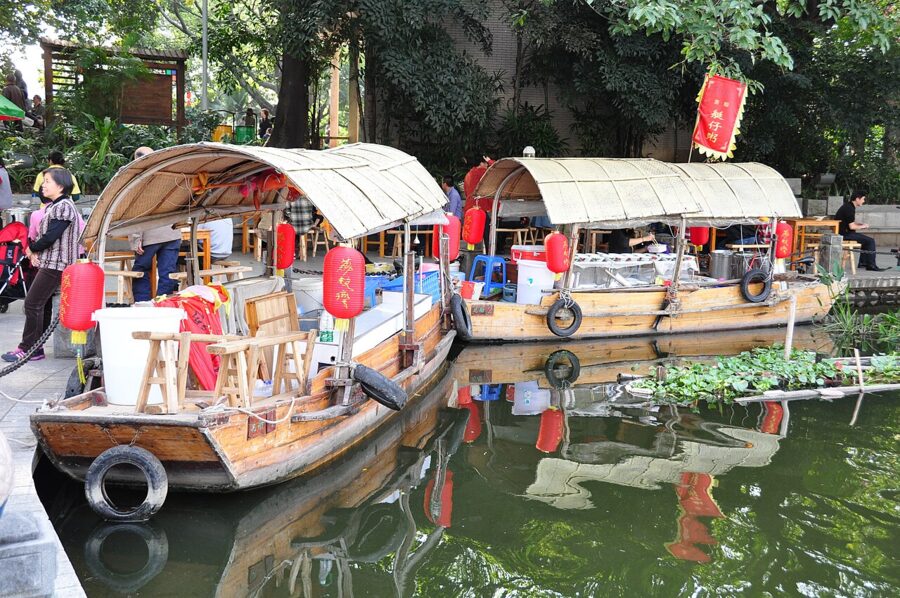
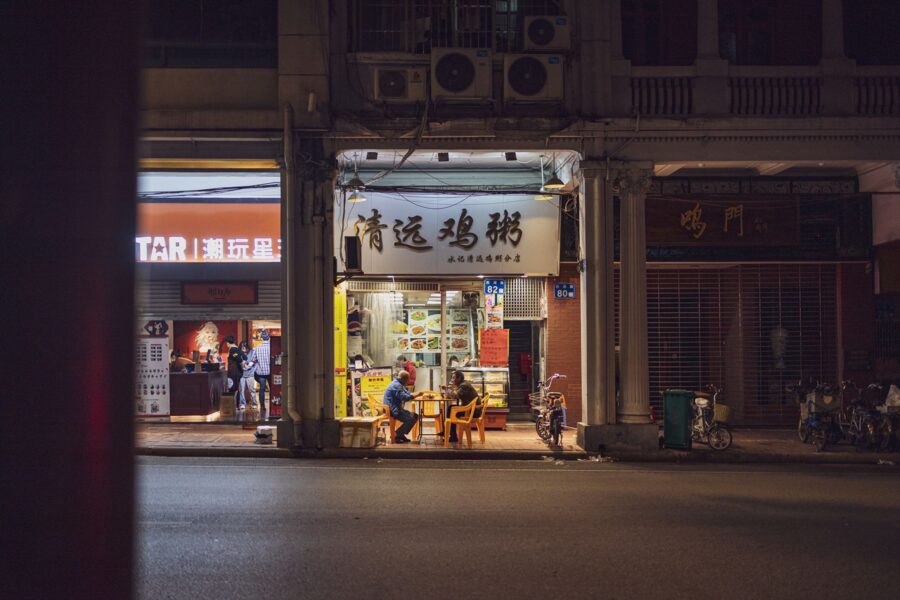
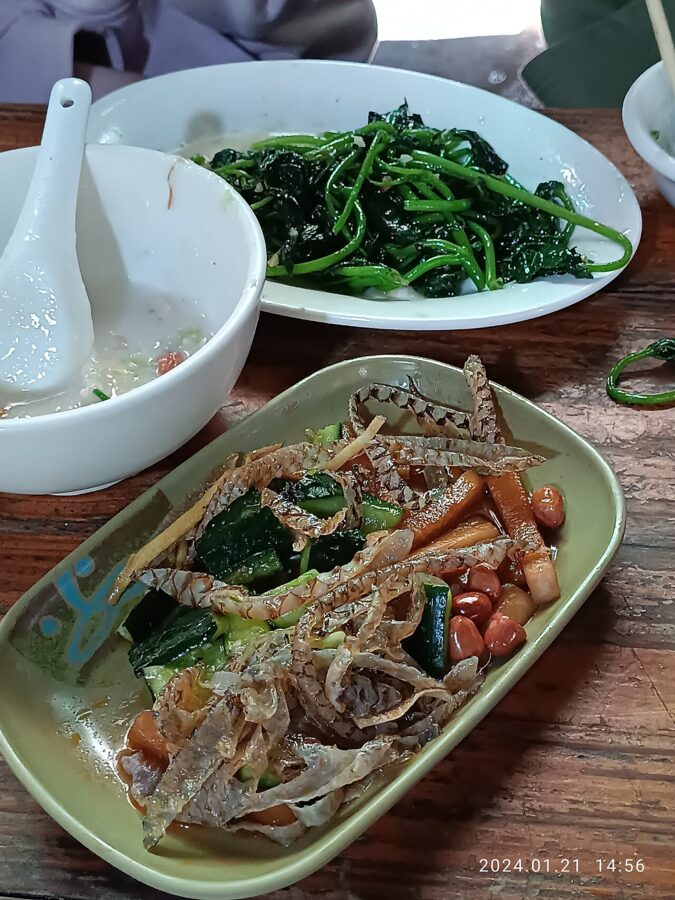
Dressed fish skin is the other old Xiguan snack, and Chen Tianji (陈添记) on a lane off Baohua Road has made its name on it since 1979, along with steamed pork rice rolls and sampan congee. There are now two shops using the name in the same lane, and the old one is the one with the blue-and-white sign.
Cheung fun
Guangzhou’s rice noodle rolls are bou laai cheung (布拉肠), “cloth-pulled”: rice batter is spread over a cloth on a steamer, cooked in a minute or two, then scraped off and rolled around shrimp, beef, egg or char siu, and dressed with a sweet soy sauce. In Chaoshan you’ll also see the drawer-steamed style (抽屉肠), cooked in stacked metal trays that slide in and out of the steamer.
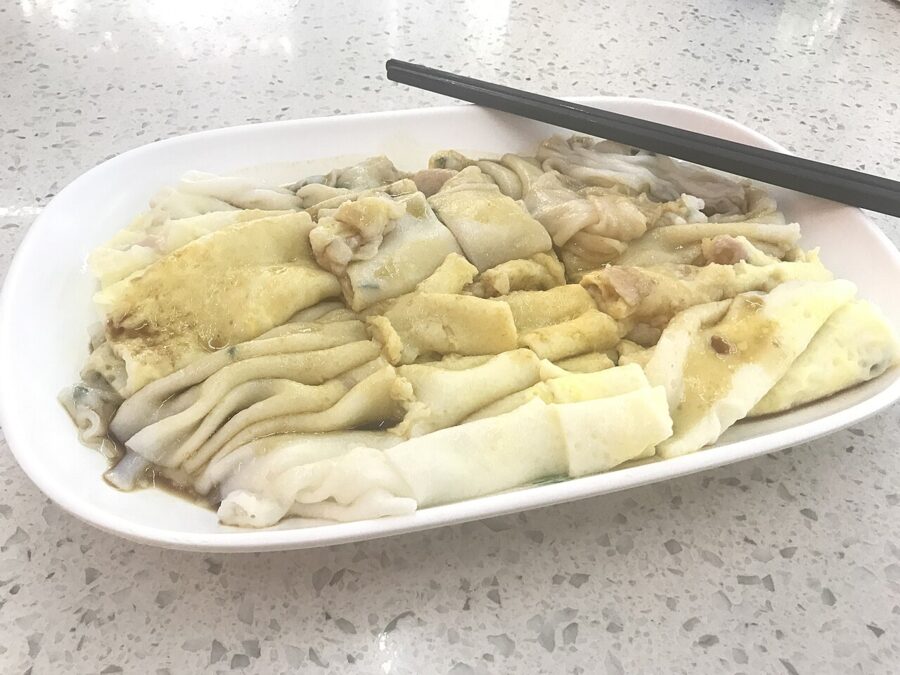
Yinji (银记肠粉) has been making cloth-pulled rice rolls since 1958, when Wu Yin opened the first shop on Wenchang North Road. The branch at 79 Shangjiu Road, inside the Shangxiajiu arcades, is the one most visitors use. Order at the till, then find a seat; the beef rolls and the char siu rolls are what people come for.
Wonton noodles and bamboo-pressed dough
Cantonese wonton noodles (云吞面) are thin, springy egg noodles with shrimp wontons in a broth made from dried flatfish and pork bones. The noodles are traditionally jook sing (竹升面): duck-egg dough pressed under a thick bamboo pole that the cook rides like a seesaw. My Chinese noodles guide has the full story of the bowl; here are the places to eat it.
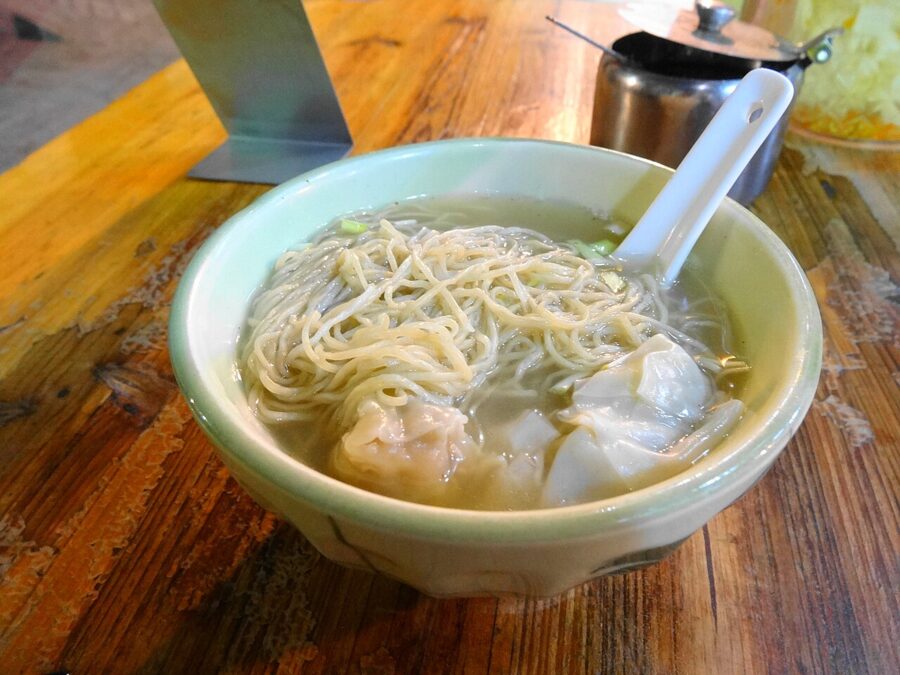
Xiguan Zhuyuan (西关竹园) makes its own jook sing noodles and has a branch inside the Lychee Bay scenic area, with trays of noodles drying outside; it’s on the 2026 Michelin Bib Gourmand list. Jianji (坚记面店, 303 Changshou East Road) has been serving yi mein (伊面), the fried, springy egg noodle, since 1956, and opens 06:30–20:00. Take Line 8 to Hualin Temple station, exit B.
Claypot rice, the winter dish
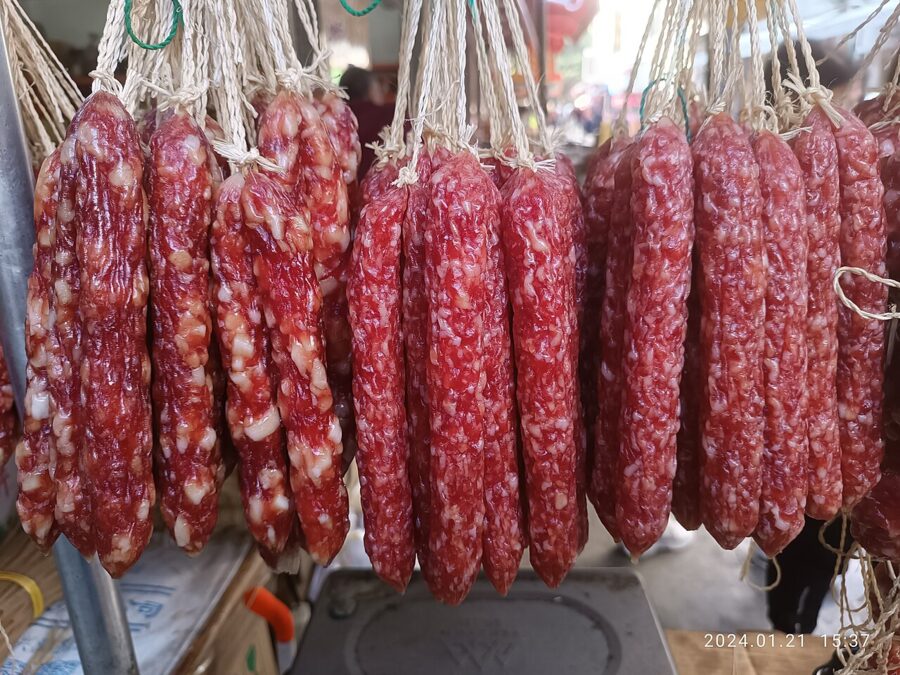
When the north wind arrives in November, Guangzhou starts eating claypot rice (煲仔饭). Rice goes into a clay pot over a strong flame, the toppings go in when the water’s nearly gone, and the pot sits on the heat until the bottom turns into a golden crust (饭焦). The classic is laap mei (腊味): Cantonese sausage, liver sausage and cured pork belly, with soy poured over at the table.
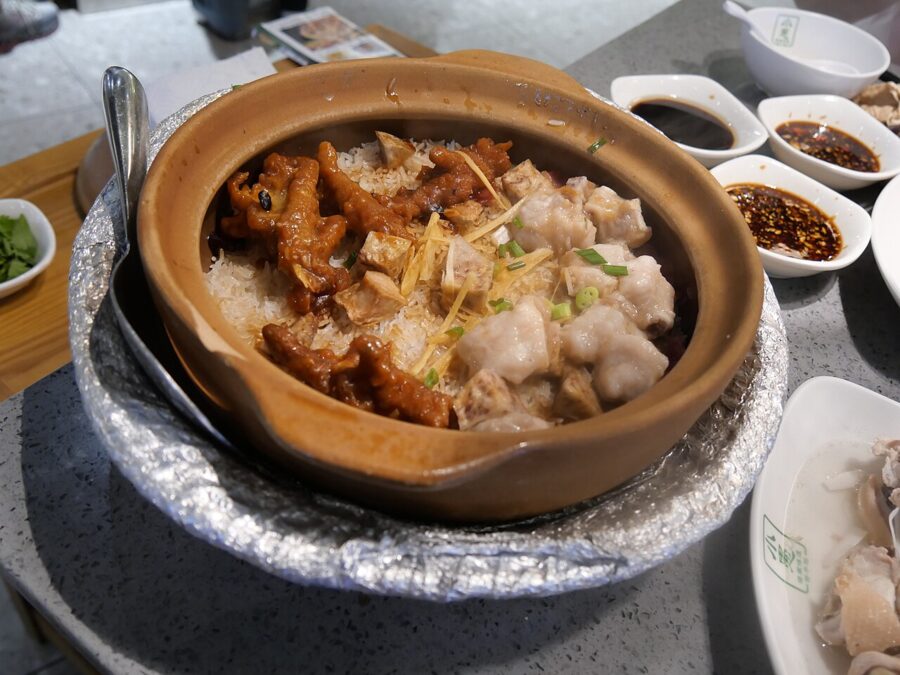
Chaoji (超记煲仔饭, 723 Longjin East Road) is the famous one, on the 2026 Bib Gourmand list. There’s a queue on cold evenings. Order one pot per person; sharing a claypot means arguing over the crust.
Steamed fish and green vegetables
In any Cantonese restaurant, the tank at the door is the menu. You point at a fish, it’s weighed live, you agree a price by the jin and a cooking style, and it comes back steamed ten minutes later. Check the weight and the price before it goes to the kitchen. That’s not suspicion, it’s just how it’s done, and the staff expect it.
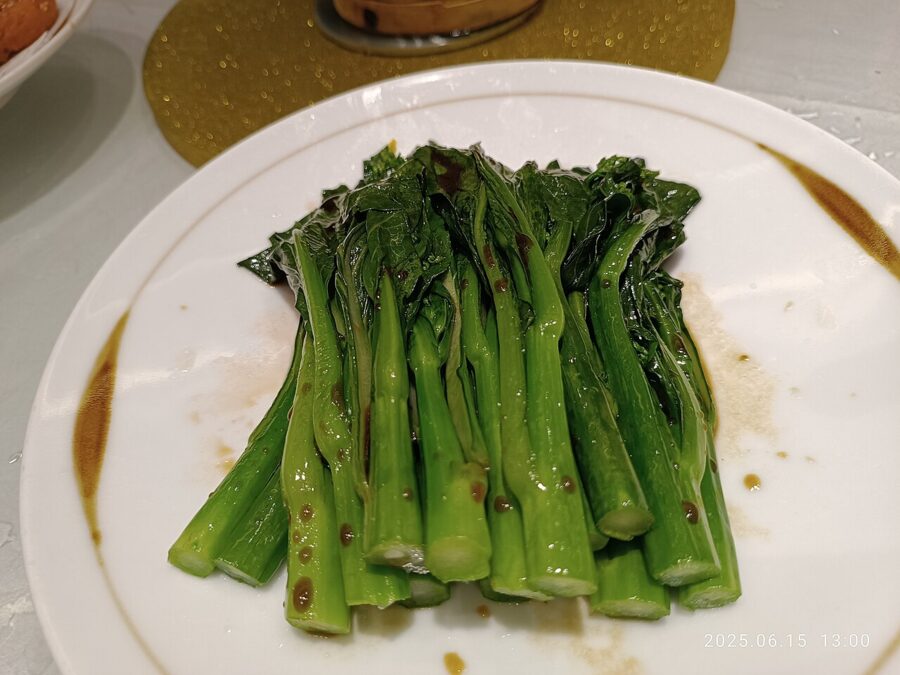
Green vegetables are always on the table: choy sum (菜心) and gai lan (芥兰) blanched with oyster sauce, water spinach stir-fried with fermented bean curd, pea shoots with garlic. Ask what’s in season (时菜) rather than ordering from the photos. A winter choy sum, after the first cold snap, is noticeably sweeter, and older diners will tell you so.
Tong sui: the sweet soups
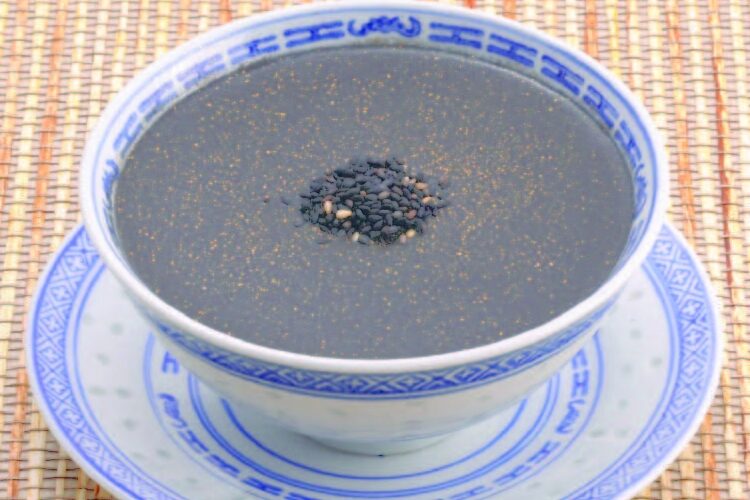
Cantonese desserts are called tong sui (糖水), “sugar water”, and most of them really are soups: red bean soup (红豆沙), mung bean soup, black sesame paste (芝麻糊), sweet potato and ginger soup, white fungus and papaya. They’re light on sugar, served hot in winter and cold in summer, and the dessert shops stay open late.
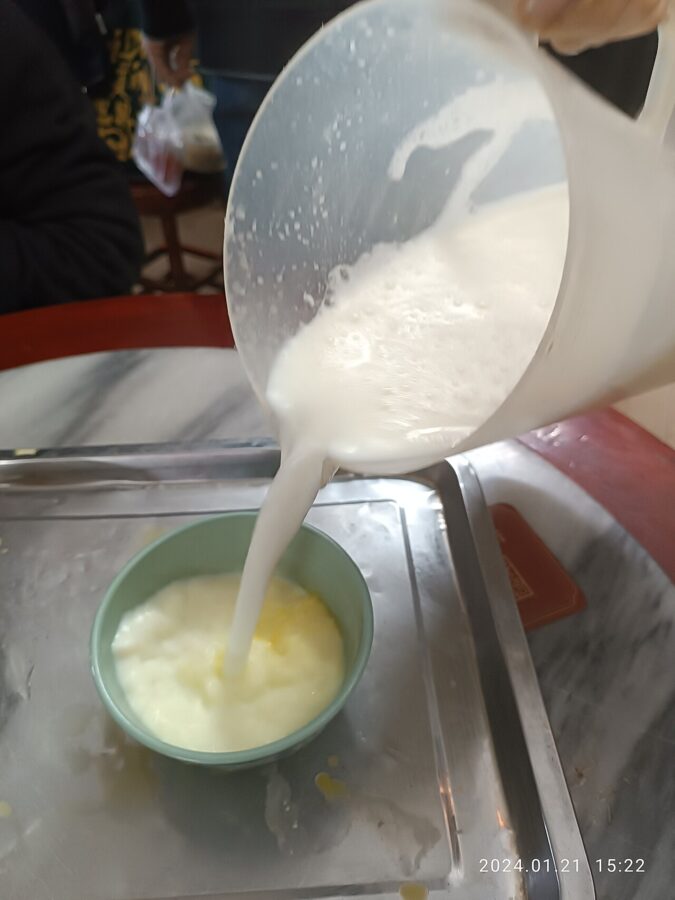
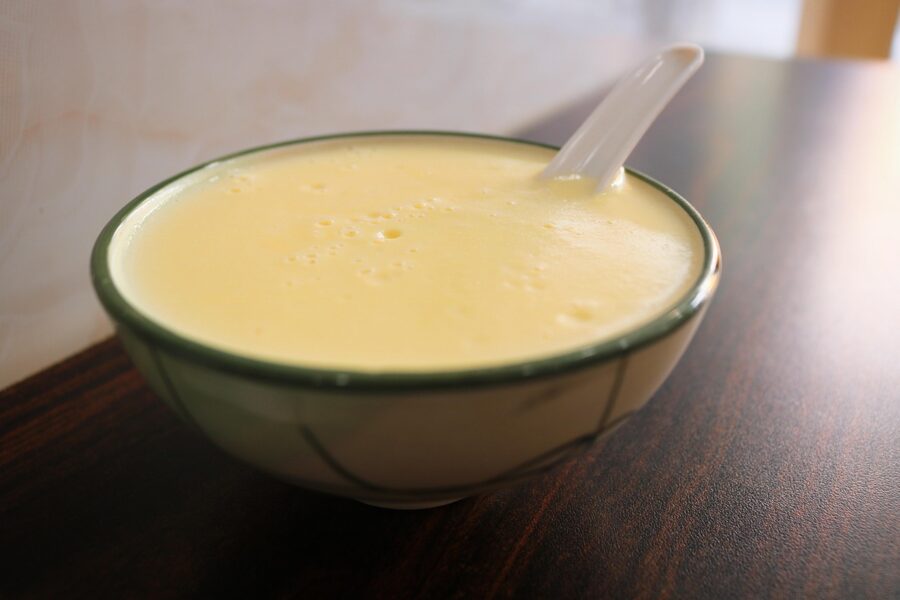
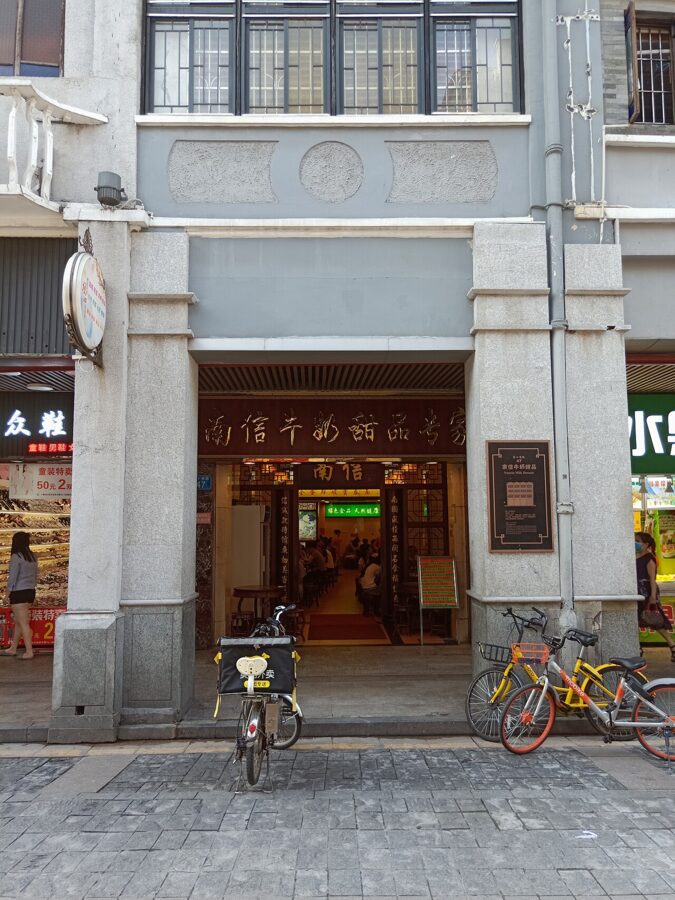
In Guangzhou, Nanxin (南信牛奶甜品专家, 47 Dishifu Road), on the Shangxiajiu pedestrian street, dates itself to 1934 and is the city’s best-known address for double-skin milk and ginger milk curd. Wenming Road in Yuexiu is the other dessert street, lined with old soup and sweet shops; Dayang (达扬原味炖品, 160 Wenming Road) has been double-boiling soups there since 1984, and most people spend about ¥25 a head on a cup of soup, such as black-bone chicken double-boiled in a whole coconut.
How to order a Cantonese meal
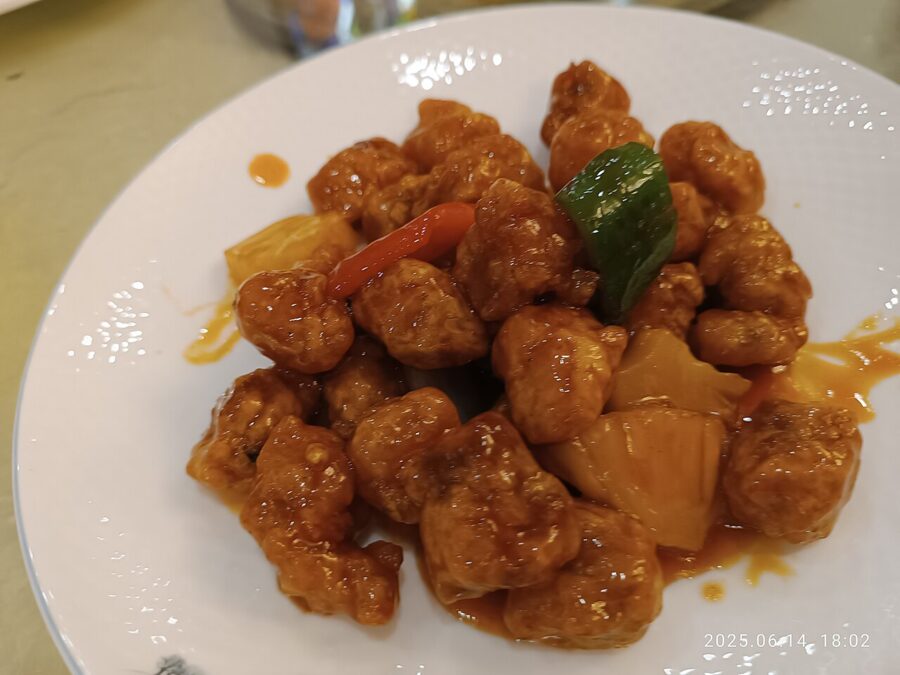
A Cantonese dinner is built to share, with one dish of each kind rather than one plate per person. The rough rule at a family table is one dish per person, plus a soup, plus one more. So four people get four or five dishes and a soup.
- Balance the cooking methods. Something steamed (fish or chicken), something roasted (a quarter goose or a char siu plate), something stir-fried with wok hei, a green vegetable and a soup.
- Order the soup first. It comes first, and in a Cantonese restaurant you drink it before the rice.
- Rice comes last, or not at all. At banquets, the plain rice or noodles arrive at the end, for anyone still hungry.
- Don’t order three fried things. The menu has plenty of them, and the meal will taste flat if they outnumber the steamed dishes.
Tea etiquette
At yum cha, pick a tea when you sit down. Pu’er and the half-pu’er, half-chrysanthemum blend called guk pou (菊普) are the local favourites; oolong, jasmine and chrysanthemum are usually available, and under the 2026 rules you can ask for the list. Pour for others before yourself.
When someone pours you tea, tap two fingers on the table twice (叩指礼) to say thanks. The story is that the Qianlong Emperor, travelling in disguise, poured tea for his companions, and they tapped bent fingers to mimic a kowtow without giving him away; there are several versions, and nobody can prove any of them. When the pot runs dry, lift the lid and leave it tilted on the rim. A server will come and refill it with hot water.
The bill
Wave and say maai daan (埋单) for the bill, or simply scan the QR code on the table and pay there. Alipay and WeChat Pay both work with foreign cards now. Cash is still legal tender, but small shops may be short of change. Check that the tea charge matches the number of people; it’s per head, and since May 2026 it has to be posted somewhere you can see it.
Where to eat it in 2026
Every place below was checked as trading in 2026. Many have several branches; I’ve named the one worth crossing town for. Book ahead at weekends and around the Spring Festival, and expect queues and higher prices during the May Day holiday and Golden Week, 1–7 October.
Guangzhou
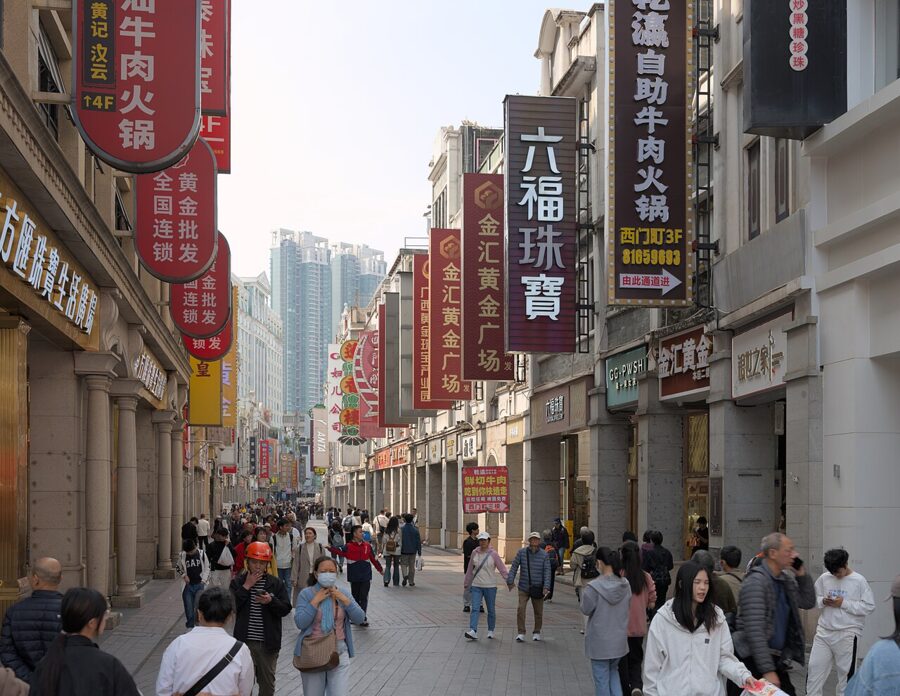
The easiest eating day in Guangzhou is a loop around Xiguan in Liwan, starting from Changshou Lu station (Line 1). Morning tea at Taotaoju or Lian Xiang Lou on Dishifu Road; rice rolls at Yinji on Shangjiu Road; double-skin milk at Nanxin; then up Baohua Road for white-cut chicken at Wenji Yixin Ji (10 Xuanyuan Bridge, off Baohua Road), which closes between lunch and dinner. Lunch on another day can be Panxi by the lake, with Xiguan Zhuyuan’s noodles in Lychee Bay afterwards and Chaoji’s claypot rice for dinner in winter.
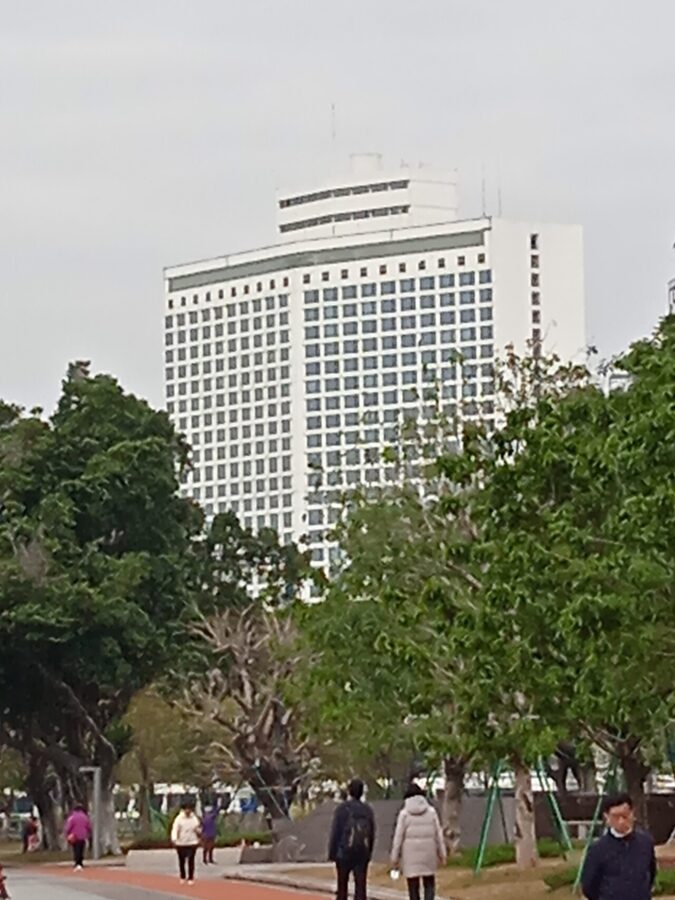
For a bigger dinner, the 2026 Michelin Guide, the first to cover Guangzhou and Shenzhen together, keeps three two-star restaurants in Guangzhou and 17 with one star. The Cantonese ones include Yu Tang Chun Nuan (玉堂春暖) at the White Swan Hotel on Shamian Island, the two Bingsheng fine-dining restaurants, Bingsheng Gongguan on Xiancun Road and Bingsheng Sichu on Tianhe East Road, and Huishijia (惠食佳) in Haizhu. Huishijia grew out of a street stall on Longjin Road in 1992 and is still the place for jee jee bou (啫啫煲), food cooked so hot in a clay pot that it sizzles all the way to the table; the eel version is the classic.
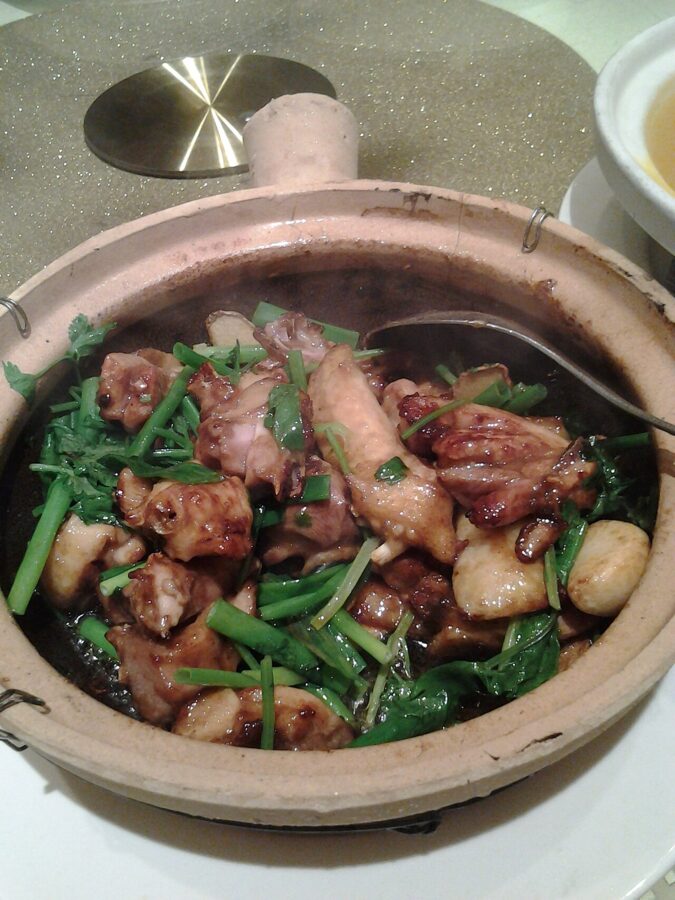
If you want somewhere quieter for morning tea, Nanyuan (南园酒家, 142 Qianjin Road) in Haizhu is the third of the old garden restaurants, built in 1958 on the site of a salt merchant’s garden and later redesigned by Mo Bozhi. Its kitchen also does Chaozhou dishes, which makes it an easy introduction to both.
Shunde
In Daliang, do double-skin milk at Minxin or Renxin on Huagai Road, then eat a proper Shunde lunch. Ye’s Dakuaihuo (叶氏大快活酒楼, 33 Changbao West Road) has been running since 1995 and is known for its roast squab; it opens 08:00–14:00 and 17:00–21:00. It isn’t walkable from the old town, so take a Didi from the metro.
In Ronggui, south of Daliang, Songji (松记食店, 3 Hexiang Road) has served clear-water hot pot since 1983, when Pan Songxing and his wife opened it in a bamboo shed by the canal. The broth is plain water; the point is the rare cuts of pork and beef and the fish belly, and the staff cook each one for you so you don’t overdo it. For roast goose, make the trip to Huanglian in Leliu, or try the Huanglian Datouhua branch in Daliang.
Shenzhen
Shenzhen is a city of migrants, so most of its Cantonese food arrived from elsewhere in the province. It has a few things of its own, though, and in August 2026 it earned its first Michelin stars, two two-star and five one-star restaurants in the debut edition.
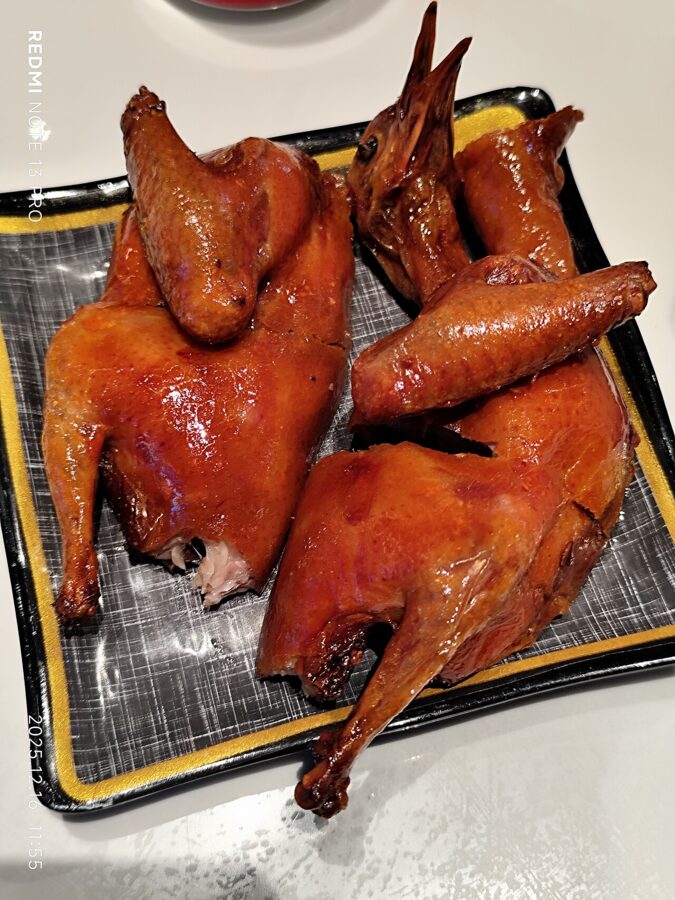
- Guangming squab. Guangming was a state farm before it was a district, and in 1982 the farm opened a pigeon farm with a Hong Kong partner. The farm guest house, Guangming Zhaodaisuo (光明招待所), opened in 1983 and made its name on red-braised squab, brined first and then fried; it turned 43 in June 2026. The original is on Fazheng Road in old Guangming, near Line 6.
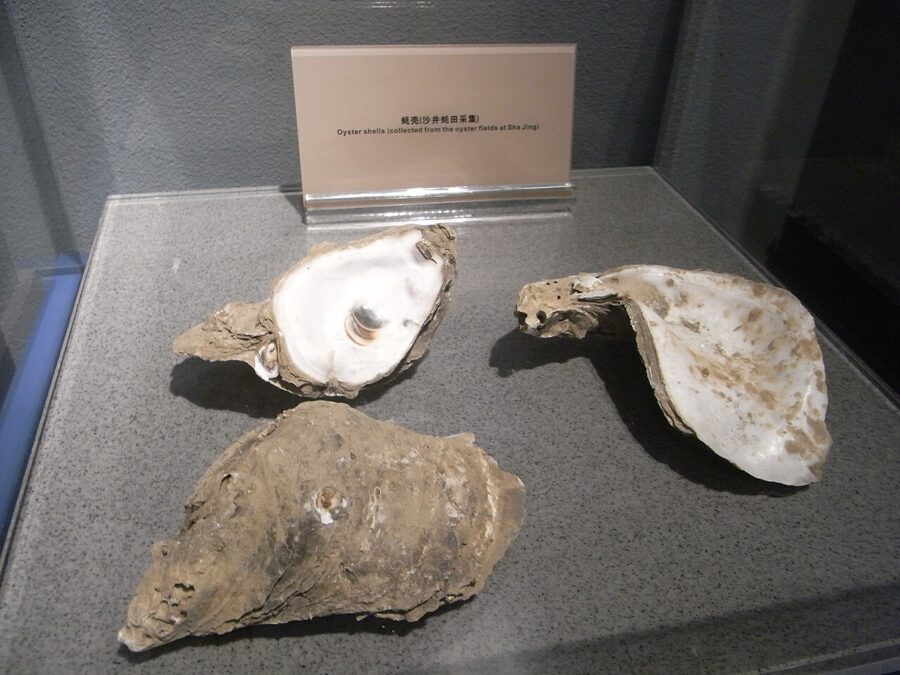
- Shajing oysters. Shajing in Bao’an has farmed oysters since the Song dynasty, and the local saying is that you eat oysters in Shajing at the winter solstice. The Shajing Golden Oyster Festival runs each winter from mid-December into January.
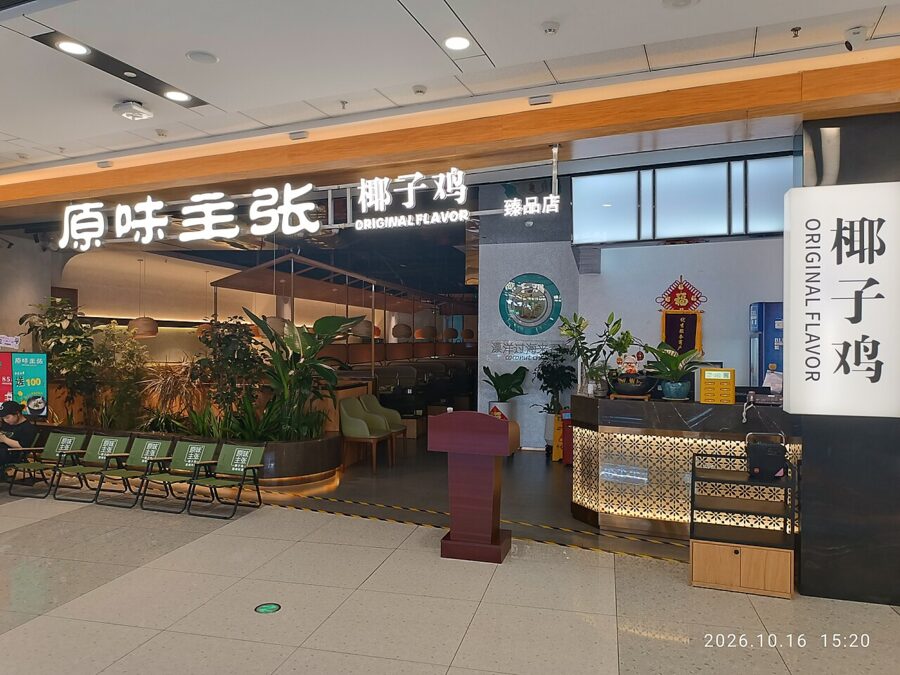
- Coconut chicken hot pot. Hainan’s dish became a Shenzhen institution; Runyuan Siji (润园四季) started in Xiangmihu in 2009 and is still one of the reliable chains.
- Rex Shanshui Cheung Fun (Rex山水肠粉) in Yantian, a neighbourhood rice-roll shop that made the 2026 Bib Gourmand list.
Shenzhen also has some of the best-run branches of Guangzhou’s chains, and it’s a better base for Cantonese food than its reputation suggests.
Skip this
- Peking duck in a Cantonese restaurant. It’s on the menu, as pin pei aap, and it’s rarely the best thing there. If you want Peking duck, read my Peking duck guide and eat it in Beijing; in Guangdong, order roast goose.
- The shark fin and bird’s nest pages. Expensive, ethically messy and not what the kitchen does best.
- Shunde yusheng, unless you’ve accepted the risk. See above. The fish soup is the better use of the same fish.
- Dim sum at 11:30 on a Sunday at the famous houses, unless you like queuing for over an hour. Go before 08:30, or on a weekday.
- Mall branches of the old names, if you only have one morning. The food is consistent, but the reason to go to Taotaoju, Lian Xiang Lou or Panxi is the building.
Start early, order the goose by its quarter, and leave room for a bowl of double-skin milk on the way home.
You Might Also Enjoy
 Sichuan Food: Mala, Mapo Tofu, Dan Dan Noodles and Where to Eat Them in Chengdu
 Dali: The Old Town, the Three Pagodas, Cangshan by Cable Car, Erhai by Bike and the Tea Horse Town of Shaxi
 Oden in Japan: Every Ingredient in the Pot, Shizuoka’s Black Broth and the Counters Worth Sitting At
 Tonkatsu in Japan: Rosu or Hire, the Tokyo Counters Worth the Queue, and the Whole Katsu Family