Staying in a Ryokan: What Happens, What It Costs and How to Choose One
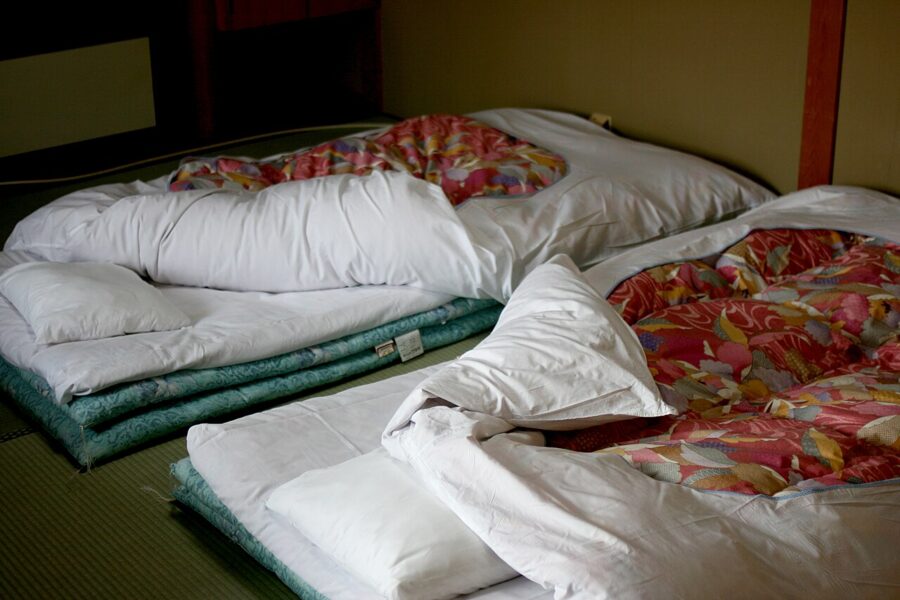
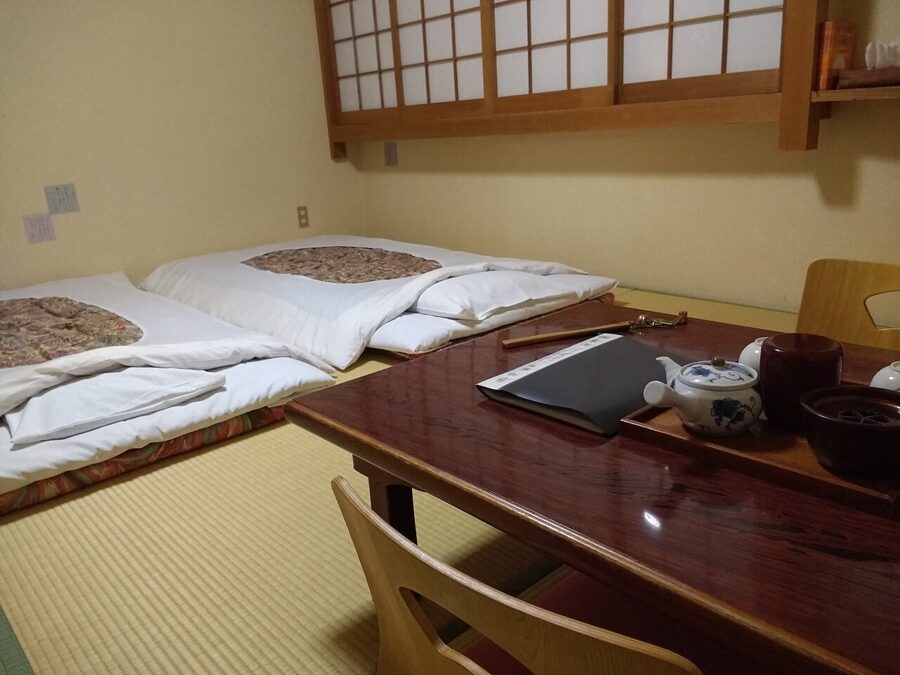
The table goes first. You come back from the bath with your hair still damp, slide the door open, and the low table you ate dinner at an hour ago is standing on its edge against the wall. In its place are two futons, sheets tucked tight, a thermos of cold water by the pillows and the lamp turned down. Nobody knocked, nobody asked, and that’s the whole idea of a ryokan: for one night the inn runs your evening, and the less you try to manage it, the better it goes.
A hotel sells you a room and leaves you alone in it. A ryokan sells you an evening, priced per person, with dinner, breakfast, a bath and a fair amount of choreography folded in. That’s why the first stay can feel oddly scripted, and why the second one feels like a holiday from making decisions.
Here’s the short version of what you’re choosing between. The prices are rough per-person figures for one night with dinner and breakfast, from what inns list for 2026; weekends, holidays and the room itself move them a long way.
| Type | What it is | Bath and meals | Rough price per person |
|---|---|---|---|
| Ryokan | A Japanese inn run around the evening: tatami rooms, staff who serve you, a fixed schedule | Shared baths (often hot-spring water), sometimes private ones; dinner and breakfast included | ¥15,000–40,000; the famous ones ¥60,000 and up |
| Minshuku | A family-run guesthouse, often in a home on the coast or in the country | A small shared bath; home cooking at a common table | ¥8,000–14,000 |
| Shukubo | Lodging inside a working temple, at Koyasan and other pilgrimage sites | Shared bath; Buddhist vegetarian meals; morning prayers | From about ¥13,000 |
| Pension | A small Western-style lodge, usually in ski and highland resorts | Shared bath; a Western-style dinner | ¥10,000–18,000 |
| Business hotel | A small modern room in a city, sold by the room | A plastic unit bath; breakfast at most | ¥8,000–15,000 for the room |
In This Article
- What makes an inn a ryokan
- The okami and the nakai
- Minshuku, pensions and business hotels
- Shukubo: sleeping in a temple
- Arrival: the first twenty minutes
- Slippers, and where they stop
- Tea, a sweet and the timetable
- The room, piece by piece
- The tokonoma is not a shelf
- The window seats
- Yukata, haori and the left-over-right rule
- When to put the jacket on
- The baths
- Private baths and rooms with their own
- Tattoos
- Dinner
- What the meal is
- Timing, drinks and the bill
- Dietary requests: tell them early
- The futon appears
- Breakfast and check-out
- What it costs, and what’s in the price
- The extras on the bill
- Weekdays, weekends and the nights before holidays
- Children
- Tipping, and why not
- Choosing one
- Where to look
- Solo travellers
- Children, mobility and access
- Booking
- Old inns that still take guests
- Skip this
- The etiquette that actually matters
What makes an inn a ryokan
The word is written 旅館, “travel building”, and it’s newer than the thing itself. For most of the Edo period, people on the road stayed at hatago. The word first meant the basket a traveller carried feed for his horse in, then the food itself, then the inn that served it, and the post towns of the Tokaido highway between Edo and Kyoto alone held something like 3,000 of them.
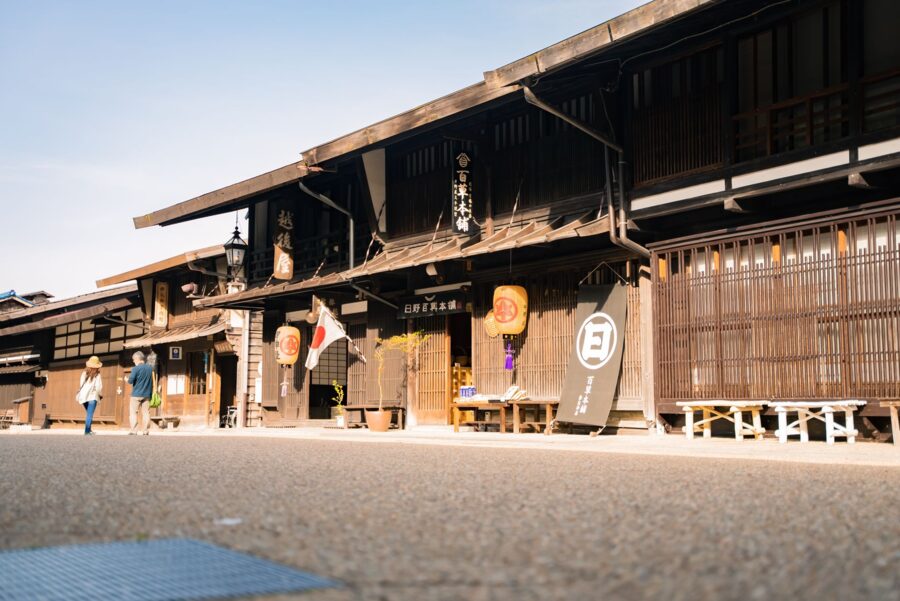
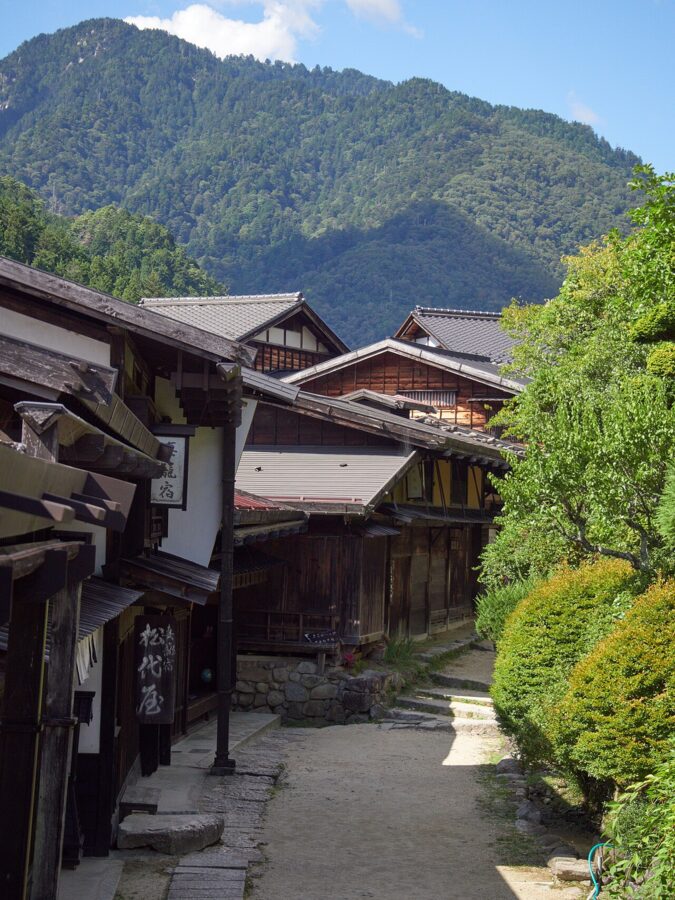
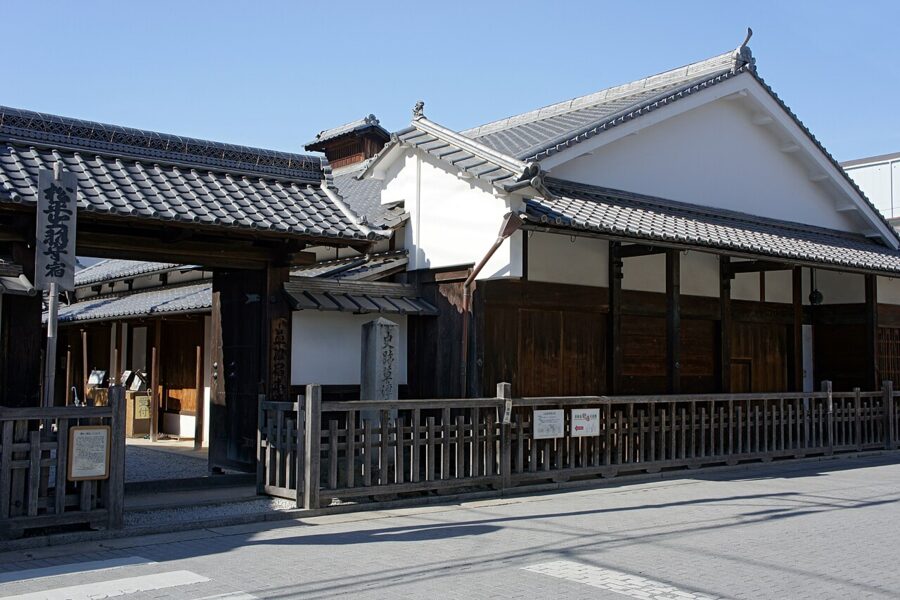
There was a pecking order. Daimyo travelling to and from Edo stayed at a honjin, with a gate, a formal porch and a raised room of honour, and the overflow went to the waki-honjin. Ordinary travellers took a hatago and got a standard dinner of one soup and two or three dishes. The poorest stayed at a kichin-yado, where you paid for the firewood and cooked your own rice.
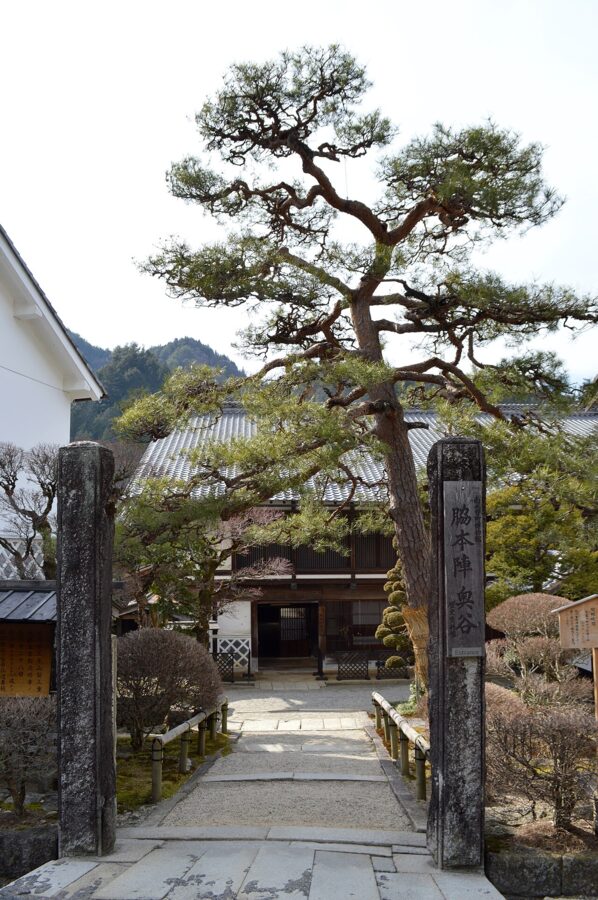
That arrangement, a bed and a set meal sold together, is the thing that survived. When the railways killed the old highways in the Meiji era, the inns that made it moved to station fronts and hot-spring towns, and the one-night, two-meal plan (ippaku nishoku) became the default. Today’s law, the Ryokan Business Act of 1948, doesn’t even separate them from hotels any more: a 2018 amendment folded “ryokan” and “hotel” into a single licence. What an inn calls itself is now a choice, not a category.
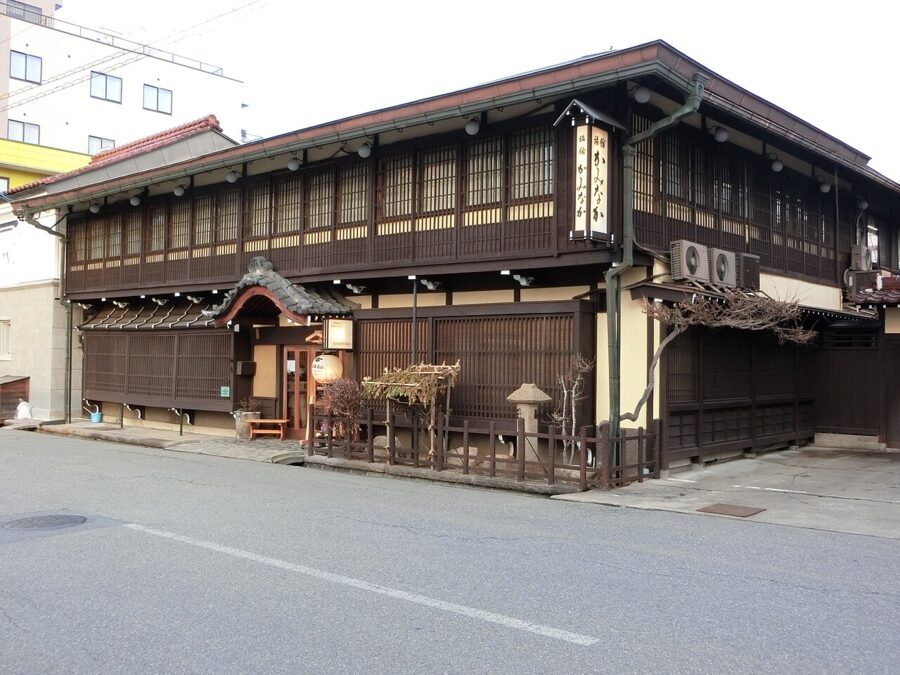
So the useful definition is practical. A ryokan has tatami rooms, a person assigned to look after you, dinner and breakfast built into the price, a shared bath (sometimes private ones too) and a timetable. Take away the staff and the dinner and you have something else, however good the building is.
The okami and the nakai
Two people shape your stay. The okami runs the inn’s front of house, often the owner’s wife or the owner herself, and at a family inn she’ll usually greet you at the door in kimono. The nakai is your room attendant: she shows you to the room, makes the first tea, serves dinner if it comes to the room and lays the futons. At a big resort inn the job is spread across a team.
Minshuku, pensions and business hotels
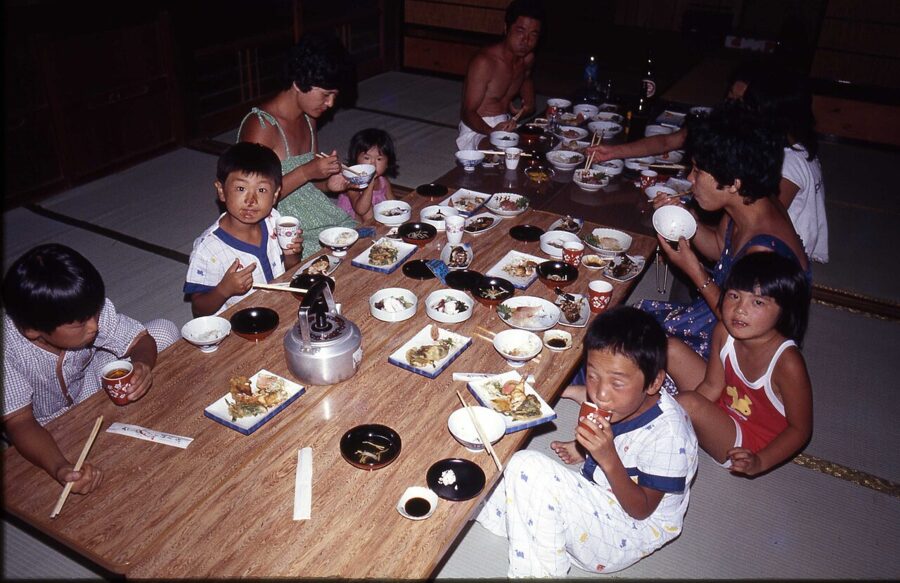
A minshuku started life as a farming or fishing family renting out a spare room to skiers and summer swimmers. Many still feel that way: the family cooks with what they grew or caught, everyone eats at the same time, and you lay out your own futon from the cupboard. You bring your own toothbrush. In return you pay roughly half what a ryokan costs, and the dinner is often the best home cooking you’ll eat in Japan.
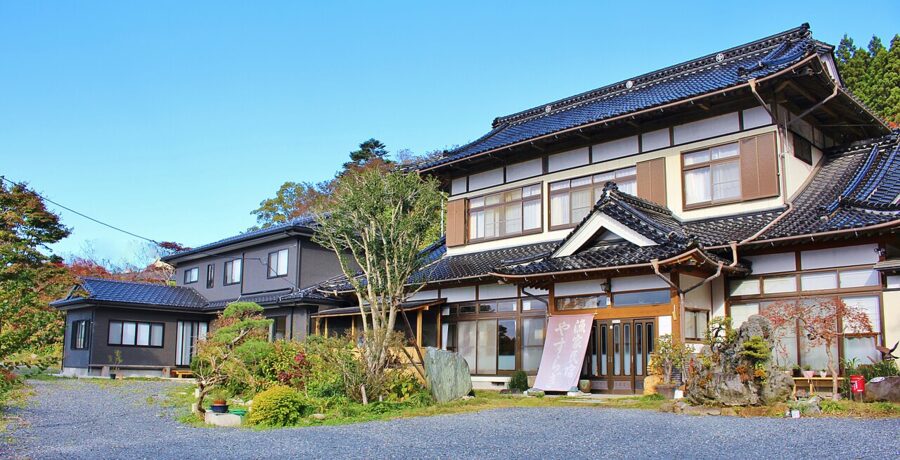
A pension is a later idea: a small family lodge with beds and a Western-style dinner, mostly in ski and highland resorts. Fine, but not a ryokan, whatever the booking site’s filter says.
Shukubo: sleeping in a temple
Temples have put up pilgrims since the Heian period, and at Koyasan, the mountain monastery town in Wakayama, 52 of its 117 temples still run lodgings. The routine is a ryokan’s with the volume turned down: a tatami room, a shared bath, a Buddhist vegetarian dinner of shojin ryori and an optional morning service in the main hall. Some are strict; Shojoshin-in, for one, only takes guests aged 18 and over.
If you eat no meat or fish, a temple stay is the easiest night in Japan, since the kitchen already works that way; my guide to eating vegetarian in Japan has the details on what to ask for at ordinary inns.
Arrival: the first twenty minutes
Check-in is usually 15:00, and it’s worth turning up close to it. Hiiragiya in Kyoto lets you in at 15:00 and wants you out by 11:00; Shojoshin-in on Koyasan works to 15:00 and 10:00. Arrive at 19:30 and you’ve paid for a dinner the kitchen started plating an hour ago.
The ritual starts at the door. The entrance hall, the genkan, has a stone or concrete floor and then a raised wooden step; you take your shoes off on the stone side and step up in your socks. Someone will usually whisk your shoes into a cupboard and hand you slippers. Don’t step back down onto the stone in socks, and don’t worry about which slippers are yours: at a busy inn nobody’s are.
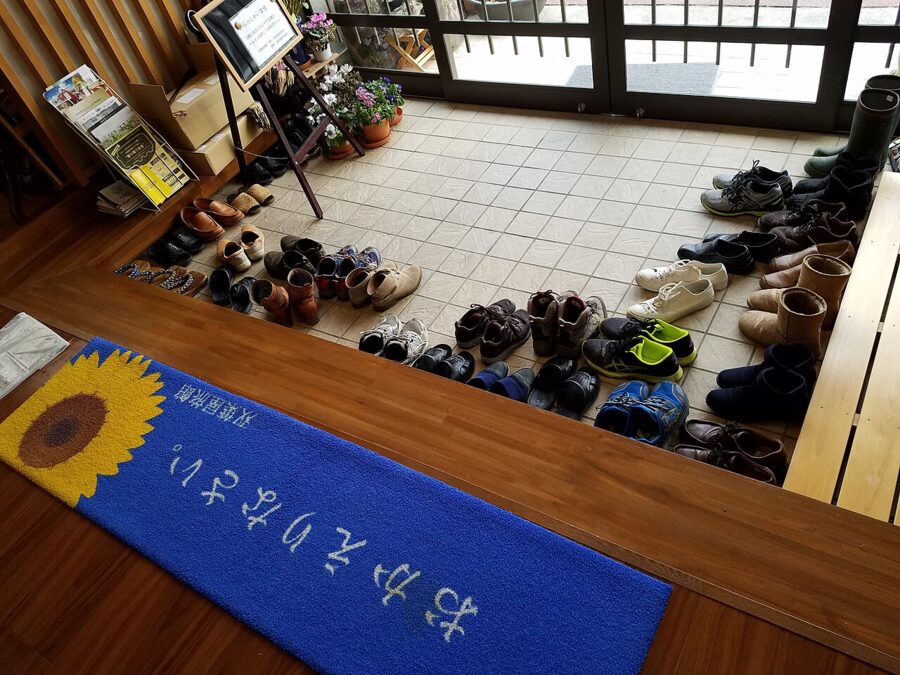
Slippers, and where they stop
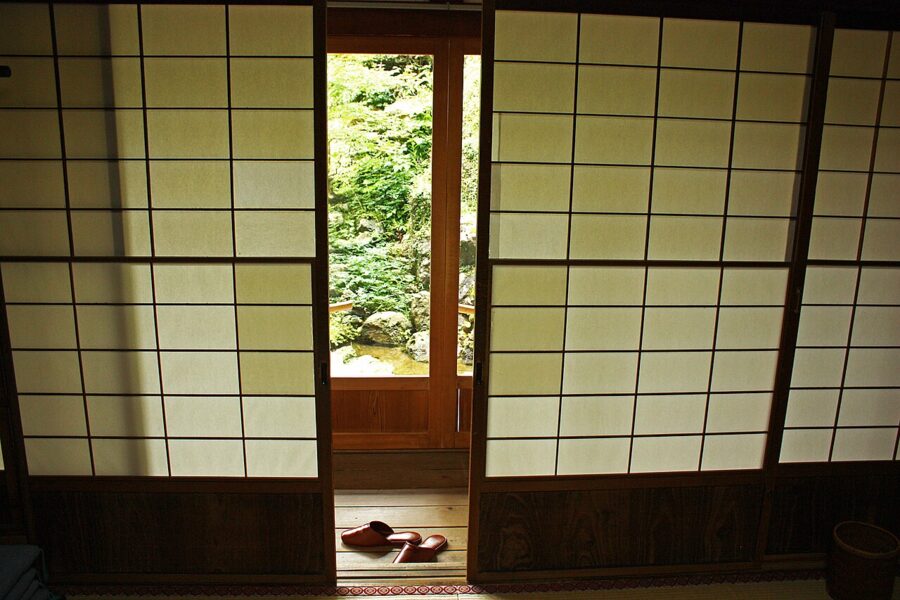
The slippers are for corridors and stairs. They come off at the edge of the tatami, every time, because tatami is a floor you sit and sleep on and nobody wants grit from the corridor on it. You’ll leave them pointing outwards at the door of your room and step onto the mats in socks or bare feet.
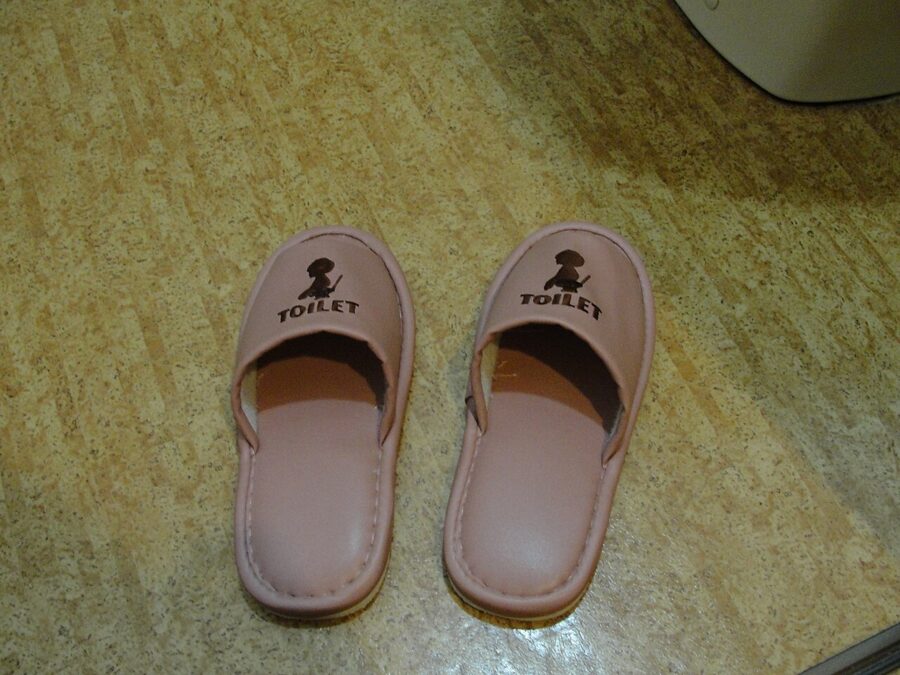
The toilet gets its own slippers too, usually plastic and sometimes printed with the word TOILET. Swap in, swap out. Once you’ve done it twice it stops feeling like a test.
Tea, a sweet and the timetable
In the room, the nakai kneels at the table, makes a pot of green tea and sets a small sweet in front of you. At a smaller inn she’ll do it while running through the evening: what time you’d like dinner, where it’s served, when the baths open and close, and when the men’s and women’s baths swap over. If you don’t get asked, the tea set and a wrapped sweet will be waiting on the table instead, with a thermos of hot water.
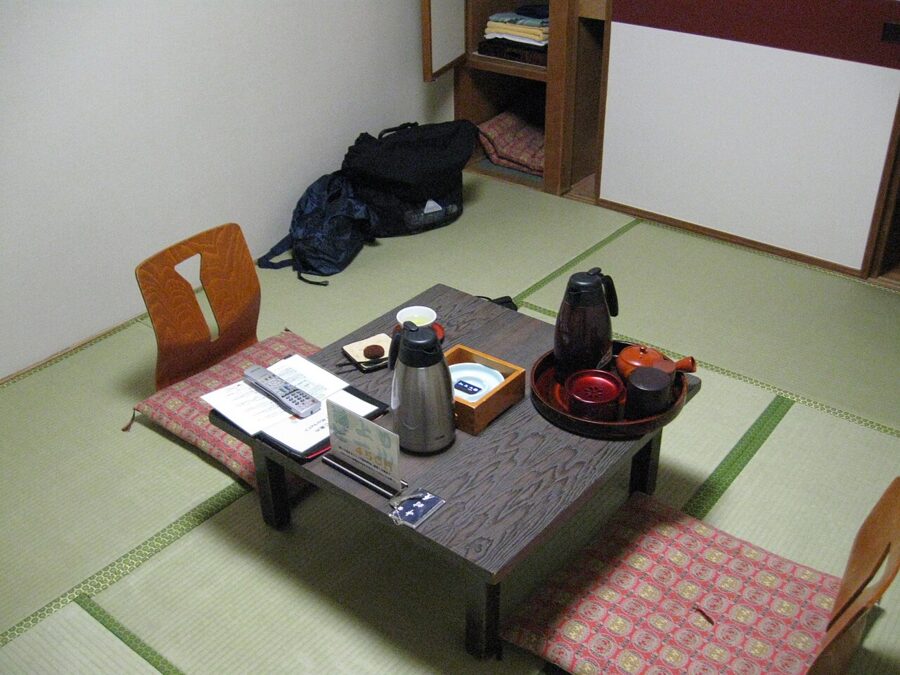
The sweet isn’t just politeness. The Japan Spa Association’s explanation is that you’ve usually been walking all day, your blood sugar is low, and a hot bath straight after that is how people faint in changing rooms. It’s also, quite often, sold by the box in the inn’s shop, which is the other reason it’s there. If you like it, my guide to wagashi explains what you’ve just eaten, and the tea in the pot is almost always ordinary sencha.
Two small things to sort out in those first minutes. Tell the nakai about anything you can’t eat, even if you wrote it on the booking, since this is when the kitchen will hear about it. And pick the later of the two dinner sittings if you’re offered a choice. It buys you a bath first, which is the right order.
The room, piece by piece
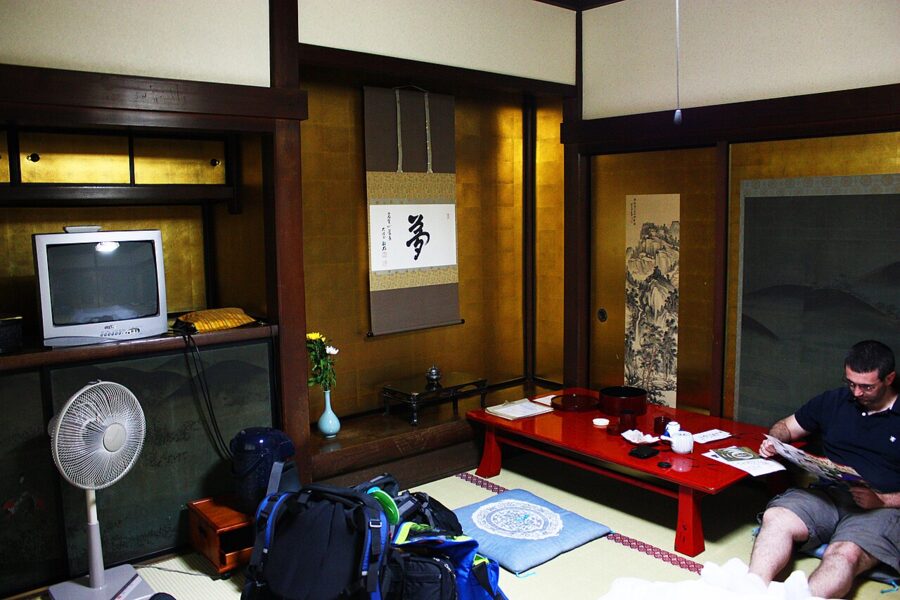
A ryokan room is measured in tatami mats, each about 1.8 by 0.9 metres, and a standard room for two is eight or ten mats. The furniture is a low table, a pair of legless chairs (zaisu) with floor cushions, a tea set and very little else. Everything you’d expect to find in a hotel wardrobe is in a cupboard behind a sliding door: yukata, towels, a safe, the bedding for later.
The tokonoma is not a shelf
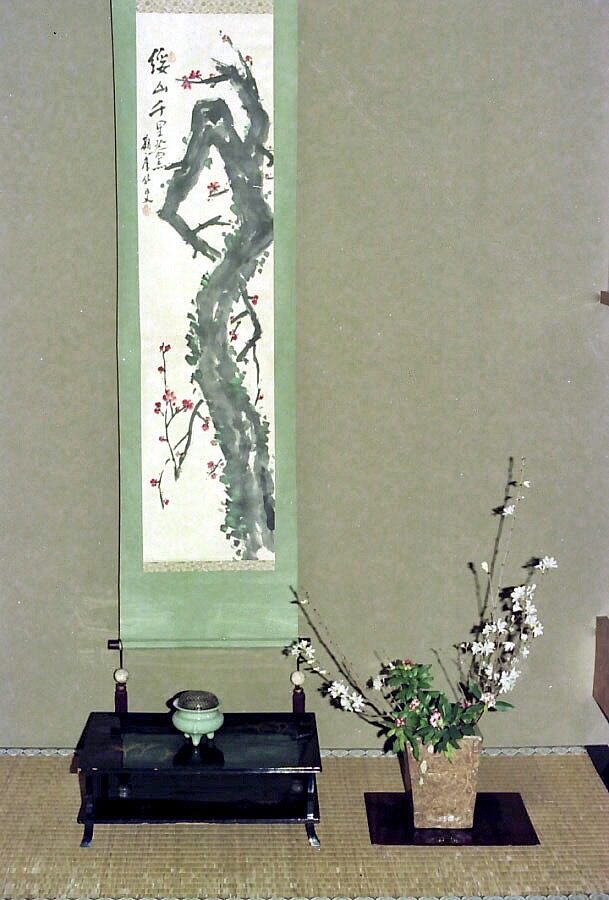
The raised alcove at one end of the room is the tokonoma. It holds a hanging scroll and flowers chosen for the season, and in a traditional room it’s the place of honour: guests are seated with their backs to it. It is not where your suitcase goes, and you shouldn’t sit or stand in it. Put bags in the cupboard or in the corner by the door.
The window seats
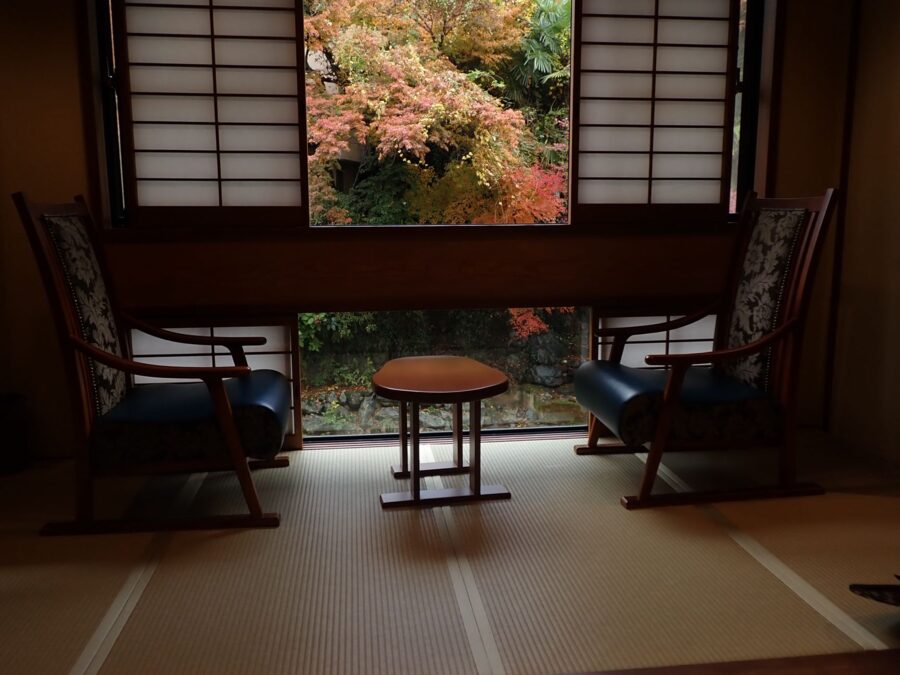
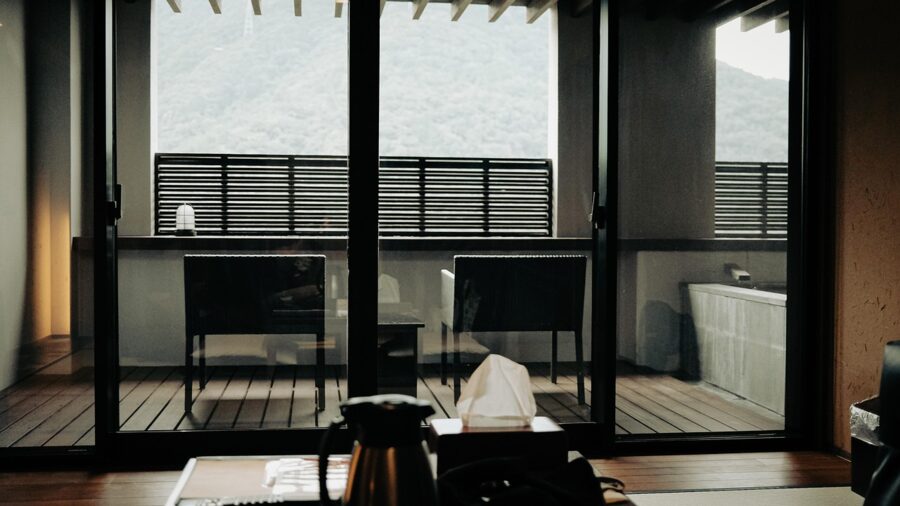
Most ryokan rooms end in a narrow strip between the tatami and the window, floored in wood, with two chairs and a small table. It’s called the hiroen. This is where you sit with a beer after the bath, or with tea at dawn while the rest of the room is still asleep, and in a mountain or seaside inn it’s where the view you paid for actually is.
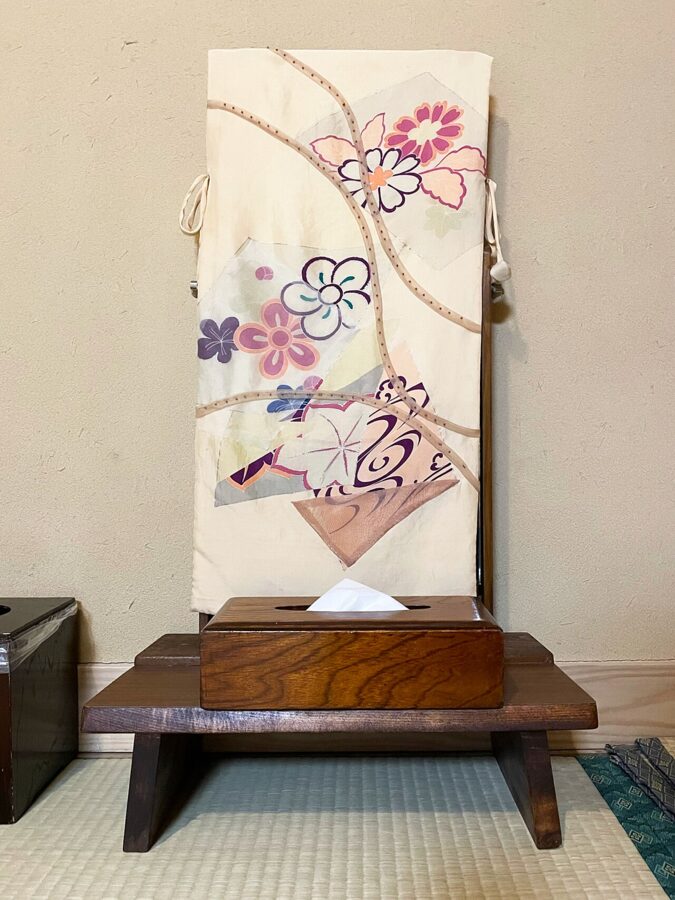
Then there are the small things. A fridge in the room usually holds drinks that go on your bill. The wardrobe will have a stack of yukata in two or three sizes. And in an older inn you might find a low dresser with a cloth over the mirror, which keeps the dust off and the glass from staring back at you all evening.
Yukata, haori and the left-over-right rule
The yukata in the cupboard is a cotton robe, and inside the inn it’s what everyone wears: to the bath, to dinner in the dining room, down the corridor in the evening and to bed. Change into it soon after you arrive. You’ll feel faintly ridiculous for about ten minutes and then you’ll stop noticing, because everyone else in the building is dressed the same way.
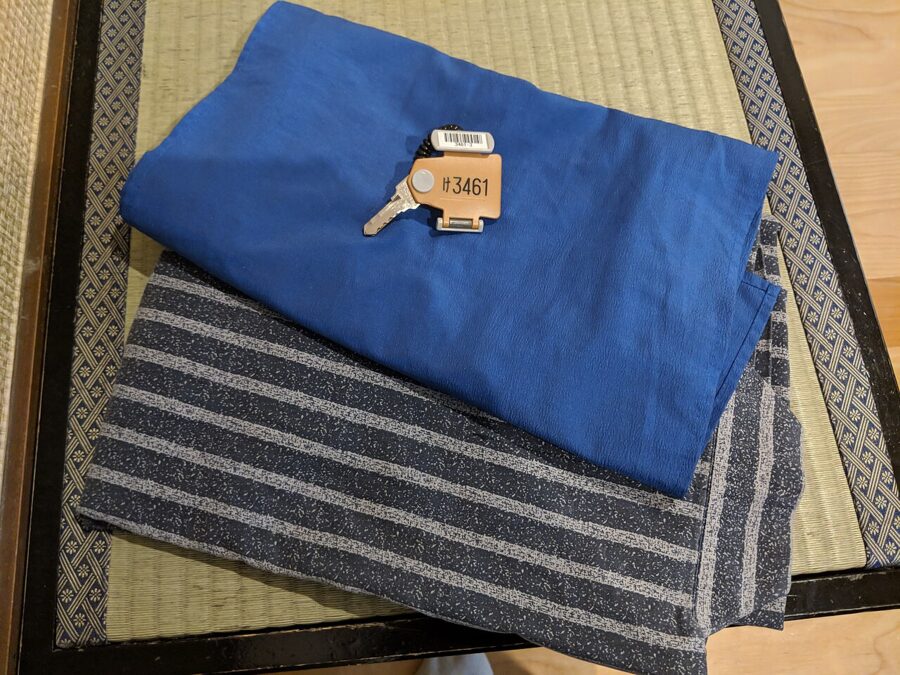
The rule that matters is left over right. Wrap the right side against your body first, then cross the left side over it, so that from the front the left panel lies on top. Right over left is how the dead are dressed for a funeral. It’s the one yukata mistake that makes Japanese staff wince, and it’s easy to remember: you should be able to slip your right hand into the robe at the chest.
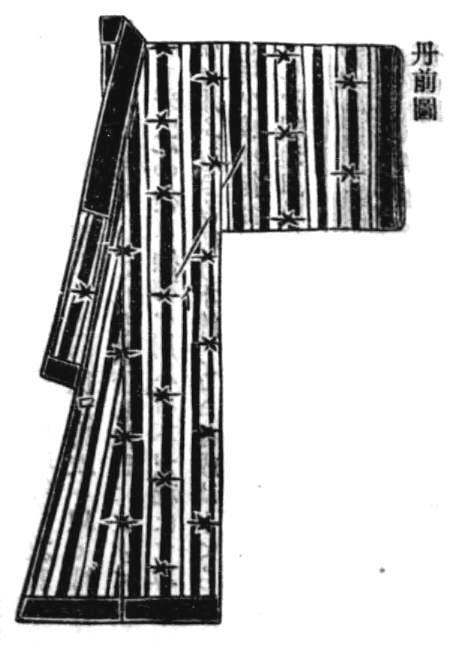
Tie the sash below your waist if you’re a man, a little higher if you’re a woman. Wear something under it if you like; plenty of Japanese guests wear a T-shirt or a camisole, and it stops the robe gaping open on the stairs. In cold months you’ll also find a short jacket, the haori, or a longer padded one, the tanzen.
When to put the jacket on
The haori is less about warmth than about looking finished. Japanese etiquette writers treat it as the yukata’s going-out layer: you wear it in the lobby, the dining room and the corridors, and take it off in your room. Its little cords tie loosely in front, or not at all. Neither the haori nor the yukata goes home with you; both stay in the room when you check out.
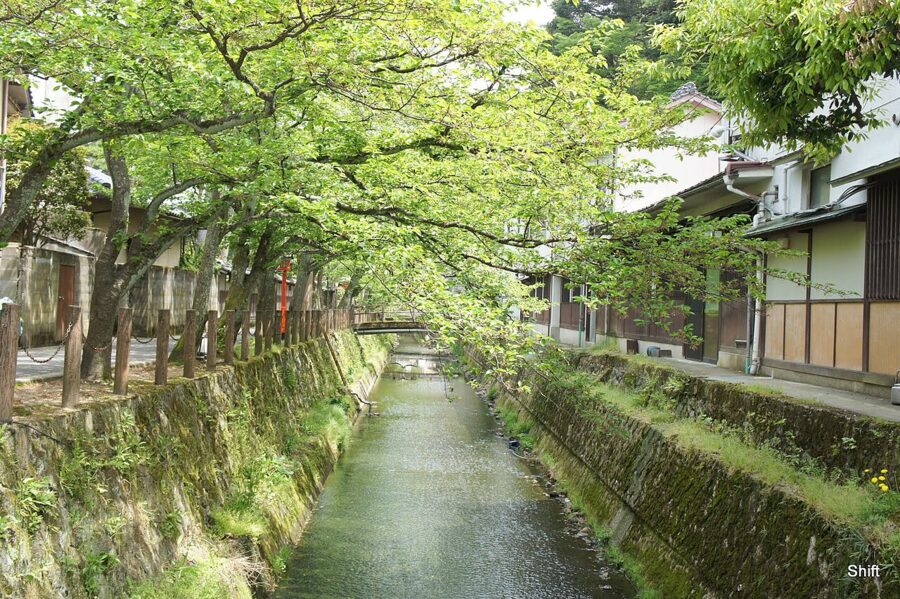
In an onsen town, the yukata goes out too. Inns in places like Kinosaki lend you wooden geta and sometimes an umbrella, and the evening stroll between bathhouses in robes is half the point of the place. In Kyoto or Tokyo, keep it inside the building.
The baths
Almost every ryokan has at least one large shared bath, the daiyokujo, one for men and one for women, and at a hot-spring inn this is the reason you came. The routine is the same as any Japanese bath: undress in the changing room, wash thoroughly sitting on a stool at the taps, then get in. My onsen guide goes through the bathing itself step by step, so here I’ll stick to what’s particular to staying the night.
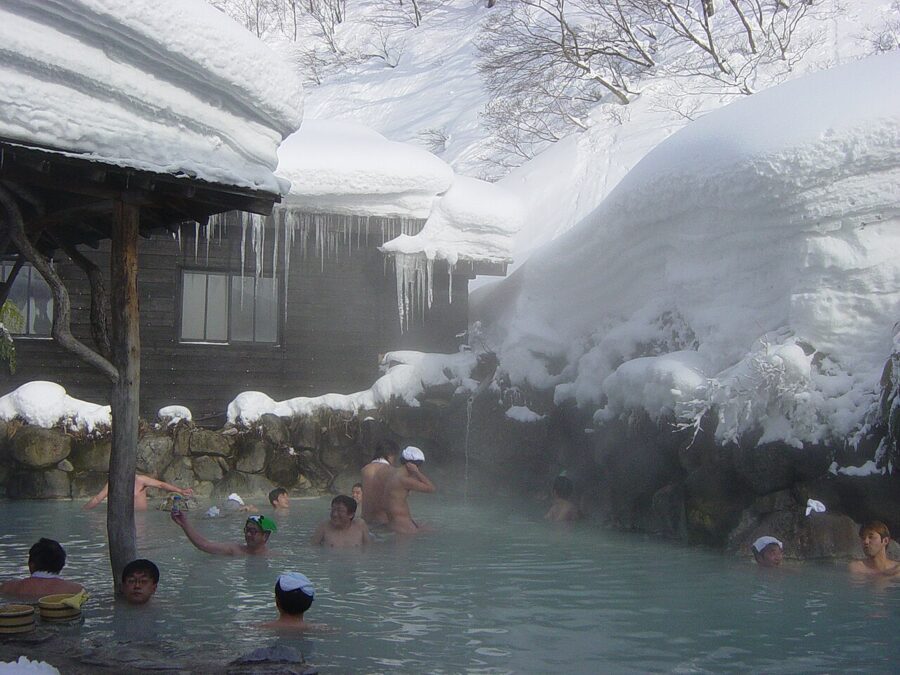
Bath hours are fixed. A typical inn opens its baths mid-afternoon, closes them for cleaning for a few hours after midnight and reopens early. Many also swap the men’s and women’s sides overnight so everyone gets to try both, and the curtains move with them: the indigo one usually marked 男 for men, the red one 女 for women. Read the characters every time.
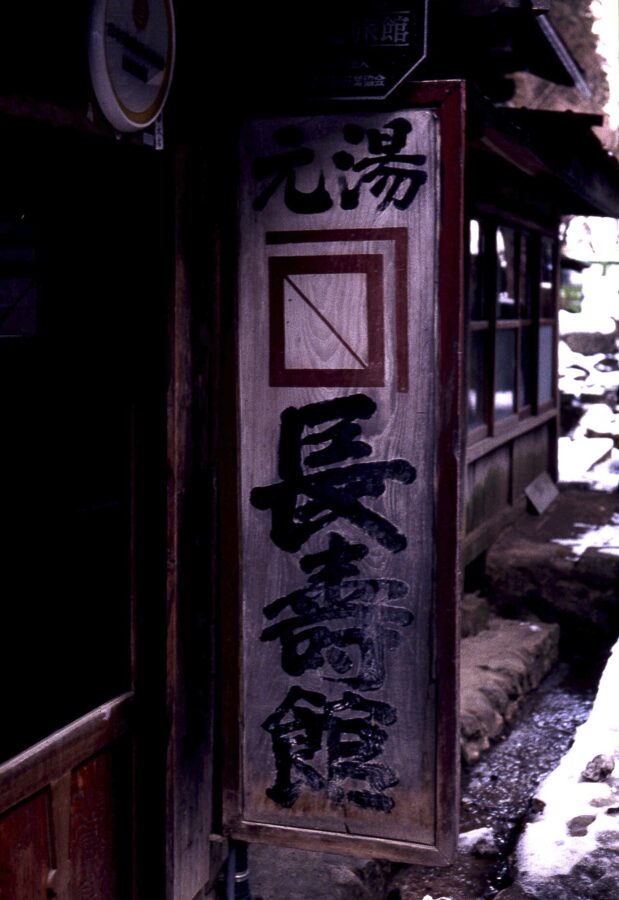
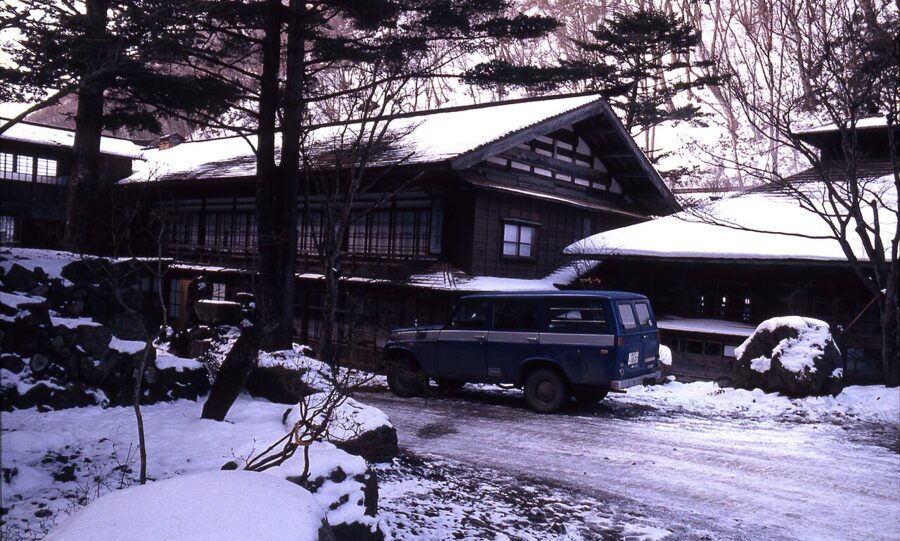
Some inns still have a mixed bath. At Chojukan, the 1875 inn at Hoshi Onsen in Gunma, the wooden bathhouse built in 1895, Hoshi-no-yu, is a mixed bath, and the inn is clear that you can’t wear a bathing garment or wrap a towel round yourself in it. It keeps a separate women-only bath, Choju-no-yu, and sets men’s and women’s hours in its large baths.
Private baths and rooms with their own
If you’d rather not bathe with strangers, there are three ways round it. The cheapest is the kashikiri-buro, a small private bath you book for a set slot, usually 40 to 50 minutes. Some inns include it in the price and some charge a few thousand yen; at Kanaguya in Shibu Onsen there are five of them alongside three large baths. Book your slot at check-in, because the good times go first.
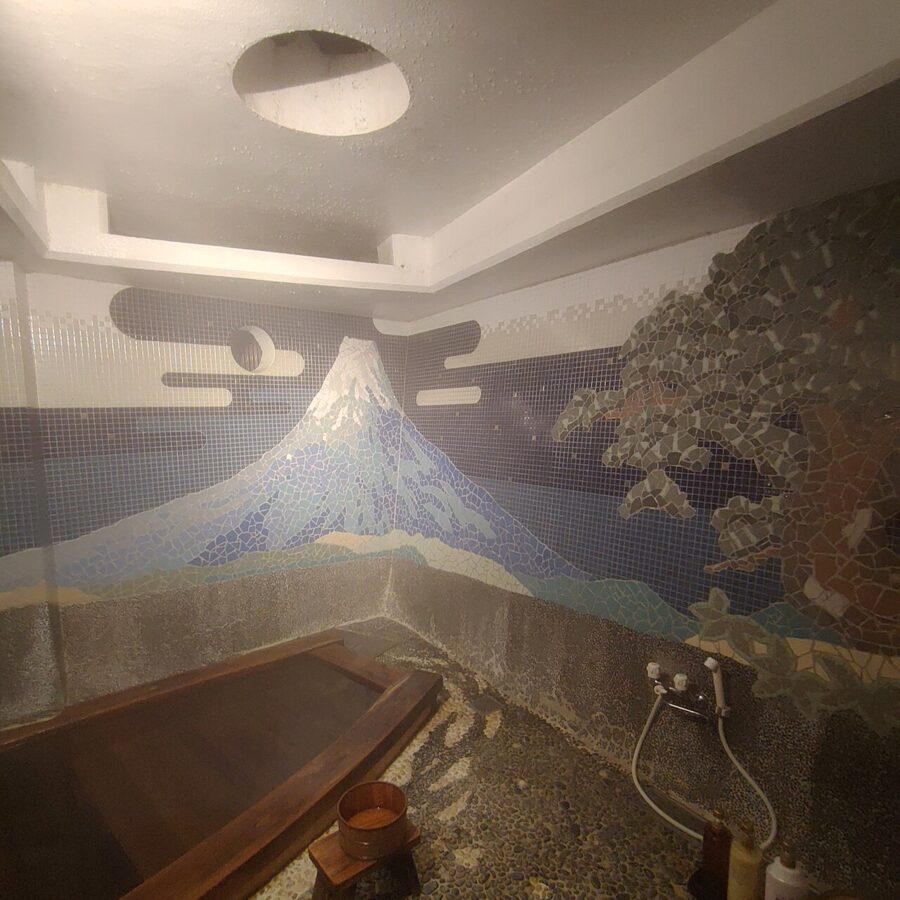
The second is a room with its own bath, either a deep tub of cedar or cypress in the bathroom or an open-air one on a terrace, sold as roten-buro tsuki kyakushitsu. These are the rooms in the brochure, and they cost more than anything else in the building. One thing worth checking: a hot spring only puts out so much water, and not every room bath is filled from the source. Ask whether it’s kakenagashi, water flowing straight from the spring, or ordinary hot water.
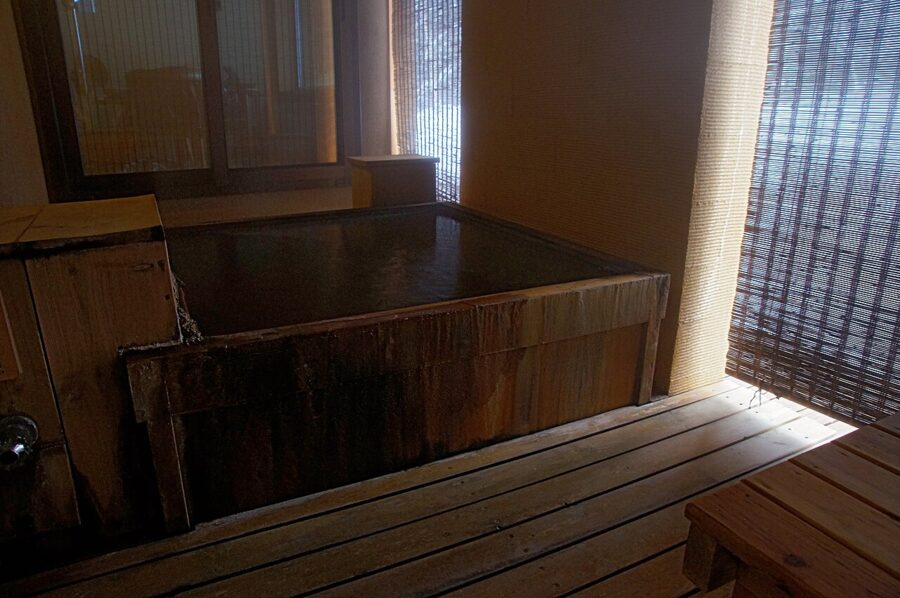
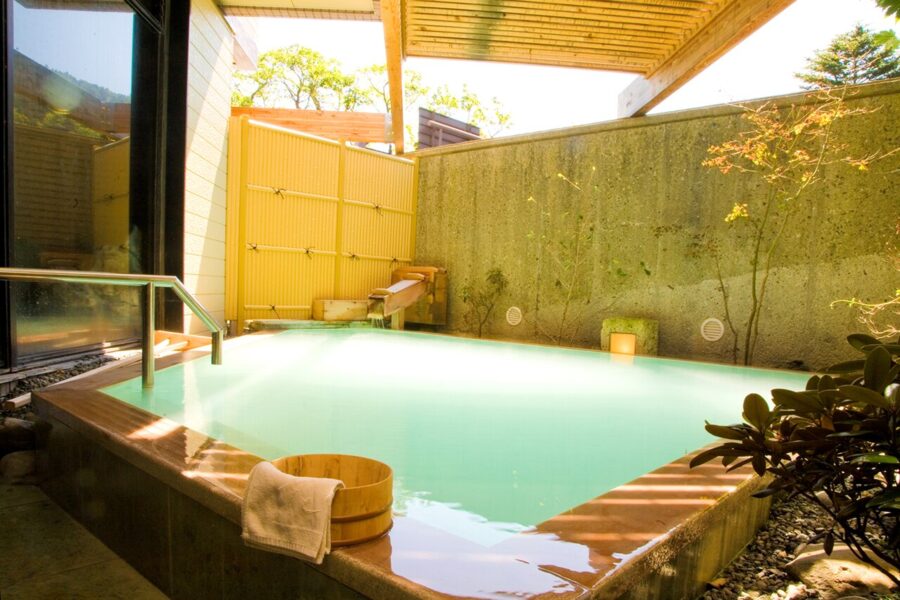
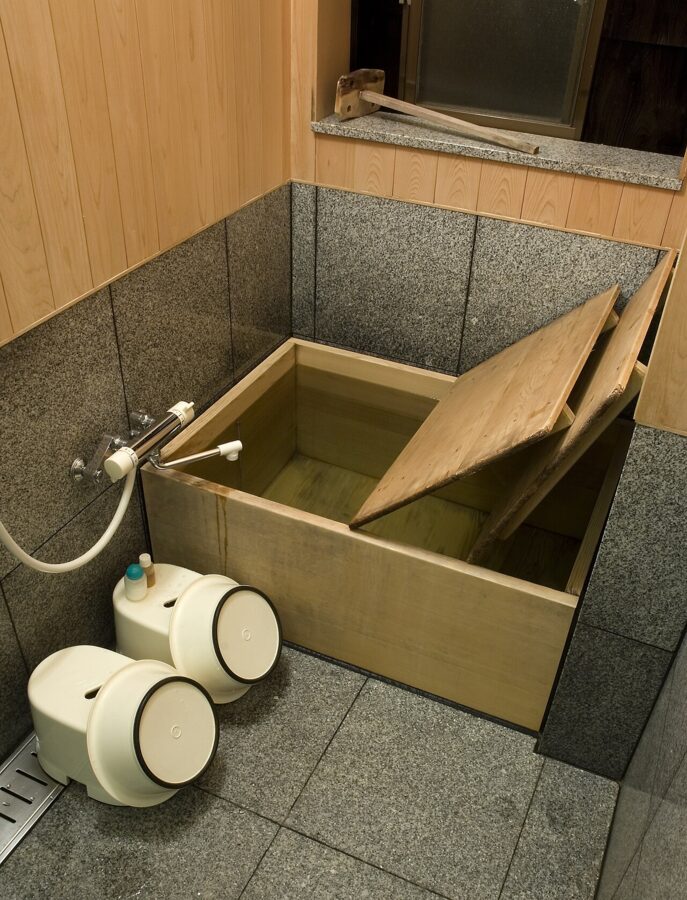
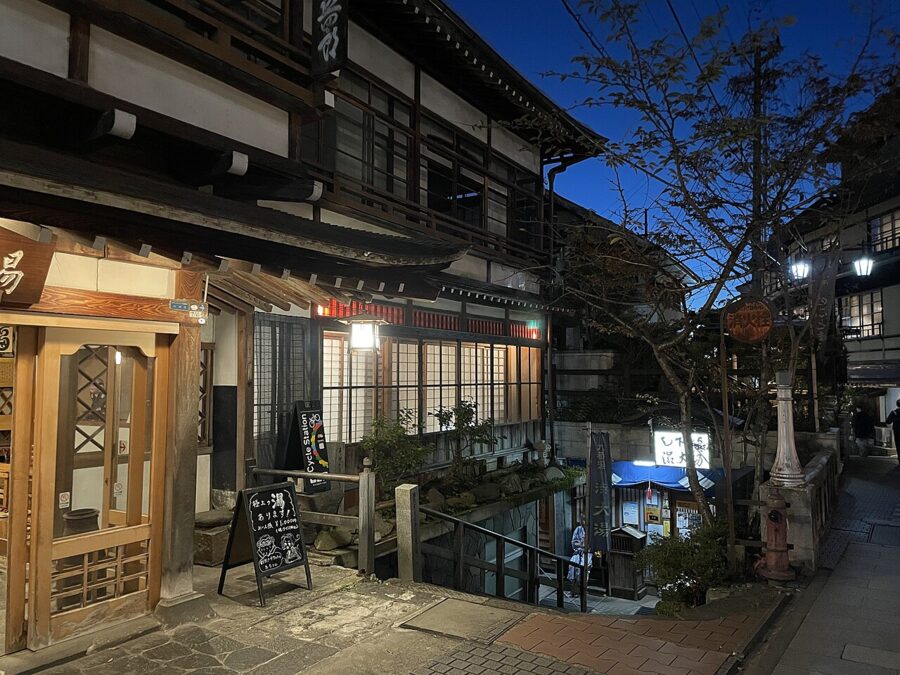
The third is to pick a hot-spring town with public bathhouses and use those. In Shibu Onsen, guests at the inns get a key to the town’s nine public baths, which Kanaguya says you can use from 15:00 to 22:00 on the day you arrive and 6:00 to 10:00 the next morning. Only the ninth, the big one, takes day visitors.
Tattoos
This is the question I get asked most, and the answer is still “it depends on the inn”. In a 2015 survey by the Japan Tourism Agency of hotels and ryokan with large baths, 56 percent said they turned away guests with tattoos, 31 percent let them in and 13 percent allowed them with conditions, usually a cover sticker. Attitudes have loosened since, especially in towns with a lot of foreign guests, but there’s no newer national figure I’d trust.
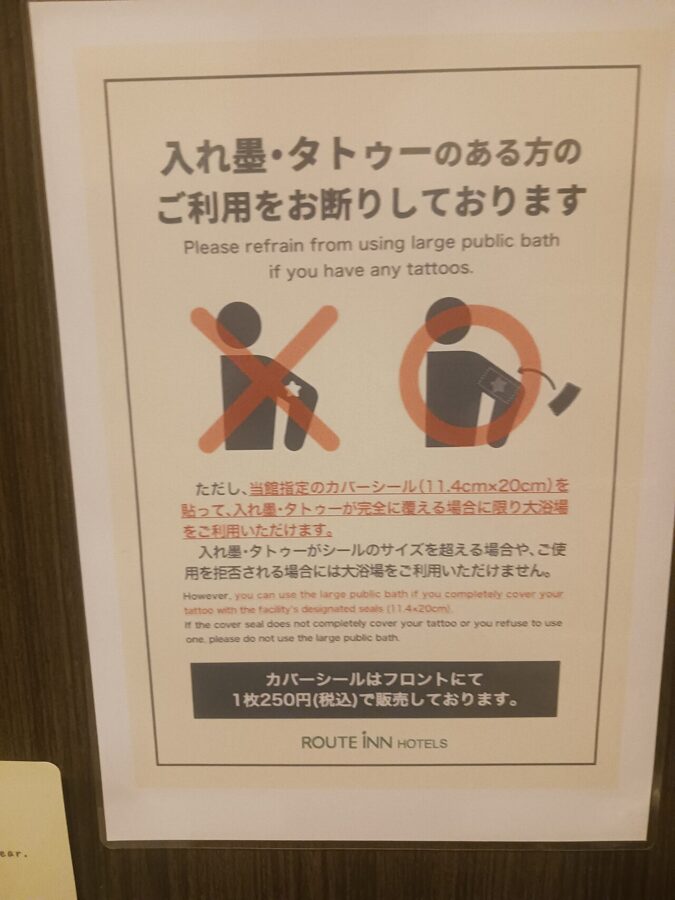
So ask before you book, by email, and name the tattoo’s size. If the answer for the shared bath is no, ask whether the private bath is allowed instead, which it often is. A room with its own bath usually settles it, but ask anyway, and don’t count on a cover patch unless the inn has said it accepts one.
Dinner
Dinner is the centre of the stay, and the main thing you’re paying for. At the traditional end it’s served in your room: the nakai brings course after course to the low table, kneels to set each one down and explains it, and clears as you go. At larger and newer inns it’s served in a dining room, either at tables in a hall or in small private rooms, which is easier on the staff and much easier on your knees.
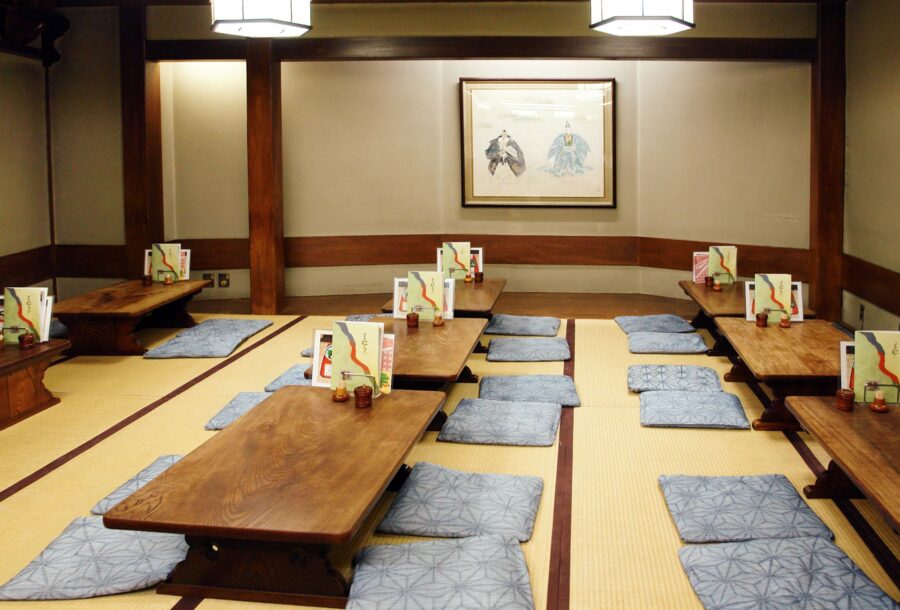
Neither is better. In-room dining is quieter and very romantic, but someone will be coming and going for two hours, and your futons can’t be laid until the table’s gone. A dining room lets you walk back to a made-up room. If you can’t sit on the floor for long, say so: Hiiragiya will set a table and chairs, and nearly every inn has the raised floor chairs called kozaisu.
What the meal is
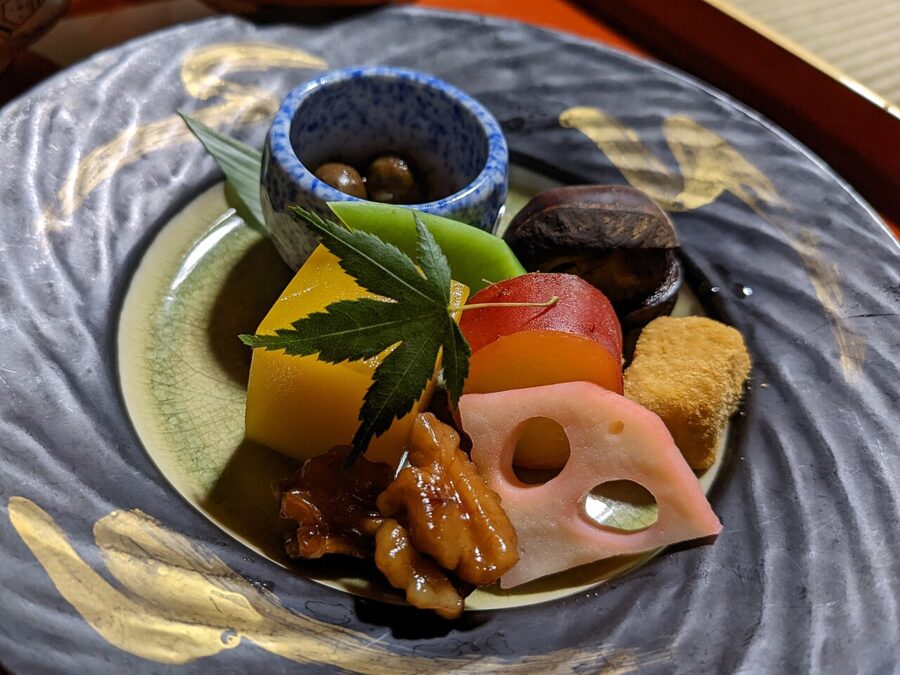
At most inns dinner is a kaiseki-style course: a small opener, a seasonal platter, sashimi, something simmered, something grilled, something fried or steamed, then rice, miso soup and pickles, and fruit to finish. My kaiseki guide walks through it course by course. The ryokan version tends to be heavier on the local catch and the local beef than a Kyoto restaurant would be, and many inns add a hotpot or a small grill that cooks at the table.
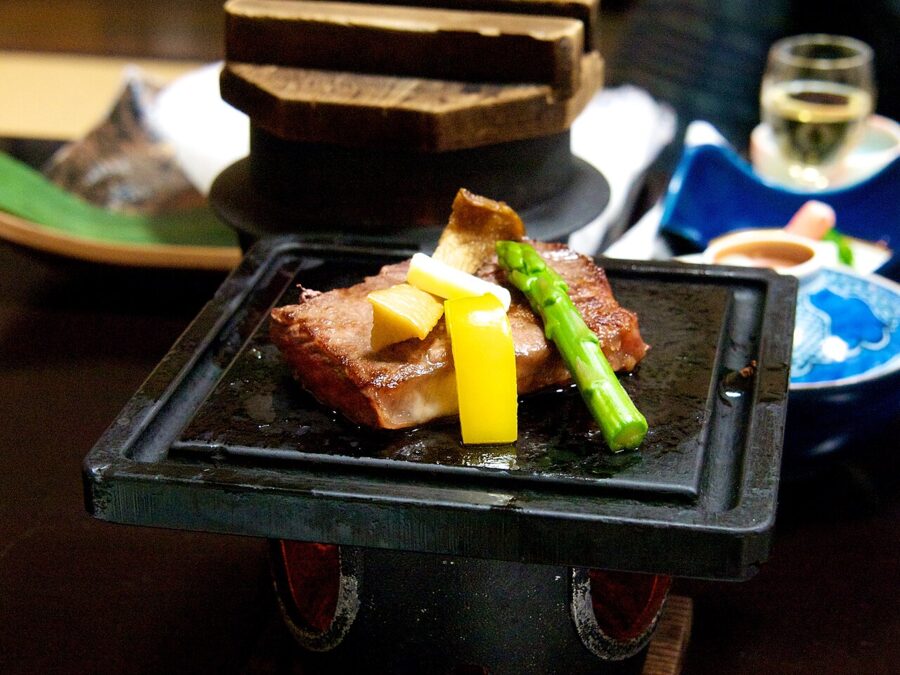
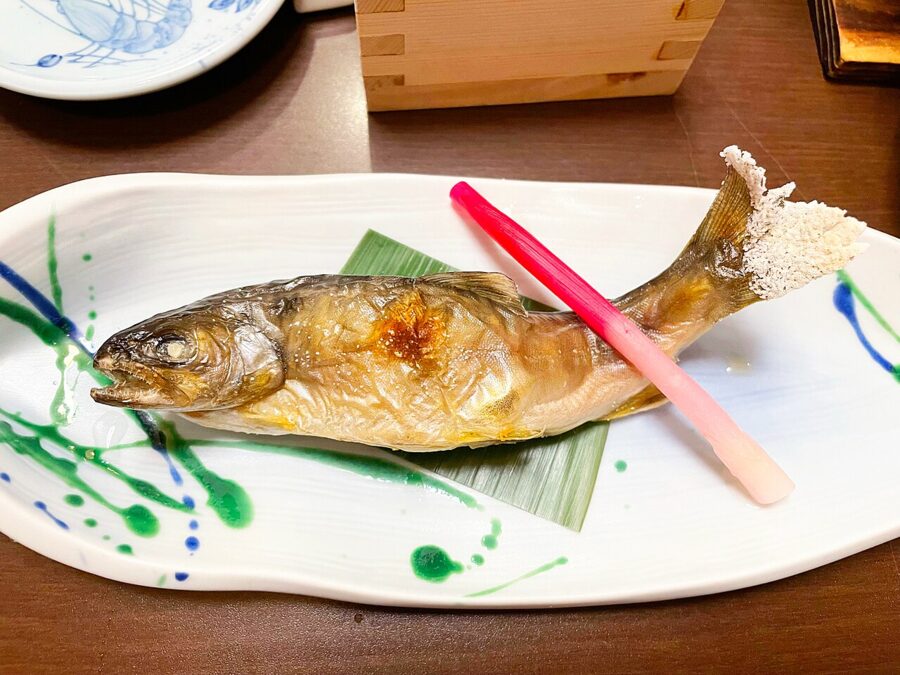
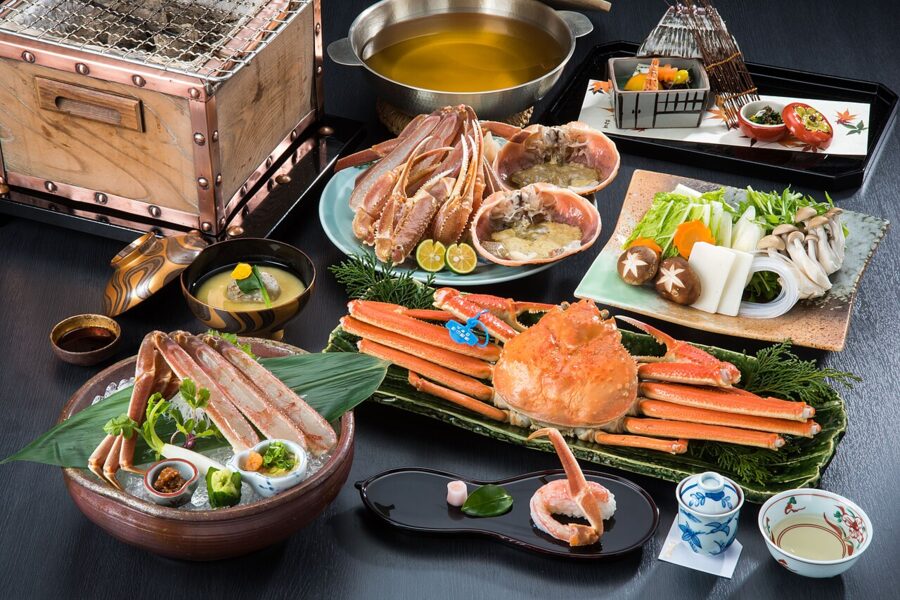
The menu is the inn’s, not yours, and it changes with the season. A mountain inn will serve river fish; Chojukan, for instance, grills a whole iwana char with salt. A coastal one in winter will build the night around crab. If you want to know before you go, the plan names on the booking page are usually a menu in disguise: a “crab plan” in Kinosaki between November and March is exactly that.
Timing, drinks and the bill
Dinner usually starts somewhere between 17:30 and 19:30, in one or two sittings. Hiiragiya offers 18:00 or 19:00; plenty of onsen inns start earlier. It takes 90 minutes to two hours, and nobody hurries you. Be in your seat on time, since the courses are timed from the kitchen.
Drinks are not included. The nakai will ask what you’d like with dinner, it’ll be written down against your room, and you’ll pay for it at check-out with anything from the fridge. Local beer and local sake are always on the list, and a ryokan dinner is a good reason to try the sake brewed down the road. Bringing your own is possible at some inns for a corkage fee; Hiiragiya, for one, charges by the type of drink.
Dietary requests: tell them early
A ryokan kitchen buys for every guest by name, days in advance. That’s why a request made on arrival often can’t be met, and why the inns that do accommodate allergies and vegetarians want warning. Hiiragiya asks for three days’ notice and says plainly that it can’t do halal or kosher. Smaller inns may want a week, and some will simply say they can’t do it at all.
Be specific. “Vegetarian” means different things to different kitchens, and nearly every Japanese savoury dish starts from dashi made with bonito flakes. Say “no meat, no fish, and no fish stock” if that’s what you mean, list allergies by ingredient, and get the reply in writing before you pay. If the inn can’t help, a temple lodging or a room-only plan with dinner in town is the better fix.
The futon appears
While you’re at dinner in the dining room, or while you’re in the bath after an in-room dinner, someone comes in, moves the table aside and lays out the futons: a mattress or two on the tatami, a sheet, a duvet in a cotton cover, a hard pillow filled with buckwheat husks or beads. This is the moment from the start of this guide. At a minshuku you’ll do it yourself from the cupboard, which takes five minutes and is oddly satisfying.
If you hate sleeping on the floor, don’t suffer it on principle. Plenty of ryokan now have Japanese-Western rooms with beds on a raised platform, and the rest of the stay is exactly the same. The exception is an old wooden inn like Kanaguya, which says flatly that every room is Japanese-style and there are no beds at all.
Breakfast and check-out
Breakfast is early by holiday standards, usually somewhere between 7:00 and 9:00 in one or two sittings, and it comes either back in your room (which means the futons are cleared first) or in the dining room. Hiiragiya serves at 8:00 or 9:00. You can wear your yukata to it.
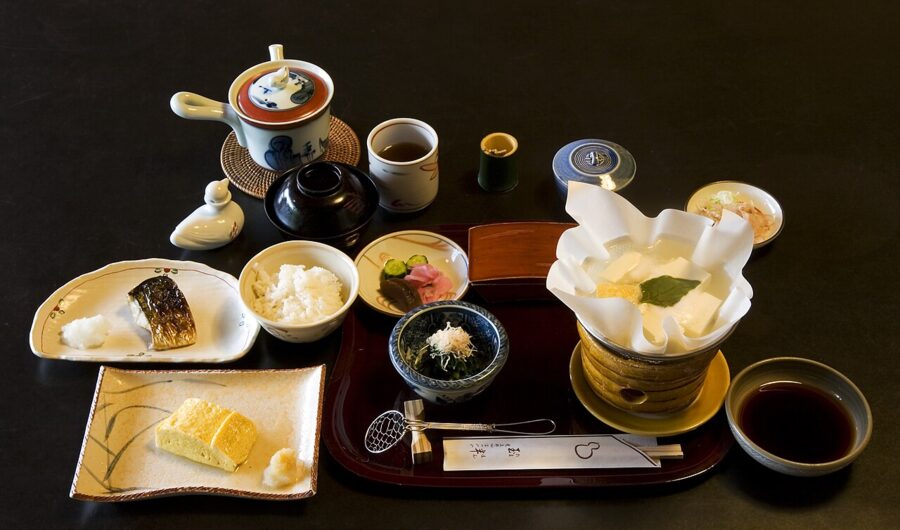
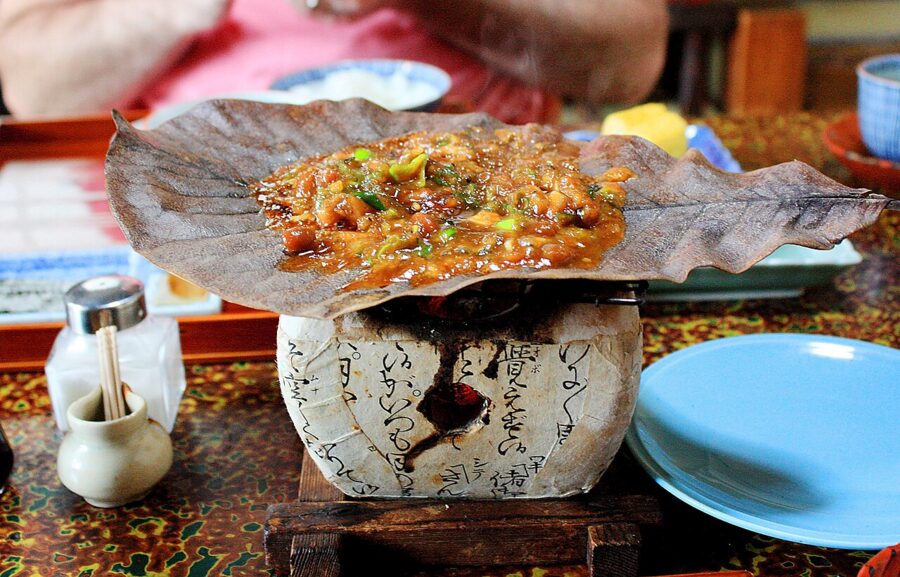
It’s the classic Japanese breakfast of rice, miso soup, grilled fish, pickles and a dozen small things, sometimes with tofu simmering in a pot. My guide to the Japanese breakfast covers it dish by dish. In Takayama and the Hida mountains you’ll often get hoba miso grilling on a magnolia leaf, the dish that turns up in every guide to Takayama food.
Check-out is usually 10:00 or 11:00. Most inns let you take one last bath in the morning (Kanaguya’s own key to the town baths works until 10:00 on your last day), so set an alarm. At the desk you’ll pay for drinks, any extras and the local taxes if they weren’t in the booking. Most inns will keep your bags for the day, and many will take luggage shipped ahead if you put the date and booking name on the label, as Hiiragiya asks.
What it costs, and what’s in the price
Ryokan prices are quoted per person, per night, and they almost always assume the full plan with dinner and breakfast. That sounds simple until you notice that the per-person price changes with how many of you share the room. Two people in a room designed for four will pay more each than four would, and one person alone pays most of all. Kanaguya says so plainly in its booking terms: change the number in a room and the rate per head changes too.
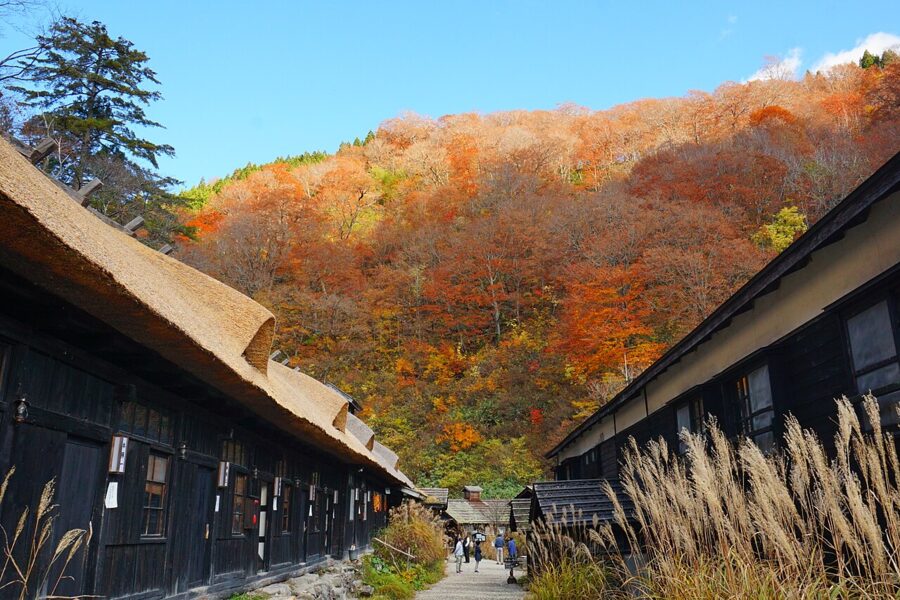
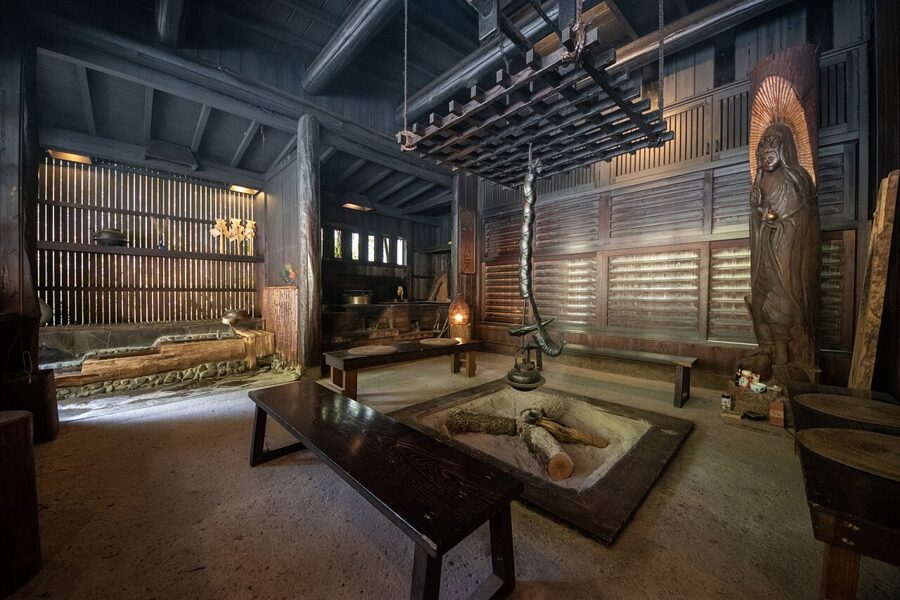
For a sense of range, take one inn. Tsurunoyu, the oldest of the inns in the Nyuto hot springs, lists rooms for two people in its hot-spring cure wing at ¥11,700 each with two meals, a room in the thatched Honjin at about ¥15,500, and its other wings at up to ¥24,350. In winter it adds about ¥1,320 per room for heating. A night at the famous end of the market, a room with its own open-air bath at a big-name inn in Hakone or Kyoto, can cost several times the top of that.
The extras on the bill
- Bathing tax. Every guest at a hot-spring inn pays the nyuto-zei, a municipal tax of ¥150 per person per day in nearly every town. A few towns set a different rate, and children under 12 are usually exempt.
- Accommodation tax in some cities. Kyoto charges every guest a tier based on the room-only part of the price, not the meals: ¥200 under ¥6,000, ¥400 up to ¥20,000, ¥1,000 up to ¥50,000, ¥4,000 up to ¥100,000 and ¥10,000 above that, since 1 March 2026. Tokyo currently charges ¥100 or ¥200 above ¥10,000 a night, and moves to a flat 3 percent from 1 April 2027.
- Service charge. Many inns add 10 to 15 percent, often already folded into the quoted price.
- Drinks, private-bath fees and anything from the fridge.
- Heating in winter, at old mountain inns like Tsurunoyu.
The Kyoto rule matters more at a ryokan than at a hotel. A ¥60,000 two-meal plan might be ¥35,000 of room and the rest food, so you’d pay the ¥1,000 tier; a ¥60,000 room-only hotel night lands in the ¥4,000 one. If the booking page doesn’t say whether the tax is included, assume it isn’t.
Weekdays, weekends and the nights before holidays
The night that costs most is the one before a day off. Japanese inns price Saturdays and the night before a public holiday (kyujitsu-mae) well above a Tuesday, and Golden Week, Obon in mid-August and New Year are in a league of their own. If your dates are flexible, a Sunday to Thursday night is the single easiest saving, and the baths are quieter.
Children
Children are priced in bands rather than by age alone: a primary-school child with a children’s dinner, a pre-school child with a meal and bedding, an infant with neither. The band you pick changes the price more than anything else. Kanaguya, to take one example, includes a yukata in anything from the primary-school rate up and rents a small one for ¥500 plus tax for younger children.
Tipping, and why not
Don’t tip. The old custom of kokorozuke, a few thousand yen in a small envelope handed to the nakai when she first shows you the room, still exists, but it was always a thank-you for unusual trouble, and most inns build a service charge into the price. Plenty now politely refuse it. If you’ve asked for something genuinely out of the way, a small gift from home or a sincere thank-you at check-out will do more good than cash left on the table, which a nakai may well chase you to the car park with.
Choosing one
Start with what you want the night to be. An onsen ryokan is a place to stop: you arrive, bathe, eat, bathe, sleep and leave, and the town around it may have one street. A city ryokan in Kyoto or Tokyo is a place to sleep between sightseeing, with a garden or a beautiful old building instead of a spring. Both are worth doing, but don’t book a hot-spring inn two hours from anywhere and then plan a full day of sightseeing either side of it.
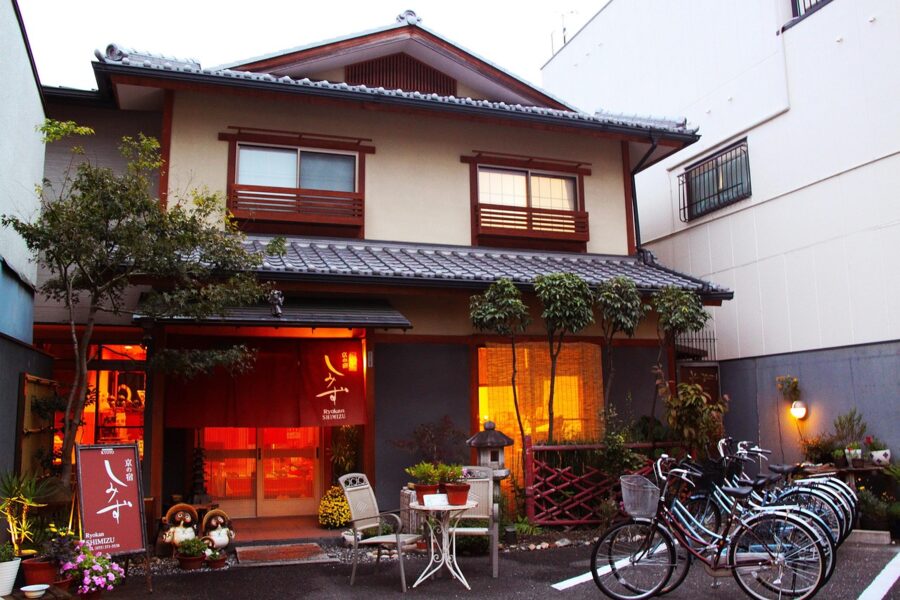
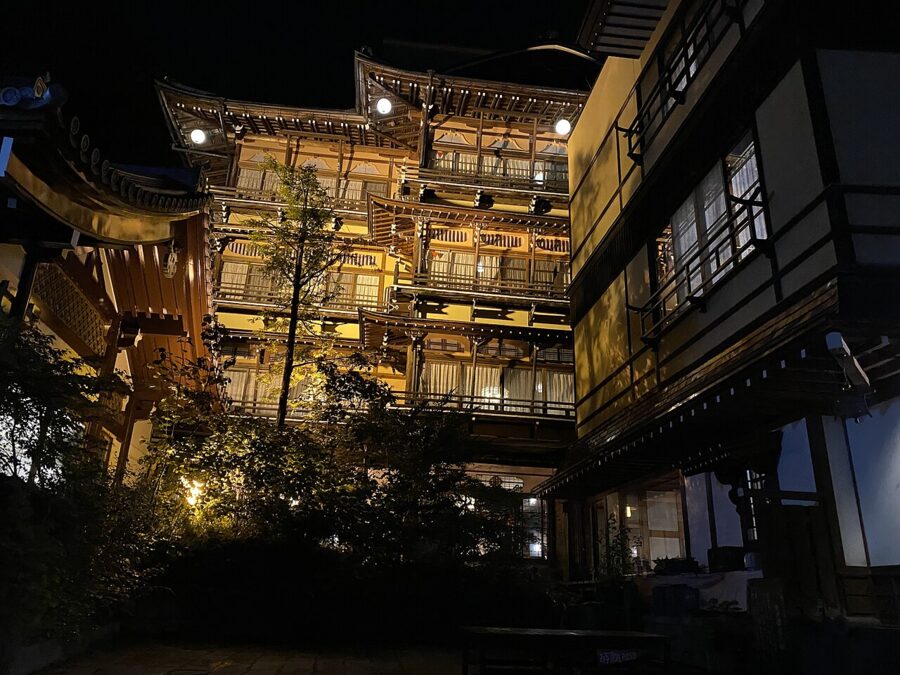
Then decide about the bath. If shared bathing is the point, look for an inn on its own spring with a good outdoor bath. If it isn’t, a room with its own bath or a kashikiri you can book is worth the premium. Give the view a thought too: a lake-and-Fuji room at Kawaguchiko is only a view if the mountain is out, and in summer haze it often isn’t.
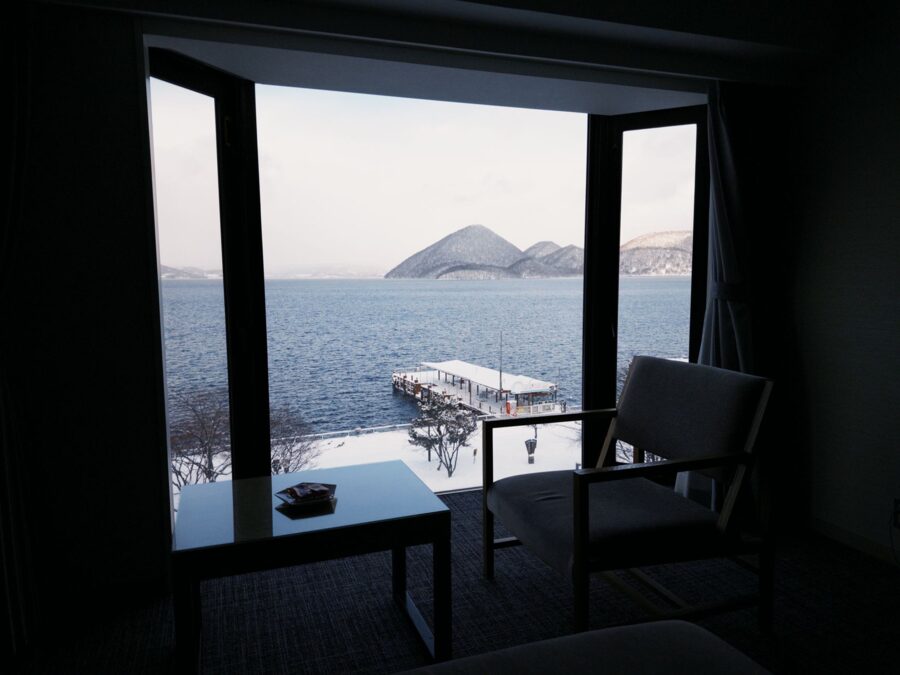
Where to look
The classic short hops from Tokyo are Hakone and Nikko, both easy to combine with an overnight.
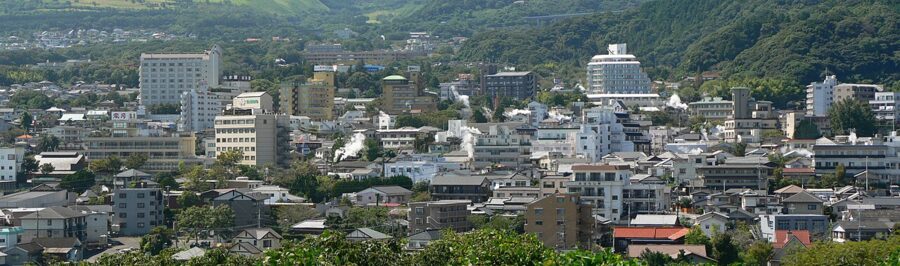
For a hot-spring town where staying the night changes everything, Beppu on Kyushu has inns at every price and a whole district, Kannawa, built on steam.
Shibu Onsen and Yudanaka, a bus ride from the Jigokudani snow monkeys, are the easy choice in the Japanese Alps. Further out, staying the night is the only way to see a place properly. In Kamikochi the few hotels and lodges in the valley close from mid-November to April along with the road.
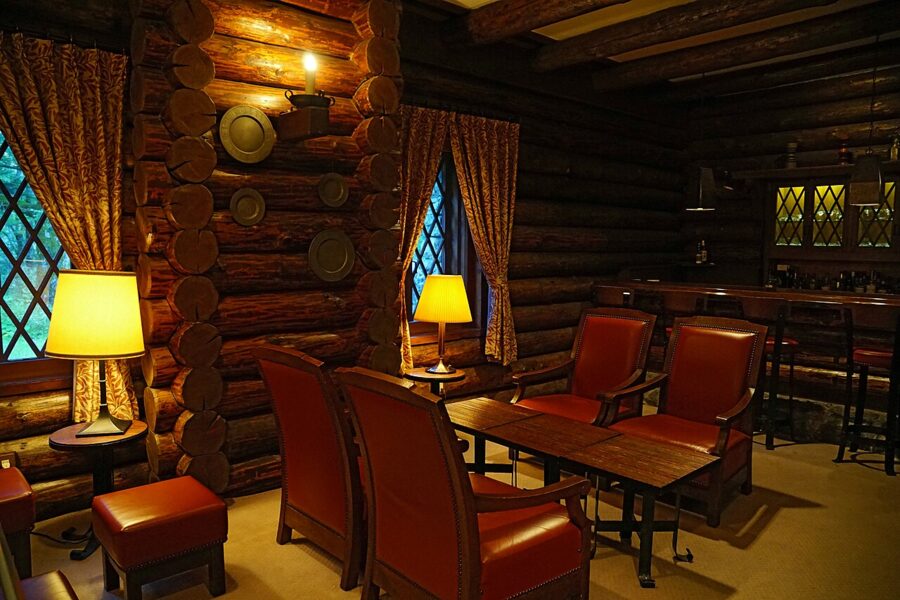
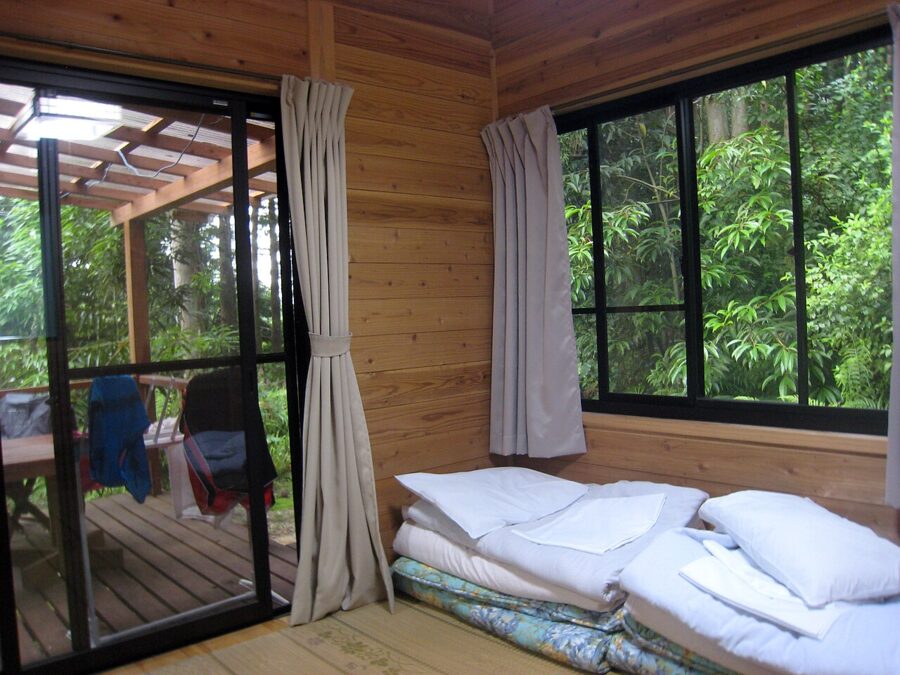
On Yakushima plenty of the beds are in small family-run inns and minshuku, and the best of them cook what the island grows.
Solo travellers
This is where ryokan are hardest. Many inns, especially expensive ones, are set up for two or more to a room and either won’t take a single guest or charge heavily for one. Look for plans marked hitori-tabi (solo travel), or for old-fashioned inns with small rooms: at Tsurunoyu, the hot-spring cure wing takes one person for ¥13,570. Temple lodgings and minshuku are also kinder to solo travellers than the big resort inns.
Children, mobility and access
Most inns take children, but ask what that looks like. Kanaguya welcomes any age and warns, sensibly, that a wooden building carries sound and that most spaces are shared. The same building has stairs and changes of level everywhere, and the inn says moving around it in a wheelchair is close to impossible. If stairs, sitting on the floor or getting into a deep tub are hard for you, ask specifically about the route from the entrance to your room and the bath, rather than trusting the words “barrier-free”.
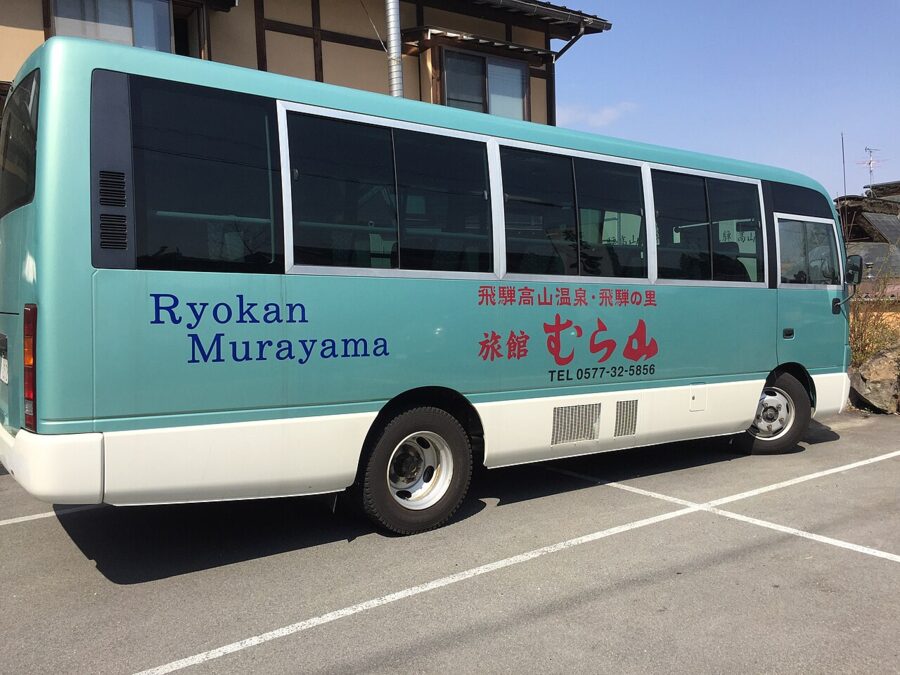
Rural inns are often a long way from the station, and many run a free pick-up, the sogei bus, from the nearest one at set times. Ask when you book, tell them your train, and don’t miss the last run: a taxi up a mountain road at 18:00 is expensive and the kitchen won’t wait. Kanaguya, for example, is about ten minutes by bus from Yudanaka Station on the Nagano Dentetsu line.
Booking
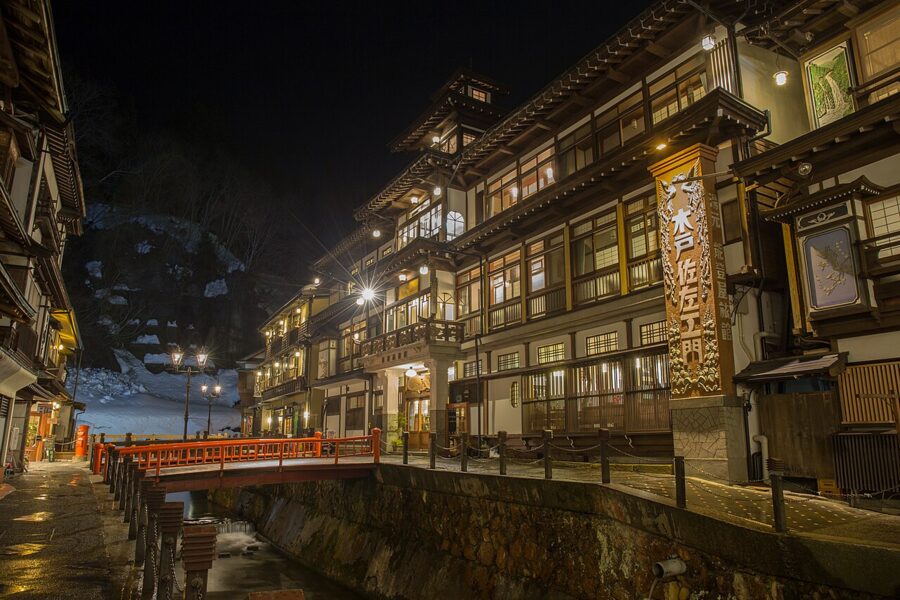
Book early for autumn colours, cherry blossom, Golden Week and any Saturday. For a small or historic inn, try its own website first. Some, like Notoya at Ginzan Onsen, take bookings from overseas only through their own site and refuse phone, email and third-party bookings outright. Others, like Tsurunoyu, take bookings by phone or through Nihon Hito o Mamoru Kai, the association of inns at remote hot springs, and don’t answer email.
Read the cancellation terms before you pay. Japanese inns often charge from a week out, rising to the full price on the day, and Kanaguya waives the fee only when trains stop or roads are closed, not for bad weather or illness. Pay attention to whether the plan is pay-now or pay-at-the-inn; at some inns only a direct booking can be paid by card. And put every guest in the booking, children with their ages, so the kitchen and the futon cupboard are ready for all of you.
Old inns that still take guests
The oldest inns are worth a night for the buildings alone. These are the ones I’d look at first, all confirmed open for 2026.
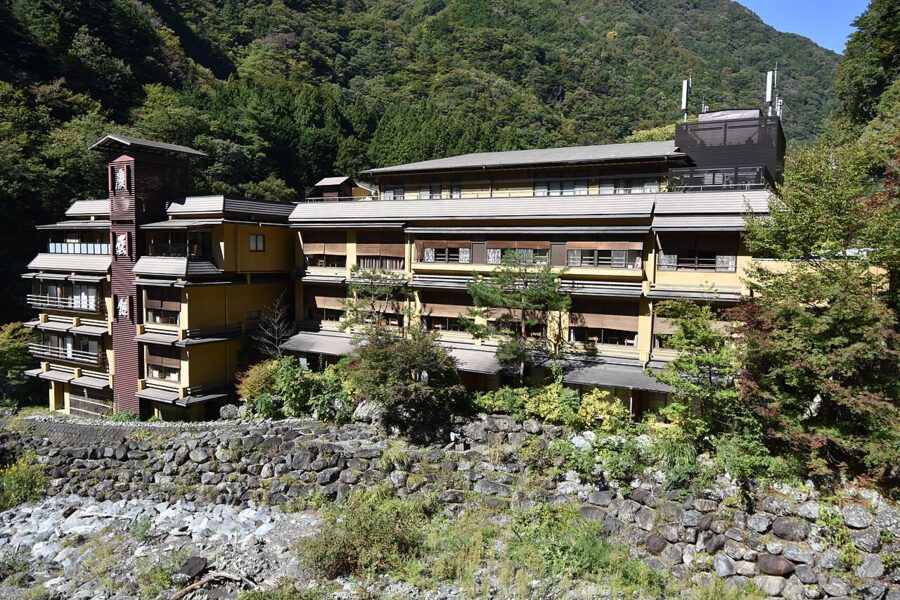
- Nishiyama Onsen Keiunkan, Yamanashi: the 705 inn, newly refitted, with source-fed water through every bath.
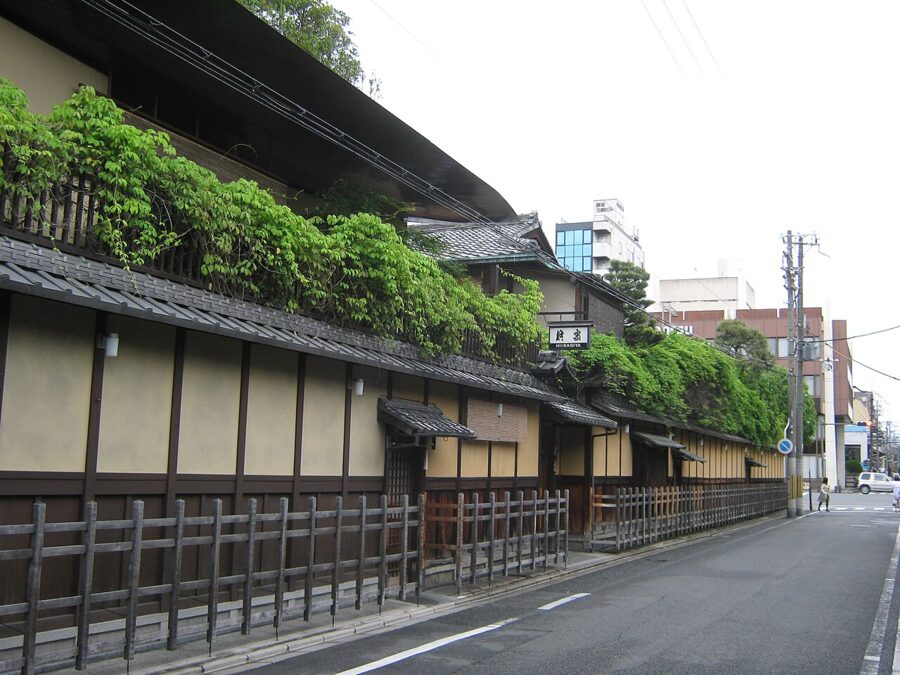
- Hiiragiya, Kyoto: on Fuyacho in the old centre since 1818 (the founder ran a haulage and seafood business; lodging became the main trade in 1861). Two private baths, one with stained glass by Ogawa Sanchi, the other lacquered on the walls and ceiling.
- Chojukan, Hoshi Onsen, Gunma: the 1875 inn with the mixed wooden bathhouse; day visitors can bathe from 11:00 (last entry 13:30) for ¥1,500, except Wednesdays.
- Kanaguya, Shibu Onsen, Nagano: the 1936 four-storey building, four private springs, eight baths.
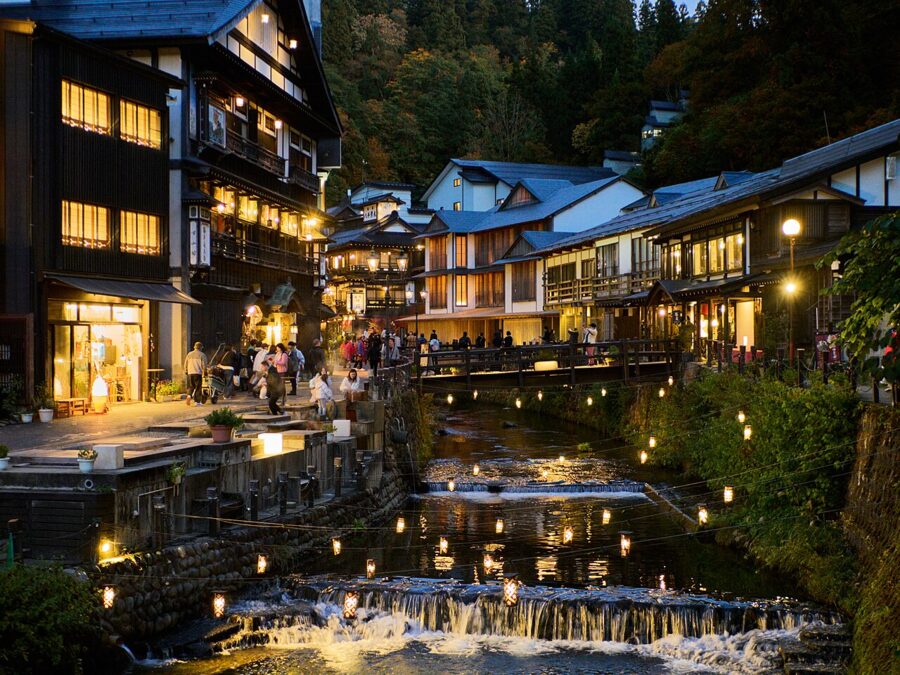
- Notoya, Ginzan Onsen, Yamagata: 1892, the gas-lamp river street.
- Tsurunoyu, Nyuto Onsen, Akita: the thatched Honjin and four springs in 50 metres; day bathing ¥700, closed Mondays.
Skip this
- A one-night stay squeezed between two long days of sightseeing. If you check in at 18:00 and leave at 8:00, you’ve paid for a dinner and a bed. Arrive by 16:00 or don’t bother.
- The cheapest room at the most famous inn. At a big-name inn the cheap room is often the one over the kitchen with no view. A mid-range inn’s best room is usually the better night.
- Brochure open-air baths you haven’t checked. A “room with open-air bath” can be a tub on a balcony facing a car park. Look at the photos of that room type, not the lobby.
- Kaiseki two nights running at a small inn. If you stay two nights, ask whether the second dinner changes. At some inns it doesn’t, and a room-only second night with dinner in town is better.
- Buying the yukata as a souvenir by accident. It belongs to the inn. Leave it folded in the room.
The etiquette that actually matters
Nobody expects a foreign guest to get everything right, and the staff have seen it all. Five things, though, are worth getting right every time.
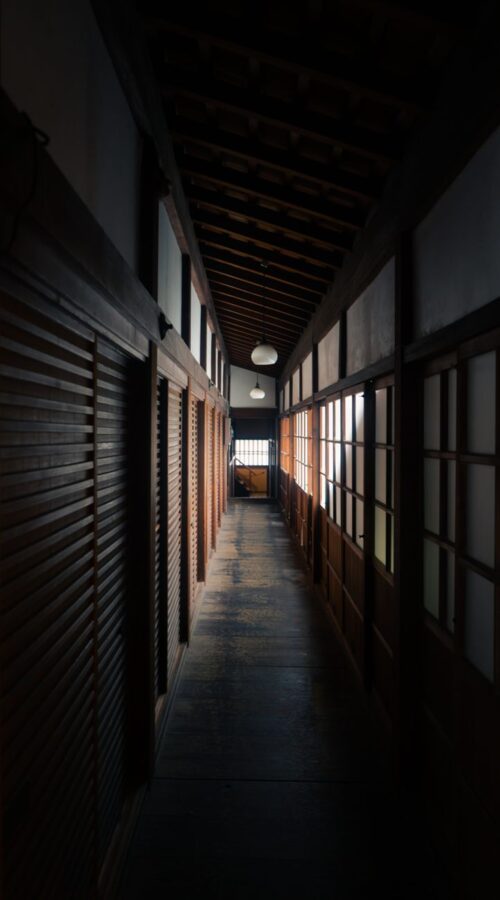
- Shoes off at the step, slippers off at the tatami, toilet slippers stay in the toilet.
- Left over right on the yukata.
- Wash fully before getting into any shared bath, and keep your small towel out of the water.
- Be on time for dinner, and tell the inn about food you can’t eat days ahead, not at the table.
- Keep your voice down in the corridors after 22:00. Ryokan walls are often paper and wood.
Everything else is good manners you’d use anywhere. Then let the inn do its job. Turn up mid-afternoon, drink the tea, eat the sweet, go to the bath before dinner, and when you come back to find the table standing against the wall and the futons laid out, get in and go to sleep.
You Might Also Enjoy
 The Summer Palace in Beijing: Tickets, Gates, the Long Corridor and a Route That Beats the Crowds
 The Yakitori Guide: Every Cut, Every Tare, Every Counter Worth Sitting At
 Kinosaki Onsen: The Bath Crawl, the Willow Street and the Winter Crab
 Shochu and Awamori: Japan’s Distilled Spirits, How to Drink Them, and Where They’re Made