Jigokudani Snow Monkeys: How to See Them, When to Go and a Day Around Nagano
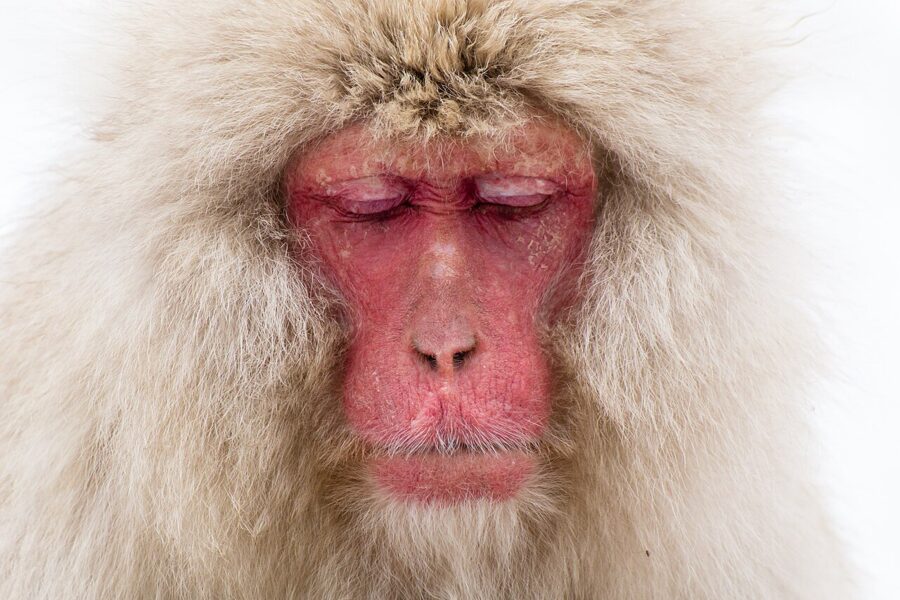
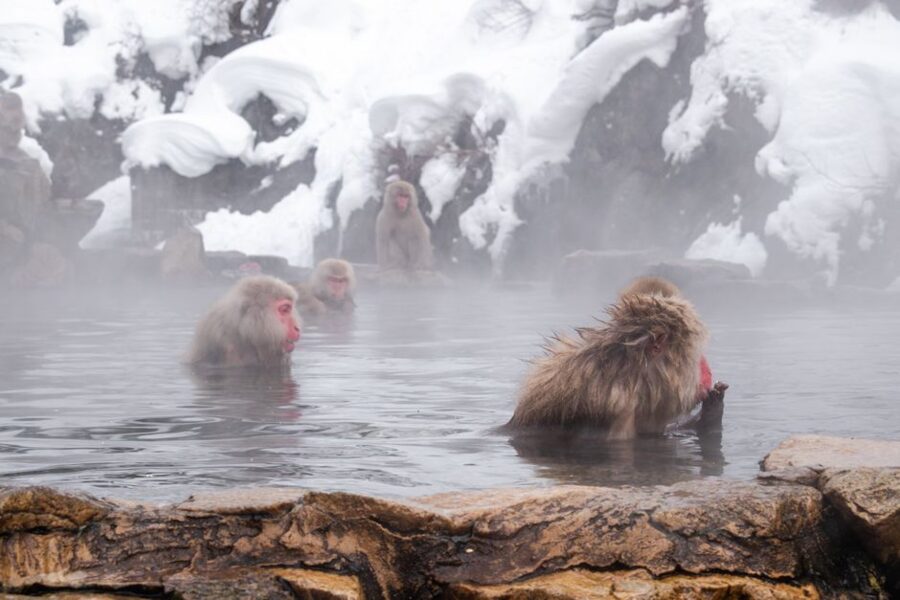
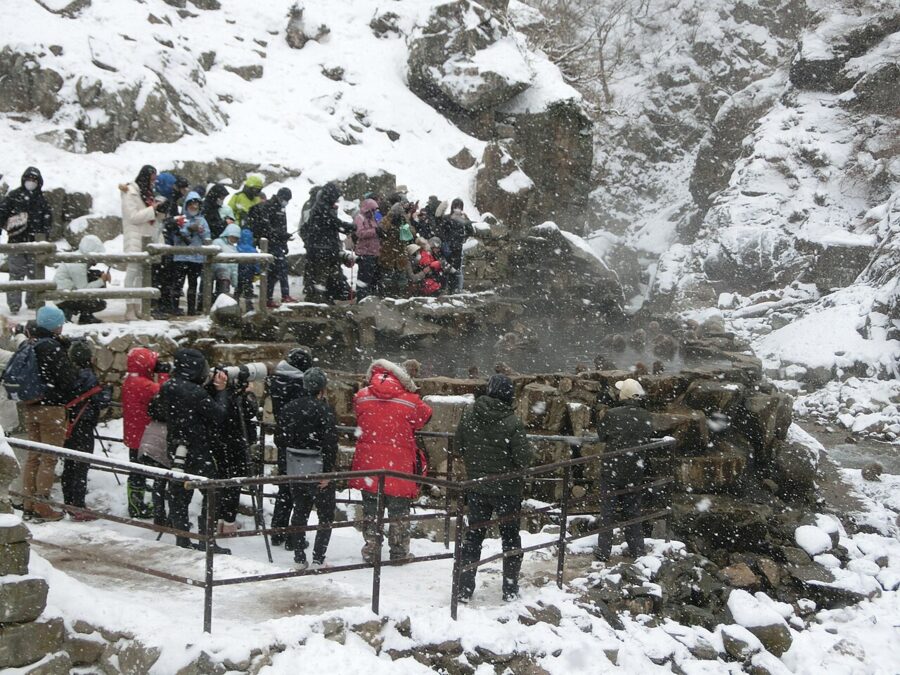
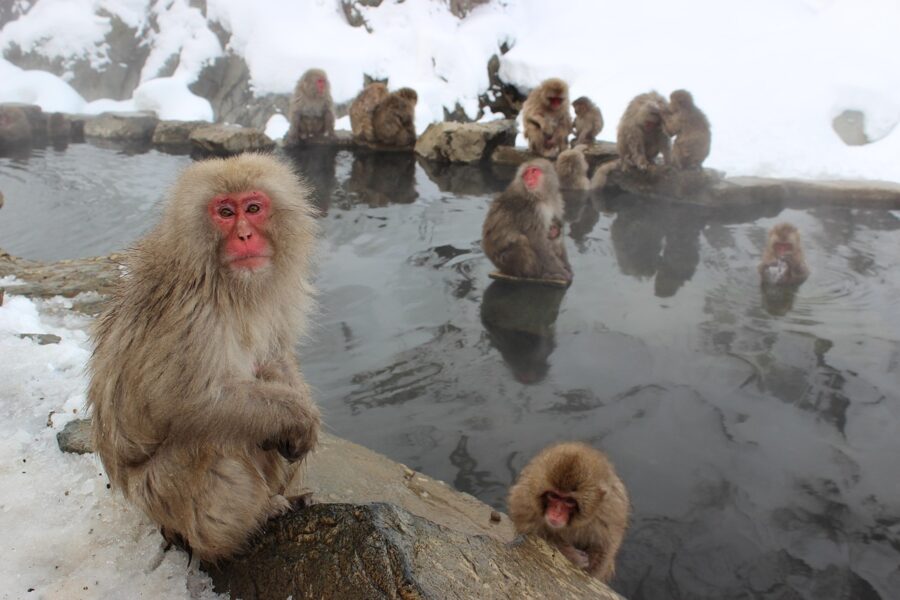
The most photographed bath in Japan is about four metres by ten, it sits at the bottom of a steaming gorge in northern Nagano, and no human is allowed in it. I stood at its edge in late January with snow coming down sideways, a lens cap in one glove and a dozen strangers breathing quietly beside me, while a female macaque with a frost-white crown sank to her chin and closed her eyes. Nobody spoke. It was the calmest crowd I have ever been part of.
Getting to that moment is the part most people underestimate. Jigokudani Yaen-koen, the Snow Monkey Park, is a 35-minute walk from the nearest bus stop, up a forest trail that turns to packed ice from December. This winter the bus that gets you there has changed, the ticket price is going up on 1 December 2026, and the park now sells dated tickets online that get priority entry all winter.
So this guide gets you to the monkeys and back with the current buses, tickets and rules. Then it fills the rest of the trip: a 1,300-year-old onsen town with nine public baths, a temple in Nagano city where you walk through total darkness to touch a lock, and a small town built on chestnuts and one elderly painter.
Here is the trip at a glance, with prices for winter 2026–27. Every number is from the park, the rail and bus operators, or the temples and museums themselves.
| Leg or stop | Time | Price (adult) | Note |
|---|---|---|---|
| Tokyo to Nagano, Hokuriku Shinkansen | 79 min at fastest | ¥8,340 reserved seat | Kagayaki, Hakutaka or Asama |
| Nagano to Snow Monkey Park, Ex24 express bus | about 50 min | ¥6,800 return with park entry | 5 Dec 2026 to 5 Apr 2027, set ticket required |
| Nagano to Yudanaka, Nagaden limited express | 38 min | ¥1,660 + ¥100 | then a local bus of about 10 min |
| Bus stop to the park, on foot | about 35 min | free | unpaved, icy in winter |
| Park admission from 1 Dec 2026 | allow 1–2 hours inside | ¥1,000 at the gate, ¥880 online | 9:00–16:00 Nov to Mar |
| Shibu Oyu, day visitors | 10:00–17:00 | ¥800 | the only one of the nine baths open to non-guests |
| Zenko-ji inner sanctuary and Okaidan | closes 16:00 Dec to Feb | ¥800 | ¥1,500 with gate, sutra hall and museum |
| Hokusai-kan, Obuse | 9:00–17:00 | ¥1,200 | Nagaden from Nagano, ¥870 |
In This Article
- Who the snow monkeys are
- Why they bathe
- How a park came to feed them
- What you’ll actually see
- When to go, and what time to arrive
- Getting there from Tokyo and Nagano
- The Ex24 express bus, and the winter change
- The Nagaden train to Yudanaka
- The Snow Monkey Pass
- Driving
- The walk in
- Inside the park: tickets, rules and photographs
- The rules, and why they work
- Taking photographs
- Shibu Onsen and its nine baths
- Where to stay in Shibu
- Yudanaka, and making it an overnight
- Zenko-ji: the temple that belongs to no sect
- Oasaji, the sunrise service
- Okaidan Meguri, the walk in the dark
- The temple lodgings
- Getting there, and Nakamise
- Obuse: chestnuts and an old man’s ceilings
- Hokusai-kan and the festival floats
- The chestnut sweets
- What to eat around Nagano
- Shinshu soba and Togakushi
- Oyaki
- Nozawana, miso and the winter pantry
- Inago, if you dare
- Chestnuts and sake
- A timed day from Tokyo
- An overnight: Shibu, the first bus and Obuse
- Skip this
Who the snow monkeys are
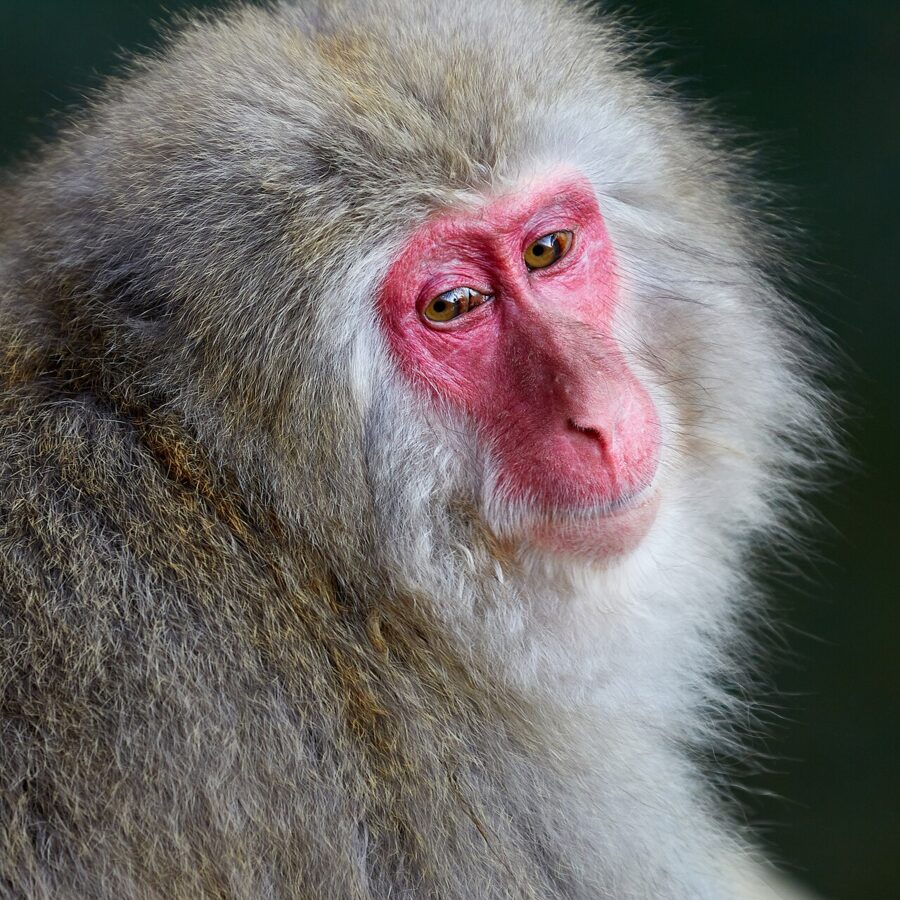
They are Japanese macaques, nihonzaru, found in mountain forests all over Japan except Hokkaido and Okinawa. Apart from people, they are the most northerly primates on earth, and the park says its winters are as hard as any in their range. At Jigokudani, 850 metres up in the Yokoyu River valley, the winter brings more than a metre of snow and nights below −10°C.
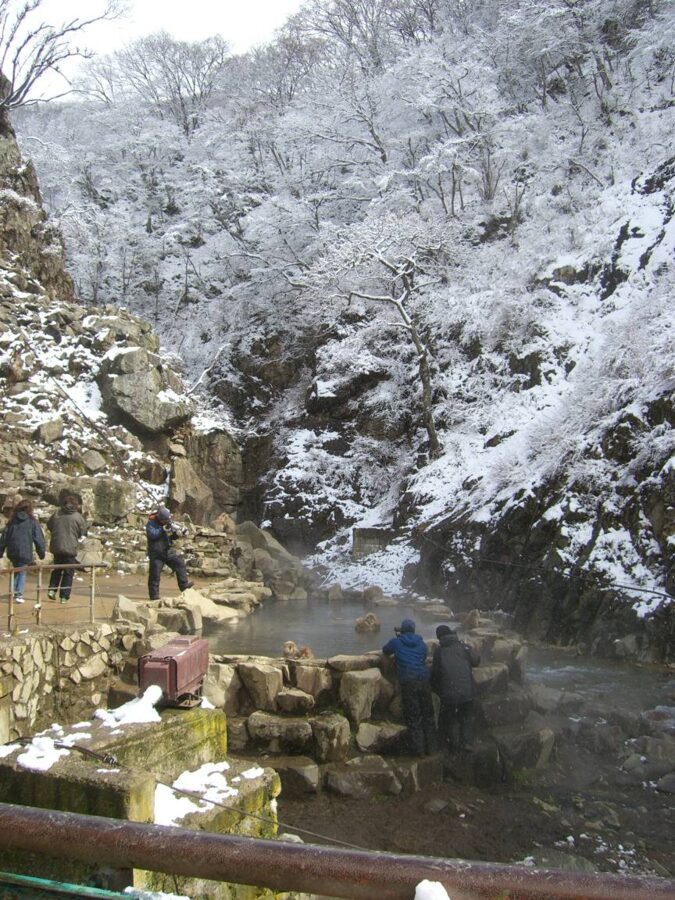
The name means Hell Valley, after the cliffs and the boiling springs that still spout from the riverbank. The troop is wild: it comes down from the forest in the morning, spends part of the day around the pool, and goes back up the slopes in the afternoon.
Why they bathe
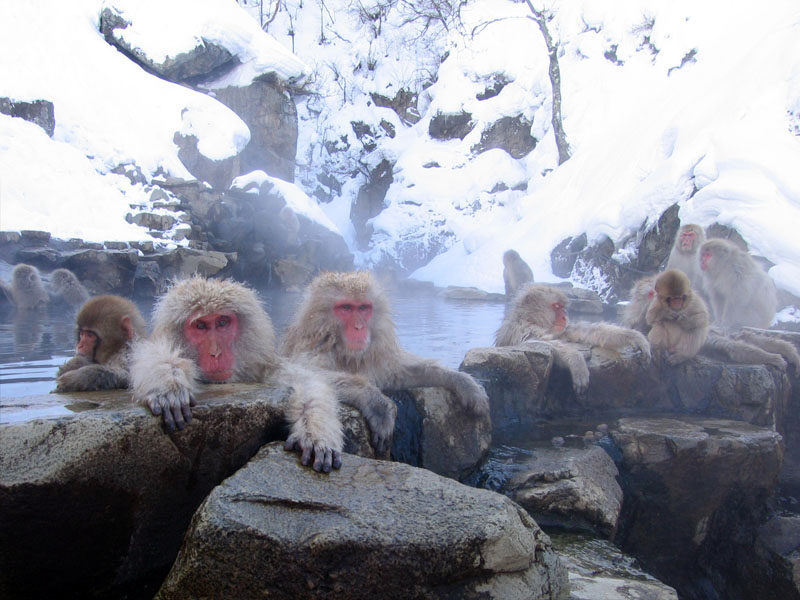
The short answer is cold. The park is clear that bathing is one of several ways the monkeys get through winter, and that in summer they have no reason to bother. Some dislike the water entirely.
What they don’t do is catch a chill when they climb out. According to Kyoto University’s Primate Research Institute, their coat has long, stiff outer hairs that repel water and a dense soft layer underneath that stays dry, so a quick shake sends most of the water flying.
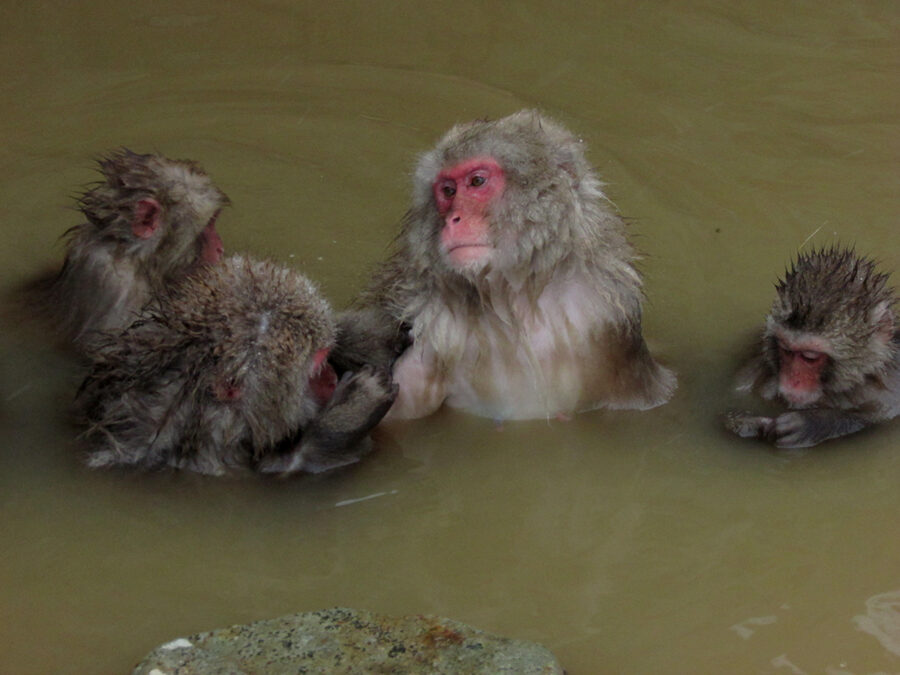
Rank still applies at the waterline. At Jigokudani the top-ranking male carries an inherited title, Ryuo, the dragon king, and the staff have tracked a long line of them since the 1980s.
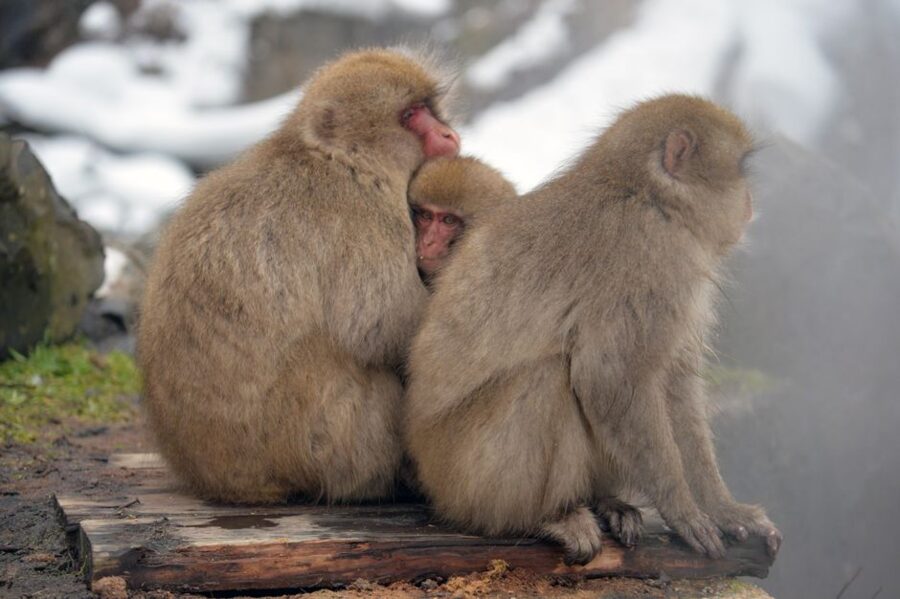
How a park came to feed them
The story starts with a problem. Post-war logging cleared the deep forest the monkeys fed in, and the troop came down the valley towards the apple orchards around Yudanaka. Farmers asked for a cull and permission was given to shoot 50 animals. A local man named Hara, who became the park’s first director, argued against it and began feeding the monkeys further upstream, near the inn at Jigokudani Onsen, on the theory that well-fed monkeys would leave the orchards alone.
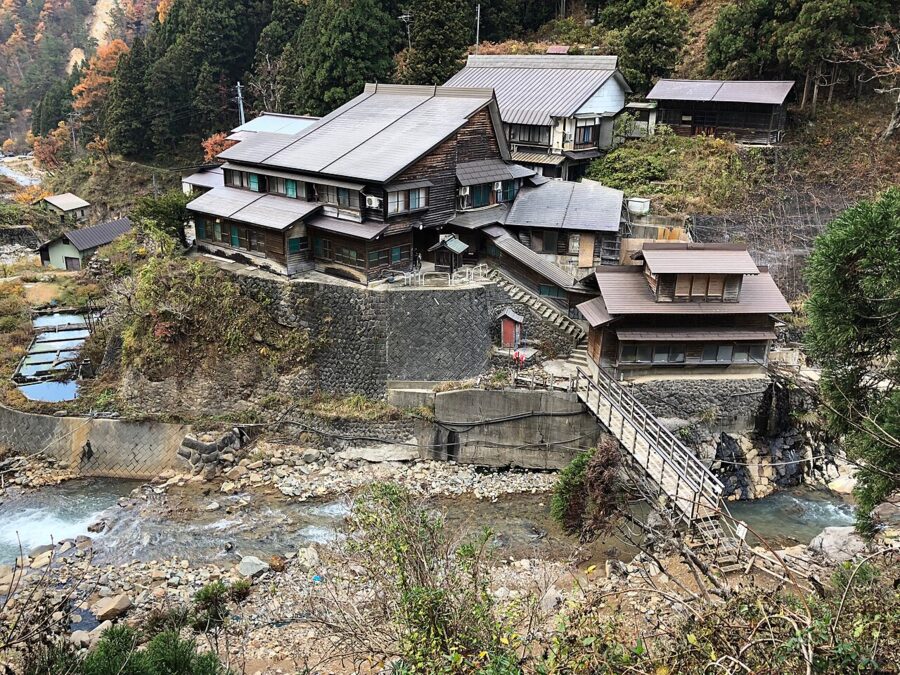
Members of the Nagano Electric Railway’s mountaineering club had some success with feeding around 1962, and it took about three years to get a wary troop used to people standing nearby. The park opened in 1964, and soon after a young monkey started using the outdoor bath at Korakukan. The others followed, and the habit has been passed down the generations ever since.
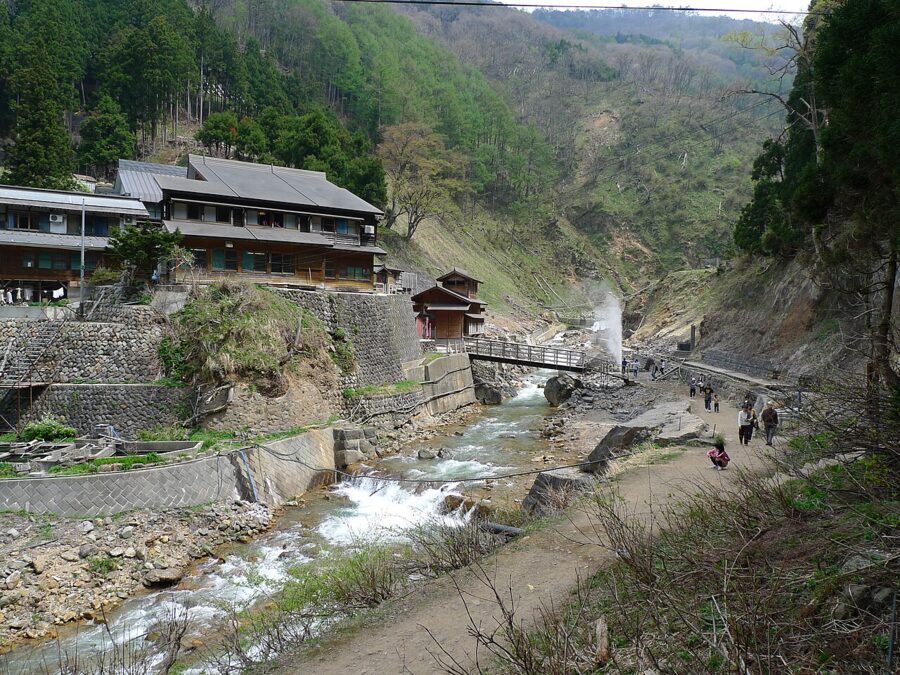
The feeding still goes on, and it is the reason a wild troop can be watched at a few metres. Staff alone put out husked barley, small raw soybeans and apples, at times that change with the weather and the monkeys’ condition. The park doesn’t publish feeding times or sell food, because feeding is there to make observation possible, not to be a show.
The world found out in stages. The bathing monkeys were on the cover of LIFE magazine in 1970, and the 1998 Nagano Winter Olympics did the rest: the snowboard halfpipe was held just down the road at Kanbayashi, and foreign media covering the Games made the monkeys famous abroad.
What you’ll actually see
Expect a troop, not a pool. Monkeys forage on the slopes, chase each other over the rocks, groom in pairs and occasionally have a loud dispute that ends as quickly as it started. In the early 2010s the troop was around 160 strong, with 50 to 60 regular bathers, and numbers change from year to year.
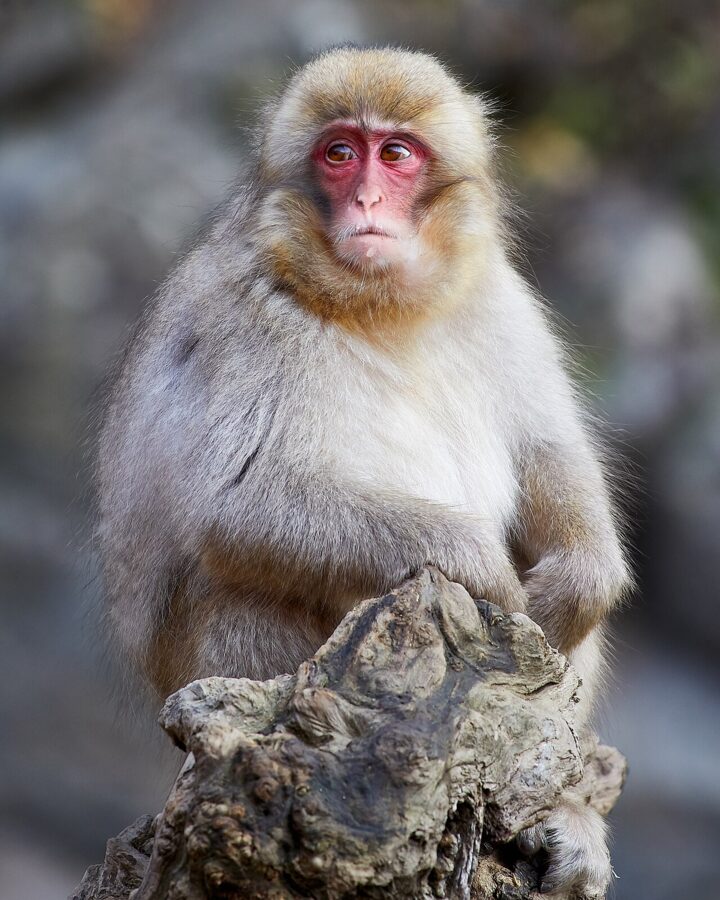
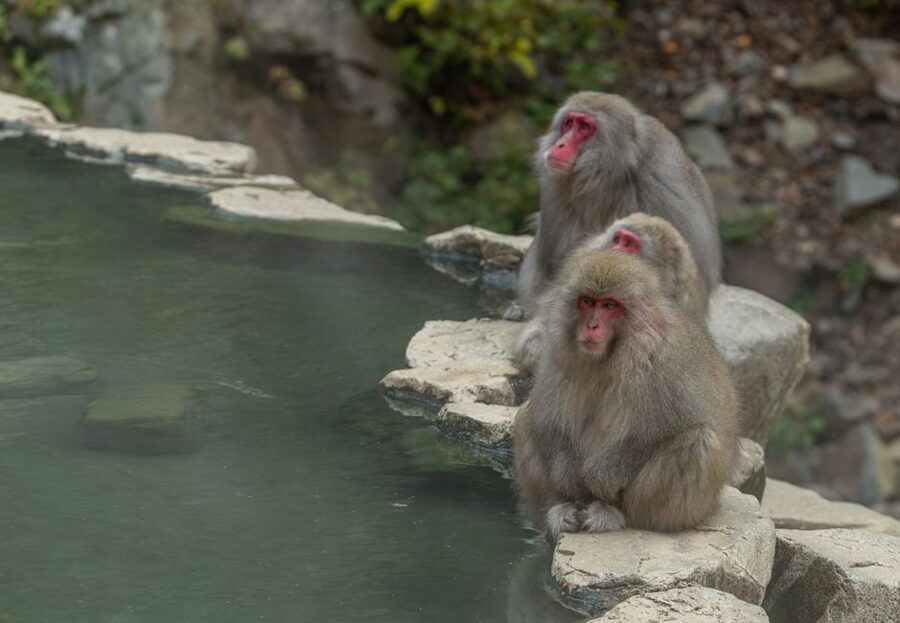
And on some days you’ll see nothing at all. The park is blunt about it: this is not a zoo, and there are days when the troop stays in the mountains. Autumn is the worst for this, because the forest is full of nuts and fruit.
When to go, and what time to arrive
For bathing monkeys, go between December and March, when the park says the habit is reliable. January and February give the deepest snow and the photographs you’ve seen. But even in a cold week nobody can promise you a full pool on a given afternoon, so treat bathers as likely rather than guaranteed.
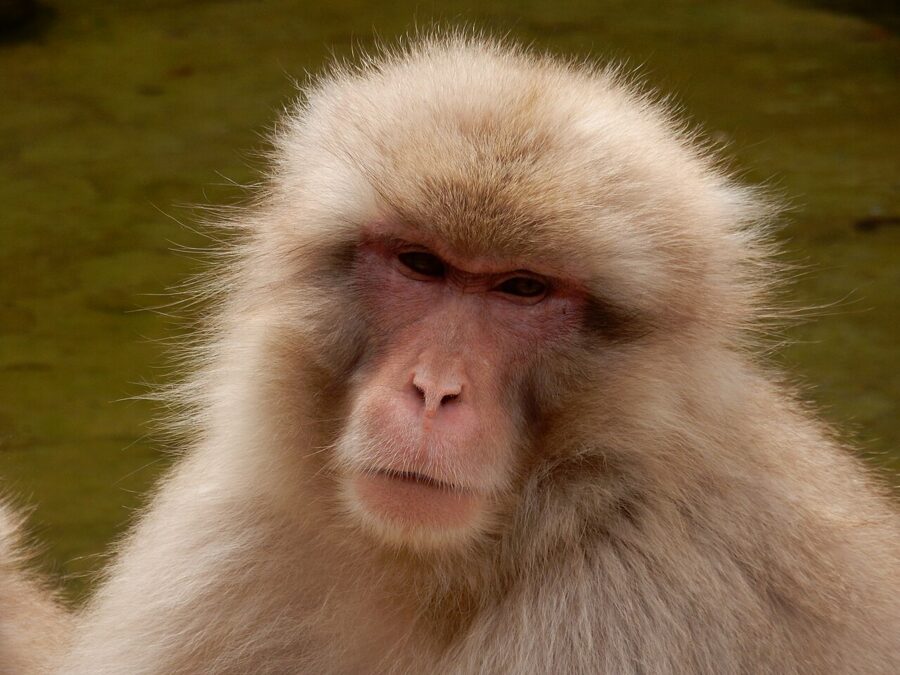
Summer is green, quieter and humid, with hardly any bathing. Autumn colour in the valley is lovely, but it is also the season when the park warns that the troop’s visits become erratic.
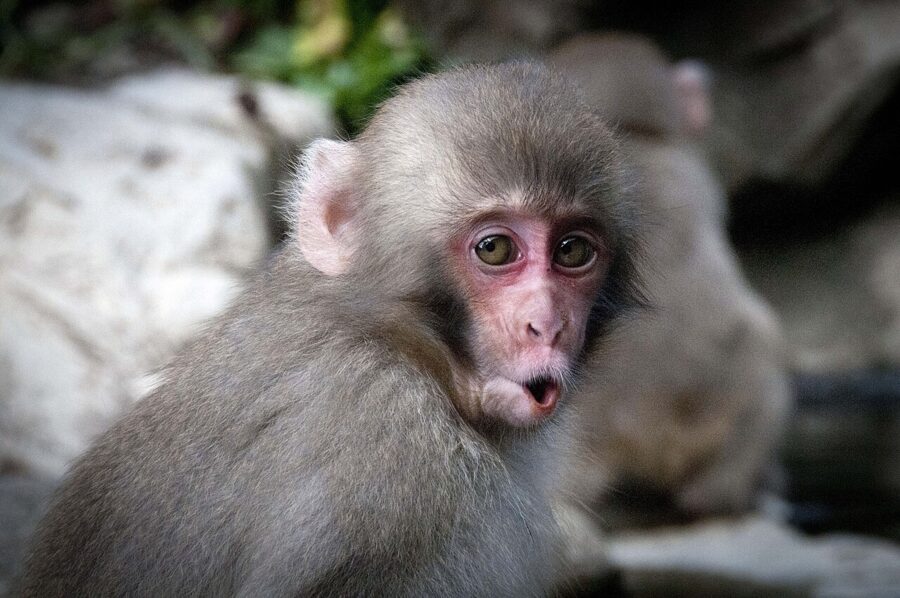
Before you go, check three things the park publishes. There is a weekly forecast, which the Japanese site calls the monkeys’ commuting forecast, giving the expected time they come down from the mountain and go back up. In mid-November 2026 it predicted arrival around 9:00–10:00 and departure around 14:30–15:30. On the day itself, staff post the troop’s status on the park’s social media accounts, and a live camera shows the observation area.
The best time of day is the first hour after the monkeys arrive. In winter that usually means getting to the gate by about 10:00, before the late-morning tour groups. The New Year holidays and weekends are the busiest dates; the park’s winter calendar marks the days around New Year and most weekends through March as extremely crowded.
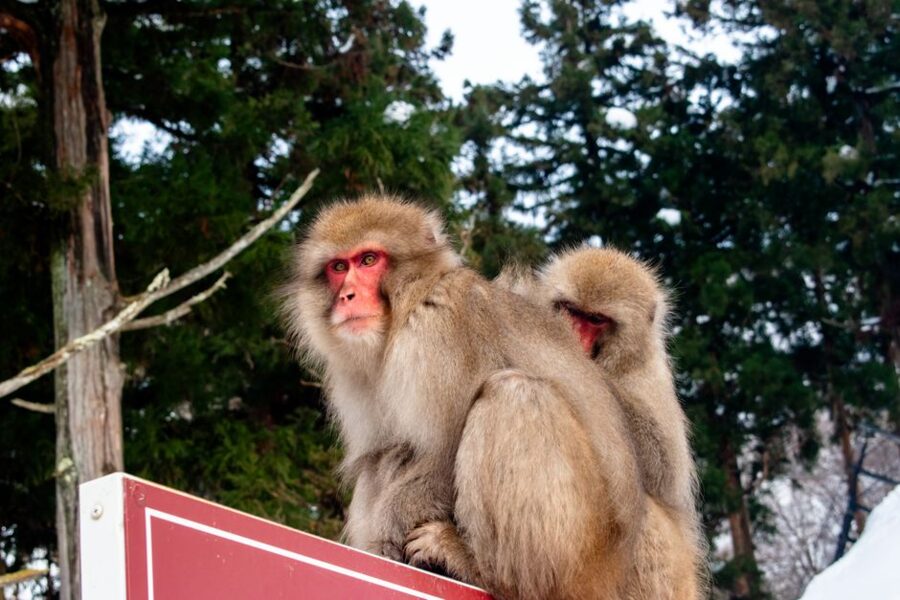
Is it worth a day trip from Tokyo? It is a long day, ten to twelve hours door to door, against a shorter hop to Nikko, Hakone or Kawaguchiko. If wildlife and winter are the point, it beats all three. If you only have one day and the weather looks warm, I’d save it for a trip where you can stay overnight in the valley.
Getting there from Tokyo and Nagano
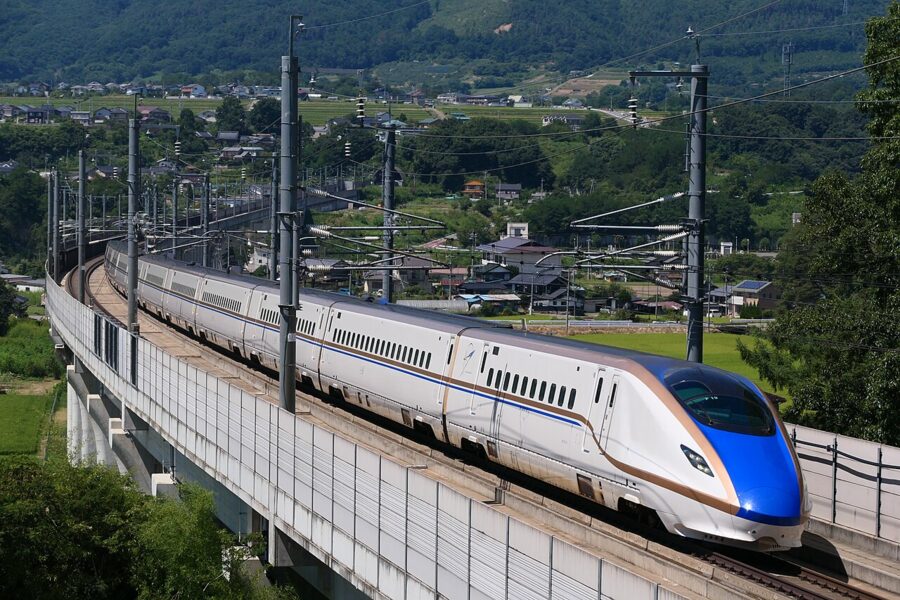
Everything goes through Nagano Station. The Hokuriku Shinkansen from Tokyo or Ueno takes 79 minutes on the fastest trains, and a reserved seat costs ¥8,340 one way. From the other direction the same line comes in from Kanazawa in about an hour, which makes the monkeys an easy stop on a Tokyo–Kanazawa trip.
Tokyo Station’s lunch box counters are the place to buy food for the ride, and my ekiben guide has the boxes worth queuing for. From Nagano you then have two ways to the park, plus the car.
| Route | Time from Nagano | Cost (adult) | Best for |
|---|---|---|---|
| Ex24 express bus to Snow Monkey Park (winter) | about 50 min | ¥6,800 return, park entry included | day trips |
| Nagaden train to Yudanaka, then local bus | 38 min + about 10 min | ¥1,760 train, plus bus fare and entry | overnight stays in Shibu or Yudanaka |
| Car to Kanbayashi Onsen | 20–30 min from Shinshu-Nakano IC | free car park | outside winter weekends |
The Ex24 express bus, and the winter change
This is the change older guides will miss. From 5 December 2026 to 5 April 2027, Nagaden Bus runs a dedicated express, route Ex24, from Nagano Station’s east exit straight to the Snow Monkey Park bus stop. Buses leave every 20 to 30 minutes from 8:00 to 13:30 and take about 50 minutes; the 9:00 arrives at 9:50. The return runs from 11:00 to 17:00 and takes about 55 minutes.
The catch is the ticket. Ex24 needs the Snow Monkey Pass for Bus, a set ticket that combines the express and one park admission: ¥6,800 return or ¥3,800 one way for adults in winter, half for primary-school children. It goes on sale online 90 days ahead and closes the day before. Same-day tickets come only from the machines at Aruyo, the information office on the ground floor of the east exit, and stop when the online quota sells out, which it will over New Year.
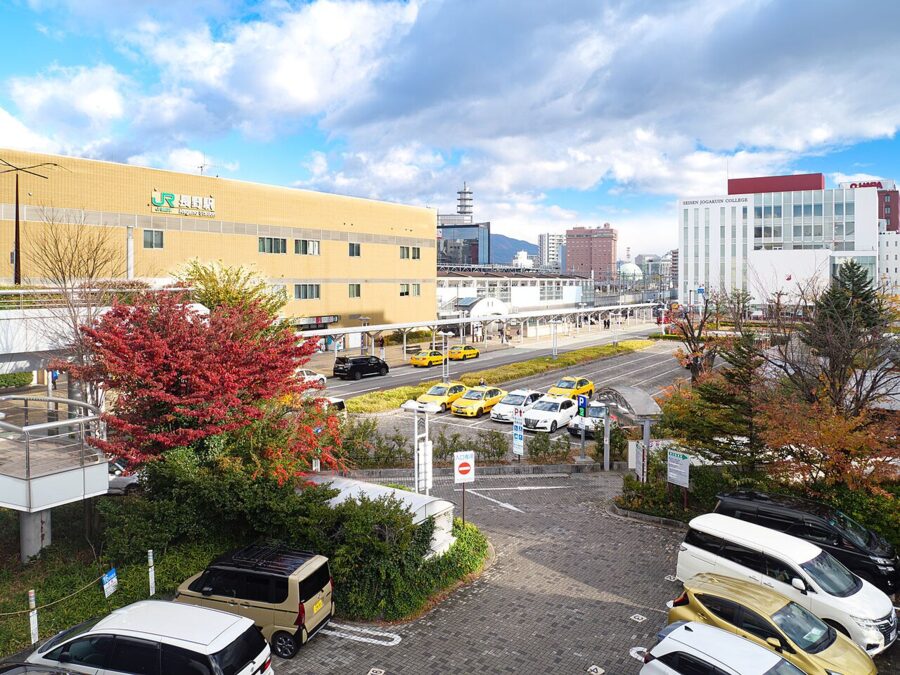
There is no paying on board. Boarding at stop 24 is in queue order, seats are limited, and a full bus means waiting 20 or 30 minutes for the next one. The set ticket is only valid on the day you choose and is not refunded if the monkeys stay away, so look at the forecast before you buy. Also note that the Ex23 Shiga Kogen express, which used to stop at the park, does not stop there in winter.
Before 5 December, and after 5 April, the old pattern applies: the Shiga Kogen express from the east exit reaches the Snow Monkey Park stop in about 41 minutes, and the summer set ticket is ¥4,800 return.
The Nagaden train to Yudanaka
The other route is the Nagano Electric Railway, which everyone calls Nagaden. Its trains leave from underground platforms at Nagano and run 33 kilometres to the terminus at Yudanaka. The fare is ¥1,660, plus a flat ¥100 for the limited express, which makes the trip in 38 minutes.
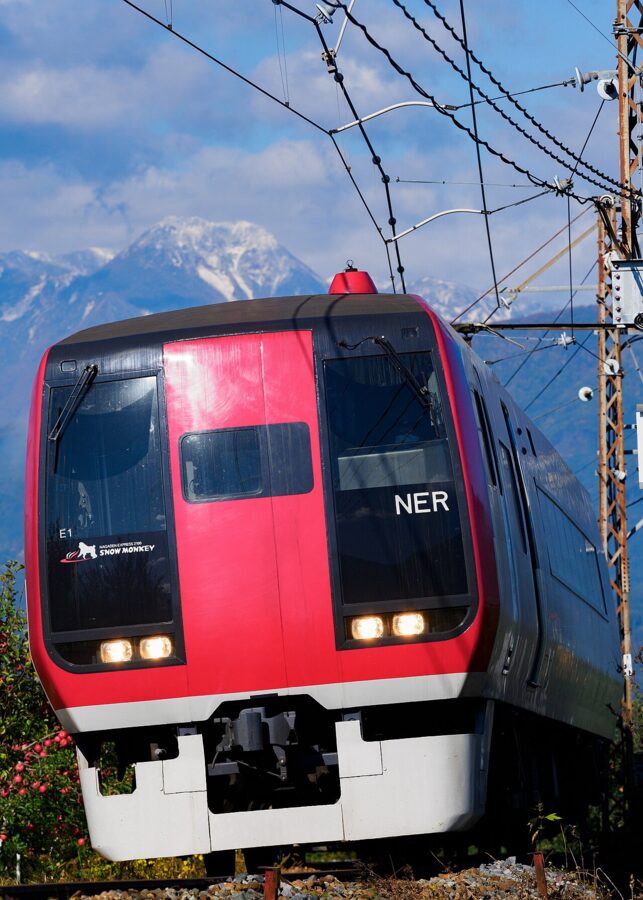
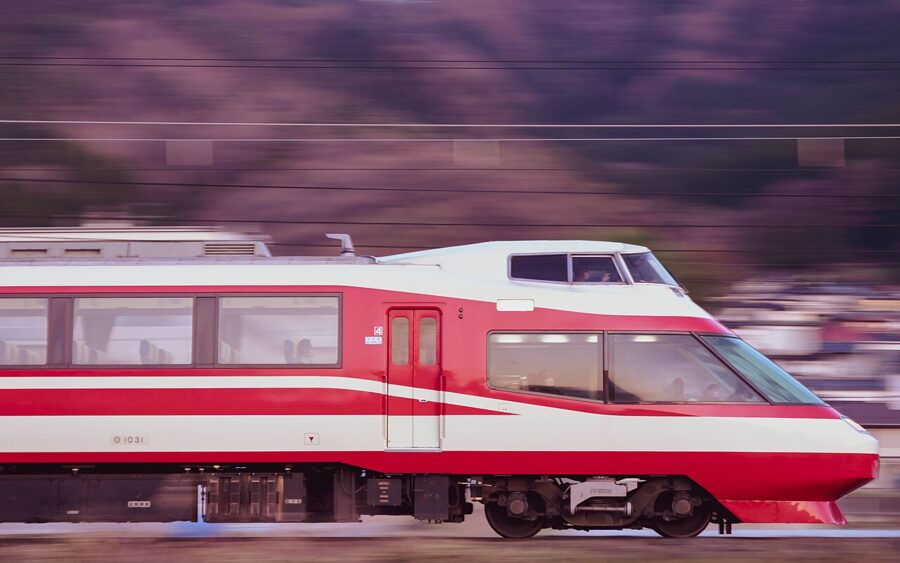
Some limited expresses use the 2100 series, branded Snow Monkey, and others the 1000 series Yukemuri, a former Odakyu Romancecar with a front observation lounge. Only part of each daytime limited express is reserved; a reserved seat costs ¥300 and can be booked up to 31 days ahead on Nagaden’s site.
From Yudanaka Station, Nagaden local buses on the Okushiga Kogen and Shirane lines run to the Snow Monkey Park stop in about ten minutes, passing through Shibu Onsen on the way. You pay on board, and cashless payment works on these buses in winter. On the winter timetable the first buses leave Yudanaka at 7:10 and 7:40.
The Snow Monkey Pass
Nagaden also sells its own Snow Monkey Pass, which is a different ticket from the bus set and can’t be swapped for it. It covers a day of unlimited Nagaden trains including unreserved limited expresses, one round trip on the local bus between Yudanaka and the park, and one admission. In 2026 it cost ¥4,800 for adults and was sold from 1 April to 30 September from ticket machines at Nagaden stations, not at counters.
When I checked in mid-November, no winter edition had been announced. It is valid only on the day you buy it, so it suits a day trip by train with a stop at Obuse on the way back.
Driving
The park’s free car park is at Kanbayashi Onsen, 16 kilometres from the Shinshu-Nakano interchange on Route 292, with the same 35-minute walk. A paid car park closer to the park (¥500) is reached by a narrow forest road from Shibu Onsen that is closed all winter, and in winter some car parks shut entirely over New Year and on weekends and holidays.
The walk in
The trail is called the Yudo, the hot water road, and it is older than the park. It has always been the way into Jigokudani, and it still carries water for the farms below and pipes that bring hot spring water down to the villages. From Kanbayashi Onsen it is about two kilometres and 30 minutes to the park, mostly level with a few slopes and steps.
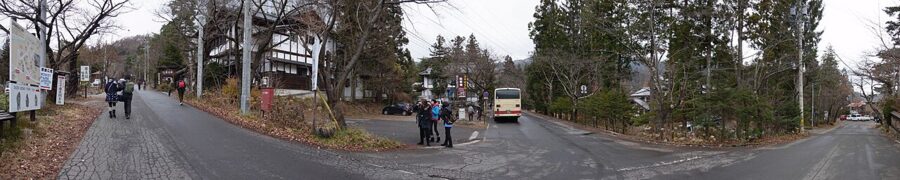
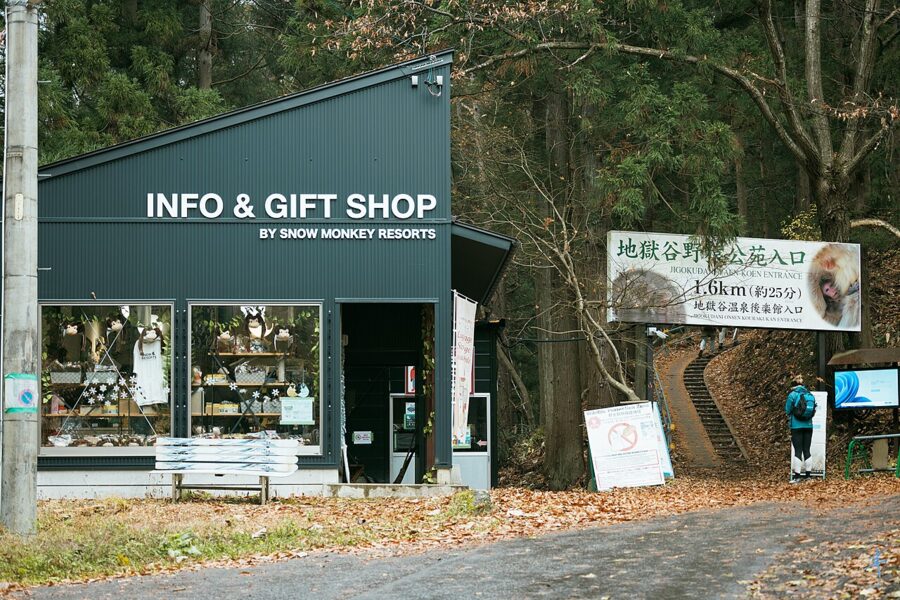
From the bus stop, walk up the lane through the village, past Kanbayashi Hotel Senjukaku, to the trail entrance, where a wooden sign reading Snow Monkey Park arches over stone steps. Enza Cafe is near the start if you need a hot drink first. From the entrance the forest path itself is about 1.6 kilometres through the trees. Keep an eye out for Japanese serow, the goat-antelope of these mountains, and for squirrels.
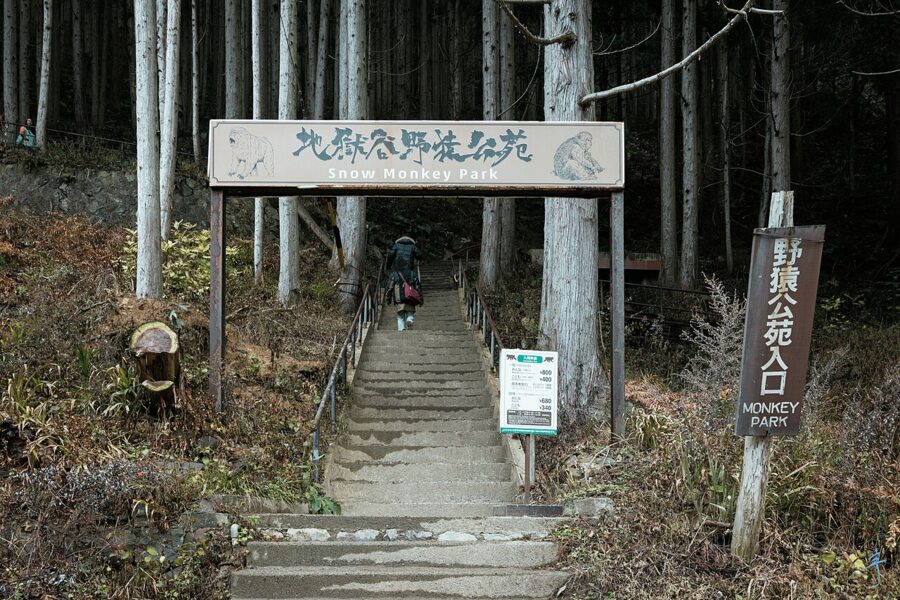
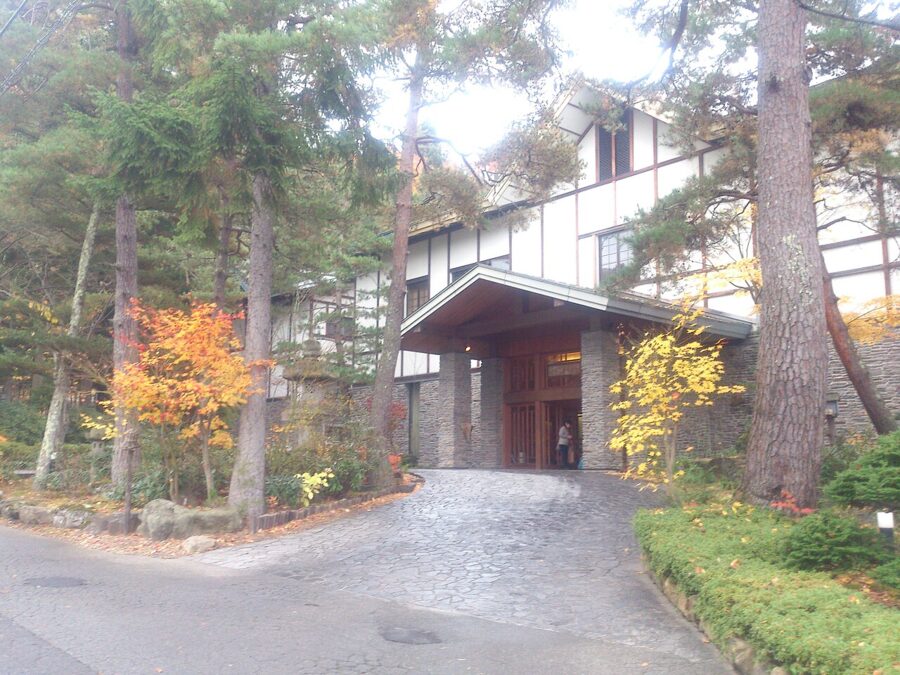
In winter, dress for the mountain, not for Nagano city. The park recommends snow boots or rubber boots and suggests simple crampons, the slip-on spikes sold for icy pavements. Trainers with smooth soles will have you on your back on the way down, and the return walk is the harder one because it comes after an hour of standing still in the cold.
- Waterproof boots with real grip, plus slip-on spikes for the ice.
- Layers rather than one heavy coat: you warm up on the walk and freeze at the pool.
- Gloves you can work a phone or camera in, and a spare battery kept in an inside pocket.
- A cloth for the lens: the steam fogs it the moment you get close.
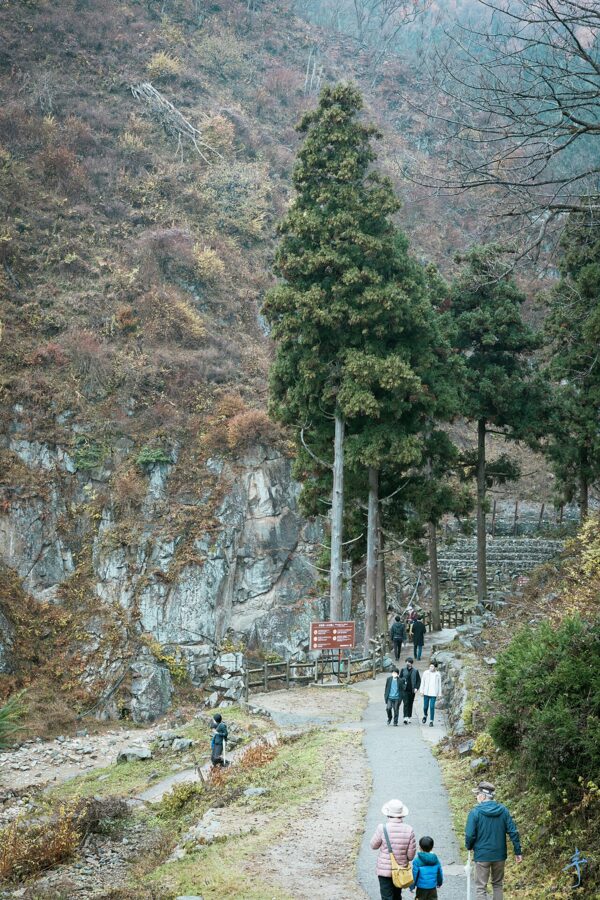
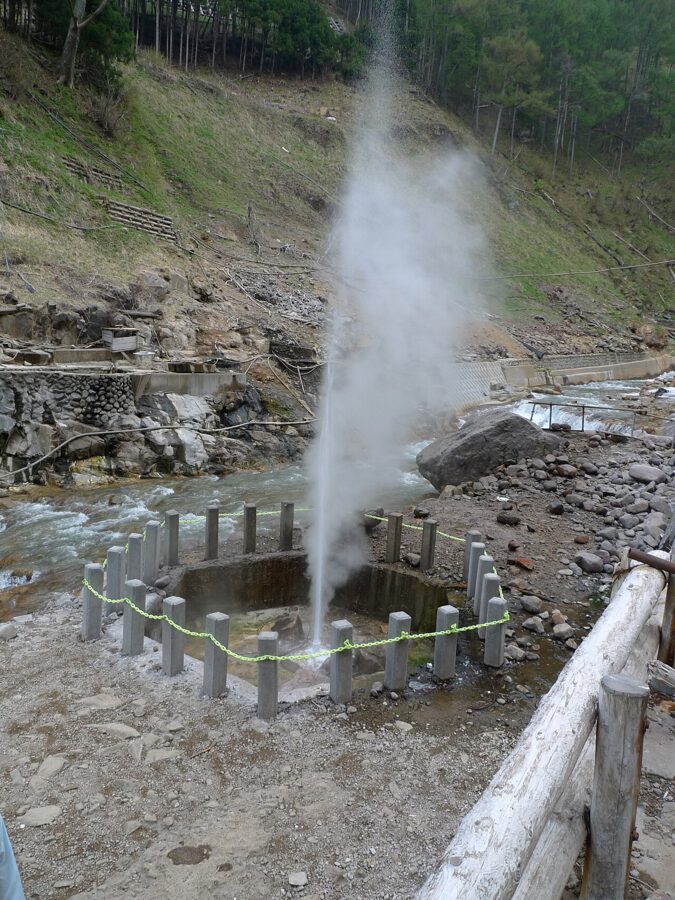
The last few minutes are the most dramatic. The valley narrows, the cliffs close in, and you pass the old inn and the Shibu Jigokudani geyser, a designated natural monument that throws up water close to 100°C in a column of steam. A final climb up steps brings you to the ticket gate.
The trail isn’t suitable for wheelchairs, strollers or carts at any time of year. In summer the park also warns about venomous snakes and wasps, so stay on the path.
Inside the park: tickets, rules and photographs
The park is open every day of the year: 8:30–17:00 from April to October and 9:00–16:00 from November to March. Weather, a natural disaster or the monkeys themselves can close it without notice. The park asks you to arrive at least 30 minutes before closing and to be out by closing time, which in winter means reaching the gate by 15:30 at the latest.
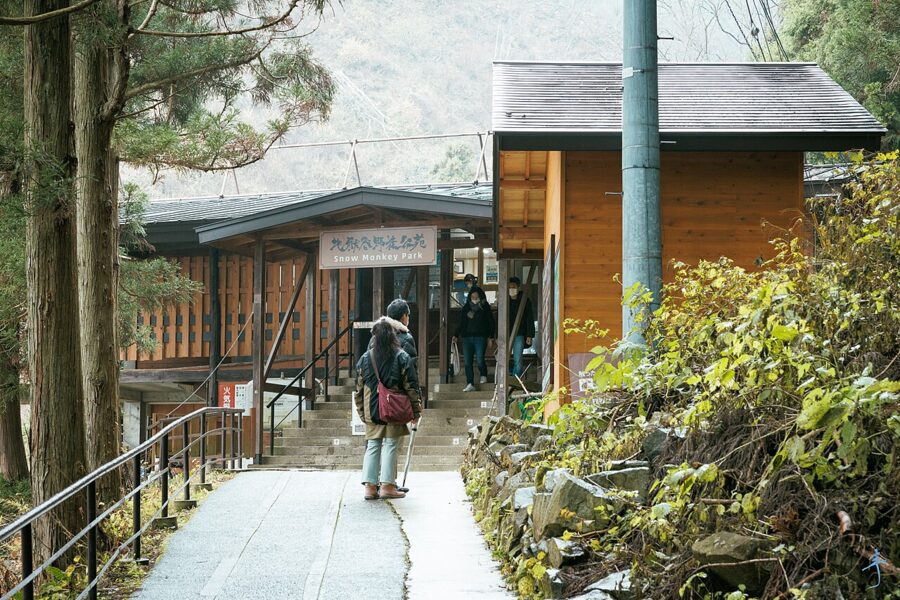
Prices go up on 1 December 2026. At the gate, adults pay ¥1,000 (from ¥800) and children from primary to high school ¥500. Online tickets are cheaper, at ¥880 and ¥440, are dated and can be bought up to three months ahead.
From December to April, online ticket holders go in first. Without one, you may wait, and on the busiest days you may not get in. Children under six are free with a guardian, there is no senior discount, and an annual pass costs ¥6,000.
The rules, and why they work
There are no fences between you and the monkeys, so the rules are the whole system. Staff watch the crowd constantly and will ask people who ignore them to leave.
- Never show or give food. A monkey that learns people carry food starts grabbing bags.
- Don’t touch or startle them, even when one sits right next to you.
- Don’t stare into a monkey’s eyes at close range. In macaque terms it’s a threat.
- Keep your distance, and if a curious young monkey comes towards you, move away.
- No dogs or cats, including assistance dogs: dogs are the monkeys’ natural enemy.
- No selfie sticks, no drones and no putting a camera into the bath.
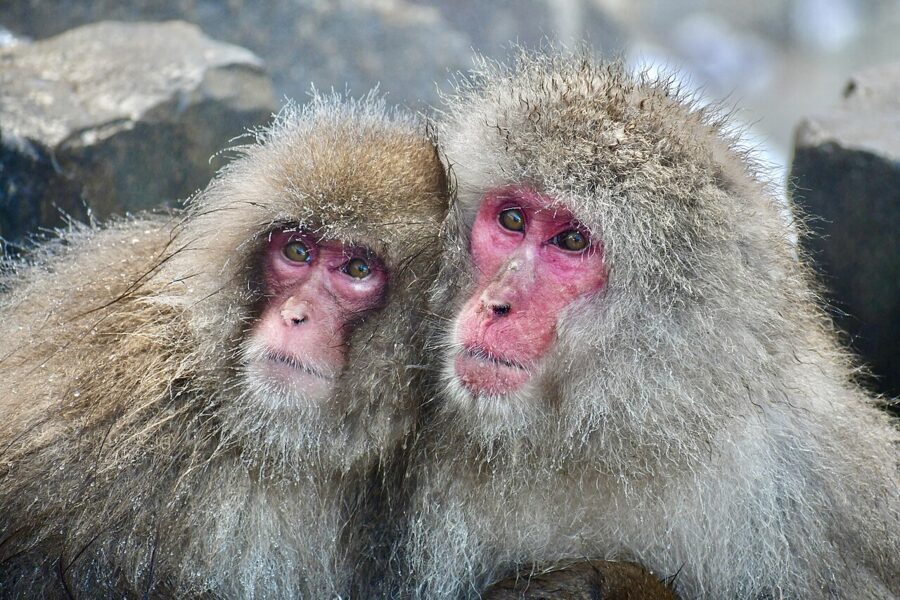
It is a wildlife observation site, not a bathing facility, and you can’t get into the water with the monkeys for any money. Shibu Onsen is ten minutes away by bus.
Taking photographs
Photography and video are allowed, and so is flash. What isn’t allowed is pushing a phone or camera close to a monkey, which is how most problems start. A short telephoto, 70–200 mm or so on a full-frame camera, lets you fill the frame from the path without crowding anyone.
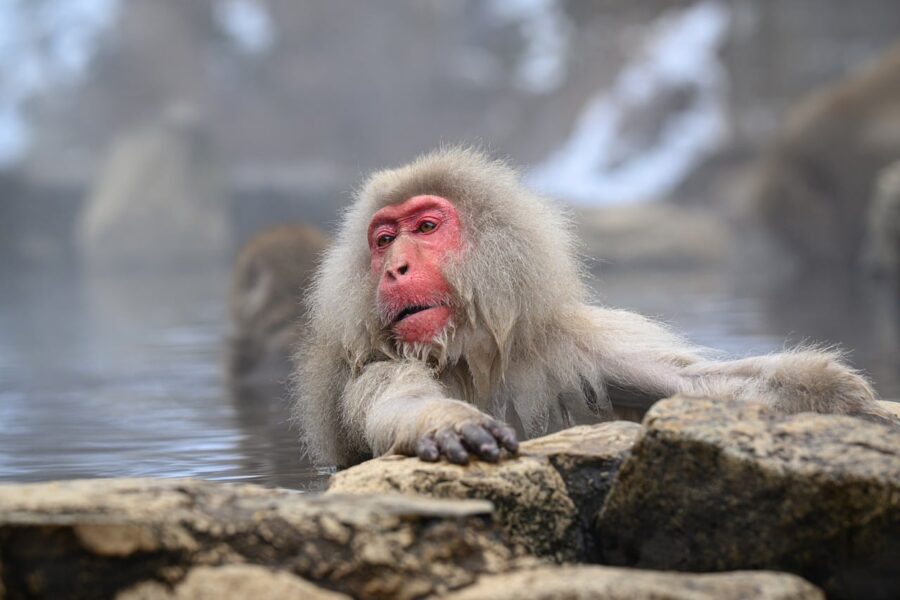
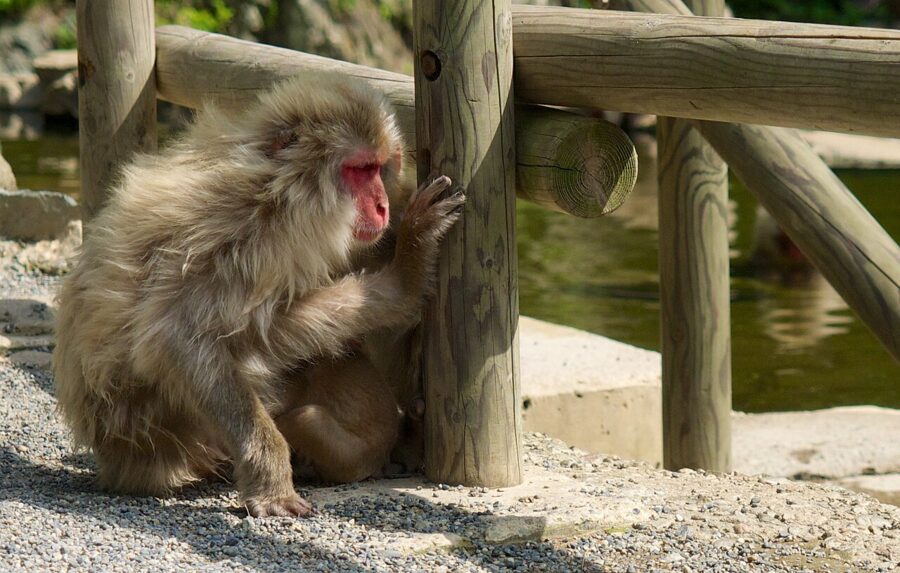
The best pictures are often away from the pool. Look for grooming pairs on the rocks, mothers carrying young, and monkeys walking through deep snow. Morning light is softer than the midday glare off the snow, which is another reason to arrive early.
Shibu Onsen and its nine baths
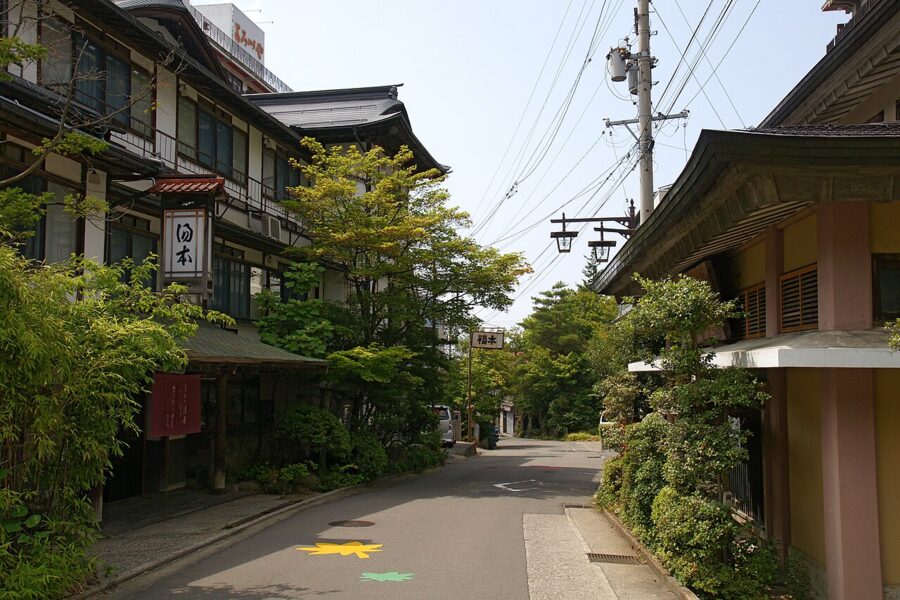
Ten minutes down the road from the park, Shibu Onsen is the reason to stay the night. The town says its springs were found 1,300 years ago by the monk Gyoki, and it claims a place among the hidden baths of the warlord Takeda Shingen, used to heal soldiers wounded in the battles of Kawanakajima. Later it was a post town on the road to Kusatsu, and its narrow main street is still paved in stone.
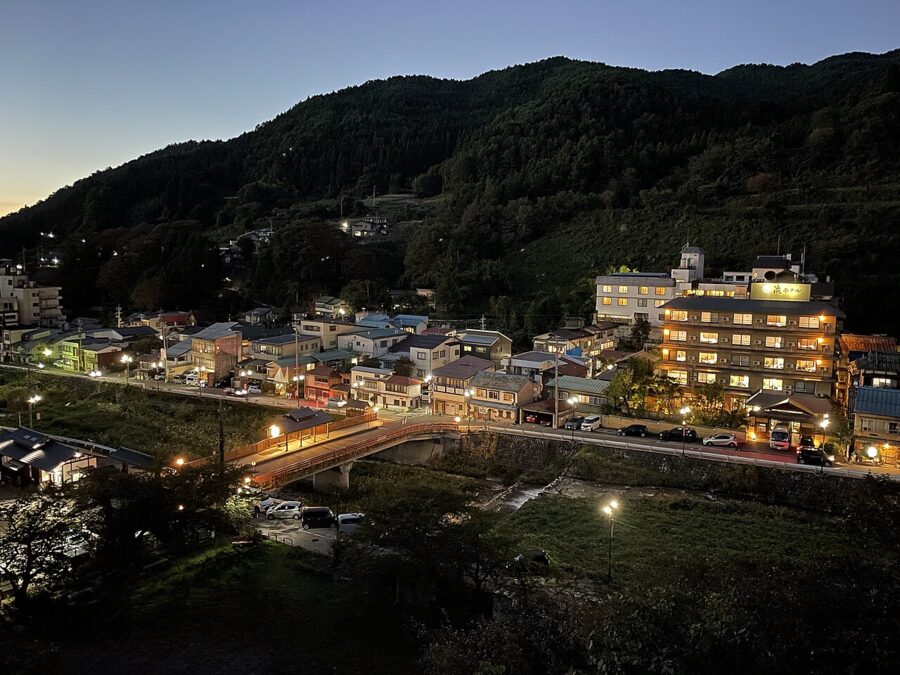
The real draw is the nine sotoyu, the public bathhouses that local people use every day. They are open to guests staying in Shibu, free, from 6:00 to 22:00. Your inn lends you a key that opens all nine, and the done thing is to walk between them in the inn’s yukata and wooden geta, clattering along the stone street at night.
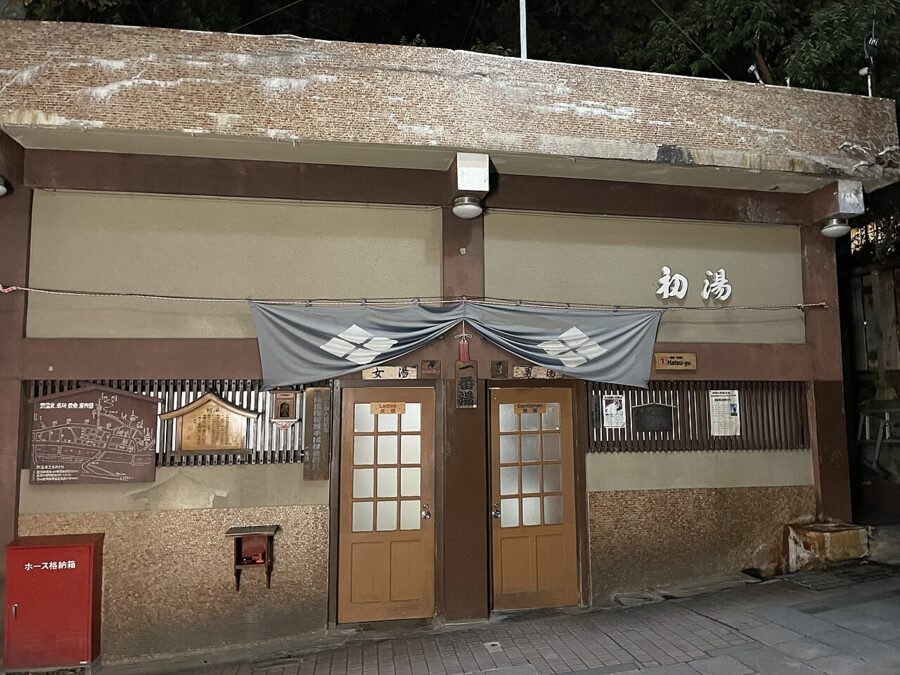
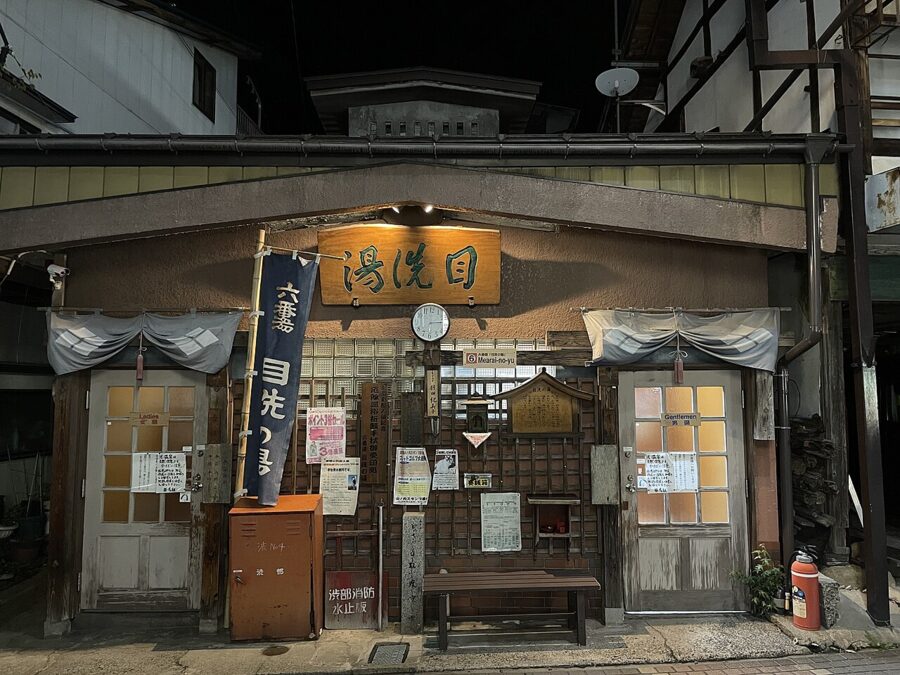
Each bath has a number, a name and a cure. Hatsuyu is for the stomach, Sasa-no-yu for skin rashes, Wata-no-yu for cuts, Take-no-yu for gout, Matsu-no-yu for nerve pain, Mearai-no-yu for the eyes, Nanakuri-no-yu for injuries, and Shinmeitaki-no-yu for women’s ailments and fertility. The ninth, Oyu, is the big one, said to cure everything.
Buy a kigan tenugui, a prayer towel sold at the inns, and stamp it at each bath. When all nine stamps are on it, you walk up to Shibu Takayakushi, the small temple hall above the town, for a final seal. The pun is the point: nine is ku, which also means hardship, so the round is said to wash away your troubles.
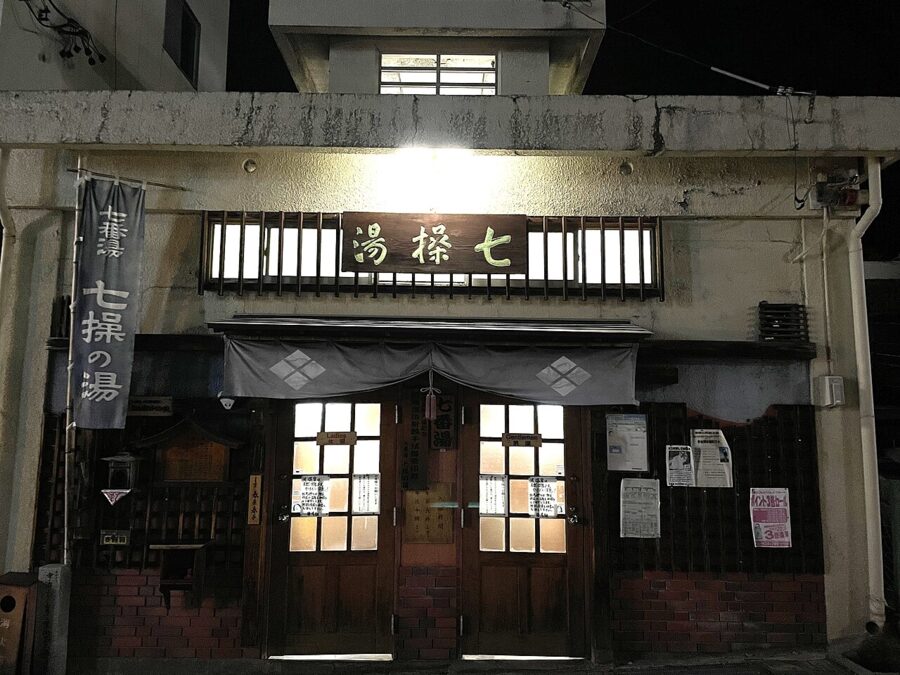
A few practical things before you strip off. These are tiny, plain rooms with a changing area and a tub: no showers, no soap, no lockers. The water comes out very hot, so you may need to run cold water in, and the rule is that you turn the tap off once it’s bearable. Rinse before you get in, crouching so you don’t splash anyone, and say hello to the locals.
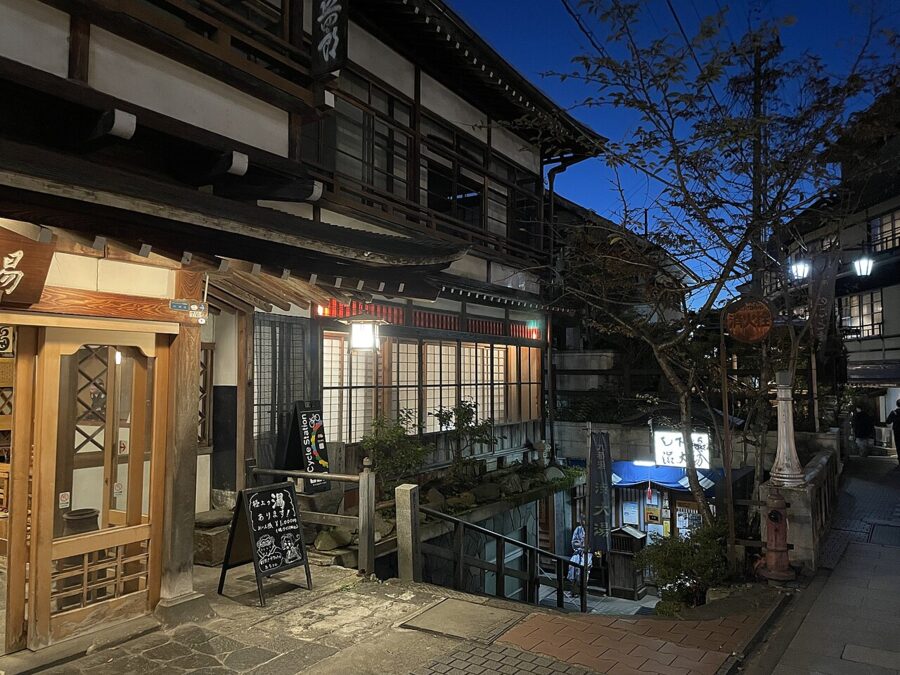
If you are only passing through, Oyu is your bath. Buy a ticket at the tourist information office or one of several inns nearby, then show it at one of the listed shops or inns to have the door opened. Washing hair is not allowed, so leave the shampoo behind.
Where to stay in Shibu
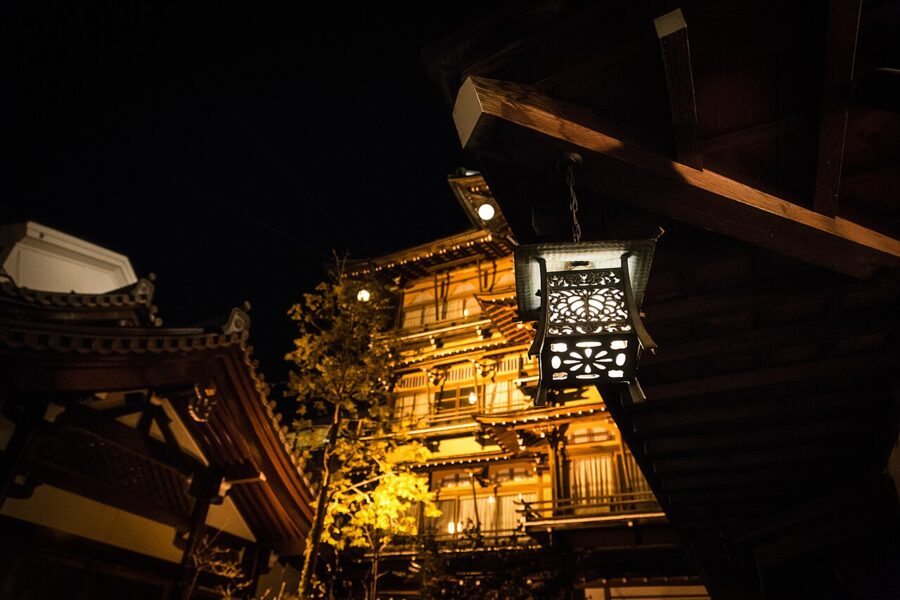
The inn everyone photographs is Kanaguya, whose four-storey wooden Saigetsuro wing and great hall, both from the early Showa era, are designated cultural properties. It has eight baths of its own, five of them private and free to book, and they stay open from 15:00 until 10:00 the next morning. Every inn in town lends the same nine-bath key, and many cost far less.
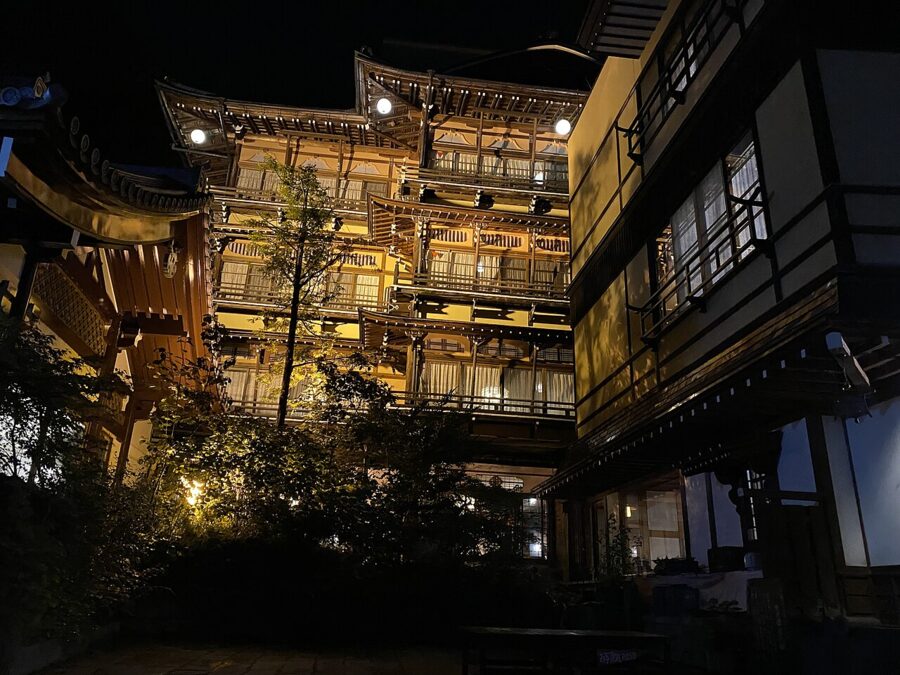
Whichever inn you choose, the evening runs the same way: an early dinner, a walk out in yukata to a couple of the baths, then a last soak before bed. In the morning, a ryokan breakfast of rice, grilled fish, pickles and miso soup sets you up for the trail, and my guide to Japanese breakfast explains what is on the tray. If you liked the community baths of Beppu, Shibu does the same thing on a village scale.
Yudanaka, and making it an overnight
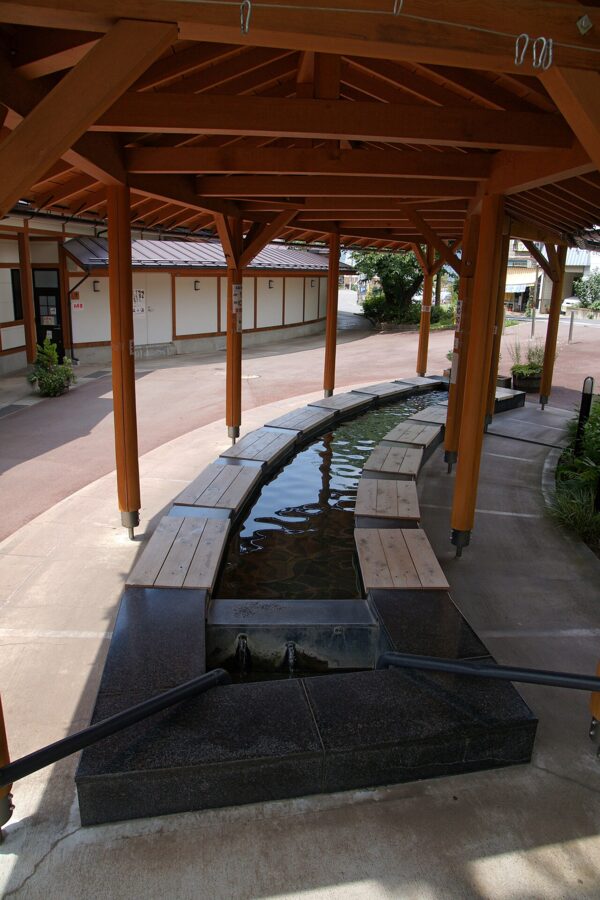
Yudanaka is the bigger neighbour, spread around the Nagaden terminus. It has more hotels at lower prices and is the easier base if you arrive late by train. Its old wooden station building has been kept, with a foot bath beside it.
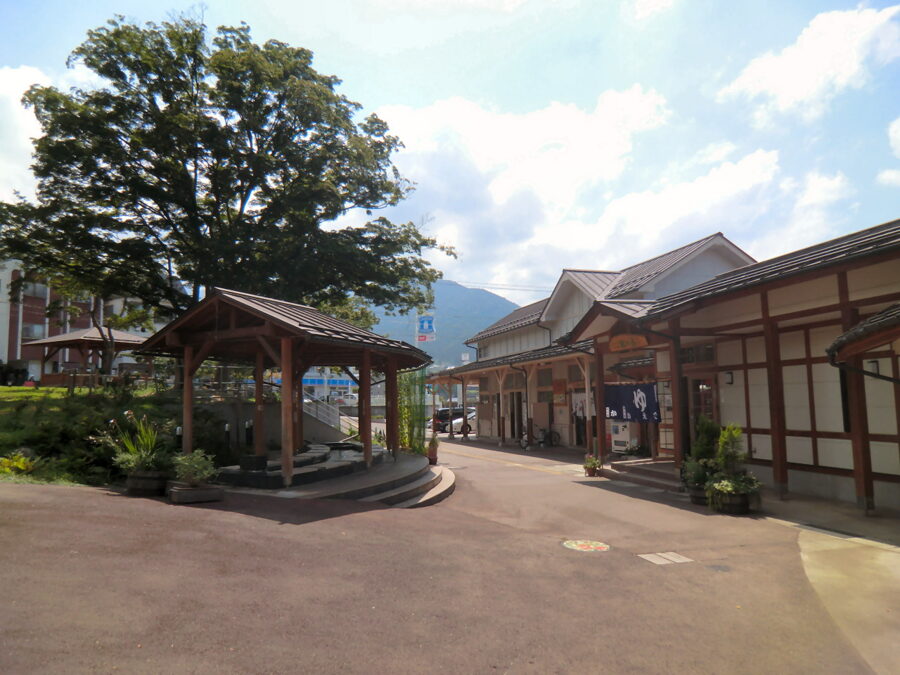
Staying the night changes the whole trip. You can be on an early local bus, reach the gate as it opens at 9:00, and be at the pool before most of the day-trip buses from Nagano have unloaded.
One more stop for anyone who drinks: Tamamura Honten, a sake brewery in Hirao, the same district as the park. It was founded in 1805, makes the sake Engi, and since 2004 has also brewed Shiga Kogen Beer, which is covered in my craft beer guide. The brewery shop offers paid tastings of both, and its taproom, The Farmhouse, reopened in July 2026.
Zenko-ji: the temple that belongs to no sect
Back in Nagano city, the temple the city grew up around sits at the top of the main street. Zenko-ji was founded about 1,400 years ago and belongs to no single school of Buddhism, which is why it has always welcomed everyone, and why women came here in unusually large numbers in the Edo period. Today it is run jointly by two schools, Tendai and Jodo, and draws about six million visits a year.
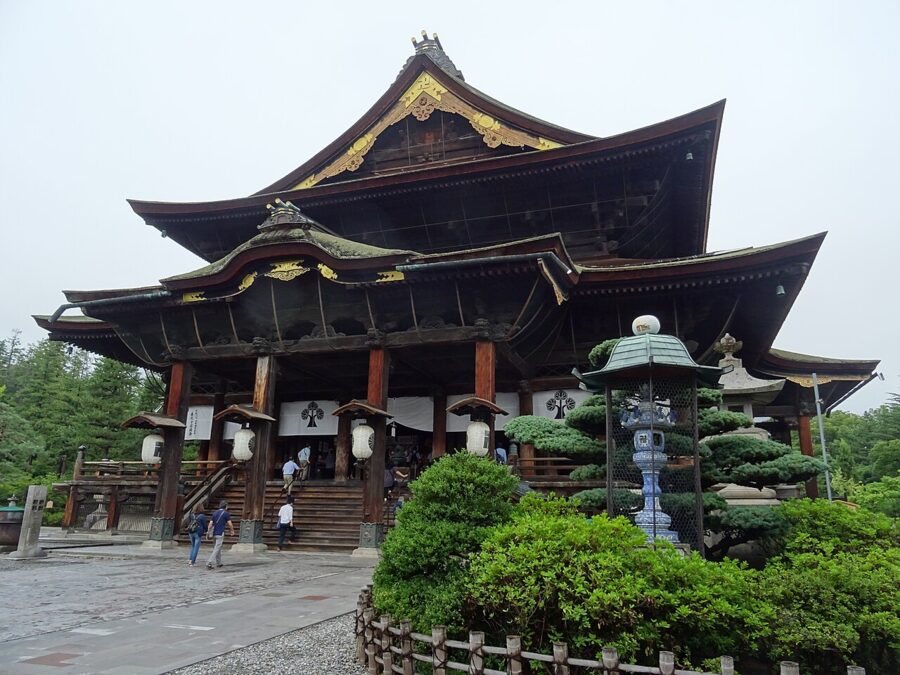
Its main image is a hidden Buddha that nobody sees. According to the temple’s own history, the Ikko Sanzon Amida, a triad of figures sharing a single halo, came from India by way of the Korean kingdom of Baekje in 552 and is said to be the oldest Buddhist image in Japan. It was thrown into a canal during the fight over whether Japan should accept Buddhism, rescued by a man named Honda Yoshimitsu, and brought to this spot in 642. The temple is named after him.
Oasaji, the sunrise service
Every morning of the year, at sunrise, all the temple’s priests take part in Oasaji, two services one after the other, Tendai first and then Jodo. During it the curtain in front of the main image is raised, and you can glimpse the golden altar where the hidden Buddha is kept. On their way to and from the hall, the two head priests touch the heads of anyone kneeling on the path with their prayer beads, a blessing called ojuzu chodai.
Okaidan Meguri, the walk in the dark
The thing to do at Zenko-ji is the Okaidan Meguri, entered from the back of the inner sanctuary on the right. Steps take you down into a corridor directly under the altar, and within a few paces the darkness is total, so you keep your right hand on the wall and shuffle forward.
Somewhere along the way there is a lock on the wall. It is called the key to paradise, and it sits directly below the hidden Buddha. Touch it and, the temple says, you have made a bond with the Buddha that promises you rebirth in the Pure Land. People giggle, bump into each other and come out looking oddly moved.
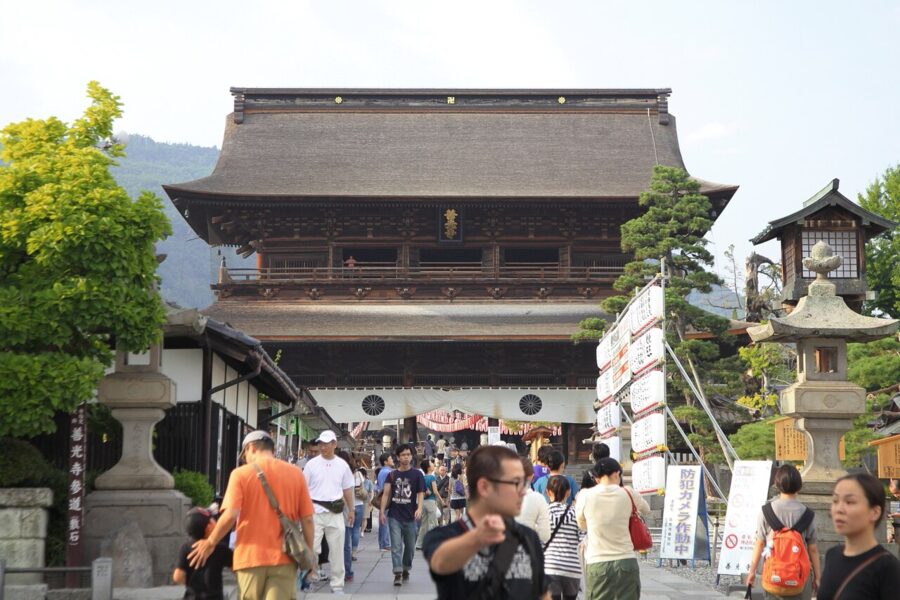
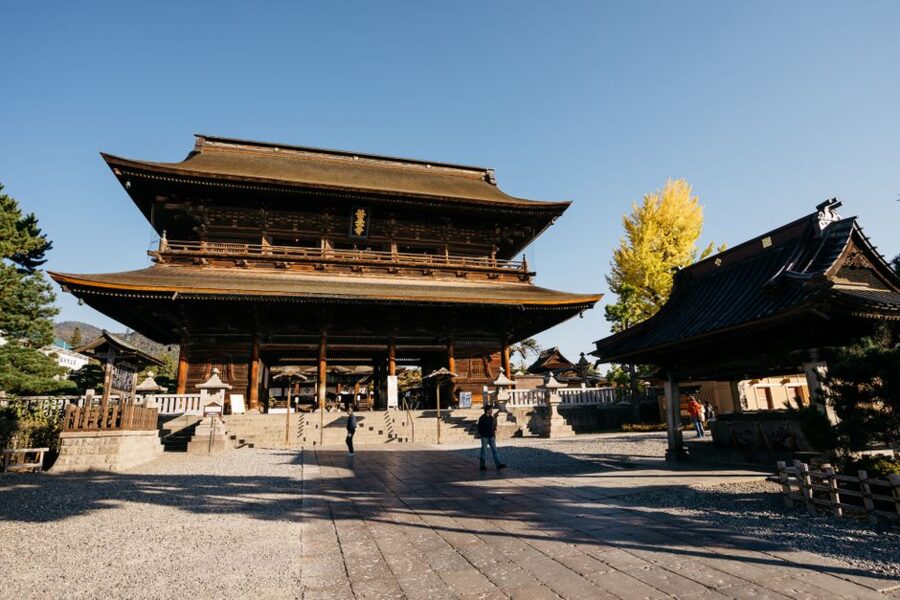
The ticket for the inner sanctuary, Okaidan and the temple museum is ¥800 for adults; the combined ticket at ¥1,500 adds the Sanmon gate and the Kyozo sutra hall. The inner sanctuary opens an hour before Oasaji and closes at 16:30 from April to October, at 16:15 in March and November, and at 16:00 from December to February. The gate, sutra hall and museum are open 9:00–16:00.
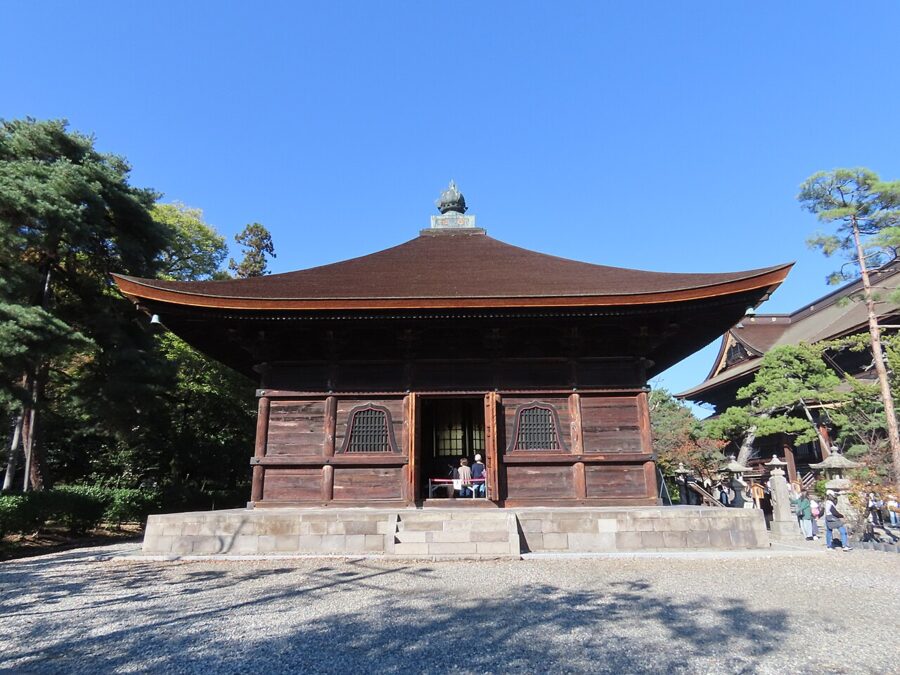
The temple lodgings
Zenko-ji has 39 shukubo, temple lodgings, each with its own hall and resident priest. They take guests from two people upwards, serve shojin ryori, the temple’s meat-free cooking (more on that in my guide to eating vegetarian in Japan), and their guides take you to Oasaji in the morning. If you want the sunrise service without a pre-dawn taxi from a city hotel, this is how.
Getting there, and Nakamise
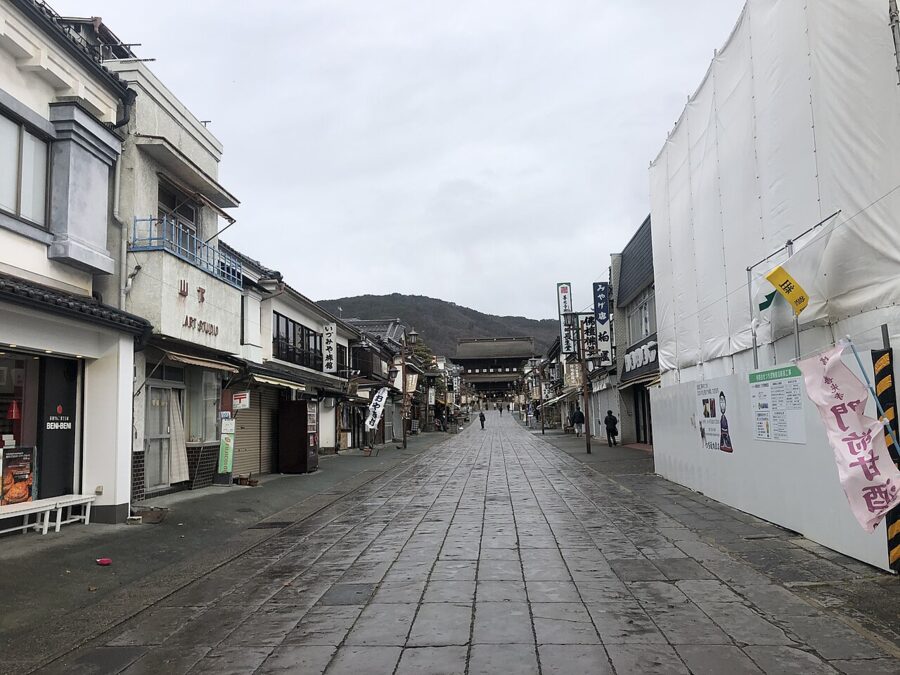
From Nagano Station, take a bus from stop 1 at the Zenkoji exit to Zenkoji Daimon, about 15 minutes for ¥190, then walk five minutes. Or walk the whole way up the main street, the old pilgrimage approach. The last stretch is Nakamise, a short lane of souvenir shops and oyaki stalls ending at the Sanmon.
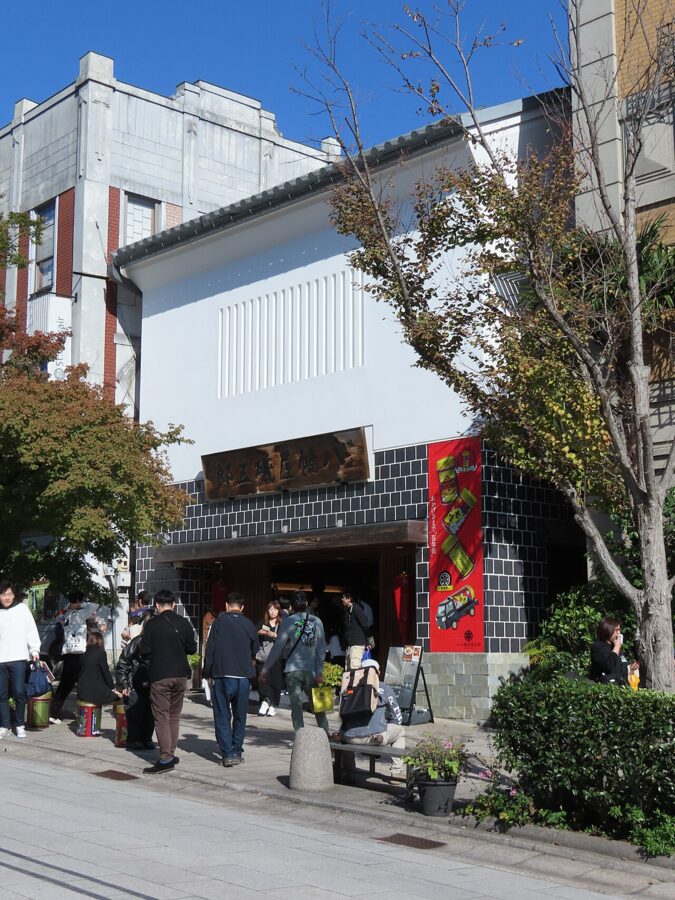
Just below the temple, the shichimi maker Yawataya Isogoro has been selling its seven-spice chilli blend since 1736. It started on a spot inside the temple grounds and moved to its current shop on Daimon-cho in 1952. The red tin with the temple on the back, designed by the sixth-generation owner in 1924, is still the one to buy.
Obuse: chestnuts and an old man’s ceilings
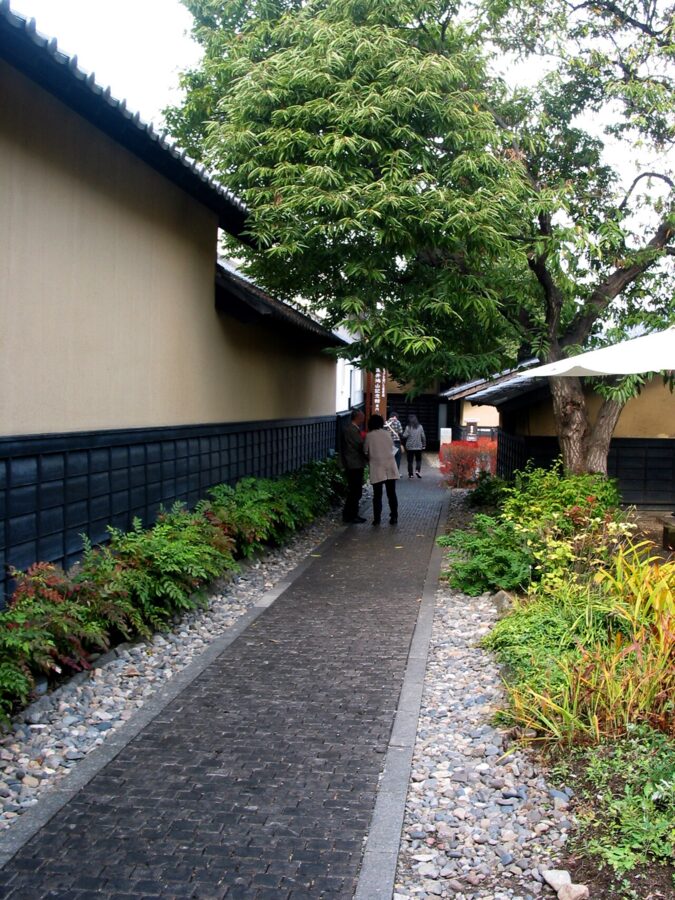
Obuse is the smallest town in Nagano Prefecture, 17.5 kilometres from Nagano on the Nagaden line (¥870, limited expresses stop), and it makes a natural half day between the city and the monkeys. Almost everything worth seeing is within a ten-minute walk of the station.
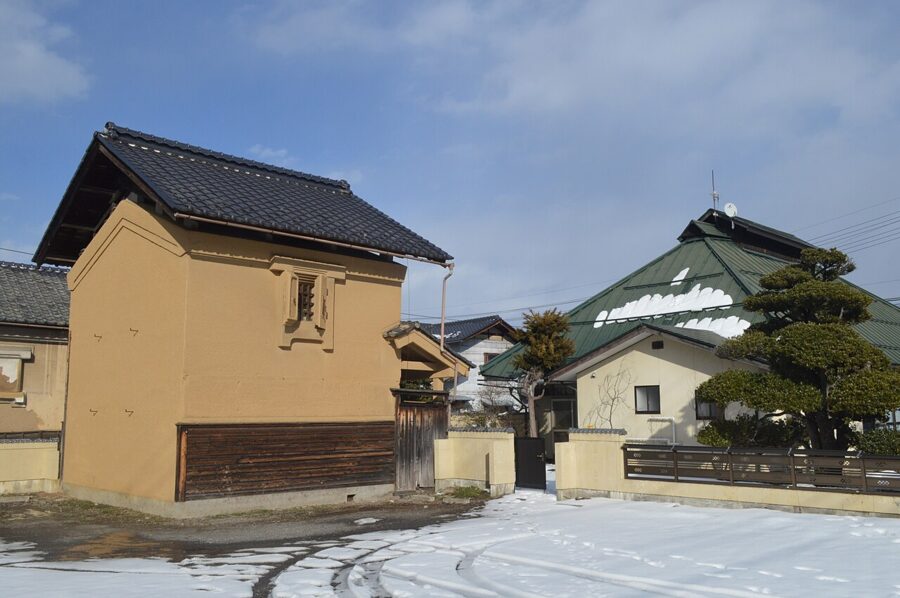
Two things made Obuse. One is the chestnut, long grown here and turned into sweets that are sold all over Japan. The other is Katsushika Hokusai, the painter of the Great Wave, who came here twice in his eighties at the invitation of Takai Kozan, a rich local merchant and scholar, and left behind some of his last great works.
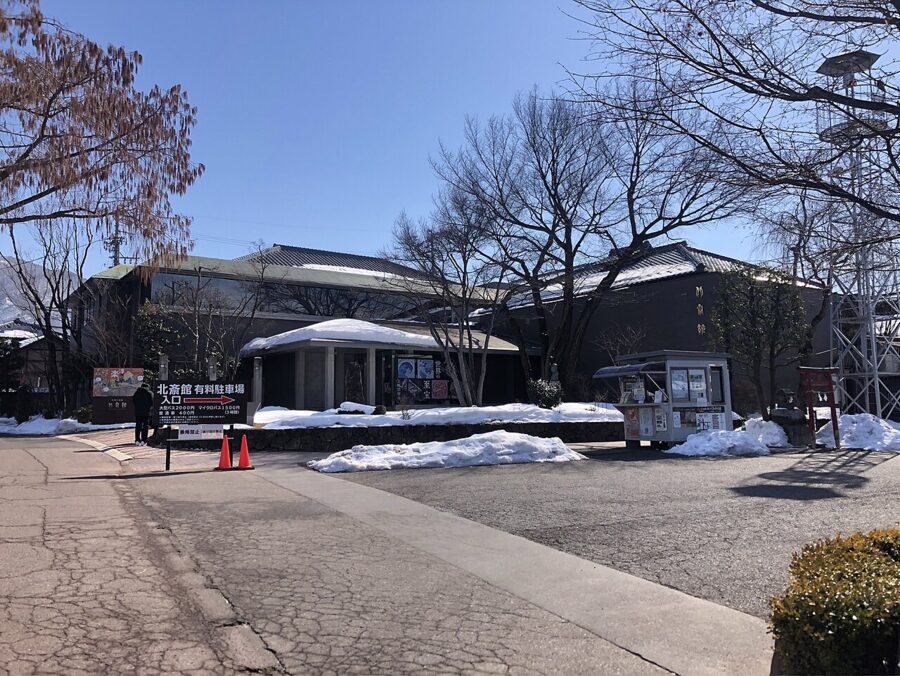
Hokusai-kan and the festival floats
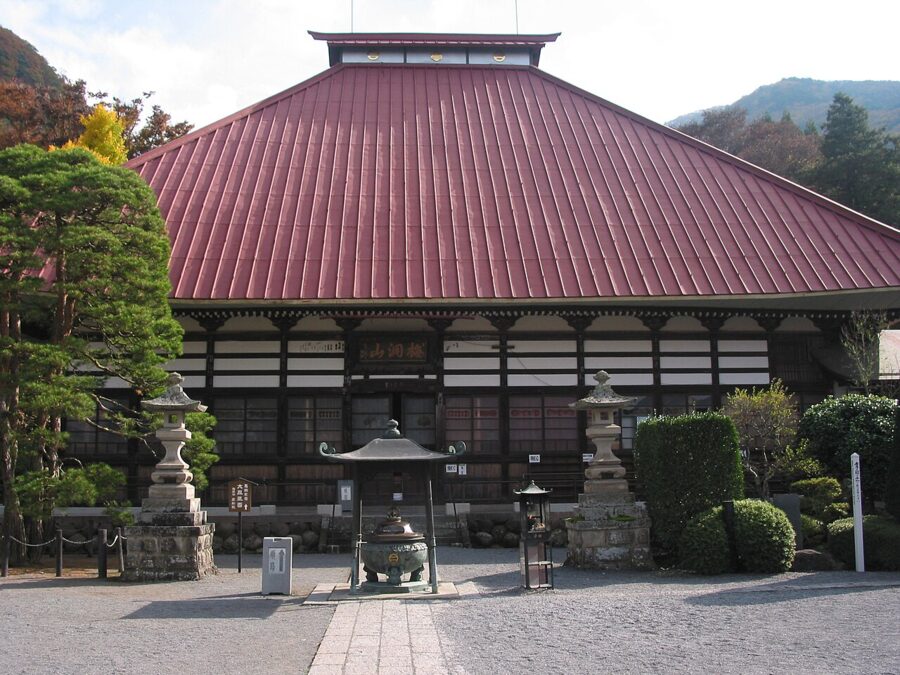
The reason to go is two festival floats in the float gallery, both with ceilings painted by Hokusai. The Higashimachi float, the oldest of the seven that survive in the town, was remodelled in 1844 during his second visit, and he painted its dragon and phoenix. The Kanmachi float, paid for by Takai Kozan, followed in 1845 with a pair of wave paintings, a male wave and a female wave. He was in his mid-eighties.
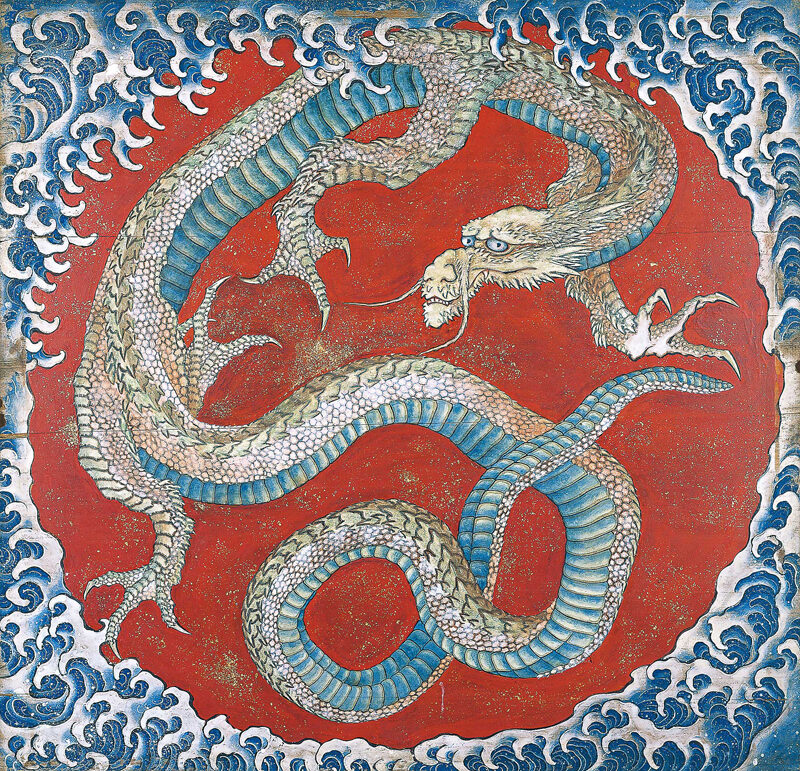
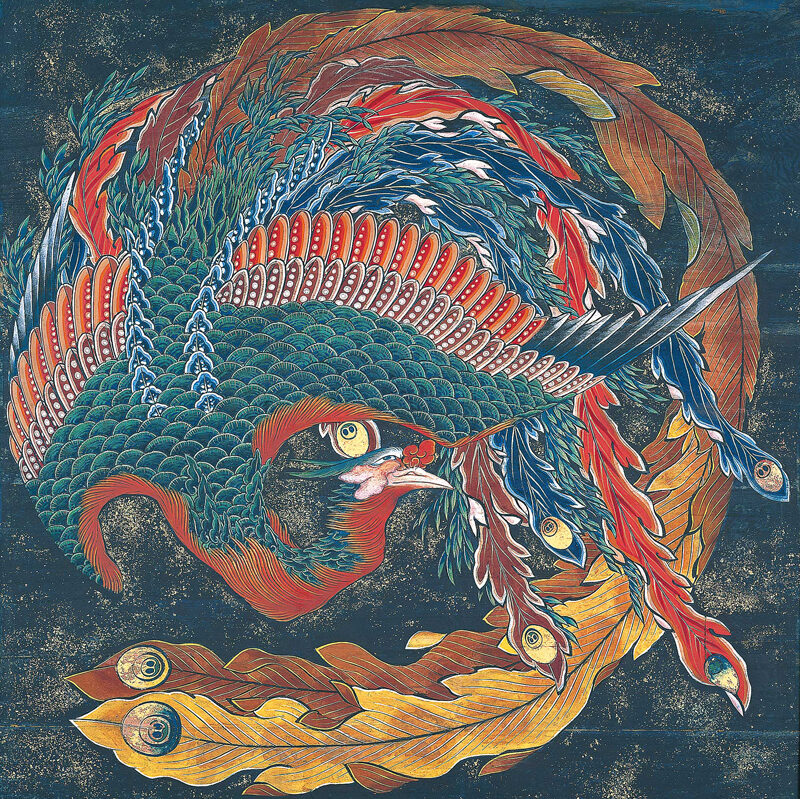
The rest of the museum covers his whole career, and until 17 January 2027 a special exhibition shows around 160 works recently lent to Nantes, France. If you still want more Hokusai, Gansho-in, a temple about 30 minutes’ walk from the station, has a huge phoenix painted on its main hall ceiling that is attributed to him.
The chestnut sweets
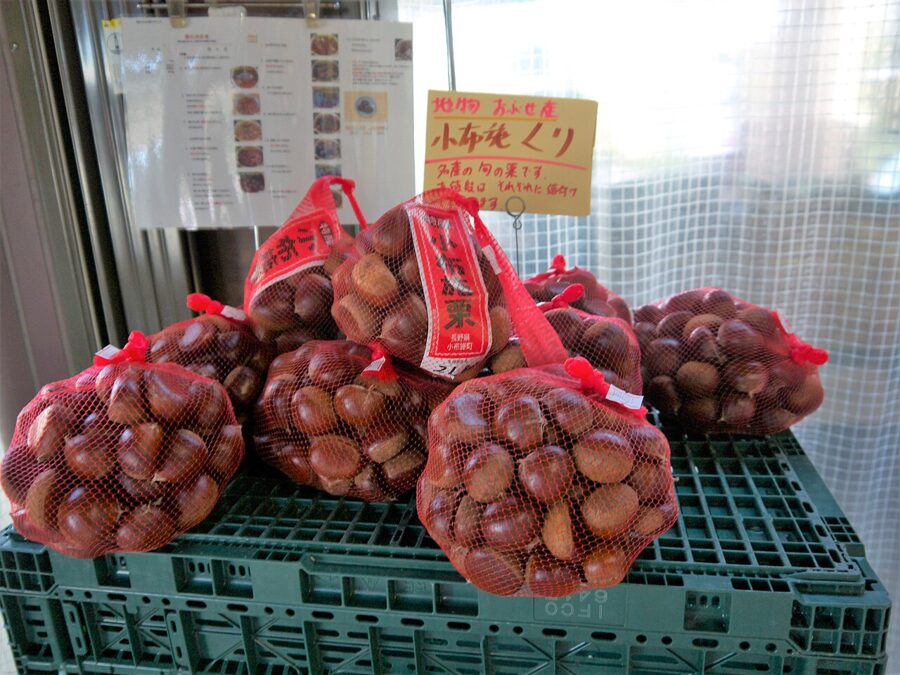
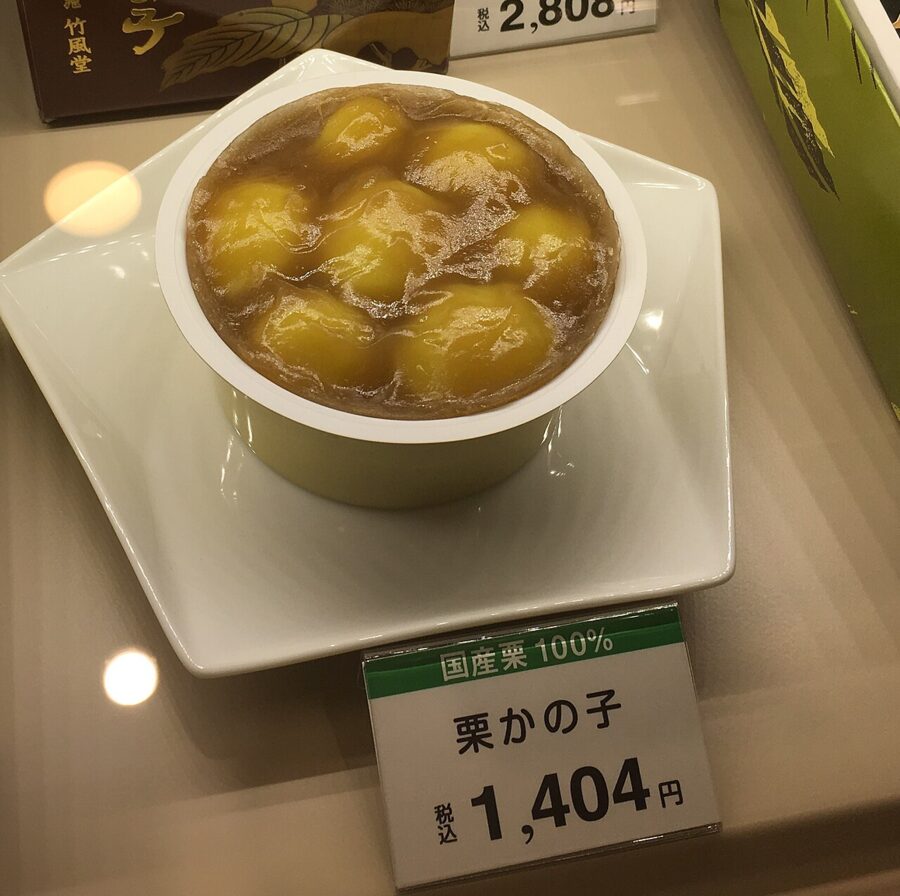
Obuse has three famous chestnut confectioners, all within a short walk. Between them they sell kuri-kanoko, whole chestnuts set in a dense chestnut paste, and kuri-yokan, a firm chestnut jelly. For the wider world of Japanese sweets, see my wagashi guide.
Obusedo is the best known. Its autumn speciality, Shuzaku, is a mound of freshly steamed chestnut pressed into fine strands like noodles over chestnut paste, with no sugar added to the strands at all. It is served only at Obusedo’s main shop and its restaurant next door for about a month after the new chestnuts arrive, from 10 September to 18 October in 2026, and people queue for it. Out of season, Obusedo’s Montblanc Shuzaku is served all year at its separate cafe, Entotsu, at ¥2,500 for a set with a drink.
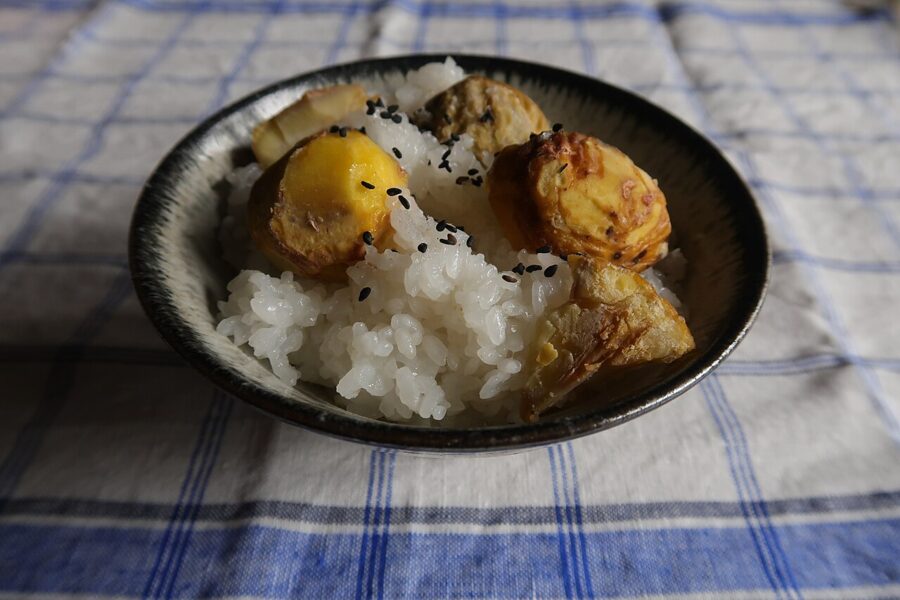
Obusedo’s main shop also sells chestnut okowa, sticky rice steamed with fresh rather than candied chestnuts, at ¥1,500 for a single portion. It is not sold on Thursdays from January to March, or over New Year. Chikufudo, which has its main shop in Obuse and a branch near Zenko-ji’s Daimon, is also famous for its steamed chestnut okowa and has restaurants at both.
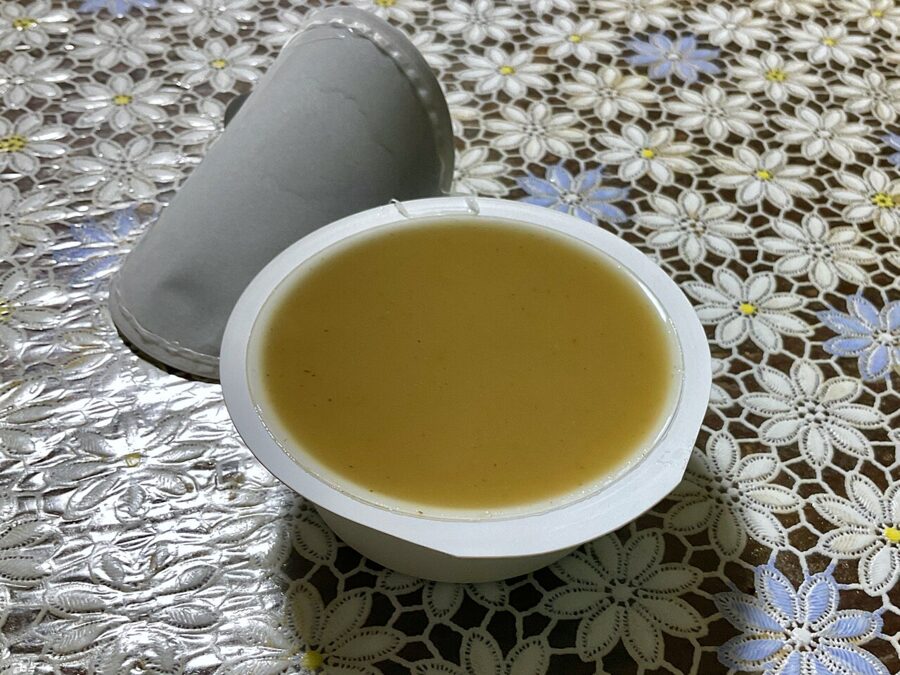
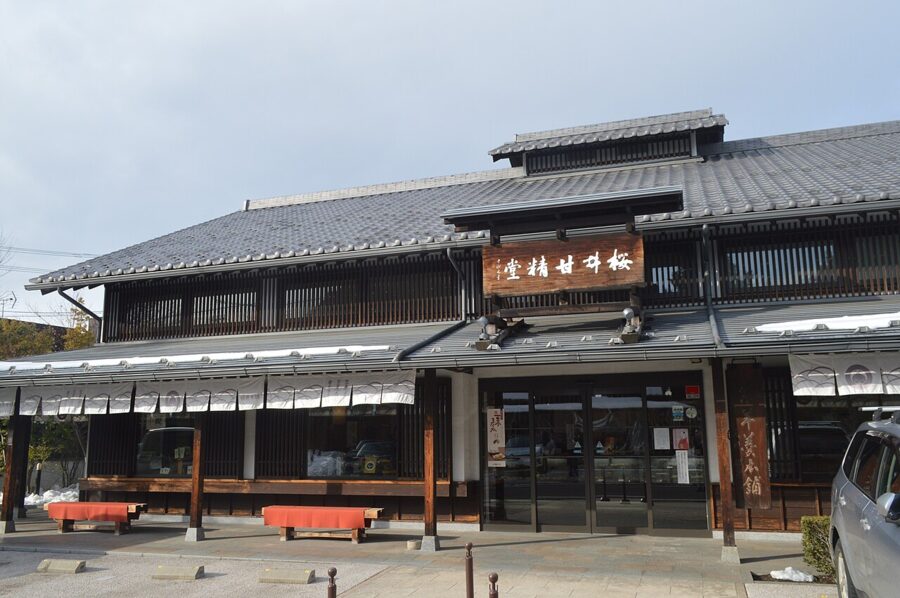
Sakurai Kanseido, the third of the trio, has been making chestnut sweets for about 200 years over seven generations, and has a cafe, Kuri no Ki Terrace, for a sit-down Montblanc. Its chestnut jelly is a safe gift to take home.
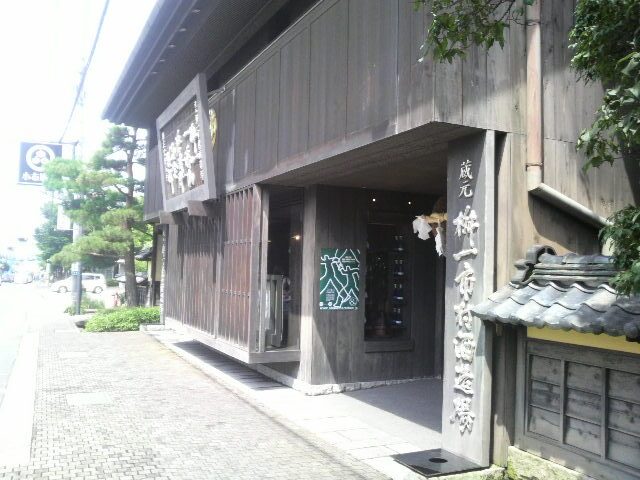
Between sweets, stop at Masuichi-Ichimura, a sake brewery in business since 1755 in a wooden building on the old road. Its flagship is Hakkin, and its tasting counter, the teppa, is where you may find the brewer himself talking about how the sake is made. My guide to drinking sake in Japan covers what to order.
What to eat around Nagano
Nagano food is mountain food: buckwheat, pickled greens, miso and things preserved for a long winter. None of it is fancy, and most of it is best eaten on a cold street or at a counter after a long walk.
Shinshu soba and Togakushi
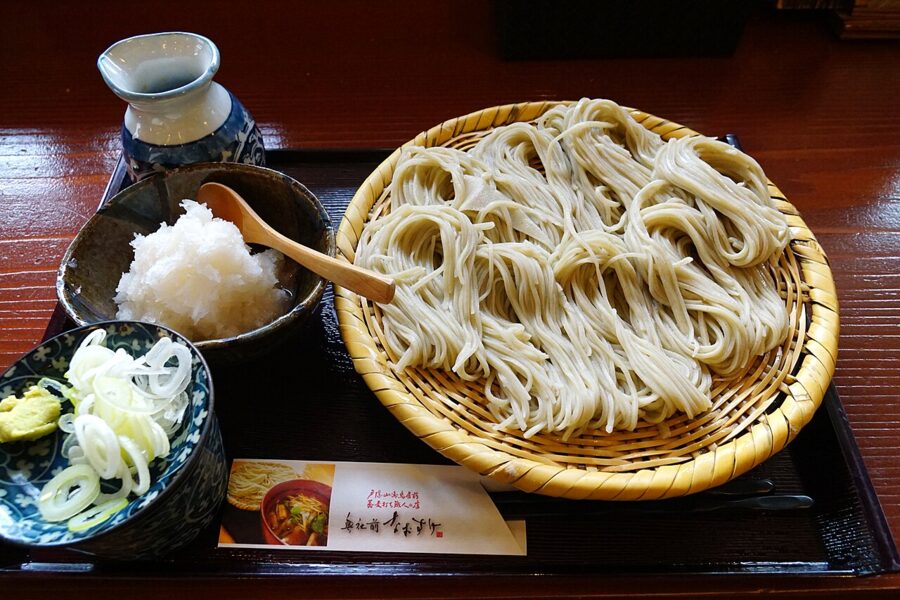
Nagano is Japan’s second-biggest buckwheat grower, and Shinshu soba is the local name for its noodles. The famous version comes from Togakushi, a shrine village in the mountains above the city, where soba is served in small bundles on a flat bamboo basket, and my soba guide has the full story. Around Zenko-ji there are plenty of soba shops, and a cold zaru soba is the right lunch after the monkeys even in winter.
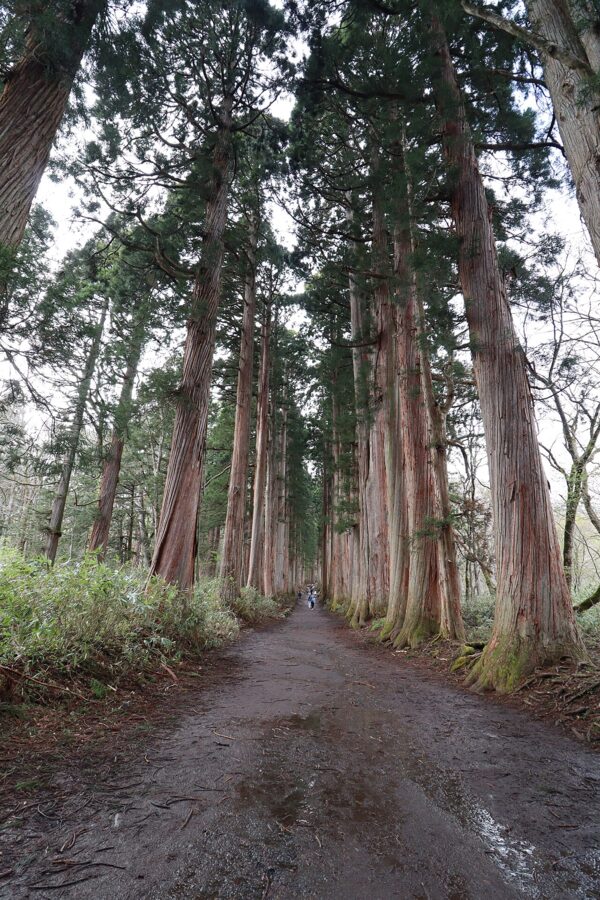
Togakushi itself is worth a separate day. Its shrine is really five shrines spread along a mountain road, and the walk to the Okusha, the inner shrine, runs through an avenue of enormous cedars.
Oyaki
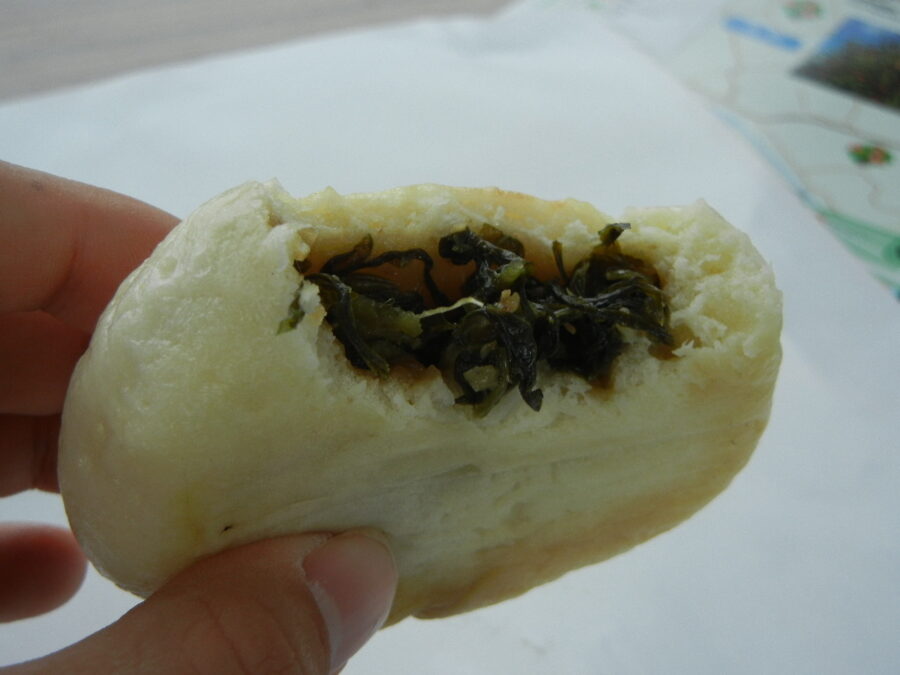
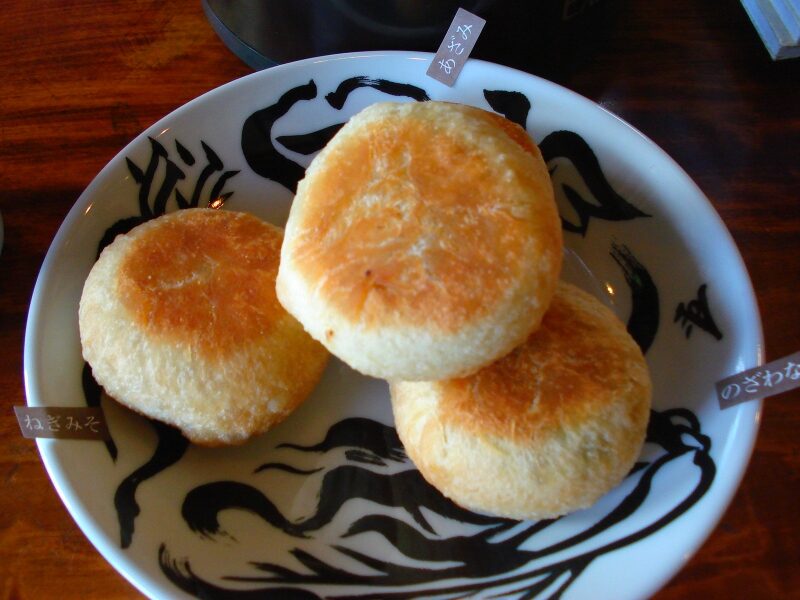
Oyaki are the snack of northern Nagano: a dumpling, usually of wheat flour, wrapped around a filling and then grilled, steamed or both. The classic filling is nozawana, pickled greens, but there are versions with pumpkin, eggplant and miso, dried radish, or sweet red bean. Expect to pay a few hundred yen each.
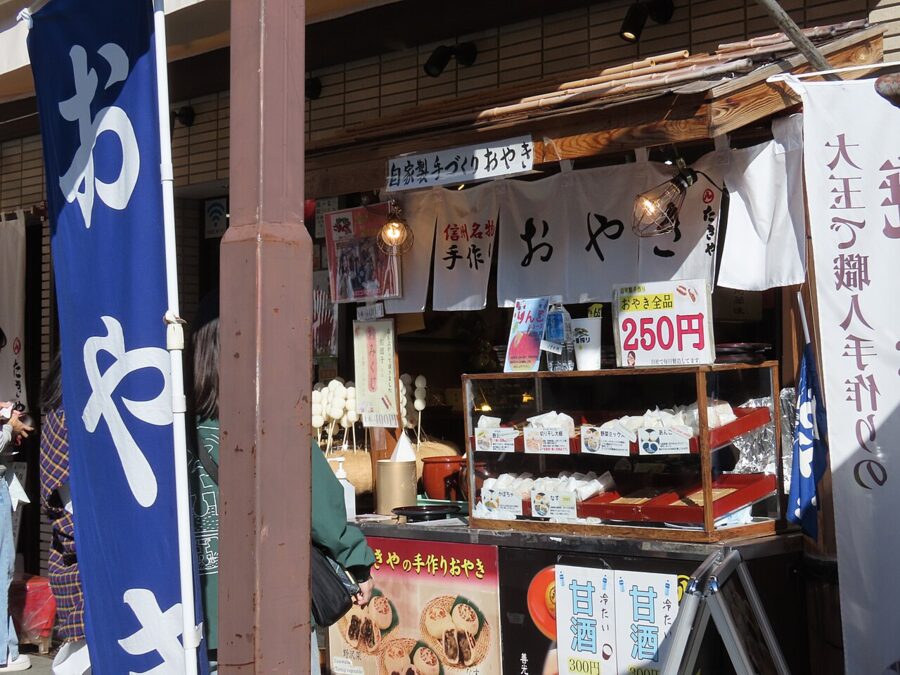
Irohado, a maker with a shop in the mountain village of Kinasa, also has one on Zenko-ji’s Nakamise, open 9:00–16:00 on weekdays and to 17:00 on weekends and holidays, with irregular days off, and another in Obuse. Its seasonal fillings change through the year, with autumn mushrooms in the colder months.
Nozawana, miso and the winter pantry
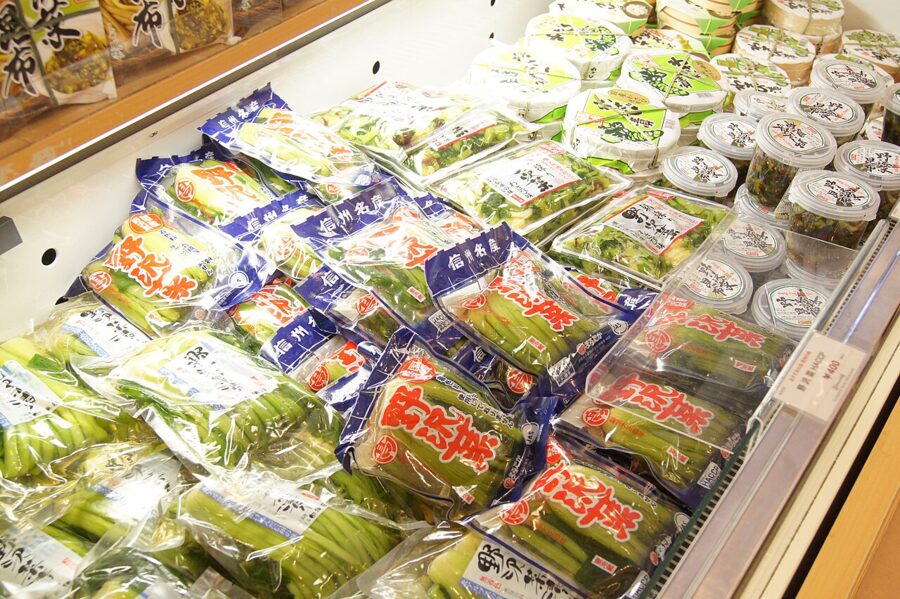
Nozawana is a tall turnip green named after Nozawa Onsen, pickled in autumn and eaten all winter. You’ll get a small dish of it with almost any set meal, and every souvenir shop sells it vacuum-packed. Shinshu miso, the pale, salty rice miso the prefecture is known for, is the other staple, and the miso soup on a Shibu breakfast tray is likely to be local.
Inago, if you dare
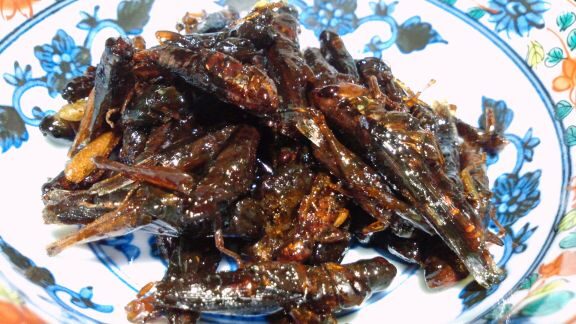
In autumn you’ll see small packs of inago no tsukudani, rice grasshoppers simmered in soy sauce and sugar, in the souvenir shops on Nakamise. They taste of sweet soy with a faint nutty crunch, and they are a traditional bit of protein in an inland prefecture a long way from the sea. I rank them among Japan’s hardest foods to eat, but they’re less of a challenge than they look.
Chestnuts and sake
For sweets, the place is Obuse, covered above. For drink, Nagano is serious sake country, with cold winters and clean water that suit slow fermentation. Masuichi-Ichimura in Obuse and Tamamura Honten near the park both offer tastings, and any soba counter around Zenko-ji will pour you a glass of something local.
A timed day from Tokyo
This winter plan uses the Ex24 timetable for 5 December 2026 to 5 April 2027; check the Shinkansen times when you book.
- About 7:00 An early Kagayaki or Hakutaka from Tokyo, arriving Nagano by about 8:40. Buy the Snow Monkey Pass for Bus online the day before.
- 9:00 Ex24 from stop 24 at the east exit. Join the queue early on weekends.
- 9:50 Snow Monkey Park bus stop. Walk up past Kanbayashi Onsen to the trail.
- 10:25 At the park, about when the monkeys have settled in for the day. Allow an hour and a half.
- 12:00 Walk back down; it takes longer on ice.
- 12:30 Ex24 back to Nagano, arriving 13:25.
- 13:45 Bus from the Zenkoji exit to Zenkoji Daimon. Soba near the temple for a late lunch.
- 15:00 Zenko-ji: the inner sanctuary and Okaidan, which close at 16:00 in winter. Then oyaki on Nakamise and shichimi at Yawataya Isogoro.
- 17:00 Back to the station for an evening Shinkansen, about 80 to 90 minutes to Tokyo.
If the weather turns or the monkeys are reported absent, swap the order: Zenko-ji in the morning, then decide over lunch. A set ticket bought for the wrong day can’t be refunded, so watch the park’s updates the night before.
An overnight: Shibu, the first bus and Obuse
Day one. Arrive in Nagano by late morning and spend the afternoon at Zenko-ji. Take the Nagaden limited express to Yudanaka, 38 minutes, and a local bus up to Shibu Onsen. Check in, eat early, and do the round of baths in yukata after dark.
Day two. On the winter timetable, the 8:29 bus from the Shibu Onsen stop reaches Snow Monkey Park at 8:35, which gets you to the gate as it opens at 9:00.
Spend the morning with the monkeys, walk back to the bus stop, and take a local bus down to Yudanaka. Ride the Nagaden back towards Nagano and get off at Obuse for Hokusai-kan, chestnut okowa for lunch and a sake tasting at Masuichi-Ichimura. From Obuse it is under half an hour to Nagano and the Shinkansen.
The other monkey park people ask about is Iwatayama, on the hill above Arashiyama in Kyoto, where the macaques live on a summit with a view over the city. It is a fine half day if you’re in Kyoto, but it has no snow and no bath. For the scene on the posters, Jigokudani is the only place.
Skip this
- A rental car on a winter weekend. Parking near the trail is limited and some car parks close entirely on weekends and holidays from December to March.
- The Ex23 Shiga Kogen express in winter. It no longer stops at Snow Monkey Park from 5 December.
- An autumn visit without checking. October and November are when the troop is most likely to stay in the hills all day.
- Trainers in January. The trail is ice. Bring boots and spikes.
- Cold oyaki from a refrigerated shelf. They’re made to be eaten hot, from a stall.
- Arriving at 15:30 in winter. The gate wants you there 30 minutes before closing, and by mid-afternoon the monkeys are often heading back up the slopes.
Buy the dated ticket, wear the boots, and give yourself a night in Shibu. Then stand at the edge of that small steaming pool, keep your eyes off theirs, and wait for one of them to close its own.
You Might Also Enjoy
 Hakodate Food Guide: The Morning Market, Live Squid, Shio Ramen and the Port’s Odd Local Chains
 Soba in Japan: Kanda Noodle Houses, Mountain Bowls and the Art of the Slurp
 The Forbidden City: How to Walk a 600-Year Palace Without Hating the Crowds
 Two Weeks in China: A First-Timer’s Itinerary From Beijing to Shanghai by High-Speed Train