Tokyo in 3 Days: An Itinerary by Neighbourhood, From Senso-ji at Dawn to Golden Gai at Night
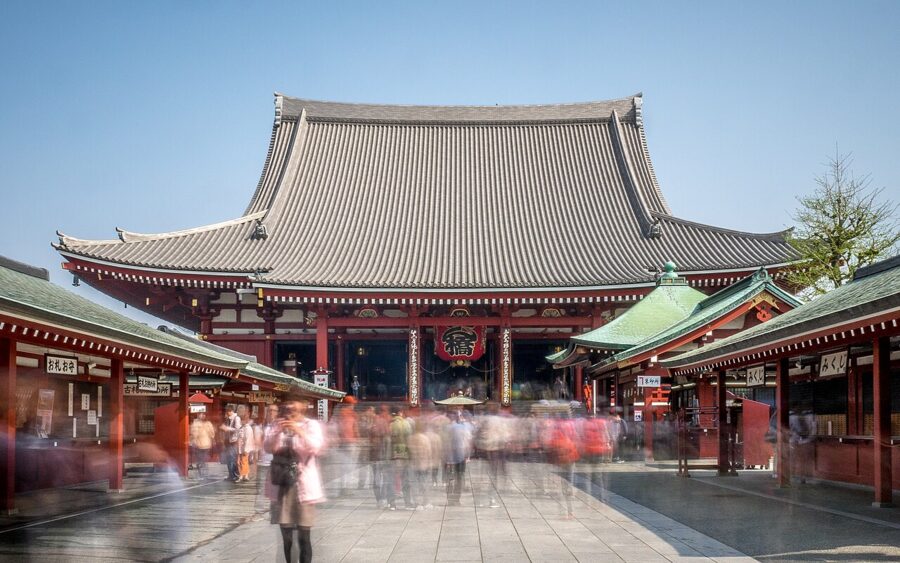
At half past six on a November morning the doors of Senso-ji’s main hall slide open on a courtyard with perhaps a dozen people in it. A man in a suit drops a coin in the offering box, bows and leaves for work. Down the approach, every shop on Nakamise-dori is still behind its painted steel shutter, and the only queue is a pigeon waiting for the incense burner to warm up. Come back at eleven and you won’t be able to see the paving.
That’s the whole trick of this plan. Tokyo rewards you for being in the right neighbourhood at the right hour, and punishes you for crossing the city twice a day.
The first time I gave Tokyo three days, flying up from Shenzhen, I zigzagged between Asakusa, Shibuya, Tsukiji and Shinjuku and spent half the trip underground. The second time I sorted the days by area. I saw more and rode less.
So the three days below run east, then west, then a day you choose. Day one is old Tokyo: Senso-ji early, the kitchen shops of Kappabashi, Ueno’s park and museums, the lanes of Yanaka, and Ginza after dark. Day two is the west side: Meiji Jingu as the gates open, Harajuku and Omotesando, Shibuya’s crossing and rooftop, and Shinjuku’s alleys at night. Day three is yours: the neighbourhood towns of Shimokitazawa and Kichijoji, the bay with teamLab and Odaiba, or a day out to Hakone, Nikko or Kawaguchiko.
Prices and hours were checked against the operators’ and venues’ own pages in November 2026. Several changed this year: the Tokyo Subway Ticket and JR fares both went up on 14 March, and the giant Gundam in Odaiba came down in August.
| Day | Area | Morning | Afternoon | Evening |
|---|---|---|---|---|
| Day 1 | East: Asakusa, Ueno, Yanaka, Ginza | Senso-ji from 6:30, Kappabashi at 10:00 | Ueno Park and museum, Yanaka (or Tsukiji) | Ginza food halls, a beer hall, the arches at Yurakucho |
| Day 2 | West: Harajuku, Shibuya, Shinjuku | Meiji Jingu at opening, Harajuku, Omotesando | Shibuya Crossing, Shibuya Sky | Omoide Yokocho, the free observatory, Golden Gai |
| Day 3 | Your choice | Kichijoji and Shimokitazawa; or Toyosu, teamLab Planets and Odaiba; or a day trip to Hakone, Nikko or Kawaguchiko | ||
In This Article
- How the plan works
- The Yamanote, the subway and your own feet
- Suica, PASMO or the Tokyo Subway Ticket?
- Where to stay for three days
- Shinjuku: the default
- Shibuya: for night owls and day two
- Ginza: for the quiet evenings
- Ueno: the best value, and the airport train
- Asakusa: for the dawn start
- Day 1: old Tokyo, from Senso-ji to Ginza
- 6:30: Senso-ji before the shutters go up
- 10:00: Kappabashi, the kitchen street
- 11:00: Ueno Park and the museum
- 13:30: Yanaka, the old neighbourhood
- Or: Tsukiji instead of Yanaka
- 18:00: Ginza after dark
- Where to eat on day one
- Day 2: west Tokyo, from the shrine to the skyline
- Opening time: Meiji Jingu
- Harajuku and Omotesando
- Shibuya: the crossing and Shibuya Sky
- Evening: Shinjuku, from a tower to an alley
- Where to eat on day two
- Day 3: choose one
- Option A: Kichijoji and Shimokitazawa
- Option B: Toyosu, teamLab Planets and Odaiba
- Option C: a day trip
- Eating your way through three days
- Which season changes the plan?
- Spring: blossom and crowds
- Summer: heat, rain and fireworks
- Autumn: the best weeks
- Winter: clear days and short ones
- When it rains
- What three days cost
- Skip this
How the plan works
Tokyo is a dozen centres joined by railway, not one centre with suburbs. Shibuya and Asakusa are about 11 kilometres apart in a straight line and more than half an hour apart by train, which is the gap that ruins most first-time plans. The fix is to keep each day on one side of the city and walk between the stops inside it.
East Tokyo is the old low city, the shitamachi: temples, craft shops, markets, wooden houses that survived the war. West Tokyo is the twentieth century’s: the shrine forest, the fashion streets, the big stations and towers.
The Yamanote, the subway and your own feet
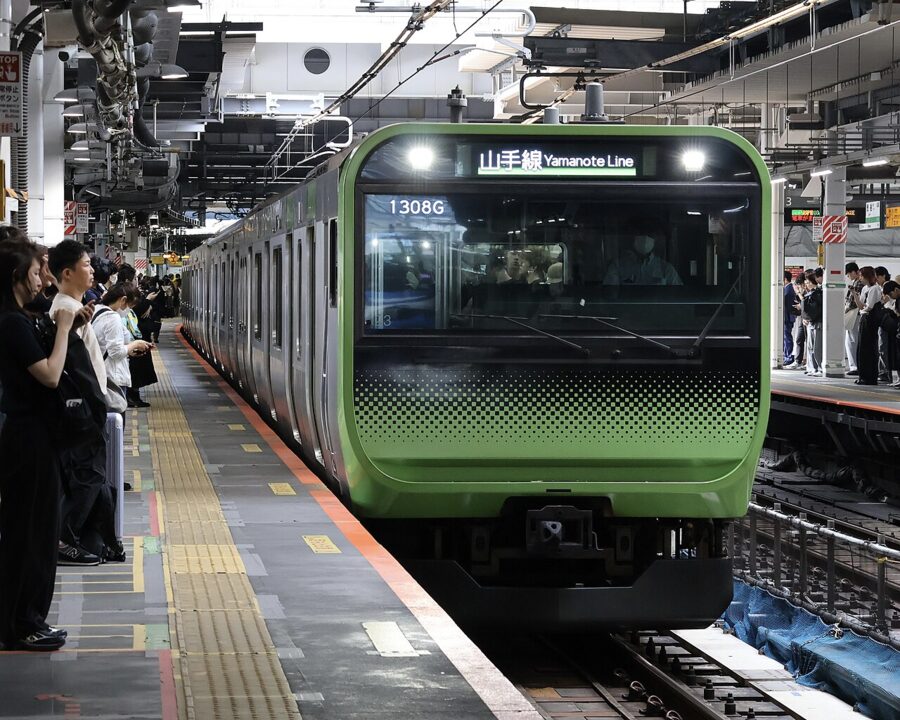
The JR Yamanote Line is the loop you’ll use most. It has 30 stations and a full lap takes about an hour, but you’ll only ever ride a few stops of it. Shibuya to Shinjuku is three stops. Ueno to Tokyo Station is four.
Inside the loop, two subway companies do the rest: Tokyo Metro, with nine lines, and the Toei Subway, run by the city, with four. You’ll want the Ginza Line on day one (it runs from Asakusa through Ueno to Ginza and Shibuya, and it’s the oldest underground railway in Asia) and the Chiyoda and Hibiya lines for the hops in between. Signs, maps and announcements are all in English.
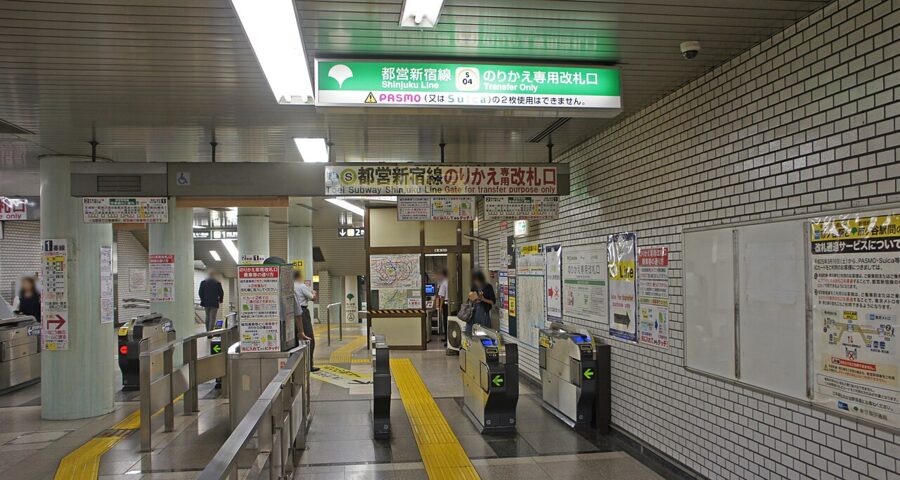
Then walk. Most joins in this plan are on foot, and 15,000 steps a day is normal. A station that’s a single dot on the map can take ten minutes to cross underground, so pick your exit before you get off the train.
Suica, PASMO or the Tokyo Subway Ticket?
Get an IC card first, whatever else you buy. A Suica or PASMO pays for every train, subway and bus in this plan, plus vending machines, lockers and the konbini at the station. Visitors can pick up a Welcome Suica at the airports or use JR East’s Welcome Suica Mobile app on an iPhone, and if your phone already has a wallet app you can add an ordinary Suica to it.
JR fares rose on 14 March 2026, the first general rise since the company was founded. A short hop round the Yamanote now costs about ¥200 on an IC card (Shibuya to Shinjuku is ¥199), and crossing the loop costs about ¥250. Tokyo Metro and Toei fares start at ¥180.
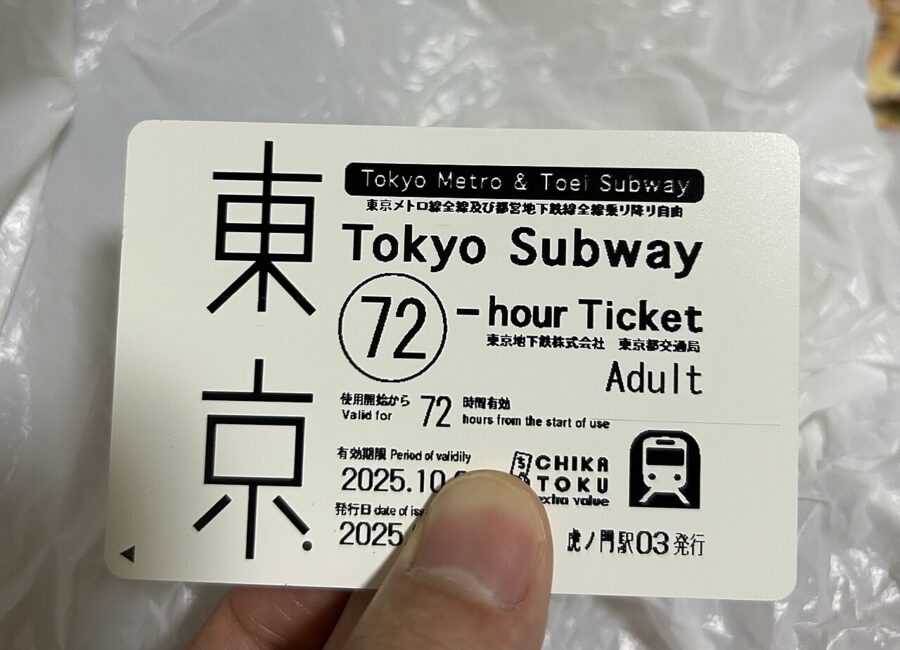
The Tokyo Subway Ticket is the one pass worth doing the maths on. Since 14 March 2026 it costs ¥1,000 for 24 hours, ¥1,500 for 48 hours and ¥2,000 for 72 hours (children half), and it gives you unlimited rides on all 13 subway lines. The clock starts the first time you go through a gate, not at midnight. It’s sold to overseas visitors and to people from outside Tokyo and the surrounding prefectures.
| Option | Cost | Covers | Worth it if |
|---|---|---|---|
| Suica or PASMO, pay as you go | About ¥200–260 a JR hop, from ¥180 on the subway | Everything in this plan | Always, as your base card |
| Tokyo Subway Ticket, 72 hours | ¥2,000 | All Tokyo Metro and Toei lines | You’ll make five or more subway rides a day |
| Tokyo Subway Ticket, 48 hours | ¥1,500 | All Tokyo Metro and Toei lines | Day three is a day trip |
| Japan Rail Pass | Not worth it for Tokyo alone | JR lines nationwide | Only when the trip goes on to Kyoto and beyond |
Day one is mostly subway, day two mostly JR. If you’ll make fewer than five subway rides a day, the IC card alone is cheaper; if you hop on for two stops to save your legs, the 72-hour ticket pays for itself by the second afternoon.
Where to stay for three days
For three nights, stay on a line, not in a view: one ride from both day one and day two. A hotel 15 minutes’ walk from a station looks cheap until the third evening, when your feet send the bill.
Shinjuku: the default
Shinjuku has the most rooms and the most trains, and day two ends on your doorstep. The Odakyu Romancecar leaves from here for Hakone and the JR Chuo Line for Kichijoji, and the highway buses to Kawaguchiko go from Busta Shinjuku, the bus terminal over the station. The east side, around Kabukicho, is loud until late; the west side, among the office towers, is quiet after dark.
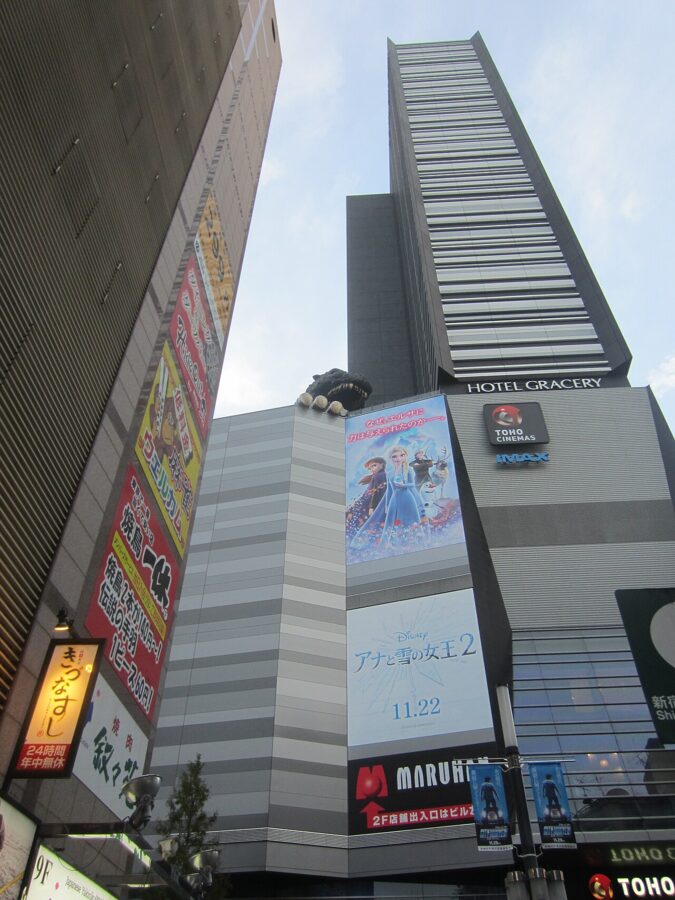
Hotel Gracery Shinjuku (Official site | Booking.com | Agoda) is the one most people know, a five-minute walk from the east exit with rooms small but well run. It puts you right on top of the nightlife, which is the point and also the catch.
Shibuya: for night owls and day two
Shibuya puts the crossing, the rooftop and the Keio Inokashira Line to Shimokitazawa and Kichijoji all at your door. Shibuya Excel Hotel Tokyu (Official site) sits inside Shibuya Mark City, connected to the station, which matters more than you’d think in a place where the station is a building site and the signs change every few months.
Ginza: for the quiet evenings
Ginza is central, calm at night and an easy walk from Tsukiji, the base for people who want to eat well and sleep early. Mitsui Garden Hotel Ginza Premier (Official site) is a reliable mid-range choice on the edge of the district.
Ueno: the best value, and the airport train
Ueno is the most underrated base for this plan. Day one starts and finishes within a few stops, the Keisei Skyliner from Narita Airport ends here, and rooms cost less than in Shinjuku or Ginza. Mitsui Garden Hotel Ueno (Official site | Booking.com) is opposite the station.
Asakusa: for the dawn start
Stay in Asakusa and the 6:30 start on day one becomes a five-minute stroll. It’s quieter at night than anywhere else on this list and further from the west side, so day two begins with a longer ride. The Gate Hotel Kaminarimon by Hulic (Official site) is a few steps from the gate it’s named after.
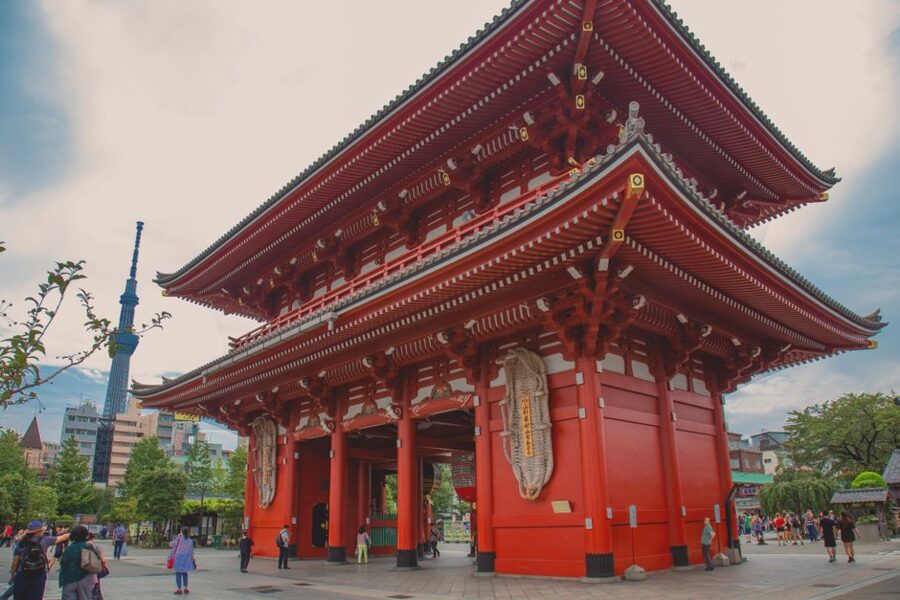
Day 1: old Tokyo, from Senso-ji to Ginza
Day one is the east, and it starts at dawn: Senso-ji while it’s empty, Kappabashi as its shutters go up, Ueno, Yanaka, then a train to Ginza for the evening. None of it doubles back.
6:30: Senso-ji before the shutters go up
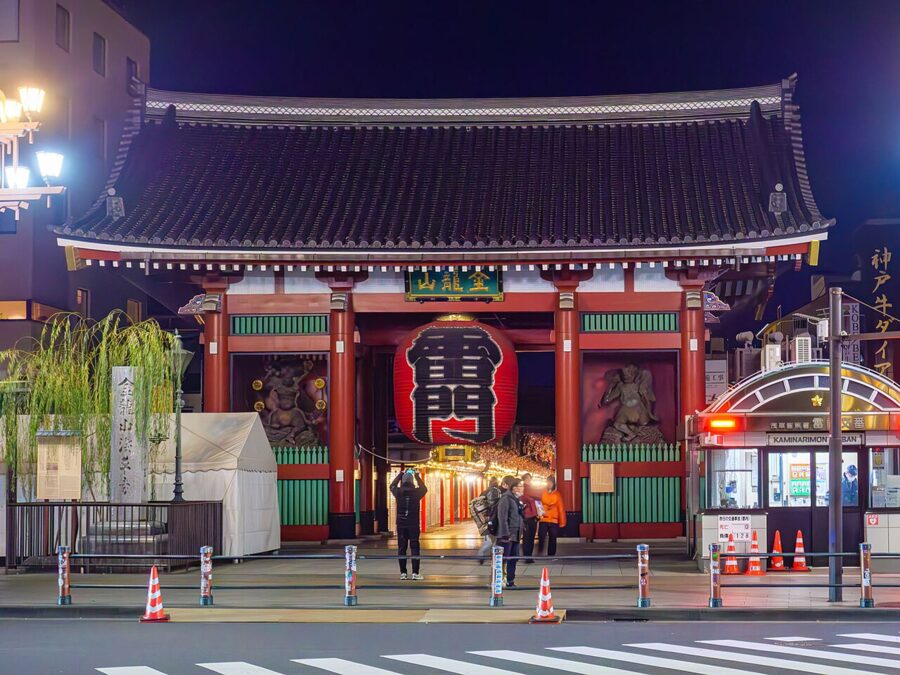
Arrive by 6:30 from October to March, by 6:00 in summer. Asakusa Station on the Ginza Line puts you a few minutes from Kaminarimon, the outer gate. Senso-ji counts its founding from the year 628, which makes it the oldest temple in Tokyo, though almost every building you see was rebuilt after the bombing of 1945.
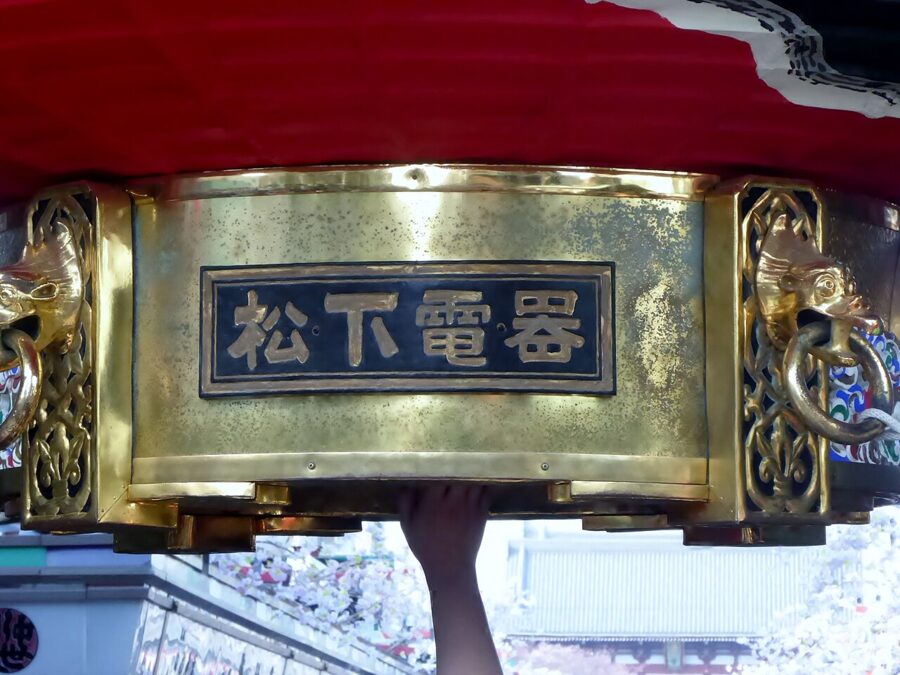
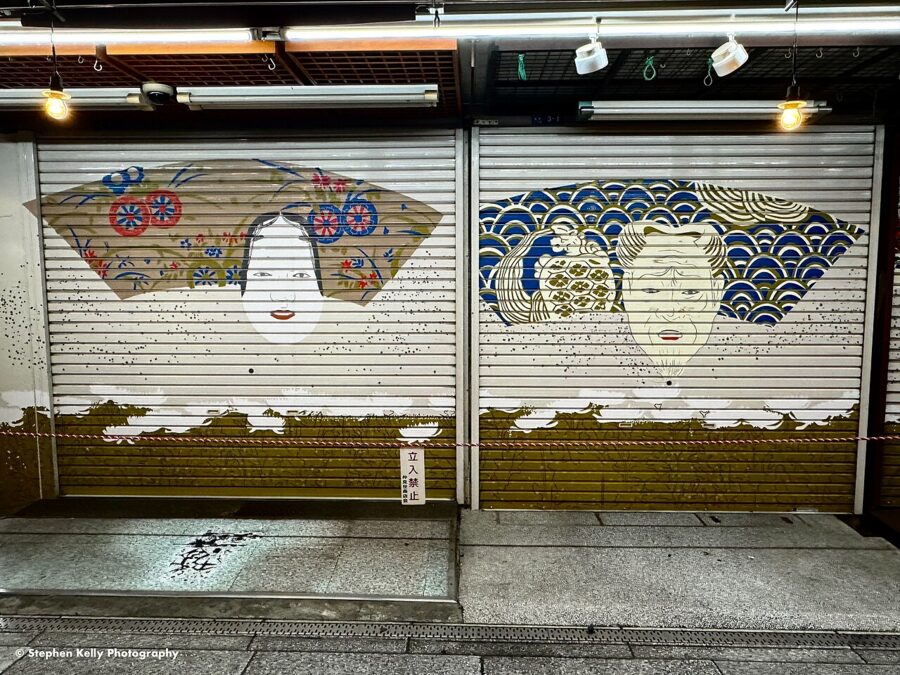
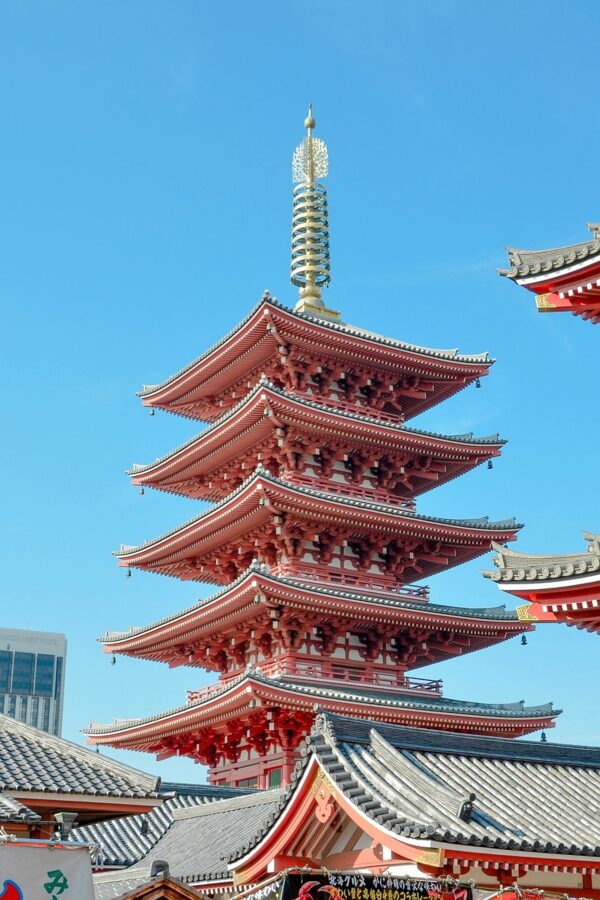
Walk the 250 metres of Nakamise-dori to Hozomon, the inner gate, while the shops are still shut. Their shutters are painted with scenes of old Edo, and you’ll only see them before about 10:00 or after closing. Then the main hall, the incense burner (waft the smoke over whatever hurts) and the five-storey pagoda.
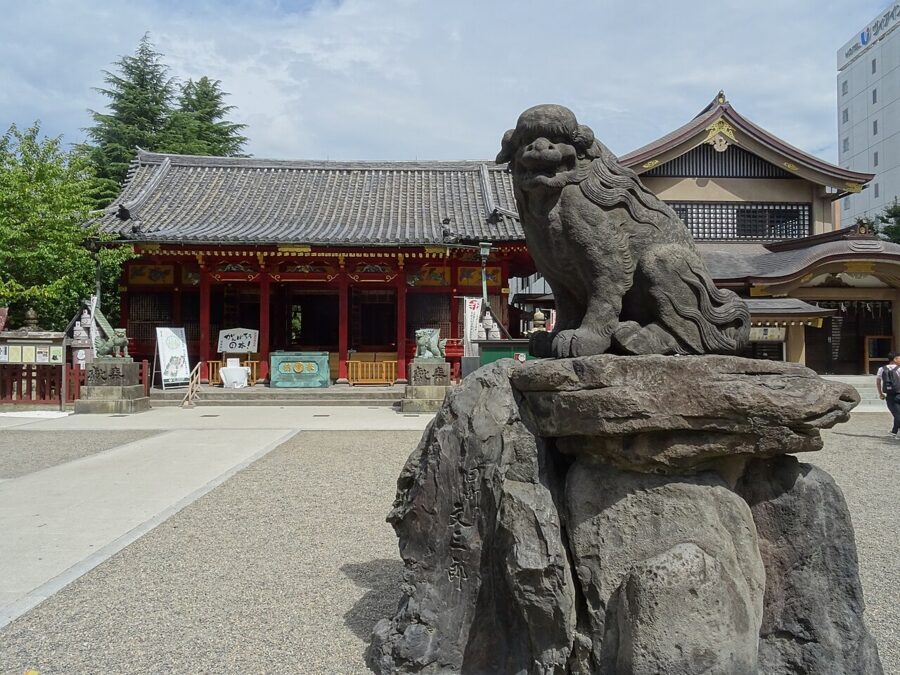
Take ten minutes for Asakusa Shrine, just east of the main hall. It’s the home of the Sanja Matsuri, one of Tokyo’s biggest festivals, each May. At this hour you’ll likely have it to yourself.
Breakfast is a problem in Asakusa at 7:30, because the old restaurants don’t open until lunchtime. The answer is a konbini: a rice ball, a coffee and a seat by the Sumida River, five minutes east of the temple. My guide to konbini food tells you which shelf to aim for.
10:00: Kappabashi, the kitchen street
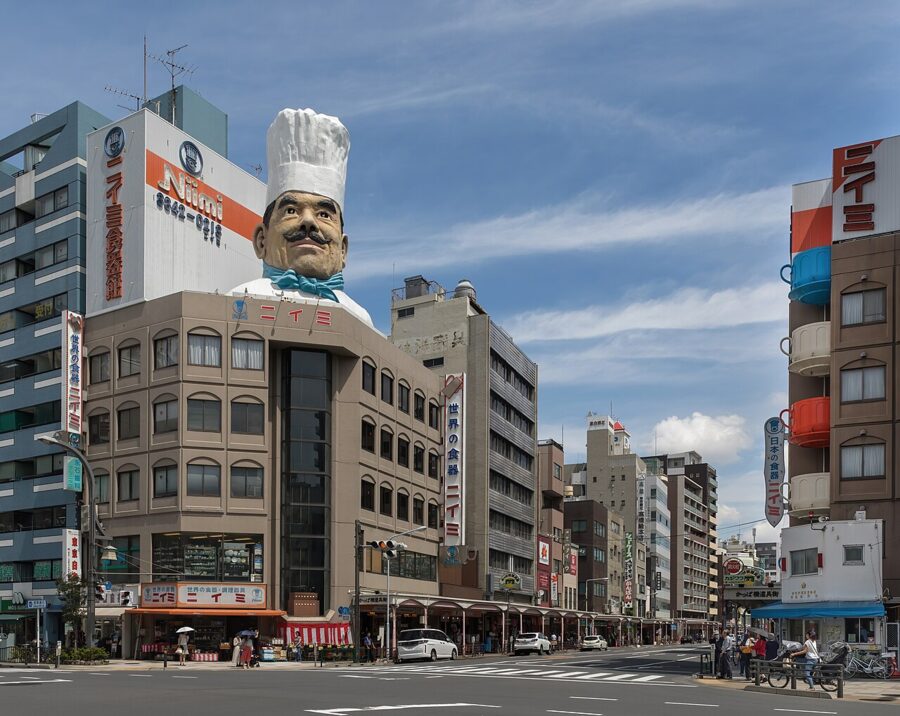
Kappabashi Dougu Street is a 15-minute walk west of Senso-ji, or one stop on the Ginza Line to Tawaramachi. It runs about 800 metres north to south, with something like 160 shops selling everything a restaurant needs, from knives and copper pans to paper lanterns, plastic food and the signs that hang outside ramen shops.
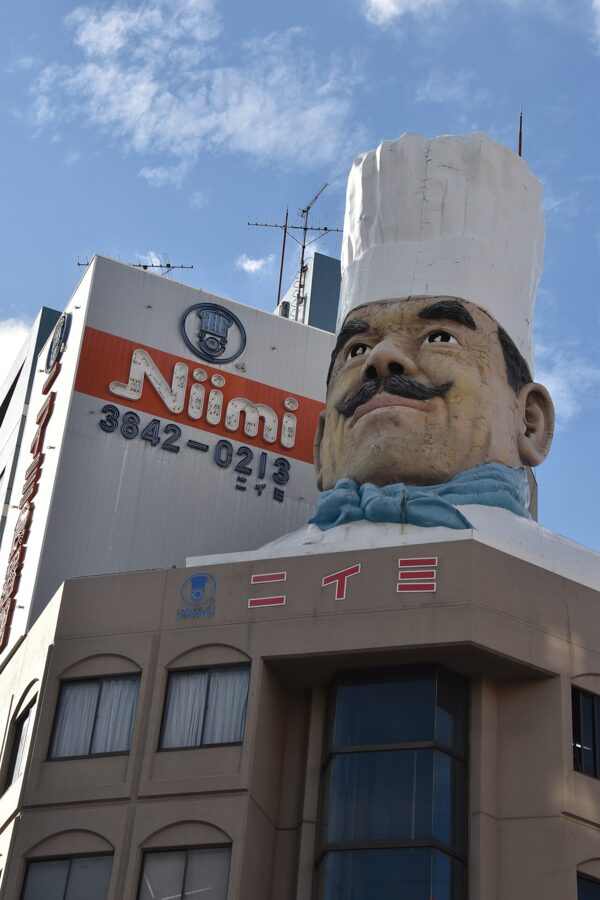
Most shops open around 10:00 and close around 17:00, and many shut on Sundays, so if your first day is a Sunday, swap Kappabashi for an extra hour in Ueno. Many knife shops will engrave your name on what you buy, and the tableware shops sell the same bowls you’ll eat from all week at a fraction of the department-store price. Budget more time than you think. Nobody leaves Kappabashi on schedule.
11:00: Ueno Park and the museum
From Kappabashi it’s two stops on the Ginza Line from Tawaramachi to Ueno, or a 20-minute walk. Ueno Park opened in 1873 as one of Japan’s first public parks, and it holds the densest cluster of museums in Tokyo, along with a zoo, temples and a pond full of lotus.
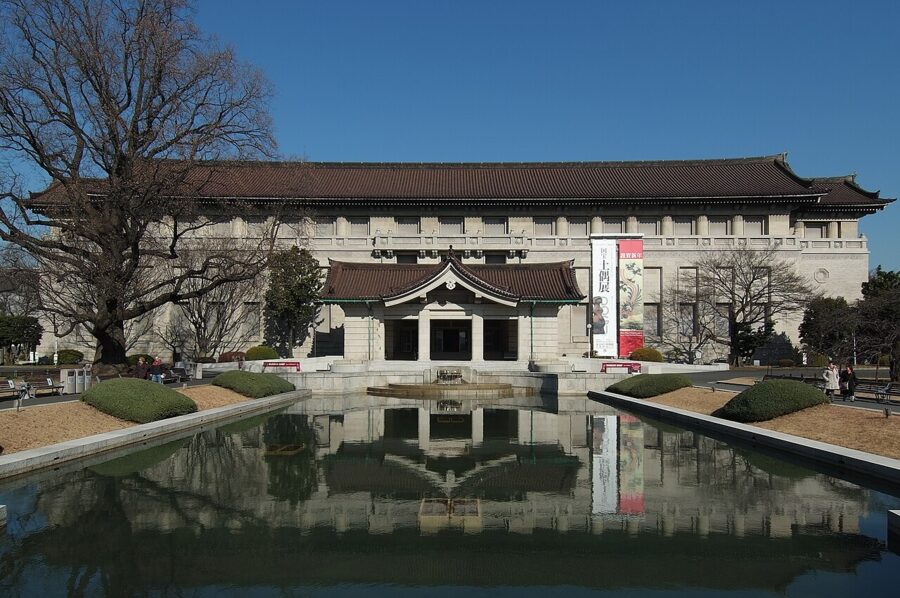
The one museum to choose is the Tokyo National Museum, founded in 1872 and the oldest in Japan. It’s open 9:30–17:00 with some late evenings to 20:00, closed Mondays, and the collection galleries cost ¥1,000. Give the Honkan, the main building, 90 minutes: two floors of swords, armour, lacquer, scroll paintings and ukiyo-e prints.
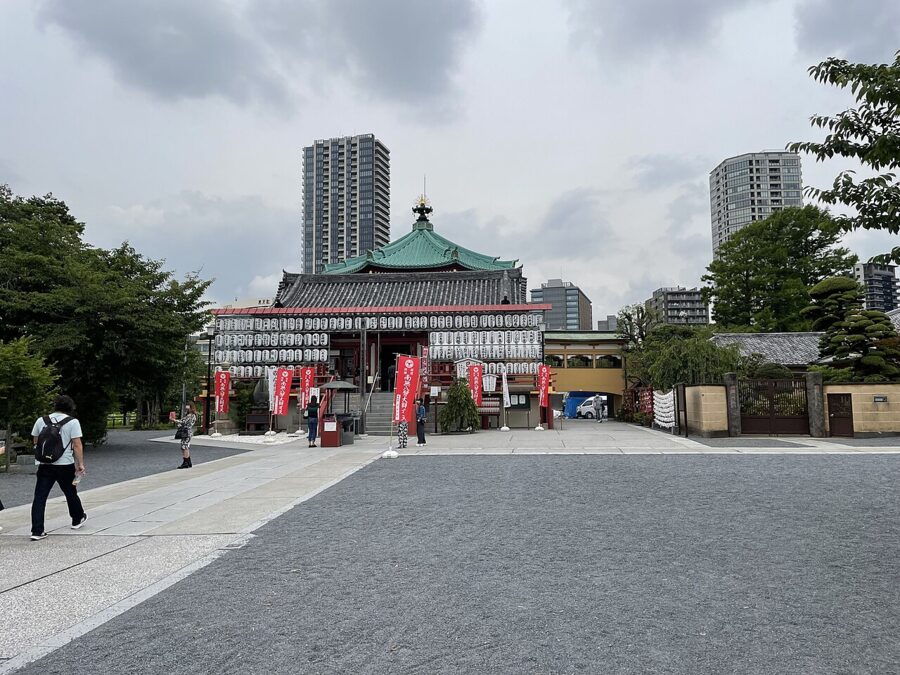
Then walk down through the park to Shinobazu Pond, where the octagonal hall of Bentendo sits on an island in the reeds. In late July the lotus covers most of the pond, and the flowers open in the mornings. For lunch, cross the road to Ameyoko, the market street that runs about half a kilometre under the JR tracks to Okachimachi.
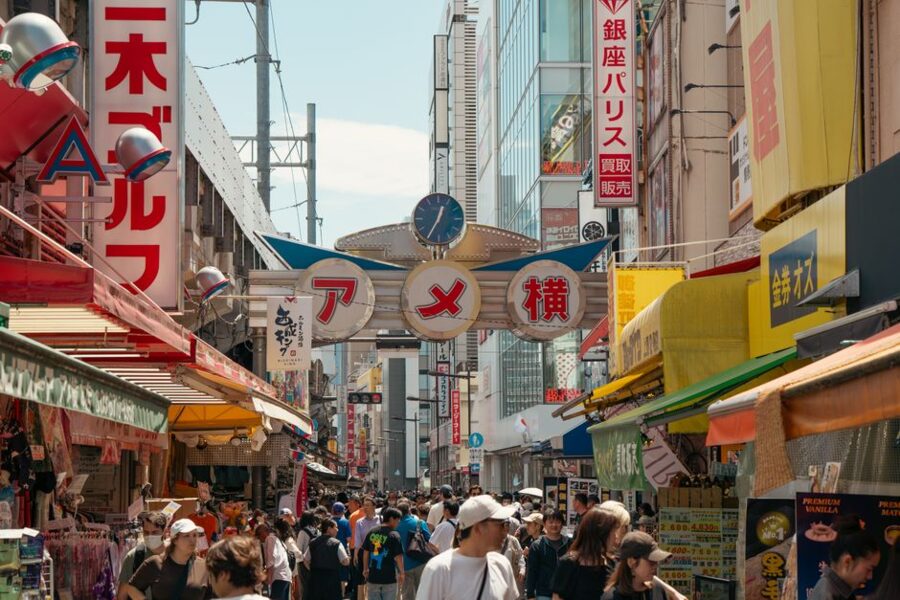
Ameyoko is the city’s loudest lunch: about 400 shops, from dried-fish sellers and sneaker shops to standing counters selling skewers, kebabs and bowls of seafood on rice. It began as a post-war black market, and it still feels like one. Eat standing up, pay cash, and keep moving.
13:30: Yanaka, the old neighbourhood
Walk north out of the park and into Yanaka, about 20 minutes on foot. Yanaka, with its neighbours Nezu and Sendagi, is the district people call Yanesen, and it’s one of the few parts of central Tokyo that came through both the 1923 earthquake and the 1945 fires with its old houses mostly standing. Temples line the lanes, and there are about 70 of them in the district.
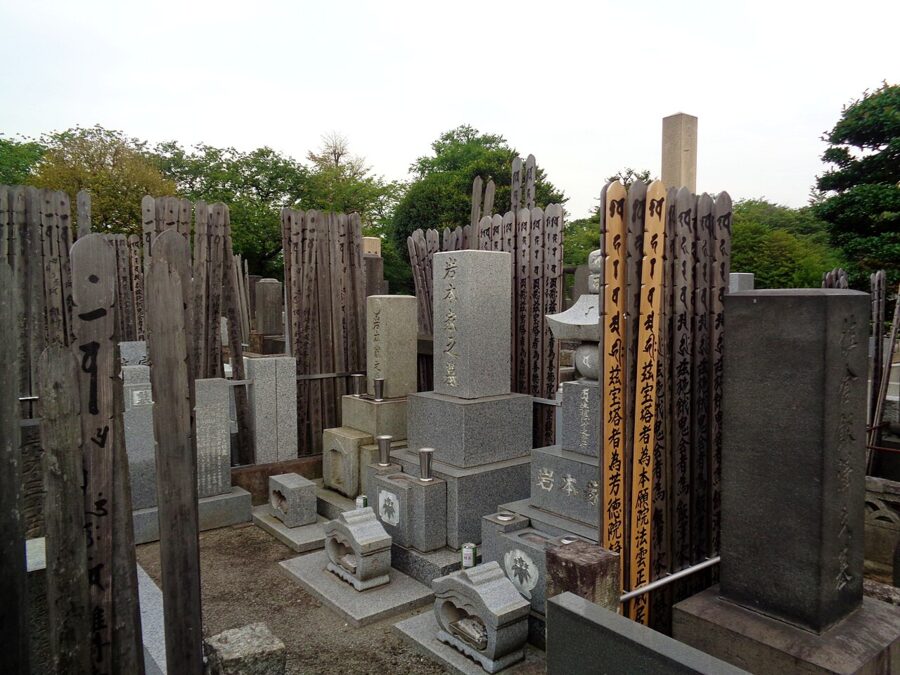
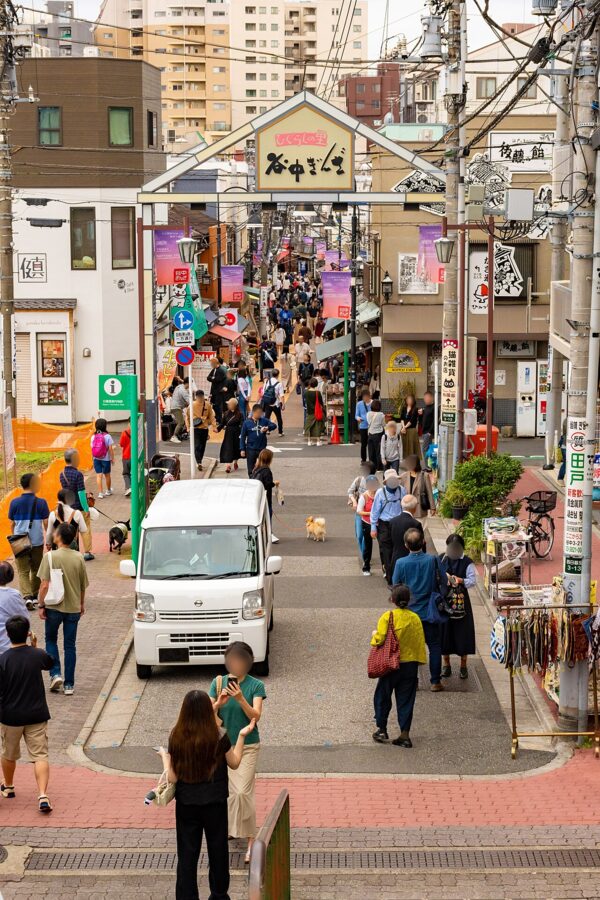
Yanaka Cemetery is the path. It’s a public cemetery, so walk quietly and keep to the paths, but nobody minds you passing through. At the far side you’ll come out near Nippori Station and the top of the Yuyake Dandan, the “sunset steps” that drop down into Yanaka Ginza.
Yanaka Ginza is a short shopping street of family-run shops: rice crackers, pickles, croquettes and minced-meat cutlets fried to order, tea, cat-shaped everything. It’s at its best around 15:00 on a weekday, when the locals are shopping for dinner. Weekends get crowded.
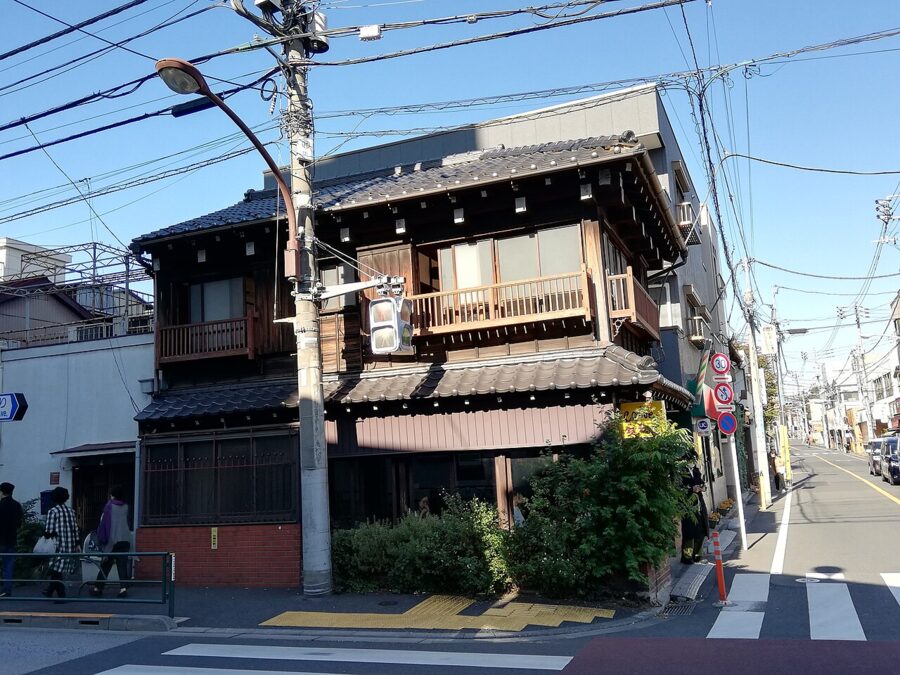
For coffee, Kayaba Coffee has been in its wooden corner house in Yanaka 6-chome since 1938. It takes reservations online, asks for one order per person and is closed on Mondays; the egg sandwich is the reason to go. In summer, the queue at Himitsudo, a short walk from Nippori Station, is for kakigori shaved from natural ice cut in Nikko, the sort of thing my wagashi guide covers in more depth than you might want.
Or: Tsukiji instead of Yanaka
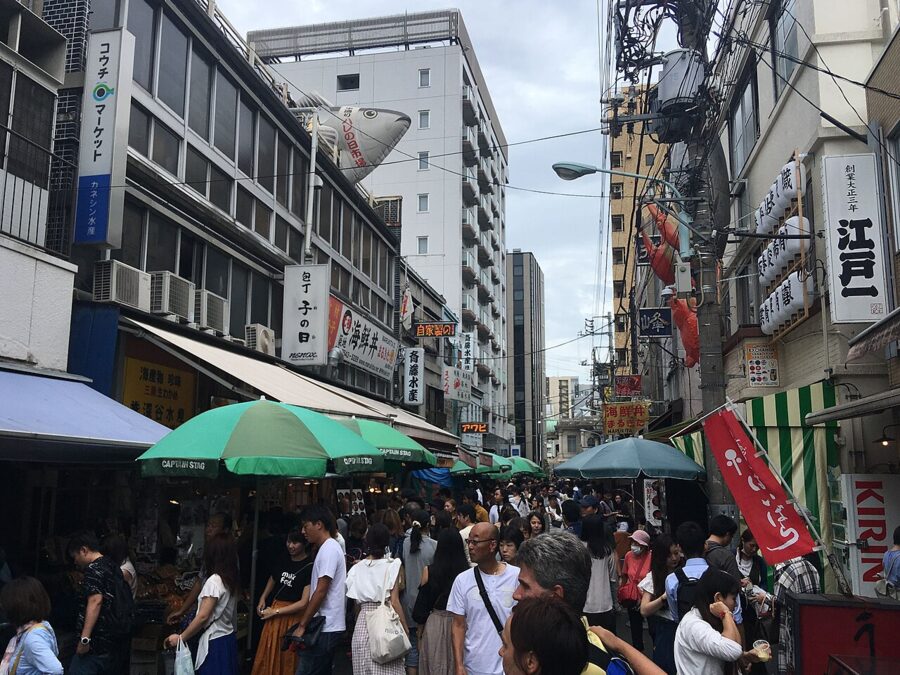
Tsukiji keeps market hours. Most of its stalls are scrubbing their counters by 14:00, so it doesn’t work at the end of a day that started at Senso-ji. If you’d rather eat your way through the Tsukiji Outer Market than walk Yanaka, swap them: take the Hibiya Line from Ueno straight to Tsukiji (it’s direct, about 15 minutes) and get there before 13:00.
The outer market is closed on Sundays, public holidays and some Wednesdays, and the professionals have it to themselves until about 9:00. At lunchtime it’s around 460 shops of tamagoyaki, grilled scallops, knives and dried bonito, with a sushi counter every few doors. From there, Ginza is a ten-minute walk west along Harumi-dori.
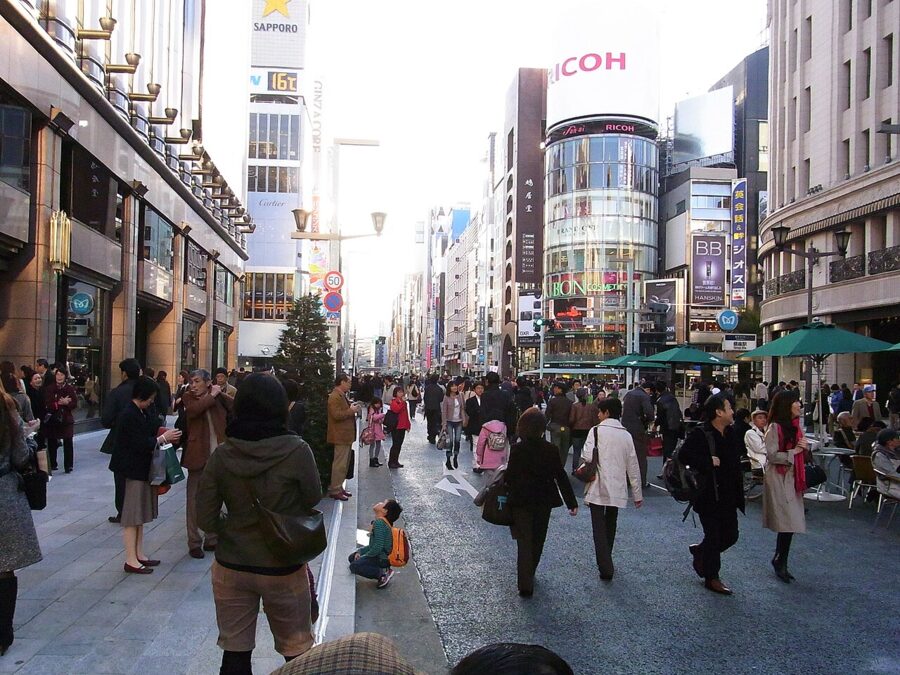
18:00: Ginza after dark
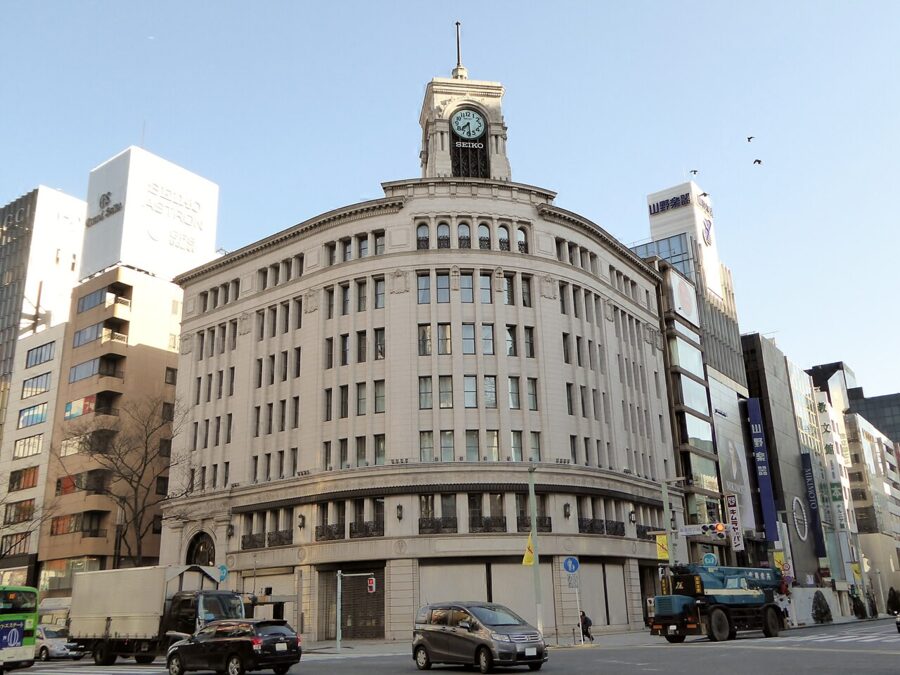
From Yanaka, the Chiyoda Line runs from Sendagi straight to Hibiya, a short walk from the Ginza crossroads, in about 15 minutes. Or take the JR from Nippori to Yurakucho. Either way, you arrive in a different city: wide streets, department stores, and the Wako clock tower on the 4-chome corner.
Go downstairs first. Ginza Mitsukoshi keeps its food on the second and third basement floors and has a roof garden on the ninth, so you can buy downstairs and eat upstairs. The food halls close at about 20:00, so arrive before then, and if you want to know how to work one, my depachika guide walks you through it counter by counter.
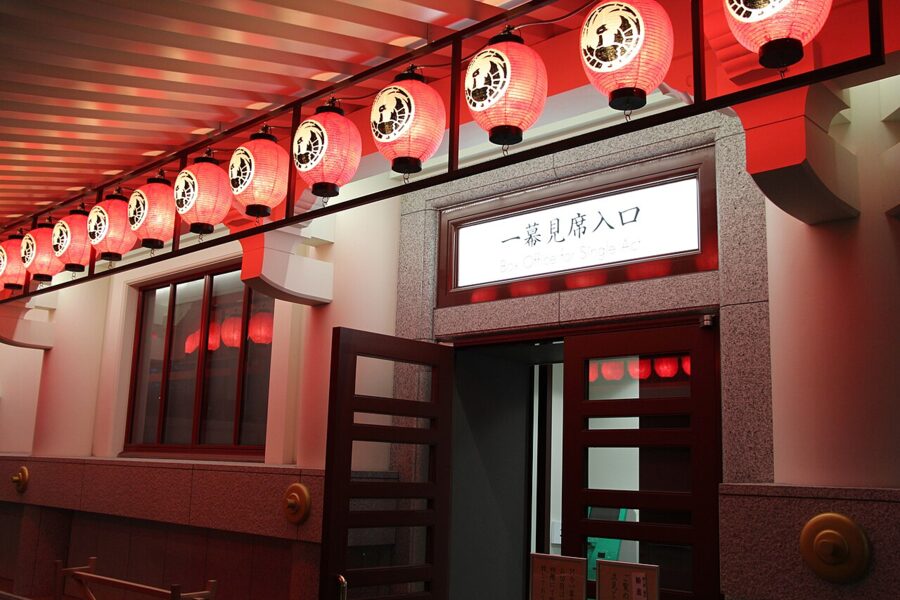
Kabukiza, the kabuki theatre, sells single-act seats on its fourth floor, for people who want one act rather than a whole programme. Whether an act fits your evening depends on the month’s schedule and on how the seats are being sold that month, so check both before you go. Even from the cheap seats, 30 minutes of kabuki is more than most visitors see.
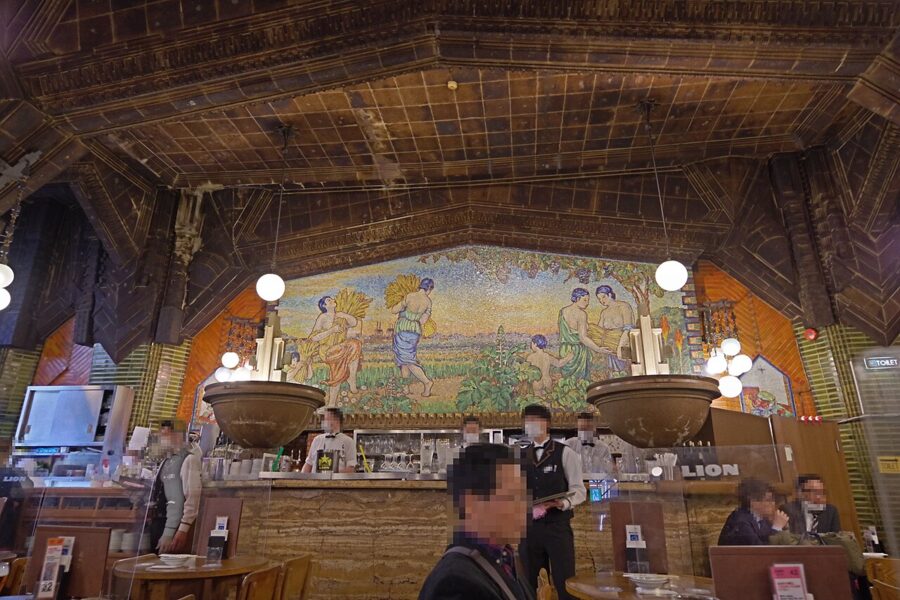
Then a drink with history. The Beer Hall Lion in Ginza 7-chome opened in 1934 on the ground floor of what was then the head office of the brewer that became Sapporo, and its mosaic walls are now a registered cultural property. It opens at 11:30 and stays open until at least 22:00 every day. Order a draught beer and something fried and sit under the glass-tile mural.
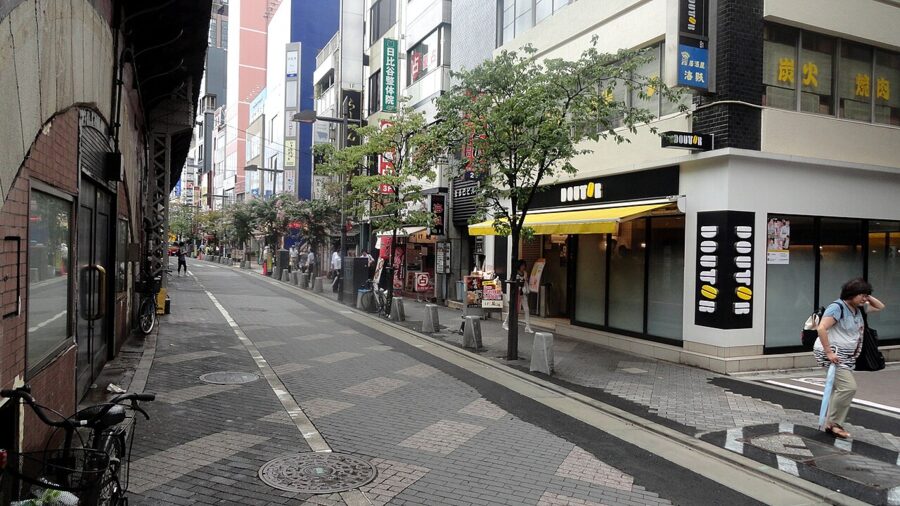
Finish under the tracks. Between Yurakucho and Shimbashi, the brick arches of the JR viaduct have held bars and grill counters for decades, and the trains still rattle overhead every few minutes. Pick one with smoke coming out of it and a few empty stools.
Where to eat on day one
Asakusa is the old tempura town, and the bowls to queue for are at Daikokuya, open since 1887, which fries in sesame oil and soaks its prawns in a dark, sweet sauce. Expect to wait at lunch, and bring cash, because it doesn’t take cards. For the full story of the batter and the oil, see my tempura guide. Aoi Marushin, open since 1946 a few minutes from Kaminarimon, is the easier table, open 11:00–21:00.
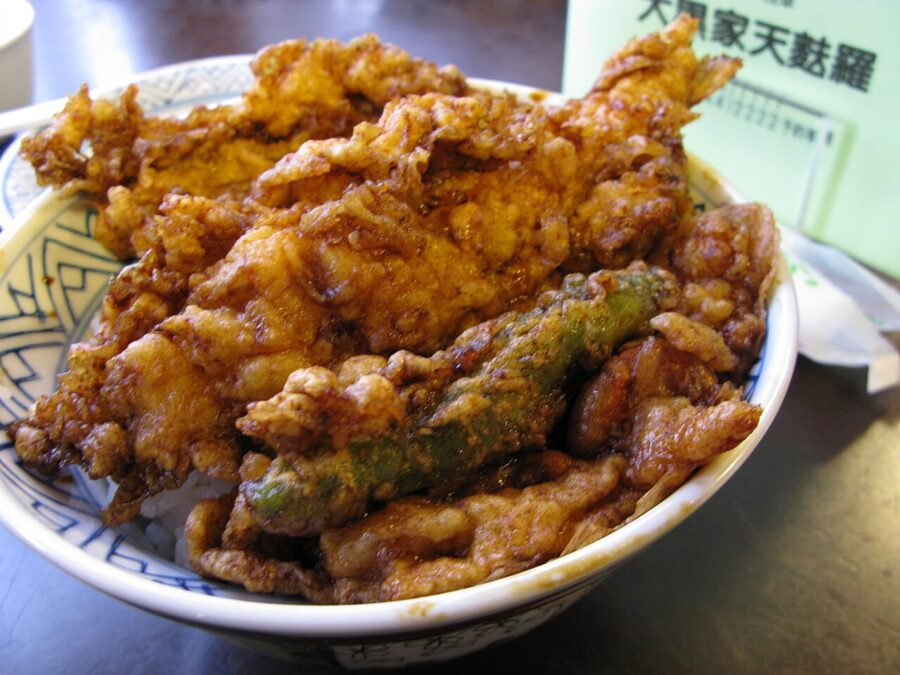
Sometaro, near Tawaramachi Station, has cooked okonomiyaki at the table since the late 1930s, and Namiki Yabusoba, just south of Kaminarimon, serves the Yabu family’s green-tinged soba. The rest is in my guide to Tokyo’s food neighbourhoods.
Day 2: west Tokyo, from the shrine to the skyline
Day two runs from a forest to a rooftop to an alley, from Meiji Jingu at opening to Shinjuku after dark. Harajuku, Shibuya and Shinjuku are all on the Yamanote, and most joins are walks.
Opening time: Meiji Jingu
Meiji Jingu opens at sunrise and closes at sunset, and the times change every month. In November the gates open at 6:10 and close at 16:10; in December, 6:40 to 16:00; in June, 5:00 to 18:30. Entry is free. Get off at JR Harajuku and walk in through the south gate.
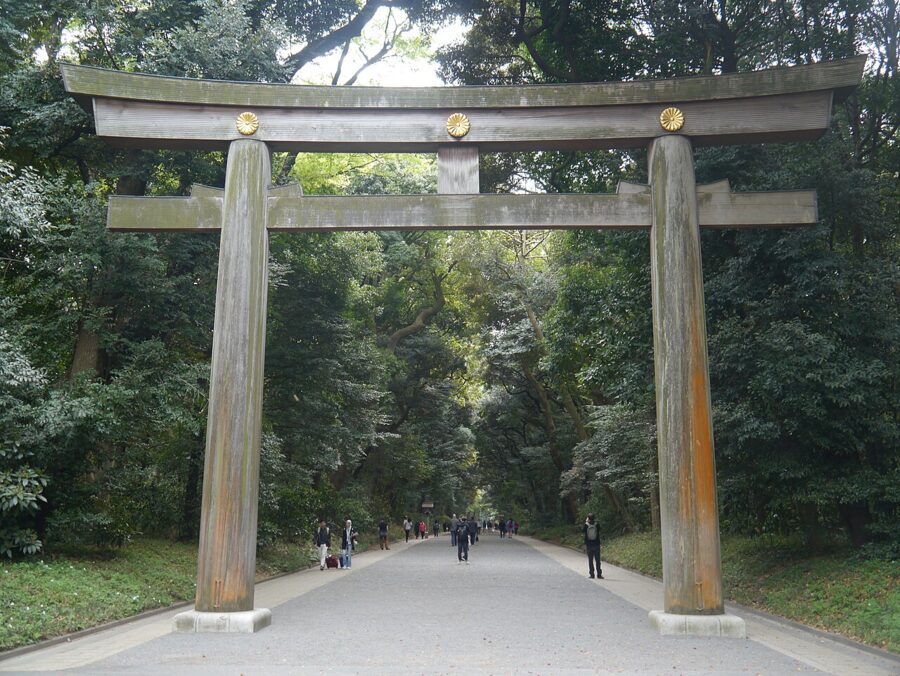
The shrine was built in 1920 for the Emperor Meiji and Empress Shoken, and the forest around it was planted at the same time: about 100,000 trees, donated from all over the country, which now look as though they’ve always been here. At 7:00 on a weekday you’ll share it with joggers, priests sweeping the gravel and the occasional crow.
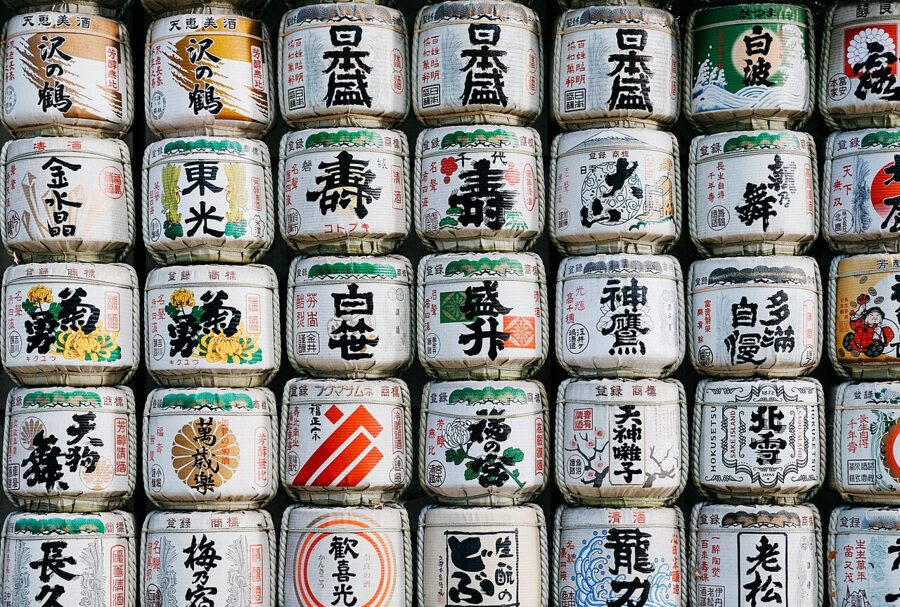
Most buildings inside the grounds keep shorter hours than the gates, mostly 9:00 to 16:00. If you’ve timed it right, you’ll be at the main hall before the first tour group, and back out at Harajuku by about 8:30.
Harajuku and Omotesando
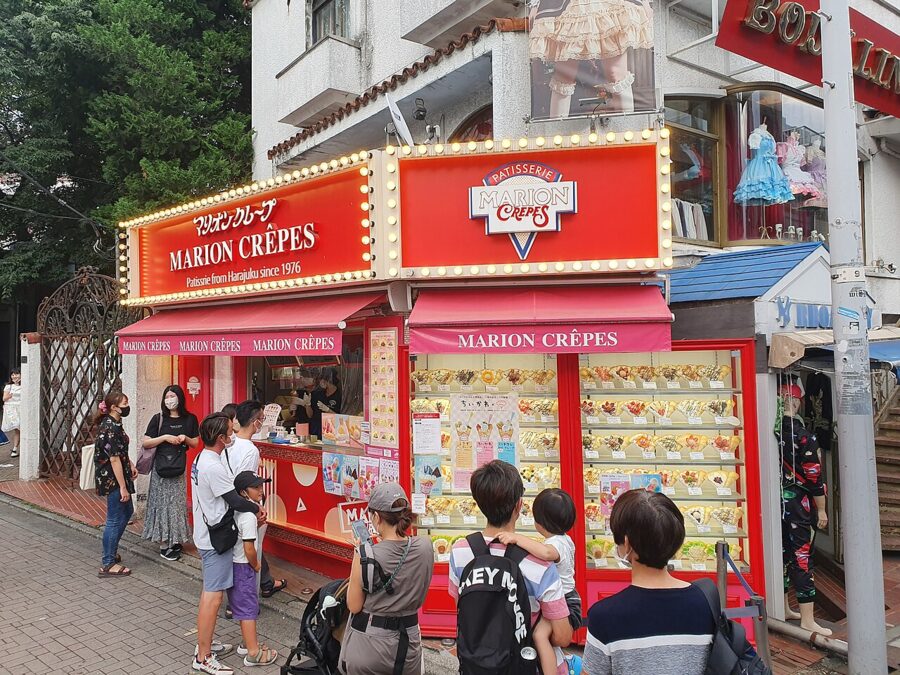
Takeshita-dori starts opposite the station: about 350 metres of crepe stands, sock shops and second-hand clothes. Walk it early and it’s a street; walk it at 14:00 on a Saturday and it’s a queue.
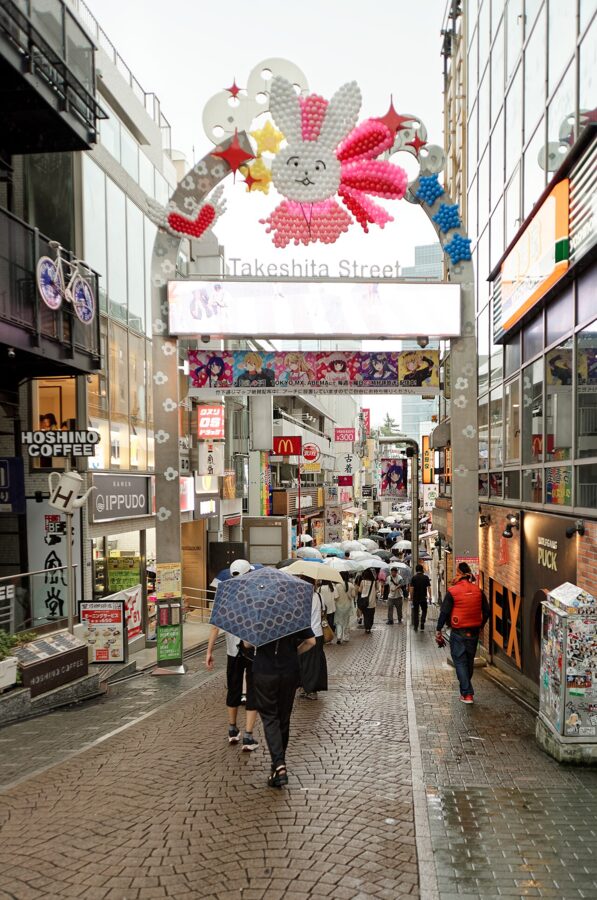
The crepes are the point, and Marion Crepes has been doing them here since the 1970s.
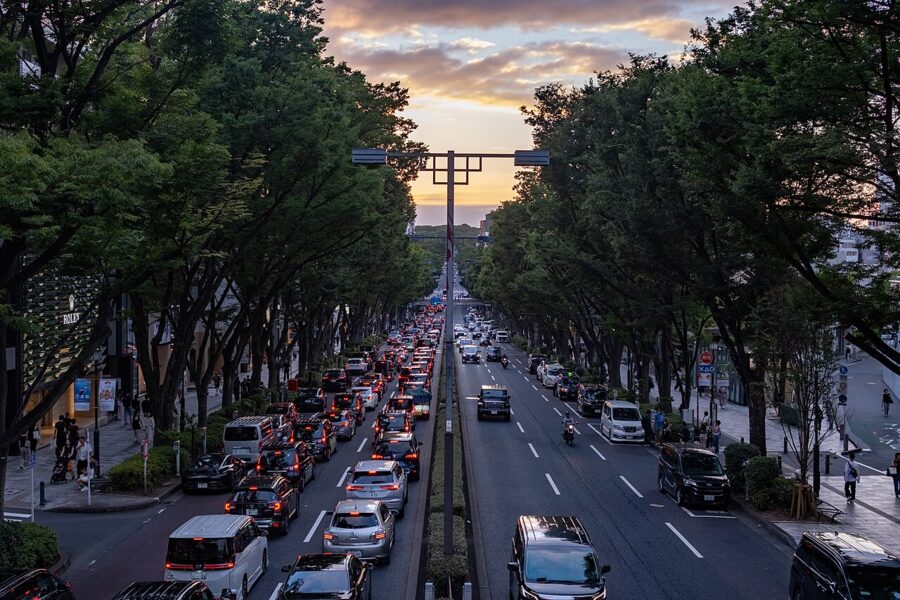
Then turn onto Omotesando, the zelkova avenue that was laid out as the formal approach to the shrine and is now a row of flagship stores by famous architects. It’s a 15-minute walk down to Omotesando Station.
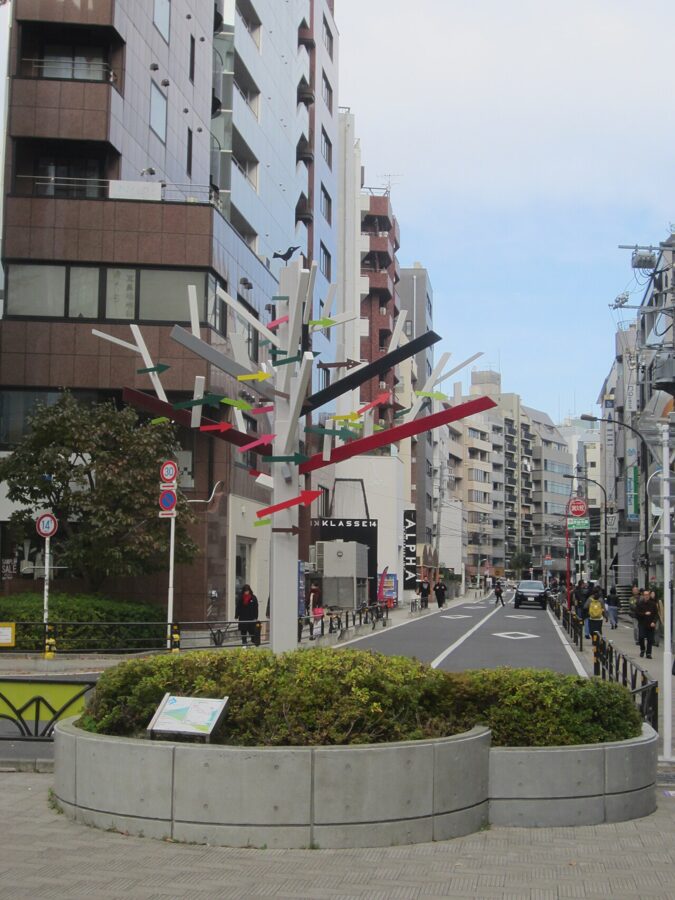
Halfway down, turn right into Cat Street, the lane of small shops that takes you south to Shibuya on foot in about 20 minutes.
Lunch is a counter on the way. If it’s ramen, my ramen map explains which bowl you’re actually ordering.
Shibuya: the crossing and Shibuya Sky
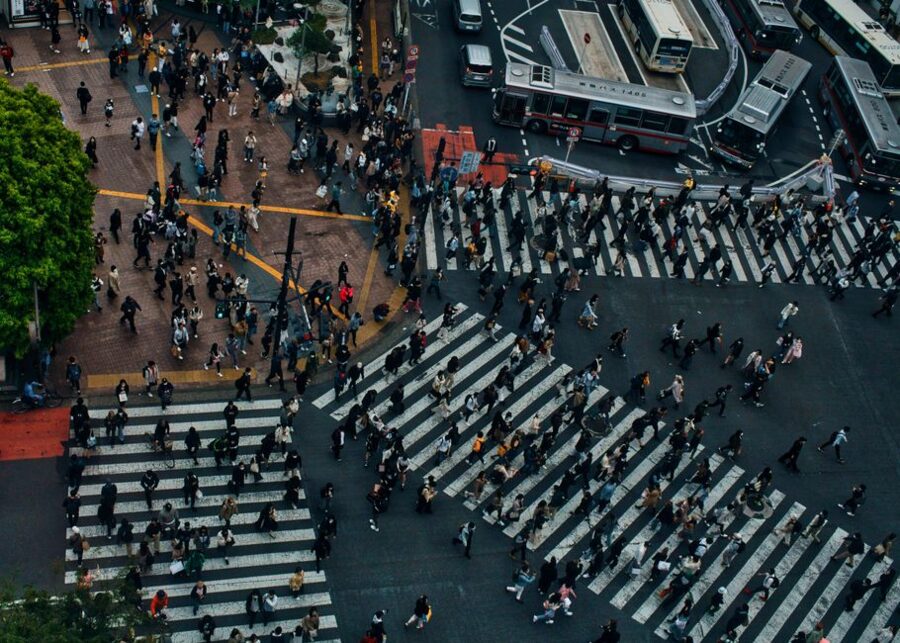
Cat Street brings you out a few minutes from Shibuya Crossing. The statue of Hachiko, the Akita who waited at the station for his dead master for nearly ten years, stands by the exit named after him, and it’s where everyone arranges to meet. The current statue dates from 1948; the first was melted down in the war.
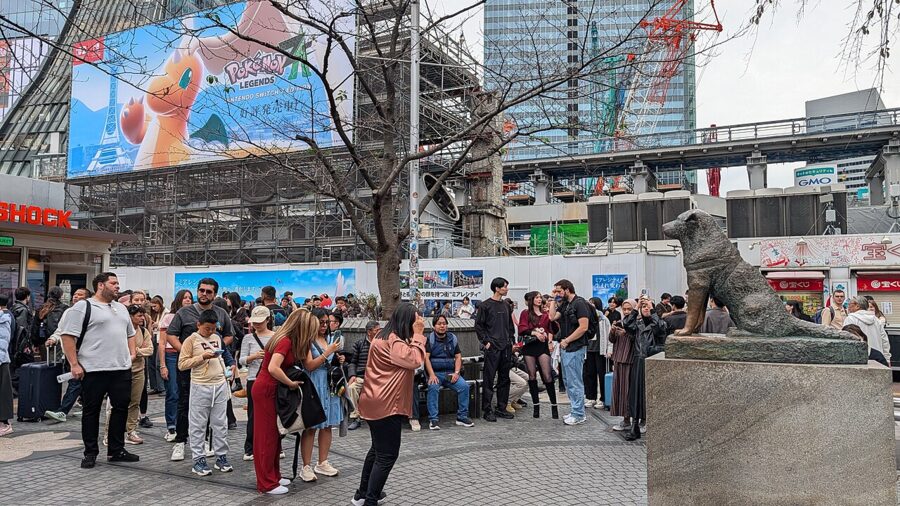
Cross it a couple of times; you’ll feel silly and do it anyway. Then go up. Shibuya Sky is the open-air roof of Shibuya Scramble Square, 229 metres above the station, and it’s the best view in the city of the city.
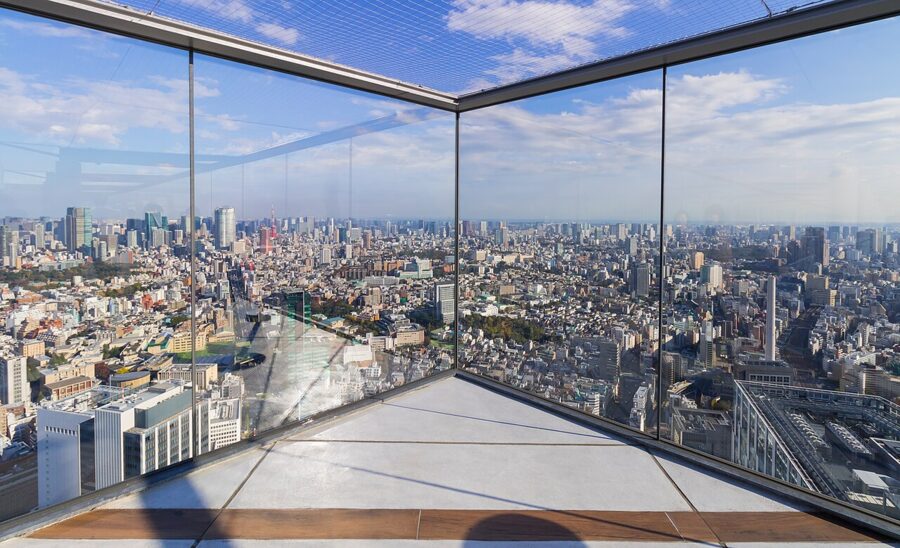
Tickets are timed and sold online. They cost ¥2,700 for entry before 15:00 and ¥3,400 from 15:00 (¥3,000 and ¥3,700 at the counter when there are any left), and children’s tickets are sold only at the counter on the day. It’s open 10:00–22:30 with last entry at 21:20, and it closes the roof in bad weather. Sunset slots sell out first, often weeks ahead, so book the moment your dates are fixed.
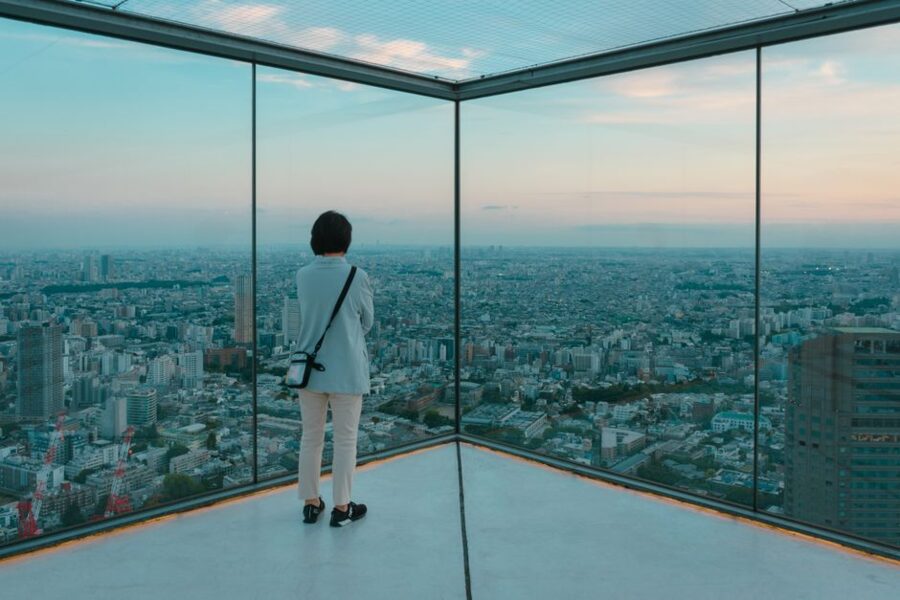
Is it worth ¥3,400? If it’s your only observation deck in Tokyo, yes. If you’ve already done Tokyo Skytree, use the free one in Shinjuku tonight instead.
Before you leave Shibuya, walk five minutes to Nonbei Yokocho, two short lanes of fewer than 40 tiny bars by the tracks. It’s quieter than Golden Gai and has more home cooking. My guide to Tokyo’s yokocho covers it, and the rest of the city’s drinking alleys, lane by lane.
Evening: Shinjuku, from a tower to an alley
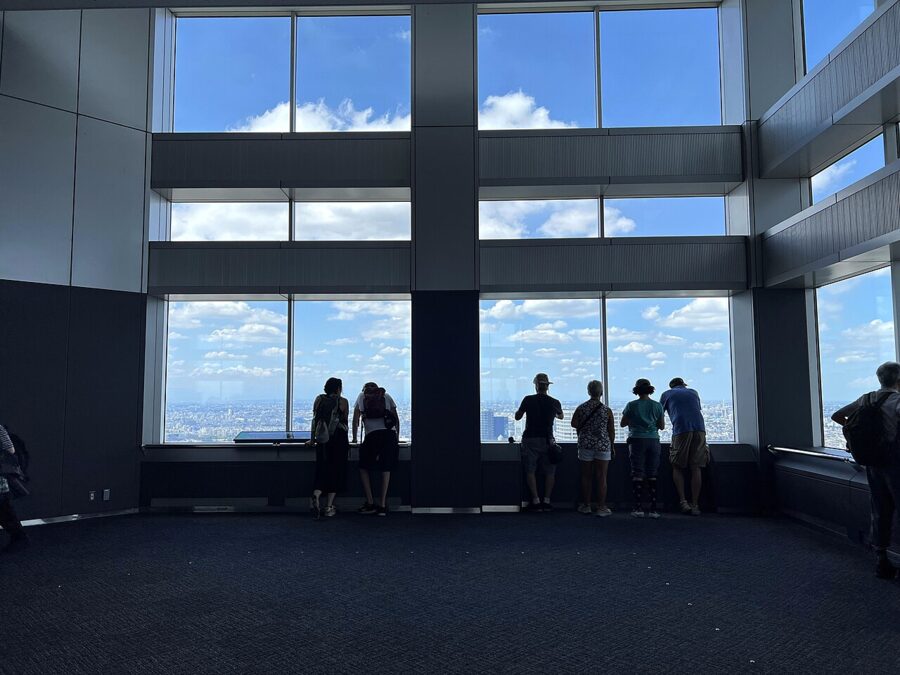
Shibuya to Shinjuku is three stops and about seven minutes on the Yamanote. Come out of the west exit for the Tokyo Metropolitan Government Building, a ten-minute walk through the office towers, where a lift takes you to the 45th floor, 202 metres up, for free. It’s open 9:30–22:00; the south room shuts on the first and third Tuesdays of the month, the north room on the second and fourth Mondays.
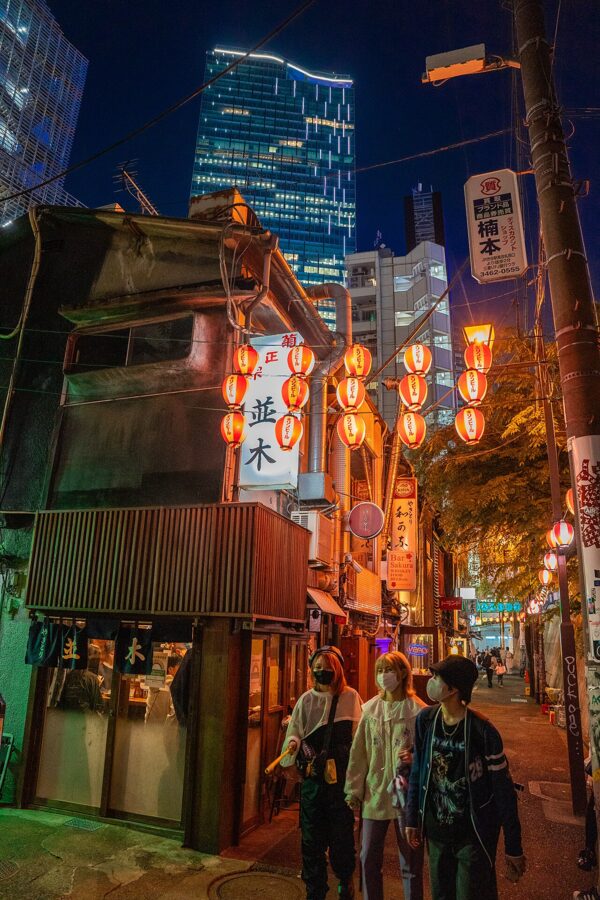
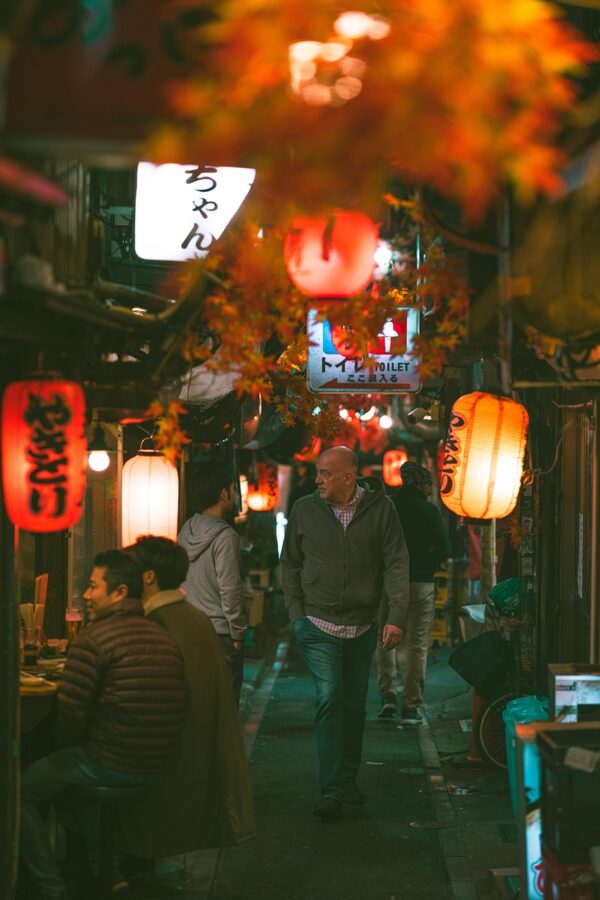
Then walk back past the station to Omoide Yokocho, the lane of about 80 shops by the west exit where the yakitori smoke has been rising since the post-war black market. Come at 17:00 for a stool, or after 21:00; between 19:00 and 21:00 on a Friday you won’t get in. Order skewers, a beer and a highball. My yakitori guide will tell you what you just ate.
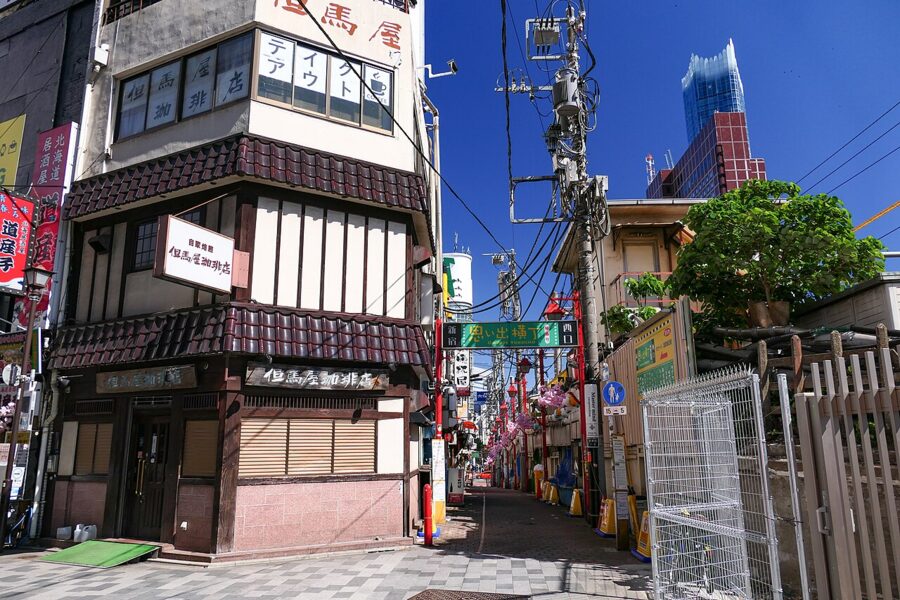
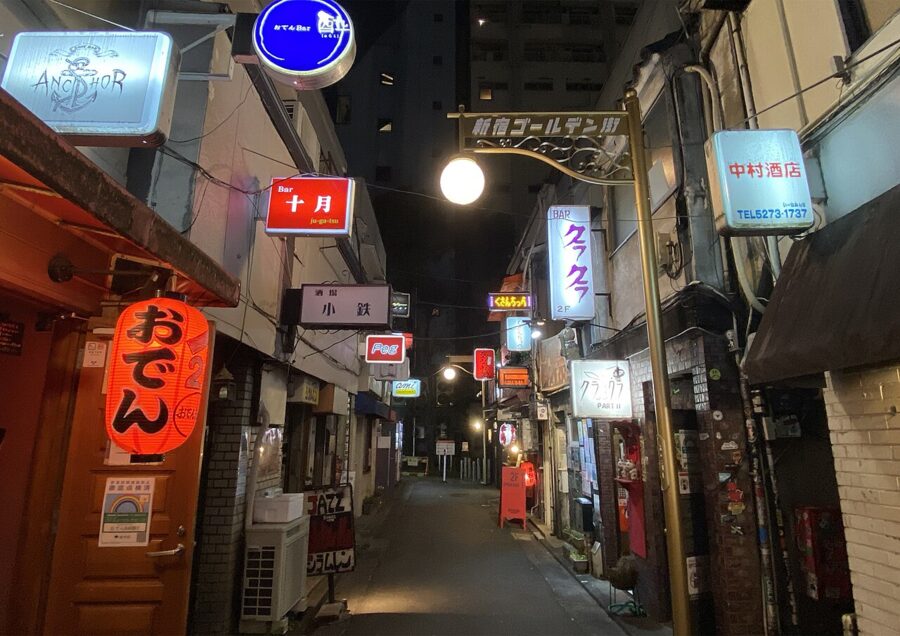
From there it’s a ten-minute walk across the tracks to Golden Gai, nearly 300 bars on a plot of about 6,600 square metres, each one the size of a hotel bathroom. Nearly every bar charges a seat fee before your first drink, usually ¥500–1,500, with drinks at ¥600–1,000 on top. Many now post both on a board outside. Have one or two, then catch the last train.
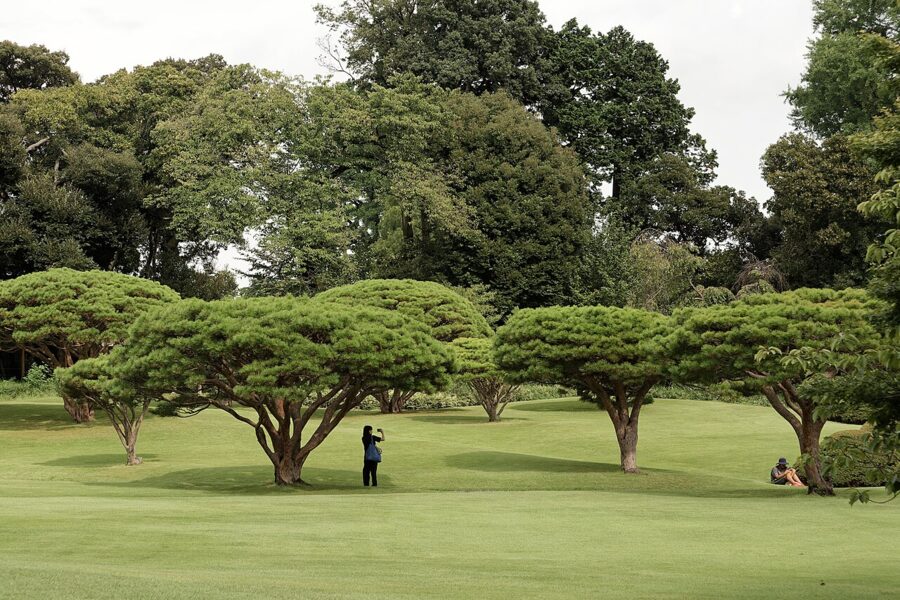
From mid-March to September, when Shinjuku Gyoen stays open until 18:00 or 19:00, you can swap the rooftop for its lawns and cherry trees. From October it closes at 16:30 (last entry 16:00), too early to fit in. Entry is ¥500; it’s closed on Mondays.
Where to eat on day two
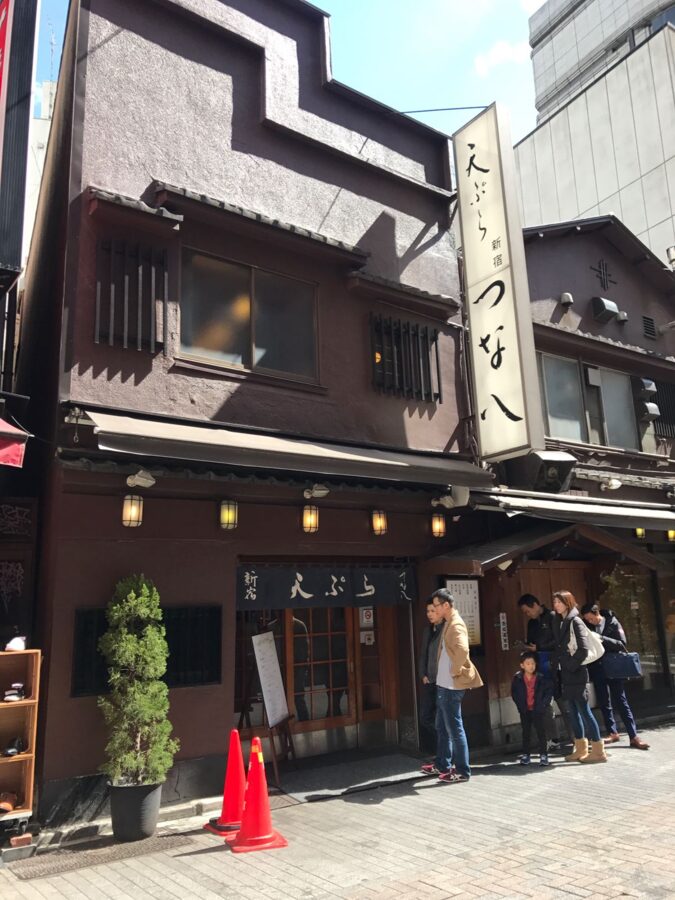
Day two is a grazing day. Shibuya’s Tokyu Food Show, in the station, is open 10:00–21:00 and starts marking down its salads, fried chicken and grilled fish after 20:00. In Shinjuku, Isetan’s basement (10:00–20:00) is the widest food hall in the city, and the tempura house Tsunahachi has been frying in Shinjuku since 1924. The evening is skewers in Omoide Yokocho and whatever comes with the seat fee in Golden Gai.
Day 3: choose one
Day three has three versions, and you only get one: neighbourhood towns and parks, the bay and its art spaces, or a train out of the city.
Option A: Kichijoji and Shimokitazawa
This is the day for people who want to see how Tokyo lives. The Keio Inokashira Line runs from Shibuya to Shimokitazawa and on to Kichijoji, so you can do both on one line. Go to Kichijoji first, while the park is quiet, and finish in Shimokitazawa, which wakes up late.
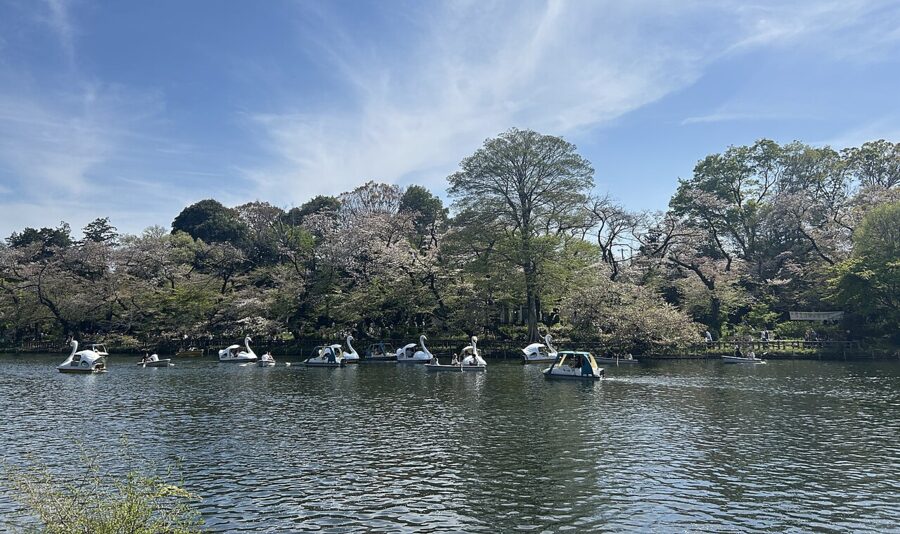
Kichijoji’s big draw is Inokashira Park, opened in 1917 around a long pond where you can hire a rowing boat. It’s a five-minute walk from the station’s south side, and on a weekday morning it belongs to dog walkers and ducks. In early April the cherry trees around the pond are one of the city’s favourite picnic spots.
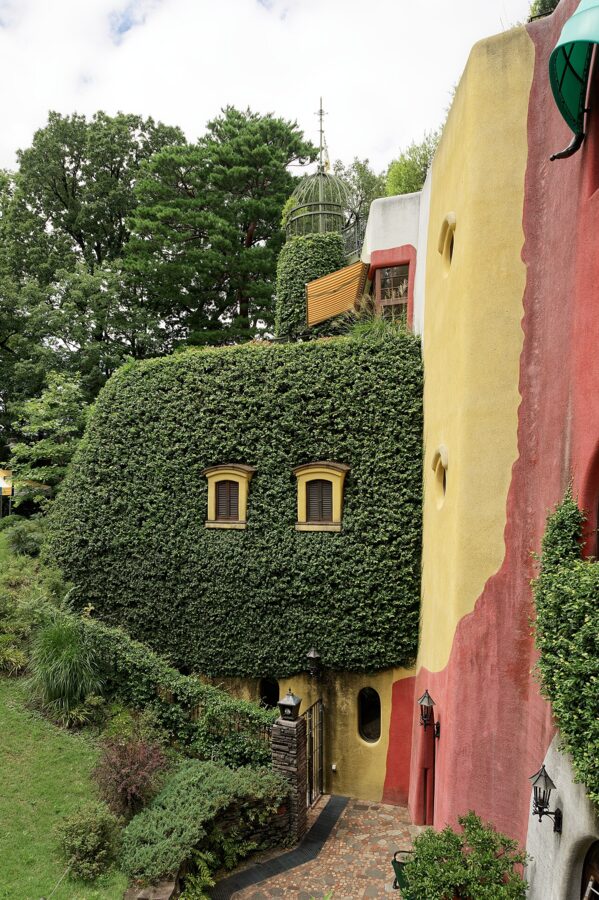
The Ghibli Museum is at the far end of the park, in Mitaka. Tickets cost ¥1,000 for adults, are sold only in advance for a set date and entry time, and go on sale at 10:00 Japan time on the 10th of each month for the following month, through Lawson Ticket. There are no tickets at the door. If you can get them, plan the day around your slot; if you can’t, the park is worth the trip on its own.
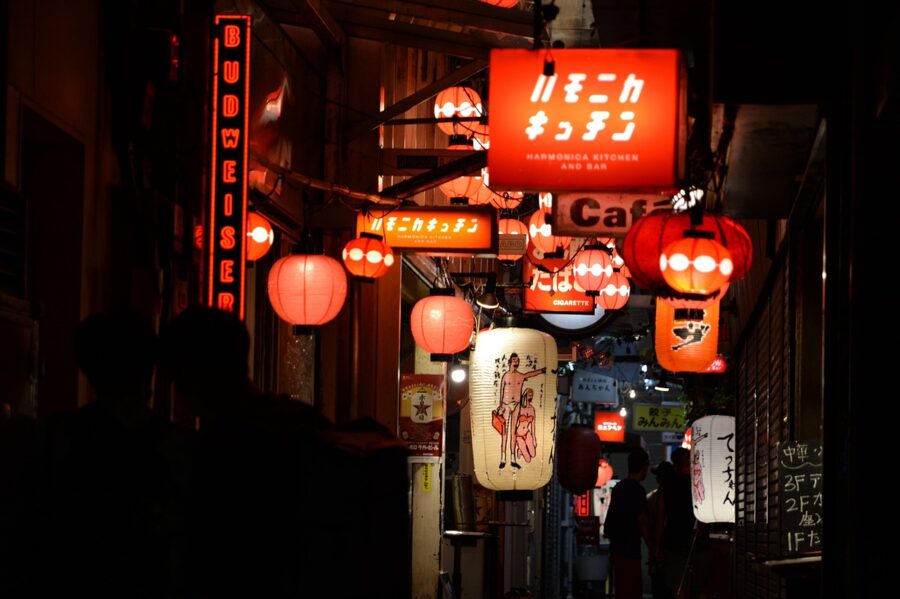
Back by the station, Harmonica Yokocho fills five lanes on the north side with about 100 small shops, from stand-up bars to fishmongers, and opens earlier than the Shinjuku alleys. At the western edge, the butcher Satou sells menchi-katsu, the deep-fried minced-beef patty, to a queue that’s been there for years.
Shimokitazawa is about 15 minutes back towards Shibuya on an express. It’s Tokyo’s vintage-clothing town, a maze of small streets full of second-hand shops, record stores, curry houses and live-music basements, and it’s at its best from about 14:00 into the evening. Most shops open late in the morning, so there’s no point arriving early.
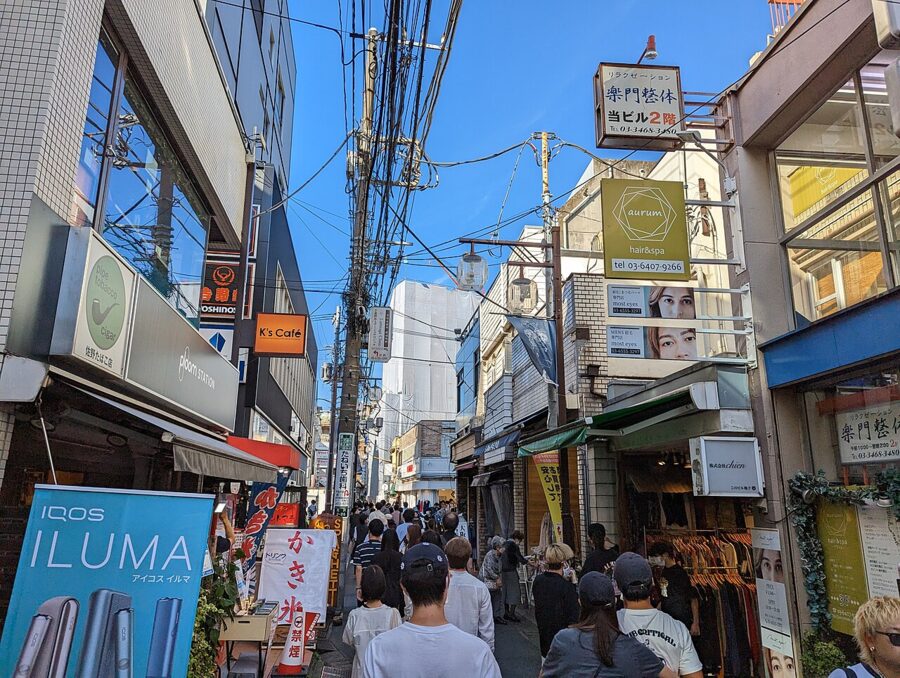
When the railway went underground here, the old tracks became a long strip of new buildings. Bonus Track, the low cluster of shops near the Setagaya-Daita end, has the bookshop B&B, which sells beer with its books (open from 12:00 on weekdays and 11:00 at weekends, to 21:00), and a fermented-foods shop stocking more than 500 seasonings, pickles, drinks and teas. Finish with curry, a bar with a record player, and the Inokashira Line back to Shibuya.
Option B: Toyosu, teamLab Planets and Odaiba
This is the bay day, and it suits rain, children and anyone who’s had enough temples. It runs along the Yurikamome, the driverless train that leaves Shimbashi and loops over the Rainbow Bridge to Odaiba and on to Toyosu. Do it in reverse: take the Yurakucho Line to Toyosu and change to the Yurikamome, because the market is a morning place.
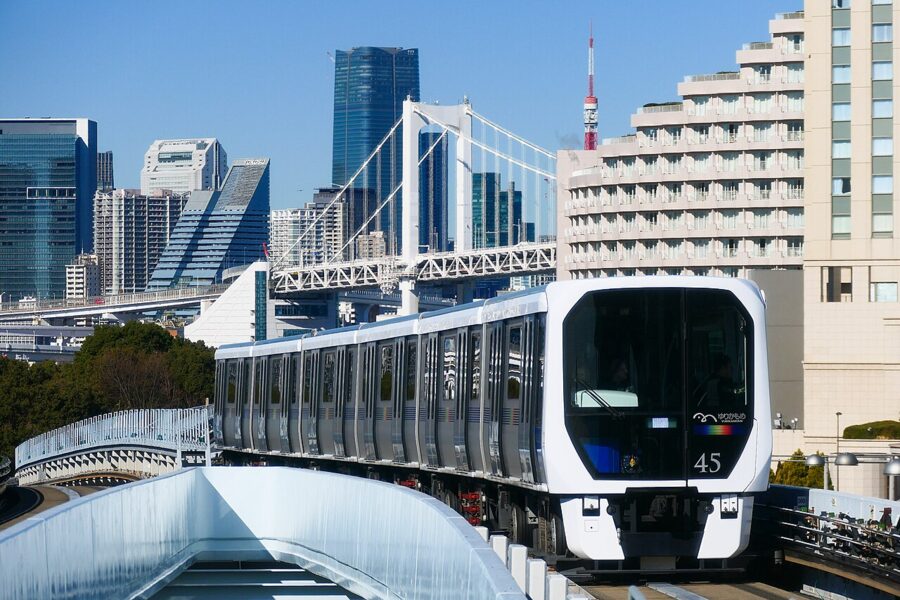
Toyosu Market is where the wholesale side of Tsukiji moved in October 2018. The visitor route is open 5:00–17:00 on market days (it closes on Sundays, holidays and some Wednesdays), and you can watch the tuna auction through the glass of the second-floor corridor. The deck beside the auction floor, open 5:45–6:25, is by monthly lottery.
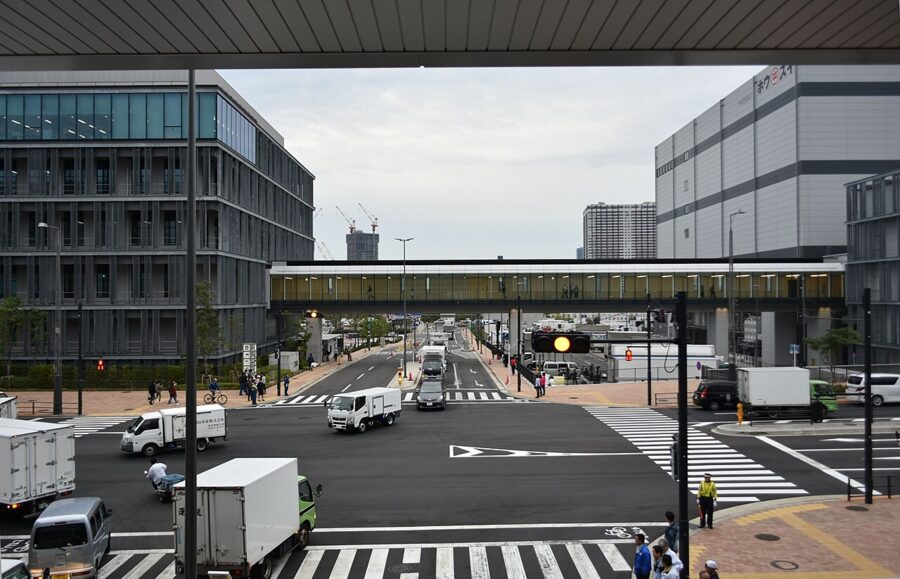
Then teamLab Planets TOKYO, three minutes from Exit 1A of Shin-Toyosu Station on the Yurikamome. It’s a museum you walk through barefoot, partly in knee-deep water, among rooms of light, mirrors and floating flowers. It opens at 8:00 and closes at 22:00 (last entry an hour before), adult tickets start at ¥3,800 and rise on busy dates, and they’re sold online only, for a timed slot. teamLab says it will run until the end of 2027.
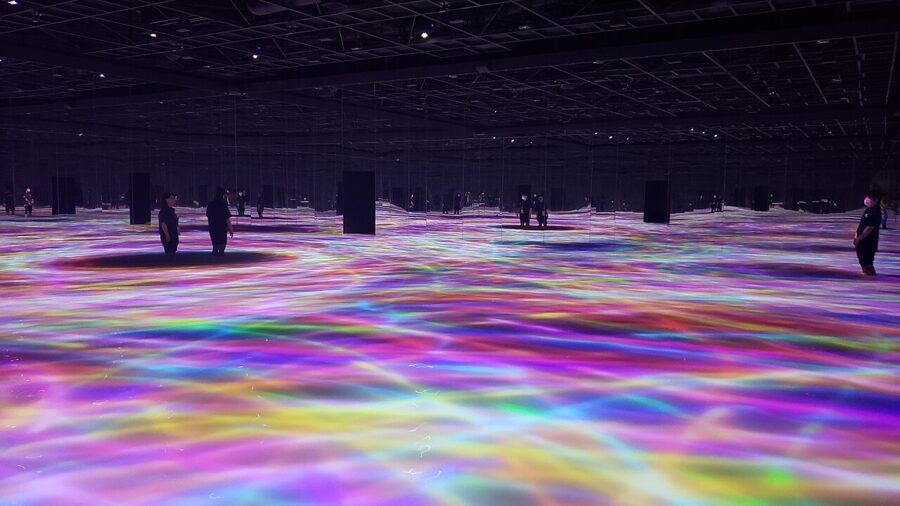
The other teamLab, Borderless, moved from Odaiba to Azabudai Hills in 2024, so it doesn’t fit this day.
Ride the Yurikamome back to Odaiba for the afternoon. The beach and the Statue of Liberty replica at Odaiba Seaside Park look straight across at the Rainbow Bridge, which has a footpath across it if you’d like to walk back towards the city. The life-size Unicorn Gundam outside DiverCity, which many plans still send you to, came down at the end of August 2026 after nine years.
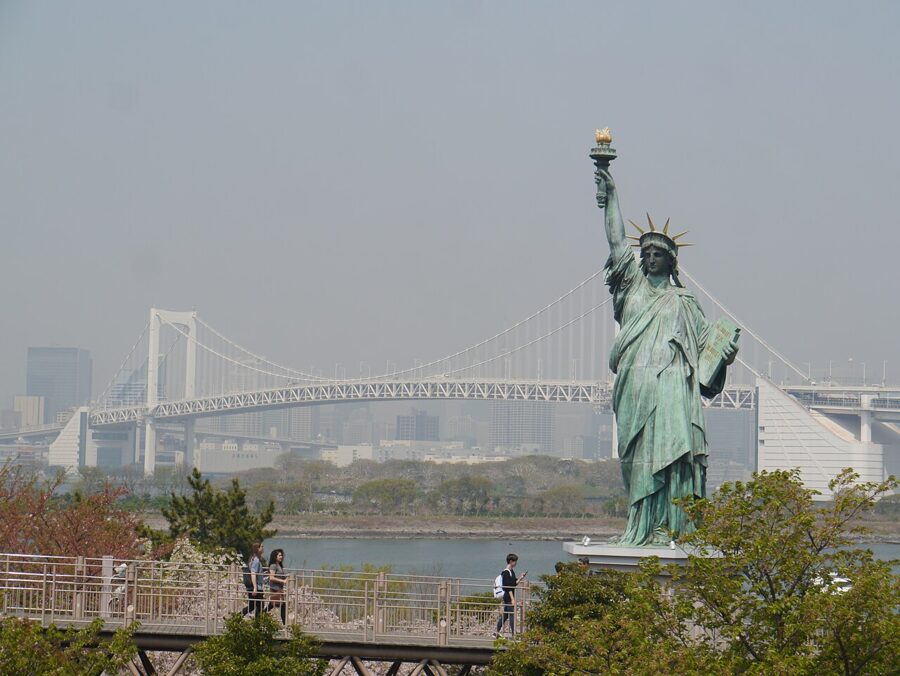
Stay for the bridge lit up after dark, then ride back to Shimbashi and finish under the tracks, where the salarymen are louder than at Yurakucho.
Option C: a day trip
There are three obvious directions out of the city, each with its own guide, so here’s only how to choose.
Hakone is the easiest. The Odakyu Romancecar runs direct from Shinjuku to Hakone-Yumoto in about 80 minutes, with a ¥1,200 limited-express ticket on top of the fare, and the day is a loop of mountain railway, cable car, ropeway over the volcanic valley at Owakudani, and a boat on Lake Ashi. Fuji may or may not show.
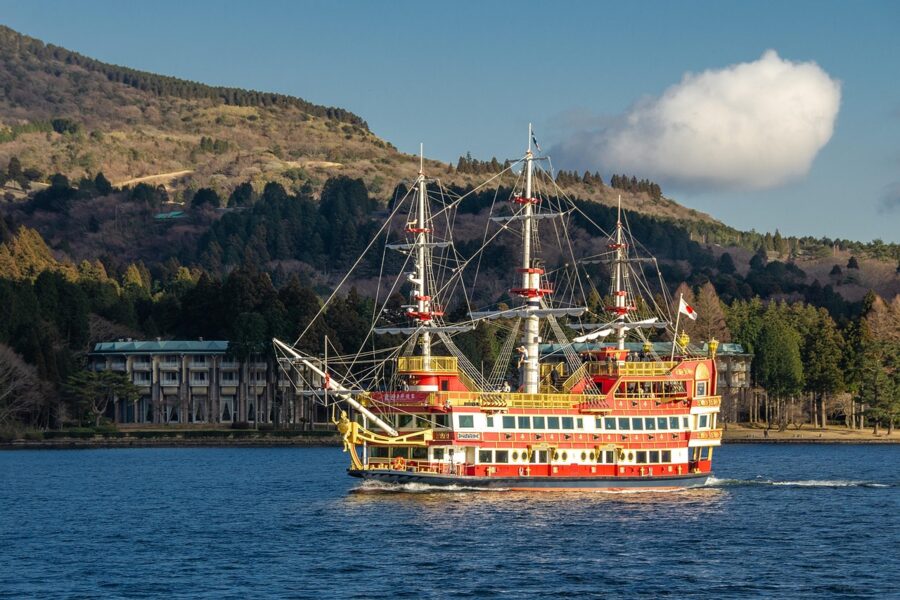
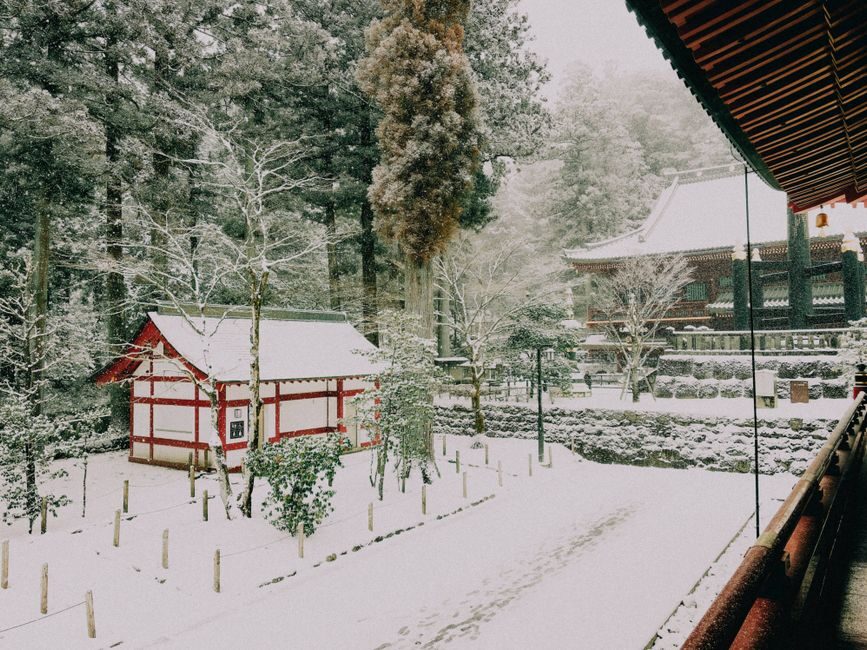
Nikko is the most temples per hour. Tobu’s SPACIA X leaves Asakusa at 07:50 and reaches Tobu Nikko at 09:39, for ¥3,340 each way in a standard seat in a normal season, and the 17:44 back gets you to Asakusa at 19:35. In between: Toshogu’s carved gates, the red Shinkyo bridge, and if you’re quick, Kegon Falls.
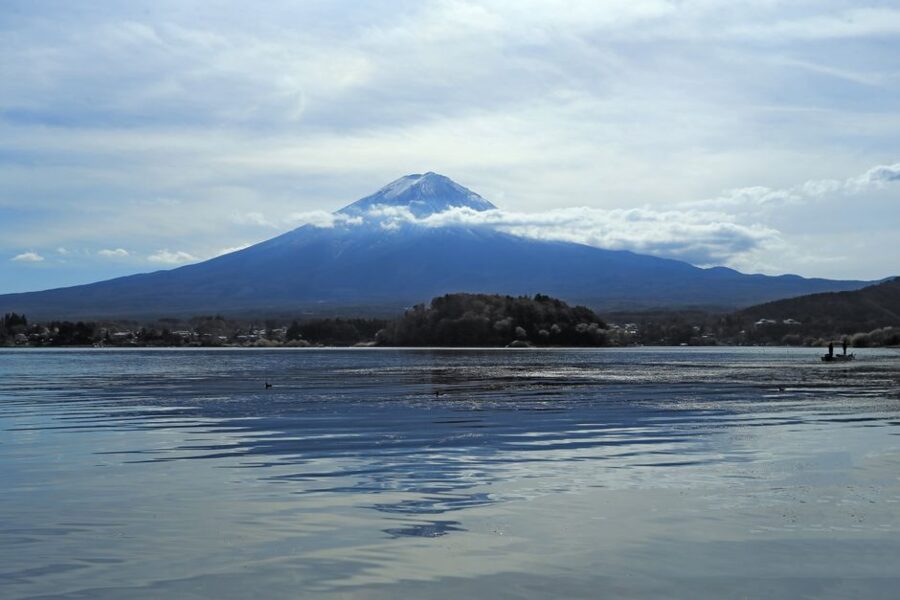
Kawaguchiko is the one for Mount Fuji. Highway buses leave from the fourth floor of Busta Shinjuku and the Fuji Excursion train runs from Shinjuku, and both sell out at weekends, so book as soon as your dates are fixed. Go on a clear day or not at all: you’re paying for the mountain, and the mountain makes its own weather.
Whichever you pick, buy lunch for the train before you board. Big stations such as Shinjuku and Tokyo have counters selling ekiben, the railway bento, and eating one at a window seat is half the point of a day trip.
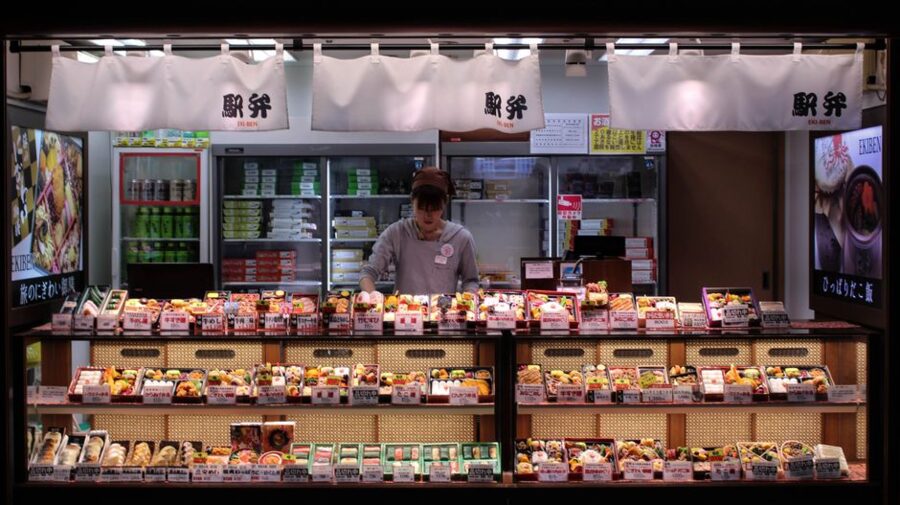
Eating your way through three days
You can eat very well for three days here without booking anything. Eat at the right level for the hour: konbini at 7:00, a counter at noon, a food hall at 18:00 and a lane of grills at 21:00.
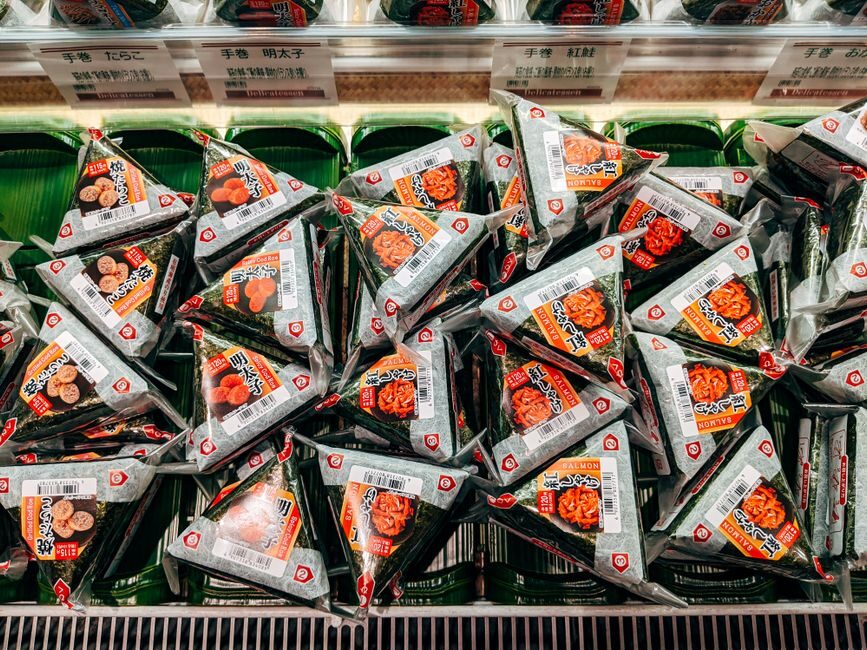
Breakfast is the konbini, every day. 7-Eleven, FamilyMart and Lawson sell rice balls that left a factory a few hours ago, egg sandwiches with a following abroad, and coffee ground a cup at a time for ¥140. If you want a sit-down breakfast, the old coffee houses do toast, eggs and a cup that takes a while; my guide to Tokyo’s kissaten has the ones that open early.
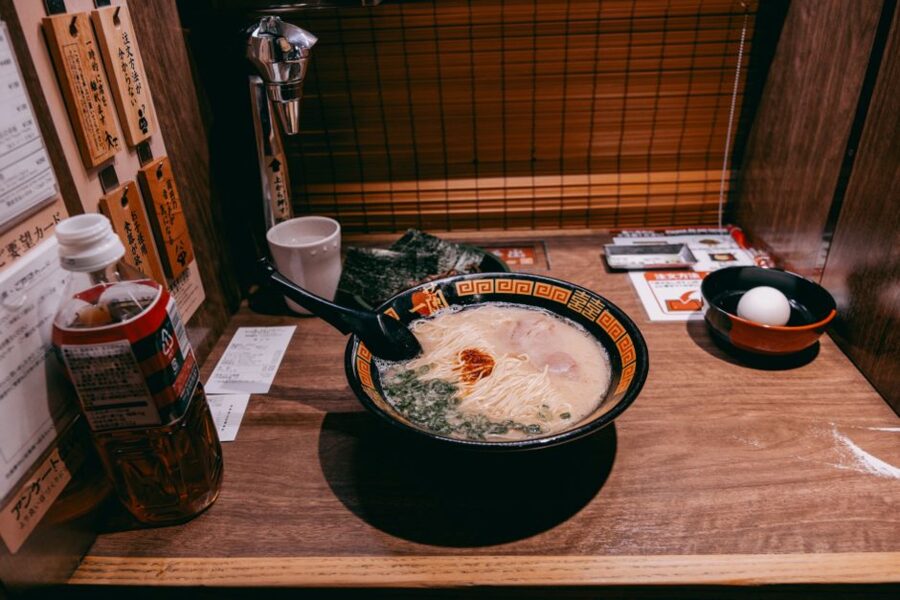
Lunch is a counter. Ramen is ¥1,000–1,500 nearly everywhere, a tonkatsu or curry set about the same, a bowl of tendon in Asakusa a little more. Many of the cheap counters take orders by ticket machine at the door, so carry ¥1,000 notes. For sushi, a conveyor-belt chain or a lunch set at a market counter costs far less than dinner at the same place; my guide to the types of sushi sorts out what you’re pointing at.
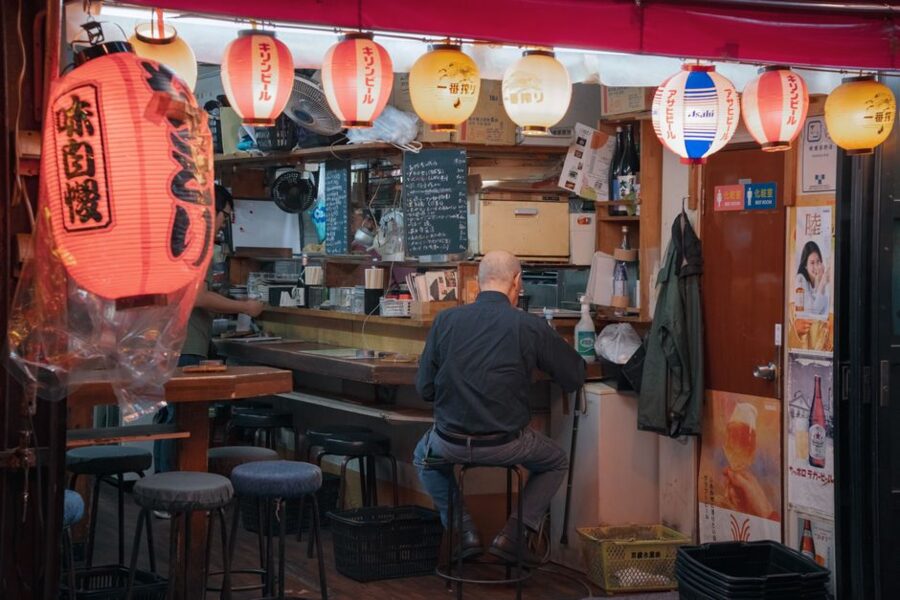
Dinner is either a department-store basement or an izakaya. The basements are the bargain: bento, tempura by the piece, salads and sweets, marked down in the last hour. An izakaya is the Japanese pub, where you order small plates in waves with your drinks; expect a small charge for the dish that arrives unasked, and ¥3,000–5,000 a head for a decent night.
And if you want one big meal, make it lunch. Many of the city’s top counters serve a shorter lunch course at a fraction of the dinner price, and my guide to Tokyo’s Michelin-starred restaurants explains how to book them, which is harder than paying for them.
Which season changes the plan?
All of it works all year. The seasons only change the order, the closing times and how many people are in the photo.
Spring: blossom and crowds
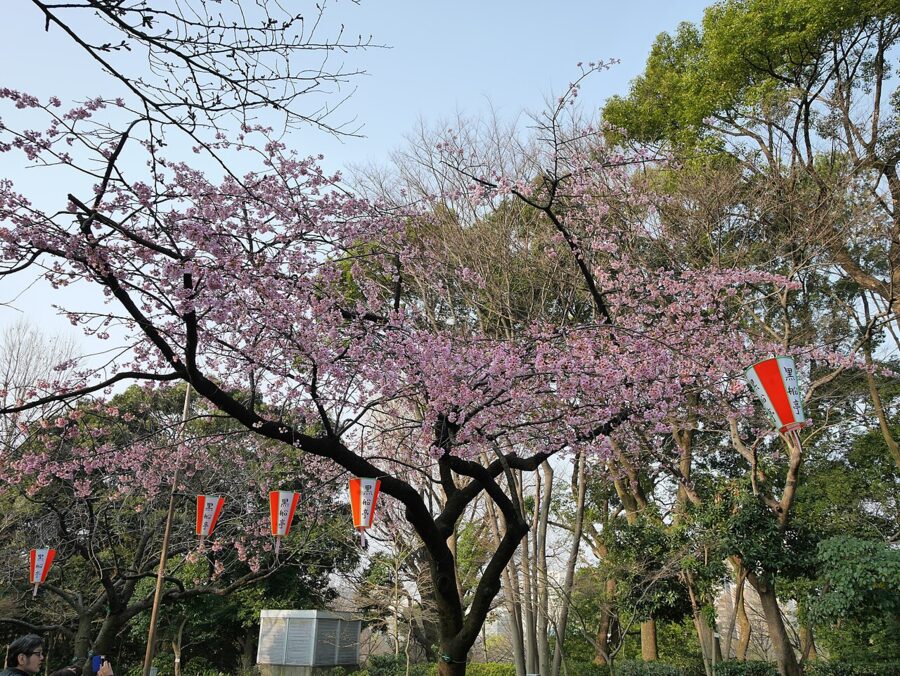
Cherry blossom in Tokyo usually peaks in late March or early April, and the city goes outdoors. Ueno Park, Yanaka Cemetery, Shinjuku Gyoen and Inokashira Park are all on this plan and all among the most famous viewing spots, which is lovely and also means queues. Book rooms early; prices rise for those two weeks.
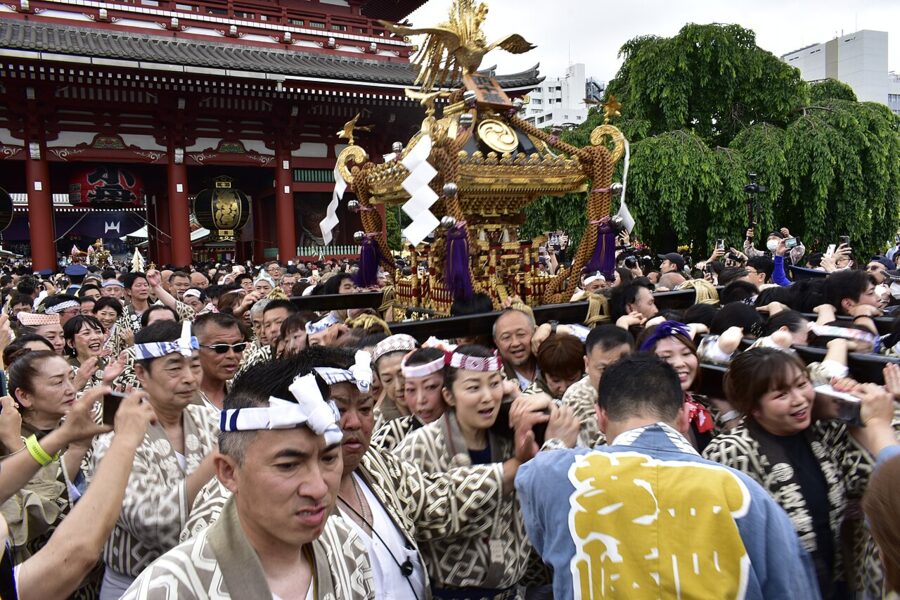
In May, the Sanja Matsuri takes over Asakusa for a long weekend, with portable shrines carried through the streets. It’s a wonderful thing to see and a terrible weekend for a quiet temple, so do day one on another date.
Summer: heat, rain and fireworks
The rainy season runs from June into mid-July, and then the heat arrives. Start every day early, move the long walks before 11:00, and put the museum and the food halls in the hottest hours. Meiji Jingu opens at 5:00 from May to August, which is the best reason to be jet-lagged.
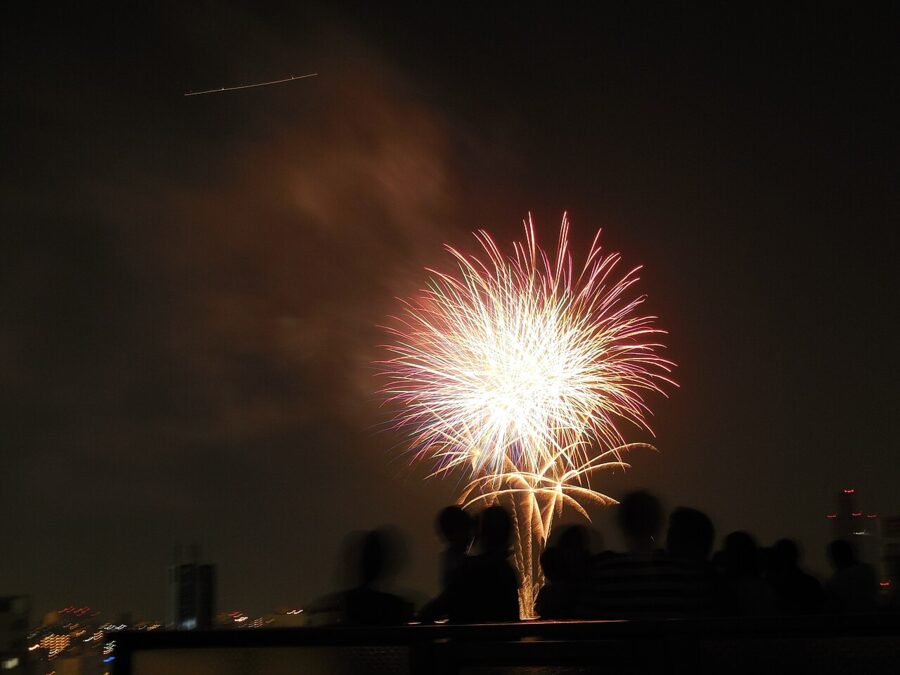
On fireworks night, do Senso-ji in the morning and leave the evening to the river.
Autumn: the best weeks
October and November are the best months for this plan: dry, mild and clear. The one autumn sight worth bending a day for is the ginkgo avenue at Jingu Gaien, a short walk from Omotesando, which turns gold from late November into early December.
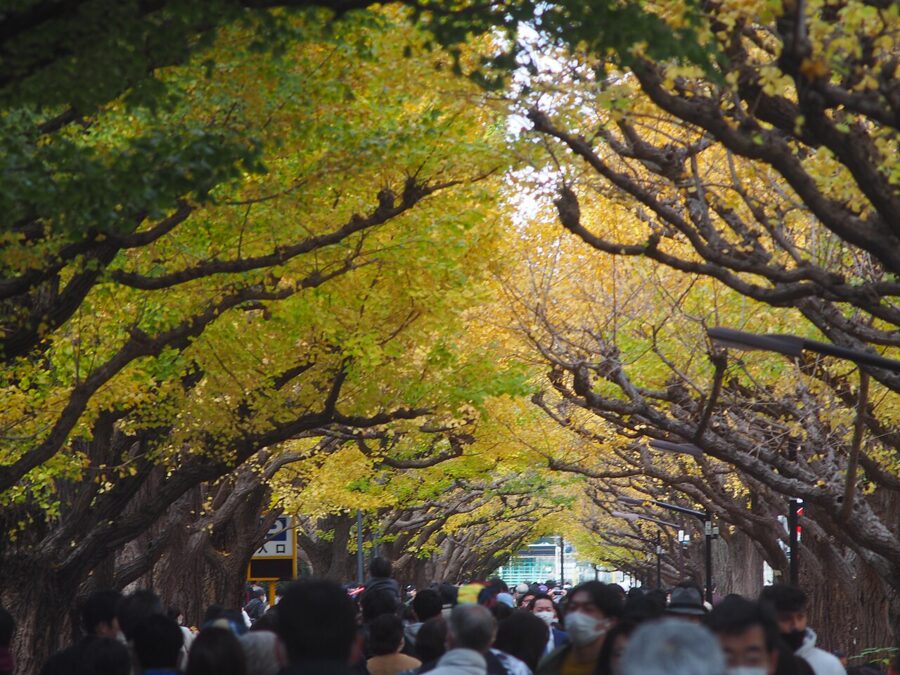
Daylight shrinks, too: Meiji Jingu closes at 16:10 in November.
Winter: clear days and short ones
December to February is cold, dry and often brilliantly clear, which makes it the best season for the views: Fuji from the Shinjuku observatory, the skyline from Shibuya Sky. The sun sets before 17:00 for much of the season, so the rooftop sunset slot moves earlier.
Avoid the first three days of January at Meiji Jingu, when millions come for the first prayer of the year, and note that the Tokyo National Museum closes from 26 to 31 December. If January is when you’re going, my guide to things to do in Japan in January covers the rest of the country, including the snow: Niigata’s ski resorts are a Shinkansen ride from Tokyo Station.
When it rains
Rain doesn’t wreck this plan, it just reorders it. Swap the walking for the indoors and keep to the same side of the city.
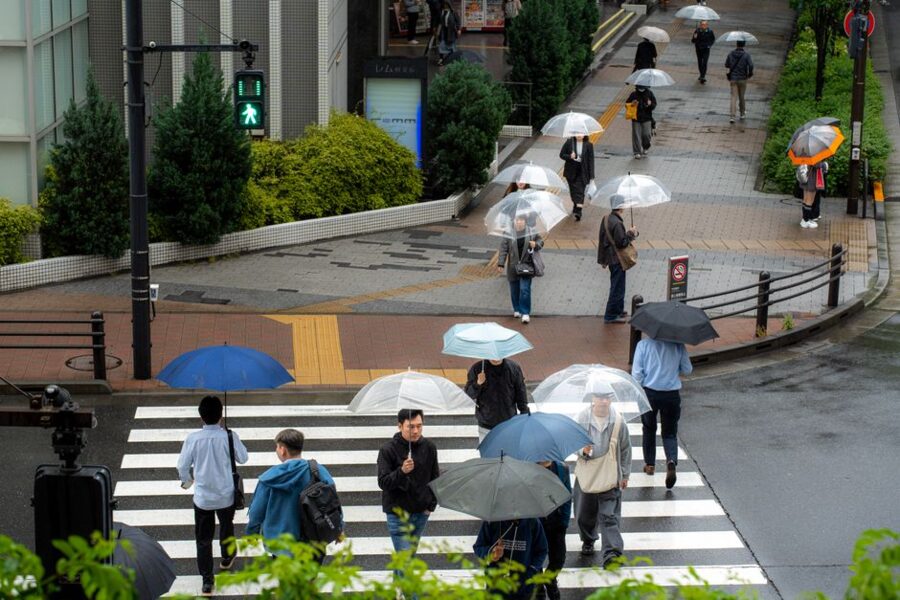
- Day one: give the Tokyo National Museum two hours instead of 90 minutes, skip Yanaka, and spend the extra time in Ameyoko’s covered stretches under the tracks and the Ginza basements.
- Day two: Meiji Jingu is lovely in light rain and empty in heavy rain. If Shibuya Sky closes its roof, use the free, indoor observatory in Shinjuku and put the money towards dinner.
- Day three: take Option B. teamLab Planets is indoors, and the Yurikamome lets you see the bay without standing in it.
- Any day: a long lunch in a department-store basement, an afternoon in a kissaten, or the bars under the arches at Yurakucho, which have a roof made of railway.
What three days cost
Hotels aside, three days on this plan costs less than people expect, because the best things in it are free. Senso-ji, Meiji Jingu, the parks, the shopping streets, the crossing and the Shinjuku observatory cost nothing. Here’s what the rest comes to, from the prices in this guide.
| Item | Lean | Comfortable |
|---|---|---|
| Transport, three days | IC card only, about ¥2,000 | 72-hour Subway Ticket plus JR, about ¥3,500 |
| Tokyo National Museum | ¥1,000 | ¥1,000 |
| Shibuya Sky | Skip, use the free observatory | ¥2,700–3,400 |
| Day three | Kichijoji and Shimokitazawa, free | teamLab Planets from ¥3,800, or a day trip |
| Food, per day | Konbini, counters, a basement dinner: about ¥4,000 | A tempura lunch, an izakaya, a bar: ¥8,000–12,000 |
| Drinks in Golden Gai | One bar: ¥1,500–2,500 | Two bars: ¥3,000–5,000 |
Cards work in hotels, department stores and most restaurants, but the old tempura houses, market stalls, many Golden Gai bars and ramen ticket machines want yen. Konbini ATMs take most foreign cards.
Skip this
- Takeshita-dori after noon at the weekend. You’ll see the backs of a few thousand heads.
- The Unicorn Gundam in Odaiba. It was removed at the end of August 2026, whatever your printout says.
- Tsukiji in the afternoon or on a Sunday. Half the stalls are shut and the other half are cleaning up.
- Two observation decks. Shibuya Sky or Tokyo Skytree, not both, and the free one in Shinjuku covers the night view.
- Anyone in Kabukicho or around Golden Gai waving a laminated menu at you from the pavement. The good bars don’t need to.
- Golden Gai in a group of six on a Saturday. The bars seat a handful each, and you won’t fit anywhere together.
- Trying to add Tokyo Disney to three days. It’s a full day on its own, and it costs you a whole side of the city.
If Tokyo is the first stop on a longer trip, the next three days of the same shape are in my 3-day Kyoto itinerary, and the whole country is laid out in my 2-week Japan itinerary.
Set an alarm for 6:00 on the first morning. Walk to Senso-ji while the shutters are still down. Everything after that is easier.
You Might Also Enjoy
 Udon in Japan: Sanuki, Inaniwa, Kishimen and the Regional Noodle Map
 Kobe Food Guide: Beef, Pork Buns, Bakeries and the Sobameshi of Nagata
 Chiang Mai Food Guide: Khao Soi, Sai Ua, and the Northern Thai Kitchen
 Things to Do in Chengdu: People’s Park Teahouses, Wenshu Monastery, Sanxingdui and a Three-Day Plan