Niigata Ski Resorts: Yuzawa, Naeba and Myoko, From Tokyo in About an Hour
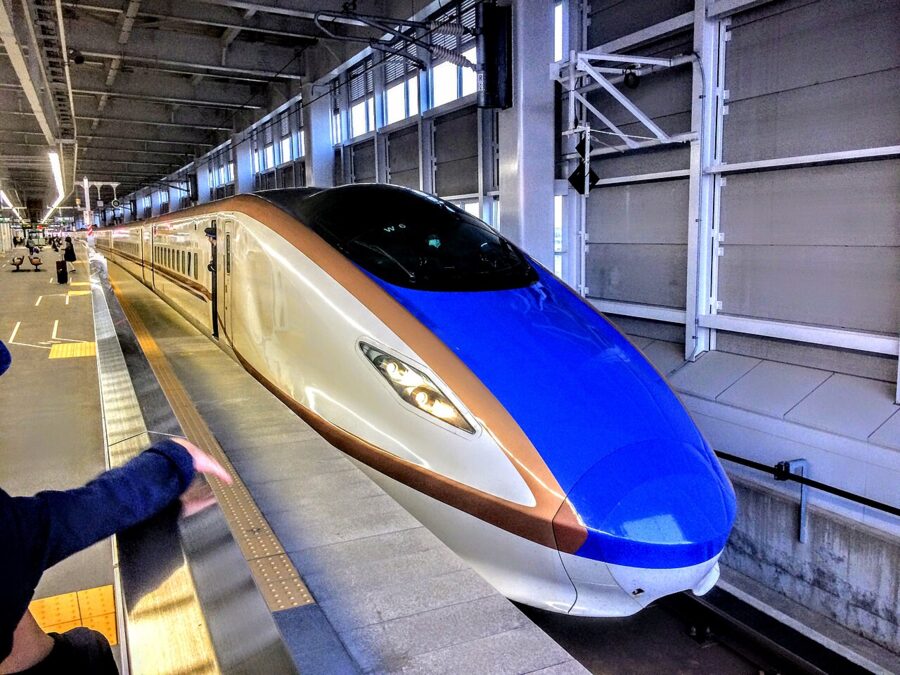
At 7:04 on a January morning the Toki 303 leaves Tokyo Station under a hard blue sky, the kind of dry winter light that makes the city look freshly scrubbed. Sixty-six minutes later it pulls into Echigo-Yuzawa and the windows are white. In between sits the 22-kilometre Daishimizu Tunnel under the mountains on the Gunma border, and on the far side of it the snow is banked along every road. I have done that trip with a coffee from the station and a pair of ski boots in a bag, and it still feels like a magic trick.
That trick is the whole case for Niigata. The prefecture sits on the Sea of Japan side of Honshu, where the winter monsoon picks up moisture over the sea and dumps it on the first mountains it hits. The result is some of the deepest snow in the country, and a cluster of resorts that you can reach from Tokyo faster than some people commute.
This guide covers the whole spread: Yuzawa and its station resorts, Naeba and Kagura across the Dragondola, the bigger hills of Minami-Uonuma, the powder villages of Myoko Kogen and the freeride terrain at Lotte Arai. Every price and date below is for the 2026–27 season, from the resorts and rail operators themselves. Some things have changed this winter, and one of them matters a lot if you were planning on GALA Yuzawa’s off-piste south side.
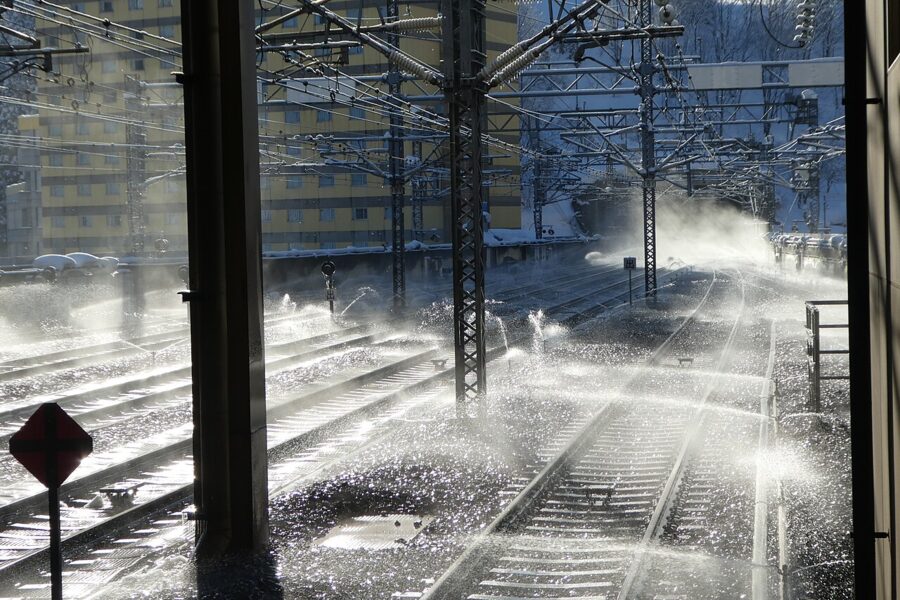
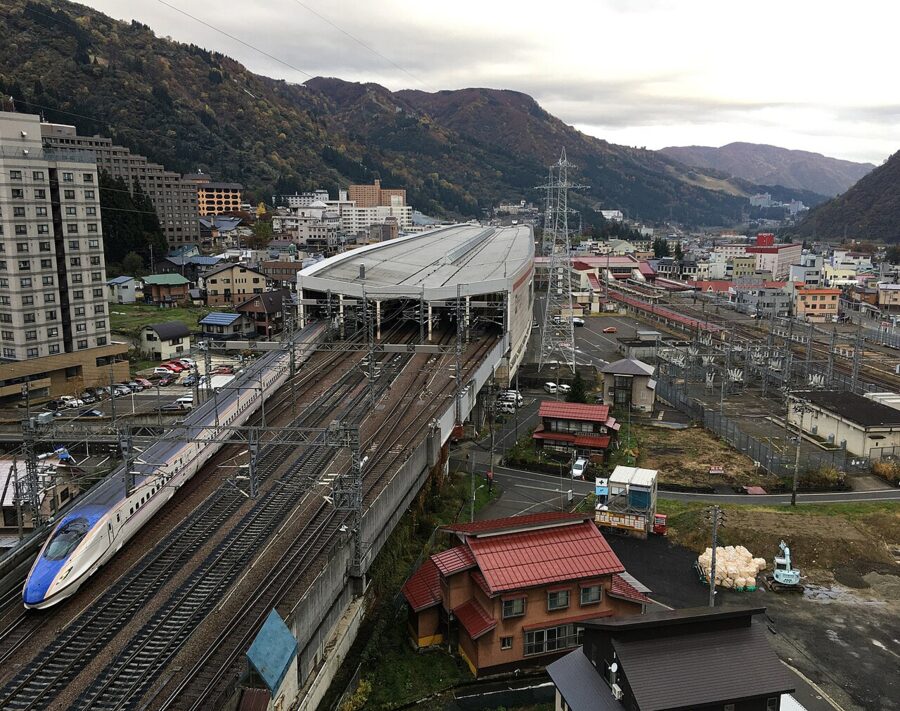
Here are the main resorts side by side. Prices are the adult one-day lift ticket bought at the counter on the day; most are cheaper online.
| Resort | Area | Character | Best for | From Tokyo | Adult 1 day |
|---|---|---|---|---|---|
| GALA Yuzawa | Yuzawa | 16 courses, station inside the resort | day trips, first-timers | 71 min to Gala-Yuzawa Station | ¥8,000 (¥7,500 online) |
| Ishiuchi Maruyama | Minami-Uonuma | big, old-school, linked to GALA | intermediates, night skiing | Echigo-Yuzawa + shuttle | ¥9,400 |
| YUZAWA SNOW LINK pass | Yuzawa | GALA + Ishiuchi Maruyama + Yuzawa Kogen, 45 courses | covering ground | Echigo-Yuzawa | ¥10,300 (¥9,300 online) |
| Iwappara | Yuzawa | 20 courses, very wide main slope | families, value | Echigo-Yuzawa + local train or shuttle | ¥5,500 |
| Naeba | Yuzawa (Mikuni) | big resort around one huge hotel | a stay, night skiing | Echigo-Yuzawa + about 50 min by bus | ¥9,800 (¥11,800 with Kagura) |
| Kagura | Yuzawa (Mikuni) | high, long season, tree runs | powder, spring snow | Echigo-Yuzawa + bus | ¥8,500 |
| Akakura Onsen / Akakura Kanko | Myoko Kogen | two resorts above a hot spring village | a week of mixed skiing | Joetsu-Myoko + 35 min train | ¥7,000 each |
| Ikenotaira Alpen Blick | Myoko Kogen | one of the widest slopes in Japan | cruising, parks | Myoko-Kogen Station + bus | ¥7,900 |
| Seki Onsen | Myoko | two lifts, enormous snowfall | powder purists | Myoko-Kogen Station + car | check on arrival |
| Lotte Arai | Myoko (Arai) | 14 courses, mostly ungroomed | strong skiers, freeriding | Joetsu-Myoko + free shuttle | ¥7,777 |
In This Article
- Why Niigata, and why so close
- Yuzawa: the station town
- GALA Yuzawa: skiing off the Shinkansen
- Ishiuchi Maruyama and the YUZAWA SNOW LINK
- Iwappara, Kandatsu and the smaller hills
- Naeba and Kagura, across the Dragondola
- The Dragondola
- Kagura: the high one
- Minami-Uonuma: bigger hills, more locals
- Myoko Kogen, where the powder lives
- Akakura Onsen and Akakura Kanko
- Ikenotaira and Suginohara
- Seki Onsen
- Lotte Arai, the freeride resort
- Passes, seasons and what a day costs
- Rentals, lessons and what to bring
- Lessons in English
- Beginners and families
- Kit, insurance and the small things
- Crowds: weekends and New Year
- Off the slopes
- Yuzawa’s public baths
- Ponshukan: sake in the station
- Hegi soba and Koshihikari
- Snow Country
- Where to stay
- A day trip and a long weekend
- The day trip from Tokyo
- The long weekend
- Skip this
Why Niigata, and why so close
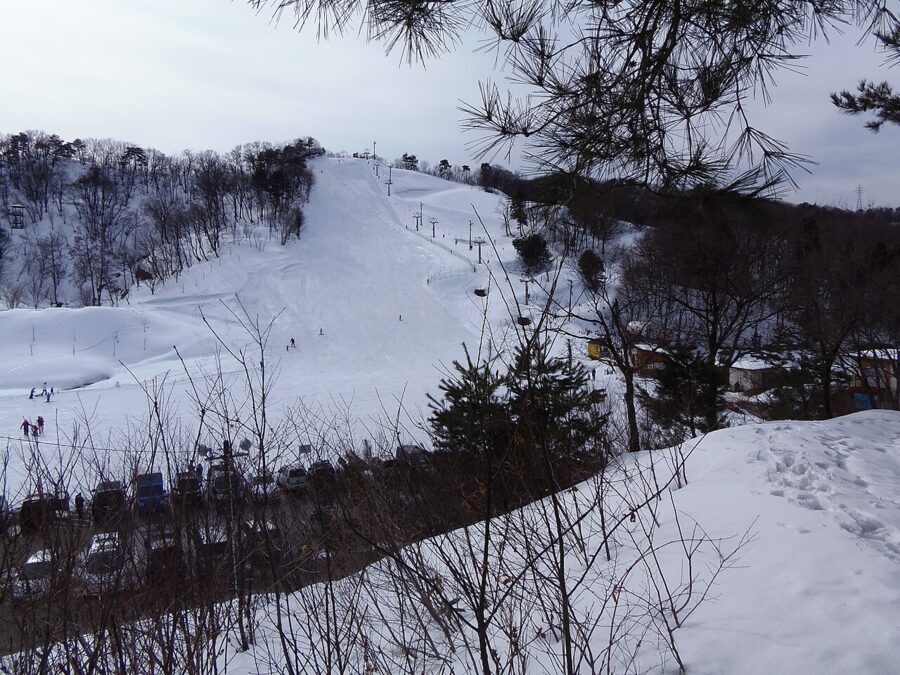
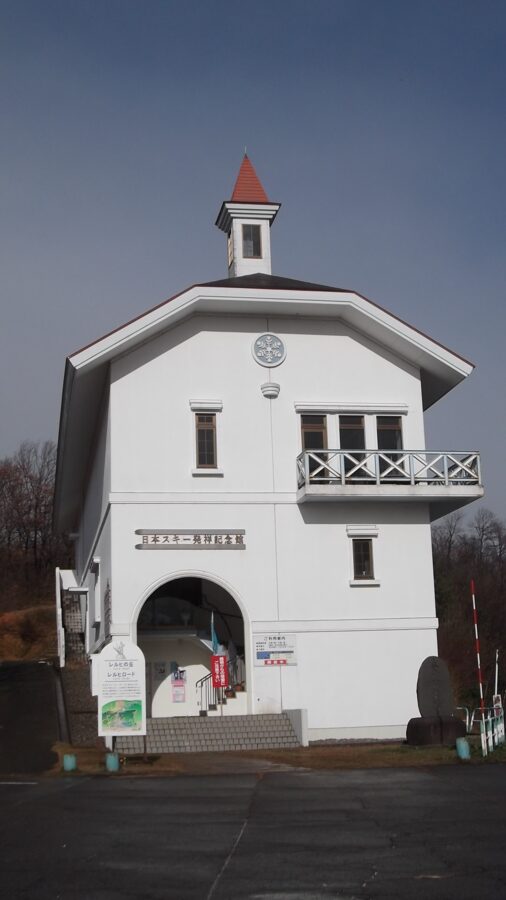
Skiing in Japan started here. On 12 January 1911 an Austro-Hungarian officer, Major Theodor von Lerch, began teaching 14 army officers to ski on the parade ground of the 58th Infantry Regiment in Takada, now part of Joetsu city. He moved the lessons to the slopes of Kanayasan, and 12 January is still marked as Ski Day in Japan.
Lerch chose well. The snow that falls on this coast is famous for its weight and volume rather than its dryness, and Myoko in a cold February can take more than a metre in a single night. The prefecture’s tourism body describes Seki Onsen, high on Myoko’s flank, as famous for being the snowiest place in Japan, and Lotte Arai counts more than 18 metres of cumulative snowfall in a season.
The other half of the story is the railway. The Joetsu Shinkansen runs from Tokyo to Niigata city, and its tunnels deliver you under the main range and into the snow belt in about an hour. Since March 2023 every train on the line has been an E7, with a Green Car and the small GranClass cabin on each set.
Myoko and Lotte Arai sit further west, on the Hokuriku Shinkansen that runs on to Kanazawa. Joetsu-Myoko Station is the stop, two hours from Tokyo on a Hakutaka, and from there a local line climbs into the mountains. If you are on a longer trip that takes in the Kanazawa food scene, Myoko slots in neatly on the way.
One more thing explains Yuzawa: Kawabata Yasunari. His novel Snow Country, which helped win him the Nobel Prize in 1968, opens with a train coming out of the long border tunnel into a white night, and it is set in Yuzawa’s hot spring town. You will see the name of its heroine, Komako, on baths, sweets and sake labels all over town.
Yuzawa: the station town
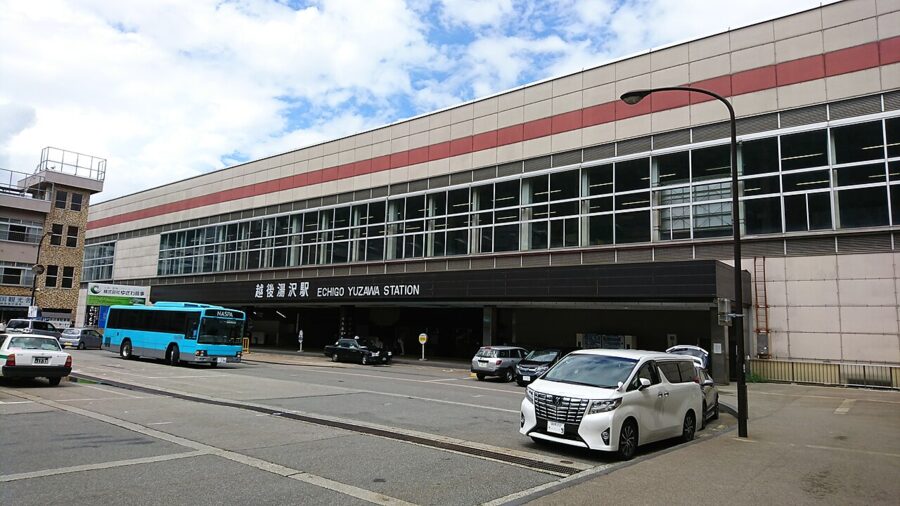
Yuzawa is the easy option, and there is no shame in that. More than ten ski areas sit within shuttle-bus range of Echigo-Yuzawa Station, from one-lift town hills to resorts with 20-odd courses. The station itself has a sake tasting hall, a hot spring bath and enough food to keep you going, which is more than most ski villages manage.
GALA Yuzawa: skiing off the Shinkansen
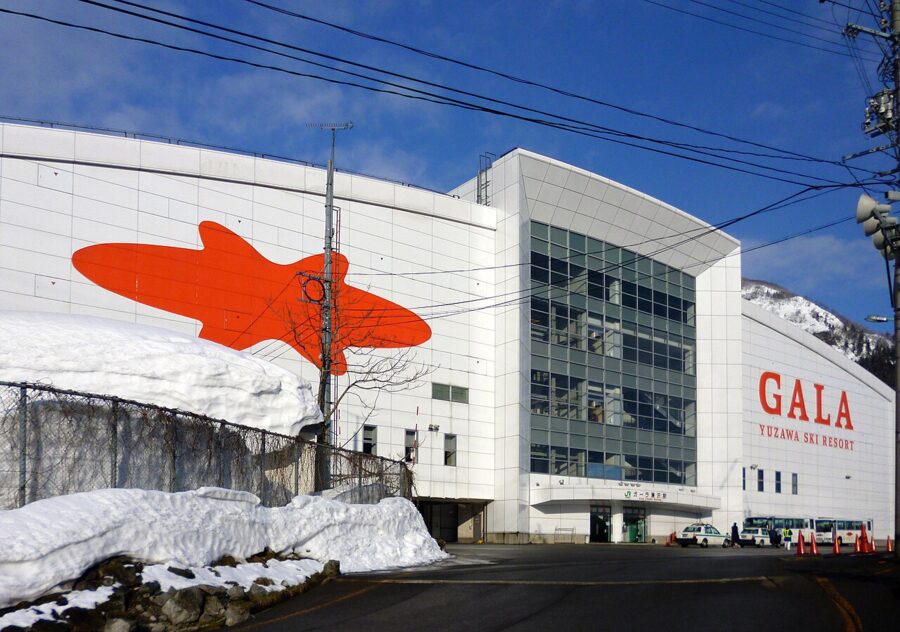
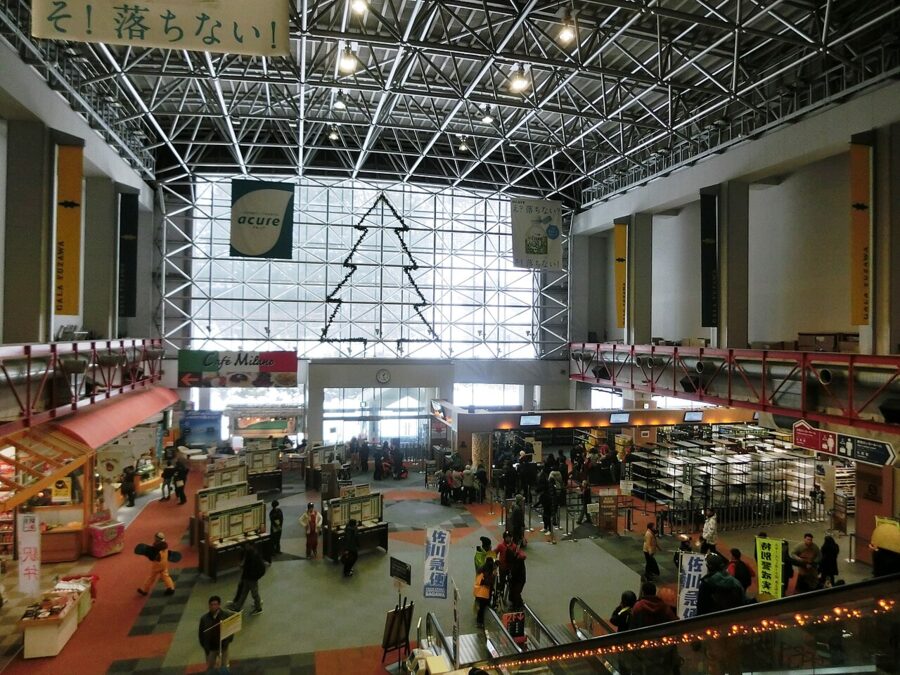
GALA is the one everyone has heard of, and for a first ski day in Japan it is very hard to beat. JR East runs it, the fastest train from Tokyo takes 71 minutes, and the ticket gate opens onto the ski centre. The adult gondola and lift ticket is ¥8,000 at the counter or ¥7,500 online, a four-hour ticket is ¥7,500 at the counter, and up to two preschool children ski free with each adult.
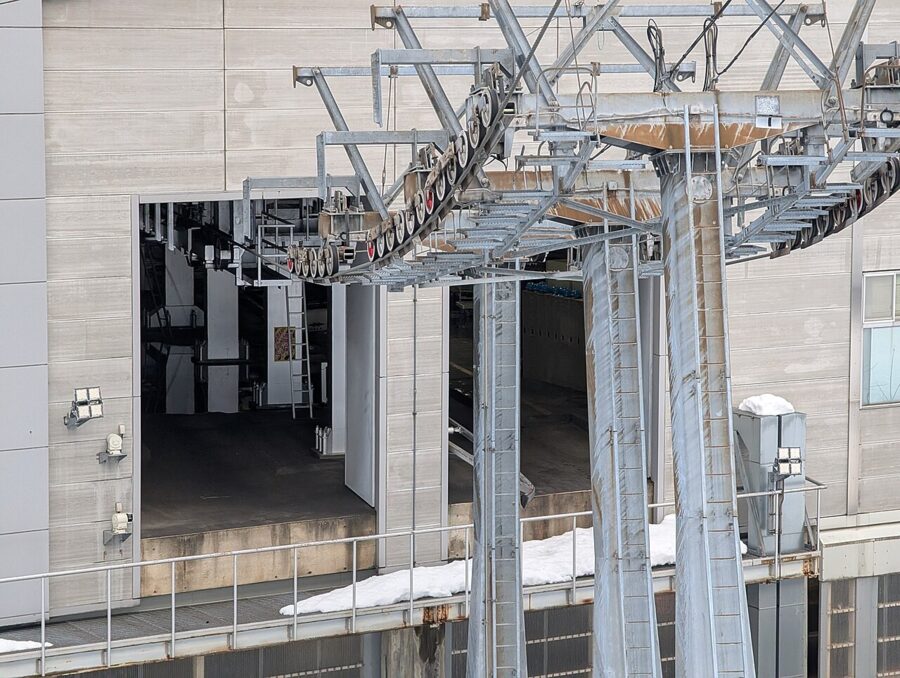
The season this year runs from 19 December 2026 to 5 May 2027, with a week of sightseeing-only gondola rides from 12 December. The ticket counter opens at 8:00 and the Kawabanga building at 7:30. Not every train from Tokyo goes all the way to Gala-Yuzawa, and arrivals thin out sharply after the morning, so check the timetable and expect to use the free shuttle bus from Echigo-Yuzawa, about 10 minutes, on the way home.
The big news for 2026–27 is that the South Area is closed for the whole season. That takes out the ungroomed courses that gave GALA its edge for better skiers, including the long-running 2.6 Million Dollar run and Bronco, along with the Lando ropeway that linked GALA to Yuzawa Kogen. The resort says the area’s terrain and ground have been under study since the 2004 Chuetsu earthquake, and between that and ageing equipment it has decided to rest it.
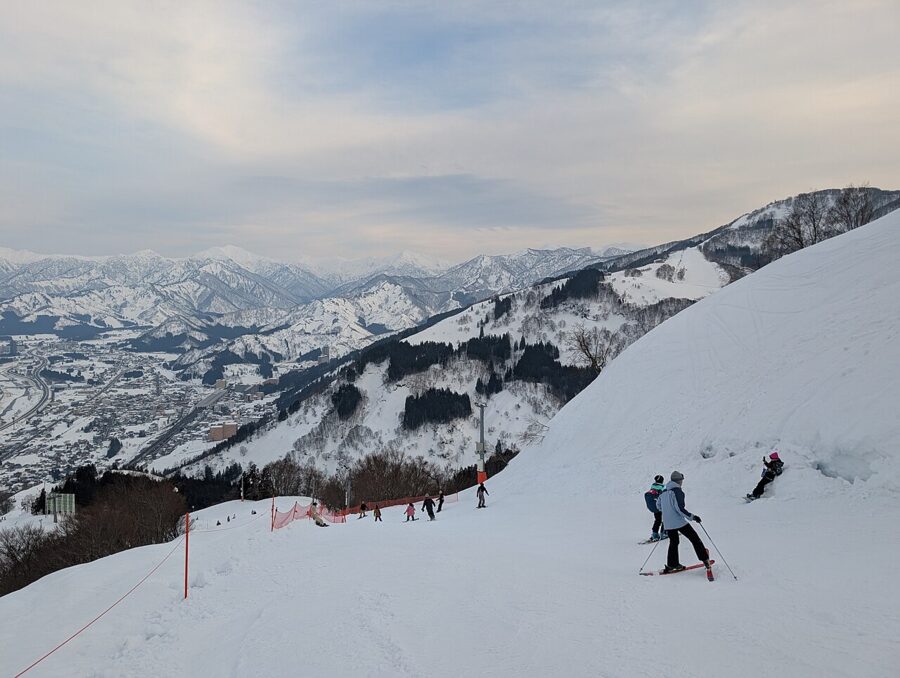
So be clear about what GALA is now. It is a superb place to learn, to bring children, or to squeeze a ski day into a Tokyo trip. It is not, this season, a place for an expert to spend three days.
Rental is in the station building and well run. The standard ski set of skis, boots and poles is ¥6,500 a day, a snowboard and boots the same, and a jacket and trousers ¥5,500. If you book the PICK UP BOX service online for an extra ¥1,000, your kit waits in its own box and you skip the counter, which on a Saturday in January is worth every yen.
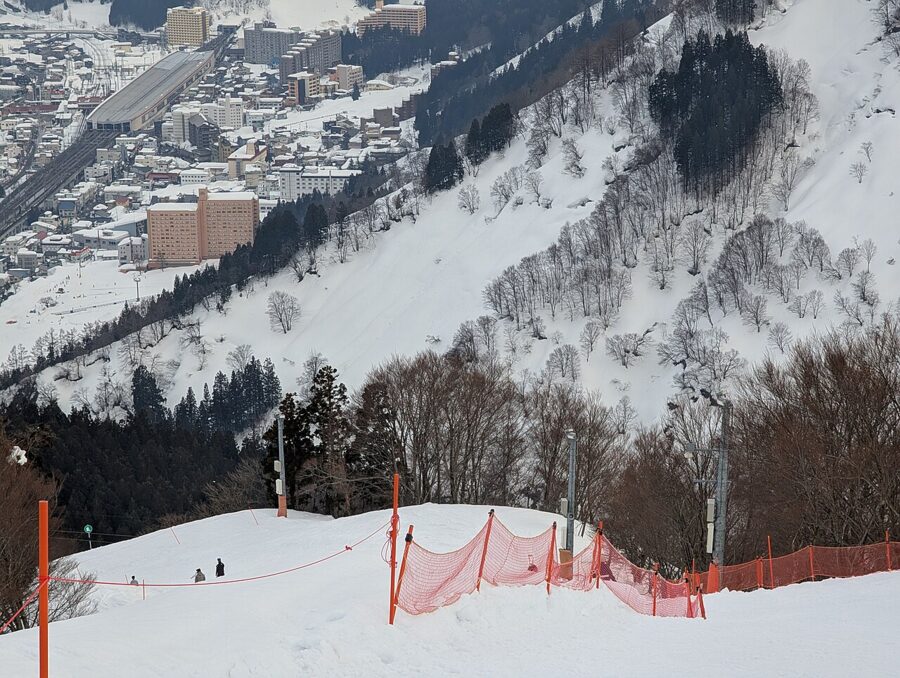
There is a hot spring in the building, SPA Gala no Yu, at about ¥1,300 with towels included, so you can soak before the train home. One rail detail catches people out: at Gala-Yuzawa the platform gates only open about 15 minutes before each departure, so do not rush up the stairs expecting to sit on the train early.
Ishiuchi Maruyama and the YUZAWA SNOW LINK
Ishiuchi Maruyama has been running since 1949, which makes it one of the grand old resorts of Niigata. It is big, it has real variety in its terrain, and it looks out over the Minami-Uonuma rice plain towards the three peaks of Echigo Sanzan. Its lifts join GALA’s, so you can ski from one to the other when the link is running.
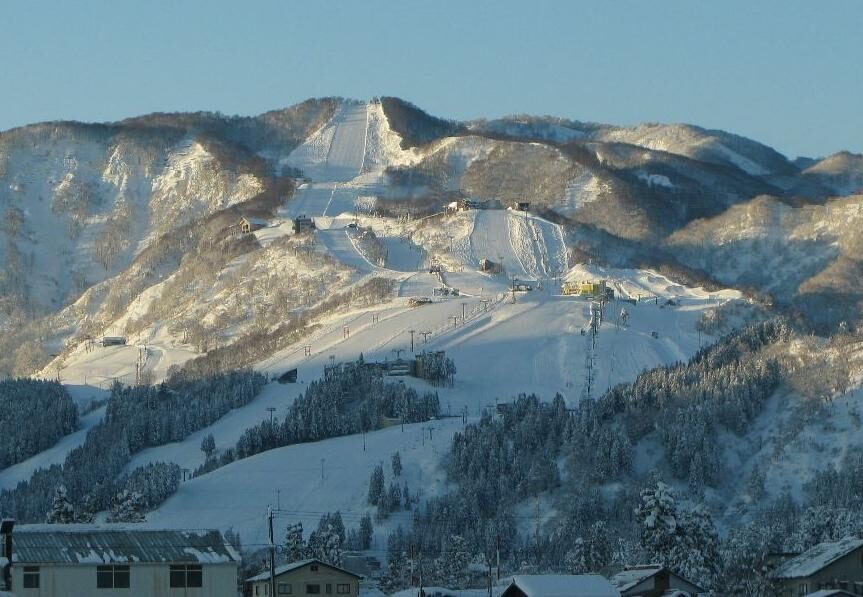
The season runs 18 December 2026 to 4 April 2027, 8:30–17:00, with night skiing to 20:00 on scheduled nights. An all-day ticket is ¥9,400 at the window and an 8.5-hour ticket ¥8,500. If you only want the lights, a night ticket from 16:00 is ¥3,800.
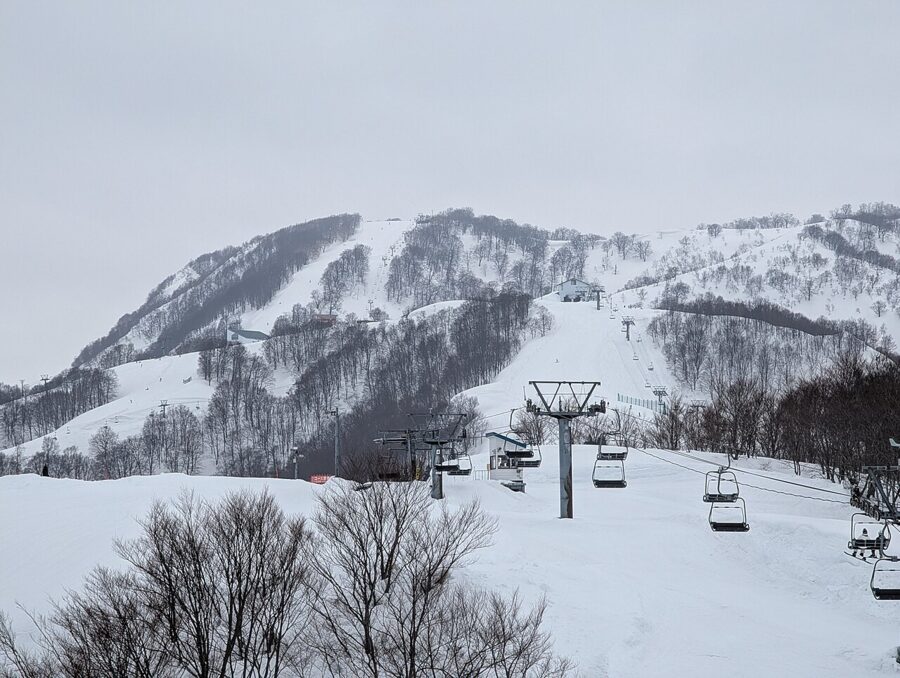
The YUZAWA SNOW LINK pass covers Ishiuchi Maruyama, GALA and Yuzawa Kogen, 45 courses in all. A one-day pass is ¥10,300 at the window or ¥9,300 online, and children of elementary age and below pay ¥6,500 at the window. Two days are ¥18,500 at the window, three days ¥26,500 and five days ¥42,500.
Read the small print this year. With GALA’s South Area closed, the connection between GALA and Yuzawa Kogen is by shuttle bus rather than on skis, and the GALA to Ishiuchi lift link depends on weather and snow. The pass is on sale from 24 December 2026 to 22 March 2027. If you buy a one-day ticket at any of the three and change your mind, you can upgrade to the shared pass for ¥3,000.
Iwappara, Kandatsu and the smaller hills
Iwappara is my pick for families and for anyone counting yen. It has 20 courses, a main slope up to 200 metres wide facing east into the morning sun, and a view straight across to the Tanigawa range. The steepest pitch is 35 degrees, so there is enough to keep a stronger skier busy for a morning.
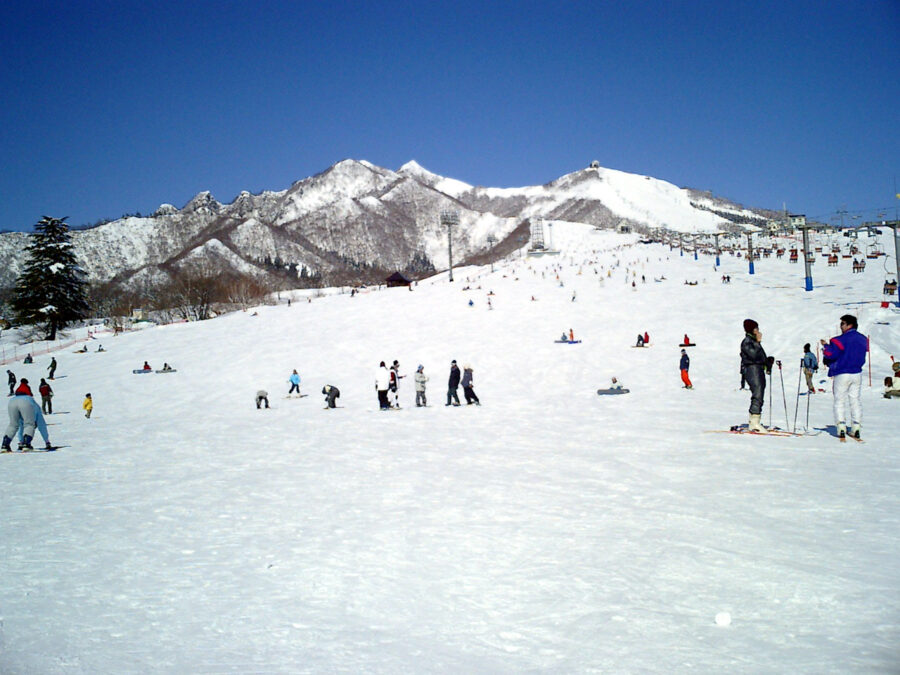
And the prices are refreshing. A one-day ticket for 8:00–17:00 is ¥5,500, or ¥5,800 if you want to carry on into the evening, and a night-only ticket is ¥1,500. Iwappara opens 19 December 2026 and closes 28 March 2027.
Kandatsu is the other one worth knowing. It has 16 courses, the longest 3,500 metres, plenty of moguls and park features, and a free shuttle from the east side of Echigo-Yuzawa of about 7 minutes. Its season is long for Yuzawa, from 11 December 2026 to 11 April 2027.
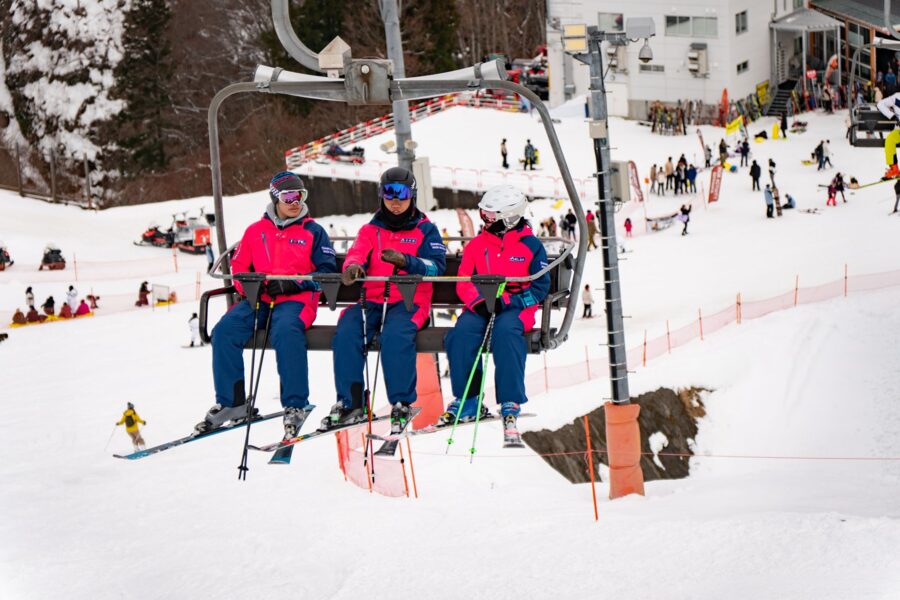
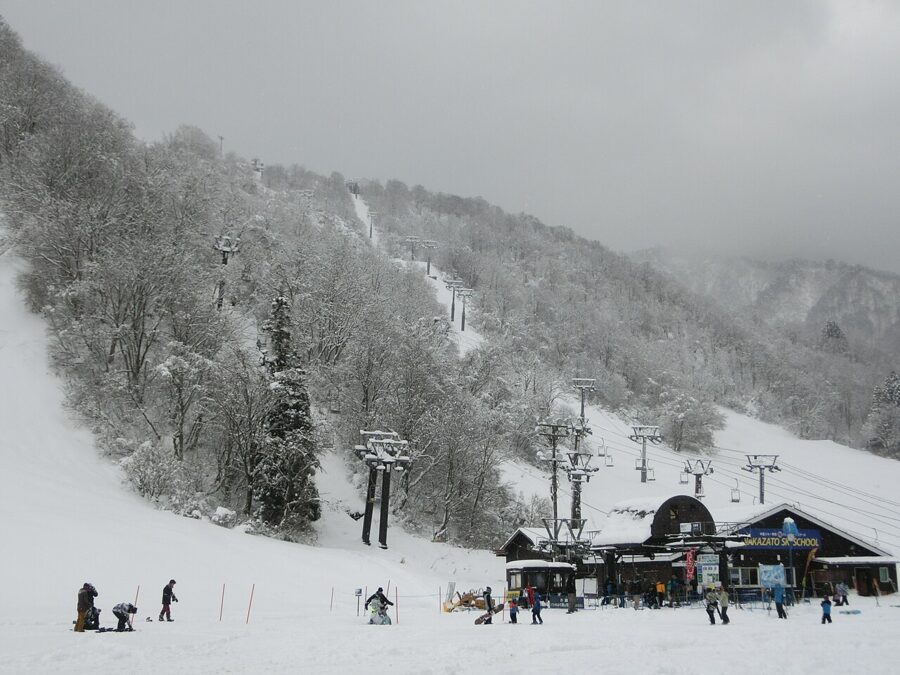
Two more are handy in particular situations. NASPA Ski Garden, attached to the NASPA New Otani hotel and 3 minutes from the station by free shuttle, is for skiers only, with no snowboards allowed, which some parents of nervous beginners love. Yuzawa Nakazato sits right in front of Echigo-Nakazato Station on the Joetsu Line, with 17 courses and a kids’ area with a moving walkway.
Naeba and Kagura, across the Dragondola
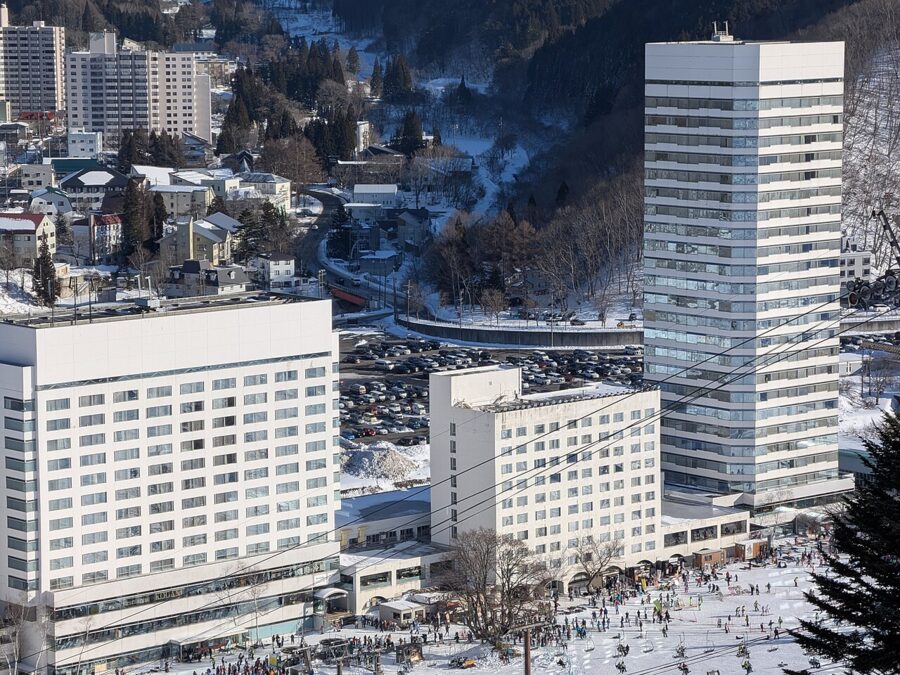
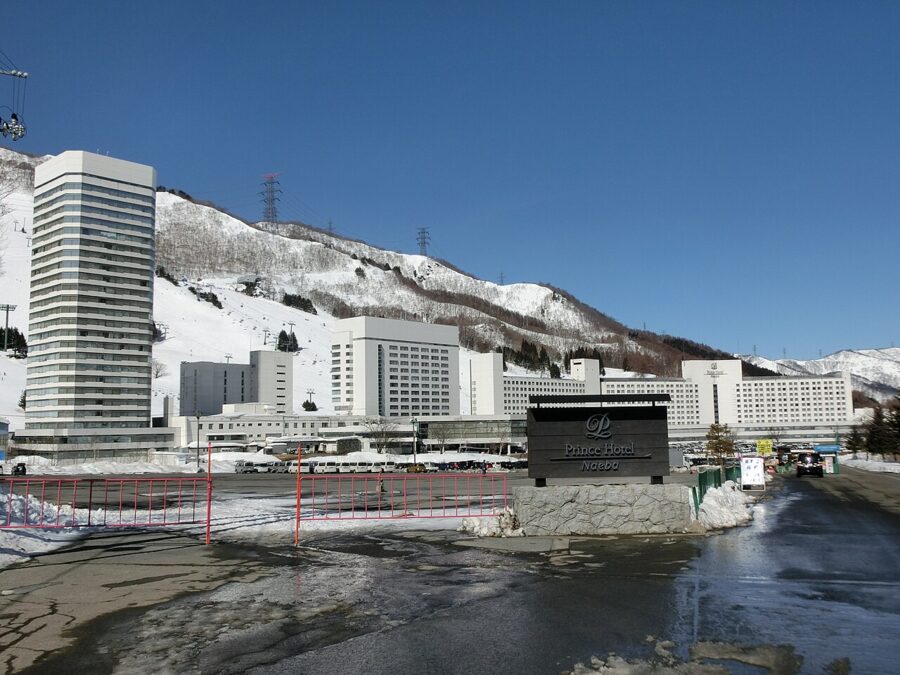
Naeba is a different kind of place. Ride about 50 minutes south of Echigo-Yuzawa, up the old Mikuni road towards the Gunma border, and the valley suddenly fills with tower blocks: the Naeba Prince Hotel and its wings, with 1,216 rooms, pressed against the foot of the slopes. It feels less like a village than a small resort city, and for a family or a group that wants everything under one roof, that is the point.
Naeba runs from 18 December 2026 to 4 April 2027, with night skiing to 21 March. The resort has 24 courses across about 134 hectares, two snow parks and three gondolas, and its race slopes have hosted the Alpine Ski World Cup. Children up to elementary school age ride the lifts free, which changes the maths for a family.
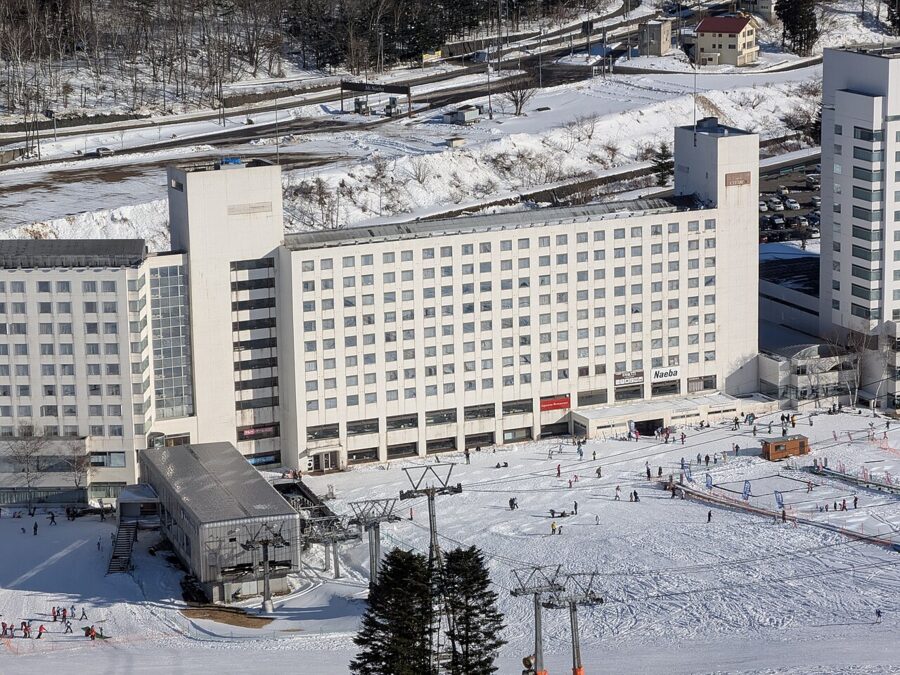
An adult Naeba-only day ticket is ¥9,800, an eight-hour ticket ¥8,300 and a four-hour ticket ¥6,300. The ticket you probably want, though, is the Mt.Naeba one-day pass at ¥11,800, which adds Kagura and lets you ride the Dragondola between them. The eight-hour and four-hour tickets cannot be used on the Dragondola or at Kagura.
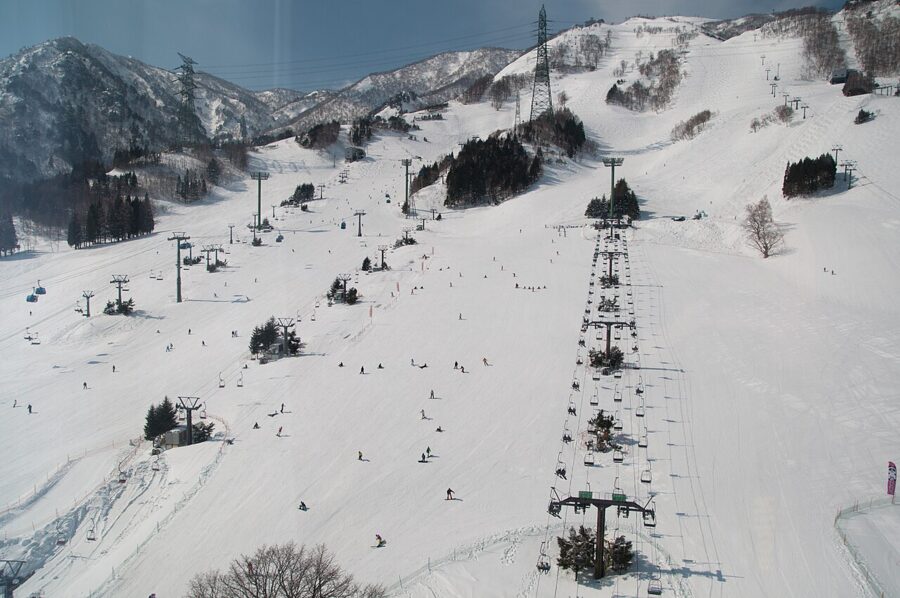
Getting there without a car takes some planning. Hotel guests get a free shuttle from Echigo-Yuzawa, running 11 December 2026 to 4 April 2027, which has to be booked. The public winter express buses were still to be announced in November, so check the Prince website closer to your trip, and allow about 50 minutes on the road from the station.
The Dragondola
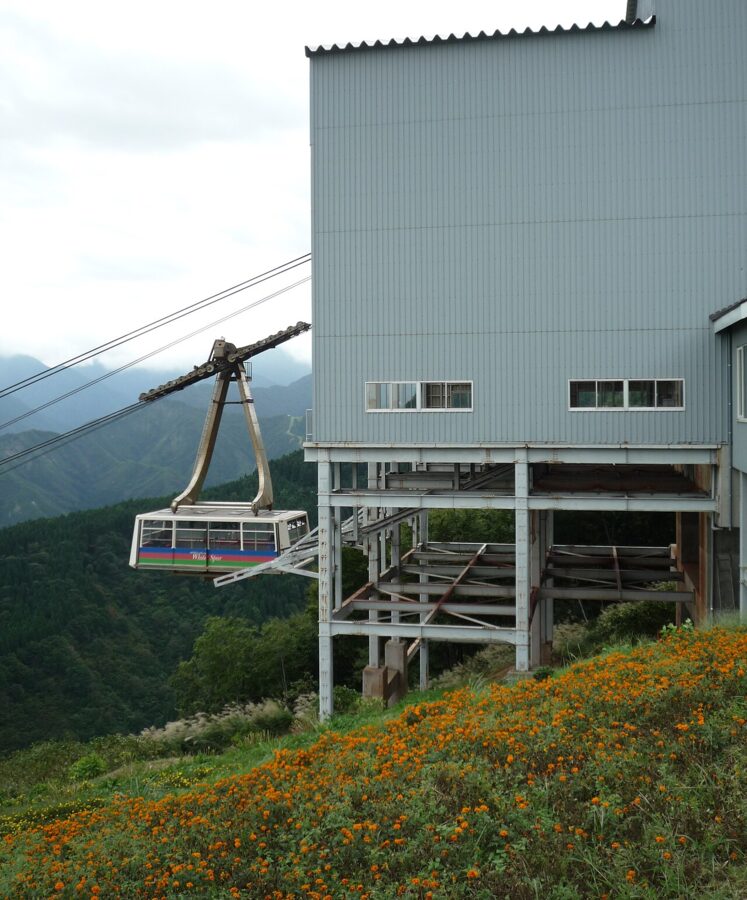
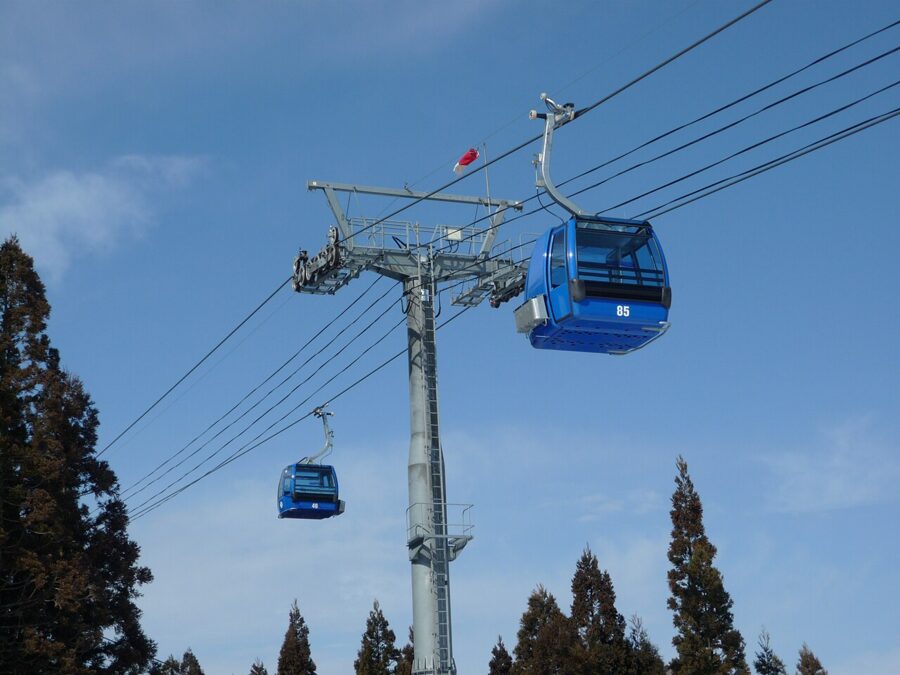
The Dragondola is the reason to buy the Mt.Naeba pass. At 5,481 metres it is the longest gondola in Japan, swinging over valleys and ridges from Naeba to the Tashiro area of Kagura. It runs from 26 December 2026 to 22 March 2027, and a sightseeing return without skiing costs ¥4,000.
Kagura: the high one
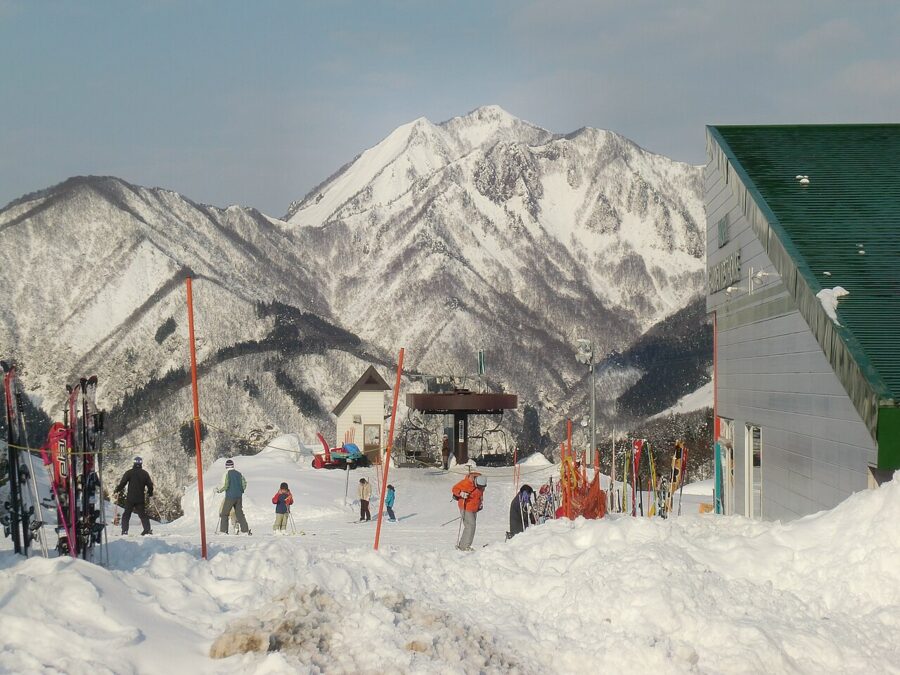
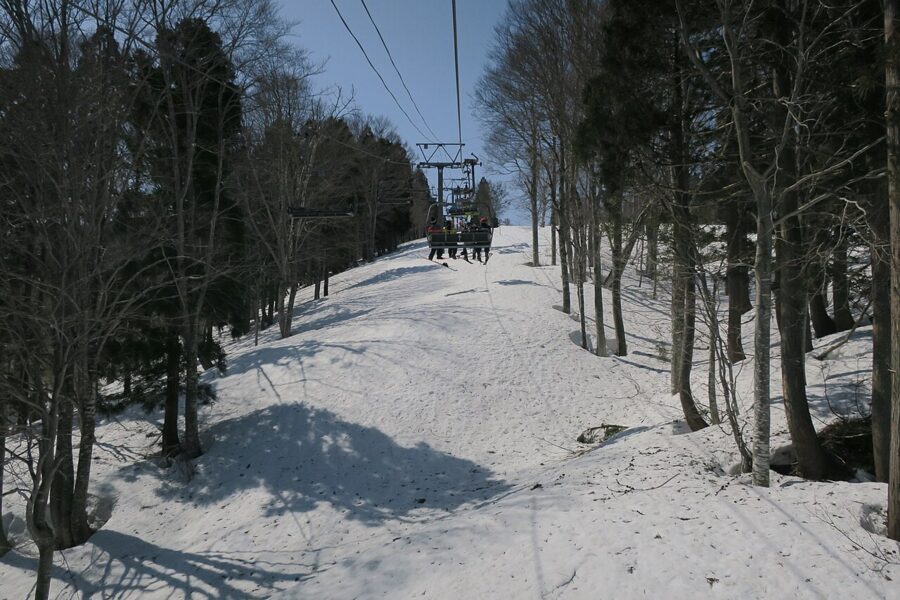
Kagura is where the serious Yuzawa skiers go. It rises to around 1,800 metres on the flank of Kagura-ga-mine, high enough that the snow stays dry deep into spring, and its three areas, Mitsumata, Kagura and Tashiro, link into one big resort. Its season is the longest in the area: Kagura and Mitsumata open 28 November 2026 and close 16 May 2027.
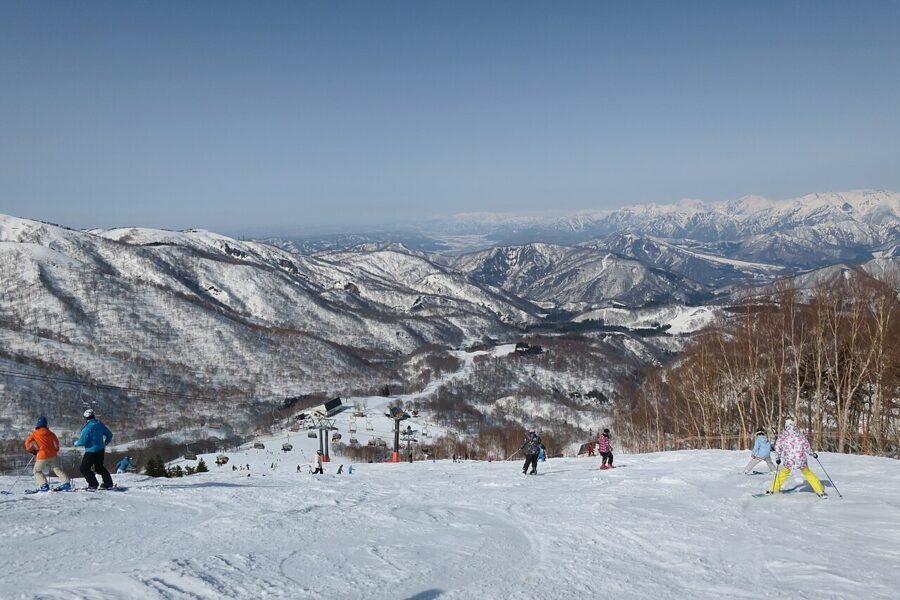
A Kagura-only day ticket is ¥8,500, a morning ticket (8:00–13:00) ¥6,700 and an afternoon ticket ¥6,200. Children up to elementary age ski free here too, but they need a free ticket issued at the counter. Kagura is also the gateway to backcountry terrain off the top, and the resort has English permission forms and guides; do not go beyond the boundary without both.
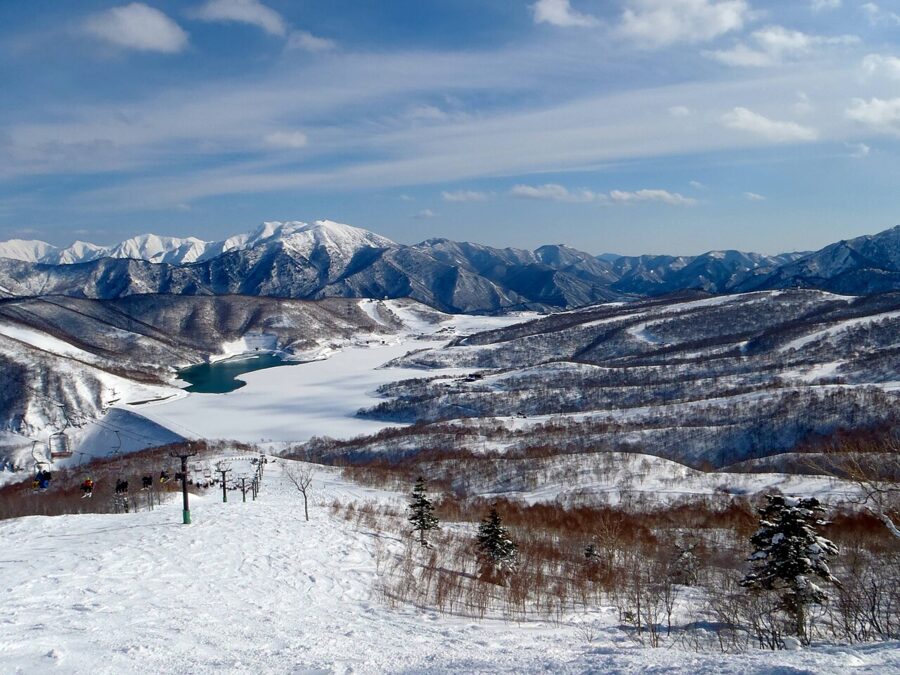
The Tashiro side opens 19 December and runs to 5 May. If you come up from Naeba on the Dragondola, this is where you arrive, beside a frozen lake.
Minami-Uonuma: bigger hills, more locals
North of Yuzawa, towards Muikamachi and Urasa, the resorts get a little more local. They sit along the Kan-Etsu Expressway and the Joetsu Line, which makes them popular with Tokyo drivers on weekends and quieter than you might expect midweek. This is also Koshihikari country: the rice from Minami-Uonuma is the most prized in Japan.
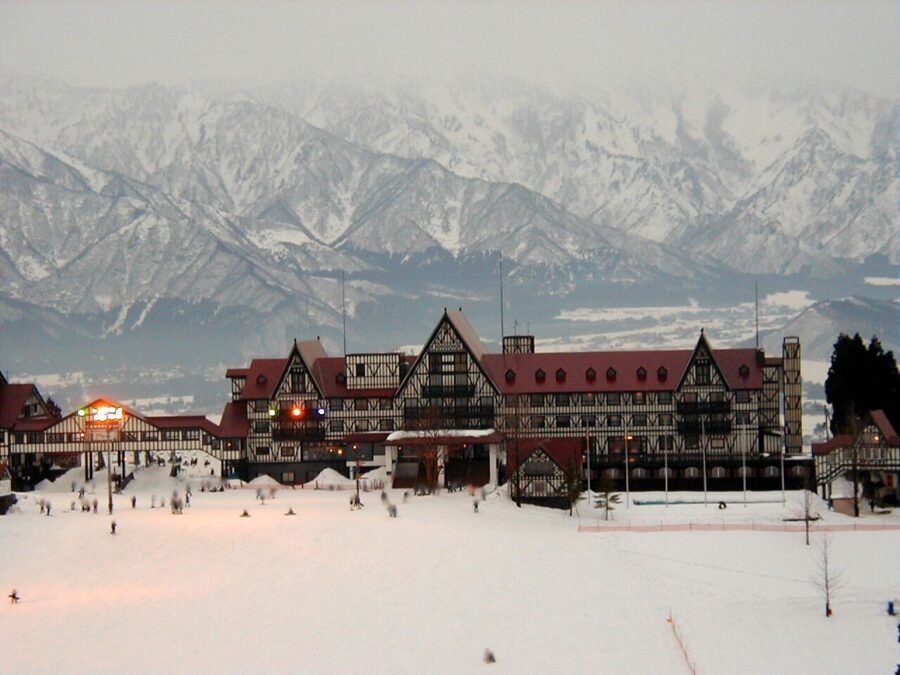
Maiko Snow Resort sits a minute from the Shiozawa-Ishiuchi interchange and has three linked areas, a six-seat gondola and a hotel with a spa and a creche. It opens 19 December 2026 and closes 28 March 2027. Shuttle buses run from Echigo-Yuzawa, and the ride takes 20 to 30 minutes.
Hakkaisan is for strong legs. Muikamachi Hakkaisan Ski Resort climbs from the valley on a 2.2-kilometre ropeway, and the runs from the top drop more than 800 metres, with pitches up to 26 degrees. The mountain also gives its name to Hakkaisan, one of Niigata’s best-known sakes, brewed at its foot, which you will meet again in the bars of Yuzawa.
Myoko Kogen, where the powder lives
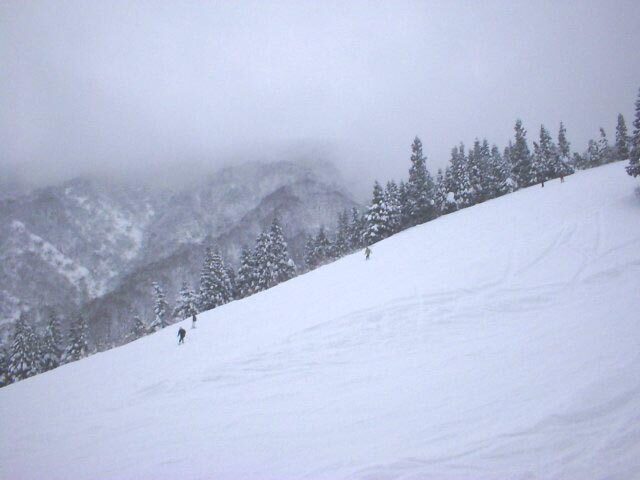
Myoko is where Niigata’s snow reputation comes from. The resorts sit on the eastern skirts of Myoko-san, a 2,454-metre volcano and one of Japan’s hundred famous mountains, inside the Myoko-Togakushi Renzan National Park. Storms here arrive off the sea with nothing to stop them, and in January the snow piles up fast.
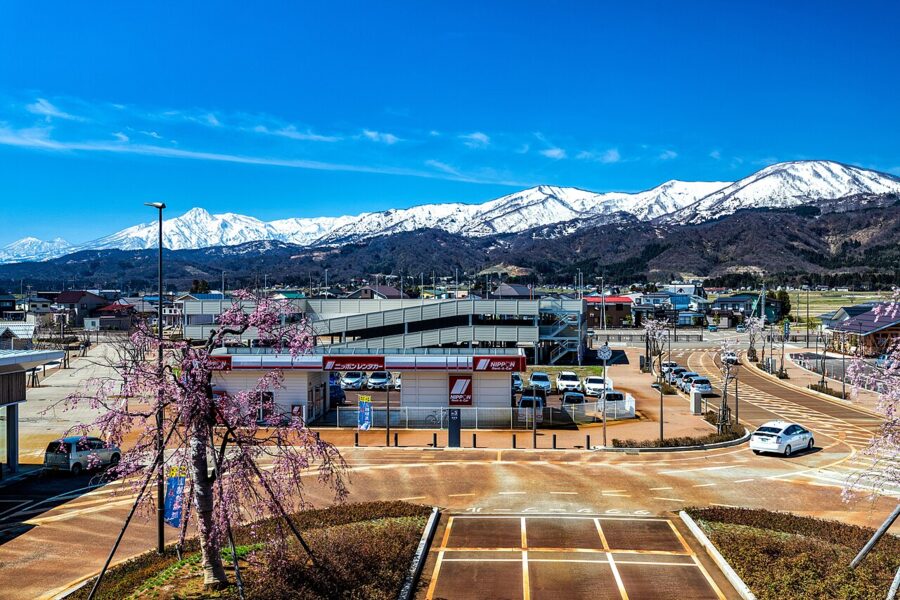
The atmosphere is different from Yuzawa too. Myoko has drawn foreign skiers, especially Australians, for years, so you will find English menus, English-speaking ski schools and backcountry guiding companies, some run by long-term foreign residents. It still feels like an old hot spring area rather than a purpose-built resort, which I like.
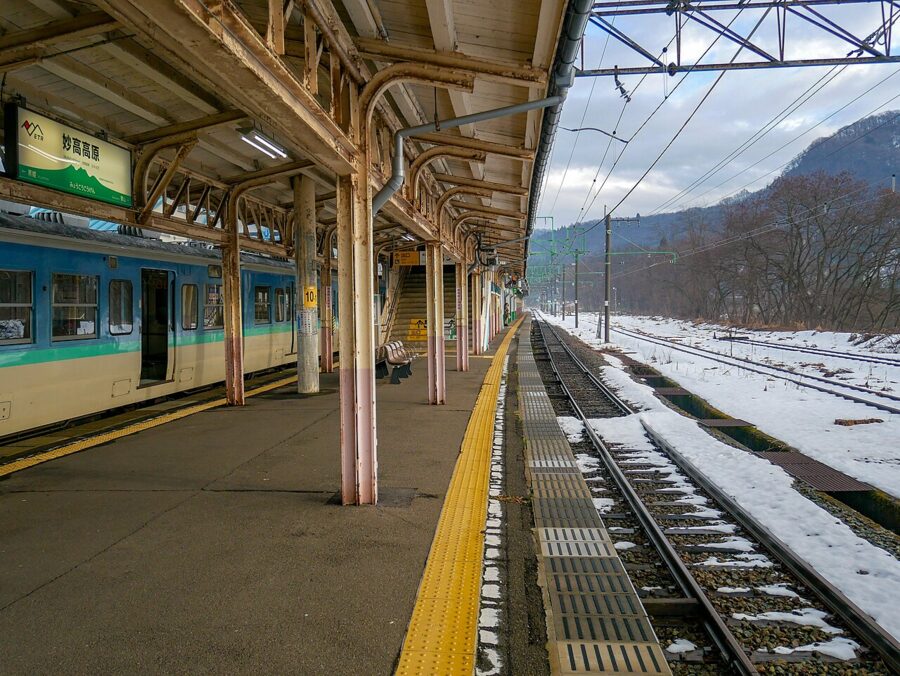
Getting in is easy enough. From Tokyo, a reserved seat to Joetsu-Myoko is about ¥9,660 and two hours on a Hakutaka; change to the Myoko Haneuma Line for Myoko-Kogen, then take a bus or taxi up to the villages. From Nagano, local trains also run north to Myoko-Kogen, so you can combine a few days here with the Jigokudani snow monkeys. In February a direct shuttle even runs from Akakura to the monkey park, 9 February to 3 March 2027, at ¥7,000 return.
Akakura Onsen and Akakura Kanko
Akakura is the heart of Myoko for most visitors. The hot spring village, more than 200 years old, sits between two resorts: Akakura Onsen Ski Resort right above the village, and Akakura Kanko Resort, known as Akakan, next door. Both open for 2026–27 with an adult day ticket of ¥7,000.
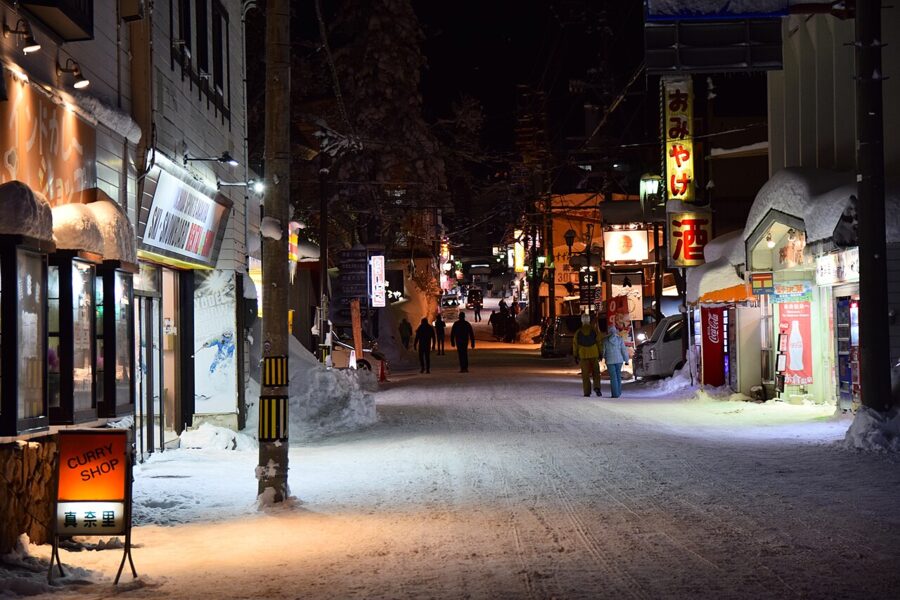
Akakura Onsen Ski Resort runs from 12 December 2026 to 31 March 2027, 8:30–16:30, with 14 lifts across its Yodel, Kumado and Ginrei areas. The terrain is mostly beginner and intermediate, and the slopes come right down to the edge of the village. Last season a shared day ticket covering both Akakura resorts was ¥8,500 for adults.
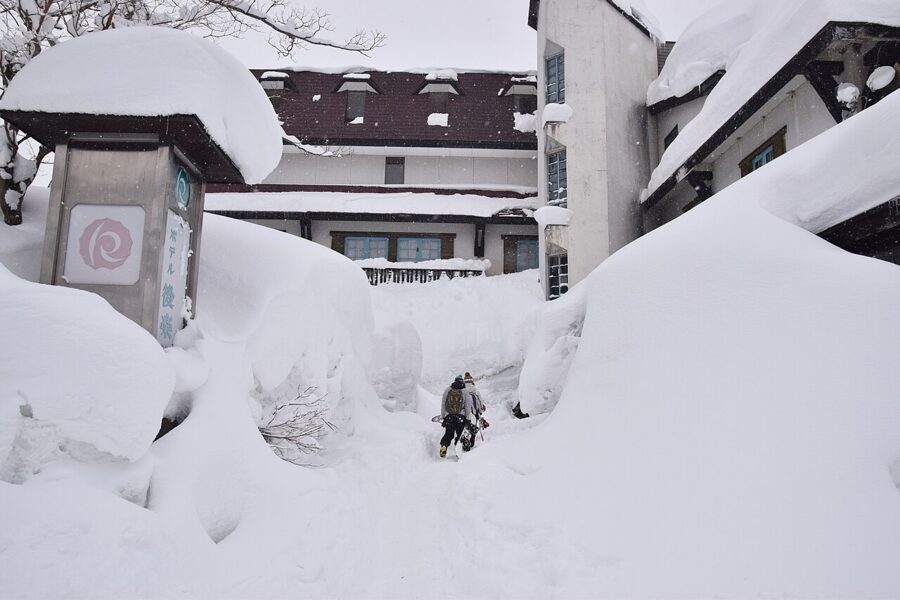
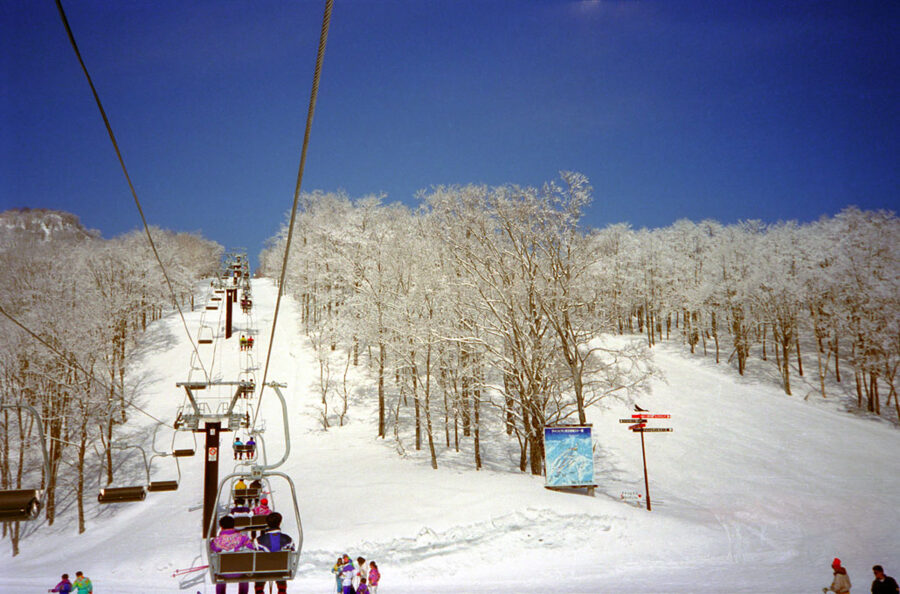
Akakura Kanko dates from 1937, when it opened as one of Japan’s first European-style ski resorts, with the Akakura Kanko Hotel standing on the slopes. Its runs drop about 4 kilometres from 1,500 metres. It opens 19 December 2026 and is planning to run until 5 May 2027, with lifts usually 8:30–16:00.
Ikenotaira and Suginohara
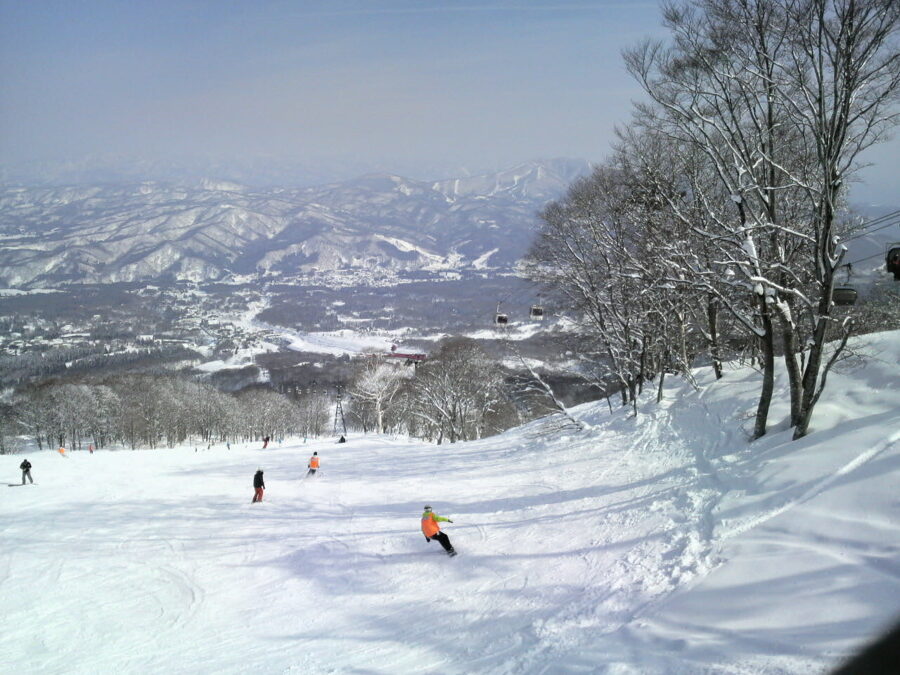
Ikenotaira Onsen Alpen Blick is the cruiser’s mountain. Its main face is one of the widest single slopes in Japan, with a 4-kilometre run from the top through the trees and three terrain parks with more than 20 permanent features. A day ticket is ¥7,900, which includes a ¥500 deposit on the IC card, refunded when you hand it back.
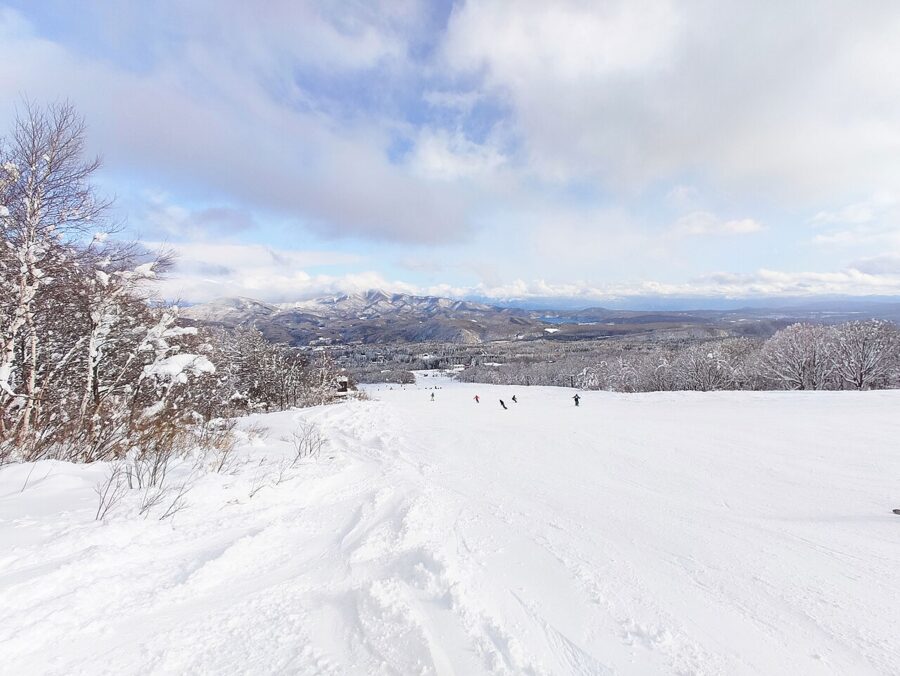
Myoko Suginohara is the big one by vertical. It drops 1,124 metres from top to bottom, and its longest run is about 8.5 kilometres, among the longest in Japan. Both Ikenotaira and Suginohara open 19 December 2026 and close 28 March 2027.
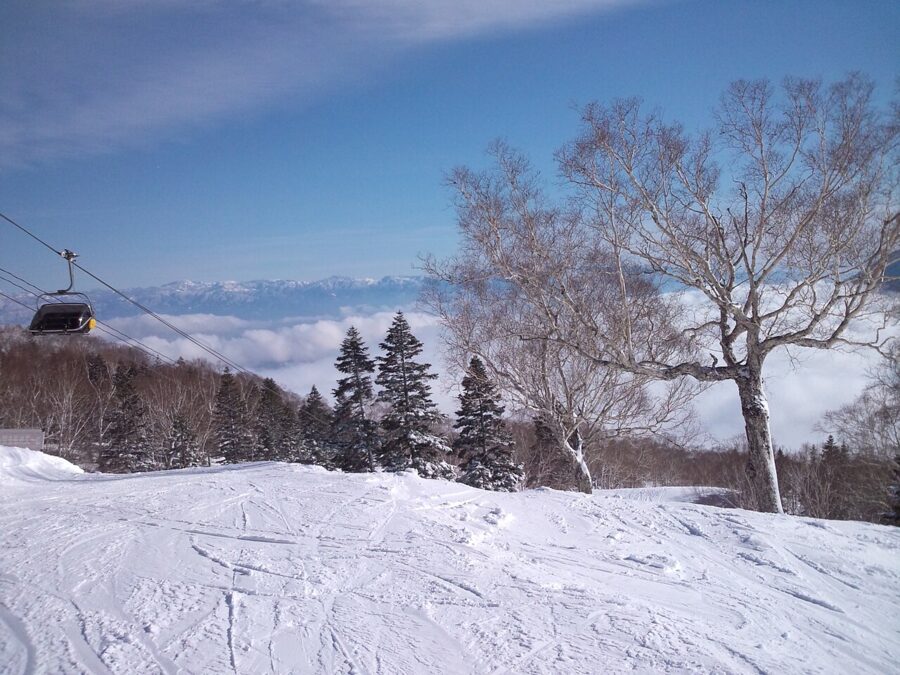
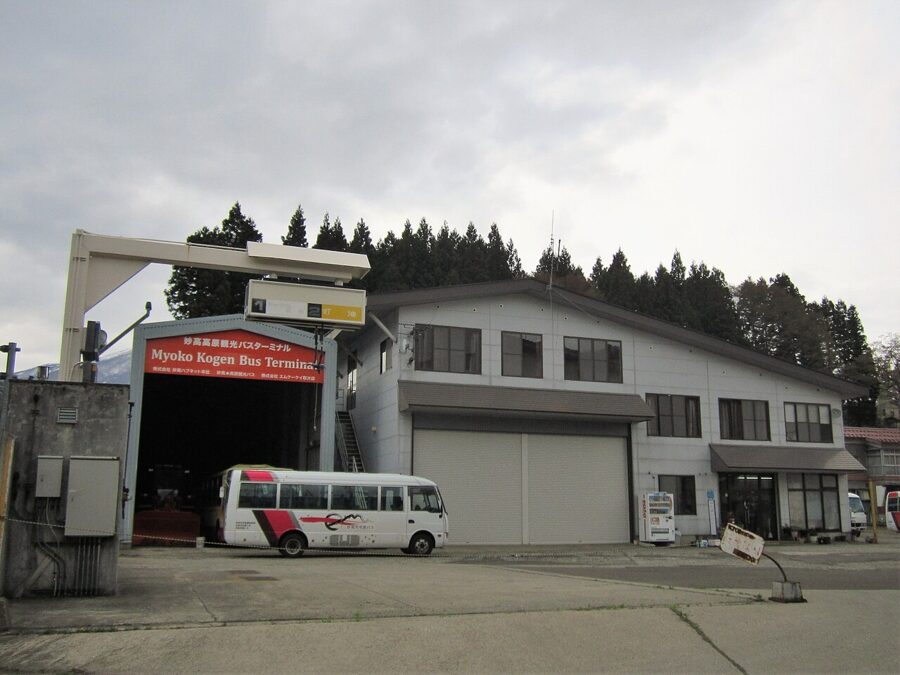
Getting between the four Myoko Kogen resorts is simple this season. The Mt.MYOKO Shuttle links Akakura Onsen, Akakura Kanko, Ikenotaira and Suginohara from 19 December 2026 to 24 March 2027, with no booking and a one-way fare of ¥1,100. The first bus leaves the Myoko Kogen bus terminal at 7:50 and reaches Suginohara at 8:27.
Seki Onsen
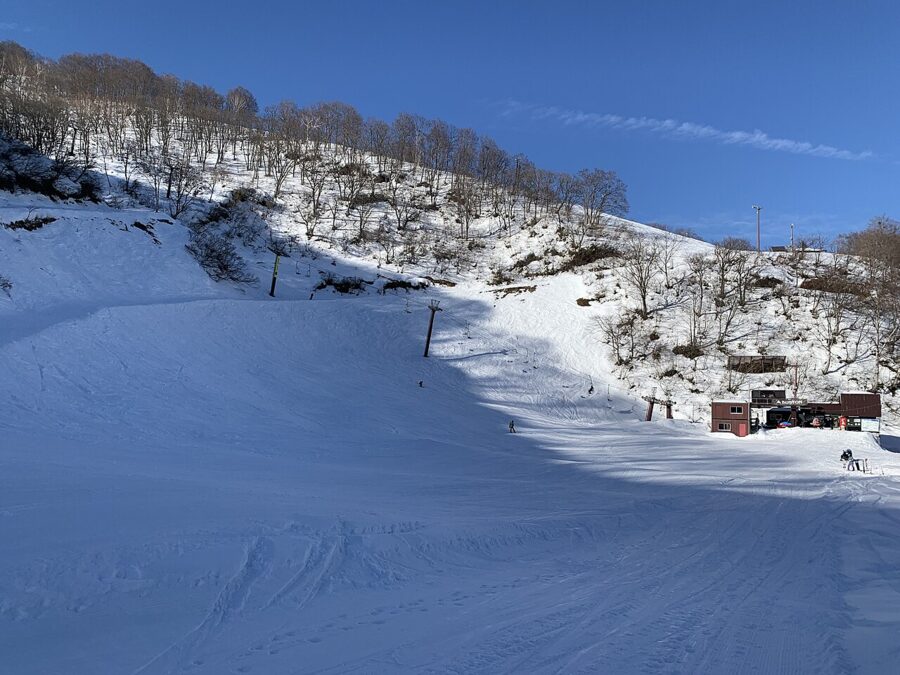
Seki Onsen is the place powder skiers talk about in hushed voices. It is tiny, with just two lifts, and it would be a dull hill anywhere else. Here it gets so much snow that it often runs into early May, and it is popular as a first step into backcountry skiing.
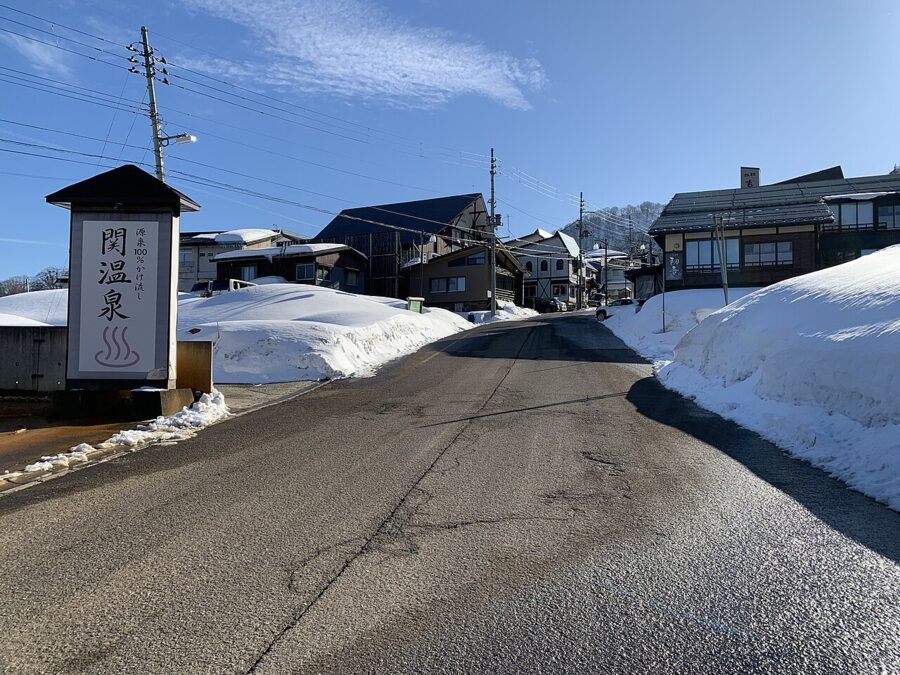
This season it plans to open in late December 2026 and close in early May 2027. It is not a place for beginners, and it is not a place to go off-piste without a guide; the snowpack here is deep and the terrain steep. If you want a single day of the deepest snow you have ever skied, and you can ski it, this is it.
Lotte Arai, the freeride resort
Lotte Arai has a strange history. It opened in December 1993 as Arai Mountain and Spa, went bankrupt in 2006, sat closed for years, and was bought at a public auction in 2015 before reopening as a luxury resort on 16 December 2017. The ski area itself is now billed as ARAI MOUNTAIN RESORT.
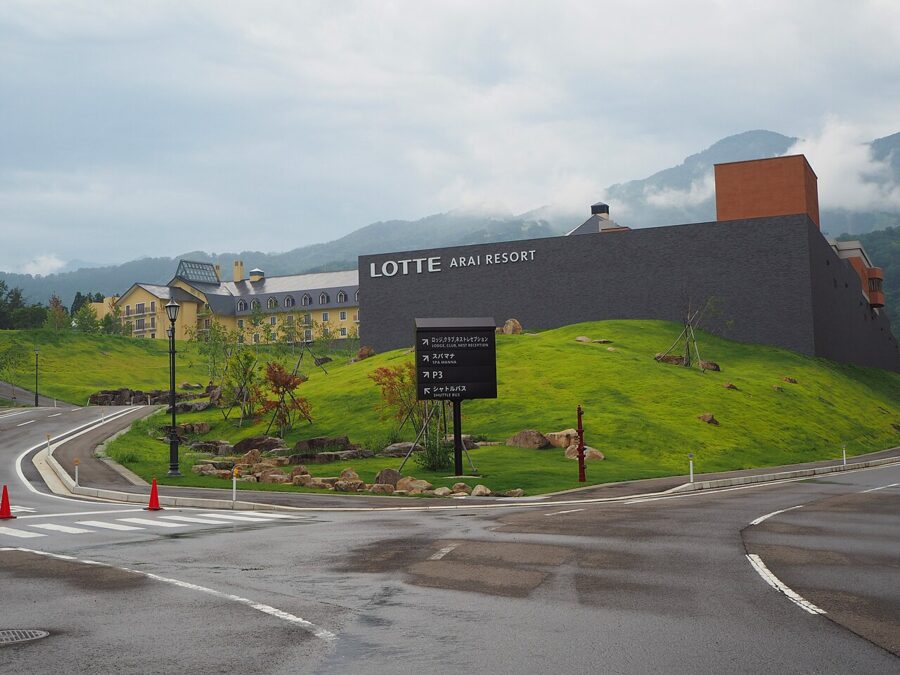
The skiing is what makes it different. There are 14 courses and the longest is 7 kilometres, but the striking number is that about 80 percent of the skiable area is left ungroomed. For a good skier who wants powder within the boundary, without hiking or hiring a guide, it is one of the best options in Japan.
The 2026–27 peak season runs from 12 December to 21 March. An adult (19–49) one-day ticket is ¥7,777, a 50-plus ticket ¥7,300 and a child’s (7–18) ¥5,555. Children aged 6 and under ride free but need a ticket issued at the counter.
Getting there takes a little planning. The resort runs a free shuttle bus from the west exit of Joetsu-Myoko Station for hotel guests and visitors, and it must be booked in advance. From 6 January to 7 March 2027 a winter bus also links Lotte Arai with Akakura and Madarao, at ¥2,200 from Lotte Arai to Akakura.
Passes, seasons and what a day costs
Most Niigata resorts open in mid to late December and close between late March and early May. The high resorts, Kagura and Seki Onsen, run longest. Lift tickets are sold online in advance by almost every resort, usually a few hundred to a thousand yen below the counter price, and early-bird deals in autumn can cut that much further: GALA sold an early ticket at ¥4,800 until 30 November.
| Ticket (adult) | Counter price 2026–27 | Notes |
|---|---|---|
| GALA Yuzawa 1 day | ¥8,000 | ¥7,500 online |
| YUZAWA SNOW LINK 1 day / 2 days / 3 days | ¥10,300 / ¥18,500 / ¥26,500 | online ¥9,300 / ¥17,500 / ¥24,500 |
| Ishiuchi Maruyama all day | ¥9,400 | night only ¥3,800 |
| Iwappara 1 day | ¥5,500 | ¥5,800 including night |
| Mt.Naeba (Naeba + Kagura) | ¥11,800 | children free |
| Kagura only | ¥8,500 | 2 days ¥15,500 |
| Akakura Onsen / Akakura Kanko | ¥7,000 each | Akakura Onsen has night skiing |
| Ikenotaira Alpen Blick | ¥7,900 | includes ¥500 card deposit |
| Lotte Arai | ¥7,777 | 5 days ¥36,000 |
For transport, a reserved seat from Tokyo to Echigo-Yuzawa costs ¥6,900 each way, made up of the ¥3,520 fare and a ¥3,380 express charge. Joetsu-Myoko is ¥9,660 each way. JR East’s own day-trip ski packages, which bundle the train with a lift ticket, are often cheaper than buying the two separately, and they are worth comparing before you book.
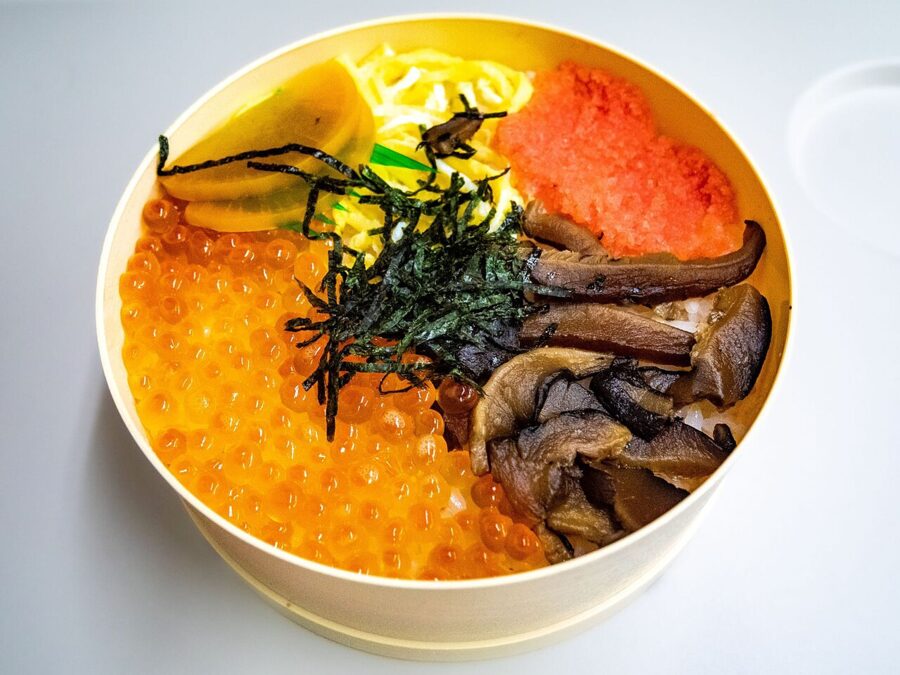
Japan Rail Pass holders can ride the Joetsu and Hokuriku Shinkansen, and JR East sells regional passes that also cover them. I would not buy a pass just for one ski day; do the maths first, as a single return to Yuzawa is not expensive by Shinkansen standards. Bring an ekiben for the ride home, as the station shops at Tokyo and Echigo-Yuzawa both sell good ones.
Rentals, lessons and what to bring
You can arrive with nothing but warm clothes and rent the rest. Every resort in this guide rents skis, boards, boots and usually clothing, and most let you book online and pay ahead. At GALA a full ski set is ¥6,500 a day, and a jacket and trousers another ¥5,500, which is a fair guide to the bigger resorts.
Lessons in English
English lessons are easier to find than they used to be. At GALA, two schools teach in English: Giant Ski School, which also teaches in Mandarin and Cantonese, and SORA International, which adds Thai and Chinese. At Naeba, Sherpa International Snow School runs private lessons in English and Chinese, and asks you to book well ahead because it has few English-speaking instructors.
Myoko has the widest choice of English-speaking schools and backcountry guides, a legacy of its long Australian connection. The Myoko Tourism office keeps a list. Book early for New Year and the Chinese New Year holiday in February, when they fill.
Beginners and families
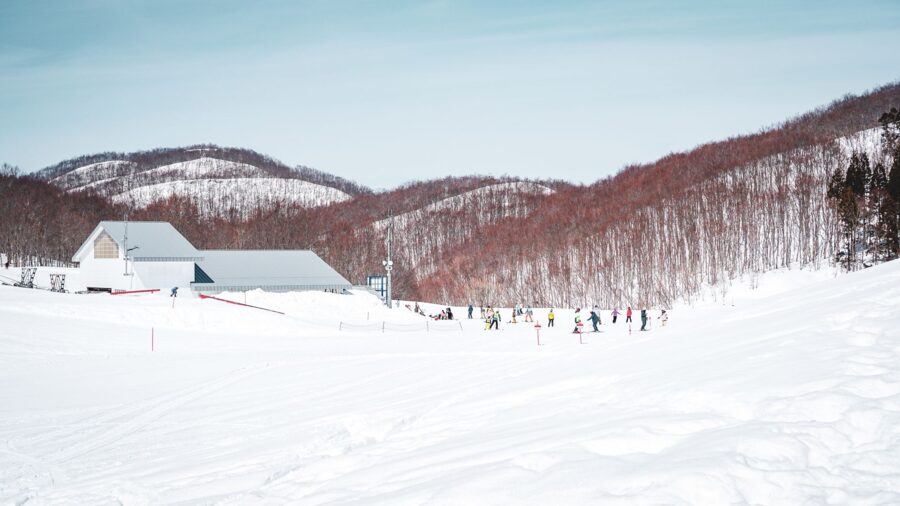
For a first day, pick GALA, Iwappara or NASPA, and book a two-hour lesson. Naeba is the best family base if you want everything in one place, partly because children up to elementary age ski free. Most resorts have sledging areas and snow parks for younger children, often with conveyor lifts.
Kit, insurance and the small things
Japanese snow resorts are cold but rarely brutal. Bring thermal base layers, ski socks, gloves, a neck warmer and goggles; rental shops sell or rent most small items, but they cost more on the mountain. A helmet is not compulsory but is easy to rent, and I would always take one.
Travel insurance that covers skiing is essential, especially if you plan to go anywhere near the backcountry. Many standard policies exclude off-piste skiing, and a rescue from Kagura or Seki Onsen is not something you want to pay for yourself. Read the policy before you leave, not on the chairlift.
Bring cash as well as a card. Most lift counters and rental shops now take cards, but small inns, local buses and some ski-area restaurants are still cash first. Seven-Eleven ATMs, found in the konbini at the station and in the bigger villages, take most foreign cards.
Crowds: weekends and New Year
Avoid Saturdays if you can. The Yuzawa resorts are close enough to Tokyo that weekend day-trippers fill the first trains and the gondola queues, and the last trains back can be standing room only. The New Year holiday, roughly 28 December to 3 January, is the busiest week of the season everywhere.
Midweek in January and February is the sweet spot. The snow is at its deepest, the lift lines are short, and inn prices drop. Late March is good too, with sunny days and soft snow, though the lower Yuzawa slopes thin out first.
Off the slopes
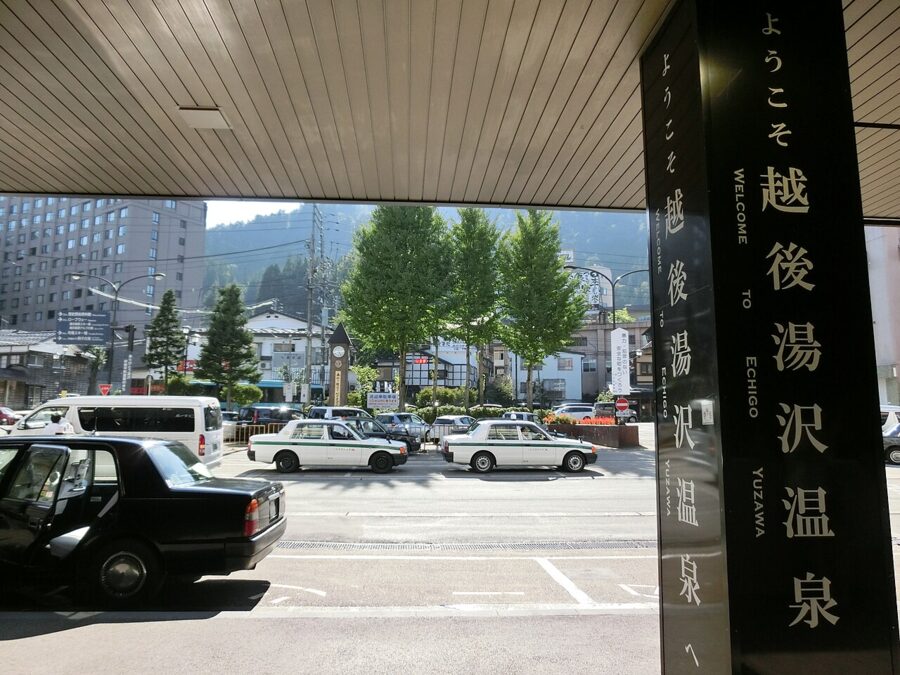
The skiing gets you here, but the evenings are what you remember. Niigata is famous across Japan for rice, sake and hot springs, and Yuzawa has all three within a short walk of the station.
Yuzawa’s public baths
Yuzawa runs five public baths, and they are the best value soak in town. Yama-no-yu, the oldest, is a small sulphur bath close to the inn where Kawabata wrote Snow Country, and he is said to have used it himself. Komako-no-yu, named after his heroine, is larger, with a small Snow Country display inside.
Yama-no-yu, Komako-no-yu, Kaido-no-yu and Shukuba-no-yu all charge ¥850 for adults and ¥350 for children, and open 10:00–21:00, with last entry at 20:30. Each closes one day a week: Yama-no-yu and Kaido-no-yu on Tuesdays, Komako-no-yu and Shukuba-no-yu on Thursdays, and the town posts temporary closures on its tourism site. If you have never used a Japanese public bath, my onsen guide covers the etiquette.
Ponshukan: sake in the station
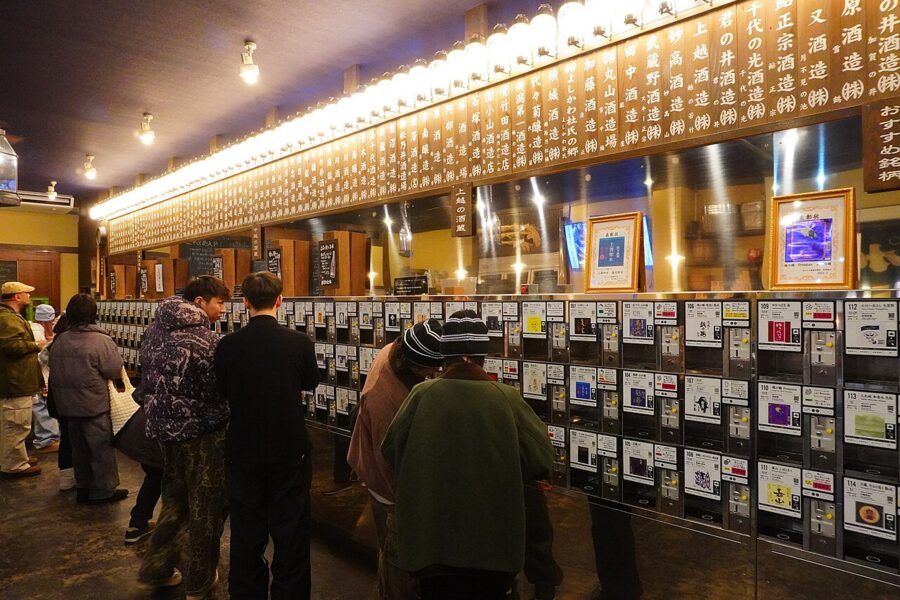
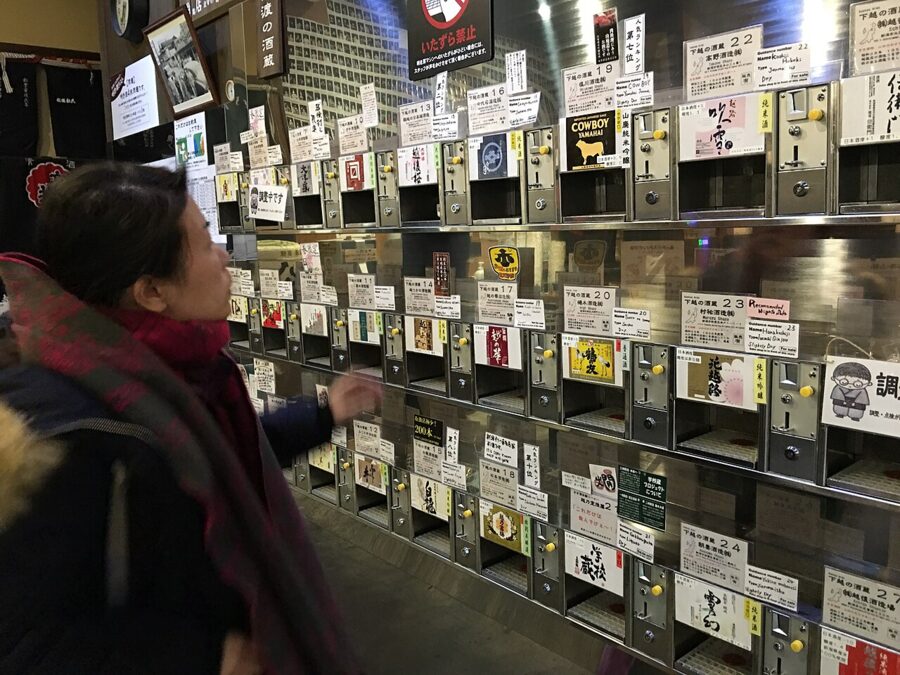
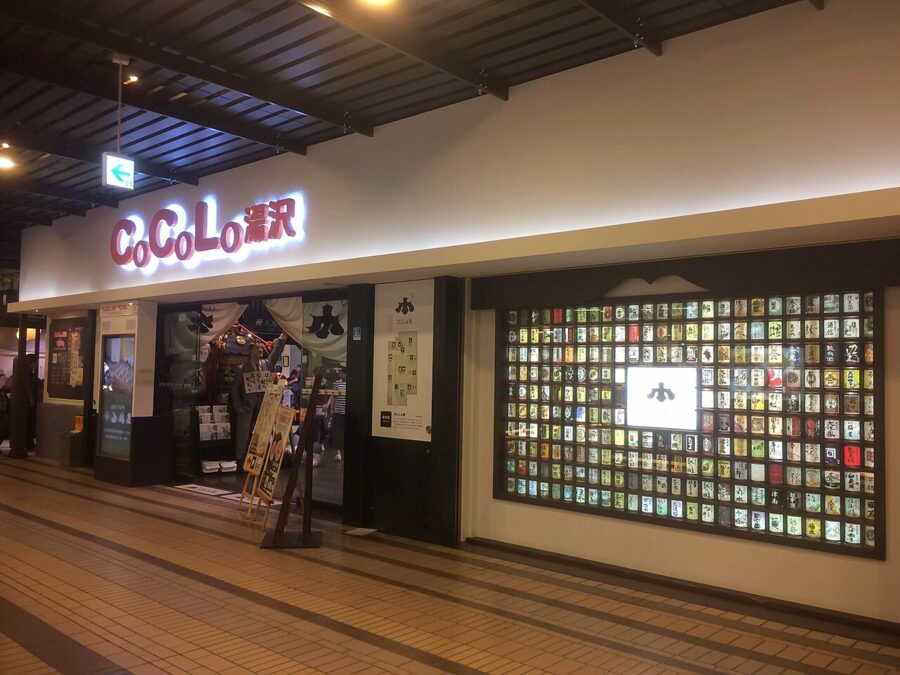
Ponshukan, inside CoCoLo Yuzawa at Echigo-Yuzawa Station, is the best way to spend an hour waiting for the train. Pay ¥1,000 at the counter and you get a small cup and five tokens. Then you walk along a wall of vending machines, one for every sake brewery in Niigata, and choose.
The rest of Ponshukan is worth a browse too. There is a shop with more than 200 sakes, a sake bath built into the station’s own hot spring at ¥950, and Bakudan Onigiri-ya, which makes huge rice balls from Minami-Uonuma Koshihikari cooked in an iron pot. If the tasting leaves you curious, my guide to drinking sake in Japan explains the styles.
Hegi soba and Koshihikari
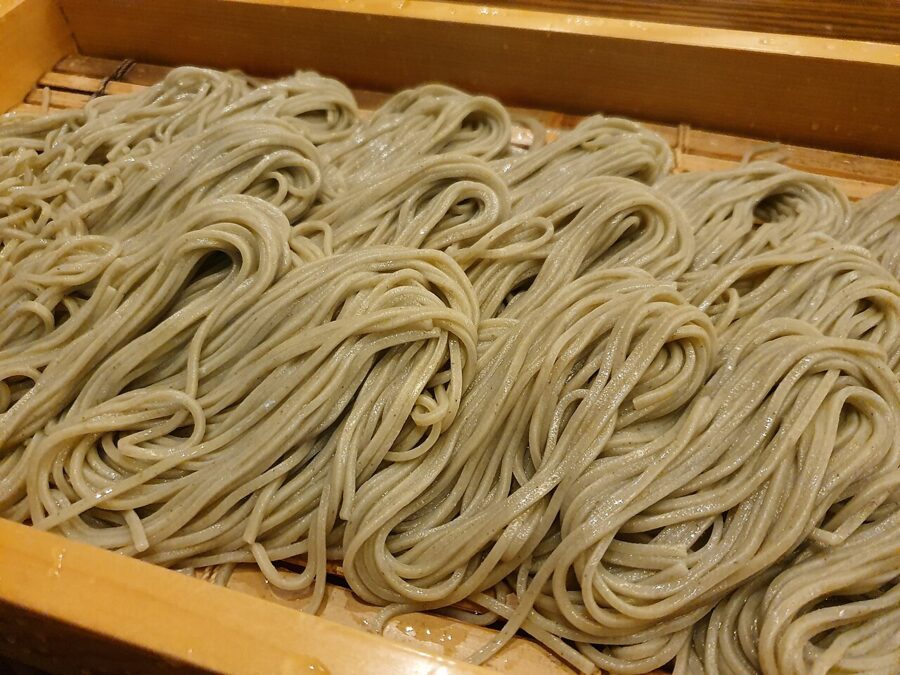
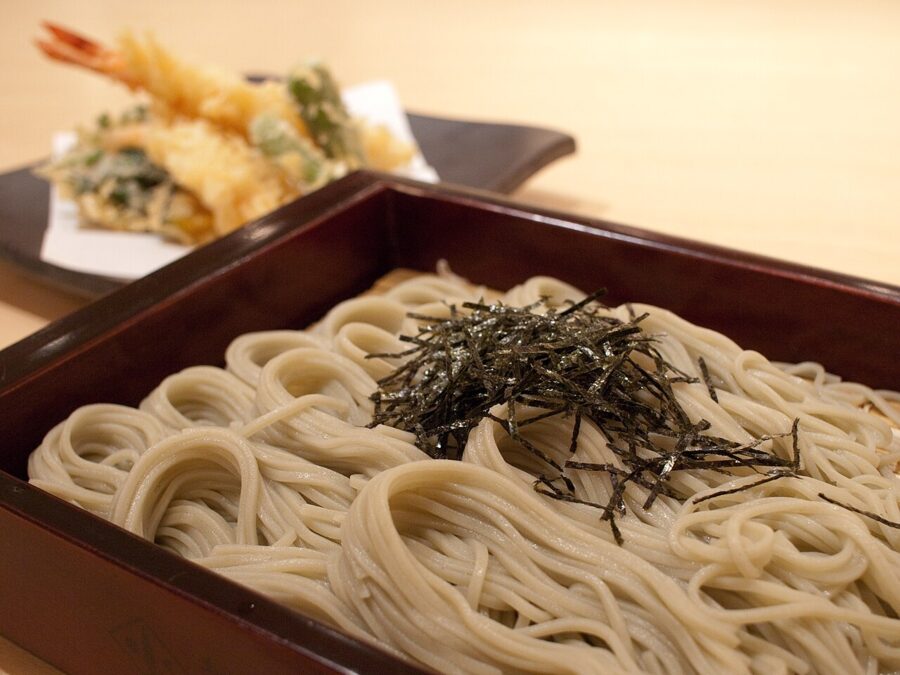
Hegi soba is the dish to eat in Yuzawa. The noodles use a seaweed called funori as a binder, which gives them a firm bite and a slippery surface, and they are served in small bundles on a wooden tray called a hegi. Trays are sold by the number of servings, so a group shares one; my soba guide has more on the regional style.
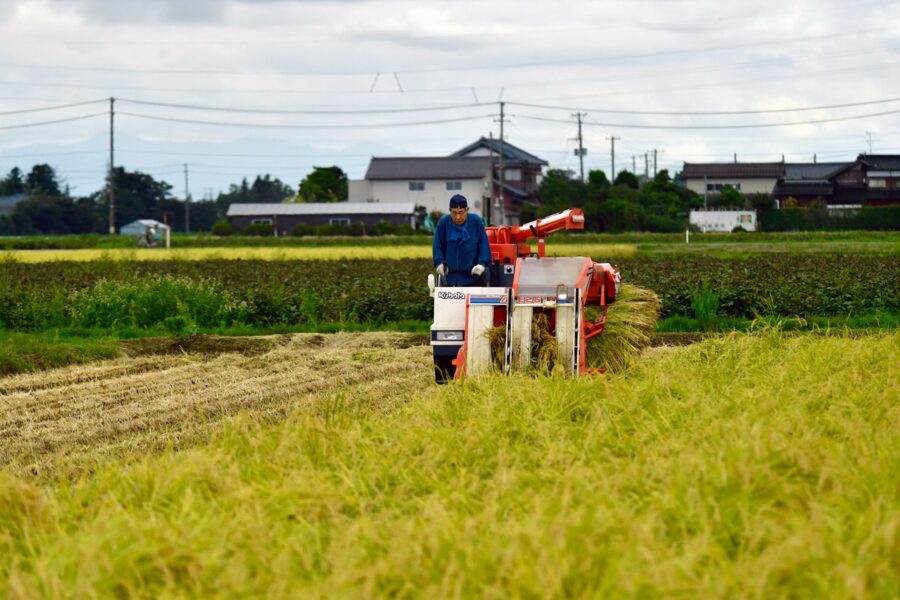
Then there is the rice. Minami-Uonuma Koshihikari is the most prized rice in Japan, and in Yuzawa it is what many inns put on the breakfast table. Have it plain, with pickles and miso soup, and you will see why people fuss; a full Japanese breakfast at a ryokan here is a good way to start a ski day.
Snow Country
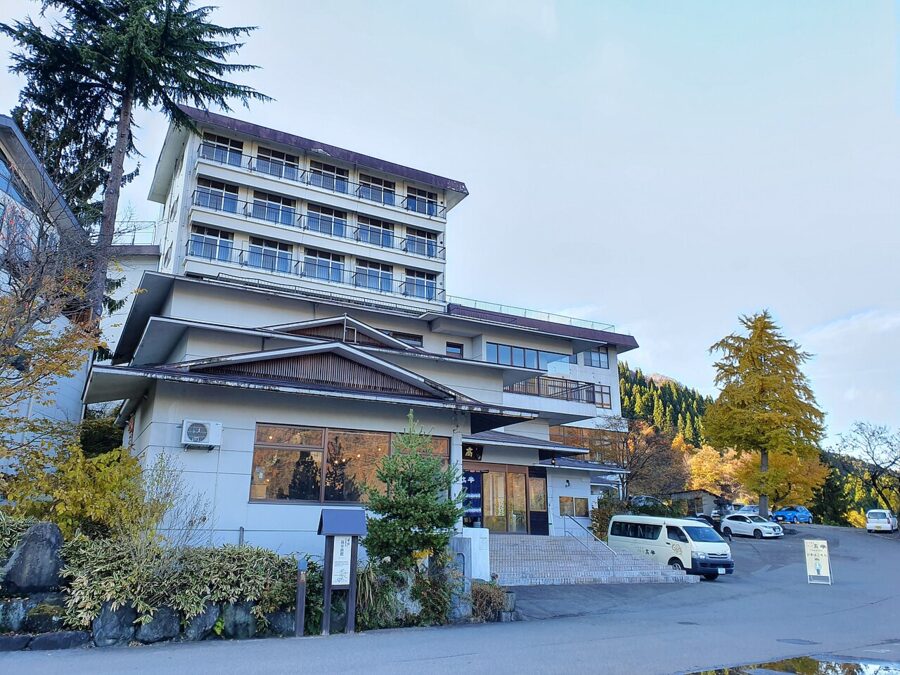
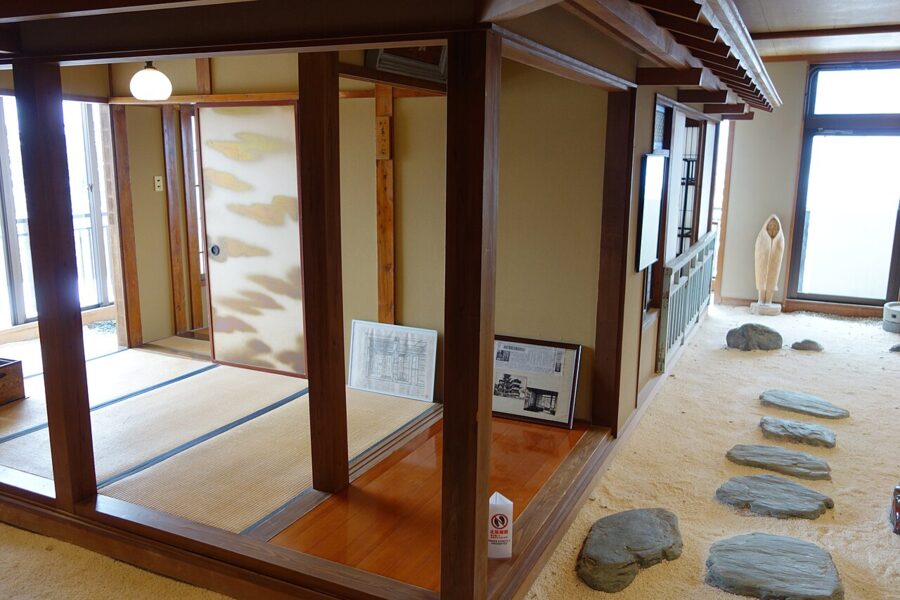
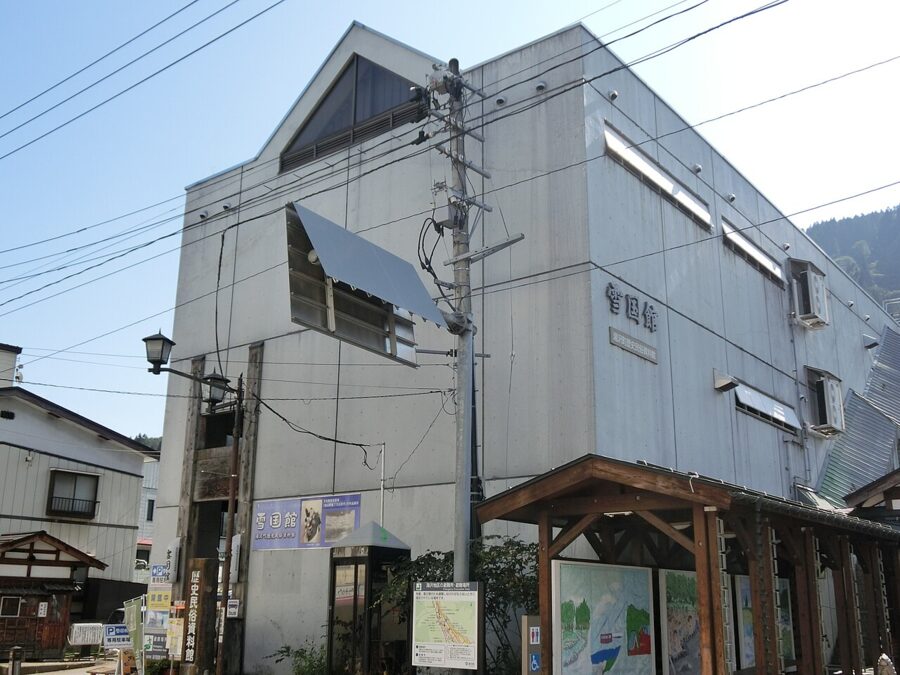
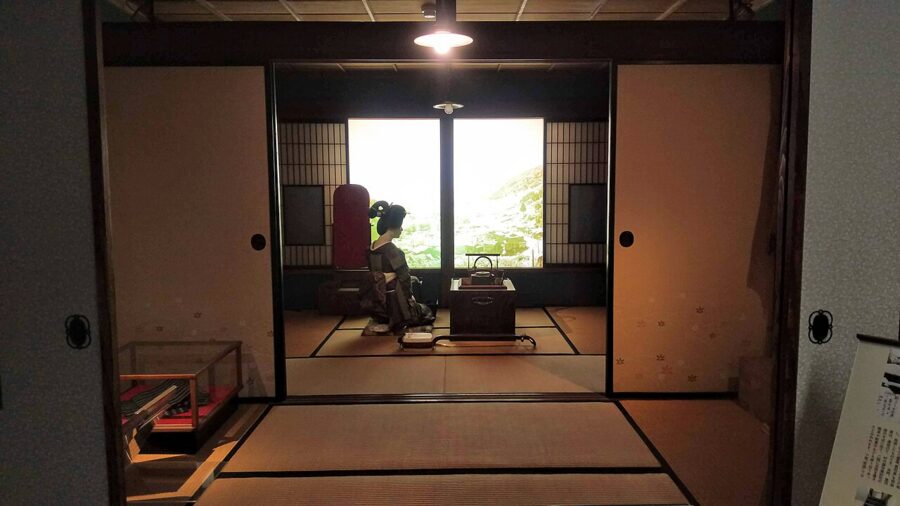
Kawabata stayed at the Takahan inn on the hill above the town in the 1930s, and the room where he wrote, the Kasumi-no-ma, is preserved. Takahan still operates as an inn. The Yukiguni-kan, the town’s history museum, has a recreated room for Komako and displays on old snow-country life.
Where to stay
For a weekend of Yuzawa resorts, stay in Yuzawa itself. Most hotels and inns are within a short walk or shuttle of the station, and you can ski a different resort each day. For a traditional stay, a ryokan with its own bath and a dinner of local food is worth the extra cost at least once.
For Naeba, stay at the Naeba Prince Hotel. It is the resort, and staying anywhere else means a long walk or a drive. It also gets you the free shuttle from Echigo-Yuzawa.
For Myoko, stay in Akakura Onsen. It has the most inns and restaurants, the night skiing and a shuttle to the other resorts. Lotte Arai is self-contained, and for a few days of powder skiing with a spa at the end of the day, its hotel is the obvious choice.
A day trip and a long weekend
The day trip from Tokyo
Take an early Tanigawa or Toki from Tokyo to Gala-Yuzawa, aiming to arrive before 8:30. Pick up rental kit you booked online, buy a lift ticket and ride the first gondola. Ski until about 15:00, then soak at SPA Gala no Yu or one of the town baths.
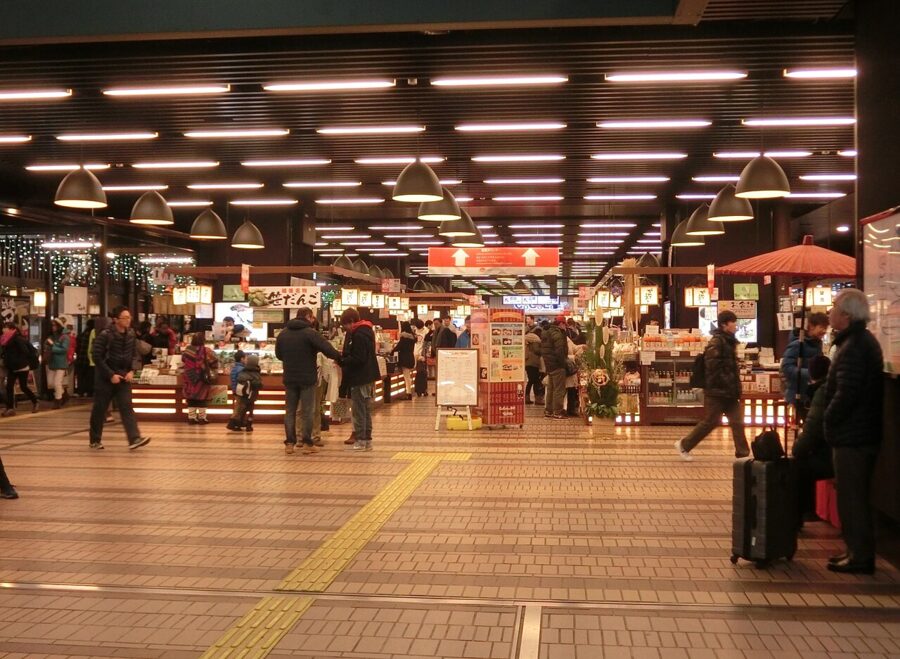
Take the shuttle bus to Echigo-Yuzawa, taste five sakes at Ponshukan, buy an ekiben and catch the train back. You will be in Tokyo for dinner. If you have a three-day Tokyo itinerary, this can replace a day of it.
The long weekend
Friday night: train to Echigo-Yuzawa, check into an inn in town and eat hegi soba. Saturday: ski the YUZAWA SNOW LINK, starting at Ishiuchi Maruyama, and stay for the night skiing. Sunday: take the bus to Naeba and buy a Mt.Naeba pass, ride the Dragondola to Kagura and ski the high slopes before heading home.
With five or six days, add Myoko. It works well in the middle of a two-week Japan itinerary between Tokyo and Kanazawa or Kyoto. January is the best time for powder; if you are planning around the month, my guide to Japan in January covers what else is on.
Skip this
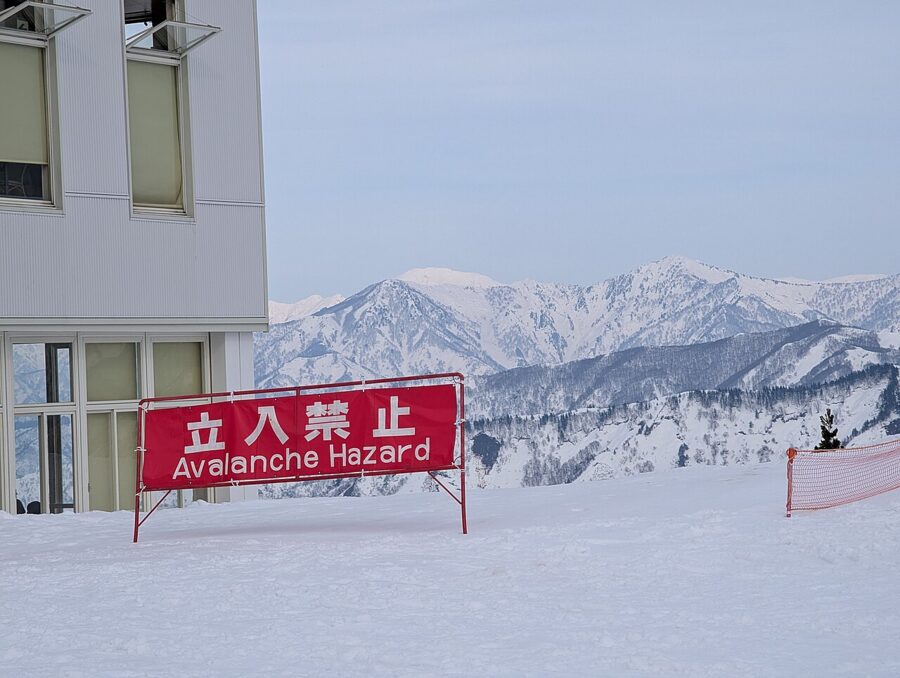
Do not plan on skiing GALA’s South Area this season: it is closed. Do not ski off-piste anywhere without a guide, avalanche gear and insurance that covers it. And do not try to do Myoko as a day trip from Tokyo; it can be done, but you will spend nearly as long on trains as on snow.
Book your rental kit online. Avoid Saturdays. Catch the first gondola. Then soak, drink one more small cup of sake than you meant to, and sleep on the train home.
You Might Also Enjoy
 Mount Hua: The Five Peaks, the Plank Walk and How to Climb Huashan From Xi’an
 Chinese Dumplings: A Regional Field Guide
 Sukiyaki and Shabu-Shabu: The Japanese Hot Pot Guide, from Yokohama Gyunabe to Ryogoku Chanko
 Depachika: How to Eat Your Way Through Japan’s Department-Store Food Halls in Tokyo, Osaka and Kyoto