Depachika: How to Eat Your Way Through Japan’s Department-Store Food Halls in Tokyo, Osaka and Kyoto
A little after eight on a weekday evening, the deli counters under Shibuya Station start to change. Small stickers go onto the lids of the salads, the fried chicken and the grilled fish, and the people drifting along the aisles of the Tokyu Food Show stop pretending they were only looking. The store closes at nine. Nobody hurries, exactly, but nobody leaves either.
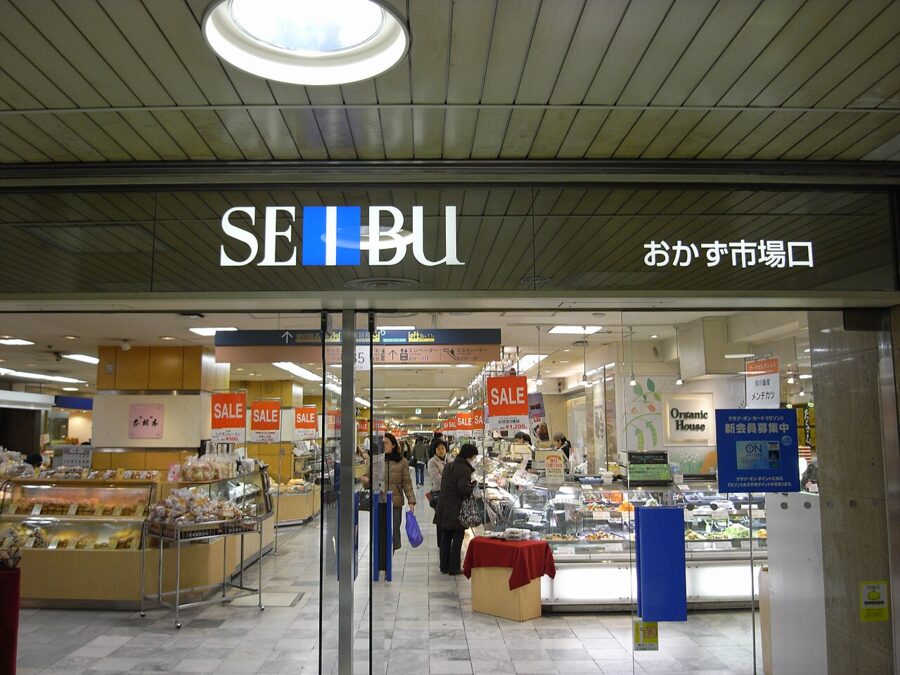
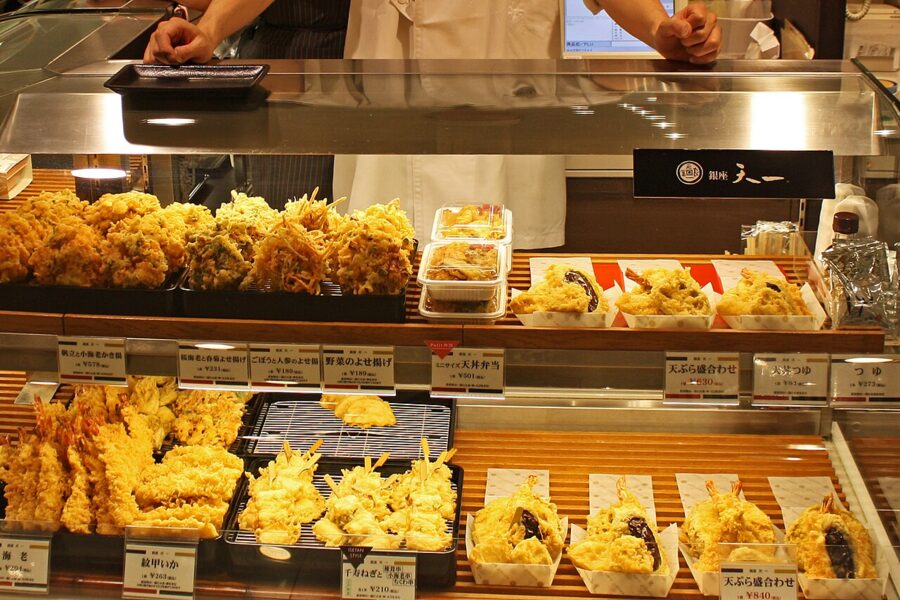
In Shenzhen the nearest thing I had was the basement supermarket of a shopping mall: one till, one owner, pre-packed everything. A Japanese department store basement works differently. It’s a hall of dozens of separate counters, each run by a different maker, from a Kyoto pickle house that has been salting vegetables for generations to a French patisserie to a fishmonger cutting sashimi to order. The Japanese call it depachika, and on a good night it’s the best cheap dinner in the city.
This guide covers how the floor works, the best food halls in Tokyo, Osaka and Kyoto, what to buy, when the markdowns start, and where you can actually sit down and eat. Hours and prices are from the stores’ and makers’ own pages, checked in November 2026.
| Food hall | Where | Food floor hours | Go for |
|---|---|---|---|
| Isetan Shinjuku | Tokyo, Shinjuku-sanchome Station | 10:00–20:00 | The widest range in Tokyo, new sweets first |
| Nihombashi Mitsukoshi | Tokyo, Mitsukoshimae Station | Earlier close than most; check the day | Old-school wagashi, gift fruit, the building |
| Shinjuku Takashimaya | Tokyo, Shinjuku Station New South side | 10:30–19:30 | Regional sweets and side dishes from all over Japan |
| Tokyu Food Show | Tokyo, Shibuya Station | 10:00–21:00 | After-work deli, markdowns after 20:00 |
| Daimaru Tokyo and Gransta | Tokyo Station | Daimaru 10:00–20:00; Gransta varies by shop | Bento and sweets before a Shinkansen |
| Keio Shinjuku | Tokyo, Shinjuku west side | 10:00–20:30 (Sundays and holidays to 20:00) | The January ekiben fair |
| Hankyu Umeda | Osaka, Umeda | 10:00–20:00 | Sweets, gifts, and a service desk that holds your bags |
| Hanshin Umeda | Osaka, Umeda | 10:00–20:00; Snack Park to 22:00 | Everyday deli and ikayaki |
| Daimaru Shinsaibashi | Osaka, Shinsaibashi | 10:00–20:00; B2 food hall 11:00–22:00 | A basement where you’re allowed to sit and eat |
| Kyoto Takashimaya | Kyoto, Shijo-Kawaramachi | 10:30–20:00 | Kyoto pickles, kombu and wagashi makers |
| Daimaru Kyoto | Kyoto, Shijo-Karasuma | 10:00–20:00 | A block from Nishiki Market |
In This Article
- What a depachika is, and why it’s underground
- From a Nagoya basement to a TV buzzword
- How the floor works
- Sozai: the deli counters
- Bento
- Sweets, Western and Japanese
- Bread, fresh food and fruit
- Sake and the liquor corner
- The rules nobody prints
- Tokyo’s best food halls
- Isetan Shinjuku
- Nihombashi Mitsukoshi
- Takashimaya, Shinjuku and Nihonbashi
- Tokyu Food Show, Shibuya
- Daimaru Tokyo and Gransta
- Keio, Ginza and the rest
- Osaka: two rivals in Umeda, and two more
- Hankyu Umeda
- Hanshin Umeda
- Daimaru Shinsaibashi
- Abeno Harukas Kintetsu
- Kyoto: the old makers, on one floor
- Kyoto Takashimaya
- Daimaru Kyoto
- JR Kyoto Isetan
- Beyond Tokyo, Osaka and Kyoto
- What to buy, counter by counter
- Tonight’s dinner
- Kyoto and Osaka in a box
- Wagashi and the seasonal case
- Fruit you give rather than eat
- The fair weeks: ekiben, regional and foreign
- When to go: markdowns, quiet hours and the busy seasons
- Wrapping, bags and tax-free
- Where to eat what you’ve bought
- Prices, and what to skip
What a depachika is, and why it’s underground
The word is a mash-up: depato, department store, plus chika, basement. It’s slang rather than a store’s own name, and the food floor isn’t always below ground. Hanshin in Osaka splits its food between the basement and the ground floor, and plenty of smaller stores put the sweets upstairs next to the cosmetics, because the same customers buy both.
The basement is cheaper to plumb. Water, gas and drainage for dozens of small kitchens are easier to run below ground than on a sales floor, and a basement can open straight onto a subway concourse or an underground car park. Tokyu once tried a food floor at the top of its Shibuya main store and moved it back down: the space was cramped and every delivery had to go up in a lift.
There’s a sales logic too. Food brings people in every day, and a store that draws them into the basement hopes some will ride the escalators up past the handbags on the way out. The Japanese trade calls this the funsui koka, the fountain effect. You can ignore it completely, which is what I do.
From a Nagoya basement to a TV buzzword
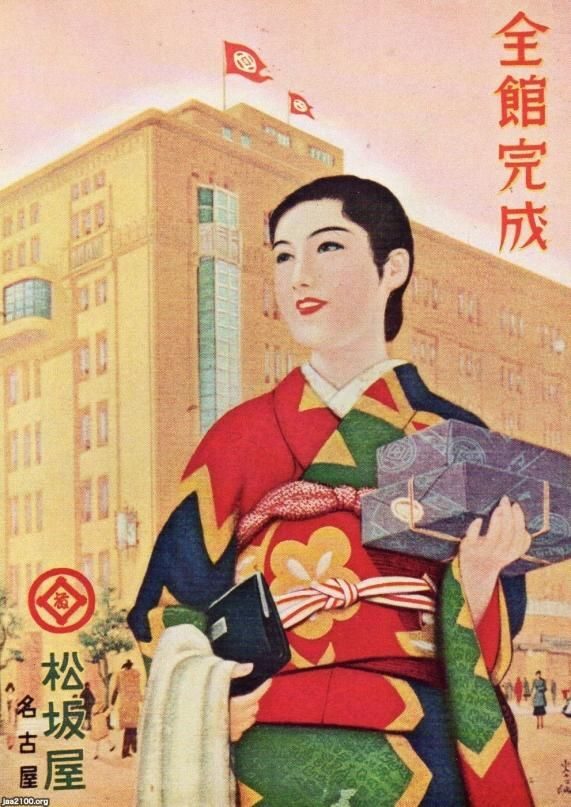
The first department-store food floor in a basement opened in 1936, at Matsuzakaya’s Nagoya store. The idea spread fastest among the railway companies. Kimono houses like Mitsukoshi, which traces itself to a 1673 drapery, had prestige; the new terminal stores that railways built on top of their stations had foot traffic and very little else to sell. Hankyu, whose Umeda store opened in 1929 above its own trains, was making ice cream and sweets in its own factory by 1934.
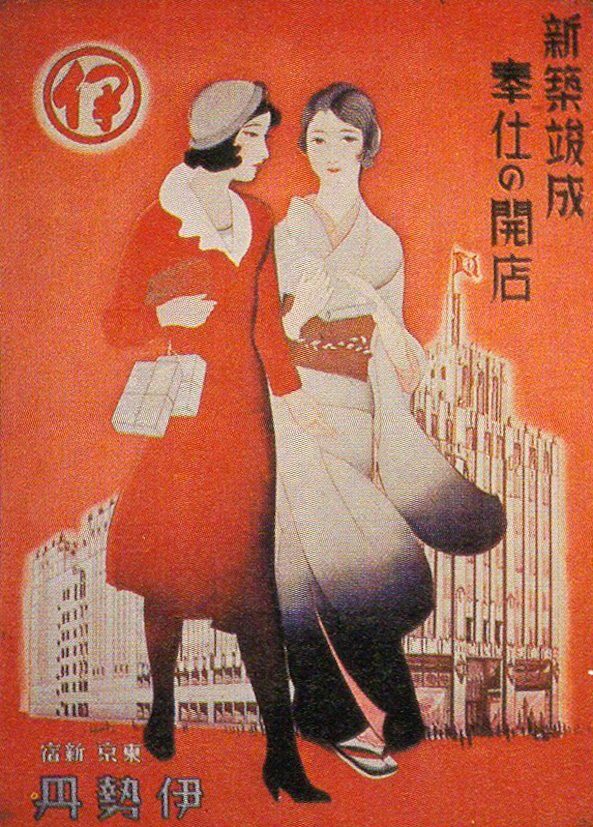
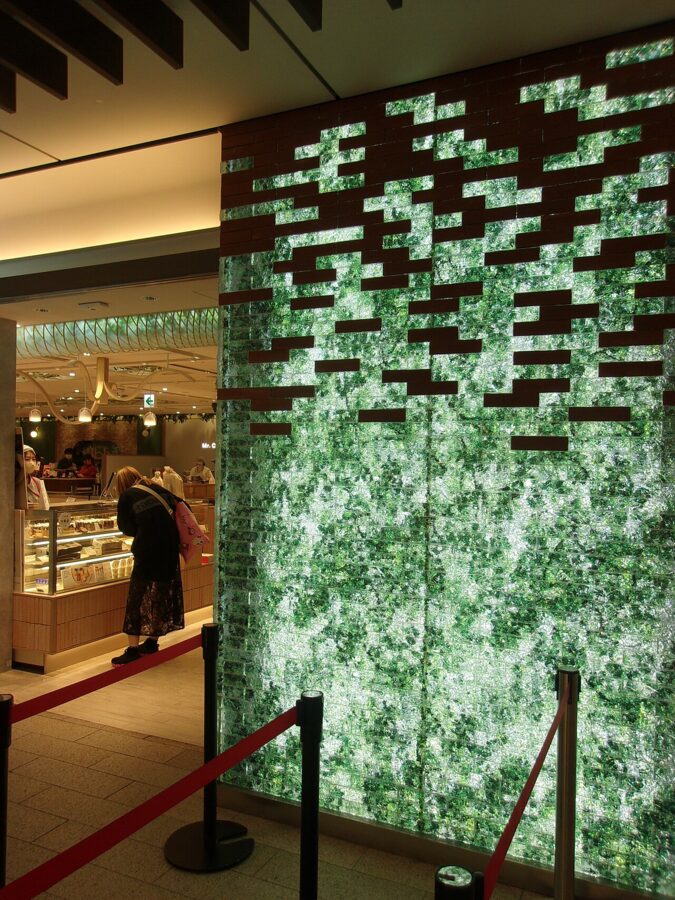
For most of the twentieth century the food floor was where you bought formal gifts and the year’s special-occasion food. Then in 2000 Tokyu opened the Tokyu Food Show under Shibuya Station. It treated food as fashion: limited editions, collaborations, first-ever department-store branches of shops that people queued for. Newspapers and television picked up the word depachika, and a boom followed.
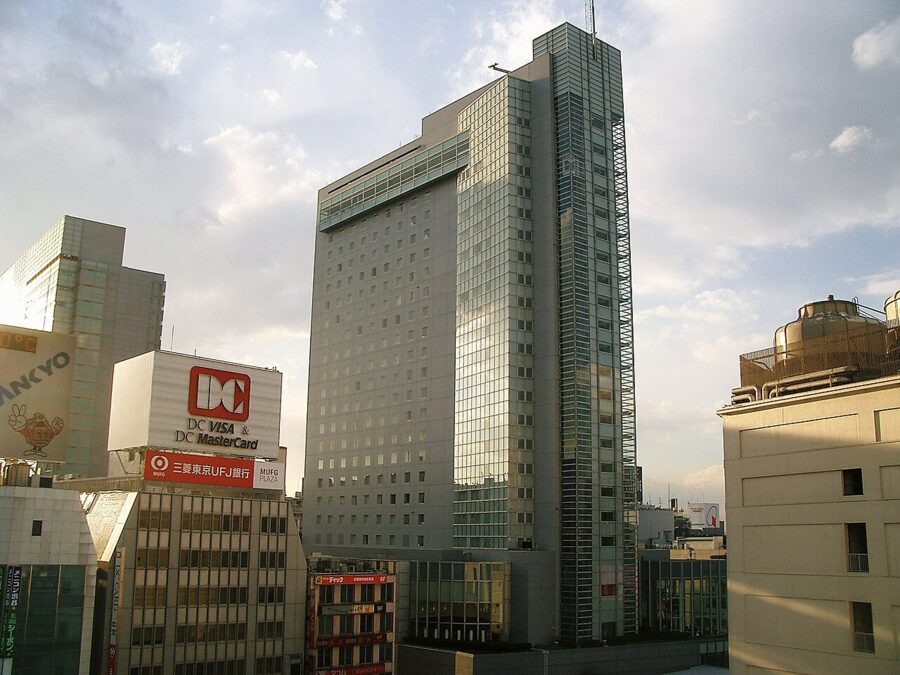
Around the same time, Hanshin in Osaka went the other way. Its president, Mikusa Teruyuki, pushed hard on everyday food at a time when rival stores saw the low-margin food floor as an afterthought, and Hanshin’s basement became known as Japan’s number-one depachika. That rivalry between a fancy hall and an everyday one is still the best way to understand Umeda, and I’ll come back to it.
How the floor works
Every big depachika is organised the same way, even if the signs differ. Walk the whole floor once before you buy anything: the first lap shows you where the bento are and which counters have queues, and the second is for shopping.
Sozai: the deli counters
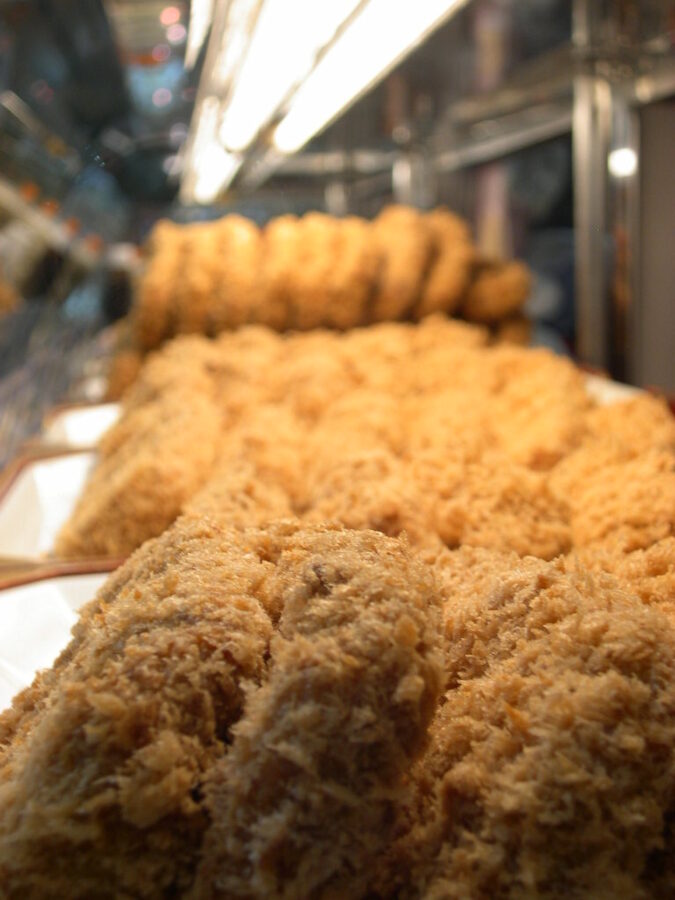
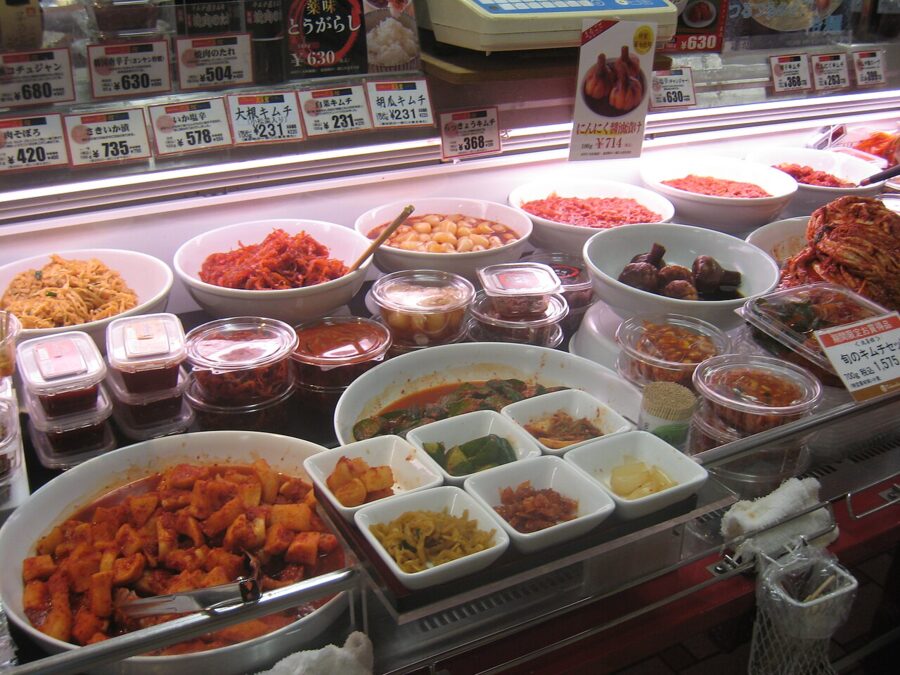
Sozai means ready-made side dishes, and they’re the heart of the floor. Salads, simmered vegetables, karaage, grilled fish, gyoza, Chinese dishes, croquettes, marinated tofu. Many are sold by weight from big trays behind the glass: you point, say how much, and the staff spoon it into a box and weigh it. RF1, the salad chain you’ll find in most Tokyo food halls, lists its green 30-item salad at ¥486 per 100g and its winter lotus-and-kiwi salad at ¥540 per 100g.
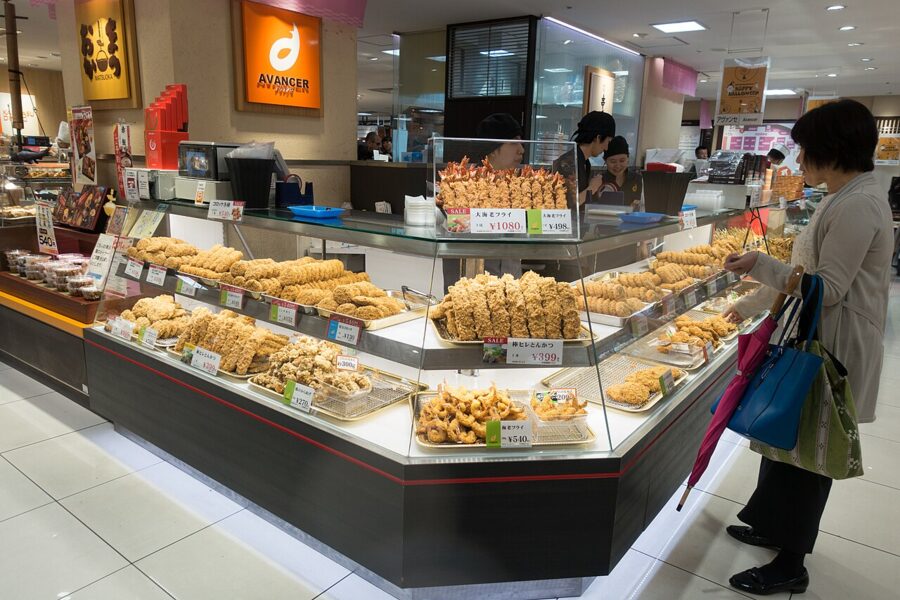
Buy for the evening, not for tomorrow. Sozai is made to be eaten the day you buy it, and the labels say so. If you eat no meat or fish, be careful: dashi, the fish stock, is in a lot of things that look like plain vegetables, and the staff won’t always know. My guide to vegetarian Japan has the words to ask with.
Bento
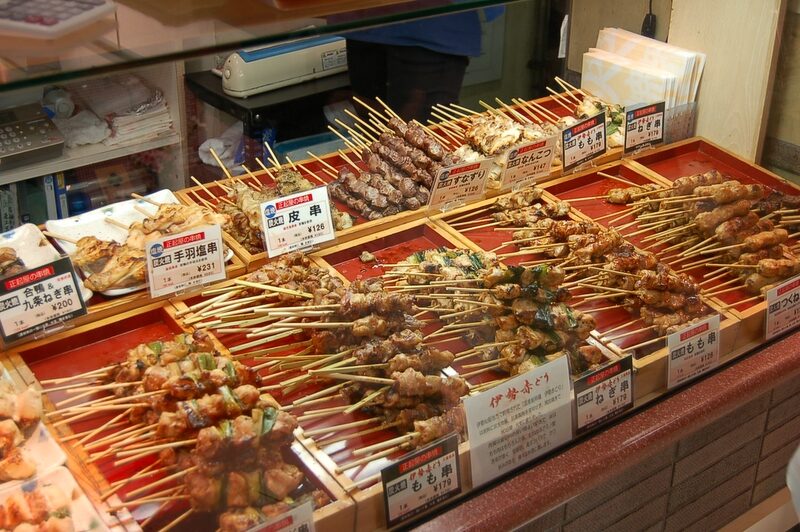
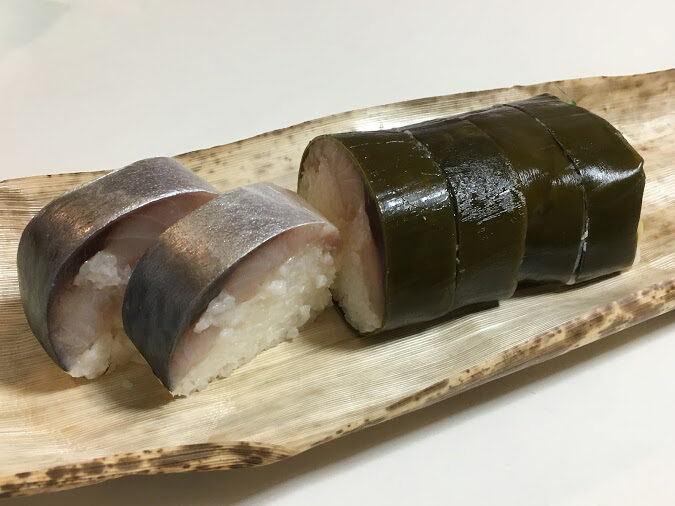
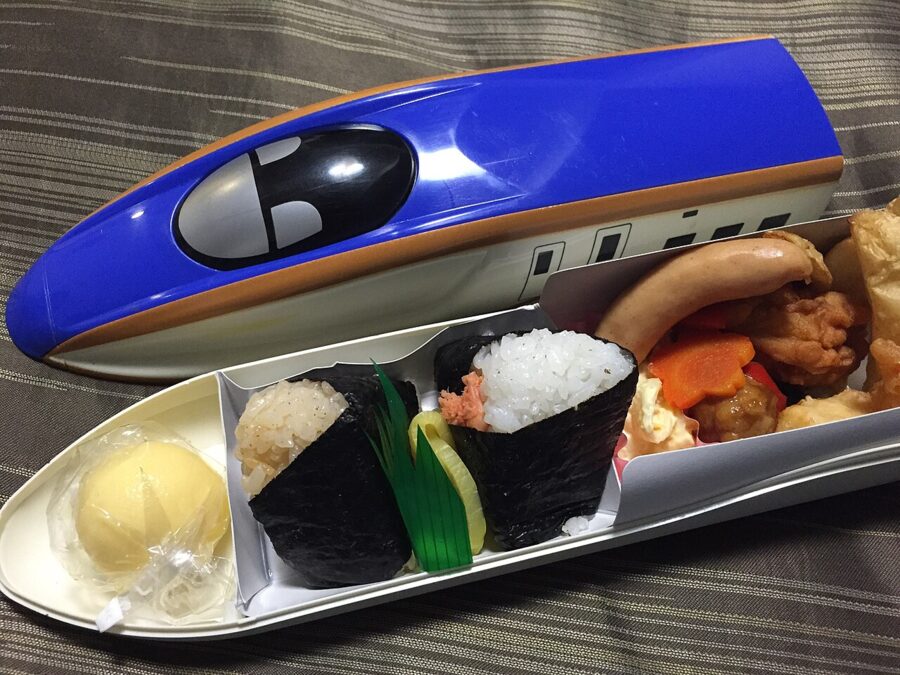
Every food hall has a bento section, and the boxes range from a few hundred yen to many thousands. The good ones come from restaurants that don’t otherwise do takeaway: a kaiseki house’s seasonal box, a sushi shop’s pressed mackerel, an eel restaurant’s rice with grilled eel. Some are made fresh each morning, some arrive from the maker on fixed days of the week, and the best sell out by early afternoon.
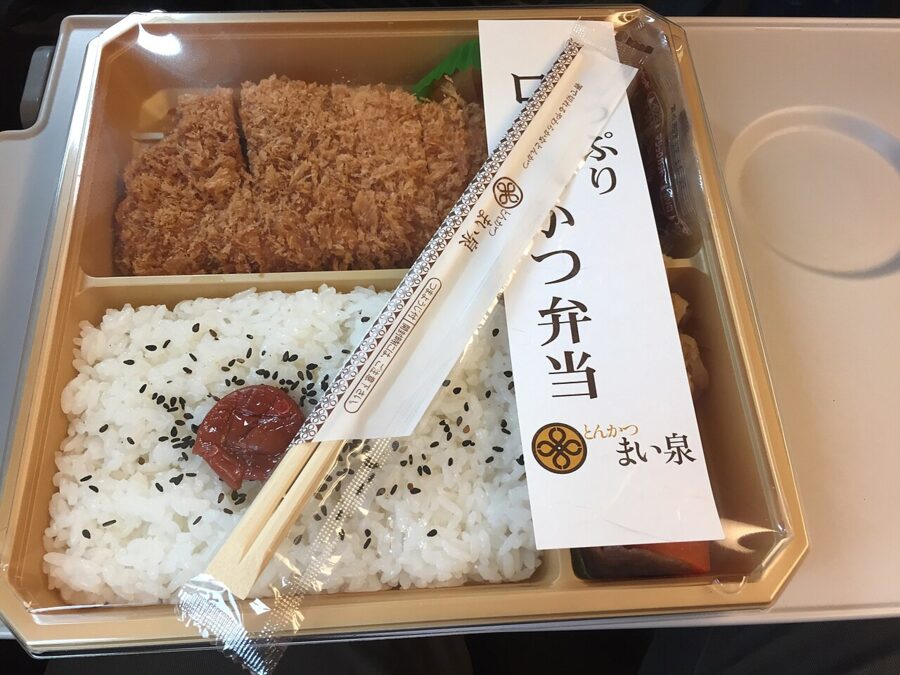
The big Kyoto houses sell kaiseki-style boxes through department-store counters too, which is the cheapest way to taste what they do. I won’t repeat the detail here: my kaiseki guide covers the restaurants and their bento.
Sweets, Western and Japanese
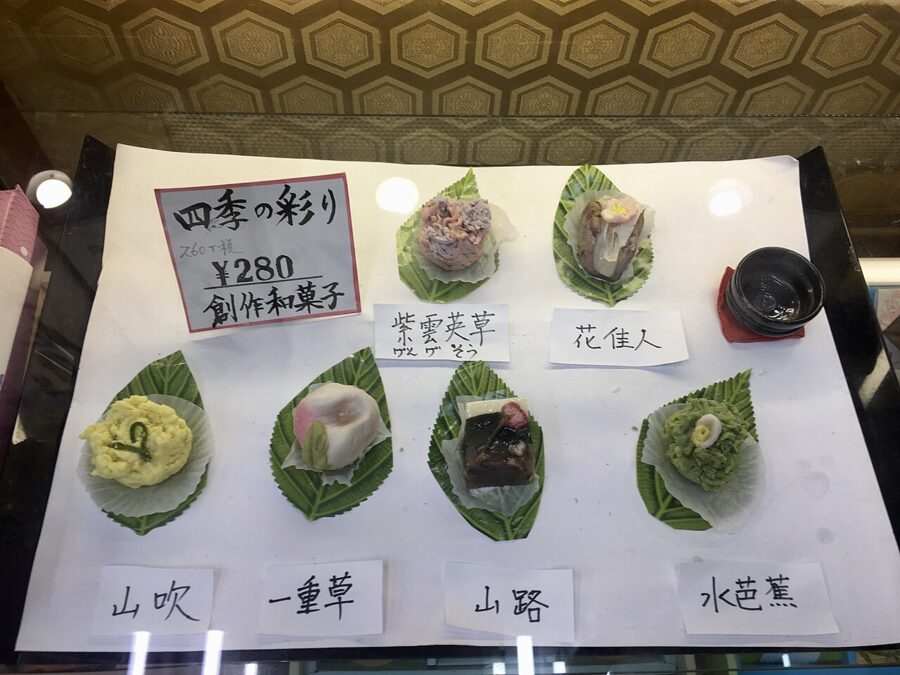
Sweets usually take the biggest share of the floor, and they split two ways. Yogashi are the French and German style counters: cakes, baumkuchen, financiers, the boxed biscuits that make easy gifts. Wagashi are the Japanese sweets, from bean-paste yokan to rice-flour mochi to the seasonal sculpted nerikiri that change every few weeks. For how they’re made and which ones to try, see my wagashi guide.
Toraya is the counter you’ll see everywhere. Its small single-serve yokan bars come in flavours like Yoru no Ume (the classic red bean), Omokage (with brown sugar) and Shinryoku (with matcha), and the seasonal bars this autumn were ¥324 each. If you can carry only one gift home, it’s a good one.
Bread, fresh food and fruit
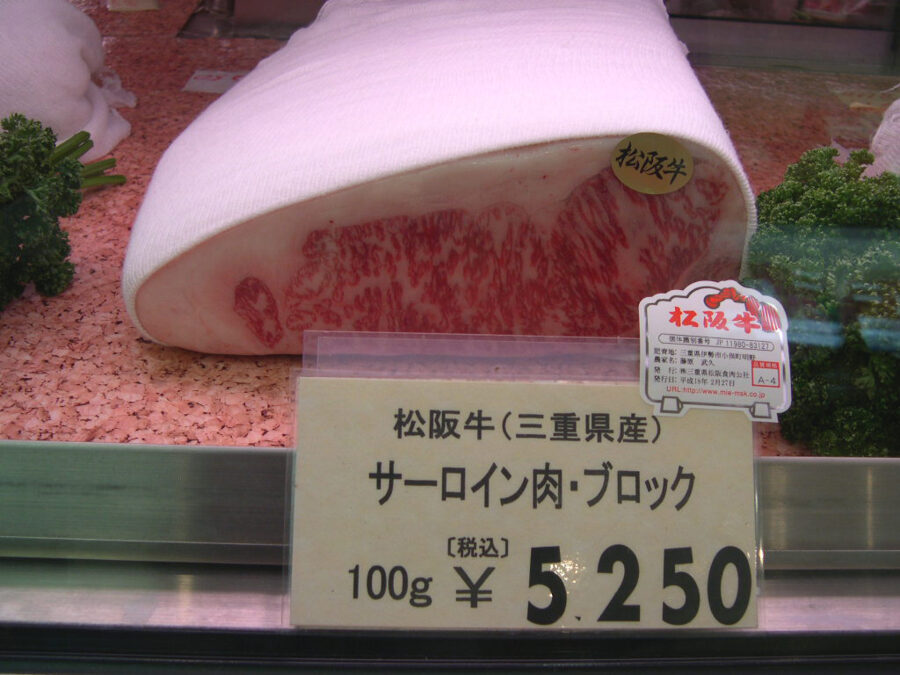
Behind the sweets and deli is the grocery half of the floor: bakeries, fishmongers, butchers, vegetables, pickles, dried goods, rice. Most of it is no use to you without a kitchen. It’s still worth a walk past the beef: the wagyu cases show grading and marbling better than any explanation. My wagyu guide explains the regional brands you’ll see labelled there.
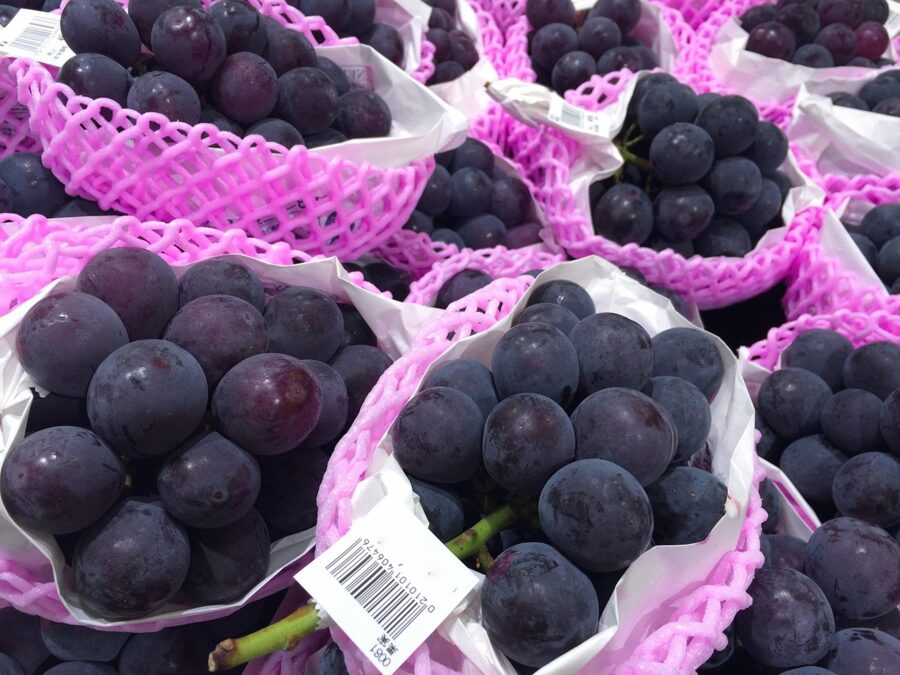
Fruit is where Japanese food halls start to look like jewellers: gift melons, single peaches in foam nets, one perfect bunch of grapes in a box. Much of it is bought to be given, not eaten.
Sake and the liquor corner
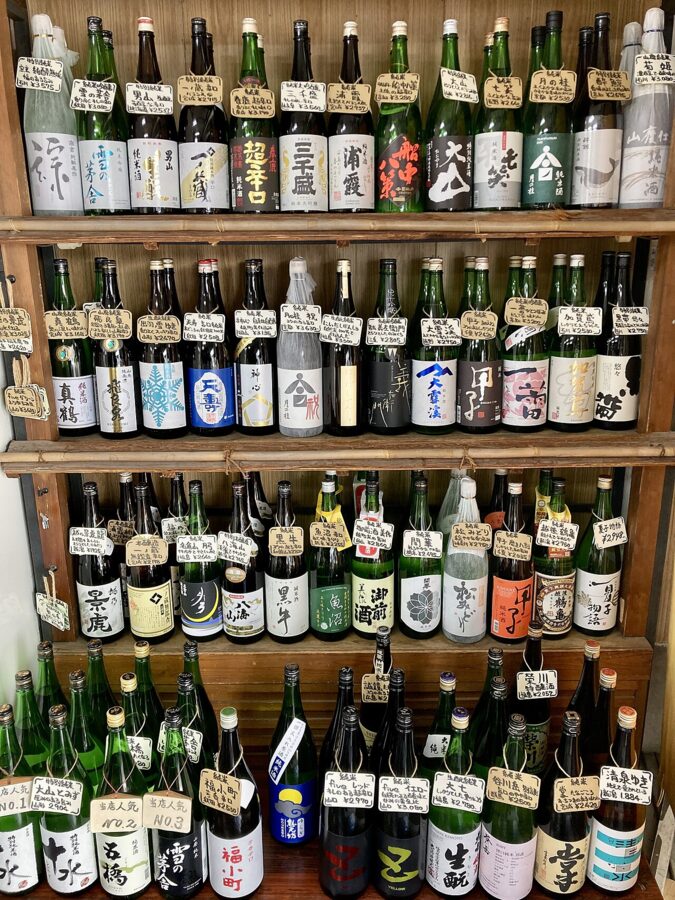
Most big depachika have a sake and wine section, and some have tasting counters and staff who know their stock well. It’s a good place to buy a bottle to take home, because the staff can bubble-wrap it for a suitcase. If you’re interested in Japanese drinks beyond sake, the liquor corners also carry shochu and Okinawan awamori; my shochu and awamori guide explains what’s on the labels, and the sake side is covered in my guide to drinking sake in Japan.
The rules nobody prints
The depachika has manners, and most of them come down to remembering that it’s a shop, not a food court.
- Taste, but don’t graze. Staff offer shishoku, samples, from little trays. Take one if you’re interested. Working your way down the floor eating every sample is noticed, and it’s rude.
- Pay at each counter. Each maker has its own till. Cards and IC transit cards work almost everywhere; carry some cash for the odd small stand.
- Don’t eat on the floor. There’s usually nowhere to sit, and eating while you walk round the store is frowned on. The exceptions are the eat-in counters some stores have added, which I’ll list below.
- Ask before photographing. Some stores ask you not to photograph at all. The Tokyu Food Show’s own page asks shoppers not to take photos inside.
- Ask for an ice pack. If you’re buying anything chilled, the staff will usually offer a horeizai, an ice pack, and ask how long you’ll be travelling. Tell them roughly how many minutes and they’ll pack to match.
- Don’t carry bags all afternoon. Hankyu Umeda has refrigerated coin lockers on its B2 floor and a service counter on B1 that will collect your purchases from different counters so you can pick them up in one go. Hanshin and the Tokyu Food Show have refrigerated lockers too.
Queues are orderly and they do move. If a counter has a line, join the end of it; if staff are handing out numbered tickets, take one and come back.
Tokyo’s best food halls
Tokyo has more good depachika than anywhere else, and the big ones are all on the main rail hubs. If you only have time for one, go to Isetan. If you have a Shinkansen to catch, go to Daimaru and Gransta at Tokyo Station. If you’re staying in Shibuya, the Food Show is your local.
Isetan Shinjuku
Isetan’s main-building basement is the one most Tokyo food people would pick first. It runs from Western sweets and bread through wagashi and tea to bento, deli, fresh food, groceries and sake, and it’s where new sweets and seasonal limited editions tend to appear first. The store’s hours are 10:00–20:00, and it connects underground to Shinjuku-sanchome Station.
One thing to know for this winter: Isetan has been renewing its Western sweets area in stages, starting on 20 May 2026 and running to about March 2027, so expect hoardings and some new names. Toraya’s small yokan are over in the wagashi section.
Nihombashi Mitsukoshi
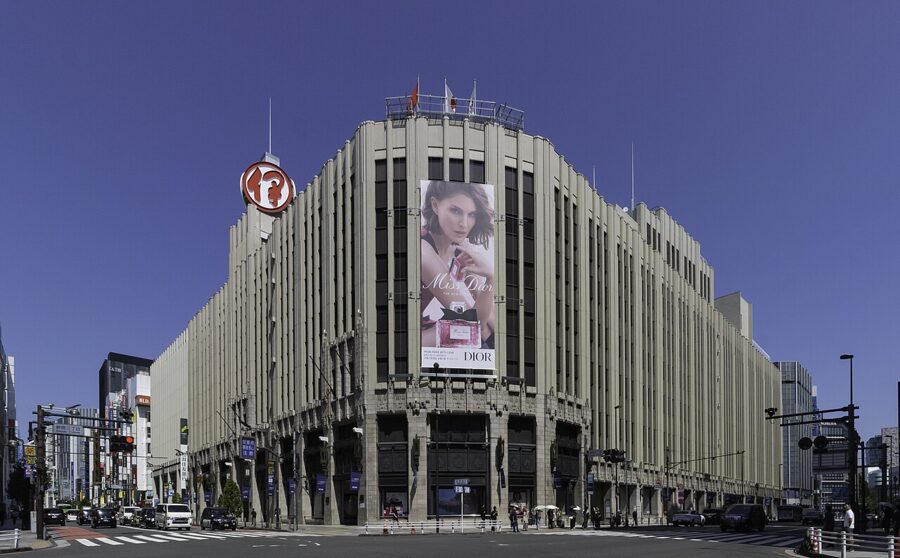
Mitsukoshi traces its history to a kimono shop opened in 1673, and its Nihombashi store feels like it. The basement is quieter than Isetan, strong on old Tokyo wagashi makers, pickles, tea and gift fruit, and the shoppers are older and more likely to be buying something formal. It’s directly connected to Mitsukoshimae Station on the Ginza and Hanzomon lines. It closes earlier in the evening than Isetan, so don’t leave it for a last stop.
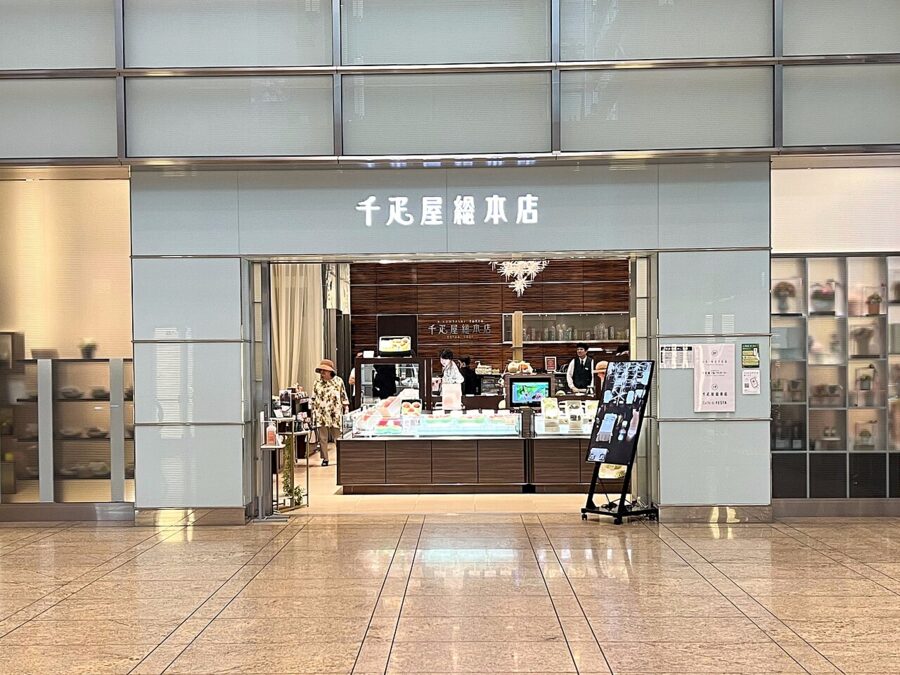
Sembikiya, founded in 1834 and a minute’s walk from Mitsukoshi, is the place to see Japanese gift fruit at its most extreme. Its musk melon was listed at ¥20,520 in Takashimaya’s 2026 winter gift catalogue. Look, by all means. Buy a strawberry parfait at the fruit parlour instead.
Takashimaya, Shinjuku and Nihonbashi
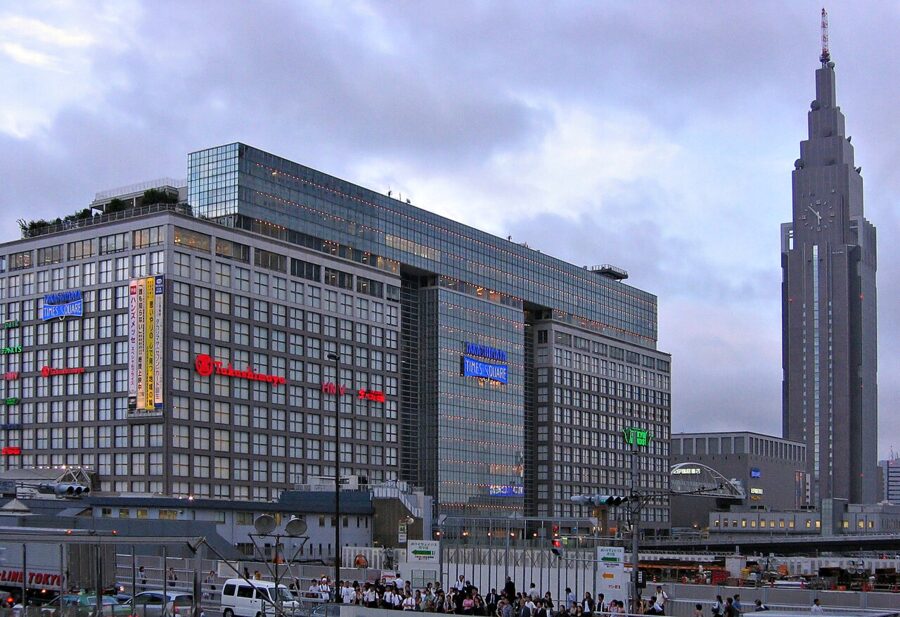
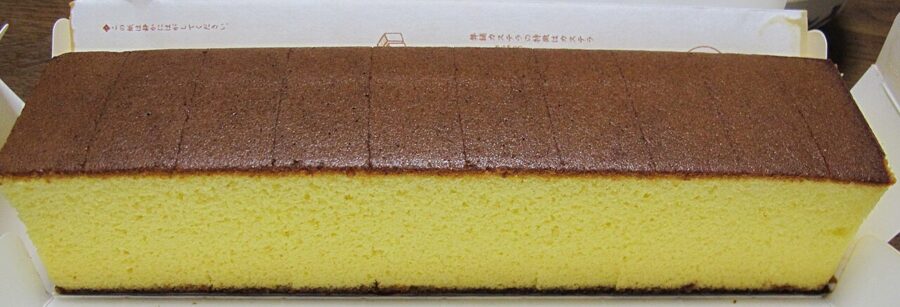
Shinjuku Takashimaya, on the south side of Shinjuku Station near the New South gate, is open 10:30–19:30 and has a basement I like more each time. Its counters include Kikunoi, the Kyoto kaiseki house; Uokyu, whose fish cured in sake lees is a Tokyo classic; Ningyocho Imahan for sukiyaki beef; and Fukusaya, the Nagasaki castella maker.
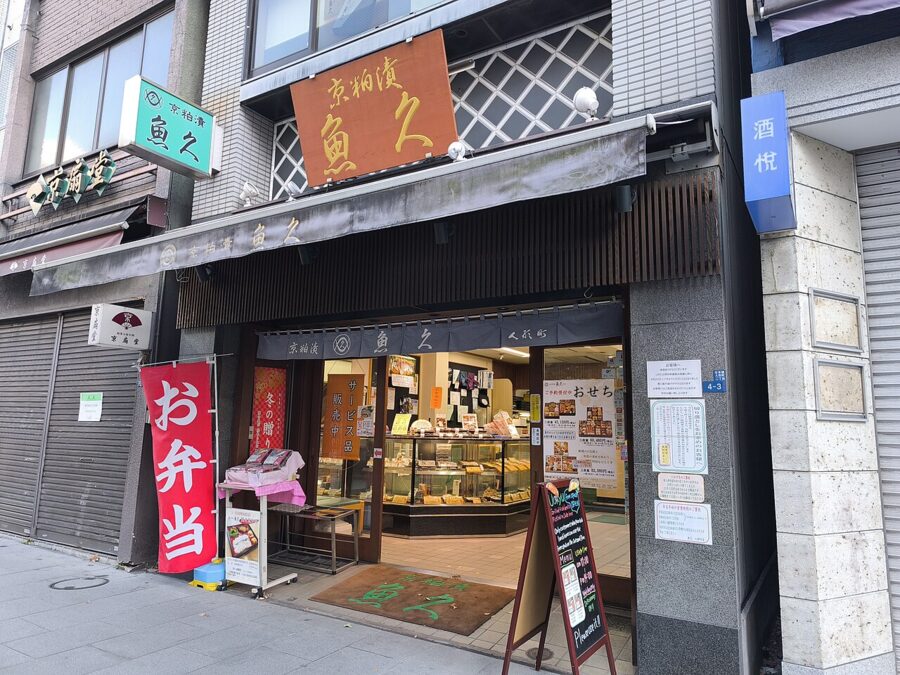
The real reason to go is two corners called Meika Hyakusen and Aji Hyakusen, the “hundred famous sweets” and “hundred famous flavours”. They gather products from makers all over Japan, some delivered only on particular days of the week.
On the sweets side you might find Ajari-mochi from Mangetsu in Kyoto; on the savoury side, Edo-style bento from Nihonbashi Benmatsu Sohonten or clam rice from Kameido Masumoto. It’s the easiest way to taste regional Japan without leaving Shinjuku. The store’s tax-free counter is on 11F.
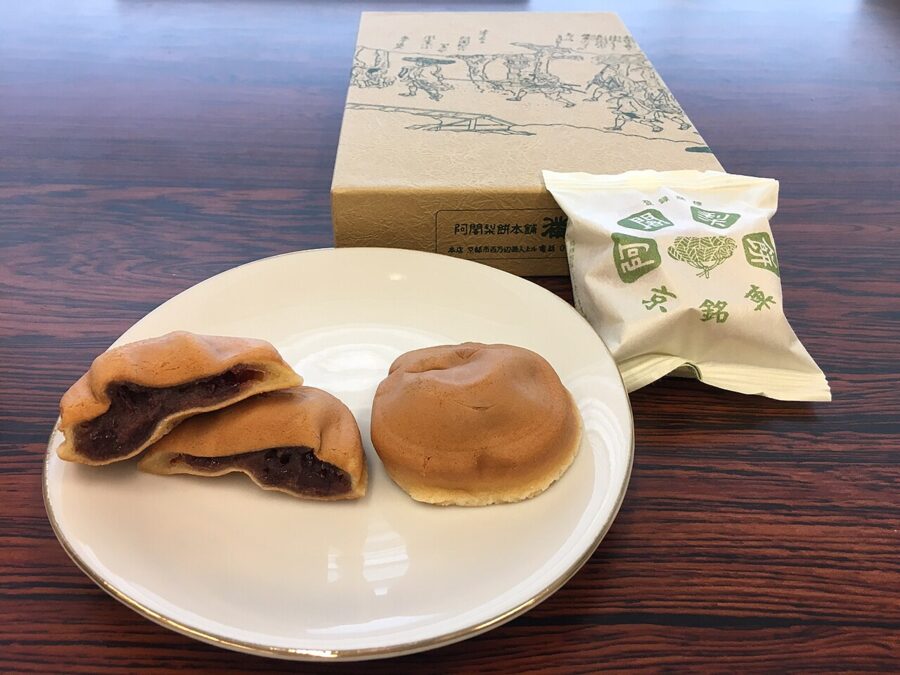
Nihonbashi Takashimaya, a few minutes south of Mitsukoshi along Chuo-dori, is the area’s other grand old store; its building was the first department store in Japan to be named an Important Cultural Property. If you’re in Nihombashi, you can do both basements in an afternoon.
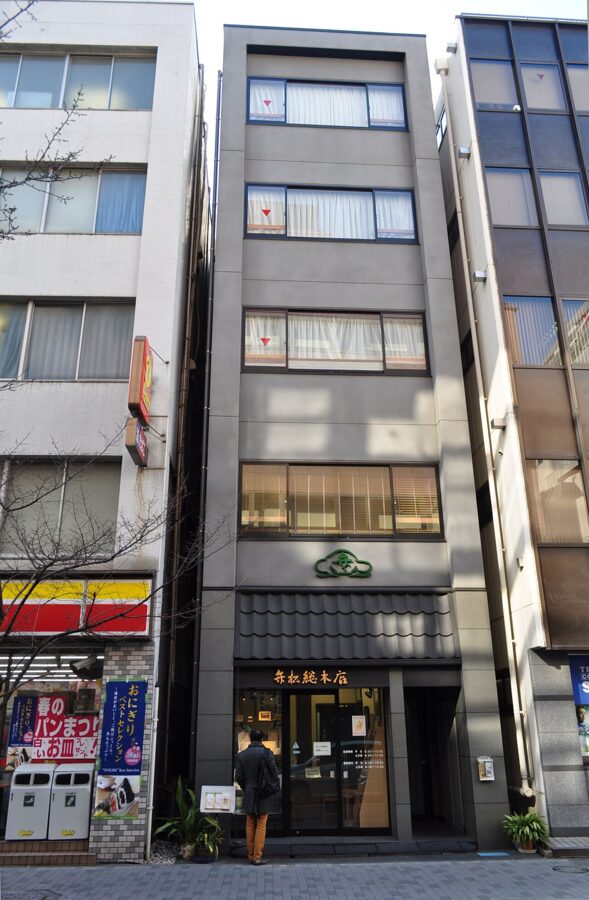
Tokyu Food Show, Shibuya
The Food Show is split between the first floor and basement of Shibuya Mark City and an older underground section in the Shibuchika arcade. It’s open 10:00–21:00 every day, later than most. The store’s own answers to customer questions are refreshingly specific: the deli and fresh-food markdowns start after 20:00, and the quietest times for the deli are 15:00–16:00 on weekdays.
The Shibuchika side has more than 40 deli shops, from Kakiyasu Dining’s Japanese plates to Salad Deli Margo. Upstairs in the Mark City sweets zone the queues are usually for Kakinokizaka Quatre and Mercer bis, and Fuffnagel’s raisin butter sandwiches are the ones people photograph. If you’re coming from the Den-en-toshi line, its gates bring you up almost into the Shibuchika section.
Daimaru Tokyo and Gransta
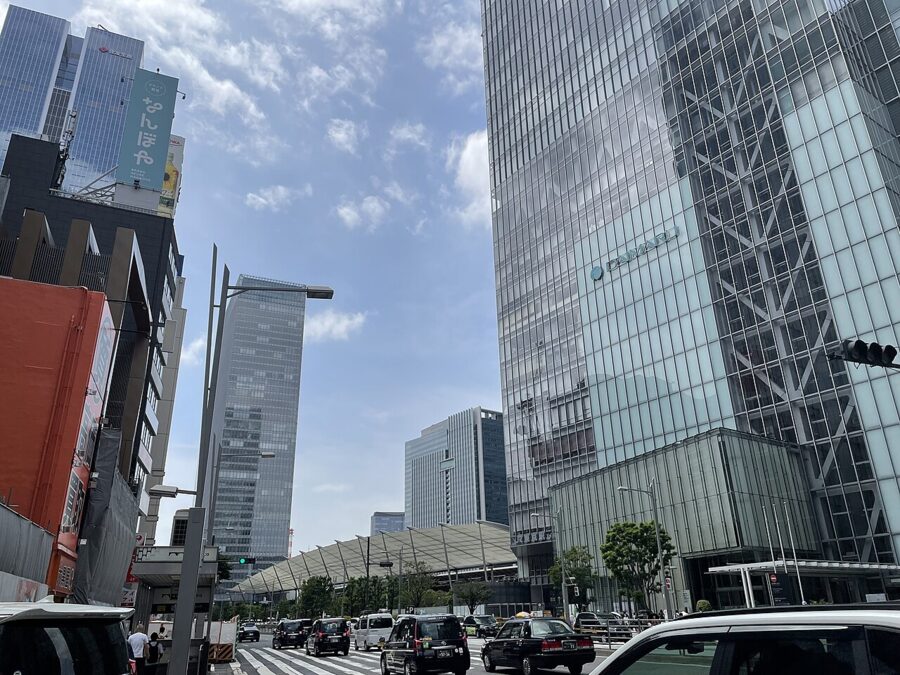
Daimaru Tokyo is in the GranTokyo North Tower on the Yaesu side of Tokyo Station, with food on B1 and 1F and a tax-free counter in the building. It’s the place to buy a train lunch, because the range is wider than in the station itself: Maisen has a counter on B1 for its katsu sando, the soft pork-cutlet sandwich that my tonkatsu guide traces to 1930s Ueno.
The sweet most people come for is N.Y.C.SAND’s caramel sandwich, a butter biscuit around chocolate and soft caramel. Daimaru’s own ranking of the Tokyo souvenirs sold on this floor put the eight-piece box first for the winter of 2025–26, and a box of four was ¥756 in September 2026. Gransta, inside the ticket gates, is the other half of Tokyo Station’s food offer, with hours that vary by shop. For the station’s ekiben counters, see my ekiben guide.
Keio, Ginza and the rest
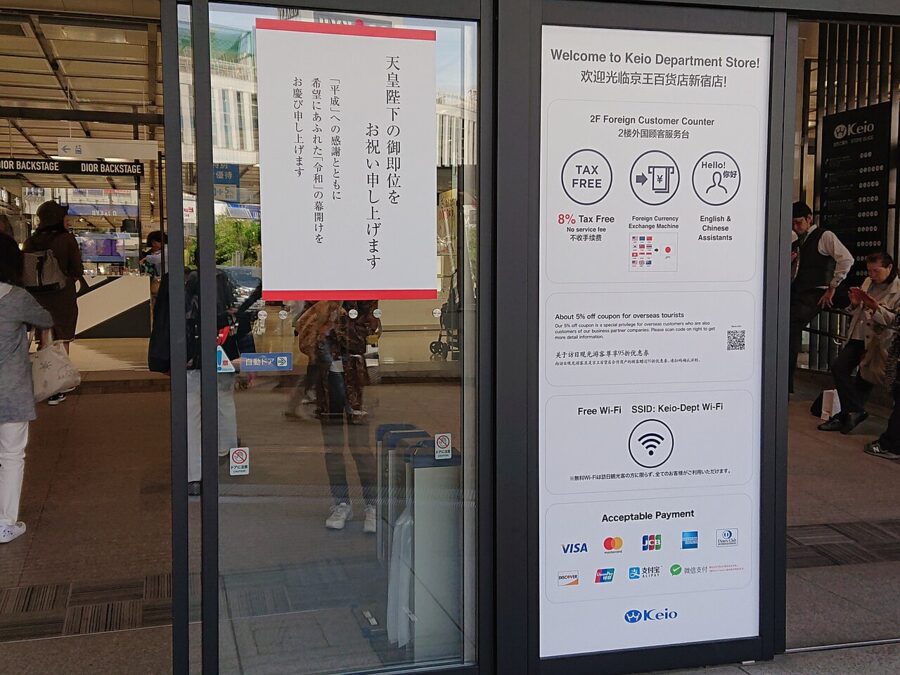
Keio Shinjuku, on the west side of Shinjuku Station, has its fresh food on B1 and its sweets, bento and deli on a mezzanine floor it calls MB. It’s open 10:00–20:30, closing at 20:00 on Sundays and holidays. For most of the year it’s a solid neighbourhood food hall. In January it hosts the most famous ekiben fair in Japan, which I cover below.
Ginza Mitsukoshi has its food on the second and third basement floors and a roof garden on 9F, which makes it a good Ginza lunch stop: buy downstairs, eat upstairs.
Osaka: two rivals in Umeda, and two more
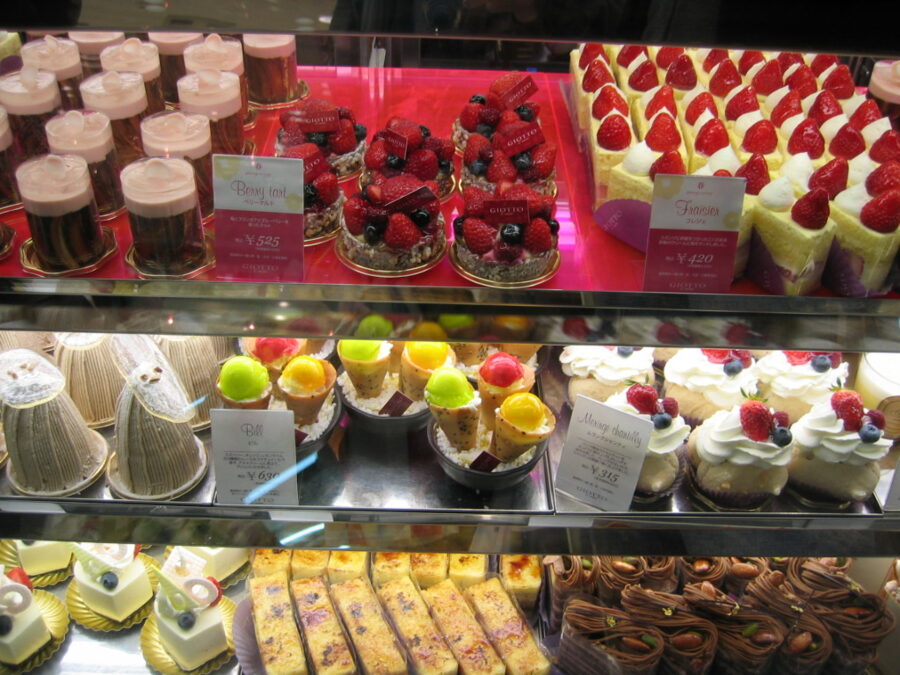
Osaka people will tell you that Umeda is the most competitive depachika district in Japan. Hankyu and Hanshin sit within a few minutes’ walk of each other, and they’ve built their food halls for different shoppers.
Hankyu Umeda
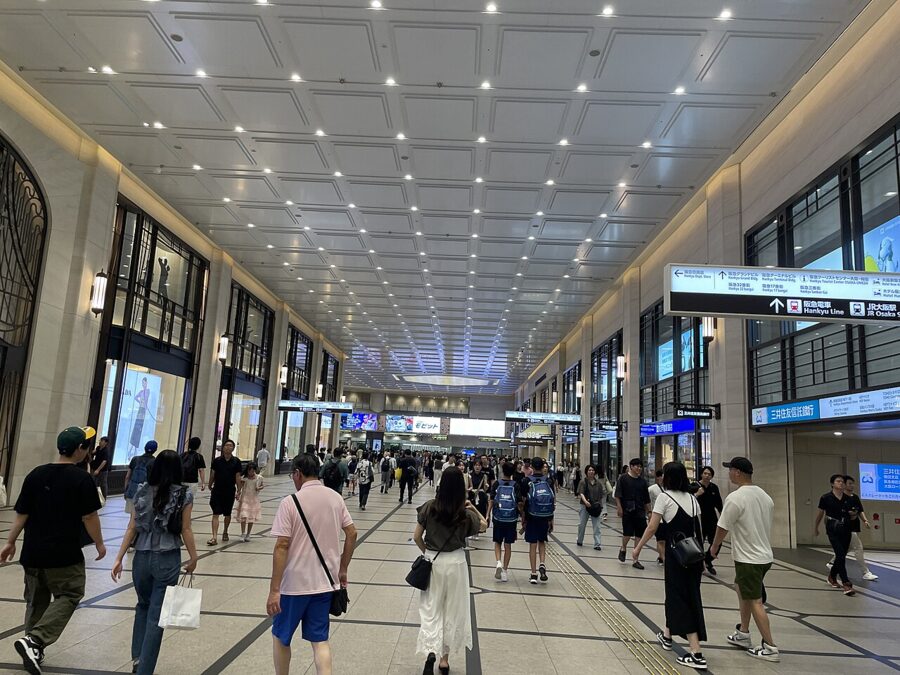
Hankyu’s main store, open 10:00–20:00, is the dressy one. Its B1 floor is sweets, bread, deli and bento, and B2 is fresh fish, meat, vegetables, fruit, pickles, sake and wine, a world food market and flowers. It’s about three minutes on foot from the Midosuji and South gates of JR Osaka Station, and two minutes from the Midosuji subway line’s Umeda Station.
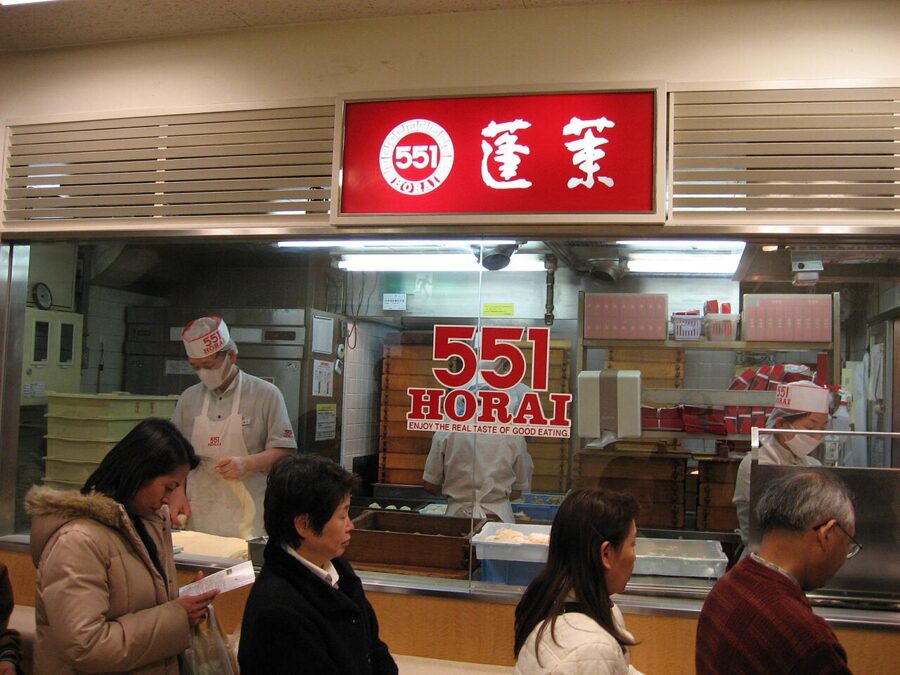
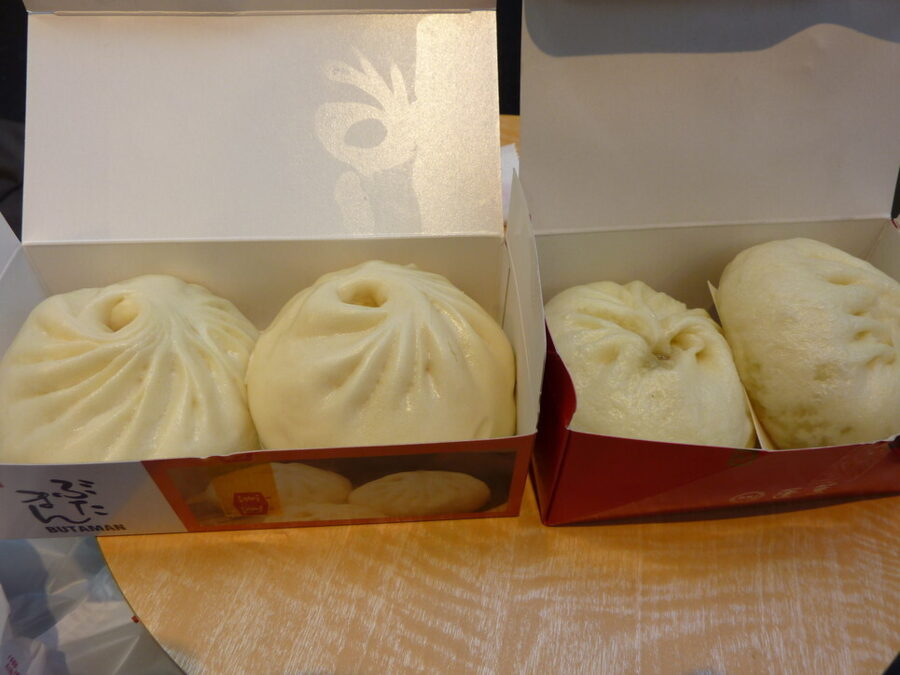
The practical touches are what make it easy. There’s a tax-free desk for overseas customers on B1, a service counter that will gather purchases from different counters for one pickup, and refrigerated coin lockers on B2. Look for the 551 Horai counter here too: its pork buns are ¥500 for two, and you’ll smell the boxes on every Shinkansen out of Shin-Osaka.
Hanshin Umeda
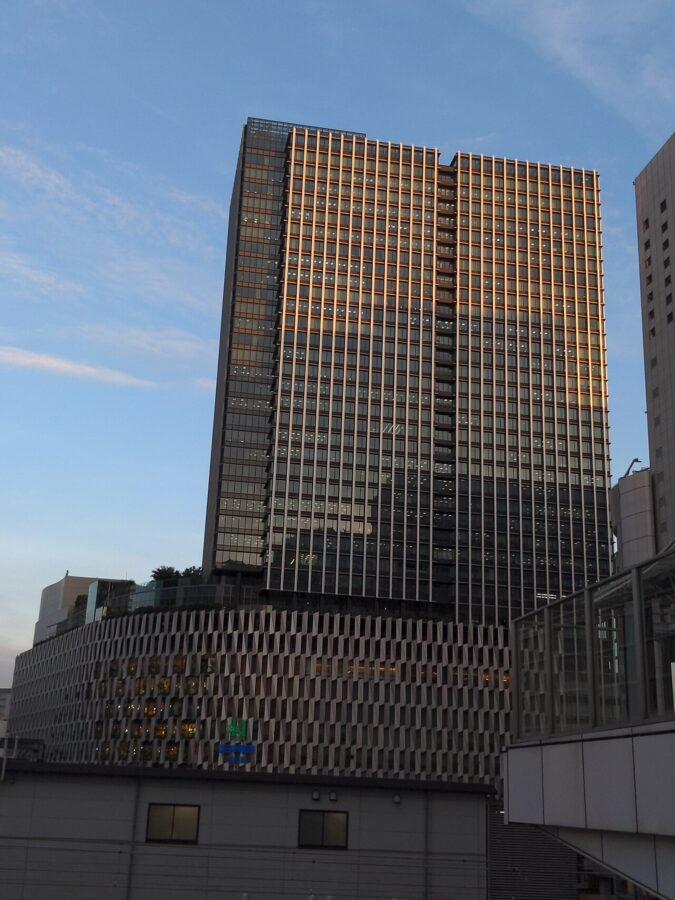
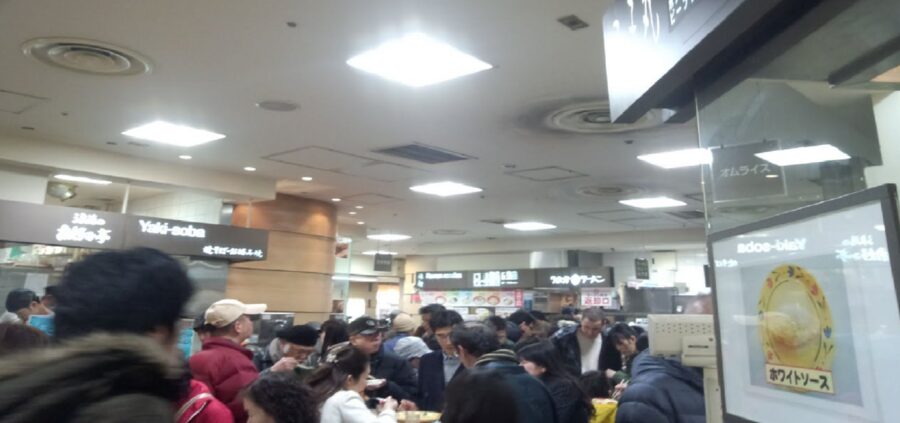
Hanshin is the everyday one, and proud of it. Its basement food hall carries fresh food, deli, liquor, sweets and bread, with more sweets and snacks on the ground floor. It’s open 10:00–20:00. The B1 Snack Park, a cluster of quick-food counters, stays open to 22:00 and is the reason a lot of people come.
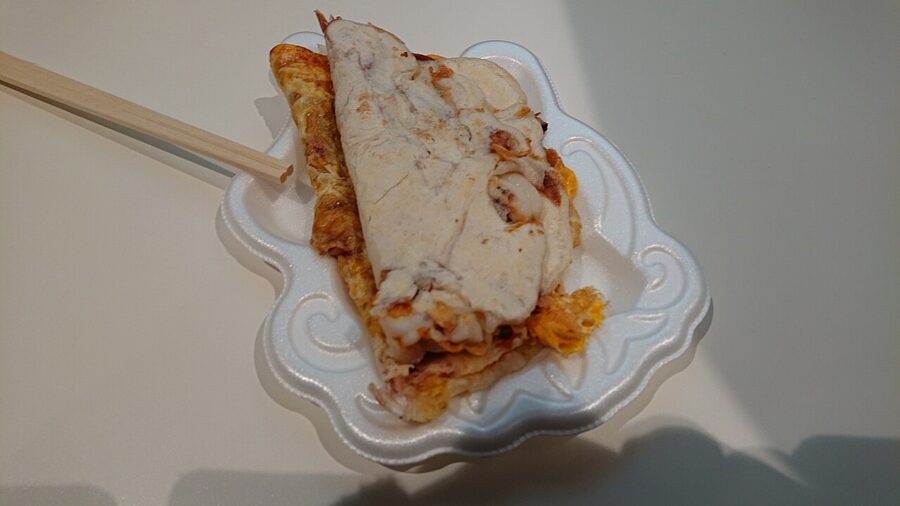
The Snack Park’s famous dish is Hanshin’s ikayaki: not the grilled whole squid you get at festivals but an Osaka version, squid pieces in batter pressed between hot iron plates until crisp at the edges. You eat it on the spot, in the Snack Park itself, which is the one part of the food hall built for that. Hanshin also ran Alibi Yokocho, a famous basement arcade of regional souvenirs, which my Japanese snacks guide tells the story of.
For more of the city’s cheap counter food, my Osaka street food guide covers Dotonbori and Kuromon.
Daimaru Shinsaibashi
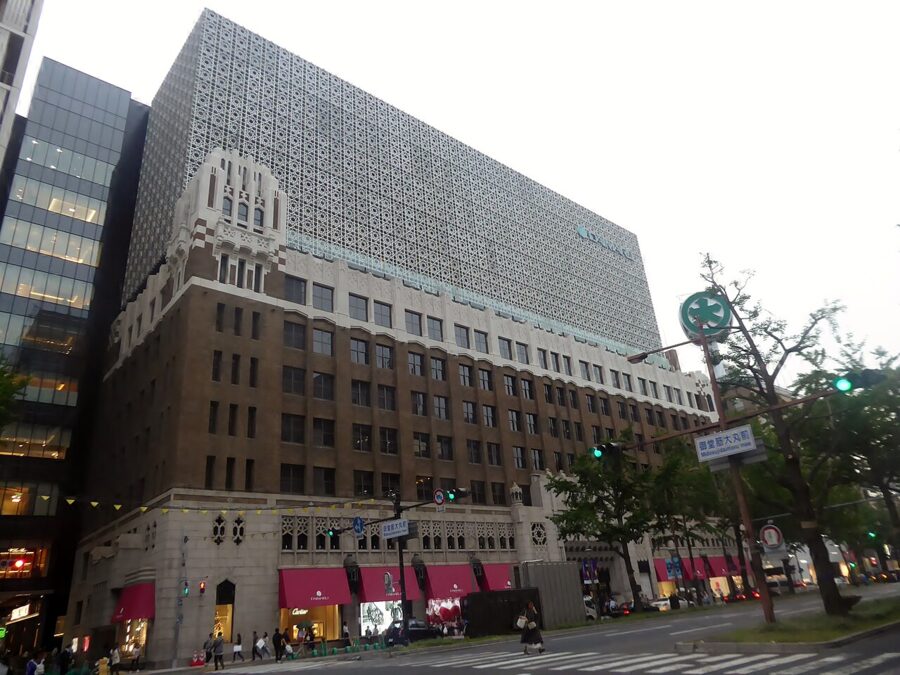
Daimaru Shinsaibashi, open 10:00–20:00, calls its B1 food floor Shinsaibashi Market. The unusual part is B2, a food hall with seating that runs 11:00–22:00, alongside fresh food, groceries and liquor. If the rule against eating in the basement frustrates you, this is the Osaka basement where you can sit down. Maisen has a counter on B1, and Sushiman, which has been making Osaka’s sparrow-shaped sea bream sushi since 1781, sells through Daimaru Shinsaibashi too; my guide to the types of sushi covers the pressed Osaka styles.
Abeno Harukas Kintetsu
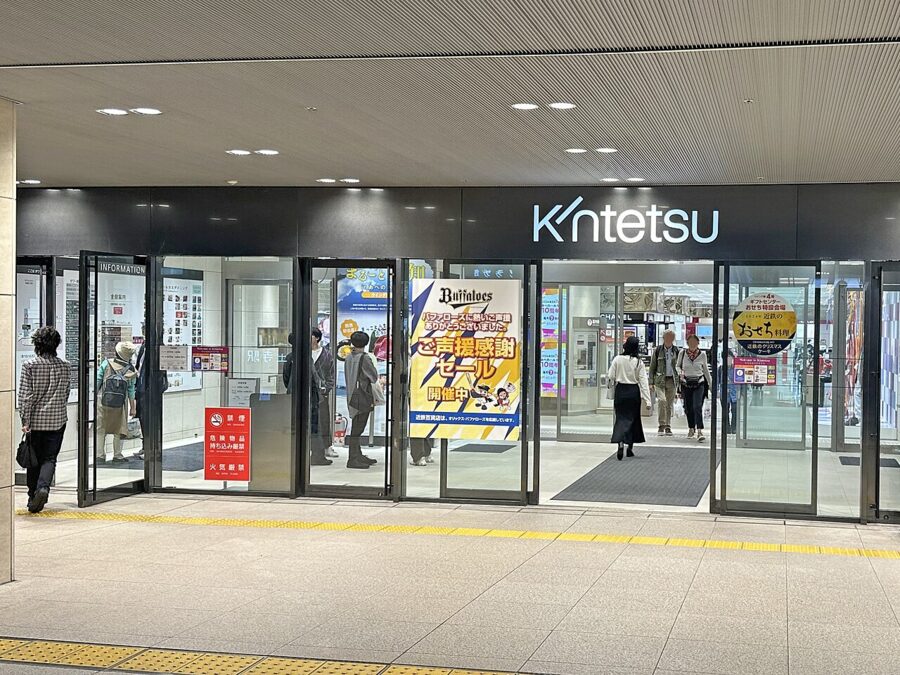
Kintetsu’s flagship in the Abeno Harukas tower is the biggest department store in Japan by floor area, and its food floors were planned at around 9,000 square metres, one of the largest in Kansai. It’s the best depachika for south Osaka, and an easy stop if you’re heading to Nara or Kansai Airport. Sushiman’s sparrow sushi is sold here as well.
Kyoto: the old makers, on one floor
Kyoto’s food halls are where the city’s old houses sell to people who will never visit their shops. Pickles, kombu, yuba, wagashi and sake that you’d otherwise chase across town are all a few metres apart. For the city’s food beyond the basement, see my guide to what to eat in Kyoto.
Kyoto Takashimaya
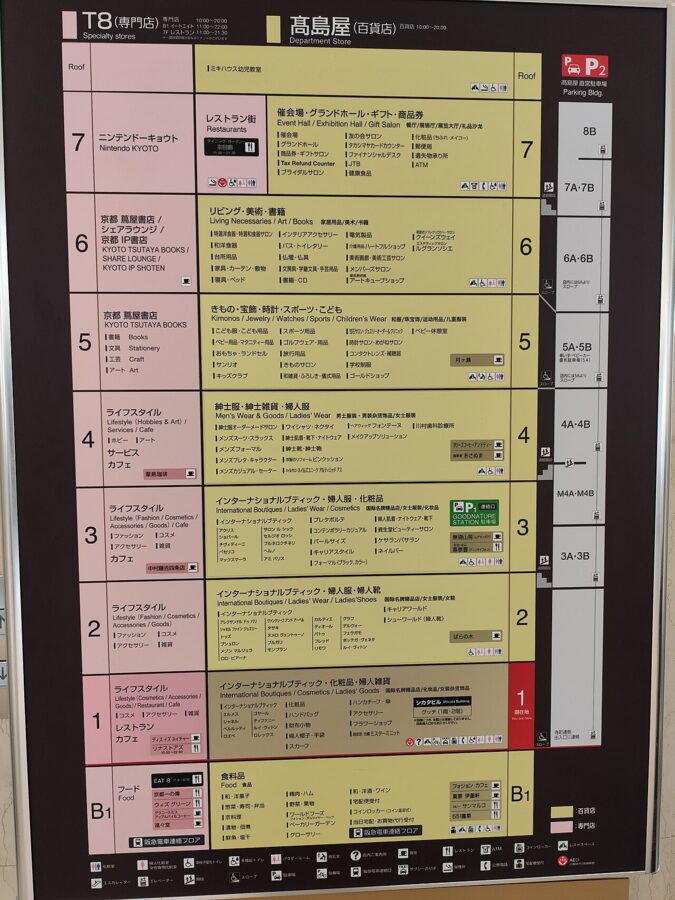
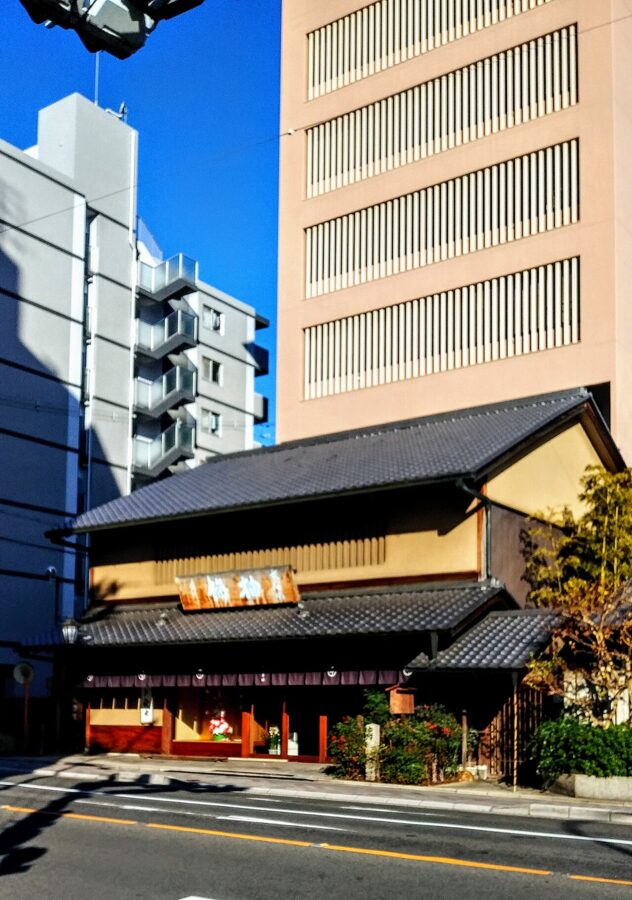
Kyoto Takashimaya stands at the corner of Shijo and Kawaramachi, connected to Kyoto-kawaramachi Station, and opens 10:30–20:00 (those hours started on 1 August 2026). Its basement is the best single place to shop for Kyoto food to take home. The store’s own staff picks, with prices from November 2025 to March 2026, give a good shopping list.
- Murakami-ju Honten’s shibazuke, the purple pickle of cucumber, aubergine, myoga and ginger in red shiso: ¥600 for 130g, in the Aji Hyakusen corner.
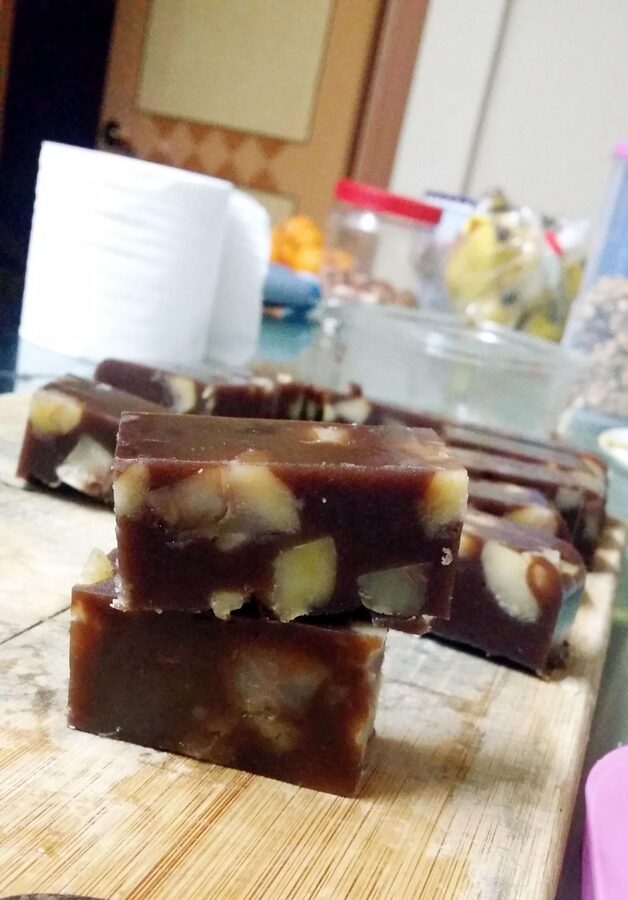
- Tsuruya Yoshinobu’s Kyoto-only yokan, three bars in two flavours, matcha with red beans and yuzu: ¥1,275.
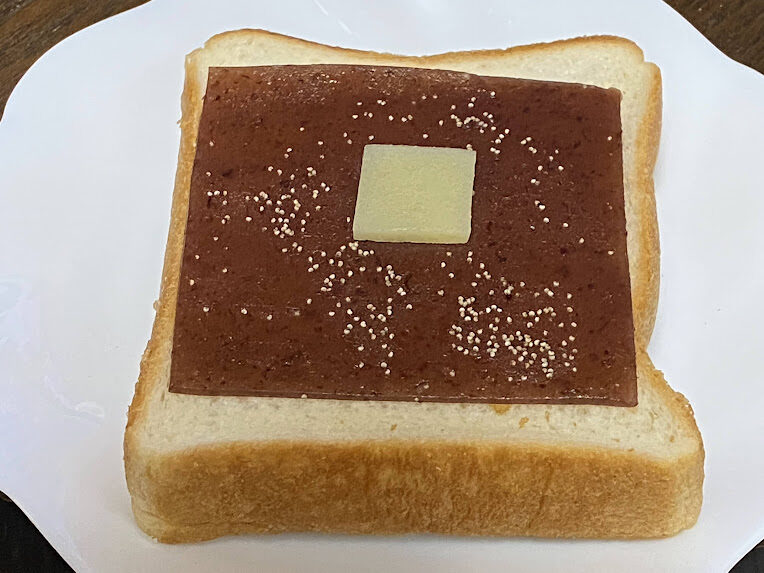
- Kameya Yoshinaga’s slice yokan, sheets of red-bean yokan made to lay on toast: ¥540 for two.
- Senmaruya’s instant yuba soups from a yuba maker founded in 1804: ¥324 each.
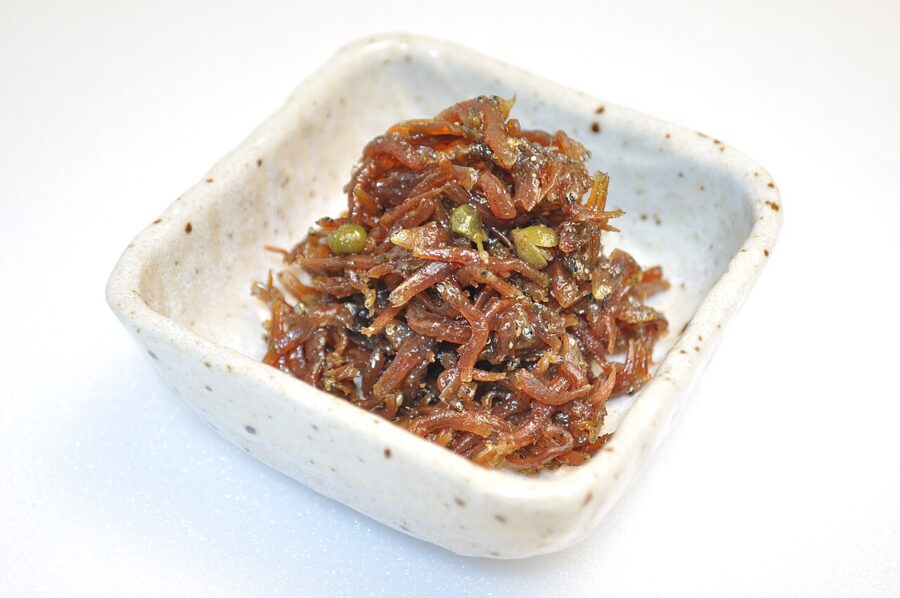
- Harema’s chirimen sansho, tiny fish simmered with sansho pepper, in ten small packs: ¥1,458.
- Ungetsu’s Moshio, soft kombu with ten seasonings, sold only here: ¥800.
Daimaru Kyoto
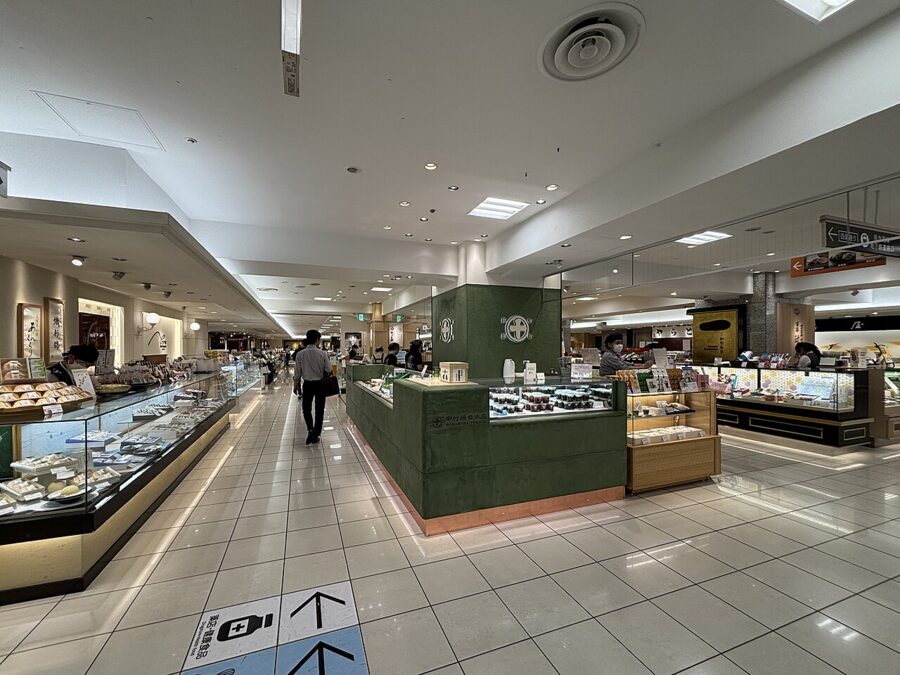
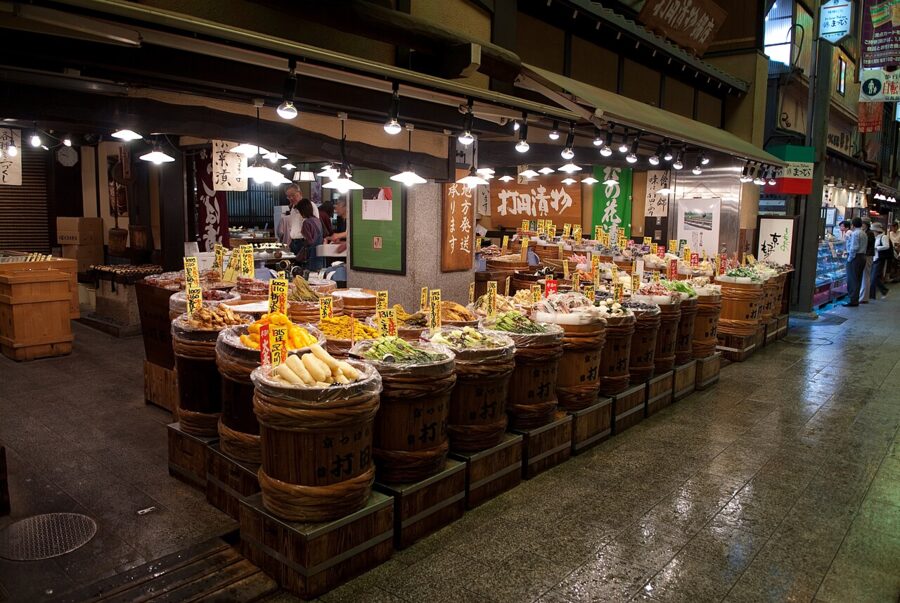
Daimaru Kyoto is on Shijo-dori at Takakura, a block east of the Shijo-Karasuma crossing where the subway’s Shijo Station and Hankyu’s Karasuma Station meet. Its food is on the lower floors, open 10:00–20:00. It has a Maisen counter on B1, and the wagashi and tea counters fill the front of the floor. Its best trick is location: Nishiki Market‘s western end is a short walk north up Takakura-dori, so you can compare the market’s stalls and the store’s counters in one walk.
JR Kyoto Isetan
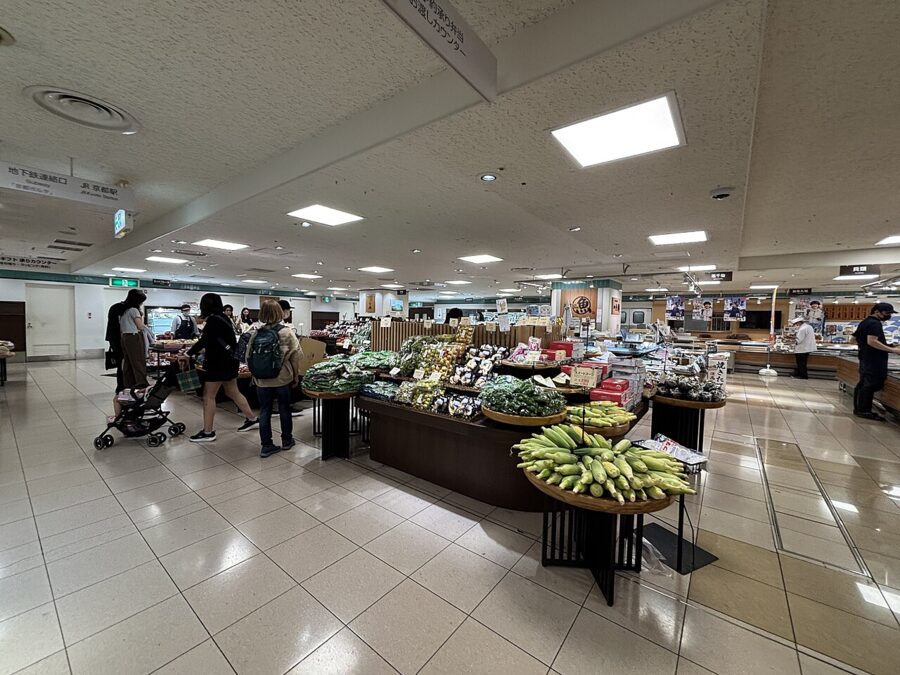
JR Kyoto Isetan is inside the Kyoto Station building, with its food hall on B1. It’s the place for last-minute Kyoto shopping before a train: Toraya and the Uji tea house Kanbayashi Shunsho both have counters here. If you’re short of time, it’s the one Kyoto basement you don’t need to leave the station for.
Beyond Tokyo, Osaka and Kyoto
Every city of any size has a depachika, and some of the best food is in the smaller ones, where local makers sell without competition from the national brands. A few that are worth knowing:
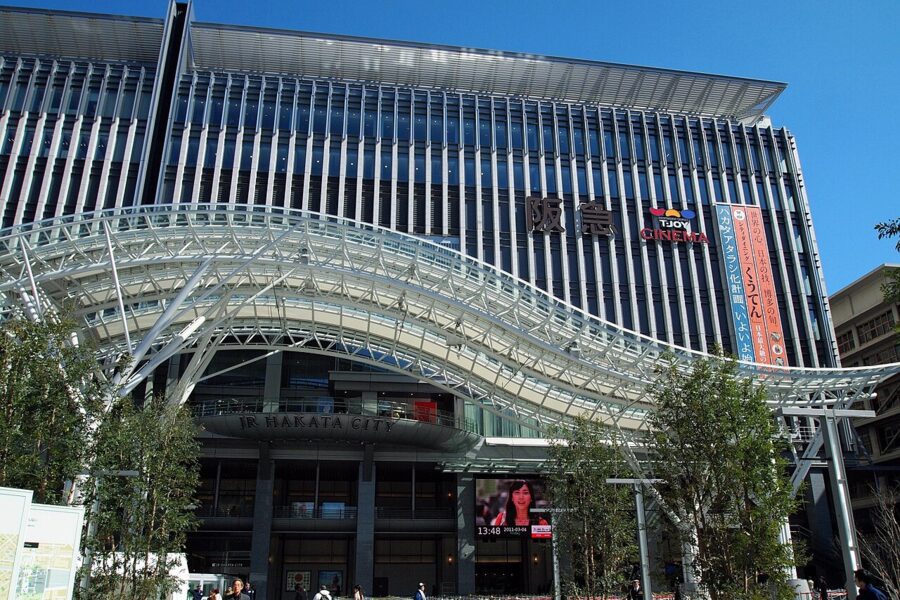
- Matsuzakaya Nagoya, in Sakae, home of the first basement food floor, with Maisen and other counters on B1.
- JR Nagoya Takashimaya, above Nagoya Station, for a bento before the Shinkansen; Maisen is on B1 here too.
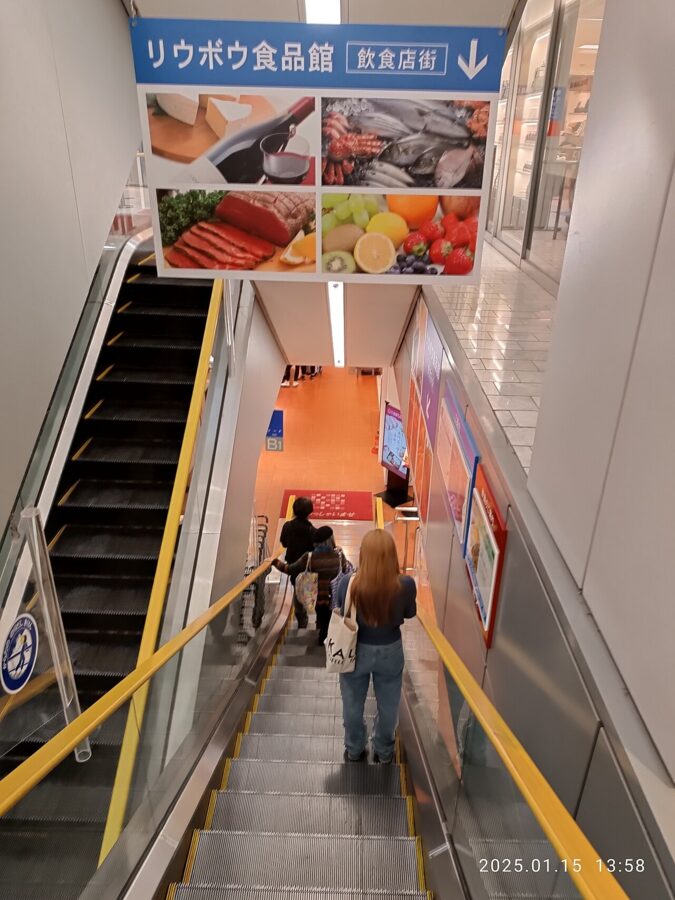
- Ryubo, in Naha, the department store that outlasted Okinawa’s others, with a basement food hall under the Palette Kumoji building.
What to buy, counter by counter
Go down with a job in mind: dinner tonight, lunch for tomorrow’s train, a gift, or something to take home.
Tonight’s dinner
Make a small meal out of three counters. One main from the deli or grill, one vegetable side by weight, and rice in some form, either onigiri or a small bento. Add a single sweet from the wagashi case for after.
That’s dinner for well under ¥3,000 in most Tokyo food halls, and much better than anything the convenience store sells. If you want to compare the two, my konbini food guide covers the other side.
Kyoto and Osaka in a box
The famous makers’ counters are the depachika’s real strength. In Kyoto that means pickles, chirimen sansho, kombu, yuba and wagashi from the old houses. In Osaka it’s 551 Horai’s pork buns, pressed sushi and the city’s sweets.
In Tokyo the regional corners at Takashimaya bring a lot of this together. If the label says “Kyoto only” or “this store only”, that’s the thing to buy.
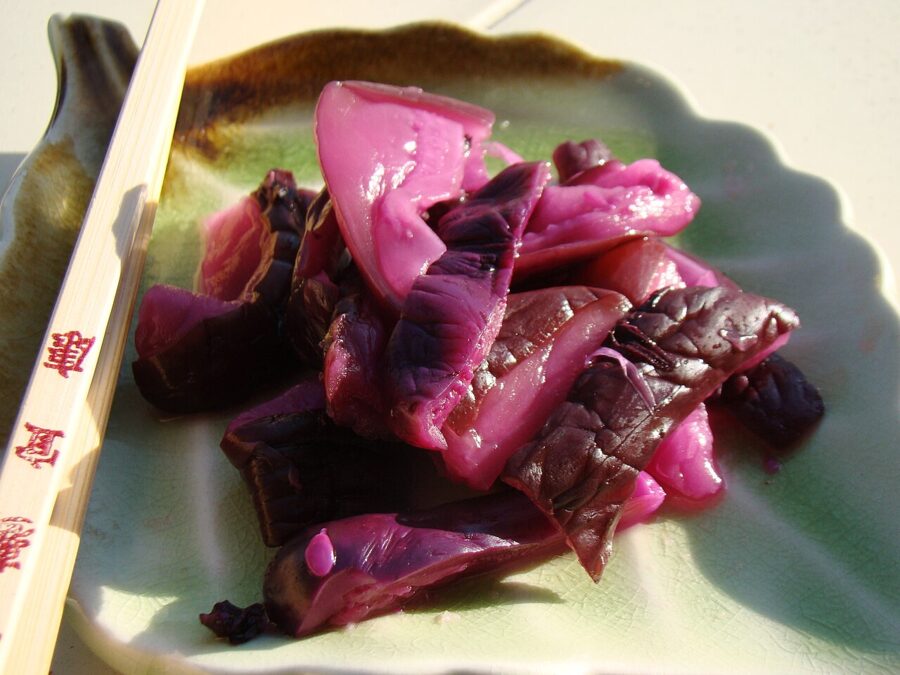
Watch the dates. Pickles, kombu and dried goods keep for weeks; fresh wagashi, sushi and anything with cream keep for a day. My snacks and souvenirs guide, linked above, goes into what travels home and what doesn’t.
Wagashi and the seasonal case
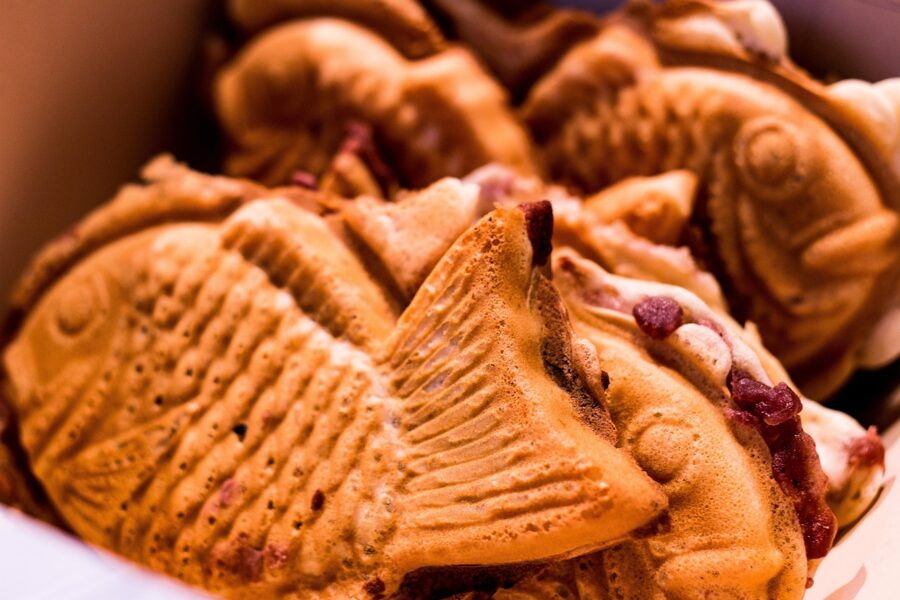
The fresh wagashi case changes with the calendar, and that’s what makes it worth a look every visit. In autumn it’s chestnuts and persimmon colours, in spring cherry blossom. The dry sweets and yokan sit beside it and keep much longer. If you buy fresh namagashi, eat them the same day.
Fruit you give rather than eat
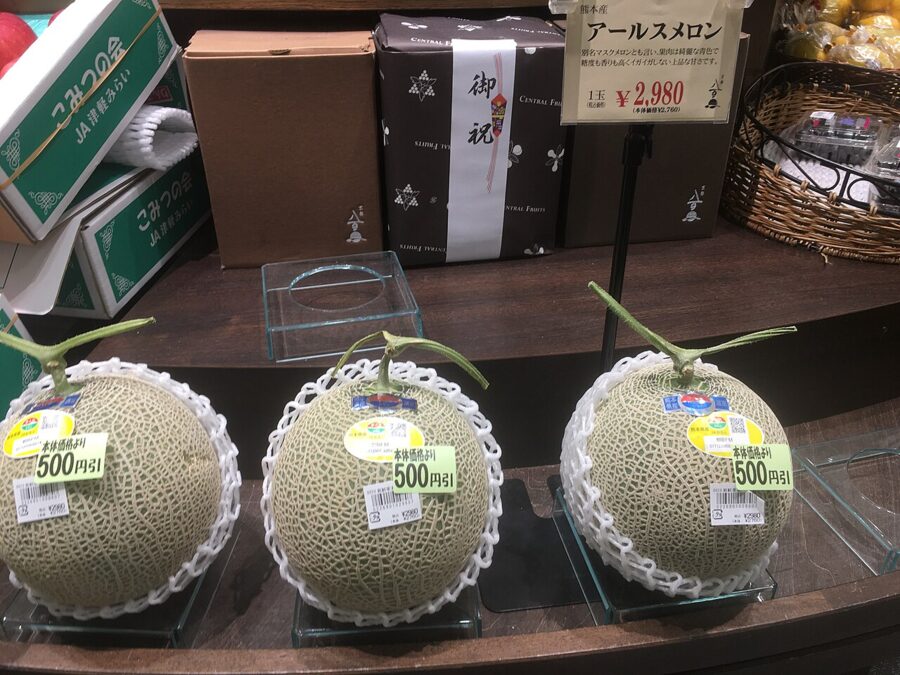
Japanese gift fruit is a separate economy. A single melon or a bunch of grapes in a box is bought for a hospital visit, a business call or a seasonal present, and it’s priced on appearance as much as flavour. For eating yourself, look for the cheaper fruit that doesn’t make the gift grade, or buy a fruit sandwich or cut fruit from the same counter.
The fair weeks: ekiben, regional and foreign
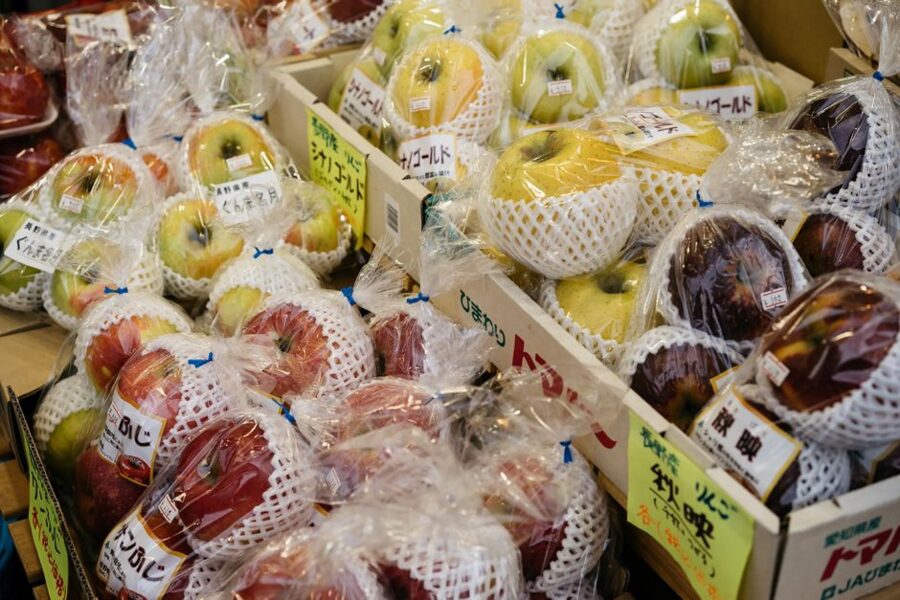
Every big store runs themed fairs, usually on an upper event floor, and the biggest are the ekiben fairs. Keio Shinjuku’s Ganso Yumei Ekiben to Zenkoku Umaimono Taikai, the “original famous ekiben and best of Japan fair”, has run every January since 1966. The 2026 fair ran for 16 days from 6 January and gathered more than 380 kinds of station bento, with some made live by the bento makers in the hall.
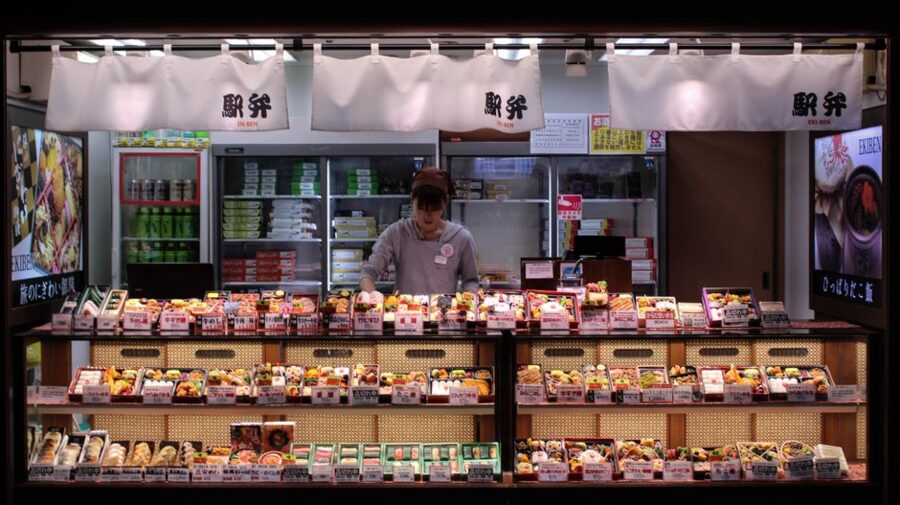
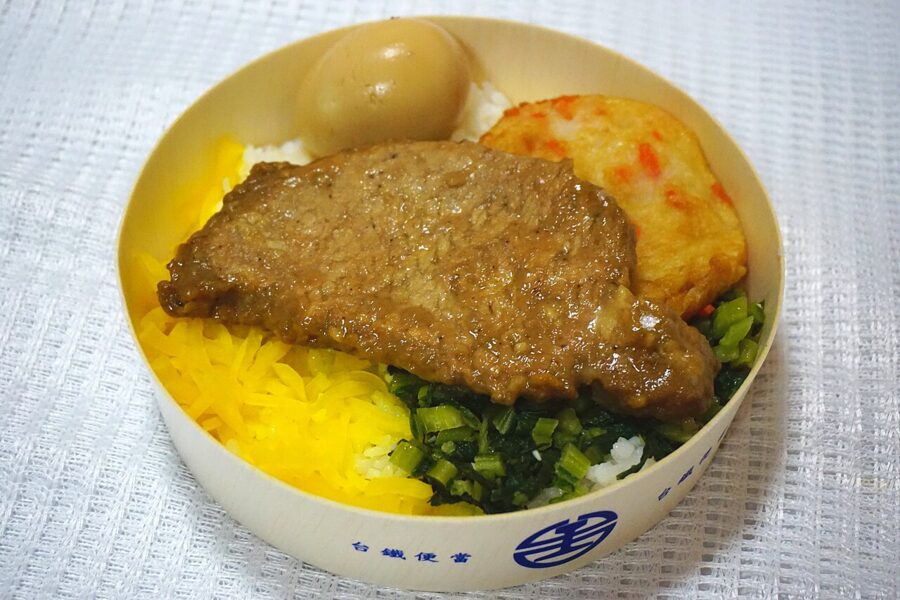
Hanshin in Osaka runs its own ekiben fair; in 2026 it ran from 16 to 23 February on the store’s eighth floor, with 310 kinds of ekiben, back after a year off. The other big fairs to look out for are the regional product fairs (bussanten), which bring a prefecture’s food to a city store for a week. If you see Hokkaido or Kyushu on the posters, go.
When to go: markdowns, quiet hours and the busy seasons
The famous markdowns are real but patchy. Deli and fresh-food counters put discount stickers on what’s left near closing, but not every counter does it, and the sweets mostly don’t. The Tokyu Food Show is the only store I’ve seen put a time on it: after 20:00 for deli and fresh food, with a 21:00 close. Elsewhere, the last hour before closing is the time to look.
For a calm visit, go mid-afternoon on a weekday. The Food Show suggests 10:00–15:00 on weekdays for sweets and 15:00–16:00 for the deli. Weekends are busy all day, and the hour after offices close is the worst of all.
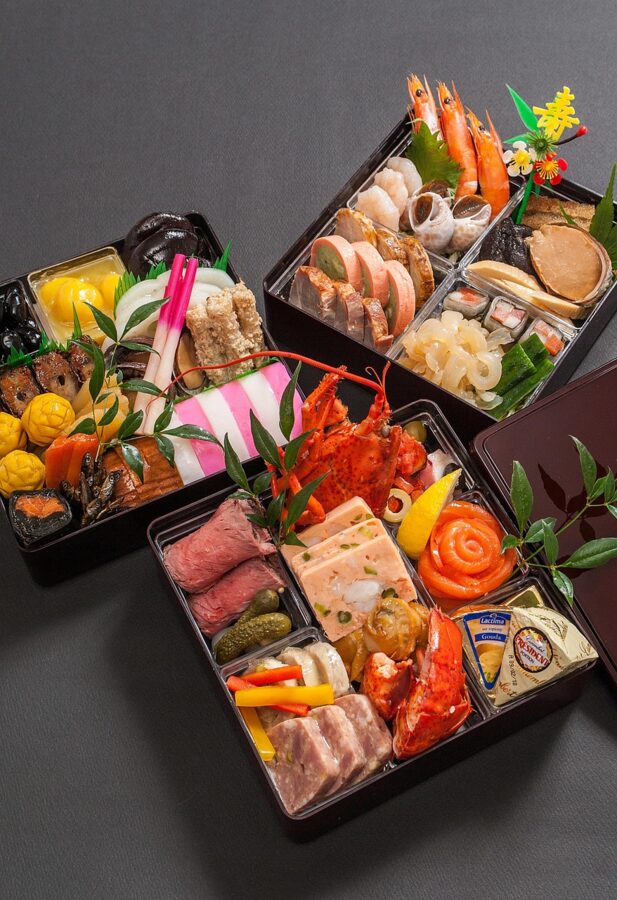
The calendar matters too. Mid-December to the end of the year is busy with year-end gifts and osechi pick-ups, and late January to mid-February is taken over by Valentine’s chocolate. Most of the big stores close on 1 January, and some on the 2nd as well.
Wrapping, bags and tax-free
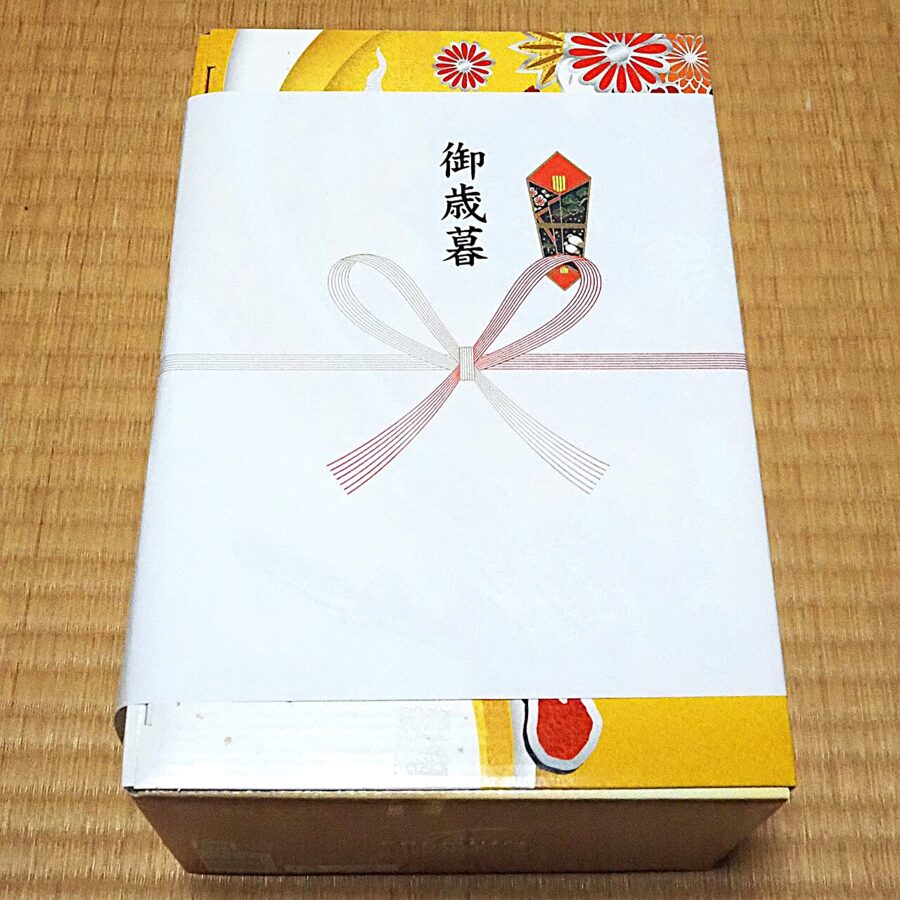
Gift wrapping is part of the service. If you’re buying for someone, say it’s a gift and the counter will wrap it, often in the store’s own paper. For formal gifts they can add a kakegami, a paper band with a printed noshi and the purpose written on it. The Tokyu Food Show names several wagashi shops that can do this, including Ginza Akebono, Sasaya Iori and Chuoken Senbei, and every big store has staff who know the conventions.
Bring a bag. Many food floors now charge a few tens of yen for a carrier bag, and you’ll be glad of something sturdier than a paper bag once you have six boxes. If you’re handing over gifts separately, ask for a bag for each.
Tax-free shopping changed on 1 November 2026. You now pay the full price, including consumption tax, and get the tax back after customs confirms you’re taking the goods out of Japan. The threshold is ¥5,000 before tax in one store on one day, and food you eat in Japan isn’t eligible, so this matters for boxed gifts, not for tonight’s dinner.
Department stores handle it at a tax-free counter rather than at each till; Shinjuku Takashimaya’s is on 11F and Hankyu Umeda’s is on B1. The airport side of the process is in the snacks guide.
Where to eat what you’ve bought
This is the depachika’s one real problem. You’ve bought a beautiful dinner and there’s nowhere to eat it. Here are the options, roughly from easiest to best.
Your hotel. The simplest and the most common. Ask for chopsticks at the counter; most will add them without asking.
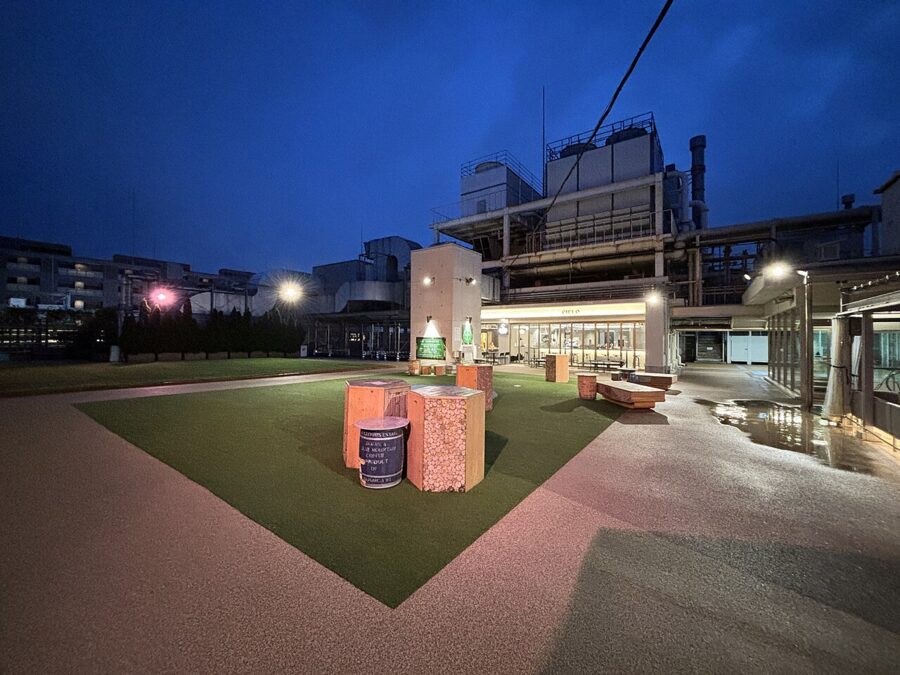
The store’s own eat-in spaces. Hanshin’s Snack Park (to 22:00) and Daimaru Shinsaibashi’s B2 food hall (11:00–22:00) are made for this. Ginza Mitsukoshi’s 9F roof garden has a lawn and a wooden deck with tables where people eat takeaway lunches.
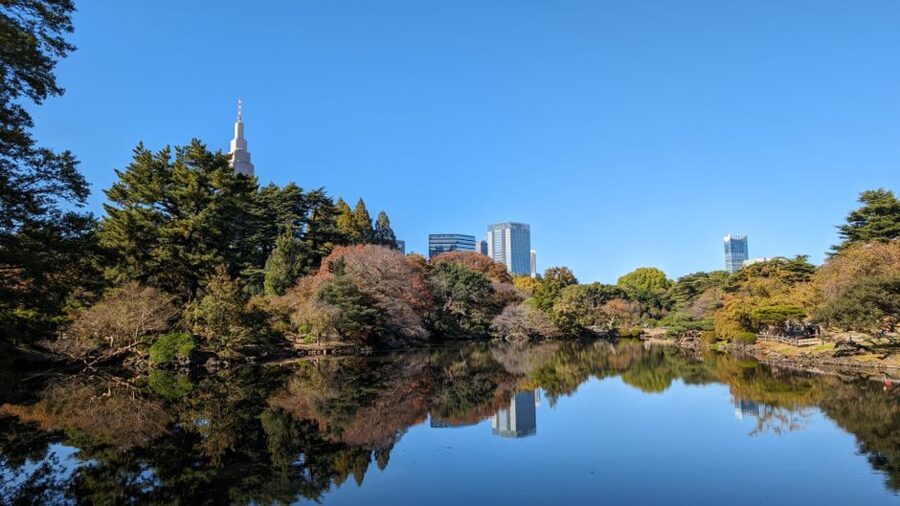
A park. In Shinjuku, Shinjuku Gyoen is a short walk from Isetan and Takashimaya. Entry is ¥500, it’s closed on Mondays (the next weekday when Monday is a holiday), it closes in the late afternoon, and alcohol is banned: staff may check your bags. Leave the sake for the hotel.
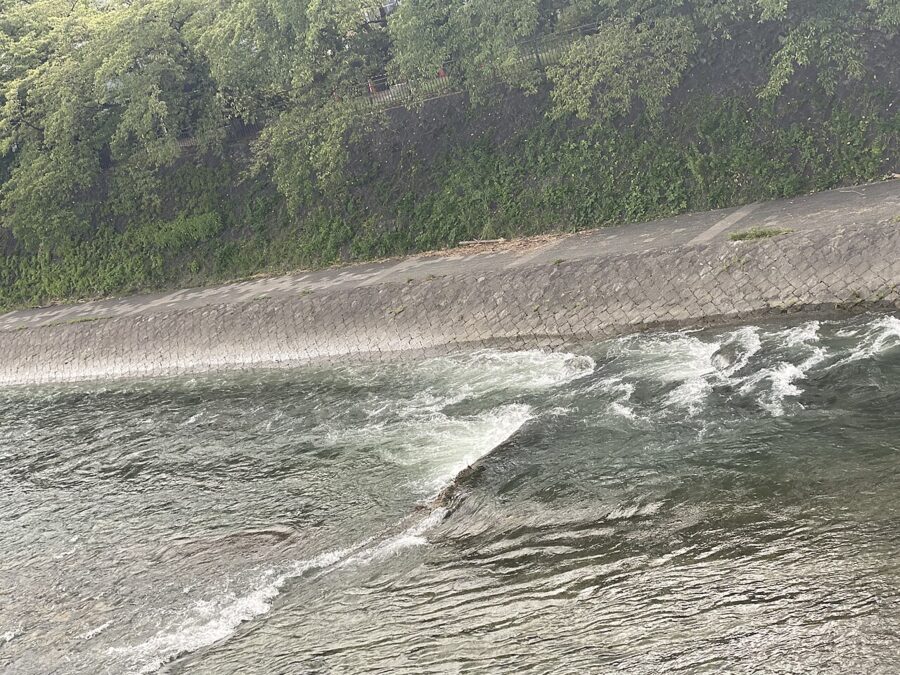
The river. In Kyoto, buy at Takashimaya and walk east along Shijo-dori to the Kamo River; the steps and banks are where Kyoto eats outdoors. In Osaka, Nakanoshima, the river island just south of Umeda, has lawns along the water.
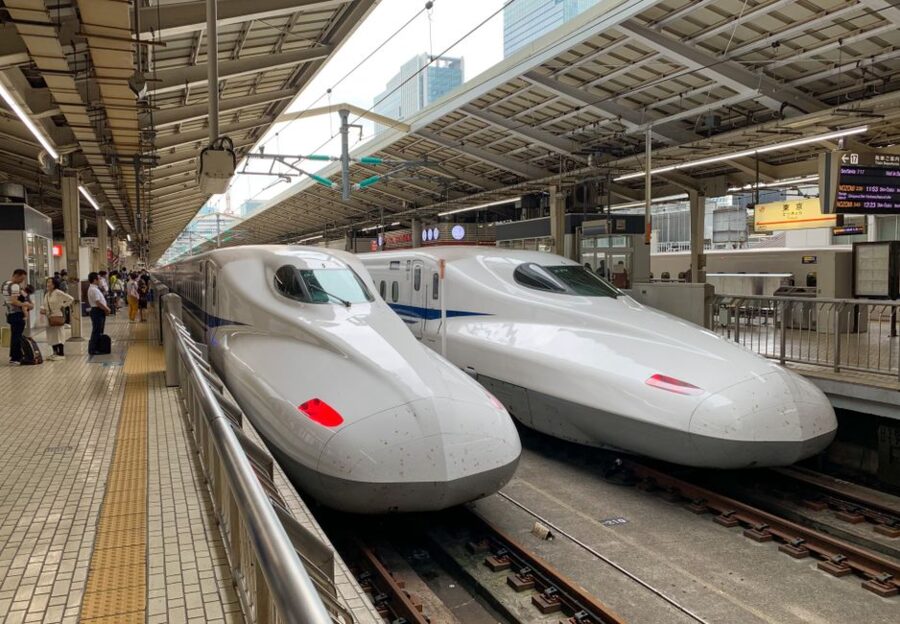
The train. Eating on the Shinkansen and limited express trains is normal; eating on a crowded commuter train is not. A depachika bento on a Shinkansen tray table is one of the good things in life.
Prices, and what to skip
| What | Where | Price |
|---|---|---|
| Ikayaki | Hanshin Umeda Snack Park | A little under ¥200 |
| Pork buns, two | 551 Horai counters, Osaka | ¥500 |
| Deli salad | RF1 | ¥486–540 per 100g |
| Small yokan bar | Toraya (seasonal bars, autumn 2026) | ¥324 |
| Instant yuba soup | Senmaruya, Kyoto Takashimaya | ¥324 |
| Slice yokan, two sheets | Kameya Yoshinaga, Kyoto Takashimaya | ¥540 |
| Shibazuke, 130g | Murakami-ju Honten, Kyoto Takashimaya | ¥600 |
| Caramel sandwiches, four | N.Y.C.SAND | ¥756 |
| Kyoto yokan, three bars | Tsuruya Yoshinobu, Kyoto Takashimaya | ¥1,275 |
| Junmai daiginjo, 720ml | Saito Shuzo, Kyoto Takashimaya | ¥3,520 |
| Gift musk melon | Sembikiya Sohonten | ¥20,520 |
A few things I’d skip:
- Gift fruit for yourself. You’re paying for the shape and the box. Buy cut fruit or a fruit sandwich instead.
- Cream cakes before a flight. They won’t survive the day, and the airport security tray won’t help.
- The floor at 18:30 on a weekday. It’s the office rush. Go earlier, or come back after 20:00 at the Food Show.
- A lap of samples. It’s the quickest way to annoy the staff, and you’ll be too full for dinner.
- Department-store sushi as your only sushi. The pressed regional styles are excellent. Nigiri in a box is not the same as nigiri at a counter.
Go down at five on a weekday. Walk the floor once, buy one thing from each of three counters, and eat it by a river or on a train. Then come back on your last day for the boxes you’re taking home.
You Might Also Enjoy
 Huangshan: The Yellow Mountains by Cable Car and on Foot, Sunrise on the Summit and the Villages Below
 Thai Street Noodles: A Field Guide from Boat Noodles to Khao Soi
 3 Days in Shanghai: The Bund at Dawn, the Old City, the French Concession and a Day Trip, Planned Hour by Hour
 Mutianyu: The Great Wall Section That’s Actually Worth Going To