Nara Day Trip: Todai-ji Before the Crowds, the Deer, Naramachi and What to Eat
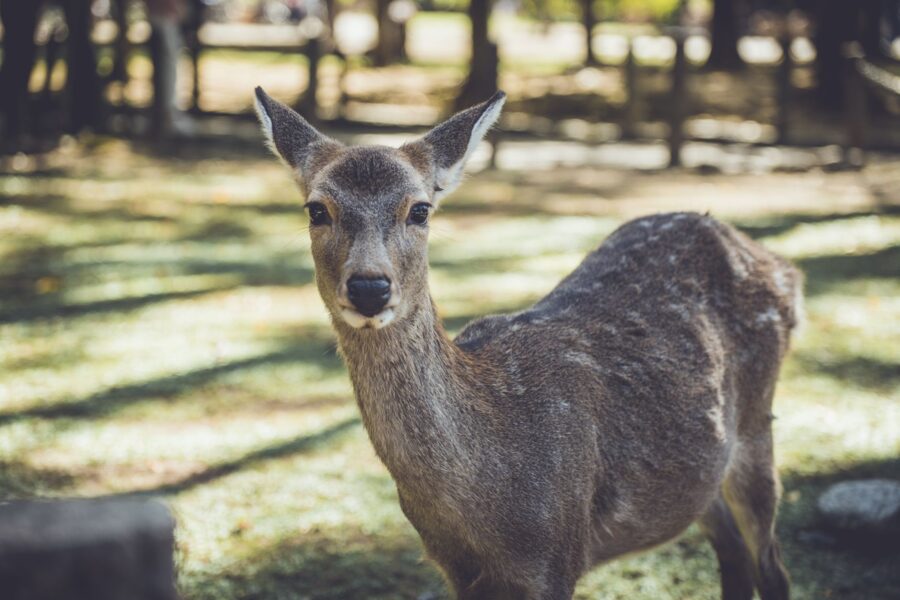
The first deer I met in Nara was waiting at a pedestrian crossing on Noborioji-dori, five minutes from the station, as if it had somewhere to be. The lights changed, it crossed with a school group in yellow caps, and then it stopped dead in the middle of the road to stare at a man holding a paper bag. Nobody honked. That is Nara in one scene: a city of 1,300-year-old temples where the traffic still gives way to a protected wild animal with an appetite for paper.
It is also one of the easiest day trips in Japan. From Kyoto or Osaka you are on a platform in Nara in under an hour, and almost everything worth seeing sits inside one walkable park. The catch is that plenty of other people have worked that out too, and most of them seem to arrive mid-morning and head for the same hall.
So this guide is built around timing. It takes you in on the right train, gets you to Todai-ji before the coaches, walks you up to Nigatsu-do and across to Kasuga Taisha’s lanterns while the light is still low, and puts the busy, central sights at the end of the day when the tour groups have already gone back to their buses. Then it feeds you, because Nara’s food is better than its reputation and much older.
Everything below was checked against the temples’ and operators’ own published hours and fees for late 2026. A few of them have changed recently, and two of the changes (a pagoda you can no longer see, and a deer festival that has moved month) will catch out anyone working from an older guide.
In This Article
- Kintetsu or JR? Pick your station first
- From Kyoto
- From Osaka (and Kobe)
- Which station puts you where
- The day, hour by hour
- Nara Park and the deer
- Shika senbei and the famous bow
- The risks nobody prints on the crackers
- Why they are here at all
- Start early at Todai-ji
- Nandaimon, the Great South Gate
- The Great Buddha Hall
- Up to Nigatsu-do
- Kasuga Taisha: lanterns, cedar and a bowl of porridge
- Two gardens next to Todai-ji
- Kofuku-ji, and the pagoda you won’t see
- Naramachi in the afternoon
- Koshi-no-Ie and Nigiwai-no-Ie
- Gango-ji
- Harushika and a sake tasting
- What to eat in Nara
- Kakinoha-zushi
- Nara-zuke
- Kuzu sweets
- Nakatanidou’s yomogi mochi
- Miwa somen
- Chagayu
- Nara sake and Shoryaku-ji’s claim
- When to go, and when not to
- A quieter half day: Takabatake and Shin-Yakushiji
- What the day costs
- Skip this
Kintetsu or JR? Pick your station first
Nara has two main stations, about fifteen minutes’ walk apart, and the choice decides how your day starts. Kintetsu-Nara sits at the foot of the park: Kofuku-ji is five minutes away and the first deer are about eight. JR Nara is further west, in the newer part of town, so from there you either walk 15 to 20 minutes or take a bus up to the sights.
If you have a JR Pass, the JR line is covered and the extra walk costs nothing but time. If you don’t, Kintetsu is almost always the better call: similar fares, similar journey times, and it drops you where you actually want to be.
| From | Line and train | Time | Fare | Arrives |
|---|---|---|---|---|
| Kyoto | Kintetsu Kyoto Line, Express | about 46 min | ¥760 | Kintetsu-Nara |
| Kyoto | Kintetsu Limited Express (reserved seat) | about 35–37 min | ¥1,280 | Kintetsu-Nara |
| Kyoto | JR Nara Line, Miyakoji Rapid | about 45 min | ¥720 | JR Nara |
| Osaka-Namba | Kintetsu Nara Line, Rapid Express | about 37–40 min | ¥680 | Kintetsu-Nara |
| Osaka-Namba | Kintetsu Limited Express (reserved seat) | about 34 min | ¥1,200 | Kintetsu-Nara |
| Osaka Station | JR Yamatoji Rapid | about 50 min | ¥820 | JR Nara |
From Kyoto
From Kyoto, the Kintetsu platforms are inside Kyoto Station itself, on the south side of the JR concourse. The ordinary Express runs straight through to Kintetsu-Nara in about 46 minutes for ¥760, with no seat reservation needed. Pay the ¥520 limited express surcharge and you save around ten minutes and get a reserved seat, which matters more on a Saturday in November than the time does.
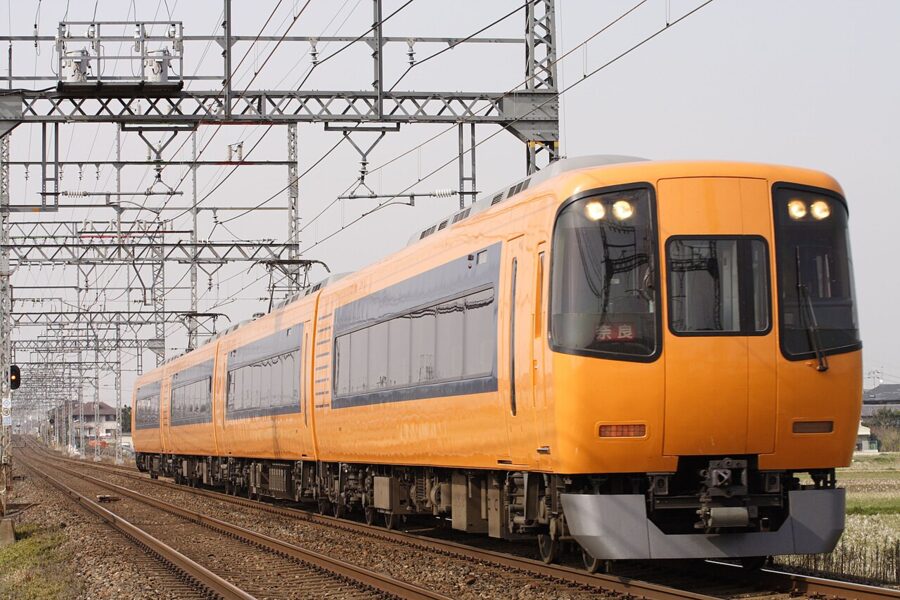
The JR Nara Line’s Miyakoji Rapid takes about 45 minutes to JR Nara for ¥720. It’s a perfectly good train, and free with a JR Pass. Without one, I’d still take Kintetsu for the station at the other end.
From Osaka (and Kobe)
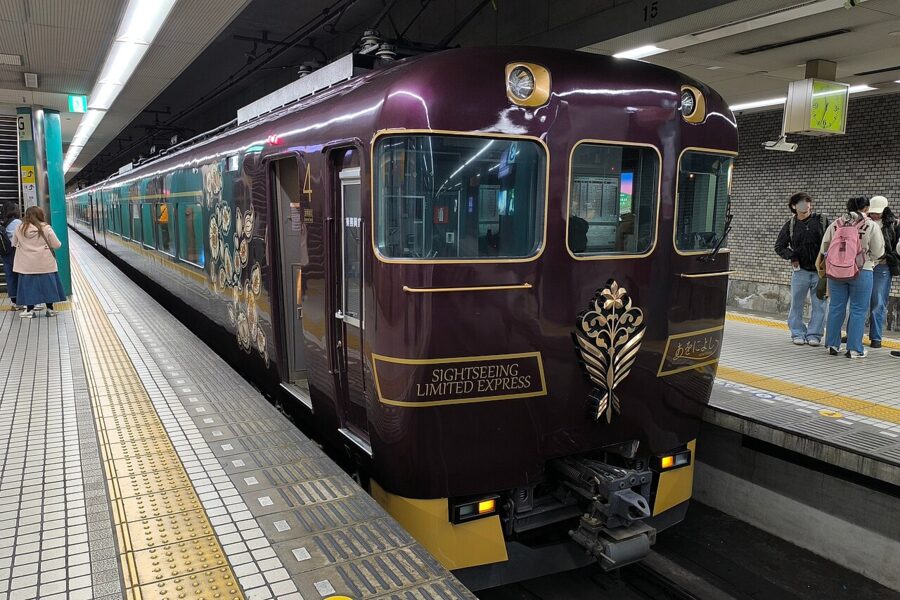
From Osaka-Namba, the Kintetsu Nara Line is the simple choice. Rapid Express trains reach Kintetsu-Nara in about 37 to 40 minutes for ¥680 with no surcharge, and limited expresses do it in about 34 minutes for ¥1,200. If you’re staying around Dotonbori or Shinsaibashi, as most people eating their way through Osaka are, this is the line on your doorstep.
From Umeda, the JR Yamatoji Rapid runs from Osaka Station to JR Nara in about 50 minutes for ¥820. Hanshin trains from Kobe run through Namba and on to Kintetsu-Nara without a change, which makes Nara a realistic day out even from Sannomiya.
Which station puts you where
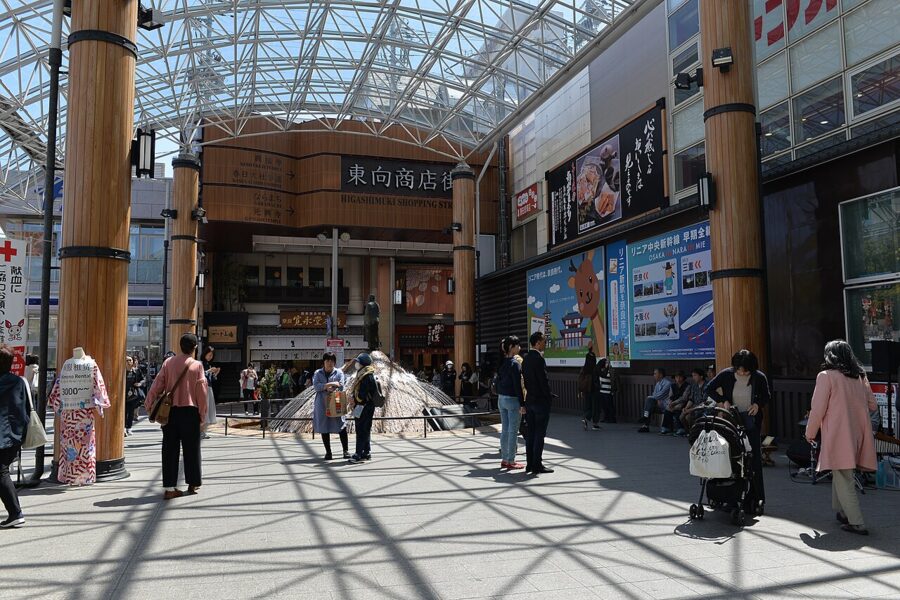
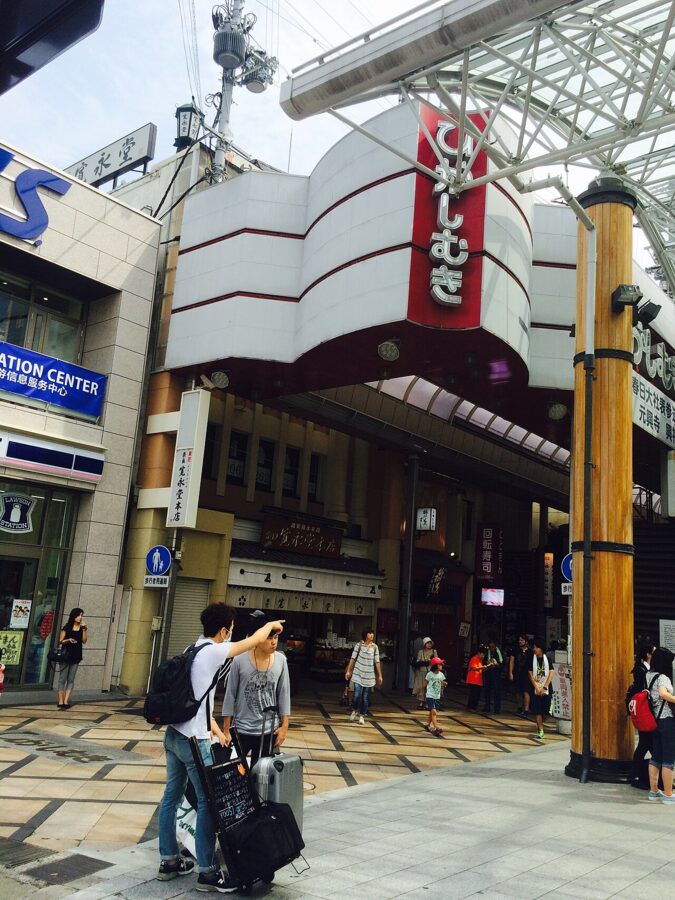
At Kintetsu-Nara, follow the signs for the exit toward Noborioji-dori and the park, and you come up in the plaza under the glass canopy, with the Higashimuki shopping street running south. Walk uphill along Noborioji-dori and Kofuku-ji is on your right within five minutes; Todai-ji’s Nandaimon is about 20 minutes on foot. For Nakatanidou’s mochi, leave by the east ticket gate.
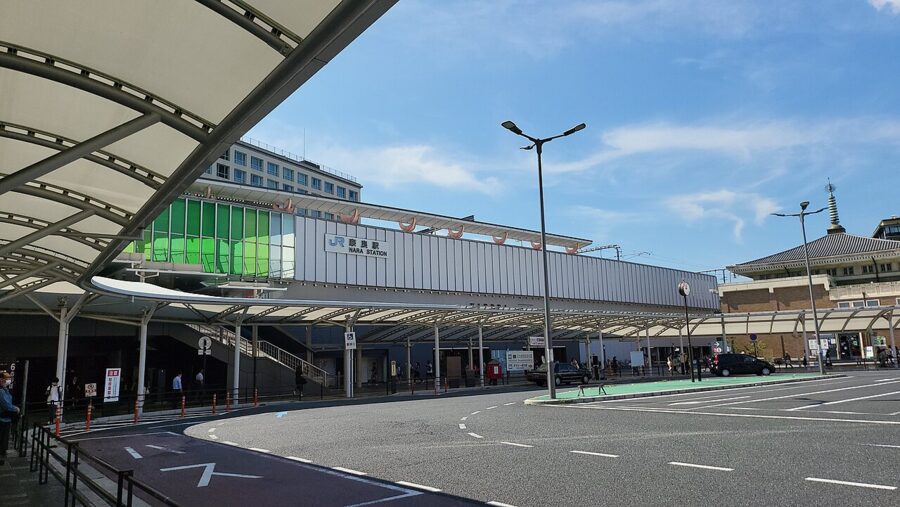
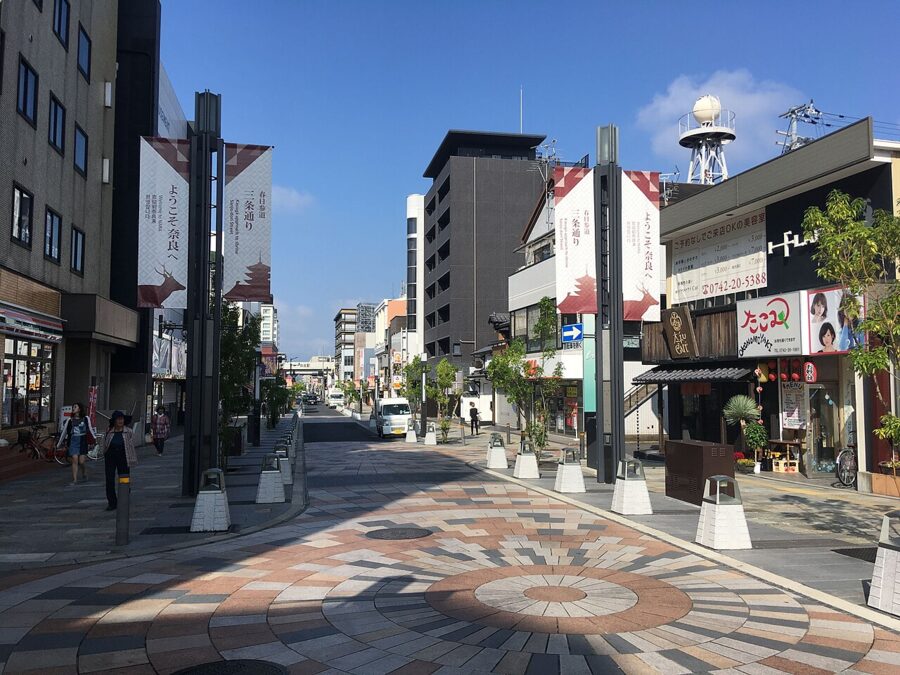
At JR Nara, Sanjo-dori runs straight east to Sarusawa Pond and Kofuku-ji. It is a pleasant, gently rising walk lined with souvenir shops and cafes, and you’ll pass Nakatanidou on the way. Nara Kotsu buses from both stations also run to the “Kasuga Taisha Honden” stop, which is useful at the end of a long day if your legs are done.
The day, hour by hour
The route below runs in a loop and front-loads the sight that gets hammered by tour groups. It adds up to several kilometres of walking with one proper climb, the steps up to Nigatsu-do. Wear shoes you trust on gravel and old stone.
| Time | Where | Why then |
|---|---|---|
| 08:30 | Arrive Kintetsu-Nara | Walk east through the Kofuku-ji grounds and Nara Park (free, already open) |
| 08:55 | Todai-ji: Nandaimon, then the Great Buddha Hall | The hall opens 7:30 (Apr–Oct) or 8:00 (Nov–Mar); coaches arrive mid-morning |
| 10:00 | Nigatsu-do and Hokke-do | Nigatsu-do’s balcony is free and never closes; Hokke-do opens 8:30 |
| 10:45 | Walk south past Tamukeyama Hachimangu | About 20 minutes on wooded paths to Kasuga Taisha |
| 11:15 | Kasuga Taisha | Lantern approach, then the inner corridors (¥700, 9:00–16:00) |
| 12:15 | Lunch at Kasuga Ninai Chaya, or walk on | Man’yo-gayu rice porridge, ¥1,200 |
| 13:15 | Tobihino, Ukimido, Sarusawa Pond | The open, flat part of the park; deer everywhere |
| 13:45 | Naramachi | Gango-ji, Koshi-no-Ie, a sake tasting at Harushika |
| 15:15 | Kofuku-ji National Treasure Museum | Last entry 16:45; the Ashura statue |
| 16:00 | Sanjo-dori and Higashimuki | Nakatanidou mochi, kakinoha-zushi and pickles to take home |
| 16:45 | Train back | Before the evening rush out of the park |
Garden people should swap Hokke-do for Isuien, which opens at 9:30 right next to Todai-ji’s west side. To be in Nara by half past eight, aim to leave Osaka-Namba or central Kyoto at around 07:45.
Nara Park and the deer
Nara Park is not a park in the fenced, gated sense. It is a sprawl of lawns, temple precincts and forest on the east side of the city, running up into the slopes of Wakakusayama and the Kasuga hills, and the deer move freely across all of it, including the roads. At the foundation’s July 2025 count there were 1,465 of them, 315 of them bucks.
Shika senbei and the famous bow
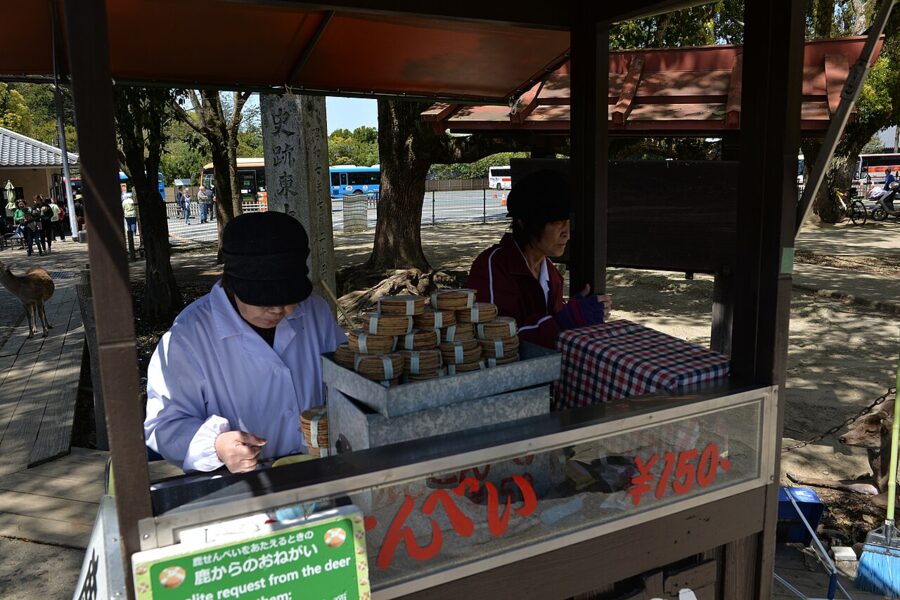
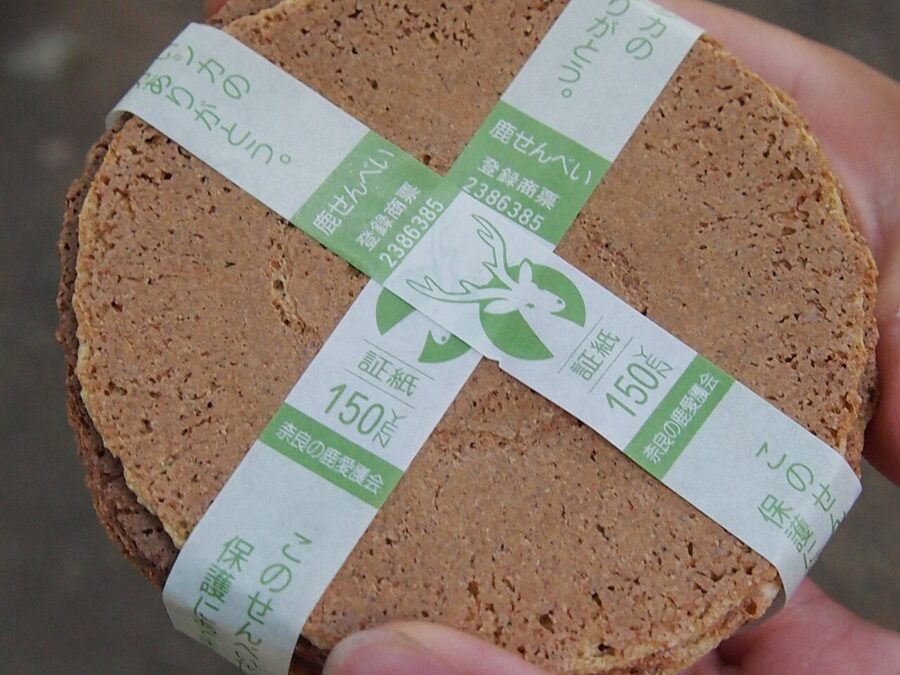
The only thing you’re allowed to feed them is shika senbei, the flat round crackers sold at small stalls all over the park for ¥200 a bundle. They contain no sugar or spices, and part of the money goes to the deer’s protection. Anything else, from your sandwich to a konbini onigiri, is off limits.
Some deer bow when they see the crackers. It looks like a courtesy and it partly is, a learned gesture that gets results. The rule that matters is what comes next: once a deer bows, give it the cracker. The foundation warns that teasing, holding crackers out of reach or pretending to have food you don’t stresses the animals and makes them aggressive.
The risks nobody prints on the crackers
Every year people get hurt here, and not only by the obvious bucks with antlers. The deer head-butt, shove and nip, and people who walk up close thinking the animals are docile end up knocked over or gored. Children are most at risk because their faces are at the same height as a deer’s head.
My own system is simple. I buy the crackers away from the densest crowds (the plaza by the Nara Park bus terminal and the stretch in front of Kofuku-ji are the worst), I keep bags zipped and maps in pockets because they eat paper, and I never stand with my back to a group. If a deer touches you, wash your hands. They are wild animals and the foundation says so in as many words.
Why they are here at all
Kasuga Taisha’s founding story says its principal god came from Kashima, in present-day Ibaraki, riding a white deer, and from the 8th century the deer were treated as the god’s messengers. That status protected them for a thousand years. It did not always hold: in 1873 the animals were penned in an enclosure where most of them died, leaving 38, and post-war poaching cut the herd to about 80.
They were designated a national Natural Monument in 1957 under the name “Nara no Shika”, and that is the legal status that protects them now. If you’ve met the deer on Miyajima, the difference is striking: Miyajima discourages feeding entirely, while Nara has built a small economy around one approved snack.
Start early at Todai-ji
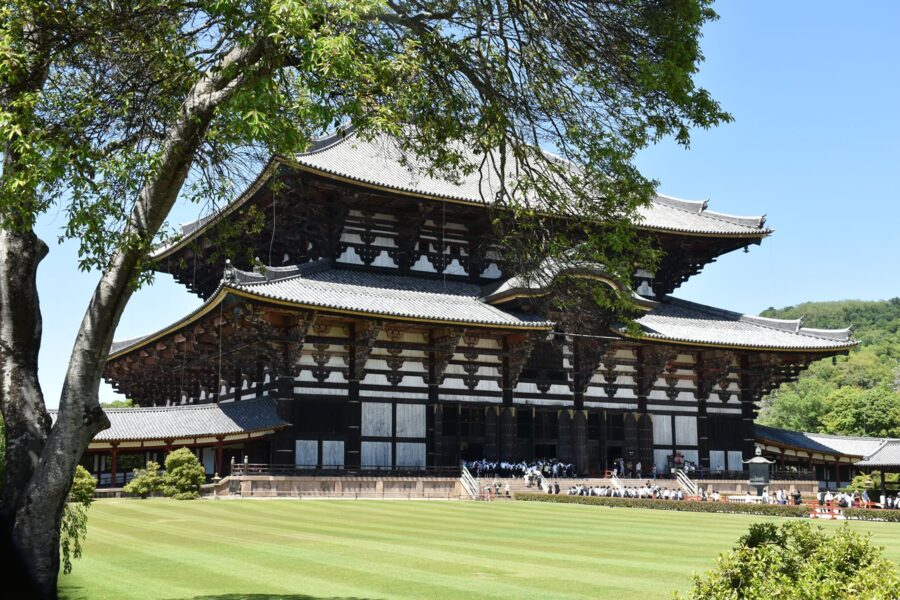
Todai-ji is the reason most people come, and it rewards getting there first more than anywhere else in town. The Great Buddha Hall opens at 7:30 from April to October and 8:00 from November to March. By late morning the steps up to the main doors are packed shoulder to shoulder with school groups and tour parties; at 8:30 you can stand in the middle of the hall and hear the pigeons in the rafters.
Nandaimon, the Great South Gate
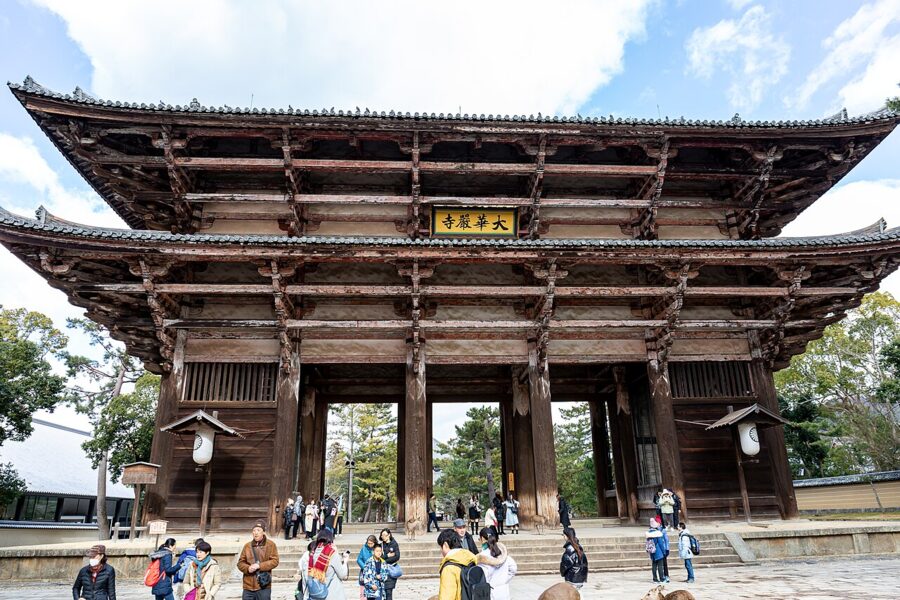
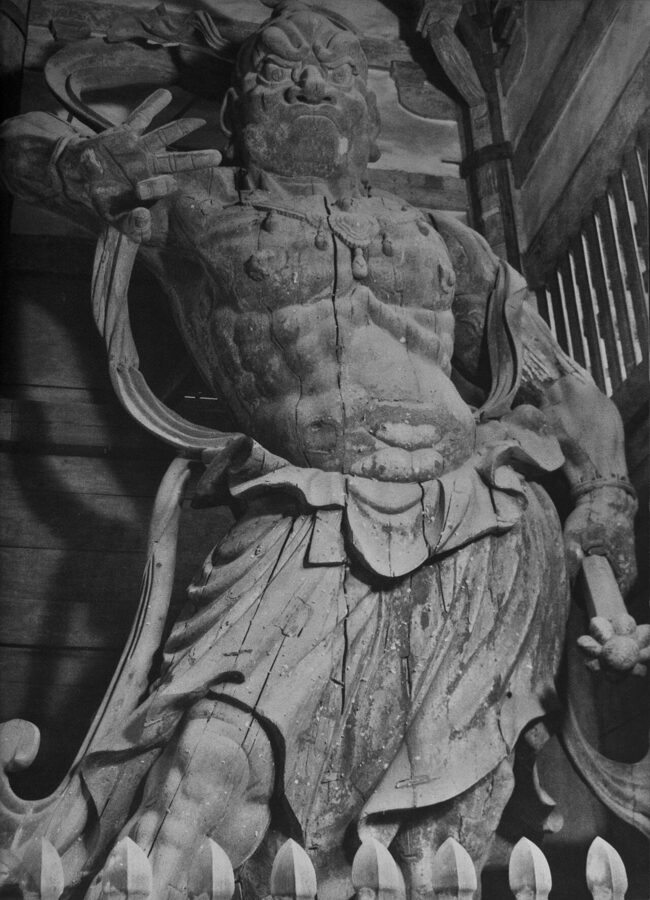
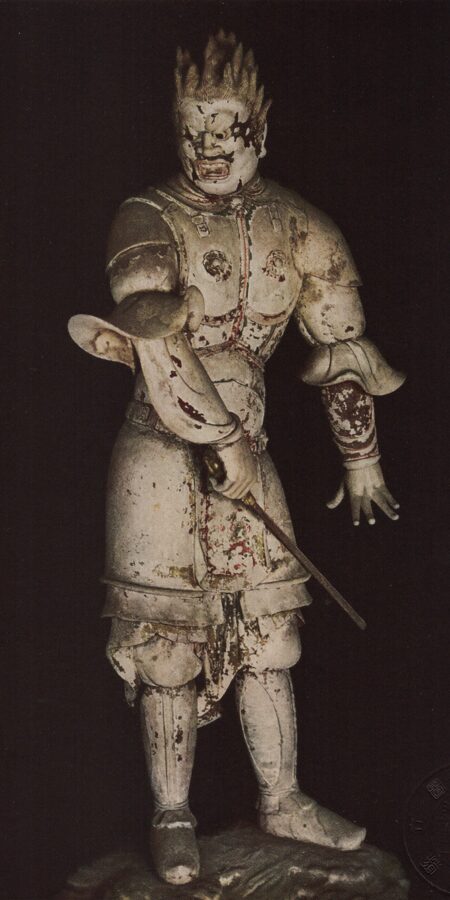
The approach from Noborioji-dori runs north through rows of souvenir stalls to the Nandaimon, a two-storey gate rebuilt in the Kamakura period after the original burned in 1180. It is free to walk through. Stop inside: the two guardian kings standing in its bays are each over eight metres tall and are National Treasures.
The Great Buddha Hall
Tickets are sold at the corridor entrance beside the Chumon gate, and the corridor frames your first full view of the hall. Entry is ¥800 for adults, cash only. A set ticket for the hall plus the Todai-ji Museum is ¥1,200, and it’s worth it if you like sculpture, because the museum holds pieces you otherwise never get close to.
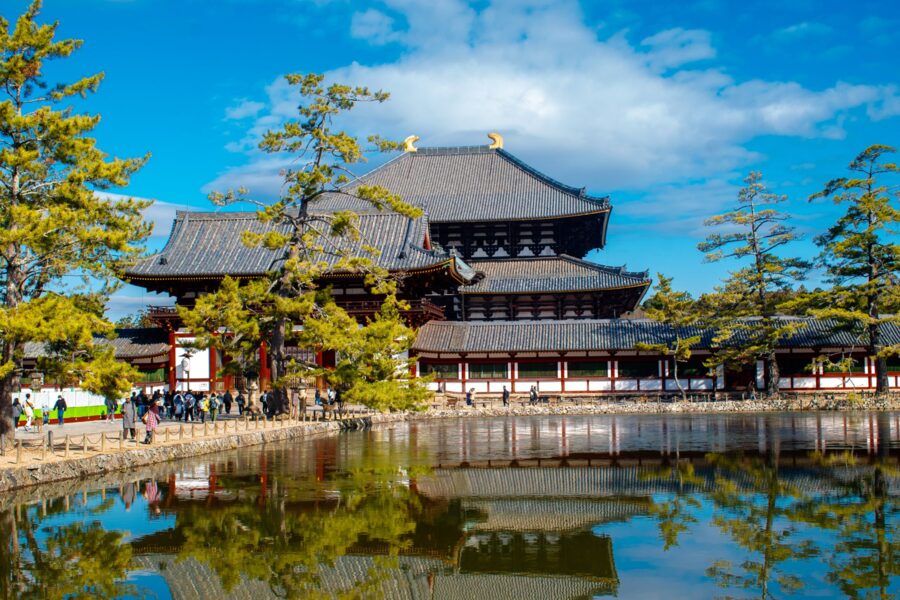
The hall itself has been rebuilt twice after fires, and the building you see was completed in the Edo period at a smaller scale than the original. It is still one of the largest wooden buildings anywhere. Inside sits the Daibutsu, a seated bronze Vairocana Buddha about 15 metres tall, consecrated with a great eye-opening ceremony in 752.
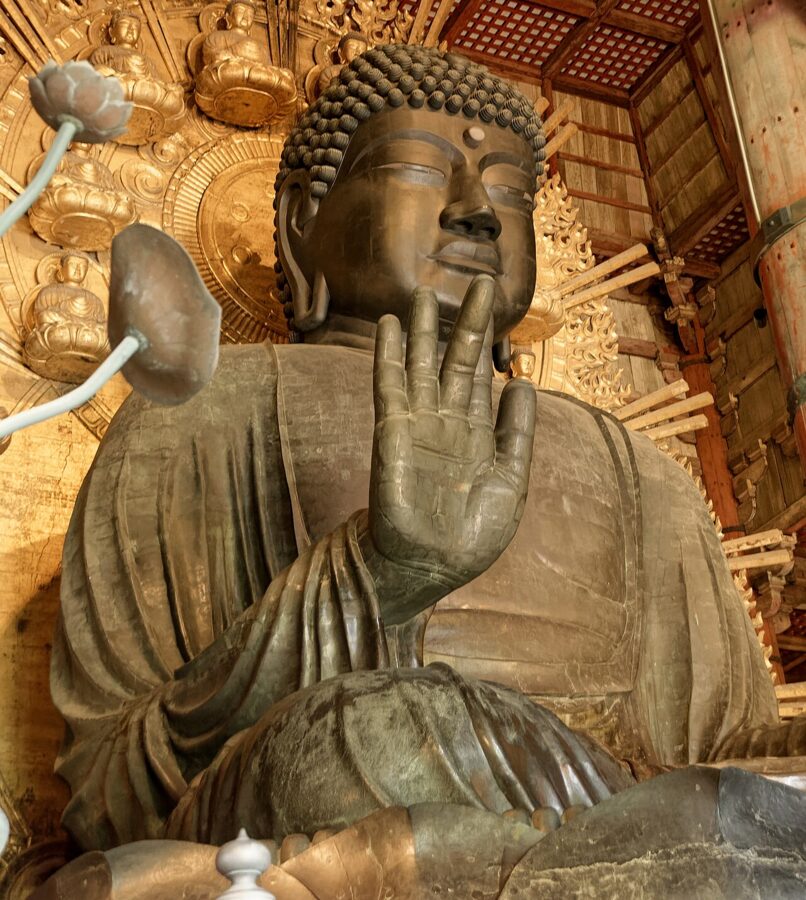
Behind the Buddha is a wooden pillar with a hole at its base said to be the size of the Buddha’s nostril. Squeeze through and you’re promised enlightenment in the next life. On a quiet morning it’s fun to watch; at 11:00 there is a queue of thirty, and I’d keep walking.
Up to Nigatsu-do
Leave the hall by the east side and climb the lanes toward the hillside. The most beautiful way up is the back lane north-east of the Daibutsuden, between old earthen walls with roof tiles pressed into them, which takes about ten minutes. You come out under the great wooden platform of Nigatsu-do.
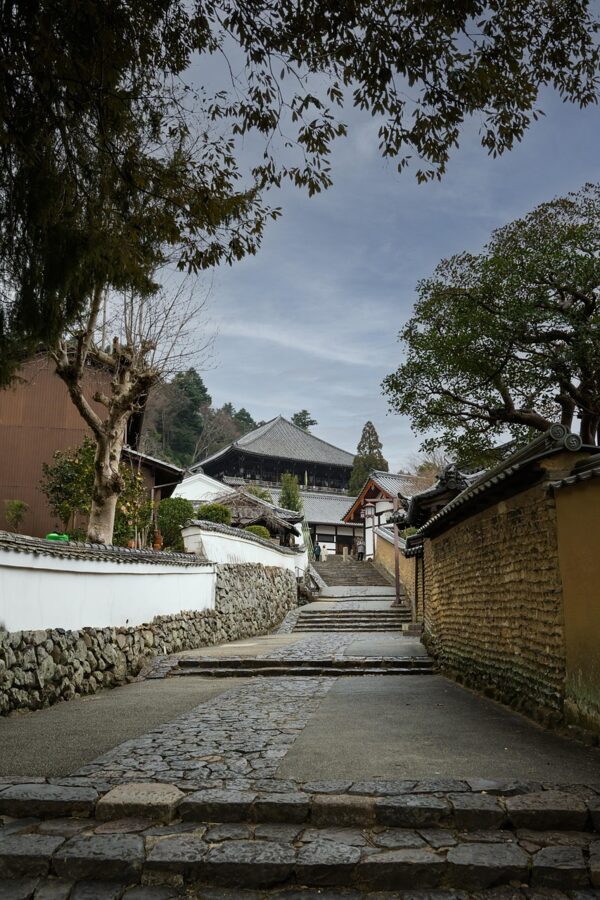
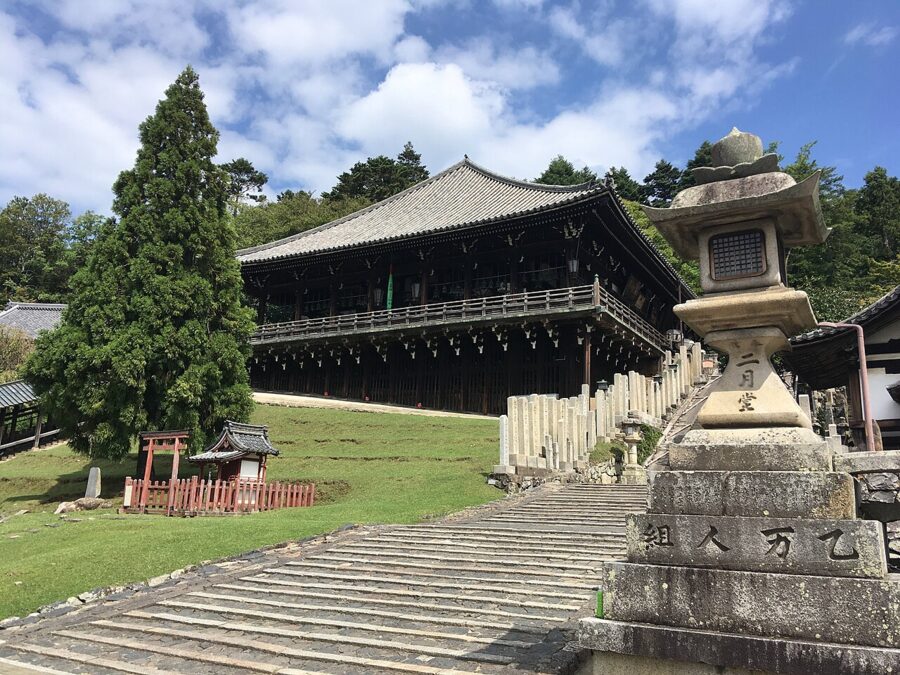
Nigatsu-do is free, open 24 hours, and has the best view in Nara: the roof of the Great Buddha Hall, the city spread west to the Ikoma hills, and on a clear afternoon the light going gold over all of it. The hall burned during a ceremony in 1667 and was rebuilt two years later; it is a National Treasure. Find a spot along the railing and give it ten minutes.
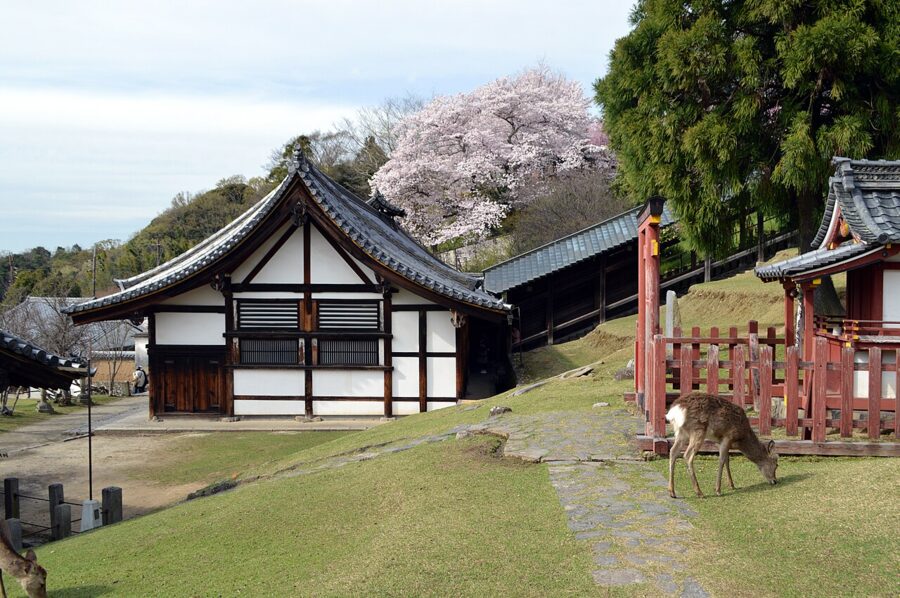
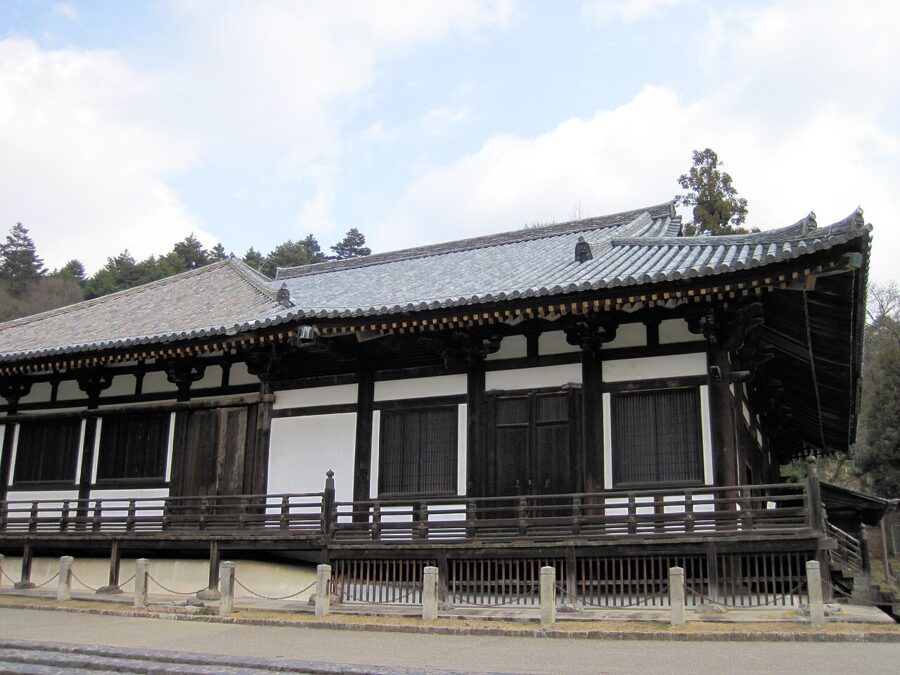
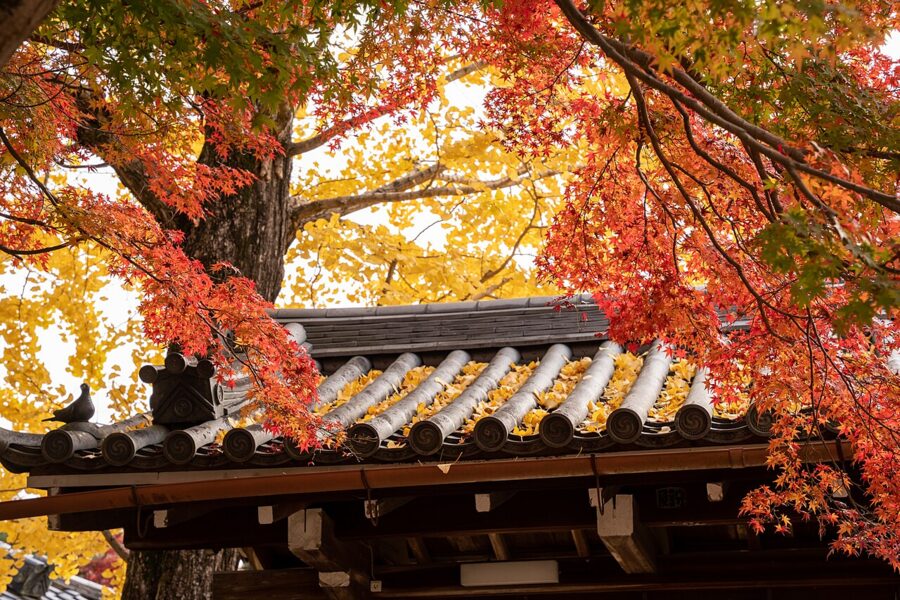
From here, walk south past Tamukeyama Hachimangu, a shrine wrapped in maples, and along the foot of Wakakusayama. The wooded road down to Kasuga Taisha takes about 20 minutes and is one of the calmer stretches of the day.
Kasuga Taisha: lanterns, cedar and a bowl of porridge
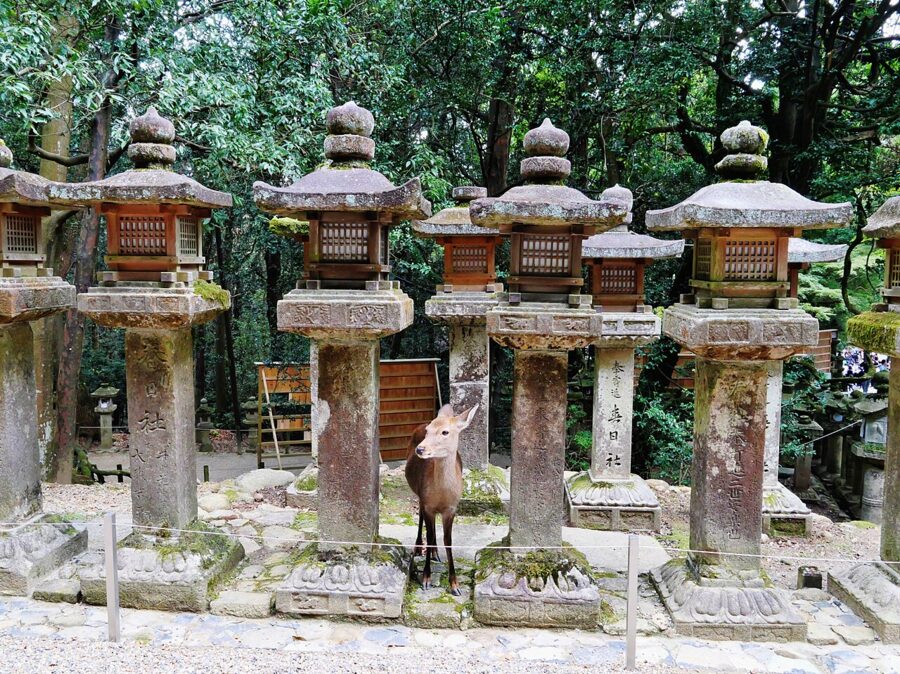
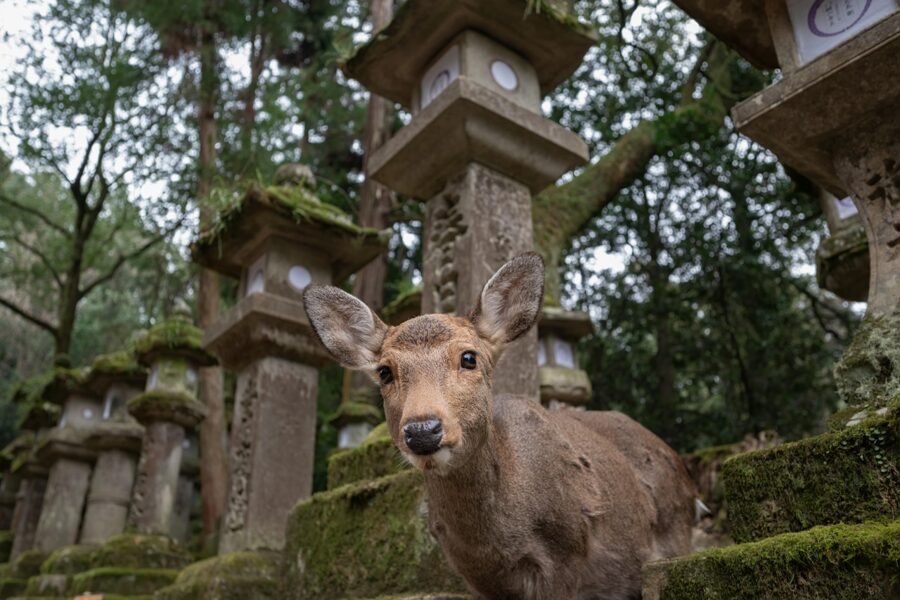
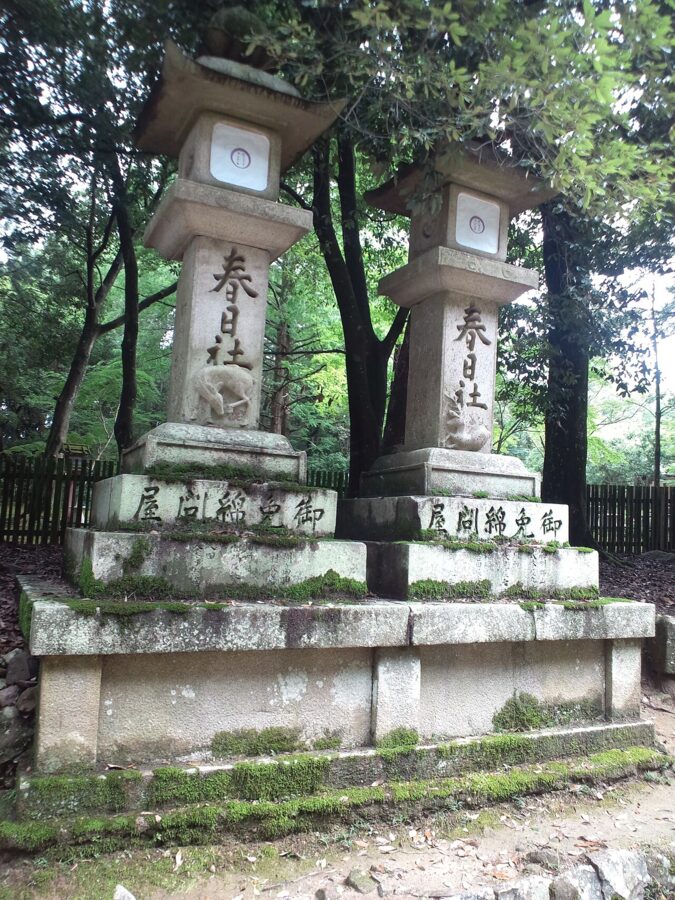
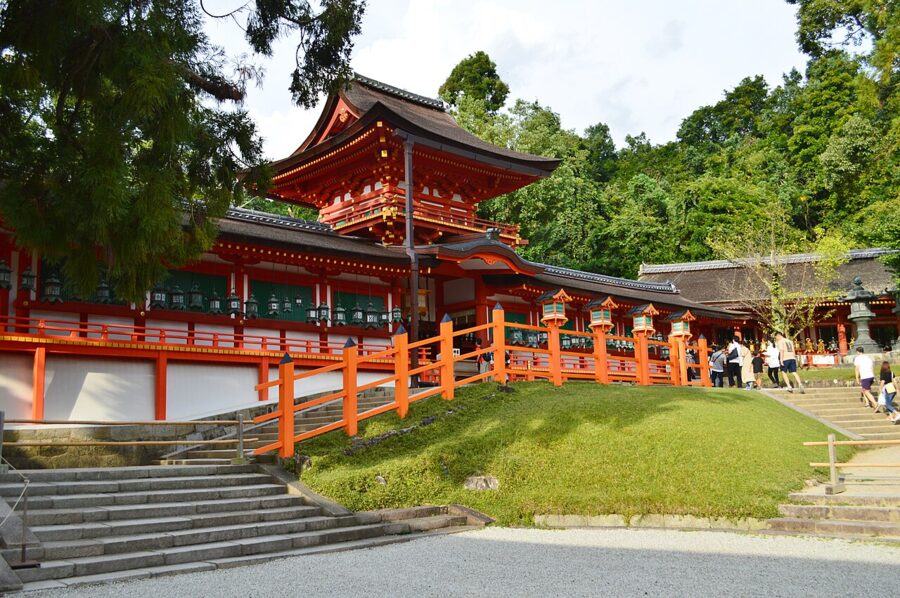
Kasuga Taisha was laid out in 768 as the guardian shrine of the Fujiwara clan and of the capital, and its approach is the most atmospheric walk in Nara. The path runs east from the park through cedar and broadleaf forest, lined both sides with moss-covered stone lanterns, each one a donation from someone over the centuries. All told there are around 3,000 lanterns, stone along the paths and bronze hanging in the corridors.
The grounds are free and the gates are open 6:30–17:30 from March to October and 7:00–17:00 from November to February. To see the inner sanctuary and the corridors hung with bronze lanterns, pay ¥700 for the special worship, available 9:00–16:00. It is closed on certain mornings (the 1st, 11th and 21st of each month among them) and on various festival days, so check the shrine’s calendar if you’re set on it.
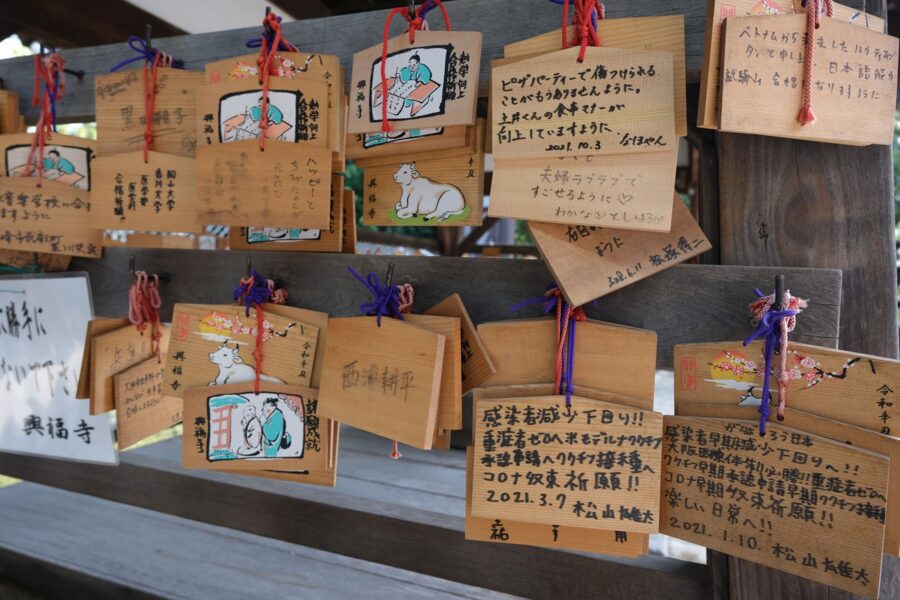
The shrine’s Treasure Hall (¥700, 10:00–17:00) is worth half an hour if armour and lacquer are your thing; the Man’yo botanical garden next door (¥700) grows around 300 plants named in Japan’s oldest poetry anthology. For lunch, Kasuga Ninai Chaya, by the botanical garden’s main gate three minutes east of the Kasuga Taisha Omotesando bus stop, serves man’yo-gayu: rice porridge in kombu stock finished with Nara white miso, with seasonal vegetables that change almost monthly. It costs ¥1,200 and the cafe runs 10:30–16:30.
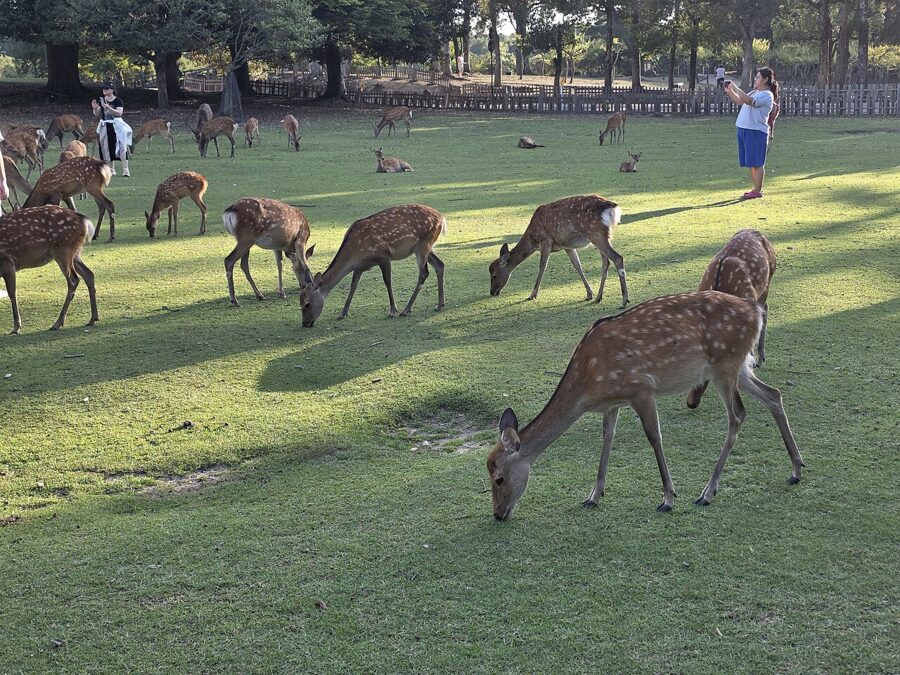
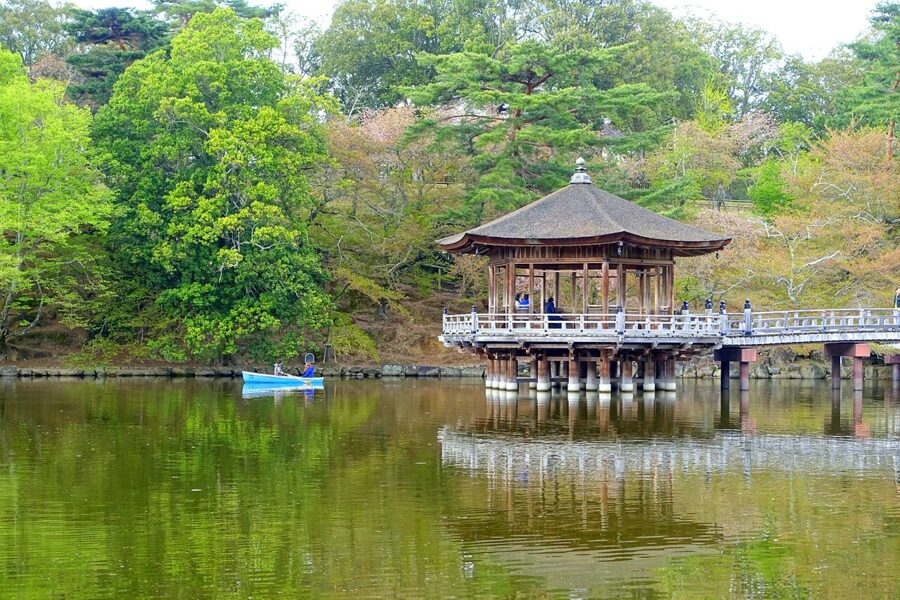
Walking back west, the path drops through Tobihino, a wide lawn where the deer graze in big groups, then down past Ukimido, a pavilion on stilts in Sagi-ike pond. From there it’s a short walk south-west to Sarusawa Pond and the edge of Naramachi.
Two gardens next to Todai-ji
Isuien and Yoshikien sit side by side just west of the Nandaimon, about 15 minutes’ walk from Kintetsu-Nara. They are the quietest places on the main route, and on a crowded day they feel like a door closing on the noise.
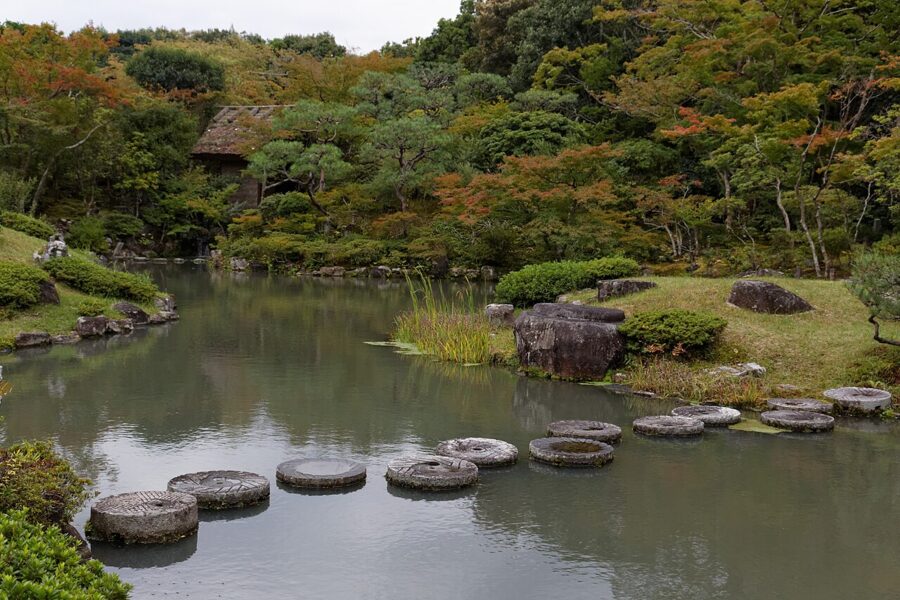
Isuien is really two gardens: a front garden from the Edo period around a teahouse, and a larger Meiji-period pond garden behind it that borrows the hills beyond as scenery. Entry is ¥1,200 and includes the small Neiraku Museum of Chinese bronzes and Korean ceramics. It opens 9:30–16:30 (to 17:00 in April and May), last entry 30 minutes before, and closes on Tuesdays. The teahouse Sanshu serves barley rice with grated yam for ¥2,200, or matcha for ¥1,200.
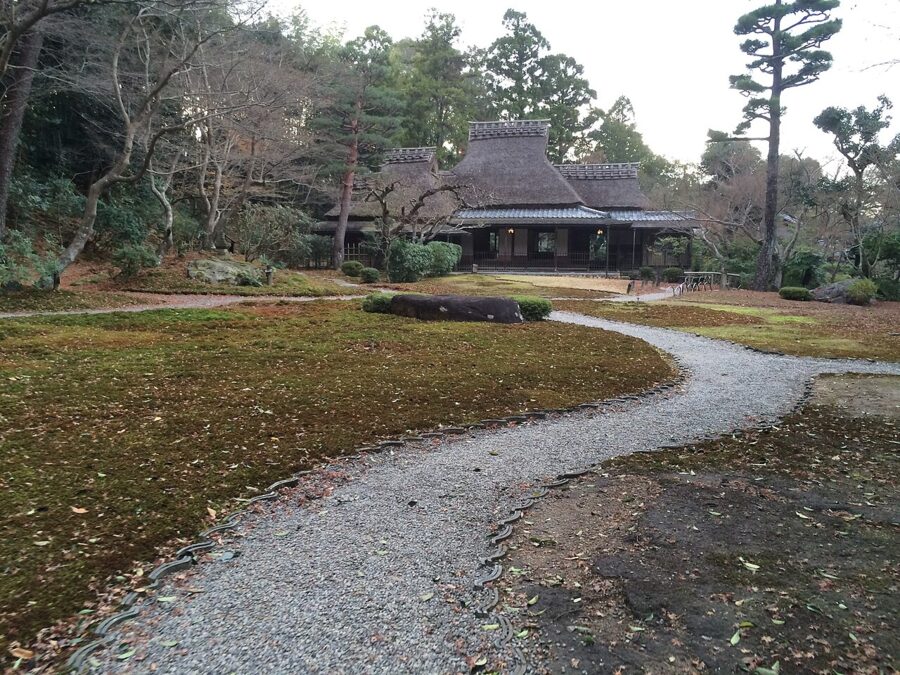
Yoshikien next door is free, open 9:00–17:00 with last entry at 16:30, and closed only from 24 to 28 February. It is smaller and plainer, which some people prefer. If you only have time for one, Isuien is the more complete garden, but Yoshikien is the one I’d send anyone short of money or patience to.
Kofuku-ji, and the pagoda you won’t see
Kofuku-ji is the Fujiwara clan temple, moved here when the capital came to Nara in 710, and its grounds are the first thing you cross walking up from Kintetsu-Nara. The grounds are open and free at any hour. The halls and the museum open 9:00–17:00, with last entry at 16:45, every day of the year, and everything is cash only.
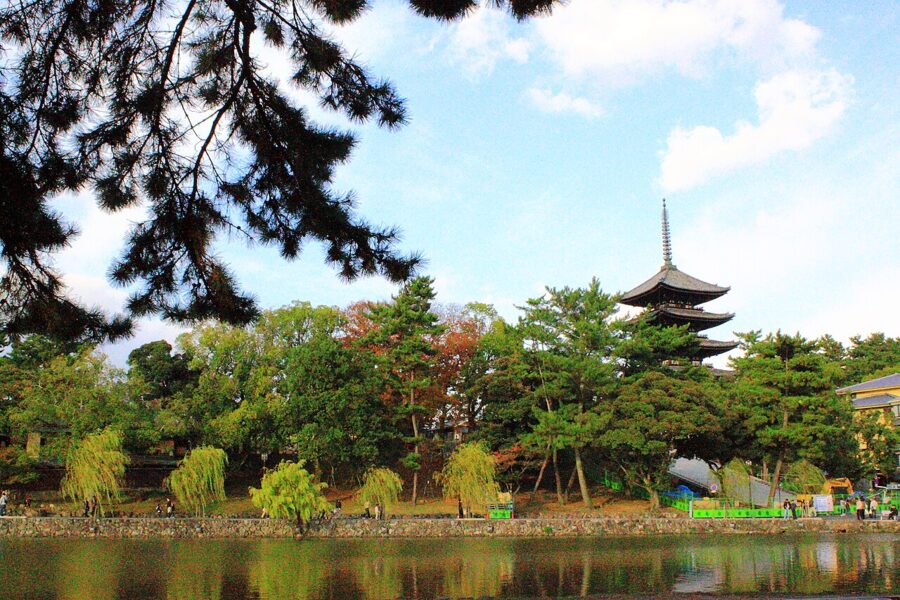
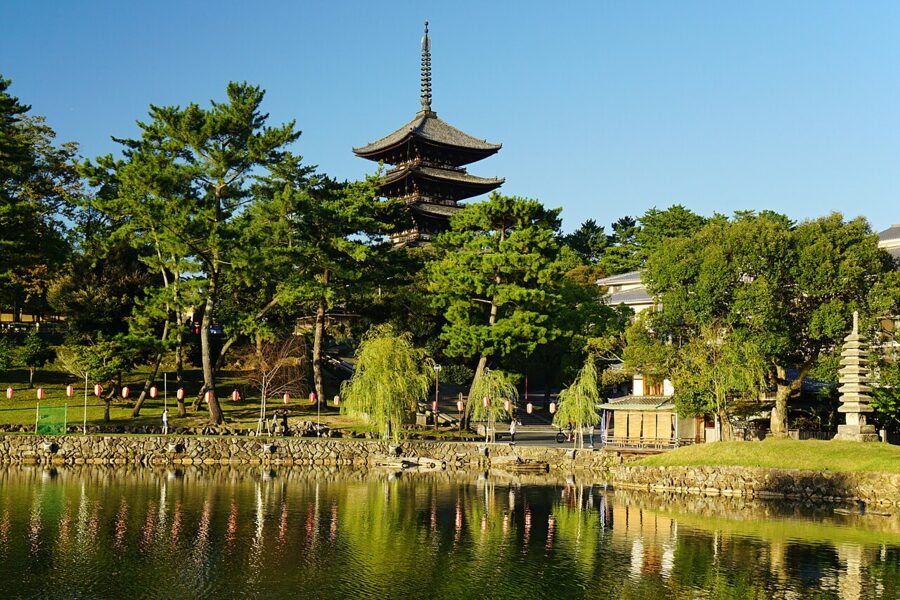
Here is the change that older guides miss. The five-storied pagoda, the one on every Nara postcard reflected in Sarusawa Pond, is wrapped in a full cover building while it is restored. The work began in June 2022, the cover was finished in March 2025, and the project runs until March 2034. You will see scaffolding cladding, not a pagoda.
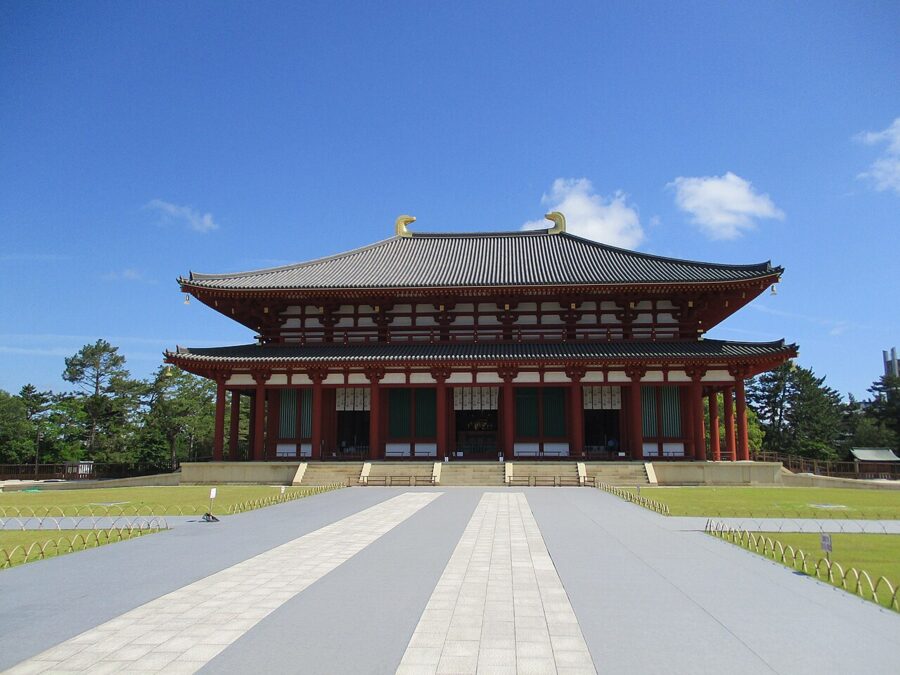
So come for what’s inside instead. The National Treasure Museum (¥900) holds the three-faced, six-armed Ashura, a dry-lacquer figure from the 8th century and probably the most loved Buddhist statue in Japan. The Eastern Golden Hall (Tokondo, ¥500) has a Medicine Buddha and its guardians, and the rebuilt Central Golden Hall (Chukondo, ¥500) was completed in 2018 on its original Nara-period foundations.
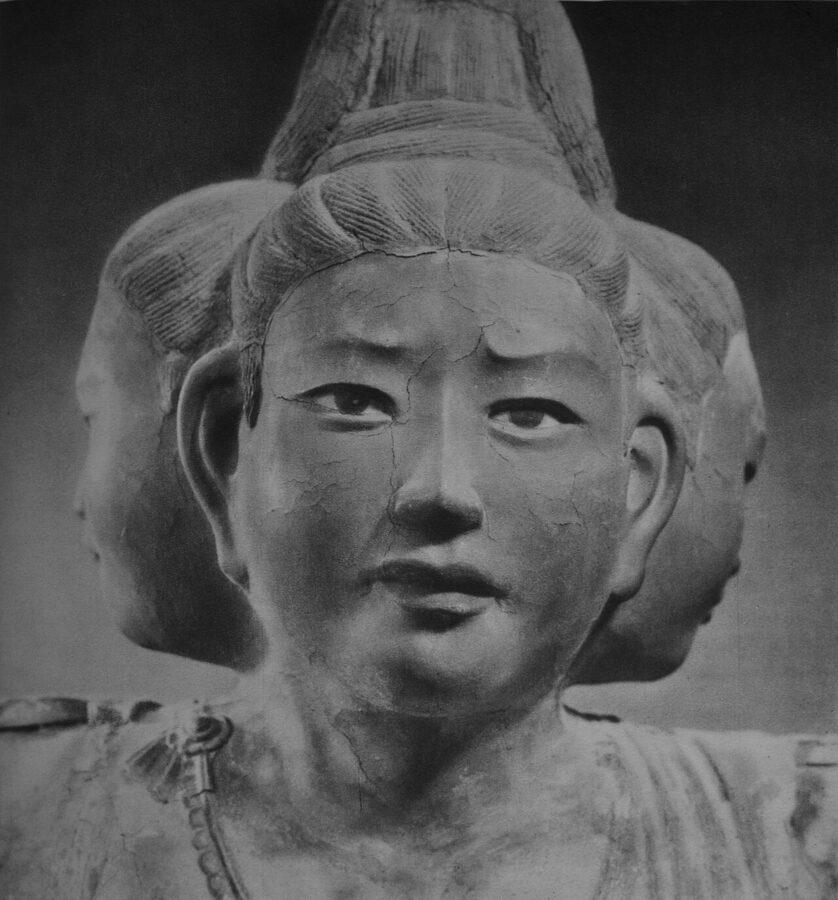
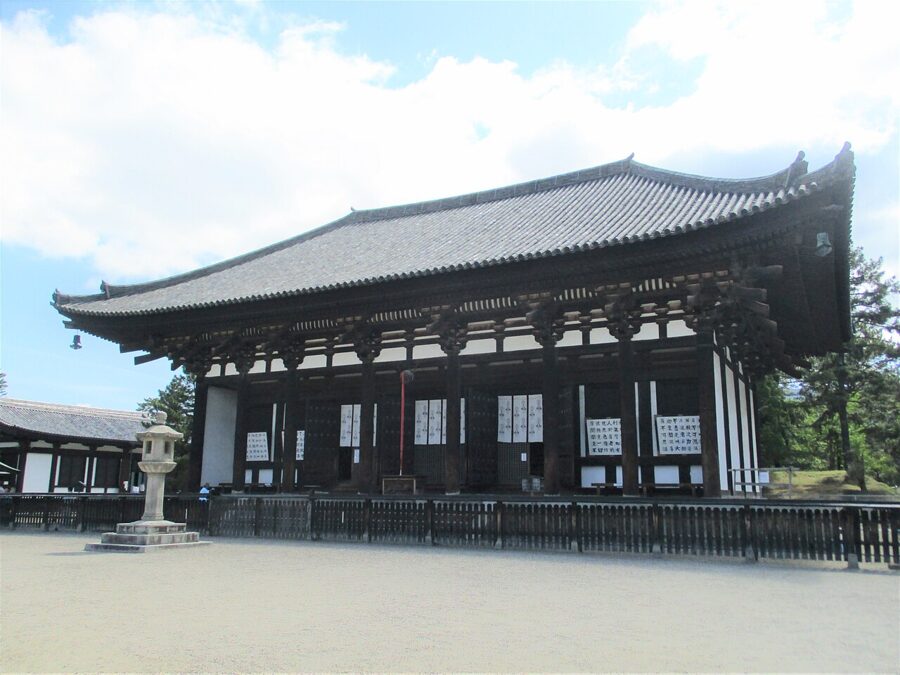
If you have to choose, choose the museum. Ashura alone is worth the ¥900, and the museum lighting is far kinder than a dim hall. It is also the right sight for the end of the day: by 15:00 the coach groups have moved on, and you’re five minutes from the station.
Naramachi in the afternoon
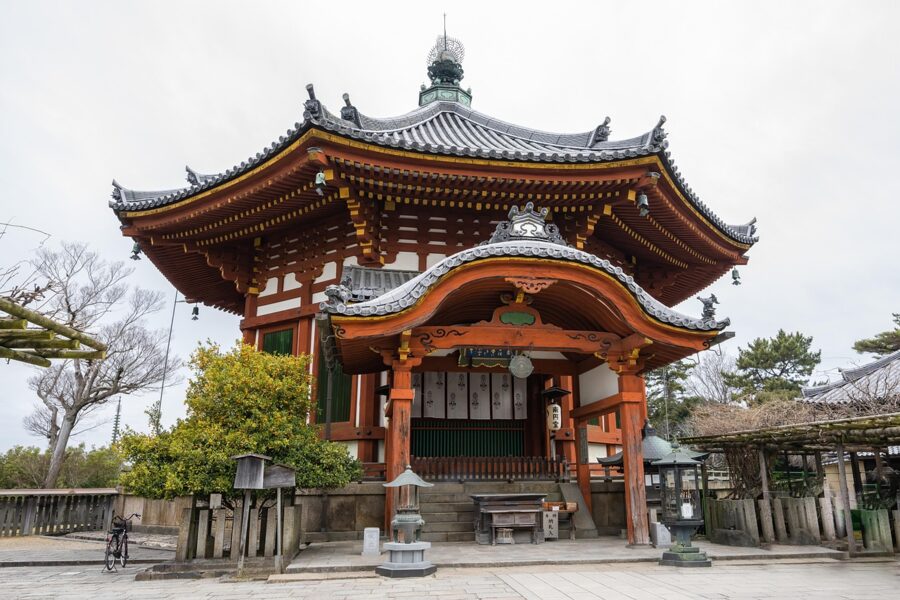
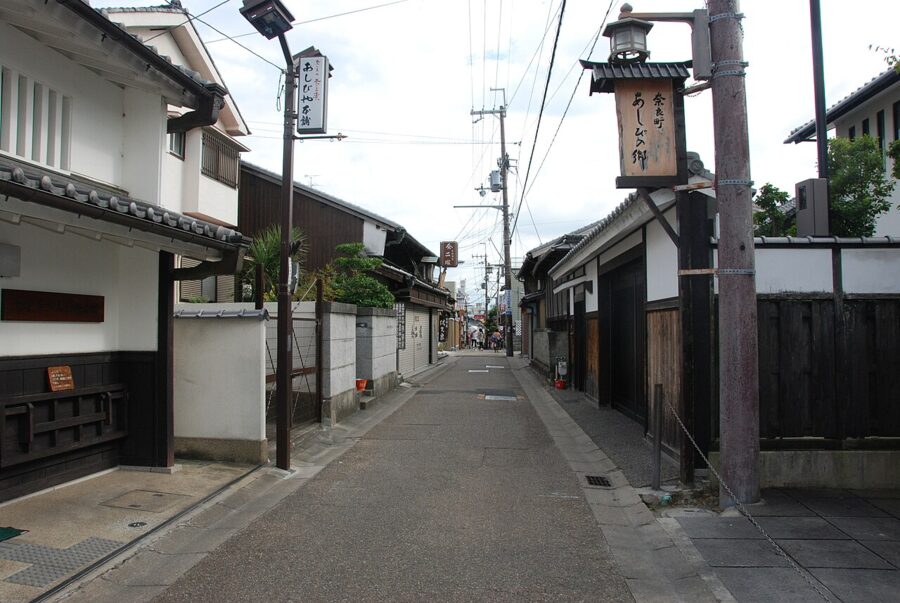
South of Sarusawa Pond, Naramachi is the old merchant quarter, built over what used to be the grounds of Gango-ji, one of the great temples of the 8th-century capital. Its narrow lanes are lined with Edo-to-Meiji-period townhouses, many now cafes and small shops. After a morning of temples and deer, this is where Nara slows right down.
Koshi-no-Ie and Nigiwai-no-Ie
Naramachi Koshi-no-Ie is a reconstructed merchant house you can walk right through, from the shopfront to the back. It is free, open 9:00–17:00, and closed on Mondays. It’s the best ten minutes you can spend understanding how these long, thin houses actually worked.
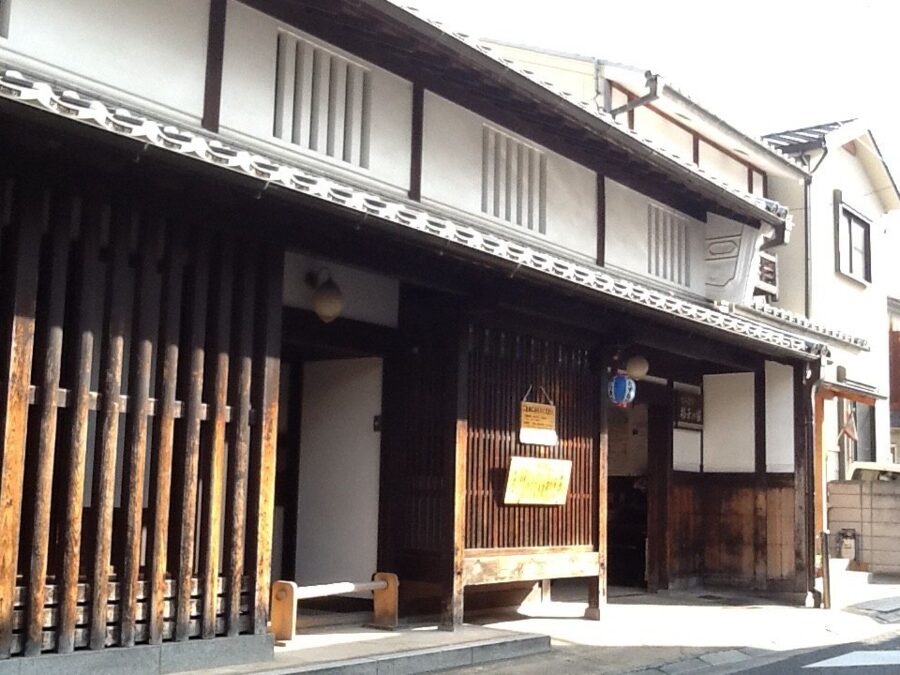
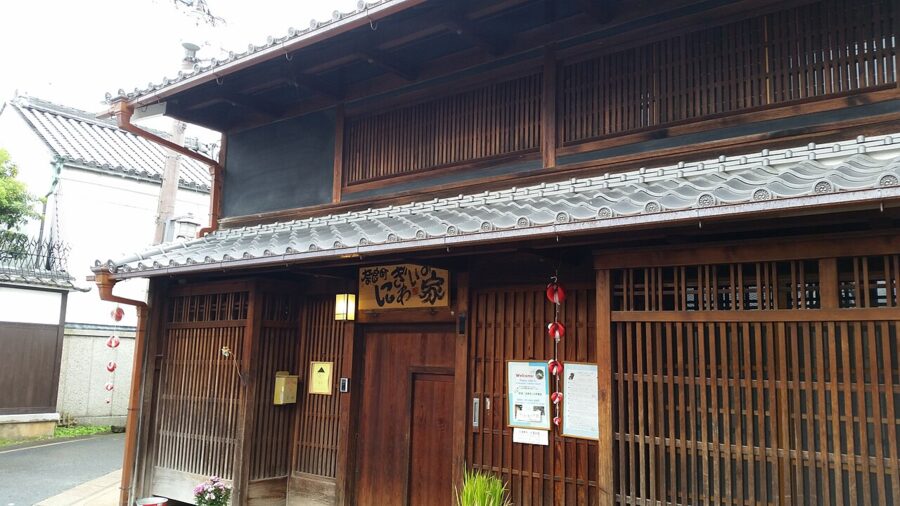
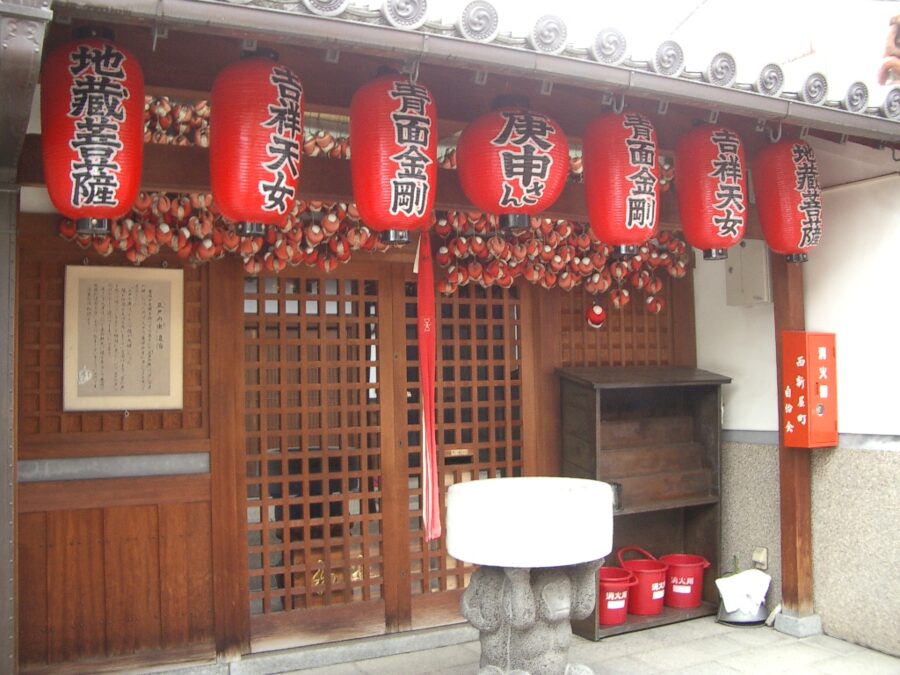
Naramachi Nigiwai-no-Ie, a few lanes away, is a genuine 1917 townhouse, registered as a cultural property, and also free. Look up as you walk: the red cloth monkeys hanging from the eaves are migawari-zaru, charms that take misfortune in the household’s place.
Gango-ji
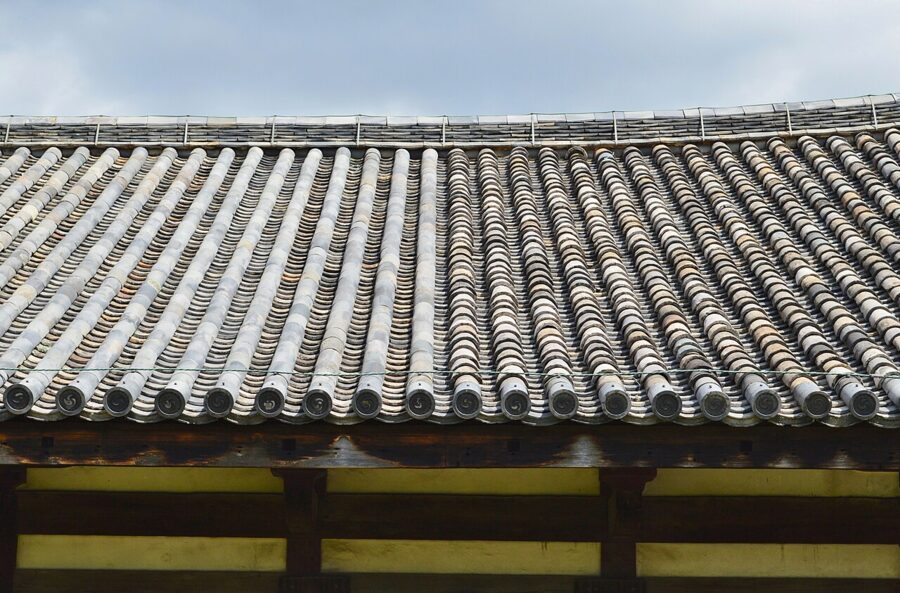
Gango-ji is the quarter’s anchor and is easy to walk past. Its predecessor was Asuka-dera, the first full-scale Buddhist temple in Japan, moved here when the capital shifted in 710. The surviving Gokuraku-do and Zenshitsu halls are National Treasures, and parts of their roofs still carry tiles made in the Asuka period, about 1,400 years ago. Entry is ¥700 (¥800 during the autumn special exhibition), 9:00–17:00.
Harushika and a sake tasting
Harushika, a brewery in business since 1884 and named for the “spring deer” of Kasuga, has its shop in Naramachi at Fukuchiin-cho. For ¥700 you taste five of its sakes, with the line-up changing through the seasons. Tastings run 10:00–16:30 (last order), and the shop closes on Tuesdays. It’s a fifteen-minute introduction to Nara’s claim on the origins of sake, which I come back to below.
What to eat in Nara
Nara has a reputation, even in Japan, as a place where the food is an afterthought. That is unfair. The 8th-century capital ate well by the standards of its day, and several things that now seem nationwide started here. The trick on a day trip is knowing what to look for, because most of it sits in shops rather than on restaurant menus.
Two small origin stories are worth knowing as you walk. Himuro Shrine, on Noborioji-dori opposite the Nara National Museum, is dedicated to the god of ice and once guarded the capital’s ice stores, which is why Nara now treats kakigori shaved ice as a local speciality. And the first bean-filled manju in Japan are credited to Rin Join, a Chinese monk who settled in Nara in the Muromachi period.
Kakinoha-zushi
Kakinoha-zushi is the one everyone knows: bite-sized pressed sushi of salted mackerel or salmon on vinegared rice, each wrapped in a persimmon leaf, from the mountain villages where sea fish had to be salted to survive the journey inland. The leaf is not eaten. I cover it alongside the other regional styles in my guide to types of sushi, so here is just where to get it.
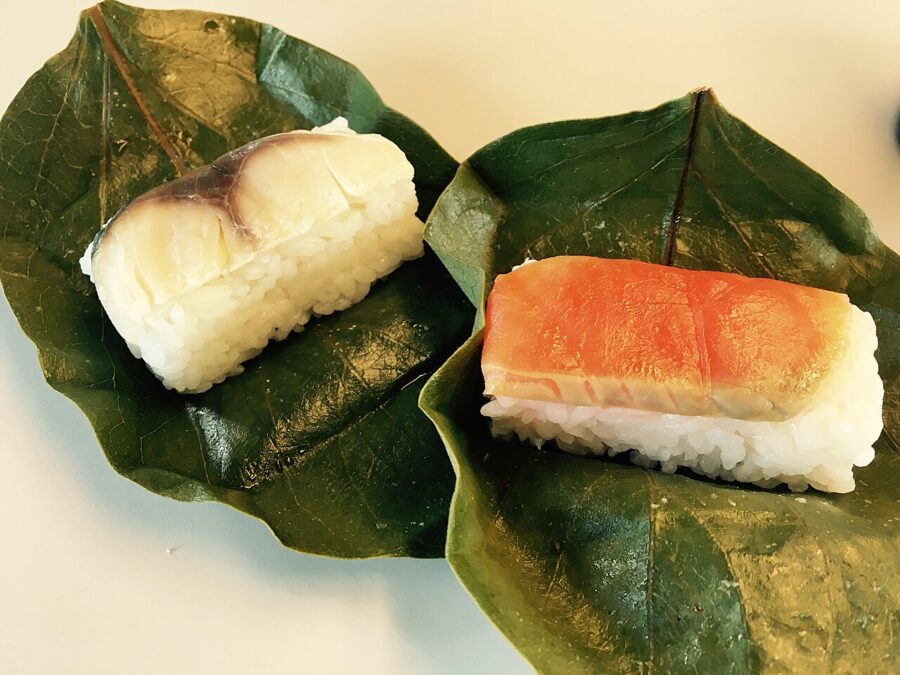
Hiraso, founded in 1861 in Kamiichi in the Yoshino hills, has its Nara shop and restaurant at Imamikado-cho, a few minutes south of Sarusawa Pond on the edge of Naramachi. The shop sells boxes from 10:00 to 20:30 and the restaurant serves 11:30–19:30 (last order); it closes on Mondays. Buy a box to eat on the train home: it was made to travel, which was the whole point of it.
Nara-zuke
Nara-zuke are vegetables, classically white gourd, cucumber or watermelon rind, pickled over and over in sake lees until they turn amber-brown and taste of sweet, boozy sake. Wooden tablets dug up at the Heijo Palace site record kasuzuke, lees pickles, at the 8th-century court. If you know the bright, salty tsukemono of Nishiki Market in Kyoto, these are the opposite: dark, soft and strong.
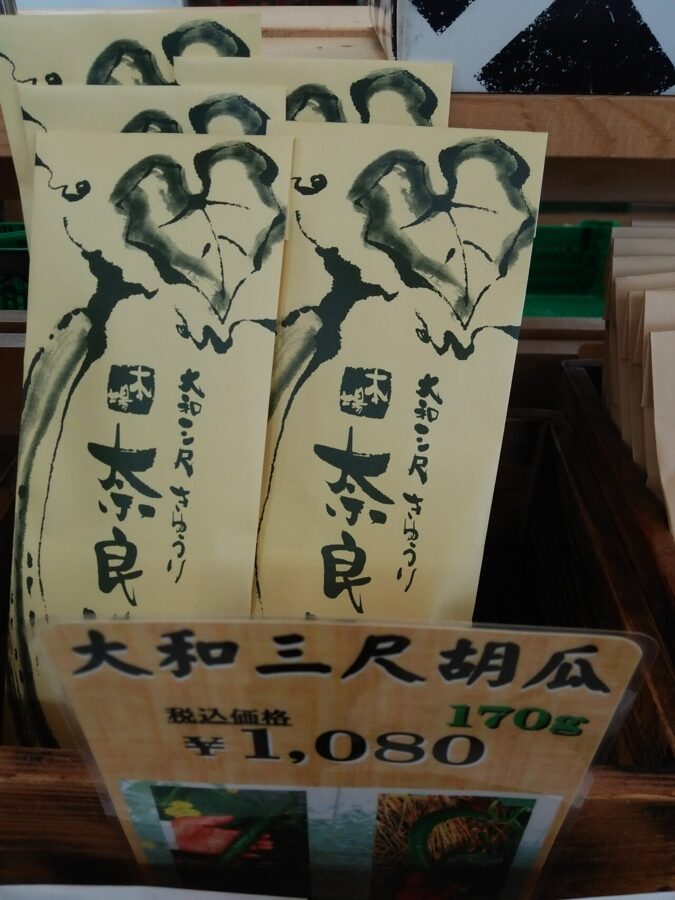
Yamazakiya, a large pickle shop halfway along Higashimuki, is the easy place to buy and taste them. Ask for a small pack; they keep well and carry easily.
Kuzu sweets
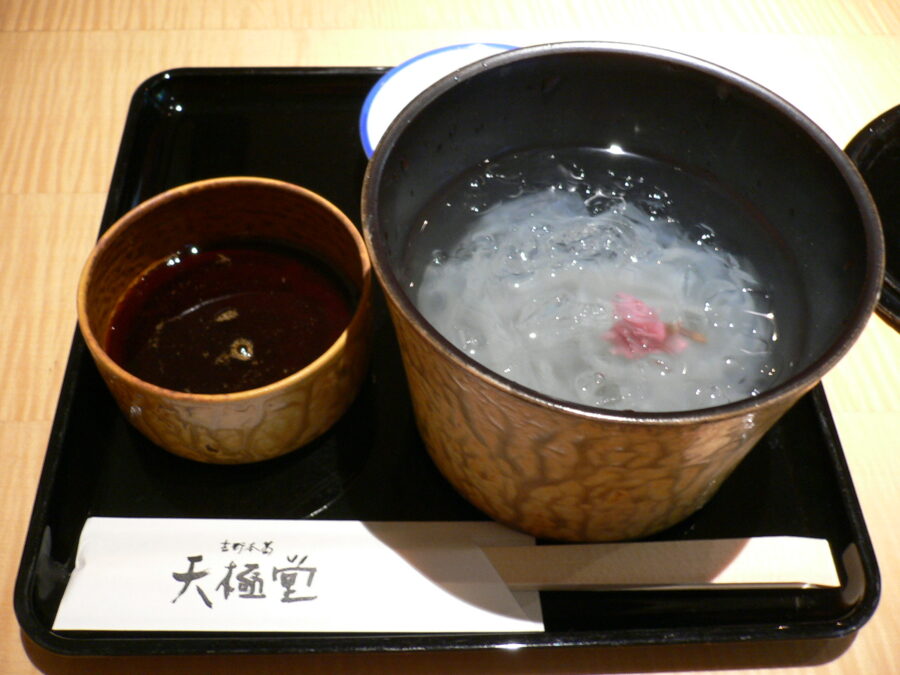
Kuzu, the starch from the root of the kudzu vine, has been produced in the Yoshino mountains for centuries, and Yoshino hon-kuzu is the benchmark. Made into kuzumochi or slippery kuzukiri noodles, it’s one of the great summer wagashi, best eaten fresh rather than boxed.
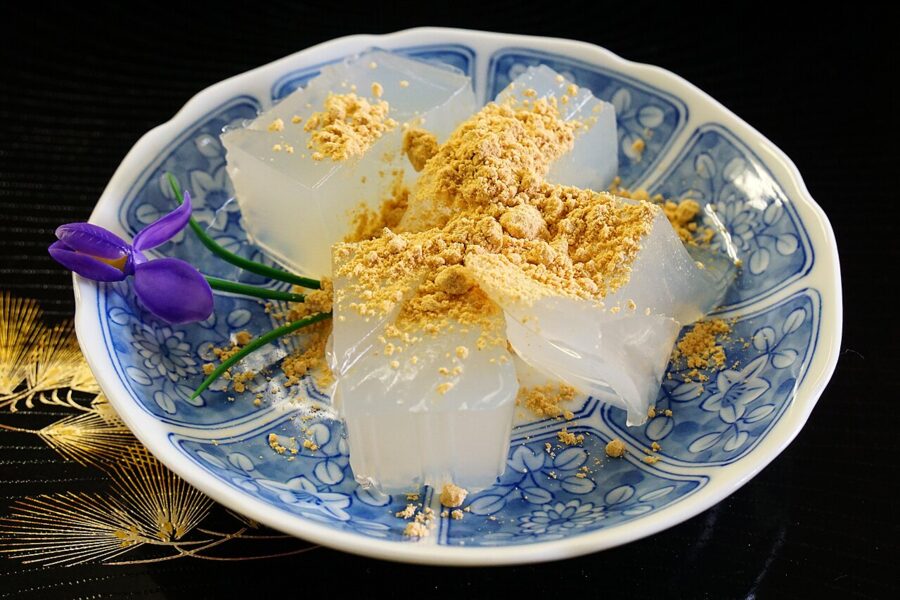
Tenkyokudo, a kuzu maker from southern Nara, runs its Nara main shop at Oshiage-cho, about ten minutes’ walk north from Kintetsu-Nara and close to Todai-ji’s western edge. It makes kuzumochi and kuzukiri to order, alongside sesame tofu and kuzu porridge. Hours are 10:00–19:30 (last order 19:00), closed Tuesdays.
Nakatanidou’s yomogi mochi
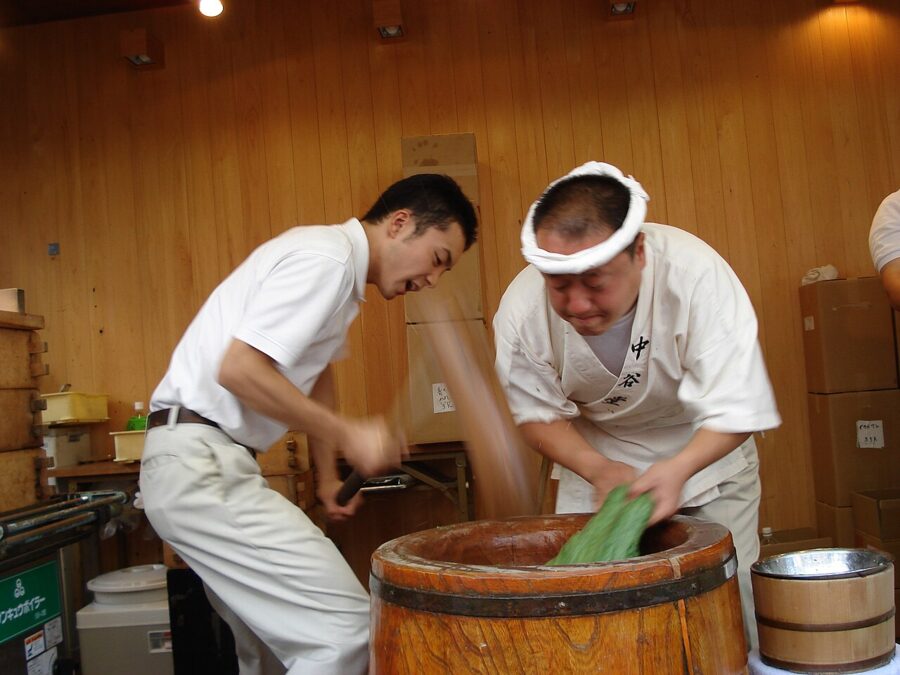
You will hear Nakatanidou before you see it. The mochi shop on Sanjo-dori, five minutes from Kintetsu-Nara’s east ticket gate, pounds glutinous rice with mugwort in a wooden mortar at astonishing speed, two men shouting the rhythm while the mallet comes down and the hand turns the dough between strikes. The result is yomogi mochi: green, soft, filled with sweet red bean and rolled in kinako.
A box of three costs ¥600. The shop opens 10:00–19:00 but closes early once the day’s batch sells out, and its days off are announced a little ahead rather than fixed. The mochi only keeps for the day, which is the best argument for eating one standing on the pavement.
Miwa somen
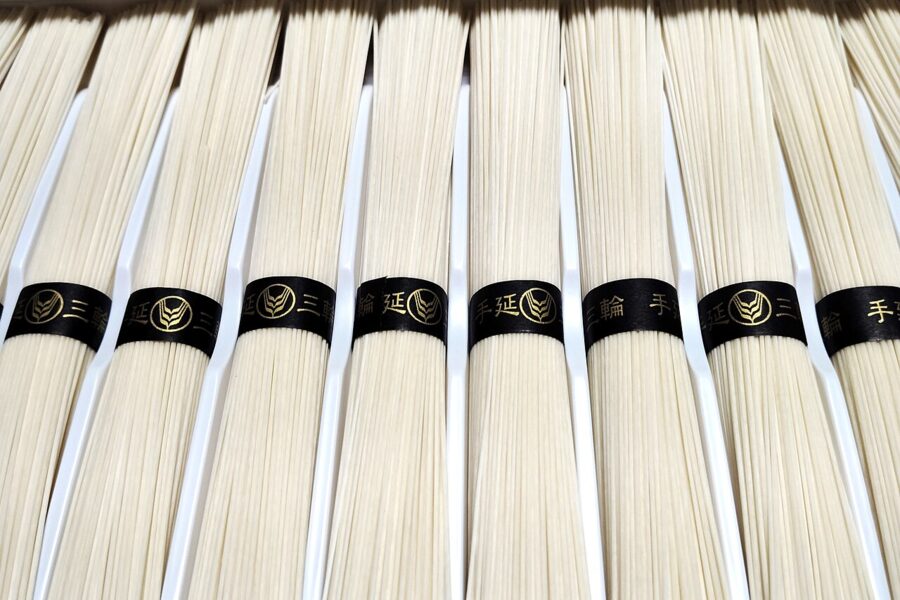
Japan’s thin wheat noodles, somen, have their oldest home at the foot of Mount Miwa in Sakurai, south of Nara city, and Miwa somen is still the name people pay extra for. The noodles are stretched by hand, very fine and firm. In summer they’re served cold in iced water; in winter they come hot in broth as nyumen.
Chagayu
Chagayu is rice porridge cooked in roasted tea, usually hojicha, and for generations it was what Yamato households ate first thing; older Nara people still call it okaisan. It’s thin, faintly smoky and gentle, the opposite of a showpiece dish. Because it’s a home breakfast, it’s hard to find at lunchtime.
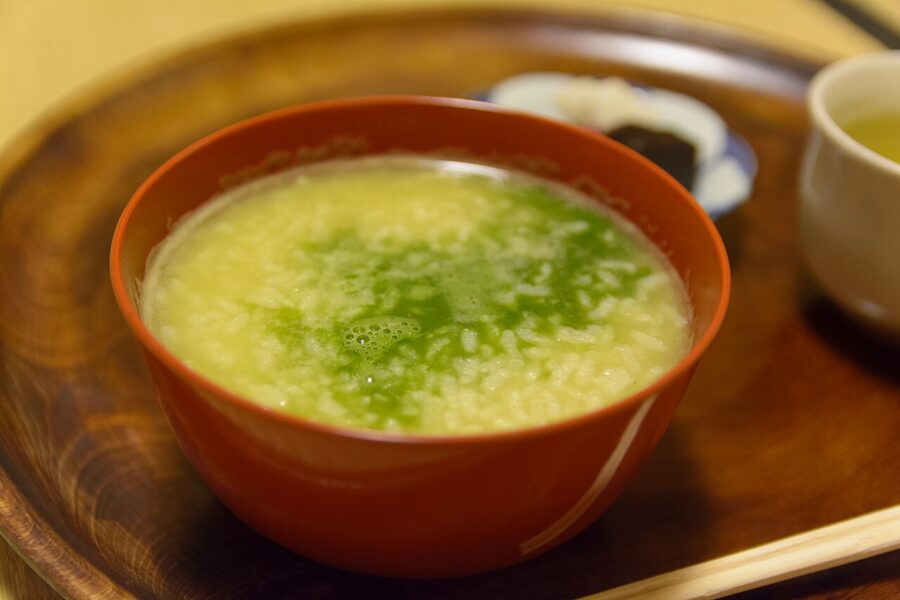
If you’re curious how it fits with the rest of the morning table, I go through the regional bowls in my guide to the Japanese breakfast. On a day trip, Kasuga Ninai Chaya’s man’yo-gayu is the nearest thing at lunch, though it’s a miso-and-kombu porridge rather than true chagayu.
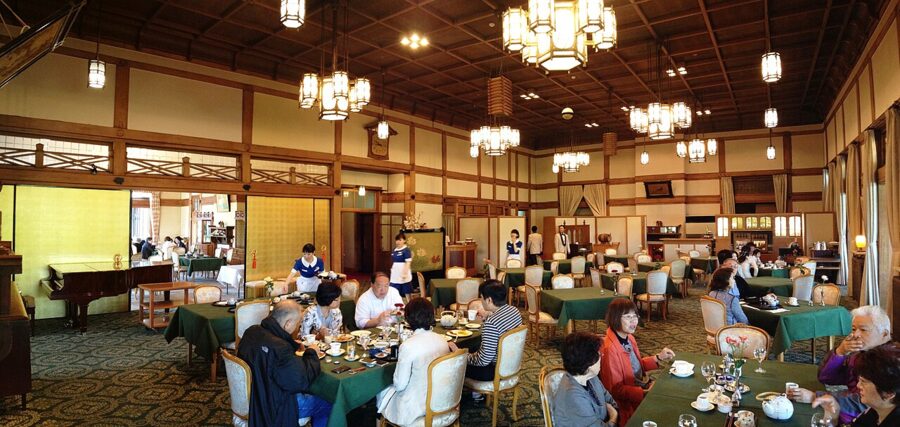
Nara sake and Shoryaku-ji’s claim
Nara makes a serious claim on sake history. Shoryaku-ji, a temple in the hills south-east of the city, calls itself the birthplace of Japanese seishu, refined clear sake, and records show its monks brewing clear sake in the Muromachi period using a starter method called bodaimoto. Kasuga Taisha, for its part, still has its sakadono, a brewing hall for the shrine’s sacred sake that is said to be the oldest of its kind.
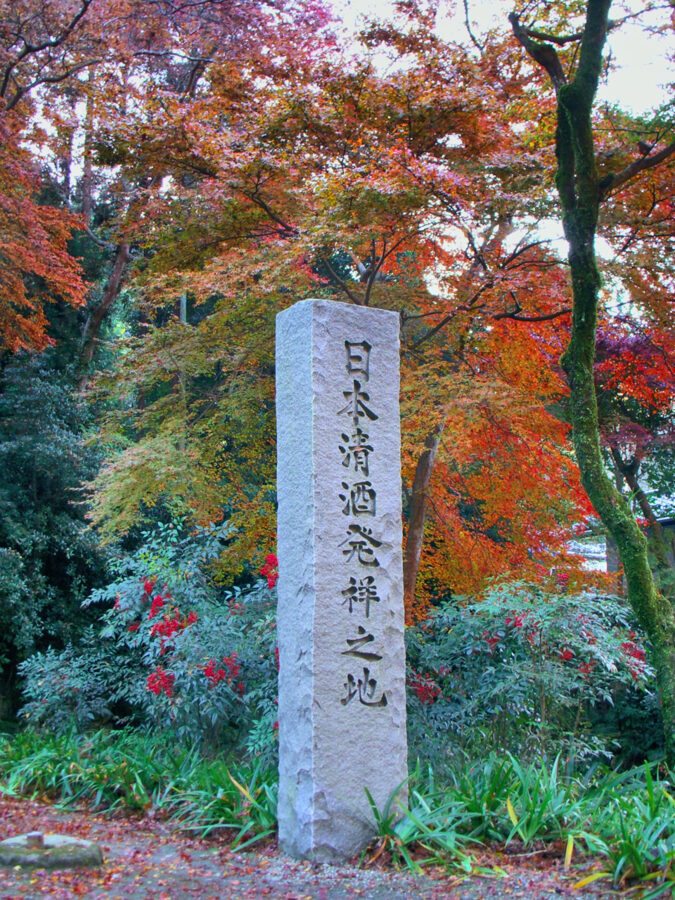
Shoryaku-ji is not a day-trip stop for most people: it’s in the hills with limited buses. In autumn, temporary Nara Kotsu buses run there daily from JR Nara via Kintetsu-Nara (from 14 to 29 November in 2026) for the maple season. Otherwise, the Harushika tasting in Naramachi is the easy way to drink Nara’s sake on foot.
When to go, and when not to
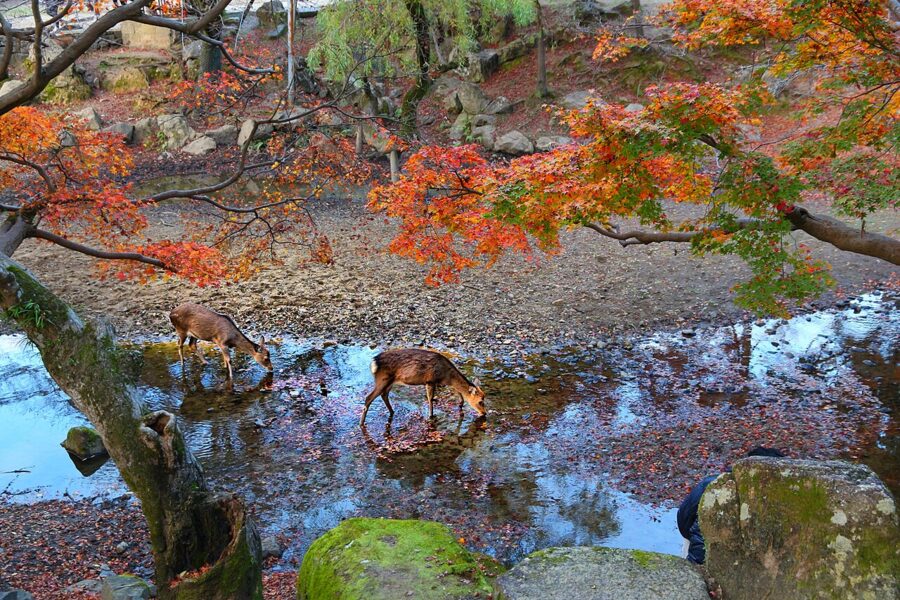
Nara is busy almost all year, but the busy times are predictable. Weekends in early April (cherry blossom) and from mid-November into early December (autumn colour) are the worst, and the autumn colour season in Nara Park runs roughly from late October to early December. January and February are the quietest months, cold and clear, and the temples feel twice the size.
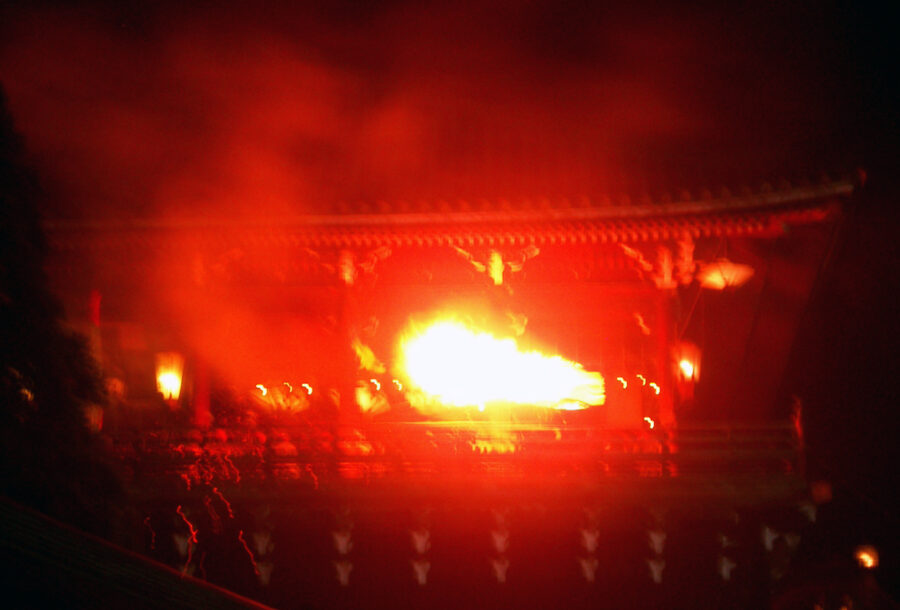
March has Omizutori. The Shuni-e rite at Nigatsu-do has run every year since 752, reaching its 1,275th performance in 2026, and from 1 to 14 March monks carry huge burning torches along the balcony each evening. The water-drawing that gives the rite its popular name takes place in the small hours of 13 March. The night of the 12th is by far the most crowded, with people queueing from early evening.
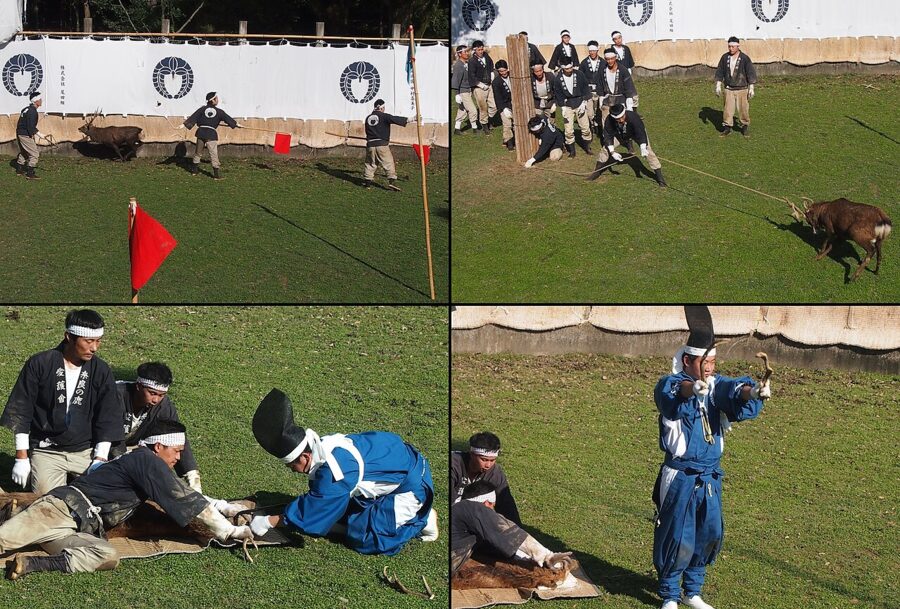
The deer antler cutting has moved. Bucks’ antlers are sawn off each year for safety, a practice the deer foundation dates to 1672, and the old-style ceremony at the Rokuen enclosure near Kasuga Taisha used to be an October event. Since 2025 it has been held in November instead: in 2026 it ran on 7 and 8 November, 11:45–15:00, with tickets at ¥1,000 for adults sold on the day only.
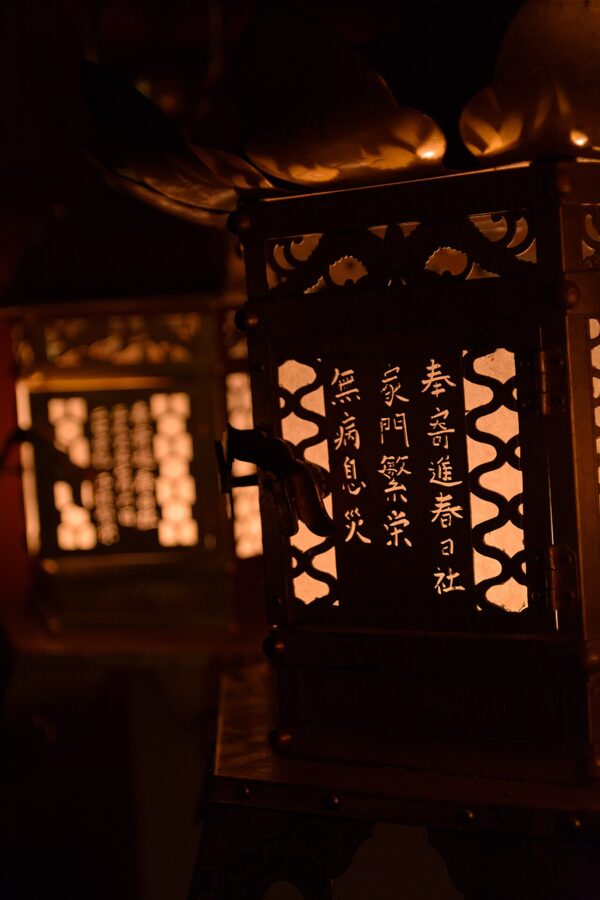
Kasuga Taisha lights every one of its lanterns twice a year at the Mantoro: on Setsubun, the day in early February that marks the start of spring, and on 14 and 15 August. Both nights are spectacular and both are packed.
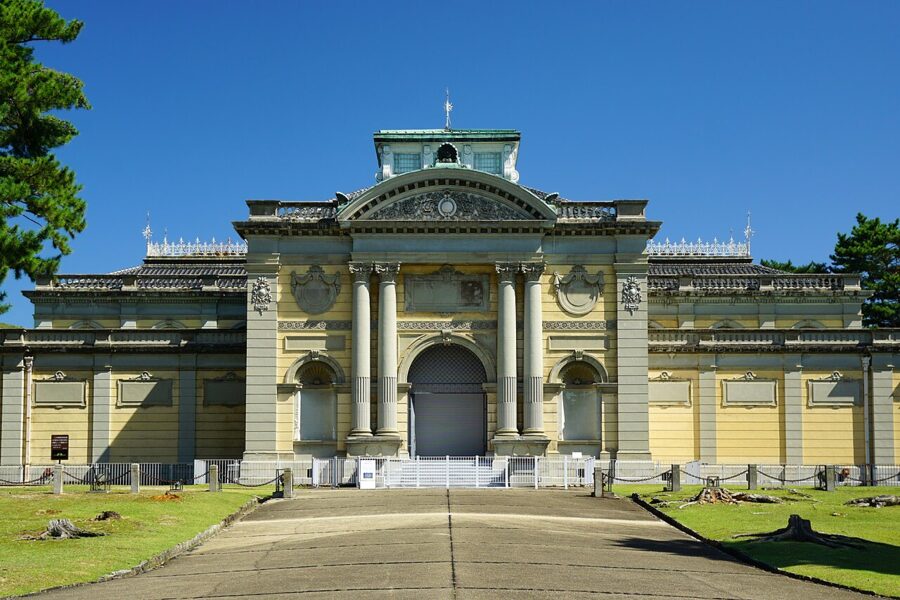
Late October into November also brings the Shosoin Exhibition at the Nara National Museum, when a selection of the 8th-century treasures kept in Todai-ji’s Shosoin storehouse goes on show for a few weeks. It is one of the most popular exhibitions in Japan and the queues are long. If it coincides with your trip, buy a dated ticket in advance and go first thing.
Summer is hot and very humid in the Nara basin, and the deer spend the afternoons lying in the shade looking as tired as you are. If you do go in July or August, start at 8:00, retreat to the museums by noon, and save Naramachi’s cafes for the worst of the heat.
A quieter half day: Takabatake and Shin-Yakushiji
If the central park is too much, or if you’ve done it before, Takabatake is the antidote. It’s the quiet residential district south of Kasuga Taisha, threaded with earthen walls and old houses, and in the early 20th century it was where writers and painters came to live. Most people never get past the shrine.
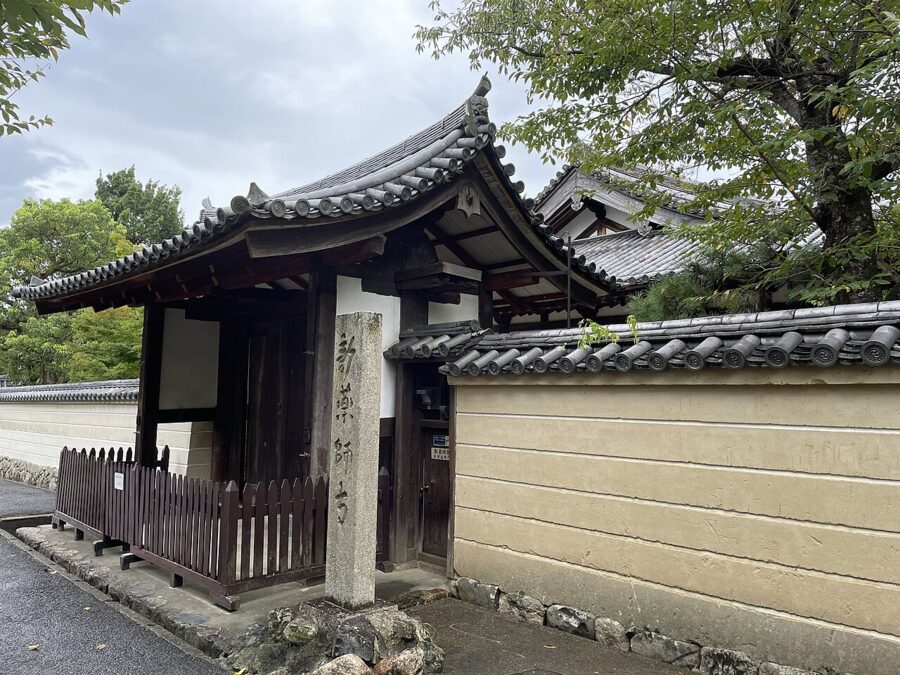
From the Kasuga Taisha area, follow the forest path south (the old route that shrine priests used to walk between their houses and the shrine) and come out in Takabatake. Shin-Yakushiji is the destination: a small temple whose main hall survives from the Nara period, and inside, a seated Healing Buddha on a round earthen platform surrounded by twelve guardian generals. Entry is ¥600, open 9:00–17:00, and it is about ten minutes’ walk uphill from the Wariishi-cho stop on the city loop bus.
From Shin-Yakushiji it’s an easy downhill walk west into Naramachi for lunch, Gango-ji and Harushika, then back to Kintetsu-Nara. That is a full, slow half day with almost none of the main-park crush. If you’d rather leave the city centre entirely, Kintetsu trains reach Nishinokyo, for Yakushi-ji and Toshodai-ji, in about 15 minutes from Kintetsu-Nara.
What the day costs
Nara is a cash town at the temples, so carry enough yen. Todai-ji and Kofuku-ji both take cash only at the ticket windows. Here is what the route above costs per adult, before food.
| Item | Price | Note |
|---|---|---|
| Return train from Kyoto (Kintetsu Express) | ¥1,520 | ¥760 each way |
| Return train from Osaka-Namba (Kintetsu Rapid Express) | ¥1,360 | ¥680 each way |
| Todai-ji Great Buddha Hall | ¥800 | ¥1,200 with the Todai-ji Museum; cash only |
| Nigatsu-do | Free | Open 24 hours |
| Hokke-do (Sangatsu-do) | ¥800 | 8:30–16:00 |
| Kasuga Taisha special worship | ¥700 | 9:00–16:00; grounds free |
| Kofuku-ji National Treasure Museum | ¥900 | Tokondo and Chukondo ¥500 each; cash only |
| Isuien | ¥1,200 | Closed Tuesdays; Yoshikien next door is free |
| Gango-ji | ¥700 | ¥800 during the autumn exhibition |
| Shika senbei | ¥200 | Per bundle |
| Harushika sake tasting | ¥700 | Five sakes, closed Tuesdays |
Doing the core route (Todai-ji, Kasuga Taisha’s inner corridors and the Kofuku-ji museum) plus a bundle of senbei comes to ¥2,600 in admissions. Add lunch, a box of mochi and the train, and a comfortable day from Kyoto lands around ¥6,000–7,000.
Skip this
- The pagoda photo. Until March 2034, Kofuku-ji’s five-storied pagoda is inside a cover building. Don’t plan your golden-hour shot at Sarusawa Pond around it.
- The nostril pillar queue. Squeezing through the pillar behind the Daibutsu is fun with no queue and pointless with one.
- Buying crackers at the first stall you see. The plaza near the Nara Park bus terminal and the lawn in front of Kofuku-ji have the most crowded, pushiest deer. Wait until Tobihino or the quieter paths near Kasuga.
- Todai-ji at 11:00. Same Buddha, three times the people. Go first thing, or after 15:30.
- Treating Nara as a half day. You can do Todai-ji and the deer in four hours, but you’ll leave without Kasuga’s lanterns, Nigatsu-do’s view or a single mochi.
Get on the early train. Walk past the first senbei stall, straight up to the Great Buddha Hall while it’s still quiet, and give the mochi pounders on Sanjo-dori the last half hour of your day. Then eat your kakinoha-zushi on the train, where no deer can reach it.
You Might Also Enjoy
 Beijing Hutongs: Where to Walk the Old Lanes, How to Read a Gate and Which Areas Are Worth It
 Hong Kong Day Trip: A Working Plan from Shenzhen (or a Cruise Ship, or a Layover)
 Beppu Guide: The Hells, the Bathhouses and Lunch Cooked by a Volcano
 Giant Pandas in China: Where to See Them, the Chengdu Base, Dujiangyan, Wolong and How to Visit Well