Japan in January: New Year, Snow, Hot Springs and the Best Things to Do All Month
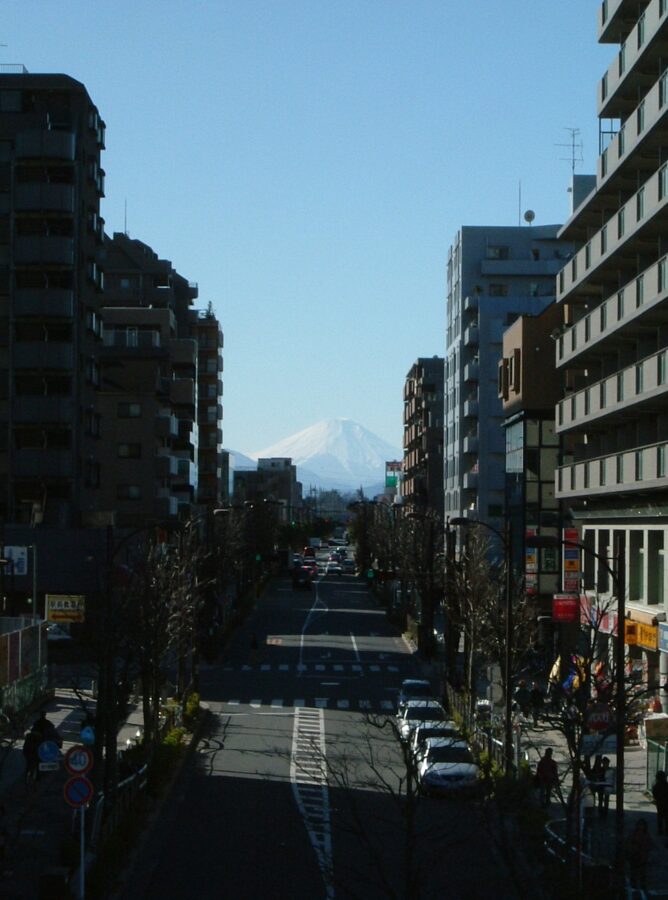
The Joetsu Shinkansen leaves Tokyo in January under the kind of sky that looks painted on: hard blue, no cloud, Mount Fuji sharp on the horizon if you know which window to look out of. Then it dives into a tunnel more than 22 kilometres long under the mountains on the Gunma and Niigata border. When it comes out the other side, a little over an hour after leaving Tokyo, the world has gone white, the roofs are buried under snow and people are walking around in rubber boots.
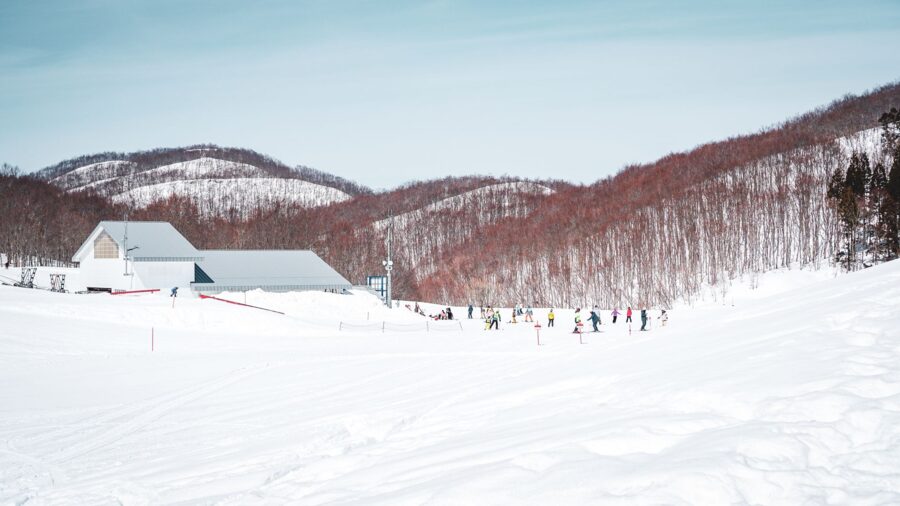
That is January in Japan in one train ride: the coldest month, and the most divided. Tokyo gets about 193 hours of sunshine in an average January, the most of any month of the year. Niigata, on the Japan Sea side, gets 56. One side of the country is in its best photographic weather of the year while the other is shovelling roofs.
January also starts with the one week of the year when Japan stops. The first three days are New Year, the country’s biggest holiday, when families go home, shrines fill with millions of people and small restaurants pull down their shutters. Then, almost overnight, it empties. The second half of January is one of the quietest, cheapest stretches on the travel calendar, with ski resorts at their best, hot springs at their most welcome and the first plum and cherry blossom already opening in the south.
This guide covers the weather region by region, how the New Year shutdown works and what stays open, the snow and hot-spring trips worth making, the winter food, the events with confirmed 2027 dates, the early blossoms, and three sample routes. Here is the month at a glance.
| Region | January high / low | Sunshine (month) | What January means there |
|---|---|---|---|
| Hokkaido (Sapporo) | −0.4°C / −6.4°C | 90 hours | Deep snow, powder skiing, ice festivals from late January |
| Japan Sea side (Niigata, Kanazawa) | 5–7°C / 0–1°C | 56–62 hours | Grey skies, heavy wet snow, crab season, onsen towns under snow |
| Central mountains (Nagano) | 3.8°C / −3.9°C | 128 hours | Ski resorts, snow monkeys, sharp cold |
| Tokyo | 9.8°C / 1.2°C | 193 hours | Dry, sunny, clear Fuji views, very little snow |
| Kyoto | 9.1°C / 1.5°C | 124 hours | Cold mornings, the odd snowfall on the temples, quiet after the 4th |
| Okinawa (Naha) | 19.8°C / 14.9°C | 93 hours | Mild, often cloudy, early cherry blossom late in the month |
The temperatures and sunshine are the Japan Meteorological Agency’s 1991–2020 averages for each city’s main weather station.
In This Article
- What the weather actually does, region by region
- Hokkaido
- The Japan Sea side and the Alps
- Tokyo, Kyoto and Osaka
- Okinawa
- Short days
- The first three days: New Year and what stays open
- Hatsumode, the first shrine visit
- What New Year tastes like
- Fukubukuro and the first sales
- The Imperial Palace on 2 January
- After the 4th, the country empties
- Snow, steam and a mountain on show
- The snow monkeys
- Ginzan Onsen
- Nyuto Onsen
- Kinosaki and the crab
- Zao’s snow monsters
- Shirakawa-go, by reservation only
- Skiing
- Fuji in clear air
- Eat the cold months
- Crab
- Fugu and winter fish
- Oden and the hot pot
- The great ekiben fair
- Strawberries and new sake
- The January 2027 calendar
- The first sumo tournament of the year
- Toka Ebisu in Osaka
- Nara sets a mountain on fire
- Archers in Kyoto, bonfires everywhere
- Lights, ice and snow
- The first blossom of the year
- Atami, plum and cherry together
- Okinawa’s cherry blossom
- Three ways to spend January
- Tokyo, Fuji and the snow monkeys (6 days)
- Kansai in winter (6 days)
- Snow country (7 days)
- What to pack, and what it costs
- Skip this
What the weather actually does, region by region
The reason Japan’s winter splits in two is Siberia. Cold, dry air blows south-east across the Sea of Japan, picks up moisture from the relatively warm water and dumps it as snow the moment it hits the mountains that run down the spine of Honshu. By the time the same wind reaches the Pacific side it has dropped everything, so Tokyo, Nagoya and Osaka get dry air and blue skies. The Japanese even have a name for this pattern, seiko toko, “high in the west, low in the east”.
Hokkaido
Sapporo averages a high of −0.4°C in January and a low of −6.4°C, and snow falls on about 29 days of the month. Inland it’s much colder: Asahikawa’s average January low is −11.7°C. The city keeps working through all of it, with heated pavements in the centre, underground walkways that run from the main station to Susukino, and taxis that drive on packed snow as if it were tarmac.
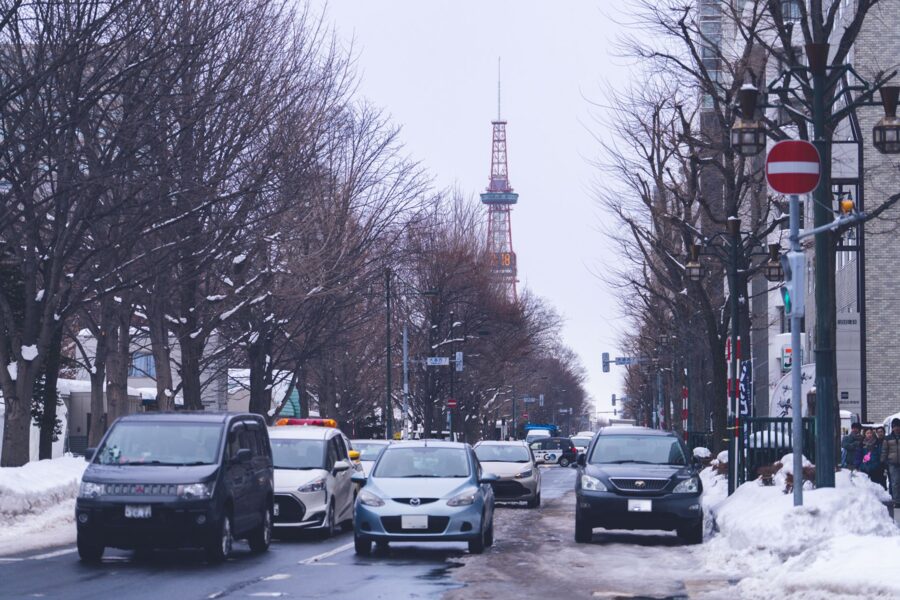
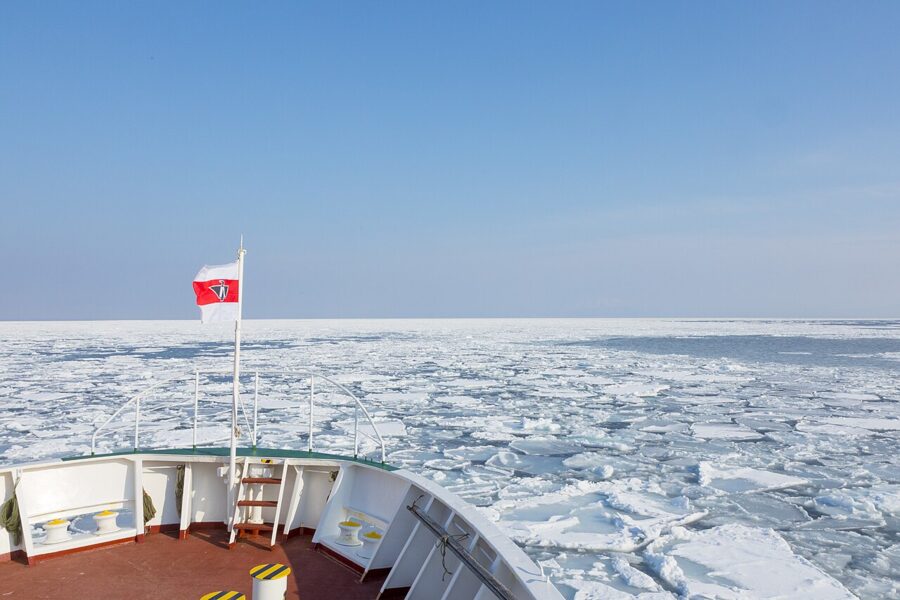
For eating your way around the city, start with my Sapporo food guide. The rest of Hokkaido in January is ski country (Niseko, Furano, Rusutsu) and long, beautiful, slow train journeys. Drift ice reaches the Sea of Okhotsk coast near Abashiri in some years from late January, but it’s more reliable in February.
The Japan Sea side and the Alps
This is where the snow goes. Kanazawa gets 256 mm of precipitation in an average January, more than four times Tokyo’s, and much of it comes down as heavy, wet snow. Takayama, up in the Hida mountains, sees about 117 cm of snowfall over the month. The skies are grey more often than not, and that is the price of the onsen towns under snow, the crab and the farmhouses at Shirakawa-go.
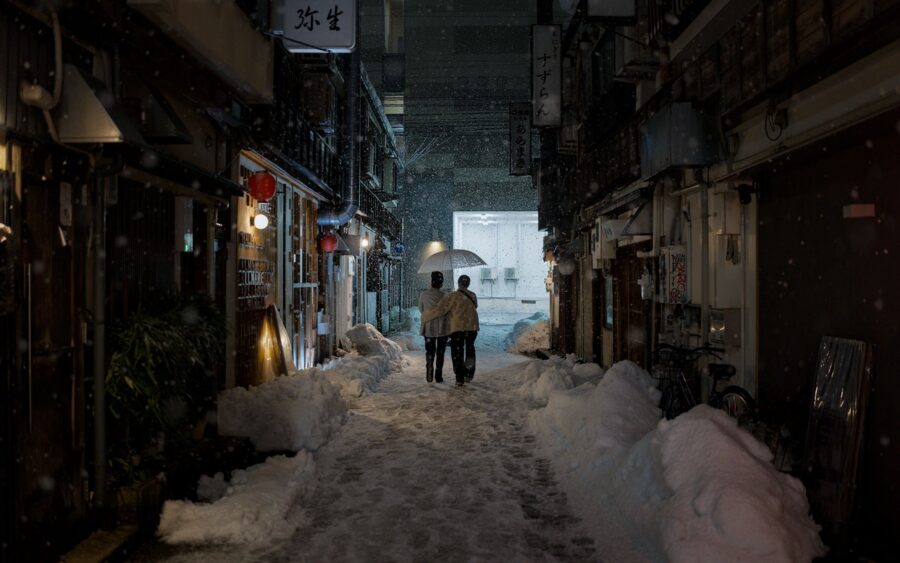
Kanazawa is worth the trip in January for the food alone, because the Japan Sea crab season is running; my Kanazawa food guide covers Omicho Market and the rest. Nagano and the Northern Alps are colder and drier than the coast, with Nagano city averaging −3.9°C at night. That cold is what keeps the snow light at the resorts.
Tokyo, Kyoto and Osaka
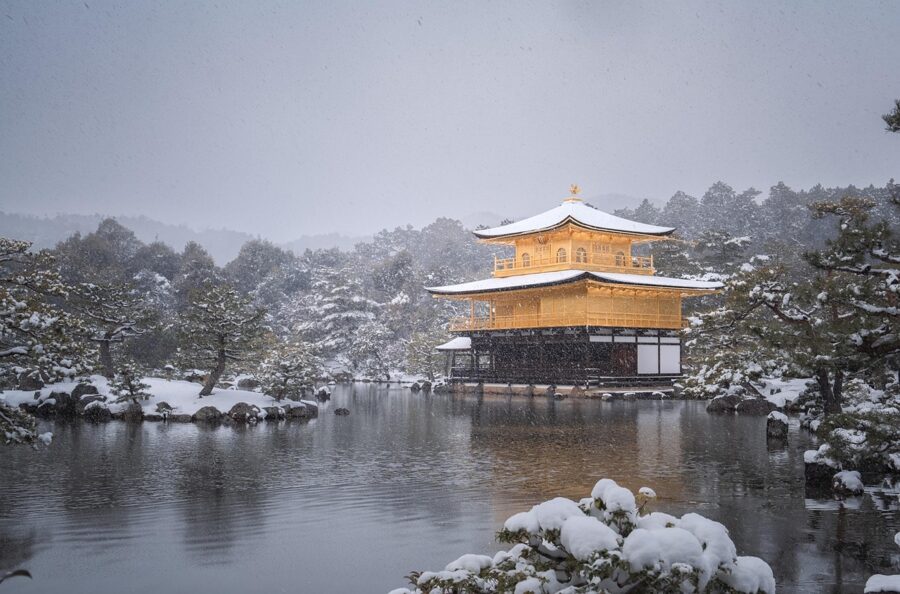
Tokyo averages 9.8°C in the afternoon and 1.2°C before dawn. Snow falls on fewer than three days in an average January and rarely settles, though when it does, trains slow down and the city behaves as if a blizzard has struck. Kyoto is a touch colder by day and noticeably damper in the mornings, and a dusting of snow on the temples happens most winters, briefly. If you see snow forecast for Kyoto, go to Kinkaku-ji or Kiyomizu-dera at opening time and expect everyone else to have had the same idea.
Okinawa
Naha averages 19.8°C by day and 14.9°C at night. That is pleasant for walking, but it isn’t beach weather for most people: the sea is cool, the north wind can blow for days and the islands are cloudier in winter than you’d expect. What you do get is the early cherry blossom, quiet towns and a fine excuse for a bowl of Okinawa soba; my Okinawa food guide covers the island’s cooking.
Short days
Wherever you go, the light is the constraint. In Tokyo the sun rises at 06:50 on 1 January 2027 and sets at 16:38; by 31 January it’s 06:42 and 17:07. Go east and it gets worse: in Nemuro, at the eastern tip of Hokkaido, the sun sets at 15:52 on New Year’s Day. Plan outdoor sightseeing for the morning, and keep the onsen, the food halls and the illuminations for after dark.
The first three days: New Year and what stays open
New Year, shogatsu, is to Japan what Christmas is to Britain, except bigger and quieter. Government offices close from 29 December to 3 January, most companies do the same, and people go home to their families. Banks close from 31 December to 3 January, though convenience store ATMs keep working. Many small restaurants, family-run shops and some museums close for several days, often from about 30 December to 3 or 4 January.
Big cities never really shut. Department store food halls reopen early in January, chains and hotel restaurants keep going, and the konbini never close at all. If you arrive on 31 December, book your New Year’s Eve and New Year’s Day dinners in advance, and treat anything else as a bonus. In small towns and rural ryokan areas the shutdown is far more complete.
Transport runs, but it’s full. The Shinkansen out of Tokyo is packed from around 28 to 30 December, and the return rush usually peaks on 2 to 4 January. If you’re moving between cities in that window, reserve seats the moment they go on sale.
Hatsumode, the first shrine visit
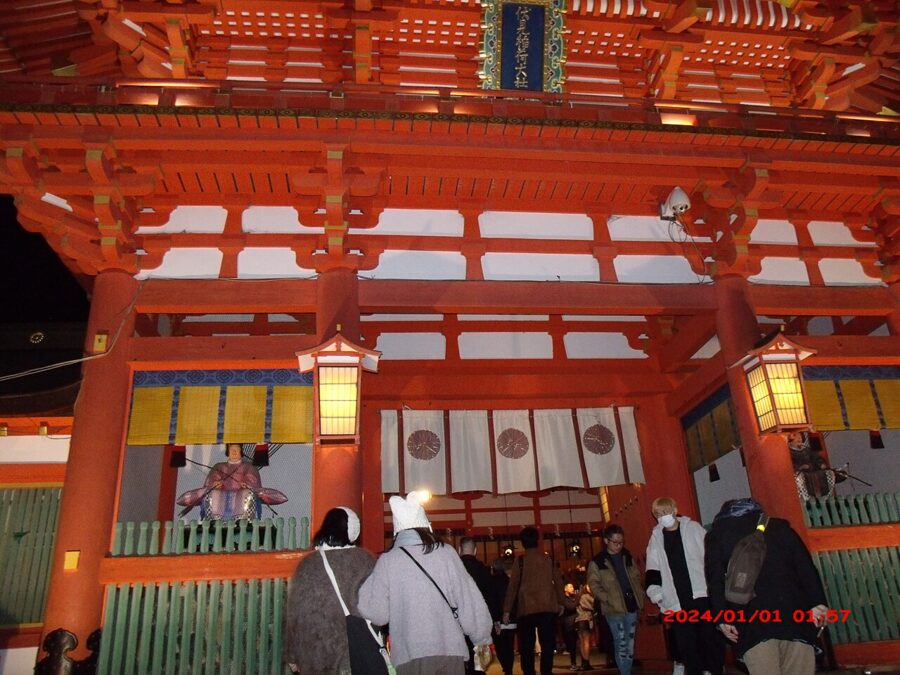
The event of the holiday is hatsumode, the year’s first visit to a shrine or temple. Some people go at midnight on New Year’s Eve, after the temple bells have rung out the old year; most go some time in the first three days. The crowds at the famous shrines are genuinely enormous. The National Police Agency stopped publishing a national ranking after 2009; going by the 2019 figures that were still reported, Meiji Jingu took about 3.18 million people over the three days, Naritasan Shinshoji in Chiba 3.11 million and Kawasaki Daishi 3.08 million.
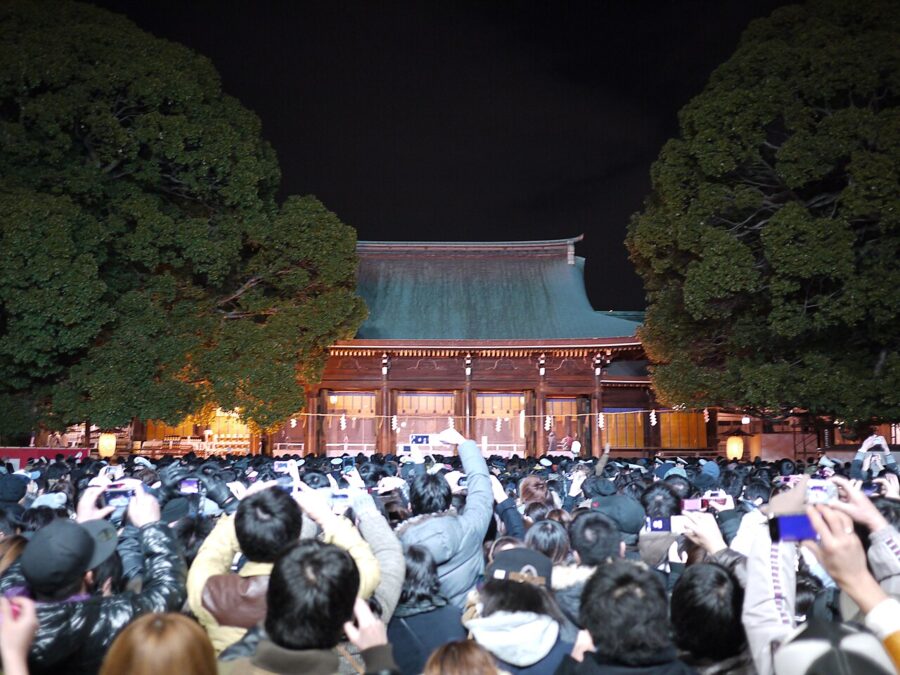
None of this was ancient custom, by the way. Visiting a shrine simply because it was New Year’s Day became common in the Meiji era, and the railways did a lot of the promoting: the line that became today’s Keikyu opened in 1899 to carry worshippers to Kawasaki Daishi. Train companies have been selling hatsumode ever since.
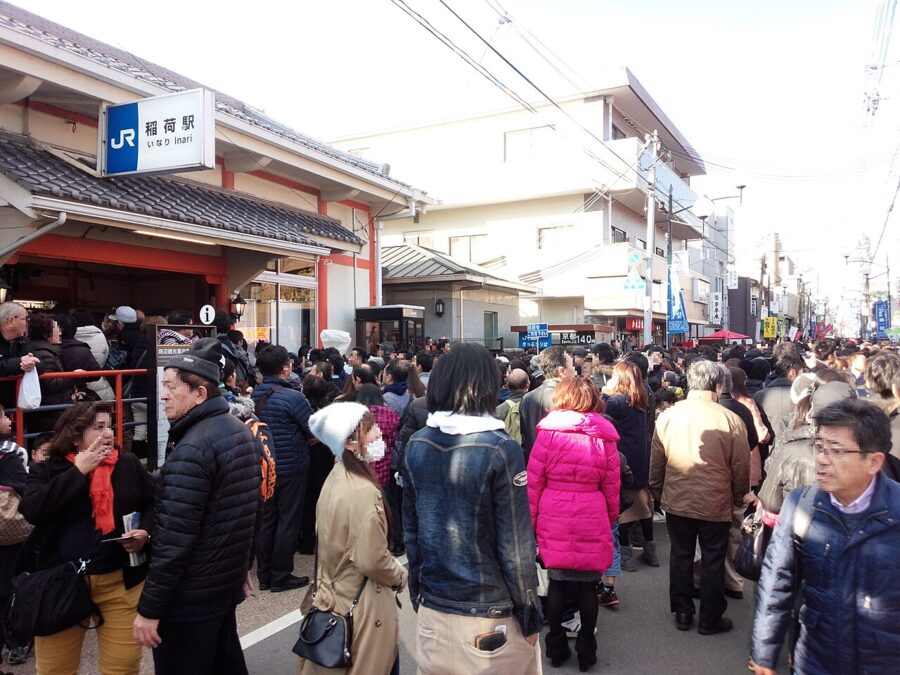
My advice is to skip the giants on the 1st. Go to a neighbourhood shrine instead, where the queue is a dozen people, there may be warm amazake on a table by the gate and you can watch families buy their new charms and burn the old ones. If you want the full Meiji Jingu experience, go on the 3rd, or on a weekday from the 5th, when the stalls are still up and the crowd is a fraction of the size. Draw an omikuji fortune slip, usually ¥100 to ¥300; if it’s a bad one, tie it to the rack and leave it there.
What New Year tastes like
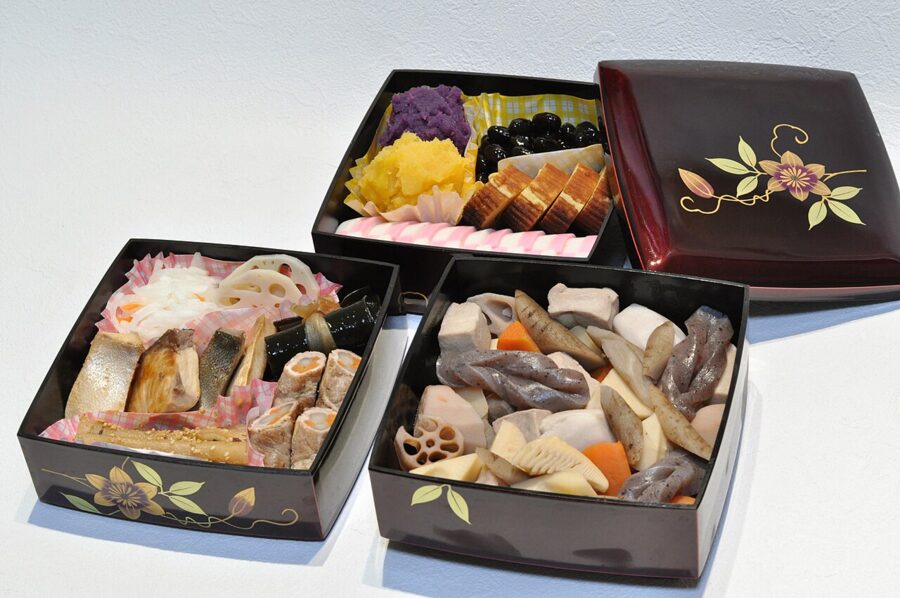
The holiday food is osechi ryori, the stacked lacquer boxes of cold, sweet, salty dishes that families eat over the first three days, partly so nobody has to cook. Every item means something: black beans for hard work and health, herring roe for children, small dried sardines for a good harvest, a rolled omelette sweetened like dessert. Most families now buy theirs, and department stores take orders for them from the autumn.
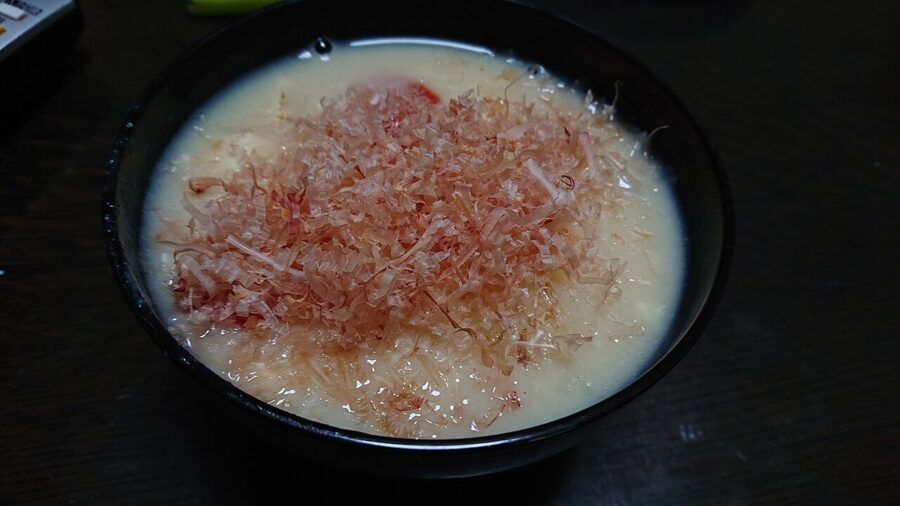
The hot dish is ozoni, a soup with mochi in it, and it’s the most regional food in Japan. Tokyo uses square grilled mochi in a clear dashi with chicken and greens; Kyoto uses round mochi simmered in white miso. Many ryokan serve it at breakfast on New Year’s Day, which is one of the few chances you’ll get to eat it unless you know a Japanese family.
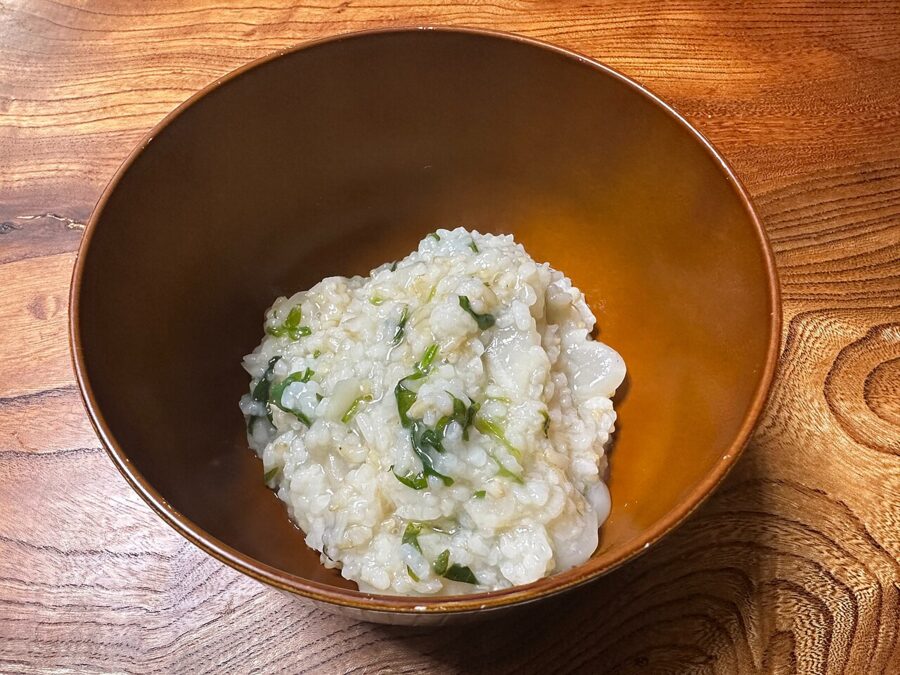
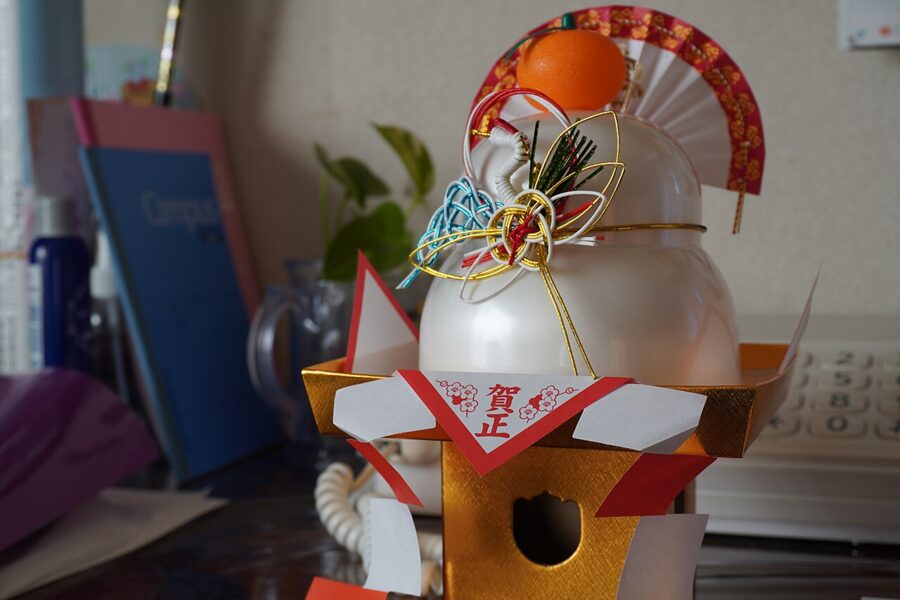
Mochi is everywhere in January. Homes and shops display kagami mochi, two stacked rice cakes topped with a citrus fruit, from late December, and in much of Japan on 11 January they’re broken up and eaten in a ritual called kagami biraki. On 7 January people eat nanakusa-gayu, a rice porridge with seven spring herbs, to rest the stomach after the holiday, and supermarkets sell the herbs in little packs. Confectioners make a New Year sweet, hanabira mochi, that only appears in January; my wagashi guide explains it and the rest of the seasonal sweets.
Fukubukuro and the first sales
The other New Year ritual is shopping. Hatsuuri, the first sale, is when department stores and fashion chains reopen, and the headline is the fukubukuro, the lucky bag: a sealed bag sold at a fixed price with goods inside worth more than you pay. Clothing chains, electronics stores, coffee roasters, tea shops and even sushi restaurants sell them. Big department stores in Tokyo have opened their first sales on 2 January in recent years; Isetan in Shinjuku moved its own from the 3rd to the 2nd in 2020.
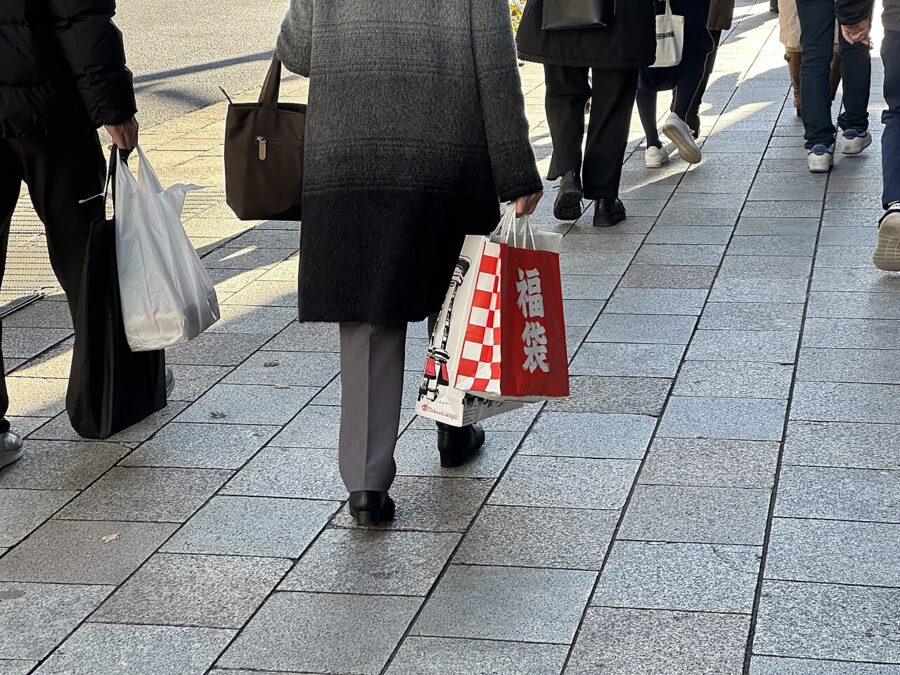
Is it worth it? For clothes in your size, from a brand you already wear, possibly, and for the experience of queueing outside a Ginza department store at 09:00 on 2 January, once. Food fukubukuro are the best value and the most fun: a tea shop’s bag or a bakery’s is a cheap, low-risk way in. Ordinary winter sales then run through most of January.
The Imperial Palace on 2 January
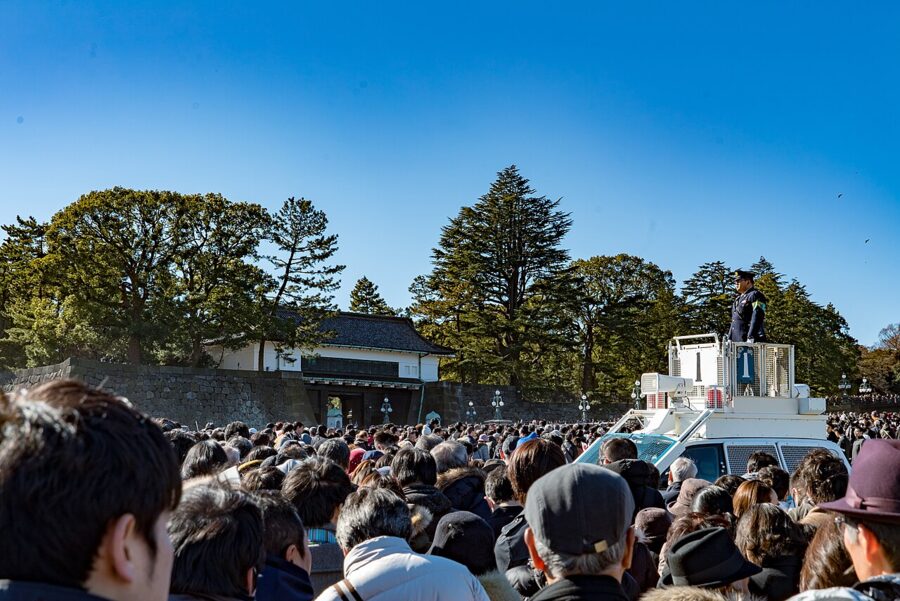
On 2 January the inner grounds of the Imperial Palace open for the New Year greeting, shinnen ippan sanga, and the Emperor and members of the imperial family appear several times on the balcony of the Chowaden hall. In 2026 about 60,000 people attended. The Imperial Household Agency announces the year’s times in early December, so check before you go; entry is through the main gate, bags are searched and there is a lot of standing.
After the 4th, the country empties
On 4 January Japan goes back to work, and the change is startling. The trains are full of commuters again, the temples and shrines empty out, and hotel rates in the big cities drop back from their holiday peak. Apart from one three-day weekend, the rest of January is among the quietest times of the year for domestic travel, and it comes before the Chinese New Year holiday, which in 2027 starts on 6 February and brings a surge of travel from across East Asia.
The weekend to know about is Coming of Age Day, seijin no hi, a national holiday on the second Monday of January. In 2027 that’s Monday 11 January, so Saturday 9 to Monday 11 is a long weekend: domestic travel picks up and hotels in ski and onsen areas charge holiday rates. Plan your quiet days either side of it.
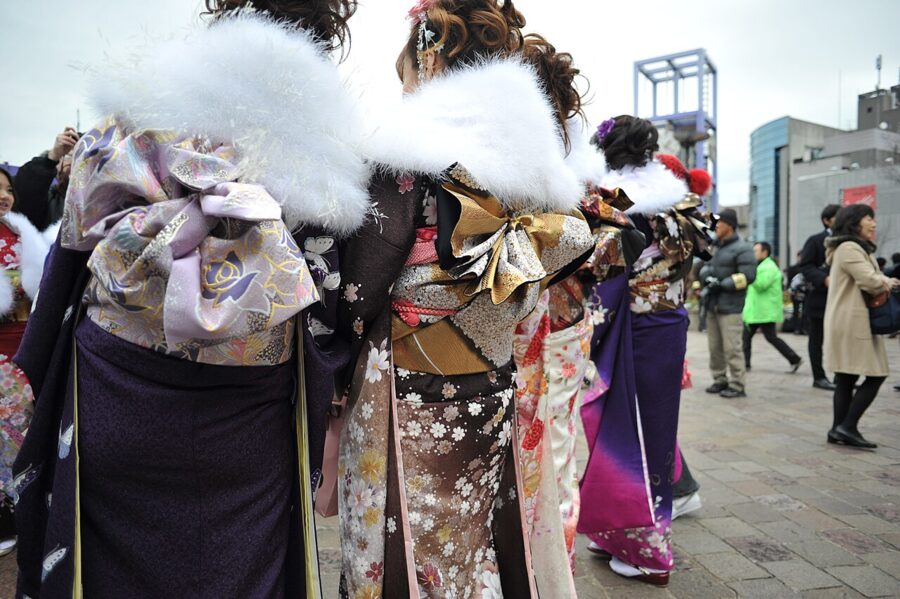
The ceremonies are for people turning 20. The legal age of adulthood dropped to 18 in April 2022, but most towns kept 20 as the age for the ceremony, so you’ll still see 20-year-olds in kimono and hakama posing for photos outside city halls and at the bigger shrines. It’s a lovely thing to stumble on, and it’s polite to ask before photographing anyone up close.
Kyoto has its own reason to come in this window. Every winter the city’s tourism association runs Kyo no Fuyu no Tabi, a programme of special openings of temple halls, gardens and treasures normally closed to the public; the 60th ran from 9 January to 18 March 2026, and the 2027 programme hadn’t been published when I wrote this. If you’re planning the city in detail, my 3-day Kyoto itinerary fits January well, and my guide to what to eat in Kyoto covers the food.
Snow, steam and a mountain on show
January is the month the onsen makes the most sense. The outdoor baths are coldest around you and hottest underneath, snow falls on your head while your shoulders cook, and an hour in the water after a day outside feels like a reward rather than a luxury. Here are the snow trips I’d make, with the practical detail you need for this winter.
The snow monkeys
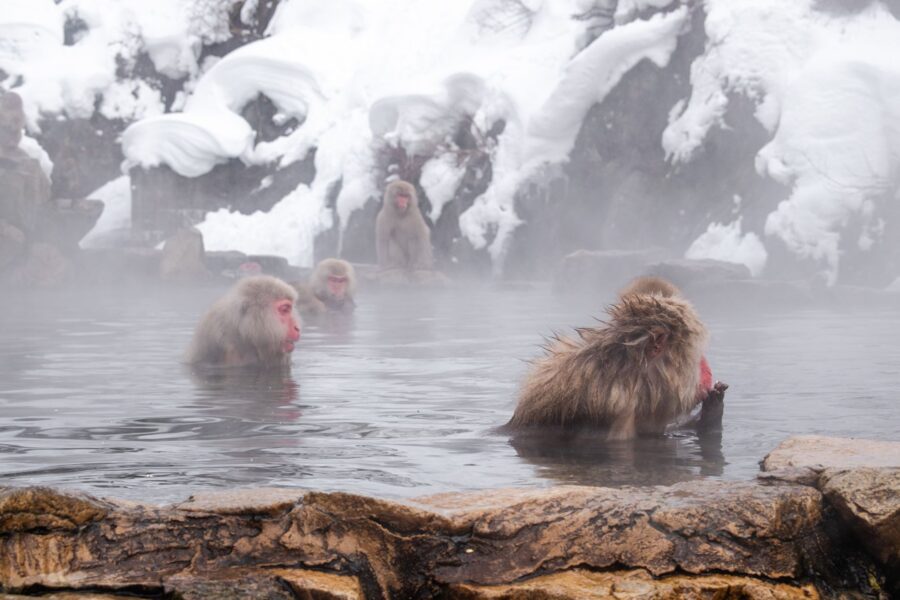
The Japanese macaques at Jigokudani, in the mountains above Yudanaka in Nagano, sit in a hot spring pool through the winter, and January and February are when they spend longest in the water. I’ve written a full guide to the snow monkeys, with this winter’s buses and tickets. The short version: entry is ¥1,000 at the gate or ¥880 online from 1 December 2026, the park is open 9:00–16:00 in winter, and the walk in from the bus stop takes about 35 minutes on an icy trail.
Ginzan Onsen
Ginzan, in Yamagata, is a single street of three- and four-storey wooden inns either side of a river, lit by gas lamps, and in snow it looks like the set of a period drama. It became so crowded in winter that the town now runs a shuttle system. From 19 December 2026 to 7 March 2027 cars park at the Taisho Roman-kan and a shuttle runs into the village every 20 minutes from 9:00 to 18:00; a round trip costs ¥1,000 to ¥1,500 on the day, or ¥300 less booked ahead. The nearest station is Oishida on the Yamagata Shinkansen, about 40 minutes away by bus.
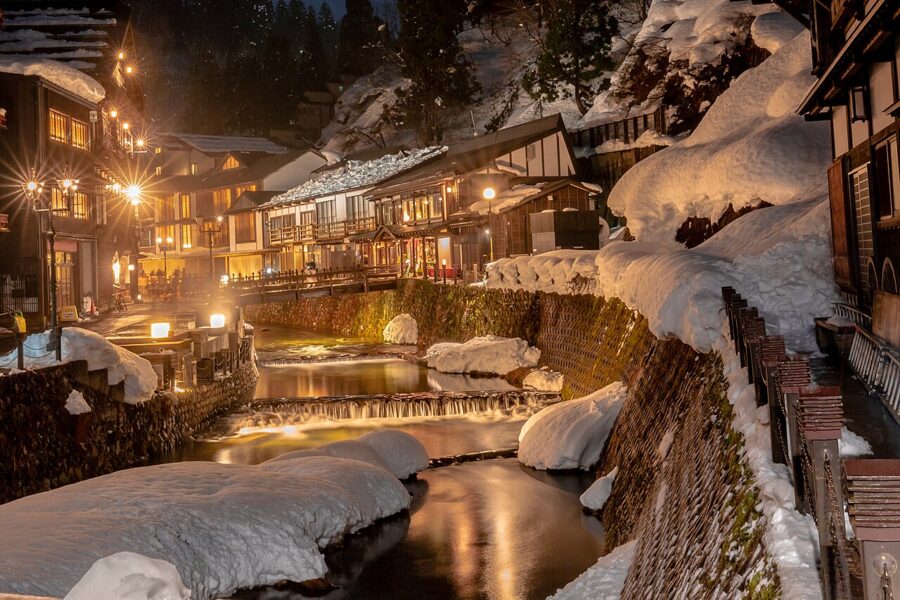
Stay the night if you can. The inns book up months ahead for winter weekends, but a weeknight in the second half of January is your best chance, and you get the street after the day-trippers have gone home.
Nyuto Onsen
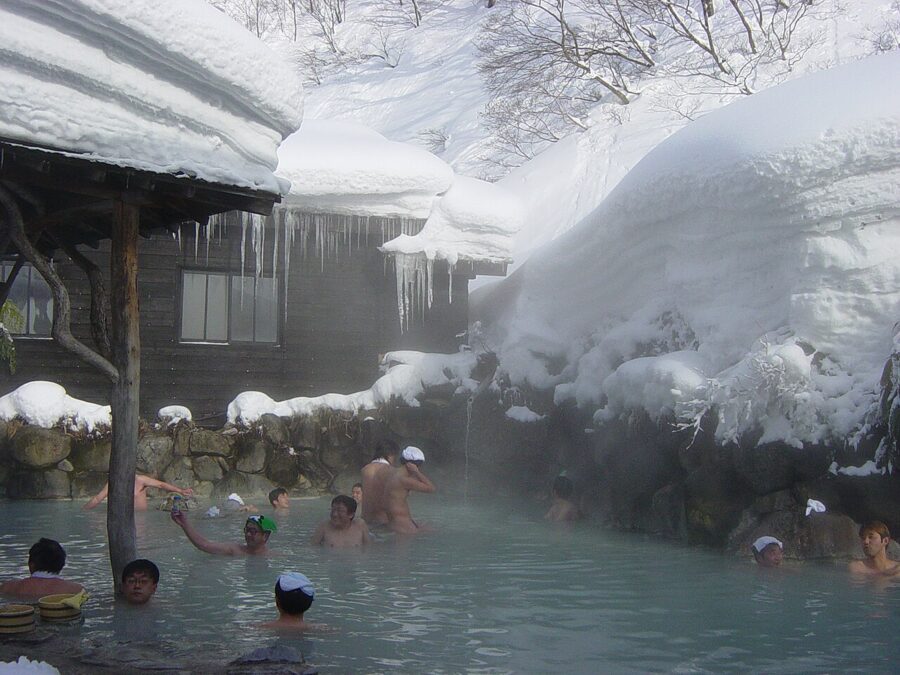
If Ginzan is the postcard, Nyuto is the mountain hideaway. It’s seven separate inns in a beech forest in Akita, each with its own springs, and the oldest, Tsurunoyu, has a milky outdoor bath beside a thatched longhouse that once housed the guards of the Akita lords. The Akita Shinkansen reaches Tazawako from Tokyo in just under three hours, and the bus up to the inns takes about 50 minutes; several inns collect staying guests in winter.
Kinosaki and the crab
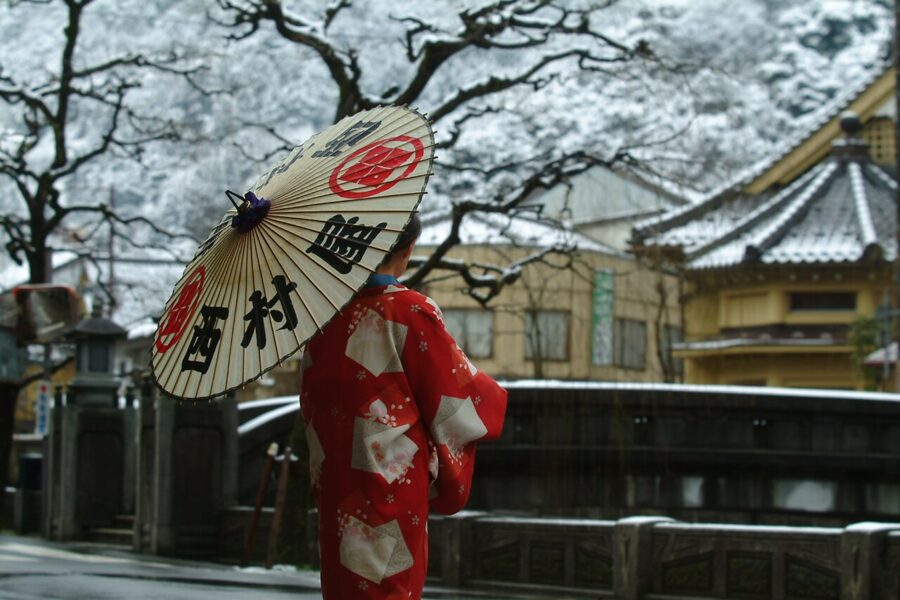
On the Japan Sea coast north of Kyoto, Kinosaki is the onsen town of seven public bathhouses (six open this winter, while one is rebuilt) where you walk between baths in a yukata and wooden sandals. In January it’s also the crab capital of Kansai, and most guests book a winter dinner where almost every course is snow crab. It’s about two and a half hours from Kyoto by limited express.
Zao’s snow monsters
On Mount Zao, on the Yamagata and Miyagi border, the wind off the Sea of Japan coats the fir trees near the summit in layer after layer of rime until they look like a field of frozen giants. The Japanese call them juhyo, and the English name, snow monsters, is perfect. The Zao Ropeway climbs from Zao Onsen in two stages to Jizo Sancho station at 1,661 metres, where you walk out among them. They start forming in December and are usually at their biggest in February, so late January is a good compromise.
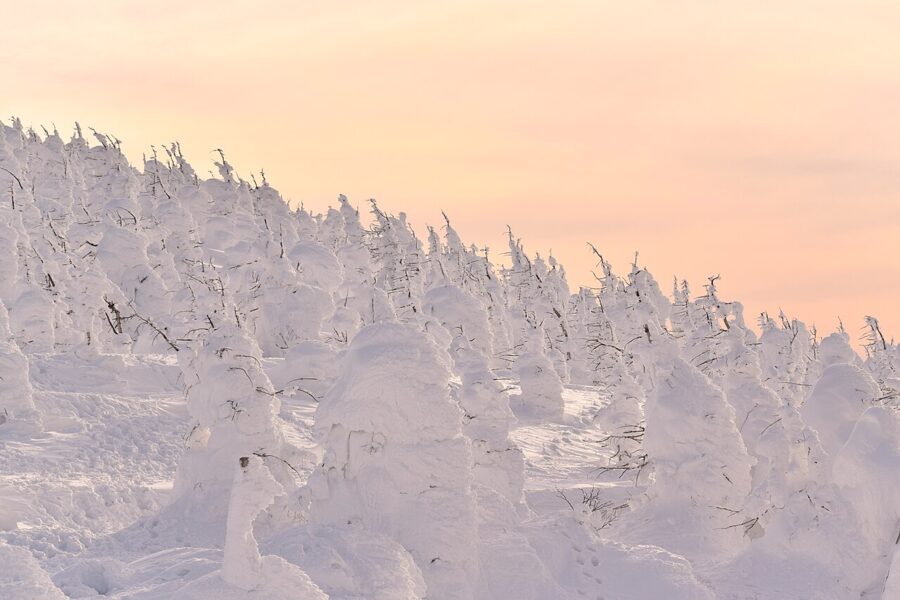
Zao Onsen at the bottom of the ropeway is a strongly acidic sulphur spring with a ski resort attached, so you can do all three in a day: ski, monsters, bath.
Shirakawa-go, by reservation only
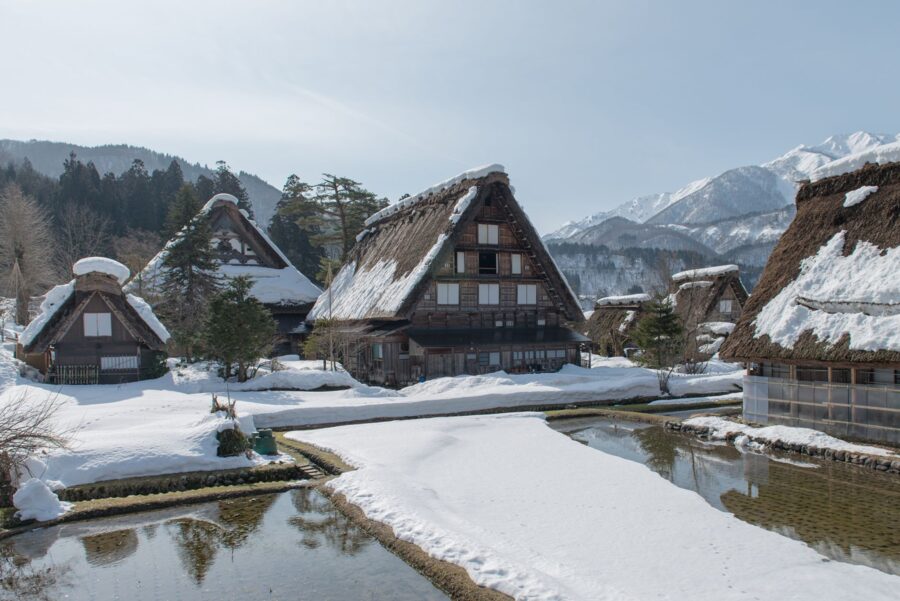
Shirakawa-go’s steep thatched farmhouses under snow are among the most photographed scenes in Japan, and the evening light-up is so popular that it’s now entirely pre-booked. In 2027 it runs on four evenings, 11, 17, 24 and 31 January, from 17:30 to 19:30. You need an entry ticket obtained through a village lodging plan, a reserved parking space or a tour, and the first round of car parking for 2027 has already sold out. Daytime visits are possible on those days, but anyone without a light-up ticket must be out before the gate closes in the afternoon.
Skiing
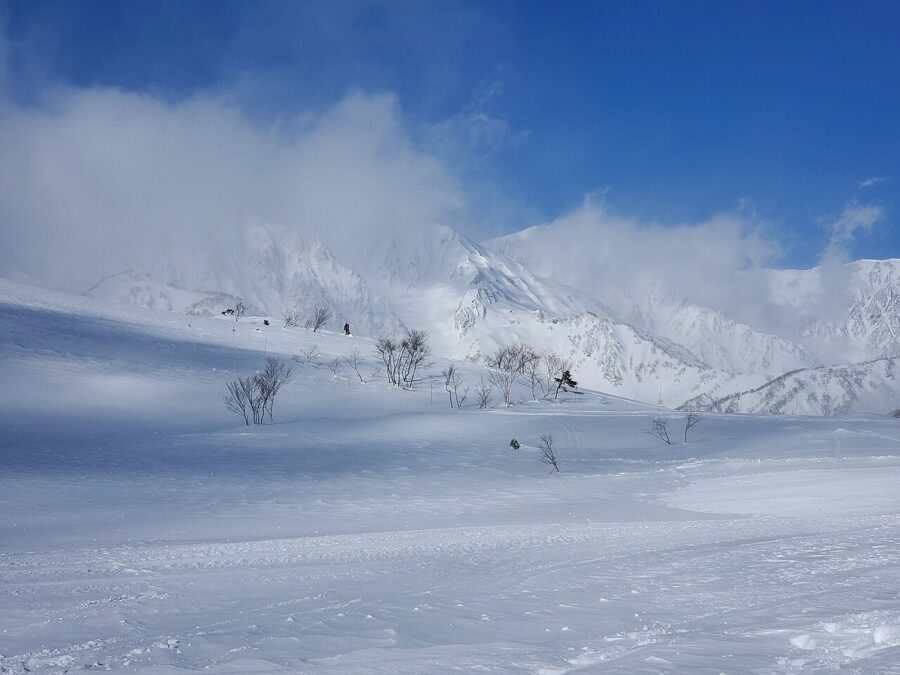
January is the heart of the ski season. Hokkaido’s resorts have the driest powder, Nagano’s Hakuba valley some of the biggest ski mountains on Honshu, and Niigata the deepest snow within easy reach of Tokyo; my guide to Niigata ski resorts covers the resorts you can reach on the Shinkansen. Japanese families ski at weekends and over the holidays, so weekdays after the 11th are quiet on the slopes.
Fuji in clear air
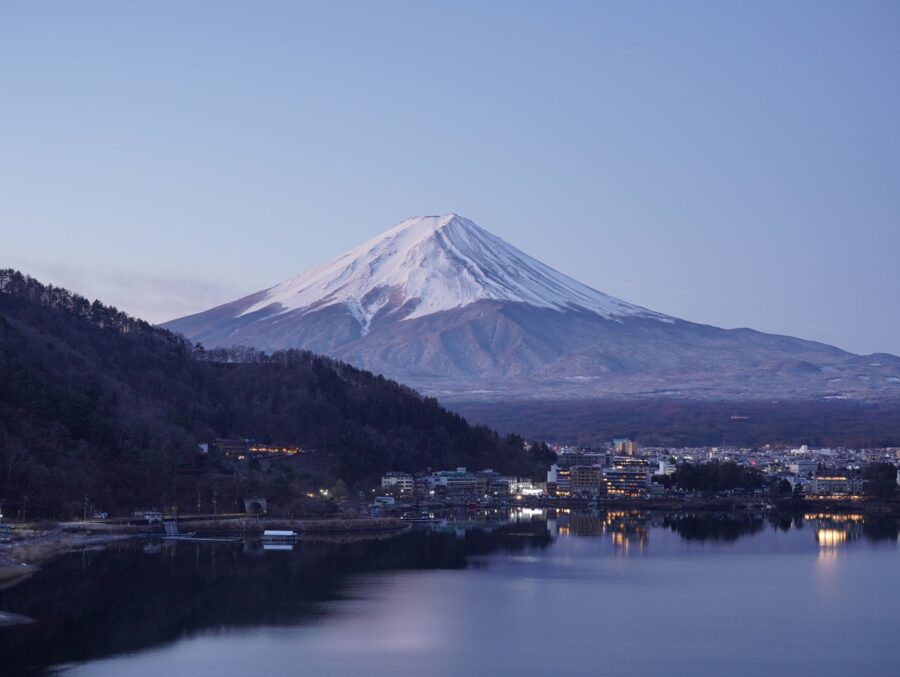
The dry winter air gives you the clearest views of Mount Fuji all year, and January mornings are the most reliable. The Fuji Five Lakes, and Kawaguchiko in particular, are a day trip from Tokyo, and the mountain is often visible for much of the day in January, not just at dawn. Get there early anyway: cloud tends to build around the summit after midday.
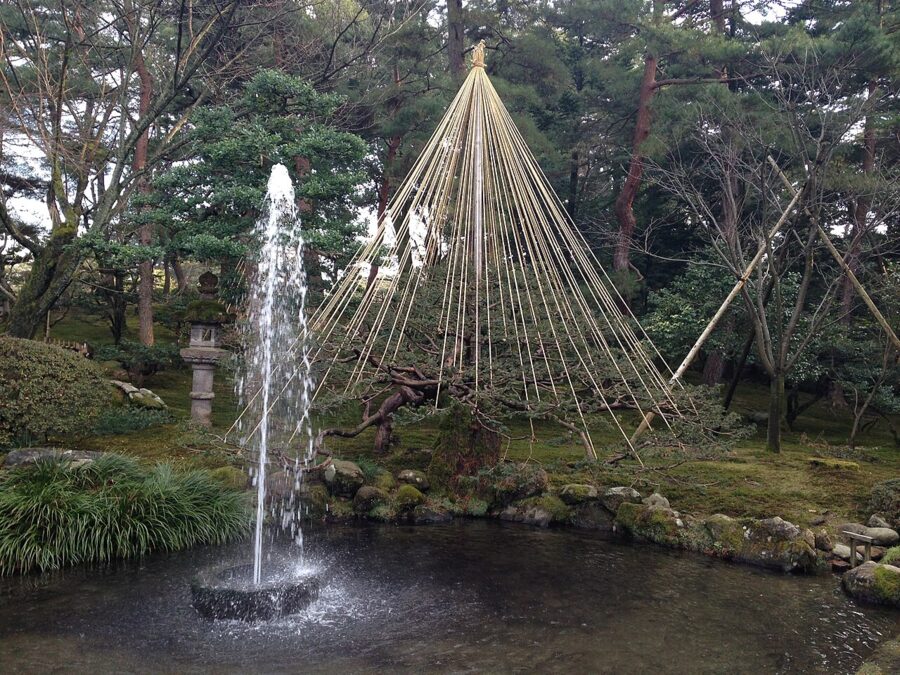
Kanazawa adds one more winter sight: from November the pines in Kenroku-en are hung with yukitsuri, cones of rope that stop heavy snow from snapping the branches. They’re there all winter, with or without snow.
Eat the cold months
Japanese food is strongly seasonal, and winter is when a lot of it peaks. This is the month for hot pots, fatty fish, crab and new-season sake.
Crab
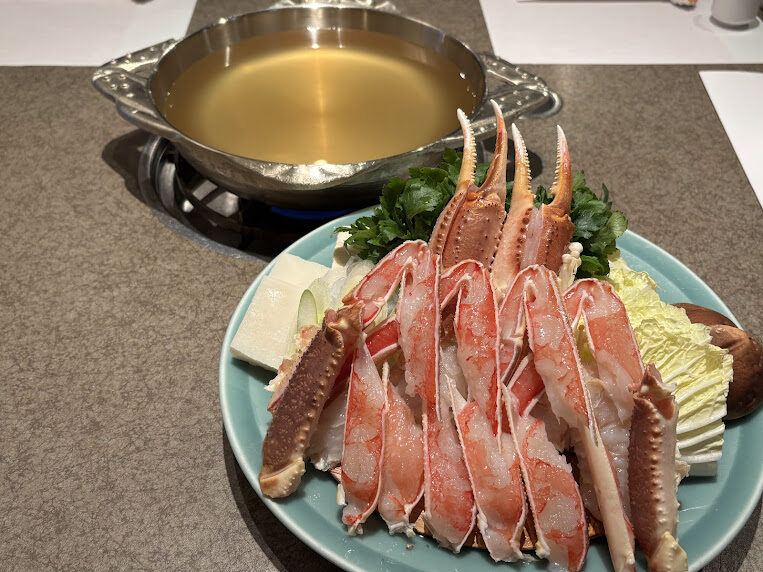
Snow crab season on the Japan Sea coast opens every year on 6 November, and the males, sold as matsuba-gani in San’in and Echizen-gani in Fukui, can be landed until 20 March. The smaller females, packed with roe, are only allowed until 31 December, so in January it’s the males. Crab from a named port carries a plastic tag on one leg, and the best is priced at auction: menus say “market price” for a reason.

Kinosaki, Kanazawa and the Fukui coast are the places to eat it, but you don’t need to travel: Kani Doraku, the chain with the giant moving crab sign on Dotonbori in Osaka, serves crab hot pots and courses at branches across Kansai and in the Tokyo area. If you are in Hokkaido, the crab is different (red king crab and hairy crab), and so is the price.
Fugu and winter fish
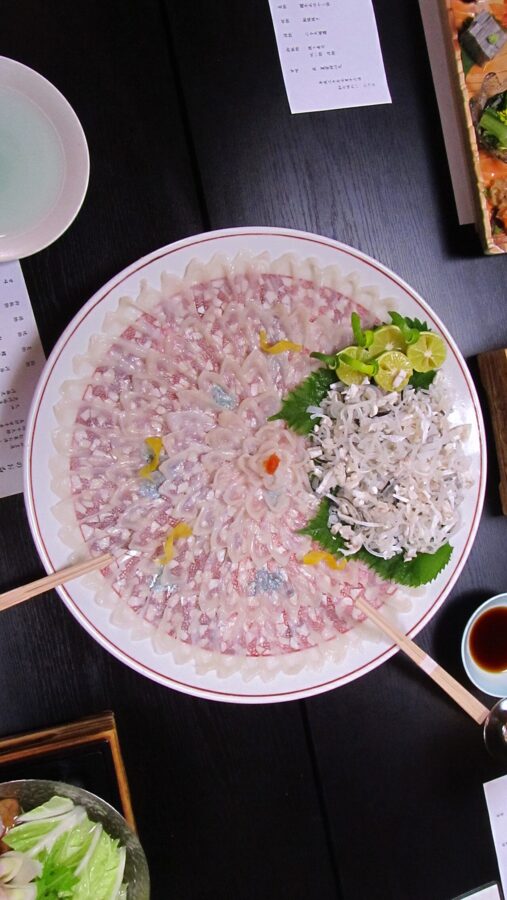
Fugu, the blowfish, is a winter food. The traditional season runs from the autumn equinox to the spring equinox, and January to March is the season for its milt, the luxury course. My fugu guide covers the licensing, the courses and where to try it without spending a fortune. Winter is also yellowtail season on the Japan Sea, when the fish called kanburi are at their fattest; I’ve written more about seasonal fish in my guide to eating fish in Japan.
Oden and the hot pot
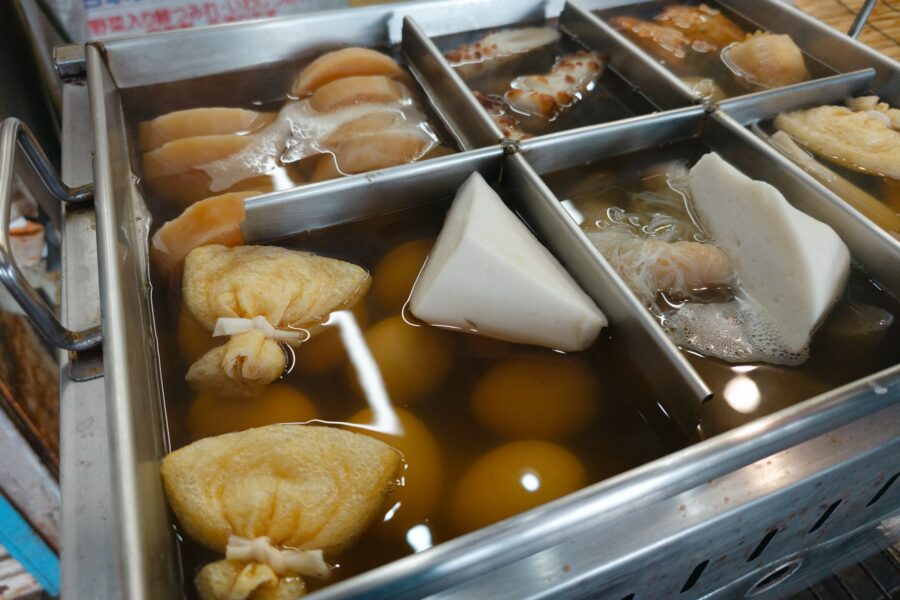
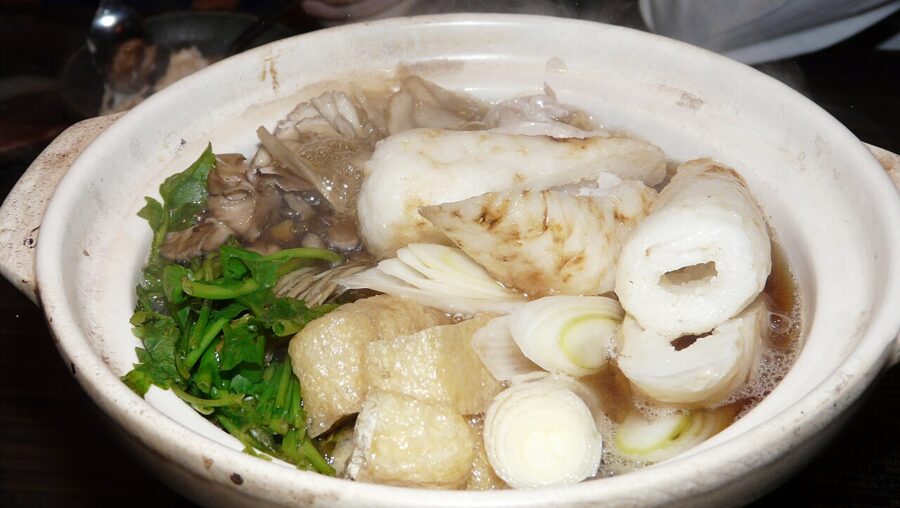
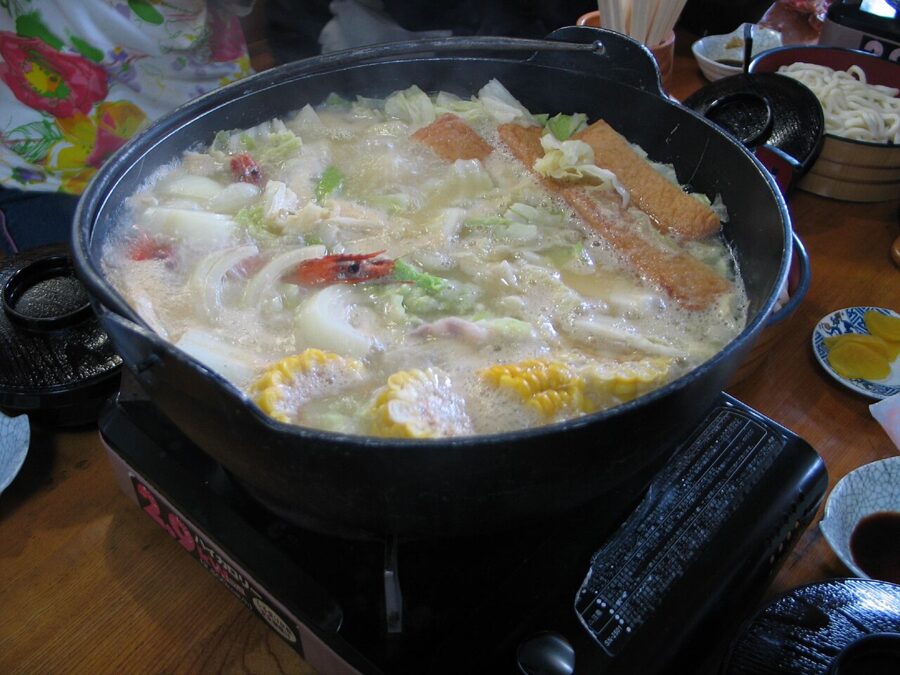
Cold weather is what oden was made for: fish cakes, daikon, eggs and konnyaku simmering for hours in a light broth, sold at konbini counters, in specialist restaurants and from a few surviving street stalls. And then there’s nabe, the hot pot cooked at the table, which every region does differently. Hokkaido has Ishikari nabe with salmon and miso, Akita has kiritanpo with toasted rice sticks, Fukuoka has motsunabe, and the two you probably know already, sukiyaki and shabu-shabu, are winter classics too.
The great ekiben fair
Every January the Keio Department Store in Shinjuku holds the most famous station-bento fair in Japan, the Ganso Yumei Ekiben to Zenkoku Umaimono Taikai. It began in 1966, and the 61st ran for 16 days from 6 to 21 January 2026, with more than 380 kinds of box, many cooked on site by the makers. Keio announces the next fair’s dates and line-up in advance; expect early January again in 2027.
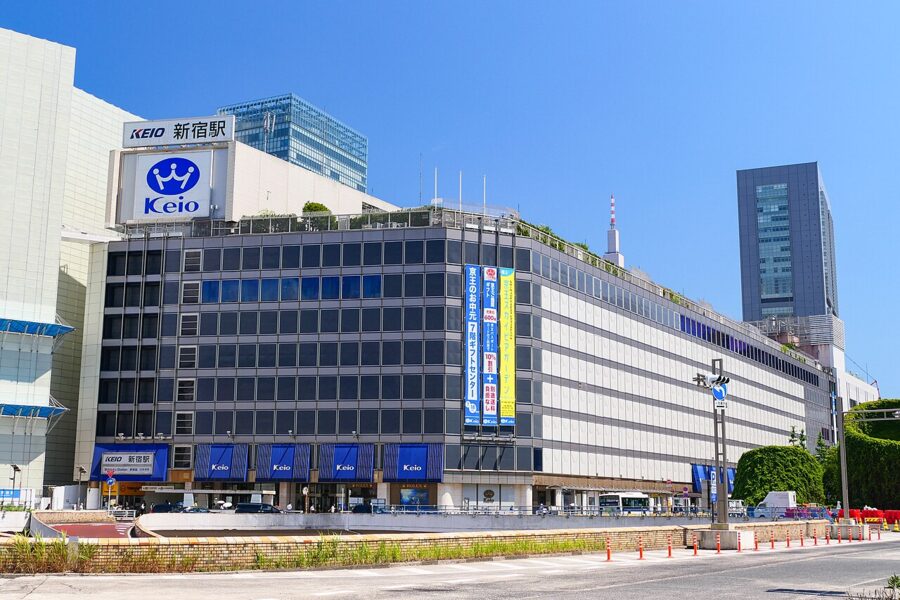
Go on a weekday morning; weekends are mobbed. My ekiben guide has the history and the regional boxes worth looking for, and if the fair isn’t on during your dates, the food halls in my depachika guide are the everyday version.
Strawberries and new sake
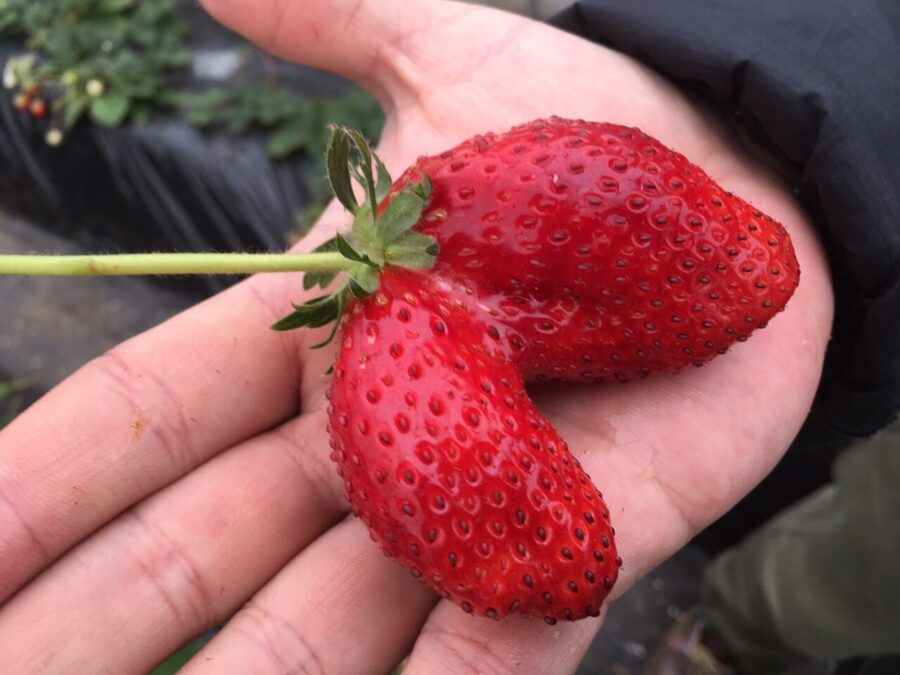
Two things surprise people about a Japanese winter. The first is strawberries: Japan grows them in greenhouses, and the season runs from about December into spring, so January is peak time for strawberry daifuku, strawberry parfaits and strawberry picking at farms in Tochigi, Shizuoka and Fukuoka. Picking is usually sold as a timed all-you-can-eat session, and a winter weekday is the quietest time to go.
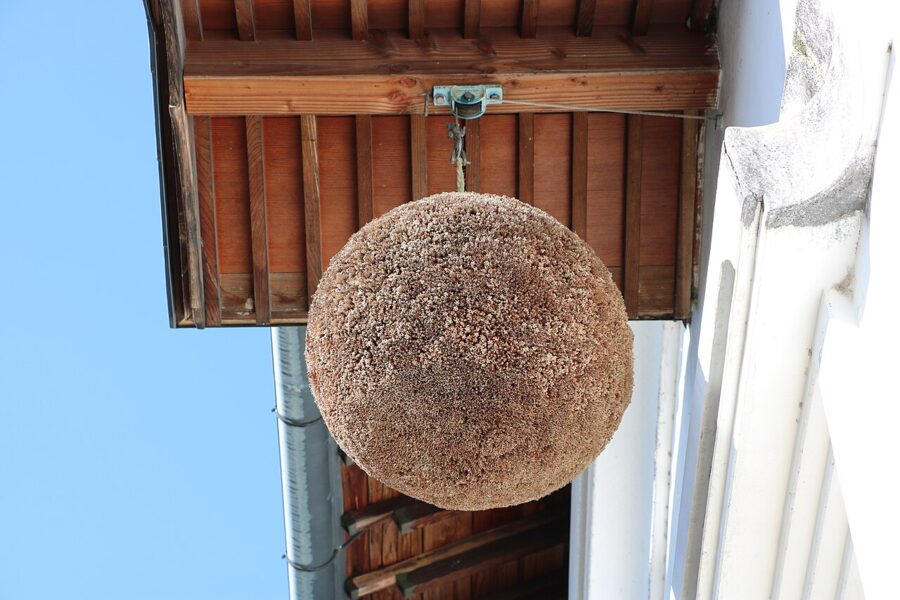
The second is new sake. Breweries make most of their sake in the cold months, and from late autumn they release shiboritate, freshly pressed sake bottled without the usual ageing, which tastes young, bright and sometimes faintly fizzy. A green ball of cedar leaves, the sugidama, hung over a brewery door says the new sake is ready; it fades to brown over the following months. My guide to drinking sake in Japan explains the labels.
The January 2027 calendar
These are the January events worth planning around, with 2027 dates where the organisers have published them. Where they haven’t, I’ve given the usual pattern and last year’s dates; check closer to the time.
| Date (2027) | Event | Where | Note |
|---|---|---|---|
| 1–3 January | Hatsumode | Every shrine and temple | Biggest crowds on the 1st |
| 9–11 January | Toka Ebisu | Imamiya Ebisu Shrine, Osaka | The 10th is the main day |
| 10–24 January | January Grand Sumo Tournament | Ryogoku Kokugikan, Tokyo | Tickets on sale from 5 December 2026 |
| 11 January | Coming of Age Day | Nationwide | Public holiday; long weekend 9–11 |
| 11, 17, 24, 31 January | Shirakawa-go light-up | Shirakawa-go, Gifu | 17:30–19:30, reservation only |
| 23 January | Wakakusa Yamayaki | Nara Park | Fireworks 18:15, burning 18:30 |
| 29 January–7 February | Kobe Luminarie | Kobe waterfront and old foreign settlement | Paid area at Meriken Park |
| 30 January–23 February | Chitose-Lake Shikotsu Ice Festival | Shikotsu-ko Onsen, Hokkaido | 10:00–20:00 |
| 4–11 February | Sapporo Snow Festival | Sapporo | Just after January, but plan for it |
The first sumo tournament of the year
The January Grand Sumo Tournament, the hatsu basho, runs for 15 days at Ryogoku Kokugikan in Tokyo, from Sunday 10 to Sunday 24 January 2027. Advance tickets went on sale on 5 December 2026, and the Japan Sumo Association has revised its ticket prices from this tournament. The lower divisions start in the morning; the top division wrestles from mid-afternoon, and the arena fills from about 15:00.
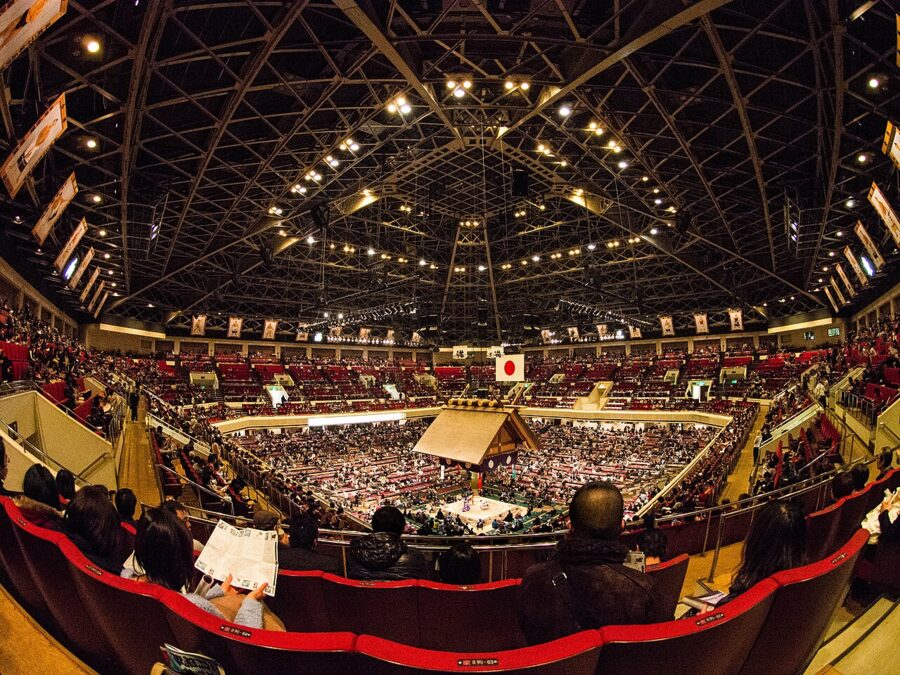
If you can’t get tickets, the Kokugikan neighbourhood is still worth an afternoon. Wrestlers walk to the arena in their cotton kimono from the stables nearby, and the restaurants around Ryogoku Station serve chanko nabe, the hot pot the wrestlers eat. My 3-day Tokyo itinerary works well around a sumo afternoon.
Toka Ebisu in Osaka
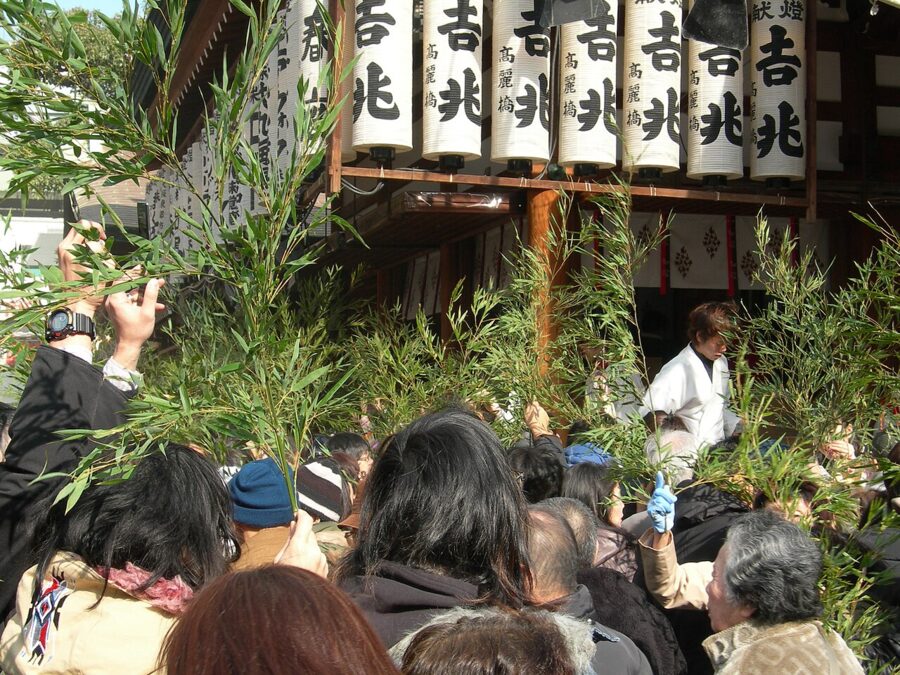
From 9 to 11 January, Imamiya Ebisu Shrine in Osaka holds Toka Ebisu, the festival of Ebisu, the god of business and good fortune. Around a million people are said to come over the three days to buy fukuzasa, branches of bamboo grass hung with lucky charms, from the shrine maidens, and the crowd chants for good business as it pushes towards the hall. In 2027 the main day, the 10th, falls on a Sunday. Imamiya Ebisu is next to Imamiya-Ebisu Station on the Nankai line and a short walk from Ebisucho on the Sakaisuji subway line.
Nara sets a mountain on fire
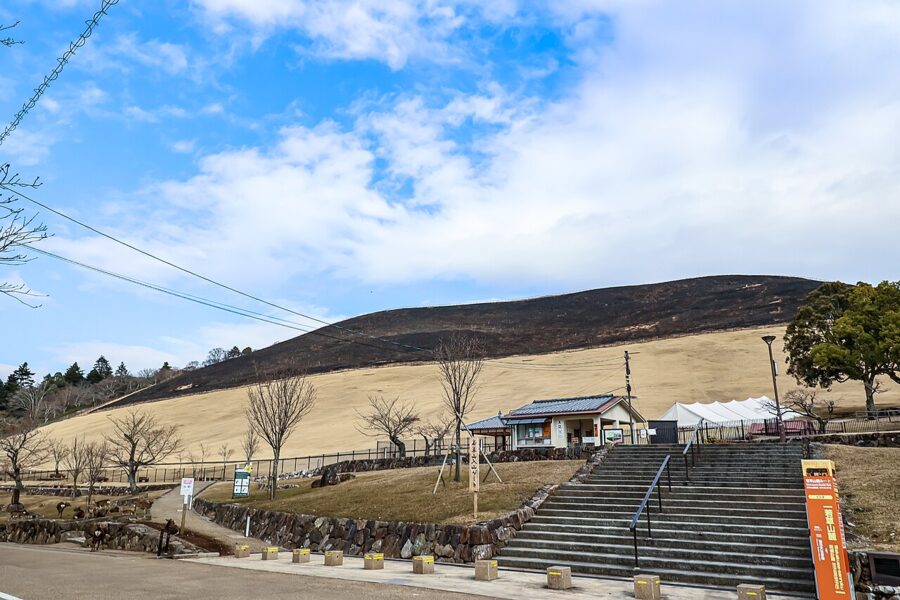
Every year on the fourth Saturday of January, Nara burns the dead grass off Wakakusayama, the bare hill above Nara Park. In 2027 that’s Saturday 23 January. At 17:05 a procession of Kasuga Taisha priests, monks from Kofuku-ji and Todai-ji and mountain ascetics blowing conch shells carries a sacred flame from Tobihino to the foot of the hill. Fireworks start at 18:15, and at 18:30 about 300 local firefighters light the grass, which burns until about 19:30.
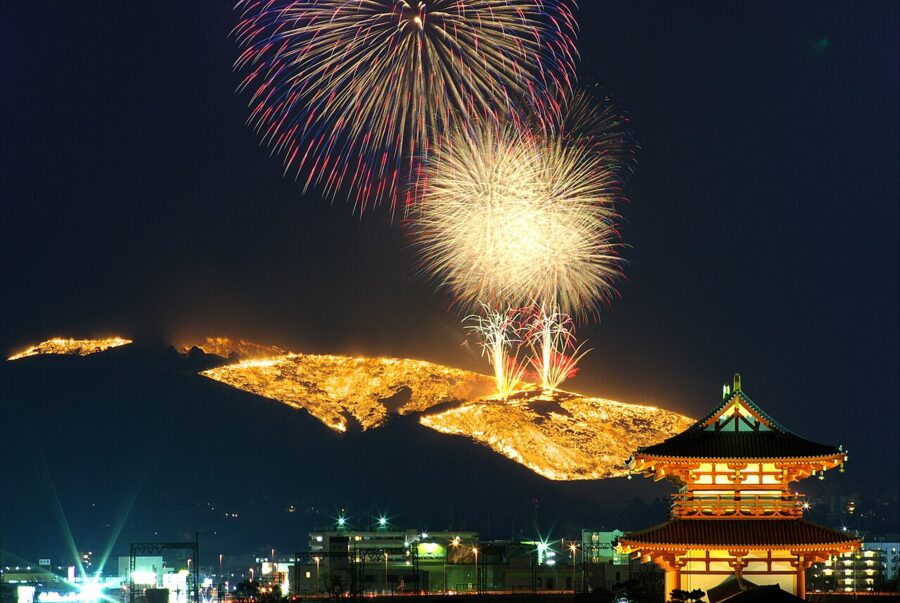
You can watch for free from anywhere in town with a view east; the open ground of the Heijo Palace site, across the city to the west, is a classic spot. The paid standing area at the foot of the hill costs ¥2,000 early, ¥2,500 in advance and ¥3,000 on the day, with tickets on sale from 20 November 2026. Bad weather can cancel the burning, so check the official site on the day.
Archers in Kyoto, bonfires everywhere
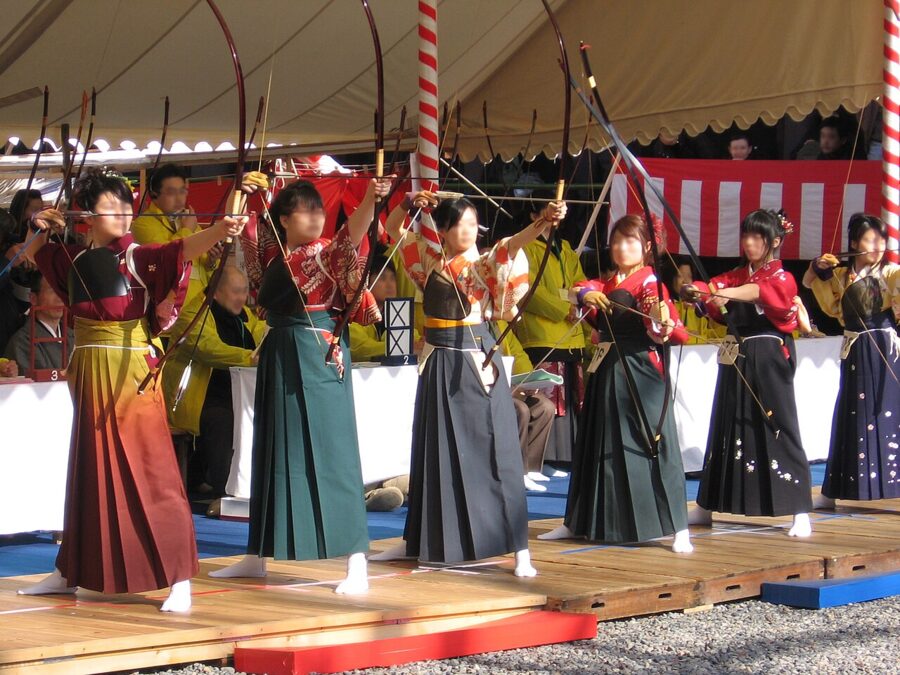
In mid-January, Sanjusangen-do in Kyoto hosts the Toshiya, an archery contest along the veranda of its 120-metre hall, where hundreds of young archers who have just come of age shoot in kimono and hakama. It’s usually held on a Sunday close to Coming of Age Day; check the temple’s announcement for the 2027 date. Entry to the temple grounds is free on the day.
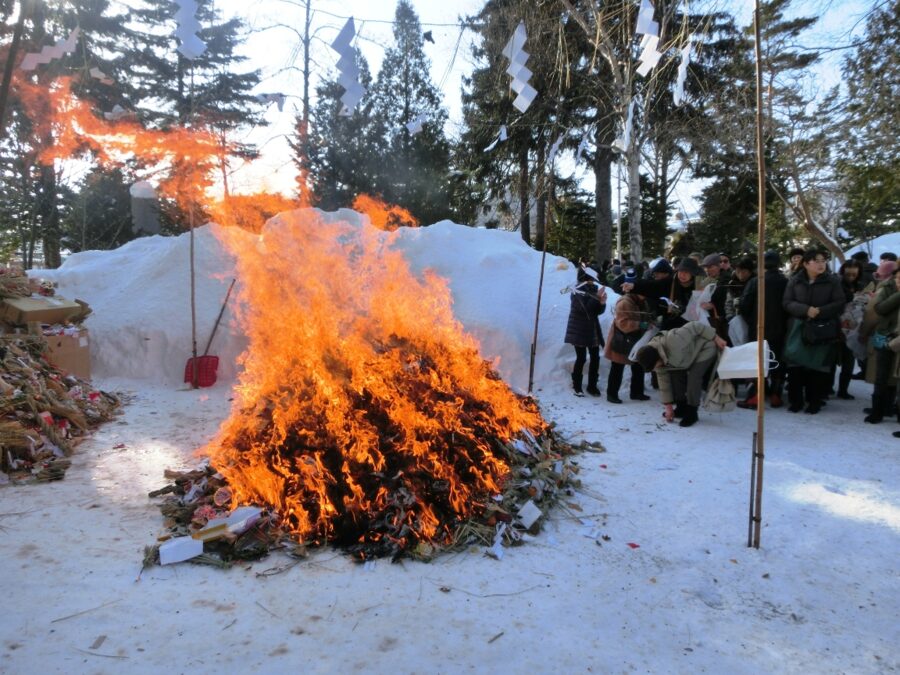
Around 15 January, shrines and neighbourhoods across Japan burn the New Year decorations in bonfires called dondo-yaki or sagicho. People bring their pine decorations, old charms and first calligraphy of the year, and in many places they toast mochi over the embers to eat for good health. Ask at your hotel or look at a local shrine’s noticeboard: they’re small, local and very welcoming.
Lights, ice and snow
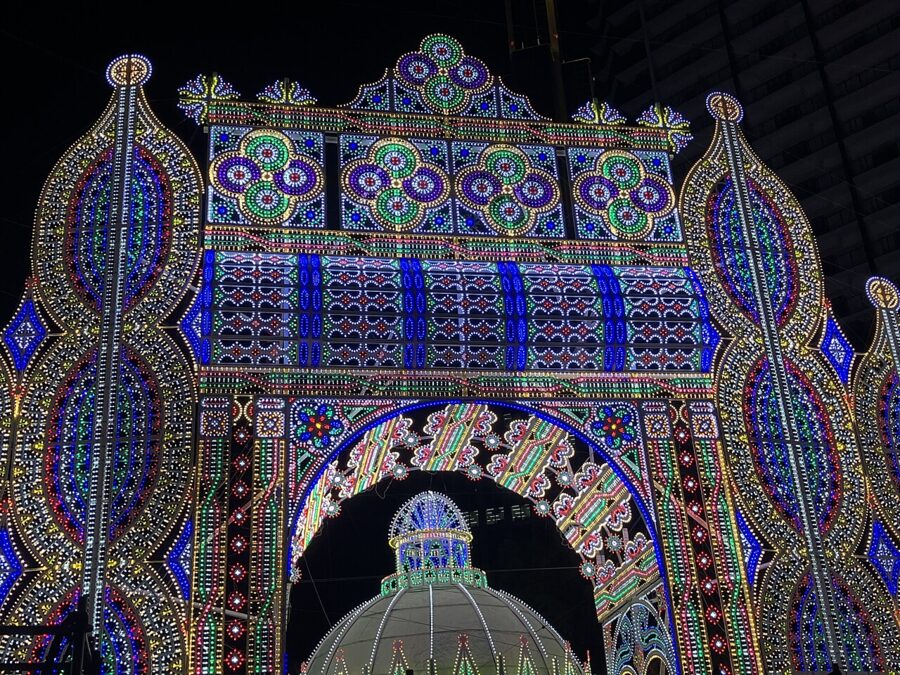
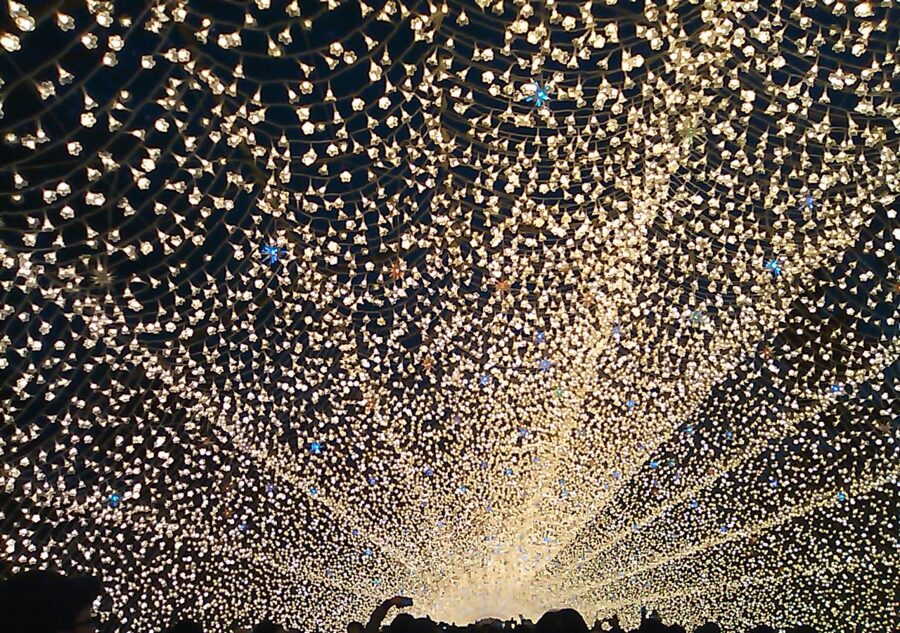
Japan’s winter illuminations run well into January, and a few save their best for late in the month. Kobe Luminarie, the memorial light festival for the 1995 earthquake, now runs in late January: the 32nd is from 29 January to 7 February 2027, with a paid area at Meriken Park (¥500 on weekdays and ¥750 at weekends in advance, ¥1,000 and ¥1,500 on the day) and free areas around the old foreign settlement. It’s a good evening after a day in Kobe.
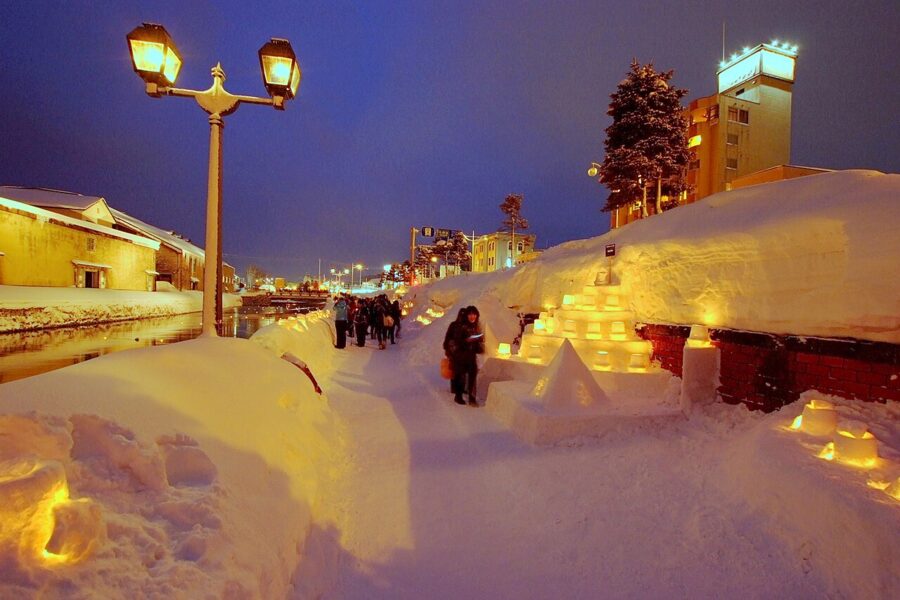
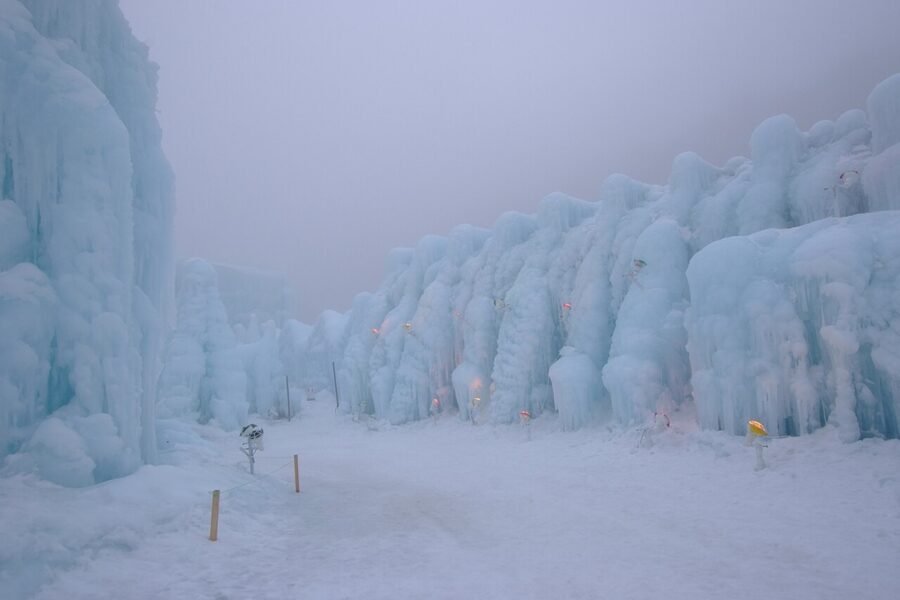
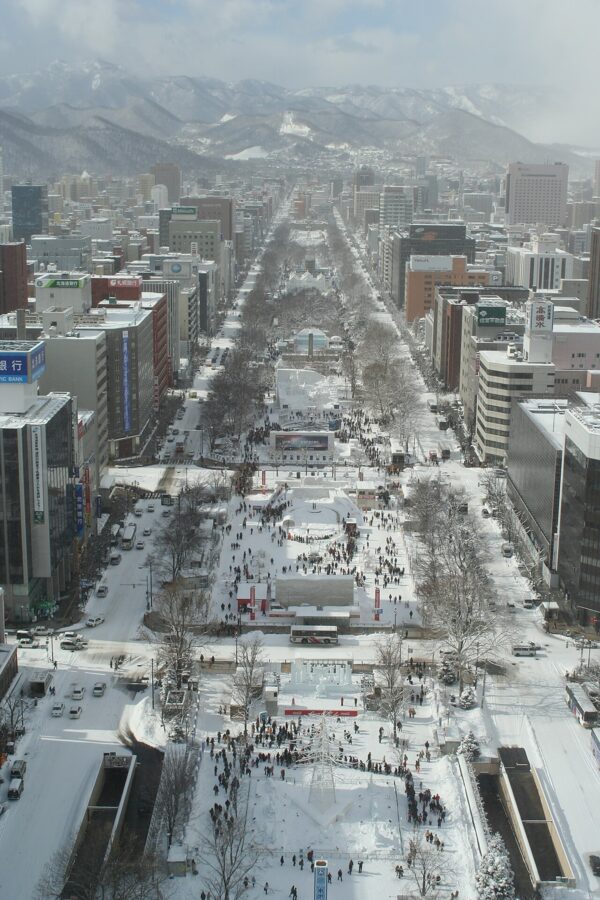
In Hokkaido, the Chitose-Lake Shikotsu Ice Festival turns the lake water into blue ice towers and tunnels from 30 January to 23 February 2027, open 10:00–20:00 and lit from 16:30. It’s about 40 minutes by car from New Chitose Airport. The Sapporo Snow Festival is technically February, from 4 to 11 February 2027 in Odori Park, Susukino and Tsudome, but a late-January trip that runs a few days into February catches both. Otaru’s candlelit Snow Light Path usually follows in early February; its 2027 dates weren’t out when I wrote this.
Closer to Tokyo, Lake Saiko in the Fuji Five Lakes holds a small free ice festival at the Saiko Wild Bird Forest, with ice sculptures and trees hung with icicles; in 2026 it ran from 31 January to 11 February, and the 2027 dates hadn’t been announced. Kawaguchiko’s winter fireworks run on weekends from late January into February in most years. In Mie, Nabana no Sato keeps its illuminations going right through to 31 May 2027.
The first blossom of the year
You don’t have to wait for March. Japan’s first flowers open in January, and two places are worth a detour.
Atami, plum and cherry together
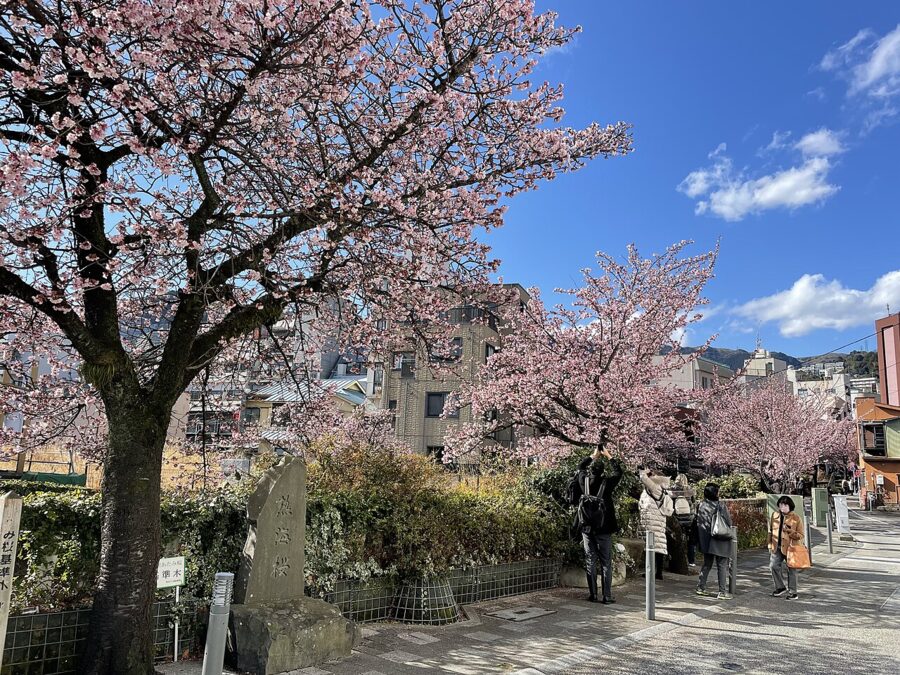
Atami, on the coast 40 minutes from Tokyo by Shinkansen, is warm enough for the earliest blooms on Honshu. Atami Baien, the plum garden that opened in 1886, holds its plum festival from early January to early March; in 2026 it ran from 10 January to 8 March, 8:30–16:00. The early varieties open in January and the garden peaks in February.
Atami also has its own cherry, Atami-zakura, an early variety that flowers from about mid-January into early February. The best place to see it is the Itokawa promenade, a short river walk lined with 58 trees about 15 to 20 minutes on foot from Atami Station, and the town holds a small cherry festival there. In 2026 that ran from 10 January to 8 February. Seeing cherry blossom and plum blossom in the same afternoon in January is one of those things that only works in Atami.
Okinawa’s cherry blossom
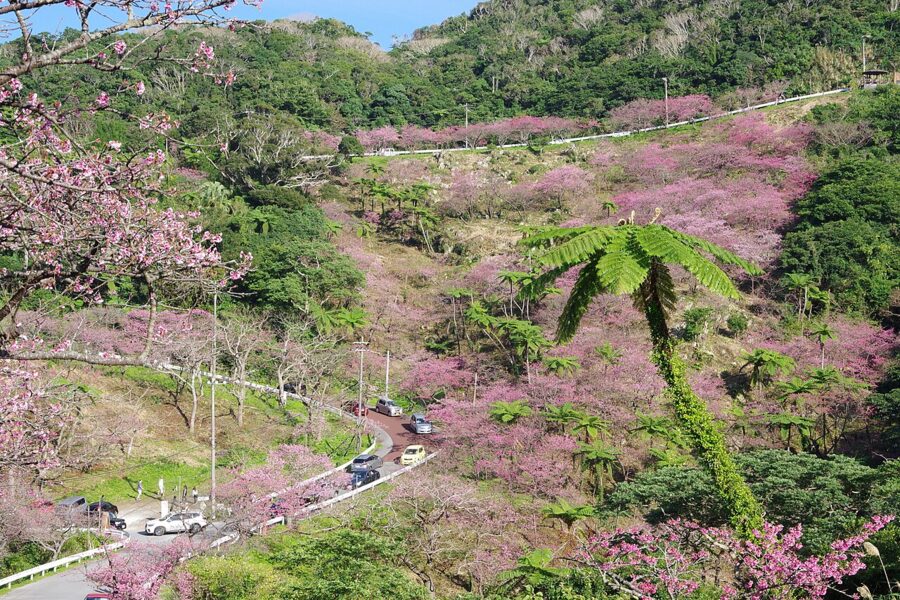
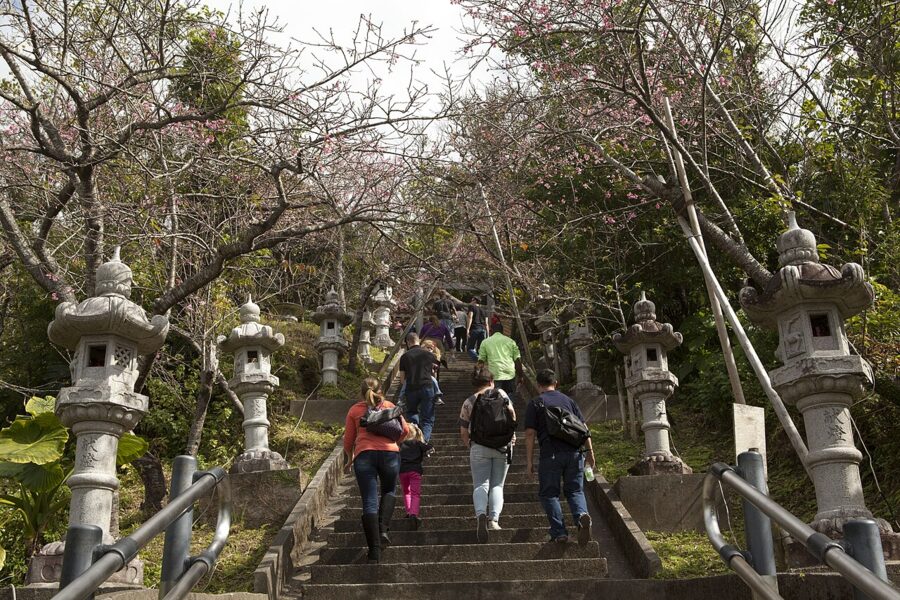
In Okinawa the cherry is kanhizakura, the deep pink Taiwan cherry, and it blooms from the north of the main island southwards, starting in late January. The two best-known spots are Mount Yae in Motobu and Nago Central Park, where the Nago Cherry Blossom Festival is usually held on the last weekend of January (31 January to 1 February in 2026). The 2027 dates hadn’t been published when I wrote this, so check with Nago’s tourist association before building a trip around it.
Three ways to spend January
These are starting points, not timetables. Each fits the second half of the month, after the New Year rush and around the long weekend.
Tokyo, Fuji and the snow monkeys (6 days)
Two days in Tokyo, with a sumo afternoon if the tournament is on and a weekday morning at the Keio ekiben fair. Day three at Kawaguchiko for Fuji, staying the night at a lakeside ryokan. Day four back through Tokyo and up the Hokuriku Shinkansen to Nagano, then on to Yudanaka or Shibu Onsen for the night. Day five is the snow monkeys first thing and Nagano’s Zenko-ji in the afternoon, and on day six you head back to Tokyo, or on to Kanazawa if you have more time.
Kansai in winter (6 days)
Three days in Kyoto, timed if you can to catch the Toshiya or a special opening. Day four in Nara, ideally the Saturday of the Yamayaki; stay the night or take a late train back. Day five in Osaka, with Toka Ebisu if your dates fall between the 9th and 11th. Day six north to Kinosaki for a crab dinner and a night of bathhouse hopping, and back to Kyoto the next morning.
Snow country (7 days)
Tokyo to Yamagata by Shinkansen, with a night at Ginzan Onsen, then Zao for the snow monsters and a sulphur bath. Across to Akita for Nyuto Onsen, back to Tokyo on the Akita Shinkansen, and finish with a day or two of skiing in Niigata, an hour from Tokyo on the Joetsu line. It’s the coldest of the three and the one that gives you the most snow per day.
If you want to fold January into a longer trip, my 2-week Japan itinerary shows how the main routes connect.
What to pack, and what it costs
Pack layers, not one enormous coat. Trains, shops and restaurants are heated hard, and you’ll spend half your day taking things off. A down jacket that packs small, a thermal base layer for the north and the mountains, gloves, a hat and a scarf cover most of Japan in January. For snow country add waterproof boots with real grip; for the snow monkey trail and icy shrine steps, slip-on ice grips from an outdoor shop are worth their weight.
The air is very dry, so bring lip balm and moisturiser, and carry a mask on crowded trains during flu season. Shoes that slip off easily save time at temples, ryokan and restaurants with tatami rooms. And bring some cash: shrine stalls, small onsen and rural buses don’t always take cards.
On cost, January is a game of two halves. The New Year week is among the most expensive times to stay anywhere in Japan, and the Coming of Age weekend pushes up prices in ski and onsen areas. The second half of the month is the opposite: city hotels are at some of their lowest rates of the year, and ryokan that are impossible on a February weekend often have weekday rooms. Crab dinners are the exception; they’re priced for the season, and the best ones cost what they cost.
Skip this
- Meiji Jingu at midnight on New Year’s Eve, unless you love crowds for their own sake. A neighbourhood shrine on the 1st, or Meiji Jingu on the 3rd, is a better experience.
- Turning up at Shirakawa-go on a light-up evening without a ticket. You won’t get in, and the gate closes to anyone without a ticket in the afternoon.
- Driving into snow country without experience. Trains and buses handle the snow; rental cars on mountain roads in a January storm are a different matter.
- Planning a beach holiday in Okinawa. Go for the blossom, the walking and the food, not to swim.
- Moving cities on 2 or 3 January. The return rush fills the trains; stay put and enjoy the empty city.
Go after the 4th. Pick one snow trip, one hot spring and one festival. Book the Coming of Age weekend early or avoid it entirely, and keep your mornings for the sky: in January it’s the best thing in Japan, and it’s free.
You Might Also Enjoy
 Chinese Tea: The Six Families, Where the Famous Teas Grow, Teahouses and Buying Tea in China
 Nikko Day Trip: Toshogu, Kegon Falls, Yuba and How to Fit It All Into One Day
 Okinawa Food Guide: Goya Champuru, Taco Rice, and the Ryukyu Kingdom Kitchen
 Kyoto in 3 Days: A Day-by-Day Itinerary That Beats the Crowds and Eats Well