Dali: The Old Town, the Three Pagodas, Cangshan by Cable Car, Erhai by Bike and the Tea Horse Town of Shaxi
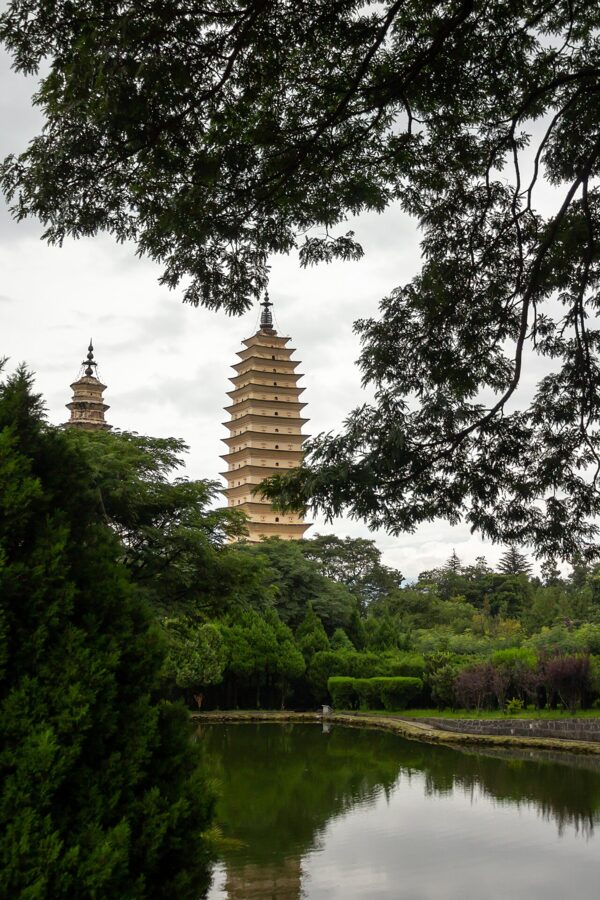
The best view of the Three Pagodas is upside down. Walk past the ticket gate at Chongsheng Temple, keep going until the crowds thin out by the water, and the whole set hangs in the pond in front of you: the tall white Qianxun Pagoda in the middle, its two slimmer partners on either side, and the dark wall of the Cangshan mountains behind all three. Somebody’s phone always goes up at that moment. Mine did too.
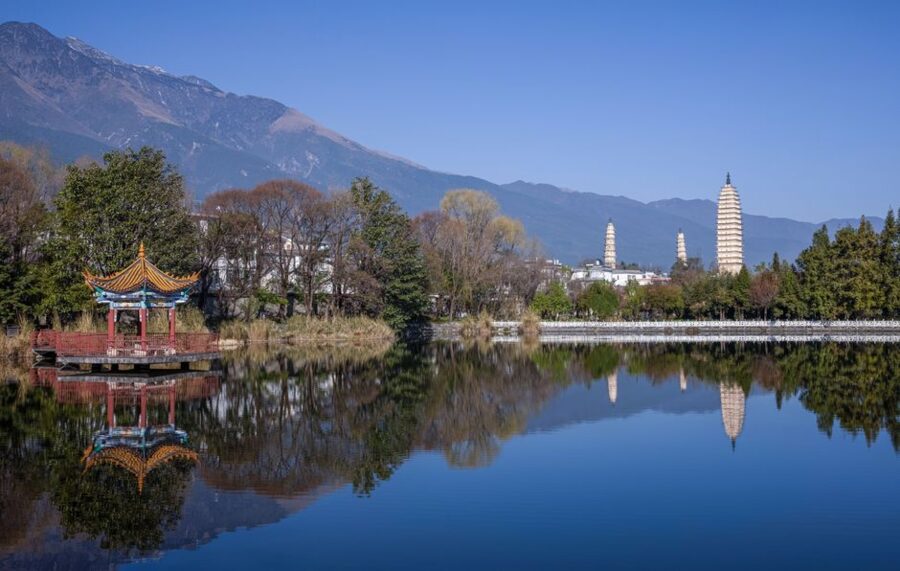
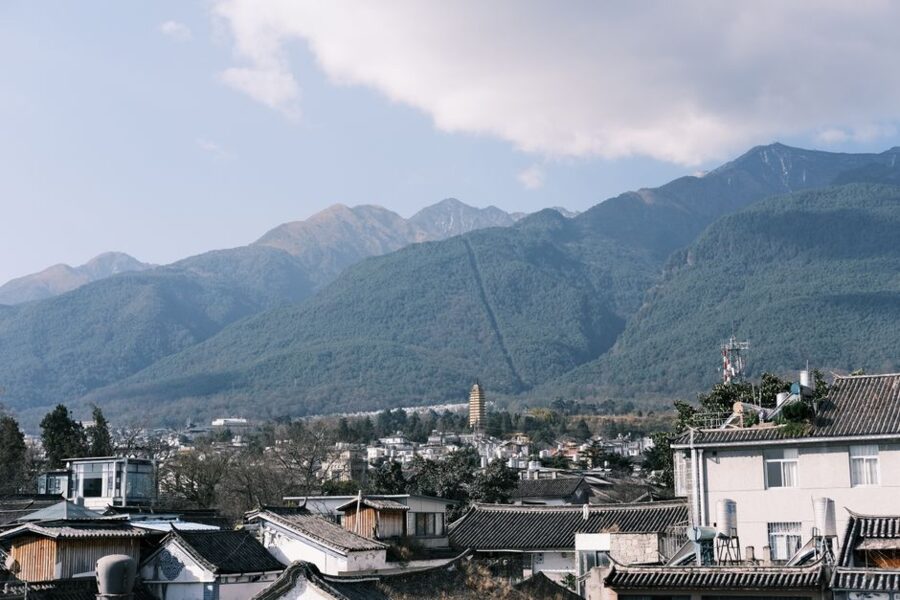
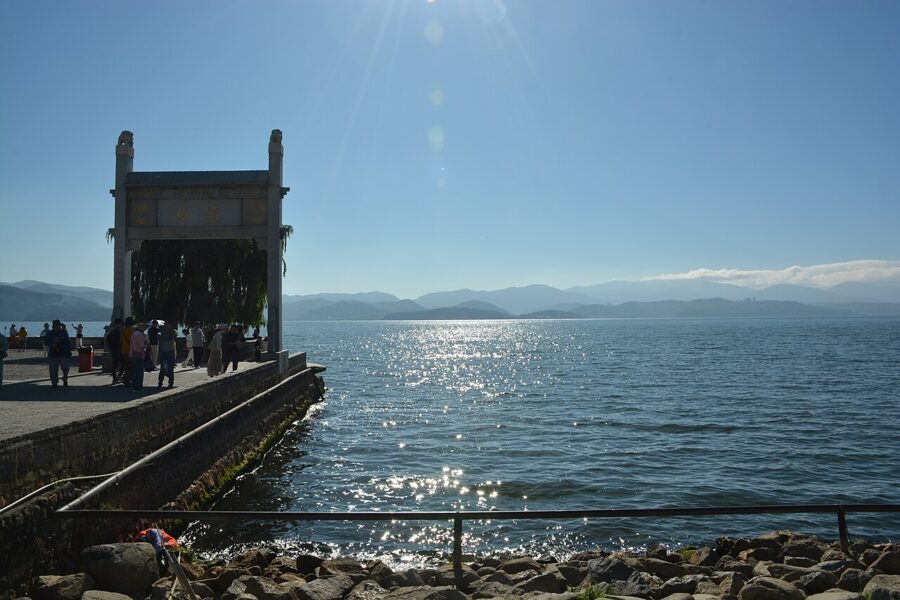
Dali works like that. It’s a valley about 2,000 metres up in western Yunnan, pinned between a wall of nineteen peaks on one side and a long blue lake on the other, and almost everything worth doing sits on the thin strip of land in between. There’s a walled old town, a scatter of Bai villages with carved gateways and courtyard houses, a lakeshore path you can ride for hours, and a mountain you can reach by cable car before lunch.
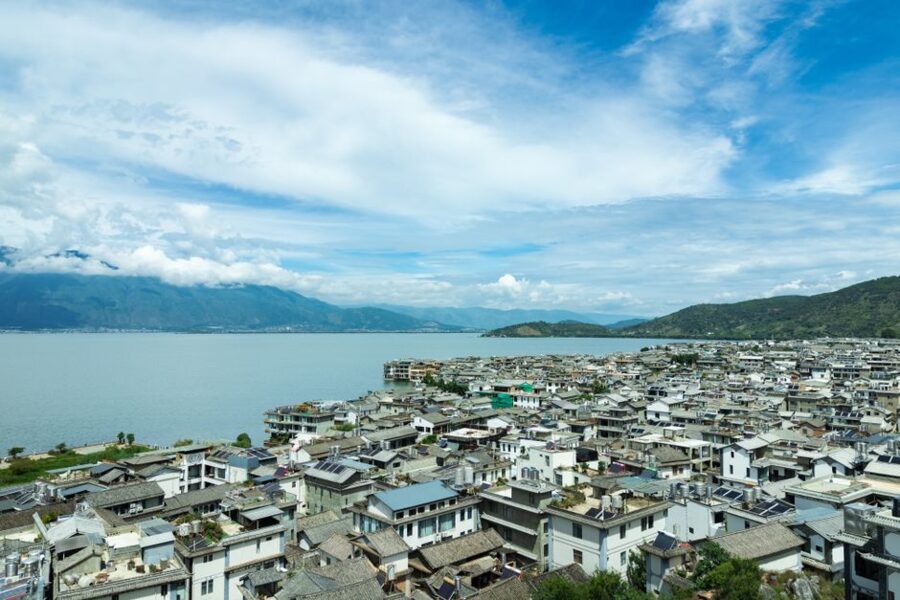
It’s also one of the busiest places in Yunnan, and it doesn’t pretend otherwise. On a holiday weekend the old town’s main streets move at shuffling pace, the lakeshore fills with rented scooters, and the cheap backpacker town of decades past is long gone. What’s left is still very good, though. You just have to pick your hours and your corners.
Below: the old town, the pagodas, the mountain, the lake and its villages, Shaxi, and the trains from Kunming and Lijiang, with where to stay and a three-day plan at the end. Prices are in yuan and were checked in November 2026.
| Place | Ticket | Hours | Give it |
|---|---|---|---|
| Dali Old Town (大理古城) | Free | Always open | An afternoon and an evening |
| Three Pagodas of Chongsheng Temple | ¥75 | 07:30–18:30 | 2–3 hours |
| Cangshan, Gantong cable car | ¥100 return | About 08:30–17:00 | Half a day with the Jade Belt Road |
| Cangshan, Ximatan cable car | ¥300 return, full route (official fare) | About 08:30–17:00, wind permitting | Half a day |
| Erhai west-shore eco-path | Free | Open access | A full day by bike |
| Xizhou and Zhoucheng | Free to walk; some courtyards ticketed | Daytime | Half a day |
| Shaxi | Free to walk | Daytime; market on Fridays | An overnight |
In This Article
- Bai country, in a few minutes
- How the valley fits together
- The old town, walls and all
- Fuxing Road and Wuhua Tower
- Renmin Road and Foreigner Street
- After dark
- The Three Pagodas of Chongsheng Temple
- What you’re looking at
- Tickets and the reflection pool
- Up Cangshan
- Three cable cars, three mountains
- The Jade Belt Road
- Gantong Temple and Jizhao Nunnery
- Altitude, in one paragraph
- Erhai by bike
- The west-shore eco-path
- Bikes, e-bikes and the rules
- Round the lake by car
- The clean-up
- Xizhou and Zhoucheng
- The merchant houses
- Baba and the morning
- Zhoucheng tie-dye
- Shuanglang and the east shore
- Is Shaxi worth the detour?
- Sideng Square and the Tea Horse Road
- The Friday market
- Getting to Shaxi
- The March Fair
- Eat Bai
- Getting there and away
- From Kunming
- From Lijiang
- By air, and around town
- When to come
- Where to stay
- Old town
- Xizhou
- On the lake
- Three days in Dali
- Day 1: the old town and the pagodas
- Day 2: Cangshan
- Day 3: the west shore
- Day 4, and onwards
- Skip this
Bai country, in a few minutes
For about five hundred years Dali was the capital of its own kingdoms, independent of the dynasties to the east. In the eighth century a lake chiefdom called Nanzhao unified its neighbours and built a kingdom strong enough to fight the Tang. In 937 a general named Duan Siping founded a successor state, the Kingdom of Dali, and his family ran it from the same capital, Yangjumie (阳苴咩城), until Mongol armies under Kublai Khan took the city in 1253.
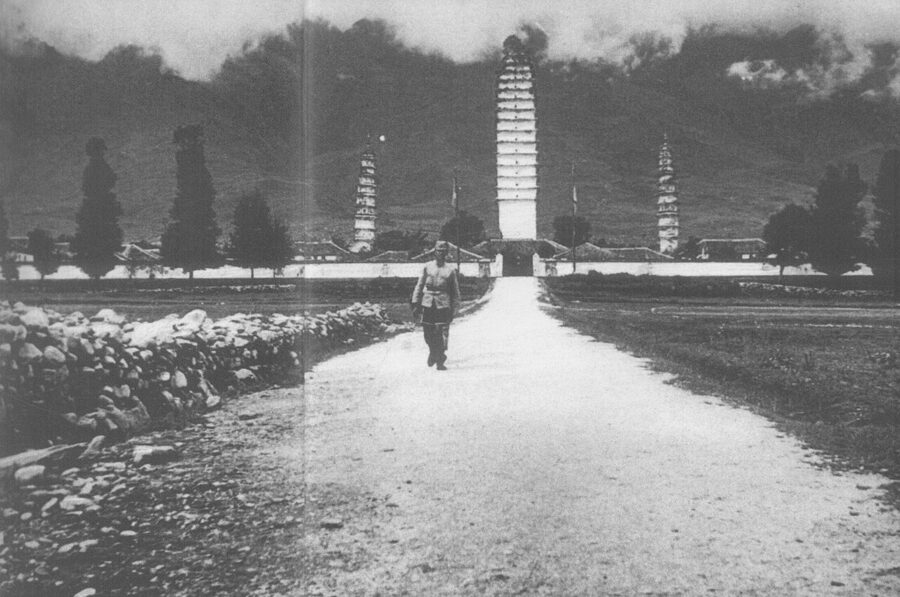
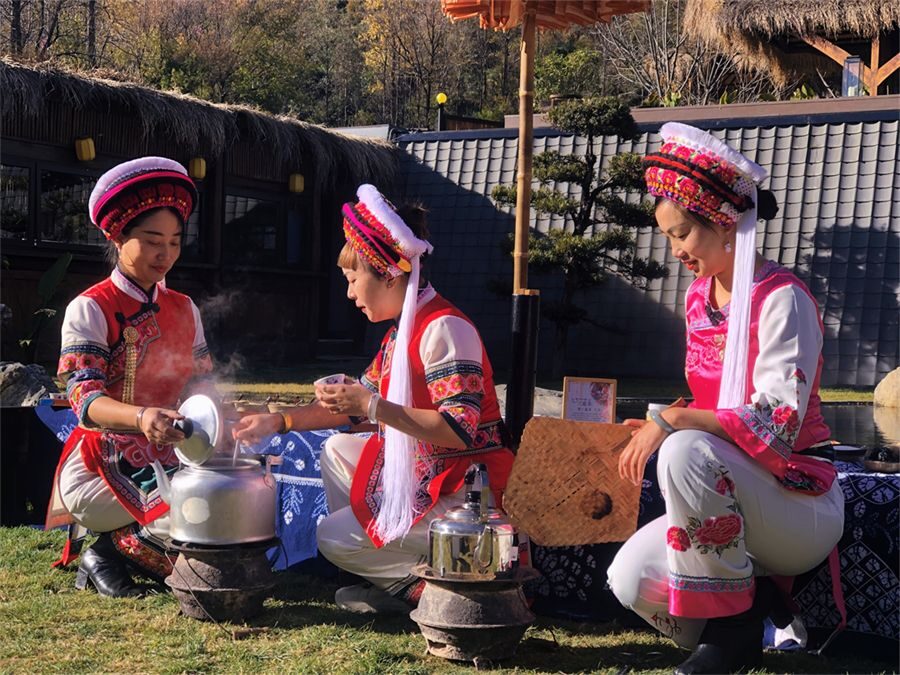
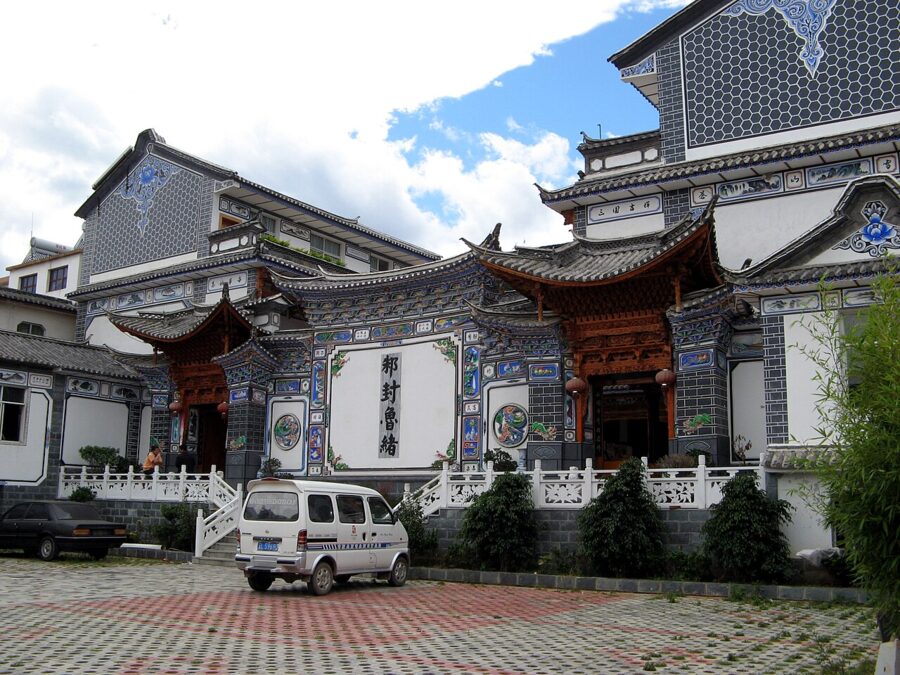
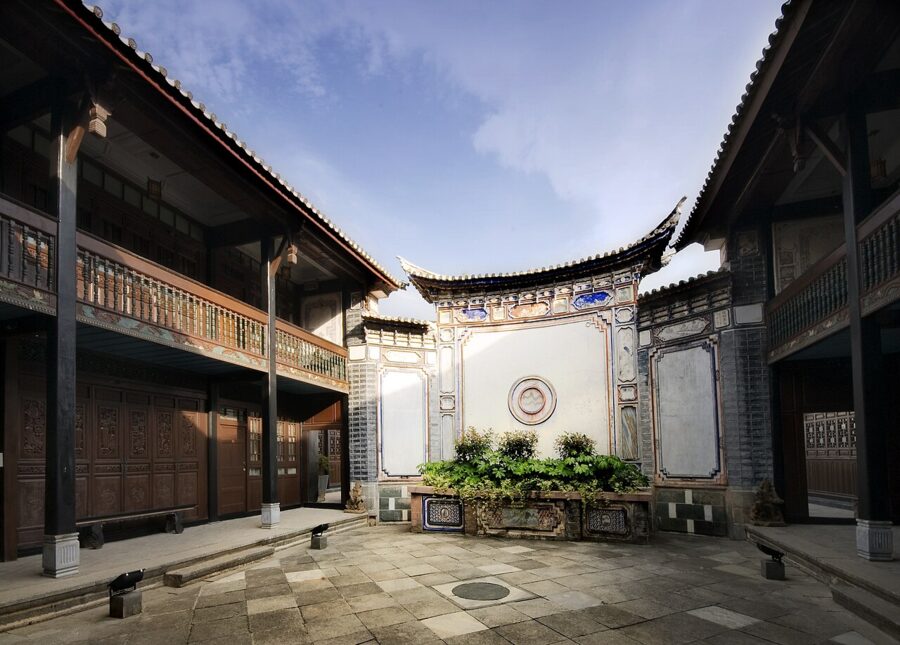
That history is the reason Dali feels different from the rest of Yunnan. The Three Pagodas are Nanzhao and Dali Kingdom monuments, the old capital’s name survives in the city’s, and the Bai, who make up a large part of the valley’s population, are the people whose ancestors ran both kingdoms. Bai houses have whitewashed walls, grey tiles, painted gables and a screen wall facing the main hall, and you’ll see that pattern everywhere from the old town to the smallest lakeside village.
Two Bai traditions you’ll meet as a visitor are the three-course tea, sandaocha (三道茶), and indigo tie-dye, which has its own section further down. The Bai language is still spoken, though every sign and menu is in Chinese.
How the valley fits together
The name Dali covers three different places, and mixing them up costs people hours. Xiaguan (下关), at the southern tip of the lake, is the modern city: high-rises, the railway station, the bus stations and most of the government. The old town, Dali Gucheng, is about half an hour north by road, on the slope below Cangshan. Then there’s the lake itself and its ring of villages, Xizhou and Zhoucheng to the north, Shuanglang across the water on the east shore.
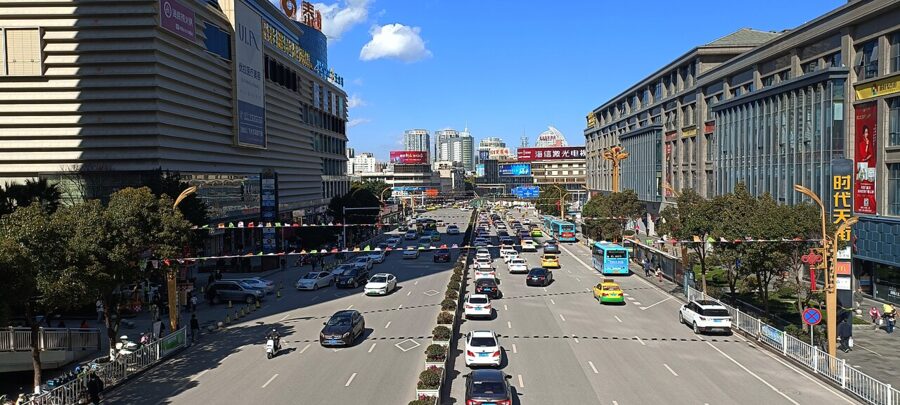
An old local rhyme lists the valley’s four sights as the wind of Xiaguan, the flowers of Shangguan at the north end, the snow of Cangshan and the moon over Erhai. You can still have all four, with a bit of luck on the weather. You’ll want a jacket for at least two of them.
The old town, walls and all
The old town you walk today was laid out by the Ming after their armies took Yunnan in 1381. They didn’t reuse the Nanzhao capital; they built a new walled prefecture town just east of it, about 1,850 metres north to south and 1,500 east to west. It’s a neat grid, small enough to cross on foot in twenty minutes, and since 1982 it has been on the national list of historic cities.
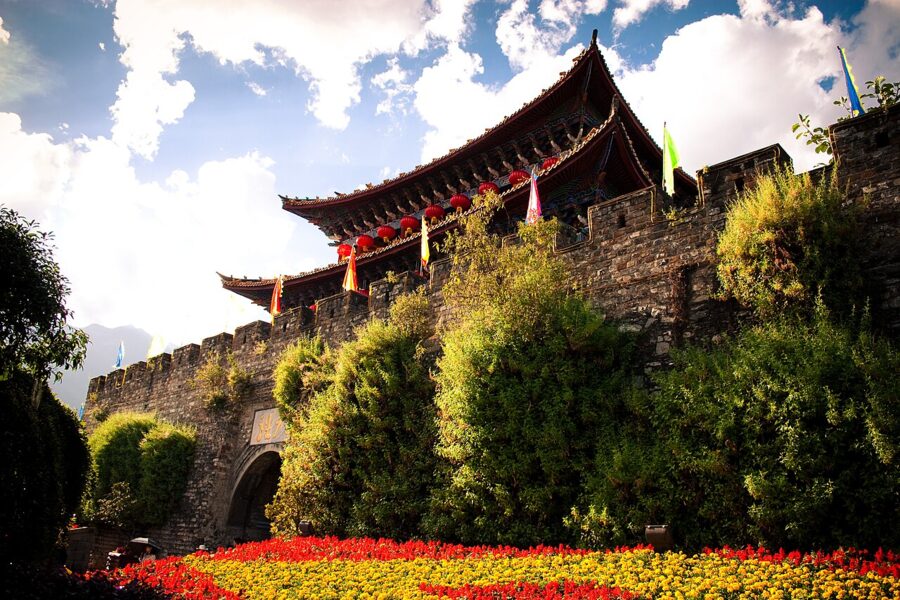
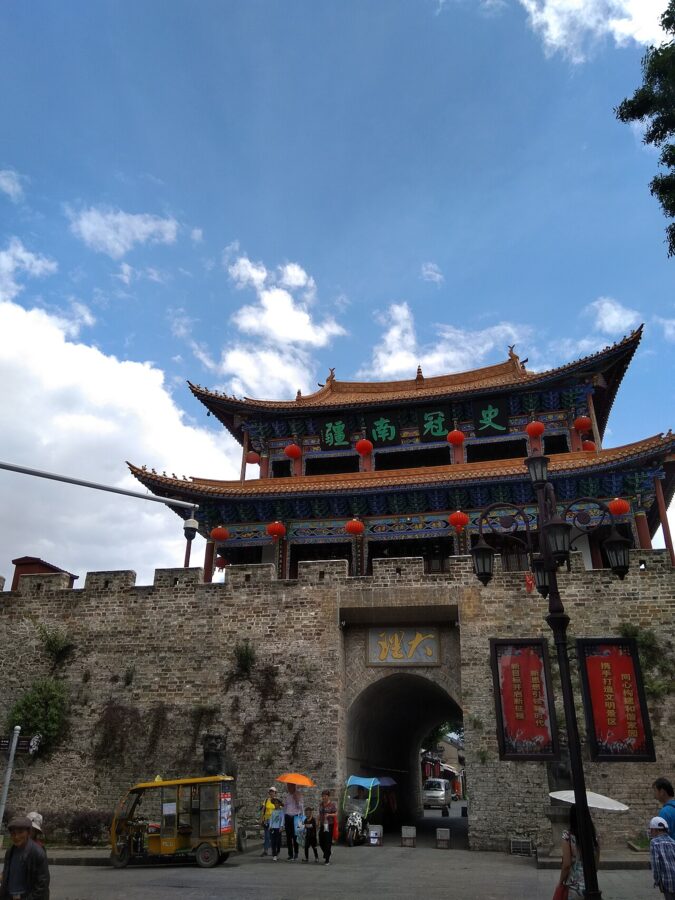
Be clear about one thing before you go: most of the fabric is restored or rebuilt. The south and north gates went back up in 1984, the west gate in 2001 and the east gate in 2002, and plenty of the “old” shopfronts are newer than that. That doesn’t make it fake, exactly. It makes it a living town that has been tidied for visitors, with real lanes behind the main streets where people still dry laundry and park scooters.
Fuxing Road and Wuhua Tower
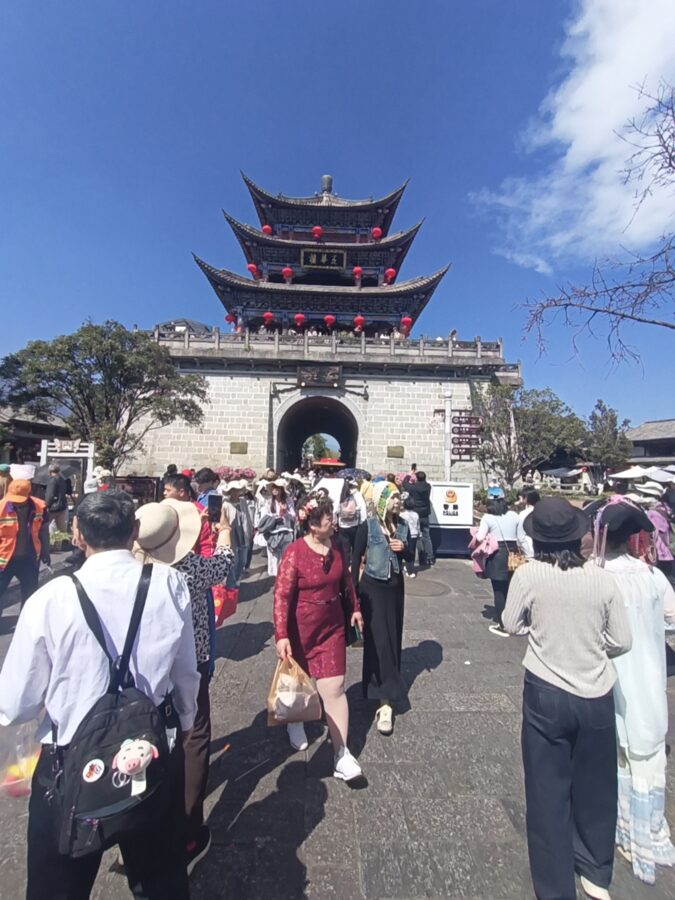
Fuxing Road (复兴路) is the spine, running straight from the South Gate to the North Gate past the town museum, the City God temple and the Confucian temple. Halfway along it, Wuhua Tower (五华楼), the old drum tower, straddles the street. It was restored in 1999 and is the best single landmark to steer by.
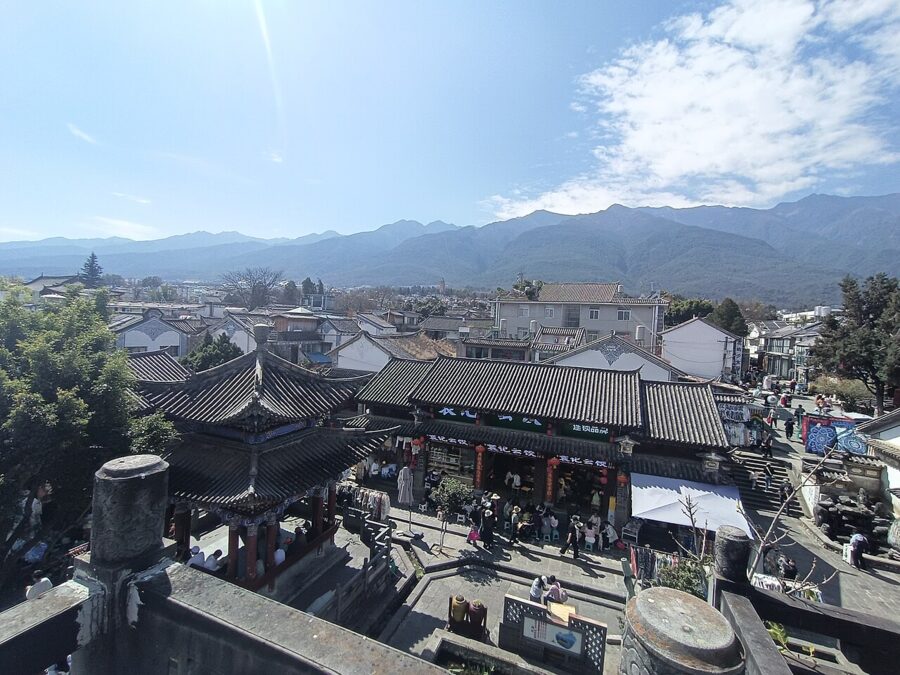
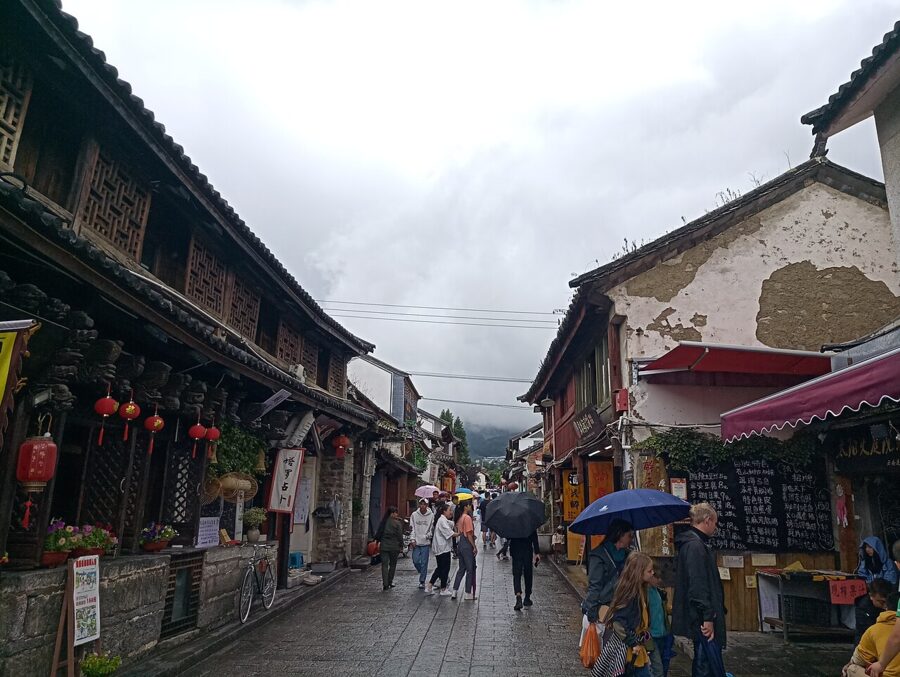
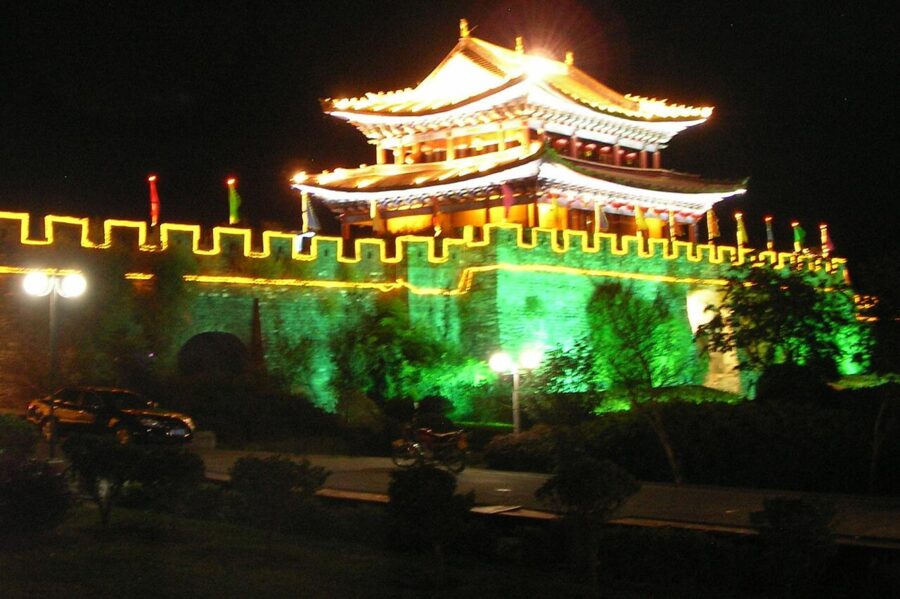
Climb a gate tower if you can. The South Gate is the one people usually go up for the view over the roofs to the mountains, and from up there the grid makes sense in a way it never does at street level. Then walk the side lanes west of Fuxing Road, which are quieter, steeper and lined with small guesthouses and courtyard cafés.
Renmin Road and Foreigner Street
Two streets cut across the grid from east to west, and they’re where Dali’s reputation as a backpacker town was made. Huguo Road (护国路), still universally called Foreigner Street, or Yangren Jie (洋人街), got its nickname because the Dali No. 2 Guesthouse was here, which made it one of the first areas in the People’s Republic set up for foreign tourists. Western-style cafés followed, then bars.
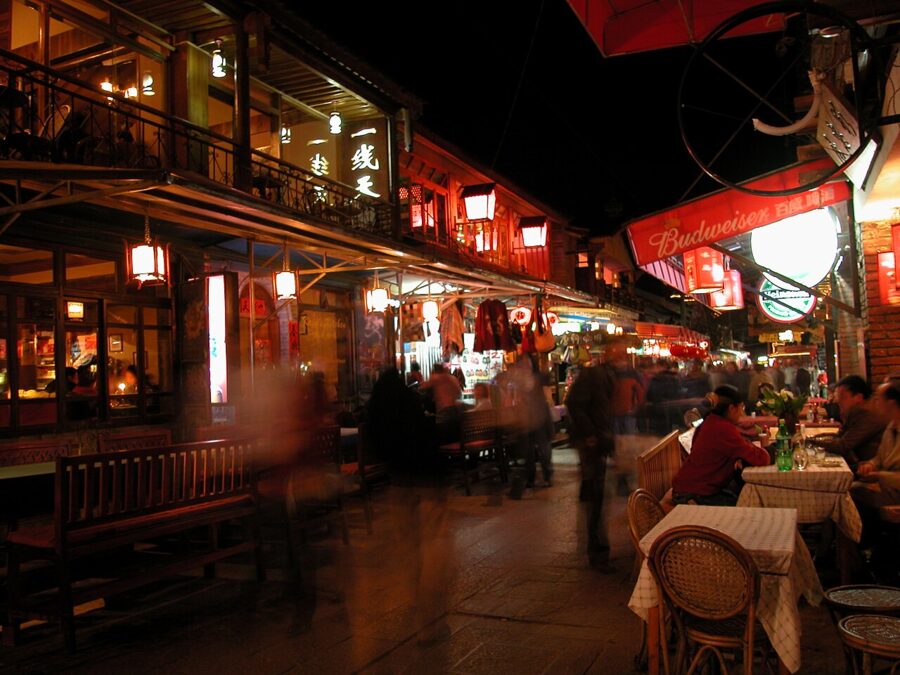
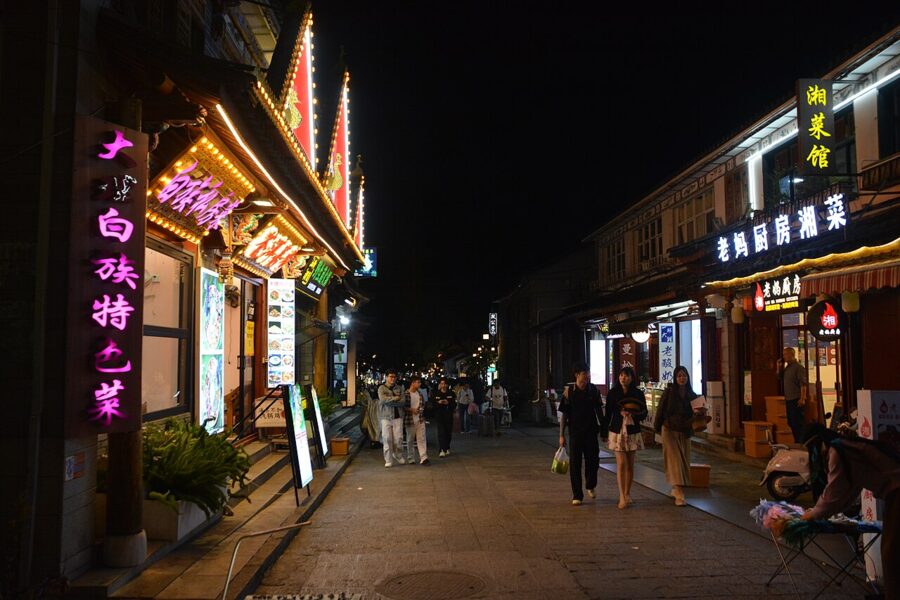
Renmin Road (人民路), a few blocks south, has taken over the role the foreigners’ street used to play. It runs downhill towards the lake, lined with small bars and cafés, many with live music most nights, and in the evening it turns into a street market. If you remember Yangshuo, the comparison holds up: both towns built a tourist economy on Western backpackers and both now mostly serve visitors from the rest of China. My guide to Yangshuo covers the other one.
After dark
Evening is when the old town is at its best and its worst. The gate towers and Wuhua Tower are floodlit, the cafés put out heaters, and the lanes west of Fuxing Road fill with people strolling with no plan, which is the right way to do it. The main streets also get very loud: amplified music from shop doorways, tour groups with flags, and the same playlist from three bars at once.
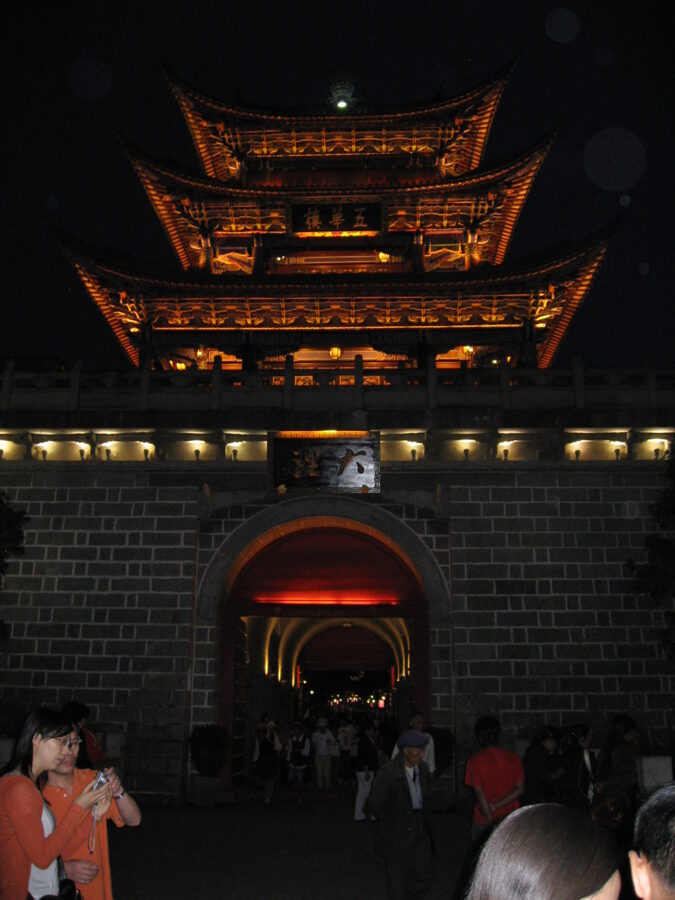
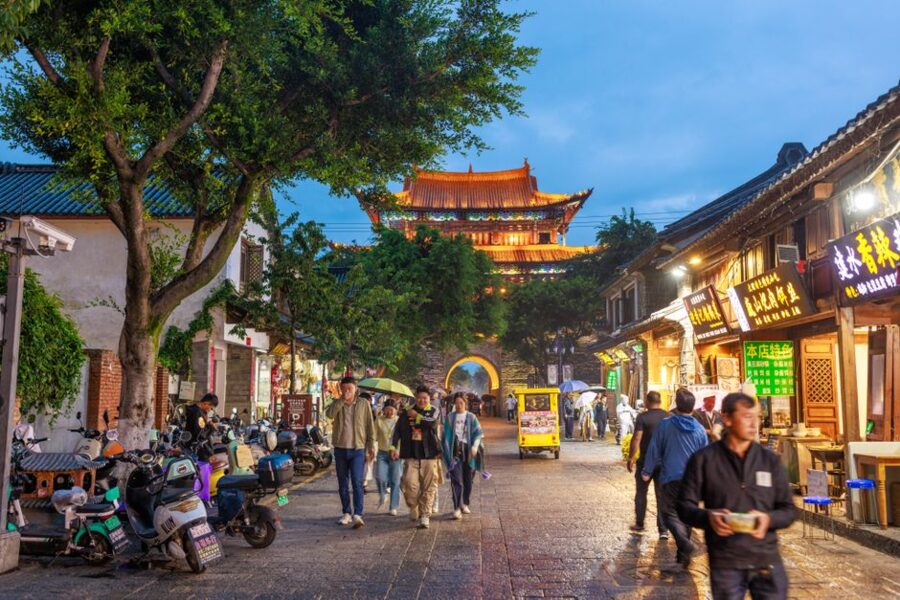
My advice is simple. Eat early, walk the quiet lanes around 20:00, and save the bar streets for one night rather than every night. If you’re staying inside the walls, pick a room off the main streets, because the music on Renmin Road and Foreigner Street carries.
The Three Pagodas of Chongsheng Temple
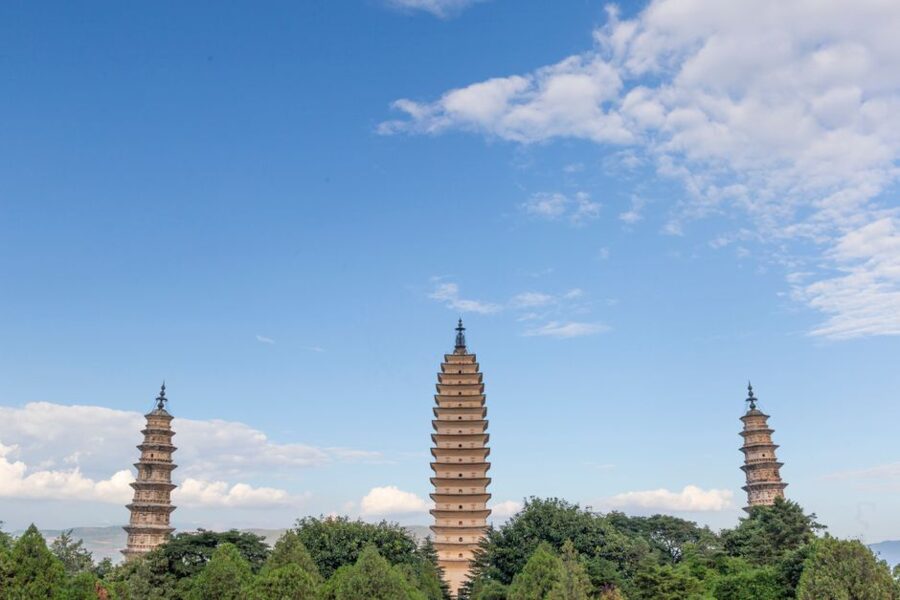
About two kilometres north-west of the old town, below Yingle Peak, three brick pagodas stand in a triangle. They’re the oldest structures in the valley and, frankly, the reason most people come. The central one, Qianxun Pagoda (千寻塔), is 69.13 metres tall with sixteen tiers of eaves; the two smaller towers are octagonal, ten tiers and about 42 metres each.
What you’re looking at
Nobody knows exactly when the main pagoda went up. Dates from the seventh to the ninth century have all been claimed, and the two smaller ones are generally placed between the late Tang and the Five Dynasties. They have ridden out a lot: an earthquake in 1514 damaged all three, and the Dali earthquake of 1925 brought down the top of the main tower.
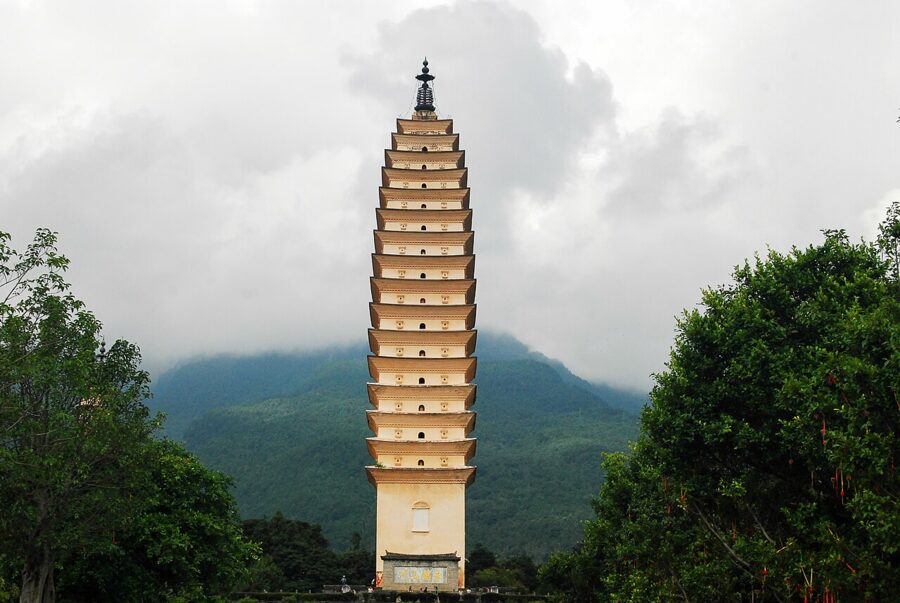
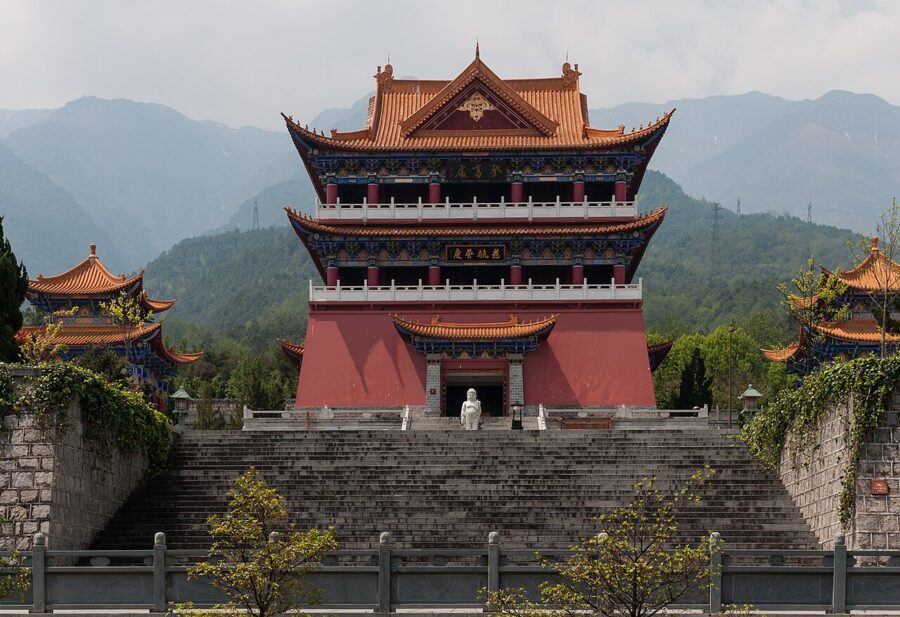
The restoration between 1978 and 1981 turned up hundreds of statues, mirrors and ritual objects sealed inside the towers. The temple that once surrounded them, Chongsheng Temple, didn’t survive. What you walk through behind them now is a large modern rebuild, a sequence of halls climbing the slope towards the mountain.
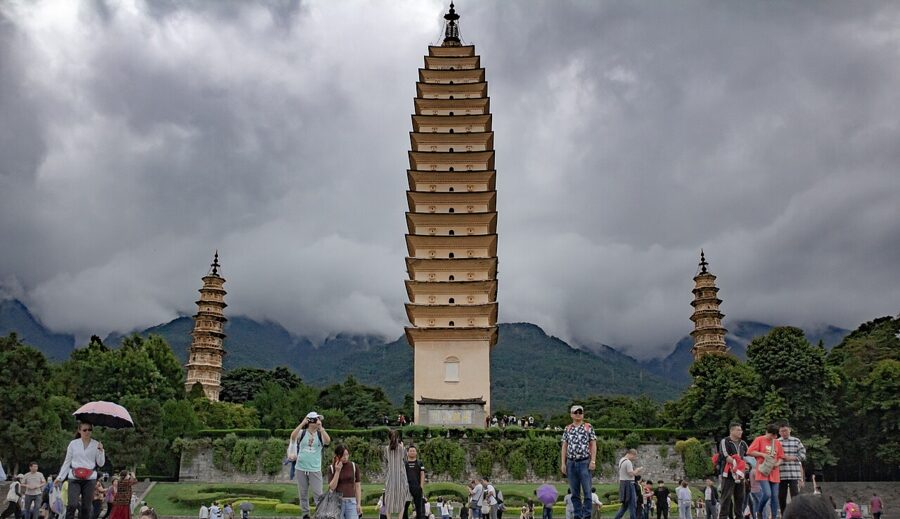
The pagodas have been on the first list of national protected monuments since 1961. Walk round them slowly, and do it early: the site opens at 07:30, and for the first hour the light comes from behind you over the lake.
Tickets and the reflection pool
An adult ticket for the Three Pagodas cultural area is ¥75, and the site is open 07:30–18:30, with ticket sales ending at 18:20. You can buy at the gate with Alipay or WeChat Pay, or in advance on Trip.com; bring your passport either way. There’s a separate electric cart inside for an extra fee if you don’t want to walk up through the temple halls.
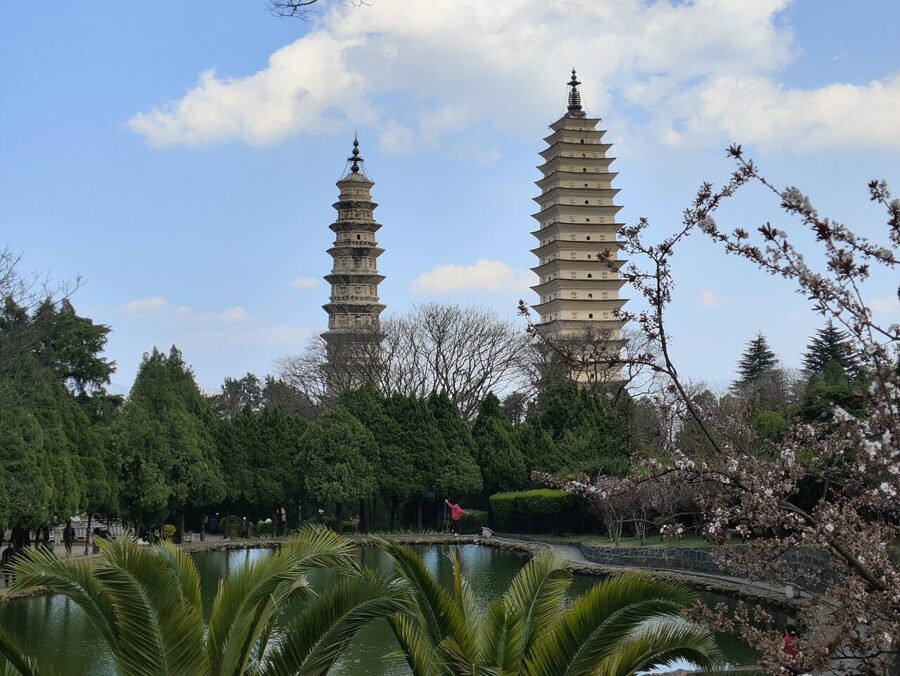
For the reflection, there are two places. The Juying Pool (聚影池) is inside the grounds, about a hundred metres from the towers, and it’s where the classic shot is taken. It’s also crowded. The separate Three Pagodas Reflection Park (三塔倒影公园) lies south of the main site, a walk of a kilometre or more, with a wider pond and a better angle; the two areas aren’t connected inside, so ask at the ticket gate whether your ticket covers it on the day.
Up Cangshan
Cangshan (苍山) is the wall behind everything. It’s a range of nineteen peaks running north to south above the valley, with a stream in each of the eighteen gaps between them, and the highest point, Malong Peak, reaches 4,122 metres. In 2014 UNESCO made it a Global Geopark.
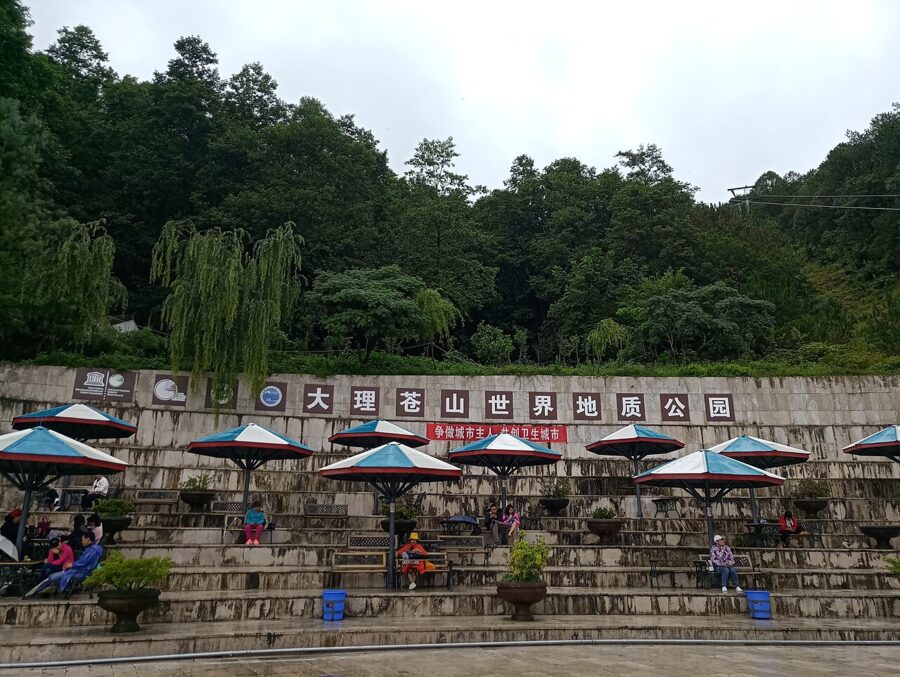
You can hike up from the valley floor, but most people take one of three cable cars, and they go to very different places. Here’s the short version.
| Cable car | Starts | Goes to | Return fare |
|---|---|---|---|
| Gantong (感通索道) | Gantong Temple, south of the old town | Qingbi Stream on the Jade Belt Road | ¥100 (one way ¥65) |
| Zhonghe (中和索道) | Just west of the old town | Zhonghe Temple on the Jade Belt Road | Check at the desk |
| Ximatan (洗马潭索道) | Below the Tianlong Babu film studio, north-west of the old town | Ximatan lake, about 3,920 m, via Qilongnü Pool | ¥300 full route, ¥160 to mid-station (official fares) |
Three cable cars, three mountains
The Gantong cable car is the one I’d pick for a first visit. Its fares were reset by the city’s pricing bureau in July 2025 at ¥100 return and ¥65 one way; children under 1.2 metres ride free, children from 1.2 to 1.4 metres pay half, and over-70s get 20 per cent off. It lands you near Qingbi Stream (清碧溪), the start of the flat Jade Belt Road walk.
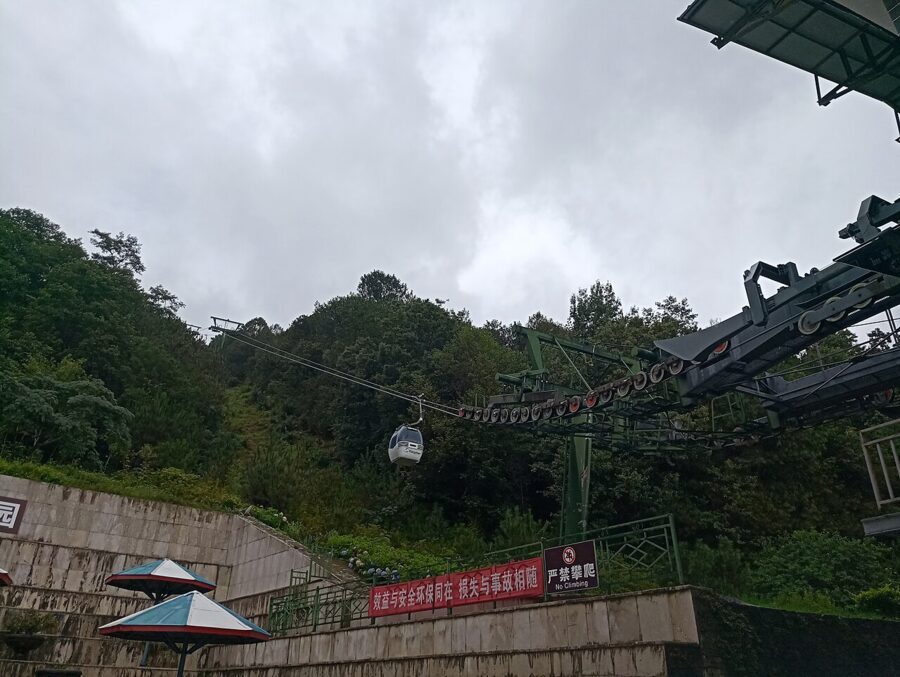
The Zhonghe cable car leaves from the slope directly behind the old town and climbs to Zhonghe Temple (中和寺), at the other end of the Jade Belt Road. Its fare has varied between sales channels, so check it at the desk. Ride it if you’re staying inside the walls and want the shortest trip to the mountain.
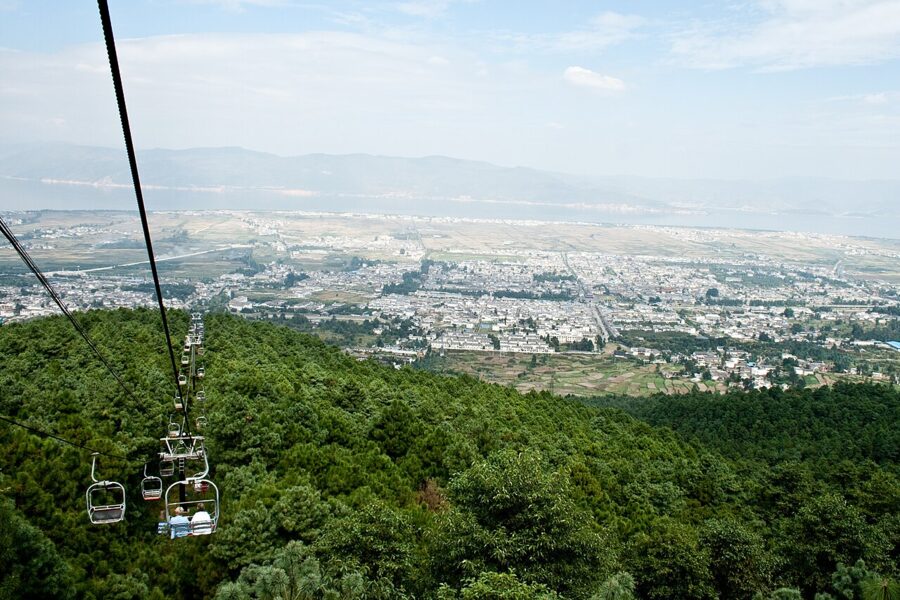
Ximatan is the big one. It goes from below the film studio north-west of town to a mid-station at Qilongnü Pool, then on to a small alpine lake at about 3,920 metres, close to the top of the range. The official fares in the city’s last published price notice are ¥300 return for the full route and ¥160 return as far as the mid-station; booking platforms often show more, because they bundle in the shuttle and the entry fee.
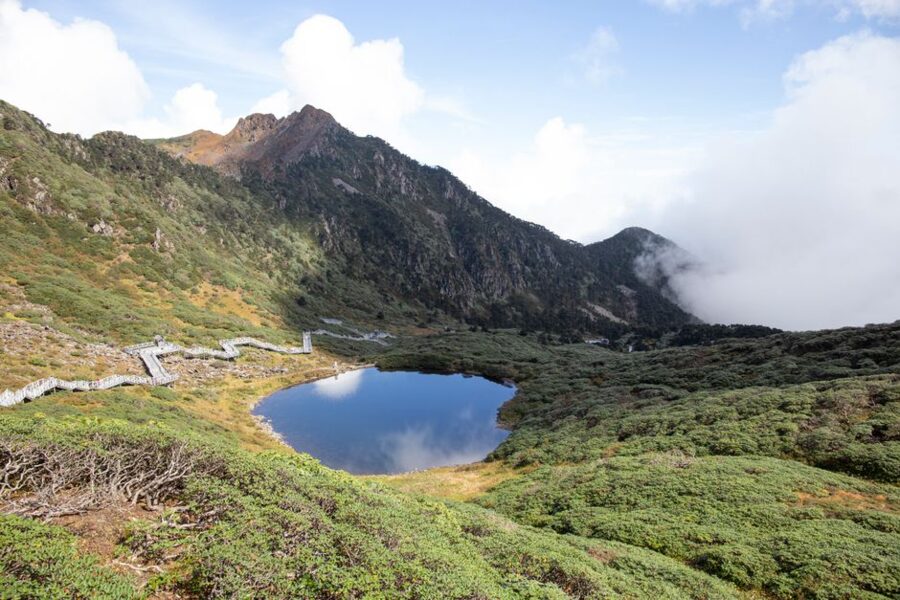
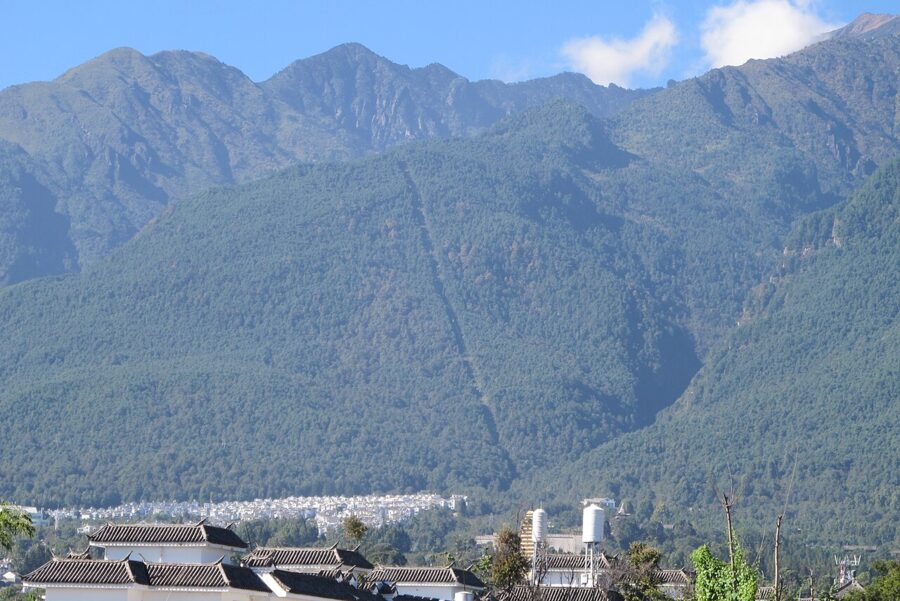
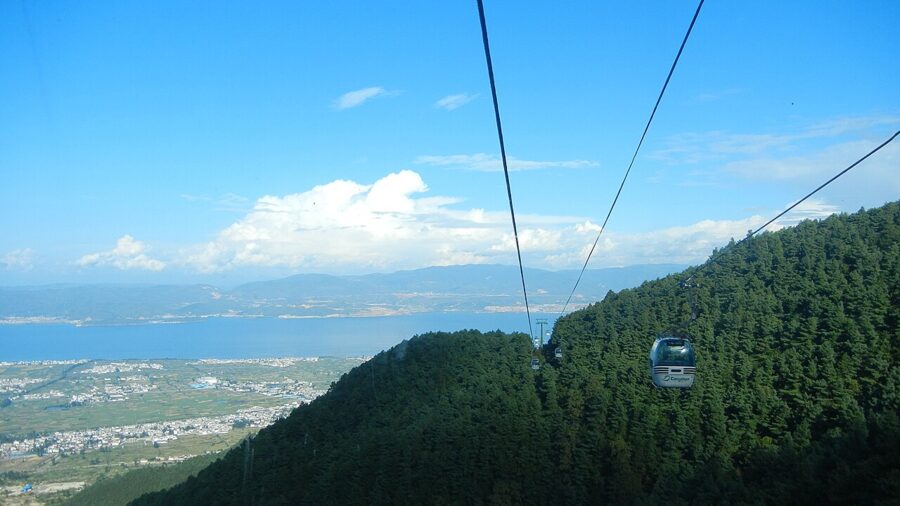
All three run roughly from 08:30 to 17:00, with the last cars down around 16:30. They stop in rain and in high wind, and Ximatan’s upper section is the most likely to close. Go up in the morning, when cloud is least likely to sit on the ridge, and pay at the station with Alipay or WeChat Pay or book ahead on Trip.com with your passport details.
The Jade Belt Road
The Jade Belt Road (玉带路) is a stone path cut along the mountainside at about 2,600 metres, contouring through the forest from gully to gully. It’s mostly level, which is the whole appeal: you get mountain views without mountain climbing. The stretch between Qingbi Stream and Zhonghe Temple is about 11.5 kilometres, with rest points at Qingbi Stream, Qilongnü Pool and Zhonghe.
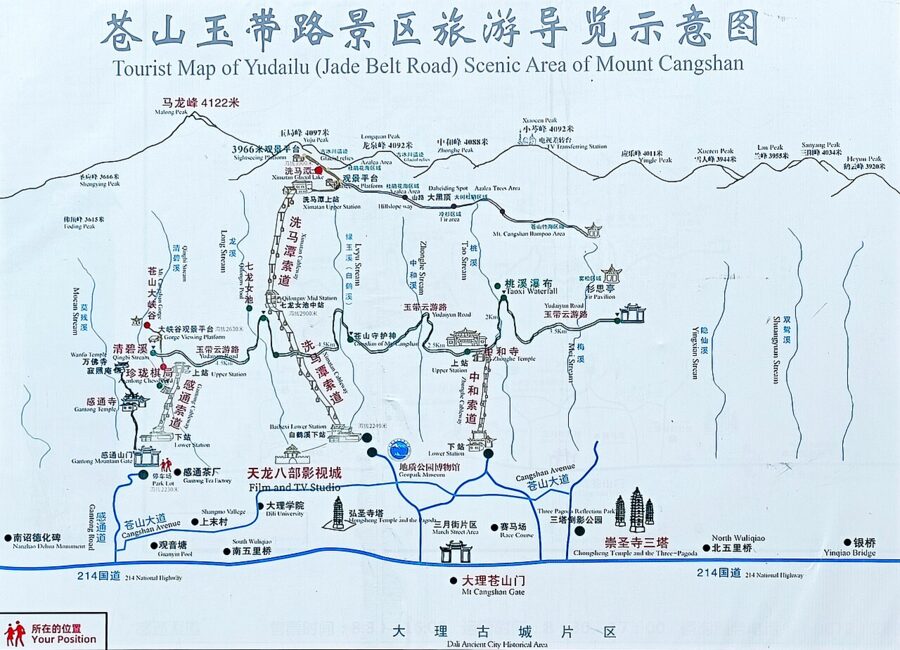
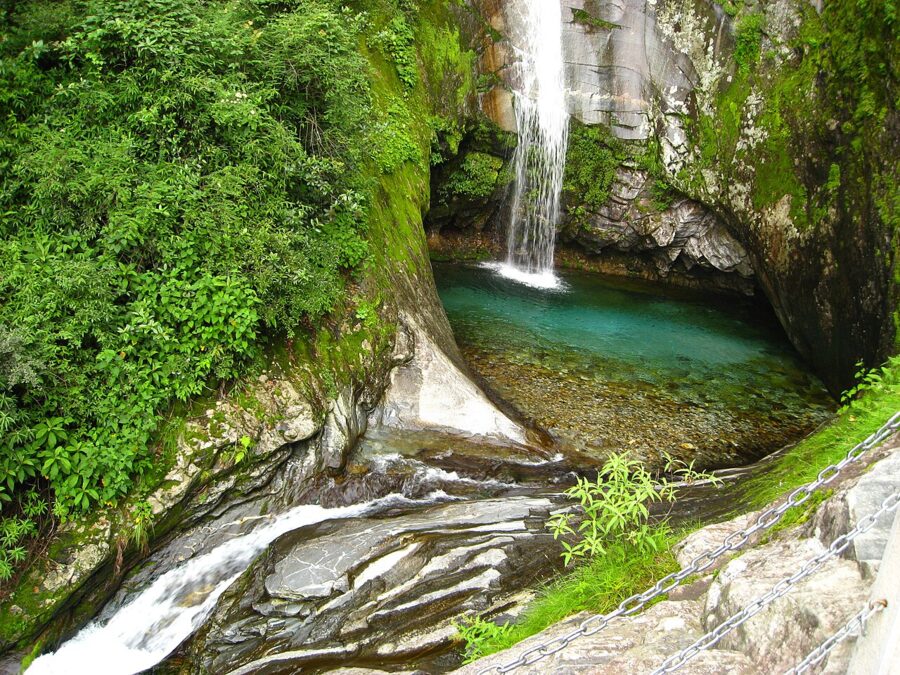
The neat plan is Gantong up, walk north, Zhonghe down. Allow four hours of walking at an easy pace and start by 10:00 so you’re not racing the last car. At Qingbi Stream, climb the steps beside the water to the pools, which are cold, clear and green; it’s a short detour and the best spot on the walk.
Some side trails and caves off the path have been fenced off, and the mountain’s weather turns fast. Carry a rain layer and water. There are kiosks at the rest points, but don’t count on them out of season.
Gantong Temple and Jizhao Nunnery
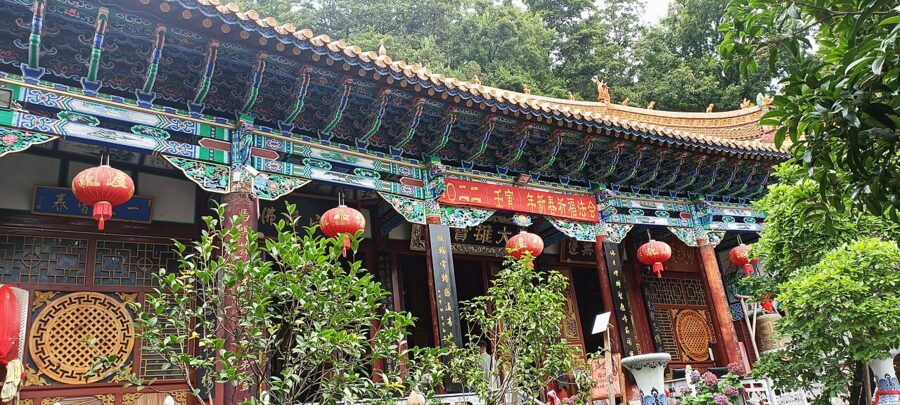
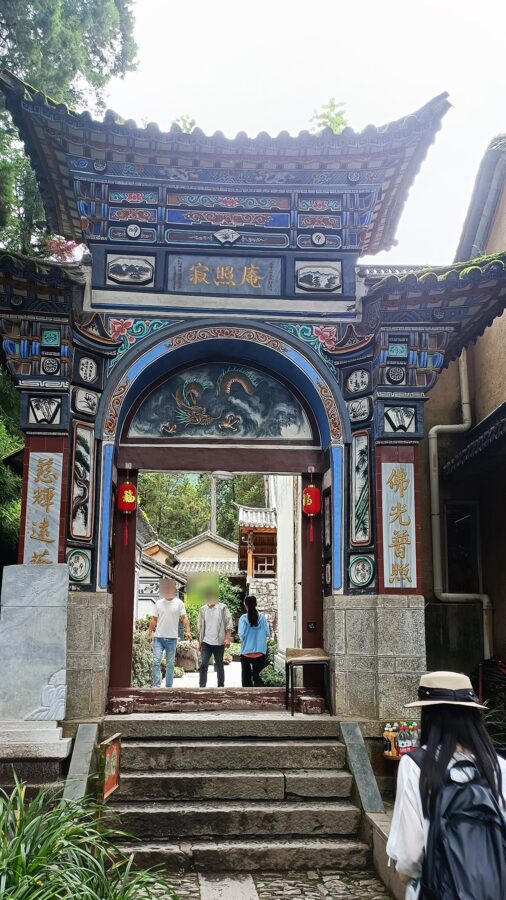
Below the Gantong cable car, two temples are worth an hour before you ride up. Gantong Temple (感通寺) is an old foundation rebuilt many times, and its grounds hold the tomb pagoda of Dandang, the Ming monk and painter. A few minutes away, Jizhao Nunnery (寂照庵) is the one Chinese visitors come for: a small courtyard packed with flowers and succulents, and a simple vegetarian lunch that was about ¥20 at last report.
Altitude, in one paragraph
The old town is around 2,000 metres, the Jade Belt Road around 2,600, and the top of the Ximatan line close to 3,920. Most people feel nothing on the first two. At Ximatan, walk slowly, skip the top if you’ve just flown in from sea level, and bring a proper warm layer, because it’s far colder up there than in the old town.
Erhai by bike
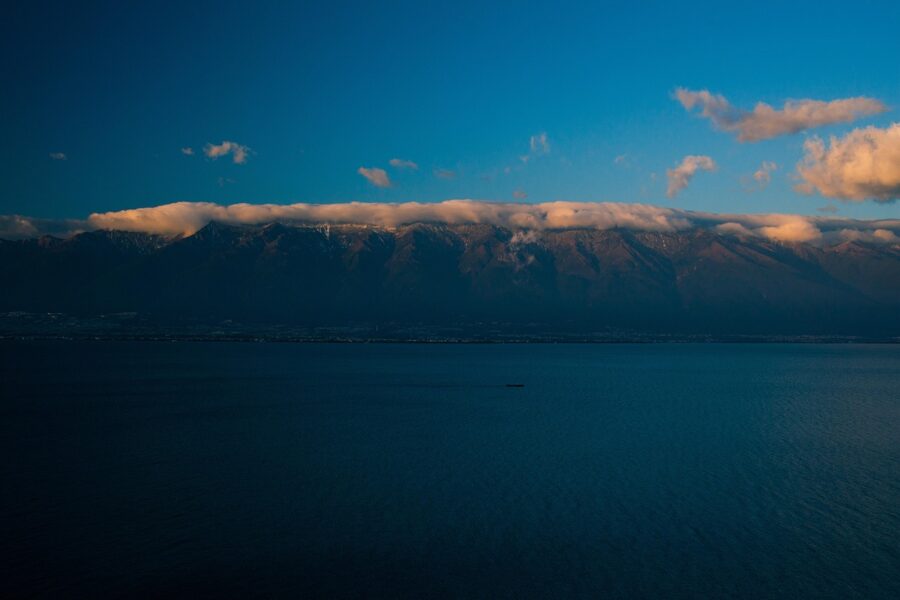
Erhai (洱海) means “ear sea”, for its shape. It’s Yunnan’s second-largest freshwater lake, about 250 square kilometres, 42 kilometres long and no more than about 9 wide, and for most visitors it’s the reason to stay longer than a day. The best way to see it is slowly, on two wheels, along the west shore.
The west-shore eco-path
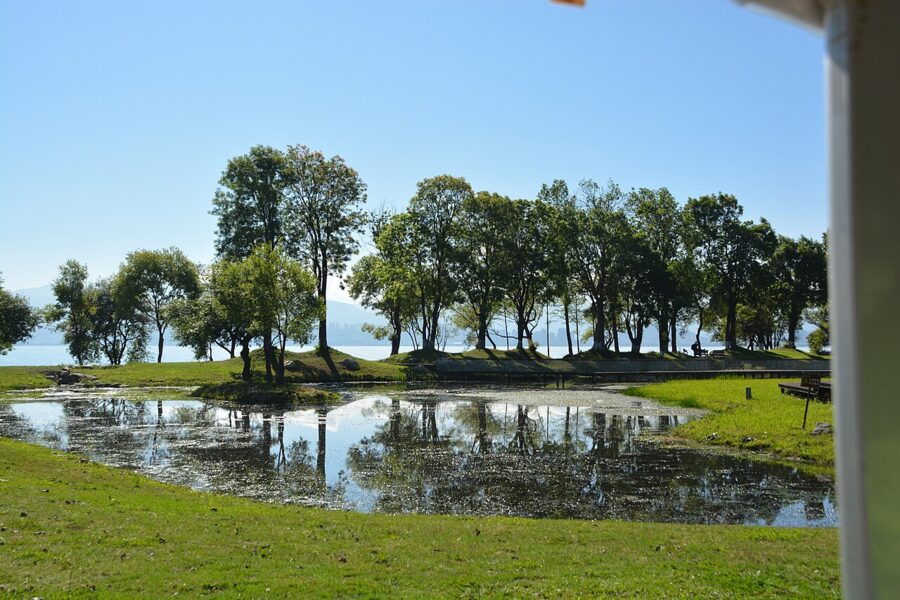
The path is the Erhai ecological corridor (洱海生态廊道), a 129-kilometre ring of wetland, paths and replanted shore built round the lake from 2018, with the main works finished in early 2021. The west-shore section, about 46 kilometres from Yangnan Stream in the south to Taoyuan in the north, is the stretch most people ride. It’s flat, paved and separated from the road.
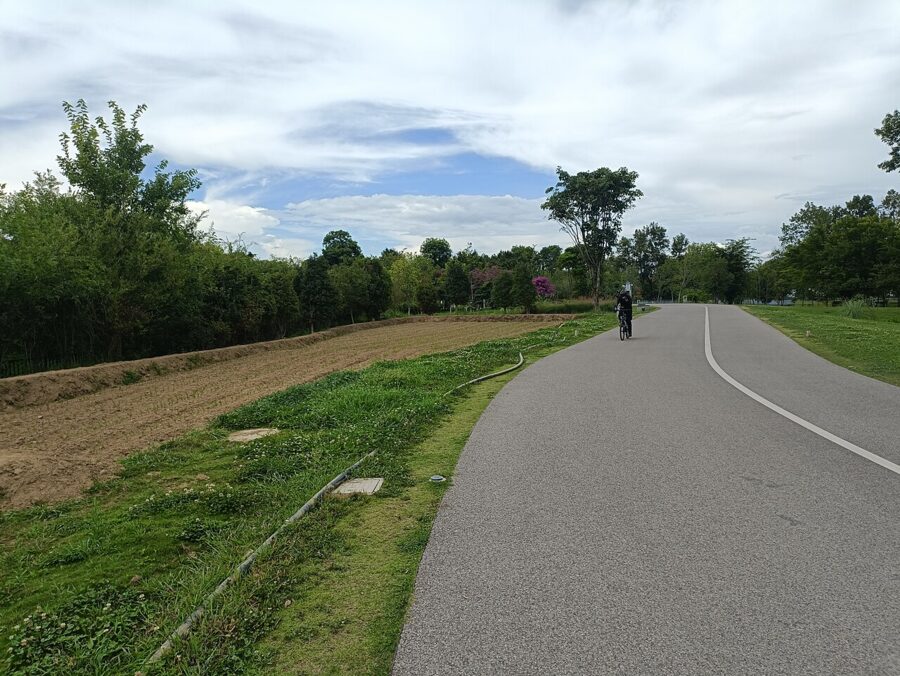
A good half-day runs from Caicun (才村), the village wharf straight east of the old town, north past the much-photographed S-bend at Panxi (磻溪) and the old covered bridge, to Xizhou. Stop wherever you like. The corridor is free and open, and that’s its charm: no gates, just a long path with the mountain on your left and the water on your right.
Bikes, e-bikes and the rules
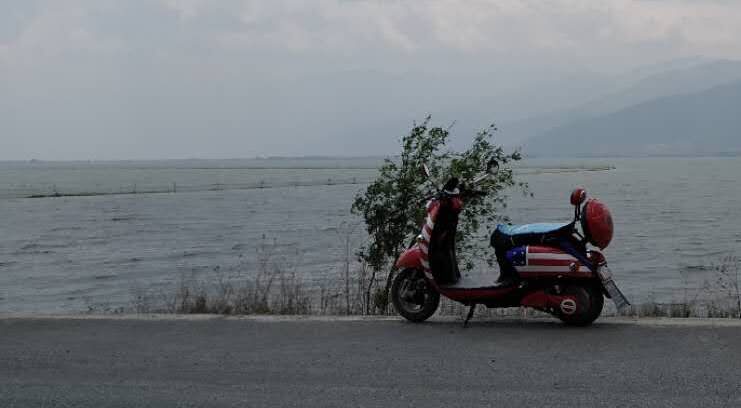
This is the bit that catches people out. Under the city’s corridor rules, motor vehicles and outside e-bikes aren’t allowed on the corridor; in 2025 the managers confirmed that private bicycles are, and the city ran a clean-up the same year that targeted scooters riding the path. So the electric scooter your guesthouse rents you is fine for the road along the lake, but not for the corridor itself.
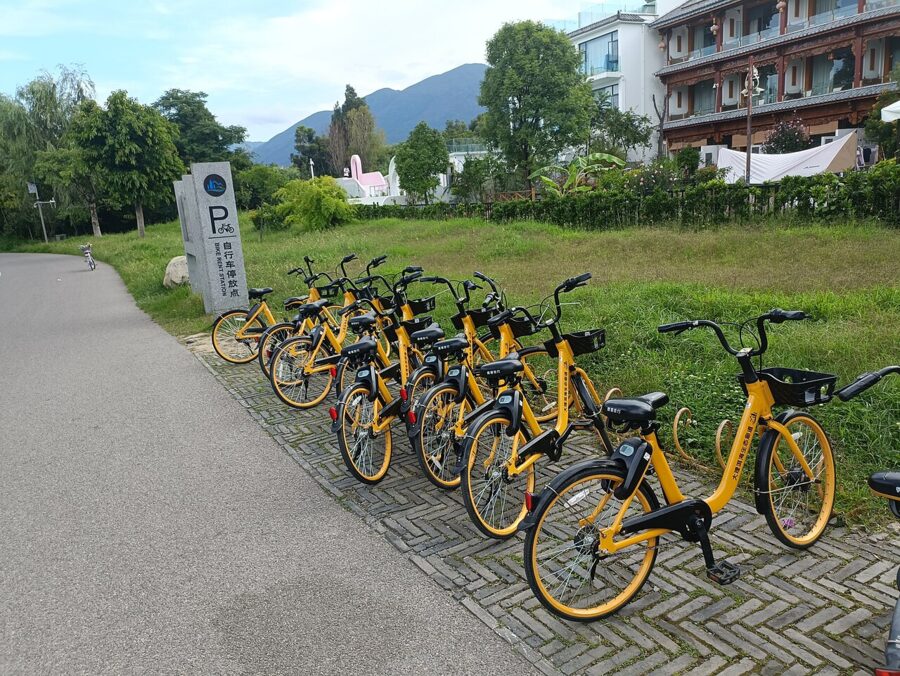
The easiest answer is a pedal bike. The corridor has its own shared bikes, which you release by scanning a code in Alipay, and the old town has rental shops for proper bikes by the day; check the brakes and the tyres before you go. If you want an e-scooter for the road loop, rent one, keep to the road and carry your passport, because rental shops usually ask for ID.
Round the lake by car
The full loop is roughly the same distance as the corridor, about 130 kilometres, and it’s a long but easy day by car or chartered driver. Go clockwise or anticlockwise; the west shore has the villages and the mountain views, the east shore has the cliffs and the better light in the afternoon. Book a driver through Didi or your hotel, agree the stops and the price before you set off, and give it a full day.
The clean-up
In spring 2017, after algae blooms on the lake, the city ordered a halt to guesthouses and restaurants in the lake’s core protection zone and shut the existing ones for inspection; in Shuanglang alone more than 600 signed papers to close within days. The corridor came next, with 1,806 households and guesthouses inside the green line moved back from the shore, which is why the waterfront now feels emptier and greener than older photos suggest.
Xizhou and Zhoucheng
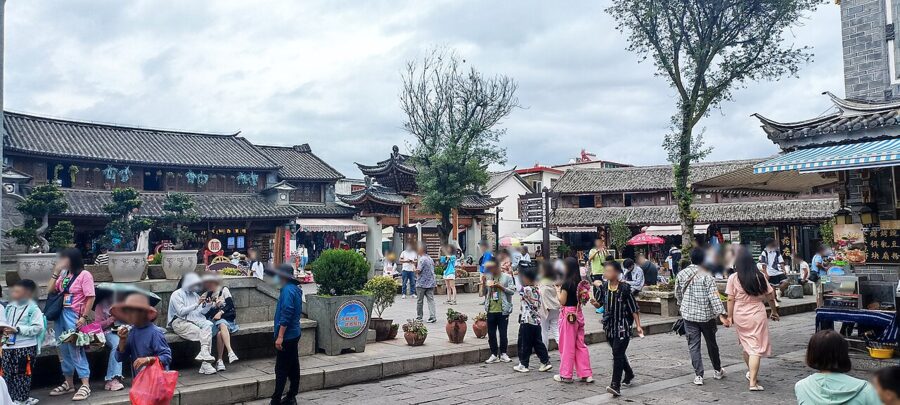
If you only see one Bai village, make it Xizhou (喜洲). It lies north of the old town along the west shore, and in the first half of the twentieth century it was a wealthy merchant town, home to the Xizhou merchants (喜洲商帮) who made fortunes trading tea, silk and dyes along the Tea Horse Road and built the grand courtyard houses that still fill the town.
The merchant houses
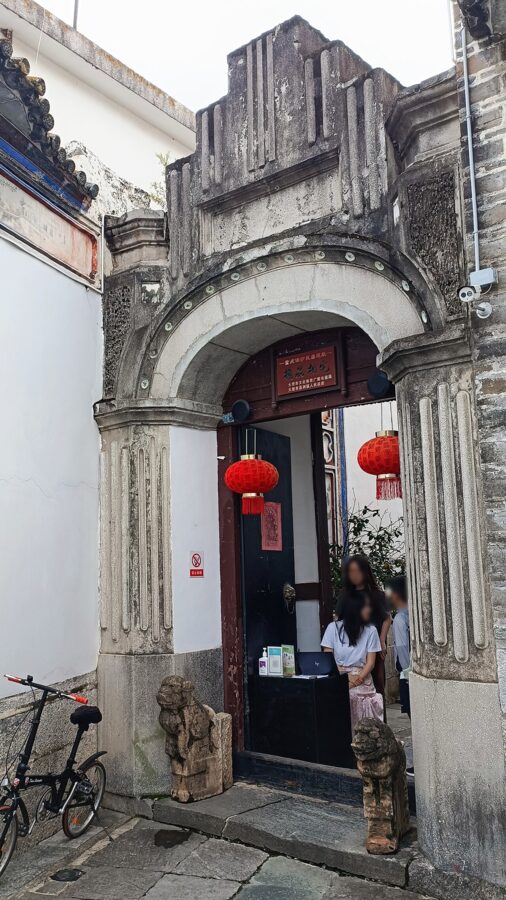
The houses are the reason to come. The Yan family compound (严家大院), the former home of the merchant Yan Zizhen, is now a ticketed museum: a sequence of courtyards with carved wooden galleries, a tie-dye demonstration and plenty of space to sit. Walk the lanes around it and you’ll find dozens of smaller houses built on the same plan, many still lived in.
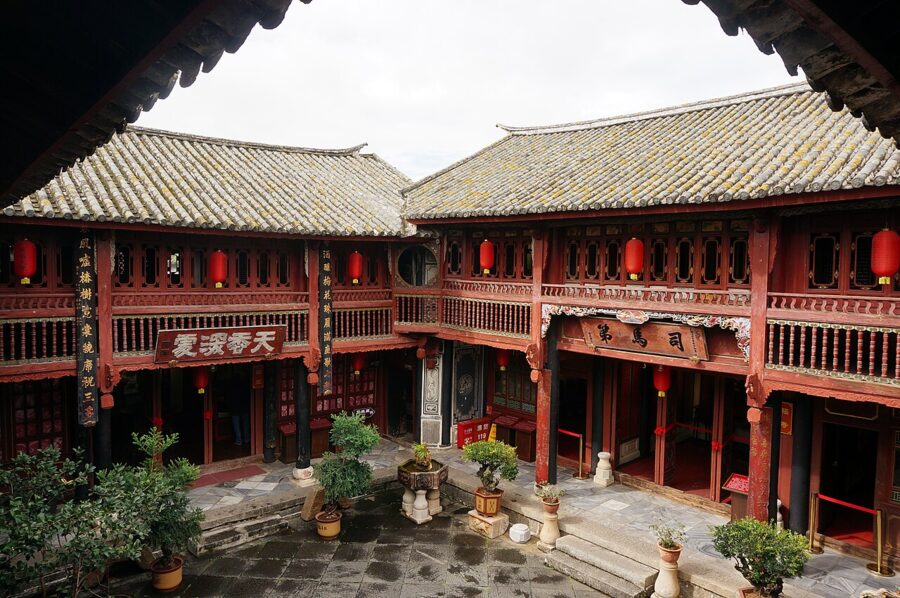
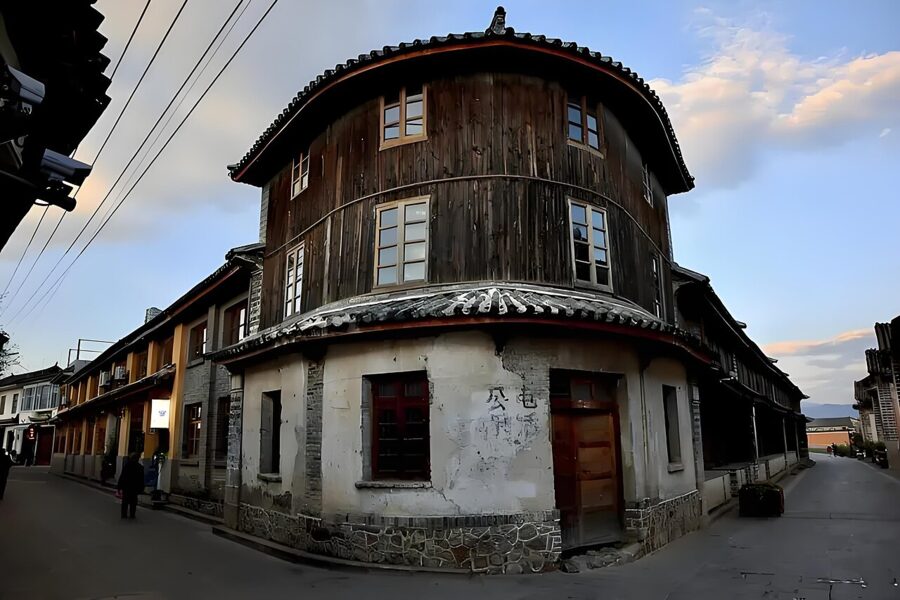
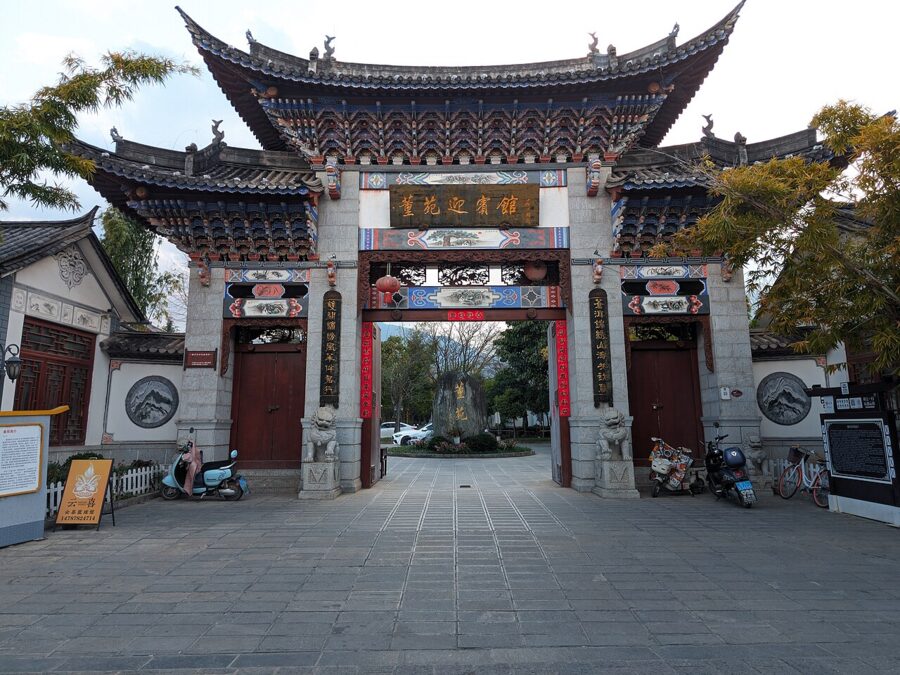
The Dong family’s house, Dong Yuan (董苑), built in 1930 for Dong Chengnong, one of the founders of the Xizhou merchant group, is now a guesthouse. And the Yang Pinxiang residence, built in the late 1940s, is the Linden Centre (喜林苑), which an American couple restored and opened as a hotel and cultural centre in 2008. You can stay there; more on that below.
Baba and the morning
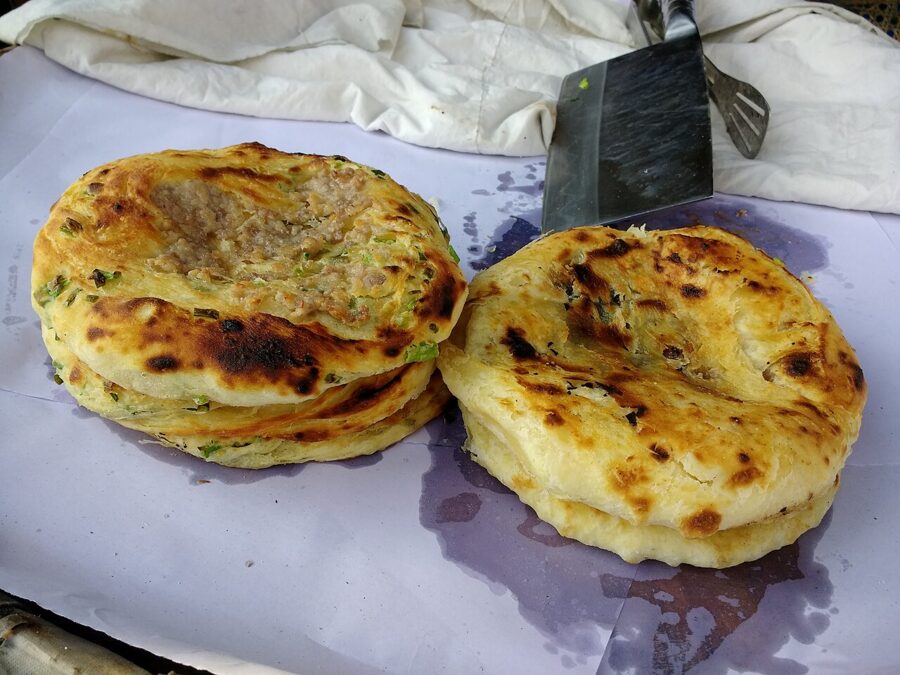
Xizhou is also the home of Xizhou baba (喜洲粑粑), round flatbreads baked over charcoal from above and below, either savoury with pork or sweet with rose sugar. Buy one hot from a stall around Sifang Street mid-morning and eat it walking.
Zhoucheng tie-dye
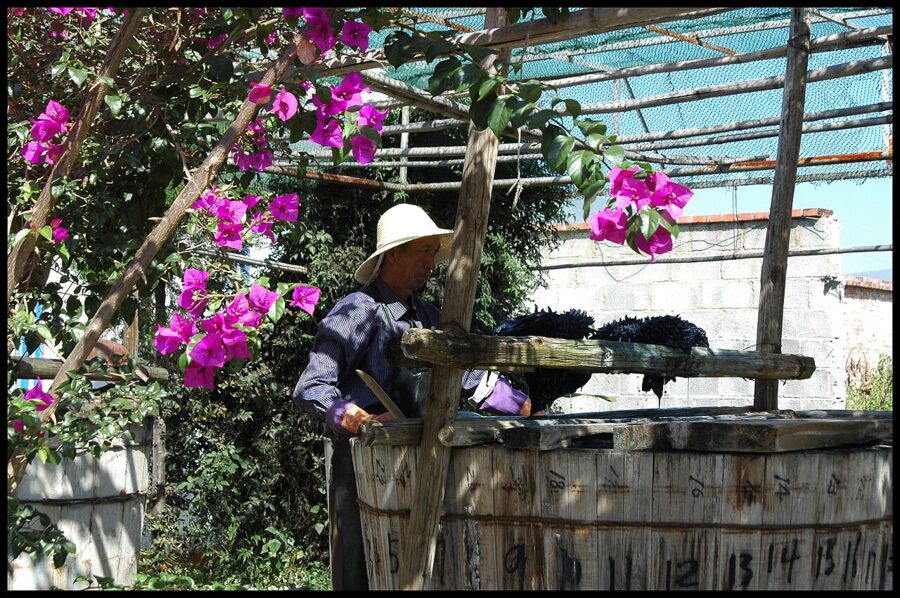
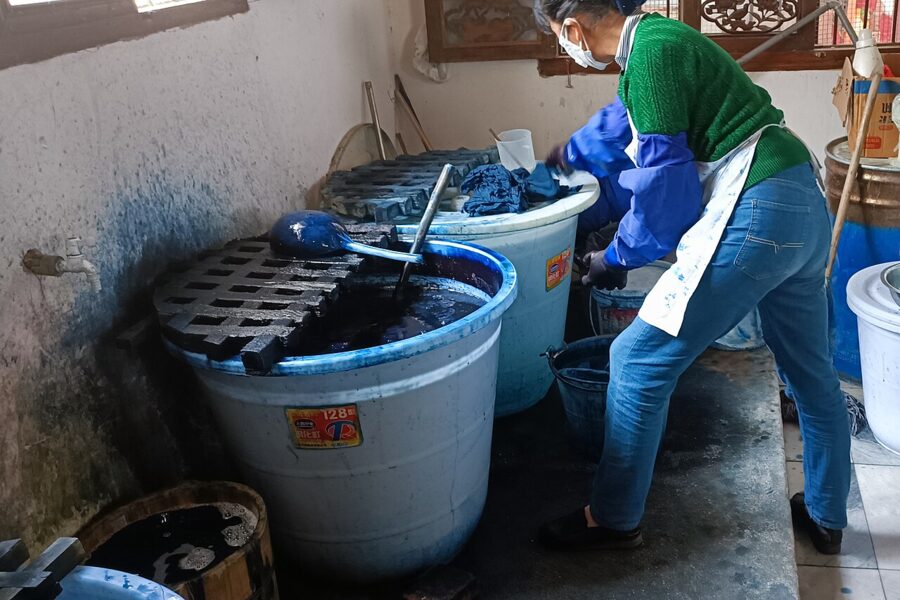
Just north of Xizhou, Zhoucheng (周城) is the village of Bai tie-dye. The craft was put on the first national list of intangible heritage in 2006, and the village now has more than 200 tie-dye businesses and over 4,000 people working in them. Its workshops take in somewhere between 400,000 and 600,000 visitors a year.
The process is tying, dyeing, rinsing and untying: cloth is stitched or knotted into patterns, dipped repeatedly in indigo, washed and opened up to reveal white flowers and grids on blue. Most workshops let you make a piece yourself. Pick one where you can see the vats in use, ask the price for the session before you start, and give it an hour.
Shuanglang and the east shore
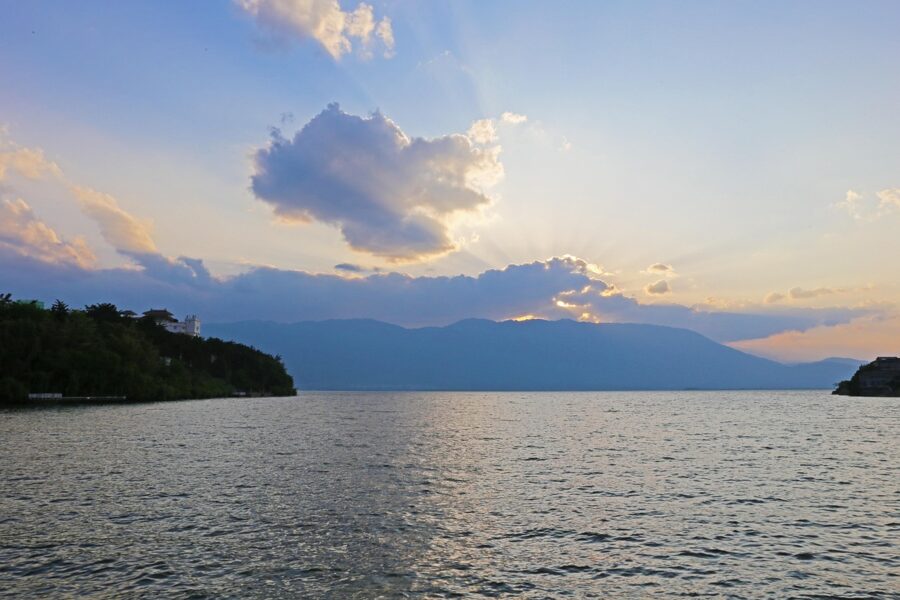
Cross to the east shore and the lake changes character. The west side is farmland and villages under the mountain; the east is rockier and steeper, with the road hugging cliffs and the best views looking back across the water at Cangshan, especially in the late afternoon when the sun is behind the range.
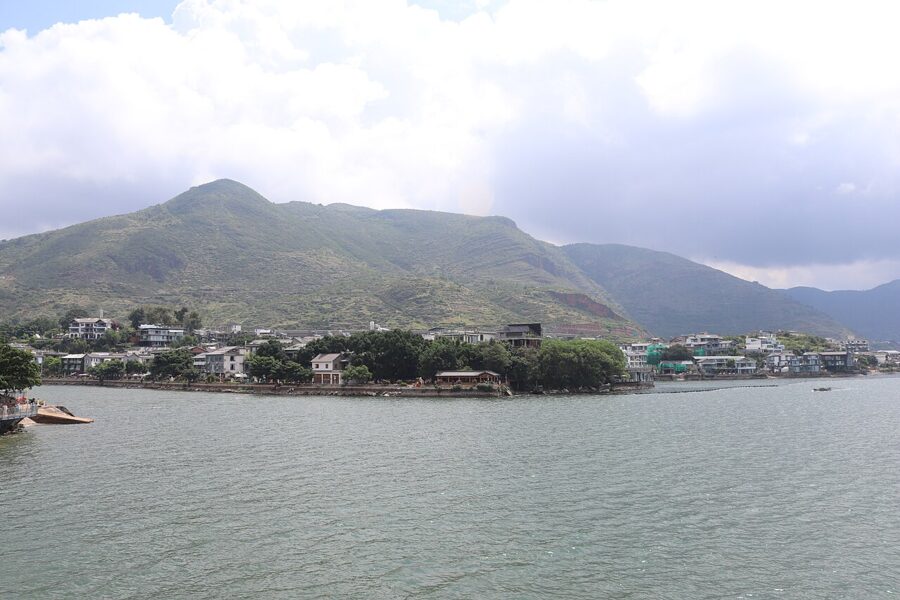
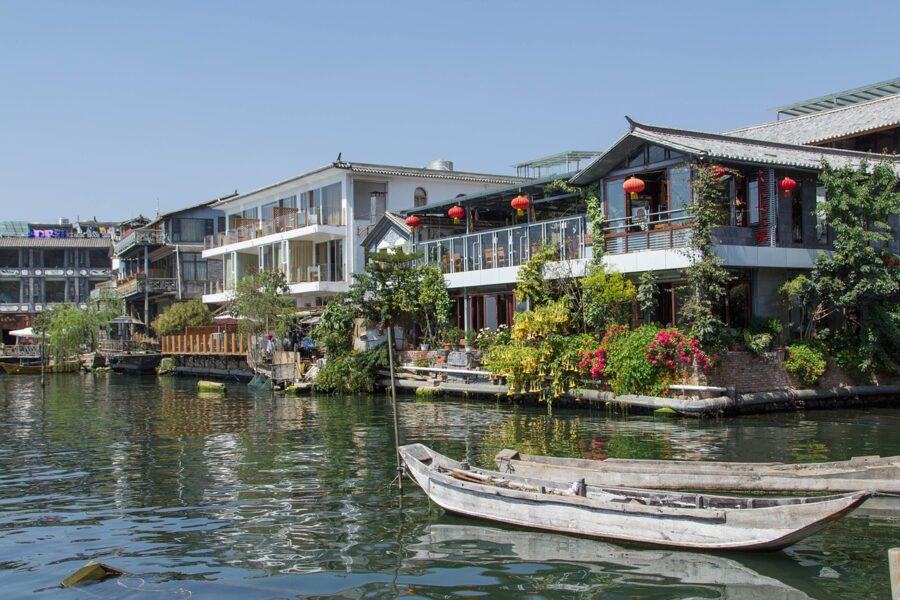
Shuanglang (双廊) is the main town over there, built on a small peninsula with Yuji Island just offshore. Before 2017 it was packed with lakeside guesthouses, then it was the place most affected by the clean-up. Today it’s busy again, with cafés and hotels lining the water, and if your idea of Dali is a terrace with the lake below and the mountains opposite, this is where you’ll find it.
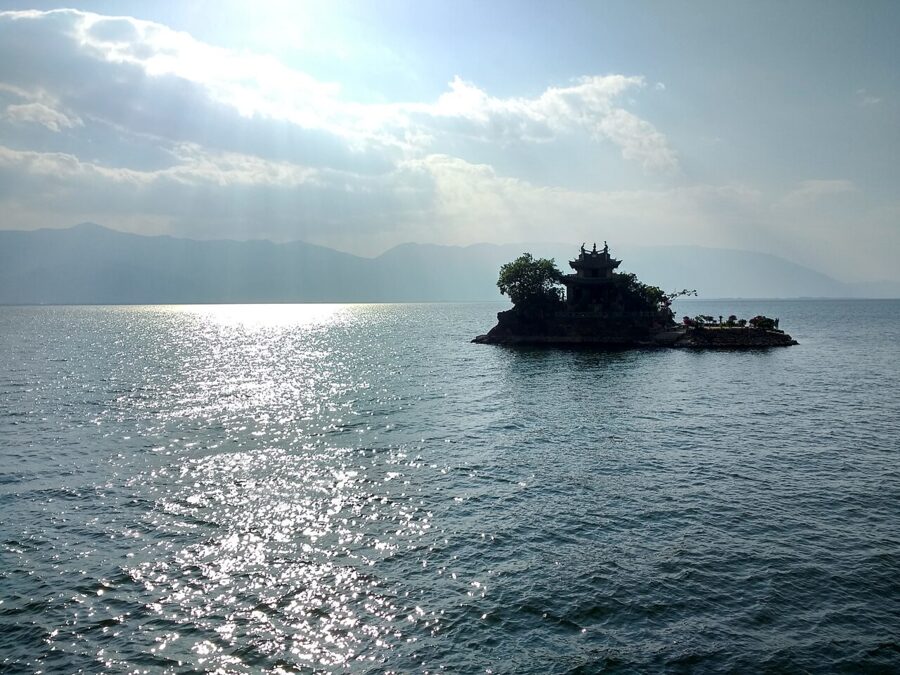
South of Shuanglang, the tiny island temple of Xiaoputuo (小普陀) sits just offshore, a single pavilion on a rock, and further on the village of Wase (挖色) is a quieter fishing town with an open shore that faces the sunset. Haidong, the general name for this shore, is also where the Dali to Lijiang railway runs, often right along the cliffs above the water.
A word of warning about the east shore: some of the most promoted photo spots here are built for photographs and little else. That doesn’t stop the shore from being lovely; just pick the villages over the viewing platforms.
Is Shaxi worth the detour?
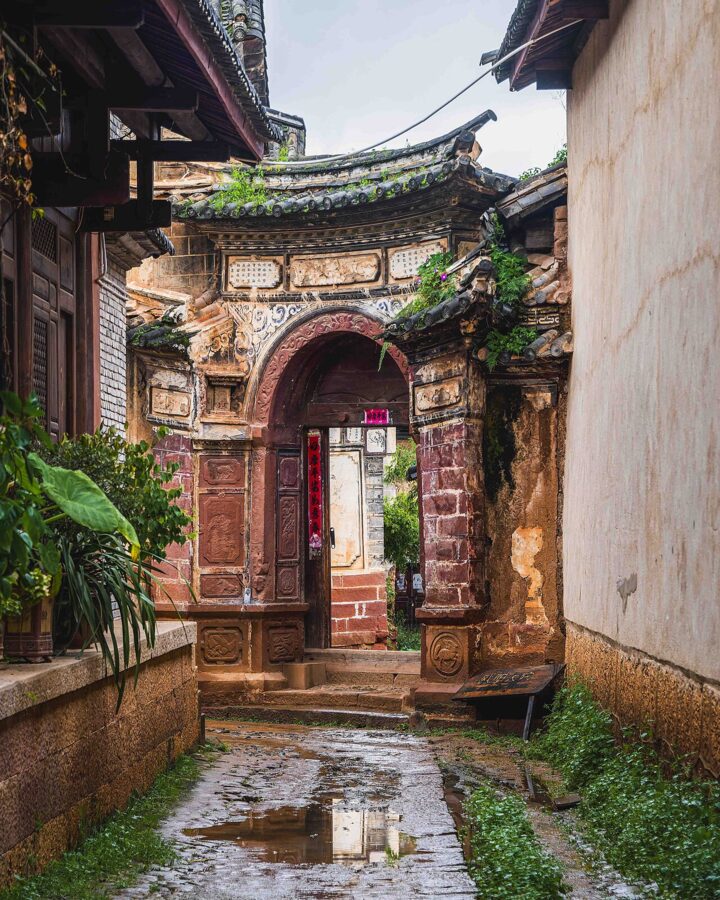
Yes, if you have a spare night. Shaxi (沙溪) is a small market town in Jianchuan county, roughly halfway between Dali and Lijiang, and it’s what Dali’s old town looked like before it was rebuilt for crowds: a cobbled square, a temple, a theatre stage, and narrow lanes of mud-brick and timber houses. It’s quiet, and it’s worth staying for the evening.
Sideng Square and the Tea Horse Road
Shaxi grew up as a trading stop for tea and horses in the Tang dynasty and hit its peak under the Ming and Qing. Its centre, Sideng Street (寺登街) and the square around it, is often called the only market on the old Tea Horse Road to survive in one piece; the caravans brought tea up from the south, much of it the pressed pu-erh you’ll find in my pu-erh tea guide, and carried horses and goods back.
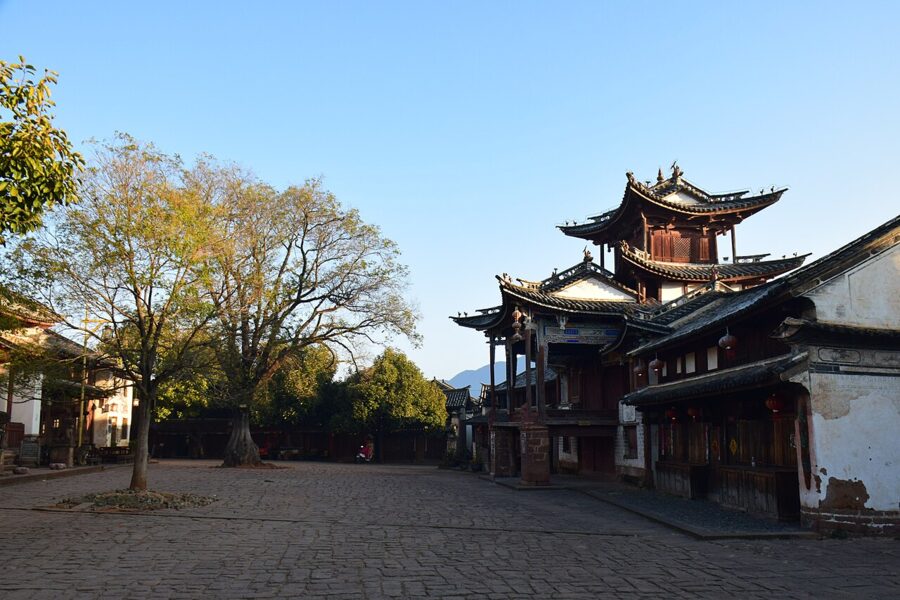
In 2001 the World Monuments Fund put Sideng’s market square on its watch list of endangered sites, and from 2002 a restoration project with the Swiss university ETH Zurich and the county government repaired the square under a rule of minimal intervention. You can see the approach in the worn stone and patched timber: nothing looks new.
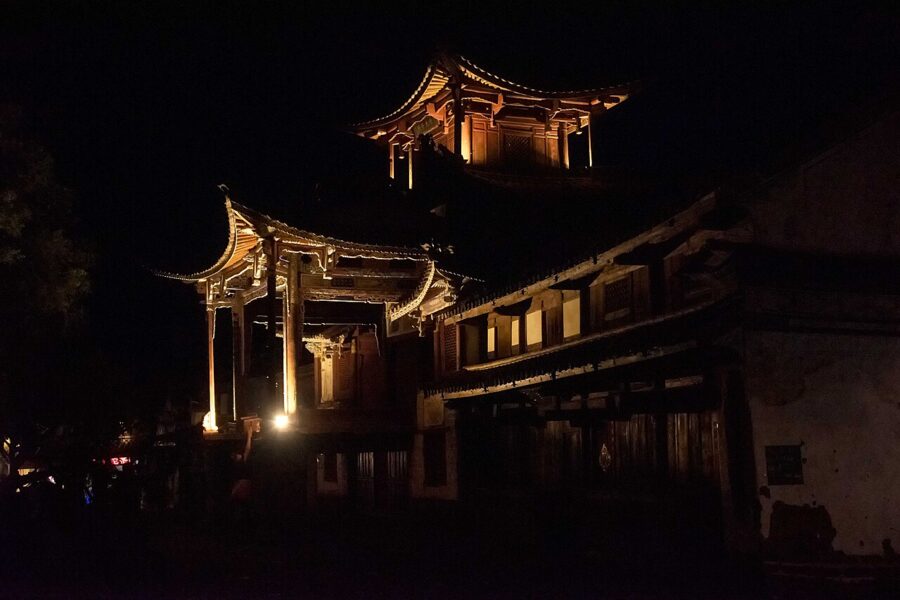
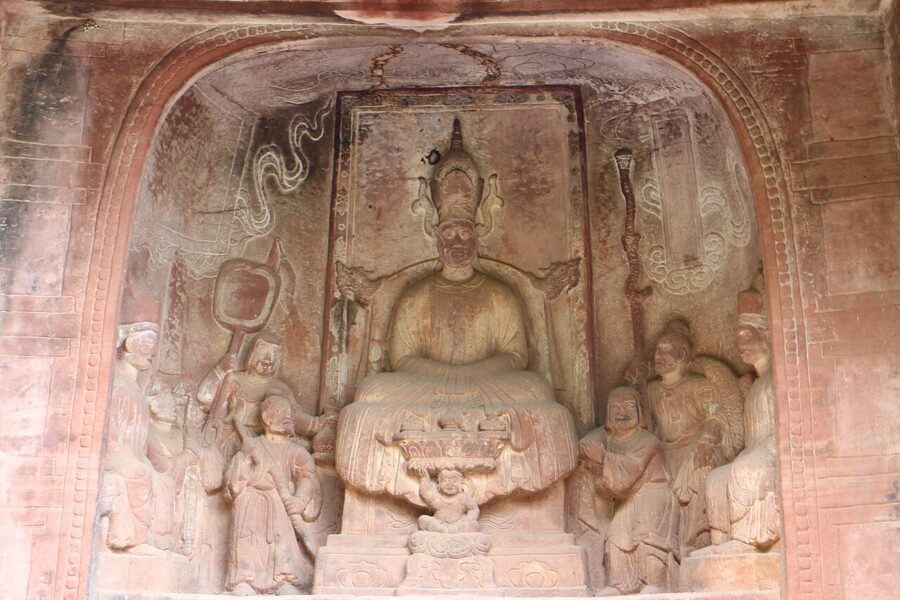
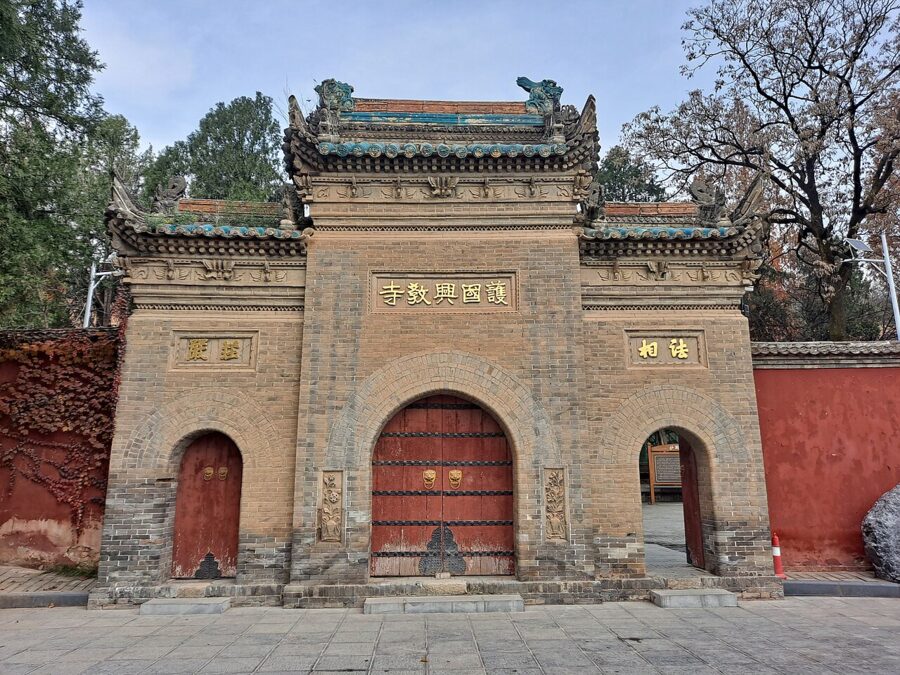
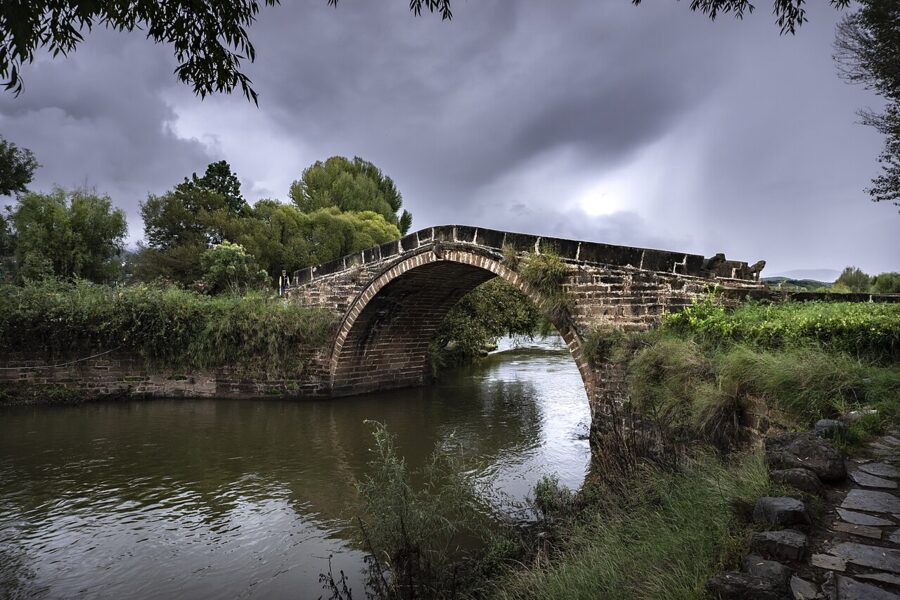
Xingjiao Temple (兴教寺), across the square from the stage, is a Ming dynasty Bai Buddhist temple, and it charges a small entry fee. Beyond the square, walk out through the east gate to the old stone bridge over the river and the fields beyond. The Shibaoshan grottoes, Buddhist carvings from the Nanzhao and Dali Kingdom era, are in the hills nearby if you have half a day more.
The Friday market
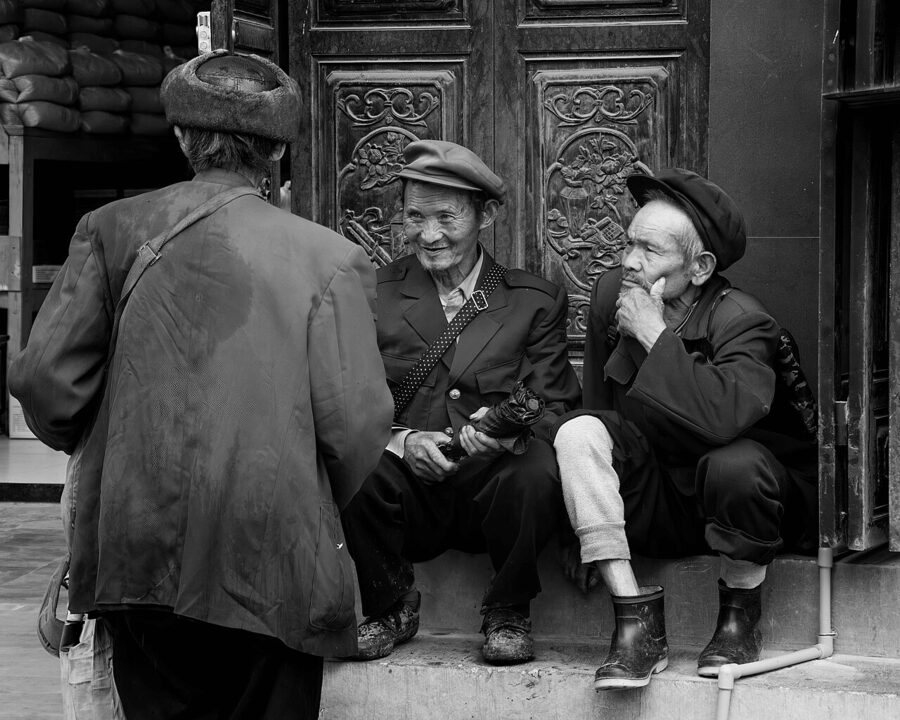
Shaxi’s market day is Friday, when villagers come in from the surrounding hills to buy and sell produce and everyday goods. Time your visit for it if you can. Arrive on Thursday, stay the night, and wander the market on Friday morning.
Getting to Shaxi
Shaxi is about 130 kilometres from Dali by road, about three hours each way by car. By public transport, take a bus from the northern bus station in Xiaguan (客运北站) to Jianchuan (剑川), the county town, then one of the green minibuses from outside the Jianchuan bus station for the 32 kilometres on to Shaxi, which leave when full and take about forty minutes. A shared or chartered car from Dali is faster and saves the change.
The March Fair
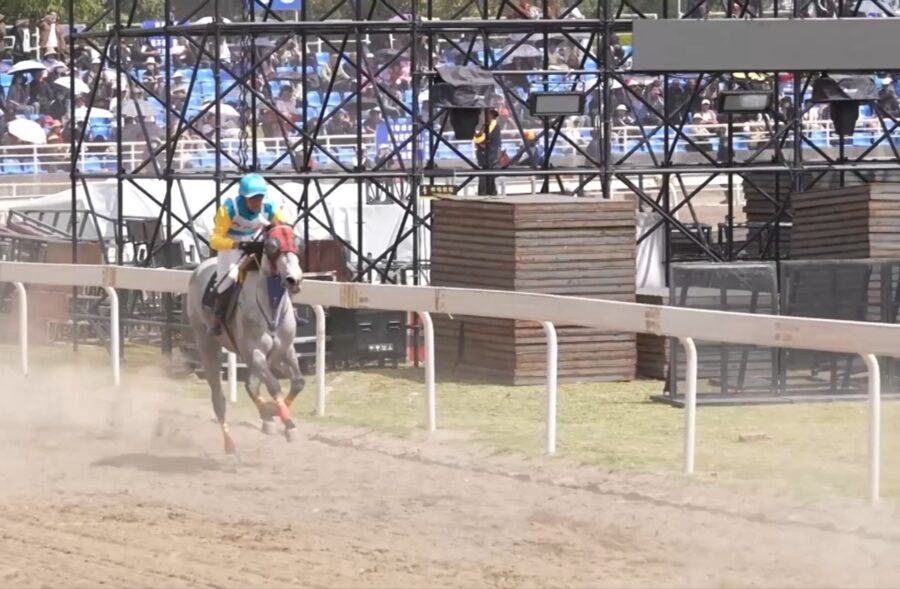
Every spring Dali holds the Third Month Fair, Sanyuejie (三月街), on the open ground below Cangshan just west of the old town. It runs for seven days from the fifteenth to the twenty-first day of the third lunar month, which falls somewhere in April or early May; in 2026 it ran from 1 to 7 May, right over the May Day holiday.
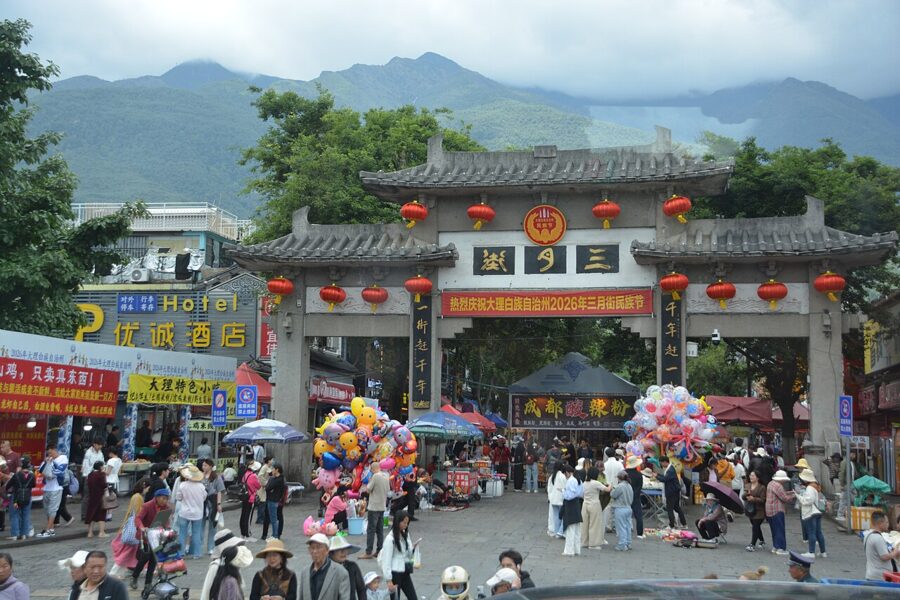
Expect horse racing, Bai and other ethnic minority song and dance, and a huge market of handicrafts, herbs and snacks. It’s busy and a lot of fun. It also means fully booked hotels, so book well ahead if your dates overlap.
Eat Bai
Dali eats differently from Kunming. The lake gives fish, the dairy farms of the north give cheese, and the Bai kitchen leans sour and spicy. Order suanla yu (酸辣鱼), Erhai fish cooked in a sour, chilli-red broth, at least once, and try rushan (乳扇), the Bai “milk fan”, stretched thin, dried and grilled crisp on the street.
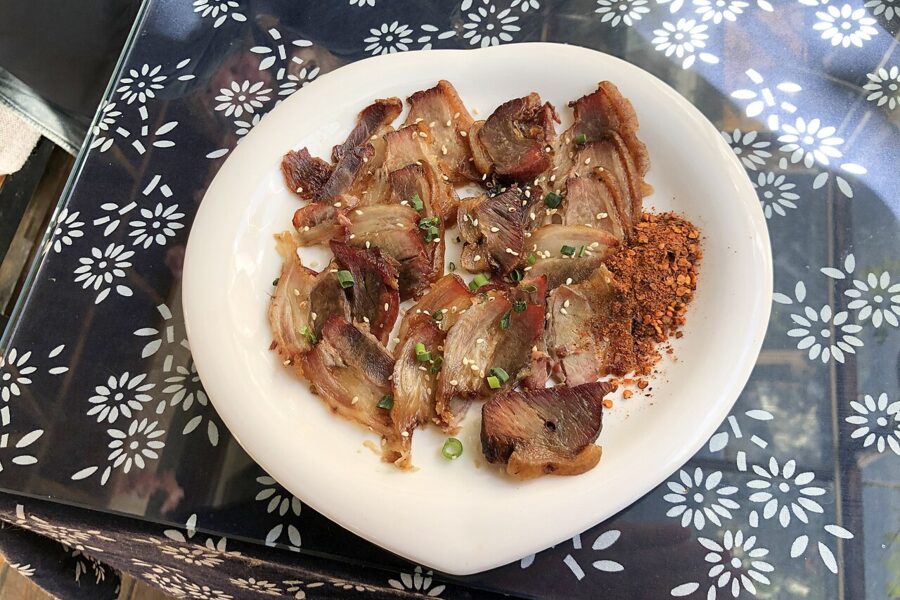
I won’t repeat it all here: my Yunnan food guide covers rushan, er kuai rice cakes, Xizhou baba, the wild mushroom season and the rest of the Bai table in detail. Two notes for Dali itself. Most small places take Alipay and WeChat Pay with a foreign card, and in the wild mushroom season, from early summer, only eat mushrooms that a restaurant has cooked right through.
Getting there and away
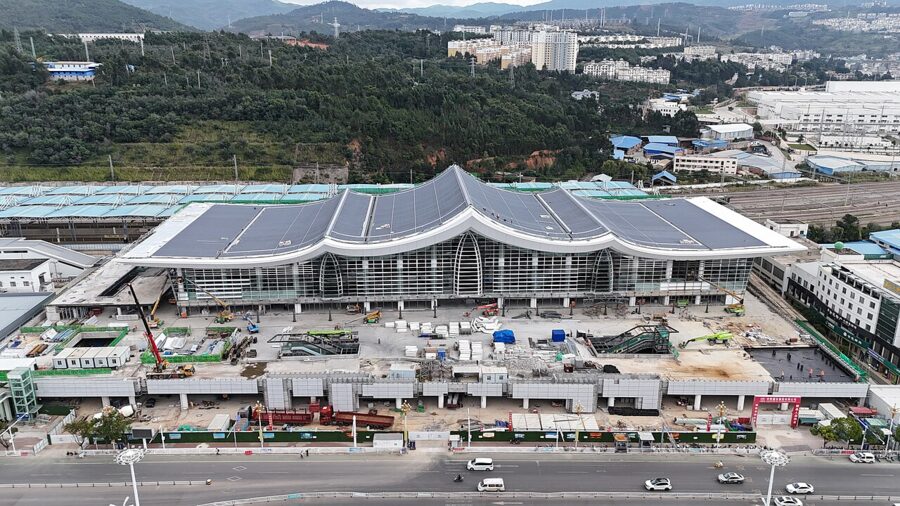
Dali sits on the rail line from Kunming to Lijiang, and the train is the way to come. Dali Station (大理站) is in Xiaguan, not the old town; bus 8 runs between the two, and a taxi or Didi takes about half an hour.
From Kunming
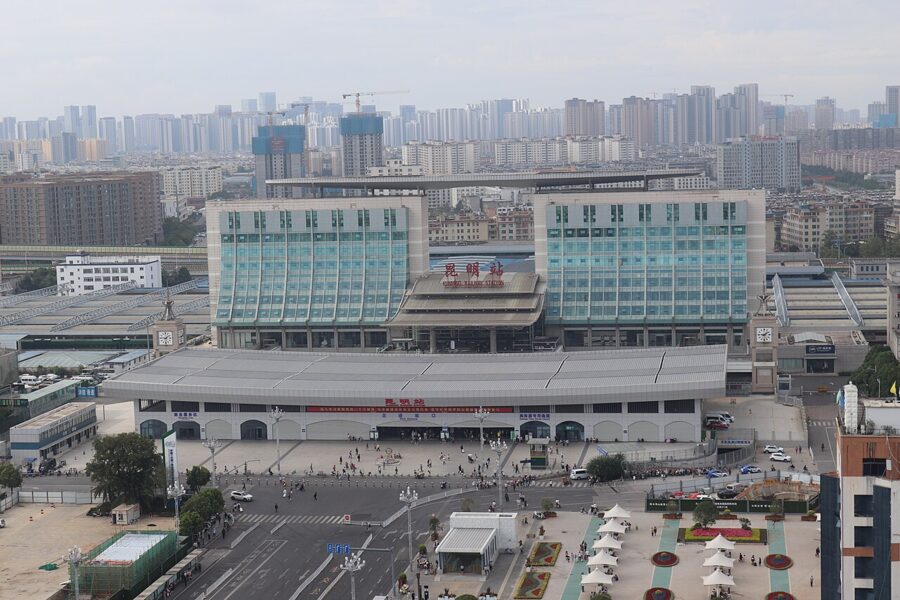
Trains run from both Kunming Station (昆明站) and Kunming South (昆明南站), with roughly a hundred D, C and G trains a day. On a sample November day the fastest took 1 hour 55 minutes from Kunming Station, and most took between about 2 hours and 2 hours 45 minutes; Kunming South departures are generally the slower ones. Buy on 12306 or Trip.com with your passport, and book a few days ahead for weekends and holidays.
From Lijiang
The line north to Lijiang carries about ten C trains a day each way. The fastest takes 1 hour 36 minutes; most take around 2 hours. It runs high along the east shore of Erhai for the first stretch, so take a seat on the left heading north. From Lijiang, Tiger Leaping Gorge is a day trip or a two-day walk.

By air, and around town
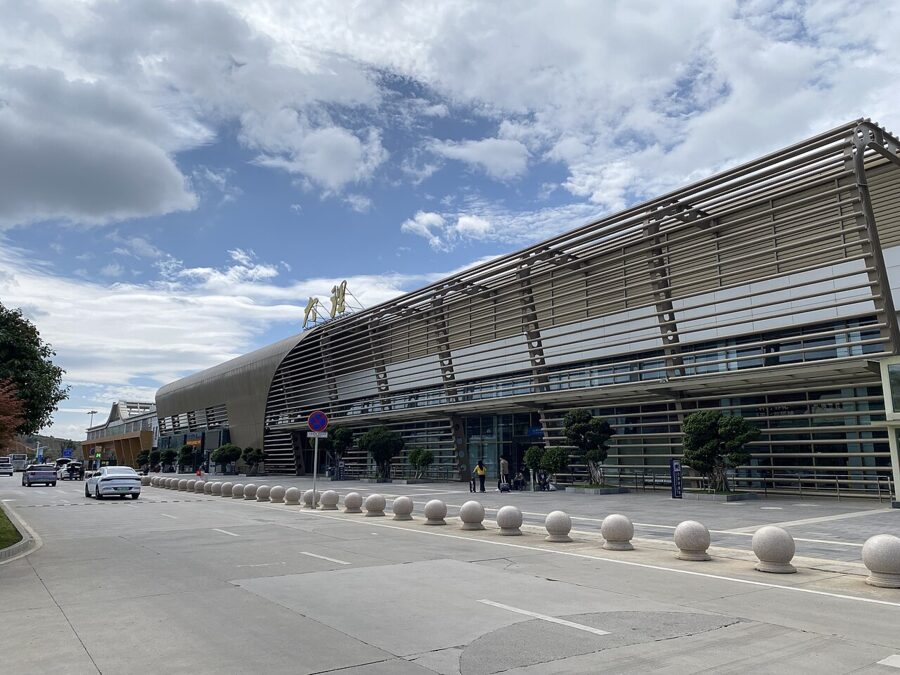
Dali Airport (大理机场) is on the hills east of Xiaguan, 30–40 minutes by taxi to the old town; it has domestic flights to Kunming and several other cities. Around Dali, Didi works well, the old town is walkable, and the lake is best by bike. Sights such as the cable cars and the Three Pagodas take Alipay and WeChat Pay at the gate; carry some cash for village stalls.
When to come
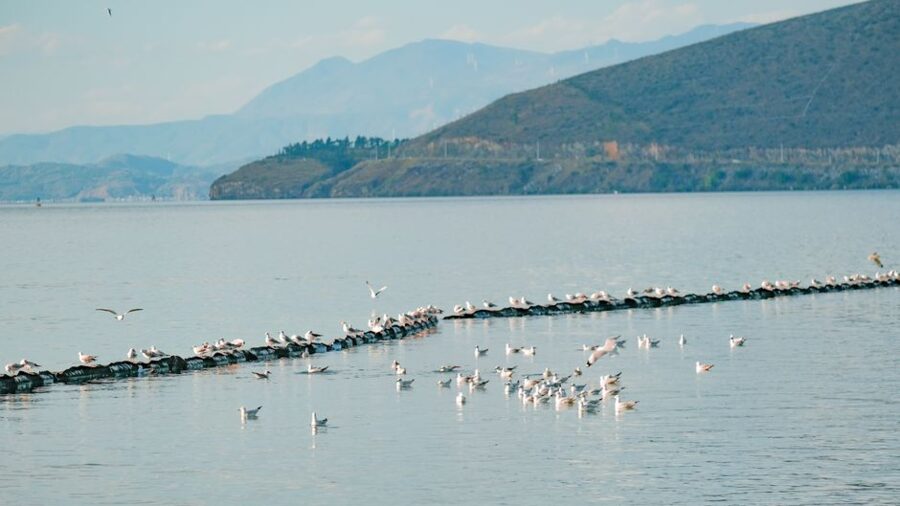
Dali is good year round, but the dry season from November to April is the clearest, with sunny days, cold nights and the gulls on the lake. The rains come from about May to October. Avoid the Spring Festival, the May Day holiday and Golden Week (1–7 October) if you can; the old town and the lake road get very crowded, and room prices jump.
Where to stay
Choose your base by what you want from your evenings. The old town gives you restaurants and lit-up lanes on foot; the lake gives you quiet and water views, but you’ll need transport for everything; Xizhou gives you a village and fields.
Old town
Stay inside the walls if it’s your first visit and you don’t plan to rent a car. Pick a guesthouse in the lanes west of Fuxing Road rather than on Renmin Road or Foreigner Street, and check whether it has heating if you come in winter. For a design hotel, the Sunyata Hotel at 51 Yeyu South Road (叶榆南路) has fourteen rooms around small courtyards, designed by Zhaoyang Architects, and it’s listed in the Michelin Guide.
Xizhou
The Linden Centre (喜林苑) is the place to stay in Xizhou: the restored Yang Pinxiang house, at 5 Chengbei Village, with rooms around carved courtyards (Official site | Trip.com). The same group also runs a property in Shaxi.
On the lake
For lake views, look on the west shore around Caicun, where you’re close to the corridor and only minutes from the old town, or across the water in Shuanglang, which has hotels right on the water but is far from everything else. Families who want a resort with space should look at the Hilton Dali Resort & Spa, on the road up to Gantong Temple between the old town and Xiaguan.
Three days in Dali
Give Dali three days at least: the old town and pagodas, the mountain, the lake. A fourth day for Shaxi makes it a proper trip.
Day 1: the old town and the pagodas
Be at the Three Pagodas at 07:30 when the gates open, and walk round to the Juying Pool before the tour buses arrive. Walk or cycle back to the North Gate and spend the afternoon in the old town: Wuhua Tower, the side lanes, a gate tower at sunset. Eat early and walk Renmin Road after dark.
Day 2: Cangshan
Take a taxi to the Gantong cable car for 09:00, stop at Jizhao Nunnery for lunch if you’ve booked it, then ride up and walk the Jade Belt Road north to Zhonghe and ride down into the old town. If the weather is clear and you’re used to height, swap in the Ximatan cable car instead and go to the top.
Day 3: the west shore
Rent a bicycle and ride from Caicun north along the corridor to Xizhou, with a stop at Panxi. Eat baba in Xizhou, walk the merchant houses, and go on to Zhoucheng for a tie-dye session in the afternoon. Take a car back to the old town, or stay the night at Xizhou.
Day 4, and onwards
With a fourth day, go to Shaxi, ideally on a Thursday so you can see the Friday market. From Shaxi or from Dali, it’s easy to continue north to Lijiang and Tiger Leaping Gorge, which is the classic Yunnan route.
Skip this
- The Tianlong Babu film studio by the Ximatan cable car, unless you’re a fan of the TV series. It’s a set, and it looks like one.
- Riding a rented e-scooter on the corridor. It’s not allowed, and you’ll get turned back.
- The made-for-photos platforms on the east shore. Pick a village and a café instead.
- Foreigner Street on a Saturday night, unless that’s exactly what you’re after.
- Ximatan on a cloudy day. You’ll pay the full fare for a view of fog.
Get up early. Rent a pedal bike, not a scooter. Leave one evening with nothing planned, and spend it on a rooftop in the old town watching the light go off Cangshan.
You Might Also Enjoy
 Hong Kong Day Trip: A Working Plan from Shenzhen (or a Cruise Ship, or a Layover)
 Udon in Japan: Sanuki, Inaniwa, Kishimen and the Regional Noodle Map
 Kissaten: Japan’s Old Coffee Houses, Nagoya Morning Service and the Shops Still Worth the Trip
 Peking Duck in Beijing: The Two Roasting Schools, How to Eat It, and Where It Is Worth the Money