Nikko Day Trip: Toshogu, Kegon Falls, Yuba and How to Fit It All Into One Day
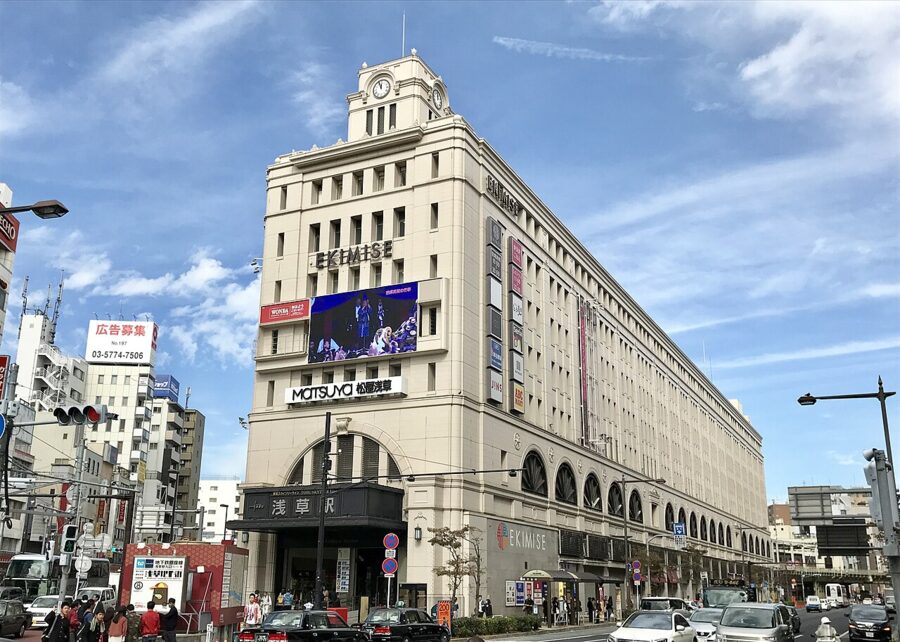
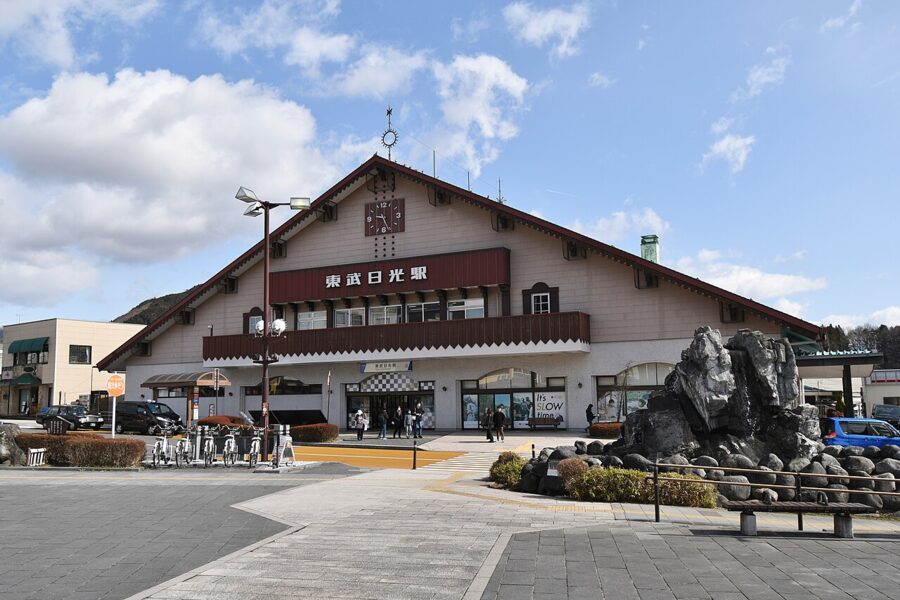
The train to Nikko leaves from inside a department store. Tobu’s Asakusa Station shares its building with the Matsuya store, and at 07:50 the white SPACIA X slides out of it and straight over the Sumida River. At 09:39 you step off in the mountains of Tochigi, where the air is cooler and a shop 30 seconds from the station is already frying buns wrapped in yuba.
Nikko is the day trip everybody tries to cram. Toshogu alone is 55 buildings, most of them rebuilt in about 17 months in 1636, and the waterfall and lake that every itinerary also promises sit another 50 minutes up a road with 48 hairpin bends. You can do both in a day. You just can’t do both slowly.
So this guide does two things. It walks you through the shrine and temple district in the order the paths actually run, from Shinkyo bridge up past Rinno-ji and Toshogu to Futarasan and Taiyuin, with the tickets and hours each one charges in late 2026. Then it tells you when to get on the bus up the Irohazaka, and when not to bother.
Some things have changed recently and catch out older guides. The shared ticket that used to cover the shrines and temples together isn’t being sold. The Akechidaira Ropeway, the cable car most itineraries use for the classic view of the falls and the lake, is shut for rebuilding until the end of August 2027. The prices below are the ones the shrines, temples and operators publish now.
In This Article
- Tobu from Asakusa, or JR?
- SPACIA X and the other Tobu limited expresses
- NIKKO PASS: what it covers
- With a Japan Rail Pass
- The day, hour by hour
- From the station to the bridge
- Shinkyo
- Rinno-ji: three Buddhas and a garden
- Rinno-ji’s tickets
- Toshogu: the carvings worth stopping for
- The pagoda, the elephants and the monkeys
- The Yomeimon and the Karamon
- The sleeping cat and the climb to Ieyasu
- The crying dragon
- Futarasan and Taiyuin, the quiet end
- Taiyuin
- Up the Irohazaka to Kegon Falls and Lake Chuzenji
- Kegon Falls and the elevator
- Lake Chuzenji
- Ryuzu Falls
- When to skip the mountain
- Kanmangafuchi, the quiet alternative
- What to eat in Nikko
- Nikko yuba and Kyoto yuba
- Where to eat it
- Soba
- Yokan and sake manju
- The Kanaya Hotel and its curry
- Seasons, festivals and crowds
- Winter
- The spring and autumn processions
- What the day costs
- A quieter half day
- Skip this
Tobu from Asakusa, or JR?
For almost everyone the answer is Tobu. The private Tobu Railway owns the line into Nikko, and its limited expresses from Asakusa run straight through to Tobu Nikko Station in about 1 hour 50 minutes with no change. The basic fare is ¥1,400 each way, and a limited express ticket on top buys you a reserved seat.
| Route | Time | One way | Best for |
|---|---|---|---|
| SPACIA X, Asakusa to Tobu Nikko | about 1 hr 50 min | ¥3,340 (standard seat, normal season) | Most day trips |
| Spacia or Revaty “Kegon”, Asakusa to Tobu Nikko | about 1 hr 50 min | ¥3,050 | Slightly cheaper, older trains |
| Tobu ordinary trains, with changes | longer | ¥1,400 | Tight budgets, NIKKO PASS holders |
| Spacia Nikko through train, JR Shinjuku to Tobu Nikko | about 2 hrs | JR and Tobu fares combined | Starting from Shinjuku or Ikebukuro |
| JR: Tohoku Shinkansen to Utsunomiya, then JR Nikko Line | about 50 min plus 45 min | Covered by the Japan Rail Pass | JR Pass holders |
SPACIA X and the other Tobu limited expresses
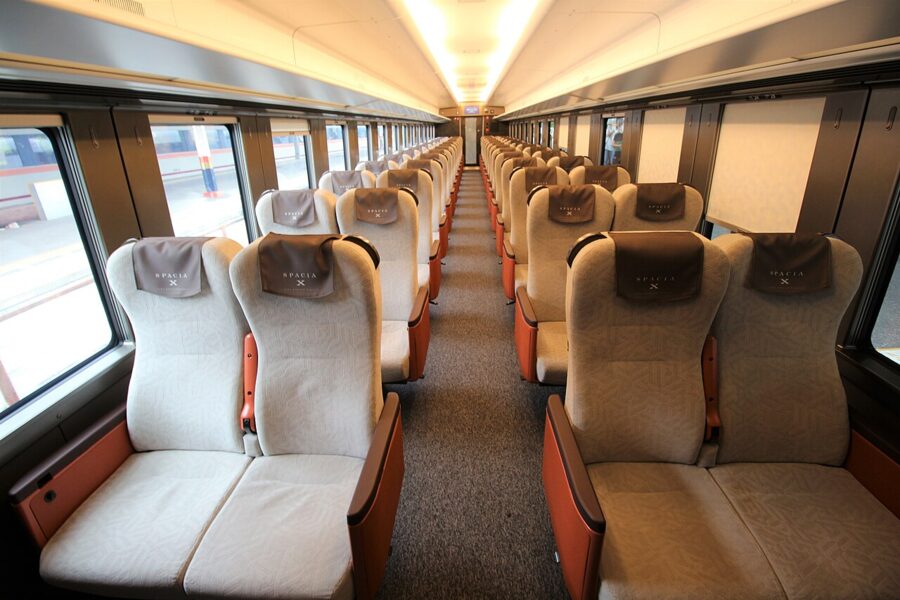
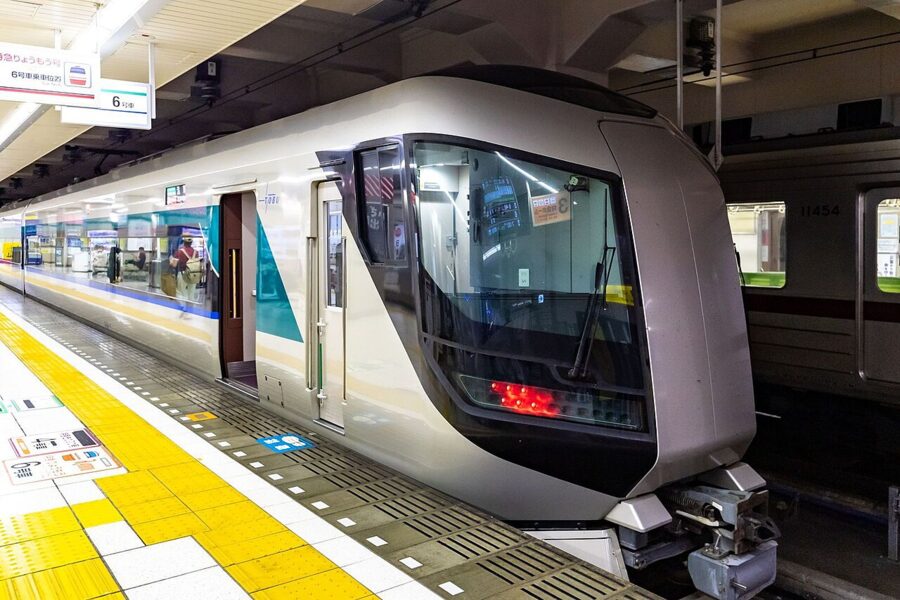
SPACIA X is Tobu’s newest train and the one worth timing your day around. On the current timetable it leaves Asakusa for Tobu Nikko at 07:50, 09:00, 10:00 and 15:00, and comes back from Tobu Nikko at 10:20, 11:55, 12:55 and 17:44, that last one reaching Asakusa at 19:35. The 07:50 out and the 17:44 back give you eight hours on the ground, which is what a full Nikko day needs.
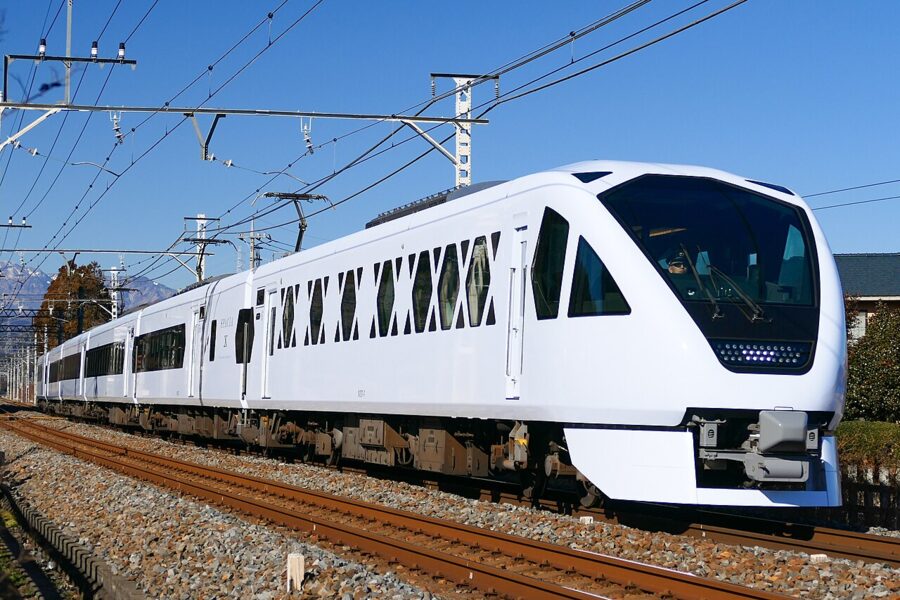
A standard seat comes to ¥3,340 each way in a normal season: the ¥1,400 fare plus ¥1,940 for the limited express. Tobu runs a seasonal calendar with busy and quiet periods, so the surcharge shifts a little either side of that. The older Spacia and Revaty trains on the same route, signed “Kegon”, charge ¥1,650 for the limited express, ¥3,050 in all, and take about as long.
Asakusa is also the easiest place in Tokyo to sort out breakfast before a 07:50 train. I’ve covered the neighbourhood itself in my guide to Tokyo’s best neighbourhoods for eating out, but at that hour you’ll be eating on board. A station box is the classic answer, and my ekiben guide covers how to pick one.
NIKKO PASS: what it covers
Tobu sells two passes to foreign visitors, and they’re easy to confuse. The NIKKO PASS World Heritage Area costs ¥3,000, lasts two days, and covers one round trip from Asakusa to Shimo-Imaichi, all Tobu trains between Shimo-Imaichi and Tobu Nikko, and the Tobu buses inside the shrine and temple district. The NIKKO PASS All Area costs ¥8,000, lasts four days, and adds every Tobu bus in Nikko, including the ones up the Irohazaka, plus the Lake Chuzenji cruise from mid-April to 30 November.
Neither includes the limited express. You pay the seat charge on top, every time, and neither covers shrine or temple admission.
Do the sum before you buy: two basic fares come to ¥2,800, so the World Heritage Area pass costs ¥200 more than buying tickets, in exchange for unlimited rides on the shrine-area buses. Worth it if you’ll ride the loop bus once or twice. Not if you walk.
The All Area pass is built for people staying several days. On a single day trip the lake bus is cheaper on its own: Tobu Bus sells a two-day Chuzenji Onsen Free Pass from the station to the lake for ¥2,300. Both NIKKO PASS types are sold only to foreign visitors, as a digital ticket or at the Tobu Tourist Information Center in Asakusa.
With a Japan Rail Pass
The JR Pass doesn’t cover Tobu, so pass holders go the JR way: the Tohoku Shinkansen to Utsunomiya, about 50 minutes, then the JR Nikko Line, which Toshogu’s own access notes put at about 45 minutes to JR Nikko Station. Utsunomiya is the city that turned gyoza into a civic identity, and if your connection home is a bad one it’s not a bad place to be stuck for dinner.
The other JR option is the Spacia Nikko through train, which starts at JR Shinjuku, runs on JR tracks, switches onto Tobu and finishes at Tobu Nikko in about two hours. It’s handy from the west side of Tokyo, but the fare is JR plus Tobu, the NIKKO PASS doesn’t cover it, and Tobu’s ticket machines don’t sell it: you book through JR East.
The day, hour by hour
This is the full version, shrines in the morning and the falls in the afternoon, on a normal weekday from April to November. It works because the temples open at 8:00 and the Kegon Falls Elevator stays open until 17:00 for most of the year. On an autumn weekend, cut the mountain or swap the order.
| Time | Where | Notes |
|---|---|---|
| 07:50 | SPACIA X from Asakusa | Arrives Tobu Nikko 09:39 |
| 09:45 | Walk up the main street | About 20 minutes to Shinkyo, gently uphill |
| 10:10 | Shinkyo bridge | ¥300 to walk on it; free to look |
| 10:30 | Rinno-ji, Sanbutsudo | Buy the ¥900 Rinno-ji ticket here; it also covers Taiyuin |
| 11:00 | Toshogu | Two hours, including the climb to the Okumiya |
| 13:00 | Futarasan, then Taiyuin | An hour for both |
| 14:00 | Late lunch near the shrines | Yuba or soba |
| 14:40 | Bus from Nishisando Iriguchi | About 40 minutes up the Irohazaka to Chuzenji Onsen |
| 15:30 | Kegon Falls Elevator, lakeshore | Last entry 16:40 from March to November |
| 16:30 | Bus down to the station | About 45 minutes |
| 17:44 | SPACIA X back to Asakusa | Arrives 19:35 |
The shrines-only day is the same until about 14:00. After lunch, swap the bus for the walk to Kanmangafuchi and a cup of tea on the main street, and take an afternoon limited express home. It’s the more pleasant day, and I’d pick it on a first visit if it was raining, or if the leaves were at their peak on the mountain and the road was jammed.
Between November and March the shrines close earlier. Toshogu shuts at 16:00 with last entry at 15:30, Rinno-ji and Futarasan close at 16:00, and from December the elevator at Kegon runs 9:00–16:30. Start at the same time, move lunch earlier, and treat the lake as a bonus.
From the station to the bridge
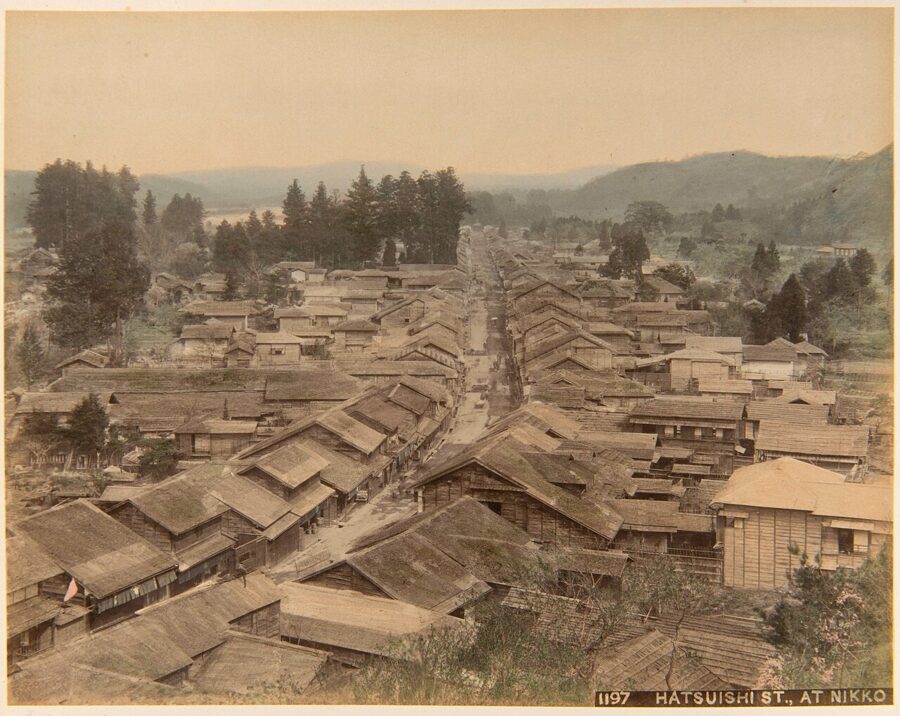
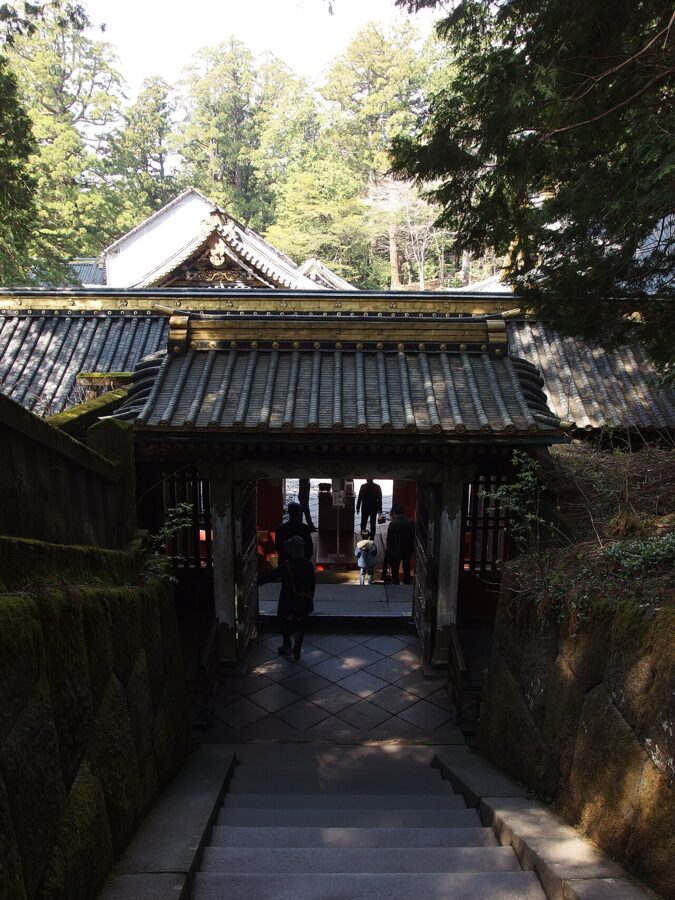
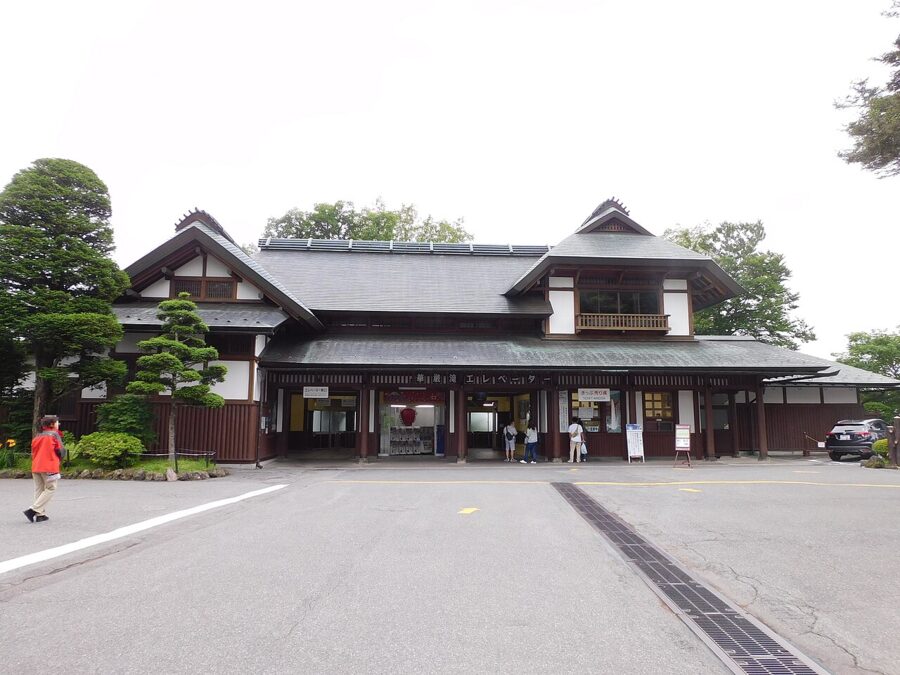
From Tobu Nikko Station the main road runs west and uphill to the river, about 20 minutes on foot. It’s a pleasant walk past souvenir shops, sweet makers and yuba sellers, and its top end, Hatsuishi, is the oldest part of town: the name is said to come from a rock that Shodo, the monk who founded Nikko in the 8th century, sat on and thought looked like a begging bowl. If you’d rather ride, the World Heritage loop bus reaches the Shinkyo stop in about seven minutes, and Tobu Bus sells a ¥600 day ticket for it.
Before you start walking, stop at Nikko Sakaeya, half a minute from Tobu Nikko Station, which opens at 9:30. Its age-yuba manju is a bean-paste bun in a skin made with soy milk and yuba, deep-fried and lightly salted, for a couple of hundred yen. It’s the right size for a second breakfast and a good first taste of the town’s obsession.
Shinkyo
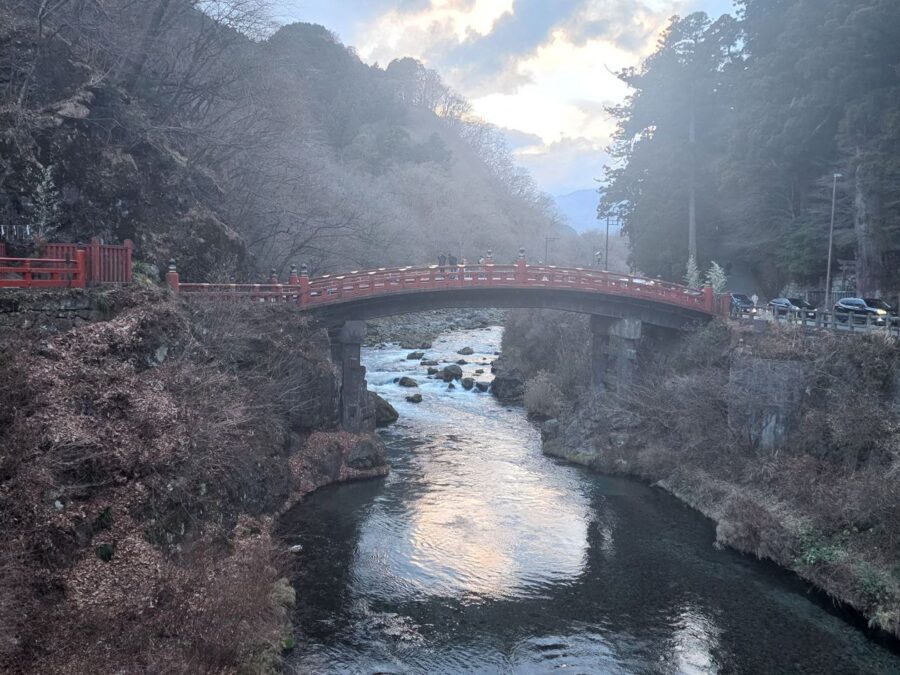
Shinkyo is the lacquered red bridge where the road meets the Daiya River, and it marks the entrance to the sacred district. The legend says that when Shodo couldn’t cross the torrent here, a god released two snakes that stretched from bank to bank, and sedge grew on their backs to make a bridge. It was lacquered red in 1636 for the great rebuilding of Toshogu, swept away by a flood in 1902 and rebuilt in 1904.
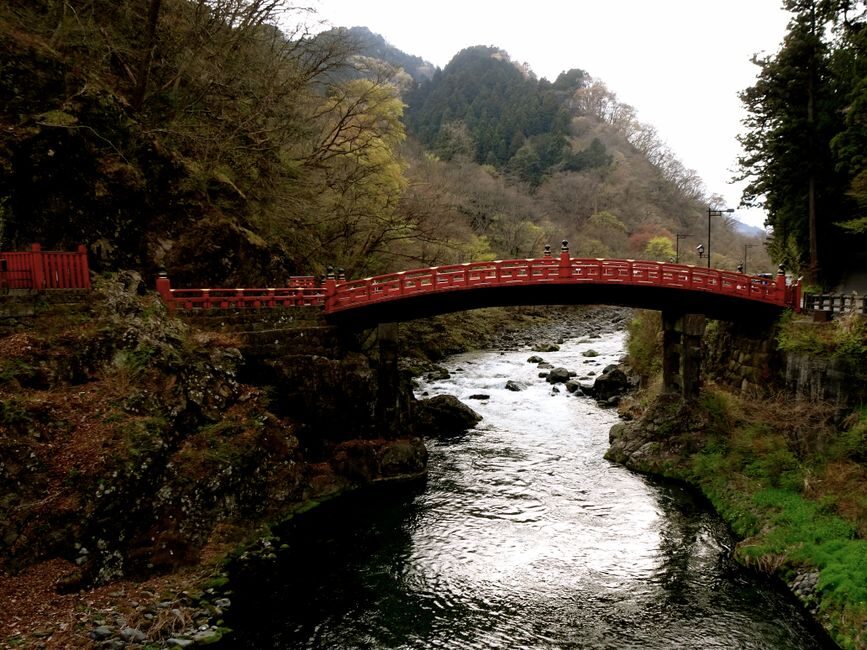
Walking onto it costs ¥300, from 8:30 to 16:30 between April and October and from 9:30 to 15:30 from November to March. The bridge belongs to Futarasan Shrine and is counted among Japan’s three unusual bridges. I’d pay once, for the feeling of the old planks underfoot, and not worry if the queue is long. It’s lit up after dark too, which only matters if you’re staying the night.
Rinno-ji: three Buddhas and a garden
Cross the road from the bridge, climb the stone steps of the Nagasaka slope, and the first big building you reach is Rinno-ji’s Sanbutsudo. Rinno-ji is the Buddhist temple that ran the whole mountain for most of its history, and it traces itself back to Shodo in 766. The hall, rebuilt by the third shogun, Tokugawa Iemitsu, in 1645, is the largest wooden building in eastern Japan.
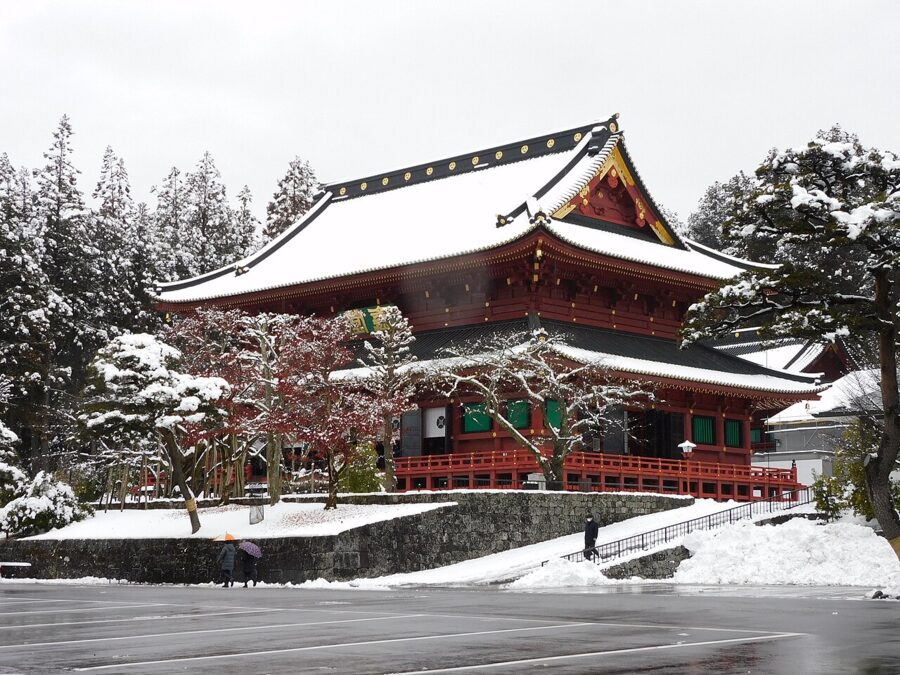
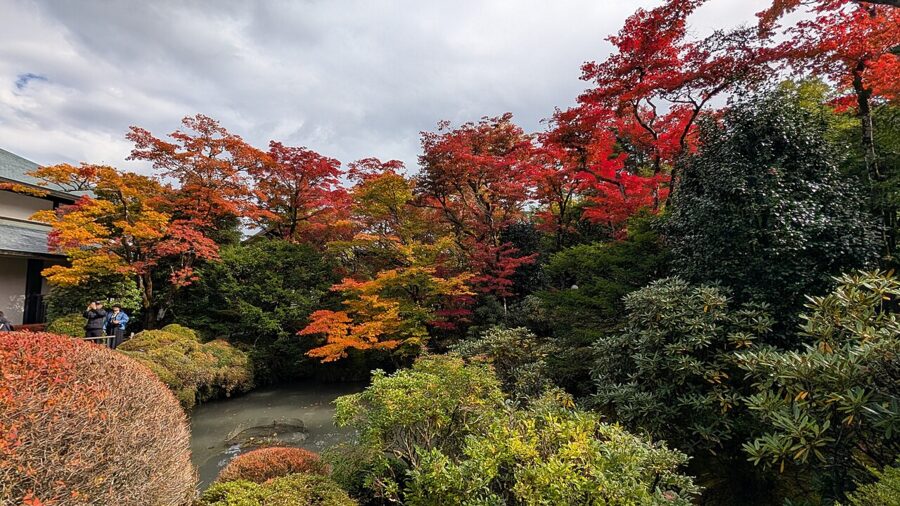
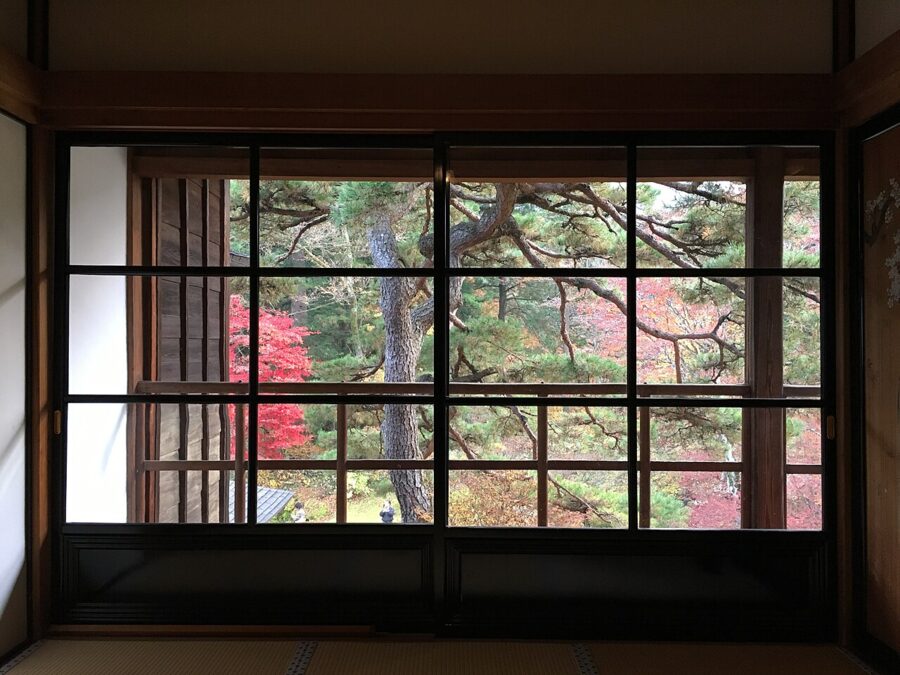
The three statues stand for the three mountains of Nikko: a thousand-armed Kannon for Mount Nantai, Amida for Mount Nyoho and a horse-headed Kannon for Mount Taro. After them, the temple’s Shoyoen garden, laid out in the early Edo period and sometimes credited to the garden designer Kobori Enshu, is the best place in the district to see autumn colour at walking pace.
Rinno-ji’s tickets
Rinno-ji is open 8:00–17:00 from April to October and 8:00–16:00 from November to March, with the last entry 30 minutes before closing. The Sanbutsudo alone is ¥400. The best buy is the Rinno-ji ticket, ¥900, which covers both the Sanbutsudo and Taiyuin, but it’s sold only until 14:30 in summer and 13:30 in winter, so get it here in the morning even though you’ll use the second half after lunch.
There’s also a ¥1,000 set for the Sanbutsudo, Taiyuin, the treasure house and Shoyoen, sold only at the Sanbutsudo ticket office or online. If an older guide tells you to buy the combined ticket for all the shrines and temples, ignore it. Rinno-ji says sales are suspended for the time being, and each site now sells its own.
Toshogu: the carvings worth stopping for
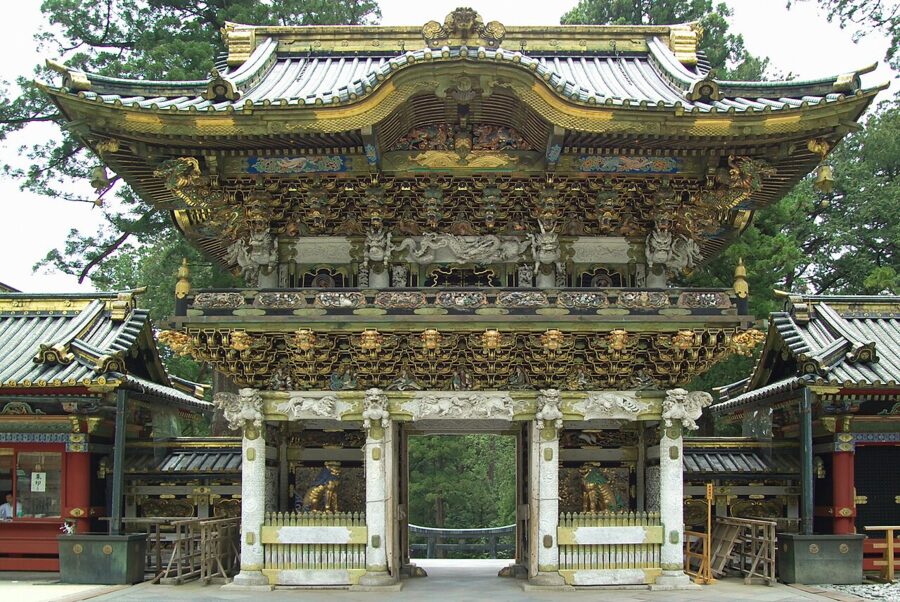
Toshogu is the mausoleum of Tokugawa Ieyasu, the man who founded the shogunate that ran Japan for more than 250 years. He died in 1616, was moved here in 1617, and his grandson Iemitsu had almost everything rebuilt 20 years later. The shrine’s own figures for that rebuilding are 55 structures, 568,000 ryo of gold and one year and five months of work.
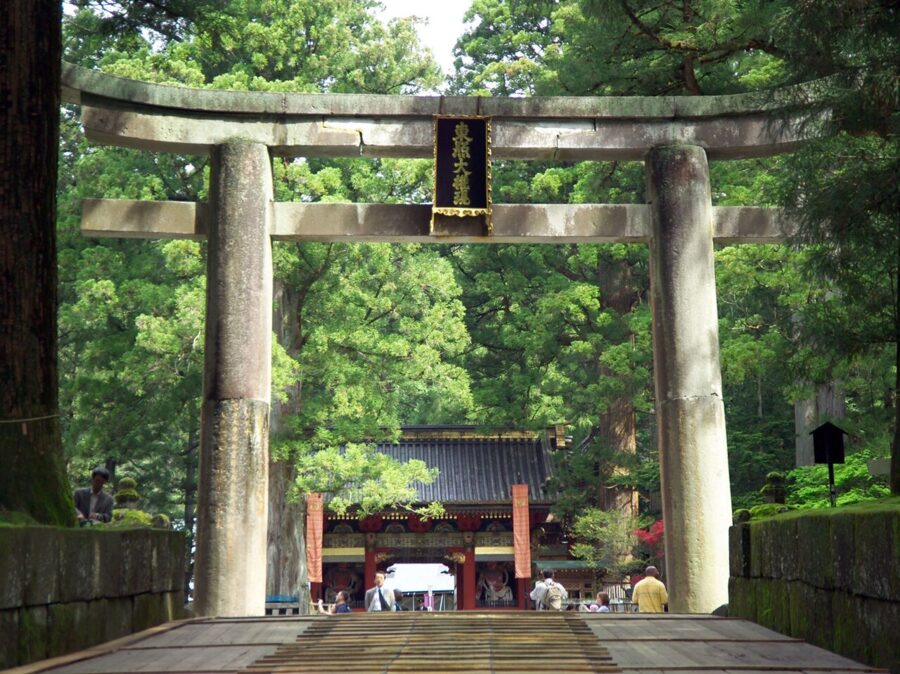
Toshogu is open 9:00–17:00 from April to October and 9:00–16:00 from November to March, and stops taking visitors 30 minutes before closing. A ticket is ¥1,600 for adults; add the Treasure Museum and it’s ¥2,400 together. An English audio guide covering 29 buildings rents for ¥500 just inside the first gate.
The ticket covers the main precinct, the Yomeimon, the worship hall, the corridor with the sleeping cat, the Okumiya and the Honjido with its crying dragon. Give it two hours. One is not enough, three is generous unless you’re a carving obsessive, and the order below is the order you’ll meet things.
The pagoda, the elephants and the monkeys
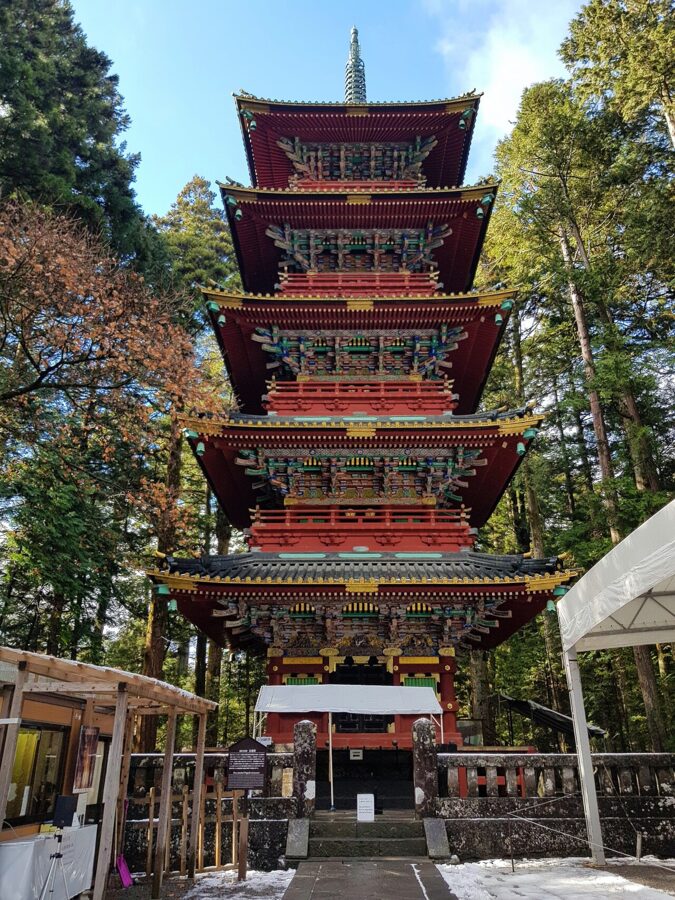
The five-storey pagoda on your left as you come through the torii was given in 1650 by Sakai Tadakatsu, a lord from Obama on the Japan Sea coast, burned down in 1815 and rebuilt in 1818. It sits before the ticket gate, so you can look at it for free.
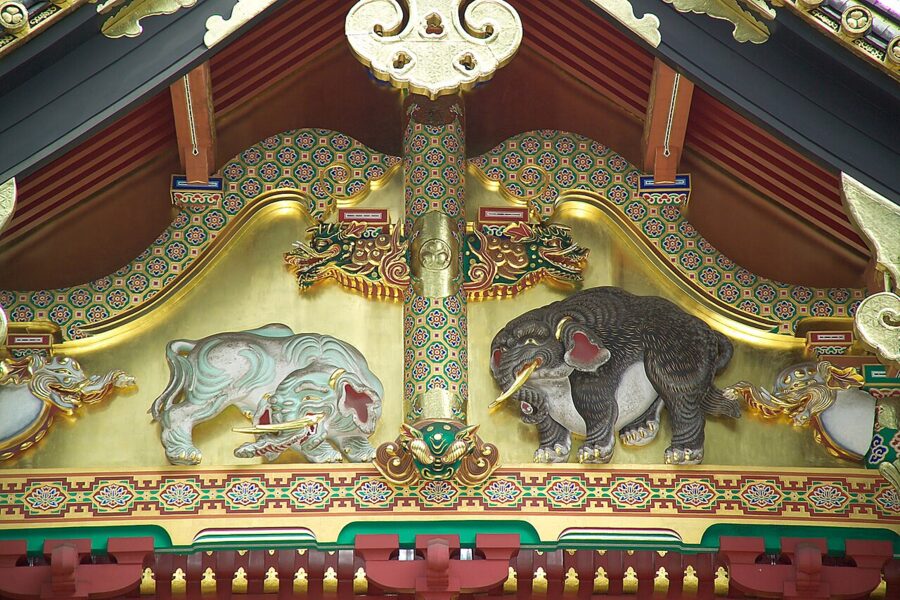
Through the Omotemon gate, look up at the gable of the upper storehouse, one of three that hold the harness and costumes for the shrine’s processions. The two big white elephants carved under its roof were drawn by the painter Kano Tan’yu, and the shrine calls them the imaginary elephants. Their ears and tusks are not quite what an elephant has, and that’s the charm.
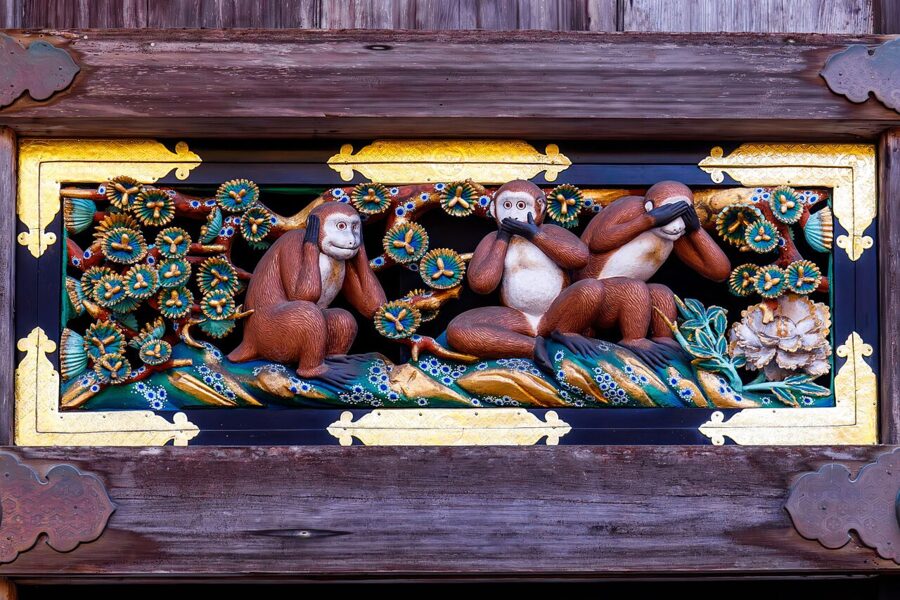
Opposite is the sacred stable, a plain wooden building among all the colour, and above its door runs probably the most famous carving in Japan. There are eight panels of monkeys, because monkeys were believed to protect horses, and together they tell the story of a life. “See no evil, speak no evil, hear no evil” is just one panel, and it’s smaller than you expect. These are the most photographed monkeys in the country, after the ones that sit in the hot springs at Jigokudani.
The Yomeimon and the Karamon
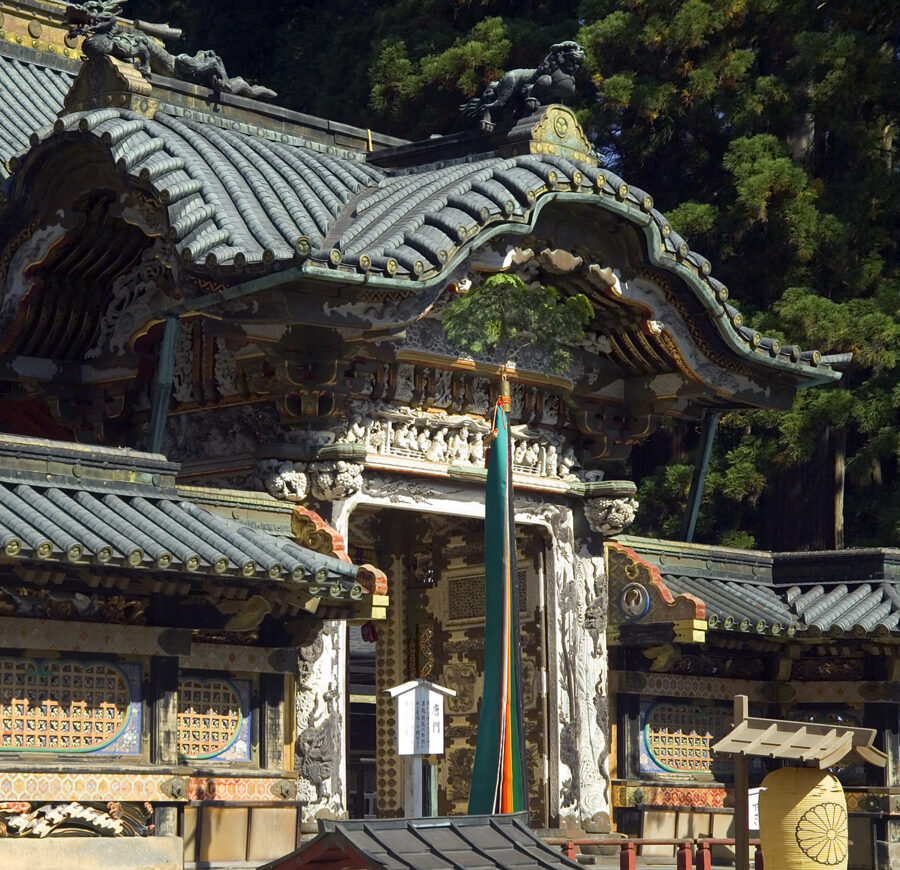
Up the next flight of steps, the Yomeimon is the gate on every poster. It’s a national treasure, covered in more than 500 carvings of old legends, children at play, sages and wise men, all painted and gilded. People call it the Higurashi-mon, the gate you could stare at until the sun goes down.
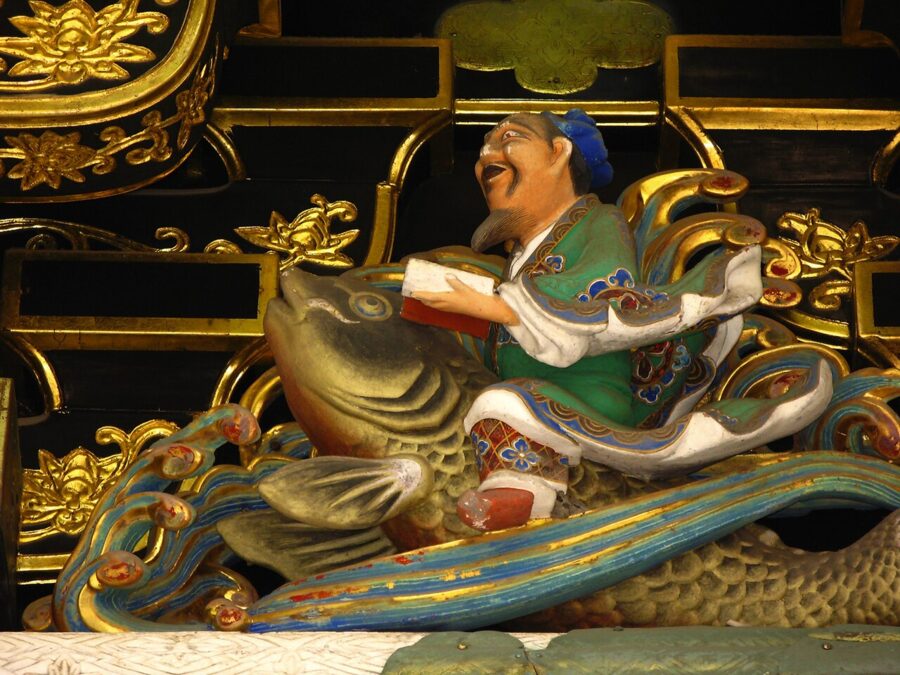
Behind it, the Karamon is the gate to the main hall: smaller, painted white with shell powder, and carved with scenes from Chinese legend so fine you need to get close. The shrine picks out two, the hermits Xu You and Chao Fu, and the Emperor Shun receiving his court.
The sleeping cat and the climb to Ieyasu
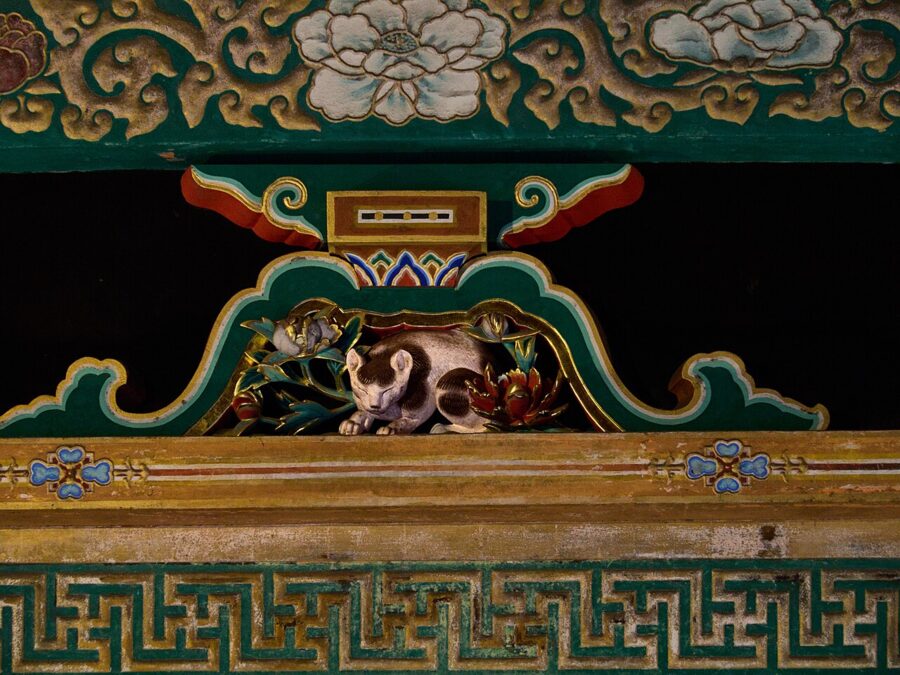
On the right of the main hall, the East Corridor leads to a small gate called the Sakashitamon, and over it lies the Nemuri-neko, the sleeping cat. It’s attributed to the legendary carpenter Hidari Jingoro and shows a cat dozing among peonies in the sun, which the shrine says may be a play on the name Nikko, sunlight. It’s tiny, the corridor is narrow and there can be a queue.
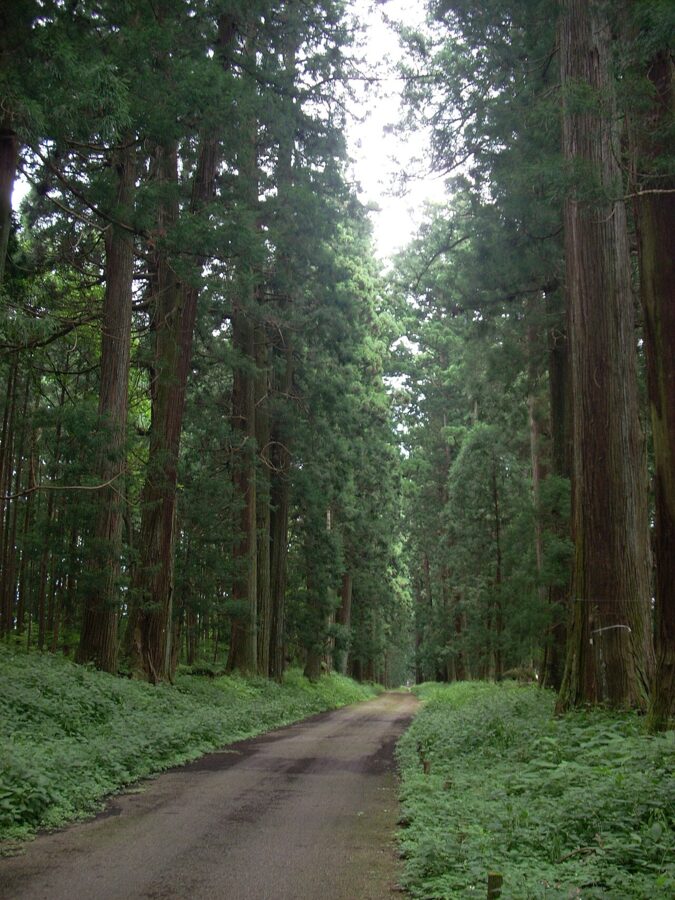
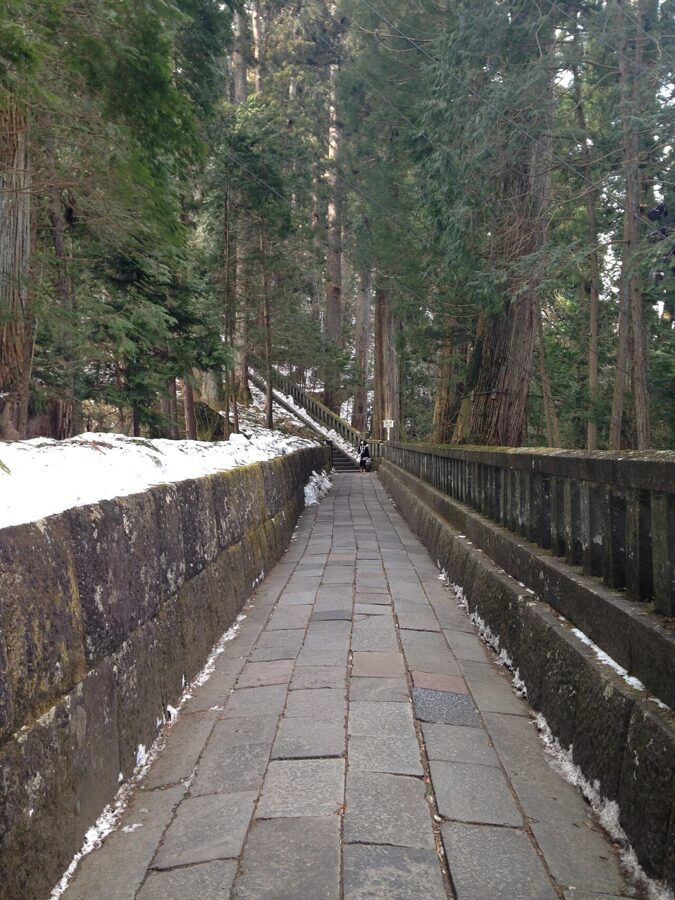
Through that gate the noise drops away. A long stone staircase climbs through cedars to the Okumiya, the inner shrine, with its own worship hall, a cast gate and the treasure pagoda that marks Ieyasu’s grave. It’s plain after everything below, and that’s what makes it worth the climb. If the Yomeimon courtyard is packed when you arrive, come up here first and go back down to the carvings later.
The crying dragon
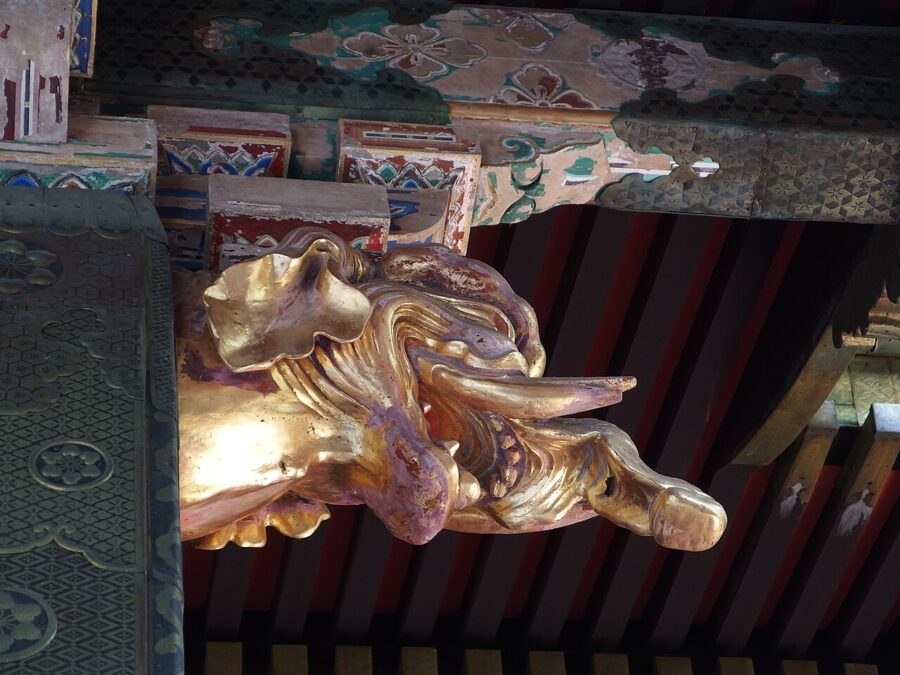
On the way out, the Honjido hall holds the Nakiryu, the crying dragon, a dragon painted on the ceiling whose echo gives it its name. It’s included in your Toshogu ticket and only takes a few minutes, so don’t skip it on the grounds that you’ve seen enough gold for one day.
Futarasan and Taiyuin, the quiet end
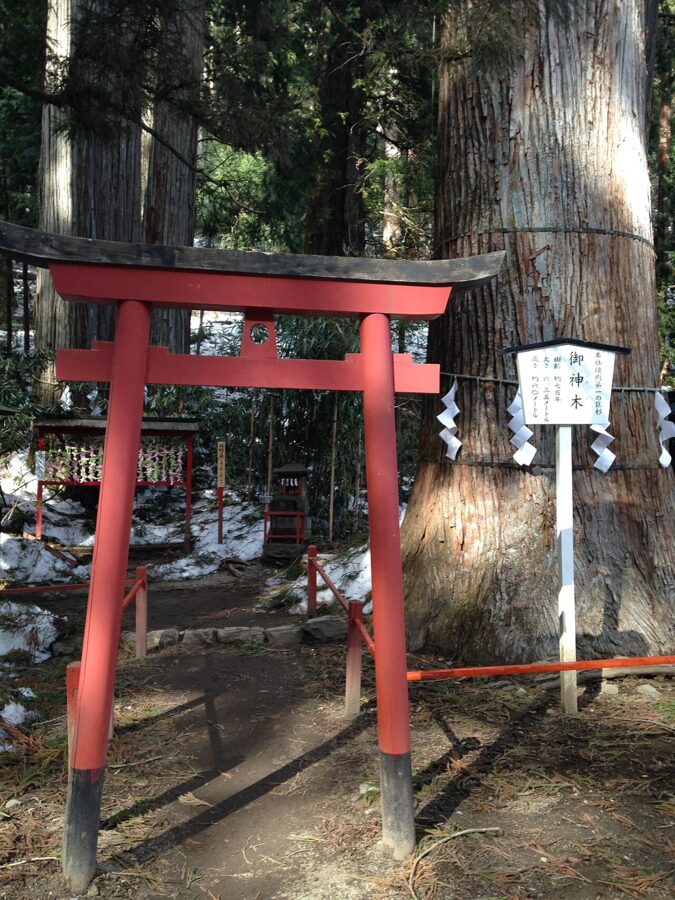
From Toshogu a cedar-lined path leads west to the third of Nikko’s World Heritage sites, and the crowds thin with every step. Futarasan Shrine is older than everything you’ve just seen. Shodo is said to have founded it in 767 for the god of Mount Nantai, and its grounds still stretch to about 3,400 hectares, including Kegon Falls and the Irohazaka.
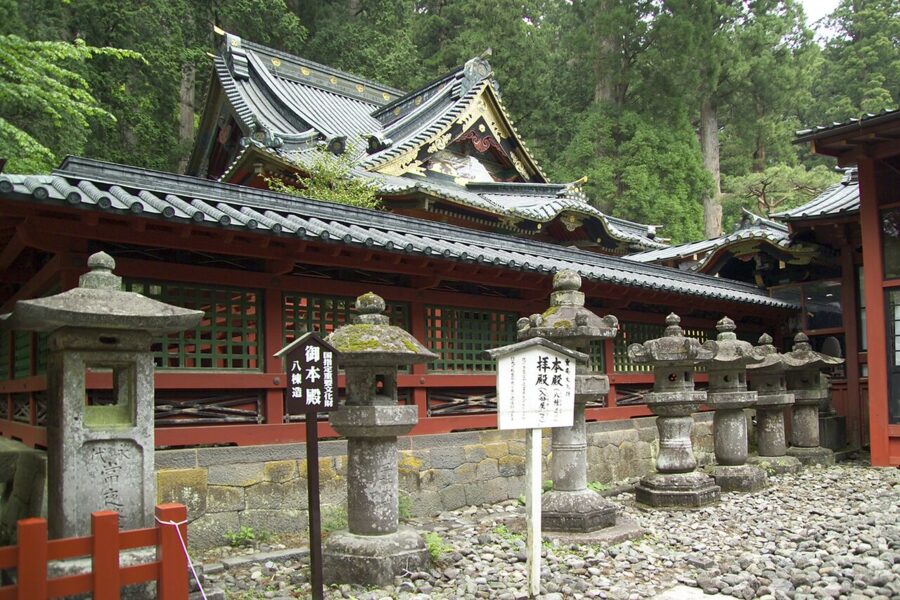
The main grounds are free. The inner garden behind the hall costs ¥500, and the shrine is open 8:00–17:00 from April to October and 9:00–16:00 from November to March. Its god, Onamuchi, is a god of good fortune and matchmaking, which is why you’ll see couples here who skipped half of Toshogu.
Taiyuin
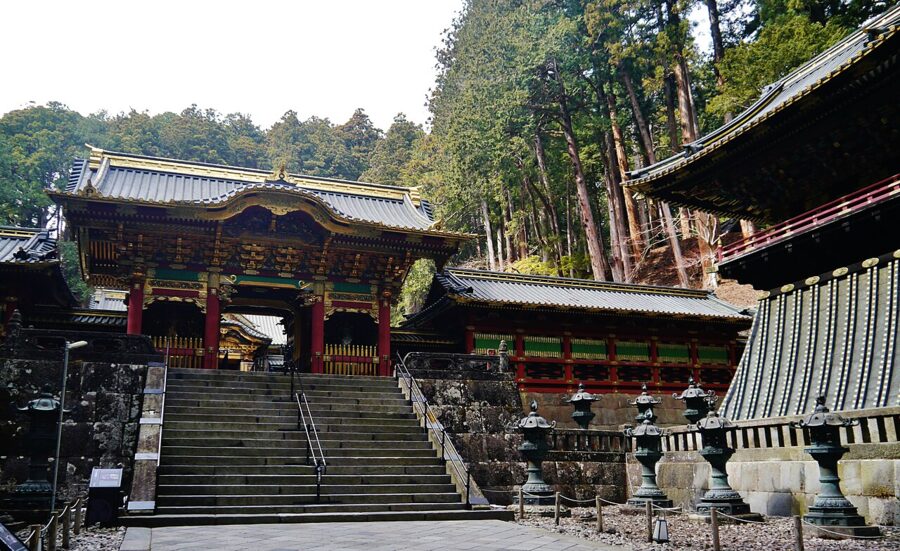
Next door, Taiyuin is the mausoleum of Iemitsu, the grandson who rebuilt Toshogu. Rinno-ji says he left word that his tomb must not outshine his grandfather’s, so it’s done in black and gold rather than every colour at once, and it climbs the hillside through a series of gates rather than spreading out. Rinno-ji counts 22 national treasures and important cultural properties here and 315 lanterns.
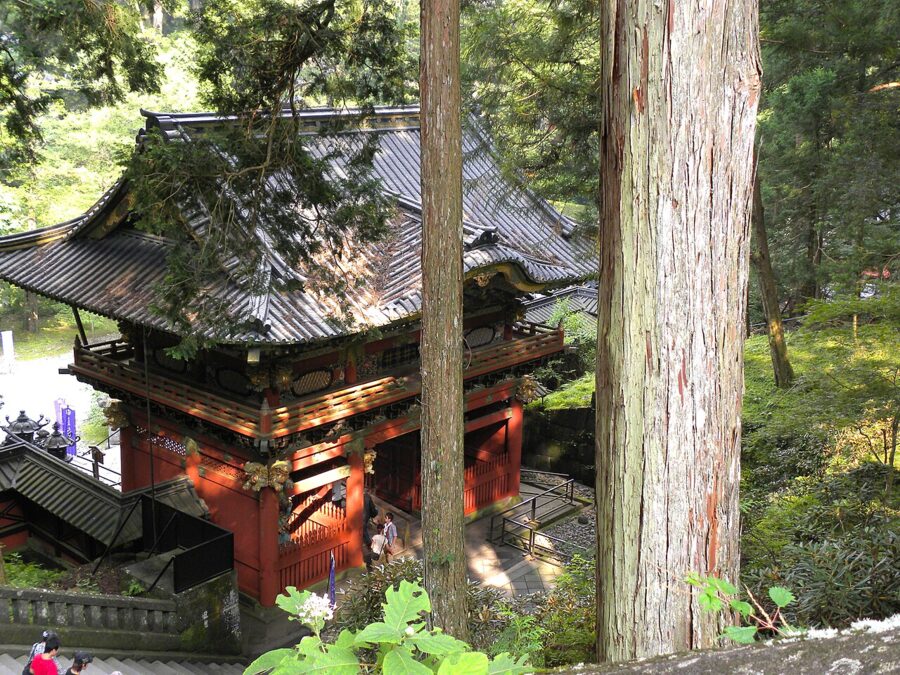
It takes 30 minutes to an hour and is my favourite hour in Nikko. On a weekday afternoon you can have a gate almost to yourself, which never happens at Toshogu. Use the second half of your ¥900 Rinno-ji ticket here, or pay ¥550 for Taiyuin alone.
Up the Irohazaka to Kegon Falls and Lake Chuzenji
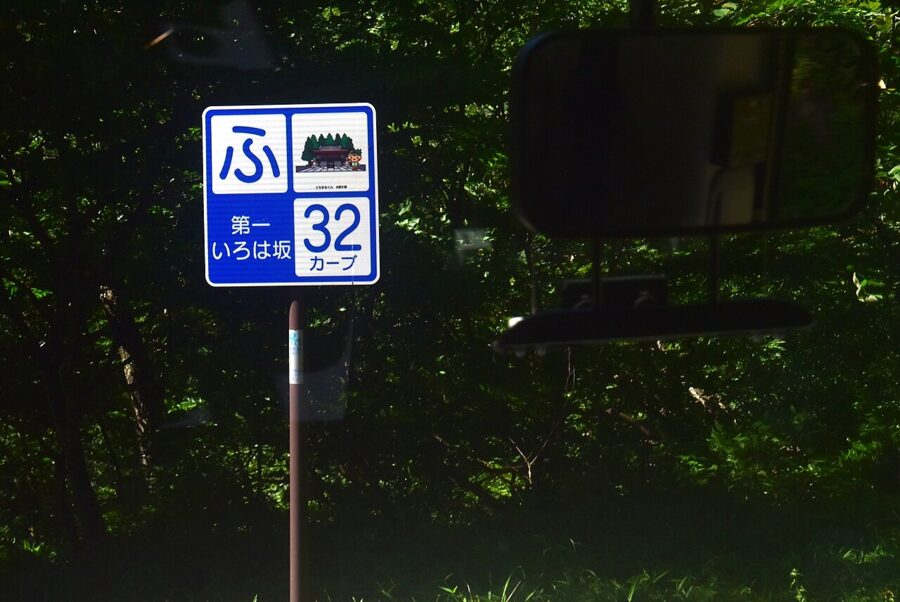
The road from the town to Lake Chuzenji climbs about 440 metres through 48 hairpin bends, one for each syllable of the old Japanese alphabet poem, which is how the Irohazaka got its name. There are two roads, one up and one down, and each bend has a sign with its syllable. On a normal day the climb takes about 20 minutes by car.
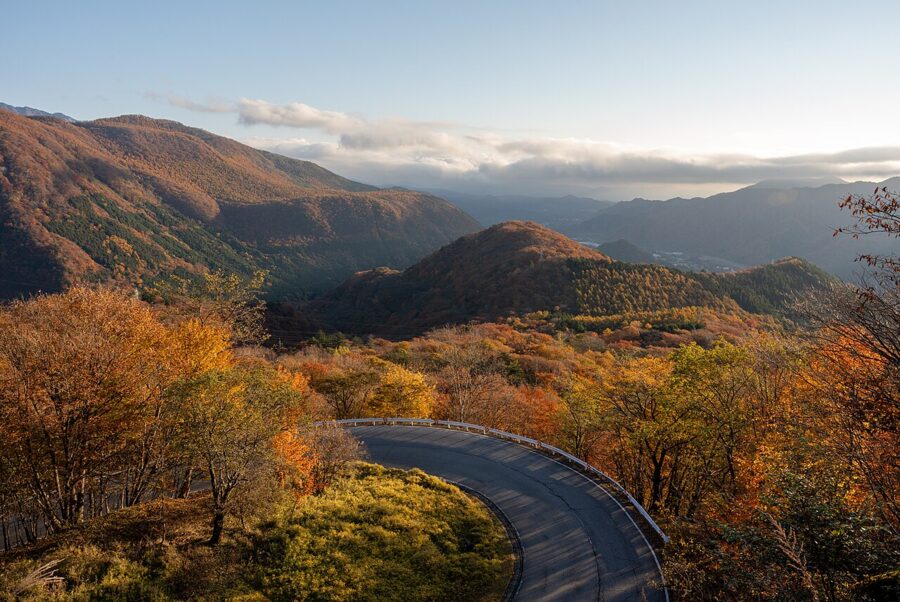
Without a car you take the Tobu bus towards Chuzenji Onsen or Yumoto Onsen. It leaves from both stations, stops at Nishisando Iriguchi, the stop nearest the shrines, and reaches Chuzenji Onsen in about 50 minutes from the station, roughly 40 from the shrines. Through the middle of the day there are two or three an hour.
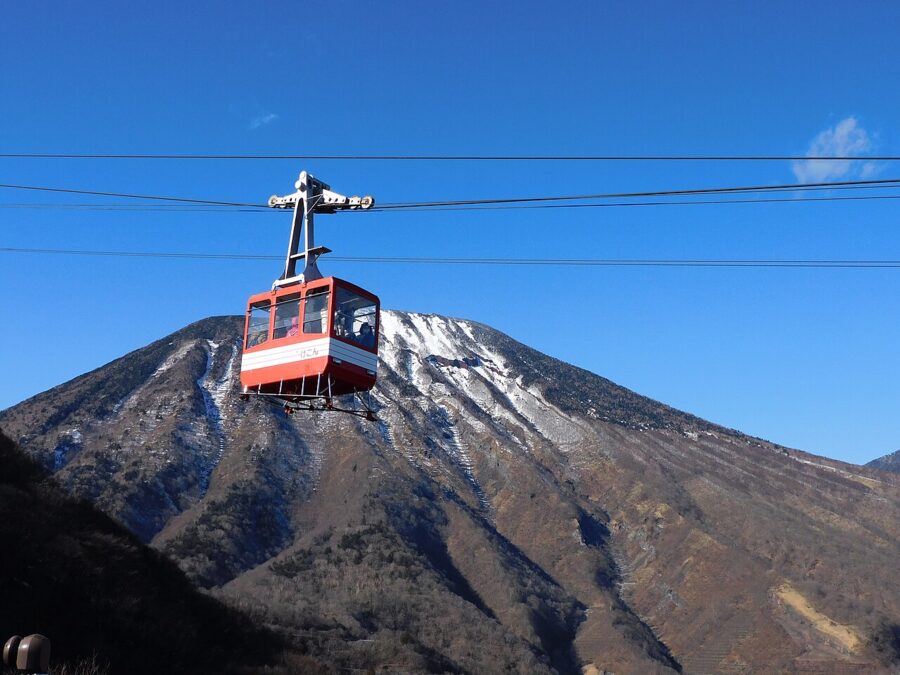
One change to know about: the Akechidaira Ropeway, halfway up, is closed for rebuilding from 16 January 2026 until at least 31 August 2027. It was the classic way to see Kegon Falls and the lake together from above, so for now that photo needs a different plan.
Kegon Falls and the elevator
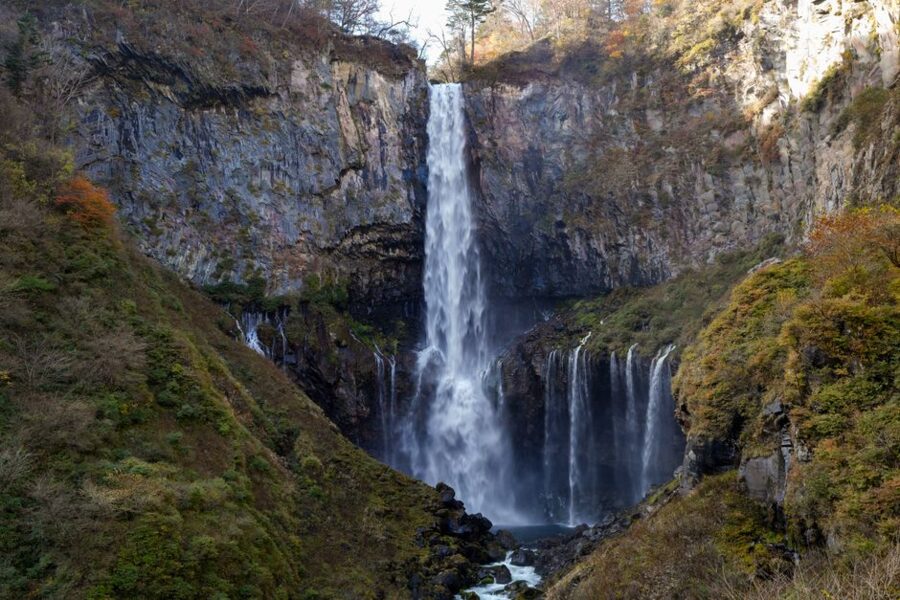
Kegon Falls is a five-minute walk from the Chuzenji Onsen bus stop. The water leaves Lake Chuzenji and drops 97 metres down a sheer cliff, with a dozen smaller streams seeping out of the rock beside it. It’s counted among Japan’s three great waterfalls, with Nachi in Wakayama and Fukuroda in Ibaraki.
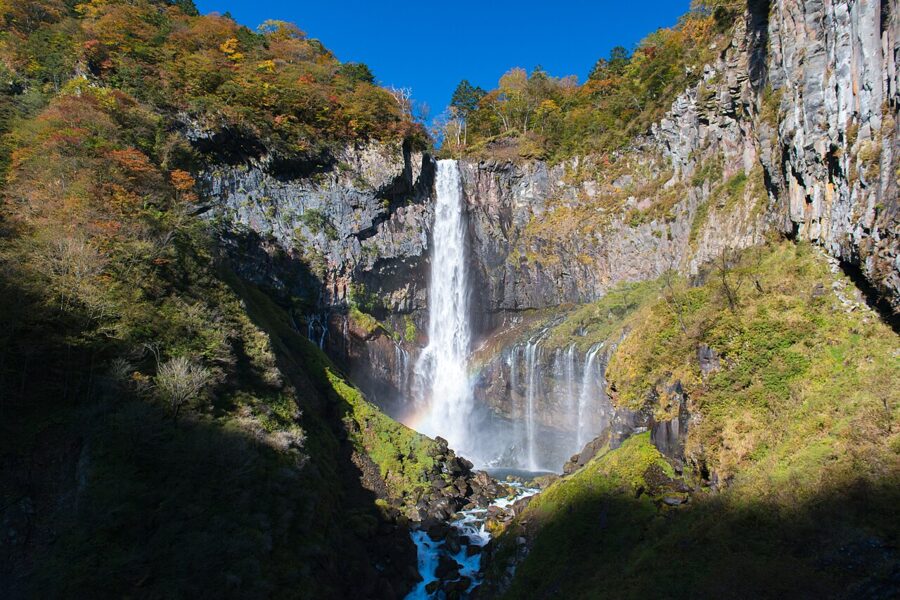
The free viewpoint at the top shows you the lip and a bit of the drop. The real view is from the bottom, and the Kegon Falls Elevator gets you there: it has been taking people 100 metres down through the rock since 1930, and the ride takes about a minute. It costs ¥600 return, needs no booking, and runs 8:00–17:00 from March to November and 9:00–16:30 from December to February, with last entry 20 minutes before closing.
Lake Chuzenji
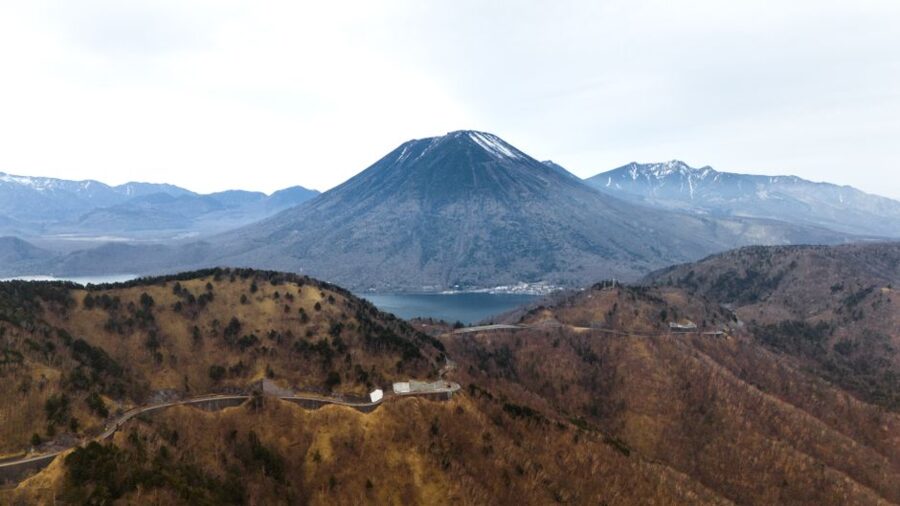
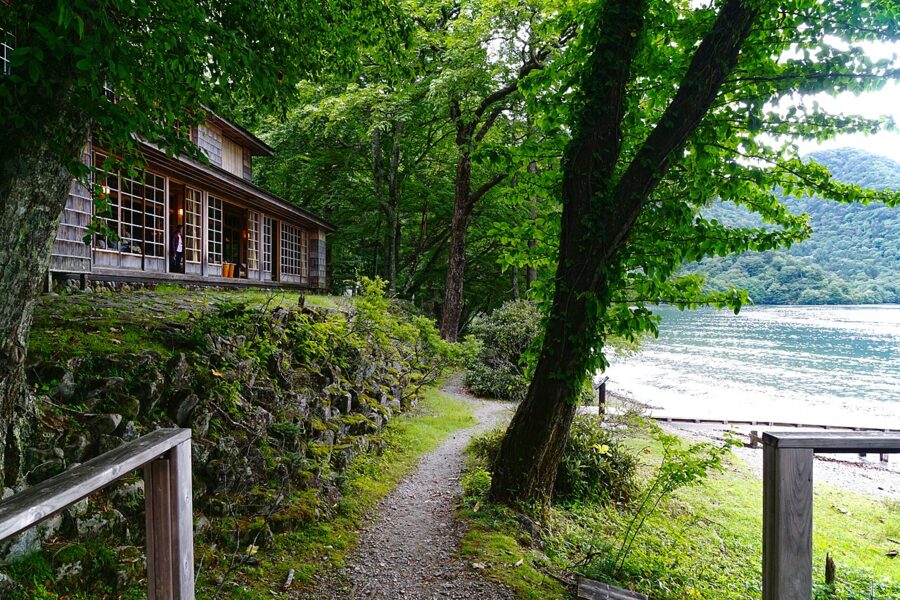
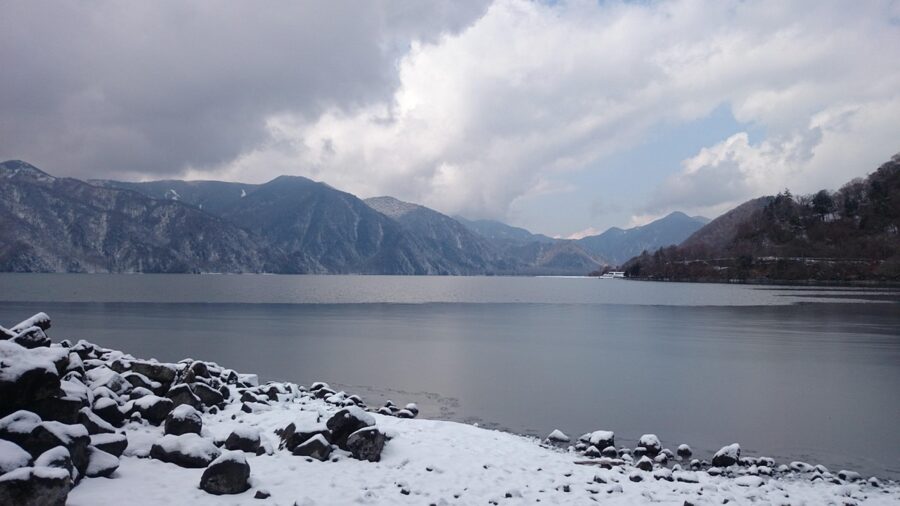
The lake is right behind the falls. It formed about 20,000 years ago when lava from Mount Nantai dammed the valley, it sits 1,269 metres above sea level, and it’s about 25 kilometres round and 163 metres deep. From the Meiji era to the early Showa years it was a summer retreat for foreign residents and diplomats, and the British and Italian embassy villas on the shore are now open as memorial parks.
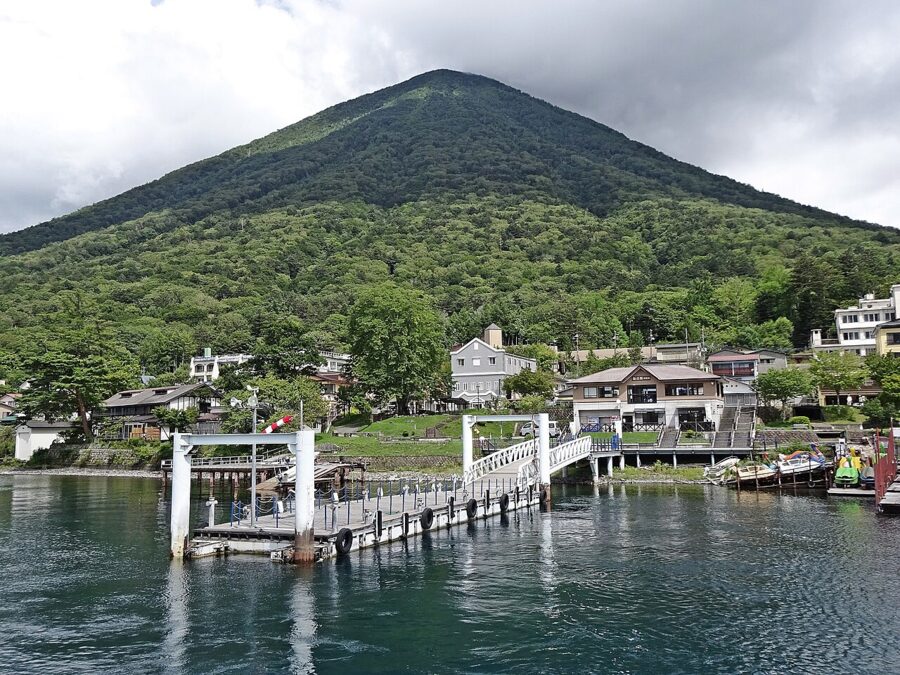
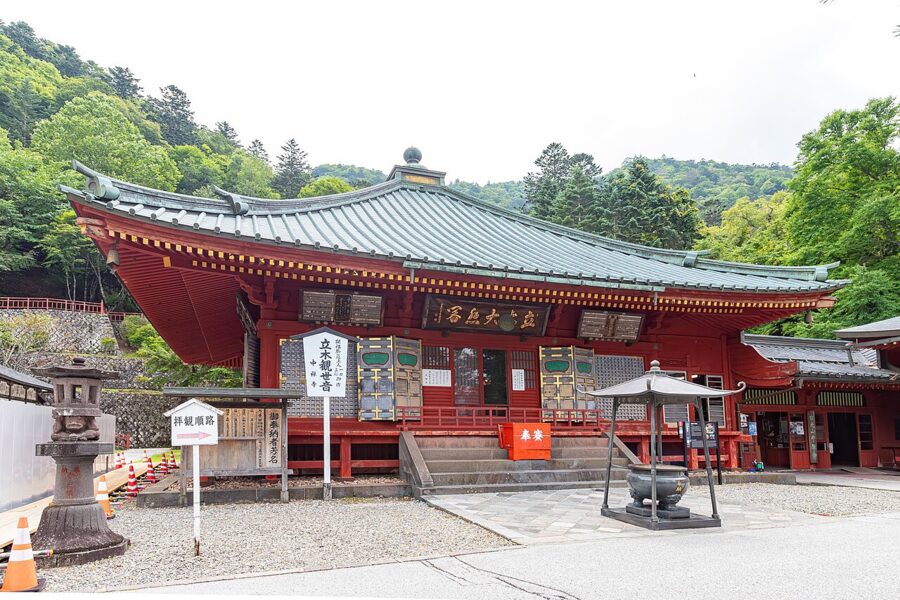
Tobu’s sightseeing boats run from mid-April to 30 November and take about 55 minutes to circle the lake, for a little under ¥2,000. On a day trip I wouldn’t. A walk along the shore from Chuzenji Onsen and a look at Chuzenji temple, home of a thousand-armed Kannon said to have been carved from a standing tree, uses the same hour better.
Ryuzu Falls
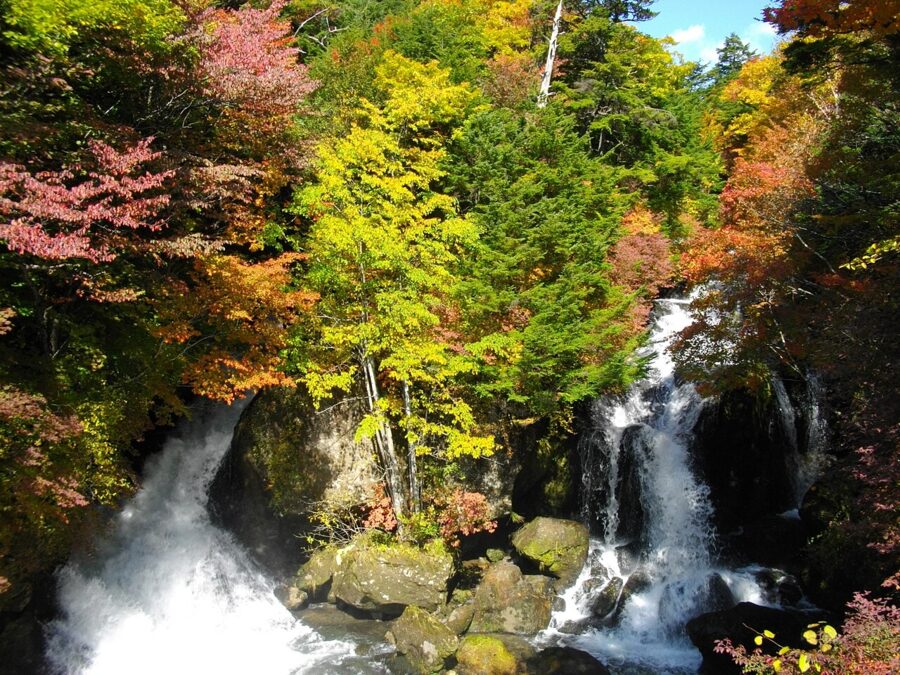
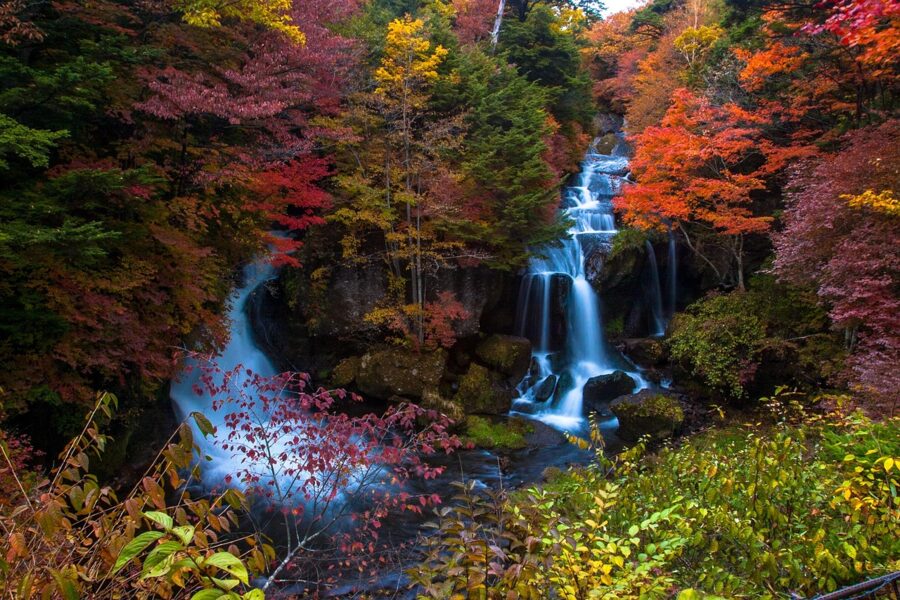
If you have an hour more, stay on the Yumoto bus another 11 minutes past Chuzenji Onsen to the Ryuzu-no-Taki stop. Ryuzu Falls is a cascade rather than a drop: about 210 metres of water running down a staircase of lava, split near the bottom by a rock into two streams that look like a dragon’s head with whiskers, which is what the name means. It’s the first place in Nikko to turn red, from late September.
When to skip the mountain
Skip it on autumn weekends and holidays unless you’re on the first train and willing to go up first, because the bus sits in the same queue as the cars. Skip it if you only arrive at 11:00, or if cloud is down on the hills and the falls are invisible from the deck. And skip it if Toshogu is the thing you came for. Squeezing Toshogu into an hour to save time for Kegon is the commonest way to see both badly.
Kanmangafuchi, the quiet alternative
If you drop the mountain, this is where the afternoon goes. Kanmangafuchi is a short gorge on the Daiya River, carved out of lava from Mount Nantai, about 20 minutes on foot from the Anyagawa-cho bus stop or a pleasant walk upstream from Shinkyo. The water is very clear and very fast, and the path along the south bank is lined with stone statues.
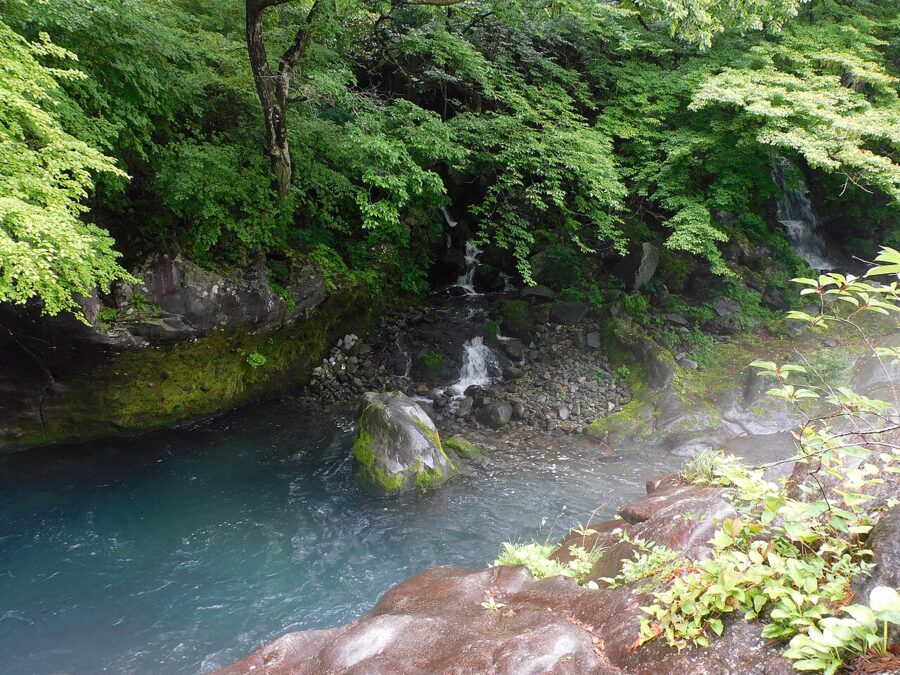
Those statues are the Bake-jizo, about 70 Jizo in red caps, and their nickname means the ghost Jizo, because people say the count comes out differently every time. Upstream, a Sanskrit letter is carved high on the cliff, said to have been put there by the monk Kukai throwing his brush. The tourist association also warns about leeches on the path in warm weather, so wear long trousers.
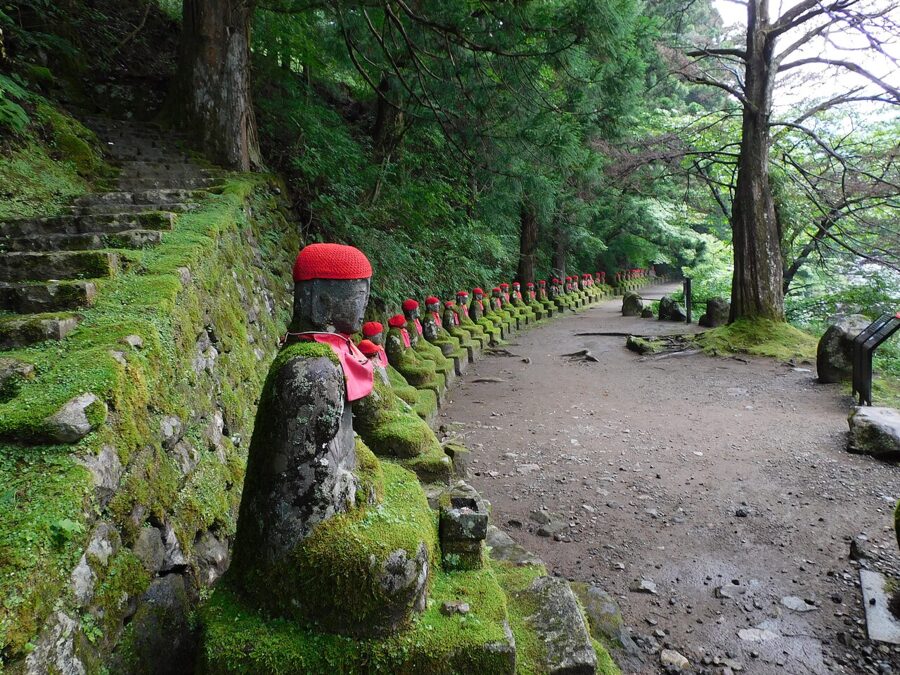
Allow an hour or so from Shinkyo and back. There’s a soba tea house at the entrance to the gorge, and the Tamozawa Imperial Villa is a few minutes away on the main road if you’d like a roof over you.
What to eat in Nikko
Nikko eats yuba. You’ll see it on every menu in town, in shop windows and in the buns by the station. It’s the skin that forms on soy milk as it’s heated, and I’ve written about it briefly before in my guide to eating vegetarian in Japan. Here it isn’t a garnish: it’s lunch.
Nikko yuba and Kyoto yuba
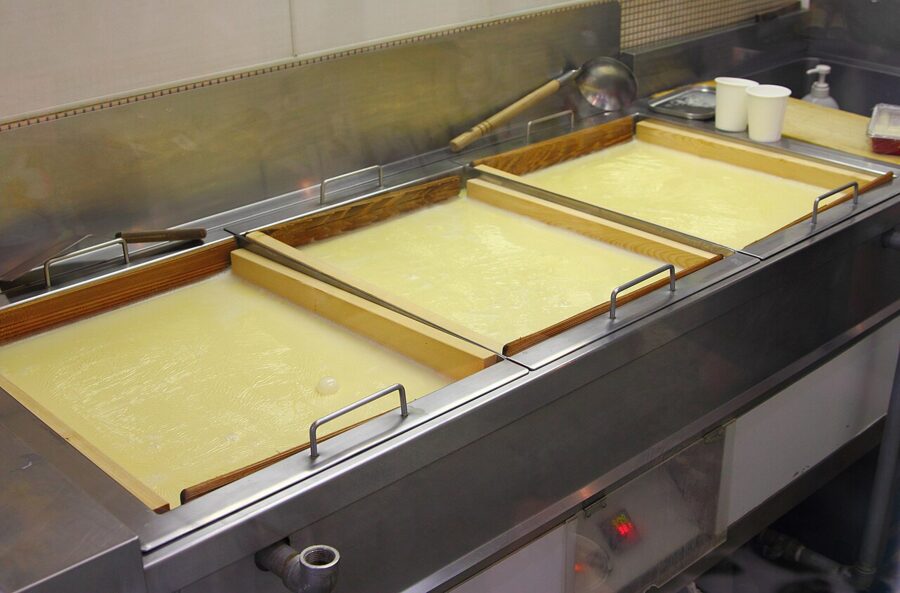
Japan has two great yuba towns, Kyoto and Nikko, and they even write the word differently. Kyoto’s is 湯葉, “hot water leaf”, lifted from the pan in a single thin sheet, and it usually plays a supporting part in a Kyoto meal. Nikko’s is 湯波, “hot water wave”, lifted so it comes up doubled, and it’s thicker and richer. In Nikko it’s the main course.
Nikko’s tourist association traces it to the mountain itself. Yuba came to Kyoto from China with Zen monks as a temple food, and it reached Nikko with the mountain ascetics and travelling monks who trained on these peaks, for whom a light, easily digested protein that wasn’t meat or fish was ideal. From there it became an offering at the shrines and temples, and then the town’s trade.
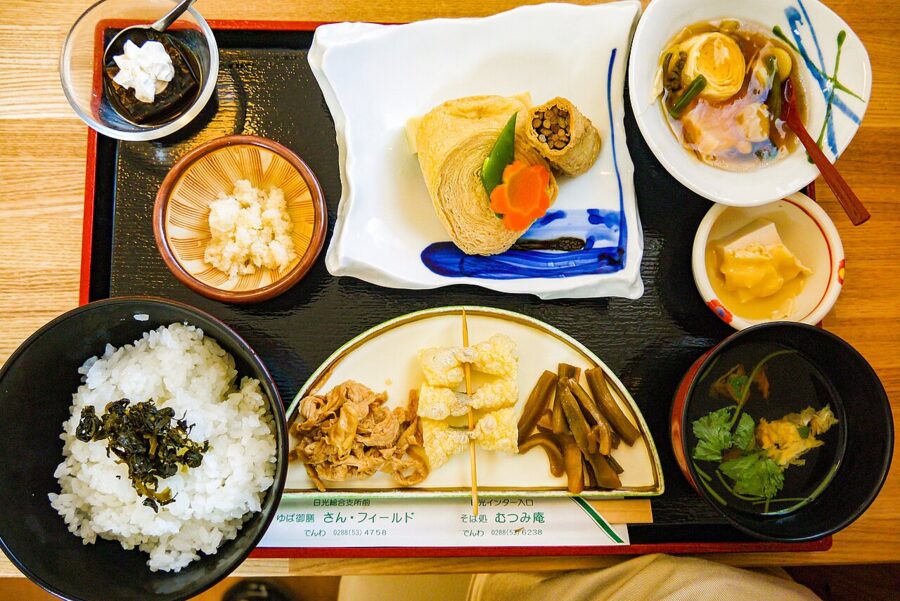
Three forms to know. Nama yuba is fresh, eaten like sashimi with soy sauce and wasabi, soft and faintly sweet. Fukume-ni is yuba simmered in a sweet soy broth until it’s plump, and the tourist association rates it, with the raw kind, as the best of it. Age-maki is yuba rolled and deep-fried, and it’s the one Fujiya, one of the oldest makers, sells as Nikko’s signature.
Where to eat it
Takaiya, on the street in front of the Tamozawa Imperial Villa’s main gate, has been in business since 1805 and serves yuba kaiseki in private tatami rooms facing a garden. It caters for the shrines’ own festivals, so its days off are irregular and it’s reservation only, by phone; lunch is served from 12:00 with last orders at 14:00. If you’ve never had a full kaiseki meal, a yuba one here is a gentle start.
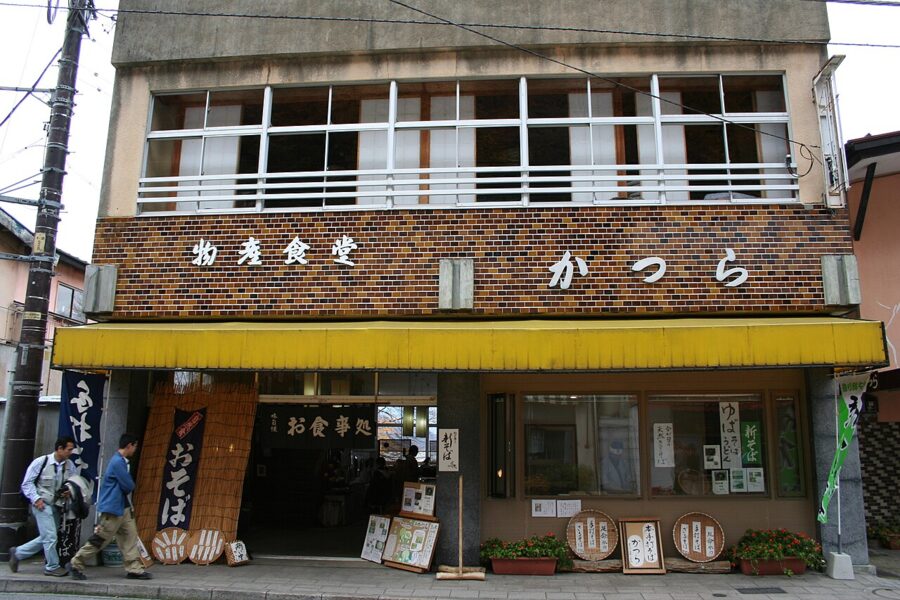
For something quicker, Hayashiya is a soba house opened in 1955, about five minutes’ walk from the three shrines in Yasukawa-cho. It makes its own soba and udon and puts Nikko yuba on several dishes: yuba soba, a plate of raw yuba, and a yuba set. Expect ¥1,000–2,000, and note that it’s closed on Thursdays.
To take yuba away, Fujiya on the main street in Shimo-Hatsuishi has been making it since 1868 and sells raw yuba, simmering yuba, age-maki and skewers to eat as you walk. It’s open 8:30–17:00 and closes one day a week, often a Wednesday. Ebiya Chozo, the other famous old maker, has been at it since 1872, and its soy milk goes into the soft-serve at Yuzawaya’s cafe.
Soba
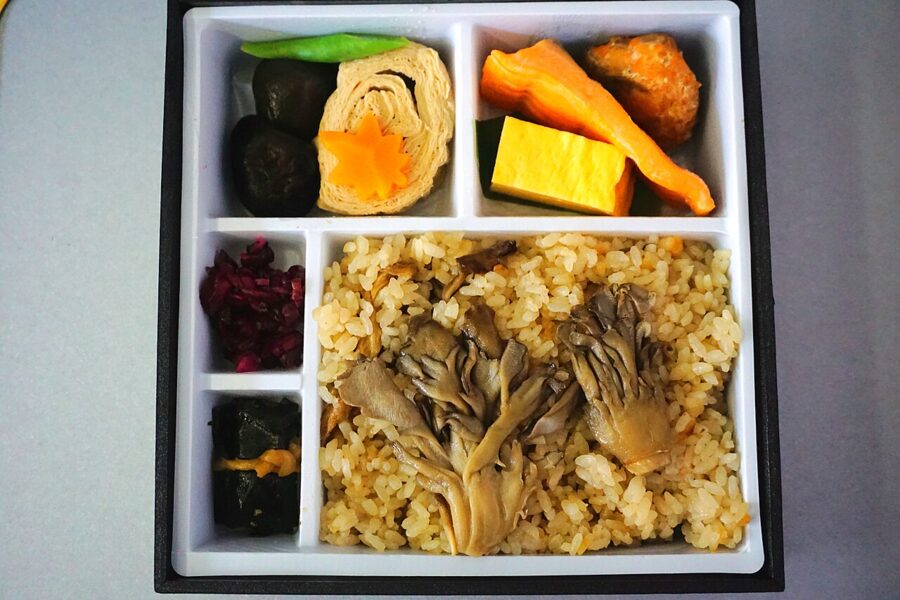
Soba is the other thing Nikko does well, and the two go together on a cold day. For the regional styles and how to order, see my soba guide. In Nikko, a bowl of hot soba topped with yuba is the obvious order, and on a hot day, cold zaru soba with a side of raw yuba.
Yokan and sake manju
The sweet Nikko is known for is yokan, a block of sweet red bean paste set with agar, and there are several old makers on the main roads. Watahan, founded in 1787, is one of the oldest names in Nikko neri-yokan, the firm kind, and its bars wrapped in bamboo sheath grow a crust of sugar if you leave them a few days. Its main shop is in Yasukawa-cho, three minutes from the Anyagawa-cho bus stop.
Older still is Yoshidaya, which dates itself to 1723. The lighter version is mizu-yokan, softer and wetter, which Nikko sells as a local speciality. For how yokan fits into the wider family of Japanese sweets, see my wagashi guide.
My pick for a sit-down sweet is Yuzawaya, a wagashi shop founded in 1804, best known for its sake manju, steamed buns raised with a natural sake yeast. Its Hatsuishi Cafe is in two Meiji and Taisho storehouses behind the shop, open 10:00–17:00 (last order 16:20), and the Yuzawaya set of a sake manju, mizu-yokan, a seasonal sweet and green tea, matcha or coffee is ¥1,320. Check the shop’s days off first: in November 2026 it closed on the 4th, 11th, 18th and 24th.
On 31 October 2026 Yuzawaya also opened a scone shop, Hibachi, in its oldest storehouse, built in 1873, baking with the same sake yeast as the manju. It’s the newest thing on a street where most shops count their age in centuries.
The Kanaya Hotel and its curry
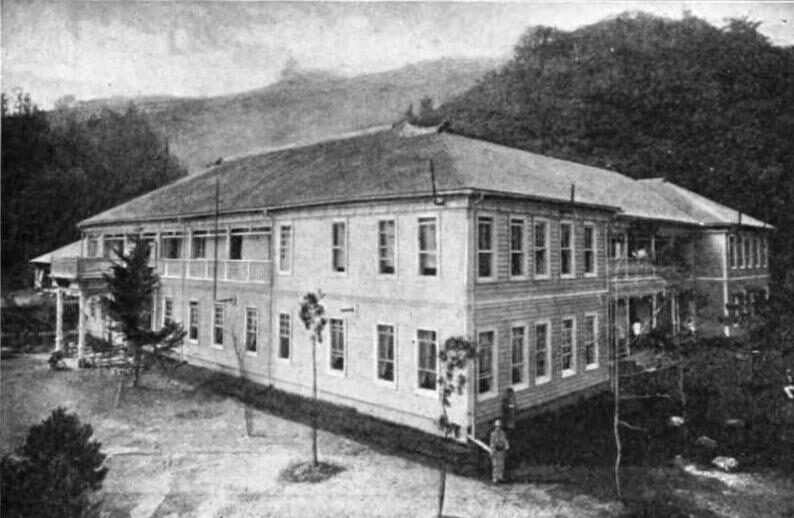
The Kanaya Hotel, on the hill by Shinkyo, calls itself the oldest surviving resort hotel in Japan. Its story starts in 1870, when the American missionary doctor James Hepburn stayed with the Kanaya family in town and told Kanaya Zenichiro to open an inn for foreigners. The Kanaya Cottage Inn opened in the family’s samurai house in 1873, and the Western-style hotel on the hill followed in 1893.
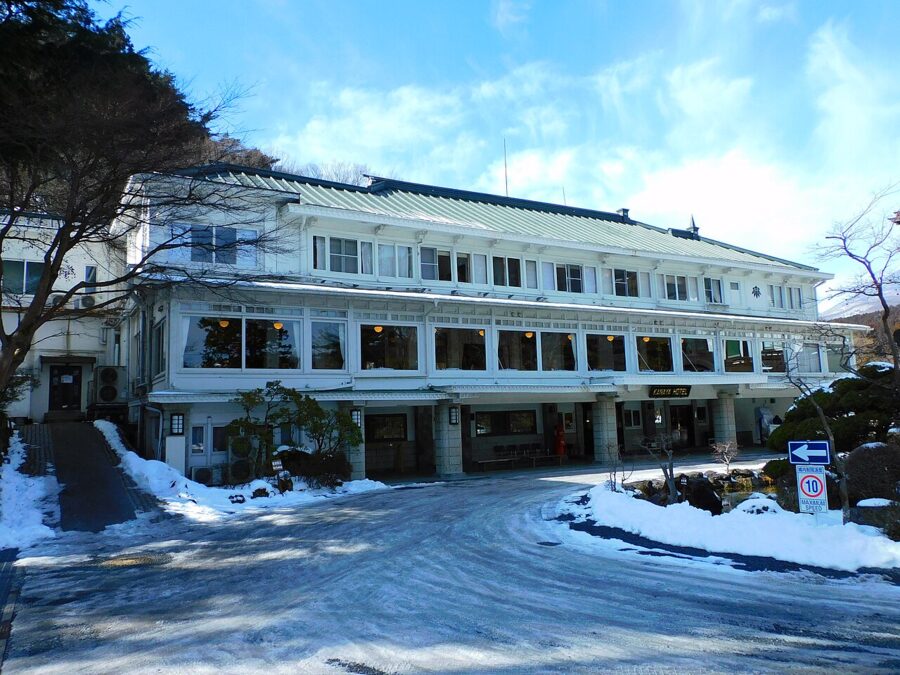
The dish to order is the Hyakunen Rice Curry, the “hundred-year curry”. The hotel says it found a Taisho-era recipe in its storehouse in 2003 and recreated it, and it’s served in the Main Dining Room on the second floor of the main building. The Hyakunen Rice Curry lunch comes with a salad, dessert and coffee for ¥5,500, rising to ¥6,000 from 1 December 2026. If Japanese curry is a thing you care about, this is one of its museum pieces.
It’s expensive for curry and I think that’s fine: you’re paying for the room. Book a table online or through the hotel’s reservation line. The hotel’s Craft Lounge, which used to serve the curry too, is closed for now, so the dining room is the place to eat it.
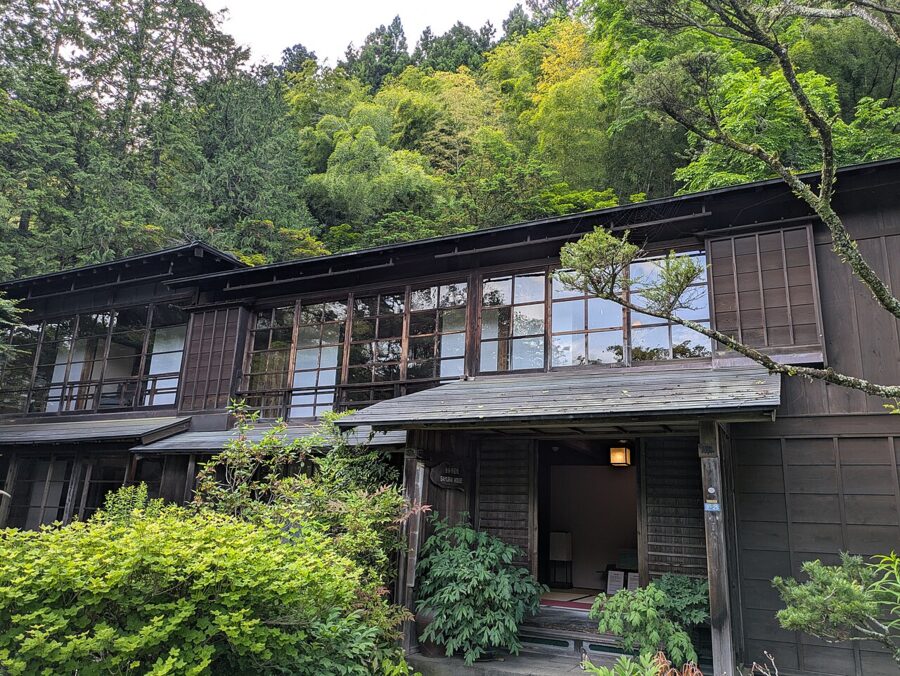
Down in the town, the Kanaya Hotel History House on Honcho is that original samurai house, about 400 years old, where Isabella Bird stayed in 1878 and wrote about the family in Unbeaten Tracks in Japan. It’s open 9:30–16:30 from March to November and 10:00–16:00 in winter, closed on Tuesdays, and costs ¥550. You buy the entry token at the Kanaya Hotel Bakery restaurant next door.
Western food has a long history here because of all this, and the other address is Meiji no Yakata in the shrine district, a stone house built as the villa of F. W. Horne, the American trader who introduced the gramophone to Japan. It’s a registered cultural property serving Western dishes, and the same company also runs Gyoshintei, a shojin temple-food restaurant.
Seasons, festivals and crowds
The thing that surprises people about Nikko’s autumn is how long it lasts. The city climbs from the shrines in the valley to the lake at 1,269 metres and the marshes above it, so the colour comes down the mountain over six or seven weeks. You can’t see it all in one day, but you can pick which part you want.
| Where | Usual peak |
|---|---|
| Odashirogahara grasses, Okunikko | Late September |
| Ryuzu Falls, Yudaki | Early to mid October |
| Kegon Falls, Lake Chuzenji | Mid October to early November |
| Irohazaka | Mid October to early November |
| Shrines and temples (Toshogu, Rinno-ji, Shoyoen) | Early to mid November |
Those are the tourist association’s forecasts, and in 2026 they held: on 11 November the shrine district was at its peak and the lake was finishing. So late October is the best day trip for the mountain, and the second week of November for the shrines. On a weekend in either window, take the first train and do the bus up first.
Winter
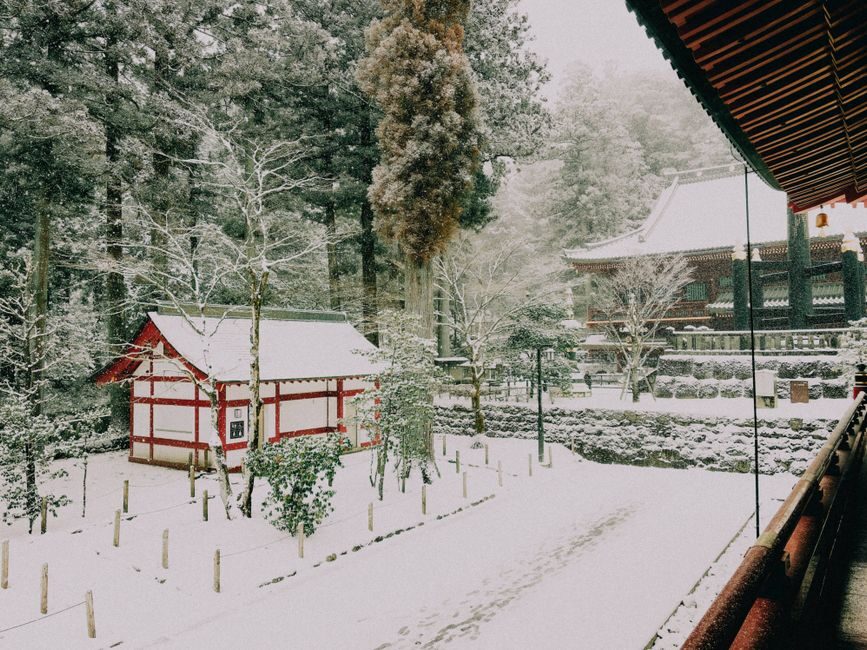
Snow on Toshogu’s roofs is one of the best sights in Nikko, and the shrines are close to empty on a winter weekday. Toshogu closes at 16:00, the Kegon elevator runs 9:00–16:30, and the Lake Chuzenji boats stop from December until mid-April. Tobu runs a winter bus timetable to the lake, but up there you’re over 1,200 metres: dress for the mountains, not the city.
The spring and autumn processions
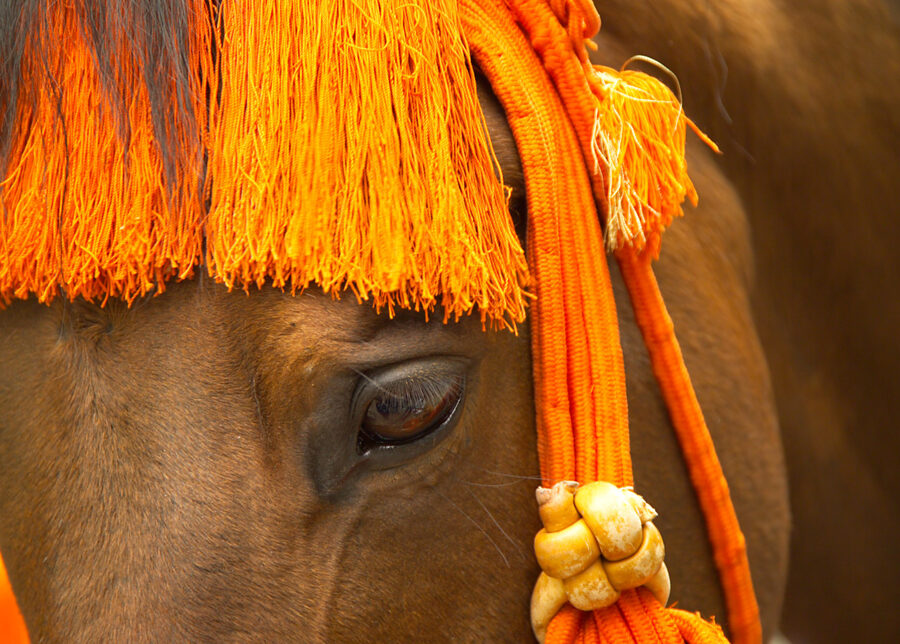
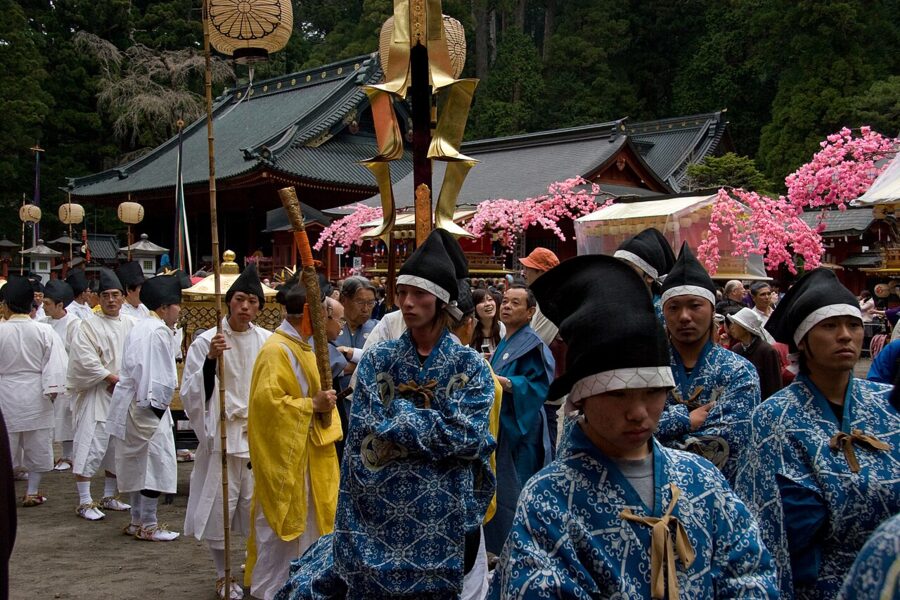
Twice a year Toshogu carries its three portable shrines to a resting place and back in the Hyakumono-zoroe Sennin Musha Gyoretsu, the procession of a thousand samurai. In spring it’s on 18 May from 11:00, with more than 1,200 people in 53 kinds of costume, and on 17 May there’s horseback archery from 13:00 on the main approach. In autumn the archery is on 16 October and the procession on 17 October.
Futarasan’s own festival, the Yayoi Matsuri, runs from 13 to 17 April, and on the 16th and 17th eleven flower-decked floats from the town’s east and west districts roll through the streets. All three draw big crowds. Go if you love festivals. Avoid if you came for the carvings.
What the day costs
These are adult prices for late 2026, on the SPACIA X in a normal season. Change the trains and you change most of the total.
| Item | Cost |
|---|---|
| SPACIA X standard seat, Asakusa to Tobu Nikko and back | ¥6,680 |
| Chuzenji Onsen Free Pass (bus to the lake and back) | ¥2,300 |
| Shinkyo | ¥300 |
| Rinno-ji ticket (Sanbutsudo and Taiyuin) | ¥900 |
| Toshogu | ¥1,600 |
| Futarasan inner garden | ¥500 |
| Kegon Falls Elevator | ¥600 |
| Yuba set lunch | ¥2,000–3,000 |
| Total, shrines and lake | about ¥15,000–16,000 |
The shrines-only day comes to about ¥12,000–13,000 with the same lunch. The cheapest sensible version is the ordinary trains with the NIKKO PASS World Heritage Area, ¥3,000 for the trains and the loop bus, plus about ¥3,300 of admissions and a soba lunch: around ¥8,000, if you don’t mind a longer ride and a couple of changes.
A quieter half day
If you can only get to Nikko for the afternoon, or Toshogu on a Saturday isn’t your idea of fun, there’s a half day that skips it. Get off the bus at Shinkyo, buy the Rinno-ji ticket before 13:30 in winter or 14:30 in summer, see the Sanbutsudo, then walk the cedar path to Futarasan and finish in Taiyuin. It’s two hours, it’s all World Heritage, and Taiyuin is the part of the mountain most day-trippers leave out.
Then walk down to Kanmangafuchi and the Bake-jizo, have tea at Yuzawaya on the way back, and buy mizu-yokan to take home. If you’re based in Kyoto rather than Tokyo, the equivalent day is my Nara day trip; from Tokyo, the other classic one-day escapes are Hakone and Kawaguchiko, which trade Nikko’s carvings for hot springs and views of Fuji.
Skip this
- The combined shrine and temple ticket. It isn’t on sale at the moment. Buy each site’s own.
- The Akechidaira Ropeway. Closed until at least the end of August 2027.
- The lake cruise on a day trip. Pleasant, but it costs an hour you’d rather spend at Kegon or Ryuzu.
- Driving up the Irohazaka on an October weekend. The bus sits in the same queue, but at least you can read.
- The NIKKO PASS All Area for one day. It’s built for a four-day stay. The ¥2,300 bus pass does the job for a day trip.
- Toshogu in under an hour. If that’s all the time you have, see Taiyuin properly instead and come back another day.
Take the 07:50. Buy the Rinno-ji ticket in the morning. Climb to Ieyasu’s tomb, look at the cat on the way, and eat the yuba even if you think you don’t like tofu.
You Might Also Enjoy
 Jiuzhaigou and Huanglong: Tickets, the Bus Loop, the Train From Chengdu and the Best Order
 Shanghai Food Guide: Red-Braised Pork, Hairy Crab, the Snack Trail and the Benbang Restaurants Worth Finding
 Xiaolongbao: Shanghai’s Soup Dumplings, Their Jiangnan Cousins and Where to Eat Them
 A Short History of Japanese Food (Not Really Short)