Japanese Curry: Kare Raisu, Navy Curry and the Regional Bowls Worth Travelling For
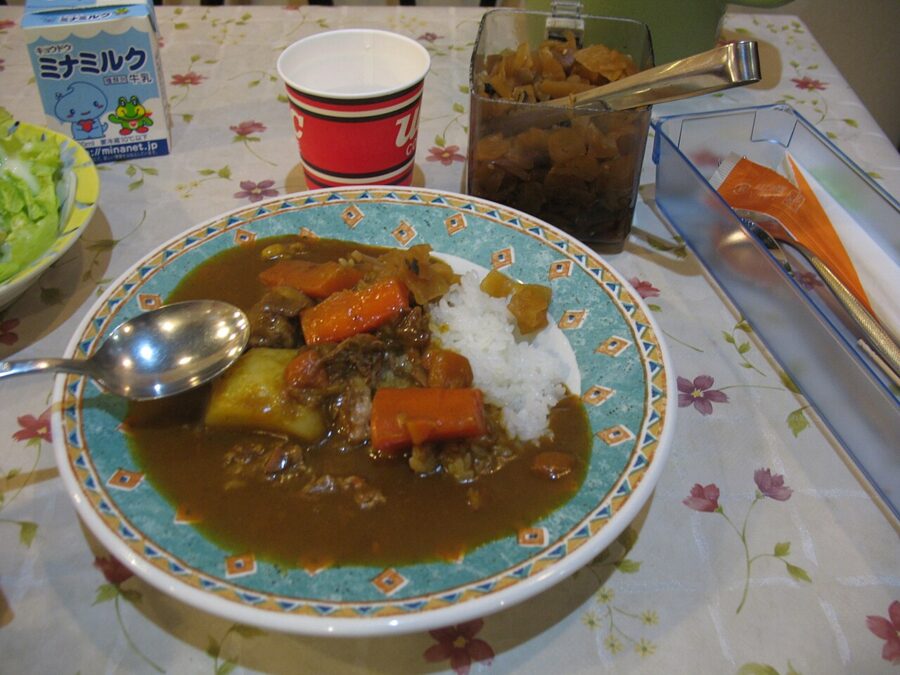
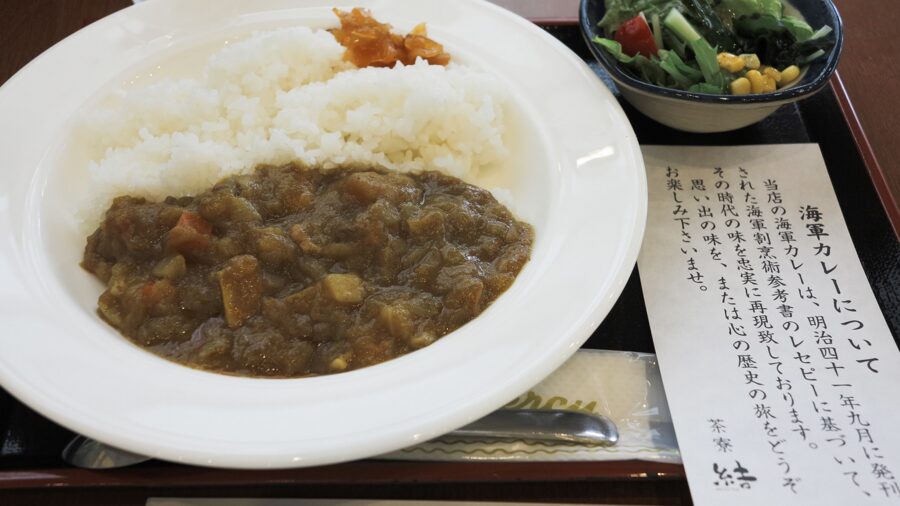
The curry came with a carton of milk. Not a lassi, not a yoghurt drink, just plain milk, set next to the plate with a small bowl of salad on the other side, at a 22-seat curry restaurant called Wood Island beside the Mikasa Gate of the American naval base in Yokosuka. The milk is not a quirk of the house. Every certified bowl of Yokosuka navy curry has to arrive with salad and milk, and the city has written that into the rules.
That milk is a good place to start, because Japanese curry is a dish full of rules nobody outside Japan has heard of. It has heat levels printed on the box, a pickle that arrived by accident on a passenger ship, a district in Tokyo with more than 400 places serving it, and a navy origin story that historians have spent years politely picking apart. When I lived in Shenzhen, the Japanese curry I knew came out of a box of roux from the supermarket. Japan itself turned out to be a different country of curry entirely.
This guide covers what kare raisu actually is and how it differs from Indian and Thai curry, the bowls that build on it, the regional curries worth a detour, the old Tokyo houses and the chains, the festivals, and the retort packs that make the best edible souvenir in the country. Prices are in yen and were checked against each shop’s own menu, or the official city listing, in November 2026.
| Style | Where | What’s different | Try it at |
|---|---|---|---|
| Navy curry | Yokosuka, Kanagawa | Recipe based on a 1908 navy cookbook, served with salad and milk | Wood Island, Yokosuka |
| Kaiji (JMSDF) curry | Kure, Yokosuka, Mutsu | Each restaurant reproduces one ship’s own recipe | Certified restaurants in Kure and Yokosuka |
| Kanazawa curry | Ishikawa and chains nationwide | Near-black roux, sauced cutlet, cabbage, steel plate | Go Go Curry, or the older Kanazawa counters |
| Soup curry | Sapporo | Thin spiced broth, whole vegetables, rice on the side | Sapporo’s specialist soup curry shops |
| Sumatra curry | Kanda Jimbocho, Tokyo | No wheat flour, black-brown, made since 1924 | Kyoeido, Jimbocho |
| Chain curry | CoCo Ichibanya, everywhere | Pick the rice weight, heat level and toppings | Any branch; ¥646 for plain pork curry |
In This Article
- What makes a curry Japanese
- Roux in a box
- Sweet, medium, hot (and the twenty-kara end)
- Fukujinzuke and rakkyo
- Not Indian, not Thai
- The navy story, and what the cookbooks say
- Six bowls that aren’t plain curry rice
- Katsu curry
- Curry udon and curry nanban
- Curry pan
- Dry curry, both kinds
- Kissaten curry
- Stand-up curry at the station
- Mixed curry
- Yokosuka, the curry town
- Friday curry
- Where to eat it
- Regional bowls worth the train fare
- Kure: the ship’s curry, certified by the captain
- Kanazawa: black roux and a steel plate
- Sapporo: soup curry
- Mojiko: yaki curry
- Kurobe Dam curry
- Toyohashi: curry udon with rice underneath
- Hokkaido: curry ramen
- Osaka: spice curry
- Kanda: four hundred curry counters in one district
- Four shops to start with
- Old houses or CoCo?
- The old houses outside Kanda
- How to order at CoCo Ichibanya
- Go Go Curry and the rest
- Festivals: when to plan a curry trip
- Retort curry: the souvenir that survives the flight
- What it costs
- Skip this
What makes a curry Japanese
Japanese curry is a yoshoku dish, part of the family of Western food rebuilt for Japanese rice that grew up from the Meiji period onwards (the history of Japanese food puts it alongside korokke and hambagu). The sauce is closer to a stew than to anything from Kerala or Bangkok. It is thickened with flour and fat, it clings to short-grain rice, and the standard filling is onion, carrot, potato and a meat that changes depending on which half of Japan you grew up in.
That last point is real, not folklore. In a 2020 survey of 7,663 home cooks, House Foods found that eastern Japan leans towards pork in its curry and western Japan towards beef. Neither side thinks the other is doing it wrong. They just think their version is the normal one.
Roux in a box
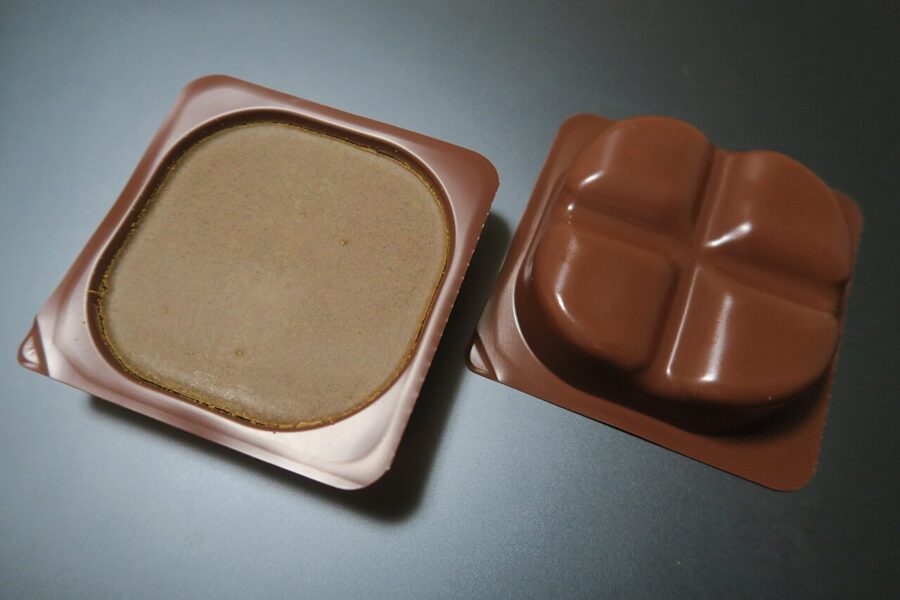
The thing that made curry a weeknight dinner was the solid roux block. Bell Foods sold one shaped like a bar of chocolate in 1952, with one bar feeding eight people, and by the early 1960s S&B, House, Glico and Meiji all had their own. Production went from about 33,000 tonnes in 1965 to about 102,000 tonnes in 1995.
The format is still the same. You simmer the meat and vegetables in water, turn off the heat, drop in the broken squares and stir until the sauce goes glossy and thick. The roux carries flour, fat and a ready-mixed spice blend, so nobody at home is measuring turmeric. Golden Curry, Vermont Curry, Java Curry and Kokumaro all sit on the same supermarket shelf, and most families have a loyalty to one of them that goes back to childhood.
Sweet, medium, hot (and the twenty-kara end)
Japanese curry boxes carry a heat label: amakuchi (mild, literally “sweet mouth”), chukara (medium) and karakuchi (hot). S&B Foods started printing the three-step scale on Golden Curry in 1972. Before that, House Foods had already gone after families with children: its Vermont Curry of 1963 added apple and honey, a nod to an American folk remedy of apple vinegar and honey, and it is still the mild box most Japanese kids grow up on.
Restaurants run their own scales. CoCo Ichibanya lets you go from mild all the way to 20-kara, and separately add sweetness from 1-ama to 5-ama with a honey-and-fruit sauce. Retort packs have their own system again: Glico’s LEE line labels heat as a multiple, so you will find packs marked x10 and x20. None of these scales line up with each other, so treat each one as its own thing.
Fukujinzuke and rakkyo
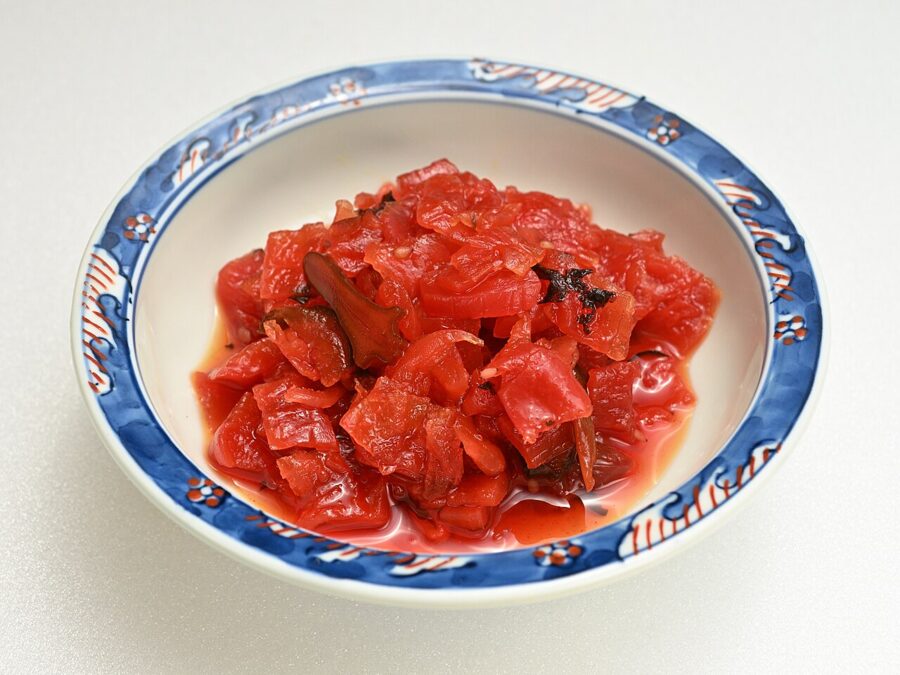
Japanese curry is almost never served without a pickle. The red-brown one is fukujinzuke, chopped daikon, aubergine, lotus root, cucumber and other vegetables in a sweet soy dressing, usually credited to a Ueno pickle shop in the 1870s or 1880s and named after the Seven Lucky Gods. Its marriage to curry is supposed to date from around 1902 or 1903, when a Nippon Yusen passenger liner ran out of chutney for the first-class curry and the kitchen served fukujinzuke instead. Passengers liked it, and the habit stuck.
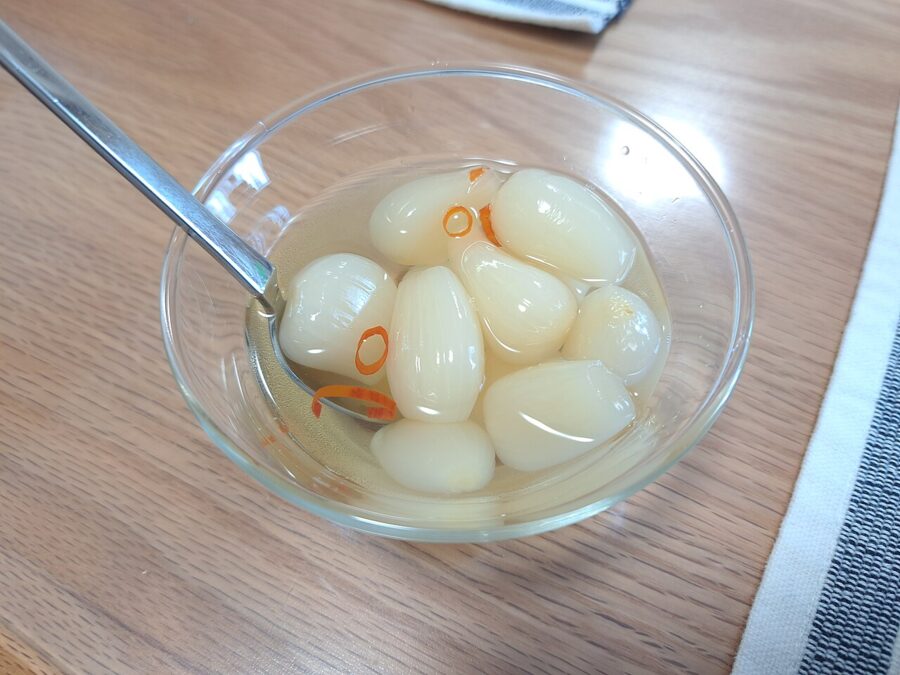
The other one is rakkyo, small pickled shallot bulbs, sharp and crunchy. Tottori Prefecture grows more rakkyo than anywhere else in Japan, and Tottori city keeps turning up at the top of the national household survey for spending on curry roux (first three years running from 2016 to 2018). Curry researcher Inoue Takehisa links the two, along with the city’s rice. I just think it is a good excuse to order extra rakkyo.

Not Indian, not Thai
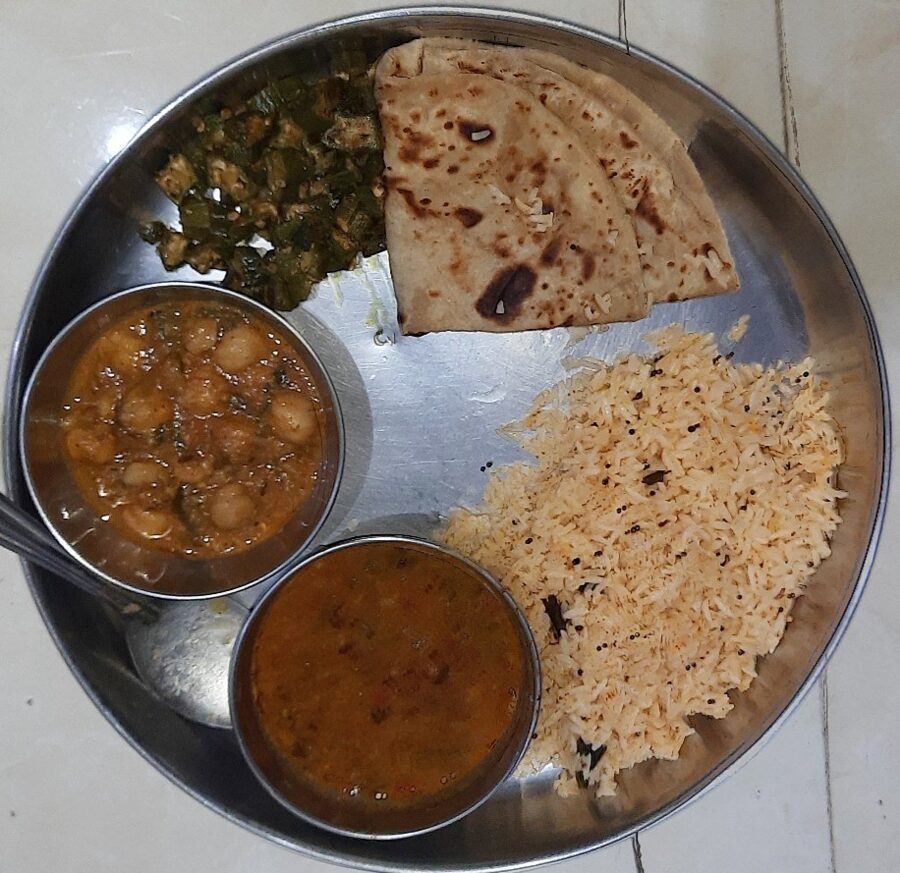
If you have eaten curry across Asia, the differences are obvious from the first spoonful. Indian curries have no single “curry” at all: each dish has its own name and its own spice blend, and they are usually eaten with several others. Thai curry is built on fresh pastes, coconut milk and herbs, and it is thin enough to soak into the rice. Japanese curry is one thick sauce, one plate, one spoon, mild by default and slightly sweet, with the heat added at the end if you ask for it.
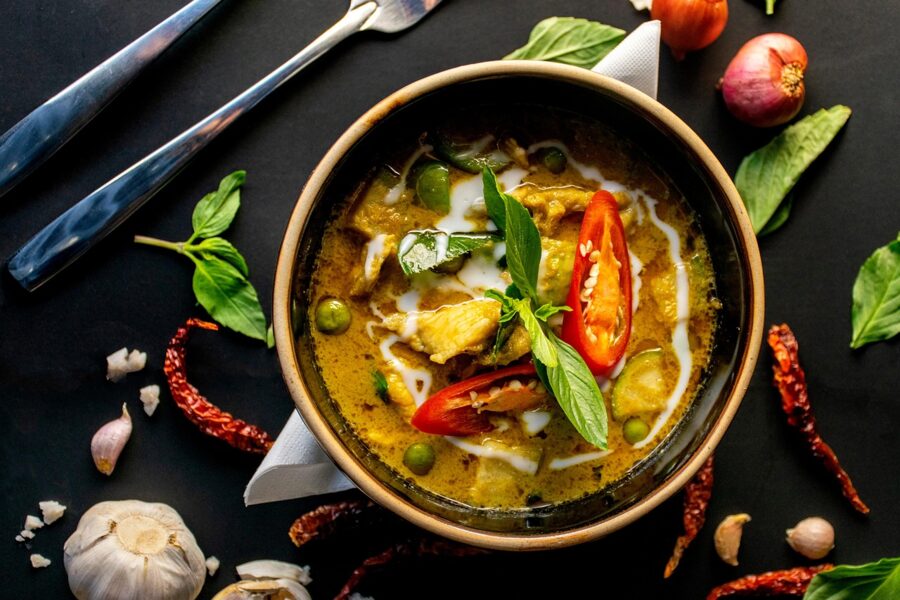
The closest relative I know is the curry in a Hong Kong cha chaan teng, another descendant of British colonial cooking. Same idea, different branch of the family. Neither one is trying to be Indian, and both are better for it.
The navy story, and what the cookbooks say
The version you hear most often goes like this: the Imperial Japanese Navy copied the British navy’s flour-thickened curry stew, served it on rice to fight beriberi, and sailors carried it home to every village in Japan. I covered that route in foods that feel Japanese but were invented somewhere else, and the British part is solid. Curry reached Japan as a British dish, not an Indian one.
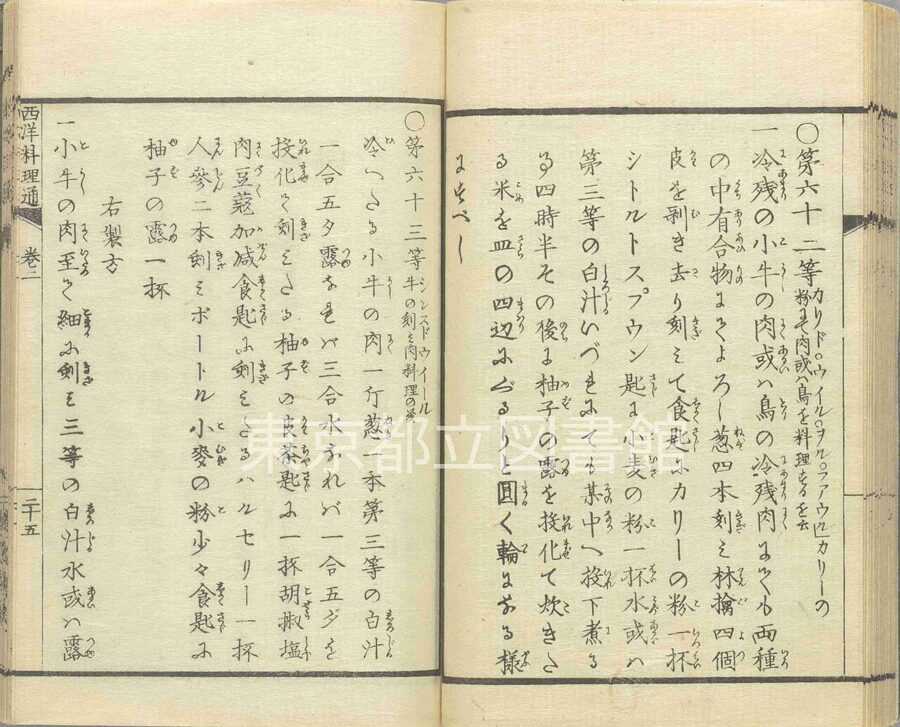
The navy part needs a footnote. Curry recipes were printed in Japanese in 1872, in two cookbooks, Seiyo Ryori Shinan and Kanagaki Robun’s Seiyo Ryoritsu, and an army cadet school was serving rice curry by 1873. The oldest surviving navy recipe is in the Kaigun Kappojutsu Sankosho, a cookery textbook published by the Maizuru naval barracks in 1908, and its “kareiraisu” is not very different from what civilian cooks were making at the time.
Takamori Naofumi, who served in the Maritime Self-Defense Force and wrote a whole book on the subject (Kaigun Kare Densetsu, 2018), argues that navy curry spread in step with civilian curry rather than ahead of it. Food historian Kosuge Keiko said she had never heard of navy curry canteens in Yokosuka or Kure in the Meiji or Taisho years. Yokosuka’s official line is still that it is “the place where Japanese curry was sent out to the country”, and it is a fun story to eat along to. Just don’t treat it as settled history.
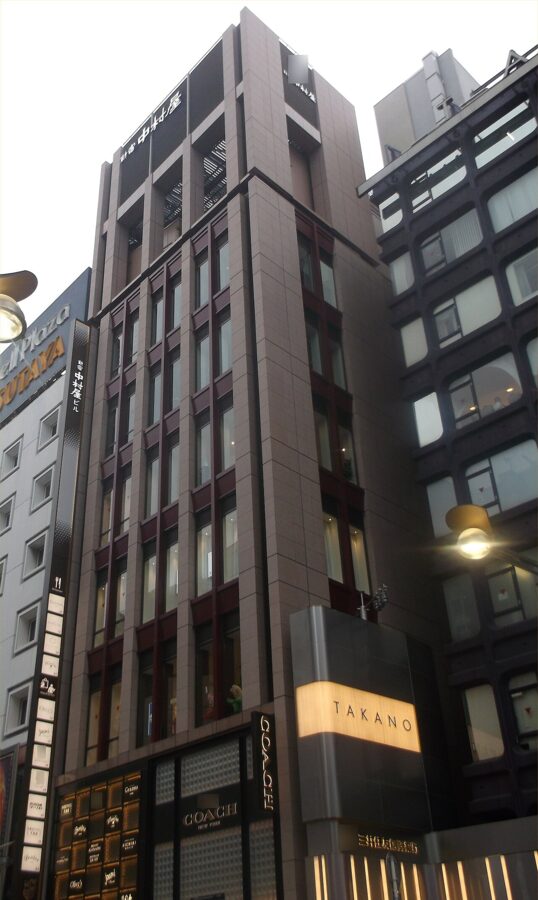
The milestones that actually changed how Japan eats curry are less romantic. In 1927 Shinjuku Nakamuraya opened its restaurant with a “pure Indian-style” curry developed with Rash Behari Bose, the Indian independence activist who had taken refuge with the family, and you can still order it at Manna, the restaurant in the basement of the Shinjuku Nakamuraya building. Roux blocks arrived in the 1950s, Vermont Curry in 1963, and in 1968 Otsuka Foods launched Bon Curry, the first retort food sold to the public anywhere. After that, curry was something you could eat alone, in three minutes, without a pot.
Six bowls that aren’t plain curry rice
Japan treats curry as a sauce that can go on almost anything. Six of the variations are common enough that you will see them on menus in any city, and each one has its own origin claim.
Katsu curry
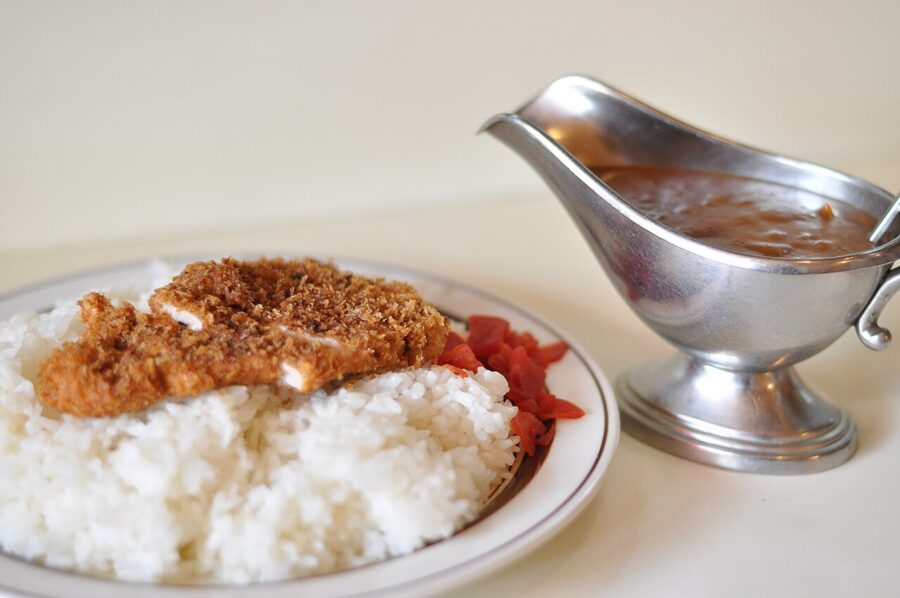
A breaded pork cutlet, sliced, laid on curry rice. Ginza Swiss, a yoshoku restaurant founded in 1947, says it put the two together in 1948 for Chiba Shigeru, the Yomiuri Giants second baseman, who wanted to eat fast and eat a lot before a game. The restaurant’s own history says it cost ¥180 as a special order in 1949, when a bank clerk’s starting salary was about ¥3,000. There is a rival claim for an Asakusa restaurant in 1918, and nobody has settled it.
Katsu curry also works as a pun. Katsu sounds like the verb “to win”, so students eat it before exams and teams eat it before matches. If you want to understand the cutlet itself, the tonkatsu guide covers the breading, the cuts and the specialist shops.
Curry udon and curry nanban
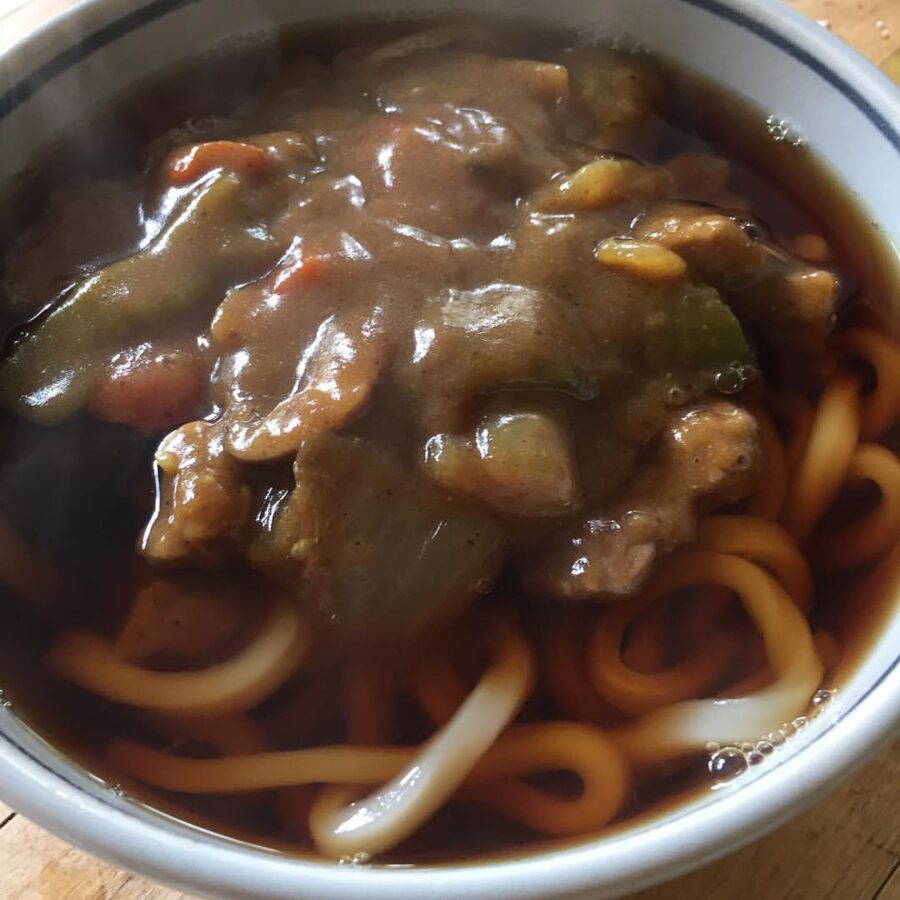
Curry udon is thick udon in a dashi broth that has been turned into curry with curry powder or roux and thickened with potato starch. It was born in Meiji-era noodle shops, with claims from a Waseda noodle house in Tokyo and an Osaka shop that later moved to Meguro. In 2003 the industry celebrated its 100th birthday with events across Japan.
Strictly speaking, curry nanban is the version with leeks, on either udon or soba, but in practice most Tokyo menus call the udon version curry udon and the soba version curry nanban. The real tip is to wear something dark. The broth is thicker than ramen soup and it travels further when you slurp.
Curry pan
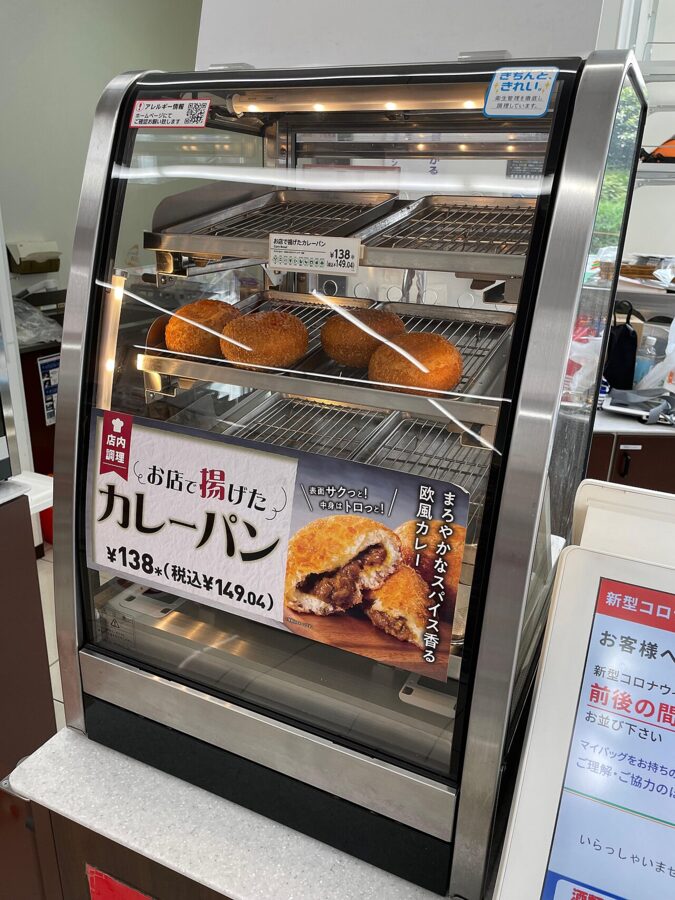
Curry pan is curry sealed inside bread dough, rolled in panko and deep-fried, or baked in the newer versions. It dates from early Showa Tokyo, and three bakeries are in the argument for who made it first: a Fukagawa bakery called Meikado, which registered a “yoshoku pan” in 1927, a Nerima bakery, and Nakamuraya, which says it started selling a curry bread in 1940 when wartime shortages made its restaurant curry hard to serve. Today you can buy one at any convenience store, but the bakery versions, fried that morning, are worth the extra hundred yen or so.
Dry curry, both kinds
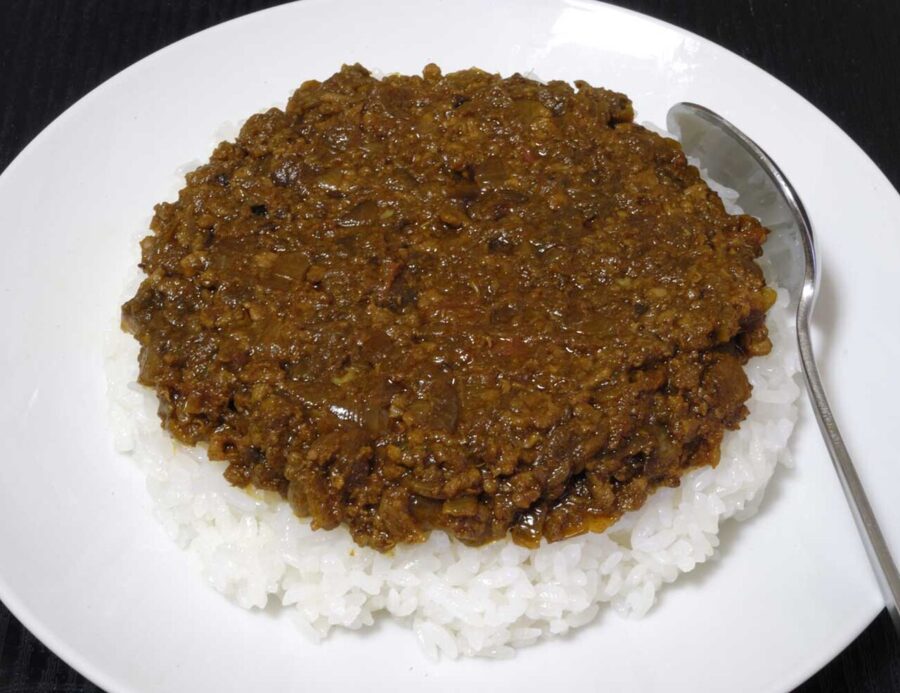
“Dry curry” means two different things in Japan, and menus rarely tell you which. The first is spiced minced meat and vegetables cooked down until there is almost no sauce, spooned over rice. The story is that a chef on the Nippon Yusen ship Mishima Maru made it around 1910, borrowing from Indian keema.
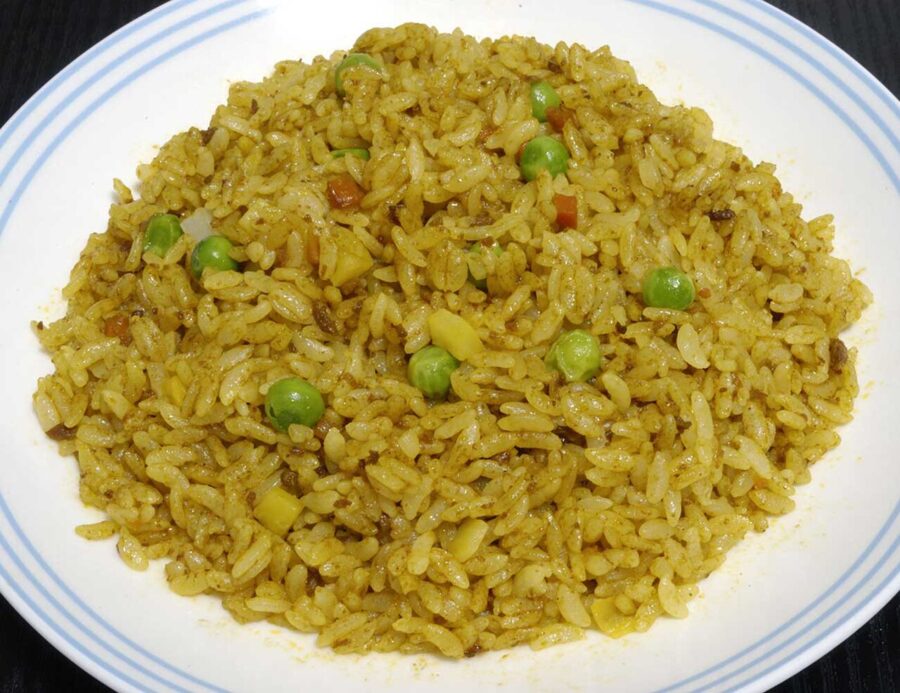
The second is fried rice seasoned with curry powder, sometimes with a fried egg on top. Neighbourhood kissaten and old family restaurants tend to serve this one. If the photo on the menu looks like yellow fried rice, that is the version you are getting.
Kissaten curry
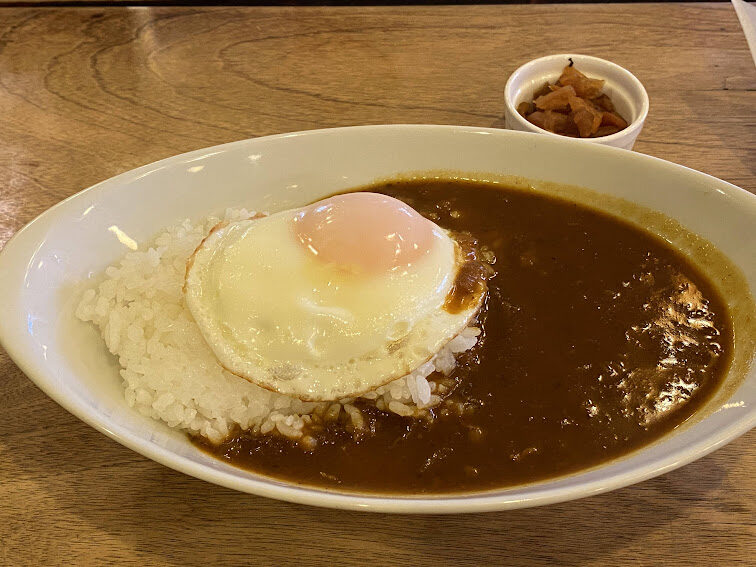
Japan’s old coffee shops have always served curry, because it is easy to make in a big pot and keep warm all day. Kissaten curry tends to be dark, a little sweet and served with a fried egg, pickles in a separate dish, and a coffee you didn’t strictly need. It is rarely the best curry in town, and that’s not the point. It is often the cheapest sit-down lunch in the neighbourhood, with a newspaper thrown in.
Stand-up curry at the station
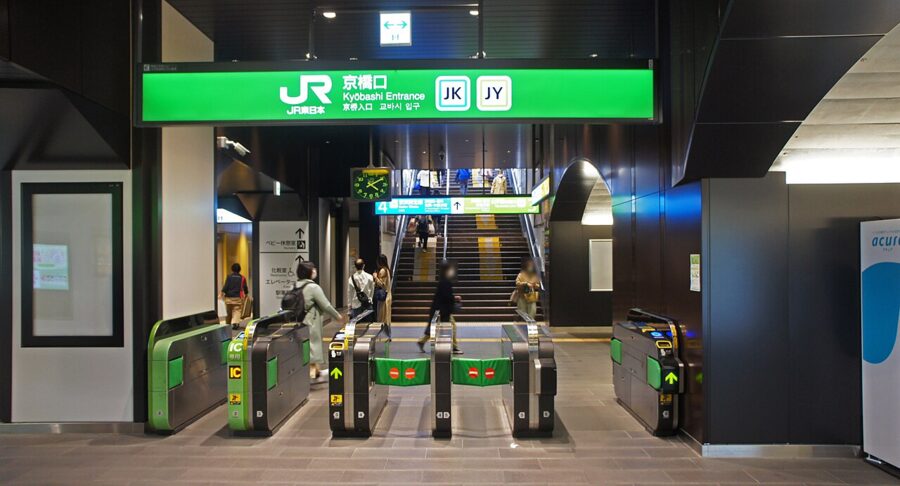
Curry is also commuter fuel. Long-running counter chains like C&C sit right at station gates (its Yurakucho branch is in front of the JR Kyobashi exit), and the whole transaction takes about as long as waiting for the next train: ticket or order, plate, spoon, gone. In November 2026 the C&C Akihabara branch won the Kanda Curry Grand Prix, which tells you something about how Tokyo rates speed and value.
Mixed curry
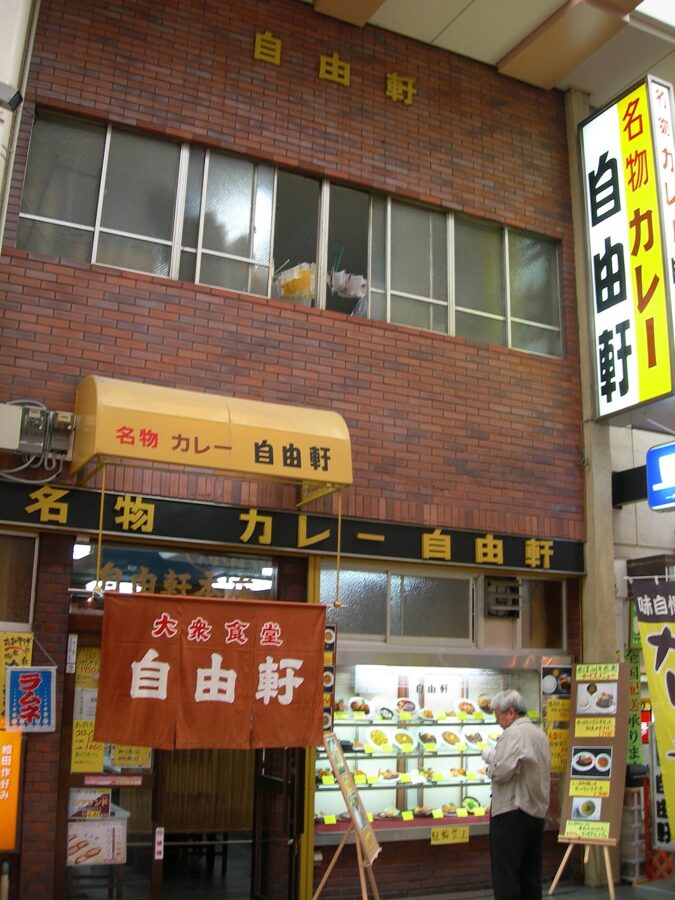
One more, because it is the oldest of the lot. At Jiyuken in Namba, Osaka’s first Western-style restaurant (opened 1910), the meibutsu curry comes already mixed into the rice with a raw egg on top. The house story is that, in the days before rice cookers, mixing it in the kitchen kept the rice hot. The writer Oda Sakunosuke was a regular.
The plate costs ¥990, the restaurant is open 11:00–20:00 (last orders 19:45), closed on Mondays, and it is a two-minute walk from exit 11 of Namba Station.
Yokosuka, the curry town
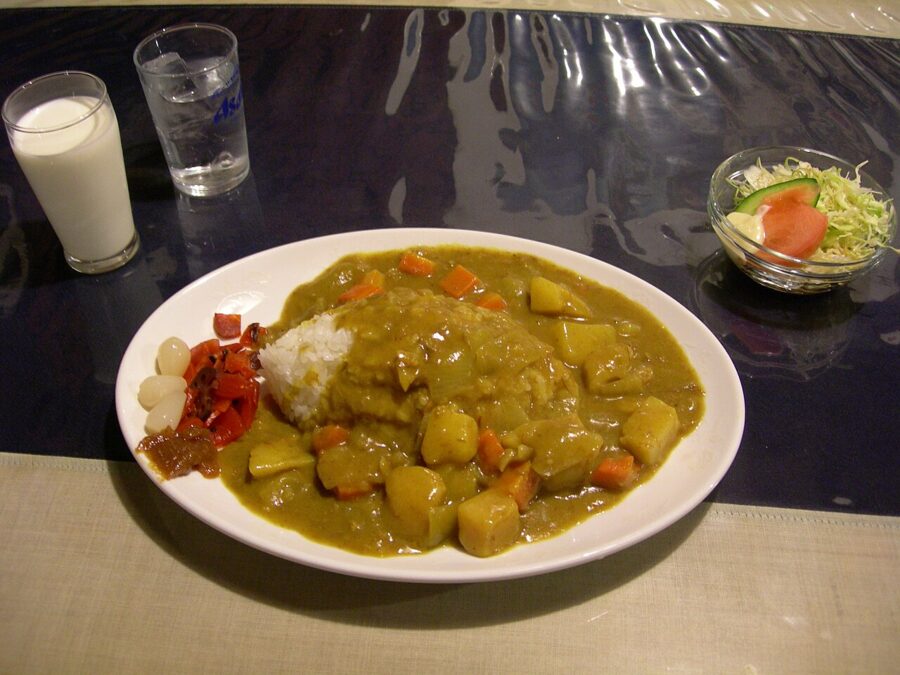
Yokosuka declared itself a “curry town” on 20 May 1999, at the suggestion of a retiring regional commander of the Maritime Self-Defense Force, who had noticed Kure and Maizuru fighting over the origin of nikujaga. The city, the chamber of commerce and the navy rebuilt a curry from the 1908 textbook and trademarked the name “Yokosuka Kaigun Curry” in 2000. More than 40 restaurants are now certified to serve it.
The recipe is old-fashioned on purpose. There was no commercial roux in 1908, so the base is beef tallow, flour and curry powder, with beef or chicken, carrot, onion and potato, and no pork or lard at all. It tastes lighter and plainer than a modern box curry. Each restaurant is allowed its own adjustments, so the bowls vary more than you’d expect.
Friday curry
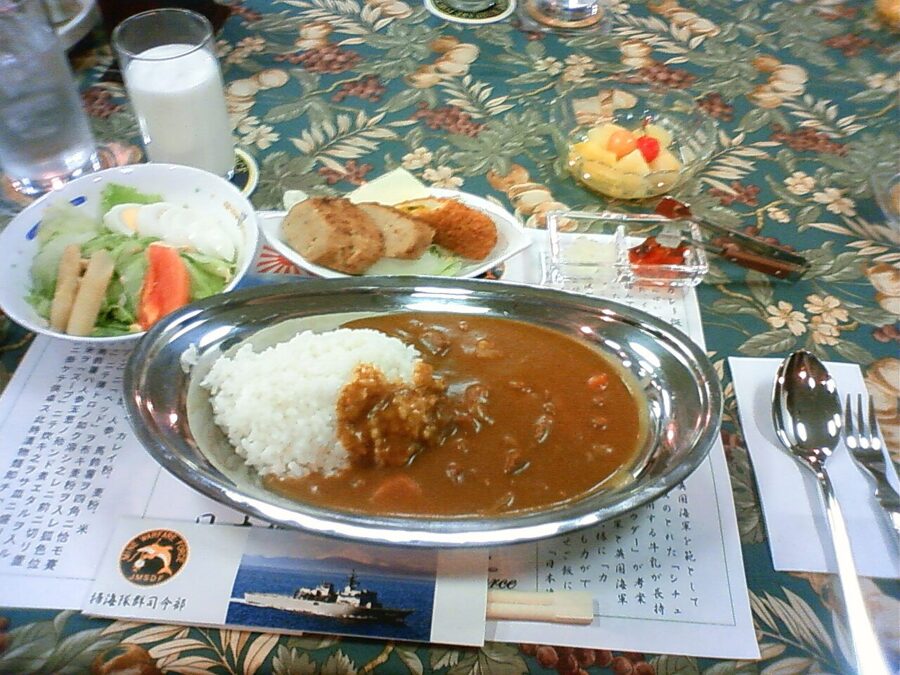
The Maritime Self-Defense Force eats curry for Friday lunch, and Yokosuka will tell you it is so that sailors on long voyages don’t lose track of the days. It is a good story. Takamori’s book and several retired officers say it isn’t true: the curry used to be on Saturday, because Saturday afternoons were off and lunch had to be quick, and it moved to Friday after the five-day week took hold around 1985. Kawano Katsutoshi, a former Maritime chief of staff, has said the same thing.
Since 2015 Yokosuka has also run a second scheme, Yokosuka Kaiji Curry, where each certified restaurant reproduces the curry of one particular ship using the recipe from its chief cook. The scheme was renewed in 2025 and the name was trademarked in March 2026. A navy curry and a ship’s curry are different dishes, so if you can manage two lunches, try one of each.
Where to eat it
Wood Island has been in the same spot for more than 40 years and won the popularity contest at the first Yokosuka curry festival. It is at 1-4 Otaki-cho, next to the Mikasa Gate, about 11 minutes on foot from Keikyu Yokosuka-Chuo or Shioiri stations.
It opens 11:30–19:00, closes on Tuesdays and Wednesdays (open if those are public holidays), and can close early when the curry runs out. Expect to spend ¥1,000–1,999 a head. The certified navy curry comes with salad and milk; the menu also has a seafood curry from the submarine Takashio, part of the ship’s curry scheme.
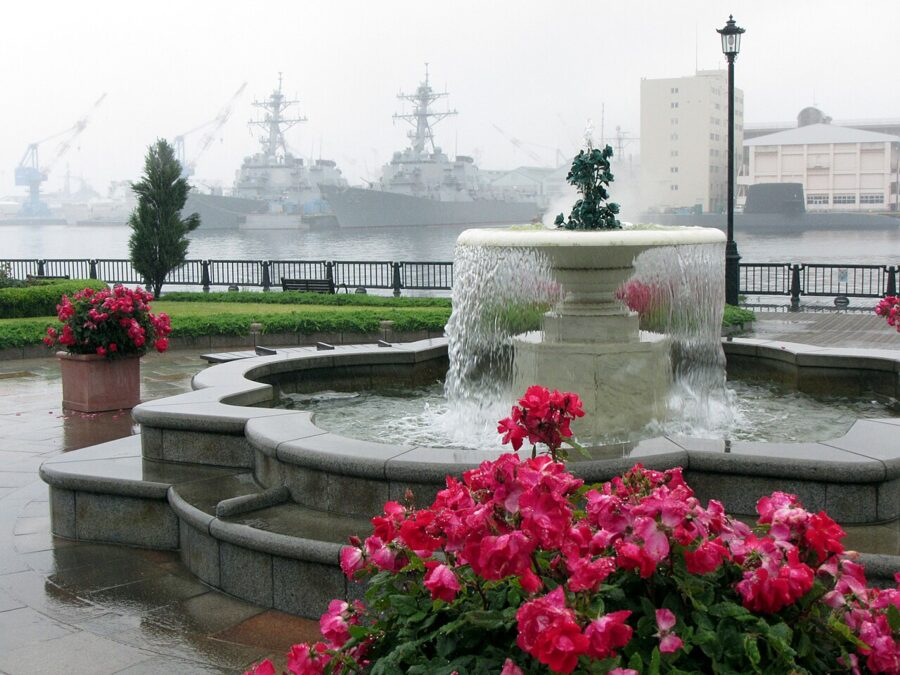
From Shioiri Station it is a short walk to Verny Park on the harbour, where the curry festival is held and where you can see the warships across the water. The other direction takes you down Dobuita Street, where the souvenir shop Kanmania, at the street’s entrance, stocks navy curry and Self-Defense Force curry in retort packs. Yokosuka is on the Keikyu line from Shinagawa, which makes it an easy half-day out of Tokyo.
Regional bowls worth the train fare
Japan has hundreds of gotochi (local) curries, and plenty of them are just a regional ingredient stirred into a standard roux and sold in a box. The ones below are different: they are a way of cooking or serving curry that grew up in one place, and they are worth eating where they started.
Kure: the ship’s curry, certified by the captain
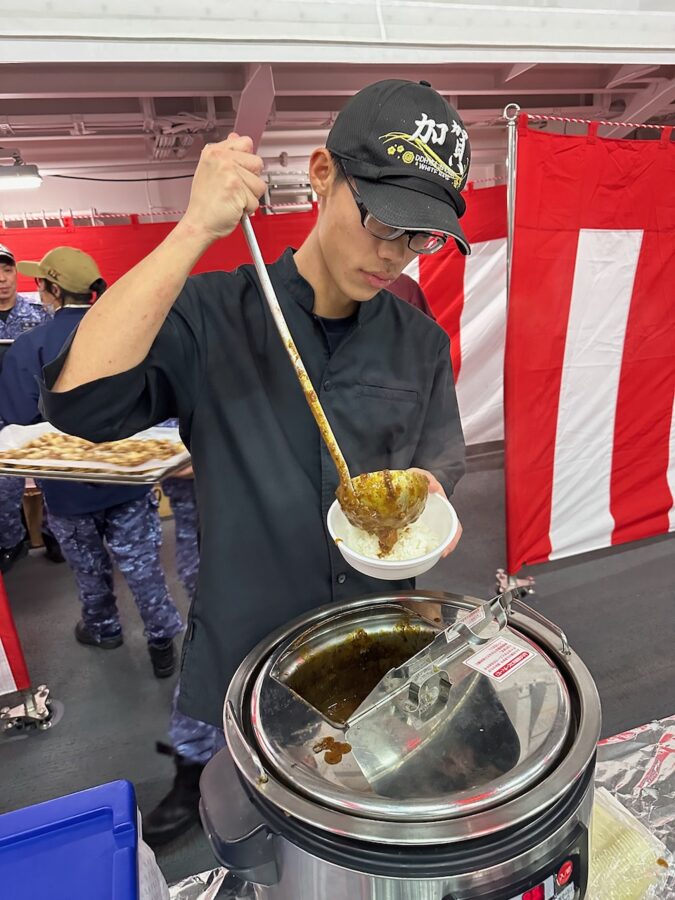
Kure, in Hiroshima Prefecture, has been a navy port since its naval district opened in 1889, and it started its own ship’s-curry scheme in 2015. Each participating restaurant serves a different unit’s curry, taught in person by that ship’s cooks, and the commander or captain has to taste it and confirm that it is the real thing. When the captain changes, the certification is done again. The ships also run unannounced checks on the restaurants.
There is a sticker rally running from 1 April 2026 to 31 March 2027: eat a Kure kaiji curry, get a sticker, collect enough for a prize. The 2026 Kure Kaiji Curry and Gourmet Festa ran on 14–15 November at Yamato Hatoba next to the Yamato Museum, 10:00–15:00. Further north, Mutsu in Aomori Prefecture launched a smaller version of the same idea in 2017, with ten restaurants serving the curries of eight ships and two shore units.
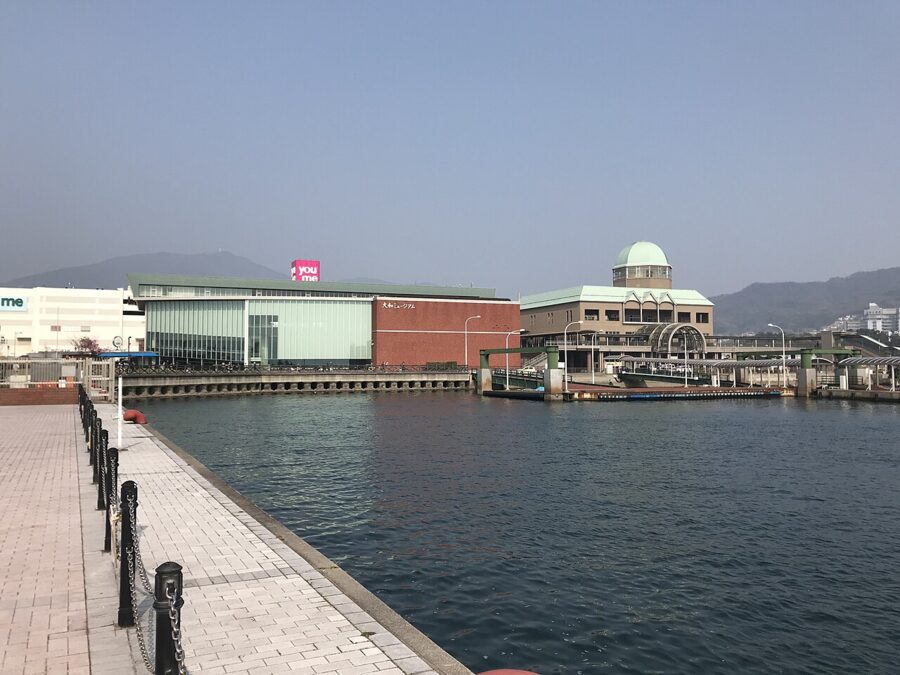
Kanazawa: black roux and a steel plate
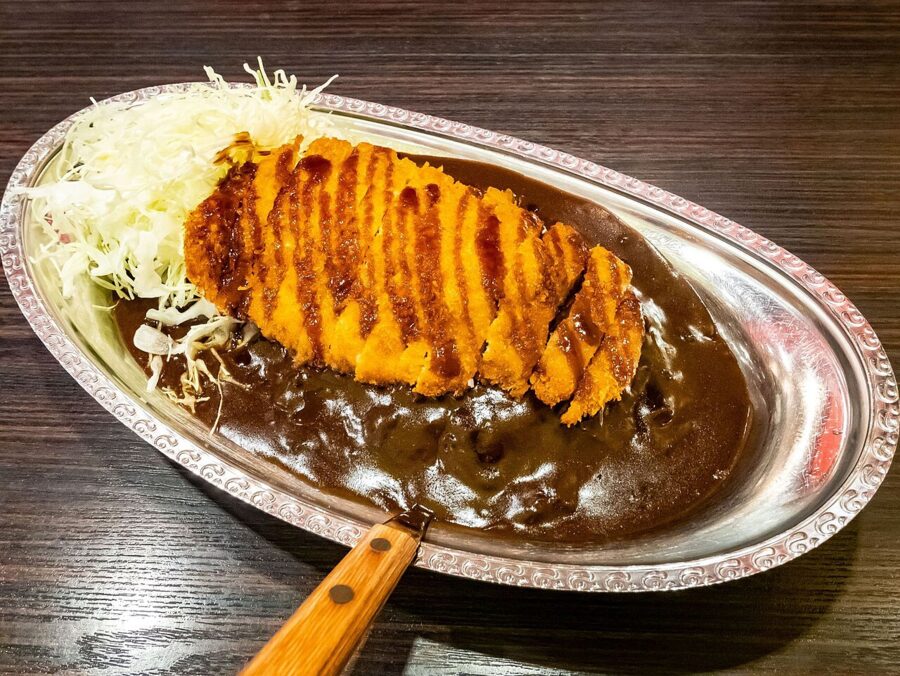
Kanazawa curry is near-black, thick enough to stand a fork in, and served on an oval stainless-steel plate with a cutlet on top, sauce over the cutlet and a heap of shredded cabbage. It goes back to a cook called Tanaka Yoshikazu, whose restaurant had settled on the steel plate and the sauced cutlet by 1963, and his recipe spread to a handful of other Kanazawa founders. The name “Kanazawa curry” only appeared in the mid-2000s.
You eat it with a fork or a split spoon, not chopsticks. Outside Ishikawa, the easiest place to try the style is Go Go Curry, whose first shop opened in Shinjuku in 2004. In Kanazawa itself, go to one of the older counters and compare.
Sapporo: soup curry
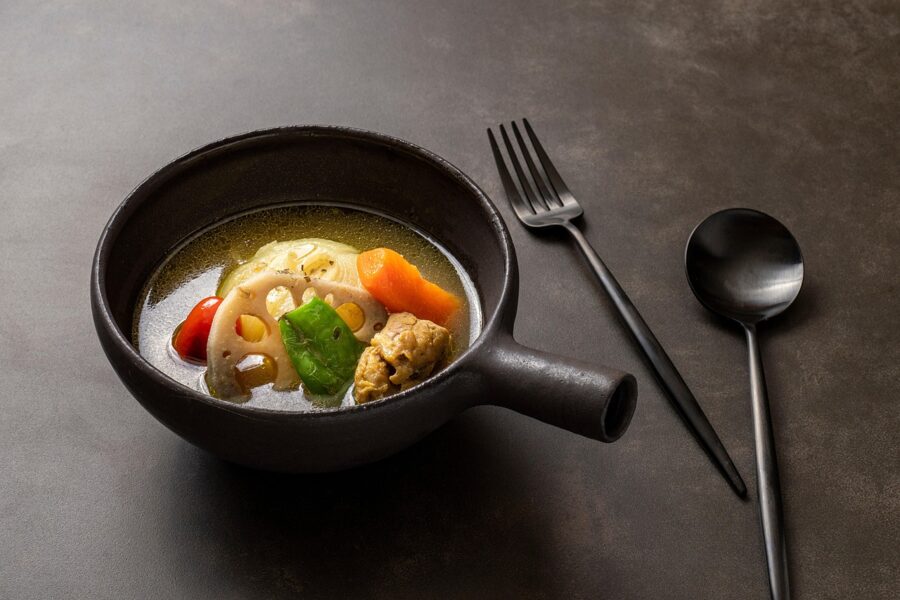
Sapporo soup curry skips the roux entirely: a thin, spiced broth, vegetables and a bone-in chicken leg cooked whole, and rice served on the side. The usual origin story is a Sapporo coffee shop whose “medicinal curry” for regulars in 1971 turned into a specialist restaurant in 1976. The name “soup curry” came later, from another Sapporo shop in 1993, and the boom went national after that shop opened a stall at the Yokohama Curry Museum in 2003.
Soup curry shops ask you to choose the broth, the heat level and the rice portion, and the heat scales go much higher than at a roux curry shop. Start in the middle. You can always add more.
Mojiko: yaki curry
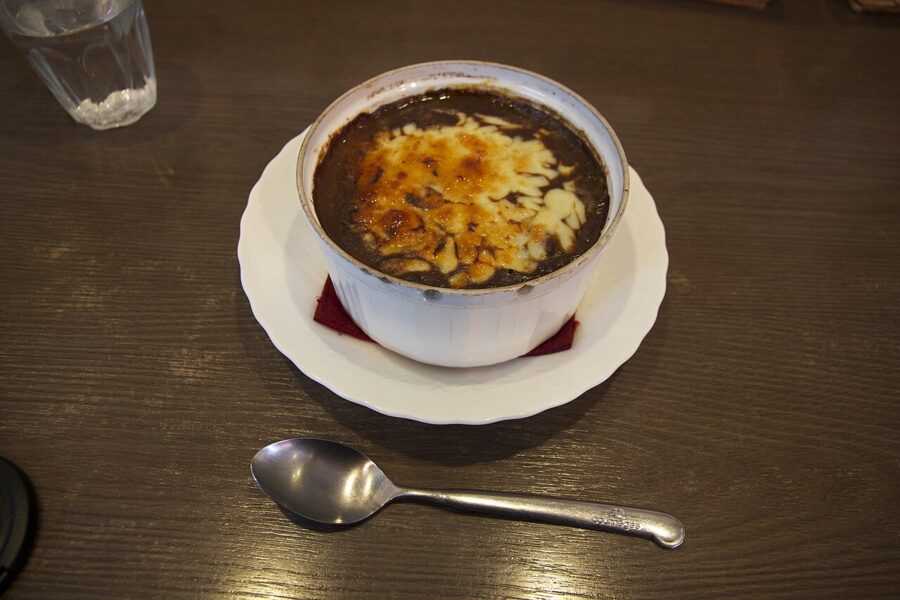
Yaki curry is curry rice topped with cheese and an egg and baked in the oven until it bubbles. It came out of a coffee shop on the Sakaemachi Gintengai shopping street in Mojiko, in Kitakyushu, sometime in the late 1950s or early 1960s. More than 30 restaurants in Mojiko now serve it, which makes the old port district one of the easier curry detours in Kyushu.
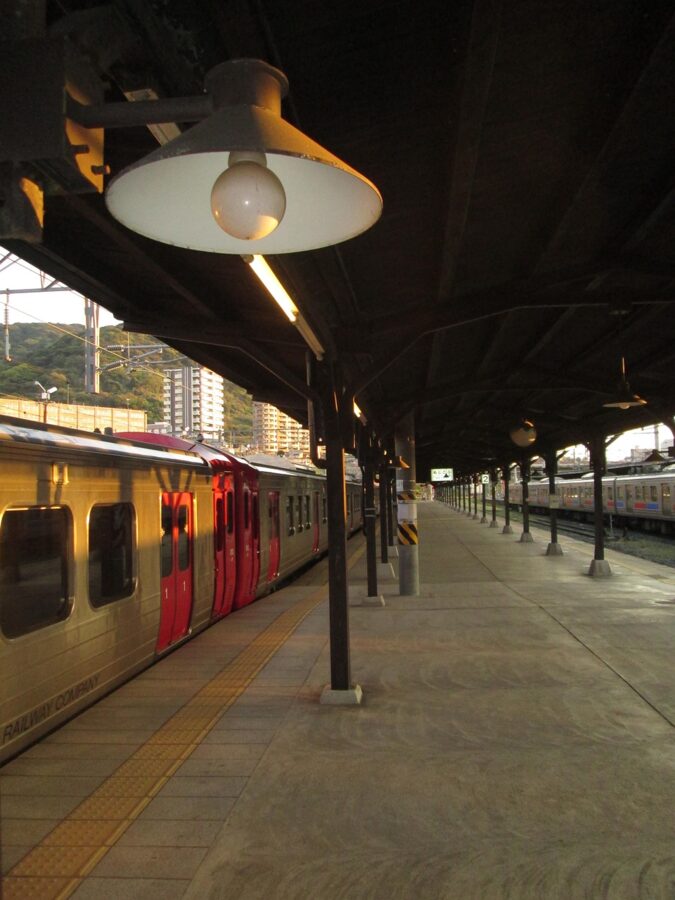
Kurobe Dam curry
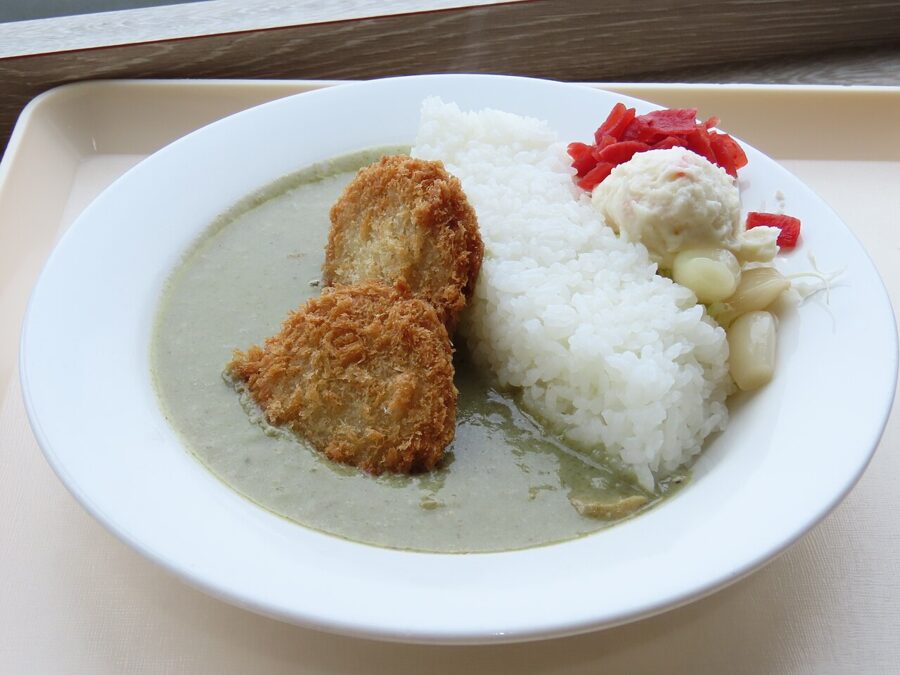
Kurobe Dam curry is a plate built to look like the dam: rice shaped into the curved wall, curry poured in behind it as the reservoir. It started as an “arch curry” in the late 1960s or early 1970s and was rolled out as a local dish by Omachi, in Nagano, from 2009. It is pure novelty, but if you are crossing the Tateyama Kurobe Alpine Route anyway, it is a fun lunch.
Toyohashi: curry udon with rice underneath
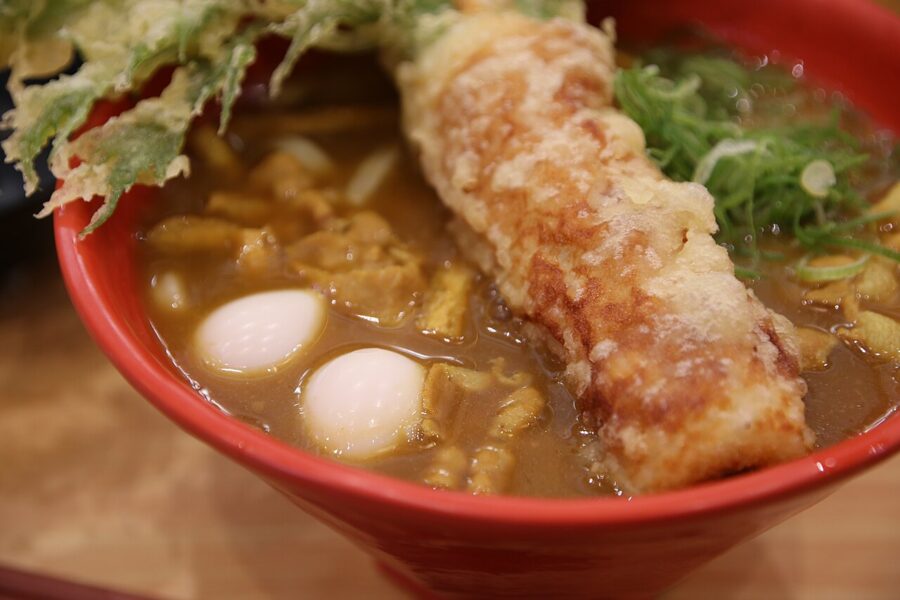
Toyohashi, in Aichi Prefecture, launched its own curry udon in 2010 to promote local noodles and quail eggs. The bowl is built in layers: rice at the bottom, then grated yam (tororo), then curry udon on top. You eat the noodles first, then dig down and finish the curry with the rice. It sounds heavy, and it is.
Hokkaido: curry ramen
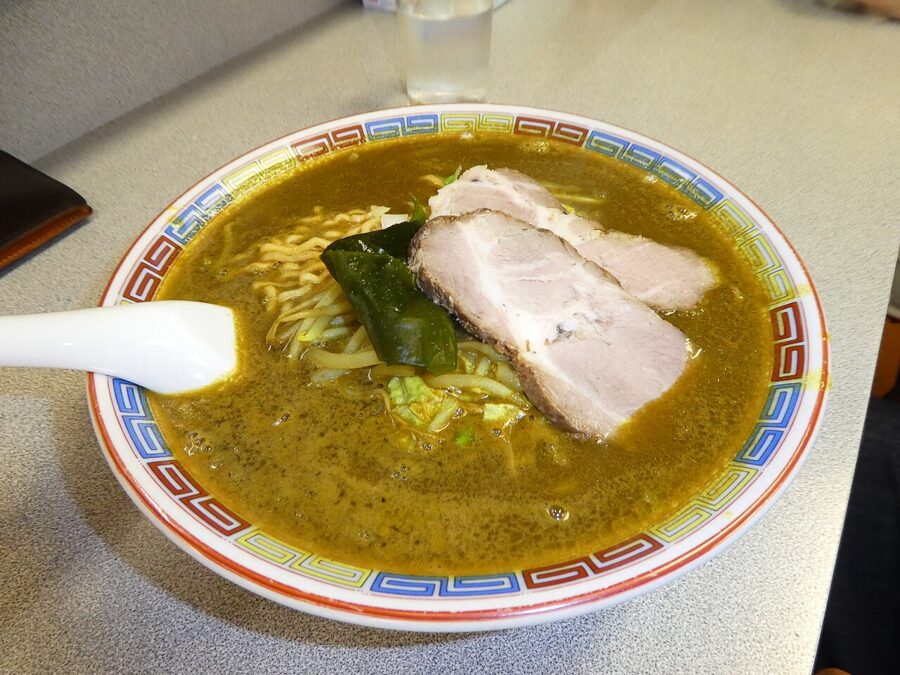
Curry and ramen were always going to meet. In Tomakomai on Hokkaido’s Pacific coast, curry ramen has been a local dish since around 1965, and Muroran, further along the same coast, sells its own. It belongs on the regional ramen map.
Osaka: spice curry
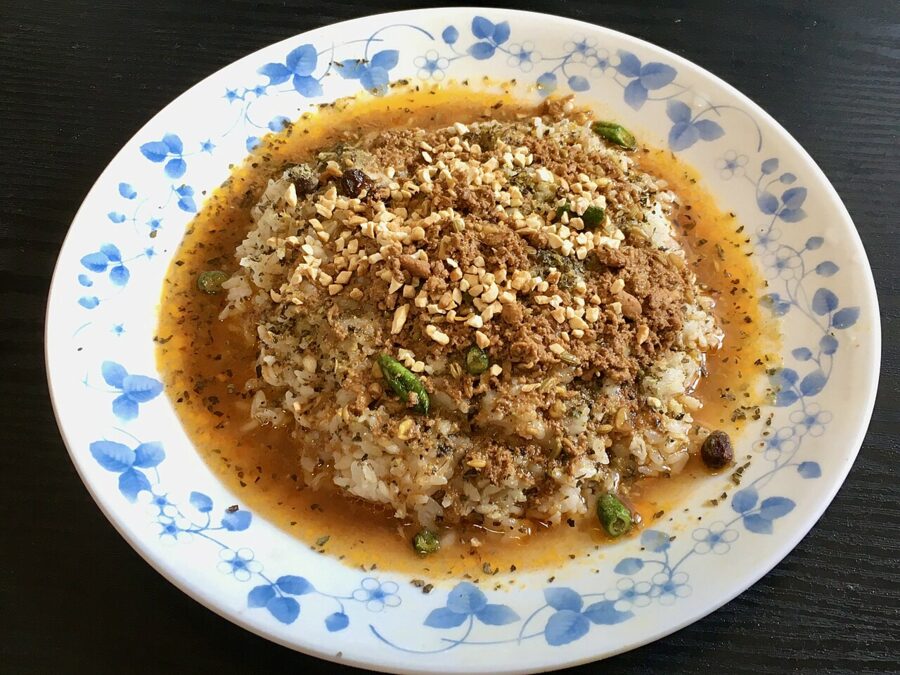
Osaka spice curry is the newest style on this list, and the one that looks least like Japanese curry. No roux, freshly blended spices, often a dashi base, and a plate crowded with small vegetable sides. Most accounts trace it to a restaurant that opened in Osaka’s Minami district in 1992. It took off in Osaka around 2008 and went national in 2018, and supermarket food companies now sell retort versions created with Osaka shops.
Kanda: four hundred curry counters in one district
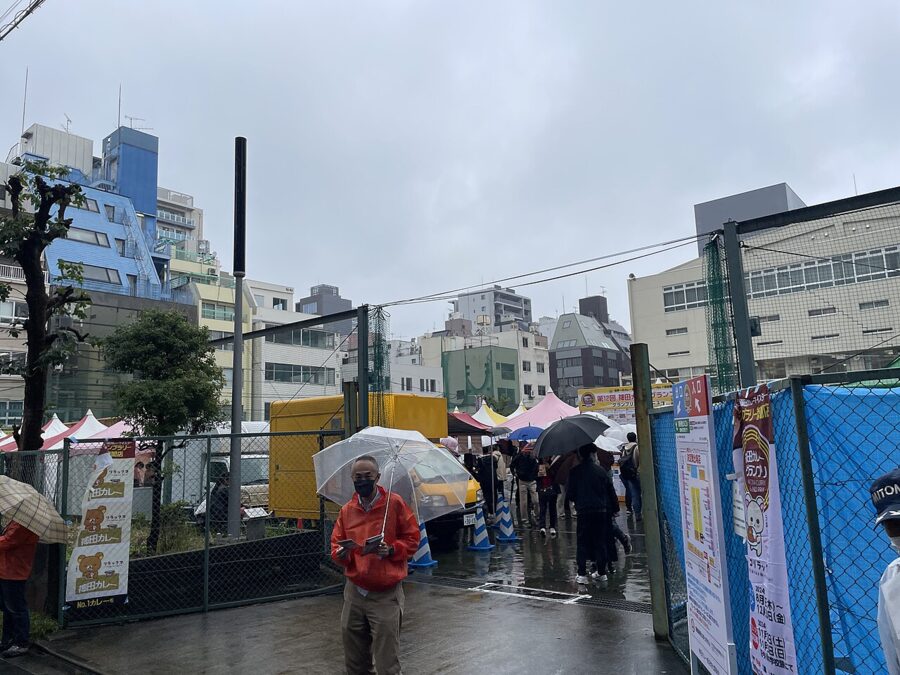
Kanda and Jimbocho in Tokyo are famous for second-hand bookshops, sports shops and musical instrument stores. They also have more than 400 places serving curry, which is why the neighbourhood started the Kanda Curry Grand Prix in 2011. The 14th edition ran on 31 October and 1 November 2026 at Ogawa Hiroba, drew more than 38,000 people over two days, and was won by C&C’s Akihabara branch.
The more useful event for a visitor is the stamp rally, which in 2026 runs from 1 August to 20 December. You pick up the official guidebook, eat your way round, and collect stamps; eat at 20 shops and you become a certified “curry meister”. There were more than 5,000 of them by 2023.
Four shops to start with
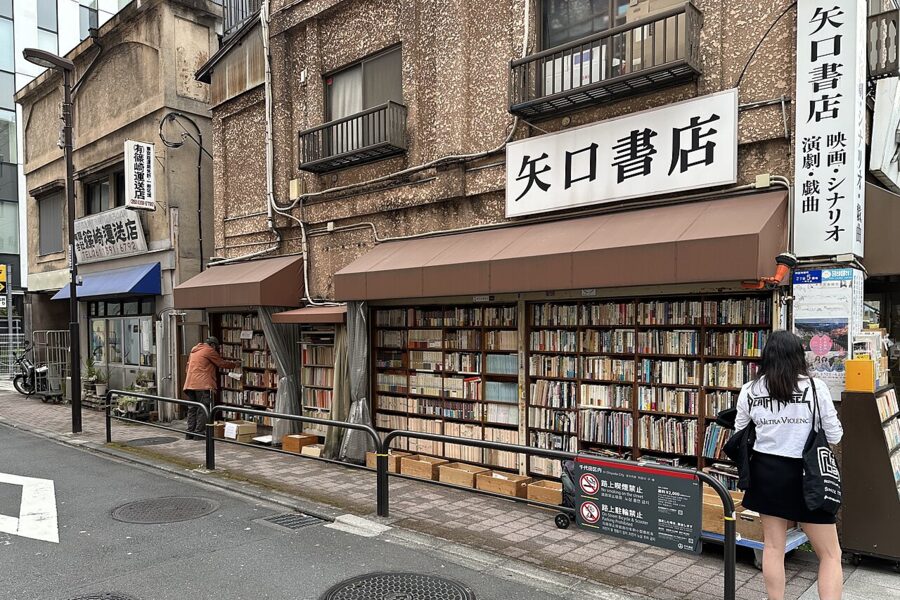
Kyoeido is where Kanda’s curry story begins. It opened in 1924 as a Western-style restaurant near Ochanomizu Station and moved to Jimbocho later as a curry specialist. Its Sumatra curry uses no wheat flour at all, just more than 20 spices simmered with vegetables and meat until the sauce is almost black, with the pork, chicken or beef cooked separately.
It is in the basement at Kanda Jimbocho 1-6, two minutes from exit A5 of Jimbocho Station on the Toei Mita line, open Monday to Saturday 11:00–20:00 (last orders 19:45) and closed on Sundays. At busy times you will share a table.
Bondy, at Kanda Jimbocho 2-3, opened in 1973 and is the reference point for Kanda’s oufu (European-style) curry, the rich style built on stock and butter that Japan’s Western restaurants developed. Gaviaru, opened in 1982 at Kanda Jimbocho 1-9, works in the same style. Ethiopia, at Kanda Ogawamachi 3-10-6, belongs to the same 1970s and 80s wave of curry specialists. All four were taking part in the 2026 stamp rally, which is also a good sign that they are still worth the queue.
For orientation, Jimbocho Station sits on the Mita, Shinjuku and Hanzomon lines, and all four shops are within walking distance of each other. If you have one meal, eat at Kyoeido, because nothing else tastes like it. If you have two, add Bondy and compare.
Old houses or CoCo?
Japan’s curry restaurants split into two camps. The old houses are about one fixed curry, cooked the same way for decades. The chains are about choice, speed and price. You need both to understand the dish, and you don’t have to pick a side.
The old houses outside Kanda
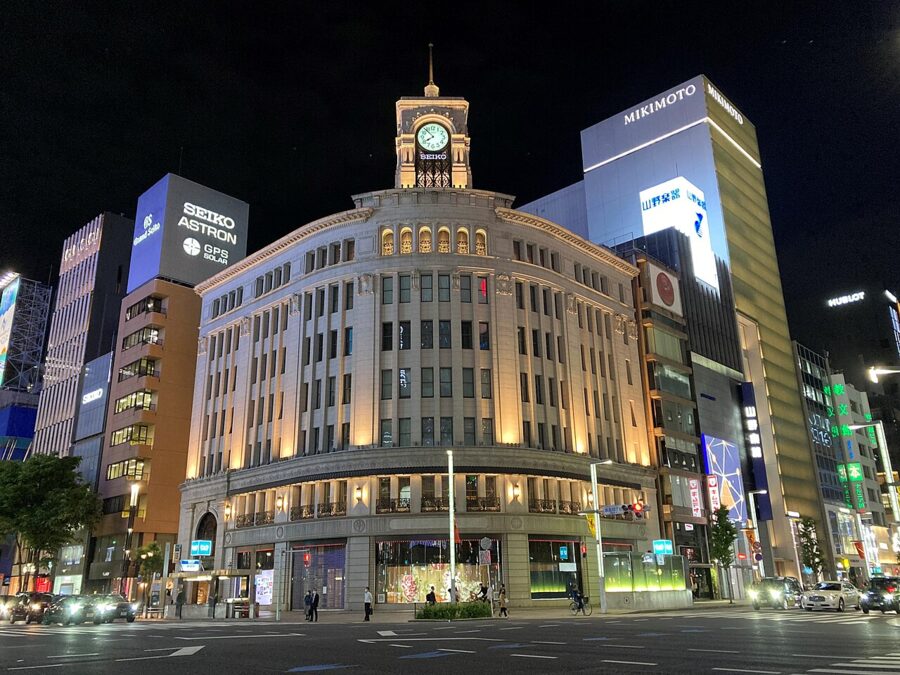
Ginza Swiss is the obvious one for katsu curry. It has moved since the 1940s and now sits on the second floor of the Okura Bekkan building at Ginza 3-4-4, a short walk from Ginza-itchome Station. It is open 11:00–21:00 (last orders 20:30). Two rules worth knowing: from 14:00 there is a ¥500 per person table charge unless you order a drink or dessert, and weekend lunches are limited to 60 minutes.
Shinjuku Nakamuraya’s Manna serves the 1927 “pure Indian-style” curry: chicken in a sauce built on onion, yoghurt and stock, with its own set of condiments. And in Osaka, Jiyuken’s mixed curry is the one to eat, at the original Namba restaurant rather than a retort pack. Jiyuken’s own site points out that some products and shops using the name have nothing to do with it.
How to order at CoCo Ichibanya
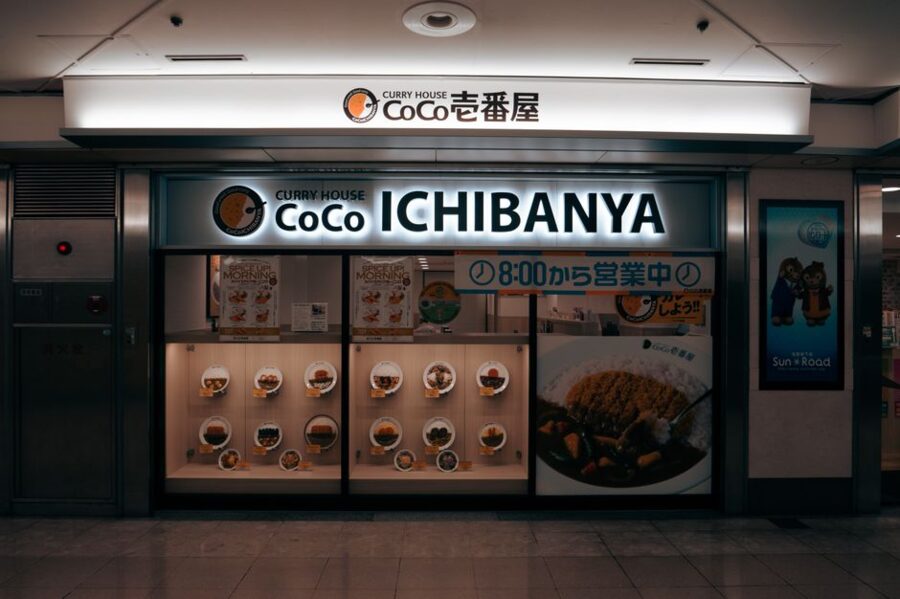
CoCo Ichibanya is Japan’s default curry chain and a House Foods group company. It is easy, it is everywhere, and it lets you control every part of the plate. The listed prices in November 2026 were ¥646 for a plain pork curry and ¥1,055 for a pork loin katsu curry, tax included, though prices vary a little by region.
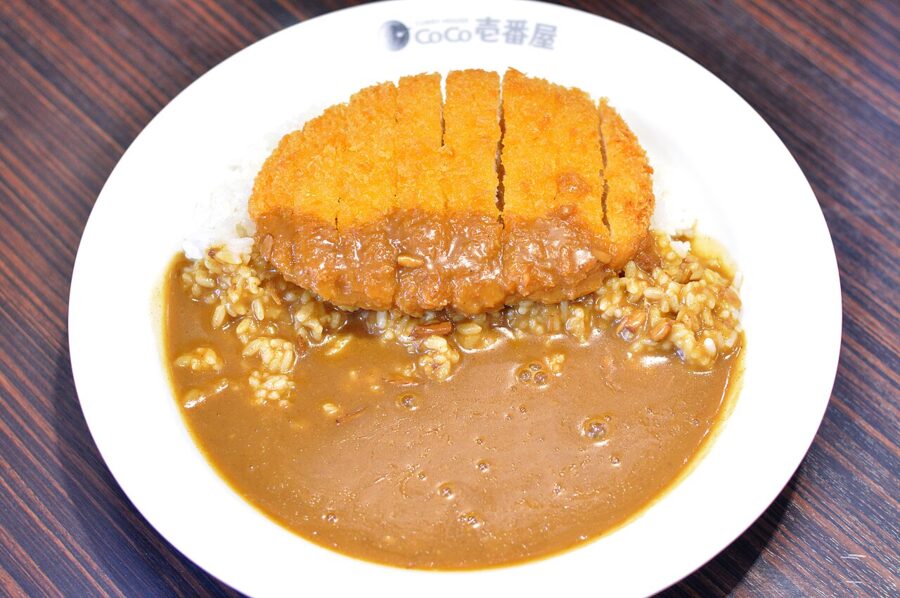
The order goes in four steps. Pick the sauce (pork, mild pork, beef, a vegetable sauce or hashed beef). Pick the rice, from 150g to 400g in 50g steps and then in 100g steps, with 350g adding ¥65.
Pick the heat, from mild to 20-kara (or add sweetness from 1-ama to 5-ama instead). Then add toppings, which is where the bill grows. Orders between 22:00 and 05:00 carry a 7% late-night surcharge.
For a first visit, order standard heat, 300g of rice and one topping. The jumps between the higher spice levels are bigger than they look, and you can’t take it back once it is on the plate.
The chain started with a coffee shop. Munetsugu Tokuji and his wife Naomi opened a cafe called Bacchus in Nishi-Biwajima, in Aichi Prefecture, in 1974, and its curry was popular enough that they opened the first CoCo Ichibanya in 1978. Customers could already pick their heat level in the chain’s early years. The first overseas branch opened in Hawaii in 1994, and London got one in 2018.
Go Go Curry and the rest
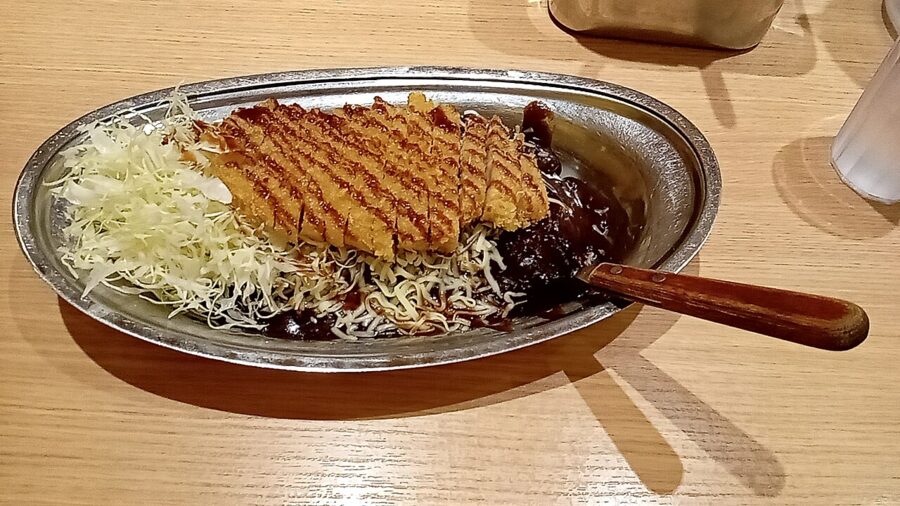
Go Go Curry is the Kanazawa-style chain, with a gorilla as its mascot, and it now runs shops across Japan and abroad. For curry pan, the big convenience store chains sell their own. For a quick roux curry between trains, the station counters are hard to beat.
My own take: eat at CoCo once, because it is part of how Japan eats curry and you should know how the system works. Then spend the rest of your curry meals at the places that only cook one thing.
Festivals: when to plan a curry trip
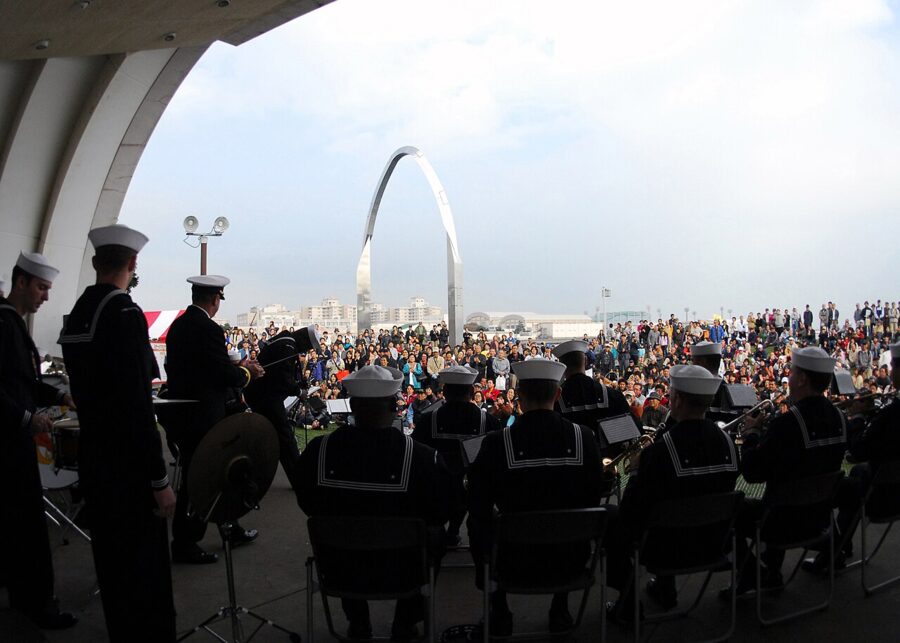
Curry festivals in Japan are informal and cheap, and most of them are outdoors on the waterfront or in a park. If your dates line up with one, it is the fastest way to try a dozen styles in an afternoon.
| Event | Where | When (2026 edition) |
|---|---|---|
| Yokosuka Curry Festival | Verny Park, Yokosuka | 16–17 May, 10:00–16:00 |
| Autumn Yokosuka Curry Fes | Verny Park, Yokosuka | 10 October, 10:00–16:00 |
| Shimokitazawa Curry Festival | Shops around Shimokitazawa Station, Tokyo | 8–25 October |
| Kanda Curry Grand Prix final | Ogawa Hiroba, Kanda, Tokyo | 31 October–1 November |
| Kure Kaiji Curry and Gourmet Festa | Yamato Hatoba, Kure | 14–15 November, 10:00–15:00 |
The Yokosuka festival is the big one. The 2024 edition drew about 50,000 people, and the 2026 spring festival added a public visit to ships at the Maritime Self-Defense Force base next door on the second day. There is no parking at Verny Park, so take the train, and if the weather looks bad, check before you set off: it goes ahead in rain but is called off in a storm.
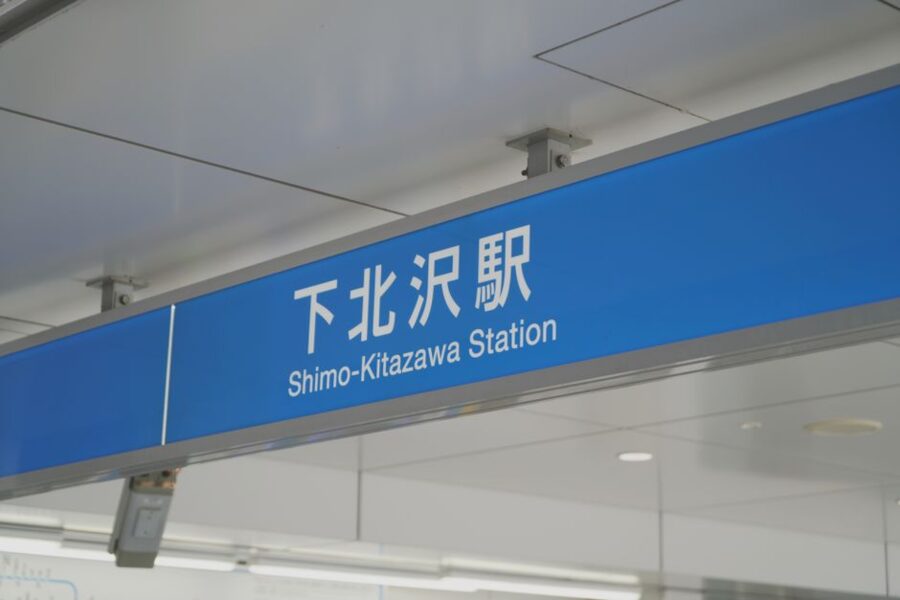
Shimokitazawa’s festival has no central venue at all. In 2026, 135 shops took part, 110 of them curry restaurants, each serving curry during its own opening hours, so it works best as a walking crawl over two or three evenings.
The national Curry Day is 22 January. On that day in 1982, schools were asked to serve the same lunch nationwide, and curry won the vote in all 47 prefectures.
Retort curry: the souvenir that survives the flight
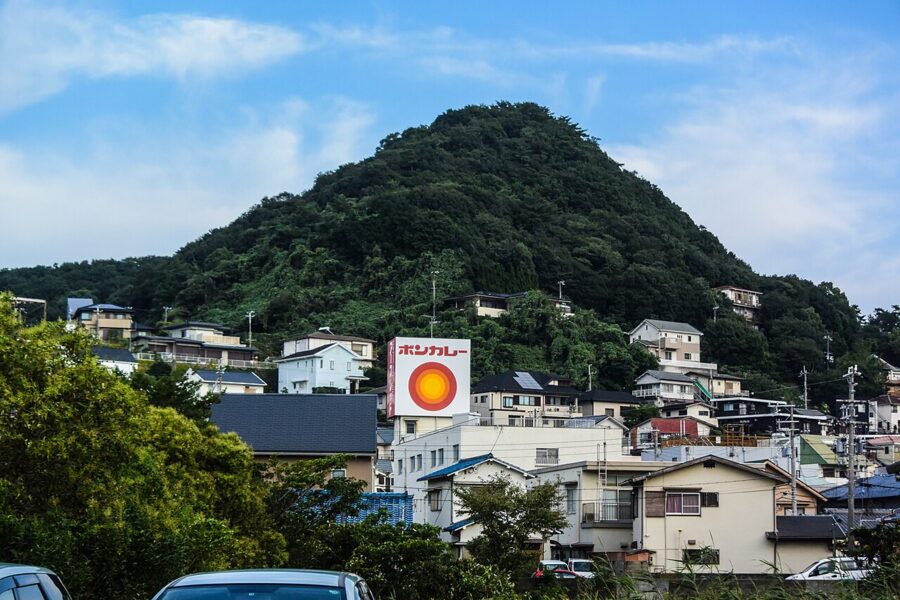
Retort curry is curry cooked, sealed in a foil pouch and sterilised, so it keeps at room temperature and heats in hot water or a microwave. Bon Curry, launched by Otsuka Foods on 12 February 1968, was the first retort food sold to the public anywhere in the world. It cost ¥80 when a curry in a restaurant cost about ¥100. The first pouches only lasted a few months; adding an aluminium layer in 1969 stretched that to two years.
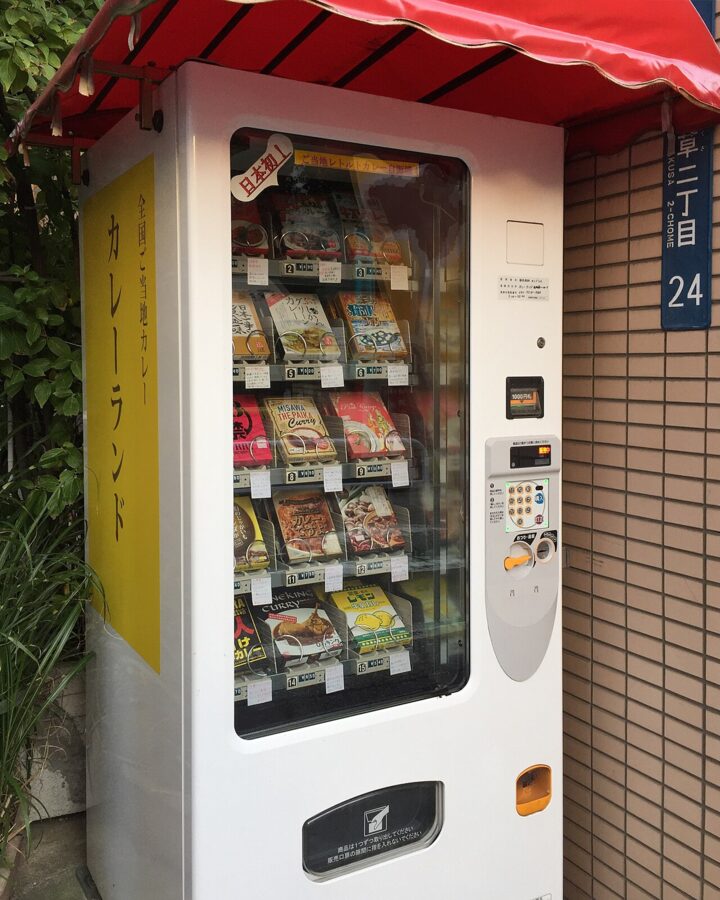
The packs took over. In 2017, Japanese households spent more on retort curry than on roux for the first time. Today every region, and almost every famous curry shop, has a retort version: Yokosuka navy curry has been sold in packs since 1999, S&B makes a Kanda Curry Grand Prix series, and Nakamuraya sells its Indian-style curry in pouches. Some places even sell regional curries from vending machines.
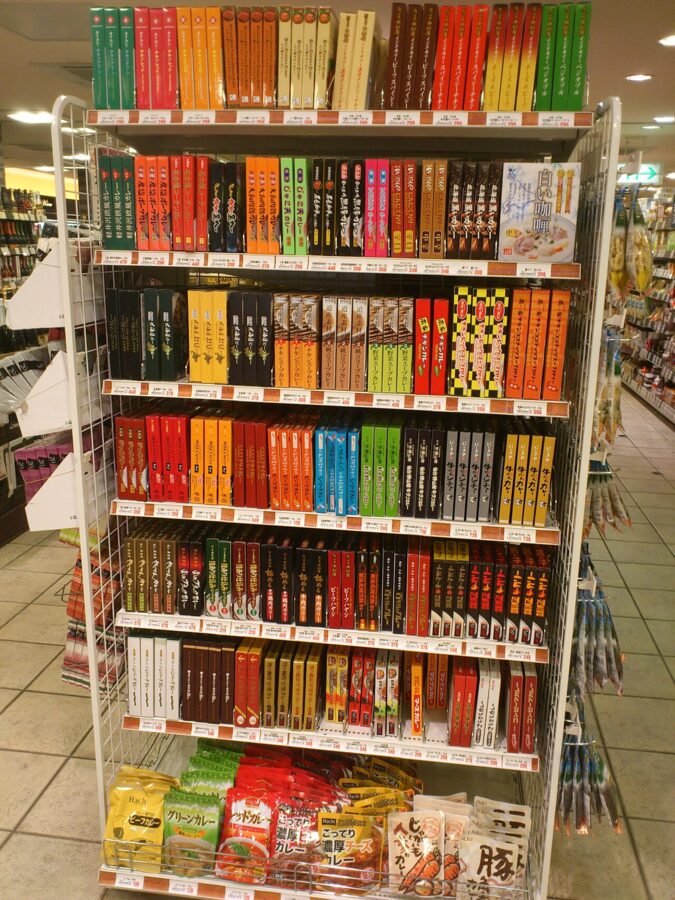
As souvenirs, they are close to perfect. They are light, they don’t need refrigeration, and each one tells you something about the place on the box. Buy them in the town they come from, from a shop that also sells the fresh version, rather than from an airport gift shop, and check that the pack is made by or with the restaurant whose name is on it. There are shops that sell nothing but regional retort curry, and plenty of their packs cost under ¥500.
What it costs
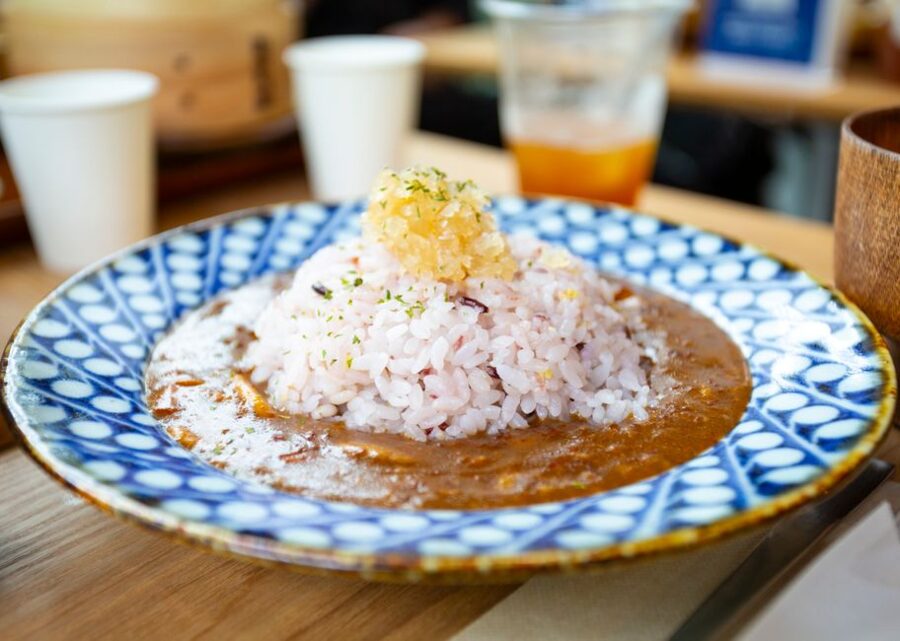
Japanese curry is one of the cheapest good meals in the country. These are the prices that each restaurant listed in November 2026; regional events and toppings will push them up.
| Meal | Where | Price |
|---|---|---|
| Plain pork curry | CoCo Ichibanya (standard price) | ¥646 |
| Pork loin katsu curry | CoCo Ichibanya | ¥1,055 |
| Meibutsu mixed curry | Jiyuken, Namba | ¥990 |
| Katsu curry | Jiyuken, Namba | ¥1,050 |
| Navy curry with salad and milk | Wood Island, Yokosuka | ¥1,000–1,999 per person |
| Bon Curry at launch | 1968 | ¥80 |
Two extras catch people out. At CoCo, a bigger rice portion and every topping add to the bill, so a loaded plate can cost double the menu price. At Ginza Swiss, sitting down after 14:00 without a drink or dessert adds a ¥500 table charge per person.
Skip this
Skip the idea that the navy invented Japanese curry, or that the Friday curry is for counting days at sea. Enjoy the story in Yokosuka, then remember the 1872 cookbooks.
Skip buying retort curry at the airport if you have been anywhere near the place it comes from. The selection is thinner, and a pack from the shop that makes the fresh curry is the better souvenir.
Skip ordering the top of the heat scale on your first visit anywhere. CoCo’s 20-kara and the hottest soup curry broths are a dare, not a meal, and the stomach ache lasts longer than the story.
And don’t make a special trip just for Kurobe Dam curry or any of the other shaped-plate novelties. Eat them if you are passing. Spend the detour on Yokosuka, Kanazawa or Sapporo instead.
If you only have one day in Tokyo for curry, eat a Sumatra curry at Kyoeido for lunch, buy a curry pan on the way back to the station, and save the katsu curry in Ginza for dinner. Then go home with three retort packs in your bag and a fair idea of why Japan eats curry more often than sushi.
You Might Also Enjoy
 Fugu in Japan: How to Eat Pufferfish Safely, Course by Course, and Where It’s Best
 Thai Street Noodles: A Field Guide from Boat Noodles to Khao Soi
 Chongqing: Hongyadong, the Yangtze Cableway, the 8D Streets and How to Spend Three Days in the Mountain City
 Nara Day Trip: Todai-ji Before the Crowds, the Deer, Naramachi and What to Eat