Tsukiji Outer Market: What to Eat, Where to Queue, and How It Compares with Toyosu
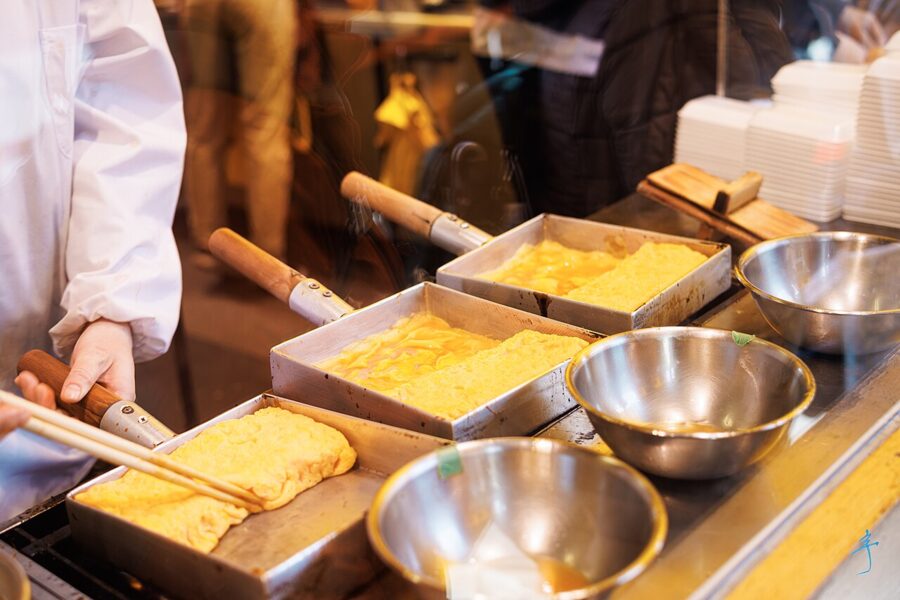
The tuna left Tsukiji on 6 October 2018. The queue for egg didn’t. Walk down from Tsukiji Station on a weekday morning and the first crowd you hit isn’t at a fish stall at all: it’s a cluster of people in front of a window where a man in white is folding a slab of omelette in a square pan, layer by layer, while someone hands out sticks of it at ¥200 a go.
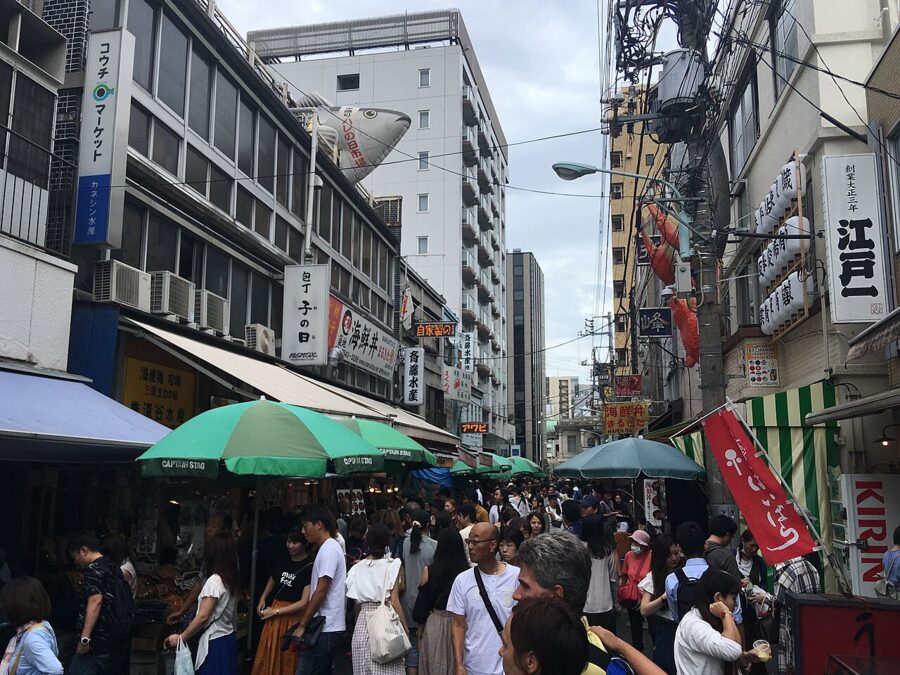
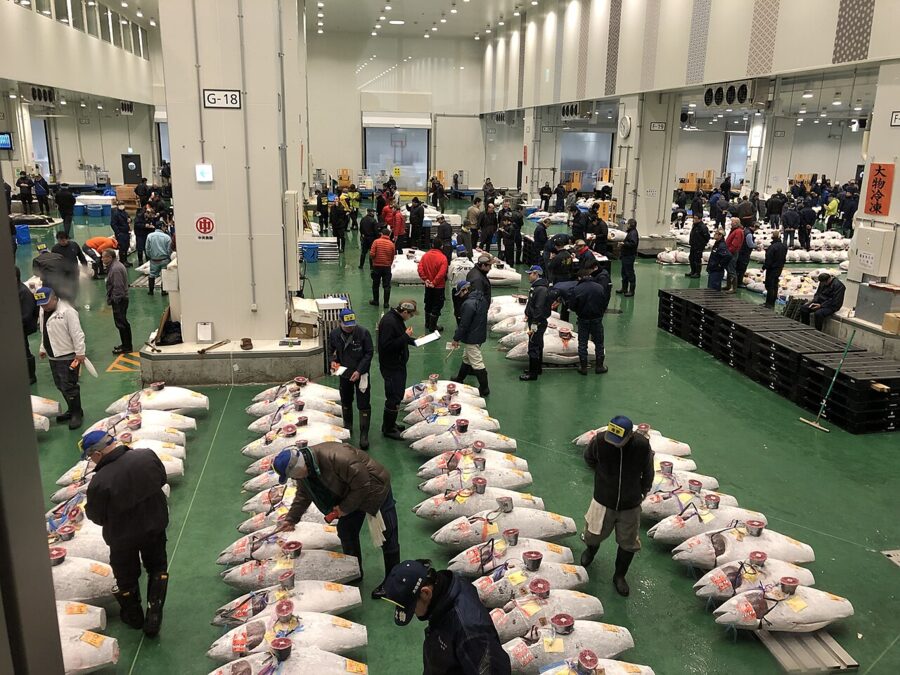
That’s the thing most people get wrong about Tsukiji. The famous part, the wholesale floor and the predawn tuna auction, moved across the mouth of the Sumida to Toyosu. The part a hungry visitor actually walks through, a grid of around 460 shops and restaurants squeezed between Harumi-dori and Shin-Ohashi-dori, never closed.
So the question isn’t “is Tsukiji still worth it”. It’s which of the two markets you want, and for what. Here’s the short version before the long one.
| Tsukiji Outer Market | Toyosu Market | |
|---|---|---|
| What it is | Retail and restaurant district, around 460 shops | Tokyo’s main wholesale fish market since 11 October 2018 |
| Best for | Eating, browsing, buying knives and dashi | Watching the tuna auction, early sushi |
| Hours that matter | Roughly 5:00–14:00; general public from 9:00 | Visitor route 5:00–17:00; auction deck 5:45–6:25 |
| Closed | Most shops on Sundays, holidays and market-holiday Wednesdays | Sundays, holidays and market-holiday Wednesdays |
| Booking | None | Monthly lottery for the auction deck only |
| Nearest stations | Tsukijishijo (Oedo Line, Exit A1), Tsukiji (Hibiya Line, Exits 1 and 2) | Shijo-mae (Yurikamome) |
| Cost to get in | Free | Free, deck included |
In This Article
- What Tsukiji is now, and what left in 2018
- Inner market, outer market
- What happens to the old site
- Timing: when Tsukiji is open, and when it isn’t
- Closed days
- The house rules
- Eating your way through the outer market
- Tamagoyaki, three ways
- Tuna, sushi and the bowl question
- Grilled, shucked and skewered
- Not everything is fish
- Something sweet, something to drink
- Things to carry home
- Knives
- Dashi: katsuobushi, kombu and niboshi
- Tea, nori, pickles and fishcake
- Tsukiji Uogashi: the market inside the market
- Namiyoke Shrine and the fish memorials
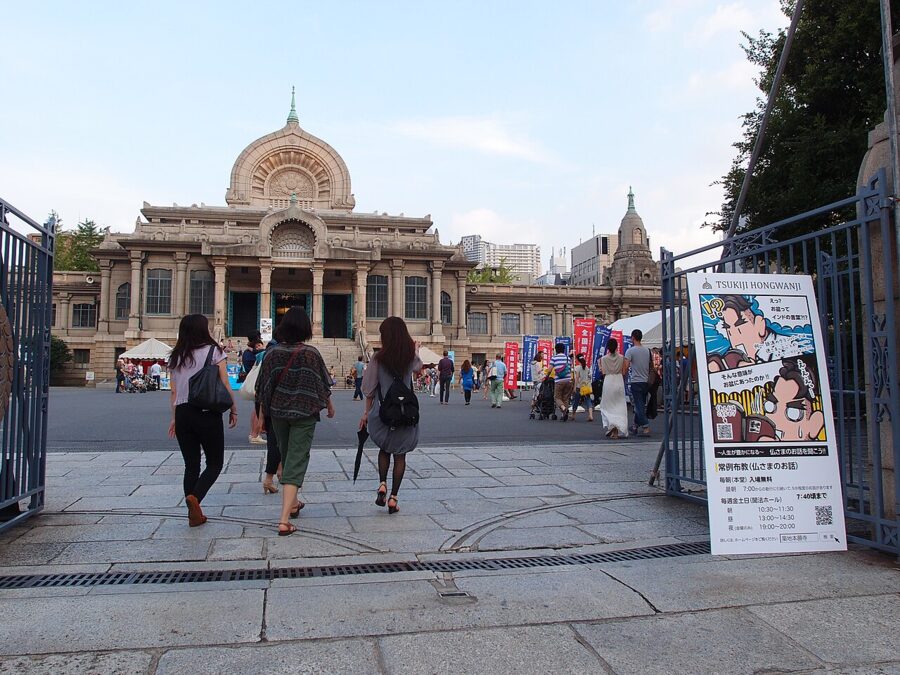
- Tsukiji Hongwanji, the temple that started it
- Toyosu: where the tuna went
- The tuna auction, step by step
- Eating at Toyosu
- Toyosu Senkyaku Banrai
- Getting there, and getting between the two
- Prices, and a short “skip this” list
- Skip this
- After the market: the river side of Tsukiji
What Tsukiji is now, and what left in 2018
The name tells you most of it. Tsukiji means “built land”: after the Great Meireki Fire of 1657 levelled much of Edo, the shogunate reclaimed this stretch of the Sumida estuary, and the temple that became Tsukiji Hongwanji was rebuilt on ground its own followers, fishermen from Tsukudajima, filled in from the sea. By 1664 fish wholesalers from the Nihonbashi fish market had opened a merchant quarter here called Minami-Odawara-cho, so the fish connection is older than most people assume.
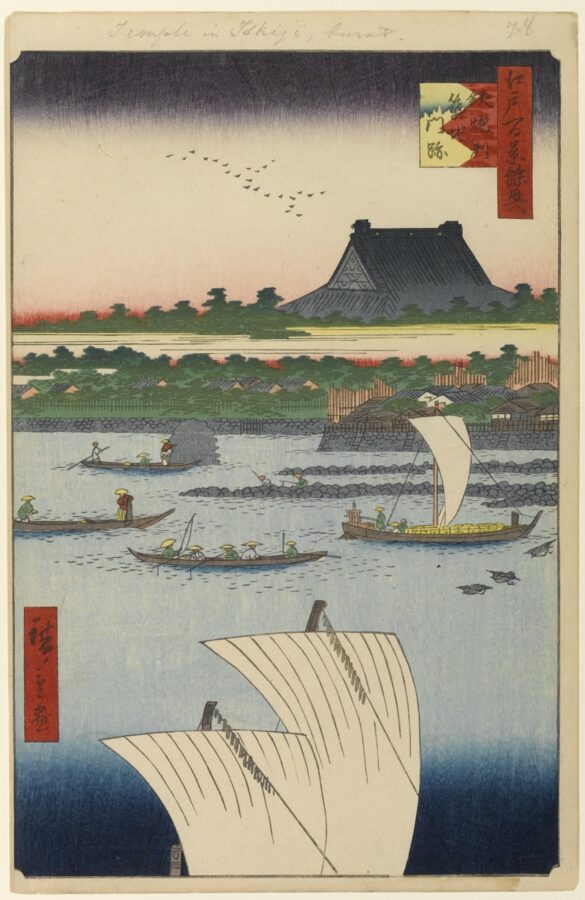
The market itself is a twentieth-century thing. The Great Kanto Earthquake of 1923 destroyed the old riverside fish market at Nihonbashi, a temporary market opened on navy land in Tsukiji that December, and the Tokyo Municipal Central Wholesale Market opened here in 1935. Its curving sheds followed the line of a railway siding that brought fish trains straight onto the floor until January 1987.
At its height the site covered about 23 hectares, with roughly 1,000 middlemen trading in it. Theodore Bestor’s book Tsukiji: The Fish Market at the Center of the World is still the best account of how that place worked, and it’s worth reading before you go, if only to understand what the shopkeepers around you lost and what they kept.
Inner market, outer market
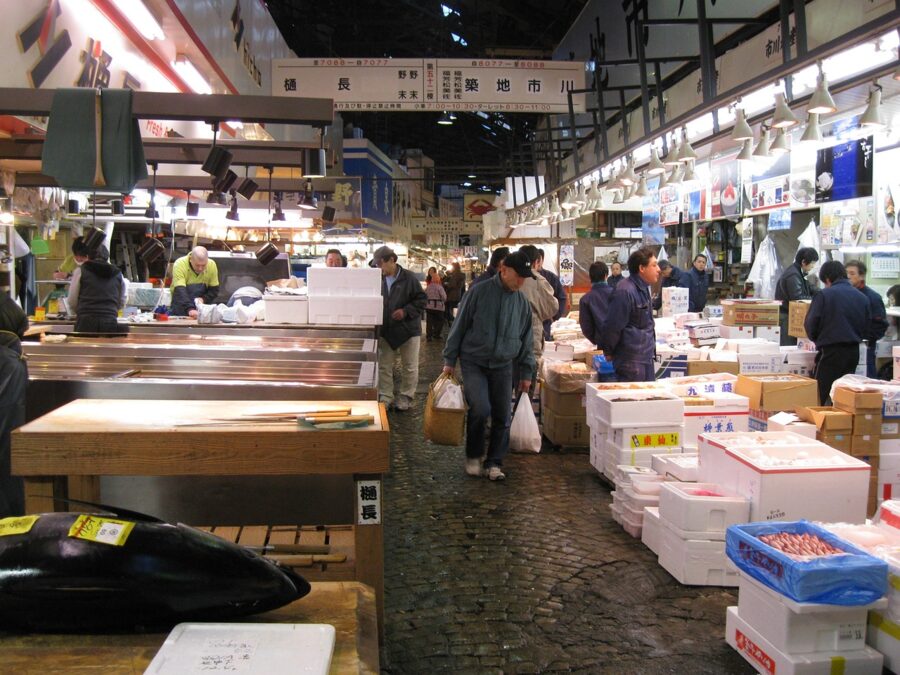
Two words do all the work here. Jonai, inside the market, was the licensed wholesale floor run by the city. Jogai, outside the market, was the ordinary shopping street that grew up around its walls to sell knives, dried bonito, pickles, tea and breakfast to the people who worked inside.
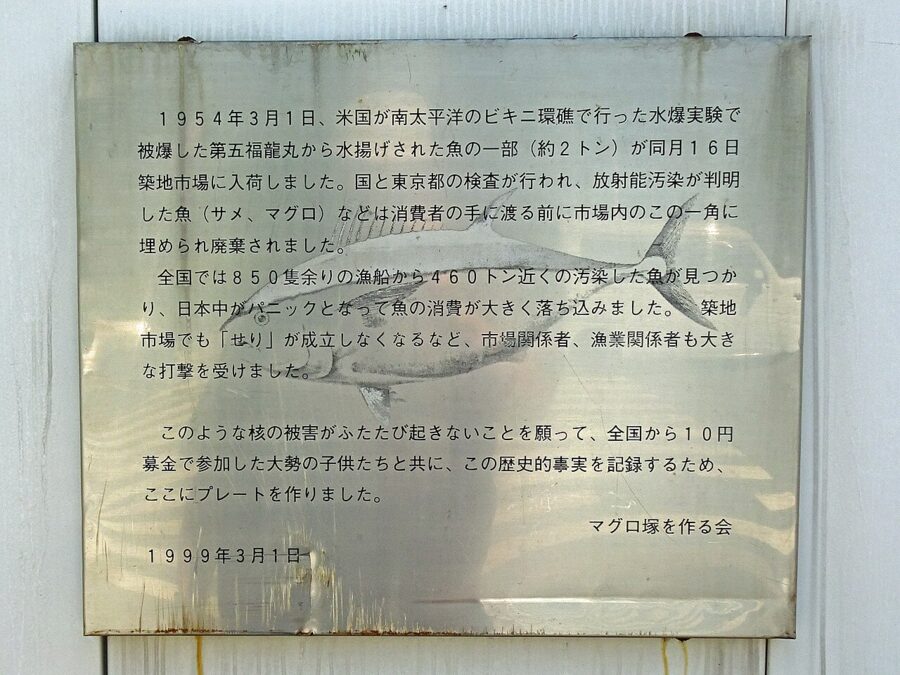
When the jonai closed on 6 October 2018, the jogai simply stayed put. After a public vote, the shopping street announced that September that it would keep the name Tsukiji Jogai Shijo, and Chuo City opened a new building, Tsukiji Uogashi, on 1 October 2018 to give some of the departing middlemen a retail foothold in the old neighbourhood.
What happens to the old site
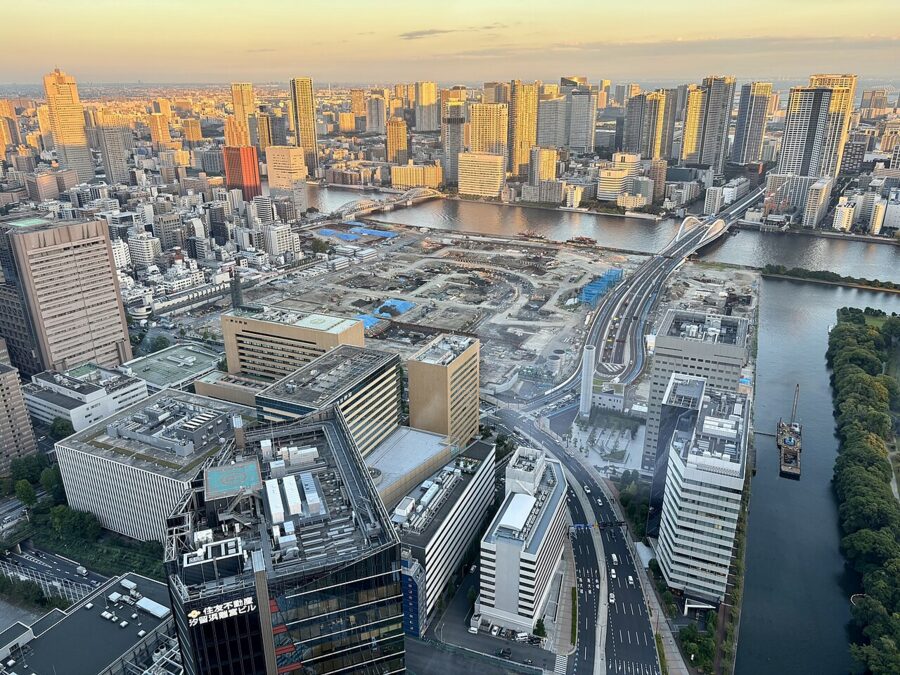
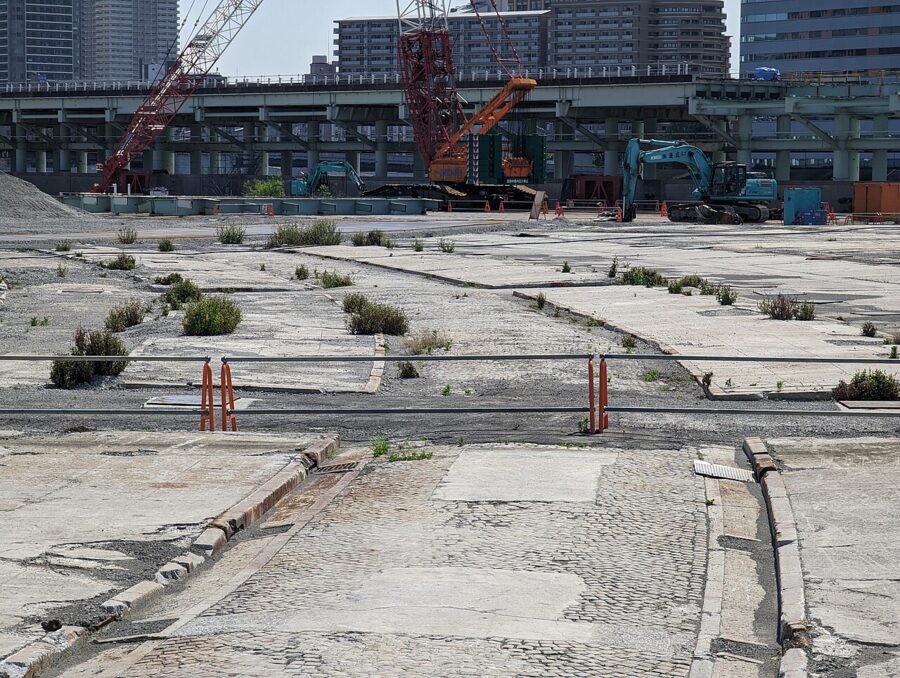
For a few years after 2018 the cleared ground was a car park and a transport depot for the Tokyo 2020 Games. In April 2024 the Tokyo Metropolitan Government picked a group of 11 companies, led by Mitsui Fudosan and including Toyota group firms, to redevelop it around a large multipurpose arena, so the view from Kachidoki Bridge will keep changing for a decade.
Timing: when Tsukiji is open, and when it isn’t
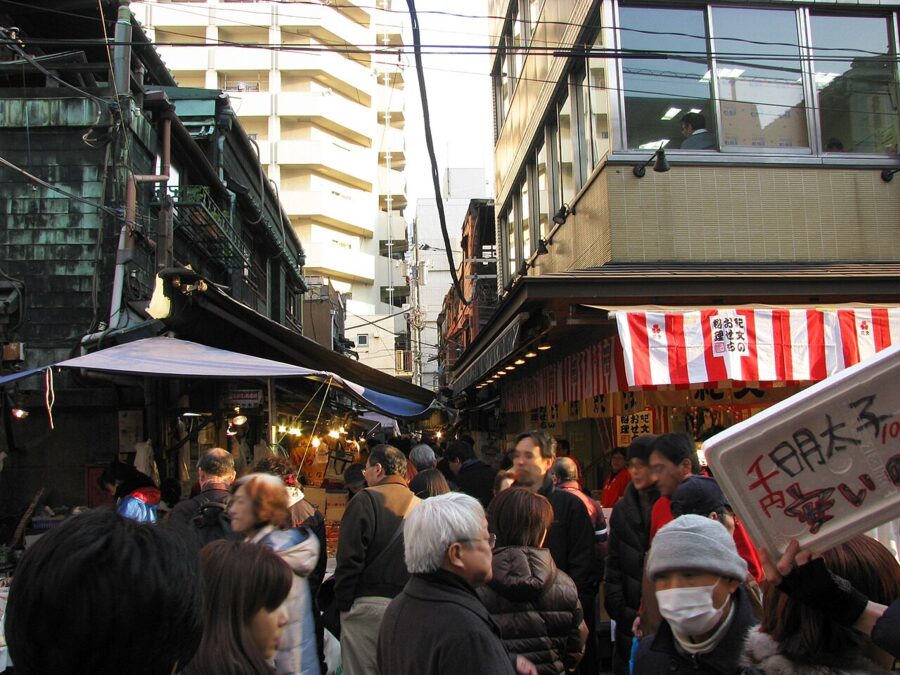
Tsukiji keeps market hours, not shop hours. Many shops open at 4:00 or 5:00, the professionals have priority until 9:00, and the general rhythm winds down from about 13:00. By 14:00 a lot of the food stalls are scrubbing their counters.
The market’s own recommendation for visitors is 9:00 to 14:00. Mine is narrower: arrive at about 9:00, when the professionals’ head start ends, eat first, shop second, and be done by 11:00, when the lunch crowd and the tour groups arrive at the same moment.
Closed days
The outer market follows the Tokyo Central Wholesale Market calendar, and that calendar is the single most useful thing to check before you go. The wholesale market shuts on Sundays and national holidays, plus a run of Wednesdays through the year (not every Wednesday), and most Tsukiji shops close with it.
Sundays aren’t dead, though. The market association reckons about a third of shops open on Sundays and holidays, mostly the restaurants, and the information centre runs shorter hours (10:00–14:00). What you lose on a Sunday is the professional buzz and most of the wholesale-style fishmongers.
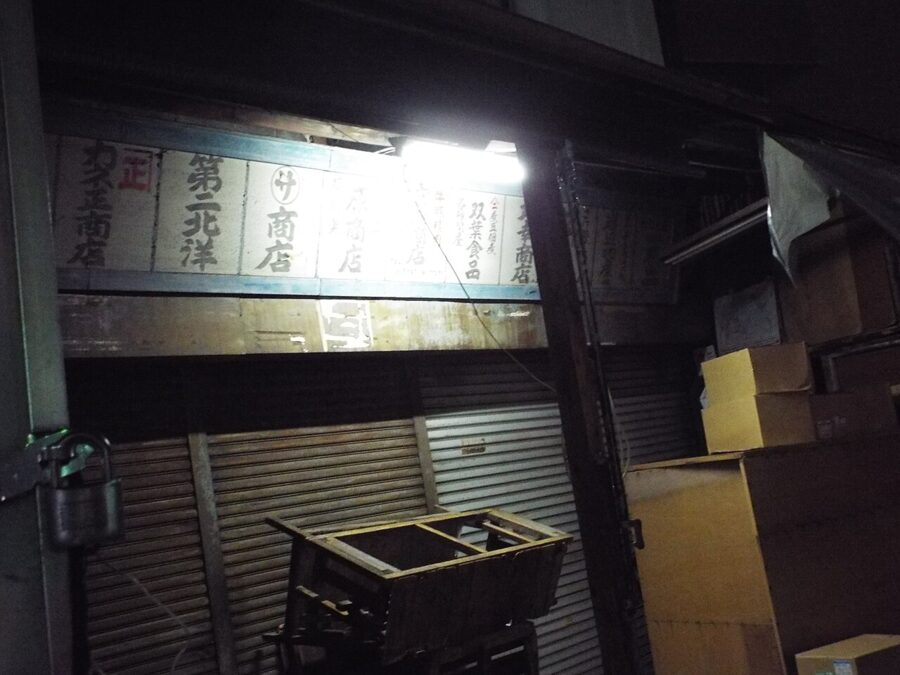
Two seasonal exceptions catch people out. Most shops close for the New Year until 4 January, and the last few days of December are the busiest of the whole year, as Tokyo stocks up for New Year food; the market’s own advice for year-end shopping is to come between 7:00 and 8:00. Many shops also take about three days off in mid-August, in step with the wholesale market’s Obon break.
The house rules
The market publishes eight rules in English and Japanese, and they’re sensible rather than fussy. Professionals first until 9:00. Eat inside the shop or in front of it, or in a designated spot, not while walking.
Leave big luggage in a coin locker. Move in small groups and keep hold of small children.
The other four: ask before you photograph a shop (some post signs refusing), don’t touch the food, don’t haggle, and smoke only in the one designated smoking room. The no-haggling rule is worth taking literally. Prices here are set for chefs, and asking for a discount reads as not understanding what you’re looking at.
The practical base is Plat Tsukiji, the information centre at Tsukiji 4-16-2, open 8:00–14:00 on weekdays and Saturdays and 10:00–14:00 on Sundays, holidays and market holidays. It has English-speaking staff, market maps, a Seven Bank ATM, a currency exchange machine, the tax-free counter, coin lockers big enough for a suitcase, and stroller storage for ¥500. There’s also a rest area, open 6:00–16:00 on weekdays and Saturdays.
Eating your way through the outer market
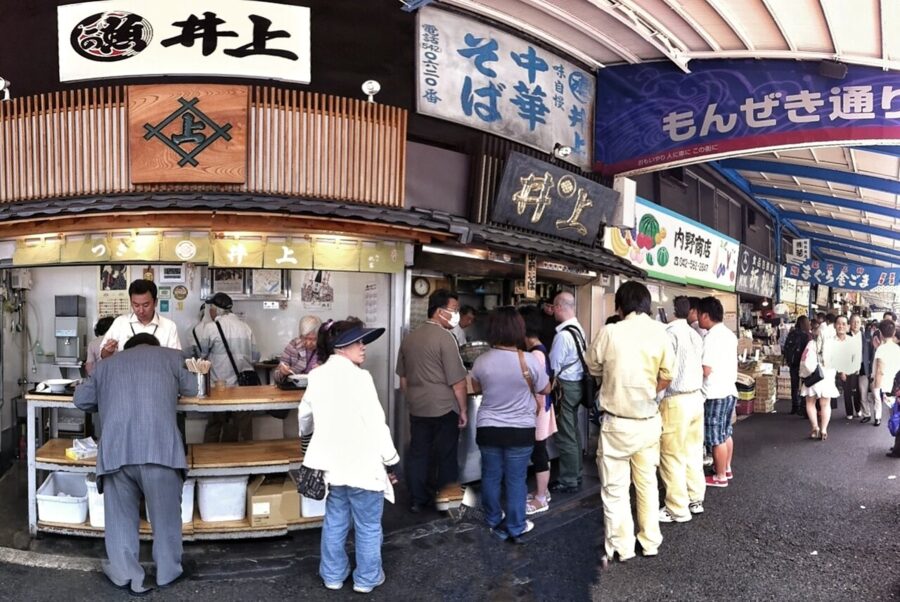
There’s no single route, and that’s part of the appeal. The main lanes run roughly parallel between Harumi-dori and the old market wall: Namiyoke-dori leads down to the shrine, Monzeki-dori runs past the ramen and donburi counters, and the narrower alleys between them hide the dried-goods and pickle shops.
Do it in this order: something hot and eggy, something raw, something grilled, something sweet, then shop. Your stomach and your wallet both last longer that way.
Tamagoyaki, three ways
Four egg shops still trade in the outer market. Three are worth knowing by name, because they make noticeably different omelettes.
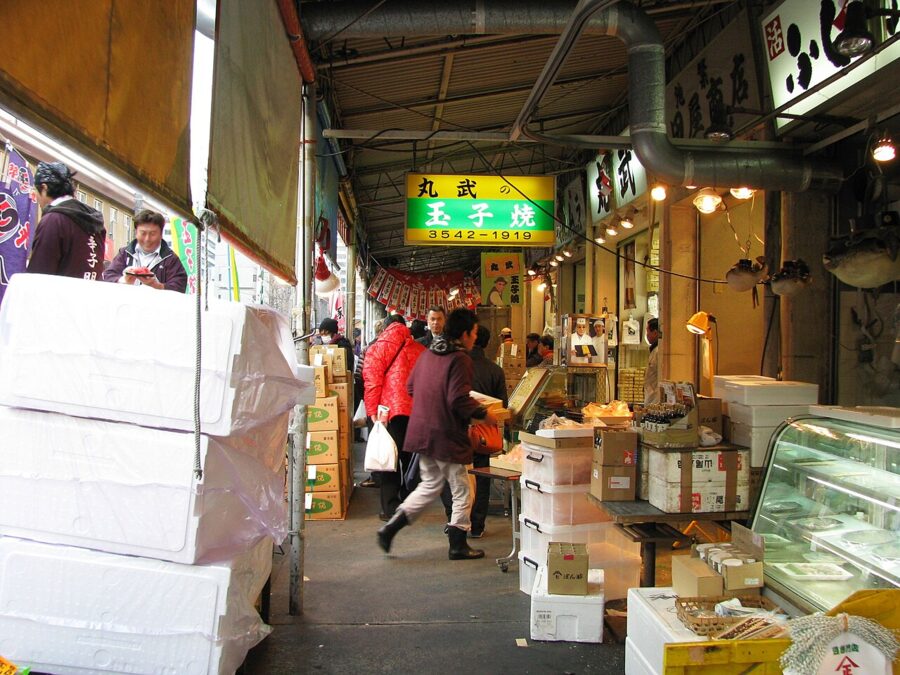
Marutake (Tsukiji 4-10-10) is the one with the ¥200 stick, a thick slice of freshly cooked omelette you eat at the shop front. The cooks start at 3:00 each morning; the shop opens 4:00–14:00 on weekdays and 8:00–14:00 on Sundays, closing on holidays and market holidays and on alternate Sundays in January and August. The style is soft, sweet and dashi-rich, the one most people picture when they think of Tsukiji egg.
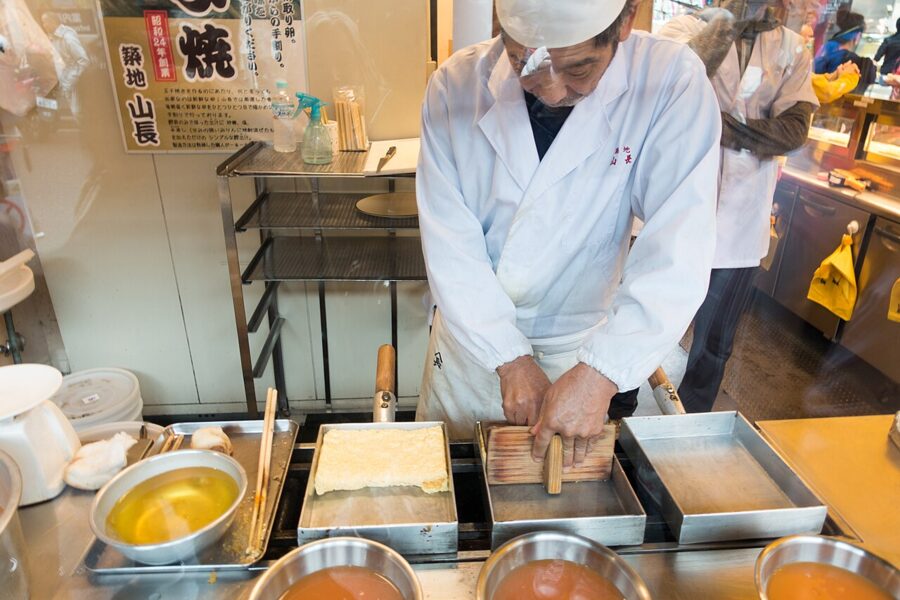
Tsukiji Yamachou lists 6:00–15:30 with no regular closing day, which makes it the safe bet on a Sunday. Besides the plain block it does versions with crab, prawn, conger eel and whole sansho peppercorns. Theirs is the sweeter, caramel-edged one.
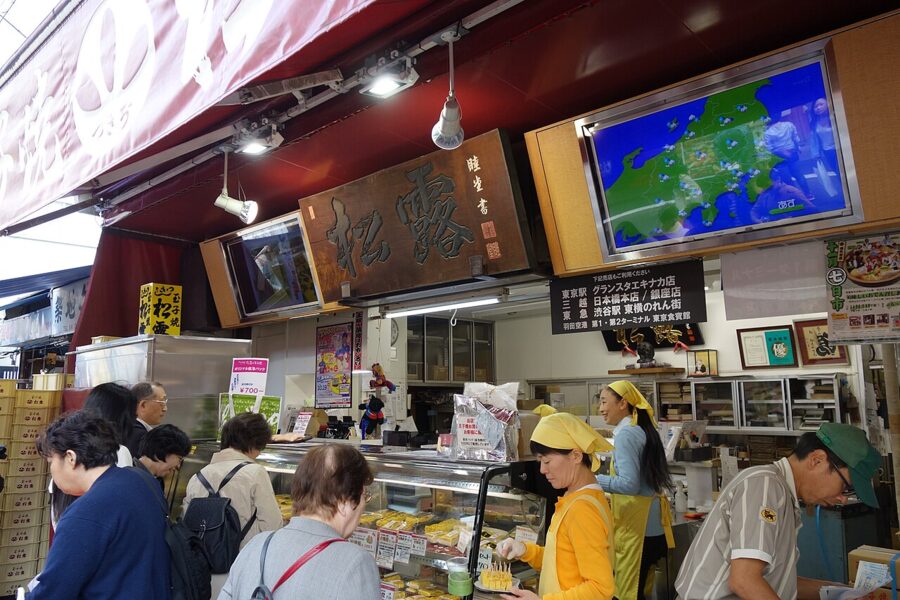
Tsukiji Shouro is, to my taste, the restrained one, less sweet and more about the stock, with a list that runs from the signature shouro block to oyako-yaki and u-maki rolled around eel. It closes on Sundays, holidays and market holidays. If you only try one, go to Marutake for the stick; if you buy one to take back to your hotel, buy Shouro’s, which you’ll also find in the depachika of central Tokyo.
A small tip. Tamagoyaki is also the last piece of a sushi meal at most counters, the tamago nigiri, and once you’ve eaten it fresh from the pan you’ll judge every sushi bar by it. My guide to types of sushi has the rest of the menu.
Tuna, sushi and the bowl question
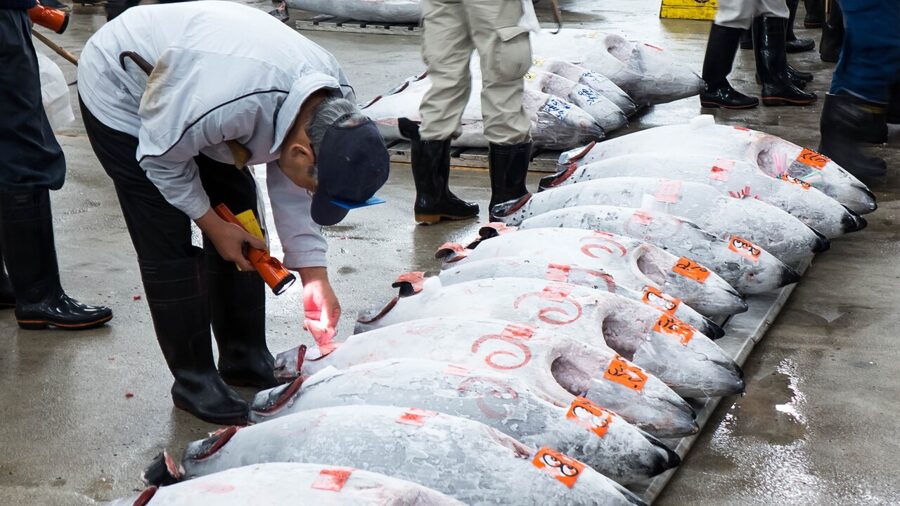
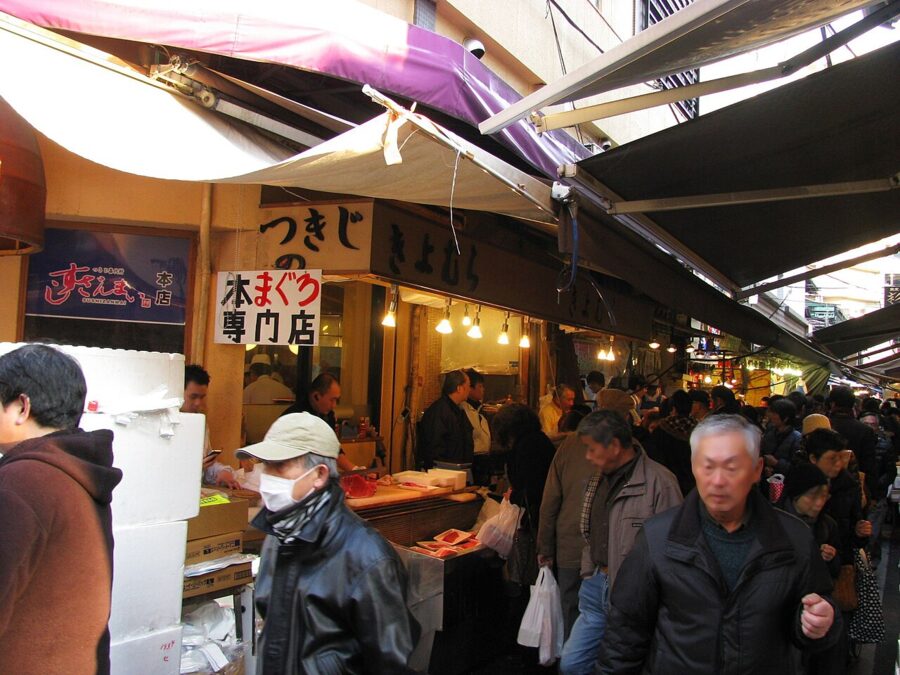
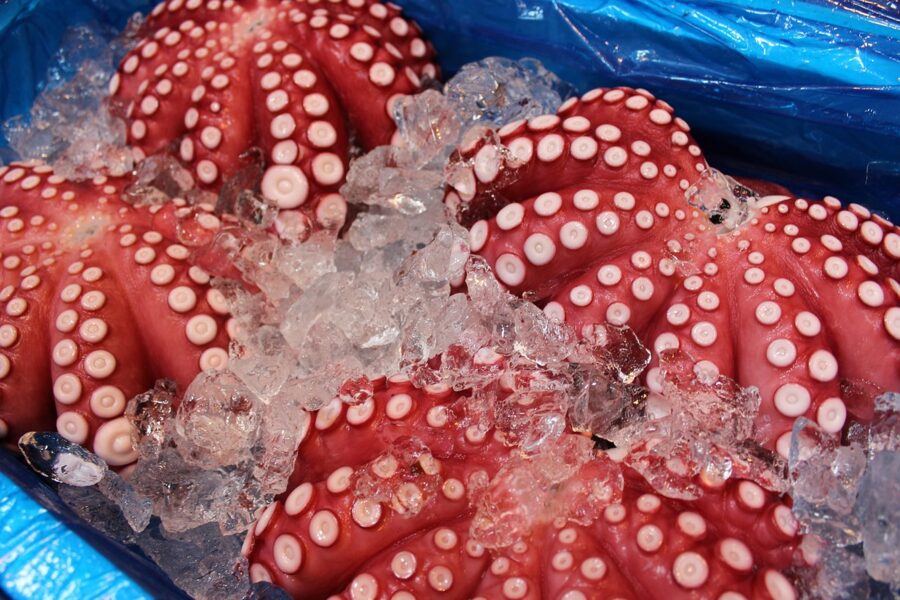
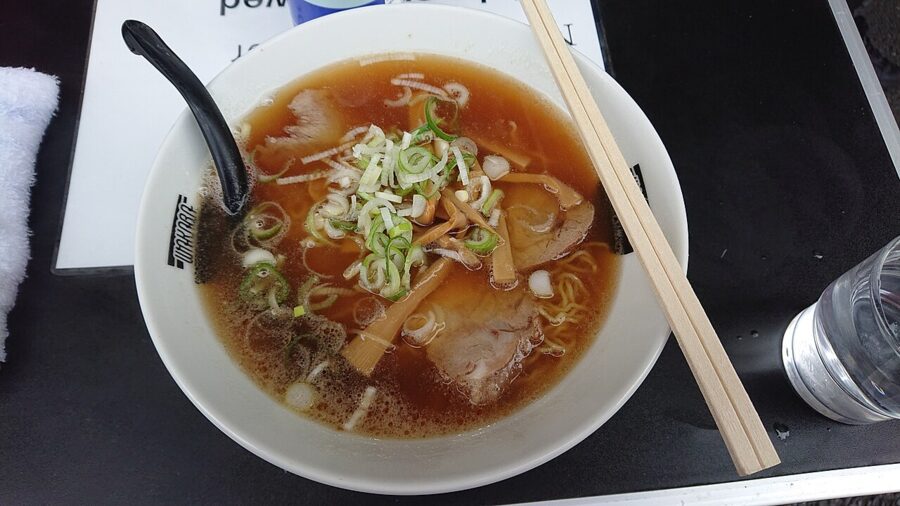
You come to Tsukiji for tuna, and the outer market still delivers it in every format: nigiri, bowls, rolls, slabs to take home. The fish now comes over from Toyosu each morning, so the freshness argument is the same as it ever was.
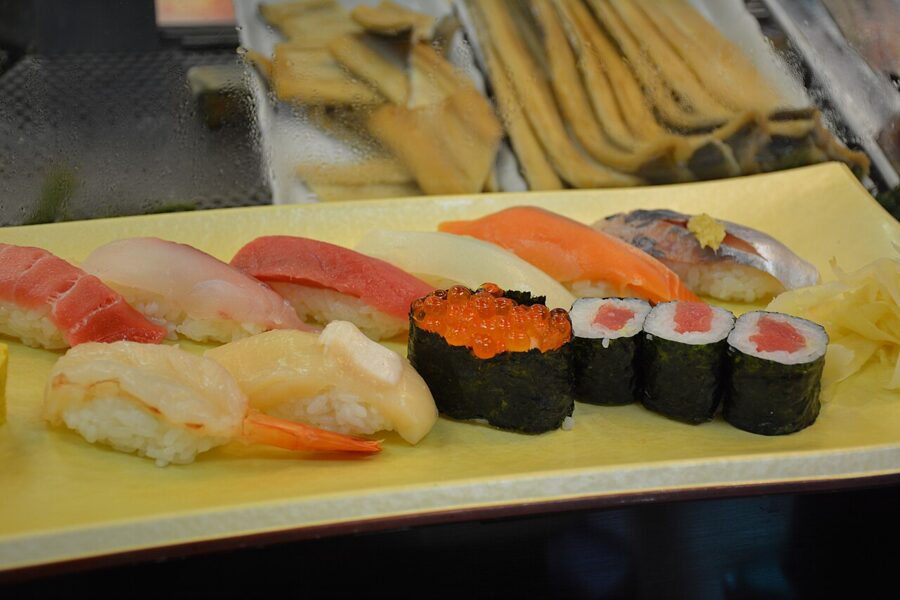
For a sit-down sushi meal, two names cover the range. Sushizanmai Honten is a chain, but it’s the original branch and it’s open around the clock, which matters when every other counter in the area has closed by 15:00. Tsukiji Sushisei, whose honten is at Tsukiji 4-13-9, has been making Edo-style sushi for more than 130 years; the honten closes on Wednesdays.
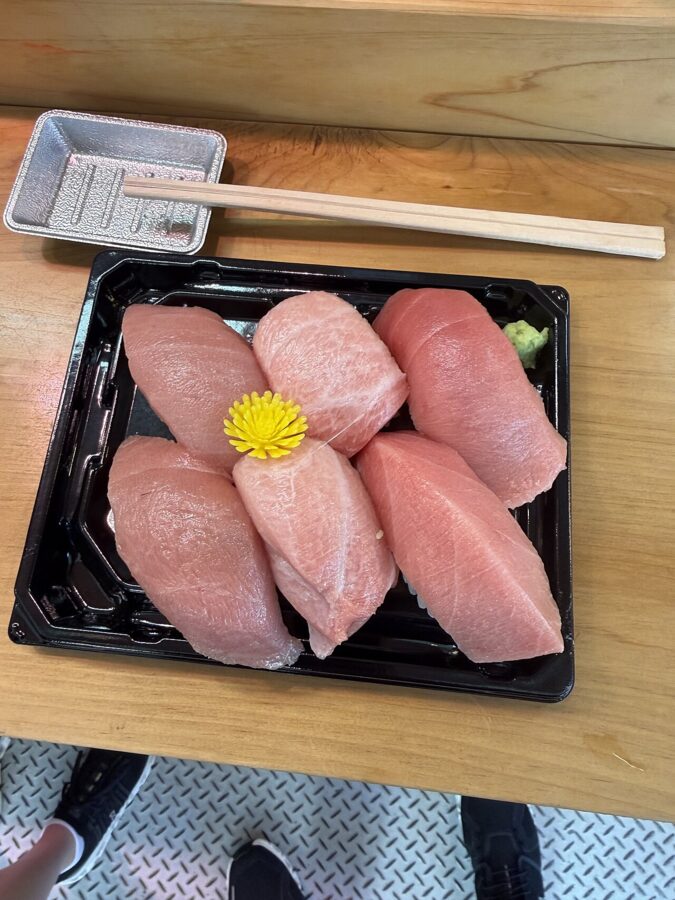
The stand-out tuna counter is Maguro-ya Kurogin (Tsukiji 4-10-12), run by people who handle tuna rather than restaurateurs who serve it. It opens at 8:00 or 8:30 and stops at 12:30 or whenever the fish runs out, and its three-cut toro set (kamatoro, otoro and chutoro, two pieces of each) is the clearest tasting lesson in the market. Closing days are irregular, and the shop posts them a few days ahead.
For a bowl, the kaisendon question is mostly about how much choice you can cope with. Kaisen Don’ya Tsukiji Kanno (Tsukiji 4-9-5), run by a seafood wholesaler, offers more than 60 bowls and keeps unusually long hours, 4:30–21:00, every day. Uni-tora (Tsukiji 4-10-5, 7:00–20:00, no closing day) does sea urchin and nothing else worth mentioning, including a bowl that sets five kinds of uni side by side.
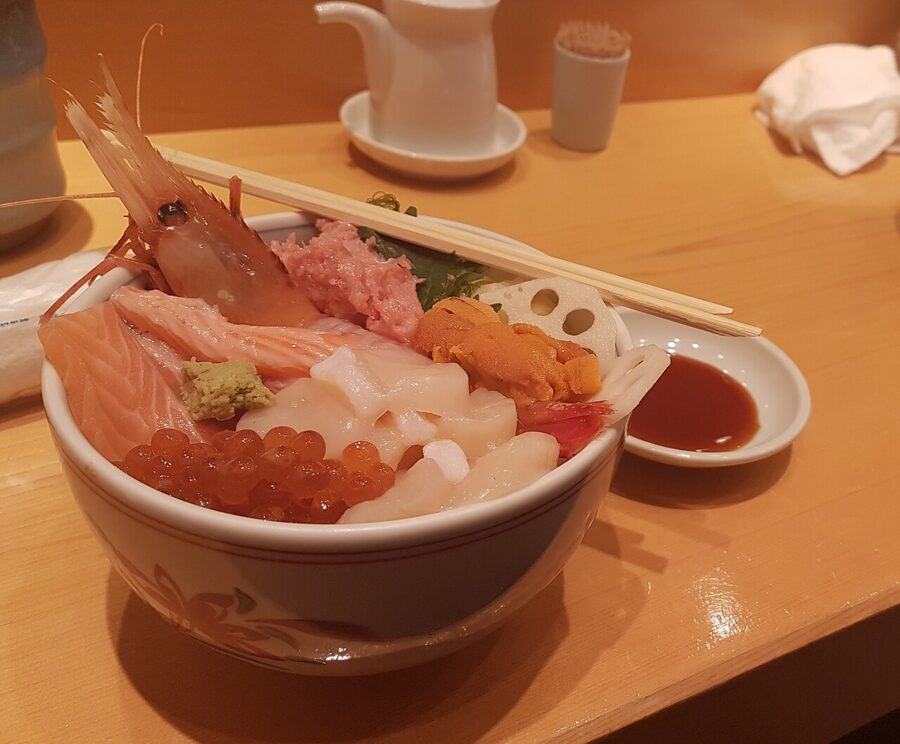
My opinion, for what it’s worth: the shops facing the main roads charge a little more for the same fish, and the bowl you’ll remember is usually the one from a counter in a side alley where the person serving you also gutted the fish. For the bigger picture of how Tokyo eats its seafood, including what to order at a serious counter, see my guide to eating fish in Japan.
Grilled, shucked and skewered
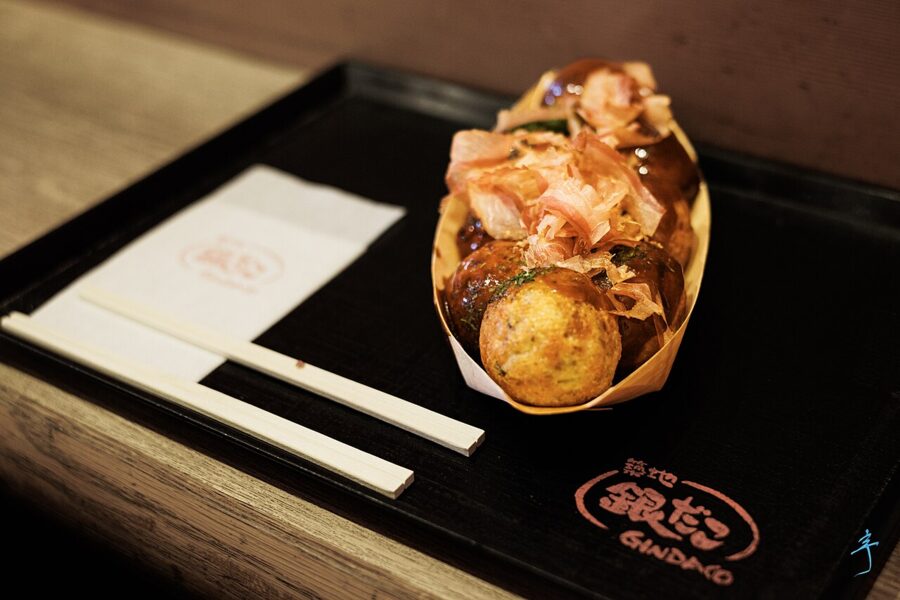
This is the part of Tsukiji that feels most like a street market, and it’s the part the eating rules were written for. Buy, step to the side of the stall, eat, hand back the shell or skewer, move on.
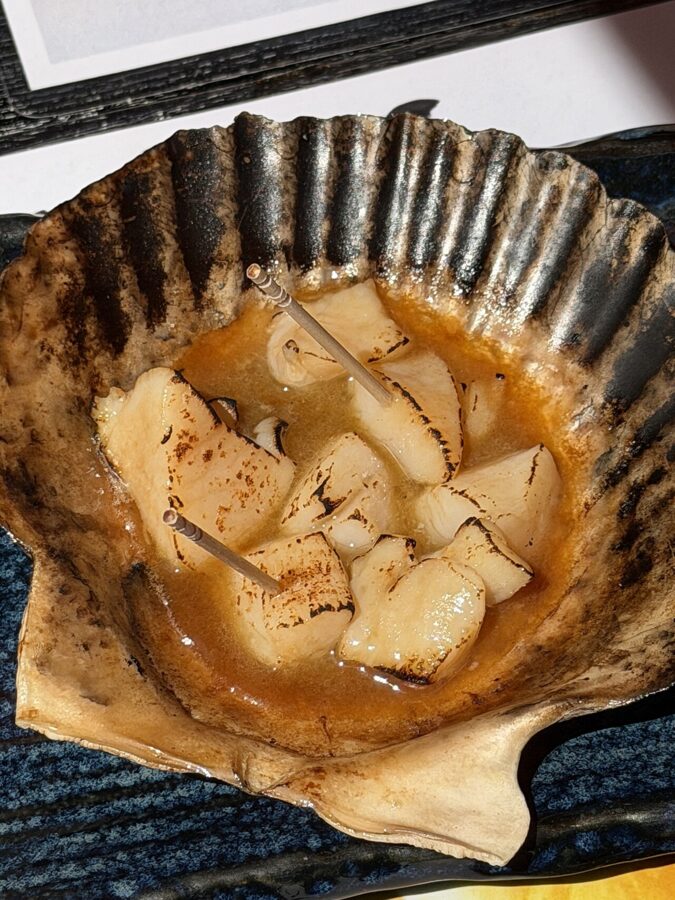
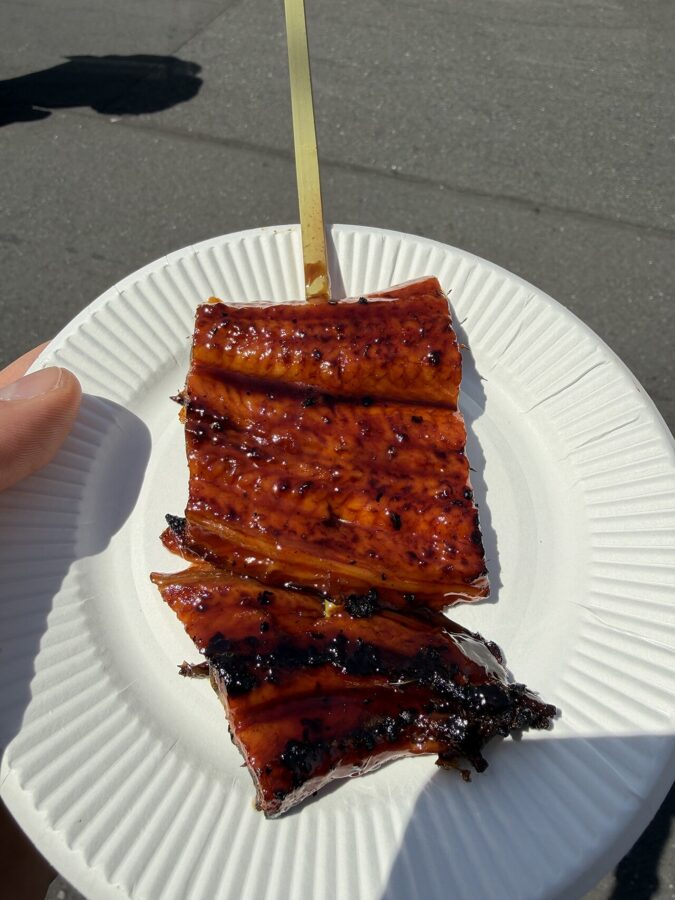
On Sundays, when much of the market is shut, the safe bets are the places with no regular closing day: Yamachou for egg, Sushizanmai for sushi, and Kanno and Uni-tora for bowls. Everything else is a gamble, so check before you build a morning around it.
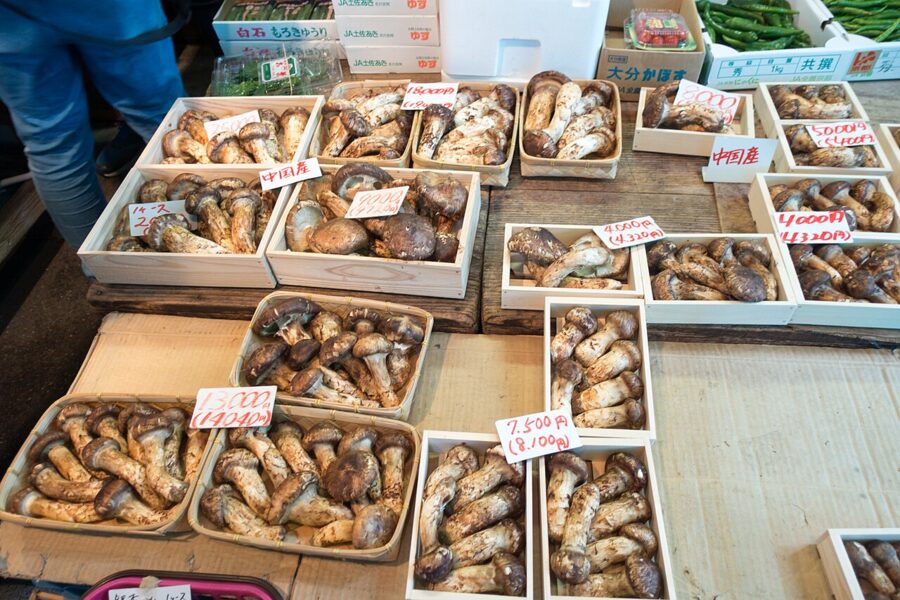
Not everything is fish
Tsukiji fed market workers, and market workers wanted something heavy and hot at 6:00. That’s where the best non-seafood food comes from.
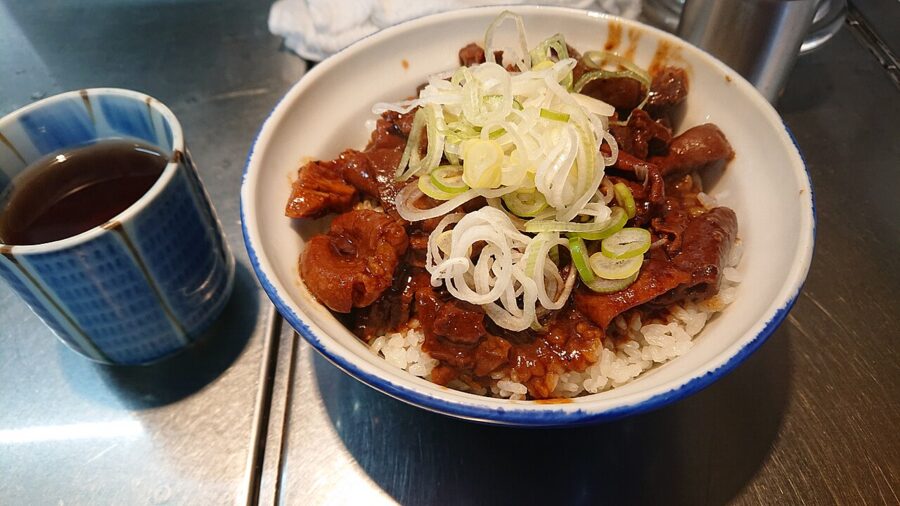
Kitsuneya opens 6:30–13:30 and closes on Sundays, holidays and market holidays. The menu is short: the offal stew on rice, a gyudon, and simmered beef with tofu. If offal isn’t your thing, the gyudon is a good second choice, but the stew is why people stand in line.
Something sweet, something to drink
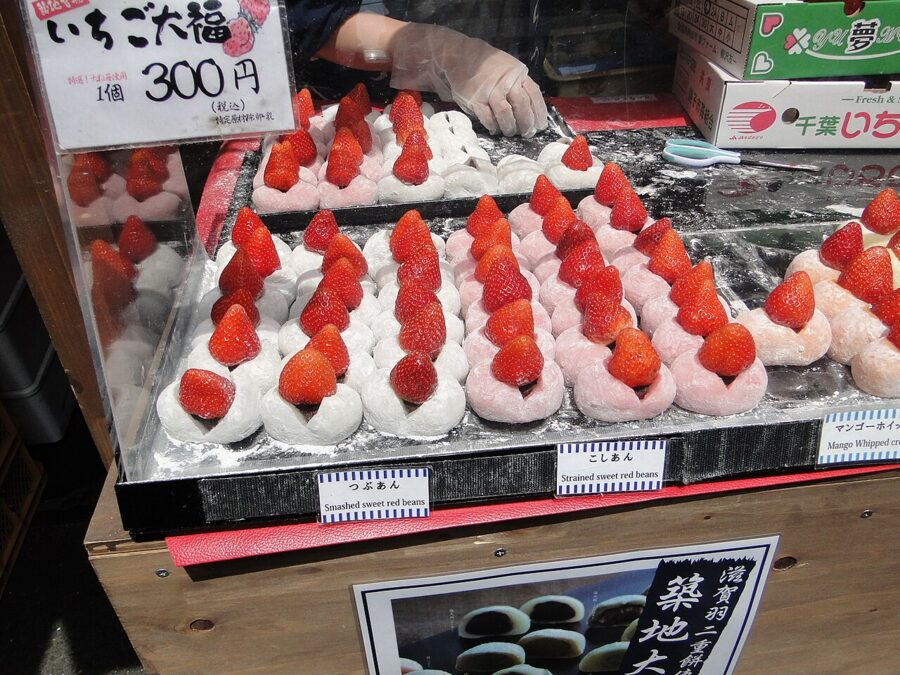
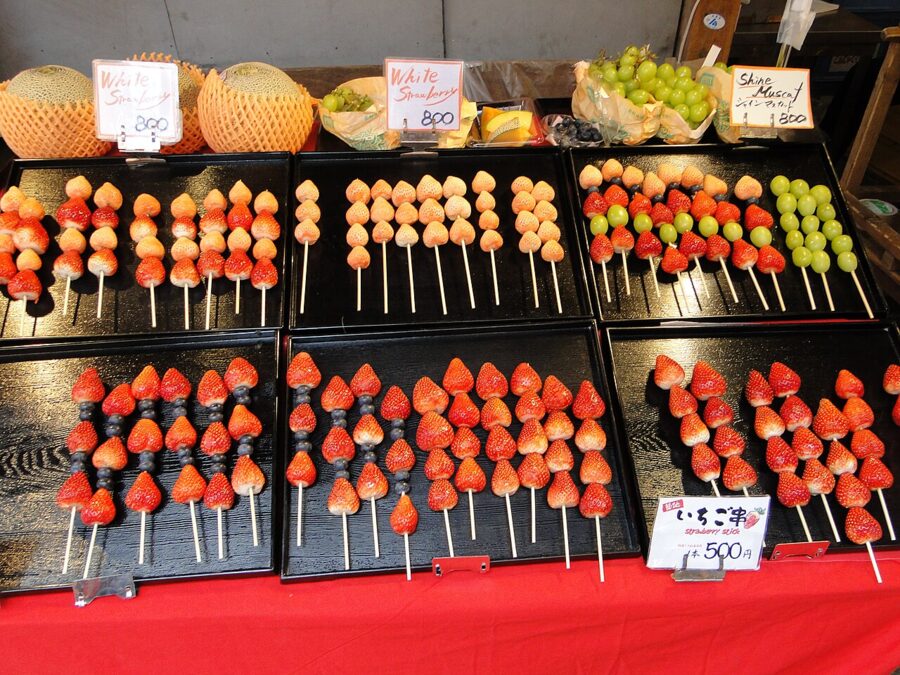
The strawberry stalls are Tsukiji’s newest tradition, and the most photographed. Tsukiji Soratsuki (Tsukiji 4-11-10, 8:00–15:00) makes its daifuku with habutae mochi from Shiga, a very fine, silky rice cake, and sets a whole strawberry on top instead of hiding it inside.
For coffee, Yonemoto Coffee has been roasting in Tsukiji since 1960 and opens its main shop at Tsukiji 4-11-1 before dawn for the market crowd. Its City Blend is the one the shop says John Lennon and Yoko Ono drank; I can’t vouch for that, but I can vouch that a 6:00 cappuccino in Tsukiji is a better start than the hotel breakfast.
Things to carry home
The eating gets the photographs, but the shopping is what Tsukiji does that nowhere else in Tokyo does as well. These shops sell to chefs, at chef prices, in chef quantities, and most of them will cheerfully sell you a smaller amount if you ask clearly.
Knives
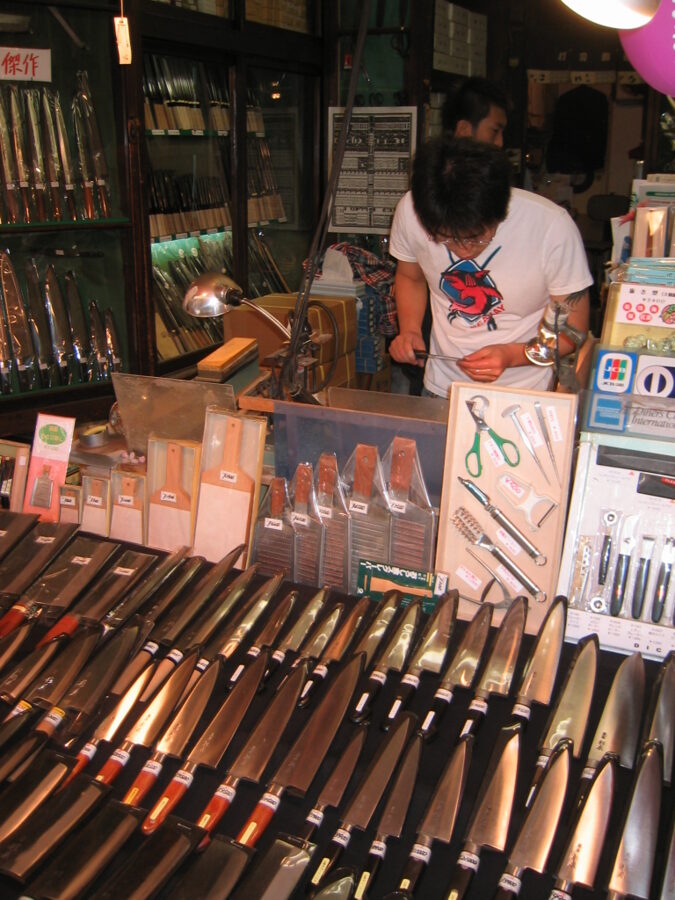
Two shops anchor the knife trade. Tsukiji Aritsugu (Tsukiji 4-13-6, 6:00–15:00) belongs to a Kyoto knife house that dates itself to 1560; it sells high-end cooking knives, whetstones and the metal cutters used for decorative vegetables. Tsukiji Masamoto (Tsukiji 4-9-9, 6:00–15:00, closed Sundays, holidays and market holidays) has supplied the market’s chefs and fish handlers since the market opened in the early Showa era.
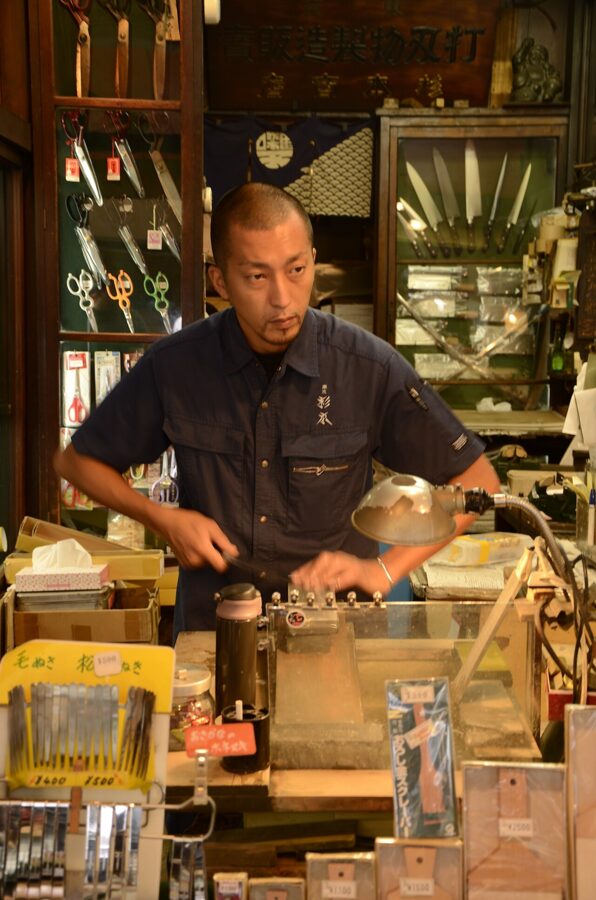
That fugu-hiki is a good example of how specialised these shops get: a blade made for one fish, which you’ll understand better after reading my fugu guide. For a home kitchen, ask for a gyuto or a santoku and a whetstone, and ask how to look after the steel. A carbon-steel knife that isn’t dried after use rusts by morning.
Dashi: katsuobushi, kombu and niboshi
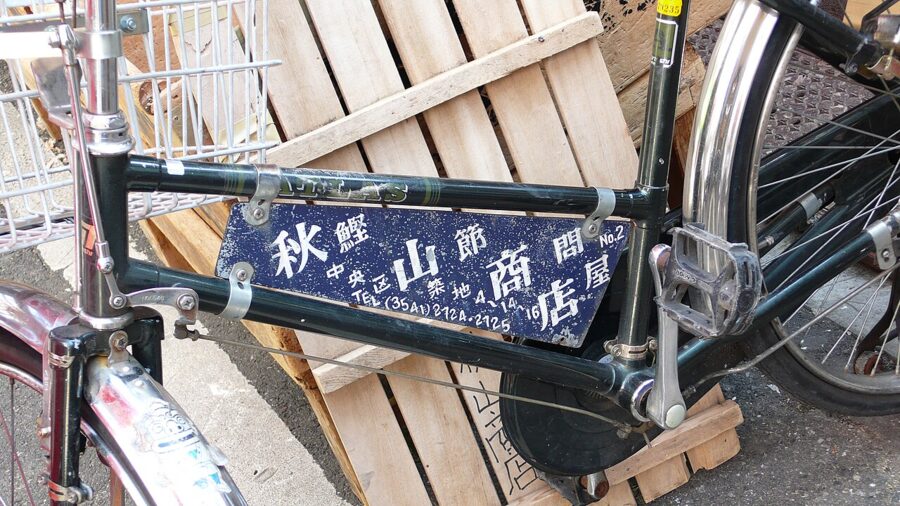
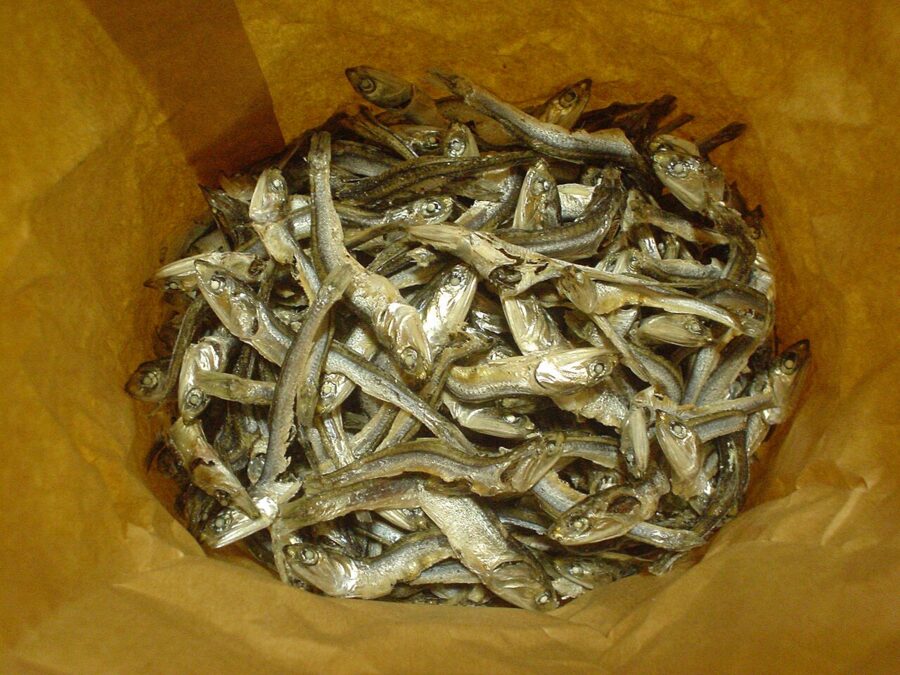
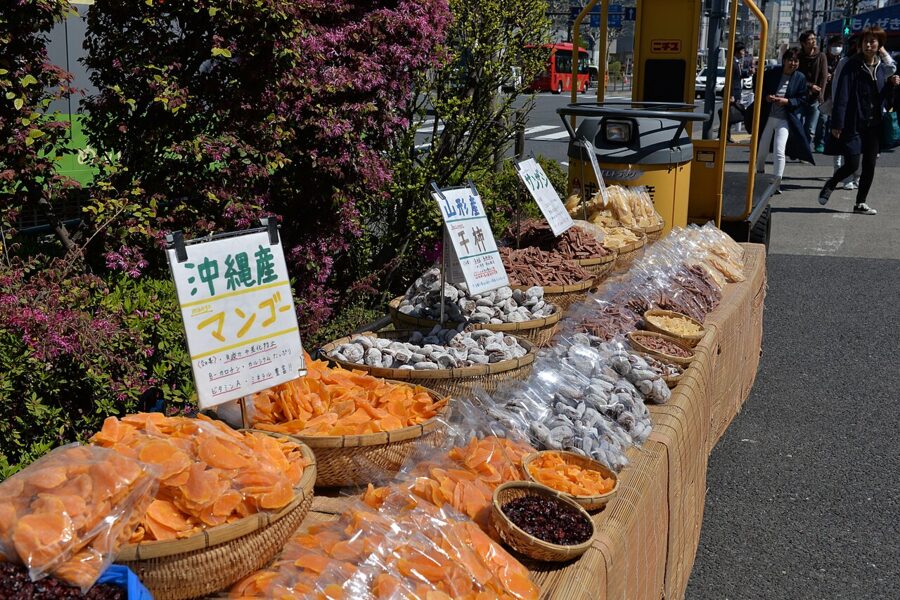
If you cook, this is the best-value shopping in Tsukiji. A bag of freshly shaved katsuobushi weighs almost nothing in a suitcase and changes your miso soup for months. Fushitaka (Tsukiji 6-27-2) sells bonito flakes, kombu and niboshi and runs workshops on shaving katsuobushi by hand, which says a lot about how seriously it takes the subject.
Tea, nori, pickles and fishcake
Uogashi Meicha (Tsukiji 4-10-1) names its sencha the way a fishmonger talks: Unubore (conceit), Tenka-ichi (best under heaven), Osekkai (busybody). Jugetsudo (Tsukiji 4-7-5, 9:00–18:00, closed Sundays and holidays) is the more polished tea house, run by the Maruyama nori family. My Japanese tea guide will help you decide between them.
Yoshioka-ya sells pickles, including the sweet bettara-zuke daikon that goes into the temple breakfast next door, and Tsukiji Kibun (Tsukiji 4-13-18, open every day except New Year) sells hanpen, kamaboko, chikuwa and everything else that goes into a pot of oden. If you’re flying home, the Plat Tsukiji tax-free counter and the Yamato Transport desk (closed Sundays, holidays and market holidays) make the logistics easy.
Tsukiji Uogashi: the market inside the market
The building most visitors overlook is the one that matters most to the market’s future. Tsukiji Uogashi was built by Chuo City so that Tsukiji would keep some of the trade after the wholesale market left, and around 60 shops trade inside it, most of them retail arms of Toyosu middlemen.
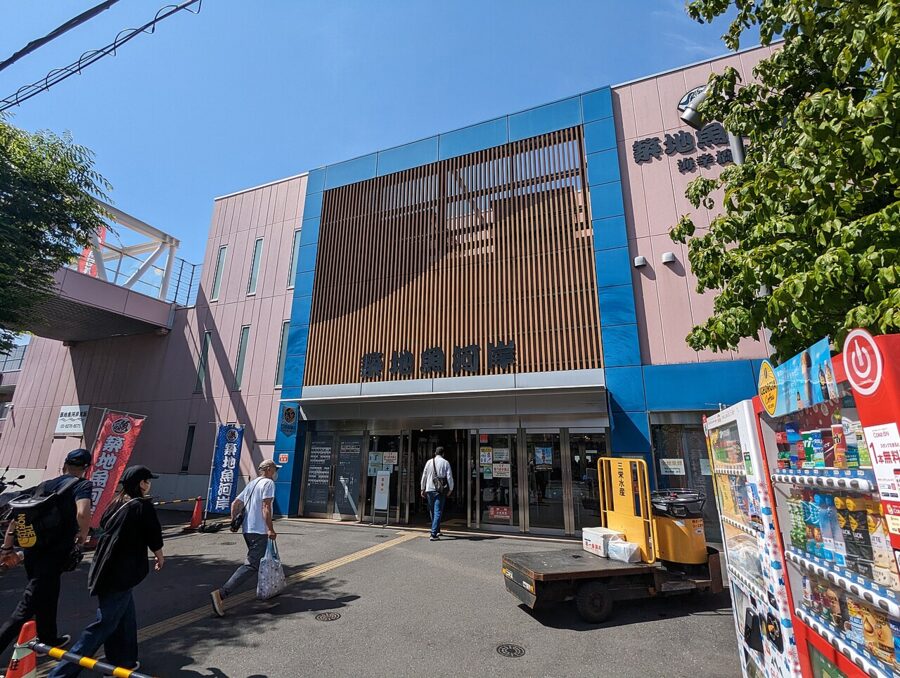
The building opens 5:00–15:00, with all shops trading between 7:00 and 14:00, and it keeps the wholesale market’s closed days. Eating on the ground floor isn’t allowed. Buy sashimi, tuna or a box of sushi downstairs, then carry it up to the rooftop plaza or the third-floor seating, where there are tables and free chopsticks.
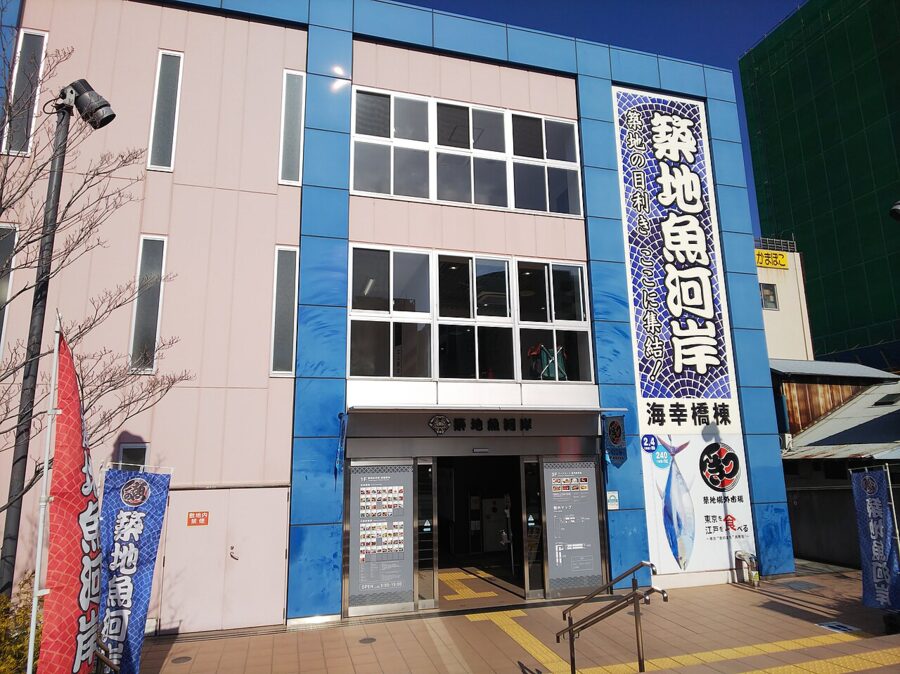
Upstairs in the Odawarabashi building, Uogashi Shokudo is a food court of old market restaurants, open 7:00–19:00 (last orders 18:00), and the cheapest way to eat what the market workers ate. Tori-meshi from Toritoh, a chicken wholesaler; tonkatsu and fried fish from Odayasu, an old inner-market name; and tendon and tempura-topped soba at Tsukiji Yabu Soba, which adds oyster nanban from October to March.
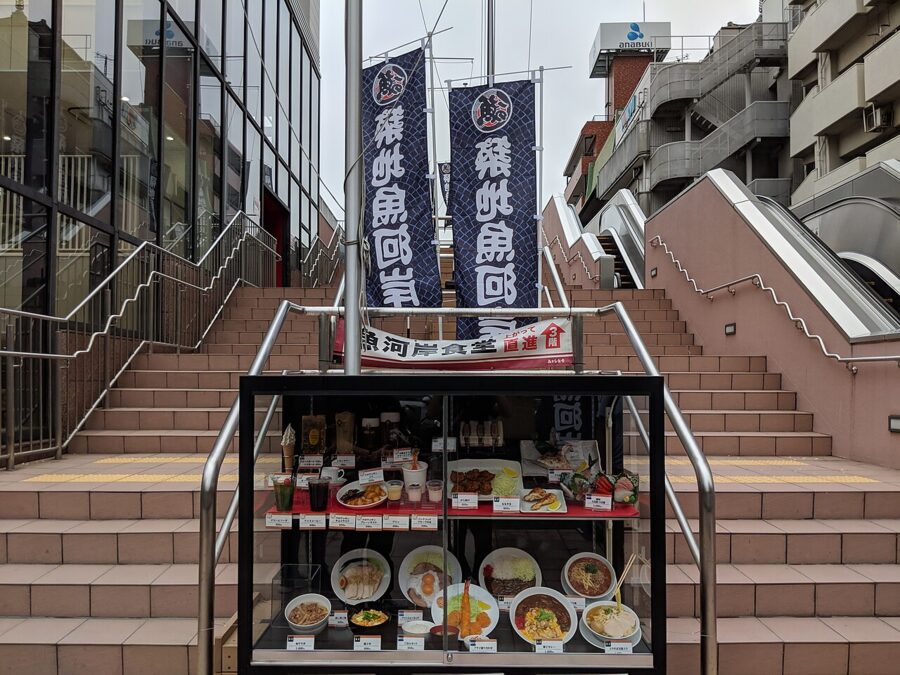
My tonkatsu guide covers the frying tradition Odayasu comes from, and my soba guide the noodles.
Namiyoke Shrine and the fish memorials
At the end of Namiyoke-dori there’s a shrine that explains the whole district in one story. When the land here was being reclaimed after the 1657 fire, the sea kept washing the embankments away. One night a glowing object was seen floating on the water; it turned out to be a statue of the Inari deity, and once it was enshrined, the waves calmed and the work was finished.
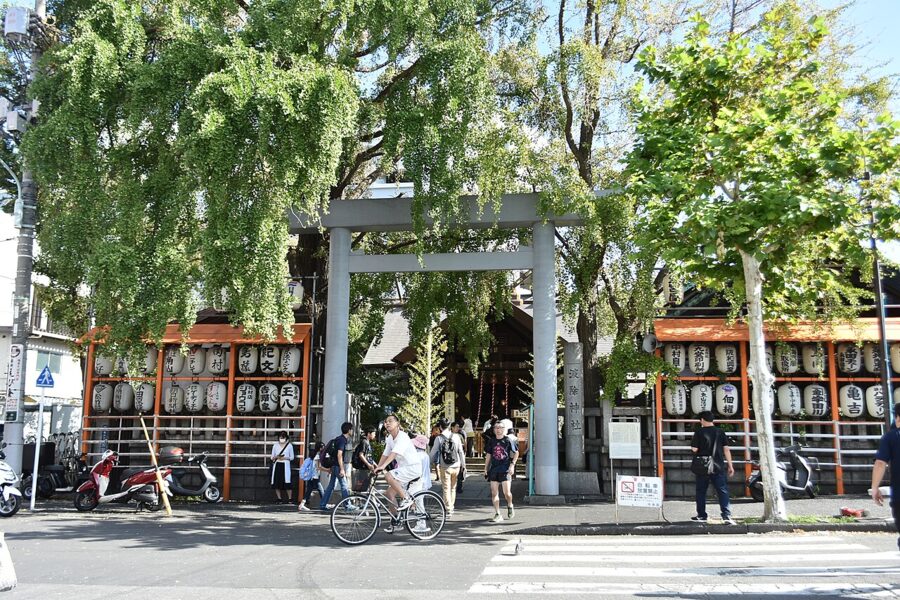
The shrine at Tsukiji 6-20-37 is a seven-minute walk from Tsukiji Station and five from Tsukijishijo. It’s small and free, and the fishers who supplied the market have long come here to pray for safe boats and crews.
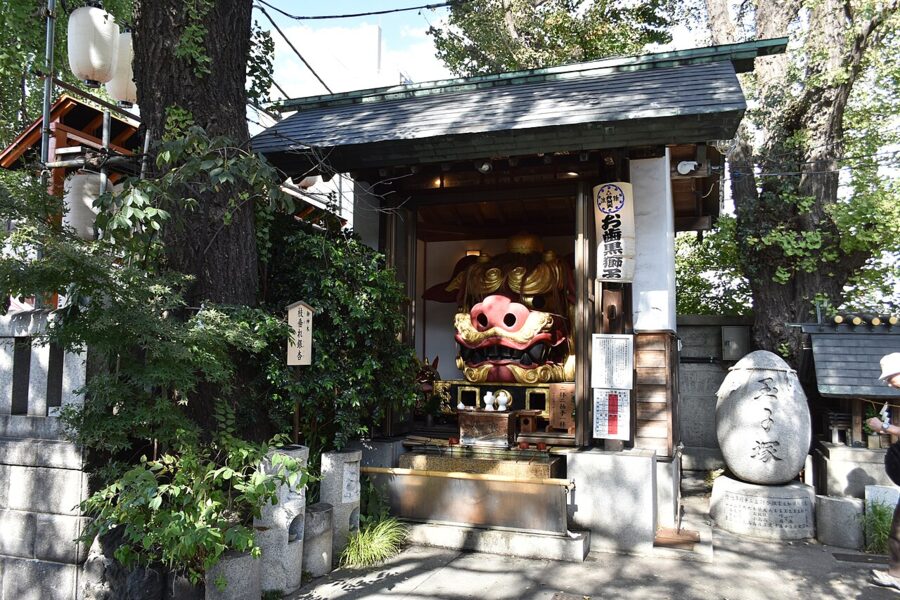
The other thing to look for is the row of memorial mounds, or zuka, set up by the trades that depended on the market to thank and console the creatures they sold. There are mounds for sushi, for prawns, for anglerfish, for live fish, for eggs and for kombu, and a stone for clams.
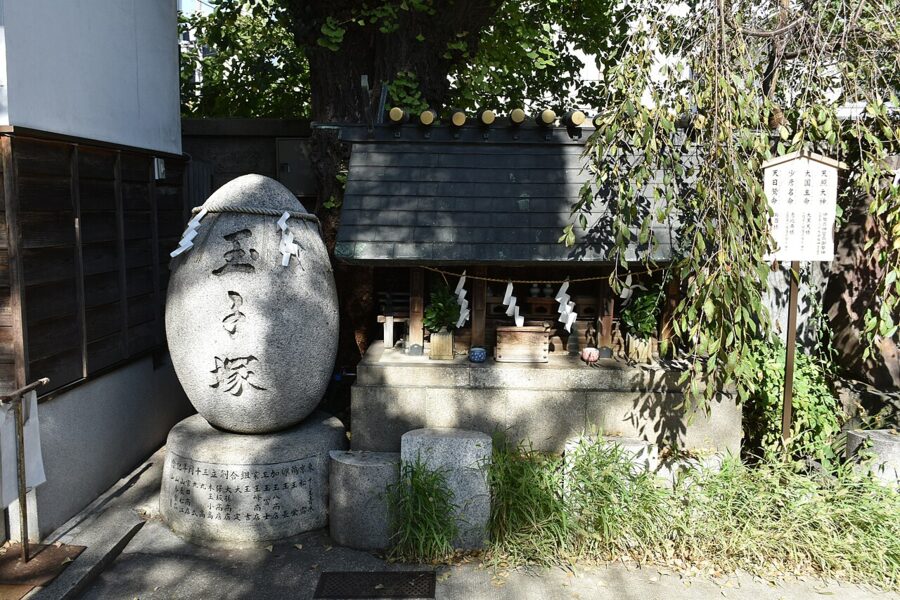
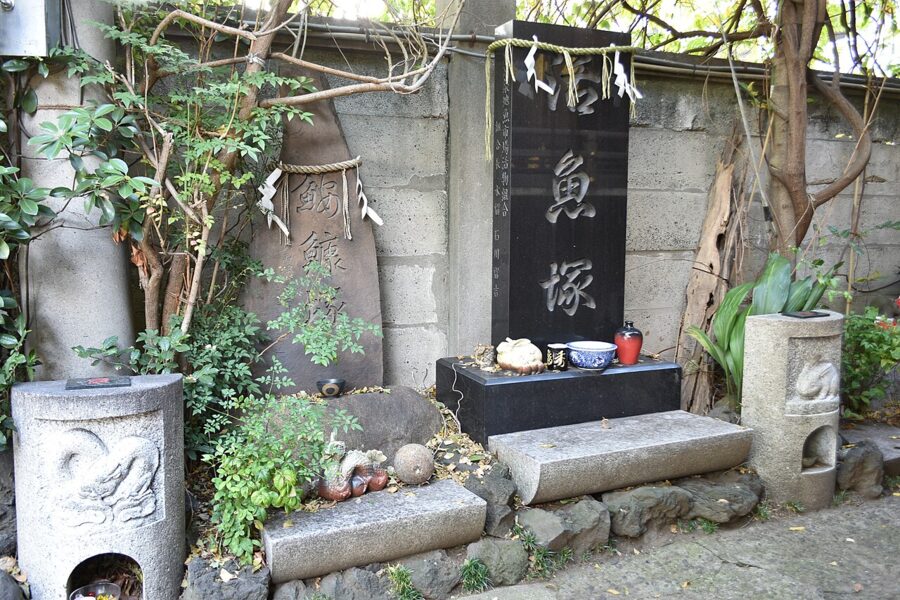
Come in November and you might catch the Tsukiji Tori-no-ichi, the shrine’s rooster-day fair. It’s held on the days of the rooster in November, so the dates shift each year.
Tsukiji Hongwanji, the temple that started it
The building that surprises everyone is just across Shin-Ohashi-dori from the market. Tsukiji Hongwanji is a Jodo Shinshu temple under Nishi Hongwanji in Kyoto, founded in 1617 near the Asakusa gate and moved to reclaimed land here after the 1657 fire.
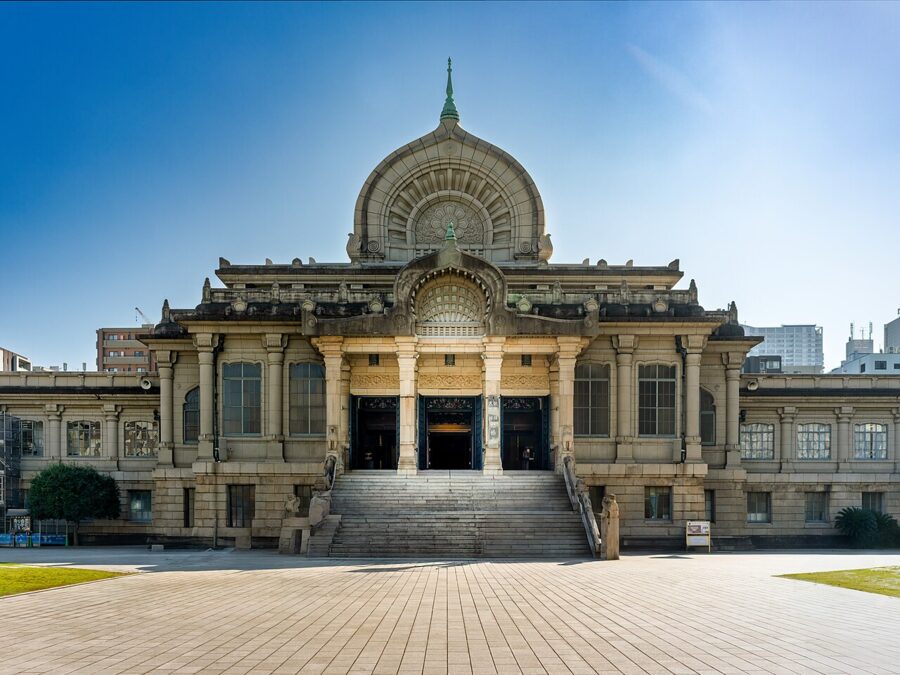
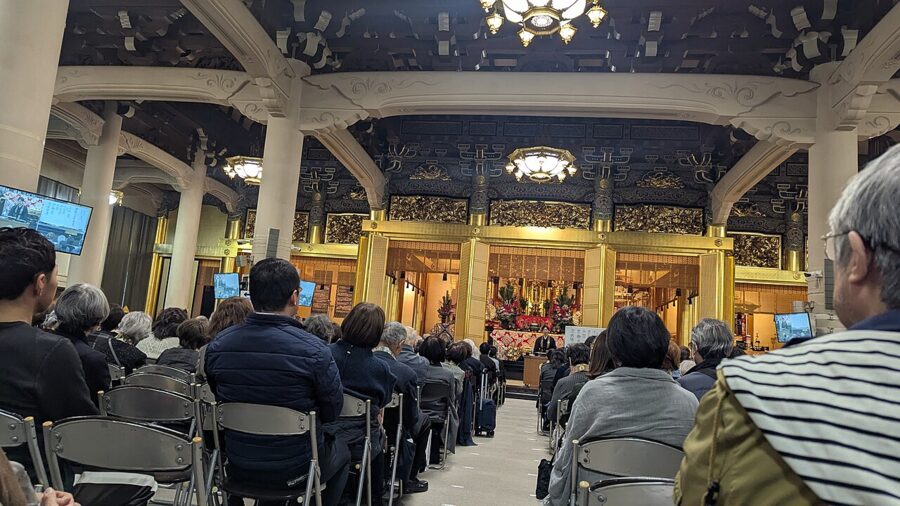
The hall is now a national Important Cultural Property, and it’s free to enter. Hours are 6:00–16:00, ending with the evening service. Tsukiji Station on the Hibiya Line connects directly to the temple.
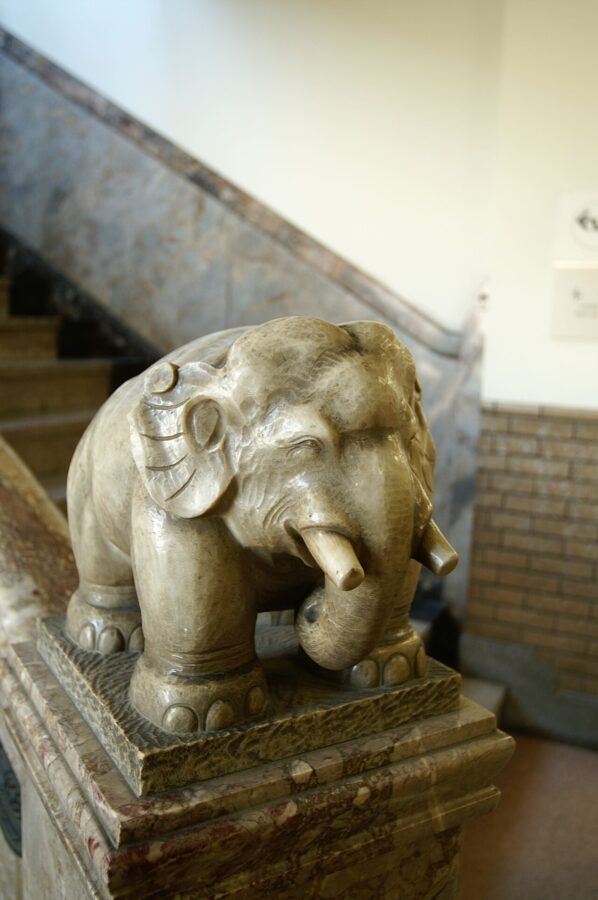
Ito loved mythical creatures, and he hid them all over the building: winged lions at the front, and oxen, horses, elephants and other animals on the stairs, thirteen kinds in all. Finding them is a good way to slow down after the market.
The temple’s cafe, Tsumugi, serves the eighteen-dish breakfast, porridge and miso soup with sixteen small side dishes, from 8:00 to 10:30; I’ve written about it in my Japanese breakfast guide, so I’ll only say book ahead.
Toyosu: where the tuna went
Toyosu Market opened on 11 October 2018 on reclaimed land in Koto ward, on the site of an old Tokyo Gas works. It took years longer than planned, after soil contamination at the site (including benzene well above national standards) forced a long clean-up and a political row.
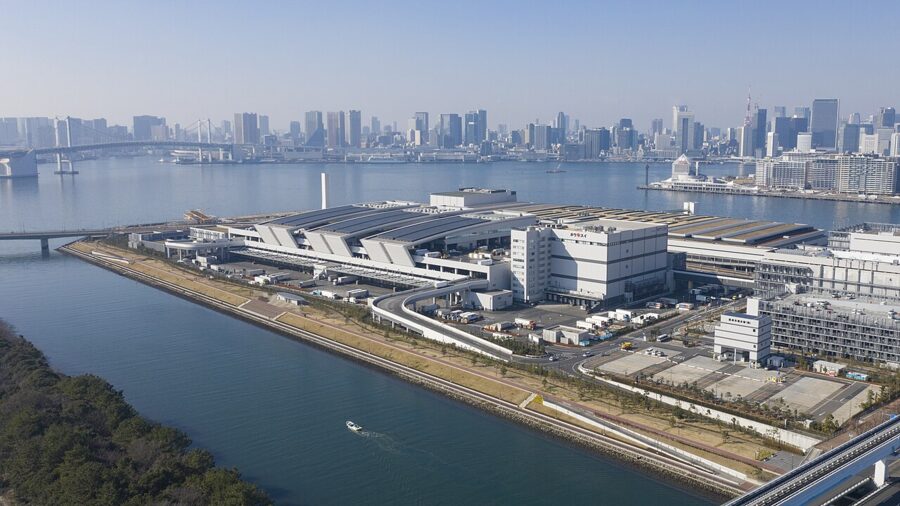
The visitor route runs through all three blocks, and it’s open 5:00–17:00 on market days. You walk along glazed corridors on the second floor and look down on the trading floors. It’s clean, it’s organised, and nobody will ask you to move.
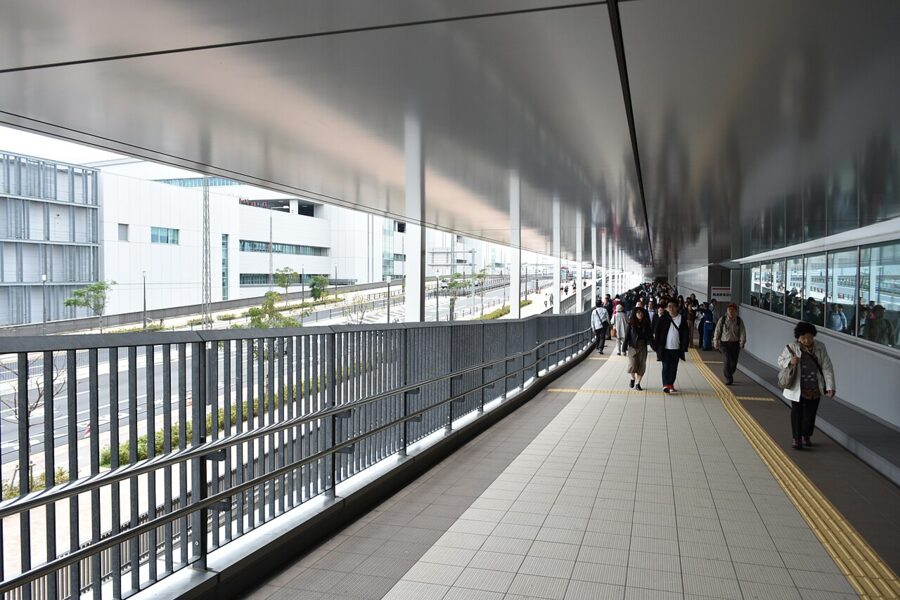
The whole market closes on Sundays, holidays and market-holiday Wednesdays, the same calendar as Tsukiji, and on those days the corridors are shut too. The rooftop garden is the exception, open 5:00–23:00 even on market holidays.
The tuna auction, step by step
You have two options, and only one needs planning. Anyone can watch the tuna auction from the second-floor visitor corridor in Block 7 from 5:00 on market days, without booking and without a cap on numbers. You look through glass from above, and it’s free.
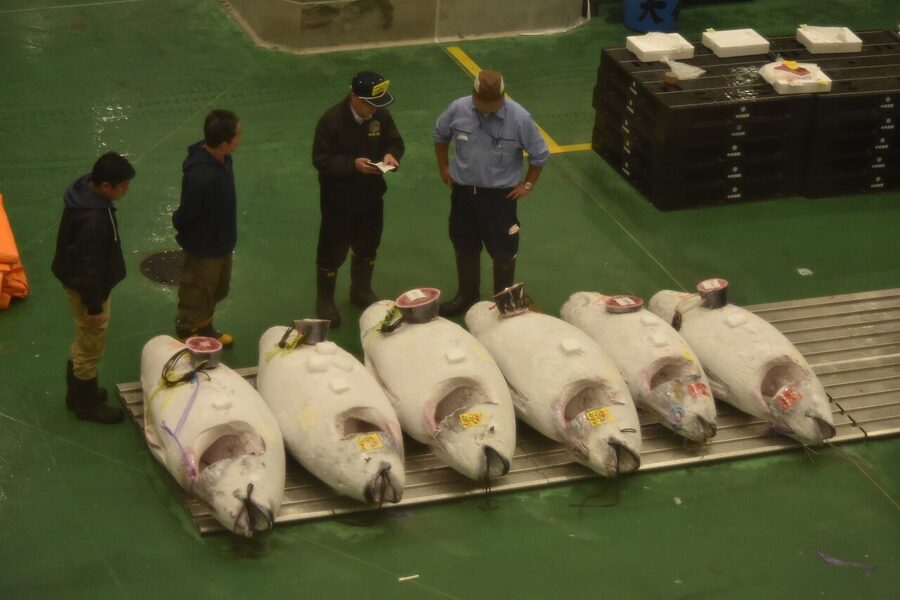
The better view is the observation deck beside the auction floor, open 5:45–6:25. It’s free but run by lottery, not first come, first served. Applications open once a month online for the following month: for December 2026 the window was 4–10 November with results on 19 November, and for January 2027 it’s 2–8 December (from 15:00) with results on 17 December.
The rules are strict. One application per group, up to five people per group including babies, three preferred dates, about 100 places a day, no deck visits between 25 December and 5 January. Everyone in the group needs photo ID on the day (passports are fine), you meet at the PR corner on the third floor of the Block 7 management building at 5:30, and flash photography is banned.
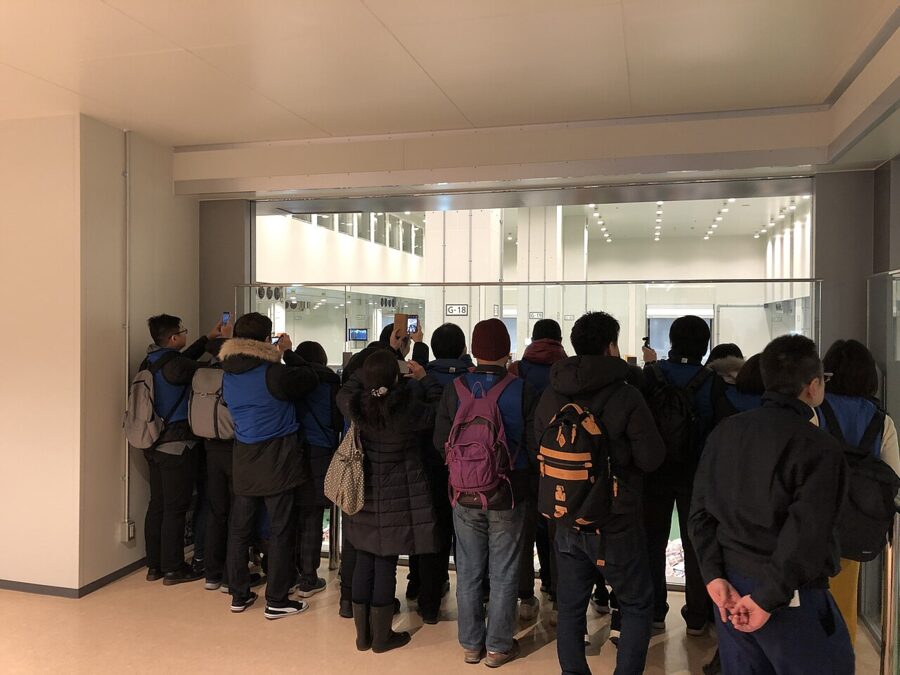
My view is that the deck is worth it once, if you’re already awake at 5:00 for other reasons. If you aren’t, the corridor view is good enough, and the outer market at Tsukiji is a better use of your morning. There’s more on the auction and the fish themselves in my guide to eating fish in Japan.
Eating at Toyosu
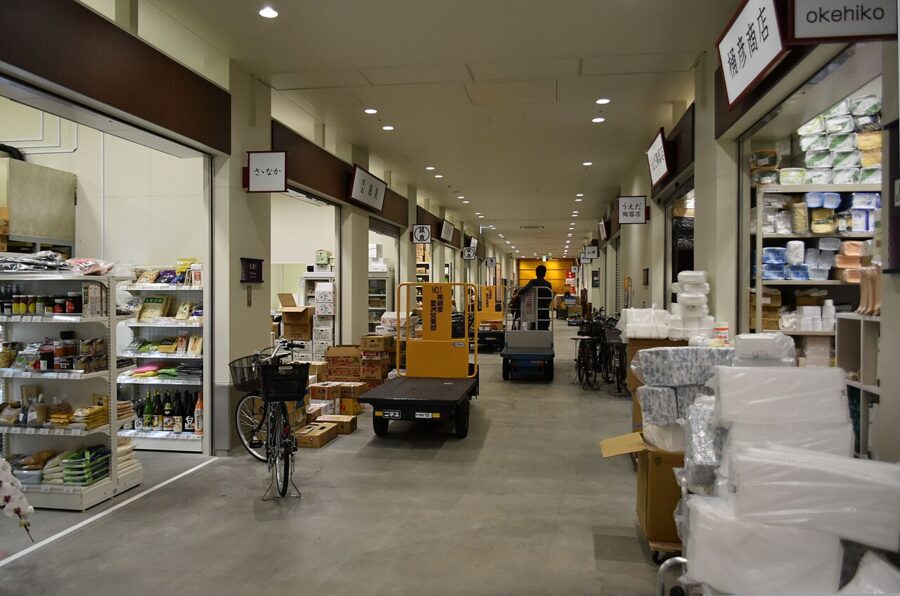
The restaurants are spread across all three blocks, and most of them keep market hours, roughly 6:00 to 14:00, closing with the market. Many moved from the old inner market, which is why the queues followed them across the water.
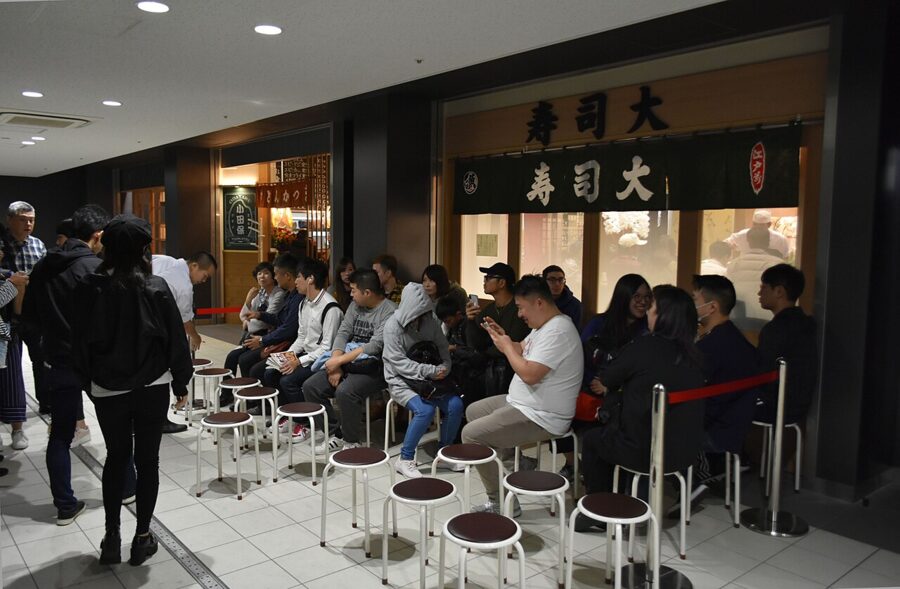
Sushi Dai is the name everyone knows. Its omakase is very good, the wait is the price of admission, and I’d only do it if you’re at Toyosu for the auction anyway. If you’re not set on sushi, the same third floor has curry and other counters that keep the same early hours and shorter queues.
Toyosu Senkyaku Banrai
Across the road from Block 6 sits the newest piece of the puzzle. Toyosu Senkyaku Banrai opened on 1 February 2024, run by the hot-spring company Manyo Club, with a three-storey food building done up as an Edo-period street and a nine-storey spa building next to it.
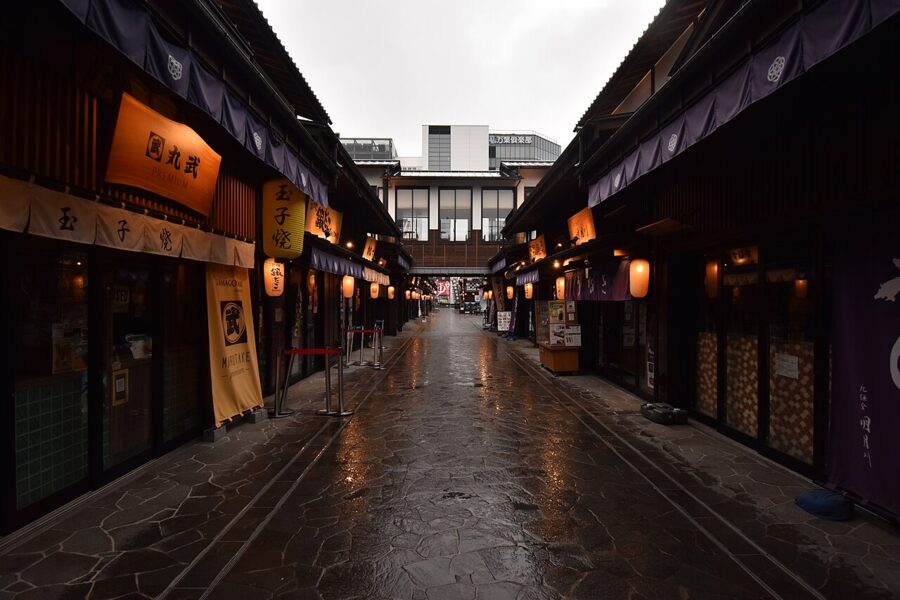
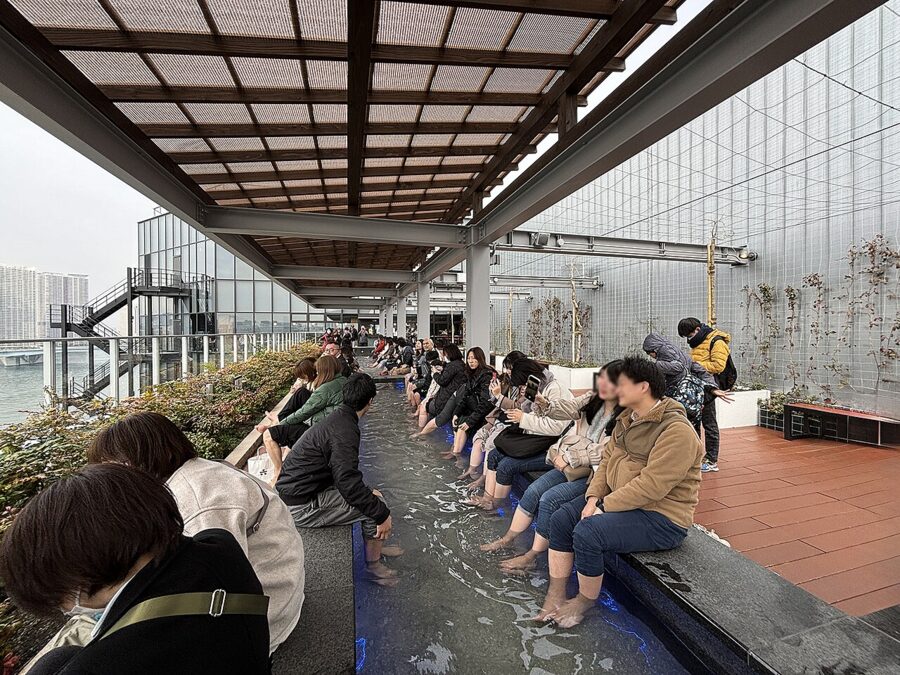
It’s the outer market Toyosu never had, but built in one go, so it’s more polished and less interesting. Use it for lunch after the auction, or for the free footbath on the eighth floor, which looks out over the bay. The spa fills its baths with water trucked in daily from Hakone and Yugawara.
Getting there, and getting between the two
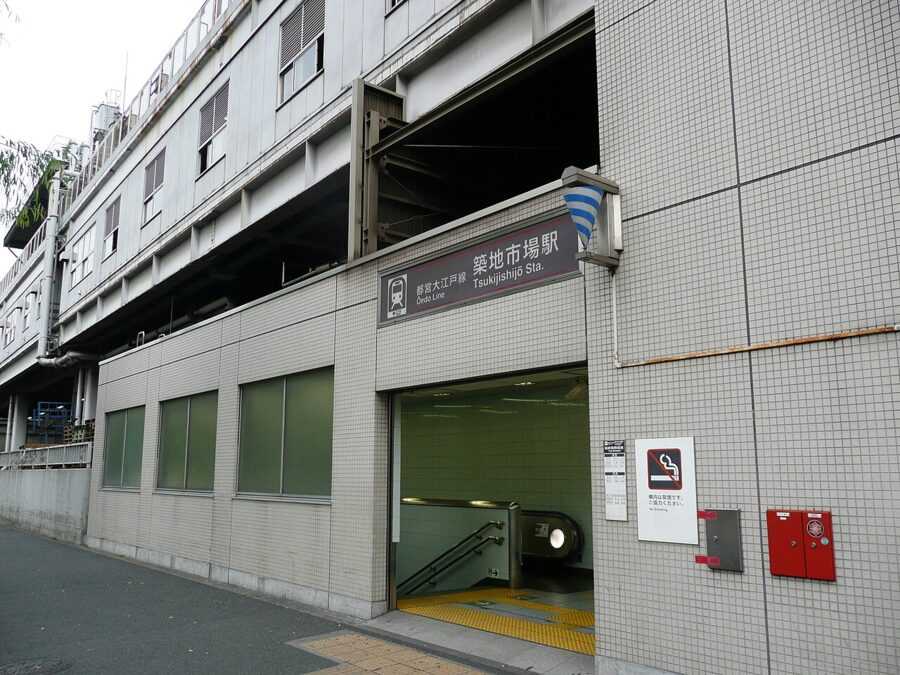
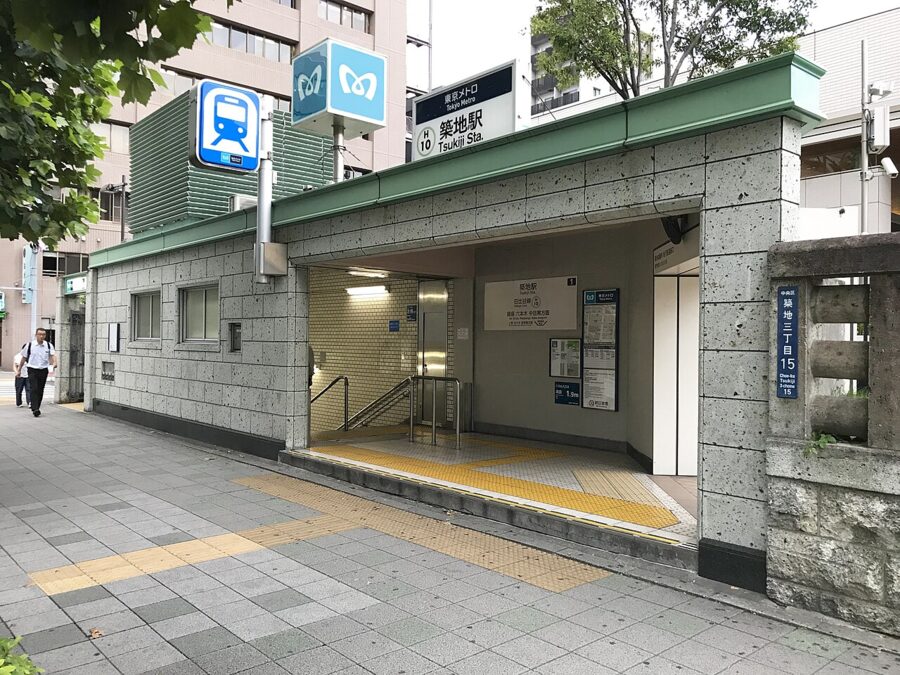
For Tsukiji, take the Toei Oedo Line to Tsukijishijo and use Exit A1, a one-minute walk from the market. The Tokyo Metro Hibiya Line stops at Tsukiji, with Exits 1 and 2 also about a minute away; Higashi-Ginza (Hibiya and Asakusa lines), Exits 5 and 6, is about five minutes.
From Ginza, it’s about 15 minutes on foot along Harumi-dori past the Kabuki-za, which is the nicest way to arrive. Ginza is also where you’ll find the city’s most famous sushi counters, the kind in my list of Michelin-starred restaurants in Tokyo, and a morning in the market makes a good contrast with dinner at one of them.
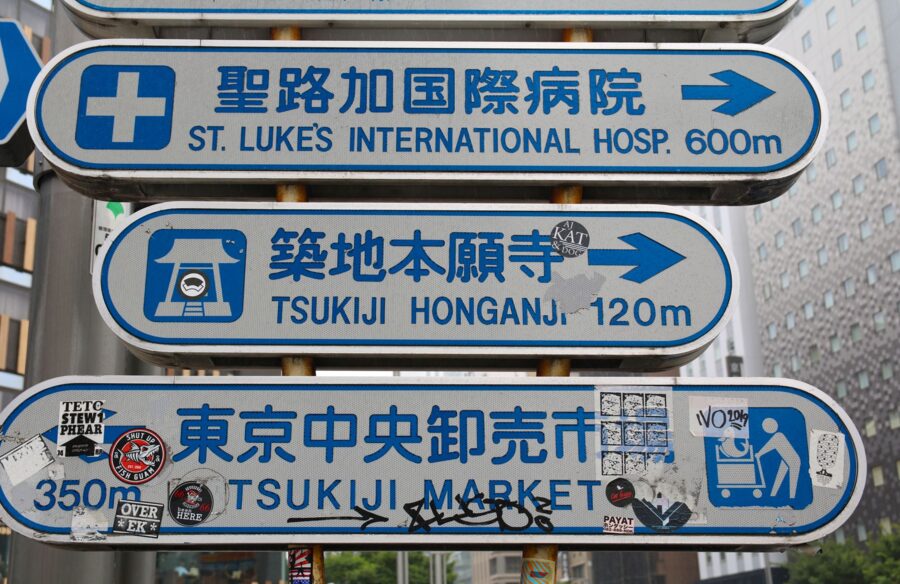
Between Tsukiji and Toyosu, the most useful link is a bus. Toei bus route 01 (written 市01) runs from Shimbashi Station to Toyosu Market and stops at Kokuritsu Gan Kenkyu Center-mae, by the old Tsukiji main gate. By rail, take the Oedo Line one stop from Tsukijishijo to Shiodome, then the Yurikamome to Shijo-mae.
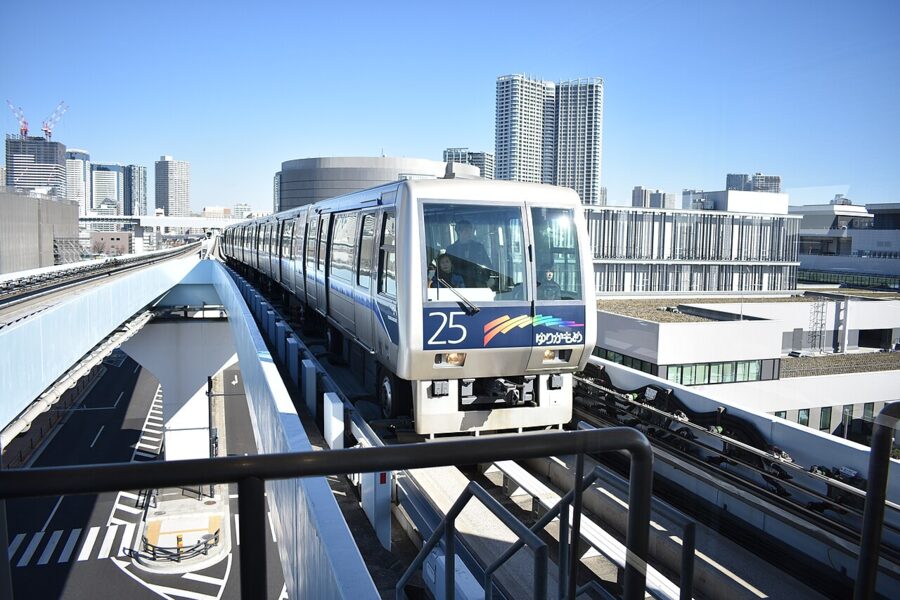
Toyosu has no visitor car park, so if you’re driving, park at Tsukiji instead; the Tsukijigawa No. 1 car park at Tsukiji 4-16-1 has 231 spaces and charges ¥200 per 30 minutes.
Prices, and a short “skip this” list
Tsukiji isn’t cheap, but it’s fair, and it’s easy to eat well for under ¥3,000 if you graze instead of sitting down. These are the numbers I’d plan around.
| What | Price |
|---|---|
| Tamagoyaki stick, Marutake | ¥200 |
| Kaisendon in the outer market | about ¥1,500–3,000 |
| Stroller storage, Plat Tsukiji | ¥500 |
| Printed market map | ¥50 |
| Tsukijigawa No. 1 car park | ¥200 per 30 minutes |
| Toyosu visitor route and auction deck | Free |
| Hama-rikyu Gardens | ¥300 |
Card payment is patchy. Some shops take cards and some don’t, so carry cash and use the Seven Bank ATM at Plat Tsukiji if you run short.
Skip this
- Arriving after 13:00. You’ll find half the counters cleaning up and the other half sold out.
- A market-holiday Wednesday, unless you’ve checked the calendar and have a plan for the restaurants that do open.
- Bowls at the market’s edges when the same fish is cheaper twenty metres further in.
- The Toyosu deck if you’ll have to get a taxi at 4:30 to make it. The corridor view is free, needs no lottery and starts at 5:00.
- Your suitcase. Leave it at the hotel or in a Plat Tsukiji locker; the lanes are too narrow for wheels.
- The last week of December, unless you want to see the New Year rush, in which case come at 7:00 and keep a hand on your bag.
After the market: the river side of Tsukiji
Most people leave Tsukiji the way they came, back towards Ginza. Go the other way. The Sumida River is a few minutes’ walk from the market, and the walk along it is the best way to let a large breakfast settle.
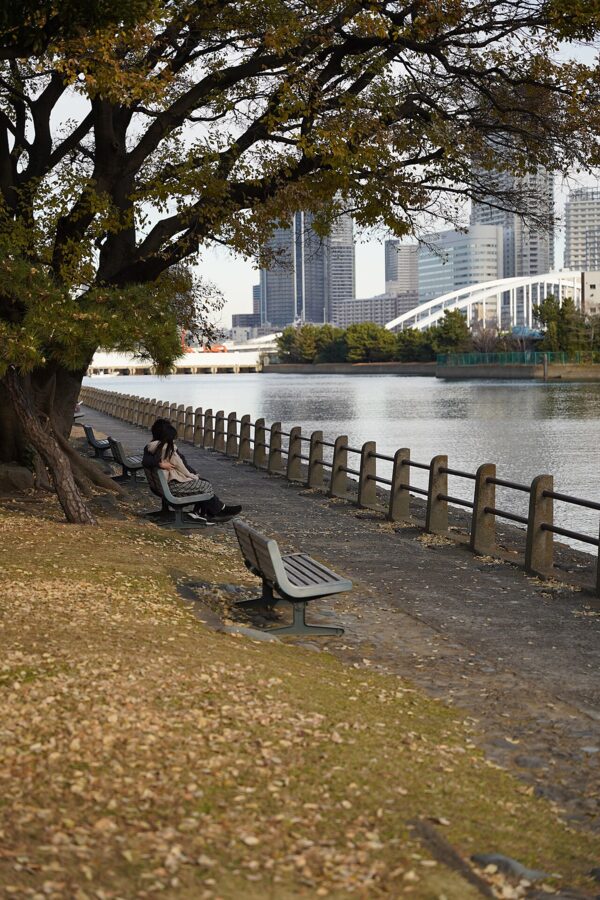
Inside the garden, the Nakajima teahouse on the tidal pond serves matcha and seasonal sweets, and the 300-year-old pine planted for the sixth shogun’s remodelling is worth a look. The teahouse is a 1983 rebuild of the Edo-period original.
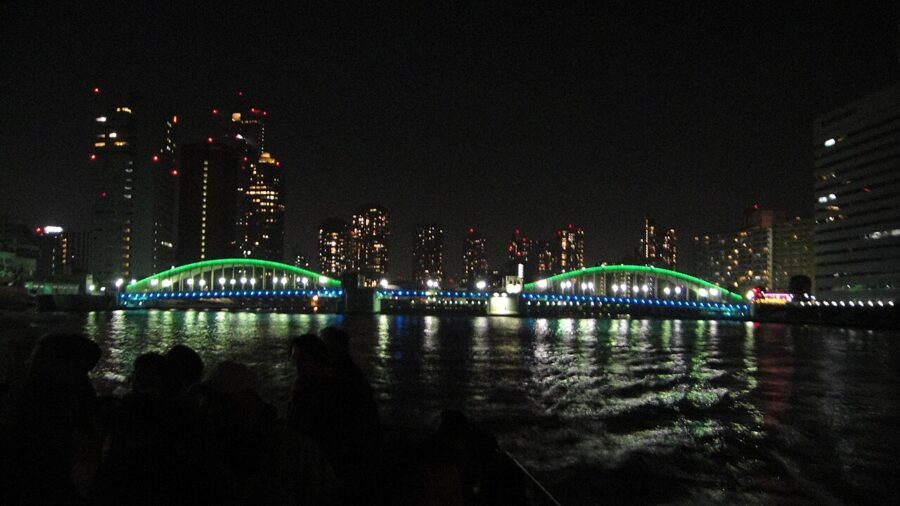
Tsukiji is a morning, not a day. Do the egg, the tuna and the shrine before 11:00, buy your katsuobushi and a knife if you cook, and spend the afternoon in Hama-rikyu or in Ginza. For other Tokyo neighbourhoods built around eating, my guide to Tokyo’s food neighbourhoods picks up where this one leaves off, and if what you want next is a market of a different kind, Kyoto’s Nishiki Market is Tsukiji’s closest relative, and an evening in one of Tokyo’s yokocho alleys is the night-time version.
One last thing. Pick up the stick of omelette before you go anywhere else. It’s ¥200, it’s hot, and it’s the closest thing Tsukiji has to a ticket in.