Shochu and Awamori: Japan’s Distilled Spirits, How to Drink Them, and Where They’re Made
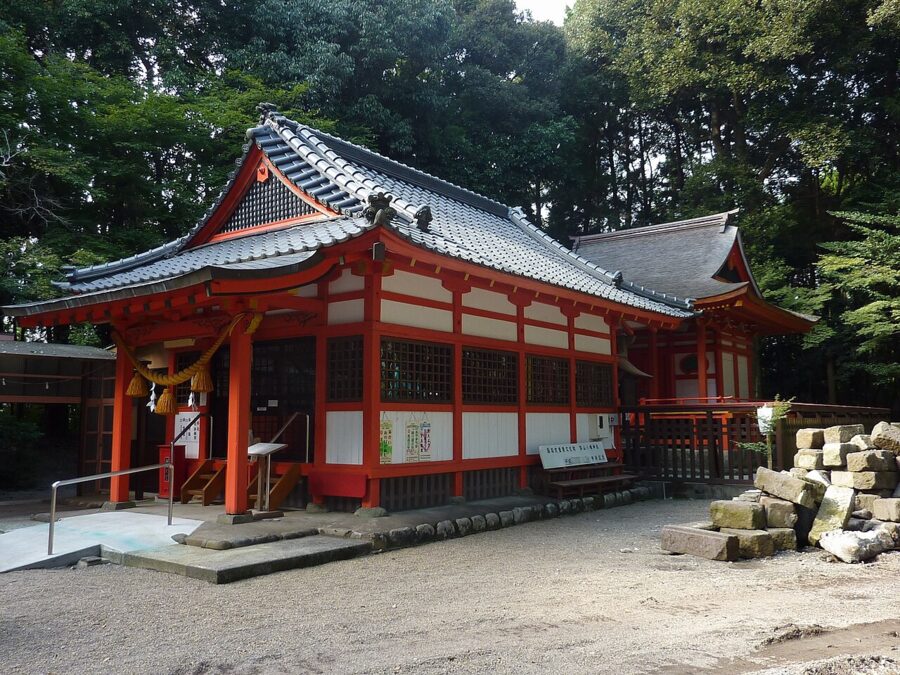
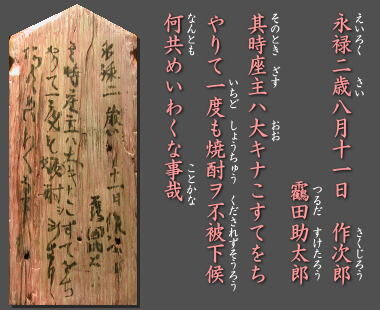
In the eighth month of 1559, two carpenters repairing Koriyama Hachiman Shrine, in what is now Isa in northern Kagoshima, scrawled a complaint on a wooden board up in the roof. The head priest, they wrote, was such a miser that he had not given them shochu even once, and what a nuisance that was. Nobody read it for almost four hundred years, until the hall was taken apart for repairs in 1954. It is the oldest known written use of the word shochu in Japan, and it’s a grumble about not getting any.
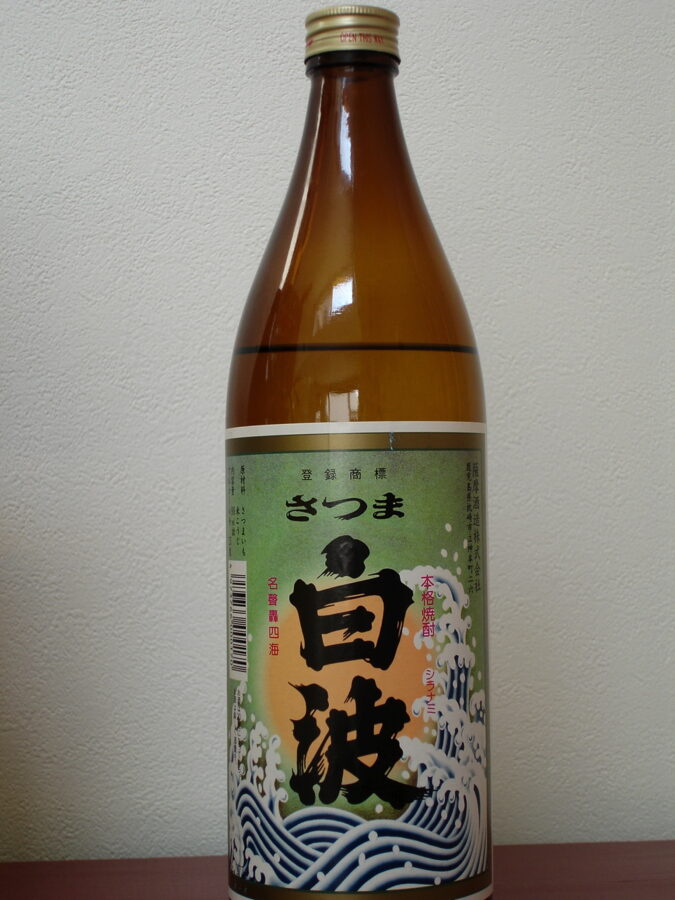
Here’s the contrast that tells you how far the drink has come. In 2012 the average adult in Kagoshima drank 26 litres of honkaku shochu and 18.2 litres of beer. Every other prefecture in Japan drinks more beer than anything else. Kagoshima drinks sweet potatoes.
Shochu is Japan’s distilled spirit, and awamori is its older Okinawan cousin. Where sake is brewed and stops there, shochu goes one step further into a still, and that single step changes everything about how it tastes and how people drink it. This guide covers what’s in the glass, how Kyushu actually drinks it, the five regions that matter, Okinawa’s awamori, and what to buy and carry home. The short version first.
| Type | Main ingredient | Where it’s strongest | What it tastes like | Start with it |
|---|---|---|---|---|
| Imo (芋焼酎) | Sweet potato, usually with rice koji | Kagoshima, southern Miyazaki | Earthy, sweet, a bit roasted; the most divisive | Oyuwari, hot water first |
| Mugi (麦焼酎) | Barley, with rice or barley koji | Iki (Nagasaki), Oita | Toasty, clean, easy | Soda or cold water |
| Kome (米焼酎) | Rice | Kuma district, Kumamoto | Soft, fruity, close to sake | Rocks, or warmed |
| Kokuto (黒糖焼酎) | Brown sugar with rice koji | Amami islands only | Light, faint sweetness on the nose, no sugar in the glass | Rocks or soda |
| Soba (そば焼酎) | Buckwheat, often with rice or barley | Northern Miyazaki | Lighter than barley, nutty | Cut with soba-yu at a soba shop |
| Awamori (泡盛) | Thai rice, all of it made into black koji | Okinawa | Rich, rice-sweet; aged kusu turns mellow and deep | Water, or kusu neat |
In This Article
- Distilled once, on purpose
- Honkaku or korui: read the label
- Black, white or yellow koji
- Atmospheric or vacuum
- Five bases, and a lot of oddities
- How Kyushu actually drinks it
- Oyuwari: hot water first
- Water, rocks and straight
- Maewari and the kurojoka
- Soda, chuhai, sours and Hoppy
- What to eat with it
- Kagoshima: a prefecture that drinks potatoes
- Kagoshima city
- Distilleries you can visit
- Miyazaki: the biggest seller, and the buckwheat idea
- Kirishima Factory Garden
- The north: buckwheat and chestnuts
- Kuma: rice shochu from a cold basin
- Amami: brown sugar, by special permission
- Iki: where barley shochu started
- Oita, the barley that went national
- Awamori: Okinawa’s older cousin
- Thai rice, black koji, one mash
- Kusu, and the jar that never empties
- The islands, the strengths and the 600 ml bottle
- How Okinawa drinks it
- Where to drink and visit in Naha
- Buying it, and getting it home
- Bars and izakaya
- Umeshu, briefly
- Prices at a glance, and what to skip
Distilled once, on purpose
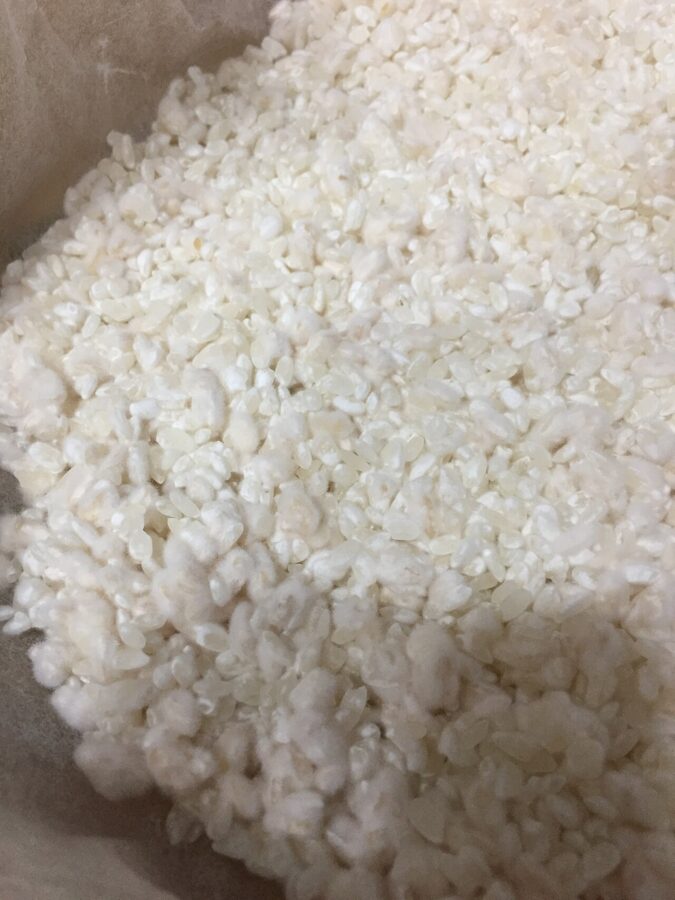
Every honkaku shochu starts the way sake does, with koji: steamed grain covered in a mould whose enzymes turn starch into sugar. The koji goes into a tank with water and yeast for about a week, making a first mash. Then the main ingredient goes in, steamed sweet potato or barley or rice, for another eight to ten days. What comes out is a sour, beery liquid of around 13–20% alcohol, and that’s where sake would stop.
Shochu goes into a pot still, once. The raw spirit runs off at around 40% or a little more, and most of it is cut with water to 25% before bottling. That single run is the whole point. A column still strips out flavour to make clean alcohol; a pot still used once keeps the smell of the potato or the barley in the glass.
Honkaku or korui: read the label
Japanese tax law splits shochu in two. Tanshiki joryu shochu, single-distilled, may be bottled at up to 45%. Renzokushiki joryu shochu, made in a continuous column still, must be under 36%. From 1949 until 2006 these were called otsurui and korui, class B and class A, which is a strange pair of names when the B is the one with the flavour.
Enatsu Junkichi, then president of Kirishima Shuzo, hated that ranking. In 1957 he proposed the term honkaku shochu, “the real thing”, for the single-distilled stuff, and from 1971 makers were allowed to print it. Since November 2002 the word has had teeth: a honkaku shochu must be made only from grain or sweet potato, their koji and water (or sake lees, or Amami brown sugar), with nothing added after distillation. A list of 49 approved extras, from shiso and chestnuts to green tea and milk, can go in the mash as long as they weigh less than the grain or potato.
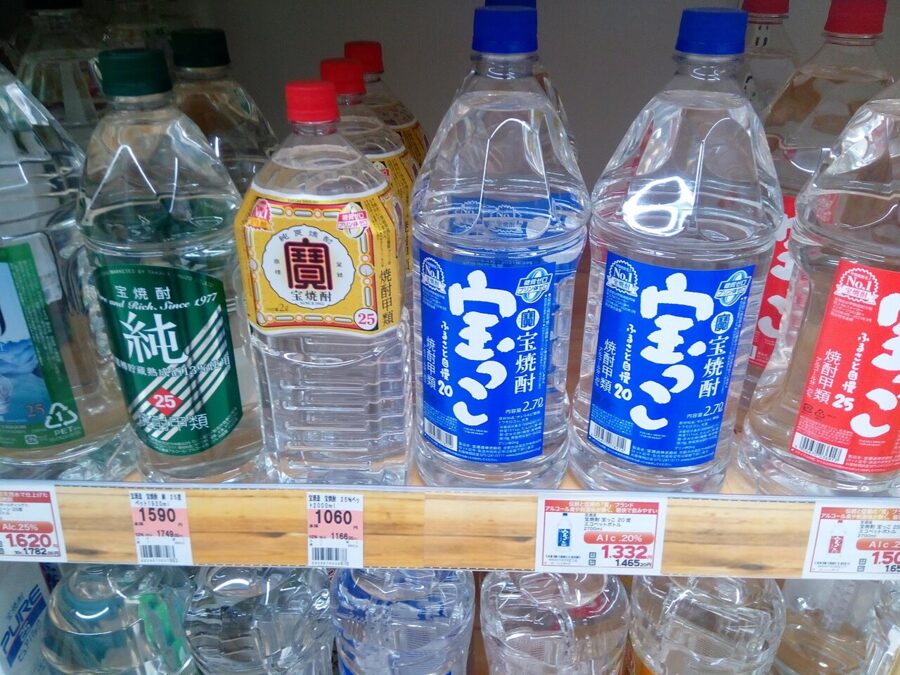
Korui is the cheap, neutral side of the shelf, usually distilled from molasses. It’s what goes into canned chuhai and lemon sours, and the “white liquor” sold every June for making umeshu is the same thing. Watch for konwa (blended) labels too: “otsu-ko” means at least half single-distilled spirit, “ko-otsu” means less than half.
Black, white or yellow koji
Most labels tell you the koji colour, and it’s the most useful thing on the bottle after the base ingredient. The story behind it belongs to one man. Kawachi Gen’ichiro, a tax-office brewing engineer posted to Kagoshima in 1909, found distillers losing whole batches every late summer because they used the yellow koji of sake brewing, which suits cold northern winters. He reasoned that Okinawa, hotter still, never had that problem, brought back awamori’s black koji, and by 1910 had cultured a strain for shochu.
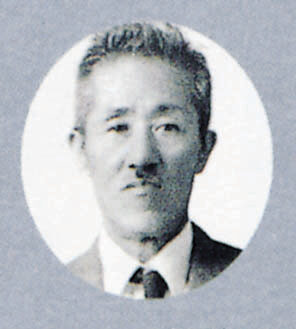
In 1924 he spotted a pale mutant in his black koji, cultured it, and called it white koji. It was cleaner and easier to handle, and after the war it took over. The company he founded in Kagoshima in 1931 still sells spores, and his strains sit behind the large majority of honkaku shochu made today.
- Kuro (black): heavier, sweeter, more body. The “Kuro” in Kuro Kirishima.
- Shiro (white): softer and rounder, the everyday default.
- Ki (yellow): sake’s koji, used now by makers chasing fruity, floral aromas.
Atmospheric or vacuum
One more word worth spotting: joatsu or genatsu. Joatsu (atmospheric) distillation is the old way and gives the full, oily character of the base. Genatsu (vacuum) distillation, spread from the 1970s, boils the mash at a lower temperature and gives a lighter, fruitier spirit with less of the heavy stuff. If imo shochu has scared you off before, a genatsu bottle is the gentler door in.
Five bases, and a lot of oddities
Sweet potato is the one with a reputation. Good imo shochu smells of roasted sweet potato, chestnut and sometimes something almost floral; bad imo shochu smells of a damp cellar, and that used to be common. Distilleries now trim the ends and any damaged flesh off every potato before steaming, which is a big part of why it got easier to love.
Barley is the easy one. Mugi shochu took off in the 1970s and 1980s, especially from Oita, and it’s the bottle a Tokyo office drinker reaches for with soda. Rice shochu sits closest to sake, soft and faintly fruity. Brown sugar shochu, legally possible only on the Amami islands, is light and clean despite the name.
Buckwheat is the newcomer. Gokase Shuzo, later renamed Unkai Shuzo, made the first soba shochu in 1973 in Gokase, a mountain town in northern Miyazaki, and it spread from there to buckwheat country in Nagano and Hokkaido. Soba restaurants often serve it cut with soba-yu, the cloudy water the noodles were boiled in, which is one of the better reasons to linger after a meal at the places in my soba guide.
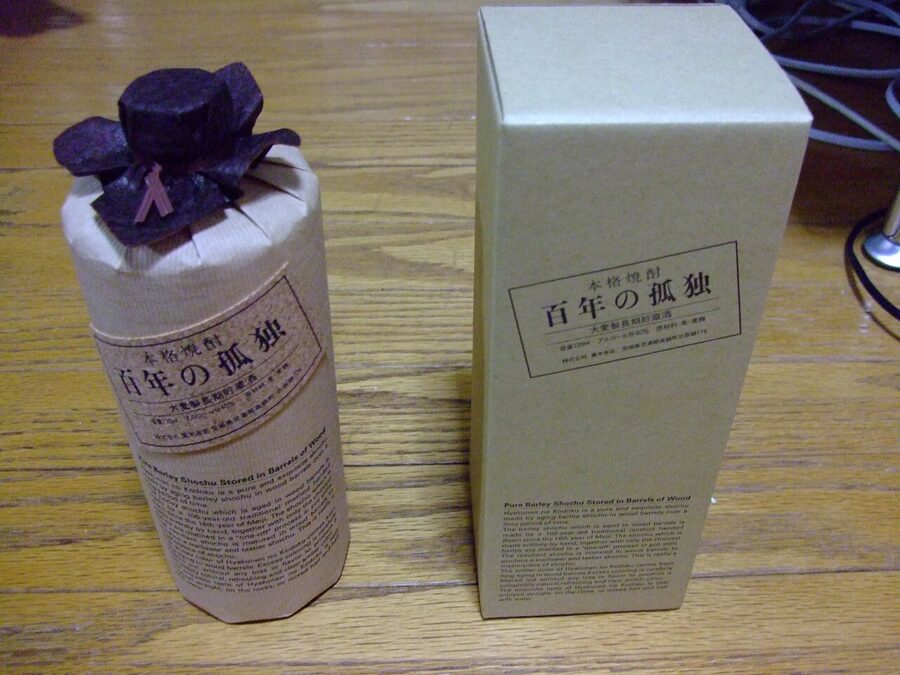
Kasutori shochu is distilled from sake lees and was once the shochu of sake country, drunk at the feast after rice planting. You’ll also find chestnut shochu (first made in Nobeoka in 1976), potato shochu from Hokkaido (from 1979, in Kiyosato), and shiso shochu. Most are curiosities. The kasutori is the one I’d hunt for.
How Kyushu actually drinks it
Order honkaku shochu at any izakaya and the next question is always the same: how would you like it? Straight, rocks, water, hot water or soda, and the answer changes the drink more than you’d think. At 25%, shochu is built to be cut, and the people who make it cut it too.
Oyuwari: hot water first
Oyuwari is the Kagoshima default and the way I’d start with imo shochu. The rule that matters is the order: hot water goes into the cup first, then the shochu. Pour shochu first and add hot water on top and the alcohol flashes off straight into your nose; pour it onto hot water and the temperature difference sets up a gentle current that mixes the two without stirring.
The water should be around 70–80°C, not boiling, so the finished drink lands at about 40–50°C, a bit warmer than skin. Distillery staff in Kagoshima tend to recommend something like five of shochu to five of water, or six to four if you want to taste the potato properly. One Kagoshima distillery shop puts it neatly: water first makes it sweeter, shochu first makes it drier.
Water, rocks and straight
Mizuwari, cold water, is the most common way of all and the best starting point for barley and rice. Anything from equal parts to one of shochu and three of water is normal; soft water is better than hard. Staff at Kirishima-cho Joryusho, a small Kagoshima distillery, pair it by temperature: cold mizuwari with cold food like sashimi, hot oyuwari with hot food.
On the rocks shows off aged and genatsu shochu, and big ice matters because it melts slowly. Straight, at 15–20°C, is how distillers themselves taste, and it’s the right way to meet an aged barley or a 10-year awamori. It’s also 25% or more, so sip.
Maewari and the kurojoka
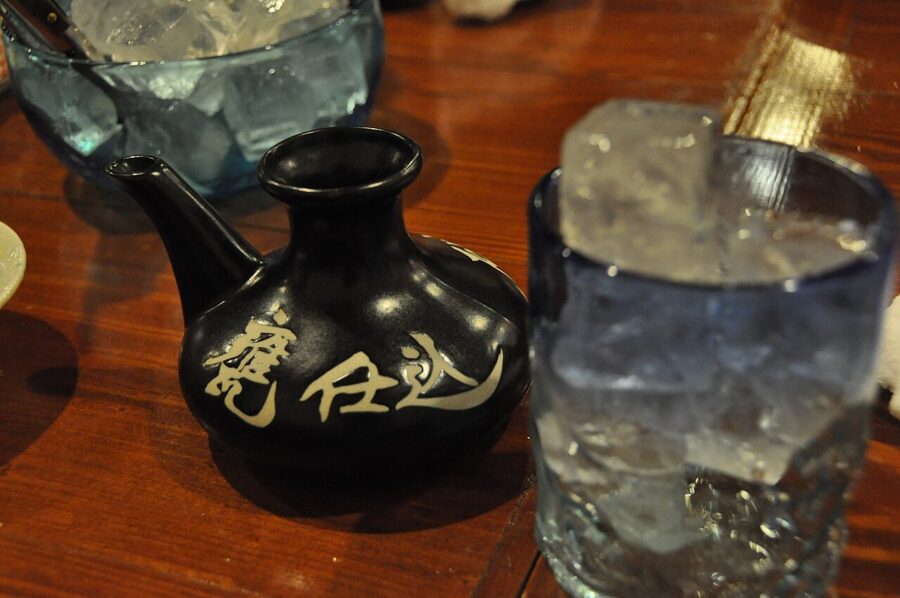
Maewari means cutting the shochu with water in advance, around six of shochu to four of water, and leaving it at least a night. The time lets the two settle together, and the result is rounder than anything mixed on the spot. In Kagoshima, maewari is warmed in a kurojoka, a flat black clay pot with a spout set on a small flame or in hot water.
In Kuma, the rice shochu country, the old equivalent was a flask called a garaa, heated straight over a flame and poured into tiny choku cups. Most bars won’t do either for you. If one does, say yes.
Soda, chuhai, sours and Hoppy
Chuhai started as short for shochu highball: korui shochu and plain soda, nothing else. Now the word covers anything from a fresh lemon sour at a counter to a can of grapefruit flavour at the konbini. Oolong-hai (shochu with oolong tea) and ryokucha-hai (with green tea) are the default izakaya refills, and they’re cheap because the base is neutral.
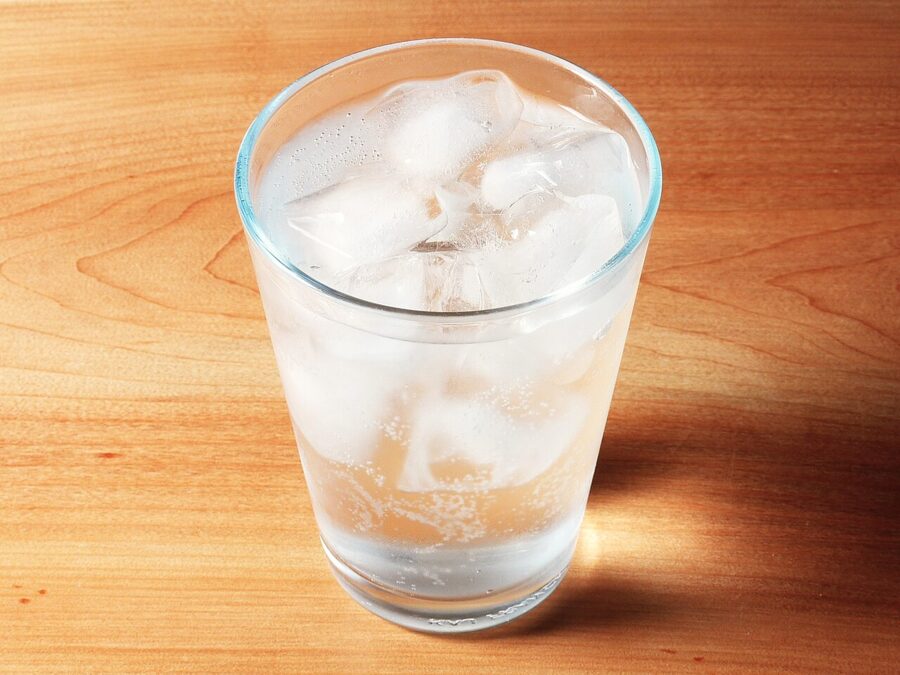
Honkaku shochu with soda, sodawari, is a separate and better thing. Barley with soda at one to three is the easiest drink in the whole category, and Kagoshima’s makers pushed imo with soda in a 2022 campaign run by the Kagoshima Shochu Makers Association. Use strongly carbonated soda and pour it down the side of the glass, not onto the ice.
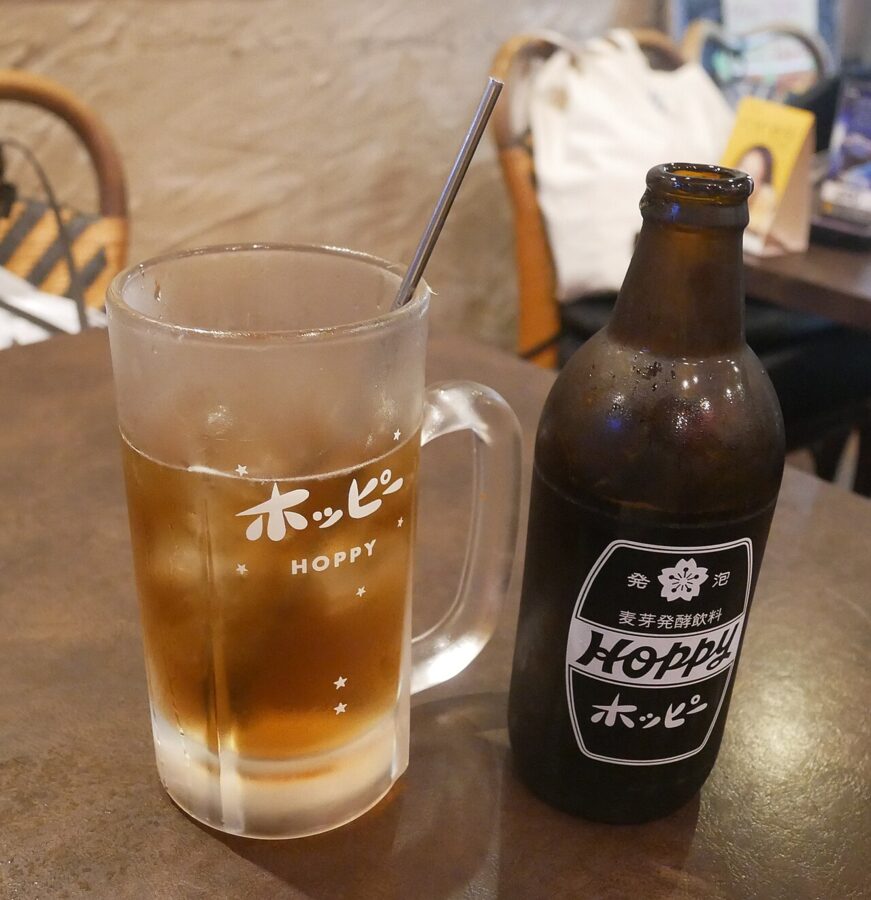
Hoppy is the Tokyo oddity. It’s a beer-flavoured soft drink, on sale since 1948, that you pour into a mug of korui shochu and ice; it took off when real beer was too expensive. You’ll still find it in the old drinking streets east of Ueno and in Yokosuka.
What to eat with it
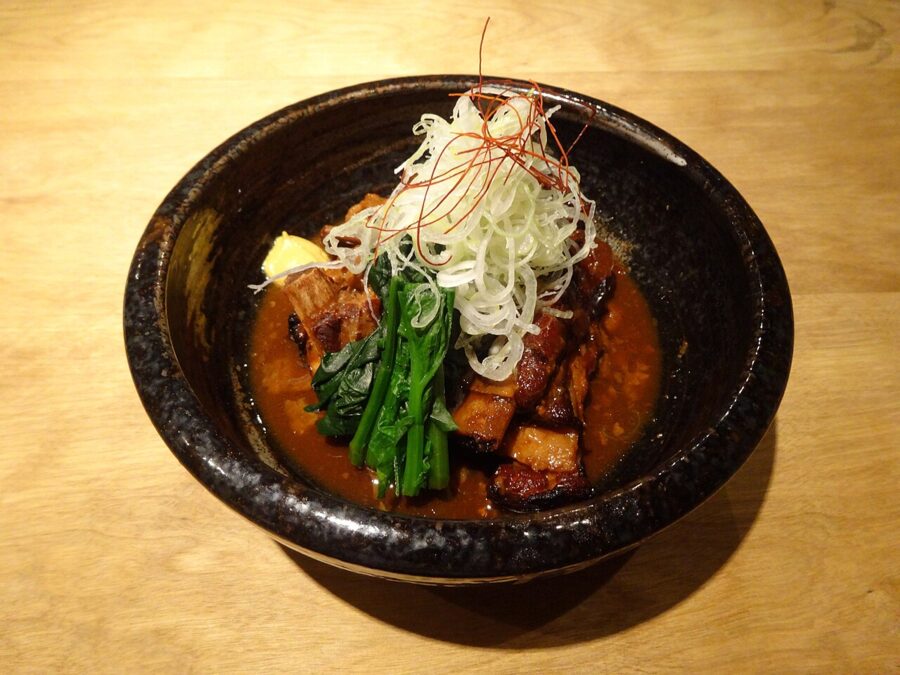
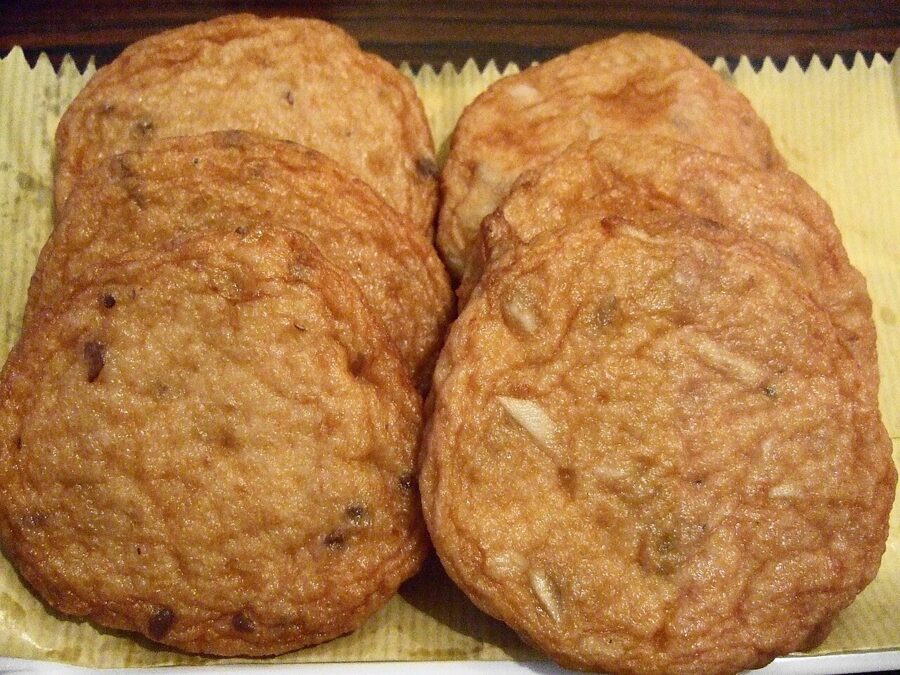
Shochu is a drink for the whole meal, not a digestif, and that’s the biggest mental shift if you come from whisky. In Kagoshima that means kurobuta black pork (the same pig behind the best cutlets in my tonkatsu guide), satsuma-age fried fishcakes and tonkotsu, pork ribs stewed in miso and shochu. Oolong-hai is the classic cut for fried chicken. Barley with soda belongs next to a grill at a yakiniku table, and a hot oyuwari next to a winter pot of oden is close to perfect.
Kagoshima: a prefecture that drinks potatoes
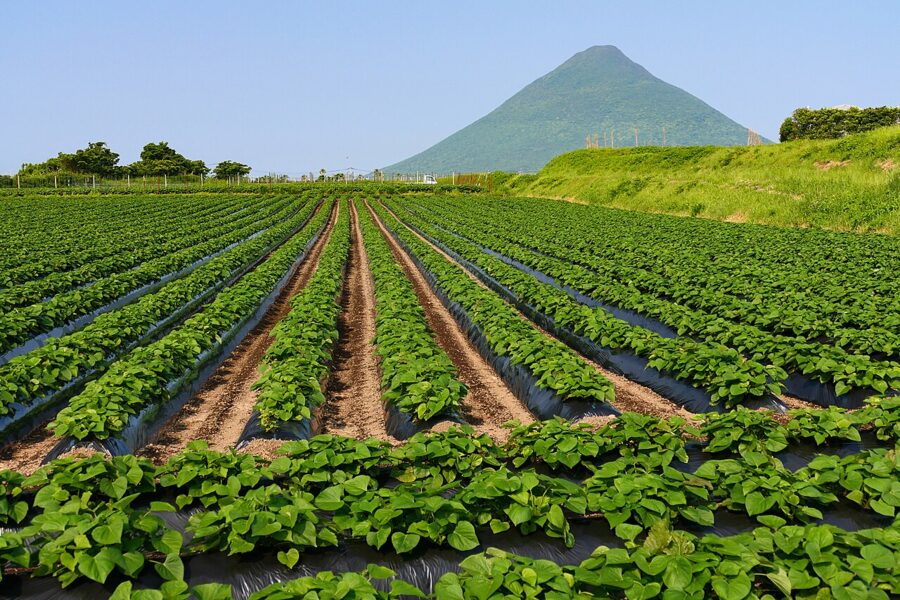
Sweet potatoes reached Satsuma from Ryukyu in 1705, landing at Yamakawa on the Satsuma peninsula. They took to the shirasu, the porous volcanic ash plateau that covers much of Kagoshima and drains too fast for rice. Within a century imo shochu was the local drink: by the 1780s more than 3,700 households across the domain were distilling it, and a travelling writer noted that people in Satsuma drank shochu because they couldn’t get decent sake.
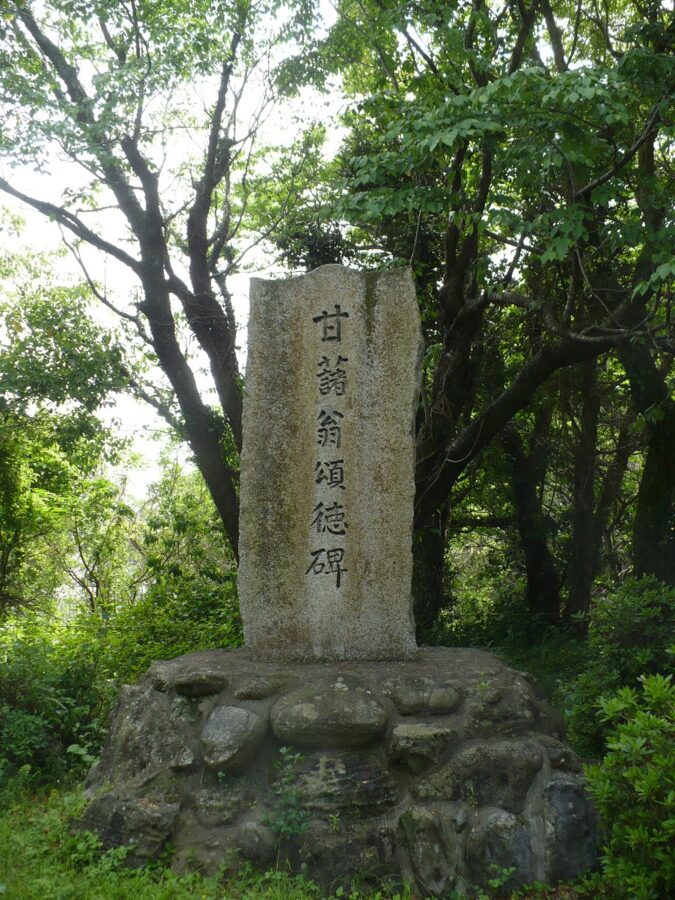
Satsuma shochu became a protected geographical indication in 2005. To use the name, a maker must use only Kagoshima-grown sweet potatoes, Kagoshima water, and ferment, distil and bottle inside the prefecture (the Amami islands are excluded; they have their own drink). The workhorse variety is Koganesengan, a pale-fleshed potato in use since the 1960s. Since 2018 a rot disease, motogusare-byo, has cut harvests, and some distilleries have paused products or switched to resistant varieties.
The industry is mostly small. In 2017 the Kagoshima association had 100 member makers, 114 counting those who only supply raw spirit, and 60 of them made 400 kilolitres a year or less. Because the potatoes are dug in September and October, Kagoshima distils imo shochu mainly from October to December and spends the rest of the year making barley shochu, often sold in bulk to Oita brands.
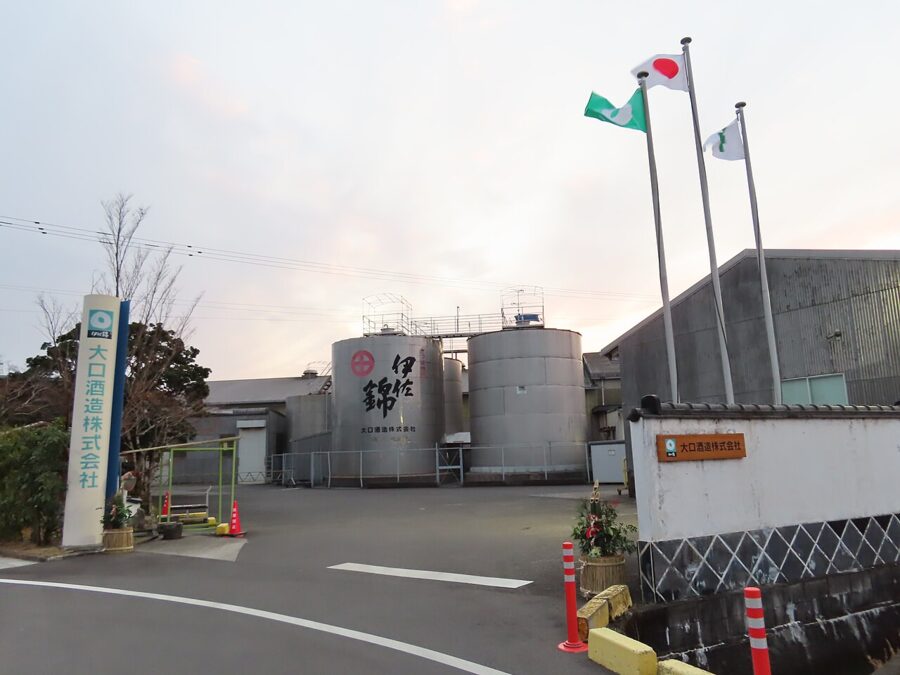
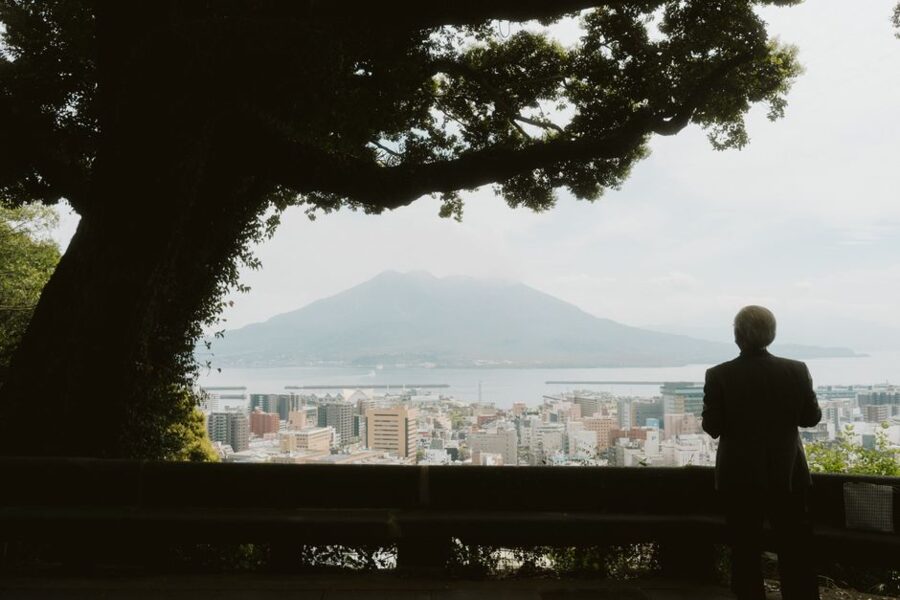
Kagoshima city
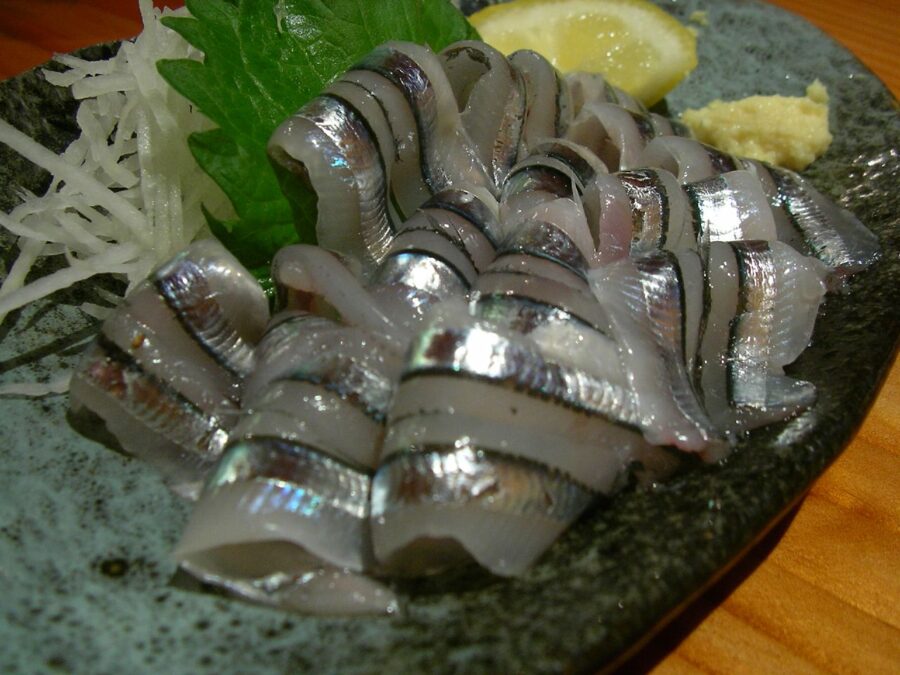
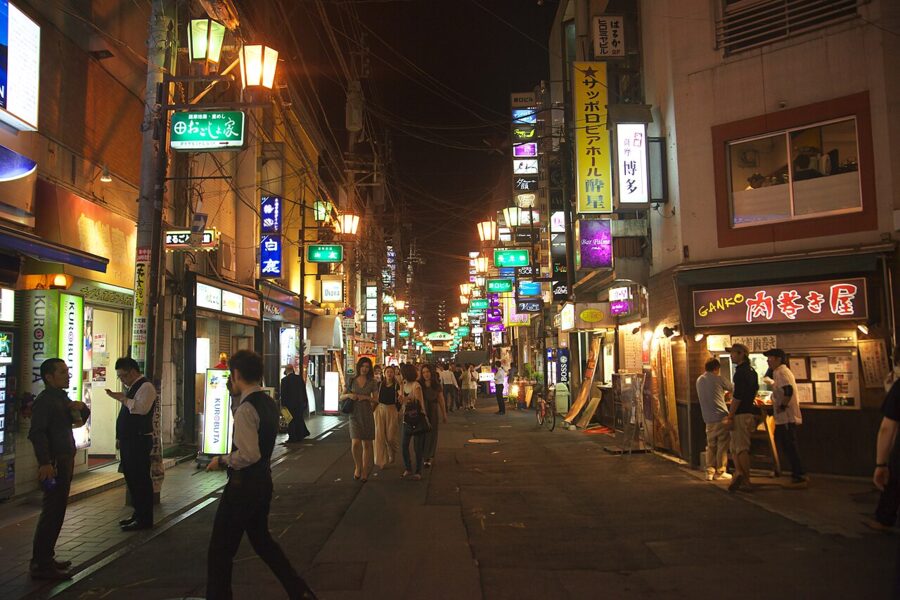
Kagoshima city is where you drink it, and Tenmonkan is where you go. The arcades fill with izakaya after 18:00, and most will list local imo shochu by maker on the wall and ask how you want it. Order something you don’t recognise, oyuwari, with kurobuta and a plate of kibinago, the silver-striped sprats served raw with vinegared miso, and you’ve done Kagoshima properly.
Distilleries you can visit
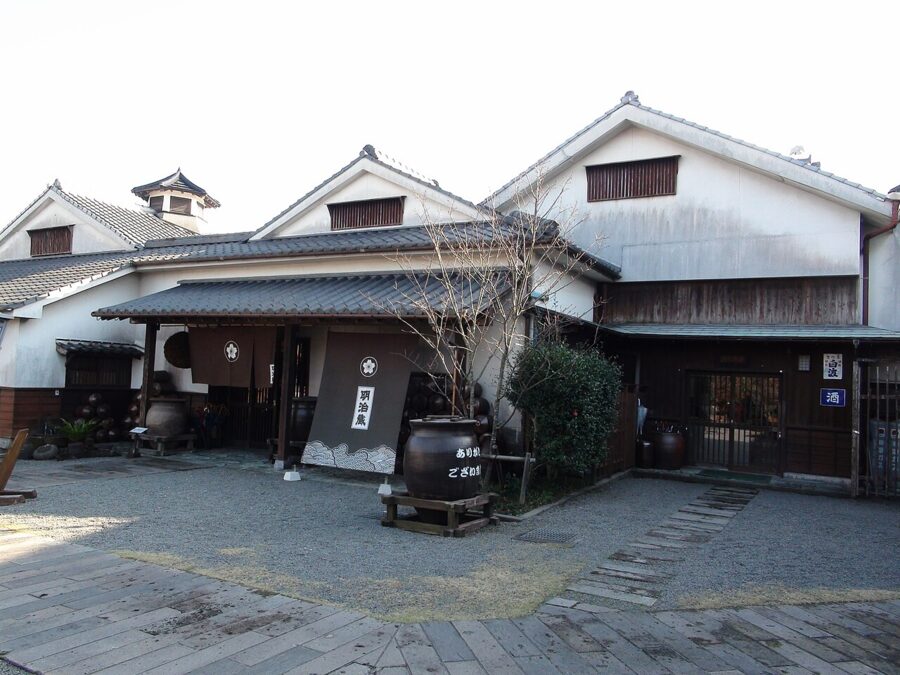
Hamada Shuzo runs two visitor sites near Ichikikushikino, on the coast about 25 minutes by expressway from the city. Denbe-gura is a working Meiji-era distillery where a 40-minute tour runs at 11:00 and 14:00, closed Wednesdays, booked ahead; it costs ¥700 for adults, with tastings of Den, Ukichi and Kaneshige. It’s about 20 minutes on foot from JR Ichiki Station, and the shop opens 9:00–17:00.
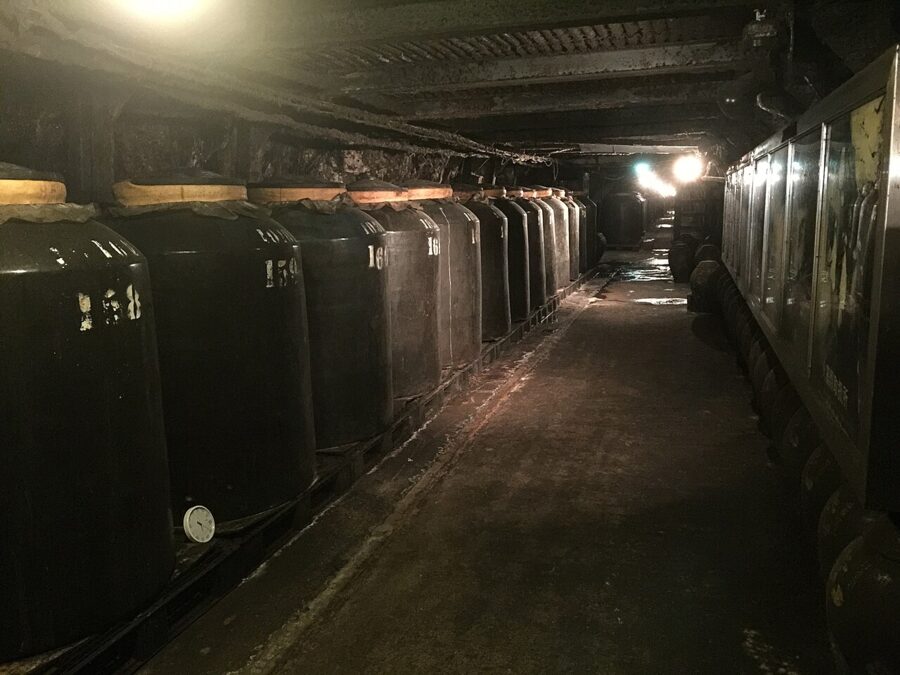
Its sister site, Satsuma Kinzangura, ages shochu inside the tunnels of the old Kushikino gold mine, reached by a small trolley train. Hamada has announced that the mine tours end on 27 December 2026 for safety reasons, and new bookings closed on 1 September. If you already have a slot, go; if not, put Denbe-gura first.
Miyazaki: the biggest seller, and the buckwheat idea
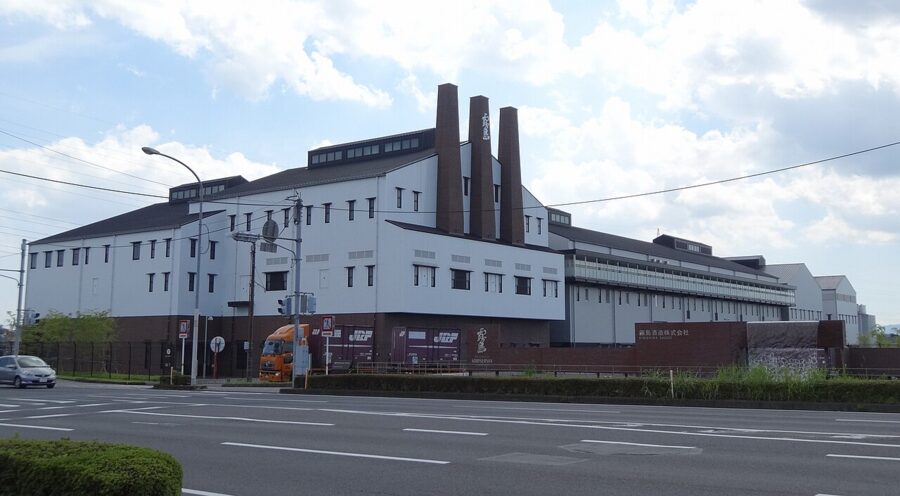
The biggest shochu company in Japan is not in Kagoshima. Kirishima Shuzo, in Miyakonojo just over the Miyazaki border, topped the Teikoku Databank ranking of shochu makers by sales for eleven years running to 2022, carried largely by one bottle: Kuro Kirishima, a black koji imo shochu. In that same ranking Kagoshima had the most companies in the top 50, but Miyazaki had the most money.
Miyazaki also kept the 20-degree bottle. After the war, bootleg shochu at 18–19% was undercutting licensed makers, so from 1953 the government taxed 20% shochu more lightly than 25%. Miyazaki’s drinkers stuck with it, and you’ll still see 20% versions of the big brands on shelves here.
Kirishima Factory Garden
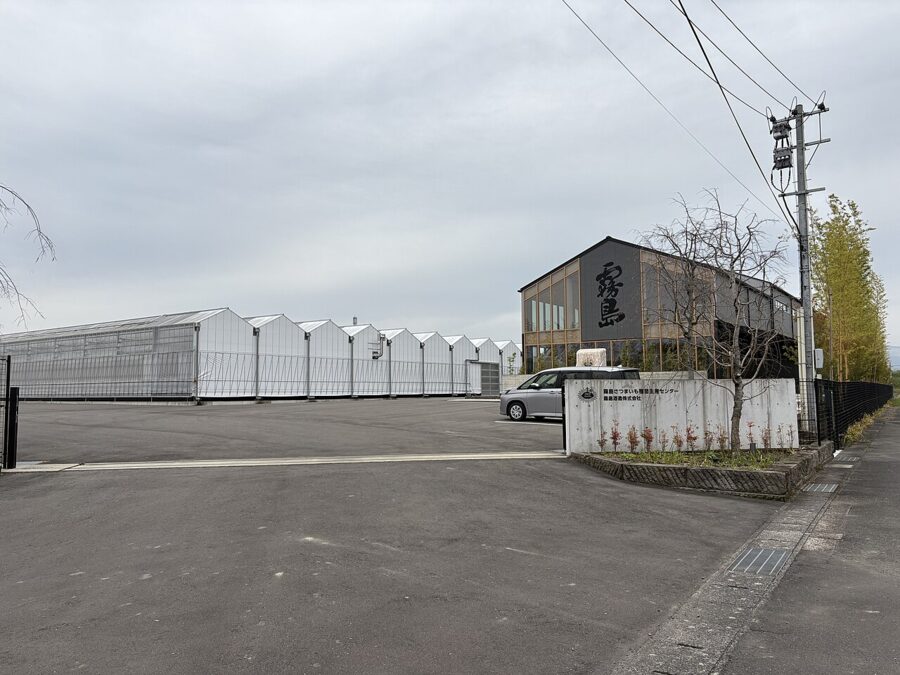
Kirishima’s visitor complex in Miyakonojo is the easiest distillery visit in Kyushu for a non-Japanese speaker. The Kirishima Walk Factory tour is free, takes about 60 minutes with a guide, and runs daily at 10:00, 11:00, 13:30, 14:30 and 15:30, booked online in advance; latecomers aren’t taken in. It follows Kuro and Shiro Kirishima from potato delivery to distillation from a viewing walkway, then ends with free tastings, a sip of the spring water they use and a taste of steamed sweet potato.
The site also has a shop (9:00–18:30), a restaurant, a museum and a bakery. There’s no tasting for drivers, so come by taxi from Miyakonojo Station.
The north: buckwheat and chestnuts
Northern Miyazaki is mountain country, and its shochu is a different animal. Soba shochu was born in Gokase in 1973, and the company that made it moved its brand, Unkai, onto shelves across Japan from 1976. Takara Shuzo later worked out how to grow koji on buckwheat itself and sells a 100% buckwheat version called Towari.
Nobeoka gave the country chestnut shochu in 1976, from the Sato distillery there. On the coast, Takanabe is home to Kuroki Honten, whose aged barley shochu is one of the most sought-after bottles in Kyushu. If you only try one Miyazaki shochu that isn’t Kirishima, make it a soba shochu, warmed.
Kuma: rice shochu from a cold basin
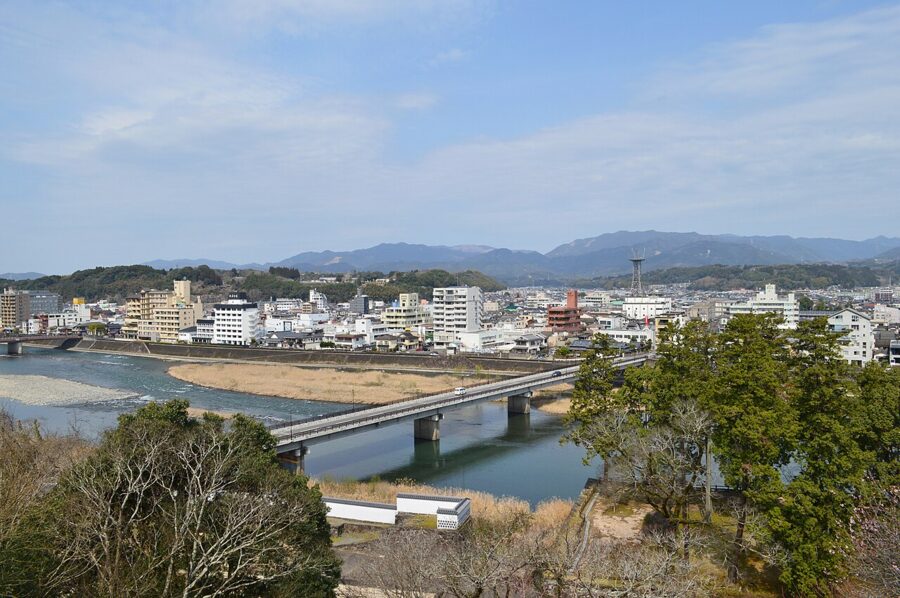
Rice shochu’s home is the Hitoyoshi basin in southern Kumamoto, where 27 distilleries make Kuma shochu. The basin is cold for Kyushu in winter, foggy from autumn to spring, and fed by the soft water of the Kuma River, which suited both rice growing and slow, cool fermentation. Kuma shochu has been a protected geographical indication since 1995.
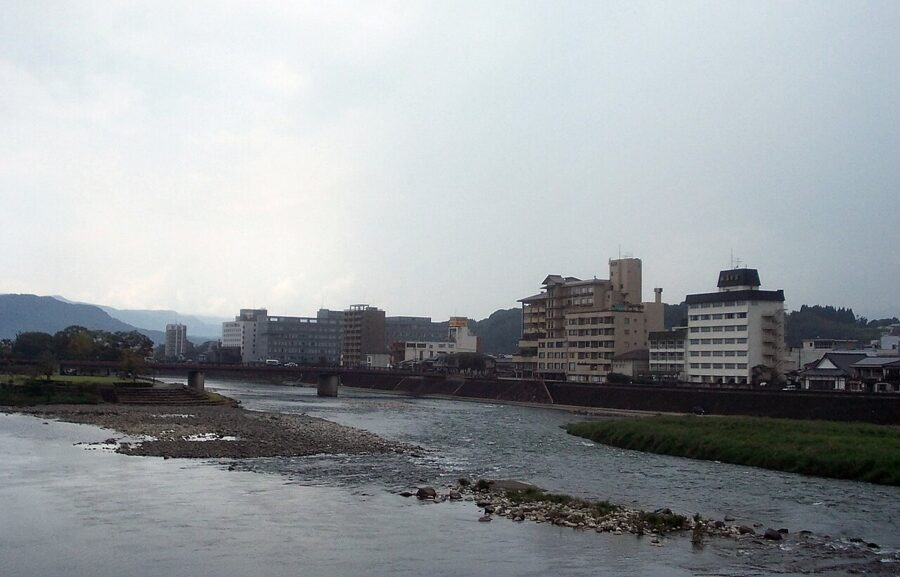
The history leans south. Isa, where the 1559 board was found, was ruled by the same Sagara clan that held Kuma, and until the Meiji era people in Kuma called their shochu “awamori”. Their old serving flask, the garaa, looks almost exactly like Okinawa’s karakara. Historians read those clues as a route for distilling from Ryukyu, through southern Kyushu, into these hills.
By 1710 the castle town of Hitoyoshi had 18 licensed shochu makers. The big change came in 1973, when vacuum distillation arrived and Kuma started making a softer, fruitier rice shochu; output doubled between 1980 and 1985. In 2006 Kuma shochu became the first shochu to win a regional collective trademark.
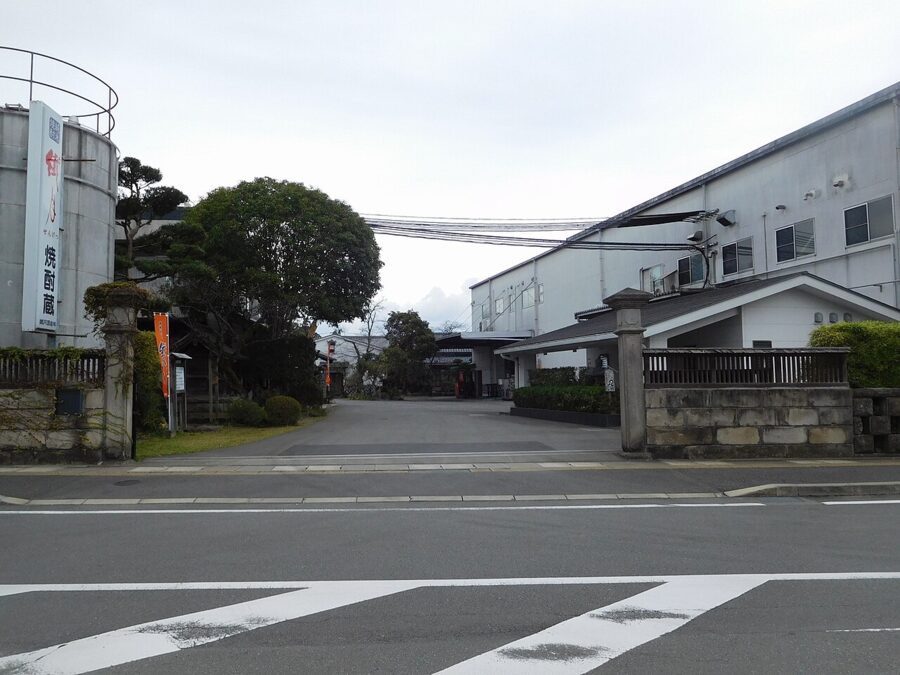
The traditional way to drink it was serious. Two and a half go, about 450 ml, measured in a wooden box, heated straight over the fire in a garaa and poured into choku cups. People played kuma-ken, a hand game in rounds of ten, and the loser of each throw downed a cup. Today it’s mostly rocks or hot water, but Kuma rice shochu is the one Japanese spirit I’d always try warm.
To taste across the district in one place, Takahashi Shuzo, the maker of Hakutake, runs Hakutake Densho-gura, a shochu museum in Hitoyoshi with a tasting and shop counter that stocks bottles from all 27 Kuma distilleries. Entry is free, and the counter is the quickest way to find out whether you like the soft vacuum-distilled style or the fuller atmospheric one.
Amami: brown sugar, by special permission
Kokuto shochu exists because of a tax ruling. The Amami islands, between Kagoshima and Okinawa, were under American occupation after the war; rice was scarce and the brown sugar they produced couldn’t be shipped to mainland Japan, so islanders distilled it. When Amami returned to Japan in 1953, Japanese law didn’t count sugar spirit as shochu and would have taxed it as something dearer.
The Finance Ministry’s answer was a special exception: shochu made from brown sugar, provided it also uses rice koji, may be made only within the area of the Oshima tax office, which is to say the Amami islands. The same recipe anywhere else in Japan is legally a spirit, essentially rum. Today 23 distilleries on five islands, Amami Oshima, Kikaijima, Tokunoshima, Okinoerabu and Yoron, make it.
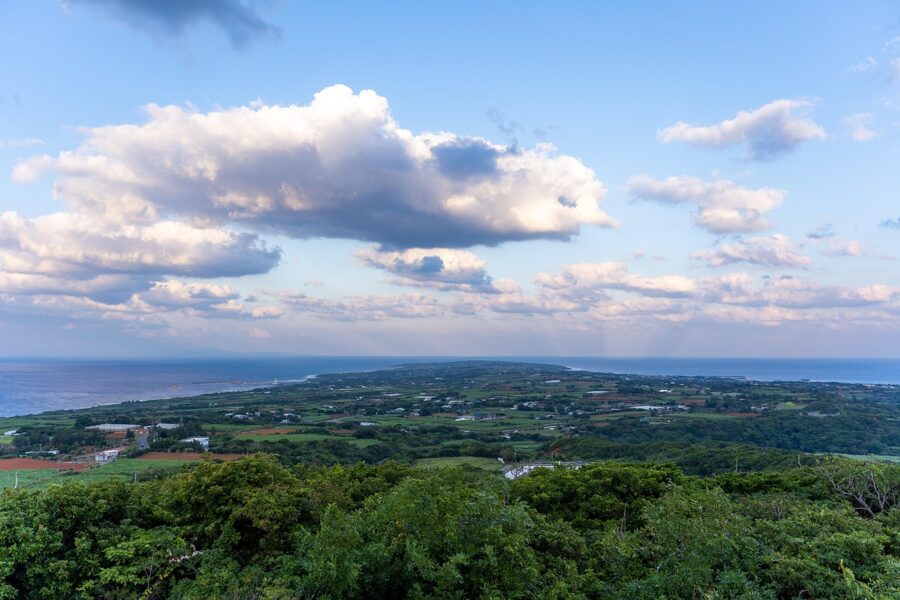
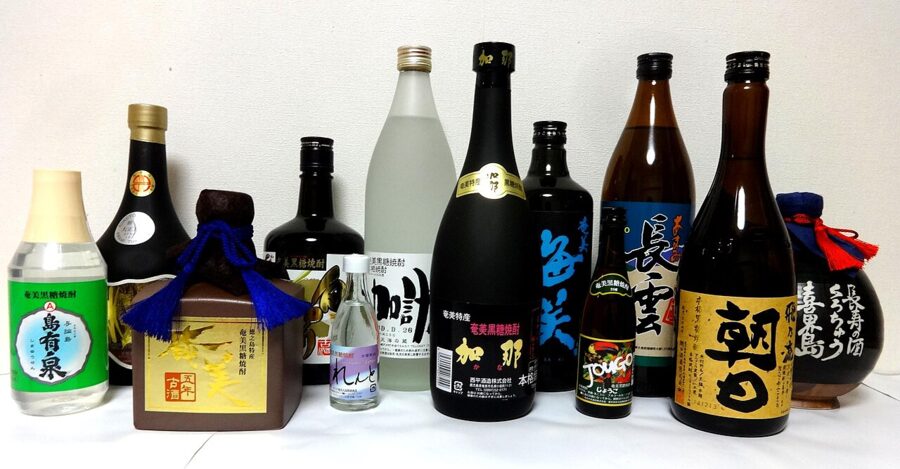
Don’t expect sweetness. The sugar is all eaten by the yeast and none of it survives distillation, so kokuto shochu has no sugar in the bottle, just a soft, slightly rummy nose. The Japan Sake and Shochu Makers Association suggests it as the friendliest first bottle for people new to honkaku shochu, and I agree: try it on the rocks or with soda.
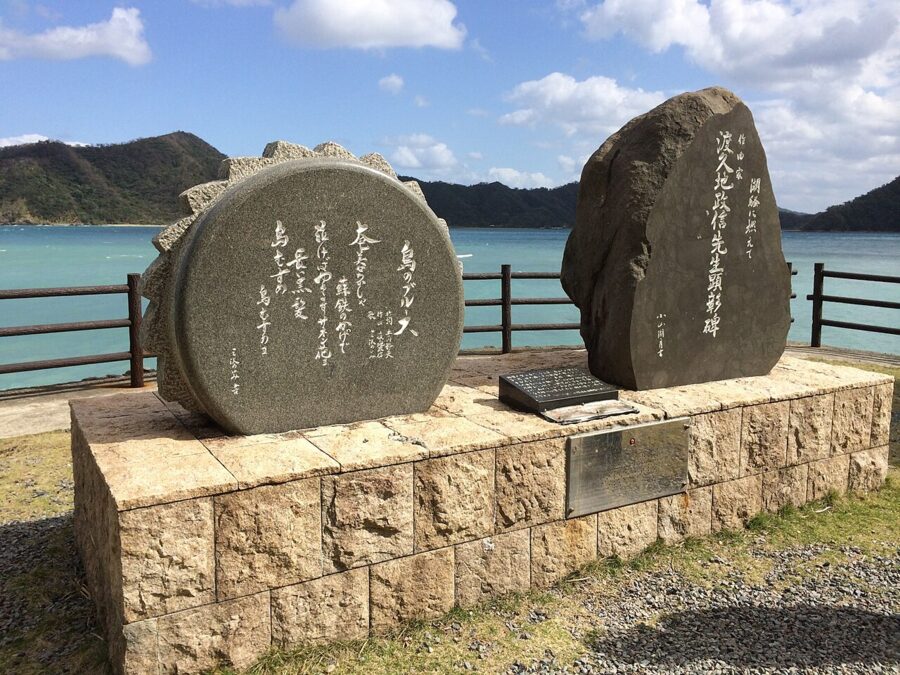
Machida Shuzo, maker of Sato no Akebono, offers a free 60-minute tour of its Tatsugo distillery by reservation through its website, at 9:00, 10:30 and 13:30, for groups of one to six. You see the fermentation and storage and the bottling line, hear how kokuto shochu came to be, and taste bottles sold only at the distillery.
Iki: where barley shochu started
Iki is a small island in the Genkai Sea, about an hour by jetfoil from Hakata, and it claims barley shochu. Under the Hirado domain, islanders paid their tax in rice and ate barley themselves, and the surplus barley went into home stills alongside rice koji. Iki shochu became a geographical indication in 1995, the same year as Kuma and Okinawa’s awamori.
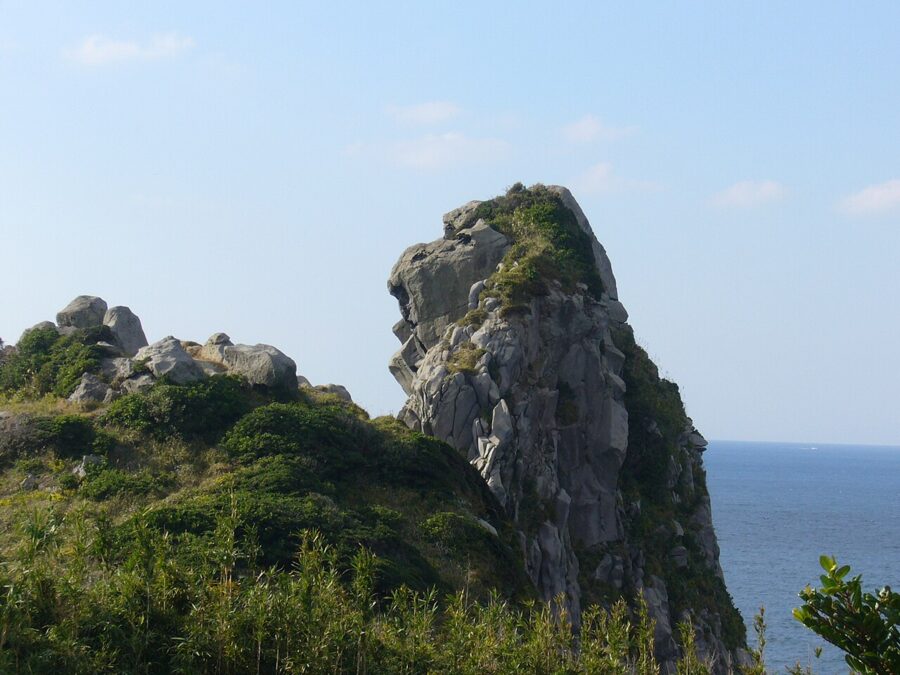
The rule that makes Iki different is the koji. Iki shochu must be one part rice koji to two parts barley, by weight. The rice gives sweetness and body, the barley a dry, toasty finish, and the result is rounder than a typical barley shochu. The whole process to the still takes about 23 days, and the spirit then rests for two years or more.
Nothing goes to waste. Of the 2,272 tonnes of distillery lees produced on the island in 2016, 1,061 tonnes went to feed Iki’s beef cattle. The city even passed a bylaw in 2013 encouraging people to make their toasts with Iki shochu.
Iki no Kura Shuzo, one of the two biggest makers, runs a shop beside its distillery, IKINOKU LABO, with tastings of its range; no booking needed, though it helps to ring ahead, and it’s about ten minutes by car from both Gonoura and Ashibe ports. Its Iki no Shima is the textbook food shochu, and Mu-ichi-motsu, aged five years in old sherry casks, is the one to try neat.
Oita, the barley that went national
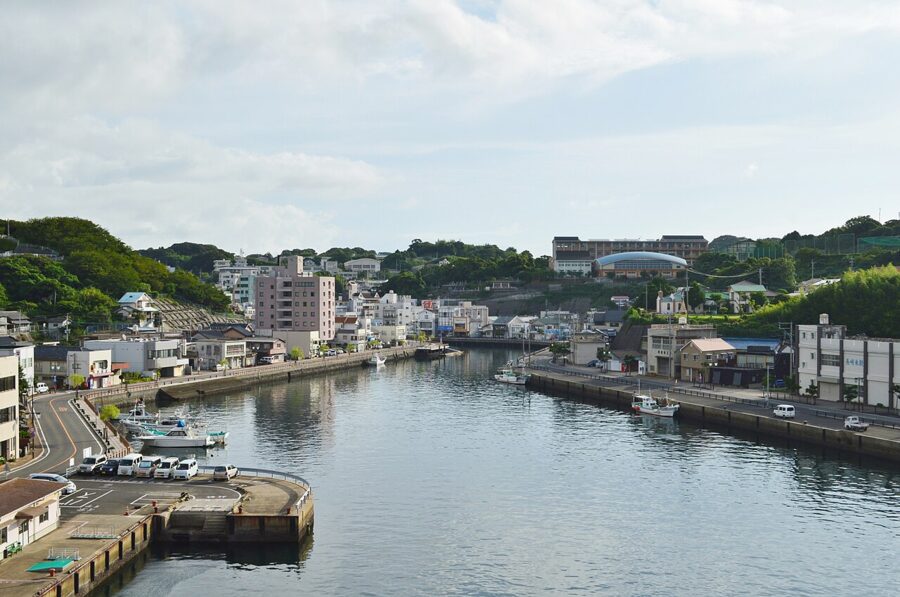
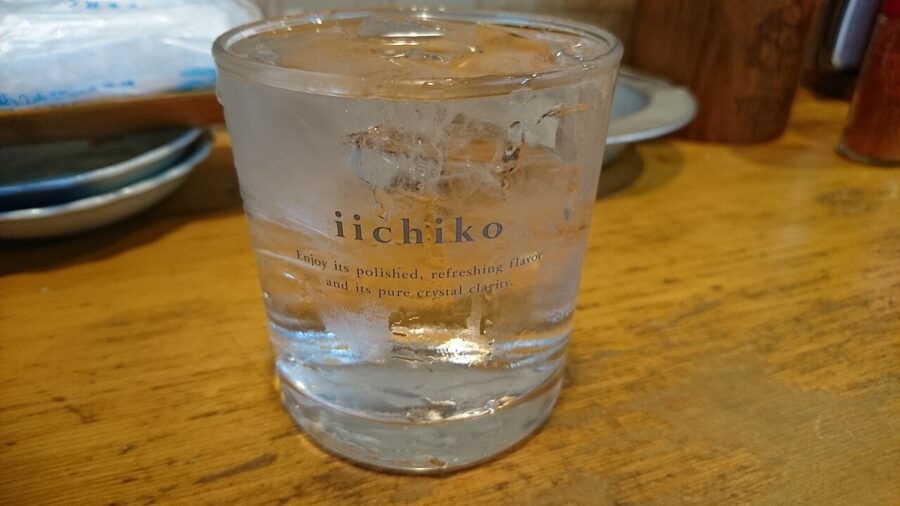
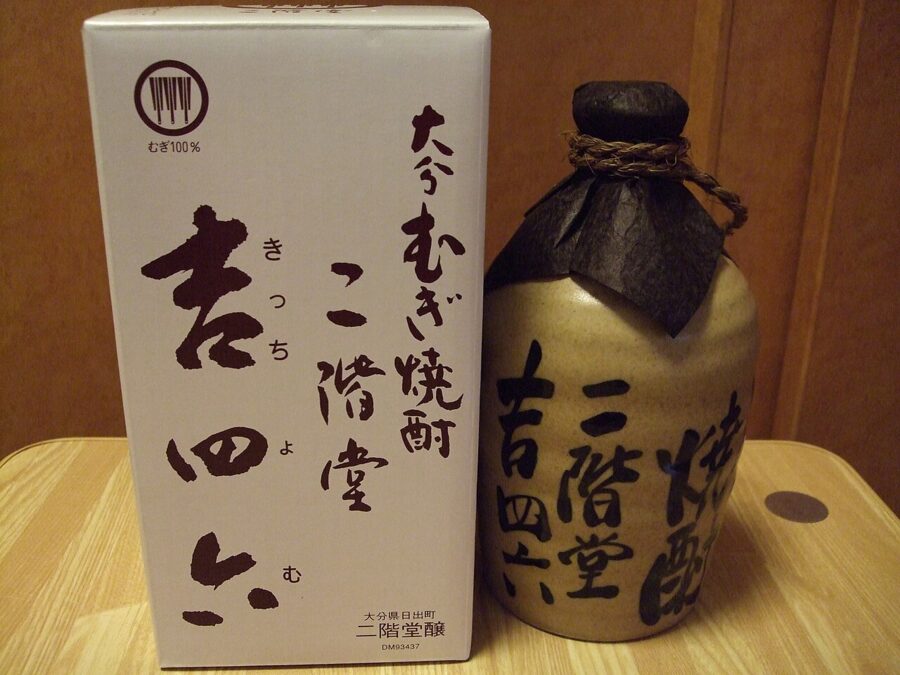
Oita’s barley shochu is a different recipe: barley koji with barley, no rice at all. It took off from the late 1960s, when new filtration methods were making barley shochu cleaner than ever, and today Oita is one of the biggest barley shochu producers in Japan, with brands like Iichiko and Nikaido on convenience store shelves nationwide. If Iki is the grandfather, Oita is the son who moved to Tokyo and did well.
Awamori: Okinawa’s older cousin
Awamori is the oldest of the family and the most different. It is single-distilled like honkaku shochu and sits in the same tax category, but its rice, its koji and its mash all follow their own rules. My Okinawa food guide covers how awamori fits into the island table; this is the drink itself.
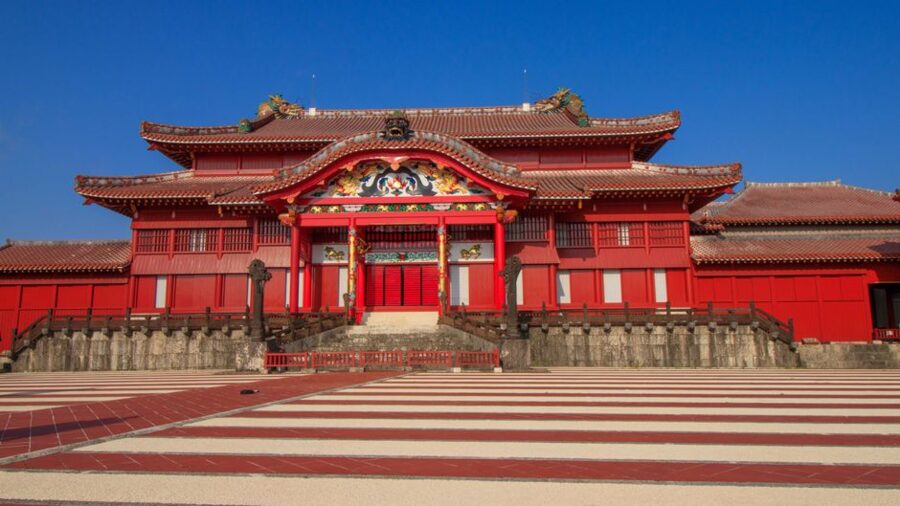
Distilling probably reached the Ryukyu Kingdom from Siam in the late 14th or 15th century, along with stills, rice and storage jars. Islanders called the spirit saki. The name awamori first appears in 1671 in a list of gifts sent from the Ryukyu king to the shogun, and the kingdom licensed production only in three districts of Shuri, the royal capital.
Thai rice, black koji, one mash
Three things set awamori apart. The rice is long-grain Thai indica, which the black koji grows through easily and which keeps fermentation temperatures easy to manage. All of it becomes koji: where shochu adds a second load of steamed potato or barley, awamori ferments rice koji, water and yeast in one go, for about two weeks, and distils it once.
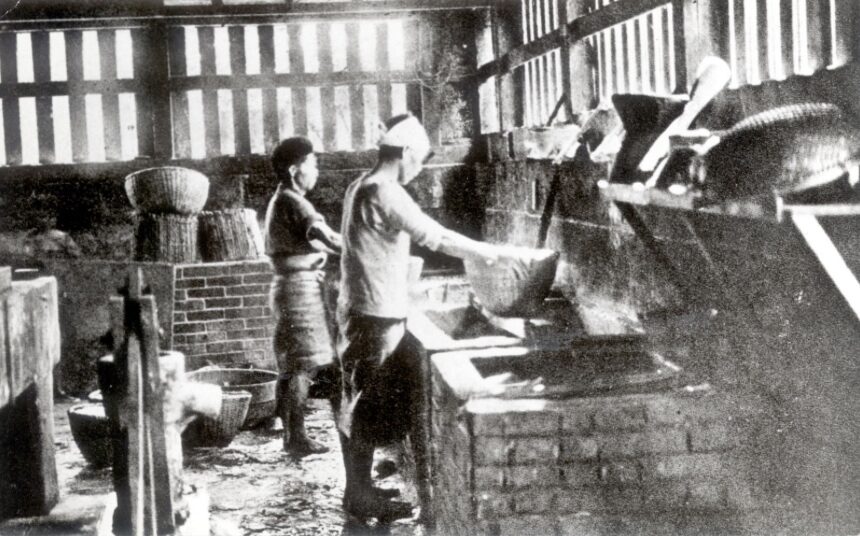
The koji is black, the native Okinawan strain that pours out citric acid and protects the mash in the subtropical heat. Only Okinawa may call its spirit “Ryukyu awamori”, a geographical indication since 1995. The label “awamori” itself requires black-koji rice and water, nothing else.
Kusu, and the jar that never empties
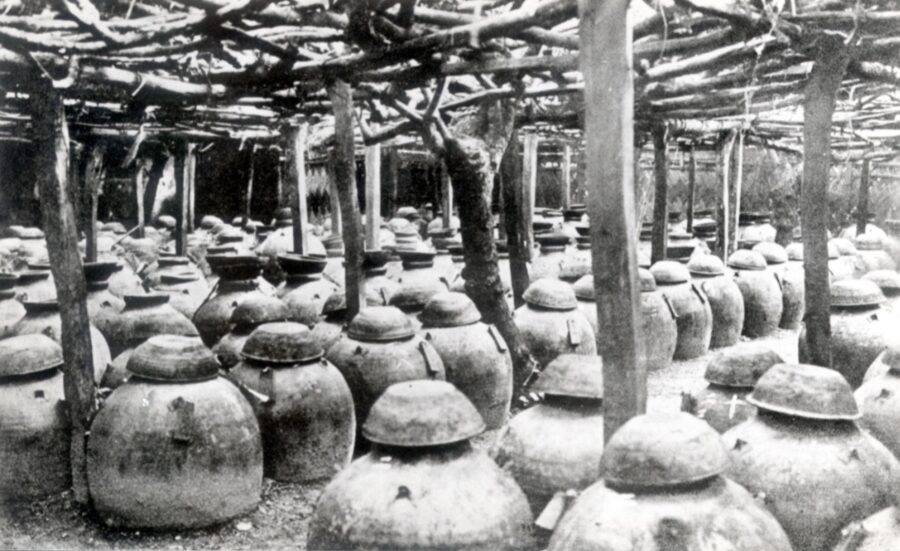
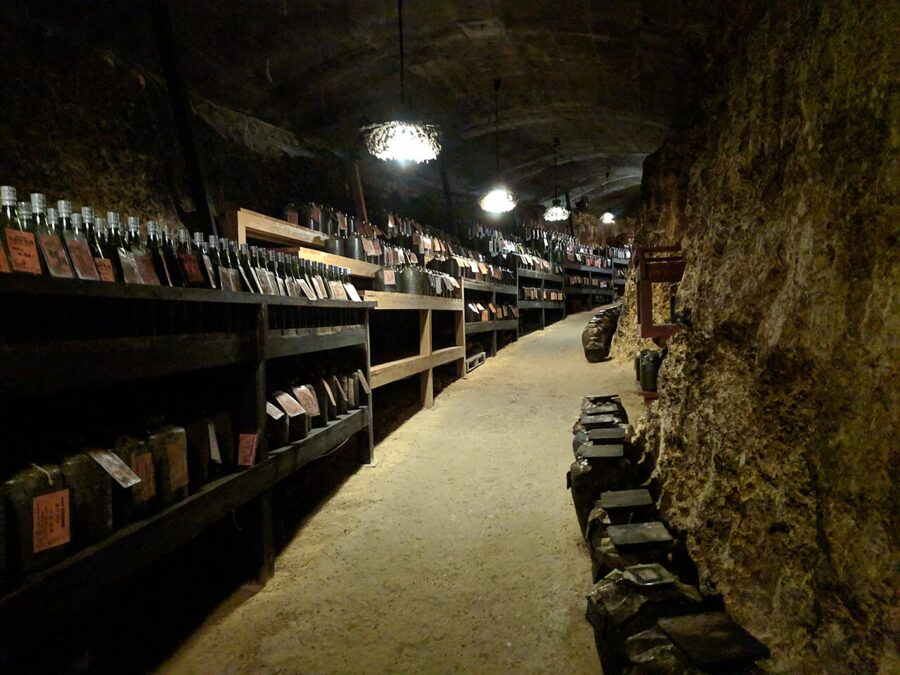
Awamori gets better with age, and Okinawa takes that seriously. Kusu (古酒) means awamori aged at least three years, and since August 2015 the whole bottle must meet that age to use the word. An age statement gives the youngest spirit in the blend: add even a little three-year awamori to a ten-year one and the label must say three.
The traditional method is shitsugi. A family keeps a row of jars: the oldest, the oyazake, then a second, a third, and so on. When you drink from the oldest, you top it up from the second, the second from the third, and fill the last with new awamori, so the old spirit is never used up. Three jars is the minimum anyone recommends.
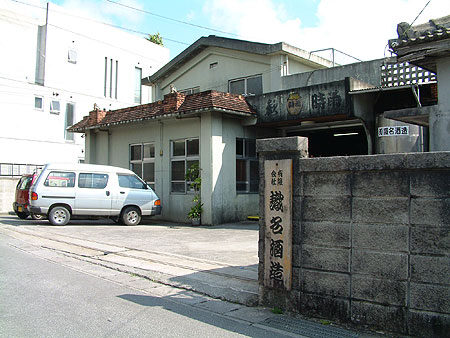
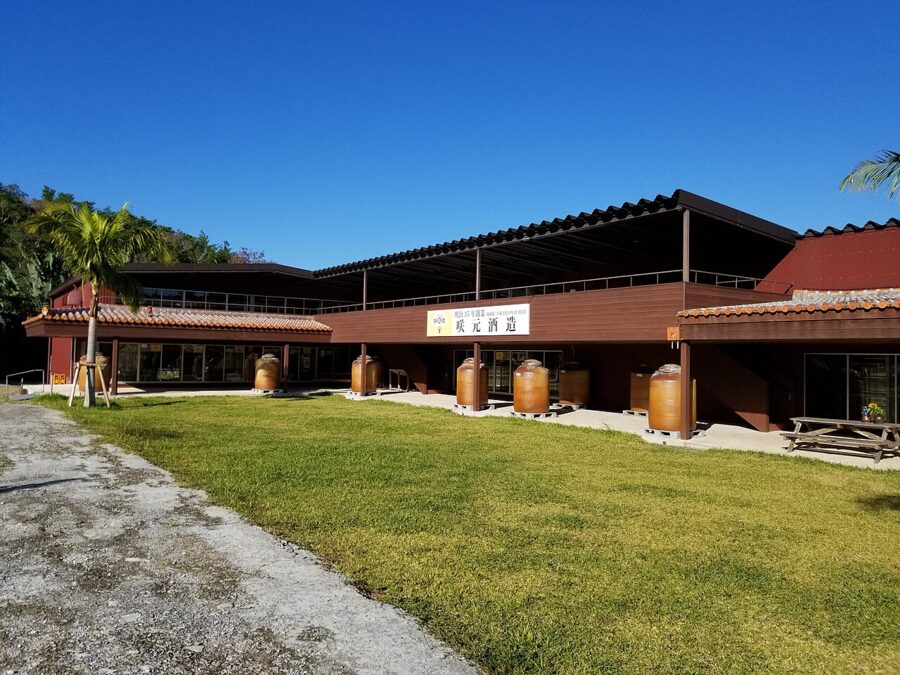
The war nearly ended awamori altogether. The distilleries were wrecked and every house strain of black koji seemed lost, until the second-generation owner of what is now Sakimoto Shuzo cultured black koji from a straw mat that had survived the fires, and shared it with distilleries across the island. That’s why so many Okinawan distilleries work with closely related koji today.
The islands, the strengths and the 600 ml bottle
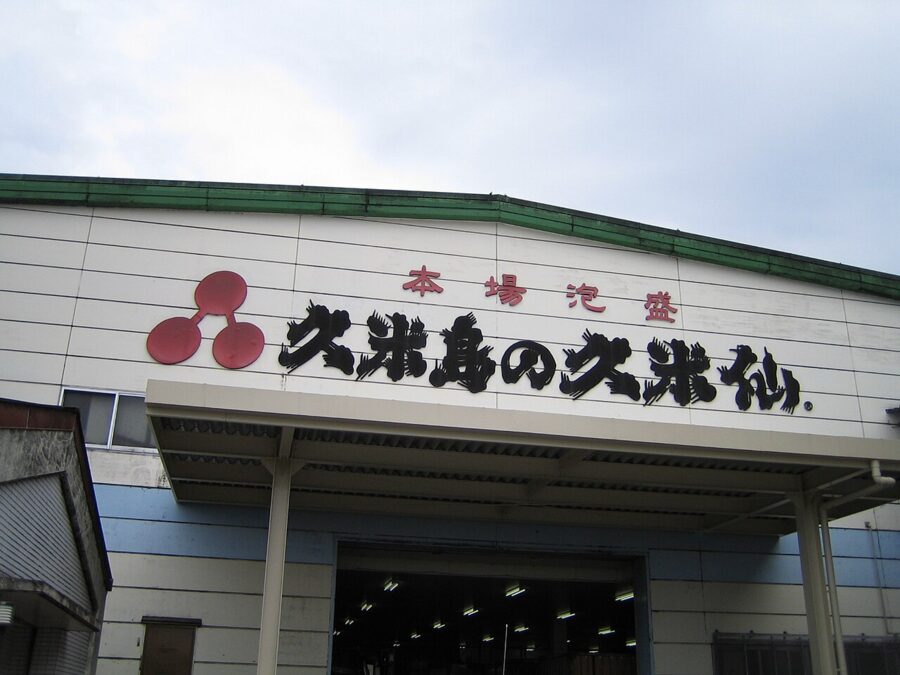
Okinawa had 47 distilleries in 2018, spread over the north, centre and south of the main island, Kumejima, the Miyako islands and the Yaeyama islands. Inside Okinawa, everyday awamori is 30%; the 25% versions are mainly for the mainland. The classic bottle, the sangobin, holds 600 ml rather than the 540 ml its name implies, because postwar distillers refilled the beer bottles the American military threw away.
At the far end of the chain, Yonaguni is known for hanazake, the first spirit off the still at 60%, sold under names like Donan and Yonaguni. For years it couldn’t legally be called awamori because it’s over 45%; since 2020 it can. It catches fire if you pour a little on a plate and light it. In 2019 twelve distilleries also released Sho, a triple-distilled awamori, which tells you the industry is experimenting.
How Okinawa drinks it
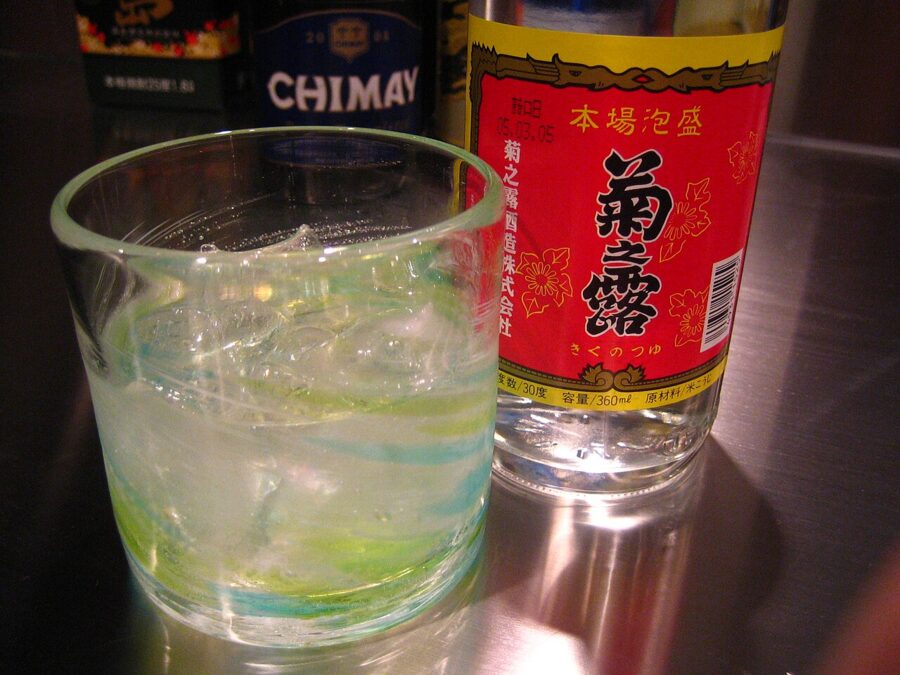
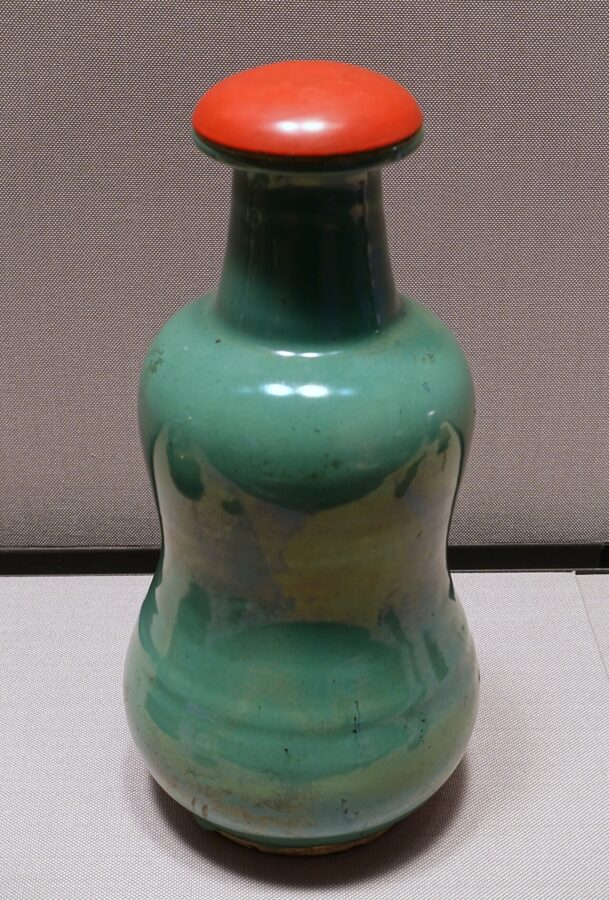
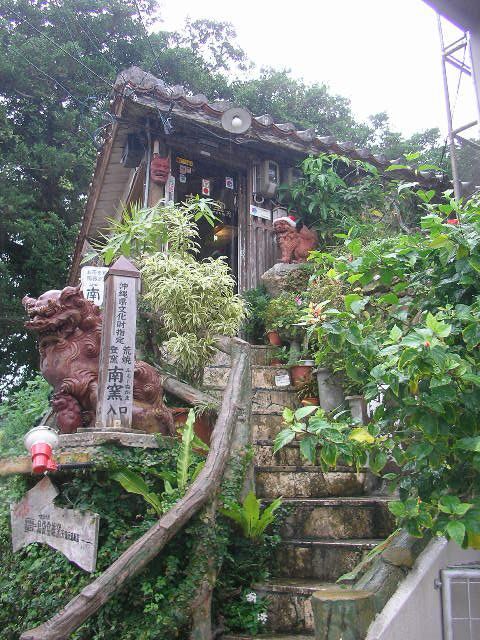
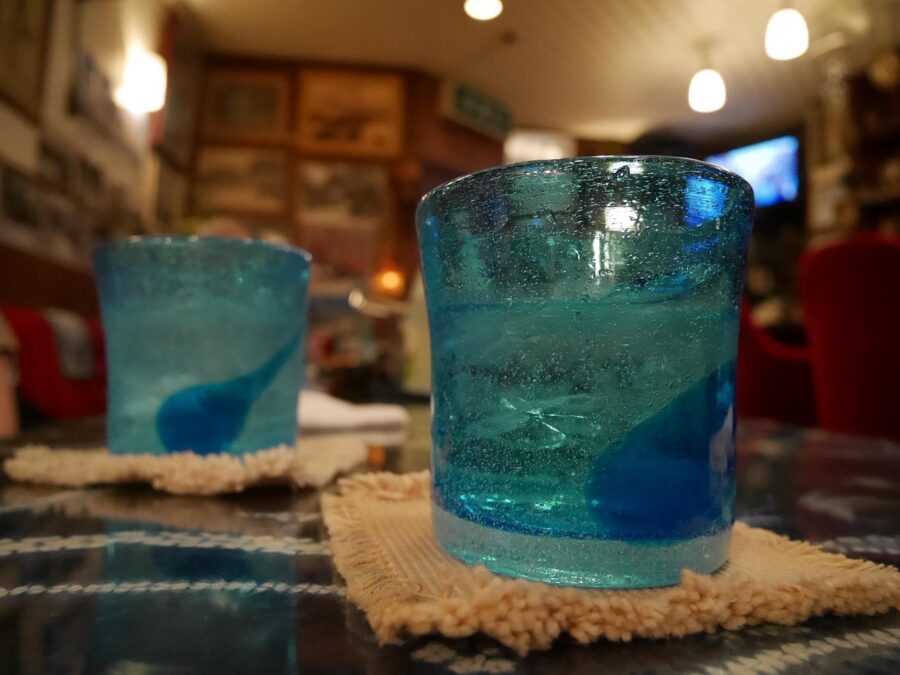
Mizuwari, with plenty of ice, is the everyday way. Okinawans also drink it with oolong tea, with coffee, with milk, and with shikuwasa citrus juice. Kusu gets different treatment: poured from a karakara, a squat spouted flask usually made in the Tsuboya pottery district of Naha, into small cups, and sipped straight.
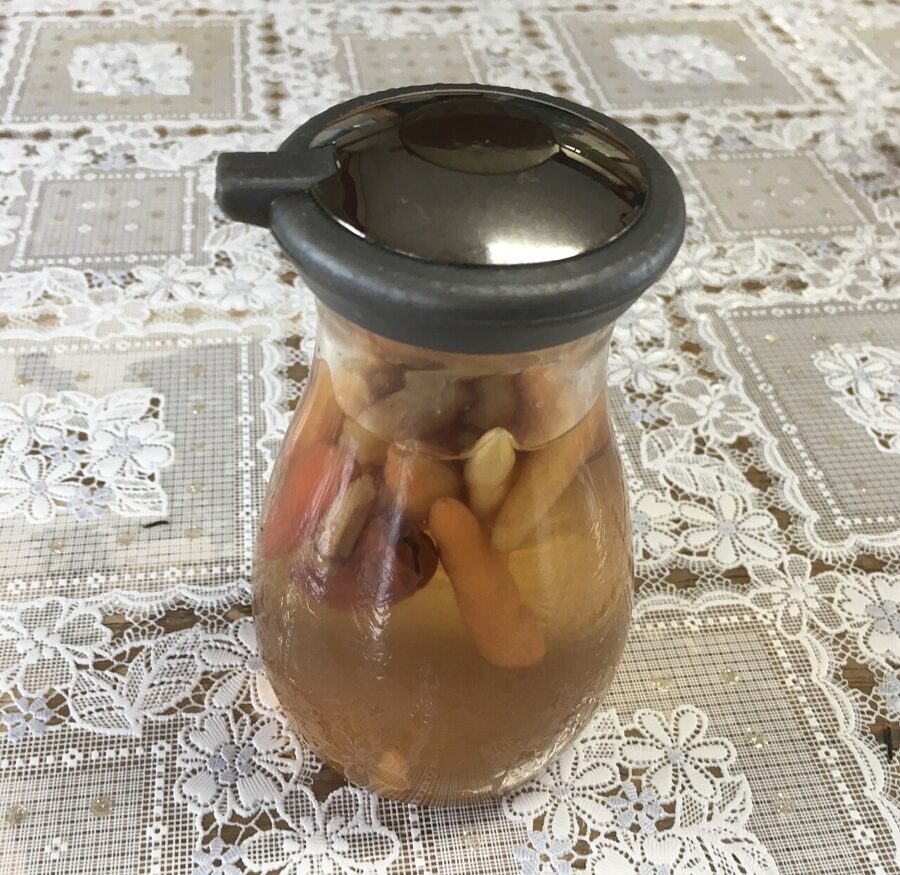
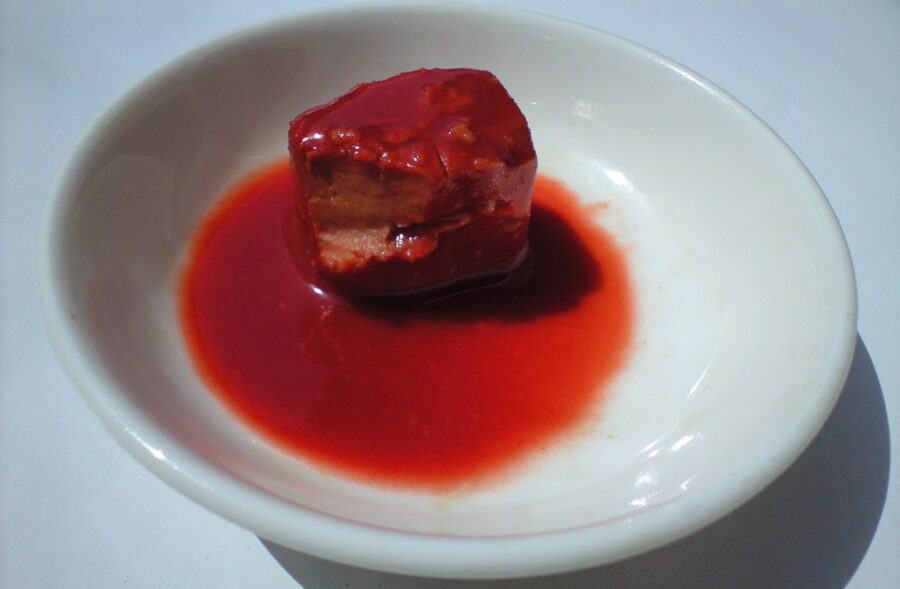
Awamori also turns up in the kitchen. Koregusu, the hot sauce on every Okinawan table, is island chillies steeped in awamori; tofuyo, a pungent fermented tofu, is cured in awamori with red koji. Okinawa marks Awamori Day on 1 November and Kusu Day on 4 September.
Where to drink and visit in Naha
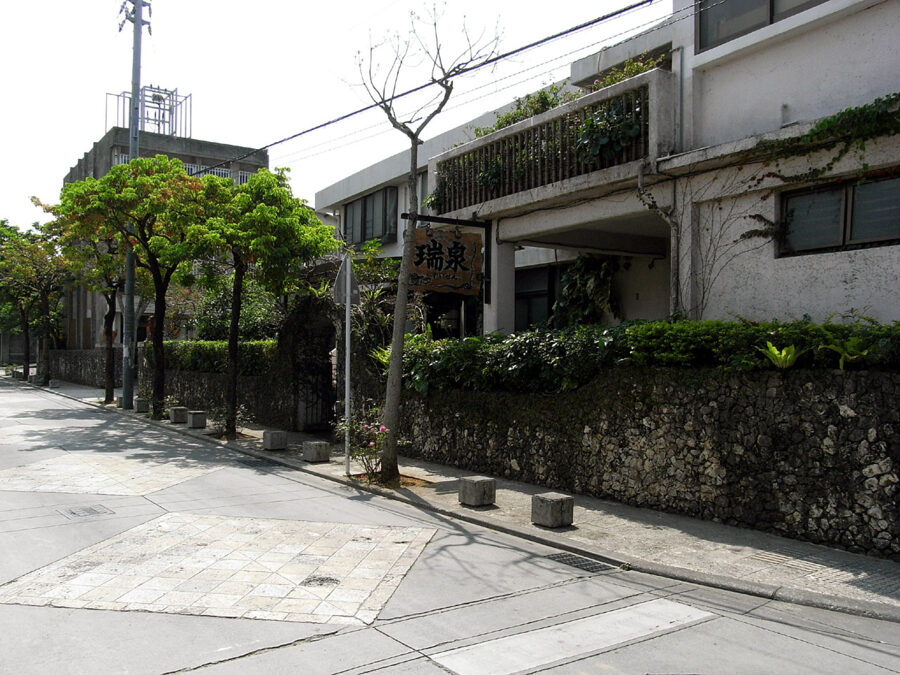
Zuisen Shuzo in Shuri is the easy distillery visit. It sits two minutes on foot from Keisei-mon gate of Shuri Castle and 10–12 minutes from Shuri Station on the Yui Rail monorail. Tours run on weekdays (last entry 16:30) and Saturdays (last entry 16:00), not Sundays or holidays, and the shop is open 9:00–17:00. Its Ousaki is fermented with a prewar black koji strain recovered from storage at the University of Tokyo.
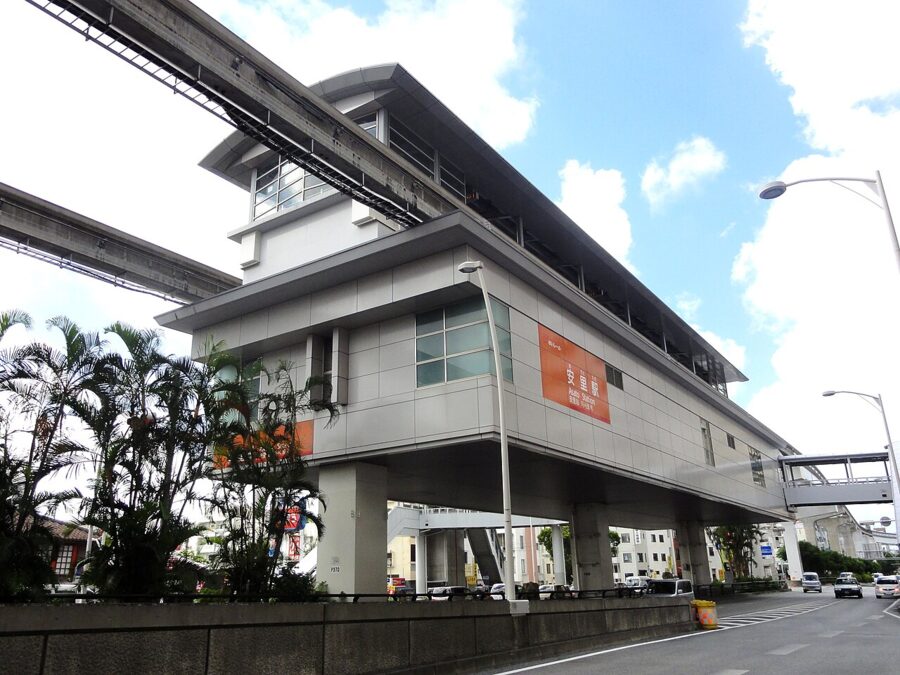
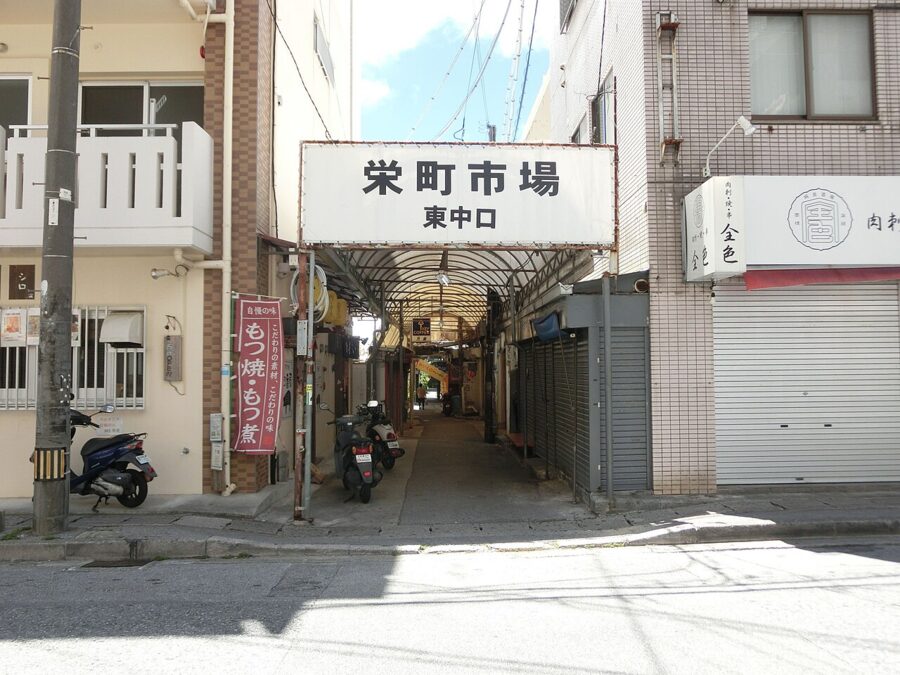
For drinking, Urizun in Asato has poured awamori since it opened in 1972, the year Okinawa returned to Japan, when awamori was still dismissed as cheap and smelly. It serves Ryukyu dishes with a long awamori list and a house kusu the owner blends and ages in jars. It’s open 17:30–24:00 every day, about five minutes on foot from Asato Station on the monorail.
One note on price: awamori sold in Okinawa has carried a reduced liquor tax since 1972, 35% off since 1990, and the discount is being phased out between 2024 and 2032. Island prices will creep up.
Buying it, and getting it home
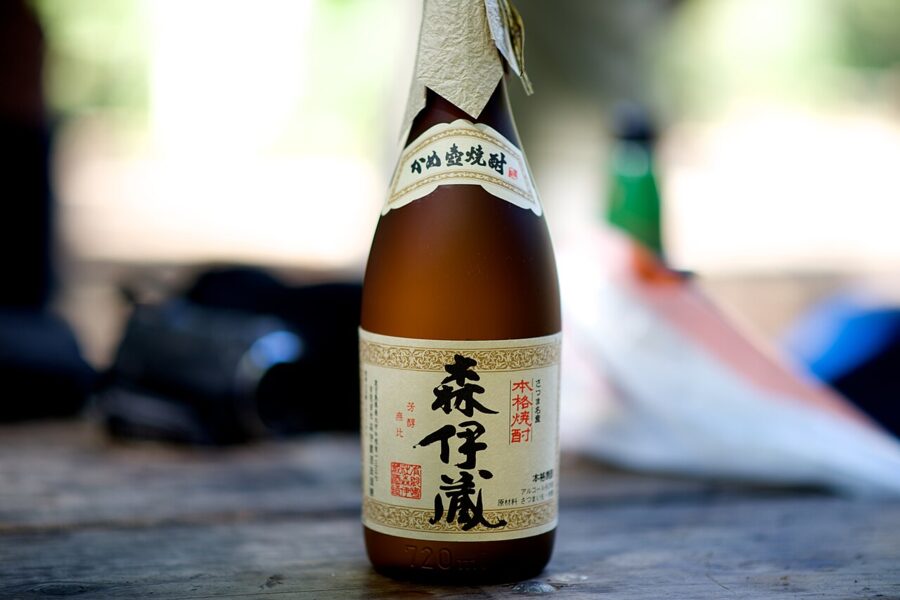
Shochu comes in a 1.8 litre isshobin, a 900 ml bottle (the Kyushu everyday size), a 720 ml bottle and, for the cheap stuff, paper packs. A 1.8 litre Kuro Kirishima at 25% sells for around ¥2,000–2,200, and most everyday honkaku shochu sits near there. Premium bottles are another story: Mori Izo is sold mainly by lottery, and lottery-won bottles change hands for ¥9,000 and up.
Where to buy depends on what you want. Supermarkets and convenience stores stock the big national brands; a depachika liquor counter has a wider range and gift boxes; distillery shops are the only place for their limited bottles. Kagoshima and Naha airports both carry plenty of local labels if you run out of time.
Carrying it home is simple if you plan. Spirits between 24% and 70% can go in checked luggage up to 5 litres per person under international airline rules, in unopened retail bottles; carry-on is limited to the usual small liquids unless you buy after security. Wrap bottles in clothes, and consider 900 ml bottles over isshobin, which are heavy and awkward. Your home country’s duty-free allowance is the real limit, so check it before you fill a suitcase.
Bars and izakaya
You don’t need to go to Kyushu to drink well. Any decent izakaya keeps a few honkaku shochu, and in many you can buy a whole bottle that the staff label with your name and keep on the shelf for your next visit.
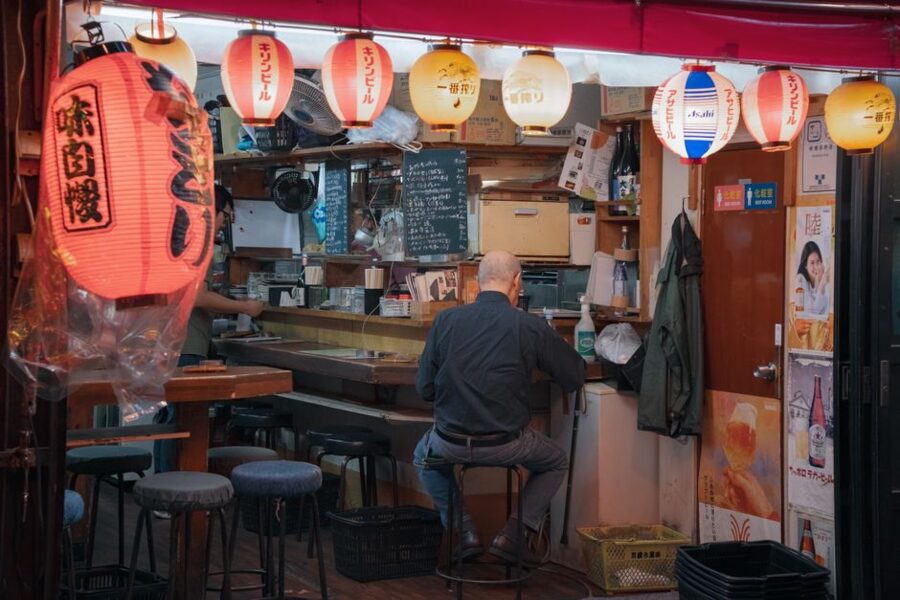
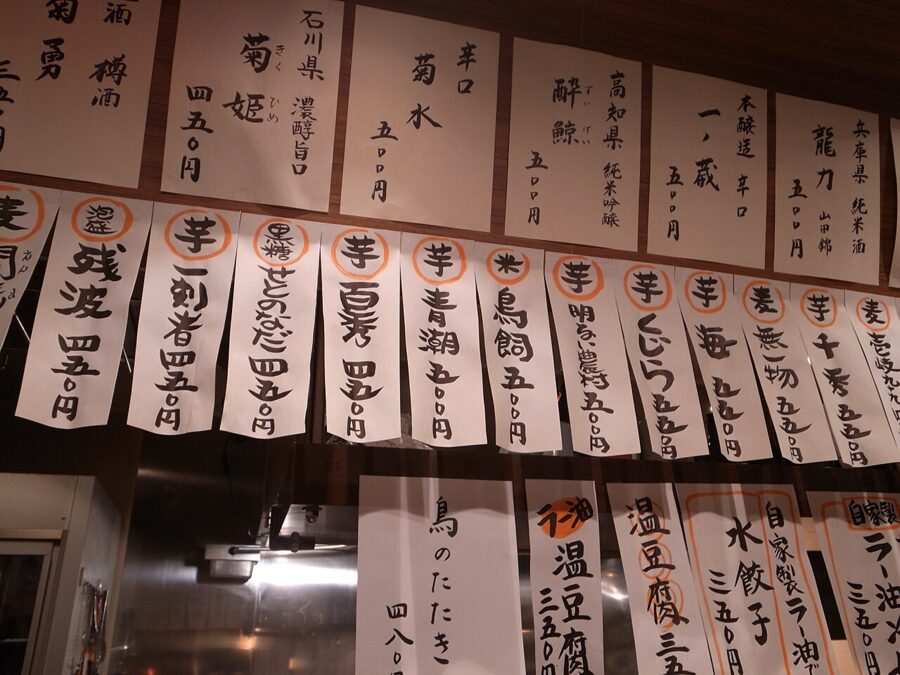
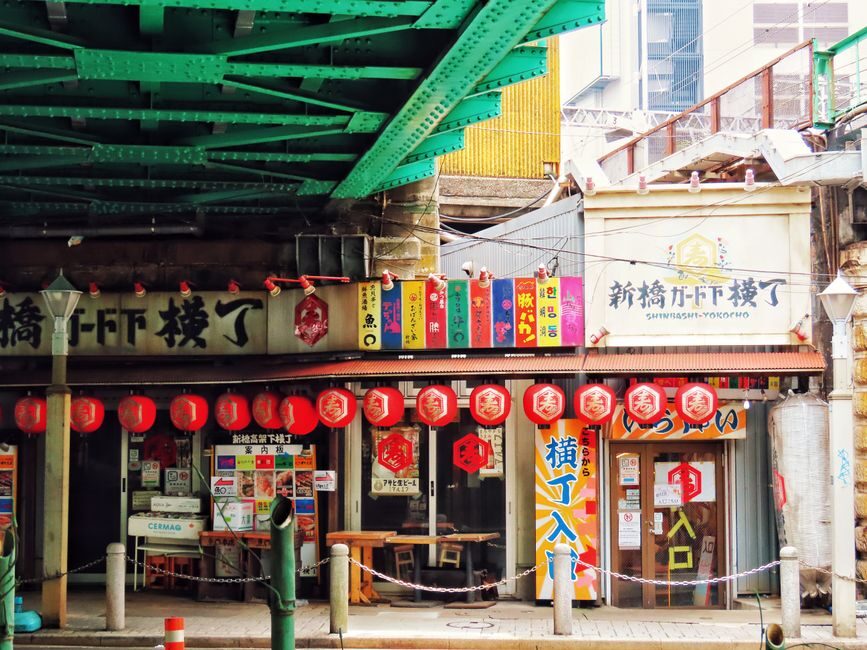
In Tokyo, Shochu Dining Nitaka in Shimbashi stocks well over 300 shochu, plus more than 20 umeshu, some made in-house. It’s about three minutes on foot from the SL Plaza side of JR Shimbashi Station and a minute from Uchisaiwaicho Station on the Toei Mita Line. It opens for dinner 17:00–23:30 on weekdays and 17:00–22:00 on Saturdays, and closes on Sundays, holidays and on Saturdays in June, July and August.
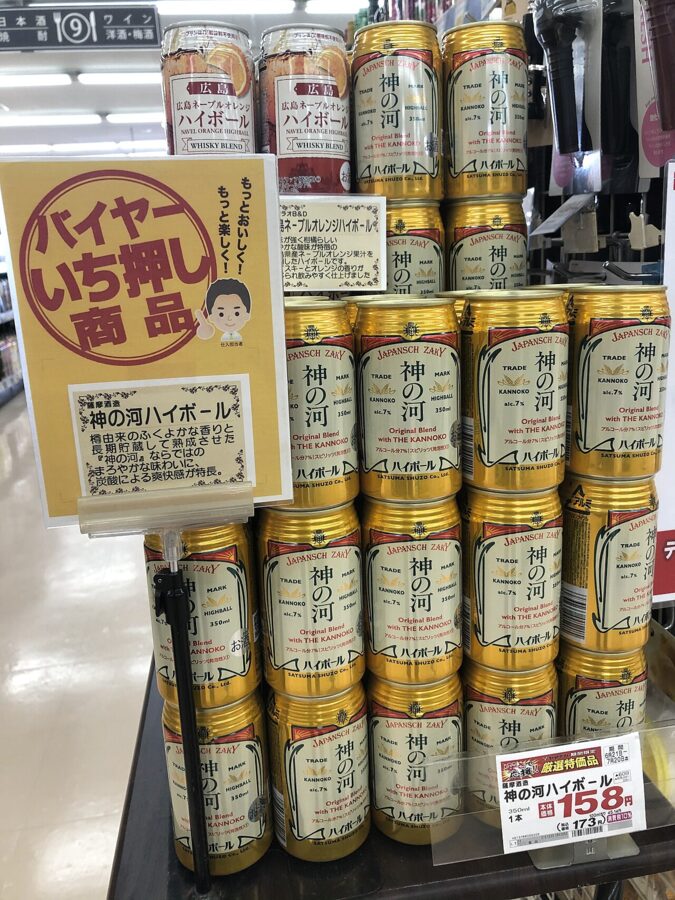
Several Kyushu shochu makers now distil Japanese whisky and gin as well. And with an ekiben on the shinkansen south, a canned honkaku highball beats a beer.
Umeshu, briefly
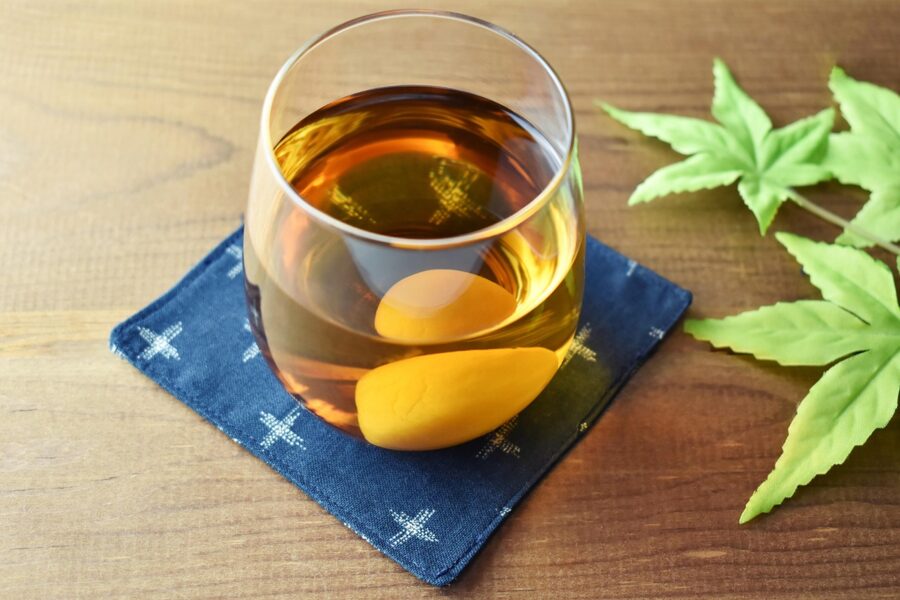
Umeshu, plum liqueur, is shochu’s most popular offspring. Green ume picked around June are steeped with rock sugar in white liquor, which is korui shochu at 35%, for months; the usual home ratio is a kilogram of fruit to 1.8 litres of liquor. Making it at home has been legal since 1962, as long as the spirit is at least 20% and nothing else is fermented.
Prices at a glance, and what to skip
| What | Price | Notes |
|---|---|---|
| Kirishima Walk Factory tour | Free | Daily, five tours, book online |
| Machida Shuzo tour, Amami | Free | 9:00, 10:30, 13:30, book online |
| Denbe-gura tour, Ichikikushikino | ¥700 (adults) | 11:00 and 14:00, closed Wednesdays |
| Hakutake Densho-gura, Hitoyoshi | Free entry | Bottles from all 27 Kuma makers |
| Kuro Kirishima, 1.8 L | About ¥2,000–2,200 | The benchmark everyday imo |
| Mori Izo, 1.8 L, resale | ¥9,000 and up | Sold mainly by lottery |
- Skip the premium chase. The famous “3M” bottles are good, but at resale prices you’re paying for scarcity. A ¥2,000 bottle from a small Kagoshima maker drunk properly will teach you more.
- Don’t pour boiling water onto shochu. Hot water first, around 70–80°C, then the shochu.
- Don’t judge shochu by a strong chuhai can. Those 9% lemon cans are korui and flavouring, and brewers have been shrinking them since 2024 over health concerns.
- Don’t plan around the Kinzangura mine tour unless you already hold a booking. It ends on 27 December 2026.
Hot water first, then the shochu. Six to four if you want the potato, five to five if you don’t. Then order whatever the person next to you is drinking and ask them where it’s from.