Baijiu: China’s Spirit Explained, From Moutai and Wuliangye to the Banquet Toast
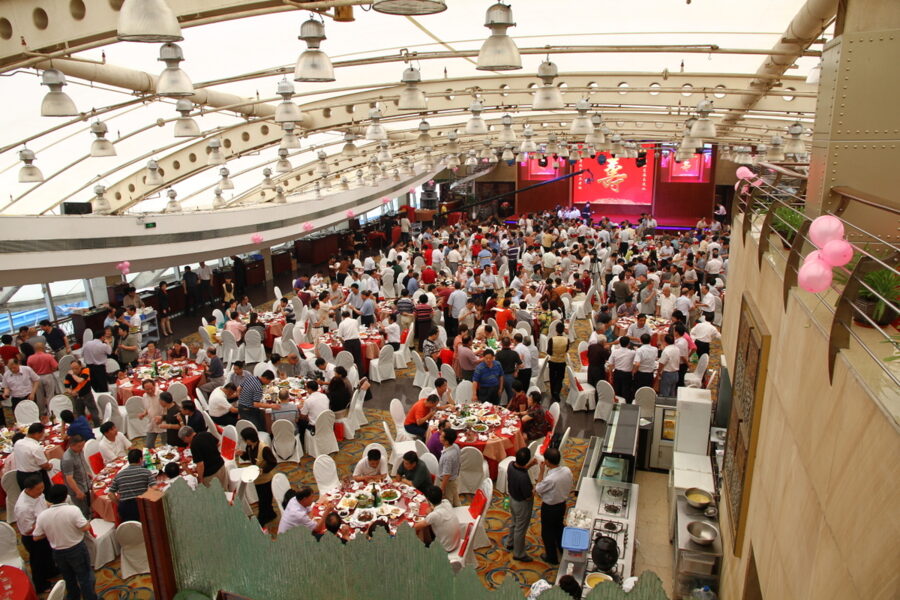
The glass was the size of my thumb and the smell got to me before it did. At my first proper banquet in Shenzhen, the host stood, lifted a thimble of Moutai, said three sentences I didn’t follow and one I did: ganbei (干杯), dry the glass. Twelve heads tipped back. Mine did too, and I spent the next minute working out whether I’d just drunk soy sauce, overripe pineapple or something from a hardware shop.
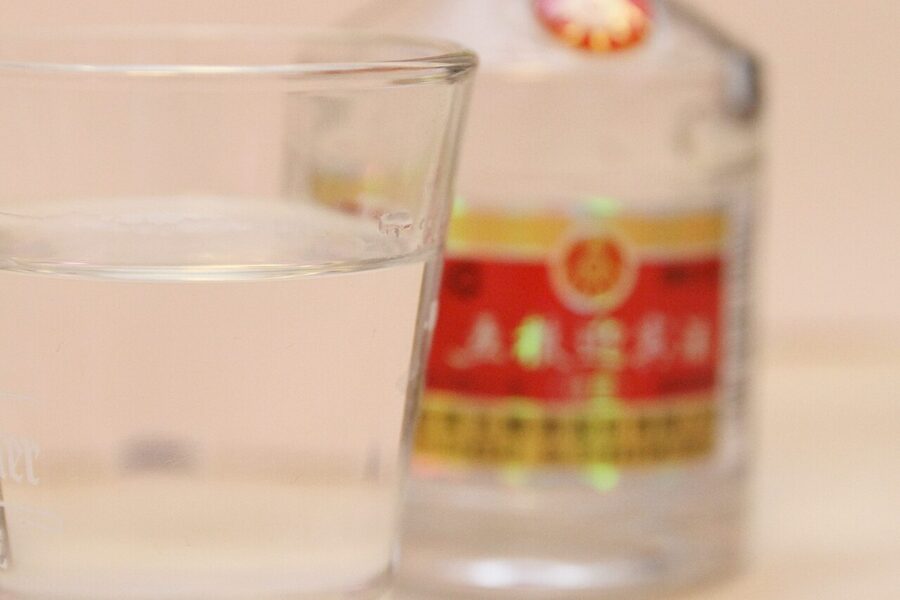
It was a bit of all three, and it was also the most expensive thing on the table. That was baijiu (白酒), literally “white liquor”: a family of grain spirits, mostly sorghum, fermented as a damp solid rather than a liquid mash and bottled at anything from the high 30s to the high 60s per cent. China made 3.55 million kilolitres of it in 2025 (counted at 65 per cent alcohol), and nearly all of it was drunk at home.
It also isn’t one drink. A ¥20 green bottle of Red Star Erguotou from a Beijing corner shop and a ¥1,639 Feitian Moutai from the maker’s own app are both baijiu, and they have about as much in common as supermarket gin and an old Armagnac.
So here’s the map. What it’s made from, the aroma styles and the towns behind them, how the banquet toast works and how to get out of one, where to drink it for pleasure, which distilleries are worth the train, and how to buy a bottle that is what its label says.
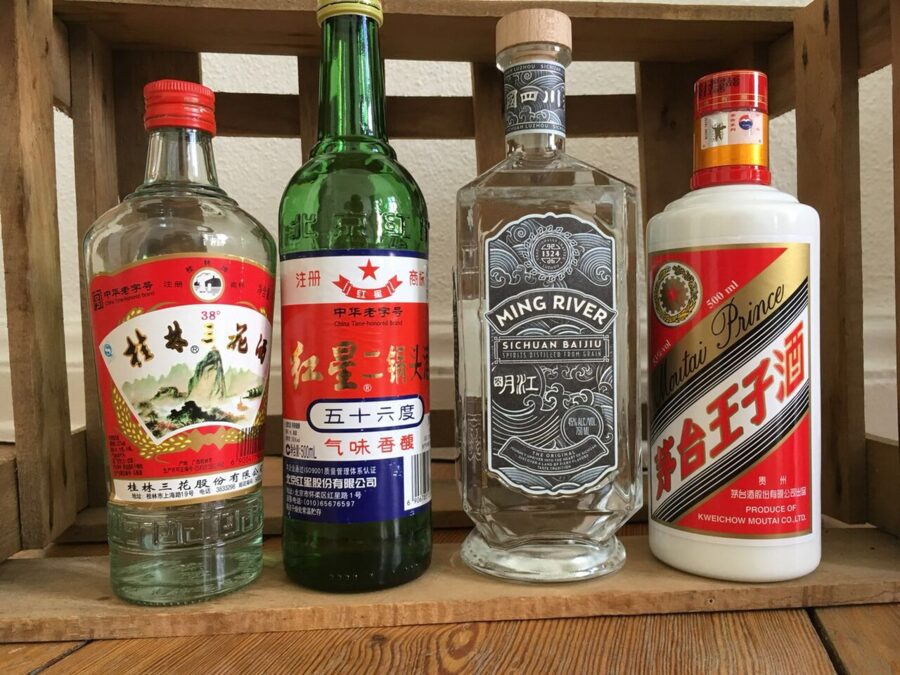
If you remember one thing, make it the aroma style printed on the label (香型, xiangxing). It tells you more about what’s in the bottle than the brand does, and four styles cover most of what you’ll be poured.
| Style | Benchmark bottles | Home ground | What it tastes like | Start with |
|---|---|---|---|---|
| Sauce aroma (酱香) | Moutai, Langjiu, Xijiu | Chishui River, Guizhou and Sichuan | Soy, roasted grain, dried fruit, a very long finish | A 100ml Feitian or a Langjiu |
| Strong aroma (浓香) | Wuliangye, Luzhou Laojiao, Jiannanchun, Yanghe | Sichuan, Jiangsu, Anhui | Pineapple, pear drops, sweet and round | Guojiao 1573 or a Wuliangye |
| Light aroma (清香) | Fenjiu, Red Star and Niulanshan Erguotou | Shanxi, Beijing | Clean, dry, green apple and grain | Yellow-cap Bofen, about ¥50 |
| Rice aroma (米香) | Guilin Sanhua | Guangxi | Soft, faintly sweet, cooked rice | A small bottle in Guilin |
In This Article
- Sorghum, mould and a lot of steam
- Qu, the starter
- Pits, jars and the steamer
- Strength, standards and the numbers
- Twelve aromas, four that matter
- Sauce aroma: Moutai and the Chishui River
- Strong aroma: Luzhou and Yibin
- Light aroma: Fenjiu and Erguotou
- Rice aroma: Guilin Sanhua
- The other eight
- How do you survive a ganbei banquet?
- Seats and order
- Glass heights and the turntable tap
- Saying no
- Drink it slowly, on purpose
- Where to drink it in Beijing, Shanghai and Chengdu
- Beijing
- Shanghai
- Chengdu
- Go to the source
- Maotai town, Guizhou
- Luzhou, Sichuan
- Yibin, Sichuan
- Xinghuacun, Shanxi
- Buying a bottle without getting burned
- What it costs in 2026
- Fakes, labels and the Maotai-town trap
- Getting it home
- Skip this
Sorghum, mould and a lot of steam
Most baijiu starts as sorghum, the tall red-headed grain of north China. Moutai uses a local glutinous sorghum; Wuliangye, as its name says, uses five grains (sorghum, rice, glutinous rice, wheat and corn); Fenjiu uses a Shanxi variety the trade calls yibazhua (一把抓), “one grab”.
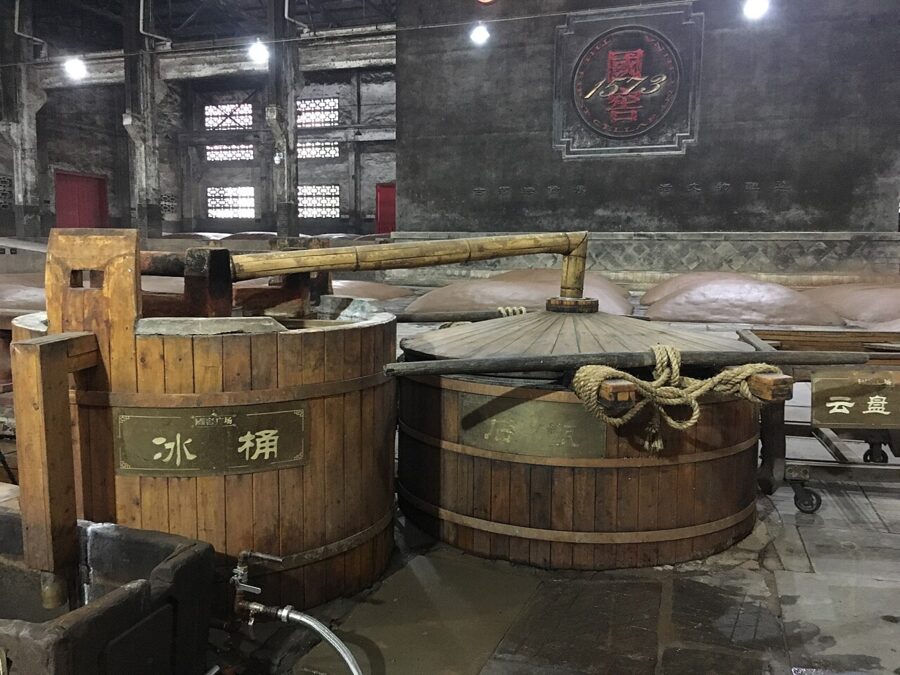
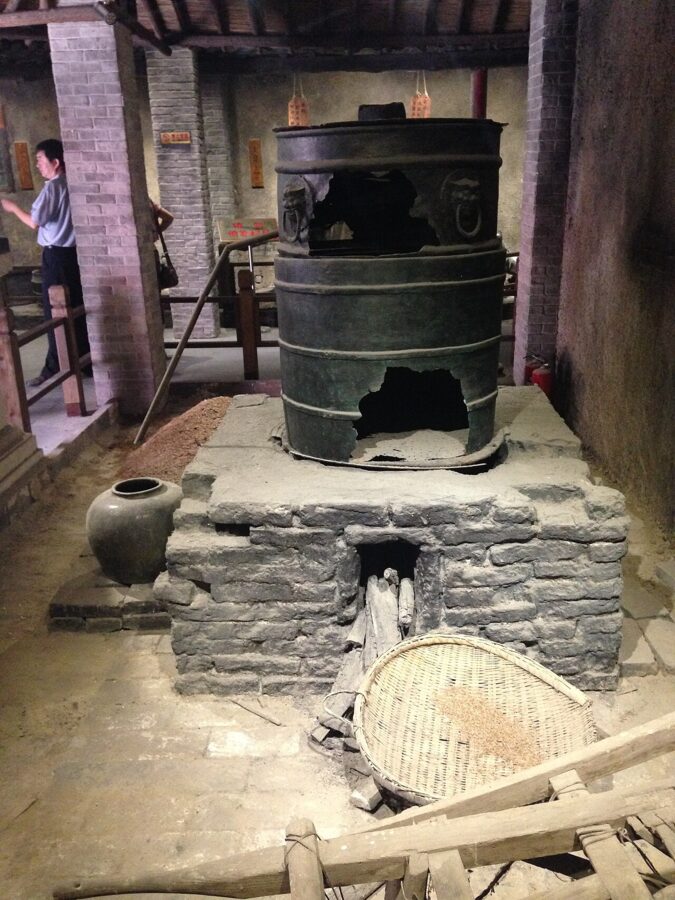
What makes it baijiu is the order of operations. Whisky, vodka and rum are brewed into a liquid first and then distilled. Baijiu is fermented as a damp solid, put into the still while it’s still solid, and the alcohol is carried out of the grain by steam.
Qu, the starter
The other half of the recipe is qu (曲), a starter made by leaving bricks of crushed wheat, or barley and peas, in warm rooms until moulds, yeasts and bacteria from the air move in. The big bricks are called daqu; southern rice spirits use xiaoqu, small cakes or balls of rice flour, often made with herbs. Qu turns starch into sugar and sugar into alcohol in the same pit, at the same time.
If you’ve drunk sake or shochu, this is the cousin of Japanese koji, with one big difference. Koji is a single cultivated mould. Qu is a wild crowd, different in every distillery, and the makers will tell you their air and their floors are part of the recipe.
Temperature sets the style. Moutai makes its qu in the hottest weeks of the year, around the Dragon Boat Festival, and lets the bricks heat to about 60°C; Fenjiu makes a cool, low-temperature qu from barley and peas.
Pits, jars and the steamer
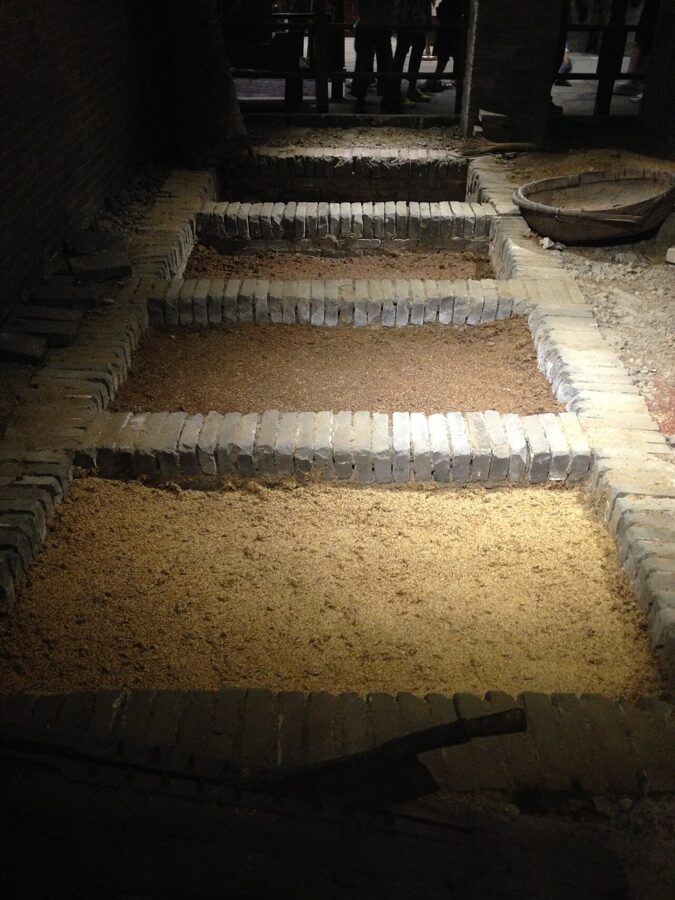
Where the grain ferments matters as much. Strong-aroma makers in Sichuan use rectangular pits dug into the ground and lined with mud, and the older the mud, the better the spirit. The same mash goes back in, topped up with fresh grain, round after round, which is why distillers there talk about thousand-year pits and ten-thousand-year grain.
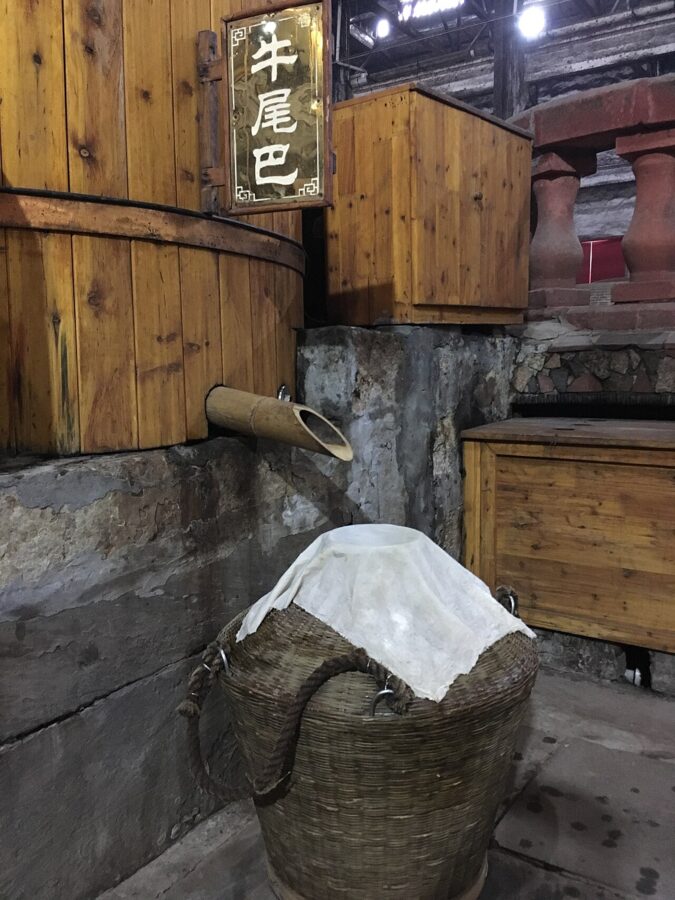
Moutai’s pits have stone walls and mud floors. Fenjiu ferments in clay jars buried to the rim, so the grain never touches earth, and that’s why light aroma tastes so clean. After fermenting, the grain goes into the steamer, the spirit runs off a spout, and the distiller cuts off the head and the tail and keeps the heart.
Strength, standards and the numbers
Most baijiu is bottled between 38 and 56 per cent, with 52 and 53 the classic banquet strengths, and the shelf runs from the mid 30s to 68. Moutai’s Feitian is 53. Since June 2022 the national standard says anything sold as baijiu must be made from grain, and solid-state baijiu can’t contain added neutral spirit or flavouring.
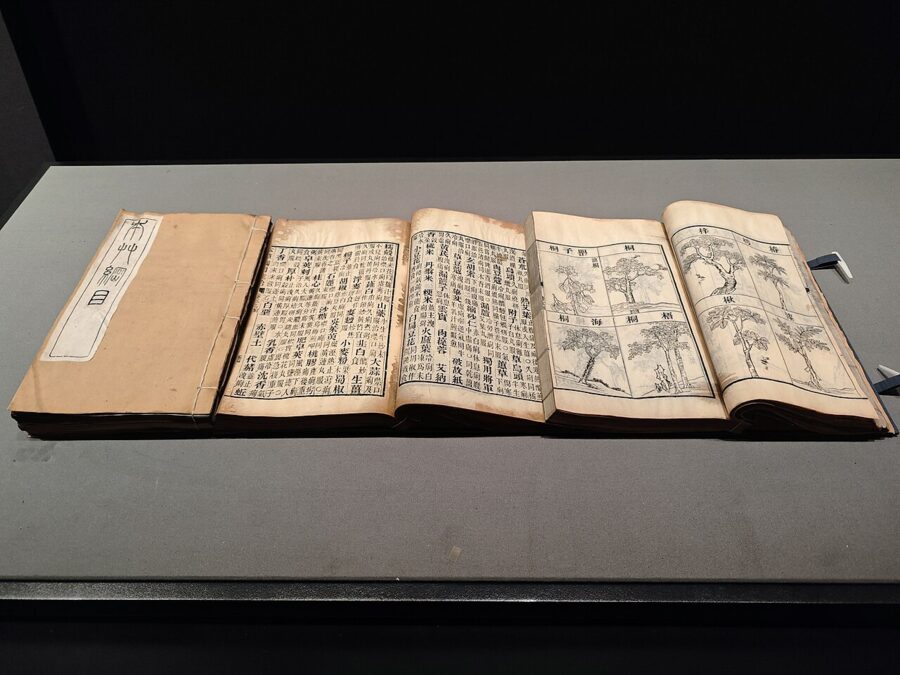
The history is argued over. Li Shizhen’s Compendium of Materia Medica, finished in 1578, says distilled spirit “is not an ancient method” and began in the Yuan dynasty, while other historians push it back to the Song or earlier.
What isn’t argued over is the slide. Output peaked at 13.58 million kilolitres in 2016 and has fallen every year since, down 12.1 per cent in 2025 alone. Younger drinkers want lower strengths, and the May 2025 rules on government work meals banned alcohol from them outright, which took a lot of bottles off a lot of tables.
Twelve aromas, four that matter
China’s national standard sorts baijiu into twelve aroma types: strong, light, rice, feng, chi, sesame, te, jian, laobaigan, sauce, dong and fuyu. You don’t need them all. Four do most of the work, and the rest are regional characters you’ll meet in their home provinces.
Sauce aroma: Moutai and the Chishui River
Jiangxiang (酱香), sauce aroma, is named for the smell of fermented soybean paste, and once you’ve noticed it you can’t stop noticing. Its heartland is one stretch of the Chishui River on the Guizhou and Sichuan border. The benchmark is Kweichow Moutai (贵州茅台), made in the town of Maotai; the brand keeps the old spelling, the town uses the new one.
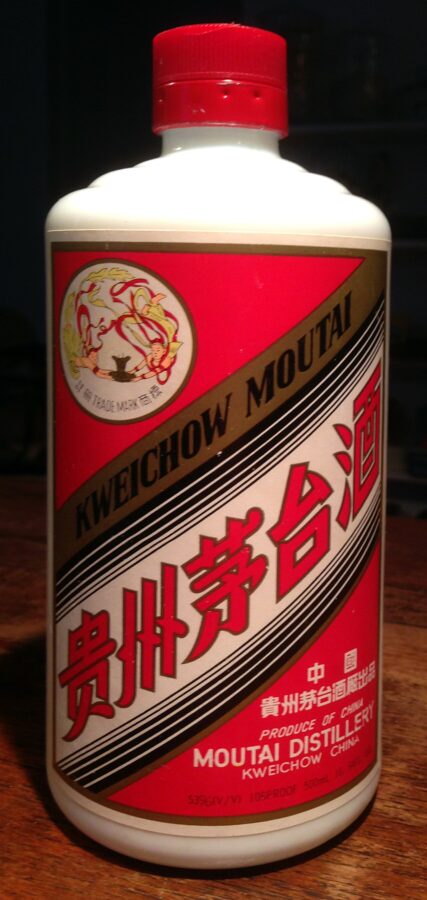
The process runs to a calendar. Qu is made around the Dragon Boat Festival, sorghum goes in around the Double Ninth Festival in autumn, and over the next year the same grain is loaded twice, steamed nine times, fermented eight times and distilled seven, which the industry shortens to 12987. The spirit then rests in clay jars for at least three years before blending.
The result is the most argued-about drink in China. To its fans it is layered and long, with roasted grain, dried fruit and that soy note, and an empty glass still smells of it an hour later; they call this kongbei liuxiang (空杯留香), the empty cup keeps the aroma. To everyone else it’s the thing that made them cough at a wedding.
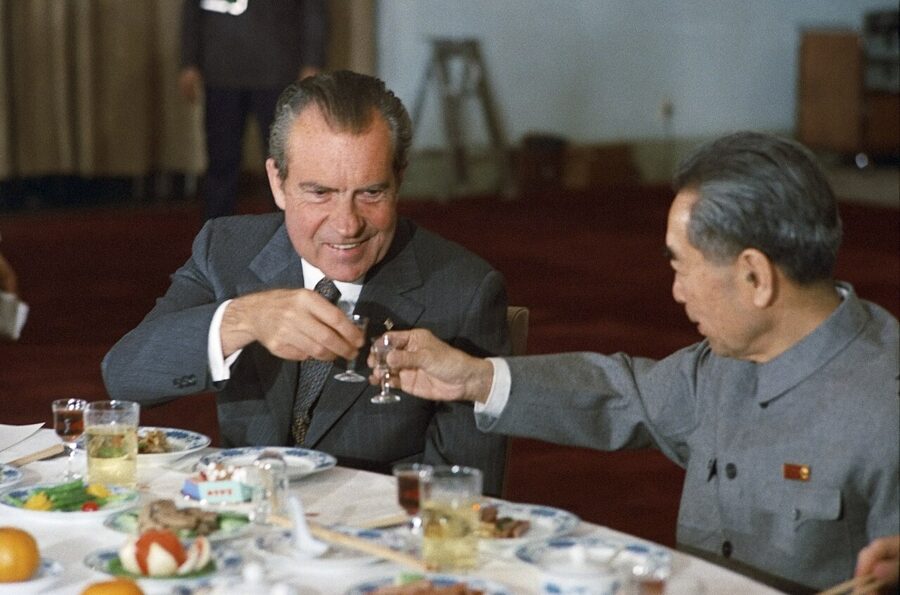
Moutai’s fame is partly political. It was poured at the 1972 banquet for Richard Nixon in Beijing, it served as the state’s toast for decades, and in 2023 it went so mainstream that Luckin Coffee sold a Moutai latte.
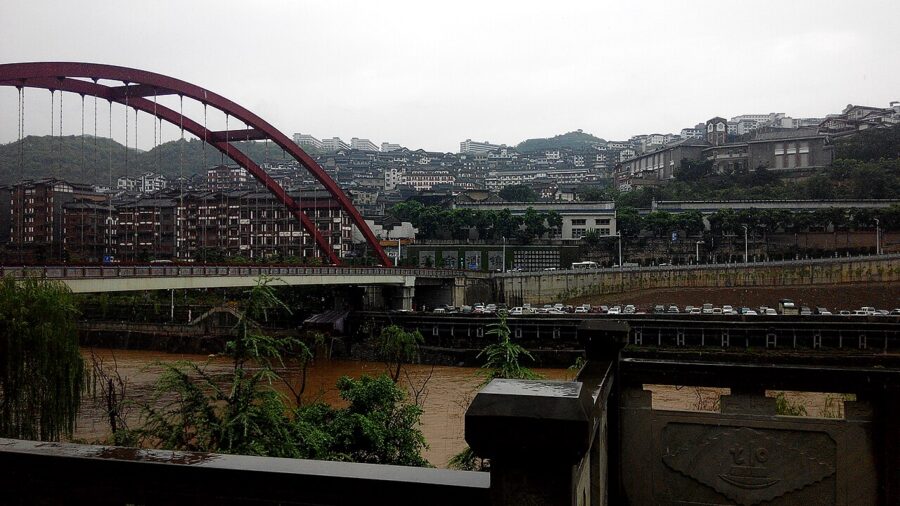
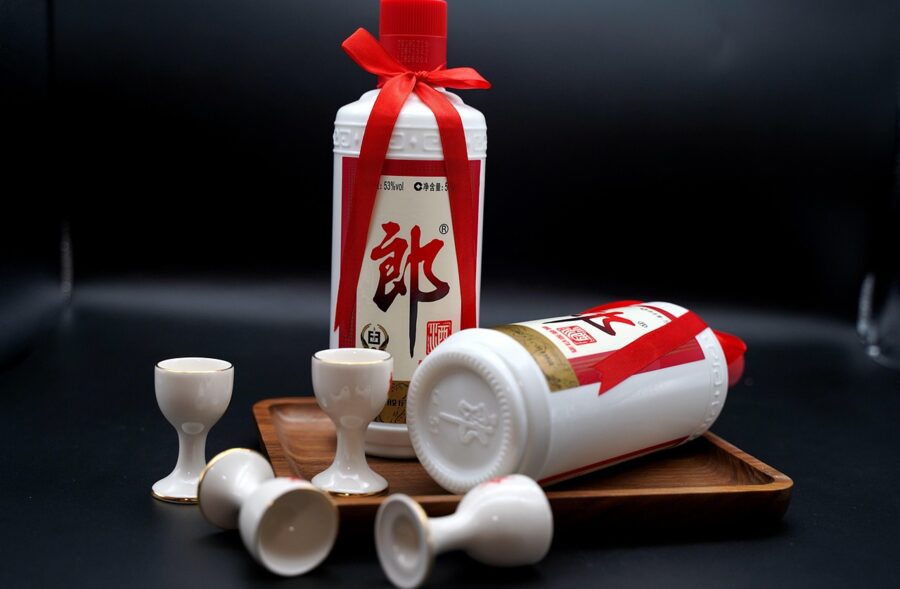
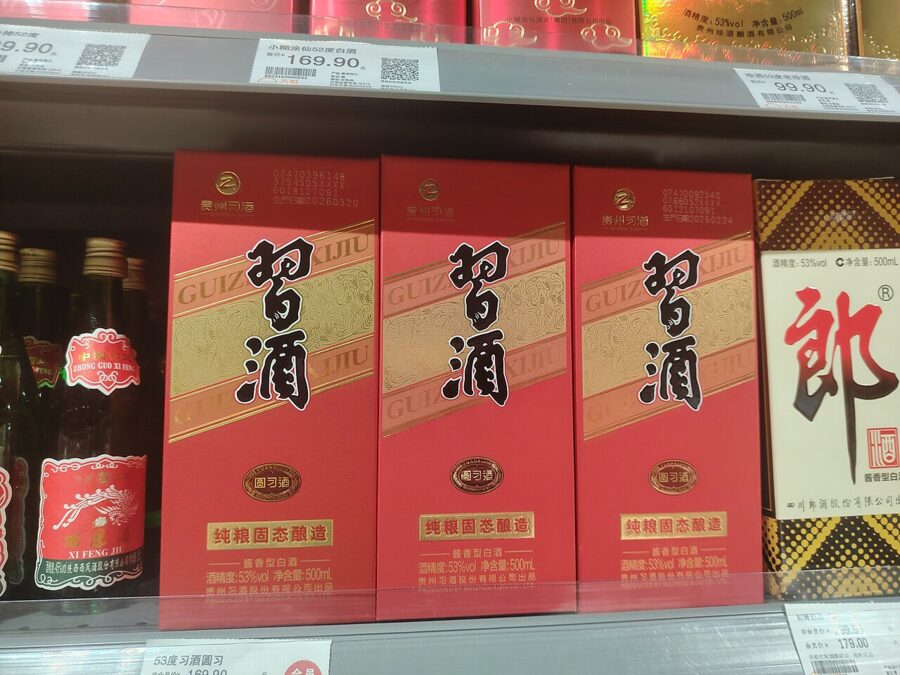
Moutai isn’t the only name on the river. Langjiu (郎酒) is made in Erlang town on the Sichuan bank, in Luzhou’s Gulin county, and Xijiu (习酒) on the Guizhou bank in Xishui county. Both cost a fraction of Feitian and make a better first bottle.
Strong aroma: Luzhou and Yibin
Nongxiang (浓香), strong aroma, is the mainstream, by most industry counts around seven in ten bottles made. Its fruity, pineapple-ish nose comes from esters, mostly ethyl caproate, bred in those mud pits. It’s sweeter and rounder than sauce aroma, and it’s the style most first-timers actually like.
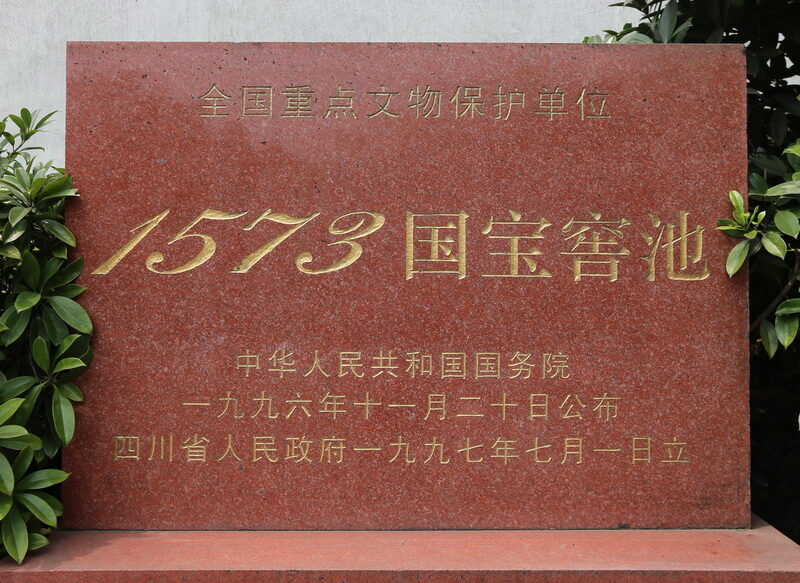
Two Sichuan cities own it. Luzhou Laojiao (泸州老窖), on the Yangtze at Luzhou, sells its top label as Guojiao 1573 after the year its oldest pits were dug, and those pits are a national protected monument. Wuliangye (五粮液) in Yibin, upriver where the Min and the Jinsha meet, is the other giant, and its five grains give it a softer, fuller taste.
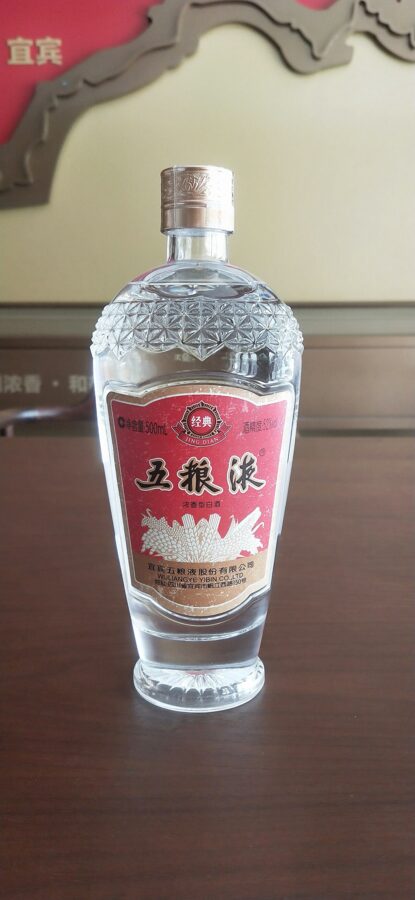
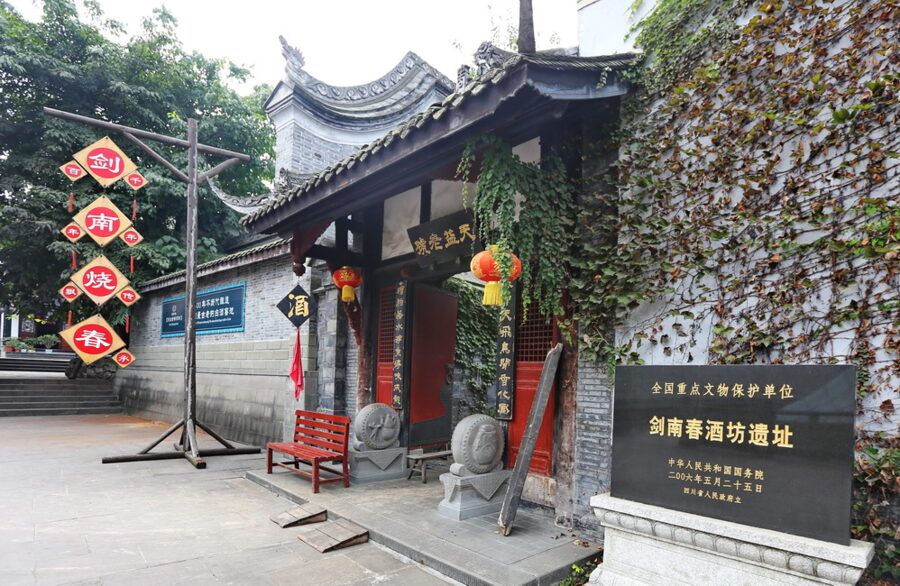
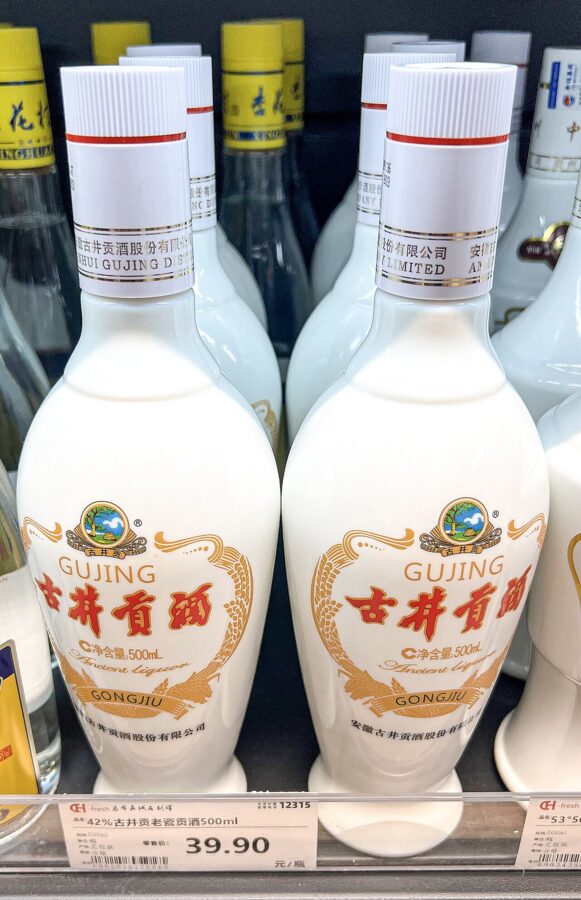
Around them sits a crowd of other strong-aroma names. Jiannanchun (剑南春) from Mianzhu and Shuijingfang (水井坊) from Chengdu both stand on old distillery sites now under state protection. Downriver in Jiangsu and Anhui, Yanghe (洋河) and Gujing Gongjiu (古井贡酒) make a lighter, sweeter version the trade calls the Jianghuai school.
Light aroma: Fenjiu and Erguotou
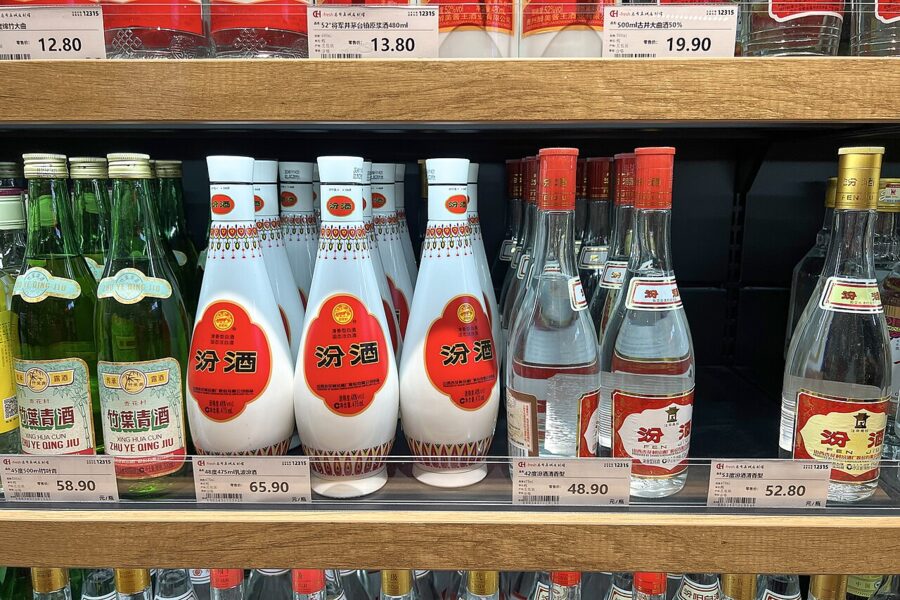
Qingxiang (清香), light aroma, is the north’s style, and Fenjiu claims the longest pedigree of the famous names. Fenjiu (汾酒) from Xinghuacun in Shanxi ferments in those buried jars, twice, and tastes of clean grain and green apple, dry rather than sweet.
It’s also the style that mixes best. Fenjiu’s cheapest bottle, the yellow-capped Bofen (玻汾), costs around ¥50 and is what bartenders in China reach for when a cocktail needs baijiu without the soy.
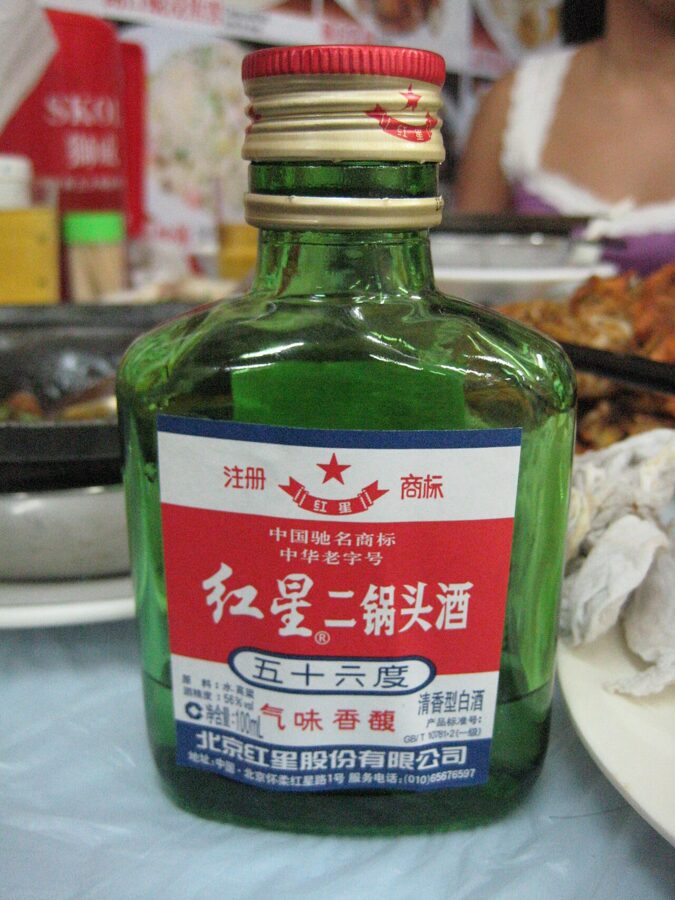
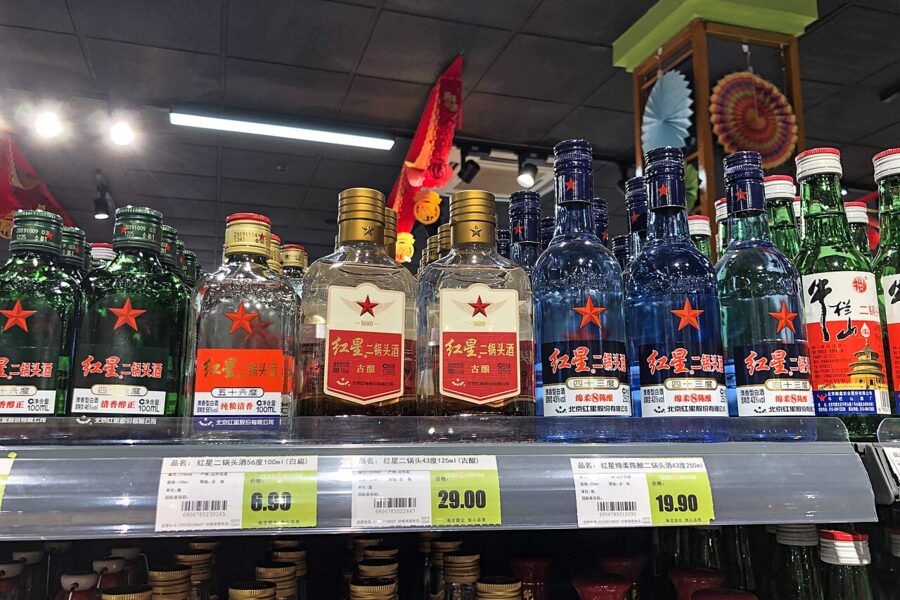
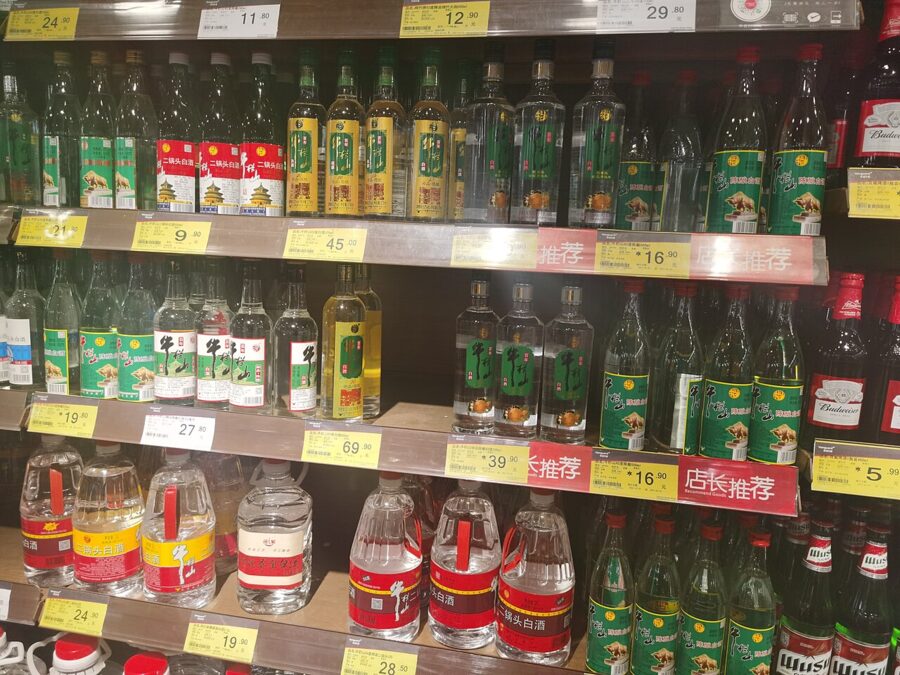
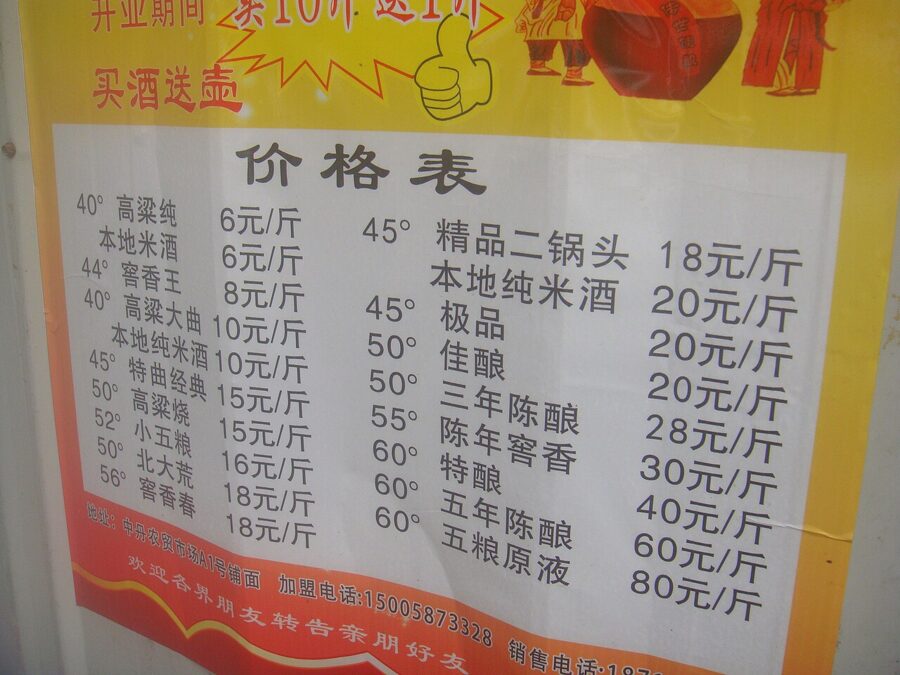
Beijing drinks light aroma by the bucket, as Erguotou (二锅头), the “second pot head”. The name comes from old tin condensers: distillers set aside the spirit cooled by the first and third changes of water and kept only what ran during the second. Red Star (红星) and Niulanshan (牛栏山) are the two big makers, and a 500ml green bottle of 56 per cent Red Star costs about ¥20.
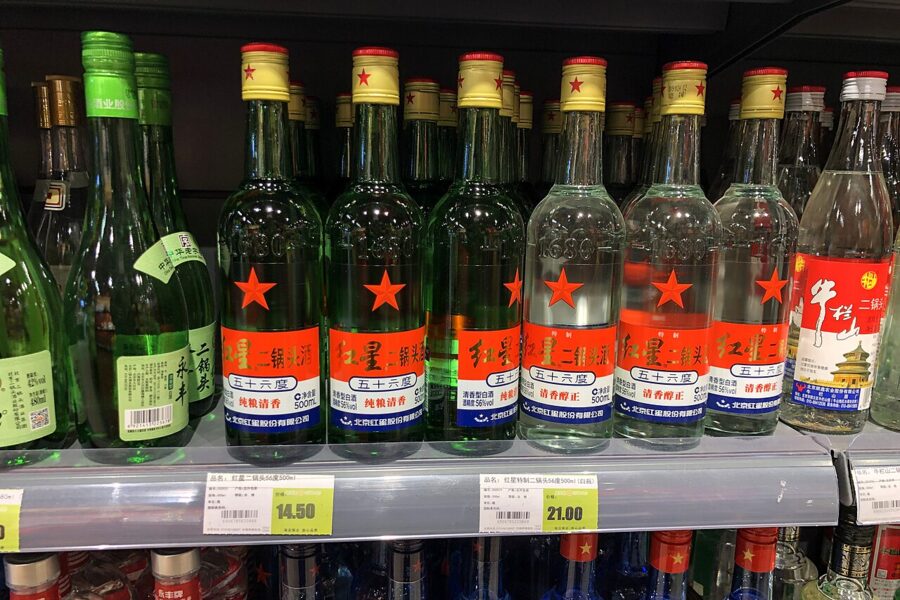
The 100ml flask is the xiao’er (小二), the little two, and it’s the one tucked beside plates of lamb skewers in Beijing noodle shops. Be aware that at this price a lot of Erguotou is made partly from neutral grain spirit. The back label tells you, and I’ll come to that below.
Rice aroma: Guilin Sanhua
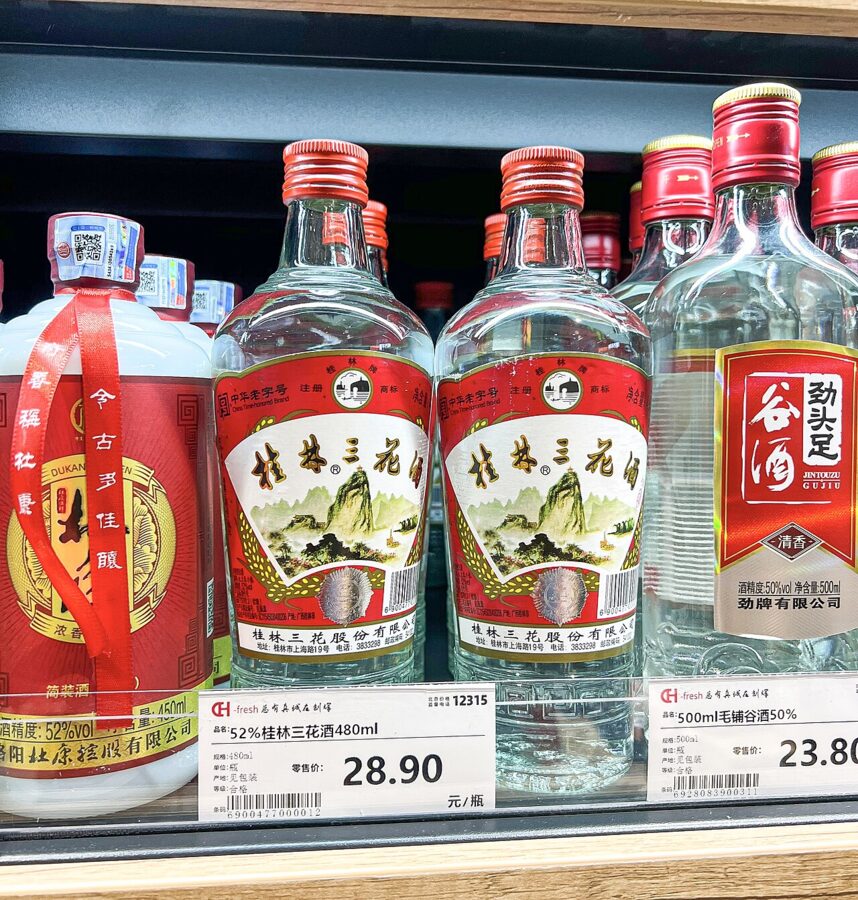
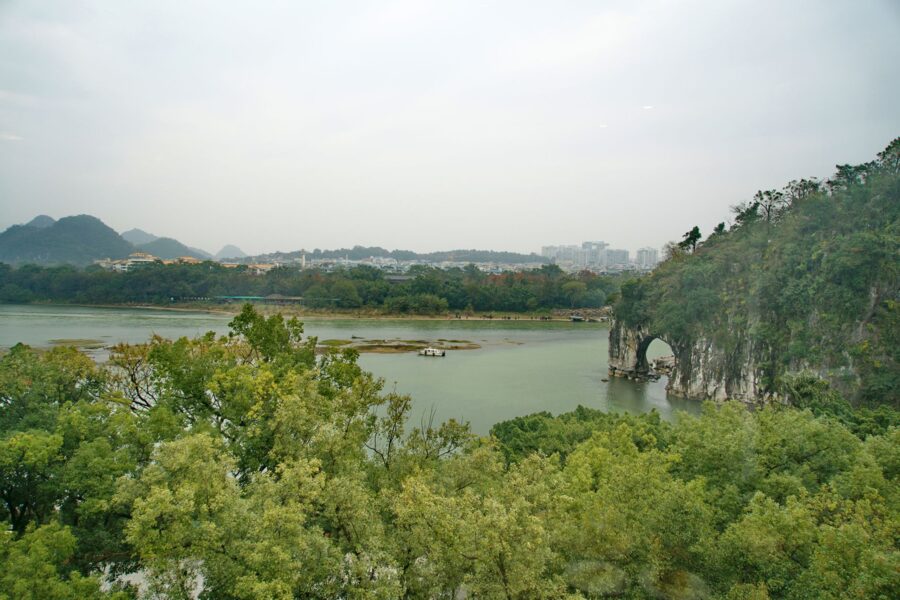
Mixiang (米香), rice aroma, belongs to the south: distilled from rice with the small herbal qu, soft and faintly sweet. Its standard-bearer is Guilin Sanhua (桂林三花酒), which locals count with fermented tofu and chilli sauce among the city’s three treasures, and which is aged in limestone caves.
The name means three flowers, from the old way of judging strength: shake the jar and, at the right proof, beads rise and hold on the surface. I’d drink it with a bowl of Guilin rice noodles, which is where it belongs.
The other eight
The remaining styles are mostly one region, often one distillery, each. You’ll meet them where they’re made:
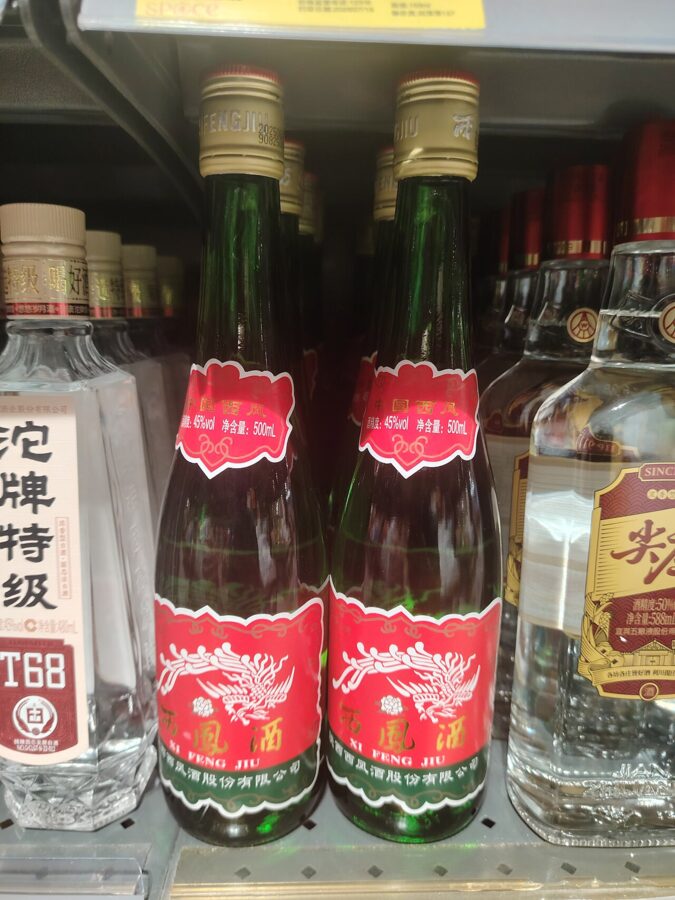
- Feng aroma (凤香): Xifeng (西凤酒) from Fengxiang county in Shaanxi, sharp and fruity, and the local match for Xi’an’s food.
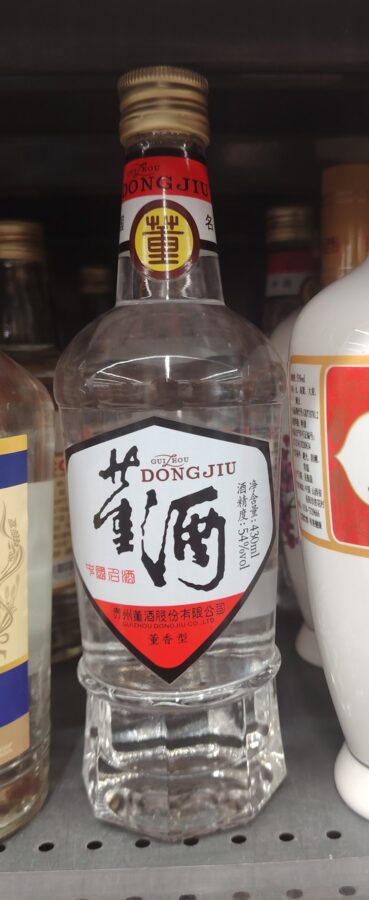
- Dong aroma (董香): Dongjiu (董酒) from Zunyi in Guizhou, which puts a long list of herbs into its qu.
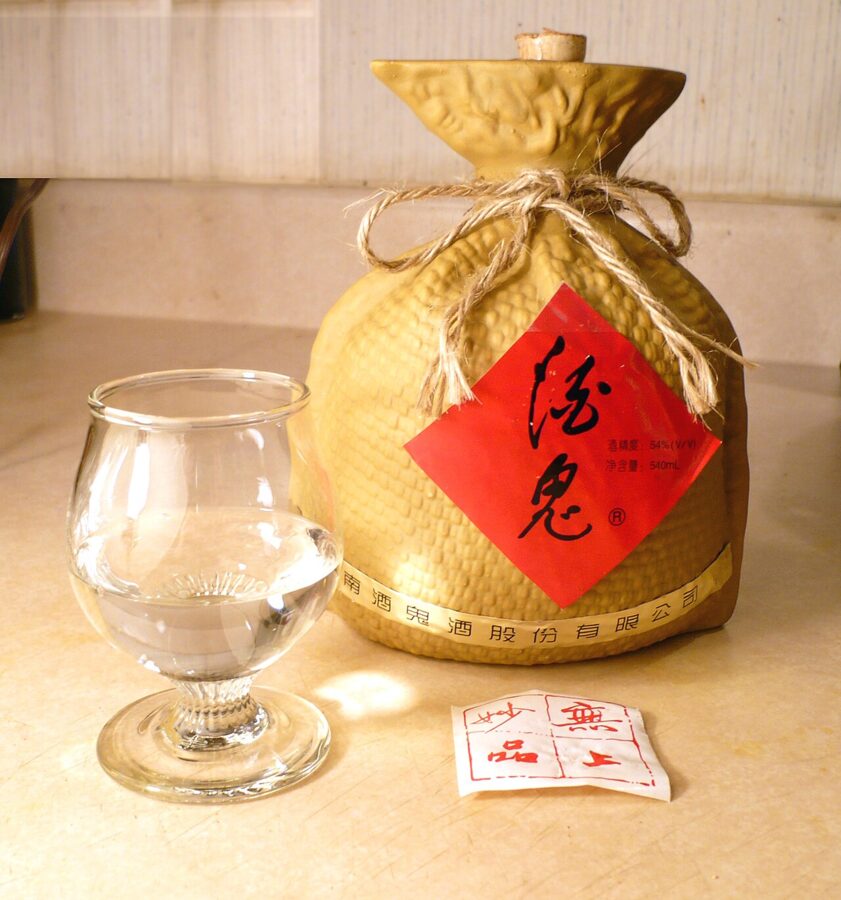
- Fuyu aroma (馥郁香): Jiugui (酒鬼酒), “drunk ghost”, from Xiangxi in western Hunan, in a clay bottle shaped like a tied sack.
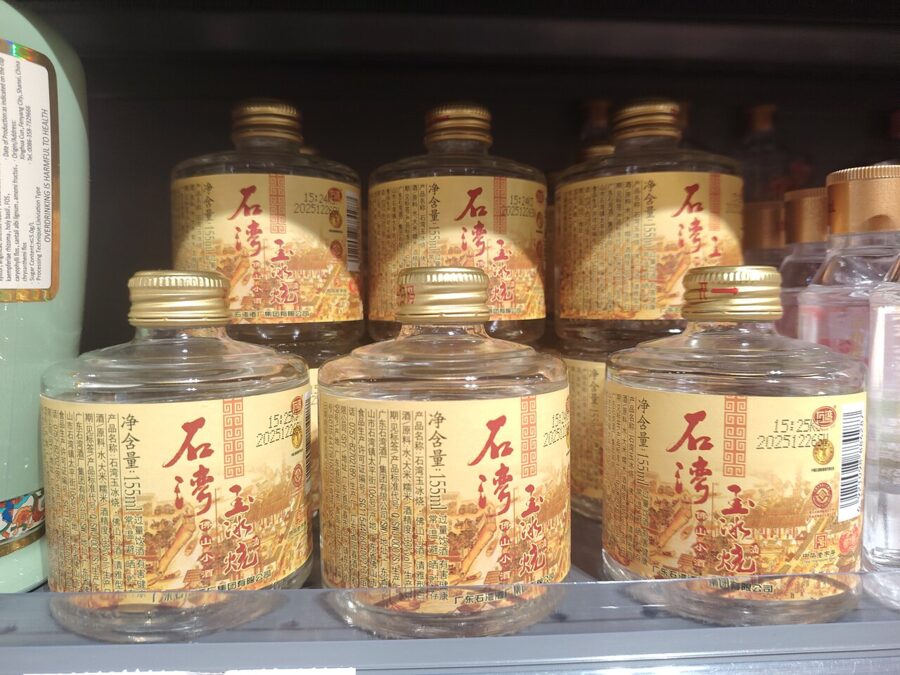
- Chi aroma (豉香): Yubingshao (玉冰烧) from Shiwan in Foshan, a Cantonese rice spirit steeped with pork fat.
- Sesame aroma (芝麻香): Jingzhi (景芝) from Shandong. There’s no sesame in it; the toasty note comes from the process.
- Te aroma (特香): Site (四特) from Zhangshu in Jiangxi.
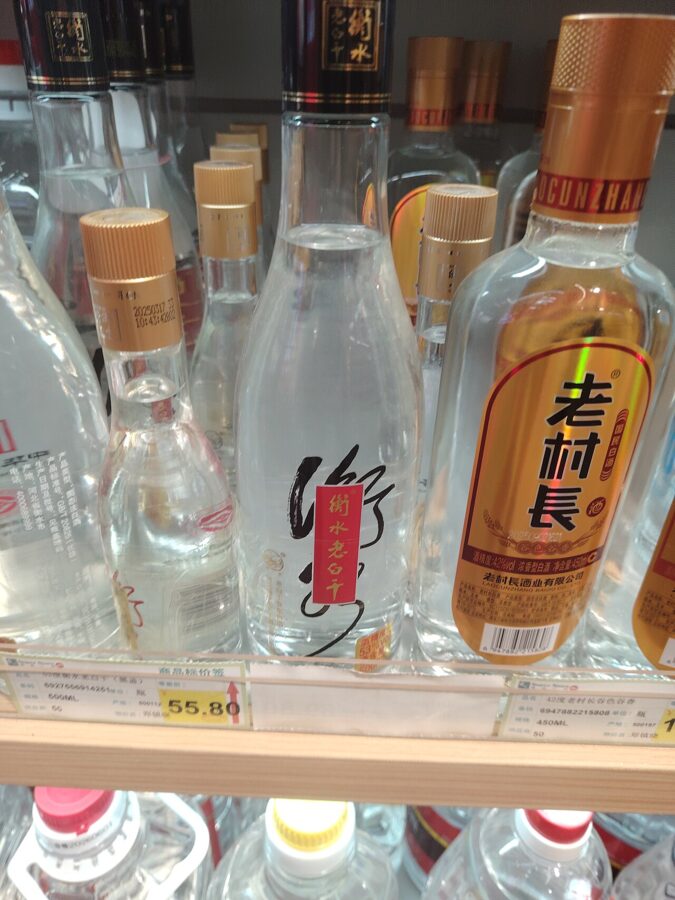
- Laobaigan aroma (老白干香): Hengshui Laobaigan from Hebei, dry and fierce.
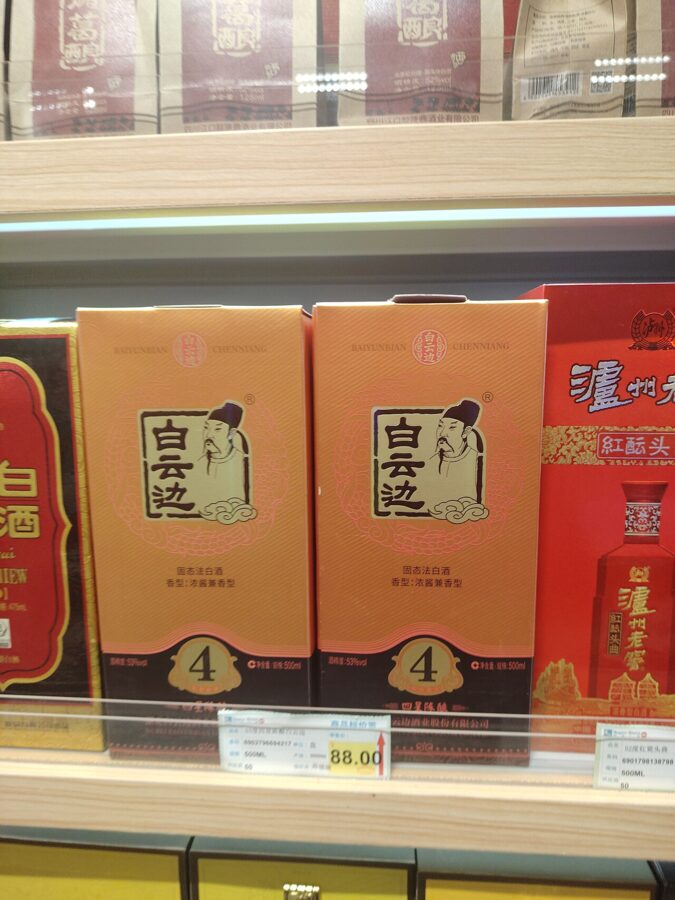
- Jian aroma (兼香): blends of sauce and strong, such as Baiyunbian (白云边) from Hubei.
How do you survive a ganbei banquet?
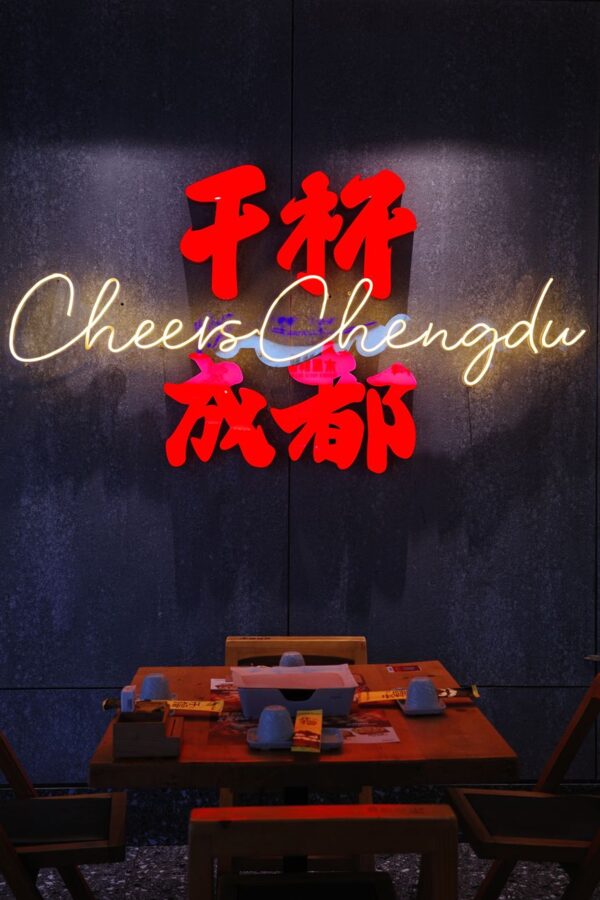
Formal Chinese dinners run on toasts, and the toasts run on rules that change from province to province. Shandong and the north-east keep the strictest; in Shenzhen’s restaurants I found tables far more relaxed, with as much beer, tea and red wine as baijiu.
Seats and order
The host, the zhupei (主陪), sits facing the door. The guest of honour sits on the host’s right, the second guest on the left, and the deputy host (fupei, 副陪) sits opposite, looking after the far side of the table.
The host opens with a toast, sometimes three in a row, and the deputy host follows. Only then does the table loosen up and people start toasting each other, usually in order of seniority. If you’re a guest, your job is to toast the host first, then work along.
Glasses are tiny, often filled from a small decanter (分酒器) so everyone can see how much is left. Somebody will keep yours topped up. Return the favour, and pour for others before yourself.
Glass heights and the turntable tap
When you clink, keep the rim of your glass below the rim of anyone older or more senior. They’ll try to go lower than you as a courtesy, and it can turn into a slow race to the tablecloth; let them win after one round. If you can’t reach someone across a big table, tap the base of your glass on the glass turntable instead, which counts as a clink.
Ganbei means finish it. The way out is suiyi (随意), as you like, and the gracious line when you toast someone senior is 我干了,你随意 (I’ll finish mine, you drink what you like), said as you empty your own glass.
Never drink on your own between toasts. If you want a sip, raise your glass to someone, catch their eye and drink together.
Saying no
You can refuse; you just have to do it early and with a reason. The one nobody argues with is driving. China treats 20mg of alcohol per 100ml of blood as drink driving and 80mg as drunk driving, a criminal offence, and people who have been drinking book a daijia (代驾), a driver who comes to the restaurant and takes your own car home, through Didi or a similar app.
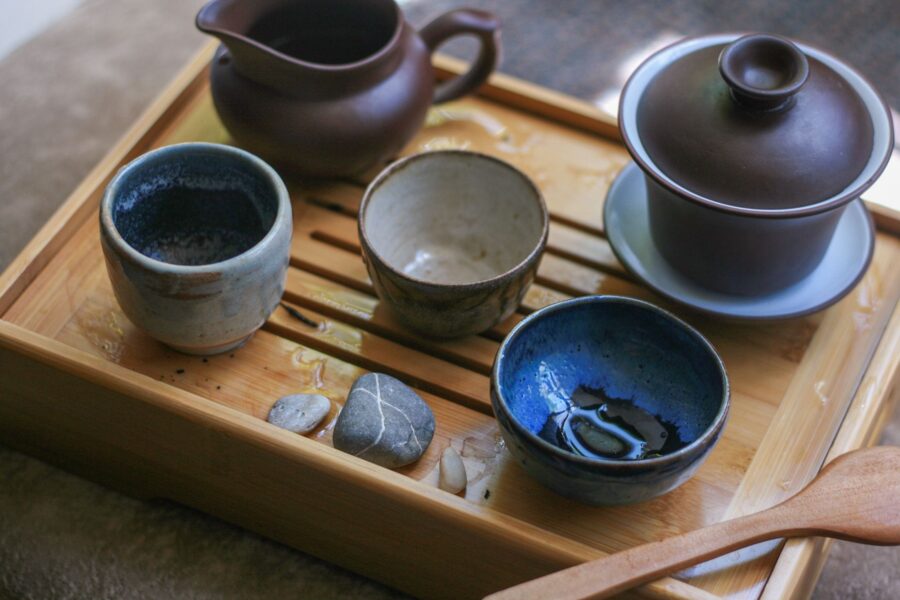
Medication works too, and so does a plain “I don’t drink” said at the start rather than after the third toast. Then toast with tea instead, which has its own phrase, yi cha dai jiu (以茶代酒), tea in place of wine.
The reality in 2026 is gentler than the stories. Government work meals have been dry since 2025, plenty of younger professionals drink little or nothing, and the competitive drinking foreign businesspeople still tell stories about belongs mostly to private dinners in the north. Eat before the toasts start, drink water between them, and nobody will think less of you for stopping.
Drink it slowly, on purpose
Away from the banquet, baijiu is meant to be sipped. Pour it at room temperature into a small tulip glass, smell it from a few centimetres away rather than with your nose in the glass (the alcohol will flatten you), take a small sip and roll it round your mouth before you swallow. Then breathe out through your nose, which is where the fruit and the soy show up.
It’s built for food. Strong aroma stands up to Sichuan food and to hot pot, which is where Sichuan drinks most of it. Sauce aroma likes braised pork, cured meats and anything rich, while light aroma suits cold dishes and Peking duck, and Erguotou with lamb skewers is close to a law of Beijing’s food.
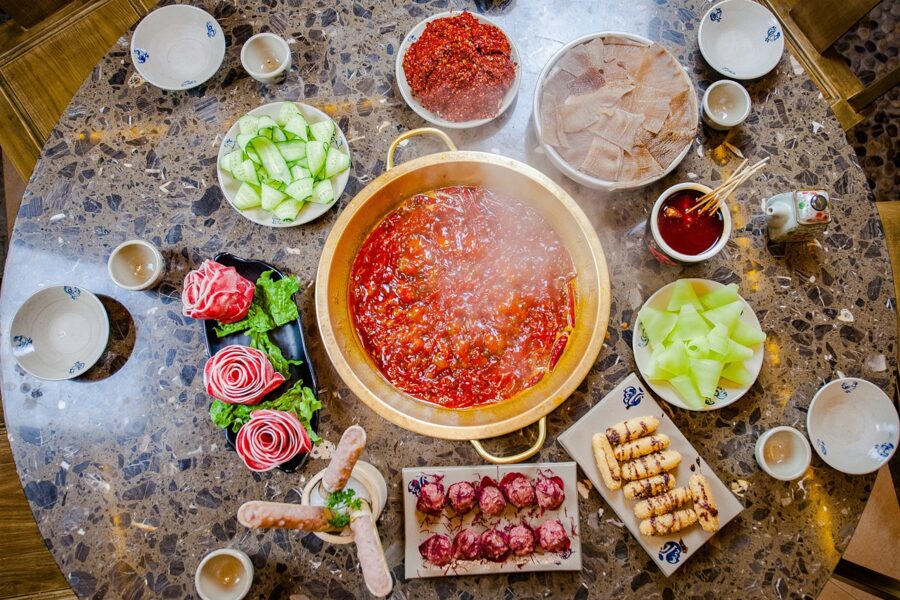
The simplest rule is to drink the local bottle with the local food, which is why a tour of China’s regional food doubles as a tour of baijiu. Fenjiu with Shanxi noodles, Langjiu with Guizhou sour fish, Sanhua with Guilin’s rice noodles: the pairings were worked out long before anybody wrote them down.
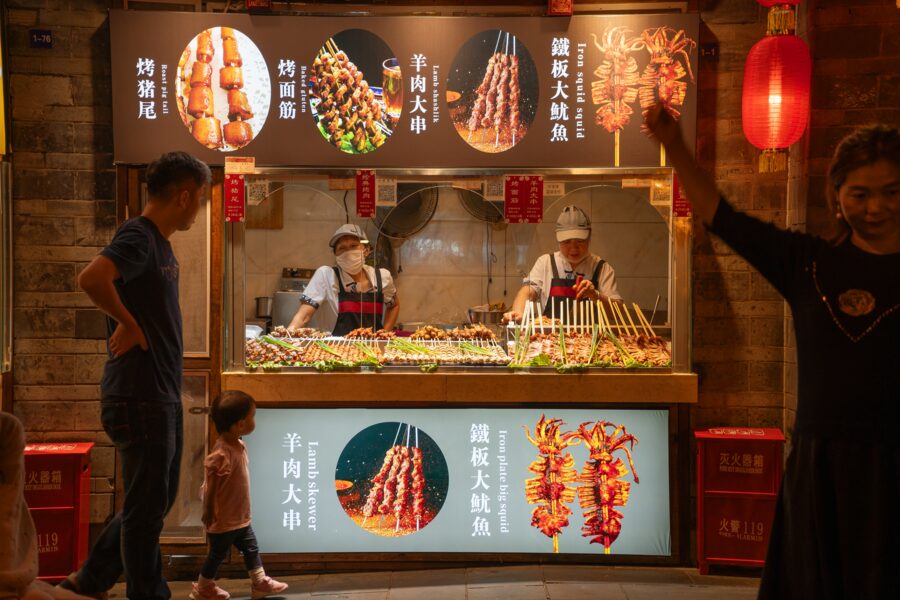
Cocktails used to be a foreigners’ joke, and now they’re how the big distilleries chase younger drinkers. Fenjiu runs a chain of bars called Guanfen, Wuliangye has opened bar-restaurants in Yibin, Hangzhou and Chengdu, and Luzhou Laojiao has its own taverns. Light aroma is the easiest base: a measure of Bofen with soda and a squeeze of citrus, or with chilled sour plum drink, is the simplest baijiu highball you can make in a hotel room.
Where to drink it in Beijing, Shanghai and Chengdu
Specialist baijiu bars come and go fast in China, and several of the famous early ones have closed or moved. The places below were open in 2026, and the brand-run ones have the advantage of a distillery behind them.
Beijing
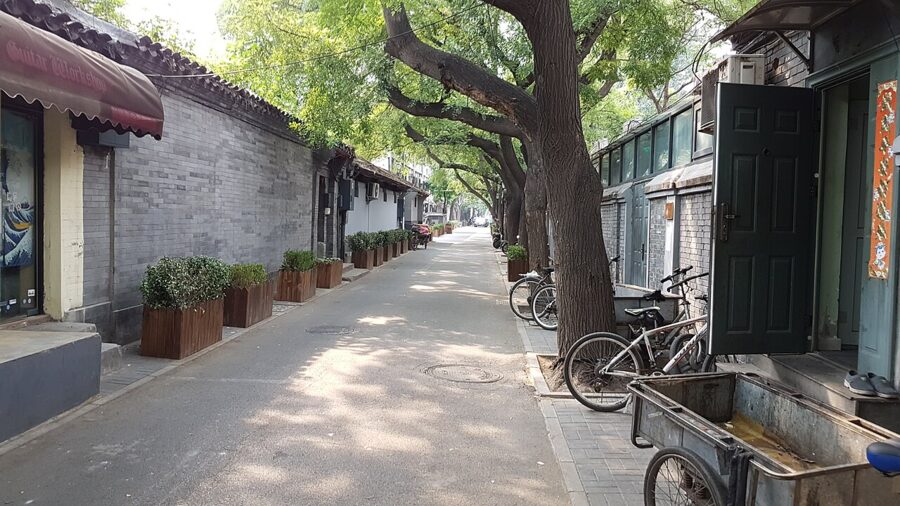
The best stop is Guanfen (观汾), Fenjiu’s three-floor house at 2 Yu’er Hutong (雨儿胡同2号), a lane off Nanluoguxiang. It started trading in June 2026, with takeaway and bottles on the ground floor, seats upstairs and a roof terrace over the hutong on top: coffee by day, Fenjiu cocktails at night. From Nanluoguxiang station (Lines 6 and 8) it’s a few minutes’ walk north up the lane.
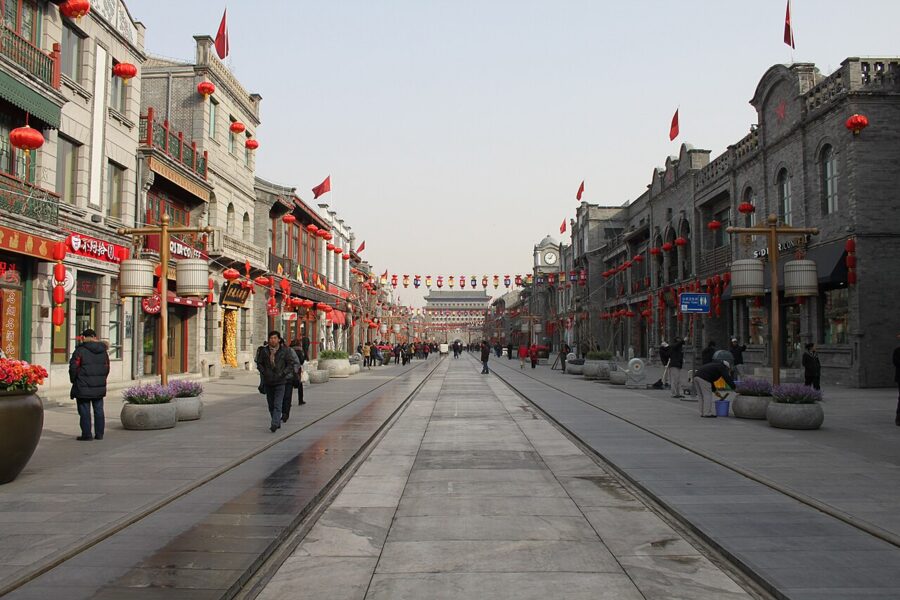
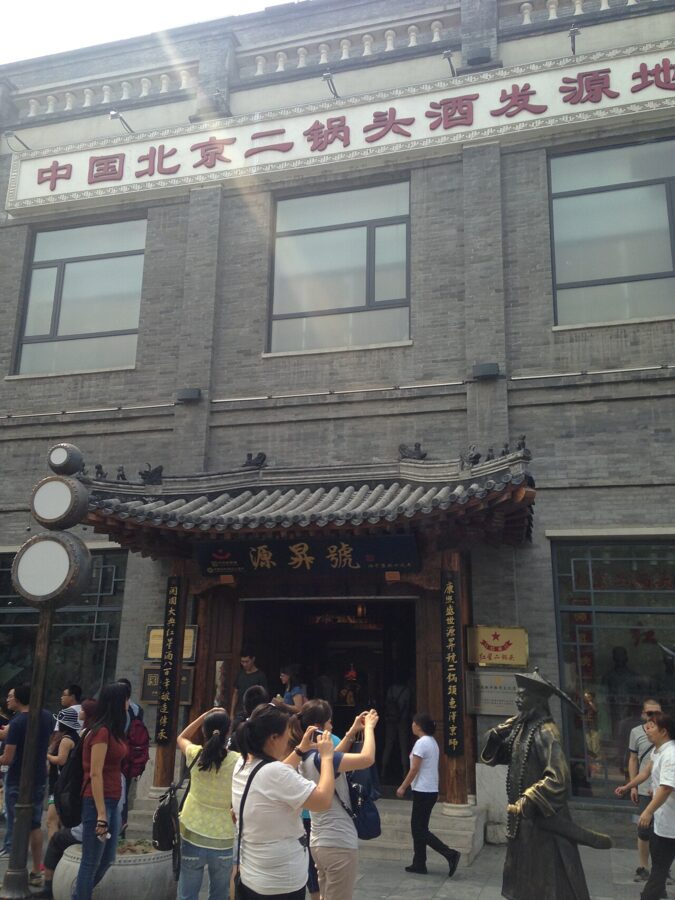
For the history, go down to the Red Star Yuanshenghao Museum (红星源升号博物馆) on Qianmen Street, laid out as an old shop in front and workshop behind, at the site Red Star calls the birthplace of Erguotou. It’s a short walk south of Qianmen station on Line 2, and the shop at the front pours tastes, including a jasmine-tea-flavoured spirit.
Shanghai
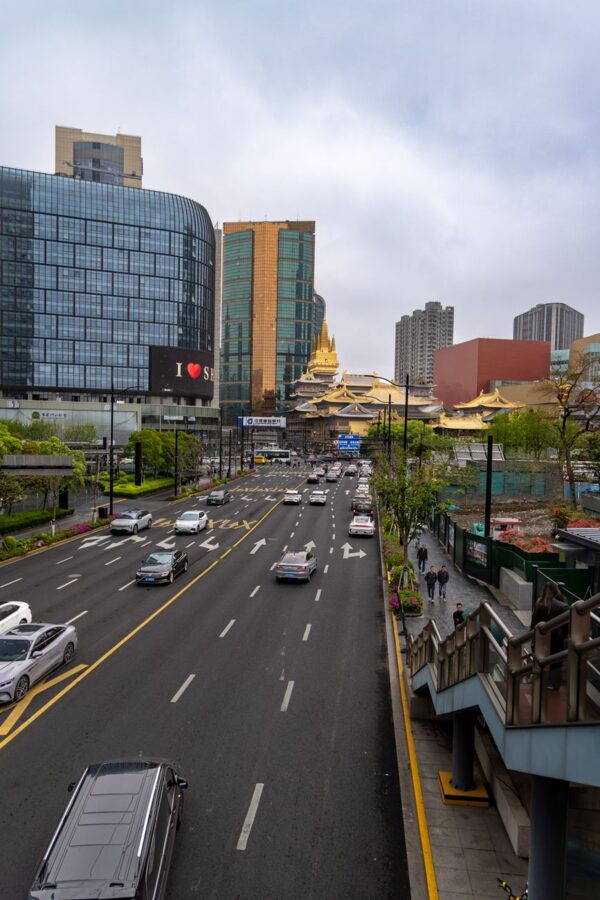
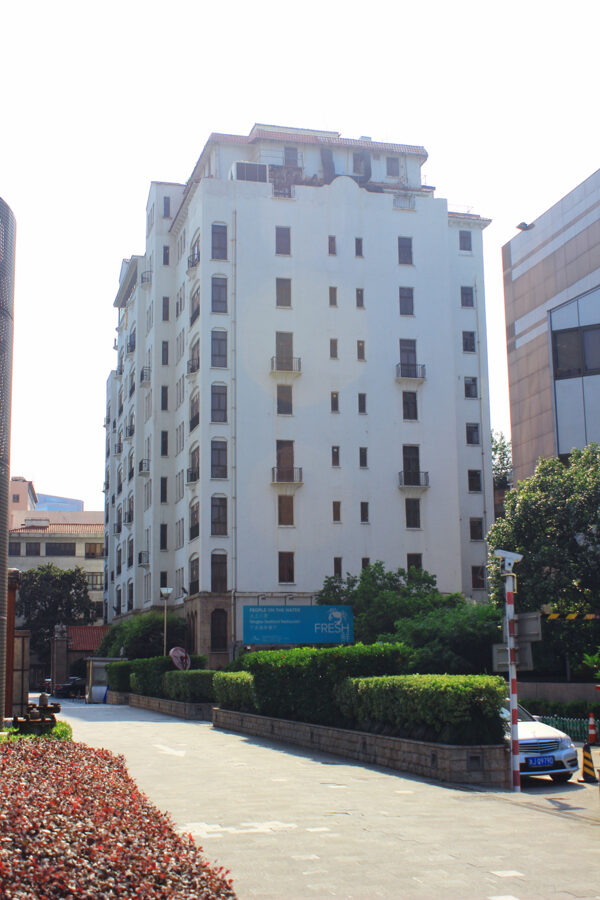
Shanghai’s own food leans sweet and the city’s traditional drink is yellow rice wine, not baijiu, so the interesting pour here is a newcomer. Guanfen’s Shanghai branch, Hushang Qinghua (观汾·沪上青花), fills two old villas at 390 Huashan Road (华山路390号) in Jing’an, next door to the Jing’an Hotel, with a blue-and-white porcelain theme, a garden and a lawn. It opened in January 2026 and is a few minutes’ walk down Huashan Road from Jing’an Temple station (Lines 2, 7 and 14).
Go for a drink and the setting, not dinner. The cocktails and the Fenjiu ice cream are the point, and people who arrive expecting a serious tasting of aged Fenjiu tend to leave disappointed.
Chengdu
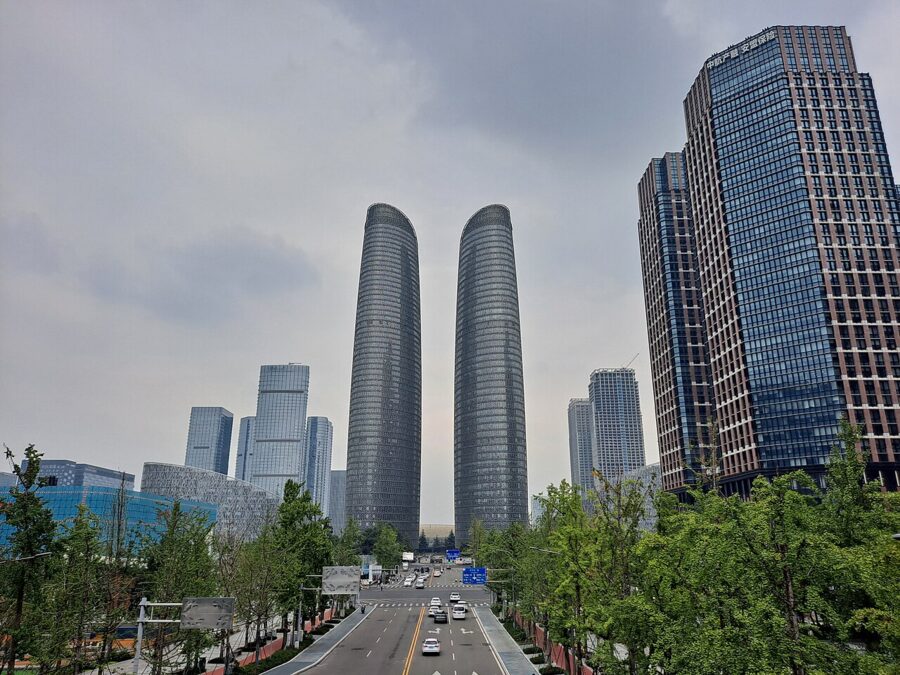
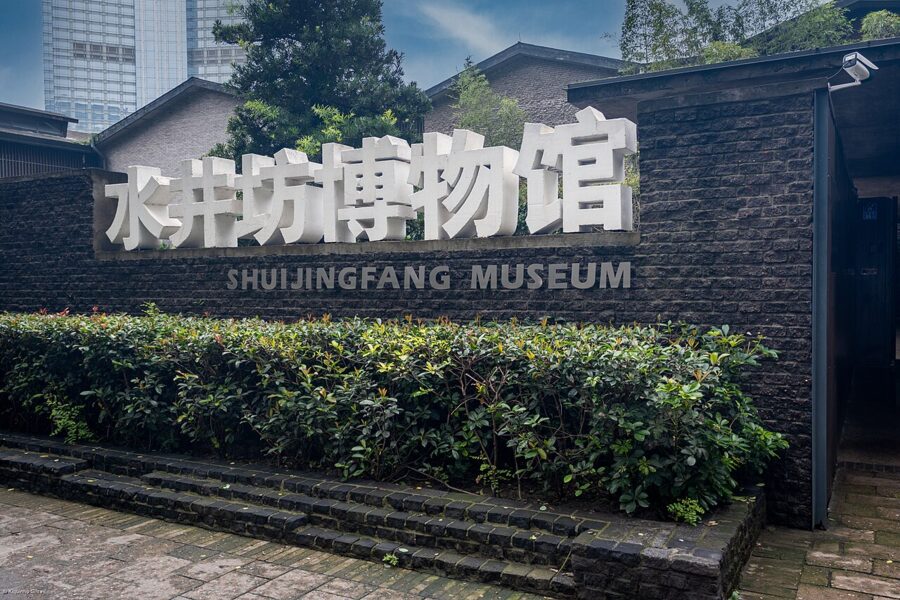
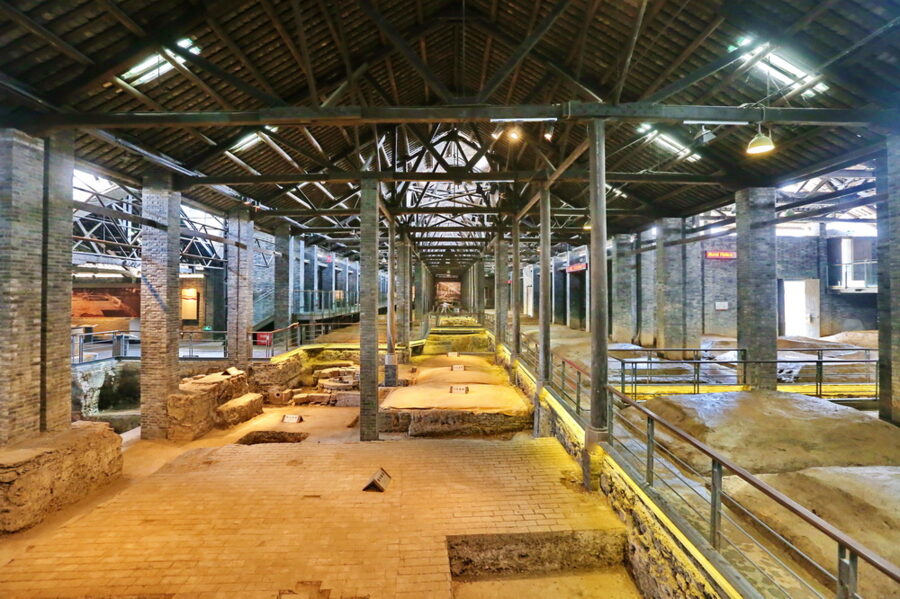
Chengdu has the best baijiu site in any big Chinese city. The Shuijingfang Museum (水井坊博物馆) on Shuijing Street in Jinjiang district is built over the Shuijingjie distillery ruins, uncovered in 1998, and spirit is still made on the premises. Visits are guided and you should book ahead; it runs roughly 09:00–17:00 and holds free open days, such as International Museum Day on 18 May.
For a drink, Wuliangye’s Wuliang Zhizao (五粮·炙造) opened in spring 2026 in a two-storey building on Jiaozi Avenue in the financial district, with a coffee bar, a cocktail bar and 29 per cent baijiu cocktails. Luzhou Laojiao’s Baitiao tavern (百调酒馆) by Xinhua Park does coffee in the morning and drinks at night.
Go to the source
The big distilleries all sit in small cities a train ride or a short flight from somewhere bigger, and they’ve all built visitor areas. None of them lets you wander the working production halls on your own. What you get is a museum, a walk past historic pits and a shop.
Maotai town, Guizhou
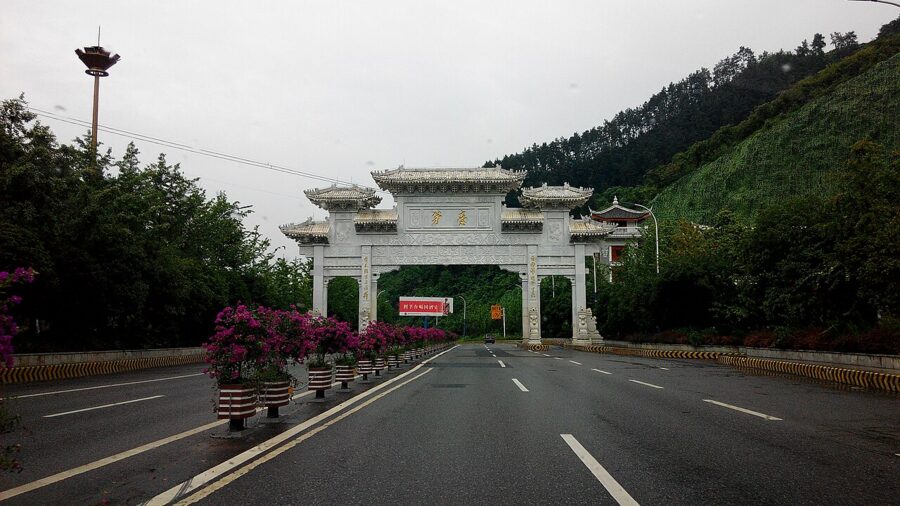
Maotai (茅台镇) is a one-industry town strung along the Chishui River in Renhuai, part of Zunyi, and on a still day the whole valley smells of fermenting grain.
The visit almost everyone makes is the China Liquor Culture City (中国酒文化城), Moutai’s own museum, built 1993–1997 and rated a national 4A scenic area. Seven halls run from the origins of Chinese alcohol to Moutai’s own story, entry is ¥60, and it opens 09:00–17:00 with last entry at 16:30, later in summer. A counter inside sells 10ml tasting pours of Feitian and of 15-year-old Moutai, so you can try the expensive stuff without buying the bottle.
The production halls are another matter. Moutai takes visit bookings only through its own official WeChat channels, with real-name registration a few days ahead and limited places, and third-party sellers promising a factory tour aren’t official.
To get there, fly into Zunyi Maotai Airport (遵义茅台机场) outside Renhuai, where a tourist bus line runs between the airport and the Maotai International Hotel in town. Otherwise it’s a long drive from Zunyi or Guiyang.
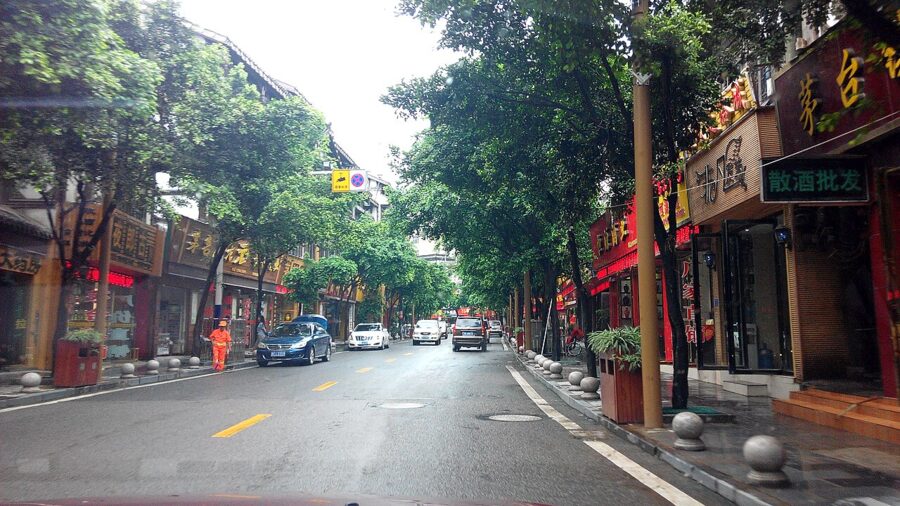
Luzhou, Sichuan
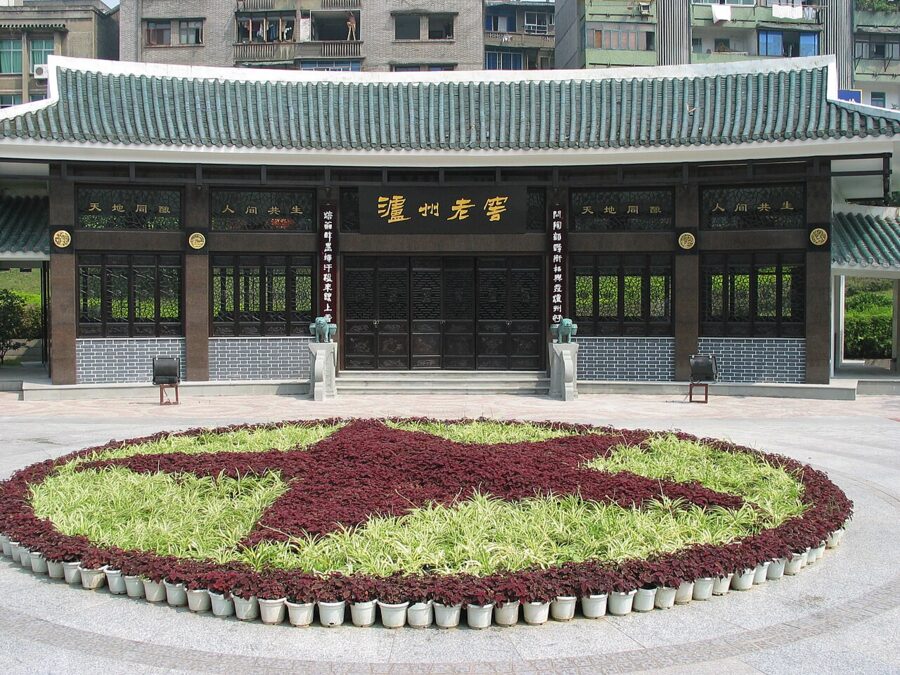
Luzhou (泸州) is a working river city on the Yangtze, and its prize is the 1573 National Treasure Cellars (1573国宝窖池) on Sanxing Street in Jiangyang district: the Ming-dynasty pits where Luzhou Laojiao still ferments, listed as a national protected monument in 1996. Entry is ¥35 (half price for students) and it opens at 08:30, with last entry at 16:30. Book through the Luzhou Laojiao tourism mini programme on WeChat (泸州老窖旅游) to be safe at weekends.
Inside, the air smells of the pits: damp, fruity, a little like pineapple left in the sun. The wider Luzhou Laojiao tourist area adds a museum and a blending centre where you can have a bottle made to order.
The fast way in is the Chongqing–Kunming high-speed line from Chongqing West. Trains reach Luzhou East in as little as 26 minutes, but that station is in Lu County about 30km from the city, a mistake common enough to make the news. Book to Luzhou station instead, then take a taxi to the cellars.
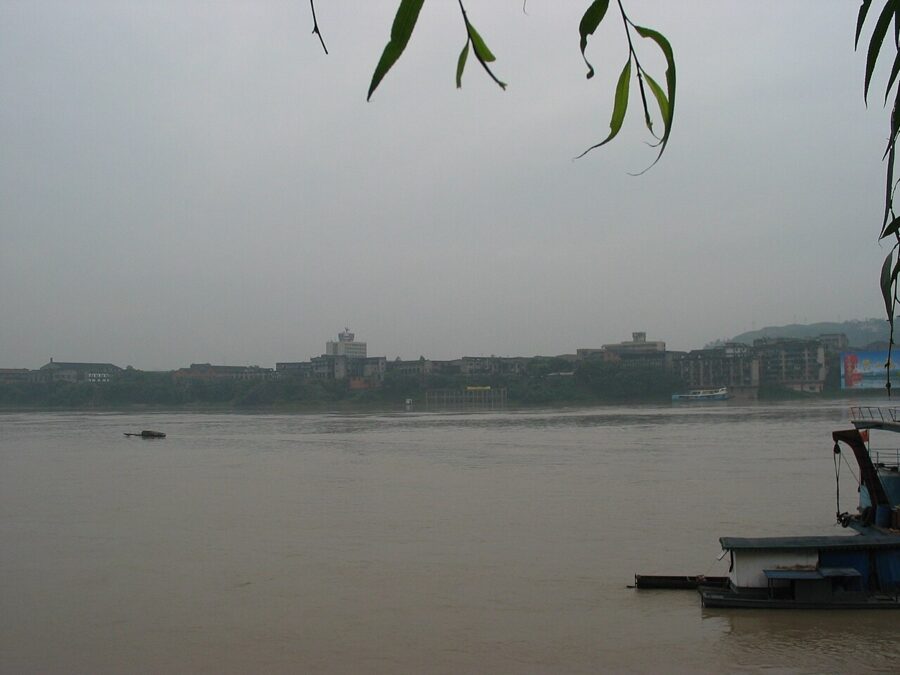
Yibin, Sichuan
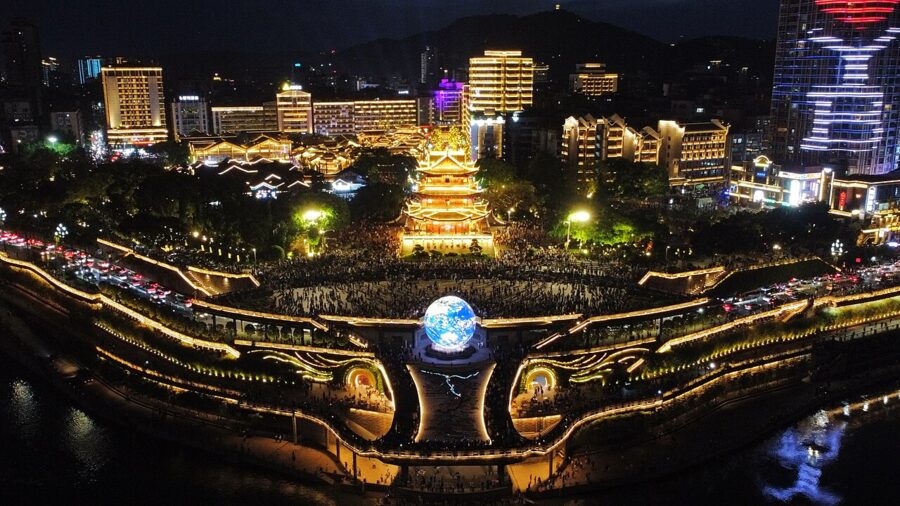
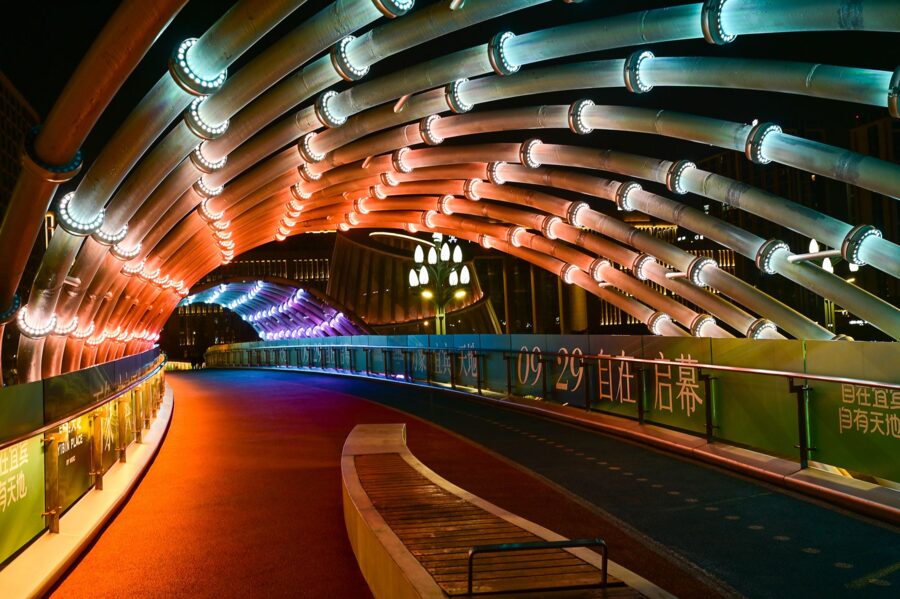
Yibin (宜宾) sits where the Min and the Jinsha rivers meet and become the Yangtze, and the Hejiangmen (合江门) waterfront at the confluence is the place to be after dark. Wuliangye’s huge park on Minjiang West Road is free to enter and open 09:00–17:00, with last entry to the museum at 16:30.
The rules changed in October 2026, so ignore older advice. The online booking channel was withdrawn and drivers now register by scanning a code at the East Gate (东大门), which is the gate to use. Private cars are stopped short of Jiusheng Hill (酒圣山) by a barrier, and the park shuttle costs around ¥20.
What you see is a park, not a distillery tour. The bottle-shaped building on Pengcheng Square is certified by Guinness as the world’s largest real-object advertisement, the hill gives the view over the plant, the museum takes 30–40 minutes, and Anle Spring (安乐神泉) is a Song-dynasty garden tied to the poet Huang Tingjian. The production lines are closed to independent visitors, but the tasting room facing the bottle building has two price levels, starting at about ¥100.
Trains from Chengdu East take as little as 1 hour 13 minutes, with more than 120 a day between the two cities, and the fastest trains from Chongqing West take under an hour.
Xinghuacun, Shanxi
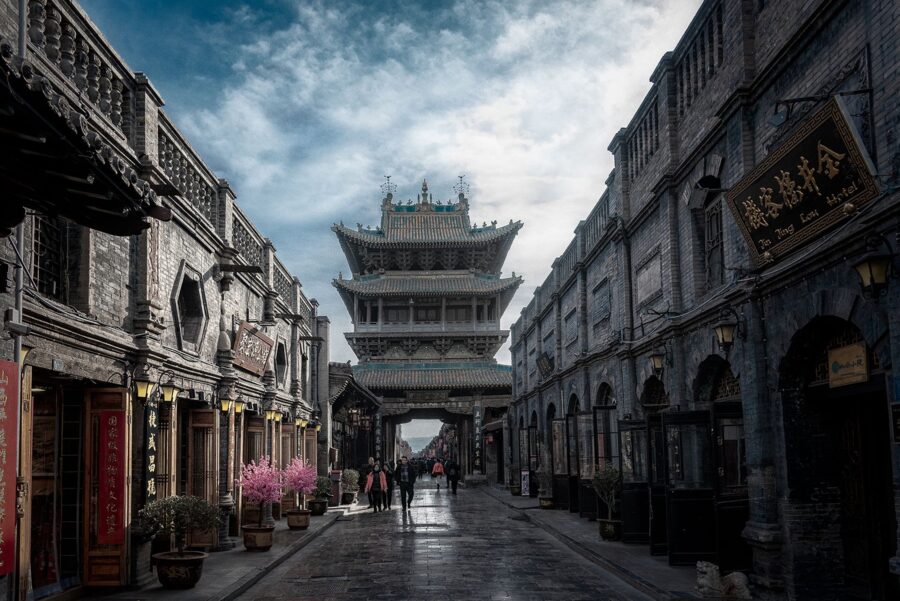
Fenjiu’s home is Xinghuacun (杏花村), Apricot Blossom Village, 15km from Fenyang in Shanxi, about an hour by road from Taiyuan and half an hour from Pingyao. The Fenjiu Culture Scenic Area (汾酒文化景区) has been a national 4A site since 2011 and takes in the Fenjiu museum, the old workshop site, a working brewhouse and gardens. It opens 08:00 to 18:00 or 18:30, depending on the season.
The name comes with a poem. Du Mu’s Tang-dynasty verse for the Qingming festival ends with a traveller asking where to find a tavern and a herd boy pointing far off to Apricot Blossom Village. Shanxi says the village is this one, though Chizhou in Anhui says it’s theirs.
If you’re already in Pingyao, it’s the easiest distillery day trip in China.
Buying a bottle without getting burned
What it costs in 2026
Prices have fallen with the market, which is good news if you’re buying. In November 2026 the official i Moutai app (i茅台) lists a 500ml, 53 per cent Feitian at ¥1,639, and the trade price for a loose bottle sits around ¥1,680–1,700. From 11 November the app moved a long list of other Moutai products to all-day sales, while the 2026 Feitian is still released at 09:00 and 20:00.
Wuliangye’s classic bottle, the eighth-generation Puwu (普五), still has ¥1,499 printed as its guide price, but it trades at around ¥750–820, and Guojiao 1573 sits around ¥815. Expect to pay a little more in a shop. At the other end, yellow-cap Bofen is about ¥50, Red Star’s green bottle about ¥20, and Niulanshan’s white-label Chenniang works out under ¥20 a bottle by the case.
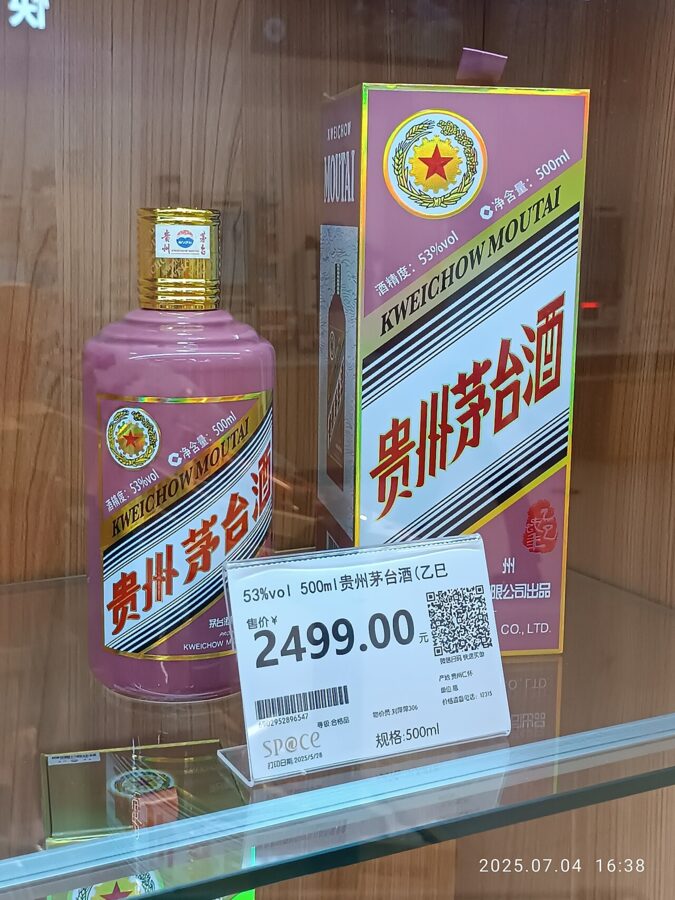
Fakes, labels and the Maotai-town trap
Fake baijiu is a real business, and it gathers where the money is: Moutai, Wuliangye and old “vintage” bottles. Buy from a brand’s own store (专卖店), a big supermarket or the brand’s flagship on JD or Tmall, and be wary of anything much below the trade price.
Moutai makes checking easy. Recent Feitian bottles carry a code you can scan in the i Moutai app, and those with the newer cap hold an NFC chip your phone can read, so do it in the shop, before you pay.
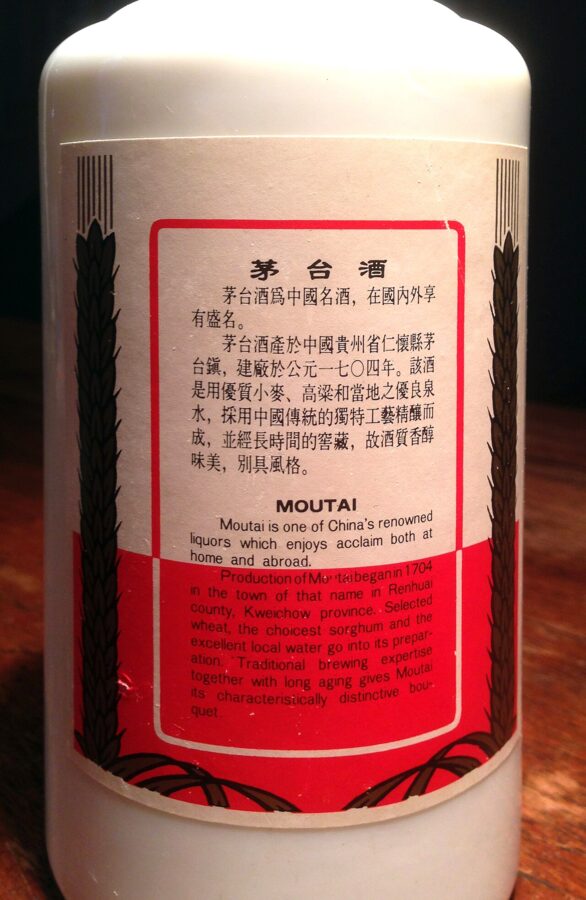
For everything else, read the back label. The standard number tells you how it was made: GB/T 26760 is sauce aroma, GB/T 10781.1 strong and GB/T 10781.2 light, all solid-state. GB/T 20821 means liquid-method baijiu and GB/T 20822 solid-liquid, both made wholly or partly from neutral grain spirit, which is legal and cheap and not what you came for.
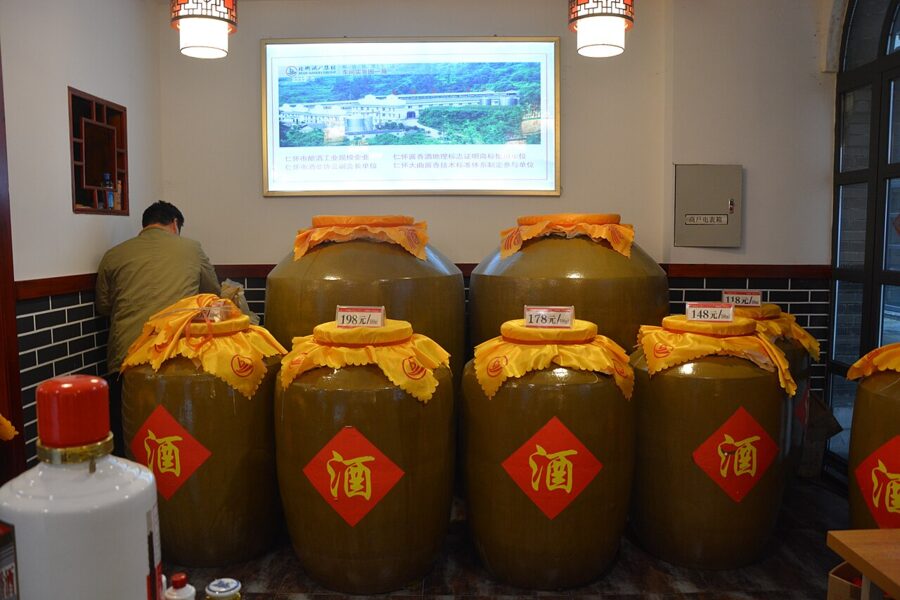
Maotai town itself is the other trap. The town is full of small distilleries selling their own sauce-aroma spirit as Maotai-town baijiu, some of it good and none of it Moutai. Moutai Prince (茅台王子酒) and the group’s other sub-brands are made by the Moutai company, but they aren’t Feitian and are priced accordingly.
Getting it home
You can’t carry baijiu through airport security in your hand luggage, so it goes in the hold. China’s civil aviation rules allow up to 5 litres per passenger of anything between 24 and 70 per cent, in retail packaging with no container over 5 litres, and anything over 70 per cent can’t fly at all.
Wrap ceramic bottles well, because they crack. Your home allowance is the tighter limit: the EU and the United States let you bring in a litre of spirits duty-free, the UK four litres, and past that you pay duty. Coming into China, visitors can bring 1,500ml of drinks over 12 per cent without declaring them.
Skip this
- The “distillery visit” on a cheap Maotai-town tour that ends in a sales room. If it isn’t booked through Moutai’s own channels, it isn’t Moutai.
- Feitian as a first bottle. The app also sells 100ml and 200ml Feitian, and a Langjiu or a Xijiu will tell you whether you like sauce aroma before you spend ¥1,639 finding out.
- Plastic jugs of bulk spirit. The strength is a guess, there’s no retail packaging, and the airline won’t take it.
- Shooting good baijiu ice-cold like vodka. You lose everything that made it worth the money.
My own rule now is simple. Ask what the table is drinking, take the first toast, keep your glass lower than the host’s, and switch to tea when you’ve had enough. Then, on a free night, buy a ¥50 Bofen and a ¥20 Red Star, pour them side by side into hotel glasses, and you’ll learn more about baijiu in ten minutes than most banquets teach.
You Might Also Enjoy
 Chinese Dumplings: A Regional Field Guide
 Chinese Hot Pot: Chongqing, Chengdu, Beijing Copper Pots and How to Order Like You Live There
 Water Towns Near Shanghai: Zhujiajiao, Wuzhen, Zhouzhuang, Tongli and How to Pick the Right One
 Japanese Tea: Matcha, Sencha and Gyokuro, the Tea Regions and the Teahouses Worth Visiting