Shenzhen Food Guide: Where to Eat in a City Built by Migrants, District by District
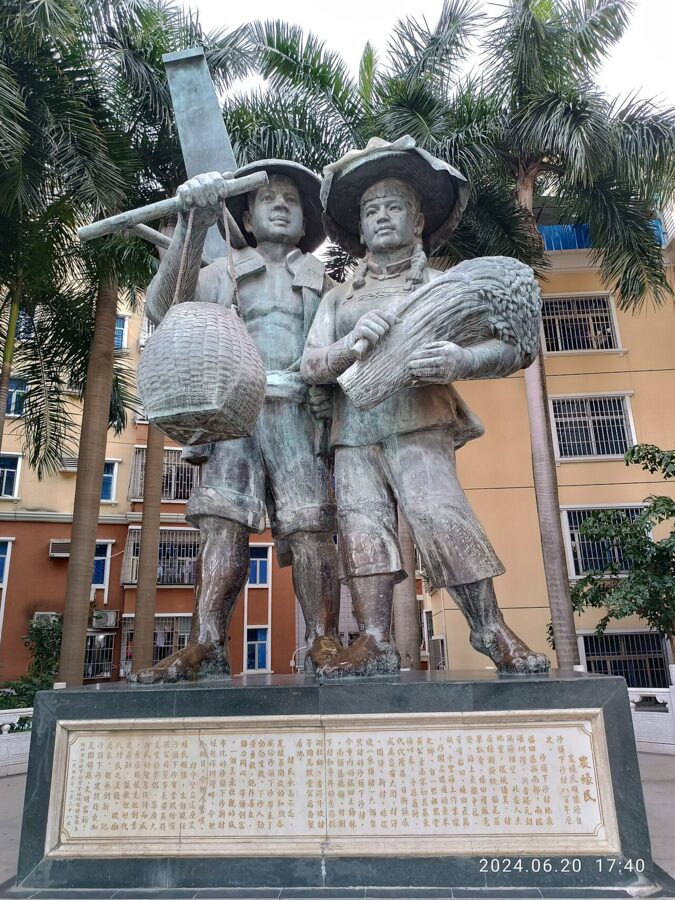
In a small square in Xiasha, an old village now boxed in by Futian’s apartment towers, a bronze group of oyster farmers stands on a stone plinth with their baskets. Hardly anyone eating in the restaurants around that square grew up here, and the farmers on the plinth would not recognise a single dish on their menus. That’s Shenzhen food in one picture: a handful of local things from the old shoreline, and almost everything else carried in by people who arrived on a train.
When I lived in Shenzhen, the useful question was never “where’s good?” It was “where are you from?” A Hunanese colleague would take you for chilli-fried pork, a Teochew one for beef hot pot at midnight, a girl from Chongqing to a noodle counter with six stools. The city has no single cuisine, and that’s the reason to eat here.
This guide covers what Shenzhen can call its own (Shajing oysters, Guangming squab, Hakka cooking and the coconut chicken it adopted), where each migrant kitchen clusters, the districts one by one, eating late, the 2026 Michelin list, and how to pay, get around and cross from Hong Kong. For sights and neighbourhoods beyond food, see my guide to Shenzhen.
Here’s the short version, district by district. Every stop below is a metro ride from Futian, and the night markets are explained further down.
| District | Eat | Start at |
|---|---|---|
| Luohu (Dongmen, Xiangxi) | Roast goose, Hunan small bowls, chicken pot, food-court grazing | Laojie station, Lines 1 and 3 |
| Futian (Shuiwei, Futian village, Meilin) | Teochew noodles and congee, late suppers, Michelin dining at UpperHills | Huanggang Cun station, Line 7 |
| Nanshan and Shekou | Nantou old town snacks, Shekou zongzi, Hakka in Shekou, the Bay-view stars | Nantou Gucheng (Line 12), Dongjiaotou (Line 2) |
| Bao’an and Guangming | Shajing oysters in winter, Guangming squab, Fanshen night market | Fanshen station, Line 5; Guangming Dajie, Line 6 |
| Longgang and Pingshan | Hakka cooking near the walled villages, Luoruihe snack street | Nanlian station, Line 3 |
| Yantian and Dapeng | Seafood by the water, Bib Gourmand rice rolls | Line 2 or 8, then bus or taxi |
In This Article
- Everyone here is from somewhere else
- Before 1980
- How each wave brought its kitchen
- The short list of things Shenzhen can call its own
- Shajing oysters
- Guangming squab
- Hakka cooking
- Coconut chicken, the adopted dish
- Dapeng, Nan’ao and Yantian: seafood by the sea
- District by district
- Luohu and Dongmen
- Futian
- Nanshan and Shekou
- Bao’an and Guangming
- Longgang, Pingshan and the walled villages
- Longhua
- Where the migrant kitchens cluster
- After 22:00
- Night markets and supper streets
- Congee, siu mei and the supper run
- The Hong Kong weekend
- Stars, Bibs and a city of milk tea
- The August 2026 Michelin debut
- Desserts, tea and coffee
- The chains that started here
- Getting around and paying
- Metro and taxis
- Paying
- From Hong Kong
- When not to come
- Two days, eating
- Skip this
Everyone here is from somewhere else
Shenzhen had 18.25 million residents at the end of 2025, according to the city’s statistics bureau, and it added more people that year than any other big Chinese city that has published its figures. In 2024 almost two in three of them held their household registration somewhere else. That’s not a footnote. It’s the whole menu.
Before 1980
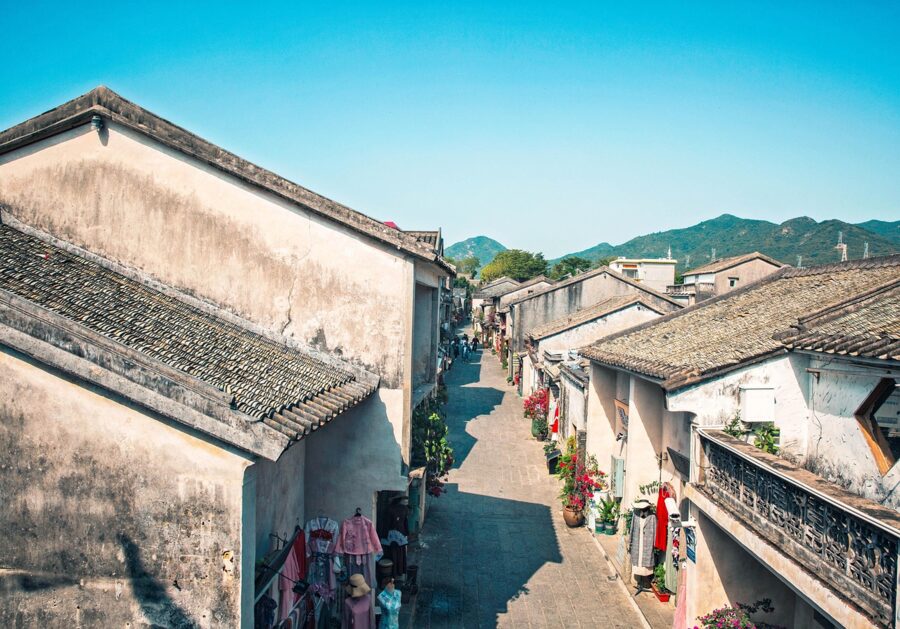
Before the Special Economic Zone was created on 26 August 1980, this was Bao’an county: rice paddies, fishponds, oyster beds on the Pearl River estuary and a market town on the railway to Hong Kong. That market, Shenzhen Xu (深圳墟), had traded since the middle of the Ming dynasty and gave the city its name; its streets are now Dongmen. The villages to the west, around Nantou, Xixiang and Shajing, spoke Cantonese and lived off the water. The hills to the east, in what is now Longgang and Pingshan, were Hakka country, full of fortified family compounds.
How each wave brought its kitchen
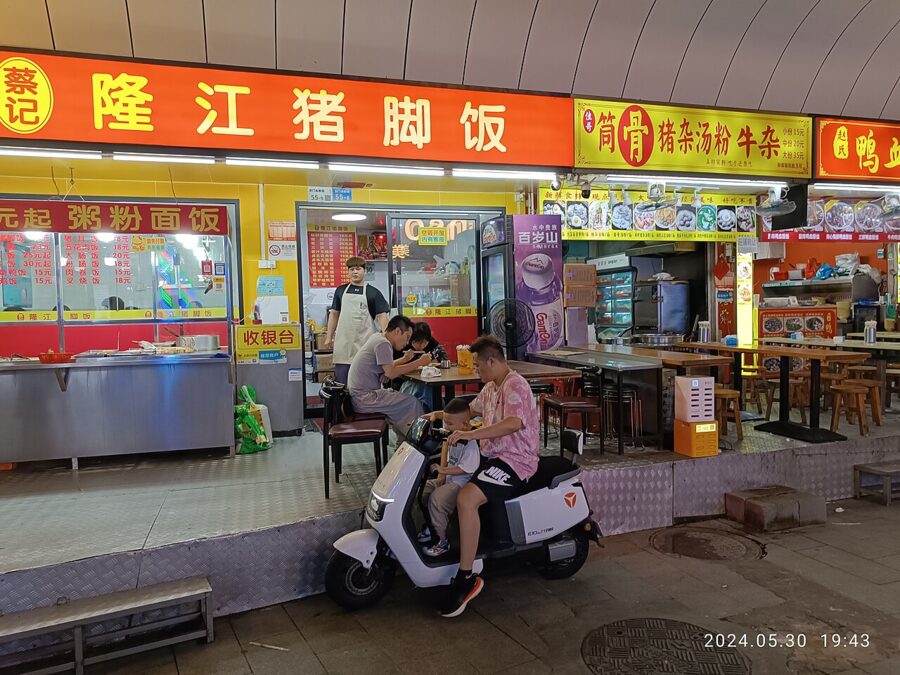
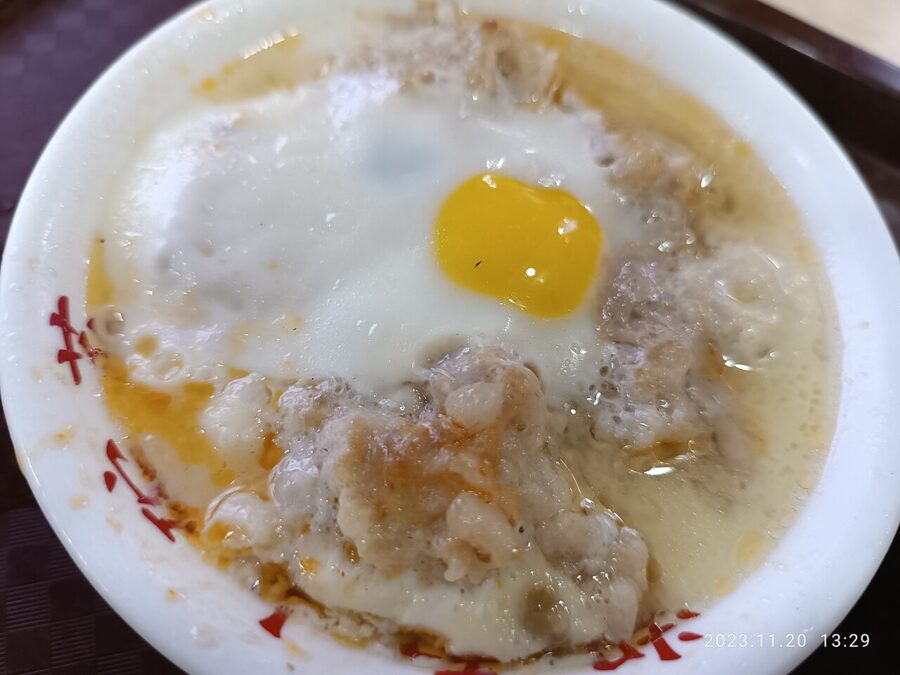
The first big wave came from eastern Guangdong. Teochew traders and shopkeepers from Chaozhou, Shantou and Jieyang opened grocery stores, beef shops and congee houses, and they never stopped. The cheapest reliable lunch in the city is still Longjiang pork knuckle rice (隆江猪脚饭), braised trotter over rice with pickled greens, named after a town in Jieyang’s Huilai county. My Chaoshan food guide covers the beef shops and the snacks in their home towns.
Hakka families came down from Meizhou and Heyuan to join the Hakka already here. In the 1990s, as the factories in Bao’an and Longgang filled up, the trains brought workers from Hunan, Jiangxi, Hubei, Sichuan and Chongqing. They opened six-table restaurants near the dormitories, and those restaurants grew into chains. The northerners and the Dongbei cooks came later, with the tech money.
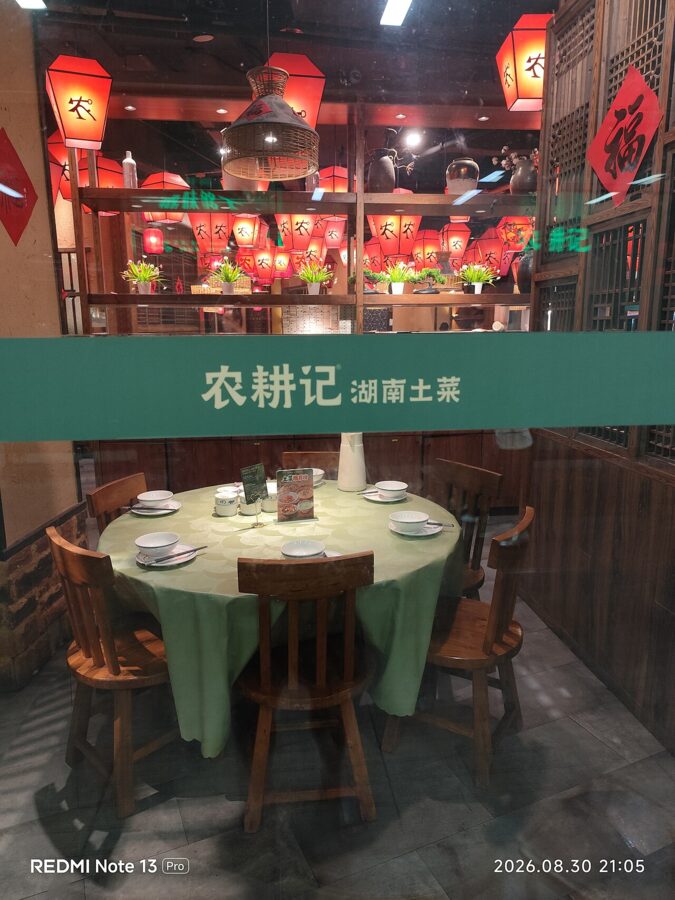
You can still read the city by its menus. Hunanese xiaowancai (小碗菜), “small-bowl dishes” kept warm in a steam cabinet, feed office workers in Luohu at lunch. Nong Geng Ji (农耕记), the Hunan village-cooking chain that started in Shenzhen in 2017, is in mall after mall; my Hunan food guide has the story. Sichuan and Chongqing noodle counters are everywhere, and so is malatang, the pick-your-own spicy soup.
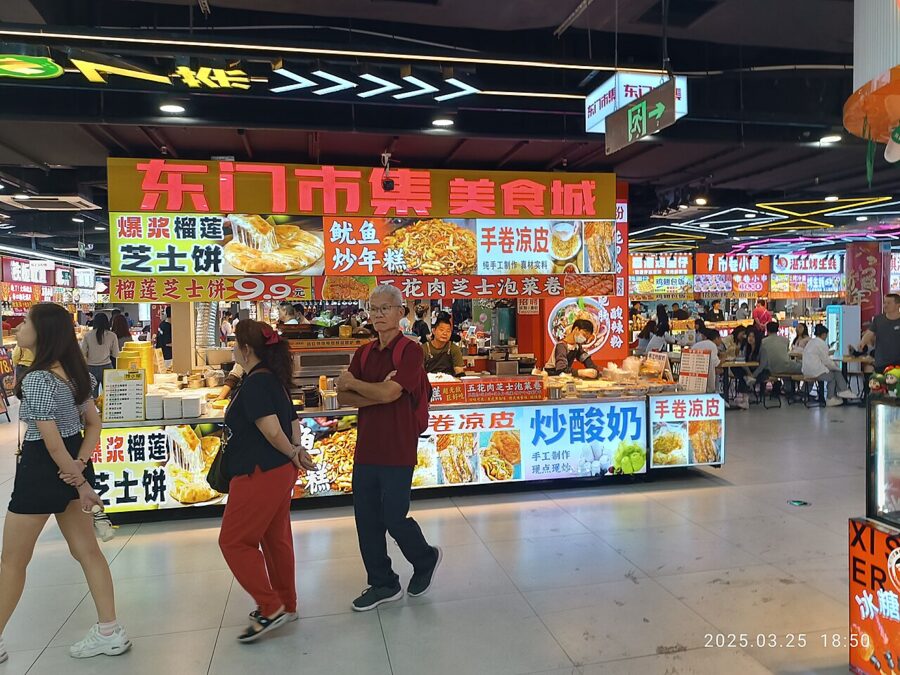
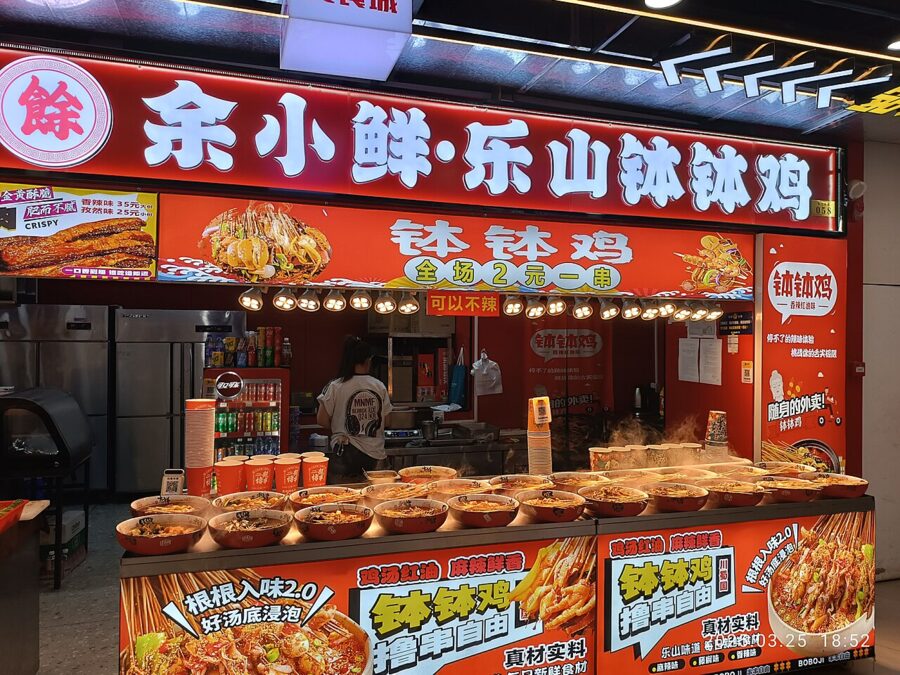
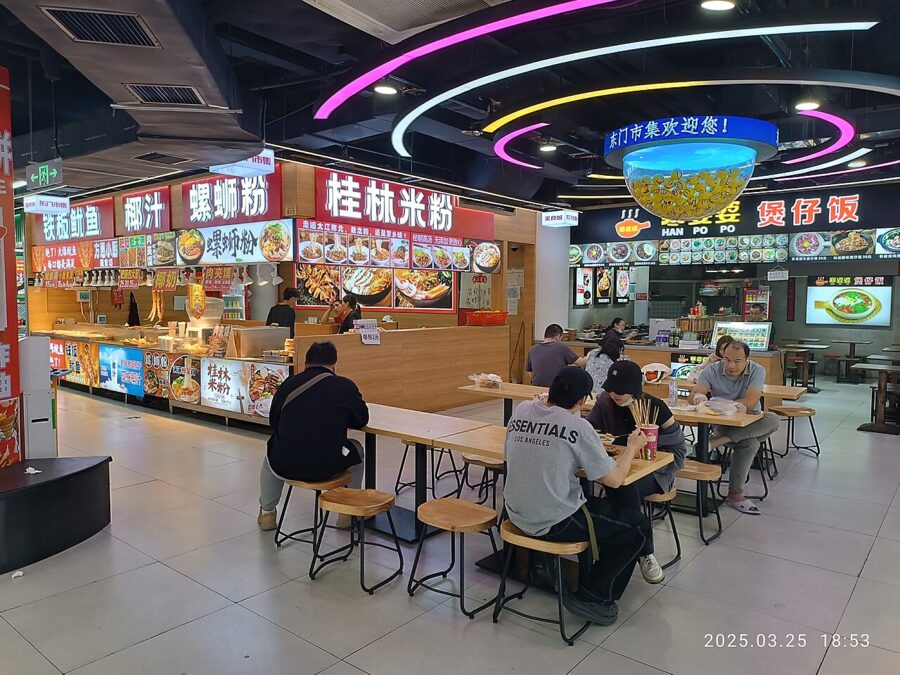
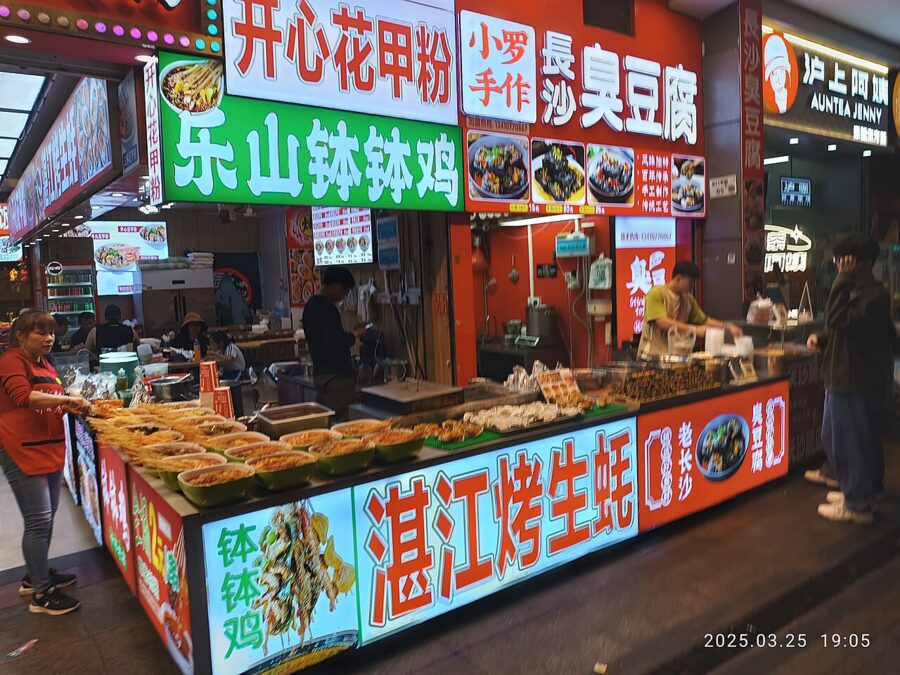
The Dongmen food court is the easiest place to see the whole thing at once. One stall sells Leshan‘s bobo chicken (钵钵鸡), skewers soaked in cold chilli oil; the next does Guilin rice noodles; a third does Teochew oyster omelette. If you only have one evening, it isn’t the best food in the city, but it’s the best map of it.
For the big picture of how China’s regional kitchens divide, my regional map of Chinese food is the place to start. In Shenzhen you can eat most of it without leaving the metro.
The short list of things Shenzhen can call its own
Shenzhen’s own food is a short list, and most of it is in Bao’an, Guangming and the far east of the city. All of it is Cantonese or Hakka at root. The longer story of Cantonese food, from roast meats to morning tea, is in my Cantonese guide; what follows is the local part.
Shajing oysters
Shajing, in the north-west corner of Bao’an, was oyster country for centuries. The city government credits a poem by the Northern Song writer Mei Yaochen as the earliest written record of oyster farming in China, and Shajing oysters went by older names too, Guijing and Jingkang oysters. They were dried in the sun, boiled down into oyster sauce and sold to Hong Kong.
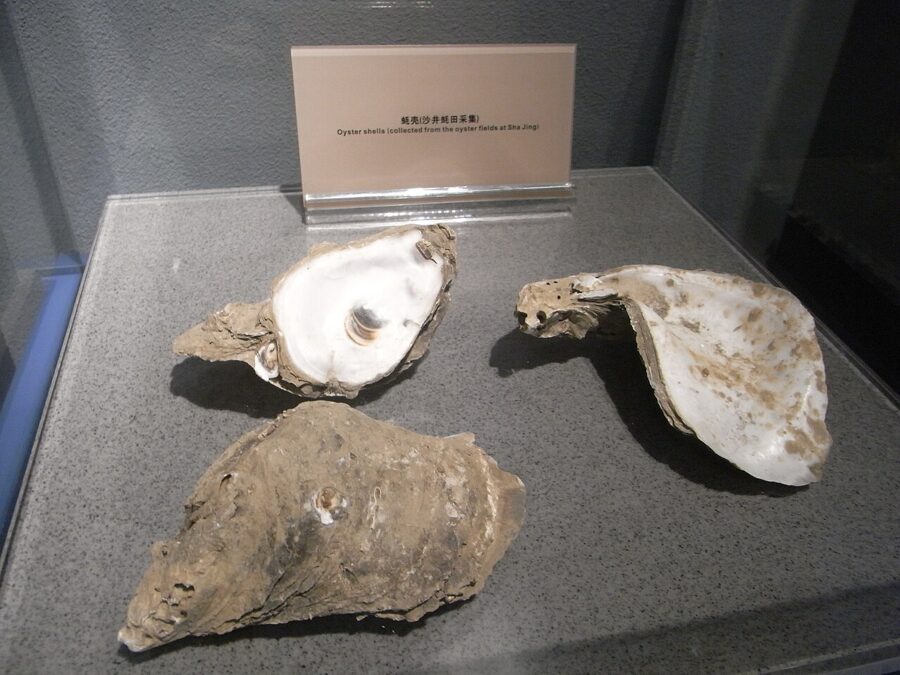
Then the city grew over the oyster beds. Pollution and new industrial land pushed the farms out, and the Shajing oyster companies moved their beds to Taishan, Yangjiang, Huidong and Shanwei, further along the Guangdong coast. So a “Shajing oyster” today is usually Shajing know-how grown somewhere else. The name, the processing and the festival stayed.
The festival is the reason to go. The Shajing Golden Oyster Festival (沙井金蚝节) has run every winter since 2004, and Guangdong listed Shajing’s oyster-farming customs as provincial intangible heritage in 2022.
The 2025 edition ran from 19 December 2025 to 11 January 2026, with the main food street in Haoxiang Lake Park (蚝乡湖公园, built on the old Shajing power plant) and a second one, Jiuxiang food street, near Ma’anshan station on Line 11, exit C. Expect oyster omelettes, deep-fried oysters, oyster congee and oysters grilled over charcoal with garlic. Dates for each winter are announced by Bao’an district in late autumn.
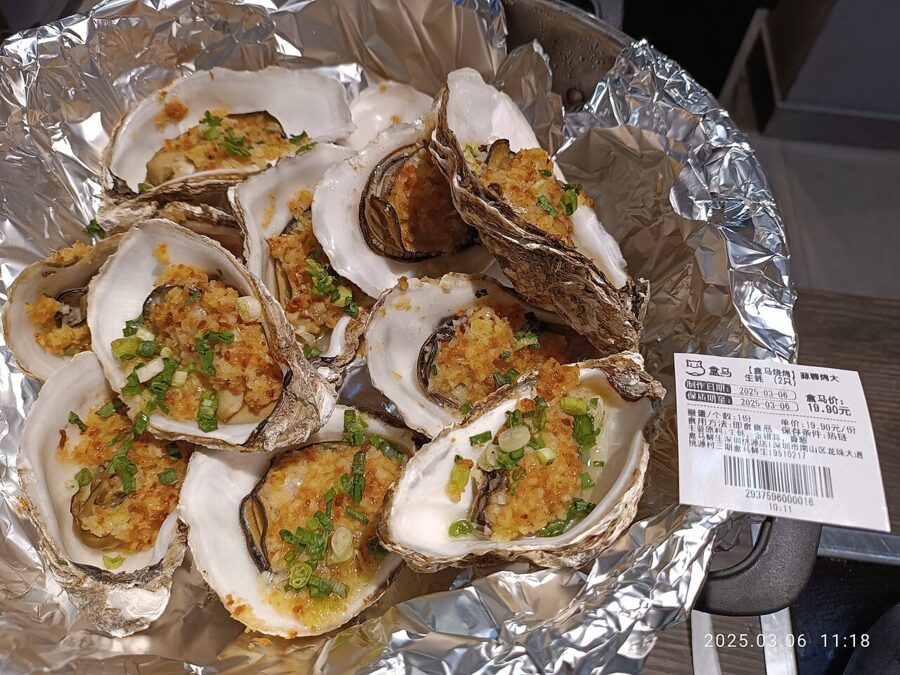
Outside festival season, look for sheng shai hao (生晒蚝), sun-dried oysters, in Shajing’s dried-goods shops. They’re the base of a slow-cooked congee and a common gift for Cantonese families at New Year. The Cantonese guide’s Shenzhen section has more on oyster sauce.
Guangming squab
Guangming began as a state farm. In 1958 the Guangdong land reclamation bureau set up the Guangming state farm in what is now Guangming district, and between 1978 and 1979 it took in about 4,300 ethnic Chinese returnees from Vietnam. In 1982 the farm started a pigeon farm with a Hong Kong partner, the Dabao pigeon farm, and bred the Dabao squab that it still uses.
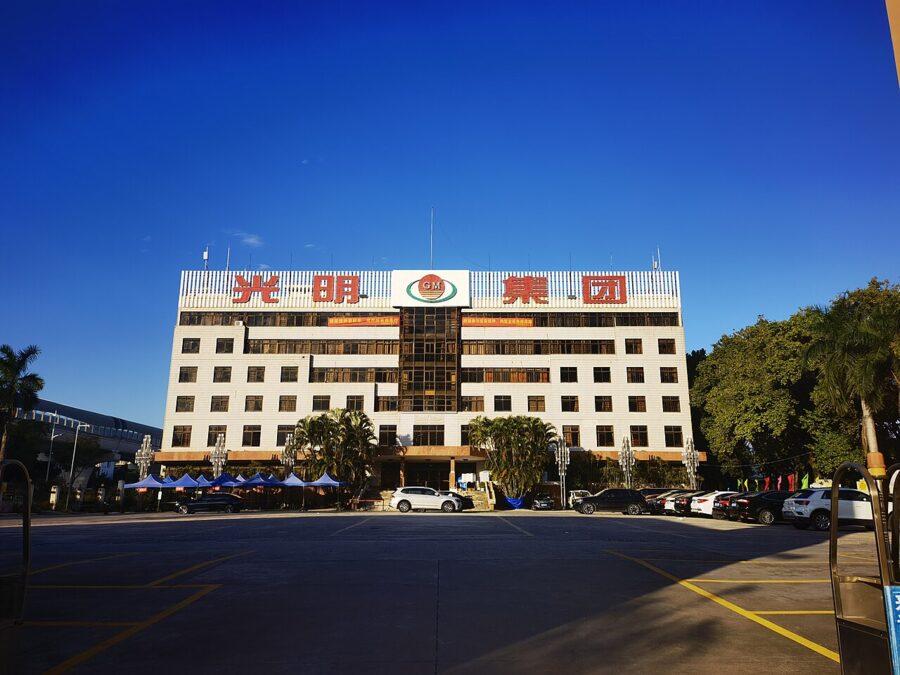
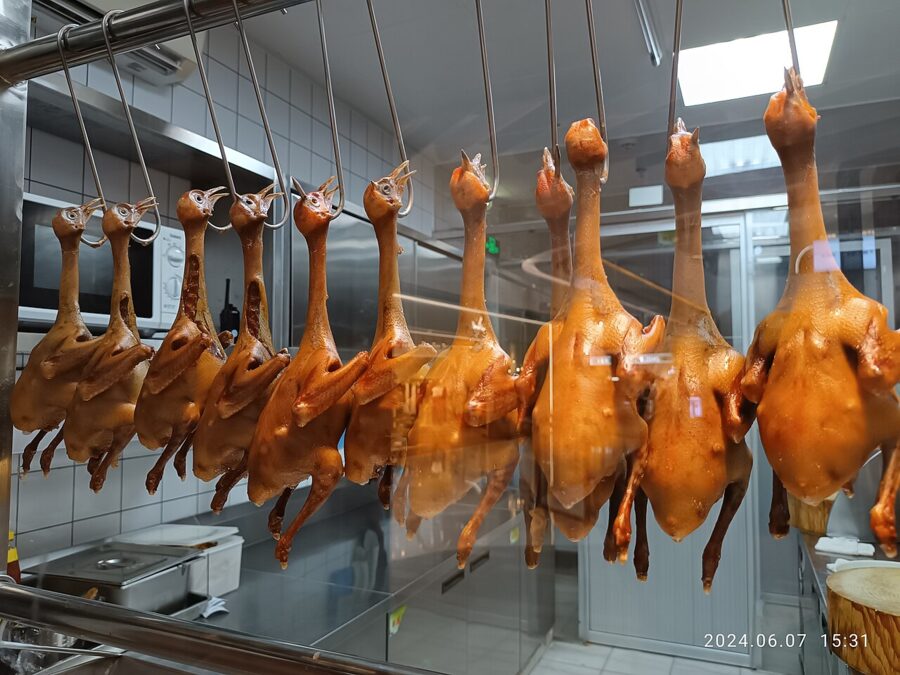
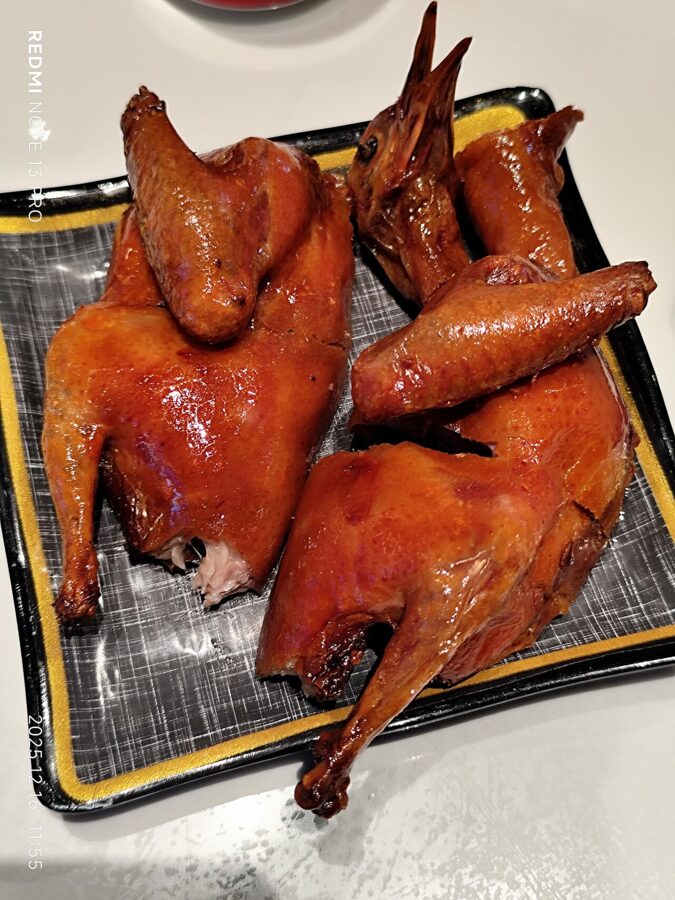
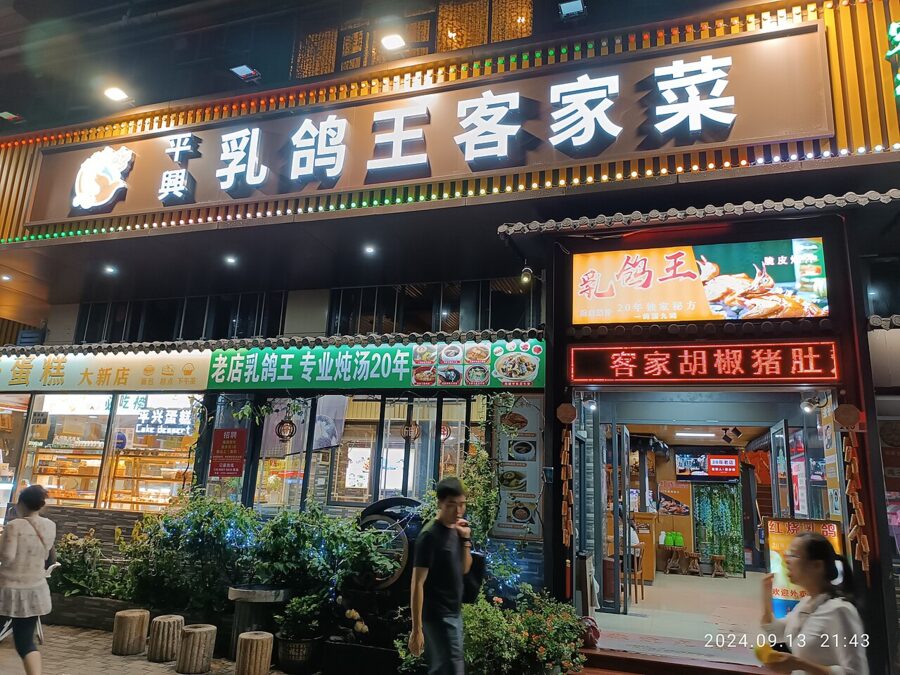
The dish itself comes from the Guangming Guest House (光明招待所), opened in 1983 and still the place for it. Its hong shao ru ge (红烧乳鸽), crisp roast squab, uses birds of 25–28 days. Unlike the usual Cantonese method, they’re braised first in a stock of more than twenty herbs and luo han guo, then fried, without the air-drying and the crisping glaze, so the meat stays juicy all the way through. The kitchen braises about 3,500 a day.
The original restaurant is at 26 Fazheng North Road in Guangming, a short walk from Guangming Dajie station on Line 6, exit B, and opens 10:30–20:30. Order the “three treasures”: the squab, the farm’s sweet corn and a bowl of niu chu ru (牛初乳), a set colostrum pudding with a texture like soft tofu. The pudding sells out on public holidays, so go on a weekday or early. If you can’t get to Guangming, there is a branch in the satellite hall of Shenzhen Bao’an airport, which makes a decent last meal before a flight.
Hakka cooking
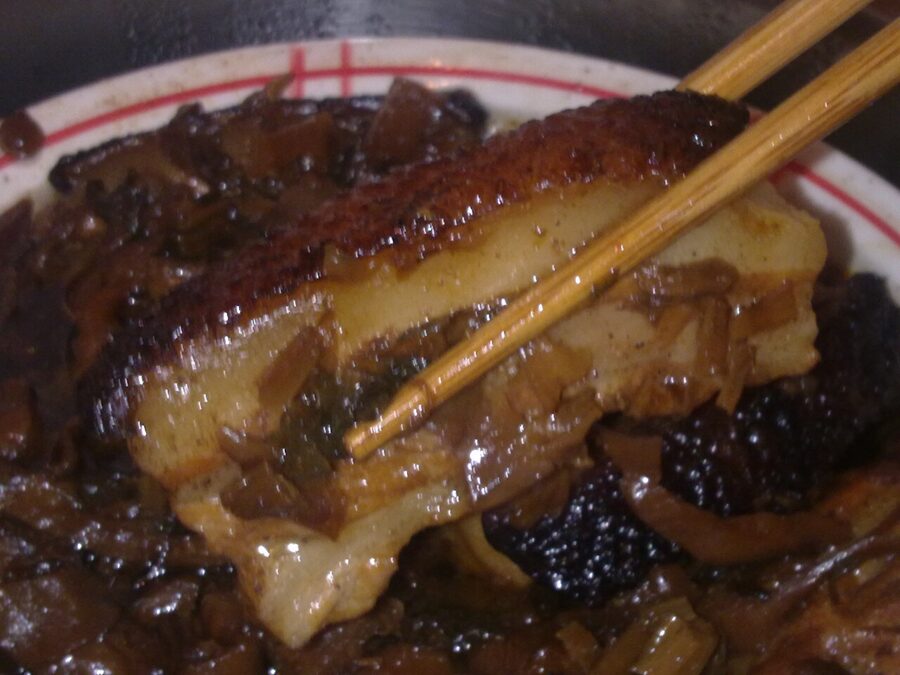
Hakka food is the other half of old Shenzhen, and it’s homely, salty and built to keep. Salt-baked chicken (盐焗鸡) is buried in hot salt until the skin turns yellow and the meat goes dense and savoury. Hakka stuffed tofu (酿豆腐) is fried tofu filled with minced pork and fish, then braised. Meicai kourou (梅菜扣肉) is pork belly steamed over preserved mustard greens until it falls apart.
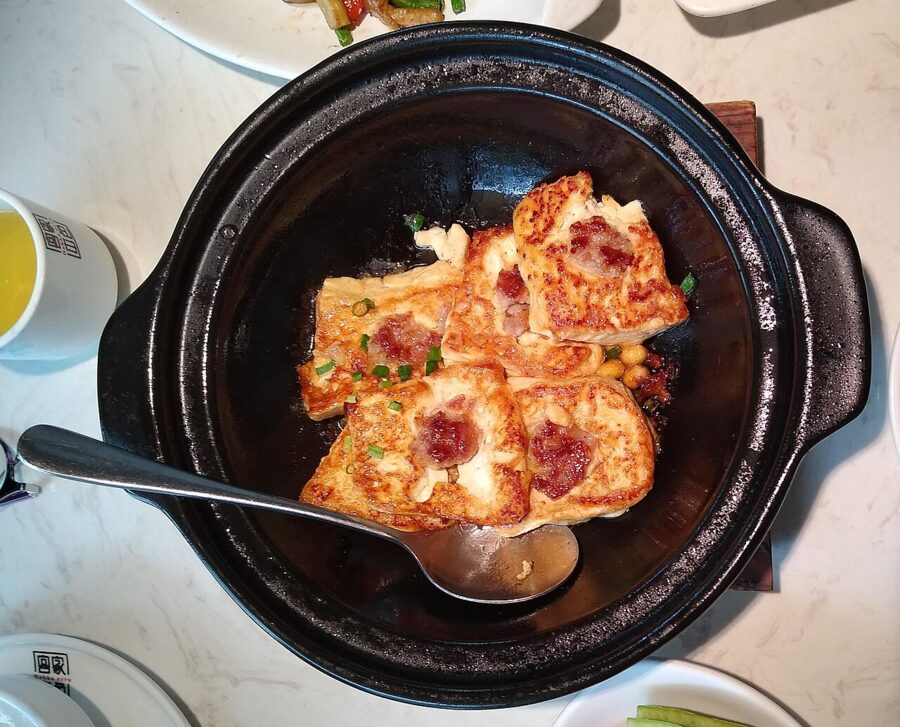
Two Hakka restaurants made the 2026 Michelin Bib Gourmand list. Xingning Kejia Caiguan (兴宁客家菜馆) in Futian cooks the food of Xingning, a Hakka city in Meizhou: salt-baked chicken, stuffed tofu and ba dao tang (八刀汤), a clear pork soup made with eight cuts of the pig. Xinji Kejia Weidao (新记客家味道) is an old Shekou favourite, good for yan mian (腌面), Hakka noodles tossed with lard and fried shallots, and the noodle soups.
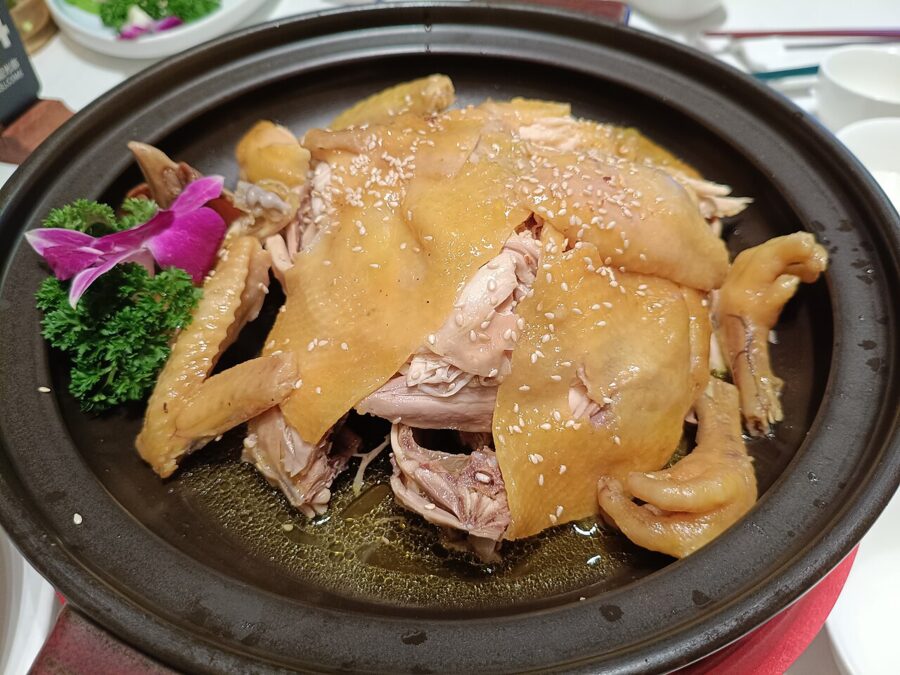
Longgang has a chicken of its own, too. White-cut Longgang chicken (白切龙岗鸡), the local Longgang chicken poached and served cold with a ginger dip, is now the subject of a Shenzhen city cooking standard, approved as a project in 2024. If you see it on a menu in the east of the city, order it.
Coconut chicken, the adopted dish
Ask anyone what Shenzhen’s signature dish is and there’s a good chance they’ll say yezi ji (椰子鸡), coconut chicken hot pot. It’s Hainanese in origin. Fresh coconut water goes into the pot, then chopped chicken, and you drink the first bowl of sweet broth before you cook anything else. The dip is soy, sand ginger, chilli and calamansi lime, mixed yourself.
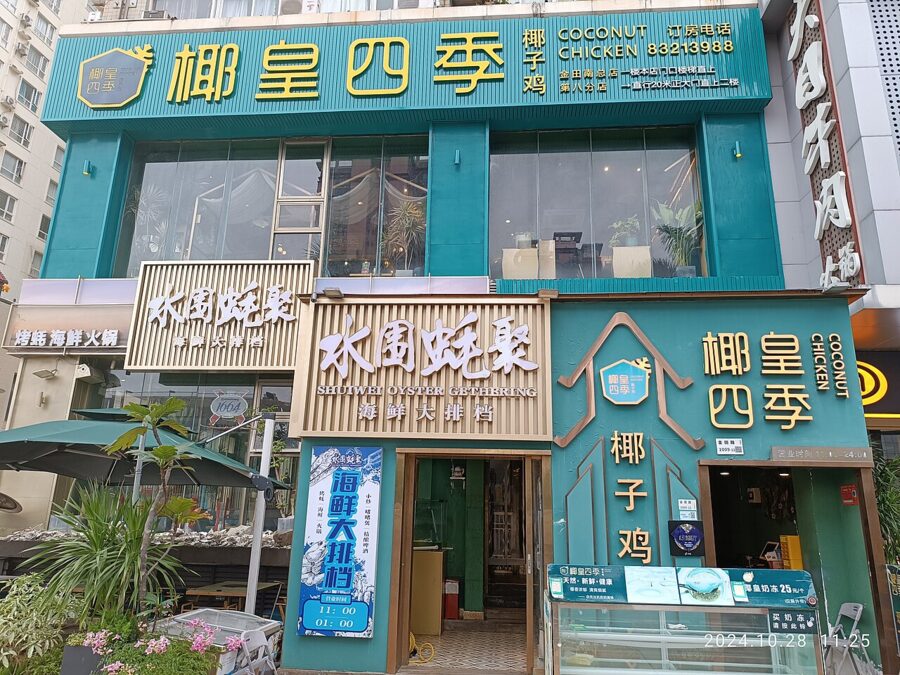
Shenzhen made it a chain-restaurant dish. Runyuan Siji (润园四季椰子鸡) started in Xiangmihu in 2009 and is still the benchmark; budget about ¥120 a head. Finish with the cured-meat claypot rice, and order the chicken by the half if there are only two of you. My hot pot guide puts coconut chicken next to the Chongqing and Chaoshan styles.
Dapeng, Nan’ao and Yantian: seafood by the sea
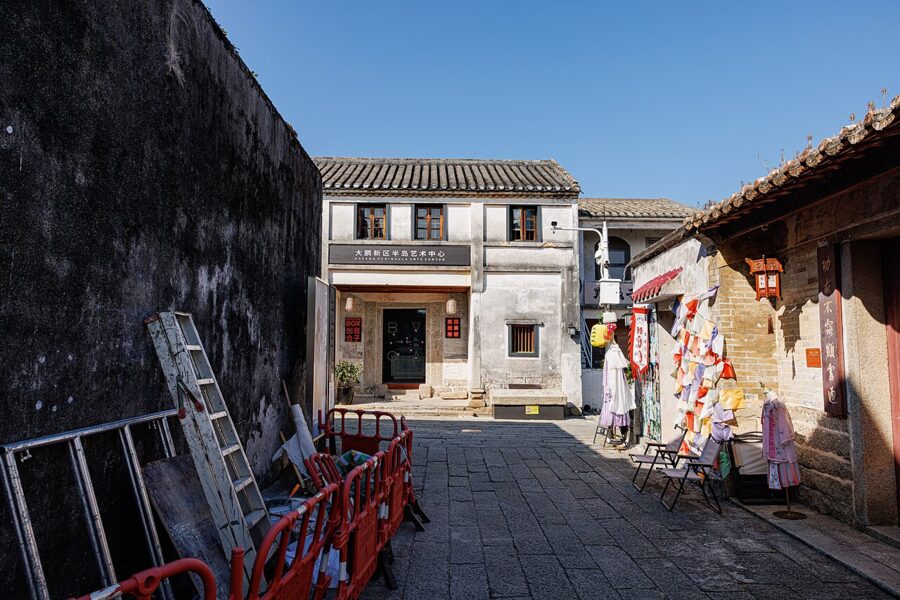
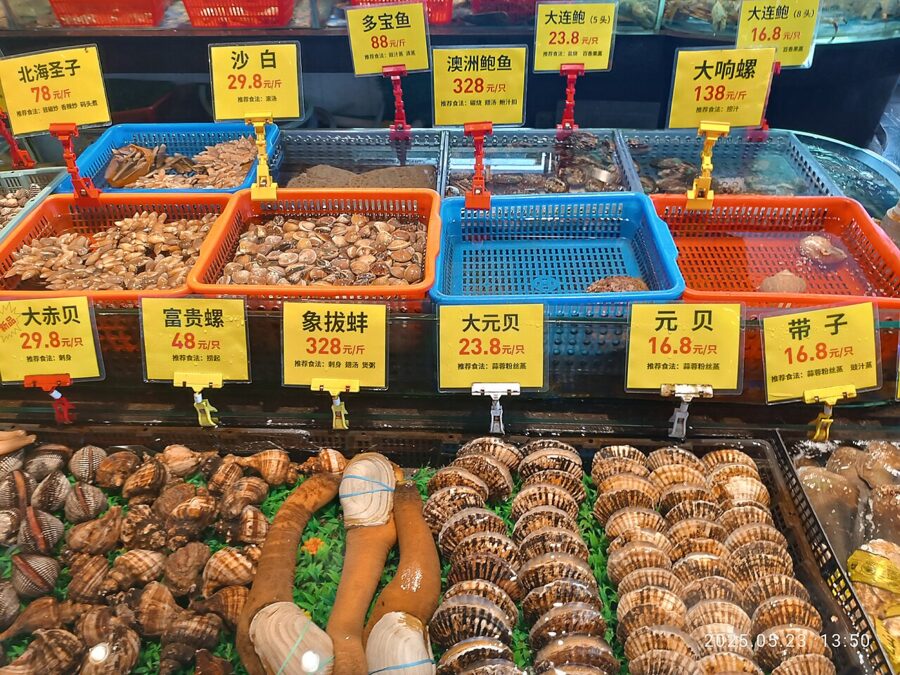
The east of the city still has a working coast. Nan’ao, at the tip of the Dapeng peninsula, has a strip of seafood restaurants along Haigang Road, and the custom is the same as across Guangdong: you pick live seafood from the tanks or the market, agree a price by weight, and choose how it’s cooked. Get the weight and the cooking charge confirmed before anything goes in the pot. Nan’ao is well over an hour by car from Futian, longer by bus, so make a day of it with Dapeng Fortress (大鹏所城), the Ming dynasty coastal fort.
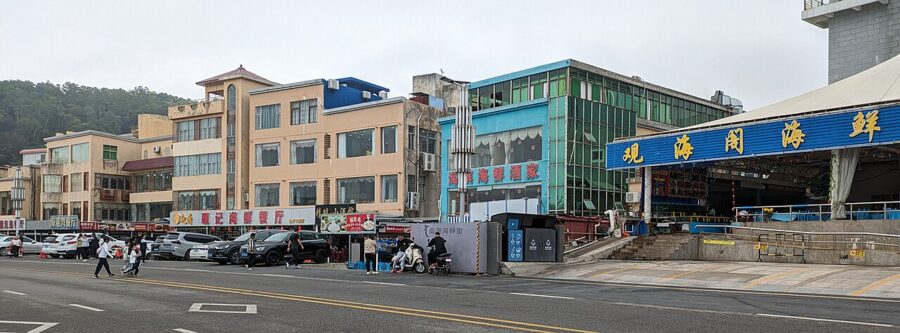
Yantian is closer. Its Seafood Street (海鲜街), by the water in Yantian, is a run of big seafood restaurants with tanks at the front. Pier No. 3 Seafood Restaurant (3号码头海鲜饭店), a three-storey building painted Tiffany blue, made the 2026 Bib Gourmand list; it started in Chencun in Shunde, and its sea urchin fried rice is the dish every table orders.
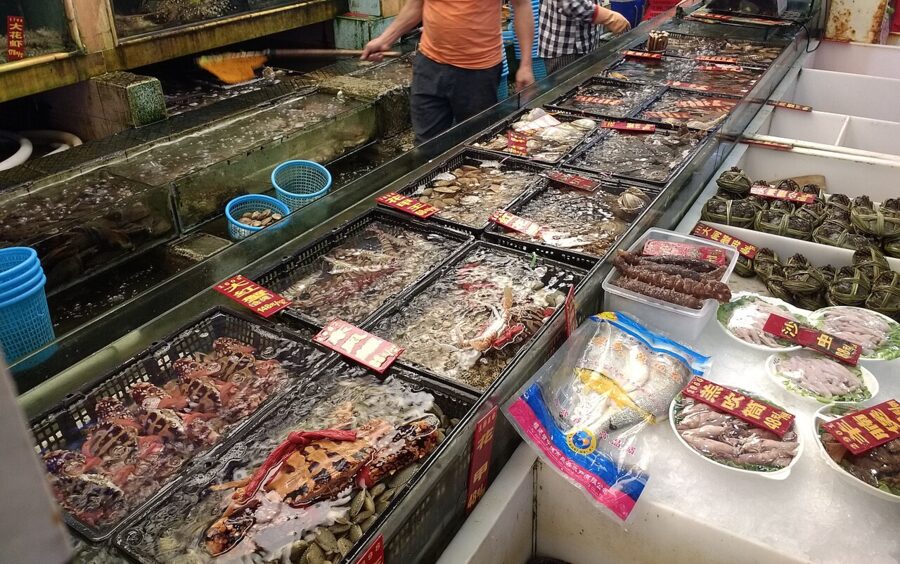
Also in Yantian, and also on the Bib list: Rex Shanshui Changfen (Rex山水肠粉, also signed 赖氏山水肠粉) on Haijing 2nd Road. The rice rolls are steamed paper-thin, and the “super egg and meat roll” costs ¥10. It opens early and runs into the small hours, and the lunch queue can take half an hour.
District by district
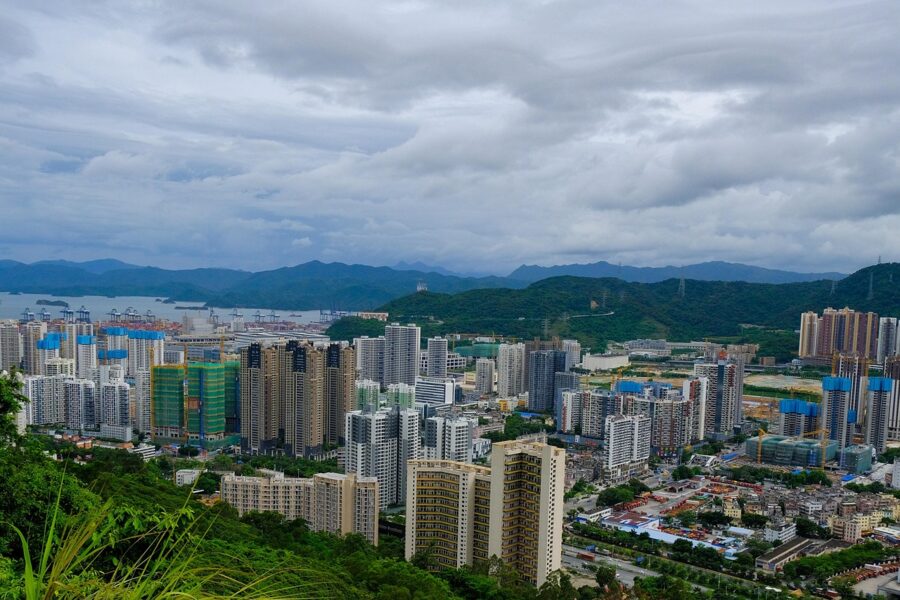
Shenzhen is long and thin, about 80 kilometres from Bao’an in the west to Dapeng in the east, so plan by district rather than by dish. The 21 Bib Gourmand restaurants are spread across Futian, Nanshan, Luohu, Longhua and Yantian, and most cost ¥10–90 a head. One of the best is Jieyang Lao’er Guotiao Tang (揭阳老二粿条汤), a Teochew noodle shop open for nearly thirty years, which fries beef kway teow for ¥20–30 and serves white-cut duck at ¥35 a portion.
Luohu and Dongmen
Luohu is the old centre, and Dongmen is the oldest part of it. The market town that became Shenzhen stood here, and the streets around Laojie station (Lines 1 and 3) are still a shopping district with a food court above the market and stalls outside until late. Come for grazing and people-watching rather than a great meal, and come on a weeknight; weekends and holidays are a crush.
Hubei village (湖贝), a short walk from Dongmen, is one of the oldest settlements in the city, more than five centuries old, with a grid of lanes known as “three vertical and eight horizontal”. It sits inside a long-running redevelopment, so treat it as a walk rather than a food stop. Its residents now include Teochew traders and families from Hunan and Jiangxi, which tells you everything about Luohu.
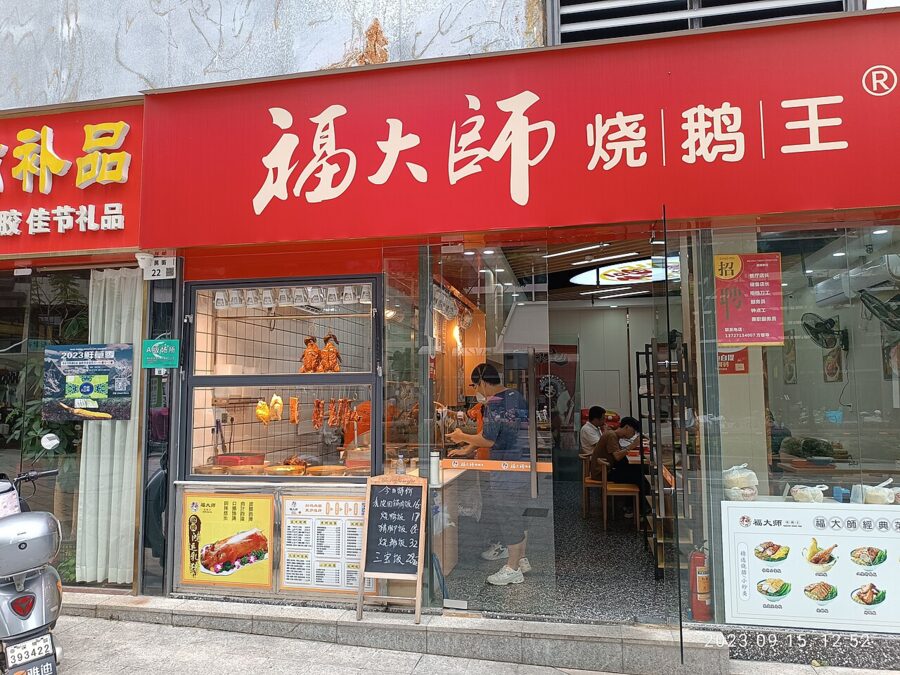
For a real meal, Luohu has three Bib Gourmand picks. Faji Shao’e (发记烧鹅美食) is a roast goose shop; order the goose over lai fun rice noodles. Xiao Furong (小芙蓉餐厅) is an old Hunan restaurant with big portions of fish head under chopped chillies and river snails with perilla. Geji Meijixian (戈记美极鲜) does Maggi-sauce prawns, Hakka tofu pots and roast meats.
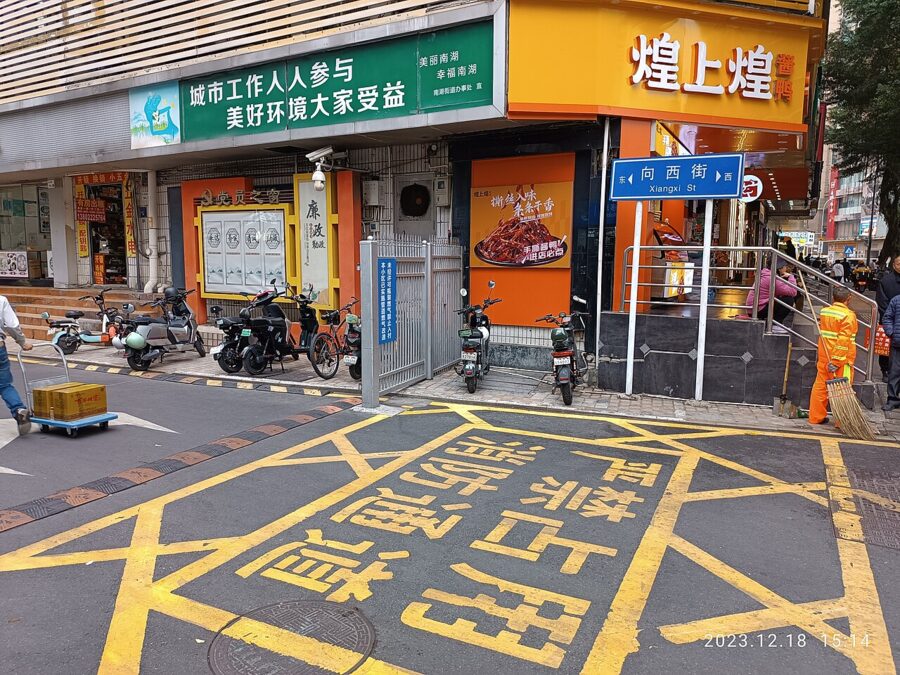
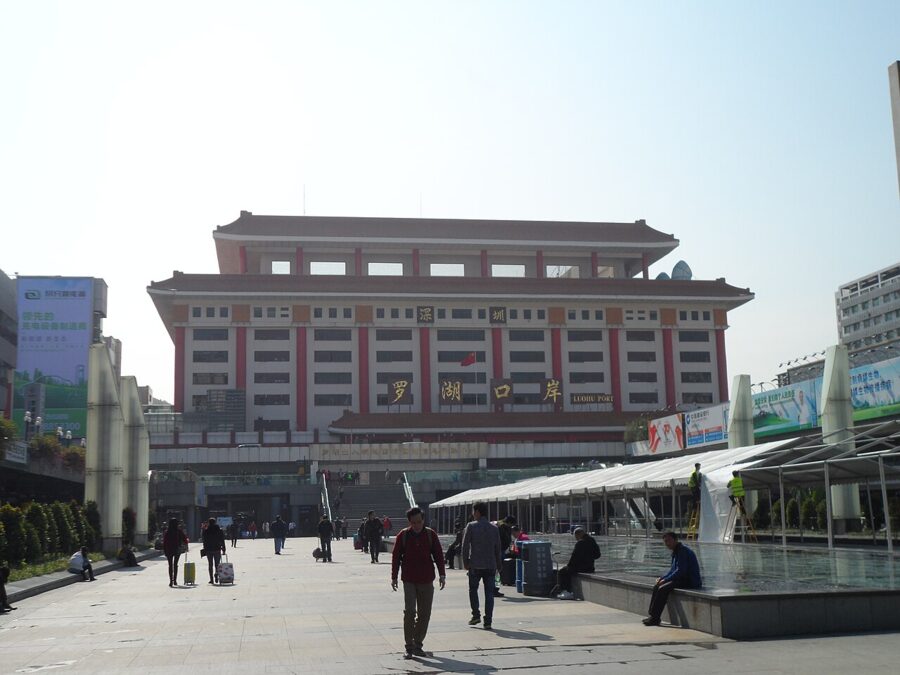
Xiangxi village (向西村), on Line 2 at Hubei station (exit D) or Line 9 at Xiangxi Cun station (exit B), is known as chicken pot street. Ji bao (鸡煲), chicken stewed in a hot clay or iron pot with a thick sauce, is a Shenzhen supper staple, and you add tofu skin, fish skin or oysters to the pot as you eat. And if you’re coming in from Hong Kong at Lo Wu, the food court that opened in the Luohu railway station complex in September 2025, on level 2, is a quick first meal before the metro.
Futian
Futian is the government and business district, and it has the best spread of good cheap food in the city. Start in Shuiwei village (水围村), the urban village beside Futian Checkpoint: Line 7 to Huanggang Cun station, exit B2, then a four-minute walk, or Line 4 to Fumin station, exit D. Its night market opens from about 17:00 with grilled cold noodles, skewers and marinated seafood. A small Sichuan snack shop run by a Leshan owner made a 2026 list of the city’s must-eat restaurants for its bobo chicken, douhua and cold noodles.
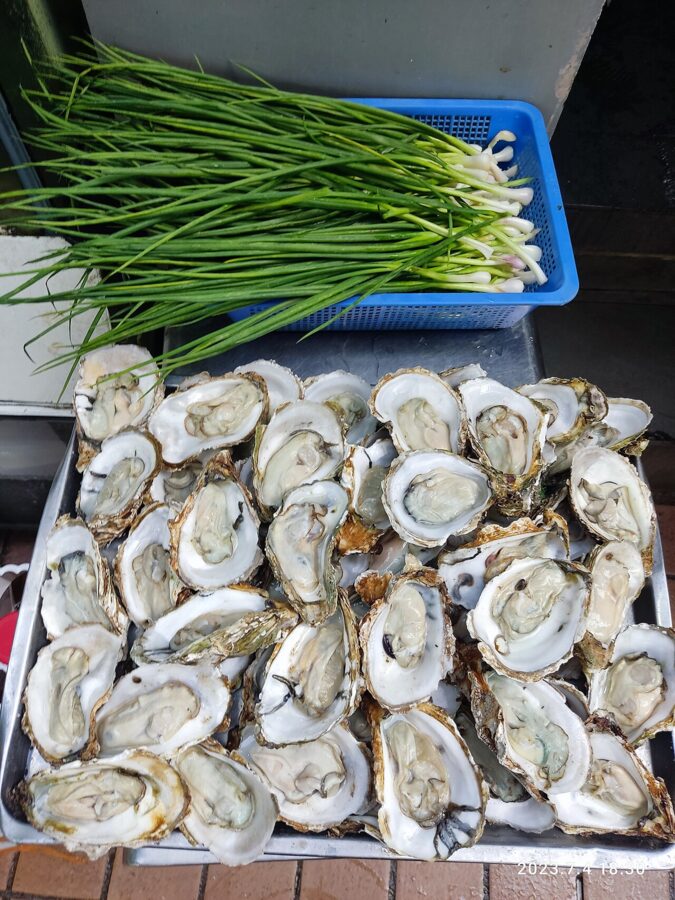
Futian village has its own snack street, Niuxiangfang (牛巷坊), near Chiwei station on Line 7, exit D, where stalls open around 17:00 with Teochew snacks, braised goose and pickled fruit.
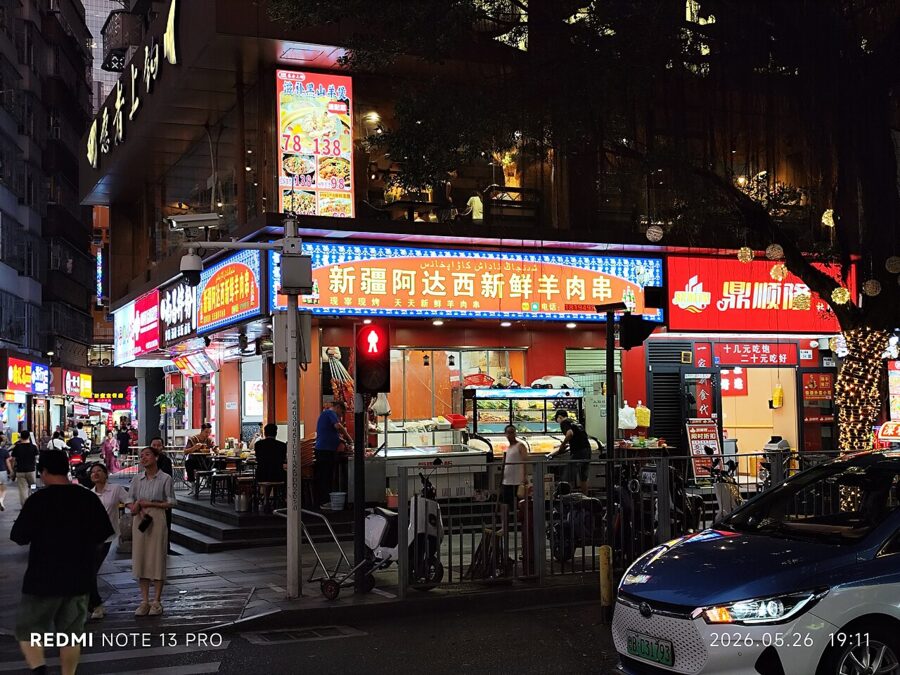
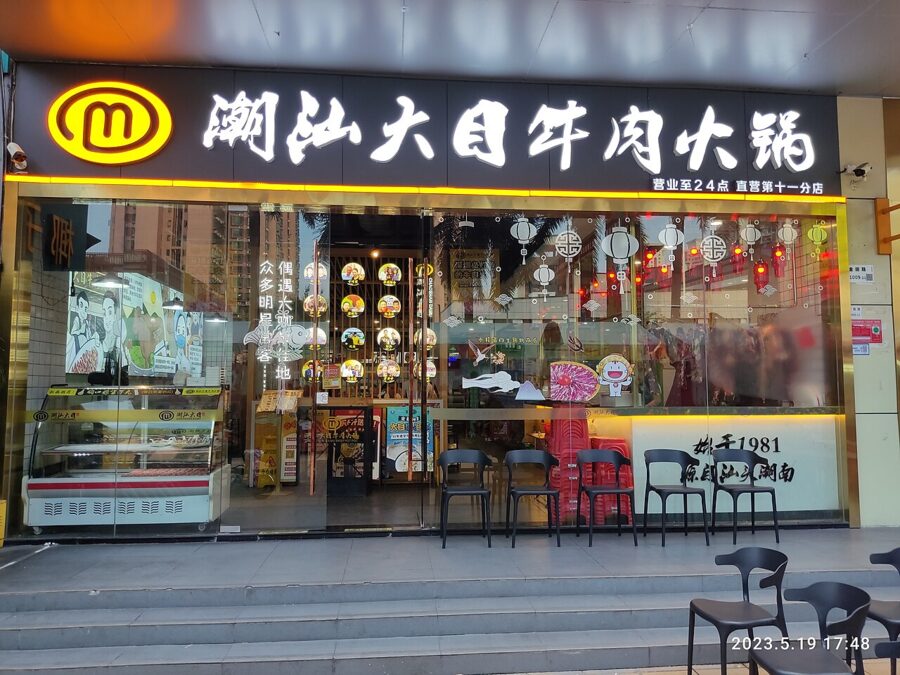
Futian also has the most Bib Gourmands in the city. Xiaolong Niurou Mian (小龙牛肉面), at 48-8 Meihua Road, does Chongqing braised beef noodles for about ¥30 and spicy wontons in red oil.
Gao Sanjie Douhua Dian (高三姐豆花店) serves Sichuan douhua rice with stir-fries for ¥25–40. Jiujiu Mianguan (九九面馆) cooks Jiangsu and Zhejiang noodles, including crab-roe noodles and eel with shrimp. Datang Liangtang (大唐靓汤) is the place for Jiangmen cooking and slow-boiled soups.
Further north, in the old Meilin area, two Futian addresses tell you how far the city has come. The UpperHills tower on Huanggang Road holds the Mandarin Oriental hotel and two of Shenzhen’s starred restaurants, while not far away in Shangmeilin village, Maiyulao Shaguo Zhou (卖鱼佬砂锅粥) serves Teochew claypot congee from 18:00 to 01:00. Take Line 9 to Meicun station, exit C2, and walk nine minutes; more on both below.
Nanshan and Shekou
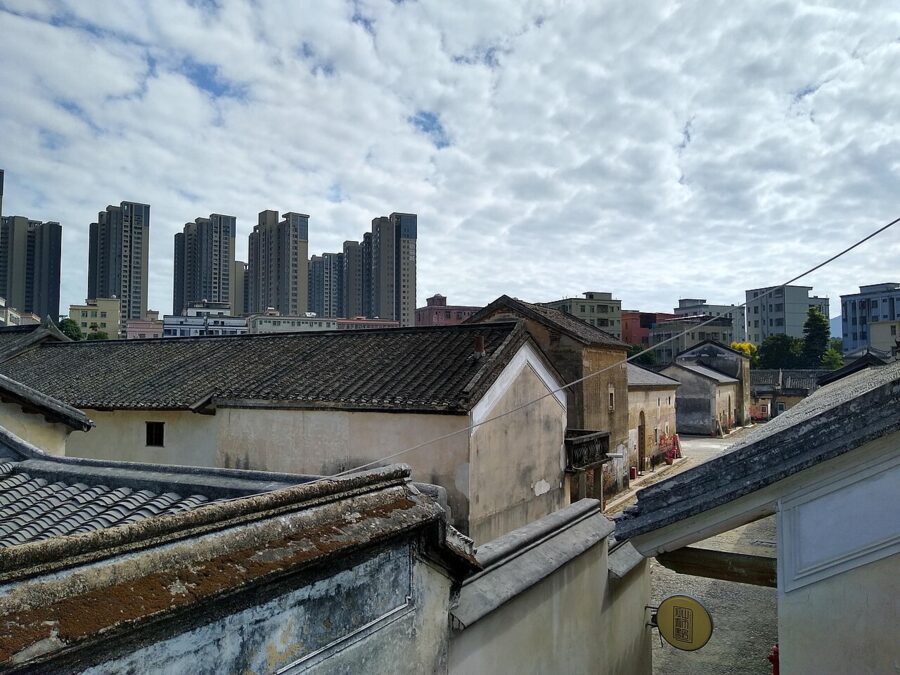
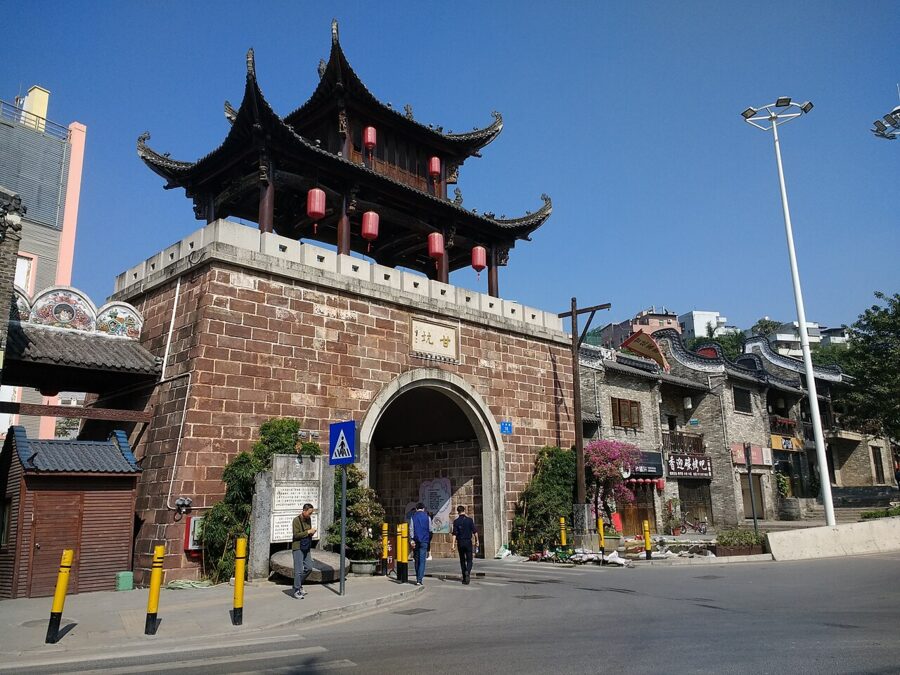
Nanshan is the tech district, and its food is split between office-tower malls and two older places. The first is Nantou old town (南头古城), the walled town that was the county seat here for centuries before Shenzhen existed. Restored in recent years, it is open around the clock; take Line 12 to Nantou Gucheng station and use exit C, by the museum. The bigger restaurants cluster near the south and east gates, while the main street is mostly cafes, bakeries and snack counters.
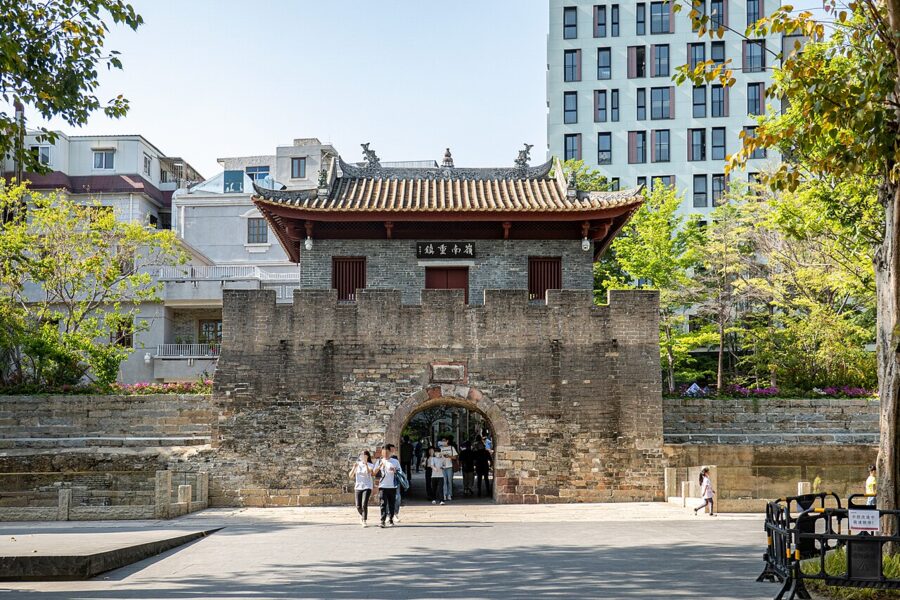
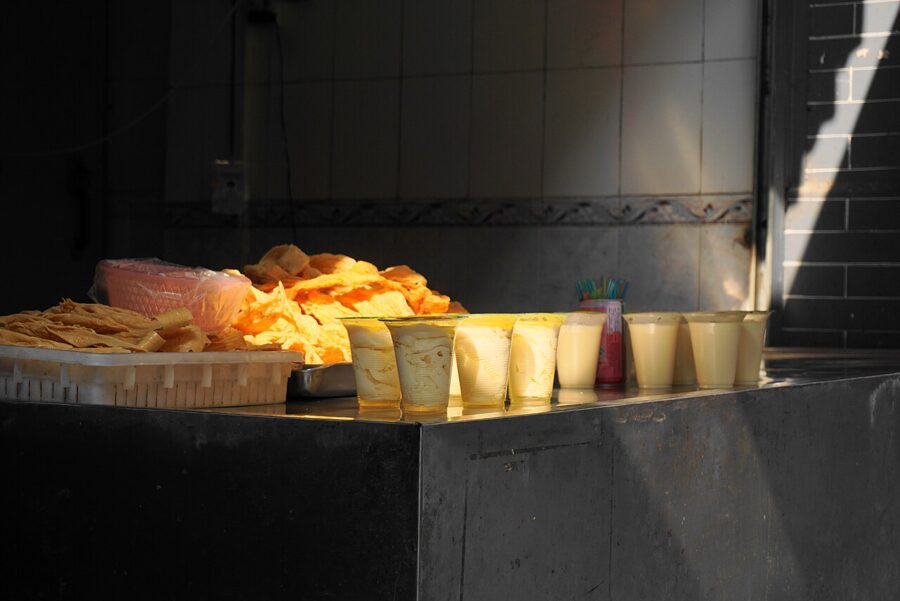
The second is Shekou, the port at the southern tip, where Shenzhen’s reform era started with an industrial zone in 1979. Jiahua Xiaochi (嘉华小吃) beside Shekou market, at 1-2 Yucun Road, has been selling big Teochew zongzi for more than twenty years, stuffed with dried scallop, pork and mushroom; take Line 2 to Dongjiaotou station, exit A, and come between 07:00 and 21:00. The market next door sells live seafood by the jin.
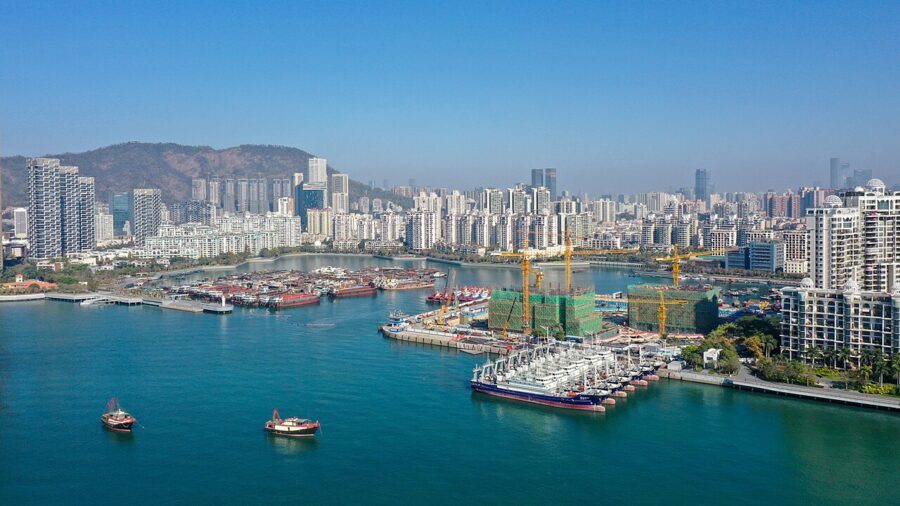
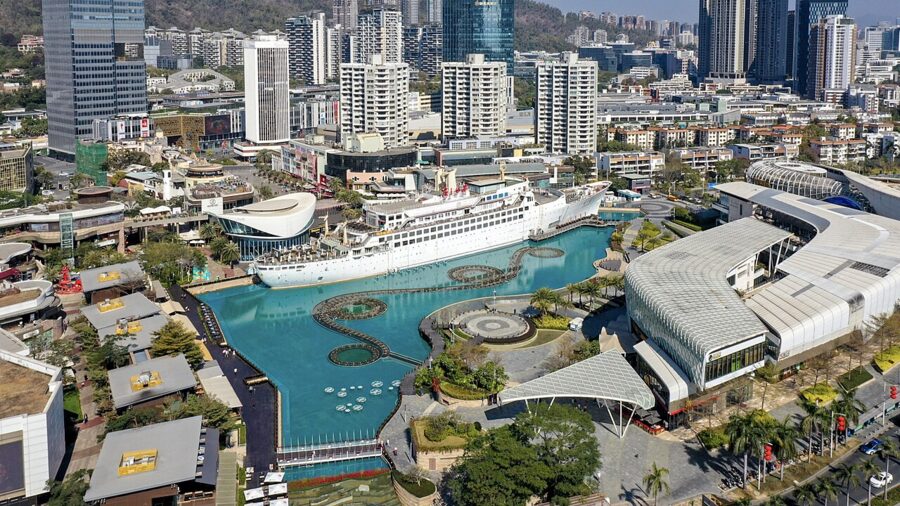
Shekou is also where Shenzhen’s expats have eaten for decades, around the old cruise ship at Sea World; my guide to the plaza covers its bars and restaurants. Nanshan’s Bib Gourmands are Cuihu (翠湖), a Cantonese and Teochew room with roast goose and char siu; Xiaozhuo Yan (小桌宴), a pricier private-kitchen place with good seafood; and Yuan Shengtai (缘生态), creative vegetarian food at fair prices. For a cheap night out, Xili’s Wangtang night market is the students’ “second canteen”, ten minutes from Xili station on Line 7, exit F.
Bao’an and Guangming
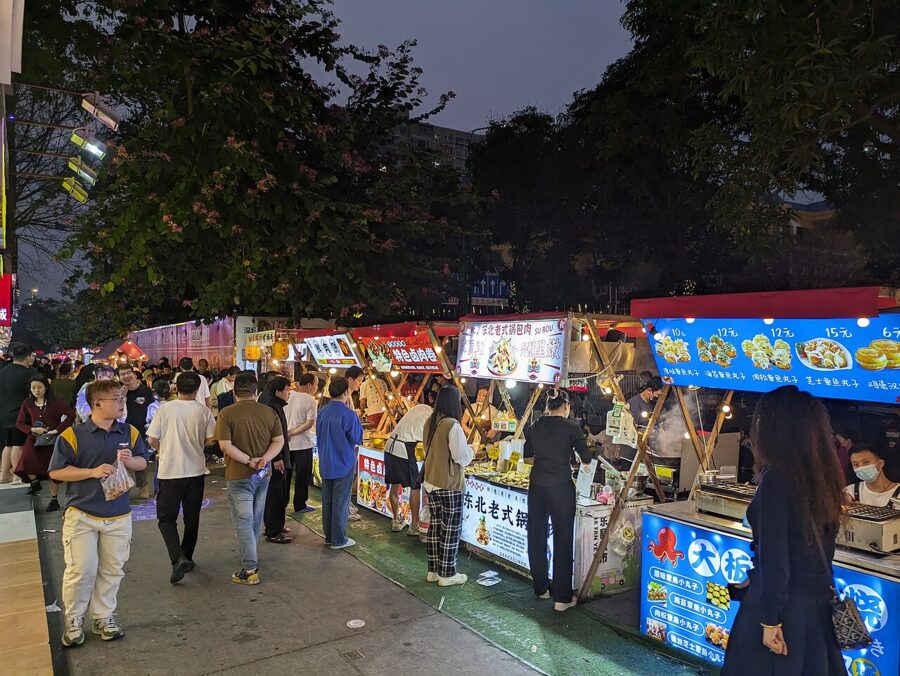
Bao’an, west of Nanshan and around the airport, is where the old county lived on, and the place most locals send you for Cantonese basics. Fanshen’s Lefan night market (乐翻夜市), on Fanshen Road near Line 5’s Fanshen station, exit B, has more than a hundred stalls: skewers, Cantonese beef offal, Chongqing noodles, Liuzhou snail noodles and ice jelly. Xixiang’s Yantian community night market, ten minutes from Xixiang station on Line 1, exit B, is one of the biggest in Bao’an.
Shajing is at Bao’an’s far north end, on Line 11. Guangming, inland from Bao’an, is worth the Line 6 ride for the squab alone. Together they make a decent half-day: Guangming for lunch, Shajing for oysters in winter.
Longgang, Pingshan and the walled villages
Longgang and Pingshan are the Hakka east, and the walled villages are the reason to come. Hehu Xinju (鹤湖新居), a vast Hakka compound in Longgang, is now the Longgang Hakka Folk Museum, free with your passport and usually closed on Mondays; take Line 3 to Nanlian station. Right outside it, on Luoruihe North Street, is Luoruihe food street (罗瑞合美食街), a few hundred metres of snack shops that every old Longgang resident knows.
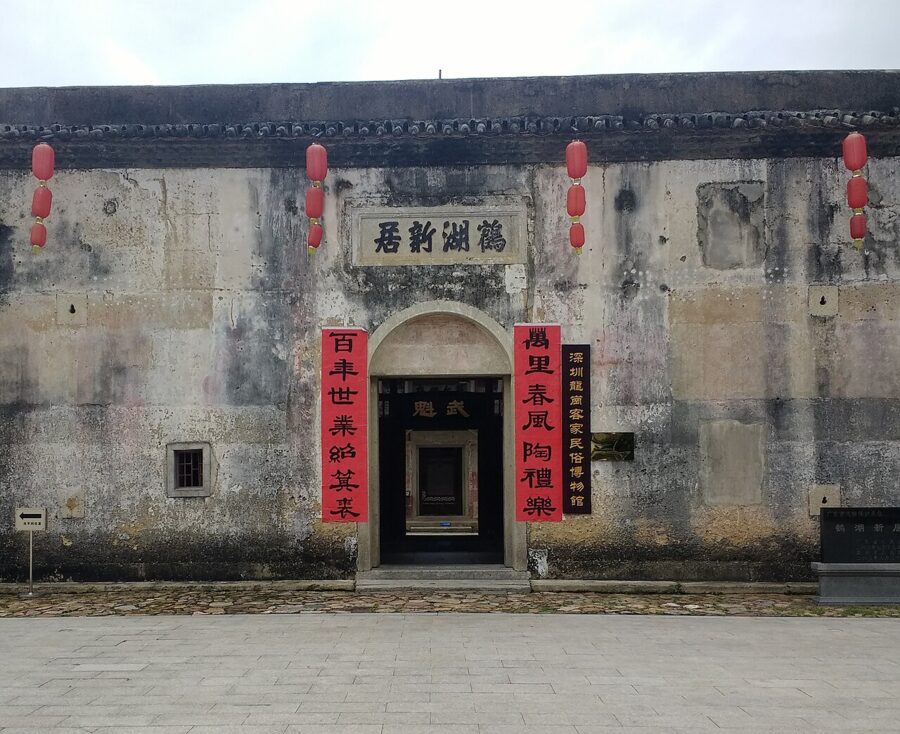
Walk out of Nanlian station’s exit B2 and it’s about 600 metres to the stalls, which set up from around 17:00. Grilled oysters here cost ¥1 each, and the oyster omelette, beef offal and Teochew snacks are the other reasons to queue. A museum visit in the late afternoon, then Luoruihe at dusk, is one of the better evenings in the east of the city.
Dawan Shiju (大万世居) in Pingshan, built in 1791, is even larger: a square Hakka compound of about 25,000 square metres, now a cultural centre with Hakka food, crafts and markets. It’s harder to reach: Line 16 to Dongzong Memorial Hall station, exit A, then bus M575 or 964. Opening hours change with its exhibitions, so check before you go.
Longhua
Longhua, north of Futian, is a residential district most visitors skip, but it has three Bib Gourmands. Huazhou B Ji (化州B记饭店) cooks the food of Huazhou in western Guangdong: white-cut chicken, rice noodles tossed in fragrant oil, and Huazhou sweet soups. Lu Liangshou (露两手) does Shunde home cooking with real wok heat, fried fish cakes included. Xinhucun Curou (新湖村促肉), on Jianshe Road, spoons Teochew-style toppings over noodles.
Where the migrant kitchens cluster
Every cuisine is everywhere, but some are thicker on the ground in certain places.
| Cuisine | Where to look | Order |
|---|---|---|
| Teochew (Chaoshan) | Futian village, Shuiwei, Luohu, Longgang | Beef hot pot, kway teow, claypot congee, pork knuckle rice |
| Hakka | Longgang, Pingshan, Shekou, Futian | Salt-baked chicken, stuffed tofu, yan mian |
| Hunan | Luohu, Bao’an, the malls | Chilli-fried pork, fish head with chopped chillies, small bowls |
| Sichuan and Chongqing | Shuiwei, office districts, night markets | Xiaomian, douhua rice, bobo chicken |
| Jiangnan and the north | Futian, Nanshan, Guomao in Luohu | Crab-roe noodles, guobaorou, roast duck |
Northern food is the newest arrival. Xuexiangqing (雪乡情), a Dongbei restaurant on Dengliang Road in Nanshan, made the 2026 local favourites list for its sweet-and-sour guobaorou and braised pork bones. For a full guide to the other big kitchens, see Sichuan food, and for the north, my guides to the Beijing food and Shanghai food scenes go deeper.
After 22:00
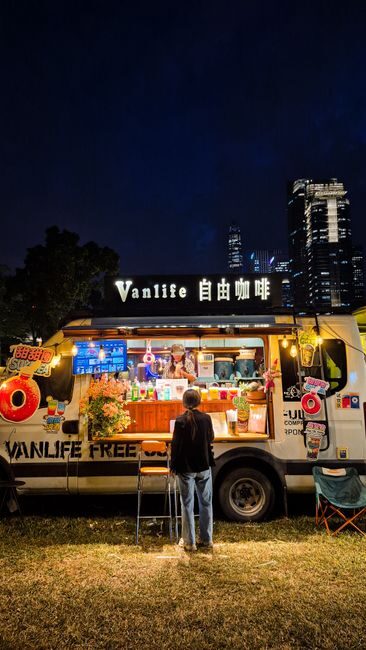
Shenzhen is a young city that works late, and it eats late. Xiaoye (宵夜), the late supper, is a habit rather than an event. The metro mostly stops between 23:00 and midnight, so plan a Didi home.
Night markets and supper streets
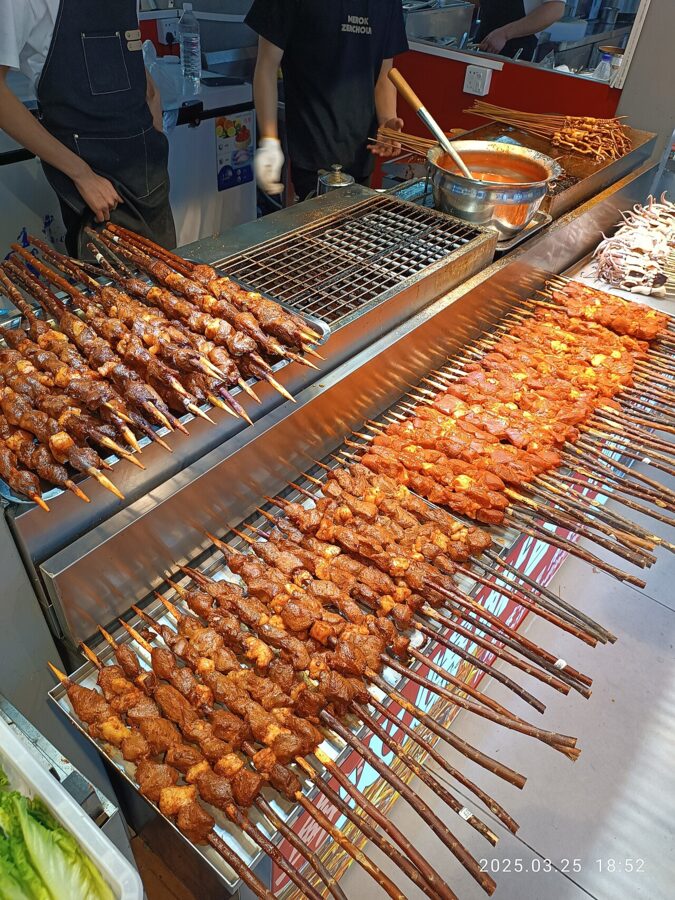
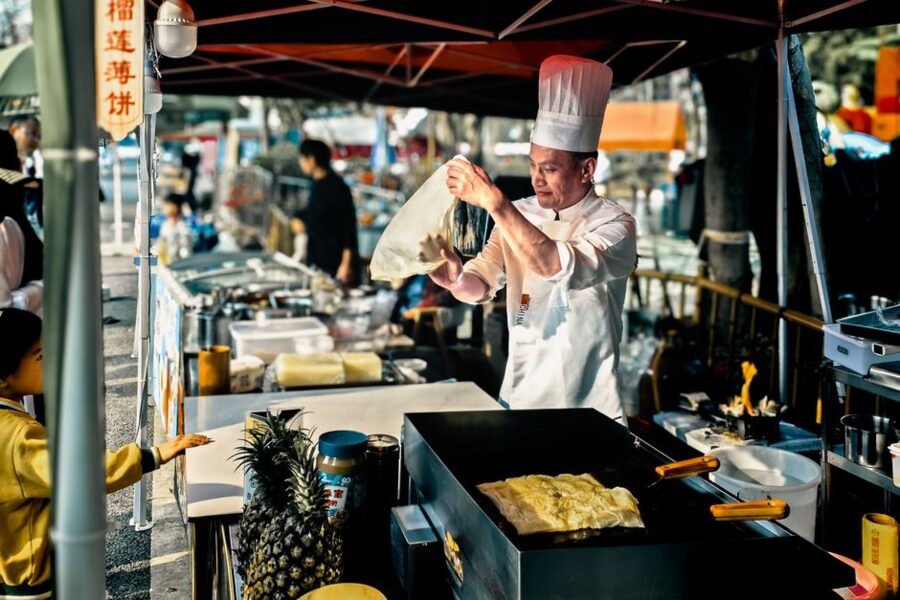
Shuiwei, Xiangxi, Niuxiangfang, Luoruihe and Lefan are the ones worth crossing the city for; Dongmen is the one you’ll pass anyway. The snacks are the national cast you’ll meet in my street food guide, with more seafood. The rhythm is similar everywhere: stalls set up from 17:00, the crowds build after 20:00, and the barbecue keeps going after everything else has packed up. Most stalls want Alipay or WeChat Pay, and the busiest ones are the safest bet.
Congee, siu mei and the supper run
Teochew shaguo zhou (砂锅粥), congee cooked to order in a clay pot with crab, prawns or eel, is the classic Shenzhen supper. Maiyulao in Shangmeilin cooks it without white pepper, using preserved radish, celery and coriander for depth; the prawn and crab congee and the prawn and abalone congee are the orders, at ¥70–100 a head with snacks. Huichao Zhou (回潮粥), a Bib Gourmand in Futian, adds Teochew raw-marinated seafood and runs ¥120–160 a head.
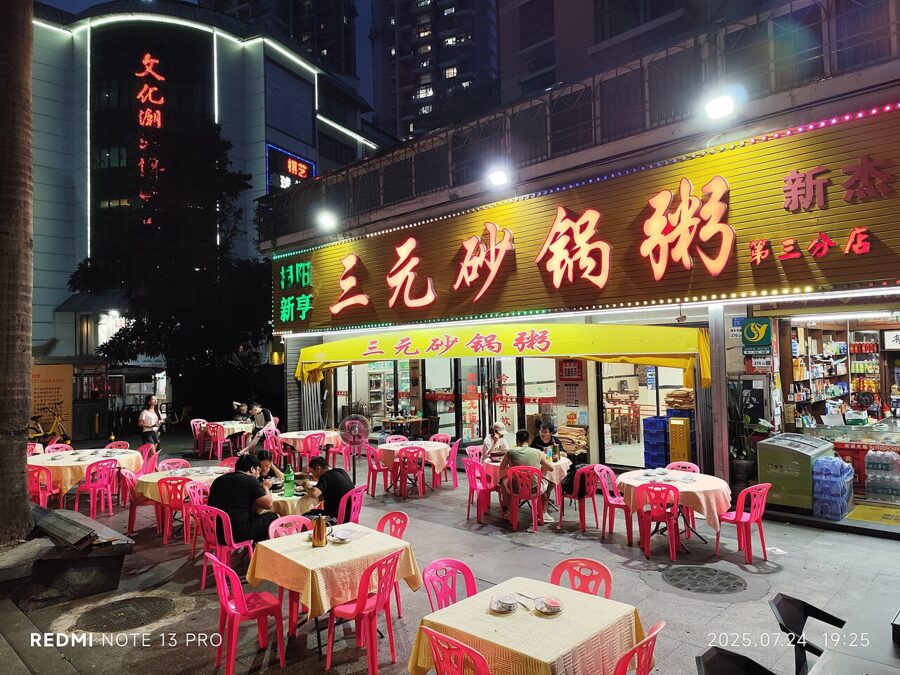
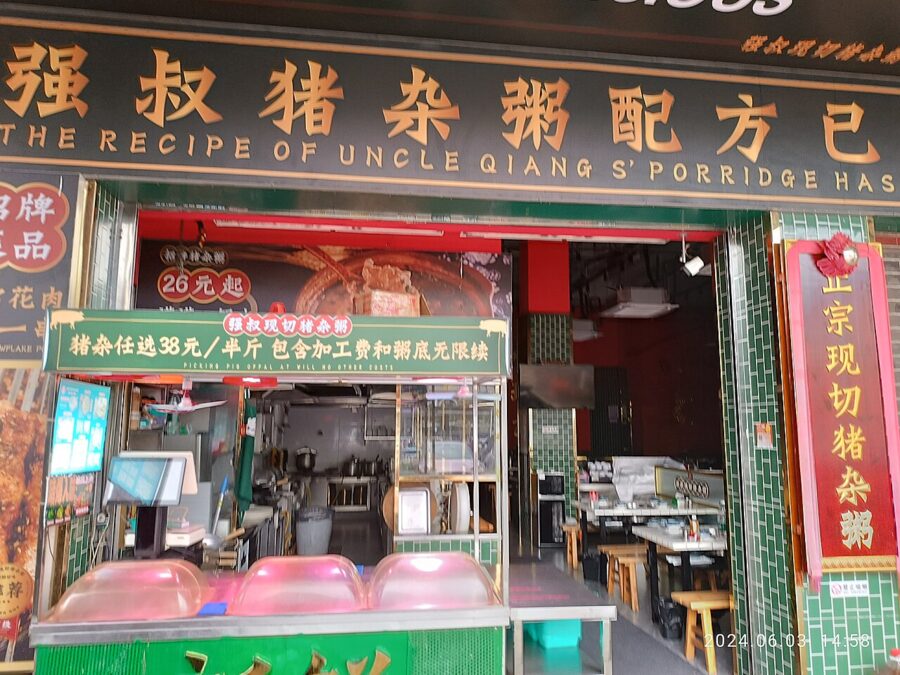
The plainer version is zhu za zhou (猪杂粥), pork offal congee, sold from early morning in neighbourhood shops. Roast meat shops stay open late too, and a box of roast goose over rice is the cheapest good supper in the city. For the breakfast side of all this, see my guide to breakfast across China.
The Hong Kong weekend
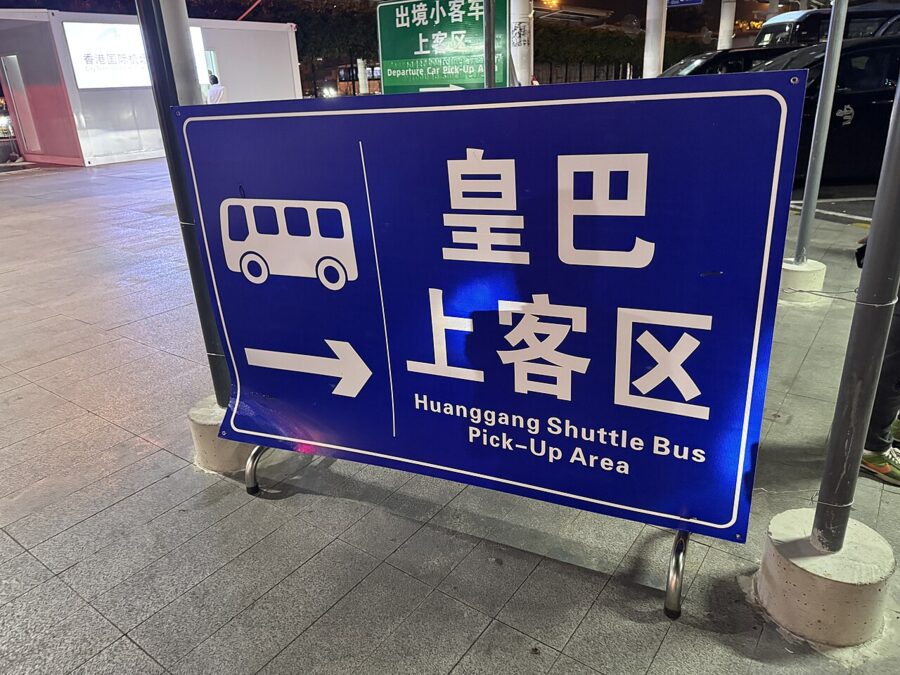
For a few years now Hong Kong people have been coming north in large numbers to eat, shop and get massages, and Futian and Luohu feel it most at weekends. The queues in Shuiwei, the malls near the checkpoints and the famous chains are longest from Friday night to Sunday. If you’re in town for a weekend, eat at the big names on Thursday or go further out, to Bao’an or Longgang, on Saturday.
Stars, Bibs and a city of milk tea
The August 2026 Michelin debut
Shenzhen got its first Michelin Guide on 18 August 2026, in a joint selection with Guangzhou. The city has 59 restaurants in it: two with two stars, five with one star, 21 Bib Gourmands and 31 more on the main list. Neither city got three stars.
The two-star rooms are both Cantonese. The Bay by Chef Fei (东湾) is in the Mandarin Oriental at UpperHills in Futian, and mixes Cantonese and Teochew cooking in a room with nine private dining rooms. Yun Jing (云璟), with chef Guo Yuanfeng, is on the 70th floor of One Shenzhen Bay in Nanshan, part of the Raffles hotel, with views across the city and the bay. Book both well ahead.
The one-star list is more varied. Chao Shang Chao (潮上潮) is a Teochew restaurant from Beijing that opened in Shenzhen in 2024. Xin Rong Ji (新荣记) cooks the seafood of Taizhou in Zhejiang in a nine-table room.
Ensue sits at the top of the Futian Shangri-La, Opus 388 is the Mandarin Oriental’s French room, and Fumée (拂鸣) seats twelve at a counter facing the kitchen. The young chef award went to Chunghan Hou of La Lune (望月), a Michelin-selected restaurant run entirely by women.
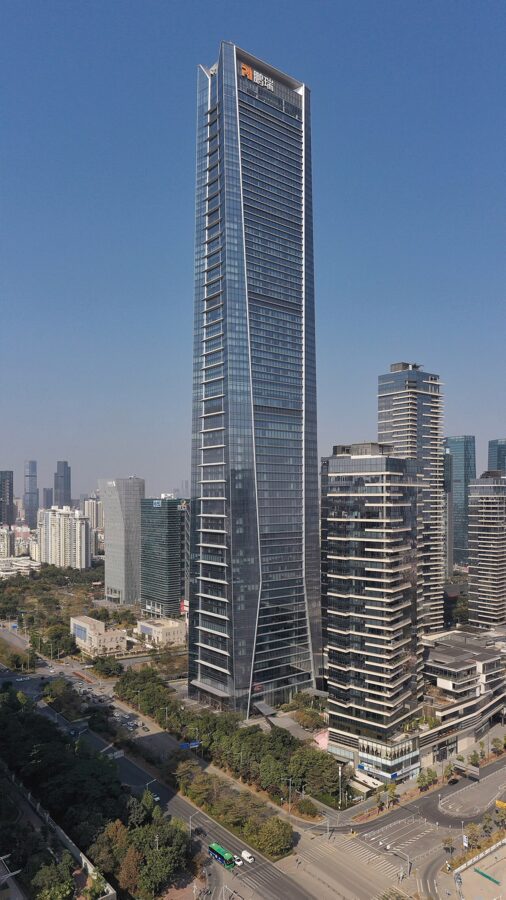
If your trip is short, the Bibs are the better use of it. They’re the most useful list anyone has made of the city’s neighbourhood restaurants, and most of them are under ¥100 a head.
Desserts, tea and coffee
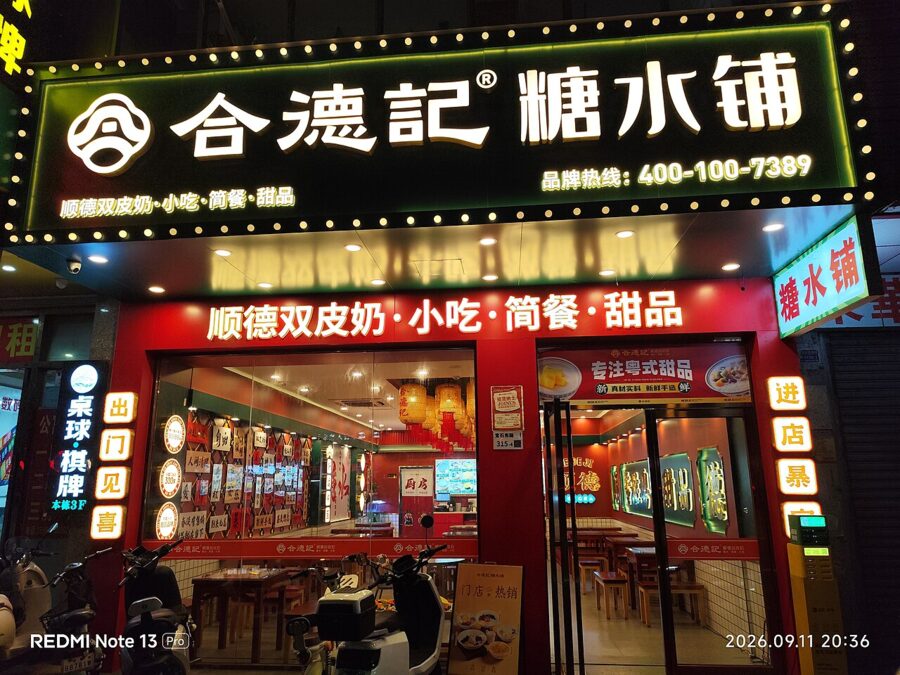
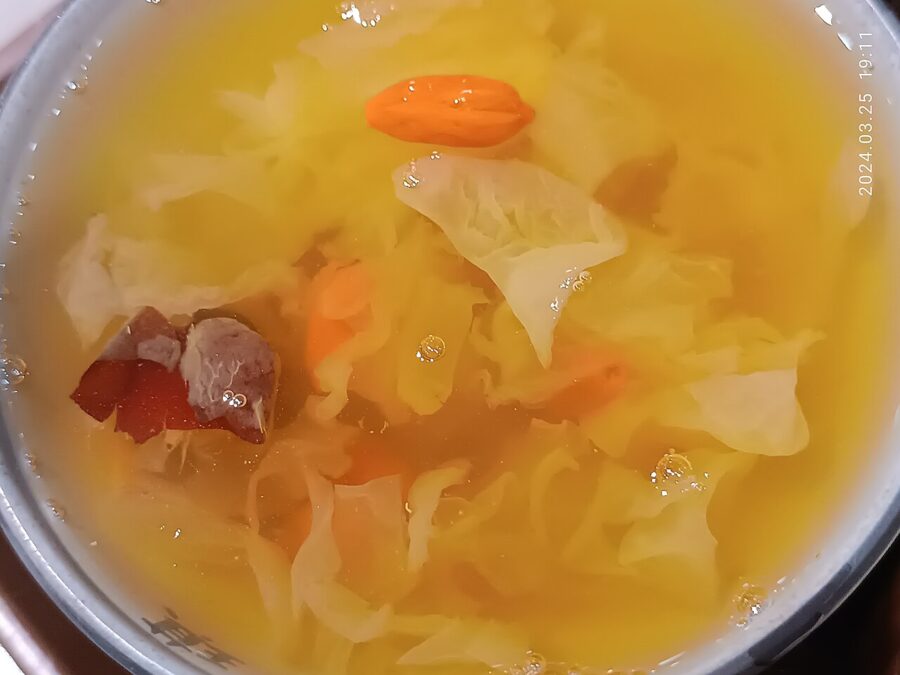
Cantonese tong sui (糖水), sweet soups, are the traditional dessert, and Huazhou-style shops serve taro sago, mango pomelo sago and double-skin milk pudding in every district. Shunde buffalo-milk dessert counters do the custards. In Nantou and Bao’an, small independent cafes now cluster along whole streets.
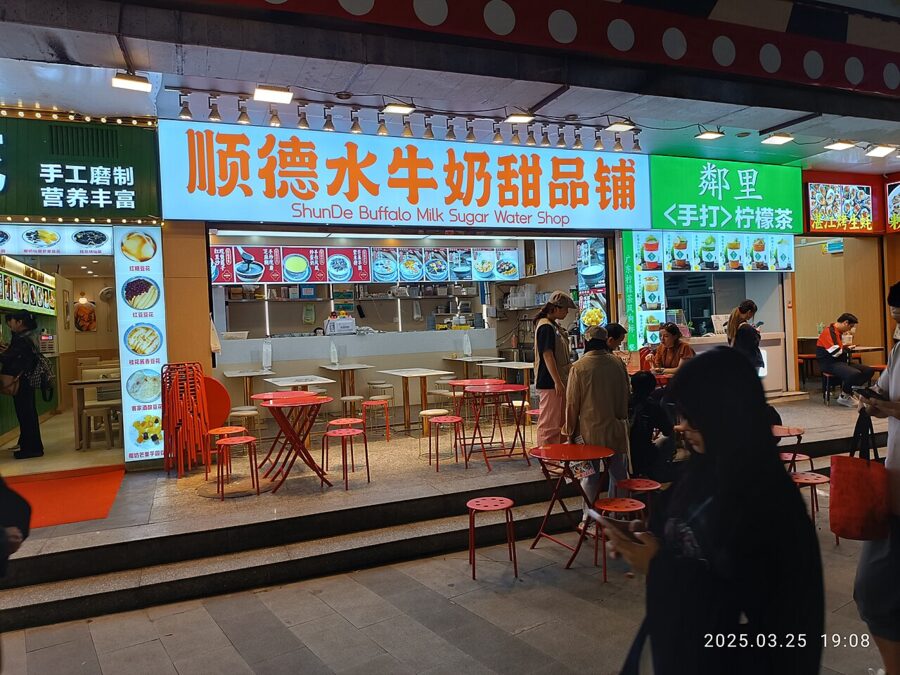
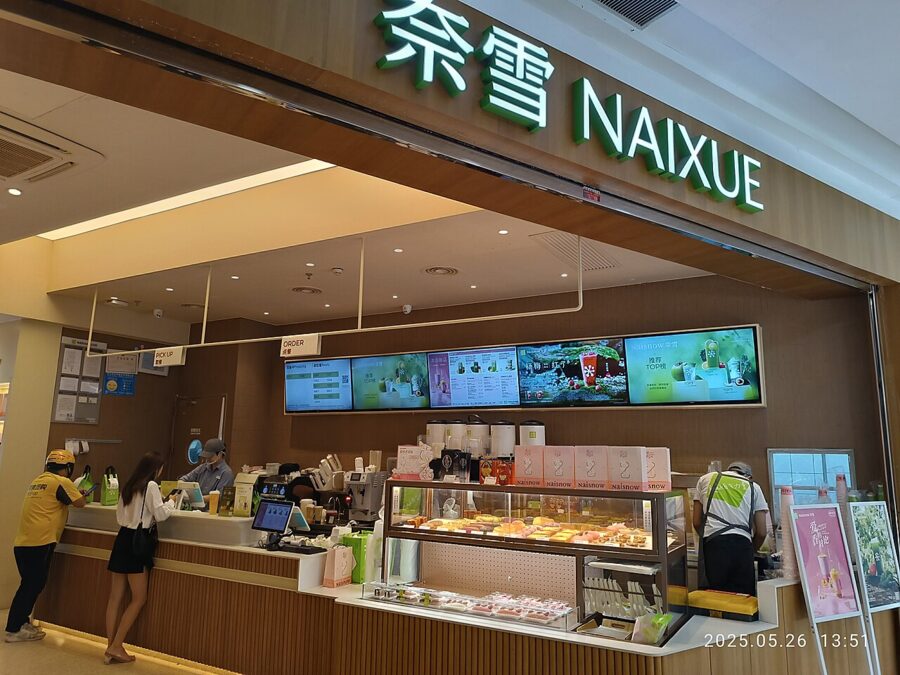
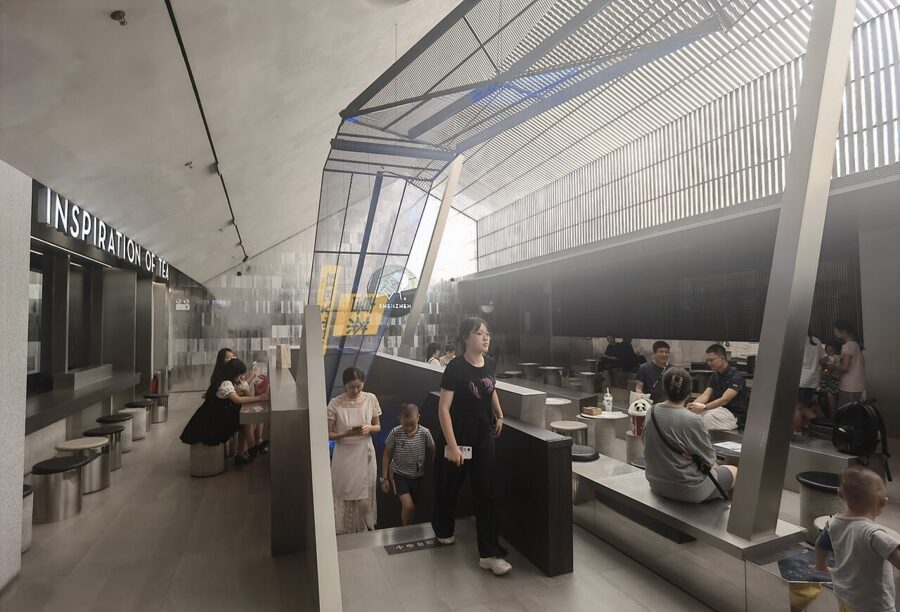
Shenzhen is also the capital of China’s new-style tea drinks. Nayuki (奈雪的茶) opened its first shop in Shenzhen in November 2015 and is still headquartered here. HEYTEA (喜茶) began as a small shop in Jiangmen in 2012 and is now run from Nanshan. For the older story of Chinese tea, from oolong to pu-erh, see my guide to tea.
The chains that started here
Shenzhen’s restaurant scene grew up in malls, so it’s no surprise how many chains started here: Runyuan Siji coconut chicken, Nong Geng Ji Hunan cooking, Nayuki tea. They’re reliable, clean and quick, with picture menus and QR ordering. They’re also where your colleagues will take you on a weekday, and that’s not a bad thing.
Getting around and paying
Metro and taxis
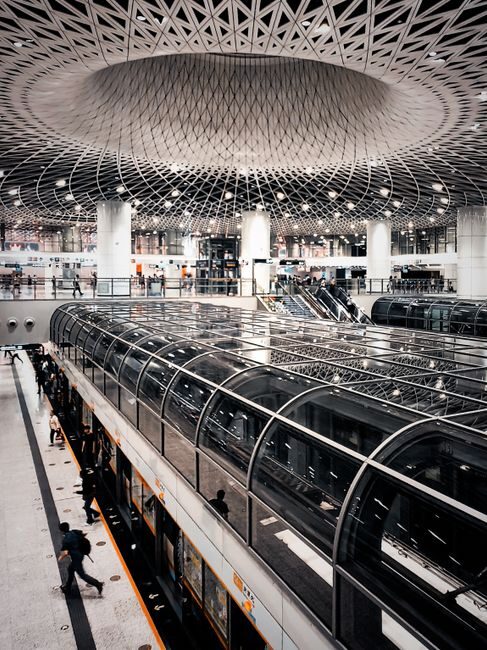
The Shenzhen metro has 17 lines and 432 stations, and almost every place in this guide is near one. Since mid-2026 you can tap a contactless Visa or Mastercard at gates marked for international cards, which saves you buying tickets. Didi works in English and links to foreign cards, and Amap is the map app that knows the restaurants.
Paying
Alipay and WeChat Pay both accept foreign cards, and you need one of them: small stalls and night markets are often QR-code only. Cash is legal tender and big restaurants take it, but change can be short at stalls. Malls and hotels take cards. Dim sum houses may charge tea per head, which shows up on the bill.
From Hong Kong
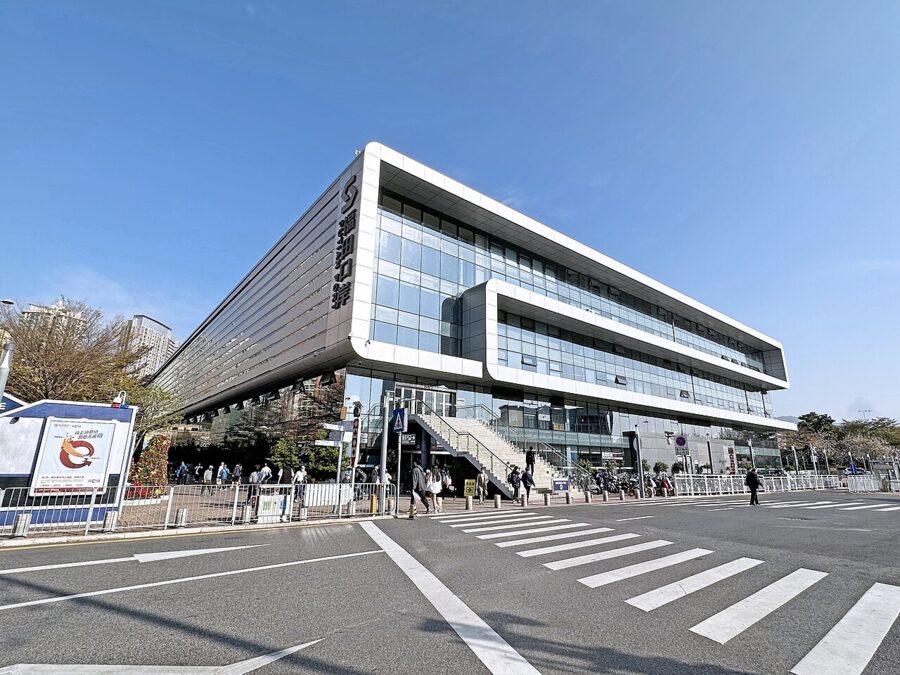
There are three easy ways in. The MTR East Rail line runs to Lo Wu, and you walk across to Luohu station on Line 1. From Lok Ma Chau you cross to Futian Checkpoint station on Lines 4 and 10, a short walk from Shuiwei.
The fastest high-speed trains from West Kowloon reach Futian station in about 14 minutes; book with your passport on 12306, Trip.com or the MTR’s own site. See my Hong Kong guide for the other direction, and check whether your passport needs a visa before you book.
When not to come
Spring Festival turns Shenzhen into a different city. Millions of people go home, and many family-run restaurants, the very places this guide is about, close for a week or more. The May Day holiday and Golden Week (1–7 October) work the other way round: the city stays open, but trains, malls and the famous restaurants are packed.
Two days, eating
This plan keeps the travel sensible: west and north on day one, the centre and the east on day two. Swap Dapeng in for day two if it’s autumn and you want seafood.
Day one: Nanshan, Bao’an and Guangming. Start with zongzi at Jiahua in Shekou, then walk around Nantou old town for douhua and coffee. Ride the metro north to Guangming (Line 6 gets you there) for a late lunch of squab, sweet corn and colostrum pudding at the Guest House. In winter, head on to Shajing for the oyster festival; otherwise return to Bao’an for Lefan night market and finish with claypot congee.
Day two: Futian, Luohu and Longgang. Have rice rolls at a neighbourhood cheung fun shop for breakfast, then roast goose over rice in Luohu at lunch and a wander around Dongmen. Ride Line 3 out to Nanlian for the Hakka museum in the late afternoon and ¥1 oysters on Luoruihe food street at dusk. Back in Futian, end with a late pot of congee in Shangmeilin, or chicken pot in Xiangxi.
Skip this
- A full dinner in the Dongmen food court. Graze there, then eat properly somewhere else.
- Seafood at any restaurant that won’t weigh it in front of you, or show you the price per jin.
- The famous chains at weekend peak, when the wait is longer than the meal.
- Expecting “Shenzhen cuisine” on a menu. There isn’t one, and that’s the point.
Take the metro, keep your phone charged and eat where the queue is longest. Then ask the cook where they’re from.
You Might Also Enjoy
 Jiuzhaigou and Huanglong: Tickets, the Bus Loop, the Train From Chengdu and the Best Order
 Shanghai Food Guide: Red-Braised Pork, Hairy Crab, the Snack Trail and the Benbang Restaurants Worth Finding
 Tropical Fruits of Southeast Asia: A Tasting Guide
 Guilin and the Li River: The Cruise to Yangshuo, Xingping, Reed Flute Cave and the Longji Rice Terraces