Nagoya Food Guide: Miso Katsu, Tebasaki, Taiwan Ramen and the Rest of Nagoya Meshi, Dish by Dish
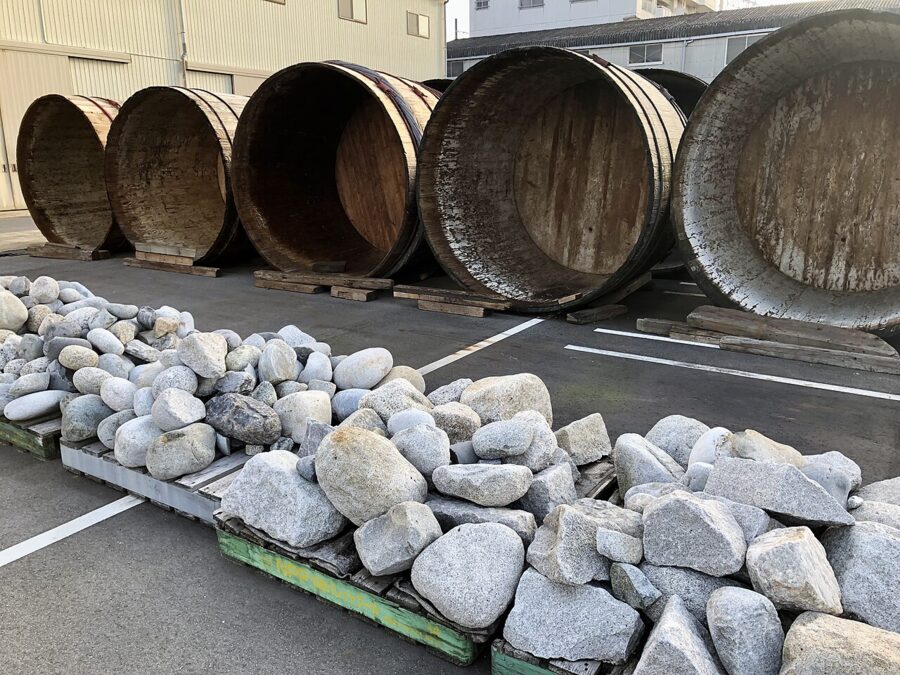
In a brewery yard in Okazaki, a short train ride from Nagoya, the miso sits in wooden vats two metres tall. Each vat holds about six tonnes of soybean paste, and on top of it, over a cloth, someone has stacked roughly three tonnes of river stones by hand into a neat cone. The miso stays under those stones for two summers and two winters.
Almost everything Nagoya is famous for eating comes back to what is in those vats. The pork cutlet is drowned in it, the udon is boiled in it, the beef tendon at the bar has been stewing in it since lunchtime.
I came to Nagoya from Shenzhen with a palate trained on Hunan chilli and fermented bean pastes, and the city’s food made sense to me faster than Kyoto’s did. It is loud food. Sweet, dark, salty, often fried, and nearly always better with a beer.
The locals have a name for the whole repertoire: Nagoya meshi, Nagoya food. It covers a dozen or so dishes, some ancient and some invented by a single cook in the 1960s, some not even from Nagoya. This guide goes through them one at a time, with the shops I’d send you to, what they cost and when they open. Then it covers where to eat by neighbourhood, a morning out at the miso breweries, and what to carry home.
If you only have a day, this is the short list.
| Dish | What it is | Where I’d go | Hours |
|---|---|---|---|
| Miso katsu | Pork cutlet under miso sauce | Yabaton, Yabacho Honten (Osu) | 11:00–21:00, daily |
| Miso nikomi udon | Firm udon boiled in a clay pot of miso broth | Yamamotoya Sohonke Honke (Sakae) | 11:00–15:30, 17:00–21:00; closed Tue, Wed |
| Hitsumabushi | Chopped grilled eel on rice, eaten in three rounds | Atsuta Horaiken (Atsuta, Sakae) | Main shop 11:30–14:00, 16:30–20:30 |
| Tebasaki | Fried chicken wings with sweet glaze and pepper | Furaibo, Sekai no Yamachan | Evenings, from 17:00 |
| Kishimen | Wide, thin flat udon in a light broth | Station platforms, Kishimen Yoshida (Esca) | Yoshida 11:00–15:00, 17:00–20:30 |
| Taiwan ramen | Chilli and garlic minced pork on soy-chicken broth | Misen, Imaike Honten | 17:00–1:00 |
| Ankake spaghetti | Thick fried spaghetti under peppery gravy | Yokoi, Sumiyoshi Honten (Sakae) | Lunch 11:00–15:00; closed Mon |
| Tenmusu | Prawn tempura rice balls | Senju (Osu), Jiraiya | Senju 8:30–18:00; closed Tue, Wed |
| Morning service | Toast and egg free with a morning coffee | Komeda, Compal | Until 11:00 |
In This Article
- Why Nagoya eats differently
- Two old provinces, one kitchen
- Where the name Nagoya meshi came from
- The miso dishes
- Miso katsu
- Miso nikomi udon
- Doteni and miso oden
- Chicken wings, and the shops that made them famous
- How to eat a tebasaki
- Nagoya Cochin
- Eel in three rounds
- Noodles that aren’t what they say
- Kishimen
- Taiwan ramen
- Ankake spaghetti
- Sugakiya
- Tenmusu and the dishes Nagoya borrowed
- The fried prawn joke
- Mornings: toast, egg and the price of a coffee
- Where to eat: Meieki and the station
- Sakae and Osu
- Sakae
- Osu
- Atsuta: the shrine, the eel and the noodles
- A morning at the hatcho miso breweries
- Sweets and things to carry home
- Uiro
- Prawn crackers
- Noodles, miso and pickles to go
- What it costs
- Skip this
Why Nagoya eats differently
Start with the miso, because the city does. Most of Japan makes miso by fermenting soybeans with a rice or barley mould. The Tokai region, the strip of central Japan around Nagoya, makes mame miso: soybean miso, where the beans themselves are cultured and nothing else goes in but salt and water. It’s darker, more astringent and less sweet than the white miso of Kyoto, and it holds its flavour through long cooking, which is exactly how Nagoya uses it.
The most famous mame miso is hatcho miso, named after Hatcho, a village eight cho (about 870 metres) west of Okazaki Castle. Two families have brewed it there for centuries, side by side on the old Tokaido road. The Ota family’s brewery is now Maruya Hatcho Miso, which dates its start to 1337. The Hayakawa family’s is Kakukyu, whose 1878 submission to the prefecture gave its founding as 1645.
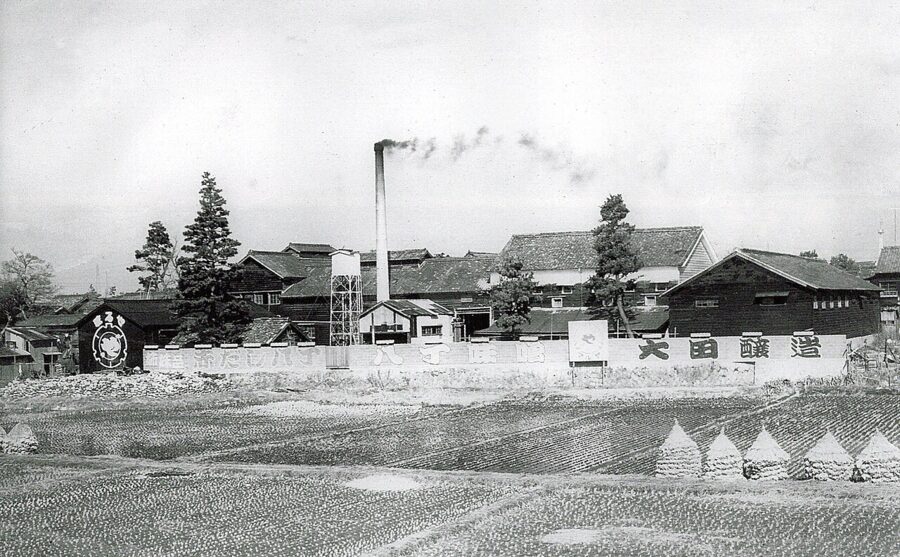
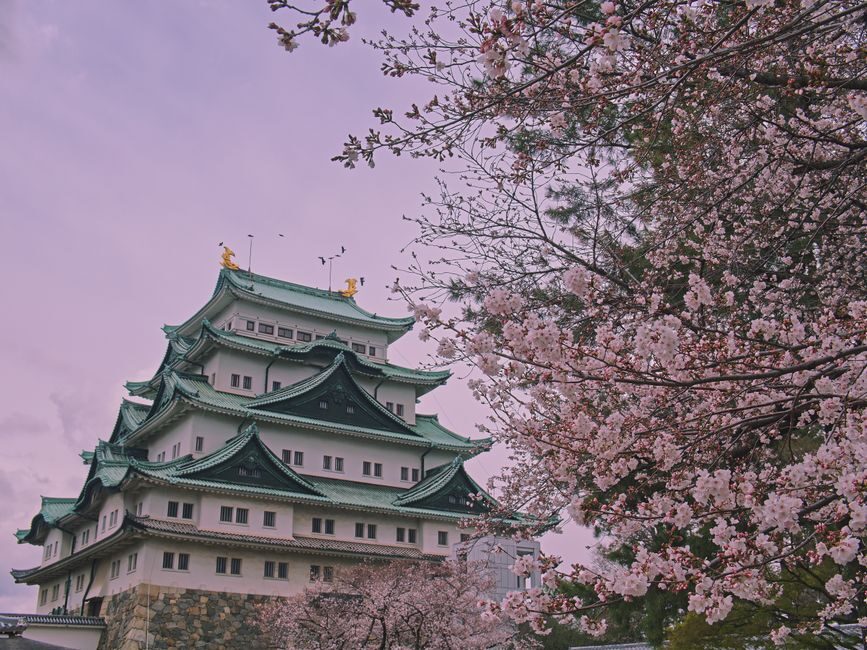
Okazaki was the birthplace of Tokugawa Ieyasu, the warlord who unified Japan, and the town’s miso became a soldier’s ration and then a Tokaido souvenir. The Okazaki brewers’ own story has the paste feeding Tokugawa troops at Okehazama in 1560. True or not, it gives you the flavour of the place: Nagoya is a castle town, and this was the larder of the samurai who ran it.
Two old provinces, one kitchen
Nagoya sits in what was Owari province. Okazaki is in Mikawa, the eastern half of today’s Aichi. Between them they gave the city its larder: the miso and tamari soy sauce of Mikawa, the prawns and fish of Ise Bay and Mikawa Bay, chicken from the Owari farms. Tamari, the thick soy sauce that drips off mame miso, turns up in noodle broths and glazes all over the city.
Chicken matters more here than you might expect. Before the war, the grand Nagoya meal was a chicken dinner, built around a local breed called Nagoya Cochin. Bombing in 1945 took most of those old restaurants with it. What grew in their place, in the street stalls that lined the city in the postwar years, was cheaper and darker: offal stewed in miso, skewers dipped into the same pot, miso on everything.
The city banned those street stalls in 1973. Many of the dishes moved indoors into bars, coffee shops and small restaurants, and some of the most famous ones were invented by a single cook trying something new on a slow day. That’s why so much Nagoya food comes with a founding date and a name attached.
Where the name Nagoya meshi came from
The label is young. Around 2001, when the Nagoya restaurant company Zetton opened in Tokyo serving local dishes, a food magazine wanted to call the style “Nago-meshi”, after the “Ita-meshi” slang for Italian food. Zetton’s president, Inamoto Ken’ichi, suggested plain “Nagoya meshi” instead, and it stuck.
Yabaton and Sekai no Yamachan used the same phrase when they followed into Tokyo, and the 2005 World Expo in Aichi brought the rest of Japan to see for itself. By 2015 the prefecture, the city and the chamber of commerce had set up a council to promote it. So the idea of Nagoya food as one cuisine is about 25 years old, even if the miso is centuries older.
The miso dishes
Miso katsu
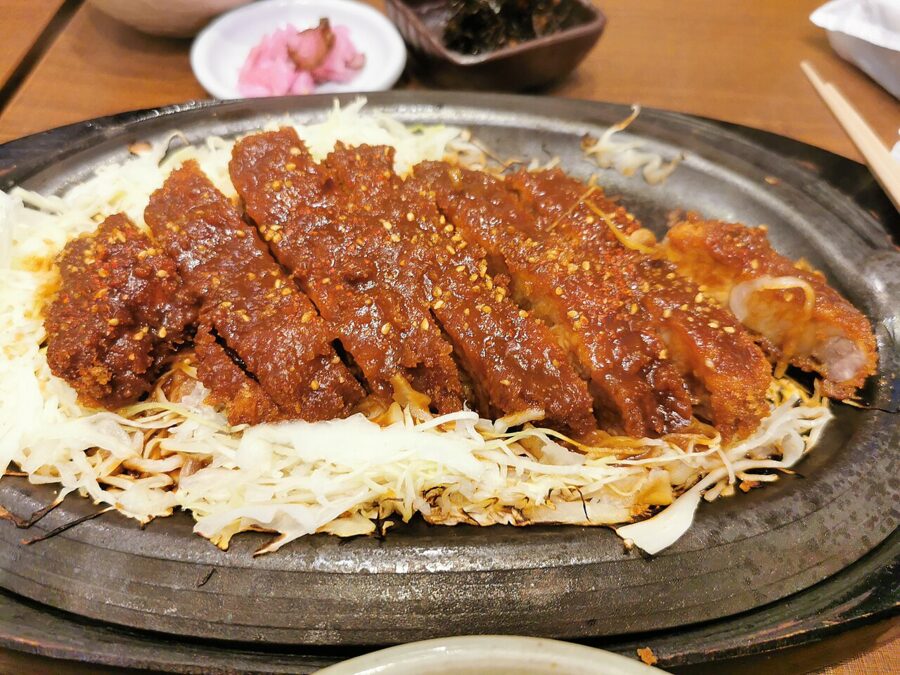
A breaded pork cutlet, fried, with miso sauce poured over it. That’s the whole idea, and it works because the sauce is sweet and slightly sharp where tonkatsu sauce is fruity. Nagoya’s version is built on mame miso thinned with stock and sweetened. If you want the cuts and the frying, my tonkatsu guide goes through them; here it’s all about the sauce.
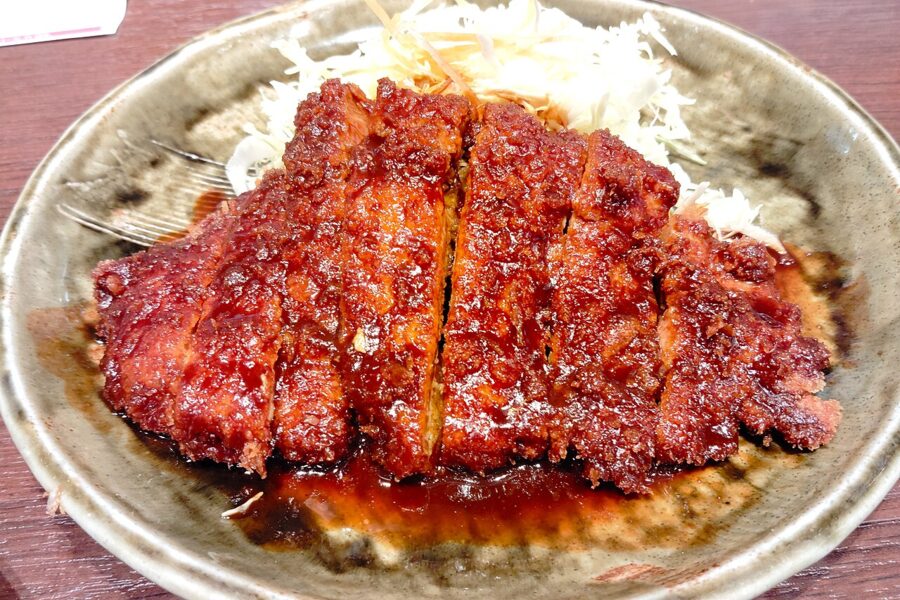
Several places claim to have invented it. A restaurant in Tsu, Mie, says it started pouring miso over a cutlet in 1965, and one Nagoya restaurant says it began there as a miso katsudon after the war. The story Nagoya tells most often is about the postwar street stalls, where customers dipped their pork skewers into the pot of beef tendon stewing in miso next to them.
Yabaton, founded in May 1947, is the name everyone knows. Its main restaurant, the Yabacho Honten at Osu 3-6-18, is five minutes on foot from exit 4 of Yabacho Station on the Meijo line, or exit 9 of Kamimaezu. It opens 11:00–21:00 every day, and the company’s website shows the live waiting time for each branch, which is worth a look before you walk over.
Order the waraji tonkatsu. It’s a loin cutlet about twice the normal size, named after a straw sandal, and it comes half with miso and half with ordinary sauce so you can compare. Yabaton’s miso sauce uses mame miso aged for a year and a half, and it’s lighter than most in the city: the cutlet is dipped rather than buried. If the queue at the main shop is long, the Esca branch under the station runs 11:00–22:00 (last orders 21:30).
Miso nikomi udon
If miso katsu is the poster, miso nikomi udon is the home cooking. Thick udon is boiled in a small clay pot with miso broth, chicken, egg and spring onion, and it reaches the table still bubbling.
The noodles are made without salt so the broth doesn’t turn too salty, and they’re served firm, nearly hard in the middle. I’ve watched first-timers send them back. Don’t.
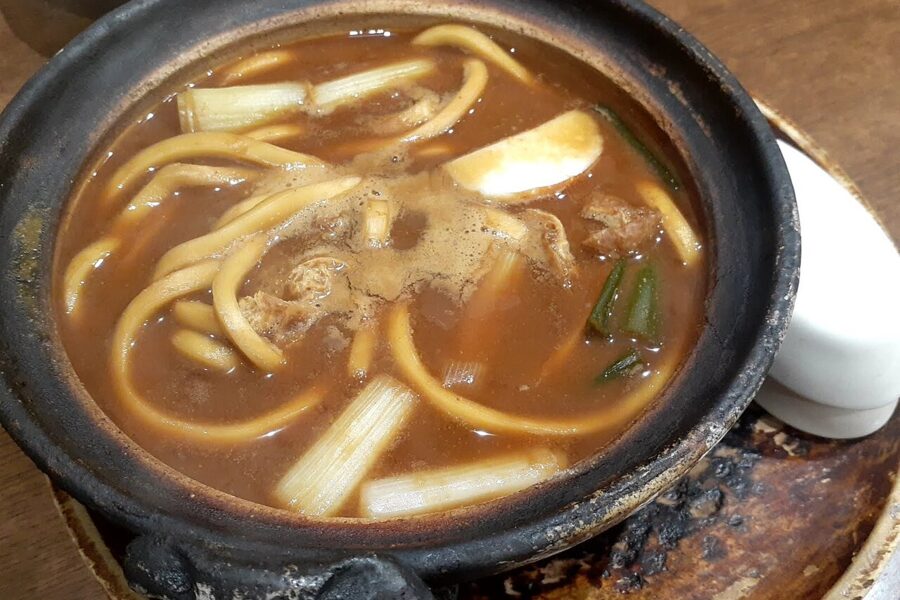
Two separate companies share the name, so check which one you’re walking into. Yamamotoya Sohonke opened in Osu in 1925 and moved to its present site in Sakae in 1949.
Its main restaurant, the Honke at Sakae 3-12-19, is six minutes from exit 6 of Yabacho Station. It opens 11:00–15:30 and 17:00–21:00 and closes on Tuesdays and Wednesdays, and the Nagoya Cochin version is ¥1,980 before tax. The broth blends Aichi red and white miso, and the noodles are the hard, chewy kind.
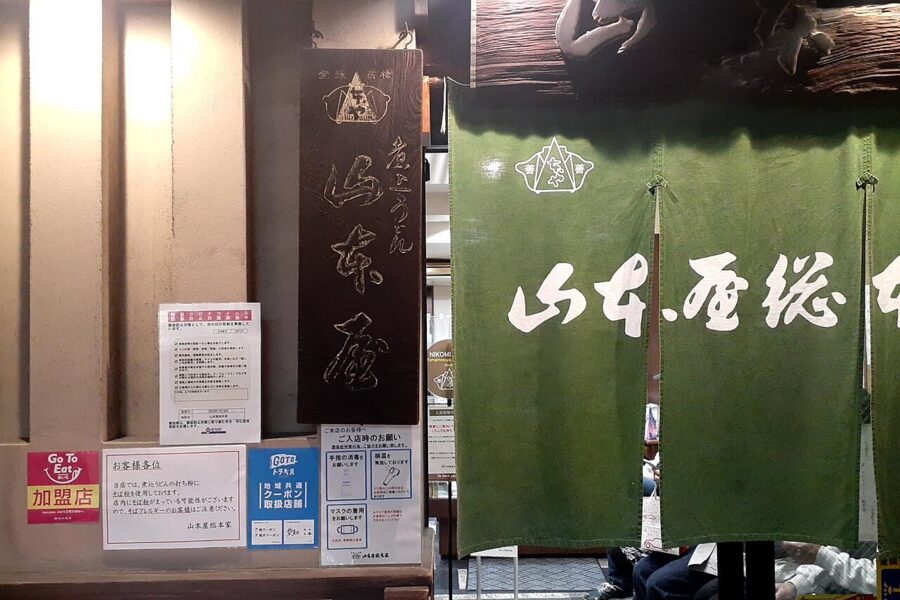
Yamamotoya Honten is the other one, with more branches and longer hours. Its Esca branch under the station opens 10:00–22:00 and the one inside the JR station’s Umaimon Dori 11:00–22:00. The company makes its noodles by hand from flour and plain water, has its red and white miso brewed for three years just for its own use, and cooks in Iga clay pots made to order. Its own advice is to chew the noodles, not slurp them.
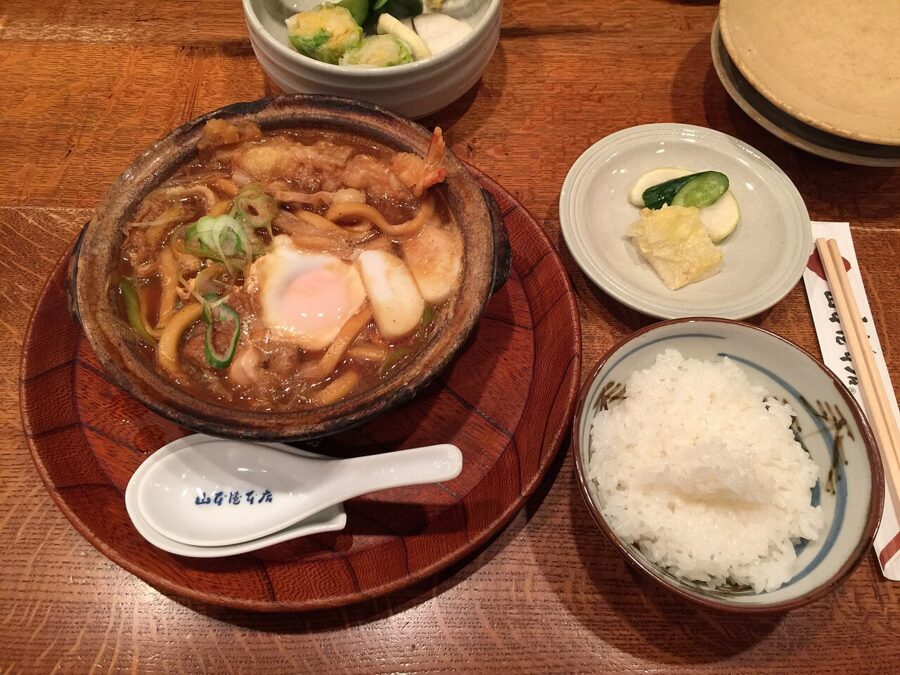
Eat it with a bowl of plain rice on the side, and when the noodles are gone, tip the rice into the broth. My udon guide covers both shops and the noodle itself in more depth.
Doteni and miso oden
Doteni is beef tendon, sometimes with offal and konnyaku, simmered for hours in mame miso, sake and sugar until it falls apart. The name comes from the way cooks built a bank of miso, a dote, around the rim of an iron pan and let the meat cook down in the middle. Spoon it over rice and it becomes dote-meshi.
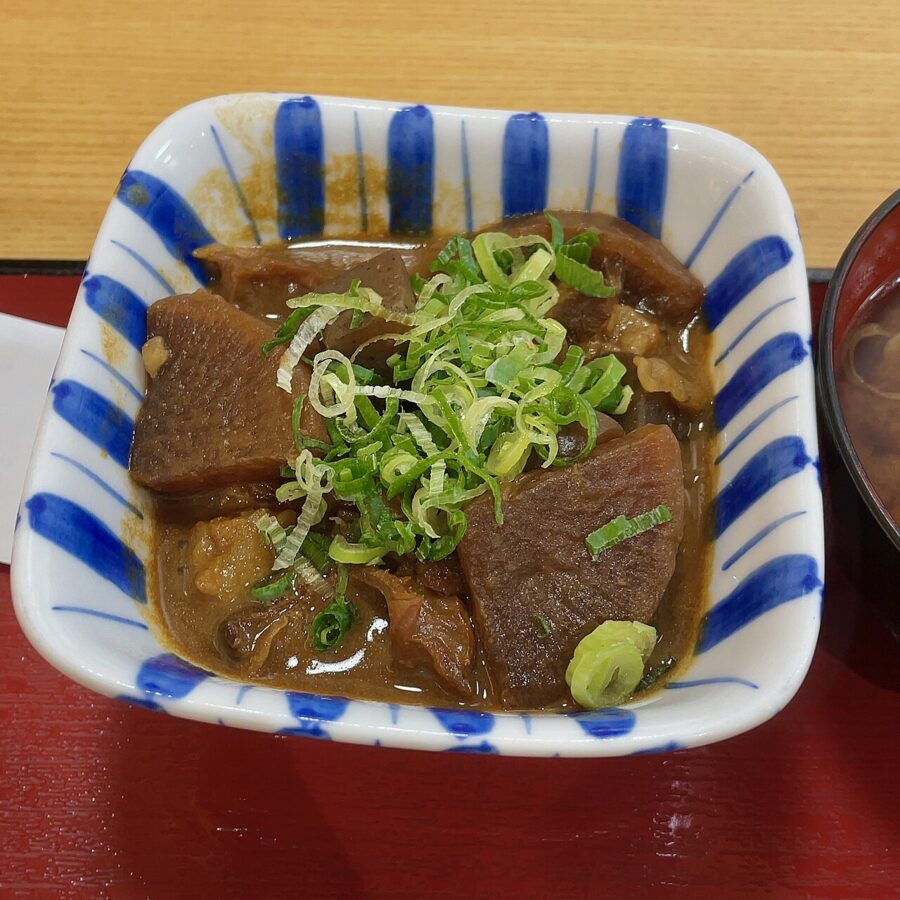
In Nagoya, plain “oden” means miso oden: daikon, egg, konnyaku and fish cake simmered and then served under a ladle of sweet dark miso. The clear-broth kind you’d find in Tokyo is called kanto-ni here. My oden guide has the regional map; in Nagoya it’s simplest to order the miso oden wherever you see it.
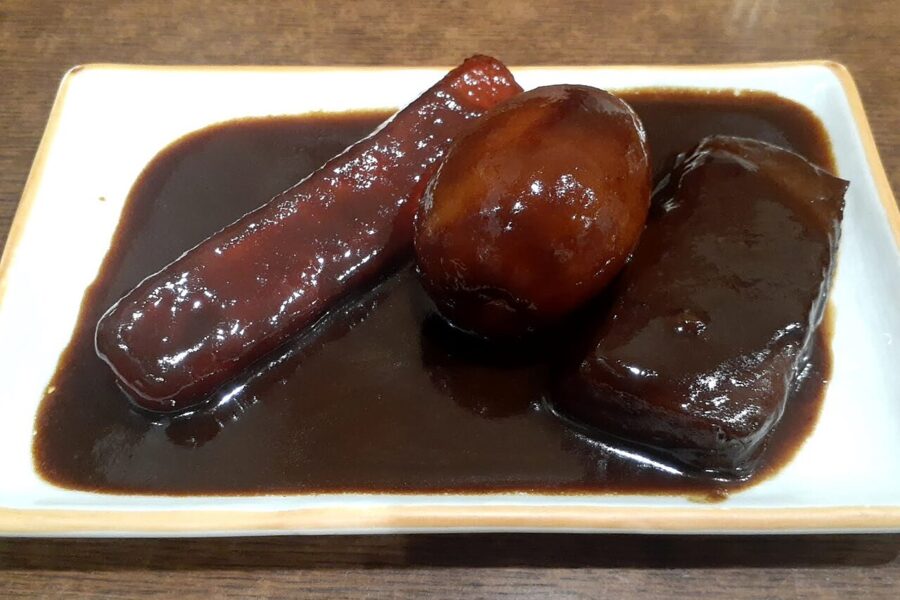
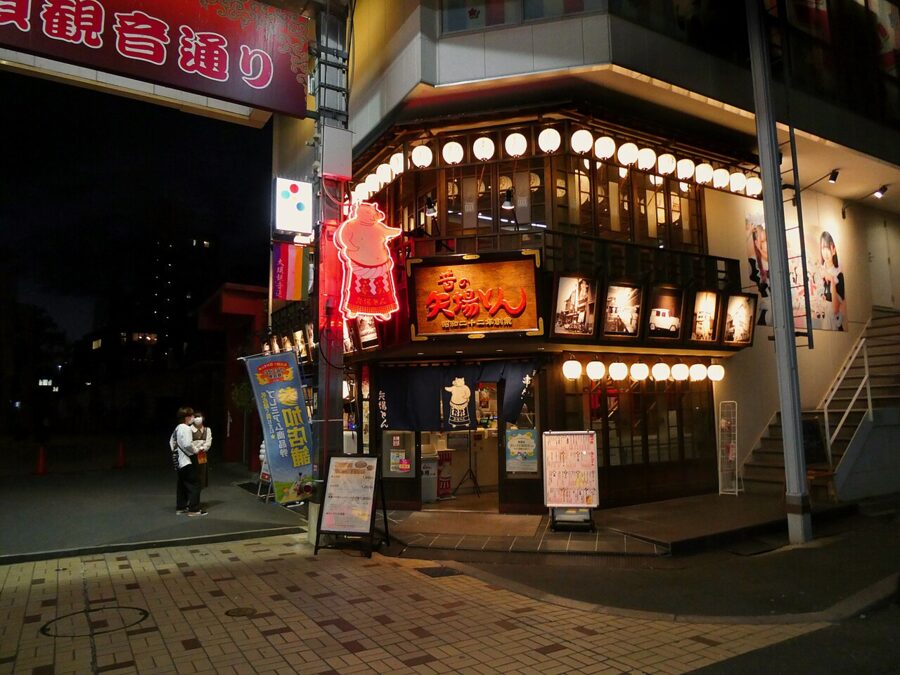
For both, go to Mukashi no Yabaton at Osu 2-21-32, a retro offshoot of Yabaton built to look like the 1947 original, right beside Osu Kannon temple and five minutes from Osu Kannon Station. It opens 11:00–21:00. The five-piece miso oden has braised pork belly, daikon, beef tendon, pork offal and egg, and the doteni is tendon with konnyaku.
If you’d rather drink with the locals, Dotekin at Shinsakae 1-6-9, three minutes from Shinsakae-machi Station, is a doteni and grilled-pork bar with skewers from ¥180. It opens 17:00–23:00, Monday to Saturday.
Chicken wings, and the shops that made them famous
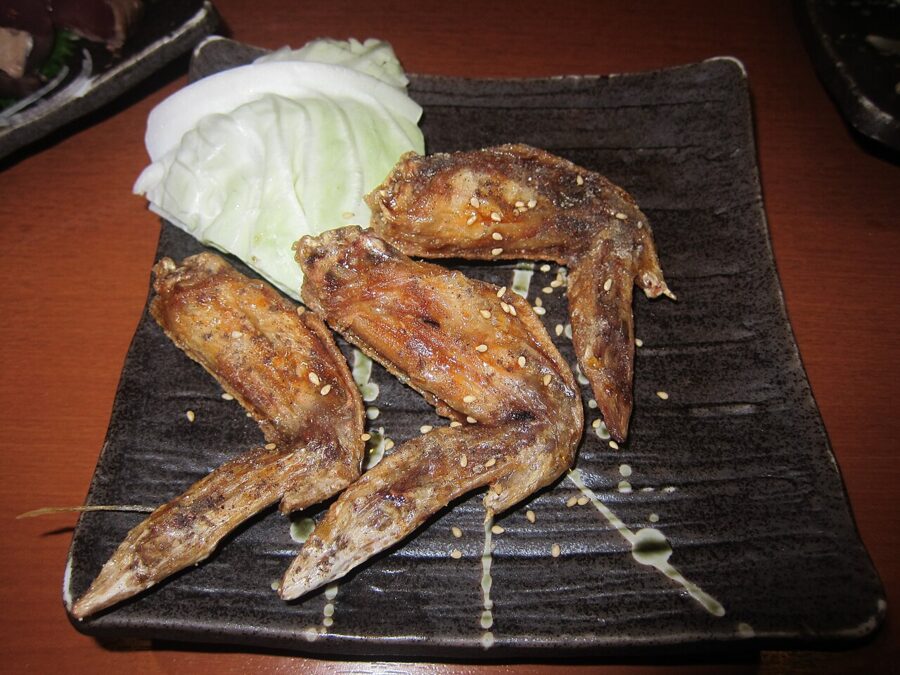
Nagoya’s chicken wings are tebasaki. They’re fried twice, so the skin turns thin and crisp, then brushed with a sweet soy glaze and dusted with salt, pepper and sesame. They’re light, salty and addictive, and five is a polite minimum.
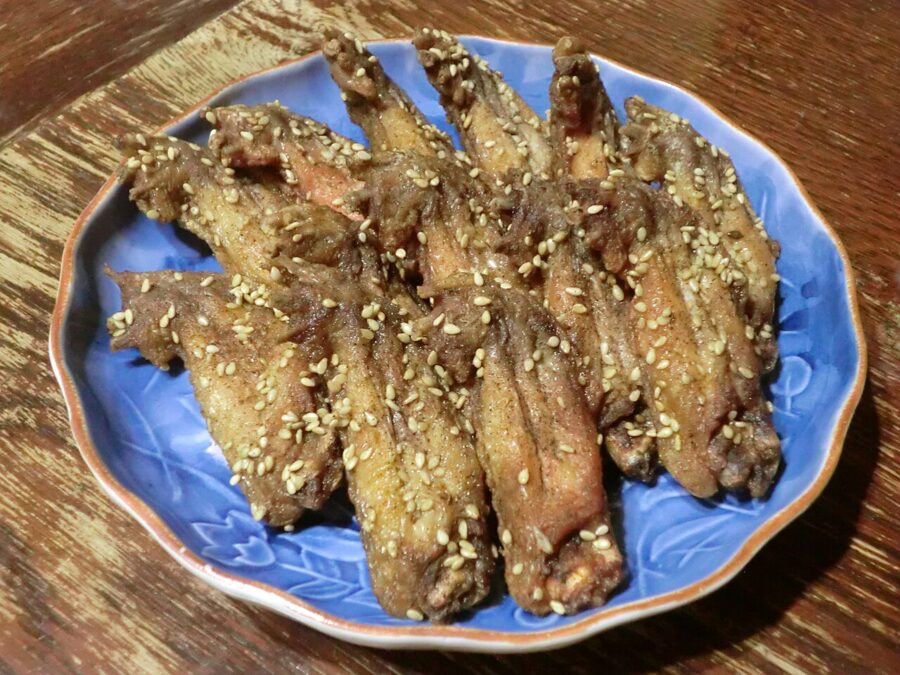
The dish started with Furaibo. Its founder, Otsubo Kenko, came to Nagoya from Kitakyushu in 1963 and opened his first shop in Hibino, Atsuta-ku.
His speciality was “Tarzan-yaki”, a whole half-chicken fried and coated in his sauce. One day his supplier had messed up the order and there were no birds. What there was, piled up for soup stock, was wings. He fried those, painted them with the Tarzan-yaki sauce, and they outsold everything.
Furaibo still refuses to franchise. Each shop is opened by someone trained in the house method, so every branch counts as a “honke”, a main house, and each has its own extras. The Higashi-Sakura branch at Higashi-Sakura 2-21-17 is a short walk east of Sakae, open 17:00–23:00 Monday to Thursday and to midnight on Fridays and Saturdays, closed Sundays.
How to eat a tebasaki
Furaibo publishes four methods, which tells you how seriously Nagoya takes this. The simple one: hold the wing at both ends, bend the joint down until the bones poke out, pull them clean, and eat the meat in one bite. The wild one: bite off the joint end, put the whole wing in your mouth and pull the bones out, which works best straight from the fryer.
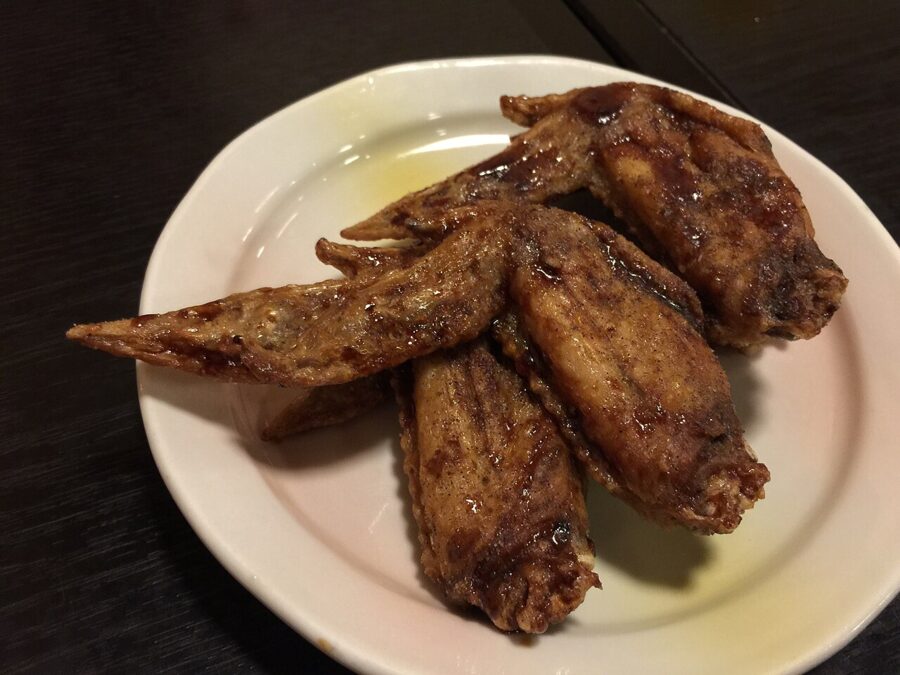
Sekai no Yamachan is the other big name. Yamamoto Shigeo opened the first shop in June 1981, and his wings, “maboroshi no tebasaki”, are spicier and much more peppery. There are branches all over Sakae and Meieki and now across Japan, most open late, and they’re more of a big, noisy izakaya than Furaibo. If you need help with the ordering, my izakaya guide covers how it works.
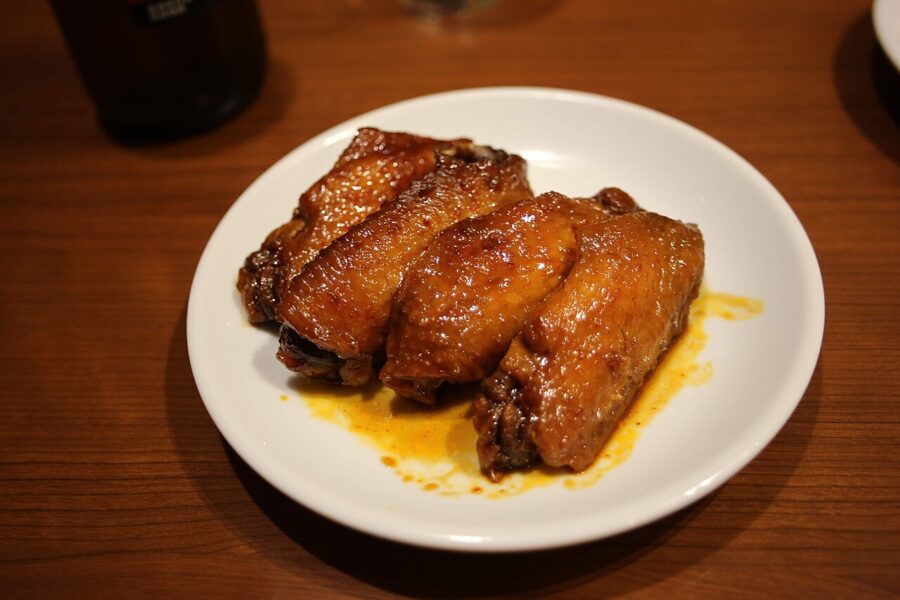
One footnote that Nagoya chicken nerds enjoy: Misen, the Taiwan ramen restaurant, was already serving wings simmered in a sweet, hot sauce before Furaibo fried its first one. Misen still does them, with a sauce it says it has been topping up since it opened, and most tables order a plate.
Nagoya Cochin
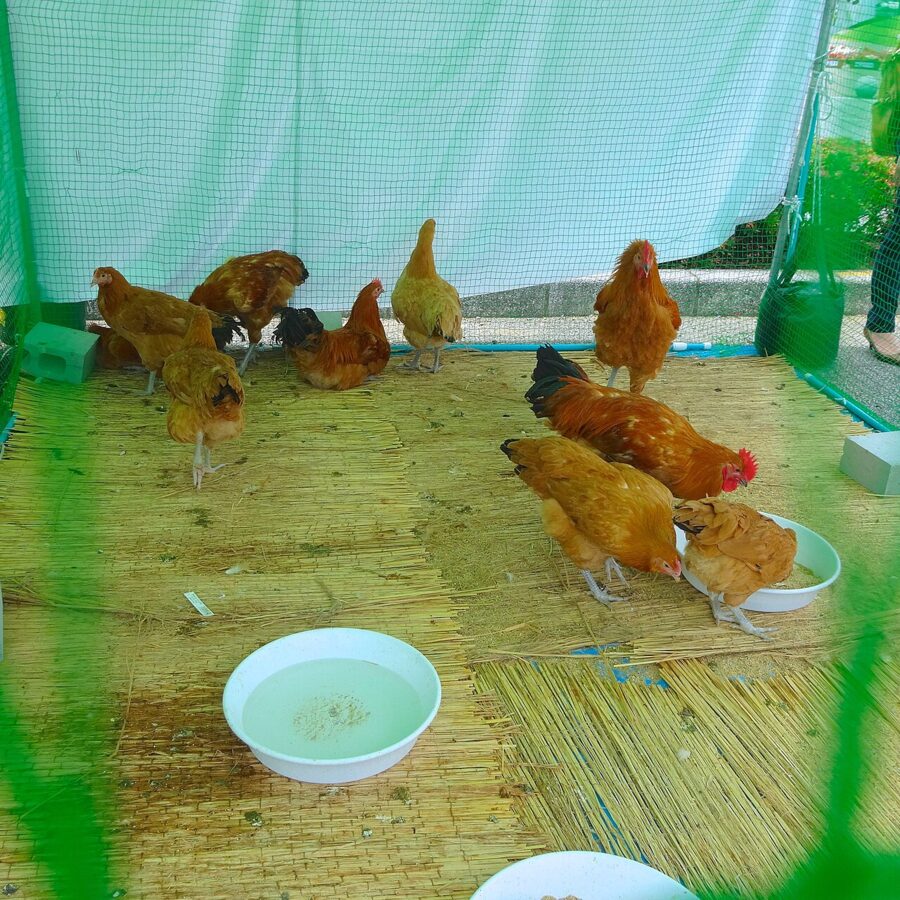
The chicken of the old grand dinners is still around. Nagoya Cochin was bred around 1882 in what’s now Komaki, north of the city, by a former Owari retainer, Kaifu Sohei, and his brother, who crossed a Chinese Buff Cochin with local birds. In 1905 it became the first Japanese breed recognised for practical farming. Its meat is firm, dark and much tastier than a broiler, and it’s one of the three famous jidori heritage chickens, with Akita’s Hinai and Kagoshima’s Satsuma.
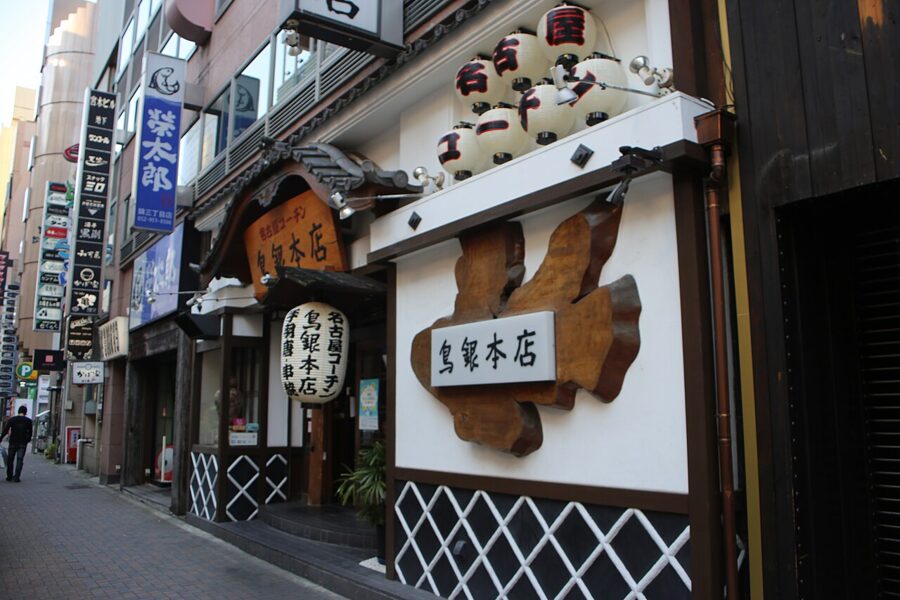
For the full dinner, Torigin Honten at Nishiki 3-14-22, two minutes from Sakae Station, serves only morning-slaughtered pure Cochin. It says it created the Cochin hot pot, courses start at ¥5,800, and it’s open every evening from 17:00.
For something quick, Torikai Sohonke in Esca under the station does a Cochin oyakodon, chicken and egg on rice, from 11:00 to 22:00 (last orders 21:00). Grilled Cochin on a skewer is a different pleasure, and my yakitori guide explains the cuts.
Eel in three rounds
Nagoya’s eel dish is hitsumabushi: Kansai-style eel, grilled without steaming so the skin crisps, then chopped into strips over rice in a wooden tub. You divide it into quarters. Eat the first plain, the second with spring onion, wasabi and nori, and the third with hot dashi poured over. Then eat the last quarter whichever way you liked best.
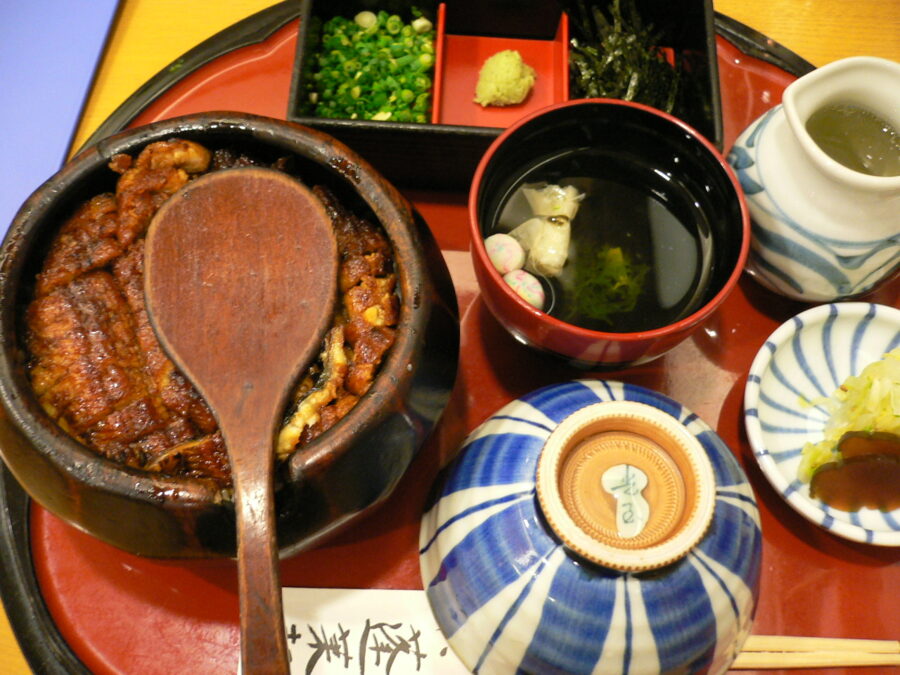
Atsuta Horaiken, founded in 1873, says the dish began in the late Meiji period, when maids at its restaurant served eel and rice from a big wooden tub and mixed them together for the guests. It registered “hitsumabushi” as a trademark, though every eel house in Japan now uses the word. At all three of its restaurants hitsumabushi is ¥4,950, and the one-and-a-half portion is ¥6,600.
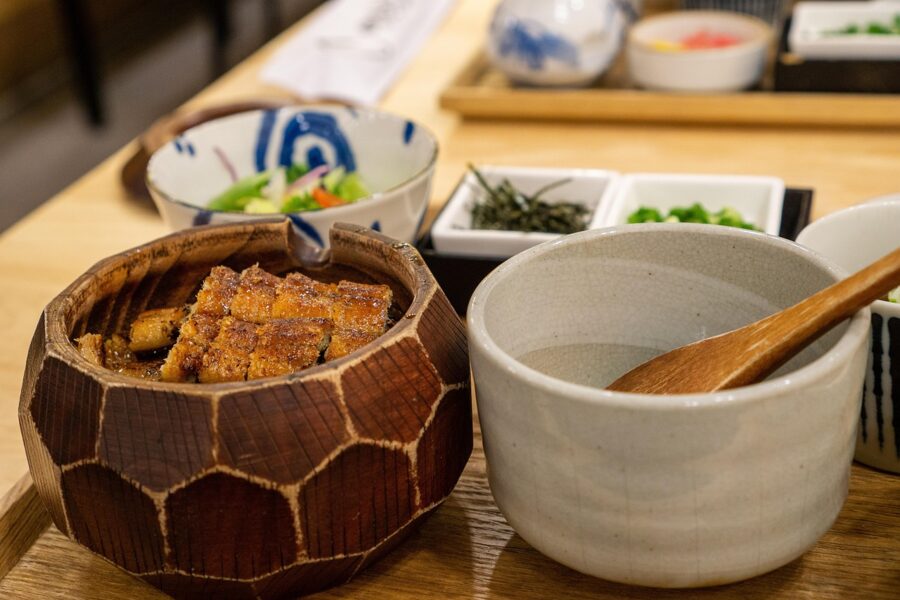
The main restaurant, the Jinya, is seven minutes from exit 4 of Atsuta Jingu Temmacho Station. It opens 11:30–14:00 and 16:30–20:30 and closes on Wednesdays and the second and fourth Thursdays. Near the station, Maruya Honten’s branch in Umaimon Dori serves the jo grade for ¥5,250 and a mini for ¥3,350, 11:00–22:00. My unagi guide covers the dish, the rival claims and the eel itself in detail.
Noodles that aren’t what they say
Nagoya’s noodle shops are where the city’s sense of humour shows. One noodle is so flat it barely counts as udon. The “Taiwan” ramen was invented in Nagoya. The spaghetti is fried, gravy-soaked and as Italian as a rice ball.
Kishimen
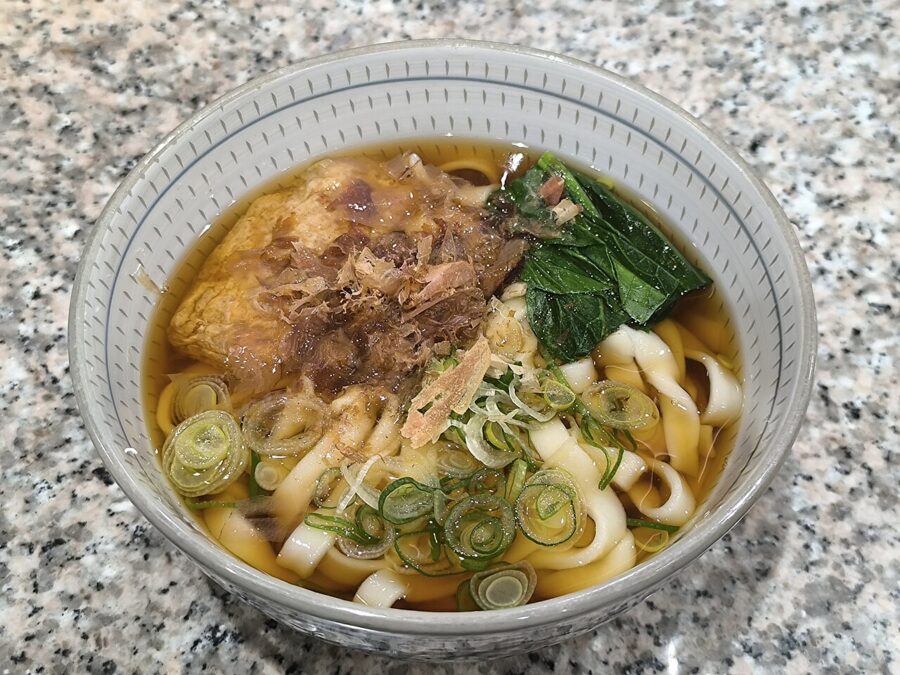
Kishimen is Nagoya’s everyday noodle: udon rolled wide and thin, about 1.5mm, so it cooks in five or six minutes and slides rather than chews. It comes in a light soy broth with fried tofu, greens and a heap of bonito flakes that wilt as you watch. To be sold as “Nagoya kishimen” a noodle has to be made in Aichi to a set recipe of salt and water.
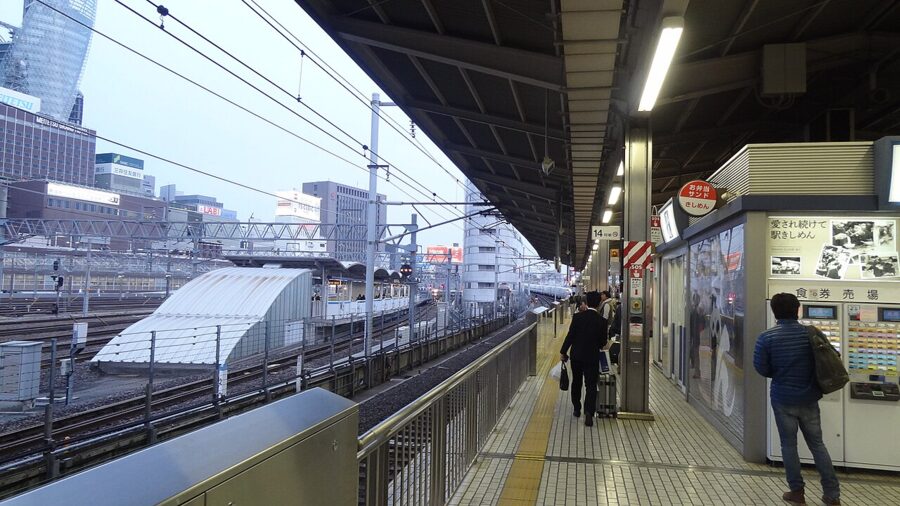
The classic place to eat it is standing up on a JR platform at Nagoya Station, where stand-up kishimen counters feed commuters between trains, the Shinkansen platforms included. It’s the last Nagoya food you can eat before you leave, and you don’t even need to go through another gate. On a busy holiday there’s a queue, but it moves fast.
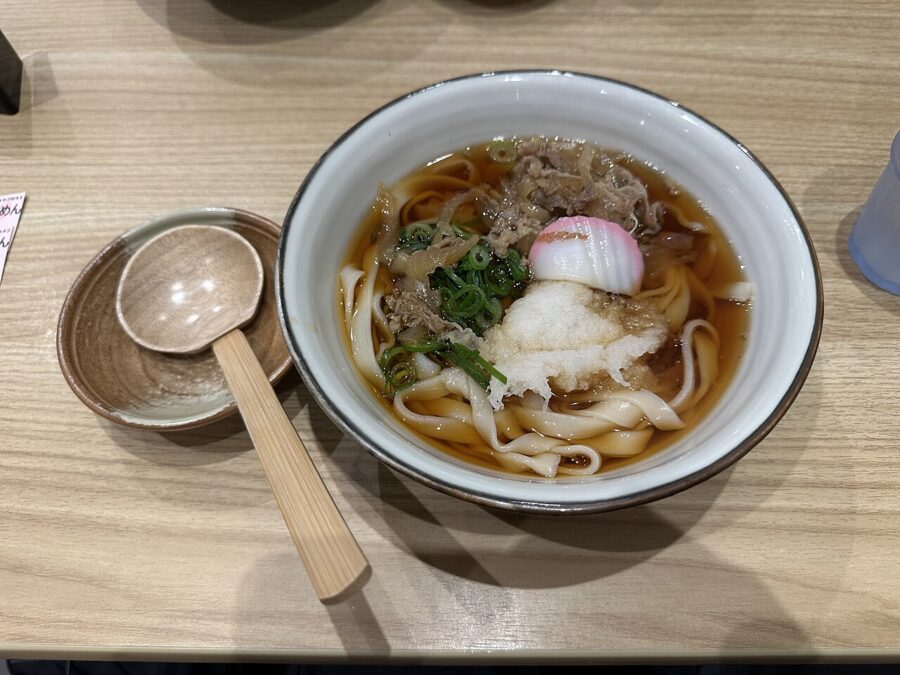
For a sit-down bowl, Kishimen Yoshida, a maker founded in 1890 in Arako, has a shop in Esca with a broth of muroaji fish flakes and tamari. It opens 11:00–15:00 and from 17:00 to 20:30 on weekdays (21:00 at weekends). The kishimen chapter of my udon guide has the history, which nobody agrees on.
Taiwan ramen
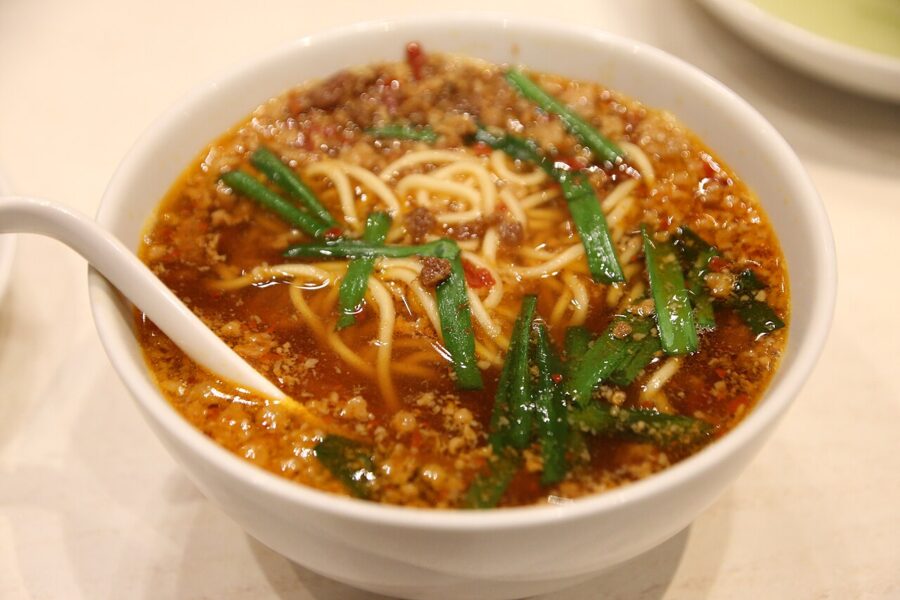
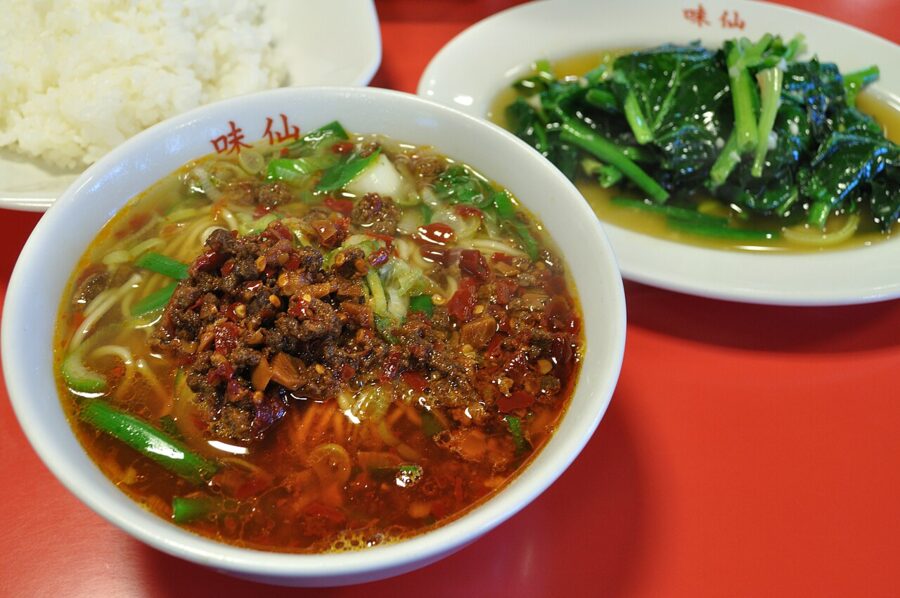
Taiwan ramen is from Nagoya. It was invented around 1970 by Kuo Ming-you, whose family ran a Chinese restaurant called Misen. He wanted something like the danzai noodles he’d eaten in Taiwan, which aren’t spicy at all, and he added chilli because he liked heat. It began as a staff meal, a regular asked to try it, and the name was simply “ramen made by a Taiwanese person”.
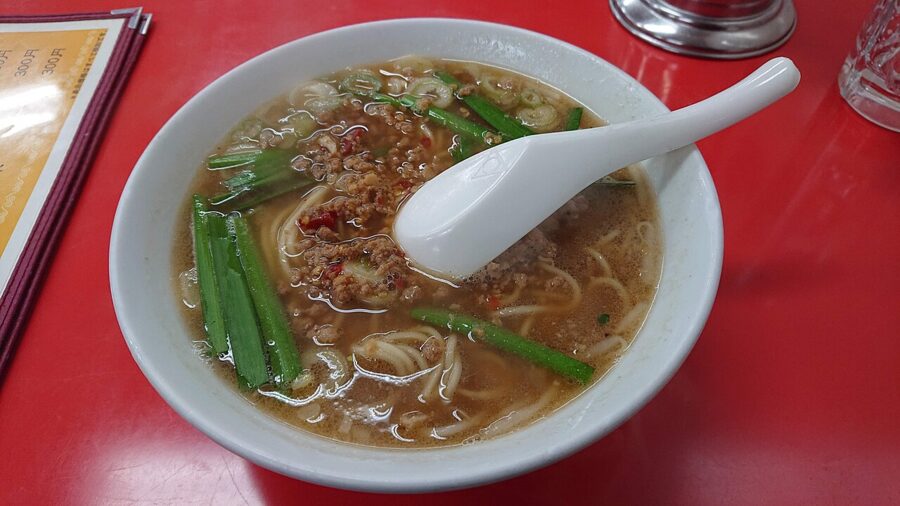
The bowl is soy-seasoned chicken broth, thin noodles, chives and bean sprouts, buried under minced pork fried with dried chilli and garlic. It took off in the spicy-food boom of the late 1980s, and by 2000 more than 200 of Nagoya’s roughly 380 ramen shops served it, according to Aichi’s Chinese restaurant trade association. If you can’t take much heat, order it “American”, the milder version.
Misen’s Imaike Honten, at Imaike 1-12-10, is a minute from exit 9 of Imaike Station on the Higashiyama line. It opens 17:00–1:00 (last orders 0:30) and closes only on 31 December and 1 January. Kuo died in 2023, and the family’s branches are run separately by his siblings and their families, so the recipe varies a little between them. The JR Nagoya Station branch, at the far end of Umaimon Dori, opens 11:00–22:30.
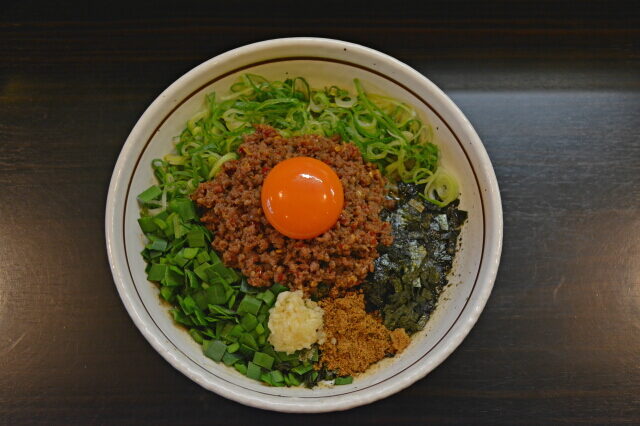
Nagoya’s ramen bars spun off a second dish in 2008. At Menya Hanabi’s Takabata shop in Nakagawa-ku, the owner had made a batch of Taiwan minced pork that didn’t suit his broth, and a part-timer suggested trying it on plain noodles instead. The result was Taiwan mazesoba: soupless thick noodles mixed with the chilli pork, raw chives, fish powder, garlic and an egg yolk, with a scoop of rice at the end to mop up the bowl. My regional ramen map places both on the national picture.
Ankake spaghetti
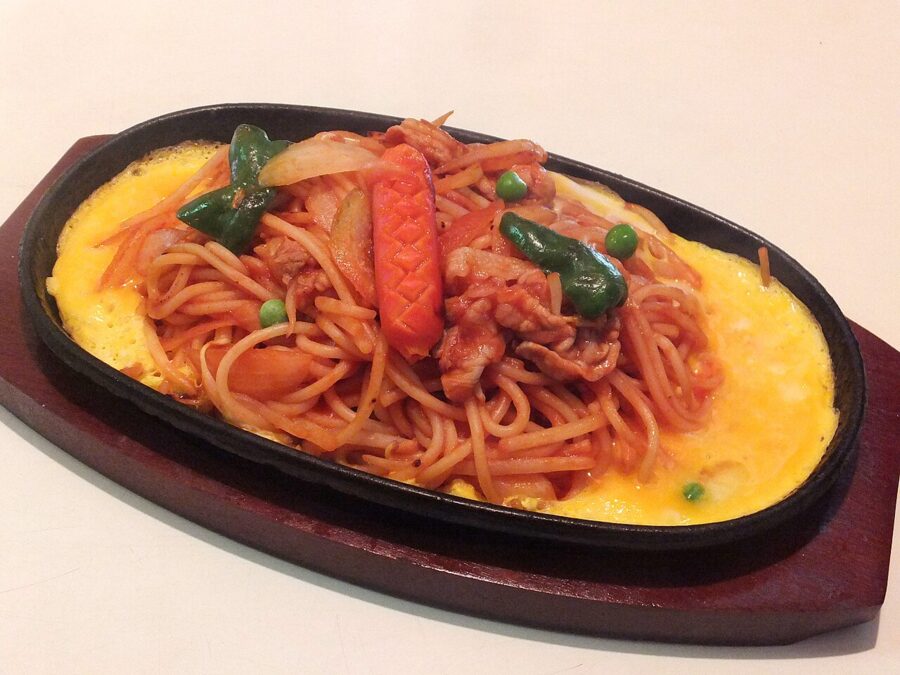
This one surprises everybody. Ankake spaghetti is very thick spaghetti, boiled ahead and then fried in lard like yakisoba, under a peppery, slightly sticky sauce that starts from tomato and meat and ends up somewhere near a Chinese gravy. It was created in 1961 by Yokoi Hiroshi, who was cooking at a Sakae restaurant called Sore at the time and later opened his own shop.
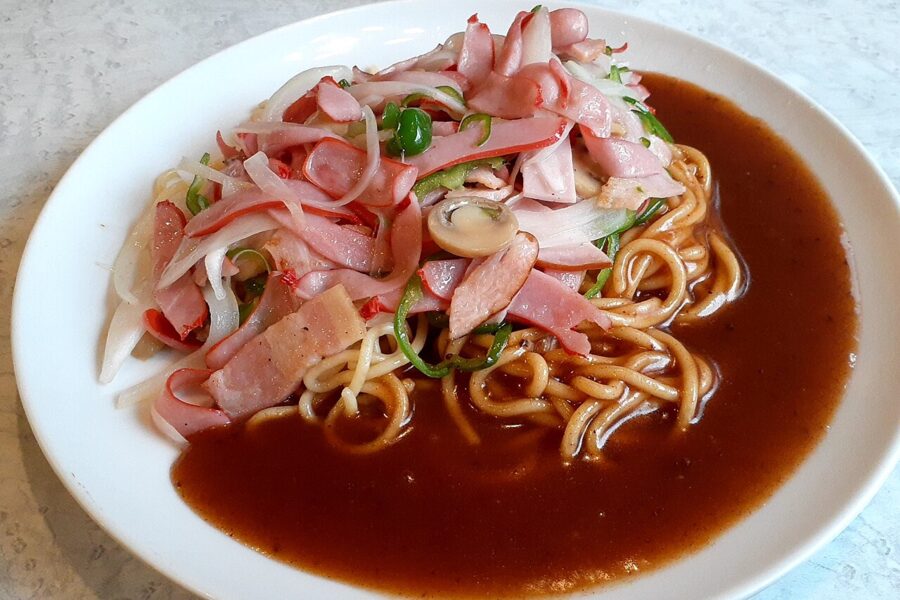
Both still trade, and both claim it: Sore calls itself the birthplace, Yokoi calls itself the original. The toppings have their own vocabulary. “Milanese” means meat, “Country” means vegetables, “Miracan” is both, and “Viking” means fried fish. At Spaghetti House Yokoi, the Miracan is ¥1,250 and the Milanese ¥1,200, and the noodles are 2.2mm thick.
Yokoi’s Sumiyoshi Honten is on the second floor of the Santo Building at Sakae 3-10-11, five minutes from exit 8 of Sakae Station. It serves lunch 11:00–15:00 every day except Monday, plus dinner 17:00–21:00 from Wednesday to Saturday, and it closes early if the sauce runs out. There’s a branch in KITTE Nagoya by the station, open 11:00–22:00.
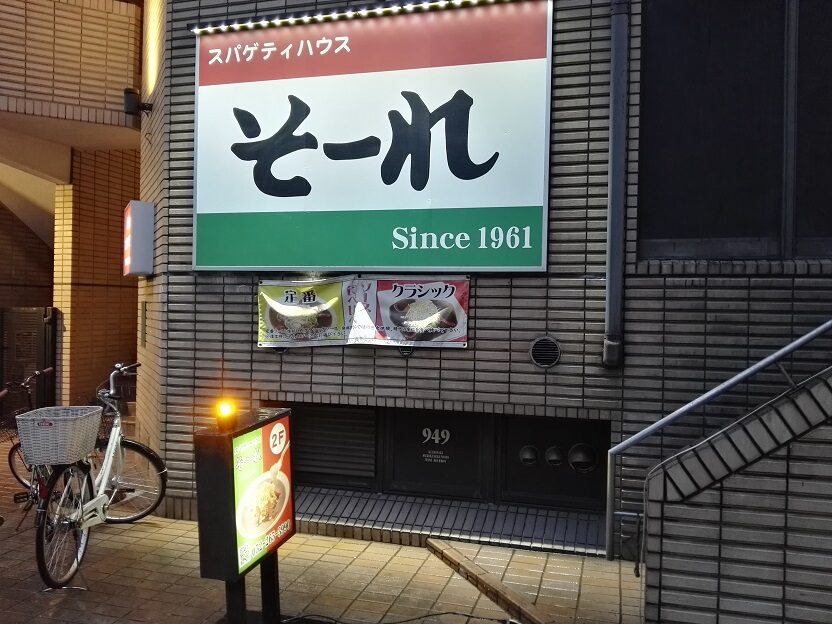
Spaghetti House Chao, founded in 1979, is the gentler version, with a milder sauce simmered for about two weeks and three portion sizes. The branch on the 12th floor of the JR Gate Tower above the station opens 11:00–23:00. If you like the idea but want less pepper, start there.
Sugakiya
Every Nagoya childhood includes Sugakiya. It opened in Sakae in 1946 as a sweets shop selling zenzai and baked sweet potatoes, added ramen in 1948, and now runs hundreds of counters, mostly in supermarket food courts. The ramen is a pale, mild Japanese-style pork broth, ¥430 a bowl, and you eat it with a “ramen fork”, a spoon with prongs that the company introduced in 1978.
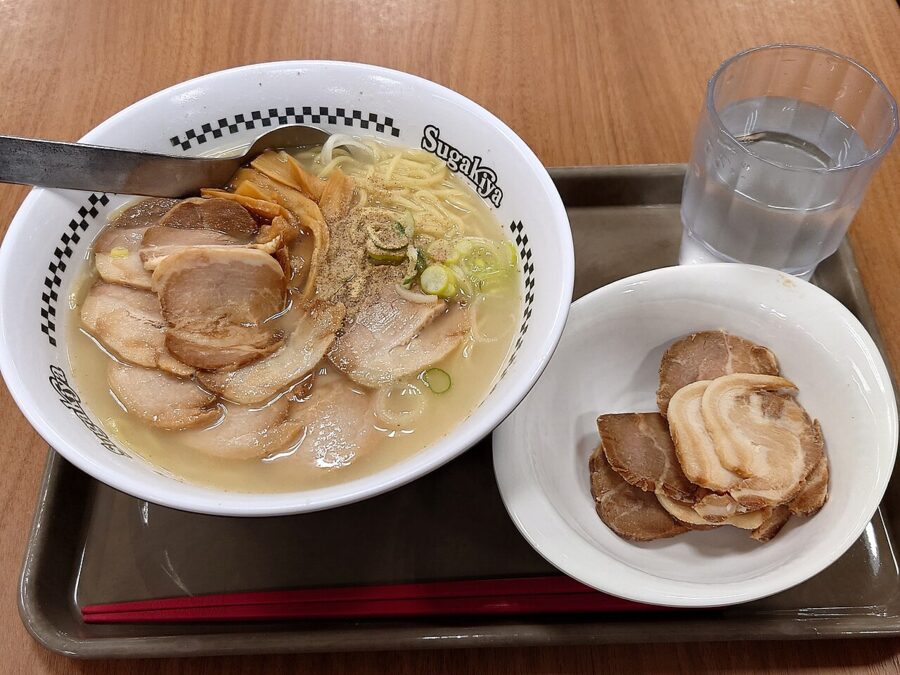
It’s not great ramen, and Nagoya doesn’t pretend otherwise. It’s comfort food at ¥430, and the branches in Osu and in Esca are as easy as it gets.
Tenmusu and the dishes Nagoya borrowed
Not every Nagoya meshi is from Nagoya. Tenmusu, a small rice ball with a prawn tempura inside, was invented in the 1950s at Senju, a tempura shop in Tsu, Mie, as a quick lunch for the owner’s husband. In 1980 a woman named Fujimori Akiko, whose watch shop in Osu was moving, remembered eating Senju’s tenmusu on a beach trip and asked to learn the recipe. It took a month of visits before the Tsu family agreed, and the Nagoya Senju opened in the early 1980s.
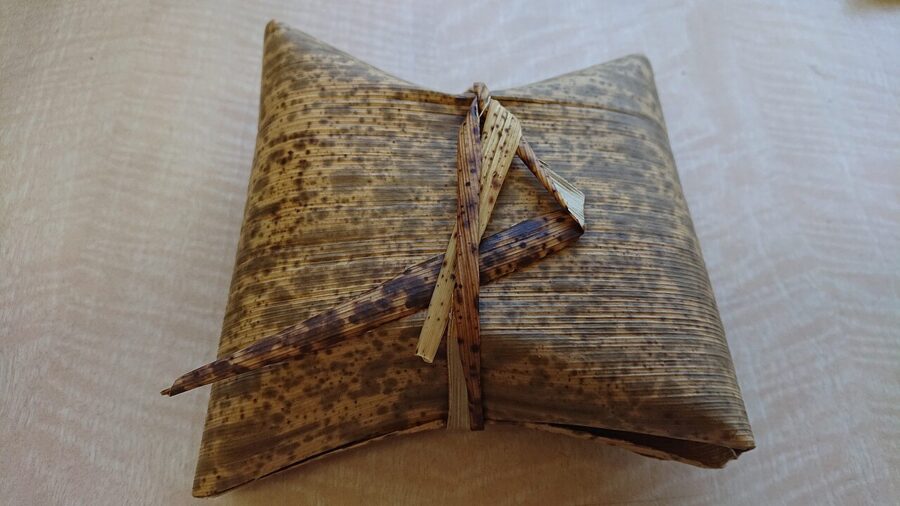
The Nagoya Senju is at Osu 4-10-82, three minutes from Kamimaezu Station. It’s open 8:30–18:00 with eating in from 12:00 to 14:00, and closes on Tuesdays and Wednesdays. A serving to eat in is ¥825; a takeaway pack of five is ¥810.
Jiraiya makes the one-bite style, sells it from shops around the city, and runs a takeaway main shop in Tokugawa, Higashi-ku, 9:00–17:00. My tempura guide tells the Tsu side of the story.
Tenmusu is also the best train food in the city. Buy a pack on the way to the platform and eat it cold; it keeps its flavour cold, which is why it’s sold as a lunch box. My ekiben guide covers the boxed lunches sold in the station too.
The fried prawn joke
In the 1980s the comedian Tamori did a routine mocking the Nagoya accent, in which locals called fried prawns “ebi furya”. It was a gross exaggeration of how anyone spoke. But the kuruma prawn is Aichi’s prefectural fish, Ise Bay and Mikawa Bay land a lot of them, and restaurants decided to lean in. Fried prawns are now sold as Nagoya food on bento lids and menus all over the station.
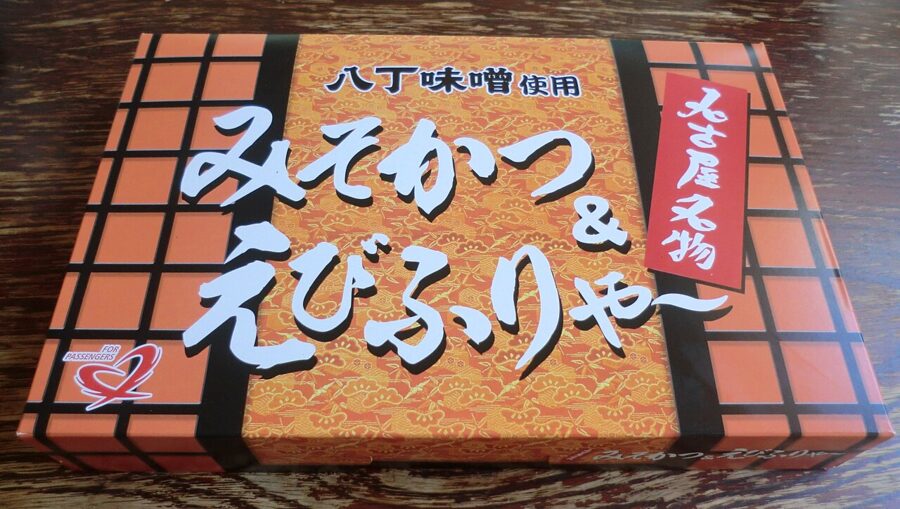
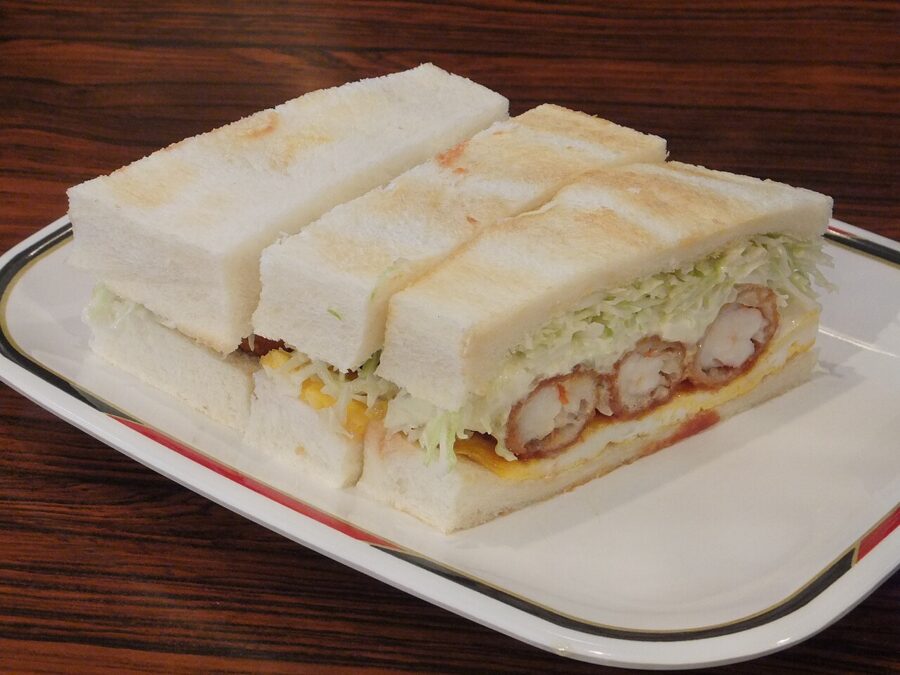
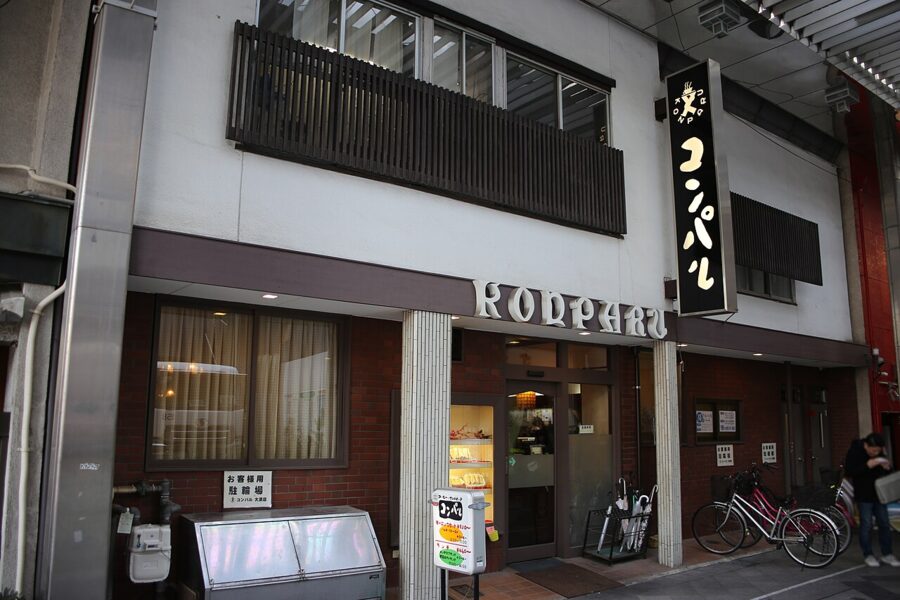
The best use of the joke is a sandwich. Compal, a coffee shop founded in Osu in 1947, makes a fried prawn sandwich with egg, cabbage, cutlet sauce and tartare in toasted bread. It’s a lot of sandwich, and it’s the reason I go back.
Mornings: toast, egg and the price of a coffee
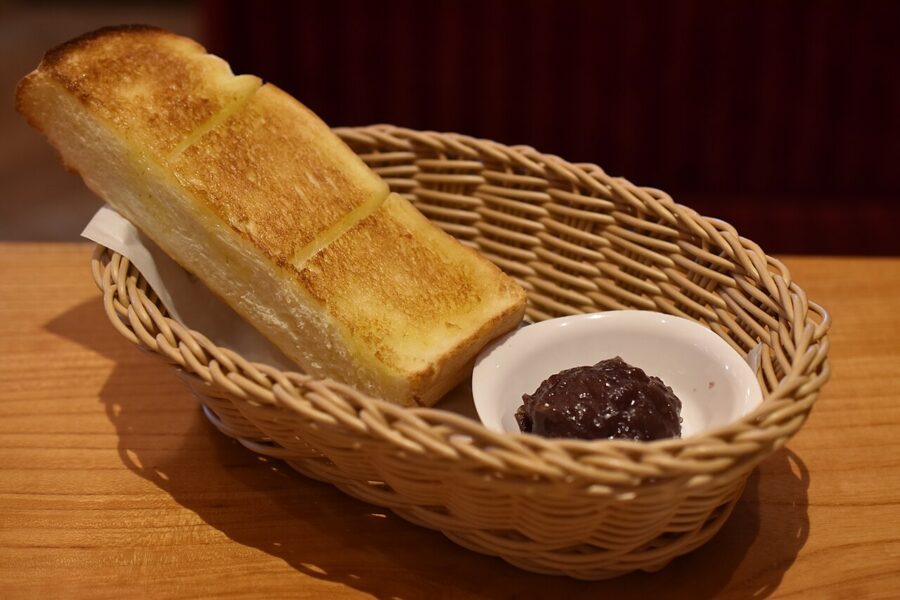
In Nagoya, if you order a coffee in the morning, food arrives with it. That’s morning service, and it’s the most generous habit in Japanese café culture: thick toast, usually a boiled egg, sometimes salad or fruit, at no extra charge or for a little more. Shops run it until about 10:00 or 11:00.
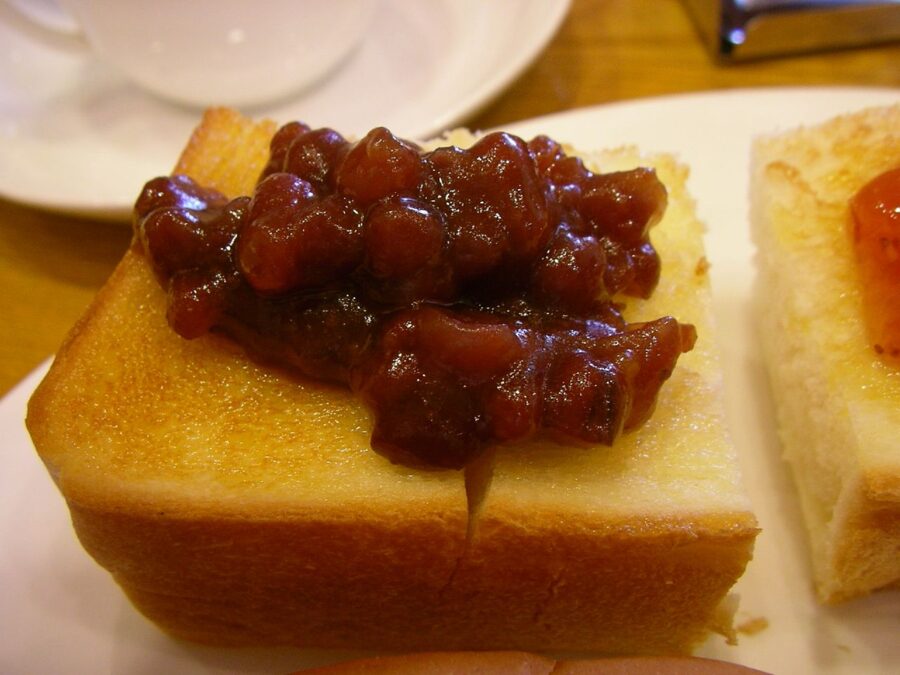
The red-bean version is ogura toast. The usual story places it around 1921 at Mitsuba, a coffee house that once stood in Sakae, where students started dipping their buttered toast into bowls of sweet bean soup until the owner just served the two together. It sounds odd, and it’s very good.
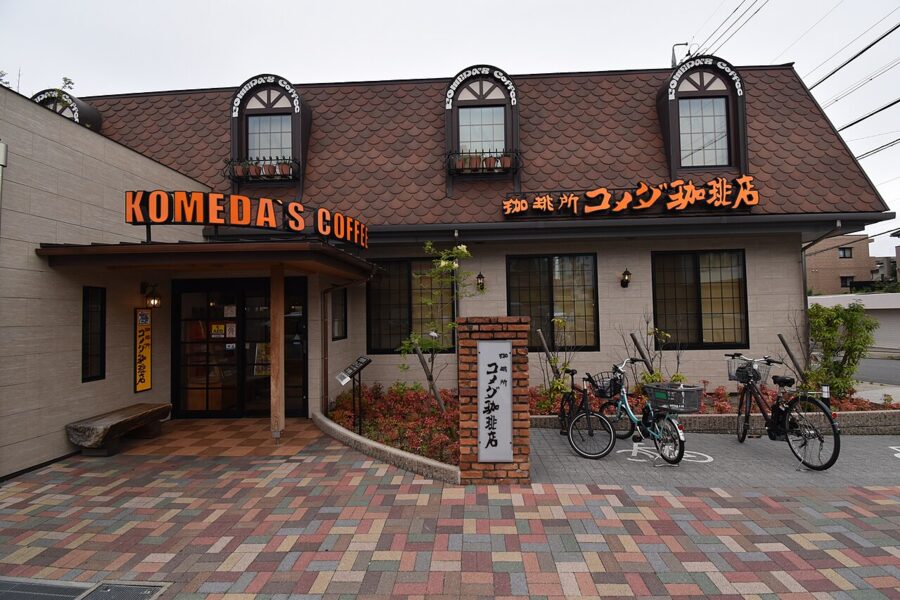
The chain that took the morning national is Komeda’s Coffee, which started as a single coffee house in Nagoya in 1968. Order any drink until 11:00 and you get toast with a choice of egg, egg spread or the house red beans. Compal’s main shop in Osu opens at 8:00, and adding ham-and-egg toast to your drink costs ¥150 more. My kissaten guide has the old coffee houses, the rival origin stories and the rules.
Where to eat: Meieki and the station
Nagoya Station, or Meieki as the area around it is called, is not a compromise. You can eat five of the city’s signature dishes without ever going outside, and if you only have a layover, this is where you should spend it.
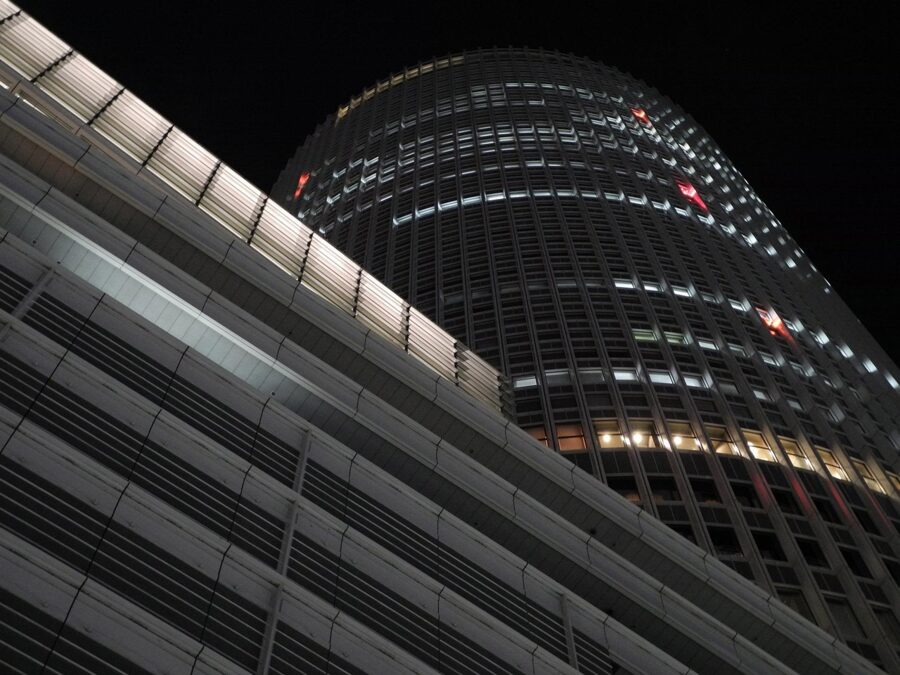
Esca is the underground mall on the Shinkansen (Taiko-dori) side. In one corridor you’ll find Yabaton, Yamamotoya Honten, Kishimen Yoshida, Torikai Sohonke for Cochin oyakodon, a Sugakiya, and sweet shops including Aoyagi for uiro. Restaurants keep their own hours, mostly from about 11:00 until somewhere between 20:30 and 22:00.
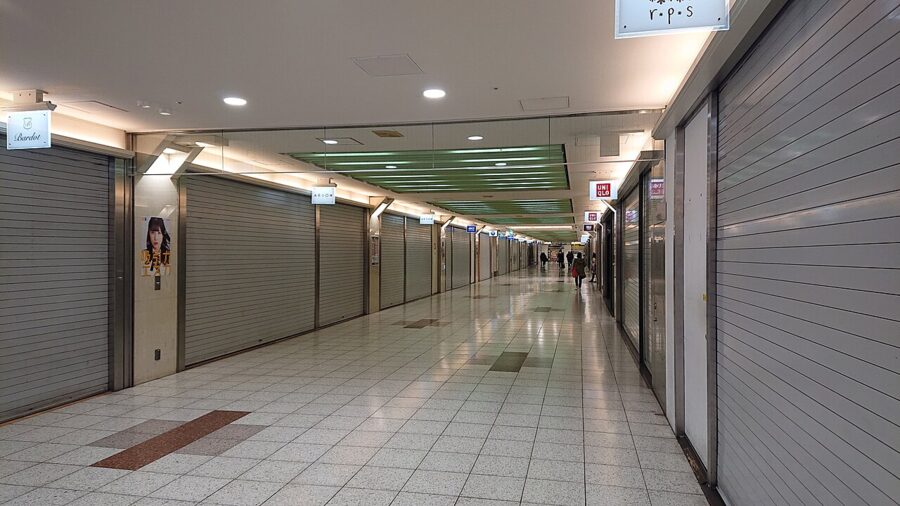
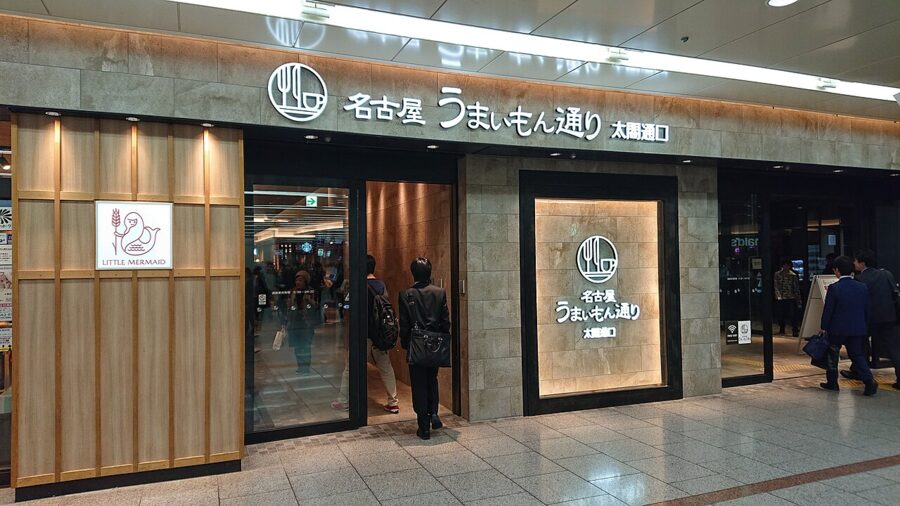
Inside the JR station itself, Umaimon Dori is a short restaurant street between the Taiko-dori and Hirokoji exits. Misen’s station branch is at the far end, Maruya Honten serves hitsumabushi, and Yamamotoya Honten has miso nikomi near the Hirokoji gate, handy if your train is close. Next door, KITTE Nagoya has a Yokoi and an Aoyagi shop.
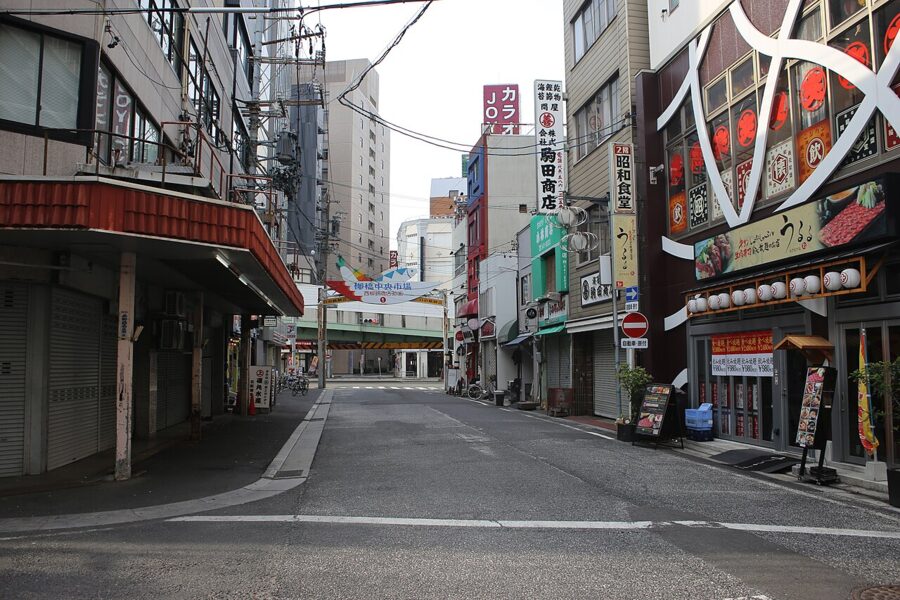
A short walk east of the station, Yanagibashi Central Market is the city’s wholesale fish and produce market, where restaurants buy in the early morning. It’s small, working and not set up for sightseeing, which is its appeal. Go early and keep out of the way of the trolleys.
Sakae and Osu
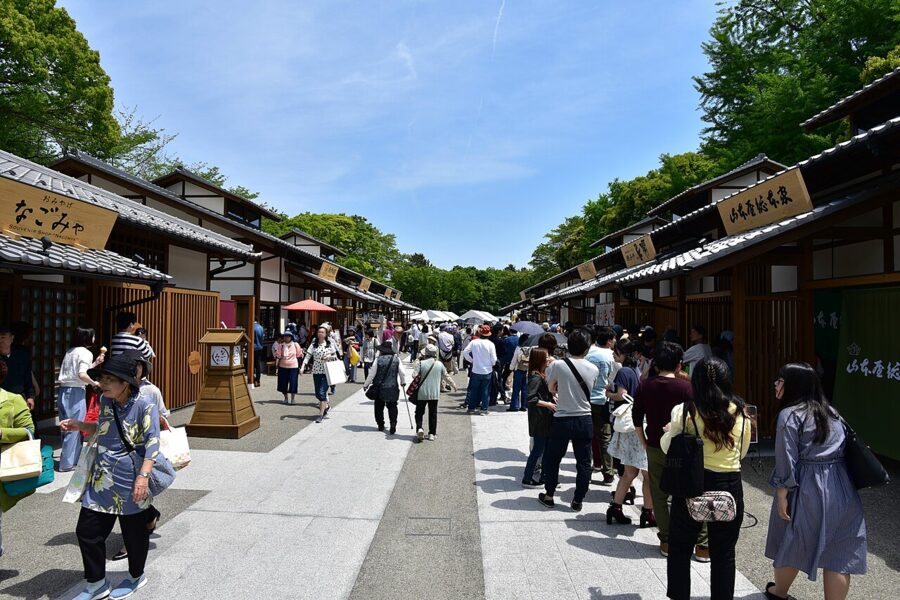
Sakae is downtown: department stores, offices, and the bars and restaurants where Nagoya actually goes out. Osu, a short walk south, is the old temple town, now a grid of covered shopping arcades. Most of the shops I’ve named are in one or the other, and the walk between them takes about 20 minutes.
Sakae
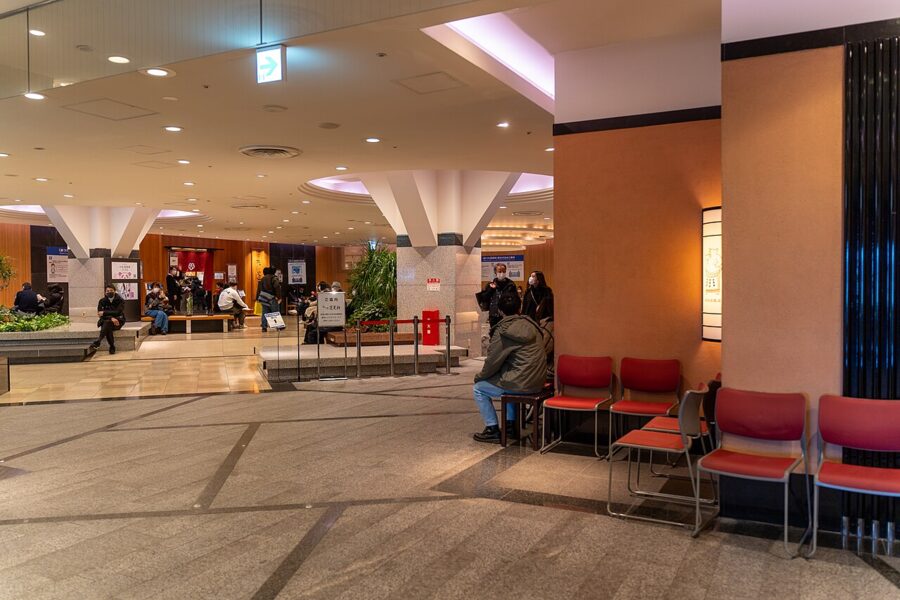
Yamamotoya Sohonke’s Honke, Yokoi’s Sumiyoshi Honten and Sore are all within a few blocks of Sakae Station, and Torigin and Furaibo’s Higashi-Sakura branch are nearby for the evening. Matsuzakaya, the big department store at Sakae 3-16, opened Japan’s first basement food floor in 1936.
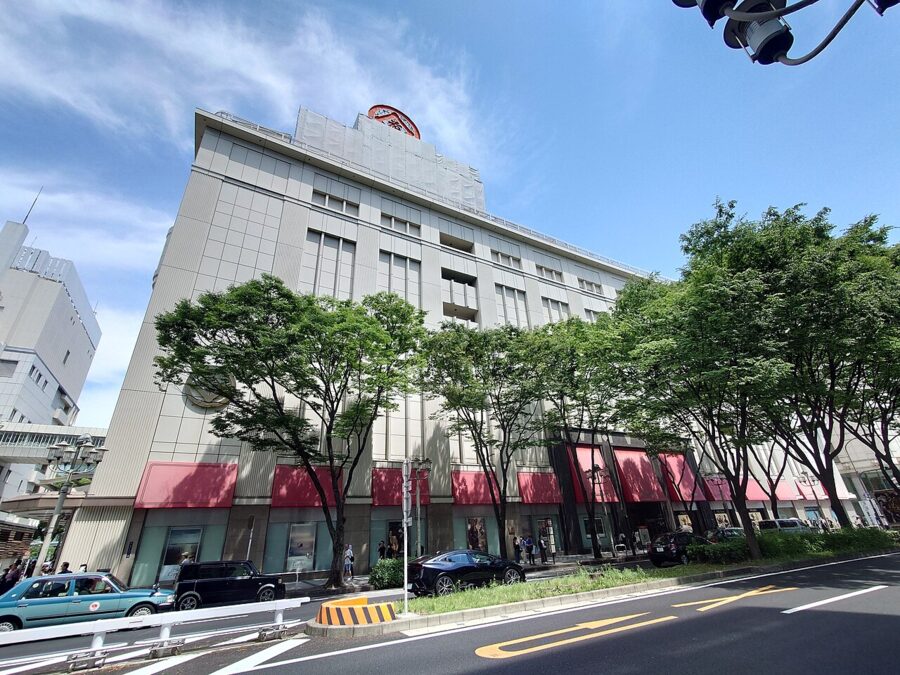
Its south building’s 10th floor has a branch of Atsuta Horaiken with the same ¥4,950 hitsumabushi as the shrine-side original, and a basement takeaway counter too. My depachika guide explains how the food halls work.
Osu
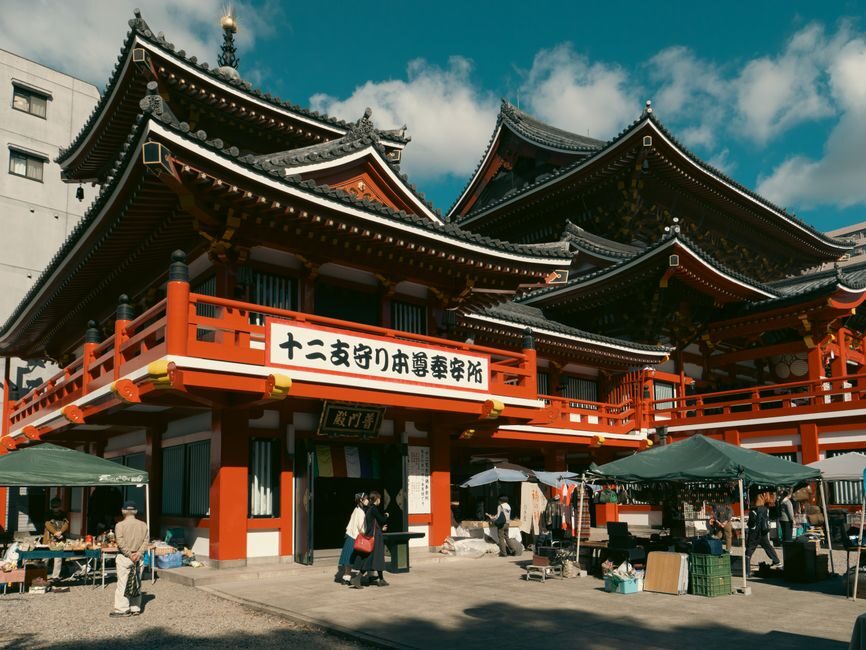
Osu grew up as the gateway town of Osu Kannon, a temple moved here from Osu in Mino province on Tokugawa Ieyasu’s orders in the early 1600s. Today it’s a lattice of covered arcades full of secondhand electronics, vintage clothes and cheap street food, and it’s the best place in the city to graze. Kamimaezu Station (Meijo and Tsurumai lines) and Osu Kannon Station (Tsurumai line) bracket it.
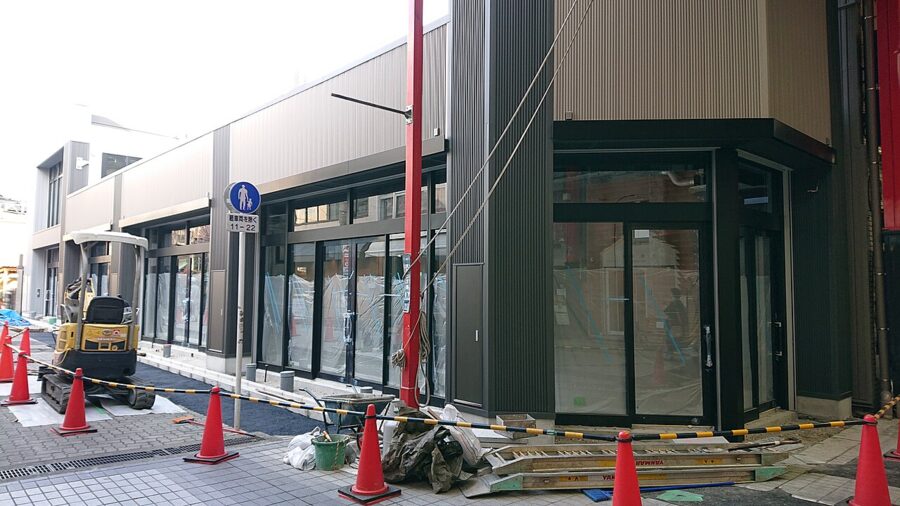
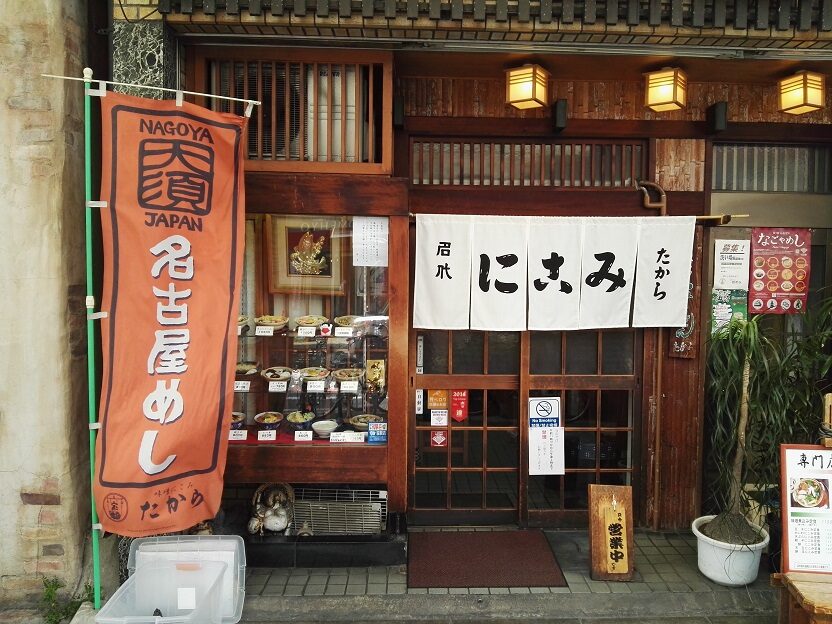
Yabaton’s main restaurant is on the eastern edge. Mukashi no Yabaton is right beside the temple, and Senju for tenmusu and Compal for prawn sandwiches are a few minutes apart. For miso nikomi, Nikomi no Takara at Osu 2-16-17 is Osu’s only miso nikomi specialist and has been at it since 1964; it’s five minutes from exit 2 of Osu Kannon Station and closes on Thursdays.
Atsuta: the shrine, the eel and the noodles
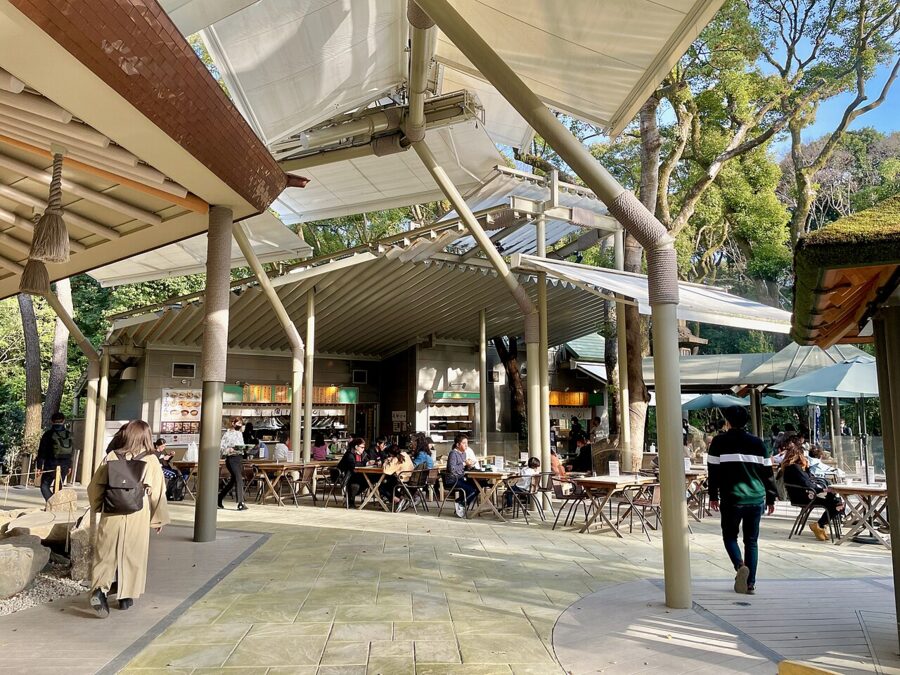
Atsuta Jingu, in a large wooded precinct in southern Nagoya, is one of the most important Shinto shrines in Japan and well worth an hour on its own. It’s also the best half-day of eating in the south of the city, because the eel and the kishimen are both within a few minutes’ walk.
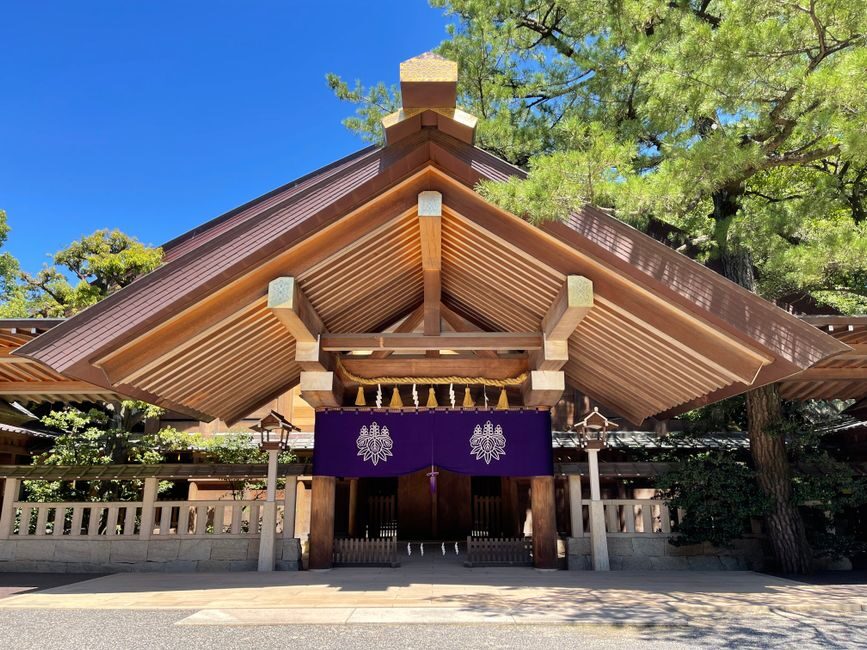
Atsuta Horaiken’s Jingu branch is just outside the shrine’s south gate. It closes on Tuesdays and the second and fourth Mondays, while the Jinya closes on Wednesdays and the second and fourth Thursdays, so between them you can always eat. At weekends, expect a wait at both.
Inside the grounds, Miya Kishimen’s Jingu shop serves kishimen within the shrine itself. The company was founded in 1923 and was given the “Miya” in its name, from the shrine, by Atsuta Jingu’s chief priest. A bowl here, after the walk, is the gentler way to eat in Atsuta.
A morning at the hatcho miso breweries
If the miso is the point of Nagoya food, you should see where it’s made. Both of the old breweries in Okazaki run guided tours most days, and they’re a couple of minutes apart, so you can do one, look at the other’s yard and be back in Nagoya by lunchtime.
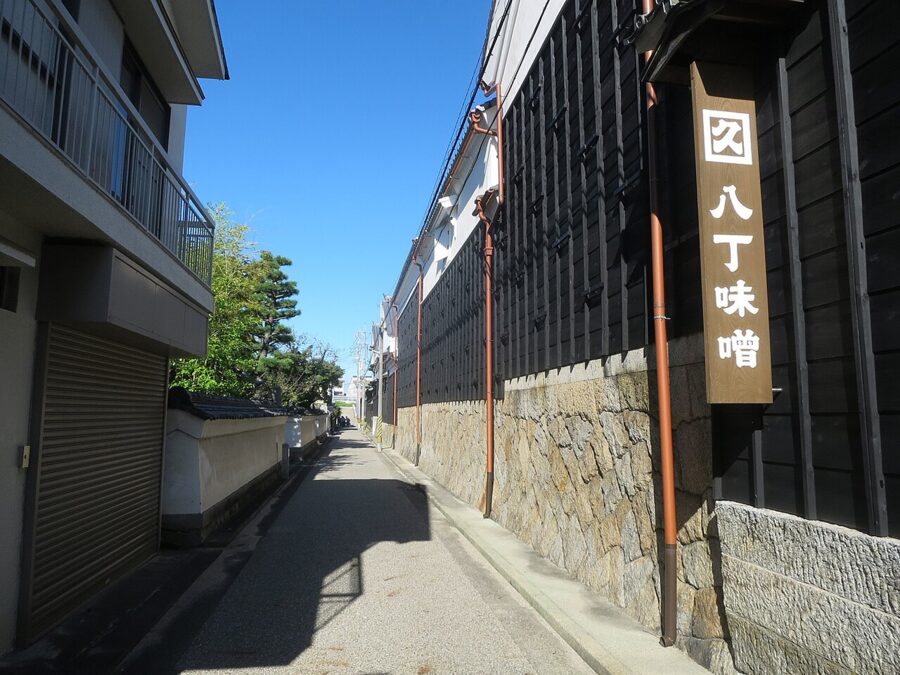
Kakukyu’s site, Hatcho Miso no Sato, is free to enter. Tours run 10:00–16:00 on the hour on weekdays, and on the hour and half hour at weekends and holidays. They take about 50 minutes through the archive and an ageing storehouse, end with a tasting and the shop, and the site closes only from 31 December to 2 January. Its restaurant, Okazaki Kakukyu Hatchomura, serves miso nikomi and miso skewers 11:00–15:00.
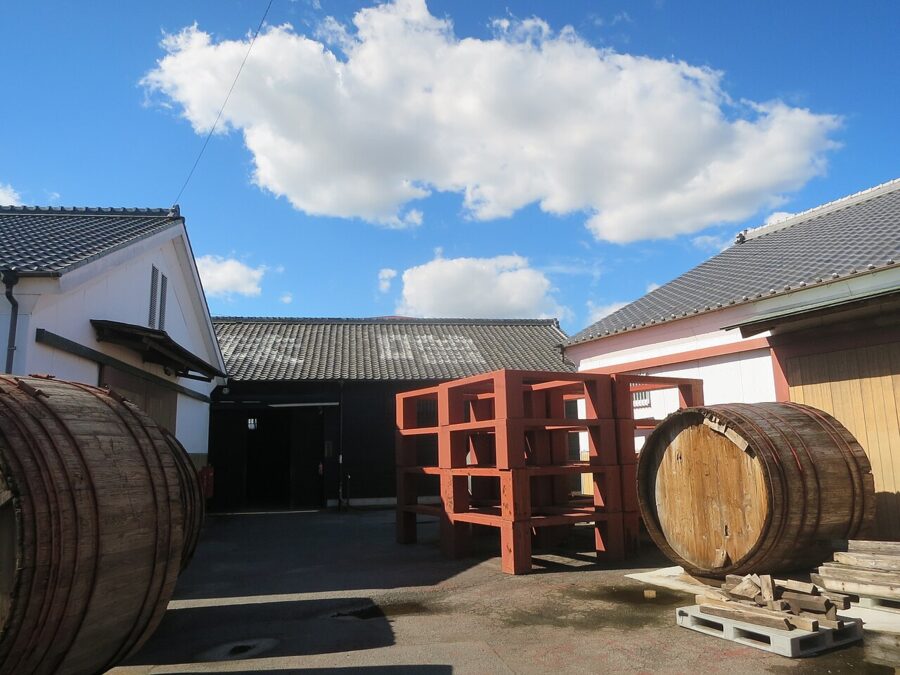
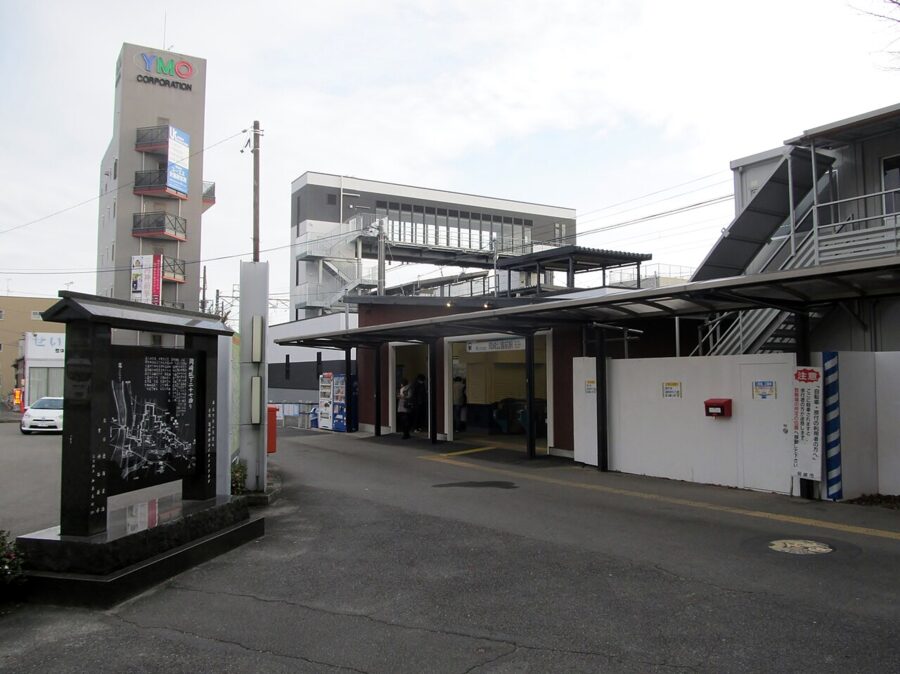
Maruya runs tours every 30 minutes, on the hour and half hour, from 9:00 to a last entry at 16:20, with a break from 12:00 to 13:00. Its shop sells hatcho miso with the beans still whole, which you won’t find elsewhere. Both breweries are a few minutes’ walk from Okazaki-koen-mae Station on the Meitetsu Nagoya line and Naka-Okazaki Station on the Aichi Loop line.
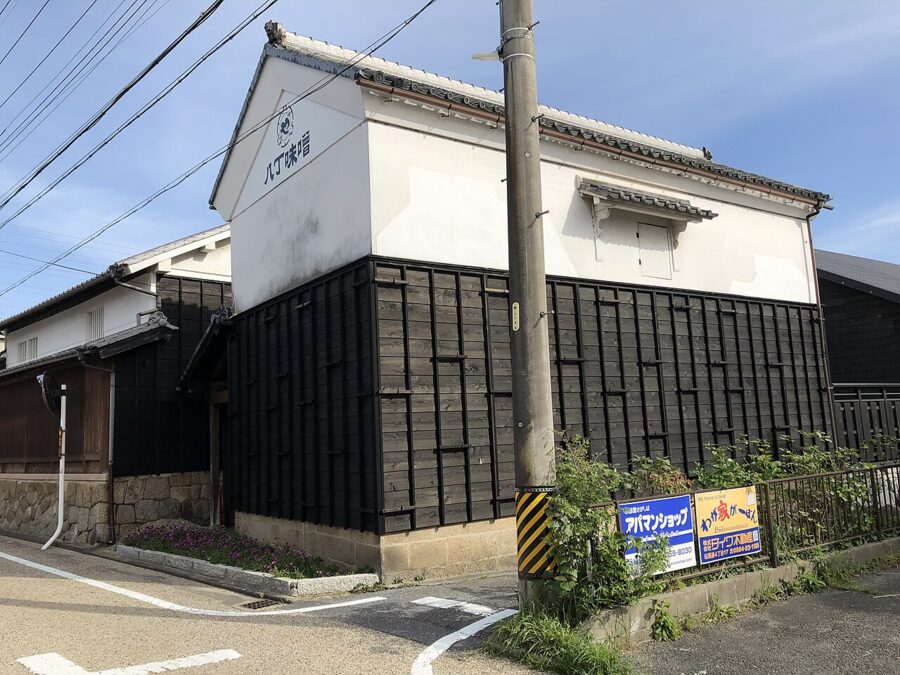
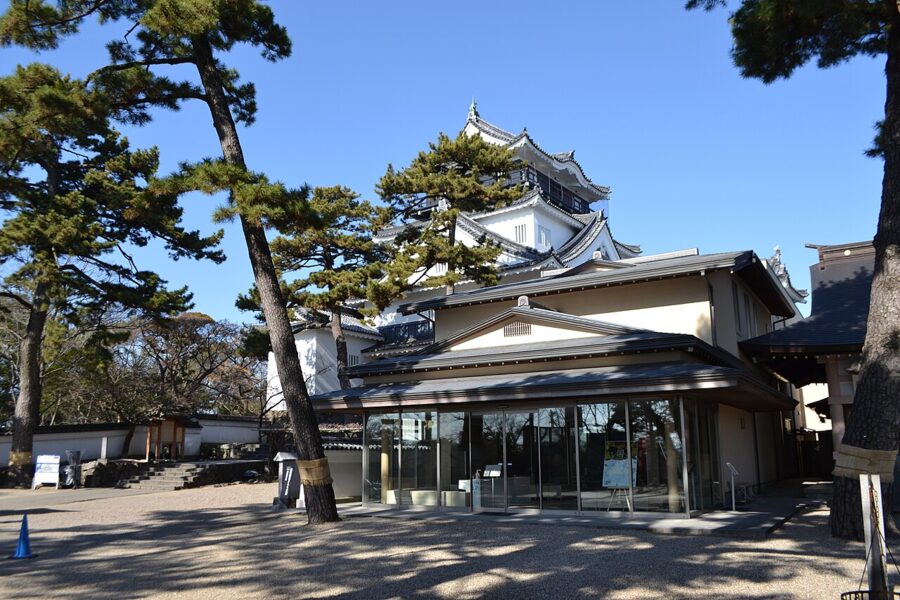
Many of the faster trains from Meitetsu Nagoya stop only at Higashi-Okazaki, the next station east, so check that yours stops at Okazaki-koen-mae or change there for a local. The whole trip, tour included, fits easily into a morning. Okazaki Castle is a short walk away if you want to see where the eight cho were measured from.
One footnote about the label. In 2017 the national geographical-indication protection for “hatcho miso” went to a prefecture-wide association, which left the two original Okazaki breweries outside it for years. In January 2025 their own cooperative was finally added, so today both the originals and other Aichi makers can use the name. If you want the stone-and-vat version, buy it in Okazaki.
Sweets and things to carry home
Nagoya’s souvenir shelves are dominated by three things: uiro, prawn crackers and noodles in a box. All three are sold at the station kiosks and department stores, but the best versions come from the old shops.
Uiro
Uiro is a steamed sweet made of rice flour and sugar, dense and springy, somewhere between mochi and a firm jelly. Aoyagi Sohonke, the country’s biggest uiro maker, founded in Osu in 1879, began selling it on Nagoya Station’s platforms in 1931, and when the Tokaido Shinkansen opened in 1964 its uiro was the one sold on board. That’s how the rest of Japan learned to connect the two.
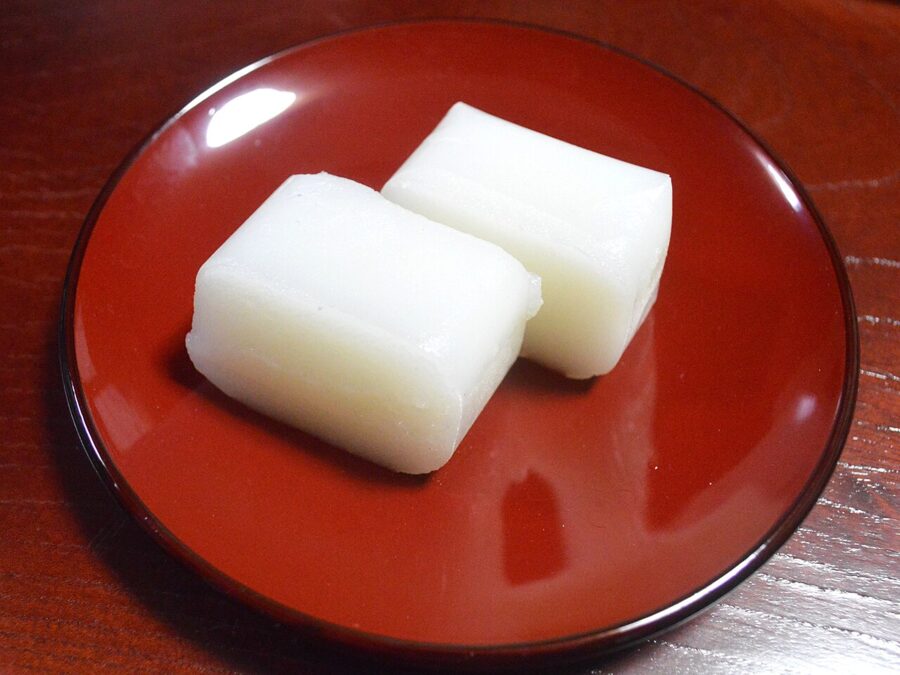
Aoyagi’s Osu Honten at Osu 2-18-50, three minutes from exit 2 of Osu Kannon Station, is a 1979 rebuild of its prewar three-storey zelkova-wood shop. It opens 10:00–18:30 and closes on Wednesdays. On the same block, Osu Uiro, founded in 1947 by the temple gate, sells five-piece one-bite boxes for ¥550 before tax and is open 10:00–18:00.
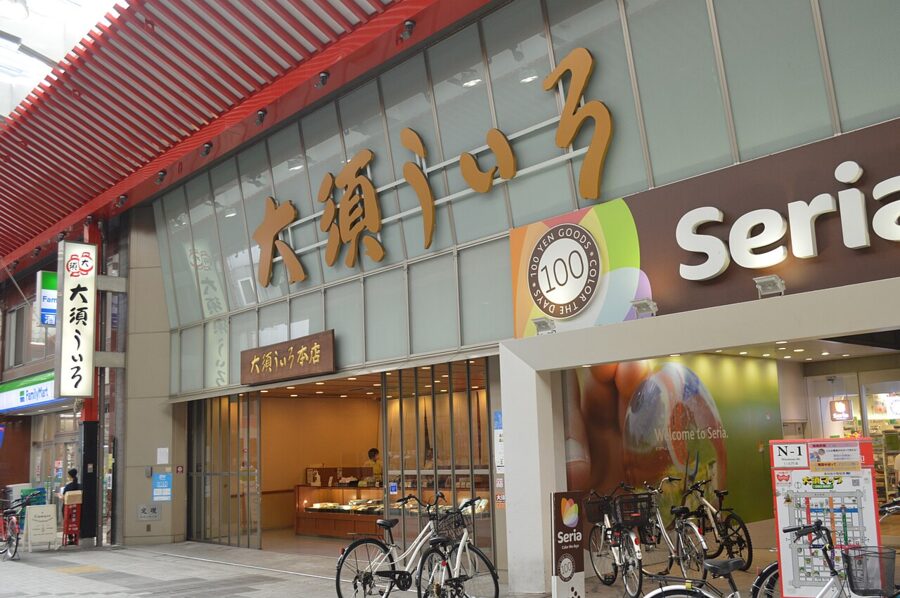
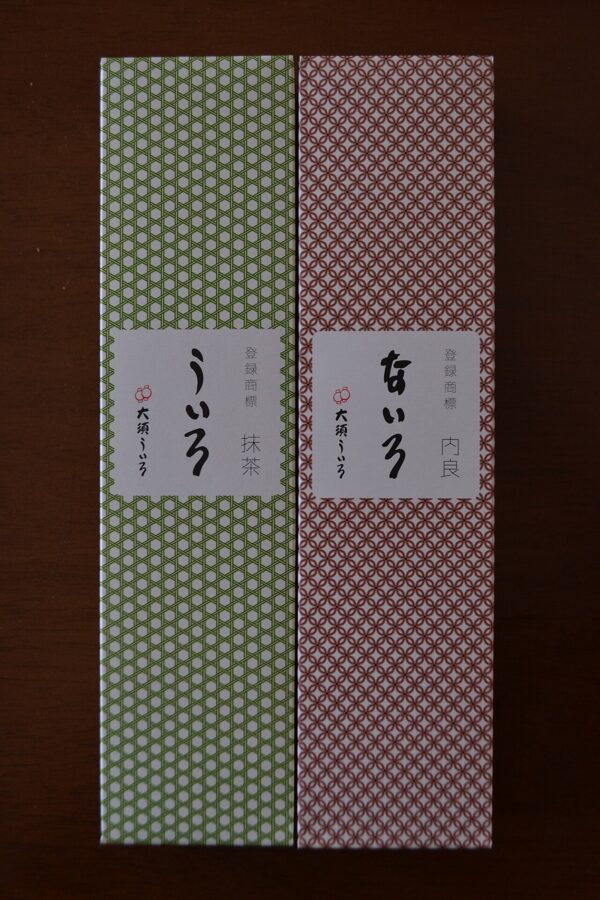
The fresh one-bite pieces are for eating in Nagoya; the boxed, sealed bars are the ones that travel. My wagashi guide puts uiro alongside the rest of the Japanese sweet tradition.
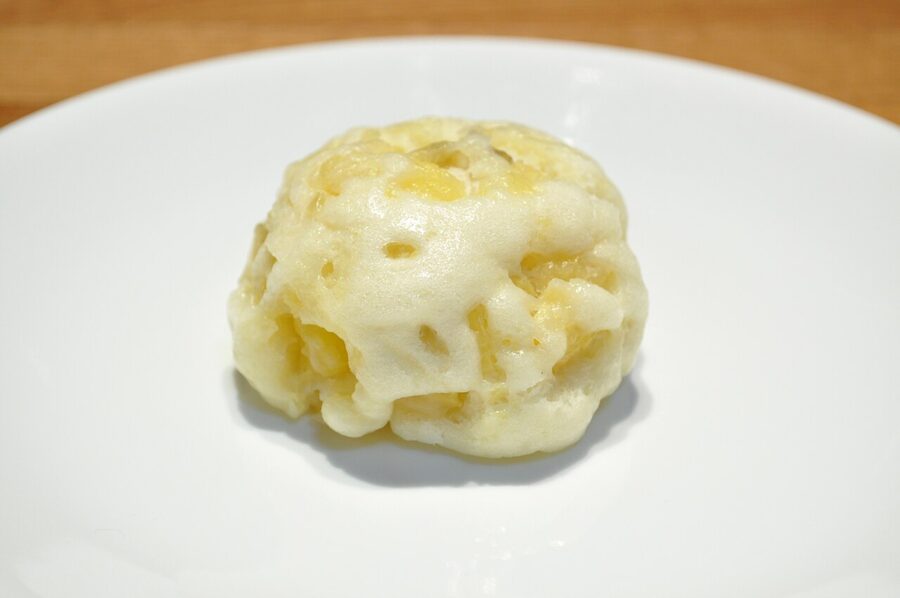
Look out, too, for oni manju, Aichi’s homely steamed bun of flour and sugar studded with chunks of sweet potato. Supermarkets and small sweet shops sell it, and it’s at its best on the day it’s made.
Prawn crackers
Aichi makes about 95 percent of Japan’s ebi senbei, prawn crackers, most of them in the Mikawa and Chita areas around Nishio. The smartest box is Yukari, from Bankaku Sohonpo, a company founded in 1889 in Tokai, south of Nagoya. Yukari is made by grinding whole prawns, shells and all, and baking them into thin, crisp crackers.
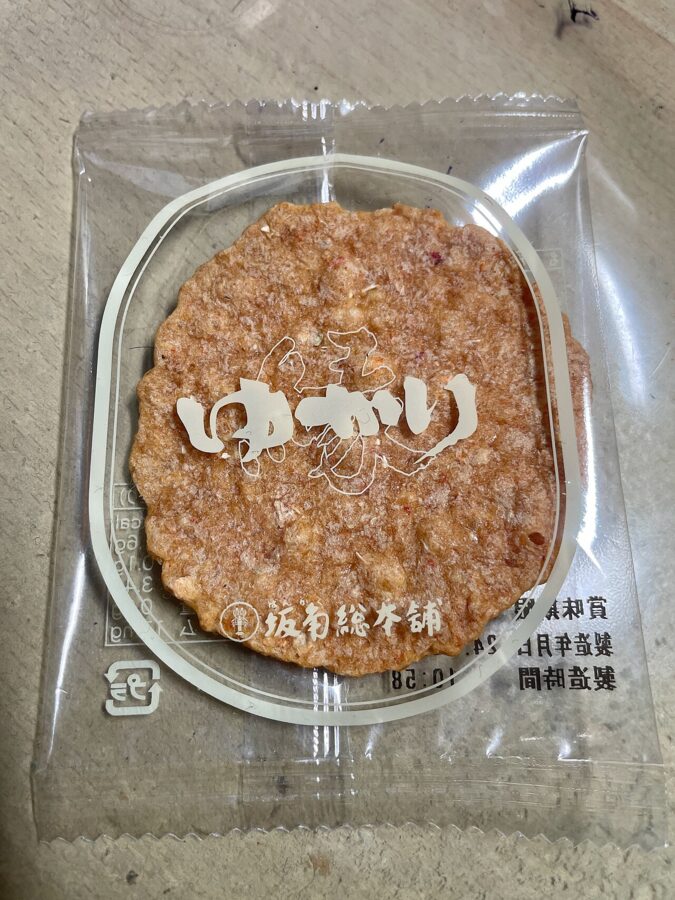
Yukari is light and travels well, which makes it the safest Nagoya gift there is. My guide to Japanese snacks and food souvenirs covers how to choose a box for a whole office.
Noodles, miso and pickles to go
Yamamotoya Sohonke and Yamamotoya Honten both sell boxed raw miso nikomi kits with the noodles and the miso, and Esca has a Yamamotoya Honten souvenir counter open 9:00–20:30. Kishimen comes in dried and fresh packs; look for “Nagoya kishimen” on the label, which guarantees it was made in Aichi.
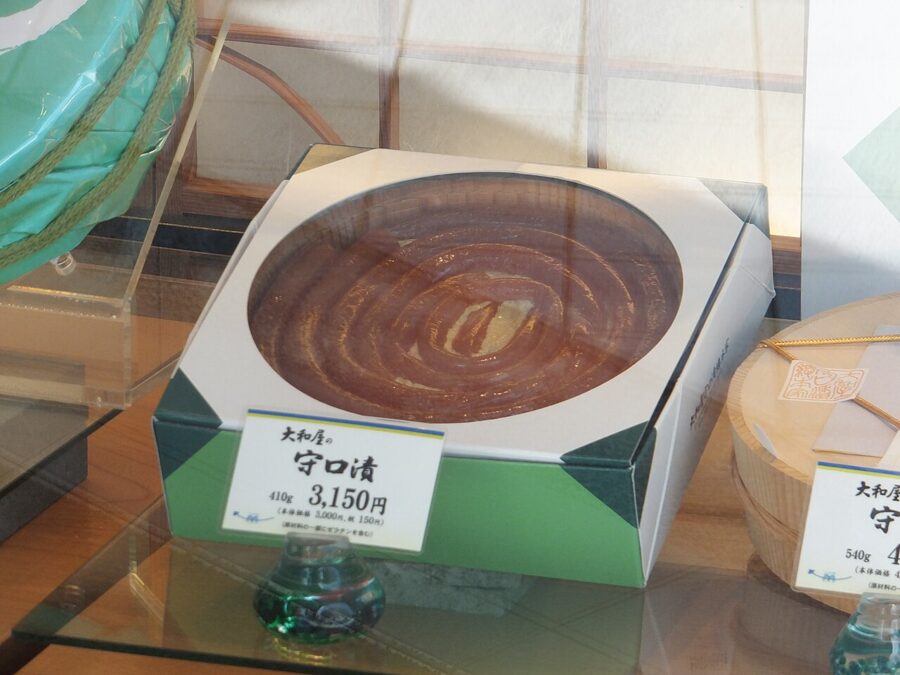
The more serious souvenir is moriguchi-zuke, long, thin Moriguchi daikon pickled in sake lees and mirin lees for the best part of three years until they turn the colour of amber. Yamatoya Moriguchizuke Sohonke’s main shop is on Otsu-dori at Sakae 3-15-1, open 9:00–18:00, and a 390g barrel is ¥3,000 before tax. It’s a gift for someone who likes nara-zuke and strong flavours. And a tub of hatcho miso, from Okazaki if you made the trip, is the souvenir that will last the longest in your kitchen.
What it costs
In my experience Nagoya is cheaper than Tokyo or Osaka for the same quality, and lunch is cheaper than dinner almost everywhere. These are the prices I found on the shops’ own menus and listings; they move a little every year, so treat them as a guide.
| What | Where | Price |
|---|---|---|
| Morning service | Komeda, Compal | The price of a drink; ham-and-egg toast ¥150 extra at Compal |
| Sugakiya ramen | Any Sugakiya | ¥430 |
| Tenmusu | Senju, Osu | ¥825 to eat in, ¥810 for five to take away |
| Doteni and skewers | Dotekin, Shinsakae | Skewers from ¥180 |
| Ankake spaghetti | Yokoi | ¥1,200–1,250 |
| Cochin miso nikomi | Yamamotoya Sohonke | ¥1,980 before tax |
| Miso oden | Yamamotoya Sohonke | ¥600 before tax |
| Hitsumabushi | Atsuta Horaiken / Maruya Honten | ¥4,950 / ¥5,250 (mini ¥3,350) |
| Cochin course | Torigin Honten | From ¥5,800 |
| Uiro, one-bite box of five | Osu Uiro | ¥550 before tax |
| Yukari prawn crackers | Bankaku | From ¥640 before tax |
The eel is the splurge. One hitsumabushi at ¥4,950 costs more than a bowl of Sugakiya, a tenmusu lunch at Senju and a Miracan at Yokoi put together. Some of the older shops still prefer cash.
Skip this
- Queuing at the Jinya at noon on a Saturday. Horaiken’s Matsuzakaya branch in Sakae serves the same ¥4,950 hitsumabushi, and it’s a short walk from the rest of downtown.
- Eating every miso dish in one day. By the third, everything tastes of miso, and you’ll stop noticing the difference between a good one and an ordinary one. Put a kishimen, a Taiwan ramen or a plate of tebasaki in between.
- Kinshachi Yokocho as your only Nagoya meal. It’s pleasant after the castle, but the same chains are at the station and in Osu.
- Ordering “ebi furya” as if it were ancient. Fried prawns in Nagoya are good, but they’re a comedian’s joke that became a menu item. Have the Compal sandwich instead.
If I had one day, I’d take it like this: a coffee and ogura toast at Compal at 8:00, a walk through the Osu arcades, Yabaton’s waraji at 11:00 before the queue builds, uiro for the train, and wings and doteni in Sakae in the evening. Save the eel and the miso breweries for a second day. Then stand at a platform counter with a bowl of kishimen while your train pulls in.
You Might Also Enjoy
 Japanese Craft Beer: A Drinker’s Field Guide to the Post-1994 Scene
 Baijiu: China’s Spirit Explained, From Moutai and Wuliangye to the Banquet Toast
 Peking Duck in Beijing: The Two Roasting Schools, How to Eat It, and Where It Is Worth the Money
 Mutianyu: The Great Wall Section That’s Actually Worth Going To