China Travel Tips for 2026: Visa-Free Entry, Paying With Your Phone, Apps, Trains and What First-Timers Get Wrong
At a noodle counter in Luohu, the QR code sits on the glass beside the chopstick tin, and nobody in the queue is holding money. A man in a delivery jacket points his phone at the code, types in the price, and is eating before the beep has finished. The woman behind him does the same. The only person fumbling is the one holding a passport and a credit card, which is, more often than not, the first-time visitor.
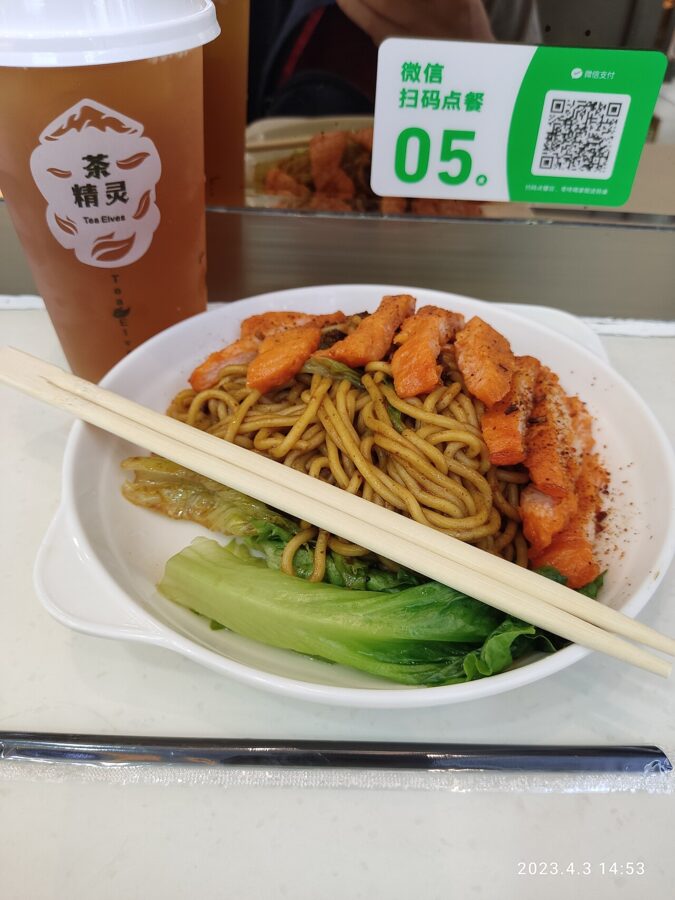
China is easier for a foreign visitor in 2026 than at any point I can remember. When I moved to Shenzhen in 2018, the phone apps that run daily life wanted a Chinese bank account, and visas meant a form, an appointment and several days without your passport. Now citizens of 50 countries can fly in without a visa, citizens of 57 can transit for up to ten days, and both big payment apps take a foreign Visa or Mastercard.
What hasn’t changed is that China runs on its own systems, and they assume you’ve set them up before you arrive: your passport is your ticket, your phone is your wallet, and Google doesn’t work. This guide takes them in the order you’ll meet them, from the visa question to the toilet question, with the rules as official bodies publish them in November 2026.
Here’s the short version, for anyone reading this in a departure lounge.
| Job | Do it before you fly | On the ground |
|---|---|---|
| Entry | Check whether your passport is on the 30-day visa-free list or the 240-hour transit list; fill in the arrival card online | Show your passport and, on transit, your onward ticket |
| Money | Install Alipay and WeChat, link a foreign card, verify your passport | Scan to pay; carry ¥200–300 in cash as backup |
| Data | Buy a travel eSIM or check your roaming plan | Roaming data isn’t filtered; a local SIM is |
| Apps | Amap, Didi, Trip.com, 12306, a translator with Chinese downloaded for offline use | Use the Alipay or WeChat mini programmes for metros and taxis |
| Bookings | Book trains and big sights with your passport number | Carry the same passport everywhere; it’s your ticket |
| Emergencies | Save your embassy’s number and the hotel address in Chinese | 110 police, 120 ambulance, 119 fire |
In This Article
- Do you need a visa?
- The 30-day visa-free list
- The 240-hour transit rule
- Hainan, cruises and the other exemptions
- If you still need a visa
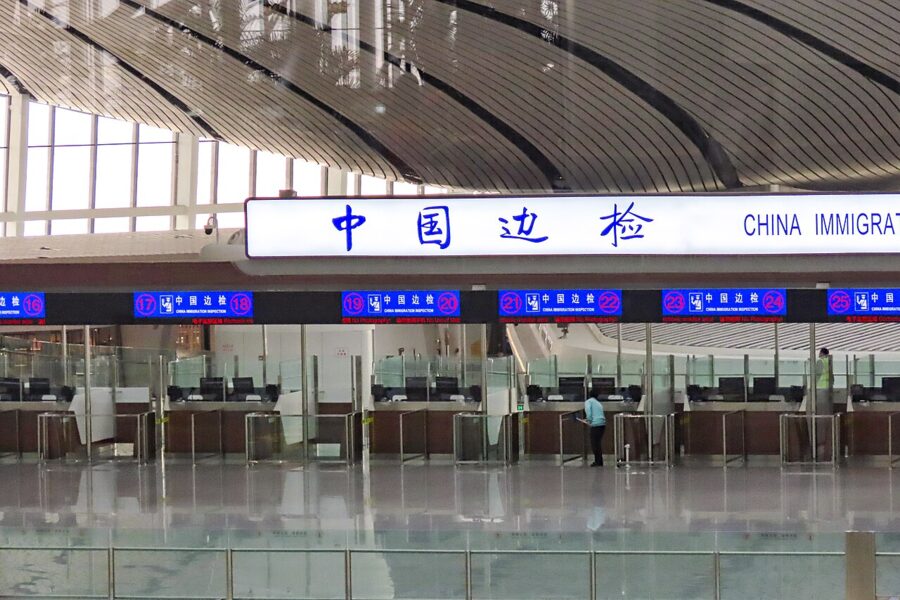
- Landing: the arrival card and the passport check
- Money: set up two apps before you fly
- Alipay
- WeChat Pay
- Fees and limits, in one place
- Cash, ATMs and cards
- Phones, data and the firewall
- Roaming and travel eSIMs
- A local SIM
- The apps that do the work
- Your passport is your ticket
- Trains on 12306
- Sights and museums
- Hotels and the registration rule
- Getting around
- Metros
- Didi and taxis
- Flights
- Safety, scams and what to do when it goes wrong
- The tea house scam
- Art students, fake taxis and QR codes
- If something does go wrong
- Manners that matter
- Toilets, water and the small daily stuff
- A few words go a long way
- Health and insurance
- When to go, and when not to
- Pack this, skip that
Do you need a visa?
Probably not, if you hold a European, British, Canadian, Australian, New Zealand, Japanese or South Korean passport. Possibly not even if you’re American. There are two separate schemes with different rules, so know which one you’re using before you reach the counter.
The 30-day visa-free list
China’s unilateral visa-free policy covers ordinary passport holders from 50 countries. According to the Ministry of Foreign Affairs, they are Brunei, France, Germany, Italy, Spain, the Netherlands, Switzerland, Ireland, Hungary, Austria, Belgium, Luxembourg, New Zealand, Australia, Poland, Portugal, Greece, Cyprus, Slovenia, Slovakia, Norway, Finland, Denmark, Iceland, Andorra, Monaco, Liechtenstein, South Korea, Bulgaria, Romania, Croatia, Montenegro, North Macedonia, Malta, Estonia, Latvia, Japan, Brazil, Argentina, Chile, Peru, Uruguay, Saudi Arabia, Oman, Kuwait, Bahrain, Russia, Sweden, Canada and the United Kingdom.
Notice who’s missing. The Czech Republic and Lithuania are the two EU members not on it, and the United States isn’t on it at all. Singapore, Thailand and Malaysia aren’t on the list either, but only because each has a full mutual visa exemption agreement with China instead (Singapore since February 2024, Thailand since March 2024, Malaysia since July 2025), which allows stays of up to 30 days at a time and 90 days in any 180.
The rules are short. You can come for business, tourism, family visits, exchanges or transit, for up to 30 days counted from the day after you arrive, from anywhere and by air, land or sea. The ministry says there’s currently no cap on the number of entries or total days. You can’t work, study or report as a journalist on it.
The date to watch is 31 December 2026. That’s when the policy ends for 48 of the 50 countries, unless it’s extended; Brunei’s has no end date, and Russia’s arrangement has its own dates that official pages have stated differently, so Russian travellers should check the current notice. The last extension was announced on 3 November 2025, and as of mid-November 2026 there’s no new one, so if your trip crosses into 2027, check with the Chinese embassy before you book anything you can’t cancel.
The 240-hour transit rule
This is the one that gets Americans in without a visa, and it’s more generous than the name suggests. Citizens of 57 countries can enter China visa-free for up to 240 hours (ten days) as long as they are passing through to a third country or region. The list includes the United States, Canada, Mexico, the UK, almost all of Europe (the Czech Republic and Lithuania included), Australia, New Zealand, Japan, South Korea, Singapore, Indonesia, the UAE, Qatar, Brunei, Kyrgyzstan and Vietnam, the last two added on 20 August 2026.
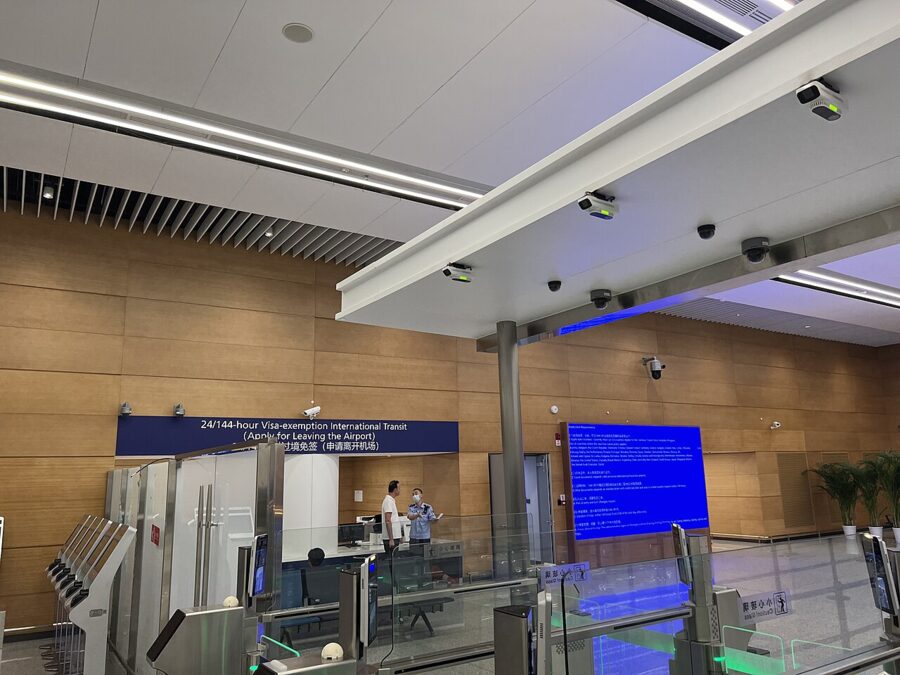
The conditions, as the National Immigration Administration and the Chinese embassies set them out:
- An ordinary passport, valid for at least three more months.
- A confirmed onward ticket, with a date and a seat, leaving China within 240 hours for a third country or region. The place you came from and the place you’re going must be different countries or regions, so a return flight to where you started doesn’t count.
- Entry through one of 65 designated ports in 24 provinces, which take in all the big international airports and some passenger seaports.
- You stay inside those 24 provinces, but you can travel between them freely.
The clock starts at midnight on the day after you land, so an evening arrival buys you a few extra hours. The 24 provinces are Beijing, Tianjin, Hebei, Shanxi, Liaoning, Heilongjiang, Shanghai, Jiangsu, Zhejiang, Anhui, Fujian, Jiangxi, Shandong, Henan, Hubei, Hunan, Guangdong, Guangxi, Hainan, Chongqing, Sichuan, Guizhou, Yunnan and Shaanxi. A few count only in part: in Shanxi only Taiyuan and Datong, in Jiangxi only Nanchang and Jingdezhen, and in Guangxi twelve cities rather than the whole region. Gansu, Qinghai, Tibet and Xinjiang aren’t on the list, so a transit visitor can’t go to Dunhuang.
In practice this works best as an open-jaw trip: land in Beijing, take the train south, and fly out of Shanghai or Guangzhou to Seoul, Bangkok or Tokyo. Ten days is too short for a full loop like my 2-week China itinerary, so on the transit rule pick three cities, and keep the onward booking on your phone and on paper, because the immigration officer will ask to see it.
Hainan, cruises and the other exemptions
Ordinary passport holders from 61 countries can enter Hainan, the tropical island province, for 30 days without a visa, as long as they stay on the island. Cruise groups, ASEAN tour groups into Guilin or Xishuangbanna, and Hong Kong or Macau tour groups into the Greater Bay Area have their own group-only exemptions, which few independent travellers use.
If you still need a visa
You’ll need one for a stay over 30 days, for work or study, or if your passport isn’t on either list. The tourist visa is the L visa, applied for online and then at a Chinese Visa Application Centre in person, where your fingerprints are taken. Leave a month.
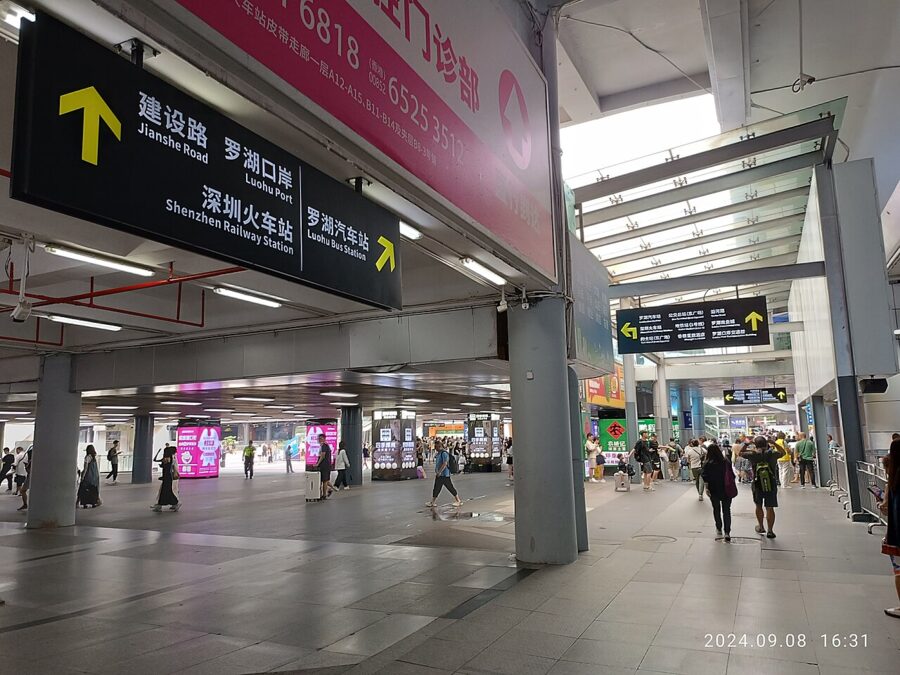
I crossed to Hong Kong most weekends when I lived in Shenzhen, and my Hong Kong day trip guide covers that side of the border.
Landing: the arrival card and the passport check
Since 20 November 2025, foreigners can fill in the entry card online before they travel, through the National Immigration Administration’s website, its “移民局12367” app, or its WeChat and Alipay mini programmes. It asks for passport details, flight number and where you’re staying. If you haven’t done it, scan the QR code at the border, use a machine in the hall, or fill in a paper card.
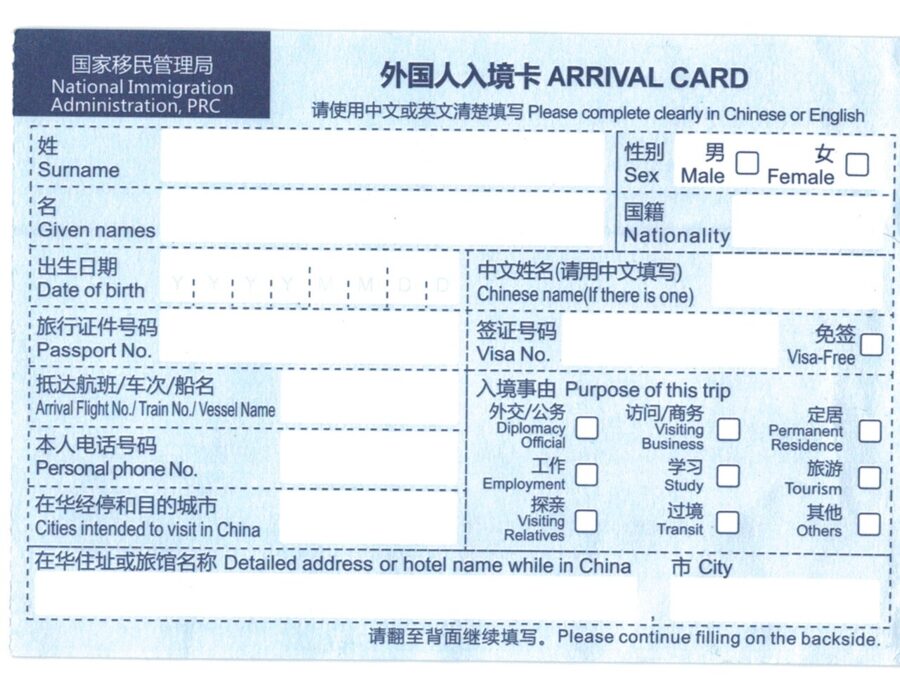
Passengers on a 24-hour direct transit who never leave the airport are among the few who skip it. At the desk, the officer scans your passport, may take fingerprints and a photograph, and may ask about your plans. Have your first hotel’s address and your return or onward flight ready to show.
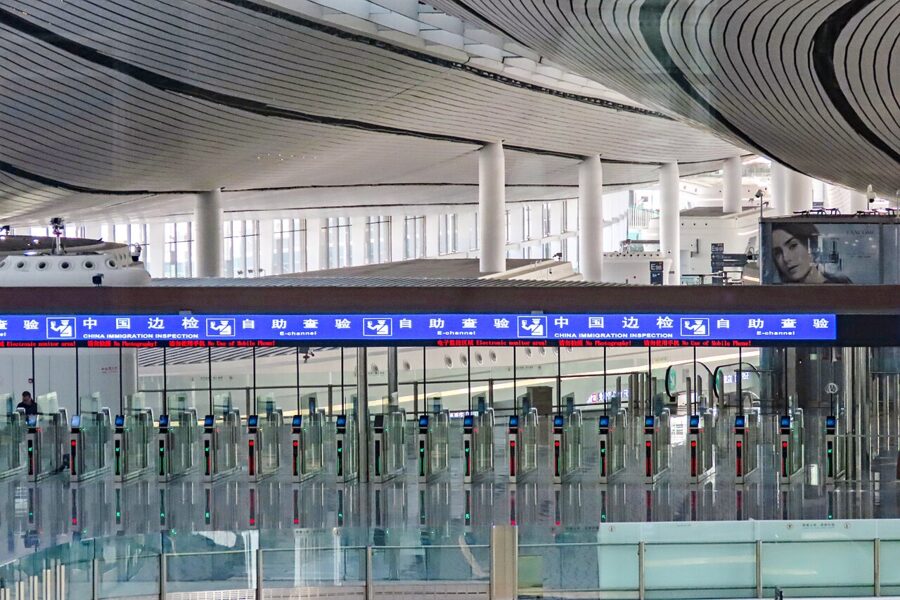
One rule travels with you after the airport. The UK government’s travel advice is blunt about it: carry your passport at all times, because police do random checks and won’t accept a photocopy. You’ll need it for trains, museums and hotels anyway. Keep a scan on your phone and a photocopy in your bag in case you lose it.

Money: set up two apps before you fly
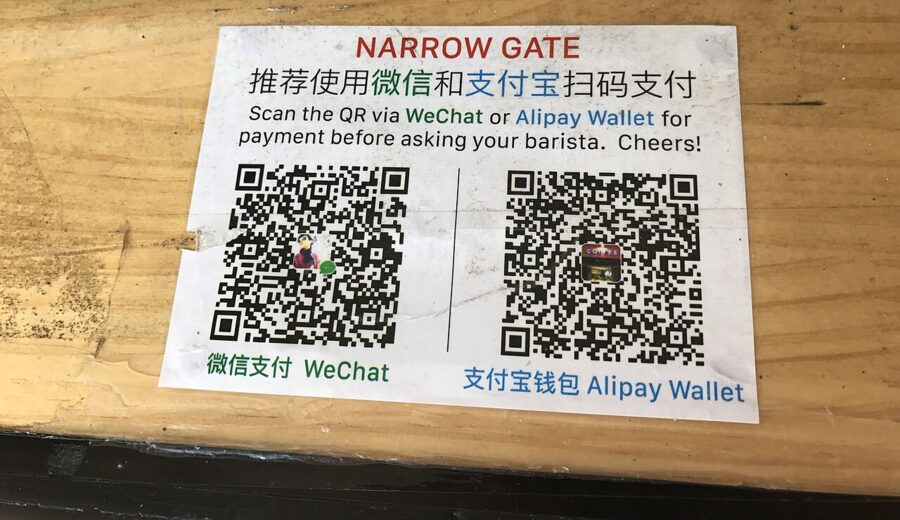
You can travel in China without a payment app, but it’s like travelling in Europe without a bank card. People pay for everything by scanning, from street food to temple tickets. Cards work in hotels, department stores and international chains, and cash is legal tender, but you’ll spend a lot of time watching someone search the drawer for change.
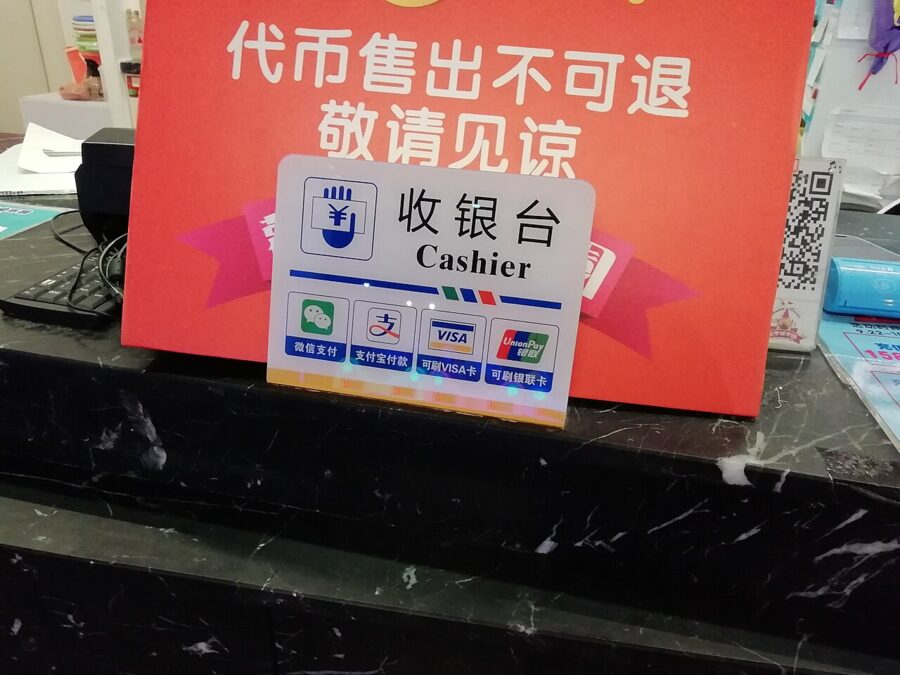
The good news is that this is a fixed problem. Both apps fully opened to foreign cards in 2023, and in March 2024 the People’s Bank of China told them to raise foreign users’ limits to 5,000 US dollars a payment and 50,000 a year. Unless you’re buying jewellery, you won’t hit them.
Alipay
Alipay (支付宝) is the easier of the two to set up and the one I’d install first. Download it, sign up with your own phone number, and add a card: Visa, Mastercard, American Express, JCB and UnionPay all work. Then verify your identity by scanning your passport in the app, at home on good Wi-Fi, because that’s the step that occasionally stalls.
To pay, either scan the merchant’s code and type the amount, or show your own payment code to the cashier. Alipay’s home screen also hides most of the services you’ll want: a transit QR code for the metro and buses in most big cities, Didi taxis, train and hotel bookings, translation, and mini programmes for individual museums and sights.
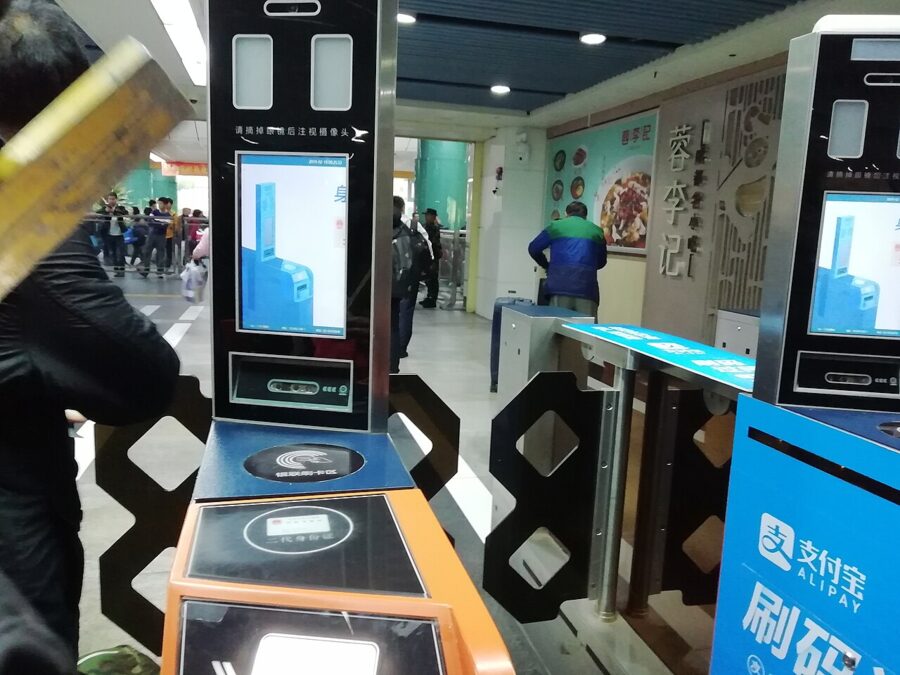
WeChat Pay
WeChat (微信) is the messaging app everyone in China uses, and WeChat Pay sits inside it. You’ll want it anyway: guesthouses, guides and new friends will ask for it, and plenty of restaurants put their menu on a WeChat QR code. Sign up with your own number (it needs to receive a text), then go to Me, then Services, then Wallet, and add a card. It takes Visa, Mastercard, JCB, Diners Club and Discover, and asks for your passport details.
WeChat signup is the fussier of the two. New accounts are sometimes asked to have an existing user confirm them, which is easier to sort out at home. A linked foreign card is for paying merchants; when the apps first opened to foreign cards, person-to-person transfers and WeChat red packets were left out, so don’t plan on splitting bills that way.
Fees and limits, in one place
| Alipay | WeChat Pay | |
|---|---|---|
| Foreign cards | Visa, Mastercard, Amex, JCB, UnionPay and others | Visa, Mastercard, JCB, Diners, Discover, UnionPay |
| Service fee | None on a payment of ¥200 or less; 3% above that | None on a payment of ¥200 or less; 3% above that |
| Limits | 5,000 US dollars a payment, 50,000 a year (central bank guidance, March 2024) | |
| Best for | Metro codes, taxis, sights, the first app to set up | Messaging, menus, small places in the countryside |
The fee rule is the one to plan around. Both apps waive their charge on any single payment of ¥200 or less and add 3% to anything bigger, on top of whatever your own bank charges for foreign transactions. So use the apps for meals, tickets and taxis, and use a physical card for the hotel bill.
Two other options are worth knowing about. Cards issued abroad on the UnionPay network have been able to bind to both apps since November 2024. And in December 2025 UnionPay launched Nihao China, an app aimed squarely at foreign visitors, which takes your foreign Visa or Mastercard through a prepaid travel wallet (a top-up fee applies) and pays any merchant that shows a UnionPay, WeChat or Alipay code. I’d still put Alipay first, but it’s a reasonable backup.

Cash, ATMs and cards
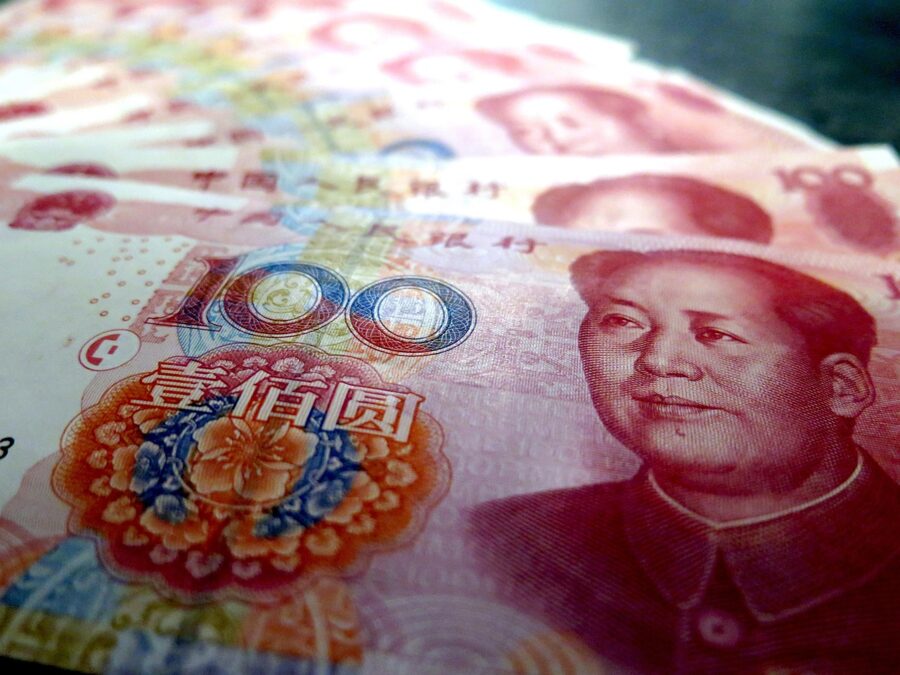
Bring some cash anyway. Phones die, apps occasionally decide a payment looks suspicious, and a foreign card sometimes fails where a local one wouldn’t. I’d carry ¥200–300 as a backup and top it up when it runs low. The banknotes are ¥1, 5, 10, 20, 50 and 100, and you’ll want the small ones.
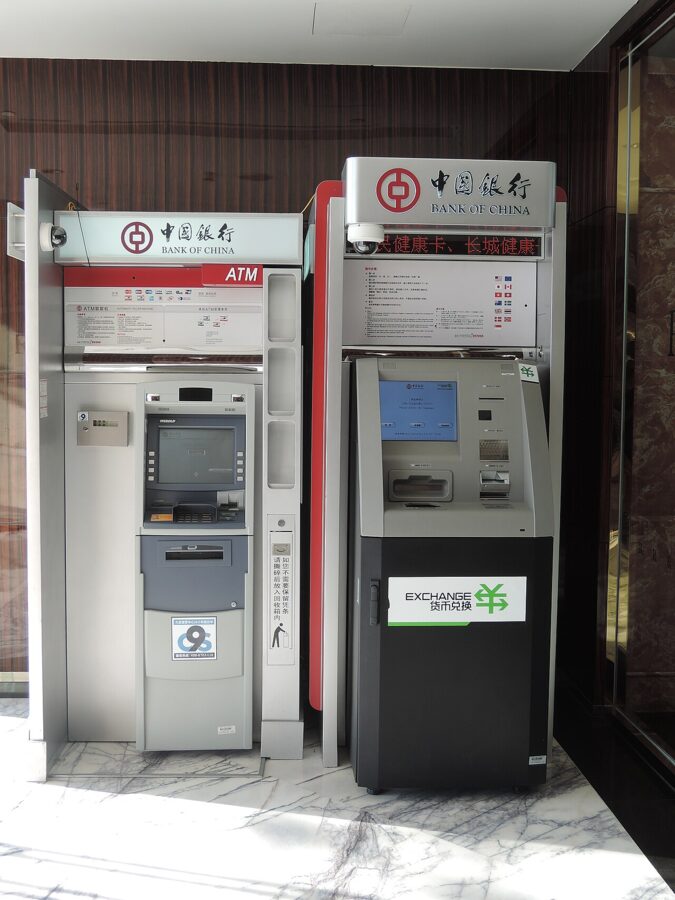
ATMs at the big state banks are the safest bet for a foreign Visa or Mastercard, and Bank of China is the name I’d look for first. Outside the big cities, the UK government notes, ATMs are limited and cards are not always accepted, so withdraw before you head into the hills rather than when you get there. Pick a card with no foreign transaction fee if you have one.
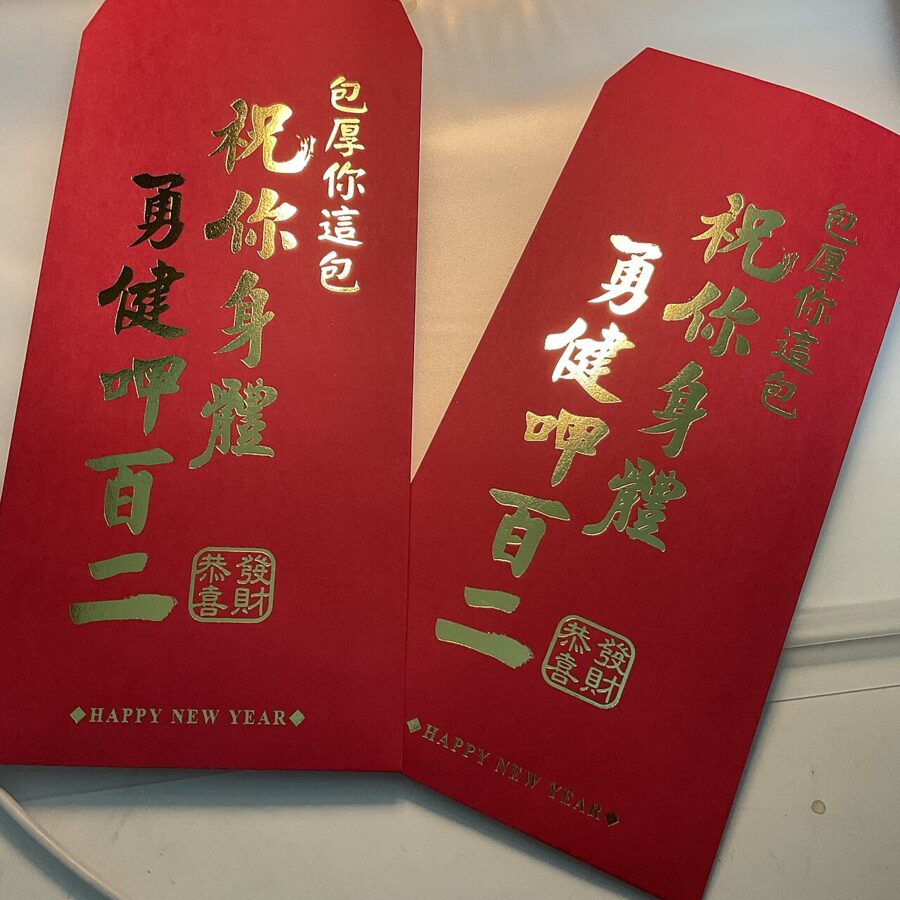
A sentence on red envelopes, since you’ll see them everywhere around Chinese New Year: hongbao (红包) are red packets of money given to children, younger relatives and staff, and they’ve largely moved into WeChat. Nobody expects one from a visitor.
Phones, data and the firewall
This is the part people worry about most and the easiest to fix, as long as you fix it before you land. Google and its services, WhatsApp, Instagram, Facebook, YouTube and X are blocked on Chinese networks, and so are many Western news sites. If you rely on Google Maps and WhatsApp at home, they will stop working the moment you join hotel Wi-Fi or a Chinese SIM.

Roaming and travel eSIMs
The workaround most visitors use is simple: don’t use a Chinese network for data. When you roam on your home SIM, your data travels back through your home operator before it reaches the internet, so the blocks don’t apply. The same goes for most travel eSIMs sold for China, which route data through a network outside the mainland. You’ll have Google Maps, WhatsApp and your email exactly as at home.
Check two things. Roaming can be expensive, so look at your operator’s China rates or day pass. And a travel eSIM usually gives you data only, with no Chinese phone number, which matters for the occasional app that wants to text you a code. Buy and install the eSIM at home, and switch it on when you land.
A local SIM
A Chinese SIM from China Mobile, China Unicom or China Telecom is cheap and fast, and you’ll need your passport to buy one, because every number in China is registered to a real name. The airports in the big cities have counters, and so does every high street. A Chinese number helps with signups and deliveries, but a local SIM sits behind the firewall like everyone else’s, so Google and WhatsApp won’t work on it.
The UK government’s advice notes that Chinese law requires VPNs to be licensed. Roaming or an eSIM means you don’t need one.
The apps that do the work
Install these before you go, sign in, and open each one once. Several need a code texted to your phone, which is easier on your own number at home.
- Alipay and WeChat. Payments, plus mini programmes for metros, taxis, museum tickets and the arrival card.
- Amap (高德地图). China’s main map, with an English version since January 2025, reliable walking and transit directions, and a button that calls a taxi from several companies at once. Google Maps works on roaming data, but its maps of China are thinner.
- Didi (滴滴). China’s ride-hailing app. The English version takes foreign cards, and you type your destination, so there’s nothing to explain to the driver.
- Trip.com. Trains, flights and hotels in English, with foreign cards, and the easiest place to book a sight that wants a passport number.
- 12306 (铁路12306). China Railway’s own booking app, in English, with online passport verification since November 2023.
- A translator. Apple Translate and Microsoft Translator both work without a VPN, and both can download Chinese for use offline. WeChat translates messages and menus too.

Your passport is your ticket
China’s big systems are real-name: trains, flights, most big sights and museums, and hotels all tie a booking to an identity document. For Chinese citizens that’s the ID card. For you, it’s your passport number, and the passport itself is what gets you through the gate. Book with the passport you’re travelling on and never with an old one.
Trains on 12306
The train network deserves its own guide, and it has one: my China high-speed rail guide covers the train types, the classes and how to read a ticket. The short version is that tickets go on sale 15 days ahead (counting today), you book in English on 12306 or Trip.com with your passport number, and nothing is printed. At the station you show your passport at the security check and the ticket gate.
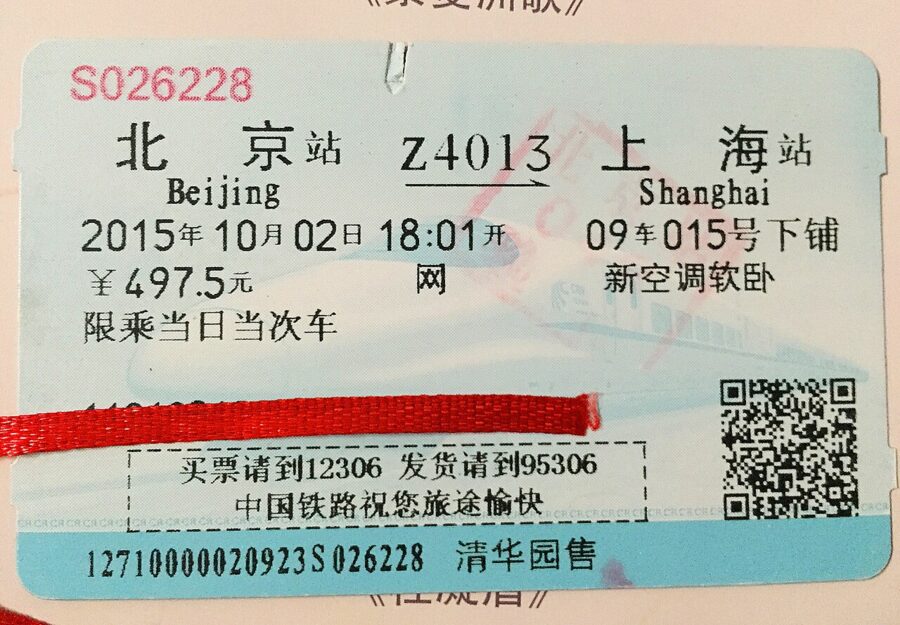
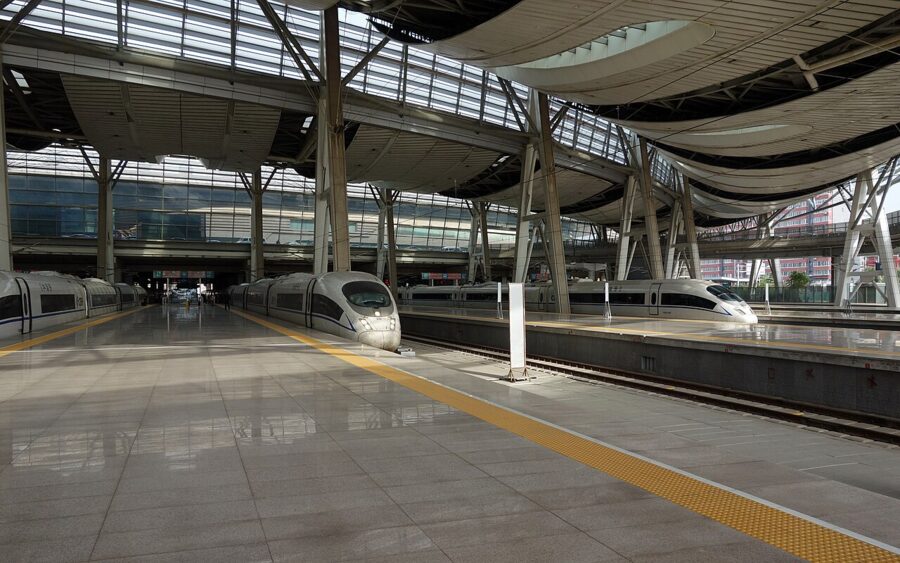
Book early for weekends and holidays, because popular routes do sell out. And give yourself time: big stations work like airports, with a security scan at the door and gates that close a few minutes before departure. Foreign passports at many stations still go through a staffed lane rather than the automatic gates that read Chinese ID cards.
Sights and museums
Many big sights now sell timed tickets online only, in your name, and the busiest sell out in the holidays. Each has its own rules and its own channel, usually an official website or a WeChat or Alipay mini programme, and the useful habit is to check a few days before you go. A few examples from my guides:

- The Forbidden City sells tickets seven days ahead, with each new day released at 20:00 Beijing time, and you must bring the exact passport you booked with. My Forbidden City guide walks through the booking.
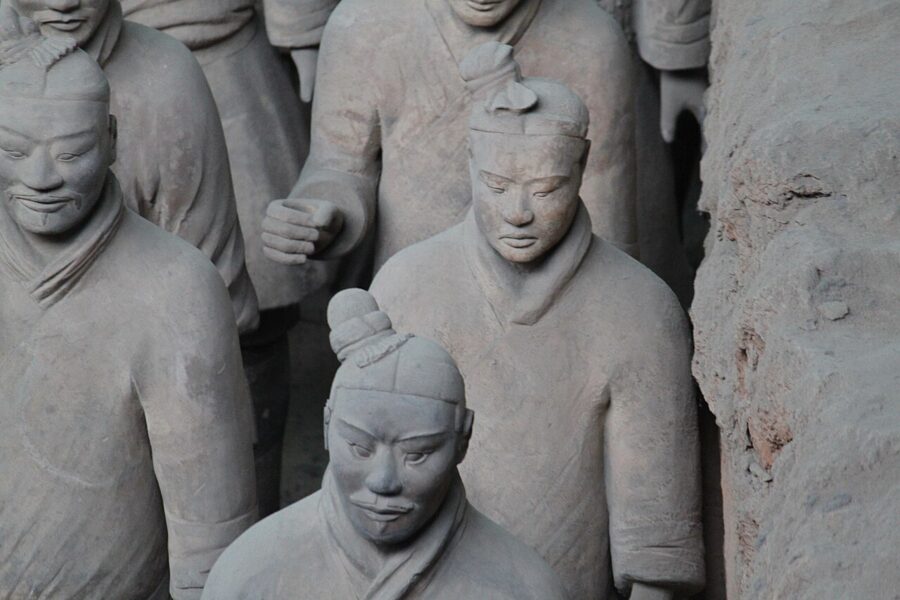
- The Terracotta Warriors are real-name and online only, on the museum’s website or WeChat accounts, and the passport is checked several times on the way round. See my Terracotta Warriors guide.
- Lingyin Temple in Hangzhou has been free since 1 December 2025, but you still reserve a slot 1–7 days ahead in its mini programme. My Hangzhou guide has the details.
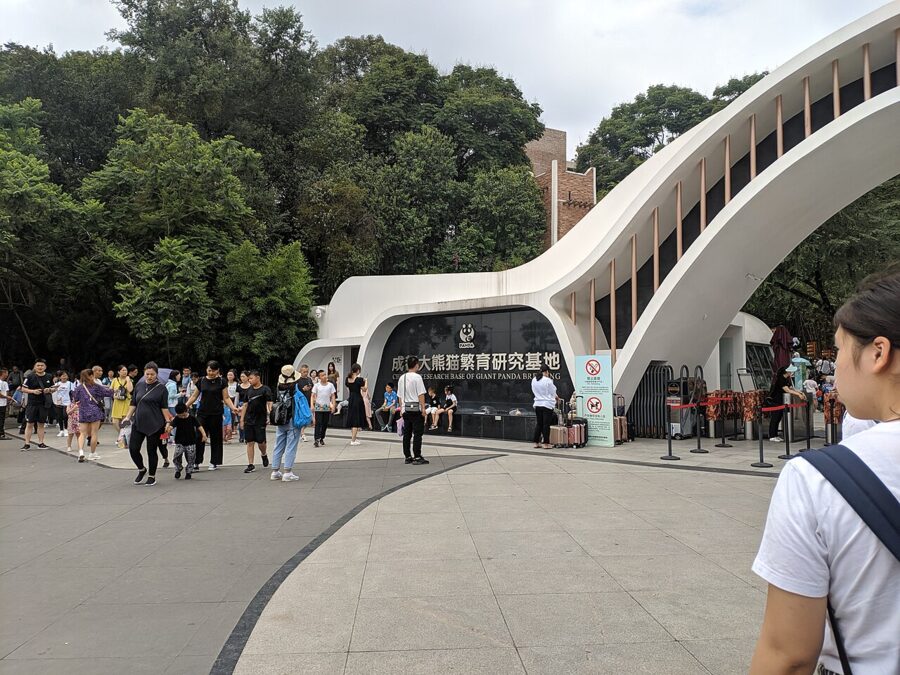
- The panda base in Chengdu sells up to 14 days ahead, and Trip.com is the easiest way in with a foreign passport, as my giant pandas guide explains.

The pattern is the same almost everywhere: the booking channel wants your name and passport number, the ticket is a QR code or nothing at all, and the gate checks the passport. If a mini programme refuses a foreign passport, try Trip.com or the sight’s own website before you give up.
Hotels and the registration rule
Every foreigner in China has to register where they’re staying. If you’re in a hotel, the hotel does it for you when it scans your passport at check-in, which is why it will always ask for the physical passport. If you’re staying anywhere else, in a friend’s flat or a private rental, the law says you or your host must register with the local police within 24 hours of arrival. Since 20 March 2026 that can be done online, through the 12367 app or its WeChat and Alipay mini programmes, in a pilot covering seven provinces, regions and cities: Hebei, Liaoning, Zhejiang, Hubei, Guangxi, Chongqing and Sichuan.
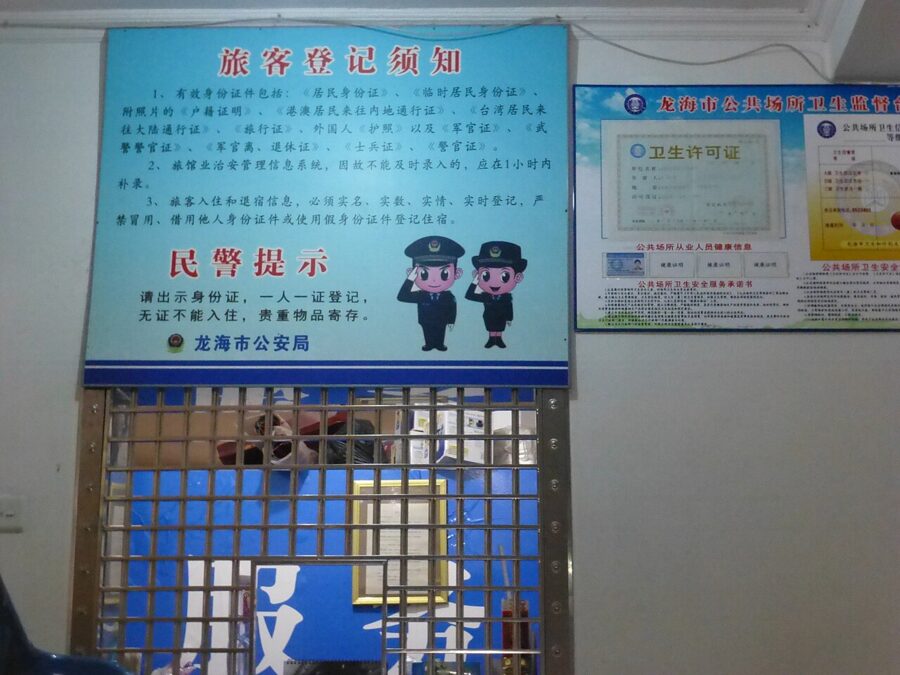
The old warning that many Chinese hotels won’t accept foreigners is mostly out of date. In July 2024 seven government departments, led by the Ministry of Commerce and including public security and culture and tourism, told local authorities and booking platforms to stop restricting which hotels can host foreign guests. Small guesthouses in country towns still sometimes turn foreigners away, usually because the desk doesn’t know how to register a passport. On Trip.com or any other booking site, read the policies section for a line about foreign or international guests, and if in doubt, stick to a chain.
Getting around
The trains are the best thing about travelling in China. They are fast, frequent, punctual and cheap, and the stations are usually connected to the metro. For most journeys up to about five hours, the train beats flying once you count the airport time.

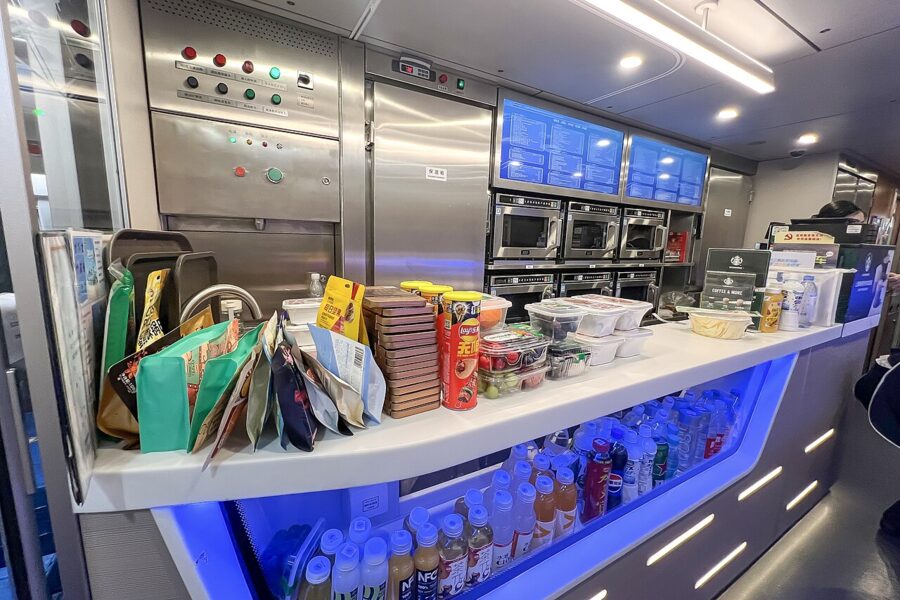
Long-distance high-speed trains carry a dining car selling boxed meals, drinks and snacks, and the carriages have boiled water taps, so instant noodles or a flask of tea is the classic train lunch. Bring your own if you’re picky; the meal boxes run out on busy evening trains.
Metros
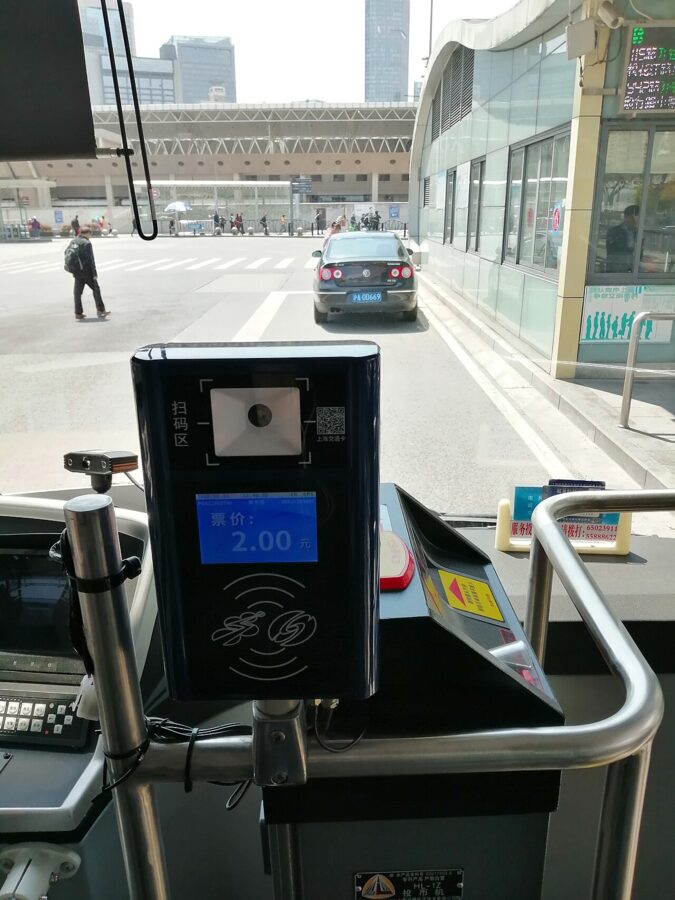
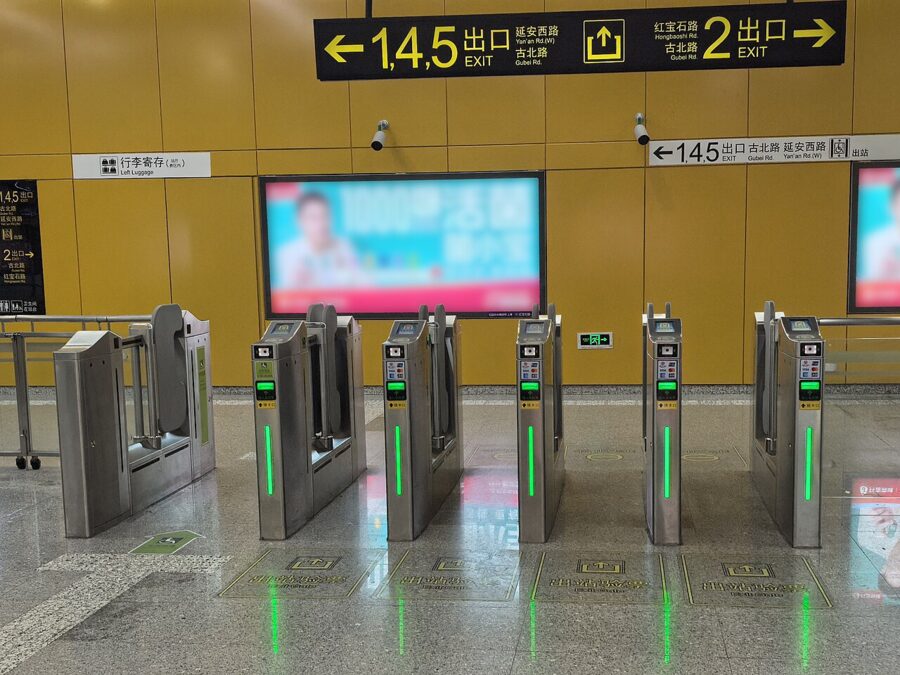
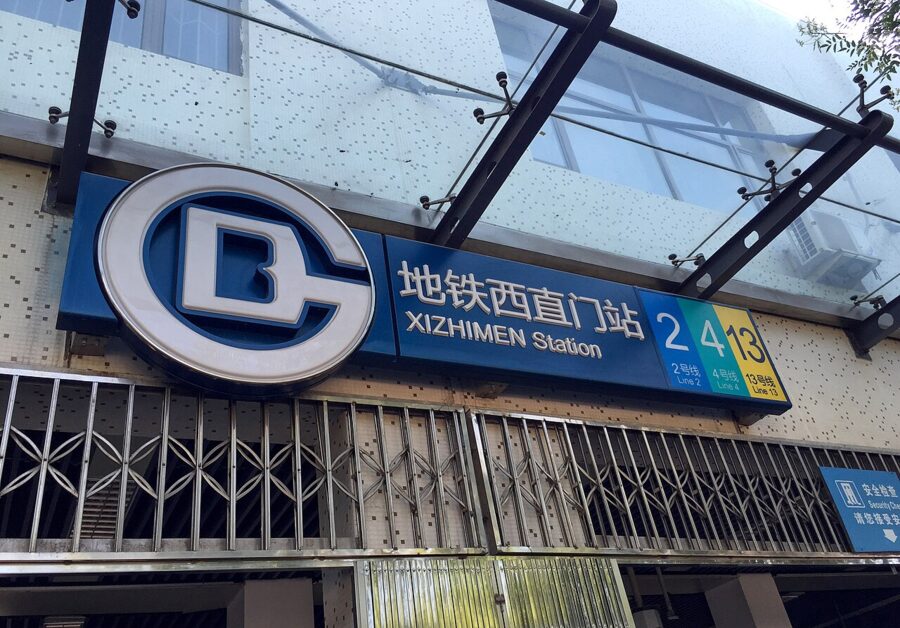
Every big city has a metro, and they’re clean, safe, cheap and signed in English. The simplest way to ride is the transit QR code inside Alipay or WeChat: open it, scan at the gate, scan again on the way out, and the fare comes off your linked card. Machines also sell single tickets, and most take the apps.
Two cities now take your bank card at the gates. Beijing’s whole network, all 29 metro lines plus the S2 suburban railway, has accepted foreign Visa and Mastercard contactless cards since September 2024, with Amex and JCB added in June 2025. Shanghai’s network began a full trial on 28 June 2025 for chip contactless cards including Visa, Mastercard, Amex and JCB, as long as your card allows small payments without a PIN. It’s the easiest way in from the airport, because you don’t need to have set anything up.
Big-city metros get very full in the weekday rush hours. People queue in lines painted on the platform, either side of the doors, and wait for passengers to get off first. Do the same, and don’t be surprised when the moment the doors open turns into a polite shove.

Didi and taxis
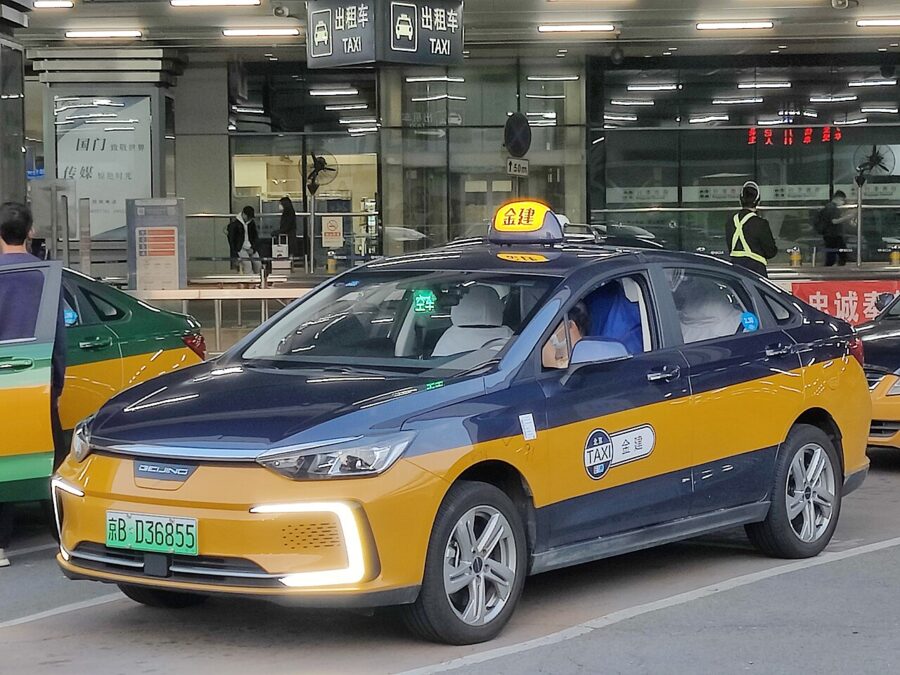
Didi is the easy option: you type the destination, see the price and the car’s number plate, and pay through the app. Street taxis are metered, licensed and cheap, but few drivers speak English, so have your destination in Chinese characters on your phone. Amap’s English version can also hail a taxi.
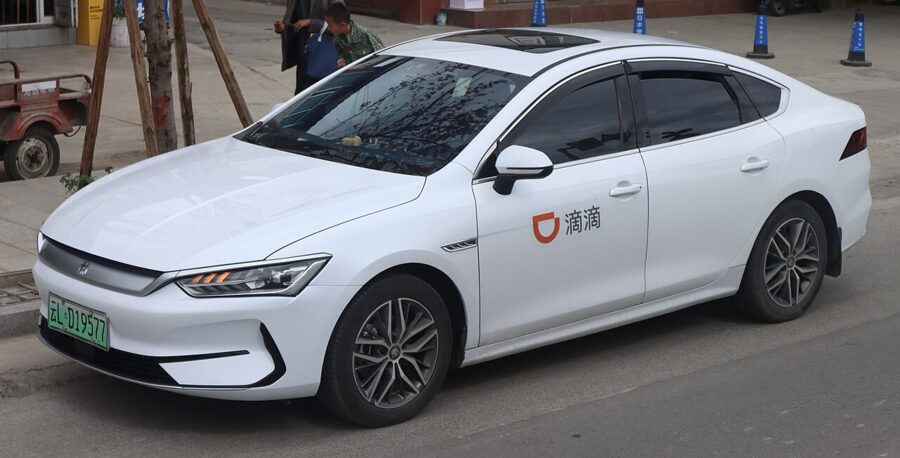
The one thing to avoid is the person who walks up to you in the arrivals hall or outside a station and offers a car. The UK government advises against unmarked or unmetered taxis, after cases of robbery and sexual assault against foreigners, and fare disputes in them escalate. Use the official taxi rank or the app.
Flights
For the long hops, Beijing to Chengdu or Shanghai to Kunming, fly. Domestic flights are frequent and fares can be low, but airport security is strict about one thing in particular: since 28 June 2025, the Civil Aviation Administration has banned power banks without a clear 3C certification mark, or from recalled batches, from domestic flights. If yours doesn’t carry the 3C mark, buy one in China rather than lose it at security.

Safety, scams and what to do when it goes wrong
China is a safe country to travel in. Serious crime against foreigners is rare, as the UK government’s advice puts it, and city streets stay busy late into the night. The things that go wrong for visitors are almost always scams, petty theft in crowds, and traffic.

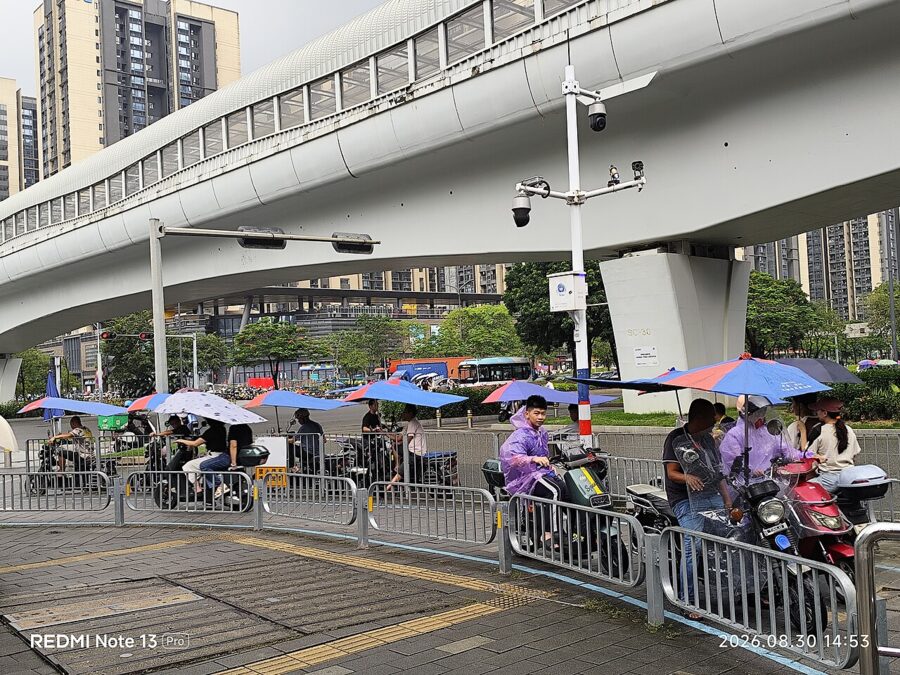
Traffic is the bigger everyday risk. Electric scooters ride on pavements and in cycle lanes almost silently, and cars turning right don’t always stop for people on a green crossing, so look both ways even when the green man says go.
The tea house scam
This is China’s best-known con, and it’s been running for years in the tourist streets of Beijing and Shanghai. A pair of friendly young people, often students, start a conversation, practise their English, and suggest a tea tasting, a drink or a massage nearby. At the end comes a bill for a huge sum, sometimes with menacing staff to make sure you pay. The UK government lists the tea tasting and massage version by name, and warns it can be followed by threats, violence or credit card fraud.

The defence is easy. Say no to any invitation from strangers to a tea house, bar or gallery, however charming, and choose your own teahouse with prices on the menu. There’s real tea culture to enjoy, and my Chinese tea guide will steer you to it.
Art students, fake taxis and QR codes
The art student scam is a cousin of the tea house: a young “student” invites you to see their class exhibition, and the “exhibition” is a shop selling prints at gallery prices with a lot of pressure. Fake taxis I’ve covered above. Two newer risks come with the phones: a QR code stuck over a real one, on a bike or a parking meter, that sends your payment somewhere else, and phishing codes that take you to a fake login page. If a code looks like a sticker on top of another sticker, don’t scan it.

If something does go wrong
- 110 is the police, 120 an ambulance, 119 fire and 122 traffic accidents. Operators may not speak English, so a hotel desk or a Chinese-speaking friend calling for you is often quicker.
- 12367 is the National Immigration Administration’s 24-hour hotline, with English, for visa, transit and registration questions.
- A lost or stolen passport: report it at the nearest police station first and get a written report, then go to your embassy or consulate for an emergency document, then to the local exit-entry office before you leave. Visa-free visitors who lose a passport can exit on the new document, as long as they haven’t overstayed.
- A fight or a fare dispute: walk away. The UK government warns that penalties for fights can include detention regardless of who started it.
Two harder warnings, because they change trips. Drug offences carry very heavy penalties, the police can test foreigners at random, including in bar raids, and a positive test can be prosecuted regardless of where you took the drug. And foreigners involved in business or civil disputes can be given exit bans that stop them leaving the country. Neither will touch a normal holiday, but you should know both exist.
Manners that matter
Chinese etiquette is more relaxed than its reputation, and people forgive foreigners who get it wrong. A handful of things are worth knowing.
- Tipping isn’t expected in restaurants, taxis or hotels, and leaving coins on the table can confuse more than please. Private guides are the one exception, where a tip is welcome but never required.
- Queues are real in metros, banks and ticket windows, and looser at bus doors and buffet counters. Stand close and keep your place.
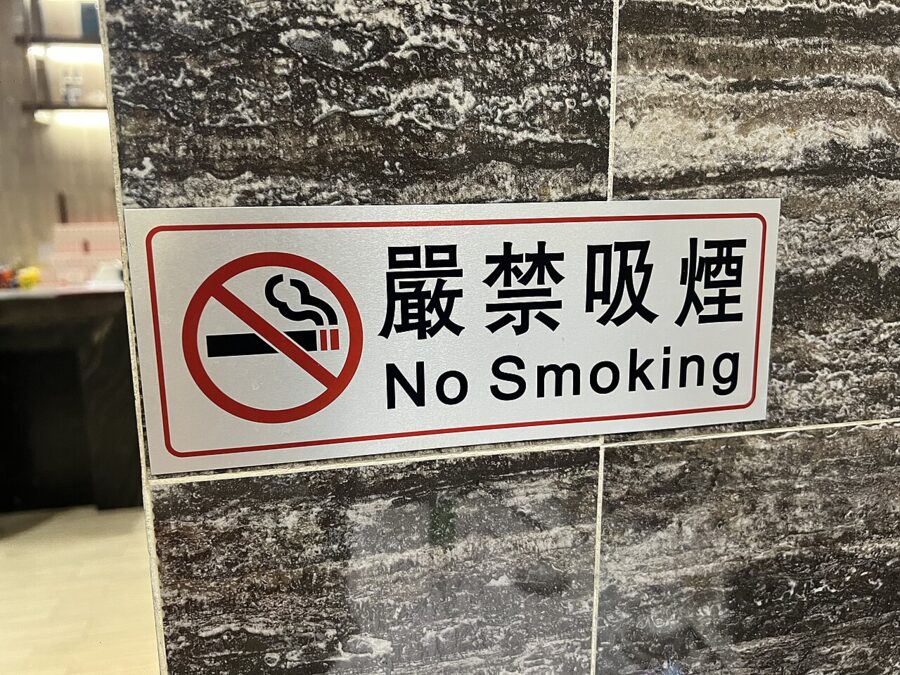
- Smoking is still common in older restaurants, train vestibules and outside every station. Beijing, Shanghai and Shenzhen ban it in indoor public places, and many other cities have rules too; the signs are everywhere, and so, sometimes, are the smokers.
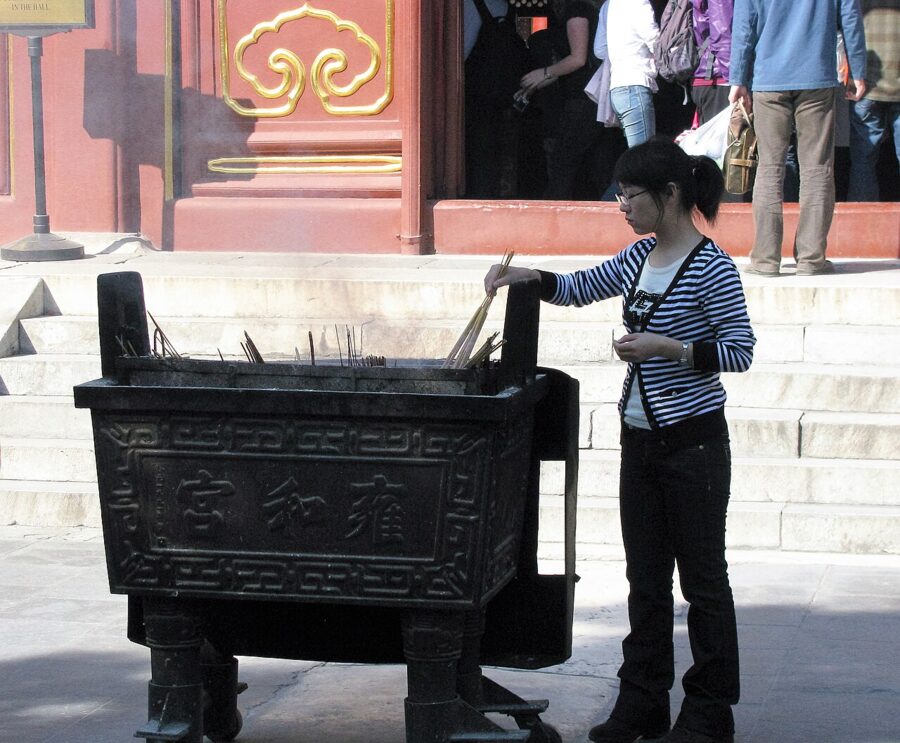
- Temples: cover your shoulders and knees, keep your voice down in the halls, and check for no-photo signs before you photograph statues inside. Walking round a pagoda or stupa clockwise is the respectful direction.
- Chopsticks: don’t stand them upright in a bowl of rice, which looks like incense at a funeral. Rest them on the holder or across the bowl.
- Both hands for business cards, gifts and anything handed to you formally.
- Haggling is expected at markets and tourist stalls, and not at all in shops with price tags, malls or restaurants.
- Photographs: ask before photographing people close up, and never photograph soldiers, military sites or police operations.
Dinner with Chinese hosts is its own art. The host orders, the dishes are shared, and the food keeps coming until you leave some on your plate. A light tap of two fingers on the table thanks someone who pours for you, and if the toasts turn to ganbei (干杯, empty the glass), you’re allowed to sip; it’s the gesture that counts. My guide to regional Chinese food will help you know what to order when it’s your turn.
Toilets, water and the small daily stuff
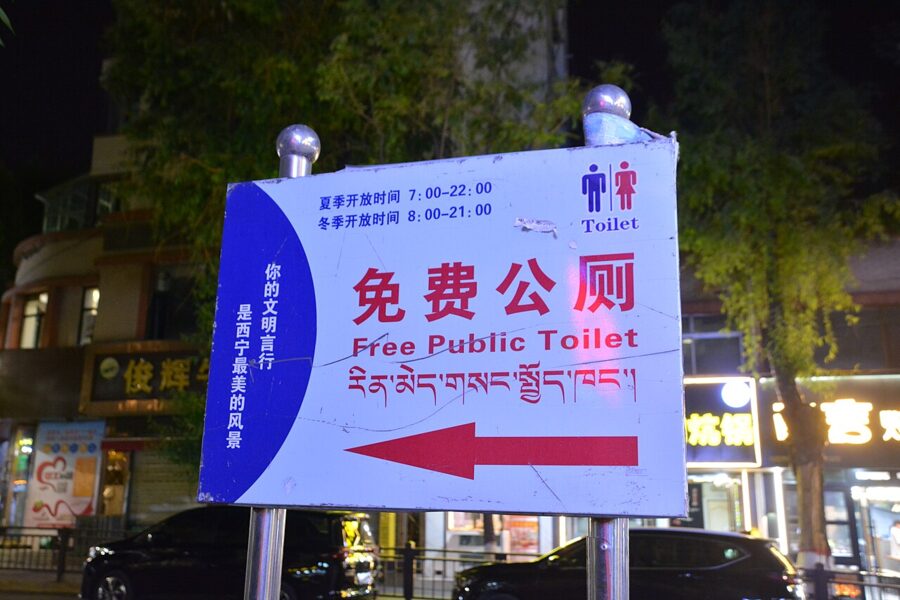
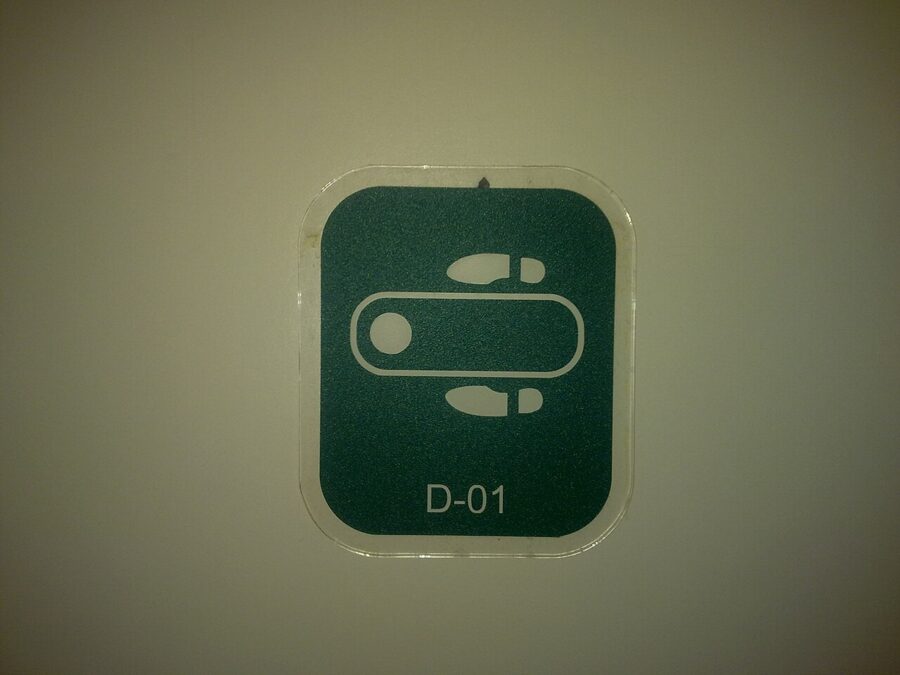
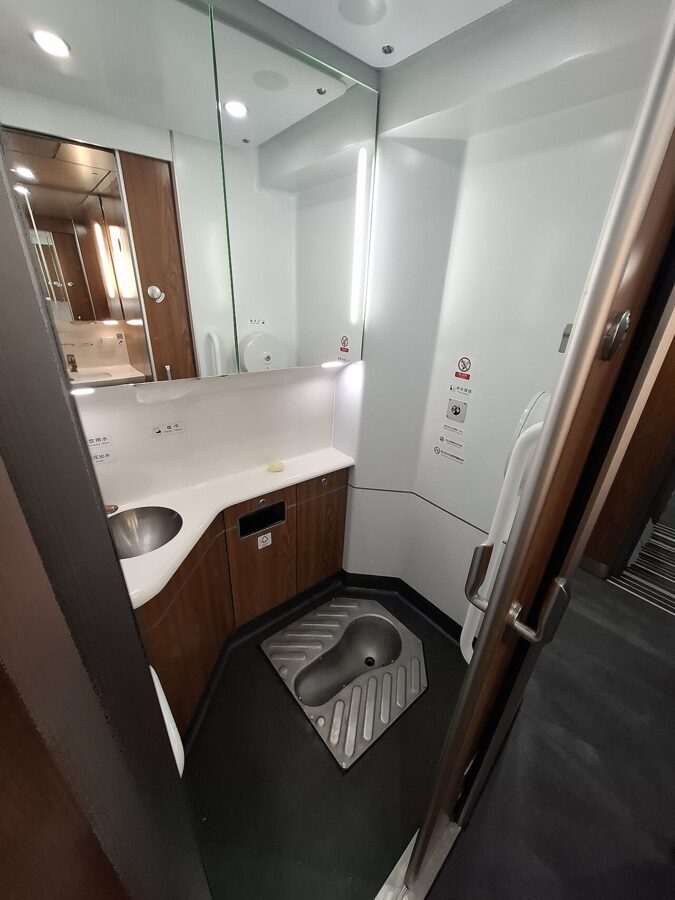
Public toilets in Chinese cities are free, plentiful and generally clean. Metro stations, parks, malls and tourist sites all have them, and many signs are in English too. Squat toilets are still common in public places, including on trains, so there’s usually a western-style cubicle marked with a sitting figure if you look for it.
Carry a packet of tissues. Paper isn’t always provided, and when it is, it’s sometimes in a single dispenser by the basins rather than in the cubicle. Hand sanitiser earns its place in your bag too.
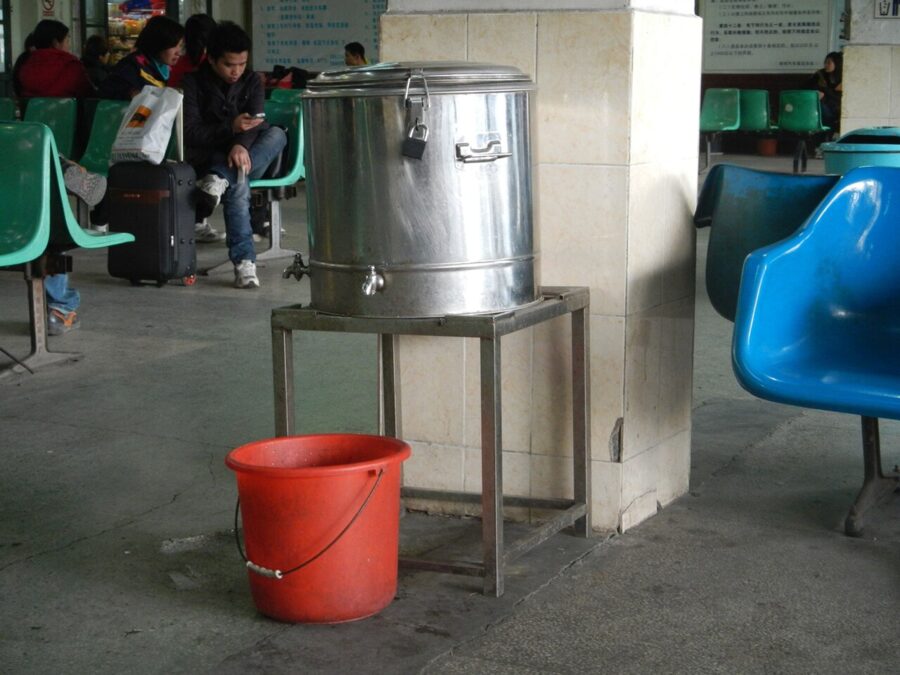
Don’t drink the tap water. The UK government’s health advice is that it’s generally not safe, and nobody local drinks it unboiled. Bottled water is sold everywhere, hotels provide a kettle, and stations and trains have boiled water dispensers so you can fill a bottle or make tea. Ask for cold water in a restaurant if you want it, or you’ll be given hot.
The electricity is 220 volts, and most sockets take both two flat pins (the American style) and the angled three-pin plug used in Australia. Phone and laptop chargers marked 100–240V only need a plug adapter, not a converter.
A few words go a long way
English is common in big-city hotels and on metro signs, rarer in restaurants and taxis, and scarce outside the big cities. A translation app will do most of the work, and photographing a menu to translate it is completely normal. But people warm up fast when you try, and a few phrases cover a lot of the day.
| English | Pinyin | Characters |
|---|---|---|
| Hello | ni hao | 你好 |
| Thank you | xie xie | 谢谢 |
| Sorry / excuse me | bu hao yi si | 不好意思 |
| How much? | duo shao qian? | 多少钱? |
| Too expensive | tai gui le | 太贵了 |
| Not spicy, please | bu yao la | 不要辣 |
| The bill, please | mai dan | 买单 |
| Where is the toilet? | ce suo zai na li? | 厕所在哪里? |
| I don’t understand | wo ting bu dong | 我听不懂 |
Tones matter in Mandarin, and you’ll get them wrong, but context does a lot of work. In Guangdong, where I lived, the local language is Cantonese, though most people speak Mandarin too. Shenzhen is a city of migrants from every province, so Mandarin is its common tongue.
Health and insurance
No vaccinations are required to enter China unless you’re arriving from a country with a risk of yellow fever, in which case you need the certificate. Check routine vaccines with your doctor before you go.
Healthcare isn’t free and can be very expensive for foreigners, so take insurance that covers medical treatment and evacuation. Big-city hospitals often have international departments with English-speaking staff, which cost more and expect payment up front. Pharmacies are everywhere, but bring your own prescriptions with the generic names written down, and check with the Chinese embassy before bringing anything strong, because some common medicines are restricted in China.
Two regional risks are worth knowing. Dengue fever is present in Guangdong and some other southern areas, mainly in the rainy season from May to November, so use repellent. And altitude is a real issue in western Sichuan, Yunnan’s north and the Tibetan plateau, where you should go up slowly.
When to go, and when not to
China’s weather spans the tropics to Siberia, so the best time depends on where you’re going, and my guide to the best time to visit China goes region by region. For a first-timer the holidays matter more, because they decide whether you get a train seat.
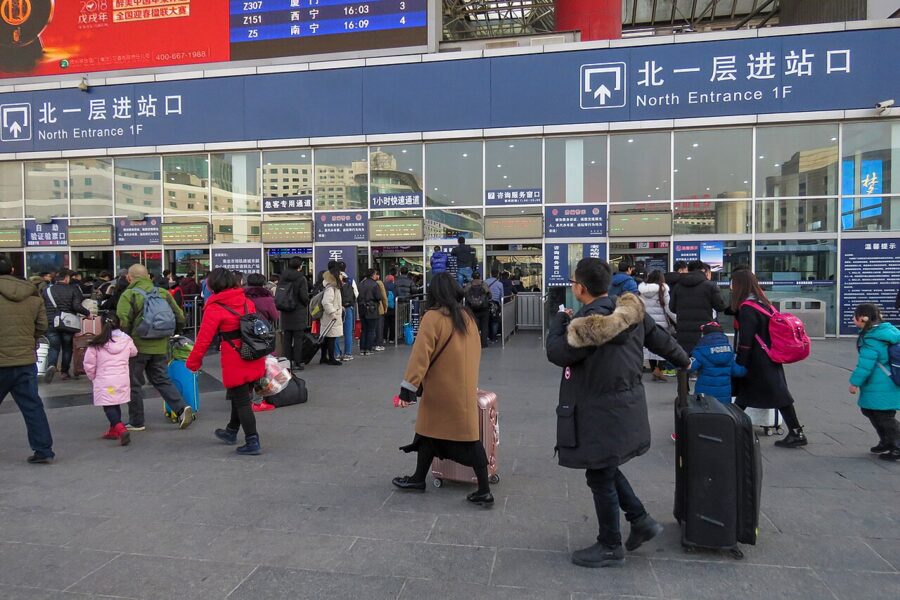
- Spring Festival (Chinese New Year), in late January or February, is the biggest. Trains and planes are full for weeks either side, prices jump, and many small family restaurants close for a week or two while the owners go home. It’s a wonderful time to be in a city, though, and my guide to Chinese New Year in China explains how to enjoy it.
- The May Day holiday, at the start of May, packs scenic areas for several days.
- Golden Week, 1–7 October, is the worst week of the year for crowds. The Great Wall, West Lake and every famous mountain are at capacity, with timed tickets sold out days ahead.
- Summer school holidays, July and August, fill family sights like the pandas and the theme parks.
The sweet spots for most of the country are April to early May and late September to November, with the holidays cut out. Late October is my pick for a first trip to Beijing and Shanghai: clear skies, cool evenings and the Golden Week crowds gone home. My 3-day Beijing itinerary and 3-day Shanghai itinerary both work best then.
Pack this, skip that
Most things you can buy in China cheaply, so pack light. These are worth bringing from home.
- Your passport, valid for the whole trip (the UK government’s advice, for British visitors, is at least six months and two blank pages), plus a photocopy and a scan.
- Printed copies of your hotel bookings and your onward ticket, especially on the 240-hour transit.
- A phone with data that works on arrival, and the apps above installed and verified.
- A 3C-marked power bank, because your phone is your wallet, map and ticket, and it will run flat.
- A plug adapter for two flat pins and the angled three-pin type.
- A card with no foreign transaction fee for the apps and the ATMs, plus a second card in case the first is blocked.
- Tissues and hand sanitiser, for the toilets and the street food.
- Comfortable shoes. Stations, palaces and the Great Wall all involve far more walking than you expect.
- Any prescription medicines, in their boxes, with the generic names written down.
- A light layer even in summer, for air conditioning on trains and in malls set very cold.

And a short list of things to skip:
- Money changers in the street. Use an ATM or a bank.
- The man with the car in the arrivals hall.
- Waiting until you land to set up payments or data.
- The Great Wall, West Lake or Huangshan in Golden Week, unless you love crowds.
- Too many cities. China is vast, and three or four bases in two weeks beats eight cities seen from a train window.
Then go and eat. The best of China is on the street, in the morning markets and the noodle shops and the night stalls, and my guide to Chinese street food is the place to start. Find the stall with the longest queue of locals, point at what the person in front ordered, scan the code, and say thank you. Xie xie.